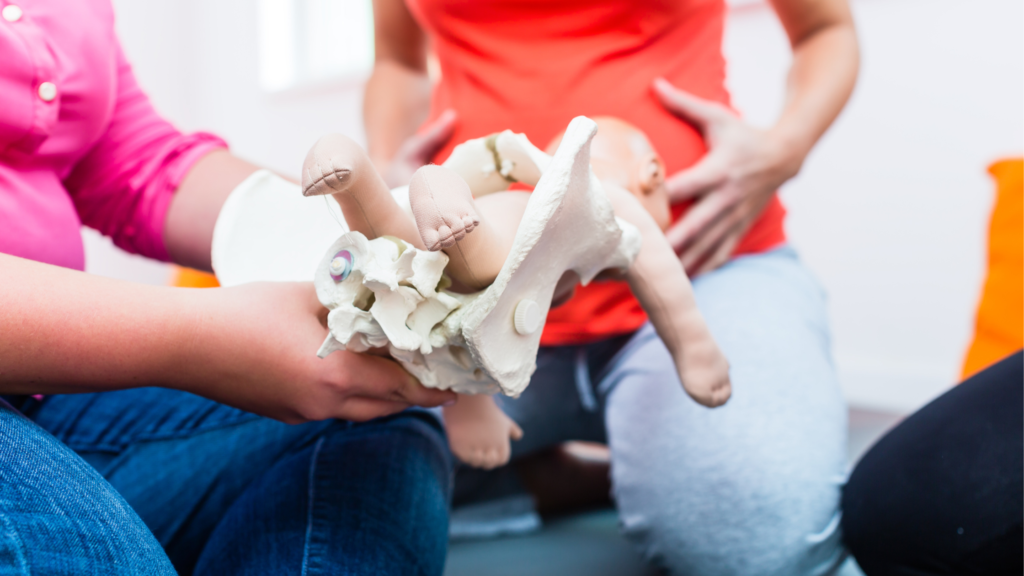
Hypnobirthing techniques for a more positive labour and birth – Part 2
In Part 1, I introduced hypnobirthing and MamaSerene’s hypnobirthing course and discussed the effects of hypnobirthing on labour and birth. In this article, I will go through the hypnobirthing techniques that we learned at the hypnobirthing course to practice with your birth partner as early as possible and every day before labour kicks in, so you can apply these techniques to achieve a more positive birthing experience.
“A positive birth is the best gift you can give your baby… and yourself.” MamaSerene
At the beginning of the one-day course (from 9.30am to 5.30pm, with a few breaks in between), hubby and I were asked to write down three things that we were anxious about before our baby girl’s birth. These were:
The baby’s heart rate dipping and oxygen not flowing to the brain
The long labour causing damage to the baby in some way
During MamaSerene SereneBirth’s Hypnobirthing Course, Dani Diosi gave us a set of tools and techniques that you and your partner can use during labour and birth.
Before the course, which was attended in private at Dani Diosi’s beautiful home in Bushey we filled out an extensive questionnaire so Dani could get an idea of our birth history, where we were at during the pregnancy and how we felt about labour and birth in general.
I naturally wrote an essay, so I was very impressed that she retained all that information and applied it specifically to the course.
We started with Dani telling us the history of childbirth, which was fascinating and we were advised to read Ina May Gaskin’s, Guide to Childbirth to learn of its birth and progression throughout the years. We then talked about hypnobirthing and how it could help you have a more positive labour and birth, details of which you can find in Part 1 of this article series. So, let’s dig in to find out what you need to do to prepare for a hypnobirthing.
Introduction to labour and birth
Nature intends for us to procreate and even though reproduction isn’t for everyone, it is why we are all here in this world – to mate and continue our species like every other animal (even the asexual types who reproduce by themselves.)
In the natural world, the male and female are drawn together sexually, and the act of making love starts the procreation. During that act, there is no input from anyone else; the bodies know what to do and how to release the eggs and sperm, which then fertilise the egg and begin the road to pregnancy.
During pregnancy, the body instinctively knows how to grow the baby as long as mum keeps her body as healthy as possible or an unfortunate event such as a miscarriage/stillbirth occurs. Then, when the time is right, her uterus, pelvis and release of hormones are designed for her to birth her baby.
So, why does nature appear to fail us at the point of labour and birth?
Why do we experience excruciating pain, unplanned caesareans, and various birth complications?
And, why doesn’t this happen to other mammals?
Mammals are great at giving birth. If you’ve ever seen a cat give birth, the mother instinctively goes to find somewhere dark and quiet, and away from predatory danger. She appears to be relaxed, and she moans quietly and rhythmically until she births her baby.
We are all mammals – humans are more intelligent and sophisticated – and, our bodies haven’t changed physiologically in the last millions of years. The way our babies are born and our primal needs are the same as other mammals.
So why are our births so different?
The main difference is that we have developed much larger and more complex brains. We still have our primary/limbic part of the brain, but our neocortex, the part which handles intelligence, analysis, language, irrational fears and inhibitions are more developed, which means the neocortex ‘interferes’ with the ability for us to allow our body to take control of the birthing process.
In my article about anxiety, I talked about how our brains cannot distinguish between a genuine threat and a perceived threat, i.e. a tiger in front of us versus speaking in front of many people. In each case, adrenaline is still produced, which kicks off the fight-or-flight response, and the triggers aim to get you out of danger.
However, you are not in danger when you are speaking in front of people, but your brain cannot distinguish between the two. So, if a woman goes into birth feeling tense, her system will produce adrenaline and respond accordingly.
So what?
Well, let’s list out what adrenaline does to a woman in labour:
Oxygenated blood rushes away from the centre of her body, which means flowing away from the uterus and baby
The uterus doesn’t receive fresh blood, so can’t remove the lactic acid effectively
The muscle ends up hurting and becoming tighter
The baby is not receiving pure oxygen through the mother’s blood and so over a long period can become distressed
The muscles will tense up to prepare for the fight-or-flight response, which will affect her breathing and cause a lack of oxygen to the baby
Her body will think she is in a ‘dangerous situation’, and so her cervix will close, and labour will not progress
All the above is incredibly useful if there is genuine danger ahead, but many women who experience this adrenaline coursing through their bodies are not actually in danger. So, as a result, complications can occur, and the woman ends up with a negative birth experience.
If this birth situation continues for a while, then her baby can become distressed, and the cervix stops opening. The doctors and midwives may use terms like ‘not dilating fast enough’, ‘failure to progress’ and ‘baby in distress’, which causes more adrenaline and ultimately intervention to speed things up.
The care provider then gives the woman artificial hormones or chemical drugs, and her body stops producing the right amount of natural hormones. The anxiety, medical intervention, the embarrassment and the hostile environment all work together to cause adrenaline during labour. As a result, her body continues to pause labour because of the perceived danger and the rate of caesarean increases due to not being able to progress the birth.
Birth hasn’t just become like this. The stigma attached has happened over centuries and stems really from when religion came into being. Check out the image below from Dance of Life Midwifery, which shows the comparison between the Technocratic and Wholistic Models of Birth.
Understanding the physiology of labour and birth
To feel more in control of your labour and birth, you need to understand how the physiology works, i.e. the process that you will encounter during labour and birth. During the hypnobirthing course, my husband and I laid out a timeline from the first contraction to holding your baby to see whether we knew how the process worked.
It turned out that even though we’ve done this process twice before, we both still got it quite wrong!
We were provided with a lovely Path to Birth flowchart in our pack, which was designed by Kicki Hansard, and displays the stages of labour to birth beautifully:
Women should understand that birth is a process that unfolds slowly and the woman’s body responds according to the environment and support she has around her. Oxytocin, also known as the ‘love hormone’ is usually released at high levels when there are people around you who love and care for you. There are no clocks, no pharmaceutical pain management, and no regular timings of contractions. So it is important to start from a place of personal power and be made to feel in control of your labour and birth.
Understanding the risks to make more informed choices
They say knowledge is power.
So, having more knowledge of the obstetrical risks can provide you with that control you need to birth how you want to, whether that be a home birth or a caesarean. For example, when talking about risk, your birth provider might tell you:
“Remaining pregnant beyond 42 weeks more than doubles your risk of stillbirth.”
While the relative risk of stillbirth does more than double between 40 and 43 weeks, the absolute rate remains small – rare in fact.
The table above shows that 37 weeks would appear to be the safest week to induce labour to prevent most stillbirths. But the questions you need to consider – and ask – are:
What are the current known risks to the baby of inducing labour before it begins on its own
How is induced labour different from spontaneous labour?
Why do so many care providers recommend induction of labour at or near 41 weeks instead of at the end of 42 weeks?
And what exactly does ‘risk’ mean?
For example, there is a 1:1 risk or it is 100% likely that death and taxes will happen in our lives and there is a 1:1,000,000 or 0.0001% risk of dying in a fatal air crash. So if you look at the table above and we refer to the rate of stillbirth beyond 42 weeks again, you can see that even though the rate of stillbirth doubles, the actual rate of stillbirth is 2.13:1000, which is 0.213%! It doesn’t have quite the same buzz to it as ‘your risk doubles’, does it?
But what matters to you?
That is the real question. If the benefits of the medical intervention outweigh the risks, then opting for that intervention may be necessary.
But if the benefits and risks are unclear, then consider:
Are you ok now? Is the baby ok now? Then consider waiting a little longer before you act.
Is this medical intervention a routine procedure that the care provider offers everyone, or is there something unique about your situation? If it’s routine, then consider waiting a little longer.
Who benefits from this medical intervention now? Is it mum and baby? Or the care provider? If it’s the care provider, then consider waiting a little longer.
Asking these questions ensures you arm yourself with the right information before deciding, and a great way to make sure you are asking the right questions is to use a process called BRAINS:
Benefits
Risks
Alternatives
Intuition
Nothing
Smile!
What are the Benefits of medical intervention?
What are the Risks if I agree to the medical intervention?
Are there Alternatives that I can consider?
What is my Intuition saying?
What happens if I do Nothing?
Smile!
For example, if the care provider has recommended using artificial hormones like Oxytocin, to start labour artificially or to speed up labour, then note that this intervention interferes with the messaging system between the uterus and the brain and forces the uterus to do something it isn’t ready to do. And, because the brain is not getting the required information, the body stops producing the natural oxytocin and endorphins, resulting in more pain relief, which increases the risk of complications.
Of course, if it’s an emergency, then you need to let the medically trained professionals get on with it. However, if you (or your partner) ask whether you or the baby is in danger and they reply with ‘no’ or ‘we are not particularly happy with…’, then consider waiting a little longer. Use BRAINS!
Remember that all women and their cervix are different, so it’s important to weigh up the pros and cons of every decision you make about birth.
MamaSerene provides an in-depth handout at the hypnobirthing course, which goes into greater detail about each risk related to birth and is a great read for anyone who has been wondering about how to calculate risk.
So, now that you have more knowledge about the risks of labour and birth and the importance of relaxing through the process, below are some techniques you can practice at home to help you regain that control wherever and however you choose to give birth.
Breathing and relaxation
Breathing and relaxation is your biggest tool in the box because by nature, if you are breathing properly and in a relaxed way, you are not stressed or tense, and you are not initiating the fight-or-flight response. Breathing is going to make your contractions much more manageable, and encourage the hormones to do the job they need to do, which is to enable you to have a much calmer birth.
Again, it is important to note that hypnobirthing doesn’t guarantee you a natural birth – albeit it increases the chances, but it will help you have a more positive birth – even if you end up with a caesarean.
“If a birthing woman doesn’t look like a goddess – someone ain’t treating her right.” Ina May Gaskin
Breathing exercises
Hypnobirthing audio and music tracks
A great way to practice your breathing so that it feels more natural to go into a relaxed state during labour and birth is to listen to the hypnobirthing audio and music tracks, which are provided by MamaSerene in the hypnobirthing classes. The tracks help you stay relaxed by using post-hypnotic suggestions like “breathe, release and let go”, and when you hear these words, you are suggested to breathe deeply and let the tension go. You get three tracks, one which is all about Letting Go, which helps you to relax if you are feeling anxious about anything. It is also very helpful to listen to the Letting Go track when you are in early labour to make sure you are not holding onto anything emotionally.
The other track is a Labour Track, which you listen to when you are in the established/serious phase of labour. It helps you to focus on relaxing when contractions can get tough.
You are also provided with a track without the post-hypnotic suggestions so that if you don’t want to listen to the words, you can focus on the music. Dani Diosi also provides a track for those who are scheduled for a caesarean birth.
The MamaSerene vocal tracks provide those post-hypnotic suggestions to help you go into a very deep state of relaxation during labour and birth. Obviously, the more you practice, the easier it will be to go into this hypnotic state. MamaSerene advises you to listen to the tracks 2 to 3 times a week, building up to every day in the last couple of weeks of your pregnancy.
Avoid listening when you would normally go to sleep and remember that you may feel as though you are falling asleep during the relaxation session. But if you wake up at five (as MamaSerene counts from 1 to 5 to wake you up from the hypnosis state), then you are simply in a very deep state of relaxation. If you sleep, you are just giving your body what it needs. You can listen to any of the tracks during labour to help you stay relaxed and progress the birth naturally.
Practising breathing techniques with your partner
You can practice other great hypnobirthing breathing techniques with your birth partner as s/he will be your mouthpiece during the process of birth, which is why your birth partner should attend the hypnobirthing session with you so they learn what they would need to do to help you stay relaxed.
MamaSerene provides you with a handout containing two breathing exercises, one which is called Individual Breathing, where you sit together leaning against your birth partner. With your birth partner’s hands on your tummy, you begin by both relaxing and breathing gently. The exercise aims to notice the pace of your breathing. Did it differ from each other? Did you naturally breathe in sync with each other or were your breaths very different?
The second exercise is matching and pacing breathing where you sit together with your birth partner and this time your birth partner needs to pay attention to your breathing and match it in pace and breath. After a short while, you change to a more quickened breathing and your birth partner needs to exaggerate their breathing to encourage you to go back to breathing more deeply.
Matching and pacing breathing are great for established labour when you may lose focus, and your breathing will quicken. You want to stay away from adrenaline causing anxiety and focus on breathing deeply to encourage a more relaxed state, and you do this by matching your birth partner’s slow and deep breathing as much as possible.
A Positive Birth by DaddiLife Books* has an entire section dedicated to how dads can practice more breathing techniques alongside more relaxation scripts, anchors, and much more so they’re fully involved in the journey too.
Breathe, release, let go
Another way of encouraging the words, “Breathe, release and let go” to help you stay relaxed is to get your partner to say them when your breathing has quickened, and anxiety has set in during labour. If you have been listening to your hypnosis tracks, you should be able to use the post-hypnotic suggestions when the triggers words are said to go back into a deep state of relaxation.
Massaging techniques
You may love a good massage during labour, or you may not want to be touched. But some techniques like a vigorous rub down your back, bottom and legs can relieve tension and release adrenaline when you are in the height of a contraction. MamaSerene has a great handout, which shows how your birth partner can massage your back effectively to release tension. Your birth partner can massage the shoulders, back and buttocks, upper back and sacrum during or in between contractions.
MamaSerene showed hubby how to perform the ‘Pressure Wave’, which helps to release tension in between contractions. Your birth partner starts by gently sweeping across the eyebrows, then moving onto the temples. Then they move down the body to the shoulders, tops of arms, forearms, thighs, calves and top of feet before they sweep off.
Positive birth affirmations
At the hypnobirthing course hubby was asked to stand up, raise his left arm and repeat ten times:
“My arm is weak.”
After the repeated chant, Dani Diosi pushed his arm down, and it fell against the weight quite quickly
He was then asked to repeat ten times:
“My arm is strong and powerful.”
And when she pushed down again, she found it a lot more difficult to move his arm. Hubby didn’t even chant the words with force or intention. It was enough to repeat the words for the psychology to work. Positive affirmations work in the same way – the more you repeat the words, the more your mind will believe it.
Positive birth affirmations are specific to birth, and Dani Diosi provided us with some flashcards to take home with us and practice reading out loud. My favourite affirmations are:
I trust in my ability to give birth
I am confident in my ability to give birth naturally
My body will give birth in its own time
I allow my body’s natural anaesthesia to flow through my body
The power intensity of my contractions cannot be stronger than me because it is me.
I am ready and prepared for childbirth
I relax so my baby can relax
I trust my instincts to do what is best for my baby
I am a strong and capable woman
Babies are born when they are ready, not when doctors, midwives or anyone else decides
Creating a nest safe enough to give birth
It is so important that we note how different a hospital environment is to our natural home environment and how important it is to create a nest to feel safe enough to give birth. Having your pillow, T-shirt or favourite smells can induce the feeling of safety and make the environment intimate and private.
The nest can be reproduced in a hospital if you’re not giving birth at home. The essence of a positive birth is to mimic a private, intimate, dark nest coupled with the deep relaxation and mindset to make childbirth much calmer and more positive – think of how cats do it! Some ideas on how to build your nest are in the image below.
Putting it all together when labour and birth starts
There are three main phases during labour, and your birth partner should know the phase you are in so that s/he can help you accordingly.
Phase 1 – Excited Mama
This first phase is where your birth partner encourages you to stay at home and sets the atmosphere by notifying others that the process has started. Your birth partner can also fix you a good meal to keep your energy levels up and entertain you until you head to the next phase. Contractions can last between 30 and 45 seconds, every 15 minutes. It is important at this stage that your birth partner matches your mood here.
Phase 2 – Focused Mama
You can still stay at home for this phase, but your birth partner’s aim is to now offer things without you asking for them, as well as counting through your contractions and putting some of the positive affirmations, triggers and suggestions that you have prepared before labour and birth into practice now. Your birth partner can use the massage techniques learned during the hypnobirthing course and other mental distraction techniques such as visualising your special place to encourage a relaxed state. But your birth partner should be led by you at this stage.
Phase 3 – Doubtful Mama
This phase is all about your birth partner encouraging and praising you that you are so close to the end now. Words like “You are doing so well,” “Your breathing is so effective,” etc will help to motivate you to carry on. Get your birth partner to use one-word hypnobirthing visualisation techniques like a holiday or a happy memory and get him/her to count with you through the contractions.
Phase 4 – Getting the baby out
Here, it is important to breathe the baby down rather than push the baby out. Breathing into the bottom can be more effective, so your birth partner needs to encourage you to breathe if s/he can see that you’re holding your breath and pushing.
Phase 5 – Delivering the placenta
Get your birth partner to encourage the support staff around to keep the place warm, quiet, and undisturbed, as well as leaving the cord until it has stopped pulsating before cutting it. Your birth partner is your mouthpiece so make sure s/he knows your birth plan inside out.
Other ways to help relax during labour and birth
Breathing, listening to relaxing music, building your nest and getting your birth partner to help are key ways to relax during labour. Below are some other ways to prepare for a more positive experience:
Moving around in labour
Lying on your back for any length of time defies gravity and can work against the natural labour process, so moving around will help your baby get in a good position. For some other great techniques, visit www.spinningbabies.com.
Water
Being in warm water during labour can feel enjoyable and relaxing. Opt for a shower, bath or birthing pool to help relieve tension and encourage relaxation.
Auditory stimulus
Focusing on sounds such as music, the voice of your birthing partner, or environmental sounds can help you to ‘vocalise’ the contractions through hums, moans and groans. It can be a really powerful way to release the tension and relax the body.
Mindfulness colouring
In the handout pack, we received a mindfulness colouring book containing pictures related to labour and birth. I took about 30 minutes after a stressful day to colour in one image, and it relaxed my mind. Colouring can take your mind off the pain and focus on the beautiful colours and patterns which can take you to your happy place.
Dani Diosi is a fantastically enthusiastic and very clued up professional, who knows more than most about the physiology of positive labour and birth. She is patient, understanding and personable with a mountain of knowledge on how to encourage you to have a more positive labour and birth. We finished off the course watching a lovely video of the hypnobirthing experience in real life (which you can watch here) – I can’t wait to have my own hypnobirthing experience in just a few weeks!
For more comfort measures during labour and birth and information on what I have discussed above, please visit www.mamaserene.co.uk and book your hypnobirthing course with Dani Diosi now. (07855 478 175 / dani@mamaserene.co.uk)
*We were gifted MamaSerene’s Hypnobirthing Course in return for our honest review and I can say, hand on heart, it was one of the most informative and eye-opening courses I have ever attended. I would thoroughly recommend you do book a course with Dani Diosi so you can learn how to have a more positive labour and birthing experience. You will not be disappointed!*
Hypnobirthing for more positive labour and birth – Part 1 – Hypnobirthing
When thinking about hypnobirthing one would be forgiven for envisioning a Paul McKenna or Matt Lucas lookalike who will hypnotise you to have a five-minute natural birth.
“Look into my eyes, look into the eyes, the eyes, the eyes, not around the eyes, don’t look around the eyes, look into my eyes. You’re under.”
The truth is hypnobirthing is about going into a hypnotic state, but not in the way you think. The stigma attached to the word ‘hypnosis’ stems from people’s perceptions thanks to media and well-known hypnotists like Derren Brown where it looks as if the subject is under complete control of the hypnotist and can be made to do embarrassing and scary things against their will.
This is not the case at all.
Instead, you are in a completely natural state, but you are still aware of what is going on around you. You have drifted off into a relaxing and suggestive zone, but you’re not asleep or under the control of someone else. It just means that your mind is unconnected to the activity that you are doing.
But, it all still sounds like hypnosis, right?
Yes, well, think about it like this.
When you drive to work or your kids to school, do you actively think about sticking your key in the ignition, placing your foot on the gas pedal, and driving from point A to point B? Or do you operate on autopilot?
Or when you’re making a cuppa, do you think about the process you go through while you are making your drink?
No, because you’ve done it so many times, you go through the motions like a robot. This is being in a hypnotic state.
Another example.
When you’re consciously trying to think of all the words to a song that you’ve heard many times, but you can’t remember them, and then, when the song comes on, you find you can sing all the words with ease. How are you doing that? You’re not actively remembering the words; you just seem to remember them when the song prompts you to dig out that memory.
One more example.
How about when you’re drifting off to sleep or you’re in the shower and you have the best idea for an article/project/song, etc? But when you come out of the situation, you were in you forget most of the vital bits of information because you forgot to write them down and now you’re trying to remember the details (I do this a lot, it’s so frustrating!)
In all the above situations, you were not asleep or under the control of someone else. Your mind drifted off to thoughts that were unconnected to the activity that you were doing.
You were in a hypnotic state.
So, how does hypnosis work?
Essentially, hypnosis revolves around the communication between your subconscious and your conscious mind, as well as the thoughts and actions that go along with them. The conscious part of your brain is the part which questions, analyses and rationalises things and situations. The subconscious part does everything else, i.e. stores the memories, emotions, physical functions, instincts, patterns of behaviour, language, and beliefs. Note in the image below how small the conscious part of your brain is, yet it is so powerful.
There are two different types of hypnosis and the one we dip in and out of naturally is called:
Natural Hypnosis
When we’re driving our car on autopilot and brushing our teeth, we’re in a natural hypnotic state and if nature had its way, we would live in a calm, non-pressurised society and be in a natural hypnotic state for approximately twenty minutes every hour and a half.
Intended hypnosis
Intended hypnosis is where you quieten the conscious part of your brain so you can communicate more effectively with your brain’s subconscious and emotional part. You use this type of hypnosis for a specific purpose, i.e. relaxation, pain management or overcoming a phobia or addiction. Intended hypnosis allows you to access the part of your mind that changes and reprogramming your brain to respond differently to a trigger (more on this later). It works when your subconscious mind is more receptive to relying on determination and will-power alone.
How and why does hypnosis work?
You can be taught to enter hypnosis because you are under your own control, and its positive effects are HUGE. Yet we have only scratched the surface of how beneficial being in a hypnotic state can be. There is growing clinical evidence to show the efficacy of hypnosis, where it has been scientifically proven to treat many medical and psychological conditions. Hypnosis works because:
It helps you to overcome your fears by re-programming your mind and changing your beliefs and patterns
It practices reinforcement of suggestions and creates new neural pathways
Post-hypnotic suggestions
Everything you do in life has a cause and an effect. For example, when the phone rings, you pick it up. When you’re thirsty, you reach for a drink. When you’re angry, you feel stressed, and when your baby cries, you instinctively want to pick him/her up.
A lot of your unwanted behaviour can also come from triggered responses that have been based on your experiences. For example, when you feel stressed, you eat, when you’re bored, you bite your nails etc. You may not even be sure why you have these triggered responses and, most times, you may feel it is nigh on impossible to change your reaction, which is why habits are hard to break. Hypnosis, unlike meditation, mindfulness, or straight relaxation, can allow you to go beyond the relaxation session and create major changes via post-hypnotic suggestions.
While you are in a relaxed, hypnotic state, the subconscious mind can listen to suggestive words and translate them into new ways of thinking and responding. This way you can help to retrain or reprogram your mind to provide a better/different response to the trigger, so a new cause and effect are created.
The hypnotic suggestions can be things related to what you’re doing during the hypnosis session, i.e. closing your eyes, imagining you are on a beach and relaxing your muscles etc. But, as real-life doesn’t allow you to close your eyes and relax as often as you hope, the post-hypnotic suggestions create the change and affect you need for when you are in those real-life situations.
(c) MamaSerene
And this is where the power of hypnobirthing comes in.
So, what is hypnobirthing and what has it got to do with helping you have a more positive labour and birth?
Notice that my title doesn’t say how hypnosis will increase your chances of having a natural birth because hypnobirthing, although it cannot guarantee that you will have a natural or an abdominal birth (I prefer MamaSerene’s word as caesarean sounds too clinical) it can increase your chances of having a positive birth. And this is not because hypnobirthing ‘hypnotises’ you to have a positive birth per se, but it encourages you to focus less on the pain of childbirth and more on the actual physiology of labour and birth itself by the power of post-hypnotic suggestion.
Intended Hypnosis allows you to do all the mental preparation for birth in advance so when you go into labour your body will automatically respond in the way you have instructed it to do, i.e. focusing on breathing and visualisation. And, as with anything, the more you practice, the more instinctive it becomes. The more you hear the post-hypnotic suggestions, the more your subconscious accepts them as reality, and when you go into labour (the trigger) the desired response will be quick and instinctive.
And THIS, my friends, is why the power of hypnotic suggestion during labour and childbirth can help you have a more positive labour and birth.
But first, you need to change your mindset so that you can start training your mind and body to work with you in labour and birth.
Mind over matter
My husband once suffered from terrible tooth pain and as it was a weekend, he could not have it fixed straight away. The temporary filling did nothing to ease the pain and by the end of the weekend, he had gone into a hypnotic state to get through it, via relaxed breathing and talking to his subconscious. He did this naturally (he would do wonderfully in childbirth!) but it literally was mind over matter that helped him manage the pain. He said that if he hadn’t gone into a hypnotic state, he would have gone mad.
The mind, if trained, can affect the body significantly, and a simple change in thoughts and emotions can stimulate the release of different hormones. Think about the physical responses you experience when you find someone attractive or the feeling you get when you watch a scary film. Have you ever shuddered at a distant, frightening memory? Even though these actions were not happening, a suggestion was made to the mind and body that manifested that feeling instantly and physically.
The same goes for someone like me who had a very traumatic first birth (you can find Aron’s story here), especially when I coupled the scary thoughts with all the negative connotations of labouring because of conflicting information on social media and the internet. I had a relatively peaceful second birth, but it’s my first that sticks out in my mind, even though it happened over a decade ago.
When you surround yourself with these negative images of labour and birth, it becomes part of your belief system which doesn’t come into fruition until you have babies of our own. Your thoughts race without even realising it, so the emphasis has to be made on reprogramming the brain and retraining it to believe that birth is a positive experience.
MamaSerene’s Hypnobirthing Course
This is where MamaSerene’s Hypnobirthing course comes in, created and run by the wonderful Dani Diosi, an experienced antenatal and childbirth educator, hypnotherapist and Doula – as well as a mum to three girls.
I received a lot of queries from pregnant women who wanted to learn more about whether hypnobirthing could offer them the birthing experience they wanted and were intrigued to find out whether I would try hypnobirthing in my 4th pregnancy to achieve my VBAC after two caesareans (I have one angel baby because of a late miscarriage).
I jumped at the chance and Dani kindly offered me to try the one-day course to help me retrain my brain to remove the negative aspect of birth because of my previous experience and think more positively about my impending birth of my baby girl.
If anything, I know that hypnobirthing teaches you life lessons, not just about how to experience more positive labour and birth. If you are aware of your negative thoughts in general, then you can change your behaviours from “I can’t” to “I can”. Funnily enough, it’s something I’ve tried to implement with my boys with very positive results. For example, “No, you can’t do that” or “Don’t do this” to “We can do it later,” or “if you do x then y will happen.”
The hypnobirthing course was fantastic and so very informative! We were provided with an extensive PowerPoint slide presentation all about the history of childbirth, and the stigma attached to labour and birth, as well as how hypnosis works to retrain the brain to overcome negative thoughts and achieve a more positive birthing experience.
We also practised some great techniques to help during labour and birth, like suggestive music, breathing exercises and massage that your birth partner can do during labour (in this case, hubby). And the great thing was that hubby got to learn so much more about the process of labour and birth and how he can help make it a more positive experience for me too.
The role of the birth partner during hypnobirthing is often not talked about enough, so you can also arm them with DaddiLife’s first ever book for dads on Hypnobirthing* recommended by The Royal College of Midwives. It’s packed full of information just for dad and contains a dad-specific toolkit to help him feel empowered along the birth journey.
We took away with us a handout full of great notes, along with a pen, notebook for notes and positive affirmations, which I’ll go into more detail Part 2 here: Preparing for labour and birth.
If you have any comments or questions about the above, please share in the comments below.
*I was gifted a hypnobirthing course by the lovely Dani Diosi of MamaSerene. It was a fantastic and very informative session and I would strongly suggest considering hypnobirthing if you are pregnant and you would like to explore natural ways of encouraging positive labour and birth. All thoughts are 100% my own.
*Links marked with a ‘*’ are affiliate links. As an Amazon Associate I may earn from qualifying purchases.
Midwife vs. doctor: what is the difference?
When it comes to pregnancy and childbirth, both midwives and doctors play essential roles, but their training, approach, and scope of practice vary significantly. Choosing between a midwife vs doctor depends on your personal preferences, medical needs, and the type of care you envision for your pregnancy.
Midwives are trained healthcare professionals who specialise in supporting low-risk pregnancies and natural childbirth. They provide hands-on, personalised care throughout pregnancy, labour, and postpartum. In both the UK and the US, midwives focus on emotional support, patient-centred care, and avoiding unnecessary medical interventions. However, certified midwives have varying levels of training depending on the country. For example:
In the UK, midwives are highly trained professionals registered with the Nursing and Midwifery Council (NMC). They can provide care throughout pregnancy, delivery, and postpartum, even in hospital settings, and work closely with obstetricians if complications arise.
In the US, certified nurse midwives (CNMs) are licensed healthcare providers who can prescribe medication and manage labour, but they typically refer to obstetricians if surgical procedures like C-sections are necessary.
Doctors, specifically obstetricians (OBGYNs), are medical professionals who have completed years of medical school and specialised training in pregnancy and childbirth. They are equipped to handle both low- and high-risk pregnancies and are experts in managing complications. Their care often involves a focus on physical health and safety, making them the go-to option for those with complex medical histories or high-risk pregnancies. In both countries, obstetricians can perform surgical procedures such as caesarean sections and are more likely to recommend medical interventions, such as inducing labour.
Whether you choose a midwife or doctor, both offer excellent care tailored to your needs. Midwives may appeal to those seeking a more natural and personalised experience, while obstetricians are ideal for addressing medical complexities. Understanding the key differences in their roles will help you make the best choice for your pregnancy journey, whether you’re in the UK or the US.
Midwives and the care they provide
Midwives play a vital role in pregnancy care, focusing on a holistic approach that prioritises the wellbeing of you and baby. They provide hands-on support, build trusting relationships with their patients, and often act as advocates for natural birth practices. Midwives are well-suited for low-risk pregnancies, but they also have protocols in place to ensure the safety of mothers and babies should complications arise.
How does a midwife’s education differ from an OBGYN’s/doctor’s?
While both midwives and obstetricians are trained to care for pregnant women, their education and training paths differ. Midwives, such as certified nurse midwives (CNMs) in the US or registered midwives in the UK, complete specialised midwifery education programs. These programs focus on normal, low-risk pregnancies, emphasising natural childbirth and patient-centred care.
In contrast, obstetricians undergo years of medical school, followed by a residency in obstetrics and gynaecology. Their training includes a broader focus on medical and surgical procedures, equipping them to manage high-risk pregnancies and complications. While midwives focus on supporting physiological births, obstetricians are skilled in performing interventions like caesarean sections and handling complex medical situations. Both paths require rigorous training but cater to different types of care needs.
Factor
Midwife
Doctor (OBGYN)
Education Level
Nursing/Midwifery Degree
Medical Degree (MBBS, MD, etc.)
Years of Study
3-5 years
10+ years (medical school + residency)
Focus
Normal, low-risk pregnancies
Low- and high-risk pregnancies, surgery
Certification (UK/US)
Registered Midwife (UK), CNM (US)
Obstetrician certified by RCOG (UK) or ABOG (US)
Scope of Practice
Non-surgical
Includes surgery (e.g., C-sections)
How do midwives deal with labour complications?
Midwives are trained to identify and respond to complications during pregnancy and labour. They are skilled in managing common issues, such as stalled labour or minor blood pressure changes, and use evidence-based techniques to promote a healthy delivery. For example, they might suggest positional changes during labour or natural methods to encourage contractions.
However, in cases of significant complications, such as signs of foetal distress or a need for surgical intervention, midwives collaborate with obstetricians or refer care to a doctor. This partnership allows midwives to focus on their strengths—providing individualised, empathetic support—while making sure medical expertise is available when needed. For high-risk pregnancies, midwives may work as part of a team, ensuring all bases are covered for safe delivery.
Midwives’ adaptability and teamwork make them a valuable part of the healthcare system, as they offer safe and supportive care tailored to the needs of each pregnancy.
Doctors/OBGYNs and the care they provide
Obstetricians, commonly referred to as OBGYNs, are medical doctors specialising in pregnancy, childbirth, and women’s reproductive health. Their extensive training allows them to manage a wide range of situations, from routine care to high-risk pregnancies that require close monitoring and medical interventions. OBGYNs are an essential part of the healthcare system, offering expertise that ensures the safety and wellbeing of both mother and baby, regardless of the complexity of the pregnancy.
OBGYNs are particularly skilled in identifying and addressing complications that may arise during pregnancy. For high-risk pregnancies—such as those involving pre-existing medical conditions, multiple pregnancies, or concerns about foetal development—an OBGYN’s ability to assess and respond swiftly is invaluable. They use advanced tools like ultrasounds, foetal monitors, and diagnostic tests to closely monitor both the baby’s health and the mother’s condition.
In hospital settings, doctors/OBGYNs are often the primary care providers, offering immediate access to a range of medical procedures. These include inducing labour, administering epidurals, and performing caesarean sections when necessary. Their expertise in surgical and non-surgical interventions ensures that even unexpected challenges can be handled safely and efficiently.
Beyond the delivery room, obstetricians play a key role in postnatal care, helping mothers recover physically and addressing any ongoing medical concerns. Their ability to provide both routine gynaecological care and specialised obstetric services makes them a versatile choice for seeking comprehensive healthcare.
Can midwives administer pain medication?
Certified nurse midwives are equipped to manage labour pain, though their approach often emphasises non-invasive, natural comfort measures. These may include breathing techniques, hydrotherapy, and position changes to help reduce discomfort during labour. In hospital settings, CNMs can prescribe and administer certain pain relief medications, such as nitrous oxide or intravenous painkillers, and they can facilitate access to epidurals by collaborating with anaesthesiologists.
For those delivering outside of a hospital, midwives may focus more on holistic pain management techniques, as they typically don’t have access to the same medical resources. This approach makes CNMs an excellent option for individuals who want to explore natural pain relief methods with the reassurance of medical support when needed.
Can midwives perform C-sections?
Midwives are not trained to perform surgical procedures like caesarean sections. If complications arise during labour that require a C-section, the care will be transferred to an OBGYN or a surgical team. Midwives often work in close collaboration with obstetricians in hospitals or birthing centers to ensure a seamless transition if surgical intervention becomes necessary.
While midwives are highly skilled in managing low-risk pregnancies and natural births, their role does not extend to operating rooms. This distinction makes OBGYNs the preferred choice for individuals with a higher likelihood of needing surgical procedures due to high-risk pregnancies or medical conditions.
Researching obstetricians: what to know
Choosing the right obstetrician requires careful research and consideration. Credentials and experience should be your top priorities. Start by compiling a list of prospective doctors and verifying their qualifications. Your OBGYN should be board-certified and have a proven track record of successfully managing pregnancies similar to yours.
Make sure your chosen obstetrician has a clean professional history. Check if they have faced disciplinary actions, medical malpractice claims, or received subpoenas for birth injury settlements. The last thing you want is to risk your safety or your baby’s wellbeing by entrusting your care to someone with a record of negligence.
Should I have a midwife or a doctor deliver my baby?
Deciding between a midwife or a doctor to deliver your baby is a deeply personal choice that depends on several factors, including your medical history, birth preferences, and budget. Both options have their strengths, and understanding what each can offer will help you make the best decision for your unique pregnancy journey.
Medical history
Your health and the risk level of your pregnancy play a significant role in this decision. If you have a low-risk pregnancy, a midwife can provide excellent care, focusing on natural birth practices and minimal interventions. However, for high-risk pregnancies or complications such as gestational diabetes, preeclampsia, or previous cesarean deliveries, an obstetrician (OBGYN) is often the better choice. Doctors are trained to handle complex medical situations and have immediate access to surgical and advanced medical care if needed.
Birth preferences
Your vision for your birth experience is another important consideration. If you’re hoping for a natural birth with minimal medical interventions and a more hands-on, personalised approach, a midwife may align better with your preferences. Midwives often emphasise emotional support and patient involvement in decision-making, helping you feel empowered throughout labour and delivery.
On the other hand, if you prefer to deliver in a hospital setting with access to all medical options, including epidurals and emergency interventions, an OBGYN may be the right fit. Obstetricians can provide a more structured approach, which some people find reassuring, especially if complications arise.
Cost
Cost is another factor to keep in mind, particularly in the US, where healthcare expenses can vary significantly. Midwives are often a more affordable option, especially for home births or deliveries in birthing centres. However, if you’re considering hospital-based care, verify what your insurance covers for both midwives and doctors. In the UK, this decision may involve fewer financial considerations, as midwives and doctors are both accessible through the NHS for most pregnancies.
Ultimately, the choice between a midwife and a doctor comes down to your personal circumstances and what feels right for you and your family.
Cost comparison (average estimates):
US:
Midwife (home birth or birthing center): $2,000 – $4,000
Doctor (hospital delivery): $10,000 – $30,000 (with complications)
With insurance: Hospital births typically cost less, but check coverage for midwife services.
UK:
NHS: Both midwives and doctors are free for eligible individuals.
Private:
Midwife-led care: £2,000 – £5,000.
Doctor-led care: £5,000 – £15,000 (depending on interventions).
FAQs: midwife vs doctor: common questions
Do midwives deliver babies?
Yes, midwives deliver babies. They typically assist with low-risk pregnancies and can provide care in various settings, such as homes, birthing centres, and hospitals. Their focus is on supporting a natural birth process while ensuring safety.
Can midwives do gynaecology?
Certified nurse midwives (CNMs) are trained to provide gynaecological care, such as routine exams, Pap smears, and family planning advice. However, you may need to consult a gynecologist (OBGYN) for more complex gynaecological issues.
Can I have a midwife in a hospital?
Yes, many midwives, especially certified nurse midwives, work in hospital settings. They often collaborate with doctors and other healthcare professionals to ensure comprehensive care, particularly if complications arise.
Can midwives administer pain medication?
Midwives often emphasise non-invasive comfort measures, including:
Breathing techniques and guided relaxation.
Hydrotherapy (e.g., labouring in a warm bath).
Aromatherapy or acupressure.
Position changes to relieve pressure and improve labor progress.
In hospital settings, certified nurse midwives can also administer:
Epidurals (in collaboration with an anesthesiologist).
Nitrous oxide (laughing gas).
Intravenous (IV) painkillers.
Is a midwife a doctor?
No, a midwife is not a doctor. Midwives are trained healthcare professionals specialising in childbirth and women’s reproductive health, but they do not attend medical school or perform surgeries like doctors do.
Can midwives perform C-sections?
Midwives cannot perform C-sections, but they often collaborate with obstetricians in hospitals. According to the World Health Organization (WHO), approximately 21% of all births globally are delivered via C-section, with higher rates in hospital settings. For individuals planning a natural birth, starting with a midwife can reduce the likelihood of surgical interventions unless medically necessary
Are midwives as good as doctors?
Midwives and doctors serve different roles, and their effectiveness depends on the context. For low-risk pregnancies, midwives often provide excellent care with a focus on personalised and natural birthing experiences. Doctors are better equipped to handle high-risk pregnancies or complications.
Can I have a midwife and an OB-GYN?
Research from The Cochrane Review indicates that midwife-led continuity models of care are associated with several benefits compared to other models:
16% reduced likelihood of losing the baby before 24 weeks: There was a decreased risk of foetal loss before 24 weeks’ gestation in midwife-led care models.
Higher rates of spontaneous vaginal births: Women under midwife-led care had increased chances of having a spontaneous vaginal birth.
However, obstetricians are better suited for managing high-risk pregnancies or medical complications requiring surgical interventions.
What is the difference between a midwife and a doula?
A midwife provides medical care during pregnancy, labour, and postpartum, while a doula offers emotional, physical, and informational support. Doulas do not perform medical tasks but focus on advocacy and comfort.
Choosing between a midwife or a doctor to deliver your baby is a deeply personal decision that depends on your medical history, birth preferences, and the level of care you envision for your pregnancy. Midwives offer personalised, holistic support and are ideal for low-risk pregnancies, while obstetricians bring the medical expertise necessary for high-risk situations and surgical interventions.
Whether you choose a midwife for a natural, low-intervention approach or an obstetrician for their specialised skills and access to advanced medical care, the most important thing is that you feel supported, safe, and confident in your decision. Pregnancy is a unique journey, and with the right care team by your side, you can have a positive and empowering experience as you welcome your baby into the world.
*Collaborative feature post*
20 tips on how to get pregnant at 40 fast and get your baby
If you’re reading this, chances are you’re in your 40s and thinking about starting or expanding your family. As a mum of four who had her last little one at 40, I know firsthand the mix of excitement and anxiety that comes with trying to conceive later in life. There’s a lot of chat out there about how impossible it is to get pregnant naturally at our age, but let me assure you—it’s not! Sure, it can be more difficult, and yes, there are things to consider, but it’s far from impossible.
In this post, I’m going to walk you through everything you need to know about getting pregnant at 40. We’ll dive into the facts and myths, talk about fertility tips, and tackle the big questions like “Is 40 too old?” or “How many eggs do I have left?”
So here are 20 tips on how to get pregnant at 40 fast and get your baby.
Did you know:
At 20 years old, it can take up to four months to conceive
At 35 years old, it can take up to 18 months to conceive
At 40 years old, you have less than a 5% chance to conceive
Even if you’re fit and healthy, your chances of conceiving are 25
There are only six days in the menstrual cycle when you can become pregnant. And that window opens BEFORE ovulation.
If you have health conditions, it may be even more difficult to get pregnant
It doesn’t sound easy to get pregnant, does it, especially when you hear of people getting pregnant at the drop of a hat? One wonders how they beat the odds when other couples try for years and sadly never manage to conceive.
The odds are evidently very small, but, at the same time, you can’t stress yourself because stress can also affect your chances of getting pregnant.
I know.
But, 5% at 40 years old, is still 5%. It’s not 0%
And 25% is also not 0%.
Remember, many older women have successfully conceived, including using their own eggs. It’s all about timing, health, and a bit of luck!
So, it is possible, and the important thing to note here is unless your doctor or fertility specialist has advised you have a 0% chance of getting pregnant, then you can still get pregnant.
Some people may urge you to try some of the old tricks to getting pregnant, like standing on top of your head when doing it or eating spinach before ovulation. The truth is, the journey to fertility can be a long one, but no fancy gimmick can replace a good diet or healthy lifestyle choices.
Making the journey fun with your partner is essential too (did you know that orgasming during sex can increase your chances of getting pregnant?)
If you’re trying to get pregnant and somehow you’re not conceiving, something could be off, whether that be your nutrition, your sleep patterns, you’re not doing it at the right time or maybe your partner’s sperm quality is subpar.
It’s important to look at ALL the internal and external factors that could affect your chances of getting pregnant naturally because fertility works when all the dots are connected.
If you’re trying to get pregnant naturally and need some extra help, then download our Starter Kit now!
The road to conception is a long process, but it’s important to note the following too:
If you are under 35 years old, you should try for a year to get pregnant naturally before seeking fertility treatment.
If you are over 35 years old, you should try for six months to get pregnant naturally before seeking fertility treatment (We tried for 13 months the third time and got pregnant at 37, but sadly lost the baby. We then tried for 14 months thereafter and got pregnant at 38 with our daughter, who is now a bouncing toddler!
So, are there any tricks on how to get pregnant fast and easy?
No tricks.
It’s all about making sure you hit all the right points and increasing your fertility rate rather than playing the race game.
So, grab yourself a cuppa because this is a long read, but it’s jam-packed full of tips on increasing fertility – and the tips worked for me twice.
How many eggs does a woman have at 40?
As we age, the number of eggs in our ovaries decreases. By the time you reach 40, your ovarian reserve—the number of eggs you have—has significantly declined. While you’re born with about 1 to 2 million eggs, this number drops to around 25,000 by the time you hit 37, and even fewer by 40. However, it’s not just the quantity but the quality of the eggs that matters most, which can also decline with age. It’s also not just about the number of eggs left, but also about their quality, which can be impacted by age-related factors like high blood pressure and other health issues.
Are my eggs bad after 40?
The quality of your eggs can decrease as you age, leading to a higher risk of chromosomal abnormalities such as Down’s syndrome and an increased chance of miscarriage. However, it’s important to remember that while the quality of eggs may be lower, many women in their 40s still produce healthy, viable eggs that can lead to a successful pregnancy.
Is having a baby at 40 too old?
I know the phrase “too old” might sting a bit, but having a baby at 40 comes with its own set of challenges. However, with the right approach, a healthy pregnancy is absolutely possible. Being a bit older often means you have more life experience, emotional stability, and perhaps even financial stability, all of which can make you an excellent parent. The key is to understand the risks and prepare accordingly, including regular check-ups and staying on top of your overall health.
How long does it take to get pregnant at 40?
Time is a key factor when you’re trying to conceive at 40. On average, it can take longer to get pregnant as you age. At 20 years old, it might take around four months, but by the time you’re 35, it could take up to 18 months to conceive. At 40, it’s common to try for about six months before seeking further medical advice. The good news is that many women still conceive naturally within this timeframe.
So, it is possible, and the important thing to note here is unless your doctor or fertility specialist has advised you have a 0% chance of getting pregnant, then you can still get pregnant.
Some people may urge you to try some of the old tricks to getting pregnant, like standing on top of your head when doing it or eating spinach before ovulation. The truth is, the fertility journey can be a long one, but no fancy gimmick can replace a good diet or healthy lifestyle choices.
Making the journey fun with your partner is essential too (did you know that orgasming during sex can increase your chances of getting pregnant?)
If you’re trying to get pregnant and somehow you’re not conceiving, something could be off, whether that be your nutrition, your sleep patterns, you’re not doing it at the right time or maybe your partner’s sperm quality is subpar.
It’s important to look at ALL the internal and external factors that could affect your chances of getting pregnant naturally because fertility works when all the dots are connected.
The road to conception is a long process, but it’s important to note the following too:
If you are under 35 years old, try for a year to get pregnant naturally before seeking fertility treatment.
If you are over 35 years old, try for six months to get pregnant naturally before seeking fertility treatment (We tried for 13 months the third time and got pregnant at 37, but sadly lost the baby. We then tried for 14 months thereafter and got pregnant at 38 with our daughter and our fourth at 40!
So, are there any tricks on how to get pregnant fast and easy?
No tricks.
It’s all about making sure you hit all the right points and increasing your fertility rate rather than playing the race game.
So, grab yourself a cuppa because this is a long read, but it’s jam-packed full of tips on increasing fertility – and the tips worked for me twice.
26 tips on how to get pregnant at 40 fast
Improving your fertility after 40 involves a combination of lifestyle changes, health checks, and possibly medical interventions. Here are 26 tips to help you on your journey:
1. Stop your birth control right now
It may take a while for your period to return after you stopped taking birth control and it may be irregular for up to three months before your body flows into its natural menstrual cycle again. This initial, irregular period is called the “withdrawal bleed,” and for most women, it should only last for one to two cycles.
One study1 found that taking birth control did not affect your chances of getting pregnant and that age-affected fertility had nothing to do with whether or not you took birth control. So speak to your doctor about the possible delay you might experience with the birth control you’ve stopped using.
It’s also a good idea to wait until after you’ve had a natural period (the period after the “withdrawal bleed”) to give you some time to make sure you’re in physical health for conceiving, i.e. taking folic acid, and changing lifestyle choices, like smoking and giving up alcohol. We’ll go into these points later.
There are often clear signs of ovulation that you will become accustomed to as you learn and understand your body’s habits in the lead-up to ovulation and your period.
Tracking your ovulation is a good thing to do and can be done effectively by using an app. You also have ovulation sticks that you can pee on to check if you’re ovulating or not.
One study2shows that only 30% of women ovulate between 10 and 17 days in the menstrual cycle. Most women reach their fertile window earlier and others much later. So, your fertile window can be unpredictable, even if your cycles are regular.
No calendar method is completely effective, but there are a few days in your menstrual cycle where you will not become pregnant, even including the cycle day when you may expect your period to start again. Investing in a lab-quality ovulation tracker like the one from Mylo World can help to provide accurate, personalised results of when you ovulate from the privacy of your own home.
But it’s not as easy as knowing when to ovulate.
The female’s reproductive system has many obstacles to flush out the sperm.
And scientists reckon only 1 in 100 sperm will ever make it into the safety zone of the cervix, and this is because nature has a wonderful way of weeding out the weak, the deformed and the dying sperm.
And, entering the cervix is only the start of the journey.
Sperm has to get through the womb and into one of the fallopian tubes, and there are so many obstacles along the way.
And, don’t forget you have two fallopian tubes, so the sperm must swim to the right fallopian tube! If they swim to the wrong one, it’s a completely wasted journey.
It’s a common misconception that more sex must mean a higher chance of falling pregnant. In fact, having sex too frequently can actually decrease the number of healthy sperm your partner has to play with.
Instead, focus on having sex at the right time, such as during your fertile window as mentioned above, or when you’re in the mood for it. When trying to conceive, it’s common to forget that sex is about so much more than just conception – it’s about connecting with your partner and enjoying the moment.
The figure above shows that ovulation peaks around day 14, but can also fluctuate, so it’s advisable to avoid the uncertainty of predicting your fertility days by having sex around two to three times a week.
In your quest to get pregnant, remember that sexual intercourse still boasts an array of benefits, such as being a great stress relief and a way to connect as a couple (which brings us to the next point). So enjoy it!
4. Reduce your stress levels where possible
Stress is a HUGE factor in fertility problems and it builds up over time if you don’t fix it.
Stress-related fertility problems warrant its own article because it plays such an enormous role in cycle regulation. Stress can throw ovulation off and make it harder for you to time when to conceive. And, if you’re 40, and the chances of conceiving are 5%, you want to make sure your cycles are as regular as possible to minimise inaccuracies.
Don’t forget that you can experience physical stress and emotional stress. So, don’t over-exercise (which we discuss in more detail below).
Have you ever heard of the saying:
“When I stopped thinking about having a baby, I got pregnant.”
I believe finally relaxing about getting pregnant was the ultimate factor in me getting pregnant because when I gave up trying, I got pregnant. Both times!
Why is this?
Well, stress invokes an interesting response in our bodies. Sudden minor stress isn’t known to cause any lasting damage and, in fact, some stress is good for you.
But, if you are experiencing prolonged stress, whether that be working in a difficult job, not sleeping enough, physical stress from being under or overweight (this is its own point below), experiencing pain in your life, or whatever is causing you to stress every day, this may be the reason you are not getting pregnant.
When the body experiences prolonged stress, it has to decide which body processes are more important to keep functioning during a life or death situation (even if you are not in a life or death situation the brain can’t see this and just thinks you are about to die – EVERY TIME.)
And, more often than not, the reproductive system is the first thing to be turned off, so the body can work on the more important processes like living through the life or death situation.
But this doesn’t work for you, does it, especially when you need your reproductive system to make a baby!
Find out what is causing you stress. Is it your job? Kids? Where you live? Is it a medical issue?
And then find out how you can reduce or even remove that stress because if you are serious about making a baby, then you need to make some changes in your lifestyle for this to happen (another tip we go through later in the article).
For me, it was losing weight and stop stressing about making a baby. I know it is SO much easier said than done, but I’ll share some tips on how I did that in a future article.
But, for now, just get a pen and paper and write what is causing you stress in your life. Be honest and dig deep. When it’s written, it’ll make it easier for you to figure out what to do.
5. Get some sleep
How much sleep do you get every night? Five hours? Six hours? Twelve? Two?
Just like all the other key factors you need to achieve overall good health and, ultimately, great fertility, like getting your preconception checkup done (more on that in a mo), eating well and stressing less, sleep is right up there as one major factor that can improve fertility.
If you skimp on sleep, it can throw your hormones out of whack, which then leads to irregular periods and higher stress levels.
Plus, if you’re charting your BBT (Basal Body Temperature) then you need efficient sleep to achieve the best results. I say efficient because broken sleep doesn’t count.
If you’re tired during the day, try to sneak in a nap or two to energise a tired body and go to bed early to keep up with the rest. If you’re struggling to get to sleep at night, there are some things that can help you achieve a relaxed slumber:
Have a bath and add some lavender bubbles to help you relax
Avoid caffeine and chocolate where possible and opt for warm milk or herbal tea, like chamomile tea. You can get special night teas which help you relax before sleeping.
Lay off the screens where possible, and if you can’t, use the blue filter on the device’s settings to remove the glare and flicker that wires your brain.
Practice a little night yoga, by gently stretching every part of the body to ease the muscles
If you’re still struggling to sleep, you may need to speak to your GP to find out if there are other options out there. Perhaps you’re stressed from trying to make a baby, or something else is keeping you up. Try to speak to someone about what’s causing you that stress so you can take steps to overcome them.
We are bombarded with resources about how to stay healthy during pregnancy, but one of the biggest areas that is overlooked is how important nutrition is BEFORE you get pregnant, which, in fact, is the most important part of growing a healthy foetus.
Why? Because it can affect nutrition further down the line when you are pregnant and when the baby is born.
Your overall health is massively important in your fertility. After all, it takes two healthy bodies (mum’s and dad’s) to make a healthy baby! So, now is the time to think about what you put into your body. And, not just the food you eat, but the immunisations you have, the chronic conditions that need managing and any other health complications that your preconception check-up picked up, including dental health. These things can impact your chances of getting pregnant.
There are many reasons nutrition may not play a big part in someone’s life. Couples often worry they don’t have enough money to buy the right foods, so they skip meals or reduce their portion sizes. Others may not be educated about what is nutritious and may have grown up with a family who was not educated in healthy food either.
Whatever the reasons are, it’s time to think about foods that increase fertility, or you will find you won’t have the right building blocks to make a baby.
So, what is the right diet for fertility?
One Harvard study3 found that a diet rich in folic acid, vitamin B12, omega-3 fatty acids and a healthy diet such as the Mediterranean diet helped women’s chances of getting pregnant naturally.
The most important ingredient to a nutritional diet is:
Folic acid/Folate
Folic acid or folate, which is a B vitamin, is one of the biggest nutritional requirements to make a baby – and keep a baby.
You may have heard of neural tube defects (NTDs) like Spina Bifida knocking about during your research, but these NTDs are down to a lack of folic acid and occur when the baby’s spine is not formed properly. Other NTDs can be Anencephaly where the top part of the skull and brain don’t form correctly and Encephalocele, where part of the brain sits outside of the skull. In these cases, sadly, babies rarely survive.
You need to have enough folic acid in your system to prevent NTDs from happening BEFORE you get pregnant because most NTDs occur in the first few weeks after the egg and sperm meet. When you miss your period, the NTD could form even before you realise you are pregnant. Even if you eat really well and do everything to achieve a healthy baby, if you don’t have enough folic acid in your diet, you risk your baby developing NTDs before you even know it.
Or you won’t get pregnant at all.
So, how much do you need to take?
You are required to take 400mcg at least three months before TTC to maximise your chances of getting pregnant as well as preventing NTD. Prenatal supplements should have the right dosage (as mentioned above), so consult with your doctor about what prenatal supplements you should take. But the time to take them is NOW!
Other vital nutrients you should include in your diet are calcium, and iron, which build strong bones and iron levels. A deficiency in each of these will seriously hinder your chances of getting pregnant.
Herbs to get pregnant fast
It has been known that some herbs are fertility food boosters to help you get pregnant quickly. Check out a list of herbs which help to get pregnant in this article here.
Foods to avoid when trying to get pregnant
Avoid the sat fats
The same Harvard study found that trans fats and “unhealthy diets” (which were rich in red and processed meats, potatoes, sweets and sweetened beverages) were found to have negative effects on fertility and contributed to an infertility diet rather than being fertility food boosters.
Avoid low fat dairy foods
One US study published in the journal Human Reproduction followed 18,555 women aged 24 to 42, with no history of infertility, but were trying to become pregnant or were pregnant over an eight-year period. The results suggested that eating low-fat dairy food every day affected a woman’s ovulation, in turn reducing her anovulatory fertility rates (no egg being released during a menstrual cycle).
It was also found however that high-fat dairy foods may decrease the risk of anovulatory infertility and they found no links between ovulation disorders and having a normal intake of lactose, Vitamin D, calcium and phosphorous.
Cut down on carbs if you have PCOS
Polycystic Ovarian Syndrome (PCOS) can hinder your chances of getting pregnant, as well as any other health condition, but there are natural ways to get pregnant with PCOS, which we will go into in a separate article.
If you know you have a health condition, you need to take the time to treat/manage it before you move onto fertility treatment options like Clomid and Intrauterine Insemination (IUI) (where doctors place the sperm directly into the uterus during ovulation to help the sperm get closer to the egg.)
Taking the time to treat/manage your underlying conditions may save you valuable time and expenses later down the fertility path.
It’s not impossible to get pregnant, but PCOS can make it more difficult. Diet and nutrition play a part in helping to manage symptoms. Eating a varied nutritious diet low in carbs and high in good fats like avocados while eating less bad fats (animal products) and high carb foods (white pasta and rice) will help to restore balance to your insides.
Eating a whole food diet with plenty of fruit and vegetables will help too and don’t forget to supplement your diet with a good multivitamin that contains all the vitamins and minerals you need.
7. Watch your iron levels
If you have inadequate iron levels you will have more trouble getting pregnant, so it might be worth checking to see if your iron levels are low. Some great sources of iron are:
Fortified breakfast cereals – One serving contains 100% of your daily recommended intake of iron
Lean meats like chicken, beef and turkey contain about 1mg of iron per 3oz serving
Spinach is a fertility booster and a great source of iron – 1/2 cup of boiled, drained spinach contains around 3mg per serving which is around 17% of your daily recommended intake
The same Harvard study found that trans fats and “unhealthy diets” (which were rich in red and processed meats, potatoes, sweets and sweetened beverages) were found to have negative effects on fertility and contributed to an infertility diet rather than being fertility food boosters.
Avoid low fat dairy foods
One US study published in the journal Human Reproduction followed 18,555 women aged 24 to 42, with no history of infertility, but were trying to become pregnant or were pregnant over an eight-year period. The results suggested that eating low-fat dairy food every day affected a woman’s ovulation, in turn reducing her anovulatory fertility rates (no egg being released during a menstrual cycle).
It was also found however that high-fat dairy foods may decrease the risk of anovulatory infertility and they found no links between ovulation disorders and having a normal intake of lactose, Vitamin D, calcium and phosphorous.
Polycystic Ovarian Syndrome (PCOS) can hinder your chances of getting pregnant, as well as any other health condition, but there are natural ways to get pregnant with PCOS, which we will go into in a separate article.
If you know you have a health condition, you need to take the time to treat/manage it before you move onto fertility treatment options like Clomid and Intrauterine Insemination (IUI) (where doctors place the sperm directly into the uterus during ovulation to help the sperm get closer to the egg.)
Taking the time to treat/manage your underlying conditions may save you valuable time and expenses later down the fertility path.
It’s not impossible to get pregnant, but PCOS can make it more difficult. Diet and nutrition play a part in helping to manage symptoms. Eating a varied nutritious diet low in carbs and high in good fats like avocados while eating less bad fats (animal products) and high carb foods (white pasta and rice) will help to restore balance to your insides.
Eating a whole food diet with plenty of fruit and vegetables will help too and don’t forget to supplement your diet with a good multivitamin that contains all the vitamins and minerals you need.
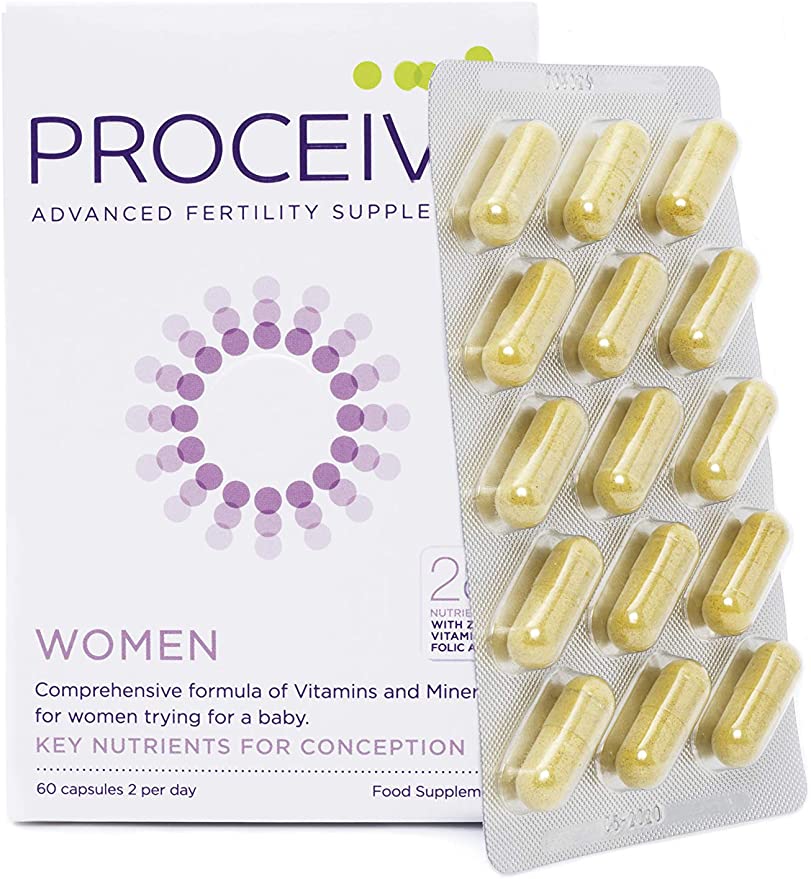
8. Take prenatal vitamins as early as possible in the conception journey
Prenatal supplements ensure you get your full A to Z of vitamins and minerals so that your body is fighting fit to take the fierce weight of pregnancy and birth, which are tough on the mind and the body. But, also taking your prenatal vitamins as soon as possible can help you jump onto the road to get pregnant faster.
What should prenatal supplements contain though?
At least 400mcg of folic acid / Vitamin B9, which helps to prevent congenital disabilities in your baby’s brain and spine
Vitamin B12 before conception can help to reduce neural tube defects like spina bifida and congenital heart defects in your growing baby – it can also help to reduce the risk of preterm birth.
At least 10mg of Vitamin B6 – to reduce nausea during pregnancy
At least 30g Iron – Iron is vital for building your baby’s cells, and your body requires iron more than ever when you’re pregnant. You can become anaemic during pregnancy if you are not taking in enough iron
Calcium – Calcium is very important during pregnancy to help grow your baby’s bones. All women require 1,000mg a day from their diet as well as from prenatal vitamins. Calcium interferes with iron absorption so it may be worth taking these at separate times of the day or not taking both in large doses.
No more than 800mcg of Vitamin A per day – Too much Vitamin A in tablet form can be toxic during pregnancy, so some supplements have been replaced with beta-carotene which is a much safer source of vitamin A.
At least 400IU of Vitamin D – Your body needs vitamin D with calcium to keep you and your baby’s bones strong. Try to incorporate vitamin D in your diet through fortified food and drink too.
15mg of Zinc – Zinc helps to support your body’s immune system and healthy cell division
50 – 80mg of Vitamin C – Vitamin C helps your body to absorb iron and supports your immune system too. But more than 2,000mg a day can be dangerous so don’t take a supplement if you have a rich vitamin C diet already
At least 150mcg of Iodine – Iodine has been known to help your baby’s thyroid and brain development. You may find that not all prenatal vitamins have iodine so talk with your doctor if you need a separate iodine supplement
200 – 300mg of DHA – Regular prenatal vitamins don’t contain DHA, which is an omega-3 fatty acid found in many types of fish. DHA has been shown to aid baby’s brain development before and after birth, so if you’re unable to get it through your diet then you should ask your doctor about taking an omega-3 fatty acid supplement
Other vitamins and minerals to keep an eye out for are vitamin E, riboflavin, niacin, and thiamine.
If you’re underweight or overweight, then you’re already making it harder for yourself to get pregnant. The sooner you get to your ‘ideal’ weight, the more chance you have of conceiving. Whether you have a little to lose (like I did) or a lot (and vice versa) now is the time to start getting on top of that.
If you’re not sure of where your weight should be, check with your medical professional, as this should have been discussed during your preconception checkup. (If you haven’t had a preconception checkup then you should do this first.
Unfortunately, it’s not just about numbers. It’s a complicated connection between weight and fertility. And, you may not gain weight because you’ve eaten too many pies. Weight can be an impact of a health condition, i.e. hormone imbalance, so it won’t be so straightforward to keep your weight down (or up if you’re underweight). Getting to the bottom of why you have extra weight is key to helping you speed up the process of pregnancy.
Some factors that may affect your weight are:
Hormones
Oestrogen is the reproductive hormone that is produced primarily in your ovaries and helps your eggs to mature, as well as build up the lining in your uterus. Oestrogen also produces thin cervical mucus which is very important to boost fertility.
Over 30% of oestrogen is produced by your fat cells, which is why your body fat is linked to getting pregnant. The perfect supply of oestrogen is needed for your reproductive cycle to work effectively as too much or too little can really affect your conception chances.
Your BMI
Checking your BMI (Body Mass Index) will tell you whether you are likely producing the right amount of oestrogen because if your BMI is high then you may be producing too much – and vice versa – if your BMI is low then you may not be making enough oestrogen. But, as I mentioned before, it’s not all about numbers. Your ideal size depends on your natural body, and your doctor will tell you how much you should lose or gain to speed up the process of conception.
So, what is BMI?
BMI describes the relationship between your weight and height and provides a better measure of the amount of fat you have on your body. And because your fat cells produce oestrogen, your body fat is key to your fertility.
Again, not so straightforward, because BMI readings may not produce an accurate account of how much weight to lose. If you are someone who has a higher muscle mass or you’re training, then muscles will make you weigh more, but you may have less fat on your body (I told you, it wasn’t straightforward).
Generally, the rule of thumb is:
BMI of less than 18.5 = you are underweight, so you might not be producing enough oestrogen
BMI of 18.5 to 24 = you are at an ideal weight and you may be producing the right amount of oestrogen
BMI of 25 – 29 = you are overweight and you should lose some weight before trying to conceive (TTC)
BMI of 30+ = you are considered as obese, and it’s time to get serious about your weight loss before TTC
Again, if you’re someone with a higher muscle mass, then you will need to go to your doctor to get the right body fat reading. The key is that your body should be producing the right amount of oestrogen to keep your reproductive cycle regular.
Dad’s weight can affect fertility too
If your partner is overweight, then this could affect your chances of getting pregnant too. This is because excess fat converts testosterone (the male hormone) into oestrogen, which suppresses sperm production and quality. It can also affect his libido, and you’ll need that for the baby-making process! There are other problems that come with being overweight, and we’ll explore these in later articles.
Other key points:
Being overweight or underweight can affect your period because of too much or too little oestrogen, which will keep you from ovulating regularly or at all
Even if you have normal periods, you may still struggle with ovulation if you are overweight or underweight
PCOS (Polycystic Ovarian Syndrome) is linked to being overweight/obese and having too much weight can cause insulin levels to rise.
Increased insulin levels = ovaries producing too much testosterone
Being overweight can increase your chances of pregnancy-related complications like miscarriage, gestational diabetes and hypertension. You may end up with longer labour and caesarean delivery.
Check your BMI using the BMI Table below:
10. Exercise every day, but not too much!
While it’s important you aim to settle at a healthy weight before TTC, be careful to avoid strenuous exercise to achieve this.
One study, although careful to avoid the claim that heavy exercises cause infertility, found an association with fertility problems. However, this could have been down to those who exercised more while dieting and having low-calorie diets, rather than solely over-exercising being the issue.
One factor may be that overdoing it during exercise can cause stress to the body, which we’ll go into below. Stress can disturb your reproductive cycle and hinder your ovulation, which means you’re less likely to know when your fertile window is going to be.
Exercise is an important addition to any healthy life, so it’s important to make sure you’re getting that heart pumping every day. But, as with anything, moderation is key. Don’t overdo it and lose too much weight because, as we learned above, your body will produce less oestrogen, which will inhibit your chances of getting pregnant.
Are your lifestyle choices affecting your fertility?
The short answer is yes.
Negative lifestyle choices don’t just make you feel bad, they can damage your DNA too and ultimately cause infertility, so it’s really important that if you’re serious about getting pregnant, you take a good look at your lifestyle and figure out what might affect your chances.
You can’t always avoid everything that’s negative, like pollution and toxins because you’re naturally exposed to them. But there are certain lifestyle choices that you can avoid, like tobacco, alcohol and drugs, which can damage the development of your eggs, sperm and ultimately the baby.
11. Stay away from caffeine
Caffeine can also affect your chances of getting pregnant and should be one of the first things you give up. Even decaf can be as bad as normal coffee because it stimulates the body to produce cortisol, which is that stress hormone that affects your reproductive cycle. But, that’s not all. Caffeine can also rob your body of water and valuable minerals, and cutting it out of your lifestyle can increase your chances by up to 50 percent!
Caffeine also increases your chances of miscarriage, low birth weight and pre-eclampsia and it can affect dad’s sperm too, so avoid caffeine where possible. But if you can’t, then go for tea as it’s not as bad. Don’t forget soft drinks and some chocolates also contain caffeine, so be aware that all this adds up to your daily amount of caffeine.
12. Stop smoking
Smoking is fertility’s enemy and robs the body of many vitamins and minerals. It contains so many radicals (at least 30 different chemicals) that it will drastically affect your chances of getting pregnant. Smoking also reduces the rates of cell replication in all organs, so it may do the most damage at the very beginning of pregnancy. There are many risks related to smoking and the most important one to note is that it can make you infertile. The risk increases the more cigarettes you smoke every day.
If you’re having trouble stopping, consider seeking counselling or specialist help to assist you in giving up.
13. Cut down on alcohol
You may feel like alcohol relaxes you, but studies show that women who drink more than five units (five small glasses of wine) a week reduce their chances of getting pregnant by 50%. But, if you stop you are twice as likely to conceive within six months.
Alcohol is also one of the most common causes of male impotence and 80% of male alcoholics are infertile, so it’s worth speaking to your partner about giving up alcohol until after you have conceived as this will massively improve his sperm quality and mobility.
14. Bin the recreational drugs
Even a small amount of recreational drug use can have a huge impact on your mind and body. Cocaine affects the brain’s ability to release hormones to start the ovulation cycle and cannabis can have a toxic effect on the development of eggs too. It can also cause a low sperm count and damage sperm.
Prescription and non-prescription drugs
Some medicated and non-medicated drugs are toxic to eggs and sperm, so it’s important to check with your doctor before you start the road to fertility because they may disrupt your chances.
15. How’s your environment?
Like I mentioned before, you may not be able to control your environment, but look out for pollutants and harmful substances around you to see if you can limit them as much as possible. Pollutants from factories, and pesticides etc all have an adverse effect on conception.
Try eating organic food, drinking bottled water and staying away from places with too much pollution to increase your chances of getting pregnant.
Although the amount of eggs you have is the most crucial component of getting pregnant, your partner’s age has a significant impact on your overall fertility, which can bring about certain medical conditions, but most importantly sperm quality and quantity. Also, there is an association between the age of your male partner and birth defects/chromosomal abnormalities.
While there is nothing you can do about age, one of the natural ways to get pregnant with low sperm count and maximising sperm quality is to look at your partner’s diet and lifestyle choices and eat foods to boost fertility too, making sure they have as clean a diet as you to really give you the best possible chance to get pregnant.
17. Get a health MOT
As you get older, you are naturally more prone to health risks, which is why you should look at getting a health MOT before you try to get pregnant.
From your weight to blood pressure and any medications that you might be on currently. A pre-pregnancy check is helpful to have in order to tackle any underlying problems that could be fixed or improved before you start on your fertility journey.
Speaking to a healthcare professional can put your mind at ease and highlight any potential that might be worth being made aware of.
18. Check your egg count and consider egg-freezing
If you want children but don’t want them until you’re older, then it’s always worth considering egg freezing. This is where eggs are taken and frozen to then use at a later date when you’re ready to have a baby or babies.
Checking your egg count is something you should do regardless, in order to assess how healthy your eggs are. As you get older, your egg count will reduce, making it more difficult to get pregnant as a result. The quality of your eggs will likely deteriorate over time too, which is why it’s important to keep an eye on your egg count and to consider egg freezing where possible.
19. Take it a day at a time and stay relaxed
Stress can negatively impact your ability to conceive, so it’s important to stay relaxed and take things one day at a time. Chronic stress can impact hormone levels and ovulation. Consider practices like mindfulness, counselling, or stress-reduction therapies to keep stress in check.
Often enough, pregnancy occurs when you’re relaxed in both your body and mind. Sometimes, it can feel like you’re never going to get pregnant and for some, it can be a hard journey to navigate.
With that in mind, try to take it a day at a time, and don’t forget to keep your body and mind relaxed at all times.
20. Make an appointment with a fertility specialist
If you’ve been trying to conceive for six months or longer without success, it might be time to consult a fertility specialist. If you’ve been trying to conceive for six months or more without success, consult a fertility specialist to discuss options like In Vitro Fertilization (IVF) or Intrauterine Insemination (IUI). Fertility tests can provide insights into your reproductive health, including egg quality and quantity. Tests like Anti-Müllerian Hormone (AMH) levels can help assess ovarian reserve.
Is there help if I haven’t gotten pregnant after 40?
If you’ve been trying for a while and haven’t had any luck, don’t lose hope! Fertility treatments like IVF, IUI, and donor eggs are available and have helped many women over 40 achieve their dream of becoming a mother. Consulting with a fertility specialist can give you a better idea of your options and what might work best for you.
Final thoughts
Getting pregnant at 40 might seem daunting, but with the right information and approach, it’s entirely possible. By following these tips and staying proactive about your health and fertility, you can improve your chances of conceiving and having a healthy pregnancy. Remember, every journey is different, so be patient with yourself and seek support when you need it. Here’s to your exciting journey to motherhood!
Have you struggled or are you struggling to get pregnant? What is the one big problem you keep running into that’s stopping you from getting a positive result? Share with us in the comments below or join 10,000 other women in our private Facebook page and our Facebook group here.
If you are looking for natural ways to get pregnant and you need some extra help, then download our Starter Kit now!
The statement that taking birth control does not affect your long-term fertility is supported by research. A study involving 8,500 pregnancies found that 85% of women who had never used birth control conceived within a year of trying, compared to 89% of women who had used birth control for more than five years. This study concluded that prolonged use of oral contraception does not negatively impact fertility and may even be associated with slightly improved chances of conception after stopping use – Alexandra Farrow, M.G.R. Hull, K. Northstone, H. Taylor, W.C.L. Ford, Jean Golding, Prolonged use of oral contraception before a planned pregnancy is associated with a decreased risk of delayed conception, Human Reproduction, Volume 17, Issue 10, October 2002, Pages 2754–27 – Prolonged use of oral contraception before a planned pregnancy is associated with a decreased risk of delayed conception – PubMed (nih.gov)
The Timing of the ‘Fertile Window’ in the Menstrual Cycle: Day-Specific Estimates from a Prospective Study published in the British Medical Journal (BMJ). https://www.bmj.com/content/321/7271/1259
My third unfortunately ended up in a late miscarriage. You can read my PPROM story here.
My fourth ended up as a VBAC, which I was so happy about after such a dark time – you can find my story here.
My fifth birth was a super whirlwind, with no painkillers and no tearing – she literally flew down the canal! You can find my birth story here.
I want to be there every step of the way with you, so let Motherhood Diaries follow along the journey with you. I’ve created a pregnancy welcome pack which includes:
Checklist on what to do next now you’re pregnant
Checklist on your NHS antenatal care
Pregnancy timeline/review
Pregnancy symptom timeline
Baby growth fruit and veg timeline
Weekly personalised pregnancy emails!
Worried about birth?
Birth comes in all shapes and sizes. Have you thought about the type of birth you want? Get some help to decide by checking out other mums’ birth stories here.
Would you like to share your pregnancy story? You can sign up to become a contributor for Motherhood Diaries and in return, I’ll set you up an author profile and you can include your social media channels and business/blog page too.
Stay social
And don’t forget, we’re over on social media too! Come and meet like-minded pregnant mamas too. Join our Facebook group and like our Facebook page here.
Any questions don’t be afraid to contact me here. Or send me an email at leyla at motherhooddiaries dot com. I’m only a click of a button away!
Given birth? YAY! Head over to our parenting section now!
Going to the dentist while pregnant: tips for expecting mums
Amidst the whirlwind of prenatal visits and baby showers, dental health often gets sidelined. But, can you go to the dentist while pregnant?
Yes!
Going to the dentist while pregnant is crucial, not just for the mother but also for the baby as well.
Why is going to the dentist while pregnant important?
During pregnancy, hormonal changes can lead to an increased risk of gum disease, also known as periodontal disease. The gums may become more sensitive, leading to bleeding, swelling, or tenderness.
Additionally, the surge in hormones may cause benign oral tumours or pregnancy granulomas, which, though generally harmless, can be quite uncomfortable. Untreated severe gum disease can increase the risk of premature birth or low birth weight. This correlation showcases the importance of timely dental checkups and procedures during pregnancy.
When to visit the dentist during pregnancy?
It’s important to maintain good oral hygiene and continue dental check-ups throughout your pregnancy.
When should you get dental work while pregnant – safe dental procedures during pregnancy
“Preventive, diagnostic and restorative dental treatment is safe throughout pregnancy.”
The American Dental Association
Contrary to some misconceptions, regular dental cleanings, cavity fillings, and other essential dental treatment when pregnant are perfectly safe during pregnancy. However, elective treatments like teeth whitening or cosmetic procedures are better postponed until after delivery.
Radiographs
X-rays should generally be avoided, especially in the first trimester. That being said, with today’s technology and proper shielding, the radiation exposure from dental X-rays is minimal, making it safe if genuinely needed.
Necessary dental work, like dental fillings during pregnancy or extractions, can be performed under local anaesthesia. Studies indicate that it’s safe for both mother and foetus. But, as always, consult with both your dentist and doctor first.
The best time for a dentist visit during pregnancy
The second trimester is usually the most comfortable time for dental procedures. Morning sickness is generally less frequent, and the belly isn’t large enough to cause discomfort when lying down. Nevertheless, regular checkups can and should be continued throughout the pregnancy. Lying on your back at the dentist while pregnant is usually considered safe and dentists are familiar with the modifications needed to ensure the comfort and safety of pregnant patients. The dentist can elevate your upper body slightly to help prevent compression of the vena cava. They might tilt the chair to the left to help relieve any pressure.
If a procedure is lengthy, the dentist might give you a chance to move or adjust your position periodically. Let your dentist know if you feel light-headed, nauseous, or have any other concerning symptoms while lying on your back. Remember that lying on your back for long periods during pregnancy can double the risk of preterm birth or stillbirth.
It’s important to communicate with both your dentist and your prenatal care provider before any dental procedures. They can work together to determine the safest approach for dental care during your pregnancy, including the best positions for comfort and safety, and appropriate timing for necessary dental treatments.
Regular dental care during pregnancy is important, and most routine care is safe. Urgent dental issues should be addressed regardless of the pregnancy stage to reduce the risk of infection and other complications that could affect your or your baby’s health.
Dental care while pregnant – oral hygiene tips for expecting mothers
Stick to the basics. Nothing should drastically change.
Brush twice a day using fluoride toothpaste and floss daily to remove plaque.
If you’re more susceptible to pregnancy gingivitis, consider using an antiseptic mouthwash.
Pregnancy can often lead to sugar cravings. Opt for healthier snacks, and if you indulge, ensure to brush your teeth afterwards.
Consuming a balanced diet with plenty of vitamin C and B12 can help prevent oral problems.
Managing toothache while pregnant
Life doesn’t stop happening just because you’re pregnant. Toothaches, cavities, swollen gums and accidents can and do occur.
Toothaches during pregnancy are increasingly common and can be especially challenging during pregnancy. The discomfort might range from a mild, dull ache to sharp, excruciating pain, often causing additional stress. Understanding the causes and knowing how to manage them safely during pregnancy is vital.
Causes of toothache during pregnancy
Several factors can contribute to toothaches during pregnancy:
Hormonal changes
Pregnancy-induced hormonal shifts can affect oral health, making teeth and gums more susceptible to bacteria and plaque, leading to cavities and toothaches.
Increased blood flow
The enhanced blood flow to the gums, due to increased hormones, can make them swollen, sensitive, and more prone to bleeding, sometimes causing discomfort.
Sinus pressure
The growth in hormone levels can lead to an increase in mucus production, potentially causing sinus congestion or infections. This increased pressure can sometimes be felt as a toothache, especially in the upper back teeth.
Safe remedies for toothache during pregnancy
If you experience a toothache during pregnancy, address it promptly while ensuring the safety of your baby:
Consult your dentist
This should always be your first step. Describe your symptoms clearly so your dentist can provide immediate relief and suggest further steps.
Effective communication with your dentist in your native language is also critical. There are dental offices that have staff that are fluent in many common languages such as French, Spanish, Tagalog and Chinese.
Warm salt rinse
Dissolve half a teaspoon of salt in a cup of warm water and use it as a mouthwash. This can help in reducing gum swelling and inflammation.
Cold compress
Applying a cold pack to the outside of the cheek for 15-20 minutes can help reduce pain and inflammation.
Safe over-the-counter pain relievers
Some OTC pain relievers can be safe during specific trimesters of pregnancy but ALWAYS consult with both your dentist and obstetrician before taking any medication.
Good oral hygiene
Regular brushing and flossing can prevent further complications that could aggravate the toothache.
Avoid certain foods
Steer clear from very hot, cold, sweet, or acidic foods that might trigger or intensify the pain.
Dental care during pregnancy is indispensable. As the body undergoes numerous changes, oral health should not be neglected. From ensuring safe procedures to practising good oral hygiene, you can protect your well-being and that of your babies.
So, whether you’re expecting or planning to start a family soon, remember to include dental check-ups in your prenatal care routine. Your smile, and your baby’s future, will thank you for it.
FAQ
Is dental anaesthesia safe during pregnancy?
In the UK and in other parts of the world, dental anaesthesia is considered safe for pregnant women when administered properly. The National Health Service (NHS) and various UK dental health organisations acknowledge that local anesthetics are necessary for some dental procedures and there is no evidence to suggest they are harmful during pregnancy.
Can I get dental cleaning while pregnant?
Yes. Pregnancy dental cleaning is not only considered safe during pregnancy, but it is also highly recommended. Pregnancy can lead to increased risks of certain dental problems, such as gingivitis (pregnancy gingivitis) due to hormonal changes, which makes regular dental care during this time even more important.
What safety precautions do I need to think about when going to the dentist while pregnant second trimester?
Going to dentist while pregnant during the second trimester is the safest time to have elective dental work done. During the first trimester, the baby’s major organ systems are developing, and in the third trimester, lying on your back for an extended period could be uncomfortable and may affect blood flow. However, you should still exercise caution to ensure the wellbeing of both you and your baby
Inform your dentist about your pregnancy so they can tailor your treatment plan appropriately and avoid any medications or procedures that might not be recommended during pregnancy. Any medications like local anaesthetics and antibiotics should be reviewed by both your dentist and doctor to ensure they are safe for use during pregnancy. If possible, schedule shorter appointments to avoid discomfort and reduce stress.
Although modern dental X-rays are extremely low risk because of their focused beam and low radiation levels, your dentist will likely avoid them unless absolutely necessary. If you do need an X-ray, they will use a lead apron to shield your abdomen and thyroid as a precaution.
If there are elective procedures that can wait, your dentist may recommend postponing them until after your baby is born.
If you are experiencing morning sickness, work with your dental office to schedule appointments at a time of day when you feel best. Additionally, the smell of dental materials might trigger nausea, so ask the dentist to use odour-free materials if possible.
Stress can affect your pregnancy, so practices that reduce stress during dental procedures, such as listening to music or practicing relaxation techniques, can be helpful.
What safety precautions do I need to think about when going to the dentist while pregnant third trimester?
When you visit the dentist during your third trimester it’s important to consider a few additional safety precautions due to the advanced stage of pregnancy. Always remind your dentist that you are in your third trimester. Adjustments in care may be necessary, and certain treatments may be postponed until after delivery.
As lying flat on your back can be uncomfortable and could potentially cause supine hypotensive syndrome (a condition where the weight of the uterus compresses the vena cava, reducing blood flow to the heart), your dentist should adjust the dental chair to a semi-reclining position. They may also ask you to turn slightly to one side.
Try to keep dental appointments short to avoid any discomfort. It may also be advisable to avoid lengthy procedures unless they are urgent. Elective dental procedures often can be postponed until after delivery to avoid any potential stress on you and the baby. Review any proposed medications or procedures with both your dentist and doctor. This is especially important for any antibiotics or pain relievers that may be prescribed.
If X-rays are absolutely necessary, your dentist will use a lead apron and thyroid collar to minimise exposure to the baby. However, non-urgent X-rays are typically postponed until after the pregnancy. If you have a dental emergency, such as an infection or severe pain, it is important to get it treated promptly to avoid any risk to your health or the baby’s.
If the dentist’s mask or the smell of materials bothers you, request a well-ventilated space or a break during the procedure if needed. Make sure you are well-hydrated and have eaten a light meal before your dental visit to maintain your blood sugar levels and to help prevent feeling lightheaded. You may need extra pillows or supports to help maintain a comfortable position during the procedure.
If you experience any discomfort, such as dizziness, shortness of breath, or contractions during the dental visit, let your dentist know immediately.
How many weeks pregnant can you go to the dentist?
Other questions sked were:
When to see the dentist while pregnant?
When should i go to the dentist while pregnant?
When can you go to the dentist while pregnant?
Should you go to the dentist when pregnant?
Can I go to the dentist when I’m pregnant?
Can I visit the dentist when pregnant?
Can I go to the dentist during pregnancy?
Why is it important to go to the dentist while pregnant?
Why do you have to go to the dentist when pregnant?
Do you have to go to the dentist when pregnant?
Is it okay to go to the dentist while pregnant?
You can go to the dentist at any stage of your pregnancy. It’s important to maintain your oral health throughout pregnancy, as hormonal changes can increase the risk of certain dental issues, such as gum disease (pregnancy gingivitis) and tooth decay.
Are there any dangers of dental work while pregnant?
Other questions asked were:
What dental procedures should be avoided during pregnancy?
Is it safe to have dental X-rays while I’m expecting?
Is it ok to go to the dentist while pregnant?
Is going to the dentist while pregnant safe?
Is it ok to go to the dentist while pregnant
should i go to the dentist while pregnant?
can you go to the dentist when pregnant
Is it safe to visit dentist while pregnant?
Why can’t you go to the dentist while pregnant?
Should you go to the dentist while pregnant?
Is it okay to go to the dentist when pregnant?
Can you go to the orthodontist while pregnant?
Can you still go to the dentist while pregnant?
Can I still go to the dentist while pregnant?
Is it safe to go to the dentist during pregnancy?
Is it safe to visit the dentist while I’m pregnant?
Is it bad to go to the dentist while pregnant?
Can you go to dentist when pregnant?
Why should you go to the dentist when pregnant?
Are you allowed to go to the dentist while pregnant?
Routine dental work during pregnancy is generally considered safe. However, there are some considerations and potential risks associated with dental work at this time.
Certain medications used during dental procedures should be used cautiously. Your dentist should select medicines (like local anesthetics, antibiotics, and painkillers) that are safe for pregnant women. They usually avoid medications that are known to be teratogenic or harmful to the baby.
Dental X-rays should be avoided during pregnancy if possible, especially during the first trimester when the baby is in the crucial stages of development. If X-rays are absolutely necessary (for example, in the case of a dental emergency), your dentist will use a lead apron and thyroid collar to shield you.
Dental procedures can be stressful, which isn’t ideal during pregnancy. Stress can potentially have an impact on your blood pressure and the baby. Also, lying on your back for extended periods, especially in the third trimester, can be uncomfortable and may affect blood circulation.
Non-urgent or elective dental treatments are often postponed until after pregnancy. This is to avoid any unnecessary risks to the baby and to prevent putting you through prolonged procedures that might be uncomfortable or stressful.
While local anaesthetics are generally safe, they cross the placental barrier to some extent. The amount and type of anaesthesia should be carefully considered by your healthcare provider.
Postponing dental work can lead to the risk of infections such as periodontal disease, which has been associated with preterm birth and low birth weight. Therefore, untreated dental infections pose a greater risk than most dental treatments.
For women with high-risk pregnancies, such as those with preeclampsia, preterm labour, or other medical conditions, even routine dental work may require special consideration and coordination with yout doctor.
When should I tell my dentist I’m pregnant?
Other questions asked were:
Do I need to tell the dentist I’m pregnant?
You should tell the dentist as soon as possible, or if you plan to get pregnant, so that your dentist can tailor your dental care to your pregnancy, postponing non-essential treatments and taking special precautions with necessary dental work.
*Collaborative feature post*
Empowering your journey: A guide to pregnancy affirmations
Pregnancy affirmations are powerful tools that can help expectant mothers navigate the challenges and uncertainties of pregnancy. It involves using positive statements and declarations to cultivate a mindset of positivity and self-empowerment. By incorporating these positive affirmations during pregnancy into your daily routines, you can embrace the journey with more confidence and inner peace.
What are pregnancy affirmations?
Pregnancy affirmations are positive thoughts during pregnancy that serve as reminders of one’s strength, resilience, and ability to create a nurturing environment for the unborn baby. This pregnancy mantra technique of affirmations can be repeated silently or spoken aloud, and they counteract negative thoughts or fears that may arise during pregnancy.
How to use affirmations for pregnancy and why you should use them
Pregnancy is a time of immense physical and emotional changes. It is common for expectant mothers to experience a range of emotions, including anxiety, fear, and self-doubt. Incorporating positive affirmations for pregnancy into your daily routines can shift your focus towards embracing positivity and nurturing self-belief.
These affirmations can help counteract any negative self-talk and promote a sense of calm and confidence throughout the pregnancy journey. You can also use other affirmations, such as love affirmations, to create a deep and loving connection with your newborn. It doesn’t need to be only about pregnancy, any affirmations that can support your pregnancy and yourself are recommended.
Benefits of reciting affirmations during pregnancy – why affirmations are important for a healthy pregnancy
Using affirmations for pregnancy can bring about many benefits. Here are some reasons why affirmations work:
Positive affirmations for a healthy pregnancy and encourage a positive mindset
Pregnancy affirmations help to foster a positive mindset by redirecting thoughts towards optimism and strength and conjuring positive pregnancy thoughts. By consistently repeating these affirmations for pregnancy and parenting, you can rewire your brain to focus on the positive aspects of pregnancy, such as the joy of a growing baby and the incredible ability to bring new life into the world.
Empowering pregnancy affirmations to reduce stress and anxiety
Pregnancy can be a time of heightened stress and anxiety. Affirmations offer a way to counteract these negative emotions by promoting feelings of calm and relaxation. By reciting affirmations that centre on trust in the body’s natural abilities and the process of pregnancy, parents can alleviate stress and anxiety.
Changing behaviour and self-talk
Affirmations have the power to alter behaviour and self-talk. By consistently repeating positive affirmations, you can replace self-doubt and negative thoughts with self-compassion and confidence. This can lead to healthier habits, better self-care, and improved overall well-being.
Promoting self-compassion and self-acceptance
Pregnancy often brings about physical and emotional changes that can challenge one’s self-image and self-acceptance. Self-love Affirmations can help you embrace and appreciate your evolving body, fostering a sense of self-compassion and confidence.
Positive pregnancy affirmations to recite daily
Here are some powerful pregnancy affirmations that you can recite daily to empower yourself throughout the journey:
Affirmations for building confidence and overcoming fears
“I trust in my body’s wisdom to give birth to my baby naturally and healthily.”
“I release all fears and welcome the empowering experience of childbirth.”
“I can handle any challenges that arise during pregnancy and motherhood.”
Affirmations for embracing the changes in your body
“I am beautiful and radiant during pregnancy.”
“My body knows exactly how to nourish and support my growing baby.”
“I honour and appreciate the strength of my body as it creates new life.”
Affirmations for labour and birth preparation – How to use positive affirmations during labour
“My body is designed perfectly for the birthing process.”
“Each surge brings me closer to the moment I meet my baby.”
“I trust in my ability to birth my baby with grace, strength, and love.”
Affirmations for the postpartum period
“I welcome the transition into motherhood with open arms and an open heart.”
“I am a strong and loving mother who can nourish and care for my baby.”
“I give myself permission to rest, heal, and adjust during the postpartum period.”
How to incorporate pregnancy affirmations into your routine
1. Consistency is key – how to integrate pregnancy affirmations into your routine
To fully benefit from pregnancy affirmations, consistency is crucial. Find a time and place that allows you to focus on these affirmations each day. Start your day with Morning Affirmations and before going to sleep, use Bedtime Affirmations to get restful sleep.
2. Different methods of using affirmations
Experiment with different methods of incorporating affirmations into your routine. Some individuals find it helpful to write affirmations on sticky notes and place them around their living space as reminders. Others may prefer setting up reminders on their phones or reciting affirmations in front of a mirror.
For those of you looking for an incredible app that offers an audio experience, there’s Innertune. Their app offers a convenient way to integrate daily affirmations seamlessly into your routine. Set personalised reminders, listen to curated affirmations (such as the playlist Enjoy your Pregnancy) and even record your voice to make the experience truly your own. Dive deeper into the world of affirmations with their intuitive platform.
3. Customising affirmations to fit your specific circumstances
You can customise or write your own affirmations to address your specific circumstances and needs. Personalise the affirmations to reflect the challenges and joys you are experiencing throughout pregnancy. By tailoring the affirmations to your unique situation, you can create a more impactful and meaningful practice.
Change the pregnancy affirmations as you need to
It’s important to understand that pregnancy is a dynamic and transformative journey. As circumstances change and new challenges arise, it may be necessary to adjust and modify your affirmations accordingly.
Understanding the changes of pregnancy and using affirmations for uncertainty
Pregnancy is a time of constant change and uncertainty. Acknowledge and accept these changes as a natural part of the journey. By adjusting your affirmations to embrace the unknown and trust in your ability to adapt, you can navigate the challenges with greater resilience.
Adapting affirmations to match your current circumstances
As pregnancy progresses, your experiences and needs may evolve. Listen to your intuition and modify your affirmations to reflect your current circumstances. This will ensure that the affirmations remain relevant and effective in supporting your emotional well-being. Here are some examples of pregnancy affirmations:
Miscarriage affirmations
“My body is capable and strong, even when it goes through loss.”
“I honour my feelings and give myself permission to grieve.”
“I am surrounded by love and support, even on the hardest days.”
“I acknowledge my loss and accept that it’s okay to feel sadness and pain.”
“I am not alone in my experience, and I allow myself to seek comfort in shared stories.”
“My worth is not defined by this experience; I am worthy of love and healing.”
“I give myself time to heal, both physically and emotionally.”
“My grief is a sign of my love, and I allow myself to express it.”
“I trust in my body’s ability to recover and find its balance once more.”
“I am patient with my healing journey and accept it without judgment.”
“With each passing day, my strength is renewed.”
“I find peace in my present moment, and hope for the future.”
“I honour the potential life that was, and I hold space for it in my heart.”
“I allow myself to move forward with grace and courage.”
“My experiences shape me but do not define me.”
“I embrace the support of loved ones and open myself to their care.”
“I remember that it’s okay to laugh and find joy, even as I grieve.”
“I release any feelings of guilt or blame; this is not my fault.”
“I am learning to embrace the journey, with all its highs and lows.”
“I am brave, I am strong, and I am moving forward with love.”
Pregnancy affirmations to get pregnant
“My body is strong, capable, and ready to nurture life.”
“Every day brings me closer to my dream of becoming a parent.”
“I am patient, and I trust in my body’s natural rhythms and capabilities.”
“I am surrounded by love and positivity as I journey towards motherhood.”
“My womb is a welcoming space for new life to flourish.”
“I let go of fears and anxieties, and embrace hope and positivity.”
“I am in tune with my fertility and trust the process of conception.”
“Every cycle is a new opportunity for my dreams to come true.”
“I nourish my body and mind, preparing for the gift of life.”
“I deserve the joy and love that a child will bring.”
“The universe is helping me, guiding me towards parenthood.”
“I let go of any negative beliefs about my fertility and embrace a positive mindset.”
“My journey to motherhood is unique, and I trust my path.”
“I am open to receiving guidance and support from those who understand.”
“I celebrate my body and its incredible potential to create life.”
“Each day, I grow more ready and prepared to welcome a new soul into this world.”
“I am filled with love, hope, and patience as I await my future child.”
“I visualise holding my baby, feeling the love and connection we share.”
“I trust in the timing of my life and believe that good things are on the horizon.”
“With each passing month, I am learning, growing, and moving closer to my dream of getting pregnant and parenthood.”
Pregnancy affirmations first trimester
“Each day brings me closer to meeting my baby.”
“My body is naturally adept at nurturing this new life.”
“I trust my body to create a perfect home for my growing baby.”
“I am constantly surrounded by love and support.”
“With every breath I take, I am connected to my baby.”
“I embrace the changes in my body with love and excitement.”
“I am grateful for the opportunity to bring new life into the world.”
“My mind is calm, my body is strong, and my baby is developing healthily.”
“I allow myself to rest when I need it—self-care is vital.”
“I listen to my body’s needs and respond with love and care.”
“Every little kick or flutter is a sign of my baby’s health and growth.”
“I am patient with myself and any feelings of discomfort; this is all part of the journey.”
“My heart is open, and I radiate love and positivity.”
“I am focused on nourishing myself and my baby with healthy foods and thoughts.”
“I accept the guidance of my healthcare providers with trust and hope.”
“I celebrate the strength within me and know I have the power to birth this child.”
“With every heartbeat, my baby grows stronger and more viable.”
“I am worthy of an easy, uncomplicated pregnancy and birth.”
“I choose to focus on the joy of bringing a new life into the world.”
“I am a powerful creator, capable of manifesting a healthy, happy baby.”
Pregnancy affirmations second trimester
“I am proud of my body and all it is doing to grow my baby.”
“I welcome the growth and changes in my body with love.”
“Every day my baby is developing stronger and I am becoming more connected to this new life.”
“I am grateful for this journey and trust that my body knows what to do.”
“My baby feels my love and care, growing in a nurturing environment.”
“I cherish each moment of my pregnancy and the unique feelings it brings.”
“I am confident and calm, looking forward to the day I meet my baby.”
“I give myself permission to relax and enjoy this phase of pregnancy.”
“I am in tune with my body and respond to its needs with kindness.”
“I trust in my ability to provide a safe and loving home for my baby inside and outside the womb.”
“The bond between me and my baby grows stronger with each passing day.”
“I celebrate the energy I have in this trimester to prepare for my baby’s arrival.”
“My baby is the right size for the right time; I trust in perfect timing.”
“I am surrounded by a community that supports and nurtures my pregnancy journey.”
“I am attuned to my body’s rhythms and give myself what I need, when I need it.”
“With grace and strength, I embrace the changes that pregnancy brings.”
“I nourish my body with healthy foods and my baby thrives.”
“I am filled with awe and wonder at the life I am carrying inside me.”
“My mind is peaceful, my body is strong, and my spirit is joyful.”
“I am creating a healthy and loving environment for myself and my baby.”
Pregnancy affirmations third trimester
“I am strong, capable, and prepared for childbirth.”
“My body knows exactly what to do to bring my baby into this world.”
“Each day that passes brings me closer to holding my baby in my arms.”
“I trust in my ability to birth my baby with strength and grace.”
“I embrace the rest I need, knowing that it benefits both me and my baby.”
“My baby is growing healthy and strong, ready for birth.”
“I am filled with love and patience as I await my baby’s arrival.”
“I am focused on a smooth, peaceful, and joyful birthing experience.”
“I celebrate the incredible work my body is doing to create a new life.”
“I trust my instincts and my body’s wisdom to guide me through labor.”
“I am connected to my baby, my body, and the experience of birth.”
“With every breath, I feel empowered and calm for the journey ahead.”
“I welcome the waves of labor, knowing they bring me closer to meeting my child.”
“My mind is at ease, and my body is strong.”
“I visualise a safe and loving environment for my baby’s birth.”
“I am surrounded by a supportive birthing team who respects my wishes and guides me with care.”
“I am a beacon of love and tranquility, from which my baby will enter the world.”
“I believe in my natural ability to birth smoothly and recover with resilience.”
“I honour my body’s signals and the process of labour as my baby makes its way to me.”
“I am a powerful creator and this experience deepens the connection with my child.”
Creating a list of affirmations for giving birth during labour and delivery
When preparing for labour and delivery, creating a separate list of birthing affirmations can be helpful. These affirmations can focus specifically on the strength, courage, and natural processes of childbirth. Reciting these affirmations during labour can provide comfort and reassurance during this transformative experience.
Positive affirmations for labour
“I am surrounded by love and support as I bring my baby into the world.”
“Each contraction brings me closer to holding my child.”
“I am a strong and capable woman, and I can handle anything that comes my way.”
“My body has been perfectly designed to give birth.”
“I relax and let my muscles work efficiently and with ease.”
“With each breath, I feel more relaxed and more confident.”
“I trust my instincts and the natural process of childbirth.”
“My courage and patience are bringing my baby to me.”
“I embrace the strength and intensity of my contractions.”
“I am focused on the present and on meeting my baby very soon.”
“I am calm, I am safe, and I am prepared for birth.”
“My body knows what to do; I surrender to the rhythm of labor.”
“I visualise my baby moving closer to me with every wave.”
“I am an active and empowered participant in my labor.”
“I trust my baby knows how and when to be born.”
“I accept this journey, knowing it leads to the joy of welcoming my child.”
“I am surrounded by a team that supports and believes in my birthing abilities.”
“Each surge of my body is a signal of progress and power.”
“I am committed to a peaceful and loving birth experience.”
“I welcome the transitions, knowing each phase brings me closer to my baby.”
Positive affirmations for birth
“I trust my body and my instincts to guide me through this birth.”
“Each contraction is a sign of progress and brings me closer to my baby.”
“I am connected to my baby, and together we will work through the birth.”
“My breath is a bridge to relaxation and focus during each wave of labour.”
“I have the strength within me to birth my baby with love and power.”
“I welcome each stage of labour, knowing it is part of the journey to meet my baby.”
“I am surrounded by love and support from everyone around me.”
“I am a warrior, and birth is my proving ground, full of strength and beauty.”
“My body is powerful and made to do this incredible work.”
“With every breath out, I release tension and with every breath in, I breathe in calm.”
“I embrace the wisdom of my body and the transformative journey of birth.”
“I am patient with my body and trust in my ability to birth naturally and peacefully.”
“Every surge of my body is bringing my baby closer to my arms.”
“I visualise a smooth path for my baby’s arrival into the world.”
“I am calm, I am safe, and I am relaxed as I prepare to meet my baby.”
“I release my birth into the hands of the universe, knowing it will guide me and my baby.”
“I am open to the experience of birth, however it unfolds, knowing it is the right path for me and my baby.”
“My courage and positivity are the greatest gifts I give to my baby on this day.”
“I trust that my body knows how to birth this child with ease and grace.”
“I am ready and excited to meet my baby, and I welcome the journey ahead with joy.”
Final thoughts on affirmations for pregnancy
Pregnancy is a unique and sacred journey that brings forth a range of emotions and experiences. Incorporating healthy pregnancy affirmations into your daily routine can help you navigate the challenges and embrace the joys with a positive mindset. Remember that every pregnancy is different, so create or find affirmations that resonate with you personally. By establishing a routine and practising self-compassion, you can cultivate a more positive and empowering pregnancy and labour experience.
FAQ
What are affirmations?
As mentioned above, affirmations are positive statements that are used to challenge negative or unhelpful thoughts. They are often used as a tool for personal development and can help to promote self-belief and confidence.
What are birthing affirmations?
In the article above, we discuss how birthing affirmations are positive statements that are used to help prepare and support women mentally, emotionally, and spiritually for childbirth. These affirmations reduce fear, anxiety, and stress associated with labour, and promote confidence, calm, and a positive mindset.
Do pregnancy affirmations work? What are some benefits of affirmations?
Other questions asked were:
Are affirmations effective?
Whether or not pregnancy affirmations work can depend on the individual and their belief in the practice, as well as how affirmations are used. The effectiveness of affirmations is generally supported by the principles of cognitive behavioural therapy (CBT) and positive psychology, which suggest that our thoughts can significantly influence our feelings and behaviors.
What are empowering affirmations to recite during pregnancy?
Other questions asked were:
Which mantra is powerful during pregnancy?
What are positive affirmations for pregnancy?
There are lots of examples above of pregnancy affirmations that empower pregnancy.
What are affirmations to prepare for labour and delivery?
Other questions asked were:
What are labour and delivery positive affirmations to consider?
There are lots of examples above of affirmations that prepare for labour and delivery.
What is the spiritual affirmation of pregnancy?
Spiritual affirmations during pregnancy are statements that reflect a connection to a larger sense of purpose, understanding, or faith during the journey of bringing a new life into the world. These affirmations often incorporate elements of gratitude, trust in a higher power, the miracle of life, or a sense of unity with all mothers and the natural process of birth. They provide comfort, strength, and a deep sense of peace and trust in the natural process of pregnancy and childbirth.
What is pregnancy manifestation meditation?
Pregnancy manifestation meditation is a practice that combines meditation — a mindful exercise of focus and relaxation — with the intent of manifesting positive outcomes during pregnancy. It’s grounded in the belief that through visualisation and the power of thought, one can influence the surrounding reality, including experiences related to pregnancy and childbirth.
*This post is sponsored by Innertune*
What is a holistic birth and do I need it?
When you find out you’re pregnant, you may experience a plethora of emotions. Can you afford it? Will the pregnancy be safe? Do you have the mental capacity to look after another human right now and do you want a holistic birth?
It is a nerve-wracking and emotional time, so allow yourself to experience the emotions as they hit you and then get some help to decipher them. Motherhood Diaries has a great place you can start (here) to answer all your questions. We’ll also answer some very common questions about having a natural birth below in the FAQ section, so let’s get started!
Before reading on, remember that every birth is unique. A positive birth can also include a c-section birth. I’ve had a gentle c-section and an unmedicated natural birth and both were as positive and fulfilling as each other.
Whether you are looking into maternity care in Houston or planning how you’ll co-parent your new child, there are several things you need to prepare before birth. I have an article all about how to prepare for your new baby during the first year, which you can find here. But in this article, we will talk about what a holistic pregnancy and birth looks like and whether you are interested in aiming for a holistic birth.
Before reading on, remember that every birth is unique. A positive birth can also include a c-section birth. I’ve had a gentle c-section and an unmedicated natural birth and both were as positive and fulfilling as each other.
What are the 4 types of childbirth?
I’ve personally had all four types of childbirth. These are:
Assisted vaginal delivery (forceps or Ventouse/vacuum)
Childbirth education is important so make sure you read up on what each birth entails and speak to your GP about the likelihood, benefits and risks of each type of birth for your pregnancy journey.
What is a holistic approach to pregnancy and childbirth?
To define holistic approach in its simplest terms, it means you opt for as minimal medical intervention as possible and trust the body’s natural resources and processes to keep the pregnancy natural throughout. Massage therapy and reflexology are used as part of a holistic pregnancy to help the mother relax and have the safest, natural birth as possible.
What is a holistic birth?
The holistic approach to birth promotes natural childbirth without unnecessary medical intervention and technology. Women often feel empowered and are more in touch with the journey through labour and birth.
Holistic birth emphasises your spirituality and mental condition while you experience childbirth and empowers you to be in control of your environment, your belief system, your emotional wellbeing and the important relationships surrounding you postpartum.
A holistic birth could also include a lotus birth where you don’t cut the umbilical cord and instead let the placenta stay attached until it falls off naturally. This process is believed to comfort the baby.
However, it’s important to note there is very little research that proves the benefits to leaving the placenta to fall off naturally and in fact, there are greater risks of infection and injury to the baby. Make sure you speak to your doctor so you don’t risk your baby’s natural health after birth.
What is a holistic midwife?
A holistic midwife offers natural prenatal care which is facilitated through communication and physical responses to the parents’ needs. Holistic midwives respect the individual’s unique journey and will approach pregnancy care encompassing the psychological, emotional and social aspect too.
What are some examples of holistic considerations?
All this might sound a little vague. That’s because “holistic birth” is a blanket term that potentially encompasses many factors.
For instance, if you want to give birth holistically, you might do so with the father in the room if you plan to co-parent with them. You might also give birth at home instead of in a hospital. You want to feel as comfortable as possible, which may involve surrounding yourself with objects and people who make you feel that way.
If you have a certain spiritual or religious belief, you may have someone from that community present to support you when the time comes. You may have someone who can help you say a mantra to ease any pain or discomfort rather than opt for medication.
If you want to give birth holistically, you might burn candles in the room. You may have incense, fresh herbs, or something else emitting pleasant aroma. A calming scent might relax you as you go through the labour process.
Holistic birth often involves very little technology. Those who want it might feel technology mars the natural or spiritual birth process, so they avoid machines unless they’re experiencing a complicated pregnancy. If complications arise, the hospital is there to help.
Is there a holistic birth program available? What is the holistic model?
If holistic birth interests you, you might look into getting some tea light candles, calming tea, or coconut water to stay hydrated. You can get comfy socks and some hand lotion. You may also want lip balm or face cream and look into hypnobirthing to increase your chances of a positive birth.
So what does a holistic birth plan look like? Holistic births are unique and you can incorporate any element you wish. You’re setting up all the details to help you feel calm, secure, and powerful during labour and birth. Speak to your holistic birthing centre and holistic pregnancy doctor about the perfect birthing conditions for you.
Holistic tips for an easier labour delivery
Birth stories differ, as do birth memories. A holistic birth probably may not include the hustle and bustle of hospitals or traditional medical facilities, rather you’d want to birth in peace, calm, and tranquillity. Some hospitals and especially birth centres can still offer holistic style birthing options but are next to medical intervention in case plans change last minute.
You can contact a midwife who knows about holistic births and has attended them before to help you plan the process leading up to birth. A holistic midwife can work with you to set up a customised, workable situation that produces little stress and maximises your chances of a positive birth.
Holistic births increase the chances that you and your baby will immediately bond through the care you’ve taken to help them experience love and acceptance when they arrive in the world. The holistic approach often reveals deep atavistic connections with one’s ancestry.
Make your birth story one that you’ll look back on fondly in the coming years and make sure you have your camera ready so you can immortalise the moment your beautiful baby graces your world.
Contact the Holistic Birth Centre in your area for more information on how to embrace calm and comfort in childbirth and have a positive holistic birthing experience.
FAQ
How do you define childbirth?
Childbirth is the act of giving birth to your baby, either by c-section or by vaginal delivery.
Are there any birth doula services available in my area?
The most natural way to give birth is to have an unmedicated vaginal birth.
Is natural birth painful?
Other questions asked were:
Does natural birth hurt?
Was natural birth painful for you?
Natural birth is painful but manageable. In fact, 46% of first time mums said the pain of their first birth was better than they expected.
Does natural birth stretch you out?
Other questions asked were:
Does natural birth make you loose?
Does natural birth ruin your body?
Does natural birth widen hips?
Does natural birth reduce tearing?
After vaginal birth, your vagina will be noticeably stretched and sex may even feel a bit painful for a while. Your vagina may also become loose but can improve over time, although it may not go back to the way it was pre-birth. Doing your pelvic floor exercises can help strengthen these muscles but if you had a complicated delivery, a vaginoplasty may help to restore the muscles down there to working order.
Pregnancy also widens hips and ribs and these may become permanent too.
Does natural birth cause hemorrhoids
After vaginal birth, some women may develop haemorrhoids which includes pain, bleeding after bowel movements and a swollen anal area.
Is natural birth better than c section?
Other questions asked were:
Is natural birth safe?
Is natural birth dangerous?
Is natural birth better for the baby?
For most, a vaginal birth is safer as it reduces the risk of complications. The C section is a huge operations but can sometimes be the safest form of delivery, especially if baby is not in the right position or the placenta is covering the cervix (placenta praevia).
Is natural birth better than epidural?
Other questions asked were:
is natural birth faster than epidural?
Does natural birth mean no epidural?
Does natural birth hurt with epidural?
The epidural provides pain relief during labour and delivery, ultimately providing for an easier, less stressful birth experience. However, women who do take the epidural are at an increased risk of assisted vaginal delivery or c section, as they can’t feel the pressure to push when baby is crowning.
It is often recommended to stop taking the epidural once mum gets to 9-10cm to allow time for the feeling to come back to push. (This happened during my third birth, which ended up being an assisted VBAC)
Is natural birth easier the second time?
“Will my second birth be less painful? Although the sensations of the contractions are likely to be the same, most women say that they are able to cope with them more easily. Knowing what to expect and preparing beforehand play a role in this. As labour is often shorter, you won’t feel so tired either (NICE, 2014)”
What does the holistic pregnancy first trimester look like?
You focus more on nutritious less processed foods, you take supplements to boost your health and you exercise gently to reduce rapid weight gain. You avoid poor lifestyle choices like smoking and alcohol and you try to limit stressful situations in your life and promote relaxation.
Where can I find holistic pregnancy books so I can learn more about holistic pregnancy care?
Click this link for an article on the top holistic pregnancy books that may help:
Where can I find holistic prenatal care near me?
Other questions asked were:
How can I get a holistic pregnancy?
Google ‘holistic prenatal care near me’ and you should find a list of centres that can help. Ask on Facebook groups for recommendations too.
Is there a holistic pregnancy blog I can follow to learn more holistic pregnancy tips?
Some great blogs include BirthRite and The Holistic Midwife which share lots of information on the holistic manner meaning and how they offer all natural pregnancy care.
*Collaborative feature post*
How to prevent tearing during birth
Maternal childbirth injuries are a common occurrence, however, they range in severity from minor perineal tears through to serious complications such as prolapse and postpartum haemorrhage. Unfortunately, childbirth injuries are rarely talkemd about, meaning that many women are unprepared when it happens to them, which can have a severe impact on a woman’s mental and physical health. In this article, we’ll take a look at some of the ways you can help to prevent tearing when giving birth, which is the most common trauma during birth.
How common is tearing during birth?
What are the chances of tearing during childbirth? And can you prevent tearing during birth? These are the questions that burn through pregnant women’s minds most if not during all of their pregnancy journey.
“Up to 9 in every 10 first time mothers who have a vaginal birth will experience some sort of tear, graze or episiotomy. It is slightly less common for mothers who have had a vaginal birth before. For most women, these tears are minor and heal quickly.”
I’ve had a tumultuous relationship with labour and birth. My first two were an emergency caesarean and a planned c-section so I didn’t experience any tearing. But, my third and fourth births were vaginal. I experienced a second-degree tear with an episiotomy with my third birth and no tearing at all (just grazes) during my 4th. And, yes, the aftermath is more difficult when you tear, but most of the time it’s fixable and even reversible. But, are there ways to prevent tearing during birth? And if so, how do you prevent tearing during birth?
I will lay down some tips on how to prevent vaginal tearing but first, we need to know about the differing levels of perineal tearing before we discuss how to prevent tearing during birth.
How many levels of tears are there?
There are four degrees of perineal tears which can involve the vagina, the labia, the cervix and the area between the vagina and the rectum. Most tears will heal without treatment but if you’ve suffered severe perineal trauma, you may experience prolonged pain and require treatment to heal.
First-degree perineal tears
A first-degree tear is the least severe of all the tears and involves just the perineal skin which is the skin between the vaginal opening and the rectum, and the tissue directly beneath the skin. First-degree tears heal on their own and during the healing process, you may experience stinging when you pee.
Second-stage perineal tear
Second-degree vaginal tears are when the skin and the muscle of the perineum tear during birth and may extend into the vagina. Second-degree tears generally require stitching and the healing process can last a few weeks. As with the first-degree tear, keeping the area clean and using a cold or warm compress to ease the stinging can help you to recover quickly.
Third-degree tear
A third-degree labour tearing extends into the anus’ muscle (anal sphincter) which requires an operation under anaesthetic. It may take longer than a few weeks to heal and complications such as faecal incontinence can occur.
Fourth-degree perineal tear
A fourth-degree tear during labour is the most severe of all perineal tears and extend right into the mucous membrane lining the rectum (rectal mucosa). Fourth-degree tears generally require a more specialised operation under anaesthetic and take longer than a few weeks to heal.
There are certain risk factors that come with fourth-degree tears like faecal incontinence and painful intercourse, therefore reducing perineal trauma as much as possible is a priority.
So what causes tearing during birth?
Vaginal tearing happens when the baby’s head coming through the opening is either too large for the vagina to stretch to accommodate or the vagina doesn’t stretch easily around a normal-sized head.
Is there any way to prevent tearing during labour?
9 out of 10 first-time vaginal births experience some tearing so how do women avoid tearing while giving birth? There are things you can do to reduce the risk of tearing and we will go through the most popular options now.
How to prevent tearing during delivery – getting your body ready to give birth
Giving birth is probably the most challenging thing your body will go through in your lifetime and deserves adequate recognition and preparation. Just as you wouldn’t turn up to the start line of a marathon with no training, ideally you don’t want to be turning up to the birthing suite of your local hospital entirely unprepared either.
While it’s true that your body and baby know what to do at each stage of labour, there’s a lot you can do to help your body and increase your chances of having a complication-free birth.
You should ensure that you’re in good shape before conception and throughout your pregnancy, by eating well and keeping up with your appointments and scans. Gentle exercises such as pregnancy yoga, walking and swimming can also help to prepare your body for labour and are one of the tried and tested techniques on how to avoid tearing during birth. You can also try doing gentle squats to help strengthen your muscles (but not if your baby is breech.) Breathing techniques, like those used in yoga, meditation or hypnobirthing can also help prepare you mentally, which has been shown to have an impact on birth outcomes.
How to prevent tearing during labour – get your baby into position
One of the major factors and probably a big part of what prevents tearing during childbirth is your baby’s position. For as smooth a delivery as possible, your baby should be in the occiput anterior (OA) position. This means that their head is down, and they are facing your spine. In this position, the smallest part of the baby’s head will travel through your pelvis first. This can help prevent issues such as the baby becoming ‘stuck’ and can reduce your risk of tears.
Many babies will get themselves into this position before birth without any help, however, there are a variety of things you can do to encourage your baby into the correct position. Towards the end of your pregnancy, try to ensure that when you’re sitting down, your knees are lower than your hips. So rather than sinking back into the sofa to watch TV, try sitting upright on a birthing ball instead, or kneeling forward with your elbows resting on a coffee table. Swimming is also great for this, as it tilts your pelvis forward, and gravity will do the rest!
How to give birth without tearing – get the correct aftercare
Unfortunately, even with careful planning in preventing tearing during labour, it’s still possible to suffer an injury during childbirth. If this happens to you, it’s important to remember that it isn’t your fault and you’re not alone.
Depending on the severity of your injury, you may recover quickly with proper aftercare and advice, or you may need input from other health professionals, such as a physiotherapist, for example. A small number of women may even require corrective surgery. If you feel that your care has been below standard and your injury was avoidable, then you may have a medical negligence claim and should talk to a specialist about what this might involve.
No matter what type of birth you’ve had or whether you sustain a birth injury, it’s possible to develop birth-related trauma. If you think this might apply to you, organisations such as the Birth Trauma Association may be able to help you on your path to recovery.
FAQ
Do all women tear while giving birth?
No, not all women tear but most do. So make sure you take the steps above to reduce your risks of tearing during birth.
I’m scared of tearing during birth. What can I do to overcome my fear?
It is quite normal to be fearful of tearing during birth due to the high statistic. But when asking yourself, can you prevent ripping during birth, look at the tried and tested techniques above and try them for yourself.
Listen to your body and push when your body wants to push, but also be mindful when your midwife tells you to stop pushing as they’re trying to prevent you from tearing too. If you can’t overcome your fear and it’s impacting your daily life, it’s important to speak to your midwife who can put you in touch with a specialist. They can talk through the process of birth and what to do to avoid tearing. Do not leave it alone.
How can you avoid tearing during a natural birth?
Another question asked was, ‘How can I prevent tearing during delivery?’ Please see the above advice which will help to reduce the risks of tearing during birth.
How can I avoid tearing during labour with a perineal massage?
Some hospital caregivers advise a perineal massage during the third trimester when discussing how to avoid tearing when giving birth. A perineal massage is a massage to the perineum, the skin between the vagina and the rectum to help strengthen and keep it intact during birth.
Do you know what to eat to prevent tearing during birth?
Giving birth to a large baby can increase your chances of tearing during birth, so it’s important to stick to the right foods when considering how to prevent perineal tearing during birth.
Are there any home remedies to prevent tearing during birth?
Yes, please see above for more information on these home remedies.
Are there any exercises to prevent tearing during birth?
“During pregnancy, pelvic floor exercises help with muscle control during labor and pregnancy and recovery afterward. Not only that, but women who paired perineal massages with a consistent kegel routine increased their chances of no tear at all from 6% to 17%.”
It is advised by medical experts that using olive oil to prevent tearing during childbirth can have successful results but can oil prevent tearing during labour when used by itself? The answer is not exactly. When used during a perineal massage it can become an effective and inexpensive way to help strengthen and improve your perineum so it is more able to tolerate the vigour of birth.
Can I use coconut oil to prevent tearing during labour?
Does coconut oil prevent tearing during labour? Massaging the perineal area with any moisturising oil, including coconut oil is effective when considering how to prevent tearing in labour.
What are your recommendations to prevent tearing during childbirth? I want to learn how to push during labour without tearing.
Read trusted resources on how to prevent tearing during birth, so you are fully prepared before you go into labour. This will help put you in a strong position to do the best you can to make it a positive birth for you. As mentioned above, it’s important to listen to your midwife/doctor during the pushing stage who will advise you when to breathe and when to push. And, if you do end up tearing during birth, know that you have a lot of aftercare out there to help you recover quickly and efficiently so you can concentrate on building a new life with your baby.