
Jonathan Hewston is a disabled children’s author who writes inclusive picture books. Here he shares what writing for children has taught him about bedtime stories, and why the best bit is often the one your child finds for themselves.
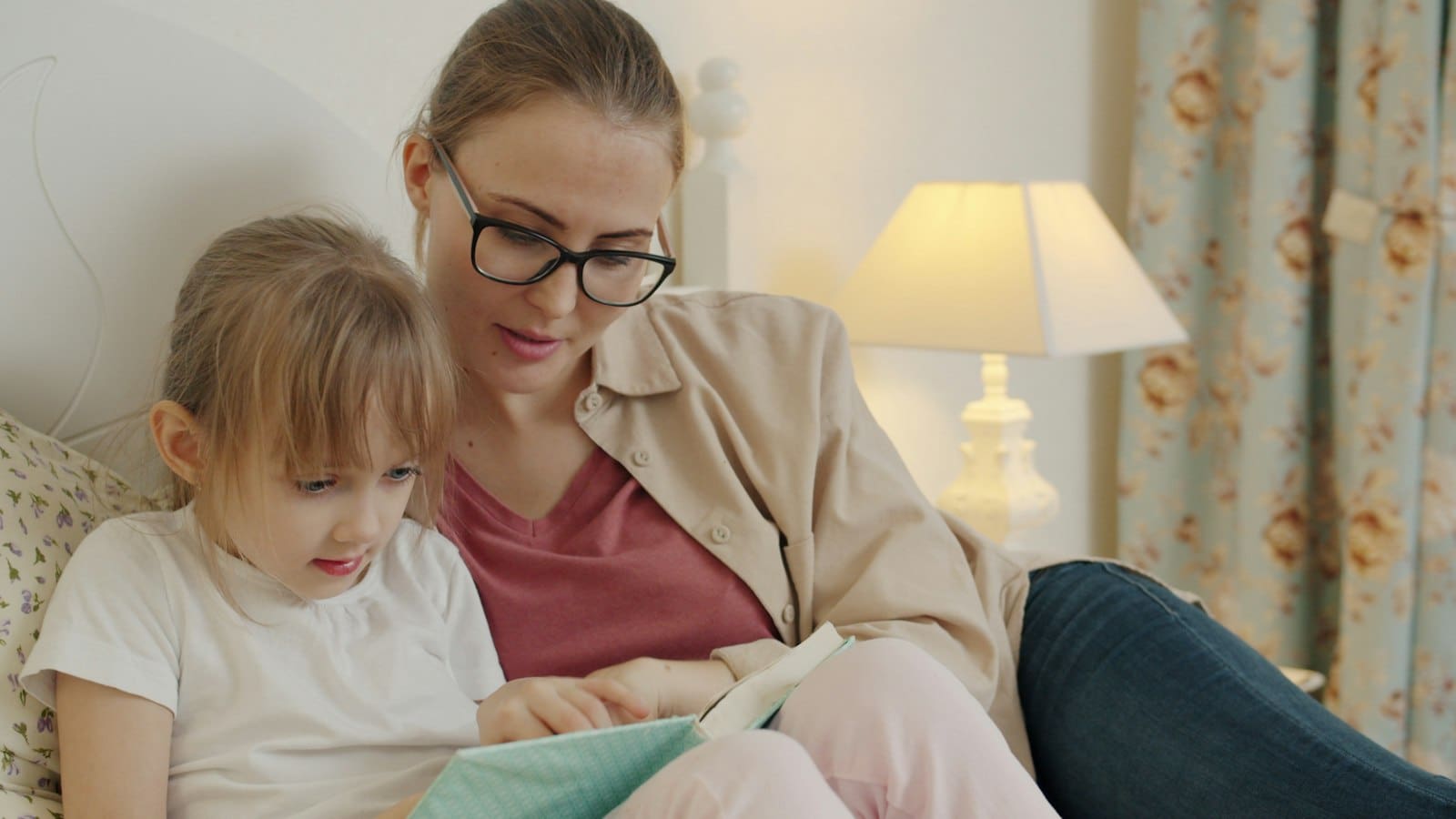
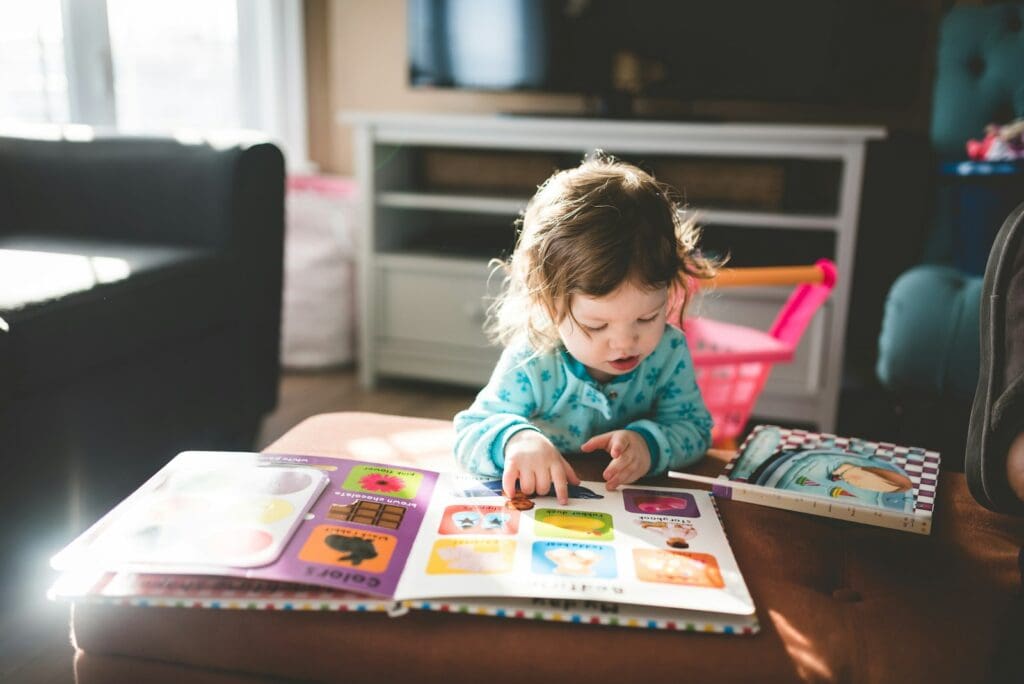
You’re halfway through a bedtime story when your child points to a dog in the corner of the page. It’s got a sock in its mouth. You were just getting to the good bit, but as far as your child is concerned, you’re already there.
I’d stop and look at the dog.
As an author, I spend a lot of time deciding what happens on each page. I like the idea that a child might have their own favourite bit, even if it’s something I barely gave a second thought. They’ve spotted a detail and decided it’s worth sharing with you. That’s a lovely thing to happen halfway through a book.
See what happens if you wait
If your child points to the dog, you could say, “Oh, he’s got a sock,” and give them a moment. They might turn back a page to see where he got it. They might laugh. They might be ready for you to carry on.
I find it tempting to fill that little silence. “Whose sock is it? Where’s he taking it?” Before long, I’ve asked three questions when all they wanted was for me to look at the dog. Sometimes looking together is enough.
The same goes for doing something after the story. If your child wants to draw the dog, get the pencils out. If they want you to do the dog’s voice one more time, do the voice. They’ll soon tell you if you’ve got it wrong.
Give them someone to root for
When I write a character with a learning difference, I think about what a child might spot in them. Maybe they ask a friend to write down a clue because there’s too much going on to hold it all in their head. Maybe a page later they’re the one who notices the clue everyone else has walked straight past. I want a reader to have room to think, “I do that,” and then, “Go on, you’ve nearly got it.”
Some nights you’ll get to the last page. Some nights you’ll spend five minutes working out whether the dog stole the sock or found it. If you’ve ever been asked to read the same book three nights running, you’ll know there’s always another chance to find out what happens next.
Why sharing a story together matters
Jonathan’s point, that looking together is sometimes enough, is backed up by research. The children’s reading charity BookTrust says sharing stories with babies and toddlers creates moments of closeness and shared attention that support bonding and wellbeing, and that children who hear books and stories regularly benefit in their language skills, social and emotional growth and creativity.
BookTrust’s research also found that daily reading with children tends to peak between the ages of two and four, then drops off sharply after the age of four. If your child is starting school and reading to themselves, it’s still worth keeping a shared story in the bedtime routine. The pointing, the questions and the silly voices are part of how they learn to love books. For more ideas, try our language and literacy activities for toddlers.
Try it tonight: let your child lead the story
A few ideas from the Motherhood Diaries team to go with Jonathan’s piece.
- Let them choose the book, even if it’s the same one for the tenth night running. Familiar stories give children the confidence to spot things, join in with favourite lines and, in time, “read” bits back to you.
- Follow their finger. When they point, look where they’re pointing first and say what you see. You can always find your place again.
- Count to five before you speak. It feels like a long time, but a pause gives children the chance to get their thought out, especially if they need longer to find their words.
- Offer, don’t insist. Pencils, a puppet, a silly voice or acting out a page are invitations, not tasks. If they’d rather just listen, that counts too.
- Stop while it’s still fun. A few pages with your full attention are worth more than a whole book with a tired, wriggly child.
If sitting still for a story is hard
Not every child wants to sit quietly on a lap for a bedtime story, and that’s fine. Some children listen best while they move, fidget or hold something in their hands. Some love books with flaps, textures or very few words, and some like to hear the same page again and again before they’re ready to turn over.
If your child has special educational needs or a disability, it can help to:
- keep story time short and at the same point in the bedtime routine each night, so it feels calm and predictable
- use the pictures as much as the words, and talk about whatever your child is looking at
- try books with textures, sounds or lift-the-flaps for children who learn through touch (our guide to learning through sensory play has more ideas)
- use signs, gestures or picture cards alongside the words, if that’s how your child communicates (see our tips on supporting an autistic child at home)
- let your child hold the book or turn the pages, so they’re part of the story rather than an audience
Your child’s nursery, school, health visitor or speech and language therapist can suggest books and ideas that suit your child, and your local library is a free way to try lots of different books before you find the ones they love.
Whether you finish the book or spend the whole time on one page, what your child will remember is you, sitting close and looking at the same thing they are.
Bedtime story questions parents ask
When should I start reading to my child?
It’s never too early. The NHS Start for Life programme suggests looking at simple picture books together and describing the pictures to your baby, and fabric or touch-and-feel books are perfect for little hands. Your baby won’t follow the story yet, but they’ll love your voice and being close to you.
What if my child keeps interrupting the story?
Interruptions usually mean your child is joining in. As Jonathan says, if they point at something, stop and look at it with them. You can always find your place again, and some nights the detour is the best part.
Is it OK to read the same book every night?
Yes. Repetition helps children feel confident with a story, so they start spotting details, joining in with favourite lines and eventually “reading” parts back to you. Try to enjoy it, even on the tenth night running.
How long should a bedtime story last?
There’s no right length. A few pages with your full attention can be worth more than a whole book with a tired child, so follow their lead and stop while it’s still fun. If the whole bedtime routine feels like a battle, our guide to when children are ready to sleep in their own bed may help.