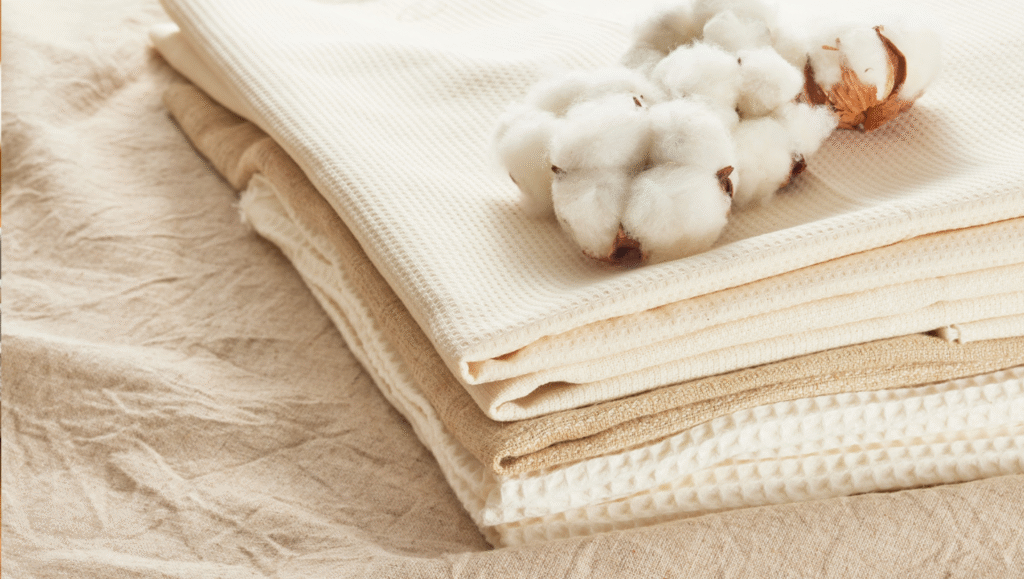
Organic cotton benefits and the pros and cons for babies
A newborn’s crib sheet may look like a tiny square of fabric, but its story stretches from family mental health to the global organic textile economy. Parents across the United States, France, and beyond choose organic cotton over conventional cotton because it’s softer on sensitive skin, gentler on soil health, and kinder to the farmers who grow it.
Below, we summarise the complete picture – organic cotton farming, its advantages and disadvantages, shopping tips, and even how to pay for organic cotton (all the main ones work: American Express, Apple Pay, Diners Club, Discover, or Google Pay). Let’s dive in.
What is organic cotton?
Organic cotton comes from plants without synthetic pesticides, herbicides, or genetically modified (GM) seeds. Certified growers follow rigorous farming practices set out by the Global Organic Textile Standard (GOTS) and the Organic Content Standard, which cover the entire supply chain—from seed and soil to spinning, dyeing, and finished products.
Organic cotton is vegan
No animal by-products, such as bone-char bleach, touch the fibre, making it a perfect plant-only choice for families following vegan values.
There are fewer organic cotton farms
Less than 1% of global cotton land is certified organic. This limited acreage explains the smaller colour range on store racks and (sometimes) the higher price tag.
The heart of organic cotton production
From crop rotation and compost fertiliser to rain-fed irrigation, organic farming protects water tables and boosts biodiversity. Fields become humming havens for bees, bats and birds—an ecological win that synthetic-sprayed plots can’t match.
Organic cotton benefits and its advantages
Chemical-Free Peace of Mind – Crib sheetswithout chlorine bleach, azo dyes, or formaldehyde do not irritate delicate skin. Babies stay more comfortable, and parents don’t have to worry as much about unexplained rashes or late-night itchiness.
Naturally Soft & Breathable – Organic cotton fibres are left longer and more intact because they skip the harsh acid baths used to “pre-soften” many conventional fabrics. The result is material that feels cloud-soft when it comes out of the package and allows air to circulate freely around a sleeping baby.
Hypoallergenic by Nature – Fewer chemical residues translate into fewer potential allergens. Parents who switch often notice a drop in eczema flare-ups and see their little ones wake less frequently to scratch or rub irritated areas.
Temperature Regulation—Organic cotton’s natural loft wicks moisture away from the skin and helps balance body temperature. Babies stay comfortably warm without overheating, even as room conditions change throughout the night.
Durability – Because their cell walls are not weakened by aggressive processing, organic cotton fibres hold up better in the wash. Sheets maintain their shape and softness cycle after cycle, outlasting many fast-fashion cotton alternatives.
Planet-Friendly—Organic production avoids synthetic pesticides and relies on healthier soil systems, leading to lower greenhouse gas emissions and cleaner waterways. Choosing these sheets supports farming methods that work with the environment rather than against it.
Ethical Supply Chain – Independent audits verify that organic-cotton farms and mills pay fair wages and provide safe working conditions. Parents can feel confident that the product offering comfort at home also contributes to dignity and security for those who made it.
Organic cotton vs cotton: the real difference
Imagine putting two crib sheets through 50 rounds of washing. One is made from conventionally grown cotton, processed with bleach, chemical softeners, and synthetic resins that can leave the fibres weak and prone to wear. The other is certified organic cotton. It skips the harsh treatments, keeping its fibres strong, smooth, and naturally intact. The result? Tests show the organic cotton holds about 25% more tensile strength. That means fewer holes, better fit over time, and a sheet that still feels soft and supportive, wash after wash.
Here’s the science:
Longer staple length – Organic crops aren’t rushed to grow bigger, faster, or cheaper. The result is a longer fibre that twists into a tougher yarn. It’s like having spaghetti instead of rice grains to braid with—more length, more hold.
No fibre-frying chemicals – Conventional cotton production uses chlorine bleach, formaldehyde resins and softening silicones that erode the cellulose microstructure. Organic skips the chemical boot-camp, so the fibres keep their natural spring.
Gentler ginning and spinning—Without defoliants, bolls open naturally, and mills can process at lower speeds, preserving fibre integrity and soil-to-sheet sustainability bragging rights.
Friction fighters – Stronger yarn resists pilling, so your once-white sheet doesn’t turn into a bobbly snowstorm after six months.
The result is a sheet that survives nighttime nappy blowouts, toddler trampoline sessions, and even a hand-me-down for baby number two. In short, choosing organic cotton isn’t just planet-kind; it’s cost-saving overall.
Organic cotton for ethical fashion
Sustainable style isn’t just a trend—it’s the future of fashion. More and more pioneering brands show us that it’s possible to dress beautifully without relying on harmful chemicals or environmentally damaging processes. With organic cotton, you get clean lines and a clean conscience. No toxic dye baths, synthetic finishes—just well-made, thoughtfully produced pieces that last.
Whether you’re building a capsule wardrobe, shopping for long-lasting baby clothes, or want to know your T-shirt didn’t harm the planet or its people, organic cotton ticks all the right boxes. It supports safer working conditions, fairer wages, and farming practices that put the planet first. It’s fashion that feels as good as it looks.
Is organic cotton better quality?
Yes—and the difference is backed by lab testing and real-world wear. Organic cotton fibres are longer, cleaner, and less damaged by processing. That means fewer impurities, stronger threads, and reduced pilling over time. Garments keep their shape better, feel softer for longer, and hold up through dozens (even hundreds) of washes.
Baby clothes, bedding, and everyday basics translate into less fading, fewer repairs, and more hand-me-down potential.
Is organic cotton better for the environment?
Absolutely. Life Cycle Assessment studies show that organic cotton production can reduce greenhouse gas emissions by up to 46% compared to conventional cotton. But the benefits go well beyond carbon. Organic cotton is grown without synthetic pesticides and relies on healthier soil systems that retain water and support biodiversity. That means fewer pollutants in local rivers, less water waste, and safer environments for farmers and surrounding communities.
When you choose organic cotton, you’re protecting your family’s skin, helping protect ecosystems, improving soil health, and supporting a more regenerative way of growing what we wear.
What are the disadvantages of organic cotton?
Challenge
Reality Check
Quick Fix
Higher Price
Certification and smaller yields boost costs 15–30 %.
Buy two quality crib sheets, not five cheap ones.
Wrinkling
No anti-crease resins = natural crinkles.
Embrace the relaxed linen vibe or tumble-dry on low.
Limited Availability
Fewer colour options in local shops.
Shop online for wider ranges.
Is buying organic cotton worth it?
Many parents find that the higher price tag on organic cotton balances out— and often saves money— over time.
Lower skin-care costs Families who switch to organic cotton frequently see fewer eczema flare-ups and other sensitivities. That can mean fewer prescription creams, over-the-counter lotions, and doctor appointments.
Better cost per wear A conventional baby grow that costs £20 and lasts 40 washes works out to 50p per wear. An organic alternative priced at £30 but lasting 100 washes drops to 30p per wear. Longer fibre life and stronger seams make a noticeable difference.
Less time in the waiting room Reduced skin irritation also means fewer trips to the dermatologist or GP. Even when medical care is free at the point of use, time away from work and the disruption to family routines have real costs.
Reusable for future children After repeated laundering, organic fibres hold their strength and colour, so garments and crib sheets are more likely to stay in good condition for younger siblings or to pass along to friends.
Positive environmental and ethical impact Choosing organic supports farming systems that avoid synthetic pesticides, protect waterways and provide safer working conditions for growers. Many parents value this social and environmental return alongside the financial one.
Lower healthcare spending, longer garment life, and tangible environmental benefits often justify organic cotton’s initial premium. It can deliver overall value in both the short and long term.
Material guide: reasons to choose organic cotton
Whether you’re upgrading crib sheets, tees, or French flax blends for five-star-hotel vibes, organic cotton delivers:
Comfort — breathable, moisture-wicking, and temperature-balancing.
Longevity — fabric that resists pilling and thinning.
Sustainability — traceable from seed to shelf, under the textile standard microscope.
The environmental footprint of organic cotton
Water: Rain-fed systems and healthier soils slash blue-water use by up to 91 %.
Biodiversity: Pesticide-free habitats welcome pollinators vital to food security.
Farmers’ Health: Fewer chemicals = lower medical costs and safer working conditions.
The mental health benefits of organic cotton clothing
A growing body of evidence—including a 2023 white paper from The Organic Center—connects fabric comfort, infant sleep quality, and parental well-being. This report highlighted the extensive use of chemicals in conventional cotton and underscored potential health risks. For example, U.S. cotton farming recently used over 42 million pounds of pesticides, including glyphosate, a chemical linked to cancers and neurodevelopmental issues. Conventional cotton often carries residues of pesticides and other finishes (like formaldehyde for wrinkle resistance) that can linger in fabric and irritate sensitive skin.
Breathable fabrics and improved infant sleep
Paediatric sleep experts emphasise that breathability and comfort in sleep fabrics are crucial for infants. Babies can easily overheat, which not only disrupts sleep but may pose safety risks. To prevent overheating, experts like Dr. Harvey Karp recommend dressing babies in light, breathable layers and avoiding synthetic fleece pyjamas or swaddles that trap heat.
Natural fibres such as organic cotton muslin or lightweight cotton sleep sacks allow air circulation, helping babies maintain a comfy body temperature throughout the night. Research backs up the sleep benefits of breathable natural materials: Infants sleeping with wool (a highly breathable fibre) have been found to fall asleep faster, sleep longer, and wake less often – in one study, underweight newborns on wool underlays showed 61% higher weight gain and jaundiced babies cried far less (30% vs 67%) when sleeping on wool compared to cotton.
The likely reason is better thermal regulation; as one researcher noted, wool (and by extension other breathable fabrics like cotton) keeps babies in a “thermal comfort zone,” leading to deeper, more restful sleep. These findings suggest that dressing your baby in breathable organic fabrics can tangibly improve infant sleep quality, thanks to less overheating and more consistent comfort.
Organic materials for sensitive infant skin
Baby skin is incredibly delicate, especially for little ones with eczema. That’s why dermatologists recommend soft, breathable fabrics that won’t irritate or trap heat. Organic cotton is a great choice here: no formaldehyde, azo dyes, or hidden nasties like phthalates or PFCs, which are often found in conventional baby clothes and bedding. While it’s not a treatment, organic cotton gives you a clean, gentle base layer that helps reduce flare-ups and nighttime itching. And when baby’s skin is calm and comfy, everyone sleeps a little better.
Choosing breathable, organic cotton pyjamas and bedding can help minimise discomfort from overheating or itching, promoting longer, more restful sleep for your baby—and by extension, for you. Investing in gentle, baby-friendly fabrics isn’t just about comfort; it’s a step towards better sleep and mental well-being for the whole family.
How to identify and choose organic cotton products
Not all “organic” labels are created equal. If you want to make sure you’re choosing genuinely skin-safe, sustainable cotton products for your baby, here’s what to look for when shopping:
Spot the GOTS tag
The Global Organic Textile Standard (GOTS) is the gold standard in organic certification. If you see this tag on a product, the cotton has met strict environmental and social criteria across every stage, from farmed to dyed and finished. So, there are no shortcuts or greenwashing—just genuine organic integrity.
Check the fibre content
Some labels might say “made with organic cotton,” but that doesn’t always mean 100%. In many cases, it could be as little as 70% organic and mixed with synthetic or conventional fibres. Look for terms like “100% organic cotton” or “GOTS-certified organic” to know exactly what you’re getting.
Explore the brand’s supply chain
Reputable, conscious brands proudly show you where and how their products are made. Head to the brand’s website for details on farming methods, factory conditions, and dye processes. If there’s little to no transparency, that’s a red flag.
Look at the country of origin
Countries like India, Turkey, and some parts of Europe are known for strong organic cotton supply chains. While this isn’t a guarantee, it can add a layer of trust, especially when paired with the proper certifications.
Check for additional certifications
Products that carry GOTS and OEKO-TEX® Standard 100 labels offer double assurance. OEKO-TEX® tests for harmful chemicals, so even if a product is made from organic cotton, this additional check ensures it’s safe for sensitive skin.
In short, don’t take “organic” at face value. Flip the label, scan the certifications, and spend a minute reading up on the brand. It’s a small step that can make a big difference—for your baby’s skin, peace of mind, and the planet.
How can I be a better cotton shopper?
Choosing organic cotton is a great start, but how you shop, wash, and reuse your cotton can make just as much of a difference. Here’s how to get the most out of your cotton purchases, in a way that’s kinder to your family and the planet:
Support brands that invest in regenerative farming
Look beyond the label. Brands that work with farmers using regenerative techniques—like crop rotation, composting, and natural pest control—protect soil health and help rebuild ecosystems. When you support these brands, you’re backing a movement prioritising long-term sustainability over short-term gain.
Wash cold and line-dry whenever possible
Hot washes and tumble dryers use energy and can wear out your fabrics faster. A simple switch to cold water and fresh air drying saves water, cuts energy use, and keeps your cotton looking and feeling its best. Bonus: it’s gentler on baby clothes and bedding, too.
Repurpose what you already have
When a cotton item reaches the end of its life as clothing or bedding, don’t toss it—transform it. Old crib sheets make brilliant soft cleaning cloths, reusable wipes, or even drawstring laundry bags. Giving cotton a second life helps reduce waste and gets you more value from each purchase.
Buy less, choose well
It’s tempting to overbuy (especially with baby gear), but quality trumps quantity every time. Two organic cotton onesies that last are better than ten that shrink, fade, or fray after a handful of washes.
Ask questions
Don’t be afraid to contact brands. If a product says “organic,” ask about its certifications or where the cotton is sourced. Brands with nothing to hide will be happy to tell you more.
Being a better cotton shopper is about small, mindful choices that add up—less waste, more comfort, and greater peace of mind for your family and the planet.
The best cotton sheets: what to look for
Regarding your baby’s (or your own!) bedding, not all cotton sheets are created equal. Comfort, breathability, and durability come from the weave, weight, and certification. Here’s how to spot the good stuff:
Percale vs. sateen—know your weave
If you prefer a crisp, lightweight feel with some texture (great for warmer sleepers), go for percale. It’s breathable and matte, perfect for those hot summer nights or babies who run warm. If you’re after something smoother and silkier to the touch—think hotel luxury—sateen is your best friend. It has a subtle sheen and a buttery softness that feels lovely against the skin.
Check the GSM (grams per square metre)
Durability matters, especially when you’re washing bedding frequently. Look for sheets with a GSM of 300 or higher—the fabric is dense enough to hold up through countless washes without thinning or tearing. Anything lower may feel flimsy and wear out quicker.
Double up on certifications
For the safest sleep environment, aim for GOTS-certified bedding and OEKO-TEX® Standard 100 approved. GOTS ensures the cotton is organic and ethically produced, while OEKO-TEX® tests for harmful substances. Together, they cover both environmental and health safety.
Avoid coarse or heavily processed fabric
Due to chemical softeners, some conventional sheets may feel soft at first, but that finish can wear off fast. Worse still, overly processed cotton can be too stiff or abrasive, causing discomfort, especially during active sleep, when little bodies move and rub against the fabric.
Babies with sensitive skin are particularly vulnerable to irritation from harsh dyes, resins, or wrinkle-resistant treatments.
So whether you’re dressing a newborn’s crib or upgrading your bedding, stick with soft, breathable, certified organic cotton. It’s a small switch that leads to deeper, healthier sleep, and longer-lasting sheets that feel like new, wash after wash.
Buying guide and payment tips
Most eco-shops accept American Express, Apple Pay, Diners Club, Discover, and Google Pay, so “American Express, Apple Pay / Diners Club, Discover, Google / Pay, Diners Club / Diners Discover” requests are covered.
FAQ – Organic cotton clothing, skin health and sustainability
Why is organic clothing better for you than regular clothing?
Organic garments skip synthetic pesticides, formaldehyde resins and toxic azo dyes, so your skin absorbs fewer chemicals and your lungs inhale fewer VOCs.
What are the advantages of organic cotton clothing?
Breathability, hypoallergenic comfort, longer lifespan and a smaller water and carbon footprint.
What makes organic cotton tops a healthier choice for your skin than regular cotton?
No bleach residues or silicone softeners linger in organic cotton, reducing the risk of contact dermatitis.
Does organic cotton clothing last longer?
Yes. Intact fibre cell walls mean higher tensile strength; lab tests show organic cotton tees survive 20 % more laundry cycles.
What are the convincing reasons to wear organic cotton T-shirts?
What are the advantages of using organic cotton and wool over synthetic fabrics such as polyester or nylon?
Natural fibres breathe, regulate temperature, and biodegrade; synthetics lock in odour, release microplastics, and rely on fossil fuels.
What are the benefits of organic cotton in kids’ clothing?
Fewer allergens, softer texture, and no endocrine-disrupting finishes—vital for developing skin.
What are the benefits of choosing organic cotton tops over conventional cotton?
Less skin irritation, stronger seams, ethical farming practices and a 46 % smaller climate footprint.
What is the environmental and/or health benefit of wearing organic clothing?
Environmentally, reduced pesticide runoff and greenhouse gases. Health-wise: fewer toxins touching your skin and fewer chemical fumes in your closet.
Final thoughts on the pros and cons of organic cotton
Organic cotton isn’t a silver bullet—price and wrinkles are fundamental considerations. Yet its upside for skin, farmers, and future water security dwarfs the drawbacks. Whether swapping crib sheets or revamping your entire wardrobe, every organic purchase is a vote for toxin-free childhoods, healthier soils, and a more sustainable fashion industry.
*Collaborative feature post*
72 best monthly baby photo ideas for new mums
Your baby will never grow as fast as they do in their first year. Sometimes, like with our second, their face changes so much that they look like a totally different person. So, capturing every essence of your baby’s first year in digital form is essential because time flies so fast. Blink, and they’re teens (my second will be 13 next year!).
You’ll likely be snapping pictures daily, but taking a dedicated baby’s monthly photo is helpful to truly see your baby’s growth. These snapshots, taken from newborn to the first year, will show their amazing transformation over time.
However, with the thousands of images you’ll be creating, organising them will be key. In this article, we’ll share 72 of the best monthly baby photo ideas for your baby’s first year and offer tips for taking monthly baby photos on how to organise and showcase them for years to come.
Why monthly baby photos matter
Monthly baby photos help document significant milestones, from the first smile to the first steps. These regular snapshots can capture those subtle changes and major developments that occur each month that you may not necessarily see when you’re living in the moment with your baby. You’ll look back and revel at how tiny your new baby was back then, but at the time you’ll be too busy dealing with everything life throws at you as a new parent.
It’s really important to organise these photos into a collection, so you can see a visual timeline of your baby’s month of their first year, as it also creates cherished keepsakes for you and your family. These memories will truly treasured for years to come, allowing you to relive those precious moments when they’ve long flown the nest..
Essential tools and equipment
To capture the best monthly baby pictures, you’ll need the right tools and equipment. Here’s a look at what you need and some examples to get you started:
Camera vs. smartphone
Choosing between a camera and a smartphone depends on your preference and the equipment you already have.
A DSLR or mirrorless camera offers high-quality images and better control over settings like aperture and shutter speed. For instance, a Canon EOS Rebel T7i* or a Nikon D3500* are great entry-level options that provide excellent photo quality.
Modern smartphones like the iPhone 13* or Samsung Galaxy S21* have impressive cameras that can capture high-resolution images and are incredibly convenient to use. Plus, they come with built-in editing tools and easy sharing options.
Natural light vs. artificial light
Good lighting is key to taking beautiful photos.
Using natural light is ideal as it’s soft and flattering. Position your baby near a window where indirect sunlight can illuminate their face. Morning or late afternoon light works best to avoid harsh shadows. Try different angles too, to get the perfect shot.
If natural light isn’t available, you could use softbox lights or ring lights if you have them to hand. These lights can mimic natural light and are adjustable to get the right amount of light. We use a ring light which is really good at brightening up the face. The Neewer Ring Light Kit* is also a popular choice among photographers because of its versatility and ease of use.
Props and backgrounds
For some fun ideas to boost your first-month pictures, use props and backgrounds to make your first baby photos look more engaging and thematic.
Items like stuffed animals, blankets, and toys can add personality to your photos. Seasonal props such as pumpkins during Halloween or holiday decorations during the Christmas season can make each month’s photo unique and fun.
For your baby’s monthly milestone photos, try a simple, clean background which helps keep the focus on your baby, although you can use plain sheets, patterned fabrics, or even themed backdrops that match your monthly milestone markers. For example, a white sheet can provide a classic look, while a colourful quilt can add warmth and texture.
We’ll share many more prop and photo monthly baby picture ideas below, so stay tuned!
Monthly milestone markers
Milestone markers help document your baby’s growth and make it clear which month the photo represents. Plus, they make for super cute baby milestone photos!
You could use milestone blankets with numbers and designs to highlight your baby’s age. The “Lulujo Baby’s First Year” blanket* is a popular choice.
A wooden or plastic set of blocks that spell out the month is cute and reusable. You can find sets specifically designed for baby’s milestones, like the Pearhead Wooden Milestone Blocks*.
Monthly milestone stickers you can place on your baby’s onesie are easy to use and come in various cute designs. The “Baby Month Stickers” by Little Moments* are a cute option.
72 best monthly baby photo ideas you can try now!
Now you’re ready to capture those sweet photos! Here are 72 baby month-by-month picture ideas – from themed setups to simple, sweet concepts – which will inspire you to create memorable snapshots of your little one:
Themed photo cute ideas
1 – Autumn leaves
Capture your baby among the colourful autumn leaves to create a cosy, seasonal photo.
2 – Holidays of the first year
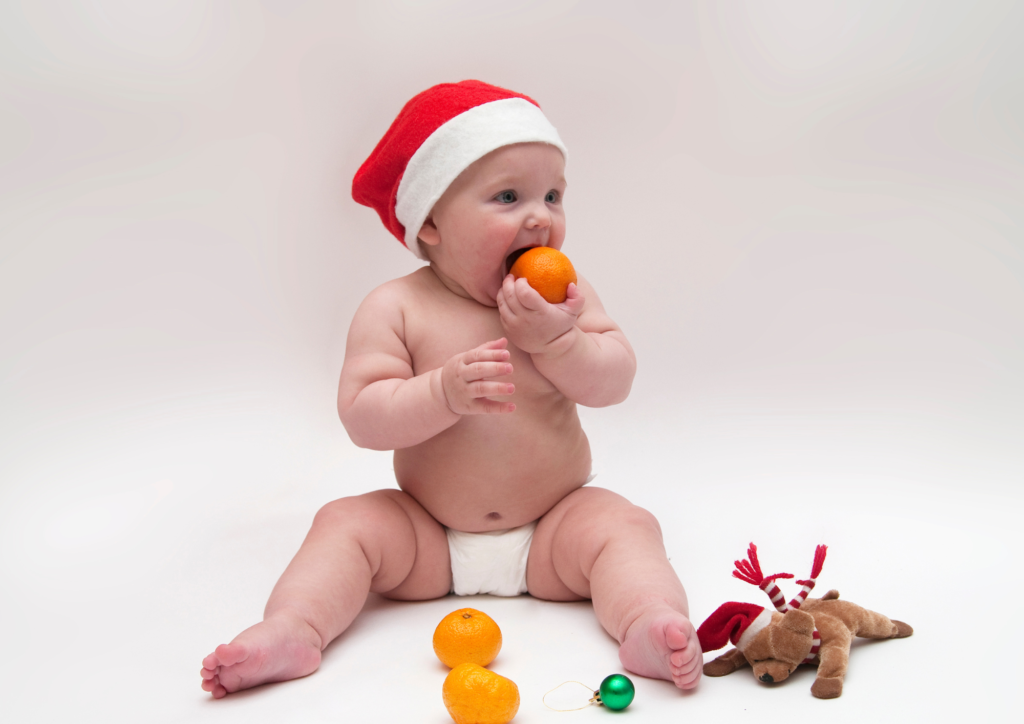
Celebrate each holiday with thematic props like pumpkins for Halloween or Santa hats for Christmas.
3. – Popular characters and toys
Use props of popular characters or your baby’s favourite toys to create familiar and engaging photos.
4 – Beach gear
Create a summer vibe with beach props like sunglasses, hats, and sand buckets.
5 – Pumpkin patch
Use pumpkins and hay bales to create an adorable autumn photo setting.
6 – Winter Wonderland
Create a snowy scene with white blankets, snowflakes, and winter attire.
7 – Magical unicorn
Use unicorn-themed props for a whimsical and magical photo session.
8 – Jungle adventure
Include jungle animals and plants for a wild, adventurous theme.
9 – Ocean explorer
Use sea creatures and beach elements for an under-the-sea adventure.
10 – Carnival fun
Incorporate bright colours, balloons, and carnival toys for a lively and fun theme.
11 – Butterfly kisses
Use butterfly props and pastel colours for a sweet and gentle theme.
12 – Nature walk
Take photos in a natural setting with trees, flowers, and greenery.
13 – Fairy tale
Use props from classic fairy tales to create magical and enchanting photos.
14 – Zoo day
Include stuffed zoo animals and set up a mini zoo scene.
15 – Space adventure
Use star and planet props for a space-themed adventure.
16 – Island breeze
Create a tropical setting with palm leaves and beach toys.
17 – Wild west
Dress your baby as a cowboy or cowgirl and use Western props.
18 – Urban baby
Use a cityscape backdrop to create an urban, modern theme.
19 – Vintage vibes
Use vintage props and clothing for a classic and timeless photo.
20 – Art studio
Set up an art studio with paints, brushes, and a mini easel. Come up with a new idea for each month, like the best things they did that month or something which involves their first time.
Simple and sweet concepts
21 – In your arms
Capture the warmth of holding your baby and showcase the bond between parent and child.
22 – Tiny props on white
Use simple, tiny props on a white background to keep the focus on your baby. For example, you can do a pizza baby-style photo by placing your baby carefully in a pizza box. It’s so cute!
23 – Sweet little kit
Include a favourite stuffed animal or blanket for a cosy photo.
24 – Simply seated
Position your baby in a cosy chair for a natural, relaxed photo.
25 – Quilted comfort
Place your baby on a homemade quilt for a warm and comforting background.
26 – Quiet time
Capture peaceful moments with your baby in a serene setting.
27- Lullaby land
Use musical-themed props to create a calming, dreamy photo.
28 – Oldtimer
Use sepia tones and vintage props for a nostalgic feel.
29 – Books and bears
Create a reading time scene with books and teddy bears.
30 – Picnic day
Set up a picnic blanket and basket for an outdoor, sunny day theme.
31 – Chalkboard moments
Use a small chalkboard to write the month or a special message.
32 – Minimalist beauty
Focus on clean lines and simple backgrounds to highlight your baby’s natural charm.
Fun and unique ideas for monthly milestone pictures
33 – Doughnut grow up
A unique idea could be to use a fun doughnut theme with colourful doughnut props.
34 – Flower power
Surround your baby with flowers for a bright and cheerful photo.
35 – Bounty of the season
Use seasonal fruits and vegetables as props to highlight the time of year.
36 – Character of the month
Feature a different character each month for variety.
37 – Create a scene
Build a small set to create a themed scene, like a mini bedroom or a park.
38 – Go digital
Use digital backdrops to create imaginative and varied scenes.
39 – Little illustrations
Add hand-drawn illustrations to your photos for a personalised touch.
40 – Mod markers
Use modern milestone markers to highlight your baby’s age each month.
41 – Plush pics
Incorporate plush toys to add softness and whimsy.
42 – Use blocks
Spell out your baby’s age with different colour blocks.
43 – Hat collection
Feature your baby in different hats each month for a fun series.
44 – Ice cream delight
Create an ice cream-themed photo with colourful cones and sprinkles.
45 – Kite flying
Use a kite as a prop for a playful, outdoor theme.
46 – Lemonade stand
Set up a mini lemonade stand for a summer photo.
47 – Rainbow Colours
Use a rainbow backdrop or props to create a vibrant, colourful photo.
48 – Tea party
Create a tea party scene with mini teacups and treats.
49 – Under the stars
Use a night sky backdrop with stars and a moon for a dreamy photo.
50 – Xylophone fun
Incorporate a xylophone and musical notes for a musical theme.
51 – Yellow sunshine
Use bright yellow props and a sunny backdrop to create a cheerful photo.
52 – Gingham style
Use gingham-patterned props and outfits for a classic look.
53 – Hobby time
Include props related to family hobbies, like sports or cooking.
54 – Jewel tones
Use rich, vibrant colours to create striking and beautiful photos.
55 – Keepsake box
Include keepsakes and mementoes in the photo to highlight special memories.
56 – Merry-Go-Round
Create a carousel-themed photo with colourful horses and carnival elements.
57 – Nature baby
Capture your baby in natural surroundings, like a garden or park.
58 – Retro fun
Use retro props and outfits to create a nostalgic theme.
59 – Sibling love
Include siblings in the photos to capture their bond and interactions.
60 – Toyland
Surround your baby with their favourite toys for a playful photo.
61 – Vintage toys
Use old-fashioned toys to create a vintage-themed photo.
62 – Xoxo
Create a hugs and kisses theme with XOXO props.
63 – Year in review
Create a collage or compilation of the year’s best photos.
64 – Zany hats
Feature your baby in a different, fun hat each month.
Dress your baby in different costumes each month for a fun series.
69 – Dreamy clouds
Use a soft cloud backdrop for a dreamy, ethereal photo.
70 – Farm friends
Include farm animal props and set up a mini farm scene.
71 – Gardening Baby
Capture your baby in a garden setting with flowers and plants.
72 – Island breeze
Create a tropical scene with palm leaves and beach props.
Organising your baby photos
As you capture your baby’s growth month by month, it’s a good idea to organise the photos from the offset, so you can easily access the photos when you need to. Here are some of baby’s monthly picture tips to help you manage your growing collection of baby photos:
Digital photo management
Create specific folders on your computer for each month or milestone. For example, have folders labelled “Month 1,” “Month 2,” etc.
Within each folder, use tags to identify special moments or themes, like “first smile,” “Halloween,” or “family time.” This will make it easier to locate specific photos later on.
Use cloud storage services like Dropbox, Google Photos or iCloud to back up your photos. These platforms offer the convenience of accessing your photos from any device.
Google Photos, for example, allows you to create albums, share photos with family, and even search for specific images using AI-powered search features.
Regularly upload and organise your photos to keep your collection up-to-date and secure.
Creating a digital photo album
Use software like Adobe Lightroom or apps like Shutterfly to create digital photo albums. These tools offer templates and customisation options to make your album unique. Include captions and dates to document important details and milestones.
Arrange your photos chronologically or by significant events, such as their first step or first birthday. This will create a coherent narrative of your baby’s first year. You can also use thematic sections within the album to highlight special occasions and monthly milestones.
Printing and displaying photos
Choose high-quality printing services so your photos look their best. Online services like Printique or local photo labs can offer excellent results. Consider printing a few standout photos in larger sizes for framing and display.
Creative display ideas for month-to-month baby pictures at home
You can create a photo wall with a timeline of your baby’s first year. Use a mix of framed photos and canvas prints to add variety.
Use a photo baby book to compile your monthly photos into a beautiful keepsake. These books can be customised with text and embellishments to tell your baby story of their first year.
Consider making a photo calendar with a picture for each month, which can serve as both a keepsake and a functional item.
Be consistent
Select a specific day each month to take your baby’s photos. This could be the same date each month or the same day of the week. Consistency helps create a coherent series of photos that clearly show your baby’s growth and development over time.
Use the same or similar backgrounds and props each month to create a unified look. This could be a favourite monthly milestone blanket, a specific chair like a rocking chair (if it’s safe), or a particular setting in your home. Consistency in props and backgrounds highlights the changes in your baby rather than the surroundings.
Engage your baby and make it fun
Keep the photo sessions light and enjoyable for your baby. Use toys, songs, or funny faces to grab their attention and make them smile. A happy baby will result in more natural and joyful photos.
Don’t stress about getting the perfect pose every time. Some of the best photos come from candid moments when your baby is simply being themselves. Keep your camera ready to capture spontaneous smiles, giggles, and curious expressions.
Editing and enhancing photos
After taking your photos, use basic editing tools to enhance the images. Adjust the brightness, contrast, and colour balance to make your photos pop. Cropping can help eliminate any distracting elements in the background.
There are several apps available that can make photo editing easy and fun. Apps like Adobe Lightroom, Snapseed, and VSCO offer a range of editing tools that can help you enhance your baby’s photos with just a few taps. These apps often include filters and presets that can give your photos a professional look.
FAQ Section
1. Can you please provide some 1-month baby picture ideas?
For one-month-old baby picture ideas, consider using cosy setups like a soft blanket or a plush cushion. Include simple props like a milestone marker, a tiny stuffed animal, or a themed outfit. Capture your sleeping baby or them gazing up at the camera for natural, heartwarming photos.
2. Any 1-month-old baby girl picture ideas?
Baby girl monthly photo ideas can include dressing your baby girl in a cute outfit, like a floral dress or a pastel onesie. Use props like a headband, soft toys, or a pretty blanket. Consider themes like princesses, butterflies, or seasonal flowers to add a feminine touch for the perfect one-month baby picture!
3. I need 1-month-old baby photography ideas please
Use natural lighting near a window for soft, flattering photos. Place your baby on a simple, textured blanket to keep the focus on them. Capture close-ups of their tiny hands and feet or candid moments of them yawning or stretching.
4. Are you a new parent? What are some photoshoot ideas at home for a one-month-old Baby?
Set up a cosy spot with a soft blanket and pillows and use natural light from a window. Include props like milestone cards, toys, or a favourite food or outfit. Capture different angles and expressions, and don’t forget to include family members in some shots.
5. How do I celebrate our 6-month-old baby’s birthday?
Create a small, free intimate celebration at home with family and decorate with balloons, a banner, and a small cake. Take photos of your baby with birthday props like a “6 Months of Life” milestone marker, and capture moments of them interacting with their surroundings.
6. How do I do a baby photoshoot at home?
For monthly photoshoot ideas for baby boy choose a well-lit area, preferably with natural light. Set up a simple background with a blanket or sheet and use props that are meaningful or fun. Take multiple shots from different angles, using a smartphone or camera with good resolution. You can edit the photos lightly for brightness and contrast afterwards for the perfect monthly milestone photoshoots
7. How do I make my baby monthly pictures?
Select a consistent spot and background for each monthly photo. Use milestone markers like blankets, blocks, or stickers and dress your baby in different outfits each month to highlight their growth. Capture your baby’s personality by photographing them in natural, candid moments.
8. How do I photograph a newborn baby? Any ideas on how to photograph them?
Keep the room warm and comfortable and use natural light to avoid harsh shadows. Capture your baby in simple poses, like sleeping or being held. Focus on details like tiny fingers and toes and use soft blankets and minimal props to keep the focus on your baby.
9. How should I celebrate baby’s 1st birthday as we don’t have any friends to throw a party for?
Create a special day at home with family. Decorate with balloons and a birthday banner and bake a small cake or cupcake for your baby. Take lots of photos to commemorate the day. Plan activities that your baby enjoys, like a favourite game or toy. A cake smash is a fun and simple way to celebrate your baby’s first photo and make for great photos!
10. What are some clever newborn photography ideas?
Use creative props like baskets, wooden crates, or themed blankets and capture close-ups of your baby’s tiny features. Include elements like fairy lights or flowers for a unique touch. Try different angles and perspectives to add variety to the shots as well.
11. What are some creative maternity photography ideas?
Incorporate nature by taking photos in a park or garden. Use props like baby shoes or ultrasound photos and wear flowing dresses that highlight the baby bump. Include your partner or an older sibling for family-themed shots and experiment with silhouettes and backlighting for dramatic effects.
12. What are some cute poses for a newborn photography session?
Place your baby on their tummy with their hands under their chin. Capture them sleeping on their back with legs curled up and take close-up shots of their face while they are sleeping. Include props like a soft toy or a cosy blanket.
13. What are some good baby boy photoshoot ideas?
Use boy-themed props like toy cars, blocks, or sports items and dress your baby boy in cute outfits like overalls or a bow tie. Create a themed setup, such as a mini camping scene or a little superhero backdrop.
14. What are some ideas for a baby girl’s first birthday party and her mom’s second wedding anniversary baby shower combined in one celebration?
Combine themes like “Princess and Love” to celebrate both events and use decorations in matching colours, such as pink and gold. Have a joint cake with sections dedicated to each celebration and include activities that are fun for both adults and kids, like a photo booth or a craft station, which you can get from any craft store.
15. What are some of the best ideas for a 1-month-old’s birthday?
Even though it’s early, you can mark the one-month milestone with a small celebration. Use a cute “1 Month” sign or milestone card and dress your baby in a special outfit. Take lots of photos and include simple decorations like balloons or a banner.
16. What are the best memory-keeping ideas to do for a baby?
Create a digital photo album with monthly milestones and keep a baby journal to document important moments and milestones. Creative ways could include making a memory box with keepsakes like your baby’s hospital bracelet, first shoes, and favourite toys. Regularly print and frame special photos to display at home.
17. What settings should I use for newborn photography?
Use a low ISO (around 100-400) to avoid graininess. Set a wide aperture (f/2.8 to f/4) to create a soft background blur and use a fast shutter speed (1/200 or faster) to capture sharp images, especially if your baby moves. Adjust the white balance to match the lighting conditions.
18. When to take monthly baby photos?
Take your baby’s monthly photos on the same date each month, such as their birth date. Choose a time of day when your baby is usually in a good mood and well-rested, such as after a nap or feeding. Consistency in timing will help you capture their growth accurately.
19. Why do many people on the internet use baby photos as their icons or profile pictures?
People often use baby photos as their icons or profile pictures to showcase their pride and joy. It’s a great way to share the happiness and innocence associated with babies. These photos also attract positive attention and engagement from friends and family.
20. Why do new parents get professional photoshoots basically naked with their newborns?
Newborn photoshoots with a professional photographer often feature minimal clothing to highlight the baby’s pure and natural state. This style of photography focuses on the bond between the parent and baby, emphasising skin-to-skin contact which is comforting for the baby and creates intimate, timeless images.
21. Why do people cover their baby’s face in pictures?
Some parents cover their baby’s face in pictures to protect their privacy. It’s a way to share moments without exposing the baby’s identity for security reasons. This can be especially important on public social media platforms.
22. Why shouldn’t we take a photo of a newborn baby?
Certain cultures and beliefs hold that taking photos of a newborn can bring bad luck or unwanted attention. It’s always important to respect cultural practices and beliefs. If there are no such concerns, taking photos is generally safe and a wonderful way to capture memories.
23. What is the best age to get professional newborn photography?
The ideal age for professional newborn photography is 5 to 14 days old. At this age, babies are more sleepy and easier to pose in those adorable, curly positions. It’s also a great time to capture the baby’s name and details in the photos. You can also start those monthly baby photo ideas from this age to create a beautiful monthly photo series.
24. What app do you use for newborn monthly pictures?
There are several great apps for capturing and organising monthly baby photos. Baby Pics is a popular choice, offering creative monthly baby photo ideas to add artwork and text to your baby’s pictures. Another excellent app is Tinybeans, which allows you to create a digital photo album, track milestones, and share updates with family and friends. These apps are great at helping you manage milestone baby photos and generate unique monthly baby photo ideas effortlessly.
25. Is it wrong to tell my family not to post my newborn baby’s pictures on social media?
It is not wrong to ask your family not to post your baby’s pictures on social media. As a new mum, you have the right to control your baby’s digital footprint and ensure their privacy. You should discuss your concerns with your family and emphasise that you’re looking for a better way to protect your child’s privacy. Sharing baby’s photos should be your choice, and setting boundaries is perfectly acceptable.
26. Is it okay for an adult to post pictures of their babies on social media?
Yes, it is okay for adults to post pictures of their babies on social media, as long as they take necessary precautions. Using privacy settings to control who can see the photos and avoiding sharing too much personal information can help protect your baby. Posting cute creative ideas for monthly baby pictures and milestone baby photos can be a fun way to share your baby’s growth, but always prioritise safety and privacy. Make sure your baby is in a safe environment, such as a cosy chair or with safe props like a Moses basket or a milestone blanket, before sharing online.
Final thoughts
Capturing monthly baby photos is a wonderful way to document your baby’s growth and milestones throughout their first year. Use the right tools and equipment, create themed and simple photo ideas, and organise your photos efficiently, so you can create a beautiful collection of memories. Remember, consistency in taking photos and engaging your baby can make each session enjoyable and successful.
So, don’t wait any longer and start capturing your baby’s precious moments now. Whether you use a camera or a smartphone, natural light or softbox lights, the key is to start and stay consistent. These photos will become cherished keepsakes, allowing you to look back and remember those fleeting early days.
*Collaborative feature post*
*Links marked with a ‘*’ are affiliate links, which means I may earn a small commission if you click through to buy, at no extra cost to you.*