Back to school preparation tips for a smooth first day back
The time is coming to think about how to get ready for back to school again. And the earlier back-to-school preparation for parents starts during the summer the better, so kids don’t face such a shock when they’ve not had the routine of school runs, homework, reading and putting on their school clothes every morning.
Kids who have not prepared for school in advance can often become anxious when school starts, especially if they are transitioning from infants to juniors or when your child is starting reception for the first time.
The key is to start school preparation slowly and organise your child’s school supplies list in advance, so your kids know what’s coming when they start a whole new school year. I have laid down some back-to-school tips for parents, with an essentials list in the first part of this article and the second part will discuss preparing for back to school (geared towards the transition between nursery and reception).
Back to school essentials
You won’t need all the items in your back to school preparation checklist as some schools’ requirements are different. So, if anything is missing, please pop your list on how to get ready for going back to school in the comments below this post. Older kids may require more items, so I am basing my essential list for kids and back-to school tips for elementary students.
Backpack
Some schools require you to purchase a branded school bag for the infant stages, but when the kids get to the Juniors (Year Three to Year Six), they can bring their own backpack into school.
Back to school organisation tips should include a good sturdy backpack that is school-proof, and make sure the bag has pockets for items like their water and pencil case, and perhaps a separate section for their lunchbox if they’re not having school dinners. Make sure the bag is big enough to pack school-related books (school folders, notebooks, homework books, reading books etc.) with enough space for other bits and bobs like snacks and items they collect on the way.
I sometimes find leaves, rocks and all sorts of memorabilia in my boys’ backpacks, which brings me to another one of my school organisation hacks – make sure they are waterproof and breathable with durability that gives the backpack longevity. Your child’s school bag will be dragged across the floor, swung onto the shoulders, thrown into a corner and waded through the four seasons of weather. So, make sure it’s built to last!
Here are some great backpacks for kids from Amazon:
Marvel Spiderman Denim Compact Backpack 2 Wheels Blue 32 x 45 x 21 cm Polyester 30.24L. Buy from Amazon here*
Kipling FASTER, Ergonomic Kids Backpack, 28 cm, 7 L, True Pink. Buy from Amazon here*
Disney Encanto Casita Los Madrigal Backpack Nursery Multicoloured 21 x 25 x 10 cm Microfibre 5.25L, Multicoloured, Daycare Backpack. Buy from Amazon here*
Lunch box
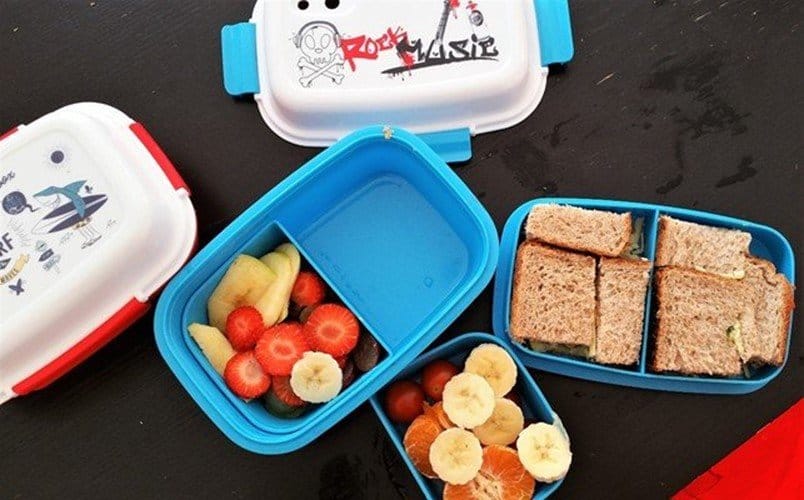
If your child is not having school dinners, then use sturdy lunchboxes to keep their food fresh and drinks cool. You can opt for a lunch bag with a strap branded by their favourite character, or you can go for one of those old school hardback lunchboxes. Bento-style boxes are great because they contain different departments to carry all your child’s favourite lunch items. You can find some great food ideas for lunchboxes here. Variety is the spice of life when thinking about how to prepare for going back to school!
Water bottle
Water is massively important to keep your kids hydrated during the day, and the school may not always provide water or have liquids to hand. So, when preparing for school, I pack the boys with disposable water bottles, but if you would prefer your child to keep the same bottle then make sure that the bottle fits in your child’s backpack or school book bag and it keeps water cool and fresh during the day, especially in the summer. An easy top cap and lid opening system is a must so kids can grab a quick drink while they’re running about the school.
Homework area at home
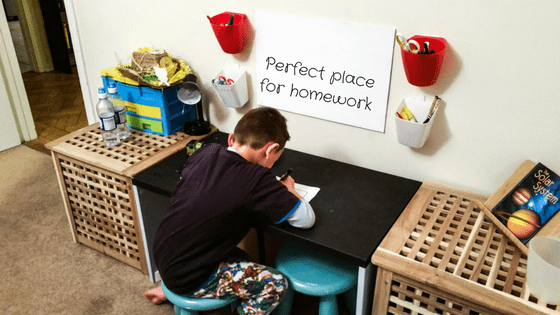
To be ready for back to school, prepare your child’s bedroom with a homework area at home, so they have somewhere where they can complete their homework or read their books. A homework area doesn’t need to be expensive. I created one for just under £40, and even though the boys are getting too big for the table, they still used it for a good few years. Click here to find out more about my homework area challenge.
Warm jacket/raincoat
September can still be warm, but by October it can get cold quite quickly. A warm jacket/raincoat is an absolute must, and there are several things to think about when buying a coat for school. Whether you walk to school or take the car, your child will inevitably need to wear a jacket.
Make sure the coat is easy to put on and take off, and leave out fancy buttoning-up systems and complex layers. Opt for a 3 in 1 coat, which is breathable, waterproof and insulated, so your child can wear it for most of the school year, although, undoubtedly they will grow out of it very quickly. Make sure to pick a coat with translucent stripes or one that glows in the dark during those school runs when it gets dark quickly. But don’t worry if you can’t find a coat with special stripes. You can buy glow in the dark tape to affix to your child’s coat so cars can spot them in the dark.
Back to school clothes
You may be requested to purchase special branded jumpers and summer clothes/dresses, but you can find very cheap school shirts and trousers in all the major stores these days for as little as £1.50. Make life easy for yourself and go for the crease-free version, so there’s less ironing to do every day and make the clothes durable as kids will no doubt wear them out quite quickly with all that running, falling and scraping they’ll do every day! Purchase underwear and socks that are 100% cotton too so that they’re breathable and easy to wear as kids will sweat during warmer weather. A non-exhaustive list can include:
Shirts* (long-sleeved and short – go for crease-free)
Sweaters, cardigans and fleece jumpers (you may have to purchase the branded version from a specialised school uniform shop)
Trousers and shorts (make sure you pick creased-free and the right colour for your school)
Socks and tights (go for 100% cotton as it’s the kindest on your child’s skin)
Underwear (again go for 100% cotton)
Hair accessories if required
Apron
You may be required to purchase a waterproof apron for arts and crafts. However, an old shirt will do if you’re saving money. But, make sure to pack it in your essentials list, so your child’s school clothes don’t get ruined!
Small umbrella and wellies
We live in a country where all four seasons could potentially happen in one day. This means that we need to prepare for any weather. Buying a small child-sized umbrella and wellington boots can ensure they prepare for the rainy season when it hits.
Hats scarf and gloves set
As we get into the winter season, the weather will turn icy and cold. Protect your kids on the school run with woolly hats, scarves and glove sets, which you can find branded with your child’s favourite character or hobby.
Sun cream / Sun hat / sunglasses
You should apply sun cream to your child throughout the year and sunglasses worn even during cloudy weather. It’s important to protect your child’s skin and eyes to prevent skin cancer. Kids tend to have an aversion to sunglasses, so it’s important to educate them on why it’s so important and hope for the best that they wear during the school day!
PE Kit
The school provides us with a special PE Kit list which generally includes a coloured shirt, black shorts, jumper and tracksuit bottoms. You should also pack a pair of trainers and plimsoles so kids can alternate between outdoor PE and indoor PE. As the kids get older, you may be required to provide football boots and shin pads as well, with long football socks.
Teachers may also require you to pack football trainers for indoor football.
Electronics
If your child is older, they may require to bring electronics like a laptop or iPad. Check with your teacher whether this is the case and make sure you pad the electronics correctly and their backpack can comfortably house them too.
Indoor shoes are very important so as not to bring the outside dirt into the classrooms. Make sure you opt for an indoor shoe which is comfortable as your child will be in those shoes for most of the day. Opt for Velcro or buckled style shoes so that it’s easy to put on and take off.
Outdoor shoes
Outdoor shoes are a must, especially if your child is walking to and from school every day. Kids will play on all different terrains, so make sure the shoes are durable and comfortable.
Pencil case
Not all kids will require a pencil case to go to school. In my boys’ school, so from Year 3 onwards, the kids are required to pack a pencil case, which includes the following:
Pencil case
Pencil
Pencil sharpener
Eraser
Ruler
Pritt Stick
Your teacher may request that your child pack other items like scissors, index cards, post-it notes, and highlighters. Ask your teacher before you leave school for the summer, so your child is prepared on the very first day back at school.
Back to school labels
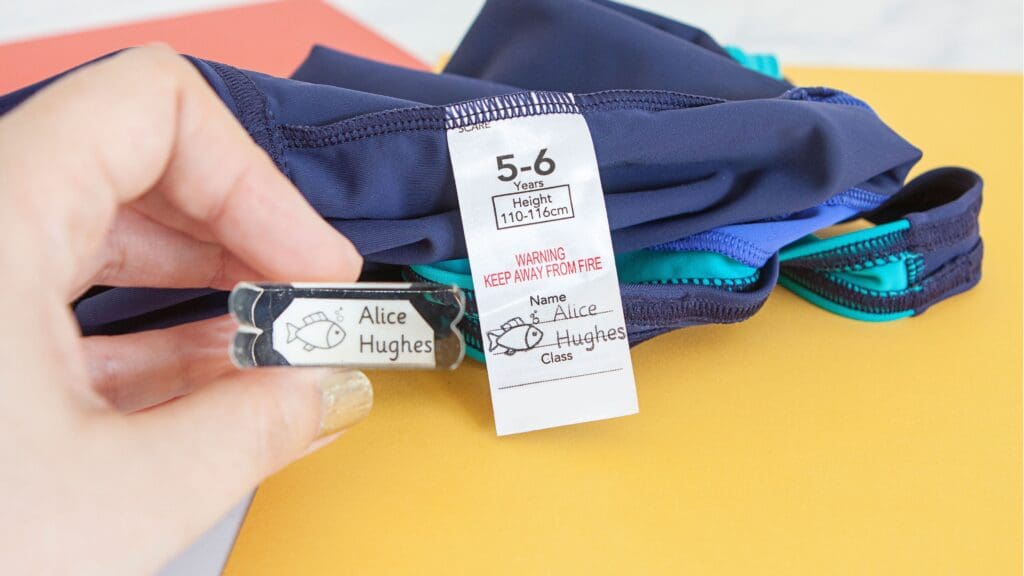
Label all of your child’s clothes clearly because kids are notorious for going home in other children’s clothes or somehow along the way from home to school to back home, their clothes magically disappear. You can purchase iron-on labels or mark your kids’ clothes with Sharpie so it’s permanent. You can purchase some great custom labels for kids at Sticker You.
Use stamps to label your kids’ clothing
You can also use stamps to label your kids’ clothes. They’re a bit more reliable than labels and they last longer too! We have a personalised stamp from Stamptastic which is so easy to use, lasts 50 washes and there’s no need for ironing too! You can buy a School Names Deluxe Bundle here which includes a Personalised Name Stamp, a Stamptastic Ink Pad and a White Fabric Pen.
How to prepare for the first day of school
If your child is starting elementary school for the very first time, then this monumental transition will be just as nerve-racking for them as it is for you. Starting school is a massive change, especially when during the pandemic, most children had to complete distance learning. So when preparing for back to school after covid, it’s important to not only teach them how to get ready for school but to prepare them in advance and ease them into their first day slowly. Here are some tips for preparing your child for school:
Help your child to be social and make new friends
Your child may already have friends coming to school with them from nursery, in which case their friends are a great way to ease them into a big new school with lots of strangers. However, if they are coming on their own, then it is important to encourage their social skills and expose them to as many other kids and playdates as possible.
If your child has a settling-in session, it’s a great idea to bring them with you, so they get a feel for their new school and learn some new faces before September. You may even want to buddy up with some other parents and encourage online WhatsApp or Facebook groups so you can arrange playdates for your kids in advance.
Practice how to say goodbye
Your child may find it easier to settle to school if they have already been to preschool or nursery, as they have gotten used to saying goodbye to you, even if only for a couple of hours. But, if your child has never left you, then it’s important to practise saying goodbye now to prepare for when school starts. School should implement a staggered start system to help kids learn how to get prepared for school slowly.
In reception, kids only come for a few hours, and then the week after, they stay for lunch, and then finally they stay for the entire duration of the school day. Get into the habit of saying things like, “Goodbye, I’ll pick you up at 3.15pm, when school finishes”, “I’ll pick you up after football” or something along those lines so that your child knows when you will be back. Stick to terms that your child will understand so they’re not confused as they may not know how to tell the time yet.
Practice the school run
If you can, then it would be a great idea to practice doing the school run with your child, so they know what to expect on their first day. Practising the school run will also provide them with a sense of security and help you work out how long you will have to get you and your child ready in the morning without any stress or rushing around.
Help your child to develop good hygiene skills and independence
One of the most important rules when learning how to get ready on the first day of school is self-hygiene. The school will expect your child to know basic hygiene, for example, going to the toilet, flushing the toilet and then washing their hands. Teach them how to wash their hands properly with soap and water, and this will reduce the chances of them catching nasty school bugs too.
Help them practice using a knife, fork and spoon as well and encourage them to take the initiative in certain situations. For example, if their nose is running, they get a tissue and wipe their nose, then throw the tissue away. Other skills are to make sure they always wash their hands before eating as well.
Encourage your child to have a healthy appetite
Encouraging your child to eat a variety of foods can be tough, especially if your child is a fussy eater. However, you can inspire a healthier attitude to food when you adopt a healthy attitude yourself. Encourage eating together and incorporate lots of fruit and veggies in your diet as you set the example of how to eat at home.
Prepare them for the range of choices they will face during school dinners by introducing a few unfamiliar foods at home or taking them out for a meal at a restaurant in the run-up to school. Try not to stress or rush your child with eating. If they genuinely can’t eat a certain food, then don’t force them. Offer up the food, and if they don’t eat it, then they don’t eat it.
How to prepare for school the night before
One of the most important tips on how to get ready for the first day of school is to pack your child’s back to school essentials the night before, so that you don’t rush in the morning. Wash and iron school clothes ready with socks and underwear so that when your child wakes up, they can put them on straight away. Also, set the alarm clock so they know when to get up
The aim is to have more time to check in with your child and prepare them for the day ahead, rather than rushing around hunting for last-minute bits and ushering them out of the house in a negative and stressed manner.
Of course, it is a lot easier to say it if your child may not want to go to school or they are taking their time to get ready, with the clock ticking. But, the extra time you save by preparing the essentials the night before can be spent talking to them about their worries, so they feel more at ease before they start the day.
Let your child take the necessary steps to get ready for school by themselves in the morning
It may take some practice to help them get into their clothes, but it’s a great skill if they can get ready by themselves because they may have to change for PE or put on their coat during break time. They may even jump at the chance to act independently and relish the chance to show mummy and daddy how grown up they are, so encouraging them to build on this skill set is invaluable.
Teach them how to pull up a zip, fasten buttons and brush their hair, as well as put on their shoes and give them the chance to practice putting on their uniform and taking it off before school starts.
Chat to them about school the night before or read a book about it
The key is to prepare your child for school by making them understand as much as possible about what they will expect. Take out some books from the library about starting school and read them with your child during the night, so they feel more comfortable about what to expect the next day.
Show them how fun it will be to meet lots of new people, make new friends and that they will be in a class of approximately 30 kids with one teacher. Speak to them about the rules of the school, i.e. listen to the teacher, and speak to an adult if they are not feeling comfortable or happy etc.
Keep it fun at home
Just because your child is starting school, it doesn’t mean that the fun should stop at home. It’s important that they still get lots of fun in, as teachers in reception won’t expect your child to work solidly for hours on end. Learning through play at this age is essential, and their teacher will encourage more arts and crafts and outdoor style games to help them ease into the subsequent years.
Try to include this style of play at home too, for example, do some painting with them and encourage them to fetch the paints and then put them away. Help them to put on their apron and if they’re playing with toys, get them to put the toys away when they’re finished. These skills are building blocks to having an easier time at school.
Stay relaxed!
One of the ways to prepare for back to school calmly is to keep your emotions in check. Your child will pick up stressed vibes from you and then they will get stressed. If you’re worried about your child starting the school season, they will also pick up on this and feel nervous.
Perhaps find time to learn how to prepare yourself for the first day of school too. Show them how happy and excited you are that your child is growing up and starting big school, even if you find this super difficult because they’re going to start school regardless of how you feel Think about how to prepare to go back to school in a way that doesn’t include negative emotions. It’s better to instil confidence in them rather than nerves – I promise you will be pleasantly surprised at how well their first day will go!
Back to school tips for high school students
Transitioning from primary school to secondary school can feel like the biggest change in a pre-teen’s life. Click here for some tips on how to transition from primary school to secondary school and teach your tween how to get ready to go back to school.
*Collaborative feature post which includes affiliate links”
Toddler bedroom ideas on a budget
A toddler room will become your baby’s palace. They will sleep, play and eventually study in their personal space, so giving them a great bedroom will breathe new life into their haven.
When looking into room décor, think about the space you have available and the theme you want to create. Have an overall outlook first when considering the room and interior design ideas for toddler bedrooms. Your toddler will likely change their interests over time, so think about an overall theme that can be enhanced upon again and again.
Also, consider what you want to change and the space you have available. Do you want to paint the walls? Which items do you want to display? Which necessary pieces of furniture should stay and which should be thrown out?
Depending on your child, you may come up with toddler boy room ideas for your little boy or little girl kids’ room ideas for your princess. Or you can keep it unisex and allow the room to grow with your child’s fluctuating interests.
Overhauling your kids’ rooms doesn’t have to cost the earth. So, grab a notepad, pen and a cup of something fancy because today we’re going to discuss some toddler bedroom ideas on a budget!
What are your toddler’s hobbies and interests?
When embarking on the road to decorating a toddler’s bedroom, it’s important to consider their hobbies and interests first. Do they love books? If so, think about incorporating an easy-to-reach bookcase* and a nice beanbag* for them to sit down.
Toddler rooms don’t need fancy shelving, so you could just create an affordable reading corner by using a bunch of throw pillows and some fairy lights to create a place of Zen too.
If they’re sporty (and let’s face it, most, if not all toddlers are), then adopt a more minimalistic approach (which is also cheaper), so you can open up space for them to run around and play.
Perhaps hang up a small basketball hoop to practise their hand-eye coordination in bed and finish the look with a unique rug or look into funky carpets to bring life to the open floor.
If you’re stuck for ideas, head to Ikea as they have readymade Ikea toddler rooms which you can buy in bulk or just pick out your favourite bits of that room and piece something more unique together for your toddlers bedroom ideas.
Humble Crew, Grey/White Kids Book Rack Storage Bookshelf, 4 Tiers – Buy from Amazon here*
Labebe Baby Wooden Bookshelf, Kids Bookshelf with Wheels for 1 Year Up, Book Rack Wood/Kid Bookcase/Children Bookshelf/Toddler Book case/Children Book Display Self/Infant Book Toy Storage White
SEIRIONE Kids Book Rack, 4 Sling Bookshelf, 2 Storage Boxes and Toys Organizer Shelves, Beige – Buy from Amazon here*
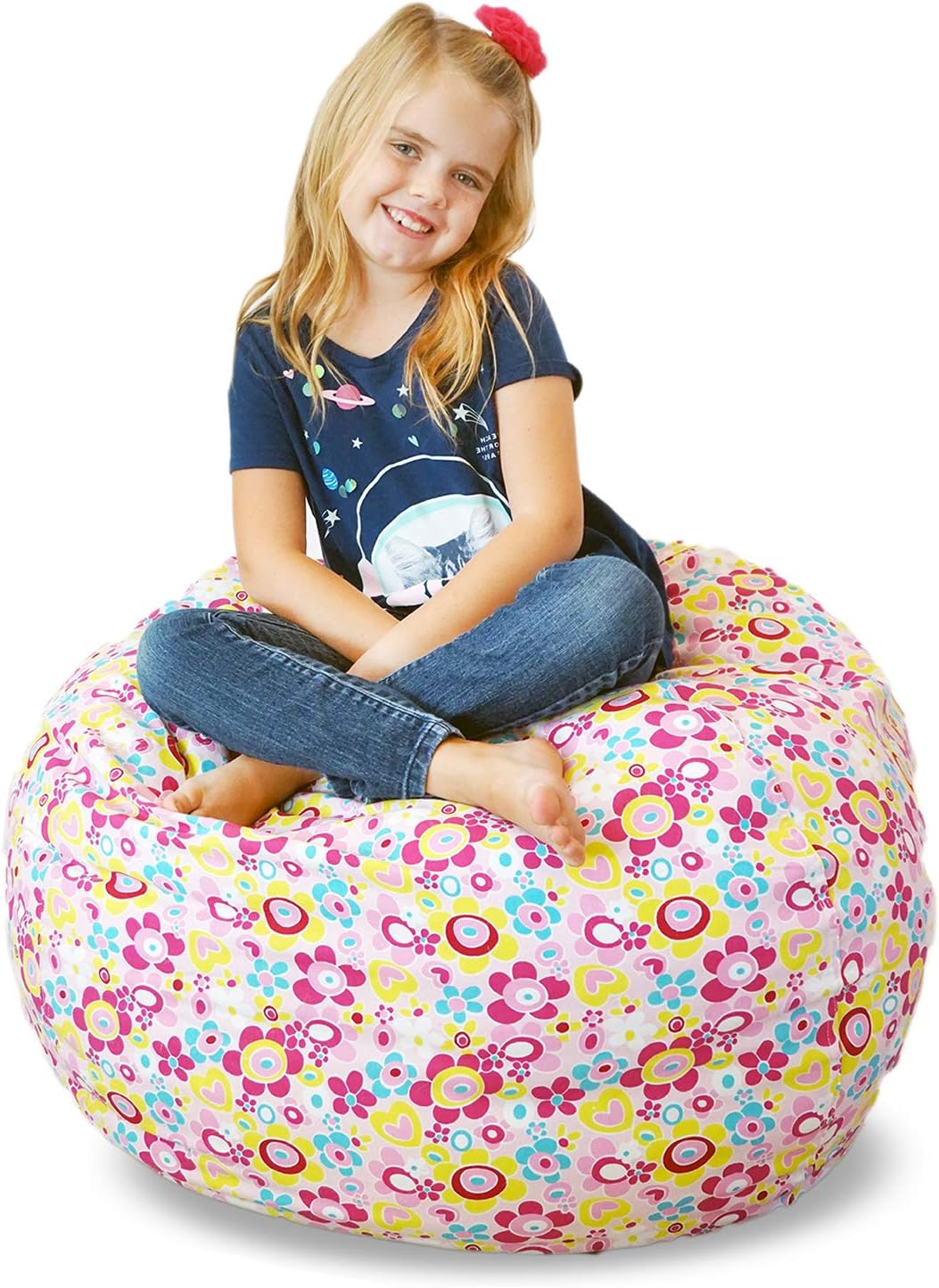
Soothing Company Stuffed Animal Bean Bag Chair for Kids – Extra Large Empty Beanbag – Kid Toy Storage Covers for Your Child’s Stuffed Animals and Blankets | Premium Cotton Canvas (38″, Pink Flowers) – Buy from Amazon here*
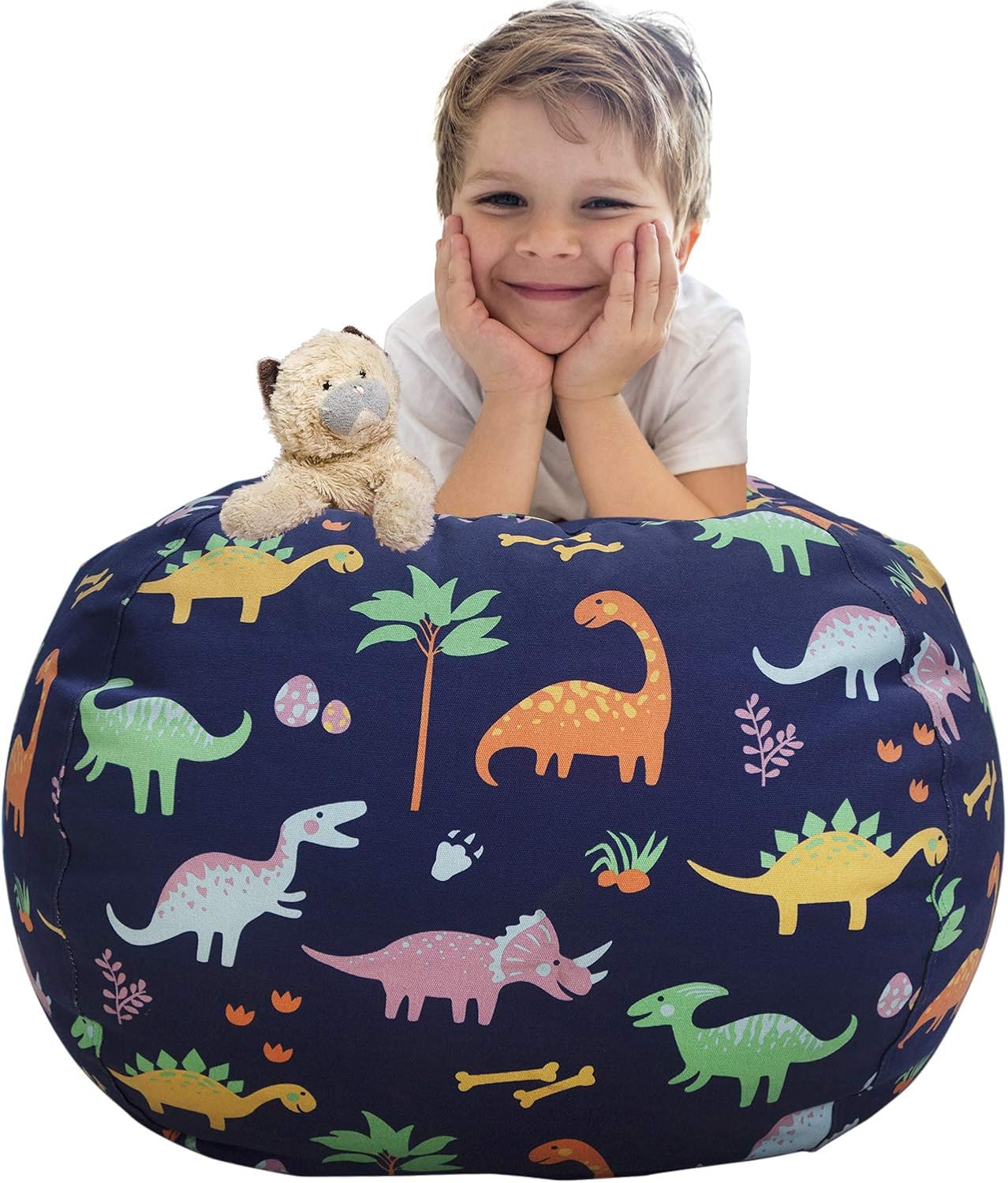
Aubliss Stuffed Animal Storage Bean Bag Chair Cover Only for Plush Toys, Blankets, Medium 32″-Canvas Dinosaur – Buy from Amazon here*
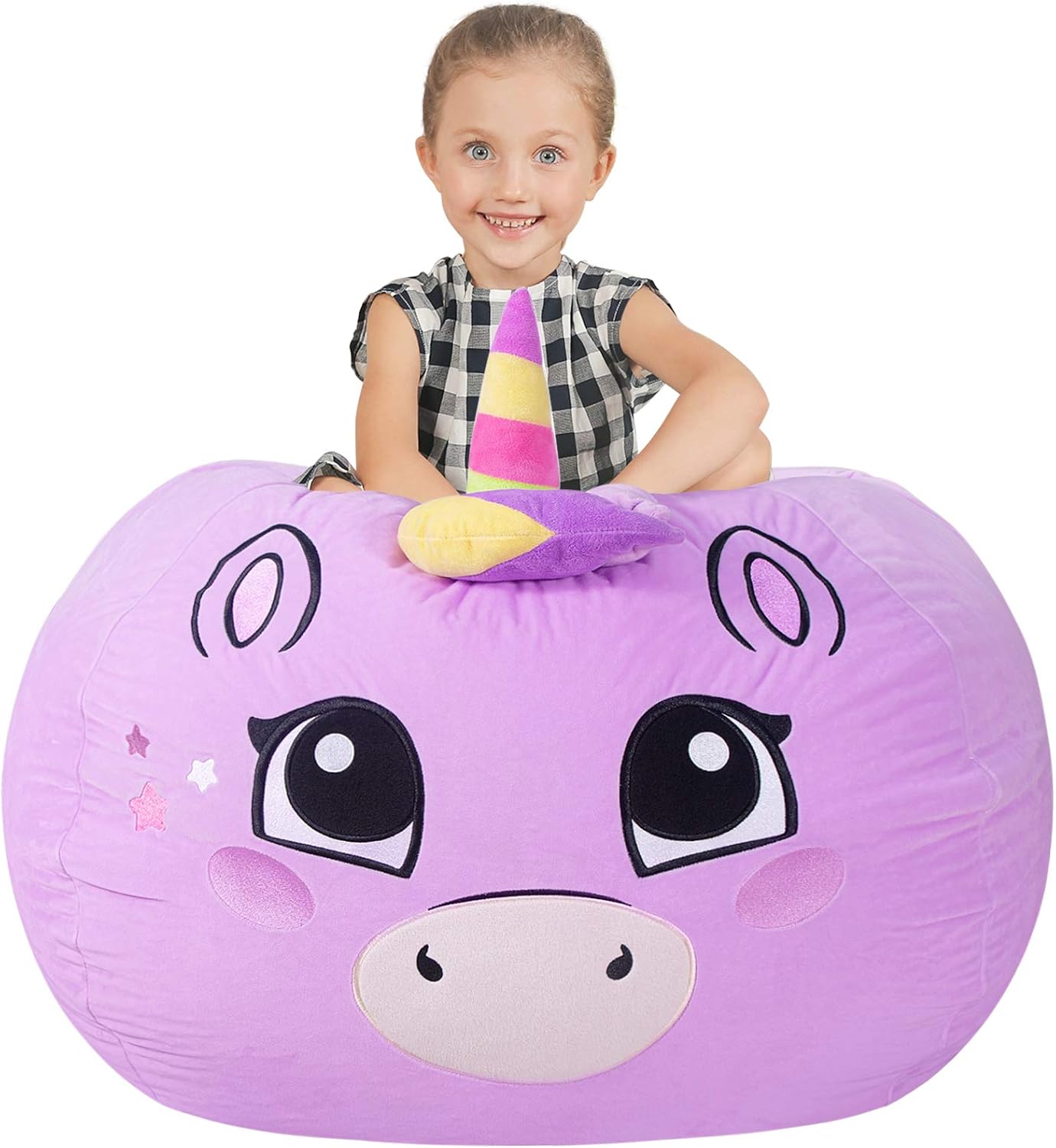
Aubliss Stuffed Animal Storage – Unicorn Bean Bag Chair – Velvet Cover Only – Large Stuff and Sit for Kids Toy Storage (38″, Purple)
Go for a bigger bed
Ensure longevity of your child’s room by opting for a larger size bed. While your child may be small now, they’re going to get bigger – in just a blink of the eye! If you have the space, choose a double mattress over a single. Your kid will enjoy feeling like a grown-up, and it will last them right through their teenage years.
What is your focal point?
A toddler room design should have at least one focal point, and in a toddler’s bedroom, this should be the bed. If you have a lot of space, you can go for a fancy race car bed or any other character-based bed that comes with different compartments like a desk, a cupboard and a sleeping area.
But if you have a small space, then regular children’s bunk beds would suit best as they only take up one side of the room and you can build up rather than out into the small area. You can find very affordable bunk beds for under £500 like the Jubilee Bunk Bed in Ivory White which is on sale for £355 at the moment.
It’s a lovely sturdy bed with a slim footprint, which means it can fit into small bedrooms. It has a low bunk with an easy to reach top bunk so you can tuck your little one in without having to stretch.
You can also split the bunk bed into two three-foot single beds so when your little ones grow up wanting to be in separate beds or rooms then you can offer them two beds without having to fork out for another.
You can find mattress offers when you buy beds from Room to Grow so you will make a further saving too!
Other toddler room ideas boy toddlers and girl toddlers include:
Treehouse
Slide
Narnia style wardrobe
Swing
Trap door
Glass ceiling
A stage
Jungle
Space rocket
Pirate ship
Decalmile Animals Tree Wall Decals Owl Fox Deer Wall Stickers Kids Bedroom Baby Nursery Wall Decor – Buy from Amazon here*
Use the walls and windows to decorate the room
If you have no more space in the room to decorate, then you can move onto the walls and windows for ways to bring the colour out in the room. Whether you are coming up with toddler girl room ideas or just looking for regular toddler room décor, it is quite easy to do up the walls without it costing an arm and a leg.
Removable wall transfers* are very affordable, and there are tons of patterns and styles from which to choose. They work like tattoos, and you can get your toddler involved in affixing them to the wall as well. And, the plus side is the damage is reversible!
An alternative to wall transfers could be to add colourful bunting around large pieces of furniture. It’s a brilliant way of decorating any toddler room, and you can coordinate the colours with the area you’re decorating.
Other ideas can be to paint a landscape scene with animal prints if they are animal lovers, or use stencils to draw in their favourite characters to the wall. You can add framed prints*, their favourite painting or a photo of the family for extra decoration, which will help to make bare walls pop with personality.
You can add a gallery wall or floating shelves too which will enhance the walls nicely.
A chalkboard wall would be great too and it’s easy to do. You can paint your own with chalkboard paint which isn’t that expensive either and it’s a great way to get toddlers decorating their own wall, as it’s so unique and interesting.
Fairy lights add a magical appeal to any room and toddlers will love them because they can provide a soft light around certain room features like bed frames or chairs to accent them further.
They also look great strung up on walls and they’re not too bad for the electricity bill, as the bulbs are much smaller. You can even find battery operated fairy lights too to enhance the lighting in the bedroom.
Don’t stop there, use curtains or blinds to keep to the theme of the room. Blinds can be very cheap and can double up as blackout blinds for toddlers to sleep easy and can create that pop of colour to enhance the room.
Blackout blinds can cost as little as £14.39 and bring colour to a room. Try the Chelsea Blackout Roller Blind in Flame for a red-themed room or the Primary Blackout Roller Blind in Noir which costs as little as £11.99, which are both made to measure, and include chain control, metal fixing brackets and a child safety device to prevent any risk or injury to children.
You can choose the side you control the cord when placing your order too. Blackout blinds can help children to sleep at night, so opt for blinds that block out the sun, especially when the days are longer in the summer to prevent any disruption to your toddler’s sleep pattern.
Storage should be at the top of your list when coming up with bedroom ideas for toddlers because they are a fantastic way to limit space, especially when you have a smaller than average room.
Always be sure to include a decent amount of storage in your child’s room. Whether this be under bed storage, or a standalone option like an ottoman or chest of drawers, having a place to put things away will help keep the room tidy and clutter-free.
Optimising your toddler’s bedroom with hidden storage space is also a sneaky way to keep the mess away from your field of vision and helps to keep your child’s bedroom tidy.
Whether it be storage boxes underneath their bed or a bed with storage built into it like the thuka cabin beds, just make sure that whatever you are hiding away is easily accessible to your toddler. The last thing you want is your toddler throwing everything all over their room trying to find what they are looking for.
Allocate different areas for toys, clothes and books and train your toddlers to return things when they’re finished with them. Learning how to stay organised early on will set them up for their work and personal life later.
If you’re short on money, create a storage space with what you have at home. Bean bags can double up as storage items too, especially for toddlers. You can find the best stuffed animal bean bags over at supermompicks.com, as well as other ideas on how to maximise storage space.
Encourage artistic tendencies
When I was a young teenager, I wanted my room to be hot pink and sunrise yellow (don’t ask why!) Dad even left an edgy white border (probably where the wallpaper border was supposed to go) and my crazy, bright room turned into a real jazzy, Latino-style summer bedroom.
Dad did a brilliant job and, most importantly, I got to help decorate too. The whole project took about two days, and I had to sleep in my sister’s room temporarily, but, as a result, I received a fully refurbished bedroom, which finally felt like a little haven and a true reflection of my personality.
Ok, so I was a teenager, but you can easily get your toddler to help decorate their room, even as young as their age because it will massively enhance their imagination and encourage them to look after their room because they helped do the hard work to create it.
Does your child like to paint or draw? If so, then you can enable them to express themselves with toddler suitable paint or a whiteboard mounted onto the wall. That way, they can not only be creative, but you can wipe it off, and they can draw on it over and over again.
Get them to pick out themed decorations and encourage them to display how they’d like to see the toddler room decor (with a bit of adult help of course).
Getting the toddlers stuck in with helping create their bedroom will encourage confidence and creativity for when they are ready to take the lead in creating their themed bedroom when they’re older.
When my kids were four and five, below is how they wanted to decorate their rooms:
“Children typically create little things, but the bedroom is the first real, permanent thing that they can influence. Involving a child helps them to establish their own inner space and the image they want to project to others. And for parents, working together with their children can help to establish a stable, respectful relationship.”
Dr Sam Wass, Expert Developmental Psychologist, University of East London
Keep it at eye level
When designing, it’s easy to think of things from our perspective, but try not to make the various elements unreachable for your toddler. Keep storage containers and shelves at his or her level so the room is designed specifically for them.
Literally, get on your knees and try to view your toddler’s room from their perspective – height-wise at least! Doing this may completely change your opinion of how best to organise the room.
Often, we use furniture that is more suited to adults when it comes to rooms for toddlers but this shouldn’t be the case. Smaller hands find it difficult to manage furniture like dresser drawers that they are liable to trap their fingers in – and will, therefore, be afraid to use.
Keep the room bright
If possible, use large windows and some lights to add some vibrancy to the room. Toddlers do much better when exposed to the world outside, and they will love having a room that is bright and cheerful.
Don’t forget safety!
Safety should be your main concern when decorating your toddler’s room. Concentrate on making every area of the room clean and safe. For example, don’t expose any electrical outlets and cover sockets with socket protectors. Also, don’t place heavy or breakable items in easy to reach places and secure furniture to the wall.
These are just a few suggestions, but common sense and parental instinct will help you ensure your toddler’s room is safe.
Teach the toddlers how to keep their rooms clean
Encouraging toddlers to clean their room now will teach them how to value their things when they’re older. But they’re very young, so you will need to show them how it’s done.
Go through the process of cleaning their room with them and, most importantly, talk about what you are doing. A little independent helper in the house is always a good thing anyway.
Make it clear that everything has its own place and that’s where it should go when they’ve finished using it. For example, toddlers store lots of games in their bedroom. So, their new place should be in one of the storage areas in their big storage shelf that houses their books.
Make friends with your labels
Putting labels on items is a sure-fire way to make sure things are kept neat and organised in your new toddler bedroom. You can make it fun by using illustrations in-keeping with the style of your toddler’s room.
Combining illustrative labels with word labels can help to influence your toddler’s learning as well (they’re a great baby room idea too), which is always a good thing! You can find a range of kids name labels at stickeryou.com, and you can enlist your toddler in labelling their own items before they put their things away in the right place (so it makes for a great kid room idea too.)
There are tons of great labels for kids to choose from like home labels to organise storage boxes, which house different items. We have created storage space for the kids’ main toy categories, for example, Lego, vehicles, characters and other memorabilia.
Keep the future in mind
Perhaps the most important tip when decorating your child’s room: always look to the future. Think about how your child will grow alongside the furniture you choose, and perhaps how it can be adapted to suit their changing needs. For instance, does the desk have a hutch that could be added to provide extra shelving once they transition from watercolour paintings to writing essays? By keeping the future in mind, you can ensure you’re always one step ahead for maintaining an inspiring and functional space for your child.
Coming up with toddler bedroom ideas for small rooms or on a budget needn’t be hard. Take your toddler’s lead and allow them to make choices by offering them two options and they select by instinct what they want to see in their room. The most important aspect of creating a toddler’s bedroom is to offer them a sanctuary in which to play and a safe haven where they can feel safe and happy. If you have younger children transfer these ideas into babies room ideas and you can have kid room designs suitable for children of all ages!
Do you have any toddler girl bedroom ideas for small rooms? Equally, do you have room ideas for boy toddlers too? What are your favourite tips for decorating a toddler room? Share with us in the comments below!
*As an Amazon Associate I earn from qualifying purchases
What do dads really want this Father’s Day?
I had the pleasure of being on a panel with Leyla and a few other mum bloggers and influencers recently as part of the BBC’s look at children returning to school. Even though some potential impact is still shrouded in mystery, we certainly had a lot to reflect on.
One of the biggest reflections was that a lot of these changes might be longer-term than first imagined. Social distancing at school, and potentially more home and online schooling. At a time where the balance for parents at home has been far from ideal, it led to an even bigger thought– what does all of this mean for the future of family routines?
In the run-up to Father’s Day, I wonder if, along with a Fathers’ Day card, for modern-day dads in particular, this is the moment to drive the sort of change that will positively affect a new routine?
Creating the right work-life balance for dads
Over the last few years, we’ve seen a generational shift for dads at home. The results of our own study, The Millennial Dad at Work, showed that 87% of us are now actively involved in the day-to-day parenting, with nearly 6 in 10 claiming to be fully equalised across all day to day parental tasks.
However, the world of work has been much slower to adapt to this change. With a lot of workplace culture still treating dads as if ‘they should just be at work’ it can feel like we’re living in a different time – which is probably not helped by more traditional beliefs, by older parents perhaps, and thinking ‘that’s just the way it has always been around here.’
If ever COVID has shown us one thing – it’s that large scale change is possible, and perhaps, even more so, is vital to reflect on what truly matters.
For dads wanting to shift the way they work for their futures, I offer 3 things to think about.
The importance of having the conversation
In our Millennial Dad at Work report, we found that 1/3 of all dads we surveyed had left their jobs since becoming a dad to find that right parental balance for them.
It’s clear that more and more dads are striving for a new type of work/life balance, but men, in general, find it tricky to be truly vulnerable at work, which stops them sometimes from even having the conversation in the first place.
It’s vital that, first, dads feel comfortable to speak with their partners – what is their vision of work/life balance success? What’s getting in the way (yes, money is always one, but what else?). After that discussion, the conversation with work should be a lot clearer too.
Measure your success
Flexible working is one area I believe will change greatly for dads, but it’s important when applying for it, that dads are measuring the success of what they’ve been able to achieve by working remotely or flexibly before.
Ultimately, those of us who work for commercially focussed organisations need to show how we can be more of an asset in any new routine.
Find your allies / key learnings
Who else do you know that’s been through what you’re trying to get? Are they in your organisation? If not, can you talk to them and found out how they did it. It’s interesting that a lot of the top dad authors of new dad books also talk about allies and community – albeit for home. Now is our time to find the same for work.
A wave of change is coming, and for modern-day dads, there has never been a better time to unite, talk to your partner, and go for the life balance that equates to real success in your world.
I wish you all the best.
How to deal with the stress of moving to a new house
Moving to a new house is stressful enough when children aren’t a factor, but when they are, it becomes an entirely different ball game. An online study conducted by Online Mortgage Advisor found that parents are twice as likely to find moving home extremely stressful, with just under half stating that finding and securing the property was the most stressful part of moving home.
Companies like eXp can help with your home search, but the moving process is no longer solely about whether you and your partner like the house and the area,it’s about the impact this move could have on your children and growing family.You must consider school relocation, friends, and how adaptable your child is to these changes. That’s not all though; if you’re planning on growing your family further in the future then you need to take this into consideration too. Below are some things to think about when you’re moving to a new house with your family.
Moving with a child
If you already have children, then it’s important for them to feel involved in the whole moving process, so they felt comfortable with the change. Understandably, it’s not always going to be possible for them to attend house viewings with you, so if they can’t be there, take pictures or make a short video and tell them all about it as soon as you see them.
Show them a map to help them understand where their new house is in relation to your current one and the route you would take. It’s also a good idea to make it a positive process, by informing them of changes like what the new address would be, and what will seem like a huge advantage for them.
“It will only take 10 minutes to get to grandma’s house instead of 20!”.
Finally, when you have confirmed everything and you have a set date, have them help you with the packing and the moving. Give them the boxes they need to pack up their room and teach them how to do it in an orderly fashion. Leave them to it and check on them every few minutes. By doing this, you’re giving them the responsibility, which they’ll appreciate and associate with the move, positively reinforcing the process.
Then, involve them in the moving process or get them to help with moving their boxes to storage, so they can see where they store their belongings until you move to the new house – moreover, if you have hired a professional moving company such as Atlanta Home Movers, LLC for example, then try to encourage your little ones to ask questions about the moving process as speaking to an expert mover can help to put your child’s mind at ease.
Shurgard is a great place to store your moving boxes if there is a transition period between property A and property B because you can visit your storage area whenever you want.
Moving with a growing family
To avoid the same situation of moving house again in two years, sit down with your partner and talk through your plans. Make sure the home you are buying is fit for kids, now and in the future and whether you will want a family pet. You should consider all these things before committing to buying a house because if you think more children are on the cards, then a two-up-two-down won’t cut it when they come along.
Equally, a flat with no outside space probably isn’t the best choice for children and a dog either. By discussing your true intentions with your partner you’ll avoid having to go through the house moving stress again until you reach a point where you don’t necessarily need to move out, but you want to move.
Create a To-Do list that includes the start and finish of your move
A master to-do list you can work from will help keep your mind at ease, and it also ensures you are not missing out on any of the important components of moving house. Divide the to-do list into main sections like decluttering, packing, hiring real estate agents/conveyancing solicitors/removal vans, and where everything will go in the new house, as well as plans for home security and interior design. Then check them off each step at a time.
Subheadings can include a longer description to remind you of some lesser important jobs you need do to, to complete the main job. It keeps your family in line with your plans too, so everyone is working from the same song sheet. Google is your friend in this instance, as you can find some great template to-do lists on the internet.
Get the whole family involved
Armed with your master to-do list, become the project manager for the move and start creating jobs for members of the family and any other friends/family members who are kind enough to help. Doing everything alone will increase your stress levels and trigger anxiety. But, if everyone is tasked with a small job then, bit by bit, you’ll see progress and stress levels will decrease immensely. Plus, you’ll save time with a well-oiled plan in place and you’ll leave with a clean house ready for the next family to enjoy.
Start decluttering unwanted items in the house
In the weeks (or months) leading up to the big move, go through each room one by one and bag/box up items you don’t really need. Be brutal, the less you bring with you on the move, the cheaper your moving costs will be. Plus, you stand to earn an extra bit of money if you pop your unwanted stuff on eBay/Gumtree/Amazon, which you can then offset against your moving costs. Or, you can be super generous and drop them off at your local charity shop, so others can enjoy them instead.
“One person’s trash is another person’s treasure.”
Hire reputable estate agents and conveyancing solicitors
If you’re buying/selling a property, you will need to appoint either a solicitor or a conveyancer from the offset, to deal with the legal matters of moving. Moving house starts with conveyancing, which is the legal process you go through to buy or sell your house, and this is usually carried out by a solicitor or a licensed conveyancer. It is important to note at this stage that solicitors are qualified lawyers and have received extensive training in all aspects of the law. They can also offer full legal services, including taking someone to court.
A licensed conveyancer is specialised in property matters but has received less training. Not that they are less qualified, they are just as capable of handling your property matters, and they also may be cheaper to use. Your conveyancer/solicitor will then carry out the relevant checks on the property you’re buying and provide essential information to the buyer of your home. When everyone is happy and have agreed to all terms, all parties will sign and exchange contracts via the conveyancer/solicitor to make the moving process legally binding.
Once all the money has changed hands, you hand over your keys to the estate agent and pick up your new ones from the seller’s estate agent. You want this process to run as smoothly as possible so you can concentrate on the actual logistics of moving to a new house. And, to do this, you need to find someone reputable enough to handle the mammoth task. Important points to note are that solicitors must be members of the Law Society, and Conveyancers must be members of the Council for Licensed Conveyancers. You can find a licensed conveyancer by using their name, practice/organisation or your postcode here.
If you know someone that has recently moved to a new house, ask them which conveyancer/solicitor they used. Were they competent enough to handle the exchange properly and quickly? Did they run into any problems with the conveyancer/solicitor? Would they use them again? Not everyone will have the same experience, but sometimes recommendations and testimonials can be worth so much more than the sales blurb on the website. The same goes for estate agents. Ask around and don’t be afraid to ask difficult questions about their expertise and knowledge.
Hire a removal company to pack your stuff up for you and move them to the new house
If you can afford it, I would absolutely recommend hiring professionals to pack up your belongings into their moving truck and move them to the new house. They are so experienced in what they do, the moving company can have pretty much everything boxed and moved within hours. Don’t forget to negotiate on the price, though. Perhaps, see if the movers would spread the move over a few days for a cheaper quote. If you need a place to store your boxes, Shurgard offers competitive rates to hold your items in storage, while you’re sorting out the move to property B.
If you can’t afford to then you can carry an HGV (Heavy Goods Vehicle) or an 18-wheeler to transport your goods from property A to property B. Be careful though as 18-wheelers are dangerous. Only drive if you know how to drive one and if you get into trouble and have an accident am 18-wheeler lawyer can help you here.
Take care of your emotional self and encourage your children to do the same.
You will experience a whole heap of emotions during this move, I know I did. I had my two boys almost back-to-back (they’re 15 months apart) and the postnatal healing took place on moving day to our first ever home as a family. I had to leave behind so many memories and, without realising it, I became depressed.
Even if the reasons for your move are positive, you will still experience feelings of anxiety, sadness and stress. Don’t brush these feelings away, but instead realise that you are feeling them and address them one-by-one with someone close who can help. Mourn the move and grieve its loss before you can then finally accept that you’re moving on to bigger and better things. If you’re moving because you’ve had to make some difficult decisions, then stay focused on the task ahead and why you are moving in the first place.
Say goodbye to people and places before you leave and settle any unfinished business. If you’re leaving good friends behind, then get in touch with them, say goodbye and promise to keep in touch. Saying goodbye to my boys’ local playgroup was one of the hardest things I had to do, although I never expected that it would be. I went back and said goodbye to all the staff members and other mums whom I had met and became good friends with, in those last five years–and I still keep in touch with most of them now (thanks to Facebook!).
Your children will also experience feelings they may not understand. Encourage them to talk to you about how they’re feeling and allow them to express themselves in a way they feel comfortable. They need to know that what they are feeling is normal. My boys may have only been three and four years old at the time of the move, but they still harboured feelings of anger and sadness because it was the only home that they had ever known. I assured them I was also sad to leave, but I was looking forward to moving to a big new house and making new memories with them, and if they ever needed to share how they felt about the move they could at any time they wanted.
So, there you have it. Motherhood Diaries’ top tips on how to deal with the stress of moving to a new house. As long as you give yourself enough time to plan and operate the move, and being organised with your belongings right from the beginning, you should be able to make moving to a new house a breeze. Good luck!
*Collaborative feature post*
How to go from Idea to Income in just 5 Steps
I changed careers with a newborn in a new country.
When my husband and I discussed having children, I voted to wait because we were not financially ready. He overruled me, and soon we had a baby on the way.
I was working as a Legal Secretary at the time. Now while it was a good job, and the pay was not bad, I was still living paycheck to paycheck and I had no wiggle room in my budget. No emergency fund, no savings. So that meant no luxuries, no family vacations, etc. I already knew that even with the slight increase in salary I was sure to get, this situation was not sustainable.
So what did I do? I switched careers. I went to school in another country to become a Computer Technician just two months after my son was born. Once I gained some experience, I could bring in extra income to supplement my main salary. So, along with working at a local computer company, I saw clients in my off time and I also taught Computer Repair at a local business centre.
All of this was an improvement, but I soon pivoted again. I went to work for a large corporation and stopped teaching and serving clients on the side. I simply no longer had the time and energy and also I had no desperate need of the extra income.
So you might say that is great, and it was, but I was not satisfied. I took some business training and opened my businesses, which began the transition out of corporate life. I hired myself as CEO in my Business and Career Consultancy Agency and Dean of my Online IT Academy.
You can change your career and own your income too
Here is how I help people: There are many out there in the world that have these ideas within them but they don’t know how to develop them or if they can even make money doing so. I help people go from Idea to Income and I have put together a free 5 Step Guide on the topic, which you can find here.
Another way I serve is by helping Tech Enthusiasts become High-Earning Tech Experts as Computer Technicians, all while being completely online. I also have a 5-Step Guide on how you can break into the Tech Field, which can be found here.
STEP 1
It’s all about Mindset
So let’s talk about the very important first step to achieving financial freedom. It’s all about your Mindset. Mindset is everything. It can either stop you in your tracks or spur you on, so your mindset is something you must deal with first.
Believe in yourself
One of the first things that hit us with mindset is, Limiting Beliefs. These are negative things we hear or say to ourselves. It can come from our childhood, our environment, our loved ones or other from people around us. We hear:
“People like you don’t do things like this.”
Or you may say to yourself:
“I can’t do this. It’s too hard. I don’t know how to do this.”
Perhaps we shoot down our own ideas by saying:
“Someone else is already doing that. I can’t catch up or even compete.”
“The market is already saturated. There is no space for me.”
Falling prey to these limiting beliefs will stop you from attempting this new thing or putting forth the effort it takes to be successful.
Say this instead:
“I will try my best!”
“I do hard things!”
Then live up to your words and really put in the effort.
Internal Narrative
You need to write your own narrative.
Turn it from negative:
“I’m not good enough. People like me don’t do things like this.”
To Positive:
“I deserve this. People like me work hard and accomplish their goals. Period!”
Imposter Syndrome
If you have an idea, it’s for a reason, you Can bring it to fruition. You are capable. Instead of asking yourself if you are good enough or doubting if you belong to the table, take a page out of Michelle Obama’s book. She says:
‘I have been at every powerful table you can think of… They are not that smart.’
STEP 2
Make a list of your Hobbies and Skills
What are you really good at? What do you love doing? What is your passion? What do people ask you to help with?
STEP 3
Validate
Narrow it down
Take the best idea from your list, one you believe you can make money with.
Check out the Competition
Look at the successful businesses out there. The ones you admire. (Please note: this is not meant for you to copy them, just for inspiration.) How are they doing things? What can you do differently, better, with your unique spin on things?
Don’t be afraid of competition
Embrace it. It means that your idea is valid and there are people out there paying for this product or service. There is space for you. Have you ever looked at the bread aisle? What if your favourite bread company gave up on putting their bread out there because they believed there was no space for their spin on bread?!?
STEP 4
Market Research
Find your ideal client
The ones that will love your product or service and gladly buy from you and sing your praises to others. What problems are they having with the product or service you provide? How does your product or service solve the problem or ease their pain? Create a Market Research Form to find out all this information so you can best serve your clients.
STEP 5
Invest
Invest in yourself and your business
Successful people invest time and money in personal and professional development.
If you are interested in making money and creating income streams even while at home with the babies, download either of my two guides. You can find them below:
During these unprecedented times when the world is quiet and the houses are bustling during the COVID-19 outbreak, Easter is looming, but things are going to be different this year. Last year, the kids and I spent Easter (and my middle one’s birthday) at The Arch London hotel. Now we are in self-isolation mode; Easter for kids doesn’t involve going out on countrywide treasure hunts or enjoying the fresh spring weather in the park (unless it’s isolated). Instead, we are confined to our home quarters and forced to spend the holidays indoors. And, as schools have closed, the Easter holidays feel like any other normal day now. So, let’s spin this self-isolation on its head and create some fun Easter activities for kids at home.
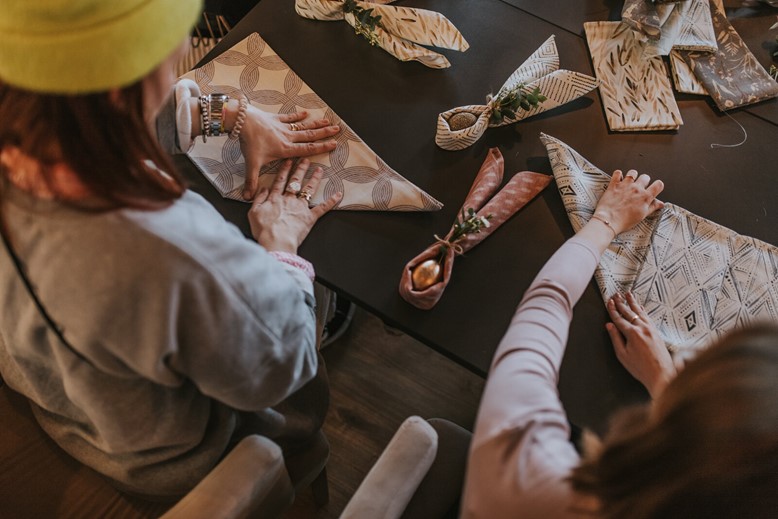
Easter home décor should still include traditional Easter eggs and bunnies, but you can change it up and still keep things spring light with fresh greens and yellows. You can make your own DIY Easter decorations by creating little Easter bouquets or Easter napkin bunnies for the table. You can also make Printable Easter Cards, which you can give to each member of the family or add as decoration on the wall. (more info can be found here).
Some Easter activity ideas include a mini Easter egg hunt at home. If you have a large garden then great, you can take your Easter egg hunt outside. Otherwise, it’s fine to just hide the eggs in different rooms in the house and come up with a mini quiz to help the kids find the Easter eggs. Some egg hunt ideas can include a crystal maze type quiz and a puzzle marathon, i.e. complete the puzzle, find the clue, and find the egg. The boys were kept entertained for ages when we did this at my parent’s house last year.
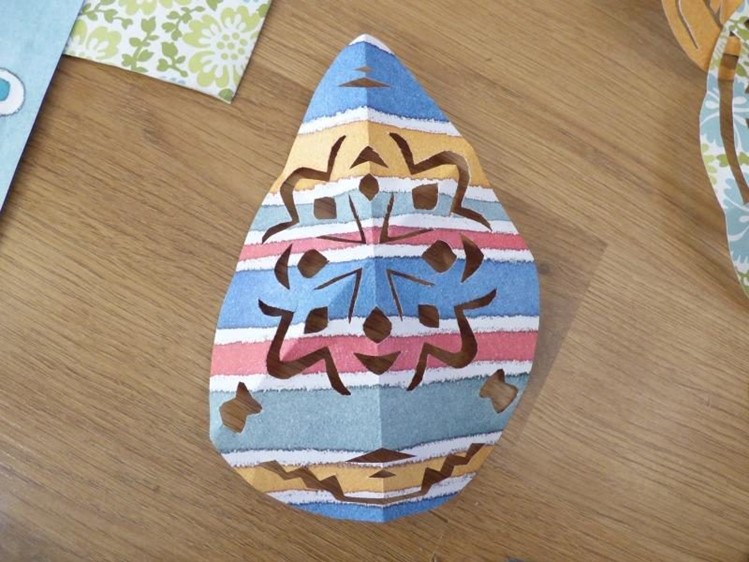
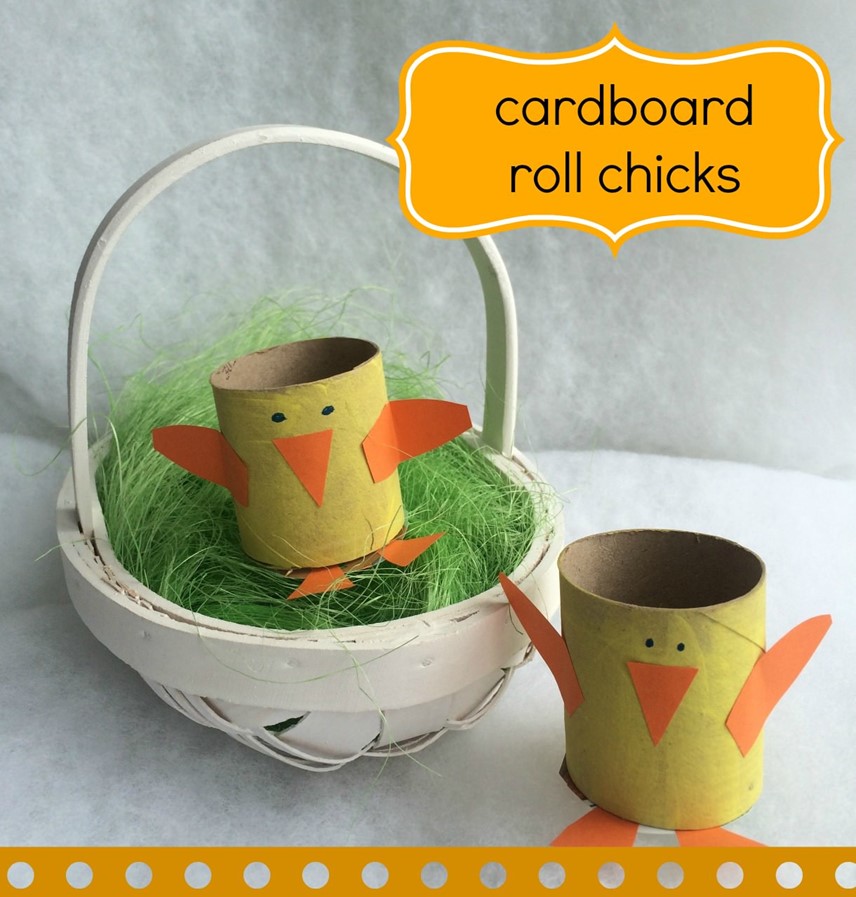
Homemade Easter gifts make the best gifts! The boys and I are planning to complete Lockdown activity number 16, which is Design and Make a Craft at Easter (for more lockdown ideas subscribe to 101noscreenways.com here). Think about Easter activities for toddlers that allow them to use their hands. Easter crafts are a great way to build on their imagination and creativity. You can get started with easy paper crafts like printing out stencils or colouring sheets and getting the kids to colour them in. You could also make a Paper Plate Chick using just a paper plate and some materials/colours you have in the house. Other Easter ideas for toddlers could be hand-printing cards, which can double up as lovely Easter cards for the family. Or you could try your hand at a Mix and Match Paper Chick Craft which can be personalised with a photo of your child’s face. Easter crafts for kids means that everyone has a hand in decorating the house for Easter and there are loads of great ways to get them involved, like making this Easy Kids Paper Cut Egg with some coloured paper and scissors. You can even get frugal and recycle cardboard to make little chick crafts too!
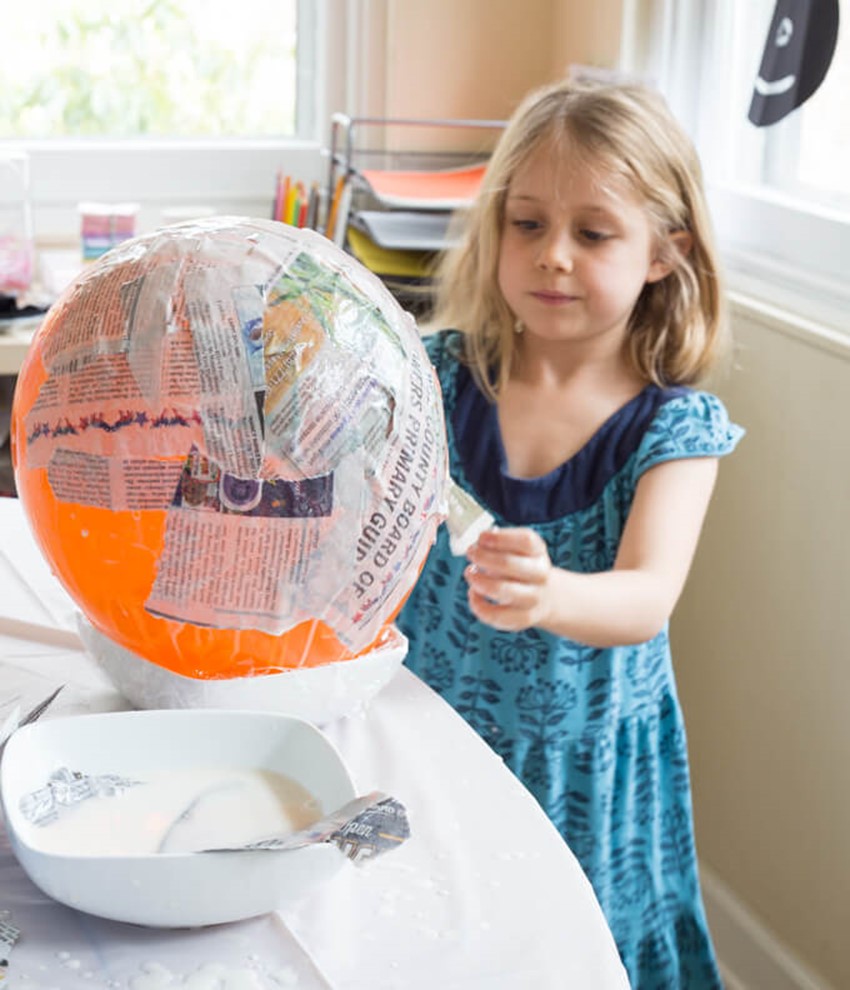
Other Easter crafts for toddlers could be to papier Mache Easter eggs, which are surprisingly simple to do, as you can see here, but these kinds of activities make great Easter crafts for pre-schoolers too.
You could make some Easter baskets which would fit perfectly with the mini Easter egg hunt as players can carry their eggs in their homemade Easter baskets. Add little cardboard roll chicks in the basket for decoration or this awesome Bunny in a Basket Easter Craft which looks amazing!
An Easter Sunday activity can differ from the rest of the holidays by doing something fun but educational at the same time! Print off some Easter Activity Sheets for the kids to do while you are getting the Easter meals ready or when you need some time to prepare the games.
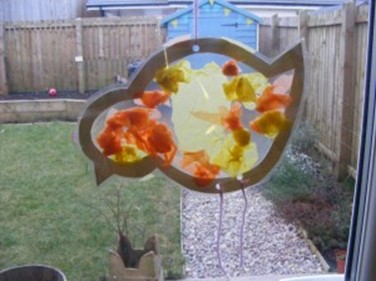
Other Easter craft ideas could involve catching the sun with an Easter Chick Suncatcher, which is surprisingly simple to make. All you have to do is rip small pieces of tissue paper and stick them inside a chick shaped stencil. Then hang up the sun catcher and watch the sun rays shine through. Perfect present for kids at Easter!
Edible Easter treats
When you can’t go out to buy your Easter eggs, you can always stay in and make your own! The boys and I made some Easter Peanut Butter & Chocolate Egg Cups, which tasted absolutely delicious, albeit very sugary! But you can always make sugar-free versions by getting creative on the ingredients. And it’s a great way to get in other fun Easter egg activities too. We painted plastic eggs to go in our little egg box with the chocolate egg cups, but you can use pretty much any egg-shaped material you like!
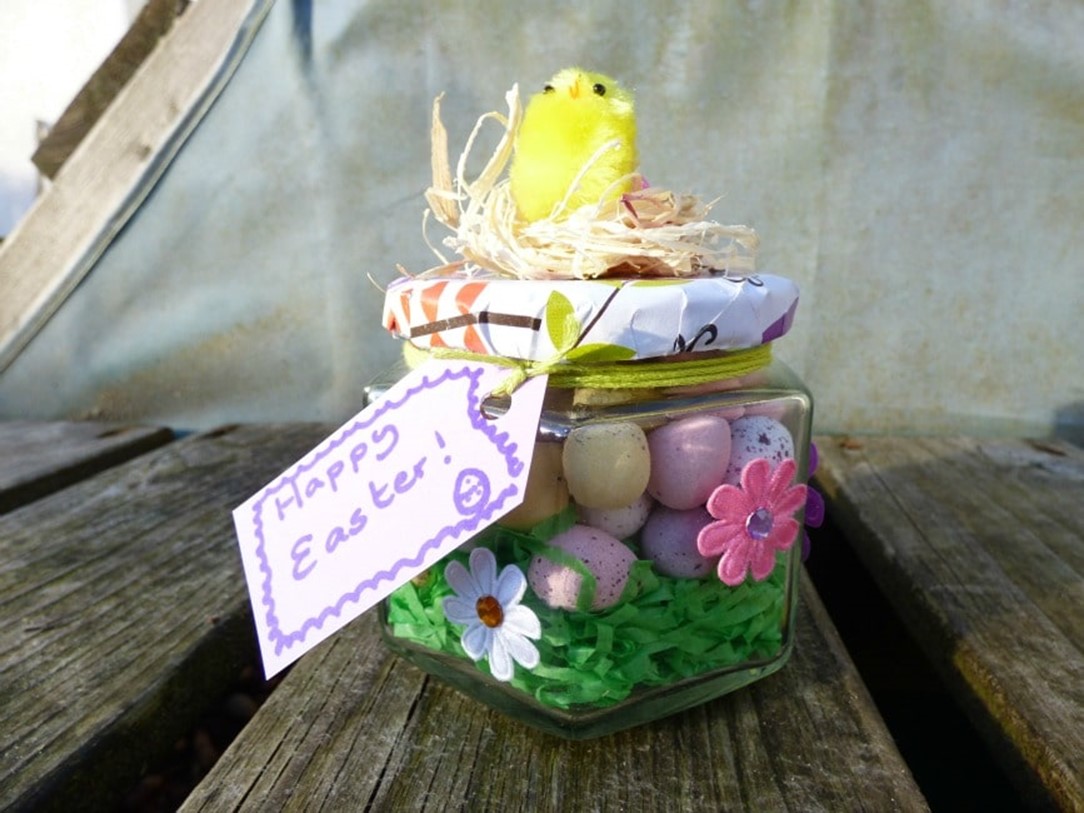
You could also use readymade Easter eggs, like the Cadbury’s mini eggs above and decorate a jar for the eggs. They make great gifts for family members, which you could drop at the door along with a note (as long as you obey the 2-metre distance rule during the coronavirus lockdown!)
Other Easter games for kids
Easter doesn’t always have to be about mini Easter egg hunts. You have time to spend with the family now, so some fun Easter activities for families can include breaking out that difficult jigsaw puzzle (lockdown activity number 18 at 101noscreenways.com) or paint faces and put on a show. And as you’re home-schooling, go for a science experiment with the kids like this Fizzy Egg Baking Soda and Vinegar Reaction which doubles up as a science lesson during Easter too! You can find more lockdown activities that don’t involve a screen when you subscribe to 101noscreenways.com here. Build in some Easter activities for adults when the kids have gone to bed like a mini Easter egg hunt but with alcohol or a difficult jigsaw. Whatever you choose, there are tons of indoor Easter games to pick from, you just have to be creative and use some of the ideas above for inspiration.
Now is the perfect time to come up with these kinds of ideas for Easter and make family bonding time fun with new things to do for the kids. Whatever you decide, quarantining with the family means you can enjoy Easter games and activities even in the confines of your home. If you need to find more Easter activities, Pinterest is a great place to look.
Happy Easter!
*Featured image by Nadine Kunath*
Elder Care: the Options
Nobody wants to think about what will happen to their parents as they become more dependent on family support. So, it’s important to think about how to make their lives as straightforward as possible as they ease into old age. Loneliness can contribute to mental health problems, so relying on a home team and in home care is important for your loved one’s wellbeing. As overwhelming as it sounds, there are ways to simplify elder care, as long as you know what options are available to you. Here are some ideas on how you can administer elder care going forward.
Establish a home team
A home team is a group of family members, friends, colleagues or a mixture of all three of whom your loved one can depend upon, both emotionally, physically and socially. They are the ones who can motivate them when they’re feeling low, advise when in a tricky situation, support them when they have experienced a tragedy, and make them laugh when they need it the most.
One way to keep everyone together is to use a caregiver mobile app, which connects the carer’s team, caregivers, clients, and families, to make personalised everyday support management easier.
Who is on the home team?
Home teams come in all shapes and sizes and can be different even for other family members. Your loved one’s (or however your kids like to call your grandparents) home team is with whom they have formed an unbreakable rapport and who they know will be there in the good and bad times.
A home team in life allows us to experience life to its fullest, to enjoy what really matters – to form relationships and experience true love. We all need a home team to make us feel complete to ensure that if we are in a conundrum, they can help us get out of it. They contribute to your life more than you’ll ever know and as you get older, you will depend on them more so when you need it the most. Therefore, the adage of ‘treat people as you want to be treated yourself’, rings so true at this point because there will come a time when you will need to depend on your home team. If you’ve pushed them away, you may find yourself in a team of ‘me, myself and I’.
As we get older, we want our family around more to stop us from feeling lonely. Sometimes children can help with a bit of DIY in the house or get the shopping in, for example. In more serious situations, your loved one’s home team can help with matters that might require legal help. If they have developed a disability and their condition happened while in the military service, then they might benefit from VA disability rates and be entitled to compensation.
Grandchildren can be around more to help. If you are lucky enough for your family to live close by, then grandchildren can become part of the home team. Grandchildren can bring life to their grandparents in ways others cannot replicate and remind them of what it felt like to be young again. They provide that much-needed boost in morale and grandparents can parent their grandchildren again with the benefit of life experience. It is such a wonderful relationship to experience if you have the fortune of being around your extended family.
How can we help and be part of our older generation’s home team?
When SunLife asked over 55s whether they would prefer to stay in their own home, rather than move, 60% said they would have preferred to stay in the comfort of their own home. Most loved ones would like to maintain their independence, so adapting their home, i.e. installing stairlifts and door entry systems, can ensure they can carry on living a high quality of life with the added benefit of their home team being available when they need it, either through live-in care, or part-time care. More on these options below.
Care at home
You could ask your elder relative to move in with you so you can offer more help with daily tasks. They may feel like they are imposing, but it’s important to note that if they need help, they know they can rely on their home team.
Care at home doesn’t have to mean 24 hours a day. For instance, a ‘meals on wheels’ service may be provided if you have trouble cooking or you might just need someone to pop in once or twice a day to help you wash or change clothes.
Hourly Care
Hourly care is domiciliary care delivered in the home, however, this care is not consistent throughout the day. A care assistant will visit your loved one’s property at specified times, helping with a range of jobs, including getting out of bed in the morning and preparing food. The time spent in their home supporting your loved one is relatively short compared to live-in care and can mean that they may spend extended periods of the day alone. For those with more complex needs, hours spent without care can be particularly problematic – increasing the risk of falls and accidents. Like care homes, your loved one may be supported by a variety of different staff week on week, giving them little opportunity to develop friendships and meaningful relationships.
Adapt their home to make them more independent
There are various home adaptations that can be made to help people stay safe in their own homes as they grow older. Depending on your relative’s needs, they might benefit from adjustments like easy access showers, motion sensor lighting, toilet frames, stairlifts (Millercare Stairlifts are an option to look at), ramps and handrails, kitchen mobility accessories, door entry systems that grant trusted people access and wider internal doors. You don’t have to live in a care home to have access to specialist products such as electric beds, riser recliner chairs and pressure mattresses either. Companies like Alpine HC supply these types of high-tech equipment to private individuals and the care industry. Talk to the person you care for about the difficulties they have around the house and help them make a plan that will allow them to stay in their own home for longer.
Live-in care
There is a real need for more resources that not only help people find live-in care services but also explain the distinctive benefits of professional support in the home. The ‘7 Benefits Unique to Live-In Care‘ infographic can help you understand how the lives of your loved ones can be transformed by choosing live-in care.
By choosing live-in services your loved one will receive undivided attention from their carer through one-to-one support. Live-in care is very flexible compared to other types of care, a super strict routine is unnecessary as there is no time limit on when their care ends – allowing for a greater level of independence, choice and fun spontaneity. Working in teams of two live-in carers are trained to provide anything from companionship to complex care for a variety of conditions including Dementia, meaning your loved one can remain in the comfort of their home even if their care needs change.
Why Consider Live-In Care
Choosing live-in care can help improve, health, happiness, and well-being in some following ways:
Consistent Care – Your loved one will receive care as and when they need it.
Tailored Assistance – They’ll be cared for by a person who understands their individual needs.
Build Trust – Live-in care allows your loved one to build a long-lasting and trusting relationship with their carers.
Immediate Care – Their carer can immediately respond to medical emergencies.
The Good Care Group is a Live-in care provider rated ‘Outstanding’ by the Care Quality Commission. They provide care, support, and companionship to help your loved one continue to live safely and comfortably within their home. Find out more about live-in care by The Good Care Group by visiting https://www.thegoodcaregroup.com/ or contact them on 020 3728 7575
Moving into a care home
When choosing a care home, your loved one will move out of their current property and into new accommodation, which is often one room within the home itself. Once living in a care home, they will receive support from the staff there. Their care team is likely to comprise of many people who rotate shifts. Where their care home is located will largely depend on availability, so this means they may not receive care in their preferred community and sometimes, they could be separated from their partner.
This is a big step, particularly if family members don’t feel they can offer the level of care needed for the best quality of life. You can be there to help them feel active and make new friends, while staff are on hand 24 hours a day for all their medical needs. If you’re serious about a care home, then do your research about what’s offered. Some just provide accommodation with some personal care, while others can offer nursing care as well if needed. There are several organisations that can help you find a suitable care home. You can get advice about every aspect of the process from the likes of Extra Care so you’re fully informed about what the best options are.
The cost of moving to a care home is a worry for many. Age UK has some excellent information about paying for residential care.
Help them stay independent outside of the home
According to a survey conducted by Independent Age in 2017, 91% of drivers aged 70 and over say that if they could not drive, it would cause a loss of independence. Although a driving license expires when a holder turns 70, this doesn’t mean that people over this age can’t get behind the wheel. Make sure your loved one knows that they can renew their license once they reach 70. They should also know that developing a health condition doesn’t mean they must stop driving. If their condition affects their ability to drive, the DVLA might conclude they need to make adaptations to their car.
Exercise
Encouraging your loved one to keep fit is also great for lengthening their life expectancy, so taking them out for walks, and new activities are great for the mind and soul. Being part of a home team that has younger children means that grandparents need to keep up with the activities and this forces them to push outside of their comfort zone, which is good for morale.
Physical activity can help people stay healthy, preserve their independence and keep doing the things they enjoy. It is recommended that adults do 150 minutes of moderate exercise every week. Why not help your relative to stay well by joining them in doing activities that get the heart racing? You don’t have to be a gym buff to help your loved one to get moving. From walking to going out dancing, to taking a yoga class, to doing some gardening, there are lots of ways you and your elderly loved one can get more exercise.
If you care for someone with reduced mobility or another health problem or if your loved one hasn’t exercised for a long time, it’s a good idea to seek advice from their healthcare professional to find out what kind of exercise might suit them.
Keep them warm in the winter
Medical advances and a better understanding of how to look after our health mean that we’re all enjoying longer lives, but while this is something to be celebrated, a growing percentage of the population is at increased risk of general and seasonal illnesses. According to Age UK, 15 million adults in Britain are now aged 60 or over. They’re the most vulnerable social group to winter conditions like colds, flu or pneumonia and at serious risk of exacerbating age-related heart and circulatory conditions, often with fatal outcomes. Statistics show that on average, 210 older adults die every day; that’s someone’s elderly friend or relative “every 7 minutes.” In most cases, their deaths, which Age UK report are attributable to inadequate insulation and heating in the home, are preventable. Fuel poverty, which now affects over 1 million adults in the UK, makes addressing some of those home heating inadequacies difficult but staying warm throughout winter can literally make the difference between life and death.
Short – term, Low-cost Solutions
Hot water bottles, electric blankets and warm clothing, as well as regular hot meals and drinks, can provide the short-term boost of warmth older individuals need to keep their core temperature up and their circulatory system healthy. However, although they offer some short-term comforts and can help to keep home heating bills down, they’re not practical or reliable alternatives to the proper heating and home insulation setup that’s necessary to see a person through weeks and months of cold weather.
Home Heating and Insulation
Ideally, living areas should be maintained at 18-21˚C and although any wood-burning stove, home gas fire or portable heater can generate that heat, they can be costly to run and their warmth is generally confined to one or two rooms. Make sure your house is properly insulated to keep the heat. You can build the insulation into the walls yourself if you know what you’re doing and you are staying safe with the right tools and equipment (you can find a selection of tools at SGS). Central heating can offer a cheaper, more reliable alternative, but old or poorly maintained systems can be ineffective and expensive to run. Ask a plumber to carry out a quick health check on your central heating system to make sure there are no airlocks in radiators, that the boiler is operating safely and that any heating pumps are running the system efficiently to generate heat and hot water and provide value for money. However, even the best central heating system will struggle to generate and regulate warmth where it’s needed if the property’s insulation is inadequate. Most interior heat will leak out through windows, doors and roofs, but insulation can trap it inside to keep homes warmer and bills down. It is estimated that loft insulation could reduce annual bills by £125 and cavity wall insulation could reduce them by £155. Private tenants or homeowners on certain income-related benefits are entitled to have loft and wall insulation fitted for free under the government’s Energy Company Obligation (ECO) scheme.
Besides adding insulation, switch any lightweight curtains to thermal or heavy-backed alternatives, lag any pipes and block any window, door or letterbox draughts with excluders. These are available from most local DIY stores for around £5 to £20. Hire a plumber to ensure that all the plumbing is installed correctly and hot water is coming through properly.
Financial help
Besides the ECO scheme, there are several other financial grants and benefits available for older adults and vulnerable people who need help to keep their homes warm throughout winter, including:
Winter Fuel Allowance
Any adult-born before 1953 is entitled to a winter fuel payment of between £100 and £300. To check your eligibility and claim any payments you haven’t yet received, visit the government’s Winter Fuel Payment service online.
Boiler Replacement Scheme
If your boiler is over 5 years old, then a free or heavily discounted replacement may also be available via the government’s ECO scheme. You can check your eligibility and apply for a new boiler at www.boilergrants.org.uk.
Switch Energy Supplier
Getting the best price for gas and electric has never been easier. To find out if you’re on the best tariff, visit Which? Switch, where you can compare deals and change suppliers in a matter of minutes.
Finally, if you’re concerned about the welfare of an elderly or vulnerable person in your area, then please contact your local Social Services department.
Will preparation and storage ideas
Although some people find the prospect of will preparation both morbid and confronting taking this step is necessary if your loved wants to bequeath their worldly possessions to their loved ones in a particular way. As a legally binding document, a will can also prevent confusion and future disputes, making things that little easier for all parties concerned. So, below are some will preparation and storage ideas that will help you ensure that the will is safe, secure, and legal.
Will preparation
Writing a will ensures that your loved one is the person who decides what happens to their possessions, property, and money after they die. A will also ensure they don’t pay more Inheritance Tax than they need to. You can make your own will but it’s not as straightforward as you think, so it is advisable to get advice from will writing solicitors who will ensure that the will can hold under law. You can purchase a Will Kit which will contain all the information you need to create a will, and which will also include information on making sure that the will is formally signed and witnessed to make it legally valid.
To update the will before their death, your loved one would require a ‘codicil’, which is an official alteration to the original will. Or they can make a new will altogether if there are several changes.
How to make your own will
If you don’t want to pay a lawyer to write a will for your loved one, then there are several things you need to include to ensure that the will is valid under the law. The will should set out:
Who you would want to benefit from your loved one’s will (their beneficiaries)
Who should look after their children under 18, if any?
Who have they appointed to manage their estate and carry their wishes after their death (the executor)
What happens if their beneficiaries die before them
When you need to get legal advice from will solicitors
If their will isn’t so straightforward, then they should get legal advice from will solicitors who will help them understand:
How to share their property with anyone other than their husband, wife or civil partner
They have several family members who will want to make a claim on their will (for example, a spouse or children from another marriage)
They want to leave money/property to a dependent unable to care for themselves.
They have a permanent home outside of the UK.
They have a business
They have property abroad
Once they have sorted out their will, they will need to make sure it is safe. There are several ways they can store their will, for example:
In a home safe deposit box
One of the most popular methods of storage for confidential items such as a will is the humble safe deposit box. Although renting a bank safe deposit box ensures a high level of security, it does not afford a great deal of convenience for access. The terms and conditions regarding when and how the box can be opened will differ from institution to institution, but the result could be a long, drawn-out legal process for friends and/or family. If your loved one chooses this option, make sure they do their research on any restrictions or opt for joint ownership if this is an available selection. Also, inform trusted individuals of the box’s location.
Storing your will documents online
For a more convenient option, they can store their will documents online. Thanks to the genesis and subsequent popularity of cloud computing, businesses and individuals can store large files and access them from multiple locations around the world.
The main concern with storing data in the virtual world is security. Is anything safe online? What if someone hacks in and manipulates or steals their will? The threat of viruses, hackers, and malfunctions is still relevant, so to combat these threats, online defence specialists are creating products such as Your Digital File, which uses a complex encryption system as a safeguard, ensuring that no unwanted visitors will access your loved one’s files.
Will Solicitors
Last, your loved one could opt to trust solicitors with their will documents. If they don’t have a personal solicitor or they don’t know where to look, they can always ask people they trust which solicitor they used. Make sure they take into account factors like, what if they change their legal representation? What if their lawyer retires or moves location? What if their office is broken into or subjected to a fire or flood? What if the paperwork is simply lost somehow? These are hypothetical situations that can become a reality in an instant, making life very tiresome. That said, if they are comfortable placing their trust in their long-term lawyer, this could be a viable option.
It is unavoidable that one day you will require the same care and support from your home team and so it is vital to keep this close-knit love and support around you whenever you can. No one wants to grow old on their own and so if you find that you need to reconnect with some members of your home team, do not hesitate. Seek them out and find out if they need a home team of their own. Unfortunately, it may not always be possible to have your close-knit family and friends around you. Birds flee the nest and settle miles away and acquaintances may fade into the distance or even pass away. As you get older, friendship groups get smaller, but the ones who have stuck around are the ones who stood the test of time and will inevitably last forever.
*Collaborative feature post*
Vegan Bean Lasagne
*This recipe is sponsored by Ocado in partnership with Ciao Gusto*
I have made so many lasagnes in the last nine years (about the time my boys started eating) and no one lasagne has ever been the same. So I’ve teamed up with Ocado to let you know about the new offers from Ciao Gusto coming soon! Ciao Gusto is host to some amazing brands including Valsoia who stock a vast range of dairy-free milk (almond, oat, coconut/almond, and walnut) and their chocolate spread and/or gelato. As I am a keen lasagne fiend, I found that Valsoia actually sells readymade bechamel sauces. So I present to you my (very first) Vegan Bean Lasagne!
Looking after your money after Christmas
With Christmas over for another year, we’re all feeling the pinch somewhat after a month of over indulging and lavishing our loved ones with gifts. Indeed, there’s a reason why they call them the ‘January Blues,’ and budgeting can be more difficult than ever in the first month of the year.
New Year’s resolutions in particular can bring about some very ambitious and costly projects, for example, learning a new skill or re-decorating your home. However, you can still achieve these dreams and enjoy January without having to re-mortgage your property. Here are a few tips on looking after your money after Christmas.
Put your budgets onto pen and paper
If you’ve slightly over-indulged this year, it may be time to have a look at where you’re going wrong. Sit down and categorize all your outgoings accordingly – for individuals, this may be better to do so by splitting areas into travel, leisure, utilities etc., whereas for families it may be better to budget by person. You should be able to find a simple monthly budget template fairly easily by going online. A lot of them are free! This is by no means a way of singling out a particular person, but rather ensuring fairness across the board – for example, if one child has had a huge investment one month on a new Xbox, then the next month it could be time to focus on another child or mum and dad.
Budget those home improvements
Whether it’s a new kitchen re-fit or a complete bedroom overhaul, there’s no way of getting away from the cost of making home improvements. However, if you do a little bit of homework, for example, shopping for headboards online, you can keep an eye on some of the best discounts out there. More often than not, you will find a better deal online, particularly when it comes to furniture shopping. Keep an eye out for those ‘end of season sales’ in high street retailers – very often, the big discounts they promise are in actual fact figures which have been tweaked. You may find yourself better off shopping mid-season.
Spread your costs throughout the year
A lot of looking after your money can simply be timing. If you’re looking back at last year and thinking that all your spending came out in December, consider trying to spread the cost. You could try re-arranging your bills to come out on pay day, or start Christmas shopping early on, for example, in October, to spread the cost. Take what would traditionally be expensive in a certain month, such as holiday shopping, and re-distribute the cost to another. You’ll be amazed at how much you can save by simply shuffling things around.