Red light therapy for hair loss after birth: does it work?
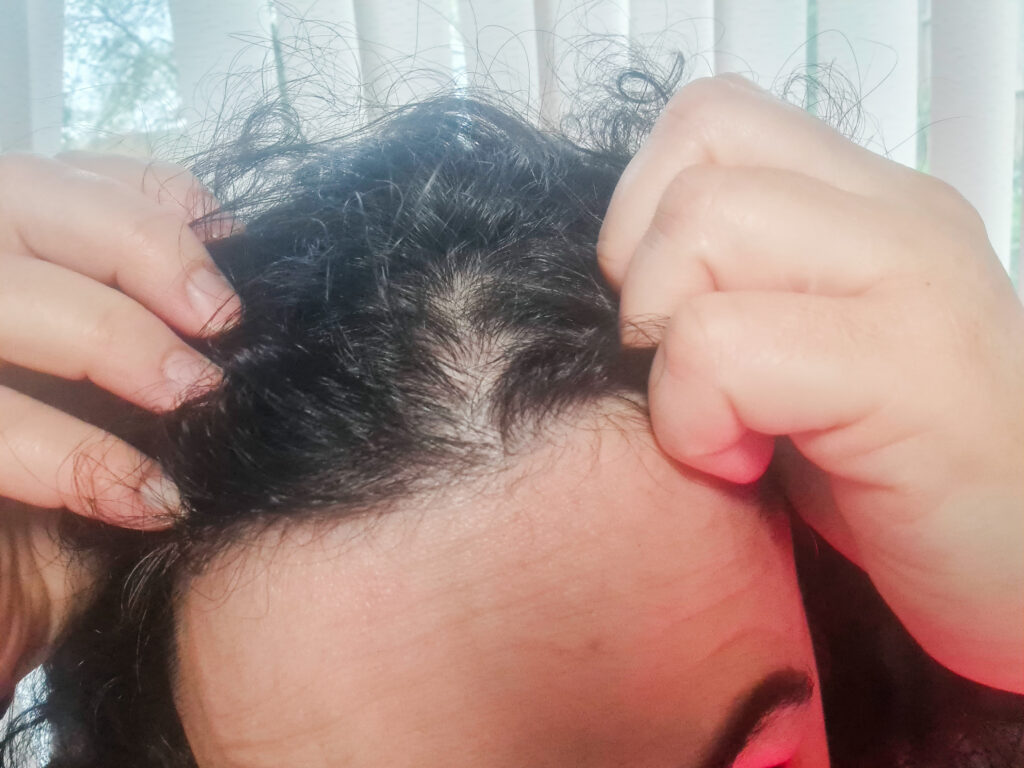
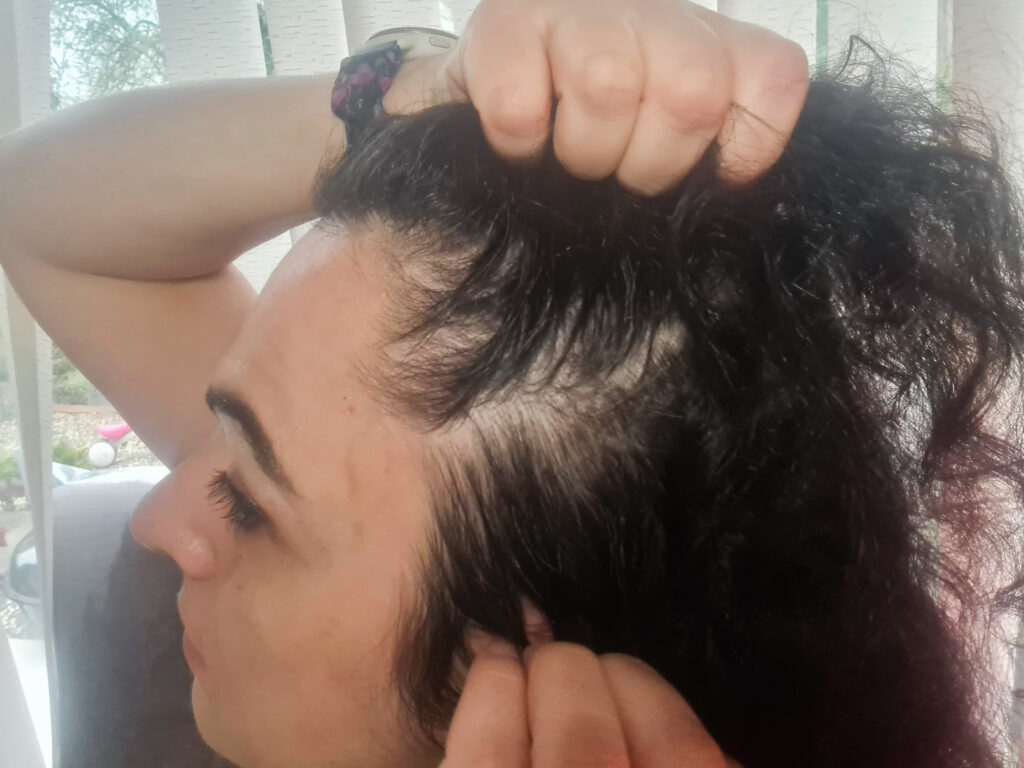
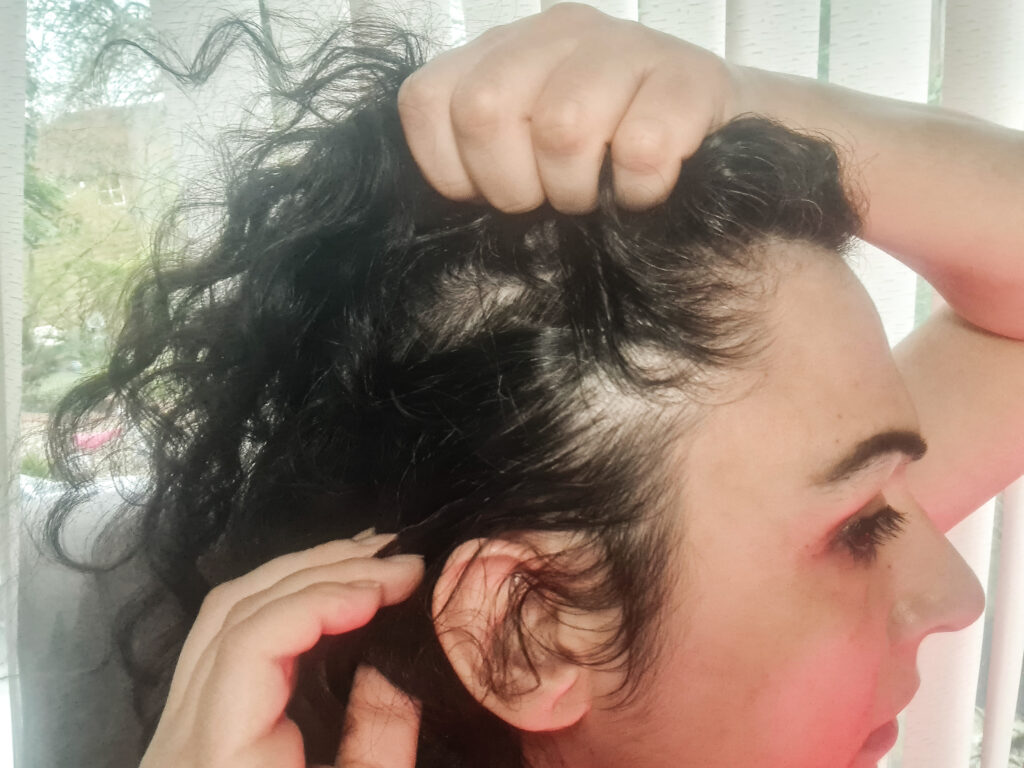
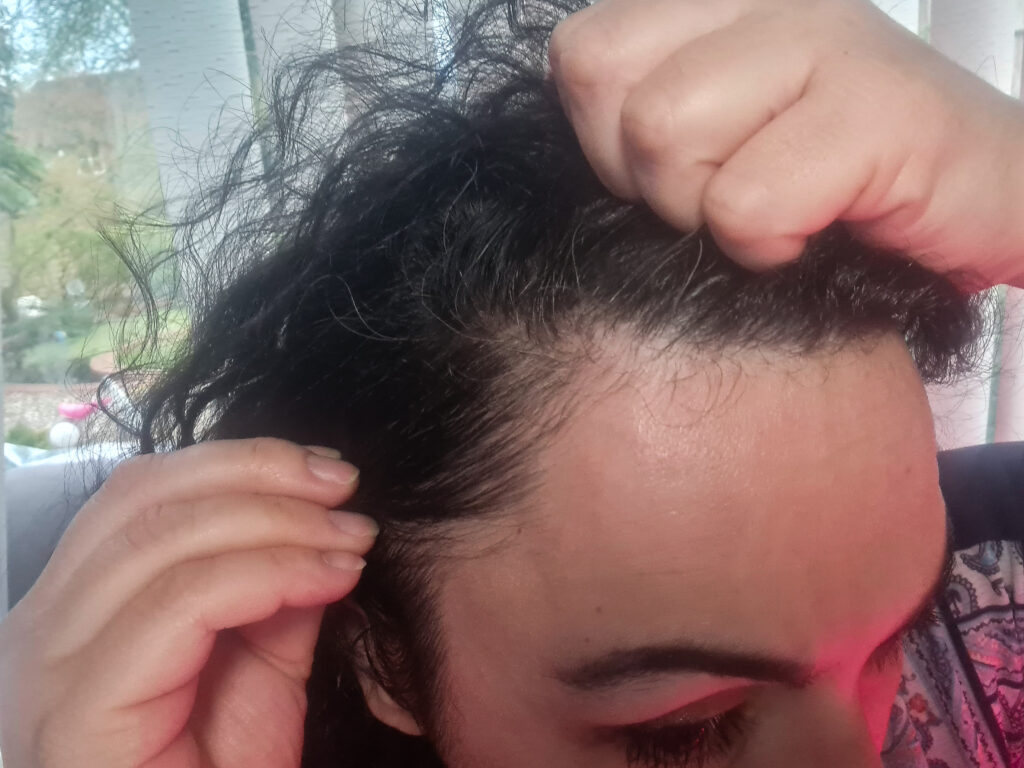
Losing hair can feel like losing a piece of your identity, especially after birth when you need to put your baby first. My thick, curly hair had always grown back except after my fourth, where clumps came out in my hands and there was no sign of regrowth. I was devastated! Maybe it’s down to my age, in which case, I’m scared my hair won’t ever grow back. It’s not just about vanity; it’s about how you see yourself and, in many ways, how you believe the world sees you. The psychological impact can be significant.
For those experiencing postpartum hair loss, this feeling is all too familiar. You’ve just brought a new life into the world, and as you navigate this beautiful yet challenging journey, you’re also dealing with changes to your own body, including your hair.
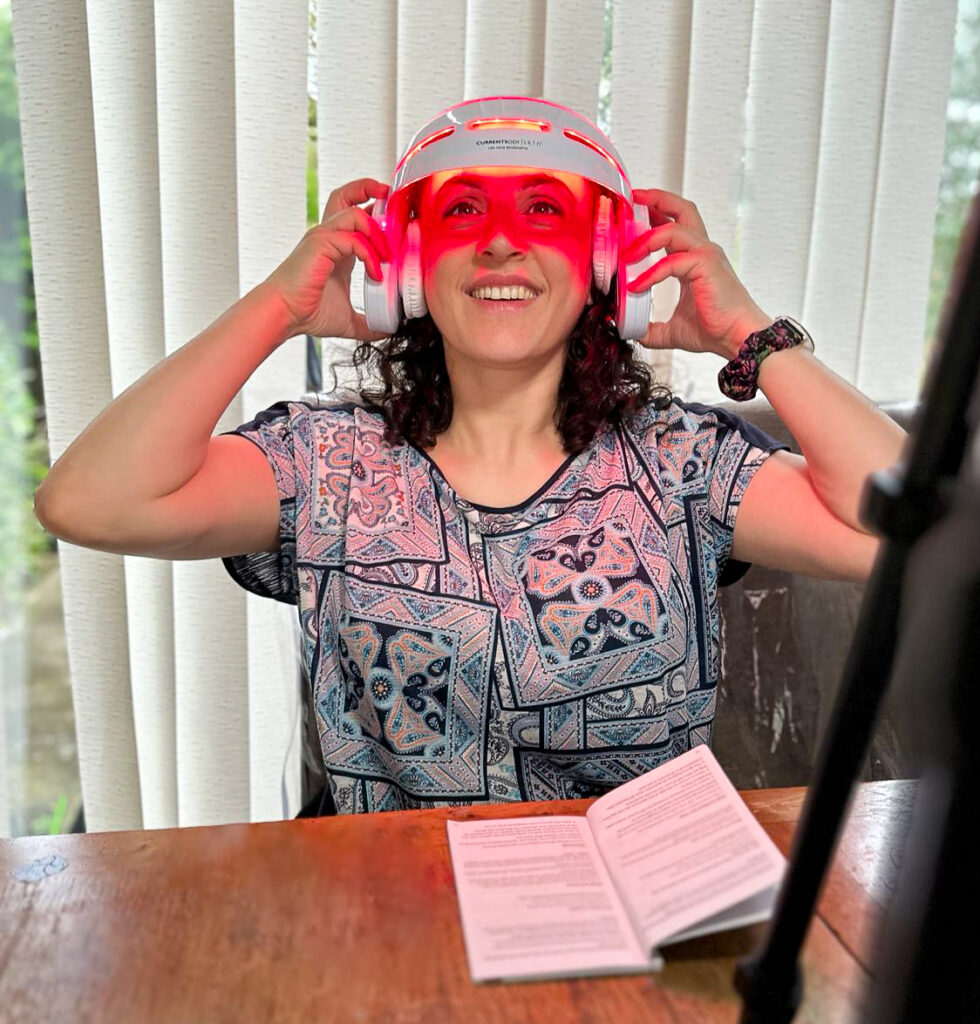
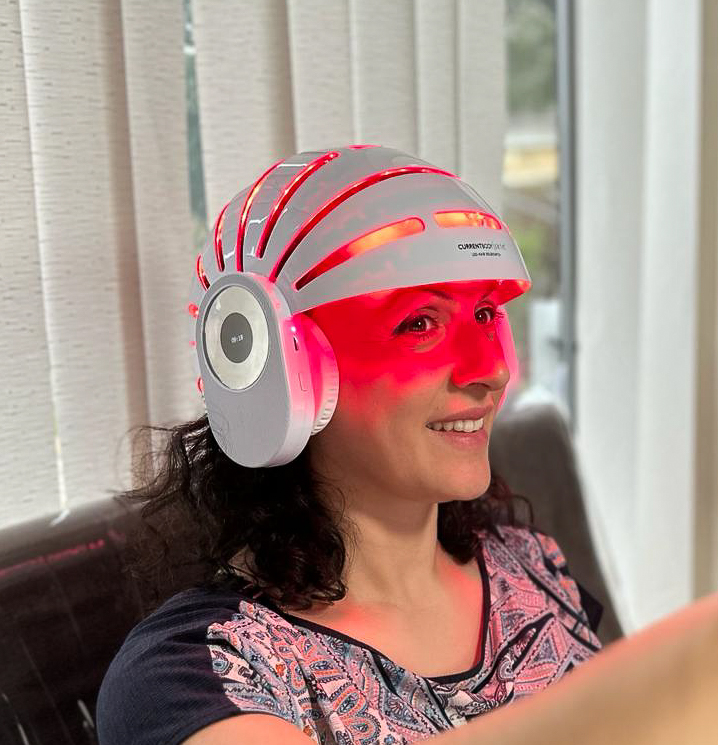
Enter red light therapy for hair loss – a glimmer of hope for us postpartum mums, as it’s non-invasive, and there’s science to back up its claims. The CurrentBody Skin LED Hair Growth Helmet* is a prime example of this technology in action. As someone who’s walked the path of trying to reclaim not just the fullness of my hair but also a piece of myself, I’ve decided to share my personal experience with this device. From the anticipation of unboxing to the day-to-day routine of wearing the helmet, I’ll take you through every step of my journey.
But first, let’s dig a little deeper into what causes hair loss, with a special focus on the postpartum hair-shedding rollercoaster. We’ll explore why red light therapy, particularly through devices like the CurrentBody Skin LED Hair Growth Helmet* is worth considering. Along the way, I’ll unpack the science behind red light therapy, how it compares to laser treatments, and its specific role in tackling postnatal hair loss.
Understanding hair loss
Losing hair can hit harder than just seeing more strands in your brush. So, understanding why hair falls out, how it affects us, and what we can do about it is the first step in dealing with it. Maybe your hair’s getting thinner all over, you’re spotting some bare patches, or it’s just coming out easier than before. By looking into how hair normally grows and what throws it off track, along with all the ways to tackle the issue, from doctor-recommended treatments to simple tweaks in how we live, we start to peel back the layers of this tricky problem. Let’s dive in and find some light at the end of the tunnel.
What causes hair loss?
You may start to lose hair due to genetics, hormones going haywire, not getting the right nutrients, too much stress, or even some kinds of medical treatments. Sometimes hair loss is just for a little while; other times, it might stick around, depending on what’s causing it.
One of the most common reasons people lose their hair is something called androgenetic alopecia. It’s mostly about your genes and it can affect anyone, but men usually have it more visibly. Other issues like thyroid problems, autoimmune conditions like alopecia areata, and even how you live your life – like what you eat and how much stress you’re under – also have a big impact.
Losing hair after having a baby, is actually pretty common. After the baby arrives, the big drop in pregnancy hormones can make a lot of hair start to fall out. It sounds scary, but most of the time, it gets better on its own in a few months.
When does postpartum hair loss start and stop?
Losing hair after having a baby, otherwise known as postpartum telogen effluvium, is something new parents go through. It’s all because of the big hormone changes that happen after you give birth. While you’re pregnant, you’ve got more oestrogen floating around, which makes your hair grow more and not fall out as much, giving you that great pregnancy hair. But after the baby comes, those hormone levels drop, and suddenly a lot of hair starts to shed.
So, when does this all start? Usually, about three to four months after you have your baby. It might be a bit different for everyone, but essentially your body is trying get back to how it was before you were pregnant.
And when does it stop? Don’t worry, this isn’t forever. Most of the time, your hair will get back to how it was by the time your baby’s blowing out their first birthday candle. You should see things getting back to normal anywhere from six to twelve months after you start noticing the loss.
It’s really important to remember that this kind of hair loss is totally normal and just part of the process. But, if you’re still seeing a lot of hair falling out after a year or it seems like too much, it might be a good idea to talk to a doctor or a skin specialist just to make sure everything’s okay. Eating well, being kind to your hair, and maybe some supplements can all help your hair get back to its pre-baby state.
How to treat postpartum hair loss?
Tackling hair loss after having a baby is all about taking care of yourself in different ways, as mentioned above, from what you eat to how you treat your hair and even managing stress. Plus, some specific treatments can help, like red light therapy. Let’s break down what you can do:
Eating right
If you’re dealing with hair thinning, make sure you’re eating a balanced diet. Getting enough iron, zinc, vitamin D, and those B vitamins is important for keeping your hair healthy. If you’re not sure you’re getting all the nutrients you need from your meals, talking to your doctor about supplements might be a good move, especially if you have certain foods you can’t eat.
Be kind to your hair
When it comes to looking after your hair, the gentler, the better. Try to steer clear of tight hairstyles that pull on your hair, harsh chemicals, and use a lot of heat to style your hair. A shampoo that adds volume and a conditioner that’s moisturising can make your hair look thicker and keep your scalp happy. Use a decent hairdryer like the mdlondon BLOW hairdryer that has a cool setting, so the direct heat doesn’t damage the hair.
Keep stress in check
Stress can actually make hair loss worse, so finding ways to relax and stay calm is really important. Things like yoga, meditation, or just getting in some regular exercise can help keep stress levels down.
Watch your hormones
After having a baby, it’s normal for your hormones to be all over the place, but they usually settle down on their own. If you’re worried your hormones are still out of whack and it’s affecting your hair, it might be worth chatting with your doctor to see what’s going on.
Medical treatments
Sometimes your doctor might suggest trying topical treatments like minoxidil, also known as Rogaine. It’s important to chat about whether these treatments are safe, particularly for parents who are breastfeeding.
Consulting with a specialist
If you’re losing a lot of hair after your baby arrives and it’s not getting better, it might be time to see a dermatologist. They can take a closer look at what’s going on and recommend the best way to tackle it. This might include checking whether red light therapy is a good fit for you. We will focus on red light therapy in this article.
What is red light therapy for hair?
Red light therapy is a spotlight solution for hair loss that’s been creating quite the buzz. This innovative approach involves a device that emits a soothing red light, aimed at revitalising your scalp right down to the follicles, by boosting blood flow and cranking up energy production.
How does it work?
The magic of red light therapy lies in its ability to nudge dormant hair follicles back into action, propelling them from the lazy days of their resting phase into the bustling growth phase. This not only encourages new hair growth but can also enhance the health and vitality of your scalp.
Recommended by healthcare professionals, these at-home devices are user-friendly, requiring just a few minutes of your time, a couple of times a week.
Is red light therapy a good choice?
There are quite a lot of studies out there suggesting red light therapy can help with growing hair back, and the best part is it doesn’t come with scary side effects. But, just like anything else, what works for one person might not work for another. Listening to what healthcare pros suggest and following how you’re supposed to use these gadgets is pretty much the golden rule here.
Let’s dive a little deeper
The cool thing about red light therapy is that it goes straight to the source – your hair follicles. By boosting blood flow and kicking metabolism into higher gear right at the scalp, it gets the growth of new hair going. It also increases ATP, that all-important cell energy, encouraging more hair to sprout. Plus, if you’ve got inflammation on the scalp, this therapy can help calm things down, creating a better environment for hair to grow and stick around longer in the growth phase.
Who should give it a try?
If you’re struggling with pattern hair loss, noticing your hair isn’t as thick as it used to be, or you’re a new mum dealing with hair falling out after birth, then red light therapy could be a good choice.
What’s the difference between laser therapy and red light therapy?
A lot of people think red light therapy is laser therapy, but actually the two are quite different. Let’s break down the difference between red light therapy and laser therapy.
Red light therapy
Red light therapy uses red LED lights that shine at certain wavelengths, usually between 630nm and 700nm.
The devices for red light therapy have a wide beam that covers a bigger area but with a softer touch than lasers.
It’s great for surface-level stuff because the light only goes a few millimetres deep into the skin, making it perfect for improving skin health, speeding up wound healing, and helping your hair grow.
Low-Level Laser Therapy (LLLT)
LLLT includes red light therapy but also brings low-level lasers into the mix. They use gentle lasers or LED light to wake up the cells in your hair follicles.
While LLLT often gets talked about in the same breath as red light therapy for hair growth, it’s actually a bigger umbrella that covers more types of light therapy.
Laser treatments
These treatments use lasers that are more focused and powerful, and they can zero in on specific tiny spots and go deeper into your body.
You’ll find lasers being used for medical situations, like surgeries, clearing up acne, and helping with deep tissue issues.
Because lasers are so intense, you’ll usually see a doctor or another healthcare pro if you’re getting a laser treatment done.
So, in a nutshell, red light therapy is like a soft, wide light blanket for surface-level issues, while laser therapy is more like a high-powered, precision light pen for deeper or more specific problems.
The CurrentBody Helmet and Red Light Therapy
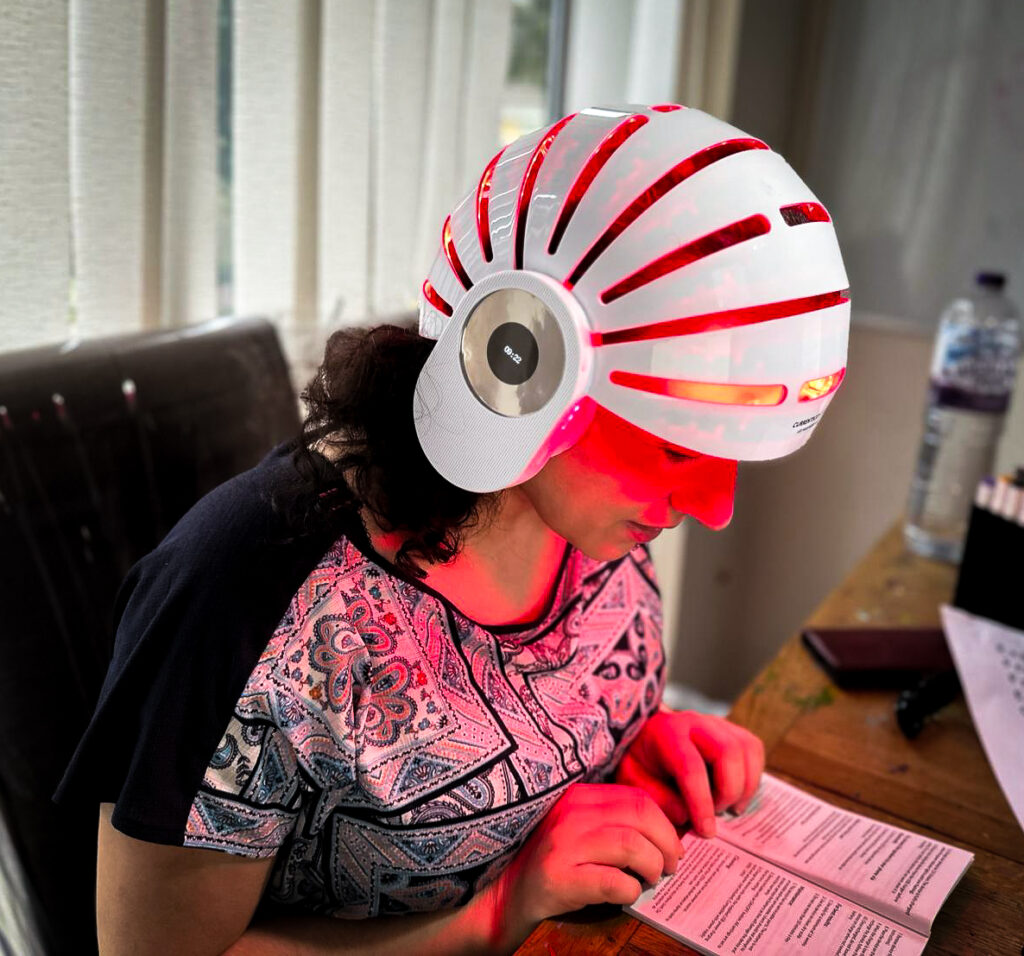
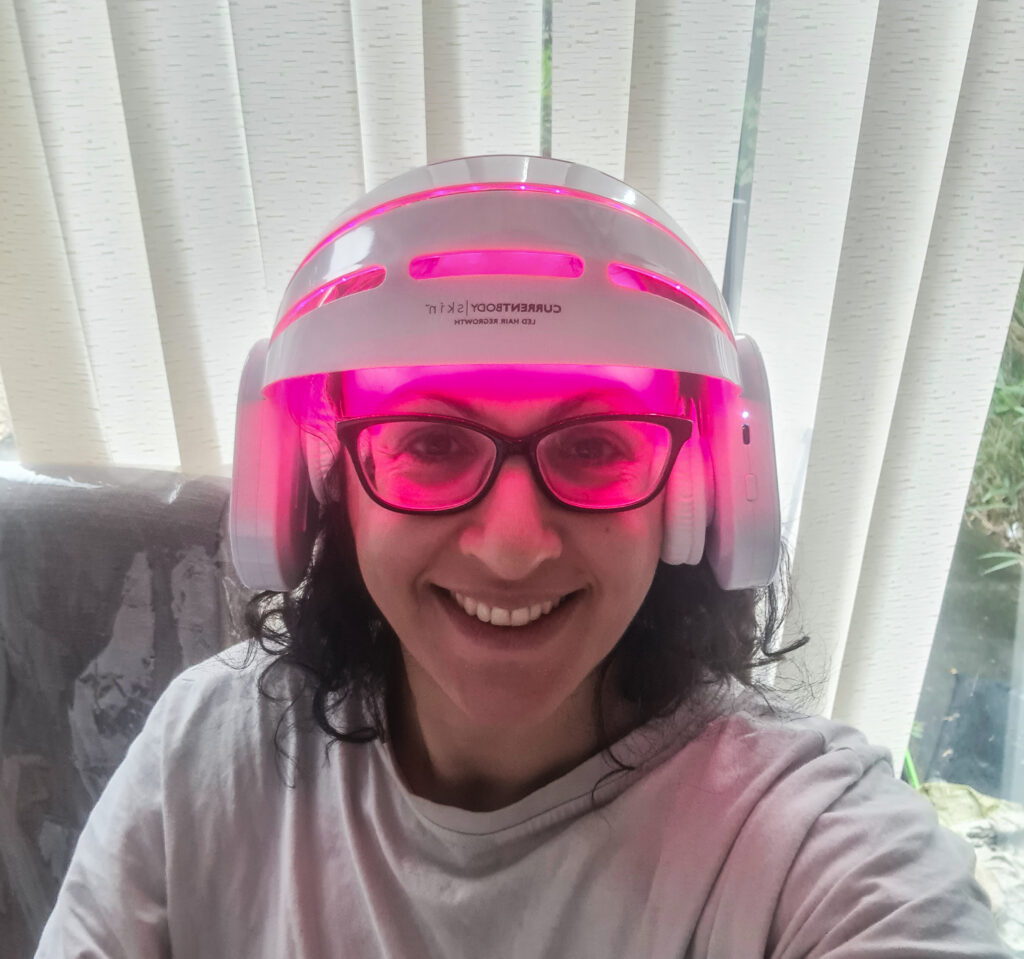
The CurrentBody Skin LED Hair Growth Helmet* uses red light therapy to tackle hair loss head-on. It shines red light at the sweet spot of 640nm wavelength, which is just the right kind of light to wake up the hair follicles, boost blood flow, and get more oxygen and nutrients moving to your scalp. This specific wavelength is good at getting through to your scalp without being too intense. It has been proven to be the right wavelength (not too strong and not too gentle) to help your hair grow.
How does red light therapy help with postnatal hair loss?
Red light therapy can help address postnatal hair loss because it’s non-invasive, pain-free, and effective to support hair regrowth and scalp health.
Calming inflammation
If your scalp’s feeling a bit inflamed after childbirth, you’re not alone. This inflammation can make hair loss even worse. Red light therapy can help create a more fertile ground for your hair follicles to thrive and produce new hair.
Helping with hormone changes
While red light therapy doesn’t directly juggle your hormones back into place, it supports a healthier scalp. And a happy scalp means it can better handle whatever hormonal changes come its way, helping your hair grow back stronger.
Why it’s great for new parents
Red light therapy is a safe and hassle-free way to address hair loss. It’s gentle, non-invasive, and doesn’t come with nasty side effects, making it a perfect match for the postpartum period. Plus, using red light devices at home, like hair growth helmets, means you can treat your hair without adding another appointment to your already packed schedule.
The CurrentBody Skin LED Hair Growth Helmet experience
Diving into the world of red light therapy for hair loss, let’s talk about an industry game-changer: the CurrentBody Skin LED Hair Growth Helmet.* This neat gadget brings the power of red light therapy right into your living room, offering an easy and effective way to help with thinning postpartum hair.
You can use the CurrentBody Helmet in the comfort of your own home. This means you get all the fancy benefits of red light therapy without having to step foot outside, making it convenient for busy parents.
Cracking open the box of the CurrentBody Skin LED Hair Growth Helmet is like discovering something from another world. The box is like a gift package, opening from the centre. Once opened you’re greeted by the helmet itself, a pretty hefty piece of kit that smells like it just came straight from a lab. Inside, you’ll find everything you need to get started:
The CurrentBody Skin LED Hair Growth Helmet comes in a small/medium size (you can also get a larger size, but there’s a handy size guide included to make sure it fits you just right.)
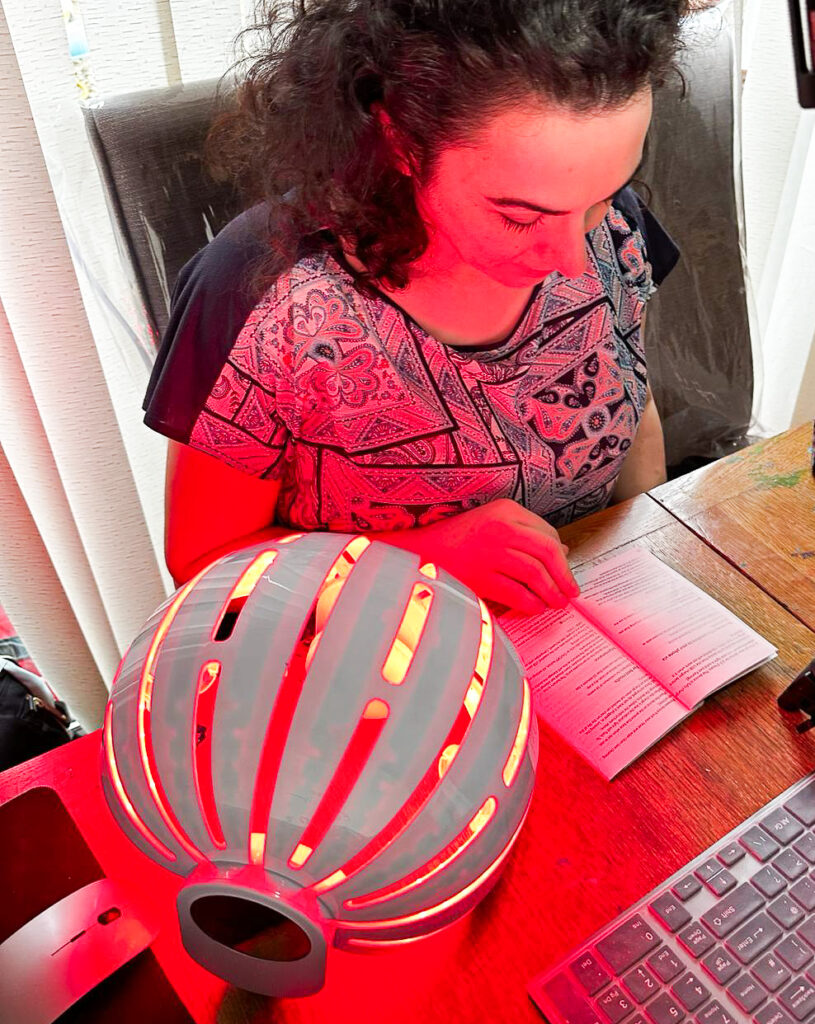
A Protective Non-Charging Base where your helmet can rest when you’re not using it, keeping it safe and sound.
A USB Charging Cord to power up your helmet. Just a heads up, there’s no wall plug in the box, so you’ll need to have one handy.
The User Manual is your go-to for all the details on how to use the helmet properly. It’s packed with everything you need to know to get the most out of your new hair growth buddy.
How to use the CurrentBody Helmet
Getting started with the CurrentBody helmet is pretty easy and fits right into your daily routine. Here’s a quick guide to get you going:
Setting It Up: First things first, pop the helmet onto its protective base. Then, grab the USB cord it came with and plug it in to give it a full charge before you use it for the first time.
Before You Start: Make sure your hair’s clean and completely dry. This helps the LED light do its thing without anything getting in the way, like oils or moisture.
Turning It On: Now, put the helmet on your head and find the screen on the side. Hit the start button, and you’ll see a 10-minute timer pop up on the display, along with some cool red light starting to glow.
Killing Time: To make those 10 minutes fly by, you can connect your phone to the helmet using Bluetooth and listen to your favourite podcasts or tunes. Pretty neat, right?
While It’s Working: You’ll feel a slight warmth while the helmet’s on—it’s just the LED lights doing their job on your scalp. It’s made to be comfy, so just relax and enjoy the warmth.
Wrapping Up: When the helmet beeps after 10 minutes, that means it’s done. It’ll turn itself off, so you just take it off, put it back on its resting port, and go about your day. Easy peasy!
First impressions and setup
The initial unboxing and setup process is impressively user-friendly. The futuristic design of the helmet, coupled with its clinical smell, immediately sets it apart as a sophisticated piece of technology. Setting up the device is intuitive, thanks in part to the clear instructions provided in the user manual. The ability to connect to Bluetooth for entertainment during treatment is a thoughtful addition, enhancing the overall user experience.
How often should you use the CurrentBody Helmet for red light therapy?
It really depends on what kind of red light therapy device you’ve got, how serious your hair loss is, and how your body reacts to the treatment. You can use the CurrentBody Helmet for just ten minutes a day and experts say you should see visible results in four months. But don’t worry, there’s a general game plan you can follow to get the most out of red light therapy for growing your hair:
Starting Out: Most of the time, if you’re using a red light therapy device meant to help your hair grow back, you’ll want to use it around 3 to 4 times a week when you first start. This helps wake up your hair follicles without overdoing it.
How Long for Each Session?: Expect to spend about 10 to 30 minutes per session, based on what CurrentBody recommend. It’s important to stick to their advice to keep things safe and effective.
Keeping It Going: After you’ve been at it for at least three months—and you start noticing some good changes, you might dial it back to just once or twice a week to keep those gains without needing to do as much.
But wait, there’s more:
Follow the Manual: Each red light therapy device can be a bit different, so make sure you’re doing what the manual says. The company that made your device should tell you how often and how long to use it, based on the kind of light it uses and how it works.
How Much Hair You’re Losing: If you’re losing a lot of hair, you might need to use red light therapy more often at first.
Your Personal Results: Everyone’s different. You might need to use it more or less often, depending on how your hair responds.
Mixing Treatments: If you’re using red light therapy with other hair loss treatments, the number of red light therapy sessions you do might change based on what else you’re doing.
Keeping it safe and effective
Red light therapy is usually pretty easy on you, but don’t go overboard to avoid irritating your scalp.
Stick with it regularly, according to the schedule. It’s better than trying to cram all your sessions into a shorter time frame.
Talk to a professional
Before you jump in with red light therapy, chat with a dermatologist or a hair loss expert, so they can give you advice tailored just for you, making sure red light therapy is a good fit.
While the typical advice is to aim for 3 to 4 therapy sessions a week for hair loss, remember to check out your device’s instructions and maybe get some professional guidance to figure out the best plan for you. With the CurrentBody Helmet, you can use it for ten minutes daily.
What can you start to see results with the CurrentBody helmet?
Here’s what your journey might look like:
First few weeks (0 to 4 weeks)
At the start, the LED light in the helmet gets busy boosting blood flow to your scalp, waking up hair follicles that weren’t doing much. It’s also putting the brakes on DHT, a hormone that’s no friend to your hair. You might not see changes right away, but it’s laying down the groundwork for new hair to grow.
The middle stage (4 to 8 weeks)
Now, things get exciting. That improved blood flow starts to rejuvenate sleepy follicles, and your scalp begins to feel like a more hair-friendly place. Those follicles are ready to switch from chill mode to grow mode.
Seeing changes (8 to 16 weeks)
This is when the magic happens. From about two months in, you’ll start noticing new hair. Studies show that by week 16, you could see a 33% boost in the number of hair follicles. Keeping up with the treatment is key to getting and keeping those gains.
How does the CurrentBody Helmet stack up against other treatments?
Against Finasteride – The helmet can ramp up hair growth by 126% in 16 weeks. Finasteride, a hair loss drug, doesn’t match up to this without continuous use.
Compared to laser treatments – It’s also been found to be way more effective than some laser treatments, outperforming them by 126%.
Versus Minoxidil – Against the topical solution Minoxidil, the helmet brings 62% more new hairs, minus the daily hassle and potential skin issues.
So, if you’re eyeing the CurrentBody helmet as your choice against hair loss, it looks like it could be a pretty solid option.
Personal and customer reviews of initial experiences
With 34 reviews averaging 4.5 out of 5, people really like the CurrentBody Helmet for its solid build and how easy it is to use. While the scores on seeing results dip a bit, it’s key to stick with it for about four to six months to start seeing your hair come back. Christine K. from Canada was hoping for quicker results in just three months. The team at CurrentBody, with Zubda leading the charge on beauty tech advice, stresses sticking it out for about six months to really see the difference.
People like JCS and Liz O. are happy about how well red light therapy works and how top-notch the helmet feels. Hadas from Israel and Nils P. from the Netherlands have seen their hair get thicker and healthier. Though Hadas did point out that it can snag your hair, tossing your hair into braids seems to fix that right up.
On the expert front, Craig Ziering, a big name in hair restoration, promotes using red light therapy to get those hair follicles moving and bumping up hair density without the downside of harsh side effects. Celestine Gitau also favours using red light therapy alongside good eating, keeping stress in check, and taking care of your scalp to tackle hair loss.
CurrentBody helmet results: before and after
Lots of people who’ve stuck with using the CurrentBody Skin LED Hair Growth Helmet* have seen some real changes. Their hair feels thicker and denser, and their scalp seems healthier too. Everyone’s experience is a bit different, but the before and after pictures people share usually show a pretty big decrease in how much their hair is thinning. Most agree that if you keep up with it regularly, just like the manual suggests, you’re more likely to see good results.
My before and after
As I’m only on Week 1 of using the CurrentBody Skin LED Hair Growth Helmet* I can’t show you any actual results yet. But watch this space as I will be updating my journey here and via social media too. I’m very hopeful!
Where can I buy the CurrentBody Skin LED Hair Growth Helmet?
Lots of research out there is giving a thumbs up to red light therapy for dealing with hair loss, with a whopping 128% boost in how fast hair grows back, meaning people are seeing thicker, stronger hair after sticking with red light therapy for a while. And compared to options like minoxidil or finasteride, which might irritate your scalp or lead to other side effects, red light therapy is pretty chill with hardly any downsides reported.
Pros
No Surgery Required: Red light therapy doesn’t involve any cutting or poking, making it a gentle choice for many.
Easy on You: Side effects are pretty rare, especially if you’re comparing it to drugs for hair loss.
Do It at Home: You can get your red light therapy session in without having to step out, thanks to gadgets you can use in your living room.
Happy Scalp: It’s not just about more hair; red light therapy can make your scalp healthier, cutting down on problems like inflammation.
Cons
Time: You’ve got to commit to using it regularly over a long stretch to see results, which might not be everyone’s cup of tea.
Costs Upfront: Getting your own red light therapy setup at home can be a bit pricey at the start, though it could save you money down the road compared to other treatments.
Mixed Results: How well it works can really depend on the person. Some might see big changes, while others might only notice a little difference.
Beyond the Helmet: Are there any hair loss treatment alternatives to red light therapy?
Stepping out from under the CurrentBody Helmet, let’s look at other options to tackle hair loss if red light therapy isn’t your go-to.
Medications
Minoxidil (Rogaine): You can grab this topical treatment you massage into your scalp at your local pharmacy. It’s got a thumbs up for both men and women, but you’ve got to keep at it without a break to keep the gains.
Finasteride (Propecia): More of a behind-the-counter pick, this pill slows down hair loss and might even invite new growth. This is aimed at men, though, and it’s not without its set of potential side effects, especially in the bedroom department.
Medications bring results, no doubt, but they’re not free of side effects. Red light therapy, on the other hand, keeps things gentle and non-invasive.
Platelet-rich plasma (PRP) therapy
You utilise your own blood, which is processed to concentrate platelets, so PRP therapy injects it into the scalp. This method aims to stimulate hair growth by enhancing tissue repair and cellular functions.
PRP therapy requires clinical visits and is more invasive, potentially accompanied by discomfort and higher costs. Red light therapy, alternatively, offers a non-invasive, pain-free treatment option that can be conveniently administered at home, though PRP may provide faster results for some people.
Hair transplant surgery
Hair transplant procedures, such as Follicular Unit Extraction (FUE) and Follicular Unit Transplantation (FUT), offer permanent hair loss solutions by redistributing hair from denser to sparser areas.
While hair transplant surgery delivers immediate and targeted results, it involves significant financial investment, recovery time, and surgical risks. Red light therapy is a gentle alternative or a complementary treatment to support healing and enhance hair growth without the need for surgical intervention.
Microneedling
Microneedling for hair loss involves a process where very fine needles create tiny punctures on the scalp. This action is meant to kickstart the skin’s healing process, potentially encouraging hair growth. It’s often used alongside other treatments to help them penetrate deeper and work more effectively. You can use the CurrentBody Helmet device in conjunction with microneedling if you wanted to.
Compared to the simplicity of red light therapy, microneedling is more direct, with a bit of discomfort due to its invasive nature. While it can be effective, especially when combined with other hair loss treatments, red light therapy offers a gentler, non-invasive alternative that’s easy to use regularly at home.
Both approaches have their place in the array of hair loss treatments available, from the straightforward application of medications to advanced techniques like red light therapy. Each method offers different benefits, and the best choice can depend on your individual needs, preferences, and the specific condition being treated.
Final thoughts, recommendations, and guidance
The CurrentBody Skin LED Hair Growth Helmet is a pretty cool tool in the fight against hair loss, mixing smart tech with everyday hair care. It’s got a thumbs-up from both science and real users, making it a solid pick for handling hair loss right at home. This helmet is all about using light in a gentle way to help out thinning hair without any fuss. If you’re thinking about giving it a try, here’s what you might want to keep in mind:
Do Your Homework: Take a closer look at how red light therapy works and why it might be good for your hair. Look for solid research and trials to back up what the helmet promises. Places like PubMed or NIH are great for finding trustworthy studies.
Check What You Need: Think about how much hair you’re losing and if this kind of therapy fits your situation. Sometimes, other conditions might need a different approach.
Weigh the Costs: Consider what you’re spending upfront against what you’ll save by not having to keep buying treatments or going for more drastic measures.
Listen to Others: Check out what people who’ve been in your shoes have to say about their experience with the helmet.
Look for FDA Approval: Especially in the U.S., knowing the device is FDA-cleared can give you a bit more peace of mind about its safety and effect.
Check the Warranty: Make sure you know what kind of support and warranty comes with it, so you’re covered if anything goes sideways.
Be Patient: Remember, good things take time. Consistent use is key to seeing a real change, so stick with it as recommended.
Track Your Journey: Taking before and after photos can be a great way to really see the difference over time.
Keeping these points in mind, the CurrentBody helmet seems like a pretty smart pick for those looking to tackle hair loss head-on. It offers you a non-scary way to help your hair out, backed by science and good reviews from users. Just like with anything big in healthcare, chatting with a pro and thinking it through can help you decide if it’s the right move for you.
FAQs
Is red light therapy for hair loss safe?
Absolutely, red light therapy is generally considered safe for hair loss. It’s non-invasive and doesn’t come with the scary side effects some treatments might have. Just make sure to follow the guidelines for your device to keep things smooth.
Can red light therapy make hair loss worse?
There’s no evidence to suggest that red light therapy worsens hair loss. In fact, it’s known for its benefits in stimulating hair growth and improving scalp health. If you’re concerned, chat with a healthcare professional.
Is red light therapy for hair painful?
Not at all. red light therapy is a gentle, pain-free treatment, so if you’re not a fan of the ‘ouch’ that comes with some other treatments, red light therapy could be up your alley.
Can red light therapy reverse grey hair?
Red light therapy is more about encouraging hair growth and improving the health of your scalp and hair. There’s not much out there to say it can bring back your original colour if you’re going grey.
I’m thinking of buying a red light lamp for my fiancé who has back pain and hair loss – would any red lamp work?
It’s best to look for a device specifically designed for the issues you’re tackling. Red light therapy devices for hair loss and back pain might have different specifications, like wavelength, so picking one that’s meant for hair loss is your best bet for seeing results.
Can an LED mask with red light also be used on the scalp for hair loss treatment?
Some LED masks are versatile enough to be used on different parts of the body, including the scalp. A normal LED mask will help a little as it does penetrate the skin at a cellular level. But it’s important to choose a device that has the correct wavelengths to reach the follicles, which is usually a different wavelength than the face LED masks. So the hair-focused helmet will work better, as it will reach the correct level. Just check the manufacturer’s recommendations to ensure it’s safe and effective for hair loss treatment.
Does light therapy stop hair loss, or is it just for regrowth? Can it replace Finasteride if you do it every day?
Red light therapy is known for both halting hair loss and encouraging regrowth by stimulating the follicles. As for replacing finasteride, it’s a bit of an apples and oranges situation. Red light therapy offers a non-drug, side-effect-free method, but whether it can replace finasteride for you depends on your specific situation and what your healthcare provider suggests.
Resources for further reading and understanding
Systematic reviews and meta-analyses
“Effects of Low-Level Laser Therapy on Male and Female Pattern Hair Loss“: A systematic review and meta-analysis in Lasers in Medical Science (2014) examining the efficacy of LLLT in treating pattern hair loss. The study concluded LLLT to be an effective and safe treatment, noting significant improvements in hair density and thickness.
Clinical trials
“Treatment of Androgenetic Alopecia with LLLT“: Published in the Journal of Cosmetic and Laser Therapy (2013), this study involved individuals with androgenetic alopecia treated with LLLT and reported significant improvement in hair count and density after 26 weeks.
“LLLT for Women with Androgenetic Alopecia“: A study in Lasers in Surgery and Medicine (2014) highlighted the positive effects of LLLT in increasing hair density in women, compared to placebo groups.
Comparative studies
“Comparing LLLT with Minoxidil“: Published in The American Journal of Clinical Dermatology (2014), this study found LLLT to be as effective as a 5% minoxidil solution in promoting hair growth in men with androgenetic alopecia.
*This post is sponsored by CurrentBody but all thoughts are 100% my own. Please note that links marked with a ‘*’ are affiliate links, which means I may earn a small commission when you click through at no extra cost to you.
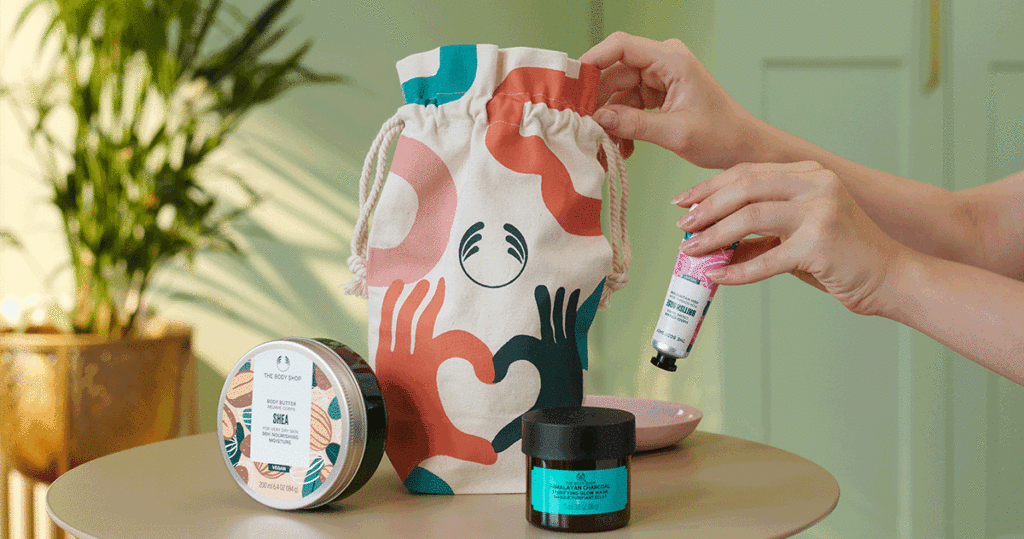
Body Shop skincare routine – what to buy for Mother’s Day
I was 13 when I first bought makeup at the shop. It was the 90s, so makeup meant Heather Shimmer lipstick, matte brown lip liner and ghostly pale face powder. I looked like an extra from the Addams Family, but I felt like a woman, especially when I discovered skincare for the first time at The Body Shop. I didn’t have a Body Shop skincare routine or any idea what my skin type was – I had teenage skin and a paper round allowance.
A trip to the Body Shop was an aromatic trip to heaven, and it soon became my favoured visit with friends every weekend. I tried on the fragranced hand creams, different array of eyeshadow and lip liners and treated myself to body butter and bath bombs.
Then the noise of the naughties drowned out the brick and mortar brands with online shopping paving the way to a whole new selection of affordable skincare. Social media heeled the barrage of gimmicky skincare fads and with influencers plugging their own merch too, I quickly became overwhelmed. My thirties were my ‘baby years’ (I had four babies in my thirties) so my skincare routine took a nosedive and since then I have stuck to serums which help me look like I’ve slept for more than a few minutes in the last five years.
After a long hiatus, I found The Body Shop again and I truly forgot how amazing it is. The Body Shop online took me straight back to that 13-year-old bright-eyed brunette, searching for her own identity and immersing herself in makeup and skincare for the first time.
Now I’m in my 40s, I try hard to have a basic skincare at the best of times and even though I rarely get it right, I have tried to look after my skin over the years.
I would love for someone to do the research for me and gift me with a suitable skincare kit for Mother’s Day this year because it would be one heck of a present for a tired mum with minimal time to think for or look after herself. You can’t go wrong with a well thought out skincare set!
So, let me do the research for you – here is a step-by-step rundown of the different body shop skincare routines that could work for that special mum in your life, so you can make her feel like she’s glowing on Mother’s Day.
My everyday skin care routine at home
I have to admit; I am not the best at keeping up with my skincare routine, but over the years, there are a few things I do (almost every day/night) to ensure my skin doesn’t age prematurely (the fine lines have already got to me, though.)
I take my makeup off before I go to bed
I only started religiously taking my makeup off in my thirties, but doing so has helped to ensure I have softer, cleaner skin when I wake up in the morning. I don’t wear foundation and I only use concealer on certain parts of my skin (especially around my eye area), so it’s important I wash the concealer off to prevent pore clogging.
I use a cleansing wipe to wash my makeup off and a hot wet 100% cotton towel to wipe it off
I use a cleansing wipe which I can lather on my skin in a gentle circular motion to wash my eye makeup off, so I’m not dragging on the skin. The cleanse ends with a hot damp towel, which feels like a mini spa facial. I place the towel over my face and press gently for a few seconds (which feels amazing). Then I gently wipe and repeat until all the makeup is off.
I always use a serum on my skin
Using a serum before you put on your moisturiser just helps to keep things properly moisturised. Now that I always use a serum, I find it is not enough to put moisturiser on. I have combination skin, so some moisturisers are too drying and some are too oily. But the serum feels just right on my skin.
I do a mini facial workout before bed
I always make sure I use lip balm regularly
I try to keep my lips as moisturised as possible, and they’ve helped to stay plump in my forties. I’ve been doing this since my twenties and I feel like the work has paid off, although during this winter weather, they’ve taken quite a beating! (I always have parched skin in the winter).
Here is a video of my basic skincare routine before bed:
What I should include in my step-by-step skin care routine
I’m slack with SPF and often forget to add it to my skincare routine before I go out. The only way to get around this for me is to buy a moisturiser which has SPF* in it. I’ve found some great ones from The Body Shop, which I’ll list below.
What you should include in your steps for skin care routine excellence
So, being a mum of four with tired, aging skin, I’d love nothing better than to receive skincare that makes me feel glorious on Mother’s Day. So here are the top Body Shop skin care products for each skin care routine so you know what to get for your special someone on Mother’s Day.
What is The Body Shop?
The Body Shop International Limited started in 1976 as a little green shop in Brighton. Its founder, Anita Roddick, wanted to revolutionise beauty in business as a force for good and with over 40 years of campaigning The Body Shop has strived to smash beauty industry standards with ethically sourced and naturally based ingredients from around the world, as well as no-nonsense packaging you could easily refill. The products are made for everyone with all skin types – no discriminating.
“Business shapes the world. It is capable of changing society in almost any way you can imagine.”
Dame Anita Roddick, FOUNDER OF THE BODY SHOP
Best skin care routine for combination skin
Shopping for combination skin can be tricky because sometimes your skin will be oily and other times it’ll decide to be dry. Or parts of your skin will be a bit of both! So, trying to work out a skin care routine step-by-step leaves you feeling like you’re going around in circles. Click here* for more information on combination skin.
The ultimate Body Shop skin care routine for combination skin should comprise:
Morning Face Routine Steps
Cleanser
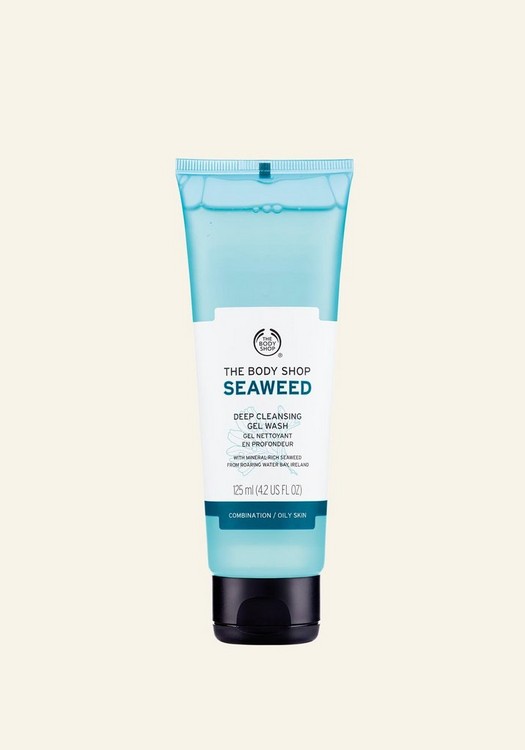
A cleanser removes any buildup that occurs overnight. A great cleanser for combination skin is the Seaweed Cleansing Gel Wash*, which is also suitable for oily skin, and rebalances and controls shine. It’s also vegan!
Seaweed Cleansing Gel Wash FOR COMBINATION AND OILY SKIN. REBALANCES AND CONTROLS SHINE VEGAN. Buy here*
“Good wash for oily skin. Leaves skin fresh and clean.”
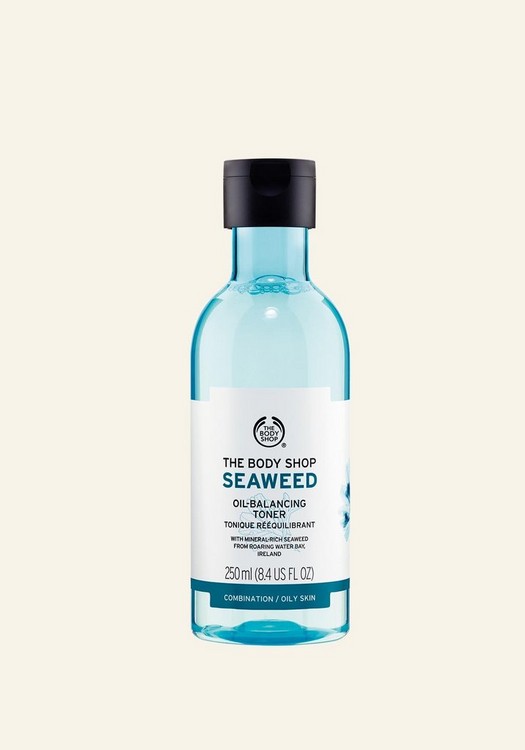
A hydrating toner removes any oil that your cleanser doesn’t and balances your skin’s pH levels. A great toner from the Body Shop for combination skin includes the vegan Seaweed Oil Balancing Toner* which rebalances and revives your skin and gently cleanses impurities.
Seaweed Oil-Balancing Toner FOR COMBINATION AND OILY SKIN. REBALANCES AND CONTROLS SHINE. VEGAN. Buy here*
“A great toner that leaves my skin feeling refreshed. Perfect for my combination skin.”
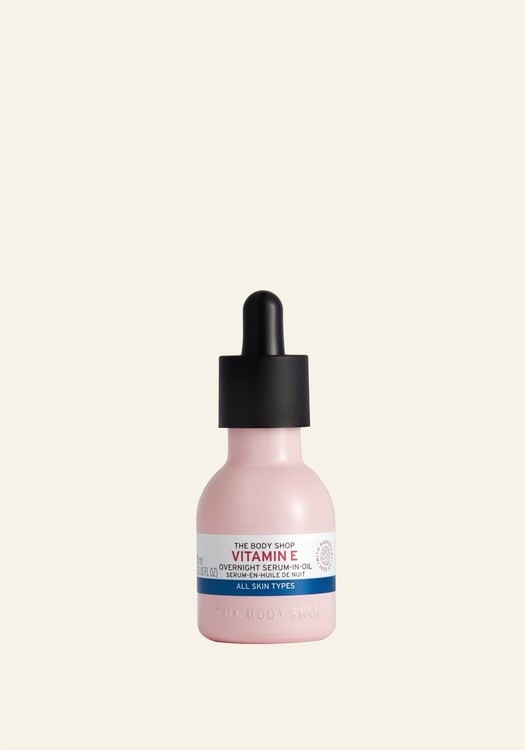
I’m a huge fan of serum, especially those which contain hyaluronic acid because they hydrate and protect the skin. A great serum from The Body Shop for combination skin is the Vitamin E Overnight Serum-In-Oil* which is suitable for all skin types and provides 24-hour moisture.
Vitamin E Overnight Serum-In-Oil FOR ALL SKIN TYPES. 24HR MOISTURE. Buy now here*
“Vitamin E Overnight serum in oil is amazing. My skin feels so soft and glowing after. I love it.”
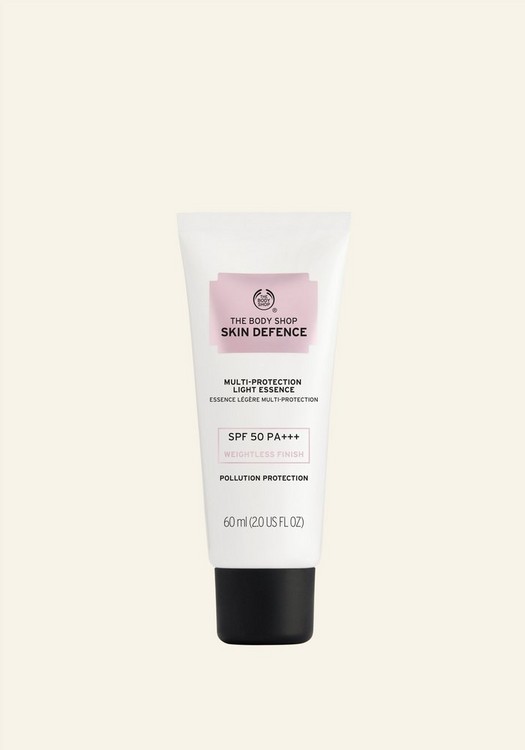
If you can find a moisturiser with at least SPF30, then you can combine the sunscreen and moisturiser in one. A great, highly protective sunscreen is the Skin Defence Multi- Protection Light Essence SPF 50 PA +++* which has a weightless finish and helps protect skin against pollution.
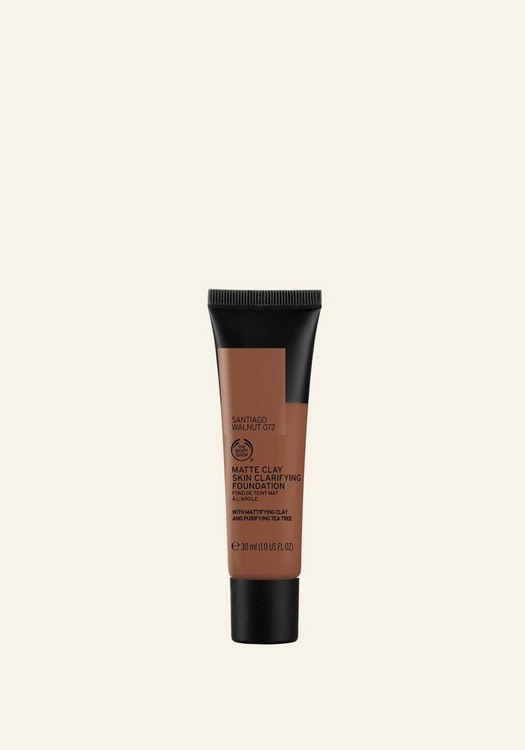
Then add your makeup, but make sure it’s lightweight. Foundation and concealer should be oil-free. Check out the Matte Clay Skin Clarifying Foundation* which is lightweight and perfect for all skin types, especially oily skin.
Matte Clay Skin Clarifying Foundation FOR OILY SKIN. FULL-COVERAGE. MATTE FINISH. VEGAN. Buy here*
“Beautiful creamy foundation giving great coverage.”
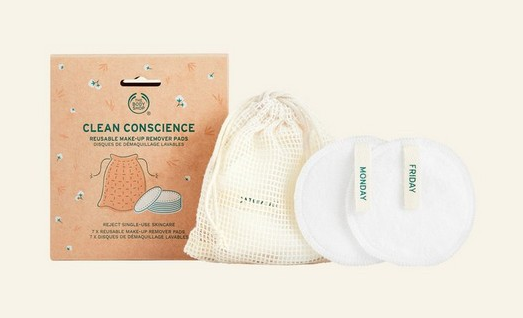
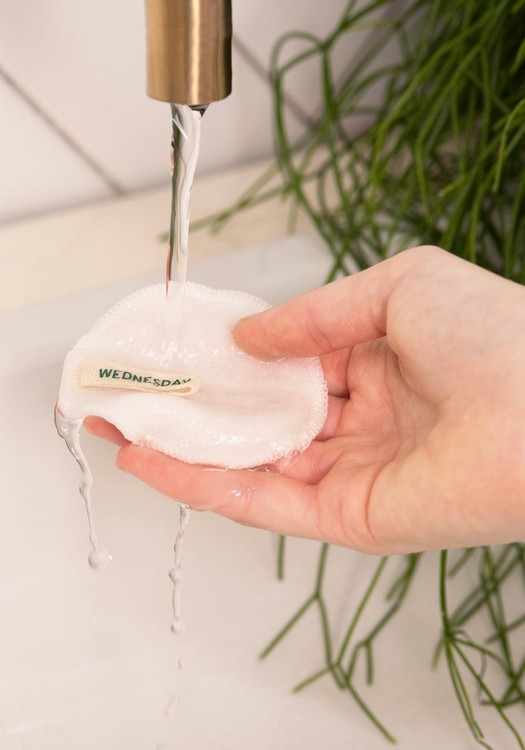
You should always remove your makeup to keep your pores unclogged and help your skin to breathe. Micellar water is one of the gentlest products and is great to use on sensitive skin. Use gentle make-up remover pads, like these Clean Conscience Reusable Make-Up Remover Pads* which are reusable and machine washable too.
Clean Conscience Reusable Make-Up Remover Pads REUSABLE. SUPER GENTLE. MACHINE WASHABLE. Buy now here*
“Amazing, use them every day. Great that you can wash them.”
A nighttime cleanser helps to remove makeup remnants and natural buildup. A good cleanser for sensitive skin is the Camomile Sumptuous Cleansing Butter* which gently removes make up and impurities.
Camomile Sumptuous Cleansing Butter FOR SENSITIVE SKIN. GENTLY REMOVES MAKE-UP AND IMPURITIES. VEGAN. Buy here*
“Best on the market, I wouldn’t use anything else now.”
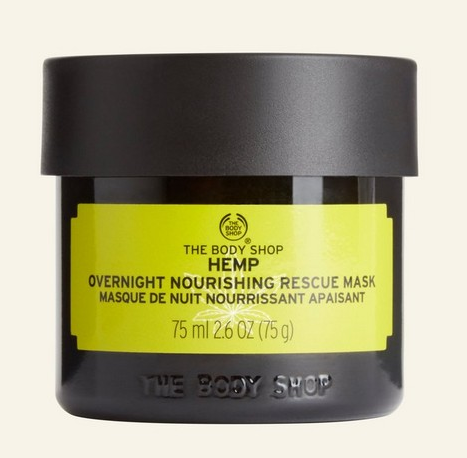
Use a strong serum and emollient-rich moisturiser for dry areas to get to work during the night while you’re asleep. You could also use a treatment to help with certain areas that need it the most. A good nighttime moisturiser is the Hemp Overnight Nourishing Rescue Mask* which is suitable for dry skin and keeps skin quenched for up to 72 hours.
“WOW, WOW, WOW! This is the best Body Shop product I have ever tried. It is superbly moisturising! Smells divine and makes by skin baby soft. A must have essential in everyone’s bathroom cupboard.”
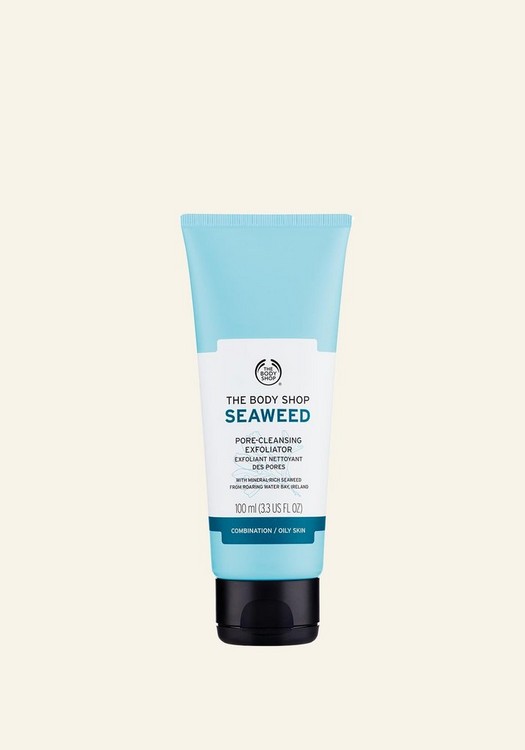
Using an exfoliant once a week is great for removing dead skin cells and keeping pores clear. It also relieves dry areas. The Seaweed Pore-Cleansing Exfoliator* is suitable for combination and oily skin and gently exfoliates away dead skin cells.
Seaweed Pore-Cleansing Exfoliator FOR COMBINATION AND OILY SKIN. REFRESHING AND CLARIFYING. VEGETARIAN. Buy here*
“Absolutely love this product! Would recommend it to anyone and everyone who struggles with oily skin or blemishes!”
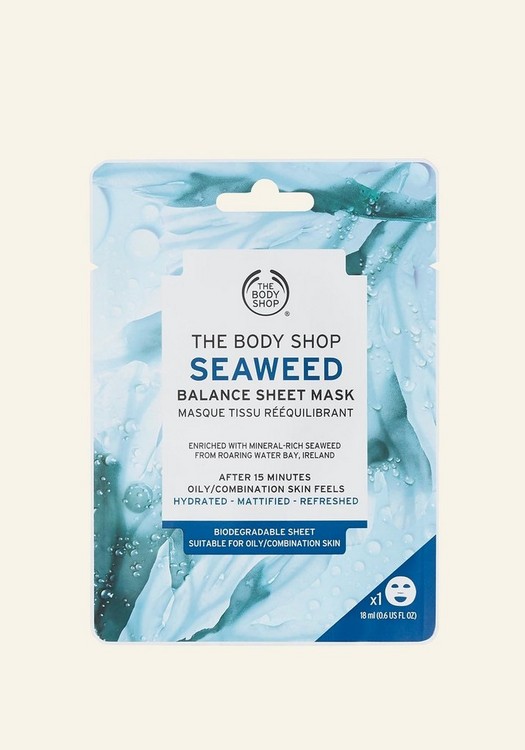
Once a week, you could apply a different mask to different areas of the face. The Seaweed Balance Sheet Mask* works in just 15 minutes to lock hydration in for 24 hours. And it’s only £4.00!
Seaweed Balance Sheet Mask FOR COMBINATION/OILY SKIN. VEGAN. Buy here*
“A lovely treat for the skin. Help to clear up my spots and hydrate my skin. Will buy again.”
Oily skin is one of the most common skin concerns, with shiny complexion and acne breakouts being typical symptoms for acne sufferers.
Cleanse morning and night
A Body Shop skin care routine for acne should include a cleanser that contains salicylic acid. The best evening skin care routine for oily skin should include a double cleanse at night if you wear makeup.
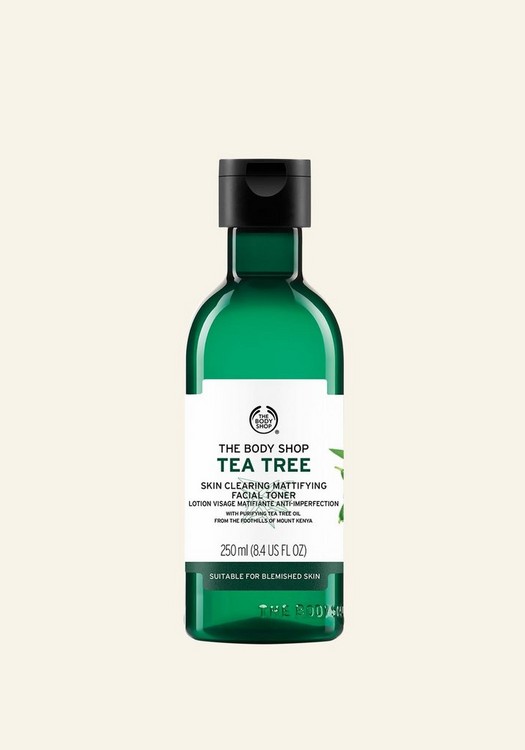
A toner could help fight blackheads and blemishes. Try to find an exfoliating toner that contains either salicylic acid, glycolic acid, or lactic acid. A mattifying toner like the Tea Tree Skin Clearing Mattifying Toner* can help to purify, refresh and prep the skin so you’re ready to take on the world!
Tea Tree Skin Clearing Mattifying Toner FOR OILY, BLEMISHED SKIN. PURIFYING. VEGAN. Buy here*
“This is my go to product, day and night! Absolutely fantastic! Keeps my spots at bay!”
Treat your skin according to your specific skin concern. So if you’re prone to acne, use benzoyl peroxide or sulfur in the daytime to help curb oil production and prevent breakouts. In the evening, a retinol product can help to keep pores clear and skin glowing.
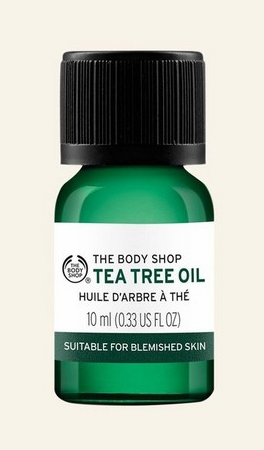
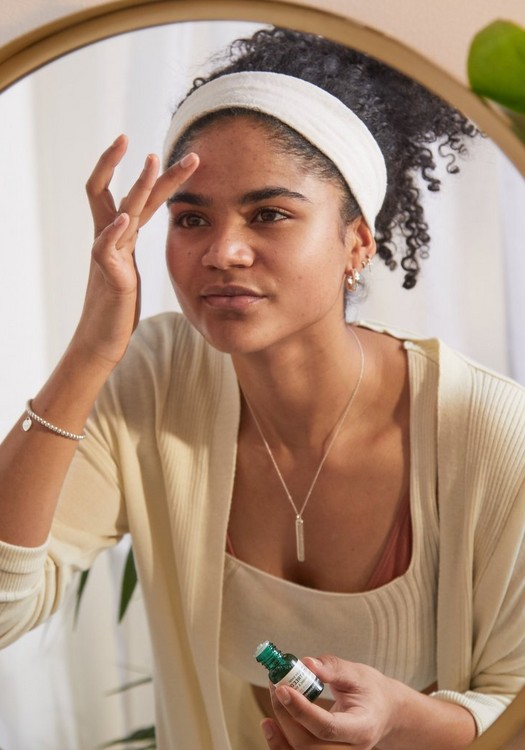
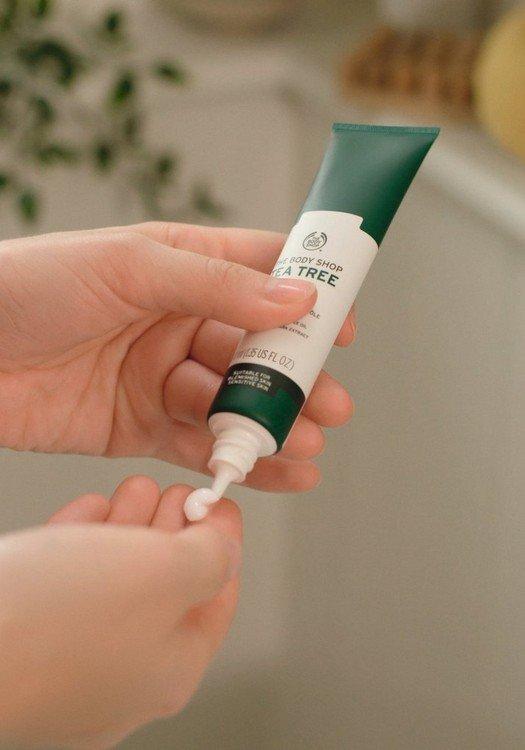
Tea tree oil for oily, blemished skin can be used throughout the day to target blemishes. Try Tea Tree Oil* which is suitable for oily, blemished skin.
Tea Tree Oil FOR OILY, BLEMISHED SKIN. PURIFYING VEGAN. Buy here*
“This product is amazing! It really helps to reduce my blemishes and oily skin. Can’t recommend enough.”
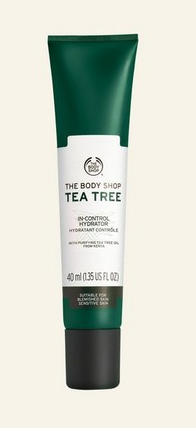
Even if you have oily skin, your Body Shop skincare routine steps for the morning should include moisturiser, but be more careful with the type you use. Look for a moisturiser that’s lightweight, free of oils and water-based.
When you have dry skin, the right skincare can transform your skin from tight and flaky to soft and glowing. But you need to start the day the right way.
The Body Shop skincare routine order for the morning should include products that keep moisture in.
Prepare your skin with a gentle non-foaming cleanser
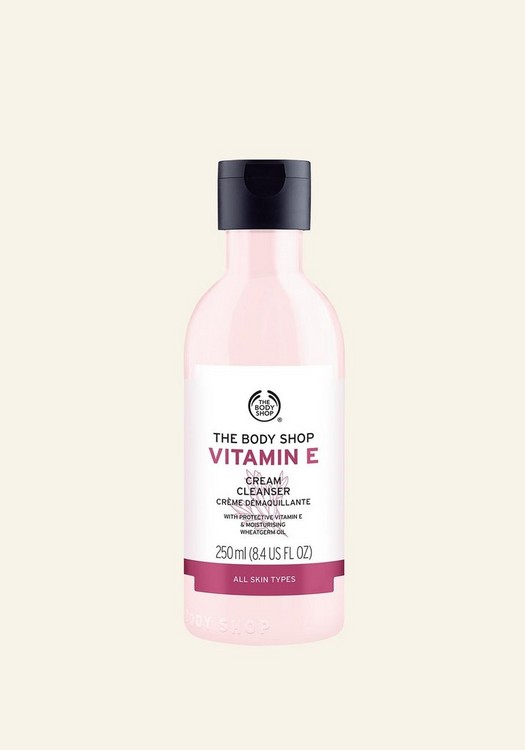
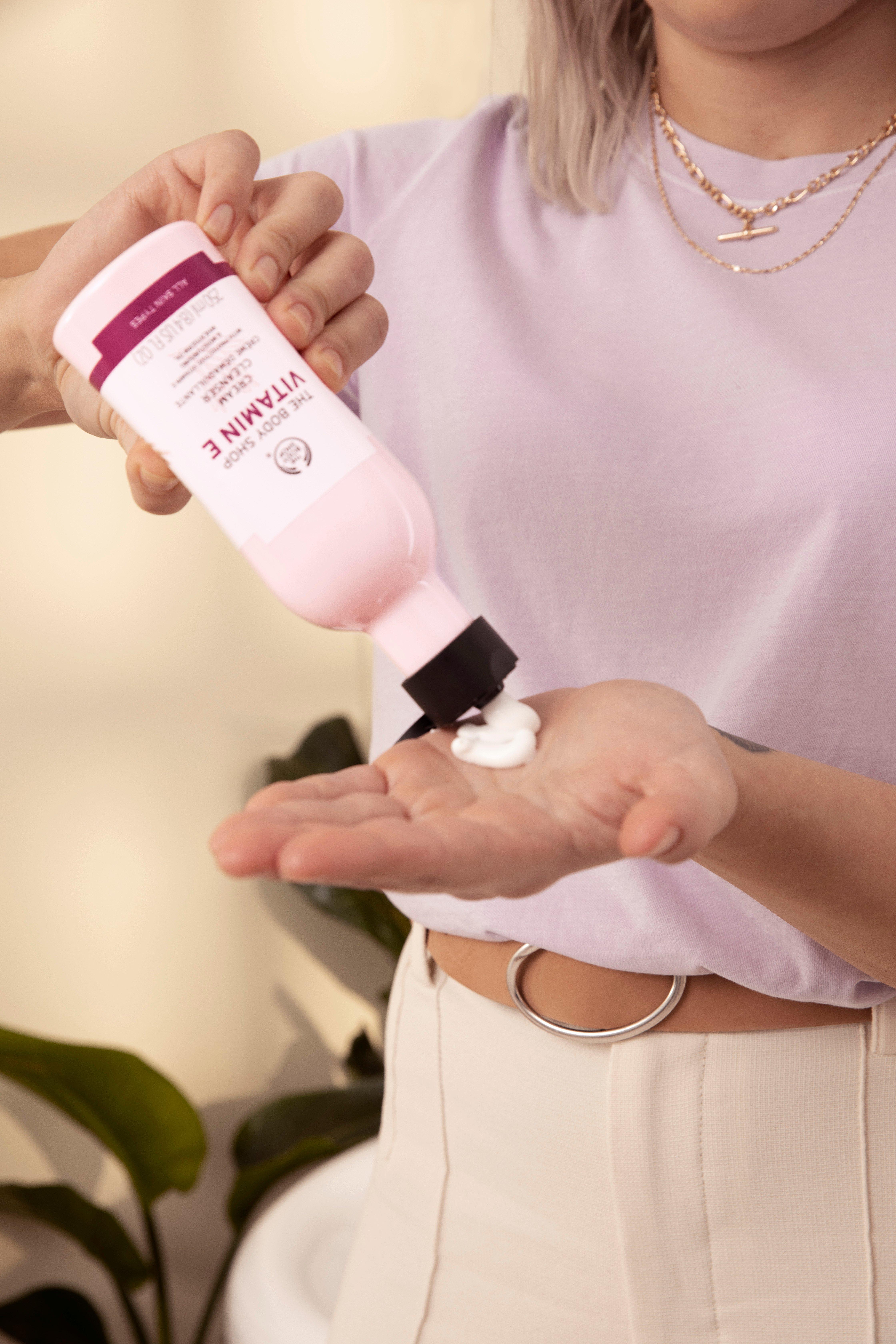
A gentle cleanser removes oil and dirt without drying the skin. The Vitamin E Cream Cleanser* is suitable for dehydrated skin and removes impurities while leaving skin hydrated.
Vitamin E Cream Cleanser FOR DEHYDRATED SKIN. REMOVES IMPURITIES. Buy here*
“Love this cleanser, removes makeup so easily and the product itself lasts for a really long time.”
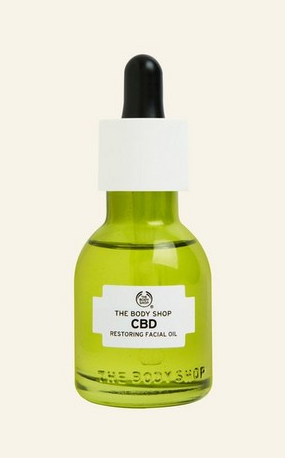
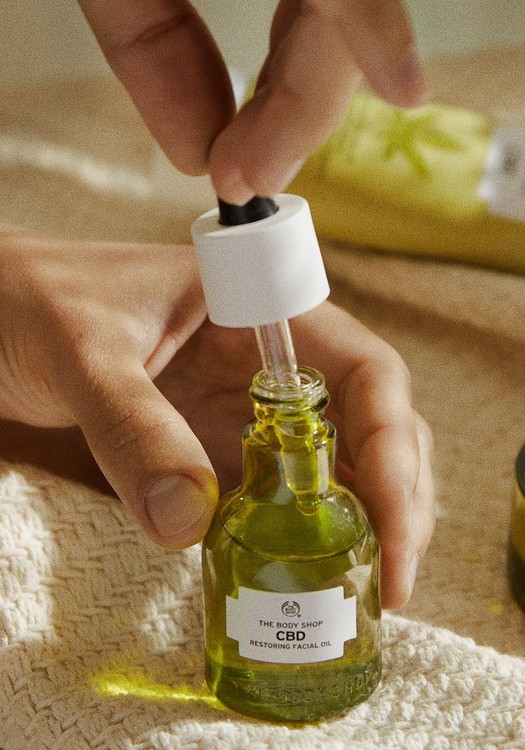
After cleansing, a good way to soak up moisture is to add a serum, especially one with hyaluronic acid. A good Body Shop serum for dry skin is the CBD Restoring Facial Oil*, which is good for dehydrated skin and leaves skin feeling soothed and smoothed.
CBD Restoring Facial Oil FOR DEHYDRATED SKIN. GREEN SCENT. Buy here*
“Love this oil, really soothes my skin, become a regular part of my skincare routine.”
Look for lightweight moisturisers that help to hydrate skin and form a protective seal over the skin’s surface. The Vitamin E Intense Moisture Cream* offers up to 72 hours of hydration and is infused with hyaluronic acid to help lock in that moisture. Don’t forget to add an SPF to protect your skin further from the sun.
Vitamin E Intense Moisture Cream FOR DRY SKIN. 72H HYDRATION. VEGETARIAN. Buy here*
“All my skin is consistently dry. This face cream has worked brilliantly for me since the first day I used it”
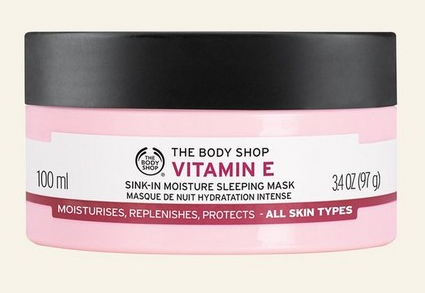
Cleansing is important to remove impurities and relieve parched skin, but moisturising is the key here to keep skin supple and hydrated overnight. The Vitamin E Sink In Moisture Sleeping Mask* is suitable for dehydrated skin and gets to work overnight to infuse optimum moisture levels for intense hydration.
Vitamin E Sink In Moisture Sleeping Mask FOR DEHYDRATED SKIN. Buy here*
“I leave it overnight and feel my skin softer! Great services of Body shop and very fast delivery! Great value for money!”
When creating a skin care routine for more mature-looking skin, you’ll want to plump fine lines, banish dark spots, and lift sagging skin.
Your Body Shop skin care routine for dry skin should include cleansing, treating and using sunscreen on your neck as well as your face. Choose a gentler exfoliant as your skin may be more sensitive.
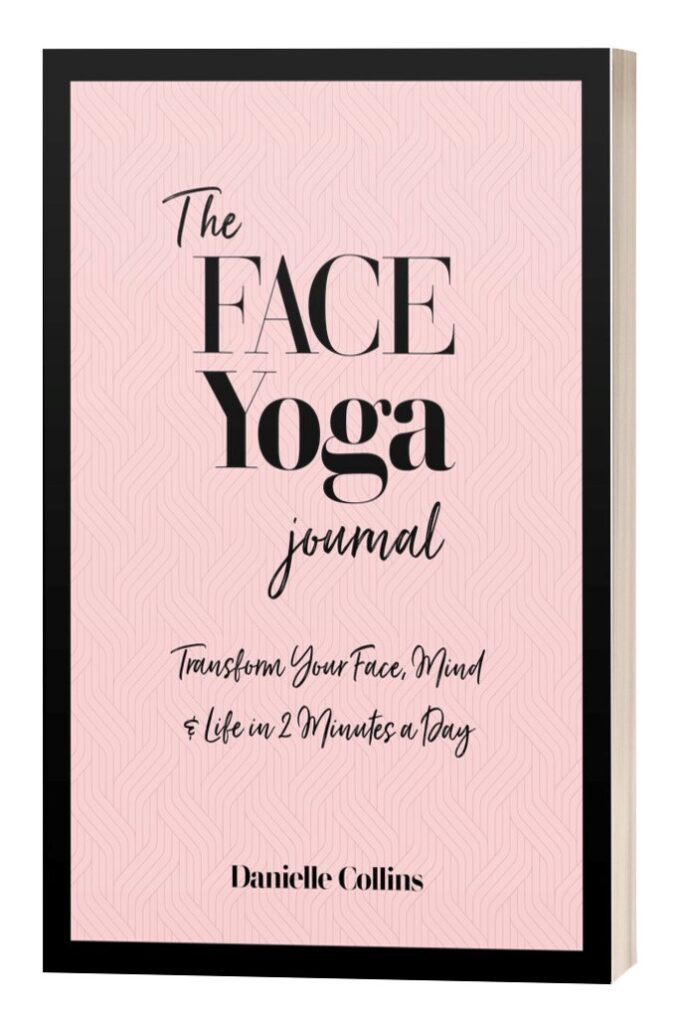
Why not take just two minutes a day and give yourself a little facial yoga massage? I use Danielle Collins’ Face Yoga Interactive Journal which includes 53 exercises, motivational quotes and weekly wellness hacks to help you set your own goals, allowing you to get healthy, glowing, younger-looking skin just by dedicating a minimum of 2 minutes a day to face yoga.
It’s important to build a skincare routine that works for you and your unique skin. But the best face routine involves doing things in a certain order, so follow the above steps or find out what the recipient’s skin is like so you can buy the right Body Shop skin care set for Mother’s Day.
Check out The Body Shop skin care reviews on line too and see what others think of the products you’ve picked. There’s nothing better than a personalised Mother’s Day gift mum will actually use and it’s a great way to discover new products that are even better for your skin than you realise!
FAQ
What is your skin care routine that has changed your skin?
I found cleansing every night with an exfoliating wipe and moisturising with serum prevented me from getting spots. I used to have slightly bumpy and uneven skin, but that has changed since I have a good working skincare routine that works for me.
Does the order of skincare steps matter?
Yes, it’s important to cleanse and prep your skin before you moisturise so you lock in moisture.
What is Community Fair Trade?
Community Fair Trade was launched in 1987 and is the Body Shop’s bespoke fair trade programme, which helps their suppliers gain market access and invest in social and environmental projects that benefit their communities. You can find more information on the Body Shops’ Community Fair Trade programme here.
What can help with very dry skin?
Use the right cleanser, i.e. non-foaming cleanser, to clean your skin because some can be drying. Rehydrate the skin with the right moisturiser for dry skin. This article has additional helpful tips for how to relieve dry skin.
Do skincare products delay aging or worsen it?
Using the right skincare products can delay aging to a certain extent, but your genes and lifestyle will eventually catch up with you. The wrong products can speed up aging so make sure you’re using the right products for your skin.
What does it mean when someone says your skin is glowing?
“Glowing skin means different things to people. Many people use the term to refer to skin that looks healthy and “awake” rather than dry, dull, or unevenly textured. For some, healthy skin results in a natural sheen, or “glow.” Healthy skin is something that most people can work towards.”
Should I use cleanser and toner if I don’t use makeup? Is it optional?
“If you don’t wear makeup on your skin, you might be able to get away with just using a targeted toner on a cotton ball as a cleanser. However, the process of using warm water to cleanse the pores can help soften the pores and add radiance to the skin.
“If you have light skin and spend a lot of time in the sun, you’re more likely to develop age spots — areas of increased pigmentation. Age spots are small, flat dark areas on the skin. They vary in size and usually appear on areas exposed to the sun, such as the face, hands, shoulders and arms.”
“We recommend adding a face mask to your skin care routine once or twice a week. Masking should follow cleansing, toning, and applying a facial essence. These steps clear impurities and excess oil, provide a base layer of hydration and prep your skin to better absorb the benefits of your face mask.”
Is there any way to cure a hormonal acne without taking pills? Are there any natural ways to deal with it?
Following a nutrient-dense diet, cutting out dairy, and limiting added sugars are evidence-based practices that may improve acne symptoms. Taking certain supplements like vitamin D and green tea extract, getting enough sleep, quitting smoking, and reducing stress are other healthy ways to fight this disease.
*This post is sponsored by The Body Shop (some pictures have been taken from their website)
*Links marked with a ‘*’ are affiliate links, which means I may earn a small commission when you click through to buy. Prices are correct as at 11 March 2022
Mama Mio Stretch Mark Cream – Tummy Rub Butter Review
*This review post is sponsored by Mama Mio UK / Mio Skin care and the Mama Mio Tummy Rub Butter was provided as part of the review. The review is 100% my own thoughts and opinions. I was not paid to provide a positive review for the tummy rubbing!
*Items marked with a ‘*’ are affiliate links which means I may earn a small commission on qualifying purchases at no extra cost to you
*Prices are correct at 15 June 2021 – Prices may vary after this date
I’ve carried massive babies in each one of my pregnancies, so it’s inevitable I caught a whiff of stretch marks with my biggest baby back in 2012. The once fresh stretch marks have since faded, but my skin has never been the same.
I also wasn’t great at moisturising my mama belly; I would layer my tummy with coconut oil after the shower, but that was about it.
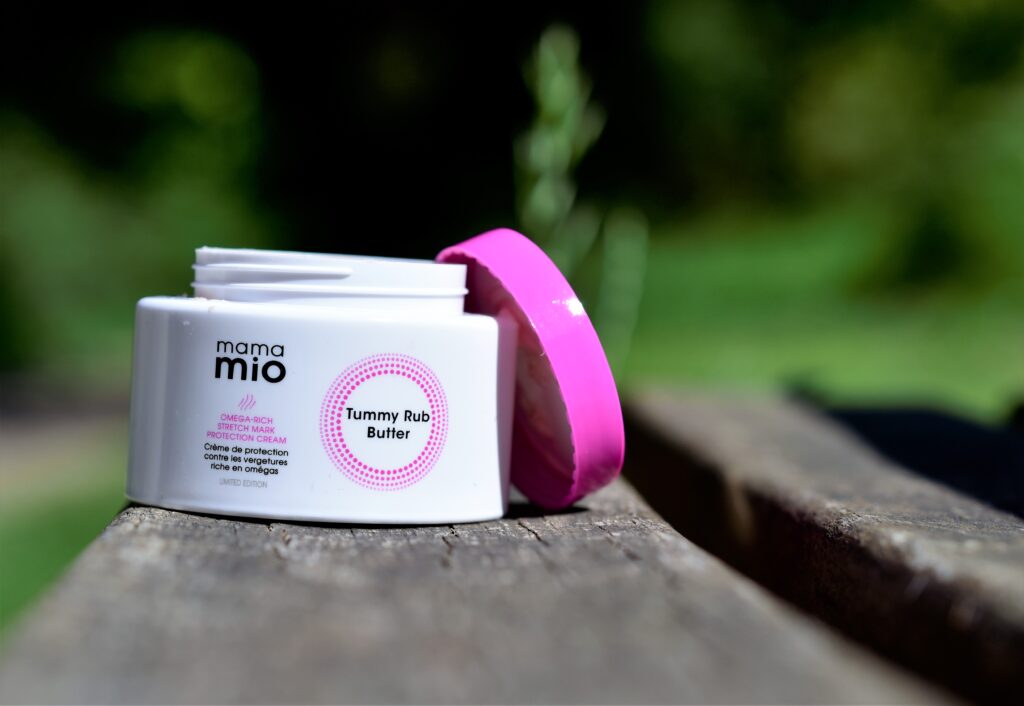
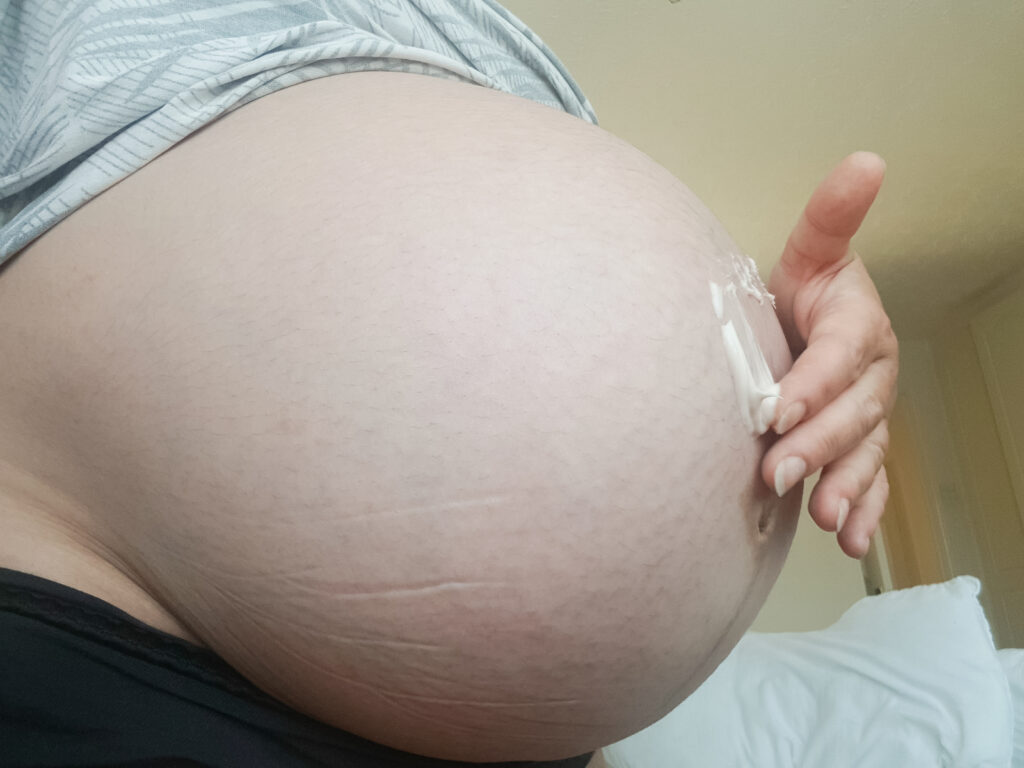
I was gifted the Mama Mio Tummy Rub Butter 120ml*to provide a lovely tummy rub butter review and to find out whether the Tummy Rub Butter can prevent stretch marks on my tummy. I am currently 39 weeks pregnant with my fourth baby and I have used no cream at all to prevent stretch marks (I know, silly) except for the Mama Mio Stretch Mark Cream*, which I started using last week.
Read on for an extensive review of the Mama Mio Tummy Rub Butter Stretch Mark Protection Cream now!
Stretch marks are very common and harmless and often look like pink, red, brown, black, purple or silver streaks on your skin, which start off darker and then fade over time.
What are the point of stretch mark creams?
Stretch mark creams are designed to be used where the skin stretches, either during weight gain or through pregnancy when the bump gets bigger (as well as other bits of the body) during the nine months.
Do stretch mark creams actually remove stretch marks?
Stretch mark creams are primarily used for preventing stretch marks, but there have been no scientific reviews to prove they can completely remove stretch marks that are already there. They might help to reduce the appearance of existing stretch marks, however.
You may need to pay to have your stretch marks removed in extreme cases by using retinoid creams or hyaluronic acid, laser or light treatments or microdermabrasion, which removes a layer of the skin. Speak to your GP about these treatments first before you go ahead.
You should stop using immediately any retinoid creams if you’re pregnant.
Mama Mio Goodbye Stretch Marks Cream claimed to remove stretch marks
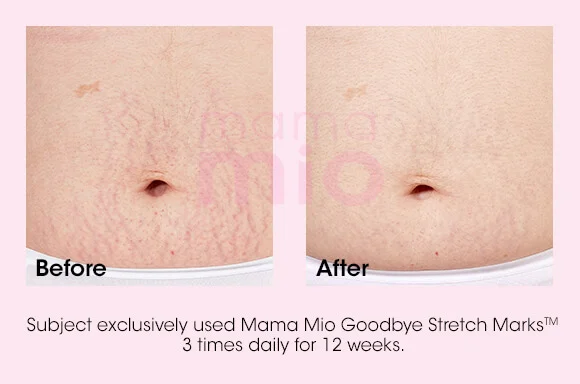
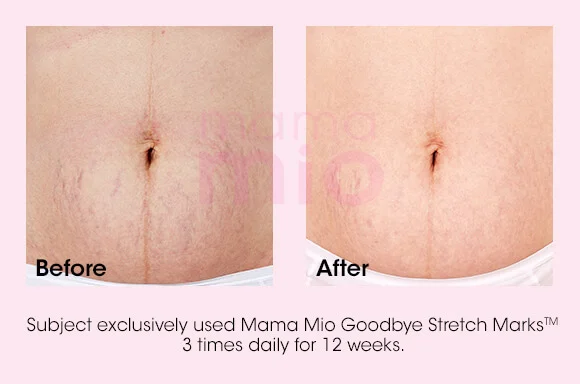
Mama Mio’s Goodbye Stretch Mark Cream provided successful removal of stretch marks and the Mama Mio Goodbye Stretch Marks reviews showed a significant reduction in stretch marks which you can see in the pictures below.
Mama Mio Goodbye Stretch Marks before and after
What am I reviewing? Tummy rub butter review
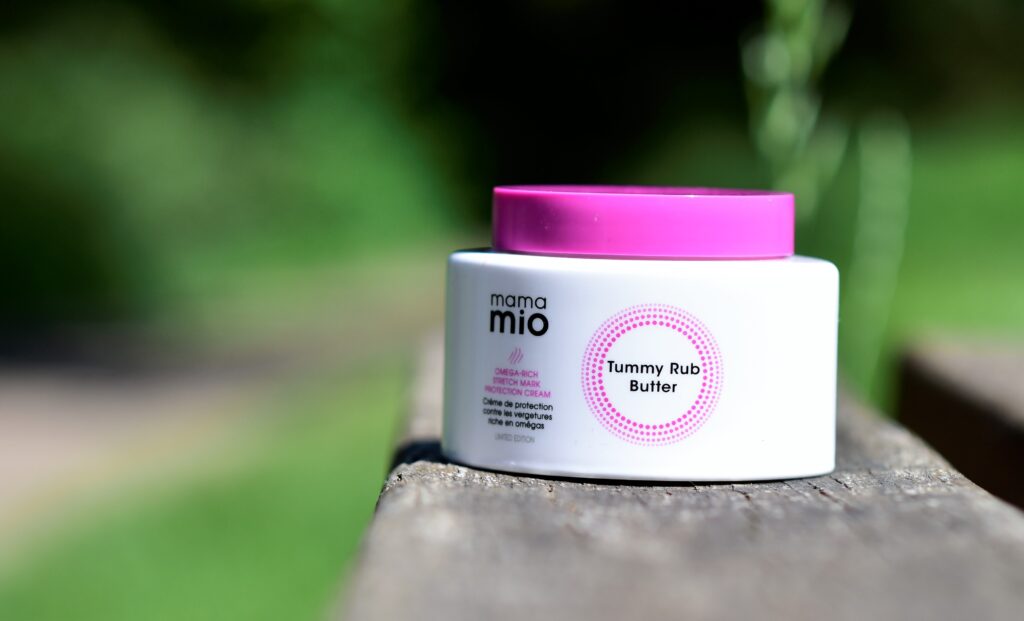
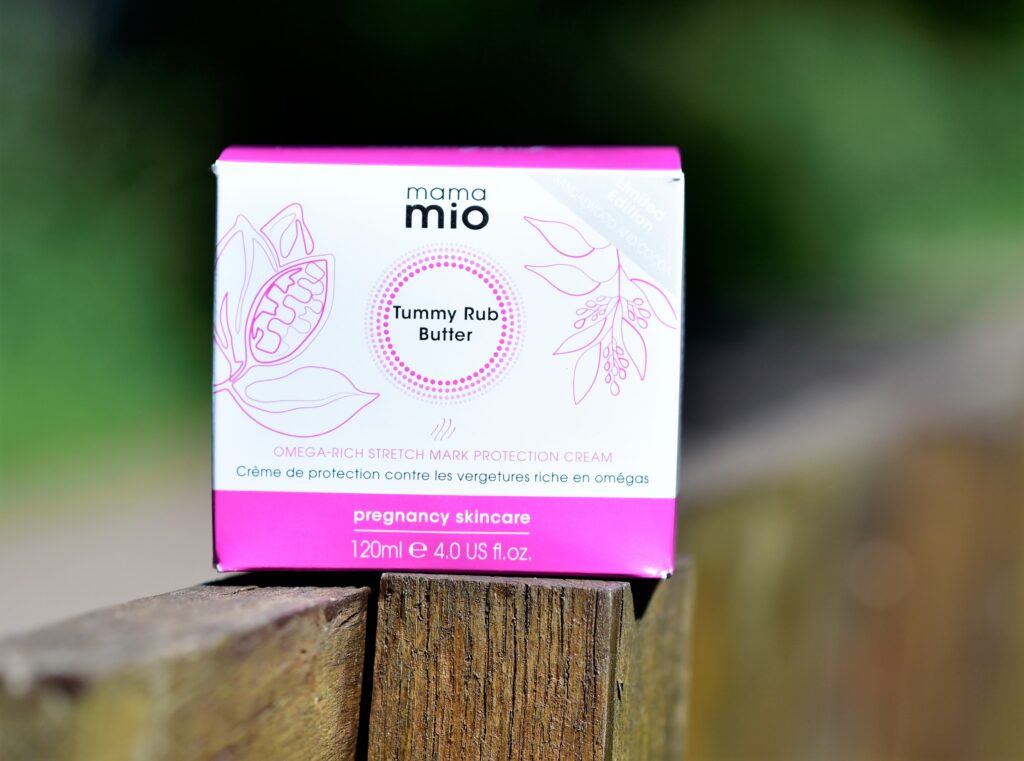
I am reviewing the Mama Mio Tummy Rub Butter Stretch-Mark Prevention Cream from Mio Skincare in Limited Edition Sandalwood and Cocoa.
Mama Mio was created in 2004 by four mums and was one of the first dedicated pregnancy skincare brands in the market. Their best-selling Tummy Rub Butter became iconic and so they created a top-to-toe body moisturising and pregnancy-specific skincare line that covered the body for the entire nine months. Their vegan-friendly, cruelty-free body care formulas are designed for mum to use from the first trimester, to bump to baby and beyond.
Ten years later, Mio Skincare was born, which is a brand that helps to boost your skin and feel great. Mio Skincare rebranded in Summer 2020 to make their formulations stronger and more highly effective with their plant-based formulas. They use only recyclable packaging that is kind to the skin and to the planet.
How much is the Mama Mio Tummy Rub Butter and where can you buy it?
The Mama Mio Tummy Rub Butter is currently priced at £24.00 and includes instalment options of four payments at £6.00 or six weekly payments at £4.00.
You can find more information on instalment options and buy the Tummy Rub Butter here.* (You can also buy on Amazon but I’d recommend getting the cream from Mama Mio’s website)
If you live in the United Kingdom, the free next day delivery is available on all orders over £60. Otherwise, standard delivery costs £2 on all orders under £30 and takes two-three working days to arrive.
You also have the standard click and collect, which is free on orders over £25.00 or £1.50 for orders under £25.00. Delivery also takes two-three days and is available for collection for a further ten days.
You also have next day delivery which costs £5.00 (free if you spend £60). You need to order before 11 pm, seven days a week for the next day’s delivery. The service will be visible at checkout if it is available at your address.
For worldwide deliveries, type your country here* and Mama Mio will let you know your revised delivery time and fees, or you can scroll down the page and find your country for more information.
A unique blend of Avocado Oil, Inchi Oil and Argan Oil rich in Omega-3, 6, and 9 helps to keep your omega-rich skin supple and strong for the nine-month stretch and beyond to help protect against stretch marks.
Sweet Almond Oil
Soothes delicate and sensitive skin
Shea Butter
Locks in moisture and helps protect skin
100% natural comforting fragrance
The Mama Mio cream includes a soothing and calming blend of sandalwood and cocoa
The Mama Mio ingredients are specifically developed to be suitable for pregnant and postpartum mamas. For more details on Mama Mio’s formulations visit here.*
What is included with the Mama Mio Tummy Rub Butter?
You get a pot packaged up in a box.
Mama Mio Tummy Rub Butter Trials
The Tummy Rub Butter was tested on thirty pregnant and thirty non-pregnant women, in a four-week independent consumer trial. 98% agreed that the tummy rub butter did increase skin elasticity and it felt more supple and they would recommend the Tummy Rub Butter to their friends.
First impressions of the Mama Mio Tummy Rub Butter
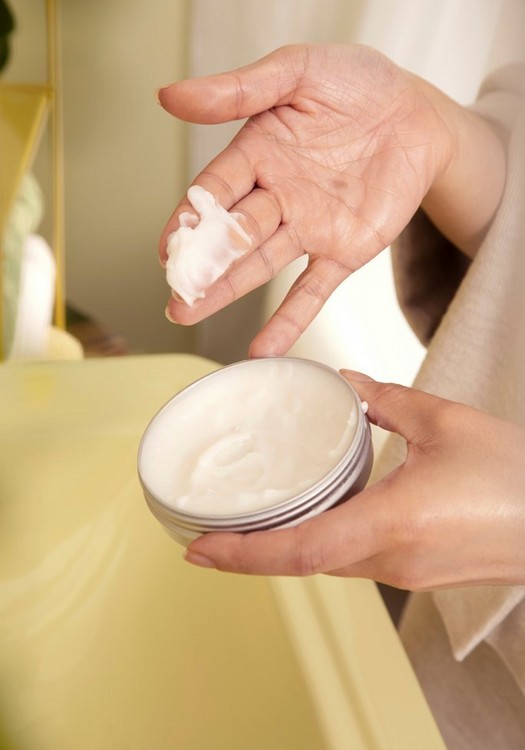
I loved the pot and the box the Tummy Rub Butter came in and the smell was delicious! When trying the Tummy Rub Butter for the first time, I was pleasantly surprised at how soft and moisturising it felt against my body. The cream massages onto the skin so easily and it doesn’t leave any greasy marks that seep into your clothes.
How to use Mama Mio Tummy Rub Butter
Here is a video showing how to use the Mama Mio Tummy Rub Butter:
Apply a thin layer of the Mama Mio body butter over your body twice daily, massaging from above your boobs to below your bum all the way around.
Not for facial use
If irritation occurs stop using the Mama Mio tummy rub stretch mark butter immediately and wash with warm water
https://youtu.be/yE74K3nwiTA
Was the Mama Mio Tummy Rub Butter easy to apply?
The Tummy Rub Butter was very easy to apply and a little went a long way. You massage all over the areas that will experience some stretching and dry skin over the nine months. The package says to massage up to your boobs and all-around your belly, but I would also recommend you massage on the front of your thighs too as that area stretches a little over the pregnancy months too.
What are the pros of using Mama Mio Tummy Rub Butter?
The Tummy Rub Butter has lots of healing properties which are rich in different oils and Omegas and you can definitely see how well it works against the skin. Plus, it’s vegan and animal-free so you’re actually helping the environment by using creams like the Tummy Rub Butter rather than unrecyclable and highly chemical creams which may be more harmful in the long run.
Plus Mama Mio’s creams are designed specifically for pregnant and postpartum mums, so the brand understands how the body is effected by pregnancy and creates products specifically designed to combat those problem areas.
My daughter also loves it 🙂
What are the cons of using Mama Mio Tummy Rub Butter?
It’s on the expensive side at £24.00 and I’ve never really been a fan of those pots where you have to dip your fingers in and out, as you can contaminate the cream inside. It would be much better placed in a squeeze bottle so you can take out what you need and the rest stays safe inside the bottle.
What would Mama Mio Tummy Rub Butter be useful for?
The Tummy Rub Butter would be very useful for big pregnant mamas like me who have growing bellies and stretchy skin.
Is Mama Mio Tummy Rub Butter worth the money?
I would say if you start early and you use the Tummy Rub Butter twice a day to prevent stretch marks, then it’s worth the money because a little goes a long way and you don’t need to use much.
What is my overall opinion of the Mama Mio Tummy Rub Butter?
The Mama Mio Tummy Rub Butter is the best tummy butter stretch mark cream I’ve used to date. It’s not too oily like coconut oil (when I rub oil on my body the grease shows up on my clothes. There is a Mama Mio tummy rub oil which is not as greasy) and it’s not too difficult to massage in like some popular brands (i.e. the Bio-Oil which I’ve used previously.)
The Mama cream texture is delicious and smells so nice – I love the cocoa aroma, which makes me want to eat this cream. Therefore, I have given it a few five star Mama Mio reviews. Lots of other mums have given five star Mama Mio stretch mark cream reviews too.
5 out of 5
Ease of use
The Mama Mio Tummy Rub Butter is a brilliant stretch mark cream. It is very easy to apply and you need little to cover a large area of skin.
5 out of 5
Fits the purpose – stretch mark prevention
The Tummy Rub Butter has successfully prevented any stretch marks from forming, albeit I started the process late in the pregnancy. Plus other reviews from women have shown that this cream really works to help prevent stretch marks.
4 out of 5
Style and comfort
The packaging comes in a cute little pot, but I’m not a fan of dipping my fingers in and out. I think it would be more hygienic to squeeze the cream out of the bottle. Having said that, the cream feels luxurious and very comfortable against the skin that it can easily be considered as a beauty item.
4 out of 5
Smell and texture
I love the smell and texture of the cream. The lovely cocoa smell shines through and the texture is so rich and soft it feels so wonderful against the skin. It would make for a wonderful after-shower moisturising cream for all over. I can report that it’s not too greasy like coconut oil
At £24.00 it is expensive for 120ml but you get what you pay for in quality, smell, texture and results.
4 out of 5
Long-lasting moisturised skin
My skin felt moisturised and soft for hours afterwards and not greasy at all. I can feel the quality when I rub the cream onto my tummy and it seems to have kept my skin lovely and supple.
5 out of 5
Overall rating
Ease of use
Fits the purpose – stretch mark prevention
Style and comfort
Smell and texture
Value for money
Long-lasting moisturised skin
To conclude
At £24.00 you’re looking at a high-priced product to prevent stretch marks, so I would make it count and start using it in the second trimester when your bump grows and stretches. I would also suggest to Mama Mio to make this cream in a squeeze bottle, as I don’t enjoy dipping my fingers in and out. Other than that, I cannot fault the cream itself. It smells delicious; it feels so wondrous against the skin, and it leaves a lovely moisturised and non-greasy protective layer on my belly that doesn’t seep into the clothes.
I would thoroughly recommend buying this great Tummy Rub Butter for your growing belly and other areas too to prevent stretch marks from forming – because once they appear, it’s very difficult to get rid of them! I think this butter might even be a great home hair care product for my curly hair!
Other Mama Mio Stretch Mark Cream Reviews
Mama Mio The Tummy Rub Butter reviews are below:
I’ve been using the Mama Mio tummy rub butter for the past couple of weeks and love it! Just approaching 18 weeks in my pregnancy journey, even though the baby bump is still fairly small it’s definitely grown and the butter has been great so far. Its consistency is perfect for a full tummy rub, gives perfect coverage and the smell is Devine! Definitely recommend this product for mums to be!
03/04/21 by Carly (verified purchase)
I absolutely love this stuff. It smells so nice and doesn’t make you feel greasy after applying. I will definitely be purchasing more of this product throughout my pregnancy.
01/03/21 by Stacey (verified purchase)
I’ve just bought my second tub and I’m now halfway through my third pregnancy. I can honestly look in the mirror and say I have not gained a single stretch mark as of yet and no itchy overstretched skin, I’m huge already with this one so that says a lot. I’ve never had a product work so well
10/02/21 by LouiseD (Verified purchase)
Love this! It’s not greasy at all. It smells amazing and works wonders on stretch marks!
07/02/21 by S-J (verified purchase)
Loving the customer reviews! There are loads of other Mama Mio reviews on the website, so please check them out too.
I hope you liked this Mama Mio Tummy Rub Butter review and you found the review helpful. For more helpful reviews, click this link.
Mama Mio FAQs
How do you use butter Mama Mio belly rub?
You just open and rub on your belly. I would apply twice daily but you can apply it as many times as you want.
Is Mama Mio good for stretch marks?
I found that the Mama Mio tummy rub butter moisturised my belly well and it could have prevented stretch marks, but I don’t know for sure if they were the reason I didn’t have any. Sometimes stretch marks are genetic and the only thing you can do is reduce the marks rather than prevent.
Are Mama Mio any good?
All the products I have used from Mama Mio are gentle, soft and smell gorgeous. So I do think they are awesome!
Is Mama Mio the tummy rub butter safe during pregnancy?
This tummy rub butter is best used for during pregnancy!
*This post is sponsored by Mama Mio / Mio Skincare and the Mama Mio Tummy Rub Butter was provided as part of the review. The review is 100% my own thoughts and opinions. I was not paid to provide a positive review.
*Items marked with a ‘*’ are affiliate links which means I may earn a small commission on qualifying purchases at no extra cost to you
*Prices are correct at 15 June 2021 – Prices may vary after this date