Sexually transmitted diseases are passed on from one person to another through sexual contact. Some of the STI’s are not curable and hence there is a need to seek medical attention as soon as you feel you could be at risk. Contracting an STI is more severe for pregnant women because it is not only their life that is in danger but also that of the unborn child. Usually, screening for sexually transmitted diseases is done on your first prenatal clinic. Here is a simple guide on what to do in the event you have an STI during pregnancy. But first, you need to understand the symptoms of an STI.
General Signs and Symptoms of STI
• Rashes on the face and the whole body • Pain during urination • Smelly discharge from the genitals • Pain during sex • Cramps on the lower abdomen • Weird vaginal bleeding • Sores around the mouth, genitals, and the anus
How an STI can Affect Pregnancy
Sexual infections can affect women who are pregnant and those who are not. The infection may occur before the pregnancy or during pregnancy. However, if you visit your doctor fast enough, the risks can be mitigated. Whether the disease is curable or not, your baby can be protected from the effects.
Possible Effects of STI on the Unborn Child
Syphilis and HIV/AIDS can affect your baby while still in the uterus. Some other infections can only affect your baby during birth. Some of the effects that STI’s could have on the baby include: • Premature birth • Low weight at birth • Disabilities • Death • Blindness • Stillbirth
What are some of the STI’S That Can Affect Your Pregnancy?
There are many infections that you can contract during pregnancy some of which are discussed here.
1. Gonorrhoea
Gonorrhoea can go unnoticed since the signs rarely present themselves. One of the major effects on both men and women is infertility. However, if you contract the disease during pregnancy, you are likely to experience one of these symptoms. • Miscarriage • Your baby may be born with eye problems • Premature birth Gonorrhoea can be treated effectively using antibiotics and may not affect your baby if treated early.
2. Genital Warts
Genital wart is a viral disease that affects many people. As much as it is not curable, its effects can be reduced through medication. You should, therefore, discuss with your doctor immediately you discover you could be at risk of getting infected with genital warts. It is possible to deliver your baby safely without affecting it. However, if not controlled effectively, you could transmit the disease to the baby during birth. A baby born with genital warts will suffer throat and genital infections. Generally, it is possible to apply creams that could help treat warts. It is also possible to surgically eliminate warts.
3. HIV/AIDS
HIV is the most dreaded STI because it weakens your immune system making you prone to all forms of diseases. It is also possible to pass on the infection to your baby while still in the womb or during birth. However, if detected early, it is possible to deliver a baby free from infection either through a caesarean section or through vaginal delivery. If you are diagnosed with HIV, you should start taking anti-retroviral drugs that will reduce the effects of the disease and enable you to live a long healthy life.
What to Do to Maintain Sexual Health
You should ensure good sexual health during pregnancy for the sake of the baby. As such, regular screening is necessary to enable detection of any traces of infection. More so, you should visit your healthcare provider if you have any doubts regarding a possible infection. Always insist on many tests even after the initial tests when you begin your prenatal visits. The tests can be done either through a urine test, blood test or a swab. Sexually transmitted diseases can affect both pregnant women and those who are not. However, the risk is higher when one is pregnant because the child could get infected. However, if you visit your physician early enough, you could get treated and minimise the risk of infecting the unborn baby. Some of the STI’s one can contract include: gonorrhoea, genital warts, and HIV/AIDS.
One afternoon (according to my journal it was Jan 30th, 2016), I was dancing with my toddler and 6-month-old when I was overcome by a sudden dizzy, nauseous, weak sensation all over my entire body. I distinctly remember that the feeling of weakness was so intense that for the rest of the day I felt completely out of it and continued to feel nauseous and very dizzy.
This was very hard to deal with, as I was a stay-at-home-mom of 2 under 2 with little help. I remember thinking I was only six months postpartum and still exclusively breastfeeding my youngest son, so I had yet to start my first postpartum period.
I decided that because I felt so odd and out of the ordinary I’d look at my fertility app where I had been keeping track of the times my husband and I were intimate. Although I didn’t have any data for bleeding or spotting logged into the app, I knew I had logged a day where my husband and I had not been as careful as hoped. So, I investigated and realized the day I felt weak, nauseous, and dizzy was exactly 14 days after my husband and I had our “accident”. This sent me into a state of panic. I was overwhelmed with anxiety thinking about what if I was pregnant? Was this coincidence or fate?
Just a little back story for you… Only 36 days prior, I felt weak, nauseous, and dizzy. Me, my husband, and both my sons were in a rollover accident in the snow. My husband, my oldest son, and I were all fine, but my son Sawyer was somehow ejected from his car seat and was found underneath the rear side passenger window buried in the snow.
After being flown to the nearest Children’s Hospital (a 40-minute flight) and thoroughly examined by three doctors, by the grace of God, it was found he only had a very small hairline fracture in his left femur. The stress, anxiety, and fear a parent feels when almost losing a child is traumatic. Saying this experience was disturbing feels like an understatement.
I explain this back story because it is important to understand that I was still coping and accepting what had happened only five weeks before. The amount of adrenaline that continued to pump through my system was intense.
After the day I felt weak, nauseous, and dizzy, I took notice of increasing symptoms, and the progression of the symptoms I had been experiencing before. After researching hCG, and the accuracy of pregnancy tests, as well as how some women don’t test positive until later into the pregnancy, I took three pregnancy tests throughout February, which all came back with a negative result. After more searches for “testing negative but still pregnant” or “pregnant with negative tests” I came across and became very active in the Cryptic Pregnancy Community.
In March, after I continued experiencing the same symptoms as well as began developing new symptoms such as tender breasts, stiff back, bloating, increased sense of smell, more acne, and belly growth, I began the exciting journey of documenting my experience on YouTube hoping to get the word out about this strange pregnancy experience.
At the very end of March, I began feeling flutters, pokes, and rolls which I thought was around the beginning of the second trimester. These sensations started sporadically and then progressed to become more frequent, regular, and varied in duration. As the phantom pregnancy (or pseudocyesis) progressed into the final months, these movements and feelings even responded to sound, light, and sugary foods.
At the end of April, after contacting some Cryptic Pregnancy Leaders and Administrators directly and being told I was, in fact, pregnant, I even became 100% convinced that it could be twins. Starting my YouTube Channel connected me to other women who also felt they were pregnant but couldn’t prove it. I began a direct correspondence with a few of them, sharing stories, hopes for the pregnancy, and validation of pregnancy symptoms and experiences.
By this time, May was around the corner, and my belly was measured to be around the right size for the gestation I estimated my unborn baby/babies to be. It was very round, firm, and noticeable. I had found a heartbeat, or what I had interpreted as a Fetal heartbeat, using an at-home Doppler. I was feeling regular round ligament pains, stretching, and pulling. My uterus felt very heavy and full.
I had about three months of research under my belt on how a Cryptic Pregnancy can happen. I had more than a dozen stories from real women who had shared their past or present Cryptic Pregnancy Experience with me personally. I knew this was happening to me, but most of all I knew this is exactly what was happening to my baby or babies, with no doubt!
No one knows my body better than me. Therefore, no one could tell me I was NOT pregnant.
That was until I laid waiting on the table in the ultrasound room exactly 28 days later…
I sent the email below to a woman who believed herself to be cryptically pregnant. She stopped correspondence before she updated me about the birth of her potential baby, so I don’t know what happened to her, which makes me sad. I hope she is well.
The email was written on May 20th, 2016, six days before I had an ultrasound, and seven days after a negative blood pregnancy test.
“Hello ____________!
Believe in YOURSELF! You know what is right for you. Trust your body!
So, I will be 20 (18) weeks tomorrow! Can you believe it? We have been in correspondence for a little over two months now! I will start pregnancy yoga on Monday, so I can deeply connect spiritually with these two little beings in my belly. I still think it is twins for a handful of reasons but the two major ones are: 1.) I feel distinct movement down low and high at the same time for about 4 weeks now and I am pretty sure the baby is not big enough then or now to be doing it alone. 2.) I found a heartbeat and hear movement with the Doppler on my left side (left lower quadrant) and on the right side (right upper quadrant)”
Something keeps telling me I’m having twins (boy-girl twins) just like something was telling me I was pregnant when I was trying to figure it all out. I also have this feeling it is a boy and a girl. We shall see!!!”
Six days later, I went in for my very, very, very anticipated vaginal ultrasound. The tech had me drink 32oz of water, strip from the waist down, and climb on the table. First, she used the abdominal probe to look at my entire abdomen and measure all my organs. After this, she proceeded with the pelvic examination and she inserted the vaginal probe. This is what I was waiting for with such anticipation. FINALLY, VALIDATION! I stared at the monitor beyond nervous to see my babies on the screen. I couldn’t wait to tell my husband and the world that I was right.
After about three minutes, I realized I saw nothing even close to resembling a baby. I saw nothing I had seen on the screen with my other babies. The tech said nothing except “your uterus looks normal” and she continued measuring my teeny tiny normal sized non-fluid filled baby lacking uterus. I felt so embarrassed. Defeated. Ashamed. Guilty. Vulnerable. Used. Wronged.
I hated that I was so sure I was pregnant. I hated that I was wrong. So wrong. I hated that my body had betrayed me, tricked me, played a cruel joke on me.
I was sent into a state of panic in my condition. I left the hospital and went straight to my doctor’s office. I couldn’t wait one more second. I needed test results interpreted NOW! My doctor had assured me she had requested the ultrasound technician to look for a baby or any signs of pregnancy.
I was sent on my way to cope and interpret my experience all by myself. After extensive research, I had found very limited resources for phantom pregnancy, and this is something I hope to change with the development of a website and my continued platform on YouTube and Facebook.
After I shared my personal story, health and ultrasound results with other women in the Cryptic Pregnancy Community, I was ridiculed, slandered, and blocked from these groups and profiles. One leader tried to convince me I was pregnant, but I had lost the baby before I had my ultrasound. She told me the baby had dissolved and was absorbed by my body, which is why I didn’t bleed, and the baby didn’t show up during the scan.
I was quickly shunned from the community that so eagerly validated my pregnancy suspicions but once I didn’t think or believe I was pregnant anymore these women who claimed to be just helping and supportive dropped me like a rotten potato about to infect the entire last crop!
So, I again took to social media after a few months of figuring it out, trying to cope with the news, and share my latest news across Facebook, YouTube, and Instagram.
I began educating, spreading awareness, providing support to women with phantom pregnancy cases and most importantly investigating the claims these women pass around as the ultimate truth in the Cryptic Pregnancy Community. I feel many women can relate to my story or experience, not only with falsely believing that you are pregnant but also having to admit that you were wrong to a few hundred followers, and, being misled and deceived by someone or in my case an entire community of men and women, who believe in their false pregnancy and who have an extreme desire in wanting you to believe that you are pregnant too.
If you have any cryptic pregnancy stories, phantom pregnancy stories, or you are experiencing phantom pregnancy symptoms then please visit Cristal’s Facebook group for support here.
FAQ
What is a phantom pregnancy?
A phantom pregnancy is an abnormal condition in which pregnancy symptoms occur because of the body thinking it’s pregnant but the woman is not actually pregnant. It can sometimes be called a hysterical pregnancy but some women also refer to the condition as pseudo pregnancies which is the false pregnancy medical term.
At this time, there is no definite answer to why there is phantom pregnancy in women, but mental health professionals believe it may be related to an intense desire or fear of becoming pregnant. There may or may not be a history of mental health issues or a life-changing situation which has caused this desire or fear. But it affects the endocrine system. which can cause fake pregnancy symptoms.
What are the causes of movement in your lower abdomen but you’re not pregnant?
The movement may be down to digestion, indigestion, ovulation or muscle spasm. A phantom pregnancy belly may be bloated because of an intolerance for certain foods which may cause gas. Visit here for more information.
Can you have a false pregnancy?
Another question asked was, ‘Can you have false pregnancy symptoms?’
False pregnancies, also known as pseudo pregnancy in women or a phantom pregnancy does not mean the woman is pregnant but may show psychological pregnancy symptoms. Therefore, you cannot have a false pregnancy but you may experience a psychological pregnancy which isn’t real.
Can you be pregnant for years – cryptic pregnancy?
A cryptic pregnancy is one that is missed by pregnancy tests and ultrasounds but some false pregnancy stories claim to occur because of an abnormally slow-growing foetus and gestate for years or even decades. You cannot be pregnant for years as this is physically impossible. Pregnancy lasts for a maximum of 42 weeks before health professionals will request to induce a pregnant woman or perform a c section if the baby doesn’t come naturally.
When you’re planning to take up a new skill, you’ll find that there never really is a good time to start trying – like planning for a new baby. Either you can’t afford to spend money on resources, you don’t have enough time to put aside, your kids depend on you 24 hours a day, or you just don’t feel like starting at that moment for whatever reason.
I’m Turkish Cypriot by origin but born and raised in London, and my husband is Swiss. I can barely speak Turkish, but for the bulk of my life, I kept meaning to put aside some time to learn Turkish fluently. I, then, met my husband and decided that I wanted to learn Turkish, German, Swiss-German, Spanish and Italian. But I found myself using all the excuses under the sun to put off actually starting the process. Learning a language is no different to starting a new course or learning to play a new instrument. It takes motivation to start, drive to keep going and consistency and practice to improve. But, most of all it takes time, time which you need to be willing to sacrifice, even if it’s one hour a day.
So, when is the best time to start learning a language?
Really, the best time to start is, well, now. Schedule in small bite-sized chunks every day, or coordinate starting when you have a free pocket of time available, however rare that may be. And, if you can manage a long-term stint like pregnancy for nine months then you can certainly coordinate learning a language too. If you’re pregnant, first of all, congratulations! Now you can set aside learning a language in nine months, along with your pregnancy because, not only will you achieve a massive milestone like learning how to communicate in another language, but your baby will also learn the language with you as well! But, more on those benefits later…
Can I actually learn a language in nine months?
Benny Lewis in his article on ‘How to learn a language in hours, not years,’ stated that you have to be devoted to learning the language and expose yourself to that language at every opportunity. One of the key factors in being devoted to learning another language is to have a good reason to learn, so you stay motivated. Do you have family members who speak another language and you want to communicate with them (like me) or does your future career depend on learning that language? Whatever the key reason is for learning that language, it is important to stay motivated throughout and do as much as you can in that language as possible.
Immerse yourself in that language. Read the newspaper, watch TV or listen to the radio in that language. Keep a dictionary nearby, so if you don’t understand a certain word, make sure you look that word up and build your vocabulary whenever possible. Speaking to yourself in that language if you have no one to practice on is also a great way of practicing and, if you’re pregnant, you’re speaking to your baby who will also learn the language with you too!
You can learn a language remotely
You may be thinking, “How would I be able to travel to a language school to learn while I’m pregnant and/or have kids?” Thanks to the world of technology, there are many courses available online, so you can start right now in the comfort of your own home. If you’re interested in learning a language like Spanish, you can check out online language platforms like Maximo Nivel to learn Spanish online. There are other free resources online that you can subscribe to and receive emails every day. Hit up Google and get the ball rolling now.
Benefits of learning a language during pregnancy
As the baby grows in your belly, they can start to hear sounds from the outside world from as early as 23 weeks, with their mother’s voice and heart being the clearest sounds to them. If you live in a bilingual or multilingual family, your baby may already be growing with the ability to speak bilingually/multilingually too. This is because the baby is exposed to the languages in the womb. A US and Swedish study showed that newborns are already used to their mother’s language and show curiosity for other languages too. Exposing your prenatal baby to different languages affects the newborn’s brain sensibility and speech processing ability and in the last 10 weeks of pregnancy the prenatal baby is not just listening to their mother, but actually taking note of the words and learning them.
Even if you’re not pregnant
Then, I still encourage you to start. Learning a language is a massive skill and one that could provide you with dividends for the rest of your life. Just remember to remind yourself why you are learning because this is important to motivate you to carry on until the language clicks in your brain. Make realistic and specific goals. Breakdown your language goals that can be achievable over the nine months, so you’re not overwhelmed by how difficult you’re finding it or how much you need to learn. Focus on a number of resources that can submerge you into the language, like reading a book, watching a TV show or talking to someone else in that language. The quickest way to learn is to DO, so expose yourself at every opportunity.
I’m embarking on the road to learning Turkish so I can speak to my family in North Cyprus and I aim to become fluent in nine months!
What are your tips to learning a new language in months not years? Please share with us in the comments below.
The worse advice that your mother can give you while you are pregnant is to tell you to eat for two. Get back you mad washer woman, back to the middle ages when everyone was starving to death and eating for two meant having two turnips instead of one for your evening meal. Never ever, ever eat for two whilst you are pregnant, unless you want to be the size of two people giving birth to Nellie the elephant.
The human body is simply amazing. During pregnancy it starts to secrete hormones that try to ensure optimal growth for the baby even during times of want. Human Placental Lactogen (HPL) is a polypeptide hormone secreted by the placenta in pregnancy. Its function is to regulate the mother’s metabolic rate so that the energy needs of the baby are constantly supplied. As the placenta and baby grow, more HPL is secreted with maximum levels found at term.
With HPL on the case, there is no need to eat for two. Even during those annoying times when there are no ginger biscuits left on your supermarket shelf, HPL is busy releasing fatty acids from your butt so that you will not starve whilst waiting for the harassed assistant to open the box. While you are being fobbed off with metabolising boring fatty acids, HPL is feeding your baby lots of yummy glucose instead, obtained from a secret emergency supply kept in the liver.
I have to admit, it is very tempting to eat for two in pregnancy. If you are going to look like the side of a bus anyway then what is the use of not feeding your face whilst you have a jolly good excuse? What is wrong with comfort eating? It makes you feel a little better about giving up sole use of your body for nine long months. The answer is very simple. Eating for two makes big fat babies who are more difficult to get out!
If your BMI (Body Mass Index) goes above 30 in pregnancy then you are seen as high risk and those lovely birth center doors will close in your face when you arrive in labour. When on the labour ward you run the risk of the cascade of intervention that hospitals are so fond of. They may not be able to get an epidural in due to all the back fat and you are more likely to end up with a caesarian section with general anaesthetic putting you at very high risk of bleeding. Is that extra cream bun really worth it?
Www.painfreelabour.blogspot.co.uk
Image courtesy of [name of the image creator] at FreeDigitalPhotos.net
I have been thinking about VBACs, i.e. Vaginal Births After Caesarean. There is a very strong argument for allowing women wanting a VBAC to give birth at home or in a midwifery-led birth centre. Within the medical constraints of hospital care offered in the UK a home/birth centre birth would be strongly contraindicated and not encouraged.
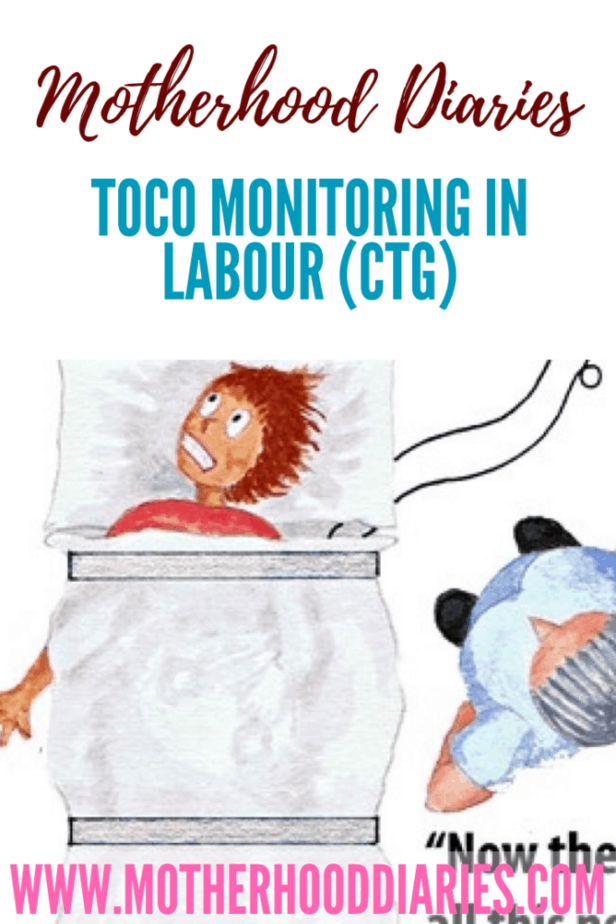
If you think about it for a moment, a home/birth centre birth seems the perfect place for a VBAC. In my experience, most caesarean sections are performed when a woman fails at bringing on labour and during fetal monitoring, the baby is seen to be distressed by the long labour on the toco monitoring machine when measuring contractions. There are physiological reasons for this.
Going into hospital can be a stressful event, adrenalin will be secreted when a person is under physical or mental stress. Adrenalin (the hormone secreted by stressed people) attaches itself to the uterine cervix and prevents it from opening normally. So, when stress is a factor within active labour, expected progress will not be made due to the actions of adrenalin. The contractions will have to become stronger in order to pull up on a resisting cervix. How will this help someone having a VBAC? It will make a uterine rupture much more likely.
At home/birth centers however, a woman is much more likely to remain calm and in control. If she follows the advice on relaxation techniques then she will not secrete adrenalin and the cervix will be free to dilate. The contractions will not have to become stronger, as the cervix will not resist, and so they will remain at normal contraction levels. The first stage of labour, if conducted under the methods taught in my blog, will be pain-free.
When in hospital, a woman having a VBAC has to be continuously monitored (CTG reading) to detect any early signs of uterine rupture. She will most likely be confined to a bed with only brief breaks to visit the loo. Staying upright during labour helps the uterus work with gravity so that the contractions do not have to become strong. Lying down during toco monitoring will make the contractions become stronger and so will cause pain. The fact that she is not mobile will also impact on the descent of the rotating baby into the complicated anatomy of the birth canal.
At home/birth centre, a woman is free to move around and relax as her body dictates. She can eat and drink anything she chooses according to her body’s needs. She can remain upright and have the power of gravity which will encourage bringing labour on, rather than hindering it. The contractions will remain normal as her environment and mental state will be in harmony with her labour, instead of placing obstacles in the path of normal progress.
With the element of a pain-free first stage of labour, a home/birth centre birth can become a real option with all the benefits working toward encouraging normal progress. The only element that will prevent women from seeking out pain-free labour is FEAR. The fear of litigation. The fear that women are irresponsible little tykes that are all too willing to put their babies at risk. Hospitals will not support home/birth centre births for VBAC. But. They may support birthing on a labour ward that usually has at least one pool to birth in. Water births are so nice and gentle that no extra stress will be put on the scared uterus causing it to rupture, the contractions can remain normal. The midwife is still listening in every 15 minutes to the baby’s heartbeat on the fetal heart monitor, which will detect any adverse changes. Mobile CTG monitors are the latest thing at the moment – you can walk about or sit on a birth ball or even get in the pool as they are waterproof. The only trouble is they tend not to work very well and you will be constantly bothered by a midwife trying desperately to regain a lost signal!
Why using toco monitoring in labour for a VBAC is a bad idea:
Lying down on a CTG machine will cause the contractions to become painful as they work against gravity.
The pain will cause stress that will hold the cervix closed, which will make the contractions become stronger.
Not moving about in labour will slow the normal rotation of the baby.
Not eating in labour will prevent enough carbs from being available to fuel a contracting uterus, causing labour to slow down or stop.
If it slows down or stops, a drip may be started that will put extra stress on the scared uterus.
Everything we do in the hospital seems to be against helping women to achieve a VBAC. I know of a young lady who recently turned up at her local birth centre and was asked to leave as she was high risk. She calmly told them that she was going to labour in their pool and refused to leave. She had a normal delivery in their pool. Another I met was planning a home birth after a previous CS.
Let’s start a campaign today to allow women VBACs within a home/birthing centre setting. Let me know what you think?
When thinking about getting pregnant, your mind might turn to physical aspects like improving your exercise routine and getting some healthy eating habits in place. Those are certainly important in the process of preparing yourself for a healthy pregnancy, but they miss a key piece that brings everything together and sets you up for a truly empowered experience.
Without this, everything else is at risk of crumbling when the slightest thing doesn’t go according to plan. When you have this, no matter what your journey looks like, you will have set yourself up for an empowered journey. The glue that holds it all together is Trust. There are 4 key areas where you can cultivate trust so that you can have the best experience possible, even amidst the uncertainties that come with conception and pregnancy.
Trust Yourself
Developing trust in yourself is all about believing in yourself and learning to follow your intuition. This may feel like a big step, and it is, but it is absolutely possible when you have the support to get your there. You have within you an incredible power, and when you begin to tap into that, you start to have a clearer sense of what you want this experience to be like. Learning to trust in yourself and your vision is the first step to cultivating the trust necessary for an empowered experience.
Trust Your Care Providers
This may be the most important advice you ever get about this journey. If you don’t trust the people you chose to take care of you, you set yourself up for a potentially stressful experience. Be sure that you feel comfortable asking any questions that come to mind. You have to feel comfortable asking the questions and you have to feel like you trust their answers. This is important when things are going well so you feel safe and heard if there are any unexpected experiences along the way.
Trust Your Body
Whether conception and pregnancy come easily to you or if it takes more time and energy, trust that your body is capable of taking care of you. This doesn’t always look how you expect it to, and that’s okay. So often the message is to trust others and trust intervention as the first step. It’s great to have those resources when they are needed, but starting with a belief in all that your body is capable of will help you to feel more in control and empowered in any situation.
Trust Your Loved Ones
Throughout this journey, you will likely hear advice from loved ones that may or may not resonate with you and leave you feeling supported. Surround yourself closely with those who you trust most, and feel comfort in being able to lean on them. Trust doesn’t always mean agreement. Seek friends and loved ones with whom you feel comfortable voicing questions and concerns because you know you’ll be received in love and gentle honesty. Having their support will mean the world to you, and they’ll be there to speak their trust in you in moments when yours falters.
This can be an exciting, overwhelming, joyful and confusing time. When you cultivate trust in yourself, your care providers, your body, and your loved ones, you set yourself up for an incredible and empowering journey. No one can predict what this time will be like for you, but when you start with trust, the unpredictability becomes easier to flow with, and you are better able to focus on the beauty of creating life.
In July 2012 our lives took a different turn. My son and daughter-in-law were expecting their first child and I was looking forward to having a new baby granddaughter. Nothing could have prepared us for what was to come.
It was a straightforward pregnancy and birth. She was born at term at Crowborough Birthing Centre but it was immediately apparent she was very ill and was transferred to Tunbridge Wells. Her little body was covered in petechiae (red blood spots) she had an enlarged liver and spleen, low platelets, low birth weight, seizures, jaundice, microcephaly…….. and more. She was diagnosed with congenital Cytomegalovirus (CMV), a common virus, harmless to most people, but devastating to a developing baby. In the coming weeks, we had to come to terms with the knowledge that she is severely mentally and physically disabled, blind and medically fragile.
I knew a bit about CMV, I was a Teacher of the Deaf and had worked with a severely disabled child for nearly two years. What struck and horrified me was how little the professionals knew about CMV and its devastating consequences. In the neonatal unit, none of the doctors or nurses had ever seen it. The GP had to look it up. Midwives, health visitors, sonographers, audiologists, friends, family, people in the street – had never heard of it.
Congenital CMV is the most common birth disorder in the UK. Around 1 in 150 babies in the UK are born with the virus and around 1 in 5 of these children – 900 every year – will develop serious, permanent problems such as deafness, blindness, cerebral palsy, mental and physical disabilities and seizures. As CMV is a relatively unknown condition, it is a common misconception that it is rare. In fact, it is more common than Down’s syndrome, Toxoplasmosis, Spina Bifida or Cystic Fibrosis.
About 60% of the population has been infected with the virus at some time, with symptoms no more severe than the common cold. It is easily transmitted through close contact with bodily fluids such as urine, saliva or blood. It is only dangerous to those with a weak immune system or when passed from the mother to her unborn baby. It is tested for in pregnancy in the USA and Europe but not in the UK – other than for those undergoing IVF treatment. There is no cure, no vaccine.
Anti-viral drugs such as Ganciclovir and Valganciclovir can be used to treat newborns with severe symptoms. Research indicates that, if given in the first month of life, it may help the baby retain some hearing or slow the progression of the hearing loss. It cannot repair the damage already done. However, the drug is very toxic as it weakens the immune system, attacking the white blood cells that fight infection and causing damage to the kidney and liver. It is not a simple solution.
It is the leading cause of non-hereditary Sensori Neural Hearing Loss (SNHL) in children. CMV infection can only be confirmed in babies in the first few weeks and that has made it difficult to estimate the proportion of SNHL that is attributable to CMV. Studies define SNHL in children differently so this also complicates the estimation of the full magnitude of the effect of CMV on the incidence of hearing disabilities. It is generally estimated that about 25% of hearing loss in children by 4 years of age is likely to be a CMV-related hearing loss. Some research has this as high as 60%.
Universal Neonatal Screening alone is unlikely to identify the majority of cases of CMV-associated SNHL due to the large proportion of affected children who have hearing loss that has its onset in later childhood or progressively increases over time. Deafness caused by CMV is sensori neural and may affect one or both ears. In half of the children, their hearing will get worse over time. The virus may cause unilateral deafness, particularly in asymptomatic children, but these children can go on to develop deafness in the other ear. Sometimes the hearing will fluctuate. Research is underway to try to understand how CMV affects hearing and how this damage may be prevented. The progressive nature of SNHL suggests that there is a chronic infection in the central nervous system that continues to be active through early childhood.
Many children who appear to ‘only’ have a hearing loss as a result of CMV infection often have additional difficulties. Their sensory integration system may be damaged affecting balance (vestibular) and they may have little sense of individual joint position and movement (proprioception). They may have hyperactivity, sensitivity to sound and vision, sleep problems, behaviour issues, dyspraxia, poor muscle tone, autistic tendencies, high pain threshold or no sense of fear.
CMV is complicated and no two children are affected in exactly the same way.
My granddaughter continues to fight all that life has thrown at her. Yes, she has cerebral palsy, epilepsy, chronic liver disease, is blind, has scoliosis of the spine and is vulnerable to infection. Most children are not so severely affected, she was unlucky. But she is a happy bunny, we have found what makes her smile and even chuckle – she is an absolute delight and we love her to bits.
So …. What can we do?
Raise awareness
The US government agency, the CDC (Centre for Disease Control), published statistics on women’s awareness of conditions affecting children versus the actual occurrence of those conditions. This demonstrates that the condition with the highest incidence (CMV) had the lowest awareness rating!
Condition
Women’s Awareness
Incidence per year in the US
CMV
14%
5500
Fetal Alcohol Syndrome
97%
5000
Down’s syndrome
83%
4000
Spina Bifida
79%
3000
HIV/Aids
98%
200
There are no similar statistics for the UK but it is likely that they are similar or worse.
Learn about prevention and take simple hygiene precautions
As a child carrying CMV infection may show no symptoms, pregnant women should
Avoid sharing cutlery, drinks or food
Avoid kissing babies, toddlers, and small children directly on the mouth
Wash hands regularly, especially after changing nappies and coming in contact with bodily fluids
CMV Action – CMV Action is a UK charity that has been set up to raise awareness of the virus, campaign for better prevention measures within the health service and encourage research into a CMV vaccine. It offers advice and support to anyone affected by Congenital CMV and helps ensure they receive the best care possible. It puts families in touch with each other and provides a personal support service for each of its members. It also offers information and resources for professionals. www.cmvaction.org.uk
Throughout my pregnancy I had not felt the need to know the gender of my child. Part of this was still a nervousness to attach to a person living inside me who could decide to up and go, leaving me devastated. The other part was quite simple, not really minding whether my child was male or female, the idea of a boy or a girl was completely fine and I didn’t have any preconceptions about why one would be better.
However, my husband was extremely keen and isn’t a fan of surprises. I think in part he also wanted to be able to plan and be a part of things rather than just sitting on the sidelines watching me grow. There was also the practicalities of finding a name as cutting out 50% of the options makes a much easier job. We were still hoping to keep the answer to ourselves in order to ebb the flow of pink and blue baby items entering our house, and give everyone else a surprise, but we aimed to find out at our 20 week scan.
I assumed this would be the next step in pushing my comfort zone and bonding with my child; as I said this had been difficult and I am still working on building a relationship that feels somewhat normal. It turned out that this step was not what I expected.
We arrived a little flustered after parking the car later than we hoped and struggling to find Radiology. We sat patiently before being called in and had the basic idea explained: they were checking bone structure, the spinal cord, development, etc. With some surprisingly luke warm gel on my bump I lay watching the screen at an angle as the doctor pointed out that our baby was facing outwards and wriggling quite a bit. She went through the necessary parts and casually chatted; as she knew we were aiming to find out the sex this time round, she also explained that she could do her best but it might not be possible, and even if it was the answer is never 100% accurate.
It was strange to see how much bigger our baby had grown on the screen since 13 weeks. It seems like an obvious point but when you’re imagining a photograph type image showing an entire little body, but it’s hardly as if the scanner can zoom out. It is also impossible for a camera to see something that is hidden from view, and that’s exactly what the sex of our child was: hidden.
Despite wriggling and kicking their little legs and arms, thighs were tightly held together and tucked under them. No matter what angle we tried there was no budging this determined little person. We tried using gravity by scanning whilst I lay on my side – nothing. Then I was asked to bend my legs, lift my hips, twist and shake quickly from side to side to give them a little bit of a hint that they might want to move. That was the weirdest thing I’ve ever done in a doctor’s office and the nearest my baby has come to a rollercoaster as yet, but still – nothing.
I couldn’t help but laugh. I felt sorry for my dear husband who had been excitedly waiting for the news, but this told me far more about their character than their sex could ever have done. Whether it was modesty, cheekiness or stubbornness they were clearly our child. I also thought how strange it was that we were asking this little creature to open their legs so we could check them out early. Although I might not know if my child is a boy or a girl, I know they are mine, truly mine – I would probably find it highly amusing to hide, or at the very least stubbornly refuse to show someone something they didn’t need to know. There’s also still a slight possibility that they have the little kink above their nose that their father has, and so to be building a picture of my child is still possible.
Of course, we have a chance in a month or so to ask again and see if we can tell, and we probably will ask. What is wonderful is not feeling that this simple question is the next big bonding step, but just another small part of getting to know them and who they are. With a few little kicks it seems my little one agrees and is perhaps enjoying their peaceful privacy.
Did you find out the gender of your baby during your pregnancy, and did it effect your thoughts and opinions about parenting either a boy or a girl?
I am currently just over 20 weeks along and scarily in the halfway point of this pregnancy journey! The main experience I have been waiting for is the allusive kick. Described as a bubble popping, or a light tap, these descriptions often feel massively inadequate, especially for those of us feeling it for the first time. The first movements are called quickening which is just as descriptive and should happen between 16 and 25 weeks, although first pregnancies may feel it much closer to the 25th and if this is your second, third or nth pregnancy you may even feel them as early as 13 weeks.
How are you supposed to tell between feeling your own heartbeat as you accidentally hold your breathe trying to focus? How can you celebrate and get excited for something that could be unfortunate gas bubbles after a sneaky takeaway? Should I just be waiting until that almighty thump which can only be a sleepy foot or fist at a later date? Sadly the only feelings I’m really noticing are the stretching and growing pains that come with my internal structure being pushed around, and that’s hardly something you get excited about.
I also feel sorry for the partners and/or supporting person in our lives who, yet again, has to sit idly by because if you can mistake it for gas they are hardly going to be able to perceive the dance moves going on inside. The general advice is to be patient, and if you doubt it (for example what I felt whilst writing this could be hunger as much as anything) then that’s OK – it’ll get stronger. If this is getting difficult, then try to give yourself some time after you’ve eaten, lie flat on your bed with legs bent over the edge, breathe deeply and relax. Placing your hands on your growing bump may give you a glimpse of those first few flutters, if not then know that you’re not alone and in time you’ll be wishing they chilled out so you could sleep easier! By third semester your baby will likely be moving around 30 times per hour. Then you’ll have hands on your belly far more than you’ll ever have asked for it and be talking about it excitedly with every guest through your door.
What’s ironic is I have felt more possible bubbles/kicks in this writing session than every day combined so far – maybe bump is just as frustrated as I am!
When did you start feeling those first few flutters?