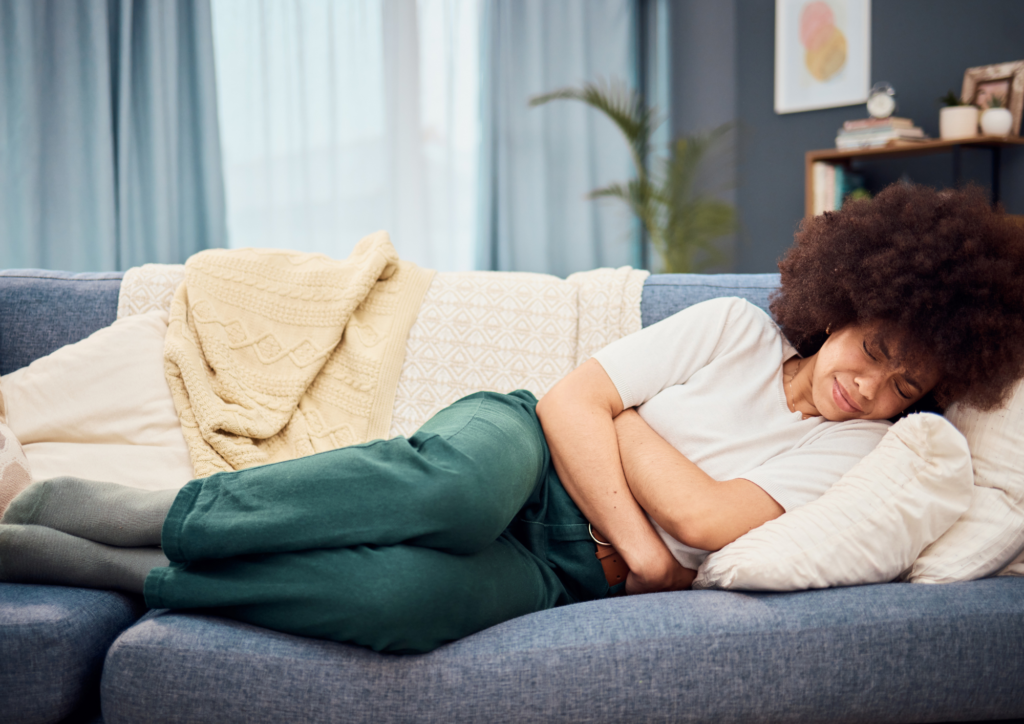
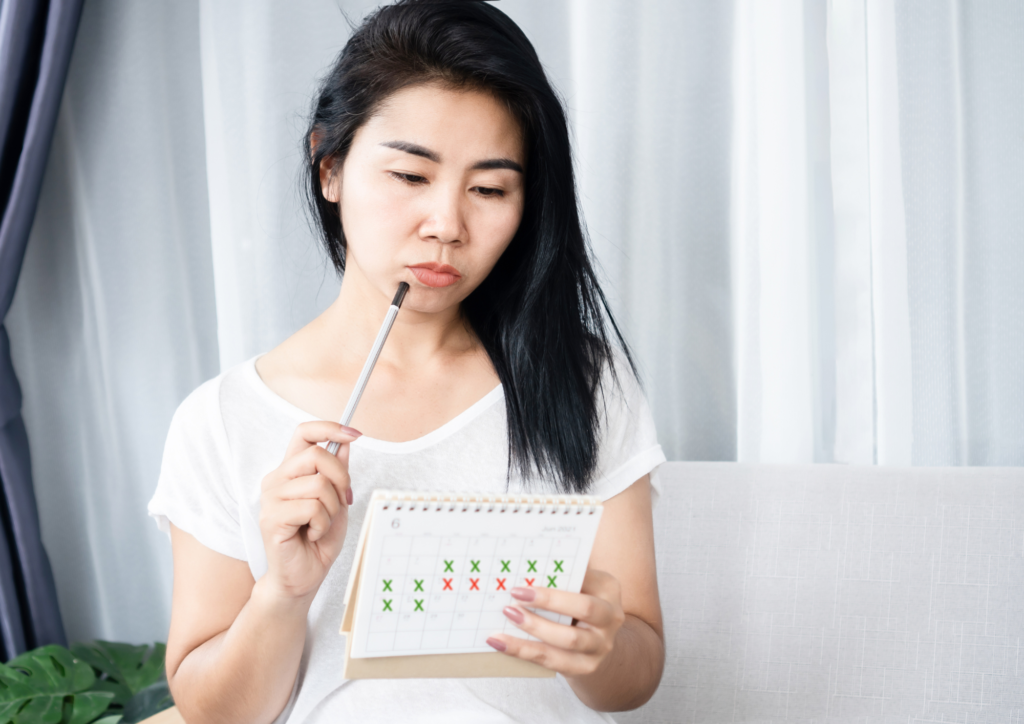
For most girls, the subject of their first period is quite taboo and the thought of discussing menstruation can leave you both feeling a little uncomfortable when the situation arises. But, kids need to learn about periods eventually and the best place to start is at home. Helping your child understand how the body changes during puberty (like growing pubic hair and starting her period) will encourage your daughter to make good decisions about her health going forward.
So below is a parent’s ultimate guide to periods and how to talk to your daughter about her period when the time comes.
How to support your daughter with her first period
Supporting your daughter during her first period is crucial to help her feel confident, understood, and cared for. We will go through some ways you can help support your daughter, from the initial talk to preparing a period kit when her period starts – and everything in between!
Should boys know about periods too?
Boys are sometimes left out of the talk about periods, which means they end up viewing periods as a dirty topic when they’re older. Get any men in your life involved in the conversation about periods as soon as possible, even explaining period embarrassing moments their sister/mum/auntie/wife may go through and what period products to buy if they are ever asked to do so.
The more you discuss girls’ puberty with your sons, the better brothers, husbands and fathers they will become when their close female friends and family finally get their periods.
How early should I talk to my kids about periods?
The right age to talk to your children about periods will vary depending on their maturity level, exposure to information, and personal development.
Follow their lead, as some children will ask questions at an early age. If your child is curious about bodily functions, reproduction, or menstruation, it can be a natural opportunity to discuss why girls have periods.
Many girls will get their period from the age of nine to fifteen, although some may begin earlier or later. Considering the wide age range, it may be a good idea to introduce the concept of periods around age eight to nine years old, or even earlier if you feel they’re ready.
Keep the conversation simple. You don’t need to delve into the scientific intricacies of the menstrual cycle. A simple explanation could be:
“As girls grow into women, their bodies change and they get a period every month, which is a sign they can have babies when they grow up. We wear period products, a bit like nappies, to mop up the bit of red blood that comes out every five days a month.”
Normalise the topic because periods are a natural and very normal part of life. Girls shouldn’t feel ashamed or frightened when they experience their period for the first time and boys should be taught to feel empathetic and understand that for girls, periods can be a difficult time of the month too.
So, what is a period?
A period starts when there are hormonal changes in the body. The ovaries release oestrogen and progesterone and then these same hormones cause the lining of the uterus to build up, to prepare for an egg to fertilise with sperm and start developing into a baby.
However, if there is no fertilised egg, the lining is not needed so it breaks down and bleeds out. The same process happens every month, hence why most girls and women get their period around once a month. Note, however, that for the first few years, a girl’s period may not come regularly, which is normal. Her periods will become regular two to three years after her first period.
When do girls get their period?
Most girls will get their first period around the age of 11 – 15 years. But, every girl has their own body clock and they will start when their body is naturally ready. There will be some clues when your daughter is ready to start her period, which is typically around two years after her breasts develop and she experiences vaginal discharge fluid, which she may see or feel on her underwear. Make sure you discuss vaginal discharge with your daughter as well, so she doesn’t feel that something is wrong with her.
How often do periods happen?
When girls first begin menstruating, their cycles can be irregular. While the average menstrual cycle is 28 days, it can range anywhere from 21 to 45 days in young teens. Over time, periods tend to settle into a more regular cycle.
It’s common for girls in their first few years of menstruating to experience irregular periods. They might skip months or even go several months without a period. This irregularity is primarily due to the body’s adjustment phase as it gets used to the new hormonal rhythms.
How long do periods last?
The length of a period can also vary. Typically, menstrual flow lasts about three to seven days, but it can be shorter or longer, especially in the beginning.
Can your child get pregnant once her period starts?
Yes, and she can even get pregnant right before her first period. A girl’s hormones may already be active, and these hormones may cause an egg to be released from the ovary (ovulation). So, if she has sex, she can get pregnant.
How to talk to your daughter about her period
It may seem like only yesterday when you were holding your baby in your arms and now you are helping your child deal with puberty and periods. But, it’s important to learn how to talk to your daughter about puberty and menstruation so you can help make the situation less awkward for her too. Here are some tips on how to start the period talk:
Remind your child that other people have periods too
For her, it may feel like she’s the only one in the world getting her period, so it’s important to remind her that every woman gets their period and it should be treated like a rite of passage. She is transitioning from a girl to a woman and that is a very normal part of her life.
Try to prepare your daughter for what’s to come with her period as early as you can in advance. This includes period products, physical signs and emotional signs. Here are some tips on how to prepare your daughter for her period.
Talk about possible period signs
Look out for signs your daughter is about to start her period and explain to her that these are normal. Some girls experience cramps, headaches, or other symptoms even before their period starts (premenstrual syndrome). Offer remedies like heating pads, pain relievers (always according to age-appropriate dosages), and techniques for relaxation.
What is Premenstrual Syndrome (PMS)?
PMS is when a girl exhibits emotional and physical mood swings before or during her period. These symptoms can include bloating, acne, moodiness and anxiety. They diminish after the first few days of a period.
Hormonal shifts can lead to mood swings. Reassure her that it’s okay to have fluctuating emotions, and encourage open communication about how she feels.
Consider CBD for cramps
Daye, a gynaecological health startup that aims to raise the standards in vaginal and reproductive healthcare, stocks a rich CBD balm* which provides restorative cooling to cramping bellies. You can also use it on sore muscles.
What’s more, you can invite your daughter’s friends and get free tampons and other goodies with every referral. Anyone who gets a tampon subscription at Daye can use their specific referral code to get £5 off their next order.
When should I call the doctor about my child’s period?
If your daughter hasn’t started her period by 15, then it’s usually a good idea to consult a doctor. Similarly, if she hasn’t established a cycle regularity after two to three years, or if her period stops for more than 90 days, then a doctor’s guidance can be beneficial.
Irregularity is normal at first, but other symptoms like very painful periods, extremely heavy bleeding or other concerns related to periods should be discussed with your daughter’s doctor to rule out any underlying health concerns.
How Daye’s Period Pain Clinic can help your daughter
Daye wants to change that with their virtual Period Pain Clinic* (PPC), which aims to help young women and those assigned female at birth (AFAB) live less of their lives in pain.
55% of people find painkillers ineffective when treating period pain. So with personalised, doctor-approved plans that maximise pain relief and minimise side effects, you can learn more about what’s causing your child’s pain, and fast-track their way to diagnosis with the PPC.
Given that nine out of ten women experience period pain and that its severity can rival a heart attack, there’s a clear need for such a service. Yet, a majority of women don’t voice their discomfort, with over half noting that period pain has affected their work and study capacity. And for far too long, women’s health mysteries like endometriosis went unsolved, causing lifetime suffering. If you want the scoop on the gender pain gap, you can check the link here.*
The PPC is here to change the game, guiding women and AFAB on period health and paving the way to specialist referrals. Daye’s innovative service collaborates with NHS GPs, gynaecologists, and other specialists to facilitate an in-depth assessment of an individual’s symptoms. This ensures a rapid diagnosis of conditions like endometriosis, PCOS, adenomyosis, and fibroids, which are typically associated with chronic pelvic pain. Additionally, the clinic addresses symptoms like infertility, obesity, hair loss, and severe acne, which are often overlooked.
Patients are given a tailored pain management plan, merging both holistic and pharmaceutical approaches. The clinic also suggests scientifically-backed symptom management tools, including CBD tampons, TENS machines, and hormonal contraception. Daye even partners with businesses, such as Myoovi, to offer discounts on the suggested products.
Daye’s PPC has three service tiers ranging from £24.99 to £199.99, offering varying degrees of insights and consultations.
Founder Valentina Milanova emphasised the clinic’s commitment to ensuring no one silently bears the pain or remains unaware of their period pain’s cause or management. The clinic seeks to foster an environment where everyone feels valued, heard, and empowered, leading to enhanced diagnosis accuracy, individualised treatment strategies, and improved overall health outcomes.
Here is a rundown list of how to access the Period Pain Clinic to assess your daughter’s own period pain:
Get a free preview of your daughter’s personalised period pain report and a personalised pain relief routine
Fast-track your daughter’s journey towards diagnosis and learn about the six gynae health conditions that could be affecting their period
Connect with vetted world-class health specialists and discover alternative methods approved by experts
Receive clinically proven lifestyle recommendations and find relief that works for your daughter
Learn how to take painkillers safely and reduce long-term health effects
Have access to innovative treatments
Get prescribed tampons and hormonal contraception
Receive deals and resources worth up to £300 in savings
Your daughter’s personalised report via the Period Pain Clinic* will help her work out if her symptoms match the above conditions quickly. Then you can download her report and discuss the results with her doctor or connect with one of the vetted physicians through Daye’s platform. The Period Pain Clinic gives you the breathing space to share all your daughter’s health concerns, and get the most out of your consultation without being rushed out of the GP room!
What do you get your daughter when she gets her period?
Before your daughter starts her period, it’s helpful for her to know what products are available, where they are in the house, and how to use them. Consider creating a small “period kit” she can carry in her school bag, which can include a selection of tampons, pads, menstrual cups, and/or period pants, as well as a fresh pair of underwear, and some pain relief medicine if you feel it’s appropriate and she knows how to use it.
For the first period, many girls prefer starting with pads* as they can be less intimidating.
Try 100% organic, sustainable tampons
When your daughter is ready to start using tampons, she can try Daye’s 100% organic tampons for free by ordering a Sample Box* to test drive before committing to a subscription. And if she likes the tampons after trialling them, you can create a subscription box for her, which is really easy to do.
Simply match the subscription box to her flow by choosing the tampons here* and then leave the rest to Daye. Daye syncs her box with every cycle length and you can modify, skip or cancel anytime.
Discuss hygiene
Talk to your daughter about the importance of changing menstrual products regularly, washing her hands before and after, and maintaining personal hygiene during her period.
Empower her
Some girls might feel embarrassed about getting their period. Let your daughter know it’s a natural and powerful part of being a woman, and not something to be ashamed of. Some families choose to celebrate a girl’s first period as a rite of passage, with small gifts, a special meal, or another form of acknowledgement. However, gauge her comfort level before doing this. Some girls might love it, while others might prefer to keep things low-key.
Ensure privacy
Respect your daughter’s need for privacy and provide a comfortable environment for her to manage her period in peace.
Stay available
Let her know she can come to you with any questions or concerns. If she doesn’t want to talk about it, that’s okay too. The key is she knows she’s not alone.
Offer resources all about periods
Offer resources so as your child grows and they become more curious, you can offer them age-appropriate books or websites where they can learn more about their period. Let them know they can always come to you if they have questions.
Some children might be curious, while others might be embarrassed or uninterested. Respect their feelings, answer questions as they come up, and ensure they know you’re available for future conversations.
It’s always beneficial to approach these discussions in a positive, open, and non-judgmental manner. Being proactive ensures your child will have accurate information and feel supported when they encounter these natural changes.
Encourage your daughter to track her period
It can be helpful for young girls to keep a menstrual calendar or use an app to track their periods. This can aid them in identifying patterns over time and help them anticipate when their next period might be.
Supporting your daughter when her period arrives is crucial for her to feel as comfortable as possible with the new changes in her body. It’s a tough time for your daughter and her first period is the most monumental event in her life. Help her be prepared by talking to your daughter about periods as if they are a very normal part of her life – because they are.
FAQ – Your teens’ or preteens’ common period questions answered
Is it normal to get your period at age 11?
Other questions asked were:
When do most kids get their first period?
Yes, it is normal for some girls to start their period at age 11. The average age at which girls start menstruating, known as menarche, is around 9 to 15 years. However, some can start a bit earlier or later.
The onset of menstruation is influenced by several factors, for example, genetics, BMI, health and nutrition and environmental factors, as well as other health conditions.
While starting at age 11 is within the typical range, it’s always a good idea for you to have open communication with your daughter about the changes they’re experiencing. If there are any concerns about early or late menstruation, a consultation with a paediatrician or a gynaecologist can provide clarity.
My daughter got her period at 10. Will she still grow?
Yes, many girls who start their period at age 10 or even earlier can still continue to grow. The onset of menstruation is one event in the continuum of puberty and is not an immediate signal that growth has stopped.
What is a period for boys?
Boys do not have a menstrual cycle or a period in the same way that girls do, as they don’t have ovaries or a uterus, and therefore don’t menstruate. However, the phrase “period for boys” might be used colloquially to refer to the physical and emotional changes boys go through during puberty.
Can a woman whose hymen is intact use a tampon?
Yes, a woman whose hymen is intact can use a tampon. The hymen is a thin membrane that partially covers the vaginal opening. It has one or more openings to allow menstrual blood to flow out. The size, shape, and elasticity of the hymen vary from person to person.
When inserting a tampon, it can pass through the natural openings in the hymen without causing any harm. Some girls might feel slight resistance or discomfort the first time they try to insert a tampon, especially if they’re not fully relaxed or if they’re not inserting it at the right angle.
While the hymen is somewhat elastic, using a tampon can stretch it. However, this doesn’t mean the hymen will be “broken” or completely torn. Many activities, not just tampon use, can stretch the hymen, including sports or other physical activities.
In many cultures, an intact hymen has been historically associated with virginity. However, it’s essential to understand that the state of one’s hymen is not an accurate or reliable indicator of virginity or sexual activity. The hymen can stretch or tear due to various reasons unrelated to sexual activity.
At what age should you talk to your daughter about periods?
Other questions asked were:
What do I say to my daughter about her period? What should I talk about?
How do you tell your daughter is about to start her period?
How to talk to your daughter about getting her period?
How to talk to your daughter about starting her period?
How to talk to your 10 year old daughter about her period?
When should I talk to my daughter about periods?
How to talk to your daughter about first period?
When to talk to your daughter about her period?
How to talk to your daughter about her first period?
What to say to your daughter when she gets her period?
What to say to your daughter on her first period?
Are there any expert tips for parents on talking about periods?
How to explain menstruation to a 9 year old?
how to talk to your 9 year old daughter about her period
How to talk to your daughter about menstruation?
How to talk to your daughter about periods?
When should I talk to my kids about periods?
How can you talk about puberty and menstruation
my daughter started her period – how do I broach the subject with her?
The age at which you can start explaining periods to your daughter can vary depending on individual circumstances, cultural contexts, and her developmental stage. However, a general guideline is to start introducing the topic before she begins puberty, so she’s informed and prepared. Considering that some girls can start their period as early as age 9 or 10 (or even earlier in rare cases), it’s a good idea to start the conversation around the ages of 7 to 9.
How does a dad talk to his daughter about her period?
For many dads, the idea of discussing menstruation with their daughter might seem daunting. However, with the right approach, it can be a supportive and bonding experience.
Educate yourself first before you speak to your daughter so you understand the menstrual cycle and what it involves, as well as the common experiences she may face. There are many resources online, including books, articles, and videos, that can provide you with accurate information.
Find a quiet moment when you both can sit down without distractions. This will make the conversation feel more private and focused and start the conversation by letting your daughter know you’re there for her and that she can ask any questions or express any concerns. Your role is primarily to listen, support, and provide information.
Use the tips above to help you talk to your daughter about her periods and acknowledge that menstruating can sometimes be uncomfortable or even painful. Let her know that it’s okay to talk about her feelings or any physical discomfort she might experience.
Encourage questions and seek female support, like a mother, aunt, sister, or family friend as they may be able to provide additional support or information.
This shouldn’t be a one-time conversation. As she grows older, her needs and concerns related to menstruation might change. Regularly check in with her, ensuring she has the supplies she needs and addressing any new questions or concerns.
Remember, the primary goal is to create a supportive environment where your daughter feels comfortable and empowered. Demonstrating understanding and a willingness to engage in the conversation, even if it’s outside of your personal experience, can mean a lot to her.
When the doctor asks when was your last period do you say the day the bleeding started or do you say the day it ended?
When a doctor asks about your last period, they typically want to know the first day of your most recent menstrual cycle. So, you should provide the date when the bleeding started, not when it ended. This date is a standard reference point in medical practice to determine various aspects related to reproductive health, including calculating the possible date of ovulation, estimating gestational age in pregnancy, and assessing menstrual cycle regularity.
Will I get my period during my whole life?
No, you will not have your period your entire life. Menstruation usually starts during puberty, with the onset of the first period called menarche, and it continues regularly until menopause, which is around ages 45 to 55 years old.
*This post is sponsored by Daye but all thoughts and opt are 100% my own. Links marked with a ‘*’ are affiliate links which means I may earn a small commission at no extra cost to you if you click through to buy. Thanks as always for your support!
Aunt Flo is back! Signs of a healthy period after pregnancy
Disclaimer – This article is about spotting the signs of a healthy period after pregnancy. If you have any concerns about your period, always consult a medical professional first.
Welcoming a new baby into the world is a whirlwind of joy, adjustment, and transformation. As you navigate the nuances of motherhood, your body too embarks on its journey of recovery and returns to its pre-pregnancy state. One significant marker of this transition is the return of “Aunt Flo”, otherwise known as your period.
You may not meet the reacquaintance of your menstrual cycle with the most positive of emotions. But it is both a sign of your body’s remarkable resilience and a shift back to your familiar, monthly rhythm. However, after pregnancy, your periods may not be exactly as you remember them, and that’s perfectly normal. Unless it isn’t, in which case we’ll go through the symptoms that you should look out for and when to seek medical advice.
So, what are the signs of a healthy period after pregnancy?
In this article, we’ll explore the signs of a healthy menstrual cycle after pregnancy, what to do if you’re experiencing cramps and offer tips on how to improve your chances of having a healthy period.
So, let’s dig in!
Your first period post-baby – what to expect when Aunt Flo returns and signs your period is about to start
Your first period after childbirth and the initial lochia (bleeding after birth) may seem unrecognisable to you. It may be too heavy and have you running to the toilet every hour, or you’re clutching your belly in agony. But, eventually, your period will regulate, and if it doesn’t, this could be a reflection on your overall health.
We will look at the possible underlying issues that cause your period to stay askew. But, first, here are a few symptoms you might experience in the first periods after pregnancy and what they may indicate about your health.
Timing
The timing of your first period will vary. If you’re not breastfeeding, it might return as soon as six weeks. But if you’re breastfeeding then your first period will be delayed significantly, with some women citing their first period not arriving until at least six months after birth, although this may not always be the case.
Anecdotally, my period didn’t arrive until my fourth baby was 11 months old. But, boy, did it come back with a bang! This brings me to my next point.
A heavier flow / abnormal uterine bleeding
As mentioned before, you may find your first period will be heavier than normal. From experience, during my first two cycles, I had a very heavy period and I was changing my menstrual cup every one to two hours, even during the night. By the third cycle it did regulate and two years postpartum, although very heavy in the first two days, it is much more manageable now.
What are signs of a heavy period? – Abnormal signs and symptoms related to heavier flow
A heavier flow isn’t unusual, but if you find you are soaking through pads/tampons or changing your cup every hour or less, this is one of the menstrual cycle signs and symptoms you should consult your doctor about to check there are no underlying issues like fibroids or endometrial polyps (we’ll go through these conditions in a moment). It could also indicate that your hormones are still imbalanced.
On the flip side, a light flow may be a sign of hormonal issues, poor nutrition, or early signs of perimenopause (if occurring in older people).
Irregular periods after pregnancy
Initially, your periods might be irregular as your hormone levels adjust back to a non-pregnant state. However, over time, your hormone levels will balance out and your cycles should become more regular.
But if you’re still experiencing irregular cycles, this could mean your hormone levels are still trying to regulate or you have other underlying health issues, like Polycystic Ovarian Syndrome (PCOS), thyroid issues or high-stress levels.
What is considered an irregular period as opposed to a normal menstrual cycle?
An irregular period refers to any variation in the menstrual cycle that deviates from the norm, including changes in cycle length, flow, and symptom severity. Generally, a typical menstrual cycle lasts about 28 days, although it can range from 21 to 35 days in adults and from 21 to 45 days in young teens.
It is always advisable to consult a healthcare provider if you experience irregular periods, as it might be a sign of underlying health issues such as hormonal imbalances, stress, illness, or other medical conditions.
Change in duration
The duration of your period might change, either lasting longer or shorter than what you were used to before pregnancy. This could be anywhere from three to seven days.
When to worry about your period – bleeding between periods
Bleeding between periods, medically known as intermenstrual bleeding or spotting, can occur due to various reasons. For example, ovulation, hormonal birth control and a hormone imbalance can cause spotting as well as health conditions like polyps and fibroids or sexually transmitted infections and vaginal infections.
Perimenopause could also cause spotting when you are more likely to experience irregular periods. Other causes could include endometriosis, cancer (in rare cases), stress and extreme physical activity.
In the case of unexplained bleeding between periods, you should talk to your healthcare provider who might suggest:
A Physical Examination: Including pelvic examination to identify any obvious causes.
Blood Tests: To check for hormonal levels or signs of infection.
Ultrasound: To identify any structural issues or growths.
Biopsy: In some cases, a tissue sample may be taken to check for abnormal cells.
Different consistency or colour – period blood colours and their potential meanings
You might notice a change in the consistency or colour of your menstrual blood. It might be darker or have more clots than usual.
What colour should your period blood be?
Typically, a healthy period blood colour should be blood red. This is a sign of a healthy and normal period. A healthy period colour may also be dark brown or black at the beginning or end of a period, which isn’t normally a concern.
When does colour become a problem?
If your period colour is greyish, then this could potentially indicate an infection, so it’s advisable to call your doctor and arrange an appointment.
Sensitivity in breasts
If you are breastfeeding, you may notice increased sensitivity in your breasts during your period. Mild tenderness is normal but if your breasts are very sensitive then this may indicate hormonal imbalances or underlying health conditions.
Mood swings and emotional changes
Just like before pregnancy, you might experience mood swings or emotional changes due to fluctuating hormone levels.
Mild mood swings or pre-menstrual syndrome (PMS) is generally considered one of the more normal signs of a healthy period after pregnancy. However, if your PMS symptoms are severe they may indicate premenstrual dysphoric disorder (PMDD), a more serious condition that requires medical attention.
Ovulation – Can you get pregnant before you have a period?
It’s possible to ovulate before your first period postpartum, which means you can become pregnant even before your first postpartum period returns.
If you experience a clear, egg-white-like discharge then this indicates healthy ovulation and generally represents balanced hormones.
However, if you don’t have any ovulation signs, this could be a result of hormonal imbalances, stress or other underlying health issues.
Overall energy levels
Having normal energy levels could signify balanced hormone levels but low energy levels and persistent fatigue may indicate anaemia, thyroid issues or other health conditions.
Changes with age
In older people, a shortening menstrual cycle and increased irregularities can indicate that menopause is coming.
Changes in body weight
Body weight fluctuations can influence your period and also might indicate underlying health issues.
Birth control
Different types of birth control methods can have varying effects on your menstrual cycle.
Oral contraceptive pills (a combination of oestrogen and progesterone) can actually make your periods more regular but can lead to lighter periods because they prevent the endometrial lining from becoming very thick. They may also help to reduce menstrual cramps and pain. Patch and vaginal rings have similar effects to oral contraceptives as these also deliver a combination of oestrogen and progesterone hormones.
Some women may experience spotting between periods, especially when they first start taking the pill. Sometimes, especially if you use the pill long-term, you may miss periods.
Progestin-only pills can lead to irregular periods and some women might experience an absence of periods. Similar to combination pills, you may experience spotting between periods too.
If you are using a copper intrauterine device (IUD) then this doesn’t contain hormones, but it can make your periods heavier and possibly increase menstrual cramping. Hormonal IUDs release progestin and can make periods lighter or even cause them to disappear over time.
Implants and injections can lead to irregular bleeding, especially in the first months of use. They may even lead to a complete absence of periods (Amenorrhea).
Emergency contraception can temporarily disrupt a healthy period cycle, causing early period signs or late periods. They may also cause spotting or changes in menstrual flow.
Pain and cramping
Period pain is one of the most commonly attributed symptoms associated with your period. You may experience more cramping than usual, which could be down to the hormone fluctuations and the uterus returning to its pre-pregnancy size.
Cramping and period pain are generally normal and caused by uterine contractions shedding the lining. However, if you have severe cramping this could indicate underlying issues such as endometriosis or fibroids.
Gynae health conditions that could be affecting your period
We’ve touched upon underlying health conditions that could be affecting your period. But what exactly are they? Here is a rundown of the six underlying health conditions that affect your feminine health.
Endometriosis
Endometriosis is a chronic medical condition where tissue similar to the lining of the uterus, called endometrium, grows outside the uterus. This misplaced tissue can develop on the ovaries, fallopian tubes, the outer surface of the uterus, and other organs and structures in the abdomen and pelvis.
The symptoms of endometriosis can vary but may include:
Chronic pain, which can be severe, especially during menstruation.
You might have heavy periods or spotting between periods.
It’s not uncommon to experience pain during or after sexual intercourse.
Digestive issues include diarrhoea, constipation, and bloating, which can mimic symptoms of irritable bowel syndrome.
The exact cause of endometriosis remains unclear, though several theories suggest the following:
Retrograde menstruation is where menstrual blood containing endometrial cells flows back through the fallopian tubes and into the pelvic cavity instead of out of the body.
Hormones such as oestrogen might promote the growth of endometriosis.
A malfunctioning immune system may fail to recognise and destroy the endometrial tissue growing outside the uterus.
Endometrial cells may attach to a surgical incision after surgery, such as a hysterectomy or C-section.
There might be a genetic component, as the condition seems to run in families.
Diagnosis is often challenging as symptoms can mimic other conditions. Methods for diagnosing endometriosis include:
A pelvic exam where a healthcare provider may feel for large cysts or scars behind the uterus.
An ultrasound can identify cysts associated with endometriosis (endometriomas), but it might not effectively detect the endometrial implants.
An MRI can help map the areas where endometriosis is occurring.
A laparoscopy is a surgical procedure where a camera is inserted into the pelvic cavity to observe endometrial implants directly.
Treatment can involve medications, surgery, or a combination of both.
Adenomyosis
Adenomyosis is a medical condition characterised by the growth of endometrial tissue into the muscular wall of the uterus. This infiltration of the endometrial tissue into the myometrium (muscle layer of the uterus) can lead to a thickened and enlarged uterus. It’s somewhat similar to endometriosis, but while endometriosis involves endometrial tissue growing outside the uterus, adenomyosis occurs within the uterus.
Symptoms can include:
Very heavy periods, sometimes with blood clots.
Menstrual bleeding that lasts longer than usual.
Severe cramping or sharp, knife-like pain during menstruation.
Significant bloating that may fluctuate with the menstrual cycle.
Pain during intercourse, particularly with deep penetration.
Urinary problems, including an increased frequency of urination or difficulty emptying the bladder.
The exact cause of adenomyosis is not clearly understood, but some theories include:
The inner lining of the womb might start growing into its muscle layer. This could be the main cause of adenomyosis.
This condition might begin when a baby is still developing in the womb, with tissue from the inner lining ending up in the muscle layer by mistake.
After giving birth, the swelling of the womb’s inner lining might break its usual barriers, which can lead to adenomyosis.
It’s also thought that surgeries or injuries to the womb might disturb the protective layer, potentially causing adenomyosis.
Diagnosing adenomyosis can be challenging, and might involve:
Examining the lower belly area to find out if it’s sore, has lumps, or if the womb is bigger than usual.
Using ultrasound to get a picture of the womb and the areas around it.
Using an MRI scan to get a clearer picture helps to understand how deep the disease has spread.
Sometimes, the only way to be sure about the diagnosis is by closely examining tissue from the womb, usually taken out during womb removal surgery.
The treatment of adenomyosis primarily focuses on managing symptoms and might include:
Taking certain medicines (NSAIDs) to help lessen pain and swelling.
Using birth control pills, GnRH agonists, and progestin therapy to help control symptoms.
Using uterine artery embolisation, which is a treatment that stops the blood flow to the sick parts of the womb and makes the unhealthy tissue get smaller.
Endometrial ablation is a process that gets rid of the inner layer of the womb, but it might not work well if the disease has spread deep into the muscles of the womb.
In serious cases, doctors might suggest taking out the womb, especially if other treatments don’t work and you don’t want to have children in the future.
Taking care of adenomyosis can be tricky and might need a team of different doctors and health experts to make a personalised treatment plan. This often means making changes in daily habits, using medicines, and sometimes even having surgery to control the symptoms properly. It’s really important to keep talking openly with your healthcare team to change the treatment as needed and help with the physical and emotional difficulties that can come with this condition.
PCOS
PCOS, or Polycystic Ovary Syndrome, is a common hormonal disorder that occurs in women of reproductive age.
PCOS is a health issue that affects women, mainly involving hormonal imbalances. It can cause irregular (or no) periods and make it harder to get pregnant. It can also lead to heavy bleeding during periods and sometimes unwanted changes in physical appearance, like excess hair growth.
Other symptoms include:
Acne, oiliness, or dandruff.
Weight gain or difficulty losing weight.
Thinning hair or hair loss on the scalp.
Darkening of the skin, particularly in neck creases, in the groin, and underneath the breasts.
The exact cause is unknown, but it’s often related to an imbalance in hormone levels. Some other causes could include:
Insulin resistance (where the body’s cells don’t respond well to insulin) is commonly seen in women with PCOS.
It might also be related to low-grade inflammation and hereditary factors.
Doctors usually diagnose PCOS based on symptoms, a physical exam, blood tests to check hormone levels, and sometimes ultrasound to look at the ovaries.
While there’s no cure, the symptoms can be managed with healthy lifestyle changes such as diet and exercise.
Medications might be prescribed to manage symptoms or help with fertility if the person wants to become pregnant.
Regular check-ups are essential to monitor any potential complications, like diabetes and heart disease, which are more common in people with PCOS.
Pelvic Inflammatory Disease (PID)
Pelvic Inflammatory Disease (PID) is an infection of a woman’s reproductive organs. It’s usually caused by a sexually transmitted bacterial infection (like chlamydia or gonorrhoea) that has spread from the vagina to the uterus, fallopian tubes, or ovaries. It can also occur after procedures like an abortion or childbirth.
Symptoms can include the following:
Pain in the lower abdomen or pelvis.
Fever and a general feeling of being unwell.
Unusual discharge from the vagina with a bad odour.
Pain or bleeding during intercourse.
Burning sensation when urinating.
Bleeding between periods.
Diagnosis can usually involve a physical examination and doctors might order urine tests or swabs from the vagina or cervix to check for infections. In some cases, an ultrasound or other imaging tests may be done to look at the reproductive organs.
Antibiotics can treat the infection and sexual partners should also be tested and treated to prevent the spread of infection. Prevention includes using condoms correctly to lower the risk of getting PID and regular screening for STIs can help catch infections before they cause PID. It is advisable to not douche as it can disrupt the normal balance of bacteria in the vagina.
If not treated, PID can lead to serious complications like infertility, ectopic pregnancy or chronic pelvic pain. It can sometimes cause an abscess to form in the reproductive organs. So seeking medical attention promptly is crucial if you suspect you have PID and follow the prescribed treatment plan.
Fibroids
Fibroids, also known as uterine fibroids or leiomyomas, are very common, with around 70-80% of women developing them at some point before the age of 50. They are non-cancerous growths that develop in or around the womb (uterus). These growths are made up of muscle and fibrous tissue and can vary greatly in size. They are most commonly found in women during their reproductive years, but they can occur at any age.
Many women with fibroids might not experience any symptoms. However, other symptoms can include:
Heavy or prolonged menstrual periods
Pelvic pain or pressure
Frequent urination or difficulty emptying the bladder
Constipation or difficulty with bowel movements
Backache or leg pains
The exact cause of fibroids is not clearly understood, but factors may include:
Fluctuations in hormones, particularly oestrogen and progesterone levels, seem to play a role.
Fibroids tend to run in families.
Diet, obesity, and other lifestyle factors can potentially influence the development of fibroids.
Fibroids are often discovered during a pelvic exam or prenatal ultrasound. Further tests with an MRI or specialised ultrasound scan can confirm the result.
Treatment depends on the size, location and symptoms caused by the fibroids and may include waiting to see if the fibroids are not causing any symptoms, administering drugs to regulate the hormones that might be used to shrink fibroids, or in more severe cases, a myomectomy surgery to remove the fibroids or hysterectomy to remove the uterus itself.
Primary dysmenorrhoea
Primary dysmenorrhoea, also known as primary menstrual cramps, is a medical condition characterised by pain during menstruation that is not associated with any other medical condition. This pain typically begins 1-2 days before menstruation and may last from 2 to 4 days. The pain is usually in the pelvis or lower abdomen area.
There are several potential causes of primary dysmenorrhoea, including:
Prostaglandins: These are chemicals in the body that cause the muscles of the uterus to contract, potentially leading to pain. Higher levels of prostaglandins may be associated with more severe menstrual cramps.
Uterine Contractions: During the menstrual cycle, the uterus contracts to help shed its lining, which can cause pain and discomfort.
Hormonal Fluctuations: Changes in hormone levels throughout the menstrual cycle can influence the severity and duration of menstrual cramps, especially menstruation after birth.
The condition is more common in younger women and may lessen with age or after giving birth. Medications like ibuprofen or naproxen can help manage the pain. Applying heat to the lower abdomen can sometimes help to relax the muscles and relieve cramps.
Regular physical activity can sometimes lessen the severity of menstrual cramps. Some women find that certain food or drink can either aggravate or alleviate menstrual cramps.
Other ways to encourage a healthier period and increase signs of a healthy period after pregnancy
Here are a few ways you can fast-track your way to a healthier period.
Track your period
Tracking your period is a great way to see what’s going on with your body and check for abnormalities. You can understand your body’s natural rhythms and patterns. , which can help you anticipate changes in mood, energy levels, and physical symptoms that often accompany different phases of the menstrual cycle.
Keeping track of your menstrual cycle can alert you to any changes that might indicate underlying health issues. Sudden changes in your cycle can sometimes be an indicator of hormonal imbalances or other health problems that might require medical attention.
If you’re planning to start a family, understanding your menstrual cycle can help you identify your fertile window, which can increase your chances of conceiving. Conversely, if you don’t want anymore kids, understanding your menstrual cycle can help you use natural methods of contraception more effectively (though it’s important to note that this method is not foolproof).
Knowing when your period is due can help you be better prepared, so you can have sanitary products on hand when you need them, and you can plan around potential period-related symptoms, such as cramps or mood swings.
How do I track my period?
Depending on your personal preferences you can choose any method you wish to track your period. It can be as simple as tracking the first day and last day of your period on a physical or digital calendar.
You can download a period tracking app where you can log various details about your cycle. I have used ‘My Period Calendar’ for years and have data backed up via the same app.
You can also use your favoured method to note the start and end date, the heaviness of your flow each day, and any symptoms you experienced such as headaches, cramps or mood swings, as well as their severity. You can also note any physical changes, like bloating or breast tenderness. Period-specific mobile apps will log and predict your periods according to the mean data they receive. That way you can dig deeper and create graphs to spot any anomalies and spot any patterns or trends within your cycle.
Know what goes into your body
It’s very important that the period products you use are 100% safe for your body, for health, environmental and personal comfort reasons.
Some period products might contain chemicals, synthetic fibres, fragrances, or dyes that can potentially irritate the skin or even have harmful effects on your body over time.
Using certain kinds of tampons for extended periods can increase the risk of Toxic Shock Syndrome (TSS), a rare serious medical condition and using unsanitary or unsuitable periods products can potentially lead to infections too. So knowing your products can help you mitigate such risks.
Different period products have varying impacts on the environment and certain products offer more sustainable choices like reusable menstrual cups or cloth pads. But the right period product is a very personal choice. Being aware of the materials and products out there can help you make an informed decision and choose the right healthy product for you.
How seed cycling supports a healthy menstrual cycle
Seed cycling is a natural approach to balancing hormones by consuming specific seeds during the different phases of the menstrual cycle. The method is believed to support menstrual health by potentially promoting hormone balance, although scientific evidence supporting seed cycling is currently limited. The practice generally involves eating certain seeds during the follicular phase (days 1-14) and a different set of seeds during the luteal phase (days 15-28).
What your period says about your fertility and are regular periods a good sign of fertility?
Your menstrual cycle can provide several insights into your reproductive health and fertility status. Regular cycles are a general good indicator of regular ovulation which is critical for fertility and a normal menstrual flow can indicate a healthy endometrial lining which is essential for embryo implantation.
Mild menstrual cramps are normal but extreme pain might indicate conditions like endometriosis or fibroids, which can potentially interfere with fertility. Some women may experience ovulation symptoms like a mid-cycle pain (mittelschmerz), increased cervical mucus, or a slight temperature rise, which are indicators of ovulation and hence fertility. The luteal phase (the second half of the menstrual cycle, post-ovulation) shuld ideally be about 14 days long. A significantly shorter or longer luteal phase might be associated with fertility issues.
Women’s fertility naturally decreases with age, and menstrual cycles might become shorter or more irregular as a woman approaches menopause. In some cases, early menopause might be a concern, particularly if periods become irregular or cease altogether at a relatively young age.
Final thoughts on first period after birth
Knowing your period arms you with the knowledge and power to make informed decisions for a healthier you. Follow the tips above you should be on track to recognise healthy period signs and not dread Aunt Flo popping in every month!
FAQ
What are the symptoms of getting your period?
Other questions asked were:
What is a normal perfect healthy period?
What to expect with your first postpartum period?
What are the signs of a healthy period?
How to know when you’ve started your period?
What are the signs you have a healthy menstrual cycle?
What are the signs you have a normal healthy period?
What are the signs of a healthy period after pregnancy?
What are the signs of a healthy menstrual cycle?
What are the signs you have a healthy period?
First period after giving birth – how long should it last?
Are periods after pregnancy irregular?
Are periods worse after pregnancy?
Is it normal to have irregular periods after giving birth?
When should you expect your first period after giving birth?
Do you get period after pregnancy?
What will my periods be like after pregnancy?
Why do periods change after pregnancy?
Will my first periods after birth be Irregular?
The symptoms of getting your period, also known as premenstrual symptoms (PMS), can vary widely among people. The common symptoms to look out for so you know when you’re getting your period are:
Abdominal Cramping: A tightening or cramping sensation in the lower abdomen.
Breast Tenderness: Breasts may feel sore, heavy, or more sensitive than usual.
Bloating: A feeling of fullness or swelling in the abdominal area.
Lower Back Pain: Some people experience a dull ache in their lower back.
Headaches: An increase in headaches or migraines may occur.
Fatigue: A feeling of increased tiredness or lethargy.
Changes in Bowel Habits: Some may experience constipation or diarrhoea.
Mood Swings: Fluctuations in mood, including irritability or feelings of sadness.
Anxiety: Increased anxiety or nervousness.
Depression: Some individuals may experience feelings of depression or low mood.
Irritability: A heightened sensitivity or quickness to irritation.
Changes in Appetite: Some individuals experience increased or decreased appetite.
Sleep Disturbances: Changes in sleeping patterns, including insomnia or sleeping more than usual.
Acne: A flare-up of acne or other skin issues.
Fluid Retention: Retaining more water than usual, which can lead to a feeling of puffiness.
Increased Sensitivity to Light or Sound: Some individuals report an increased sensitivity to stimuli.
Changes in Libido: Fluctuations in sexual desire, which may increase or decrease.
Difficulty Concentrating: Some people find it harder to focus or concentrate during this time.
Memory Issues: There may be moments of forgetfulness or difficulty remembering things.
Postpartum period vs lochia – Whats the difference?
Menstruation after birth and lochia are two different biological processes, although they both involve vaginal bleeding.
Lochia is the vaginal discharge that occurs after childbirth. It consists of blood, mucus, and uterine tissue and is the mechanism by which the uterus cleanses itself and returns to its pre-pregnancy state.
The menstrual period is a regular monthly process that most women and people with a uterus go through if they are of reproductive age. You get your first postpartum period after your lochia period has finished and your body is back at its pre-pregnancy state, ready to ovulate again.
What should my second period after pregnancy look like?
Other questions asked were:
My 2nd period is late after giving birth. What should I do?
Can your period come and go after pregnancy?
When will my periods start again after pregnancy?
When will my period return?
Your second period after delivery may vary depending on several factors including whether you are breastfeeding, your individual hormonal fluctuations, and how your body is recovering postpartum.
How much should I bleed during my period?
Other questions asked were:
Is a light period normal?
Are periods after pregnancy heavier?
Is period after birth heavy?
Is period heavy after pregnancy?
When should I worry about a heavy period after pregnancy?
Will your first postpartum period be heavy?
Why is the first period after pregnancy so heavy?
The amount of bleeding during a menstrual period can vary widely, and even from one cycle to another for the same person. Generally, it is considered normal to lose anywhere from a few tablespoons to a cup (30 to 80 ml) of blood during your period, which lasts on average from 3 to 7 days.
A light menstrual flow is around roughly less than 30ml (less than 2 tablespoons) per day. You might need to only change a low-absorbency tampon or pad one or two times per day. Easier periods are not always good news. While a light flow is generally not a cause for . concern, extremely light periods can sometimes signal hormonal imbalances or other medical issues.
With a moderate menstrual flow, you’re looking at around 30 to 50ml (2 to 3.5 tablespoons) per day, which means you would probably need to change a regular absorbency tampon or pad every 3 to 4 hours. This is generally considered a ‘normal’ or average amount of menstrual flow.
A heavy menstrual flow could mean more than 60ml (more than 4 tablespoons) per day. You might need to change a high-absorbency tampon or pad every two to three hours. Very heavy periods, known as menorrhagia, can sometimes be a sign of medical conditions like fibroids or hormonal imbalances.
Pay attention to other symptoms that accompany your period, such as pain, cramps or fatigue, which can sometimes provide additional information about your menstrual health. Keep track of your menstrual flow by noting the number of pads or tampons used and their absorbency which can help you understand what is normal for you and alert you to any significant changes. If you’re concerned always consult a medical professional for more advice.
What should my first period after c-section look like?
Other questions asked were:
How might my period be different postpartum?
What causes mildly painful postpartum periods?
What should I expect from my first period postpartum?
When should I expect my first period after pregnancy?
Will my period look or feel different after c-section?
Your periods after delivery by c-section can be influenced by various factors, including whether you are breastfeeding, your hormonal balance, and your personal recovery from surgery.
Similar to vaginal delivery, the timing of the return of your period can vary greatly. If you are not breastfeeding, your period may return between 6-8 weeks postpartum. If you are breastfeeding, this may delay the return of your period for several months.
You may find that your first period post-c-section is slightly different in consistency. It might contain more clots or be somewhat thicker. This is generally normal as your body readjusts.
Your first period might be accompanied by more intense cramps or discomfort, which could be more pronounced given that your body is also recovering from surgery. You may also experience pain or sensitivity around your c-section scar.
Remember, individual experiences can vary greatly, and what might be true for one person may not be true for another. If you have concerns or notice significant changes in your menstrual cycle post-c-section, it is advisable to consult with a healthcare provider who can offer guidance based on your individual health circumstances.
Why did my periods stop during pregnancy?
During pregnancy, menstruation stops because the hormonal processes that govern the menstrual cycle are altered. After fertilisation, the embryo starts to produce the HCG (Human Chorionic Gonadotropin) hormone, which is unique to pregnancy and signals the body that pregnancy has begun.
Progesterone and oestrogen levels rise significantly and these high levels of hormones prevent the ovaries from releasing eggs. They keep the uterine lining thick and ready to support the growing baby, preventing the shedding of the uterine lining which is what occurs during a menstrual period.
The uterine lining is preserved to nourish and house the developing foetus. This stops the menstrual cycle. The placenta develops to provide nourishment and oxygen to the baby, a state that makes the menstruation process unnecessary.
The body diverts all necessary resources to nurture and protect the baby, instead of preparing for potential pregnancy each month as it does with the menstrual cycle. Stopping the menstrual cycle is a natural protection mechanism to secure a safe environment for the growing baby.
Does breastfeeding affect my periods?
Other questions asked were:
When do you get your period after birth while breastfeeding?
Does your period affect your milk supply?
Will a period affect the taste of my breastmilk?
Why don’t breastfeeding women get their periods as quickly?
Will my period affect my breast milk?
Yes, breastfeeding can significantly affect your menstrual cycle. Many breastfeeding mums experience a delay in the return of their periods due to a condition called lactational amenorrhea. This is the natural deal in the return of menstruation due to hormone changes associated with breastfeeding.
If you are exclusively breastfeeding (meaning your baby receives no other food or drink) then it is common for your periods to remain absent for several months and even up to a year or more.
Breastfeeding stimulates the production of the hormone prolactin, which helps to maintain breast milk supply but also suppresses the menstrual cycle. The levels of the hormones oestrogen and progesterone are also affected, which can further delay the return of your menstrual cycle.
Are periods different after pregnancy?
Other questions asked were:
What will my first period after labour be like?
Is your period different after having a baby?
When does your period come back after birth?
When do you get your period after birth?
When does your period come back after giving birth?
How long does it take to get your period after having a baby?
Can you get a period after pregnancy?
When should you have a period after pregnancy?
Do you get your period after pregnancy?
When do you get your period after giving birth?
Do your periods change after pregnancy?
How are periods after pregnancy?
Can periods change after pregnancy?
Yes, periods can be different after pregnancy, at least initially. Following pregnancy, a woman’s body undergoes several changes as it returns to a non-pregnant state. Please see above for more information.
How does your period change over time?
Other questions asked were:
Do period symptoms change with age?
Can period symptoms change over time?
Do period symptoms change over time?
Your menstrual cycle can undergo several changes throughout your lifetime due to a variety of factors including age, hormonal fluctuations, lifestyle changes, and health conditions.
As you approach your 40’s, you might start to experience irregularities in your cycle due to the onset of perimenopause, the transitional phase before menopause. Your flow can become heavier or lighter, and the duration of your periods might change too.
As you hit menopause, typically between 45 and 55 years old, this will mark the end of your menstrual periods. This is confirmed when you haven’t had a period for 12 consecutive months (not due to other causes).
Throughout these phases, it is not uncommon to see changes in symptoms such as PMS, cramps, and breast tenderness. If any changes in your menstrual cycle concern you, consult with a healthcare provider to address any potential health issues.
Is it normal to have periods after 24 days?
Other questions asked were:
How long does a normal period last?
So what does a normal period look like?
What are the signs of a normal and healthy period?
What are signs of a healthy period?
What does a healthy period look like?
What to do to have a healthy period?
How many days does a healthy period last?
Is 32 days between periods normal?
A normal period cycle or a normal length of a period varies from person to person. On average, a menstrual cycle lasts about 28 days, but it can range from 21 to 35 days in adults and from 21 to 45 days in young teens.
A 24-day cycle would mean that you would have a period approximately every 24 days, which falls within the normal range for adult women.
What does it mean if my period came 3 days early?
Having your period come 3 days early is generally not a cause for concern. The menstrual cycle can fluctuate for a variety of reasons including changes in your lifestyle, stress, hormonal fluctuations, changes in physical activity levels, or even slight variations in your body’s internal clock.
When is it OK to use tampons again after pregnancy?
After giving birth, it is advised to wait until your postpartum check-up before using tampons or having anything inserted into the vagina, including during menstruation. This is to prevent infection and allow proper healing, especially if there was a tear or an episiotomy during delivery.
Typically, the postpartum check-up occurs between 6 to 8 weeks after delivery, but it could be sooner or later depending on your personal health situation and the advice of your healthcare provider.
You should discuss using tampons with your healthcare provider during this check-up to ensure your body has healed enough to use them safely again. They might recommend waiting a bit longer if they feel you’re not healed sufficiently, or they might give you the green light to use them during your next menstrual cycle.
Can I get pregnant before my period returns?
Yes, it is possible to get pregnant before your period returns after giving birth because you may ovulate before your first period, which can also be unpredictable in the first few months. So it makes it challenging to figure out when you’re ovulating.
While breastfeeding can suppress ovulation, it is not a reliable method of contraception. Some women might ovulate even while breastfeeding, particularly as the frequency of breastfeeding decreases. I am proof of that – TWICE!
What happens if I get a period in the middle of my cycle?
Having a period or bleeding in the middle of your menstrual cycle could be due to various reasons, and it might not necessarily be a “period” in the traditional sense.
Some women experience a small amount of bleeding or spotting during ovulation, which typically occurs about 14-16 days before the start of their next period. This is due to a drop in oestrogen.
If you experience unexpected bleeding in the middle of your cycle, it might be wise to keep a record of when it happens, how long it lasts, and any other symptoms you experience. It could also be beneficial to consult with a healthcare provider to determine the exact cause and whether any treatment is necessary.
What is healthy period blood?
Other questions aksed were:
Is bright red blood sign of a healthy period?
Healthy period blood can vary greatly between individuals and even from cycle to cycle for the same individual. Bright red, dark red/brown and pink are generally considered normal preiod blood colours, depending on the situation.
How do period cramps feel like to those who are underweight?
Other questions asked were:
Why do some periods feel worse than others?
How will my postpartum period be different?
When to worry about your period?
When should I worry about my period?
What are unhealthy period symptoms?
No period after pregnancy when to worry?
The experience of period cramps can vary greatly from person to person, regardless of their weight. However, people who are underweight might potentially experience certain patterns or intensities of menstrual cramps due to a variety of factors including hormonal imbalances or nutritional deficiencies
Is cranberry juice good for cramps?
Other questions asked were:
Is cranberry juice good for period pain?
What to eat for healthy periods?
The scientific evidence between cranberry juice and periods is unclear. However, cranberry juice is known to have various health benefits, which might indirectly aid in alleviating some symptoms associated with menstrual cramps.