Pneumonia is one of those illnesses that parents fear the worst. But, is it dangerous? The numbers themselves say it is – pneumonia-induced lung inflammation and fluid build-up lead to over one million hospitalisations every year. Out of these patients, 5% to 10% do not survive. Children below the age of two are the most vulnerable group because of an underdeveloped immune system, killing at least one child every 45 seconds. This is especially dangerous for children with a weakened immune system or those suffering from conditions like sickle cell disease, which can increase the risk of severe lung infection.
In this article, we’ll talk about ways to prevent pneumonia in children so you don’t have to fear the worst when your child gets sick.
What is pneumonia?
Pneumonia is an illness that affects one or both lungs, caused by bacteria known as Streptococcus pneumoniae. This condition is greatly feared because it may be confused with a chest infection, and it is the most common infectious cause of death worldwide.
As the winter months approach, it’s essential to stay extra cautious, as this condition can escalate quickly. This is why it’s crucial to recognise the signs and learn how to prevent pneumonia before it develops rapidly.
Recognising the signs of pneumonia and how to prevent it
What are the symptoms of pneumonia, and how can you distinguish it from a chest infection?
There is an increased risk that children can progress to pneumonia from illnesses such as the respiratory syncytial virus (RSV) if it’s not treated, so prevention of pneumonia is paramount.
The early warning symptoms of pneumonia may include fever, cough, shortness of breath, chills, chest pain, and loss of appetite. It is very important to find ways to prevent pneumonia when your child gets sick, so here are some ways that help boost your child’s immunity.
Pneumonia can be prevented and immunisations can help
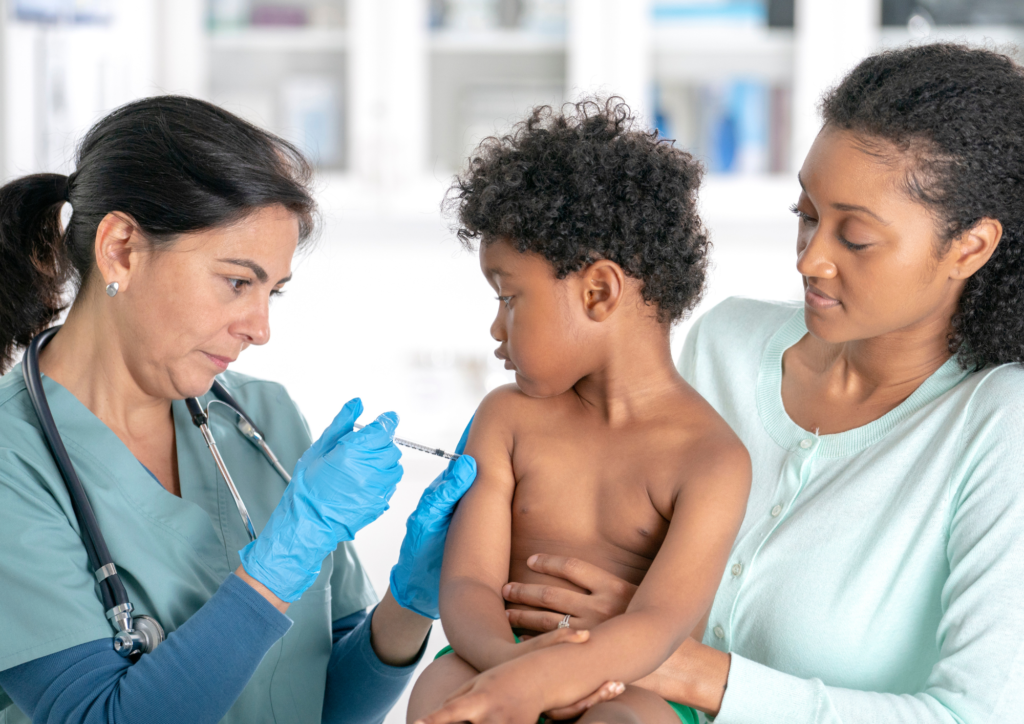
The first thing you can do for your child is to get a pneumonia vaccine. In America, as per the Centers for Disease Control and Prevention (CDC), all children (even babies) must receive the pneumococcal shot to stay sufficiently immunised against the lung disease. In the UK, babies will get their 1st dose at 12 weeks and a booster dose at 1 year.
Besides preventing the contraction of pneumonia, the vaccine shots will stop the illness from infecting others. The CDC has recently expanded its pneumonia vaccination guidelines for nurses to administer doses. They are trained through a pediatric NP program to gather detailed medical history and educate parents on the vaccination. This way, you can stay up-to-date with your child’s vaccination status against pneumonia.
How to prevent pneumonia – Practice good hygiene
Another effective way to prevent pneumonia infection is to maintain good hygiene, especially washing hands. Since pneumonia is primarily contracted because of bacteria, you must teach your child the importance of germ prevention. Using alcohol-based hand sanitiser when soap and water aren’t available is another effective way to reduce the risk of lung infections in children.
Make sure you change your baby’s nappy frequently and keep their airways clear to keep them clean and dry through pulmonary hygiene (clearing airways of mucus). Monitor your child for any signs of coughing (especially if they don’t cough effectively).
If your child is struggling, you can seek help through paediatric nurses, who can teach your child the appropriate position to encourage vigorous and clear coughing. According to Baylor University, these nurses undergo training to address your child’s health needs. For example, if your nurse senses your child cannot cough out the mucus, they may recommend chest physiotherapy for relief.
Tips for preventing pneumonia – boosting the immune system
It’s important to keep a cold from turning into pneumonia, so the best tip on how to prevent pneumonia when sick is to stay on top and take the steps to build your child’s immunity, as it’s ultimately the body’s immune system that fights allergens, microbes, and other harmful foreign substances. So, pneumonia preventive measures like healthy living are vital. Ensure your child has a highly nutritious diet tailored to their age group to support their immune response.
Some food items rich in antioxidants can serve as preventive measures against pneumonia, including kale, spinach, salmon, beans, nuts, and fruits high in vitamin C. These foods contain anti-inflammatory properties, enabling the body to regenerate its cells and tissues.
For babies, breastfeeding offers the nutrition your baby needs to act as a prevention for pneumonia instead of commercial formulas. Just ensure the bank collects, stores, and distributes the milk hygienically.
If you’re formula-feeding your baby, it’s worth staying informed. A recent NEC Baby Formulate Lawsuit has brought attention to preemie formulas linked to necrotising enterocolitis. This serious gut condition can lead to complications in lung health and overall immunity. It’s a reminder to choose your formula carefully, consult with your healthcare provider, and explore options like donor milk when necessary.
What helps to prevent pneumonia – keeping indoor pollution levels low
Can indoor pollution contribute to pneumonia? Yes, as stated by the National Library of Medicine and WHO. The latter found that at least 22% of adult pneumonia-related deaths occur because of household pollution.
According to the American Lung Association, exposure to indoor pollutants can weaken the immune system and increase the chances of children getting pneumonia. Smoke, fumes, and damp conditions all elevate this risk. Even secondhand smoke is linked to lung cancer and other serious conditions.
Imagine how this might affect children, whose lungs are still developing, thereby making them highly vulnerable to such hazards. To reduce indoor pollution levels, use pollutant-generating products with proper ventilation. Reduce the moisture inside the home using a dehumidifier.
You can even mix your favourite essential oils with vinegar in a spray bottle to create a natural air cleanser. The same can be used with some boiling water in a diffuser. Also, invest in cleaner alternatives for cooking fuels, including electricity and propane.
Finally, go all natural by installing air-purifying house plants such as English Ivy, Peace Lily, Snake plant, Spider plant, and Sword fern.
Other ways to prevent pneumonia – maintain a clean environment
A germ-free environment is a must to prevent conditions caused by such nasties. Just like handwashing is vital to keep hands germ-free, a disinfectant is important to keep surfaces free from harmful microbes.
You must regularly wipe down surfaces like door handles, refrigerators, countertops, faucets, etc., with a good disinfectant. It’s best to avoid chemical-laden disinfectants like Clorox and invest in natural alternatives like hydrogen peroxide, vinegar, and essential oils like patchouli and cinnamon.
The latter two must be diluted with a stronger disinfecting agent like vinegar or alcohol. Other than this, wash all clothing items, bedding, towels, dusters, etc., in hot water frequently.
Breathing exercises to prevent pneumonia
Breathing exercises can help improve lung function and clear mucus from the airways. Here are some child-friendly breathing exercises:
Bubble blowing
This fun activity encourages children to take deep breaths and exhale slowly to create bubbles. Use a bubble wand and bubble solution and ask your child to take a deep breath and then blow slowly and steadily to create bubbles.
Blowing balloons
Blowing balloons is another way to encourage deep breaths and controlled exhalation. Ask your child to take a deep breath and then try to inflate the balloon with a long, steady exhale.
Blowing pinwheels or feathers
Your child can practice deep breathing by blowing on pinwheels or feathers. This requires deep breaths in and controlled breaths out to make the pinwheel spin or to keep the feather in the air.
Teddy bear breathing
Have the child lie on their back with a small stuffed animal on their belly and ask them to breathe in deeply and watch the teddy rise, then breathe out and watch it fall. This exercise helps children visualise diaphragmatic breathing.
Counting breaths
Ask your child to breathe in deeply while you count slowly to three, then exhale while counting to three. This helps them focus on taking slow, deep breaths.
Smell the flowers, blow the candles
Pretend to smell a flower by inhaling deeply through the nose. Then pretend to blow out candles by exhaling slowly through the mouth.
“Hissing” Breath:
Ask the child to take a deep breath and then exhale slowly, making a hissing sound like a snake. This can help with elongating the exhalation.
It’s important to make these exercises fun and not forced. Encourage your child to engage in these activities regularly, especially if they have recently been ill or are prone to respiratory infections. Always consult with a paediatrician before starting any new exercise regimen, especially for children with pre-existing health conditions.
Living with pneumonia
Living with pneumonia requires careful management to minimise discomfort and ensure a full recovery.
One pneumonia precaution is to follow the treatment plan and make sure your child takes the full course of any medications prescribed. Monitor symptoms closely and report any worsening or new symptoms to your child’s doctor immediately.
Your child should rest as much as possible and drink plenty of fluids to fight the infection and loosen the mucus in the lungs. Offer a balanced diet that includes a variety of fruits and vegetables. Good nutrition supports the immune system. Building lung health through diet also helps reduce the risk of both pneumonia and chronic lung disease later in life. Children with a strong immune system are less likely to contract respiratory syncytial virus or other infections that can cause pneumonia.
Use fever reducers such as acetaminophen or ibuprofen as recommended by your healthcare provider to help manage discomfort from fever and a cool-mist humidifier in the child’s room to help ease breathing and soothe irritated lungs.
Keep your child away from smoke, fumes, and other lung irritants that can exacerbate symptoms. If your child is old enough, teach them simple breathing exercises to help with their breathing like the above. Extra pillows to elevate your child’s head can also provide comfort and reduce coughing at night.
Be patient and understanding. Being sick can be scary for a child, so provide emotional support and reassurance and attend all follow-up appointments with the healthcare provider to monitor the child’s progress and recovery.
Tips for postpneumonic recovery – avoiding postoperative pneumonia
Postpneumonic recovery in children and secondary prevention of pneumonia, especially following surgery, requires specific care to reduce the risk of postoperative pneumonia.
Follow your child’s paediatric care guidelines and complete any full course of prescribed antibiotics.
Make sure your child is well-hydrated to help loosen mucus in the lungs, making it easier to clear.
Provide a balanced nutritious diet rich in vitamins and minerals to boost the immune system. Offer small, frequent meals if your child struggles to eat. Make sure they also get a lot of rest to recover and boost their strength. But gentle activities are also important like playing to boost the mind and body.
Regular breathing exercises not only help the lungs recover but also serve as a long-term preventive measure, especially for children prone to respiratory illnesses. Providers recommend these exercises to help prevent recurrent pneumonia and complications.
Final thoughts on how to prevent recurrent pneumonia
Children with weak immune systems and existing ailments, such as asthma, are at a higher risk of contracting pneumonia. Since pneumonia is highly contagious, it’s important to follow the above tips for pneumonia prevention.
If your child shows any of the early warning signs of the illness, take your child to a physician at the earliest. Deadly as it is, pneumonia can be cured when detected and treated on time.
For families managing asthma, cancer treatments, or other long-term health issues, staying informed about lung health research can be a game-changer. The American Lung Association provides excellent resources, including live chat options, to connect directly with experts on prevention and care.
FAQ
What are the 3 major causes of pneumonia and how can I prevent it?
Various infectious agents can cause pneumonia in children, but three major categories of causes include:
Bacterial Infections: Bacterial pneumonia is a common cause of pneumonia in children. Streptococcus pneumoniae (pneumococcus) is one of the most frequent bacterial pathogens responsible for paediatric pneumonia. Other bacteria, such as Haemophilus influenzae type b (Hib), Staphylococcus aureus, and Mycoplasma pneumoniae, can also cause pneumonia in children.
Viral Infections: Viral pneumonia is another common cause in children, especially in younger age groups. Viruses like respiratory syncytial virus (RSV), influenza, adenovirus, and human metapneumovirus can lead to pneumonia in children.
Fungal Infections: While less common, fungal pneumonia can occur in children with weakened immune systems, such as those with certain underlying medical conditions or on immunosuppressive medications.
Preventing pneumonia in children involves several strategies as mentioned above like ensuring your child is up-to-date with their recommended vaccinations, including those for pneumococcal pneumonia, Hib, influenza, and other relevant vaccines. These vaccines can help prevent pneumonia caused by bacterial pathogens like Haemophilus influenzae type b and Streptococcus pneumoniae, which are common causes of acquired pneumonia and community-acquired pneumonia.
If possible, breastfeed your baby. Breast milk contains antibodies that help protect against respiratory infections, including pneumonia.
Teach your child good handwashing habits to prevent the spread of respiratory viruses. Please encourage them to wash their hands regularly, especially before eating and after using the bathroom.
Limit your child’s exposure to those who are sick with respiratory infections, as these illnesses can easily spread to children.
Providing your child with a well-balanced diet rich in vitamins and nutrients can help support their immune system, making them less susceptible to infections.
Avoid exposing your child to tobacco smoke, as secondhand smoke increases the risk of respiratory infections, including pneumonia.
Keep your home clean and well-ventilated to reduce allergens and irritants that can contribute to respiratory illnesses.
If your child develops symptoms of a respiratory infection, such as cough, fever, or shortness of breath, consult a healthcare professional promptly. Early diagnosis and treatment can prevent the progression of pneumonia.
If your child attends nursery or school, make sure that the facility follows proper hygiene and infection control practices to minimise the risk of infections spreading among children.
How is pneumonia diagnosed?
Your child’s doctor will start by taking a detailed medical history, including information about the child’s symptoms, such as cough, fever, difficulty breathing, and chest pain. The doctor will perform a thorough physical examination, which includes listening to your child’s lungs with a stethoscope to detect abnormal breath sounds, like crackles or wheezing, that may suggest pneumonia.
A chest X-ray is a standard diagnostic tool to check the lungs and confirm pneumonia. It will assess its extent and location. Your child’s doctor may also conduct a blood test to check for signs of infection and inflammation. These tests can include a complete blood count (CBC) and a C-reactive protein (CRP) test.
If your child is producing sputum (mucus or phlegm) through coughing, a sample of sputum may be collected and analysed to identify the type of microorganism causing the infection, particularly for bacterial pneumonia.
Your child’s doctor can use pulse oximetry to measure their oxygen saturation level in the child’s blood. Low oxygen levels are often associated with pneumonia.
What is walking pneumonia?
Pneumonia and walking pneumonia refer to the severity, where “walking pneumonia” is a term often used to describe a milder form of pneumonia that is typically not severe enough to require bed rest or hospitalisation. It is usually caused by bacteria, most commonly Mycoplasma pneumoniae, and is characterised by symptoms that are less severe than those of typical pneumonia.
Is there a vaccine for pneumonia?
Yes, there are vaccines available to help protect against pneumonia. These vaccines do not prevent all cases of pneumonia, but they significantly reduce the risk of developing pneumonia caused by certain organisms. The two main types of pneumonia vaccines are:
Pneumococcal Vaccines: These vaccines protect against Streptococcus pneumoniae, a common cause of bacterial pneumonia. There are two types of pneumococcal vaccines:
Pneumococcal Conjugate Vaccine (PCV13 or Prevnar 13): This vaccine is recommended for all babies and young children, as well as adults 65 years or older and people between the ages of 2 and 64 with certain medical conditions.
Pneumococcal Polysaccharide Vaccine (PPSV23 or Pneumovax 23): This vaccine is recommended for all adults 65 years or older, people 2 through 64 years old with certain medical conditions, and adults 19 through 64 years old who smoke cigarettes.
Haemophilus influenzae type b (Hib) Vaccine: This vaccine is primarily given to children under 5 years old and protects against Haemophilus influenzae type b, which can cause different types of infections, including pneumonia.
In addition to these, getting vaccinated against other diseases like influenza flu vaccine and COVID-19 can also help reduce the risk of pneumonia as a complication from these viruses.
Who shouldn’t get a pneumonia vaccine?
Other questions asked were:
Potential side effects of the pneumonia vaccines
While pneumonia vaccines are recommended for most people, certain individuals should not receive them or should wait before getting vaccinated. These exceptions generally include:
Severe Allergic Reactions: Individuals who have had a life-threatening allergic reaction to a previous dose of a pneumococcal vaccine, or to any vaccine component, should not receive that vaccine again.
Moderate or Severe Illness: People who are moderately or severely ill at the time a vaccine is scheduled should usually wait until they recover before getting the vaccine. This does not apply to those with a mild illness, such as a cold.
Age Restrictions: Each pneumococcal vaccine has age-specific recommendations. For instance, PCV13 (Prevnar 13) is primarily recommended for children under 2 years old, adults 65 years or older, and people between the ages of 2 and 64 with certain medical conditions. PPSV23 (Pneumovax 23) is recommended for all adults 65 years or older and people 2 through 64 years old with certain medical conditions.
Pregnancy: Pregnant individuals should consult with their healthcare provider before getting a pneumococcal vaccine. While there is no evidence that these vaccines pose risks during pregnancy, the safety data is limited.
Individuals with Certain Health Conditions: People with certain health conditions, like a weakened immune system or specific chronic illnesses, should consult with their healthcare providers to determine the appropriate timing and type of pneumococcal vaccination.
*Collaborative feature post*
12 crucial vaccinations that every child must have
According to the Centers for Disease Control (CDC), vaccines prevent the death of 4 million children annually. Yet, there is still opposition against vaccines because of misinformation and religious beliefs. The COVID-19 pandemic didn’t help boost immunisation numbers, either. Because of lockdowns all over the world, the number of zero-dose children or children who have yet to receive a single dose of vaccine from the below list of vaccinations which fight against childhood diseases stood at 18.1 million in 2021.
Fortunately, subsequent vaccination drives decreased the number to 14.3 million the following year. While this is a significant improvement, the number still represents the millions of children at unnecessary risk because whatever reason they weren’t vaccinated.
Your baby’s vaccinations protect them and others from harmful diseases, so it’s important to stick to the immunisation schedule offered by your healthcare provider. But, which vaccines are given in childhood? When should these be administered? To give you an idea, here’s a comprehensive child and adolescent immunisation schedule by age.
1. BCG (Bacillus Calmette-Guérin) or the Tuberculosis Vaccine
In the battle against tuberculosis, the BCG vaccine is the best defence for children. Given at your paediatric clinic to protect against this airborne bacterial disease, BCG has proven instrumental in regions where tuberculosis remains a threat.
In these parts of the world, the vaccine is administered right after birth or any time after birth until the baby turns 6 months old. By building a robust defence early on, children are protected from the devastating impact of tuberculosis.
2. DTaP (Diphtheria, Tetanus, and Pertussis)
The triple threat of diphtheria, tetanus, and pertussis requires a powerful defence, and that’s precisely what the DTaP vaccine provides.
Diphtheria: This is a pretty nasty infection that affects the throat and can cause breathing problems. It’s contagious and can be quite serious, especially for kids.
Tetanus: You might know this one as ‘lockjaw’. It’s caused by a toxin released by bacteria, often entering the body through cuts or wounds. It can lead to really painful muscle stiffness all over the body.
Pertussis (Whooping Cough): This one causes severe coughing fits and it’s very contagious. It’s especially dangerous for babies, who can have a hard time eating, drinking, or even breathing when they catch it. The acellular pertussis vaccine specifically targets pertussis. It’s called “acellular” because it contains purified components of the pertussis bacteria, not the whole bacteria itself. This makes it different from older pertussis vaccines that used the whole cell of the bacteria.
It’s typically administered in a series of doses during infancy and early childhood, starting at 2 months of age. Subsequent doses are given at 4 months, 6 months, 15-18 months, and 4-6 years.
3. OPV (Oral Polio Vaccine)
In the quest for a polio-free world, the oral polio vaccine (OPV) (inactivated poliovirus vaccine) plays a starring role. Polio or poliomyelitis is caused by the poliovirus, which primarily spreads through contaminated water or food. In worst-case scenarios, polio can result in paralysis. Thanks to widespread vaccination efforts, the incidence of polio has significantly decreased globally, bringing the world closer to eradicating this debilitating disease.
The OPV is typically administered in multiple doses as part of routine childhood immunisation. The first dose is often given at 2 months of age, followed by additional doses at 4 months, 6-18 months, and a booster dose around 4-6 years of age. This schedule may vary based on local health guidelines.
4. IPV (Inactivated Polio Vaccine)
Complementing OPV, the inactivated polio vaccine (IPV) adds another layer of protection against this crippling disease. This dual approach strengthens immunity, emphasising the global commitment to wiping out polio and securing a healthier future for generations to come.
The recommended schedule for IPV may vary by country, but a common schedule includes doses at 2 months, 4 months, 6-18 months, and a booster dose around 4-6 years of age.
5. HiB (Haemophilus influenzae Type B)
Haemophilus influenzae type b (Hib) is a bacterium that can cause severe diseases, including meningitis and pneumonia. The HiB vaccine stands as a guardian against this bacterium and is often administered at 2 months of age, followed by additional doses at 4 months and 6 months.
6. PCV (Pneumococcal Conjugate Vaccine)
Respiratory infections pose a significant threat to children worldwide. For diseases caused by Streptococcus pneumoniae, the pneumococcal conjugate vaccine or PCV acts as a potent shield.
The vaccine is administered starting at 2 months of age, with additional doses given at 4 months and 6 months, and a booster shot around 12-15 months.
7. RV (Rotavirus Vaccine)
Diarrhoeal illnesses are often underestimated but they can have severe consequences for young children. Through the help of the rotavirus vaccine (RV), parents can help their children avoid severe cases of diarrhoea and allow children to thrive without the burden of preventable diseases.
RV is administered to infants in a series of doses, which begins at 2 months of age and is followed by additional doses at 4 and 6 months
8. Varicella (Chickenpox Vaccine)
Chickenpox was once considered a rite of passage but is now preventable with the varicella vaccine. It not only spares children from itchiness and discomfort but also prevents potential complications associated with the virus.
Varicella is administered to children in two doses, with the first dose recommended at 12-15 months of age and the second dose at around 4-6 years of age.
9. MMR (Measles, Mumps, and Rubella)
The combined power of the MMR (measles, mumps, rubella) vaccine addresses three viral adversaries—measles, mumps, and rubella. As measles sees a resurgence in some regions, the MMR vaccine remains a formidable weapon in the world’s healthcare arsenal. This 3-in-1 immunisation eliminates these threats through the first dose given around 12-15 months of age and the second dose at 4-6 years of age.
10. Hepatitis A Vaccine
The hepatitis A vaccine stands as a guardian of liver health. This vaccine is typically administered in a two-dose series, with the first dose recommended around the age of 1, and the second dose administered 6 to 18 months later for long-term immunity.
11. Hepatitis B Vaccine
Early protection against hepatitis B pays dividends throughout a lifetime. The hep B vaccine vaccine prevents chronic liver infections and is usually given in a series of doses. The first is given at birth or shortly after, followed by additional doses at 1-2 months and 6 months of age as part of the routine childhood immunisation schedule.
12. Flu (Influenza Vaccine)
As seasons change, so do the threats posed by the flu and the annual influenza vaccine becomes a seasonal defense for children. The vaccine protects from the potentially serious complications of this common yet formidable virus.
Childhood vaccinations are an investment in the future and a commitment to safeguarding the well-being of our children and the generations that follow. As a parent, you are responsible for ensuring your child receives their vaccine as scheduled to protect them from serious childhood diseases that can claim lives and futures.
FAQ
What is the full list of vaccinations every infant and baby should have in their lifetime?
Do you have a baby vaccination chart or a schedule of infant vaccines?
Below is a full list of vaccines for children by age:
Age
US Vaccinations
UK Vaccinations
Birth
Hepatitis B
BCG (if at risk), Hepatitis B (if at risk)
2 months
Hepatitis B, DTaP, Hib, Polio, PCV, RV
6-in-1 (DTaP/IPV/Hib/HepB), PCV, RV, MenB
4 months
DTaP, Hib, Polio, PCV, RV
6-in-1 (DTaP/IPV/Hib/HepB), PCV, MenB
6 months
DTaP, Hib, Polio (3rd dose between 6-18 months), PCV, RV, Hepatitis B
6-in-1 (DTaP/IPV/Hib/HepB), PCV (3rd dose)
12 months
MMR, PCV, Hib, Hepatitis A
Hib/MenC, MMR, PCV, MenB
15-18 months
DTaP, Hepatitis A
MMR (1st dose), MenB
4-6 years
DTaP, IPV, MMR, Varicella
4-in-1 (DTaP/IPV), MMR (2nd dose)
11-12 years
Tdap, HPV, MenACWY
HPV, 3-in-1 (Td/IPV), MenACWY
13-18 years
MenACWY (booster)
MenACWY (booster)
Notes:
DTaP: Diphtheria, Tetanus, Pertussis
IPV: Inactivated Poliovirus
Hib: Haemophilus Influenzae Type b
PCV: Pneumococcal Conjugate Vaccine
RV: Rotavirus Vaccine
MMR: Measles, Mumps, Rubella
Varicella: Chickenpox
Tdap: Tetanus, Diphtheria, Pertussis (adolescent and adult formulation)
HPV: Human Papillomavirus
Hepatitis A/B: Liver infection vaccines
MenACWY: Meningococcal ACWY vaccine
MenB: Meningococcal B vaccine
Hib/MenC: Combined Haemophilus Influenzae Type B and Meningococcal C vaccine
6-in-1: DTaP/IPV/Hib/HepB is a combined vaccine for Diphtheria, Tetanus, Pertussis, Polio, Hib, Hepatitis B
4-in-1 (DTaP/IPV) and 3-in-1 (Td/IPV) in the UK are booster vaccines for Diphtheria, Tetanus, Pertussis, and Polio.
This table provides a general overview of the child vaccination chart. The actual table of scheduled vaccines can vary slightly based on individual health needs and updates in vaccination policies. Always consult with a health care provider for the most new immunisation schedule table.
How do I find out what vaccines my child has had?
Finding out what vaccines your child has had is pretty straightforward. Here’s how you can do it:
Check the Immunisation Record: When your child gets vaccinated, the healthcare provider usually records each vaccine in an immunisation record or a baby book. It’s a small booklet or card where all the vaccine details are noted down – like the name of the vaccine, the date it was given, and the batch number.
Ask Your Doctor: If you can’t find the record or if you’re not sure it’s complete, the best thing to do is to contact your child’s doctor or healthcare provider. They keep medical records, including a history of vaccinations.
School or Childcare Records: Sometimes, schools and childcare centres require vaccination records for enrollment. They might have a copy or a record of the vaccines your child has received.
Online Immunisation Registries: In many countries, there are online systems where vaccination records are kept. You can access your child’s immunisation history through these systems, often using a personal identification number or health card number.
Contact Previous Healthcare Providers: If you’ve moved or changed doctors, contact the previous healthcare providers. They should be able to provide you with records of the vaccinations administered while under their care.
Remember, it’s important to keep the vaccination record in a safe place and bring it to each medical appointment. This helps ensure your child’s vaccinations and immunisation programme are up to date.
How many vaccines does a child get in their lifetime?
The number of required vaccines a child receives in their lifetime can vary depending on where they live and their specific health needs. However, in general, a child might receive around 14 to 16 different types of vaccines by the time they’re a teenager. These vaccines are often given through multiple doses at different ages, which can add up to quite a few shots over the years.
For example, a child might get multiple doses of vaccines like DTaP (which covers diphtheria, tetanus, and pertussis), polio, MMR (measles, mumps, and rubella), and others during their first few years. Some vaccines, like the flu vaccine, are given yearly, while others, like the HPV vaccine, are added when they get a bit older.
So, while the specific number of shots might differ, it’s not unusual for a child to receive around 20 to 30 shots by the time they reach their late teens, including booster doses for some vaccines. These vaccines play a crucial role in keeping them protected against various diseases throughout their childhood and into adulthood.
What are the optional vaccines for children?
Optional vaccines for children can vary depending on the country and its specific health guidelines. However, there are a few vaccines that are often considered optional in many parts of the world. Let’s take a look at some of them:
Rotavirus Vaccine: This vaccine protects against rotavirus, which causes severe diarrhoea in babies and young children. While highly recommended, it’s optional in some places.
Varicella Vaccine (Chickenpox): Many countries include this in the routine schedule, but in others, it’s optional. It protects against chickenpox.
Influenza Vaccine (Flu Shot): This annual vaccine is often recommended for everyone, including children, but it’s usually considered optional.
Meningococcal Vaccines: These vaccines protect against meningococcal disease, which can lead to meningitis and bloodstream infections. They’re often recommended for adolescents and during outbreaks but might be optional in routine child immunisation schedules in some countries.
Human Papillomavirus (HPV) Vaccine: Aimed at older children, this vaccine protects against the HPV virus, which can lead to certain types of cancers. It’s becoming more common but is still optional in many places.
Hepatitis A Vaccine: This vaccine is recommended in some countries, especially where hepatitis A is more common, but in other countries, it’s optional.
Travel Vaccines: These are specific vaccines recommended when travelling to certain areas. They include vaccines for diseases like yellow fever, typhoid, and Japanese encephalitis.
It’s important to remember that “optional” doesn’t mean “not important.” These vaccines are still very effective at preventing diseases. The decision often depends on factors like the prevalence of the disease in the area, the child’s health, and the advice of healthcare providers. Always best to chat with a doctor to make the right choice for your child’s health.
Where can I get my child’s immunisations?
Getting your child’s immunisations is pretty straightforward, and you have a few options depending on where you live. Here are the most common places:
Paediatrician or Family Doctor: This is the most commonplace. Your child’s regular doctor can administer most, if not all, of the recommended vaccines. It’s also a great way to keep all your child’s medical records in one place.
Local Health Clinics: Many communities have health clinics that offer immunisations. These can be run by the government or local health organisations. They’re often a good choice if you don’t have a regular doctor or if you’re looking for a more affordable option.
Hospitals: Some hospitals have immunisation services, especially in larger cities. They might have specific days or clinics for vaccinations.
Pharmacies: In some countries, pharmacies offer certain vaccinations, like the flu shot. This can be a convenient option since you don’t usually need an appointment.
School-Based Programs: Some places offer vaccines through schools. This is often for vaccines recommended for older children, like the HPV vaccine.
Travel Clinics: If you’re travelling and need specific vaccines for your trip, travel clinics are the place to go. They specialise in travel-related health care.
No matter where you go, it’s always a good idea to bring your child’s immunisation record with you, so you can keep it updated. And if you’re unsure where to go, a call to your local health department or a quick chat with a healthcare provider can point you in the right direction.
When shouldn’t my child be vaccinated?
There are certain situations when it might not be the right time or it could be unsafe to vaccinate your child. Here are some common scenarios:
Feeling Unwell: If your child is moderately or severely ill, it might be best to wait until they’re feeling better. A mild cold or a low fever usually isn’t a problem, but a more serious illness can mean it’s better to postpone the vaccination.
Allergic Reactions: If your child had a severe allergic reaction to a previous dose of a vaccine, or to a component that’s in the vaccine, they might not be able to get more doses of that vaccine. It’s really important to tell your doctor about any allergies your child has.
Certain Medical Conditions: Kids with certain medical conditions might need to avoid some vaccines or get them at a different time. For example, children with weakened immune systems (like those undergoing chemotherapy) may need to wait for some vaccines.
Age Restrictions: Some vaccines are only given at certain ages. For instance, newborns don’t get the measles vaccine — they wait until they’re a bit older.
Pregnancy (in Teens): Some vaccines, like the HPV vaccine, are recommended for older children or teenagers. If a teen is pregnant, some vaccines may need to be delayed until after the baby is born.
It’s always best to talk to your doctor about any concerns or special circumstances before deciding on vaccinations. They can give you the best advice based on your child’s health history and the latest medical guidelines. Remember, vaccinations are a key part of keeping your child healthy, but there are times when it’s better to wait.
What vaccines would I have had as a child?
The vaccines you would have received as a child largely depend on when and where you grew up, as vaccine schedules can vary by country and have changed over the years. However, I can give you an idea of the most common childhood vaccines that have been widely used around the world for several decades. Here’s a general list:
DTP/DTaP/DT: Protects against Diphtheria, Tetanus, and Pertussis (whooping cough). The exact name can vary (DTP, DTaP, or DT) depending on the formulation.
Polio Vaccine (OPV or IPV): This vaccine protects against polio, a disease that can cause paralysis. OPV is the oral polio vaccine, and IPV is the inactivated polio vaccine.
MMR: Protects against Measles, Mumps, and Rubella. It’s usually given in two doses at different ages.
BCG: Mainly given in countries where tuberculosis (TB) is more common. It protects against severe forms of TB in children.
Hepatitis B: Many countries include this in their routine schedule for newborns or young children to protect against the Hepatitis B virus.
Hib (Haemophilus influenzae type b): This vaccine protects against a bacteria that can cause meningitis and other serious infections.
Depending on where you grew up, there could have been additional vaccines on your schedule, like the Varicella vaccine for chickenpox, or a vaccine against Rotavirus, which causes severe diarrhoea in young children.
If you’re curious about your vaccination history, the best place to look is your health records or immunisation card. If you don’t have access to those, your family doctor or local health department might be able to help. Remember, these records are important for understanding your health history and ensuring you’re protected against certain diseases.
Is there an adult immunisation schedule?
Yes, there is an adult immunisation schedule! Just like kids, adults also need vaccines to stay healthy. The specific vaccines recommended for adults can depend on factors like age, overall health, travel plans, and vaccines you had as a child. Here’s a general idea of what’s typically recommended:
Influenza (Flu) Vaccine: This is recommended every year for all adults. The flu virus changes often, so getting the vaccine annually is the best way to stay protected.
Tdap or Td Booster: Adults should get a tetanus and diphtheria booster (Td) every 10 years. If you’ve never had the Tdap vaccine, which also protects against pertussis (whooping cough), you should get it once in place of the Td booster.
HPV Vaccine: If you didn’t get the HPV vaccine as a teenager, it’s often recommended for adults up to age 26, and in some cases, up to age 45, based on individual health circumstances.
Shingles Vaccine: Recommended for adults over 50, this vaccine protects against shingles, a painful rash caused by the same virus that causes chickenpox.
Pneumococcal Vaccine: This vaccine, which protects against some types of pneumonia, is recommended for all adults over 65, and younger adults with certain health conditions.
Hepatitis B Vaccine: If you didn’t get this as a child, or if you’re at increased risk for hepatitis B, you might need this vaccine.
Travel Vaccines: Depending on where you’re travelling, you might need additional vaccines, like those for yellow fever, typhoid, or others.
Other Special Cases: Based on your health, job, or lifestyle, you might need other vaccines, like those for meningitis, hepatitis A, or measles, mumps, and rubella (MMR), especially if you didn’t get them as a child.
It’s always a good idea to check with your healthcare provider about what vaccines you might need. They can give you the most accurate advice based on your personal health history and lifestyle. Remember, staying up to date with vaccines is a key part of staying healthy as an adult!