Organic cotton benefits and the pros and cons for babies
A newborn’s crib sheet may look like a tiny square of fabric, but its story stretches from family mental health to the global organic textile economy. Parents across the United States, France, and beyond choose organic cotton over conventional cotton because it’s softer on sensitive skin, gentler on soil health, and kinder to the farmers who grow it.
Below, we summarise the complete picture – organic cotton farming, its advantages and disadvantages, shopping tips, and even how to pay for organic cotton (all the main ones work: American Express, Apple Pay, Diners Club, Discover, or Google Pay). Let’s dive in.
What is organic cotton?
Organic cotton comes from plants without synthetic pesticides, herbicides, or genetically modified (GM) seeds. Certified growers follow rigorous farming practices set out by the Global Organic Textile Standard (GOTS) and the Organic Content Standard, which cover the entire supply chain—from seed and soil to spinning, dyeing, and finished products.
Organic cotton is vegan
No animal by-products, such as bone-char bleach, touch the fibre, making it a perfect plant-only choice for families following vegan values.
There are fewer organic cotton farms
Less than 1% of global cotton land is certified organic. This limited acreage explains the smaller colour range on store racks and (sometimes) the higher price tag.
The heart of organic cotton production
From crop rotation and compost fertiliser to rain-fed irrigation, organic farming protects water tables and boosts biodiversity. Fields become humming havens for bees, bats and birds—an ecological win that synthetic-sprayed plots can’t match.
Organic cotton benefits and its advantages
Chemical-Free Peace of Mind – Crib sheetswithout chlorine bleach, azo dyes, or formaldehyde do not irritate delicate skin. Babies stay more comfortable, and parents don’t have to worry as much about unexplained rashes or late-night itchiness.
Naturally Soft & Breathable – Organic cotton fibres are left longer and more intact because they skip the harsh acid baths used to “pre-soften” many conventional fabrics. The result is material that feels cloud-soft when it comes out of the package and allows air to circulate freely around a sleeping baby.
Hypoallergenic by Nature – Fewer chemical residues translate into fewer potential allergens. Parents who switch often notice a drop in eczema flare-ups and see their little ones wake less frequently to scratch or rub irritated areas.
Temperature Regulation—Organic cotton’s natural loft wicks moisture away from the skin and helps balance body temperature. Babies stay comfortably warm without overheating, even as room conditions change throughout the night.
Durability – Because their cell walls are not weakened by aggressive processing, organic cotton fibres hold up better in the wash. Sheets maintain their shape and softness cycle after cycle, outlasting many fast-fashion cotton alternatives.
Planet-Friendly—Organic production avoids synthetic pesticides and relies on healthier soil systems, leading to lower greenhouse gas emissions and cleaner waterways. Choosing these sheets supports farming methods that work with the environment rather than against it.
Ethical Supply Chain – Independent audits verify that organic-cotton farms and mills pay fair wages and provide safe working conditions. Parents can feel confident that the product offering comfort at home also contributes to dignity and security for those who made it.
Organic cotton vs cotton: the real difference
Imagine putting two crib sheets through 50 rounds of washing. One is made from conventionally grown cotton, processed with bleach, chemical softeners, and synthetic resins that can leave the fibres weak and prone to wear. The other is certified organic cotton. It skips the harsh treatments, keeping its fibres strong, smooth, and naturally intact. The result? Tests show the organic cotton holds about 25% more tensile strength. That means fewer holes, better fit over time, and a sheet that still feels soft and supportive, wash after wash.
Here’s the science:
Longer staple length – Organic crops aren’t rushed to grow bigger, faster, or cheaper. The result is a longer fibre that twists into a tougher yarn. It’s like having spaghetti instead of rice grains to braid with—more length, more hold.
No fibre-frying chemicals – Conventional cotton production uses chlorine bleach, formaldehyde resins and softening silicones that erode the cellulose microstructure. Organic skips the chemical boot-camp, so the fibres keep their natural spring.
Gentler ginning and spinning—Without defoliants, bolls open naturally, and mills can process at lower speeds, preserving fibre integrity and soil-to-sheet sustainability bragging rights.
Friction fighters – Stronger yarn resists pilling, so your once-white sheet doesn’t turn into a bobbly snowstorm after six months.
The result is a sheet that survives nighttime nappy blowouts, toddler trampoline sessions, and even a hand-me-down for baby number two. In short, choosing organic cotton isn’t just planet-kind; it’s cost-saving overall.
Organic cotton for ethical fashion
Sustainable style isn’t just a trend—it’s the future of fashion. More and more pioneering brands show us that it’s possible to dress beautifully without relying on harmful chemicals or environmentally damaging processes. With organic cotton, you get clean lines and a clean conscience. No toxic dye baths, synthetic finishes—just well-made, thoughtfully produced pieces that last.
Whether you’re building a capsule wardrobe, shopping for long-lasting baby clothes, or want to know your T-shirt didn’t harm the planet or its people, organic cotton ticks all the right boxes. It supports safer working conditions, fairer wages, and farming practices that put the planet first. It’s fashion that feels as good as it looks.
Is organic cotton better quality?
Yes—and the difference is backed by lab testing and real-world wear. Organic cotton fibres are longer, cleaner, and less damaged by processing. That means fewer impurities, stronger threads, and reduced pilling over time. Garments keep their shape better, feel softer for longer, and hold up through dozens (even hundreds) of washes.
Baby clothes, bedding, and everyday basics translate into less fading, fewer repairs, and more hand-me-down potential.
Is organic cotton better for the environment?
Absolutely. Life Cycle Assessment studies show that organic cotton production can reduce greenhouse gas emissions by up to 46% compared to conventional cotton. But the benefits go well beyond carbon. Organic cotton is grown without synthetic pesticides and relies on healthier soil systems that retain water and support biodiversity. That means fewer pollutants in local rivers, less water waste, and safer environments for farmers and surrounding communities.
When you choose organic cotton, you’re protecting your family’s skin, helping protect ecosystems, improving soil health, and supporting a more regenerative way of growing what we wear.
What are the disadvantages of organic cotton?
Challenge
Reality Check
Quick Fix
Higher Price
Certification and smaller yields boost costs 15–30 %.
Buy two quality crib sheets, not five cheap ones.
Wrinkling
No anti-crease resins = natural crinkles.
Embrace the relaxed linen vibe or tumble-dry on low.
Limited Availability
Fewer colour options in local shops.
Shop online for wider ranges.
Is buying organic cotton worth it?
Many parents find that the higher price tag on organic cotton balances out— and often saves money— over time.
Lower skin-care costs Families who switch to organic cotton frequently see fewer eczema flare-ups and other sensitivities. That can mean fewer prescription creams, over-the-counter lotions, and doctor appointments.
Better cost per wear A conventional baby grow that costs £20 and lasts 40 washes works out to 50p per wear. An organic alternative priced at £30 but lasting 100 washes drops to 30p per wear. Longer fibre life and stronger seams make a noticeable difference.
Less time in the waiting room Reduced skin irritation also means fewer trips to the dermatologist or GP. Even when medical care is free at the point of use, time away from work and the disruption to family routines have real costs.
Reusable for future children After repeated laundering, organic fibres hold their strength and colour, so garments and crib sheets are more likely to stay in good condition for younger siblings or to pass along to friends.
Positive environmental and ethical impact Choosing organic supports farming systems that avoid synthetic pesticides, protect waterways and provide safer working conditions for growers. Many parents value this social and environmental return alongside the financial one.
Lower healthcare spending, longer garment life, and tangible environmental benefits often justify organic cotton’s initial premium. It can deliver overall value in both the short and long term.
Material guide: reasons to choose organic cotton
Whether you’re upgrading crib sheets, tees, or French flax blends for five-star-hotel vibes, organic cotton delivers:
Comfort — breathable, moisture-wicking, and temperature-balancing.
Longevity — fabric that resists pilling and thinning.
Sustainability — traceable from seed to shelf, under the textile standard microscope.
The environmental footprint of organic cotton
Water: Rain-fed systems and healthier soils slash blue-water use by up to 91 %.
Biodiversity: Pesticide-free habitats welcome pollinators vital to food security.
Farmers’ Health: Fewer chemicals = lower medical costs and safer working conditions.
The mental health benefits of organic cotton clothing
A growing body of evidence—including a 2023 white paper from The Organic Center—connects fabric comfort, infant sleep quality, and parental well-being. This report highlighted the extensive use of chemicals in conventional cotton and underscored potential health risks. For example, U.S. cotton farming recently used over 42 million pounds of pesticides, including glyphosate, a chemical linked to cancers and neurodevelopmental issues. Conventional cotton often carries residues of pesticides and other finishes (like formaldehyde for wrinkle resistance) that can linger in fabric and irritate sensitive skin.
Breathable fabrics and improved infant sleep
Paediatric sleep experts emphasise that breathability and comfort in sleep fabrics are crucial for infants. Babies can easily overheat, which not only disrupts sleep but may pose safety risks. To prevent overheating, experts like Dr. Harvey Karp recommend dressing babies in light, breathable layers and avoiding synthetic fleece pyjamas or swaddles that trap heat.
Natural fibres such as organic cotton muslin or lightweight cotton sleep sacks allow air circulation, helping babies maintain a comfy body temperature throughout the night. Research backs up the sleep benefits of breathable natural materials: Infants sleeping with wool (a highly breathable fibre) have been found to fall asleep faster, sleep longer, and wake less often – in one study, underweight newborns on wool underlays showed 61% higher weight gain and jaundiced babies cried far less (30% vs 67%) when sleeping on wool compared to cotton.
The likely reason is better thermal regulation; as one researcher noted, wool (and by extension other breathable fabrics like cotton) keeps babies in a “thermal comfort zone,” leading to deeper, more restful sleep. These findings suggest that dressing your baby in breathable organic fabrics can tangibly improve infant sleep quality, thanks to less overheating and more consistent comfort.
Organic materials for sensitive infant skin
Baby skin is incredibly delicate, especially for little ones with eczema. That’s why dermatologists recommend soft, breathable fabrics that won’t irritate or trap heat. Organic cotton is a great choice here: no formaldehyde, azo dyes, or hidden nasties like phthalates or PFCs, which are often found in conventional baby clothes and bedding. While it’s not a treatment, organic cotton gives you a clean, gentle base layer that helps reduce flare-ups and nighttime itching. And when baby’s skin is calm and comfy, everyone sleeps a little better.
Choosing breathable, organic cotton pyjamas and bedding can help minimise discomfort from overheating or itching, promoting longer, more restful sleep for your baby—and by extension, for you. Investing in gentle, baby-friendly fabrics isn’t just about comfort; it’s a step towards better sleep and mental well-being for the whole family.
How to identify and choose organic cotton products
Not all “organic” labels are created equal. If you want to make sure you’re choosing genuinely skin-safe, sustainable cotton products for your baby, here’s what to look for when shopping:
Spot the GOTS tag
The Global Organic Textile Standard (GOTS) is the gold standard in organic certification. If you see this tag on a product, the cotton has met strict environmental and social criteria across every stage, from farmed to dyed and finished. So, there are no shortcuts or greenwashing—just genuine organic integrity.
Check the fibre content
Some labels might say “made with organic cotton,” but that doesn’t always mean 100%. In many cases, it could be as little as 70% organic and mixed with synthetic or conventional fibres. Look for terms like “100% organic cotton” or “GOTS-certified organic” to know exactly what you’re getting.
Explore the brand’s supply chain
Reputable, conscious brands proudly show you where and how their products are made. Head to the brand’s website for details on farming methods, factory conditions, and dye processes. If there’s little to no transparency, that’s a red flag.
Look at the country of origin
Countries like India, Turkey, and some parts of Europe are known for strong organic cotton supply chains. While this isn’t a guarantee, it can add a layer of trust, especially when paired with the proper certifications.
Check for additional certifications
Products that carry GOTS and OEKO-TEX® Standard 100 labels offer double assurance. OEKO-TEX® tests for harmful chemicals, so even if a product is made from organic cotton, this additional check ensures it’s safe for sensitive skin.
In short, don’t take “organic” at face value. Flip the label, scan the certifications, and spend a minute reading up on the brand. It’s a small step that can make a big difference—for your baby’s skin, peace of mind, and the planet.
How can I be a better cotton shopper?
Choosing organic cotton is a great start, but how you shop, wash, and reuse your cotton can make just as much of a difference. Here’s how to get the most out of your cotton purchases, in a way that’s kinder to your family and the planet:
Support brands that invest in regenerative farming
Look beyond the label. Brands that work with farmers using regenerative techniques—like crop rotation, composting, and natural pest control—protect soil health and help rebuild ecosystems. When you support these brands, you’re backing a movement prioritising long-term sustainability over short-term gain.
Wash cold and line-dry whenever possible
Hot washes and tumble dryers use energy and can wear out your fabrics faster. A simple switch to cold water and fresh air drying saves water, cuts energy use, and keeps your cotton looking and feeling its best. Bonus: it’s gentler on baby clothes and bedding, too.
Repurpose what you already have
When a cotton item reaches the end of its life as clothing or bedding, don’t toss it—transform it. Old crib sheets make brilliant soft cleaning cloths, reusable wipes, or even drawstring laundry bags. Giving cotton a second life helps reduce waste and gets you more value from each purchase.
Buy less, choose well
It’s tempting to overbuy (especially with baby gear), but quality trumps quantity every time. Two organic cotton onesies that last are better than ten that shrink, fade, or fray after a handful of washes.
Ask questions
Don’t be afraid to contact brands. If a product says “organic,” ask about its certifications or where the cotton is sourced. Brands with nothing to hide will be happy to tell you more.
Being a better cotton shopper is about small, mindful choices that add up—less waste, more comfort, and greater peace of mind for your family and the planet.
The best cotton sheets: what to look for
Regarding your baby’s (or your own!) bedding, not all cotton sheets are created equal. Comfort, breathability, and durability come from the weave, weight, and certification. Here’s how to spot the good stuff:
Percale vs. sateen—know your weave
If you prefer a crisp, lightweight feel with some texture (great for warmer sleepers), go for percale. It’s breathable and matte, perfect for those hot summer nights or babies who run warm. If you’re after something smoother and silkier to the touch—think hotel luxury—sateen is your best friend. It has a subtle sheen and a buttery softness that feels lovely against the skin.
Check the GSM (grams per square metre)
Durability matters, especially when you’re washing bedding frequently. Look for sheets with a GSM of 300 or higher—the fabric is dense enough to hold up through countless washes without thinning or tearing. Anything lower may feel flimsy and wear out quicker.
Double up on certifications
For the safest sleep environment, aim for GOTS-certified bedding and OEKO-TEX® Standard 100 approved. GOTS ensures the cotton is organic and ethically produced, while OEKO-TEX® tests for harmful substances. Together, they cover both environmental and health safety.
Avoid coarse or heavily processed fabric
Due to chemical softeners, some conventional sheets may feel soft at first, but that finish can wear off fast. Worse still, overly processed cotton can be too stiff or abrasive, causing discomfort, especially during active sleep, when little bodies move and rub against the fabric.
Babies with sensitive skin are particularly vulnerable to irritation from harsh dyes, resins, or wrinkle-resistant treatments.
So whether you’re dressing a newborn’s crib or upgrading your bedding, stick with soft, breathable, certified organic cotton. It’s a small switch that leads to deeper, healthier sleep, and longer-lasting sheets that feel like new, wash after wash.
Buying guide and payment tips
Most eco-shops accept American Express, Apple Pay, Diners Club, Discover, and Google Pay, so “American Express, Apple Pay / Diners Club, Discover, Google / Pay, Diners Club / Diners Discover” requests are covered.
FAQ – Organic cotton clothing, skin health and sustainability
Why is organic clothing better for you than regular clothing?
Organic garments skip synthetic pesticides, formaldehyde resins and toxic azo dyes, so your skin absorbs fewer chemicals and your lungs inhale fewer VOCs.
What are the advantages of organic cotton clothing?
Breathability, hypoallergenic comfort, longer lifespan and a smaller water and carbon footprint.
What makes organic cotton tops a healthier choice for your skin than regular cotton?
No bleach residues or silicone softeners linger in organic cotton, reducing the risk of contact dermatitis.
Does organic cotton clothing last longer?
Yes. Intact fibre cell walls mean higher tensile strength; lab tests show organic cotton tees survive 20 % more laundry cycles.
What are the convincing reasons to wear organic cotton T-shirts?
What are the advantages of using organic cotton and wool over synthetic fabrics such as polyester or nylon?
Natural fibres breathe, regulate temperature, and biodegrade; synthetics lock in odour, release microplastics, and rely on fossil fuels.
What are the benefits of organic cotton in kids’ clothing?
Fewer allergens, softer texture, and no endocrine-disrupting finishes—vital for developing skin.
What are the benefits of choosing organic cotton tops over conventional cotton?
Less skin irritation, stronger seams, ethical farming practices and a 46 % smaller climate footprint.
What is the environmental and/or health benefit of wearing organic clothing?
Environmentally, reduced pesticide runoff and greenhouse gases. Health-wise: fewer toxins touching your skin and fewer chemical fumes in your closet.
Final thoughts on the pros and cons of organic cotton
Organic cotton isn’t a silver bullet—price and wrinkles are fundamental considerations. Yet its upside for skin, farmers, and future water security dwarfs the drawbacks. Whether swapping crib sheets or revamping your entire wardrobe, every organic purchase is a vote for toxin-free childhoods, healthier soils, and a more sustainable fashion industry.
*Collaborative feature post*
Crafting the ideal child and family eye care routine at home
In the bustling journey of parenthood, nurturing your family’s sight often takes a backseat. But in the age of screens and hectic schedules, the importance of safeguarding our family’s ‘windows to the world’ cannot be overstated. From the tender gaze of a newborn to the weary eyes of the hardworking parent, each family member deserves an eyecare routine that is both nurturing and habit-forming.
However, almost three-quarters of Brits notice their eyes deteriorating with age according to a new research report by MacuShield, but few know how to meet their eye nutrition needs.
It’s National Eye Health this week, so in this article, we will hand you the proverbial ‘lens’ to zoom in on the nuances of crafting the perfect child and family eye care regimen in the comfort of your home.
Child and family eye care starts from pregnancy
Eye care for children and families often begins during pregnancy because the health and wellbeing of the mother can directly influence the child’s visual development.
Proper nutrition like omega-3 fatty acids and vitamins during pregnancy can influence the baby’s visual system and early prenatal care allows healthcare providers to identify and manage any potential issues that could affect the baby’s eye health. For instance, infections during pregnancy, like rubella or cytomegalovirus, can potentially lead to congenital eye conditions.
Infants: tips for protecting those precious new eyes
An infant’s eyes develop so quickly in just their first year! So protecting their eyes is crucial, as early childhood is a vital time for the development of healthy vision. Here are some tips to ensure your baby’s eyes are well looked after:
Visit a paediatric eye doctor early
You can visit your family eye doctor or a baby optometrist who specialises in family paediatric eye care from birth, to examine their eyes and detect if there are any early signs of eye problems. If there are any suspected eye issues, then you could consult a paediatric opthalmologist for a more comprehensive evaluation.
Protect your baby’s eyes from the sun
Start protecting your baby’s eyes from harmful UV rays with baby-friendly sunglasses when outdoors and use appropriate indoor light to prevent strain or glare. We’ll go through the importance of protecting your child’s eyes from the sun in more detail later.
Operate a safe play environment
Choose toys that are age-appropriate and free of sharp edges or small parts that might injure eyes and always supervise your baby during playtime.
Make sure anyone who handles your baby has clean hands to prevent infections and clean your baby’s eyes gently using a damp clean cloth, wiping from the inside corner to the outside corner.
Visual stimulation promotes eye development
High-contrast toys and patterns encourage healthy visual development and tummy time not only helps with motor development but also provides opportunities for visual exploration too! Use tracking objects to help with developing eye coordination and focusing skills.
Be vigilant and look for signs of eye distress or abnormalities, such as frequent eye rubbing, excessive tearing, or eye misalignment. Early intervention means ensuring the best possible outcome for your baby.
Early child development and eye health
Research commissioned by Vision Express showed that almost a quarter of children never had their eyes tested, and of the children who did, 45% were found to have poor eyesight. From the statistics, it’s clear that eye tests are low on the agenda of back-to-school prepping, with 70% prioritising buying a school uniform and school shoes.
But, as the statistics for poor eyesight are worryingly high, it’s important to look out for signs of visual problems in your child as these symptoms could have a significant impact on your child’s learning and social development, like it did with my son.
An eye examination once a year should become an essential part of keeping your child safe and healthy.
At what age should they have their first test?
Eye tests are available to children from the day they are born, but, if you have any concerns about their reading, writing, or general sight, then the earlier the better. For example, if they keep knocking into things or they don’t naturally look around between three to six months old, then this should be looked at further by a paediatrician.
They may also have eyes that look crossed, there may be a white spot or redness to the eye, or the eyes are constantly watering. All of these are warning signs that you must address.
If their eyesight appears normal, then between the ages of 18 months and two years is, therefore, a good age to start taking them to eye doctors for children’s eye exams, and you should go for annual eye exams thereafter.
What will the eye test involve?
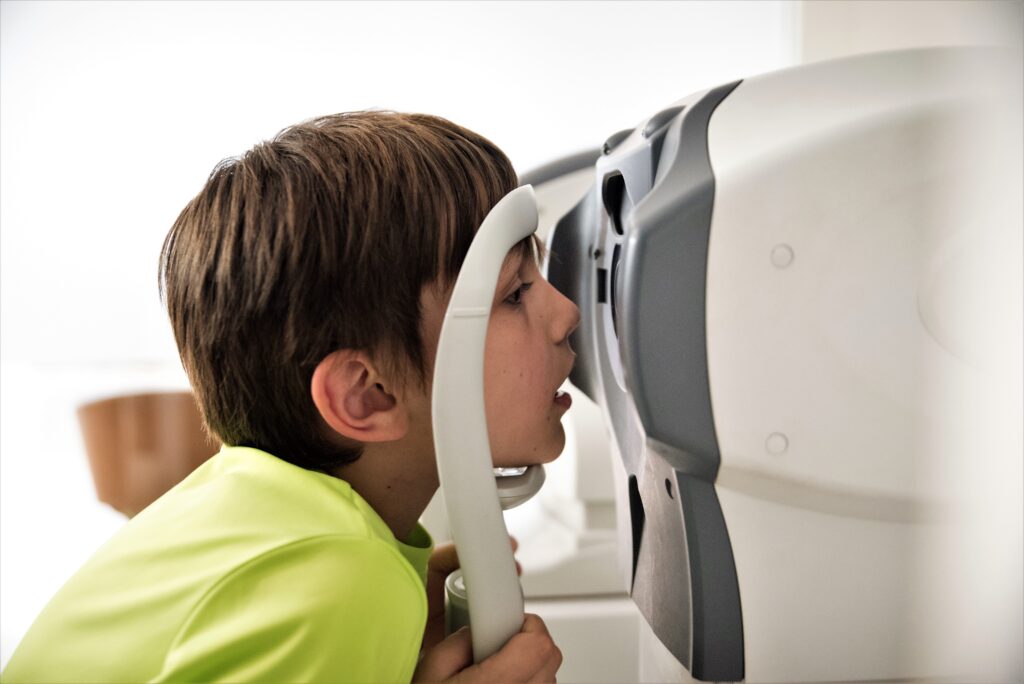
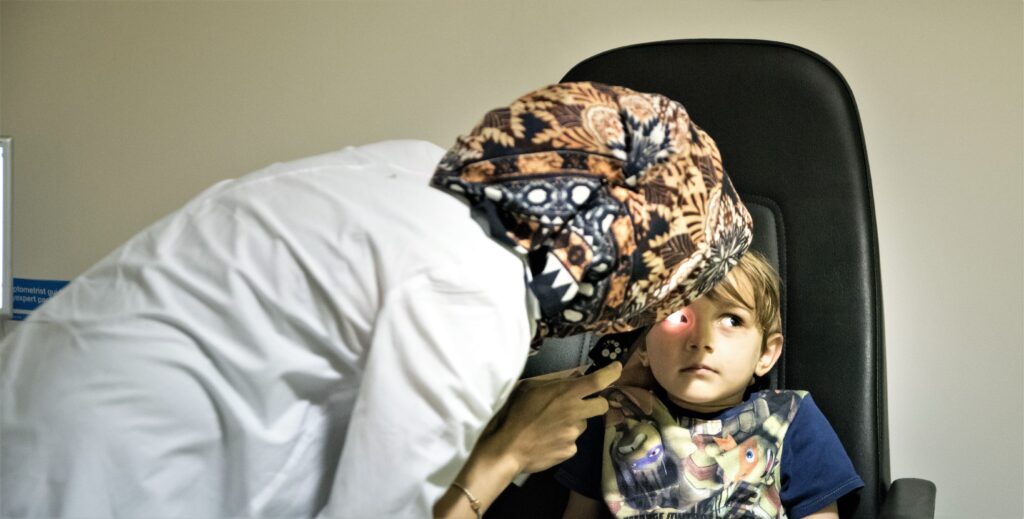
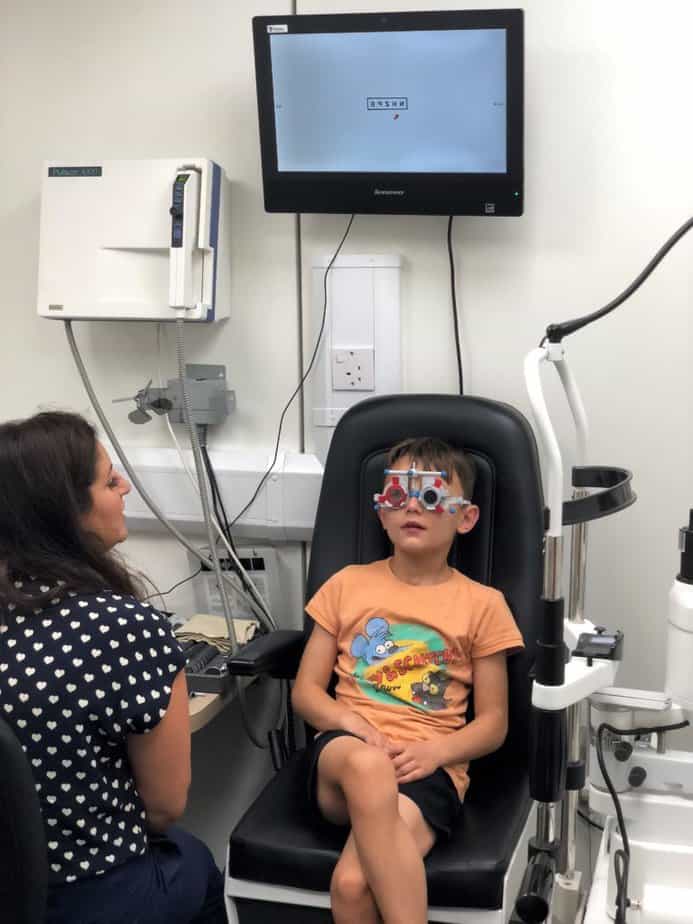
Your child’s eye test will involve shining a light into their eyes to see how they respond to it. The pupil should move with the light. The optician will then check if the child’s eyes respond to a moving object. This will also test if there are any issues with the brain that is sending signals to the eyes.
Your child will look at some letters and objects, depending on their age, to see if they can recognise the shapes or if they’re blurry. If the test reveals a problem, your child may need to start wearing glasses* or contact lenses depending on their age and requirements.
What are the next steps?
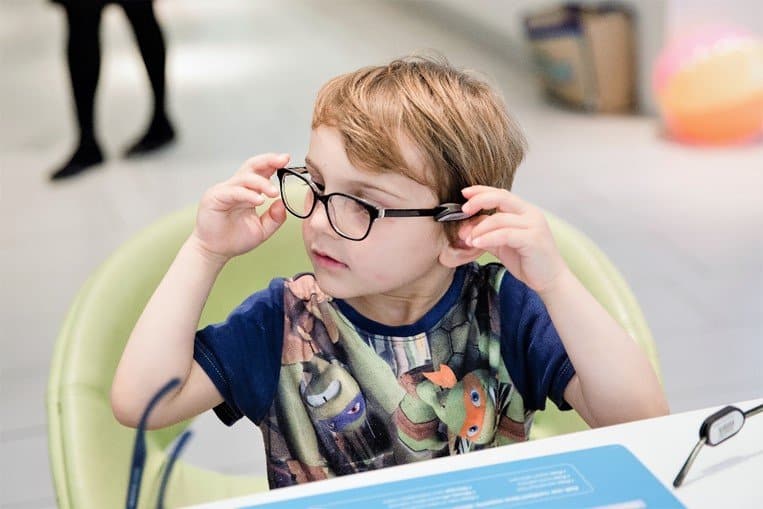
The optician will draw up a prescription and encourage your child to wear glasses or lenses. The optician will advise you on the best kinds of frames required for the lenses your child needs and which will look best. The range is huge these days so you could opt for a fashionable pair of glasses in a theme that your child likes, e.g. a TV program, to encourage them to wear their glasses.
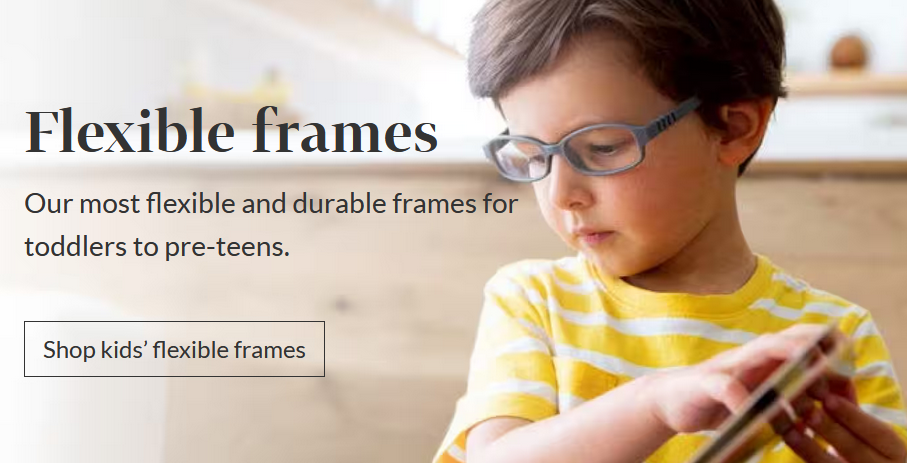
Frames should fit well on children and not be able to peep over the top. They should also be durable enough to withstand your child’s movements. Bands can be worn to keep them on, which is particularly good for active children.
How to spot if your child needs glasses
I noticed quite early on that my eldest needed glasses. His eyes would turn inwards when he was concentrating on a book or the TV, and he would squint to focus on something far away. It was not until he was in reception I realised something needed to be done about his eyesight because he was losing focus in the class and the inward turn in his eye was getting worse.
Recognising signs that your child may need glasses is vital to addressing potential vision problems promptly. Here are some signs and behaviours that might indicate your child is experiencing vision difficulties:
Squinting: If your child frequently squints, it might be an effort to reduce blur and see clearly.
Sitting Too Close to Screens: Sitting very close to the television or holding books and devices very close to their face may be a sign that your child is nearsighted.
Rubbing Eyes Frequently: Frequently rubbing eyes might indicate that your child is experiencing eye strain or fatigue, which can be signs of a vision issue.
Head Tilting or Turning: Your child might tilt or turn their head to see better if they have astigmatism or if the vision in one eye is different from the other.
Frequent Headaches: Regular headaches might be a sign of eye strain. If your child’s eyes are working harder than they should be to focus, it could result in headaches.
Difficulty Concentrating: Trouble concentrating on tasks, especially close-up tasks like reading, might be a sign of vision problems.
Covering One Eye: If your child covers one eye to see things better, it could be a sign of a lazy eye or other vision issues.
Trouble with Hand-Eye Coordination: Difficulty with hand-eye coordination during activities such as playing ball games could indicate a vision problem.
Avoiding Reading or Close Work: If your child avoids activities that require near vision, it might be due to discomfort or difficulty focusing up close.
Difficulty Following Along in School: If your child is having trouble following along with what’s being written on the board at school, it might be a sign of vision issues.
Complaints of Eye Discomfort: If your child frequently complains about their eyes hurting or being tired, it could be a sign of eye strain, which might indicate a need for glasses.
Family History: If there’s a family history of wearing glasses from a young age, it might be more likely that your child will also need glasses.
Poor Performance in School: Sometimes, a decline in academic performance can be linked to vision problems, as your child might have trouble seeing the board or reading textbooks.
If you notice any of these signs in your child, it’s a good idea to schedule an appointment with your optician who can conduct a comprehensive eye exam to determine if glasses or other interventions are needed. It’s also good practice to have regular eye check-ups to monitor your child’s vision development and address any issues promptly.
The importance of 24/7 eye protection all year around
With my eldest needing glasses full time, it dawned on me that he wasn’t wearing sunglasses to protect his eyes, which meant he would still squint in the sun. After finding a pair which protected his eyes from the sun too, I noticed he started to lose the grey circles around his eyes (most likely from straining as he wasn’t squinting anymore).
If your child needs glasses then it’s important to find a pair which includes full UVA and UVB support. And if your child doesn’t need glasses then it’s important they wear sunglasses to protect their eyes from the sun.
Why do we need to protect our eyes from the sun?
Ultraviolet (UV) radiation is around us every day of the year, even during winter and in overcast conditions. Long-term exposure to UV radiation can damage your skin, causing wrinkles, sunspots and even skin cancers. However, not many people realise that UV exposure can also be harmful to the eyes and the surrounding skin.
To protect our skin, we can wear sun cream. To protect our eyes, we can wear sunglasses, but wearing sunglasses in the summer is not enough to keep your eyes in good health. You should be protecting your eyes from harmful UV radiation all year round.
What exactly is UV radiation?
UV radiation is high-energy radiation that sits between the x-ray and visible light part of the electromagnetic spectrum. Most UV radiation we are exposed to comes from sunlight. Radiation has varying wavelengths, and the one that concerns us the most is UVA. UVA radiation ranges from 315 to 400 nanometers (nm), and a proportion of UV radiation is blocked by the ozone layer.
However, most UVA radiation is transmitted through the ozone layer and reaches us on the ground. Some UV exposure can be beneficial, for example, it triggers Vitamin D production. However, as mentioned above, UV exposure also has harmful effects on the skin and eyes.
UV radiation exposure
Sometimes UV radiation hazards such as artificial light sources can cause immediate damage to the skin and eyes, which heals in time. Most people are exposed to natural UV radiation from the sun every day. The amount of UV radiation your eye is exposed to depends on many factors, including where you live, the amount of time you spend outside and the weather. Unlike for skin, where the risk of UV damage is highest around noon, the peak times for eye exposure are mid-morning and mid-afternoon.
Children’s eyes are particularly susceptible to UV damage because of their larger pupils and more sensitive tissue. However, the effects of UV exposure in childhood do not become apparent until later in life.
Potential damage and disease caused by UV radiation
Damage caused by UV radiation can be divided into chronic and acute injury. Acute damage happens during short, intense UV exposure and can be painful and irritating, resulting in a temporary change to the skin or surface of the eye that will heal completely. Chronic damage is caused by much lower levels of exposure over a long period of time. Chronic damage happens slowly, and people are unlikely to notice any changes occurring. Chronic conditions include:
Photoaging of the eyelids
The long wavelengths of UV radiation penetrate the thickest part of the skin and damage the collagen, causing more wrinkles to appear around the eyes
Skin cancers of the eyelid
Eyelid cancers account for 5 – 10% of all skin cancers, and because of the local anatomy, may easily spread.
Pinguecula
A pinguecula is a thickened deposit of fat, protein and calcium that is visible over the white of the eye. Unless it grows, it usually is only an unsightly cosmetic problem
Melanoma tumours
These are the most common cancers of the eye.
Cataracts
UV radiation can change the lens of the eye, leading to cataracts. The early signs are a loss of contrast and muted colours. Cataracts can severely compromise vision.
Is there a solution? Wear sunglasses
Wearing sunglasses is not always practical or desirable, particularly on cloudy days. Even when it is sunny, 54% of adults across the UK say they never or only sometimes wear sunglasses. This suggests that a large population of Brits are at risk of long-term damage to their eyes. Experts recommend applying sun cream to the eyelids to provide UV protection. Unfortunately, people don’t often apply cream to the eyelids as it can irritate the eye area.
But sunglasses don’t just make you look cool, they also protect your eyes from the powerful sun’s ultraviolet (UV) rays. Sunglasses also protect the very sensitive skin on your eyelids, which prevents wrinkles, eye conditions and, more importantly, skin cancer around the eye.
When buying sunglasses, it is important to ensure they contain 100% UVA and UVB protection. Children require full protection as their larger pupils let more light in.
Many clear plastic lenses do not offer full UV protection
Glasses are able to provide eye and eyelid protection from UV radiation, depending on lens size, lens material and the distance to the face.
Current industry standards for lens manufacturing only require a minimum level of UV protection of up to 380 nanometers (nm). However, the World Health Organization define UV radiation as up to 400 nm, which covers the full UVA range. UV radiation between 380 and 400 nm accounts for almost 40% of the UV radiation that reaches Earth and penetrates the skin more deeply.
Therefore, just providing UV protection to 380 nm means that most clear lenses do not offer full protection from UV radiation up to 400 nm, potentially putting eye health at risk. Manufacturing lenses to provide UV protection up to 400 nm is costly for lens manufacturers, so the ophthalmic industry has continued to manufacture lenses according to the minimum requirement of UV protection up to 380 nm.
Teens and tweens: navigating screen time and eye health as they get older
Navigating teens’ and tweens’ screen time and protecting their eye health in this digital age can indeed be challenging. Here are some tips on how to talk to your teen about how to enhance eye care:
Educate them and keep the dialogue open
Your teen/tween needs to learn about the potential risks of prolonged screen time, including digital eye strain, which can cause symptoms like dry eyes, blurred vision and headaches. Engage in open discussions about incorporating breaks and maintaining a balanced lifestyle that includes time away from screens.
Create a balanced schedule
Encourage your teen/tween to take regular breaks from the screen, using the 20-20-20 rule; every 20 minutes, take a 20-second break to look at something 20 feet away. Also motivate them to do some form of physical outdoor activity, which not only gives them a break from the screens, but it’s also beneficial for their overall health.
Setup their room ergonomically
Make sure your child’s room is well-lit to reduce glare on the screens, which can cause eye strain and position the screen at least an arm’s length away from where they sit. Keep the top of the screen at a slightly below eye level to reduce strain.
Use the right tools and technology
Consider investing in blue light glasses, which can help to reduce exposure to blue light emitted by screens and use screen filters or adjust screen settings to reduce blue light emission from digital devices.
Go for regular medical check-ups
Go for regular eye lens exams to monitor eye health, so you can address issues promptly and seek medical advice if your tween/teen complains of eye discomfort or other symptoms of eye strain.
Lead by example
Model healthy behaviour by taking regular breaks from the screen yourself and balancing screen time with other activities.
Set boundaries and encourage other hobbies
Encourage your teen/tween to pursue other hobbies that don’t involve screens, such as reading physical books, painting, playing a musical instrument or participating in sports. Then work with your teen/tween to set reasonable boundaries for screen time use. Establish screen-free times like during dinner and screen-free zones like the bedroom. Then encourage periodical digital detoxes, where your child takes a break from screens completely for a longer period to reset and recharge.
Adults: maintaining eye health as you age
It may be easy to take your eyes for granted while you’re young, but as your body starts to age, your diet and lifestyle will start to show on the outside. Don’t take your eyes for granted. Maintaining eye health as you age is essential to preserving good vision and overall quality of life. Check out the tips below on how to improve your eyesight now.
Eat well
The World Health Organization’s report on vision predicts a dramatic increase in the need for family eye care in the coming decades with at least 1 billion people having a vision impairment that could have been prevented or addressed. To make matters worse, research suggests that nearly four in ten Brits have a medical condition that impacts their vision.
However, only a third of Brits are achieving their 5-A-Day of fruit and vegetables according to the government’s National Diet and Nutrition Survey, meaning two-thirds of the nation could be short of nutrients including essential vitamins and minerals for our eye health and vision, including the three macular carotenoids, B2, Vitamin C, Vitamin E, copper, zinc and omega-3 – found in foods including oysters to orange peppers and kale to kiwis.
You’ve heard of the saying, ‘Carrots make you see in the dark,’ and this is true to an extent. Carrots won’t make you have supervision at night, but they do contain retinol or vitamin A, which is required to help your body synthesise rhodopsin, the pigment in your eyes that works during low-light conditions. If you are deficient in vitamin A, then your vision at night will get worse and you may even end up with night blindness (nyctalopia).
Other nutrients like Vitamins C and E, lutein, zinc and omega-3 fatty acids, also help to ward off age-related vision problems like cataracts and macular degeneration. Some great foods to incorporate into your diet are:
Green leafy vegetables like collard greens, kale and spinach
Seeds, beans and other non-meat protein sources
Citrus fruits and juices, like oranges and lemons
Vitamins and Important for eye health
Nutrient
NRV*
Role in eye health
Dietary Sources
Vitamin C
80mg
Helps contributes to the protection of cells from oxidative stress; needed to produce collagen which protects eye structure; collagen levels reduce with age, making it more important
Berries, kiwi, red and green peppers, tomatoes, citrus fruit, broccoli, spinach
Vitamin E
12mg
Contributes to the protection of cells from oxidative stress
Helps the retina receive and process light entering the eye; deficiency can disrupt retinal function and increase the risk of cataracts
Vitamin B2
1.4mg
Helps the retina receive and process light entering the eye; deficiency can disrupt retinal function and increase the risk of cataract
Liver, kidneys, fortified breakfast cereals, meat, milk, some green vegetables, eggs, cheese, yeast extracts
Zinc
10mg
Responsible for transporting vitamin A from the liver to the eye to produce melanin, a protective pigment in the eyes; helps maintain the health of the retina, cell membranes and protein structures of the eye; deficiency has been linked to poor night vision and cloudy cataracts
Red meat, poultry, oysters and other seafood, nuts, dried beans, soy foods, milk and other dairy products, whole grains, fortified breakfast cereals
Copper
1mg
Essential for the functioning of the retina and for antioxidant defence
Whole grain products, liver, most seafood, dried beans and peas
*Nutrient Reference Values (NRVs) are EU guidance levels on the daily amount of a vitamin or mineralthat the average healthy person needs to stay healthy.
Maintain a healthy weight
Maintain a healthy weight as being overweight increases the risk of diabetes which can lead to vision loss and diabetic retinopathy.
Exercise regularly
Regular exercise is essential to good health, and research suggests that aerobic exercise can increase crucial oxygen supplies to the eye.
Exercise does wonderful things to the mind, body and soul. So, it’s no surprise that exercising contributes quite significantly to improving eyesight naturally. Exercising can also reduce the risk of sight loss – up to 70 per cent in fact! Ensure you get your 30 minutes a day of heart-pumping activity, by taking a walk around the park or enjoying a bit of yoga and meditation. Whatever you decide, make sure it gets the heart racing and the blood circulating oxygen around the body for the exercise to count.
You can also incorporate eye exercises into your regime and one of the most effective exercises is to focus gently on the furthest away objects while you’re out and about to strengthen your eyes. Ask your optician for more information on effective exercises for improving eyesight naturally.
Stop smoking
Smoking is as bad for your eyes as it is for your lungs and can actually double the risk of developing age-related eye diseases. Smoking, surprisingly, is also the UK’s leading cause of sight loss! Speak to your GP about stopping smoking now because quitting can improve vision almost immediately.
Always protect your eyes from the sun
The World Health Organization estimates that ultraviolet exposure is responsible for at least 20% of cataracts globally. UV rays age every part of the eye and are a risk factor for eye health issues that can be irreversible and may result in vision loss. Be sure to get a pair of sunglasses that offers UVA, UVB and UVC protection and wear a hat in strong sunlight.
Wear sunglasses which have 100% UVA and UVB protection, as prolonged UV exposure can increase the risks of cataracts and macular degeneration. Wear safety eyewear when engaged in activities that could pose a risk to your eyes, like gardening or home repairs.
Take regular breaks from the screen
Follow the 20-20-20 rule with screentime, i.e. take a 20-second break every 20 minutes and focus on something 20 feet away to reduce eye strain. Adjust lighting in the room where you are using screens to minimise glare and reflections on the screen.
Rest your eyes
It can be quite easy to develop eye fatigue and dry eye, especially if you forget to blink when you’re staring at the computer screen or if you’re focussing on one thing for a long stretch of time. There is such a term as digital eye now thanks to long-term screen use which causes a huge amount of eye strain and damages the muscles long-term. Try out the 20-20-20 rule to reduce eye strain and limit the onset of headaches, as well as future eye problems.
See your optician for regular checkups
Continue with getting regular routine eye examinations. As you age, these check-ups will become more frequent as many eye diseases are age-related. Ensure your glasses or contact lens prescriptions are up to date to prevent necessary eye strain.
Be vigilant
Be observant! If you notice any changes in your vision, blurriness, blind spots, or any other vision irregularities, consult an optician immediately. Know the symptoms of glaucoma, macular degeneration and cataracts. Early prevention can slow progression and preserve vision.
In today’s world, where screens and visual stimuli are ever-present, prioritising eye health from pregnancy to adulthood is crucial. Establishing a robust vision care routine at home lays a foundation for lifelong vision health. With the right tools and knowledge, you can foster an environment that prioritises eye health at every stage of life.
Remember, the gift of clear vision is irreplaceable, and with consistent care, it’s one that can last a lifetime.
Frequently asked questions about child and family eye care
If both the parents have spectacles will their children eventually need specs too?
If both parents wear glasses, there is a higher likelihood that their children may also need them at some point in their lives due to genetic factors. However, it’s not a guarantee. Eye refractive errors, like myopia (nearsightedness), hyperopia (farsightedness), and astigmatism, can have hereditary components. If both parents have similar refractive errors, the probability their children might also experience these conditions tends to increase.
But genetics is just one piece of the puzzle. Environmental factors play a significant role in determining whether a person will need corrective lenses and whether there are options available for hyperopia and myopia control. For instance:
Prolonged Near Work: Spending extended periods reading or using electronic devices without breaks can increase the risk of myopia.
Lack of Outdoor Activity: Some studies suggest that spending time outdoors during childhood can reduce the risk of developing myopia.
Diet and Overall Health: Nutritional factors and overall health can also play roles in eye development and health.
Eye Injuries or Diseases: Situations like eye injuries or specific eye diseases can necessitate the use of corrective lenses, irrespective of genetic factors.
Can vision therapy benefit a child with a learning disability?
Vision therapy, sometimes referred to as visual training or orthoptics is a customised program of visual activities designed to correct specific vision problems and improve visual skills. While vision therapy cannot treat learning disabilities directly, it can address visual issues that might be contributing to a child’s learning challenges.
It’s essential to note that while vision problems can contribute to learning difficulties, they are not the sole cause of learning disabilities. A comprehensive approach that involves educators, optometrists, therapists, and other professionals is often the most effective way to support a child with learning disabilities.
If you suspect your child’s learning difficulties might be linked to a vision problem, it’s crucial to have a comprehensive eye exam with a focus on functional vision assessment. If visual issues and an eye disease diagnosis are identified, a developmental optometrist or a vision therapist can provide more information about the potential benefits of vision therapy.
*This post is sponsored by Zenni Optical, but all thoughts and opinions are 100% my own.
*Links marked with a ‘*’ are affiliate links, which means I may earn a small commission if you click through to buy, at no extra cost to you.
The effects of poor personal hygiene
Getting children into the habit of washing themselves, brushing their teeth, and even grooming their hair can be tricky. Many children find this to be a dull chore, or cannot fully grasp the importance of keeping clean and establishing proper hygiene. Yet, without cleanliness, they open themselves up to many bacteria and infections that can impede their ability to go about their usual daily activities.
But what are the effects of poor personal hygiene?
To help your children make the most out of life and avoid as many unpleasant experiences as possible, it is vital that you get them into a solid hygiene routine as soon as possible.
What is personal hygiene and why is it important?
The definition of personal hygiene as per encyclopedia.com is:
“… Maintaining cleanliness of one’s body and clothing to preserve overall health and wellbeing.”
So fulfilling a certain number of self-care activities every day can ensure your children are on top of personal hygiene. Making sure they wash their hands after using the toilet and before eating, grooming and dressing up with clean clothes, and bathing are all top examples of how to have good hygiene.
What are the effects of poor personal hygiene on health and well being?
But what are the consequences of poor personal hygiene?
Lack of hygiene can impact your health and wellbeing negatively to where it could lead to serious health problems. For example, not brushing your teeth can lead to plaque buildup and gum disease. Plus, poor hygiene habits can affect your self-esteem and mental health. We’ll discuss these in more detail below.
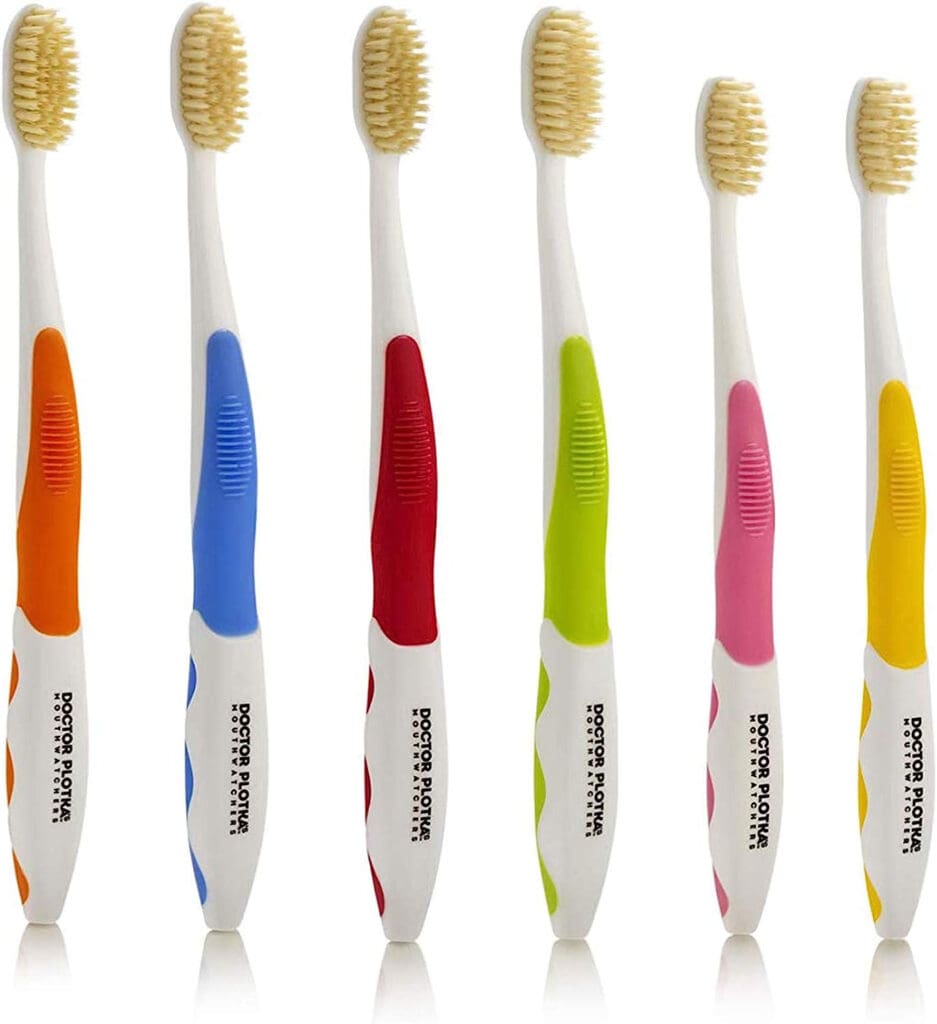
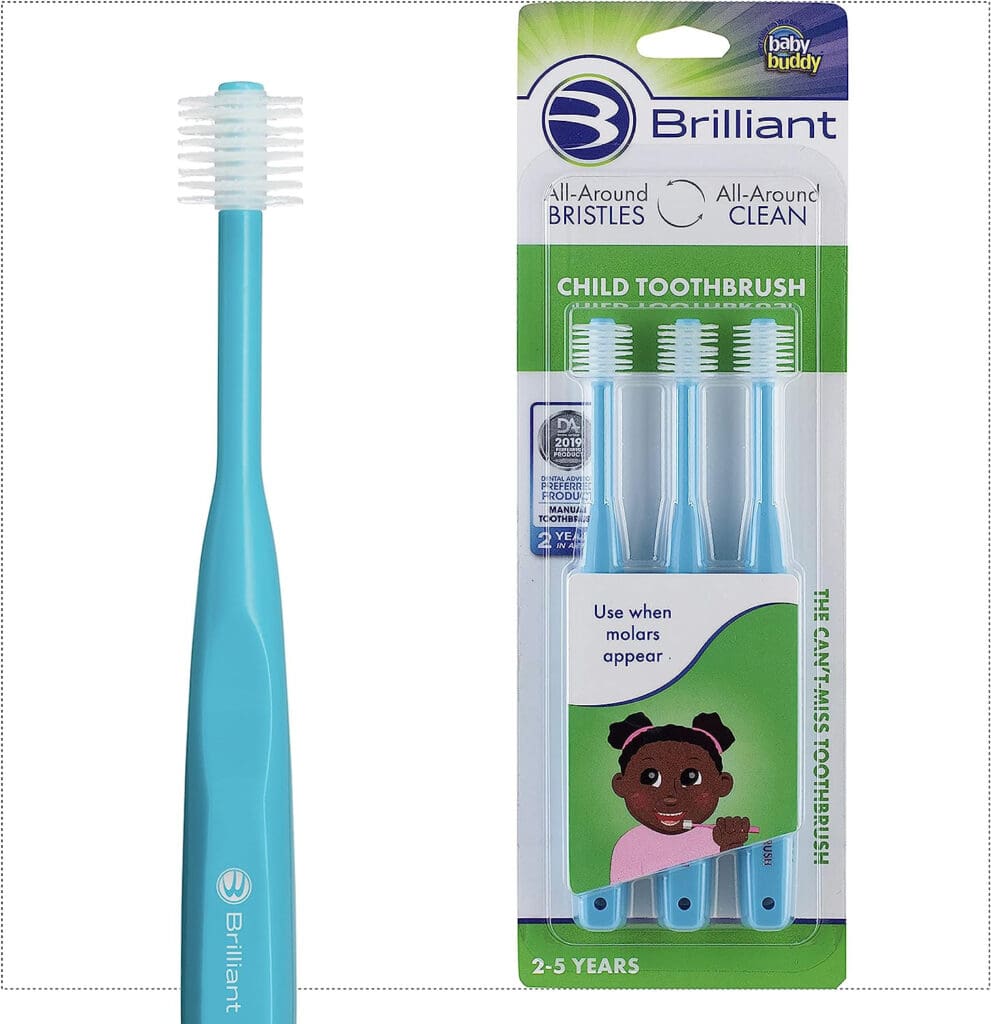
Doctor Plotka’s Mouthwatchers Antimicrobial Floss Bristle Silver Toothbrush, Family, 6 Pack. Buy from Amazon here*
What are the negative social effects of poor personal hygiene?
If you’re not taking good care of yourself and have bad personal hygiene, you may find that you will receive negative reactions from people around you, and this can affect social interaction with your loved one and other friendships. Your child may be subjected to a certain stereotype, rejection, or prejudice, as well as negative influence, which can impact your child’s quality of life.
Kids can be cruel, often chanting nasty things like, ‘Ooh you’re smelly!’ for example. This can cause a detrimental impact on your child’s mental and emotional psyche, so it’s important to ensure that your child looks and feels their best, starting with good personal hygiene as the first step towards a healthier and happier life.
Below, you can find poor personal hygiene examples people suffer from and which have been medically reviewed as causes of serious diseases if not treated promptly.
I will also talk about personal hygiene types and practices which can help children to understand the importance of being healthy and hygienic.
Bad hygiene examples – styes
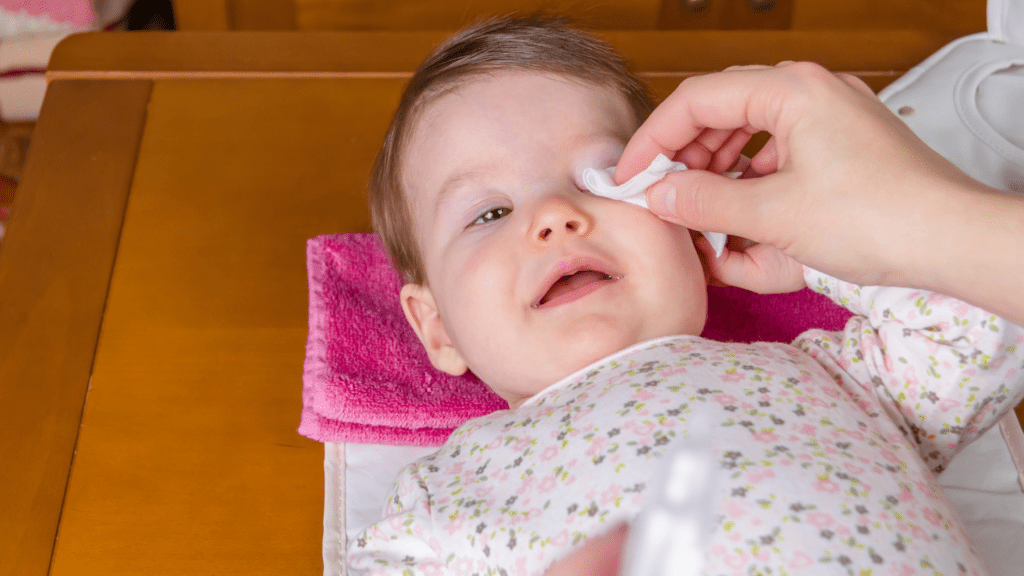
AllAboutVision explains what a stye is in more detail but we will touch on the basics here. Styes look similar to pimples and are commonly located around the eye area. They can be sore and affect adults and children alike, but thankfully they are not classed as contagious. Warmth can help to get rid of some swelling, and painkillers can reduce the soreness your child might feel.
Keeping hands clean and limiting the number of times your child touches their face can not only help to prevent styes but also speed up the recovery process. This may seem difficult, especially if the eye area is itchy, but it is imperative.
Remind your child to not touch the affected area and use cooled boiled water, clean cotton wool and properly washed hands to treat the area every day. Some people say tea helps with certain eye conditions like conjunctivitis that may result from styes, but be sure to practice good hygiene yourself first to minimise the risk of more bugs transmitting into the affected eye area.
Examples of poor hygiene – stomach bugs
Even though stomach bugs and the stomach flu might do the rounds at your child’s school or day-care centre, there are ways you can limit their presence in your home. Spraying services with germ-killing cleaners, and washing your hands with antibacterial soap, can help kill off any viruses.
Ensuring your children gets into the habit of washing their hands after touching high-traffic surfaces, as well as after using the toilet, coughing, or blowing their nose, can also help to prevent infections.
Signs of poor personal hygiene – headlice
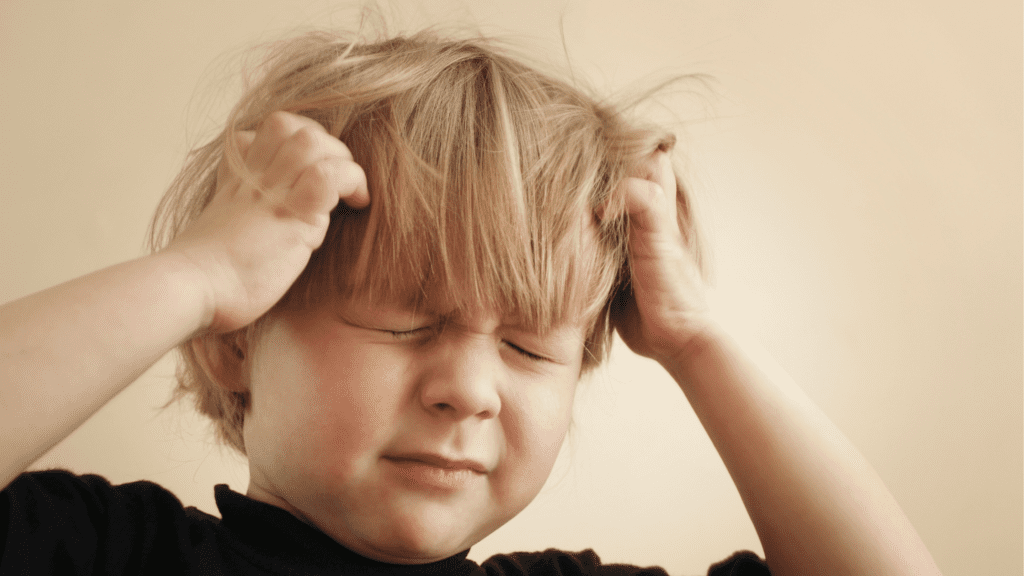
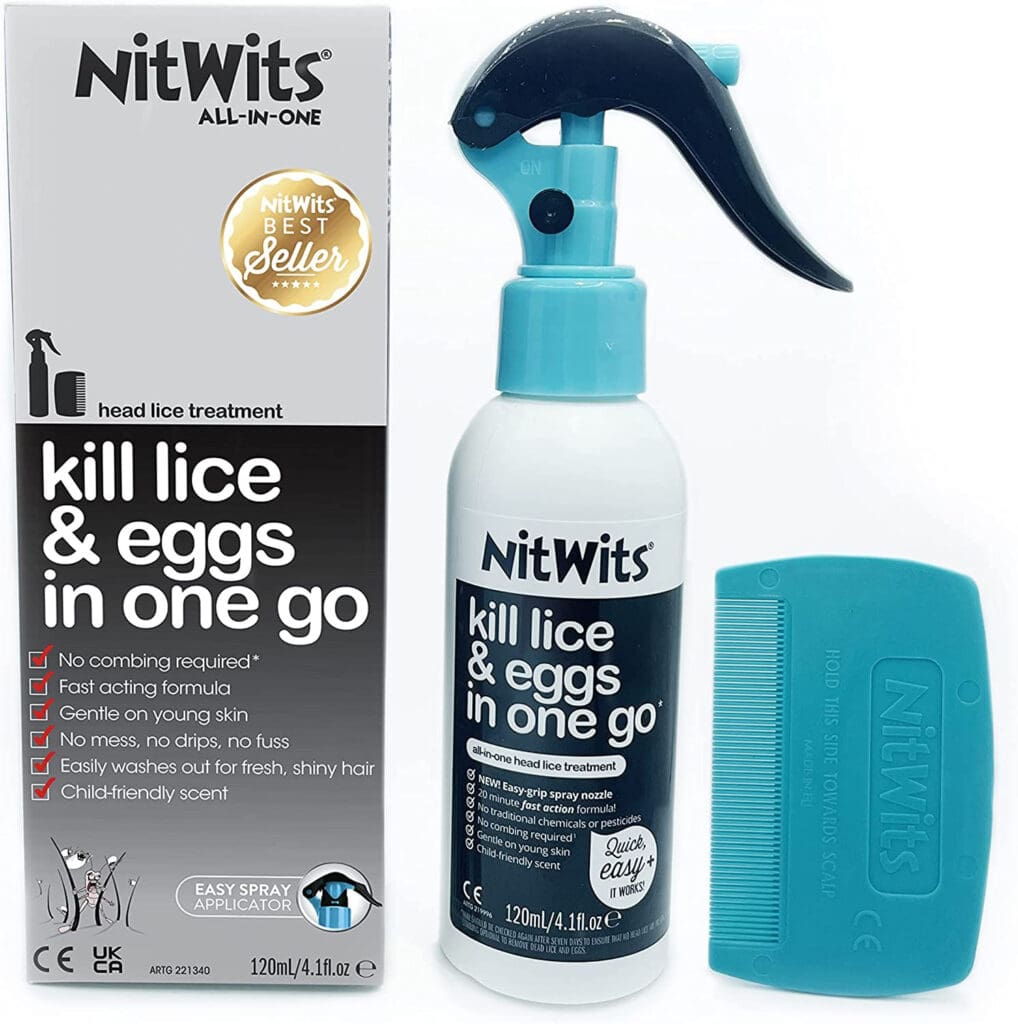
Headlice, or nits, (they can sometimes be called body lice if found elsewhere on the body) can become a problem when your child is often around other children. These little insects can cause seriously itchy scalps and can spread quickly. Using a nit comb regularly can help you detect the signs of headlice early on, as well as clear the scalp.
If your child does have head lice, inform their school, so they can be kept away to prevent the spread. Tying up long hair and washing and combing the hair frequently can also help tremendously. Another preventative measure is to make sure belongings are stored separately, and items such as towels or bedding are not shared among different members of the household. Use a nit comb regularly through conditioned hair to make sure you’ve caught all the nasty critters before you send them back to school.
Not treating head lice can lead to skin infections, so make sure you act quickly!
Oral hygiene is massively important and the earlier you teach kids about dental hygiene, the fewer problems they will have later in life. Poor oral hygiene can lead to many problems, including tooth decay, bad breath or gingivitis and gum disease.
Gum disease is caused by plaque, a form of sticky bacteria that builds up on your teeth. Build-up can first start with gingivitis but if not treated straight away can lead to bleeding and swollen gums, receding gum line, bad breath and loose teeth. Eventually, if not treated, your teeth can fall out.
Gum disease doesn’t present itself straight away, which is why it’s massively important to visit the dentist regularly to spot any signs early.
Make sure your children brush their teeth twice daily, morning and night, and up to the gums too, for at least two minutes. Using an electric toothbrush will help to ensure teeth are brushed properly.
Skincare and hygiene is very important. Not washing your skin regularly can lead to a condition called dermatitis neglecta, which leads to an accumulation of corneocytes, sebum and sweat. Clean your skin properly and regularly to avoid skin complaints.
Signs of bad hygiene – food poisoning
The consequences of poor personal hygiene when handling food are food poisoning. Food poisoning is an illness that is caused by poor personal hygiene in the kitchen or eating contaminated food, either from unwashed hands or from not properly cooked or washed food.
In most cases, food is contaminated by bacteria such as salmonella, E.coli or the norovirus. Food can become contaminated at any stage during production, processing or cooking, for example:
Not cooking food properly
Not correctly storing food that needs to be chilled at below 5C
Leaving cooked food for too long at warm temperatures
Not reheating previously cooked food properly
If you’re ill or have dirty hands and you touch the food
Eating food that has passed its “use by” date
Bacteria spreading between contaminated foods (cross-contamination)
Practice proper hand washing before you put anything in your mouth. I often tell the boys, if their hands are going anywhere near their face, wash them! Poor personal hygiene with food can cause weight loss or, worse, fatal illness.
What is the cause of unhygienic food?
Bad or not hygienic food can lead to heart disease if not properly treated, which is one disease caused by poor personal hygiene. So it’s important to lead a healthy lifestyle and teach your kids about the dangers of eating unwashed and improperly cooked food as early as possible.
It’s important to identify the cause and effect of poor personal hygiene on health and food safety and educate yourself and your kids so you can prevent serious illness.
Undergarment hygiene healthy practices to follow
It’s important to practice proper hygiene with your underlayers. Ways to have good hygiene with your undergarments include:
Change your undergarments every day to minimise risk of bacteria from vaginal discharge and sweat
Opt for breathable, natural material to prevent fungal and bacterial infections
Wear the right size – too tight can cause UTI
Wash your undergarments properly to avoid any buildup and hidden bacteria
Can TB occur due to lack of personal hygiene?
Lack of personal hygiene can increase the risk of tuberculosis infection. If you or your child has TB, then it’s very important to maintain personal hygiene to reduce the risk of transmission to other people living with them.
Your healthcare professional can provide medical advice on how to combat TB as it’s a long treatment process.
Bad hygiene habits that are way worse than you thought
Here are some regular bad hygiene habits which people don’t realise can be quite bad for you:
Not regularly brushing or flossing your teeth – can lead to gum disease and tooth decay
Not showering regularly – can lead to skin problems and infections
Going to bed with your makeup on – can lead to clogged pores and even eye damage
Not washing your bedding regularly – can lead to infection
Leaving your contacts in – can lead to corneal damage
Not washing your underwear regularly – can lead to infection
Sharing your items, like razors, toothbrushes and towels – can lead to transmission of diseases and infections
Reusing towels – can lead ot infection
Walking barefoot in public showers – can lead to fungal infections
Not washing your produce – can lead to food poisoning
Using your sponge for too long- can lead to poisoning
Leaving in tampons for too long – can lead to toxic shock syndrome
Reusing plastic bottles – can even lead to cancer!
Does ADD affect personal hygiene?
This is an interesting question. An association has been found between ADHD and living a less healthy lifestyle. Children with ADHD are almost twice as likely to have fewer healthy lifestyle behaviours like consuming less water, drinking more sweetened drinks and exercising less.
What is the difference between hygiene and grooming?
Hygiene is a set of practices that preserve healthy living and cleaning the body to prevent germs while grooming is the art of caring for and maintaining parts of the body. Poor grooming can cause poor physical appearance which can be linked to bad hygiene.
Are there any disadvantages of personal hygiene?
Health and hygiene are paramount to living happy and healthy lives, but there are some negative side effects of over-cleaning like skin irritation and Obsessive-Compulsive Disorder. Maintain a healthy balance of cleanliness and lifestyle enjoyment and model that on your children. If you have certain health concerns and complexes yourself, be mindful not to pass these on to your child.
What are some great examples of personal hygiene?
Types of personal hygiene practices that you can encourage your child to do now are:
Helping your child establish a personal hygiene routine
Ensuring that your child has a face wash each morning
Making sure your child has a good shower or bath in the evening to remove dead skin cells and body odour. This act of washing themselves can go a long way towards improving their health and reducing the chances of cross-contamination of bacteria.
Personal hygiene habits will help prevent any nasty smells or, with cleaning their teeth, cavities or premature tooth loss.
Spend the time to teach them how to clean themselves effectively so they are set up for life with positive routines, while also minimising the likelihood of illness within your home
Don’t forget that good personal hygiene practices can boost mental health too!
What are your thoughts regarding personal hygiene? Are you put off by BO? What do you think about poor hygiene practices and their effects from a social standpoint? What are your own personal hygiene habits? Do you have any bad hygiene habits you need to fix? Share your opinions with us in the comments below about how you practice good hygiene.
Frequently asked questions
What does poor personal hygiene mean?
Other questions asked were:
What is poor personal hygiene a sign of?
What is bad personal hygiene?
How to address poor personal hygiene?
What is hygiene poverty?
What does poor hygiene mean?
What does it mean to have bad hygiene?
What is bad hygiene?
“Poor personal hygiene arises from either intentional or unintentional neglect of your body’s cleanliness and health requirements. Your body begins to look unhealthy, you experience unwanted health concerns, and your overall well-being is affected.”
Can you provide examples of poor hygiene bad habits you should avoid?
What are signs of poor hygiene?
Four examples of poor personal hygiene include:
Body odour from not washing regularly
Bad breath from not brushing teeth
Recurring infection from not washing hands properly
Dishevelled, dirty appearance from poor grooming
What causes poor personal hygiene?
Other questions asked were:
What does poor personal hygiene cause?
What are the causes of poor personal hygiene?
What are the causes of poor hygiene?
What problems does poor personal hygiene cause?
What are the Longterm effects of poor hygiene?
“Poor hygiene often accompanies certain mental or emotional disorders, including severe depression and psychotic disorders. Dementia is another common cause of poor hygiene. Other people may develop poor hygiene habits due to social factors such as poverty or inadequacy of social support.”
“It is more common for women to get UTIs because the urethral opening is close to the vagina and anus. Poor hygiene and wiping ‘back to front’ (rather than front to back) after going to the toilet can enable bacteria from the bowel and vagina to enter the urethral opening to the bladder more easily.”
Continuous poor hygiene, especially in the female area, can cause sepsis and septic shock, like toxic shock syndrome can result from anywhere in the body, even a UTI. Sepsis and septic shock can result from an infection anywhere in the body. Sepsis is a medical emergency that requires urgent treatment.
“Personal hygiene issues can cause significant problems in the workplace. Not only do they make the environment unpleasant for others, they can also cause difficulties for businesses where staff are interacting with the public”
How does poor personal hygiene affect your personality?
“Poor hygiene habits can also affect your self-esteem. Looking and feeling presentable can give you a confidence boost and a sense of pride in your appearance. Other conditions may be prevented or the risk minimized by practicing good personal hygiene.”
How can poor personal hygiene affect relationships?
How can poor personal hygiene cause harm to others?
Why does bad personal hygiene affect others?
Having a high standard of personal hygiene improves personal and professional relationships because it reduces the risk of social rejection which may lead to bullying, low confidence and low self-esteem.
How can poor personal hygiene lead to foodborne illness?
Other questions asked were:
What is poor personal hygiene in food?
“Good personal hygiene is essential for any food handler and minimises the risk of food contamination. Most people carry harmful bacteria on their bodies and can unwittingly transport them to food. Touching your mouth, nose, hair or even your clothing can spread bacteria and cause contamination.”
How does poor personal hygiene affect your health?
What are the impacts of personal hygiene on your health?
“For example, not washing your hands after you use the toilet, handle food, or touch dirty surfaces can spread bacteria, viruses, and parasites. These can lead to infections and diseases, like food poisoning, gastroenteritis, cold and flu, and hepatitis A — just to name a few.”
washing your hands with soap after going to the toilet.
brushing your teeth twice a day.
covering your mouth and nose with a tissue (or your sleeve) when sneezing or coughing.
washing your hands after handling pets and other animals.
https://www.healthdirect.gov.au/personal-hygiene
Is poor personal hygiene a sign of depression?
Yes. Mental health can impact hygiene and depression may make you not want to get up every day and make the effort to clean.
Is it necessary to practice personal hygiene everyday?
It’s good to get into the habit of performing basic personal hygiene every day. For example washing your hands multiple times of the day will prevent germs from entering your system.
How to maintain hygiene at the workplace?
Regularly clean your desk. Stop infections from spreading, and dust from gathering, by cleaning your desk.
Sanitise your hands at least once day. …
Regularly wash your cups, mugs, plates and cutlery. …
Keep a box of tissues on your desk.
https://employsure.com.au/blog/workplace-hygiene/
Is poor personal hygiene a sign of abuse?
In some cases, elder abuse has been found in care homes which has resulted in residents having poor hygiene standards. The same goes for children in a neglected home. However, a lot of the time it is down to lack of education on why hygiene matters for your health and the effects of good personal hygiene on health.