Natural skin-safe solutions for kids: NatPat Review
This post is sponsored by NatPat * who have gifted us some products to review during our trip to North Cyprus. All thoughts and opinions are 100% our own.
Quick verdict
Buy this: MagicPatch Itch Relief – genuinely works, stays on and stopped my kids and I scratching immediately. Now a permanent part of our first aid kit.
Accidentally tested and impressed: ZenPatch Mood Calming Patches – our youngest was patched with these by mistake at a funfair/festival and was noticeably calmer than everyone else all evening. Now intentionally part of our toolkit for big emotions and bedtime battles.
Mixed results: Mosquito Patches for Kids – it didn’t prevent bites for us in the Mediterranean, but might work better in less intense mosquito environments or add more to your clothes.
Couldn’t test: SunnyPatch UV Stickers – went clear immediately on the skin so couldn’t use as intended.
Whether you’re jetting off for some winter sun, planning ahead for the summer holidays, or simply want natural solutions in your family first aid kit (like mosquito repellent that doesn’t contain DEET, or chemicals you can’t pronounce or spell), then look no further as NatPat* reached out to Motherhood Diaries about their range of natural, patch-based products for children and we were more than eager to try them.
As a mum of four, with kids ranging from 4 to 15, I had a ready-made testing squad ready to enjoy a sun, sea and sand holiday in July/August. So when we headed to Cyprus on our family holiday (it was super hot!), I packed a selection of their patches and was determined to put them through their paces in real-world conditions.
Here’s my completely honest verdict on each product, i.e. what worked brilliantly, what disappointed, and what I’d recommend to fellow parents no matter the season.
What is NatPat?
NatPat creates sticker and patch-based products designed to help families tackle everyday challenges naturally. Their range includes mosquito repellent patches, UV-detecting stickers, itch relief patches, and allergy relief stickers, as well as magic mood-calming patches, all made with natural ingredients and free from harsh chemicals like DEET.
The great thing about these patches is there are no messy sprays, no direct skin contact (great for children with sensitive skin), and all include fun designs that kids actually want to wear – and kids really do love stickers!
But do they actually work? Let’s get into it.
When will you actually use these products?
One thing I love about NatPat products is they’re not just for summer. Here’s when each product comes in handy:
MagicPatch (Itch Relief): This is a year-round essential. Bug bites from autumn spiders, midges in Scotland, mystery bites that appear overnight; these happen in every season. And you do feel instant relief. This is one product we’d never travel without now.
BuzzPatch (Mosquito Repellent): February half-term in the Canaries, Easter in the Med, summer holidays anywhere warm, autumn half-term in Dubai. If you’re escaping the UK grey for somewhere sunny, mosquitoes will likely be there to greet you.
SunnyPatch (UV Detection): Any sunny destination plus UK summers. Sun damage happens on ski trips too — the UV reflection off snow is brutal. Useful from March onwards when UV levels start rising.
AllergyPatch (Allergy Relief): Tree pollen starts as early as late February, grass pollen peaks in summer, and indoor allergens (dust mites, pet dander) are year-round. If your little one suffers from seasonal sniffles or year-round sensitivities, these could be worth having on hand.
ZenPatch (Mood Calming): School mornings when emotions are running high, long car journeys, visits to the grandparents, homework battles, bedtime wind-down, or any situation where you need to take the edge off big feelings. We accidentally discovered how well these work (more on that below!).
So what did we think?
MagicPatch Itch Relief
Verdict: 5/5 – Genuinely impressed — the clear winner
Of all the products we tested, MagicPatch itch relief stickers were the standout success. These little patches work by using a grid pattern that gently lifts the skin to help reduce itching from bug bites — and honestly, they delivered.
The key takeaway: When my younger two inevitably got bitten on our trip, these patches provided noticeable relief almost immediately. My four-year-old, who would normally scratch a bite until it bled, stopped fussing within minutes of application. The patches stayed on and lasted for days on the top – exactly as promised.
If you’re looking for the best itch relief for children that’s mess-free and chemical-free, MagicPatch genuinely delivers. These are now a permanent addition to our travel first aid kit and I keep a pack at home too for random bites that pop up throughout the year.
Verdict: 3/5 – Didn’t work for our family in Mediterranean conditions
I really wanted to love these. The BuzzPatch stickers use citronella and other essential oils to create a scent barrier that’s supposed to deter mosquitoes for up to 12 hours. They have a pleasant, natural citrus scent that my kids didn’t mind at all and the application couldn’t be easier: just stick them on clothing or nearby surfaces.
The honest truth: They didn’t prevent bites for us. We were in Cyprus during peak mosquito season, and despite applying multiple patches per child (we tried different placements and quantities), everyone still got bitten. All of us, adults and kids alike, came back with multiple bites.
Now, to be fair, mosquito repellent effectiveness can vary hugely depending on location, species of mosquito, and individual body chemistry. Mediterranean mosquitoes are notoriously aggressive, and what works in milder environments might not cut it against the Cyprus varieties. Other families may have better results, particularly in the UK or destinations with less intense mosquito populations.
Bottom line: If you’re looking for the best mosquito repellent for children and prefer a natural, DEET-free option, these might still be worth trying, especially for UK garden evenings, camping trips, or destinations without aggressive mosquito species. But for tropical holidays, the Canaries in winter, or areas known for biting insects, you might want a backup plan.
Verdict: 2/5 – Great concept, couldn’t test properly
The SunnyPatch concept is genuinely clever: UV-detecting stickers that change colour when it’s time to reapply suncream. As someone who’s forever paranoid about UV protection for children, whether we’re on a beach holiday or a ski trip, I was excited about these.
What happened: We couldn’t get them to work as intended. When we applied them to skin, they went clear almost immediately before we’d even gone outside. This made it impossible to use them as a UV indicator since we couldn’t tell when they were changing versus their baseline state.
I suspect there may be specific application requirements I missed, perhaps compatibility issues with certain suncream types, required drying times, or placement considerations. The concept of UV protection indicators for children is fantastic, and I’d love to try these again with clearer usage guidance.
Verdict: Not yet tested — update coming for hay fever season
We also received AllergyPatch stickers, which are designed to provide natural relief from allergy symptoms using essential oils like eucalyptus and peppermint. While we didn’t have a chance to test these during our trip (thankfully no allergy flare-ups!), the concept of having a natural, child-friendly option for seasonal allergy relief is appealing.
For parents seeking the best allergy relief for children without drowsy antihistamines, these could be worth exploring. With tree pollen season starting as early as late February and grass pollen peaking through summer, I’ll be testing these properly and updating this post with my findings.
Verdict: 4/5 – Accidentally tested — and genuinely impressed
Here’s a funny story: one evening at a festival, we were frantically patching everyone up with mosquito repellent before heading out. In the chaos, our youngest ended up covered in the wrong patches, the ZenPatch mood-calming stickers instead of BuzzPatches. We only realised later when we noticed she was by far the calmest person on that entire trip. No meltdowns, no overstimulation, just zen.
The ZenPatch uses a blend of essential oils including Mandarin, Sweet Orange, Atlas Cedarwood, and Lavender, all designed to help calm the nervous system and regulate emotions. According to NatPat, they work by triggering receptors in the nose that send messages to the limbic system (the part of the brain that controls behaviour and emotions), and the effects can last up to 8 hours.
The key takeaway: While our “testing” was completely accidental, the results were noticeable enough that we’ve since used them intentionally. They’re now part of our toolkit for long journeys, overwhelming situations, and those evenings when bedtime feels like a battleground.
Who these are perfect for: If you have a child who struggles with big emotions, gets overwhelmed easily, or just needs help winding down, these could be worth trying. They’re also marketed for children with anxiety, ADHD traits, or autism, though obviously, every child is different and these aren’t a replacement for professional support.
Bottom line: I wouldn’t have believed a sticker could make a noticeable difference to mood, but our accidental experiment suggests otherwise. The fact that they’re 100% natural essential oils (no synthetic ingredients or drowsy side effects) makes them worth having on hand for those moments when everyone, including you, needs to take a breath.
The MagicPatch itch relief stickers are genuinely excellent and something I’ll repurchase again and again. They work, they’re convenient, and they’re gentle enough for even my sensitive-skinned toddler. Whether you’re heading abroad this February half-term, planning your summer holiday, or just want something effective in your medicine cabinet, if you buy nothing else from the range, get these.
The other products didn’t work as well for us in the conditions we tested them in, but that doesn’t mean they won’t work for your family. Natural products can be highly individual, and what failed against aggressive Mediterranean mosquitoes might work perfectly well in the UK or at less tropical destinations.
What I genuinely appreciate about NatPat is their commitment to natural, chemical-free solutions that are safe for children’s sensitive skin. In a market full of harsh synthetic options, having natural alternatives is valuable, even if they require some trial and error to find what works best for your family.
Have you tried NatPat products? I’d love to hear about your experience in the comments below, especially if you’ve had different results with the BuzzPatch or SunnyPatch. Every family is different, and your insights could help other parents make informed decisions!
Disclosure: Products were gifted for review purposes. All opinions are my own honest assessment. This post contains affiliate links (marked with a ‘*’). If you purchase through my links, I may earn a small commission at no extra cost to you.
Start-Rite school shoes review – real-life wear test
#AD – Paid partnership with Start-Rite. Products gifted. Opinions are my own.
With four kids in school, our shoe-shopping trips come around roughly every two to four months because children’s feet seem to grow faster than it rains in a single British season. And if they’re not sizing up, it’s usually because the shoes didn’t survive the brutal quality control of one average school day: torrential rain, muddy puddles, uneven playground gravel, and at least one child who refuses to lift their feet when they walk.
So yes, school shoes have to work hard. They need to be high-quality, durable, and built to outlast both the weather and the wearer.
When Start-Rite offered to partner with Motherhood Diaries and gift four pairs of their beautifully made school shoes, we jumped at the chance. Fast forward to October half-term, and I’m happy to report that not only are all four pairs still very much in one piece, but the kids are actually excited to wear them. (A small miracle in itself.)
And because good news deserves to be shared, we’re taking you along for the ride. In this article, we’ll walk you through the full Start-Rite unboxing, chat about why these shoes stand out, and explore why getting the right fit matters so much for growing feet.
Why we chose Start-Rite (and why fit matters for children’s feet)
When you stop and do the math, children spend over 1,200 hours a year in their school shoes running, climbing, kicking footballs, and racing to class. So, finding the right pair isn’t just about ticking off a uniform list. The right fit is absolutely essential for healthy growth, posture, and comfort all day long.
That’s where Start-Rite* comes in. Their collection is one of the most extensive in the UK, designed to suit every child’s foot shape, whether wide, narrow, or somewhere in between. Each pair is built with the understanding that kids’ feet aren’t just smaller versions of adult feet; they’re developing structures of bones, muscles, and ligaments that need protection as they strengthen and grow through the school years.
During the school years, all ligaments begin to form and bones become stronger. Trunk, leg, and foot muscles are learning to work synchronously, although they are not fully developed until mid-to-late teens.
As children wear school shoes for 195 days a year for at least six hours a day, it is super important that the shoes fit properly. Poorly fitting footwear can cause immediate discomfort and can also affect the way children move and walk for the rest of their lives. If uncomfortable shoes disrupt a child’s walking pattern, the brain will compensate, potentially leading to long-term issues such as knee and spine problems. Given that a child’s gait (the pattern of how they walk) continues to develop until around the age of 16, shoes must be worn correctly and be comfortable to support healthy development.
Start-Rite’s quality control for shoes is based on a number of factors that go into making the perfect shoe for a growing child and we will go through each of these briefly.
Comfort that keeps up with busy feet
Start-Rite designs its shoes to feel good all day long with soft cushioning where it counts and breathable leather linings that help prevent overheating. Even the insoles are engineered for comfort. Some insoles can be removed and some are extra padded, so little feet stay supported whether they’re sitting in class or sprinting across the playground.
The fit – no two feet are the same
Each Start-Rite shoe is available in whole and half sizes and multiple widths, giving every child a near-custom fit – perfect for parents who’ve ever had to choose between a shoe that’s a bit snug and one that’s slightly roomy. You’ll also find different fastening options like rip-tape, buckles, and laces, to suit different ages and levels of independence. Every design aims to make mornings smoother for parents and help kids feel confident doing things on their own.
Start-Rite recommends measuring your child’s feet every 3–4 months, since children’s growth spurts can creep up faster than we expect. Their Start-Rite measuring gauge makes it simple to check at home before buying the next pair.
Durability and everyday protection
Kids don’t hold back and neither should their shoes. Start-Rite’s supple leather uppers (and smart patent finishes) are dyed through to keep them looking newer for longer. Scuffs and scratches are easy to hide with a quick polish, and reinforced toes and heels add an extra layer of durability. Some styles even include reflective panels with enhanced 360-degree protection around the tow, heel and side of some shoes, for better visibility on darker winter mornings.
Flexibility that follows natural movement
A big part of what sets Start-Rite apart is its biomechanically engineered sole. Designed to flex exactly where the foot naturally bends around the metatarsal joints, it allows kids’ feet to move freely and safely through every hop, skip, and sprint. This flexibility helps the foot muscles develop strength and coordination, supporting healthy movement patterns that will last long after the school day ends.
Start-Rite shoes are built for real life and the non-stop motion of childhood. They’re shoes that don’t just fit; they understand what growing feet need.
Unboxing video — a first look at four pairs
We got the chance to review four pairs of Start-Rite shoes for a wide spectrum of ages; our 4 and 6-year-old girls and our 13 and 14-year-old boys. All kids were extremely happy with the shoes and despite some camera shyness with the teenagers, we managed to catch the girls in action with their new shoes! You can check out our unboxing video on YouTube and Instagram:
Between four kids, we’ve somehow managed to cover every possible foot shape known to humankind – narrow, wide, flat, you name it. So when Start-Rite offered to send us four pairs to put through their paces, it felt like the ultimate real-life test.
We went for a full family line-up: two pairs for the girls and two for the boys. The girls wanted something that looked “pretty but not babyish,” while the boys just needed shoes that could survive them and football. Fair.
From shiny patent T-bars to sturdy lace-ups built for muddy football breaks and endless playground laps, each pair brings something a little different. Whether it’s your child’s first school shoe or their last before secondary, this line-up covers all bases – comfort, durability, and that all-important “Mum, they actually fit!” moment.
The line-up we tested
Here’s what we tested, what each Start-Rite shoe is best for, and how they shaped up straight out of the box:
Star Jump (Girls T-bar Rip-Tape)
If there was ever a first school shoe made to handle every emotion of the Reception years, it’s the Star Jump. Smart in the classroom and protective on the playground, this girls T-bar design genuinely covers all grounds.
The perfectly placed ankle cushioning keeps little feet comfy all day long, while the biomechanically engineered sole flexes exactly where it should, supporting natural, healthy movement. And because four-year-olds rarely stay still, Start-Rite’s clever Air-Rite technology lets air flow through to keep sweaty feet at bay (thank you, science).
The easy rip-tape fastening and removable footbed make it simple for kids to adjust the fit themselves, building confidence and independence from day one. Add in subtle patent details, star accents, and a sparkly insole, and you’ve got a school shoe that feels every bit as magical as it looks.
Sizes: Small 9 – Large 2 Best for: Reception to early primary – active girls who want to do it all.
How they fit
These were an instant hit. My youngest was able to pop them on all by herself (and hasn’t stopped reminding me of that since). The rip-tape fastening allowed her to adjust them for her own comfort, and the ankle padding hugged without rubbing.
Fit-wise, the size 9F felt spot-on — no heel slip, plenty of wiggle room for the toes (a good toe count of about a thumb’s width), and zero “Muuum, my foot hurts!” within the first hour. The wide option would suit chunkier feet, but the standard fit already offered generous space.
Verdict: a perfect first school shoe — soft, flexible, and built to support independent little girls finding their stride.
Hope (black patent girls rip-tape T-bar school shoes)
If your little one needs a stylish new pair of school shoes, the Hope* design is the perfect choice! With a sleek patent finish and fresh star punch detailing, these shoes offer all-day comfort with cushioned ankles, breathable leather and textile linings, and a removable footbed. The specially designed rubber sole provides superior flexibility and support. The T-bar rip-tape fastening ensures a quick, adjustable fit, keeping the shoes secure and making mornings easy and hassle-free.
Features:
Dyed- through leather for scuff-resistant colour
Padded ankles for added comfort and support
Leather linings to absorb moisture and help keep little feet dry and comfy
Riptape fastening for easy adjustment by little fingers
Sizes: Small 9 – Large 2 Best for: Kids who want all-day comfort with a touch of polish and shine.
How did they fit?
Our 6-year-old tester has slightly wide feet, so I was curious to see how Hope handled that. We went with a size 12F, and it fitted beautifully right out of the box. The adjustable rip-tape strap gave a snug, secure fit without pinching.
The patent finish earned top marks for hiding playground scuffs (and doubling as a mirror, apparently). Comfort-wise, the padded collar made a noticeable difference — no red marks, no complaints, just happy feet that looked effortlessly smart all day.
Verdict: a confident, comfortable fit for kids who love that polished “grown-up” look.
Rhino Sherman (Boys Lace-Up)
The Rhino Sherman is the definition of tough love — made for boys who treat their school shoes like sports equipment. Built with a scuff-resistant toe and reinforced heel protection, these lace-ups are designed to look smart for longer (even after football at lunch).
The lightweight, flexible sole supports natural movement and healthy development, while a padded ankle gives comfort and support where it counts. Breathable linings and removable insoles help keep growing feet fresh — and for older kids who’ve mastered tying their own laces, it’s a little badge of independence.
Sizes: 1 – 9 Large Best for: Older boys who need durability, support, and a shoe that’ll actually survive the term.
How did they fit?
My 13-year-old is in that tricky in-between phase where his shoe size seems to change weekly. We went with a Large 5.5 wide, and it was bang-on. He said they felt “solid but light,” which, coming from a teenage boy, is basically poetry.
The heel fit was excellent — no lift, even when walking briskly. Inside, the removable insole made it easy to check the growing room (about one finger’s width at the toes — ideal for longevity). The lace-up design gave a snug, supported feel without being restrictive, and the scuff-resistant toe passed its first test during a very unnecessary post-school kickabout.
Verdict: sturdy, breathable, and surprisingly stylish for a “school shoe” — a winner for active older kids.
Glitch (Boys Lace-Up)
For style-conscious kids who also need comfort, the Glitch hits the sweet spot between “cool” and “practical.” Designed for confidence in the classroom and freedom on the playground, these black leather lace-ups are part of Start-Rite’s RHINO range, meaning they’re built to last.
They come with padded collars for long-lasting comfort and a flexible sole that moves naturally with every step. Inside, leather linings help absorb moisture and the removable footbed gives a personalised fit (ideal when you’re between sizes). It’s the kind of shoe that works hard quietly — no fuss, just comfort and durability all day long.
Sizes: 2 – 12 Large Best for: Senior school boys who want classic style without compromising on comfort.
How did they fit?
Our eldest (14) has officially reached “man feet” territory, so we tested the size 11 standard fit. Straight out of the box, he commented on how light they felt — not what you expect from a traditional lace-up. The padded collar added comfort around the ankle, and the flexible sole meant no awkward breaking-in period (a rarity in school shoes).
Even after a full day, his verdict was simple: “They don’t rub.” Which, if you know teenage boys, is possibly the highest praise they’re capable of giving.
Verdict: sleek, durable, and flexible enough to handle long walks and long days — proof that Start-Rite can do “smart” without sacrificing comfort.
So, which pair came out on top?
Honestly? They all earned their gold stars, just for different reasons. The Star Jump stole hearts straight out of the box (mainly because of its sparkly insole and easy rip-tape strap), while the Hope felt like the “grown-up” choice — polished, practical, and built for comfort that lasts past lunchtime.
On the boys’ side, the Rhino Sherman was basically indestructible. If school shoes had a superhero version, this would be it. And the Glitch felt effortlessly cool. The teenagers actually said, “Yeah, these are fine,” which roughly translates to ‘glowing review’.
In short, all four pairs passed the test with flying colours. No blisters, no complaints, no emergency shoe swaps in the playground. Each shoe fits its child’s size and shape like it was made for them — and if we can get through a full school day with zero grumbles, that’s a big parenting win in my book.
How to choose the right size
If there’s one lesson every parent learns the hard way, it’s that kids’ feet do not follow the normal laws of growth. One minute, they’re a perfect size 12; the next, they’ve somehow jumped to a 1.5 overnight. So how do you keep up without living in the shoe shop?
Start-Rite makes it surprisingly easy. Their Measuring Gauge* lets you check your child’s shoe size at home, whether you prefer the digital SizeWise app or the classic plastic gauge. You simply measure length and width, then use the chart on their website to find your perfect match.
Here are a few quick tips I swear by:
Always measure both feet.
Most kids have one slightly larger foot (usually the right). Always fit the shoe to the bigger foot.
Check the wiggle room.
There should be about a thumb’s width of space between the longest toe and the end of the shoe. That’s the sweet spot for comfort and growth.
Don’t assume “wide” means loose.
Start-Rite’s wide fits are designed for natural toe width, not floppy sides. If your child’s foot looks squeezed or the strap barely closes, it’s worth going up a width, not necessarily a size.
Recheck every few months.
Children’s feet can grow up to two sizes a year (especially after summer), so a quick measure every 3–4 months helps avoid mid-term meltdowns.
When in doubt, size up — slightly.
It’s better to have a little growing room than to cram tiny toes. Start-Rite’s half sizes make it easy to find that in-between fit without the clown-shoe look.
Pro Tip: Always do a mini walk test once your child’s shoes arrive. Watch how the heel sits, how the toes move, and whether they look comfortable. The best shoe is the one they forget they’re wearing — that’s when you know you’ve nailed the fit.
After a full term’s worth of testing (and one or two inevitable “Mum, I stepped in something” incidents), I can confidently say that Start-Rite has more than earned its reputation for quality kids’ shoes.
From the first unboxing to the school-gate dash, every pair passed the ultimate ‘real life’ test. The patent finishes stayed shiny, the leather softened beautifully, and not one child complained about rubbing, slipping, or “weird bits” inside their shoes, which, in this house, is practically a five-star review.
The attention to fit, comfort, and durability really does show. Whether your child needs their first pair of T-bars or a smart lace-up for senior school, Start-Rite has thought about every detail, right down to those scuff-proof toes and flexible soles that let them move the way children are meant to.
In the meantime, if you’re on the search for school shoes that genuinely last (and look good doing it), Start-Rite might just be the brand your kids’ feet have been waiting for.
FAQ — Real parent questions answered
Are Start-Rite shoes barefoot? Not quite. Start-Rite shoes aren’t sold as a barefoot concept — they’re designed with biomechanically engineered soles specific to the age and stage of the child, and they flex with natural movement. They still offer cushioning and structure that is vital for supporting developing feet. Think of them as the perfect solution between sturdy and free-moving.
Are Start-Rite shoes good? Yes! Start-Rite is one of the UK’s most trusted children’s footwear brands, known for fit, comfort, and durability. Their shoes are tested for flexibility, breathability, and everyday performance, and they’re designed specifically for growing children, not just smaller versions of adult shoes.
Are Start-Rite shoes bigger than other brands? Different brands can size differently, so it’s important to get your feet measured specifically for the brand you are buying from. With Start-Rite you can double-check sizing using the brand’s measuring gauge before buying.
Are Start-Rite shoes true to size? Yes, most styles fit true to size when measured correctly. Start-Rite even provides a Measuring Gauge* and SizeWise app so parents can get accurate readings at home.
Are Start-Rite shoes narrow? No, and that’s one of their biggest strengths. They offer narrow, medium, wide, and extra-wide fittings, ensuring a perfect match for almost every child’s foot.
Are Start-Rite shoes wider than other brands? They can be, depending on the fit. Start-Rite’s width range is very comprehensive, so while their standard fit might feel similar to other brands, the “wide” and “extra wide” options often provide more space around the toe box.
Are Start-Rite shoes good for toddlers? Absolutely. Start-Rite’s First Steps range is specifically designed for early walkers. The flexible soles, cushioned collars, and soft materials help toddlers develop balance and coordination safely.
Are Start-Rite shoes better than other brands? Both are excellent British brands. The key difference is that Start-Rite focuses solely on children’s shoes, while other brands’ designs for all ages. Many parents prefer Start-Rite for its child-specific design research and superior range of widths.
When was Start-Rite shoes founded? Start-Rite was founded in 1792 in Norwich, England, making the brand over 230 years old.
Are Start-Rite shoe sizes the same as those of other well-known children’s brands? No. Always double-check a brand’s sizing before buying. You can use Start-Rite’s measuring guide to check the fit.
Where are Start-Rite shoes made? Start-Rite designs all its shoes in Norwich, UK, and works with carefully selected, ethical manufacturing partners worldwide to ensure high quality and fair working conditions.
Are Start-Rite shoes good for kids? Yes, that’s their entire purpose. Start-Rite’s designs are built for healthy foot development, using research-backed construction, flexible soles, and breathable materials that adapt to how children move.
Do Start-Rite shoes come up big or small? Most parents find they’re true to size, though some lace-up styles may feel slightly snug at first as they mould to the foot. The removable insoles make it easy to check for growth room.
How do Start-Rite shoes fit? They’re designed to fit snugly at the heel and provide enough toe room for growth. The adjustable straps and half-size increments make it easy to fine-tune the fit for every child.
What size do Start-Rite shoes go up to? Depending on the style, Start-Rite shoes go up to a large size 12 for older children and teens.
Who stocks Start-Rite shoes? You can find them on the Start-Rite website*, as well as through independent shoe shops and major children’s footwear retailers across the UK.
What shops sell Start-Rite shoes? / Where do they sell Start-Rite shoes? / Where sells Start-Rite shoes? Start-Rite shoes are sold online and in-store across the UK. You can shop directly from the official website, or through trusted retailers like John Lewis and independent shoe fitters.
Shop the shoes
Ready to find your child’s perfect pair? You can shop the full Start-Rite range directly via the product pages below:
Glitch – Boys’ Lace-Up* Stylish, breathable, and flexible — designed for senior school comfort.
Each Start-Rite product page includes a detailed fit guide, size chart, and easy checkout links, so you can shop confidently knowing you’ve picked the right fit for your child’s feet.
Final thoughts
After a full term of sprints, scuffs, and soggy school runs, every pair of our Start-Rite shoes is still going strong and, more importantly, still being worn without complaint. The fit, comfort, and durability genuinely held up, and each style felt thoughtfully designed for real kids doing real kid things. So if you’re on the hunt for school shoes that actually last (and look good doing it), Start-Rite* is absolutely worth a spot in your shopping basket.
#ad – This post contains affiliate links. Products were gifted for review, but all opinions are my own.
Organic cotton benefits and the pros and cons for babies
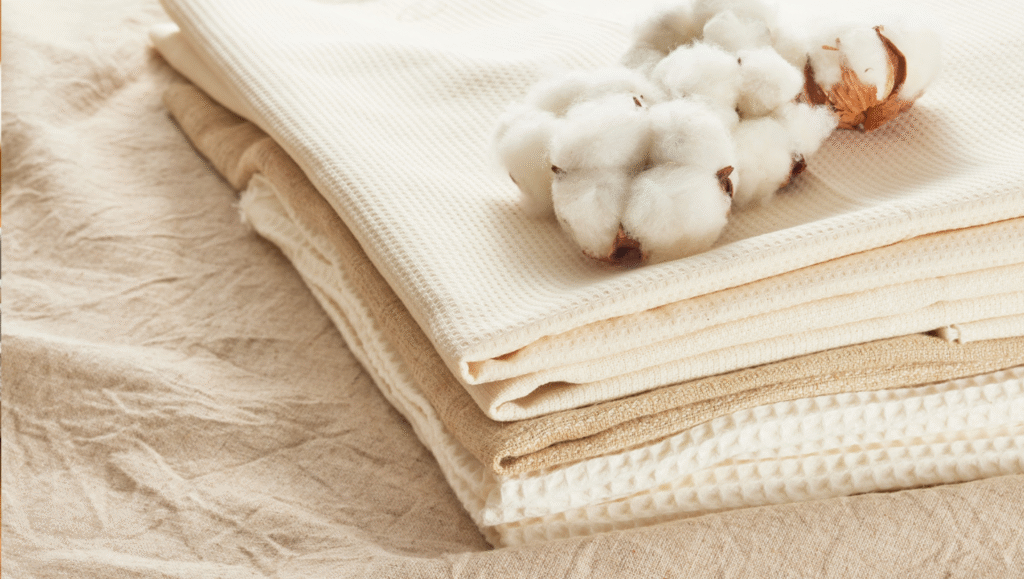
A newborn’s crib sheet may look like a tiny square of fabric, but its story stretches from family mental health to the global organic textile economy. Parents across the United States, France, and beyond choose organic cotton over conventional cotton because it’s softer on sensitive skin, gentler on soil health, and kinder to the farmers who grow it.
Below, we summarise the complete picture – organic cotton farming, its advantages and disadvantages, shopping tips, and even how to pay for organic cotton (all the main ones work: American Express, Apple Pay, Diners Club, Discover, or Google Pay). Let’s dive in.
What is organic cotton?
Organic cotton comes from plants without synthetic pesticides, herbicides, or genetically modified (GM) seeds. Certified growers follow rigorous farming practices set out by the Global Organic Textile Standard (GOTS) and the Organic Content Standard, which cover the entire supply chain—from seed and soil to spinning, dyeing, and finished products.
Organic cotton is vegan
No animal by-products, such as bone-char bleach, touch the fibre, making it a perfect plant-only choice for families following vegan values.
There are fewer organic cotton farms
Less than 1% of global cotton land is certified organic. This limited acreage explains the smaller colour range on store racks and (sometimes) the higher price tag.
The heart of organic cotton production
From crop rotation and compost fertiliser to rain-fed irrigation, organic farming protects water tables and boosts biodiversity. Fields become humming havens for bees, bats and birds—an ecological win that synthetic-sprayed plots can’t match.
Organic cotton benefits and its advantages
Chemical-Free Peace of Mind – Crib sheetswithout chlorine bleach, azo dyes, or formaldehyde do not irritate delicate skin. Babies stay more comfortable, and parents don’t have to worry as much about unexplained rashes or late-night itchiness.
Naturally Soft & Breathable – Organic cotton fibres are left longer and more intact because they skip the harsh acid baths used to “pre-soften” many conventional fabrics. The result is material that feels cloud-soft when it comes out of the package and allows air to circulate freely around a sleeping baby.
Hypoallergenic by Nature – Fewer chemical residues translate into fewer potential allergens. Parents who switch often notice a drop in eczema flare-ups and see their little ones wake less frequently to scratch or rub irritated areas.
Temperature Regulation—Organic cotton’s natural loft wicks moisture away from the skin and helps balance body temperature. Babies stay comfortably warm without overheating, even as room conditions change throughout the night.
Durability – Because their cell walls are not weakened by aggressive processing, organic cotton fibres hold up better in the wash. Sheets maintain their shape and softness cycle after cycle, outlasting many fast-fashion cotton alternatives.
Planet-Friendly—Organic production avoids synthetic pesticides and relies on healthier soil systems, leading to lower greenhouse gas emissions and cleaner waterways. Choosing these sheets supports farming methods that work with the environment rather than against it.
Ethical Supply Chain – Independent audits verify that organic-cotton farms and mills pay fair wages and provide safe working conditions. Parents can feel confident that the product offering comfort at home also contributes to dignity and security for those who made it.
Organic cotton vs cotton: the real difference
Imagine putting two crib sheets through 50 rounds of washing. One is made from conventionally grown cotton, processed with bleach, chemical softeners, and synthetic resins that can leave the fibres weak and prone to wear. The other is certified organic cotton. It skips the harsh treatments, keeping its fibres strong, smooth, and naturally intact. The result? Tests show the organic cotton holds about 25% more tensile strength. That means fewer holes, better fit over time, and a sheet that still feels soft and supportive, wash after wash.
Here’s the science:
Longer staple length – Organic crops aren’t rushed to grow bigger, faster, or cheaper. The result is a longer fibre that twists into a tougher yarn. It’s like having spaghetti instead of rice grains to braid with—more length, more hold.
No fibre-frying chemicals – Conventional cotton production uses chlorine bleach, formaldehyde resins and softening silicones that erode the cellulose microstructure. Organic skips the chemical boot-camp, so the fibres keep their natural spring.
Gentler ginning and spinning—Without defoliants, bolls open naturally, and mills can process at lower speeds, preserving fibre integrity and soil-to-sheet sustainability bragging rights.
Friction fighters – Stronger yarn resists pilling, so your once-white sheet doesn’t turn into a bobbly snowstorm after six months.
The result is a sheet that survives nighttime nappy blowouts, toddler trampoline sessions, and even a hand-me-down for baby number two. In short, choosing organic cotton isn’t just planet-kind; it’s cost-saving overall.
Organic cotton for ethical fashion
Sustainable style isn’t just a trend—it’s the future of fashion. More and more pioneering brands show us that it’s possible to dress beautifully without relying on harmful chemicals or environmentally damaging processes. With organic cotton, you get clean lines and a clean conscience. No toxic dye baths, synthetic finishes—just well-made, thoughtfully produced pieces that last.
Whether you’re building a capsule wardrobe, shopping for long-lasting baby clothes, or want to know your T-shirt didn’t harm the planet or its people, organic cotton ticks all the right boxes. It supports safer working conditions, fairer wages, and farming practices that put the planet first. It’s fashion that feels as good as it looks.
Is organic cotton better quality?
Yes—and the difference is backed by lab testing and real-world wear. Organic cotton fibres are longer, cleaner, and less damaged by processing. That means fewer impurities, stronger threads, and reduced pilling over time. Garments keep their shape better, feel softer for longer, and hold up through dozens (even hundreds) of washes.
Baby clothes, bedding, and everyday basics translate into less fading, fewer repairs, and more hand-me-down potential.
Is organic cotton better for the environment?
Absolutely. Life Cycle Assessment studies show that organic cotton production can reduce greenhouse gas emissions by up to 46% compared to conventional cotton. But the benefits go well beyond carbon. Organic cotton is grown without synthetic pesticides and relies on healthier soil systems that retain water and support biodiversity. That means fewer pollutants in local rivers, less water waste, and safer environments for farmers and surrounding communities.
When you choose organic cotton, you’re protecting your family’s skin, helping protect ecosystems, improving soil health, and supporting a more regenerative way of growing what we wear.
What are the disadvantages of organic cotton?
Challenge
Reality Check
Quick Fix
Higher Price
Certification and smaller yields boost costs 15–30 %.
Buy two quality crib sheets, not five cheap ones.
Wrinkling
No anti-crease resins = natural crinkles.
Embrace the relaxed linen vibe or tumble-dry on low.
Limited Availability
Fewer colour options in local shops.
Shop online for wider ranges.
Is buying organic cotton worth it?
Many parents find that the higher price tag on organic cotton balances out— and often saves money— over time.
Lower skin-care costs Families who switch to organic cotton frequently see fewer eczema flare-ups and other sensitivities. That can mean fewer prescription creams, over-the-counter lotions, and doctor appointments.
Better cost per wear A conventional baby grow that costs £20 and lasts 40 washes works out to 50p per wear. An organic alternative priced at £30 but lasting 100 washes drops to 30p per wear. Longer fibre life and stronger seams make a noticeable difference.
Less time in the waiting room Reduced skin irritation also means fewer trips to the dermatologist or GP. Even when medical care is free at the point of use, time away from work and the disruption to family routines have real costs.
Reusable for future children After repeated laundering, organic fibres hold their strength and colour, so garments and crib sheets are more likely to stay in good condition for younger siblings or to pass along to friends.
Positive environmental and ethical impact Choosing organic supports farming systems that avoid synthetic pesticides, protect waterways and provide safer working conditions for growers. Many parents value this social and environmental return alongside the financial one.
Lower healthcare spending, longer garment life, and tangible environmental benefits often justify organic cotton’s initial premium. It can deliver overall value in both the short and long term.
Material guide: reasons to choose organic cotton
Whether you’re upgrading crib sheets, tees, or French flax blends for five-star-hotel vibes, organic cotton delivers:
Comfort — breathable, moisture-wicking, and temperature-balancing.
Longevity — fabric that resists pilling and thinning.
Sustainability — traceable from seed to shelf, under the textile standard microscope.
The environmental footprint of organic cotton
Water: Rain-fed systems and healthier soils slash blue-water use by up to 91 %.
Biodiversity: Pesticide-free habitats welcome pollinators vital to food security.
Farmers’ Health: Fewer chemicals = lower medical costs and safer working conditions.
The mental health benefits of organic cotton clothing
A growing body of evidence—including a 2023 white paper from The Organic Center—connects fabric comfort, infant sleep quality, and parental well-being. This report highlighted the extensive use of chemicals in conventional cotton and underscored potential health risks. For example, U.S. cotton farming recently used over 42 million pounds of pesticides, including glyphosate, a chemical linked to cancers and neurodevelopmental issues. Conventional cotton often carries residues of pesticides and other finishes (like formaldehyde for wrinkle resistance) that can linger in fabric and irritate sensitive skin.
Breathable fabrics and improved infant sleep
Paediatric sleep experts emphasise that breathability and comfort in sleep fabrics are crucial for infants. Babies can easily overheat, which not only disrupts sleep but may pose safety risks. To prevent overheating, experts like Dr. Harvey Karp recommend dressing babies in light, breathable layers and avoiding synthetic fleece pyjamas or swaddles that trap heat.
Natural fibres such as organic cotton muslin or lightweight cotton sleep sacks allow air circulation, helping babies maintain a comfy body temperature throughout the night. Research backs up the sleep benefits of breathable natural materials: Infants sleeping with wool (a highly breathable fibre) have been found to fall asleep faster, sleep longer, and wake less often – in one study, underweight newborns on wool underlays showed 61% higher weight gain and jaundiced babies cried far less (30% vs 67%) when sleeping on wool compared to cotton.
The likely reason is better thermal regulation; as one researcher noted, wool (and by extension other breathable fabrics like cotton) keeps babies in a “thermal comfort zone,” leading to deeper, more restful sleep. These findings suggest that dressing your baby in breathable organic fabrics can tangibly improve infant sleep quality, thanks to less overheating and more consistent comfort.
Organic materials for sensitive infant skin
Baby skin is incredibly delicate, especially for little ones with eczema. That’s why dermatologists recommend soft, breathable fabrics that won’t irritate or trap heat. Organic cotton is a great choice here: no formaldehyde, azo dyes, or hidden nasties like phthalates or PFCs, which are often found in conventional baby clothes and bedding. While it’s not a treatment, organic cotton gives you a clean, gentle base layer that helps reduce flare-ups and nighttime itching. And when baby’s skin is calm and comfy, everyone sleeps a little better.
Choosing breathable, organic cotton pyjamas and bedding can help minimise discomfort from overheating or itching, promoting longer, more restful sleep for your baby—and by extension, for you. Investing in gentle, baby-friendly fabrics isn’t just about comfort; it’s a step towards better sleep and mental well-being for the whole family.
How to identify and choose organic cotton products
Not all “organic” labels are created equal. If you want to make sure you’re choosing genuinely skin-safe, sustainable cotton products for your baby, here’s what to look for when shopping:
Spot the GOTS tag
The Global Organic Textile Standard (GOTS) is the gold standard in organic certification. If you see this tag on a product, the cotton has met strict environmental and social criteria across every stage, from farmed to dyed and finished. So, there are no shortcuts or greenwashing—just genuine organic integrity.
Check the fibre content
Some labels might say “made with organic cotton,” but that doesn’t always mean 100%. In many cases, it could be as little as 70% organic and mixed with synthetic or conventional fibres. Look for terms like “100% organic cotton” or “GOTS-certified organic” to know exactly what you’re getting.
Explore the brand’s supply chain
Reputable, conscious brands proudly show you where and how their products are made. Head to the brand’s website for details on farming methods, factory conditions, and dye processes. If there’s little to no transparency, that’s a red flag.
Look at the country of origin
Countries like India, Turkey, and some parts of Europe are known for strong organic cotton supply chains. While this isn’t a guarantee, it can add a layer of trust, especially when paired with the proper certifications.
Check for additional certifications
Products that carry GOTS and OEKO-TEX® Standard 100 labels offer double assurance. OEKO-TEX® tests for harmful chemicals, so even if a product is made from organic cotton, this additional check ensures it’s safe for sensitive skin.
In short, don’t take “organic” at face value. Flip the label, scan the certifications, and spend a minute reading up on the brand. It’s a small step that can make a big difference—for your baby’s skin, peace of mind, and the planet.
How can I be a better cotton shopper?
Choosing organic cotton is a great start, but how you shop, wash, and reuse your cotton can make just as much of a difference. Here’s how to get the most out of your cotton purchases, in a way that’s kinder to your family and the planet:
Support brands that invest in regenerative farming
Look beyond the label. Brands that work with farmers using regenerative techniques—like crop rotation, composting, and natural pest control—protect soil health and help rebuild ecosystems. When you support these brands, you’re backing a movement prioritising long-term sustainability over short-term gain.
Wash cold and line-dry whenever possible
Hot washes and tumble dryers use energy and can wear out your fabrics faster. A simple switch to cold water and fresh air drying saves water, cuts energy use, and keeps your cotton looking and feeling its best. Bonus: it’s gentler on baby clothes and bedding, too.
Repurpose what you already have
When a cotton item reaches the end of its life as clothing or bedding, don’t toss it—transform it. Old crib sheets make brilliant soft cleaning cloths, reusable wipes, or even drawstring laundry bags. Giving cotton a second life helps reduce waste and gets you more value from each purchase.
Buy less, choose well
It’s tempting to overbuy (especially with baby gear), but quality trumps quantity every time. Two organic cotton onesies that last are better than ten that shrink, fade, or fray after a handful of washes.
Ask questions
Don’t be afraid to contact brands. If a product says “organic,” ask about its certifications or where the cotton is sourced. Brands with nothing to hide will be happy to tell you more.
Being a better cotton shopper is about small, mindful choices that add up—less waste, more comfort, and greater peace of mind for your family and the planet.
The best cotton sheets: what to look for
Regarding your baby’s (or your own!) bedding, not all cotton sheets are created equal. Comfort, breathability, and durability come from the weave, weight, and certification. Here’s how to spot the good stuff:
Percale vs. sateen—know your weave
If you prefer a crisp, lightweight feel with some texture (great for warmer sleepers), go for percale. It’s breathable and matte, perfect for those hot summer nights or babies who run warm. If you’re after something smoother and silkier to the touch—think hotel luxury—sateen is your best friend. It has a subtle sheen and a buttery softness that feels lovely against the skin.
Check the GSM (grams per square metre)
Durability matters, especially when you’re washing bedding frequently. Look for sheets with a GSM of 300 or higher—the fabric is dense enough to hold up through countless washes without thinning or tearing. Anything lower may feel flimsy and wear out quicker.
Double up on certifications
For the safest sleep environment, aim for GOTS-certified bedding and OEKO-TEX® Standard 100 approved. GOTS ensures the cotton is organic and ethically produced, while OEKO-TEX® tests for harmful substances. Together, they cover both environmental and health safety.
Avoid coarse or heavily processed fabric
Due to chemical softeners, some conventional sheets may feel soft at first, but that finish can wear off fast. Worse still, overly processed cotton can be too stiff or abrasive, causing discomfort, especially during active sleep, when little bodies move and rub against the fabric.
Babies with sensitive skin are particularly vulnerable to irritation from harsh dyes, resins, or wrinkle-resistant treatments.
So whether you’re dressing a newborn’s crib or upgrading your bedding, stick with soft, breathable, certified organic cotton. It’s a small switch that leads to deeper, healthier sleep, and longer-lasting sheets that feel like new, wash after wash.
Buying guide and payment tips
Most eco-shops accept American Express, Apple Pay, Diners Club, Discover, and Google Pay, so “American Express, Apple Pay / Diners Club, Discover, Google / Pay, Diners Club / Diners Discover” requests are covered.
FAQ – Organic cotton clothing, skin health and sustainability
Why is organic clothing better for you than regular clothing?
Organic garments skip synthetic pesticides, formaldehyde resins and toxic azo dyes, so your skin absorbs fewer chemicals and your lungs inhale fewer VOCs.
What are the advantages of organic cotton clothing?
Breathability, hypoallergenic comfort, longer lifespan and a smaller water and carbon footprint.
What makes organic cotton tops a healthier choice for your skin than regular cotton?
No bleach residues or silicone softeners linger in organic cotton, reducing the risk of contact dermatitis.
Does organic cotton clothing last longer?
Yes. Intact fibre cell walls mean higher tensile strength; lab tests show organic cotton tees survive 20 % more laundry cycles.
What are the convincing reasons to wear organic cotton T-shirts?
What are the advantages of using organic cotton and wool over synthetic fabrics such as polyester or nylon?
Natural fibres breathe, regulate temperature, and biodegrade; synthetics lock in odour, release microplastics, and rely on fossil fuels.
What are the benefits of organic cotton in kids’ clothing?
Fewer allergens, softer texture, and no endocrine-disrupting finishes—vital for developing skin.
What are the benefits of choosing organic cotton tops over conventional cotton?
Less skin irritation, stronger seams, ethical farming practices and a 46 % smaller climate footprint.
What is the environmental and/or health benefit of wearing organic clothing?
Environmentally, reduced pesticide runoff and greenhouse gases. Health-wise: fewer toxins touching your skin and fewer chemical fumes in your closet.
Final thoughts on the pros and cons of organic cotton
Organic cotton isn’t a silver bullet—price and wrinkles are fundamental considerations. Yet its upside for skin, farmers, and future water security dwarfs the drawbacks. Whether swapping crib sheets or revamping your entire wardrobe, every organic purchase is a vote for toxin-free childhoods, healthier soils, and a more sustainable fashion industry.
*Collaborative feature post*
The benefits of play therapy autism activities in kids
Play therapy is a wonderful way to encourage kids to open up on topics they may not feel comfortable expressing verbally. For children with autism, where communication can be especially challenging, these therapeutic activities can make a world of difference.
Both play and speech therapy offer children the chance to learn, grow and connect in ways that feel natural and enjoyable. Therapy isn’t just about addressing communication challenges-it’s also about nurturing social skills, building emotional resilience, and creating a space where children can truly be themselves. Let’s explore this guide to autism speech therapy and how storytelling and other methods in play therapy autism activities can support children on the autism spectrum in meaningful, holistic ways.
Why play therapy autism activities are crucial
Play therapy and speech therapy provide unique benefits for children with autism, especially when therapists adapt these approaches to suit meet a child’s individual needs. While speech therapy often focuses on improving communication skills, play therapy engages children in creative and sensory activities that improve fine motor skills, support sensory processing, and strengthen social interactions.
Together, these therapies provide a safe and structured environment where children can practice essential skills-like turn-taking, managing emotions and interpreting social cues—all while having fun. Through engaging storytelling games, pretend play, and interactive activities, children with autism can explore and practice these skills in ways that feel natural and fulfilling.
The importance of a supportive environment
Children with autism face unique challenges in daily life, from interpreting social cues to managing sensory sensitivities. A structured, supportive environment allows them to explore these areas with greater confidence. In play and speech therapy,, the environment provides a safe space for the child to express themselves, interact with others, and experience sensory activities in ways that are not overwhelming.
Therapists play a key role in setting up this environment. They plan activities that feel playful but are thoughtfully designed to support specific developmental goals. For example, storytelling games allow children to use language creatively, practice listening, and engage in social interactions—all without feeling pressured. This type of environment is essential for making progress that feels both natural and meaningful.
Play therapy ideas for autism
Play therapy for autistic children includes structured activities that support emotional and social growth. Here are some play therapy techniques that can be especially effective:
1. Storytelling through sensory bins and sensory swings
Sensory bins and swings are popular tools in occupational therapy and provide calming sensory input, helping children regulate sensory sensitivities. But beyond their sensory benefits, these can also be great tools for storytelling.
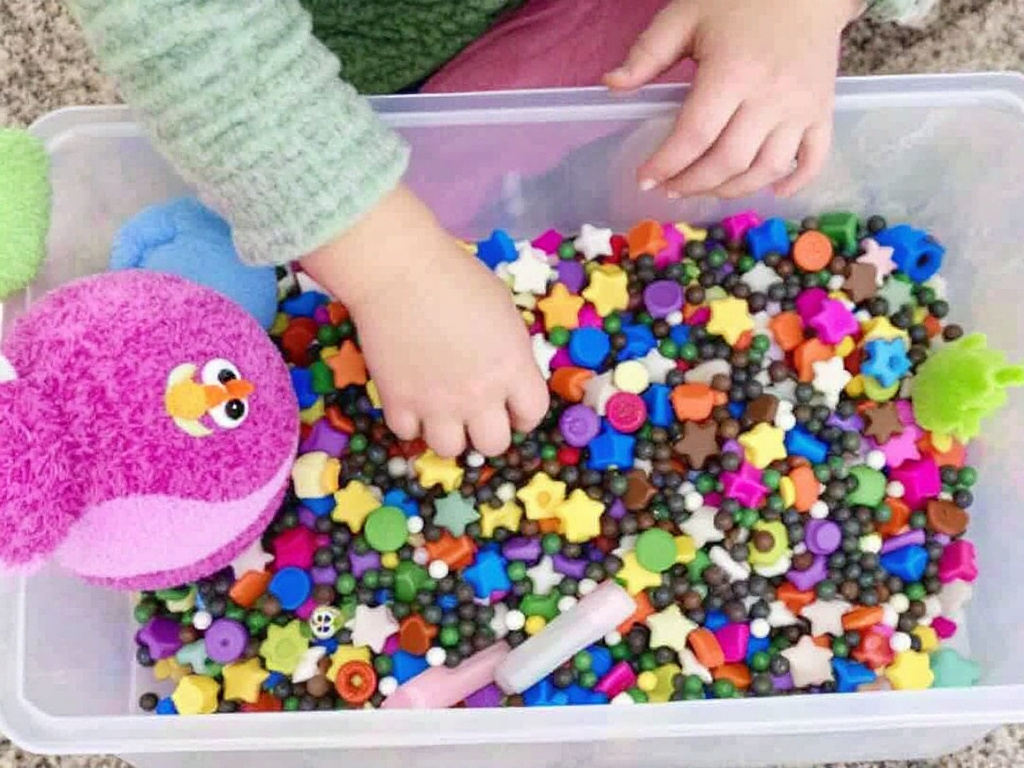
For example, a sensory bin filled with rice or sand allows children to explore objects by uncovering small toys or figurines. Therapists can prompt children to create a story with the items they find, which helps them connect objects to language and narrative. Sensory swings, meanwhile, offer a fun, safe environment where a child might tell a story or listen to a therapist tell one, further reinforcing relaxation with language skills.
2. Pretend play and role-playing games with a storytelling focus
Pretend play is essential for social development. It allows children to act out familiar scenarios, explore emotions, and even practice empathy. For instance, playing “house” lets children act out routines like preparing meals or getting ready for bed, which helps them process daily experiences in a safe, imaginative way.
In these scenarios, storytelling often emerges naturally as children create dialogue and situations for their characters. Role-playing games, adapted for group play, allow children to take on different roles, encouraging turn-taking and active listening. For children who struggle with social cues, pretend play and storytelling create a low-stakes environment for practicing language and social skills without fear of judgment.
3. Interactive group games with storytelling elements
Group activities, like board games or scavenger hunts, can be adapted to include storytelling. Board games that involve dice or drawing cards allow children to create stories as they play, adding another layer of engagement and imagination.
For example, therapists might modify a board game so each turn involves describing what a character in the game is doing or feeling, incorporating storytelling while focusing on language and social skills. Group storytelling activities encourage children to work together, listen to one another, and develop narrative skills in a fun and supportive setting.
The role of speech-language pathologists in storytelling-based interventions
Speech-language pathologists (SLPs) play a crucial role in implementing storytelling games as therapeutic tools. They select and adapt games to target specific speech and language goals for each child, guiding gameplay, modeling language use, and providing feedback to reinforce learning.
SLPs can make therapy sessions more engaging and motivating for children with autism, helping them practice essential communication skills in enjoyable, low-pressure settings.
SLPs may use picture-based storytelling for minimally verbal children, where they present a series of images and encourage the child to describe the scenes. This technique not only supports vocabulary and sentence structure but also provides an opportunity for children to practice sequencing, a critical component of storytelling that helps improve narrative skills and logical thinking.
The benefits of storytelling in speech therapy for autism
Storytelling is a powerful tool within speech therapy, especially for children on the autism spectrum, because it combines language development, social engagement, and emotional expression in one activity. Here’s how storytelling-based speech therapy can support children in building vital communication skills.
1. Enhancing language and communication skills through storytelling
Storytelling games are one of the most effective ways to enhance language skills in speech therapy. These games allow children to create and share stories, which promotes expressive language and vocabulary building. For children who are minimally verbal, picture-based storytelling provides visual cues, helping bridge the gap between thoughts and spoken words.
For example, a speech therapist might guide a child through a series of images and ask them to describe what’s happening in each one. This activity helps children practice sentence structure, vocabulary, and narrative skills, fostering comfort with language and making it easier to communicate needs and feelings.
2. Practicing social communication through storytelling scenarios
Social communication is another area where storytelling makes a big impact. Through storytelling games, children can practice conversation skills like initiating topics, maintaining dialogue, and responding to others.
Therapists might use a simple story and prompt the child to continue it, allowing them to add details or respond to questions about the characters’ actions or feelings. These interactive storytelling sessions give children a chance to practice the back-and-forth of real-life conversations in a supportive, structured environment.
3. Building Emotional Expression through storytelling characters
Storytelling is also effective for helping children explore and express emotions. By interacting with different characters and scenarios, children learn to identify and understand various emotions, as well as how to manage them.
For instance, therapists might introduce a story with characters experiencing a range of emotions, such as happiness, frustration, or sadness. They can then ask the child how each character feels and why, allowing the child to reflect on and discuss emotions in a safe space. This type of storytelling builds emotional recognition skills, which are often challenging for children with ASD.
Practical tips for parents and caregivers
Storytelling and play-based techniques can be extended beyond the therapist’s office. Here are some practical tips to bring these techniques into your everyday life:
1. Encourage pretend play and storytelling at home
Simple games like “restaurant” or “doctor’s office” give children a chance to create stories around familiar scenarios. Allow your child to take the lead in creating a story, and follow their cues. Letting the story evolve naturally can be a fantastic way for them to express thoughts and feelings.
2. Use visual supports and story schedules
Visual supports like picture charts, storyboards, and “first-then” boards can be helpful for children who feel anxious in new situations. Using visual aids to map out a simple story or a schedule of the day’s events can help children understand sequencing and develop a sense of narrative structure.
3. Practice storytelling with everyday events
Storytelling doesn’t need to involve elaborate plots. Use everyday events as storytelling prompts. For instance, after a family outing, ask your child to describe what happened, guiding them to recount the day in order. This simple practice helps them develop narrative skills while reinforcing memories of positive experiences.
Working with qualified therapists
Occupational therapists, speech-language pathologists (SLPs), and play therapists have specific training to support children with autism. Therapists adapt activities to each child’s strengths and growth areas. For example, an SLP might incorporate storytelling games to enhance language skills, while an occupational therapist might use sensory-based storytelling activities. Qualified therapists also guide family members on how to reinforce these skills at home, creating a well-rounded approach to therapy.
FAQs on storytelling in play therapy and speech therapy for autism
What are the main benefits of storytelling games in autism therapy?
Storytelling games enhance language, social, and emotional skills by letting children practice these skills in a structured setting. Storytelling offers a unique way for children to build social connections, understand emotions, and express themselves.
How does storytelling in play therapy help with social skills?
Storytelling within play therapy encourages cooperation, empathy, and emotional regulation. These skills are essential for children with autism as they learn to navigate social situations.
What is the role of storytelling for minimally verbal children?
For minimally verbal children, storytelling through picture-based activities provides visual cues that support language development, helping them communicate thoughts and ideas in a way that feels comfortable.
Long-term benefits of storytelling in play and speech therapy
The benefits of storytelling in play and speech therapy extend far beyond individual sessions. As children develop communication and emotional skills in a safe,
Play therapy ideas for autism
Play therapy for autistic children uses structured activities to nurture emotional and social growth. Here are some play therapy techniques that work wonders:
1. Sensory swings and sensory bins
Sensory swings are a popular tool in occupational therapy. They provide calming sensory input and help children regulate sensory sensitivities. Swings can also be a fun way to practice social engagement in a safe environment. Sensory bins, on the other hand, offer hands-on activities where children can play with textures, colors, and objects, stimulating their senses and encouraging exploration.
For instance, a bin filled with rice or sand allows children to bury and uncover toys, which can help improve fine motor skills. These activities create a great way to help children feel centered and calm, making them ideal starting points for play therapy.
2. Pretend play and role-playing games
Pretend play is essential for social development, and it provides children with a platform to explore emotions, practice empathy, and understand social roles. For example, playing “house” allows children to act out familiar routines, like preparing meals or getting ready for bed, which helps them process daily experiences in a safe, imaginative way.
Role-playing games can be adapted for group play too, promoting turn-taking, active listening, and creative thinking. For children who may struggle with social cues, pretend play offers a low-stakes environment to practice without fear of judgment.
3. Interactive group games
Group activities, such as board games and scavenger hunts, encourage cooperative play and social interaction. These activities teach children the basics of turn-taking, listening, and responding, which are crucial for social success.
Board games that involve dice or drawing cards are perfect for promoting social skills and patience. Plus, these games are highly adaptable; for example, therapists can modify rules to focus on specific skills, like following directions or expressing emotions.
The role of speech-language pathologists in game-based interventions
Speech-language pathologists (SLPs) play a crucial role in implementing storytelling games as therapeutic tools. They select and adapt games to target specific speech and language goals for each child. SLPs guide gameplay, model appropriate language use, and provide feedback to reinforce learning objectives.
These professionals create structured environments that encourage turn-taking and social exchanges. They may use visual supports or modify game rules to accommodate individual needs. SLPs also involve parents and caregivers, teaching them to use game-based strategies at home.
By incorporating storytelling games, SLPs can make therapy sessions more engaging and motivating for children with autism spectrum disorder (ASD).
The benefits of speech therapy for autism
Speech therapy is incredibly beneficial for children with ASD, especially when it includes storytelling games and structured language activities. Here’s how speech therapy supports children in building vital communication skills.
1. Enhancing language and communication skills
Speech therapy is known for enhancing language skills, and storytelling games are one of the most effective tools for this purpose. These games allow children to build expressive language skills as they create and share stories. Picture-based storytelling games are especially useful for children who are minimally verbal, providing visual supports that help bridge the gap between thought and speech.
For example, a speech therapist might use a game where children describe a series of images, helping them practice sentence structure, vocabulary, and narrative skills. As they become more comfortable with language, children may find it easier to communicate their needs and feelings.
2. Practicing social communication
Social communication is another area where speech therapy can make a big impact. Through role-playing and storytelling games, children practice conversation skills like initiating topics, maintaining dialogue, and responding to others. These activities give children a chance to navigate the back-and-forth of real-life conversations in a supportive environment.
Therapists often create scenarios that mirror everyday interactions, such as ordering food or asking for directions. By practicing these “scripts,” children build confidence in their communication abilities, which can make a significant difference in their daily lives.
3. Building emotional expression
Storytelling and role-playing games also help children explore and express emotions. By interacting with different characters and scenarios, children learn to identify various emotions and understand how to manage them.
For example, therapists might use puppets or picture cards to help children discuss how a character feels and why. These discussions provide a safe space to explore complex emotions, from joy and surprise to frustration and sadness. For many children with ASD, understanding emotions is challenging, so this form of therapy is particularly valuable.
Practical tips for parents and caregivers
For families, therapy doesn’t have to stop at the therapist’s office. Here are some practical tips to bring the benefits of play and speech therapy into everyday life.
1. Encourage pretend play at home
Simple games like “restaurant” or “doctor’s office” provide children with opportunities to practice communication, turn-taking, and emotional expression. Start by creating a scenario together, then allow your child to take the lead. Follow their cues and let the play evolve naturally—this can be a fantastic way for them to express their thoughts and feelings.
2. Use visual supports and schedules
Visual supports like picture charts, schedules, and “first-then” boards can help children understand and anticipate what’s coming next. These aids are particularly helpful for children who feel anxious in new situations. For example, a visual schedule showing the day’s routine can help children transition smoothly from one activity to the next.
3. Practice storytelling with everyday events
Storytelling doesn’t need to involve elaborate plots or fantasy. Use everyday events as storytelling prompts. For instance, ask your child to recount what happened after a family outing, prompting them to describe the details. This helps them build narrative skills while reinforcing memories of positive experiences.
Working with qualified therapists
A strong therapeutic partnership is vital for making progress. Occupational therapists, speech-language pathologists (SLPs), and play therapists have specific training to support children with autism.
Therapists adapt activities to suit each child’s strengths and areas for growth. For instance, an SLP might use storytelling games to boost language skills, while an occupational therapist could focus on sensory play to improve motor skills. A qualified therapist also involves family members, teaching them how to reinforce these skills at home.
Key qualities to look for in a therapist
When selecting a therapist, look for qualifications, experience with autism spectrum disorder, and a collaborative approach. A good therapist should make both the child and family feel comfortable, valued, and engaged in the therapy process. Also, consider therapists who are open to using a variety of techniques, such as sensory integration, visual supports, and play-based interventions, to target specific goals.
FAQs on play therapy and speech therapy for Autism
What are the main benefits of storytelling games in autism therapy?
Storytelling games enhance language, communication, and emotional skills by allowing children to practice these skills in a structured yet engaging setting. They provide a unique way for children to develop social skills, understand emotions, and express themselves.
How does play therapy help with social skills in autistic children?
Play therapy activities like pretend play, group games, and role-playing encourage cooperation, empathy, and emotional regulation. These skills are essential for children with autism as they learn to navigate social situations.
What is the role of occupational therapists in autism therapy?
Occupational therapists focus on fine motor skills, sensory integration, and self-regulation. They often use sensory activities, visual supports, and play-based techniques to help children feel more comfortable in their environment.
How can play therapy be adapted for children with sensory sensitivities?
Play therapists may use sensory bins, swings, and visual aids to tailor activities to a child’s specific sensory profile. This allows children to experience sensory input in a controlled and supportive way.
What types of activities are used in play and speech therapy?
Common activities include storytelling games, sensory play, pretend play, board games, and cooperative group activities. Each activity addresses different goals, like building language skills, improving motor coordination, or fostering social interactions.
Long-term benefits of play and speech therapy
The benefits of play and speech therapy extend well beyond therapy sessions. As children build skills in a supportive environment, they experience improvements in many areas:
Increased Communication Skills: As children gain confidence in language use, they can express themselves more clearly and understand others better.
Enhanced Social Abilities: Play therapy provides practical experience with social rules, helping children build friendships and navigate social situations.
Improved Emotional Regulation: Learning to recognize and manage emotions in therapy can help children feel more in control in daily life.
Better Motor Skills and Sensory Integration: Sensory activities in play therapy help with both fine and gross motor skills, making physical activities more enjoyable.
With a strong foundation in these skills, children with autism can grow more independent and capable, enjoying a higher quality of life and more meaningful connections with others.
By combining play and speech therapy, children with autism receive a holistic support system that nurtures communication, social, and emotional skills. These therapies provide a safe, enjoyable environment where children can develop in ways that feel natural and empowering. With the right guidance, autistic children can unlock new skills and gain the confidence to navigate the world around them, building a brighter future.
*Collaborative feature post*
Parenthood and fire safety alarm features for businesses: A comprehensive guide
Balancing the responsibilities of parenthood with professional obligations is a challenge many of us face daily. Amid these demands, we need to make sure safety at home and in the workplace becomes a top priority. Safeguarding your child is a constant concern, and this vigilance naturally extends to the business environment. Fire safety alarms play a critical role in protecting homes and businesses from potential fire hazards, so this article explores the importance of fire safety alarms for parents, the essential features for businesses, and how integrating these alarms can create a safer environment for everyone.
The importance of fire safety alarms for parents
Ensuring the safety and wellbeing of children
Our primary concern is the safety and wellbeing of our children and this concern is heightened when considering the risks associated with fire hazards. So, fire safety alarms are essential tools in providing early warnings of potential fires, allowing for timely evacuation and minimising the risk of injury or death.
Peace of mind
Having a reliable fire safety system in place provides you peace of mind at home and work, allowing you to focus on daily tasks, confident that you have taken necessary precautions to protect your family.
Early detection
Modern fire safety alarms are designed to detect smoke and heat at the earliest stages of a fire. Early detection is crucial for allowing sufficient time to evacuate, especially in homes with children who may need extra assistance.
Life-saving alerts
Alarms equipped with loud sirens and visual alerts ensure everyone in the household or business is immediately aware of the danger. For you, this means a greater chance of safely evacuating your child in the event of a fire.
Essential fire safety alarm features for businesses
For businesses, fire safety is not just a regulatory requirement but a crucial aspect of protecting employees, customers, and assets. Advanced fire safety alarm systems come with various features designed to enhance safety and ensure a rapid response in case of emergencies.
Smoke and heat detection
Smoke Detectors: These are the most common type of fire alarm. They detect the presence of smoke, often the first sign of a fire. Advanced smoke detectors can differentiate between smoke from a fire and other sources, reducing false alarms.
Heat Detectors: These sensors detect rapid temperature increases. They are particularly useful in environments like kitchens, where smoke detectors might trigger false alarms.
Carbon monoxide detection
CO Detectors: Carbon monoxide is a dangerous, odourless gas that can be a byproduct of fires. Many modern fire safety alarms include CO detectors to provide an additional layer of protection.
Interconnectivity
Linked Alarms: In larger homes or buildings, interconnectivity between alarms ensures that if one alarm detects smoke or heat, all alarms will sound. This feature is crucial for ensuring everyone in the building is alerted, regardless of their location.
Visual and auditory alerts
Strobe Lights: For those who are hearing impaired, strobe lights provide a visual alert in case of a fire.
Loud Sirens: The primary function of any fire alarm is to produce a loud sound to alert everyone. Modern systems often feature multi-tone sirens to ensure they can be heard over various background noises.
Voice alerts
Voice Instructions: Some alarms now include voice alerts that provide clear instructions on what to do during a fire. This feature can be particularly beneficial for young children who might be confused or scared by a traditional siren.
Smart technology integration
Smart Alarms: Integration with smart home systems allows you to receive alerts on your phone if an alarm is triggered. This feature ensures you can respond quickly even if you are not at home.
App Connectivity: Many modern alarms come with apps that provide real-time updates and allow remote control of the system.
Battery backup
Dual Power Sources: In the event of a power outage, a battery backup ensures that the fire alarm system remains operational. This feature is critical for ensuring continuous protection.
Emergency lighting
Illuminated Escape Routes: Some fire alarms include emergency lighting to illuminate escape routes, making it easier to evacuate during a fire, especially in the dark.
Advanced fire safety alarm features for businesses
For businesses, having comprehensive fire safety systems is not just about compliance; it’s about ensuring the safety of employees and customers. Here are some advanced features that businesses should consider:
Addressable fire alarm systems
Individual Device Identification: These systems allow each device (smoke detector, heat sensor, etc.) to have a unique address. This feature helps quickly identify the exact location of a fire, enabling a faster response.
Integration with sprinkler systems
Automated Response: Fire alarms that integrate with sprinkler systems can automatically activate sprinklers when a fire is detected, helping to control or extinguish the fire before it spreads.
Regular maintenance alerts
System Health Monitoring: Advanced systems can provide alerts when maintenance is needed, ensuring that all components are functioning correctly and reducing the risk of system failure.
Zone-based alarms
Targeted Evacuation: Large businesses can benefit from zone-based alarm systems that can isolate specific areas, ensuring that only affected zones are evacuated, reducing panic and disruption.
Integration with building management systems
Centralised Control: Integration with building management systems allows for centralised monitoring and control of fire safety systems, providing a comprehensive view of building safety.
Conclusion
As parents and business owners, ensuring the safety of our families and employees is paramount. We must understand the advanced features of modern fire safety alarms so we can make informed decisions about the best systems to install in our homes and workplaces. By leveraging these features, we can create safer environments that provide peace of mind and protect our loved ones from the devastating effects of fire.
In the ever-evolving landscape of safety technology, staying informed and up-to-date with the latest advancements is crucial. Whether you are a parent looking to safeguard your home or a business owner aiming to protect your premises, investing in advanced fire safety alarm systems is a step in the right direction towards enhanced safety and security.