Golf is a sport that has been loved and played by people of all ages for centuries. It’s not just about the competition; golf teaches patience, respect, concentration, and the importance of hard work.
But introducing golf games for kids is not as straightforward as handing them a club and pointing them towards the green.
This guide will provide you with a framework to make the experience enjoyable, memorable, and, most importantly, provide a foundation for a lifelong love of the game.
Fun golf games for kids: starting on the right foot
Golf is a game that requires patience and precision, traits that children do not always possess in abundance. So, starting your children on the path to golf needs careful thought and planning.
Introducing kids to golf isn’t about pushing them to be the next Tiger Woods; it’s about fun golf game ideas, building skills gradually, and fostering a love for the game.
Discovering the right guide: turning to online resources
In this digital age, finding a comprehensive online guide can be an excellent starting point for introducing your kids to golf. The internet is a vast reservoir of resources, with many experienced golfers and instructors sharing their knowledge and techniques, often tailoring them specifically for younger audiences.
Choosing an online guide has the advantage of flexibility. You can adjust your teaching pace according to your child’s comfort and adapt the instructions to suit their individual needs. In addition, many of these guides use interactive elements like videos, animations, and infographics, which can make learning more engaging for kids.
However, it’s crucial to select an online guide that simplifies the complexities of golf into fun, digestible content. Golf is a technical sport, but with the right resource, you can present it to your child in a manner that is enjoyable and easy to grasp.
So, spend some time researching an online guide that aligns well with your child’s learning preferences and the goals you have set for their golf journey.
Setting realistic expectations: small steps lead to big improvements
Children are not miniature adults; they learn and grow at their own pace. It’s important to set achievable, realistic expectations when introducing kids to golf.
Start by focusing on the basic skills: gripping the club correctly, standing in the right posture, and making a simple swing. As these become second nature, you can gradually introduce more complex skills.
One effective strategy is to keep the sessions short. Kids have limited attention spans, and golf can be a frustrating sport. Limit the fun golf practice games for juniors to 15-20 minutes at first, and slowly increase the time as your child’s interest and stamina grow.
The key is to maintain a positive attitude and celebrate the small victories along the way. This approach will foster a sense of achievement and keep your child motivated.
Making golf a family activity: shared time, shared memories
If you want your children to develop a passion for golf, show them how much you enjoy it. Make golf a family activity. Plan golf games to play on the course locally as kids learn best through observation and imitation.
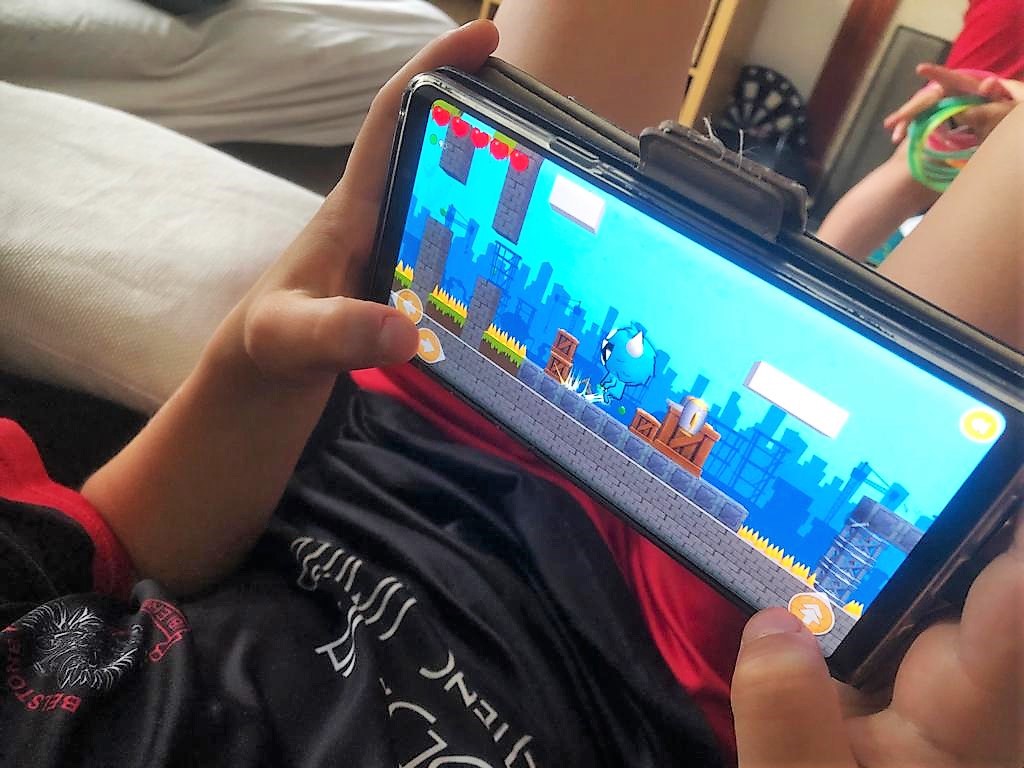
When they see you enjoying the game, they will naturally want to participate and share in the fun. By playing fun family golf games on the course, you’re not just teaching your kids to play a sport. You’re showing them the importance of physical activity, spending time outdoors, and disconnecting from screens and digital distractions.
You’re also creating shared memories and experiences that will last a lifetime.
Gear up: investing in the right children’s golf equipment
Like any sport, golf requires equipment. And the equipment you choose for your child can significantly impact their experience with the game. Here are some tips on choosing the right golfing equipment.
Selecting the right clubs: size and weight matters
When choosing golf clubs for your children, size and weight are crucial factors. Clubs that are too long, too short, too heavy, or too light can hinder your child’s progress and enjoyment.
There are specially designed junior golf clubs available that are lightweight and come in varying lengths to accommodate children of all ages and heights, like plastic golf clubs for toddlers.
Consulting with your child’s coach or a knowledgeable salesperson can ensure you make the right choice.
Golf balls And tees: emphasising the fun
As for golf balls and tees, the emphasis should be on fun. Use colourful balls and tees that make the game more visually engaging, especially for the first tee.
While the type of ball or tee doesn’t significantly affect their learning at this stage, using vibrant colours can make the game feel less serious and more playful, which is essential for kids.
Clothing and footwear: comfort is key
Comfort should be the priority when it comes to golf clothing and footwear for kids. Opt for clothes made of breathable, stretchable fabric that won’t restrict their movements.
For footwear, choose shoes that offer good grip and support, while also being lightweight and comfortable to walk in.
And of course, don’t forget the importance of a good golf hat for those sunny days on the green!
Kids golf bags
Choosing a golf bag for kids should prioritise comfort and lightweight construction.
Choosing a golf bag often comes down to the individual preferences and needs of the child. Always choose a bag that is appropriate for the child’s size, as a too-big bag could be awkward and heavy for them to carry around the course.
Cultivating a love for the game: building on the basics
Once your kids are comfortable with the basic skills and have the right equipment, it’s time to build on the foundation and cultivate a deep love for the game.
Encouraging practice: consistency over intensity
Regular practice is key to improving golf skills, but remember the focus is on consistency, not intensity.
Encourage your child to practice regularly, but avoid making the practice sessions too long or too strenuous. The goal is to keep the experience enjoyable, not to turn it into a chore.
Taking part in junior tournaments: experience over winning
Participating in junior tournaments can be a great way for kids to gain experience, learn to handle competitive pressure, and make new friends.
But it’s important to emphasise that the aim is to gain experience and have fun, not just to win. This approach will help your child develop a healthy attitude towards competition.
Learning the etiquette: respect and sportsmanship
Teaching your child golf etiquette is just as important as teaching them how to swing a club. The golf lessons of respect, sportsmanship, and discipline they learn on the golf course can serve them well in other aspects of life.
Make sure they understand the importance of respecting the course, their fellow players, and the rules of the game.
Gross motor activities – fun golf games for kids
The benefits of golf for children’s health and development can be limitless! Golf can be an excellent way for kids to develop their gross motor skills. It involves balance, coordination, strength, and endurance.
But what’s the best golf game for kids? Here are some fun golf-themed games for wide range of handicaps to keep golf interesting for kids:
Golf games for children – Target golf
Create different zones with different point values using hula hoops or painted circles on the grass. Give each child a set number of balls and have them aim for the different zones to accumulate points. Make it a team or individual competition!
Children’s golf games – Obstacle course golf
Set up a golf course with different obstacles. For example, you could create tunnels out of cardboard boxes, place cones for them to hit the ball around, or put up a ramp for the ball to go over. This will help the kids to think strategically about how they’re going to hit the ball.
Golf bowling
Set up a ‘lane’ with plastic bowling pins at the end. Have kids take turns to hit a golf ball down the lane with the aim to knock down as many pins as possible. This will help them to focus on their aim and power.
Golf ball relay
Divide the children into teams. Each team needs to get their golf ball from one end of the course to the other by only hitting it with their club. The first team to get their ball to the end wins.
Chipping challenge
Set up a basket or target and have the kids try to chip their balls into it from varying distances. What makes this golf game for kids so good? The chipping challenge will help them practice their accuracy and control.
Putting green games
Golf putting games for kids can be a lot of fun to play, like this game called ‘Around the world’ that is perfect for practicing those short putts. Give each player a golf ball and a putter. They choose a hole on the putting green to be their target.
Each player places their ball in a line around the hole and each player attempts to putt their ball into the hole. If they succeed, they move their ball to the next ‘spot’ in the circle and try again on their next turn. If they miss, the ball stays where it is and they tray again. Each player takes turn until they have completed their ‘journey’ around the world.
This game encourages precision and consistency in putting, and it can be adjusted to make it easier or more difficult depending on the kids’ abilities and progress.
Putt-putt tournament mini golf
Design a miniature golf course with fun and challenging holes. You can use everyday objects such as ramps, tunnels, sand pits (sandbox), and water hazards (small kiddie pool).
Longest drive contest – Driving range games
Have a contest to see who can hit the golf ball the furthest. Make sure to use a wide, open space for this activity and ensure safety of all participants.
Golf for toddlers – Golf treasure hunt
Hide small objects or tokens around the golf course or your backyard. Give the kids a map or clues to find them. They need to hit their golf ball to reach each destination where a “treasure” is hidden.
Remember, safety is the number one priority. Make sure the area is clear when someone is swinging their golf club, and teach the children to respect this safety rule.
Kids golf games – Short game area games
Short game skills are essential in golf and include chip shots, pitch shots, sand shots, and putting. Some games can include ‘Chip in the bucket’ where you place a bucket
There are some great golf games for juniors that can help kids develop these skills while having fun (or several buckets at varying distances) out on the short game practice area. Each player takes turns trying to chip their ball into the bucket. Assign different point values to different buckets to make the game more challenging.
Remember, the objective with short games is to make practice fun while also helping kids to improve their skills. Make sure to modify games as needed based on the age and skill level of the kids.
Fun golf games – Indoor golf games
If the weather isn’t cooperating or you simply want to bring the golf fun indoors with free golf games for kids, there are plenty of creative ways to enjoy golf games inside like indoor mini-golf where you can design a mini-golf course using household items. Books can create paths, cups can be holes, and toys can be obstacles. Be creative with it! You can use plastic putters and balls for safe play.
Golf games for kids – conclusion
Golf is a sport that can provide a lifetime of enjoyment, friendships, and valuable life lessons. By approaching it with the right attitude and patience, you can make your child’s introduction to golf a fun, memorable, and enriching experience.
FAQ
How can I make golf more fun for kids?
Other questions asked were:
How to make golf fun for kids?
Making golf fun for kids is all about creating a positive environment, providing variety, and fostering a sense of achievement.
Remember, the main objective is for kids to have fun. The more they enjoy golf, the more likely they are to continue playing as they grow up. Use the tips above to make golf fun for kids.
How do you play wolf on the golf course?
“Wolf” is a fun, strategic golf game that involves a good deal of risk and reward. It’s played in groups of four or five players.
You start by establishing the order of play. This can be done by drawing tees or deciding based on the scores of the previous hole, round, etc. This order remains the same throughout the round.
The ‘Wolf’ is the first player to tee off. After everyone has teed off, the Wolf must decide whether to play the hole 1 against 3 (if they’re confident in their drive), or to choose a partner making it 2 vs. 2 (based on the other players’ drives).
If the Wolf decides to pick a partner, it must be done immediately after that partner’s drive. If the Wolf waits to see another drive, they cannot go back and pick a previous player.
Once teams (or lack of) are chosen, the hole is played out in the usual stroke-play manner.
If the Wolf chooses to go alone and wins the hole (has the lowest net score), they win 3 points. If they lose, however, each of the other players gets 1 point.
If it’s 2 vs 2, the team with the lowest net score wins. Each player on the winning team gets 1 point.
After each hole, the ‘Wolf’ title rotates to the next player in the established order, so every player gets a turn.
The game of ‘Wolf’ encourages both strategy and risk-taking, making it a fun and interesting game to play on the golf course.
How do you play golf skins?
“Skins” is a popular golf game that can be played by any number of players, though it’s most commonly played in a foursome. The objective in Skins is to win the most holes; the player who wins a hole earns a “skin”.
Before teeing off, decide on the value of each skin. This could be a set number of points or a specific monetary amount. Each hole is played in the usual stroke play manner. The player with the lowest score on a hole wins a skin.
If two or more players tie for the lowest score on a hole (this is known as “halving”), the skin carries over to the next hole, making the next hole worth 2 skins, and so on.
The player who wins the next hole, wins all the skins that have accumulated. If the next hole is also halved, the skins carry over again.
Continue in this manner for all 18 holes. If the final hole is halved, the skins may carry on to a sudden-death playoff, or the players may agree to split the final skin.
The player with the most skins at the end of the round is the winner.
How many holes are in a golf game?
A standard round of golf consists of 18 holes. However, the number of holes can vary depending on the type of golf course and the time available to play.
18-Hole Course: This is the standard full round of golf and is the most common format played professionally. It typically takes around four hours to complete an 18-hole round, depending on the pace of play.
9-Hole Course: For a shorter game of golf, players might play on a 9-hole course, which typically takes around two hours. Some 18-hole golf courses offer the option to play just 9 holes, especially useful for beginners or when there are time constraints.
Par-3 Course: A Par-3 course typically has 9 or 18 holes, all of which are Par 3. This type of course is good for beginners or for experienced golfers looking to improve their short game. The time to play a Par-3 course depends on the number of holes but is usually quicker than a standard 9 or 18-hole course.
Executive Course: An executive course typically has fewer holes (often 9 or 12), and the holes are usually shorter with more Par-3 holes and fewer Par-4 and Par-5 holes. An executive course generally takes less time to play than a standard 18-hole course.
Pitch and Putt Course: These are smaller courses, often having 18 holes like a standard course, but the holes are shorter, usually less than 100 yards. These courses are designed primarily for practicing the short game and can be played in a relatively short amount of time.
Why are golf tournaments called open?
The term “Open” in golf tournaments typically means that the event is “open” to all professional golfers and, in many cases, amateurs as well. This is as opposed to invitational events or certain other tournaments that may have stricter entry requirements or are limited to specific groups of golfers.
For example, the U.S. Open and the British Open (also known as The Open Championship) are both “open” tournaments. They allow any professional golfer to attempt to qualify, and they also have certain slots available for top-performing amateurs.
However, it’s important to note that while these tournaments are “open” in the sense that anyone can attempt to enter, there are typically qualifying tournaments or certain performance criteria that must be met in order to secure a spot in the tournament field. This ensures that the field of players is competitive while still providing opportunities for lesser-known or up-and-coming players to compete on a big stage.
*Collaborative feature post*
Exploring prenatal insurance coverage for maternity care
One of the biggest concerns for new parents in the US is the cost of pregnancy and childbirth. According to the Agency for Healthcare Research and Quality (AHRQ), the cost of childbirth in the United States has increased from $8,800 in 2015 to $18,865 in 2023, a ~115% increase. This increase in costs can cause stress for families, especially those who have inadequate prenatal insurance coverage.
Understanding the insurance coverage options available for prenatal, delivery, and postpartum care is important as various insurance plans offer different levels of coverage. In this article, we will explore prenatal insurance coverage and what factors to look for when evaluating plans.
What is prenatal insurance care?
Access and use of prenatal care is vital for a healthy pregnancy. It’s essential to begin prenatal care early in the pregnancy, as it helps identify any potential health issues for both the mother and the baby. A typical pregnancy care regimen includes regular check-ups, ultrasounds, and blood tests.
What does prenatal insurance cover?
With insurance coverage for prenatal care, most plans cover these expenses, but it’s essential to verify and understand the specifics of the coverage. Some insurance plans may require a co-pay or deductible for prenatal care appointments, while others may have a cap on how much they cover, and parents must pay the rest out-of-pocket.
You should compare quotes from different providers, like online quote from Assurance IQ insurance for pregnancy, to understand the different coverage options available. It’s also important to understand how existing medical conditions affect coverage, as some plans may not cover pre-existing conditions or have specific limitations.
Delivery and hospitalisation
The cost of delivery and hospitalisation varies depending on the type of delivery, whether it’s vaginal birth or a caesarean. According to the Centers for Disease Control and Prevention (CDC), the average cost of a vaginal delivery is around $32,000, while caesarean deliveries are around $51,000.
The type of Insurance plans typically cover the hospitalisation and you and your baby’s delivery expenses. However, check if the plan has any restrictions or limitations. Some insurance policies have a waiting period before covering delivery expenses, while some may only cover costs for specific hospitals or providers. Others may require a certain length of stay in the hospital before considering coverage.
It’s important to evaluate and compare different insurance plans to determine which one offers the best coverage options for delivery and hospitalisation expenses. Parents should look for plans that cover the majority of the costs, have little to no waiting periods, and cover a wide range of hospitals and providers.
Postpartum care
Postpartum care is essential for both you and the baby after delivery. This period is usually the first six weeks after childbirth and includes follow-up medical appointments, which may include pelvic exams, postpartum depression screenings, and vaccinations.
Health insurance during pregnancy offers different levels of coverage for postpartum care, with some covering more than others. Make sure to check the specifics of the postpartum coverage before choosing a health plan. Some insurance health plans do not provide any coverage for postpartum care, and those that do may have limitations.
Select a plan that covers all necessary postpartum medical appointments and health services and look out for plans that have additional incentives for postpartum care, such as lactation consultations, wellness programs, and support groups.
Additional factors to consider
Apart from the above, there are other factors to consider when evaluating maternity insurance coverage options. These include the following:
Network and Provider Options: Some insurance plans limit their network of providers. Make sure to select an insurance plan with a broad network of providers.
Cost of Premiums: Premiums represent the regular payments made to a health insurance provider. You can compare the premiums of different plans to find the one that offers the best value for money.
Prescription Drug Coverage: Some mothers may require prescription medication during pregnancy and after delivery. It’s vital to understand a plan’s prescription drug coverage options and any restrictions.
Conclusion
Expecting parents have several options for insurance coverage during the prenatal, delivery, and postpartum periods. It’s essential to evaluate and compare different insurance options to find one that best suits the family’s needs and budget. Quotes from Assurance IQ can be helpful during this process, as well as consulting with a healthcare professional to make sure all important aspects of maternity insurance coverage.
Choosing the right insurance plan can help alleviate the stress of managing pregnancy, delivery, and postpartum care and allow you to focus on enjoying the journey of parenthood.
FAQ
How much is prenatal care with insurance?
Other questions asked were:
How much are prenatal visits with insurance?
Are prenatal visits covered by insurance?
Are prenatal tests covered by insurance?
What prenatal tests are covered by insurance?
Are prenatal ultrasounds covered by insurance?
The cost of prenatal care with insurance can vary depending on the type of insurance plan you have and the specific coverage it offers. In the US, for example, you may be able to get health insurance covering pregnancy through employers, government programs like Medicaid or CHIP (Children’s Health Insurance Program), or private insurance providers. Each plan will have different benefits for maternity and cost-sharing arrangements.
With insurance coverage, prenatal care is more affordable than paying for all medical expenses out of pocket. Insurance plans can cover a portion or all of the costs associated with prenatal care, including:
Doctor’s visits: Regular prenatal check-ups with an obstetrician or midwife.
Lab tests: Blood tests, urine tests, and other screenings.
Ultrasounds: Imaging tests to monitor the baby’s development.
Medications: Prescribed medications relevant to pregnancy.
Hospital stays: In case of complications or labour and delivery.
Be aware of your insurance plan’s specific coverage details, including co-pays, deductibles, and any out-of-pocket maximums. These factors can impact the overall cost of prenatal care with insurance.
If you have insurance, contact your insurance provider directly or review your policy documents to get an understanding of what prenatal care services are covered and what your expenses may be. Some insurance plans may require you to use specific healthcare providers within their network to receive the maximum coverage of healthcare for pregnancy, so you should be informed about your plan’s network restrictions as well.
What insurance should I get if I’m pregnant?
Other questions asked were:
Are prenatals covered by insurance?
how do I get insurance if I already pregnant?
Is prenatal covered by insurance?
Does health insurance cover pregnancy services?
Does health insurance cover prenatal care and other pregnancy services?
Will my insurance cover my pregnancy?
What kind of insurance is best for pregnancy?
Which maternity insurance to buy?
What prenatal care is covered by insurance?
Is prenatal care covered by insurance?
What is considered prenatal care for insurance?
Are prenatal appointments covered by insurance?
If you are pregnant or planning to become pregnant, selecting the right insurance plan is essential to ensure comprehensive coverage for prenatal care, delivery, and postpartum care. Here are some options to consider:
Employer-Sponsored Health Insurance: If you have access to health insurance which covers maternity through your employer, review their plans to see which one offers the best coverage for maternity services. Many employer-sponsored plans include maternity benefits, so check the plan details and compare the coverage and costs.
Medicaid: Medicaid is a government program that provides medical aid for pregnancy to low-income individuals and families, including pregnant women. Eligibility and benefits vary by state, but Medicaid generally offers comprehensive prenatal care and delivery coverage with low or no out-of-pocket costs.
Affordable Care Act (ACA) Plans: Under the ACA, insurance plans are required to cover essential health benefits, including maternity and newborn care. You can explore different ACA plans available in your state’s health insurance marketplace to find one that suits your needs and budget.
Family Health Insurance Plans: If you are married or in a domestic partnership, check if you can be added to your spouse’s health insurance plan. Some family plans offer maternity coverage that includes prenatal care and childbirth expenses.
Special Maternity Insurance Plans: Some insurance companies offer specialised maternity insurance plans that focus on covering pregnancy-related expenses. These plans may provide additional benefits specifically for prenatal, delivery, and postpartum care.
Group Prenatal Insurance Programs: Some states or organisations offer group prenatal insurance programs that cater specifically to pregnant women. These programs can provide cost-effective coverage for prenatal services.
COBRA: If you recently left a job that provided health insurance and you are pregnant, you may be eligible for COBRA continuation coverage, allowing you to maintain the same insurance plan for a limited period, although it can be expensive.
Consider factors such as monthly premiums, deductibles, co-pays, network providers, and coverage limits. Review the plan’s benefits, including prenatal care, delivery, hospital stays, and postpartum care, to make sure your primary care needs during pregnancy are adequately covered.
Enrol in a pregnancy cover health insurance plan as early as possible during your pregnancy to ensure you have coverage for all necessary medical care services. Read the policy documents carefully and contact the insurance provider or a licensed insurance agent if you have any questions or need assistance in selecting the best plan for your pregnancy.
Is maternity insurance necessary?
Other questions asked were:
Is maternity insurance worth it?
Is pregnancy insurance worth it?
Does health insurance cover breastfeeding services?
Are prenatal classes covered by insurance?
Maternity insurance can be highly beneficial if you’re expecting, but whether it is necessary depends on your financial situation, healthcare needs, and the country’s healthcare system you live in. Here are some considerations to help you decide if maternity insurance is necessary for you:
Healthcare System: In countries with universal healthcare or comprehensive maternity benefits covered by the government, maternity insurance might not be needed as much. In such cases, basic prenatal care, childbirth, and postpartum services may be provided at little to no cost. However, even in countries with universal healthcare, some families opt for private maternity insurance for additional comfort and flexibility in choosing healthcare providers and facilities.
Cost of Prenatal Care and Delivery: In countries where healthcare costs are relatively high and maternity care is not fully covered by public programs, having maternity insurance can help offset the expenses associated with prenatal care, childbirth, and postpartum services. The costs can vary significantly depending on the level of care, hospital facilities, and any potential complications during pregnancy or delivery.
Personal Financial Situation: If you have the financial means to cover out-of-pocket medical expenses related to pregnancy and childbirth comfortably, maternity insurance may not be as crucial for you. However, unexpected complications or extended hospital stays could lead to large medical bills, which is where insurance can provide financial protection.
Employer Coverage: If you have employer-sponsored health insurance that includes maternity benefits, it may offer sufficient coverage for prenatal care and delivery. In this case, additional maternity insurance might not be necessary.
Peace of Mind: For many expectant parents, having maternity insurance provides peace of mind, knowing they have financial protection if any unexpected medical situations arise during pregnancy, labour, or postpartum.
Additional Benefits: Some maternity insurance plans offer additional benefits like coverage for prenatal classes, breastfeeding support, or postpartum mental health care services. If these extra benefits are essential to you, maternity insurance may be worth considering.
Will new insurance cover an existing pregnancy?
The coverage of an existing pregnancy by a new insurance plan depends on several factors, including the specific terms and conditions of the insurance policy for pregnancy, the state or country’s regulations, and the timing of when the insurance coverage begins.
Some insurance plans have waiting periods before certain benefits become active. If you become pregnant before the waiting period is over, the insurance plan might not cover the costs related to the existing pregnancy.
Here are some scenarios to consider:
Employer-Sponsored Insurance: If you are switching to a new employer-sponsored health insurance plan and you are already pregnant at the time the new coverage starts, the plan might provide coverage for prenatal care and delivery. Check with the HR department or the insurance provider about any specifics relating to the waiting period and the coverage start date.
Individual or Family Health Insurance Plans: If you are purchasing an individual or family health insurance plan and you are already pregnant, some plans may exclude coverage for pre-existing conditions, including pregnancy. This means the plan would not cover costs related to the existing pregnancy. However, this can vary, and some plans may cover prenatal care and delivery expenses.
Special Enrolment Periods: In some cases, certain life events, such as getting married or having a baby, can trigger a special enrolment period outside of the regular open enrolment period. During this special enrolment period, you might be able to enrol in a new insurance plan that provides maternity coverage even if you are already pregnant.
If you are pregnant and currently without insurance, explore your options for obtaining coverage, such as applying for Medicaid coverage or other government assistance programs, which may provide coverage for prenatal care and childbirth expenses even if you are already pregnant. It’s important to seek coverage as early as possible during your pregnancy to ensure you have access to necessary medical services.
Does health insurance cover infertility treatments?
Health insurance coverage for infertility treatments varies widely depending on the insurance plan, the country you reside in, and the specific benefits offered. In some cases, health insurance that covers pregnancy may provide coverage for certain infertility treatments, while in others, it may not cover any infertility-related expenses.
Here are some key points to consider:
Coverage Varies by Plan: Some health insurance plans include coverage for infertility treatments as part of their benefits package. This may include diagnostic tests, medications, and certain assisted reproductive technologies (ART) like intrauterine insemination (IUI) or in vitro fertilization (IVF).
State Mandates: In some countries, specific states have laws that require health insurance companies to offer coverage for infertility treatments. The extent of coverage and the treatments covered can still vary based on state mandates.
Exclusions and Limitations: Many insurance plans exclude or limit coverage for infertility treatments. Some policies might cover fertility testing and diagnosis but not the actual treatments, while others may impose lifetime or annual dollar limits on fertility benefits.
Employer-Sponsored Plans: If you have health insurance through your employer, check with your HR department or review the policy documents to see if infertility treatments are covered. Some larger employers may offer additional coverage options that include fertility treatments.
Individual and Family Plans: If you have an individual or family health insurance plan, review the policy documents or contact the insurance provider directly to inquire about coverage for infertility treatments.
Medicaid and Government Programs: In some countries, Medicaid or other government assistance programs may provide limited coverage for certain infertility treatments for eligible individuals or couples.
Out-of-Pocket Costs: If your insurance plan does not cover infertility treatments, you would be responsible for all related expenses, which can be significant.
Infertility treatments can be emotionally and financially challenging, so understanding your insurance coverage and exploring all available options is essential in making informed decisions about your fertility journey.
Does pregnancy insurance cover dental?
Pregnancy insurance, also known as maternity insurance or maternity coverage, typically focuses on covering medical expenses related to prenatal care, childbirth, and postpartum care. Dental coverage for pregnant women is not always included in standard maternity insurance plans. However, some insurance plans may offer limited dental coverage for specific pregnancy-related dental issues.
It’s important to note that dental health is crucial during pregnancy because hormonal changes can increase the risk of certain dental problems. Common dental issues during pregnancy include gum inflammation (gingivitis) and cavities. Addressing dental concerns promptly is essential for both you and your baby’s overall health.
If you have a separate dental insurance plan, it may cover routine dental care, such as dental cleanings, check-ups, and treatments for cavities or gum disease. However, not all dental plans cover pregnancy-related dental issues.
If you are pregnant or planning to become pregnant, make sure you prioritise your dental health. Regular dental check-ups and proper oral hygiene can help prevent and address dental issues during pregnancy, contributing to your overall wellbeing and the health of your baby. If you have any specific dental concerns during pregnancy, consult with your dentist or healthcare provider for appropriate advice and treatment.
Does maternity insurance cover the baby?
While maternity insurance primarily covers pregnancy healthcare needs, it often includes coverage for your baby after birth. Once your baby is born, they become a separate individual under the insurance policy, and their healthcare needs are handled differently.
After birth, your baby will usually be added to your insurance plan as a dependent. The insurance policy will have a certain period (usually 30 days to 60 days) during which you can add the newborn to the plan without a separate enrolment process. This is known as the “special enrolment period” for newborns.
Once your baby is added to the insurance plan, their healthcare needs will be covered as per the policy’s benefits, subject to any deductibles, co-pays, and coverage limits that apply. This coverage typically includes well-baby check-ups, vaccinations, and necessary medical treatments.
However, it’s important to note that the specific coverage for your baby under the insurance policy may vary based on the type of plan and the insurance provider. Some insurance plans may have different levels of coverage for paediatric services, so it’s essential to review the policy details and contact the insurance provider directly to understand the specific benefits for your baby’s healthcare.
If you have employer-sponsored insurance, you should consult your employer’s HR department or the insurance provider to understand the process for adding your newborn to the plan and the coverage details. For individual or family health insurance plans, you should contact the insurance company directly to enquire about adding your baby and the benefits for paediatric care.
Are prenatal massages covered by insurance?
Other questions asked were:
Is prenatal massage covered by insurance?
Whether prenatal massages are covered by insurance depends on the specific insurance plan and the policies of the insurance provider. In many cases, prenatal massages are considered as a form of wellness or relaxation therapy and may not be covered by standard health insurance plans.
However, there are instances where certain insurance plans or health savings accounts (HSAs) may offer coverage for prenatal massages if they are deemed medically necessary. For example, if a healthcare provider prescribes prenatal massages to alleviate specific pregnancy-related conditions like back pain, muscle tension, or swelling, there may be a possibility of insurance coverage.
If prenatal massages are not covered by insurance, you may still consider scheduling them as a form of relaxation and stress relief during pregnancy. Just be prepared to pay for the sessions out of pocket if they are not considered medically necessary according to your insurance plan.
Are prenatal vitamins covered by insurance?
Other questions asked were:
How to get insurance to pay for prenatal vitamins?
Is prenatal vitamins covered by insurance?
The coverage of prenatal vitamins by insurance can vary based on the specific insurance plan and the policies of the insurance provider. In many cases, prenatal vitamins are available over-the-counter (OTC) without a prescription, and standard health insurance plans may not provide coverage for them.
Some healthcare providers may prescribe specific prenatal vitamins with higher doses of certain nutrients if you have special dietary needs or medical conditions. In such cases, prescription prenatal vitamins might be covered by insurance.
Even if standard health insurance plans do not cover OTC prenatal vitamins, you may be able to use funds from an HSA or FSA to pay for them. Both HSAs and FSAs allow for tax-free spending on qualified medical expenses, and some plans consider OTC vitamins as eligible expenses.
Some insurance plans with prescription drug coverage may offer a limited selection of prenatal vitamins that require a prescription. In such cases, the specific prenatal vitamins available through prescription coverage might be covered, but it’s essential to check the details of your plan.
Regardless of insurance coverage, prenatal vitamins are essential for the health and development of the baby during pregnancy. If you are pregnant or planning to become pregnant, talk to your healthcare provider about the most appropriate prenatal vitamin regimen for you, and they can recommend the right type and dosage of vitamins to support a healthy pregnancy.
*Collaborative feature post*
Nextbase 622GW dash cam: The secret weapon for school runs
Picture this.
It’s snowing/raining/sleeting and the roads are unsalted. Hoards of cars weave in and out of few unoccupied parking spaces and traffic is building up on both sides. One narrowly misses the other as both cars compete to push through the open bays. Horns are glaring in unison.
This is a regular morning school run for me, no matter the weather.
Every morning we leave the house at 7.30am to beat the inevitable traffic and we’re on the road until I take my fourth to playgroup around 9.30am.
One particular day felt crazier than normal. It had been snowing yet there were more cars on the road. As we turned a corner, a 4×4 hurled towards us and veered onto our lane. The driver quickly swerved back at a particularly angled part of the road but not before we almost hit the curb on our side. As we ventured further, we had to emergency brake at a car which stopped abruptly in front of us, almost causing the car behind to crash into us – all in the space of five minutes!
When we arrived at the second school run pit stop, a rather rude man with a Tesla blocked us in, then proceeded to eff and blind at me in front of the kids because I told him he was parked on a single yellow line and we couldn’t get out to get to our third stop. He moved his car eventually, but that didn’t stop us from being late.
When we arrived at the third stop, a car behind us reversed onto the road behind and almost got hit by a truck. The noise was enough to wake the other side of the equator. To say I had nervous shock when I got home was an understatement.
Of course it’s not always like this, but the school run can be tiring and chaotic at the best of times. If I had a pound for every time I shouted, ‘Learn to drive!’, or, ‘Indicate!’ at an oncoming car, I wouldn’t need to drive my kids to school anymore, I’d be retiring on an island and I’d have my own school rules! I’ve also uttered, ‘If only I had recorded the license plate,’ many a time.
Well now I can!
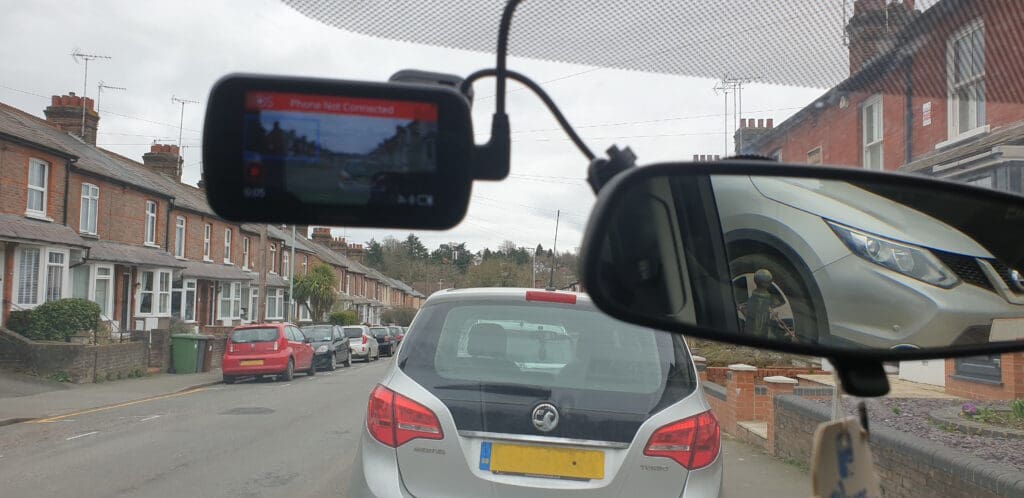
Are you tired of the school run turning into a chaotic, stressful mess every morning? Fear not, because I have the solution to all your road rage problems. Introducing the Nextbase 622GW dash cam which has become my new best friend on the road.
The Nextbase 622GW dash cam can provide added safety and peace of mind for parents while driving on the road, by recording footage, providing emergency assistance, and alerting drivers to potential hazards. It can even spot and record those pesky hit and runners while you’re parked and away from your car. #nowheretohide
Read on for the full Nextbase 622GW dash cam review and how it can help you on the school run too.
The Nextbase 622GW dash cam is a high-end dashboard front view camera designed for cars. It is a premium model in the Nextbase range and is equipped with advanced features and technology, including:
4K dash cam video recording: The camera can provide excellent image quality using ultra-high-definition video footage at a resolution of 3840 x 2160 pixels.
Touch screen interface: The camera features a 3-inch touch screen display that allows for easy menu navigation and playback of recorded footage.
Built-in Wi-Fi connectivity: The camera can connect to Wi-Fi networks, enabling users to transfer footage to a smartphone or tablet for sharing or editing.
Emergency SOS feature: In the event of an accident, the camera can automatically alert emergency services and provide precise location sharing.
Intelligent Parking Mode: The dashcam can monitor your vehicle while it is parked, using motion detection to trigger recording if someone approaches or collides with your car.
Alexa built-in: The Nextbase 622GW dash cam has Alexa built-in so you can get directions, play music, make calls, and more, all hands-free.
Image stabilisation: The camera has advanced image stabilisation technology to help reduce camera shake and ensure smooth footage.
Multiple safety features: The Nextbase 622GW dash cam also comes equipped with several safety features, such as lane departure warnings, collision avoidance systems, and driver fatigue alerts.
What do you get in the Nextbase 622GW bundle? Unboxing the Nextbase GW K Dash Cam
The contents of the Nextbase 622GW bundle may vary depending on the retailer or seller. However, typically, the bundle should include:
The Nextbase 622GW Dash Cam which is the main component of the package.
A power cable to connect the dash cam to the car’s power source.
A Click&Go PRO mount for easy installation and removal of the dash cam from the car’s windscreen.
Some bundles may include a rear camera module that can be connected to the dash cam for recording footage of the rear view. Ours was included in this particular bundle.
A MicroSD Card for storing the footage recorded by the dash cam. We received a 256gb U3 microSD card.
A quick start guide that provides basic instructions for setting up and using the dash cam.
Other accessories such as a carry case, screen protector, or cleaning cloth. We also received a sticker to place on the car’s rear or side window to warn other drivers that we are recording around us.
The Nextbase 622GW is a highly advanced dash cam with features that include 4K Ultra HD recording, built-in GPS, Wi-Fi, Bluetooth, and emergency SOS response. It also includes Intelligent Parking Mode for added security and peace of mind. Below are the full specs of the Nextbase 622GW dash cam:
4K Ultra HD (3840 x 2160) resolution at 30fps, 1080p Full HD at 120fps, 720p HD at 240fps
140-degree wide-angle lens with six-layer glass and f/1.3 aperture
3-inch HD IPS touch screen display
Built-in GPS module for location tracking and speed monitoring
Built-in Wi-Fi for easy transfer of footage to a smartphone or tablet
Built-in Bluetooth for hands-free calling and voice control
Emergency SOS response system that can automatically call for emergency services in the event of an accident
Motion detection and impact sensing to automatically record footage when the car is parked
MP4 video format
H.265 (HEVC) video codec
Supports up to 128GB microSD cards (not included)
500mAh Lithium-ion battery
12-24V DC power supply via included car power cable
98mm x 45mm x 37mm height dimensions
Weighs 128g
How to use Nextbase 622GW dash cam
There are a lot of components so make sure you familiarise yourself with the user manual and manufacturer’s instructions so you use the Nextbase 622GW dash cam properly. Below are the steps on how to install Nextbase 622GW dash cam, including the rear camera too.
First, mount the dash cam on your car’s windshield using the Click&Go PRO mount included. Make sure the dash cam is securely attached by pressing the mount firmly against the glass and twisting the base to lock it in place. The ideal location should provide an unobstructed view of the road ahead and not interfere with your driving.
Connect the dash cam to your car’s power source using the included power cable. Route the cable along the edge of the windshield, tucking it behind the car’s headliner and down the side of the dashboard. Connect the other end of the cable to your car’s power outlet, such as the cigarette lighter socket. Attach the dash cam to the mount by sliding it down onto the mount until it clicks into place. The dash cam should turn on automatically when your car starts up.
Use the dash cam’s touch screen interface to adjust the camera settings to your preferences. You can choose options such as video resolution, frame rate, and exposure. Adjust the camera angle to ensure that it is aimed in the right direction and provides a clear view of the road ahead.
The dash cam will start recording automatically when you start driving. You can also manually start and stop recording using the touch screen interface or voice commands.
You can review the footage recorded by the dash cam on its touch screen or transfer it to your smartphone or computer using the built-in Wi-Fi connectivity or Micro SD card.
The Nextbase 622GW dash cam comes with additional features such as Emergency SOS, Intelligent Parking Mode, and Alexa built-in. You can use these features to enhance your driving experience and ensure your safety on the road.
Always make sure to comply with local laws and regulations regarding the use of dashboard cameras while driving.
How to remove Nextbase 622GW dash cam from mount
Here are the general steps to remove the Nextbase 622GW dash cam from its mount:
Before removing the dash cam from its mount, turn it off by pressing and holding the power button until the screen turns off.
Locate the locking mechanism on the Click&Go PRO mount and release it by pulling the locking lever or pressing the release button, depending on the specific model.
Once the locking mechanism is released, gently lift the dash cam off the mount by pulling it upwards and away from the windshield. Be careful not to tug too hard or apply excessive force to avoid damaging the mount or dash cam.
Once the dash cam is removed from the mount, disconnect the power cable from the dash cam’s power socket.
Store the dash cam in a safe place, such as the carrying case provided or protective cover, to prevent damage or scratches.
Other Nextbase 622GW safety features – Extreme Weather Mode
The Nextbase 622GW Extreme Weather Mode is a feature that is designed to improve the image quality of the dash cam when driving in extreme weather conditions such as heavy rain, snow, or fog.
When Extreme Weather Mode is activated, the camera adjusts its exposure and contrast settings to compensate for the reduced visibility and lighting conditions. This helps to enhance the details and clarity of the video footage, making it easier to see and interpret what is happening on the road.
The Extreme Weather Mode also adjusts the camera’s image stabilisation and anti-glare settings to minimise the effects of weather-related issues such as windshield glare, snow or rain accumulation on the lens, or the vibration of the vehicle caused by strong winds or rough roads.
Nextbase 622GW does include a slow-motion feature.
This feature allows you to playback video footage in slow motion, which can be useful for reviewing details of an incident or for analysing driving behavior.
The slow-motion feature on the 622GW can be accessed through the camera’s playback menu, and can slow down footage by up to 10 times the original speed. This allows you to view the footage in detail and identify important information, such as the speed of the vehicles involved or the actions of pedestrians or other road users.
Nextbase 622GW problems
Like any electronic device, the Nextbase 622GW dash cam may experience problems or issues during use. Here are some common problems that users may encounter with the Nextbase 622GW dash cam:
You may experience connectivity issues when trying to transfer footage from the dash cam to a smartphone or computer. This can be resolved by ensuring the Wi-Fi connection is stable and the correct settings are selected.
You may experience errors with the Micro SD card, such as a “card error” message or difficulty reading the card. This can be resolved by checking the card is compatible and properly inserted into the dash cam.
There may be issues with the dash cam’s power supply or battery life. This can be resolved by ensuring the power cable is securely connected and the battery is fully charged.
The Click&Go PRO mount may not stick properly to the windshield or it isn’t securing the dash cam properly. This can be resolved by ensuring the windshield is clean and free from obstructions and that the mount is installed correctly.
The dash cam can overheat in hot conditions or direct sunlight. This can be resolved by parking in shaded areas or investing in a sunshade for the windshield.
There may be issue with the app’s settings in that it hibernates when not in use. We are still trying to resolve this issue with my Android phone.
If you experience any issues with your Nextbase 622GW dash cam, it is recommended to refer to the user manual or contact Nextbase customer product support for assistance.
Nextbase 622GW dash cam best price
The Nextbase 622GW price can vary depending on the retailer, availability, and any ongoing promotions or discounts. It is always recommended to shop around and compare prices from various retailers to find the best deal.
You can check the prices of the Nextbase 622GW dash cam on popular online retailers such as Amazon, as well as the official Nextbase website. You may also want to check for any special deals or promotions during holiday periods such as Black Friday or Cyber Monday.
The Nextbase 622GW dash cam can help parents stay safe on the road in several ways. Here are some ways that the dash cam can benefit parents:
The Nextbase 622GW dash cam records evidence in the event of an accident
The Nextbase 622GW dash cam can record high-quality footage of any incidents that occur while driving, such as accidents or near-misses. This footage can be used as evidence in the event of an insurance claim or legal dispute, helping parents prove their innocence and avoid potential penalties or legal consequences.
The Nextbase 622GW dash cam provides emergency assistance
The Nextbase 622GW dash cam’s Emergency SOS feature can automatically contact emergency services and provide the driver’s location in the event of a severe impact, such as a serious accident or medical emergency.
The Nextbase 622GW dash cam prevents accidents
The Nextbase 622GW dash cam is equipped with several safety features, such as lane departure warnings and collision avoidance systems that can alert drivers to potential hazards on the road and help them avoid accidents.
The Nextbase 622GW dash cam has built-in Alexa
The Nextbase 622GW has Alexa built-in so parents can get directions, play music, make calls, and more, all hands-free without taking their eyes off the road.
Added bonus – The Nextbase 622GW dash cam can monitor inexperienced drivers
If parents are supervising a newly licensed teenage driver, the dash cam can be used to monitor their driving behaviour and provide feedback on areas for improvement.
Are dash cams worth the expense and hassle of installing and what is the best way to setup a dash cam in a car?
Dash cams can be a worthwhile investment for several reasons. They can provide valuable evidence in the event of an accident or other incident on the road, help deter theft or vandalism, and even capture interesting or scenic moments during your travels.
Dash cams are typically easy to install and require minimal hassle. They can be mounted on the windshield or dashboard with a suction cup or adhesive pad and plugged into the car’s cigarette lighter or USB port. Some models may also require hardwiring for more advanced features such as parking mode or continuous recording.
Overall, the benefits of having a dash cam in your car can outweigh the expense and hassle of installation. Just make sure to follow the manufacturer’s instructions and local laws regarding the use of dash cams while driving.
What other dash cams should you consider?
Nextbase is a popular brand of dash cams that offers a range of models with various features and price points. Here are some Nextbase dash cams you may want to consider:
Nextbase 522GW – This is a high-end dash cam with features such as 1440p HD video recording, built-in Wi-Fi, GPS, and Alexa integration.
Nextbase 422GW – This is a mid-range dash cam with similar features to the 522GW but with a slightly lower resolution of 1080p HD video recording.
Nextbase 222 – This is a budget-friendly option with 1080p HD video recording, a compact design, and easy installation.
Nextbase 312GW – This is a popular mid-range dash cam with 1080p HD video recording, built-in Wi-Fi, and GPS.
Ultimately, the best dash cam for you will depend on your needs and budget.
Why choose the Nextbase 622GW dash cam over other dash cams?
The Nextbase 622GW is a highly rated dash cam that is considered by many to be one of the best on the market.
This bad boy is packed with features that will make your daily commute smoother than a baby’s bottom. With its crystal-clear 4K resolution and advanced night vision, you can capture every detail of your journey, no matter how dark or gloomy it may be outside.
But that’s not all – the Nextbase 622GW also comes equipped with intelligent parking mode, which means you can park up and leave your car knowing that it will record any potential incidents while you’re away. So if someone decides to reverse into your vehicle or attempt a break-in, you’ll have evidence at hand to show the authorities.
And let’s not forget about the safety aspect of this nifty device. With its Emergency SOS feature built in, you can rest assured that help is just a button press away should anything go wrong during your travels. Plus, its automatic emergency response notifications mean that should an incident occur while driving alone or with passengers, emergency services will be alerted immediately for rapid response.
The Nextbase 622GW dash cam can also prevent arguments between siblings fighting over who touched who first during the car ride!
So there you have it folks – the Nextbase 622GW dash cam is more than just a camera; it’s a lifesaver for busy families constantly on-the-go during school runs. Protect yourself from reckless drivers and keep calm throughout those hectic mornings with this indispensable gadget by your side.
For a full list of features and specs on the Nextbase 622GW dash cam, visit Nextbase’s website here.
Why will the dashcam screen go black after recording for some time?
There could be a few reasons why a dash cam’s screen may go black after recording for some time:
Many dash cams have a power-saving feature that automatically turns off the screen after a certain amount of time to save battery power. This is a normal function of the dash cam and is designed to prolong the life of the device’s battery.
If the dash cam becomes too hot due to prolonged use or exposure to direct sunlight, it may shut off the screen to prevent damage to the device. In this case, it is recommended to move the dash cam to a cooler location or turn it off for a while to allow it to cool down.
If the dash cam’s memory card becomes full, it may stop recording and turn off the screen. This is a safety feature to prevent the device from overwriting important footage. In this case, you will need to transfer the recorded files to a computer or other storage device to free up space on the memory card.
If the dash cam’s screen goes black after recording for some time and none of the above reasons apply, there may be an issue with the device itself. In this case, contact the manufacturer for assistance or have the device checked by a professional.
How to fit Nextbase 622GW dash cam?
Follow the instructions above to correctly install the Nextbase 622GW dash cam.
Once the dash cam is installed, it should begin recording automatically when you start your vehicle. Make sure to regularly check the dash cam to ensure it is recording properly and that the memory card has enough space to store your recordings.
How long does a 256GB SD card last in a dash cam?
The lifespan of a 256GB SD card in a dash cam will depend on several factors, such as the quality of the card, the type of dash cam, and the frequency of use.
Generally speaking, SD cards have a limited number of write cycles before they start to fail. This means the more frequently the card is written to, the shorter its lifespan will be. Dash cams tend to write data to the SD card continuously, which can put a strain on the card and reduce its lifespan.
Assuming a high-quality SD card and a typical dash cam usage pattern, a 256GB SD card in a dash cam could last anywhere from several months to a few years. However, it’s worth noting that SD cards can fail unexpectedly, so it’s always a good idea to back up important footage regularly and replace the card periodically to minimise the risk of data loss.
How many hours can you record on a 64GB dash cam?
The amount of recording time you can get on a 64GB dash cam will depend on several factors, including the video resolution and bitrate settings of the dash cam. Here are some estimates based on common video settings:
1080p resolution at 30 frames per second and a bitrate of 15Mbps: Approximately 8 hours of recording time on a 64GB card.
1080p resolution at 60 frames per second and a bitrate of 20Mbps: Approximately 5.5 hours of recording time on a 64GB card.
1440p resolution at 30 frames per second and a bitrate of 25Mbps: Approximately 4.5 hours of recording time on a 64GB card.
4K resolution at 30 frames per second and a bitrate of 60Mbps: Approximately 1.5 hours of recording time on a 64GB card.
It’s important to note that these estimates are just rough guidelines, and actual recording time may vary depending on a number of factors such as the specific dash cam model, the temperature and humidity of the environment, and how frequently the dash cam is recording over existing footage (loop recording). Additionally, it’s always a good idea to periodically review and offload footage from your dash cam to a computer or other storage device to ensure that you have enough space for new recordings.
Is 32GB enough for a dash cam?
Whether 32GB is enough for a dash cam will depend on several factors, such as the resolution and bitrate settings of the camera, the frequency of use, and how often you transfer files off the card. Here are some general guidelines:
For a dash cam recording at 1080p resolution at 30 frames per second and a bitrate of 15Mbps, a 32GB card could provide approximately 4 hours of recording time before it becomes full.
If your dash cam records at a higher resolution or frame rate, or if you prefer to set a higher bitrate, then the amount of recording time you can get on a 32GB card will be reduced accordingly.
If you don’t use your dash cam frequently, or if you transfer files off the card regularly, then a 32GB card may be sufficient for your needs.
However, it’s important to note that dash cams record continuously and overwrite old footage once the card becomes full (in a loop recording mode), so you may not have access to all of the footage you’ve recorded if you don’t transfer files off the card regularly. It’s generally recommended to use a card with at least 64GB of storage capacity if possible, to ensure that you have enough space for your recordings and to minimise the need for frequent file transfers.
What is used for Wi Fi on a dashcam and how does it work? Which dashcam models are equipped with Wi Fi?
Dash cams equipped with Wi-Fi use the Wi-Fi module to create a wireless network that can be used to transfer files, adjust settings, and view recordings on a smartphone or tablet.
When you connect your smartphone or tablet to the Wi-Fi network created by the dash cam, you can use a companion app to access the dash cam’s features and settings. Depending on the dash cam model and the features supported by the app, you may be able to:
View live video from the dash cam
Download and view recorded footage
Adjust video settings
Format the SD card
Update the firmware
There are many dash cam models that are equipped with Wi-Fi, including popular brands such as BlackVue, Thinkware, and Viofo.
It’s worth noting that not all dash cams with Wi-Fi have the same features or capabilities, so it’s important to research different models and read reviews to find one that fits your needs.
How do I install a dash cam without a cigarette lighter?
If your vehicle doesn’t have a cigarette lighter or accessory socket, you can still install a dash cam by using a hardwire kit. Here’s how to do it:
Purchase a hardwiring kit for your dash cam. This kit should include a cable that connects to the dash cam, a fuse tap, and a ground wire.
Locate your vehicle’s fuse box. This is usually located in the driver’s side footwell or under the hood.
Find a fuse that is only powered when the ignition is turned on. This is important to prevent the dash cam from draining your vehicle’s battery when the engine is turned off.
Insert the fuse tap into the selected fuse location. The fuse tap should have two slots: one for the original fuse and one for a new fuse. Insert the original fuse into the top slot, and the new fuse (which should be included in your hardwiring kit) into the bottom slot.
Connect the red wire from the hardwiring kit to the new fuse in the fuse tap.
Connect the black wire from the hardwiring kit to a metal ground point in the vehicle. This could be a metal bolt or screw in the vehicle’s frame.
Connect the cable from the dash cam to the hardwiring kit.
Test the installation by turning on the ignition and ensuring that the dash cam powers on.
It’s important to note that hardwiring your dash cam may require some knowledge of your vehicle’s electrical system, so if you’re not comfortable with this type of installation, it’s best to consult a professional or seek help from a knowledgeable friend. Additionally, be sure to check your local laws and regulations regarding the use of dash cams and their installation before attempting this installation.
Can I use a dashcam as a webcam?
In general, most dash cams are not designed to be used as webcams, and their functionality is limited to recording and saving video files to an SD card. However, some dash cam models do have a webcam function that allows them to be used as a live streaming camera.
To use a dash cam as a webcam, you will typically need to connect it to a computer via USB cable and install any necessary drivers or software. The specific steps will depend on the make and model of your dash cam and the software you plan to use for streaming.
It’s worth noting that using a dash cam as a webcam may not result in optimal video quality, as most dash cams are optimised for recording video in a moving vehicle rather than streaming video in real-time. Additionally, dash cams may not have the same features or settings as dedicated webcams, such as autofocus or manual focus, which could impact the quality of the video stream.
If you’re looking for a camera to use as a webcam, it’s recommended to purchase a dedicated webcam that is designed for this purpose, as they typically offer better video quality and more robust features and settings.
Do I have to use WiFi to use a dash cam?
No, you do not have to use Wi-Fi to use a dash cam. Dash cams can typically function without Wi-Fi, and will still be able to record footage to an SD card.
However, Wi-Fi can be a useful feature for accessing and managing dash cam footage. With Wi-Fi, you can transfer files from the dash cam to your smartphone or tablet, adjust settings, and view live or recorded video from the dash cam. This can be especially useful if you need to quickly share footage with others or if you want to check on your vehicle remotely.
If your dash cam doesn’t have Wi-Fi, you can still access the footage by removing the SD card from the camera and transferring the files to a computer or other device. Some dash cams also include a built-in screen that allows you to view footage directly on the device, without the need for Wi-Fi or an external device.
Ultimately, whether or not you need Wi-Fi in a dash cam will depend on your specific needs and preferences. If you value the convenience and flexibility of being able to access footage remotely or transfer files wirelessly, then a dash cam with Wi-Fi may be worth considering. However, if these features aren’t important to you, then a dash cam without Wi-Fi may be a more affordable and practical option.
Why don’t newer cars have dash cams by default?
Other questions asked were:
Why don’t car manufacturers offer built in dash cams as an option?
There are several reasons why newer cars do not typically come equipped with dash cams by default:
Adding a dash cam to a vehicle can increase the cost of the vehicle, and manufacturers are always looking for ways to keep costs down to remain competitive.
Some manufacturers may be hesitant to include a dash cam as standard equipment because they may be held liable for any footage captured by the camera that could potentially incriminate the driver or vehicle owner.
Dash cams can capture footage of people, vehicles, and other objects in the vicinity of the vehicle. Some people may have concerns about privacy and may not want a camera recording their actions or whereabouts.
Different countries and regions have different laws and regulations regarding the use of dash cams. Some countries, such as Russia and South Korea, have laws that encourage or even mandate the use of dash cams, while other countries, such as Austria and Luxembourg, have laws that prohibit the use of dash cams in certain situations.
Despite these factors, the popularity of dash cams has been increasing, and many drivers are now choosing to install them in their vehicles as an aftermarket accessory. As the technology advances and becomes more affordable, it’s possible that we may see more vehicles equipped with dash cams in the future.
Can the camera system on a car be converted into a dashcam type of recording?
In some cases, the camera system on a car can be converted into a dashcam-style recording system, but it would depend on the specific make and model of the vehicle and the type of camera system it uses.
Some newer cars have cameras built into the vehicle that are designed to provide a 360-degree view of the car’s surroundings, or to assist with parking and reversing. These cameras can be repurposed to provide a dashcam-style recording system, but it may require additional hardware and software to capture and store the footage.
Other vehicles may have cameras built into the rearview mirror or windshield that are designed for driver assistance features, such as lane departure warning or forward collision warning. While these cameras may be able to capture footage of the road ahead, they may not be optimised for recording video for extended periods of time, and may not be able to capture a wide-angle view of the vehicle’s surroundings.
It’s worth noting that converting a car’s camera system into a dashcam-style recording system would likely require some technical knowledge and expertise, and could potentially void the vehicle’s warranty or cause other issues if not done properly. If you’re interested in using your car’s camera system for recording purposes, consult a professional or seek guidance from the manufacturer to ensure that the modification is done safely and effectively.
On dash cams, how long can they record before overwriting and how easy is it to delete the recordings?
The amount of time a dash cam can record before overwriting old footage depends on the size of the SD card used, the video resolution and bitrate settings of the camera, and the length of time the camera is in use each day. Dash cams typically have a loop recording feature that automatically overwrites the oldest footage on the SD card once it becomes full.
For example, a 64GB SD card recording at 1080p resolution at 30 frames per second and a bitrate of 15Mbps may be able to record for approximately 8 hours before the oldest footage is overwritten. This time will decrease if the resolution and bitrate are increased or if the camera is used for longer periods of time each day.
To delete recordings from a dash cam, most cameras have a delete function built into the menu system. This function may allow you to delete individual recordings or to format the entire SD card to clear all recordings at once. The exact process for deleting recordings will depend on the make and model of the dash cam, but it should be a straightforward process that can be done using the camera’s built-in controls or a companion app on your smartphone.
Some dash cams also have a “lock” or “protect” feature that allows you to prevent specific recordings from being overwritten during the loop recording process. This can be useful if you want to preserve important footage, such as in the event of an accident. These locked recordings can be deleted manually using the camera’s delete function or by formatting the SD card.
Do dash cameras work when the car is off?
Other questions asked were:
Can I leave a dashcam thats plugged into a 12V power outlet on when I shut my car off and leave it for a few hours?
Most dash cameras are designed to continue recording even when the car is turned off, as long as the camera is connected to a power source that remains active when the ignition is turned off. However, some dash cameras may have a battery or capacitor that provides power for a short period of time after the car is turned off, after which the camera will shut down to conserve power.
The exact behaviour of the dash camera when the car is turned off will depend on the make and model of the camera, as well as how it is connected to the car’s power supply. If the camera is hardwired to the car’s battery or fuse box, it will typically continue to operate even after the ignition is turned off, unless the power supply is turned off manually or the battery is drained.
If the camera is powered by a cigarette lighter or accessory socket, it will stop recording when the ignition is turned off, unless the socket remains active even when the car is turned off.
It’s important to note that if a dash camera continues to operate when the car is turned off, it can drain the vehicle’s battery if left connected for an extended period of time. To prevent this, some dash cameras have a built-in low-voltage cutoff feature that will automatically shut down the camera if the battery voltage drops below a certain level, preventing the camera from draining the battery excessively. The Nextbase 622GW dash cam includes Intelligence Parking Mode which means it continues to record even when the vehicle is parked and turned off. For more information, see above.
Why do we need dash cameras with a GPS function?
Dash cameras with GPS functionality can provide several benefits:
Dash cameras with GPS can record the exact location of the vehicle at the time of recording, which can be useful in the event of an accident or other incident. This information can help to corroborate your account of what happened and may be useful in legal proceedings.
Dash cameras with GPS can also track the speed of the vehicle at the time of recording. This information can be useful in providing evidence of excessive speed or other driving behavior that may have contributed to an accident.
If you frequently drive in unfamiliar areas, a dash camera with GPS can be useful in tracking your route and helping you find your way back if you get lost.
Dash cameras with GPS can also be used as a security feature, as they can alert you if your vehicle is moved without your knowledge or if it is stolen.
Overall, the GPS function in dash cameras can provide additional context and information that can be useful in a variety of situations, including in the event of an accident, during legal proceedings, or for general navigation and security purposes.
Can my car dashcam recordings be used against me?
In some cases, dashcam recordings could be used against you in legal proceedings, depending on the circumstances of the incident being recorded.
For example, if you are involved in a car accident and the other party claims that you were at fault, the footage from your dashcam could be used as evidence to support or refute their claim. Similarly, if you are pulled over by law enforcement and the officer suspects you have committed a traffic violation or crime, footage from your dashcam could be used as evidence in court.
It’s important to note that while dashcam footage can be useful in providing evidence and supporting your account of what happened, it can also potentially incriminate you if you are shown to have committed a violation or crime. As such, it’s important to use your dashcam responsibly and to follow all traffic laws and regulations.
Additionally, there are laws and regulations in place that govern the use of dashcams and the recording of video and audio in public spaces. It’s important to be aware of these laws and to ensure that you are using your dashcam in a legal and responsible manner.
If I record someone on my dashcam running a red light or driving extremely dangerously can they be prosecuted?
If you record someone on your dashcam running a red light or driving dangerously, the footage could potentially be used as evidence to prosecute the driver for traffic violations or criminal offenses.
For the footage to be admissible in court, it would need to be clear and unambiguous, and would need to be properly time-stamped and geotagged to establish the location and time of the incident. Additionally, it’s important to follow all applicable laws and regulations regarding the use of dashcams and the recording of video and audio in public spaces.
If you do capture footage of someone committing a traffic violation or criminal offense, it’s recommended to report the incident to the appropriate authorities, such as the police or local law enforcement agency. They can use the footage to investigate the incident and potentially pursue charges against the driver.
It’s worth noting that dashcam footage is not always definitive evidence of an offense, and that other factors may need to be considered in determining whether an offense occurred. However, in many cases, dashcam footage can be a valuable tool for law enforcement and can help to promote safer driving behaviors on the road.
Do dashcams record sound?
Many dashcams do have the capability to record sound, but not all models have this feature. Dashcams that include a built-in microphone or have a port for an external microphone can record audio along with video. The Nextbase 622GW dash cam can record audio. The camera includes a built-in microphone that can record audio along with the video footage.
The ability to record audio can be useful in certain situations, such as in the event of an accident where there may be disputes about what was said or heard by the drivers involved. It can also be useful for recording conversations or other sounds that may be relevant to an incident.
However, it’s important to be aware of privacy laws and regulations regarding the recording of audio in public spaces. Depending on your jurisdiction, it may be illegal to record audio without the consent of the parties involved. Some dashcams may include a mute or privacy feature that allows you to turn off the microphone to avoid recording audio in certain situations.
If you’re unsure about the legality of recording audio with your dashcam, it’s recommended to consult local laws and regulations or to seek guidance from a legal professional.
*Motherhood Diaries was gifted the Nextbase 622GW dash cam in return for an honest review
What to put in a new mum care package
When considering the absolute best new mum care package ideas, it’s important to think about what a new mother needs most, i.e. love, happiness and support. After all, it takes a village to raise a child and often that is a luxury for new mums in the western world.
What is a postpartum care package?
A postpartum package is essentially a thoughtful collection of items put together to help a new mum after she’s given birth. Those first few weeks can be quite a whirlwind with the new baby, and taking care of oneself can sometimes take a back seat. So, this care package is like a little bundle of kindness to make life a bit easier and more comfortable for her.
Typically, it might include things like comfy pyjamas* or a cosy robe* – something nice to lounge in. There are often skincare products, like nipple cream* and soothing lotions, because let’s face it, childbirth and nursing can be quite tough on the body. You might also find things like sanitary pads*, as they’re pretty essential post-birth.
Then there are the little extras for comfort and relaxation – maybe some herbal teas known to be good for postpartum recovery, a nice book or magazine, and perhaps some healthy snacks. The idea is to provide a bit of pampering and practical help all rolled into one. It’s a lovely way to show a new mum that she’s supported and thought of during this big change in her life.
But does a new mum need help?
A new mum may feel overwhelmed by all the new things happening around her and therefore she would appreciate the help. So, a deluxe new mum care package should include self care gift ideas, both tangible and intangible, that will improve mum’s journey from pregnancy to the fourth trimester. Of course, it’s nice to get superficial gifts to boost happiness for the new mama, but sticking to things she will actually need will turn a nice gift basket into a vital mama care package to help raise baby and boost her mental and physical wellbeing.
Here are my thoughts on must-have products every new mum care package needs.
What do you put in a new mum care package?
Before thinking about what to put in a care package for a new mum, consider how the new mum is feeling and what she needs. She has all this extra responsibility to deal with after giving birth and needs to be on call for 24 hours a day. She’s tired and most likely in pain, so give her something that needs minimal input while also easing other aspects of her life.
So, what do you offer a new mum? Care packages every new mum will love will include items that take the mental load away from her too, like readily prepared meals or sleep aids to help her and baby go to sleep. Care kits for new mums are also great because they help mum take care of herself without taking too much time and thought into what she needs. Pairing a mummy care package after birth with a new baby care package offers ultimate happiness and support. We’ll go into what these are in a moment.
How to make a new mum care package
Like mum-to-be hampers, a DIY care package for new mum can include all the items in this article in a hamper or gift basket. To save money, you can bundle all the items together and then present in a hamper or basket, and wrap the whole thing in cellophane or a cotton blanket, which can double up as a blanket for baby. Creativity is key here and it will also save you money.
When to give a care package for new parents
New mum care packages that show her some love can include both practical and fun gifts. You can send a postpartum new mummy care package as part of a baby shower gift or as a new baby gift. Take advantage of next day deliveries if you can’t visit them personally and time the gift when mum needs it the most. So if it is a postpartum care package, make sure mum receives it just after she’s given birth, so she can use the items in the package to help recover. Here are some new mum care package ideas she’ll really appreciate:
What to put in a new mum survival kit
A new mum gift pack for survival is all about making those first few weeks with a new baby a bit easier and more comfortable for the mum. Here’s what you could include:
Nipple care package
New mum care packages should cater to her specific needs so if she’s breastfeeding, nipple cream is a lifesaver. You can also include breast pads and coconut oil in the after birth care package for mum too.
A postpartum care kit
Sanitary Pads: After giving birth, she’ll need a good supply of these.
Comfy Pyjamas: Something soft and easy to wear, ideally with buttons if she’s breastfeeding.
Healthy Snacks: New mums often forget to eat, so snacks like nuts, dried fruit, or granola bars are great for quick energy.
Water Bottle: Staying hydrated is super important, especially for breastfeeding mums.
Lip Balm and Hand Cream: Hospitals can be dry, and these little comforts can make a big difference.
Soothing Tea or Herbal Drinks: Great for relaxation and some are even beneficial for milk production.
A Good Book or Magazine: For those quiet moments when the baby is sleeping.
Baby Journal or Notebook: Handy for jotting down thoughts, feeding times, or sleep patterns.
A bathroom basics care package for new mums can include hair bands and dry shampoo for those days when showering is a bit of a luxury!
It’s all about providing a mix of practical items and little treats to make her feel cared for and supported.
Practical gifts for a new mum care package
Best postpartum care package includes gifts the new mum will actually include. Ideas for the perfect new mum care package can include practical items that will help take the mental load off mum. These can include:
A thermal mug
Babies are unpredictable and will need mum’s attention day and night. As a result, many a cup of tea or coffee will be suddenly abandoned, running cold before mum can finally take a sip.
Thermal mugs* are the perfect solution for any mummy care package after birth. They keep drinks warm while also protecting against spills with a nifty little lid. Practical and thoughtful, a thermal mug is something new mums never thought they would need but are so grateful they have it when they do.
Water bottle
Some great gift ideas include helping mum stay on top of her health. A personalised water bottle* will ensure she stays hydrated while also making her feel good. There are lots of online websites that can put a picture of her and baby on a water bottle or a positive message to keep her going. Search the net for something that suits mum.
New parent care package food related
New parents care package ideas can include taking the stress away from having to cook. Parents are tired, they’re fed up and they are at full capacity to consider when their next meal will come from. Sometimes a home-cooked food or readymade meals can offer a boost both nutritionally and mentally. Below are some ideas for a food-related mum gift basket.
Order a takeaway
A takeaway care package for mums can be an expensive way to help new mama wind down, but sometimes, just sometimes, it’s nice to feast on some gourmet food that she didn’t make in the kitchen.
Allow mum to curl up under the blanket with baby on a cold, winter’s night and stuff herself with comfort food while watching her favourite shows. It’s such a simple, yet relaxing way to forget about the growing to-do list and concentrate on bonding with baby.
Gift her a food subscription service
Food subscription services are perfect for new mums because they will always have food to fuel their busy days. If mum is particular about her food, then offering a subscription service that delivers ingredients can help her know what to make without having to meal plan or go grocery shop would be much appreciated. However, she would probably want readymade meals delivered to her door, so a food subscription service like COOK might be better suited.
Pampering gifts for a new mum care package
Your gift doesn’t even have to serve a practical purpose. Some new mums might have all the equipment they need, in which case it would be nice to treat them to something luxurious they wouldn’t buy themselves.
Something sparkly
Think pretty trinkets that make her feel special, like a piece of luxury or bespoke jewellery. It will serve as a beautiful reminder of this life-changing moment while also giving her something to glam up with when she’s ready for the world again.
Help her groom, detox, and pamper
New mums will not be considering pampering themselves, so offering her a chance to feel normal again might be the breath of fresh air she’ll need.
Whether that means an extended facial skincare regime from the Body Shop or Jeunesse Global while enjoying a glass of bubbly or mug of her favourite beverage as she puts her feet up will do her the world of good, even if it’s for just twenty minutes while her baby naps. If she doesn’t drink alcohol, then she can enjoy some awesome bug busting, vitamin enriching smoothies. So, not only will her skin look pristine from the pampering, but her insides will get a great detox too. Win-win!
Sleep aids
One thing that most new mums suffer with is sleep deprivation; most times, they don’t realise it themselves. Even if their baby is sleeping soundly, sometimes the anxiety of a being a new mum can be too overwhelming to get a decent amount of shuteye.
Help mama relax and find her inner Zen with a collection of sleep aids that make up the care package for new baby. These can range from lavender candles to soothing pillow sprays and sun lamps that encourage mum to sleep and wake up at a normal time. A pamper box is also a great way for new mums to enjoy a calming ritual before bed. Sleep aids can also be added to a holiday gift box self care gift box for mum so she can rest while she’s away.
New mother care package ideas can include a new smile
Teeth are very much affected during pregnancy, so if you have the cash to splash you can gift new mum with a smile update. Head over to Harley Street Smile Clinic and offer a new mother care package that includes working on those pearly whites!
What to put in a postpartum care package that boosts mental wellbeing
Sometimes, even with a new addition, the loneliness can be crippling. Offering to be present and available can be one of the best presents you can afford the new mama.
Allow her to vent to you – and just empathise
A new mama care package doesn’t have to be tangible. Sometimes, a girl needs girl time! Maybe her partner or family members don’t understand what she’s going through and she needs a fellow mum/friend to have a good ol’ chatter about nothing in particular and gossip about this and that over a glass of wine or a cup of coffee and some great food.
Friends can tap into feelings that she may bottle up and help mum work through them. Venting is healthy. It gets rid of the toxins and clears the cobwebs from her brain, even if it is to rant about how her baby puked all over her or how she’s not getting any sleep. Whatever it is, let her get it out and listen. Sometimes she doesn’t want suggestions or reassurances, so empathise and follow her cue.
Gift certificates for new parent care packages
If you’re still unsure about what to get mum, then consider vouchers or gift certificates which she can use when she’s ready.
Classes
Let’s face it, there are a lot of things a new mum has to learn super quickly. Make the whole process easier by gifting her some classes that teach anything from pelvic floor strengthening to Pilates or baby/mother nutrition. With the added support of professionals, new mums can feel more confident in undertaking their new responsibility. If only newborns came with a manual!
Gift cards
Populate a gift card with some money and allow mum to choose her own gifts when she’s ready to use them. Gift cards that can be redeemed online are preferable, so she doesn’t have to leave the comfort of home, especially during the first six weeks, although it might be nice for her to step outside and get some fresh air.
Complete your new mum care package with comfortable footwear
When assembling the ultimate care package for a new mum, it’s essential to consider not only the immediate necessities but also the long-term comforts that will support her in the postpartum journey. This is where thoughtfully chosen footwear from Black Tulip Studio comes into play, offering both style and comfort during this transitional phase. Plus, with an exclusive 5% discount, these make a considerate and practical addition to your care package.
Farro Flat Chelsea Boot – Caramel Suede: Perfect for those quick trips out or comfortable enough for indoor wear. These boots are a stylish yet practical choice for a new mum. Their supportive design and cushioned soles provide the necessary comfort when you are constantly on your feet. These versatile boots can be a staple in your postpartum wardrobe.
Arbi Sleek Sneaker – Giraffe: For a more casual look, the Arbi Sleek Sneakers are ideal. Their unique giraffe print adds a fun twist, brightening up the day of a new mum. Lightweight and comfortable, these sneakers are perfect for walks with the baby or running errands.
Other new mum care package ideas
There are so many care package ideas online, here are some favoured ones to include in a care package for new mum (and dad).
Becta design new mum care package
Postpartum deluxe care package by LavendarMedowsCo
Care for birth box from Bodily
Be mindful of new mum care package organic products to ensure products are still safe for mum and baby and make sure the new mum care package delivery includes shipping straight to where mum is situated so she doesn’t have to leave the house to retrieve it. New mum care package Amazon deliveries can include next day delivery, so even if your idea is last minute, you’re covered.
How do new mum care packages differ around the world?
Some mum to be care package ideas can be cultural, especially if you live in a country where confinement is a thing (where mum and baby stay home and away from the outside world to recover – this is especially common in Asian and Mediterranean countries).
A new mum care package UK might include UK favoured products and food
New mum care package Ireland may contain an assortment of treats from Ireland like Tayto crisps
New mum care package Australia (specifically a new mum care package Sydney) would include special food and drink from Down Under.
Whatever you choose as the ultimate care package, keep mum in mind. A spa day might not be practical because she can’t find the time to venture out, so it may make her feel worse. Stick to practical, simple and useful ideas and you won’t go wrong.
General FAQ about postpartum care packages
Care package ideas that will banish the winter blahs?
A hot water bottle (although make sure it’s safe for baby!) would be a favoured option and favourite warming options like hot chocolate and items which can help mum cosy up by the fire.
Care package for a new mum fitness fanatic?
Mum might be eager to get back to fitness ASAP, so some stretchy postnatal or maternity leggings that account for the reducing bump, a good pair of trainers, or even gym classes will work well here.
How can I get help for a new mum whom I think has postnatal depression?
Be supportive, offer to be there and attend appointments with her. Stop asking what you can do and just do it. Offer to go to the GP with her and register for support.
What do you put in a care package for a new mum who has lost her baby?
Creating a care package for a new mum who has lost her baby requires a lot of sensitivity and thought. It’s about offering comfort and acknowledging her grief, while also providing gentle care. Here’s what you might consider including:
Comforting letter or card: A heartfelt note expressing your sympathy and support can mean a lot.
Comfortable clothing: Soft, cosy items like a plush robe or pyjamas can offer physical comfort.
Tea or hot Chocolate: Warm, soothing drinks can be comforting. Herbal teas are often appreciated.
Scented candles or essential oils: Calming scents like lavender or chamomile can help create a peaceful environment.
Journal and pen: Writing can be a therapeutic way for her to express her feelings and thoughts.
Books on grief and loss: Books that gently address loss and grief can offer solace and understanding.
Self-care items: Things like gentle skin care products or a luxurious bath bomb can encourage her to take some time for self-care.
Healthy snacks: Easy-to-eat, nourishing snacks can be helpful, especially when she might not feel like preparing food.
Photo album or memory box: When she’s ready, this can be a place to store memories or mementos.
Heating pad or warm compress: For physical comfort, especially if she’s experiencing postpartum symptoms.
Offer of support or help: Whether it’s a note offering to listen, help with household chores, or simply being there, the offer of support is invaluable.
It’s important to remember that everyone grieves differently. The key is to show that you are there for her, offering support and understanding during such a difficult time.
What is the perfect pregnancy gift hamper care package?
Other questions asked were:
What do you put in an expecting mum care package?
A perfect pregnancy gift package can include items that help with birth. Check this article here for what to pack in the hospital bag and offer to get some items for her.
*Collaborative feature post*
*Links marked with a ‘*’ are affiliate links which means I may earn a small commission when you click through to buy at no extra cost to you.
codeSpark play app – coding activities for kids aged 5-10 years old
We can’t run or hide from it.
Our kids are growing up in a digital world full of screen time where vying to become a lawyer or a doctor is old news and a new wave of gamers and coders are paving the way with new jobs and new money (a lot of money!)
My ten-year-old has shown an avid interest in coding, and his goal is to create the next best game in ROBLOX. For him to realise his dreams, I need to find coding activities for kids which not only interest him but help him keep focused so he can reach his ambition; to own a Tudor House and a Lamborghini (because, well, why not?)
So should I fight the inevitable and put down the pen and paper?
No, not necessarily. I still believe an ‘old-school’ academic education is massively important for kids and pen and paper aren’t obsolete yet. But, I need to stop trying to ban screens and promote a balance of activities instead, where kids can enjoy the luxury of both. My eldest is starting secondary school and requires a Chromebook and my middle child has enrolled in a coding program which he thoroughly enjoys but still gets to read real life books with actual pages. So I’m happy.
Why coding for kids then?
With the influx of new technological jobs and side hustles turning into empires, it’s inevitable that coding is becoming a huge element. Businesses need web developers to build apps/software so consumers can get what they need at a click of a button.
Why am I talking about this?
These new job-worthy areas require people who can function a website or code to help facilitate these changes. So can you imagine how far your child can go if you start them in a coding program now?
Coding is becoming an entity on its own, with skillsets that rivals any other academic subject taught at school. So, in this article I’m going to talk about the importance of online coding activities for kids and how kids can learn how to code using an online programming app called codeSpark*, the number 1 learn-to-code app for kids aged 5-10.
PLUS!
Motherhood Diaries’ readers can enjoy a 30-day trial to try codeSpark* for your child, rather than the 7-day trial you normally get, so you can jump on and get started with hands-on coding activities for kids straight away.
Use this code: MOTHERHOOD30 to activate the trial. You can also click on the button below, which will automatically activate the code.
Coding is a language used to communicate with computers where you instruct the computer to perform a set of tasks. Kids can learn how to work with computers by following an online program like codeSpark which teaches them this new language.
Is learning to code necessary for future kids and students?
Absolutely. We live in an increasingly digitised world, so coding is already becoming a necessity. Kids who learn to code can then transfer their skills to all aspects of online problem-solving activities from a very early age. Plus, they’ll be ahead of the rat race when more jobs require coding as part of their role. Coding activities for kids are a great way to introduce kids to coding.
Are online coding classes effective for kids?
Online coding classes are definitely effective for kids aged 5+ because it helps to improve several skills. These include:
Code sequencing skills, which are building blocks to early literacy and mathematics
The earlier you expose the child to programming, the less likely they are to show gendered stereotypes about STEM careers (Science, Technology, English and Maths)
How good is free online coding for kids?
There are several free coding programs online with free coding activities for kids, but the best way to learn coding skills properly is through a structured approach with a quality app/teacher that offers hands on coding activities. So sometimes premium coding programs are better to help focus the child through a proven instructional pathway.
That’s not to say free coding for kids doesn’t exist. Lots of websites offer free coding games for kids, so your best bet here is to Google and check out the recommendations.
What is the best way to get your kids interested in coding?
My son became interested in coding for fun after he realised he’d need the skill to create the next best ROBLOX game. But, it was important to show him that coding isn’t just boring language; it inspires creativity, encourages exploration and taps into his passion to become a game developer.
By using a dedicated app to help teach your child to code, it will ignite an interest in STEM by showing how science and technology can be creative and fun.
Other proven ways to encourage kids into coding is to find a mentor who can help show the child the benefits of learning to code and using a program that teaches coding in a fun way, i.e codeSpark.
Or you can find a board game and amend it using a board game maker to relate more to coding.
Is there a fun way for kids to learn to code?
Yes! We’re going to talk about codeSpark in this article as codeSpark is the number one learn-to-code app for kids aged 5-10. With codeSpark, kids learn at their own pace so they can build confidence in their coding abilities. CodeSpark is also ad-free and COPPA-certified which promotes safe screen time too.
Studies show that codeSpark works!
After just 90 minutes of codeSpark Academy, 55% of kids showed increased confidence in problem-solving abilities. Kids develop fundamental coding, academic, and personal skills to thrive in both school and life.
So tell me more about codeSpark
Ok, so codeSpark is a fun and creative way to teach kids how to code through games, which includes loops, sequencing and game design. The app is based on a researched-backed curriculum from MIT and Princeton and it’s self-directed so no experience is required to start.
Learning with puzzles shows kids how to use the step-by-step order in which instructions occur to code and then those set of instructions are repeated. The puzzles reinforce the core computer science concept of sequencing and help kids to understand when an action or cue signals a new line of code to run. The puzzles also help kids work on executing their actions based on certain provisions.
Create with Game Maker
Once kids master the concepts learned in the puzzles, then they are ready to make their own game.
Mastering Automation – Pet Pals
Pet Pals uses creative problem solving through taking care of (and picking up after) lots of pets.
Mini-games
Mini-games help kids to learn additional concepts that may apply to STEM topics.
How do I set up a codeSpark account?
The codeSpark Academy play app has kindly asked me to share a unique codeSpark play code just for Motherhood Diaries’ readers. You click on the link here* to access your 30-day free trial, but make sure you use this link or the link in the blue button below to activate the full 30 days, otherwise you will only be able to access the 7-day trial.
Enter your registration details to get started and make sure the codeSpark free code is ‘MOTHERHOOD30’ in the promo code box. Once you’ve accessed your codeSpark student login, you enter the codeSpark dashboard and then you can select a coding activity. There are tons of fun coding games for kids from which to choose.
How to play codeSpark
It’s very simple. Pick your super-duper play academy name (you get to choose really awesome names!) and then you just get started with all the fun coding activities for beginners straight away.
What did we think of codeSpark for my ten-year-old?
My son really enjoyed the codeSpark app but it may have been a touch on the easy side for him as has completed a lot of the coding starter activities with another one-to-one coding programme he works with every week and he codes for fun!
He’s also 10 so on the top end of who codeSpark is geared towards but if your child just wants to code for fun or you’re looking for structured computer programming activities for kids, then codeSpark is definitely the app for you.
FAQ
Can you play codeSpark offline?
You can access offline printables which can be monitored by parents, but the coding exercises for kids are online.
I’m a 12-year-old interested in coding, but all the sites for kid coding seem like they’re for 5-year-olds and they teach nothing about coding. What are some recommendations?
codeSpark is aimed at 5-10-year-olds but includes games and computer activities for kids that inspire coding. If you’re looking for an older program, look at JetLearn* which my son uses now, as he’s almost 11. You get one-to-one tutorials via Zoom and one module is all about creating a game in ROBLOX!
Which online education platform has the best value for learning how to code for kids?
codeSpark offers a 30-day free trial when you use this link* and the code MOTHERHOOD30 so you can try out whether your child likes it before you buy. Then it’s just $9.99 a month when you go for the monthly plan or you can save 33% and pay just $6.67/month ($79.99 billed annually). For your money you get:
What are a few recommended coding programming packages for kids 10-year-olds?
codeSpark* is catered for kids aged 5-10 years old but if your child is a beginner, then the app is a great place to start. Then you can progress to other coding programmes like JetLearn* for older kids to which my child has now enrolled and a one-to-one mentor comes online to teach coding.
What is the best coding class for kids?
If you’re looking for an app where kids can learn at their own pace without teacher supervision, then codeSpark is for you. If you’re looking for actual one-to-one classes with a teacher, then I would suggest something more like JetLearn* but you’ll be paying much more every month.
What’s the right age for kids to learn to code? I taught my son from the age of 6. Do I deprive him of his normal childhood? He is now 8 but still very interested in coding.
Absolutely not! The best time for kids coding is now, especially if they show an interest. Of course, you can’t force a child to code if they have no interest in the subject, but if your child still wants to learn coding, then get him onto a learning program like codeSpark and use the 30-day free trial to see whether your son gets on with the structure and the learning activities to help him build on his coding skills.
What are the best starter programs to get a 10-year-old child into programming coding or games for open source coding?
The best starter programs are the ones which allow your child to try out coding at their own pace. CodeSpark is an app which is child-led so the more activities your child completes, the further they progress.
Why should I consider coding games for kids to help my kid learn computer programming?
Coding games make coding fun and the transferrable skills allow the child to take what they’ve learned and implement it into something like computer programming.
What are some good games to teach programming for kids?
codeSpark has some great instructional games which teach your child how to code by using the step-by-step block activities. The games and activities teach your child code without them realising, so it’s a great way to teach them the new coding language.
Is there any game for PS4 that teaches kids 10 years old to code and programming?
You can access codeSpark on the web, so you should be able to access codeSpark via the browser on the PS4, but we haven’t tried this personally.
With preschool games that teach 4-year-olds coding and multiple learning resources, is there too much disparity in education levels for grade school children? How can we level the playing field in schools?
What is the best way to teach my 10-year-old coding? He likes to make video games.
Then definitely dip his toes into the coding water and get him to try codeSpark just for fun. He may be on the top end of the age range, but the app has great starter coding games to see if it is something your son wants to continue working towards.
Are there any coding activities without a computer?
You can get free printable coding worksheets from codeSpark which work offline.
Are there any coding activities for elementary children?
codeSpark is catered towards kids 5-10 years old so is the app is prefect for elementary children.
Are there any coding activities for preschoolers?
“Pretty much any game or activity that uses mathematics skills is a useful coding activity for pre-schoolers. There are lots of easy and fun number sense games that help teach preschoolers to understand numbers.”
*This post was sponsored by codeSpark. Links marked with a ‘*’ are affiliate links which means I may earn a small commission should you click through to buy.
Help toddlers play, learn and grow with the HOMER Learning app
Did you know 85% of the brain develops before 5 years old but 98% of education spending focuses on after the age of 5?
This means children are not achieving their full potential because we are under-investing in a time when it really matters.
During the pandemic, parents were thrown into the role of educator and this period led to a heavy reliance on technology, specifically through apps. But even now, parents need more help than ever to keep their children on level pegging with their peers, with competition ramping up through SAT scores, the dreaded 11+ and ultimately finding a job after university.
But kids, especially before the age of 5, love to learn. Combine this love of learning and empowering parents to help enhance kids’ learning at home with the HOMER Learning play, learn and grow app* and you get kids who will continue to love learning through to adulthood!
The HOMER Learning program was created by cofounder and president Stephanie Dua, who didn’t know where and how to teach her then 5-year-old child, Anya, to read. Stephanie felt helpless when her child felt she was the only one in her class who hadn’t grasped reading yet.
Stephanie reached out to experts across the US and found there was an enormous gap in the market for expert research-backed enhanced tools to help kids with their learning. She figured, if she had this problem, maybe others did too. Thus, the HOMER Learn and Grow app was born.
What is the HOMER Learning method?
The HOMER web app is on a mission to build confident kids and lifelong learners from ages 2 to 8 years old and understands that early learning isn’t just about readiness, but to prepare kids for their unique journey in school and in life too. So the app focuses on the HOMER Method, and achieving progress rather than perfection, which encourages individuality and motivation through each stage.
HOMER Learning’s expert-designed, four-step approach teaches children essential skills so they can transfer that knowledge in a different context. It’s a research-based framework for kids that goes beyond rote memorisation (dabbling at a skill) to deep understanding and building confidence, promoting problem-solving and enhancing the love of learning.
This beginning step introduces a skill or topic to the child to get them excited to learn and facilitate learning, articulate the relevant vocabulary, and support the child’s emerging schema development.
Practicing the skill/topic
The practice stage helps the child reinforce and review the skill or topic with fun practice. Practice helps to boost confidence and create background knowledge on the skill.
Applying the skill/topic
It’s really important the child can apply what they know in context. The application stage shows the child is ready to move on or transfer to a new skill and provides opportunities to show understanding in a familiar environment.
Transferring that skill in real life – ‘I did it!’ moment
The transfer stage is the gold standard of education. If a child can take what they know and transfer it to another context, then they’ve cracked that skill. For example, once they’ve finished playing a game with shapes, if they can point to a plate at the dinner table and say that’s a circle without the aid of the app, then that’s an example of transferring what they learned from the learn and grow app to the real world – which is what HOMER calls an ‘I did it!’ moment.
How do kids aged 2 to 8 learn with the HOMER Learn & Grow app?
HOMER’s signature app, HOMER Learn & Grow, builds across subjects with thousands of activities personalised to kids’ age learning levels, including reading, math, social and emotional learning, thinking skills and many more 21st century skills that children need.
The HOMER web app grows with your child’s learning and starts the journey with a questionnaire to gauge which stage your child is at, so HOMER places that child at the right learning level.
The HOMER Learning app is ad-free so kids can learn with HOMER and enjoy safe screen time too!
HOMER Learning has proven results
Reports and feedback have shown that Homer Learning has increased early reading scores by 74% with at least 6 weeks of usage just 15 minutes per day[1].
What does HOMER Learning teach?
The categories HOMER teaches are:
Knowledge
Knowledge includes maths, literacy, science and more.
Thinking skills
This includes executive functions, problem-solving and more.
Social and emotional development
This includes awareness of self, self-management skills, relationship skills, and more
Physical development
Movement, sensory skills, healthy development and more
After you’ve downloaded the HOMER reading web app, you need to create a HOMER Learn and Grow login.
What does the HOMER Learn and Grow app include?
Included in your trial you get:
Unlimited access to all content in the Learn & Grow App
Up to 4 child profiles
Offline activities and printables
Resources and tips from learning experts
Once you’ve set up your child’s profile and completed the questionnaire, you will be taken to a screen which has eight categories and a special circled category. We will go through each category briefly.
What is HOMER Reading and how does HOMER Reading work?
Reading is one of the most unnatural experiences for a child because it isn’t innate. Reading requires a systemic approach, from learning the alphabet, to sounding out phonics, to blended reading. This process takes time and practice.
When reading with HOMER, you have a learning path which takes you through reading. The pathway is personalised, so your child can read with HOMER and learn the right skill at the right time in the right format.
Your child will explore:
Recognising letters as special symbols
Exposure to the alphabet
Identifying uppercase letters
When singing the alphabet becomes second nature, the child is then ready to learn the foundations of reading. They will explore:
Identifying letters
Practicing letter formation
Auditory and visual memory
Developing language skills
Start learning phonics
Your child will connect the letters and sounds and begin the process of reading and spelling. They will explore:
Reading short words and sentences
Spelling short words
Learning essential sight words
Beginning fluency
Your child will build on these reading skills and then use the tools to discover the world through reading. They will explore:
Developing more advanced fluency
Sounding out complex words
Reading books from their interests
Making connections with other subjects
Math
Counting
Numbers
Shapes
Stories that add up
Create with Sumville friends
How does HOMER Learning Math work?
Kids are born knowing how to do math! So HOMER for kids helps to build on your child’s math confidence and extend their innate skills. Developing early math skills now will help your child achieve much higher grades in maths later.
HOMER education allows your child to play with numbers and apply abstract concepts to real life. They will explore:
Developing a love of numbers
Building math confidence through positive experiences
They will then make connections and understanding math concepts beyond rote memory. They will explore:
Applying mathematical thinking to other subjects
Developing number senses through stories
Practicing counting in songs
Your child will build critical skills and explore:
Numbers and counting
Shapes and their properties
Developing spatial awareness
Applying math to life through play
Stories
Vehicles
Animals
Classics
Nursery rhymes
Dinosaurs
Read and play
Princesses
Space
Robots
Monsters
Holidays
Superkids
Thomas the Tank Engine
Angelina Ballerina
Bugs
Arts and crafts
Ocean
Sid the Science Kid
Sports
Practice
Vocabulary development
Meet the letter
Exploring letters
Letter puzzles
Letter dress up
Power words
Make the uppercase letter
What did we think of the HOMER learning app for kids
The HOMER web app is educational and fun at the same time. I struggle with the guilt of my toddler having excessive screen time, but research suggests educational screen time can still benefit toddlers at this age. I’ve noticed that she is more expressive when she talks and the app teaches life skills and lessons that perhaps I can’t articulate as well. For example, there is a section on entrepreneurialism, mindfulness, and movement. I’m often trying to figure out how to build on her life stills and the HOMER program for kids has a video to help!
We had an ‘I did it!’ moment when she tried out phonetically sounding words and her counting skills shot up from 1 to 10 to 1 to 20!
The topics are fun and based on life skills, like sorting the washing according to colours, so it’s not boring and it applies to everyday life so my toddler can understand the concept behind it.
What’s more, you get to see your child’s progress. So it’s not absent-minded playing but your child is actually working towards goals and milestones.
The HOMER software is very easy to use, so there’s no maze you have to get through or hundreds of passwords to crack before you get to the good stuff. It provides the perfect amount of child care because it keeps my toddler very busy and she gets to learn preschool skills from the curriculum before she starts nursery. Also the app is built so that the parent can engage with the child and you can play, learn and grow together.
You get a 30-day risk-free trial with unlimited access as soon as you create a HOMER login. My toddler focused on a few play and grow videos in the app like the dinosaur section (she loves dinosaurs!) but when she wants to enjoy other sections in the app, she can whenever she’s ready. The whole family can enjoy some videos like the stretching video, which I often got involved in because moving about is a nice way to spend time with the kids.
Cons of using HOMER Learn & Grow app
The app uses American English as it’s based in the US. So if you’re in the UK, your child will learn American English, which may confuse them at school. For example, the word ‘MOM’, is spelled using American English, but in the UK we spell the word differently, i.e. ‘MUM’. I’ve also noticed a slight American twang in my child’s accent. This isn’t a problem per se, but it just means that she will have to re-learn certain words and colours, which may confuse a child of her age.
It would be great to have an option to switch to UK English and have a UK native person speaking the parts where they teach certain words and skills, especially with reading and the alphabet (‘Zed’ rather than ‘Zee’ for the letter ‘Z’). Other skills don’t require the UK accent and can stay the same.
So, why try HOMER?
There are literally thousands of brain-boosting, playful learning activities to make screen time educational and fun.
The app has a kid-friendly design that builds confidence through independent play.
The games are research-based to build skills in reading, math, creativity, social-emotional learning, and more!
I’ve seen the results in my toddler – her phonetics, spelling and maths are really coming on and she hasn’t even turned three yet – it works!
If you want to learn more, Common Sense Media published a Homer app review which you can find here.
Yes, the reading section of the app is tailormade to your child and only progresses when your child is ready to move on.
How much does HOMER reading cost?
Questions also asked are: ‘How many does HOMER reading app cost?’ ‘How much is HOMER reading?’ and ‘Is HOMER reading app free?’ The reading section comes as part of the HOMER play, learn and grow app and you can access a risk-free 30 day trial here* with a special discount for readers.
How do I cancel HOMER reading?
If you want to know how to cancel HOMER reading app, follow the instructions below:
Visit the website and sign in.
Tap or click your email address in the top right corner.
Select ‘Settings’ from the dropdown menu.
Click on ‘Manage Membership’.
Select ‘To turn off, begin cancellation process’.
Click ‘Continue’ at the bottom of the page.
[1] A double-blind study by Dr Susan Neumann, former undersecretary of education and professor of early childhood education at New York University.
*This post is sponsored by HOMER learning, but all thoughts are 100% our own. Links marked with a ‘*’ are affiliate links which means I may earn a small commission if you click through to buy.
Group 1 2 3 car seat safety guide – the basics
By law, all children must be secured properly when riding in a car, as proper use of car safety seats can keep your child safe from unfortunate accidents on the road. However, the car seat industry is huge and nowadays you’re not just buying the standard car seat on its own anymore – tons of new car seats have a menu of accessories that come in the box and what even is a group 1/2/3 car seat Isofix bundle!?
If you’re new to car seats and have little to no expertise regarding car seat safety, then this group 1 2 3 car seat safety guide will touch upon the car seats available by age/weight and the typical car seat safety check each car seat needs to go through so your child can keep safe in the car.
This article will however focus on the car seat group 1 2 3 stages and how you can ensure ultimate child passenger safety in the car when your child transitions through each stage.
“Car seats and boosters provide protection for infants and children in a crash, yet car crashes are a leading cause of death for children ages 1 to 13. That’s why it’s so important to choose and use the right car seat correctly every time your child is in the car.”
Children aged up to approximately 11 years old or 36kg must travel in initially rear-facing car seats, transitioning then to forward-facing child car seats and finally booster seats.
But you don’t just fit and go. Your child’s car seat must:
Be properly installed
Conform to the United Nations standard, ECE Regulation 44.04 (or R 44.03) or to the new i-size regulation, R129. Look for the ‘E’ mark label on the seat.
Be appropriate for your child’s size and weight
Be properly fastened and adjusted to fit so the belt fits properly
Must follow car seat regulations
Choosing the right toddler seat can be even more challenging, as different products are available on the market, categorised by car seat groups.
There are four types of child seats for cars, and the size car seat relates to the age and weight of your child. This Group 1 2 3 car seat safety guide will briefly discuss the key features of each car seat but focus on the car seat 1 2 3 group to help you understand which one is the best fit for your situation.
Car seat weight chart
Below is an image taken from which.co.uk that shows the corresponding weight for children’s car seats, from infant car seat to booster seats car seats.
As you can see in the images above, car seats are categorised according to weight rather than age because weight can fluctuate. So it’s not safe to rely on your child’s age when choosing a car seat.
For example, my eldest is in the 99th centile for his age category, my middle boy is in the 25th centile, my middle girl is in the 50th centile and my youngest girl is in the 98th centile. So, following the exact age for all four of my children would be dangerous because my middle children wouldn’t be ready to move on to the next car seat stage at the same time my eldest transitioned.
Start with the infant car seat
When you come home from the hospital, you bring your newborn in an infant car seat. The infant car seat is particularly designed for newborns but can be used for kids up to 2 years old. It mostly depends on your child’s development as some babies (like two out of my four babies) can outgrow an infant car seat quickly.
Infant car seats need to be installed rear-faced for extra protection, so make sure you check the weight and height of your child before you purchase your first baby car seat (which is 0-10kg (22lbs) for Group 0 car seats and up to 13kg (29lbs) for Group 0+.) Also, the car seat’s instruction manual will include car seat safety tips for infants, so ensure you’ve read the manual thoroughly before use.
Group 1 2 3 car seat
This group 1 2 3 car seat safety guide focuses on group 1 2 3 car seats. But, what does group 1-2-3 car seat mean exactly? Group 123 car seat products are 3-in-1 car seats. They can also be called combination seats because they can be used from birth (when your baby is in an infant rearward facing car seat), convertible forward facing toddler car seat, and booster child seat.
It’s also called an all-in-one seat or convertible seat because it’s manufactured to achieve all the purposes combined in just one seat.
Much like travel systems which include carrycots and pushchairs, the best part about convertible car seats is they are used from your child’s birth until they reach the car seat’s maximum height and weight limits, which makes them budget-friendly too.
Are group 1 2 3 car seats safe?
This group 1 2 3 car seat safety guide includes a couple of group 1/2/3 car seat reviews, including the Cozy N Safe Excalibur car seat and the Icklebubba Solar Car Seat, where we reviewed the car seats extensively and found them to be very sturdy and safe.
Group 1 2 3 car seats are forward facing and generally fitted with an Isofix attachment which provides more safety, especially when used with the car’s seat belt too. Your little one is safest rear facing, so you should keep them that way for as long as possible before you transfer them to forward facing seats.
What is an IsoFix?
An Isofix as it is known in Europe and LATCH in the US (which stands for Lower Anchors and Tethers or Tether for CHildren) is a mechanism which attaches to the vehicle’s seat via special anchors so you can use the car seat’s safety harness rather than the seat belts of the car.
Is Isofix safer than a seatbelt?
Independent tests show that ISOFIX mounted seats are extremely safe. Rather than relying on a belt, the car seat is fixed directly to the child seat base. That means there’s less movement in the seat in the event of an accident, particularly a side on impact. The real advantage to ISOFIX is that it’s so simple to fit.
https://heycar.co.uk/guides/what-is-isofix
What age is group 1 2 3 car seat products suitable for?
The Group 1/2/3 car seat age applies to children from 9 months to around 11 years of age, but remember, as per this Group 1 2 3 car seat safety guide suggests, weight and size are more important. So these car seats are suitable for children who weigh between 9 to 36kg (20 to 79lbs).
What are the different stages in a Group 1 2 3 car seat?
Group 0+/1/2/3 car seat products include newborn infant car seats, so they are suitable from birth and transition through to booster seats.
I haven’t found a group 1/2 car seat and I’m not sure whether group 2 car seats exist on their own, but group 3 car seats are booster seats without the back. A group 3 car seat can work in combination with a backed booster – this is also called a group 2 3 car seat.
A car seat group 2 3 is a high-backed booster seat and may use the car’s 3-point seat belt or ISOFIX . Seat belt installation – The car’s 3-point seat belt secures both the child and the seat. The seat will have guides through which the seat belt must be threaded correctly.
Boosters sit in car seat group 3 and are suitable for children above 8 years old. A good positioning booster can be used until the child is 13 years old and can come as part of the car seat group 123 products. Note that you should not purchase a booster seat unless your child has outgrown the previous car seat’s weight and height limit.
However, forward-facing car seat requirements suggest your child should be able to be big enough to fit into car seat booster seats, but if they don’t adjust properly, you can always revert to the group 23 car seat (car seats to booster seats). You can always try a backed booster for an easier transition to a booster.
Mistakes to avoid when installing car seats
Not researching before buying
If you’re considering a used child seat for your toddler, then make sure the car seat:
Has no missing parts or visible damage
It comes with a label showing the model number and the manufacture date
Comes with instructions
It hasn’t been recalled
It isn’t over 6 years old or expired
Has never been in a crash
The harness is in excellent condition and the seat belt fits properly over your child
Installing the car seat in the wrong spot
The safest place for a child’s car seat is in the back seat, as far as possible from the active airbags. Avoid placing the car seat in the front seat as the airbag could inflate and hit the back of the rear-facing seat – right where your child’s head is – and cause a serious injury.
Most vehicles should have Isofix mechanisms installed for Isofix car seats, so it’s important to follow your car’s manual for optimum seating positions for your child’s car seat.
Not reading the instructions
Before installing a car seat, read the manufacturer’s instructions and the section on car seats in your vehicle’s manual. The seat should be tightly secured – enabling only 1 inch of movement from front to back when clasped at the bottom near the attachment points – and facing the right direction. It’s important to read the car seat safety brochure and look at the car seat safety ratings so you’re well versed with how to ensure maximum safety when using the car seat.
Reclining the seat at the wrong angle
If you install a car seat in the rear-facing position, ensure you recline the seat according to the manufacturer’s guidelines so that your baby’s head doesn’t move forward. Infants must be semi-reclined in order to keep their airways open. The good news is that most seats come with angle adjusters or indicators to guide parents.
Wearing outerwear in the car seat
You should not leave a coat or thick clothing on when you fasten your child in the car seat because the outerwear leaves a hidden gap between the body and the straps. Remove coats and any other outerwear before you put your child in the car seat and tighten the straps so you can get just a two finger gap between your child and the straps.
Moving to a booster seat too soon
Some kids may need booster seats in cars to help an adult seat belt fit properly. You should opt for a good positioning booster seat when your kid has reached the highest height or weight allowed by the vehicle seat manufacturer. But don’t be so quick to move to a group 3 / booster seat. Try a backed booster first to see if that suffices to secure your child.
If you’re having a hard time finding the right child safety seats in a car for your little one, then you can ask for recommendations from other parents, consult online community groups, or a car seat manufacturer to ensure you have a proper child safety seat and you’re following the car seat guidelines. Halfords can answer certain car seat questions, so try them too!
*Collaborative feature post*
*Some links marked with a ‘*’ are affiliate links, which means I may earn a small commission when you click through to buy at no extra cost to you.
Cozy N Safe Excalibur car seat review
*The Cozy N Safe Excalibur Car Seat was gifted to us for review but all opinions are 100% our own.
Both our daughters are growing at an exponential rate and our eldest girl, being the bustling toddler she is, needs a Group 1 2 3 car seat Isofix bundle for travel, but which also fits along the back of our Vauxhall Zafira with another Group 1 2 3 car seat for our youngest girl.
Read on to learn more about the Cozy N Safe Excalibur Group 1/2/3 Car Seat, which you can buy here.
Claire Leach – 8th July 2021
Bought one of these when my daughter outgrew the 18kg harness. We still wanted her harnessed, so went for the Excalibur. I have to say we are so impressed with it. Our daughter loves travelling in it and often falls asleep. I was worried about her head flopping down, but the recline ensures she is very comfortable. Would recommend.
Cozy N Safe was created in 2006 in the Midlands and is a multi-award winning car seat manufacturer with their own manufacturing site. They identified an important gap in the car seat market regarding the affordability of travelling in comfort and safety without the added cost or compromise. Their Cozy N Safe Excalibur car seat was created by sourcing the best possible materials, research, and development of new technologies to ensure comfort and safety of little ones.
The car seat has even won awards!
What are Group 1 2 3 car seats?
Group 1 2 3 car seats are forward-facing car seats where the toddler uses the seat’s integral five-point safety harness initially or an impact cushion until they are 15kg (Group 1 Isofix car seat) and then uses the car seat’s five-point seatbelt to secure the child and the seat.
The seat then converts into a high-backed booster seat when your child is older/bigger and the five-point harness is no longer used. The car’s own seat belt secures the child to the seat.
Car seats can come with an Isofix base, which is clicked onto the car’s Isofix mechanism if they have one.
Multi-group car seats can be cheaper as they are convertible car seats and your child will grow with the car seat.
How much is the Cozy N Safe Excalibur Car Seat and Isofix and where can you buy it?
You can get the Cozy N Safe Excalibur Car Seat in Black Grey, Red and Graphite for the recommended retail price of £129.99 here.
You can pay later with Klarna and there is a 24 month warranty attached to every purchase.
What can you get in the Cozy N Safe Excalibur Car Seat and IsoFix box?
The Car Seat either in Black Grey, Graphite or Red
Isofix base built in
Cozy N Safe Excalibur Installation Document Guide, ISOFix Guides, User Manual and Car Seat Safety Guide
Removable Cushion/s
How long will it take to be delivered?
UK Standard Delivery 2 – 5 working days
FREE Mainland UK* Standard Delivery over £50
Order values under £50 will be charged at £6.00 up to 10kg.
Cozy N Safe aims to send your goods within 48 hours of receipt of order. In most cases, delivery takes place within 2-5 working days; you will receive an email when your order has been scheduled for dispatch.
Goods are dispatched using a courier service who will deliver Monday-Friday between 9-5.
*Free delivery is to mainland UK only. You can check your delivery costs at the basket stage of checkout by entering your postcode.
Delivery time will depend on the stockist from which you purchase the car seat. Please check the website’s delivery, shipping and return terms before buying. You can also contact Cozy N Safe’s customer service for more information here: +44 (0) 1902 494 905
5-point integral self adjusting harness up to 25kg (Group 2)
Side impact protection
Washable covers
Insert cushions
4-point recline to support child use for younger babies through to toddler stages
Car Seat Safety Rating – Is the Cozy N Safe Excalibur safe?
We couldn’t find a Cozy N Safe Excalibur ADAC rating but the car seat is ECE R44.04 Safety Certified.
Cozy N Safe Excalibur Car Compatibility
To find out if your car has Isofix points, look for Isofix labels between the base and back of your car seats (the fitting points themselves may also be visible) or check your vehicle’s handbook or contact the manufacturer or dealer.
You prepare the ISOFIX if your car has the insert mechanism to support it. If it doesn’t, you clip the two insert guides included with the seat with the cut facing upwards on the two ISOFIX attachment points of your car. Pull the fabric loop to pull out both locking arms to the longest position. See below:
Adjusting the headrest in 5-point harness installation
The headrest (07) must be adjusted so that the shoulder belts are at the same level as your child’s shoulders (see fig. 3). The shoulder belts (08) must not run behind the back of the child or at ear height or above the ears.
You can adjust the shoulder belts by pressing the adjusting button and at the same time pull both shoulder belts forward. Do not pull on the shoulder pads too, but loosen the 5-point harness of the child seat as much as possible (fig. 4).
Press the button of the shoulder belt height adjuster (10) at the rear of the seat shell and tilt the shoulder belt height adjuster (19) towards you. Slide the shoulder belt height adjuster (1) to select the correct height of the shoulder belts (08) and engage it in the position that fits for your child by releasing the button (fig. 5).
Read more about how to correctly install the car seat here.
First impressions of the Cozy N Safe Excalibur Child Car Seat
Our first impressions straight out the box was that the car seat has a premium quality with comfortable and soft material. Our little one was very excited sitting in the car seat for the first time.
Was the Cozy N Safe Excalibur Car Seat and IsoFix easy to put together?
Yes, it was really easy to put together. It comes in one piece and fitting the Isofix and safety strap is simple and quick.
Did baby seem comfortable in the car seat?
The soft padding for younger babies is excellent, as is the side impact protection which made our daughter feel very comfortable. She struggled to stay awake in the seat. She’s almost three years old and sits in the seat upright. When she falls asleep, we recline the car seat for extra comfort.
What are the pros of using the Cozy N Safe Excalibur Car Seat?
The car seat is very quick to fit into the Isofix and our daughter is extremely comfortable against the premium quality material. The seat looks fabulous.
What are the cons of using the Cozy N Safe Excalibur seat?
Fixing the Isofix is simple, however when you want to move the seat and release the fix, it can be a bit tricky to release the Isofix latch. This could have been made a bit easier to handle. The harness straps also get tangled at the back, making it difficult to adjust the tightness of the harness length.
What and who would the Cozy N Safe Car Seat and Isofix be useful for?
This car seat is a very useful investment for any family. Even if it stretches the budget a bit, it is a long-term investment that can last for many years. It is quite chunky, so not ideal if you have a narrower car and/or two kids that need child seats in the back.
Is the Cozy N Safe Excalibur Car Seat and Isofix worth the money?
Yes, it is definitely worth the money as it’s a premium car seat for an affordable price.
What is my overall opinion of the Cozy N Safe Excalibur Car Seat?
A very comfortable and premium car seat which our child loves to sit in. I would buy again,
4 out of 5
Ease of use
The car seat is easy to clip in via the Isofix, recline and clip together with the harness. The design is effortless.
4 out of 5
Fits the purpose
The car seat definitely fits the purpose of travelling with our daughter in comfort and style. She seems to be happy in it and has napped on many occasions.
5 out of 5
Style and comfort
The car seat has a very sort premium feel to it and there is no compromise on safety. The headrest offers an amazing 14 positions and removable inserts ensure the best fit for our daughter no matter her height. All the covers are machine washable at 30 degrees centigrade. Our daughter struggles to stay awake!
5 out of 5
Functionality
The seat clip is tricky to use. But compared to others, it is a lighter item with an easy to use Isofix clip and safety strap. The car seat reclines for younger babies.
3 out of 5
Kerry Acres – 19th March 2022
Seat belt clip is awful and extending to release the belt and then tightening was a work out and really difficult. But otherwise – the seat is lovely , kids are both happy and comfortable and both slept in seats. Overall happy just hoping I’ll get used to clip and tightening straps.
A note from Cozy N Safe regarding the straps
The Excalibur has 2 headrest adjustments, (one is for when you are using the harness, and the other is for when the harness has been hidden). If you use the wrong headrest adjustment it can cause the harness to be pinched making it difficult to tighten. This can be fixed easily by using the correct headrest adjustment.
Value for money
With the high quality material used, the ease of design and the lighter weight, this car seat is definitely value for money.
Very high quality with durable steel reinforced shell, side impact protection, four-position reclined and deep padding. This is definitely a great way for the little one to travel without compromising on quality.
5 out of 5
Safety and security
The car seta is safe and secure. It features all the newest added safety measures you would expect from a modern car seat and security is top of the range.
This really is fantastic value for money, I wanted a 5 point harness for my 3 year old and was surprised that there aren’t many on the market. We bought this one and the joie bold for our 2 cars, we expected to prefer the joie one (being the better known brand and more expensive) but hands down this one is our preferred one, super comfortable and easy to use, excellent product and would recommend to anyone.
Cotswold extendable 6 person dining table and chairs review
As a large family of six, we have outgrown our regular four-person Ikea dining set (we’ve gone through our fair share of dining tables over the years.) On the lookout for a sturdy 6-person dining table and chairs, we were gifted this rather luxurious 6-seater dining table from Cherry Lane Garden Centres*. Read on for a full review of the Cotswold Oak Medium Dining Table Set with 6 Brown Milan Chairs*, currently at 25% off!
What is included with the 6 person dining table with chairs?
1 x Cotswold Oak Medium Extending Dining Table
6 x Milan Brown Dining Chairs
First impressions of the 6 seat dining table set
Our first impressions of the dining table were how big, sturdy and high quality the chairs look. The solid hardwood feels strong enough to withstand active kids and the table has a lovely oak finish.
Was the dining table 6 seater easy to use/put together?
Yes, it was very easy. You lay the main table part flat and you screw the legs on with the screws provided.
The dining table is very heavy, so I struggled to move it across the rug in the dining room. The chunky legs came off the hinges slightly. Now, it’s a little wobbly, so I would always recommend lifting the table with two people and don’t be silly like me and try to drag it yourself.
How to use the 6 seat dining table
You can use the 6 person dining table and chairs for eating, studying, reading, socialising, whatever you want! The table is strong enough at least for a family of six with two extra guests.
Was the 6 seater table comfortable?
We’ve used the 6 person dining table and chairs for eating, dining, talking and resting and we felt very comfortable while doing so. Even our toddler can sit down comfortably on the chair to eat.
What are the pros of using the Cotswold dining table?
The dining table and 6 chairs is the perfect size to fit in a small dining room so you don’t require a massive dining space to house a table for 6 to 8 people. It’s quite compact and very sturdy with a lovely flat surface in which to dine, study and socialise. The chairs are comfy enough to relax at the dining table.
What are the cons of using the dining table and 6 chairs?
The legs gave away slightly when I tried to drag the table over the rug, which was entirely my fault. They’re a bit wobbly now, but as long as you don’t make the same mistake I can see real longevity with the 6 person dining table and chairs, especially the seats which are built to last.
What would the dining table and 6 chairs be useful for?
My eldest used the 6 person dining table and chairs for the bulk of his 11+ revision and it was a comfortable area in which to have his tuition too.
The dining table is also great for hosting, relaxing and of course dining with a large family like ours.
Is this Cotswold dining table set for 6 worth the money?
If you’re looking for a dining table for 6 with chairs to fit your home decor furniture, then this is the set for you.
You’ll be hard pushed to find an extendable sturdy oak dining table that’s under £1,000, especially with six good quality chairs like the soft Milan chairs. Yet this dining table and chairs set is just £659* which is 25% off from the RRP price of £889!
What is my overall opinion of the Cotswold dining table and 6 chairs?
I love the chairs – they’re so soft and comfortable and having six of them means everyone gets to enjoy dining in comfort. The oak table is large enough for a family of six without extending it, so you can fit the table in a nice snug area like our dining room area and still have space to enjoy. If you have a larger space, you can extend the dining table further for 8 people. I love the oak finish and it withstands my toddler constantly etching and scribbling as well, albeit there’s a little wear and tear.
Ease of use
The dining table is easy to dine on and study with, and there’s plenty of space for people to enjoy. The chairs fit comfortably under the table so there’s plenty of space for legs too and the table has a nice finish so you can write on top easily.
Fits the purpose
The 6 person dining table and chairs is now the main hub of our home – I used to love studying for my 11+ and later GCSEs on the dining table at home and now my kids are following suit. We paint, eat, socialise, chat and work on the table and so it has become our favourite space in which to bond.
Style and comfort
As far as kitchen dining table products go, I think this dining table, especially the chairs is one of the most comfortable I’ve had so far. The 6 person dining table size is perfect for our dining space – not too big, but big enough to enjoy plenty of space.
If you have the space, you can fit this dining table at the end of your living room or in its separate dining room and it will fit nicely because everything seems quite compact, considering the size.
Functionality
The 6 person dining table and chairs does what it says on the packaging. It’s very easy to put together and extend when you need it – there are no other gimmicks needed.
For under a grand price tag, this 6 person dining table and chairs are surprisingly good quality and perfect for what we need.
Extendable table usability
We have not needed to extend the table yet so we have only ever extended for review purposes. However, it’s very easy to do and it provides a nice bit of extension when you have guests coming over. It’s not needed though because the non-extended table is long enough as it is.
Chair quality
The chairs are the favourite part of this dining table set! They are comfortable, soft and sturdy, so perfect for kids of all ages!
This 6 person dining table is 180cm x 90cm by 78cm long but table lengths can change with the design and manufacturer.
What are good alternative uses for a Dining Room?
We used to use our dining room area as a playroom before we added our 6 person dining table and chairs.
How much does a dining room table and chairs cost?
A 6 person dining table and chairs, especially an extendable one with 6 chairs would cost around the region of £800 to beyond £1,000. This dining table set is just £659 at the moment, so I would jump at the chance of buying at this price before it goes back up!
*We were gifted the Cotswold dining table and 6 chairs for the review, but all thoughts are 100% our own
*All links marked with a ‘*’ are affiliate links, which means I may earn a small commission when you click through to buy at no extra cost to you.