How to help your child with writing informative essays
Writing informative essays is a powerful way to share knowledge, express ideas, and explain complex topics in a structured and clear manner. Whether your child is writing for school or working on a research paper, learning how to write an informative essay can help them organise their thoughts and communicate effectively. In this guide, we’ll break down the steps to writing informative essays, providing tips, examples, and strategies to ensure success.
And, if you need a bit more help, a writing tutor for kids in New Jersey can help children overcome common challenges such as writer’s block, poor grammar, or difficulty with structure. Tutors can also empower kids to become more confident and competent writers, setting them up for success in their academic pursuits.
What is an informative essay?
An informative essay is a type of academic writing that aims to educate or inform the reader about a specific topic. Unlike persuasive essays, which attempt to convince readers to adopt a certain viewpoint, informative essays present facts and explanations without bias. The purpose of an informative essay is to present a well-rounded view of a topic using reliable data, research, and clear explanations.
Why do we write informative essays?
Writing an informative essay is essential for several reasons. It encourages kids to:
Develop critical thinking skills: Informative essays require kids to research and analyse information, improving their ability to think critically about a topic.
Enhance writing abilities: This type of writing teaches students how to structure their thoughts logically and present them clearly.
Increase knowledge: The research process helps kids learn about new topics, which promotes a deeper understanding of various subjects.
The structure of an informative essay
An informative essay typically follows a standard five-paragraph structure. This format allows for clear communication and easy readability, ensuring that each part of the essay serves a specific function.
1. Introduction
The introduction sets the stage for your essay. It introduces the topic and provides essential background information. A good introduction should:
Hook the reader’s attention: Start with a compelling fact, question, or statement to draw the reader in.
Include a clear thesis statement: The thesis statement is the main idea of your essay. It outlines what the essay will discuss and provides a roadmap for the reader. Example:
“While the history of the Eiffel Tower is fascinating, its architectural significance, design, and impact on Parisian culture are often overlooked.”
2. Body paragraphs
The body paragraphs form the core of the essay, where the bulk of the information is presented. Each body paragraph should:
Start with a topic sentence: This introduces the main idea of the paragraph and ties it back to the thesis.
Provide evidence: Use facts, data, or quotes to support the information presented.
Conclude the paragraph: End with a sentence that summarises the point and transitions to the next paragraph.
In an informative essay, you may have between three and five body paragraphs, depending on the length and complexity of the topic. Each paragraph should focus on a single key point that contributes to the overall thesis.
3. Conclusion
The conclusion summarises the key points made in the body paragraphs and restates the thesis in a fresh way. A strong conclusion should:
Reinforce the thesis: Remind the reader of the main idea of the essay.
Summarize the key points: Provide a brief overview of the arguments made in the body paragraphs.
Leave the reader with a thought: End with a final thought or call to action that encourages further exploration of the topic.
Steps to writing an informative essay
Writing an informative essay may seem challenging, but by breaking it down into manageable steps, your child can approach the task confidently.
Step 1: Choose a specific topic
One of the most important steps in writing an informative essay is selecting a topic that is both interesting and manageable. Ensure that the topic is specific enough to provide detailed information, but not so broad that it becomes overwhelming. For example, rather than writing about “history,” focus on a specific aspect, such as “the history of the Eiffel Tower.”
Step 2: Research the topic
Before starting to write, your child should gather information from credible sources, such as books, articles, academic papers, and websites. Researching thoroughly will help them gain a deeper understanding of the topic and provide the foundation for their essay.
While researching, students should take notes on key points, facts, and quotes that they can include in the body paragraphs. Encourage them to note the source of each piece of information, as citing sources properly is essential in academic writing.
Step 3: Create an essay outline
An outline is an essential tool for organizing the research and ideas before beginning to write. It helps structure the essay and ensures that each section is clear and focused. Here’s a basic structure for an informative essay outline:
Introduction
Hook
Thesis statement
Body Paragraph 1
Topic sentence
Supporting evidence
Concluding sentence
Body Paragraph 2
Topic sentence
Supporting evidence
Concluding sentence
Body Paragraph 3
Topic sentence
Supporting evidence
Concluding sentence
Conclusion
Restate thesis
Summarize key points
Final thought
Step 4: Write the introduction
Once the outline is complete, your child can begin writing the introduction. This is where they will set the tone of the essay and provide background information to the reader. They should aim to grab the reader’s attention right away, and ensure the thesis statement is clear and precise.
Step 5: Write the body paragraphs
The body paragraphs will form the bulk of the essay. Each paragraph should begin with a topic sentence that introduces the main idea, followed by supporting evidence, such as statistics, facts, or quotes from sources. Each paragraph should end with a sentence that wraps up the discussion and smoothly transitions into the next paragraph.
Step 6: Write the conclusion
In the conclusion, your child should summarise the key points made in the body paragraphs and restate the thesis in a fresh way. They should aim to leave the reader with a lasting impression or a thought-provoking idea.
Step 7: Revise and edit
Once the first draft is complete, your child should read through the essay to check for clarity, coherence, and grammatical accuracy. They should look for any areas where the writing can be improved, such as awkward phrasing or unclear arguments. Encourage them to check for spelling and punctuation errors as well.
Common challenges in writing informative essays
Students often face various obstacles when writing informative essays, especially if they are new to the process. Here are some common challenges and tips for overcoming them:
1. Writer’s block
Many students struggle to start writing, feeling overwhelmed by the task. To overcome writer’s block, encourage them to break the assignment into smaller tasks. They can start by writing a simple outline, jotting down key points, or even freewriting their thoughts without worrying about grammar or structure.
2. Organising ideas
Some students may have difficulty organising their ideas into a logical structure. Using graphic organisers or mind maps can help students visualise how their ideas relate to one another. Encourage them to group similar points together and to ensure that each paragraph focuses on a single main idea.
3. Grammar and sentence structure
Proper grammar and sentence structure are crucial for clarity. If your child struggles with these aspects, consider having them work with a tutor or using grammar-checking tools to identify mistakes.
4. Citing sources properly
Accurate citations are essential in academic writing. Make sure your child understands how to properly cite their sources in the required format (e.g., APA, MLA, Chicago). There are plenty of online tools that can help generate citations automatically.
How can writing tutors support kids struggling with essays?
Writing tutors play a crucial role in helping kids who struggle with writing essays. By providing personalised guidance, tutors can help children develop the skills they need to improve their writing and feel more confident in their abilities. Here’s how writing tutors can support students:
Breaking Down the Process: Tutors can break the essay-writing process into smaller steps, making it less overwhelming for students. They can guide kids through brainstorming, outlining, drafting, and revising.
Targeted Feedback: Writing tutors can provide constructive feedback on areas where the student may be struggling, such as organisation, clarity, or grammar.
Building Confidence: One-on-one tutoring helps kids build confidence in their writing abilities. Tutors can celebrate small successes and encourage students to keep improving.
Tailored Instruction: Tutors can identify specific weaknesses in a student’s writing and tailor their teaching methods to address those areas. For example, a tutor may focus on improving a student’s thesis statement or help them develop stronger topic sentences.
Tips for writing an informative essay
Start with a clear thesis statement: Your thesis is the foundation of your essay. Make sure it’s clear, specific, and directly related to the topic.
Use credible sources: Ensure that your information comes from reliable, authoritative sources.
Stay focused: Each paragraph should focus on a specific idea related to your thesis. Avoid straying off-topic.
Be clear and concise: Avoid unnecessary fluff. Stick to the point and use straightforward language.
Revise and edit: Don’t be afraid to make changes. Writing is a process, and revisions are essential for creating a polished essay.
Informative essay FAQs
What are the 5 elements of informative writing?
The five key elements of informative writing include:
A clear thesis statement
Organised body paragraphs
Clear topic sentences
Evidence and examples
A conclusion that reinforces the main idea
How do I write an informative essay on a book?
When writing an informative essay on a book, focus on summarising the main themes, characters, and events. Be sure to use specific examples from the book to support your points.
How do I start writing an informative essay?
Start by selecting a specific topic, conducting research, and creating an outline. Once you have your outline, you can begin writing your introduction, followed by the body paragraphs, and finally the conclusion.
What are some interesting topics for informative writing?
Some interesting topics for informative writing include:
What is the difference between an informative essay and an explanatory essay?
An informative essay provides factual information on a topic, while an explanatory essay explains how or why something works or happened.
Final thoughts
Writing informative essays is an essential skill for students, and by following the steps outlined in this guide, your child can develop strong writing abilities. With clear thesis statements, well-organised body paragraphs, and a supportive environment, children can master the art of informative writing. Whether they’re writing an essay for school or a research paper, these strategies will help them become more confident and competent writers.
*Collaborative feature post*
How to help your child revise for their 11 plus exams
*This article is Part Two of the Eleven Plus Exams Series under Kids Mental Health where we talk about the revision aspect of the eleven plus exams. If you haven’t read Part One yet, which is about mentally preparing your child for the 11 plus exams, then please read that first.*
*This article is based on the school system in the United Kingdom. Your school system may differ if you’re in Scotland, Northern Ireland or abroad. Please check the guidelines in your area.
*We were gifted with an annual subscription package from EdPlace, but all thoughts are 100% our own
In my first article on how to mentally prepare your child for the 11 plus exams, I talked about the dreaded panic you feel when you realise your child needs to take the 11+ this year. I also discussed the lead up to the revision portion of the eleven plus exams, i.e. mentally preparing your child for the extra workload, finding out which schools are in your area and working out which 11 plus exams your child will take. You can find all this information in my first article here.
In this article, we dig into the actual revision preparation, i.e. what resources we used, where we got our information from and how we devised a plan to ensure our eldest is exam ready by this September using a variety of resources, including EdPlace* which a fantastic online platform to aid your child’s learning. We started six months before the exams which are a little late in the game, but still doable. Ideally, you’d want to start preparing your child in Year 3 and gradually build their knowledge.
Thankfully, I have been involved in my kids’ education since they were wee babies so we haven’t started from a blank slate and we hired a tutor for my eldest back in September of Year 5. Gillian is amazing because she has worked so hard to build Aron’s knowledge and has the patience of a saint. You can find Gillian’s details here (no poaching please!) in case you’d like to hire her to help with your child’s eleven plus. I’ll discuss hiring tutors, as well as other online resources, and how they can help in more detail below.
What is 11 plus?
I touched upon what the 11 plus is in my first article here, but for ease, the eleven plus exams are tests taken by Year 6 primary school students for a chance to enter via Year 7 transfer to grammar secondary schools. You would need to check whether your area offers the 11+ though as Wales and Scotland no longer have the grammar school system.
You’ve mentally prepared your child, now it’s time to get stuck in with the revision. But, where do you start?
Luckily, the schools we’re working towards all offer tests by the same examination board, GL assessment, which means the Maths and Verbal Reasoning grammar school tests will be very similar amongst two of the schools in our list. If our son passes the Maths and Verbal Reasoning portion of the 11 plus test then he will be invited to take the English test later in September for one of the schools.
In the first article I talk about what Verbal Reasoning, Maths and English cover so please check that out here. Some schools will require you to take a Non-Verbal Reasoning test too, so make sure you find out at the beginning the topics your child needs to revise.
When will the 11+ tests take place?
In our area (Hertfordshire) the 11+ tests take place at the beginning of September when your child is in Year 6.
What will the 11+ tests look like?
The schools we have selected will have one Mathematics paper which will cover approximately 50 minutes and is based on the Key Stage 2 curriculum. The Verbal Reasoning tests will also take 50 minutes. Tests are usually multiple-choice except for English which is a one-hour comprehension paper and includes an extended creative writing piece, which is written internally.
Independent schools will have their own entrance criteria so make sure you check their website for more details because it’s very important to know which 11 plus test your child is taking so you don’t waste unnecessary time.
Devise a revision plan according to the time you have left
Once you know which tests your child is taking and when those tests will take place, it’s time to equally divide the revision required for each of these subjects according to how much time you have left until the exams. As recommended in my first article, don’t allocate more than two hours a day to work intensively on 11+ because your child will have school during the day and other extracurricular activities. Any more than two hours will be overkill unless you’re absolutely sure your child can take it and you’re weeks away from the exams and still have a lot to do.
You can spread the two hours throughout the day or you can group them together with a small break in between, depending on how and when your child works at their best. My son works better after school so he takes a small break and then he studies until dinnertime.
In the beginning, you shouldn’t focus on timed tests but familiarising your child with the level of work required and what’s expected of them. We divide the two hours equally between Maths, Verbal Reasoning and English with slightly more time allocated to Maths and Verbal Reasoning. So, for example, Maths revision is 45 minutes long, Verbal Reasoning is 45 minutes and then English is 40 minutes, plus or minus and with a small snack/movement break in between.
What tools can you use to help you revise for the 11 plus grammar test?
Once you’ve worked out a plan of revision action, you can start to incorporate tools and resources to enhance your child’s learning. We use all three methods below but you can use any one or all of the tools/resources to help your child revise for the 11+. These are:
Hiring a tutor
We spoke about Gillian above who has been with us for eight months now and we’re very happy with the progress our son has made so far. We initially hired Gillian to help our son stay on par with Year 5 schoolwork once a week and perhaps go beyond what was expected but now we focus purely on 11+ work in the form of activity books and 11 past papers. Gillian then sets us homework based on the free 11 plus papers with answers which we follow throughout the week and we also book extra sessions during holidays if required.
Activity Books / 11 Plus Past Papers
Google ‘11+ practice papers‘ and you’ll be bombarded with a wide variety of paper-based resources catering for all kinds of pupils and exam boards. We use Letts Ten Minutes Tests* and Familiarisation Papers from the school’s website as well as some other great workbooks from The Works and Amazon. Again, make sure you get the right paper from the right examination board as CEM verbal reasoning exam looks very different to the GL 11 plus verbal reasoning exam for example.
Also, check on your local online 11 plus forum for more information on what parents are using in your area. It’s always great to connect with other parents during this time as you may be able to find tips and tricks on revision techniques that may work for your child too.
But which 11 plus books do we need to prepare for the 11 plus exams?
Some of our favourites which we’ve worked through systematically since February are:
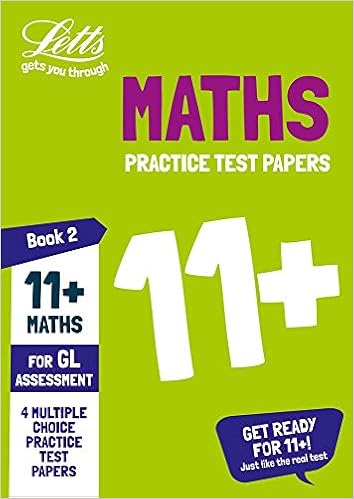
11+ Maths Practice Papers Book 2: For the 2021 GL Assessment Tests (Collins 11+ Practice) – Buy from Amazon here*
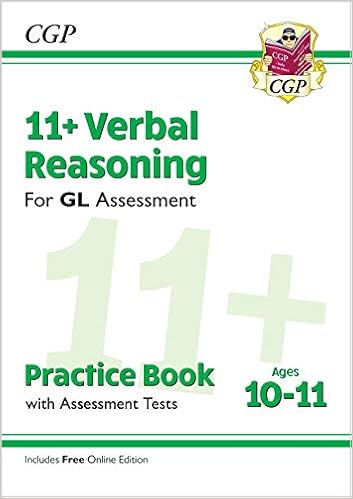
11+ GL Verbal Reasoning Practice Book & Assessment Tests – Ages 10-11 (with Online Edition): perfect preparation for the eleven plus (CGP 11+ GL) – By from Amazon here*
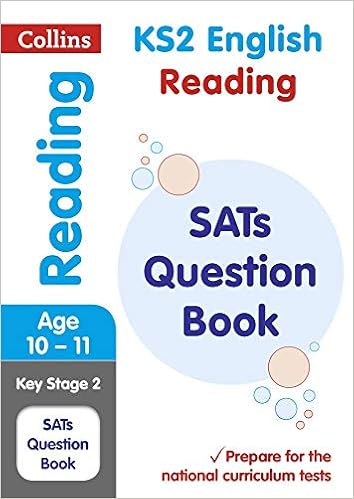
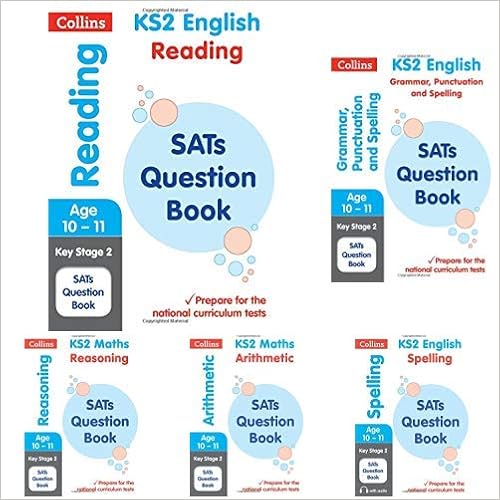
KS2 Reading SATs Question Book: Collins KS2 Revision and Practice Paperback – Buy from Amazon now*
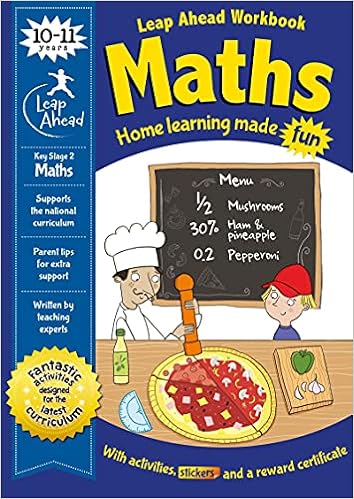
Leap Ahead: 10-11 Years Maths (Leap Ahead Workbook Expert) Paperback – Buy from Amazon now*
Collins KS2 SATs Question books – 5 books set Product Bundle – Buy from Amazon now
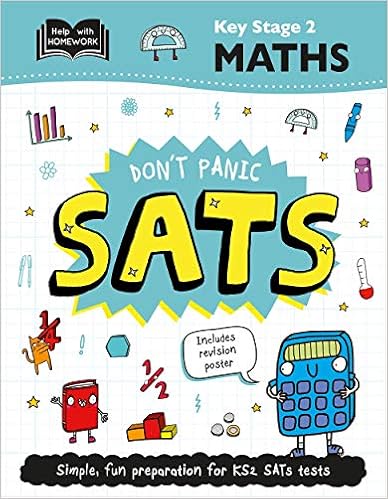
Key Stage 2 Maths: Don’t Panic SATs (Help With Homework) Paperback – Buy from Amazon*
A few points to note about these paper-based resources is to avoiding buying books that are too difficult as they can overwhelm your child. If you have time on your hands, start with Key Stage 2 books which are for your child’s age and year group then progress onto tests to gauge which topics your child is doing really well on and where there may be holes in their learning. Then focus on the holes using workbooks specified for that topic.
Again, make sure you pick the right topic and examining board. CEM and GL assessment papers use a different format so focus on the past papers from the right examination board.
A few months before the grammar school exams you can progress onto familiarisation papers which are past papers taken from the school’s website. You don’t need to worry about timed 11 plus test papers at this point because the aim is to find out which topics your child is struggling with and which they’re doing really well in so you can focus on bringing everything up to par.
Once you’re happy that your child can work through the papers with ease, you can start timing them a few months before the test. This is a vital part of the revision plan because your child needs to know what it feels like to sit a 50-minute test without any breaks.
Don’t forget to submit special circumstances if you feel your child needs extra time and support during these tests. You will need a letter from your child’s school to submit as evidence. Follow the school’s special circumstances protocol to a ‘T’ so you don’t miss out on extra support for your child.
Online Platforms like EdPlace
To further enhance your child’s learning it’s recommended to use all sorts of visual resources. Paper-based activities are great to work on with you and your child’s tutor, but online and interactive resource platforms like EdPlace can encourage a deeper insight into where your child is in their 11+ journey and the areas they need to improve. It’s also great to change things up and make learning fun too.
EdPlace can base your child’s results on algorithms that will help suggest the right topics your child should work on. Online platforms can automate a lot of the guesswork like timed exams and automatic results, which means fewer human marking errors too.
We’re working with EdPlace to help our son pass his 11+ exams and so far we are very impressed with its interface and usability. We’ll go into more detail about how EdPlace can work for your child too.
What is EdPlace?
EdPlace has been dubbed the smartest revision app for GCSEs, 11+ and SATS and boasts thousands of resources that correspond with the school curriculum and exam boards.
Check out the video below from EdPlace’s founder, Will Paterson, who talks about his struggles at school and how support helped him get his best grades later.
https://youtu.be/aJbRuC0XIrg
“EdPlace students see 150% progress in English, maths and science.”
Will Paterson, Founder and CEO of EdPlace
How do you use EdPlace for 11+ prep?
For the purposes of this article, I will show you what you get with the Annual Family Membership account.
The first thing you need to do is log in as a parent:
Sign up for your parent details and then you set up your child(ren)’s student account(s). You can assign up to four children to the annual membership. You input their student username and set a password (if the username is not available there will be an ‘X’ next to it. You may have to add numbers to the end to find an available username.) You then add your child’s year, in our case Year 4 and Year 5. Once you’ve added your child you click on ‘save and get started’. You’ll receive email notifications that all accounts are set up and your child is ready to start learning.
Once you get to this stage you’ll be taken to your parent home page which looks something like this:
Here you can view your parent account and your child’s student account, or you can jump straight ahead to get started with EdPlace’s catch-up assessments.
Your parent account
On the very far left of your screen, you will find the tools you’ll need to navigate your parent account.
In the middle of the page, you have your child(ren)’s account summary where you can check how each individual child is doing. The top part of the summary where there are a number of activities assigned already is the auto-assign kicking in.
You will have an option to auto-assign activities based on your child’s school year and scores which you can change at any time. What this essentially means is that you have access to everything (so English, maths and science will be auto-assigned). The 11+ topics fall outside of the auto-assign, however, so you would need to select these manually.
Really, it depends on how you’re going to manage the revision plan as the more activities your child does the more effective the auto-assign becomes as it will assign topics based on your child’s performance.
I would recommend keeping the auto-assign on and manually assign 11+ topics on top of the auto-assign anyway. You have the recommendations at the top which mean EdPlace can recommend an activity and it will continue to reassign activities based on your child’s performance.
At the bottom of the summary section, you can also set rewards. EdPlace uses a point system where your child can earn points for every completed activity. For example, 50 points could equal a pizza night or whatever your child is interested in working towards.
The blue button at the top, where it says ‘My EdPlace’, is your home button, so if at any point you get a bit lost, just click on that button and it will take you back to the summary area.
Browse and assign topics
Down the side of the parent account, you also have the ‘Browse and Assign’ option where you can find a list of activities from Year 1 to GCSE. The great thing here is that if your child is excelling on a particular topic you don’t need to stay within their year, you can move on to the next year and encourage them to try some of the activities above their current level.
Similarly, if your child is struggling on a particular topic, you can go back a year and work on the foundational topics with them before they move on to their current year’s work.
Working towards your child’s level to begin with is a great way to boost their confidence if the current work set is too overwhelming.
Your child’s student account
When your child logs in to their own account the assigned activities will show up already. They will see a condensed version of what we see under our parent accounts.
In their student account, your child can see the scale moving towards their rewards to give them that added incentive to keep working hard. They can also request a reward if there isn’t one set. The added incentive makes for such a great way to personalise your child’s journey and encourage them to keep going.
Your child can check out their to-do list too and browse the activities recommended by EdPlace and the topics you have assigned.
Your child can choose an activity based on what they learned at school that day
When your child comes home from school they may want to pick a particular activity they worked on at school that day, so they can browse activities and enhance their learning further.
You can, of course, have the option to turn recommendations off but if you want your child to become independent with their learning it’s probably best to leave it on.
The 11+ activities
If you click on 11+ activities, for example in Year 5, you can see a list of activities categorised by maths and numerical reasoning, verbal reasoning, spatial and non-verbal reasoning, and English.
At the very top the activities are further categorised as ‘general’, CEM’ and ‘GL’. If you know the exam board your child is sitting for the 11+ you can choose 11+ activities specific for those exams.
So Aron is sitting maths and verbal reasoning via GL and if he passes he will sit his English in the next round of exams, so it’s great that activities are further categorised into the types of questions that will be specific to what he’ll be sitting in the exam. I also know which areas he’s struggling in so we could focus on those topics from an earlier year or via the general category and make sure he gets them right before moving on to the 11+ topics.
If you click on one of the topics, for example, ‘Place Value’ under Year 5 11+, and then choose a sub-topic, you can preview the activity and view the questions first before you assign the activity. The topics range in levels too from Level 1 to Level 3. One blue dash is Level 1 and three blue dashes are Level 3. What this means is that you have nine levels as each level is broken down into three levels as mentioned before and then you have three levels for Year 4 and three levels for Year 5.
So if your child is struggling on a topic they can start with Level 1 but if they’re flying they can jump straight to Level 3.
At the top of the activities page, you also have ‘Question Types’, ‘Assessments’ and ‘Exam Practice’. Exam practice is a great place to start if your child is doing well in particular topic as these involve exam prep with a timer.
If your child can complete the difficult questions in the allotted time then they’re ready. But, if they’re getting them all right but they’re too slow then you know that’s something they need to work on going forward.
The practice papers are all created by EdPlace 11+ tutors, designed in the style of the different exam boards to best replicate the experience and give students a chance to practice in examination conditions.
How to tackle the 11+ practice papers on EdPlace
Essentially kids need to spend no more than one minute per question which is so daunting. That’s why EdPlace* has built the platform in such a way to not cause sheer panic and build up the child’s skill slowly and naturally so they are ready to tackle the 11+ once they start Year 5. This is why starting slowly in Year 3 is beneficial as you can build your child’s skill and knowledge gradually and without them knowing. Make it fun at that age by calling it ‘detective work’ rather than the 11+ and by the time they start in Year 5, you can start on timed questions and full revision practice.
With the exam questions, you could do a couple in an evening in the lead up to the test, but during the summer you can start on the timed questions as there are 57 questions so that’s quite a long stint of time.
You won’t see exam questions or practice papers in Year 3 as your child is too young at that age and they don’t need the extra pressure of exam-style questions. It’s all about getting to grips with the skills and progressing rather than testing and competing at that age.
In Year 3 EdPlace* breaks the skills down in a very simple form, which creates a foundational ground for learning.
Viewing the results
When you click on scores under ‘progress’ you will start to see percentage results next to each activity completed. You can click on 11+ and check out which are the best performing topics and how many activities have been completed already.
EdPlace app
You can download the EdPlace app too via iPhone* and Android* so your child can complete activities on the go. The great thing is they can also complete their activities on the PS4’s browser and on the iPad, so there’s no excuse to not get it done if they’re not at a desk!
How to sign up to EdPlace
EdPlace offers three membership models, depending on whether you are a parent, a teacher or a tutor.
Parents can subscribe to a free account which offers:
Up to five activities a month
One student account
English, maths, science and 11+
Key Stage 1 to GCSE
You can also opt for an Annual Individual account which offers the added bonus of unlimited activities and premium content. Or you can opt for the Annual Family subscription which means you can add up to four student accounts to the membership. The Annual Family account is perfect for us as our middle child who is in Year 4 can have his own account and work towards the 11+ alongside our eldest.
If you opt for monthly membership the prices are slightly different. Click here* for the most up-to-date prices on each membership.
EdPlace offers membership models for teachers and tutors too so it’s worth checking them out too if this applies to you.
Why you should sign up to EdPlace
EdPlace* have a free account where five 11+ activities can be completed on a monthly basis, and the account functionality remains the same with the metrics.
EdPlace is a fantastic interactive online platform that encourages and motivates children to complete short, visual lessons and tests which enhances their 11+ learning. The lessons are so well put together and there is an encouraging teacher’s explanation should the child get the question wrong.
Both of my boys have enjoyed completing just three assignments a day which are a short ten questions each to keep them engaged and when completed I, the parent, receive an email report which shows me where they’ve done well and where they need more practice. This functionality alone massively helps me work out what to assign next, not only on EdPlace but to my son’s tutor because we can work hand in hand on building the gaps in his 11+ knowledge.
Make learning fun!
11+ is stressful in itself so if we parents can make it a fun process for our kids then it will help them gain confidence in their ability to get through it all. I see my son’s face drop when he knows he has to complete set work after school, but building in a fun platform like EdPlace amongst the tutoring and paper-based activity sheets can boost his motivation to continue working hard.
EdPlace’s reward and badges system can also help to motivate your child into seeing how well they’re doing in each topic, so it’s a great addition to the 11+ revision journey.
The 11+ should be accessible for all children, should they want it
I started in February and I had no idea what I was doing with the 11+. I find that some parents are reluctant to volunteer information on how to help for whatever reason. So, I want to change that. Why can’t it be a level playing field for all children? We live in an affluent area so parents have tutors and their children often end up in independent schools, so I feel for those parents who can’t afford to have tutors or independent prep. So, EdPlace* is a great tool to offer those children from poorer socioeconomic areas the fighting chance to also get into a grammar school.
Be there for support
EdPlace’s ethos aligns very much with mine; support, hard work and confidence. Support is key to helping your child succeed and the more you can are involved in their 11+ journey the more chances they have of passing.
Hard work and confidence go hand in hand in the sense that the more confident your child is in themselves the harder they are likely to work towards their goals. And work ethic is incredibly important, even more so than acing the grammar school entrance exam because even if they get kicked down with poor scores, they can get back up and continue to work to improve on those scores.
This is why I say to never criticise your children’s work. Wherever you see an improvement focus on that and ignore the rest. For example, when you go through the 11 plus questions and answers, if your child got 3 out of 10 in one of the maths tests, focus on what they got right and build into the next revision the 7 they got wrong. Through practice, they will improve on those marks.
You may have a million things to do during the day, including looking after other children, but being present in your child’s learning can be invaluable for their progression. Even if you don’t do any of the actual work with them, actively engage with them and praise their work ethic if they’ve had a particularly great day of revision. Love and support can go a long, long way to helping your child gain the confidence they need to ace these exams. And if they don’t pass, the extra work they did will help them progress in Year 6 anyway.
Positivity is key!
Will 11 plus exams go ahead during the pandemic though?
The pandemic has affected the children the most in my opinion and a lot of parents will be asking themselves, ‘Will the 11 plus be postponed?’ So far we have not received any indication that the 11 plus exams will be cancelled but chances are if cases increase that they will do the test virtually. Check your grammar school’s website to make sure you’re up to date with any changes to the 11 plus exams.
We don’t want kids to feel broken if they fail their 11+, we want to arm them with the power and knowledge that hard work does pay off. Start off small and slow then grow. I think this is the key to success as long as you have a great work ethic and every child gets a fighting chance to make it work!
*Links marked with a ‘*’ are affiliate links which means that if you click through to buy I may earn a small commission at no extra cost to you.
Eleven plus exams – the mental preparation before the work
*This article is part of the Eleven Plus Exams Series under Kids Mental Health where we talk about the mental aspect of preparing for the grammar school entrance exam and then the actual prep, which I will talk about in article two. I will update you accordingly when subsequent articles are published in the series.
*This article is based on the school system in the United Kingdom. Your school system may differ if you’re in Scotland, Northern Ireland or abroad. Please check the guidelines in your area.
I thought applying for a primary school place was tough until I was hit with the reality of preparing for my eldest’s eleven plus exams so he could get into a decent secondary school (in Year 7), which, by the way, we had to start thinking about in Year 5. This was news to me as I’d never been through the process before (I took my 11+ exams but that was a lifetime ago) and parents are surprisingly secretive when offering advice on the schools to apply for and eleven plus exams tuition required to help our kids pass these high-pressured 11 plus test papers.
We started worrying about the 11 plus entrance exams only seven months before (in February) the scheduled tests (in September) when we moved house and into a different area. The new area is great for state school options but not close enough for us to actually have a shot at getting in because there is a catchment area and that tends to be minuscule (up to one mile).
So grammar schools were an inevitable option. But it’s not as straightforward as selecting the grammar school and taking the grammar school test. There are lots of nuances to factor in like which subjects would your child have to take and are they mentally ready to ride the eleven plus journey?
So, this article will tackle all the things you need to think about BEFORE you embark upon the revision journey to preparing for the 11+ exams because the pre-prep is probably the most fundamental part of the process. Why? If your child doesn’t want to put in the work or understand why they need to do the work, then there’s no real point in taking the exams.
But, let’s start at the beginning.
I’ll take you through what we learned and still are learning, as well as the process we took up until registering for the 11+ exams (April of Year 5) after we got over the initial shock and the analysis paralysis. Then in the second article in this Eleven Plus Exams series, we’ll talk about how we did the actual prep for the exams (we’re working with EdPlace* to prepare you step-by-step for this part) and for the third and final article, we’ll talk about life after the eleven plus exams and the dreaded results. We’re not quite there yet as we’re still in May and we have done a full month and a half of revision so far. But once we’re there we’ll let you know the outcome.
Have you only just started thinking about the eleven plus exams six months in advance? Welcome to the club!
Ok, don’t panic. It’s all still very doable. Like I said before, parents don’t tend to volunteer information until you ask and we asked too late. Thankfully, one or two parents were very generous with their advice and support (one even provided me with a spreadsheet!) and after I broke the news to my son that we’d have to write off all holidays until September, we got down to some hard work.
So, the first thing you need to do is find out which schools are available in your area.
What are your school options?
There are three different types of schools (which are further broken down into specialist schools, for example, religious or faith schools and special needs schools to name just a few!). The main three types of schools are state free schools, grammar schools (which are also free schools but with added entry requirements) and private or independent schools.
State free schools
State free schools receive funding through their local authority or directly from the government. The most common schools are:
Community schools
These are local authority maintained schools that are not influenced by business or religious groups and follow the national curriculum.
Foundation schools and voluntary schools
These are funded by the local authority but have more freedom to change the way they do things. They can sometimes be supported by representatives from religious groups.
Academies and free schools
These schools are run by not-for-profit academy trusts and are independent of the local authority. They have more freedom to change how they run things and can follow a different curriculum.
Grammar schools
These are run by the local authority, a foundation body or an academy trust and select their pupils based on academic ability via a test. Selective schools weed out the cream of the crop so they’re highly competitive and tough to get in. We will be focussing on grammar schools in this article.
Private/independent schools
These schools charge fees to attend instead of being funded by the government. Pupils do not have to follow the national curriculum but all private schools must be registered by the government and are inspected regularly.
You will need to decide which type of school you’d want your child to attend. A lot of time should be spent on this part of the process because you’ll want to make sure your child has a positive experience at a secondary school that suits their personality and academic ability.
Do you think your child would fare better by going to a state school where they don’t have the added pressure of passing exams first? Or can you afford and are willing to pay money for private school education? We have decided to try the grammar school route and prepare our eldest for the 11+ exams, so this is where we will be digging into it in more detail.
First things first.
Open Excel and crack open a new spreadsheet because we’re going to fill this bad boy up with some personalised school information!
Find out which school is available first
As I don’t know which area you’re in, I’ll list the route I took to find the local schools in our area.
The first thing we did was find out which schools were nearest to us and we found this information via Hertfordshire County Council here.
The process may be different for you but we needed to enter our address, select that we’re looking for secondary transfer in 2022 (or whichever year your child will be in Year 7 from September that year) and the website will then list off the priority schools and ten schools that are closest to your home address.
We started off with the schools that were within five miles away, but if you’re applying for the 11+ it’s worth looking a bit beyond that, say up to seven miles.
Make a list of the schools then do some research on them. Our spreadsheet’s headings (which we borrowed from a friend whose child applied last year) looked something like this:
School
Location
Distance in m (all within 5 miles)
Private/State
Sex
Ofsted rating
Ofsted year
Reason for rejection
Entry criteria
Entrance exams
No. of places / filled
Progress 8 Score Well below average (14%) Below average (19%) Average (37%) Above average (17%) Well above average (14%)
Number at prior attainment levels L/M/H/missing
Progress 8 by Key Stage 2 attainment: Low/Medium/High
Then go through the list of schools and try to find out their Ofsted rating (although Ofsted ratings are now rarely accurate as some of them have been completed a long time ago). There is a great website which we used called Herts Live which contained all the live ratings, but nothing beats actually going to the school and getting a feel for yourself.
Every parent and child will have different experiences, so you can’t fully go on what you see online. Google the name of the school and ‘reviews’ and read some of the latest reports from parents whose children currently attend that school, then fill out the spreadsheet accordingly.
In the Hertfordshire area (and I’m pretty sure everywhere else in the UK) you can only select four schools when applying in September. Make sure you put down some backup free schools which don’t require an entry test, so if your child doesn’t do as well as expected, they have options available to them. Schools are oversubscribed and highly competitive so make sure you apply for a balance of schools.
Some schools have their own admissions and are independent of the local authority’s application process, so make sure you know when and where you need to apply.
Questions to ask when researching schools are:
Does your child want to go to a single-sex school or a mixed school? Are both options available?
Is your child mentally capable to prepare and pass the eleven plus exams?
What is the school’s SENCO (Special Educational Needs Coordinators) department like?
What is the support process of the school like?
What extra-curricular activities does the school offer, for example, what types of sports and music opportunities do they provide and does your child have an interest in these subjects?
Speak to your child about the school and see how they feel. As I said, there’s no substitution for going to the school and having a feel of the place. Make sure if open days are available, that you book the open day so you can take a look yourself. Unfortunately, due to the pandemic, a lot of open days have been virtual, but you can get around this by parking by the school during drop off and pick up and checking out how the children enter and exit the school. Are they happy? Are staff around and engaging with children?
So what exactly is the 11+ exam?
The 11+ is a test taken by Year 6 primary school pupils in the UK to be in with a chance to be selected for Year 7 secondary transfer to grammar schools. Wales and Scotland no longer have grammar schools, so it’s worth checking in your area to find out your options.
Where are the eleven plus exams?
If your child goes to a local authority primary school they will sit the 11+ in one of their classrooms, otherwise, they will take the test in a central location like a grammar school.
When do you register for the eleven plus exams?
You need to register for the exams quite early, which tends to be in April when the child is in Year 5. Again, check with your local county council on the process to apply for 11+ as this differs from region to region.
When are the eleven plus exams?
Depending on your location, the eleven plus exams start at the beginning of September when your child is in Year 6 so the earlier you start the preparation the less apprehensive your child will be and the more chance they will have to pass their entrance tests. Look out for 11+ practice days where your child can practice the tests at school.
What tests does your child need to take in the 11+?
The 11+ can contain four disciplines, these are:
Verbal reasoning
These are questions where the child solves problems and follows sequences via word and text. Verbal reasoning tests your child’s grammar and vocabulary in English.
Non-verbal reasoning
Your child will be given question problems to do with diagrams and pictures. There’s also an element of maths involved.
Maths
Your child will be tested on mental maths, maths concepts, various maths skills and problem-solving in multiple stages.
English
Your child will be tested on their creative writing skills, as they have to plan, structure and write a piece of work.
Verbal reasoning, non-verbal reasoning and maths tend to be in the Multiple Choice format and English tends to be written or Standard Answer format. Answers are recorded on a special answer paper with a grid format for the child to mark their chosen answers.
But it’s not as simple as practising for a particular discipline. There are different exam boards too; GL and CEM, so make sure you pick the right type of exam board assessment as they differ from each other. You can find the information you need on the school’s website, most likely under ‘admissions’.
What other assessments are available?
Some secondary schools offer children the chance to register via the Music Aptitude Test and Sports Aptitude Test. Two of the schools we are applying for are part of the SW Herts Consortium and offer the Musical Aptitude Test alongside the Academic Tests. One of the schools offers children to take the Sports Aptitude Test so we’re going for all three as my son is quite sporty and plays the piano. It just gives us an extra chance at getting into one of those schools.
Make sure you do your research and find out whether the school you offer has other ways of getting in as there are a number of hurdles that the child has to jump through before they can get in via the tests, and places tend to be offered first to:
A child who is in the care of a local authority, being provided accommodation by a local authority for social services reasons or those who are adopted or have a special guardianship order. Also includes children in public care.
Children within the catchment area based on a straight line distance measurement provided by the County Council’s computerised mapping system.
Children whose siblings attend the school
Children with parents who work at the school
Children with medical reasons as to why they need to attend the school
Then 25% of places (and this could vary with the school you’re applying for) are allocated to those who pass the academic tests.
10% (may vary for your school) is allocated to those who take the music test and for the schools offering the test, the sports test as well.
The remaining places will be allocated on proximity of the home address to the school
So, as you can see, it’s slim pickings out there! By the time you get to the academic tests you only have a 25% chance of getting into the school if you don’t live within the catchment area, so think carefully about whether you want to go down that route and your child is up to the task.
Is it a good idea to prepare kids for an 11 plus exam a few years early so that they dont have to cram it in and stress out completely during exam period?
Yes, absolutely. It is recommended you should start your child in Year 3 but not treat it like they’re preparing for the 11+ but more as if they’re doing ‘detective work’ as EdPlace, an online platform that prepares children from Year 3, advises. Preparing your child with a few worksheets a day encourages them to think outside of the box and prepares their minds for the 11+ without them realising it.
Will eleven plus exams go ahead during the pandemic?
There may be a chance the 11 plus papers will be sat virtually, so it’s important to stay updated via the school’s website or if you’re applying as part of a consortium, to regularly check the consortium’s website for updates. So far, we have not received word that the 11+ exams will be virtual yet.
Time to mentally prepare your child for the 11+
So, we’ve done our research, we’ve selected the schools with the best chances of getting in and we’ve filled out our spreadsheet with all the information we need. Now the process begins for preparing for the 11+. But before you bring out your 11 plus past papers (more on those in Article 2), you need to mentally prepare your child first.
How do we do this?
Buy a wallplanner
You could buy a large wall planner and write in all the necessary registration, test and score results dates. We bought ours from Etsy for less than £20 and added all the dates in so our son knows exactly what to expect.
Sit down with your child and level with them
It’s important that your child understands why they are taking the eleven plus. By now you should have explained how the 11+ journey works but if you haven’t and you have a study-phobic child like me then this is how I approached it:
Start with explaining the reason for going to a good school, i.e. more opportunities to succeed, make great friends, the world is their oyster etc, whatever works for your child. Find out what interests them about school and conversely what their fears are and reassure them that applying for a good school will help get the best out of them.
Explain the level of work required but don’t scare them. If your child has a tutor then work with their tutor to devise a revision plan that’s evened out through the time left until exams. For example, we do one test for Verbal Reasoning, English and Maths every day, plus piano practice and music training. Then on the weekend, hubby takes over and does the sports test. Kids still have to go to school and attend their extracurricular activities, so bombarding them with extra work is counteractive and will push them away.
If you have less than six months left like us then you will have to write off holidays and weekends. But, promise a payoff at the end like a massive reward. I’ve told Aron that we’ll be doing something pretty amazing during October half term week. I haven’t told him what yet as we don’t know whether we’ll be ok to travel by then. But it’s worth putting that goal down, asking them what they want and continuously remind them how long they have left until they can relax and enjoy their reward.
Devise the revision plan with your child
You’ve found out what exams you’ll need to take (for us it’s GL assessment for Maths, Verbal Reasoning (and if he passes) English, as well as the Music Aptitude Test and Sports Aptitude Test). Now it’s time to show your child the subjects and how much they’ll be doing every day. Try to keep it to one to two hours max every day so as not to overload them, then ask them how they’d like to tackle the extra work.
Are they morning people and would prefer to start before school or would they like to do it after school so the rest of the day is free for playtime? My son prefers to work at night so I give him an hour break after school then we start around 4.30 pm and finish by dinner. Then he’s free to do whatever he wishes after to rejuvenate.
Stay positive and refrain from pushing
It’s very easy to push your child to do the work but if they aren’t interested you’ll be talking to a brick wall. Stay positive and offer mini rewards. I offer a pizza takeaway if they’ve done a certain amount of work during the week and screen time for around an hour after the work is done every day. It’s all about achieving a healthy balance between working hard and playing hard. Kids get tired and when they’re tired they lose their mojo. That is one thing you do not want to do because then they’ll give up completely and it’s very difficult to get them back.
There will be days where you won’t be able to get them to do anything
As long as it’s not every day, let it go. They can’t work if they’re really not feeling it anyway so bringing in the extra stress will just make everything worse. Either add the extra work the next day if they’re willing or just leave it and start the day afresh tomorrow. My son suffers from hay fever and he had one particular day where he couldn’t get of bed. I gave him a mental health day off where he just lounged about and did absolutely nothing. But during that day I reiterated the importance of getting back on it and not losing that momentum.
Always remind them what they’re doing it for, i.e. better school life, more opportunities, extra resources to do the things they love and if they truly understand why they’ll do the work. They’re only 10/11 years old, so they’re still very much children. They won’t have the work ethic instilled in them like some adults too. Some kids do and you’re lucky but if your child just wants to play football, draw all day and listen to music then make sure a large amount of that day is attributed to doing what they love and only a couple of hours a day to intensive focussed work. That’s all you can really do without pushing them over the edge.
Every child is different
We are still very much in the beginning stages of revision but so far my work-shy creative, sporty son has only had a few off days since we started in February. I know he least likes maths and his vocabulary and verbal reasoning are really coming on in strides, so we start with maths when he has the most energy and ends with verbal reasoning and English. We will talk about the revision process we take in the second article, but the point here is to get to know your child and how they study.
Do they get distracted easily and lose focus quickly? Can they work through the noise? We’ve just moved house so we haven’t bought him a desk for his room yet or even a dining table. This means we have to work in the kitchen until we’ve sorted ourselves out and the kitchen is the loudest part of the house. He also needs one-to-one support so he prefers I sit and work with him while he goes through the questions.
We are slowly trying to transition with him to work on his own because I have another child and baby to look after so it’s not practical. But whatever it takes to get your child into the swing of things at the beginning, do it, even if it’s a sacrifice to you. Once they gain confidence, they’ll learn that work needs to be done before they can relax and soon enough they’ll be doing it by themselves. My son does do some of the work on his own but he still needs hand-holding during maths. That’s fine, we only have four months left. Whatever gets us there!
Confidence is key
They say praise is a double-edged sword (it has both favourable and non-favourable consequences), but I don’t believe this. Kids need constant motivation to continue and praise is one of the best ways to help them gain confidence. Praising their work ethic is far more effective though. If they’re working very hard, praise them. If they’re got great marks in a practice test, by all means, praise them.
Kids need to know they’re progressing through their goals and improving on the 11 plus exam questions. If they think they’re not getting anywhere (just like with us adults) they’ll give up because what’s the point right? They’ll fail the eleven plus test and will not get anywhere. No! This is exactly the approach you do NOT want to take.
Through practice, your child can improve and they are capable of doing it. This is what you want to tell them, even if they’re improving slowly. Enlist extra help in the subjects they are struggling with and show them their progress scores. If they have an off day, it doesn’t matter, they’ll do better tomorrow. Never criticise their work or their work ethic. Work to gaining confidence first, the rest will follow.
Remember, you’ve got to be in it to win it as they say. I used to say I would never put my child through the stress of the grammar school exams but now I just think, well what if he can do it? What if he’s capable and I stopped my son from even trying? And if he doesn’t do well? So be it! It all works out in the end and he’ll end up going to a school that was meant to be for him.
Just don’t sell your child too short. With your love and support, they can at least have a good stab at the 11 plus test and if they don’t pass, it was good practice anyway for later. For extra support, you should Google ’11 plus forum’ and chat with like-minded parents about the 11 plus grammar tests. We’re all going through the stress, believe me.
*Some links marked with a (*) are affiliate links which means that I may earn a small commission if you click through and buy the service or product at no extra cost to you.