How to style maternity leggings for every stage of mum life
Motherhood is a whirlwind that begins with a barely noticeable bump and ends with a squishy little baby in your arms. Amongst the changes is an ever-evolving wardrobe where maternity leggings are the comfort-first, style-second (but very much there) answer. Their stretchy fabric hugs your changing belly, the high-waistband gives gentle support, and the pull-on design means you can dash out of the house—or into bed for a nap—without fiddling with buttons. In this article, we will go through how to style maternity leggings for every stage of mum life—from that first tiny bump to postpartum comfort, workdays, and well-earned nights out.
The bump phase — first trimester
In the first few months of your pregnancy, leggings can be your go-to staple when your bump starts to show a little. Opt for high-waisted maternity leggings that provide gentle yet comfortable support to your growing belly. For a more professional work look, style them with an oversized blouse and pair with cute flats. For casual outings, stylish leggings for women work perfectly under a long, flowy top for that cosy yet trendy vibe. Remember to stick to darker shades for a slimmer and sleeker look—and yes, that same pair will still wear beautifully with a cropped blazer once the secret’s out.
Advanced pregnancy — Second trimester comfort chic
Once your belly moves past the tiny bump stage into the more advanced pregnancy phase, leggings continue to serve as trusty companions. Maternity-specific designs offer extra support and stretch. Look for a pair with a generous belly panel. This style accommodates your growing bump and provides necessary back support.
Team leggings with longer tunics or loose-fitting sweaters for a casual yet chic maternity style essential. During the winter, drape a chunky cardigan over your shoulders for warmth (and Instagram-ready layering).
Stick to your usual size—good maternity leggings grow with you, so you rarely need to size up before week 28.
The last stretch – third trimester
Welcome to the grand finale, a.k.a. when your bump has its own postcode. Comfort is now a non-negotiable life goal, but that doesn’t mean surrendering your maternity style. This is precisely where a well-chosen pair of maternity leggings earns MVP status:
Support-first fabric: Seek leggings with a full, over-the-belly panel and light compression to hug that hardworking core. Ribbed or seamless knits stretch over the baby with zero digging.
All-weather layering: In cooler months, cosset your belly in fleece-lined pants, add a chunky cardigan coat, and finish with ankle boots. Warming up? Swap to breathable bamboo-blend leggings and a flowy linen tunic.
Work-to-home hack: Slip a blazer on top of a long tee for Zoom calls, then ditch the jacket at home for instant sofa mode. (A gorgeous beverage is optional but recommended.)
Night-out rebellion: Feeling bold? Leather-look maternity leggings + silk blouse + kitten heels = sartorial mic-drop. It’s the easiest way to prove you’re still stylish, not just “very pregnant.”
Size and shop smart: Stick to your usual pre-pregnancy size; premium brands design extra stretch into the waistband. And always shop with a solid returns window—babies (and bellies) have growth spurts on their own timetable.
A quick reminder on how to style maternity leggings at this stage: think “long + layered.” Start with the leggings, add a tunic that covers the front and back, then top with a statement layer—duster, kimono, cropped denim jacket—so eyes travel up, not solely towards the due-date ticker. Finish with accessories you love and conquer the countdown in comfort and confidence.
Postpartum days — fourth trimester and couch-to-café ease
The fourth trimester is the mysterious bonus level no one quite warns you about. Your body’s healing, your hormones are having daily team meetings without you, and your baby seems to believe sleep is optional. But despite the chaos, you can still feel like yourself again—and yes, leggings are 100% invited to the after-birth party.
This is when your trusty maternity leggings slide seamlessly into the postpartum phase. Go for high-waisted or control-top styles with light compression to support your recovering core.
Style tip: comfort, meet confidence
Pair your leggings with a nursing-friendly top—wrap, button-down or lift-up design—and you’re already halfway dressed. Toss on a statement necklace or earrings (babies permitting), and suddenly you’ve upgraded from “mum surviving” to “mum thriving.”
Need to leave the house for your six-week check-up or a very overdue flat white? Add a structured blazer or oversized cardigan, and boom—smart casual achieved in under 30 seconds. (Bonus points if you’re wearing matching socks.)
Things to note that really matter
Fabric: Choose buttery-soft, breathable blends (think modal or cotton-spandex) that feel kind on sensitive skin and wash well, because yes, bodily fluids still feature heavily.
Size: You might still be in between stages, and that’s completely normal. Some days call for your bump-era leggings; others might prefer postpartum-specific styles. Wear what fits and feels good and doesn’t add to your mental load.
Stretch and go: If you’re still doing midnight feeds or nap-trap Netflix marathons, your leggings will take you from bed to the pram walk and back again without a single “why am I dressed like this?” moment.
And remember—you just birthed a human. If that’s not a reason to rock comfy clothes and still feel fabulous, we don’t know what is.
Active mum life — playground, pilates and everything in between
After welcoming new life into the world, donning the hat of a busy mum with little time for dressing up is a common scenario. However, leggings continue to win with practicality, ease, and style. For this phase of your life, opt for durable maternity leggings that withstand frequent washing well. Wear them with athleisure-inspired tunics, trainers and a fashionable tote for that “active mum” look. Pro tip: Moisture-wicking fabric handles playground sprinting and prenatal yoga.
Mum’s night out — leather-look and little-bit-rebel
At some point, you require a well-earned break and a night out. This is where leather or faux-leather leggings come into play. They bring a bold and edgy feel to your ensemble. Style them with a silk blouse, a tailored blazer, and high heels for that perfect dinner date or girls’ night out outfit. Adding a vibrant clutch or statement jewellery can give your outfit the pop it needs—and nothing says pregnant power like a strut down the high street in glossy faux leather.
On-trend casual maternity outfit ideas with leggings
Look
Pieces to Shop
Why We Love It
Casual Cute
Printed maternity tops + jersey leggings + canvas pumps
Stretchy jumper dresses that transform into tunics over leggings.
Denim jacket for instant structure, even over loungewear.
FAQS about how to style maternity leggings
How to style maternity leggings?
Pair them with a top that covers front and back, add a statement layer (blazer, kimono) and finish with accessories that draw the eye upward.
What to wear with maternity leggings?
Long maternity shirts, tunics, oversized knits, or a maternity dress with leggings for extra warmth.
How to buy maternity leggings?
Check the fabric, belly support style, true-to-sizefit, and return policy. Buy early so you can road-test them before your final trimester.
When to start wearing maternity leggings?
Whenever your regular waistband feels tight, usually around weeks 12–14, but comfort always trumps the calendar.
Does Lululemon make maternity leggings?
Not officially, but many mums size up in the Align range for second-trimester stretch.
Can you wear regular leggings while pregnant?
Yes, if they’re high-rise and stretchy. Waistband extenders can buy you extra weeks.
Can you wear maternity leggings postpartum?
Absolutely—the high panel doubles as gentle abdominal support.
How to style pregnancy leggings for work?
Ponte-knit leggings, a crisp white shirt, a cropped blazer and loafers = polished and bump-friendly.
Do maternity clothes grow with you?
Quality designs have 4-way stretch and elastic panels that adapt for most of your pregnancy.
What are the best maternity workout clothes?
Moisture-wicking tank, high-support sports bra and squat-proof leggings like Beyond Yoga’s Spacedye.
The final stretch
Motherhood is a beautiful, fulfilling journey with its share of challenges. With the right pair of leggings and a dash of styling inspiration, you’ll breeze through each stage—bump, birth and busy-mum life—while feeling supported, confident and undeniably stylish. Love your changing body, celebrate your maternity style, and remember: comfort is queen, but chic never needs to step aside.
*Collaborative feature post*
Red light therapy for hair loss after birth: does it work?
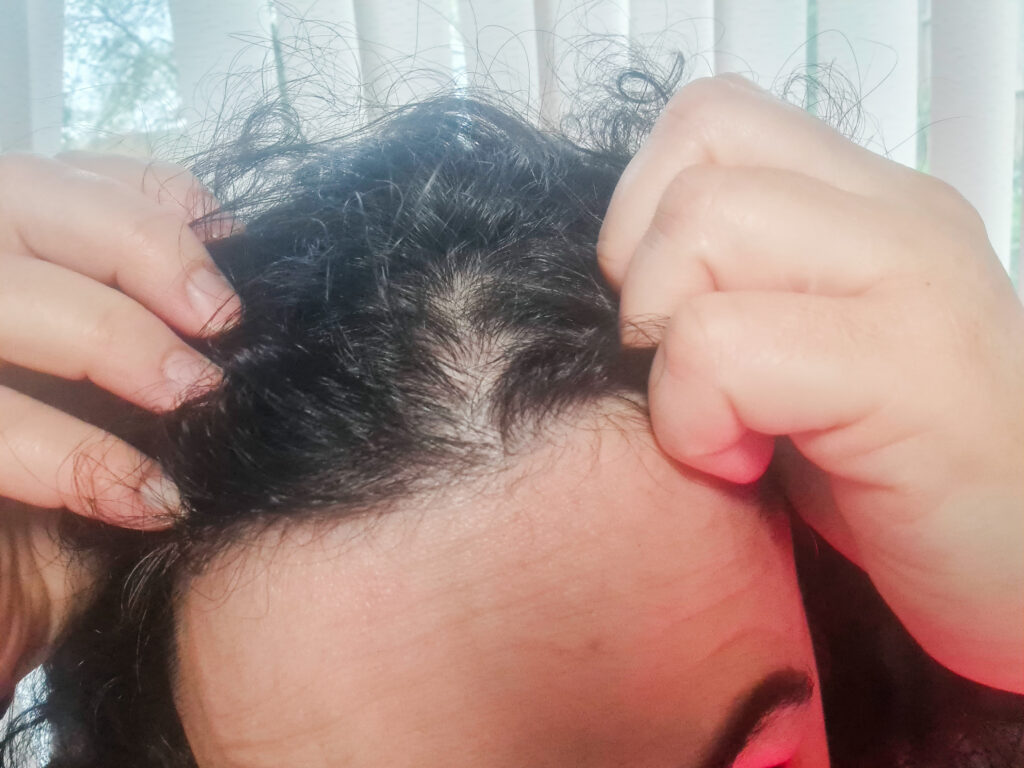
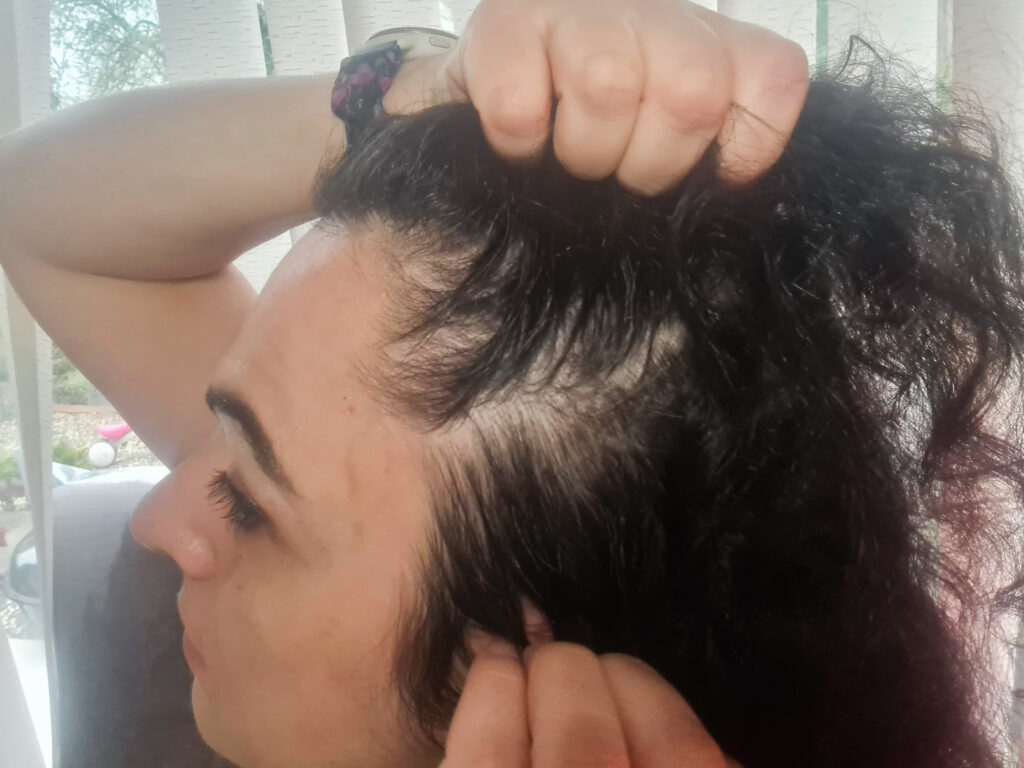
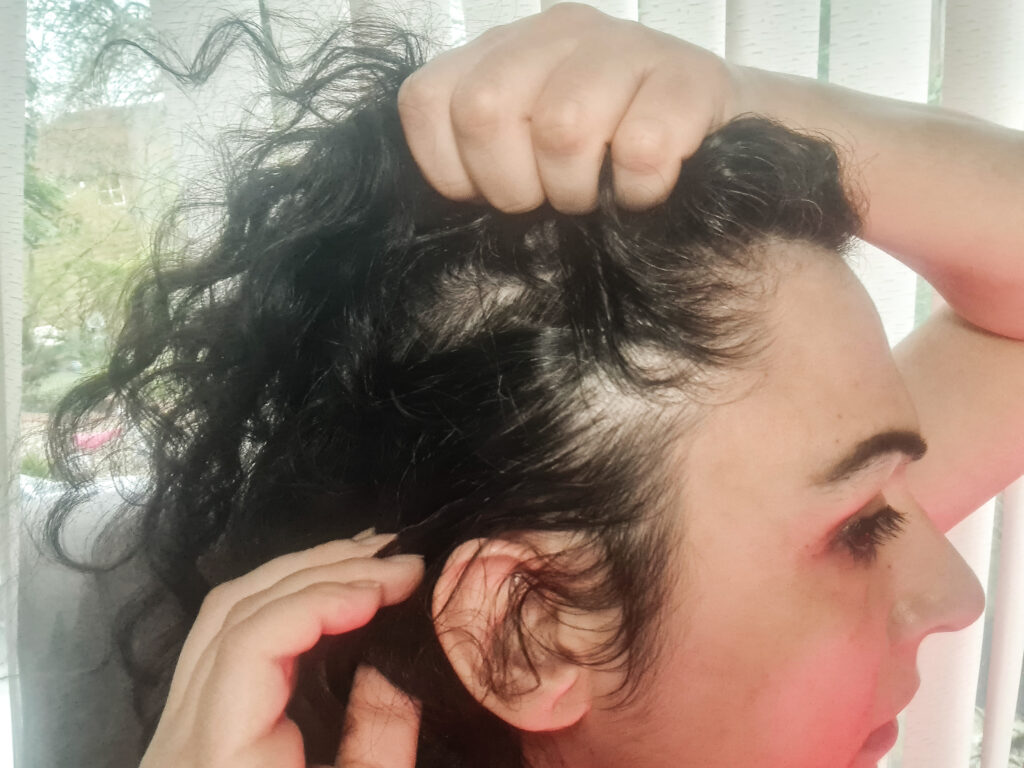
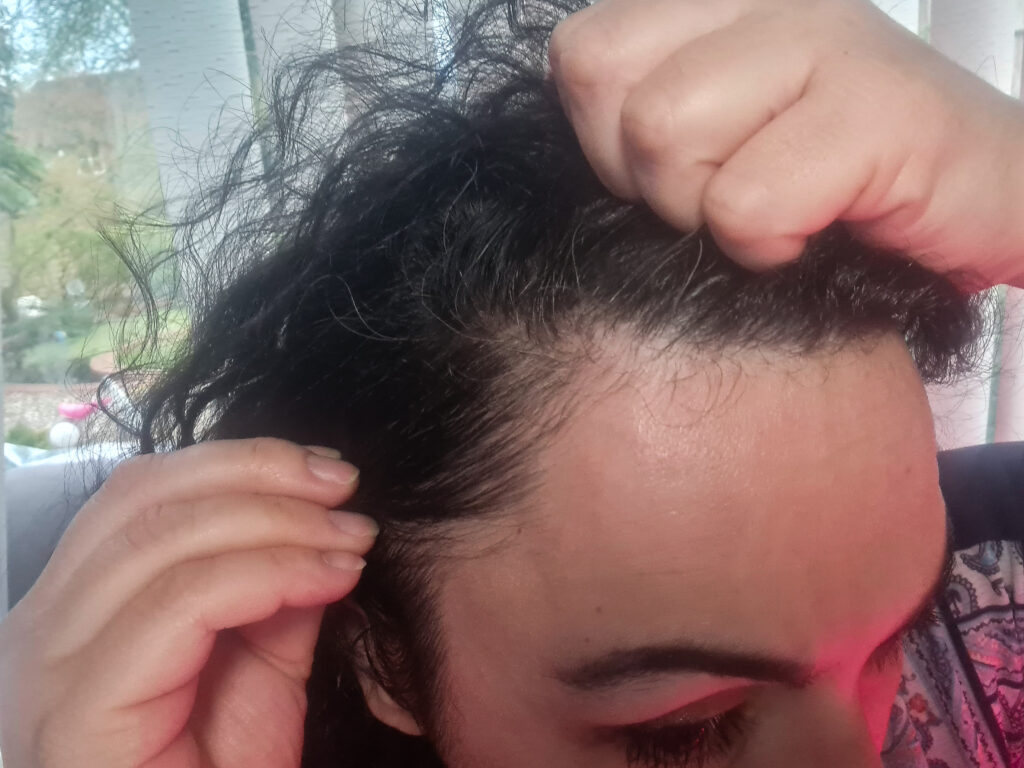
Losing hair can feel like losing a piece of your identity, especially after birth when you need to put your baby first. My thick, curly hair had always grown back except after my fourth, where clumps came out in my hands and there was no sign of regrowth. I was devastated! Maybe it’s down to my age, in which case, I’m scared my hair won’t ever grow back. It’s not just about vanity; it’s about how you see yourself and, in many ways, how you believe the world sees you. The psychological impact can be significant.
For those experiencing postpartum hair loss, this feeling is all too familiar. You’ve just brought a new life into the world, and as you navigate this beautiful yet challenging journey, you’re also dealing with changes to your own body, including your hair.
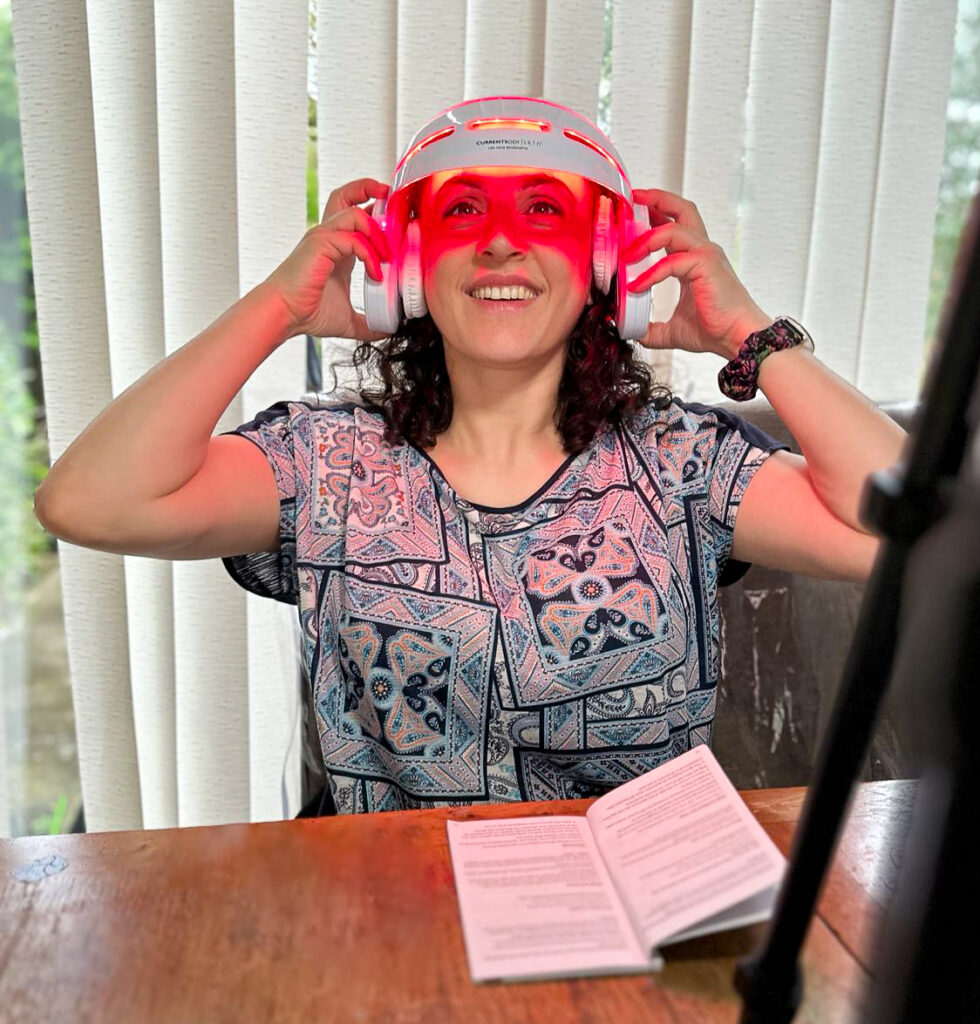
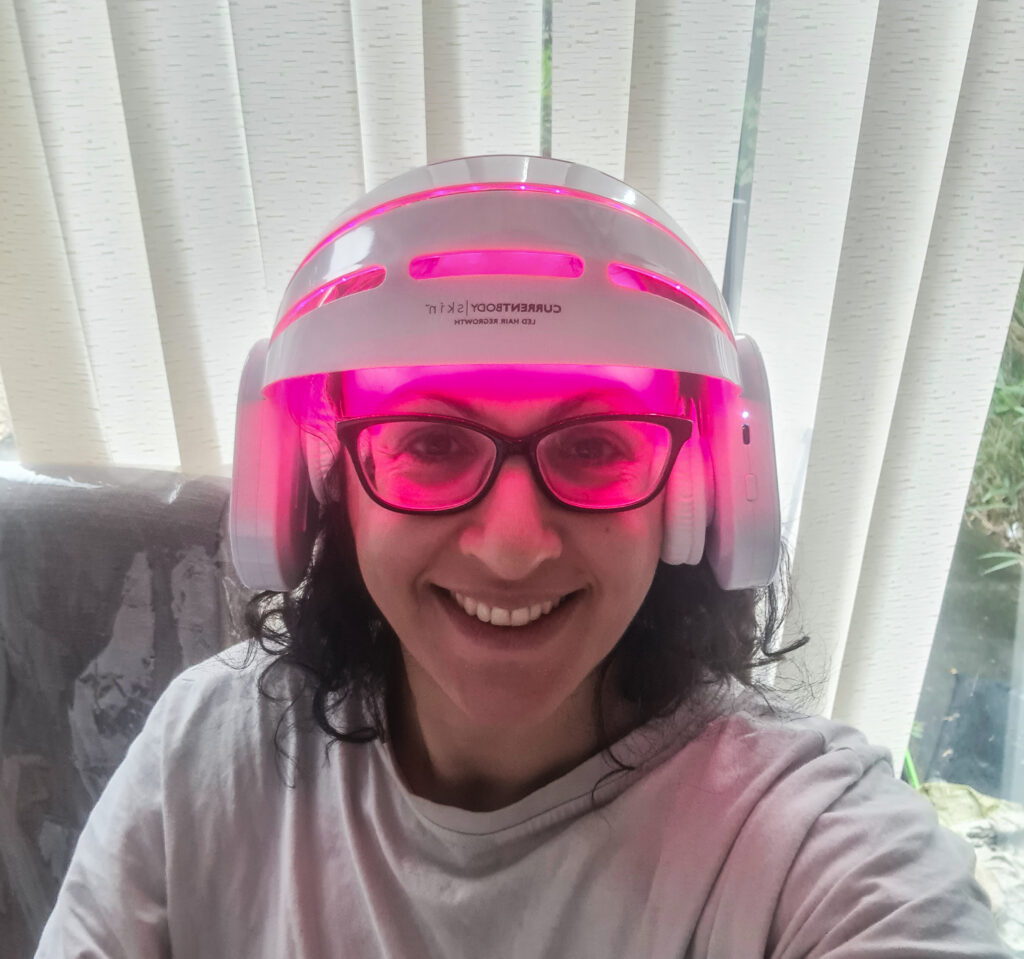
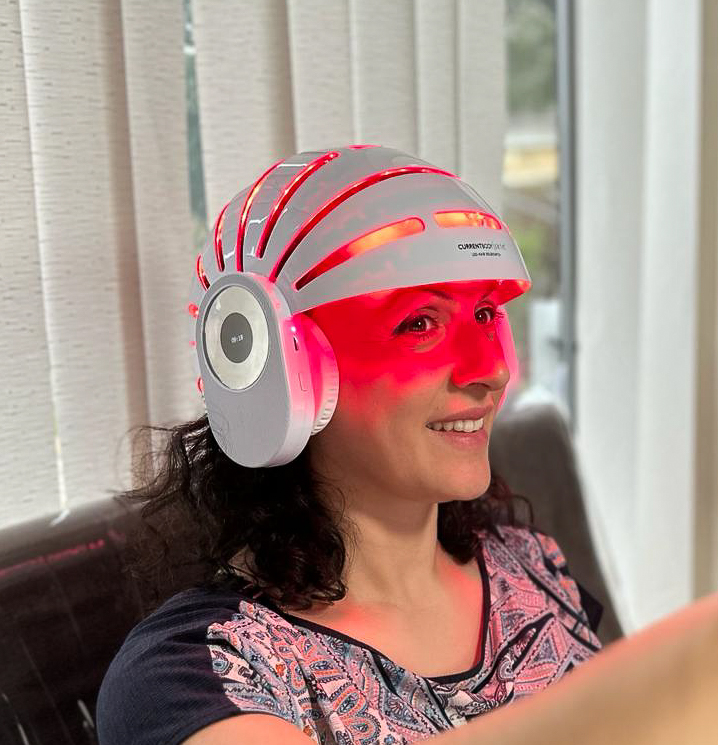
Enter red light therapy for hair loss – a glimmer of hope for us postpartum mums, as it’s non-invasive, and there’s science to back up its claims. The CurrentBody Skin LED Hair Growth Helmet* is a prime example of this technology in action. As someone who’s walked the path of trying to reclaim not just the fullness of my hair but also a piece of myself, I’ve decided to share my personal experience with this device. From the anticipation of unboxing to the day-to-day routine of wearing the helmet, I’ll take you through every step of my journey.
But first, let’s dig a little deeper into what causes hair loss, with a special focus on the postpartum hair-shedding rollercoaster. We’ll explore why red light therapy, particularly through devices like the CurrentBody Skin LED Hair Growth Helmet* is worth considering. Along the way, I’ll unpack the science behind red light therapy, how it compares to laser treatments, and its specific role in tackling postnatal hair loss.
Understanding hair loss
Losing hair can hit harder than just seeing more strands in your brush. So, understanding why hair falls out, how it affects us, and what we can do about it is the first step in dealing with it. Maybe your hair’s getting thinner all over, you’re spotting some bare patches, or it’s just coming out easier than before. By looking into how hair normally grows and what throws it off track, along with all the ways to tackle the issue, from doctor-recommended treatments to simple tweaks in how we live, we start to peel back the layers of this tricky problem. Let’s dive in and find some light at the end of the tunnel.
What causes hair loss?
You may start to lose hair due to genetics, hormones going haywire, not getting the right nutrients, too much stress, or even some kinds of medical treatments. Sometimes hair loss is just for a little while; other times, it might stick around, depending on what’s causing it.
One of the most common reasons people lose their hair is something called androgenetic alopecia. It’s mostly about your genes and it can affect anyone, but men usually have it more visibly. Other issues like thyroid problems, autoimmune conditions like alopecia areata, and even how you live your life – like what you eat and how much stress you’re under – also have a big impact.
Losing hair after having a baby, is actually pretty common. After the baby arrives, the big drop in pregnancy hormones can make a lot of hair start to fall out. It sounds scary, but most of the time, it gets better on its own in a few months.
When does postpartum hair loss start and stop?
Losing hair after having a baby, otherwise known as postpartum telogen effluvium, is something new parents go through. It’s all because of the big hormone changes that happen after you give birth. While you’re pregnant, you’ve got more oestrogen floating around, which makes your hair grow more and not fall out as much, giving you that great pregnancy hair. But after the baby comes, those hormone levels drop, and suddenly a lot of hair starts to shed.
So, when does this all start? Usually, about three to four months after you have your baby. It might be a bit different for everyone, but essentially your body is trying get back to how it was before you were pregnant.
And when does it stop? Don’t worry, this isn’t forever. Most of the time, your hair will get back to how it was by the time your baby’s blowing out their first birthday candle. You should see things getting back to normal anywhere from six to twelve months after you start noticing the loss.
It’s really important to remember that this kind of hair loss is totally normal and just part of the process. But, if you’re still seeing a lot of hair falling out after a year or it seems like too much, it might be a good idea to talk to a doctor or a skin specialist just to make sure everything’s okay. Eating well, being kind to your hair, and maybe some supplements can all help your hair get back to its pre-baby state.
How to treat postpartum hair loss?
Tackling hair loss after having a baby is all about taking care of yourself in different ways, as mentioned above, from what you eat to how you treat your hair and even managing stress. Plus, some specific treatments can help, like red light therapy. Let’s break down what you can do:
Eating right
If you’re dealing with hair thinning, make sure you’re eating a balanced diet. Getting enough iron, zinc, vitamin D, and those B vitamins is important for keeping your hair healthy. If you’re not sure you’re getting all the nutrients you need from your meals, talking to your doctor about supplements might be a good move, especially if you have certain foods you can’t eat.
Be kind to your hair
When it comes to looking after your hair, the gentler, the better. Try to steer clear of tight hairstyles that pull on your hair, harsh chemicals, and use a lot of heat to style your hair. A shampoo that adds volume and a conditioner that’s moisturising can make your hair look thicker and keep your scalp happy. Use a decent hairdryer like the mdlondon BLOW hairdryer that has a cool setting, so the direct heat doesn’t damage the hair.
Keep stress in check
Stress can actually make hair loss worse, so finding ways to relax and stay calm is really important. Things like yoga, meditation, or just getting in some regular exercise can help keep stress levels down.
Watch your hormones
After having a baby, it’s normal for your hormones to be all over the place, but they usually settle down on their own. If you’re worried your hormones are still out of whack and it’s affecting your hair, it might be worth chatting with your doctor to see what’s going on.
Medical treatments
Sometimes your doctor might suggest trying topical treatments like minoxidil, also known as Rogaine. It’s important to chat about whether these treatments are safe, particularly for parents who are breastfeeding.
Consulting with a specialist
If you’re losing a lot of hair after your baby arrives and it’s not getting better, it might be time to see a dermatologist. They can take a closer look at what’s going on and recommend the best way to tackle it. This might include checking whether red light therapy is a good fit for you. We will focus on red light therapy in this article.
What is red light therapy for hair?
Red light therapy is a spotlight solution for hair loss that’s been creating quite the buzz. This innovative approach involves a device that emits a soothing red light, aimed at revitalising your scalp right down to the follicles, by boosting blood flow and cranking up energy production.
How does it work?
The magic of red light therapy lies in its ability to nudge dormant hair follicles back into action, propelling them from the lazy days of their resting phase into the bustling growth phase. This not only encourages new hair growth but can also enhance the health and vitality of your scalp.
Recommended by healthcare professionals, these at-home devices are user-friendly, requiring just a few minutes of your time, a couple of times a week.
Is red light therapy a good choice?
There are quite a lot of studies out there suggesting red light therapy can help with growing hair back, and the best part is it doesn’t come with scary side effects. But, just like anything else, what works for one person might not work for another. Listening to what healthcare pros suggest and following how you’re supposed to use these gadgets is pretty much the golden rule here.
Let’s dive a little deeper
The cool thing about red light therapy is that it goes straight to the source – your hair follicles. By boosting blood flow and kicking metabolism into higher gear right at the scalp, it gets the growth of new hair going. It also increases ATP, that all-important cell energy, encouraging more hair to sprout. Plus, if you’ve got inflammation on the scalp, this therapy can help calm things down, creating a better environment for hair to grow and stick around longer in the growth phase.
Who should give it a try?
If you’re struggling with pattern hair loss, noticing your hair isn’t as thick as it used to be, or you’re a new mum dealing with hair falling out after birth, then red light therapy could be a good choice.
What’s the difference between laser therapy and red light therapy?
A lot of people think red light therapy is laser therapy, but actually the two are quite different. Let’s break down the difference between red light therapy and laser therapy.
Red light therapy
Red light therapy uses red LED lights that shine at certain wavelengths, usually between 630nm and 700nm.
The devices for red light therapy have a wide beam that covers a bigger area but with a softer touch than lasers.
It’s great for surface-level stuff because the light only goes a few millimetres deep into the skin, making it perfect for improving skin health, speeding up wound healing, and helping your hair grow.
Low-Level Laser Therapy (LLLT)
LLLT includes red light therapy but also brings low-level lasers into the mix. They use gentle lasers or LED light to wake up the cells in your hair follicles.
While LLLT often gets talked about in the same breath as red light therapy for hair growth, it’s actually a bigger umbrella that covers more types of light therapy.
Laser treatments
These treatments use lasers that are more focused and powerful, and they can zero in on specific tiny spots and go deeper into your body.
You’ll find lasers being used for medical situations, like surgeries, clearing up acne, and helping with deep tissue issues.
Because lasers are so intense, you’ll usually see a doctor or another healthcare pro if you’re getting a laser treatment done.
So, in a nutshell, red light therapy is like a soft, wide light blanket for surface-level issues, while laser therapy is more like a high-powered, precision light pen for deeper or more specific problems.
The CurrentBody Helmet and Red Light Therapy
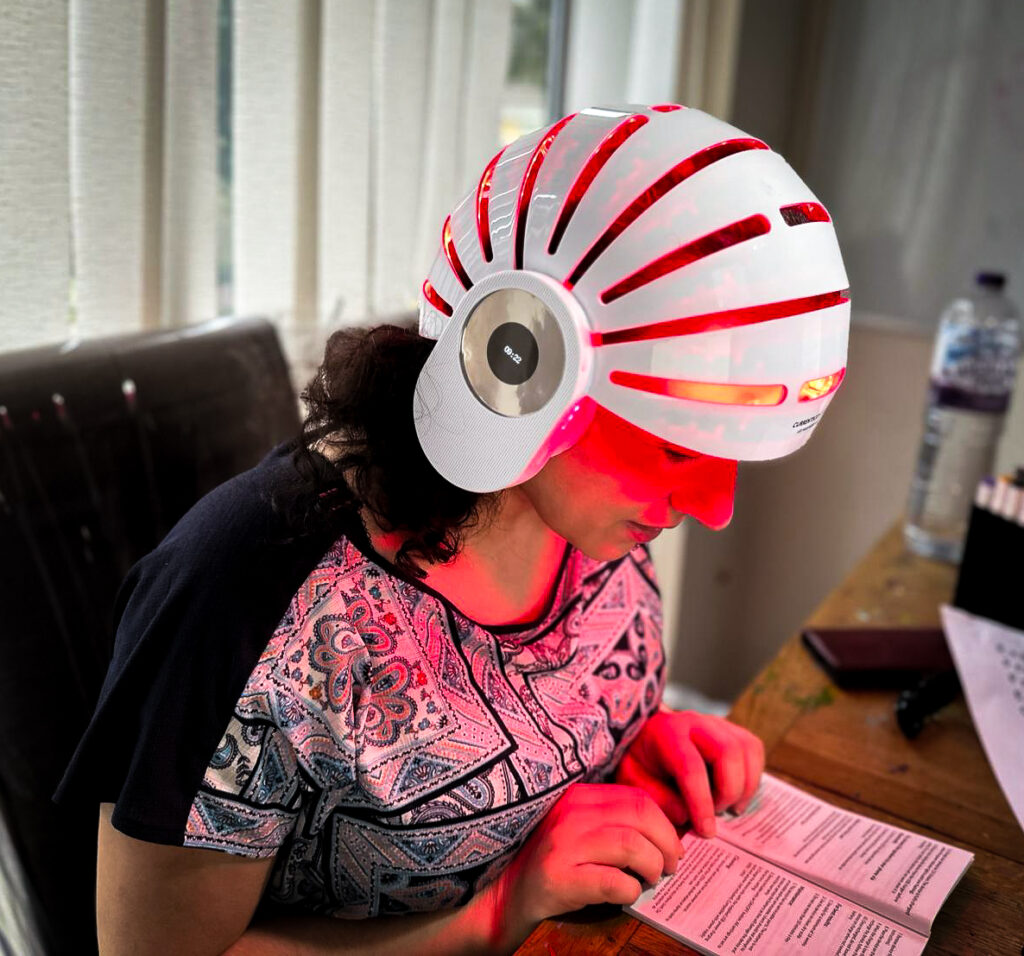
The CurrentBody Skin LED Hair Growth Helmet* uses red light therapy to tackle hair loss head-on. It shines red light at the sweet spot of 640nm wavelength, which is just the right kind of light to wake up the hair follicles, boost blood flow, and get more oxygen and nutrients moving to your scalp. This specific wavelength is good at getting through to your scalp without being too intense. It has been proven to be the right wavelength (not too strong and not too gentle) to help your hair grow.
How does red light therapy help with postnatal hair loss?
Red light therapy can help address postnatal hair loss because it’s non-invasive, pain-free, and effective to support hair regrowth and scalp health.
Calming inflammation
If your scalp’s feeling a bit inflamed after childbirth, you’re not alone. This inflammation can make hair loss even worse. Red light therapy can help create a more fertile ground for your hair follicles to thrive and produce new hair.
Helping with hormone changes
While red light therapy doesn’t directly juggle your hormones back into place, it supports a healthier scalp. And a happy scalp means it can better handle whatever hormonal changes come its way, helping your hair grow back stronger.
Why it’s great for new parents
Red light therapy is a safe and hassle-free way to address hair loss. It’s gentle, non-invasive, and doesn’t come with nasty side effects, making it a perfect match for the postpartum period. Plus, using red light devices at home, like hair growth helmets, means you can treat your hair without adding another appointment to your already packed schedule.
The CurrentBody Skin LED Hair Growth Helmet experience
Diving into the world of red light therapy for hair loss, let’s talk about an industry game-changer: the CurrentBody Skin LED Hair Growth Helmet.* This neat gadget brings the power of red light therapy right into your living room, offering an easy and effective way to help with thinning postpartum hair.
You can use the CurrentBody Helmet in the comfort of your own home. This means you get all the fancy benefits of red light therapy without having to step foot outside, making it convenient for busy parents.
Cracking open the box of the CurrentBody Skin LED Hair Growth Helmet is like discovering something from another world. The box is like a gift package, opening from the centre. Once opened you’re greeted by the helmet itself, a pretty hefty piece of kit that smells like it just came straight from a lab. Inside, you’ll find everything you need to get started:
The CurrentBody Skin LED Hair Growth Helmet comes in a small/medium size (you can also get a larger size, but there’s a handy size guide included to make sure it fits you just right.)
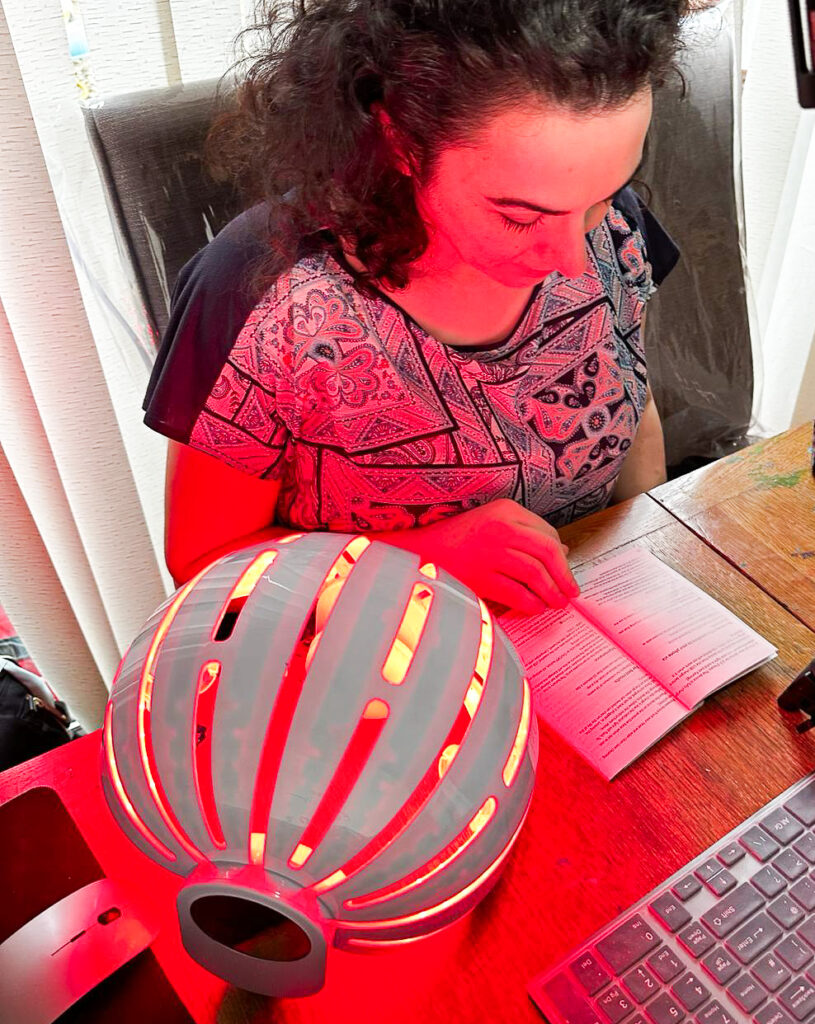
A Protective Non-Charging Base where your helmet can rest when you’re not using it, keeping it safe and sound.
A USB Charging Cord to power up your helmet. Just a heads up, there’s no wall plug in the box, so you’ll need to have one handy.
The User Manual is your go-to for all the details on how to use the helmet properly. It’s packed with everything you need to know to get the most out of your new hair growth buddy.
How to use the CurrentBody Helmet
Getting started with the CurrentBody helmet is pretty easy and fits right into your daily routine. Here’s a quick guide to get you going:
Setting It Up: First things first, pop the helmet onto its protective base. Then, grab the USB cord it came with and plug it in to give it a full charge before you use it for the first time.
Before You Start: Make sure your hair’s clean and completely dry. This helps the LED light do its thing without anything getting in the way, like oils or moisture.
Turning It On: Now, put the helmet on your head and find the screen on the side. Hit the start button, and you’ll see a 10-minute timer pop up on the display, along with some cool red light starting to glow.
Killing Time: To make those 10 minutes fly by, you can connect your phone to the helmet using Bluetooth and listen to your favourite podcasts or tunes. Pretty neat, right?
While It’s Working: You’ll feel a slight warmth while the helmet’s on—it’s just the LED lights doing their job on your scalp. It’s made to be comfy, so just relax and enjoy the warmth.
Wrapping Up: When the helmet beeps after 10 minutes, that means it’s done. It’ll turn itself off, so you just take it off, put it back on its resting port, and go about your day. Easy peasy!
First impressions and setup
The initial unboxing and setup process is impressively user-friendly. The futuristic design of the helmet, coupled with its clinical smell, immediately sets it apart as a sophisticated piece of technology. Setting up the device is intuitive, thanks in part to the clear instructions provided in the user manual. The ability to connect to Bluetooth for entertainment during treatment is a thoughtful addition, enhancing the overall user experience.
How often should you use the CurrentBody Helmet for red light therapy?
It really depends on what kind of red light therapy device you’ve got, how serious your hair loss is, and how your body reacts to the treatment. You can use the CurrentBody Helmet for just ten minutes a day and experts say you should see visible results in four months. But don’t worry, there’s a general game plan you can follow to get the most out of red light therapy for growing your hair:
Starting Out: Most of the time, if you’re using a red light therapy device meant to help your hair grow back, you’ll want to use it around 3 to 4 times a week when you first start. This helps wake up your hair follicles without overdoing it.
How Long for Each Session?: Expect to spend about 10 to 30 minutes per session, based on what CurrentBody recommend. It’s important to stick to their advice to keep things safe and effective.
Keeping It Going: After you’ve been at it for at least three months—and you start noticing some good changes, you might dial it back to just once or twice a week to keep those gains without needing to do as much.
But wait, there’s more:
Follow the Manual: Each red light therapy device can be a bit different, so make sure you’re doing what the manual says. The company that made your device should tell you how often and how long to use it, based on the kind of light it uses and how it works.
How Much Hair You’re Losing: If you’re losing a lot of hair, you might need to use red light therapy more often at first.
Your Personal Results: Everyone’s different. You might need to use it more or less often, depending on how your hair responds.
Mixing Treatments: If you’re using red light therapy with other hair loss treatments, the number of red light therapy sessions you do might change based on what else you’re doing.
Keeping it safe and effective
Red light therapy is usually pretty easy on you, but don’t go overboard to avoid irritating your scalp.
Stick with it regularly, according to the schedule. It’s better than trying to cram all your sessions into a shorter time frame.
Talk to a professional
Before you jump in with red light therapy, chat with a dermatologist or a hair loss expert, so they can give you advice tailored just for you, making sure red light therapy is a good fit.
While the typical advice is to aim for 3 to 4 therapy sessions a week for hair loss, remember to check out your device’s instructions and maybe get some professional guidance to figure out the best plan for you. With the CurrentBody Helmet, you can use it for ten minutes daily.
What can you start to see results with the CurrentBody helmet?
Here’s what your journey might look like:
First few weeks (0 to 4 weeks)
At the start, the LED light in the helmet gets busy boosting blood flow to your scalp, waking up hair follicles that weren’t doing much. It’s also putting the brakes on DHT, a hormone that’s no friend to your hair. You might not see changes right away, but it’s laying down the groundwork for new hair to grow.
The middle stage (4 to 8 weeks)
Now, things get exciting. That improved blood flow starts to rejuvenate sleepy follicles, and your scalp begins to feel like a more hair-friendly place. Those follicles are ready to switch from chill mode to grow mode.
Seeing changes (8 to 16 weeks)
This is when the magic happens. From about two months in, you’ll start noticing new hair. Studies show that by week 16, you could see a 33% boost in the number of hair follicles. Keeping up with the treatment is key to getting and keeping those gains.
How does the CurrentBody Helmet stack up against other treatments?
Against Finasteride – The helmet can ramp up hair growth by 126% in 16 weeks. Finasteride, a hair loss drug, doesn’t match up to this without continuous use.
Compared to laser treatments – It’s also been found to be way more effective than some laser treatments, outperforming them by 126%.
Versus Minoxidil – Against the topical solution Minoxidil, the helmet brings 62% more new hairs, minus the daily hassle and potential skin issues.
So, if you’re eyeing the CurrentBody helmet as your choice against hair loss, it looks like it could be a pretty solid option.
Personal and customer reviews of initial experiences
With 34 reviews averaging 4.5 out of 5, people really like the CurrentBody Helmet for its solid build and how easy it is to use. While the scores on seeing results dip a bit, it’s key to stick with it for about four to six months to start seeing your hair come back. Christine K. from Canada was hoping for quicker results in just three months. The team at CurrentBody, with Zubda leading the charge on beauty tech advice, stresses sticking it out for about six months to really see the difference.
People like JCS and Liz O. are happy about how well red light therapy works and how top-notch the helmet feels. Hadas from Israel and Nils P. from the Netherlands have seen their hair get thicker and healthier. Though Hadas did point out that it can snag your hair, tossing your hair into braids seems to fix that right up.
On the expert front, Craig Ziering, a big name in hair restoration, promotes using red light therapy to get those hair follicles moving and bumping up hair density without the downside of harsh side effects. Celestine Gitau also favours using red light therapy alongside good eating, keeping stress in check, and taking care of your scalp to tackle hair loss.
CurrentBody helmet results: before and after
Lots of people who’ve stuck with using the CurrentBody Skin LED Hair Growth Helmet* have seen some real changes. Their hair feels thicker and denser, and their scalp seems healthier too. Everyone’s experience is a bit different, but the before and after pictures people share usually show a pretty big decrease in how much their hair is thinning. Most agree that if you keep up with it regularly, just like the manual suggests, you’re more likely to see good results.
My before and after
As I’m only on Week 1 of using the CurrentBody Skin LED Hair Growth Helmet* I can’t show you any actual results yet. But watch this space as I will be updating my journey here and via social media too. I’m very hopeful!
Where can I buy the CurrentBody Skin LED Hair Growth Helmet?
Lots of research out there is giving a thumbs up to red light therapy for dealing with hair loss, with a whopping 128% boost in how fast hair grows back, meaning people are seeing thicker, stronger hair after sticking with red light therapy for a while. And compared to options like minoxidil or finasteride, which might irritate your scalp or lead to other side effects, red light therapy is pretty chill with hardly any downsides reported.
Pros
No Surgery Required: Red light therapy doesn’t involve any cutting or poking, making it a gentle choice for many.
Easy on You: Side effects are pretty rare, especially if you’re comparing it to drugs for hair loss.
Do It at Home: You can get your red light therapy session in without having to step out, thanks to gadgets you can use in your living room.
Happy Scalp: It’s not just about more hair; red light therapy can make your scalp healthier, cutting down on problems like inflammation.
Cons
Time: You’ve got to commit to using it regularly over a long stretch to see results, which might not be everyone’s cup of tea.
Costs Upfront: Getting your own red light therapy setup at home can be a bit pricey at the start, though it could save you money down the road compared to other treatments.
Mixed Results: How well it works can really depend on the person. Some might see big changes, while others might only notice a little difference.
Beyond the Helmet: Are there any hair loss treatment alternatives to red light therapy?
Stepping out from under the CurrentBody Helmet, let’s look at other options to tackle hair loss if red light therapy isn’t your go-to.
Medications
Minoxidil (Rogaine): You can grab this topical treatment you massage into your scalp at your local pharmacy. It’s got a thumbs up for both men and women, but you’ve got to keep at it without a break to keep the gains.
Finasteride (Propecia): More of a behind-the-counter pick, this pill slows down hair loss and might even invite new growth. This is aimed at men, though, and it’s not without its set of potential side effects, especially in the bedroom department.
Medications bring results, no doubt, but they’re not free of side effects. Red light therapy, on the other hand, keeps things gentle and non-invasive.
Platelet-rich plasma (PRP) therapy
You utilise your own blood, which is processed to concentrate platelets, so PRP therapy injects it into the scalp. This method aims to stimulate hair growth by enhancing tissue repair and cellular functions.
PRP therapy requires clinical visits and is more invasive, potentially accompanied by discomfort and higher costs. Red light therapy, alternatively, offers a non-invasive, pain-free treatment option that can be conveniently administered at home, though PRP may provide faster results for some people.
Hair transplant surgery
Hair transplant procedures, such as Follicular Unit Extraction (FUE) and Follicular Unit Transplantation (FUT), offer permanent hair loss solutions by redistributing hair from denser to sparser areas.
While hair transplant surgery delivers immediate and targeted results, it involves significant financial investment, recovery time, and surgical risks. Red light therapy is a gentle alternative or a complementary treatment to support healing and enhance hair growth without the need for surgical intervention.
Microneedling
Microneedling for hair loss involves a process where very fine needles create tiny punctures on the scalp. This action is meant to kickstart the skin’s healing process, potentially encouraging hair growth. It’s often used alongside other treatments to help them penetrate deeper and work more effectively. You can use the CurrentBody Helmet device in conjunction with microneedling if you wanted to.
Compared to the simplicity of red light therapy, microneedling is more direct, with a bit of discomfort due to its invasive nature. While it can be effective, especially when combined with other hair loss treatments, red light therapy offers a gentler, non-invasive alternative that’s easy to use regularly at home.
Both approaches have their place in the array of hair loss treatments available, from the straightforward application of medications to advanced techniques like red light therapy. Each method offers different benefits, and the best choice can depend on your individual needs, preferences, and the specific condition being treated.
Final thoughts, recommendations, and guidance
The CurrentBody Skin LED Hair Growth Helmet is a pretty cool tool in the fight against hair loss, mixing smart tech with everyday hair care. It’s got a thumbs-up from both science and real users, making it a solid pick for handling hair loss right at home. This helmet is all about using light in a gentle way to help out thinning hair without any fuss. If you’re thinking about giving it a try, here’s what you might want to keep in mind:
Do Your Homework: Take a closer look at how red light therapy works and why it might be good for your hair. Look for solid research and trials to back up what the helmet promises. Places like PubMed or NIH are great for finding trustworthy studies.
Check What You Need: Think about how much hair you’re losing and if this kind of therapy fits your situation. Sometimes, other conditions might need a different approach.
Weigh the Costs: Consider what you’re spending upfront against what you’ll save by not having to keep buying treatments or going for more drastic measures.
Listen to Others: Check out what people who’ve been in your shoes have to say about their experience with the helmet.
Look for FDA Approval: Especially in the U.S., knowing the device is FDA-cleared can give you a bit more peace of mind about its safety and effect.
Check the Warranty: Make sure you know what kind of support and warranty comes with it, so you’re covered if anything goes sideways.
Be Patient: Remember, good things take time. Consistent use is key to seeing a real change, so stick with it as recommended.
Track Your Journey: Taking before and after photos can be a great way to really see the difference over time.
Keeping these points in mind, the CurrentBody helmet seems like a pretty smart pick for those looking to tackle hair loss head-on. It offers you a non-scary way to help your hair out, backed by science and good reviews from users. Just like with anything big in healthcare, chatting with a pro and thinking it through can help you decide if it’s the right move for you.
FAQs
Is red light therapy for hair loss safe?
Absolutely, red light therapy is generally considered safe for hair loss. It’s non-invasive and doesn’t come with the scary side effects some treatments might have. Just make sure to follow the guidelines for your device to keep things smooth.
Can red light therapy make hair loss worse?
There’s no evidence to suggest that red light therapy worsens hair loss. In fact, it’s known for its benefits in stimulating hair growth and improving scalp health. If you’re concerned, chat with a healthcare professional.
Is red light therapy for hair painful?
Not at all. red light therapy is a gentle, pain-free treatment, so if you’re not a fan of the ‘ouch’ that comes with some other treatments, red light therapy could be up your alley.
Can red light therapy reverse grey hair?
Red light therapy is more about encouraging hair growth and improving the health of your scalp and hair. There’s not much out there to say it can bring back your original colour if you’re going grey.
I’m thinking of buying a red light lamp for my fiancé who has back pain and hair loss – would any red lamp work?
It’s best to look for a device specifically designed for the issues you’re tackling. Red light therapy devices for hair loss and back pain might have different specifications, like wavelength, so picking one that’s meant for hair loss is your best bet for seeing results.
Can an LED mask with red light also be used on the scalp for hair loss treatment?
Some LED masks are versatile enough to be used on different parts of the body, including the scalp. A normal LED mask will help a little as it does penetrate the skin at a cellular level. But it’s important to choose a device that has the correct wavelengths to reach the follicles, which is usually a different wavelength than the face LED masks. So the hair-focused helmet will work better, as it will reach the correct level. Just check the manufacturer’s recommendations to ensure it’s safe and effective for hair loss treatment.
Does light therapy stop hair loss, or is it just for regrowth? Can it replace Finasteride if you do it every day?
Red light therapy is known for both halting hair loss and encouraging regrowth by stimulating the follicles. As for replacing finasteride, it’s a bit of an apples and oranges situation. Red light therapy offers a non-drug, side-effect-free method, but whether it can replace finasteride for you depends on your specific situation and what your healthcare provider suggests.
Resources for further reading and understanding
Systematic reviews and meta-analyses
“Effects of Low-Level Laser Therapy on Male and Female Pattern Hair Loss“: A systematic review and meta-analysis in Lasers in Medical Science (2014) examining the efficacy of LLLT in treating pattern hair loss. The study concluded LLLT to be an effective and safe treatment, noting significant improvements in hair density and thickness.
Clinical trials
“Treatment of Androgenetic Alopecia with LLLT“: Published in the Journal of Cosmetic and Laser Therapy (2013), this study involved individuals with androgenetic alopecia treated with LLLT and reported significant improvement in hair count and density after 26 weeks.
“LLLT for Women with Androgenetic Alopecia“: A study in Lasers in Surgery and Medicine (2014) highlighted the positive effects of LLLT in increasing hair density in women, compared to placebo groups.
Comparative studies
“Comparing LLLT with Minoxidil“: Published in The American Journal of Clinical Dermatology (2014), this study found LLLT to be as effective as a 5% minoxidil solution in promoting hair growth in men with androgenetic alopecia.
*This post is sponsored by CurrentBody but all thoughts are 100% my own. Please note that links marked with a ‘*’ are affiliate links, which means I may earn a small commission when you click through at no extra cost to you.
Postpartum core workout tips to rebuild your foundation
Bringing a new life into the world is a miraculous experience that changes your body in many ways, including weakening your core muscles! But creating a postpartum core workout and rebuilding your foundation will help you regain strength and stability, and boost your overall wellbeing after childbirth too.
Below is a guide to regaining core strength postpartum where we will explore core-strengthening exercises tailored specifically for postpartum mums.
Remember, every woman’s postpartum recovery is unique, and it’s important to listen to your body and consult with your healthcare provider or a certified postpartum fitness specialist before starting any exercise program. They can provide guidance specific to your individual needs and help you develop a safe and effective postpartum belly workout.
Your postpartum core recovery program starts here!
The importance of core strengthening – Postpartum core workout changes and challenges
As a new mum, the abdominal muscles and pelvic floor muscles, which form the core, experience stretching and weakening. These changes can lead to issues like lower back pain, weakened posture, and decreased core strength.
The benefits of core-strengthening exercises
Postpartum ab exercises offer several benefits, including restoring core muscle strength, improving posture, enhancing stability, alleviating back pain, and providing a solid foundation for other physical activities. Incorporating these exercises into your routine can lead to a stronger and healthier postpartum body.
When to start postpartum exercise to reduce tummy: Mustdo exercises for early postpartum core recovery
You must consult with your GP before starting any postpartum exercise routine, especially if you had a complicated delivery or you’re experiencing any specific health concerns. However, once you’ve received clearance, you can begin gentle exercises in the early postpartum period to support core recovery and reduce tummy size.
Understanding the postpartum recovery timeline
Please respect your body’s healing process after childbirth. Try to start with gentle exercises during the early postpartum period (typically the first six weeks), to avoid excessive strain.
Here are some must-do exercises for early postpartum core recovery, but consult with your healthcare provider first to make sure you’re ready for exercise.
Postpartum recovery ab exercises beginner – up to two weeks postpartum
Here are some postpartum core restoration exercises that you can do up to two weeks postpartum:
The transverse abdominal muscles, the deepest layer of the abdominal muscles, wrap around the abdomen like a corset and support the spine and pelvis – and they’re important for core stability too. Engaging these muscles through postpartum core exercises like the “abdominal hollowing” technique can help rebuild core strength gradually. You can also perform transverse abdominal exercises like heel slides, abdominal compressions, or gentle pelvic tilts while focusing on proper alignment and activating the deep core muscles.
How to do transverse abdominal breathing and core connection
Transverse abdominal breathing core connection (TAB) also known as deep core or diaphragmatic breathing, is a great exercise to reconnect with and strengthen your core muscles postpartum. It can also help to improve posture and reduce the risk of diastasis recti, a condition in which the abdominal muscles separate.
To do TAB, lie on your back with your knees bent and your feet flat on the floor. Place your hands on your lower abdomen, just above your hip bones. As you inhale, breathe deeply into your belly, allowing your abdomen to expand. As you exhale, gently draw your belly button in towards your spine.
You can do TAB for 10-15 repetitions, or for as long as you feel comfortable. Breathe slowly and naturally and to avoid holding your breath.
Here are some tips for doing TAB correctly:
Keep your back pressed into the floor throughout the exercise.
Do not allow your lower back to arch.
Breathe slowly and naturally.
Avoid holding your breath.
TAB is a gentle exercise, but if you have any pain, stop the exercise and talk to your doctor immediately.
The pelvic floor muscles play a vital role in core stability. Gentle pelvic floor exercises, such as Kegels, can help strengthen these muscles and aid in postpartum recovery.
Pelvic floor exercises involve contracting and relaxing the muscles used to control urination. Squeeze and hold the muscles for a few seconds, then release. Gradually increase the duration and intensity of the contractions over time.
Postpartum core workout No. 3 – Dead bug
This exercise helps to strengthen your core and improve your posture. Lie on your back with your knees bent and your feet flat on the floor. Place your arms at your sides, palms down. Slowly raise your arms and legs off the floor, keeping your back pressed into the ground. Hold for a few seconds, then lower your arms and legs back down.
Lie on your back with your knees bent. Place your hands on your abdomen, just above your belly button. Take a deep breath in, and as you exhale, gently press your hands into your abdomen, feeling your deep abdominal muscles engage. Hold for a few seconds and then release. Repeat this several times.
Postpartum core workout No. 5 – Gentle walking
Walking is a low-impact exercise that helps improve circulation, promotes healing, and boosts mood. Start with short walks around your house or neighbourhood, then gradually increase the duration and intensity as you feel comfortable.
Two to four weeks postpartum with your doctor’s approval
Once you have received clearance from your healthcare provider, you can gradually progress to more specific core exercises two to four weeks postpartum. It’s important to start with gentle exercises that focus on reconnecting with the core muscles and promoting stability. Here are some core exercises you can consider during this period:
Postpartum core workout No. 6 – Pelvic tilts
This exercise helps to strengthen your pelvic floor muscles and improve your posture. Get on your hands and knees, making sure your back is straight. Tilt your pelvis forward, tucking your tailbone under. Hold for a few seconds, then tilt your pelvis back, rounding your back. Repeat 10 times.
Lie on your back with knees bent and feet flat on the floor. Inhale deeply, and as you exhale, lift your hips off the ground, engaging your glutes and core. Hold for a few seconds, then slowly lower your hips back down. Focus on maintaining stability and avoiding excessive arching of the lower back.
Postpartum core workout No. 8 – Bird dog exercise
Begin on all fours with your hands directly under your shoulders and knees under your hips. Engage your core muscles, then extend your right arm forward and left leg backward. Hold for a few seconds, then do the same with the alternating leg and arm. Focus on maintaining stability and keeping your spine aligned throughout the movement.
Postpartum core workout No. 9 – Side-lying leg lifts
Lie on your side with your legs extended and stacked on top of each other. Engage your core muscles and lift the top leg to a comfortable height, then lower it back down. Repeat on both sides. This exercise targets the hip abductors and outer thighs.
Four to six weeks postpartum
During the four to six-week postpartum period, continue focusing on gentle ab exercises that help reconnect with and strengthen the core muscles. Here are some ab exercises you can consider during this period:
Start with modified crunches by lying on your back with knees bent and feet flat on the floor. Place your hands behind your head. Exhale as you lift your head and shoulders off the ground, and inhale as you lower back down. Focus on engaging your core muscles and avoiding straining the neck or upper body.
Sit or stand with your feet shoulder-width apart. Place your hands on your hips or hold a small weight or medicine ball. Rotate your torso from side to side, focusing on engaging your oblique muscles. Start with small movements and increase the range of motion as you feel comfortable.
Always pay attention to your body and modify exercises as needed. Start with a few repetitions of each exercise and gradually increase over time. If you experience any pain, discomfort, or unusual symptoms during or after exercise, stop and talk to your doctor. They can provide personalised guidance and recommendations based on your individual recovery progress.
Progressing to intermediate exercises – Gradual progression is key
Once your body has had sufficient time to heal, you can gradually progress to intermediate core-strengthening exercises. Be patient and listen to your body’s signals to avoid overexertion or injury.
Six to eight weeks postpartum
Between six to eight weeks postpartum, you can gradually increase the intensity and complexity of your ab exercises as your body continues to heal and gain strength. Here are some ab exercises you can consider during this period:
Planks are excellent for strengthening the entire core. Start with modified versions, such as knee planks or forearm planks, and gradually increase the duration and difficulty as your strength improves.
As you get stronger, you can progress to full planks on your hands and toes. Make sure you have proper form, engaging your core muscles and maintaining a straight line from head to heels. Hold the position for a few seconds and gradually increase the time as you get stronger.
Postpartum core workout No. 13 – Bridge pose
Bridges target the glutes, lower back, and abdominal wall muscles. They help improve hip stability, strengthen the core, and relieve lower back pain. Start with basic bridges and progress to single-leg or stability ball variations.
Lie on your back with knees bent and feet flat on the floor. Inhale deeply, and as you exhale, lift your hips off the ground, engaging your glutes and core. Hold for a few seconds, then slowly lower your hips back down. Focus on maintaining stability and avoiding excessive arching of the lower back.
Postpartum core workout No. 14 – Leg raises
Lie on your back with your legs extended. Engage your core muscles and lift your legs off the ground, bringing them towards the ceiling. Lower your legs back down with control. Start with single leg raises and progress to double leg raises as your strength improves.
Postpartum core workout No. 15 – Reverse crunches
Lie on your back with knees bent and feet flat on the floor. Place your hands on the floor beside you or under your hips for support. Exhale as you lift your hips off the ground, bringing your knees towards your chest. Inhale as you lower your hips back down with control.
Remember to pay attention to your body and modify exercises as needed. If you experience any pain, discomfort, or unusual symptoms during or after exercise, stop and talk to your doctor.
Postpartum recovery ab exercises advanced – Build on a solid foundation
Once you feel comfortable with intermediate exercises, you can incorporate advanced core-strengthening exercises into your routine. These exercises challenge your core stability and help you reach higher levels of strength and fitness.
Postpartum core workout No. 16 – Pilates and yoga
Pilates and yoga are excellent options when looking for ab exercises for after pregnancy. These practices focus on controlled movements, breathwork, and engaging the deep core muscles, providing overall strength and flexibility.
Functional postpartum core exercises mimic movements we perform in everyday life. Incorporating exercises like squats, lunges, and deadlifts can further challenge your core muscles and improve overall functional strength.
The role of pre-workout stacks
While doing an abdominal exercise postpartum is essential, sometimes you may also need an extra boost to get the most out of your workouts. So think about understanding pre-workout stacks with Barbend. Pre-workout supplements, or “stacks,” enhance athletic performance by providing energy, focus, and endurance. They can also help you push through fatigue and maximise your effort during workouts.
When selecting a pre-workout stack, choose one that is safe and effective for postpartum women. Look for supplements that contain natural ingredients and avoid those with potentially harmful substances. Consult with your healthcare provider before incorporating supplements into your routine.
Other exercises you can try after a strengthened core
Here are some postpartum ab workout exercises you can try once your core is much stronger:
Postpartum core workout No. 18 – Side lying hip abduction obliques and side core strengthening exercise
Side-lying hip abduction is an exercise that targets the Gluteus Medius, a muscle that helps stabilise the hip and prevent injury. Side-lying hip abductions are a great way to strengthen your core and improve your balance. They are also a low-impact exercise, so they are a good option if you are recovering from an injury. It is also a good exercise for strengthening the obliques, the muscles that run along the sides of the torso.
Start by lying on your side on a mat or comfortable surface. You can choose either side to begin with.
Extend your bottom arm out straight, placing it on the floor in front of you for support. You can bend your elbow slightly for added comfort.
Place your top hand behind your head, with your elbow pointing toward the ceiling. This will help engage your oblique muscles.
Bend your bottom knee slightly for stability and keep your top leg straight.
Engage your core muscles to stabilise your spine, and slowly lift your top leg upward, away from the bottom leg. Focus on using the muscles on the side of your hip to lift the leg, rather than relying on momentum.
Lift your leg as high as you can without rotating your pelvis or leaning forward or backward. Aim to create a straight line from your head to your feet.
Hold the top position for a second or two, feeling the contraction in your hip abductor and oblique muscles.
Slowly lower your leg back down to the starting position.
Repeat the exercise for the desired number of repetitions and then switch to the other side.
Remember to breathe consistently throughout the exercise and maintain proper form. Start with a manageable number of repetitions, and as you get stronger and more comfortable, you can gradually increase the intensity and number of sets. If you experience any discomfort or pain, stop the exercise and consult a fitness professional or healthcare provider.
You can do this exercise for 10-15 repetitions on each side. As you get stronger, you can add weight to your ankle or wear a resistance band around your thigh.
Here are some tips for doing side-lying hip abductions correctly:
Keep your core engaged throughout the exercise.
Keep your hips aligned and your pelvis level.
Do not let your top knee collapse inward.
Slowly lift and lower your leg to avoid putting too much strain on your hip.
Here are some other exercises that you can do to strengthen your obliques and side core:
Plank with side twist: Start in a plank position on your forearms. Slowly twist your body to the side, bringing your top elbow towards your hip. Hold for a few seconds, then return to the starting position. Repeat on the other side.
Bird dog all fours core strengthening exercisewith side reach: Start in a bird dog position on your hands and knees. Slowly reach your top arm out to the side, keeping your elbow straight. Hold for a few seconds, then return to the starting position. Repeat on the other side.
Side plank with leg lift: Start in a side plank position with your body in a straight line from your head to your heel. Slowly lift your top leg up and out to the side, keeping your knee bent. Hold for a few seconds, then lower your leg back down.
Effective squat warm-up exercises for a safe workout
There are several effective squat warm-up exercises that can help you prepare for a safe postpartum workout. Here are a few warm-up exercises that target the muscles involved in squats:
Postpartum core workout No. 19 – Glute bridges
Lie on your back with your knees bent and feet flat on the ground. Engage your core and squeeze your glutes to lift your hips off the floor. Hold for a second or two at the top and then lower your hips back down. This exercise activates the gluteal muscles and helps improve hip mobility.
Postpartum core workout No. 20 – Hip rotations
Stand with your feet hip-width apart. Place your hands on your hips and gently rotate your hips in circular motions, both clockwise and counter-clockwise. This helps warm up the hip joints and increase mobility.
Stand with your feet shoulder-width apart and toes slightly turned out. Lower your body down into a squat by bending your knees and pushing your hips back. Keep your chest lifted and maintain a neutral spine. Rise back up to the starting position. Bodyweight squats warm up the leg muscles and improve your squatting technique.
Stand facing a wall or use a sturdy surface for support. Place one foot slightly in front of the other and lean forward, allowing your front knee to bend while keeping your back heel on the ground. You should feel a stretch in your calf and ankle. Hold for a few seconds and then switch legs. This exercise helps improve ankle mobility, which is important for achieving proper squat depth.
Postpartum core workout No. 23 – Lateral leg swings
Stand beside a wall or use a stable support. Swing one leg out to the side, keeping it straight or with a slight bend in the knee. Swing it back and forth like a pendulum. Perform 10-15 swings on each leg. This exercise helps to warm up the hip abductor muscles, which are important for squat stability.
Remember to listen to your body and start with lighter weights or no weights at all when performing squats postpartum. Gradually increase the intensity and weight as your body recovers and becomes stronger. If you experience any pain or discomfort, modify the exercises or consult with a healthcare provider or a certified postpartum fitness specialist.
Banded clamshells are a great way to strengthen your core and improve your balance. They are also a low-impact exercise, so they are a good option for people who are recovering from an injury.
To do a banded clamshell workout, you will need a resistance band. Here are a good set of resistance bands from Amazon*
Here is a sample banded clamshell workout routine:
Warm-up:
5 minutes of light cardio, such as walking or jogging.
10-15 repetitions of each of the following exercises:
Knee raises
Wall sits
Hip circles
Cat-cow pose
Workout:
3 sets of 10-15 repetitions of banded clamshells on each side.
Cool-down:
5 minutes of light cardio.
10-15 repetitions of each of the following exercises:
Bird dog
Plank
Side plank
You can adjust this workout routine to fit your own fitness level. Listen to your body and take breaks when you need them.
Core exercises to avoid after pregnancy
After pregnancy, gradually reintroduce core exercises to allow your body to heal and strengthen. However, there are certain core exercises that are best to avoid during the postpartum period. These are:
Traditional sit-ups and crunches
These exercises can put excessive strain on the abdominal muscles and the pelvic floor, which may still be recovering after childbirth. They can also contribute to the separation of the abdominal muscles, known as diastasis recti.
Engaging in heavy weightlifting or intense resistance training before your body has fully recovered can increase the risk of injury. It’s best to start with lighter weights or bodyweight exercises and gradually increase the intensity as your body becomes stronger and more stable.
High-impact exercises
Activities such as running or jumping exercises can place additional stress on the pelvic floor, which may still be healing. These high-impact exercises should be avoided until you’ve rebuilt your core strength and received clearance from your healthcare provider.
Twisting or rotational exercises
Twisting or rotational movements, such as Russian twists or bicycle crunches, can strain the abdominal muscles and potentially worsen diastasis recti. It’s best to avoid these exercises until the abdominal muscles have healed and regained proper strength.
Conclusion
Strengthening postpartum exercises for tummy is an important journey that requires patience, dedication, and the right exercises.
There are lots of ways to fit exercise in after baby. You can hit the park with water bottles, snacks and provisions for the day, then enjoy a jog while your baby babbles at nature. Jogging strollers can also come as a double if you have two kids. Check out https://www.doublebuggyreviews.com/ for detailed reviews on dozens of double buggy styles, including ones that help you get active in the great outdoors along with your babies.
If you’re struggling with motivation, then there are plenty of online personal trainers that will work with you from the comfort of your own home. You won’t have to waste time driving to the gym or paying for an expensive membership. It’s the perfect way to be more efficient with your time without sacrificing your fitness.
Remember, you also need downtime. Turn down the lights, play some tranquil music, and light up the scents and oils. This will allow you the perfect relaxation time that you need to breathe out the stressful day and breathe in the calm. You can find some great aromatherapy tools online now, like these scented candles by Royal Essence, especially for use during bedtime.
Remember to consult with your healthcare provider before starting postnatal core exercises, especially if you have specific postpartum concerns. And speak to a certified personal trainer when trying postpartum ab exercise workout plans, especially diastasis recti exercises, so you don’t make your muscle separation worse.
Enhance your postpartum experience with comfortable footwear
While focusing on rebuilding your core strength postpartum, don’t overlook the importance of comfortable and supportive footwear. In addition to your core exercises, moving around and staying active are key components of your recovery. This is where our picks from Black Tulip Studio come in, offering both comfort and style for postpartum mums, and now with an exclusive 5% discount!
Farro Flat Chelsea Boot – Caramel Suede: These stylish boots are perfect for walks or casual outings. Their cushioned insoles and supportive design provide the comfort needed during postpartum recovery, making them ideal for mums on-the-go. The versatile design seamlessly matches various outfits, ensuring you stay fashionable and comfortable. Shop the Farro Flat Chelsea Boot here* and take advantage of the special 5% off for a stylish addition to your postpartum wardrobe.
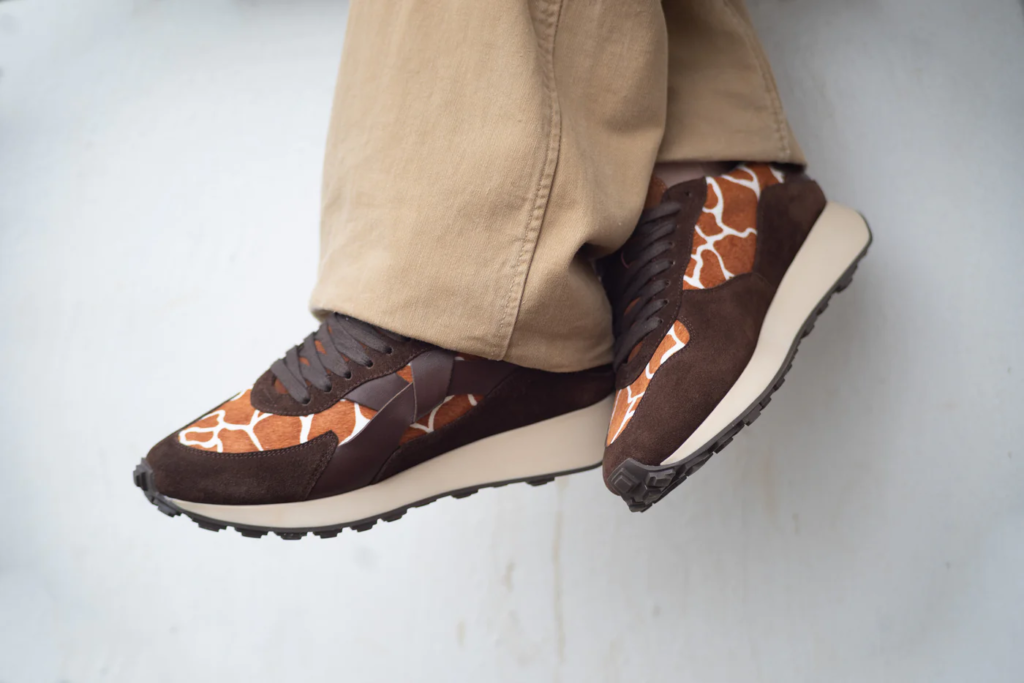
Arbi Sleek Sneaker – Giraffe: If you prefer something more casual, these unique giraffe print sneakers are a fantastic choice. Lightweight and breathable, they offer comfort during physical activities or when you’re simply enjoying time with your baby. The playful design adds a fun touch to your everyday look. Get your Arbi Sleek Sneakers here* to enjoy comfort with a unique style twist, plus a 5% discount!
Starting an ab workout after baby involves a combination of exercises that target the abdominal muscles, proper nutrition, and overall fitness. Here are some tips to help you tone your core postpartum:
Start with gentle core exercises
Use the tips above to start gently strengthening your core, then gradually progress to the more challenging exercises as your core gets stronger.
Diaphragmatic breathing
Practice diaphragmatic breathing to engage and activate the deep core muscles. This technique involves breathing deeply into your lower abdomen, allowing it to expand as you inhale, and gently contracting the deep core muscles as you exhale.
Incorporate pilates or yoga
Pilates and yoga can be excellent for postpartum core toning as they emphasise core engagement, stability, and flexibility. Look for postnatal-specific classes or modifications to ensure you’re following exercises that are safe for your postpartum body.
Include whole-body exercises
Incorporate exercises that engage multiple muscle groups, such as squats, lunges, push-ups, and rows. These exercises recruit the core muscles to stabilise the body and strengthen the entire body, including the core. Don’t start these exercises until your core is strong, though.
Cardiovascular exercise
Engaging in cardiovascular exercise, such as brisk walking, swimming, or cycling, can help burn calories and reduce overall body fat, which can contribute to a more toned appearance in your core area.
Healthy eating
Maintain a balanced and nutritious diet to support overall health and weight management. Focus on whole, unprocessed foods, lean proteins, fruits, vegetables, and healthy fats. Hydration is also essential.
Consistency and progression
Consistency is key for toning your core. Aim for regular exercise sessions and gradually increase the intensity and duration of your workouts over time. Be patient, as postpartum recovery is a gradual process.
Get professional guidance
Consult with a certified postpartum fitness specialist or a personal trainer who specialises in postpartum recovery. They can provide tailored exercises, ensure proper form, and offer guidance specific to your needs and recovery stage.
How long to regain core strength after pregnancy?
Other questions asked were:
When can you start core exercises after birth?
The time it takes to regain core strength after pregnancy can vary from woman to woman. It depends on factors such as your pre-pregnancy fitness level, the type of delivery you had, any complications experienced during pregnancy or childbirth, and how consistently you engage in postpartum exercises.
It’s important to approach postpartum core recovery with patience and allow your body time to heal.
Give yourself around 6 to 8 weeks to recover from childbirth. During this time, you can focus on gentle movements, deep breathing, and light exercises that promote circulation and mobility.
Then, around 6 to 8 weeks and after clearance from your doctor, you can begin exercises that focus on reconnecting and activating the core muscles, such as transverse abdominal exercises, pelvic floor exercises, and gentle core strengthening movements. This phase may last anywhere from a few weeks to a few months, depending on your progress and individual circumstances.
As you progress in your postpartum recovery, you can gradually introduce more challenging exercises to rebuild core strength. This may include exercises like planks, modified push-ups, squats, lunges, and stability exercises. This phase can take several months, and progress will vary from person to person.
Diastasis recti (separation of the abdominal muscles) is common after pregnancy. If you have diastasis recti, it may take longer to regain core strength and close the separation. Working with a physical therapist or postpartum fitness specialist can be beneficial in addressing diastasis recti and guiding you through appropriate exercises.
Can diastasis recti be fixed with exercise?
Other questions asked were:
What exercise heals diastasis recti after pregnancy?
Yes, diastasis recti can often be improved and sometimes fully resolved with specific exercises and targeted core training. Diastasis recti is a separation of the abdominal muscles that commonly occurs during pregnancy because of the stretching of the abdominal wall to accommodate the growing uterus. While exercise can help in the recovery process, it’s important to note that the severity of the diastasis recti and individual factors may influence the extent of improvement.
Focus on exercises that engage the deep core muscles, including the transverse abdominis and the pelvic floor. Examples include gentle abdominal compressions, pelvic tilts, and pelvic floor exercises like Kegels. These exercises help strengthen the muscles around the abdomen and provide stability.
Learning to activate and engage the transverse abdominis can help support and close the gap caused by diastasis recti. Diaphragmatic breathing and specific transverse abdominal exercises postpartum can be beneficial.
Perform modified planks as they target the core while minimising stress on the abdominal muscles. This may involve performing planks on an incline, using a stability ball, or using other modifications to ensure proper form and alignment.
It’s also important to strengthen the muscles that stabilise the pelvis, such as the glutes and hip abductors, as they can provide additional support to the core muscles. Exercises like hip bridges, clamshells, and side-lying leg lifts can be helpful.
Maintain good posture throughout the day to support the healing of diastasis recti. Be mindful of your posture during activities like sitting, standing, and lifting to reduce strain on the abdominal muscles.
Work with a qualified healthcare professional, such as a physical therapist or a certified postpartum fitness specialist, who can assess your diastasis recti and provide appropriate exercises and guidance. They can tailor an exercise program to your needs, monitor your progress, and ensure that you are performing the exercises correctly to promote healing and improve diastasis recti. In some cases, more severe diastasis recti may require additional interventions, such as surgical consultation or other specialised treatments.
Why is it hard for women to lose weight after a pregnancy?
Other questions asked were:
Why is my core so weak after pregnancy?
Losing weight after pregnancy can be challenging, but it is possible with patience and effort. By following the tips above, you can reach your weight loss goals and improve your overall health.
However, there may be additional reasons you may find it challenging to lose weight after pregnancy. Here are some factors that contribute to the difficulty:
Hormonal changes
Pregnancy triggers significant hormonal changes in a woman’s body, including increased levels of oestrogen, progesterone, and cortisol. These hormonal fluctuations can affect metabolism, hunger regulation, and fat storage, making it harder to lose weight.
Postpartum recovery
After childbirth, the body needs time to recover and the postpartum period involves healing from delivery, which potentially means dealing with physical discomfort, and adjusting to the demands of caring for a newborn. So you often prioritise rest and recovery over intense exercise or strict dieting.
Sleep deprivation
Newborns often disrupt sleep patterns, which means broken sleep and feeling tired all the time. Lack of sleep can affect hunger hormones, increase cravings for high-calorie foods, and decrease motivation for physical activity, making weight loss more challenging.
Increased caloric needs for breastfeeding
If you’re breastfeeding, your body requires additional calories to produce milk. This can make it difficult to create a calorie deficit for weight loss without affecting milk supply or the nutritional needs of your baby.
Lifestyle changes and time constraints
Caring for a newborn can significantly change your daily routine and lifestyle. The demands of childcare, limited time for self-care, and reduced availability of exercise can make it harder to establish consistent healthy habits for weight loss.
However, if you’re struggling with bad habits that affect your health, then it’s important to work through these issues first. Rehabs that offer SMART Recovery in Boston reported that most admitted people drink or misuse drugs when they are in their teens, so if this is an issue you have been struggling with for a long time, then it’s important to speak to a professional first so you can take steps to ensure you and your baby are in optimal health.
Emotional and psychological factors
Pregnancy and postpartum periods can bring about significant emotional and psychological changes. Factors such as stress, fatigue, mood swings, and adjusting to new responsibilities can impact eating patterns and make it harder to stick to healthy habits.
Try to approach postpartum weight loss with patience and self-compassion. It’s much healthier to lose weight gradually and aim for a healthy and sustainable rate. Speak to your doctor for personalised guidance and consider your individual circumstances may affect the speed in which you lose weight.
Incorporate a balanced diet, regular physical activity, and seek social and emotional support to help you manage your weight after pregnancy.
How can I lose 5 kg weight after pregnancy?
Losing 5 kg weight after pregnancy is a realistic goal, but it is important to do it safely.
Aim for gradual weight loss, so for example, losing 0.5 – 1kg (1-2lbs) pre week is generally considered a healthy rate of weight loss.
Focus on a balanced and nutritious diet that includes a variety of whole foods. Emphasise lean proteins, fruits, vegetables, whole grains, and healthy fats. Be mindful of portion sizes and avoid excessive calorie-dense and processed foods. Consider consulting a registered dietitian or nutritionist for personalised guidance.
Drink plenty of water throughout the day to stay hydrated. Water can help you feel fuller, support digestion, and boost your metabolism.
If you are breastfeeding, it can help you burn extra calories. Be mindful of your nutritional needs while breastfeeding, and consult a healthcare provider for guidance on maintaining a healthy calorie intake while supporting milk production.
Gradually reintroduce physical activity into your routine, based on your healthcare provider’s recommendations. Start with low-impact exercises like walking, swimming, or postpartum-specific fitness classes. As you progress, consider adding strength training exercises to help build muscle and boost metabolism.
Include exercises that target the core muscles, such as transverse abdominal exercises, pelvic floor exercises, and gentle core strengthening movements. Strengthening the core can aid in regaining strength and toning the abdominal area.
Adequate sleep is essential for overall health, weight management, and managing stress. Prioritise self-care activities to reduce stress levels, which can impact weight loss efforts.
Surround yourself with a supportive network of family and friends who understand your goals and can offer encouragement. Consider joining postpartum support groups or finding an accountability partner to help you stay motivated.
Best postpartum recovery exercises advanced?
Postpartum recovery exercises should be approached with caution and should only be attempted once you have regained core strength and received clearance from your healthcare provider. Check out the tips above for advanced core exercises.
Always warm up before attempting any advanced exercises and listen to your body. If you experience pain, discomfort, or any adverse effects, stop the exercise and consult with a healthcare provider or a certified postpartum fitness specialist. It’s essential to progress gradually and focus on maintaining proper form to prevent injury and support your postpartum recovery.
Why does my stomach stick out even though I am hammering the core exercises every day?
Other questions asked were:
Why do my abs look bloated after a workout? How long does it take for this bloating look to go away?
If your stomach is sticking out despite regularly performing core exercises, there could be a few reasons for this.
Diastasis recti can create a bulging or protruding appearance of the stomach. If you have diastasis recti, certain core exercises that involve intense flexion or twisting movements may exacerbate the condition. It’s important to consult with a healthcare provider or a postpartum fitness specialist to determine if diastasis recti is a factor and to receive appropriate exercises and modifications.
The visibility of your abdominal muscles can be influenced by the amount of subcutaneous fat (fat stored under the skin) in that area. Engaging in core exercises alone may not be enough to reduce the layer of fat covering your abdominal muscles. To address this, consider incorporating a well-rounded exercise program that includes cardiovascular exercise and a balanced diet to support overall fat loss.
Inadequate core activation and poor posture can contribute to a protruding stomach appearance. It’s important to ensure that you are properly engaging your core muscles during exercises and throughout the day. Focus on maintaining good posture, activating your deep core muscles (such as the transverse abdominis) during movements, and avoiding excessive arching or slumping of the lower back.
Hormonal changes during pregnancy and postpartum can affect the distribution of fat and the appearance of the stomach. These changes can impact how your body stores fat, making it more challenging to achieve a flat stomach even with consistent exercise.
Keep in mind there may be other factors contributing to the appearance of a protruding stomach, such as bloating, muscle imbalances, or individual differences in body composition. If you have concerns about the appearance of your stomach, it’s best to consult with a healthcare provider or a certified postpartum fitness specialist who can evaluate your specific situation and provide tailored guidance.
When is the best time to exercise abs before or after cardio?
The best time to exercise your postpartum abs, either before or after cardio, largely depends on your personal preference and goals. Both options have their advantages, so you can choose what works best for you. Here are some considerations for each scenario:
Before cardio
Incorporate an ab workout at the beginning of your workout routine as an effective warm-up for your core muscles, activating them for the upcoming cardio session.
Exercising your abs before cardio means you can give full attention to core-specific exercises. This can be beneficial if you want to prioritise core strength or if you feel that your core strength diminishes during cardio exercises.
Start with abs exercises when you are fresh and not fatigued from cardio so you can maintain proper form and technique, which reduces the risk of injury.
After cardio
You can perform cardio exercises first to help you manage your energy. If you want to prioritise cardiovascular endurance or calorie burning, doing cardio first ensures you have enough energy to push through your cardio session without being overly tired from ab exercises postpartum.
While cardio exercises engage the core to some extent, saving ab exercises for after cardio can allow you to focus specifically on targeting and strengthening the core muscles once your cardio workout is complete.
Some research suggests that performing cardio exercises before strength training can enhance overall calorie burn during the workout. So, if weight loss is your primary goal, doing cardio first may be advantageous.
Ultimately, what matters most is consistency and effort in both your cardio and post pregnancy ab workout. If you’re incorporating both types of exercises into your routine, the order of exercises may not make a significant difference in the long run. Consider alternating the order periodically to keep your workouts varied and enjoyable.
Additionally, it’s important to listen to your body and adjust your routine accordingly. If you find that your core muscles are fatigued and compromising your form during cardio after doing ab exercises, you may want to switch the order or schedule them on separate days.
Why are my ribs sore after an ab workout?
Feeling soreness in your ribs after an ab workout can be attributed to a few possible factors.
The intercostal muscles are located between the ribs and play a role in stabilising and supporting the ribcage. During an ab workout, especially exercises that involve twisting or side bending motions, the intercostal muscles can be strained, leading to soreness.
The diaphragm, a dome-shaped muscle located beneath the ribcage, helps you to breathe and can be indirectly activated during certain ab exercises. If you’re performing exercises that involve deep core engagement and controlled breathing, such as pilates or certain yoga poses, the diaphragm can experience increased tension, resulting in soreness in the rib area.
You may have muscular imbalances or weaknesses in the muscles surrounding the ribcage and upper torso. When performing ab exercises, these weaker muscles can be recruited and strained more than usual, leading to soreness.
Improper form during ab exercises can put unnecessary stress on the ribcage and surrounding muscles. For example, if you’re performing exercises that involve excessive twisting or bending without maintaining proper alignment and control, it can strain the ribs.
To reduce rib soreness and prevent further discomfort, adjust your ab exercises to minimise strain on the ribcage. Focus on exercises that target the deeper core muscles without excessive twisting or bending, such as planks, pelvic tilts, or gentle crunches.
Pay attention to your breathing during ab exercises. Practice diaphragmatic breathing, where you inhale deeply through your nose, allowing your abdomen to expand, and exhale fully through your mouth, engaging your deep core muscles. This can help reduce tension on the ribcage and diaphragm.
Gradually increase the intensity and duration of your ab workouts over time, allowing your muscles to adapt and become stronger. Start with low-impact exercises and gradually progress to more challenging movements.
Always check you are performing ab exercises with proper form and technique. Maintain alignment, engage your core muscles, and avoid excessive strain or twisting through the ribcage.
If the soreness persists or is accompanied by severe pain, shortness of breath, or other concerning symptoms, consult with a healthcare provider to rule out any underlying issues or injuries. They can provide an accurate diagnosis and recommend appropriate modifications or exercises to address your specific situation.
How do I lose weight after pregnancy at home?
Losing weight after pregnancy at home can be achievable with a combination of healthy eating habits and regular physical activity.
Focus on a balanced and nutrient-rich diet that includes whole foods. Opt for lean proteins, fruits, vegetables, whole grains, and healthy fats. Be mindful of portion sizes and avoid eating too much processed or sugary foods.
Drink plenty of water throughout the day to stay hydrated. Water can help with digestion, support metabolism, and keep you feeling full.
Have healthy snacks readily available to avoid reaching for less nutritious options. Choose options like fruits, vegetables with hummus, yogurt, nuts, or homemade energy bars.
Practice mindful eating by paying attention to your body’s hunger and fullness cues. Eat slowly, savouring each bite, and stop eating when you feel satisfied, rather than overly full.
If you are breastfeeding, it can aid in burning extra calories. However, it’s important to prioritise your nutrition and ensure you’re consuming enough calories to support milk production and your overall health.
Engage in regular physical activity to help burn calories and increase your overall fitness. Aim for at least 150 minutes of moderate-intensity aerobic exercise per week, such as brisk walking, dancing, or cycling. Include strength training exercises at least twice a week to build muscle and boost metabolism. There are various at-home workout programs, fitness apps, and online resources available that cater specifically to postpartum exercises.
When your baby is napping, use that time to fit in a workout or engage in physical activity. You can follow online workout videos, join virtual fitness classes, or simply go for a buggy walk or jog in your neighbourhood.
Incorporate exercises into your daily routine, even if you can’t dedicate a specific workout time. For example, do squats or lunges while cooking or use household items as makeshift weights for strength training exercises.
Connect with other new mums for support and motivation. Join online forums, participate in virtual support groups, or find an accountability partner who shares similar goals.
Should you do core exercises after or before dinner when working out at home?
There is no strict rule regarding the best time to do core exercises, so you can choose a time that fits well into your daily routine.
Exercising before dinner may work well for some individuals who feel more energised and motivated earlier in the day.
Some people find that exercising before dinner can help suppress their appetite, making them less likely to overeat during the meal.
Exercising after dinner may work better for those who prefer to have a little more time for digestion before engaging in physical activity.
Evening workouts can be a way to unwind and de-stress after a busy day, which might contribute to better relaxation and sleep.
Ultimately, the most important thing is to find a consistent time that allows you to incorporate postpartum core exercises into your routine without feeling rushed or overwhelmed. Also, consider any potential scheduling conflicts with other responsibilities and commitments.
Additionally, keep in mind that exercising on a full stomach may not be comfortable for everyone. If you prefer to work out after dinner, you might want to wait at least an hour after eating to avoid any discomfort during exercise.
Lastly, always listen to your body and avoid strenuous exercises that may cause discomfort or impact your digestion negatively. If you’re unsure about the best time or have any concerns about postpartum exercises, consult with your healthcare provider or a certified postpartum fitness specialist. They can provide personalised guidance based on your individual needs and recovery progress.
*Collaborative feature post*
Links marked with a ‘*’ are affiliate links which means I may earn a small commission if you click through to buy at no extra cost to you.
How to lose weight with a baby healthily and happily
It’s hard to lose weight, whether it’s straight after birth or 18 months down the line (I’m still trying). You’re tired, your hormones are all over the place, and you don’t have time to hit the gym. But it’s essential to take care of yourself and get back into shape for your health and mental well-being.
There are many methods for weight loss after pregnancy, but not all are safe or even work. Check out the below effective tips on how to lose weight with a baby postpartum to help you reach your goal safely and healthily.
What is pregnancy weight gain?
So what is baby weight? Your pregnancy weight is the extra weight you gain during pregnancy. It includes the weight of the baby, the placenta, the amniotic fluid, and your increased blood volume and fat stores. Most women put on 25 to 35 pounds (11.5 to 15.9 kilograms) during pregnancy.
How much weight do you lose right after birth? Do you naturally lose baby weight?
You see some mums spring back into their pre-pregnancy figures two days after birth while others seem to carry the baby bulge around with them for years afterwards. Why is this? and exactly how much weight do you lose naturally after giving birth without having to do anything?
Most women can lose up to half of their baby weight by six weeks postpartum and the rest gradually comes off in the next months, depending on the mother’s diet and daily exercise. Breastfeeding can help to shed weight too if you can cut down on your refined sugar and processed foods, as breastfeeding can also make you feel more hungry.
Studies show that postpartum weight retention averages at around 1 – 5.5kg and can last between six and twelve months, which might be why your post-pregnancy weight loss efforts to lose those extra pounds feel hopeless.
How long does it take to lose weight after pregnancy?
It takes as long as it takes, as the saying goes. For some, the weight just falls off instantly and for others (me) it can take up to two years (or more).
The best way to lose weight after pregnancy is to do it gradually and set realistic postpartum weight loss goals. Losing baby weight too quickly can be dangerous for you and your baby because of nasty side effects that come with binge eating, excess exercise and starving yourself.
When losing weight after a baby, aim to shed one to two pounds weekly by eating healthy foods and exercising regularly. Read on for more postpartum weight loss tips for losing weight after baby.
Does breastfeeding help you lose weight? It does!
You’ve heard that breastfeeding is a valuable tool to nourish your baby, but does breastfeeding help with postpartum weight loss too? When new mums breastfeed their baby, they use fat stores and calories from food to produce milk for the baby. This is irrespective of consuming 300-500 calories per day to maintain milk production. Plus, breastfeeding releases hormones that help your uterus return to its pre-pregnancy size and may help reduce stress and anxiety.
If you don’t breastfeed or you supplement with formula, try pumping after feedings to help your body get rid of any extra milk.
How to lose weight when you have a baby – Drink plenty of water
Losing weight post-pregnancy is extra tough if you’re not hydrated enough. The reason for this is because dehydration can cause you to eat more because of feeling tired.
It’s important to stay even more hydrated when you start exercising to lose weight. Drink on average around eight eight-ounce glasses of water or other fluids per day. Note that breastfeeding or exercising strenuously may require more hydration as those activities will cause dehydration more quickly.
Your urine color is a good guide for how much water you should be drinking. If it’s light yellow or straw-colored, then that’s a sign you need to hydrate more. If it’s darker than that, then you’re dehydrated.
Wear the right workout gear
Choosing what to wear to exercise is crucial for several reasons, especially when you’re recovering from birth. The right workout gear can mean there’s no unnecessary restriction or rubbing against any surgical wound, especially if you’re working out after a c-section.
Some post-surgical clothes offer mild compression which can enhance blood flow, and decrease swelling to help speed up the recovery process. Plus, wearing the right workout gear that is both functional and aesthetically pleasing can give you a confidence boost, making the return to exercise more enjoyable.
How to lose weight after delivery – exercise
Exercise can help you tone your body, burn calories, improve mood, and boost energy levels. But, it’s important to start slowly and build up gradually. Aim for 30 minutes of walking with moderate-intensity physical activity most days of the week. This can be broken up into ten-minute increments if needed.
Sign up to an online subscription program so you can exercise in comfort
I’ve just signed up for the Les Mills online exercise subscription program and my goodness, is it so, so fun and so, so brutal! And I’m already seeing results!
I have been working out for about five months now and it is only now I have actually seen noticeable results, supercharged by Les Mills’ really, really fun workouts. I’m currently doing their two-week Bootcamp challenge which ends in two days and I have two workouts left! I’ve managed to complete all other eight workouts so I’m super proud of myself.
But, I think that’s why Les Mills is so good. These bite-sized challenges inspire you to keep going and not give up. Well worth a shot, if you ask me and you can cancel after the 30 days if it’s not for you.
If you want 30 days free to try Les Mills yourself, just sign up using my referral link here ==> Start your fitness journey here*
If you weren’t active before you got pregnant, begin with ten minutes of walking or other light exercise and add five minutes every week. You can also include your baby in your workouts if you’re struggling to find the time to work out. Buggy running is a great way to burn some calories while including your baby – your baby also gets some much-needed fresh air too!
Losing weight after delivery – Eat to lose weight
One of the biggest ways for how to lose weight after pregnancy naturally is to eat a healthy diet, which is essential for any healthy weight loss journey, but it’s especially important after pregnancy. If you’re breastfeeding, then your body needs enough food to support this. You also want to ensure you’re eating nutrient-rich foods that will give you energy and help you lose weight and level your calorie intake and deficit.
Postpartum weight loss – When can you start dieting after pregnancy?
If you try to lose too much weight too quickly after childbirth then it may take you longer to recover. A good rule of thumb is to wait until the six-week postnatal check-up before you consider slimming down. If you nurse your baby via breastfeeding, it’s recommended to wait until your baby is at least two months old and your milk supply has been established before you start to control calories.
Try Intermittent fasting
Dieting or fasting for long periods can make you weak and anxious. It can also lead to binging on processed foods later on. So instead of going on a crash diet, try intermittent fasting. This is where you eat all your meals within a certain window of time and fast for the rest of the day.
The 16:8 IF protocol is a preferred option for postpartum women who aren’t breastfeeding to help them get back to their pre-baby bodies. It involves eating during an 8-hour window and fasting for 16 additional hours.
You may also use a diet assistant. There are many helpful diet apps on the market that can assist you in meal planning and track your progress on your intermittent fasting diet journey. Just make sure to not follow a restrictive diet and follow the mantra to eat when you’re hungry and stop when you’re full.
Keys to safely losing weight after having a baby – Catch more sleep
Postpartum women are often sleep-deprived, which can make losing the weight after baby more difficult. A lack of sleep can increase your appetite and make you crave unhealthy foods. It can also lead to a decrease in your metabolic rate and metabolism plays a major role in weight loss.
Try to sleep more whenever the chance allows it, like catching up on little naps during the day when your baby is sleeping. If you have trouble sleeping, then consider asking for help, either through friends and family or a sleep consultant to help iron out a routine that works best for you and your baby.
How to lose weight after a pregnancy – get support
Losing weight after pregnancy can be tough, both physically and emotionally. It’s essential to have a support system to help you through the ups and downs. Ask your partner, friends, or family to help you with childcare, cooking, and exercise. If they offer help, take it! It takes a village to raise a baby and there are no medals for getting it all done by yourself. You need to look after yourself to look after your baby, so make sure you factor yourself somewhere in that priority ladder.
You can also become a member of an after pregnancy weight loss group nearby or an online forum to connect with other new mums who are trying to lose weight. A little support from the near and dear can go a long way.
How to lose weight with a baby – The bottom line
Losing weight after pregnancy takes time and effort, but it’s possible to return to your pre-pregnancy weight without damaging your health in the long run. Remember to start slowly, eat healthy foods, and drink plenty of water. Do not restrict your diet. And don’t forget to get support from your loved ones. After delivery weight loss is a journey not a destination so, again, ask for help when you need it.
FAQ
Can you lose weight with baby food?
Other questions asked were:
How to lose weight with baby food?
Anecdotal reports say that baby food can help you lose weight in the short term but there isn’t any science behind it to prove that it’s an effective way to lose long-term weight. It’s safer to opt for nutrient-rich foods in a balanced diet with lots of fruits and veggies to help achieve healthy weight loss overall.
What is the quickest way to lose weight after having a baby?
Other questions asked were:
How to lose pregnancy weight fast?
How long will it take to lose my baby weight?
How do I lose weight after giving birth?
How to lose baby weight in stomach?
how can I lose my baby belly fat?
How do I lose baby weight?
How much weight do you lose after giving birth?
Quick way to lose weight after having a baby?
How Long Does Postpartum Weight Loss Take?
Regular exercise combined with a healthy diet is the best way to lose weight quickly as exercise helps you lose fat rather than muscle. It boils down to how many calories you’re taking in and how much you’re burning. So try to move more every day and stick to foods which are high in nutrients and low in empty calories and you should soon start to see the weight fall off.
Is baby weight harder to lose than regular weight?
Other questions asked were:
Why is it so hard to lose weight after having a baby?
Why is it harder to lose weight after baby?
How do I lose weight naturally after pregnancy?
Once you’ve given birth, the baby, water weight, amniotic fluid and placenta weight will shed quickly, but the rest will take time and commitment. You may not see results straight away but eventually the hard work you put in will pay off.
How can a breastfeeding mother lose weight?
Other questions asked were:
How to lose weight after having a baby while breastfeeding?
How to lose weight with a baby while breastfeeding?
Look above for tips to help lose baby weight with breastfeeding.
Will walking help lose baby weight?
A brisk walk of at least 30 minutes a day is a great way to exercise slowly and healthily while incorporating your baby too. Walking also has mental health benefits because it helps to clear the cobwebs in the mind, often symptomatic of so-called cabin fever, (from staying at home more) and the fresh air and nature will help you to regulate your sleep too.
How to lose baby weight without exercise?
Other questions asked were:
Can you lose baby weight without exercise?
You can lose the baby weight through your diet but it’s more optimal to pair this with exercise, whether it’s a brisk walk or high intensity training.
How to lose weight after having a baby c-section?
Yes, it is possible but you have to be more careful. Do not target your midsection only when it comes to weight loss and make sure you have fully healed before you start. Your body can take up to 12 weeks to recover from a c-section, because it is major surgery, so caution is key here. Avoid pregnancy belts and girdles and allow your core muscles to strengthen in their own time while healing. Focus on stability exercises like planks and squats which work your whole body and not just your core for safer weight loss.
How to lose weight after baby number 2?
It can be more difficult with another baby around. You’re more tired, your time is split between two babies, you may sleep less and your body has gone through the birth wringer again. As with any form of weight loss, don’t restrict your diet and take your time. Hard work pays off.
How to lose weight with a newborn?
You will lose initial weight straight away but the rest may take more time. You have time. You’ve just had a baby which means you need to recover from birth first. Give yourself the recommended six weeks (post-birth recovery permitting) and check with your doctor if it’s safe to start a weight loss program. Always check with a medical professional before you start something new, such as compounded semaglutide, regarding weight loss.
*Collaborative feature post*
How to cope with postpartum fatigue and dizziness
Many women experience postpartum fatigue and dizziness after birth, which can last for a few months. These symptoms could be an early warning sign of a serious health condition, but in most cases, they have common causes that are easily treatable. Birth takes a toll on the body, and treatment of these symptoms is important because they can make it harder for mothers to cope with the stress of caring for a newborn.
But as normal as it is to feel exhausted and maybe even dizzy, how do we cope with feeling so tired we can’t get up, especially when we have a tiny human to look after too?
One approach gaining attention for its potential benefits is exosome IV treatment. This innovative therapy works at the cellular level, with exosomes helping to stimulate your body’s natural healing process and regenerate cells, potentially offering a boost of energy. Combined with a balanced diet, adequate sleep, and regular exercise, it could be a part of a comprehensive strategy to manage persistent fatigue, ensuring you have the energy to take care of yourself and your little one.
This article goes through what you need to know about postpartum fatigue and dizziness and how to cope, so you can get back to feeling a little more like yourself sooner rather than later.
What is postpartum fatigue? Postpartum fatigue explained
Postpartum fatigue signifies a diminished capacity for physical and mental activity following childbirth, which could include consistent tiredness, trouble sleeping, difficulty concentrating, and being unable to feel rested, even after adequate sleep. This condition may stem from a combination of factors, including hormone level fluctuations (specifically estrogen and progesterone), iron deficiency, and the physical symptoms associated with recovery from birth, such as nausea. Understanding the role of prenatal vitamins and appropriate medications prescribed by a healthcare provider is really important to help you manage these symptoms.
What causes postpartum fatigue? How to cope with postpartum fatigue and dizziness
One study found some causes of postpartum fatigue to be anaemia, infections, thyroid disorders, mood disorders and cardiomyopathy and treatment of these conditions improved the medical care of women following delivery.2
But symptoms of postpartum fatigue can also include non-medical conditions, like recovery after birth, breastfeeding shortness of breath, and broken sleep. Below are some ways to help reduce postpartum fatigue and dizziness at home.
How to cope with exhaustion with a baby – Boost your iron levels
During labor, significant blood loss can lead to anemia, a condition marked by iron deficiency that can show up as pale skin, sudden dizziness, fatigue, chest pain, and headaches. It’s important to address iron deficiency through your diet or supplements, such as prenatal vitamins rich in iron. Additionally, speak to a therapist or counselor who can provide strategies for coping with the physical and emotional toll of postpartum recovery, so you can care for your newborn while also prioritising your well-being.
Intravenous iron therapy is a convenient and effective method for women to restore normal iron levels in the body. Drip Hydration, Injectafer, and Rockwell Medical professionals administer an at-home iron infusion, which quickly helps to relieve the symptoms of anaemia.
Another reason for dizziness could be the fact that you experience a drop in blood pressure after giving birth. This may happen because of a postpartum hemorrhage that depletes blood volume. The decrease in blood flow to the brain and other organs can cause dizziness, sweating, fatigue, a fast pulse rate, and other symptoms.
A blood transfusion may be necessary to increase blood and fluid volumes. Managing the symptoms of low blood pressure after going home may include drinking more water, making dietary changes, taking care when getting up from a sitting position, and getting enough rest.
How to deal with postpartum fatigue – Allow the anaesthetics to pass through the body after birth
An epidural anesthetic is often used for pain relief during labour and childbirth. It is a regional anesthetic that numbs the lower half of the body. If you’ve had a caesarian section and a general anesthetic where you were unconscious and unaware of the procedure, this could also be a cause of postpartum dizziness. Everyone has different reactions to anesthetics, and one of the side effects could be dizziness and feeling faint.
Side effects like dizziness and feeling faint that can occur after having anesthetics do not last very long and will usually pass within three to four days.
How to beat postpartum fatigue – How to sleep after giving birth
Fatigue is very common in the first few months after birth because of interrupted sleep and caring for your newborn.
You may be tempted to use the time when the baby sleeps to catch up on chores, but getting rest is more important. If only you could go to bed when you wanted to and follow a relaxing routine, like soaking in a hot bath! However, the reality is we have to get sleep where we can. Practicing good sleep hygiene involves paying attention to factors like caffeine and alcohol intake, exercise, bedroom temperature, light levels, and noise.
Exercising is often the last thing you want to do, but exercises geared towards mobility, for example, can help to reduce fatigue and give you more energy. You should try to get out for a walk with the baby every day, even if it’s a short one.
Loss of energy symptoms are worsened by stress, so you should try to relieve stress where you can. Asking others for help can be difficult, but it can help to reduce your stress levels. The phase when a baby wakes several times a night won’t last forever. Asking family members or friends to take care of the baby for an hour or two during the first few months can help you take a much-needed nap.
How to fight postpartum fatigue – Spot the signs of postpartum depression
Research3 indicates that women experiencing depression, anxiety disorders, sleep disturbances, and those breastfeeding face a heightened risk of postpartum fatigue. Recognising the signs of postpartum depression—such as feelings of sadness, loss of interest, excessive worrying, and panic attacks—is critical. Consult with a psychiatrist or look for psychiatry services for your worries, where treatments might include medications for heart palpitations and to balance hormone levels, cognitive-behavioral therapy (CBT) for postpartum anxiety symptoms, and counselling sessions tailored to address the unique challenges of postpartum mental health.
What is postpartum depression? Is it a disease?
If you feel tired all the time, you could have the baby blues. Symptoms might include insomnia, irritability, appetite loss, and difficulty bonding with the baby. If left untreated, the condition can persist for months.
It is important that you consult with a healthcare practitioner if you think you may have postpartum depression. Treatment for postpartum depression may include the use of antidepressants, hormone therapy, and counselling.
How to help postpartum fatigue – Dial up your nutrition
New mum exhaustion is very common as you tend to neglect your nutrition after birth. New mums are caught up in caring for their newborn and the fatigue makes it difficult to have the energy to make food. If you are an exhausted new mum, then it’s important to keep your blood sugar levels up, or it could contribute to feelings of maternal fatigue and not being able to cope.
It is hard to get in three square meals a day (or even five small ones) so prioritise a balanced diet of foods that are high in fibre, protein, iron and calcium when you can eat. You should also eat a rainbow of fresh fruits and vegetables and take a supplement in case you are missing out on valuable vitamins and minerals.
Having healthy snacks available, such as nuts, fruit, and vegetables, and constantly snacking throughout the day, can help maintain normal sugar levels. Drinking plenty of water throughout the day is also important, as dehydration can also result in fatigue and dizziness. Eating a bedtime snack can also help prevent blood sugar levels from dropping during the night. But if you experience extreme exhaustion after eating, it may be time to check whether there are other health conditions that may be the culprit. Consult your doctor to find out whether birth is the only reason for your extreme loss of energy.
Postpartum recovery takes time, and the postpartum period can be different for everyone. But when does postpartum fatigue go away? The answer is, it’s unclear. Your health, type of birth, and postpartum choices, as well as your lifestyle, all factor in when considering how to get rid of fatigue and weakness and therefore the below time markers are just a very loose suggestion.
Postpartum fatigue – 3 months
At 3 months postpartum exhaustion, “A small number of women develop inflammation of the thyroid gland called postpartum thyroiditis after giving birth. Sometimes this can lead to an underactive thyroid gland, also known as hypothyroidism. A lack of thyroid hormones is another cause of fatigue.”
“What causes postpartum fatigue? The rigors of labor and delivery, combined with too little sleep and the stress of caring for a newborn, can pack a powerfully exhausting punch and cause postpartum fatigue.”
“In the 6-month postpartum period, the level of fatigue was highest at 1 month and significantly decreased from 1–4 months postpartum. Primiparas showed a significantly higher level of fatigue than multiparas during hospital stay and their levels of fatigue more closely approximated the 1-month peak.”
“Fatigue is perhaps the most common form of impaired daytime functioning during the postpartum period. Between 40 and 60% of women report elevated fatigue during the first 18 months postpartum“
“Findings suggest that persistent fatigue may have a negative effect on performance outcomes for mothers and infants. Assessment for fatigue symptoms should be part of each nursing contact and interpreted as a pattern. Helping mothers choose methods of symptom relief and energy conservation can benefit both the mother and the infant.”
https://pubmed.ncbi.nlm.nih.gov/9924869/
Postpartum fatigue and dizziness can be a common side effect of birth or it can be part of a health condition. Follow the above tips and if you are still suffering from postpartum fatigue and dizziness, then consult your doctor for a checkup.
FAQ
What can I do to cope with postpartum fatigue?
Other questions asked were:
How do you fix postpartum fatigue?
What can you do about postpartum fatigue and exhaustion?
NHS has some tips on how to cope with postpartum fatigue.
“Sleep when your baby sleeps. Try to rest when your baby sleeps. …
What if my postpartum fatigue isn’t getting better?
Please see the above for the general duration of postpartum fatigue and dizziness.
How long does postpartum fatigue last? I’m a breastfeeding mum 11 months postpartum. I feel tired for days, even the days when I do little housework. I work full-time outside the house. Is this common?
“Prolactin and oxytocin are two hormones that have everything to do with breastfeeding because they contribute to your breast milk production and letdown reflex. But you’ll notice that these hormones do more than just produce your milk. They might make you feel relaxed while breastfeeding — which can lead to drowsiness.”
“As a new mom, feeling tired is standard fare, but postpartum fatigue is a serious form of exhaustion that’s often coupled with a lack of energy and difficulty concentrating. It’s common, too: About 40 percent of new moms experience postpartum fatigue in the first week or so after delivery.”
I sleep and still feel tired. Waking up tired and no energy. Why?
“Plus add in the stress of caring for a newborn and the lack of sleep and it’s not surprising that the majority of women experience fatigue and exhaustion during the postpartum period. While some amount of sleep deprivation and fatigue is normal for all new parents, that doesn’t mean you have to suffer through it.”
What does it feel like to have postnatal postpartum depression, and how does one overcome it, especially when facing anxiety disorder, obsessive-compulsive disorder (OCD), or feelings of hopelessness?
Other questions asked were:
What are the signs of postpartum depression and how do you get over it without consulting a doctor?
What are some common postpartum symptoms?
“Depressed mood or severe mood swings.
Excessive crying.
Difficulty bonding with your baby.
Withdrawing from family and friends.
Loss of appetite or eating much more than usual.
Inability to sleep (insomnia) or sleeping too much.
Overwhelming fatigue or loss of energy.”
Overcoming these conditions often requires a multi-faceted approach, including lifestyle changes to manage stress and physical symptoms, engaging in cognitive behavioral therapy (CBT) with a certified therapist to address compulsions and excessive worrying, and possibly medication to adjust hormone levels and address iron deficiency. Understanding the risk factors, such as family history and previous experiences with miscarriage or stillbirth, can also guide treatment and support.
Is it possible to have postpartum depression immediately after giving birth while still in the birthing suite?
“Many cases of PPD do appear shortly after birth, due to the abrupt hormonal changes that take place once you deliver your baby — usually 4 to 6 weeks after birth. But for other women, symptoms of PPD can appear anytime within the first 18 months of their baby’s life.”
What will happen if postpartum depression is left untreated?
“Left untreated, post-partum depression can persist for months or years. Mothers with long-term undiagnosed post-partum depression may fail to connect with their babies, which can cause babies problems with eating and sleeping, as well as mental health and behavioral issues that can persist throughout their lifetime.
“Symptoms can include: hallucinations – hearing, seeing, smelling or feeling things that are not there. delusions – thoughts or beliefs that are unlikely to be true. a manic mood – talking and thinking too much or too quickly, feeling “high” or “on top of the world””
One study4 found evidence that high fatigue and postpartum depression remained separate but related experiences. Both depression and fatigue need to be carefully assessed to ensure accurate diagnoses. While depression intervention may improve fatigue, targeted fatigue intervention may also be required.
Can breastfeeding cause fatigue?
“It’s natural to feel tired in the postpartum period. Healing from childbirth, taking care of a newborn, producing breast milk, and breastfeeding every 2 to 3 hours requires a lot of energy.”
Factors associated with maternal postpartum fatigue: an observational study – BMJ Open medical review – https://bmjopen.bmj.com/content/9/7/e025927
Related but different: distinguishing postpartum depression and fatigue among women seeking help for unsettled infant behaviours – https://pubmed.ncbi.nlm.nih.gov/30253778/
*Collaborative feature post*
*Links marked with a ‘*’ are affiliate links, which means I may earn a small commission if you click through to buy, at no extra cost to you.