On Saturday, I took my sister-in-law to Primark in Central London, which was a nightmare. I don’t think I have ever been in such a claustrophobic situation before. I got elbowed and pushed in the belly so many times that after ten minutes I had to get out.
I am looking forward to my trip to North Cyprus next week. But, I am worried about the heat because I can’t even handle the heat in the UK. I feel so uncomfortable all the time, especially now that I’m experiencing the oh-so-embarrassing (and ever-so-annoying) discharge. I’ve also had some weight gain, which I read is pretty normal, so I guess I’ll have to grin and bear it. I figure investing in some discreet panty liners* should help me to feel less uncomfortable.
I am so glad I don’t have morning sickness anymore and I’m really excited about my second trimester 20-week scan and get those diagnostic tests done. I get to see my little baby boxer again dancing around and tugging at my umbilical cord. Hubby and I are so certain the little one is a boy that we’ve started thinking of boy names. We seem to keep arguing about it though and can never agree on names, but one thing we can agree on is that we definitely want to find out the sex of the baby.
My boobs are not achy anymore but they are definitely getting bigger. I need to go to a bra fitting because none of my bras fit anymore. I took my husband to Marks and Spencers and Mothercare for a bra fitting. M&S reckoned I was a 34E and Mothercare thought I was a 32F!!! Hmmm… I’m going to get a third opinion…
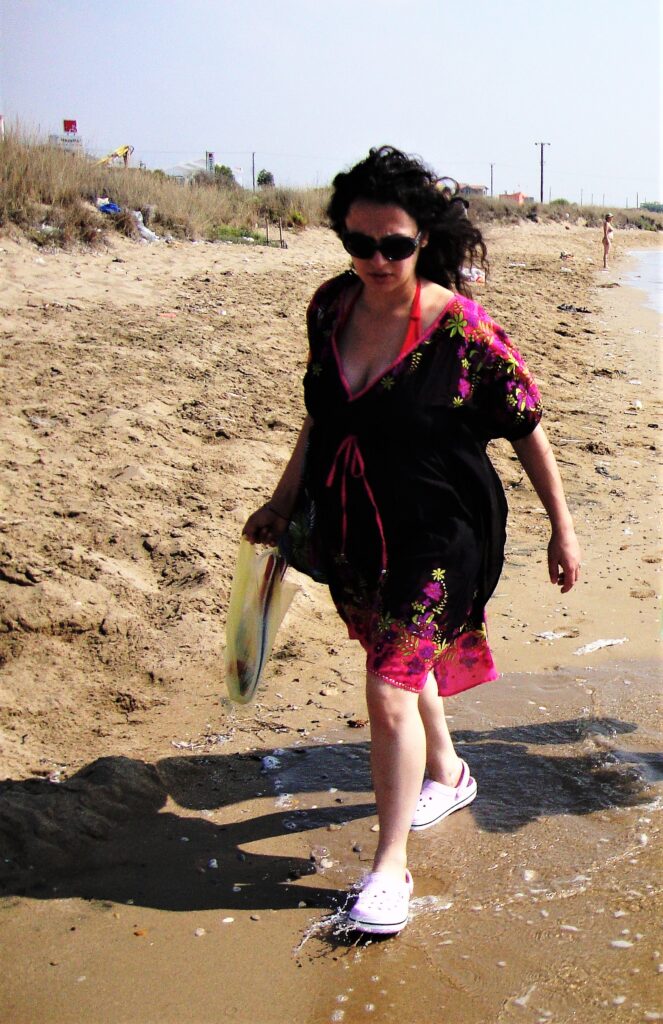
Hubby kept bringing me maternity swimsuits* to try on but the whole process got me really depressed. My pregnant belly just makes me look like I have eaten too many pies! So, I opted for a tummy control sexy red swimsuit* and a kaftan* to hide the bump.
Until my bump makes me look pregnant, I’m going to hide it with clever clothes, so I don’t just look fat.
Do you know your due date/ pregnancy week? Check out when you are due with our Due Date Calendar here!
I also bought some maternity bras* in a 36e (32 and 34 were too tight) and a sun hat*, as well as some support tights* for the plane ride. I told work that I was going to North Cyprus for two weeks and they told me that, as my temporary position was due to end in the middle of my holiday, it would probably be best to work up until the day before I go away. I agreed and decided not to think any more about my work situation. I had already applied for quite a few jobs before I knew I was going away, so I was scheduled to hear back from some of them when I got back from holiday. It’s hard to look for jobs when you’re pregnant at 17 weeks as you’re not really a desirable candidate, but there’s nothing I can do about that right now except wait for potential jobs to come up. I’ll deal with it all when I get back. Time to hit holiday mode!
A fun fact – The baby is nearly 11cm long and weighs about 140g – about the size of a large apple!
Your baby at 17 weeks
Your baby is busy growing skin receptors – ‘tact corpuscles’ – that will allow them to feel.
Your baby is occupied at the moment with sucking and swallowing – all in preparation for that first feed!
Their eyelashes and eyebrows are starting to grow and their unique set of fingerprints are starting to form.
Your baby’s eyes are still fused shut
Your baby’s hearing is also maturing and may move more if you play music to them.
Their head is much more in proportion to the body now and the bones are hardening and getting stronger by the day.
Are you thinking about getting pregnant or have been trying but not succeeding? Download our free starter pack to help kickstart your natural fertility plans here!
Your pregnancy week – signs and symptoms
17 weeks pregnant: bump
This is the time for some pregnant women when their bump starts to show.
17 weeks pregnant: movement
Have you started to feel flutters in your tummy yet? Around this time you might start to notice your baby moving around inside, although if you’re a first time mum, this may not happen for a few more weeks yet.
17 weeks pregnant: pressure in lower abdomen
Are you experiencing itchy breasts and tummy? Are you feeling a certain weight on your bump now? Your skin is starting to stretch as your baby is growing, so make sure you moisturise your skin well* to prevent stretch marks
17 weeks pregnant: pictures
Make sure you take pictures of your growing bump so you can show your baby when they’re older!
Other symptoms
You may be experiencing a stuffy nose or even a nosebleed. This is down to increased blood flow and pregnancy hormones which cause the membranes inside your nose to swell up. If you find that nasal congestion is keeping you up at night, then you can purchase nose strips or humidifiers to help ease your nasal passage. It may also help to prop your head up with an extra pillow.
Some interesting pregnancy symptoms include feeling a little off balance as your centre of gravity starts to change, thanks to your growing bump!
You may start to experience leg cramps from the extra weight
You may start to sweat more due to the extra blood in your system as well.
Have you started to notice a line down the middle of your belly yet? This is called your linea nigra – if you don’t have it, don’t worry, not everyone gets it.
You might also be experiencing weird dreams – this may be down to your hormones, but also you may be feeling nervous and in anticipation of your impending birth.
Your next steps
If you haven’t done so already, think about exercises like pregnancy yoga and swimming, that will provide your body with support as it goes through all the changes.
Watch you health and keep eating the right foods – fats are very important but too much can make you put on weight. Stick to good fats and steam or grill food.
Your immune system has been suppressed to allow your body to grow your baby, so you may be more susceptible to colds. Don’t worry if you have the sniffles or tummy aches at 17 weeks pregnant as these don’t harm your baby. But, notify your doctor if you experience any other illnesses to make sure you have been prescribed the right medication because not all painkillers are suitable for pregnancy in week 17.
17 weeks pregnant: ultrasound – Get ready for your 20-week scan. It’s coming up very soon. Will you find out your baby’s gender? Find out at your local hospital whether you need to attend the scan by yourself or if your partner is able to come with you
Also make sure you’re up to date with all your screening tests
17 weeks pregnant in months
You are now 4 months and 1 week pregnant!
FAQ
What does 17 weeks pregnant look like?
Here are some pictures of what it looks like to be 17 weeks pregnant:
Can you be 17 weeks pregnant and not know?
Some women will experience enough signs to at least take a pregnancy test to check whether they are pregnant, like multiple missed periods, weight gain, fatigue, morning sickness and the growing bump. But some women don’t experience any symptoms and can still bleed every month (although this should be checked with a doctor once you confirm pregnancy). Or the symptoms can be so mild that a woman doesn’t notice it. Cryptic pregnancies are examples where women didn’t know they were pregnant until past 20 weeks or even when they give birth to their baby so it’s quite possible.
Is 17 weeks pregnant 5 months?
Not quite. It’s 4 months and 1 week, but you’re almost there!
Is 17 weeks pregnant a baby?
Is the foetus a baby at 17 weeks I assumed this question meant? Your foetus is around 12cm long from head to bottom and weighs around 150g, about the size of a pomegranate. The baby’s skin is all wrinkly at the moment so they need to fatten up quite a bit but they’re looking more and more like a baby at this point.
What trimester is 17 weeks pregnant?
You are now in the second trimester of pregnancy. The second trimester started at 13 weeks and ends at 26 weeks pregnant.
Is cramping at 17 weeks pregnant normal?
You may experience some niggles as your bump gets bigger, like pain on the side of your belly caused by your womb expanding. This is also known as round ligament pain. But if you’re experiencing very painful cramps then you should visit your doctor to rule out anything else, like premature labour.
Is bleeding at 17 weeks pregnant normal?
If you experience any bleeding at any stage in the pregnancy you should visit your healthcare professional straight away to rule out any problems with the baby, miscarriage or an ectopic pregnancy for example. Some women bleed and go on to giving birth, but it’s worth checking to eliminate any problems.
What to eat at 17 weeks pregnant?
Keep up with your five to seven portions a day of fruit and vegetables and pack in your protein and dairy too to keep you and baby strong (great for growing bones and muscles). Also eat foods which are rich in healthy fats such as avocados, nuts and seeds, vegetable oil and oily fish (but no more than twice a week).
Note: These are just general ideas of how you and your baby are getting on. Don’t forget that every baby develops differently. If you are concerned about your baby’s development, please consult your doctor or midwife.
*Links marked with a (*) are affiliate links. As an Amazon Associate I may earn a small commission if you click through and buy, at no extra cost to you.
This week has been super busy, which means my energy and appetite have come back with a vengeance. It couldn’t have been better timing as I had my theory test today.
The theory test centre was quite far away from home, so I had to jump onto a crowded bus and, as I wasn’t really showing that much yet, no one offered me a seat, so I had to stand for 40 minutes. To be honest, it didn’t really matter in the end because I ended up passing my theory test, WOOHOO!
I didn’t have time to celebrate as I had two job interviews soon afterwards, the after hte other, so I had to run to the nearest underground station and travel into Central London. It was lunchtime so people were scurrying around buying their lunch and the underground, as usual, was crammed. I had ten minutes to eat my lunch, so I ran to the nearest coffee shop and asked the guy behind the counter if any of the sandwiches had mayonnaise in them as I didn’t want to eat anything that may have contained raw egg. He couldn’t tell me, so I ended up wolfing down a cheese and tomato Panini, which tasted like heaven – I was ravenous! It was at that moment that I had realised that my nausea had vanished and in place was a hungry appetite, keen to try anything I could get my hands on.
Image of me with a growing baby!
The two interviews were quick and painless. The interviewer and I chatted a lot about work and pregnancy and when I thought I would come back to work. I hadn’t really thought about it much until now. I had been so swept up in the hormonal and physical changes of the first trimester that I had forgotten about what I wanted to do after the pregnancy! I still felt like I wanted to be a stay-at-home mum, but as I couldn’t say that to the interviewers, I just told them that I wanted to go back to work as soon as I was physically able to.
I received a surprise call from my sister-in-law to be (my husband’s, brother’s fiancé). She had travelled down from Spain on a surprise trip to England, which she said was an absolute nightmare of a journey. It was a really nice surprise to have her around, so I tried to make my way home as soon as possible. Unfortunately, I had, again, caught the dreaded London rush hour after work, so I had to contend with standing in the tube all the way home.
I booked my ticket to North Cyprus this week. I was so happy that I finally had the chance to go on holiday that I started packing early for the trip. Will I be able to handle the 40 degrees heat whilst being pregnant though?
A fun fact – The baby is about the size of a pear or an avocado!
Over the next few weeks, your baby will double in size.
Your baby’s eyes and ears are now in their correct position and their tiny ears will start to pick up your voice soon.
Your baby’s eyebrows and eyelashes start to grow
You may start to feel tiny movements now as your baby is continuing to move around in your tummy
Your baby can now move every muscle in their body – their hands can now touch each other and discover that your umbilical cord is now a toy to play with!
Your baby can also hold their head upright
Your pregnancy signs and symptoms
Your uterus is now between your pubic bone and belly button
You should start to feel more energetic – and ravenous!
Are your skin and hair glowing yet?
You may start to crave strange foods.
Any weight you have gained is from the increased blood in your body, amniotic fluid and your growing baby.
Your baby can also yawn at this point
Are your breasts getting larger and more tender? They will start to make colostrum at this point which is the first milk – or liquid gold – you produce for your baby’s first feed.
Your lower back pain may start to curve more as you accommodate your baby, causing back pain and strained muscles. Try to keep your back as straight as possible and in a neutral position. Having a warm bath can help with back pain.
Your next steps
The second trimester is a great time for you and your partner to go away as you will start to generally feel well – until you eat too much!
You should have a 16 week check up with your midwife soon.
Your 20-week scan is coming up very quickly.
Have you kitted yourself out in fancy maternity wear yet?
I cannot believe I’m already 15 weeks pregnant and I took my pregnancy test 11 weeks ago now! I have one more week before I hit four months into my pregnancy. How did that happen? I cannot believe how time is really flying now.
I am still experiencing some pregnancy symptoms – I woke up with a really stuffy nose and thought I was catching a cold, but I then consulted Google and found that it’s normal around the 15th week of pregnancy to feel congested.
I don’t feel like the constipation is getting any better either, even though I feel like I’m eating a lot of fibre. I’m eating cereal for breakfast, eating wholemeal bread and eating lots of fruit and veg, so I hope my clean diet will make a difference soon.
I also bought some Bio-Oil* for my bump because it is definitely getting bigger. I want to avoid getting stretch marks and I’ve been told by my friends that Bio Oil is the best for stretch marks. I really like Palmers Cocoa Butter* too and have been using that for my whole body – the smell is so delicious as well!
The baby is about 10cm now! I measured 10cm against my belly and s/he is still so teeny tiny. I have felt no flutters yet either – apparently, it feels like gassy bubbles in your stomach, so I’m looking forward to feeling the kicks and prods from my baby, who apparently is acting like a gymnast this week.
My theory test is coming up, so I bought my theory book at lunch to study, but the food has made me so sleepy that I can’t concentrate on the questions. I need to drive to places, so I have to focus on getting my license before the baby is born – fingers crossed!
A fun fact – 15 weeks pregnant size– The baby is small enough to fit into the palm of your hand – about the size of an orange!
The foetus at 15 weeks is working on their sense of smell now, but they can’t detect any smells yet.
Your baby development at 15 weeks – Their tiny chest can inhale, which kick-starts the olfactory system
Your baby is sucking their thumb and wriggling about at the moment. These movements are great for coordination and building strength. You are unlikely to feel these movements yet, although some people say they can feel little flutters in their tummy, especially if your placenta is in the back wall.
Your 15 week old foetus is practising breathing by swallowing amniotic fluid
Your baby in 15 weeks of pregnancy is speeding up their weight gain too!
Your baby’s external genitalia is now complete
The placenta is now developed and is transporting all the oxygen your 15-week baby needs
Foetal development – your baby’s tastebuds are formed and functioning
15 weeks pregnant baby size –
15 weeks of pregnancy – what to expect?
Week 15 of pregnancy what to expect – Your morning sickness may have reduced (after the terror nausea of the first trimester!) and you might have regained your energy now or are feeling a little depressed – both are normal reactions, but be sure to mention them to the doctor or midwife if you are worried about your mental health. They are there to help with the emotional side of pregnancy too.
15 weeks pregnant symptoms – You may have felt some backache and constipation. Exercise is great to help move things along. Just 30 minutes a day will suffice.
What happens 15 weeks pregnant – You may notice changes in your hair and skin during the 2nd trimester, which will bring about that legendary ‘glow’. If you haven’t experienced this glow yet, don’t worry, it will come for you soon!
You may think about birth now and what options are available out there.
15 weeks pregnant belly –
Your next steps – what to do at 15 weeks pregnant
What to do 15 weeks pregnant – Keep drinking lots of water as the hormone progesterone is slowing down the movement of food through your system, which is why you may feel a little constipated.
What to eat 15 weeks pregnant – Seek fibre-rich foods and if you need a little extra help, prune juice or gentle medication can work a treat!
Having sex won’t harm your 15-week foetus unless your doctor has advised against it. Double-check with your doctor if you’re feeling frisky and are unsure whether you are ok to proceed. You don’t need contraception!
How does 15 weeks pregnant feel? Your emotional well-being is very important during pregnancy – staying cool, calm and collected will help your little baby to stay the same – and develop properly too!
Pregnancy checklist at 15 weeks pregnant – Have you had your blood tests yet? If not, that’s due to come soon! Hopefully, you should have had your scan by now.
Tips for 15 weeks pregnant – It may be time to find a new way of sleeping as your bump grows – you can support your bump with maternity pillows, which help you sleep on your left side more comfortably.
You can start thinking about baby names this week, although don’t stress too much about it as you still have time! We didn’t come out with our fourth’s baby name until 37 weeks!
Every bump and body is different, but how 15 weeks pregnant looks like to the average person:
Key takeaways at 15 weeks pregnant – These are just general ideas of how you and your baby are getting on. Don’t forget that every baby develops differently. If you are concerned about your baby’s development, please consult your doctor or midwife.
FAQ
What are signs of a healthy pregnancy at 15 weeks?
Other questions asked were:
What is normal at 15 weeks pregnant?
Is 15 weeks pregnant safe?
How safe is 15 weeks pregnant?
Is it ok to feel normal at 15 weeks pregnant?
How should I feel at 15 weeks pregnant?
Can you feel baby at 15 weeks?
How do I know my baby is ok at 15 weeks?
What does 15 weeks pregnant feel like?
Can you feel your baby at 15 weeks?
I’m not a doctor, but many women find the second trimester, which includes the 15th week of pregnancy, easier because the intensity of first-trimester symptoms decreases and more positive signs follow, Here are some signs that might suggest a healthy pregnancy around the 15-week mark:
Growing Belly: By 15 weeks, your uterus is growing and your belly might show a bit more.
Decreased Nausea: For many women, nausea and vomiting may decrease or completely go away by the second trimester.
Increased Energy: The fatigue of the first trimester often decreases, and you might feel more energised.
Foetal Movement: Around this time, some women might feel the baby moving. It’s often described as feeling fluttering or gas bubbles. If you are a first-time parent, you might not feel these movements until closer to 18-25 weeks.
Good Heartbeat: During prenatal visits, your medical professional might use a Doppler device to let you hear the baby’s heartbeat. A strong, regular heartbeat can be a positive sign.
Absence of Severe Pain: While some aches and pains are normal because of the growing uterus and hormonal changes, the absence of severe pain is a good sign.
Absence of Severe Cramping or Heavy Bleeding: While some spotting can be normal, heavy bleeding or severe cramping can be cause for concern.
Clear or Milky Vaginal Discharge: An increase in a clear or milky vaginal discharge called leukorrhea is common in pregnancy because of an increase in hormone production.
Absence of Severe Swelling: Some swelling in the feet or hands can be normal, but sudden swelling of the face and hands can be a sign of preeclampsia, a serious condition.
Stable Weight Gain: While weight gain rates can vary, steady weight gain (as recommended by your healthcare provider) can be a sign of a healthy pregnancy.
Each pregnancy is unique, and what one person experiences can differ from another. If you have concerns about your pregnancy or any symptoms you are experiencing, consult with your midwife or doctor to get accurate and personalised advice.
What should I do at 15 weeks pregnant?
At 15 weeks pregnant, you’re in the second trimester, which many women find to be the most comfortable and enjoyable phase of pregnancy. Here are some general suggestions for what you might do or expect during this time:
Prenatal Care: Continue with regular prenatal check-ups. Your healthcare provider might use a Doppler device to let you hear the baby’s heartbeat during these visits.
Start Planning for Maternity Leave: If you’re working, now might be a good time to familiarise yourself with your workplace’s maternity leave policies and start planning accordingly.
Consider Maternity Wear: As your belly grows, you might find your regular clothes becoming uncomfortable. Consider investing in some maternity wear or look for loose, comfortable clothing.
Stay Active: If your healthcare provider agrees, continuing or starting a gentle exercise routine can be beneficial. Activities like walking, swimming, or prenatal yoga can be good options.
Balanced Diet: Ensure you’re getting a balanced diet with adequate folic acid, iron, calcium, and protein. Drink plenty of water and consider discussing any vitamin or supplement needs with your doctor.
Educate Yourself: Consider reading books or articles on pregnancy, childbirth, and parenting. Joining a prenatal class can also offer valuable information and the chance to meet other expectant parents.
Document Your Pregnancy: Many women enjoy keeping a pregnancy journal or taking regular photos to document the changes in their bodies and to remember this special time.
Plan Finances: Babies come with expenses, so it might be a good time to budget or set aside money for baby-related costs. You can also create a baby wishlist to help loved ones contribute to the cost of the new baby.
Limit Caffeine and Avoid Harmful Substances: Limit caffeine intake and, of course, avoid alcohol, smoking, and any medications not approved by your doctor.
Foetal Movement: Pay attention to your body. In the coming weeks, you might feel the baby’s movements.
Think About the Future: Consider where the baby will sleep, whether you’ll breastfeed or bottle-feed, and other decisions you’ll need to make in the coming months.
Skincare: Because of hormonal changes, your skin might become more sensitive or show changes like the darkening of areolas or the appearance of a linea nigra (a dark line running down the middle of your abdomen). Use sunscreen when out, and consider moisturising to prevent or reduce stretch marks.
Dental Health: Pregnancy can affect dental health, so regular check-ups and good oral hygiene are crucial.
Communicate with Your Partner: Discuss plans, feelings, and any concerns about the pregnancy, childbirth, and parenting together.
Relax and Rest: While it’s great to stay active and prepare, remember to give yourself time to rest and relax.
What fruit is 15 weeks pregnant?
Other questions asked were:
How big is baby at 15 weeks?
How big is my baby at 15 weeks?
Your 15 weeks foetus is the size of a navel orange or an apple. It’s important to note that these comparisons are approximate and are used mainly for illustrative purposes. The exact size of the foetus can vary from one pregnancy to another. The foetus is typically about 4 inches (10 cm) long from crown to rump and weighs around 2.5 ounces (70 grams) at this stage.
Is 15 weeks considered 4 months pregnant?
Other questions asked were:
What is 15 weeks in months?
How many months is 15 weeks?
15 weeks is how many months?
Is 15 weeks pregnant 4 months?
How many 15 weeks pregnant in months?
What is 15 weeks pregnant in months?
How much is 15 weeks pregnant in months?
Is 15 weeks pregnant far along?
What trimester is 15 weeks pregnant?
15 weeks pregnant is how many months?
Pregnancy duration is typically counted in weeks, not months, because it offers a more precise measurement. The average pregnancy lasts about 40 weeks from the first day of the last menstrual period (LMP).
However, when converting weeks to months for a rough estimate, the process can be confusing because months have varying numbers of days. If you divide the 40 weeks of an average pregnancy by 4 weeks (assuming each month has roughly 4 weeks), you’d get 10 months, which is longer than the commonly stated “nine months of pregnancy.” This discrepancy occurs because most months have slightly more than 4 weeks.
15 weeks pregnant in months is about 3.5 months pregnant. You’ll be entering the fourth month, but you won’t complete it until around 17-18 weeks.
Should I have a baby bump at 15 weeks?
Other questions asked were:
What does a 15th week of pregnancy belly look like?
What does 15 weeks pregnant look like?
Do you show 15 weeks pregnant?
Your 15 weeks pregnant bump might be noticeable, or it might not show much at all. Both scenarios are entirely normal. Everyone’s body is different, and pregnancies can vary even for the same woman.
If you have concerns about your pregnancy or the development of your baby bump, it’s essential to consult with your healthcare provider. They can provide reassurance and guidance tailored to your specific situation.
What should I expect from a 15 weeks pregnant ultrasound?
An ultrasound around the 15-week mark can provide several insights into the development and health of your baby. Here’s what you might expect from a 15-week ultrasound:
By 15 weeks, many of the baby’s vital organs have formed, and the ultrasound technician or doctor may assess the baby’s developing body parts, including the brain, spine, heart, kidneys, and limbs.
The foetus is moving, flexing, and kicking, even if you can’t feel it yet. During the ultrasound, you might see some of these movements.
You should be able to see and hear the baby’s heartbeat. The heart rate will be monitored, and its rhythm will be checked.
Depending on the baby’s position and the clarity of the images, it might be possible to determine the baby’s gender at this stage, although many healthcare providers wait until the 18-20 week anatomy scan when the genitalia is more fully developed.
The position of the placenta might be noted, as its placement can impact delivery methods later on.
The technician might check the amount of amniotic fluid to ensure it’s within a normal range.
If you’re expecting more than one baby, the ultrasound can provide insights into their development and the condition of the shared or separate placentas.
The baby will be measured, including the size of the head, abdomen, and femur (thigh bone). These measurements help determine the baby’s growth and ensure it’s on track for its gestational age.
While the detailed anatomy scan is usually done between 18-22 weeks, some structural abnormalities might be visible at 15 weeks. If there are any concerns, a follow-up scan or more detailed scans might be recommended.
Sometimes, the ultrasound might also look at maternal structures, such as the cervix, to ensure it’s of an appropriate length and closed, especially if there’s a history or risk of preterm labour.
It’s essential to remember that while ultrasounds can provide a lot of information about the baby and pregnancy, not all issues or conditions can be detected via ultrasound. If there are any concerns or abnormalities, your healthcare provider will guide you through the next steps, which might include further testing or consultations with specialists.
How to sleep 15 weeks pregnant?
Sleeping comfortably during pregnancy can become a challenge as your body changes and grows. Your pregnant belly at 15 weeks might not be very large, but you may notice some discomfort or changes in your preferred sleeping position.
Many healthcare professionals recommend sleeping on your side, especially the left side, as it can improve blood flow to the foetus and help with your kidney function, potentially reducing swelling. Side sleeping can also help prevent your uterus from pressing against your liver, which is on your right side.
Support your growing belly and body with pregnancy pillows, such as C-shaped or U-shaped pillows, which can provide support for the neck, back, belly, and legs. If you don’t have a pregnancy pillow, use regular ones to support your belly by placing one underneath it and between your legs to ease hip or lower back pressure.
As your pregnancy progresses, sleeping on your back can cause your uterus to press on the major vein that returns blood to your heart, potentially reducing blood flow to the foetus. It can also increase backaches and digestive issues.
If you’re experiencing heartburn or acid reflux, which is common during pregnancy due to hormonal changes and the growing uterus pressing on the stomach, elevating your head with pillows can help.
Drink plenty of water throughout the day, but consider reducing fluid intake in the evening to minimise nighttime trips to the bathroom.
Activities like reading, listening to soothing music, taking a warm bath, or practising relaxation exercises can help signal to your body that it’s time to wind down. Loose-fitting, soft pyjamas or nightgowns can make sleep more comfortable.
Avoiding caffeine in the evening and large meals right before bedtime can help you sleep better. With your healthcare provider’s approval, regular exercise can help you tire out in a good way, making it easier to fall asleep. However, avoid vigorous activity right before bed.
Some pregnant individuals experience leg cramps during the second trimester. If you get them at night, stretching your calf muscles before bed might help. If you get a cramp, straightening your leg and gently flexing your foot toward your shin can provide relief.
Many pregnant women find they feel warmer than usual. A cooler bedroom can help you sleep more comfortably. Using a fan or keeping windows open, if the weather permits, can also be beneficial.
What to buy at 15 weeks pregnant?
At 15 weeks pregnant, it’s still relatively early in your pregnancy journey, but it can be an excellent time to prepare, especially if you want to spread out expenses over time or take advantage of sales and discounts. Here are some items you might buy or research:
Maternity Clothes: As your body changes, you might find your regular clothes becoming tight or uncomfortable. Start with basics like maternity jeans, leggings, and tops. Also, consider bras designed for pregnancy, as your breast size and shape might change.
Pregnancy Pillow: These are specially designed pillows to support your growing belly and help you sleep more comfortably.
Books: Consider buying or borrowing books about pregnancy, childbirth, breastfeeding, and baby care. Knowledge can help ease anxiety and prepare you for what’s ahead.
Prenatal Vitamins: If you haven’t already, ensure you have a good supply of prenatal vitamins to support your and your baby’s nutritional needs.
Stretch Mark Cream or Oil: While genetics play a significant role in whether you get stretch marks, some women swear by creams or oils to keep their skin hydrated and elastic.
Comfort Items: Think about items that can help you relax, like bath oils, comfy slippers, or relaxation music.
Journal / Pregnancy Planner: Documenting your pregnancy journey can be therapeutic and create a lovely keepsake.
Baby Gear Research: Start researching bigger items like car seats, cribs, strollers, and baby monitors. Even if you’re not buying them now, understanding your options can help you make informed decisions later.
Baby Clothes: While it’s still early, picking up a few cute outfits or essential baby clothes can be exciting. Just remember, you might receive many clothes as gifts if you’re having a baby shower.
Nursing Bras and Tops: If you plan on breastfeeding, start looking into nursing bras and tops.
Baby Shower Planning: It might be a good time to think about your baby shower. Consider researching themes, making guest lists, and registering for items you’d like.
Classes: Look into childbirth, breastfeeding, and newborn care classes. Some popular ones might fill up quickly, so consider registering in advance.
Safe Skincare Products: Pregnancy can make your skin more sensitive, and there are certain ingredients you should avoid. Consider buying pregnancy-safe skincare products.
Healthy Snacks: As your appetite increases, having healthy snacks on hand can help ensure you’re getting proper nutrition.
Dental Care: Pregnancy can affect your oral health, so investing in good dental care products, like a high-quality toothbrush, is a good idea.
Remember, there’s no strict timeline for when you should buy these items, and what’s essential for one person might not be for another. Focus on what feels right for you and your unique situation. It’s also a good idea to check with friends and family who’ve recently had babies; they might offer insights or even hand-me-downs.
At 15 weeks pregnant, your body is experiencing changes, and comfort becomes a priority when choosing what to wear. Here are some ideas on what you might wear during this stage of pregnancy:
Maternity Jeans and Pants: By 15 weeks, many women find their regular pants uncomfortable. Maternity jeans and pants come with a stretchy band that accommodates your growing bump.
Empire Waist Tops and Dresses: These cinch just below the bust and flow outward, providing plenty of room for a growing belly.
Stretchy Leggings: Comfortable and versatile leggings can be paired with longer tops or tunics for a chic and comfy look.
Layered Looks: As pregnancy progresses, your body temperature might fluctuate. Layering can help you adjust to changing temperatures easily.
Wrap Dresses: These are both stylish and adjustable, making them perfect for a growing belly.
Belly Bands: These are stretchy bands that you can wear over your regular pants or skirts, allowing you to leave them unbuttoned.
Flowy Tunics: These can be paired with leggings or skinny jeans for a comfortable, relaxed look.
Comfortable Underwear: Your regular underwear might feel tight. Consider buying maternity underwear or sizes up in more stretchy, soft fabrics.
Maternity or Stretchy Bras: Your breasts might have grown, so you’ll need bras that are comfortable and provide good support. Some bras are designed to expand with you.
Maxi Dresses: Long, flowy maxi dresses can be both stylish and comfortable, perfect for accommodating a growing belly.
Adjustable Waistbands: Skirts or pants with drawstrings or elastic waistbands can be adjusted as you grow.
Cardigans: These can be worn open and adjusted for your comfort level. Plus, they’re great for layering.
Flat or Supportive Shoes: As pregnancy progresses, some women experience swelling in their feet or find that their balance shifts slightly. Flat shoes or those with good arch support can be more comfortable and safer.
Support Tights or Leggings: These can provide extra support for your legs, especially if you’re on your feet a lot.
Jumpsuits with Stretch: Maternity jumpsuits with some stretch can be a comfortable all-in-one outfit, provided they are easy to get on and off, especially when considering frequent bathroom trips.
Open-front Jackets and Coats: As your belly grows, open-front styles will accommodate it more easily than buttoned or zipped styles.
When choosing to clothe at 15 weeks pregnant, the main thing to prioritise is comfort. It’s a good idea to try on clothing and see how it feels on your changing body. Also, invest in pieces that can grow with you throughout your pregnancy, ensuring versatility and value for money.
What not to do at 15 weeks pregnant?
While you may feel more energetic and comfortable during the second trimester, there are still some precautions to keep in mind. Here are things you might avoid at 15 weeks pregnant:
Heavy Lifting: Avoid lifting heavy objects to prevent strain on your back and pelvic area. If you need to pick something up, squat down and lift with your legs, not your back.
Certain Foods: Avoid foods that have a higher risk of containing harmful bacteria or toxins, such as:
Raw or undercooked seafood, eggs, and meat.
Unpasteurised milk and cheeses.
High-mercury fish like shark, swordfish, tilefish, and king mackerel.
Deli meats (unless heated until steaming).
Alcohol and Drugs: Continue avoiding alcohol, recreational drugs, and any medications not approved by your healthcare provider.
Tobacco and Secondhand Smoke: Smoking and exposure to secondhand smoke can increase the risk of premature birth, low birth weight, and other complications.
Hot Tubs and Saunas: High body temperatures can be harmful during pregnancy. Avoid prolonged exposure to hot tubs, saunas, and steam rooms.
High-Impact Activities: Activities that have a high risk of falling or trauma to the abdomen, like horseback riding, skiing, or certain contact sports, should be avoided.
Certain Medications: Always check with your healthcare provider before taking any medications, including over-the-counter ones.
Excessive Caffeine: While moderate caffeine intake is considered safe, it’s best to limit your consumption to about 200-300 mg per day.
Laying Flat on Your Back: Especially later in pregnancy, lying flat on your back for extended periods can cause the weight of the uterus to compress major blood vessels, potentially reducing blood flow to the fetus.
Exposure to Harmful Chemicals: This includes certain household cleaners, pesticides, or solvents. Always check labels and use them in well-ventilated areas if necessary.
X-rays: If you need dental work or another procedure requiring X-rays, inform your technician or dentist that you’re pregnant so they can take necessary precautions.
Excessive Exercise: While staying active is beneficial, don’t push yourself too hard. Stay hydrated, and avoid overheating.
Travel Without Precautions: If travelling, especially to areas with infectious disease outbreaks or where healthcare might be subpar, discuss plans with your healthcare provider.
High Heels: Your centre of gravity changes as your belly grows, increasing the risk of falls. Consider switching to more stable footwear.
Raw Sprouts: Raw sprouts, like alfalfa or mung bean, can contain harmful bacteria. Consume them cooked.
Should I be feeling braxton hicks at 15 weeks pregnant?
Braxton Hicks contractions, often described as “practice contractions,” are tightening sensations in the uterus that aren’t regular and don’t lead to labour. They are a normal part of pregnancy and can start as early as the second trimester.
However, feeling Braxton Hicks contractions at 15 weeks would be relatively early. While it’s not impossible, many women don’t notice them until later in pregnancy, often in the third trimester. Some women might not feel them at all or might not recognise them until they are more pronounced in the later stages of pregnancy.
At 15 weeks, if you’re feeling tightening or cramping sensations, it could be due to:
Stretching of the uterus: As your baby grows, your uterus expands, which can cause sensations of stretching or mild cramping.
Gas or bloating: Digestive issues can sometimes be mistaken for uterine contractions.
Normal uterine activity: The uterus is a muscle and can occasionally contract even when you’re not in labour.
If you’re unsure about the sensations you’re feeling or if you experience any of the following symptoms, contact your healthcare provider:
Regular and increasing contractions.
Pain or cramping, especially if it’s one-sided.
Vaginal bleeding or spotting.
Any discharge that is watery, mucus-like, or bloody.
Lower back pain or pelvic pressure.
Any other symptoms that feel unusual or concerning to you.
Remember, always trust your instincts. If something feels off or you’re uncertain about what you’re experiencing, it’s always a good idea to reach out to your healthcare provider for guidance and reassurance.
Can you run at 15 weeks pregnant?
If you were a regular runner before pregnancy and have no medical complications, it’s generally considered safe to continue running during pregnancy, including at 15 weeks. However, there are some important considerations and precautions to keep in mind:
Consult Your Healthcare Provider: Before continuing or starting any exercise regimen during pregnancy, including running, always consult with your doctor or midwife. They can provide guidance tailored to your specific situation.
Listen to Your Body: Your body is going through significant changes, and it’s essential to be in tune with how you feel. If you experience pain, discomfort, or any alarming symptoms, stop and rest.
Stay Hydrated: Pregnancy increases your fluid needs, and staying hydrated is even more critical when exercising.
Avoid Overheating: It’s essential to prevent your body temperature from rising too much during pregnancy. Run during cooler parts of the day, wear breathable clothing, and listen to your body’s signals.
Adjust Your Pace: As your pregnancy progresses, you might find that you need to decrease your speed or the distance you run.
Watch Your Balance: Your centre of gravity changes as your belly grows, increasing the risk of falls. Be cautious, especially on uneven terrains.
Wear Proper Footwear: Good supportive shoes can help minimise the risk of injury and provide better support as your body weight increases.
Monitor Heart Rate: While there isn’t a definitive “safe” heart rate for all pregnant women, it’s a good idea to avoid over-exertion. A general guideline is that you should be able to carry on a conversation while running.
Consider Terrain: It’s best to run on flat and even surfaces to reduce the risk of trips and falls.
Avoid High-impact Training: Intense interval training or hill sprints might be too jarring during pregnancy. Consider adjusting your routine to be gentler.
Signs to Stop and Call Your Doctor: If you experience any of the following, stop running and contact your healthcare provider:
Vaginal bleeding or fluid leakage
Dizziness or feeling faint
Chest pain
Shortness of breath
Calf pain or swelling (which could indicate a blood clot)
Regular painful contractions
Reduced foetal movement (later in pregnancy)
Any other unusual symptoms or pain
Remember, every pregnancy is unique. What might be okay for one person may not be for another. It’s crucial to be aware of how your body feels and to prioritise safety and well-being for both you and your baby.
Can you find out baby’s sex at 15 weeks pregnant?
In the UK, the NHS (National Health Service) usually offers two ultrasound scans during pregnancy: the first (dating scan) at around 8 to 14 weeks and the second (anomaly scan) at around 18 to 21 weeks. It’s during this second scan, the anomaly scan, that many parents find out the sex of their baby.
At 15 weeks, the baby’s genitals may have developed enough to be visible on an ultrasound. However, the official NHS anomaly scan is performed a few weeks later when the anatomy is clearer and more easily distinguishable. If you’re attending a private clinic or service, they might offer a gender scan as early as 15 or 16 weeks, but this varies among providers.
If you’re interested in finding out your baby’s sex at an earlier stage than the usual NHS anomaly scan, you would typically:
Seek a Private Scan: Many private ultrasound clinics in the UK offer gender scans from 15 or 16 weeks onward. They typically charge a fee for this service. Ensure the clinic is reputable and uses trained sonographers.
NIPT (Non-Invasive Prenatal Testing): This blood test is available privately in the UK and can determine the baby’s sex, among other things. However, it’s often more expensive than a private ultrasound scan and is mainly used for screening for chromosomal abnormalities.
Let the Sonographer Know: If you’re having a scan around 15 weeks (for whatever reason) and wish to know the baby’s sex, inform the sonographer at the beginning of the session. However, keep in mind that, even if the sonographer makes a prediction, there’s still a chance of inaccuracy this early on.
Understand the Limitations: It’s essential to know that determining the baby’s sex at 15 weeks might not be as accurate as later in pregnancy. The position of the baby, the clarity of the ultrasound, and other factors can influence the ability to identify the gender.
Remember, while many parents are eager to find out the sex of their baby, the primary purpose of ultrasound scans during pregnancy is to check the baby’s development and well-being. If you choose to find out the sex earlier through a private scan, always do your research and select a reputable provider.
At 14 weeks pregnant, I attended a friend’s birthday on Saturday, which involved some “light” lunch at a really busy pub, and watching England v USA in the world cup. I felt really uncomfortable, as I wasn’t able to sit in one place for too long, but the pub was crammed with people and the toilets were quite far away. I still had to endure that horrible taste in my mouth after lunch, so I resorted to water for the rest of the night (after drinking one too many pineapple juices).
By the end of the match, I felt physically and emotionally drained. Even my facial muscles sagged I was that tired. As I walked home with hubby, I burst into tears. I think it was because of pregnancy fatigue and hormones, but I kept thinking, “Is this it for me and my social life now?” I felt like I wasn’t ready to give up my youth just yet, and that made me cry even more.
I also had a terrible headache, which I put down to the excessive crying. Hubby reassured me I was going to be a great mum and that I could enjoy going out properly after the baby was born. Nevertheless, I got home and crashed out for about twelve hours. Plus, I really needed the energy as I had another birthday to go to the next day. Thankfully, this birthday was for only a couple of hours.
Getting up on Monday morning was a nightmare. I couldn’t open my eyes at work all day and I walked around like a zombie. I couldn’t believe Saturday night had drained me so much, so I made a mental note to put my social life on hold until after I’d given birth.
Getting home was also torturous. People at Green Park tube station were like vipers trying to get onto the same tube. I got pushed back and forth, and at one point, someone accidentally pushed my belly. It wasn’t hard, but I jumped at him and told him to, “Stop standing on top of me. I’m a pregnant lady!” What made it worse was that I was desperate to go to the loo, even though I’d just been before I had left work.
A nice lady heard me and ushered me to the front of the carriage. Until I got off the train, she made sure no one pushed me, which was really sweet of her. On the way home, I was secretly worried about whether there was any damage, as I felt a few cramps afterwards. The next day I asked work if I could change my hours, so I wouldn’t have to deal with the rush hour again.
I also needed to get some maternity clothes, as nothing fitted me anymore. After work, I looked around some shops to see if anything caught my eye. New Look, Next and H&M had some nice clothes which didn’t look too frumpy. It was also getting warmer outside, so I was looking for some decent maxi dresses that would cover my ever-growing bump.
I couldn’t find any dresses that I liked, so I found some stretchy black trousers from New Look for work, which were really comfortable, and a couple of loose-fitting tops from H&M. I found going to the nearest car boot sale at the weekend was a bonus too. So much stuff is given away for next to nothing, so hubby and I went a bit nuts the weekend before and bought two bags full of baby clothes.
Hubby was scheduled to play squash with his friends in the evening, so I had decided that when I got home, I would sit in front of the sofa, watch Friends and The Simpsons, and stuff my face with hubby’s pre-made fajitas – Yay! I kept getting really hungry, stuffing my face, then paying the price afterwards with that horrible taste in my mouth and a stomach that felt like it was going to explode.
I needed to remember to eat small meals slowly as, before the pregnancy, I used to inhale large quantities, so the habit was hard to break. I kept getting back pain on the right side of my back, under my ribs. I couldn’t work out whether it was back pain or wind, but if it was back pain, then it might have had something to do with the size of my boobs. They had definitely grown a size, so I had to factor in shopping for bras as well. This pregnancy lark was expensive!
A fun fact – The baby is about 8cm long and weighs about 40g! About the size of a lemon!
How big is your baby at 14 weeks pregnant? Your foetus at 14 weeks has doubled its weight since last week and looks like a tiny little person.
Your baby at 14 weeks pregnant will be covered in hair called lanugo which is temporary and its aim is to keep your baby warm in your tummy. It’s a normal part of foetal development.
Highlights at 14 weeks pregnant – Your baby is using all of your protein to help build strong muscles
Baby development at 14 weeks – Your baby is moving his/her knees and elbows, giving him/her a much greater range of motion.
And your baby will do many spins and somersaults in your belly now and can even stand up in your womb!
Your baby’s development at 14 weeks – Your baby’s pancreas and liver are producing fluids now
Your baby is getting all their food and oxygen from the placenta via the umbilical cord, so make sure you feed them nice healthy and delicious food!
14 weeks pregnant – your symptoms
Pregnancy symptoms coming up in week 14 – You may experience an increase in appetite
Week 14 pregnancy symptoms – Your nausea/morning sickness should be subsiding now
Your body at 14 weeks of pregnancy should be enjoying the golden trimester now, but if you’re still experiencing morning sickness from the first trimester, try eating small amounts of plain food throughout the day to keep your energy up. Potatoes and cereal are good because they are bland.
Your common symptoms this week may also include a bit of backache if you’re overdoing it. You may still be relatively small, but you will feel the weight of your belly if you overdo it.
Pregnancy symptoms during week 14 may include heartburn because of your slower than normal digestive system. Try eating fresh fruit and vegetables to combat the digestion.
Your pregnancy checklist at 14 weeks pregnant should include fresh fruit and veg to give you that much-needed fibre if you are experiencing constipation too!
Your body at 14 weeks pregnant – Are you experiencing round ligament pain?
2nd trimester pregnancy symptoms at 14 weeks – Make sure you’re eating a range of food packed with vitamins and minerals to stay healthy and regular.
Pregnancy symptoms week 14 – Have you experienced pregnancy brain yet? Apparently, studies have shown that ‘baby brain’ is down to you using one part of your brain during pregnancy more as you prepare to bond with your baby.
Pregnancy symptoms at week 14 – Your uterus is growing continually and will be the size of a peach now.
Tips for 14 weeks pregnant – Keep up with your dental health and brush well twice a day. Floss regularly too.
14 weeks pregnant lifestyle – Stay active now to increase your health and stay regular. Regular exercise has been known to combat constipation as well.
Have you told your friends and family yet? Or are you holding on a bit more to your secret?
14 weeks pregnant checklist – Have you told work that you’re expecting yet?
What to expect at 14 weeks – You should have had your nuchal scan where the sonographer tested your baby’s measurements and the amount of spinal fluid at the back of their head.
Key takeaways at 14 weeks pregnant – From now on, you will be asked to supply urine samples to check for conditions such as pre-eclampsia and gestational diabetes.
What to expect at 14 weeks pregnant – checklist – You may have been given your own personal growth chart too and had extra blood tests to test for disorders like Patau’s and Down’s Syndrome
14 weeks pregnant – questions for your healthcare provider
How much weight should I gain?
Which prenatal vitamins do you recommend?
How frequently should I be exercising?
What exercises should I avoid?
Can I have sex at pregnancy week 14?
What food and drink should I avoid to protect baby in 14 weeks of pregnancy?
What complications/conditions should I be looking out for?
What medications are safe to use during pregnancy?
Am I at risk for any conditions or complications?
Which number should I call if I have any questions or concerns?
What delivery options are available and who will deliver my baby?
Are you worried about pregnancy weight gain?
Check out this pregnancy weight gain checker to provide you with a guide on typical normal weight gain levels during pregnancy:
Note: These are just general ideas of how you and your baby are getting on. Don’t forget that every baby develops differently. If you are concerned about your baby’s development, please consult your doctor or midwife.
Commonly asked questions about 14 weeks pregnant
Here are some commonly asked questions about 14 weeks pregnant. If you have a question, please share it in the comments below.
What should I be feeling at 14 weeks pregnant?
You should feel less tired and sick now. Your energy levels pick up and your appetite should return, but don’t forget, your baby doesn’t need any extra calories, so don’t overeat!
How many months is 14 weeks pregnant?
Other questions asked were:
14 weeks pregnant is how many months?
What is 14 weeks pregnant in months?
14 weeks pregnant is considered as 4 months pregnant.
What is the baby’s size at 14 weeks pregnant?
Other questions asked were:
How big is a baby at 14 weeks?
Your baby – What does 14 weeks pregnant look like?
What does 14 weeks pregnant look like?
How big is a pregnant belly at 14 weeks?
What does your pregnant belly at 14 weeks look like?
How big is my baby at 14 weeks?
What does your 14 weeks pregnant belly look like?
How big is baby at 14 weeks?
What does a 14 weeks pregnant belly look like?
How does your stomach feel at 14 weeks pregnant?
What is size of baby at 14 weeks?
How big is a 14 week foetus?
Your little one is the size of a kiwi fruit, at around 8.5cm long, from head to bottom.
You still may not see 14 weeks pregnant bellies protruding yet. However, as your uterus has now expanded to fill your pelvis, you may feel a soft, smooth oval bump.
14 weeks baby movement – should I feel anything yet?
Other questions asked were:
Can you feel baby at 14 weeks?
Can I feel my baby at 14 weeks?
Your baby is dancing around in your belly, but you probably won’t feel it yet. Your midwife should be able to hear a heartbeat using a monitor placed on your tummy.
Can baby feel my pregnant belly rubs?
Your baby is too small to feel belly rubs. At around 26 weeks they’ll start to respond to their mother’s touch.
Is week 14 pregnancy cramping normal?
You may feel cramping in your stomach, which is common in pregnancy, and even sharp pains on both sides of your tummy, which gets worse when you move. This is called round ligament pain and is caused by your womb stretching as your belly grows.
How do I prevent getting varicose veins during pregnancy?
Take frequent breaks and move around as much as possible. Do not cross your legs when you sit and lift your feet up when seated. Daily low impact exercise is helpful, provided your doctor has okayed for you to exercise during pregnancy.
What are the danger signs of pregnancy for second trimester?
Danger signs to look out for during the second trimester are:
Change in type of vaginal discharge, either watery, bloody, or mucousy.
Any lower abdominal/pelvic pressure or low, dull backache
Abdominal cramps which feel like period pains, either with or without diarrhoea
Why am I so tired at 14 weeks pregnant?
You can feel tired, emotional and even nauseous during this time because of hormonal changes during pregnancy. The key is to take it easy and make time to rest. Accept help where you can and only do as much as you can withstand.
Can I be 14 weeks pregnant and not know it?
Other questions asked were:
Is it normal to not feel pregnant at 14 weeks?
If you don’t have any symptoms, especially if you have an irregular period, then you may be pregnant and not know it.
What causes back pain at 14 weeks pregnant?
Yes, you can get back pain due to round ligament pain and your body stretching for labour. This can put a strain on your joints and pelvis, causing back pain.
Where is baby located at 14 weeks?
Your uterus is now rising out of your pelvic region and into your lower abdomen, where your baby will kick around.
What are 14 weeks pregnant symptoms of miscarriage?
Some symptoms and warning signs include:
Cramping and lower back and/or tummy pain
Your waters leaking or tissue discharge from your vagina
Loss or change of pregnancy symptoms
When should I start thinking about baby names?
You have until the baby is born and then even six weeks after that to register your baby’s name, so you have plenty of time!
14 weeks pregnant symptoms – what should I be looking out for?
Other questions asked were:
What are common week 14 pregnancy symptoms?
What should I expect at 14 weeks pregnant?
Some second trimester symptoms can include:
Bloatedness
Bleeding gums
Stretching and pain along the side of your belly
Headache
Nosebleed
If you’re worried about any of these symptoms, don’t hesitate and contact your doctor straight away
I hope you enjoyed the 14 weeks pregnant week-by-week guide. To find out what happens next. Go forward to 15 weeks pregnant by clicking on the blue button below.
Finally, my very first pregnancy ultrasound scan day had arrived, and I was so excited. I couldn’t concentrate on work or anything for that matter because I was finally going to meet our baby after three months of wondering what s/he looked like.
It was another beautiful hot day, so I asked to leave early to get to my appointment on time. As I got to the hospital a niggling feeling started to rise at the back of my head. What if I wasn’t actually pregnant and I didn’t have a baby in my belly? What if I didn’t take enough folic acid and the baby developed Spina Bifida? What if the baby was deformed? Hubby had to tell me to calm down and advised that I only concentrate on the positive things as I hadn’t stopped worrying for 13 weeks. He was right, I am such a worrier sometimes.
When we got to the waiting room, there were so many other pregnant women waiting to be seen. A nurse took us into the ultrasound scan room where a woman, the sonographer, was waiting patiently for us. We had paid for a DVD and as many photos as we could get, so the sonographer placed a blank cd in the machine and hit the record button. She placed some warm jelly on my belly and started moving the transceiver around. We stared at the screen on the ultrasound machine, which was blank for a couple of seconds as she tried to find the right place on my belly then, all of a sudden, a little white silhouette of a baby came into view. Hubby and I stared at the screen dumbfounded. The silhouette looked like a proper baby.
The sonographer dug into my belly to find the right place to measure the back of the baby’s neck, who measured at just 6.8cm. S/he looked so peaceful in there, just resting away and probably enjoying a good sleep. The lady prodded at my belly some more to show us the spine, brain, heartbeat and all the limbs. Everything looked perfect. The baby had woken up now and was jabbing away at my uterus. From that moment on, hubby and I decided to call the little one, ‘Boxer’, and we were both sure it was a boy as well. It was such an emotional moment for us that we finally got to see Boxer. As we were staring gooey eyed at the screen, the sonographer advised us that she was going to check the uterine artery blood flow to our baby. When she finished she took some still pictures of Boxer before she handed the cd back to us. We were brimming with pride – we finally got to meet our Boxer.
The blood test results had come back and I was measured at 1 in 15000 for Down’s Syndrome, and 1 in 25000 for heart defects which were low risk. I was so happy as I was really dreading having that amniocentesis, where they stick a needle in my bump. Phew! I thought I saw hubby shed a few tears before we left the hospital too and that caused me to want to well up as well, but I pulled it together and we left the hospital, clutching pictures of our unborn Boxer.
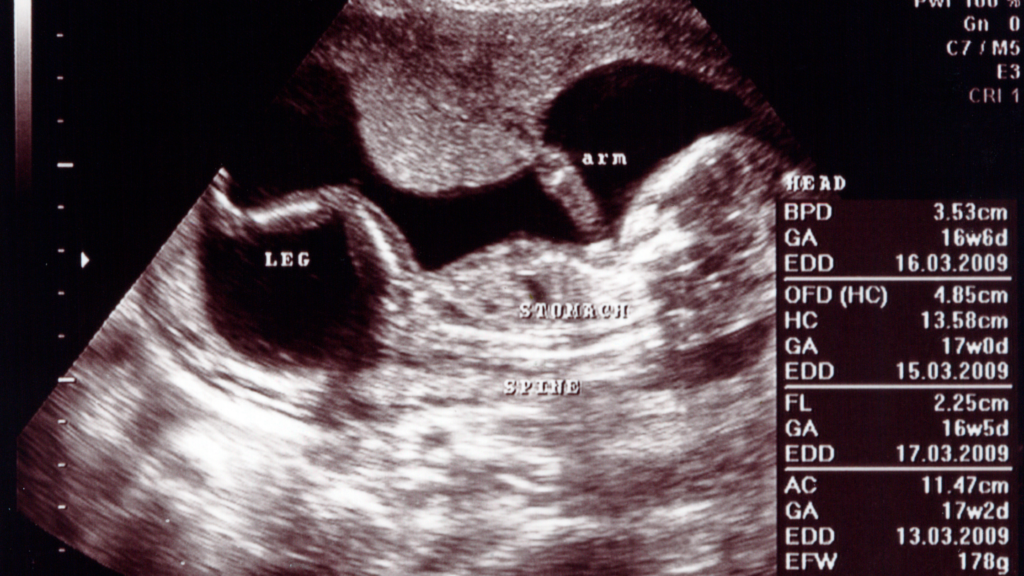
13 week scan of our little baby Boxer
Hubby and I had a picnic in the park and talked about how we were going to raise the baby. We decided that we were going to save up as much as we could for a deposit on a house, and we figured that a car would be really useful too, as we would need to transport the baby round to certain places. That night, I couldn’t stop staring at pictures of Boxer. This was our baby. I never thought I could feel so much love for someone who hadn’t been born yet.
A fun fact – Your baby is now about 7.5cm long from crown to rump and weighs nearly 23 grams.
Your little one’s body is catching up with their head now
Your baby’s thyroid has begun to produce hormones need to regulate bodily functions
Your baby is producing white blood cells they will need to stay healthy once born
The ears are almost in the right position at the sides of the head
Your baby is nearly doubling in weight each week now!
Your pregnancy signs and symptoms
Welcome to the second trimester! Well done for surviving the first trimester.
You should be starting to get some respite from the morning sickness now. If not then not to worry, it won’t be long now
Your energy levels should also pick up a bit as well
You will start to notice your belly growing!
Have you started to experience vivid dreams during the second trimester?
You may still be craving your favourite foods
Are you starting to experience heartburn?
Your baby is still lacking in healthy fat to keep them warm, so their skin is transparent at the moment
Your next steps
Have you been able to hold off wearing maternity clothes? It may be time to start thinking about changing your attire to accommodate your growing bump.
Exercise is a great way to control your metabolism and stabilise your system. It can also help to prevent gestational diabetes
Take pictures of your growing bump – you will start to notice it grow now
Eat lots of protein to nourish your baby and strengthen those building blocks
Your baby can taste what you eat and may shape their food preferences later in life
You may want to start telling your friends and family now
Note: These are just general ideas of how you and your baby are getting on. Don’t forget that every baby develops differently. If you are concerned about your baby’s development, please consult your doctor or midwife.