The perfect postpartum babylights for low maintenance
Hair trends come and go, but some techniques stand the test of time, especially for mums navigating postpartum hair changes. One of these is postpartum babylights, a subtle highlighting method that has taken salons by storm among mums dealing with hair loss and regrowth. Known for their natural, sun-kissed effect, babylights are a favourite for those who want brightness and dimension without dramatic contrast or high maintenance.
Just like parents rely on calming tools, such as a sound machine or clock, to create a soothing environment for their babies, postpartum babylights bring a soft and gentle effect to hair, offering enhancement without overpowering your natural beauty during this hormonal time.
If you’ve been wondering whether babylights are right for you during pregnancy or postpartum, then this guide will break down what you need to know about babylights, as well as how they differ from traditional highlights and how you can maintain your hair while caring for your little one.
Why babylights are perfect for new mums experiencing hair changes
After pregnancy, it’s quite common to experience drastic hair changes. Those thick, lustrous locks during pregnancy often give way to postpartum shedding around 3-6 months after delivery. This is where postpartum babylights shine, as they help disguise thinning areas and awkward regrowth while requiring minimal upkeep.
The difference between babylights and traditional highlights
To understand why mum-safe hair colours, such as babylights, work so well postpartum, we can compare them with classic highlighting techniques.
Traditional Highlights: These use larger sections of hair, creating bold streaks that contrast with your natural colour. They’re noticeable and often require more upkeep—something new moms rarely have time for.
Babylights: Much finer, they mimic the way children’s hair naturally lightens in the sun. The result is softer, more blended, and effortlessly natural, which is perfect for camouflaging postpartum baby hairs and regrowth.
Babylights are essentially highlights on a micro-level. While traditional highlights stand out, babylights whisper. They’re ideal for new mums who want dimension without apparent colour separation or frequent salon visits.
Why postpartum babylights are a low-maintenance option
One of the biggest appeals of babylights for new mothers is how easy they are to maintain compared to other colouring methods, which is crucial when you’re juggling feedings, nappy changes, and sleepless nights. Here are some reasons why postpartum babylights are the right option after birth:
Minimal root regrowth
Because babylights are so fine, regrowth is less noticeable. This means you can stretch out salon visits longer than with chunky highlights, which is essential when finding childcare for salon appointments is challenging.
Natural blending with postpartum regrowth
Babylights blend seamlessly with your natural base and those wispy postpartum baby hairs, reducing the harsh grow-out line and disguising new growth around your hairline.
Long-lasting freshness
Even months after your appointment, your hair will still look sun-kissed rather than overgrown or outdated, which is perfect for the months when leaving the house feels like a major accomplishment.
For busy new parents, this makes postpartum babylights a practical choice because they require less maintenance and offer more payoff.
Who are babylights best suited for during and after pregnancy?
Not every technique works for every person, but babylights are surprisingly versatile for mums at any stage:
For Postpartum Hair Loss: They create the illusion of fuller hair and disguise thinning areas
For Fine Hair: They add dimension and the illusion of thickness – helpful when experiencing postpartum shedding
For Dark Hair: They create soft contrast without the starkness of traditional highlights
For Blonde Hair: They enhance brightness without looking overly processed
For Breastfeeding Mums: When done with ammonia-free products, they’re a safer option
For First-Time Mums: If you’re new to hair colouring or want something low-commitment, babylights are a gentle introduction.
No matter your base colour, texture, or where you are in your motherhood journey, babylights can be customised to your hair goals.
Is It safe? Babylights during pregnancy and breastfeeding
According to the American College of Obstetricians and Gynaecologists (ACOG), most experts believe hair dye is not toxic for your baby when used properly. However, for mum-safe hair colour, consider these precautions:
Wait until the second trimester if you’re pregnant
Choose ammonia-free formulas to minimise chemical exposure and protect fragile postpartum hair
Ensure proper ventilation in the salon
Consider a patch test if you have sensitive skin (common during pregnancy)
Opt for glosses over bleach when possible to minimise damage to delicate postpartum hair
The process: what to expect at the salon
Getting postpartum babylights at the salon is slightly different from traditional highlights, but the results are worth the time.
Consultation: Your stylist will discuss the look you’re aiming for and choose tones that suit your complexion and lifestyle as a new mom
Sectioning: Very fine sections of hair are separated, often more than with regular highlights
Foiling: Each tiny section is wrapped in foil, ensuring even lightening
Processing: The lightener is left on until the hair reaches the desired brightness
Toning: A toner may be applied to refine the colour and achieve a natural finish
Styling: After rinsing, conditioning, and blow-drying, you’ll see your fresh, mom-friendly look
The process takes longer than traditional highlights since more foils are used, but the result is subtle sophistication that grows out beautifully – essential for busy mums.
Caring for your postpartum babylights: tips for longevity
To keep babylights looking fresh while managing new mum life, proper aftercare is essential.
1. Use colour-safe shampoo and conditioner
Opt for sulfate-free products to preserve colour and prevent fading. Many are also safe for breastfeeding mums.
2. Deep condition regularly
Postpartum hair can be dry and fragile, so hydration is key.
3. Limit heat styling
Too much heat weakens colour-treated hair. Embrace air-drying when possible (new mums rarely have time for blow-drying anyway!).
4. Protect from the sun
UV rays can fade colour. Wearing hats during stroller walks helps protect your investment.
5. Schedule toner touch-ups
A quick gloss or toner refresh every 6-8 weeks helps keep the tones vibrant without requiring a full appointment.
Babylights and balayage: can they be combined for new mums?
Yes. Babylights and balayage can be combined for the ultimate low-maintenance hair colour for new moms.
Babylights: Provide an all-over soft brightness that disguises regrowth
Balayage: Hand-painted highlights that add sweeping dimension
When used together, you get a dynamic, multi-tonal result that requires minimal upkeep – bright at the roots from babylights, with seamless gradient effects from balayage.
Babylights vs. other techniques for busy mums
With so many colouring methods available, it can be hard to decide which one fits your lifestyle. Below is a breakdown of how postpartum babylights compare to other popular techniques:
Seasonal Versatility: Works for brightening winter moods or enhancing summer glow
Confidence Boost: Helps new mums feel put-together during a time of major life changes
Final thoughts
So, what exactly are postpartum babylights? They are ultra-fine, natural-looking highlights designed to work with your changing hair after pregnancy, mimicking the sun-kissed strands of childhood while disguising postpartum hair challenges. Unlike traditional highlights, they are low-maintenance, versatile, and flattering for nearly every new mum.
By choosing babylights during your postpartum journey, you’re opting for elegance over excess, softness over starkness, and timeless appeal over fleeting trends, all while accommodating the realities of new motherhood.
So, whether you’re dealing with postpartum shedding, awkward regrowth, or you want to feel more like yourself again, babylights offer a beautiful, low-maintenance solution that works with your new mum lifestyle, not against it.
*Collaborative feature post*
What to know about lash serum during pregnancy and beyond
Medical Disclaimer: This article is for informational purposes only. Always consult your healthcare provider before using any cosmetic products during pregnancy or breastfeeding. Individual experiences may vary, and what works for one person may not work for another.
As a mother of four, I have navigated the peaks and troughs of hormonal changes both in pregnancy and postpartum. Finding safe beauty products is critical for me, especially now that I am in my 40s. This comprehensive guide addresses everything you need to know about lash serums to help with that inevitable postpartum hair loss because, sadly, it doesn’t just happen on your head!
The unique postpartum hair loss challenges we parents face
Our hair is thickest during the golden (second) trimester, but then after birth, hair falls in clumps. Many women don’t realise that this often happens with our eyelashes too. I lost a lot with number four and have only seen my hair grow back properly after four years. Not to worry, though. Most women replenish their hair naturally within the first year, but this largely depends on your body, genetics and age. But there are ways to help speed up hair growth (watch this space for a full beauty guide coming soon on how I did this!) Additionally, I recommend checking out my article on red light therapy, which has been extremely helpful for replenishing my curly locks.
Trying a lash serum for the first time is exciting, but it’s also essential to consider whether its safe and effective. For pregnant and breastfeeding mothers, these concerns multiply as hormonal changes affect both lash growth and which products you can use safely.
And not every serum works the same way. Results vary depending on the ingredients and each person’s lash growth cycle. During pregnancy and postpartum, hormonal fluctuations can dramatically impact these results. Some notice fuller-looking lashes within weeks, while others see more gradual changes. Paying attention to application instructions and consistency helps maximise results while reducing the chance of side effects.
However, with the right approach, lash serums can become a simple yet effective addition to a daily routine – even during the demanding months of pregnancy and early parenthood.
In this article, we’ll talk about what lash serums are out there and how to use them safely during pregnancy and beyond!
Essential facts to know before using a lash serum during pregnancy and postpartum
How lash serums work and their benefits
Lash serums are formulated to enhance the appearance of eyelashes by promoting growth and increasing thickness. Cosmetic serums usually work by nourishing the hair follicle, while prescription options containing bimatoprost (a prostaglandin analog) actually extend the natural growth phase of lashes and are clinically proven to lengthen them. However, these prescription serums like Latisse are not recommended for pregnant or breastfeeding women due to potential safety concerns.
Cosmetic serums, which are available over the counter, often emphasise conditioning and strengthening rather than medically altering growth cycles. This difference means results can vary, with some formulas focusing more on overall lash health than dramatic length. A lash serum by ForChics, for instance, is typically compared with other cosmetic options that highlight hydration and resilience. Comparing these side by side reveals how ingredients impact shine, softness, and durability. Choosing between them depends on whether the goal is noticeable growth or simply stronger, healthier-looking lashes. Note: Always verify the pregnancy safety of any specific brand with your healthcare provider before use.
Understanding hormonal effects on lashes
During pregnancy, elevated oestrogen levels can significantly impact lash growth patterns. According to recent studies, many women experience enhanced lash growth and thickness, particularly during the second and third trimesters of pregnancy. However, once you give birth, oestrogen levels plummet, signalling hair follicles to enter the telogen (shedding) phase rapidly.
Many new mothers experience unexpected changes in their hair and lashes. It’s not uncommon to notice your lashes thinning or even eyelashes falling out postpartum. This phenomenon, known as telogen effluvium, typically peaks 3 to 6 months after delivery.
Types of lash serums and key ingredients
There are two main categories: prescription serums and cosmetic serums. Cosmetic serums rely on nourishing ingredients. Common ones include:
Peptides: Support lash strength and reduce breakage.
Biotin: Promotes healthier hair growth.
Castor oil: Provides hydration and conditioning.
Plant extracts: Offer antioxidant and soothing effects for sensitive eyes.
Some cosmetic formulas may also contain prostaglandin derivatives, although in lower concentrations than those found in prescription products. Checking the ingredient list is essential, especially for individuals with allergies or sensitivities.
Pregnancy-safe ingredients to look for
Natural ingredients offer a more organic option for those seeking pregnancy-safe alternatives. Consider incorporating the following ingredients into your lash care routine: Castor Oil: Renowned for its moisturising properties, castor oil nourishes and strengthens lashes.
Safe ingredients during pregnancy and breastfeeding include:
Hyaluronic acid
Collagen
Vitamin E (Tocopherol)
Panthenol
Pumpkin seed extract
Biotin (Vitamin B7)
Potential side effects and safety precautions
While many eyelash serums are well tolerated, side effects can occur. Prescription serums with bimatoprost may cause redness, itching, or darkening of the eyelid skin. In rare cases, they can cause an increase in pigmentation of the iris. Cosmetic serums are generally milder but can still irritate, especially in individuals with sensitive eyes. At the same time, many people incorporate medical grade skincare products into their overall routine, as eye care and skin health often go hand in hand.
To reduce risks:
Apply only to the lash line, never inside the eye.
Use a clean applicator to prevent bacterial contamination.
Discontinue use if persistent irritation occurs.
Consulting an eye care professional is recommended before starting a serum, especially for individuals with pre-existing eye conditions or those considering prescription-strength options.
How to use lash serums safely and effectively during pregnancy and breastfeeding
Preparing your lashes for application
Clean lashes absorb serum more effectively. She should always remove makeup with a gentle makeup remover and wash the eye area thoroughly to clear away mascara, eyeliner, or oils. This prevents buildup that can block the serum from reaching the lash line. Those who wear lash extensions or false lashes require extra care. Oil-based removers can weaken the adhesive, so oil-free cleansers are recommended.
Healthy lashes respond better to treatment. Using a mild lash conditioner can help maintain flexibility and reduce breakage, particularly during the natural growth cycle of your lashes. By starting with clean, conditioned lashes, the serum can work without interference from dirt or product buildup.
Step-by-step guide to applying lash serum
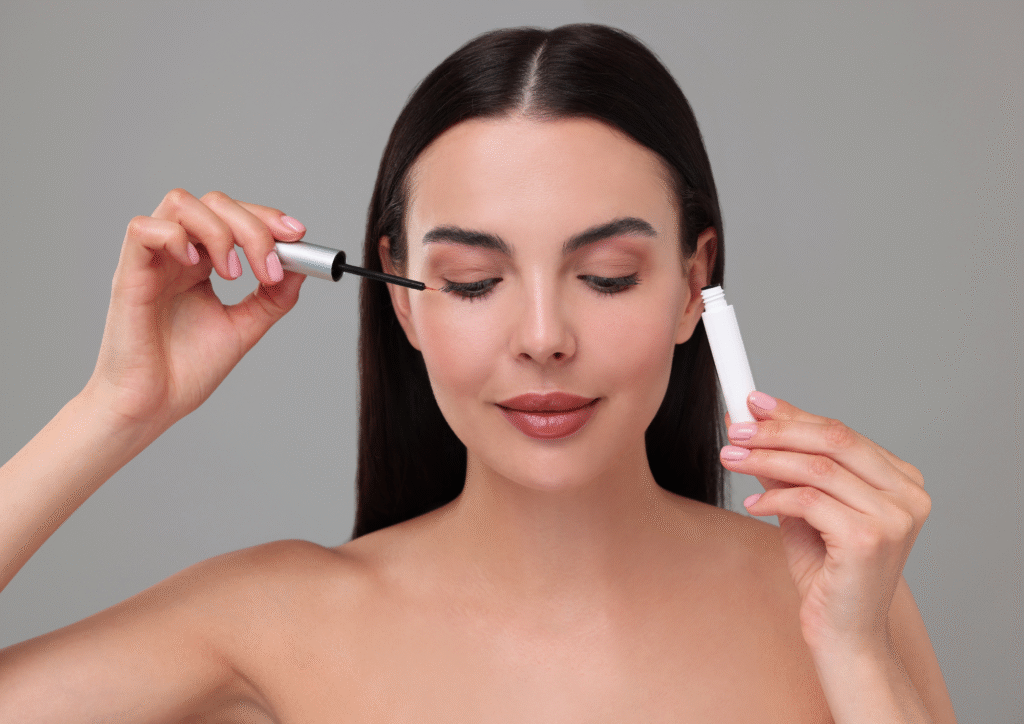
Most lash serums, including options from brands like ForChics, come with a thin applicator brush. Apply a small amount directly along the upper lash line, similar to liquid eyeliner. Only one dip per eye is sufficient, as using more does not expedite results but may increase the risk of eye irritation.
Application should be limited to the upper lash line. The lower lashes do not require direct application, as the serum naturally transfers when blinking. Applying too close to the inner corner of the eye should be avoided to reduce discomfort. After applying, she should allow the serum to dry for at least 90 seconds before using other products. This prevents smudging and ensures the serum fully absorbs into the lash line.
Special considerations for nursing mothers
When breastfeeding, additional precautions ensure both yours and baby’s safety:
Apply serum after the last evening feeding
Wash your hands thoroughly after application
Store products safely away from baby’s reach
Choose formulas specifically labelled as breastfeeding-safe
Managing postpartum lash loss: what to expect
Postpartum hair loss is a regular part of pregnancy and childbirth and won’t affect your baby. But hair that falls out can wrap around your baby’s fingers, toes or other body parts. This rare occurrence is called a hair tourniquet.
Timeline of lash changes
While this issue will likely eventually resolve (1-1.5 years postpartum), understanding the timeline helps manage expectations. Studies show that 68-90% of new mothers experience postpartum hair loss:
During Pregnancy: Enhanced growth due to elevated oestrogen
0-3 Months Postpartum: Initial shedding begins
3-6 Months Postpartum: Many women who have recently had a baby will see noticeable hair loss that peaks after a few months
6-12 Months Postpartum: Recovery and regrowth phase
Nutritional support for lash health
Maintaining a balanced diet with adequate levels of essential nutrients is always crucial for your health — and all the more so when you’re eating for two! Lash loss can be linked to hormonal changes, but it is often more commonly associated with a deficiency.
Essential nutrients include:
Iron (prevents anaemia-related lash loss)
Biotin (Vitamin B7)
Vitamin E
Protein
Omega-3 fatty acids
When to seek professional help
Consult your healthcare provider if:
Lash loss continues beyond 12 months postpartum
You experience sudden, patchy lash loss
Irritation persists after using any lash product
You notice other symptoms like fatigue or weight changes (possible thyroid issues)
Frequently asked questions
Can I use lash serum while pregnant?
Because hormone levels change during pregnancy and breastfeeding, you should use any cosmetic products, including EYELASH AWAKENING SERUM, with caution and always consult with your doctor. Choose serums without prostaglandin analogs and stick to natural, nourishing ingredients.
Is GrandeLash safe during pregnancy?
GrandeLash contains prostaglandin analogs and is generally not recommended during pregnancy or breastfeeding. Many mothers report switching to safer alternatives during this time.
What’s the best pregnancy-safe lash serum?
Some mothers have reported positive experiences with serums like DIME Lash Serum, which has been noted for its effectiveness and safety. Users have reported noticeable improvements in lash length and fullness, with no adverse effects. Other potentially safe options include those containing only peptides, biotin, and natural oils.
Important: Individual experiences may vary. Always consult your healthcare provider before using any lash serum during pregnancy or breastfeeding, regardless of brand claims or user testimonials.
Can lash serum pass through breast milk?
Given the similarities between bimatoprost and other prostaglandin-based compounds found in over-the-counter lash serums, healthcare providers often err on the side of caution and advise against their use during breastfeeding.
How long does postpartum lash loss last?
The shedding should last less than six months. Your hair should regain its fullness by the time your child turns one.
Can I use castor oil on my lashes while breastfeeding?
Pure castor oil applied topically to lashes is generally considered safe during breastfeeding when used in small amounts. However, always consult your healthcare provider first.
Will my lashes grow back after postpartum loss?
Hair loss after childbirth is not permanent. New hair will start growing back as soon as the old hair falls out.
Can thyroid issues cause lash loss after pregnancy?
Yes, thyroid changes are usually also temporary symptoms. These changes within the thyroid glands should resolve once the pregnancy is complete and hormones responsible for hyperthyroidism — human chorionic gonadotropin and oestrogen — return to normal levels.
Is it safe to get lash extensions while pregnant?
Eyelash extensions can be a safe alternative to lash serums during pregnancy. Unlike serums, which commonly contain prostaglandin analogues, eyelash extensions are applied externally.
What vitamins help with postpartum lash growth?
Key vitamins include biotin (B7), vitamin E, iron, and vitamin D. A quality postnatal vitamin can help support overall hair and lash health.
Final thoughts
Choosing a lash serum requires attention to ingredients, safety, and application – especially during pregnancy and breastfeeding. Products containing peptides, biotin, or plant extracts may support healthier lashes. Avoiding harsh irritants helps reduce the risk of side effects. Not every formula works the same for everyone. Considering personal sensitivity, reviewing product details, and setting realistic expectations help ensure a better experience with lash serums.
For new and expecting parents, understanding the hormonal changes affecting lash growth and choosing pregnancy-safe options provides peace of mind while supporting lash health. Remember that postpartum lash loss is temporary, and with proper care and patience, your lashes will recover. Always consult with your healthcare provider before starting any new beauty regimen during pregnancy or while breastfeeding.
Disclaimer: This article is for informational purposes only and should not replace professional medical advice. Always consult your healthcare provider before using any new products during pregnancy or breastfeeding.