Packing, lifting and nesting: tips for moving while pregnant
Moving homes is a pivotal moment, especially when coupled with the anticipation of a new family member. As a mother of four, I have moved three times when pregnant and each time wasn’t easy – but it was doable! This guide aims to ease the journey for you and help make the transition to your new home a more comfortable one during pregnancy. Here are our tried and tested tips for safely moving while pregnant.
Plan to move at the right time
Moving when pregnant requires thoughtful timing, particularly to accommodate common pregnancy symptoms such as abdomen pain during pregnancy and aching back during pregnancy. During the first trimester, the aches and fatigue can be challenging, so it’s essential to plan your move when you have the most energy.
I’ve always moved during my third trimester and I found it really difficult because I was too heavy to help anyone and I was exhausted. However, many pregnant women have said moving during their first trimester was the most difficult because of the extreme fatigue and nausea they felt throughout. The second trimester is often the sweet spot for such a significant change because you’ll have more energy and mobility to take on the mammoth task of moving house.
While moving is often the last thing on your mind, the excitement of creating a new space for your growing family can be both invigorating and overwhelming. But, is moving harmful during pregnancy? It doesn’t have to be! Here are some tips on moving during each trimester:
Moving while pregnant – first trimester
It’s vital to avoid heavy lifting and minimise the risk of abdominal cramps during pregnancy. Prioritise rest and hydration to mitigate aches during pregnancy, and delegate tasks where you can. You can create a detailed checklist to ensure nothing is overlooked during this delicate time
Moving while pregnant – second trimester
Take advantage of the typically higher energy levels, but proceed with care to avoid abdominal tightness during pregnancy. Start by packing non-essential items early and book a trusted moving company to handle the logistics. (For those moving to Florida, go for a trusted Florida moving company like Solomon & Sons Relocation Services, known for their reliability and family-friendly services).
Moving while pregnant – third trimester
Your moving day plan should focus on comfort and safety to prevent ab pain during pregnancy. Finalise details with your movers and make sure they are aware of your condition. Considering preparing an “essentials” bag with items like maternity wear, avoiding any abnormal pain during pregnancy from last-minute rushes.
Create your moving timeline
Once you have a clearer picture of your ideal moving window, draft a detailed timeline that includes the following:
Research phase
Allocate time to research a reputable moving company that accommodates your pregnancy needs. This research should also extend to healthcare facilities in your new area to ensure a smooth transition of medical care.
Packing phase
Begin packing non-essential items early on, gradually moving to daily-use items as the moving date approaches. Consider tagging boxes with priority levels for unpacking, keeping in mind the items you’ll need immediately upon arrival, like maternity clothes, baby essentials, and important documents.
A good moving company can provide valuable services such as packing and unpacking, significantly reducing the burden on the family. Ensure the mover you choose has experience with family/pregnancy relocations and check their reviews from other families to gauge their suitability for your needs.
Moving week
Designate the week before the move to double-check arrangements with your moving company, confirm travel plans, and ensure your new home is ready for your arrival. It’s also a good time to assemble a small “essentials” bag that will stay with you, containing items you’ll need during the move and the first few days in your new home.
Post-move care
After the move, plan for a week of minimal activity to rest and acclimate to your new surroundings. Schedule a check-up in your new location to ensure continuity of prenatal care without interruption. We will talk more about the post-move part below.
Stay flexible
While having a plan is crucial, it’s equally important to remain flexible. Pregnancy is unpredictable, and circumstances may change. Keep communication lines open with your moving company to adjust plans if needed and emphasise the importance of choosing a service that offers flexibility and understanding of your unique situation.
Packing tips when you have a baby on board – how to move while pregnant –
Packing when pregnant, especially when you have other children, can be a daunting task, but with the right approach, it can also be an opportunity for everyone to be involved in the move. Start by making a detailed inventory of your belongings to keep track of what you have. Encourage family members to pack a personal box with their favourite toys, books, and comfort items, explaining that these will be with them in their new room. Emphasise safety when packing with children around, keeping hazardous materials out of reach and considering child-proofing essential items during the packing process.
Prioritise safety by breaking down tasks into manageable parts. Professional packing services and storage, offered by your chosen moving services, can significantly reduce the physical strain, allowing you to focus on your wellbeing and the excitement of anticipating your baby’s arrival.
Saying goodbye
It’s not just about moving to a new place, goodbyes are an essential part of the moving process, so you can experience closure from your old place. Organise a small farewell gathering with close friends and family to celebrate the memories made. If you have other children give them a chance to visit their favourite places one last time and encourage them to take photos or collect mementoes for a memory book. These activities can help you all process your feelings about the move and look forward to making new memories.
Setting up your new home
When you reach your new home, prioritise creating spaces that offer comfort and tranquillity. The nursery, your bedroom, and living areas should top the list, so you can foster a nurturing environment from the get-go. This setup phase is not just about unpacking boxes but laying the foundation for your family’s future memories.
Keeping a routine
Maintain a consistent routine if you have other children can significantly help them adapt to the changes that come with moving. Try to keep mealtimes, bedtimes, and other daily activities as regular as possible during the move. If your family had a game night every Friday or a special weekend breakfast tradition, continue those in your new home. Adjustments may be necessary, but the familiarity of routine provides a sense of stability.
Finding new schools/nurseries/childminding
The search for a new childcare if you need it, should begin well before the move, especially if the quality of education is a top priority for your family. Use online resources, reviews, and rankings to narrow down your options, and if possible, visit the places personally to get a feel for the environment and culture. Once you’ve made your choice, make sure all necessary enrollments are completed in advance to avoid any last-minute rush. If you need to, prepare your child for the transition by discussing what the new school might be like and emphasising the positives of making new friends and learning new things.
Exploring the new neighbourhood
Once you’ve settled into your new home, take the time to explore your new surroundings. This could mean taking walks, visiting local parks, finding the nearest library, or discovering a new favourite restaurant. Getting to know the neighbourhood not only helps everyone feel more at home but also provides opportunities to meet new people and begin integrating into the community. Consider joining local clubs, sports teams, or other activities that match your interests to further establish connections and roots in your new area.
Health care transition
A smooth healthcare transition is paramount when moving while pregnant. Research and establish connections with healthcare providers in your new area ahead of the move. This forward-thinking approach ensures you have immediate access to prenatal care in your new community and offers you peace of mind during this transitional period.
Listen to your body
Throughout the moving process, listen to your body’s cues. Embrace the support offered by your moving team, so you can maintain a focus on health and relaxation. This support system is not just logistical but also emotional, underscoring the importance of selecting a moving company attuned to the needs of expecting families. Stop what you’re doing when you experience the following and consider speaking with your healthcare provider if you’re concerned:
Lower abdominal pain when moving while pregnant
Pain when moving legs while pregnant
Sharp pains when moving while pregnant
Aching hips during pregnancy
Emotional support
Moving while pregnant can stir up a mix of feelings, from excitement to a bit of worry. It’s important to talk about what you’re going through with people close to you and start making connections in your new area. These steps create a strong circle of support that can really help during this big change.
Final thoughts
Moving while you’re expecting certainly comes with its challenges, yet with careful planning, a trustworthy mover, and a circle of support, it can turn into a delightful part of growing your family. Every move you make is a step forward into settling into a new home where you’ll bring your newest family member into the world.
FAQ
Is it bad to move while pregnant?
Moving isn’t inherently bad during pregnancy, but it does require extra care. It’s crucial to avoid heavy lifting and high-stress activities, which can put both you and your baby at risk. Always consult with your healthcare provider before making any significant decisions about moving during pregnancy.
Is moving furniture safe while pregnant?
Other questions asked were:
Is it safe to move furniture while pregnant?
Is it ok to move stuff while pregnant?
Should I move while pregnant?
It’s generally recommended to avoid moving furniture while pregnant, especially as your pregnancy progresses. Heavy lifting can strain your muscles and increase the risk of injury. If moving furniture is necessary, seek help and use proper lifting techniques to protect yourself.
I am moving while 8 months pregnant. Do you have any tips on how I can move comfortably without affecting the baby please?
At 8 months, it’s crucial to prioritize your comfort and safety. Avoid lifting heavy objects, stay hydrated, and take frequent breaks. Arrange for professional movers, if possible, and communicate your needs clearly to those helping you.
I have a high-risk pregnancy. Can I move while pregnant?
High-risk pregnancies require special consideration. Discuss your moving plans with your healthcare provider to understand the risks and get personalized advice. It might be recommended to postpone moving if it involves significant physical strain or stress.
Some religions have views about moving during pregnancy. What are these religious reasons for not shifting house during pregnancy?
Other questions asked were:
Is it bad to move around alot while pregnant?
Some beliefs hold that moving during certain stages of pregnancy could bring bad luck or negatively impact the mother and child’s wellbeing. The specifics can vary greatly across different cultures and religions. It’s essential to consult with community elders or religious leaders for guidance if this is a concern.
Can sudden movements cause miscarriage?
Sudden movements themselves are unlikely to cause miscarriage. Most miscarriages occur because of underlying issues, such as chromosomal abnormalities in the foetus. However, you should still be cautious with your activities. You should avoid sudden, jerky, or high-impact movements, especially if they strain the abdomen or could lead to falls or injury. It’s always best to discuss any concerns about physical activity with a healthcare provider, as they can offer personalised advice based on your pregnancy’s specifics and any potential risks.
I am moving states while pregnant. What do I need to know before I move?
When moving states, consider the timing of your move and its proximity to your due date, transferring your medical records, establishing care with a new healthcare provider, and understanding your new state’s maternity leave policies and health coverage options.
What positions should you avoid while pregnant?
Avoid positions that involve heavy lifting, bending over for prolonged periods, or lying flat on your back, especially after the first trimester. These can reduce blood flow to the baby and put unnecessary strain on your body.
*Collaborative feature post*
Part 4 – Finally pregnant with a girl!
It has taken me a long time to pluck up the courage to write this post about being pregnant with a girl. I don’t know why; the outcome has been successful, but it hasn’t been so clear cut.
In my previous posts in the ‘Journey to getting my girl‘ series, I had been clear that I wouldn’t mind having a third boy, if that’s what it came to. I just wanted another baby, but losing my girl hit me very hard and left me aching for my princess.
It took us fourteen months to get pregnant after my miscarriage, and to say it has been a tough slog has been an understatement.
In the first two articles, I talked about working with a company called Urobiologics who have been the first of their kind to claim women can select the gender of the baby by the hormonal environment present in their womb, i.e. women have alternating boy and girl cycles. You can read more about this process in Part 1 and Part 2 of the series and my article on women and gender selection.
In this article, I want to talk about what happened after the first successful attempt at getting my girl but losing her to PPROM and then what happened after we tried again. So bear with me, as this post is raw. It brings up a lot of bad memories, but it’s only right to conclude this series with how it all truthfully came about in case you are interested in trying for your girl or boy too.
We started the conception plan again
After losing our girl, we started the conception plan again with Urobiologics. It took us about three months after the miscarriage to even consider trying, but I knew the longer I left it, the harder it would be. I was in my late thirties, my husband had enough of trying and we were suffering as a couple. But I needed to give it a shot because I needed a baby in my arms. However, this time, I actually didn’t care if the baby ended up being a girl, but we thought we’d give it a shot as we had another chance to try.
We named our girl ‘Ayla’ and we followed all the rules and plans we needed to follow, like last time. You can read the conception plan process here.
We couldn’t get pregnant
Despite trying everything to get pregnant, we just couldn’t get pregnant and it drove a wedge between my husband and me because we had to stick so rigidly to the conception plan, which was really taxing. So, after about eight months, we made a tough decision.
We abandoned the conception plan
I took up exercising. I stopped drinking alcohol and I ditched my poor diet. I got serious and every month, if we wanted to, we’d try for a baby, but we took all the stress out of trying for a baby and that included waiting for a girl cycle. We no longer cared about whether we were going for a boy or a girl. We just wanted a baby and our marriage had taken a real hit from all the stress I was putting on my husband.
We still couldn’t get pregnant
Despite abandoning the conception plan, we were still experiencing stress at home. My husband worked long hours, so he would often be too tired to talk about baby planning and when we tried, I kept getting a negative pregnancy result. It was all so frustrating.
On the 14th month, in December 2018, I had another negative pregnancy test, and it was at that point I had decided enough was enough. Maybe we had experienced secondary infertility. Maybe the D&E after the late miscarriage had rendered my womb useless, but I gave up the fight and decided we would live as just four and Poppy up in the sky.
As Christmas was coming up and hubby’s mum was due to come over, my friend bought me a gin advent calendar and I enjoyed myself for the first time at Christmas without so much as thinking of another baby. We’d leave the stress to the new year and we’d try again in January if we still wanted to. Christmas and the end of 2018 were about living in the moment and reconnecting with my husband.
Then something magical happened
I went on BBC to talk about children and screen time in January and I felt funny, like something was off. I couldn’t figure out what it was; I didn’t feel sick or tired, I just felt off.
When my period didn’t arrive, I didn’t think for a second I was pregnant. No, I couldn’t get pregnant. I was too old, too fat, too unhealthy, too something, and a baby wasn’t happening for me.
But when I didn’t get my period a week later, my husband urged me to take a pregnancy test, which I reluctantly agreed to. I knew it would be negative anyway, so what did it matter?
What? We were pregnant? Impossible! I thought we couldn’t get pregnant. We abandoned the conception plan, or maybe I couldn’t get pregnant with girls, and this one was a boy.
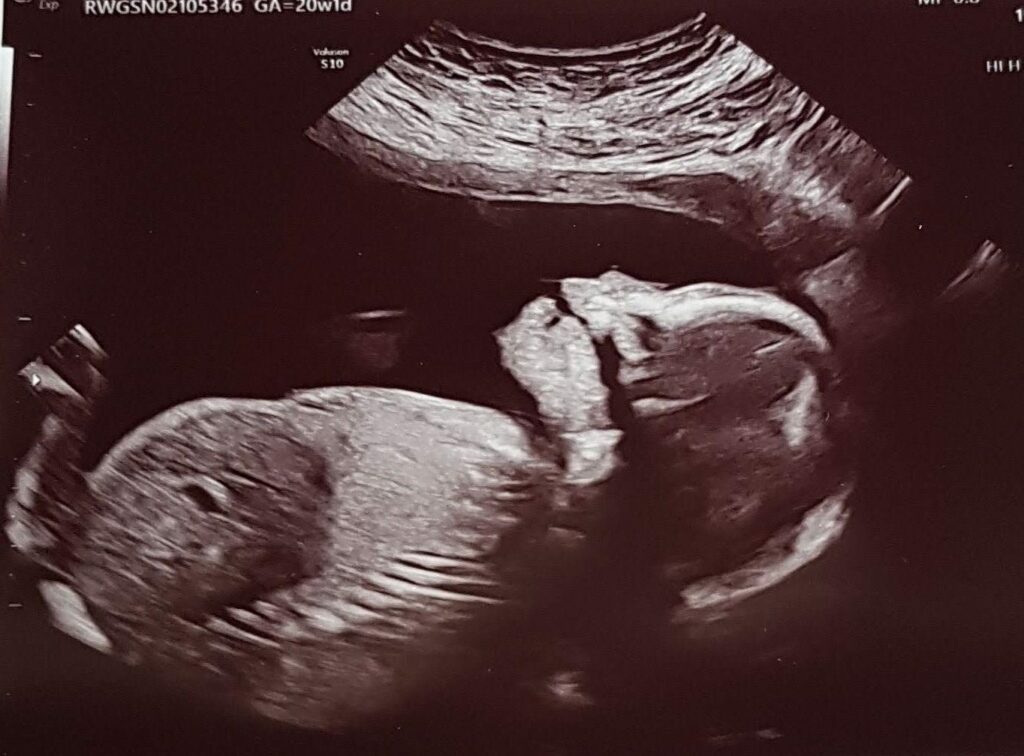
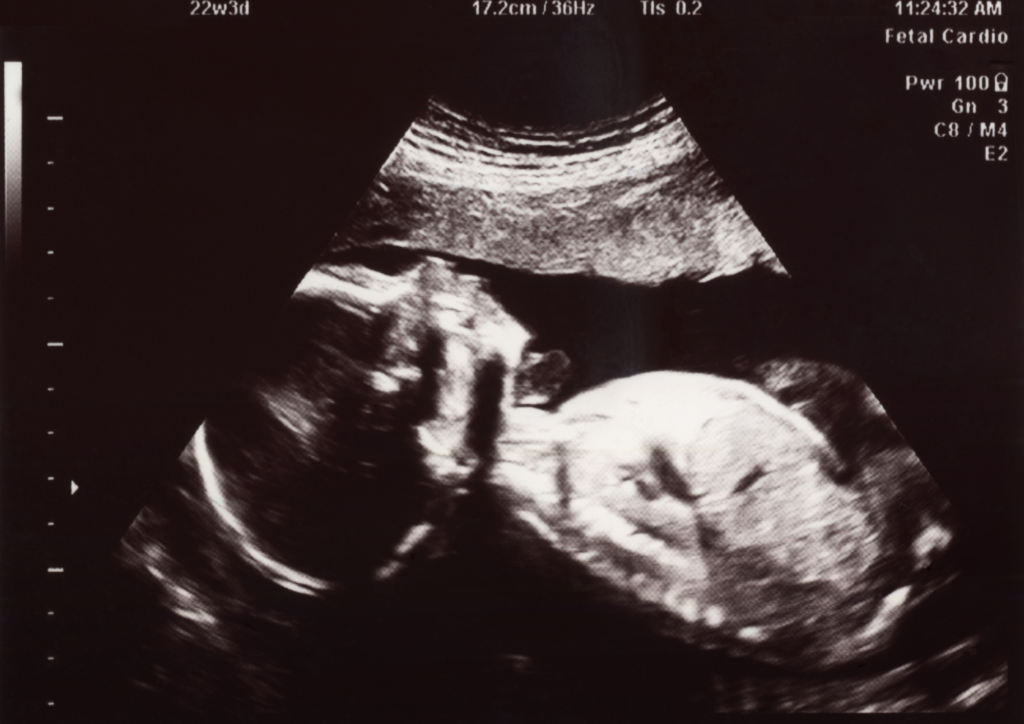
When we had our 20 week scan, lo-and-behold, we found out it was a girl.
I couldn’t believe my eyes. Was it the sudden removal of stress, the six months of healthy eating, exercising, meditating, and yoga that contributed to getting pregnant? Or was it pot luck?
We had our beautiful baby girl, Ayla, in September 2019, and you can find my positive VBAC story here. I still can’t believe she’s here and mine.
But the question remains…
Did Urobiologics get me my girl?
The honest answer is, I don’t know, and I don’t think so.
We abandoned the conception plan a good six months before we got pregnant, so I believe getting our girl was down to pot luck. I didn’t try any fancy moves; I didn’t think about timing, I just genuinely believed my body was ready to get pregnant again.
We had another baby girl on 30th June 2021! Her name is Amelia and you can read all about my amazing unassisted VBAC birth here.
You never know what’s around the corner.
My dad’s words always ring true
My advice to you
I do genuinely believe that Urobiologic’s conception plan worked the first time with Poppy and if we hadn’t lost her, we would be holding our little princess now. But, the second time we tried, I think it was down to luck. So my advice to you is, go for it if you want to have your baby boy or girl, but make sure you’re doing it for the right reasons. Are you going to be ok if you don’t end up with the baby of your desired gender and are you prepared to abandon the conception plan if trying becomes harder than the process itself?
We couldn’t get pregnant because we experienced a disconnect, so we threw caution to the wind and funnily enough it worked.
Our 20 month old baby girl now
Remember, this is all anecdotal. If you have health problems or are suffering from conditions that affect your fertility, then speak with your doctor first who can help you set up a fertility plan. But contact Urobiologics (you can find the link here) and speak to Dr Verma about your intentions too. He is very approachable and will help you along the way. Couple that with my tips on how to get pregnant naturally here and you should be well on your way to getting the baby you want – boy or girl.
Remember, other gender prediction tests and methods are not medically reviewed, so take them with a pinch of salt. Make sure you’re following a healthy plan when getting pregnant and pay less emphasis on the method to have the baby as it really ends up being a 50/50 chance in the end.
FAQ
Can you get pregnant with a girl on ovulation day?
Another question asked was, ‘When do you get pregnant with a girl?’
The Shettles Method states that male sperm are smaller so they can swim faster, but die quicker. Girl sperm is bigger and slower but last longer. So Shettles believed if you had sex around the time of ovulation, the male sperm would more likely reach the egg before the female sperm. This has not been scientifically proven and I’m pretty sure the method isn’t fail safe.
There are so many nuances to conception during ovulation day and in fact, one study found no difference between the X and Y sperm. Neither sperm mature in different ways or is faster so, again, pot luck!
What were your symptoms when pregnant with a girl?
Another question asked was, ‘what symptoms did you have with a girl?’ and ‘baby girl symptoms during pregnancy’.
The only telling symptoms I noticed were what I craved, i.e. sour with a girl and sweet with a boy. Otherwise I couldn’t really tell the difference between all five pregnancies.
With Ayla, during labour, her foetal heart rate stayed the same throughout (around 130 to 140 beats per minute). With my first boy, his heart rate dipped to around 54 which is why I had to have the emergency c section. I don’t think it’s a boy/girl thing; I think it’s a birth thing.
What are the signs you’re having a girl?
Another similar question asked was, ‘I feel like I’m having a girl, how can I tell?’ and ‘What are boy or girl early signs in pregnancy?’
I don’t think there are many signs you’re having a girl. I would say the only sign that stuck out for me was craving sour foods and salt and lemon.
What are the signs you are pregnant with a boy?
Apart from craving sweets and carrying at the front, I didn’t see any other signs I was carrying a boy.
Are you more tired when pregnant with a girl?
I was exhausted in this pregnancy but I don’t remember ever being tired with the boys (maybe I blocked the trauma out) or with Ayla. I just slept very well. I don’t think you’re more tired with a girl. Pregnancy is tiring so I don’t think it matters whether you’re having a girl or a boy to feel tired.
Do you glow when pregnant with a girl?
They say girls take your beauty away and boys make you beautiful. I didn’t feel or look beautiful throughout any of my pregnancies! I developed a glow towards the end. But this was true of all pregnancies, not just having a girl. I think the glow comes after a turbulent first three months when the body is getting used to the pregnancy.
Do you get sicker when pregnant with a girl?
Apart from Ayla this time around, I suffered from morning sickness, which was constant throughout the first three months. However, with Ayla, I only had two weeks of morning sickness, then nothing. Hers was the easiest pregnancy by far! I had nausea with the boys, but I didn’t throw up. So I’m not sure there’s a difference, to be honest with any baby girl symptoms during early pregnancy.
Can you be pregnant with a girl and not be sick?
Yes! I wasn’t sick at all with Ayla. In fact, I had morning sickness for about two weeks where I could only eat bland oats and potato, then after that, the morning sickness magically vanished. I only felt sick around 9 pm so I’d just go to sleep and I’d wake up fine the next day. Unfortunately, the same can’t be said for this pregnancy. However, I haven’t been sick in any of my pregnancies, just nauseous. My friend is having a boy, and she has been diagnosed with hyperemesis gravidarum so I think being sick are not pregnancy signs of girl pregnancy.
Do you crave sweets when pregnant with a girl?
Quite the opposite! There are old wives’ tales about craving sweet with boys and sour with girls. Having had two boys and girls, I can safely say this was very true for me. I wanted to drink lemon and salt with all three girls and I stayed away from sweets (well, except for the last three months of this pregnancy…)
Do you crave fruit when pregnant with a girl?
I only craved citrus fruits, especially lemons because I needed something sour, and I also needed to combat the horrible metallic taste I had in my mouth throughout the first trimester. They do say sour foods are one of the most telling pregnancy symptoms of having a girl.
Do you cry more when pregnant with a girl?
I think I was emotional in all pregnancies. In fact, I was more emotional with my boys than with my girls, so, again I don’t think crying relates to girl pregnancy symptoms.
Do you get acne when pregnant with a girl?
Another question asked was, ‘Do you breakout when pregnant with a girl?’
Many people say (not scientifically reviewed) that because you carry the same hormones, you are less likely to have counteractive effects like acne when pregnant with a girl. I didn’t really suffer from acne with my two girls but I had quite oily skin with my boys, so maybe there is some truth to it? Purely anecdotal though!
Do you sleep more when pregnant with a girl?
I noticed one sign of having a girl was I slept like a log with Ayla and even worse with Amelia! I can’t remember what I was like with the boys but my eldest didn’t sleep through and my second one was born when my eldest was 15 months old. So I doubt I slept much.
Do you get headaches when pregnant with a girl?
I haven’t suffered from any headaches at all during any of my pregnancies so I doubt headaches are pregnancy symptoms for a girl. What I would say is if you are suffering from severe headaches, please check with your doctor to rule out pre-eclampsia as that is one sign, along with swollen hands and feet and vision changes. Better to be safe than sorry.
Do you feel worse when pregnant with a girl?
I suffered from mood swings more this pregnancy but with Ayla, I breezed through the pregnancy. My mum says it’s because we carry the same hormones, but I don’t think it’s that black and white. I don’t think there are many signs of having a little girl, apart from my anecdotal experience which is carrying the bump all around the body rather than out at the front and having an intense craving for lemon and salt. That’s it!
When pregnant with a girl where do you carry?
I seemed to carry all around my body rather than right out at the front. With my two boys, it looked like I was carrying a football around, but with a girl, I just looked and still look fat.
Best of luck and if you have questions please do share them below and I’d be happy to answer them honestly and accurately.
*Codes marked with a ‘*’ are affiliate links which means I may earn a small commission on qualifying purchases
22 weeks pregnant – Braxton Hicks contractions have started
I have been having some rude dreams lately, so hubby and I broke the drought, that’s all I’m saying!
At 22 weeks pregnant, I have got itchy skin on my belly, so I have been rubbing loads of Cocoa Butter* on my skin to ease the scratching. Apparently, at 22 weeks pregnant, bellies can get itchy from the skin stretching. Still, no stretch marks yet, so fingers crossed it stays like that.
My baby bump is definitely growing and I can see my belly button now! I feel our boy more and more now, which is nice because it creates a bond between us. I also rub my bump as I’m walking down the street and I wonder whether that’s because I am subconsciously protecting my bump from hazards in the real world.
I walked to the post office this week, which was a 20-minute walk away and I had to stop mid-way as I felt cramps in my belly, which felt a bit like mini stitches. I called up a friend who was in week 26 of her pregnancy and she told me not to stress.
“They sound like Braxton Hicks contractions,” she said.
I spoke to my midwife as well and asked her whether they felt like labour pains and she laughed and said:
“You will 100% know when you’re in labour.”
That statement scared me a bit…
I also mentioned that I seem to have ptyalism (lots of saliva) and I wake up in the morning with loads of drool on the pillow, which is really annoying as I have to change my pillow covers every day. The midwife said that was perfectly normal during pregnancy because of the hormones.
I also talked to my friend about birth plans and she said she wants as many drugs as she can get as she’s a wimp with pain. But my mum had four kids with no pain relief, so I’m going to have as natural a birth as possible. Obviously, I won’t rule it out but I reckon I can take it (I can hear you mums laughing at me right now!) I have a phobia of needles, and an epidural does not sound appealing to me at all.
Hubby and I have got into a routine of going to bed early and reading our baby book. We’re in the breastfeeding chapter at the moment and it sounds quite daunting, having to get up every two hours to feed the little one. I’m rubbish without sleep, so I don’t know how I’m going to do it. But, I suppose it’s all for the baby and it’s healthier to breastfeed apparently, so I’m going to give it my best shot. I want to give our boy the best start in life and if that means sleep deprivation for two years, then so be it!
A fun fact – The baby is 11 inches long – the length of a spaghetti squash!
Your baby at 22 weeks pregnant – your baby’s development
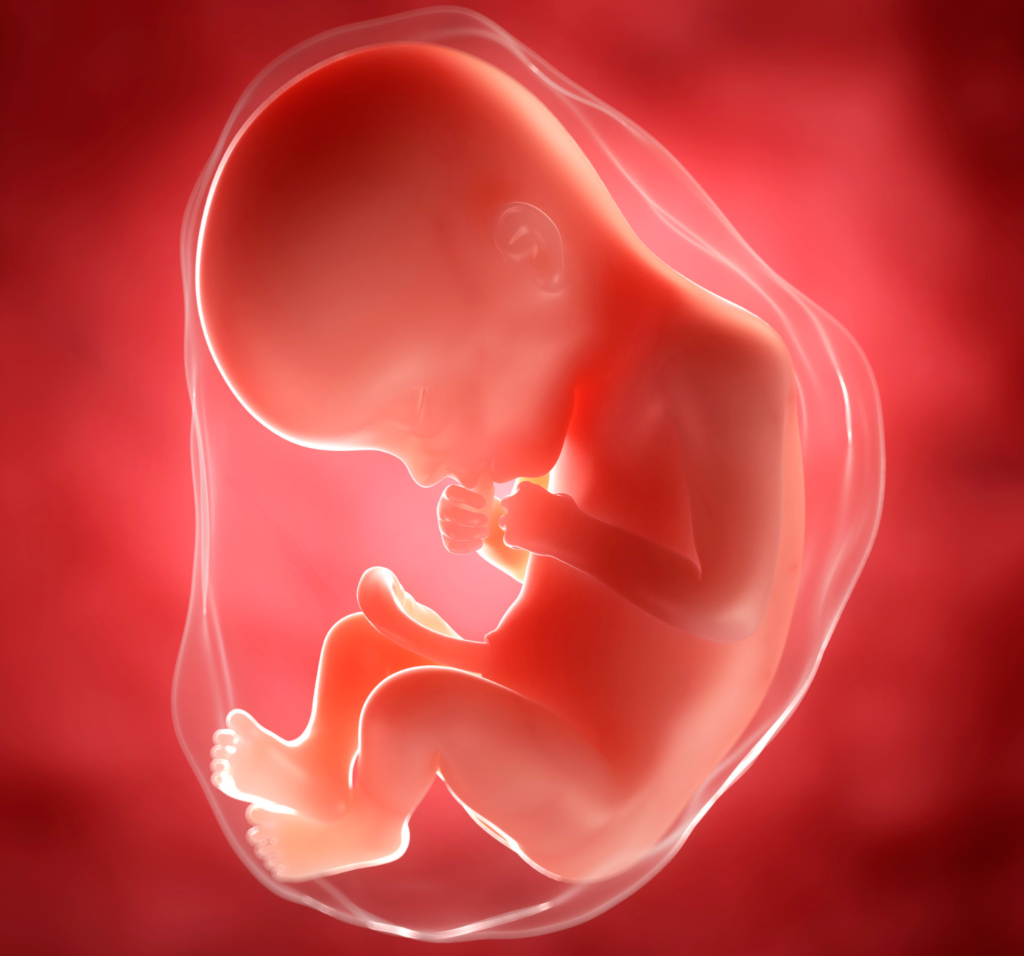
Baby development at 22 weeks is ramping up! Your baby’s head, body, and limbs are now more in proportion to each other. S/he is looking more like a newborn now.
22 weeks pregnant baby size – The size of the foetus at 22 weeks pregnant is now roughly the size of a spaghetti squash, measuring about 11 inches (27.8 cm) from crown to heel and weighing almost 1 pound (about 430 grams).
Your baby’s development at 22 weeks includes their irises getting pigmentation. However, they remain closed for now.
Your pregnant belly at 22 weeks is accommodating a baby who is developing his/her senses now – touch, taste, sight and hearing. They can hear your heartbeat, your voice and even loud noises which are further away, outside of the womb.
Your baby when you’re 22 weeks pregnant, is still too young to live outside the womb. But, over the next few months, they will gain lots of fat to keep them warm as the lungs and organs continue to develop
22 weeks pregnant – your symptoms
Your body at 22 weeks pregnant is under increased strain as your bump grows bigger. Try standing as straight as you can and place a small cushion behind your back when you’re sitting.
22 weeks pregnant symptoms – You may gain some weight now. Many women worry about whether they’re gaining too much or too little weight. This is understandable, but you shouldn’t worry too much. Ask your doctor if you’re worried about your weight, as they can provide you with more information on healthy weight gain during pregnancy.
You at 22 weeks pregnant may be a fluctuating you – i.e. you may experience high energy levels in bursts and then downtimes where you can’t get out of bed.
Mum’s body at 22 weeks pregnant – Have you noticed how fast your nails are growing?
Your eyesight might even change and your feet may grow! This is because the pregnancy hormone Relaxin is loosening ligaments and joints and the bones in your feet are spreading.
Exercise is good for pregnancy, as long as you don’t overdo it. Look at exercises like pregnancy yoga, pilates or walking.
If you are still suffering from heartburn, avoid spicy foods, citrus food and drink, chocolate and coffee. Take small mouthfuls and chew well. Try not to lie down after a meal too. And when you go to sleep, prop yourself up on pillows to help with the digestion.
Key takeaways at 22 weeks pregnant – things to consider
What to do at 22 weeks pregnant – Have you looked into your maternity rights? Do you know about the terms of your maternity leave or maternity allowance?
One of my biggest tips for 22 weeks pregnant is to prevent or limit stretch marks by making sure you’re moisturising your belly night and day
Pregnancy checklist at 22 weeks pregnant – Learn more about labour and birth and start preparing
Week 22 pregnancy – Make sure you’re still taking a prenatal vitamin a day.
22 weeks pregnant – your checklist – your checklist should include your birth plan. You don’t have to create one now, but consider how you would like your birth to look.
Pregnancy checklist at 22 weeks pregnant – Have you thought about your baby essentials yet?
When you are 22 weeks pregnant how many months is that?
What is 22 weeks pregnant in months?
How long is 22 weeks pregnant in months?
How many days 22 weeks pregnant?
What is 22 weeks pregnant in months?
How many months is 22 weeks?
Pregnancy 22 weeks how many months?
What is 22 weeks in months?
Pregnancy is typically calculated as 40 weeks, starting from the first day of your last menstrual period (LMP). However, these 40 weeks are often rounded to 9 months for simplicity, even though 40 weeks would technically be closer to 9.3 months. When breaking down pregnancy by months, it can be a bit confusing because not all months have the same number of days.
If you want to determine when you’ll be 6 months pregnant, here’s a general breakdown based on weeks:
1 month: 1-4 weeks
2 months: 5-8 weeks
3 months: 9-13 weeks
4 months: 14-17 weeks
5 months: 18-21 weeks
6 months: 22-26 weeks
7 months: 27-30 weeks
8 months: 31-35 weeks
9 months: 36-40 weeks
By this estimation, at 22 weeks, you would start your sixth month of pregnancy. So, yes, 22 weeks pregnant is roughly equivalent to being 6 months pregnant. However, remember this is a general guideline, and the exact timing can vary based on how you count months and weeks.
Is baby fully developed at 22 weeks?
Other questions asked were:
What is developing at 22 weeks of pregnancy?
Is 22 weeks pregnancy full term?
How large is a foetus at 22 weeks?
Your 22 week foetus has undergone significant foetal development, but it is not yet fully developed in terms of organ maturity and function. Here’s a general overview of a baby’s development at 22 weeks:
Size: Your 22 week old foetus is roughly the size of a spaghetti squash, measuring about 11 inches (27.8 cm) from crown to heel and weighing almost 1 pound (about 430 grams).
Skin: The baby’s skin remains translucent, and layers of fat are just forming underneath. This fat will become crucial for regulating the baby’s body temperature after birth.
Sense of Touch: The baby’s sense of touch is advancing. They can feel touch around their mouth, on the palms of their hands, and the soles of their feet.
Eyes and Vision: The eyes have formed, but the iris (the coloured part of the eye) still lacks pigmentation. The eyelids and eyebrows are in place, but the eyes remain fused shut.
Hearing: While the ears are still developing, the baby can already hear sounds, such as the mother’s heartbeat, voice, and even louder noises from the external environment.
Lungs: The baby’s lungs are still maturing. While they are not yet ready to function outside the womb, they are developing branches of the respiratory tree and cells that produce surfactant, a substance that helps the air sacs inflate easily.
Brain: The brain is growing rapidly, and the nerve cells are continuously developing.
Hair: Hair might start to grow on the baby’s head.
Organs and Systems: The liver, kidneys, and other organs are continuing to develop. The baby’s pancreas, essential for hormone production, is also developing steadily.
Movements: The baby is becoming more active and might kick, twist, and turn.
While many of the baby’s structures are in place by 22 weeks, the baby is not yet ready to survive outside the womb without intensive medical assistance. The survival rate for babies born at 22 weeks is low, and those who do survive often face significant health challenges. Typically, the point of viability (when a foetus has a reasonable chance of survival outside the womb with medical assistance) is considered to be around 24 weeks, though this can vary based on individual circumstances and medical advancements.
What is my baby doing in the womb at 22 weeks?
Other questions asked were:
What is 22 weeks pregnant baby position?
At 22 weeks gestation, your baby is active and undergoing rapid growth and development in the womb. Here’s a glimpse of what your baby might do:
Movements: Your baby is more active now. You might feel regular movements, which could feel like fluttering, kicking, or rolling. These movements are often described as “quickening.”
Swallowing and Digestion: The baby is practising swallowing by taking in small amounts of amniotic fluid, digesting it, and excreting it as urine. This process helps mature the digestive system.
Sensory Development:
Touch: Your baby’s sense of touch is becoming more refined, especially around the lips and hands.
Hearing: The baby can hear sounds both inside (like your heartbeat) and outside (like your voice or music). Some studies suggest that babies might even respond to familiar sounds or music by this stage.
Taste: The baby can taste some flavours of foods you eat through the amniotic fluid.
Breathing Movements: Even though the baby gets oxygen through the umbilical cord, they practice “breathing” movements, preparing the lungs for life outside the womb. These are not actual breathing, but the rhythmic movement of the diaphragm.
Sucking and Gripping: The baby might practice sucking movements with their mouth (a precursor to feeding after birth). They might also grip with their hands, clutching onto the umbilical cord, or even holding onto one of their feet.
Sleeping: Babies in the womb have periods of activity and rest. Your baby might have sleep cycles that last 20-30 minutes at a time. However, their sleep is not like adult sleep; it’s more like a “rest” or “quiet” state.
Rapid Brain Growth: The brain is undergoing significant development. Brainwave activity starts in the visual and auditory systems.
Reflex Development: Reflex actions, like blinking, are occurring.
Physical Growth: The baby’s body is growing rapidly, and layers of fat are forming under the skin. This fat, called “brown fat,” will help regulate body temperature after birth.
Facial Features: The baby’s facial features are more defined. Their eyes and lips are fully formed, but the eyes remain sealed shut.
Producing Cells: The baby’s bone marrow has produced red blood cells.
Each baby is unique, and activity levels can vary. Some babies might be more active during certain times of the day, while others might have different patterns of movement. If you’re concerned about your baby’s movements or have questions about their development, it’s essential to consult with your healthcare provider.
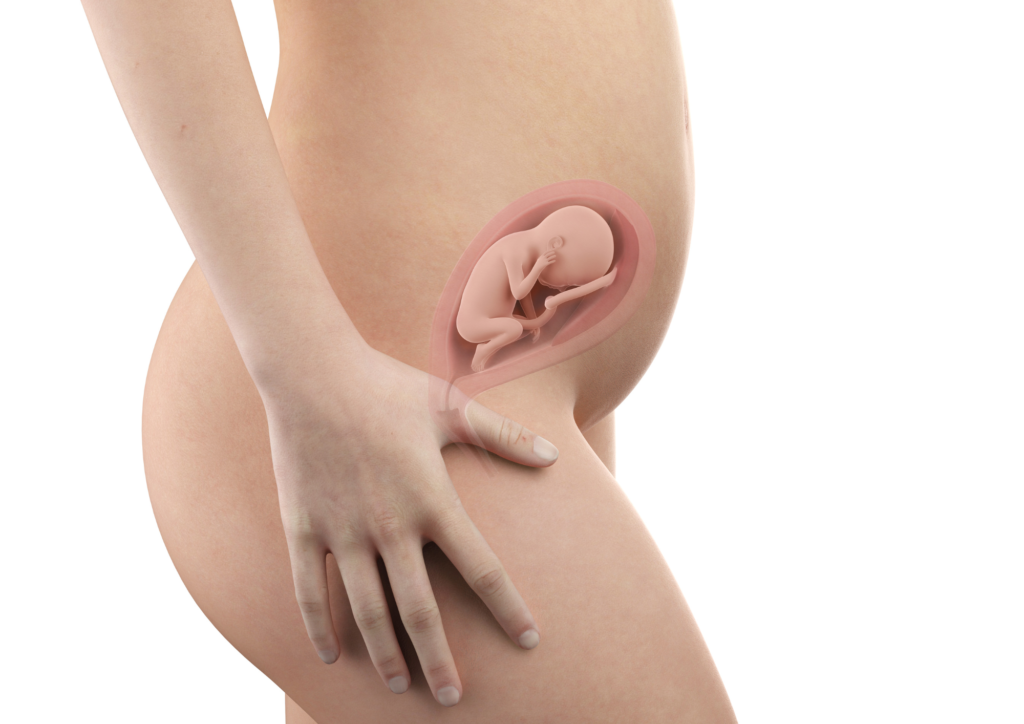
What does 22 weeks pregnant look like?
Other questions asked were:
How does 22 weeks pregnant look?
How does 22 weeks pregnancy look like?
how does 22 weeks pregnant look like?
Here’s what 22 weeks pregnant looks like:
Can you run at 22 weeks pregnant?
Many women can continue to run during pregnancy, including at 22 weeks pregnant, but there are several considerations to keep in mind:
Before continuing or starting any exercise regimen during pregnancy, always consult with your healthcare provider. They can provide guidelines tailored to your specific situation.
As your pregnancy progresses, your body undergoes many changes that can affect your ability to run comfortably and safely. The increased weight, changes in your centre of gravity, and hormonal changes that relax your ligaments can all influence your balance and running gait.
It’s essential to drink plenty of water before, during, and after your run to stay hydrated.
Your body temperature is slightly elevated during pregnancy. Try to run during cooler times of the day and wear breathable clothing to prevent overheating.
If you feel any pain, dizziness, shortness of breath, or any other unusual symptoms, stop running and consult with your healthcare provider.
Choose flat and smooth surfaces to minimise the risk of trips and falls. Avoid running on uneven terrains or in conditions where you might slip.
Wear supportive shoes and a good maternity support belt if needed. This can help distribute the weight and provide more comfort while running.
It’s generally advised not to push yourself too hard during pregnancy. This isn’t the time to break personal records or increase your intensity. The general rule of thumb is that you should be able to carry on a conversation while exercising.
If you experience any of the following, stop exercising and consult your healthcare provider:
Vaginal bleeding
Dizziness or feeling faint
Shortness of breath before starting the exercise
Chest pain
Headache
Muscle weakness
Calf pain or swelling
Regular, painful contractions
Fluid leaking from the vagina
If you’re an experienced runner and have been given the okay by your healthcare provider, running can be a great way to stay active during pregnancy. If you’re new to running, pregnancy might not be the best time to start, but you can consider other forms of exercise more suited for beginners. Always prioritise safety and listen to your body.
What not to do at 22 weeks pregnant?
When you’re 22 weeks pregnant, it’s essential to prioritise your health and the health of your growing baby. Here are some general guidelines on what to avoid or be cautious of during this stage of pregnancy:
Certain Foods: Avoid foods that carry a risk of foodborne illness or other harmful effects, such as:
Raw or undercooked seafood, eggs, and meats.
High-mercury fish like shark, swordfish, king mackerel, and tilefish.
Unpasteurised dairy products and soft cheeses.
Deli meats unless they’re heated until steaming hot.
Excessive caffeine (it’s usually advised to limit caffeine intake to 200-300 mg per day).
Alcohol.
Overexertion: While staying active is beneficial, avoid overexerting yourself or taking part in high-impact activities that carry a risk of injury.
Hot Tubs and Saunas: Prolonged exposure to high temperatures can be harmful during pregnancy, increasing the risk of birth defects. It’s best to avoid hot tubs, saunas, and steam rooms.
Hazardous Chemicals: Avoid exposure to harmful chemicals, such as pesticides, paint fumes, and certain cleaning agents. Always ensure good ventilation if you’re working with chemicals and wear gloves.
Certain Medications: Some medications, both prescription and over-the-counter, may not be safe during pregnancy. Always consult with your healthcare provider before taking any medication.
Lifting Heavy Objects: Be cautious when lifting heavy objects. If you must lift something, use proper techniques, bending at your knees and keeping the object close to your body.
Smoking: Avoid smoking and exposure to secondhand smoke. Both can increase the risk of premature birth, low birth weight, and other complications.
Recreational Drugs: These can be harmful to both you and your baby and should be avoided.
Wearing High Heels: As your pregnancy progresses, your centre of gravity shifts, making it easier to lose your balance. It’s best to wear comfortable and supportive shoes.
Lying Flat on Your Back: After the first trimester, lying on your back can compress a major blood vessel, reducing blood flow to your heart and potentially to your baby. If you’re getting a procedure done or are when you need to lie down, try to tilt to your left side or use pillows to prop yourself at an angle.
Travel: If you’re planning to travel, especially by air, consult with your healthcare provider. Some airlines have restrictions for pregnant passengers, and long flights might increase the risk of blood clots.
Alcohol: It’s best to avoid alcohol entirely during pregnancy, as it can lead to foetal alcohol spectrum disorders (FASDs) and other complications.
Always consult with your healthcare provider regarding any concerns or questions you may have about activities or substances during pregnancy. They can offer guidance tailored to your specific situation.
What to buy at 22 weeks pregnant?
At 22 weeks pregnant, you’re more than halfway through your pregnancy and well into the second trimester, and it’s a good time to prepare for your baby. Here’s a list of items you might buy or researching at this stage:
Maternity Clothing: As your bump grows, you may need more maternity clothes. Consider:
Research and decide if you want to take childbirth or parenting classes.
Begin or continue working on the baby’s nursery.
Remember, every pregnancy and family is unique, so tailor your purchases to your individual needs and preferences. Some parents prefer to buy everything ahead of time, while others wait until closer to the due date or even after the baby’s arrival for certain items.
Bleeding when 22 weeks pregnant. What should I do?
Other questions asked were:
Brown discharge when 22 weeks pregnant. What do I do?
I’m sorry to hear that you’re experiencing this, but it’s important to remember that I am not a doctor.
If you are experiencing bleeding at 22 weeks pregnant or at any stage of pregnancy, it’s essential to take it seriously and seek medical attention immediately. Here are some general guidelines:
Contact Your Healthcare Provider: As soon as you notice bleeding, get in touch with your obstetrician, midwife, or healthcare provider. They can provide guidance on the next steps to take.
Go to the Emergency Room or Labour and Delivery: If the bleeding is heavy or accompanied by pain, contractions, dizziness, or any other concerning symptoms, go to the nearest emergency room or your hospital’s labour and delivery unit.
Avoid Intercourse and Douching: If you experience bleeding, it’s best to avoid sexual intercourse and douching until you’ve consulted with your healthcare provider.
Note the Characteristics of the Bleeding: It might be helpful to note the colour, consistency, and amount of blood. This information can assist healthcare professionals in assessing the situation.
Stay Calm: While bleeding can be a concern, try to stay calm. Stress and panic won’t help the situation. It’s essential to focus on getting the care and support you need.
There can be various causes for bleeding during pregnancy, some less concerning than others. Only a healthcare professional can evaluate and diagnose the cause. It’s crucial to prioritise your health and the health of your baby by seeking medical attention promptly.
I’m getting cramps when 22 weeks pregnant. What should I do?
Other questions asked were:
I have pain when 22 weeks pregnant. What do I do?
I have period pains when 22 weeks pregnant. What do I do?
Is cramping at 22 weeks pregnant normal?
I’m not a doctor, but cramps during pregnancy can be concerning, especially if they’re severe, persistent, or accompanied by other symptoms. Here’s some general advice if you’re experiencing cramps at 22 weeks:
Contact Your Healthcare Provider Immediately: It’s essential to get in touch with your obstetrician, midwife, or primary care provider when you experience cramping during pregnancy. They can provide guidance based on your specific situation.
Go to the Hospital if Symptoms Are Severe: If the cramps are severe, regular, or accompanied by any of the following, seek medical attention immediately:
Vaginal bleeding or spotting
Fluid leakage from the vagina
Lower back pain
Pressure in the pelvis or vagina
Changes in vaginal discharge
Dizziness or fainting
Any other pregnancy symptoms that seem unusual
Rest: Lie down on your left side to increase blood flow to the uterus and try to relax. Sometimes rest can help alleviate minor cramps.
Stay Hydrated: Drink plenty of water. Dehydration can sometimes cause cramping.
Avoid Certain Activities: Until you know the cause of the cramping, avoid any strenuous activities, heavy lifting, and sexual intercourse.
Monitor the Cramps: Note the intensity, frequency, and location of the cramps. This information can be helpful to your healthcare provider.
Listen to Your Body: It’s essential to be in tune with your body. If something feels off or you’re concerned, it’s always best to seek medical advice.
Causes of cramping during pregnancy can range from benign (like ligament stretching) to more serious issues. It’s essential to rule out any potential complications, such as preterm labour or infections. Always prioritise your health and the health of your baby by seeking medical attention when you’re concerned about any symptoms.
How to sleep 22 weeks pregnant?
Sleeping comfortably during pregnancy can be a challenge as your body changes and your baby grows. Your 22 weeks pregnant belly might make your usual sleeping positions less comfortable. Here are some tips to help you sleep better during this stage of pregnancy:
Left Side is Best: It’s generally recommended to sleep on your left side during pregnancy. This position can improve blood flow to the baby, uterus, and kidneys. It also helps in relieving pressure on the liver, which is located on the right side.
Use Pillows for Support: Using pillows can make a world of difference:
Place a pillow between your legs to support your hips, which also helps to reduce leg cramps
Use a pregnancy pillow or a regular pillow to support your belly.
Prop up your upper body with pillows if you experience heartburn.
Avoid Back Sleeping: As your uterus grows, it can put pressure on the vena cava (a major blood vessel) when you lie on your back. This can reduce blood flow to your heart and baby. If you roll onto your back while sleeping, consider using a pillow as a barrier to maintain your side position.
Elevate Your Head: If you suffer from heartburn or indigestion, elevating your head can help keep stomach acids down and reduce discomfort.
Limit Fluids Before Bed: While it’s crucial to stay hydrated, try to limit fluid intake in the evening to reduce nighttime trips to the bathroom.
Establish a Routine: Keeping a regular sleep routine can help signal your body that it’s time for rest. This might include reading, taking a warm bath (not too hot), or practising relaxation techniques.
Comfortable Sleep Environment: Make sure your mattress and pillows are comfortable. Keep the room at a comfortable temperature and use blackout curtains if needed. Consider using white noise machines or earplugs if noise is an issue.
Stay Active: Regular physical activity can help you sleep better. However, it’s best to finish exercising at least a few hours before bedtime to give your body time to wind down.
Limit Caffeine: Especially in the afternoon and evening, as it can interfere with your sleep.
Manage Stress: Pregnancy can be a time of heightened emotions and stress. Consider relaxation techniques such as deep breathing, meditation, or prenatal yoga to help you relax.
Dress Comfortably: Wear loose-fitting, breathable pyjamas to bed.
Get Up Slowly: Because of changes in blood pressure during pregnancy, you might feel dizzy if you get up too quickly from a lying position. Make it a habit to rise slowly to avoid dizziness.
If sleep problems persist or you’re concerned about your sleep patterns, it’s essential to consult with your healthcare provider. They might offer additional suggestions or check for underlying issues that could be affecting your sleep.
22 weeks pregnant symptoms of boy?
Other questions asked were:
22 weeks pregnant baby boy symptoms. What should I look out for?
22 weeks pregnant: symptoms of girl?
There’s a lot of folklore and myths surrounding ways to predict a baby’s gender during pregnancy, but it’s important to note that none of these methods are scientifically proven to be accurate. The symptoms or changes a pregnant person experiences during pregnancy are generally because of hormonal changes, the growth of the foetus, and other physiological factors—not the gender of the baby.
That being said, here are some common myths and old wives’ tales that claim to predict a baby’s gender:
Carrying Shape: Some say if you’re carrying high, it’s a girl, and if you’re carrying low, it’s a boy.
Cravings: Craving sweets might mean you’re having a girl while craving salty or sour foods might mean it’s a boy. This was the total opposite for me!
Skin Condition: Clear and glowing skin could indicate a boy, while acne breakout could suggest a girl—due to the “stealing of beauty.”
Heart Rate: A fetal heart rate above 140 beats per minute might indicate a girl, while one below 140 might suggest a boy.
Moodiness: Some believe moodiness indicates a girl due to higher oestrogen levels.
Morning Sickness: Severe morning sickness could indicate a girl, according to some tales.
Swelling of Legs: Some believe that if your right leg swells more than the left, it’s a boy, and vice versa.
However, it’s crucial to reiterate that these are all myths, and none have been consistently proven by scientific research.
If you’re keen to know the gender of your baby, the most reliable methods include:
Ultrasound Examination: Usually done between 18-22 weeks, a mid-pregnancy ultrasound (often called an anatomy scan) can identify the baby’s gender if the baby is positioned in a way that allows the technician to see the genital area.
Genetic Testing: Tests like chorionic villus sampling (CVS) or amniocentesis can determine the baby’s gender, but these are invasive tests and are usually done for medical reasons, not just to determine gender.
Non-Invasive Prenatal Testing (NIPT): This blood test can detect the baby’s DNA in the mother’s bloodstream and can determine gender as well as screen for certain genetic conditions. It’s often available from 10 weeks onwards.
If you’re interested in finding out your baby’s gender, speak with your healthcare provider about the best and most accurate options for you.
At 22 weeks pregnant baby kicking low. What does this mean?
Feeling your baby kick and move is an exciting part of pregnancy, and the location of those movements can vary as your pregnancy progresses and depending on the baby’s position.
At 22 weeks pregnant, feeling the baby kick low is not uncommon and can be attributed to several reasons:
Position of the Baby: At 22 weeks, your baby still has plenty of room to move around in the uterus. The baby might be positioned head up (breech) or head down (cephalic). If the baby’s feet are down, you might feel more kicks in the lower part of your abdomen. Similarly, if the baby is lying in a transverse position (sideways), the feet might be directed towards the lower part of your uterus.
Position of the Placenta: If you have an anterior placenta (placenta attached to the front wall of the uterus), it might cushion some of the baby’s movements, making kicks feel less pronounced in the front and more noticeable lower down or on the sides.
Growth and Development: At 22 weeks, your baby is still growing and developing. As the baby grows, they might change positions, and the location of the kicks might change as well.
Your Anatomy: The perception of where you feel the kicks can also be influenced by your own anatomy, including the position and shape of your uterus and the distribution of abdominal fat.
It’s essential to remember that every pregnancy is unique. While some expectant mothers might feel their baby’s movements higher up, others might feel them lower down. Over time, as your baby grows and occupies more space, you’ll likely feel movements in various parts of your abdomen.
If you ever become concerned about the frequency or strength of your baby’s movements, or if you notice a sudden decrease in activity, contact your healthcare provider for guidance. Regular patterns of foetal movement are an indicator of the baby’s well-being, so always trust your instincts and reach out if something feels off.
Note: These are just general ideas of how you and your baby are getting on. Don’t forget that every baby develops differently and your personal journey will be different. If you are concerned about your baby’s development, please consult your doctor or midwife.