Going to the dentist while pregnant: tips for expecting mums
Amidst the whirlwind of prenatal visits and baby showers, dental health often gets sidelined. But, can you go to the dentist while pregnant?
Yes!
Going to the dentist while pregnant is crucial, not just for the mother but also for the baby as well.
Why is going to the dentist while pregnant important?
During pregnancy, hormonal changes can lead to an increased risk of gum disease, also known as periodontal disease. The gums may become more sensitive, leading to bleeding, swelling, or tenderness.
Additionally, the surge in hormones may cause benign oral tumours or pregnancy granulomas, which, though generally harmless, can be quite uncomfortable. Untreated severe gum disease can increase the risk of premature birth or low birth weight. This correlation showcases the importance of timely dental checkups and procedures during pregnancy.
When to visit the dentist during pregnancy?
It’s important to maintain good oral hygiene and continue dental check-ups throughout your pregnancy.
When should you get dental work while pregnant – safe dental procedures during pregnancy
“Preventive, diagnostic and restorative dental treatment is safe throughout pregnancy.”
The American Dental Association
Contrary to some misconceptions, regular dental cleanings, cavity fillings, and other essential dental treatment when pregnant are perfectly safe during pregnancy. However, elective treatments like teeth whitening or cosmetic procedures are better postponed until after delivery.
Radiographs
X-rays should generally be avoided, especially in the first trimester. That being said, with today’s technology and proper shielding, the radiation exposure from dental X-rays is minimal, making it safe if genuinely needed.
Necessary dental work, like dental fillings during pregnancy or extractions, can be performed under local anaesthesia. Studies indicate that it’s safe for both mother and foetus. But, as always, consult with both your dentist and doctor first.
The best time for a dentist visit during pregnancy
The second trimester is usually the most comfortable time for dental procedures. Morning sickness is generally less frequent, and the belly isn’t large enough to cause discomfort when lying down. Nevertheless, regular checkups can and should be continued throughout the pregnancy. Lying on your back at the dentist while pregnant is usually considered safe and dentists are familiar with the modifications needed to ensure the comfort and safety of pregnant patients. The dentist can elevate your upper body slightly to help prevent compression of the vena cava. They might tilt the chair to the left to help relieve any pressure.
If a procedure is lengthy, the dentist might give you a chance to move or adjust your position periodically. Let your dentist know if you feel light-headed, nauseous, or have any other concerning symptoms while lying on your back. Remember that lying on your back for long periods during pregnancy can double the risk of preterm birth or stillbirth.
It’s important to communicate with both your dentist and your prenatal care provider before any dental procedures. They can work together to determine the safest approach for dental care during your pregnancy, including the best positions for comfort and safety, and appropriate timing for necessary dental treatments.
Regular dental care during pregnancy is important, and most routine care is safe. Urgent dental issues should be addressed regardless of the pregnancy stage to reduce the risk of infection and other complications that could affect your or your baby’s health.
Dental care while pregnant – oral hygiene tips for expecting mothers
Stick to the basics. Nothing should drastically change.
Brush twice a day using fluoride toothpaste and floss daily to remove plaque.
If you’re more susceptible to pregnancy gingivitis, consider using an antiseptic mouthwash.
Pregnancy can often lead to sugar cravings. Opt for healthier snacks, and if you indulge, ensure to brush your teeth afterwards.
Consuming a balanced diet with plenty of vitamin C and B12 can help prevent oral problems.
Managing toothache while pregnant
Life doesn’t stop happening just because you’re pregnant. Toothaches, cavities, swollen gums and accidents can and do occur.
Toothaches during pregnancy are increasingly common and can be especially challenging during pregnancy. The discomfort might range from a mild, dull ache to sharp, excruciating pain, often causing additional stress. Understanding the causes and knowing how to manage them safely during pregnancy is vital.
Causes of toothache during pregnancy
Several factors can contribute to toothaches during pregnancy:
Hormonal changes
Pregnancy-induced hormonal shifts can affect oral health, making teeth and gums more susceptible to bacteria and plaque, leading to cavities and toothaches.
Increased blood flow
The enhanced blood flow to the gums, due to increased hormones, can make them swollen, sensitive, and more prone to bleeding, sometimes causing discomfort.
Sinus pressure
The growth in hormone levels can lead to an increase in mucus production, potentially causing sinus congestion or infections. This increased pressure can sometimes be felt as a toothache, especially in the upper back teeth.
Safe remedies for toothache during pregnancy
If you experience a toothache during pregnancy, address it promptly while ensuring the safety of your baby:
Consult your dentist
This should always be your first step. Describe your symptoms clearly so your dentist can provide immediate relief and suggest further steps.
Effective communication with your dentist in your native language is also critical. There are dental offices that have staff that are fluent in many common languages such as French, Spanish, Tagalog and Chinese.
Warm salt rinse
Dissolve half a teaspoon of salt in a cup of warm water and use it as a mouthwash. This can help in reducing gum swelling and inflammation.
Cold compress
Applying a cold pack to the outside of the cheek for 15-20 minutes can help reduce pain and inflammation.
Safe over-the-counter pain relievers
Some OTC pain relievers can be safe during specific trimesters of pregnancy but ALWAYS consult with both your dentist and obstetrician before taking any medication.
Good oral hygiene
Regular brushing and flossing can prevent further complications that could aggravate the toothache.
Avoid certain foods
Steer clear from very hot, cold, sweet, or acidic foods that might trigger or intensify the pain.
Dental care during pregnancy is indispensable. As the body undergoes numerous changes, oral health should not be neglected. From ensuring safe procedures to practising good oral hygiene, you can protect your well-being and that of your babies.
So, whether you’re expecting or planning to start a family soon, remember to include dental check-ups in your prenatal care routine. Your smile, and your baby’s future, will thank you for it.
FAQ
Is dental anaesthesia safe during pregnancy?
In the UK and in other parts of the world, dental anaesthesia is considered safe for pregnant women when administered properly. The National Health Service (NHS) and various UK dental health organisations acknowledge that local anesthetics are necessary for some dental procedures and there is no evidence to suggest they are harmful during pregnancy.
Can I get dental cleaning while pregnant?
Yes. Pregnancy dental cleaning is not only considered safe during pregnancy, but it is also highly recommended. Pregnancy can lead to increased risks of certain dental problems, such as gingivitis (pregnancy gingivitis) due to hormonal changes, which makes regular dental care during this time even more important.
What safety precautions do I need to think about when going to the dentist while pregnant second trimester?
Going to dentist while pregnant during the second trimester is the safest time to have elective dental work done. During the first trimester, the baby’s major organ systems are developing, and in the third trimester, lying on your back for an extended period could be uncomfortable and may affect blood flow. However, you should still exercise caution to ensure the wellbeing of both you and your baby
Inform your dentist about your pregnancy so they can tailor your treatment plan appropriately and avoid any medications or procedures that might not be recommended during pregnancy. Any medications like local anaesthetics and antibiotics should be reviewed by both your dentist and doctor to ensure they are safe for use during pregnancy. If possible, schedule shorter appointments to avoid discomfort and reduce stress.
Although modern dental X-rays are extremely low risk because of their focused beam and low radiation levels, your dentist will likely avoid them unless absolutely necessary. If you do need an X-ray, they will use a lead apron to shield your abdomen and thyroid as a precaution.
If there are elective procedures that can wait, your dentist may recommend postponing them until after your baby is born.
If you are experiencing morning sickness, work with your dental office to schedule appointments at a time of day when you feel best. Additionally, the smell of dental materials might trigger nausea, so ask the dentist to use odour-free materials if possible.
Stress can affect your pregnancy, so practices that reduce stress during dental procedures, such as listening to music or practicing relaxation techniques, can be helpful.
What safety precautions do I need to think about when going to the dentist while pregnant third trimester?
When you visit the dentist during your third trimester it’s important to consider a few additional safety precautions due to the advanced stage of pregnancy. Always remind your dentist that you are in your third trimester. Adjustments in care may be necessary, and certain treatments may be postponed until after delivery.
As lying flat on your back can be uncomfortable and could potentially cause supine hypotensive syndrome (a condition where the weight of the uterus compresses the vena cava, reducing blood flow to the heart), your dentist should adjust the dental chair to a semi-reclining position. They may also ask you to turn slightly to one side.
Try to keep dental appointments short to avoid any discomfort. It may also be advisable to avoid lengthy procedures unless they are urgent. Elective dental procedures often can be postponed until after delivery to avoid any potential stress on you and the baby. Review any proposed medications or procedures with both your dentist and doctor. This is especially important for any antibiotics or pain relievers that may be prescribed.
If X-rays are absolutely necessary, your dentist will use a lead apron and thyroid collar to minimise exposure to the baby. However, non-urgent X-rays are typically postponed until after the pregnancy. If you have a dental emergency, such as an infection or severe pain, it is important to get it treated promptly to avoid any risk to your health or the baby’s.
If the dentist’s mask or the smell of materials bothers you, request a well-ventilated space or a break during the procedure if needed. Make sure you are well-hydrated and have eaten a light meal before your dental visit to maintain your blood sugar levels and to help prevent feeling lightheaded. You may need extra pillows or supports to help maintain a comfortable position during the procedure.
If you experience any discomfort, such as dizziness, shortness of breath, or contractions during the dental visit, let your dentist know immediately.
How many weeks pregnant can you go to the dentist?
Other questions sked were:
When to see the dentist while pregnant?
When should i go to the dentist while pregnant?
When can you go to the dentist while pregnant?
Should you go to the dentist when pregnant?
Can I go to the dentist when I’m pregnant?
Can I visit the dentist when pregnant?
Can I go to the dentist during pregnancy?
Why is it important to go to the dentist while pregnant?
Why do you have to go to the dentist when pregnant?
Do you have to go to the dentist when pregnant?
Is it okay to go to the dentist while pregnant?
You can go to the dentist at any stage of your pregnancy. It’s important to maintain your oral health throughout pregnancy, as hormonal changes can increase the risk of certain dental issues, such as gum disease (pregnancy gingivitis) and tooth decay.
Are there any dangers of dental work while pregnant?
Other questions asked were:
What dental procedures should be avoided during pregnancy?
Is it safe to have dental X-rays while I’m expecting?
Is it ok to go to the dentist while pregnant?
Is going to the dentist while pregnant safe?
Is it ok to go to the dentist while pregnant
should i go to the dentist while pregnant?
can you go to the dentist when pregnant
Is it safe to visit dentist while pregnant?
Why can’t you go to the dentist while pregnant?
Should you go to the dentist while pregnant?
Is it okay to go to the dentist when pregnant?
Can you go to the orthodontist while pregnant?
Can you still go to the dentist while pregnant?
Can I still go to the dentist while pregnant?
Is it safe to go to the dentist during pregnancy?
Is it safe to visit the dentist while I’m pregnant?
Is it bad to go to the dentist while pregnant?
Can you go to dentist when pregnant?
Why should you go to the dentist when pregnant?
Are you allowed to go to the dentist while pregnant?
Routine dental work during pregnancy is generally considered safe. However, there are some considerations and potential risks associated with dental work at this time.
Certain medications used during dental procedures should be used cautiously. Your dentist should select medicines (like local anesthetics, antibiotics, and painkillers) that are safe for pregnant women. They usually avoid medications that are known to be teratogenic or harmful to the baby.
Dental X-rays should be avoided during pregnancy if possible, especially during the first trimester when the baby is in the crucial stages of development. If X-rays are absolutely necessary (for example, in the case of a dental emergency), your dentist will use a lead apron and thyroid collar to shield you.
Dental procedures can be stressful, which isn’t ideal during pregnancy. Stress can potentially have an impact on your blood pressure and the baby. Also, lying on your back for extended periods, especially in the third trimester, can be uncomfortable and may affect blood circulation.
Non-urgent or elective dental treatments are often postponed until after pregnancy. This is to avoid any unnecessary risks to the baby and to prevent putting you through prolonged procedures that might be uncomfortable or stressful.
While local anaesthetics are generally safe, they cross the placental barrier to some extent. The amount and type of anaesthesia should be carefully considered by your healthcare provider.
Postponing dental work can lead to the risk of infections such as periodontal disease, which has been associated with preterm birth and low birth weight. Therefore, untreated dental infections pose a greater risk than most dental treatments.
For women with high-risk pregnancies, such as those with preeclampsia, preterm labour, or other medical conditions, even routine dental work may require special consideration and coordination with yout doctor.
When should I tell my dentist I’m pregnant?
Other questions asked were:
Do I need to tell the dentist I’m pregnant?
You should tell the dentist as soon as possible, or if you plan to get pregnant, so that your dentist can tailor your dental care to your pregnancy, postponing non-essential treatments and taking special precautions with necessary dental work.
*Collaborative feature post*
How to talk to your daughter about her period
For most girls, the subject of their first period is quite taboo and the thought of discussing menstruation can leave you both feeling a little uncomfortable when the situation arises. But, kids need to learn about periods eventually and the best place to start is at home. Helping your child understand how the body changes during puberty (like growing pubic hair and starting her period) will encourage your daughter to make good decisions about her health going forward.
So below is a parent’s ultimate guide to periods and how to talk to your daughter about her period when the time comes.
How to support your daughter with her first period
Supporting your daughter during her first period is crucial to help her feel confident, understood, and cared for. We will go through some ways you can help support your daughter, from the initial talk to preparing a period kit when her period starts – and everything in between!
Should boys know about periods too?
Boys are sometimes left out of the talk about periods, which means they end up viewing periods as a dirty topic when they’re older. Get any men in your life involved in the conversation about periods as soon as possible, even explaining period embarrassing moments their sister/mum/auntie/wife may go through and what period products to buy if they are ever asked to do so.
The more you discuss girls’ puberty with your sons, the better brothers, husbands and fathers they will become when their close female friends and family finally get their periods.
How early should I talk to my kids about periods?
The right age to talk to your children about periods will vary depending on their maturity level, exposure to information, and personal development.
Follow their lead, as some children will ask questions at an early age. If your child is curious about bodily functions, reproduction, or menstruation, it can be a natural opportunity to discuss why girls have periods.
Many girls will get their period from the age of nine to fifteen, although some may begin earlier or later. Considering the wide age range, it may be a good idea to introduce the concept of periods around age eight to nine years old, or even earlier if you feel they’re ready.
Keep the conversation simple. You don’t need to delve into the scientific intricacies of the menstrual cycle. A simple explanation could be:
“As girls grow into women, their bodies change and they get a period every month, which is a sign they can have babies when they grow up. We wear period products, a bit like nappies, to mop up the bit of red blood that comes out every five days a month.”
Normalise the topic because periods are a natural and very normal part of life. Girls shouldn’t feel ashamed or frightened when they experience their period for the first time and boys should be taught to feel empathetic and understand that for girls, periods can be a difficult time of the month too.
So, what is a period?
A period starts when there are hormonal changes in the body. The ovaries release oestrogen and progesterone and then these same hormones cause the lining of the uterus to build up, to prepare for an egg to fertilise with sperm and start developing into a baby.
However, if there is no fertilised egg, the lining is not needed so it breaks down and bleeds out. The same process happens every month, hence why most girls and women get their period around once a month. Note, however, that for the first few years, a girl’s period may not come regularly, which is normal. Her periods will become regular two to three years after her first period.
When do girls get their period?
Most girls will get their first period around the age of 11 – 15 years. But, every girl has their own body clock and they will start when their body is naturally ready. There will be some clues when your daughter is ready to start her period, which is typically around two years after her breasts develop and she experiences vaginal discharge fluid, which she may see or feel on her underwear. Make sure you discuss vaginal discharge with your daughter as well, so she doesn’t feel that something is wrong with her.
How often do periods happen?
When girls first begin menstruating, their cycles can be irregular. While the average menstrual cycle is 28 days, it can range anywhere from 21 to 45 days in young teens. Over time, periods tend to settle into a more regular cycle.
It’s common for girls in their first few years of menstruating to experience irregular periods. They might skip months or even go several months without a period. This irregularity is primarily due to the body’s adjustment phase as it gets used to the new hormonal rhythms.
How long do periods last?
The length of a period can also vary. Typically, menstrual flow lasts about three to seven days, but it can be shorter or longer, especially in the beginning.
Can your child get pregnant once her period starts?
Yes, and she can even get pregnant right before her first period. A girl’s hormones may already be active, and these hormones may cause an egg to be released from the ovary (ovulation). So, if she has sex, she can get pregnant.
How to talk to your daughter about her period
It may seem like only yesterday when you were holding your baby in your arms and now you are helping your child deal with puberty and periods. But, it’s important to learn how to talk to your daughter about puberty and menstruation so you can help make the situation less awkward for her too. Here are some tips on how to start the period talk:
Remind your child that other people have periods too
For her, it may feel like she’s the only one in the world getting her period, so it’s important to remind her that every woman gets their period and it should be treated like a rite of passage. She is transitioning from a girl to a woman and that is a very normal part of her life.
Try to prepare your daughter for what’s to come with her period as early as you can in advance. This includes period products, physical signs and emotional signs. Here are some tips on how to prepare your daughter for her period.
Talk about possible period signs
Look out for signs your daughter is about to start her period and explain to her that these are normal. Some girls experience cramps, headaches, or other symptoms even before their period starts (premenstrual syndrome). Offer remedies like heating pads, pain relievers (always according to age-appropriate dosages), and techniques for relaxation.
What is Premenstrual Syndrome (PMS)?
PMS is when a girl exhibits emotional and physical mood swings before or during her period. These symptoms can include bloating, acne, moodiness and anxiety. They diminish after the first few days of a period.
Hormonal shifts can lead to mood swings. Reassure her that it’s okay to have fluctuating emotions, and encourage open communication about how she feels.
Consider CBD for cramps
Daye, a gynaecological health startup that aims to raise the standards in vaginal and reproductive healthcare, stocks a rich CBD balm* which provides restorative cooling to cramping bellies. You can also use it on sore muscles.
What’s more, you can invite your daughter’s friends and get free tampons and other goodies with every referral. Anyone who gets a tampon subscription at Daye can use their specific referral code to get £5 off their next order.
When should I call the doctor about my child’s period?
If your daughter hasn’t started her period by 15, then it’s usually a good idea to consult a doctor. Similarly, if she hasn’t established a cycle regularity after two to three years, or if her period stops for more than 90 days, then a doctor’s guidance can be beneficial.
Irregularity is normal at first, but other symptoms like very painful periods, extremely heavy bleeding or other concerns related to periods should be discussed with your daughter’s doctor to rule out any underlying health concerns.
How Daye’s Period Pain Clinic can help your daughter
Daye wants to change that with their virtual Period Pain Clinic* (PPC), which aims to help young women and those assigned female at birth (AFAB) live less of their lives in pain.
55% of people find painkillers ineffective when treating period pain. So with personalised, doctor-approved plans that maximise pain relief and minimise side effects, you can learn more about what’s causing your child’s pain, and fast-track their way to diagnosis with the PPC.
Given that nine out of ten women experience period pain and that its severity can rival a heart attack, there’s a clear need for such a service. Yet, a majority of women don’t voice their discomfort, with over half noting that period pain has affected their work and study capacity. And for far too long, women’s health mysteries like endometriosis went unsolved, causing lifetime suffering. If you want the scoop on the gender pain gap, you can check the link here.*
The PPC is here to change the game, guiding women and AFAB on period health and paving the way to specialist referrals. Daye’s innovative service collaborates with NHS GPs, gynaecologists, and other specialists to facilitate an in-depth assessment of an individual’s symptoms. This ensures a rapid diagnosis of conditions like endometriosis, PCOS, adenomyosis, and fibroids, which are typically associated with chronic pelvic pain. Additionally, the clinic addresses symptoms like infertility, obesity, hair loss, and severe acne, which are often overlooked.
Patients are given a tailored pain management plan, merging both holistic and pharmaceutical approaches. The clinic also suggests scientifically-backed symptom management tools, including CBD tampons, TENS machines, and hormonal contraception. Daye even partners with businesses, such as Myoovi, to offer discounts on the suggested products.
Daye’s PPC has three service tiers ranging from £24.99 to £199.99, offering varying degrees of insights and consultations.
Founder Valentina Milanova emphasised the clinic’s commitment to ensuring no one silently bears the pain or remains unaware of their period pain’s cause or management. The clinic seeks to foster an environment where everyone feels valued, heard, and empowered, leading to enhanced diagnosis accuracy, individualised treatment strategies, and improved overall health outcomes.
Here is a rundown list of how to access the Period Pain Clinic to assess your daughter’s own period pain:
Get a free preview of your daughter’s personalised period pain report and a personalised pain relief routine
Fast-track your daughter’s journey towards diagnosis and learn about the six gynae health conditions that could be affecting their period
Connect with vetted world-class health specialists and discover alternative methods approved by experts
Receive clinically proven lifestyle recommendations and find relief that works for your daughter
Learn how to take painkillers safely and reduce long-term health effects
Have access to innovative treatments
Get prescribed tampons and hormonal contraception
Receive deals and resources worth up to £300 in savings
Your daughter’s personalised report via the Period Pain Clinic* will help her work out if her symptoms match the above conditions quickly. Then you can download her report and discuss the results with her doctor or connect with one of the vetted physicians through Daye’s platform. The Period Pain Clinic gives you the breathing space to share all your daughter’s health concerns, and get the most out of your consultation without being rushed out of the GP room!
What do you get your daughter when she gets her period?
Before your daughter starts her period, it’s helpful for her to know what products are available, where they are in the house, and how to use them. Consider creating a small “period kit” she can carry in her school bag, which can include a selection of tampons, pads, menstrual cups, and/or period pants, as well as a fresh pair of underwear, and some pain relief medicine if you feel it’s appropriate and she knows how to use it.
For the first period, many girls prefer starting with pads* as they can be less intimidating.
Try 100% organic, sustainable tampons
When your daughter is ready to start using tampons, she can try Daye’s 100% organic tampons for free by ordering a Sample Box* to test drive before committing to a subscription. And if she likes the tampons after trialling them, you can create a subscription box for her, which is really easy to do.
Simply match the subscription box to her flow by choosing the tampons here* and then leave the rest to Daye. Daye syncs her box with every cycle length and you can modify, skip or cancel anytime.
Discuss hygiene
Talk to your daughter about the importance of changing menstrual products regularly, washing her hands before and after, and maintaining personal hygiene during her period.
Empower her
Some girls might feel embarrassed about getting their period. Let your daughter know it’s a natural and powerful part of being a woman, and not something to be ashamed of. Some families choose to celebrate a girl’s first period as a rite of passage, with small gifts, a special meal, or another form of acknowledgement. However, gauge her comfort level before doing this. Some girls might love it, while others might prefer to keep things low-key.
Ensure privacy
Respect your daughter’s need for privacy and provide a comfortable environment for her to manage her period in peace.
Stay available
Let her know she can come to you with any questions or concerns. If she doesn’t want to talk about it, that’s okay too. The key is she knows she’s not alone.
Offer resources all about periods
Offer resources so as your child grows and they become more curious, you can offer them age-appropriate books or websites where they can learn more about their period. Let them know they can always come to you if they have questions.
Some children might be curious, while others might be embarrassed or uninterested. Respect their feelings, answer questions as they come up, and ensure they know you’re available for future conversations.
It’s always beneficial to approach these discussions in a positive, open, and non-judgmental manner. Being proactive ensures your child will have accurate information and feel supported when they encounter these natural changes.
Encourage your daughter to track her period
It can be helpful for young girls to keep a menstrual calendar or use an app to track their periods. This can aid them in identifying patterns over time and help them anticipate when their next period might be.
Supporting your daughter when her period arrives is crucial for her to feel as comfortable as possible with the new changes in her body. It’s a tough time for your daughter and her first period is the most monumental event in her life. Help her be prepared by talking to your daughter about periods as if they are a very normal part of her life – because they are.
FAQ – Your teens’ or preteens’ common period questions answered
Is it normal to get your period at age 11?
Other questions asked were:
When do most kids get their first period?
Yes, it is normal for some girls to start their period at age 11. The average age at which girls start menstruating, known as menarche, is around 9 to 15 years. However, some can start a bit earlier or later.
The onset of menstruation is influenced by several factors, for example, genetics, BMI, health and nutrition and environmental factors, as well as other health conditions.
While starting at age 11 is within the typical range, it’s always a good idea for you to have open communication with your daughter about the changes they’re experiencing. If there are any concerns about early or late menstruation, a consultation with a paediatrician or a gynaecologist can provide clarity.
My daughter got her period at 10. Will she still grow?
Yes, many girls who start their period at age 10 or even earlier can still continue to grow. The onset of menstruation is one event in the continuum of puberty and is not an immediate signal that growth has stopped.
What is a period for boys?
Boys do not have a menstrual cycle or a period in the same way that girls do, as they don’t have ovaries or a uterus, and therefore don’t menstruate. However, the phrase “period for boys” might be used colloquially to refer to the physical and emotional changes boys go through during puberty.
Can a woman whose hymen is intact use a tampon?
Yes, a woman whose hymen is intact can use a tampon. The hymen is a thin membrane that partially covers the vaginal opening. It has one or more openings to allow menstrual blood to flow out. The size, shape, and elasticity of the hymen vary from person to person.
When inserting a tampon, it can pass through the natural openings in the hymen without causing any harm. Some girls might feel slight resistance or discomfort the first time they try to insert a tampon, especially if they’re not fully relaxed or if they’re not inserting it at the right angle.
While the hymen is somewhat elastic, using a tampon can stretch it. However, this doesn’t mean the hymen will be “broken” or completely torn. Many activities, not just tampon use, can stretch the hymen, including sports or other physical activities.
In many cultures, an intact hymen has been historically associated with virginity. However, it’s essential to understand that the state of one’s hymen is not an accurate or reliable indicator of virginity or sexual activity. The hymen can stretch or tear due to various reasons unrelated to sexual activity.
At what age should you talk to your daughter about periods?
Other questions asked were:
What do I say to my daughter about her period? What should I talk about?
How do you tell your daughter is about to start her period?
How to talk to your daughter about getting her period?
How to talk to your daughter about starting her period?
How to talk to your 10 year old daughter about her period?
When should I talk to my daughter about periods?
How to talk to your daughter about first period?
When to talk to your daughter about her period?
How to talk to your daughter about her first period?
What to say to your daughter when she gets her period?
What to say to your daughter on her first period?
Are there any expert tips for parents on talking about periods?
How to explain menstruation to a 9 year old?
how to talk to your 9 year old daughter about her period
How to talk to your daughter about menstruation?
How to talk to your daughter about periods?
When should I talk to my kids about periods?
How can you talk about puberty and menstruation
my daughter started her period – how do I broach the subject with her?
The age at which you can start explaining periods to your daughter can vary depending on individual circumstances, cultural contexts, and her developmental stage. However, a general guideline is to start introducing the topic before she begins puberty, so she’s informed and prepared. Considering that some girls can start their period as early as age 9 or 10 (or even earlier in rare cases), it’s a good idea to start the conversation around the ages of 7 to 9.
How does a dad talk to his daughter about her period?
For many dads, the idea of discussing menstruation with their daughter might seem daunting. However, with the right approach, it can be a supportive and bonding experience.
Educate yourself first before you speak to your daughter so you understand the menstrual cycle and what it involves, as well as the common experiences she may face. There are many resources online, including books, articles, and videos, that can provide you with accurate information.
Find a quiet moment when you both can sit down without distractions. This will make the conversation feel more private and focused and start the conversation by letting your daughter know you’re there for her and that she can ask any questions or express any concerns. Your role is primarily to listen, support, and provide information.
Use the tips above to help you talk to your daughter about her periods and acknowledge that menstruating can sometimes be uncomfortable or even painful. Let her know that it’s okay to talk about her feelings or any physical discomfort she might experience.
Encourage questions and seek female support, like a mother, aunt, sister, or family friend as they may be able to provide additional support or information.
This shouldn’t be a one-time conversation. As she grows older, her needs and concerns related to menstruation might change. Regularly check in with her, ensuring she has the supplies she needs and addressing any new questions or concerns.
Remember, the primary goal is to create a supportive environment where your daughter feels comfortable and empowered. Demonstrating understanding and a willingness to engage in the conversation, even if it’s outside of your personal experience, can mean a lot to her.
When the doctor asks when was your last period do you say the day the bleeding started or do you say the day it ended?
When a doctor asks about your last period, they typically want to know the first day of your most recent menstrual cycle. So, you should provide the date when the bleeding started, not when it ended. This date is a standard reference point in medical practice to determine various aspects related to reproductive health, including calculating the possible date of ovulation, estimating gestational age in pregnancy, and assessing menstrual cycle regularity.
Will I get my period during my whole life?
No, you will not have your period your entire life. Menstruation usually starts during puberty, with the onset of the first period called menarche, and it continues regularly until menopause, which is around ages 45 to 55 years old.
*This post is sponsored by Daye but all thoughts and opt are 100% my own. Links marked with a ‘*’ are affiliate links which means I may earn a small commission at no extra cost to you if you click through to buy. Thanks as always for your support!
Aunt Flo is back! Signs of a healthy period after pregnancy
Disclaimer – This article is about spotting the signs of a healthy period after pregnancy. If you have any concerns about your period, always consult a medical professional first.
Welcoming a new baby into the world is a whirlwind of joy, adjustment, and transformation. As you navigate the nuances of motherhood, your body too embarks on its journey of recovery and returns to its pre-pregnancy state. One significant marker of this transition is the return of “Aunt Flo”, otherwise known as your period.
You may not meet the reacquaintance of your menstrual cycle with the most positive of emotions. But it is both a sign of your body’s remarkable resilience and a shift back to your familiar, monthly rhythm. However, after pregnancy, your periods may not be exactly as you remember them, and that’s perfectly normal. Unless it isn’t, in which case we’ll go through the symptoms that you should look out for and when to seek medical advice.
So, what are the signs of a healthy period after pregnancy?
In this article, we’ll explore the signs of a healthy menstrual cycle after pregnancy, what to do if you’re experiencing cramps and offer tips on how to improve your chances of having a healthy period.
So, let’s dig in!
Your first period post-baby – what to expect when Aunt Flo returns and signs your period is about to start
Your first period after childbirth and the initial lochia (bleeding after birth) may seem unrecognisable to you. It may be too heavy and have you running to the toilet every hour, or you’re clutching your belly in agony. But, eventually, your period will regulate, and if it doesn’t, this could be a reflection on your overall health.
We will look at the possible underlying issues that cause your period to stay askew. But, first, here are a few symptoms you might experience in the first periods after pregnancy and what they may indicate about your health.
Timing
The timing of your first period will vary. If you’re not breastfeeding, it might return as soon as six weeks. But if you’re breastfeeding then your first period will be delayed significantly, with some women citing their first period not arriving until at least six months after birth, although this may not always be the case.
Anecdotally, my period didn’t arrive until my fourth baby was 11 months old. But, boy, did it come back with a bang! This brings me to my next point.
A heavier flow / abnormal uterine bleeding
As mentioned before, you may find your first period will be heavier than normal. From experience, during my first two cycles, I had a very heavy period and I was changing my menstrual cup every one to two hours, even during the night. By the third cycle it did regulate and two years postpartum, although very heavy in the first two days, it is much more manageable now.
What are signs of a heavy period? – Abnormal signs and symptoms related to heavier flow
A heavier flow isn’t unusual, but if you find you are soaking through pads/tampons or changing your cup every hour or less, this is one of the menstrual cycle signs and symptoms you should consult your doctor about to check there are no underlying issues like fibroids or endometrial polyps (we’ll go through these conditions in a moment). It could also indicate that your hormones are still imbalanced.
On the flip side, a light flow may be a sign of hormonal issues, poor nutrition, or early signs of perimenopause (if occurring in older people).
Irregular periods after pregnancy
Initially, your periods might be irregular as your hormone levels adjust back to a non-pregnant state. However, over time, your hormone levels will balance out and your cycles should become more regular.
But if you’re still experiencing irregular cycles, this could mean your hormone levels are still trying to regulate or you have other underlying health issues, like Polycystic Ovarian Syndrome (PCOS), thyroid issues or high-stress levels.
What is considered an irregular period as opposed to a normal menstrual cycle?
An irregular period refers to any variation in the menstrual cycle that deviates from the norm, including changes in cycle length, flow, and symptom severity. Generally, a typical menstrual cycle lasts about 28 days, although it can range from 21 to 35 days in adults and from 21 to 45 days in young teens.
It is always advisable to consult a healthcare provider if you experience irregular periods, as it might be a sign of underlying health issues such as hormonal imbalances, stress, illness, or other medical conditions.
Change in duration
The duration of your period might change, either lasting longer or shorter than what you were used to before pregnancy. This could be anywhere from three to seven days.
When to worry about your period – bleeding between periods
Bleeding between periods, medically known as intermenstrual bleeding or spotting, can occur due to various reasons. For example, ovulation, hormonal birth control and a hormone imbalance can cause spotting as well as health conditions like polyps and fibroids or sexually transmitted infections and vaginal infections.
Perimenopause could also cause spotting when you are more likely to experience irregular periods. Other causes could include endometriosis, cancer (in rare cases), stress and extreme physical activity.
In the case of unexplained bleeding between periods, you should talk to your healthcare provider who might suggest:
A Physical Examination: Including pelvic examination to identify any obvious causes.
Blood Tests: To check for hormonal levels or signs of infection.
Ultrasound: To identify any structural issues or growths.
Biopsy: In some cases, a tissue sample may be taken to check for abnormal cells.
Different consistency or colour – period blood colours and their potential meanings
You might notice a change in the consistency or colour of your menstrual blood. It might be darker or have more clots than usual.
What colour should your period blood be?
Typically, a healthy period blood colour should be blood red. This is a sign of a healthy and normal period. A healthy period colour may also be dark brown or black at the beginning or end of a period, which isn’t normally a concern.
When does colour become a problem?
If your period colour is greyish, then this could potentially indicate an infection, so it’s advisable to call your doctor and arrange an appointment.
Sensitivity in breasts
If you are breastfeeding, you may notice increased sensitivity in your breasts during your period. Mild tenderness is normal but if your breasts are very sensitive then this may indicate hormonal imbalances or underlying health conditions.
Mood swings and emotional changes
Just like before pregnancy, you might experience mood swings or emotional changes due to fluctuating hormone levels.
Mild mood swings or pre-menstrual syndrome (PMS) is generally considered one of the more normal signs of a healthy period after pregnancy. However, if your PMS symptoms are severe they may indicate premenstrual dysphoric disorder (PMDD), a more serious condition that requires medical attention.
Ovulation – Can you get pregnant before you have a period?
It’s possible to ovulate before your first period postpartum, which means you can become pregnant even before your first postpartum period returns.
If you experience a clear, egg-white-like discharge then this indicates healthy ovulation and generally represents balanced hormones.
However, if you don’t have any ovulation signs, this could be a result of hormonal imbalances, stress or other underlying health issues.
Overall energy levels
Having normal energy levels could signify balanced hormone levels but low energy levels and persistent fatigue may indicate anaemia, thyroid issues or other health conditions.
Changes with age
In older people, a shortening menstrual cycle and increased irregularities can indicate that menopause is coming.
Changes in body weight
Body weight fluctuations can influence your period and also might indicate underlying health issues.
Birth control
Different types of birth control methods can have varying effects on your menstrual cycle.
Oral contraceptive pills (a combination of oestrogen and progesterone) can actually make your periods more regular but can lead to lighter periods because they prevent the endometrial lining from becoming very thick. They may also help to reduce menstrual cramps and pain. Patch and vaginal rings have similar effects to oral contraceptives as these also deliver a combination of oestrogen and progesterone hormones.
Some women may experience spotting between periods, especially when they first start taking the pill. Sometimes, especially if you use the pill long-term, you may miss periods.
Progestin-only pills can lead to irregular periods and some women might experience an absence of periods. Similar to combination pills, you may experience spotting between periods too.
If you are using a copper intrauterine device (IUD) then this doesn’t contain hormones, but it can make your periods heavier and possibly increase menstrual cramping. Hormonal IUDs release progestin and can make periods lighter or even cause them to disappear over time.
Implants and injections can lead to irregular bleeding, especially in the first months of use. They may even lead to a complete absence of periods (Amenorrhea).
Emergency contraception can temporarily disrupt a healthy period cycle, causing early period signs or late periods. They may also cause spotting or changes in menstrual flow.
Pain and cramping
Period pain is one of the most commonly attributed symptoms associated with your period. You may experience more cramping than usual, which could be down to the hormone fluctuations and the uterus returning to its pre-pregnancy size.
Cramping and period pain are generally normal and caused by uterine contractions shedding the lining. However, if you have severe cramping this could indicate underlying issues such as endometriosis or fibroids.
Gynae health conditions that could be affecting your period
We’ve touched upon underlying health conditions that could be affecting your period. But what exactly are they? Here is a rundown of the six underlying health conditions that affect your feminine health.
Endometriosis
Endometriosis is a chronic medical condition where tissue similar to the lining of the uterus, called endometrium, grows outside the uterus. This misplaced tissue can develop on the ovaries, fallopian tubes, the outer surface of the uterus, and other organs and structures in the abdomen and pelvis.
The symptoms of endometriosis can vary but may include:
Chronic pain, which can be severe, especially during menstruation.
You might have heavy periods or spotting between periods.
It’s not uncommon to experience pain during or after sexual intercourse.
Digestive issues include diarrhoea, constipation, and bloating, which can mimic symptoms of irritable bowel syndrome.
The exact cause of endometriosis remains unclear, though several theories suggest the following:
Retrograde menstruation is where menstrual blood containing endometrial cells flows back through the fallopian tubes and into the pelvic cavity instead of out of the body.
Hormones such as oestrogen might promote the growth of endometriosis.
A malfunctioning immune system may fail to recognise and destroy the endometrial tissue growing outside the uterus.
Endometrial cells may attach to a surgical incision after surgery, such as a hysterectomy or C-section.
There might be a genetic component, as the condition seems to run in families.
Diagnosis is often challenging as symptoms can mimic other conditions. Methods for diagnosing endometriosis include:
A pelvic exam where a healthcare provider may feel for large cysts or scars behind the uterus.
An ultrasound can identify cysts associated with endometriosis (endometriomas), but it might not effectively detect the endometrial implants.
An MRI can help map the areas where endometriosis is occurring.
A laparoscopy is a surgical procedure where a camera is inserted into the pelvic cavity to observe endometrial implants directly.
Treatment can involve medications, surgery, or a combination of both.
Adenomyosis
Adenomyosis is a medical condition characterised by the growth of endometrial tissue into the muscular wall of the uterus. This infiltration of the endometrial tissue into the myometrium (muscle layer of the uterus) can lead to a thickened and enlarged uterus. It’s somewhat similar to endometriosis, but while endometriosis involves endometrial tissue growing outside the uterus, adenomyosis occurs within the uterus.
Symptoms can include:
Very heavy periods, sometimes with blood clots.
Menstrual bleeding that lasts longer than usual.
Severe cramping or sharp, knife-like pain during menstruation.
Significant bloating that may fluctuate with the menstrual cycle.
Pain during intercourse, particularly with deep penetration.
Urinary problems, including an increased frequency of urination or difficulty emptying the bladder.
The exact cause of adenomyosis is not clearly understood, but some theories include:
The inner lining of the womb might start growing into its muscle layer. This could be the main cause of adenomyosis.
This condition might begin when a baby is still developing in the womb, with tissue from the inner lining ending up in the muscle layer by mistake.
After giving birth, the swelling of the womb’s inner lining might break its usual barriers, which can lead to adenomyosis.
It’s also thought that surgeries or injuries to the womb might disturb the protective layer, potentially causing adenomyosis.
Diagnosing adenomyosis can be challenging, and might involve:
Examining the lower belly area to find out if it’s sore, has lumps, or if the womb is bigger than usual.
Using ultrasound to get a picture of the womb and the areas around it.
Using an MRI scan to get a clearer picture helps to understand how deep the disease has spread.
Sometimes, the only way to be sure about the diagnosis is by closely examining tissue from the womb, usually taken out during womb removal surgery.
The treatment of adenomyosis primarily focuses on managing symptoms and might include:
Taking certain medicines (NSAIDs) to help lessen pain and swelling.
Using birth control pills, GnRH agonists, and progestin therapy to help control symptoms.
Using uterine artery embolisation, which is a treatment that stops the blood flow to the sick parts of the womb and makes the unhealthy tissue get smaller.
Endometrial ablation is a process that gets rid of the inner layer of the womb, but it might not work well if the disease has spread deep into the muscles of the womb.
In serious cases, doctors might suggest taking out the womb, especially if other treatments don’t work and you don’t want to have children in the future.
Taking care of adenomyosis can be tricky and might need a team of different doctors and health experts to make a personalised treatment plan. This often means making changes in daily habits, using medicines, and sometimes even having surgery to control the symptoms properly. It’s really important to keep talking openly with your healthcare team to change the treatment as needed and help with the physical and emotional difficulties that can come with this condition.
PCOS
PCOS, or Polycystic Ovary Syndrome, is a common hormonal disorder that occurs in women of reproductive age.
PCOS is a health issue that affects women, mainly involving hormonal imbalances. It can cause irregular (or no) periods and make it harder to get pregnant. It can also lead to heavy bleeding during periods and sometimes unwanted changes in physical appearance, like excess hair growth.
Other symptoms include:
Acne, oiliness, or dandruff.
Weight gain or difficulty losing weight.
Thinning hair or hair loss on the scalp.
Darkening of the skin, particularly in neck creases, in the groin, and underneath the breasts.
The exact cause is unknown, but it’s often related to an imbalance in hormone levels. Some other causes could include:
Insulin resistance (where the body’s cells don’t respond well to insulin) is commonly seen in women with PCOS.
It might also be related to low-grade inflammation and hereditary factors.
Doctors usually diagnose PCOS based on symptoms, a physical exam, blood tests to check hormone levels, and sometimes ultrasound to look at the ovaries.
While there’s no cure, the symptoms can be managed with healthy lifestyle changes such as diet and exercise.
Medications might be prescribed to manage symptoms or help with fertility if the person wants to become pregnant.
Regular check-ups are essential to monitor any potential complications, like diabetes and heart disease, which are more common in people with PCOS.
Pelvic Inflammatory Disease (PID)
Pelvic Inflammatory Disease (PID) is an infection of a woman’s reproductive organs. It’s usually caused by a sexually transmitted bacterial infection (like chlamydia or gonorrhoea) that has spread from the vagina to the uterus, fallopian tubes, or ovaries. It can also occur after procedures like an abortion or childbirth.
Symptoms can include the following:
Pain in the lower abdomen or pelvis.
Fever and a general feeling of being unwell.
Unusual discharge from the vagina with a bad odour.
Pain or bleeding during intercourse.
Burning sensation when urinating.
Bleeding between periods.
Diagnosis can usually involve a physical examination and doctors might order urine tests or swabs from the vagina or cervix to check for infections. In some cases, an ultrasound or other imaging tests may be done to look at the reproductive organs.
Antibiotics can treat the infection and sexual partners should also be tested and treated to prevent the spread of infection. Prevention includes using condoms correctly to lower the risk of getting PID and regular screening for STIs can help catch infections before they cause PID. It is advisable to not douche as it can disrupt the normal balance of bacteria in the vagina.
If not treated, PID can lead to serious complications like infertility, ectopic pregnancy or chronic pelvic pain. It can sometimes cause an abscess to form in the reproductive organs. So seeking medical attention promptly is crucial if you suspect you have PID and follow the prescribed treatment plan.
Fibroids
Fibroids, also known as uterine fibroids or leiomyomas, are very common, with around 70-80% of women developing them at some point before the age of 50. They are non-cancerous growths that develop in or around the womb (uterus). These growths are made up of muscle and fibrous tissue and can vary greatly in size. They are most commonly found in women during their reproductive years, but they can occur at any age.
Many women with fibroids might not experience any symptoms. However, other symptoms can include:
Heavy or prolonged menstrual periods
Pelvic pain or pressure
Frequent urination or difficulty emptying the bladder
Constipation or difficulty with bowel movements
Backache or leg pains
The exact cause of fibroids is not clearly understood, but factors may include:
Fluctuations in hormones, particularly oestrogen and progesterone levels, seem to play a role.
Fibroids tend to run in families.
Diet, obesity, and other lifestyle factors can potentially influence the development of fibroids.
Fibroids are often discovered during a pelvic exam or prenatal ultrasound. Further tests with an MRI or specialised ultrasound scan can confirm the result.
Treatment depends on the size, location and symptoms caused by the fibroids and may include waiting to see if the fibroids are not causing any symptoms, administering drugs to regulate the hormones that might be used to shrink fibroids, or in more severe cases, a myomectomy surgery to remove the fibroids or hysterectomy to remove the uterus itself.
Primary dysmenorrhoea
Primary dysmenorrhoea, also known as primary menstrual cramps, is a medical condition characterised by pain during menstruation that is not associated with any other medical condition. This pain typically begins 1-2 days before menstruation and may last from 2 to 4 days. The pain is usually in the pelvis or lower abdomen area.
There are several potential causes of primary dysmenorrhoea, including:
Prostaglandins: These are chemicals in the body that cause the muscles of the uterus to contract, potentially leading to pain. Higher levels of prostaglandins may be associated with more severe menstrual cramps.
Uterine Contractions: During the menstrual cycle, the uterus contracts to help shed its lining, which can cause pain and discomfort.
Hormonal Fluctuations: Changes in hormone levels throughout the menstrual cycle can influence the severity and duration of menstrual cramps, especially menstruation after birth.
The condition is more common in younger women and may lessen with age or after giving birth. Medications like ibuprofen or naproxen can help manage the pain. Applying heat to the lower abdomen can sometimes help to relax the muscles and relieve cramps.
Regular physical activity can sometimes lessen the severity of menstrual cramps. Some women find that certain food or drink can either aggravate or alleviate menstrual cramps.
Other ways to encourage a healthier period and increase signs of a healthy period after pregnancy
Here are a few ways you can fast-track your way to a healthier period.
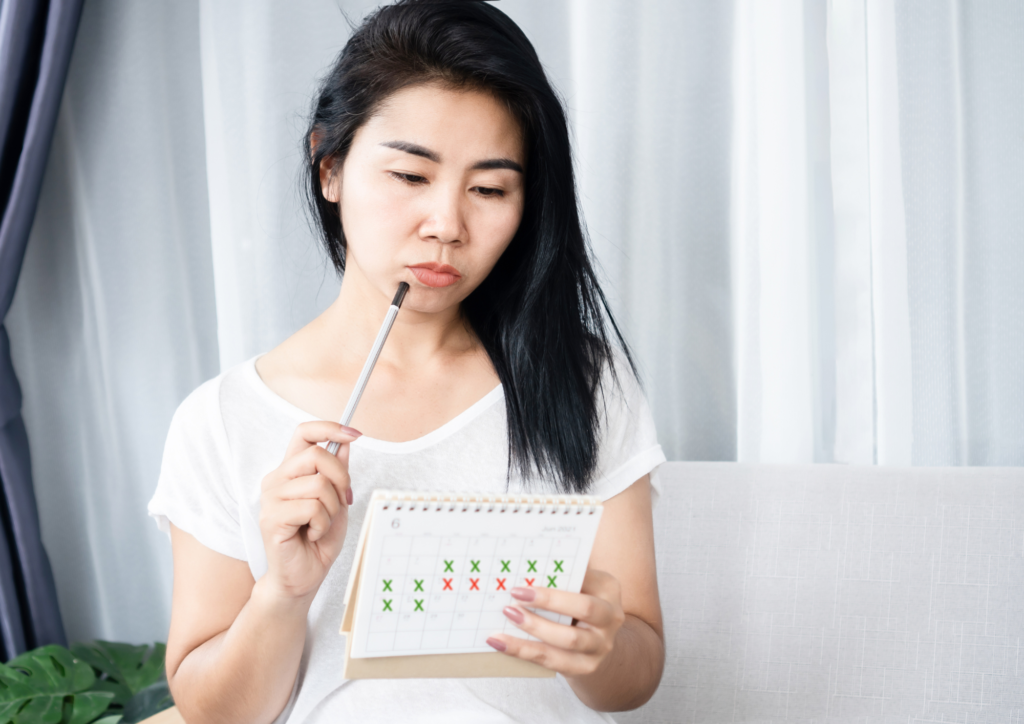
Track your period
Tracking your period is a great way to see what’s going on with your body and check for abnormalities. You can understand your body’s natural rhythms and patterns. , which can help you anticipate changes in mood, energy levels, and physical symptoms that often accompany different phases of the menstrual cycle.
Keeping track of your menstrual cycle can alert you to any changes that might indicate underlying health issues. Sudden changes in your cycle can sometimes be an indicator of hormonal imbalances or other health problems that might require medical attention.
If you’re planning to start a family, understanding your menstrual cycle can help you identify your fertile window, which can increase your chances of conceiving. Conversely, if you don’t want anymore kids, understanding your menstrual cycle can help you use natural methods of contraception more effectively (though it’s important to note that this method is not foolproof).
Knowing when your period is due can help you be better prepared, so you can have sanitary products on hand when you need them, and you can plan around potential period-related symptoms, such as cramps or mood swings.
How do I track my period?
Depending on your personal preferences you can choose any method you wish to track your period. It can be as simple as tracking the first day and last day of your period on a physical or digital calendar.
You can download a period tracking app where you can log various details about your cycle. I have used ‘My Period Calendar’ for years and have data backed up via the same app.
You can also use your favoured method to note the start and end date, the heaviness of your flow each day, and any symptoms you experienced such as headaches, cramps or mood swings, as well as their severity. You can also note any physical changes, like bloating or breast tenderness. Period-specific mobile apps will log and predict your periods according to the mean data they receive. That way you can dig deeper and create graphs to spot any anomalies and spot any patterns or trends within your cycle.
Know what goes into your body
It’s very important that the period products you use are 100% safe for your body, for health, environmental and personal comfort reasons.
Some period products might contain chemicals, synthetic fibres, fragrances, or dyes that can potentially irritate the skin or even have harmful effects on your body over time.
Using certain kinds of tampons for extended periods can increase the risk of Toxic Shock Syndrome (TSS), a rare serious medical condition and using unsanitary or unsuitable periods products can potentially lead to infections too. So knowing your products can help you mitigate such risks.
Different period products have varying impacts on the environment and certain products offer more sustainable choices like reusable menstrual cups or cloth pads. But the right period product is a very personal choice. Being aware of the materials and products out there can help you make an informed decision and choose the right healthy product for you.
How seed cycling supports a healthy menstrual cycle
Seed cycling is a natural approach to balancing hormones by consuming specific seeds during the different phases of the menstrual cycle. The method is believed to support menstrual health by potentially promoting hormone balance, although scientific evidence supporting seed cycling is currently limited. The practice generally involves eating certain seeds during the follicular phase (days 1-14) and a different set of seeds during the luteal phase (days 15-28).
What your period says about your fertility and are regular periods a good sign of fertility?
Your menstrual cycle can provide several insights into your reproductive health and fertility status. Regular cycles are a general good indicator of regular ovulation which is critical for fertility and a normal menstrual flow can indicate a healthy endometrial lining which is essential for embryo implantation.
Mild menstrual cramps are normal but extreme pain might indicate conditions like endometriosis or fibroids, which can potentially interfere with fertility. Some women may experience ovulation symptoms like a mid-cycle pain (mittelschmerz), increased cervical mucus, or a slight temperature rise, which are indicators of ovulation and hence fertility. The luteal phase (the second half of the menstrual cycle, post-ovulation) shuld ideally be about 14 days long. A significantly shorter or longer luteal phase might be associated with fertility issues.
Women’s fertility naturally decreases with age, and menstrual cycles might become shorter or more irregular as a woman approaches menopause. In some cases, early menopause might be a concern, particularly if periods become irregular or cease altogether at a relatively young age.
Final thoughts on first period after birth
Knowing your period arms you with the knowledge and power to make informed decisions for a healthier you. Follow the tips above you should be on track to recognise healthy period signs and not dread Aunt Flo popping in every month!
FAQ
What are the symptoms of getting your period?
Other questions asked were:
What is a normal perfect healthy period?
What to expect with your first postpartum period?
What are the signs of a healthy period?
How to know when you’ve started your period?
What are the signs you have a healthy menstrual cycle?
What are the signs you have a normal healthy period?
What are the signs of a healthy period after pregnancy?
What are the signs of a healthy menstrual cycle?
What are the signs you have a healthy period?
First period after giving birth – how long should it last?
Are periods after pregnancy irregular?
Are periods worse after pregnancy?
Is it normal to have irregular periods after giving birth?
When should you expect your first period after giving birth?
Do you get period after pregnancy?
What will my periods be like after pregnancy?
Why do periods change after pregnancy?
Will my first periods after birth be Irregular?
The symptoms of getting your period, also known as premenstrual symptoms (PMS), can vary widely among people. The common symptoms to look out for so you know when you’re getting your period are:
Abdominal Cramping: A tightening or cramping sensation in the lower abdomen.
Breast Tenderness: Breasts may feel sore, heavy, or more sensitive than usual.
Bloating: A feeling of fullness or swelling in the abdominal area.
Lower Back Pain: Some people experience a dull ache in their lower back.
Headaches: An increase in headaches or migraines may occur.
Fatigue: A feeling of increased tiredness or lethargy.
Changes in Bowel Habits: Some may experience constipation or diarrhoea.
Mood Swings: Fluctuations in mood, including irritability or feelings of sadness.
Anxiety: Increased anxiety or nervousness.
Depression: Some individuals may experience feelings of depression or low mood.
Irritability: A heightened sensitivity or quickness to irritation.
Changes in Appetite: Some individuals experience increased or decreased appetite.
Sleep Disturbances: Changes in sleeping patterns, including insomnia or sleeping more than usual.
Acne: A flare-up of acne or other skin issues.
Fluid Retention: Retaining more water than usual, which can lead to a feeling of puffiness.
Increased Sensitivity to Light or Sound: Some individuals report an increased sensitivity to stimuli.
Changes in Libido: Fluctuations in sexual desire, which may increase or decrease.
Difficulty Concentrating: Some people find it harder to focus or concentrate during this time.
Memory Issues: There may be moments of forgetfulness or difficulty remembering things.
Postpartum period vs lochia – Whats the difference?
Menstruation after birth and lochia are two different biological processes, although they both involve vaginal bleeding.
Lochia is the vaginal discharge that occurs after childbirth. It consists of blood, mucus, and uterine tissue and is the mechanism by which the uterus cleanses itself and returns to its pre-pregnancy state.
The menstrual period is a regular monthly process that most women and people with a uterus go through if they are of reproductive age. You get your first postpartum period after your lochia period has finished and your body is back at its pre-pregnancy state, ready to ovulate again.
What should my second period after pregnancy look like?
Other questions asked were:
My 2nd period is late after giving birth. What should I do?
Can your period come and go after pregnancy?
When will my periods start again after pregnancy?
When will my period return?
Your second period after delivery may vary depending on several factors including whether you are breastfeeding, your individual hormonal fluctuations, and how your body is recovering postpartum.
How much should I bleed during my period?
Other questions asked were:
Is a light period normal?
Are periods after pregnancy heavier?
Is period after birth heavy?
Is period heavy after pregnancy?
When should I worry about a heavy period after pregnancy?
Will your first postpartum period be heavy?
Why is the first period after pregnancy so heavy?
The amount of bleeding during a menstrual period can vary widely, and even from one cycle to another for the same person. Generally, it is considered normal to lose anywhere from a few tablespoons to a cup (30 to 80 ml) of blood during your period, which lasts on average from 3 to 7 days.
A light menstrual flow is around roughly less than 30ml (less than 2 tablespoons) per day. You might need to only change a low-absorbency tampon or pad one or two times per day. Easier periods are not always good news. While a light flow is generally not a cause for . concern, extremely light periods can sometimes signal hormonal imbalances or other medical issues.
With a moderate menstrual flow, you’re looking at around 30 to 50ml (2 to 3.5 tablespoons) per day, which means you would probably need to change a regular absorbency tampon or pad every 3 to 4 hours. This is generally considered a ‘normal’ or average amount of menstrual flow.
A heavy menstrual flow could mean more than 60ml (more than 4 tablespoons) per day. You might need to change a high-absorbency tampon or pad every two to three hours. Very heavy periods, known as menorrhagia, can sometimes be a sign of medical conditions like fibroids or hormonal imbalances.
Pay attention to other symptoms that accompany your period, such as pain, cramps or fatigue, which can sometimes provide additional information about your menstrual health. Keep track of your menstrual flow by noting the number of pads or tampons used and their absorbency which can help you understand what is normal for you and alert you to any significant changes. If you’re concerned always consult a medical professional for more advice.
What should my first period after c-section look like?
Other questions asked were:
How might my period be different postpartum?
What causes mildly painful postpartum periods?
What should I expect from my first period postpartum?
When should I expect my first period after pregnancy?
Will my period look or feel different after c-section?
Your periods after delivery by c-section can be influenced by various factors, including whether you are breastfeeding, your hormonal balance, and your personal recovery from surgery.
Similar to vaginal delivery, the timing of the return of your period can vary greatly. If you are not breastfeeding, your period may return between 6-8 weeks postpartum. If you are breastfeeding, this may delay the return of your period for several months.
You may find that your first period post-c-section is slightly different in consistency. It might contain more clots or be somewhat thicker. This is generally normal as your body readjusts.
Your first period might be accompanied by more intense cramps or discomfort, which could be more pronounced given that your body is also recovering from surgery. You may also experience pain or sensitivity around your c-section scar.
Remember, individual experiences can vary greatly, and what might be true for one person may not be true for another. If you have concerns or notice significant changes in your menstrual cycle post-c-section, it is advisable to consult with a healthcare provider who can offer guidance based on your individual health circumstances.
Why did my periods stop during pregnancy?
During pregnancy, menstruation stops because the hormonal processes that govern the menstrual cycle are altered. After fertilisation, the embryo starts to produce the HCG (Human Chorionic Gonadotropin) hormone, which is unique to pregnancy and signals the body that pregnancy has begun.
Progesterone and oestrogen levels rise significantly and these high levels of hormones prevent the ovaries from releasing eggs. They keep the uterine lining thick and ready to support the growing baby, preventing the shedding of the uterine lining which is what occurs during a menstrual period.
The uterine lining is preserved to nourish and house the developing foetus. This stops the menstrual cycle. The placenta develops to provide nourishment and oxygen to the baby, a state that makes the menstruation process unnecessary.
The body diverts all necessary resources to nurture and protect the baby, instead of preparing for potential pregnancy each month as it does with the menstrual cycle. Stopping the menstrual cycle is a natural protection mechanism to secure a safe environment for the growing baby.
Does breastfeeding affect my periods?
Other questions asked were:
When do you get your period after birth while breastfeeding?
Does your period affect your milk supply?
Will a period affect the taste of my breastmilk?
Why don’t breastfeeding women get their periods as quickly?
Will my period affect my breast milk?
Yes, breastfeeding can significantly affect your menstrual cycle. Many breastfeeding mums experience a delay in the return of their periods due to a condition called lactational amenorrhea. This is the natural deal in the return of menstruation due to hormone changes associated with breastfeeding.
If you are exclusively breastfeeding (meaning your baby receives no other food or drink) then it is common for your periods to remain absent for several months and even up to a year or more.
Breastfeeding stimulates the production of the hormone prolactin, which helps to maintain breast milk supply but also suppresses the menstrual cycle. The levels of the hormones oestrogen and progesterone are also affected, which can further delay the return of your menstrual cycle.
Are periods different after pregnancy?
Other questions asked were:
What will my first period after labour be like?
Is your period different after having a baby?
When does your period come back after birth?
When do you get your period after birth?
When does your period come back after giving birth?
How long does it take to get your period after having a baby?
Can you get a period after pregnancy?
When should you have a period after pregnancy?
Do you get your period after pregnancy?
When do you get your period after giving birth?
Do your periods change after pregnancy?
How are periods after pregnancy?
Can periods change after pregnancy?
Yes, periods can be different after pregnancy, at least initially. Following pregnancy, a woman’s body undergoes several changes as it returns to a non-pregnant state. Please see above for more information.
How does your period change over time?
Other questions asked were:
Do period symptoms change with age?
Can period symptoms change over time?
Do period symptoms change over time?
Your menstrual cycle can undergo several changes throughout your lifetime due to a variety of factors including age, hormonal fluctuations, lifestyle changes, and health conditions.
As you approach your 40’s, you might start to experience irregularities in your cycle due to the onset of perimenopause, the transitional phase before menopause. Your flow can become heavier or lighter, and the duration of your periods might change too.
As you hit menopause, typically between 45 and 55 years old, this will mark the end of your menstrual periods. This is confirmed when you haven’t had a period for 12 consecutive months (not due to other causes).
Throughout these phases, it is not uncommon to see changes in symptoms such as PMS, cramps, and breast tenderness. If any changes in your menstrual cycle concern you, consult with a healthcare provider to address any potential health issues.
Is it normal to have periods after 24 days?
Other questions asked were:
How long does a normal period last?
So what does a normal period look like?
What are the signs of a normal and healthy period?
What are signs of a healthy period?
What does a healthy period look like?
What to do to have a healthy period?
How many days does a healthy period last?
Is 32 days between periods normal?
A normal period cycle or a normal length of a period varies from person to person. On average, a menstrual cycle lasts about 28 days, but it can range from 21 to 35 days in adults and from 21 to 45 days in young teens.
A 24-day cycle would mean that you would have a period approximately every 24 days, which falls within the normal range for adult women.
What does it mean if my period came 3 days early?
Having your period come 3 days early is generally not a cause for concern. The menstrual cycle can fluctuate for a variety of reasons including changes in your lifestyle, stress, hormonal fluctuations, changes in physical activity levels, or even slight variations in your body’s internal clock.
When is it OK to use tampons again after pregnancy?
After giving birth, it is advised to wait until your postpartum check-up before using tampons or having anything inserted into the vagina, including during menstruation. This is to prevent infection and allow proper healing, especially if there was a tear or an episiotomy during delivery.
Typically, the postpartum check-up occurs between 6 to 8 weeks after delivery, but it could be sooner or later depending on your personal health situation and the advice of your healthcare provider.
You should discuss using tampons with your healthcare provider during this check-up to ensure your body has healed enough to use them safely again. They might recommend waiting a bit longer if they feel you’re not healed sufficiently, or they might give you the green light to use them during your next menstrual cycle.
Can I get pregnant before my period returns?
Yes, it is possible to get pregnant before your period returns after giving birth because you may ovulate before your first period, which can also be unpredictable in the first few months. So it makes it challenging to figure out when you’re ovulating.
While breastfeeding can suppress ovulation, it is not a reliable method of contraception. Some women might ovulate even while breastfeeding, particularly as the frequency of breastfeeding decreases. I am proof of that – TWICE!
What happens if I get a period in the middle of my cycle?
Having a period or bleeding in the middle of your menstrual cycle could be due to various reasons, and it might not necessarily be a “period” in the traditional sense.
Some women experience a small amount of bleeding or spotting during ovulation, which typically occurs about 14-16 days before the start of their next period. This is due to a drop in oestrogen.
If you experience unexpected bleeding in the middle of your cycle, it might be wise to keep a record of when it happens, how long it lasts, and any other symptoms you experience. It could also be beneficial to consult with a healthcare provider to determine the exact cause and whether any treatment is necessary.
What is healthy period blood?
Other questions aksed were:
Is bright red blood sign of a healthy period?
Healthy period blood can vary greatly between individuals and even from cycle to cycle for the same individual. Bright red, dark red/brown and pink are generally considered normal preiod blood colours, depending on the situation.
How do period cramps feel like to those who are underweight?
Other questions asked were:
Why do some periods feel worse than others?
How will my postpartum period be different?
When to worry about your period?
When should I worry about my period?
What are unhealthy period symptoms?
No period after pregnancy when to worry?
The experience of period cramps can vary greatly from person to person, regardless of their weight. However, people who are underweight might potentially experience certain patterns or intensities of menstrual cramps due to a variety of factors including hormonal imbalances or nutritional deficiencies
Is cranberry juice good for cramps?
Other questions asked were:
Is cranberry juice good for period pain?
What to eat for healthy periods?
The scientific evidence between cranberry juice and periods is unclear. However, cranberry juice is known to have various health benefits, which might indirectly aid in alleviating some symptoms associated with menstrual cramps.
Boost your health with the at-home vaginal microbiome test
Unless you’re itchy or burning down there, you don’t really pay much attention to what your front bottom is doing. However, your vaginal microbiome is a big deal and holds the key to your fertility success, pregnancy outcomes and other related diseases. But how do you know if your vaginal microbiome is happy?
By doing a vaginal microbiome test!
Daye, an innovative brand that raises the standards in gynae health by creating cutting-edge feminine health products and services, offers a convenient at-home vaginal microbiome test and a whole heap of information on what to do when you receive the results.
In this article, we’ll discuss the importance of knowing your unique vaginal microbiome and introduce the concept of at-home testing with Daye.
Your vaginal health starts here!
Wait, what’s my vaginal microbiome and what are vaginal microbiome tests?
The term ‘microbiome’ might sound like a fancy scientific word reserved for lab-coated professionals, but in essence, it refers to the community of microorganisms or vaginal microbiota, both friendly and unfriendly, that call our bodies home. Our vaginal microbiome plays a pivotal role in our overall health, influencing everything from our reproductive health to our vulnerability to infections. A vaginal microbiome test takes a swab of your microbiome and can tell you your unique makeup and whether your vagina is in working order.
But, why should you take a vaginal microbiome test?
Before diving into the necessity of a vaginal health test, it’s crucial to understand why it’s important to know your unique vaginal microbiome. This ecosystem consists of various bacterial species, most notably Lactobacillus, which play an instrumental role in vaginal health. An imbalance, often termed as bacterial vaginosis or dysbiosis, can lead to various health issues, as mentioned above.
So what’s in your vaginal microbiome?
Your vaginal microbiome is made up of the following:
Lactobacilli
Dancing gracefully in the theatre of your body, Lactobacilli are the unsung heroines of your vaginal realm. These benevolent bacteria produce lactic acid to strike just the right pH balance and your reproductive haven remains flourishing and vibrant, keeping unwelcome bacterial invaders at bay.
Studies show that a vaginal microbiome that is rich in protective lactobacilli bacteria is linked to a lower risk of infections, fertility issues and pregnancy complications.
Anaerobic bacteria
Meet the party animals of the microbial world! These microorganisms are quite the mavericks, dancing around the microbiome without care for oxygen. And they adore settling down in cosy, less acidic nooks, which can often be found in the neighbourhoods of human skin and the avenues of mucosal membranes. A favourite hotspot? The ever-popular vaginal canal!
But, when the rambunctious duo, Gardnerella vaginalis and Prevotella bivia, decide to come into the mix, things can spiral out of control, leading to bacterial vaginosis (BV), the talk of the town in vaginal infections. Awareness is key, however, and spotting these party crashers early can be the first step in keeping the microbiome balanced.
Yeast-like fungi like Candida
A whopping 75% of us ladies have to deal with these tiny troublemakers called Candida at some point and these yeasts chill in many of our vaginal areas without causing a fuss most of the time. But, if they decide to throw a little over-the-top party, it can lead to an infection known more commonly as thrush (or vaginal candidiasis.) It’s central for yeast infections, causing all sorts of itching and discomfort down there.
Mycoplasma hominis and Ureaplasma
Mycoplasma and Ureaplasma are some of the tiniest little organisms that don’t have a cell wall, which means spotting them under a microscope can be tough.
However, they have been spotted at the scene of a few vaginal infections and have even been linked to some specific pregnancy outcomes. But in low numbers, they’re pretty much harmless, just mingling harmoniously with the normal vaginal flora.
Pathogenic microorganisms – Mycoplasma genitalium
Mycoplasma genitalium holds the record for being the tiniest bacteria that can make copies of itself. But if it decides to cause a stir in your microbiome, it can bring along some not-so-fun symptoms like vaginal discharge, a stinging sensation when you pee, pelvic pain, and spotting either after getting frisky or at random times between your periods.
Why is it important to have a balanced microbiome?
The vaginal microbiome is a complex ecosystem and these microorganisms that live in the vaginal playground each play a vital role in maintaining your overall health and wellbeing. Maintaining a balanced vaginal microbiome is crucial for several reasons:
Prevention of vaginal and urinary tract infections
Having a hearty bunch of Lactobacilli is like having a superhero squad down there, keeping the nasty recurrent vaginal infections like thrush and bacterial vaginosis at bay. It could also mean saying goodbye to those annoying urinary tract infections (UTIs).
If you’re expecting a little one, have diabetes, recently took antibiotics, have a weakened immune system or are using the pill, you might be experiencing more bouts of thrush than normal.
Shield against sexually transmitted infections
An abundance of lactobacilli in your microbiome could actually act as a shield against catching sexually transmitted infections, even something as serious as HIV. And get this, animal studies have shown that lactic acid (thanks to our lactobacilli buddies!) can knock out the bacteria behind some nasty STIs, including chlamydia.
Increase fertility and reproductive health
Did you know that if the balance of your vaginal microbiome goes a bit wonky, it might bump up your risk of facing some fertility hurdles or even pre-term labour? That’s not all – some early research even hints that this kind of imbalance might throw a spanner in the works when it comes to successful IVF cycles.
Research has also found a connection between infections caused by Ureaplasma parvum and a higher chance of babies arriving ahead of schedule, not to mention giving the little ones a bit of a tough start with respiratory issues.
Mycoplasma hominis might be behind some early pregnancy losses and even cause trouble during the second trimester. This may explain the reason for my second-trimester loss back in 2017 as it was detected in my own microbiome screening (more on my own results later in the article).
Imbalanced microbiome linked to gynaecological cancers
In the ever-evolving field of medical research, experts are now delving into the potential link between lactobacilli and cervical cancer. Findings suggest it’s important for those with cervical cancer or who have signs of vulvar cancer to know they often exhibit an imbalance in their vaginal flora, marked by a reduction in the beneficial lactobacilli bacteria. While the human papillomavirus is a recognised factor in cervical cancer, the connection between the vaginal microbiome and other gynaecological cancers, like ovarian cancer, remains less clear.
Menopause can knock things out of whack
During menopause, oestrogen levels take a nosedive while follicle-stimulating hormone (FSH) climbs. This seems to push our friendly lactobacilli out of the picture. Many researchers have drawn a line connecting menopause to a higher chance of getting off-kilter down there, probably because of this bacterial shakeup.
What’s more, when Lactobacillus is in short supply, things like vaginal atrophy can pop up, causing thinning, dryness, and inflammation of the vaginal walls. Good news, though! Hormone replacement therapy seems to roll out the red carpet for Lactobacilli and can soothe those pesky vaginal woes. Popping some oral or vaginal probiotics* might also give your vaginal microbiome a much-needed boost during these changing times.
What happened during my at-home vaginal microbiome screening?
I was gifted the At-home Vaginal Microbiome Screening Test Kit from Daye to check out how my own microbiome was doing and the results were very interesting!
There is a small disclaimer before starting out with the kit and that’s to note that the information Daye provides is based on the initial questionnaire you fill out and the screening is designed to help make sense of your unique vaginal microbiome. But it should not be used to replace a medical diagnosis or your regular gynecological appointments. Daye’s platform can connect you with vetted physicians if you don’t currently see anyone for your gynae health.
What did I find out from my at-home vaginal microbiome test?
I have to say, I was pretty surprised at the results!
The at-home vaginal test results came back within three days via email and were very extensive. Here are some results below:
My vaginal microbiome is balanced and abundant in lactobacilli, which is great news, but the test did find some yeast-like fungi out of the normal range that may require further attention. I mentioned in my questionnaire that I had some itching after using the menstrual cup during my period but after a couple of days, it would go. For the rest of the month, I would have no symptoms. Daye did mention that there was no cause for emergency and that my ‘out-of-the-range’ result was a mere 0.1 off the normal range. So I wasn’t concerned.
There were some Anaerobic Bacteria and Mycoplasma/Ureaplasma detected but these were within the normal range. When I delved deeper into the results the rate of detection was 0, so I was confused as to what exactly was detected if the result was 0. Thankfully no Pathogenic microorganisms were detected.
So, what do these results mean?
Anaerobic bacteria detected
Anaerobic microorganisms are found in healthy vaginal microbiomes in various amounts. Studies show that while they are in range, they don’t pose a risk of developing infections.
My microbiome contains a moderate amount of anaerobic bacteria and is abundant in lactobacilli, so this means I have a low risk of vaginal infections (like BV) and other health complications, like infertility, preterm birth and contracting STIs. It is the protective function of the lactobacilli that keeps the anaerobic bacteria at bay and prevents overgrowth that leads to infections – awesome!
Candida detected out of the normal range
Research shows that people with microbiomes abundant in Candida have a high risk of a yeast infection.
This could lead to symptoms like burning and itching in and around the vagina, unusually white thick discharge, and in some cases pain while peeing or having penetrative vaginal sex. Since I have an abundance of lactobacilli I don’t need to replenish them. Instead, I need to reduce the amount of Candida with medication to help restore a balanced flora.
I mentioned in my questionnaire that my menstrual cup sometimes leads to itching after my period so I may need to change my menstrual cup.
Mycoplasma/Ureaplasma detected
My microbiome contains small amounts of bacteria from the Mycoplasma family (Mycoplasma/Ureaplasma). The asymptomatic presence of these bacteria is common and I don’t need treatment as I don’t have relevant symptoms, negative tests for STIs or high bacterial loads. If I do experience any vaginal symptoms, or I’m trying to conceive or pregnant, then I am advised to consult with a specialist for advice on what to do next.
What I found really interesting was the information about how a high-sugar diet could lead to more concentration of Candida in your microbiome and up until last month I had a very high-sugar diet. This month I have been a lot more careful and I’d be interested to find out whether that will make a difference in my microbiome after my period, where I notice the most symptoms.
The other point to note was the detection of the other bacteria which is what could have led to my spotting during my third pregnancy and ultimately a second-trimester miscarriage. Those results had found a UTI and Group B strep but doctors couldn’t advise whether these were related to my miscarriage. But linking this knowledge with the information provided by Daye in the results makes it even clearer that these could have very well been a factor in my pregnancy not being viable.
Do we really need at-home vaginal microbiome tests?
Considering how simple this test was to take, and send and how quickly the results came back, I would say, 100% yes!
Knowledge is power and you don’t have to set doctor’s appointments and endure the long wait at the clinic to give your sample. With Daye, you can conduct the test within the comfort of your home, at your pace, and on your terms.
The test results came back within three days! There’s no more waiting weeks to get your results and then chasing them on the phone. Daye’s results were so quick and the feedback was very detailed, complete with studies and next steps.
Plus, I love the convenience and confidentiality of it all. Discussing intimate health can be quite daunting at a clinic. At least, you can have control over your health narrative at home with an at-home vaginal microbiome test from Daye.
How does testing work? What do I have to do?
You can also follow the basic steps below:
Order an At-Home Vaginal Microbiome Screening Test Kit from Daye
Create an account and activate your test kit online when you receive your kit. The kit will contain all the instructions you need.
Complete the online questionnaire
Place the freezer pack in the freezer
Insert the tampon for at least 20 minutes, making sure to wash your hands first to avoid contamination. Make sure you are ready to take the test by ensuring:
You are over 18
Your last period ended at least five days ago
You haven’t taken any antibiotics or antifungals in the last 30 days
You haven’t had vaginal penetrative sex in the last 24 hours
You haven’t used any vaginally administered meds, creams, douches, gels or similar in the last 24 hours
Place the tampon in the blue pouch provided and follow the instructions to close the pouch
Place the pouch in the freezer with the ice pack
Place the pouch in the kit provided and drop it off at your local post office.
Make sure you are able to post between Monday and Wednesday. If you can’t, leave the tampon and ice pack in the freezer until you are able to drop it at the post office.
You will receive your results very quickly. I received my results within three days!
Sit back and learn all about your vaginal microbiome!
So, what’s next after the vaginal microbiome test?
Learn more about the microbiome by digging into the studies provided in your results and using the dashboard to check your next steps. Depending on your results, you can book a call with a specialist related to the area you have concerns, i.e. sexual health nurses, period and pelvic pain specialists, fertility specialists, nutrition and physical therapists, or a GP. The price and time of the call will be displayed on the page.
Or you can export a PDF of your results to send to your local doctor should you need advice on the next medical steps to balance your microbiome.
If you need to, you can book an STI test online or find an NHS/private clinic nearby, if you receive a negative result.
You can order probiotic supplements and other products to help boost your microbiome on Daye’s website.
There is an abundance of knowledge on Daye’s website, so have a browse and learn more about your vaginal microbiome in one place!
Track your vaginal microbiome development over time
Once you learn more about your microbiome, you can take steps to implement the changes, i.e. for me it’s about changing my menstrual cup, finding some over-the-counter medicine to reduce Candida and ditching the high-sugar diet which I’m doing already. I will then retake the test to see if it all worked and if my microbiome is nice and balanced.
Are you struggling with period pain?
Daye also offers the groundbreaking new Period Pain Clinic, which offers specialised gynae care If you suffer from period pain and need more tips on how to manage it then check out my article coming up on period pain really soon!
To conclude
Diving into the world of your vaginal microbiome is like flipping open a never-before-read chapter about the intricate wonders of your own body. It’s more than just seeking a healthy balance; it’s about fostering an open dialogue with the vibrant ecosystem that thrives within us, adapting and growing as we do.
Thanks to Daye’s straightforward at-home vaginal microbiome test, you can say goodbye to the long waits and clinical visits that used to be the norm. It’s all about speedy results and unlocking the knowledge you need to step up your health game right from the comfort of your home. How cool is it that tech advancements have made it so we can get this precious insight without any fuss?
For me, it’s about letting go of some cherished habits, like parting ways with my favourite menstrual cup or resisting those sugary treats. Every change, big or small, is a positive leap towards cultivating a microbiome that’s not just balanced but flourishing. And with Daye’s innovative approach, we’re all set to embrace a future where wellbeing is not just attainable, but completely in our hands.
FAQ
Does my microbiome affect my fertility or preterm birth?
Absolutely, your vaginal microbiome can influence both your fertility and the risk of preterm birth. Here’s a bit of detail on how this works:
Fertility
Researchers have found that a healthy microbiome, rich in lactobacilli, can create a favourable environment for conception and a successful pregnancy. Lactobacilli helps in maintaining the vaginal pH at an optimal level, which is crucial in warding off infections and creating a hospitable environment for sperm.
On the flip side, an imbalance in the vaginal microbiome, also known as dysbiosis, can potentially lead to infections and inflammations, which might interfere with the conception and implantation of the embryo.
Preterm Birth
As for the risk of preterm birth, studies have linked vaginal microbiome imbalances to an increased likelihood of delivering before the 37th week of gestation. Bacterial vaginosis, a condition characterised by a decrease in lactobacilli and an increase in diverse anaerobic bacteria, has been associated with a higher risk of preterm birth. The exact mechanisms are still under research, but it seems that infections and inflammation might play a role in triggering premature labour.
So, maintaining a balanced vaginal microbiome is not only important for your overall vaginal health but could also be a significant factor in your fertility journey and the outcome of your pregnancy. It’s always a good idea to consult with a healthcare provider if you have concerns about your microbiome and its potential effects on your fertility or pregnancy.
What is a microbiome test for BV?
Other questions asked were:
Where can I find a BV home test kit or BV screening kit?
A microbiome test for BV, often part of a more comprehensive vaginal health assessment, is a diagnostic tool used to analyse the bacterial composition in the vaginal area. The above at-home vaginal microbiome test from Daye can also be a bacterial vaginosis home test and if found, offers tips on how to seek specialist advice. Look online for recommendations on the best at-home bacterial vaginosis test for you.
Are athome vaginal pH tests discreet and accurate?
Yes, at-home vaginal pH tests can be both discreet and accurate, provided they are purchased from reputable providers and used correctly. Daye’s microbiome test uses extra security to ensure data is kept private and the packaging comes in a plain kit, so as not to alert others as to what is inside.
Tests are designed to be used at home by yourself, avoiding any potential embarrassment or discomfort that might come with a clinic visit.
Daye’s vaginal microbiome test has been thoroughly vetted and backed by scientific research to ensure the results you’re getting are highly accurate and effective.
Accuracy:
However, it is worth noting that while they can be accurate, these tests are not foolproof. If the results are unclear or you are unsure, it is always best to consult with a healthcare provider for further evaluation. Additionally, a pH test can indicate there might be an imbalance, but it won’t provide a full picture of your vaginal microbiome. Further microbiome testing might be required to pinpoint specific issues or infections.
My yeast infection and bacterial vaginosis test came back negative but I’m still itching and have a smell. What could it be?
I’m not a doctor, but if you’re experiencing persistent symptoms and your initial tests for yeast infections and bacterial vaginosis came back negative, it might be worth considering other potential causes. Here are a few possibilities:
Trichomoniasis: This is a sexually transmitted infection (STI) caused by a parasite. It can cause itching and an unusual smell, among other symptoms. You might want to get tested for this.
Allergic Reaction or Irritation: Sometimes, the products we use, like soaps, detergents, or even the material of underwear can cause irritation or an allergic reaction in the vaginal area. You might want to consider if you’ve used any new products recently.
Hormonal Changes: Changes in hormone levels, which can be caused by various factors including your period, pregnancy, or menopause, can sometimes affect the vaginal environment and cause symptoms like itching. I believe I suffer from this.
Foreign Body: Occasionally, a foreign body like a forgotten tampon can cause symptoms of irritation and a foul smell. If there’s a chance this might be the cause, you should consult your doctor.
Cytolytic Vaginosis: This is a lesser-known condition where there is an overgrowth of lactobacilli bacteria, the “good” bacteria. It’s different from bacterial vaginosis, and it can cause symptoms like itching and burning.
Vulvodynia or Vestibulodynia: These are conditions characterised by chronic discomfort in the vulva area, including itching, burning, and pain. The exact cause is often unknown.
Dermatological Issues: Sometimes, skin conditions like eczema or psoriasis can also affect the genital area and cause symptoms like itching.
Given that your symptoms are persisting, you should try a home yeast infection test kit and reach out to your doctor. They might suggest further tests to pinpoint the exact cause and prescribe appropriate treatment options. It’s always best to consult with a doctor when it comes to health concerns!
The post was sponsored by Daye but all thoughts and opinions are 100% my own. Images are taken from Daye’s website
Postpartum core workout tips to rebuild your foundation
Bringing a new life into the world is a miraculous experience that changes your body in many ways, including weakening your core muscles! But creating a postpartum core workout and rebuilding your foundation will help you regain strength and stability, and boost your overall wellbeing after childbirth too.
Below is a guide to regaining core strength postpartum where we will explore core-strengthening exercises tailored specifically for postpartum mums.
Remember, every woman’s postpartum recovery is unique, and it’s important to listen to your body and consult with your healthcare provider or a certified postpartum fitness specialist before starting any exercise program. They can provide guidance specific to your individual needs and help you develop a safe and effective postpartum belly workout.
Your postpartum core recovery program starts here!
The importance of core strengthening – Postpartum core workout changes and challenges
As a new mum, the abdominal muscles and pelvic floor muscles, which form the core, experience stretching and weakening. These changes can lead to issues like lower back pain, weakened posture, and decreased core strength.
The benefits of core-strengthening exercises
Postpartum ab exercises offer several benefits, including restoring core muscle strength, improving posture, enhancing stability, alleviating back pain, and providing a solid foundation for other physical activities. Incorporating these exercises into your routine can lead to a stronger and healthier postpartum body.
When to start postpartum exercise to reduce tummy: Mustdo exercises for early postpartum core recovery
You must consult with your GP before starting any postpartum exercise routine, especially if you had a complicated delivery or you’re experiencing any specific health concerns. However, once you’ve received clearance, you can begin gentle exercises in the early postpartum period to support core recovery and reduce tummy size.
Understanding the postpartum recovery timeline
Please respect your body’s healing process after childbirth. Try to start with gentle exercises during the early postpartum period (typically the first six weeks), to avoid excessive strain.
Here are some must-do exercises for early postpartum core recovery, but consult with your healthcare provider first to make sure you’re ready for exercise.
Postpartum recovery ab exercises beginner – up to two weeks postpartum
Here are some postpartum core restoration exercises that you can do up to two weeks postpartum:
The transverse abdominal muscles, the deepest layer of the abdominal muscles, wrap around the abdomen like a corset and support the spine and pelvis – and they’re important for core stability too. Engaging these muscles through postpartum core exercises like the “abdominal hollowing” technique can help rebuild core strength gradually. You can also perform transverse abdominal exercises like heel slides, abdominal compressions, or gentle pelvic tilts while focusing on proper alignment and activating the deep core muscles.
How to do transverse abdominal breathing and core connection
Transverse abdominal breathing core connection (TAB) also known as deep core or diaphragmatic breathing, is a great exercise to reconnect with and strengthen your core muscles postpartum. It can also help to improve posture and reduce the risk of diastasis recti, a condition in which the abdominal muscles separate.
To do TAB, lie on your back with your knees bent and your feet flat on the floor. Place your hands on your lower abdomen, just above your hip bones. As you inhale, breathe deeply into your belly, allowing your abdomen to expand. As you exhale, gently draw your belly button in towards your spine.
You can do TAB for 10-15 repetitions, or for as long as you feel comfortable. Breathe slowly and naturally and to avoid holding your breath.
Here are some tips for doing TAB correctly:
Keep your back pressed into the floor throughout the exercise.
Do not allow your lower back to arch.
Breathe slowly and naturally.
Avoid holding your breath.
TAB is a gentle exercise, but if you have any pain, stop the exercise and talk to your doctor immediately.
The pelvic floor muscles play a vital role in core stability. Gentle pelvic floor exercises, such as Kegels, can help strengthen these muscles and aid in postpartum recovery.
Pelvic floor exercises involve contracting and relaxing the muscles used to control urination. Squeeze and hold the muscles for a few seconds, then release. Gradually increase the duration and intensity of the contractions over time.
Postpartum core workout No. 3 – Dead bug
This exercise helps to strengthen your core and improve your posture. Lie on your back with your knees bent and your feet flat on the floor. Place your arms at your sides, palms down. Slowly raise your arms and legs off the floor, keeping your back pressed into the ground. Hold for a few seconds, then lower your arms and legs back down.
Lie on your back with your knees bent. Place your hands on your abdomen, just above your belly button. Take a deep breath in, and as you exhale, gently press your hands into your abdomen, feeling your deep abdominal muscles engage. Hold for a few seconds and then release. Repeat this several times.
Postpartum core workout No. 5 – Gentle walking
Walking is a low-impact exercise that helps improve circulation, promotes healing, and boosts mood. Start with short walks around your house or neighbourhood, then gradually increase the duration and intensity as you feel comfortable.
Two to four weeks postpartum with your doctor’s approval
Once you have received clearance from your healthcare provider, you can gradually progress to more specific core exercises two to four weeks postpartum. It’s important to start with gentle exercises that focus on reconnecting with the core muscles and promoting stability. Here are some core exercises you can consider during this period:
Postpartum core workout No. 6 – Pelvic tilts
This exercise helps to strengthen your pelvic floor muscles and improve your posture. Get on your hands and knees, making sure your back is straight. Tilt your pelvis forward, tucking your tailbone under. Hold for a few seconds, then tilt your pelvis back, rounding your back. Repeat 10 times.
Lie on your back with knees bent and feet flat on the floor. Inhale deeply, and as you exhale, lift your hips off the ground, engaging your glutes and core. Hold for a few seconds, then slowly lower your hips back down. Focus on maintaining stability and avoiding excessive arching of the lower back.
Postpartum core workout No. 8 – Bird dog exercise
Begin on all fours with your hands directly under your shoulders and knees under your hips. Engage your core muscles, then extend your right arm forward and left leg backward. Hold for a few seconds, then do the same with the alternating leg and arm. Focus on maintaining stability and keeping your spine aligned throughout the movement.
Postpartum core workout No. 9 – Side-lying leg lifts
Lie on your side with your legs extended and stacked on top of each other. Engage your core muscles and lift the top leg to a comfortable height, then lower it back down. Repeat on both sides. This exercise targets the hip abductors and outer thighs.
Four to six weeks postpartum
During the four to six-week postpartum period, continue focusing on gentle ab exercises that help reconnect with and strengthen the core muscles. Here are some ab exercises you can consider during this period:
Start with modified crunches by lying on your back with knees bent and feet flat on the floor. Place your hands behind your head. Exhale as you lift your head and shoulders off the ground, and inhale as you lower back down. Focus on engaging your core muscles and avoiding straining the neck or upper body.
Sit or stand with your feet shoulder-width apart. Place your hands on your hips or hold a small weight or medicine ball. Rotate your torso from side to side, focusing on engaging your oblique muscles. Start with small movements and increase the range of motion as you feel comfortable.
Always pay attention to your body and modify exercises as needed. Start with a few repetitions of each exercise and gradually increase over time. If you experience any pain, discomfort, or unusual symptoms during or after exercise, stop and talk to your doctor. They can provide personalised guidance and recommendations based on your individual recovery progress.
Progressing to intermediate exercises – Gradual progression is key
Once your body has had sufficient time to heal, you can gradually progress to intermediate core-strengthening exercises. Be patient and listen to your body’s signals to avoid overexertion or injury.
Six to eight weeks postpartum
Between six to eight weeks postpartum, you can gradually increase the intensity and complexity of your ab exercises as your body continues to heal and gain strength. Here are some ab exercises you can consider during this period:
Planks are excellent for strengthening the entire core. Start with modified versions, such as knee planks or forearm planks, and gradually increase the duration and difficulty as your strength improves.
As you get stronger, you can progress to full planks on your hands and toes. Make sure you have proper form, engaging your core muscles and maintaining a straight line from head to heels. Hold the position for a few seconds and gradually increase the time as you get stronger.
Postpartum core workout No. 13 – Bridge pose
Bridges target the glutes, lower back, and abdominal wall muscles. They help improve hip stability, strengthen the core, and relieve lower back pain. Start with basic bridges and progress to single-leg or stability ball variations.
Lie on your back with knees bent and feet flat on the floor. Inhale deeply, and as you exhale, lift your hips off the ground, engaging your glutes and core. Hold for a few seconds, then slowly lower your hips back down. Focus on maintaining stability and avoiding excessive arching of the lower back.
Postpartum core workout No. 14 – Leg raises
Lie on your back with your legs extended. Engage your core muscles and lift your legs off the ground, bringing them towards the ceiling. Lower your legs back down with control. Start with single leg raises and progress to double leg raises as your strength improves.
Postpartum core workout No. 15 – Reverse crunches
Lie on your back with knees bent and feet flat on the floor. Place your hands on the floor beside you or under your hips for support. Exhale as you lift your hips off the ground, bringing your knees towards your chest. Inhale as you lower your hips back down with control.
Remember to pay attention to your body and modify exercises as needed. If you experience any pain, discomfort, or unusual symptoms during or after exercise, stop and talk to your doctor.
Postpartum recovery ab exercises advanced – Build on a solid foundation
Once you feel comfortable with intermediate exercises, you can incorporate advanced core-strengthening exercises into your routine. These exercises challenge your core stability and help you reach higher levels of strength and fitness.
Postpartum core workout No. 16 – Pilates and yoga
Pilates and yoga are excellent options when looking for ab exercises for after pregnancy. These practices focus on controlled movements, breathwork, and engaging the deep core muscles, providing overall strength and flexibility.
Functional postpartum core exercises mimic movements we perform in everyday life. Incorporating exercises like squats, lunges, and deadlifts can further challenge your core muscles and improve overall functional strength.
The role of pre-workout stacks
While doing an abdominal exercise postpartum is essential, sometimes you may also need an extra boost to get the most out of your workouts. So think about understanding pre-workout stacks with Barbend. Pre-workout supplements, or “stacks,” enhance athletic performance by providing energy, focus, and endurance. They can also help you push through fatigue and maximise your effort during workouts.
When selecting a pre-workout stack, choose one that is safe and effective for postpartum women. Look for supplements that contain natural ingredients and avoid those with potentially harmful substances. Consult with your healthcare provider before incorporating supplements into your routine.
Other exercises you can try after a strengthened core
Here are some postpartum ab workout exercises you can try once your core is much stronger:
Postpartum core workout No. 18 – Side lying hip abduction obliques and side core strengthening exercise
Side-lying hip abduction is an exercise that targets the Gluteus Medius, a muscle that helps stabilise the hip and prevent injury. Side-lying hip abductions are a great way to strengthen your core and improve your balance. They are also a low-impact exercise, so they are a good option if you are recovering from an injury. It is also a good exercise for strengthening the obliques, the muscles that run along the sides of the torso.
Start by lying on your side on a mat or comfortable surface. You can choose either side to begin with.
Extend your bottom arm out straight, placing it on the floor in front of you for support. You can bend your elbow slightly for added comfort.
Place your top hand behind your head, with your elbow pointing toward the ceiling. This will help engage your oblique muscles.
Bend your bottom knee slightly for stability and keep your top leg straight.
Engage your core muscles to stabilise your spine, and slowly lift your top leg upward, away from the bottom leg. Focus on using the muscles on the side of your hip to lift the leg, rather than relying on momentum.
Lift your leg as high as you can without rotating your pelvis or leaning forward or backward. Aim to create a straight line from your head to your feet.
Hold the top position for a second or two, feeling the contraction in your hip abductor and oblique muscles.
Slowly lower your leg back down to the starting position.
Repeat the exercise for the desired number of repetitions and then switch to the other side.
Remember to breathe consistently throughout the exercise and maintain proper form. Start with a manageable number of repetitions, and as you get stronger and more comfortable, you can gradually increase the intensity and number of sets. If you experience any discomfort or pain, stop the exercise and consult a fitness professional or healthcare provider.
You can do this exercise for 10-15 repetitions on each side. As you get stronger, you can add weight to your ankle or wear a resistance band around your thigh.
Here are some tips for doing side-lying hip abductions correctly:
Keep your core engaged throughout the exercise.
Keep your hips aligned and your pelvis level.
Do not let your top knee collapse inward.
Slowly lift and lower your leg to avoid putting too much strain on your hip.
Here are some other exercises that you can do to strengthen your obliques and side core:
Plank with side twist: Start in a plank position on your forearms. Slowly twist your body to the side, bringing your top elbow towards your hip. Hold for a few seconds, then return to the starting position. Repeat on the other side.
Bird dog all fours core strengthening exercisewith side reach: Start in a bird dog position on your hands and knees. Slowly reach your top arm out to the side, keeping your elbow straight. Hold for a few seconds, then return to the starting position. Repeat on the other side.
Side plank with leg lift: Start in a side plank position with your body in a straight line from your head to your heel. Slowly lift your top leg up and out to the side, keeping your knee bent. Hold for a few seconds, then lower your leg back down.
Effective squat warm-up exercises for a safe workout
There are several effective squat warm-up exercises that can help you prepare for a safe postpartum workout. Here are a few warm-up exercises that target the muscles involved in squats:
Postpartum core workout No. 19 – Glute bridges
Lie on your back with your knees bent and feet flat on the ground. Engage your core and squeeze your glutes to lift your hips off the floor. Hold for a second or two at the top and then lower your hips back down. This exercise activates the gluteal muscles and helps improve hip mobility.
Postpartum core workout No. 20 – Hip rotations
Stand with your feet hip-width apart. Place your hands on your hips and gently rotate your hips in circular motions, both clockwise and counter-clockwise. This helps warm up the hip joints and increase mobility.
Stand with your feet shoulder-width apart and toes slightly turned out. Lower your body down into a squat by bending your knees and pushing your hips back. Keep your chest lifted and maintain a neutral spine. Rise back up to the starting position. Bodyweight squats warm up the leg muscles and improve your squatting technique.
Stand facing a wall or use a sturdy surface for support. Place one foot slightly in front of the other and lean forward, allowing your front knee to bend while keeping your back heel on the ground. You should feel a stretch in your calf and ankle. Hold for a few seconds and then switch legs. This exercise helps improve ankle mobility, which is important for achieving proper squat depth.
Postpartum core workout No. 23 – Lateral leg swings
Stand beside a wall or use a stable support. Swing one leg out to the side, keeping it straight or with a slight bend in the knee. Swing it back and forth like a pendulum. Perform 10-15 swings on each leg. This exercise helps to warm up the hip abductor muscles, which are important for squat stability.
Remember to listen to your body and start with lighter weights or no weights at all when performing squats postpartum. Gradually increase the intensity and weight as your body recovers and becomes stronger. If you experience any pain or discomfort, modify the exercises or consult with a healthcare provider or a certified postpartum fitness specialist.
Banded clamshells are a great way to strengthen your core and improve your balance. They are also a low-impact exercise, so they are a good option for people who are recovering from an injury.
To do a banded clamshell workout, you will need a resistance band. Here are a good set of resistance bands from Amazon*
Here is a sample banded clamshell workout routine:
Warm-up:
5 minutes of light cardio, such as walking or jogging.
10-15 repetitions of each of the following exercises:
Knee raises
Wall sits
Hip circles
Cat-cow pose
Workout:
3 sets of 10-15 repetitions of banded clamshells on each side.
Cool-down:
5 minutes of light cardio.
10-15 repetitions of each of the following exercises:
Bird dog
Plank
Side plank
You can adjust this workout routine to fit your own fitness level. Listen to your body and take breaks when you need them.
Core exercises to avoid after pregnancy
After pregnancy, gradually reintroduce core exercises to allow your body to heal and strengthen. However, there are certain core exercises that are best to avoid during the postpartum period. These are:
Traditional sit-ups and crunches
These exercises can put excessive strain on the abdominal muscles and the pelvic floor, which may still be recovering after childbirth. They can also contribute to the separation of the abdominal muscles, known as diastasis recti.
Engaging in heavy weightlifting or intense resistance training before your body has fully recovered can increase the risk of injury. It’s best to start with lighter weights or bodyweight exercises and gradually increase the intensity as your body becomes stronger and more stable.
High-impact exercises
Activities such as running or jumping exercises can place additional stress on the pelvic floor, which may still be healing. These high-impact exercises should be avoided until you’ve rebuilt your core strength and received clearance from your healthcare provider.
Twisting or rotational exercises
Twisting or rotational movements, such as Russian twists or bicycle crunches, can strain the abdominal muscles and potentially worsen diastasis recti. It’s best to avoid these exercises until the abdominal muscles have healed and regained proper strength.
Conclusion
Strengthening postpartum exercises for tummy is an important journey that requires patience, dedication, and the right exercises.
There are lots of ways to fit exercise in after baby. You can hit the park with water bottles, snacks and provisions for the day, then enjoy a jog while your baby babbles at nature. Jogging strollers can also come as a double if you have two kids. Check out https://www.doublebuggyreviews.com/ for detailed reviews on dozens of double buggy styles, including ones that help you get active in the great outdoors along with your babies.
If you’re struggling with motivation, then there are plenty of online personal trainers that will work with you from the comfort of your own home. You won’t have to waste time driving to the gym or paying for an expensive membership. It’s the perfect way to be more efficient with your time without sacrificing your fitness.
Remember, you also need downtime. Turn down the lights, play some tranquil music, and light up the scents and oils. This will allow you the perfect relaxation time that you need to breathe out the stressful day and breathe in the calm. You can find some great aromatherapy tools online now, like these scented candles by Royal Essence, especially for use during bedtime.
Remember to consult with your healthcare provider before starting postnatal core exercises, especially if you have specific postpartum concerns. And speak to a certified personal trainer when trying postpartum ab exercise workout plans, especially diastasis recti exercises, so you don’t make your muscle separation worse.
Enhance your postpartum experience with comfortable footwear
While focusing on rebuilding your core strength postpartum, don’t overlook the importance of comfortable and supportive footwear. In addition to your core exercises, moving around and staying active are key components of your recovery. This is where our picks from Black Tulip Studio come in, offering both comfort and style for postpartum mums, and now with an exclusive 5% discount!
Farro Flat Chelsea Boot – Caramel Suede: These stylish boots are perfect for walks or casual outings. Their cushioned insoles and supportive design provide the comfort needed during postpartum recovery, making them ideal for mums on-the-go. The versatile design seamlessly matches various outfits, ensuring you stay fashionable and comfortable. Shop the Farro Flat Chelsea Boot here* and take advantage of the special 5% off for a stylish addition to your postpartum wardrobe.
Arbi Sleek Sneaker – Giraffe: If you prefer something more casual, these unique giraffe print sneakers are a fantastic choice. Lightweight and breathable, they offer comfort during physical activities or when you’re simply enjoying time with your baby. The playful design adds a fun touch to your everyday look. Get your Arbi Sleek Sneakers here* to enjoy comfort with a unique style twist, plus a 5% discount!
Starting an ab workout after baby involves a combination of exercises that target the abdominal muscles, proper nutrition, and overall fitness. Here are some tips to help you tone your core postpartum:
Start with gentle core exercises
Use the tips above to start gently strengthening your core, then gradually progress to the more challenging exercises as your core gets stronger.
Diaphragmatic breathing
Practice diaphragmatic breathing to engage and activate the deep core muscles. This technique involves breathing deeply into your lower abdomen, allowing it to expand as you inhale, and gently contracting the deep core muscles as you exhale.
Incorporate pilates or yoga
Pilates and yoga can be excellent for postpartum core toning as they emphasise core engagement, stability, and flexibility. Look for postnatal-specific classes or modifications to ensure you’re following exercises that are safe for your postpartum body.
Include whole-body exercises
Incorporate exercises that engage multiple muscle groups, such as squats, lunges, push-ups, and rows. These exercises recruit the core muscles to stabilise the body and strengthen the entire body, including the core. Don’t start these exercises until your core is strong, though.
Cardiovascular exercise
Engaging in cardiovascular exercise, such as brisk walking, swimming, or cycling, can help burn calories and reduce overall body fat, which can contribute to a more toned appearance in your core area.
Healthy eating
Maintain a balanced and nutritious diet to support overall health and weight management. Focus on whole, unprocessed foods, lean proteins, fruits, vegetables, and healthy fats. Hydration is also essential.
Consistency and progression
Consistency is key for toning your core. Aim for regular exercise sessions and gradually increase the intensity and duration of your workouts over time. Be patient, as postpartum recovery is a gradual process.
Get professional guidance
Consult with a certified postpartum fitness specialist or a personal trainer who specialises in postpartum recovery. They can provide tailored exercises, ensure proper form, and offer guidance specific to your needs and recovery stage.
How long to regain core strength after pregnancy?
Other questions asked were:
When can you start core exercises after birth?
The time it takes to regain core strength after pregnancy can vary from woman to woman. It depends on factors such as your pre-pregnancy fitness level, the type of delivery you had, any complications experienced during pregnancy or childbirth, and how consistently you engage in postpartum exercises.
It’s important to approach postpartum core recovery with patience and allow your body time to heal.
Give yourself around 6 to 8 weeks to recover from childbirth. During this time, you can focus on gentle movements, deep breathing, and light exercises that promote circulation and mobility.
Then, around 6 to 8 weeks and after clearance from your doctor, you can begin exercises that focus on reconnecting and activating the core muscles, such as transverse abdominal exercises, pelvic floor exercises, and gentle core strengthening movements. This phase may last anywhere from a few weeks to a few months, depending on your progress and individual circumstances.
As you progress in your postpartum recovery, you can gradually introduce more challenging exercises to rebuild core strength. This may include exercises like planks, modified push-ups, squats, lunges, and stability exercises. This phase can take several months, and progress will vary from person to person.
Diastasis recti (separation of the abdominal muscles) is common after pregnancy. If you have diastasis recti, it may take longer to regain core strength and close the separation. Working with a physical therapist or postpartum fitness specialist can be beneficial in addressing diastasis recti and guiding you through appropriate exercises.
Can diastasis recti be fixed with exercise?
Other questions asked were:
What exercise heals diastasis recti after pregnancy?
Yes, diastasis recti can often be improved and sometimes fully resolved with specific exercises and targeted core training. Diastasis recti is a separation of the abdominal muscles that commonly occurs during pregnancy because of the stretching of the abdominal wall to accommodate the growing uterus. While exercise can help in the recovery process, it’s important to note that the severity of the diastasis recti and individual factors may influence the extent of improvement.
Focus on exercises that engage the deep core muscles, including the transverse abdominis and the pelvic floor. Examples include gentle abdominal compressions, pelvic tilts, and pelvic floor exercises like Kegels. These exercises help strengthen the muscles around the abdomen and provide stability.
Learning to activate and engage the transverse abdominis can help support and close the gap caused by diastasis recti. Diaphragmatic breathing and specific transverse abdominal exercises postpartum can be beneficial.
Perform modified planks as they target the core while minimising stress on the abdominal muscles. This may involve performing planks on an incline, using a stability ball, or using other modifications to ensure proper form and alignment.
It’s also important to strengthen the muscles that stabilise the pelvis, such as the glutes and hip abductors, as they can provide additional support to the core muscles. Exercises like hip bridges, clamshells, and side-lying leg lifts can be helpful.
Maintain good posture throughout the day to support the healing of diastasis recti. Be mindful of your posture during activities like sitting, standing, and lifting to reduce strain on the abdominal muscles.
Work with a qualified healthcare professional, such as a physical therapist or a certified postpartum fitness specialist, who can assess your diastasis recti and provide appropriate exercises and guidance. They can tailor an exercise program to your needs, monitor your progress, and ensure that you are performing the exercises correctly to promote healing and improve diastasis recti. In some cases, more severe diastasis recti may require additional interventions, such as surgical consultation or other specialised treatments.
Why is it hard for women to lose weight after a pregnancy?
Other questions asked were:
Why is my core so weak after pregnancy?
Losing weight after pregnancy can be challenging, but it is possible with patience and effort. By following the tips above, you can reach your weight loss goals and improve your overall health.
However, there may be additional reasons you may find it challenging to lose weight after pregnancy. Here are some factors that contribute to the difficulty:
Hormonal changes
Pregnancy triggers significant hormonal changes in a woman’s body, including increased levels of oestrogen, progesterone, and cortisol. These hormonal fluctuations can affect metabolism, hunger regulation, and fat storage, making it harder to lose weight.
Postpartum recovery
After childbirth, the body needs time to recover and the postpartum period involves healing from delivery, which potentially means dealing with physical discomfort, and adjusting to the demands of caring for a newborn. So you often prioritise rest and recovery over intense exercise or strict dieting.
Sleep deprivation
Newborns often disrupt sleep patterns, which means broken sleep and feeling tired all the time. Lack of sleep can affect hunger hormones, increase cravings for high-calorie foods, and decrease motivation for physical activity, making weight loss more challenging.
Increased caloric needs for breastfeeding
If you’re breastfeeding, your body requires additional calories to produce milk. This can make it difficult to create a calorie deficit for weight loss without affecting milk supply or the nutritional needs of your baby.
Lifestyle changes and time constraints
Caring for a newborn can significantly change your daily routine and lifestyle. The demands of childcare, limited time for self-care, and reduced availability of exercise can make it harder to establish consistent healthy habits for weight loss.
However, if you’re struggling with bad habits that affect your health, then it’s important to work through these issues first. Rehabs that offer SMART Recovery in Boston reported that most admitted people drink or misuse drugs when they are in their teens, so if this is an issue you have been struggling with for a long time, then it’s important to speak to a professional first so you can take steps to ensure you and your baby are in optimal health.
Emotional and psychological factors
Pregnancy and postpartum periods can bring about significant emotional and psychological changes. Factors such as stress, fatigue, mood swings, and adjusting to new responsibilities can impact eating patterns and make it harder to stick to healthy habits.
Try to approach postpartum weight loss with patience and self-compassion. It’s much healthier to lose weight gradually and aim for a healthy and sustainable rate. Speak to your doctor for personalised guidance and consider your individual circumstances may affect the speed in which you lose weight.
Incorporate a balanced diet, regular physical activity, and seek social and emotional support to help you manage your weight after pregnancy.
How can I lose 5 kg weight after pregnancy?
Losing 5 kg weight after pregnancy is a realistic goal, but it is important to do it safely.
Aim for gradual weight loss, so for example, losing 0.5 – 1kg (1-2lbs) pre week is generally considered a healthy rate of weight loss.
Focus on a balanced and nutritious diet that includes a variety of whole foods. Emphasise lean proteins, fruits, vegetables, whole grains, and healthy fats. Be mindful of portion sizes and avoid excessive calorie-dense and processed foods. Consider consulting a registered dietitian or nutritionist for personalised guidance.
Drink plenty of water throughout the day to stay hydrated. Water can help you feel fuller, support digestion, and boost your metabolism.
If you are breastfeeding, it can help you burn extra calories. Be mindful of your nutritional needs while breastfeeding, and consult a healthcare provider for guidance on maintaining a healthy calorie intake while supporting milk production.
Gradually reintroduce physical activity into your routine, based on your healthcare provider’s recommendations. Start with low-impact exercises like walking, swimming, or postpartum-specific fitness classes. As you progress, consider adding strength training exercises to help build muscle and boost metabolism.
Include exercises that target the core muscles, such as transverse abdominal exercises, pelvic floor exercises, and gentle core strengthening movements. Strengthening the core can aid in regaining strength and toning the abdominal area.
Adequate sleep is essential for overall health, weight management, and managing stress. Prioritise self-care activities to reduce stress levels, which can impact weight loss efforts.
Surround yourself with a supportive network of family and friends who understand your goals and can offer encouragement. Consider joining postpartum support groups or finding an accountability partner to help you stay motivated.
Best postpartum recovery exercises advanced?
Postpartum recovery exercises should be approached with caution and should only be attempted once you have regained core strength and received clearance from your healthcare provider. Check out the tips above for advanced core exercises.
Always warm up before attempting any advanced exercises and listen to your body. If you experience pain, discomfort, or any adverse effects, stop the exercise and consult with a healthcare provider or a certified postpartum fitness specialist. It’s essential to progress gradually and focus on maintaining proper form to prevent injury and support your postpartum recovery.
Why does my stomach stick out even though I am hammering the core exercises every day?
Other questions asked were:
Why do my abs look bloated after a workout? How long does it take for this bloating look to go away?
If your stomach is sticking out despite regularly performing core exercises, there could be a few reasons for this.
Diastasis recti can create a bulging or protruding appearance of the stomach. If you have diastasis recti, certain core exercises that involve intense flexion or twisting movements may exacerbate the condition. It’s important to consult with a healthcare provider or a postpartum fitness specialist to determine if diastasis recti is a factor and to receive appropriate exercises and modifications.
The visibility of your abdominal muscles can be influenced by the amount of subcutaneous fat (fat stored under the skin) in that area. Engaging in core exercises alone may not be enough to reduce the layer of fat covering your abdominal muscles. To address this, consider incorporating a well-rounded exercise program that includes cardiovascular exercise and a balanced diet to support overall fat loss.
Inadequate core activation and poor posture can contribute to a protruding stomach appearance. It’s important to ensure that you are properly engaging your core muscles during exercises and throughout the day. Focus on maintaining good posture, activating your deep core muscles (such as the transverse abdominis) during movements, and avoiding excessive arching or slumping of the lower back.
Hormonal changes during pregnancy and postpartum can affect the distribution of fat and the appearance of the stomach. These changes can impact how your body stores fat, making it more challenging to achieve a flat stomach even with consistent exercise.
Keep in mind there may be other factors contributing to the appearance of a protruding stomach, such as bloating, muscle imbalances, or individual differences in body composition. If you have concerns about the appearance of your stomach, it’s best to consult with a healthcare provider or a certified postpartum fitness specialist who can evaluate your specific situation and provide tailored guidance.
When is the best time to exercise abs before or after cardio?
The best time to exercise your postpartum abs, either before or after cardio, largely depends on your personal preference and goals. Both options have their advantages, so you can choose what works best for you. Here are some considerations for each scenario:
Before cardio
Incorporate an ab workout at the beginning of your workout routine as an effective warm-up for your core muscles, activating them for the upcoming cardio session.
Exercising your abs before cardio means you can give full attention to core-specific exercises. This can be beneficial if you want to prioritise core strength or if you feel that your core strength diminishes during cardio exercises.
Start with abs exercises when you are fresh and not fatigued from cardio so you can maintain proper form and technique, which reduces the risk of injury.
After cardio
You can perform cardio exercises first to help you manage your energy. If you want to prioritise cardiovascular endurance or calorie burning, doing cardio first ensures you have enough energy to push through your cardio session without being overly tired from ab exercises postpartum.
While cardio exercises engage the core to some extent, saving ab exercises for after cardio can allow you to focus specifically on targeting and strengthening the core muscles once your cardio workout is complete.
Some research suggests that performing cardio exercises before strength training can enhance overall calorie burn during the workout. So, if weight loss is your primary goal, doing cardio first may be advantageous.
Ultimately, what matters most is consistency and effort in both your cardio and post pregnancy ab workout. If you’re incorporating both types of exercises into your routine, the order of exercises may not make a significant difference in the long run. Consider alternating the order periodically to keep your workouts varied and enjoyable.
Additionally, it’s important to listen to your body and adjust your routine accordingly. If you find that your core muscles are fatigued and compromising your form during cardio after doing ab exercises, you may want to switch the order or schedule them on separate days.
Why are my ribs sore after an ab workout?
Feeling soreness in your ribs after an ab workout can be attributed to a few possible factors.
The intercostal muscles are located between the ribs and play a role in stabilising and supporting the ribcage. During an ab workout, especially exercises that involve twisting or side bending motions, the intercostal muscles can be strained, leading to soreness.
The diaphragm, a dome-shaped muscle located beneath the ribcage, helps you to breathe and can be indirectly activated during certain ab exercises. If you’re performing exercises that involve deep core engagement and controlled breathing, such as pilates or certain yoga poses, the diaphragm can experience increased tension, resulting in soreness in the rib area.
You may have muscular imbalances or weaknesses in the muscles surrounding the ribcage and upper torso. When performing ab exercises, these weaker muscles can be recruited and strained more than usual, leading to soreness.
Improper form during ab exercises can put unnecessary stress on the ribcage and surrounding muscles. For example, if you’re performing exercises that involve excessive twisting or bending without maintaining proper alignment and control, it can strain the ribs.
To reduce rib soreness and prevent further discomfort, adjust your ab exercises to minimise strain on the ribcage. Focus on exercises that target the deeper core muscles without excessive twisting or bending, such as planks, pelvic tilts, or gentle crunches.
Pay attention to your breathing during ab exercises. Practice diaphragmatic breathing, where you inhale deeply through your nose, allowing your abdomen to expand, and exhale fully through your mouth, engaging your deep core muscles. This can help reduce tension on the ribcage and diaphragm.
Gradually increase the intensity and duration of your ab workouts over time, allowing your muscles to adapt and become stronger. Start with low-impact exercises and gradually progress to more challenging movements.
Always check you are performing ab exercises with proper form and technique. Maintain alignment, engage your core muscles, and avoid excessive strain or twisting through the ribcage.
If the soreness persists or is accompanied by severe pain, shortness of breath, or other concerning symptoms, consult with a healthcare provider to rule out any underlying issues or injuries. They can provide an accurate diagnosis and recommend appropriate modifications or exercises to address your specific situation.
How do I lose weight after pregnancy at home?
Losing weight after pregnancy at home can be achievable with a combination of healthy eating habits and regular physical activity.
Focus on a balanced and nutrient-rich diet that includes whole foods. Opt for lean proteins, fruits, vegetables, whole grains, and healthy fats. Be mindful of portion sizes and avoid eating too much processed or sugary foods.
Drink plenty of water throughout the day to stay hydrated. Water can help with digestion, support metabolism, and keep you feeling full.
Have healthy snacks readily available to avoid reaching for less nutritious options. Choose options like fruits, vegetables with hummus, yogurt, nuts, or homemade energy bars.
Practice mindful eating by paying attention to your body’s hunger and fullness cues. Eat slowly, savouring each bite, and stop eating when you feel satisfied, rather than overly full.
If you are breastfeeding, it can aid in burning extra calories. However, it’s important to prioritise your nutrition and ensure you’re consuming enough calories to support milk production and your overall health.
Engage in regular physical activity to help burn calories and increase your overall fitness. Aim for at least 150 minutes of moderate-intensity aerobic exercise per week, such as brisk walking, dancing, or cycling. Include strength training exercises at least twice a week to build muscle and boost metabolism. There are various at-home workout programs, fitness apps, and online resources available that cater specifically to postpartum exercises.
When your baby is napping, use that time to fit in a workout or engage in physical activity. You can follow online workout videos, join virtual fitness classes, or simply go for a buggy walk or jog in your neighbourhood.
Incorporate exercises into your daily routine, even if you can’t dedicate a specific workout time. For example, do squats or lunges while cooking or use household items as makeshift weights for strength training exercises.
Connect with other new mums for support and motivation. Join online forums, participate in virtual support groups, or find an accountability partner who shares similar goals.
Should you do core exercises after or before dinner when working out at home?
There is no strict rule regarding the best time to do core exercises, so you can choose a time that fits well into your daily routine.
Exercising before dinner may work well for some individuals who feel more energised and motivated earlier in the day.
Some people find that exercising before dinner can help suppress their appetite, making them less likely to overeat during the meal.
Exercising after dinner may work better for those who prefer to have a little more time for digestion before engaging in physical activity.
Evening workouts can be a way to unwind and de-stress after a busy day, which might contribute to better relaxation and sleep.
Ultimately, the most important thing is to find a consistent time that allows you to incorporate postpartum core exercises into your routine without feeling rushed or overwhelmed. Also, consider any potential scheduling conflicts with other responsibilities and commitments.
Additionally, keep in mind that exercising on a full stomach may not be comfortable for everyone. If you prefer to work out after dinner, you might want to wait at least an hour after eating to avoid any discomfort during exercise.
Lastly, always listen to your body and avoid strenuous exercises that may cause discomfort or impact your digestion negatively. If you’re unsure about the best time or have any concerns about postpartum exercises, consult with your healthcare provider or a certified postpartum fitness specialist. They can provide personalised guidance based on your individual needs and recovery progress.
*Collaborative feature post*
Links marked with a ‘*’ are affiliate links which means I may earn a small commission if you click through to buy at no extra cost to you.
The risks of bacterial vaginosis in pregnancy
The Centers for Disease Control and Prevention (CDC) estimates that 1 million women get bacterial vaginosis in pregnancy each year making it the most common cause of vaginal complaints in pregnancy. But its prevalence is low and most women are asymptomatic.
So why is it so common? This article will discuss bacterial vaginosis (BV) while pregnant and how women who are pregnant with BV treat this common pregnancy health issue. We will also talk about symptoms, treatment and disease control so you can enjoy a healthy pregnancy free from vaginal problems.
What causes Bacterial Vaginosis?
Bacterial vaginosis in pregnancy is caused by an overgrowth of the bacteria Lactobacillus and especially Gardnerella, which also play important roles in maintaining healthy vaginal flora. Bacterial vaginosis is characterised by a fishy or sour odour, frequent discharge, and a thin fluid-like yellowish film on the mucous membranes.
What is the risk of developing bacterial vaginosis during pregnancy?
The risk of developing bacterial vaginosis during pregnancy is low (at around 20%), but it is not clear how much the risk has changed now that douching is no longer recommended.
Douching is the process of intravaginal cleansing with a liquid solution to prevent or treat an infection. One study looked into the risks and benefits of douching because the act has been associated with many adverse outcomes including pelvic inflammatory disease, BV, cervical cancer, low birth weight, preterm delivery, human immunodeficiency virus transition, sexually transmitted infections, ectopic pregnancy, recurrent vulvovaginal candidiasis and infertility.
The study found that more research needs to go into whether douching is a causal factor in diseases like BV or whether it is more common among those who are at risk of STDs. Perhaps there is an increased risk of adverse effects associated with douching if certain solutions are used.
How can you lower your risk of bacterial vaginosis during pregnancy?
Bacterial vaginosis in pregnancy is the most common cause of vaginal complaints, but the complications associated with untreated BV can be serious. Therefore, it is important to understand the risk factors, symptoms, and tests for the condition. Improving hygiene, reducing stress, and making lifestyle changes are the best ways to reduce the risk of BV.
BV while pregnant – symptoms
Bacterial vaginosis in pregnancy is characterised by a fishy or sour odour, frequent discharge, and a thin fluid-like yellowish film on the mucous membranes. The most common symptom for women in bacterial vaginosis when pregnant is a vaginal odour that differs from normal vaginal discharge.
Bacterial vaginosis discharge can be described as “fishy” or “sour.” It may also have a mild to strong salty or acidic smell. Other symptoms of BV in pregnant women include increased vaginal discharge, itching and burning during urination, and pain during sex.
Tests for bacterial vaginosis in pregnancy
The diagnosis of bacterial vaginosis in pregnancy is made by a thin, watery, yellow-green or grey discharge and a fishy odour. There are several tests for bacterial vaginosis in pregnancy: wet mount, vaginal pH, Gram stain, and KOH prep.
Bacterial vaginosis in pregnancy – treatment
Treatment for bacterial vaginosis in pregnancy can be treated with antibiotics. But this treatment will depend on the severity of the symptoms and the gestational age of the foetus. In most cases, there are no adverse outcomes associated with BV during pregnancy. However, if a pregnant woman does contract bacterial vaginosis, then treatment may be necessary to prevent complications.
If you are allergic to penicillin or tetracycline antibiotics then treatment should not be administered. If you have questions about bacterial vaginosis in pregnancy, you should consult your health care provider.
Overcoming any barriers to treatment
BV is treatable, although, there can be side effects from treatment methods. Therefore, it is important to research your options before deciding on one course of treatment and consult your doctor, as some treatments may work well for others with similar symptoms, but may not work for you.
Conclusion
Bacterial vaginosis in pregnancy is the most common vaginal infection in women of childbearing age. The symptoms are often mild and may not be noticeable. However, if you are pregnant, BV can pose pregnancy complications, such as preterm birth (having the baby before your due date). Thankfully, there are steps you can take to reduce your risk.
To reduce your risk of sexually transmitted diseases, maximise your prenatal care, including only having unprotected sex with your partner who has had a negative STD screening or uses birth control that does not contain hormones, such as an IUD or a NuvaRing. If applicable, reduce the number of sex partners, to minimise STD transmission.
Triclosan soaps and douching should also be avoided. In addition, always practice good hygiene by wiping from front to back and making sure not to wear tight-fitting clothes that may trap moisture. And if you are experiencing vaginal discharge, odours, or burning during urination, see your doctor as soon as possible to get treatment for bacterial vaginosis or other possible relevant issues.
FAQ
I can’t get rid of BV during pregnancy – what do I do?
Pregnancy bacterial vaginosis can be treated with antibiotics to kill off the bacteria. The antibiotic may be oral or a cream/gel that you put into your vagina. BV antibiotics are safe for your baby during pregnancy and they may help to reduce your risk for STIs.
How do you avoid recurrent bacterial vaginosis when you are trying to conceive?
To treat bacteria in the vaginal canal which may be pregnancy BV your doctor may prefer to prescribe Oral metronidazole (Flagyl for BV in pregnancy). Intravaginal metronidazole gel or intravaginal clindamycin cream are alternatives but less preferred.
What is the diagnosis for bacterial vaginosis?
Your doctor may examine the vaginal secretions to look for ‘clue cells’ which are a sign of bacterial vaginosis in pregnancy.
What could cause BV Bacterial Vaginosis?
BV results from an imbalance of ‘good’ and ‘harmful’ bacteria in the vagina. Having multiple sex partners and not using condoms can upset the normal balance of the bacteria in the vagina, which increases the risk of getting bacterial vaginosis in pregnancy.
Can birth control cause bacterial vaginosis?
“Hormonal birth control has not been shown to cause these infections, but for some women, it can change the pH balance of the vagina and make them more prone to overgrowth of yeast or Bacterial Vaginosis (BV.) Both can cause dryness, irritation and itching.”
“Although BV can be triggered by sex, having BV is not an STI (you can still get BV even if you have not had sex) and it doesn’t mean your partner is cheating or has passed something on to you.”
What antibiotics women should take during pregnancy?
The following antibiotics can be taken by pregnant women:
Penicillins, including amoxicillin (Amoxil, Larotid) and ampicillin.
Cephalosporins, including cefaclor and cephalexin (Keflex)
Clindamycin (Cleocin, Clinda-Derm, Clindagel)
Can men carry bacteria that infect women with bacterial vaginosis after they have been treated with antibiotics?
Men can’t get BV because the penis doesn’t contain the same delicate balance of bacteria, but they can pass on bacteria which can cause bacterial vaginosis in pregnancy because of a change in the vaginal bacteria balance and/or exposure to a new sexual partner.
I had an IUD inserted 3 weeks ago and my vagina has had an odour in the past week. Could there be something more going on than just the IUD?
“An IUD should never cause a weird smell, itching, redness, or other irritation. These are all signs of infection and should be checked out asap.”
Is bacterial vaginosis and a friable cervix that bleeds because of inflammation a sign for cervical cancer?
Friable means easily irritated, which makes the cervix prone to inflammation, bleeding, or tearing. BV can affect the cervix. It’s possible that BV and a friable cervix can clear up on their own, but if left untreated, it could lead to other health issues like infertility and possibly cervical cancer. If you have BV and a friable cervix, you should visit your doctor immediately for an accurate diagnosis and treatment.
What’s the best treatment for recurrent bacterial vaginosis BV?
“Antibiotics for bacterial vaginosis. Oral antibiotics are the first-choice treatment in pregnant women with BV. A full course of metronidazole tablets is the common treatment. Metronidazole is an antibiotic.”
Why would bacterial vaginosis symptoms persist through antibiotic treatment when doctors say I’m clear then later recur?
“Around a third of women who take antibiotic treatment for bacterial vaginosis (BV) find that the problem recurs within the next two to three months. Some strains of BV organisms may have resistance to some antibiotics. You should return to your healthcare provider and describe the problems you are having.”
Can the antibiotics of sulfamethoxazole treat bacterial vaginosis?
“Trimethoprim-sulfamethoxazole should be avoided, if possible, during the first trimester of pregnancy because of the antifolate effect associated with neural tube defects.”
What are the signs and symptoms of bacterial vaginosis?
Bacterial vaginosis in pregnancy signs include:
thin, grey, white or green vaginal discharge
foul-smelling ‘fishy’ vaginal odour
vaginal itching
burning during urination
How do I cure vaginal bacterial infections naturally without antibiotics?
Most women with BV can have a normal pregnancy and up to half of the cases resolve on their own. however, studies still show that having BV while pregnancy can increase the risk of preterm birth and having a low birth weight baby. There are some home remedies to treat BV but antibiotics can treat most cases. These are:
Use barrier protection when having sex
Urinating immediately after intercourse
Avoid scented vaginal products
Abstain from douching
Washing the vagina regularly
Wear breathable cotton underwear
Keep the vaginal area dry
Wash your hands before you touch your vagina
Taking probiotics like yoghurt, fermented foods, some cottage cheese and kefir
Garlic supplements
Please check with your doctor trying the above during pregnancy.
Can one treat bacterial vaginosis with dicloxacillin?
Dicloxacillin is a penicillin-type antibiotic and is used to treat a wide variety of bacterial infections. Dicloxacillin has been assigned to pregnancy category B by the FDA. It should only be given when need has been clearly established as there has been no controlled data relating to its use in pregnancies. Therefore, it is not recommended during pregnancy because it can affect tooth and bone development in your baby. Talk to your doctor about taking a different antibiotic for bacterial vaginosis.
How efficient are boric acid suppositories for treating bacterial vaginosis?
Please note Boric acid should not be taken during pregnancy and is toxic to the developing foetus.
“The cure rates with boric acid ranged from 40 to 100 percent.
This review, however, did not specifically focus on the bacteria that causes BV.
While these results are encouraging, more studies need to be done to confirm that boric acid is, in fact, an effective add-on treatment for BV.”
How should I take antibiotics to cure bacterial vaginosis?
A bacterial infection during pregnancy can be treated with antibiotic tablets or gels/creams to prevent preterm labour and ultimately premature birth.
Consult a medical professional for more information on BV in pregnancy and do not rely on the information in this article to diagnose yourself or someone else with BV.