Ad · This is a paid collaborative post. Links to the partner are sponsored.
Numerous factors contribute to children losing interest in their studies, and the situation has worsened because of the pandemic. An estimated 1.5 Billion students worldwide were forced to adjust to the new norm and study online, which blurred the lines between home life and study.
As a parent, you play an active role in the success of your child’s education. In fact, studies have shown that parents who are actively involved in their child’s schooling are more likely to raise successful children. But what motivates a child to do well in school?
There are many things you can do to help your child have a great school year, and it’s important to note that your encouragement will be an ongoing process throughout their education. In this article, we’ll go through how to motivate kids early and continue the process to help our children be the best versions of themselves they can be.
How to motivate a child to learn – start early with the school prep
Although most of us would view the term ‘pushy parent’ in a negative light, we still can’t help but feel a twinge of jealousy when our child doesn’t appear to be reading, but their best friend does.
Hampstead Hill, advises that not every child will be ready for a book at the same time and within a school year there can be a year’s age difference between the youngest and the oldest child. People often talk about summer born children being at a disadvantage, especially during their formative school years, and to a certain extent, they are playing catchup throughout this time. During the Foundation Stage, there can be vast differences between four and five-year-olds and their subsequent ability levels.
Parents motivate children to do well in English and mathematics, often to the exclusion of other areas of learning and development. The new Early Years Foundation Stage curriculum (EYFS) states there are seven areas of learning: Personal, Social and Emotional Development; Physical Development, and Communication and Language. These are classed as prime areas. The remaining specific areas are Literacy, Mathematics, Understanding the World and Expressive Arts and Design.
As the wording of the Foundation Stage curriculum suggest; a child needs to establish firm foundations and skills before they can embed these into more sophisticated learning. As cliched as it sounds, rather like the construction of a house; without laying the firm foundations, the rest of the building would collapse.
How to motivate your kid in school – Develop the foundations
Personal, Social and Emotional development is perhaps the most important of all areas of learning and development. Your child should first learn how to function socially and how to form strategies to look after themselves. After all, what good is it to recite the words of Shakespeare if they can’t boil an egg? An oversimplified analogy indeed, but to motivate a child to want to learn, the fundamental areas must come first.
Activities to develop personal, social and emotional abilities
Providing activities for your child that encourage turn-taking and sharing
Setting up role-play areas that reflect our multi-cultural society
Selecting books, puppets and toys to help your child explore their own and others’ feelings and viewpoints
Introducing activities that require collaboration, e.g. ring games, parachute activities, etc.
Physical Development
A child does not have the immediate ability or strength to pick up a pencil and write. So kids develop their large (gross) motor movements through physical activity, which will lead to more refined, smaller (fine) motor movements later.
Activities to develop gross motor skills
Throwing and catching a large ball
Encouraging your child to move in different ways and at varying speeds, balancing, target throwing, rolling, kicking and catching
Making large swirling movements with ribbons
Using large paintbrushes and water to make drawings/patterns outside
Marking large-scale patterns/movements in sand, paint, water etc
Activities to develop fine motor skills
Using grabbers/kitchen implements (remembering safety first!) to hunt for treasure in the sand.
Using tweezers to hunt for treasure in the sand (as fine motor ability becomes more refined)
Encouraging making patterns with fingers in the sand, shaving foam, gloop cornflour/water mix.)
Providing activities that allow the opportunity and motivation for school children to practice manipulative skills, etc. cooking, painting, clay and playing instruments.
Activities to develop Communication and Language
The importance of establishing speaking, listening and communication skills has at last been recognised and implemented. When learning a new language, we can always comprehend more than we can speak. Similarly, we are more capable of speaking a language than reading or writing it, at least to begin with. It seems it has taken a long time for the government to realise the skills of listening, speaking, comprehension, reading and writing are not simultaneously achievable but hierarchical.
Planning for lots of rhyming and rhythmic activities and as your child progresses, point out the rhymes/talk about similarities in rhyming words. Using rhyming from the youngest of ages cannot be underestimated and its bearing on your child as a future competent reader.
Encouraging your child to interact with other children and perhaps sing songs together, describe an event, and listen to their peers doing the same.
Providing opportunities for your child to talk for a wide range of purposes, e.g. describe what they have constructed, explain, instruct, discuss, justify their decisions.
Reading your child stories which incorporate repetitive phrases and repeated refrains/structures.
How to motivate a child to do well in school – the academic assessment journey
There are different paths you can take during your child’s academic years, and these paths depend on your socio-economic status, your mentality about education, and your child’s academic ability.
The second path veers off towards the end of Year 6, where you have an option to send your child to a grammar/consortium school. Your child would need to take the 11+ exams to get into these schools.
The third path is the private route, where your child will meet an array of assessments during their academic years, starting with the 7+ exam so they have the chance to attend an independent prep (private) school. The 8+ exam is structured in the same way as the 7+ but is taken in January when pupils join the school the following September. Again, this is to be in with the chance to get into an independent prep school.
Then you have the 11+, which is where you may begin the hunt for a tutor to prep your child for either grammar schools or private schools. This path is probably where you will find the most competitive amongst parents. They are all vying for the same top schools, and as these schools are oversubscribed, it’s slim pickings to get the school of choice.
You may be a parent who doesn’t want all that for their child, and that’s perfectly ok. Perhaps you have a family business, or your child wants to be the next Vanessa Mae or Jackson Pollock. Maybe you want your child to attend a good school, but you don’t want to pressure them down the private school route so early. Explore Learning or Kumon may be too much at this point and really all you want to do is enhance your child’s learning a bit at home.
Gaining knowledge doesn’t have to stop when the school bell rings. Enhanced learning, whether it be through play or kid’s worksheets, encourages your child to step outside of their comfort zone and absorb new information like the sponges that they are. The more they learn, the more learned they become.
Of course, I must point out that I am never ok with forcing a child to learn. I believe in education and extracurricular activities, but I don’t feel comfortable pushing my child to the point of social outcast or emotional breakdown. Children are still children, and they need to have the chance to blow off steam and play every day.
“Give your child an edge over the competition!” Exam Papers Plus
So, how can parents help make their children successful in school?
How to help your child get motivated in school – create structure for your child to avoid cramming
Long-term retention is greatly improved by daily, brief study sessions instead of intensive sessions only once weekly. Help your child create a study schedule to space out their practice on various subjects. Your child can break concepts into manageable chunks and take them one day at a time. Hire academic assistance from TopEssayWriting to get help with subjects like Math, Science, and more. Experts will teach you how to develop good writing skills.
Ways to motivate your child to do better in school – find alternative methods to studying
It can get tiresome for kids to read through their notes and textbooks again. Your child can only focus for so long before their eyes begin to glaze over. Try alternative strategies, such as the below, if your child has trouble with their studies:
Find a new explanation of the topic in an online video.
To help them visualise science concepts, ask them to create a picture or diagram.
Find a captivating podcast or audiobook on the subject they are studying.
Children learn in various ways. Use what you discover to be most effective for your child. Just make sure to stay on task and stay away from online distractions like rabbit holes.
What motivates a child to do well in school? Adopt a positive attitude toward learning
Fun learning and positive reinforcement are probably the most effective way of learning, and there have been some proven ways of enhancing learning at home through play. Role-plays are popular, and so are practical projects, like baking (using maths to calculate recipe ingredients).
Writing stories or poems are great at broadening your child’s imagination and building on their vocabulary and handwriting skills. Kids’ worksheets are proven to be one of the most effective ways of enhancing learning, especially if the worksheets cater to the current school curriculum. We live in a digital age, so, unlike back in my day when you’d have to go to a shop to buy past papers, you can now download and print out a worksheet whenever you’re ready. We’ll talk more about worksheets in a moment.
Don’t shy away from praising your child
Everyone enjoys receiving praise, so as a parent, it is crucial to do so to keep your kids motivated. Positive parenting and recognising their accomplishments (big and small) could be all the motivation they require to persevere. Ensure to emphasise effort over results to convey to your child that trying is more important than succeeding.
Let them know they have made you proud and that they should be of themselves as well. They put in a significant bit of effort and are making significant progress. They will be eager to advance if you occasionally throw in a special treat or outing!
Don’t over-function for your child
Don’t annoy your children by being on top of them all day. They are still children and they need space to be children.
Become involved in your child’s school
Be sure to meet your child’s teachers and establish a partnership with them. After all, you both have the same goal; to help your child do well at school. Get to know who is who around the school, not only in terms of the staff but also the other parents and kids. Offer to help at school, especially during extracurricular activities. If your child sees how involved you are in their learning experience at school, they will more likely try harder in the long run.
Be available during homework sessions
No child wants to sit by themselves and do their homework if they know other people in the house are having a good time. What motivates your child to do their homework? Get involved with them! Sit with your child during homework sessions, not only to make sure it gets done but also to answer questions they might have. If you struggle with the answers yourself, you and your child can explore books together and other sources on the internet to discover the answer together. Homework time can actually become quite a bonding experience.
Online platforms
It took me a while to find a reputable online resource that could provide me with not only extracurricular activity sheets the kids could do at home, but a learning journey we could follow throughout their academic years. Here are my favourites:
Brighterly.com helps kids aged 3 – 11 complete their maths journey with fun, easy, and effective maths classes.
TheSchoolRun, at first glance, looks complicated to use, but it’s so detailed and resourceful, it will have everything you need to help your kids through their primary education.
EdPlace* is great for 11+ prep and catching up with the school curriculum if your child is behind or enhancing their learning if they’re cruising. It’s important to challenge your child if they can take more and take a step back if they can’t. A happy medium is important here and online platforms like EdPlace are great for this, especially with their rewards system. You can find more information on how EdPlace works for the 11+ here.
Tutorfair offers online tutoring to enhance your child’s learning. It’s not always about cramming and exam preparation, but some relaxed educational learning will avoid boredom setting in and help students keep the information they learned in their previous school year,
“We envision a world where every student has easy access to great tutors.” Tutorfair
Worksheets and activity Sheets
Kids’ worksheets are a great way to provide your child with some extra practice. They come in bite-sized chunks and in all shapes and sizes, from tracing to writing stories.
There are tons of resources online that offer free worksheets, but if you’re looking to make a real difference in your child’s academic ability, I would suggest you opt for premium worksheets which offers engaging and effective worksheets that enhance your child’s academic journey, from 7+ to GCSE.
How do you encourage your child to take an interest in worksheets?
It’s important that you are present and engaging. A mother of six boys once told me that for your kids to achieve success, they need to feel confident that they can do anything. And to achieve that feeling, they need to feel loved and reassured; reassured that no matter how well they do in their exams, their parents will still love them. No matter what their mark is, they will always succeed in their parent’s eyes.
But, how do you encourage your child to learn without putting them off? Before you bring out the worksheets, here are some tips to encourage your child to sit down with a worksheet at home:
Keep an eye out for any weaknesses in their learning at school and talk to them about it.
Find out what they would do and what they’re really not interested in doing.
Talk about learning at home positively and prepare them before you start.
Set short periods of time in the day when you can work on a worksheet together and use a reward system like stickers or points if they complete that worksheet (points or stickers can go towards a larger reward of their choice). My brother-in-law once told me his parents used to offer him and his brother 5p a worksheet and he would save the money to buy sweets, chocolate or a toy in the end. This is a great way to enhance money maths skills without the child even knowing it!
Whatever result your child achieves when completing a worksheet, remember they are trying their best to impress you. If they fail, pick them up, stay positive, and start again.
How to motivate your children – monitor technology use
Many children spend more time playing video games, watching television and browsing the web than they do completing their school work. Be sure to monitor their leisure time and offer some suitable alternatives when you think they’ve spent too long on their technological devices. You could introduce some educational board games to encourage learning in a group environment. Monopoly is a great way to introduce and develop money maths, and Scrabble enhances vocabulary and English skills.
How to motivate children – ask your child about their day
When you see your child at the end of the school day, ask them lots of open-ended questions about their lessons. Talking about their school day will help them solidify what they learned, and it will show them you’re interested in their academic development.
How to help a child with anxiety at school
If your child has shown symptoms of stress at school, but they seem fine at home, then there may be something they’re not telling you that is hindering their development. It’s important to note that, like separation anxiety, school anxiety is not connected with behaviour or poor parenting. Your child’s worry is a cry for help, and it will often be dressed with feeling ill or causing tantrums, which may look like inappropriate behaviour.
Don’t get tough on them and tell them off, instead find out first if the anxiety isn’t coming from bullying, problems with friends or their schoolwork. Speak to the teacher and ask them if they’ve seen anything out of the ordinary that may cause this anxiety at school. Chat to your child and ask them if there is anything concerning them.
Monitor your child’s behaviour and empower them by telling them you are on their side and whatever is happening, you will help them. If they don’t want to talk, you can’t force them, but soon enough something will slip, and you will eventually find out what is causing the anxiety at school. It’s essential to tackle this issue as soon as you can, as it may inhibit your child from doing well at school.
How to encourage a child to study
When working on how to motivate a child to study, practice makes perfect and the sooner your child develops their unique work ethic, the better they will be at school and, ultimately, at work when they’re adults. You are one of those rare lucky parents if your child says they want to study instead of going outside to play. However, if your child isn’t like that – and most children aren’t – the critical point to note here is that you don’t want to force your child or use any negativity linked with studying, for example, don’t punish them with studying.
Motivating children in school to study should be a welcome addition to enhanced learning, and your child should want to be better and work harder at what they want to achieve. But, ‘How do I teach my child to study?’ you frantically ask yourself. It’s a long process if your child puts up a fight, but developing good study skills is vital, and so you should put in the long fight.
Designate a certain study time and place every day or select times in the week. Establish goals, so the child understands what they need to do, and they don’t become overwhelmed with the workload. Then motivate your child to study and keep going.
How to motivate your child – help your child stay organised with a work corner
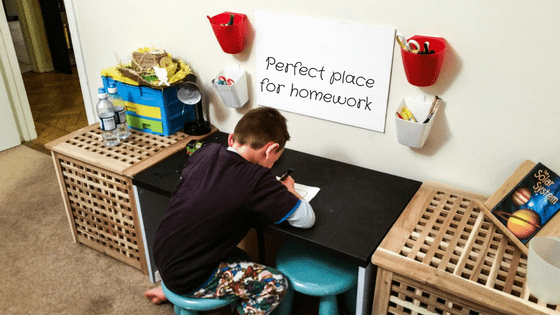
Teach your child organisational skills with a study corner which they associate with working. This could either be in their bedroom or at the dining table; wherever they feel the most comfortable to work.
To equip your children with planning and organisational skills use furniture built for organisation. The Tidy Books ForgetMeNot ticks a lot of boxes for managing a busy child’s life.
Motivating children in school – ‘The Summer Slide’ during the summer holidays
A lot of children become ‘lazy’ during the summer holidays and forget skills they learned in the previous school year. The term is actually called ‘The Summer Slide’, coined by educational psychologist Harris Cooper, who found that US schoolchildren regress in all subjects over the summer holidays, by an average of 1 month in spelling skills, and by 2.6 months in maths (Cooper, 1996).
“Students will score lower on the same test at the end of the summer than they did at the start,” Downey, 2004
What motivates your child academically – prevent ‘The Summer Slide’
It is important to keep up with the schoolwork, but you may wonder how to motivate a child to do homework during the summer. It is just as vitally important that kids get their downtime over the summer and rest well before the school season starts, especially those students who have had to tackle exams before the holiday. Motivating kids in the summer is tough, but there are some fun and effective ways to promote learning over the summer break.
Summer learning should be all about fun, whether you are the educator yourself or you are enlisting in the help of a nanny or tutor. But discovering activities that children can enjoy and spinning them into fun ways of learning serious topics from next year’s curriculum will ensure that children are having fun and learning skills in advance that will help them in the classroom. A good way would be to create a treasure hunt with subject-specific clues. It will also keep them occupied, depending on how easy or difficult you make the questions!
Riveting reading
Six weeks of summer provides perfect opportunities to encourage your child to read. Harris Cooper found the poorest children lose the most reading skills, while those better off actually improved over the summer. Even just reading four to five books over the summer has a positive impact on a child’s reading skills.
If you have a reluctant reader, you can be inventive and work towards their hobbies and interests. My third child is three and loves numbers. So, I write the numbers down from one to ten in words on sticky notes and pop them around the house. I then write the actual numbers and ask her to find all twenty sticky notes.
Then we work together to match the numbers to their written version. Even if she has no clue what the words say, I’m providing her with a subconscious memory of how the numbers look like words.
Also, she’s a huge Peppa Pig fan, so reading the same book repeatedly every night may be tedious for me, but invaluable for her to improve her reading skills and ability to grasp phonics. I point to the words as I read them, enunciating the phonemes and encouraging her to read some of the simpler words again back to me.
There’s actually an awesome challenge online that caters towards the more tech-savvy, paper-phobic child, called the Summer Reading Challenge, which rewards children with stickers, summer reading bookmarks and certificates for free. You can also step out of the house and pop into the local library, which has a goldmine of books that children can choose from for that all important summer reading.
We have tons of books in our house, but I’m pretty sure the kids appreciate a trip to the library and reading in a different setting. It also motivates them to keep up with the reading, as they’ll want to go back and read more.
Marvellous maths
My eldest applies basic maths to daily activities and my middle boy is obsessed with numbers, so I try to incorporate maths into our activities during the day. As I cook and bake all the time, I involve the kids and adapt recipe quantities to familiarise them with dividing, multiplying and using very basic fractions (one, half, quarter). Again, even if my little one is staring blankly at me when I tell her we need to divide a recipe quantity by four, I know I am setting up a base for her to work from when she is introduced to the maths jargon at school later.
Another great way is to tell the time throughout the day. Pointing out when it’s one, two, three o’clock and then counting down the hours until dad gets home enables them to understand the dissection of time and relate it to specific times in the day. Breakfast is at 8am, which is four hours before lunchtime, at 12 o’clock etc. Time calculations can prove a challenge for children as they are working from a base of 60, rather than the normal 10s and 100s they learn from numbers. So give it time if it takes a while for them to click with it all.
Children are natural entrepreneurs and setting up a lemonade stand, for example, is a fast-track way of increasing not only their maths skills, but their business skills too. Be there to supervise them and help them calculate their profit margin and hourly earnings. Make sure you also monitor their lemonade recipe to ensure that they are actually producing something drinkable!
Puzzles like Kakuro and Calcudoku are really useful to getting older children going on the four main operations (+, -, x, ÷) really quickly. Be warned, they are head scratchers!
Whirlwind writing
Patience is definitely a virtue when motivating children to practice writing. My eldest showed absolutely no interest in writing until he was in school, to which he then produced a remarkably accurate list of all the letters in the alphabet and even penned a few three and four-letter words as well – to say I was astonished is a massive understatement! However, he couldn’t hold a pen properly until well into his school years. My daughter is three and held the pen properly almost instantly. They’re all so different.
Make writing fun. During long car journeys, you can hold challenges for the best storyteller. Not only will this help the kids’ linguistic creativity, but it will stop them bickering in the car. A great way to get kids writing too is to send postcards to their friends. It only takes a couple of lines on the back of the postcard, so it’s not overwhelming, and they get to write to their friends, which helps increase their social circles too.
Super science
If you’re anything like me, then you’ll find getting creative with science surprisingly tricky. So what is a good way to motivate your child with science?
Upon deeper inspection, science is actually all around us and can be taught to kids so they understand.
Take advantage of our flailing British summer weather and, after the next rain shower, draw chalk circles round a few puddles to observe the water cycle. Kids learn about water evaporation, as the puddle slowly reduces in size.
We have a large garden, so we try to collect as many plants as possible and discuss the differences and similarities between them. My sister bought the boys an ant farm, so we had fun creating an ant kingdom during the last days of summer. If you don’t have a large garden, just stop by your nearest park, which is bound to have way more creatures and plants waiting for you and the kids to discover!
Final thoughts on what motivates your child
What motivates a child in school? Focus on your child’s interests but show an interest in all aspects of your children’s lives
Focusing on what your child enjoys and supporting your child’s learning style too can help then channel their energies into their passion. It’s amazing what you’ll learn just by listening!
What motivates your child to do well in school? Ensure a goodnight’s sleep and frequent plays
Although it is simple to ignore your child’s extracurricular activities and sleeping patterns, these factors are crucial to their success. In the U.S., a mere 35% of the population rated their sleep quality as “good”.
Motivate your child to play outside during and after study sessions while taking study breaks. Additionally, a restful night’s sleep for your child, free from worries, is just as crucial. It’s important to support children’s mental health and a large chunk of that comes from having a good sleep hygiene.
How do you motivate your child to do better in school? Find a mentor for your child
Help your children to find a mentor to help enhance their learning because it’s an awful lot of work to do it all by yourself, especially when you have other kids to manage,
FAQ
What not to do to motivate your child?
Other questions asked were:
What Motivates Your Child And What Does Not?
Why Isn’t My Child Motivated
Ways Parents Can Motivate Children To Learn Do Their Best
What are some motivations in school?
How do you motivate your child to do better in school?
How to motivate a child to do better in school?
How to motivate a kid to do well in school?
What motivates my child at school?
Forcing your child too much can push the the other way. And, remember, if they’re doing it for you, they’re not doing it for them. You take your foot off the pedal and they will run away. Keep it light, fun and go at their pace.
My 12 year old son is not interested in studies nor is he seriously into any sports or other hobbies/activities. He comes out bad in his exams and sits around playing video games or watching TV the entire time. Is it too early to worry about this or is there something that can be done?
How to motivate a lazy child when they’re not interested in doing anything? You can find the answer here.
How do I motivate my 20 year old son who refuses to go to school, get a job or help around the house?
Other question asked were:
What motivates students to do well in school?
How to motivate my child to study?
how to get your child interested in school?
how to improve child’s performance in school?
child not engaged at school. how to motivate a child to go to school
child not interested in school. how to motivate a child who is unmotivated?
How can we motivate kids to think?
What are some ways to motivate a child who does not want to study or do homework but cares deeply for her friends and family?
How do you motivate a non-competitive child?
What are some ways to motivate a child to do well in school and at home with homework?
how do i motivate my child to do well in school
At this age, it’s important you learn how to teach a child to study independently. Demonstrating the importance of school is also key by showing him the benefits of getting an education. Find more information here: https://qr.ae/pGxPgU
My teenage son is so lazy and doesn’t seem motivated to do anything. Is it my fault as a parent?
Other questions asked:
What motivates kids to go to college?
How do I know what motivates my child?
What are some good ways to motivate a child that is struggling in school but excels in sports?
When considering how to motivate a lazy child in school, you need to work out what is causing the lack of ambition. Find out how to motivate your teenager to do better in school here: https://qr.ae/pGxPgc
My 17 year old son does not go to school anymore. He thinks it is a waste of time. What should I do?
Another question asked is:
How to motivate teenage son in school?
How to motivate a teenager to study
how to motivate teenager to study?
how to motivate your teenager to do better in school?
What is the best way to motivate a child?
How do you motivate an eighth grader to do well in school?
You might wonder how to motivate a child who is unmotivated to go to school. Find out how to motivate your teenager to do better in school here: https://qr.ae/pGxPgB
*Collaborative feature post with Charlotte Banks whose specialty of the professional writer is editing academic publications. She has written various literary works, including essays, case studies, term papers, and presentations. Most of Charlotte’s free time is spent reading and honing her writing abilities.
*Some links are affiliate links which means I may earn a small commission if you click through to buy at no extra cost to you
About Leyla Preston
Leyla is a UK mum of four, a writer and the founder of Motherhood Diaries, which she has edited since 2010. She has written about pregnancy, birth and family life for more than 15 years, edited NCT Harrow’s Special Delivery magazine, and is the author of several children’s and family books. She is also co-founder of Poppy, a new app helping UK parents find trusted local support, and presents Tech Talks Zone, a YouTube channel reviewing tech and AI tools for busy parents. Read Leyla’s story
Our health articles follow NHS guidance and aren’t a substitute for advice from your midwife, health visitor or GP.
codeSpark play app – coding activities for kids aged 5-10 years old
We can’t run or hide from it.
Our kids are growing up in a digital world full of screen time where vying to become a lawyer or a doctor is old news and a new wave of gamers and coders are paving the way with new jobs and new money (a lot of money!)
My ten-year-old has shown an avid interest in coding, and his goal is to create the next best game in ROBLOX. For him to realise his dreams, I need to find coding activities for kids which not only interest him but help him keep focused so he can reach his ambition; to own a Tudor House and a Lamborghini (because, well, why not?)
So should I fight the inevitable and put down the pen and paper?
No, not necessarily. I still believe an ‘old-school’ academic education is massively important for kids and pen and paper aren’t obsolete yet. But, I need to stop trying to ban screens and promote a balance of activities instead, where kids can enjoy the luxury of both. My eldest is starting secondary school and requires a Chromebook and my middle child has enrolled in a coding program which he thoroughly enjoys but still gets to read real life books with actual pages. So I’m happy.
Why coding for kids then?
With the influx of new technological jobs and side hustles turning into empires, it’s inevitable that coding is becoming a huge element. Businesses need web developers to build apps/software so consumers can get what they need at a click of a button.
Why am I talking about this?
These new job-worthy areas require people who can function a website or code to help facilitate these changes. So can you imagine how far your child can go if you start them in a coding program now?
Coding is becoming an entity on its own, with skillsets that rivals any other academic subject taught at school. So, in this article I’m going to talk about the importance of online coding activities for kids and how kids can learn how to code using an online programming app called codeSpark*, the number 1 learn-to-code app for kids aged 5-10.
PLUS!
Motherhood Diaries’ readers can enjoy a 30-day trial to try codeSpark* for your child, rather than the 7-day trial you normally get, so you can jump on and get started with hands-on coding activities for kids straight away.
Use this code: MOTHERHOOD30 to activate the trial. You can also click on the button below, which will automatically activate the code.
Coding is a language used to communicate with computers where you instruct the computer to perform a set of tasks. Kids can learn how to work with computers by following an online program like codeSpark which teaches them this new language.
Is learning to code necessary for future kids and students?
Absolutely. We live in an increasingly digitised world, so coding is already becoming a necessity. Kids who learn to code can then transfer their skills to all aspects of online problem-solving activities from a very early age. Plus, they’ll be ahead of the rat race when more jobs require coding as part of their role. Coding activities for kids are a great way to introduce kids to coding.
Are online coding classes effective for kids?
Online coding classes are definitely effective for kids aged 5+ because it helps to improve several skills. These include:
Code sequencing skills, which are building blocks to early literacy and mathematics
The earlier you expose the child to programming, the less likely they are to show gendered stereotypes about STEM careers (Science, Technology, English and Maths)
How good is free online coding for kids?
There are several free coding programs online with free coding activities for kids, but the best way to learn coding skills properly is through a structured approach with a quality app/teacher that offers hands on coding activities. So sometimes premium coding programs are better to help focus the child through a proven instructional pathway.
That’s not to say free coding for kids doesn’t exist. Lots of websites offer free coding games for kids, so your best bet here is to Google and check out the recommendations.
What is the best way to get your kids interested in coding?
My son became interested in coding for fun after he realised he’d need the skill to create the next best ROBLOX game. But, it was important to show him that coding isn’t just boring language; it inspires creativity, encourages exploration and taps into his passion to become a game developer.
By using a dedicated app to help teach your child to code, it will ignite an interest in STEM by showing how science and technology can be creative and fun.
Other proven ways to encourage kids into coding is to find a mentor who can help show the child the benefits of learning to code and using a program that teaches coding in a fun way, i.e codeSpark.
Or you can find a board game and amend it using a board game maker to relate more to coding.
Is there a fun way for kids to learn to code?
Yes! We’re going to talk about codeSpark in this article as codeSpark is the number one learn-to-code app for kids aged 5-10. With codeSpark, kids learn at their own pace so they can build confidence in their coding abilities. CodeSpark is also ad-free and COPPA-certified which promotes safe screen time too.
Studies show that codeSpark works!
After just 90 minutes of codeSpark Academy, 55% of kids showed increased confidence in problem-solving abilities. Kids develop fundamental coding, academic, and personal skills to thrive in both school and life.
So tell me more about codeSpark
Ok, so codeSpark is a fun and creative way to teach kids how to code through games, which includes loops, sequencing and game design. The app is based on a researched-backed curriculum from MIT and Princeton and it’s self-directed so no experience is required to start.
Learning with puzzles shows kids how to use the step-by-step order in which instructions occur to code and then those set of instructions are repeated. The puzzles reinforce the core computer science concept of sequencing and help kids to understand when an action or cue signals a new line of code to run. The puzzles also help kids work on executing their actions based on certain provisions.
Create with Game Maker
Once kids master the concepts learned in the puzzles, then they are ready to make their own game.
Mastering Automation – Pet Pals
Pet Pals uses creative problem solving through taking care of (and picking up after) lots of pets.
Mini-games
Mini-games help kids to learn additional concepts that may apply to STEM topics.
How do I set up a codeSpark account?
The codeSpark Academy play app has kindly asked me to share a unique codeSpark play code just for Motherhood Diaries’ readers. You click on the link here* to access your 30-day free trial, but make sure you use this link or the link in the blue button below to activate the full 30 days, otherwise you will only be able to access the 7-day trial.
Enter your registration details to get started and make sure the codeSpark free code is ‘MOTHERHOOD30’ in the promo code box. Once you’ve accessed your codeSpark student login, you enter the codeSpark dashboard and then you can select a coding activity. There are tons of fun coding games for kids from which to choose.
How to play codeSpark
It’s very simple. Pick your super-duper play academy name (you get to choose really awesome names!) and then you just get started with all the fun coding activities for beginners straight away.
What did we think of codeSpark for my ten-year-old?
My son really enjoyed the codeSpark app but it may have been a touch on the easy side for him as has completed a lot of the coding starter activities with another one-to-one coding programme he works with every week and he codes for fun!
He’s also 10 so on the top end of who codeSpark is geared towards but if your child just wants to code for fun or you’re looking for structured computer programming activities for kids, then codeSpark is definitely the app for you.
FAQ
Can you play codeSpark offline?
You can access offline printables which can be monitored by parents, but the coding exercises for kids are online.
I’m a 12-year-old interested in coding, but all the sites for kid coding seem like they’re for 5-year-olds and they teach nothing about coding. What are some recommendations?
codeSpark is aimed at 5-10-year-olds but includes games and computer activities for kids that inspire coding. If you’re looking for an older program, look at JetLearn* which my son uses now, as he’s almost 11. You get one-to-one tutorials via Zoom and one module is all about creating a game in ROBLOX!
Which online education platform has the best value for learning how to code for kids?
codeSpark offers a 30-day free trial when you use this link* and the code MOTHERHOOD30 so you can try out whether your child likes it before you buy. Then it’s just $9.99 a month when you go for the monthly plan or you can save 33% and pay just $6.67/month ($79.99 billed annually). For your money you get:
What are a few recommended coding programming packages for kids 10-year-olds?
codeSpark* is catered for kids aged 5-10 years old but if your child is a beginner, then the app is a great place to start. Then you can progress to other coding programmes like JetLearn* for older kids to which my child has now enrolled and a one-to-one mentor comes online to teach coding.
What is the best coding class for kids?
If you’re looking for an app where kids can learn at their own pace without teacher supervision, then codeSpark is for you. If you’re looking for actual one-to-one classes with a teacher, then I would suggest something more like JetLearn* but you’ll be paying much more every month.
What’s the right age for kids to learn to code? I taught my son from the age of 6. Do I deprive him of his normal childhood? He is now 8 but still very interested in coding.
Absolutely not! The best time for kids coding is now, especially if they show an interest. Of course, you can’t force a child to code if they have no interest in the subject, but if your child still wants to learn coding, then get him onto a learning program like codeSpark and use the 30-day free trial to see whether your son gets on with the structure and the learning activities to help him build on his coding skills.
What are the best starter programs to get a 10-year-old child into programming coding or games for open source coding?
The best starter programs are the ones which allow your child to try out coding at their own pace. CodeSpark is an app which is child-led so the more activities your child completes, the further they progress.
Why should I consider coding games for kids to help my kid learn computer programming?
Coding games make coding fun and the transferrable skills allow the child to take what they’ve learned and implement it into something like computer programming.
What are some good games to teach programming for kids?
codeSpark has some great instructional games which teach your child how to code by using the step-by-step block activities. The games and activities teach your child code without them realising, so it’s a great way to teach them the new coding language.
Is there any game for PS4 that teaches kids 10 years old to code and programming?
You can access codeSpark on the web, so you should be able to access codeSpark via the browser on the PS4, but we haven’t tried this personally.
With preschool games that teach 4-year-olds coding and multiple learning resources, is there too much disparity in education levels for grade school children? How can we level the playing field in schools?
What is the best way to teach my 10-year-old coding? He likes to make video games.
Then definitely dip his toes into the coding water and get him to try codeSpark just for fun. He may be on the top end of the age range, but the app has great starter coding games to see if it is something your son wants to continue working towards.
Are there any coding activities without a computer?
You can get free printable coding worksheets from codeSpark which work offline.
Are there any coding activities for elementary children?
codeSpark is catered towards kids 5-10 years old so is the app is prefect for elementary children.
Are there any coding activities for preschoolers?
“Pretty much any game or activity that uses mathematics skills is a useful coding activity for pre-schoolers. There are lots of easy and fun number sense games that help teach preschoolers to understand numbers.”
*This post was sponsored by codeSpark. Links marked with a ‘*’ are affiliate links which means I may earn a small commission should you click through to buy.
About Leyla Preston
Leyla is a UK mum of four, a writer and the founder of Motherhood Diaries, which she has edited since 2010. She has written about pregnancy, birth and family life for more than 15 years, edited NCT Harrow’s Special Delivery magazine, and is the author of several children’s and family books. She is also co-founder of Poppy, a new app helping UK parents find trusted local support, and presents Tech Talks Zone, a YouTube channel reviewing tech and AI tools for busy parents. Read Leyla’s story
Our health articles follow NHS guidance and aren’t a substitute for advice from your midwife, health visitor or GP.
Help toddlers play, learn and grow with the HOMER Learning app
Did you know 85% of the brain develops before 5 years old but 98% of education spending focuses on after the age of 5?
This means children are not achieving their full potential because we are under-investing in a time when it really matters.
During the pandemic, parents were thrown into the role of educator and this period led to a heavy reliance on technology, specifically through apps. But even now, parents need more help than ever to keep their children on level pegging with their peers, with competition ramping up through SAT scores, the dreaded 11+ and ultimately finding a job after university.
But kids, especially before the age of 5, love to learn. Combine this love of learning and empowering parents to help enhance kids’ learning at home with the HOMER Learning play, learn and grow app* and you get kids who will continue to love learning through to adulthood!
The HOMER Learning program was created by cofounder and president Stephanie Dua, who didn’t know where and how to teach her then 5-year-old child, Anya, to read. Stephanie felt helpless when her child felt she was the only one in her class who hadn’t grasped reading yet.
Stephanie reached out to experts across the US and found there was an enormous gap in the market for expert research-backed enhanced tools to help kids with their learning. She figured, if she had this problem, maybe others did too. Thus, the HOMER Learn and Grow app was born.
What is the HOMER Learning method?
The HOMER web app is on a mission to build confident kids and lifelong learners from ages 2 to 8 years old and understands that early learning isn’t just about readiness, but to prepare kids for their unique journey in school and in life too. So the app focuses on the HOMER Method, and achieving progress rather than perfection, which encourages individuality and motivation through each stage.
HOMER Learning’s expert-designed, four-step approach teaches children essential skills so they can transfer that knowledge in a different context. It’s a research-based framework for kids that goes beyond rote memorisation (dabbling at a skill) to deep understanding and building confidence, promoting problem-solving and enhancing the love of learning.
This beginning step introduces a skill or topic to the child to get them excited to learn and facilitate learning, articulate the relevant vocabulary, and support the child’s emerging schema development.
Practicing the skill/topic
The practice stage helps the child reinforce and review the skill or topic with fun practice. Practice helps to boost confidence and create background knowledge on the skill.
Applying the skill/topic
It’s really important the child can apply what they know in context. The application stage shows the child is ready to move on or transfer to a new skill and provides opportunities to show understanding in a familiar environment.
Transferring that skill in real life – ‘I did it!’ moment
The transfer stage is the gold standard of education. If a child can take what they know and transfer it to another context, then they’ve cracked that skill. For example, once they’ve finished playing a game with shapes, if they can point to a plate at the dinner table and say that’s a circle without the aid of the app, then that’s an example of transferring what they learned from the learn and grow app to the real world – which is what HOMER calls an ‘I did it!’ moment.
How do kids aged 2 to 8 learn with the HOMER Learn & Grow app?
HOMER’s signature app, HOMER Learn & Grow, builds across subjects with thousands of activities personalised to kids’ age learning levels, including reading, math, social and emotional learning, thinking skills and many more 21st century skills that children need.
The HOMER web app grows with your child’s learning and starts the journey with a questionnaire to gauge which stage your child is at, so HOMER places that child at the right learning level.
The HOMER Learning app is ad-free so kids can learn with HOMER and enjoy safe screen time too!
HOMER Learning has proven results
Reports and feedback have shown that Homer Learning has increased early reading scores by 74% with at least 6 weeks of usage just 15 minutes per day[1].
What does HOMER Learning teach?
The categories HOMER teaches are:
Knowledge
Knowledge includes maths, literacy, science and more.
Thinking skills
This includes executive functions, problem-solving and more.
Social and emotional development
This includes awareness of self, self-management skills, relationship skills, and more
Physical development
Movement, sensory skills, healthy development and more
After you’ve downloaded the HOMER reading web app, you need to create a HOMER Learn and Grow login.
What does the HOMER Learn and Grow app include?
Included in your trial you get:
Unlimited access to all content in the Learn & Grow App
Up to 4 child profiles
Offline activities and printables
Resources and tips from learning experts
Once you’ve set up your child’s profile and completed the questionnaire, you will be taken to a screen which has eight categories and a special circled category. We will go through each category briefly.
What is HOMER Reading and how does HOMER Reading work?
Reading is one of the most unnatural experiences for a child because it isn’t innate. Reading requires a systemic approach, from learning the alphabet, to sounding out phonics, to blended reading. This process takes time and practice.
When reading with HOMER, you have a learning path which takes you through reading. The pathway is personalised, so your child can read with HOMER and learn the right skill at the right time in the right format.
Your child will explore:
Recognising letters as special symbols
Exposure to the alphabet
Identifying uppercase letters
When singing the alphabet becomes second nature, the child is then ready to learn the foundations of reading. They will explore:
Identifying letters
Practicing letter formation
Auditory and visual memory
Developing language skills
Start learning phonics
Your child will connect the letters and sounds and begin the process of reading and spelling. They will explore:
Reading short words and sentences
Spelling short words
Learning essential sight words
Beginning fluency
Your child will build on these reading skills and then use the tools to discover the world through reading. They will explore:
Developing more advanced fluency
Sounding out complex words
Reading books from their interests
Making connections with other subjects
Math
Counting
Numbers
Shapes
Stories that add up
Create with Sumville friends
How does HOMER Learning Math work?
Kids are born knowing how to do math! So HOMER for kids helps to build on your child’s math confidence and extend their innate skills. Developing early math skills now will help your child achieve much higher grades in maths later.
HOMER education allows your child to play with numbers and apply abstract concepts to real life. They will explore:
Developing a love of numbers
Building math confidence through positive experiences
They will then make connections and understanding math concepts beyond rote memory. They will explore:
Applying mathematical thinking to other subjects
Developing number senses through stories
Practicing counting in songs
Your child will build critical skills and explore:
Numbers and counting
Shapes and their properties
Developing spatial awareness
Applying math to life through play
Stories
Vehicles
Animals
Classics
Nursery rhymes
Dinosaurs
Read and play
Princesses
Space
Robots
Monsters
Holidays
Superkids
Thomas the Tank Engine
Angelina Ballerina
Bugs
Arts and crafts
Ocean
Sid the Science Kid
Sports
Practice
Vocabulary development
Meet the letter
Exploring letters
Letter puzzles
Letter dress up
Power words
Make the uppercase letter
What did we think of the HOMER learning app for kids
The HOMER web app is educational and fun at the same time. I struggle with the guilt of my toddler having excessive screen time, but research suggests educational screen time can still benefit toddlers at this age. I’ve noticed that she is more expressive when she talks and the app teaches life skills and lessons that perhaps I can’t articulate as well. For example, there is a section on entrepreneurialism, mindfulness, and movement. I’m often trying to figure out how to build on her life stills and the HOMER program for kids has a video to help!
We had an ‘I did it!’ moment when she tried out phonetically sounding words and her counting skills shot up from 1 to 10 to 1 to 20!
The topics are fun and based on life skills, like sorting the washing according to colours, so it’s not boring and it applies to everyday life so my toddler can understand the concept behind it.
What’s more, you get to see your child’s progress. So it’s not absent-minded playing but your child is actually working towards goals and milestones.
The HOMER software is very easy to use, so there’s no maze you have to get through or hundreds of passwords to crack before you get to the good stuff. It provides the perfect amount of child care because it keeps my toddler very busy and she gets to learn preschool skills from the curriculum before she starts nursery. Also the app is built so that the parent can engage with the child and you can play, learn and grow together.
You get a 30-day risk-free trial with unlimited access as soon as you create a HOMER login. My toddler focused on a few play and grow videos in the app like the dinosaur section (she loves dinosaurs!) but when she wants to enjoy other sections in the app, she can whenever she’s ready. The whole family can enjoy some videos like the stretching video, which I often got involved in because moving about is a nice way to spend time with the kids.
Cons of using HOMER Learn & Grow app
The app uses American English as it’s based in the US. So if you’re in the UK, your child will learn American English, which may confuse them at school. For example, the word ‘MOM’, is spelled using American English, but in the UK we spell the word differently, i.e. ‘MUM’. I’ve also noticed a slight American twang in my child’s accent. This isn’t a problem per se, but it just means that she will have to re-learn certain words and colours, which may confuse a child of her age.
It would be great to have an option to switch to UK English and have a UK native person speaking the parts where they teach certain words and skills, especially with reading and the alphabet (‘Zed’ rather than ‘Zee’ for the letter ‘Z’). Other skills don’t require the UK accent and can stay the same.
So, why try HOMER?
There are literally thousands of brain-boosting, playful learning activities to make screen time educational and fun.
The app has a kid-friendly design that builds confidence through independent play.
The games are research-based to build skills in reading, math, creativity, social-emotional learning, and more!
I’ve seen the results in my toddler – her phonetics, spelling and maths are really coming on and she hasn’t even turned three yet – it works!
If you want to learn more, Common Sense Media published a Homer app review which you can find here.
Yes, the reading section of the app is tailormade to your child and only progresses when your child is ready to move on.
How much does HOMER reading cost?
Questions also asked are: ‘How many does HOMER reading app cost?’ ‘How much is HOMER reading?’ and ‘Is HOMER reading app free?’ The reading section comes as part of the HOMER play, learn and grow app and you can access a risk-free 30 day trial here* with a special discount for readers.
How do I cancel HOMER reading?
If you want to know how to cancel HOMER reading app, follow the instructions below:
Visit the website and sign in.
Tap or click your email address in the top right corner.
Select ‘Settings’ from the dropdown menu.
Click on ‘Manage Membership’.
Select ‘To turn off, begin cancellation process’.
Click ‘Continue’ at the bottom of the page.
[1] A double-blind study by Dr Susan Neumann, former undersecretary of education and professor of early childhood education at New York University.
*This post is sponsored by HOMER learning, but all thoughts are 100% our own. Links marked with a ‘*’ are affiliate links which means I may earn a small commission if you click through to buy.
About Leyla Preston
Leyla is a UK mum of four, a writer and the founder of Motherhood Diaries, which she has edited since 2010. She has written about pregnancy, birth and family life for more than 15 years, edited NCT Harrow’s Special Delivery magazine, and is the author of several children’s and family books. She is also co-founder of Poppy, a new app helping UK parents find trusted local support, and presents Tech Talks Zone, a YouTube channel reviewing tech and AI tools for busy parents. Read Leyla’s story
Our health articles follow NHS guidance and aren’t a substitute for advice from your midwife, health visitor or GP.
List of things you need for university
If you are a parent with a child starting university, then this post is for you. If you are a parent with a child who will start university in the future, then this post is also for you.
I remember my first day at university (a long, long time ago!), where I felt very much out of my comfort zone. I had taken a private student loan during my gap year between college and uni and worked to save up for my whopping tuition fees and accommodation costs. However, everything ended up being a lot more expensive than I had initially imagined and, to say that I had learned a lot of difficult financial lessons during my time as a student, was a massive understatement. Student life was harder than I thought!
You don’t want your child living on baked beans on toast throughout university, so a simple education on how to cook basic pasta and rice dishes, along with staple sauces like Bolognese, white/cheese and pesto sauce will encourage a healthy and varied diet, with better results at uni all-round.
A good current bank account with student perks
Lots of bank accounts offer interest-free overdrafts when your child opens up a bank account, along with many other perks like discounts to well-known brands and stores. So, it’s worth shopping around to check which bank account best suits your child’s situation. Moneysavingexpert.com has tons of information on the student current accounts available at the moment, so I’d advise checking there first.
It’s also worth giving your child a lesson in managing their finances. If you need some budgeting tips, check out this article.
A current workable CV to help them get a part-time job at university
If you help your child create a great workable CV, even if it doesn’t include any actual work experience, they will have a good chance of getting a part-time job during university during their job search and stand on their own two feet financially, which will teach them valuable lessons later in life.
Summer school to prepare your child for uni life
Preparing your child for university involves more than just equipping them with practical life skills and essentials. Enrolling them in a pre-university summer school can be a pivotal step. These programs, available for students aged 16-18, offer an immersive experience into university life and studies, significantly enhancing their university applications.
Whether opting for free programs aimed at students from under-represented communities or paid courses covering a variety of subjects, these summer schools provide an invaluable opportunity for your child to explore their academic interests, experience the university environment, and bolster their readiness for higher education.
A laptop means your child can type notes in lectures and complete their assignments in their room, in the library, in the park, at their friend’s house or in a club (whatever floats their boat). You can also keep in contact with them via Skype, email or messenger. A laptop means versatility, security and no excuses to not work!
Here are some great student-friendly laptops out in the market today:
Apple M1 MacBook Air
2020 Apple MacBook Air Laptop: Apple M1 Chip, 13” Retina Display, 8GB RAM, 256GB SSD Storage, Backlit Keyboard, FaceTime HD Camera, Touch ID; Space Grey. Buy from Amazon now*
HP Pavilion x360 14″ 2-in-1 Laptop PC 14-dy0002sa, Touch Screen, Intel Pentium Gold, 4GB RAM, 128GB SSD, FHD, Natural silver with Stylus Pen and Microsoft 365 Personal 12 months included. Buy from Amazon now*
Microsoft Surface Laptop Go Ultra-Thin 12.4” Touchscreen Laptop (Platinum) – Intel 10th Gen Quad Core i5, 8GB RAM, 128GB SSD, Windows 10 Home in S Mode, 2020 Edition. Buy from Amazon now*
Acer Swift 5 SF514-55T 14 inch Laptop – (Intel Core i7-1165G7, 8GB, 512GB SSD, Full HD Touchscreen Display, Windows 10, Racing Green). Buy from Amazon now*
LG gram 17Z90P Silver, Windows 11, Ultra-Lightweight 1,350g, 17-inch laptop, Long lasting battery up to 19.5 hours, Intel Core i5-11th Gen, 8 GB, SSD 512 GB. Buy from Amazon now*
*Links marked with a ‘*’ are affiliate links. As an Amazon Associate I may earn from qualifying purchases.
About Leyla Preston
Leyla is a UK mum of four, a writer and the founder of Motherhood Diaries, which she has edited since 2010. She has written about pregnancy, birth and family life for more than 15 years, edited NCT Harrow’s Special Delivery magazine, and is the author of several children’s and family books. She is also co-founder of Poppy, a new app helping UK parents find trusted local support, and presents Tech Talks Zone, a YouTube channel reviewing tech and AI tools for busy parents. Read Leyla’s story
Our health articles follow NHS guidance and aren’t a substitute for advice from your midwife, health visitor or GP.
How to help your child revise for their 11 plus exams
*This article is Part Two of the Eleven Plus Exams Series under Kids Mental Health where we talk about the revision aspect of the eleven plus exams. If you haven’t read Part One yet, which is about mentally preparing your child for the 11 plus exams, then please read that first.*
*This article is based on the school system in the United Kingdom. Your school system may differ if you’re in Scotland, Northern Ireland or abroad. Please check the guidelines in your area.
*We were gifted with an annual subscription package from EdPlace, but all thoughts are 100% our own
In my first article on how to mentally prepare your child for the 11 plus exams, I talked about the dreaded panic you feel when you realise your child needs to take the 11+ this year. I also discussed the lead up to the revision portion of the eleven plus exams, i.e. mentally preparing your child for the extra workload, finding out which schools are in your area and working out which 11 plus exams your child will take. You can find all this information in my first article here.
In this article, we dig into the actual revision preparation, i.e. what resources we used, where we got our information from and how we devised a plan to ensure our eldest is exam ready by this September using a variety of resources, including EdPlace* which a fantastic online platform to aid your child’s learning. We started six months before the exams which are a little late in the game, but still doable. Ideally, you’d want to start preparing your child in Year 3 and gradually build their knowledge.
Thankfully, I have been involved in my kids’ education since they were wee babies so we haven’t started from a blank slate and we hired a tutor for my eldest back in September of Year 5. Gillian is amazing because she has worked so hard to build Aron’s knowledge and has the patience of a saint. You can find Gillian’s details here (no poaching please!) in case you’d like to hire her to help with your child’s eleven plus. I’ll discuss hiring tutors, as well as other online resources, and how they can help in more detail below.
What is 11 plus?
I touched upon what the 11 plus is in my first article here, but for ease, the eleven plus exams are tests taken by Year 6 primary school students for a chance to enter via Year 7 transfer to grammar secondary schools. You would need to check whether your area offers the 11+ though as Wales and Scotland no longer have the grammar school system.
You’ve mentally prepared your child, now it’s time to get stuck in with the revision. But, where do you start?
Luckily, the schools we’re working towards all offer tests by the same examination board, GL assessment, which means the Maths and Verbal Reasoning grammar school tests will be very similar amongst two of the schools in our list. If our son passes the Maths and Verbal Reasoning portion of the 11 plus test then he will be invited to take the English test later in September for one of the schools.
In the first article I talk about what Verbal Reasoning, Maths and English cover so please check that out here. Some schools will require you to take a Non-Verbal Reasoning test too, so make sure you find out at the beginning the topics your child needs to revise.
When will the 11+ tests take place?
In our area (Hertfordshire) the 11+ tests take place at the beginning of September when your child is in Year 6.
What will the 11+ tests look like?
The schools we have selected will have one Mathematics paper which will cover approximately 50 minutes and is based on the Key Stage 2 curriculum. The Verbal Reasoning tests will also take 50 minutes. Tests are usually multiple-choice except for English which is a one-hour comprehension paper and includes an extended creative writing piece, which is written internally.
Independent schools will have their own entrance criteria so make sure you check their website for more details because it’s very important to know which 11 plus test your child is taking so you don’t waste unnecessary time.
Devise a revision plan according to the time you have left
Once you know which tests your child is taking and when those tests will take place, it’s time to equally divide the revision required for each of these subjects according to how much time you have left until the exams. As recommended in my first article, don’t allocate more than two hours a day to work intensively on 11+ because your child will have school during the day and other extracurricular activities. Any more than two hours will be overkill unless you’re absolutely sure your child can take it and you’re weeks away from the exams and still have a lot to do.
You can spread the two hours throughout the day or you can group them together with a small break in between, depending on how and when your child works at their best. My son works better after school so he takes a small break and then he studies until dinnertime.
In the beginning, you shouldn’t focus on timed tests but familiarising your child with the level of work required and what’s expected of them. We divide the two hours equally between Maths, Verbal Reasoning and English with slightly more time allocated to Maths and Verbal Reasoning. So, for example, Maths revision is 45 minutes long, Verbal Reasoning is 45 minutes and then English is 40 minutes, plus or minus and with a small snack/movement break in between.
What tools can you use to help you revise for the 11 plus grammar test?
Once you’ve worked out a plan of revision action, you can start to incorporate tools and resources to enhance your child’s learning. We use all three methods below but you can use any one or all of the tools/resources to help your child revise for the 11+. These are:
Hiring a tutor
We spoke about Gillian above who has been with us for eight months now and we’re very happy with the progress our son has made so far. We initially hired Gillian to help our son stay on par with Year 5 schoolwork once a week and perhaps go beyond what was expected but now we focus purely on 11+ work in the form of activity books and 11 past papers. Gillian then sets us homework based on the free 11 plus papers with answers which we follow throughout the week and we also book extra sessions during holidays if required.
Activity Books / 11 Plus Past Papers
Google ‘11+ practice papers‘ and you’ll be bombarded with a wide variety of paper-based resources catering for all kinds of pupils and exam boards. We use Letts Ten Minutes Tests* and Familiarisation Papers from the school’s website as well as some other great workbooks from The Works and Amazon. Again, make sure you get the right paper from the right examination board as CEM verbal reasoning exam looks very different to the GL 11 plus verbal reasoning exam for example.
Also, check on your local online 11 plus forum for more information on what parents are using in your area. It’s always great to connect with other parents during this time as you may be able to find tips and tricks on revision techniques that may work for your child too.
But which 11 plus books do we need to prepare for the 11 plus exams?
Some of our favourites which we’ve worked through systematically since February are:
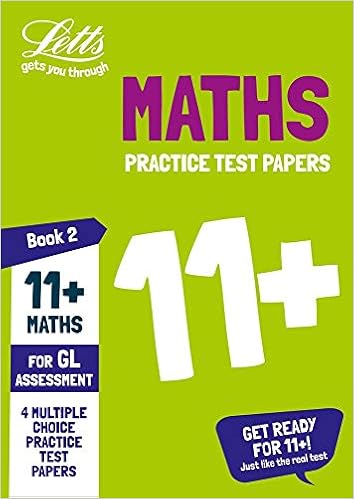
11+ Maths Practice Papers Book 2: For the 2021 GL Assessment Tests (Collins 11+ Practice) – Buy from Amazon here*
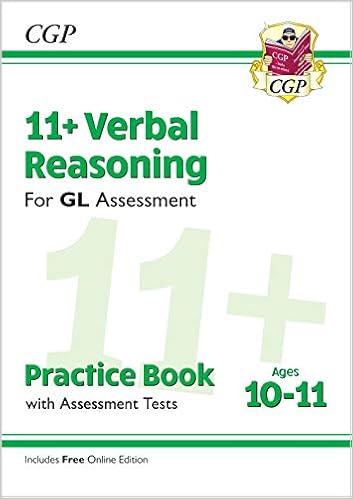
11+ GL Verbal Reasoning Practice Book & Assessment Tests – Ages 10-11 (with Online Edition): perfect preparation for the eleven plus (CGP 11+ GL) – By from Amazon here*
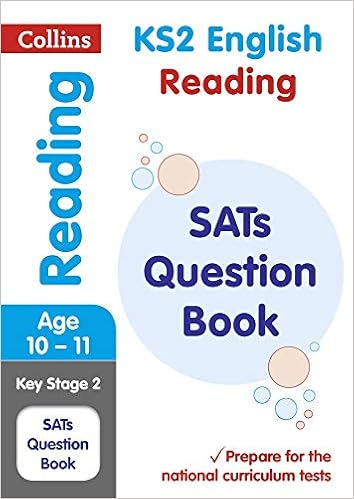
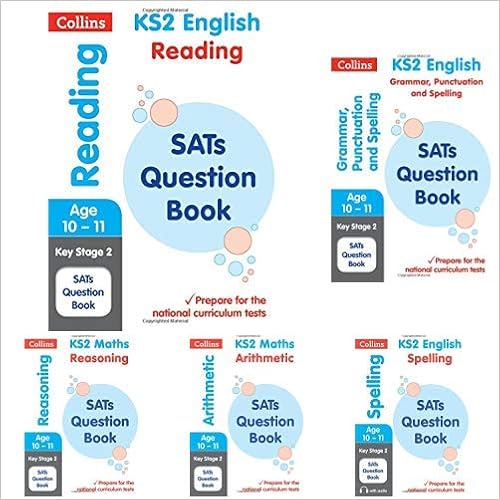
KS2 Reading SATs Question Book: Collins KS2 Revision and Practice Paperback – Buy from Amazon now*
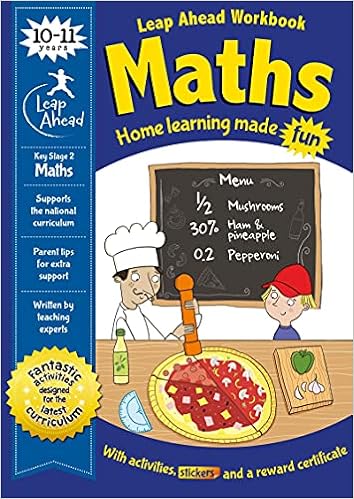
Leap Ahead: 10-11 Years Maths (Leap Ahead Workbook Expert) Paperback – Buy from Amazon now*
Collins KS2 SATs Question books – 5 books set Product Bundle – Buy from Amazon now
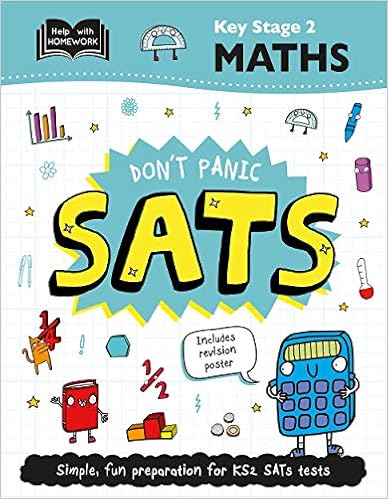
Key Stage 2 Maths: Don’t Panic SATs (Help With Homework) Paperback – Buy from Amazon*
A few points to note about these paper-based resources is to avoiding buying books that are too difficult as they can overwhelm your child. If you have time on your hands, start with Key Stage 2 books which are for your child’s age and year group then progress onto tests to gauge which topics your child is doing really well on and where there may be holes in their learning. Then focus on the holes using workbooks specified for that topic.
Again, make sure you pick the right topic and examining board. CEM and GL assessment papers use a different format so focus on the past papers from the right examination board.
A few months before the grammar school exams you can progress onto familiarisation papers which are past papers taken from the school’s website. You don’t need to worry about timed 11 plus test papers at this point because the aim is to find out which topics your child is struggling with and which they’re doing really well in so you can focus on bringing everything up to par.
Once you’re happy that your child can work through the papers with ease, you can start timing them a few months before the test. This is a vital part of the revision plan because your child needs to know what it feels like to sit a 50-minute test without any breaks.
Don’t forget to submit special circumstances if you feel your child needs extra time and support during these tests. You will need a letter from your child’s school to submit as evidence. Follow the school’s special circumstances protocol to a ‘T’ so you don’t miss out on extra support for your child.
Online Platforms like EdPlace
To further enhance your child’s learning it’s recommended to use all sorts of visual resources. Paper-based activities are great to work on with you and your child’s tutor, but online and interactive resource platforms like EdPlace can encourage a deeper insight into where your child is in their 11+ journey and the areas they need to improve. It’s also great to change things up and make learning fun too.
EdPlace can base your child’s results on algorithms that will help suggest the right topics your child should work on. Online platforms can automate a lot of the guesswork like timed exams and automatic results, which means fewer human marking errors too.
We’re working with EdPlace to help our son pass his 11+ exams and so far we are very impressed with its interface and usability. We’ll go into more detail about how EdPlace can work for your child too.
What is EdPlace?
EdPlace has been dubbed the smartest revision app for GCSEs, 11+ and SATS and boasts thousands of resources that correspond with the school curriculum and exam boards.
Check out the video below from EdPlace’s founder, Will Paterson, who talks about his struggles at school and how support helped him get his best grades later.
https://youtu.be/aJbRuC0XIrg
“EdPlace students see 150% progress in English, maths and science.”
Will Paterson, Founder and CEO of EdPlace
How do you use EdPlace for 11+ prep?
For the purposes of this article, I will show you what you get with the Annual Family Membership account.
The first thing you need to do is log in as a parent:
Sign up for your parent details and then you set up your child(ren)’s student account(s). You can assign up to four children to the annual membership. You input their student username and set a password (if the username is not available there will be an ‘X’ next to it. You may have to add numbers to the end to find an available username.) You then add your child’s year, in our case Year 4 and Year 5. Once you’ve added your child you click on ‘save and get started’. You’ll receive email notifications that all accounts are set up and your child is ready to start learning.
Once you get to this stage you’ll be taken to your parent home page which looks something like this:
Here you can view your parent account and your child’s student account, or you can jump straight ahead to get started with EdPlace’s catch-up assessments.
Your parent account
On the very far left of your screen, you will find the tools you’ll need to navigate your parent account.
In the middle of the page, you have your child(ren)’s account summary where you can check how each individual child is doing. The top part of the summary where there are a number of activities assigned already is the auto-assign kicking in.
You will have an option to auto-assign activities based on your child’s school year and scores which you can change at any time. What this essentially means is that you have access to everything (so English, maths and science will be auto-assigned). The 11+ topics fall outside of the auto-assign, however, so you would need to select these manually.
Really, it depends on how you’re going to manage the revision plan as the more activities your child does the more effective the auto-assign becomes as it will assign topics based on your child’s performance.
I would recommend keeping the auto-assign on and manually assign 11+ topics on top of the auto-assign anyway. You have the recommendations at the top which mean EdPlace can recommend an activity and it will continue to reassign activities based on your child’s performance.
At the bottom of the summary section, you can also set rewards. EdPlace uses a point system where your child can earn points for every completed activity. For example, 50 points could equal a pizza night or whatever your child is interested in working towards.
The blue button at the top, where it says ‘My EdPlace’, is your home button, so if at any point you get a bit lost, just click on that button and it will take you back to the summary area.
Browse and assign topics
Down the side of the parent account, you also have the ‘Browse and Assign’ option where you can find a list of activities from Year 1 to GCSE. The great thing here is that if your child is excelling on a particular topic you don’t need to stay within their year, you can move on to the next year and encourage them to try some of the activities above their current level.
Similarly, if your child is struggling on a particular topic, you can go back a year and work on the foundational topics with them before they move on to their current year’s work.
Working towards your child’s level to begin with is a great way to boost their confidence if the current work set is too overwhelming.
Your child’s student account
When your child logs in to their own account the assigned activities will show up already. They will see a condensed version of what we see under our parent accounts.
In their student account, your child can see the scale moving towards their rewards to give them that added incentive to keep working hard. They can also request a reward if there isn’t one set. The added incentive makes for such a great way to personalise your child’s journey and encourage them to keep going.
Your child can check out their to-do list too and browse the activities recommended by EdPlace and the topics you have assigned.
Your child can choose an activity based on what they learned at school that day
When your child comes home from school they may want to pick a particular activity they worked on at school that day, so they can browse activities and enhance their learning further.
You can, of course, have the option to turn recommendations off but if you want your child to become independent with their learning it’s probably best to leave it on.
The 11+ activities
If you click on 11+ activities, for example in Year 5, you can see a list of activities categorised by maths and numerical reasoning, verbal reasoning, spatial and non-verbal reasoning, and English.
At the very top the activities are further categorised as ‘general’, CEM’ and ‘GL’. If you know the exam board your child is sitting for the 11+ you can choose 11+ activities specific for those exams.
So Aron is sitting maths and verbal reasoning via GL and if he passes he will sit his English in the next round of exams, so it’s great that activities are further categorised into the types of questions that will be specific to what he’ll be sitting in the exam. I also know which areas he’s struggling in so we could focus on those topics from an earlier year or via the general category and make sure he gets them right before moving on to the 11+ topics.
If you click on one of the topics, for example, ‘Place Value’ under Year 5 11+, and then choose a sub-topic, you can preview the activity and view the questions first before you assign the activity. The topics range in levels too from Level 1 to Level 3. One blue dash is Level 1 and three blue dashes are Level 3. What this means is that you have nine levels as each level is broken down into three levels as mentioned before and then you have three levels for Year 4 and three levels for Year 5.
So if your child is struggling on a topic they can start with Level 1 but if they’re flying they can jump straight to Level 3.
At the top of the activities page, you also have ‘Question Types’, ‘Assessments’ and ‘Exam Practice’. Exam practice is a great place to start if your child is doing well in particular topic as these involve exam prep with a timer.
If your child can complete the difficult questions in the allotted time then they’re ready. But, if they’re getting them all right but they’re too slow then you know that’s something they need to work on going forward.
The practice papers are all created by EdPlace 11+ tutors, designed in the style of the different exam boards to best replicate the experience and give students a chance to practice in examination conditions.
How to tackle the 11+ practice papers on EdPlace
Essentially kids need to spend no more than one minute per question which is so daunting. That’s why EdPlace* has built the platform in such a way to not cause sheer panic and build up the child’s skill slowly and naturally so they are ready to tackle the 11+ once they start Year 5. This is why starting slowly in Year 3 is beneficial as you can build your child’s skill and knowledge gradually and without them knowing. Make it fun at that age by calling it ‘detective work’ rather than the 11+ and by the time they start in Year 5, you can start on timed questions and full revision practice.
With the exam questions, you could do a couple in an evening in the lead up to the test, but during the summer you can start on the timed questions as there are 57 questions so that’s quite a long stint of time.
You won’t see exam questions or practice papers in Year 3 as your child is too young at that age and they don’t need the extra pressure of exam-style questions. It’s all about getting to grips with the skills and progressing rather than testing and competing at that age.
In Year 3 EdPlace* breaks the skills down in a very simple form, which creates a foundational ground for learning.
Viewing the results
When you click on scores under ‘progress’ you will start to see percentage results next to each activity completed. You can click on 11+ and check out which are the best performing topics and how many activities have been completed already.
EdPlace app
You can download the EdPlace app too via iPhone* and Android* so your child can complete activities on the go. The great thing is they can also complete their activities on the PS4’s browser and on the iPad, so there’s no excuse to not get it done if they’re not at a desk!
How to sign up to EdPlace
EdPlace offers three membership models, depending on whether you are a parent, a teacher or a tutor.
Parents can subscribe to a free account which offers:
Up to five activities a month
One student account
English, maths, science and 11+
Key Stage 1 to GCSE
You can also opt for an Annual Individual account which offers the added bonus of unlimited activities and premium content. Or you can opt for the Annual Family subscription which means you can add up to four student accounts to the membership. The Annual Family account is perfect for us as our middle child who is in Year 4 can have his own account and work towards the 11+ alongside our eldest.
If you opt for monthly membership the prices are slightly different. Click here* for the most up-to-date prices on each membership.
EdPlace offers membership models for teachers and tutors too so it’s worth checking them out too if this applies to you.
Why you should sign up to EdPlace
EdPlace* have a free account where five 11+ activities can be completed on a monthly basis, and the account functionality remains the same with the metrics.
EdPlace is a fantastic interactive online platform that encourages and motivates children to complete short, visual lessons and tests which enhances their 11+ learning. The lessons are so well put together and there is an encouraging teacher’s explanation should the child get the question wrong.
Both of my boys have enjoyed completing just three assignments a day which are a short ten questions each to keep them engaged and when completed I, the parent, receive an email report which shows me where they’ve done well and where they need more practice. This functionality alone massively helps me work out what to assign next, not only on EdPlace but to my son’s tutor because we can work hand in hand on building the gaps in his 11+ knowledge.
Make learning fun!
11+ is stressful in itself so if we parents can make it a fun process for our kids then it will help them gain confidence in their ability to get through it all. I see my son’s face drop when he knows he has to complete set work after school, but building in a fun platform like EdPlace amongst the tutoring and paper-based activity sheets can boost his motivation to continue working hard.
EdPlace’s reward and badges system can also help to motivate your child into seeing how well they’re doing in each topic, so it’s a great addition to the 11+ revision journey.
The 11+ should be accessible for all children, should they want it
I started in February and I had no idea what I was doing with the 11+. I find that some parents are reluctant to volunteer information on how to help for whatever reason. So, I want to change that. Why can’t it be a level playing field for all children? We live in an affluent area so parents have tutors and their children often end up in independent schools, so I feel for those parents who can’t afford to have tutors or independent prep. So, EdPlace* is a great tool to offer those children from poorer socioeconomic areas the fighting chance to also get into a grammar school.
Be there for support
EdPlace’s ethos aligns very much with mine; support, hard work and confidence. Support is key to helping your child succeed and the more you can are involved in their 11+ journey the more chances they have of passing.
Hard work and confidence go hand in hand in the sense that the more confident your child is in themselves the harder they are likely to work towards their goals. And work ethic is incredibly important, even more so than acing the grammar school entrance exam because even if they get kicked down with poor scores, they can get back up and continue to work to improve on those scores.
This is why I say to never criticise your children’s work. Wherever you see an improvement focus on that and ignore the rest. For example, when you go through the 11 plus questions and answers, if your child got 3 out of 10 in one of the maths tests, focus on what they got right and build into the next revision the 7 they got wrong. Through practice, they will improve on those marks.
You may have a million things to do during the day, including looking after other children, but being present in your child’s learning can be invaluable for their progression. Even if you don’t do any of the actual work with them, actively engage with them and praise their work ethic if they’ve had a particularly great day of revision. Love and support can go a long, long way to helping your child gain the confidence they need to ace these exams. And if they don’t pass, the extra work they did will help them progress in Year 6 anyway.
Positivity is key!
Will 11 plus exams go ahead during the pandemic though?
The pandemic has affected the children the most in my opinion and a lot of parents will be asking themselves, ‘Will the 11 plus be postponed?’ So far we have not received any indication that the 11 plus exams will be cancelled but chances are if cases increase that they will do the test virtually. Check your grammar school’s website to make sure you’re up to date with any changes to the 11 plus exams.
We don’t want kids to feel broken if they fail their 11+, we want to arm them with the power and knowledge that hard work does pay off. Start off small and slow then grow. I think this is the key to success as long as you have a great work ethic and every child gets a fighting chance to make it work!
*Links marked with a ‘*’ are affiliate links which means that if you click through to buy I may earn a small commission at no extra cost to you.
About Leyla Preston
Leyla is a UK mum of four, a writer and the founder of Motherhood Diaries, which she has edited since 2010. She has written about pregnancy, birth and family life for more than 15 years, edited NCT Harrow’s Special Delivery magazine, and is the author of several children’s and family books. She is also co-founder of Poppy, a new app helping UK parents find trusted local support, and presents Tech Talks Zone, a YouTube channel reviewing tech and AI tools for busy parents. Read Leyla’s story
Our health articles follow NHS guidance and aren’t a substitute for advice from your midwife, health visitor or GP.
Why it’s important for kids to see themselves in books
Ad · This is a paid collaborative post. Links to the partner are sponsored.
Here’s the thing – every child deserves to see themselves in books. Yet children of colour, those in wheelchairs, those who have Down Syndrome or cancer have very limited options.
Imagine a child named JUDE. He has dark, curly hair, big brown eyes, and the sweetest smile. Jude is in a wheelchair. He’s completely in awe of the underwater world and loves Beyoncé. Jude’s parents know how Just, Understanding, Daring and Exceptional he is. But Jude doesn’t see all that when he looks in the mirror. He doesn’t realise how unique he is!
And that’s where Unique You Books – highly personalised books for every child – come in.
Personalised books are nothing new in the market and there are some really good ones out there. But what’s surprising is the scarcity of diverse characters in children’s books in general, especially since we know that both parents and kids are looking for literary characters that kids can identify with. In fact, a recent Scholastic Kids & Family Reading Report has shown that 76% of kids and 69% of parents agree that diversity in books is very important.
The lack of representation in children’s literature is a fact. But here’s the thing – every child deserves to see themselves in books. Yet children of colour, those in wheelchairs, who have Downs Syndrome or cancer have very limited options! This is especially worrying because research has shown that when kids can fully identify with a character in a book and its challenges and victories. They are more likely to feel better about themselves and the world around them. And it also helps them develop reading habits that will last a lifetime. That’s why we think it’s so important to tell diverse and inclusive stories to kids from a very young age.
Unique You Books is a start-up working to create highly personalised books that will help children understand and embrace themselves just as they are. We want to support kids to discover, value and love themselves. And in the process, to learn that everyone’s unique qualities are worthy of love and respect. Every child will identify with the heroes and heroines in our stories – including children of all colours, children with disabilities, those in wheelchairs, who wear glasses or children with cancer.
Helping kids to accept themselves is especially important in this digital era, more than ever before. Children are growing up with social media. It’s influencing how they dress, live and think. Social media has become so integral to their lives, but at the same time, it is promoting anxiety and lowering self-esteem, increased feelings of depression, poor body image and loneliness.
When kids scroll through their feeds and see how great everyone seems, it only adds to the pressure. But imagine if we could celebrate the unique traits of every child and help them understand and love themselves just as they are.
So what makes each of us unique? Our names and physical appearance certainly play a part, but more importantly, what defines us is what’s inside. Our character traits and our interests make us individuals.
Through the Unique You Books website, parents, friends and relatives will be able to create and order personalised softcover or hardcover books that are not just based on a child’s name and appearance. These books are special because they don’t just add a child to the story, but rather base the stories on the interests, appearance, name and personality traits of each individual child!
Customers will be able to create books by choosing from over 300 main characters, 180,000 illustrations, 3 story settings (the wild, the universe and the underwater world) and over 70-character traits.
Great books are like lighthouses – they help guide our kids’ imagination, navigate the challenges they face in life, and connect them to the world.
When reading Unique You Books, and their very own personal adventures, children will be able to recognise their uniqueness and their contribution to this world through imaginative stories of self-discovery, love, and friendship.
The more children know and appreciate differences, the easier it will be for them to accept, understand, and above all, embrace them. And when we join our kids in their imaginative stories, we may even end up becoming a hero in one of them. And who knows – these stories might help us rediscover our own uniqueness.
To bring these stories to life, Unique You Books has launched a Kickstarter campaign. Please help us by pre-ordering a book for the child you care about and join us in empowering a new generation of self-confident children who love themselves, but also have the capacity to understand and love others as well.
Leyla is a UK mum of four, a writer and the founder of Motherhood Diaries, which she has edited since 2010. She has written about pregnancy, birth and family life for more than 15 years, edited NCT Harrow’s Special Delivery magazine, and is the author of several children’s and family books. She is also co-founder of Poppy, a new app helping UK parents find trusted local support, and presents Tech Talks Zone, a YouTube channel reviewing tech and AI tools for busy parents. Read Leyla’s story
Our health articles follow NHS guidance and aren’t a substitute for advice from your midwife, health visitor or GP.
Eleven plus exams – the mental preparation before the work
*This article is part of the Eleven Plus Exams Series under Kids Mental Health where we talk about the mental aspect of preparing for the grammar school entrance exam and then the actual prep, which I will talk about in article two. I will update you accordingly when subsequent articles are published in the series.
*This article is based on the school system in the United Kingdom. Your school system may differ if you’re in Scotland, Northern Ireland or abroad. Please check the guidelines in your area.
I thought applying for a primary school place was tough until I was hit with the reality of preparing for my eldest’s eleven plus exams so he could get into a decent secondary school (in Year 7), which, by the way, we had to start thinking about in Year 5. This was news to me as I’d never been through the process before (I took my 11+ exams but that was a lifetime ago) and parents are surprisingly secretive when offering advice on the schools to apply for and eleven plus exams tuition required to help our kids pass these high-pressured 11 plus test papers.
We started worrying about the 11 plus entrance exams only seven months before (in February) the scheduled tests (in September) when we moved house and into a different area. The new area is great for state school options but not close enough for us to actually have a shot at getting in because there is a catchment area and that tends to be minuscule (up to one mile).
So grammar schools were an inevitable option. But it’s not as straightforward as selecting the grammar school and taking the grammar school test. There are lots of nuances to factor in like which subjects would your child have to take and are they mentally ready to ride the eleven plus journey?
So, this article will tackle all the things you need to think about BEFORE you embark upon the revision journey to preparing for the 11+ exams because the pre-prep is probably the most fundamental part of the process. Why? If your child doesn’t want to put in the work or understand why they need to do the work, then there’s no real point in taking the exams.
But, let’s start at the beginning.
I’ll take you through what we learned and still are learning, as well as the process we took up until registering for the 11+ exams (April of Year 5) after we got over the initial shock and the analysis paralysis. Then in the second article in this Eleven Plus Exams series, we’ll talk about how we did the actual prep for the exams (we’re working with EdPlace* to prepare you step-by-step for this part) and for the third and final article, we’ll talk about life after the eleven plus exams and the dreaded results. We’re not quite there yet as we’re still in May and we have done a full month and a half of revision so far. But once we’re there we’ll let you know the outcome.
Have you only just started thinking about the eleven plus exams six months in advance? Welcome to the club!
Ok, don’t panic. It’s all still very doable. Like I said before, parents don’t tend to volunteer information until you ask and we asked too late. Thankfully, one or two parents were very generous with their advice and support (one even provided me with a spreadsheet!) and after I broke the news to my son that we’d have to write off all holidays until September, we got down to some hard work.
So, the first thing you need to do is find out which schools are available in your area.
What are your school options?
There are three different types of schools (which are further broken down into specialist schools, for example, religious or faith schools and special needs schools to name just a few!). The main three types of schools are state free schools, grammar schools (which are also free schools but with added entry requirements) and private or independent schools.
State free schools
State free schools receive funding through their local authority or directly from the government. The most common schools are:
Community schools
These are local authority maintained schools that are not influenced by business or religious groups and follow the national curriculum.
Foundation schools and voluntary schools
These are funded by the local authority but have more freedom to change the way they do things. They can sometimes be supported by representatives from religious groups.
Academies and free schools
These schools are run by not-for-profit academy trusts and are independent of the local authority. They have more freedom to change how they run things and can follow a different curriculum.
Grammar schools
These are run by the local authority, a foundation body or an academy trust and select their pupils based on academic ability via a test. Selective schools weed out the cream of the crop so they’re highly competitive and tough to get in. We will be focussing on grammar schools in this article.
Private/independent schools
These schools charge fees to attend instead of being funded by the government. Pupils do not have to follow the national curriculum but all private schools must be registered by the government and are inspected regularly.
You will need to decide which type of school you’d want your child to attend. A lot of time should be spent on this part of the process because you’ll want to make sure your child has a positive experience at a secondary school that suits their personality and academic ability.
Do you think your child would fare better by going to a state school where they don’t have the added pressure of passing exams first? Or can you afford and are willing to pay money for private school education? We have decided to try the grammar school route and prepare our eldest for the 11+ exams, so this is where we will be digging into it in more detail.
First things first.
Open Excel and crack open a new spreadsheet because we’re going to fill this bad boy up with some personalised school information!
Find out which school is available first
As I don’t know which area you’re in, I’ll list the route I took to find the local schools in our area.
The first thing we did was find out which schools were nearest to us and we found this information via Hertfordshire County Council here.
The process may be different for you but we needed to enter our address, select that we’re looking for secondary transfer in 2022 (or whichever year your child will be in Year 7 from September that year) and the website will then list off the priority schools and ten schools that are closest to your home address.
We started off with the schools that were within five miles away, but if you’re applying for the 11+ it’s worth looking a bit beyond that, say up to seven miles.
Make a list of the schools then do some research on them. Our spreadsheet’s headings (which we borrowed from a friend whose child applied last year) looked something like this:
School
Location
Distance in m (all within 5 miles)
Private/State
Sex
Ofsted rating
Ofsted year
Reason for rejection
Entry criteria
Entrance exams
No. of places / filled
Progress 8 Score Well below average (14%) Below average (19%) Average (37%) Above average (17%) Well above average (14%)
Number at prior attainment levels L/M/H/missing
Progress 8 by Key Stage 2 attainment: Low/Medium/High
Then go through the list of schools and try to find out their Ofsted rating (although Ofsted ratings are now rarely accurate as some of them have been completed a long time ago). There is a great website which we used called Herts Live which contained all the live ratings, but nothing beats actually going to the school and getting a feel for yourself.
Every parent and child will have different experiences, so you can’t fully go on what you see online. Google the name of the school and ‘reviews’ and read some of the latest reports from parents whose children currently attend that school, then fill out the spreadsheet accordingly.
In the Hertfordshire area (and I’m pretty sure everywhere else in the UK) you can only select four schools when applying in September. Make sure you put down some backup free schools which don’t require an entry test, so if your child doesn’t do as well as expected, they have options available to them. Schools are oversubscribed and highly competitive so make sure you apply for a balance of schools.
Some schools have their own admissions and are independent of the local authority’s application process, so make sure you know when and where you need to apply.
Questions to ask when researching schools are:
Does your child want to go to a single-sex school or a mixed school? Are both options available?
Is your child mentally capable to prepare and pass the eleven plus exams?
What is the school’s SENCO (Special Educational Needs Coordinators) department like?
What is the support process of the school like?
What extra-curricular activities does the school offer, for example, what types of sports and music opportunities do they provide and does your child have an interest in these subjects?
Speak to your child about the school and see how they feel. As I said, there’s no substitution for going to the school and having a feel of the place. Make sure if open days are available, that you book the open day so you can take a look yourself. Unfortunately, due to the pandemic, a lot of open days have been virtual, but you can get around this by parking by the school during drop off and pick up and checking out how the children enter and exit the school. Are they happy? Are staff around and engaging with children?
So what exactly is the 11+ exam?
The 11+ is a test taken by Year 6 primary school pupils in the UK to be in with a chance to be selected for Year 7 secondary transfer to grammar schools. Wales and Scotland no longer have grammar schools, so it’s worth checking in your area to find out your options.
Where are the eleven plus exams?
If your child goes to a local authority primary school they will sit the 11+ in one of their classrooms, otherwise, they will take the test in a central location like a grammar school.
When do you register for the eleven plus exams?
You need to register for the exams quite early, which tends to be in April when the child is in Year 5. Again, check with your local county council on the process to apply for 11+ as this differs from region to region.
When are the eleven plus exams?
Depending on your location, the eleven plus exams start at the beginning of September when your child is in Year 6 so the earlier you start the preparation the less apprehensive your child will be and the more chance they will have to pass their entrance tests. Look out for 11+ practice days where your child can practice the tests at school.
What tests does your child need to take in the 11+?
The 11+ can contain four disciplines, these are:
Verbal reasoning
These are questions where the child solves problems and follows sequences via word and text. Verbal reasoning tests your child’s grammar and vocabulary in English.
Non-verbal reasoning
Your child will be given question problems to do with diagrams and pictures. There’s also an element of maths involved.
Maths
Your child will be tested on mental maths, maths concepts, various maths skills and problem-solving in multiple stages.
English
Your child will be tested on their creative writing skills, as they have to plan, structure and write a piece of work.
Verbal reasoning, non-verbal reasoning and maths tend to be in the Multiple Choice format and English tends to be written or Standard Answer format. Answers are recorded on a special answer paper with a grid format for the child to mark their chosen answers.
But it’s not as simple as practising for a particular discipline. There are different exam boards too; GL and CEM, so make sure you pick the right type of exam board assessment as they differ from each other. You can find the information you need on the school’s website, most likely under ‘admissions’.
What other assessments are available?
Some secondary schools offer children the chance to register via the Music Aptitude Test and Sports Aptitude Test. Two of the schools we are applying for are part of the SW Herts Consortium and offer the Musical Aptitude Test alongside the Academic Tests. One of the schools offers children to take the Sports Aptitude Test so we’re going for all three as my son is quite sporty and plays the piano. It just gives us an extra chance at getting into one of those schools.
Make sure you do your research and find out whether the school you offer has other ways of getting in as there are a number of hurdles that the child has to jump through before they can get in via the tests, and places tend to be offered first to:
A child who is in the care of a local authority, being provided accommodation by a local authority for social services reasons or those who are adopted or have a special guardianship order. Also includes children in public care.
Children within the catchment area based on a straight line distance measurement provided by the County Council’s computerised mapping system.
Children whose siblings attend the school
Children with parents who work at the school
Children with medical reasons as to why they need to attend the school
Then 25% of places (and this could vary with the school you’re applying for) are allocated to those who pass the academic tests.
10% (may vary for your school) is allocated to those who take the music test and for the schools offering the test, the sports test as well.
The remaining places will be allocated on proximity of the home address to the school
So, as you can see, it’s slim pickings out there! By the time you get to the academic tests you only have a 25% chance of getting into the school if you don’t live within the catchment area, so think carefully about whether you want to go down that route and your child is up to the task.
Is it a good idea to prepare kids for an 11 plus exam a few years early so that they dont have to cram it in and stress out completely during exam period?
Yes, absolutely. It is recommended you should start your child in Year 3 but not treat it like they’re preparing for the 11+ but more as if they’re doing ‘detective work’ as EdPlace, an online platform that prepares children from Year 3, advises. Preparing your child with a few worksheets a day encourages them to think outside of the box and prepares their minds for the 11+ without them realising it.
Will eleven plus exams go ahead during the pandemic?
There may be a chance the 11 plus papers will be sat virtually, so it’s important to stay updated via the school’s website or if you’re applying as part of a consortium, to regularly check the consortium’s website for updates. So far, we have not received word that the 11+ exams will be virtual yet.
Time to mentally prepare your child for the 11+
So, we’ve done our research, we’ve selected the schools with the best chances of getting in and we’ve filled out our spreadsheet with all the information we need. Now the process begins for preparing for the 11+. But before you bring out your 11 plus past papers (more on those in Article 2), you need to mentally prepare your child first.
How do we do this?
Buy a wallplanner
You could buy a large wall planner and write in all the necessary registration, test and score results dates. We bought ours from Etsy for less than £20 and added all the dates in so our son knows exactly what to expect.
Sit down with your child and level with them
It’s important that your child understands why they are taking the eleven plus. By now you should have explained how the 11+ journey works but if you haven’t and you have a study-phobic child like me then this is how I approached it:
Start with explaining the reason for going to a good school, i.e. more opportunities to succeed, make great friends, the world is their oyster etc, whatever works for your child. Find out what interests them about school and conversely what their fears are and reassure them that applying for a good school will help get the best out of them.
Explain the level of work required but don’t scare them. If your child has a tutor then work with their tutor to devise a revision plan that’s evened out through the time left until exams. For example, we do one test for Verbal Reasoning, English and Maths every day, plus piano practice and music training. Then on the weekend, hubby takes over and does the sports test. Kids still have to go to school and attend their extracurricular activities, so bombarding them with extra work is counteractive and will push them away.
If you have less than six months left like us then you will have to write off holidays and weekends. But, promise a payoff at the end like a massive reward. I’ve told Aron that we’ll be doing something pretty amazing during October half term week. I haven’t told him what yet as we don’t know whether we’ll be ok to travel by then. But it’s worth putting that goal down, asking them what they want and continuously remind them how long they have left until they can relax and enjoy their reward.
Devise the revision plan with your child
You’ve found out what exams you’ll need to take (for us it’s GL assessment for Maths, Verbal Reasoning (and if he passes) English, as well as the Music Aptitude Test and Sports Aptitude Test). Now it’s time to show your child the subjects and how much they’ll be doing every day. Try to keep it to one to two hours max every day so as not to overload them, then ask them how they’d like to tackle the extra work.
Are they morning people and would prefer to start before school or would they like to do it after school so the rest of the day is free for playtime? My son prefers to work at night so I give him an hour break after school then we start around 4.30 pm and finish by dinner. Then he’s free to do whatever he wishes after to rejuvenate.
Stay positive and refrain from pushing
It’s very easy to push your child to do the work but if they aren’t interested you’ll be talking to a brick wall. Stay positive and offer mini rewards. I offer a pizza takeaway if they’ve done a certain amount of work during the week and screen time for around an hour after the work is done every day. It’s all about achieving a healthy balance between working hard and playing hard. Kids get tired and when they’re tired they lose their mojo. That is one thing you do not want to do because then they’ll give up completely and it’s very difficult to get them back.
There will be days where you won’t be able to get them to do anything
As long as it’s not every day, let it go. They can’t work if they’re really not feeling it anyway so bringing in the extra stress will just make everything worse. Either add the extra work the next day if they’re willing or just leave it and start the day afresh tomorrow. My son suffers from hay fever and he had one particular day where he couldn’t get of bed. I gave him a mental health day off where he just lounged about and did absolutely nothing. But during that day I reiterated the importance of getting back on it and not losing that momentum.
Always remind them what they’re doing it for, i.e. better school life, more opportunities, extra resources to do the things they love and if they truly understand why they’ll do the work. They’re only 10/11 years old, so they’re still very much children. They won’t have the work ethic instilled in them like some adults too. Some kids do and you’re lucky but if your child just wants to play football, draw all day and listen to music then make sure a large amount of that day is attributed to doing what they love and only a couple of hours a day to intensive focussed work. That’s all you can really do without pushing them over the edge.
Every child is different
We are still very much in the beginning stages of revision but so far my work-shy creative, sporty son has only had a few off days since we started in February. I know he least likes maths and his vocabulary and verbal reasoning are really coming on in strides, so we start with maths when he has the most energy and ends with verbal reasoning and English. We will talk about the revision process we take in the second article, but the point here is to get to know your child and how they study.
Do they get distracted easily and lose focus quickly? Can they work through the noise? We’ve just moved house so we haven’t bought him a desk for his room yet or even a dining table. This means we have to work in the kitchen until we’ve sorted ourselves out and the kitchen is the loudest part of the house. He also needs one-to-one support so he prefers I sit and work with him while he goes through the questions.
We are slowly trying to transition with him to work on his own because I have another child and baby to look after so it’s not practical. But whatever it takes to get your child into the swing of things at the beginning, do it, even if it’s a sacrifice to you. Once they gain confidence, they’ll learn that work needs to be done before they can relax and soon enough they’ll be doing it by themselves. My son does do some of the work on his own but he still needs hand-holding during maths. That’s fine, we only have four months left. Whatever gets us there!
Confidence is key
They say praise is a double-edged sword (it has both favourable and non-favourable consequences), but I don’t believe this. Kids need constant motivation to continue and praise is one of the best ways to help them gain confidence. Praising their work ethic is far more effective though. If they’re working very hard, praise them. If they’re got great marks in a practice test, by all means, praise them.
Kids need to know they’re progressing through their goals and improving on the 11 plus exam questions. If they think they’re not getting anywhere (just like with us adults) they’ll give up because what’s the point right? They’ll fail the eleven plus test and will not get anywhere. No! This is exactly the approach you do NOT want to take.
Through practice, your child can improve and they are capable of doing it. This is what you want to tell them, even if they’re improving slowly. Enlist extra help in the subjects they are struggling with and show them their progress scores. If they have an off day, it doesn’t matter, they’ll do better tomorrow. Never criticise their work or their work ethic. Work to gaining confidence first, the rest will follow.
Remember, you’ve got to be in it to win it as they say. I used to say I would never put my child through the stress of the grammar school exams but now I just think, well what if he can do it? What if he’s capable and I stopped my son from even trying? And if he doesn’t do well? So be it! It all works out in the end and he’ll end up going to a school that was meant to be for him.
Just don’t sell your child too short. With your love and support, they can at least have a good stab at the 11 plus test and if they don’t pass, it was good practice anyway for later. For extra support, you should Google ’11 plus forum’ and chat with like-minded parents about the 11 plus grammar tests. We’re all going through the stress, believe me.
*Some links marked with a (*) are affiliate links which means that I may earn a small commission if you click through and buy the service or product at no extra cost to you.
About Leyla Preston
Leyla is a UK mum of four, a writer and the founder of Motherhood Diaries, which she has edited since 2010. She has written about pregnancy, birth and family life for more than 15 years, edited NCT Harrow’s Special Delivery magazine, and is the author of several children’s and family books. She is also co-founder of Poppy, a new app helping UK parents find trusted local support, and presents Tech Talks Zone, a YouTube channel reviewing tech and AI tools for busy parents. Read Leyla’s story
Our health articles follow NHS guidance and aren’t a substitute for advice from your midwife, health visitor or GP.
Back to school preparation tips for a smooth first day back
Ad · This is a paid collaborative post. Links to the partner are sponsored.
The time is coming to think about how to get ready for back to school again. And the earlier back-to-school preparation for parents starts during the summer the better, so kids don’t face such a shock when they’ve not had the routine of school runs, homework, reading and putting on their school clothes every morning.
Kids who have not prepared for school in advance can often become anxious when school starts, especially if they are transitioning from infants to juniors or when your child is starting reception for the first time.
The key is to start school preparation slowly and organise your child’s school supplies list in advance, so your kids know what’s coming when they start a whole new school year. I have laid down some back-to-school tips for parents, with an essentials list in the first part of this article and the second part will discuss preparing for back to school (geared towards the transition between nursery and reception).
Back to school essentials
You won’t need all the items in your back to school preparation checklist as some schools’ requirements are different. So, if anything is missing, please pop your list on how to get ready for going back to school in the comments below this post. Older kids may require more items, so I am basing my essential list for kids and back-to school tips for elementary students.
Backpack
Some schools require you to purchase a branded school bag for the infant stages, but when the kids get to the Juniors (Year Three to Year Six), they can bring their own backpack into school.
Back to school organisation tips should include a good sturdy backpack that is school-proof, and make sure the bag has pockets for items like their water and pencil case, and perhaps a separate section for their lunchbox if they’re not having school dinners. Make sure the bag is big enough to pack school-related books (school folders, notebooks, homework books, reading books etc.) with enough space for other bits and bobs like snacks and items they collect on the way.
I sometimes find leaves, rocks and all sorts of memorabilia in my boys’ backpacks, which brings me to another one of my school organisation hacks – make sure they are waterproof and breathable with durability that gives the backpack longevity. Your child’s school bag will be dragged across the floor, swung onto the shoulders, thrown into a corner and waded through the four seasons of weather. So, make sure it’s built to last!
Here are some great backpacks for kids from Amazon:
Marvel Spiderman Denim Compact Backpack 2 Wheels Blue 32 x 45 x 21 cm Polyester 30.24L. Buy from Amazon here*
Kipling FASTER, Ergonomic Kids Backpack, 28 cm, 7 L, True Pink. Buy from Amazon here*
Disney Encanto Casita Los Madrigal Backpack Nursery Multicoloured 21 x 25 x 10 cm Microfibre 5.25L, Multicoloured, Daycare Backpack. Buy from Amazon here*
Lunch box
If your child is not having school dinners, then use sturdy lunchboxes to keep their food fresh and drinks cool. You can opt for a lunch bag with a strap branded by their favourite character, or you can go for one of those old school hardback lunchboxes. Bento-style boxes are great because they contain different departments to carry all your child’s favourite lunch items. You can find some great food ideas for lunchboxes here. Variety is the spice of life when thinking about how to prepare for going back to school!
Water bottle
Water is massively important to keep your kids hydrated during the day, and the school may not always provide water or have liquids to hand. So, when preparing for school, I pack the boys with disposable water bottles, but if you would prefer your child to keep the same bottle then make sure that the bottle fits in your child’s backpack or school book bag and it keeps water cool and fresh during the day, especially in the summer. An easy top cap and lid opening system is a must so kids can grab a quick drink while they’re running about the school.
Homework area at home
To be ready for back to school, prepare your child’s bedroom with a homework area at home, so they have somewhere where they can complete their homework or read their books. A homework area doesn’t need to be expensive. I created one for just under £40, and even though the boys are getting too big for the table, they still used it for a good few years. Click here to find out more about my homework area challenge.
Warm jacket/raincoat
September can still be warm, but by October it can get cold quite quickly. A warm jacket/raincoat is an absolute must, and there are several things to think about when buying a coat for school. Whether you walk to school or take the car, your child will inevitably need to wear a jacket.
Make sure the coat is easy to put on and take off, and leave out fancy buttoning-up systems and complex layers. Opt for a 3 in 1 coat, which is breathable, waterproof and insulated, so your child can wear it for most of the school year, although, undoubtedly they will grow out of it very quickly. Make sure to pick a coat with translucent stripes or one that glows in the dark during those school runs when it gets dark quickly. But don’t worry if you can’t find a coat with special stripes. You can buy glow in the dark tape to affix to your child’s coat so cars can spot them in the dark.
Back to school clothes
You may be requested to purchase special branded jumpers and summer clothes/dresses, but you can find very cheap school shirts and trousers in all the major stores these days for as little as £1.50. Make life easy for yourself and go for the crease-free version, so there’s less ironing to do every day and make the clothes durable as kids will no doubt wear them out quite quickly with all that running, falling and scraping they’ll do every day! Purchase underwear and socks that are 100% cotton too so that they’re breathable and easy to wear as kids will sweat during warmer weather. A non-exhaustive list can include:
Shirts* (long-sleeved and short – go for crease-free)
Sweaters, cardigans and fleece jumpers (you may have to purchase the branded version from a specialised school uniform shop)
Trousers and shorts (make sure you pick creased-free and the right colour for your school)
Socks and tights (go for 100% cotton as it’s the kindest on your child’s skin)
Underwear (again go for 100% cotton)
Hair accessories if required
Apron
You may be required to purchase a waterproof apron for arts and crafts. However, an old shirt will do if you’re saving money. But, make sure to pack it in your essentials list, so your child’s school clothes don’t get ruined!
Small umbrella and wellies
We live in a country where all four seasons could potentially happen in one day. This means that we need to prepare for any weather. Buying a small child-sized umbrella and wellington boots can ensure they prepare for the rainy season when it hits.
Hats scarf and gloves set
As we get into the winter season, the weather will turn icy and cold. Protect your kids on the school run with woolly hats, scarves and glove sets, which you can find branded with your child’s favourite character or hobby.
Sun cream / Sun hat / sunglasses
You should apply sun cream to your child throughout the year and sunglasses worn even during cloudy weather. It’s important to protect your child’s skin and eyes to prevent skin cancer. Kids tend to have an aversion to sunglasses, so it’s important to educate them on why it’s so important and hope for the best that they wear during the school day!
PE Kit
The school provides us with a special PE Kit list which generally includes a coloured shirt, black shorts, jumper and tracksuit bottoms. You should also pack a pair of trainers and plimsoles so kids can alternate between outdoor PE and indoor PE. As the kids get older, you may be required to provide football boots and shin pads as well, with long football socks.
Teachers may also require you to pack football trainers for indoor football.
Electronics
If your child is older, they may require to bring electronics like a laptop or iPad. Check with your teacher whether this is the case and make sure you pad the electronics correctly and their backpack can comfortably house them too.
Indoor shoes are very important so as not to bring the outside dirt into the classrooms. Make sure you opt for an indoor shoe which is comfortable as your child will be in those shoes for most of the day. Opt for Velcro or buckled style shoes so that it’s easy to put on and take off.
Outdoor shoes
Outdoor shoes are a must, especially if your child is walking to and from school every day. Kids will play on all different terrains, so make sure the shoes are durable and comfortable.
Pencil case
Not all kids will require a pencil case to go to school. In my boys’ school, so from Year 3 onwards, the kids are required to pack a pencil case, which includes the following:
Pencil case
Pencil
Pencil sharpener
Eraser
Ruler
Pritt Stick
Your teacher may request that your child pack other items like scissors, index cards, post-it notes, and highlighters. Ask your teacher before you leave school for the summer, so your child is prepared on the very first day back at school.
Back to school labels
Label all of your child’s clothes clearly because kids are notorious for going home in other children’s clothes or somehow along the way from home to school to back home, their clothes magically disappear. You can purchase iron-on labels or mark your kids’ clothes with Sharpie so it’s permanent. You can purchase some great custom labels for kids at Sticker You.
Use stamps to label your kids’ clothing
You can also use stamps to label your kids’ clothes. They’re a bit more reliable than labels and they last longer too! We have a personalised stamp from Stamptastic which is so easy to use, lasts 50 washes and there’s no need for ironing too! You can buy a School Names Deluxe Bundle here which includes a Personalised Name Stamp, a Stamptastic Ink Pad and a White Fabric Pen.
How to prepare for the first day of school
If your child is starting elementary school for the very first time, then this monumental transition will be just as nerve-racking for them as it is for you. Starting school is a massive change, especially when during the pandemic, most children had to complete distance learning. So when preparing for back to school after covid, it’s important to not only teach them how to get ready for school but to prepare them in advance and ease them into their first day slowly. Here are some tips for preparing your child for school:
Help your child to be social and make new friends
Your child may already have friends coming to school with them from nursery, in which case their friends are a great way to ease them into a big new school with lots of strangers. However, if they are coming on their own, then it is important to encourage their social skills and expose them to as many other kids and playdates as possible.
If your child has a settling-in session, it’s a great idea to bring them with you, so they get a feel for their new school and learn some new faces before September. You may even want to buddy up with some other parents and encourage online WhatsApp or Facebook groups so you can arrange playdates for your kids in advance.
Practice how to say goodbye
Your child may find it easier to settle to school if they have already been to preschool or nursery, as they have gotten used to saying goodbye to you, even if only for a couple of hours. But, if your child has never left you, then it’s important to practise saying goodbye now to prepare for when school starts. School should implement a staggered start system to help kids learn how to get prepared for school slowly.
In reception, kids only come for a few hours, and then the week after, they stay for lunch, and then finally they stay for the entire duration of the school day. Get into the habit of saying things like, “Goodbye, I’ll pick you up at 3.15pm, when school finishes”, “I’ll pick you up after football” or something along those lines so that your child knows when you will be back. Stick to terms that your child will understand so they’re not confused as they may not know how to tell the time yet.
Practice the school run
If you can, then it would be a great idea to practice doing the school run with your child, so they know what to expect on their first day. Practising the school run will also provide them with a sense of security and help you work out how long you will have to get you and your child ready in the morning without any stress or rushing around.
Help your child to develop good hygiene skills and independence
One of the most important rules when learning how to get ready on the first day of school is self-hygiene. The school will expect your child to know basic hygiene, for example, going to the toilet, flushing the toilet and then washing their hands. Teach them how to wash their hands properly with soap and water, and this will reduce the chances of them catching nasty school bugs too.
Help them practice using a knife, fork and spoon as well and encourage them to take the initiative in certain situations. For example, if their nose is running, they get a tissue and wipe their nose, then throw the tissue away. Other skills are to make sure they always wash their hands before eating as well.
Encourage your child to have a healthy appetite
Encouraging your child to eat a variety of foods can be tough, especially if your child is a fussy eater. However, you can inspire a healthier attitude to food when you adopt a healthy attitude yourself. Encourage eating together and incorporate lots of fruit and veggies in your diet as you set the example of how to eat at home.
Prepare them for the range of choices they will face during school dinners by introducing a few unfamiliar foods at home or taking them out for a meal at a restaurant in the run-up to school. Try not to stress or rush your child with eating. If they genuinely can’t eat a certain food, then don’t force them. Offer up the food, and if they don’t eat it, then they don’t eat it.
How to prepare for school the night before
One of the most important tips on how to get ready for the first day of school is to pack your child’s back to school essentials the night before, so that you don’t rush in the morning. Wash and iron school clothes ready with socks and underwear so that when your child wakes up, they can put them on straight away. Also, set the alarm clock so they know when to get up
The aim is to have more time to check in with your child and prepare them for the day ahead, rather than rushing around hunting for last-minute bits and ushering them out of the house in a negative and stressed manner.
Of course, it is a lot easier to say it if your child may not want to go to school or they are taking their time to get ready, with the clock ticking. But, the extra time you save by preparing the essentials the night before can be spent talking to them about their worries, so they feel more at ease before they start the day.
Let your child take the necessary steps to get ready for school by themselves in the morning
It may take some practice to help them get into their clothes, but it’s a great skill if they can get ready by themselves because they may have to change for PE or put on their coat during break time. They may even jump at the chance to act independently and relish the chance to show mummy and daddy how grown up they are, so encouraging them to build on this skill set is invaluable.
Teach them how to pull up a zip, fasten buttons and brush their hair, as well as put on their shoes and give them the chance to practice putting on their uniform and taking it off before school starts.
Chat to them about school the night before or read a book about it
The key is to prepare your child for school by making them understand as much as possible about what they will expect. Take out some books from the library about starting school and read them with your child during the night, so they feel more comfortable about what to expect the next day.
Show them how fun it will be to meet lots of new people, make new friends and that they will be in a class of approximately 30 kids with one teacher. Speak to them about the rules of the school, i.e. listen to the teacher, and speak to an adult if they are not feeling comfortable or happy etc.
Keep it fun at home
Just because your child is starting school, it doesn’t mean that the fun should stop at home. It’s important that they still get lots of fun in, as teachers in reception won’t expect your child to work solidly for hours on end. Learning through play at this age is essential, and their teacher will encourage more arts and crafts and outdoor style games to help them ease into the subsequent years.
Try to include this style of play at home too, for example, do some painting with them and encourage them to fetch the paints and then put them away. Help them to put on their apron and if they’re playing with toys, get them to put the toys away when they’re finished. These skills are building blocks to having an easier time at school.
Stay relaxed!
One of the ways to prepare for back to school calmly is to keep your emotions in check. Your child will pick up stressed vibes from you and then they will get stressed. If you’re worried about your child starting the school season, they will also pick up on this and feel nervous.
Perhaps find time to learn how to prepare yourself for the first day of school too. Show them how happy and excited you are that your child is growing up and starting big school, even if you find this super difficult because they’re going to start school regardless of how you feel Think about how to prepare to go back to school in a way that doesn’t include negative emotions. It’s better to instil confidence in them rather than nerves – I promise you will be pleasantly surprised at how well their first day will go!
Back to school tips for high school students
Transitioning from primary school to secondary school can feel like the biggest change in a pre-teen’s life. Click here for some tips on how to transition from primary school to secondary school and teach your tween how to get ready to go back to school.
*Collaborative feature post which includes affiliate links”
About Leyla Preston
Leyla is a UK mum of four, a writer and the founder of Motherhood Diaries, which she has edited since 2010. She has written about pregnancy, birth and family life for more than 15 years, edited NCT Harrow’s Special Delivery magazine, and is the author of several children’s and family books. She is also co-founder of Poppy, a new app helping UK parents find trusted local support, and presents Tech Talks Zone, a YouTube channel reviewing tech and AI tools for busy parents. Read Leyla’s story
Our health articles follow NHS guidance and aren’t a substitute for advice from your midwife, health visitor or GP.
What books can do to improve us as people
“Imagination is more important than knowledge. For knowledge is limited to all we now know and understand, while imagination embraces the entire world, and all there ever will be to know and understand.”
That was a quote by Albert Einstein, esteemed theoretical physicist, and some might say the father of modern physics. It might sound like an odd thing to say for someone who had such a deep love and understanding of the sciences and the real world, as typically, scientists are used to working in a lab, with things that are measurable. They collect data and build reports. So what was Einstein doing talking about something intangible, something that lives in our minds? Well, Einstein realized that there is more to life than what we can perceive with our five senses alone. And he knew that the only way to get there was through our imaginations. He knew that we first had to dream the impossible dream, and only then can we make it a reality.
It seems that we have things a little backwards in our society today though. Not many people esteem imagination, books or reading, or even intelligence. Often, society calls the ones who do as nerds, geeks or four-eyes. Sometimes this even results in bullying, victimization or abuse.
Instead, many have fallen prey to the images that we find in glossy magazines, newspapers and on TV: perfectly airbrushed models trying to sell us things, that most of the time we don’t even need. Things like a newer, fancier car, or even flashier clothes. I’m talking about adverts like the Axe deodorant ad on the right. The underlying message is if you wear Axe, women will be all over you. And look at his smile; if you wear Axe, you’ll be happy and everything will be great in your life. From years of personal experience, I can tell you that this is basically a lie!
Adverts like this, tell us to ‘work’ on our outsides: buy better shoes, a bigger house, more of this or that. It tells us that we can find happiness in buying things and materialism: gadgets and gizmos such as cell phones and other communication technology devices. It’s cool to have the latest cell phone today: Galaxy S4 or iPhone. I went to a shopping centre the other day and found eight stores dedicated to selling cell phones and accessories. In some homes today, when mom is cooking, she uses her Blackberry to tell the children that supper is ready, instead of walking the few steps to talk to them face to face.
In addition to the way we communicate today, technology has also influenced how we entertain ourselves. Many people believe that lying in front of the TV and allowing one’s brain to rot is an acceptable past time. We perpetuate this in our society. TV isn’t the only electronic way we entertain ourselves. There is also internet and video games and many others.
Because of all of this, the demand for information is almost instant today. Instead of using what’s inside our heads to figure something out, many would rather just Google it. Some can’t even do a simple two times two without a calculator, because they never bothered to learn their times tables. Instead of spending the time to research for our essays, we use a company like essaylab.com. This site offers to write the papers for us for a cheap price. This is often the state of our current society. In addition, only one per cent of our population are book buyers, fourteen per cent are regular readers and a very minuscule five per cent of parents read to their children.
So what, some of you may ask. What’s the big deal with all that? It’s my life, so what if I want to lie around all day and watch TV, and communicate with everyone via MXIT. Well, with TV specifically, scientists have conducted many studies. They proved that too much TV could lead to anti-social behaviour, addiction and other mental illnesses. Especially when we are children, TV can lead to an underdeveloped brain. When we are growing up, there are window periods where certain parts of our brains mature and expand. If our brains aren’t stimulated during these window periods, the damage can be irreversible, and your brain may never fully develop. Unfortunately, TV doesn’t stimulate many of these parts of the brain. TV can also lead to an inability to speak properly. Human beings learn to communicate with one another via face-to-face interactions, not from a TV screen. Further to this, and contrary to what some believe, there is little educational benefit from watching TV.
In his poem Charlie and the Chocolate Factory, written in the early 1960’s, Roald Dahl warned about the destructive effects of TV viewing: “It kills the imagination dead!” and children’s “powers of thinking rust and freeze!” On the left, is the cover for the book Charlie and the Chocolate Factory along with another Roald Dahl book James and the Giant Peach, which we read when I was in school.
Despite all this, technology continues to infiltrate our society. At the same time, however, depression and other mental illnesses are also on the rise. We can only wonder if there is a link between them… I’m sure the labs and universities all over the world have conducted many studies on this subject, but I want to give you my take.
We have five senses: sight, hearing, taste, smell and touch. When using electronics, say watching TV, we can only properly engage with two of our senses: sight and hearing. This makes for a very dull and under stimulated existence; not the visceral living of which human beings are capable. In addition, we aren’t interacting with what to me are our two most important senses: smell and touch.
Smell is our oldest sense, our most primal. It is the sense that is most linked to memories. And memories are important because they tell us who we are. They give us our outlook on life. Most importantly, they are our identities. A world without smell is a world where it’s easy to forget who we are.
Touch: over the years, many people have written about love and its importance to humans. In the 1960’s the Beatles sang, “All you need is love.” Now, it might sound like a cliché, but the older I get the more and more I realize just how important messages like that are. I wrote a book (Through the Crimson Mirror) about my experiences growing up and the changes I’d like to see in the way parents raise their children today. In doing the research for my book, I interviewed many people from alcoholics to drug addicts to people who work with those in prison, etc. What I found is that in an overwhelming number of cases, whether the person turned out to be a criminal, a bully, even those who are bullied, those with mental illnesses, etc., if you look deep enough, there is usually a lack of love in their lives. Often it starts with their parents.
The sad thing is, as I’ve explained above about the beliefs our society currently holds, often parents don’t realize that they aren’t loving their children correctly. Very persuasive marketing surreptitiously tells society that if they buy their children a Play Station 3 or the latest this or that, that’s love. Sadly, it’s not.
So, what does touch have to do with all this? Well, love is a feeling. Therefore, by definition, touch is our sense of love. Yes, technology will one day replicate the warmth and texture of a human hand. However, the more I learn, the more I realize there is something more to this world, and technology will never be able to replicate that. Nothing will ever come close to the comfort found in the simple laying of hands or the embrace of another human being. If this is what we are losing out with technology, we have to ask ourselves, is it really worth it?
It’s no secret our society, South Africa, has some problems. We have a government that is rife with crime and corruption, a largely uneducated population and an economy that fails to meet the basic needs of many of its people: including a roof over their heads, warm clothes on their back and food in their stomachs every day. To you, I say these problems are real. For this and many other reasons, countless citizens have already left our shores. They’ve gone over to the so-called first world in search of greener pastures. Places like America, Canada, England, Australia and New Zealand. They and many of the people who still live here demand access to the luxuries that the first world enjoys: cheap goods and services, free education and healthcare, etc. But I ask you, do we deserve all these luxuries…
As I said earlier, I wrote a book about my experiences growing up. On weekends, I go to markets and sell my book. In one of these markets, I met a couple from the UK. A part of their business is collecting second-hand books from people in England and bringing them down to South Africa for distribution to underprivileged schools. We chatted about our different cultures and they were shocked at how few people in South Africa read. As I said earlier, only 14% of our population are regular readers. They said that in England almost everyone walks around with a book or some reading material, tucked under their arm or in their bag. I was on the radio the other day, and one of the other guests said, in some countries where there is a long delay between red and green lights in the traffic, taxi drivers pull out novels and read between the lights. So again, I ask, do we deserve the luxuries of the first world, when large parts of our population fail to do the things that people in the first world do? Yes, our government has problems and the challenges we face are real. However, the biggest problem here is the people and our inability to do what we need to do to work on our most valuable asset: our minds!
So, I’ve been banging on about how bad technology is, and I’ve written a little about books. Why should you read books? Books expand your mind. It’s like a workout. Same as when you work out your body and it grows, so does your mind grow. The only difference is, instead of doing a pushup or running around the field, you’re reading a paragraph. And it’s not only the information that’s found within books that helps the mind to expand. It’s also the act of reading itself.
Books give you the courage to think differently, so that you may be able to change the circumstances in your life. They light the path in front of you and show you new horizons. As Nelson Mandela once said, “Education is the most powerful weapon, which you can use to change the world.”
Unlike TV, reading is an active mental process. This means you are actively engaging your brain. This makes you smarter and allows your imagination to grow. This will help you to see new worlds. I remember reading the Harry Potter books a few years ago and seeing the wonderful worlds, JK Rowling had so vividly imagined in her mind. I’m talking about places like Hogwarts castle on the left. The act of her sitting down and writing out what she saw in her mind allowed me to visit lands that I didn’t even know existed.
Books are a skill builder; they help clarify difficult subjects. There is only so much that teachers can teach us, as their time is limited. When something peaks your interest, it’s up to you to continue your learning. For every good course, workshop, subject or skill out there, there is an accompanying book, which can help you to further your knowledge.
Books can help you to earn more money. As you read more in your chosen career or field, you gain more knowledge and become specialized. From there it’s simply supply and demand. If you can supply companies and employers with more skills, there will be a greater demand for you. This affords you the opportunity to ask for more money. Obviously, this isn’t a guarantee. One needs many other skills, in addition to knowledge, to get a raise. However, it certainly doesn’t hurt.
Reading is also a fantastic form of entertainment, which unfortunately is being lost in our society. Unlike electronic forms of entertainment, books cost almost nothing: you can go to a library right now and get a book free. Some gaming consoles cost thousands and the games more and more hundreds. Books require no plug points or anything else, except you and your imagination. In fact, books can help you get away from all the digital distractions that we find in our lives today. Books and reading are your ammunition and armour, in a world that is becoming more and more focused on technology and data.
Books can help you acquire the thinking necessary to overcome obstacles in your life. One of the biggest obstacles one may have to overcome today is time spent surrounded by prison walls. Often, those who leave jail, re-enter society lost and confused and with nowhere to go. With no dreams or goals to believe in, with many returning to a life of crime, and the cycle continues. As Nelson Mandela once said, “When a man is denied the right to live the life he believes in, he has no choice but to become an outlaw.” Reading opens your mind, so that you may find another life to believe in.
One man who used his time in prison effectively is Malcolm X. Malcolm was born in America in 1925. This is a time in America’s history when black people didn’t have many rights. As a result, he had a tough upbringing. In addition, he lost both his parents before his 14th birthday. First, Malcolm’s father was killed, allegedly by white supremacists. A few years later, his mother suffered a mental breakdown and was admitted to the hospital. Malcolm and his six siblings were split up and forced into a series of foster homes.
Through it all, Malcolm persevered and did well at school. He aspired to study law, but dropped out after a teacher said that, that was, “no realistic goal for a black person.” It made him feel that there was no place in the white world for a career orientated black man, so at age 18 he became involved in drug dealing, gambling, robbery, pimping and other crimes. In 1946, at age 20, police arrested and sentenced to him eight years in jail for robbery.
In prison, Malcolm met John Bembry, a self-educated man who he would later describe as “the first man I had ever seen who commanded total respect…with words.” Under Bembry’s influence, Malcolm developed a voracious appetite for reading.
Malcolm was paroled in 1952. Soon after his release, he quickly rose to power in various organizations that fought for the rights of human beings. It culminated in him starting the Organization of Afro-American Unity.
When questioned by a religious leader about his time in prison he said, “Between my correspondence, my visitors, and my reading of books, months passed without my even thinking about being imprisoned. In fact, up to then, I had never been so truly free in my life.”
The picture alongside is of an SR-71 Blackbird stealth plane. It was the goal of the man who wrote A Child Called Its dream to be a part of the team that worked on this plane. His name is Dave Pelzer. His life wasn’t always fun and flying, though. At the age of four, his mother started to abuse him. It isn’t in the book, but I can only imagine that his mother must have been severely mentally ill. She would lock him in the bathroom with chemicals in a bucket, which made David cough up blood. She would beat him until he was black and blue. She even stabbed him once, by accident. Her worst punishment, however, was denying him food. She would not allow David to eat for days and days, and if she suspected that he had stolen food from school, she would make him vomit it up, and sometimes even eat it. She didn’t even allow him to sleep in his own room. She relegated him to the garage. He would sleep on an old army cot with his hands tucked under his armpits. You see, The Mother did not allow him a blanket, so this is how he kept warm. If he was lucky, he would find a dirty rag to cover his feet.
It is here in this dark and dirty garage that David found refuge in books. His teachers at school had introduced him to reading. David used books as an escape from the harsh reality of his life and the ever-present Mother.
For eight years, David suffered at the hands of The Mother. For years the teachers witnessed the black and blue condition of his body. The final straw came when David came to school with no skin on his arms, after soaking them in chemicals his mother used as his punishment in the bathroom. They intervened. After a long battle, David entered the foster care system. There were ups and down; he took some time to adjust. Through it all though, he continued to read.
In his final foster home, his neighbour was a Vietnam War veteran. They befriended one another, and David would spend many afternoons perusing this man’s library. Over the years, he had built quite a collection of war and aviation books. The rules were David was not allowed to take the books home, but so voracious was his appetite for knowledge, that David would sneak back into his neighbour’s house after leaving for the day, grab a book, and return it early the next morning. He stayed up late into the night studying planes. It’s in these books, that David introduced himself to the SR-71 Blackbird. This is where the dream started.
After school, David got the right certificates and diplomas to enrol in the Air Force. The road was not easy, but he persevered and eventually became one of the privileged few who worked on the Blackbird project. During his life, he received personal commendation from three US presidents. He was also honoured as one of the Ten Outstanding Young Americans (TOYA) and was the only American to be selected as one of the Outstanding Young Persons of the World (TOYPW), for his efforts involving child abuse awareness and prevention, as well as for instilling resilience in others.
Thad Roberts is the main character in Ben Mezrich’s latest book, Sex on the Moon. His dream is to be the first man to walk on Mars. The buzzword at NASA (National Aeronautics and Space Administration) now is Mars. Everybody is talking about Mars. In the 1960’s, it was all about the moon. The sixties culminated in man landing on the moon for the first time on July 20, 1969. To date, man has landed on the moon six times. Each time we collected moon rocks and various samples.
The beginning of Thad’s life was poles apart from NASA and space. His family was extremely religious. After Thad made what is really a small mistake (if one can even call it a mistake), his family banished him. Forced to fend for himself, Thad had to get a job to put himself through college.
When he reached the end of his diploma, Thad still didn’t know what he wanted to do with his life. Fortunately, the university had an office where students could research possible careers. For hours, Thad sifted through files, from A to Z. He brushed through astronaut, thinking it was a pipe dream. When nothing else caught his eye, he started seriously considering becoming an astronaut. He read the file and documented what he needed to do. He continued his research off campus and decided that he would need to learn new languages and various skills, such as scuba diving. Self-funded, self-motivated and often on his own, he learned the skills he needed. Then he applied for a co-op position at the Johnson Space Center, which is a stepping-stone to working at NASA. The JSC accepted Thad before they even interviewed him.
Thad thrived at the JSC. He adapted quickly and was soon head of his social circles. Due to his genius level intelligence, his superiors also favoured him. He worked for a few years going from strength to strength. Unfortunately, this is where things took a bit of a wrong turn. Remember I spoke earlier about a lack of love being the root cause of many problems? Well, even though Thad had achieved so much, he still always felt like something was missing and that he wasn’t accepted. He hatched a plan to steal used moon rocks to impress his girlfriend. Moon rocks are extremely valuable but are illegal to own.
The caper went off without a hitch. However, Thad and his accomplices were caught while trying to sell their prize. Thad went to prison. Now, he could have given up and said my life is over. Instead, he investigated what courses were available for inmates. He realized that he was at a much higher level than anything offered, so he decided to teach an astronomy class to fellow convicts. In return for teaching the class, he didn’t ask for money. Instead, he asked that the students who left prison would please send him a physics textbook.
This is what he spent his time in prison doing: teaching others about the stars and the sky, reading physics textbooks and writing his own book. He left prison with his own seven-hundred-page manual about seeing the world in eleven dimensions. Now, don’t worry if you don’t know what that means. I don’t either. Through it all, Thad never lost sight of his dreams. He still plans to be the first man to walk on Mars. Much of this wouldn’t be happening without books.
Many may wonder why I chose to use three Americans as my examples, as opposed to our very famous prisoner, Nelson Mandela, whom I’ve quoted a few times. Well, other than my dichotomous admiration for America (anybody who wants to send me a plane ticket to the States, is more than welcome – hehe), most of us here, in South Africa, know the basic story of Mandela. He was incarcerated for 27 years, and then become the president of our country. Further to that though, I wanted you to realize just how many similarities there can be between the first world and us.
Earlier I spoke of that couple from England; the shock they felt knowing how few people here read. Well, if we want to compete on a global stage, if we want all the luxuries of the first world, then we need to do the things that people in the first world do: expand our minds. We can’t sit around and wait for everything to come to us.
Reading, along with other skills, can literally take you to Mars. However, you have to be the ones to get up, go to your libraries, and get books. You have to be the ones who take those books home and then read them.
To conclude I want to share another quote from Albert Einstein. Up until a little while ago, I never fully understood it. I hope that something I said will help you to understand it. The details are vague, but from what I can gather, Einstein said this to an anxious mother after she asked him how she could help her son to become a scientist,
“If you want your children to be intelligent, read them fairy tales. If you want them to be more intelligent, read them more fairy tales.”