When finding the perfect gifts for active kids, the goal is to keep them moving about and having fun at the same time. In today’s fast-paced, screen-obsessed world, keeping kids physically active is more important than ever now. Regular physical activity is not just about maintaining a healthy weight; it also plays a crucial role in mental wellbeing, mindfulness, and overall health. Whether your child has boundless energy or just enjoys spending time outdoors, there’s no shortage of great gifts that can provide hours of entertainment while also helping them develop critical motor skills, teamwork, and overall fitness.
This guide is designed to help you find the best gifts for active kids of all ages, so they stay active, healthy, and happy. From sports gear to imaginative play, these ideas will be a hit with the whole family.
Gifts for active kids
Engaging in sports helps your child develop essential life skills, such as discipline, teamwork, and resilience. Physical activities can serve as a powerful tool for reducing stress, improving mood, and boosting self-confidence. With that in mind, here are 60 of the best gifts to keep your active child entertained and moving all year round.
1. Springfree Trampoline
A Springfree trampoline is the perfect gift for active kids who love to jump and play. Its innovative design offers a safe way for kids to enjoy bouncing without the usual risks associated with traditional trampolines. This outdoor gift is a huge hit as it provides hours of entertainment for the whole family.
2. Mini Micro Scooter
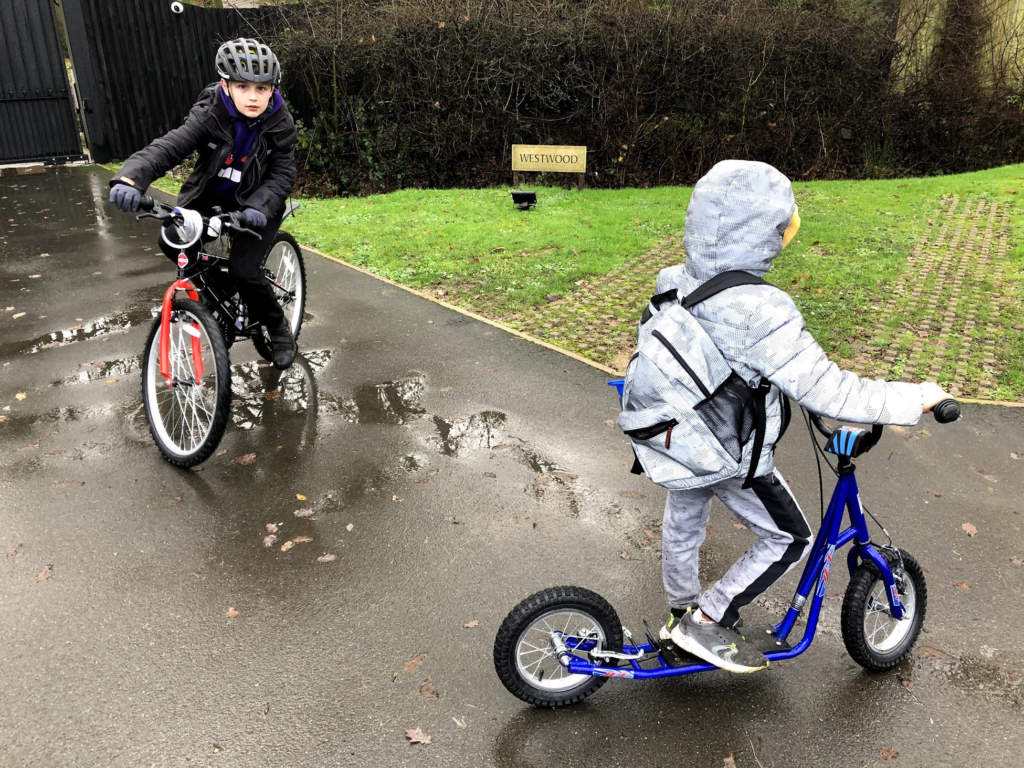
The Mini Micro Scooter is such an awesome gift for young children. This scooter is not only fun but also helps develop balance and coordination, making it a great way to encourage outdoor play.
3. Stomp Rocket Jr. Glow Kit
The Stomp Rocket Jr. Glow Kit is a fun toy that offers a lot of excitement. Kids can launch foam rockets high into the air, helping your child develop gross motor skills while having fun outdoors.
4. Nike Hyperfuel Sport Water Bottle
Keeping kids hydrated during active play is essential. The Nike Hyperfuel Sport Water Bottle is a perfect start to encourage your child to drink more water while engaging in physical activities. It’s a great idea for kids involved in team sports or outdoor play.
5. Slackers Swingline
Slackers Swingline is an outdoor gift that brings the fun of a ninja course to your backyard. With ratchet straps and climbing holds, this gift is perfect for adventurous kids who love obstacle courses and active play.
6. Pickleball Set
One sport that has been gaining popularity rapidly is pickleball. Often described as a combination of tennis, badminton, and ping-pong, pickleball is a fun and accessible sport for kids of all ages. A pickleball set includes paddles and balls, offering a great way for kids to develop hand-eye coordination and enjoy hours of fun gameplay.
Pickleball is ideal for children because it offers a balance of physical activity and mental engagement. The sport requires quick reflexes and strategic thinking, helping your child develop their agility and hand-eye coordination. Since pickleball can be played in singles or doubles, it also teaches valuable lessons in teamwork and communication. The game’s adaptability makes it suitable for kids of various skill levels, allowing them to improve at their own pace while having fun.
7. Laser Tag Set
For a fun game that can be enjoyed indoors or outdoors, a Laser Tag Set is a great gift. It encourages active play, teamwork, and strategic thinking, making it a favourite toy for active teens.
8. Hop Balls
Hop Balls are a fun toy that provides a great way for your child to burn off energy while developing balance and coordination. These bouncy balls are perfect for outdoor play and are a huge hit during play dates.
9. Indoor Trampoline
An indoor trampoline is an ideal gift for active kids, especially during the winter months. It offers a fun way to stay active indoors, helping your child develop core strength and gross motor skills.
10. Gymnastics Mat
A gymnastics mat is a great gift for kids who enjoy tumbling and gymnastics. It provides a safe space for practising flips, rolls, and other moves, making it a great toy for developing strength and flexibility.
11. Mud Kitchen
A mud kitchen is an outdoor play essential for encouraging imaginative play. It’s a great gift for young children who love to get messy and create their own outdoor adventures.
12. Training Wheels Bike
A bike with training wheels is a perfect start for young children learning to ride. It helps build confidence and balance, and when they’re ready, the training wheels can be removed for more advanced riding.
13. Soccer ball set
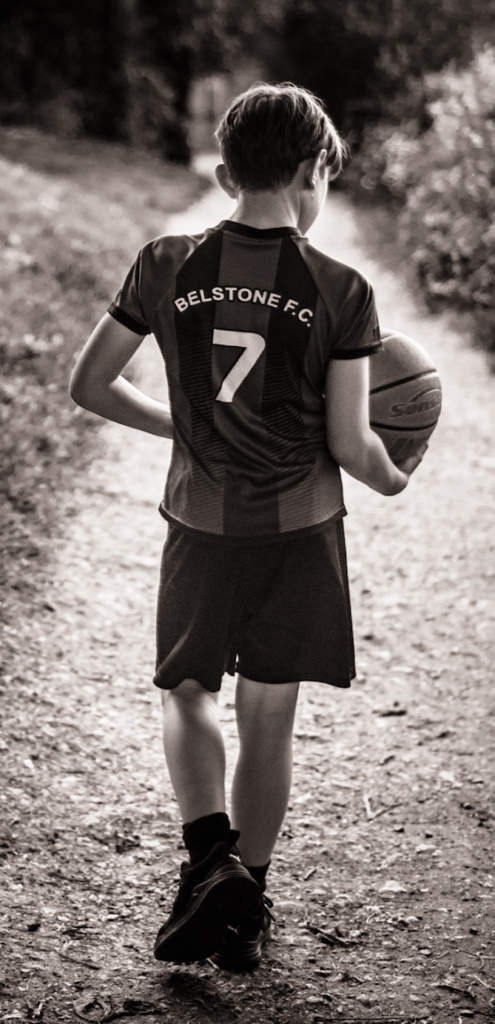
Soccer (or football to us Brits) remains one of the most popular sports worldwide, and for good reason. It’s a sport that emphasises teamwork, coordination, and cardiovascular fitness. Whether played casually in the backyard or competitively in a league, soccer offers numerous physical and social benefits.
A soccer ball set is a classic gift that encourages teamwork and physical fitness. Soccer is excellent for developing motor skills and coordination and requires players to use their feet, head, and body to control the ball, promoting balance and dexterity. In addition to physical benefits, soccer helps your child learn the importance of working together as a team to achieve common goals—a lesson that extends beyond the field. This gift is sure to get lots of use in the backyard or at the park.
14. Basketball Hoop Set
Basketball is another fantastic sport that can keep your child active and mentally sharp. The game requires agility, speed, and strategic thinking, making it both physically challenging and intellectually stimulating.
A basketball hoop set is a great way for your child to practice their shooting skills while staying active. Whether set up in the driveway or backyard, this gift offers hours of entertainment and helps improve hand-eye coordination.
15. Water Table
A water table is a great toy for young kids, offering hours of entertainment while helping to develop fine motor skills. It’s especially popular during the warmer months and makes a great outdoor gift.
16. Ratchet Straps Slackline
A Slackline is an awesome gift that challenges your child to improve their balance and focus. With ratchet straps and a sturdy line, it’s perfect for outdoorsy kids who love a challenge.
17. Obstacle Course Set
An obstacle course set is a fantastic gift for kids with endless energy. It allows your child to create their own courses and challenges, promoting physical activity and imaginative play.
18. Climbing Holds
Climbing holds are a great addition to any playset, encouraging your child to climb and explore. They’re a great gift for kids who love outdoor adventures and help build core strength and gross motor skills.
19. Tennis Racket Set
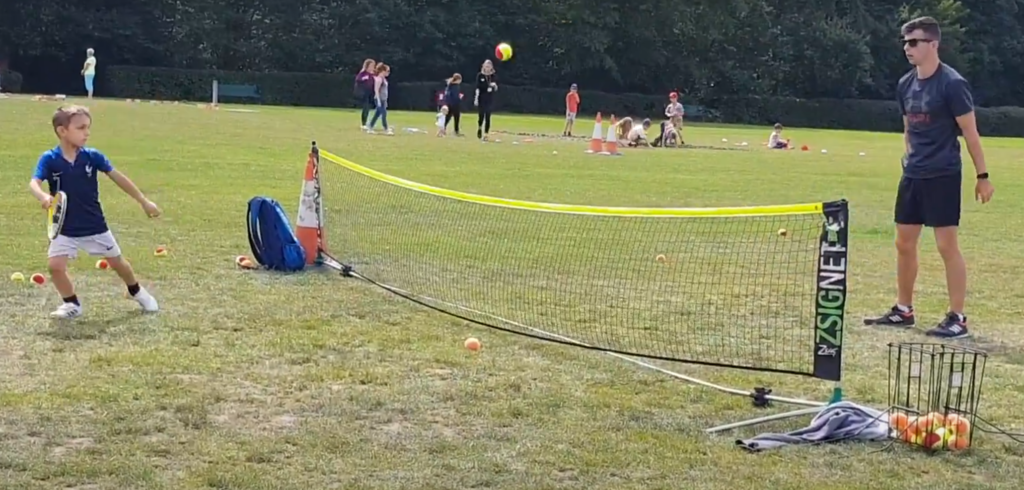
Tennis is a sport that can be enjoyed throughout a person’s life. It’s excellent for developing coordination, agility, and strategic thinking. A tennis racket set is a great gift for kids interested in learning tennis and helps develop hand-eye coordination and offers a fun way to stay active and enjoy the outdoors.
Starting tennis at a young age helps your child develop strong hand-eye coordination and quick reflexes. The sport also teaches strategic thinking, as players must anticipate their opponent’s moves and plan their shots accordingly. These skills are not only useful in tennis but also in many other aspects of life.
20. Pocket Knife
For older kids who enjoy outdoor activities like camping and hiking, a pocket knife can be a thoughtful and useful gift. However, it’s important to ensure they understand safety and responsibility when using it.
21. Stepping Stones
Stepping stones are a great way to add an obstacle course element to any backyard. They’re perfect for imaginative play and help develop balance and coordination.
22. Nike Running Shoes
A pair of Nike running shoes is a great gift for kids who love to run. They provide comfort and support, making them perfect for running around the park or participating in team sports.
23. Climbing Rope
A climbing rope is another great outdoor gift for adventurous kids. It’s perfect for building upper body strength and adds a fun element to any backyard play area.
24. Roller Skates
Roller skates are a classic gift that provides hours of active fun. They’re great for developing balance and coordination and can be enjoyed at the park, in the driveway, or even indoors with the right setup.
25. Archery Set
An archery set is a unique and exciting gift for kids interested in learning a new skill. It helps develop focus, patience, and hand-eye coordination.
26. Trampoline with Safety Net
For families with limited space, a trampoline with a safety net is a great choice. It offers all the fun of a trampoline while ensuring kids stay safe during play.
27. Kickball Set
A kickball set is a great way to get the entire family involved in a fun, active game. It’s perfect for outdoor play and encourages teamwork and physical activity.
28. Gymnastics Bar
A gymnastics bar is a great gift for kids who love to practice their flips and tricks. It’s perfect for indoor use and helps build strength and flexibility.
29. Swimming Pool Toys
Swimming is not just a sport but a vital life skill. It’s an activity that combines physical exercise with safety and can be enjoyed by kids of all ages. Swimming offers a full-body workout that enhances cardiovascular health, builds muscle strength, and improves flexibility. It’s a low-impact sport, making it ideal for children who might be prone to joint injuries or who prefer a gentler form of exercise.
Swimming pool toys are a great gift for the holiday season, providing endless fun in the water. From diving sticks to inflatable rings, these toys keep kids active and entertained.
30. Pogo Stick
A pogo stick is a fun toy that offers a great workout while improving balance and coordination. It’s sure to be a huge hit with kids who love to jump and play.
31. Martial Arts Gear
Martial arts are a great way to develop both physical and mental strength. Whether it’s karate, taekwondo, or judo, martial arts offer a structured environment where children can build discipline, confidence, and respect.
Martial arts gear, such as gloves and pads, is a great gift for kids enrolled in martial arts classes. It helps them practice safely at home and encourages discipline and focus.
32. Dance Mat
A dance mat is a fun and interactive gift that encourages kids to move and groove. It’s perfect for indoor play and helps develop coordination and rhythm.
33. Skateboard
A skateboard with some great skateboard shoes is a great gift for older kids who love to skate. It’s perfect for outdoor play and helps develop balance and coordination.
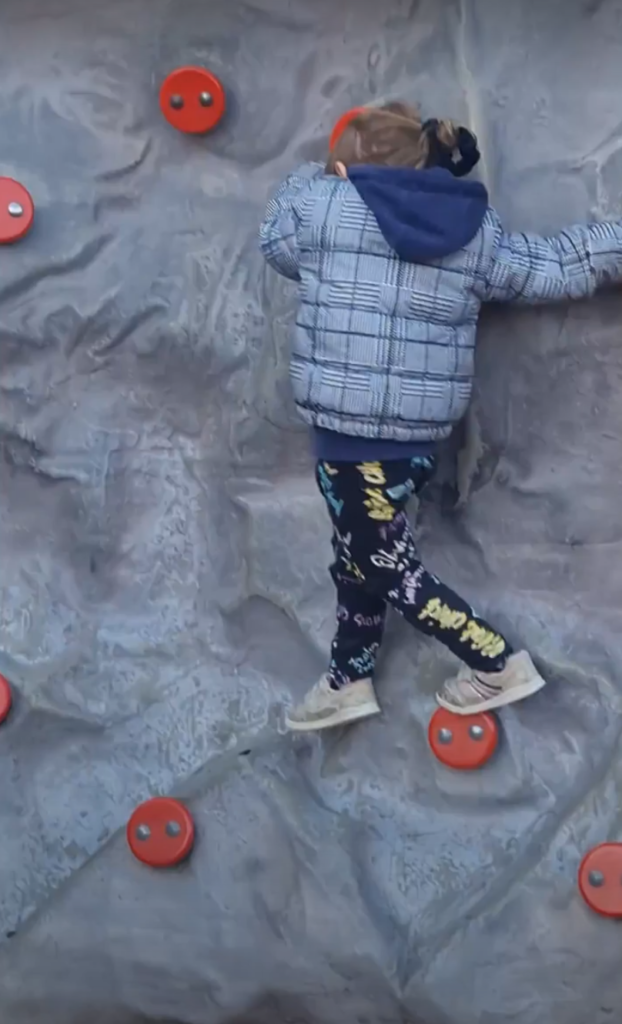
34. Rock Climbing Set
A rock climbing set is an exciting gift for kids who love to climb. It’s great for developing upper body strength and offers a fun challenge for adventurous kids.
35. Bike Helmet
A bike helmet is an essential gift for any child who rides a bike. It provides protection and peace of mind, ensuring they stay safe during their outdoor adventures.
36. Outdoor Playhouse
An outdoor playhouse is a great way to encourage imaginative play. It’s perfect for young children who love to create their own adventures in the backyard.
37. Bowling Set
A bowling set is a fun indoor or outdoor game that can be enjoyed by the entire family. It’s a great way to develop hand-eye coordination and offers lots of use during play dates.
38. Camping Tent
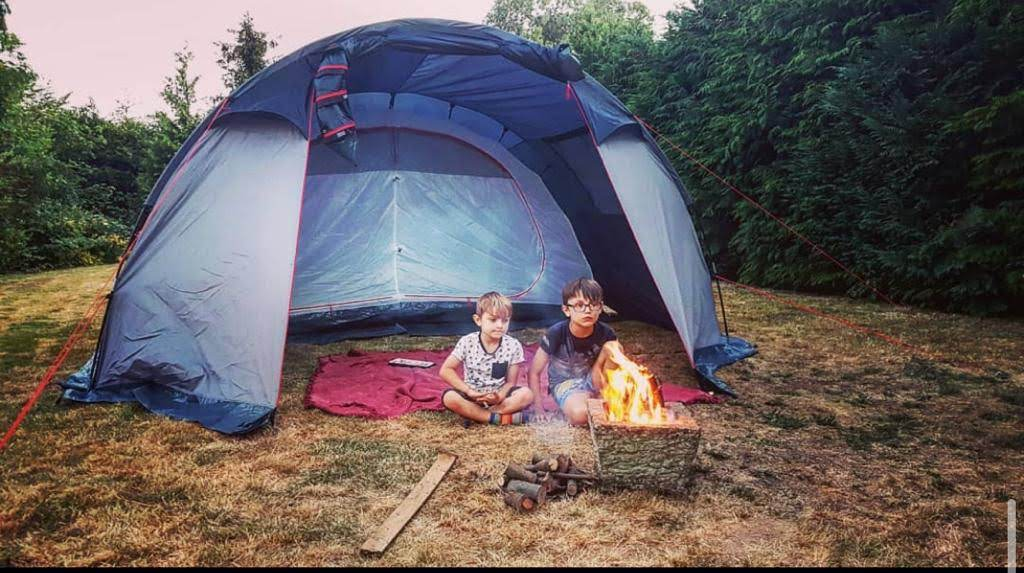
A camping tent is a great gift for kids who love the outdoors. It encourages a sense of adventure and is perfect for backyard camping or family trips.
39. Fishing Rod Set
A fishing rod set is a great gift for kids who enjoy spending time by the water. It’s a fun way to learn patience and enjoy the great outdoors.
40. Jump Rope
A jump rope is a simple yet effective gift for promoting physical fitness. It’s great for building cardiovascular health and can be used both indoors and outdoors.
41. Scooter with Light-Up Wheels
A scooter with light-up wheels is a fun and exciting gift for kids. It’s perfect for outdoor play and encourages active transportation.
42. Hiking Backpack
A hiking backpack is a great gift for kids who love to explore the outdoors. It’s perfect for carrying snacks, water, and other essentials during hikes or nature walks.
43. Table Tennis Set
A table tennis set is a great indoor game that helps develop hand-eye coordination and reflexes. It’s perfect for active play on rainy days.
44. BMX Bike
A BMX bike is a great gift for adventurous kids who love to ride. It’s perfect for performing tricks and exploring trails, offering hours of active fun.
45. Yoga Mat
A yoga mat is a great gift for kids interested in mindfulness and physical fitness. It’s perfect for practising yoga, stretching, or even gymnastics at home.
Basketball shoes are a great gift for kids who play basketball. They offer the support and traction needed for quick movements on the court, helping to improve performance.
48. Outdoor Adventure Kit
An outdoor adventure kit is a great gift for young explorers. It typically includes binoculars, a compass, and other tools that encourage kids to discover nature.
49. Football Set
A football set is a great way for kids to practice their throwing and catching skills. It’s perfect for outdoor play and encourages teamwork and physical activity.
50. Dance Class Gift Card
A gift card for dance classes is a great gift for kids interested in learning new dance styles. It encourages physical activity and helps develop rhythm and coordination.
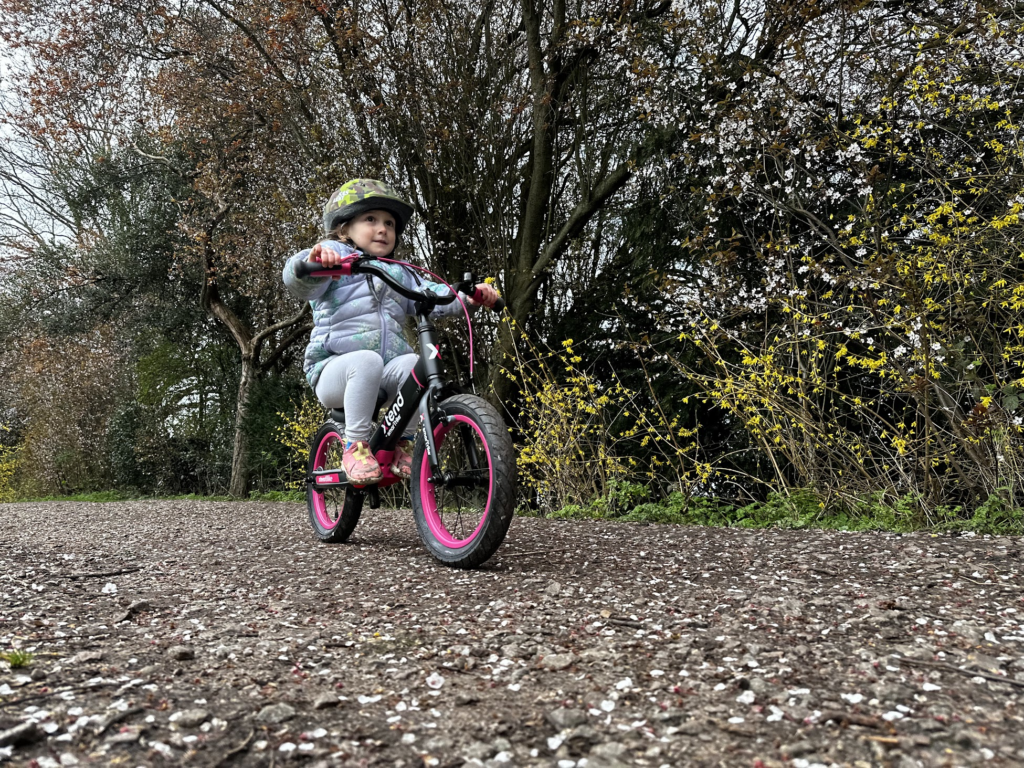
51. Balance Bike
A balance bike is a perfect start for young children learning to ride. It helps develop balance and coordination without the need for training wheels.
52. Inflatable Bounce House
An inflatable bounce house is a great gift for kids’ parties and playdates. It offers hours of active fun and helps burn off energy.
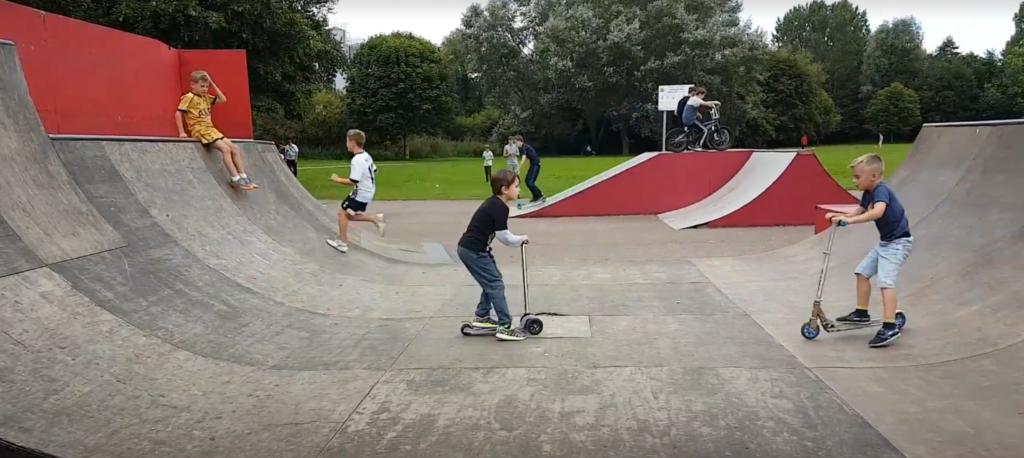
53. Scooter Ramp
A scooter ramp is a great gift for kids who love to perform tricks. It’s perfect for the backyard and encourages active play and skill development.
54. Water Gun Set
A water gun set is a fun outdoor toy that provides hours of entertainment during the summer months. It’s great for play dates and encourages active play.
55. Sports Watch
A sports watch is a great gift for older kids involved in sports. It helps them keep track of time, set goals, and monitor their performance.
56. Playground Ball Set
A playground ball set is a versatile gift that can be used for various outdoor games. It’s perfect for encouraging active play and teamwork.
57. Hula Hoop
A hula hoop is a simple yet effective gift for promoting physical fitness. It’s great for building core strength and can be used both indoors and outdoors.
58. Adventure Park Pass
A pass to an adventure park is a great gift for the entire family. It offers a fun day out and encourages physical activity and exploration.
59. Dance Party Speaker
A dance party speaker is a great gift for kids who love to dance. It’s perfect for indoor play and encourages active movement and fun.
60. Gift Card for Sports Store
A gift card for a sports store is a thoughtful gift that allows kids to choose their own sports gear or equipment. It’s perfect for active kids who have specific interests or needs.
FAQ
General gift ideas for kids
What is the best gift for a kid?
The best gift for a kid depends on their interests. For active kids, consider sports equipment or outdoor toys. Creative kids might enjoy art supplies or building sets. Experience-based gifts like a day at a theme park can also be highly memorable.
What to gift a kid?
When choosing a gift for a kid, consider their interests. Toys, books, sports gear, or art supplies are always good options. For something more unique, consider an experience gift, like tickets to an event or a day trip.
What is the 5-gift rule for kids?
The 5-gift rule for kids is a strategy where you give a child five gifts, each with a specific purpose:
Something they want,
Something they need,
Something to wear,
Something to read, and
A special gift of your choosing, often an experience or something that holds sentimental value.
Active and sporty kids
What to buy for active kids?
For active kids, consider gifts that encourage physical play and help develop motor skills, such as trampolines, scooters, or sports equipment.
How to get my child active?
To get your child active, focus on making physical activity fun and a regular part of their routine. Encourage activities they enjoy, whether it’s playing a sport, riding a bike, or simply running around the backyard. Limit screen time and replace it with outdoor play or family activities like hiking or walking. Lead by example by being active yourself, and provide the necessary equipment, such as a soccer ball or a bike, to make it easier for them to stay engaged. Positive reinforcement and making physical activity a shared experience can help instil a lifelong love of being active.
What should I get my sporty kid?
For sporty kids, look for gifts that align with their favourite sports, like a new soccer ball, basketball shoes, or a tennis racket set.
What do you buy an active boy?
Active boys might appreciate sports equipment like a basketball hoop set, soccer ball, or bike. Outdoor adventure gear such as a tent or climbing ropes can also be exciting. For something unique, consider a slackline or laser tag set.
What kind of gift fits a very active 15-year-old boy?
For a very active 15-year-old boy, consider sports gear like a new pair of running shoes, a skateboard, or a basketball. Adventure gear such as a camping set or a climbing harness might also be appealing.
Age-specific gift ideas
What are the best gifts for 10-year-olds?
For 10-year-olds, consider gifts that match their growing interests and independence. A BMX bike, rock climbing set, or sports gear like a basketball hoop set are excellent for active kids. Art supplies, science kits, or musical instruments cater to creative and curious minds.
What is a good gift for a 10-year-old boy?
A 10-year-old boy might enjoy a sports watch, video games, or STEM kits that challenge him intellectually. For active play, consider a bike, skateboard, or basketball hoop set.
What gift for a 10-year-old boy? I need help, I have no idea what I can buy for my cousin. Consider gifts that match his interests. If he’s into sports, a BMX bike, soccer ball, or tennis racket set could be great. If he enjoys building or creating, Lego sets, science kits, or art supplies might be more appropriate.
What kind of gifts would be good for a 10-year-old girl?
A 10-year-old girl might enjoy art supplies, jewellery-making kits, or craft projects. If she’s into sports, consider a new soccer ball, roller skates, or a yoga mat. Books that match her reading level are also a thoughtful gift.
What is a good gift to give to an eight-year-old for doing well in school?
To reward academic achievements, consider a personalised journal, science kits, or books related to their favourite subjects. Tickets to an educational event or an experience-based gift, like a day at a museum or science centre, can also be meaningful.
What can be the best gift for an 8-year-old boy?
An 8-year-old boy might enjoy a remote-controlled car, Legos, or an archery set. For active boys, consider a soccer ball set, skateboard, or scooter with light-up wheels. STEM kits or puzzle games are also great for combining fun with learning.
What non-toy gift can you give an 8-year-old for her birthday?
Non-toy gifts for an 8-year-old could include a subscription to a kids’ magazine, a gift card for a bookstore, or tickets to a live show or museum. Art classes or cooking classes are also excellent options.
What gifts to get for a 4-year-old girl?
For a 4-year-old girl, consider gifts like a dollhouse, dress-up costumes, or building blocks. Art supplies for colouring and drawing, or interactive books that teach basic reading skills are also great choices. A balance bike is another fun and active gift.
What is the best gift to buy a 4-year-old girl?
Consider a dollhouse, interactive books, or educational puzzles for a four-year-old girl. Outdoor toys like a tricycle or sandbox are also popular and provide hours of fun.
What is a good birthday gift for a 4-year-old boy?
A 4-year-old boy might enjoy a train set, building blocks, or a tricycle. Other great options include puzzle games, books, or outdoor toys like a water play table or mini soccer goal.
What is a good birthday gift for a 7-year-old girl?
For a 7-year-old girl, consider gifts that encourage creativity and active play. Craft kits, dance mats, or sketchbooks are great for creativity. Roller skates, a scooter, or outdoor playsets can help keep her active and entertained.
What are good birthday gifts for a 5-year-old girl?
A 5-year-old girl might enjoy gifts that encourage imaginative play, such as a mud kitchen, dollhouse, or a dress-up costume. Other great options include art supplies like a drawing kit, interactive storybooks, or educational puzzles that help with learning letters and numbers.
Non-toy and experience-based gifts
What are some good non-electronic gift ideas for kids?
Non-electronic gift ideas for kids include sports equipment, outdoor playsets, arts and crafts kits, or adventure kits that encourage exploration.
What are some easy but thoughtful gifts for kids that are not toys?
Consider gifts that focus on experiences or learning. Gift cards for classes (like dance or art), a day trip to a zoo or museum, or subscriptions to a kids’ magazine are thoughtful options. Personalized items like custom storybooks where the child is the main character, or a handmade scrapbook capturing family memories are also great choices.
What are some good birthday presents for kids that aren’t toys but still fun?
Experience-based gifts are a great alternative to toys. Consider passes to amusement parks, cooking classes for kids, or a family game night kit with board games or puzzles. Outdoor adventure kits with binoculars and compasses can also be fun and educational.
What is a meaningful gift for a child who has too many toys?
A meaningful gift for a child who has too many toys might include experiences like a day pass to an adventure park, a gift card for sports classes, or outdoor gear like a camping tent.
What do you buy a spoiled child that has every toy imaginable for their birthday?
For a child who seems to have every toy, consider experience gifts like a day at an amusement park, a subscription to a monthly activity box, or tickets to a special event. Personalised items like custom artwork or a photo book documenting special moments can also be meaningful.
What would be a meaningful gift for a 6-year-old who has too many toys?
A meaningful gift could be a personaliesd storybook, a scrapbook of family photos, or a special experience like a day at the zoo or a cooking class. A donation made in their name to a cause they care about can also teach valuable lessons.
Outdoor and active play
What are some engaging outdoor toys for children to enjoy?
Outdoor toys like a Springfree Trampoline, Stomp Rocket Jr. Glow Kit, or a Mini Micro Scooter are great options. Water play tables, kickball sets, and obstacle course kits are also engaging choices that encourage active play.
What are some good birthday presents for children who have everything?
For children who seem to have everything, consider gifts that focus on experiences or creativity, such as tickets to a special event, art classes, or membership to a local children’s museum. Customised gifts, like personalized books or unique clothing items, can also be thoughtful.
Party and group gifts
What kind of cheap prizes are good to give out for an 11-year-old’s coed birthday party?
Consider small, fun items like glow sticks, mini notebooks, keychains, or slime kits. Candy or stickers are also inexpensive and popular choices. For something a bit more special, consider DIY craft kits or personalized water bottles.
Final thoughts
Choosing the best gifts for active kids doesn’t have to be a challenge. Whether they’re into team sports, outdoor adventures, or imaginative play, there’s something on this list for every active child. Encourage them to stay active, explore their surroundings, and develop new skills with these thoughtful and exciting gift ideas.
*Collaborative feature post*
Family home evening activities: 35 fun games and ideas
As much as I loved having the kids at home, the last lockdown was brutal. I had to homeschool two boys in two different years, manage a baby who wanted to destroy everything in the house and curb horrible morning sickness as I was newly pregnant – all while trying to work from home too. I definitely wouldn’t want to go through that again, especially with the youngest two now being preschoolers.
But if we had to do it all again, there are certain things I would do differently provided homeschooling didn’t take six hours a day like last time.
Family home evening activities are one of those special traditions that invite families to carve out dedicated quality family time each week for bonding, learning, and just having a good time together. Originally, the family home evening concept found its roots in religious communities, but it’s evolved into a concept that any family can embrace, regardless of background. Whether you’re teaching life lessonsc, playing games, or simply enjoying each other’s company, a family home evening is a golden opportunity to strengthen family ties and create memories that last a lifetime.
Having gone through it with four kids of varying ages, I have some tips on how to entertain kids at home. In this article, we’re diving into 35 fantastic family home evening activities that cater to everyone, from the youngest to the oldest in your family. From getting crafty with art projects to playing games and planning seasonal activities, these ideas help you plan evenings members of your family will look forward to every week.
Establish your availability
To work out how to entertain kids at home, you need to first establish how much time you have to entertain the kids. Do you have to work at home or have you taken holidays so you have the entire day to spend with the kids?
Whatever your situation, make sure you let your children know. Establish some ground rules and then, when you’re free, prepare the kids with some activity options. Then select the activity together if you don’t have any work/school/activity commitments. Stuck on ideas? Keep reading!
Be mindful of essential costs
Thankfully, entertaining a child at home means you’re less likely to take them out to a crowded place that costs money to enjoy. However, you need to factor in other costs, like increased housing costs, clothing and food. You still need to fork out for recreational activities even if they’re online, although there are lots of free online activities now thanks to entrepreneurs capitalising on the post-pandemic spirit.
You can get a better handle on this by knowing more about these expenses. Whether you are forking out for a onetime expense like a braces cost or paying towards your kids’ football club, make sure you know what’s coming in and going out first.
Help save for your activity goals by using an early savings account to keep your money safe.
You may struggle to find minutes in the day to spend with your kids but studies show that engaging in activities with your child will not only help them get the most out of that activity but it also improves your kids’ self-esteem and your bond with your children.
35 family home evening activities for all ages
Now that we’ve explored the importance of family home evenings, it’s time to dive into the core—finding the perfect activities that will make these evenings memorable for everyone involved. Whether your family loves to get creative, enjoys playing games, or prefers to spend time outdoors, this list of 35 activities has something for every interest and age group.
Engaging activities for all ages
1. Arts and crafts family night
If you’re thinking about how to entertain toddlers at home, arts and crafts are probably your best bet because it helps toddlers channel their energy – and messiness – into creating something magical, provided you’ve protected your furniture!
Stock up on paint, glitter glue, stickers (and whatever else you find!) and let their imaginations go wild. If you think they need a little structure, set them a specific task. Good examples include a paper airplane, your own ultimate frisbee, paper craft one hour kits, drawing a family portrait and for extra fun, creating a 3D object using papier mâché.
If you have desk work to do, then why not set up a play table beside you where your child can have fun with arts, crafts or different family home evening games? This will only suit older children, but at least you can offer them some distraction with a good attitude without having to resort to switching on the TV.
Choose arts and crafts materials that aren’t too messy, such as crayons and a piece of paper, so you don’t have to be watching your child every minute.
2. Get creative in the kitchen
Depending on the age of your kids, you can throw caution to the wind and loosen the restrictions in the kitchen. Kids deserve to learn valuable culinary skills because it will set them up for university and later adulthood, but we are often too scared to loosen the reins in case they cut themselves or set fire to the house.
Get them involved in easy-to-make recipes, like boiling an egg, making spaghetti or baking biscuits. You can ask them to read out the recipe instructions or assist in certain parts of the cooking process. Or if you’re baking with a baby, you can place their hands on the biscuits to make little cute hand marks. You may make a mess in the kitchen, but you’ll all have so much fun in the meantime!
Maybe your entire family doesn’t always have time to eat together, but when you do, make it something special. How about a one-pot meal everyone can enjoy together at the table like paella or a fondue? Your family can share the experience of a common meal and you can get to know your big and little kids through engaged conversation. It’s a great way to find out about how school is getting on or what’s troubling them.
3. Gardening
Gardening is an easy way to get your kids out in the great outdoors and away from their addictive devices. Why not dedicate a specific area outside for them to get stuck in? Ask them to pick out some pretty plants at the garden centre and then help you pot them once you get home. Or if you fancy more of a challenge, try growing your own veg! This is a great way to teach your kids the importance of nurturing and looking after things.
4. Family scrapbooking
Remember the good times with a family scrapbook. Gather those photos, ticket stubs, and drawings, and spend an evening putting them all together in a beautiful keepsake. Scrapbooking is a creative way for everyone to contribute, and it’s a project you can keep coming back to. The best part? Flipping through it later and reliving all those special moments.
5. DIY home decor
Why not make your home feel even more like “you” by creating some DIY decorations? Whether it’s making wreaths for the holidays, painting ornaments, or designing table centrepieces, this is a fun and productive way to spend an evening together. Plus, you’ll end up with something beautiful to display around the house.
Fun and interactive games
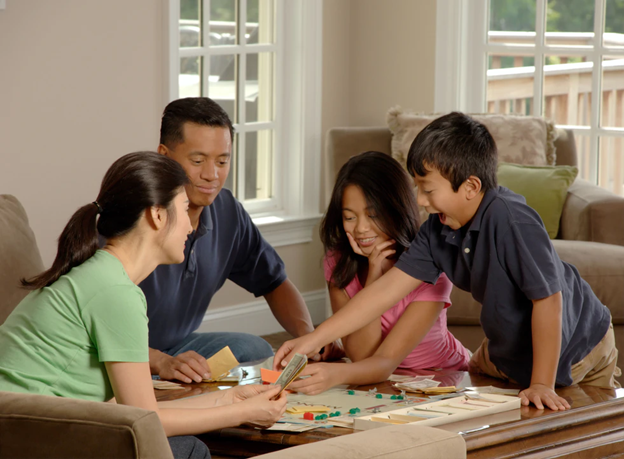
6. Board games night
There’s nothing like a classic board game to bring everyone together. Board games are perfect for encouraging a little friendly competition, strategic thinking, and, most importantly, lots of laughs. Whether you’re breaking out Monopoly, Scrabble, or Clue, or keeping it simple with games like Candy Land for the little ones, board games are a great way to spend an evening. They’re a fun activity that helps strengthen family bonds while creating memories of fun and laughter.
7. Charades
Get ready to giggle with a game of charades! This classic acting game is perfect for unleashing your family’s creativity. You can create a list of actions, movies, or characters to act out, making sure there’s something for everyone, regardless of age. It’s a fantastic way to encourage teamwork and self-expression, all while keeping things light and fun.
8. Treasure Hunt
Turn your home—or backyard—into a treasure map! A treasure hunt is a versatile activity that can be tailored to any age group. For younger kids, you can use simple picture clues or rhymes, while older kids might enjoy solving riddles or puzzles. Hide a small prize at the end for an extra element of excitement. It’s a great way to keep everyone engaged and entertained.
Ensure the clues are difficult enough to challenge the children but easy enough so they can actually solve them. You should have about an hour to have that cup of tea or get on with your tasks.
9. Puzzle night
There’s something wonderfully calming about puzzle-solving. Or, if you prefer, you can challenge each other with crossword puzzles. Platforms like 247 crossword offer a wide range of puzzles that cater to both beginners and experts, making crosswords more accessible than ever. Additionally, crosswords appear in The New York Times and highlight the creativity and linguistic skill involved in crafting crosswords.
A rainy day is the perfect time to play a game as a family, but whatever game you choose, it matters that you play together and have fun. And if you play for a short while, you will find your kids will naturally go off and want to play on their own afterwards.
10. Card games
Sometimes, the simplest games are the best. Classic card games like Uno, Go Fish, or Rummy are easy to pick up and provide endless fun. These games encourage strategic thinking and quick decision-making, all while keeping the atmosphere light and enjoyable. Plus, they’re suitable for all ages, making them a a great idea for a mixed-age family gathering. Maybe make it a weekly thing, like every Monday night you play cards together.
Enjoying the great outdoors
11. Family picnic
Pack up some sandwiches, grab a blanket, and head to your favourite park for a family picnic. Add some outdoor games like frisbee or soccer to keep everyone active. It’s a fantastic way to enjoy nature and get some fresh air, all while sharing a meal. And hey, who doesn’t love a good picnic?
12. Stargazing
On a clear night, grab some blankets, head outside, and see what constellations you can spot. Stargazing is a peaceful activity that can spark great conversations about the universe and our place in it. Plus, it’s a beautiful way to slow down and appreciate the natural world.
13. Nature walk
A nature walk or hike is a great way to explore the outdoors and get some exercise. Take the time to collect leaves, rocks, or flowers along the way and discuss what you’ve found when you get home. It’s a simple but effective way to foster a love for nature and spend quality time together.
14. Sports night
Why not turn your backyard into a mini sports arena? Whether it’s a game of football, basketball, or just a good old-fashioned game of catch, playing sports together is a fun way to get everyone moving. It’s a great opportunity to burn off some energy while enjoying each other’s company.
15. Outdoor movie night
If you have a projector, why not set up an outdoor movie night? It’s like bringing the cinema experience right to your backyard. With blankets, pillows, and your favourite beef jerky sticks snacks, you’ll create a cosy and fun evening under the stars. Plus, it’s a unique twist on your usual movie night.
Special themes for memorable nights
16. Holiday-themed family home evening
Holidays are the perfect time to get a little festive with your family home evening activities. Whether you’re decorating the tree for Christmas, organising an Easter egg hunt, or planning a Valentine’s Day craft night, holiday-themed activities add a special touch to your family traditions. These nights are not just about the fun—they’re also about creating lasting memories together.
17. Cultural night
Why not explore a new culture together? You can cook a traditional meal, listen to good music from that culture, and even learn about their customs and traditions. It’s a fun, educational way to broaden your family’s horizons and develop an appreciation for diversity. Plus, it’s always exciting to try something new!
18. Book club night
For the book lovers in your family, why not start a little book club? Choose a family-friendly favorite book, read it together, and then discuss it as a group. It’s a great way to encourage reading and critical thinking, and it gives everyone a chance to share their thoughts and perspectives.
19. Game show night
Bring the excitement of a game show into your living room! You can create your own family game show with trivia discussion questions, challenges, and even some prizes. This activity is not only fun but also a fantastic way to encourage learning and healthy competition.
20. Music and dance night
Nothing gets the energy up like a good dance party! Play everyone’s favourite tunes and dance the night away. If you’re feeling brave, you can even add a karaoke session. It’s all about letting loose and having fun together, and it’s sure to leave everyone with big smiles.
Learning and growing together
21. Family history night
Take a trip down memory lane with a family history night. Share stories from your family’s past, create a family tree, or flip through old photo albums. This activity helps children connect with their roots and understand where they come from, fostering a sense of identity and belonging.
22. Service project
Why not use your family home evening to give back to the community? Choose a service project that the whole family can participate in—whether it’s making care packages for those in need, volunteering at a local charity, or even cleaning up a neighbourhood park. Service projects are a great way to teach compassion and responsibility while making a positive impact together.
23. Science experiment night
Bring out your inner scientists with a science experiment night! Conduct simple experiments at home and discuss the results together. It’s a hands-on way to introduce scientific concepts and spark curiosity in kids of all ages. Plus, it’s just plain fun to see what happens when you mix baking soda with vinegar!
24. Storytelling evening
Everyone loves a good story, and a storytelling evening is a wonderful way to share them. Each member of the family can take a turn telling a story—whether it’s something that happened in real life or a tale from their imagination. It’s a fantastic way to encourage creativity and communication, and you’ll likely hear some surprising and entertaining tales.
25. Values and family home evening lessons night
Family home evening is a great opportunity to discuss important values and lessons. You can talk about topics like kindness, honesty, or responsibility, and how they apply in daily life. These discussions can include role-playing scenarios, sharing personal experiences, or even watching a short film or reading a story that illustrates the lesson. It’s a meaningful way to reinforce positive behaviours and principles in a family setting.
Fun family home evening ideas for every season
26. Pumpkin carving
Get into the Halloween spirit by carving pumpkins together. This is a fun and creative activity that lets everyone show off their artistic side. Plus, you can roast the pumpkin seeds for a tasty treat afterward!
27. Easter egg decorating
Make your Easter family home evening extra special by decorating eggs together. You can try different techniques like dyeing, painting, or even adding glitter and stickers. Afterward, have an egg hunt in the yard to see who can find the most!
28. Christmas cookie baking
There’s nothing quite like the smell of freshly baked cookies during the holidays. Spend an evening baking and decorating Christmas cookies as a family. You can share them with neighbours or friends, or simply enjoy them together with a cup of hot cocoa and a good Christmas story.
29. Winter crafts
When the weather outside is frightful, stay warm inside with some winter-themed crafts. You can make your own paper snowflakes, homemade ornaments, or even create a wreath for the front door. It’s a cosy way to spend time together while making your home feel festive.
30. Summer water games
Cool off during the hot summer months with some fun water games. Whether it’s a water balloon fight, setting up a slip-and-slide, or just running through the sprinklers, it’s a great way to beat the heat and have a blast together.
Unwind and connect
31. Home spa night
Turn your living room into a spa for a night of relaxation. Create DIY face masks, enjoy foot baths, and play some soothing music. It’s a perfect way to unwind and pamper yourselves after a busy week.
32. Movie marathon
Choose a series of movies—whether it’s Disney movies or a Harry Potter marathon—and settle in for a cosy night of entertainment. Pop some popcorn, enjoy and ice cream and grab your favourite snacks, and enjoy a cinematic experience from the comfort of your own home.
With all kinds of free movies available, you and your family can create your own personal film festival. You can make it just like going to the pictures with rows of chairs or just your comfortable bean bag.
33. Yoga and meditation
Bring some calm to your family home evening with a session of yoga and meditation. Practice simple yoga poses together, followed by a few minutes of meditation. It’s a peaceful way to relax and recharge as a family.
34. Build a fort
Sometimes, the simplest activities are the most fun. Gather up some blankets and pillows, and build a fort in the living room. Once it’s done, crawl inside for some snacks, stories, or even a board game. It’s a great way to encourage imagination and spend quality time together.
Once you are all comfortable inside your hiding place, enjoy a banquet of sandwiches and cakes whilst acting like royalty in your impressive creation.
35. Family testimony meeting
If your family is spiritual, consider dedicating a family home evening to sharing personal experiences, feelings, or testimonies about faith, gratitude, or family values. It’s a meaningful way to connect on a deeper level and strengthen your family’s bonds.
Final thoughts
Family home evenings are a wonderful tradition that offers endless opportunities for fun, learning, and bonding. With these 35 activities, you’ll find something that resonates with every member of your family. Whether you’re getting creative, playing games, or simply enjoying each other’s company, these ideas will help make your family home evenings both memorable and meaningful.
We’d love to hear your thoughts! Share your favourite family home evening activity ideas in the comments below.
FAQs
Common questions about family home evening activities
What activities can I do with my family?
There are countless activities you can enjoy as a family during FHE, both indoors and outdoors. Options include board games, treasure hunts, storytelling, and seasonal crafts. The key is to choose activities that everyone can participate in, ensuring a fun and inclusive experience.
What are some fun things to do with my children that don’t cost money?
FHE doesn’t have to be expensive. Consider activities like playing classic games, reading books together, or having a DIY pape3r craft session. These budget-friendly ideas allow you to spend quality time with your children without breaking the bank.
How do I keep kids entertained without electronics?
Suggest creative, screen-free activities to engage kids during FHE, such as arts and crafts, cooking, or playing outdoor games. These activities promote interaction and help children develop various skills while enjoying quality time with the family.
What are some ideas for spending quality time together as a family?
Discuss the importance of spending great time together and offer tips on how to make the most of FHE. This can include planning activities that cater to all family members, ensuring that everyone feels included and valued.
How to plan an FHE that is enjoyable for all ages?
Provide tips on planning activities that cater to both young children and older family members. This might include a mix of games, discussions, and creative projects to ensure that everyone has something to look forward to.
*Collaborative feature post*
*Links marked with a ‘*’ are affiliate links which means I may earn a small commission if you click through to buy, at no extra cost to you.
The best outdoor infant toys for development
Outdoor play is an essential part of early childhood development, offering babies the chance to explore, learn, and grow in a stimulating environment. Introducing outdoor infant toys such as baby garden swings and trampolines can significantly enhance their coordination, balance and mental growth. In this article, we will explore the benefits of these toys and suggest equipment you can incorporate into your garden to create a baby-friendly play zone.
The importance of outdoor play for babies
Outdoor play is incredibly beneficial for babies, offering them fresh air, natural sunlight, and a sensory-rich environment to stimulate their developing brains. The variety of textures, sounds, and sights outdoors enhances sensory development, promoting curiosity and exploration. Plus, outdoor play is great for physical activity, crucial for developing motor skills, muscle strength, and coordination. It also provides wonderful opportunities for social interaction with siblings, parents, or other children, fostering social and emotional growth.
Baby swings: a gentle introduction to outdoor play
Introducing your baby to outdoor play can be as simple as setting up a garden swing. These swings provide a soothing, rhythmic motion that babies find comforting and enjoyable, helping develop their sense of balance and coordination. Baby swings come in various types: bucket swings with safety features like a high back and leg openings, cradle swings for a reclined position perfect for very young babies, and full bucket swings with trays or harnesses for added safety and convenience. The benefits of baby swings are extensive—they help develop the vestibular system, strengthen core muscles, and offer rich sensory input through the swinging motion combined with the sights and sounds of the garden.
Trampolines: bouncing towards development
While trampolines might seem like they’re just for older kids, specially designed baby trampolines offer a safe and enjoyable way for infants to develop physical skills. These smaller trampolines have soft surfaces and often include handles for support. They come in various designs: small, cushioned trampolines for babies and toddlers, trampolines with stable handlebars, and enclosed trampolines with safety nets to prevent falls. The benefits of baby trampolines include developing coordination and balance, strengthening leg muscles, and boosting confidence through successful bouncing, encouraging babies to try new physical activities.
Creating a baby-friendly play zone in your garden
To maximize the benefits of outdoor play, consider creating a dedicated baby-friendly play zone in your garden. Essential items to include are a baby garden swing, a soft-surface baby trampoline with a handlebar or enclosure for safe bouncing, and a playhouse or tent for imaginative play and shade. Additionally, a sand and water table allows babies to explore different textures and engage in sensory play, while soft play mats provide a safe surface for crawling, sitting, and playing. Ride-on toys help develop coordination and motor skills, and outdoor activity centers with slides, climbing frames, and tunnels offer a range of physical challenges to stimulate active play.
Safety considerations
When setting up a baby-friendly play zone, safety should be your top priority. Always supervise your baby during outdoor play and ensure all toys and equipment are suitable for their age and developmental stage. Make sure all equipment, especially swings and trampolines, are securely installed and regularly checked for wear and tear. Use soft mats or grass to cushion any falls and reduce the risk of injury. Provide shaded areas to protect your baby from the sun and ensure they stay hydrated during playtime.
Final thoughts
Incorporating outdoor toys like baby garden swings and trampolines into your garden can offer substantial developmental benefits for your baby. These toys enhance coordination, balance, and muscle strength, while also providing rich sensory experiences and opportunities for social interaction. By creating a safe and stimulating play zone in your garden, you can give your baby the chance to explore, learn, and grow in a fun and healthy environment.
Remember, the key to successful outdoor play is ensuring all activities are age-appropriate and safe. With the right equipment and supervision, your baby can enjoy countless adventures in the great outdoors, laying the foundation for a healthy and active childhood.
FAQ
Popular and appropriate toys for infants
Q: What toys are currently popular for infants?
A: Some of the NEW Baby Toddler Toys that are popular for infants include Simplay Young Explorers Indoor Outdoor Activity Climber and Simplay Young Explorers Indoor Outdoor Discovery Playhouse. These products are often found under the new arrivals section in many shops, where you can also check for sales and gift cards options for additional savings.
Q: Which toy is appropriate for an infant?
A: Appropriate infant outdoor toys include those designed for safety and developmental benefits. Options like baby garden toys and outdoor baby toys are excellent choices. Always check the details on the product page for age recommendations and safety information.
Q: What toys should a newborn have?
A: For newborns, featured baby summer toys and backyard toys for babies that promote learning and sensory development are ideal. Outdoor toys for infants should be safe and engaging, helping them to explore their environment.
Outdoor play and toys
Q: How do you play with a baby outside?
A: Baby outdoor activities can include using baby garden toys, outdoor toys for infants, and engaging in infant outdoor play. Setting up a Foot WonderWave Outdoor activity climber or a garden playhouse can make outdoor playtime both fun and educational.
Q: What types of toys are suitable for outdoor play and helping babies connect with nature?
A: Outdoor infant toys such as baby outdoor toys and infant outdoor toys are perfect for helping babies connect with nature. Products like the Simplay Young Explorers Indoor Outdoor Activity Climber offer excellent opportunities for outdoor activities infants will enjoy.
Q: What are some engaging outdoor toys for children to enjoy?
A: Engaging outdoor baby toys and baby outdoor activities include Foot WonderWave Outdoor products and Simplay Young Explorers Indoor Outdoor Discovery Playhouse. These items are designed to keep children entertained while promoting physical and cognitive development.
Q: What are some outdoor toys for summers and where can I find them cheap?
A: During summer, baby summer toys like outdoor toys for 8-month-old and outdoor toys for 10-month-old are in high demand. Look for sales in shops and save with gift cards or free shipping offers.
Q: What are some must-have outdoor toys games to have for a two-year-old only child?
A: For a two-year-old, NEW Baby Toddler Toys such as Simplay Young Explorers Indoor Outdoor Discovery Playhouse and baby garden toys are must-haves. These products support active and imaginative pretend play.
Q: What are the best outdoor toys for 1-year-olds?
A: The best outdoor toys for 1-year-olds include baby garden toys and outdoor toys for babies. These items, often found in the Months Outdoor Toys category, promote learning and physical activity.
Q: What are the best outdoor toddler toys for hot summer days?
A: For hot summer days, baby summer toys and outdoor baby toys like Foot WonderWave Outdoor are perfect. These toys help keep toddlers cool and entertained.
Q: What are the best outdoor toys for 5-year-old kids?
A: Outdoor baby toys and baby outdoor activities for 5-year-olds include larger play structures like the Simplay Young Explorers Indoor Outdoor Activity Climber. These toys provide more challenging play options suitable for their age.
Q: How can I encourage outdoor play and exercise for my baby during winter without exposing them to extreme cold?
A: Encouraging baby outdoor activities during winter can be achieved with indoor-outdoor toys like the Simplay Young Explorers Indoor Outdoor Discovery Playhouse, which allows for safe play regardless of the weather.
Q: What are some ideas to do outside activities with toddlers outside?
A: Ideas for baby outdoor activities include using outdoor infant toys and infant outdoor play setups like baby garden toys. These activities support physical and cognitive development while enjoying the fresh air.
Benefits and development
Q: What are the benefits of outdoor toys for children’s overall development?
A: Outdoor baby toys and infant outdoor play contribute significantly to physical, cognitive, and social development. Learning through play helps with muscle growth, coordination, and social skills.
Q: What are the best toys you bought your 1-2 year old to keep them busy, entertained, and developing?
A: The best toys for this age group include outdoor infant toys and baby garden toys. Products like the Foot WonderWave Outdoor series keep toddlers engaged and support their development.
Q: What are the best types of toys for 1-year-olds?
A: The best types of toys for 1-year-olds include outdoor toys for babies and infant outdoor toys. These toys are designed to be safe and stimulating, promoting learning and physical activity.
Safety and selection of toys
Q: How can I choose toys that are safe for my baby to play with?
A: To choose safe toys, look for featured products with good reviews and safety certifications. Always check the details and age recommendations on the product page.
Q: What should I look for when choosing toys for my baby’s age and stage of development?
A: Choose toys from the Months Outdoor Toys category that match your baby’s developmental stage. Look for NEW Baby Toddler Toys and pretend play options that are age-appropriate and safe.
Q: As parents, how do you decide what toys to purchase for your infants and toddlers?
A: Parents should consider factors like the price, safety, and developmental benefits of toys. Look for sales and free shipping options to save money while purchasing high-quality products.
Educational toys
Q: What are some educational toys that are suitable for babies?
A: Educational toys like outdoor toys for infants and baby garden toys are excellent for promoting learning and development. These toys often feature bright colors and interactive elements that engage babies’ senses.
Q: Could you recommend age-appropriate educational toys for infants and toddlers?
A: For infants and toddlers, NEW Baby Toddler Toys and Simplay Young Explorers Indoor Outdoor Discovery Playhouse are ideal. These products support cognitive and physical development through interactive and imaginative play.
General toy suggestions
Q: What are some suggestions for baby toys?
A: Suggestions for baby toys include outdoor infant toys and baby outdoor products. These toys are designed to be safe, engaging, and educational.
Q: What kinds of toys should I buy for the kids that come to visit my house?
A: For visiting kids, consider outdoor toys for babies and infant outdoor play setups. Items like Simplay Young Explorers Indoor Outdoor Activity Climber are great for keeping kids entertained and active.
Q: Which toy is the best to help a baby learn to walk?
A: Toys that support walking include outdoor infant toys and push toys like the Simplay Young Explorers Indoor Outdoor Discovery Playhouse. These toys help babies develop balance and coordination.
Q: Where can you get activity toys for your kids?
A: Activity toys can be found in shops that offer NEW Baby Toddler Toys. Look for sales and free shipping offers to save on your purchase.
Q: What are the hot toys for kids this summer?
A: Hot toys for this summer include baby summer toys and outdoor baby toys like the Foot WonderWave Outdoor series. These toys are perfect for keeping kids cool and entertained.
Miscellaneous
Q: How often should I rotate my baby’s toys to keep them engaged?
A: Rotating baby outdoor toys every few weeks can keep your baby engaged and interested. This helps prevent boredom and encourages continuous learning and exploration.
Q: What is your opinion on plastic baby toys?
A: Plastic baby toys can be durable and safe if they meet safety standards. Always check the details on the product page to ensure they are free from harmful chemicals.
Q: Why do babies play with everything but their toys? We opened a little shop to create toys in this niche but need some help with understanding the psychology.
A: Babies are naturally curious and often explore their environment. Designing baby outdoor toys that are visually stimulating and interactive can capture their interest. Understanding their developmental stages can help in creating engaging toys.
Q: What types of baby toys are available?
A: Various types of baby toys are available, including outdoor infant toys, infant outdoor toys, and baby outdoor activities sets. These toys cater to different developmental needs and play preferences.
Q: What are some tips for going outdoors with a baby in cold weather?
A: When going outdoors in cold weather, dress your baby warmly and consider outdoor activities infants can enjoy in a sheltered area. Using toys like Simplay Young Explorers Indoor Outdoor Discovery Playhouse can provide a safe and warm environment.
Q: What are the best toys for children under 1 year of age?
A: The best toys for children under 1 year include outdoor toys for 8-month-old and outdoor toys for 10-month-old. These toys should be safe, engaging, and support sensory and motor development.
Newborn baby bathing products: a step-by-step guide
Your beautiful little one has arrived into this world and now you’re faced with the overwhelming task of bathing them. But how do you start? Where do you bath them? Which newborn baby bathing products do you use? And should you bath them every day?
Bath time for babies is more than just cleaning; it’s a special moment to connect with your little one. It can even help your baby’s brain grow and make bedtime smoother, as long as you’ve got the right approach.
This comprehensive guide is designed to walk you through the process of bathing your baby, from preparation to the actual bath and beyond, so you can make sure your little one is comfortable, clean, and ready for a good night’s sleep. We’ll cover everything you need to know about setting up for bath time, the best practices while bathing your baby, and tips on helping them settle down afterwards for a restful sleep. Here’s what we’ll cover:
Choosing the Right Time and Place: Learn the best settings and times to make bath time relaxing for both of you.
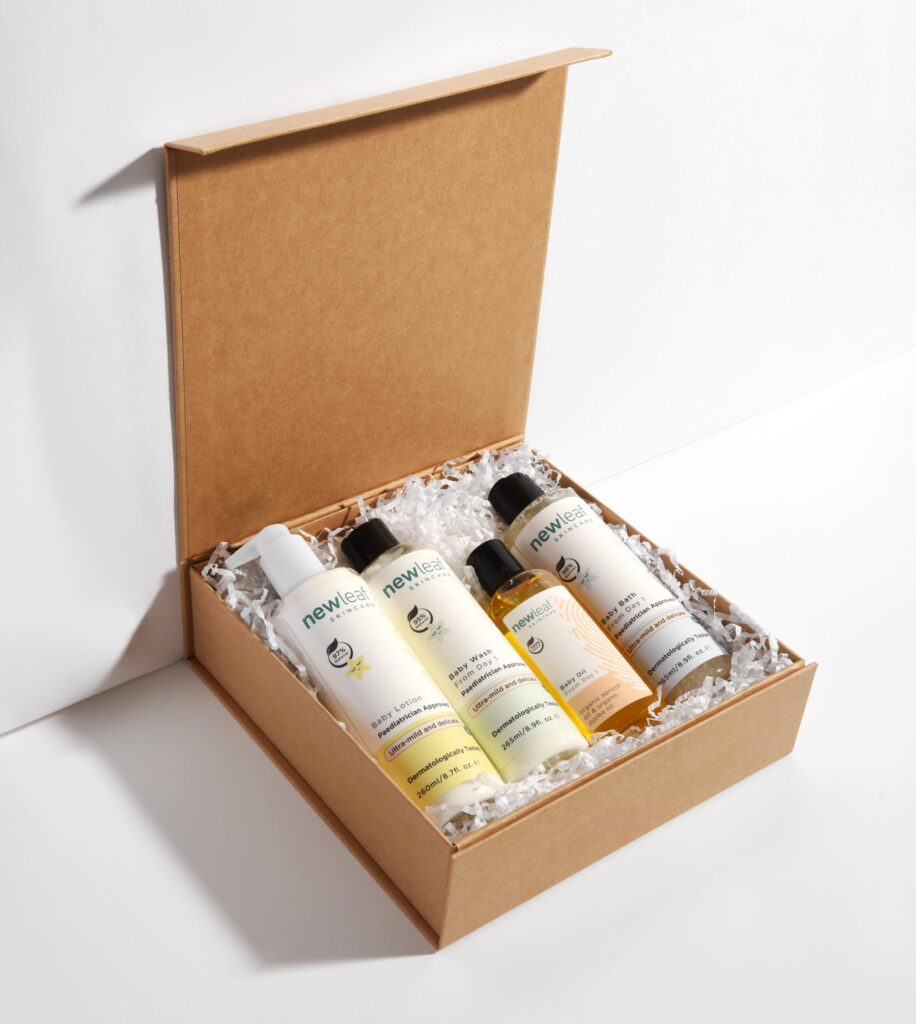
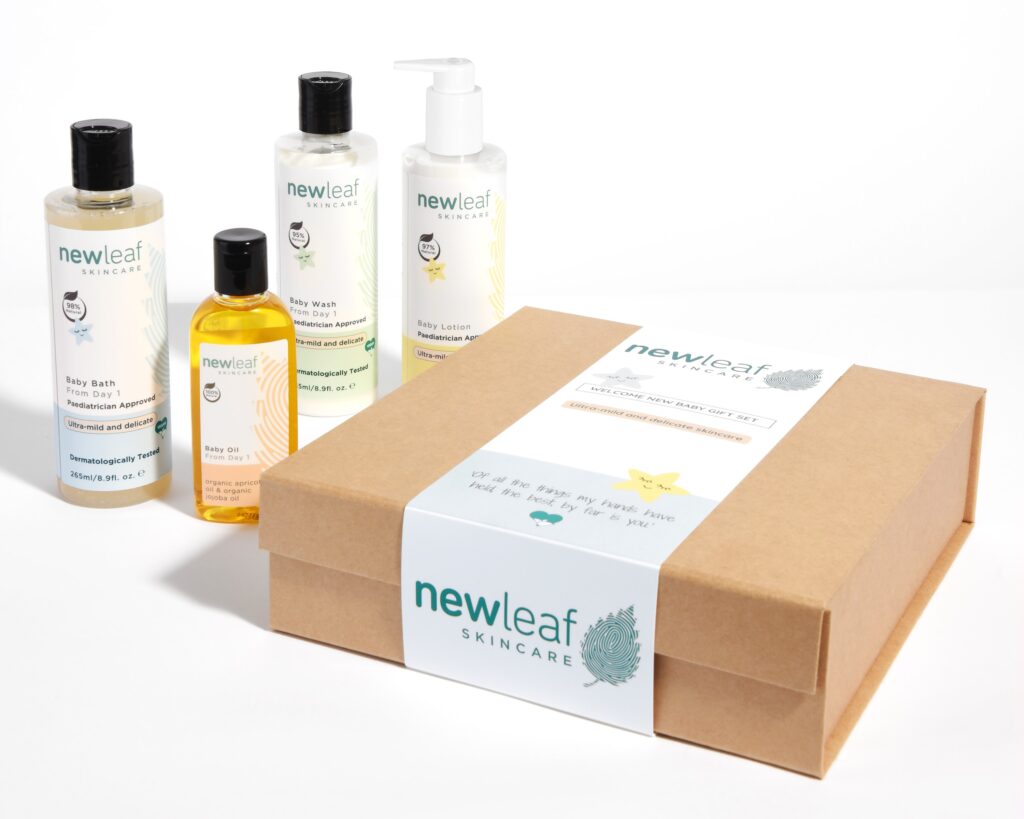
Essential Bathing Products: Discover why the New Leaf Essential Baby Gift Set approved by paediatricians and made with over 95% natural ingredients, is perfect for your baby’s delicate skin.
Gentle Washing Techniques: Find tips on how to gently cleanse your baby, to ensure their comfort and safety.
The Importance of Moisturising: How New Leaf’s Baby Lotion and Baby Oil can protect and nurture your baby’s skin, keeping it soft and hydrated.
Creating a Soothing Environment: We offer suggestions for a warm and calm bath time that will help your baby feel secure and loved.
After Bath Care: We’ll finish up with some advice on wrapping up bath time with soothing massages and a peaceful bedtime routine.
What newborn baby bathing products do I need for a newborn?
For a newborn, you’ll want to gather a few essential bath products designed specifically for their delicate skin. These should include:
Baby wash or Baby bath
Look for a gentle, tear-free baby wash or baby bath like New Leaf’s Baby Wash or Baby Bath.that’s free from harsh chemicals and fragrances. It should be mild enough for daily use, even on newborn skin.
Baby shampoo
If your baby has hair, a mild, tear-free baby shampoo can help. Like the wash, it should be gentle and free from any irritants.
Soft washcloths
Soft, gentle washcloths are better for your newborn’s skin than sponges, which can be too abrasive.
Baby bathtub or support
A specially designed baby bathtub or support pad can help keep your newborn safe and comfortable during bath time.
Hooded baby towels
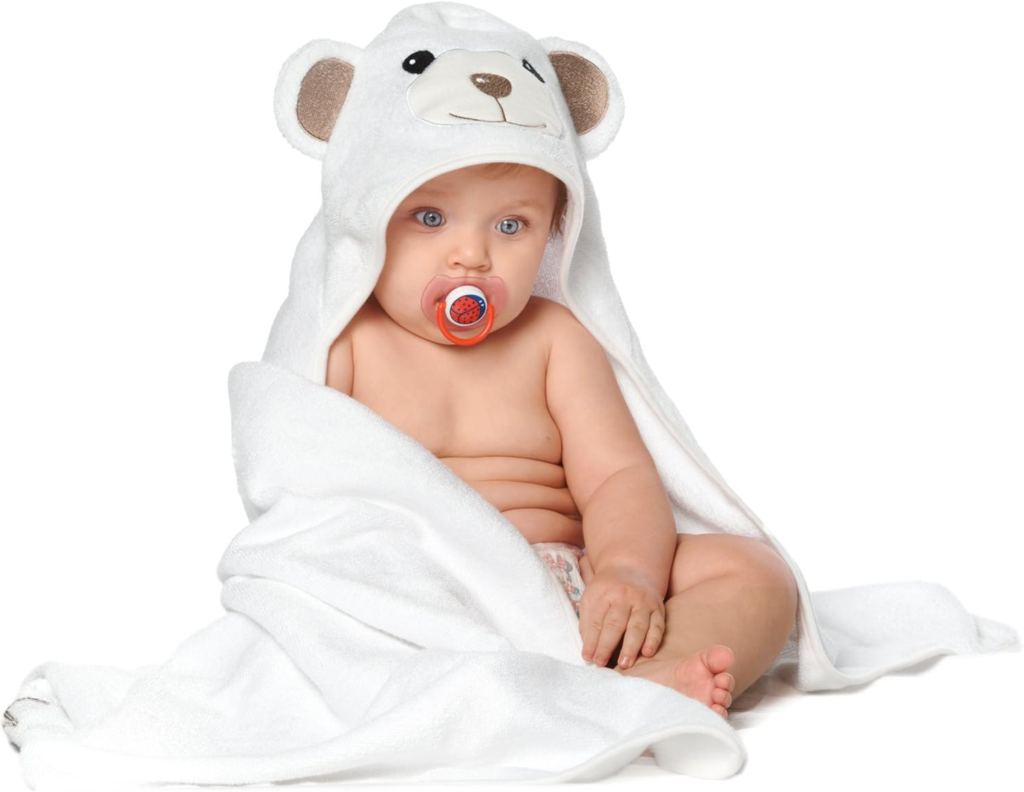
Soft, absorbent, and with a hood to keep your baby’s head warm, these towels are perfect for wrapping up your baby after their bath.
Baby Lotion, Oil or Moisturiser
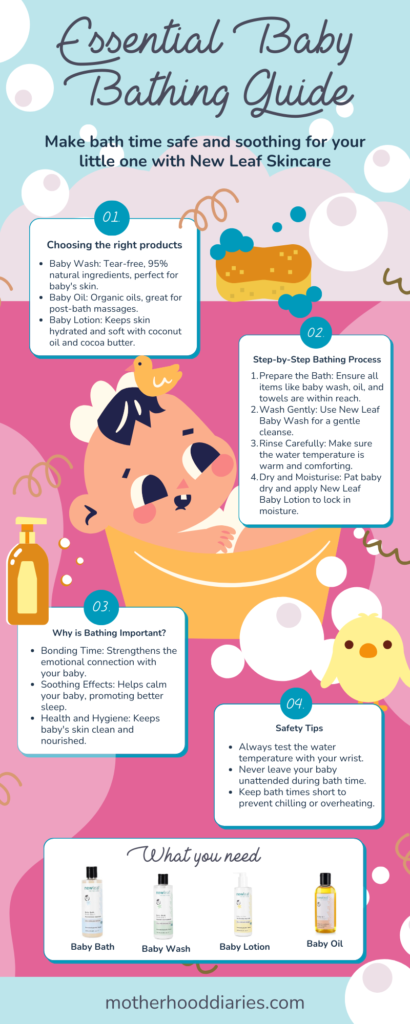
After bathing, a gentle baby moisturiser can help keep your newborn’s skin soft and prevent dryness. Look for products specifically formulated for babies, free from dyes, perfumes, and parabens. New Leaf offers two exceptional products for this purpose: the Baby Oil and the Baby Lotion. The Baby Lotion, enriched with coconut oil and cocoa butter, provides deep moisturisation while ensuring the skin’s natural barrier is protected.
For a more intensive care option, the Baby Oil, crafted with organic oils from day one, is perfect for nurturing and soothing baby’s skin, making it an ideal choice for baby massage or for treating dry spots. Both products are formulated without harmful additives, ensuring your baby’s skin receives the gentlest care.
Bath thermometer
To ensure the water is at a safe temperature for your newborn, consider using a bath thermometer. The ideal water temperature is around 37°C (98.6°F). If you haven’t got a bath thermometer, then the best place to check the temperature is on the wrist or elbow. These areas are more sensitive to temperature changes than your hands and can give you a better sense of whether the water will be comfortable for your baby.
When choosing bath products for your newborn, prioritise items that are designed to be gentle and safe for their sensitive skin. Products like those found in the New Leaf Baby Gift Set are formulated with organic and natural ingredients, making them an excellent choice for newborns.
Newborn baby bath products to avoid
Avoid using regular soaps, bubble baths, or any products not formulated for babies, as these can be too harsh and strip the natural oils from your newborn’s skin. The New Leaf Essential Baby Gift Set, for example, includes baby bath products for newborns, so they are gentle enough while still keeping your baby clean and comfortable.
Why is bathing important for babies?
Bathing your baby isn’t just about keeping them clean; it’s a key part of their care that does so much more. It’s also a chance to bond with your little one, which is so important for their emotional growth. Plus, bath time is great for their brain development, thanks to all the new sensations they experience with water and the way you engage with them during bath playtime.
When it comes to taking care of your newborn, picking the right baby bath time products is a big deal. Babies have super sensitive skin that can easily react to harsh chemicals found in some products. That’s why we recommend going for organic options like the ones in the New Leaf essential Baby Gift Set. These products in the newborn baby bath set are made with gentle, natural ingredients that are safe for your baby’s skin, reducing the chance of any irritation or allergies.
It is generally advised that you allow your newborn’s skin to only come into contact with water for the first few weeks before you introduce external products, but New Leaf’s bath products for babies are suitable from birth.
For the first six weeks, particularly for dry areas, midwives recommend using oil. This is where New Leaf’s 100% natural Baby Oil comes into play, blending organic apricot and jojoba oils. Ideal for post-bath moisture retention or baby massages, it’s also a favourite among mothers for reducing stretch marks post-pregnancy. After three months, you can switch to the Baby Lotion, which features coconut oil, cocoa butter, and glycerine for deep hydration, safeguarding the skin’s delicate barrier and leaving it smooth and nurtured.
Should I bathe my newborn everyday?
You don’t have to bath your newborn every day, as they don’t get very dirty. In fact frequent bathing can actually dry out their delicate skin. But it is important to keep their face, neck, hands, and nappy area clean between baths, which can be done with a sponge bath or wipes. As your baby grows and becomes more active, then you can bath them more frequently. Always use gentle, baby-specific products that are kind to their sensitive skin, like those found in the New Leaf Essential Baby Gift Set.
What are the best baby bath products for bathing a newborn?
Choosing the right bathing products for babies is key to keeping their delicate skin protected and healthy. Look for gentle, hypoallergenic, and fragrance-free products designed specifically for babies. The New Leaf Essential Baby Gift Set offers organic options that are safe for your baby’s sensitive skin. This set includes the Baby Oil, Baby Lotion, Baby Wash, and Baby Bath, all formulated without harsh chemicals, so your baby can have a safe and soothing bath time.
The New Leaf Baby Wash is ideal for newborns’ delicate skin and hair. Crafted with shea butter and camellia seed oil, it locks in moisture and protects against dry skin conditions, ensuring your baby’s skin and hair are cleansed gently. This 95% natural formula is paediatrician approved and dermatologically tested, making it safe for use from the very first bath. Suitable for newborns 3kg and up, it’s a one-stop solution for hair, head, and body, offering peace of mind with each use.
Remember, the best bath products for baby are those that clean effectively while being gentle on your baby’s skin, to avoid any unnecessary irritation or dryness. The New Leaf Baby Bath is fragrance free with emollient-rich oat extract, while shea butter softens and moisturises.
Where do you bathe a newborn?
You can bathe your newborn in several safe and comfortable places, depending on what works best for you and your baby. A small baby bathtub (we used this one*) is a popular choice because it’s designed to support a newborn’s head and body. You can place the baby bathtub on a flat, stable surface like the counter, the floor, or even inside your own bathtub to make it easier to manage water and supplies.
You may prefer using a sink, especially in the early weeks. Just make sure the sink is clean and use a sink liner* or a soft towel at the bottom for extra comfort and to prevent slipping.
Wherever you choose to bathe your newborn, it’s advisable to keep everything you need within arm’s reach, and make sure the room is warm. Also, never leave your baby unattended, not even for a second. Comfort, safety, and being prepared are key to a safe and successful newborn bath time.
Preparing for newborn bath time
Before you start bathtime, set up your environment first, which should be a soothing and secure environment that promotes bonding and maximises baby’s comfort and safety. So, let’s explore how you can set the scene for a perfect bath time experience and what newborn bath time essentials you’ll need.
Set the scene
Start by creating a calming atmosphere for a stress-free bath time. Here are some tips on how to make bath time a serene experience:
Use dimmed lights or candles out of reach
Soft lighting helps soothe your baby, making the bath time experience more relaxing. Bright lights can be overstimulating for your little one’s sensitive eyes, so using dimmed lights or placing candles safely out of reach can create a soothing environment that mimics the warmth and comfort of the womb.
Put on light classical music or sleep meditation music in the background
The gentle flow of classical music or the soothing tones of sleep meditation music can have a calming effect on both you and your baby. Music stimulates babies’ brain development, soothes their emotions, and can make bath time feel like a peaceful retreat from the day’s excitement. It’s a simple way to enhance the sensory experience of bath time, making it more enjoyable for everyone involved.
Choose a time when the baby is awake and happy
Timing is everything. A well-rested baby who is alert and in a good mood is more likely to enjoy the bath. So, observing your baby’s daily patterns will help you choose a time when they are most receptive to new experiences.
Try not to bathe your baby straight after feeding or when they’re hungry/tired
Bathing your baby immediately after a meal can cause discomfort or fussiness due to their full stomach. Similarly, a hungry or overly tired baby may not enjoy bath time and become more difficult to soothe, as mentioned above. Wait for a while after feeding and make sure your baby isn’t hungry or too tired before you start the bathtime process.
Keep the room temperature nice and warm
Babies lose heat more quickly than adults, and a chilly room can make bath time an unwelcome shock. Keeping the room warm ensures your baby remains comfortable and prevents the cold air from causing distress. And a warm room will make the transition from bath to towel more gentle for your baby’s delicate body.
An ideal room temperature for bathing a baby should be around 75°F (24°C) to help create a cosy environment and minimise the risk of your baby feeling chilled.
Have all your bath essentials for baby within distance
Having everything you need within arm’s reach is crucial for a smooth and safe baby bath time. This includes New Leaf’s Baby Oil, Baby Lotion, Baby Wash, and Baby Bath. Additionally, prepare soft washcloths, a clean towel, a fresh nappy, and any other bathing accessories you might need. We’ll go through each of these in more detail in a moment but organising these items beforehand ensures you can always keep one hand on your baby at all times.
Please remember to keep all skincare products out of reach of infants at all times.
A soft towel or cushion to protect your knees
Your comfort is just as important as your baby’s. Using a soft towel or cushion to kneel on can reduce strain on your knees and back, making bath time more enjoyable for you as well. When you’re comfortable, you’re more likely to be patient, which in turn helps your baby stay relaxed.
Bathing your newborn step-by-step
Now for the actual bath experience!
For the initial months, your baby’s bath should be a gentle affair. Here’s what you’ll need:
A bowl of warm water maintained at a cosy temperature close to the baby’s body temperature, around 37°C (98.6°F).
Soft cotton towels for drying your baby after the bath.
Cotton wool balls for cleaning delicate areas gently.
A fresh nappy and a set of clean clothes.
A nappy bag for conveniently disposing of used cotton wool.
Topping and tailing is a great way to introduce bathing
If the idea of a full bath seems daunting initially, consider topping and tailing — a simpler method focusing on cleaning the baby’s face, neck, and nappy area. This method allows you to gradually get accustomed to handling your baby during bath time. The steps include:
Holding your baby on your knee or laying them on a changing mat.
Removing clothes, leaving the vest and nappy, and wrapping your baby in a towel.
Using damp cotton wool to clean the baby’s eyes, ears, face, and neck gently.
Changing the nappy and cleaning the baby’s bottom with fresh cotton wool and warm water.
When you’re ready to transition to the baby bath
Bathing your baby need not be a daily routine, but it’s such a great way to bond with your baby. Here’s how to bathe a newborn baby:
Make sure the bath water is warm, using your wrist or elbow to test the temperature.
Begin by cleaning your baby’s face, as done in topping and tailing.
Carefully wash your baby’s hair with plain water, supporting their head and neck.
Gently lower your baby into the bath, using one hand to support their head and shoulders.
With the other hand, gently splash water over your baby’s body, avoiding any direct pouring of water on the face.
When you’re finished, carefully lift your baby out of the bath, and pat them dry, focusing on getting the folds of the skin dry to prevent irritation.
When you’re ready, you can start to introduce bathing products to the bath routine
Bath time dos and don’ts
Do: Use just plain water for the baby’s skin in the initial weeks until your baby’s skin gets used to its environment.
Don’t: Leave your baby unattended during bath time.
Tip: If your baby isn’t enjoying bath time, try joining them in the bath to make them feel more secure.
Enhance bathtime fun with music and eventually bath toys
Enhancing bathtime with music and, as your baby grows, introducing bath toys, can turn a routine activity into a great learning and bonding experience. Soft music and singing to your baby can not only soothe them, but support emotional connection and language skills. As they get older, introducing toys designed to boost hand-eye coordination and visual tracking, such as floating toys or those in high-contrast colors like black, white, and red, adds fun and encourages developmental milestones. Light-up toys offer visual stimulation, making bath time both entertaining and educational.
Beyond bathtimes – what to do after the bath
What happens after bathtime isn’t just about getting dry; it’s a whole new chapter of care for your baby. In this part, we’ll share tips on feeding, burping, and how to make baby massage a soothing ritual. Plus, we’ll talk about the importance of regular nappy changes and setting up a cosy bedtime routine.
Creating a soothing bedtime routine
Creating a soothing bedtime routine is all about consistency and calmness. Start with a quiet activity, like reading a gentle story or playing soft music, to signal that it’s time to wind down. Make sure the sleeping environment is comfortable, with dim lights and a cosy temperature. Incorporating a predictable sequence of steps, such as a bath followed by massage and then feeding, helps your baby understand that sleep time is near. The key is regularity; doing the same activities in the same order every night can significantly improve your baby’s sleep patterns. Here are some things you can include in your routine before bedtime.
Grooming time
Grooming your baby after bath time is crucial for comfort and safety. It’s essential to take care of their nails to prevent them from scratching themselves accidentally, which means using special baby nail scissors or a fine emery board designed for their delicate nails. Make sure you’re working in a well-lit area and hold your baby’s hand gently but firmly. You may find it easier to cut their nails when they are asleep.
The benefits of baby massage
Baby massage is a soothing practice that has several benefits, including promoting relaxation, aiding digestion, enhancing parent-baby bonding, improving sleep patterns, and stimulating neurological development. It’s also known for its role in strengthening the immune system, reducing crying, and easing muscle tension.
Starting around one month old, gently massage your baby with safe oils like New Leaf Baby Oil. Here’s a simple guide:
Choose a quiet, warm room and a comfortable surface.
Warm a small amount of baby oil in your hands.
Begin with gentle strokes on your baby’s feet, moving upwards towards the legs, tummy, chest, arms, and back.
Use soft, circular motions and avoid any sensitive areas.
Maintain eye contact and softly talk or sing to your baby, enhancing the bonding experience.
This calming routine can aid in your baby’s sensory development and sleep quality.
Nappy changing essentials
Regular nappy changes are essential to keep your baby’s skin healthy and prevent irritation and nappy rash. Using gentle wipes or water during changes helps clean the skin softly without causing dryness or discomfort. Setting up an organised changing station ensures everything you need—like nappies, wipes, and rash cream—is within reach. Creating a comfortable and well-equipped changing area can make nappy changes a smoother part of your daily bathtime routine.
Establish a feeding and burping routine
Establishing a feeding and burping routine after bathtime can help soothe and prepare your baby for a good night’s sleep. Create a comfortable space for feeding, by utilising supportive pillows and/or nursing chairs, so there’s no rush for you and baby. For burping, gently patting or rubbing your baby’s back in an upright position can help release trapped air and ease any discomfort. If you’re breastfeeding, you can find some great tips on how to do this here.
Final thoughts
As we conclude our guide on newborn care during bathtimes, it’s evident that the steps from bathing to establishing a soothing bedtime routine are crucial for your baby’s health and wellbeing. The New Leaf Essential Baby Gift Set offers a foundation of gentle and organic care for your baby, ensuring comfort and protection from the beginning.
It’s so important to embrace these nurturing moments with your baby, as they are fleeting. When you’re ready to get started, participate in our competition below for a chance to win the New Leaf Essential Baby Gift Set and arm yourself with the tools you need for a fantastic bathtime experience with your baby!
Baby bath essentials – Printable checklist
If you’re looking for more, I have a baby bath essentials list, which you can use when you’re preparing for bathtimes for your baby. You can either pin this baby bath supplies checklist or print it out and stick it on your bathroom wall.
FAQ
Choosing baby bath products
Can I use regular soap or body wash on my newborn or do I need to use specific baby products?
What products should a parent be using to bathe their newborn?
Which are the best products for babies? What products do newborn babies need?
Should I use soap or body wash for my 3-month-old baby?
Is it necessary to use baby products on babies or can we use regular body wash?
How do I choose baby wash for babies?
Which is the best baby lotion and baby soap for newborns?
What are some alternative bath care products for babies instead of Johnson & Johnson?
Are there any natural ways to bathe a baby without using chemical-filled shampoo and soaps?
What should I avoid in bath products for a baby?
What are the best types of baby shampoo and body wash for a newborn’s sensitive skin?
When choosing bath products for your newborn, it’s crucial to select items specifically formulated for their delicate skin. Regular soaps and body washes designed for adults may contain harsh chemicals and fragrances that could irritate a baby’s sensitive skin. Instead, opt for gentle, hypoallergenic baby bath care products free from harmful substances.
For newborns, consider using products that are mild and have been dermatologically tested for baby skin. Products like the New Leaf Baby Gift Set offer a range of organic skincare items, including baby wash, lotion, and oil, ensuring your baby’s skin is nurtured from day one without the risk of irritation.
When selecting a baby wash or shampoo, look for ones that are free from parabens, sulfates, and phthalates, and prioritise those with natural ingredients. The best bath products for babies are those that clean gently without stripping the skin of its natural oils. For babies over three months, you can start introducing products like a gentle shampoo if your baby has more hair, but always ensure they are suitable for sensitive skin.
For parents seeking alternatives to mainstream brands like Johnson & Johnson, organic and natural product lines, such as those offered by New Leaf, provide excellent options that focus on using ingredients that are safe and beneficial for baby’s skin. Many parents are turning towards natural ways to bathe their babies, using products with organic ingredients that offer a gentle cleanse without the use of harsh chemicals.
It’s advisable to avoid bath products that contain strong fragrances, dyes, and potential allergens. Instead, look for products with soothing ingredients like aloe vera, chamomile, and oatmeal, which are known for their gentle properties on sensitive skin.
In summary, choosing the right baby bath products involves looking for gentle, safe, and hypoallergenic options that cater to the unique needs of a newborn’s skin. Brands like New Leaf offer a range of products designed with these criteria in mind, providing parents with safe and nurturing choices for their baby’s bath time.
Specifics on soap and shampoo
How important is it to use soap for newborns?
Can I use soap for my newborn baby?
Is it safe to use regular baby shampoo and lotion when bathing a newborn?
Which soap is good for a one-month-old baby to bathe?
What’s the best bath products for newborns?
When can I use baby bath products on my newborn?
When bathing your newborn, using soap may not always be necessary, especially in the first few weeks. Newborns don’t get very dirty, so washing with warm water alone can often suffice for their face, hands, and nappy area. However, if you choose to use soap, opt for a very mild, fragrance-free soap formulated specifically for babies. Regular baby shampoo and lotion can be introduced, but it’s essential to ensure they are suitable for newborns, meaning they should be free from harsh chemicals and fragrances that could irritate their delicate skin.
For a one-month-old baby, a gentle, hypoallergenic baby soap or wash is ideal. Products that contain natural ingredients like aloe vera or chamomile can be soothing for a baby’s skin. The New Leaf Baby Gift Set offers excellent options for newborns, including baby wash and shampoo that are designed to be gentle on sensitive skin.
You can start using baby bath products on your newborn from the first bath, but it’s crucial to choose products designed for their delicate skin. In the early days, you may wish to limit the use of products and gradually introduce them as your baby gets older and their skin becomes more accustomed to bath time.
The best bath products for newborns are those that clean gently without drying out the skin or causing irritation. Look for organic, natural products that are specifically formulated for newborns, like those in the New Leaf Baby Gift Set, which are designed to nourish and protect while being gentle on your baby’s skin.
Baby bathing essentials
What are some baby bathing essentials?
What baby bath products do I need?
What do I need to bath my baby?
What’s your favourite baby bath product that makes bath time fun?
When preparing for baby bath time, there are several essentials you’ll need to ensure a safe, soothing, and enjoyable experience for both you and your baby. The basics include:
A baby bathtub or a bath support pad – A secure space designed for your baby makes bath time easier and safer. Consider features like non-slip surfaces and ergonomic designs that support your baby comfortably.
Gentle baby wash – A tear-free, hypoallergenic baby wash that’s formulated for sensitive skin is essential. It should clean without stripping natural oils from your baby’s skin.
Baby shampoo – Similar to baby wash, a mild baby shampoo that doesn’t irritate the eyes is crucial for keeping your baby’s hair clean and soft.
Soft washcloths – Use gentle washcloths to clean your baby’s body. Avoid rough materials that could irritate their sensitive skin.
Hooded baby towels – After bath time, wrap your baby in a soft, absorbent hooded towel to keep them warm and dry their skin gently.
Baby lotion or oil – Moisturising your baby’s skin after a bath can prevent dryness. Look for products specifically formulated for infants, such as those included in the New Leaf Baby Gift Set.
A bath thermometer – Ensuring the water temperature is just right (around 37°C or 98.6°F) is crucial for your baby’s comfort and safety.
Fun bath toys – As your baby grows, introducing safe, age-appropriate bath toys can make bath time an enjoyable experience, encouraging play and development.
Among these essentials, a favourite product that adds fun to bath time is bath toys designed for little hands. Toys that float, squirt water, or are easy to grip can turn bath time into an enjoyable playtime, making it an experience your baby looks forward to.
*This post is sponsored by New Leaf*
Boost math learning: parent-teacher collaboration ideas
Helping your child get better at math is something both parents and teachers need to work on together. It’s not just about what happens in school; the role of parents is fundamental to this process! You can help make sure your child understands math and feels good about learning it.
In this article, we’ll talk about why it’s so important for parents and teachers to work as a team and we’ll share some tips for successful parent-teacher partnerships, set common goals, and use teamwork to make math fun and interesting for your child.
Consistency is key to reinforcing mathematical concepts. When you and your child’s teacher align your approaches, your child receives a unified message about the importance of mathematical skills, which will foster a deeper understanding of the subject.
3. Addressing individual learning needs
Every child is unique, and when you and the teacher work together, you can help your child in their special way. By talking and sharing ideas, you can come up with great ways to make the most of what your child is good at and help them with the things they find tough. If you struggle to solve math problems, you can also visit MathMaster, an app that will assist you in your math journey: math-master.org.
Establishing healthy parent-teacher relationships for early learning success
Here are five ways to build parent-teacher partnerships and collaboration strategies developed by teachers:
1. Open communication channels
The fundamental importance of teacher parent communication revolves around talking openly, so the importance of parent involvement is crucial. Having regular meetings, sending emails, and using apps or websites that let you chat helps you connect to school and home. This way, you can always keep each other updated on how your child is doing.
2. Sharing learning objectives
One of the key parent-teacher collaboration strategies includes making sure you and the teacher understand the math goals and what’s expected. When everyone knows what the math lessons are about, it’s easier for you to help with these topics at home, which supports what’s being taught in the classroom. Including parents in the classroom would help with this part of the collaboration, but not all schools allow for it for security reasons.
3. Interactive workshops and seminars
A great way to enhance teacher parent collaboration is to attend workshops and seminars about teaching math because you’ll get to learn about the latest ways teachers are doing it. Plus, you’ll pick up some handy tips to help your kid with their math. These workshops can talk about different math subjects, ways to solve problems, and fun activities you can do together.
4. Using technology for updates
You can’t operate a successful parent and teacher collaboration without the use of technology in this day and age! Technology can help you keep track of how your child is doing in real-time. Online platforms, apps, and emails are great for getting updates on their tests, projects, and activities you can do at home to help with their math learning.
5. Encouraging math-focused family activities
Try to include math in your family’s fun times, not just homework. How about playing math games on a family game night? Or use cooking to practice measurements. Even everyday things can be a chance to have fun with math and make it more interesting.
Collaborative strategies to reinforce math learning at home
Here are some parent teacher collaboration ideas that you can reinforce at home with your child:
1. Setting a positive tone between teacher and parents
Remember how important it is to stay positive about maths. A big part of the teacher and parent collaboration involves getting rid of any worries about maths, encouraging them to keep going, and helping them see challenges are just chances to learn more.
2. Creating a dedicated math space
Families can set up a special learning environment at home just for maths. Fill it with maths books, puzzles, and learning games. This area will be a constant reminder of how important maths is in your everyday life and will help with overall academic achievement.
3. Real-world math applications
Try to use real-life maths in your daily routines. Things like working out your shopping budget or doing a bit of DIY around the house are great ways to put those maths skills to use in practical situations.
4. Regular progress check-ins for a successful parent and teacher partnership
A successful collaboration with parents and teachers includes regular catch-ups because you can monitor how they’re doing in maths. Working together to spot areas they can improve on, and cheering on their successes really helps show you’re all in it together to support their maths learning.
5. Homework support strategies
Give yourself some good ways to help with your child’s homework. Set up a quiet spot for them to work, stick to a regular homework schedule, and be there to help with their questions, but try not to give away the answers straight away.
Parent-teacher collaboration struggles and overcoming challenges
There can be a number of reasons why getting together with a teacher can be a struggle. Here are some issues you could run into and why continuing parent teacher communication is important, even if it’s challenging:
1. Time constraints
Remember, both you and your child’s teachers might be short on time. Using online meetings, being flexible when you meet up, and keeping communication clear and to the point can make collaboration between parents and teachers easier, even when you’re both busy.
2. Differing teaching approaches
Understand the way you teach at home might differ from how it’s done in the classroom. Having a detailed collaboration between teachers and parents means you can learn about their teaching methods. You’ll also get a better idea of what’s happening at school and can support your child more effectively.
3. Addressing math anxiety
Work together to tackle maths worries by sharing resources, and tips, and running workshops for both you and the teachers. Building parent-teacher relationships through a supportive atmosphere that recognises these anxieties helps make everyone feel more positive about maths.
Success stories: examples of effective parent-teacher collaboration
Below are some parent teacher collaboration examples you can try now:
1. Math nights and family workshops
If your school puts on Maths Nights or family workshops, they’re a great chance for you to get stuck in and see how maths is taught. These events are all about learning together and they show you how maths is used in real life.
2. Regular newsletter updates
If teachers send out newsletters with updates, tips, and activities all about maths, it helps keep you in the loop and be involved in the management of what’s going on. This regular catch-up makes you feel more like a team. Parents and teachers working together helps students do better in maths.
3. Interactive online platforms
If your child’s school uses interactive websites or apps for regular updates, online meetings, and resources, it makes it easier for you and the teachers to keep working together and stay in touch.
Parents meaningful questions you should ask your childs teacher
When you’re having a chat with your child’s teacher about maths, there are some good questions you can ask to get involved and help out. Here’s what you might want to ask:
“How’s my child doing in maths?” Start with the basics. This gives you a clear picture of their progress and any areas they’re good at or might need extra help with.
“What part of maths are they finding tricky?” Knowing this helps you understand what to focus on at home. It’s not just about the struggles; it’s about how you can support them to get better.
“Can you show me an example of their work?” This is great because you get to see exactly what they’re doing, and the teacher can explain it in a way that makes sense to you.
“What maths topics will they be learning this term?” This one’s good for staying ahead. You might find games or activities at home that tie in with these topics.
“Are there any resources or activities we can do at home?” Teachers often know about fun maths games or websites that can make learning at home a bit more interesting.
“How can I help my child with maths homework without giving away the answers?” It’s all about helping them think for themselves, not just telling them what to do.
“Is there a way we can make maths more real and fun at home?” Practical stuff, like measuring when cooking or working out change when shopping, can make maths feel more relevant.
Conclusion
Working together, you and your child’s teachers can help them get the hang of maths. By talking openly, understanding what they need to learn, and using teamwork, you can create a space where your child doesn’t just learn maths but gets it. This teamwork lays the groundwork for a love of learning and mastering maths skills, which will be useful as they grow up. So as we start this journey, remember, it’s not just about maths–it’s about helping each child reach their potential and feel confident with numbers.
FAQ
Why are healthy parent-teacher relationships important?
Other questions asked were:
Why is parent-teacher collaboration important?
Why is it important for teachers to collaborate with parents?
What is the importance of parents and teachers working together?
It’s really important for you as a parent to have a good relationship with your child’s teachers because when you and the teachers get along and talk easily, it helps your child in a few ways. First, if there’s something tricky going on with your child’s learning or behaviour, you and the teacher can sort it out together. It’s great for their mental health!
Also, when your child sees you and their teacher working as a team, it makes them feel more secure and supported. Plus, you get to understand what’s happening at school better, so you can help with homework and stuff at home. Parents and teachers are partners in education, so it’s all about making sure your child gets the best support from both home and school
What are the three C’s – how to form a constructive parent-teacher partnership?
The ‘Three Cs’ for a good parent-teacher partnership is a friendly guide to help you work well with your child’s teacher:
Communication: This one’s key for a good parent and school partnership. Keep the lines of chat open with the teacher. It means just being clear and honest when you’re talking about your child’s progress, any concerns, or even the good stuff happening at home that might affect school life.
Collaboration: You and the teacher are like a team for your child’s education. It’s all about working together, sharing ideas, and sometimes coming up with plans to help your child do their best. It’s not just about meeting at parents’ evening; it’s about being involved and interested all school year round.
Consistency: This is about making sure what’s happening at home and school lines up. So, if the teacher is focusing on certain behaviours or ways of learning, try to support that at home too. It helps your child to have the same sort of rules and expectations whether they’re at school or in the living room.
Remember, it’s all about making school and home a team effort for your child’s learning and growth.
What are the benefits of parent-teacher collaboration?
Other questions asked were:
What are examples of parent-teacher collaboration?
Why is parent-teacher relationships important?
When you and the teacher work together, loads of good things can happen for your child. Here are some benefits:
Better understanding: You’ll get a clearer picture of what your child’s doing at school and how they’re getting on. The teacher can fill you in about classroom stuff, and you can share what’s happening at home. It helps everyone understand your child better.
Support for your child: When you agree with the teacher, your child gets consistent support. They know what to expect both at home and at school, which can make them feel more confident.
Spotting problems early: If there are any issues, like struggles with reading or getting on with others, you and the teacher can spot them quicker. That means you can work out how to help your child sooner rather than later.
Boosting learning: With you and the teacher both cheering them on and helping in different ways, your child can get a boost in their learning. It’s like having a tag team to help them do their best.
Building relationships: It’s not just about schoolwork. This teamwork helps build a strong community around your child. They see that adults in their lives are working together for them, which is a positive thing.
So, in a nutshell, teaming up with your child’s teacher is a win-win. It’s good for you, the teacher, and most importantly, your child.
How to make parent events at school meaningful?
If you’re thinking about how to make school events focused on maths useful for you as a parent, here are some tips for successful parent-teacher conferences at your child’s school, which are meaningful and help with working together with the teachers:
Interactive workshops: Suggest having workshops where you can actually get stuck in with maths activities. It’s not just about watching; it’s about doing. This way, you can experience what your child is learning in a fun and hands-on way.
Q&A sessions: Good to have a bit where you can ask questions. Maybe you’re wondering about the maths curriculum or how to help with homework. A Q&A gives you the chance to get those answers straight from the teacher.
Real-life maths examples: Ask to include sessions that show how maths is used in everyday life. It could be about budgeting, cooking, or even DIY projects. This helps you understand how to make maths more relatable and fun for your child at home.
Information on resources: It’s really helpful to get a list of resources like websites, apps, or games that you can use at home. These can be great for making maths practice more engaging.
Parent-teacher chat time: Having time to chat informally with the teachers is great, as a parent’s interaction with teacher offers the chance to build a bit of a relationship and share any specific concerns or successes about your child’s maths learning, whether that be face-to-face or through regular phone calls.
Parents’ feedback to teachers: After the event, maybe suggest a way to give feedback. It helps the school know what worked and what they could do differently next time.
These events are a chance for you to get involved and understand more about how maths is being taught to your child, and how you can support them. Plus, it’s a good way to show your child that you’re interested in what they’re learning.
How do I create parent and student reports that are useful for my child’s maths teacher?
If you’re looking to make some useful reports for your child’s maths teacher then parent engagement is key. Here are some simple ways for parents to help teachers:
Keep a record of homework: Jot down how your child gets on with their maths homework. Note which bits they found easy or hard, and how long it took them. This gives the teacher a good idea of their strengths and areas to work on.
Observe their learning: While they’re doing maths, watch out for things like whether they’re guessing answers or if they’ve got a particular method. Sharing these observations can be really helpful.
Include their attitude: Mention how they feel about maths. Are they confident, frustrated, or maybe indifferent? The teacher can use this info to help make maths more enjoyable for them.
Talk about maths at home: If you do any maths-related activities together, like cooking or shopping, jot down how your child handled the maths parts. It’s useful to know how they apply maths in real life.
Ask your child’s opinion: Sometimes, just asking your child how they think they’re doing in maths can give you and the teacher some good insights.
Keep It simple and honest: You don’t need to write an essay. Just simple points about how your child is doing with maths will do. And honesty’s key – it’s all about helping your child, after all.
When you’ve got all this together, hand it over to the teacher. They’ll likely find it really useful to get this extra perspective on how your child is doing with maths. Remember, parents working with teachers can offer a fuller picture of your child’s learning, which will help their teacher in the long run.
*Collaborative feature post*
13 exciting outdoor winter activities for kids
Ah, the great outdoors! There’s nothing quite like the feel of the sun on your face and the wind in your hair, right? But what happens when it’s winter and the weather is cold? How do you entertain kids in cold weather?
If the sun is shining, no matter the weather, then it’s time to bring out some exciting outdoor winter activities for kids. Do you know who needs that natural Vitamin D boost more than we adults do? Our kids!
We frequently struggle to get our kids away from their devices and encourage them to play outside in this age of video games and cartoons, especially during the winter months when cabin fever is at its highest.
So, how do you get them outside?
No fear! We have a list of entertaining outdoor winter games to keep your kids engaged, even when it’s brisk out there. What are your favourite winter outdoor activities for kids? Share in the comments below if we’ve missed yours in our guide.
Why is it important to play outside in the winter?
Playing outside in the winter is essential for child development for lots of reasons. Here are some benefits of outdoor play in the winter:
Improves physical health
Winter play helps children continue their physical activity year-round, maintaining fitness and strengthening immunity.
Exposes kids to more Vitamin D
Shorter and darker days mean less sunlight exposure indoors. Playing outside, even on cloudy days, helps kids get a healthy dose of the sunshine vitamin D, which is essential for bone health and a functional immune system.
Develops skills
Playing on different terrains, especially snowy or icy ones, challenges kids to develop new motor skills and coordination.
Boosts creativity
A change in season transforms familiar surroundings, prompting kids to engage in different play and use their imagination in new ways.
Exposure to varying temperatures and conditions teaches children to adapt and become resilient.
Develops social skills
Group snowball fights, building snowmen, or collaborative winter games can foster teamwork and improve social interactions.
Helps kids appreciate nature
Witnessing seasonal changes first-hand instils an appreciation for nature and the environment.
Improves sleep
Physical activity in the cold can lead to better sleep quality.
Combats cabin fever
Breaking the indoor monotony can reduce feelings of restlessness and provide a change in the environment.
Great for sensory development
The winter environment offers unique sensory experiences, from the crunch of snow underfoot to the feel of cold air, which can stimulate cognitive development.
How to prep for safe outdoor winter play with kids
Although outdoor winter activities are fun, you do need to exercise a bit of extra caution in the winter with kids playing outside. Preparing for safe outdoor winter play with kids needs some planning and awareness so children can stay warm, dry, and injury-free. Here are some tips to ensure safety:
Dress in layers
It’s important to dress in layers during the winter so your temperature is regulated, by adding and taking away garments, especially when you’re walking in cold weather.
You can start with a moisture-wicking layer, like synthetic materials or wool, which can help pull moisture away from the body. Avoid cotton as it keeps moisture in and makes you feel colder.
Then insulate with a middle layer like fleece or wool to trap the warmth. The outer layer can be waterproof and windproof to protect against the snow, rain and wind.
You can add other warm accessories like gloves/mittens, a thick hat that covers the ears, a snug-fitting scarf/neck warmer and waterproof boots.
You need sun protection, even in the winter!
Even during winter, the sun can be intense during family winter walks, especially when reflected off the snow. Use sunscreen on exposed skin and put on sunglasses or goggles with UV protection.
Stay dry
Wet clothes can cool down your body, so have an extra set of gloves and socks, as these tend to get wet first. Change any wet clothing immediately. It’s important you appropriately dress for winter walking, so you can have maximum fun!
Check the weather
Extremely low temperatures and wind chills can lead to frostbite quickly. Limit outdoor play during severe conditions. You don’t need to brave all the seasons!
Set time limits
When it’s very cold, limit the playtime to around twenty minutes with breaks inside to warm up.
Hydrate and refuel
Cold air and physical activity can lead to dehydration, so make sure to drink lots of water and have energy-boosting snacks high in protein.
Make sure your kids are playing in a safe environment
Check the play area for hazards like icy patches, open water, or snowbanks near roads. Teach kids about the dangers of roads, especially if playing near them. If you’re ice skating, ensure the ice is thick and solid. Also teach children to come inside if they feel numbness or if their clothes are wet. Check for signs of frostbite, including pale, gray or blistered skin on the fingers, ears, nose and toes.
Be aware of the signs of hypothermia like shivering, slurred speech, clumsiness, and confusion.
Stay together
Make sure you’re always around the younger kids. For older children, make sure they play outdoor group games and set boundaries for where they can go.
Warm up as soon as you come inside
When coming back indoors, remove all wet clothes immediately. Warm up with blankets and a warm drink. Avoid hot baths or showers right away as they can rapidly change the temperature and shock the body.
How do I get my child to play outside in the winter?
The benefits of spending time outside during the winter far outweigh sitting at home in the warmth and staring at a screen. Dressing appropriately, however, can help motivate your child to go outside if they feel the cold more than others and rewarding them for the effort with fun activities will encourage them to stay outside too.
But, most of the time, it’s the adult who doesn’t want to brave the seasons! And, that’s perfectly understandable! I was like that for many, many years until my then three-year-old refused to step into the car to go to nursery every day. So we walked the 25 minutes to and from nursery, even through the harshest winter months and we barely got sick that year! He single-handedly changed my opinion of the cold.
13 of the best outdoor winter play activities for kids
We all know that outdoor play is essential for children’s development and growth. And what better way to keep your kids entertained while giving them the physical activity they need than with classic outdoor games?
Here are 13 of the best winter activities for toddlers and kids that will have them giggling, running around and having fun under the winter sun:
Things to do with kids outside in winter – Go explore
Your child can be a winter wildlife detective and head out on an outdoor winter nature observation hunt. You can show your child the evergreens in winter where the leaves stay green all year around or find wildlife frozen in time. Outside winter science play not only provides the chance to learn about science for kids, but it also fosters physical health, emotional growth, and a deeper connection to the natural world.
Winter offers unique sensory experiences, from the cold touch of snow to the crunch of frost underfoot. Exploring these sensations can stimulate your child’s curiosity about the world around them.
Help your child to learn about the states of matter by examining how water freezes or melts. They can also explore concepts like insulation, temperature fluctuations, and the principles behind ice fishing.
Fun outdoor winter activities for kids – Go on a winter hike
Go for walks to explore how the neighbourhood or local park changes in the winter. Look for animal tracks in the snow or gather pinecones.
Outdoor activities for kids this winter – Obsta-Course
Have you ever heard of the Obsta-Course? It’s a super fun way to get outside and get moving. Obsta-Course is all about navigating an obstacle course full of challenges like cones, tires, chairs, and other objects you can find around your yard.
It will keep your kids delighted for hours while helping them become more agile and coordinated. Setting a time limit or including money bars in the mix are further ways to make it more difficult. Oh, and if you’re looking for equipment to set up your Obsta Course, be sure to view the range here.
Exciting outdoor winter activities for kids – Tag, You’re It!
Another classic outdoor game for all ages is tag. It’s a simple game where one person is designated as “it,” and then they must tag the other players. The players who aren’t must run away from the person who is before they get tagged.
The tag can be spiced up with variations like “freeze tag”, which requires the player who has been tagged to freeze and stay still until another player unfreezes them. Or you can play flashlight tag at night, similar to regular tag but with a flashlight providing light.
Great outdoor winter activities for preschoolers – Hide and Seek
You can’t go wrong with a game of Hide and Seek. It’s a timeless classic that requires sharp minds and quick reflexes. All you need is an area with plenty of hiding places, such as trees, bushes, or furniture.
One person will be the seeker, who has to count to ten while everyone else hides. The seekers must then find the other players to tag and extricate them. It’s a fantastic game that a small or large group of players may enjoy.
Ideas for winter activities for toddlers – Duck, Duck, Goose
One of the great outdoor activities for toddlers in winter can include the popular game Duck, Duck, Goose. It’s a terrific technique to get kids moving and make them giggle. All you need is a roomy, open location where you may move about.
You start by choosing one player as the goose, who then walks around the circle tapping each person on the head, saying either “Duck” or “Goose”. When they eventually pick the goose, that player then has to chase after the original goose around the circle. If they manage to tag them before they return to their spot, they become the new goose.
Fun winter activities for kids – Capture the Flag
Capture the Flag is an exciting game that yields plenty of physical activity and strategy in a large open space. Divide your players into two teams and assign each team a flag or other item to defend.
Each team must work together to protect their flag while stealing the other’s. The winning team is the first to seize both flags. This game is great for getting kids to work together and strategise in a fun, interactive way.
Outdoor winter activities without snow – Hopscotch
Hopscotch provides a fun twist on running and jumping games. You only need a simple hopscotch board drawn with chalk or other materials.
Players must take turns hopping on one foot to and from each square while trying not to step on any lines. Kids can even build up their skills with some practice by hopping through the course with both feet.
Games and activities to play in the snow – Go for a sled ride – a toddler’s favourite winter activity!
Outdoor snow activities can include an awesome sledge ride. You don’t need a proper sledge. Grab some plastic bags or even a baking tray and make your way down a slippery hill with speed!
Outdoor winter activities for kids at home – Have a winter picnic
A winter picnic can be a magical experience. Choose a location with a beautiful winter view, prepare some hot chocolate in a thermos, grab some snacks, and enjoy a hot picnic outside!
Indoor and outdoor winter activities for kids – Winter crafts for kids
Winter crafts are a delightful way for kids to express their creativity and celebrate the season.
At home activities during the winter can include ice painting with water, food colouring and paper. Simply mix water with the food colouring and freeze in ice cube trays. Once frozen, kids can ”paint” on paper using the coloured ice cubes.
Kids love anything related to family activities, so why not create your own photo frame using wintery materials and stick your favourite family photo inside!
Outdoor winter nature crafts can include stick crafts, creating bird feeders or ice ornaments by freezing water with natural items like berries and leaves inside.
Other winter-themed crafts can include:
Snowflake cut-outs: Use blue or white paper and scissors, fold the paper multiple times and cut out designs to create unique snowflakes. Unfold and admire!
Popsicle stick snowflakes: Grab some popsicle sticks, glue, glitter, and paint. Arrange popsicle sticks in snowflake shapes and glue together. Once dry, paint and sprinkle with glitter.
Paper plate snowman: You’ll need paper plates, coloured paper, markers, glue, and yarn or fabric scraps. Use two paper plates as the body and head of a snowman. Decorate with paper cut-outs for eyes, nose, and buttons. Use yarn for a scarf.
Pine cone trees: Find some pine cones, green paint, small pom-poms, glue, and glitter. Paint the pine cones green and let them dry. Glue colourful pom-poms as ornaments and sprinkle with glitter.
Salt dough ornaments: You’ll need salt dough (made with salt, water, and flour), cookie cutters, and paint. Roll out the dough and use cookie cutters to create shapes. Bake until hard. Once cool, paint and hang as ornaments.
Sock snowmen: Find some white socks, rice, rubber bands, buttons, fabric scraps, and markers. Fill the sock with rice and tie or rubber band sections to create the snowman’s body segments. Decorate with buttons and fabric scraps.
Snow Globe: You’ll need small jars, glycerin, glitter, waterproof trinkets or figurines, and water. Fill the jar mostly full with water, add a drop of glycerin and some glitter. Place the figurine inside and seal the jar. Shake and watch the snow fall.
Winter Wreath: Use a paper plate, tissue paper (blue, white, silver), ribbon, glue. Cut the centre out of the paper plate. Glue crumpled pieces of tissue paper around the ring. Add a ribbon for hanging.
Best outdoor winter activities for kids – Go on a winter scavenger hunt
A winter scavenger hunt is a great nature-themed game and a fantastic way to engage with the chilly season, explore nature, and have some fun outdoors. Hide some items in your yard, a local park, a forest, or a favourite outdoor spot, and give your child a list of things to find. You can also use this readymade scavenger hunt printable.
A checklist of items can include:
Pinecone
Red berries
Animal tracks in the snow
Icicles
Snowman (maybe not one already in your yard)
Something frozen in ice (like a leaf or berry)
A tree with snow on its branches
A bird in flight
A snowflake on black paper (bring along to capture and observe)
Y-shaped twig
Family activities for winter – Explore a winter waterfall
Exploring a winter waterfall with kids can be a magical experience. The frozen landscapes and cascading ice formations can be mesmerising.
Safety first, though! Discuss safety rules with your kids before starting your exploration. For example, never approach the edge of the waterfall or any ice-covered areas without extreme caution. Keep a safe distance, as ice can break unexpectedly.
Also, use trekking poles or walking sticks for additional balance and support.
Final thoughts
Winter activities with kids are not just a fun way to keep your children entertained – they’re vital to their physical and mental well-being.
When the cold sun is shining, there are plenty of outdoor activities in winter. Your backyard or local park can become a world of adventure. So step out into the cold sunshine and create those joyful, memories by playing these fun kids winter activities together.
What are your thoughts on surprising outdoor winter activities, no snow required, that kids can enjoy? What is your favourite outdoor winter activity? Share in the comments below!
*Collaborative feature post*
Magical Harry Potter colouring sheet fun for kids
The colouring pages of Harry Potter and its intricate illustrations inviting the swipe of crayons or coloured pencils, have always been a popular way to engage the imagination and creativity of both children and adults.
And when they feature characters from a much-loved universe such as J.K. Rowling’s Harry Potter colouring sheet fun, they become a magical doorway to a beloved world.
This world encompasses not only the iconic Harry Potter himself but also similar characters from other franchises, thereby enriching the colouring experience manifold.
Through this exploration, we aim to delve deeper into the enchanting world of Harry Potter coloring pages and their charismatic counterparts from other realms.
Loved characters colouring pages
A fundamental appeal of Harry Potter colouring sheets is the opportunity they offer to recreate and re-envision our favourite characters and paint in Harry Potter colours.
They allow us to participate in the Harry Potter universe actively, adding our unique touches, shades, and hues to their lives. And among these, Harry Potter colouring pages stand a class apart.
Harry Potter colouring sheet fun
Harry Potter is more than just a character; he’s a phenomenon, an embodiment of bravery, friendship, and resilience.
Coloring pages featuring Harry open up a fascinating canvas to explore his world and imbue it with our unique artistic interpretations.
One might choose to stick to the movie representations or draw inspiration from the vivid descriptions in the books.
Every stroke of colour brings the boy who lived to life in a unique way, making these colouring pages a delightful experience for Potterheads.
Colouring harry isn’t merely about filling in his glasses and lightning bolt scar. It is also about illustrating the intense battles, the owls of Harry Potter, celebrating hard-won victories, and exploring the nuances of his relationships.
From the robes of Hogwarts to the forbidden forest’s depths, every element offers ample scope for creative experimentation and exploration.
The Pevensie siblings colouring pages
Stepping outside the Wizarding World, we encounter another set of loved characters from the world of Narnia – the Pevensie siblings.
As integral parts of C.S. Lewis’ ‘Chronicles of Narnia’, Peter, Susan, Edmund, and Lucy Pevensie, too, make for compelling subjects in coloring pages.
They represent different facets of human nature and embody the essence of courage, love, and growth.
Colouring pages featuring the Pevensies offer a similar level of excitement and creativity as Harry Potter ones, with the added allure of magical creatures, enchanted landscapes, and battles between good and evil.
You can recreate the magical coronation at Cair Paravel, the wintry landscapes under the White Witch’s rule, or Aslan’s majestic presence – the possibilities are endless.
Percy Jackson colouring pages
In the realm of modern mythology, Rick Riordan’s Percy Jackson stands tall as a character that is widely loved and admired.
A demigod son of Poseidon, Percy’s world is rife with Greek myths, mythical beasts, and perilous adventures.
Colouring pages featuring Percy Jackson and his cohorts from Camp Half-Blood offer a brilliant fusion of the contemporary and the classical.
With Percy Jackson colouring pages, artists can dive into a world of Greek gods and monsters, adding their unique colours to Percy’s vibrant world.
They can explore the vastness of the sea, the harshness of Tartarus, or the splendor of Mount Olympus in their palette.
The environments and scenery colouring pages
While characters form the heartbeat of coloring pages, the environments and sceneries provide an equally compelling backdrop for coloring enthusiasts.
Hogwarts castle colouring pages
The Hogwarts Castle from Harry Potter series isn’t just a building; it’s a character in its own right, holding secrets and stories within its stone walls.
Colouring pages that depict this iconic castle offer immense scope for experimentation.
From the twinkling night sky peppered with stars to the warm, inviting glow of the Great Hall, there’s a wealth of colors waiting to fill this canvas.
Narnia landscape colouring pages
Similarly, the otherworldly landscapes of Narnia provide an enchanting canvas for colouring.
Be it the snowy expanses of the White Witch’s reign or the lush spring under Aslan’s rule, Narnia landscape colouring pages bring forth the beauty of diverse sceneries.
Camp half-blood colouring pages
Camp Half-Blood, with its Greek-infused landscape, is another environment worth exploring through coloring.
Depicting cabins dedicated to different Greek gods and goddesses, the enchanted woods, or the combat arenas, these colouring pages would let your imagination run wild.
Creating personalised magical worlds
Colouring pages offer a tangible means of delving deeper into our favourite stories, letting us recreate these fantastical universes in a way that reflects our imagination.
Personalising Harry Potter’s world
Colouring pages let you add a personal touch to the world of Harry Potter.
You can decide the colours of Hogwarts house crests, the shade of Fawkes the Phoenix’s fiery plumage, or the eerie glow of the Dark Mark. It’s a world shaped by your creative instincts.
Giving new hues to narnia
When colouring Narnia-themed pages, you have the freedom to paint your version of this magical land.
You can decide the intensity of the Narnian winter or the vibrancy of Aslan’s mane. Your colours, your Narnia.
Crafting your version of camp half-blood
With Percy Jackson colouring pages, you can sketch the captivating world of demigods and mythical creatures as you see it.
Whether it’s the sea-green hues of Percy’s world or the fiery shades of Hephaestus’ cabin, you’re the creator of this mythological realm.
Closing remarks
In conclusion, the magic of Harry Potter colouring pages (including characters like Ron Weasley, Hermione Granger, Luna Lovegood, Draco Malfoy, Bellatrix Lestrange, Hagrid, Voldemort, and the famous Hogwarts School) and those featuring similar characters from Narnia or Percy Jackson series is rooted in their power to transport us into these magical worlds, replete with adventure, courage, and enchantment.
Harry Potter colouring book pages provide us the unique opportunity to interact with our favourite characters, landscapes, and themes, and explore them in our unique ways.
They form a tactile bridge between our imagination and the vibrant universes we adore, allowing us to add our distinct hues and shades to the narratives we love.
Whether you’re a Potterhead, a Narnian, or a Demigod, these colouring pages invite you to pick up your colouring tools and dive into an immersive journey of creativity, reimagining, and fun.
So embark on this colouring adventure, as you explore, create, and colourise your own magical worlds. Online there are lots of Harry Potter colouring pages. Which will you choose?
FAQ
Where can I get a Harry Potter colouring pages free printable?
There are several websites that offer free Harry Potter printable colouring pages. Remember when printing Harry Potter colouring sheets free to always respect copyright and trademark laws, and only use these resources for personal and non-commercial purposes. Here are a few suggestions of Harry Potter pictures to print:
Super Colouring: (www.supercoloring.com) This website offers a selection of Harry Potter colouring Pages Free PDF Printables, featuring key characters and symbols from the series.
Hello Kids: (www.hellokids.com) Hello Kids also has a collection of Harry Potter Printable colouring Pages for kids with various scenes and characters from the books and films.
Educational Colouring Pages: (www.educationalcoloringpages.com) This website offers top free printable colouring sheets you can print and colour.
Coloring-Book.info: (www.coloring-book.info) This site has a number of free printable Harry Potter printable colouring pages.
To print a Harry Potter coloring page, click on the image you want to colour. This will open the image in a new tab. Then, use your browser’s print function to print the colouring page.
Remember that websites can change their available content or policies over time, so particular Harry Potter colour pages or series may not always be available.
*Collaborative feature post*
Fun golf games for kids
Golf is a sport that has been loved and played by people of all ages for centuries. It’s not just about the competition; golf teaches patience, respect, concentration, and the importance of hard work.
But introducing golf games for kids is not as straightforward as handing them a club and pointing them towards the green.
This guide will provide you with a framework to make the experience enjoyable, memorable, and, most importantly, provide a foundation for a lifelong love of the game.
Fun golf games for kids: starting on the right foot
Golf is a game that requires patience and precision, traits that children do not always possess in abundance. So, starting your children on the path to golf needs careful thought and planning.
Introducing kids to golf isn’t about pushing them to be the next Tiger Woods; it’s about fun golf game ideas, building skills gradually, and fostering a love for the game.
Discovering the right guide: turning to online resources
In this digital age, finding a comprehensive online guide can be an excellent starting point for introducing your kids to golf. The internet is a vast reservoir of resources, with many experienced golfers and instructors sharing their knowledge and techniques, often tailoring them specifically for younger audiences.
Choosing an online guide has the advantage of flexibility. You can adjust your teaching pace according to your child’s comfort and adapt the instructions to suit their individual needs. In addition, many of these guides use interactive elements like videos, animations, and infographics, which can make learning more engaging for kids.
However, it’s crucial to select an online guide that simplifies the complexities of golf into fun, digestible content. Golf is a technical sport, but with the right resource, you can present it to your child in a manner that is enjoyable and easy to grasp.
So, spend some time researching an online guide that aligns well with your child’s learning preferences and the goals you have set for their golf journey.
Setting realistic expectations: small steps lead to big improvements
Children are not miniature adults; they learn and grow at their own pace. It’s important to set achievable, realistic expectations when introducing kids to golf.
Start by focusing on the basic skills: gripping the club correctly, standing in the right posture, and making a simple swing. As these become second nature, you can gradually introduce more complex skills.
One effective strategy is to keep the sessions short. Kids have limited attention spans, and golf can be a frustrating sport. Limit the fun golf practice games for juniors to 15-20 minutes at first, and slowly increase the time as your child’s interest and stamina grow.
The key is to maintain a positive attitude and celebrate the small victories along the way. This approach will foster a sense of achievement and keep your child motivated.
Making golf a family activity: shared time, shared memories
If you want your children to develop a passion for golf, show them how much you enjoy it. Make golf a family activity. Plan golf games to play on the course locally as kids learn best through observation and imitation.
When they see you enjoying the game, they will naturally want to participate and share in the fun. By playing fun family golf games on the course, you’re not just teaching your kids to play a sport. You’re showing them the importance of physical activity, spending time outdoors, and disconnecting from screens and digital distractions.
You’re also creating shared memories and experiences that will last a lifetime.
Gear up: investing in the right children’s golf equipment
Like any sport, golf requires equipment. And the equipment you choose for your child can significantly impact their experience with the game. Here are some tips on choosing the right golfing equipment.
Selecting the right clubs: size and weight matters
When choosing golf clubs for your children, size and weight are crucial factors. Clubs that are too long, too short, too heavy, or too light can hinder your child’s progress and enjoyment.
There are specially designed junior golf clubs available that are lightweight and come in varying lengths to accommodate children of all ages and heights, like plastic golf clubs for toddlers.
Consulting with your child’s coach or a knowledgeable salesperson can ensure you make the right choice.
Golf balls And tees: emphasising the fun
As for golf balls and tees, the emphasis should be on fun. Use colourful balls and tees that make the game more visually engaging, especially for the first tee.
While the type of ball or tee doesn’t significantly affect their learning at this stage, using vibrant colours can make the game feel less serious and more playful, which is essential for kids.
Clothing and footwear: comfort is key
Comfort should be the priority when it comes to golf clothing and footwear for kids. Opt for clothes made of breathable, stretchable fabric that won’t restrict their movements.
For footwear, choose shoes that offer good grip and support, while also being lightweight and comfortable to walk in.
And of course, don’t forget the importance of a good golf hat for those sunny days on the green!
Kids golf bags
Choosing a golf bag for kids should prioritise comfort and lightweight construction.
Choosing a golf bag often comes down to the individual preferences and needs of the child. Always choose a bag that is appropriate for the child’s size, as a too-big bag could be awkward and heavy for them to carry around the course.
Cultivating a love for the game: building on the basics
Once your kids are comfortable with the basic skills and have the right equipment, it’s time to build on the foundation and cultivate a deep love for the game.
Encouraging practice: consistency over intensity
Regular practice is key to improving golf skills, but remember the focus is on consistency, not intensity.
Encourage your child to practice regularly, but avoid making the practice sessions too long or too strenuous. The goal is to keep the experience enjoyable, not to turn it into a chore.
Taking part in junior tournaments: experience over winning
Participating in junior tournaments can be a great way for kids to gain experience, learn to handle competitive pressure, and make new friends.
But it’s important to emphasise that the aim is to gain experience and have fun, not just to win. This approach will help your child develop a healthy attitude towards competition.
Learning the etiquette: respect and sportsmanship
Teaching your child golf etiquette is just as important as teaching them how to swing a club. The golf lessons of respect, sportsmanship, and discipline they learn on the golf course can serve them well in other aspects of life.
Make sure they understand the importance of respecting the course, their fellow players, and the rules of the game.
Gross motor activities – fun golf games for kids
The benefits of golf for children’s health and development can be limitless! Golf can be an excellent way for kids to develop their gross motor skills. It involves balance, coordination, strength, and endurance.
But what’s the best golf game for kids? Here are some fun golf-themed games for wide range of handicaps to keep golf interesting for kids:
Golf games for children – Target golf
Create different zones with different point values using hula hoops or painted circles on the grass. Give each child a set number of balls and have them aim for the different zones to accumulate points. Make it a team or individual competition!
Children’s golf games – Obstacle course golf
Set up a golf course with different obstacles. For example, you could create tunnels out of cardboard boxes, place cones for them to hit the ball around, or put up a ramp for the ball to go over. This will help the kids to think strategically about how they’re going to hit the ball.
Golf bowling
Set up a ‘lane’ with plastic bowling pins at the end. Have kids take turns to hit a golf ball down the lane with the aim to knock down as many pins as possible. This will help them to focus on their aim and power.
Golf ball relay
Divide the children into teams. Each team needs to get their golf ball from one end of the course to the other by only hitting it with their club. The first team to get their ball to the end wins.
Chipping challenge
Set up a basket or target and have the kids try to chip their balls into it from varying distances. What makes this golf game for kids so good? The chipping challenge will help them practice their accuracy and control.
Putting green games
Golf putting games for kids can be a lot of fun to play, like this game called ‘Around the world’ that is perfect for practicing those short putts. Give each player a golf ball and a putter. They choose a hole on the putting green to be their target.
Each player places their ball in a line around the hole and each player attempts to putt their ball into the hole. If they succeed, they move their ball to the next ‘spot’ in the circle and try again on their next turn. If they miss, the ball stays where it is and they tray again. Each player takes turn until they have completed their ‘journey’ around the world.
This game encourages precision and consistency in putting, and it can be adjusted to make it easier or more difficult depending on the kids’ abilities and progress.
Putt-putt tournament mini golf
Design a miniature golf course with fun and challenging holes. You can use everyday objects such as ramps, tunnels, sand pits (sandbox), and water hazards (small kiddie pool).
Longest drive contest – Driving range games
Have a contest to see who can hit the golf ball the furthest. Make sure to use a wide, open space for this activity and ensure safety of all participants.
Golf for toddlers – Golf treasure hunt
Hide small objects or tokens around the golf course or your backyard. Give the kids a map or clues to find them. They need to hit their golf ball to reach each destination where a “treasure” is hidden.
Remember, safety is the number one priority. Make sure the area is clear when someone is swinging their golf club, and teach the children to respect this safety rule.
Kids golf games – Short game area games
Short game skills are essential in golf and include chip shots, pitch shots, sand shots, and putting. Some games can include ‘Chip in the bucket’ where you place a bucket
There are some great golf games for juniors that can help kids develop these skills while having fun (or several buckets at varying distances) out on the short game practice area. Each player takes turns trying to chip their ball into the bucket. Assign different point values to different buckets to make the game more challenging.
Remember, the objective with short games is to make practice fun while also helping kids to improve their skills. Make sure to modify games as needed based on the age and skill level of the kids.
Fun golf games – Indoor golf games
If the weather isn’t cooperating or you simply want to bring the golf fun indoors with free golf games for kids, there are plenty of creative ways to enjoy golf games inside like indoor mini-golf where you can design a mini-golf course using household items. Books can create paths, cups can be holes, and toys can be obstacles. Be creative with it! You can use plastic putters and balls for safe play.
Golf games for kids – conclusion
Golf is a sport that can provide a lifetime of enjoyment, friendships, and valuable life lessons. By approaching it with the right attitude and patience, you can make your child’s introduction to golf a fun, memorable, and enriching experience.
FAQ
How can I make golf more fun for kids?
Other questions asked were:
How to make golf fun for kids?
Making golf fun for kids is all about creating a positive environment, providing variety, and fostering a sense of achievement.
Remember, the main objective is for kids to have fun. The more they enjoy golf, the more likely they are to continue playing as they grow up. Use the tips above to make golf fun for kids.
How do you play wolf on the golf course?
“Wolf” is a fun, strategic golf game that involves a good deal of risk and reward. It’s played in groups of four or five players.
You start by establishing the order of play. This can be done by drawing tees or deciding based on the scores of the previous hole, round, etc. This order remains the same throughout the round.
The ‘Wolf’ is the first player to tee off. After everyone has teed off, the Wolf must decide whether to play the hole 1 against 3 (if they’re confident in their drive), or to choose a partner making it 2 vs. 2 (based on the other players’ drives).
If the Wolf decides to pick a partner, it must be done immediately after that partner’s drive. If the Wolf waits to see another drive, they cannot go back and pick a previous player.
Once teams (or lack of) are chosen, the hole is played out in the usual stroke-play manner.
If the Wolf chooses to go alone and wins the hole (has the lowest net score), they win 3 points. If they lose, however, each of the other players gets 1 point.
If it’s 2 vs 2, the team with the lowest net score wins. Each player on the winning team gets 1 point.
After each hole, the ‘Wolf’ title rotates to the next player in the established order, so every player gets a turn.
The game of ‘Wolf’ encourages both strategy and risk-taking, making it a fun and interesting game to play on the golf course.
How do you play golf skins?
“Skins” is a popular golf game that can be played by any number of players, though it’s most commonly played in a foursome. The objective in Skins is to win the most holes; the player who wins a hole earns a “skin”.
Before teeing off, decide on the value of each skin. This could be a set number of points or a specific monetary amount. Each hole is played in the usual stroke play manner. The player with the lowest score on a hole wins a skin.
If two or more players tie for the lowest score on a hole (this is known as “halving”), the skin carries over to the next hole, making the next hole worth 2 skins, and so on.
The player who wins the next hole, wins all the skins that have accumulated. If the next hole is also halved, the skins carry over again.
Continue in this manner for all 18 holes. If the final hole is halved, the skins may carry on to a sudden-death playoff, or the players may agree to split the final skin.
The player with the most skins at the end of the round is the winner.
How many holes are in a golf game?
A standard round of golf consists of 18 holes. However, the number of holes can vary depending on the type of golf course and the time available to play.
18-Hole Course: This is the standard full round of golf and is the most common format played professionally. It typically takes around four hours to complete an 18-hole round, depending on the pace of play.
9-Hole Course: For a shorter game of golf, players might play on a 9-hole course, which typically takes around two hours. Some 18-hole golf courses offer the option to play just 9 holes, especially useful for beginners or when there are time constraints.
Par-3 Course: A Par-3 course typically has 9 or 18 holes, all of which are Par 3. This type of course is good for beginners or for experienced golfers looking to improve their short game. The time to play a Par-3 course depends on the number of holes but is usually quicker than a standard 9 or 18-hole course.
Executive Course: An executive course typically has fewer holes (often 9 or 12), and the holes are usually shorter with more Par-3 holes and fewer Par-4 and Par-5 holes. An executive course generally takes less time to play than a standard 18-hole course.
Pitch and Putt Course: These are smaller courses, often having 18 holes like a standard course, but the holes are shorter, usually less than 100 yards. These courses are designed primarily for practicing the short game and can be played in a relatively short amount of time.
Why are golf tournaments called open?
The term “Open” in golf tournaments typically means that the event is “open” to all professional golfers and, in many cases, amateurs as well. This is as opposed to invitational events or certain other tournaments that may have stricter entry requirements or are limited to specific groups of golfers.
For example, the U.S. Open and the British Open (also known as The Open Championship) are both “open” tournaments. They allow any professional golfer to attempt to qualify, and they also have certain slots available for top-performing amateurs.
However, it’s important to note that while these tournaments are “open” in the sense that anyone can attempt to enter, there are typically qualifying tournaments or certain performance criteria that must be met in order to secure a spot in the tournament field. This ensures that the field of players is competitive while still providing opportunities for lesser-known or up-and-coming players to compete on a big stage.
*Collaborative feature post*
Habits to improve mental health in your kids
Your child’s school performance can be hampered by mental health issues that affect their vigour, focus, dependability, mental capacity, and optimism. So instilling habits to improve mental health in your kids is not only beneficial mentally but academically too.
Why is mental health important today?
So, what makes mental health so important? According to studies, depression and anxiety can strengthen the link in lower grade point averages. The decision to drop out of school or college has also been associated with low mental health, with 970 million people impacted worldwide.
Many children claim that mental health issues hamper their studies. According to the American College Health Association’s 2015 survey, the following mental health conditions had a negative effect on a child’s academic performance over the previous year:m
Stress (30% of students)
Concern (22%)
Insomnia (20%)
Anxiety (14%)
Covid19 on a child’s mental wellness
The coronavirus outbreak significantly disrupted many people’s lives and children were among the most impacted, even though the virus disproportionately harmed communities’ physical, social, and economic health worldwide. Children have faced the following difficulties:
Mood swings
Emotional instability
Depression and anxiety
Video game and online game addiction
Increased social media use, which exacerbates negative emotions like comparison, low self-esteem, and body image issues, among others,
Rage, self-isolation, and other distracting emotions.
A lack of drive and a sense of sluggishness
PTSD if exposed to violence within the family
Why is it important to improve your mental health and your child’s?
So, what should be done to improve mental health? Good mental health habits mean that your child can improve their way of living and find the right path that leads them to a positive adulthood. But to achieve this, it’s important to look at your mental health too. To find out the best habits for mental health greatness, please read on.
Tips to boost your mental health
Education experts recognise there is much that can be done to aid children who are experiencing mental health difficulties.
Children have a lot to worry about, including their lessons, buying college research papers, building healthy social connections, participating in extracurricular activities, and so much more. A child’s mental health has an impact on learning and achievement, so the following are some crucial and essential recommendations to help a child’s mental health:
What are the 7 habits for improving mental health in kids?
There are seven main habits that can help to improve yours and your child’s mental health, and practicing these every day can help your child lead a fulfilled life as they move towards adulthood.
1. Eat healthy and exercise (habits that improve mental health – the link between your diet and your mental health)
One of the top habits to improve mental health is to stay active for a mental health wellness boost and enhance your child’s mental health by eating a healthy balanced diet. More studies linking nutrition to mental health are published each year and prove that you can boost your immunity and your mental health with healthy eating.
Poor eating habits can make children feel lethargic and unmotivated, but eating food that is high in fats, fibre, and nutrients can improve your child’s memory, help them sleep better, and give them more control over their stress and anxiety.
So what is the best way to improve your mental health? Children sit in front of screens for extended periods which can harm their mental and physical health. Maintaining an active lifestyle can help your child lower stress and anxiety while boosting their self-esteem, whether it’s through sports, long walks, yoga, going to the gym, or jogging.
2. Get sufficient sleep (habits to improve your mental health)
Getting 8–9 hours of sleep per night is a very important part of the daily habits for mental health. While some psychological or mental disorders may make it difficult to sleep, sleep deprivation can make pre-existing conditions like depression, stress, and anxiety worse.
Healthy sleep duration and quality are supported by good sleep hygiene practices like creating a sleep-friendly environment and scheduling time. Stress can have a detrimental effect on a child’s ability to sleep and maintain good mental health, so try to find the source of their stress and take steps to improve them.
3. Improve your mental health with positive affirmations (how to take care your mental health)
Children can benefit significantly from self-care, anxiety management, positive affirmations, and a problem-solving methodology. It’s critical to instil in their impressionable young minds the habit of finding the positive in every circumstance so they don’t become consumed by self-loathing and pessimistic thoughts.
4. Embrace selfcare habits to improve mental health (Habits to help improve your mental health)
Some very important selfcare habits include your child looking after themselves, which means regular cleaning and self hygiene. Selfcare habits also include mindfulness and meditation to help calm the otherwise noisy brain filled with daily life.
5. Balance screen time with off-screen activities (Habits that encourage good mental health)
How much time do you spend on social media per day yourself? Do you spend time scrolling through your phone when you could be checking off important tasks? Then how can we expect kids to balance their screentime too? We need to set by example and put the phone away when we’re mindlessly scrolling or when we’re supposed to engage with our children.
Excessive screentime is not something you can tackle by yourself. Work together to create bonding activities to boost mental health, stimulate your child’s mind and encourage creativity and imagination, two of which are numbed by excessive screentime use.
6. Foster healthy relationships (Good habits for mental health and happiness)
Having face to face interaction with fellow humans is such an important part of your child’s regular healthy habits for mental health. A lot of children these days are making friends virtually, but unfortunately these friendships do not include the power of human interaction. So much goes into fostering relationships in real life including building trust, bonding and body language.
Encourage your child to step outside and socialise because the power of positive conversation and bouncing ideas/problems off each other is very uplifting and can boost your child’s mental health.
7. Seek professional help (simple habits to protect your mental health)
Part of practicing good mental health habits is to recognise when it gets a bit too much and you can ask for help when needed. It’s difficult to know how psychotherapy can enhance your physical health, for example, if you don’t explore that avenue with your child. If your child is struggling to manage daily activities, then it is important to seek help from a professional before it gets worse.
Other healthy mental health habits
Here are some other ways to promote positive mental health habits:
Get outdoors every day (habits to implement for better physical and mental health)
One study found that accessing the four elements, i.e. fire, earth, water and fresh air every day reduced depression, bipolar disorder and anxiety symptoms and promotes strong habits for good mental health. This is because humans are deeply linked to nature and the environment in which they reside. If the environment is a negative one, this impacts not just a person’s mental health, but their physical health too.
Create a daily routine to help depression
There are a number of reasons why routine is good for mental health. Developing daily good habits for improved mental health means your child can set up values which can help tackle adult issues later too, i.e. hitting goals at work and project managing a family lifestyle. It also encourages kids to set up ambitious goals in which to work towards, so they are always looking forward to something positive and seeing themselves grow, both mentally, physically and academically.
Routines allow us to anticipate what’s next and alleviate anxiety over not knowing what’s going to happen next. Positive tasks in your routine can also establish great skills and promote good mental health. For example, preparing the night before for the next day and going to sleep at a consistent time can promote good physical health hygiene too, which means you’re more relaxed and ready to tackle the day ahead. Reading some mental health books to boost the mind with positivity also helps.
It takes 21 days to form a new habit or routine so stick at it and pick a routine which is achievable and not too difficult.
Which habits endanger mental health?
Healthy, wealthy, and wise habits to help you improve your mental health
When neglected or unacknowledged, mental health difficulties can result in disastrous consequences that can harm not only the person concerned but everyone around them. It is vital for the youth in their formative years to receive support and develop daily habits to improve mental health. The depth of the problem is growing, however, with the mental health market estimating to reach US$19.38bn in the US by the end of 2022.
Establish these habits to improve mental health and stick at it. What are your favourite good habits for mental health? What are some daily habits to improve your mental health?
FAQ
What are some lesser known habits that improve mental health?
Start the day with a gratitude, achievement or affirmation journal or quotes to help boost your day. Create a vision board to help keep you on track for what you want to achieve and show long to someone in your life to pay the positivity forward. Do something that is just for you every day and always invest in yourself.
What are things that improve your mental health naturally? It can be anything, foods, sleep, habits, certain music type, or a physical activity. Just looking for recommendations for how to help improve my mental health?
Other questions asked are:
What are some things that people can do to improve their mental health and or physical health that are basically free
What are some productive self care habits for better mental health
What are 3 stress management habits that will improve mental health
Which ones are the best tips to improve my mental health and why
What daily habits could I practice to improve my overall physical and mental health?
What are few sleep habits that can improve mental health and overall well being
Which 3 habits can transform my mindset and mental health?
How can I improve my mental health? I feel like my mind doesn’t work as sharp as other peoples do. What are the exercises and diets that can improve my brain’s health and sharpness?
What small habits can people adopt to encourage better mental health and wellness?
What things or habits are best for improving mental health clarity sharp mind and healthy well being?
5 tips to improve mental health?
Why is good mental health important?
What is good for the mind?
What are some tips for a better mental health and life?
What are the best things for mental health?
What are some mental health habits?
What habits are good for mental health?
What are 10 ways to improve mental health?
What are 5 mental health habits?
What is the best way to improve mental health?
What are some little habits that can improve your life and mental health?
Lighten up. Sunshine boosts mood. …
Get plenty of sleep. Aim for at least 7 to 8 hours of sleep each night. …
Connect with someone. Talk it out. …
Eat wisely. Eat protein-rich foods at breakfast and lunch. …
*Collaborative feature post with professional writer Charlotte Banks who has a wealth of experience editing academic publications. Her writing experience includes a range of literary writing styles, including essays, case studies, term papers, and presentations. Charlotte spends most of her free time reading and expanding her writing skills.*