If you’ve recently discovered that your child may have autism spectrum disorder, you’re probably wondering about what’s next for them after tshe autism diagnosis. Children with autism spectrum disorders can lead very long, happy and healthy lives, but it is all about adult guidance and setting the right environment for them.
They may require more care to help keep their mental health strong or to ensure they function well in a neurotypical society. But, aside from the medical care and therapy such as CPI training, there are simple, everyday strategies you can work on with your child to help them. Remember, every child is unique, so try the below tips on how to support a child with autism at home and find out what works best for you and your child.
What is the best way to support a child with autism? Join a group
If you haven’t already, parent/Facebook groups are invaluable in helping you get started on the right foot. You’re about to step into a whole another world of SEN (Special Educational Needs) and the different pathways available can make parenting a child with autism confusing.
Try to find knowledgeable parents with children who have the same level of autism as your child so they can show you where to start with getting the right support at home. You can take parent courses too, which will help build your knowledge on SEN and what support is out there for your child too.
The National Autistic Society, which is the UK’s leading charity for autism, includes an Autism Services Directory which can point you to the right groups to join when helping a child with autism.
How can you support a child with autism? Stay positive
Children with autism spectrum disorder, like everyone else, often respond well to positive reinforcement, especially when you praise them for good behaviour. Be specific and literal in your approach, so they understand what you require from them. Then you can reward them with things like more playtime or a small prize like a sticker. Also, as you would with anyone, value your child for who they are. The Autism Society provides resources to help you stay positive at home.
How to support a child with autism spectrum disorder? Encourage friendships
Autism is frequently associated with social difficulties, but in more ways than you think. Some children with autism may appear uninterested in spending time with you and some may be over-friendly and very sociable. Underneath it all, parenting an autistic child is about working out who they are and playing towards their strengths and characteristics.
According to researchers, people with autism can form friendships, but they struggle to maintain them because the social interaction may not come naturally. Encourage your child to socialise, either in after-school clubs, at parties or one-to-one playdates. Helping an autistic child be help them become more confident and help their socialisation skills.
How do you support a child with autism? Communicate
A child with ASD may take longer to process information, so when thinking how best to support a child with autism, adjust your conversation to the pace they can take. Long pauses can be beneficial. For example, when you want things doing, ask your child to do something, using clear, concise language and with a low, firm tone. Wait 10 seconds before you repeat the request in exactly the same way. Bombarding them with too many demands can overwhelm and stress them out.
Also, children with ASD should and can learn they do not have to suppress or scream out their emotions if they are angry. Emotions are perfectly normal, but they may need help to learn how to manage what they’re feeling. Be persistent while remaining resilient with requests, even if you feel you’re not getting anywhere. When they don’t respond to you in the way you want, remember, they sometimes don’t understand why they feel how they feel and that can be very distressing for them.
All children thrive on empathy and understanding to help them become more confident in the very difficult skill of emotional intelligence. Do not take it personally if they use you as a comfort blanket when venting their emotions. It must tire them out having to mask (hide) their behaviour to fit in. The analogy, the coke bottle effect, is very fitting here. The coke bottle’s lid is closed, but the fizz is bubbling inside and you may be the first person to lift that lid and the bubbles explode out of the bottle.
Ironically, they may not understand this analogy because they prefer things to be explained literally, but if you are the parent who sees their coke bottle lid off, then it’s important to explain this to them in a way they understand. You may well have to be that comfort blanket and to help them understand and manage their emotions afterwards.
How to support a child with autism at home – play therapy
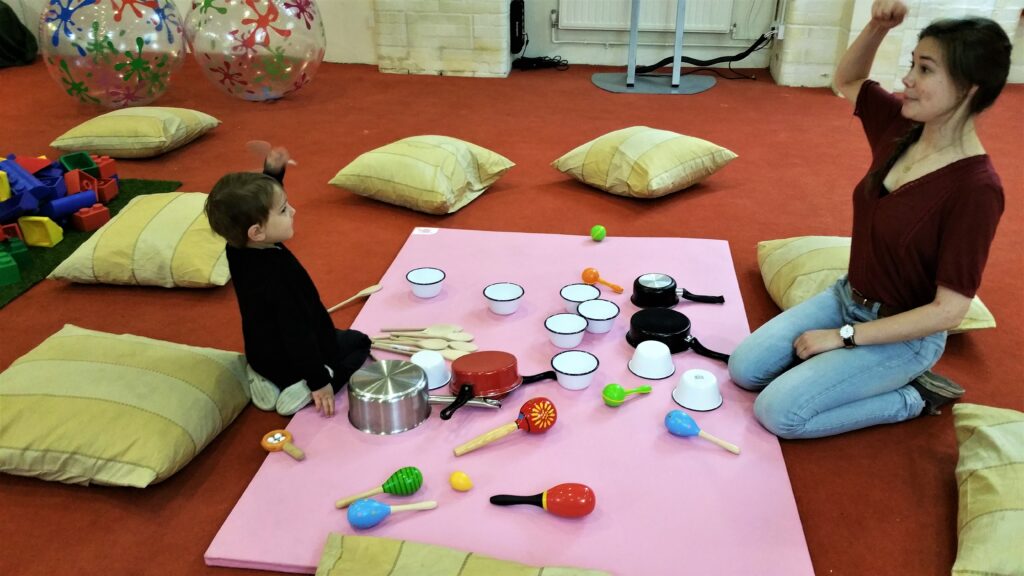
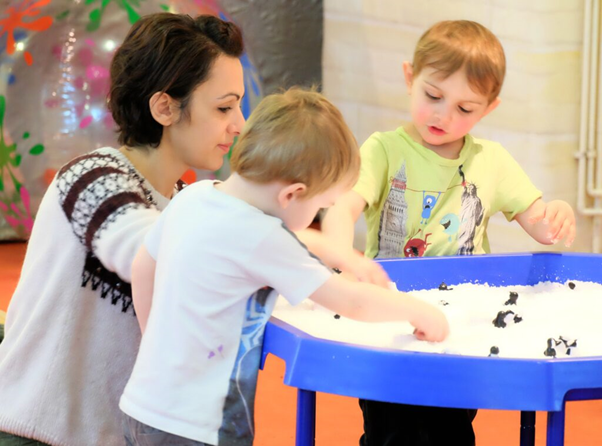
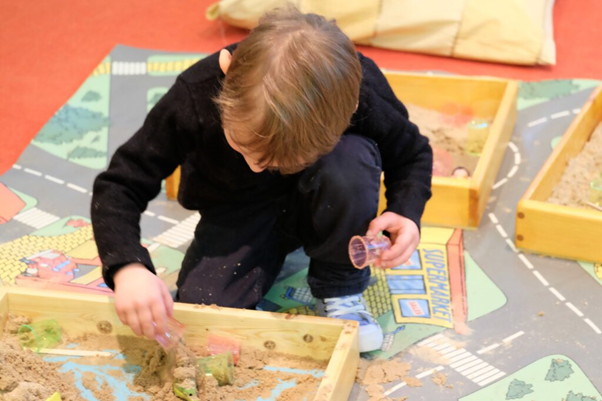
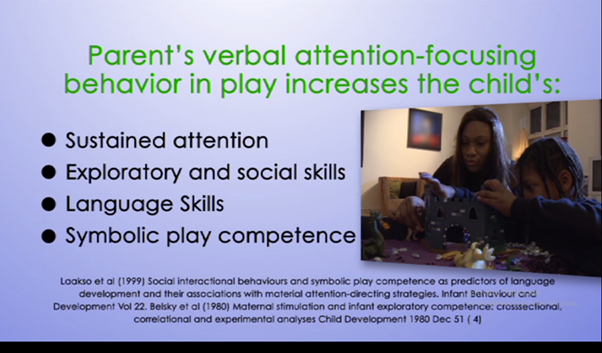
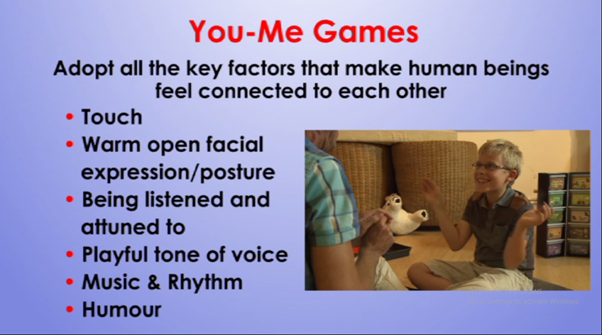
Play therapy is simply learning through play and its goal is to help children with autism to improve social interaction and communication skills. Play therapy also helps children to engage in novel activities and symbolic play. You can offer play therapy at home by engaging your child (and the family) in simple chase-and-tickle games, bubble blowing, or sensory toys and activities like swinging, sliding, or wriggling through a tube. You may progress to back-and-forth turn-taking games, collaborative games, or even make-believe as your child’s abilities develop.
What is the best way to support a child with autism? Stay calm
Caring for children with autism can be difficult, especially when you don’t understand their outbursts. But avoiding, coping with, or planning for meltdowns can only take you so far. A better solution is to teach your child how to manage their emotions. It’s easier said than done, but staying calm can help anxiety stay low in both you and your child.
Some techniques like sensory integration therapy, can teach the brain how to respond to touch, sound, sight, and movement. These skills help your child connect feelings to expressing emotions and encourages them to speak up when they are feeling a certain way. Being able to express your emotions is the first step in managing them too, and this can often be difficult for a child with autism.
Autism plus environment equals outcome.
When caring for a child with autism, providing a positive environment is key. Also, encouraging play therapy and learning more about raising a child with autism can help your child become a high achiever. Pay attention to your child’s traits and help them manage these traits in a neurotypical society. Some schools teach children how to embrace diversity and in turn children learn to be forgiving and non-judgemental. Practice being the same so your child doesn’t feel like they are lesser than other people. The focus here should be on helping children with autism lead full lives alongside their unique traits not despite them.
FAQ
Why do people with autism stay with their parents for a long time?
“Not every child diagnosed with autism spectrum disorder will need to attend a specialist school, many attend mainstream school and have no issue. However, some children need more support and with even a few minor adjustments can benefit from attending a mainstream school.”
“Teach math concepts through visual examples and pair them with verbal instructions for those that are partially verbal or non-verbal. Make teaching math fun by playing games with flash cards, apps, or an online curriculum. Use technology to help those students whose fine motor skills aren’t as developed.
“Paediatrician. Paediatricians are experts in the health and development of children, particularly those with developmental disabilities. Paediatricians are often involved in the initial diagnosis of autism and offer follow-up support in some cases.”
What is the best way to support someone with autism?
“Support your friend if they ask for help. Be sensitive to what they want and need, not just how you think they should improve or behave. Try not to talk over or about them when others are around. Help them work on social skills by trying to engage them in conversations with yourself and others.”
“letting your child wear headphones to listen to calming music. turning down or removing bright lights. planning ahead for any change in routine, such as a different route to school.”
“Some autistic people will have high support needs, which may mean that they require full time care and support. Some people may need a bit of support with day to day activities, while others live fully independent lives. With the right support in place, all autistic people should be able to live the life they choose.”
Another question asked was, ‘What not to do with an autistic child?’
“Don’t worry, everyone’s a little Autistic.” No. … “You must be like Rainman or something.” Here we go again… not everyone on the spectrum is a genius. … “Do you take medication for that?” This breaks my heart every time I hear it. … “I have social issues too. … “You seem so normal!”
“Be patient. … Teach the child how to express anger without being too aggressive. … Be persistent but resilient. … Always stay positive. … Ignore irritating attention-getting behavior. … Interact through physical activity. … Be affectionate and respectful. … Show your love and interest.”
“Caring for a child with ASD can demand a lot of energy and time. There may be days when you feel overwhelmed, stressed, or discouraged. Parenting isn’t ever easy, and raising a child with special needs is even more challenging. In order to be the best parent you can be, it’s essential that you take care of yourself.”
Are children’s monkey bars a source of fear or fun for your child? For some kids, playing on the monkey bars is a thrilling test of balance and agility. For others, they may be a source of stress — because they’re afraid, or because they find them too challenging.
Whether your child is afraid or simply needs practice to master the monkey bars for kids, there are ways to help them feel more confident and comfortable. The key is creating an appropriate environment in which your child feels safe to experiment with new skills. Here are some ways you can teach your children to use the monkey bars.
Are monkey bars easy?
Actually no. Monkey bars require a rock-solid grip and a good use of bodyweight momentum. Also, you’ll need mental strength to get you past each bar when you feel the ache setting in.
Set the stage
If your child has a high level of fear about using monkey bars, the first thing you’ll want to do is create an environment that’s as safe as possible. This can help reduce the anxiety associated with the bar. You can do this by finding a playground with a safe set-up. Ideally, you’ll find playgrounds that have a soft surface, like natural sand or wood chips.
This will make them less jarring on joints and sensitive parts like knees and elbows. If you’re at a park with a harder surface, you can also put a mat down to provide some cushion. You can also ask the playground supervisor if they can turn down the volume on the surrounding playground equipment.
How to use monkey bars – Go slow: start with holding and balance poses
If your child is afraid of the bars, start by having them hold their position at the bar for long periods. This will help them get comfortable with their position and the feeling of the bar underneath them.
Try saying something like:
“OK, you’re holding the bar. Try to stay still. See how the bar feels in your hands. Try to focus on being still.”
This will help them feel more grounded at the moment and less anxious. You can have them practice this before they climb, or while they’re holding the bar.
While they’re holding, you can also encourage them to look at the ground and keep their head still. You can also have them focus on a specific point on their body, like their feet or the space between their toes.
Have your child choose a hold they’re comfortable with
Some kids will naturally gravitate towards one type of hold or another. Others may be less sure of what they want to try. This is where you can have your child decide for themselves which hold they want to try.
You can ask them:
“What do you think would be the easiest hold to start with?”
Or
“What do you think would be the most fun hold to start with?”
If your child is feeling unsure of themselves, you can help them choose a hold that’s easy to start with.
This can give them the confidence boost they need to feel ready to move on to more challenging holds.
Encourage your child to try new positions while holding
As your child feels more comfortable, encourage them to try different positions while they’re holding, like extending their legs straight out in front. Or bringing their legs up towards their chest. You can also encourage them to swing. This will help them get a better sense of the momentum of the bar.
You can also encourage your child to see if they can move their legs to the other side of the bar. This can help your child feel more in control of the bar and more familiar with the way it moves.
When you’re ready, have your child shake out their arms and legs
Before you let your child walk along the bar from one end to the other, have them shake out their arms and legs to help them release any extra tension in their muscles. This will reduce the risk of injury. And it will help them stay focused and relaxed.
You can say something like:
“OK, now shake out your arms and legs. Loosen up. Get ready to walk on the bars.”
This can help your child stay focused on the task at hand and reduce the chance that they’ll get overwhelmed or anxious.
Have your child walk along the bar from one end to the other
Once your child is relaxed and focused, they can walk along the bar from one end to the other. This will help them become more familiar with the way the bar moves and gain a better sense of balance.
You can say something like:
“OK, now you can start walking on the bars. Let’s try to walk all the way to the other side and back.”
Then encourage your child to focus on moving their legs to maintain their balance.
Give them a boost so they can jump up on the next bar or platform
If your child is ready to move on to the next bar or platform, you can give them a boost to help them get there. Have them hold on to the bar below them and have you hold on to their legs so they can focus on using their upper body for the jump.
You can say something like:
“OK, hold on to the bar below you. I’ll hold on to your legs. Ready? Jump up.”
Then help them lift their knees to give them a boost, and give them a little a push so they can get up onto the bar above them.
Bottom line
Monkey bars for kids are an ideal way to help your child build strength, agility, and confidence. By finding a safe setting, either at home or at the playground, you can help to reduce the anxiety of your child.
While it’s important to set the stage for a successful experience, it can sometimes be helpful to encourage your child to go slow and steady. This can help them build the confidence they need to master a challenging skill.
If your child is afraid of the bars, then it may take some patience and creativity to help them overcome their fear. It’s a personal choice, so don’t force the process. With the right approach, i.e. take a backward step and view from afar how your child is before you proceed, then they can learn to appreciate the joy of this fun play structure.
FAQ
Are monkey bars banned?
No, but there have been some talks of getting them banned because they can be dangerous. More information can be found here.
Are monkey bars good for you?
“Swinging forward and backward with their legs tucked up helps children improve and develop the right posture. They will also improve body strength at the same time. In the meantime, they also train to attain full control over their balance and hand-eye coordination.”
Dunster House Kids Monkey Bars Pressure Treated Childrens Wooden Climbing Frame UK. Buy from Amazon here*
Can I buy a kids monkey bars kit from Amazon?
You can get swing sets with monkey bars for your backyard from the Amazon shop like this one* which also has a playhouse too! Make sure you have the right height and width in your garden to house all the accessories as well. You can hire someone to come to your home to build this for you, but remember, the installation might not be free. So be sure to factor in all the costs before you buy.
Monkey Bars Climbing Frame Pressure Treated Playhouse Wave Slide Swing Set – MonkeyFort® Wilderness. Buy from Amazon here*
I have old monkey bars, which haven’t been used. Can my child still use them?
You need to make sure that the bars are safe to use. Is there any rust? Any breakages? Make sure the bars are safe before your child uses them.
Are monkey bars a good workout?
“Many of us have plenty of experience playing and swinging on monkey bar when we were young. Other than it being fun, the strength needed to use the monkey bars is also a great form of exercise. They are extremely effective for building on core and upper body strength.”
The bars are extremely effective at building upper body and core strength, so it definitely helps to build muscle.
Are monkey bars good for shoulders?
“Swinging on monkey bars, or any implement, is a fantastic way to strengthen your grip, develop your lats, and improve your posture. It also provides decompression on your shoulder and is a great way to train your scapula to function properly.”
“While pull-up bars may not directly work in increasing your height, they actually help in improving the overall posture which helps an individual look taller.”
See above. The bars can help improve your posture and make you appear taller.
Do monkey bars work biceps?
See above under the question where the bars help build muscle.
Is monkey bars a good workout?
See above.
Are monkey bars dangerous?
The bars can be dangerous if not used properly. Read the above article and take it easy. Always maintain good posture and cushion the ground under you.
Is monkey bars aerobic or anaerobic?
The bars are mostly an aerobic exercise (as it’s a good cardio) and are a great workout.
Are monkey bars good for adults?
Absolutely! When done safely, the bars are great for kids of all ages.
*Collaborative feature post*
Paint your life – a personalised painting for your loved one
Sometimes you may feel you’ve given it all. Personalised mugs, canvas prints, teddy bears and picture frames. But have you given or received a personalised painting from Paint your Life* before? Hubby’s birthday was coming up and I had pretty much exhausted my go-to present list. Knowing I was stuck for ideas, Paint your Life gifted me an opportunity I’d never considered before – a personalised painting of portraits for my hubby to treasure and, wow, what an experience that was!
Tune in to find out how our painting of pictures turned out and what hubby thought of his personalised art from Paint your Life. I’ll also let you know how you can get your hands on one too.
Paint your Life is a platform which transforms digital photos into beautiful custom paintings. The innovative platform houses a group of 300 professional portrait artists from around the globe. You select from one of the Paint your Life artists who paints portraits and then you pick your medium. You purchase the order so your artist can begin to paint portraits from a photo you’ve supplied online. You can also put together a selection of photos of loved ones (family or friends) and the selected artist can create compilation portraits in paint with unlimited revisions.
Who owns Paint your Life?
Assaf Kostiner is the founder and President of Paint your life.
Who delivers Paint your Life?
The shipping team within Paint your LIfe ensures that your painting is wrapped in multiple protective layers and is placed in a hard-shelled protective shipping box marked as ‘fragile’. Then your painting will arrive between 13 and 27 days, depending on your choice of service, shipping, medium and size of painting. Click here* for more information on lead times.
How much are Paint your Life paintings?
How expensive is Paint your Life and is it worth it? The Paint your Life cost is determined by the size and number of people/pets (+£20 for each) and range from £169 to £499 (not including additional extras on top). This may seem a lot, but you’re paying for an artist to paint a portrait of your personalised photo, so it is highly personal and incredibly unique. You get free shipping if you’re based in the UK and if you’re not happy, you will receive a refund guarantee. Plus, there are loads of offers on all the time, including 15% off photo-to-painting by a real artist*:
We got the chance to enjoy our very own painted portrait. So we’re going to give you a quick rundown of how to order a portrait painting for your loved one after you’ve created a Paint your Life login. Note you will be given a temporary password by email, which you can change to something you can remember.
Make sure you use the promo link below for 20% off before you start!
The first thing you need to do is head to paintyourlife.com and click on the ‘Get Started’ link in the top right-hand corner of the homepage.
You then select on your subject, i.e. for Mother’s Day, you can select ‘Parent and Child’ like below:
Then select your Medium, i.e. do you want it to be an oil painting or acrylic? There are quite a few to choose from, so take your time on this bit. There are some notes on the righthand side of the page, which will give you more information on what you get with each medium.
You then select your artist and background. Check out the artists at work here* – so talented! You can even ask them to shoot a video of how your video is created (this costs extra) and sign the painting when it’s finished.
If you want a particular background, you can opt for either original or solid or you can let the artist choose what’s more suitable.
When it comes to choosing the artist, you can browse through the artists’ portfolios or let Paint your Life choose the most suitable artist for your picture.
After you click continue, you can select a photo or upload a series of photos which the artist can compile into one digital photo for your approval. Combining photos costs extra and you can ask your artist for advice on which photos will be best for your painting.
You can also include an extra note if you want your painting done in a particular way or if you want to help your artist see your vision. It’s entirely up to you, you get 2,000 characters.
After you’ve selected your photo(s), you can choose the size of your portrait. You get a visual guide and some Paint your Life examples to help you judge how big or small you want the painting and each size has a different price. If you have a particular size in mind, you can create a custom size, but please note, frames are only included in sizes up to 60 x 90cm. If you want bigger, you’ll need to frame locally.
You are then taken to a page where you can review your order. A 20% deposit is payable straight away. The rest you can pay after. This is a great way to ensure you are happy with your painting before you pay.
As soon as you have ordered the painting, Paint your Life will get to work with reviewing your requirements and briefing the selected artist. Check your emails as the next steps will be provided for you, which would be:
Confirmation email with approximate shipping and delivery dates
Compilation edited photo proof and confirmation if you selected the compilation portrait
Artwork process
Email requesting approval/modifications to the painting
Final confirmation of completion email with request to pay the balance
Confirmation of art being framed (if you chose to have your painting framed)
Shipping confirmation
Receive your wonderful painting – yay!
What we ordered
Hubby is a professional photographer, so he’s hardly ever in the picture, and as our fourth baby has just arrived, we have very few pictures of all six of us. So I went for the compilation option and chose the following images:
I was super impressed with how the artist compiled our photo. Our finished photo proof looked like this:
I framed the photo and gave it to hubby as an early birthday present, but he had no idea that a large painting of this photo would grace him soon for his birthday.
Our order
I chose an Oil, 60 x 90cm, 6-people compilation portrait with the artist’s signature but opted out on the video on this occasion (I wish I hadn’t!). I selected the Express Service and the painting arrived just under a month after I placed the order.
How did we get on with the Paint your Life journey?
The website was very easy to navigate and the level of detail when composing your order was impressive. We were kept notified every step of the way, so we knew when each stage was complete, with quick and simple prompts from Paint your Life when they needed our input to progress onto the next stage.
There were a few hiccups on a couple of parts in the painting, which were minimal (just a couple of revisions). They were picked up and fixed quickly and I was very happy with the final result. In fact, I got a bit emotional seeing our family as a compilation painting – I’ve made a mental note to surprise other family members with compilation paintings on special birthdays/holidays from now on.
How much did our Paint your Life painting cost?
With all the extras we added to our order, our painting cost £522 in total. Using the link below, we could have reduced this cost to £472. There are other coupons on the website, so keep an eye out as Paint your Life always has offers for first-time buyers especially.
Post your unboxing video and earn up to £400 credit
Did you know you can get up to £400 store credit, just for filming the unboxing of your painting? All you need to do is take a short video with your phone of the person receiving the painting for the first time, and share your #bigreveal video. Then post your #bigreveal video on:
Tag Paint Your Life (Set your post to public) -> get up to £80 store credit Submit it to our group Paint Your Life: The Stories (We choose posts based on our discretion. You will receive credit if your post is approved.) -> get up to £80 store credit tag paintyourlife.com and follow our page (Set your post to public) -> get up to £80 store credits @PaintYourLife and use #PaintYourLife in the caption (Only public posts can be credited) -> get up to £80 store credit Upload your video here*, allowing Paint your Life to use your video on their website and online ads (Credit will be given if they decide (based on their discretion) to use your video in their marketing materials.) -> get up to £80 store credit.
Promotion Terms and Conditions: Each action is credited one time per painting.
All posts must be public and accessible for at least 180 days.
Store credit will be granted 30 days from the date you DM Paint your Life.
Your eligibility to receive store credit regarding a purchase, is subject to the actual payment (not in store credit) of at least of 75% of your purchase.
We were thrilled with hubby’s painting and give it a rating of 5 out of 5. There were a few issues with the painting in that my eyes were slightly distorted and one of the facial features looked strange. But the artist fixed these issues without complaint and the finished picture looked amazing!
Paint your Life reviews
So, is Paint your Life expensive? The better question would be, is Paint your Life worth it? Judging by my husband’s reaction, I would say, yes, it definitely is. I find it amazing that these artists can compile a digital photo of the family and transform their portraits to paintings which are good enough to hang on the wall.
Here are some more reviews and Paint your Life quotes of what clients thought of their paintings from pictures.
This service is absolutely amazing! The painting itself was perfect. The review process is simple, and the artist had no problems specializing our image to help make it more perfect. We also used the video service, which turned out amazing as well. We had a small issue with shipping, it took much longer than expected, but when we called customer service, they expedited everything and were very friendly and apologetic. The customer service made up for the issue and kept this review at 5 stars. Thank you Paint Your Life!
I cannot believe how amazing this painting is. I’m so grateful to paint your life. Will definitely be getting another painting soon.
FAQ
Does Paint your Life ship to Canada?
Yes they do. They ship to any destination worldwide.
Where is Paint your Life located?
Paint your Life is based in California.
Is Paint your Life legit?
Is Paint your Life real? We used Paint your Life to ‘Paint my Life’ and the result was amazing! Check the review above and see how our portraits painter captured our compiled photo as a portrait in painting – it looked awesome! What’s great is the artists are paid above-average wages so clients can benefit from unlimited revisions on their painting portraits. Paint your Life have portrait painters that have worked with them for over ten years.
If you have any questions, just call using the Paint your Life phone number, which is +44 330 808 1413.
Head over to Paint your Life now and have your portraits painted from your digital photo. Guaranteed, it’ll be the best present ever!
*We were gifted a painting from Paint your Life but all thoughts and opinions are 100% our own
*Links marked with a ‘*’ are affiliate links, which means I may earn a small commission at no extra cost to you
How to help your child revise for their 11 plus exams
*This article is Part Two of the Eleven Plus Exams Series under Kids Mental Health where we talk about the revision aspect of the eleven plus exams. If you haven’t read Part One yet, which is about mentally preparing your child for the 11 plus exams, then please read that first.*
*This article is based on the school system in the United Kingdom. Your school system may differ if you’re in Scotland, Northern Ireland or abroad. Please check the guidelines in your area.
*We were gifted with an annual subscription package from EdPlace, but all thoughts are 100% our own
In my first article on how to mentally prepare your child for the 11 plus exams, I talked about the dreaded panic you feel when you realise your child needs to take the 11+ this year. I also discussed the lead up to the revision portion of the eleven plus exams, i.e. mentally preparing your child for the extra workload, finding out which schools are in your area and working out which 11 plus exams your child will take. You can find all this information in my first article here.
In this article, we dig into the actual revision preparation, i.e. what resources we used, where we got our information from and how we devised a plan to ensure our eldest is exam ready by this September using a variety of resources, including EdPlace* which a fantastic online platform to aid your child’s learning. We started six months before the exams which are a little late in the game, but still doable. Ideally, you’d want to start preparing your child in Year 3 and gradually build their knowledge.
Thankfully, I have been involved in my kids’ education since they were wee babies so we haven’t started from a blank slate and we hired a tutor for my eldest back in September of Year 5. Gillian is amazing because she has worked so hard to build Aron’s knowledge and has the patience of a saint. You can find Gillian’s details here (no poaching please!) in case you’d like to hire her to help with your child’s eleven plus. I’ll discuss hiring tutors, as well as other online resources, and how they can help in more detail below.
What is 11 plus?
I touched upon what the 11 plus is in my first article here, but for ease, the eleven plus exams are tests taken by Year 6 primary school students for a chance to enter via Year 7 transfer to grammar secondary schools. You would need to check whether your area offers the 11+ though as Wales and Scotland no longer have the grammar school system.
You’ve mentally prepared your child, now it’s time to get stuck in with the revision. But, where do you start?
Luckily, the schools we’re working towards all offer tests by the same examination board, GL assessment, which means the Maths and Verbal Reasoning grammar school tests will be very similar amongst two of the schools in our list. If our son passes the Maths and Verbal Reasoning portion of the 11 plus test then he will be invited to take the English test later in September for one of the schools.
In the first article I talk about what Verbal Reasoning, Maths and English cover so please check that out here. Some schools will require you to take a Non-Verbal Reasoning test too, so make sure you find out at the beginning the topics your child needs to revise.
When will the 11+ tests take place?
In our area (Hertfordshire) the 11+ tests take place at the beginning of September when your child is in Year 6.
What will the 11+ tests look like?
The schools we have selected will have one Mathematics paper which will cover approximately 50 minutes and is based on the Key Stage 2 curriculum. The Verbal Reasoning tests will also take 50 minutes. Tests are usually multiple-choice except for English which is a one-hour comprehension paper and includes an extended creative writing piece, which is written internally.
Independent schools will have their own entrance criteria so make sure you check their website for more details because it’s very important to know which 11 plus test your child is taking so you don’t waste unnecessary time.
Devise a revision plan according to the time you have left
Once you know which tests your child is taking and when those tests will take place, it’s time to equally divide the revision required for each of these subjects according to how much time you have left until the exams. As recommended in my first article, don’t allocate more than two hours a day to work intensively on 11+ because your child will have school during the day and other extracurricular activities. Any more than two hours will be overkill unless you’re absolutely sure your child can take it and you’re weeks away from the exams and still have a lot to do.
You can spread the two hours throughout the day or you can group them together with a small break in between, depending on how and when your child works at their best. My son works better after school so he takes a small break and then he studies until dinnertime.
In the beginning, you shouldn’t focus on timed tests but familiarising your child with the level of work required and what’s expected of them. We divide the two hours equally between Maths, Verbal Reasoning and English with slightly more time allocated to Maths and Verbal Reasoning. So, for example, Maths revision is 45 minutes long, Verbal Reasoning is 45 minutes and then English is 40 minutes, plus or minus and with a small snack/movement break in between.
What tools can you use to help you revise for the 11 plus grammar test?
Once you’ve worked out a plan of revision action, you can start to incorporate tools and resources to enhance your child’s learning. We use all three methods below but you can use any one or all of the tools/resources to help your child revise for the 11+. These are:
Hiring a tutor
We spoke about Gillian above who has been with us for eight months now and we’re very happy with the progress our son has made so far. We initially hired Gillian to help our son stay on par with Year 5 schoolwork once a week and perhaps go beyond what was expected but now we focus purely on 11+ work in the form of activity books and 11 past papers. Gillian then sets us homework based on the free 11 plus papers with answers which we follow throughout the week and we also book extra sessions during holidays if required.
Activity Books / 11 Plus Past Papers
Google ‘11+ practice papers‘ and you’ll be bombarded with a wide variety of paper-based resources catering for all kinds of pupils and exam boards. We use Letts Ten Minutes Tests* and Familiarisation Papers from the school’s website as well as some other great workbooks from The Works and Amazon. Again, make sure you get the right paper from the right examination board as CEM verbal reasoning exam looks very different to the GL 11 plus verbal reasoning exam for example.
Also, check on your local online 11 plus forum for more information on what parents are using in your area. It’s always great to connect with other parents during this time as you may be able to find tips and tricks on revision techniques that may work for your child too.
But which 11 plus books do we need to prepare for the 11 plus exams?
Some of our favourites which we’ve worked through systematically since February are:
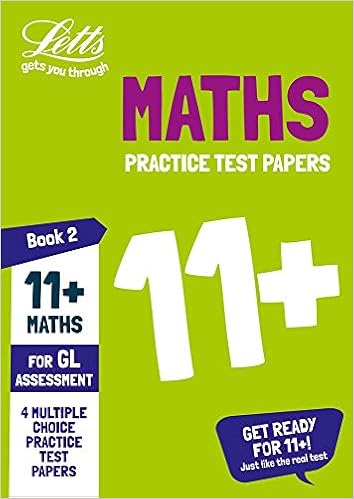
11+ Maths Practice Papers Book 2: For the 2021 GL Assessment Tests (Collins 11+ Practice) – Buy from Amazon here*
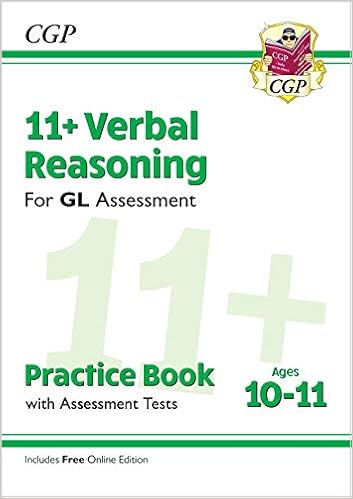
11+ GL Verbal Reasoning Practice Book & Assessment Tests – Ages 10-11 (with Online Edition): perfect preparation for the eleven plus (CGP 11+ GL) – By from Amazon here*
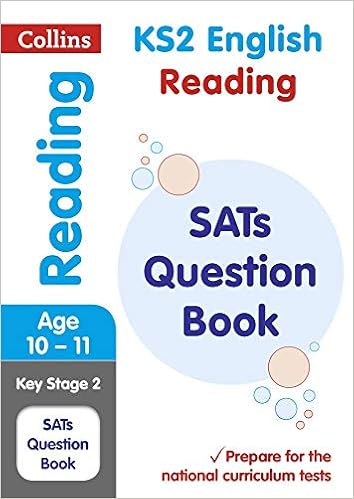
KS2 Reading SATs Question Book: Collins KS2 Revision and Practice Paperback – Buy from Amazon now*
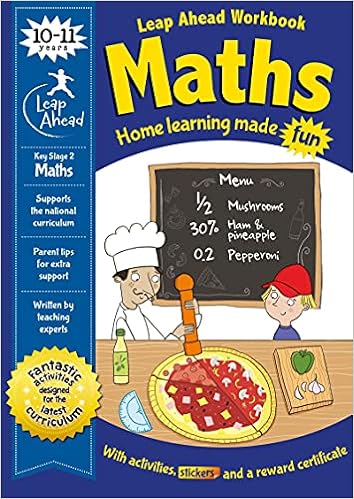
Leap Ahead: 10-11 Years Maths (Leap Ahead Workbook Expert) Paperback – Buy from Amazon now*
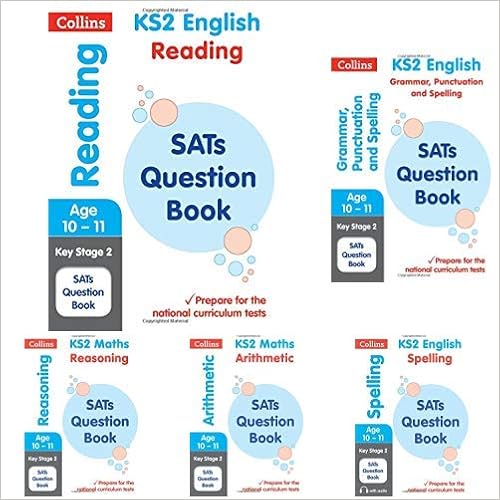
Collins KS2 SATs Question books – 5 books set Product Bundle – Buy from Amazon now
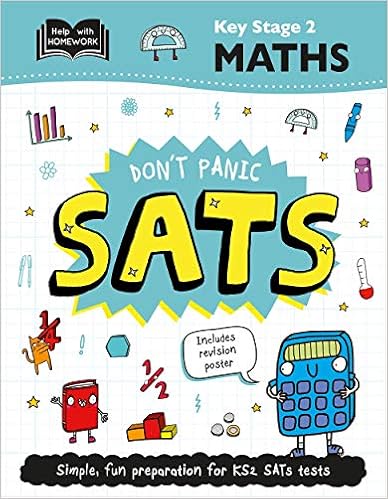
Key Stage 2 Maths: Don’t Panic SATs (Help With Homework) Paperback – Buy from Amazon*
A few points to note about these paper-based resources is to avoiding buying books that are too difficult as they can overwhelm your child. If you have time on your hands, start with Key Stage 2 books which are for your child’s age and year group then progress onto tests to gauge which topics your child is doing really well on and where there may be holes in their learning. Then focus on the holes using workbooks specified for that topic.
Again, make sure you pick the right topic and examining board. CEM and GL assessment papers use a different format so focus on the past papers from the right examination board.
A few months before the grammar school exams you can progress onto familiarisation papers which are past papers taken from the school’s website. You don’t need to worry about timed 11 plus test papers at this point because the aim is to find out which topics your child is struggling with and which they’re doing really well in so you can focus on bringing everything up to par.
Once you’re happy that your child can work through the papers with ease, you can start timing them a few months before the test. This is a vital part of the revision plan because your child needs to know what it feels like to sit a 50-minute test without any breaks.
Don’t forget to submit special circumstances if you feel your child needs extra time and support during these tests. You will need a letter from your child’s school to submit as evidence. Follow the school’s special circumstances protocol to a ‘T’ so you don’t miss out on extra support for your child.
Online Platforms like EdPlace
To further enhance your child’s learning it’s recommended to use all sorts of visual resources. Paper-based activities are great to work on with you and your child’s tutor, but online and interactive resource platforms like EdPlace can encourage a deeper insight into where your child is in their 11+ journey and the areas they need to improve. It’s also great to change things up and make learning fun too.
EdPlace can base your child’s results on algorithms that will help suggest the right topics your child should work on. Online platforms can automate a lot of the guesswork like timed exams and automatic results, which means fewer human marking errors too.
We’re working with EdPlace to help our son pass his 11+ exams and so far we are very impressed with its interface and usability. We’ll go into more detail about how EdPlace can work for your child too.
What is EdPlace?
EdPlace has been dubbed the smartest revision app for GCSEs, 11+ and SATS and boasts thousands of resources that correspond with the school curriculum and exam boards.
Check out the video below from EdPlace’s founder, Will Paterson, who talks about his struggles at school and how support helped him get his best grades later.
https://youtu.be/aJbRuC0XIrg
“EdPlace students see 150% progress in English, maths and science.”
Will Paterson, Founder and CEO of EdPlace
How do you use EdPlace for 11+ prep?
For the purposes of this article, I will show you what you get with the Annual Family Membership account.
The first thing you need to do is log in as a parent:
Sign up for your parent details and then you set up your child(ren)’s student account(s). You can assign up to four children to the annual membership. You input their student username and set a password (if the username is not available there will be an ‘X’ next to it. You may have to add numbers to the end to find an available username.) You then add your child’s year, in our case Year 4 and Year 5. Once you’ve added your child you click on ‘save and get started’. You’ll receive email notifications that all accounts are set up and your child is ready to start learning.
Once you get to this stage you’ll be taken to your parent home page which looks something like this:
Here you can view your parent account and your child’s student account, or you can jump straight ahead to get started with EdPlace’s catch-up assessments.
Your parent account
On the very far left of your screen, you will find the tools you’ll need to navigate your parent account.
In the middle of the page, you have your child(ren)’s account summary where you can check how each individual child is doing. The top part of the summary where there are a number of activities assigned already is the auto-assign kicking in.
You will have an option to auto-assign activities based on your child’s school year and scores which you can change at any time. What this essentially means is that you have access to everything (so English, maths and science will be auto-assigned). The 11+ topics fall outside of the auto-assign, however, so you would need to select these manually.
Really, it depends on how you’re going to manage the revision plan as the more activities your child does the more effective the auto-assign becomes as it will assign topics based on your child’s performance.
I would recommend keeping the auto-assign on and manually assign 11+ topics on top of the auto-assign anyway. You have the recommendations at the top which mean EdPlace can recommend an activity and it will continue to reassign activities based on your child’s performance.
At the bottom of the summary section, you can also set rewards. EdPlace uses a point system where your child can earn points for every completed activity. For example, 50 points could equal a pizza night or whatever your child is interested in working towards.
The blue button at the top, where it says ‘My EdPlace’, is your home button, so if at any point you get a bit lost, just click on that button and it will take you back to the summary area.
Browse and assign topics
Down the side of the parent account, you also have the ‘Browse and Assign’ option where you can find a list of activities from Year 1 to GCSE. The great thing here is that if your child is excelling on a particular topic you don’t need to stay within their year, you can move on to the next year and encourage them to try some of the activities above their current level.
Similarly, if your child is struggling on a particular topic, you can go back a year and work on the foundational topics with them before they move on to their current year’s work.
Working towards your child’s level to begin with is a great way to boost their confidence if the current work set is too overwhelming.
Your child’s student account
When your child logs in to their own account the assigned activities will show up already. They will see a condensed version of what we see under our parent accounts.
In their student account, your child can see the scale moving towards their rewards to give them that added incentive to keep working hard. They can also request a reward if there isn’t one set. The added incentive makes for such a great way to personalise your child’s journey and encourage them to keep going.
Your child can check out their to-do list too and browse the activities recommended by EdPlace and the topics you have assigned.
Your child can choose an activity based on what they learned at school that day
When your child comes home from school they may want to pick a particular activity they worked on at school that day, so they can browse activities and enhance their learning further.
You can, of course, have the option to turn recommendations off but if you want your child to become independent with their learning it’s probably best to leave it on.
The 11+ activities
If you click on 11+ activities, for example in Year 5, you can see a list of activities categorised by maths and numerical reasoning, verbal reasoning, spatial and non-verbal reasoning, and English.
At the very top the activities are further categorised as ‘general’, CEM’ and ‘GL’. If you know the exam board your child is sitting for the 11+ you can choose 11+ activities specific for those exams.
So Aron is sitting maths and verbal reasoning via GL and if he passes he will sit his English in the next round of exams, so it’s great that activities are further categorised into the types of questions that will be specific to what he’ll be sitting in the exam. I also know which areas he’s struggling in so we could focus on those topics from an earlier year or via the general category and make sure he gets them right before moving on to the 11+ topics.
If you click on one of the topics, for example, ‘Place Value’ under Year 5 11+, and then choose a sub-topic, you can preview the activity and view the questions first before you assign the activity. The topics range in levels too from Level 1 to Level 3. One blue dash is Level 1 and three blue dashes are Level 3. What this means is that you have nine levels as each level is broken down into three levels as mentioned before and then you have three levels for Year 4 and three levels for Year 5.
So if your child is struggling on a topic they can start with Level 1 but if they’re flying they can jump straight to Level 3.
At the top of the activities page, you also have ‘Question Types’, ‘Assessments’ and ‘Exam Practice’. Exam practice is a great place to start if your child is doing well in particular topic as these involve exam prep with a timer.
If your child can complete the difficult questions in the allotted time then they’re ready. But, if they’re getting them all right but they’re too slow then you know that’s something they need to work on going forward.
The practice papers are all created by EdPlace 11+ tutors, designed in the style of the different exam boards to best replicate the experience and give students a chance to practice in examination conditions.
How to tackle the 11+ practice papers on EdPlace
Essentially kids need to spend no more than one minute per question which is so daunting. That’s why EdPlace* has built the platform in such a way to not cause sheer panic and build up the child’s skill slowly and naturally so they are ready to tackle the 11+ once they start Year 5. This is why starting slowly in Year 3 is beneficial as you can build your child’s skill and knowledge gradually and without them knowing. Make it fun at that age by calling it ‘detective work’ rather than the 11+ and by the time they start in Year 5, you can start on timed questions and full revision practice.
With the exam questions, you could do a couple in an evening in the lead up to the test, but during the summer you can start on the timed questions as there are 57 questions so that’s quite a long stint of time.
You won’t see exam questions or practice papers in Year 3 as your child is too young at that age and they don’t need the extra pressure of exam-style questions. It’s all about getting to grips with the skills and progressing rather than testing and competing at that age.
In Year 3 EdPlace* breaks the skills down in a very simple form, which creates a foundational ground for learning.
Viewing the results
When you click on scores under ‘progress’ you will start to see percentage results next to each activity completed. You can click on 11+ and check out which are the best performing topics and how many activities have been completed already.
EdPlace app
You can download the EdPlace app too via iPhone* and Android* so your child can complete activities on the go. The great thing is they can also complete their activities on the PS4’s browser and on the iPad, so there’s no excuse to not get it done if they’re not at a desk!
How to sign up to EdPlace
EdPlace offers three membership models, depending on whether you are a parent, a teacher or a tutor.
Parents can subscribe to a free account which offers:
Up to five activities a month
One student account
English, maths, science and 11+
Key Stage 1 to GCSE
You can also opt for an Annual Individual account which offers the added bonus of unlimited activities and premium content. Or you can opt for the Annual Family subscription which means you can add up to four student accounts to the membership. The Annual Family account is perfect for us as our middle child who is in Year 4 can have his own account and work towards the 11+ alongside our eldest.
If you opt for monthly membership the prices are slightly different. Click here* for the most up-to-date prices on each membership.
EdPlace offers membership models for teachers and tutors too so it’s worth checking them out too if this applies to you.
Why you should sign up to EdPlace
EdPlace* have a free account where five 11+ activities can be completed on a monthly basis, and the account functionality remains the same with the metrics.
EdPlace is a fantastic interactive online platform that encourages and motivates children to complete short, visual lessons and tests which enhances their 11+ learning. The lessons are so well put together and there is an encouraging teacher’s explanation should the child get the question wrong.
Both of my boys have enjoyed completing just three assignments a day which are a short ten questions each to keep them engaged and when completed I, the parent, receive an email report which shows me where they’ve done well and where they need more practice. This functionality alone massively helps me work out what to assign next, not only on EdPlace but to my son’s tutor because we can work hand in hand on building the gaps in his 11+ knowledge.
Make learning fun!
11+ is stressful in itself so if we parents can make it a fun process for our kids then it will help them gain confidence in their ability to get through it all. I see my son’s face drop when he knows he has to complete set work after school, but building in a fun platform like EdPlace amongst the tutoring and paper-based activity sheets can boost his motivation to continue working hard.
EdPlace’s reward and badges system can also help to motivate your child into seeing how well they’re doing in each topic, so it’s a great addition to the 11+ revision journey.
The 11+ should be accessible for all children, should they want it
I started in February and I had no idea what I was doing with the 11+. I find that some parents are reluctant to volunteer information on how to help for whatever reason. So, I want to change that. Why can’t it be a level playing field for all children? We live in an affluent area so parents have tutors and their children often end up in independent schools, so I feel for those parents who can’t afford to have tutors or independent prep. So, EdPlace* is a great tool to offer those children from poorer socioeconomic areas the fighting chance to also get into a grammar school.
Be there for support
EdPlace’s ethos aligns very much with mine; support, hard work and confidence. Support is key to helping your child succeed and the more you can are involved in their 11+ journey the more chances they have of passing.
Hard work and confidence go hand in hand in the sense that the more confident your child is in themselves the harder they are likely to work towards their goals. And work ethic is incredibly important, even more so than acing the grammar school entrance exam because even if they get kicked down with poor scores, they can get back up and continue to work to improve on those scores.
This is why I say to never criticise your children’s work. Wherever you see an improvement focus on that and ignore the rest. For example, when you go through the 11 plus questions and answers, if your child got 3 out of 10 in one of the maths tests, focus on what they got right and build into the next revision the 7 they got wrong. Through practice, they will improve on those marks.
You may have a million things to do during the day, including looking after other children, but being present in your child’s learning can be invaluable for their progression. Even if you don’t do any of the actual work with them, actively engage with them and praise their work ethic if they’ve had a particularly great day of revision. Love and support can go a long, long way to helping your child gain the confidence they need to ace these exams. And if they don’t pass, the extra work they did will help them progress in Year 6 anyway.
Positivity is key!
Will 11 plus exams go ahead during the pandemic though?
The pandemic has affected the children the most in my opinion and a lot of parents will be asking themselves, ‘Will the 11 plus be postponed?’ So far we have not received any indication that the 11 plus exams will be cancelled but chances are if cases increase that they will do the test virtually. Check your grammar school’s website to make sure you’re up to date with any changes to the 11 plus exams.
We don’t want kids to feel broken if they fail their 11+, we want to arm them with the power and knowledge that hard work does pay off. Start off small and slow then grow. I think this is the key to success as long as you have a great work ethic and every child gets a fighting chance to make it work!
*Links marked with a ‘*’ are affiliate links which means that if you click through to buy I may earn a small commission at no extra cost to you.
Eleven plus exams – the mental preparation before the work
*This article is part of the Eleven Plus Exams Series under Kids Mental Health where we talk about the mental aspect of preparing for the grammar school entrance exam and then the actual prep, which I will talk about in article two. I will update you accordingly when subsequent articles are published in the series.
*This article is based on the school system in the United Kingdom. Your school system may differ if you’re in Scotland, Northern Ireland or abroad. Please check the guidelines in your area.
I thought applying for a primary school place was tough until I was hit with the reality of preparing for my eldest’s eleven plus exams so he could get into a decent secondary school (in Year 7), which, by the way, we had to start thinking about in Year 5. This was news to me as I’d never been through the process before (I took my 11+ exams but that was a lifetime ago) and parents are surprisingly secretive when offering advice on the schools to apply for and eleven plus exams tuition required to help our kids pass these high-pressured 11 plus test papers.
We started worrying about the 11 plus entrance exams only seven months before (in February) the scheduled tests (in September) when we moved house and into a different area. The new area is great for state school options but not close enough for us to actually have a shot at getting in because there is a catchment area and that tends to be minuscule (up to one mile).
So grammar schools were an inevitable option. But it’s not as straightforward as selecting the grammar school and taking the grammar school test. There are lots of nuances to factor in like which subjects would your child have to take and are they mentally ready to ride the eleven plus journey?
So, this article will tackle all the things you need to think about BEFORE you embark upon the revision journey to preparing for the 11+ exams because the pre-prep is probably the most fundamental part of the process. Why? If your child doesn’t want to put in the work or understand why they need to do the work, then there’s no real point in taking the exams.
But, let’s start at the beginning.
I’ll take you through what we learned and still are learning, as well as the process we took up until registering for the 11+ exams (April of Year 5) after we got over the initial shock and the analysis paralysis. Then in the second article in this Eleven Plus Exams series, we’ll talk about how we did the actual prep for the exams (we’re working with EdPlace* to prepare you step-by-step for this part) and for the third and final article, we’ll talk about life after the eleven plus exams and the dreaded results. We’re not quite there yet as we’re still in May and we have done a full month and a half of revision so far. But once we’re there we’ll let you know the outcome.
Have you only just started thinking about the eleven plus exams six months in advance? Welcome to the club!
Ok, don’t panic. It’s all still very doable. Like I said before, parents don’t tend to volunteer information until you ask and we asked too late. Thankfully, one or two parents were very generous with their advice and support (one even provided me with a spreadsheet!) and after I broke the news to my son that we’d have to write off all holidays until September, we got down to some hard work.
So, the first thing you need to do is find out which schools are available in your area.
What are your school options?
There are three different types of schools (which are further broken down into specialist schools, for example, religious or faith schools and special needs schools to name just a few!). The main three types of schools are state free schools, grammar schools (which are also free schools but with added entry requirements) and private or independent schools.
State free schools
State free schools receive funding through their local authority or directly from the government. The most common schools are:
Community schools
These are local authority maintained schools that are not influenced by business or religious groups and follow the national curriculum.
Foundation schools and voluntary schools
These are funded by the local authority but have more freedom to change the way they do things. They can sometimes be supported by representatives from religious groups.
Academies and free schools
These schools are run by not-for-profit academy trusts and are independent of the local authority. They have more freedom to change how they run things and can follow a different curriculum.
Grammar schools
These are run by the local authority, a foundation body or an academy trust and select their pupils based on academic ability via a test. Selective schools weed out the cream of the crop so they’re highly competitive and tough to get in. We will be focussing on grammar schools in this article.
Private/independent schools
These schools charge fees to attend instead of being funded by the government. Pupils do not have to follow the national curriculum but all private schools must be registered by the government and are inspected regularly.
You will need to decide which type of school you’d want your child to attend. A lot of time should be spent on this part of the process because you’ll want to make sure your child has a positive experience at a secondary school that suits their personality and academic ability.
Do you think your child would fare better by going to a state school where they don’t have the added pressure of passing exams first? Or can you afford and are willing to pay money for private school education? We have decided to try the grammar school route and prepare our eldest for the 11+ exams, so this is where we will be digging into it in more detail.
First things first.
Open Excel and crack open a new spreadsheet because we’re going to fill this bad boy up with some personalised school information!
Find out which school is available first
As I don’t know which area you’re in, I’ll list the route I took to find the local schools in our area.
The first thing we did was find out which schools were nearest to us and we found this information via Hertfordshire County Council here.
The process may be different for you but we needed to enter our address, select that we’re looking for secondary transfer in 2022 (or whichever year your child will be in Year 7 from September that year) and the website will then list off the priority schools and ten schools that are closest to your home address.
We started off with the schools that were within five miles away, but if you’re applying for the 11+ it’s worth looking a bit beyond that, say up to seven miles.
Make a list of the schools then do some research on them. Our spreadsheet’s headings (which we borrowed from a friend whose child applied last year) looked something like this:
School
Location
Distance in m (all within 5 miles)
Private/State
Sex
Ofsted rating
Ofsted year
Reason for rejection
Entry criteria
Entrance exams
No. of places / filled
Progress 8 Score Well below average (14%) Below average (19%) Average (37%) Above average (17%) Well above average (14%)
Number at prior attainment levels L/M/H/missing
Progress 8 by Key Stage 2 attainment: Low/Medium/High
Then go through the list of schools and try to find out their Ofsted rating (although Ofsted ratings are now rarely accurate as some of them have been completed a long time ago). There is a great website which we used called Herts Live which contained all the live ratings, but nothing beats actually going to the school and getting a feel for yourself.
Every parent and child will have different experiences, so you can’t fully go on what you see online. Google the name of the school and ‘reviews’ and read some of the latest reports from parents whose children currently attend that school, then fill out the spreadsheet accordingly.
In the Hertfordshire area (and I’m pretty sure everywhere else in the UK) you can only select four schools when applying in September. Make sure you put down some backup free schools which don’t require an entry test, so if your child doesn’t do as well as expected, they have options available to them. Schools are oversubscribed and highly competitive so make sure you apply for a balance of schools.
Some schools have their own admissions and are independent of the local authority’s application process, so make sure you know when and where you need to apply.
Questions to ask when researching schools are:
Does your child want to go to a single-sex school or a mixed school? Are both options available?
Is your child mentally capable to prepare and pass the eleven plus exams?
What is the school’s SENCO (Special Educational Needs Coordinators) department like?
What is the support process of the school like?
What extra-curricular activities does the school offer, for example, what types of sports and music opportunities do they provide and does your child have an interest in these subjects?
Speak to your child about the school and see how they feel. As I said, there’s no substitution for going to the school and having a feel of the place. Make sure if open days are available, that you book the open day so you can take a look yourself. Unfortunately, due to the pandemic, a lot of open days have been virtual, but you can get around this by parking by the school during drop off and pick up and checking out how the children enter and exit the school. Are they happy? Are staff around and engaging with children?
So what exactly is the 11+ exam?
The 11+ is a test taken by Year 6 primary school pupils in the UK to be in with a chance to be selected for Year 7 secondary transfer to grammar schools. Wales and Scotland no longer have grammar schools, so it’s worth checking in your area to find out your options.
Where are the eleven plus exams?
If your child goes to a local authority primary school they will sit the 11+ in one of their classrooms, otherwise, they will take the test in a central location like a grammar school.
When do you register for the eleven plus exams?
You need to register for the exams quite early, which tends to be in April when the child is in Year 5. Again, check with your local county council on the process to apply for 11+ as this differs from region to region.
When are the eleven plus exams?
Depending on your location, the eleven plus exams start at the beginning of September when your child is in Year 6 so the earlier you start the preparation the less apprehensive your child will be and the more chance they will have to pass their entrance tests. Look out for 11+ practice days where your child can practice the tests at school.
What tests does your child need to take in the 11+?
The 11+ can contain four disciplines, these are:
Verbal reasoning
These are questions where the child solves problems and follows sequences via word and text. Verbal reasoning tests your child’s grammar and vocabulary in English.
Non-verbal reasoning
Your child will be given question problems to do with diagrams and pictures. There’s also an element of maths involved.
Maths
Your child will be tested on mental maths, maths concepts, various maths skills and problem-solving in multiple stages.
English
Your child will be tested on their creative writing skills, as they have to plan, structure and write a piece of work.
Verbal reasoning, non-verbal reasoning and maths tend to be in the Multiple Choice format and English tends to be written or Standard Answer format. Answers are recorded on a special answer paper with a grid format for the child to mark their chosen answers.
But it’s not as simple as practising for a particular discipline. There are different exam boards too; GL and CEM, so make sure you pick the right type of exam board assessment as they differ from each other. You can find the information you need on the school’s website, most likely under ‘admissions’.
What other assessments are available?
Some secondary schools offer children the chance to register via the Music Aptitude Test and Sports Aptitude Test. Two of the schools we are applying for are part of the SW Herts Consortium and offer the Musical Aptitude Test alongside the Academic Tests. One of the schools offers children to take the Sports Aptitude Test so we’re going for all three as my son is quite sporty and plays the piano. It just gives us an extra chance at getting into one of those schools.
Make sure you do your research and find out whether the school you offer has other ways of getting in as there are a number of hurdles that the child has to jump through before they can get in via the tests, and places tend to be offered first to:
A child who is in the care of a local authority, being provided accommodation by a local authority for social services reasons or those who are adopted or have a special guardianship order. Also includes children in public care.
Children within the catchment area based on a straight line distance measurement provided by the County Council’s computerised mapping system.
Children whose siblings attend the school
Children with parents who work at the school
Children with medical reasons as to why they need to attend the school
Then 25% of places (and this could vary with the school you’re applying for) are allocated to those who pass the academic tests.
10% (may vary for your school) is allocated to those who take the music test and for the schools offering the test, the sports test as well.
The remaining places will be allocated on proximity of the home address to the school
So, as you can see, it’s slim pickings out there! By the time you get to the academic tests you only have a 25% chance of getting into the school if you don’t live within the catchment area, so think carefully about whether you want to go down that route and your child is up to the task.
Is it a good idea to prepare kids for an 11 plus exam a few years early so that they dont have to cram it in and stress out completely during exam period?
Yes, absolutely. It is recommended you should start your child in Year 3 but not treat it like they’re preparing for the 11+ but more as if they’re doing ‘detective work’ as EdPlace, an online platform that prepares children from Year 3, advises. Preparing your child with a few worksheets a day encourages them to think outside of the box and prepares their minds for the 11+ without them realising it.
Will eleven plus exams go ahead during the pandemic?
There may be a chance the 11 plus papers will be sat virtually, so it’s important to stay updated via the school’s website or if you’re applying as part of a consortium, to regularly check the consortium’s website for updates. So far, we have not received word that the 11+ exams will be virtual yet.
Time to mentally prepare your child for the 11+
So, we’ve done our research, we’ve selected the schools with the best chances of getting in and we’ve filled out our spreadsheet with all the information we need. Now the process begins for preparing for the 11+. But before you bring out your 11 plus past papers (more on those in Article 2), you need to mentally prepare your child first.
How do we do this?
Buy a wallplanner
You could buy a large wall planner and write in all the necessary registration, test and score results dates. We bought ours from Etsy for less than £20 and added all the dates in so our son knows exactly what to expect.
Sit down with your child and level with them
It’s important that your child understands why they are taking the eleven plus. By now you should have explained how the 11+ journey works but if you haven’t and you have a study-phobic child like me then this is how I approached it:
Start with explaining the reason for going to a good school, i.e. more opportunities to succeed, make great friends, the world is their oyster etc, whatever works for your child. Find out what interests them about school and conversely what their fears are and reassure them that applying for a good school will help get the best out of them.
Explain the level of work required but don’t scare them. If your child has a tutor then work with their tutor to devise a revision plan that’s evened out through the time left until exams. For example, we do one test for Verbal Reasoning, English and Maths every day, plus piano practice and music training. Then on the weekend, hubby takes over and does the sports test. Kids still have to go to school and attend their extracurricular activities, so bombarding them with extra work is counteractive and will push them away.
If you have less than six months left like us then you will have to write off holidays and weekends. But, promise a payoff at the end like a massive reward. I’ve told Aron that we’ll be doing something pretty amazing during October half term week. I haven’t told him what yet as we don’t know whether we’ll be ok to travel by then. But it’s worth putting that goal down, asking them what they want and continuously remind them how long they have left until they can relax and enjoy their reward.
Devise the revision plan with your child
You’ve found out what exams you’ll need to take (for us it’s GL assessment for Maths, Verbal Reasoning (and if he passes) English, as well as the Music Aptitude Test and Sports Aptitude Test). Now it’s time to show your child the subjects and how much they’ll be doing every day. Try to keep it to one to two hours max every day so as not to overload them, then ask them how they’d like to tackle the extra work.
Are they morning people and would prefer to start before school or would they like to do it after school so the rest of the day is free for playtime? My son prefers to work at night so I give him an hour break after school then we start around 4.30 pm and finish by dinner. Then he’s free to do whatever he wishes after to rejuvenate.
Stay positive and refrain from pushing
It’s very easy to push your child to do the work but if they aren’t interested you’ll be talking to a brick wall. Stay positive and offer mini rewards. I offer a pizza takeaway if they’ve done a certain amount of work during the week and screen time for around an hour after the work is done every day. It’s all about achieving a healthy balance between working hard and playing hard. Kids get tired and when they’re tired they lose their mojo. That is one thing you do not want to do because then they’ll give up completely and it’s very difficult to get them back.
There will be days where you won’t be able to get them to do anything
As long as it’s not every day, let it go. They can’t work if they’re really not feeling it anyway so bringing in the extra stress will just make everything worse. Either add the extra work the next day if they’re willing or just leave it and start the day afresh tomorrow. My son suffers from hay fever and he had one particular day where he couldn’t get of bed. I gave him a mental health day off where he just lounged about and did absolutely nothing. But during that day I reiterated the importance of getting back on it and not losing that momentum.
Always remind them what they’re doing it for, i.e. better school life, more opportunities, extra resources to do the things they love and if they truly understand why they’ll do the work. They’re only 10/11 years old, so they’re still very much children. They won’t have the work ethic instilled in them like some adults too. Some kids do and you’re lucky but if your child just wants to play football, draw all day and listen to music then make sure a large amount of that day is attributed to doing what they love and only a couple of hours a day to intensive focussed work. That’s all you can really do without pushing them over the edge.
Every child is different
We are still very much in the beginning stages of revision but so far my work-shy creative, sporty son has only had a few off days since we started in February. I know he least likes maths and his vocabulary and verbal reasoning are really coming on in strides, so we start with maths when he has the most energy and ends with verbal reasoning and English. We will talk about the revision process we take in the second article, but the point here is to get to know your child and how they study.
Do they get distracted easily and lose focus quickly? Can they work through the noise? We’ve just moved house so we haven’t bought him a desk for his room yet or even a dining table. This means we have to work in the kitchen until we’ve sorted ourselves out and the kitchen is the loudest part of the house. He also needs one-to-one support so he prefers I sit and work with him while he goes through the questions.
We are slowly trying to transition with him to work on his own because I have another child and baby to look after so it’s not practical. But whatever it takes to get your child into the swing of things at the beginning, do it, even if it’s a sacrifice to you. Once they gain confidence, they’ll learn that work needs to be done before they can relax and soon enough they’ll be doing it by themselves. My son does do some of the work on his own but he still needs hand-holding during maths. That’s fine, we only have four months left. Whatever gets us there!
Confidence is key
They say praise is a double-edged sword (it has both favourable and non-favourable consequences), but I don’t believe this. Kids need constant motivation to continue and praise is one of the best ways to help them gain confidence. Praising their work ethic is far more effective though. If they’re working very hard, praise them. If they’re got great marks in a practice test, by all means, praise them.
Kids need to know they’re progressing through their goals and improving on the 11 plus exam questions. If they think they’re not getting anywhere (just like with us adults) they’ll give up because what’s the point right? They’ll fail the eleven plus test and will not get anywhere. No! This is exactly the approach you do NOT want to take.
Through practice, your child can improve and they are capable of doing it. This is what you want to tell them, even if they’re improving slowly. Enlist extra help in the subjects they are struggling with and show them their progress scores. If they have an off day, it doesn’t matter, they’ll do better tomorrow. Never criticise their work or their work ethic. Work to gaining confidence first, the rest will follow.
Remember, you’ve got to be in it to win it as they say. I used to say I would never put my child through the stress of the grammar school exams but now I just think, well what if he can do it? What if he’s capable and I stopped my son from even trying? And if he doesn’t do well? So be it! It all works out in the end and he’ll end up going to a school that was meant to be for him.
Just don’t sell your child too short. With your love and support, they can at least have a good stab at the 11 plus test and if they don’t pass, it was good practice anyway for later. For extra support, you should Google ’11 plus forum’ and chat with like-minded parents about the 11 plus grammar tests. We’re all going through the stress, believe me.
*Some links marked with a (*) are affiliate links which means that I may earn a small commission if you click through and buy the service or product at no extra cost to you.
Making memories: How to preserve memories of childhood
Any parent will tell you that childhood seems to go by in a flash. One minute your kids are begging you to join in their game with them and the next they’re demanding privacy and retreating to their bedrooms. Watching your children grow is a privilege, but it’s important to preserve those wonderful childhood memories in as many ways as you can. Do you remember your first memory?
Children will start to make their first memories at around two to three years old, however, will have childhood amnesia, often remembering the feeling and perhaps another sense, like smell or taste instead. Of course, there will be some unforgettable childhood memories which will stay with us for life, but we often lose a lot of our fond memories as a child if it’s left to just our brains to remember. Capturing these memories immortalises those precious moments which you can share with your child again and again.
Here we’ll explore interesting ways to preserve those precious childhood moments.
Canvas prints
They’re eye-catching, effortlessly stylish and create a precious focal point in any room. Canvas prints of your happiest photographed moments are a stunning way to preserve those earliest memories and milestones. You can buy framed canvas prints or floating style designs, all available in various sizes and finishes. Canvas prints are designed to last, and you can use them to decorate and complement your home. Whether you choose to display your child’s first steps along a carefully curated gallery wall, or you want to show off their first smile above the mantelpiece, or capture the first time they ate ice cream, canvas prints are the perfect way to preserve and enjoy those precious moments.
Create an artwork portfolio
All those carefully scribbled lines, bizarrely drawn stick men and colourful blobs that are supposed to look like you usually end up stuffed in a drawer or left to overflow on the sideboard. It’s a shame that these works of art ultimately end up in the trash. However, if you’re looking to preserve those early year’s drawings to follow your child’s artistic journey, then why not gather them together and create a cute portfolio instead? Whether you keep the hard copies or scan them in and keep them digitally is up to you, but it keeps the clutter down and they’re always fun to look back on. As your child gets older you can even work on this project with them, talking through the first time they drew a dog or when they learned how to paint. They’ll love to take the trip down memory lane with you when they’re older.
Immortalise their quotes
Kids say the funniest things, don’t they? Chances are your child has said something that has left you clutching your sides with laughter or stifling your glee in a public place. Annoyingly, it’s both inevitable and incredibly frustrating when we can’t remember what they said. Immortalising their quotes by writing them down and storing them in a notebook or journal is fun and eye-opening to look back on. Or, you could consider having their wise or downright hilarious words featured on a canvas and hung with pride in your home. Reach out to hellocanvas.co.uk for more inspiration.
Your child can get involved in the projects too
Did your child do something special at school, like create a building or a fantastic drawing? Did they write an elaborate story? Get them to create a scrapbook of what happened at school and their favourite achievements do they don’t forget what they accomplished. Buy the class photos and write down the name of the people your child went to school with. They can then look back and reminisce about who they went to school with and even have the option to find them on social media if they wanted to. Also, don’t be afraid to talk about a certain childhood memory with them too, so they can build on who they are and what made them into the adults they will be in the future.
And finally, remember to preserve moments with elders
When collecting and preserving these memories of childhood, don’t forget to include your kid’s grandparents. There’s no bigger regret than failing to make and preserve any tokens of your children with your parents, as when they’re gone – the moment is missed. Whether you schedule a playdate or a day out with grandparents, or you’re having a family meal, take plenty of photos and ask them to gather mementoes of the day for you to keep and preserve in a memory box or in an album. You’ll be so glad you did. And don’t forget to talk to your children about your parents too, to keep their grandparent’s memories from childhood last a lifetime!
*Collaborative feature post*
How to have a happy child and parent relationship
A few years ago I attended a very special event at The Centre for Child Mental Health, to learn about how to build the best possible relationship with my children. Armed with an open mind and my then four-year-old son, I travelled to Central London to learn about how to grow an already great bond with my child and, ultimately, the best possible relationship with my two boys (now 8 and 10 years old).
Arriving at The Centre for Mental Health
As soon as we arrived, we were guided into a decorated room that housed an array of interesting activities, as well as an eating area that included hot and cold beverages and some biscuits to snack on throughout the morning. The activities out on display included:
A grey sensory tent, complete with sensory items
A seating area in front of an overhead projector, a whiteboard and a podium
Seven sandpits
A racing car mat with cushions
Tables that were covered with a green tablecloth
Large Lego blocks
Hula hoops
Cuddly toys and costumes
And a separate dark sensory room lit up with a range of lava lamps and sensory toys
Emily, who assisted in the event, expertly kept all the kids entertained as we seated ourselves in front of the overhead projector, ready to start our learning journey on attachment play and creating the best possible bond with our children.
I later found out that Emily was an only child and she believed that her deep connection with children was probably down to never having the chance to play with siblings. I found this interesting that even as an adult if you miss out on important child’s play, so you may look for it later in your adult life. This was just a taste of psychology and science to come during the day!
We were introduced to Dr Margot Sunderland, an interesting woman with a number of accreditations under her belt. Dr Margot Sunderland is a child psychologist and gentle parenting expert who has written a neuroscience book called, ‘What Every Parent Needs To Know’ and brought out three DVDs, the subjects of which this event was about. The DVDs are:
Best Relationship with your Child: The First Five Years
Best Relationship with your Child: Creative Quality Time (for babies and children up to the age of eight)
Best Relationship with your Child: Age Five to Twelve
“These three films in the Best Relationship with your Child series are designed to equip parents with tools, skills and practical ideas to strengthen their attachment relationship with their child.”
Dr Margot Sunderland
Having the best relationship with your child
There are so many resources out there on how to get your child to behave. But, recent studies have shown that parents want so much more than this. We want to know how to have the best possible relationship with our children.
Modern parents deal with so many tasks and troubles; the washing, cleaning, preparing meals, the school/nursery run and rushing off to work. All those gorgeous bonding moments with our babies take a backseat when our children get older and school takes them away from us.
Scientific research shows, however, that the special relational bonding time with mummy and daddy is just as important for our five-year-olds as they are for our five-month-olds. And, it’s not just vital for bonding but for our child’s brain development.
Recent studies also show that the average quality time should be one hour a day for fathers.[1]
Over a third of parents don’t spend enough time with their child.[2] 6 out of 10 parents occasionally play with their child. 1 in 6 fathers confesses that they don’t know how to play with their child. Just 1 hour a day from the mother or 35 minutes from the father a day is enough for the child to experience a great attachment and connection with their parents.
Providing undivided and engaging attention to your child is important
During the event, we learned that engaged and attentive play develops the brain. Providing your full attention during the child’s play increases their opioid and dopamine levels, which decreases depression and provides an energised engagement in life. Teenagers have less dopamine, hence why they want to mope around and play video games. But, if these chemicals are established in the brain as early as possible then this kind of attunement actually shows up thirty years later in their adult life.
So, how do we increase our children’s dopamine and opioid levels and what does it all mean?
We’re going to tackle the brain science and the games together to illustrate how both go hand in hand to develop a child’s brain and to strengthen the bond between parent and baby.
Strategies to aid and maximise attachment play
We watched a clip from one of the movies about adopting an ‘Owling’ strategy, which Dr. Margot Sunderland further explained as ‘Observe, Wait and Listen.’
Observe, Wait and Listen
Observe the child without intervention during play.
Wait to seeft how they respond, make eye contact and understand their manner and behaviour
Listen and then respond accordingly
This strategy is perfect for children from six months old onwards and the result actually encourages the child’s entrepreneurial side because you are allowing the child to lead the play and the next step of the journey. Being too invasive during play can actually lead to mental health problems later in life.
The commenting strategy
The formula for the commenting strategy is:
4 comments and 1 question
The commenting strategy during play is a key strategy for enhancing the child’s self-esteem. Commenting, rather than questioning or demanding actually makes the child believe that:
“What I am doing is really important.”
We are commenting on the child’s actions rather than criticising them. The verbal attention (the correct scientific term is ‘focus behaviour’) means that the child is far more able to have goal-directed behaviour. Accompanied play with an adult is key and just as important as solitary play.
Solitary play vs accompanied play
Solitary play is just as important as accompanied play as it allows the child to enter into his/her own realm where that child is the star of his/her world. However, through solitary play, the child only has his/her own encouragement and the play can then become quite short due to their short concentration span.
Commenting through accompanied play encourages them to continue being the star of their world where you become a part of their journey and the child revels in your awe and encouragement. Sometimes a child needs help to engage and explore a certain activity and this focus behaviour develops the child’s ability for sustained attention through attachment play.
Demonstrating the commenting strategy through play
We were guided to a play area in the room where there were large snow table tops, filled with white and pink snow. Inside the snow table were penguins and cups and I observed Aidan creating a snowstorm. I listened intently to him excitedly call out a snowstorm and I responded accordingly with my comments.
“Ooh, it’s a snowstorm!”
This kind of play triggers dopamine levels and encourages the child to use their imagination to create a story, for which you are a character. If I noticed Aidan’s energy drop, I subtly commented and suggested a certain action, and then left him to lead the way.
“Imagination is more important than knowledge.”
Albert Einstein
Copying strategy
The copying strategy is another key strategy which helps you to get a better understanding of the child’s world. We further explored this strategy through sand and sand tools at the event.
If you put a two-year old in front of a sand-pit and say ‘play’, they won’t know what to do. It’s up to you to enhance their learning and imagination.
“Logic will get you from A to Z. Imagination will get you everywhere.”
Albert Einstein
The key here is to stay animated, copy the expression the child is using and any actions that may follow. For example, if the child goes under the table, you follow them. We watched a clip from one of the DVDs, where the mother was copying the child’s movements and the child was giggling with enthusiasm.
We were guided to have a go at the drums and explore the power of music at the event. I listened to Aidan drum a beat and then I copied him.
Music, especially drums, are a great way to bond with your child and create beautiful music together. Plus, drums are a hit with kids of all ages, including us adults! And, one hour of quality time is all that is needed to engage with your child and maximise their enjoyment in life.
We stopped at lunchtime for a brief bite to eat from an impressive array of jigsaw sandwiches and a fruit/veg selection. Post-lunch we talked about the use of drums, a beanie bag, and my favourite of all, the sensory room, which I am desperate to build for my children. It is a place of calm and special ‘you and me’ time.
We entered a very dark room in the corner of the main area and immediately entered a state of relaxation as the soft melodic music played in the background. Our eyes were drawn to an array of colours from lava lamps and other sensory toys. You can build a sensory room from TTS’s website for £50, so I will definitely have a go at doing one myself.
We also practised our ‘five-finger’ rule, which is the commenting strategy of five comments and one question as explained above. The first comment should be a suggestion or invitation to the play and the question should be an open question to encourage play of which you don’t know the answer.
Parent-child physical play
We ended our afternoon with lots of examples of physical play, for example:
Animal rides (a dinosaur ride to bed which will actually help to speed the process of bedtime along, although I haven’t tried this yet)
A bit of rough and tumble is very important for growth, but make sure to be the referee when things go a bit too far.
At the end of the event, Aidan and I left with a renewed bond and an increase in dopamine and opioid levels in our brains, as well as a lovely goodie bag of the three DVDs, two books, some finger puppets and chocolates for the boys.
The science
Dr Margot Sunderland explains the science behind all the activities shown in each of the DVDs and then demonstrates this through scenarios by a carer/parent and a child, in various you-me and relational games, suitable from newborn to twelve years.
“With all the pressures of modern-day parenting, quality time with your baby or child has never been more precious. Many parents want something deeper and more significant than the usual going to the park, the playgroup or watching TV together. [The DVDs] are packed with ideas for together times to strengthen your relationship in enduring ways, offering the richest shared experiences. The creative activities for quality time are designed to transport you into the world of sensation, imagination, wonder, delight and shared laughter. Using the latest brain science research, and featuring footage of the loveliest parent-child connections, the film aims not only to enrich your relationship now but to create memories for life.”
Why adult accompanied play?
Solitary play allows the child to play in his/her own world and brings about an important withdrawal time. However, the child’s attention span is a matter of minutes, so accompanied play with adults allows for sustained attention and encourages exploratory and social skills.
When a child engages with an adult they also learn important language skills, perhaps learning words through play that they may not have learned through solitary play. The vital commenting strategy also develops their communicative and exploratory skills and this leads to goal-directed behaviour. Becoming a character in a play where our child is the star also results in the child becoming inspired to create business ideas later in life.
Who doesn’t want an entrepreneurial child?
Utilising that imagination with the use of tools helps to develop a story and build up excitement. This kind of play increases the child’s dopamine levels, which develops their passion for learning and engaging life in an energised way.
For a child of three to four years old, start the story and let them develop. Suggest something and then leave for them to develop the story further. For example, use the sand like a rock for lions. Suggest a party and invite friends to make the party. Wait for the child to get excited and develop the story further. You can also bring in the use of other animals as additional characters to the story.
Games to play at home with your child
At the event, Dr Margot Sunderland introduced a few games that we could play with our children (up to nine years old) at home, which enhanced brain development. I got to try these games out with Aidan, but he wasn’t very receptive, opting to play with the other equipment in the room.
Dr Margot Sunderland urged us not to force our children to play, instead, allowing them to lead the way and gently guide them to these types of games should the opportunity arise, i.e. when they showed an interest.
Parent-child puppet play
Communicative tools like puppets enhance the parent-child relationship and can be used as an aid to help the child think about their feelings, instead of ‘behaving’ their feelings. Use the puppets as a way to reflect what that child is feeling if they don’t want to talk to you. There are many ways you can utilise puppet play to really enhance engaged play.
You can make puppets together and then take them on a journey.
Create ‘feeding’ puppets. Allow the child to feed the puppet and create some play around it. It’s better to not show the child that you are taking food out of the puppet’s mouth in order to keep the imaginative play seem real (paradoxically).
Use puppets to bring story books alive. Act out some of the parts in the story, making the puppet a particular character in the book.
Other props you can use for play
Other props can be used as communicative tools with the child and help to explore a fantasy journey. These can include plants, foods, cushions and blankets. Incorporating messy play has tons of psychological benefits and enhances brain development. Messy play and small world play when other people are involved trigger amazing brain growth fertilisers.
“Imagination grows by exercise.”
Somerset Maughan
The SEEKING system is a part of the brain that your child needs to work really well if they’re going to learn how to be kind and empathetic to others. It also helps to enjoy good relationships and live life to the full. Brain fertilisers enhance brain development, which is critical for physical and mental health.
“Just as plant fertilisers make plants grow better, brain fertilisers make the brain function better.”
Dr Margot Sunderland
The Brain-Derived Neurotrophic Factor (BDNF) and the Insulin-like Growth Factor 1 (IGF1 -1)
BDNF and IGF1-1 promote growth in the frontal lobe so positively that they affect the human functions, i.e. the ability to learn, problem-solve, to attend and concentrate, as well as to handle stress well. [3]
In fact, research on five-year-olds showed an association of higher levels of the brain fertiliser IGF1-1 in the frontal lobes of those with a higher IQ.
The number of brain connections (dendritic spines) in the frontal lobes is significantly higher in the child who has experienced the enriched environment, i.e. more connections.
Impacts on the Hippocampus, which is the key memory system in the brain, helps your child to learn.
What is an enriched environment?
An enriched environment has four key elements to it. Messy play and small world play are great examples of an enriched environment because they engage the child’s:
Thinking (cognitively)
Movement level (physically)
Social intelligence (you’re there with them)
Sensory skills (you’re helping them and playing alongside them)
“Every child is born blessed with a vivid imagination. But just as a muscle grows flabby with disuse, so the bright imagination of a child pales in later years if he ceases to exercise it.”
Walt Disney
If you give the child the same thing everyday for a month, it ceases to be amazing.
There must be a novelty for the advantageous brain effects of enriched environments. Brain fertilisers will be activated with a novel environment when combined with social interaction.
Messy play – the three key stages
“There are three stages of messy play: dry, soft and wet.”
Denise Tulloch Johnson, Senior Play Leader and Communication Specialist at The Institute for Arts in Therapy & Education
You can start at the baby stage with dry messy play, like raw pasta and colouring pencils. Once the baby starts to enjoy them, you can move them onto soft messy play, like playdough and cooked or play pasta. After that stage, you move on to wet messy play, which is water and cornflour.
Not every child will enjoy messy play, but it is important to just follow their lead and join in with them. It would be very helpful for the parent to join in too. If they see that you are enjoying the messy play, they will too.
Some ideas for messy play
Active world tray with stand (TTS Educational Resources – www.tts-group.co.uk
Rectangular tray (TTS Educational resources)
Gelli Baff – have spoons, ladels, cups etc (find at TTS Educational Resources)
Snowflakes in water – teapots and stuff to pour from
Shaving foam without scent – play jelly games
Crazy soap (to blow bubbles at each other or put on head)
Rainbow sparkles (use ladles to pour into measuring jugs and other cups – it makes a lovely sound and feel). You can also move your hands through the sparkles for a great sensation.
Rice and food colouring – uncooked (use blue and red colours side by side where children can mix and the texture feels great)
Cornflakes – you can eat them and play with them. Cornflakes provide an auditory sensation. Add other animals.
What to do when a child doesn’t enjoy messy play
You can always use tools to encourage messy play if the child doesn’t want to touch directly, i.e. spades, spoons and straws. Allow them to watch the messy play, which helps them to prepare themselves for what’s to come. Ideas to encourage messy play is to add some flour, mix with a spoon and add water with different colours. Don’t forget to use the commenting strategy when helping the child prepare for messy play, for example, “Oh, you were adding blue!”
Messy play is good for fussy eaters
Encourage your child to become more open to trying new food by allowing them to play with it. Create messy food play, using spaghetti with pots and pans and cereal with water and spoons. You can use oats with warm (sterilised water) for younger children. The child will gain the opportunity to smell, squeeze, roll, flick, squash, feed or taste the food. Ultimately, food becomes more natural for them. So, as long as it’s safe for them to eat then it’s fine for them to play with.
Messy play and small world play engages all the child’s senses
If you just isolate one of those key elements, it wouldn’t work. So, all senses have to be present and engaged in the activation of those fantastic brain fertilisers.[4]
“The play environment must feel new to the child. But, you can’t keep running to the toy shop because it’s far too expensive. So, we are going to show you lots of different ways of creating new stimulating messy play and small world play environments with little expense.”
Dr Margot Sunderland
Key ways of communicating with your child
Dr Margot Sunderland talks about how to communicate with your child, i.e. make your voice interesting, observe, wait and listen (owling) and then respond accordingly. Using eye contact shows respect and it helps you to pay attention, as well as recognise your child’s needs.
Get down onto the child’s level, so you can maintain that eye contact and communicate clearly with them. Positioning is important too. Sit in front of the child, so they can watch, observe and communicate your lips and facial expression.
When something new or potentially frightening happens to a child then it’s very important to help the child reflect on it, ideally before it happens. You can use little dolls and set up the scenario. For example, if mummy is having a baby then you can set up the doctor talking to mummy about having a baby.
When you’re talking about something serious or important, often the child would be distracted and their attention will be elsewhere.
With dolls, you can get their attention and help them focus on what’s going to happen so they’re prepared. It’s like they’ve almost had a rehearsal of what will happen and they’re not sent into a terrifying shock state.
Copying strategy
We touched upon the copying strategy above, but it is another key strategy to help you get a better understanding of your child’s world. Copying them helps them to own the play. With babies, you can copy their sounds to develop communication and build self-esteem. For example, if the child goes under the table, follow them into their world.
Communicating strategy
Communication is key because it enhances self-esteem and potency – it makes the child believe they are doing something right.
Commenting strategy
Also known as ‘adult verbal attention-focused behaviour’, the commenting strategy is proven to develop a child’s cognitive creative ability [5]
If you don’t comment, often the child loses energy and enthusiasm. Commenting keeps up the child’s flow and go-getting attitude and develops that proactive go-getting attitude later in life. The commenting strategy:
Develops the capacity for goal-directed behaviour later in life
Aids language development
Helps the child make a connection between verbal communication and play
For example, when they are playing with a toy, talk to them and comment about that toy.
“Oh, the elephant is grey! That elephant has a big long tusk.”
Asking the child a question may pressurise them into answering you without knowing the answer, so it’s best to use what is called, ‘The 5 finger rule’ (which we touched upon above.)
The 5-finger rule
For every question, you do ask (you must not know the answer) comment four times. If you don’t know the answer, you can ask a question.
Follow the child’s lead and the child will stay attentive if they set their own game. If you don’t follow the child’s lead then if it’s no longer about them, they may lose interest. It must be all about the child.
You can take turns for example, ‘I talk, you talk, I talk, you talk’.
Don’t overstimulate or under-stimulate
The play environment should not have too many toys or the child will lose focus and not maintain attention.
Choose your child’s favourite toys and teach through play how to share and take turns. You can use OWL skills to set out an environment appropriately.
You-me games
You-me games adopt all the factors for the parent and child to connect with each other. They are deeply intimate face-to-face times which is so beneficial for brain development and protects against depression later in life too because they adopt all key factors that make them human beings.
There are different types of you-me games. These are:
You-me lap games
You-me music games
You-me sensory games
You-me physical games
You-me hand games
You-me balls, quoits and hoop games
You-me imagination games
You-me games bring out a state of the interpersonal synchrony: a delicious feeling of oneness with each other [6].
Use warm open facial expressions/posture and a playful tone of voice. Incorporate music rhythm and humour in your you-me games so the child feels listened to. Relational play can also bring about new brain growth in the Hippocampus (key memory system in the brain). [7]
“You-me games optimises the chances of real moments of meeting between the parent, the carer of the child.”
Dr. Margot Sunderland
“When a [child] sees their specialness reflected in their eyes so they see it in themselves.”
Helen Reiss[3]
Avoid teaching, criticising or commanding as this kills off the play. Instead, use lots of encouragement and praise and suggest rather than teach or command. It’s all about the power of suggestion.
Shimmy shimmy coco-pap
Sit with your child and incorporate lots of interesting voices, including facial and hand contact during play.
“Shimmy, shimmy coco-pap. Secret animal on your back. Which animal crawled up your back? Shimmy. shimmy coco-pap. Spider, spider up your back! Which finger did that?
And then other poke them or tickle them on the back.
Make an animal noise and wait for your child to answer. If they don’t answer straight away, answer for them.
Bang and shake
You will need:
Shakes
Pans
Wooden spoons
Funky background music
You-me messy play
Don’t make the mistake of thinking that messy play is just for the under fives. It’s an ‘enriched environment’ triggering brain fertilisers and enhancing cognitive development. So, don’t deprive your over-fives of quality messy-play time!
Can I visit your castle?
You will need:
Clay
Clay tools
Small natural objects like leaves, buttons, shells and feathers etc
You can create little sections which are divided into subjects such as the zoo, the fair, the seaside or shopping. The boxes should be labelled as such.
Ask the child to tell you a story. Or if they prefer, you can tell them the story. Use the five-finger rule to comment on their story or how they’re playing and then ask a question, of which you shouldn’t know the answer.
Making sock puppets together
You will need:
Two socks
Buttons for eyes
Wool for hair
A good glue
A timer (optional)
You can play one-minute finger puppet games and come up with a range of finger puppet characters.
You can also create a miniature puppet theatre which is a great way to enhance parent-child physical play.
You-me games for middle childhood
Pitta Patta Polt
“Pitta patta polt, to shoe a little colt, to shoe a little colt, pitta patta polt”
You-me hand games
Poking games
“A sailor went to sea, sea, sea. A great big shark that gobbled up little boys/girls!”
Then think of an animal that has a touch sensation.
Breakfast bonanza
“Potato, potato, break the egg, break the egg. Stir the beans, and eat the breakfast!”
Then pretend to eat the child.
Cycling song
“Cycling, cycling down the road. Whoops, watch out there is a toad! Cycling, cycling up the hill. Thrill!”
Use hands/arms first and then feet to mimic cycling.
You can use any animal but you mime the animals venturing the obstacles on the tray.
Drum hat
The caudate nucleus, the part of the brain that is activated through drumming or dancing triggers warm positive feelings towards the other person. [8]
Relational drumming also enhances a calm and meditative state and boosts the immune system, making the child less hyperactive and aggressive.
You will need:
two silly hats
A large floor/gather drum
You bounce the ball onto the drum for the child to catch in the hat and then vice versa. As the child becomes more confident you build up a rhythm
Great you-me games with baby
Where’s Mr Sausage Dog?
Hide a sausage dog under a towel and then ask the child where he is? Make woofing noises to help the child find the toy. This is a great game for a baby too.
Silly sock
“I’ve got a silly sock on my head!”
Put something silly, bright and colourful on your head and comment with enthusiasm
Music band
Suggest and then OWL (Observe, wait and listen) – then praise. Use funky background music and a big drum. Encourage baby to hit the drum to different rhythms and sounds. You might even be able to trigger and “call and response” drums to hold baby’s attention more than other toys.
Dancing delight and cuddle dancing
Hold baby close. Daddy can get involved with sway dancing too.
Sand box and sand
Sand is great for sensory play. Place baby’s feet in the sand and sprinkle. Hide feet and show surprise when they appear.
Splishy splashy
Use a water container and add ducks (use the copying strategy here to ensure baby is in charge of the play). Get some sponges too
Foil crunching
Use a foil blanket from a camping shop. Sit baby opposite and use the copying strategy, so when they ‘crunch’ the foil, copy them with the same energetic tone. Be careful not to up-stage them.
Scarf peekaboo
Use a sheer scarf, cover them and then say peek a boo!
Hide toys
Hide the toys and then ask baby where the toys have gone. Help them find it if they’re lost.
Ready steady arms
Gently hold baby’s arms and rhythmically say “ready, steady, go!” On “go” lift his/her arms over their head and make your voice interesting.
Face tracing
Hold your baby’s hands to your face and trace down the sides of your face three times rhythmically with humming sounds. End with a large cheek pop. Repeat.
Up to the sky
Place baby up in the sky and then down again to the ground.
Playing ball
Roll the ball to baby and wait for baby to roll back. Stay animated to activate dopamine levels in the brain
You-me tickling games
Some great you-me tickling games with baby are:
Simple tickling
Chica-boo-boo (thumb and two-finger to tickle tummy and toes)
Freddy frog and ruby rabbit – introduce them by tickling and give them names like FF & RR
Tummy time
Tummy time from day one is essential for helping baby to sit up, crawl, roll over and develop upper body strength.
Place your baby on a mat and then prop him/her up on a rolled up towel or tummy time pillow with arms out in front. Lie down opposite your baby so ou are at their level.
You-me games for under fives
Some great games for under-fives that I’ve mentioned before are:
Breakfast bonanza
Cycling story
Ice cream song
And other songs like the Grand old Duke of York
A sailor went to sea
Tick tock – bounce the child the number of times that you strike the clock, for example. ‘Now I’m striking 3 o’clock!’ Bounce the child three times on the ground.
I’ve got jelly on my knee. Lay your child on the knee and use music for movement. Use other animals and objects.
Bang and shake
Ball and big drum
Drum hat
Dancing delight and cuddle dancing
You-me ball games
Rainbow ice cream and pizza making
You-me imagination games using objects like puppets. Puppets can eat all sorts of things which you can mime
Little beach, big beach
You will need:
Two large beach balls
Small sand traay with small beach props (people, sea creatures, etc)
Begin by playing together at the beach. When someone says “big beach” go play with big beach balls. When someone says “little beach”, you go back to the sandpit.
Mummy (or daddy)’s sleeping game
The child helps you to sleep and wake up. Encourage your child to think of different ways to wake you up.
Cooking for mum and dad
Use real or imaginary items to cook for mum and dad. Repeat ingredient and recipe ideas. Use the commenting strategy here and keep the comments positive.
Animal telephones
You can use a talking tube set. Encourage the child to talk to an animal or be an animal.
Castle visit
Use clay, clay tools and small natural objects and become a small person in their world. Ask to visit their castle and get in with them. Sit facing them at all times. Use small world toys, plastic pouring jugs, bubbles etc.
You-me sensory play
“Parent-child sensory plays allows you with your child to have a very intimate time where awe and wonder are at the fore.”
Dr Margot Sunderland
Sensory den
You will need to set up a darkened area in the house. It could be a blanket over two chairs or a wigwam or tent inside and inside you have lots of lovely special lights, which you would use at the same time as the child.
As well as it being sensory, you’re actually emotionally regulating them at the same time and meeting them in these states of awe.
Children can become overwhelmed with cognitive tasks during the day so they need sensory breaks to help them learn. Maybe the stress of being at school can take over and they start behaving in difficult ways. Encourage them to go and have some special time in the magic cave. It’s not just about going into the sensory zone and playing though, it is an emotionally regulating event.
When you’re playing with them in the sensory zone, relate at the same time. Use this time to be calm and keep the child in a calm state. The autonomic nervous system is in a far better state when it’s calm and it makes it easier for the child to go back to the classroom in a regulated sate and engage in cognitive tasks. Enable the child to enter into states of awe and model that awe and wonder so they can see.
Have two of everything so you can do it together and keep calm! They need to borrow your imagination and mature brain function. So when a child picks up an item, you pick one up too.
For an older child of three or four, let their imagination run wild, for example, “These are magnificent trees and they only live in a magic forest!” Echo and amplify positivity to what they’re doing. Tell them a story.
“Once upon a time there were three magical eggs.”
Then, what happens next? If you are afraid to tell a story, it’s important to still try as imagination tends to take over lights that respond to sound. It’s great for relational play and echoing with your voice activates oxytocin. The release of oxytocin (anti-anxiety brain chemical) from the warm lights, the sound of your calm voice and soothing background music are very calming for a child.
Social play using roleplay
Adding the idea of roleplay events like Giggleverse can enhance laughter and fun play and bring families closer. Giggleverse is a special place filled with fun adventures and offers different fun areas for kids to explore, like fairy lands and pirate worlds, making it great for playing and having a good time. This magical world helps parents and kids enjoy happy moments together, strengthening their bond. Whether it’s going to fun events or just playing together, Giggleverse is all about creating happy memories with lots of laughter.
Why are these games good for the brain?
These you-me games are hugely powerful because they activate a brain fertiliser called brain-derived neurotrophic factor or BDNF for short.
You-me play develops a key part of the brain where Dopamine Pathways are activated to enhance learning and concentration, emotions, motivation, and energised engagement in the world.
What happens if your child has low levels of dopamine?
Your child will procrastinate and they won’t really know what they want. They have a lack of motivation and will rarely carry something through or finish what they started. They just can’t be bothered or they will seem ‘lazy’.
“It’s never too late to activate these chemicals and one of the key ways is relational play.”
Dr Margot Sunderland
How do opiods help?
Opioids are anti-anxiety, anti-aggression chemicals which are optimally activated through physical relational play. Opioids give us a wonderful sense of wellbeing. The more these chemicals are activated in a relationship, the more the brain habituates to them – so “emotional states become personality traits” [9]
“Can a fully social brain-emerge without play or will it remain socially stunted for life?”
Professor Jaak Panksepp 2007 World Leading affective neuroscientist
Games like ‘rough and tumble’ can develop these chemical systems.
What is ‘rough and tumble’ play?
Rough and tumble is about meeting a child in an intense arousal state.
“If we can’t meet the world with energised engagement, the problem is that sometimes we don’t feel passionate about learning and we don’t feel passionate in love. So it’s a key time where you can actually meet the child in an energised engagement which can be then transferred into skills to meeting life with energised engagement.”
Dr Margot Sunderland
Rough and tumble helps develop brain systems and increase dopamine levels
Interactive physical play turns on the brain fertiliser BDNF and helps develop brain systems which are key for attentive learning. Physcial play can also help you reconnect with a child during/after difficult times.
“Sometimes, if you haven’t, as a parent, had relational play, it is a bit difficult to know what to do.”
Dr Margot Sunderland
There will, of course, be times when your parent/child relationship is fraught and you’re fed up of each other. Physical play breaks the ice and brings you back together after a conflict.
So what are some great ‘rough and tumble’ games to play to enhance opioids?
Sausage roll
Up and down together game
Lap rides (over fives can enjoy too!)
(Place the child on your lap and playfully move them around according to the method of transport that you have chosen.)
“I’ve got a train/I’ve got a tractor/I’ve got a choppy boat.” Etc
Rescue games
Animal footsteps
Rucksack (walking up the parent!)
Good old pillow fights!
Animal rides (child chooses which animal you will be)
Sandwich time
Mummy into the river
Breakfast bonanza
(Mime the words and show breaking the egg and mixing the beans.)
“Break the egg, break the egg, mix the beans, mix the beans/stir the pot, stir the pot.”
And then pretend to eat the child with lots of fun eating noises and actions.
Safety first!
Make sure to take off any jewellery
Make sure there isn’t anything in the room that is sharp or where the child can hit their head.
Be aware of tummy and organs through thumps!
Make a rule to keep games safe
Use a comfortable seat for seated games
Be a hands-on referee if things get too rough!
When to play you-me games
You can play these you-me games whenever you have spare time. Some examples could be:
When you’re waiting for the bus. Suggest, “How about we play x, y, z games?”
Make blocks of quality time available
Before you send them to school, use the moments to connect
When the kids are going to bed, take them on your back. Turn them into a dinosaur, a rocket or you can become a helicopter ride.
What happens if your parent/child relationship is weak or there is a conflict?
It’s quite normal for your child to do something provocative and all of you feels like wanting to say:
“Don’t you talk to me like that!”
But, actually what the child is doing is not a big deal and your negative reaction could really rupture the two of you, i.e. crossing the transaction and refusing the power play and go into humour. It is a deeply intimate thing to do and physical play will connect you. But really tune into the child’s non-verbal cues in terms of whether they are enjoying the game or not.
Playful parenting brings about far better behaviour than punishing parenting. Maintain eye and physical contact. Use lots of moments during the day to tell the child you delight in them, even during those stressful days.
Playful parenting activates:
Anti-anxiety chemicals
Anti-aggression chemicals (so children grow up not interested in fighting) [10]
Stress hormone activates aggressive and bad behaviour in a child.
The above games are just some of the games that will help you to build that special bond with your child. Use your imagination and create a world where only you and your child live and allow the child to lead the play while you bask in the delight of spending time with them. Spending the time to play with your child this way will encourage your child to have a happy and healthy life well into adulthood!
For information on events and updates at The Centre for Child Mental Health, please check out their Facebook and Twitter page
Resources
[1] – Sevilla, A (2014) Economic and Social Research Council Britain June 2014
[2] – Parent-Play survey, Playmobil UK 2013
[3] – Mohammed et al (2002) Environmental enrichment and the brain Chapter X in Progression in Brain Research Vol 138 Hofmn et al (Eds)
[4] – Pang et al (2013) Enhancement of cognitive function in models of brain disease through environmental enrichment and physical activity Neuropharmacology.
Sale et al (2014) Environmental and brain plasticity: towards an endogenous Pharmacotherapy. Physiology Review.
[5] – Belsky et al 1980 and Laakso et al 1999
[6] – Grelli et al (2014) Interpersonal Synchrony increases pro-social behaviour in infants Developmental Science 2014
[7] – Wohr et al (2009) New Insights into the relatinosihps or neurogenesis and effect: neuroscience 2009 vol 163
[8] – Kokal et al (2011), ‘synchronised drumming enhances activity in the Caudate and facilitates prosocial commitment – if the rhythm comes easily,’ PloS ONE November 2011, Volume 6
[9] – Bruche Perry Child Trauma Academy (famous neuroscientist)
[10] – Panksepp and Biven (2012) The Archaeology of Mind Chapter 10 Playful Dreamlike Circuits of the Brain
Disclaimer: Motherhood Diaries was invited to attend this event for free, but all opinions are 100% my own.
Help your child discover the recipe for success and reach their goals and ambitions – Mindscreen Review – Part 9
*This post and the proceeding/subsequent posts in the series are sponsored by Mindscreen – an online mental health and wellbeing tool which guides children towards higher self-esteem, at home or in the classroom.*
In Part 1 of our Mindscreen Self-Esteem Series, I talked about how to spot the signs of low self-esteem in your child by using an online tool called Mindscreen. If you haven’t done so already, please read the following articles in the series first:
In this article, we deep dive into Lesson 8, easyFuture and easyFeedback, the last lesson in the Mindscreen Experience series, which is about giving your child the opportunity to discover their unique “Success Recipe” and its “vital ingredients”. The boys were then invited to complete their Learning Improvement Measurement 3 online statements, which we then reviewed and discussed.
BEFORE YOU START
Please note – you need to purchase the Mindscreen Experience to access these lesson plans. Follow the link below to get 10% off your Mindscreen Package now.
Lesson 8, easyFuture is about giving your child the opportunity to discover the recipe for success and the vital ingredients needed to create that success recipe. What this means is that success comes with a process where all key parts need to be completed before you achieve said success.
It’s important that your child must start with a destination in mind because having a goal keeps them on course, even during the tough times.
I asked the boys to get right into it and turn to their Learner Diaries. Aidan and I have been watching Masterchef, so when I talked about a recipe needing vital ingredients to come out correctly, Aidan called out some elaborate ingredients like spice, citrus and mint.
Aidan was already on the right track because a success recipe is a lot like baking a cake, but we will go into that in a lot more detail later on.
Goals, commitments and destinations
First, I asked the boys to use the back of their Learner Diaries, so they could write ‘success’ somewhere on the page and circle it.
I then asked the boys to find two different colour pens (as we couldn’t find a red pen as advised in the Parent Guide.) I asked the boys to write ‘commitment’ in the other pen colour somewhere on the page too.
I then asked the boys to grab another blank piece of paper. This time I asked them to draw a line down the middle of the page and write ‘Destination’ on the top left and ‘Get There’ on the right.
The boys wrote six to eight cities under destination and were told to leave the other side blank for now.
They were interested to know where this lesson was going because they couldn’t work out what destinations had to do with your success recipe!
The definition of a goal is:
“An object of a person’s ambition or effort or an aim or the desired results.”
Oxford Dicitionary definition of goals
Aidan – “Destination is a goal you want to achieve.”
“Exactly. Your goal is where you want to end up and what you are aiming for,” I added.
So we were going to learn about the success recipe by starting with a destination in mind because having a goal helps us stay on course to get to that destination, even when the going gets tough.
“You start at the beginning of your journey and your goal is your destination. You have to take that journey however hard it is to reach that destination. Your success recipe is the successful way of reaching your destination. You’re going to create your own goals, and find out which career and study options will help you get there. Do you understand how valuable it is to create a success recipe?”
The boys nodded their heads but I wasn’t convinced they fully understood what I meant.
Baking a cake
So we’re going to use an example of baking a cake to illustrate what we mean by your success recipe helping you get to your destination.
You have all the ingredients you need to create a really delicious 3-tiered fancy cake. The cake is your goal and the cake ingredients are those little steps you take to reach your goal. I asked the boys to list out some ingredients needed to make an awesome cake.
Aidan – “Flour, egg, lime.”
Aron – “Apple. You can use anything to make a cake right? You can even use spinach to make a cake!”
Aron – “You can even use broccoli to make a cake!”
Me – “So now tell me, do we need the right quantity of each ingredient to make the cake or can we just throw them all into the bowl? What happens if we have the wrong quantities?”
Aidan – “It will go soggy or hard or it will look horrible”
Me – “What happens if you forget to put one ingredient in the cake, like a pinch of salt. Will it affect the cake?”
Aidan – “No, the cake doesn’t need salt.”
Me – “What happens if you forget to put two or three of the ingredients in the cake?”
Aidan – “It will go soggy or weird.”
Me – “If you forget the basic ingredients like flour or egg, will it still become a cake?”
Aidan – “No, it won’t even be a cake. You need flour and eggs to make a cake. I don’t like chocolate cake so you could leave chocolate out.”
Me – “But what happens if you miss the main ingredient like flour?”
Aron – “You won’t even be able to make a cake. It’s the most important ingredient in the cake!”
Aidan – “It will be a flat weird thing.”
Me – “Now what happens if the cake needs to be baked for a certain period? Does it matter how long it needs to be baked for?”
Aidan – “Yes otherwise it may be undercooked or overcooked.”
Me – “So what happened if we had all the right ingredients and quantities but we only cooked it for half the time?”
Aidan – “It will be undercooked.”
Aron – “It will be flat, it will be dangerous to eat because the ingredients will be raw.”
Me – “What happens if you overcook it?”
Aidan – “It will burn.”
Aron – “You won’t be able to eat it, it will be charcoal.”
Me – “Right! And what about the right temperature? Does that matter?”
Aidan – “Not really.”
Me – “What if it’s on really high heat?”
Aidan – “It will be overcooked.”
Me – “What if it’s on really low?”
Aidan – “It will be undercooked, flat and soggy.”
Me – “So is it true that if you have the recipe, you use all the right ingredients, all the right quantities, you bake it for the right length and temperature, you will have a very successful 3-tier cake?”
Both boys shouted yes.
I told the boys that becoming successful is like baking a cake. You need the right ingredients, the right quantities and it needs to be cooked at the right temperature and length until you get a delicious cake.
How are your skills like the vital ingredients in a cake?
I told the boys we were now going to brainstorm what ingredients they needed to make up their own success recipe and the boys collectively put:
I asked them to write these skills down on a piece of paper, but I was also going to list out the five vital ingredients that will make up a success recipe. If the ingredients they wrote wasn’t one of the five vital ingredients, they wrote it under ‘Commitment’. The vital ingredients went under ‘Goals’.
So what are the vital ingredients for success?
Vision/dream
Goal/plan/aim
Desire
Belief
Action
These goals are key ingredients because if you leave out any one of these, you won’t have your success recipe and you won’t reach your goal.
If you leave out vision/dream you can’t see yourself achieving your dream
If you leave out the goal you won’t have a clear target to aim for
If you leave out desire you will not be motivated
If you leave out belief you will find reasons why you can’t do it
If you leave out action nothing will happen
I then asked the boys to think about their chosen careers and how they could apply these vital ingredients to achieving their goals of being a YouTuber and a police officer.
Aidan struggled a bit with working out what he needed to do but we eventually got there in the end.
We took some time to discuss how the boys could apply these vital ingredients to a plan for success, whenever they were ready to start and implement their success recipe.
Destination – Get there!
The purpose of this exercise was to help the boys discover their clear goals and aims and how they get there was going to help them focus on where they were now.
I asked the boys to raise their hands if they wanted to be successful. Both boys raised their hands.
Everyone wants to be successful at something. I want to be a successful writer, the boys’ dad wants to be a successful photographer, Aron wants to be a successful police officer and Aidan wants to be a successful YouTuber.
I asked the boys to write down one city at the bottom of their list under destination. Aidan wrote London and Aron wrote Dubai. I then told them we’re going to go to those cities right that minute. The boys gasped.
I asked them what their very initial thoughts were.
Aron – “We can’t, we are in lockdown.”
Aidan – “First thought was I wanted to see the Statue of Liberty”
Aron – “Are we actually going to Dubai?”
Aidan – “Are we going now?”
Aron – “When are we coming back?”
Aidan – “How will we get there?”
Aron -“Don’t we have to travel to Asia to get to Dubai?”
Who? When? How? What? Where? Why?
We asked a bunch of questions that used all the main keywords. Who, when, how, what, where and why are keyword questions. When you have all of these six keyword questions you find out enough information to get to where you want to be or what you want to do.
We applied these keyword questions to Aron’s chosen career option which was a police officer.
Aron – “Where do I find the information to be a police officer?”
“Why do I want to become a police officer?”
“How will I be a police officer?”
“When will I get to be a police officer?”
“Where will I work as a police officer?”
“What do I have to do to become a police officer?”
Some other keyword questions Aron could have asked were:
Why do I want to achieve this?
When will I start?
How will I get there?
What will I need?
Who can help me?
Where will I go when I achieve it?
Setting the scene – The Ship Story
I wanted to now set the scene to help the boys understand that sometimes life blows us off course, but having a goal/purpose/direction helps us get back on track after the storm is over.
Me – “You have a small boat. It’s a lovely day, the water is calm and we are going to go sailing in the ocean. How do you feel about sailing the boat in an ocean?”
Aidan – “Scared? Fun?”
Aron – “Terrible.”
Me – “Now imagine that while you are sailing your boat, a storm comes. The waves are massive and the wind is turning you one way then another, knocking you off course. Eventually, the storm dies down, but because you have spun around during the storm, you might now be facing in a completely different direction from the one you originally chose. Do you agree in life that sometimes things are easy? We sail along with little or no effort, but at other times, it feels like we’re in the middle of a storm, being pulled in different directions with little control over our lives?”
Aron – “If you have a compass you can get back to the right path.”
Me – “Sometimes life can be really difficult and sometimes it can be easy. You can use your internal compass, as Aron cleverly pointed out, to get you back to your goal when you’re knocked off the path. Your compass is your focus.”
Aidan – “Why would you get knocked off course?”
Me – “Well sometimes the storm could mean that you are rejected, you don’t get the job you want, someone tells you you’re not good enough. But knowing your goal means you can get back to your original destination. But if you don’t know where you’re going you may continue to sail in the direction that the storm knocked you in but it won’t take you where you need to go, right?”
My goal
I wanted the boys to visualise another picture I was about to describe and to write down their very first thoughts in their Learner Diaries when I was finished.
I asked the boys what they would want someone to say when they stand up and tell everyone about the things they’ve done.
Aidan – “You have a happy life.”
“Are you rich? Do you have a family?”
The boys found this part really difficult. They struggled to visualise themselves as older and I figured it was because they weren’t old enough to put themselves in adult shoes. I persevered, though.
Aidan focused on a healthy and happy life while Aron focused on having a lovely life.
I told them to imagine that this speech was the very first draft of their life. Throughout their lives, they can expand on this speech, edit it, and add to it whenever they want as they get older.
I reminded them that successful people achieve amazing things because they decided what they wanted to do and they aimed for it. They visualised themselves achieving their dreams and they had a strong desire to succeed. They believed they could achieve it and they took action. These were the key vital ingredients to success.
My Study Choice Insights
The boys were asked to review the subjects they had previously underlined, circled or highlighted. I then asked the boys to turn to their “My Career Choice Insights” and review their previously highlighted career options.
I asked them to think about how their chosen subjects and careers could help them achieve their goals and told them to write their answer in their diary.
The boys struggled with this part and wrote subjects down. I told them to think about the bigger picture but by this point, they were done.
easyFuture
The boys had successfully completed all eight lesson plans and now it was time to complete their Learning Improvement Measurement (LIM) profiles one last time. The objective of easyFuture is to show the boys how much they have learned about themselves and encourage them to keep going, even after the lessons have finished.
The results were interesting and a stark contrast to the last LIM they completed.
Aron showed a lot more confidence this time, scoring highly in motivation, knowing what subjects he wanted to study, what jobs/careers suited him, and he had more belief in himself. He has remained confident throughout but still struggled with being happy in himself. I asked him why that was and he said he didn’t know. I made a mental note to work on this, but the results were confusing, especially when he seemed confident and motivated to achieve.
He also scored lower in knowing his strengths and I think this was partly down to being overwhelmed with the selection of strengths he learned he had during his Mindscreen Experience. I told Aron that overall the results were still a vast improvement to when he completed his second LIM and that he should be proud of himself for what he has achieved in the last eight lessons. He said Mindscreen did make him feel happy and that he was looking forward to achieving his goals and ambitions.
Aidan also saw an improvement in certain areas but also wasn’t too happy with who he was. He still didn’t know what subjects to study and what his clear goals were. But he said he felt a lot more confident this time and he now believes that he can succeed. He also said he knew how to prepare his CV.
I asked Aidan why he wasn’t happy with himself and he said he didn’t like his name or his size. He has taken an interest in diet and lifestyle and I wonder whether this has been down to the TV he watches or his peers at school. I made a mental note to work on building his happiness by spending more time with him on the subjects he enjoys and making him feel big and strong wherever and whenever I can. But this is a difficult subject to tackle as Aidan has always been sensitive to the emotions of others and what people say. So if someone has said something about his name or size, it would be difficult to help him forget.
How did we get on with Lesson 8, easyFeedback and easyFuture?
The very last lesson was an eye-opener for all of us. I think the boys finally understood why it was so important to know what they wanted to do in life and why it helps to have clear goals in mind to become successful. When we complete these lessons again in a few years time it will be interesting to compare the results as the boys are still quite young and haven’t thought about adulthood yet.
How long was the lesson supposed to be?
60 – 80 minutes depending on the number of children. Be mindful that engagement is important so the lesson might last longer.
How long it took us
Almost two hours. It’s a long lesson and the boys struggled with the visualisation part of the session. However, when it came to completing their LIM again, they enjoyed going over their results and even found it interesting that it was better than the LIM 2.
What did I want the boys to learn in this lesson?
Success has a recipe and you need all the vital ingredients to make that recipe a success. If the boys had a destination in mind it will help them search for ways to get here. Goals help them stay on course especially during those tough times and no one can set a goal for them.
They must be in charge of their own goals and dreams. I also wanted the boys to know that study and career choices that support their goals now can help them achieve their dreams more quickly.
What did I learn from this lesson?
I learned that my boys have a lot more complex thoughts and feelings than I thought they would have at their age and that it’s my job to handle these thoughts and feelings carefully, without knocking their confidence. I also learned that my boys are very smart and have a good head on their shoulders. So I’m even more proud of them than I was when we started this Mindscreen journey.
What did we learn from the Mindscreen Experience?
We learned so much! The boys learned that there is so much more to life than just being handed things on a plate. They learned that what they do now will affect what happens to them later and I learned that it’s never too early to get them involved in becoming accountable for their future, as long as you don’t overwhelm them with too much information too early.
Overall, I learned that there are so many steps to helping your child build their self-esteem and confidence that it’s a long road to happiness. But as long we are there to help them achieve what they want in life, offer undivided love and support, then there’s no reason why they can’t succeed.
I loved every moment of the Mindscreen experience and learned so much about my boys, as well as how to build confidence in myself too! The Mindscreen Experience is a fantastic way to bond with your kids while learning about how your children can achieve success later in life.
What’s next?
It’s over to you! I highly urge you to take the Mindscreen experience now with your child and sign up as soon as possible, so you can play a huge part in helping your children build their self-esteem and confidence.
Helping your child write their personal statement skills in their CV – Mindscreen Review – Part 8
*This post and the proceeding/subsequent posts in the series are sponsored by Mindscreen – an online mental health and wellbeing tool which guides children towards higher self-esteem, at home or in the classroom.*
In Part 1 of our Mindscreen Self-Esteem Series, I talked about how to spot the signs of low self-esteem in your child by using an online tool called Mindscreen. If you haven’t done so already, please read the following articles in the series first:
In this article, we deep dive into Lesson 7, easyCV, which is about giving your child the opportunity to prepare the most important part of their CV, their personal statement. We will also go through the “dos” and “don’ts” in CV writing.
BEFORE YOU START
Please note – you need to purchase the Mindscreen Experience to access these lesson plans. Follow the link below to get 10% off your Mindscreen Package now.
A CV (short for Curriculum Vitae and otherwise known as a resume) is a brief account of a person’s skills and characteristics, education, qualifications and previous occupations.
In this lesson, I helped the boys prepare their own personal statements using statements in their “About Me” section in their Mindscreen Profile. We also went through a simple CV template and how to write a CV (as well as how NOT to write a CV).
I explained to the boys that a CV includes:
Personal statement
Personal skills
Characteristics
Education
Qualifications
Previous jobs – (I assured the boys that they don’t have any jobs right now but when they’re older, they’ll be able to add to this part in their CV.
How do you write a personal vision statement?
We got straight into the lesson by explaining to the boys that we were going to write the personal statement part of their CV. A personal statement is the most important part of a CV because it shows employers what their skills are and tells the employer something that’s real about them. It also highlights their dreams and ambitions, i.e. what they aspire to be.
We wrote down a selection of jobs together and I invited the boys to select one job they would like to do from the list. I reminded them they could choose more career options in their “My Career Choice Insights” page in their Mindscreen experience profile.
Aron picked Police Officer and Aidan picked YouTuber.
About Me
The boys turned to their “About Me” section in their Mindscreen Profile and I asked them to pick three of their most positive statements related to the job they chose.
Aron picked:
“I want to be seen as a winner and I want to succeed.”
“I sometimes have big visions that seem extreme to other people.”
“I respect winners and those who achieve great things.”
I struggled with Aidan because he didn’t want to tell me what job he chose. Finally, after sitting down and chatting with him, he said he found the whole project very difficult. So we went through all the statements together. Eventually, we picked:
“I prefer limited supervision, therefore I like to be left to get on with the job.”
“I like to be in control of my own destiny and choose my own way in life.”
“I may get my own way more often if I learn to be less demanding and dominant.”
We then discussed how we were going to combine these three sentences to create our personal statement for the job they chose.
Eventually, we managed to write about Aidan’s skills (I wrote out a personal statement example for him) and we combined them into a personal statement for both.
What do I want to achieve in my life?
I asked the boys to think about what they wanted to accomplish in life and to answer the above question, “What do I want to achieve in my life?”
Aron – “Victory and proudness”
Aidan – “Self-belief”
I asked them more questions to help them answer this very difficult question.
“What do you see yourself doing as an adult?”
“Do you want to help people?”
“Do you want to solve crime?”
“Do you want to make the world a better place for your family?”
“Do you want to be rich?”
Aidan wrote “I want to achieve 500,000 subscribers”
Aron wrote, “I want to actually be able to get a house and have money to pay for my family.”
I then asked the boys how they would describe their goals and ambitions as part of their personal statement in a way that is relevant to the job they chose?
Aron wrote, “To achieve a crime license, I should study online and get paid to investigated who murdered people.”
Aidan wrote, “My goal is to get rich and get a house and a car.”
So, we were getting there slowly, but the boys still hadn’t grasped the point of a personal statement. I struggled with this part of the lesson because they knew what they wanted to do, but they found it very difficult to connect their skills to the jobs they chose.
We had a long chat about what CVs meant in the professional world as I had an inkling it was because the boys didn’t fully understand the point of the lesson. After about 20 minutes Aron got it and did a much better job of explaining how the personal statement worked by combining the three statements that Aidan picked and we eventually got Aidan’s personal statement sorted. Well done to Aron for explaining it in a way I couldn’t!
CV template
We moved on to look at a CV template that was provided by Mindscreen (see below).
I showed the boys the above CV template and explained the structure as well as the do’s and don’ts for CV writing, for example, using a professional email address like your name rather than a silly one like above. The boys were fixated on the naughty email address though.
I then went through the job personal statement template. I advised the boys that it’s especially important to get the CV right because then they’d get invited to an interview. The example personal statement helped the boys put together what I had earlier taught in the lesson.
I explained that the boys’ job history may be empty now but under Personal Achievements and Key Skills, they can add transferrable skills like working on their website or working for mum until they populate their CV with jobs later. I also showed them how organising and tidying their rooms every day was a personal achievement because it showed they were focused and had a tidy mind.
I asked them to think about what other skills they had at home they could put on their CV. Aidan said changing Ayla’s nappy which was a great skill to have as it showed Aidan could be trusted with fundamental jobs in the workplace and Aron said looking after his siblings which I also explained was a fantastic skill to have. It showed that Aron was a leader and he could manage a team well.
We went through some important tips too like always doing your homework on the company you’re applying for and how to personalise the CV for the employer.
How did we get on with Lesson 7, easyCV?
We struggled at the beginning because the boys found it difficult to get in the lesson. I realised that the topic of CVs being a completely new phenomenon had something to do with that, and so I took the time to explain it (Aron explained it much better than me!) and they eased up afterwards. It was fun going through the CV with them and working out where they could add to their CV.
How long was the lesson supposed to be?
30 – 40 minutes depending on the level of engagement with your children and the number of children in the lesson.
How long it took us
It took us almost two hours to complete the lesson, but we had a slow start. Plus, we engaged in lots of discussions which I think is invaluable so your children fully understand why a CV is fundamental to success in their chosen careers.
What did I want the boys to learn in this lesson?
The boys need to understand that it’s not just about going out, finding a job then starting. For every role they apply for, there will be competition, so they need to ensure they have an attractive CV which accurately portrays who they are and what they can do on paper. Their personal statement is especially important when they are so young and they don’t have much/any work experience because it shows employers what interests them.
They want to display themselves in the best way possible to increase their chance to get invited for an interview. I assured them that me and their dad will be there to help them with their CVs whenever they’re ready.
Top tip – You must research your employer first and change your CV every time you apply for a job. You can also use the tips above for when filling out a university application too (or any other application for higher education).
What did I learn from this lesson?
I learned how to properly construct a CV! I wish I had a lesson plan like Mindscreen when I was growing up. I probably would have had far fewer rejections!
I also think kids should be given an introduction on how to write a CV at school and be taught how to write a personal statement for university and beyond, so they are prepared for life after education.
What’s next?
In the next lesson, we’ll be looking at Lesson 8, easyFuture and easyFeedback which is the last lesson in the Mindscreen series.


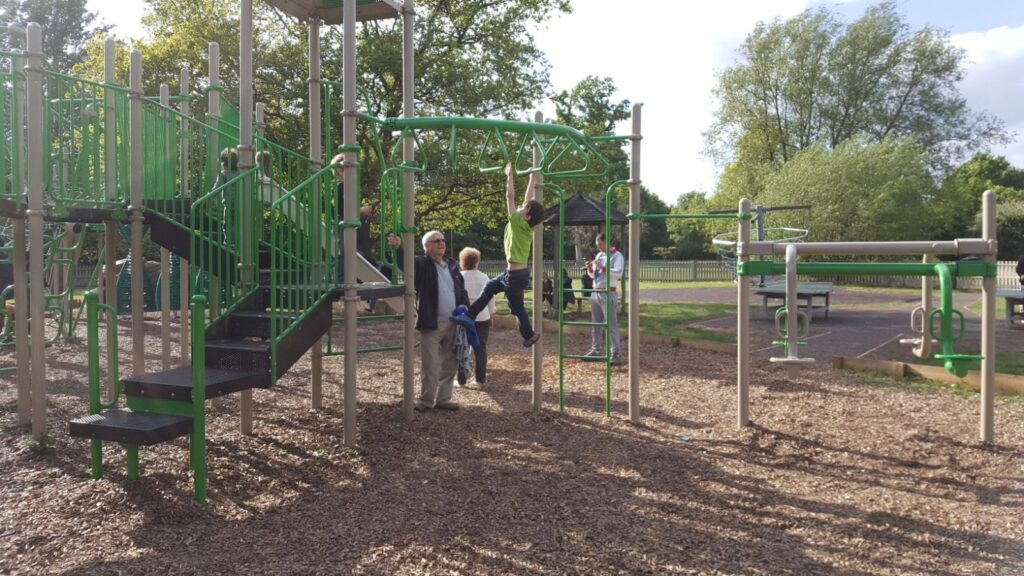
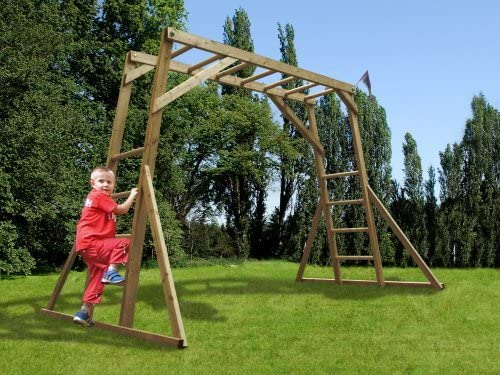
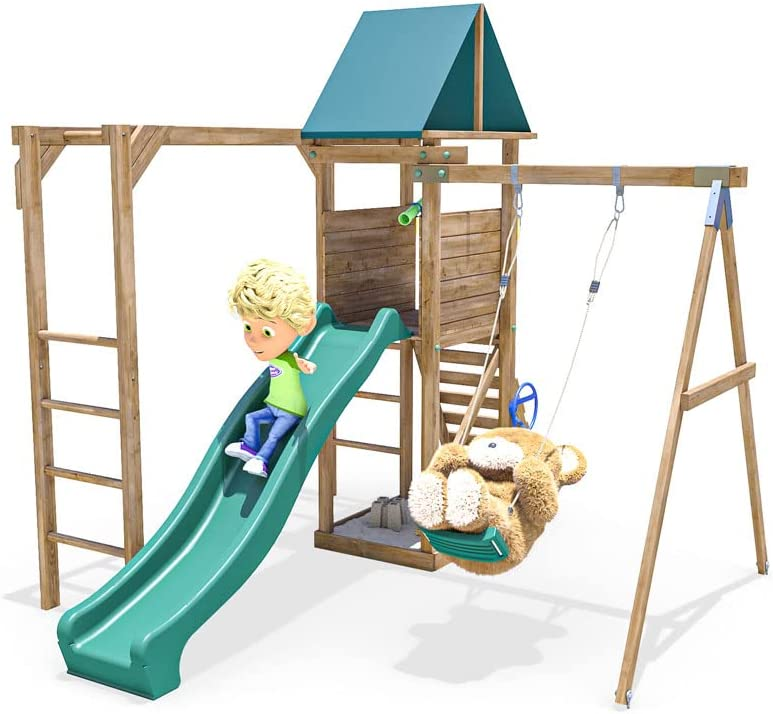




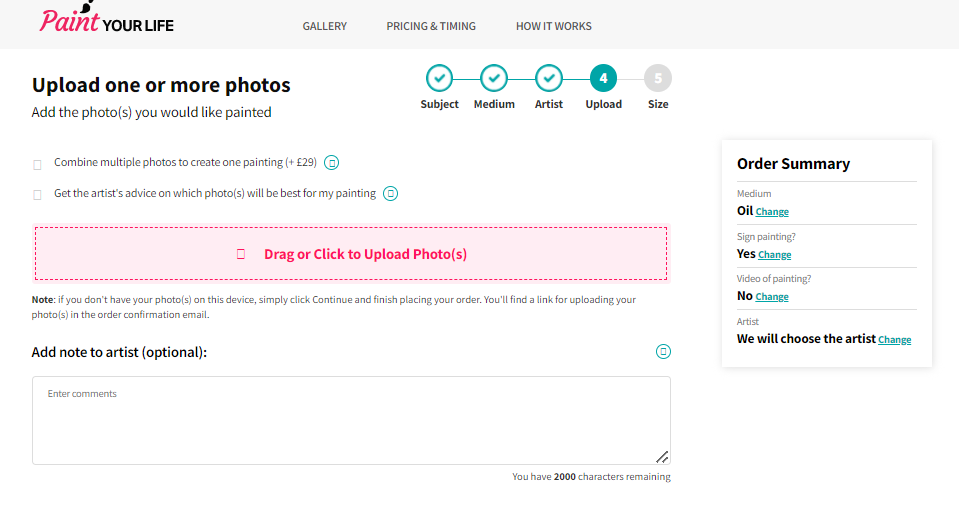









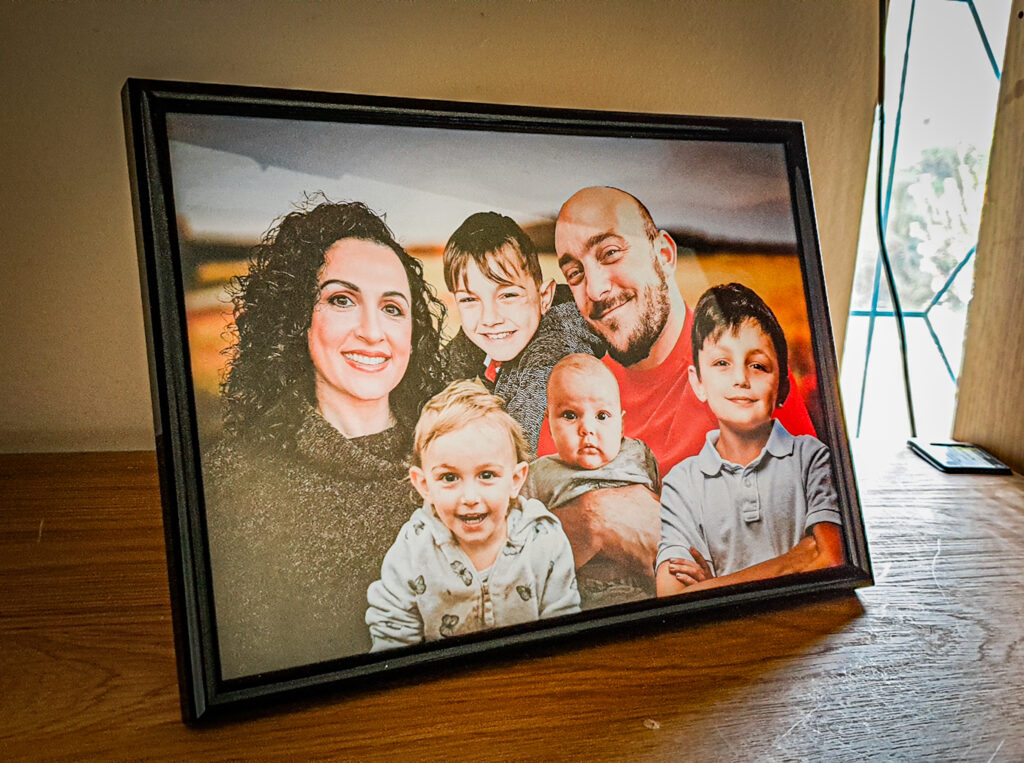


 Tag
Tag  tag
tag