What parents should know raising resilient teenagers in Phoenix
When I held my first baby, I never imagined I’d be writing about teen behavioural support programs. But here’s the thing – as a mum of four, two of whom are teenagers, I’ve learned that the foundations we lay today shape tomorrow’s teenagers. And honestly? Knowing what support exists out there doesn’t mean you’re expecting problems – it means you’re being smart about raising resilient teenagers who can handle whatever life throws at them.
Let me share something personal: My oldest is now 14, and while he’s amazing, the teen years have taught me that even the most prepared parents sometimes need extra support. That’s not failure – it’s wisdom. So today, let’s talk openly about something that might feel far away but is worth understanding now: Phoenix troubled teen programs, their costs, and why knowing about them early can actually help you raise more resilient kids from day one.
Why new parents should think about teenage resilience early
You might be wondering why I’m talking about teen programs when you’re still figuring out nappy changes and sleep schedules. Here’s what I wish someone had told me: the emotional regulation skills you’re teaching your toddler right now? They’re the same ones that’ll help them navigate teenage stress without falling apart.
Research published in the International Journal of Mental Health Systems confirms that half of all mental disorders start by age 14 and are usually preceded by non-specific psychosocial disturbances that can evolve into any major mental disorder1. Studies in Child and Adolescent Psychiatry and Mental Health demonstrate that resilience factors established in early childhood (ages 3-5) significantly predict mental health outcomes in adolescence2. When families that are searching for Phoenix troubled teen programs share their stories, many say the same thing: “I wish we’d started building these skills earlier.”
The typical price for these programs in Phoenix ranges from $2,500 to $10,000 per month, depending on services such as residential care, therapy, and academic support. This price range can feel overwhelming at first, but it reflects the level of care and resources dedicated to each teen. More importantly, understanding these costs now helps you make informed decisions about both prevention and preparation.
Understanding the investment in teen support
Let’s be real – nobody wants to think about their sweet baby needing intensive support as a teenager. But here’s what I’ve learned from connecting with other parents: knowledge is power, and preparation isn’t pessimism.
Different types of programs are available for troubled teens in the Phoenix area, each offering unique treatment plans that can include live-in support, outpatient therapy, and family counselling. According to Arizona Department of Education data, Arizona has multiple state-approved residential treatment centres, including facilities in the Phoenix metro area. Some programs offer multidisciplinary care that is tailored to each teen’s individual needs. Understanding these options now means you can:
Build preventive skills early – The communication patterns you establish with your 3-year-old become the foundation for teenage conversations.
Plan financially – Even if you never need intensive support, having resources set aside gives you options.
Recognise warning signs – knowing what’s normal teenage behaviour versus what needs support helps you act early
Create family systems – Strong family connections built from infancy create protective factors against teen struggles
Key takeaways
Troubled teen programs in Phoenix usually cost $2,500–$10,000 per month
Program choices include residential and outpatient options
Treatment plans are customised based on each teen’s needs
Early intervention and prevention can reduce the likelihood of needing intensive programs
Building resilience from toddlerhood creates stronger teenagers
Typical costs of troubled teen programs in Phoenix
Now, let’s talk numbers – because as parents, we need to be prepared for anything. Costs for troubled teen programs in Phoenix can vary based on program type, services offered, and the needs of the teen. Payment options and the potential for insurance coverage can also affect the out-of-pocket expenses for families.
Average price ranges by program type
I’ve done the research (so you don’t have to), and here’s what families typically invest:
Outpatient therapy in Phoenix usually costs between $80 and $200 per session4. Think of this as the first line of support – regular check-ins that keep small problems from becoming big ones. Many families start here when they notice their teen struggling with anxiety, depression, or behavioural changes.
An Intensive Outpatient Program (IOP) typically ranges from $3,000 to $10,000 per month5. These programs are like a middle ground – your teen lives at home but attends structured therapy several times a week. It’s intensive support while maintaining family connections.
Residential treatment centres can be the most expensive option, with fees typically between $8,000 and $15,000 per month. According to a 2024 NIH study, the average daily cost for residential treatment is $878, with a month’s stay averaging over $26,0006. These provide 24/7 care when a teen needs round-the-clock support for serious behavioural, emotional, or substance use issues.
Therapeutic boarding schools often charge anywhere from $2,000 to $7,000 per month, depending on the length of stay and services provided. These combine education with therapy, helping teens who need both academic and emotional support.
Wilderness therapy programs usually range from $400 to $900 per day, making a 6-8 week stay cost between $15,000 and $40,000 total. While pricey, many parents swear by the transformative power of these nature-based interventions.
Group homes or transitional living services in Phoenix often fall between $4,000 and $8,000 per month, providing structured living environments for teens who need support transitioning to independence.
Factors influencing cost
Several factors influence the total cost for families of troubled teens in Phoenix:
Level of care is often the biggest contributor. Programs offering 24/7 supervision or medical services tend to cost more – but remember, you’re paying for expertise and round-the-clock support when your child needs it most.
Staff qualifications matter enormously. Programs with licensed therapists, psychiatrists, and specialised staff cost more, but the expertise can make all the difference. You wouldn’t skimp on a surgeon, right? The same principle applies here.
Specialised therapies – such as treatment for substance use or dual diagnoses – can also lead to higher fees. But targeted treatment means better outcomes.
The program’s location in or near Phoenix, as well as its reputation, may alter costs. Smaller, more specialised settings or highly accredited centres generally charge more per month than larger, less individualised programs.
Length of stay directly affects total expense since most services are billed monthly. Some teens need just a few weeks of intensive support; others benefit from months of consistent care.
Additional fees for assessment, transportation, or aftercare planning can increase the overall investment beyond base program rates. Always ask for a complete breakdown of costs upfront.
Building resilience foundations from toddlerhood
Here’s where it gets exciting – you have the power RIGHT NOW to build resilience that could prevent the need for intensive support later. As a mum who’s been through the toddler trenches and is now navigating the teen years, let me share what actually works:
Emotional regulation starts early
That meltdown your toddler’s having over the wrong colour cup? It’s actually a golden opportunity. When you help them name their feelings (“You’re frustrated because you wanted the blue cup”), you’re teaching emotional literacy that becomes crucial in teenage years.
I remember thinking I was just surviving my son’s tantrums, but looking back, those moments where I tried to stay calm and help her work through big feelings, that laid the groundwork for how he handles stress as a teenager today.
Communication patterns that last
The way you talk to your 3-year-old shapes how they’ll talk to you at 13. Some strategies I’ve found invaluable:
Active listening – Put down your phone, make eye contact, and really hear them (yes, even when they’re telling you about dinosaurs for the 47th time)
Validating feelings – “That must have been really hard” goes a long way, whether they’re 4 or 14
Problem-solving together – Instead of fixing everything, ask “What do you think we should do?”
Creating safe spaces – Regular one-on-one time where they can share anything without judgment
Building independence gradually
According to the CDC, nearly 1 in 5 children ages 3 to 17 (21%) will be diagnosed with a mental, emotional, or behavioural health condition7. But here’s the hopeful part: children with more positive childhood experiences are significantly less likely to develop mental health conditions.
Helicopter parenting might feel protective, but it actually creates anxious teenagers who don’t trust their own judgment. Start small:
Let your preschooler choose their clothes (even if they look ridiculous)
Allow age-appropriate risks (climbing that slightly too-high playground equipment)
Encourage problem-solving (“Your toy is stuck. How can we get it out?”)
Celebrate effort over outcome
When families might need extra support
Let’s be honest – even with the best foundations, some families need additional help. And that’s okay! Recognising when you need support is actually a sign of strength, not weakness.
Warning signs to watch for
While every teen goes through moody phases, certain behaviours warrant professional attention:
Dramatic personality changes lasting more than two weeks
Self-harm or talk of suicide
Substance use beyond experimentation
Violent behaviour or extreme aggression
Complete social withdrawal
Significant academic decline
Eating disorders or extreme body image issues
The power of early intervention
Here’s something I learned from a friend whose son went through an IOP: catching problems early often means shorter, less intensive (and less expensive) interventions. According to research published in the Early Intervention Foundation, early intervention programs show strong evidence of reducing symptoms of depression and anxiety in adolescents8. A few months of outpatient therapy at $150 per session is far more manageable than a year in residential treatment.
Studies also demonstrate that early intervention proves to be highly accessible and acceptable to young people, resulting in outcomes that are both positive and cost-effective9.
Insurance coverage and payment options
Arizona’s AHCCCS (Arizona Health Care Cost Containment System) provides comprehensive mental health coverage for eligible families10. Even if you’re not currently eligible for AHCCCS medical assistance, you may qualify for behavioural health services through Regional Behavioural Health Authorities (RBHA)11.
Some insurance providers in Arizona cover part of the treatment for eligible troubled teens, especially if the program is deemed medically necessary and is licensed. Let me break down what you need to know:
Outpatient therapy and some intensive outpatient services are more likely to receive insurance reimbursement. Most insurance plans cover mental health services, though you’ll likely have copays.
Residential treatment and therapeutic boarding schools are less often fully covered but might receive partial coverage for therapy or medical services only.
Before enrolling, families should:
Contact both the program and its insurance provider to verify covered services
Understand co-pays and out-of-pocket maximums
Check for in-network providers
Understand pre-authorisation requirements
Many programs in Phoenix offer payment plans, sliding scale fees, or limited scholarships. Some organisations also assist with insurance appeals or financial consultation.
Smart financial planning tips
Start a “Future Support Fund” now – even $50 per month adds up over 15 years. Consider it insurance you hope never to use. If your teen thrives without needing intensive support, you’ve got a nice college fund bonus!
Program types and key considerations
Understanding the full spectrum of support available helps you make informed decisions if the time comes. Let’s dive deeper into what each program type really offers:
Residential treatment and therapeutic boarding schools
Residential treatment centres provide 24/7 care in a structured environment. These programs are designed for teens with severe behavioural challenges, substance abuse problems, or victimisation histories. Licensed clinicians and support staff supervise youth, deliver therapy, and monitor medication if needed.
Therapeutic boarding schools combine academics with therapy. These schools serve teens needing ongoing emotional or behavioural support. Stays average from 9 to 12 months. Many focus on life skills, accountability, and self-awareness, helping teens transition back home or to less restrictive environments.
The cost of residential programs and therapeutic boarding schools can range from $6,000 to $12,000 per month. Local facilities like Avery’s House and other Phoenix-area programs offer specialised plans tailored to each family’s needs12. Insurance may cover part of the costs, but out-of-pocket expenses can be significant.
What parents say: “It was the hardest decision we ever made, but our daughter came back to us,” one Phoenix mum shared with me. “The structure and intensive therapy gave her tools we couldn’t provide at home.”
Intensive outpatient program and day treatment
An Intensive Outpatient Program (IOP) is a flexible therapeutic option. Teens return home at night but attend structured group and individual therapy several days a week. IOPs are effective for moderate behavioural issues or substance use disorders that do not require round-the-clock supervision.
Day treatment programs, sometimes called partial hospitalisation, are more intensive than IOP but less restrictive than residential care. Treatment occurs during the day, with a focus on therapy, skill-building, and relapse prevention.
Costs for IOPs typically range from $3,000 to $7,000 per month. Day treatment is usually priced higher due to longer daily hours. Insurance coverage for these programs can vary, depending on factors such as medical necessity and documentation.
Real-world tip: Many families find IOPs work well when combined with family therapy. You’re all learning and growing together.
Creating your family’s resilience roadmap
Let’s get practical. Here’s how to create a plan that grows with your child:
You don’t have to wait until a crisis hits to build connections:
Find your tribe – Connect with other parents who share your values
Know your resources – Research therapists, programs, and support groups in Phoenix
Build professional relationships – Establish care with a paediatrician who knows your family
Create emergency plans – Have a crisis plan before you need one
The bottom line: preparation meets prevention
Families in Phoenix should expect to pay between $2,500 and $10,000 per month for troubled teen programs, depending on the type and intensity of care required. But here’s what I really want you to remember: the work you’re doing right now with your little one – teaching them to name feelings, solve problems, and trust you – is the best investment you can make in their future mental health.
Insurance coverage may help with some programs, so it’s important to check with each provider. Each family’s choice will depend on individual needs, professional recommendations, and available financial resources. But knowing your options gives you power when you need it most.
Frequently Asked Questions
Should I start saving now for potential teen support programs?
Absolutely consider setting aside even small amounts monthly. Think of it as emotional health insurance. If you never need intensive programs, you’ve built a fund for college or other opportunities. Win-win!
How can I distinguish between normal teen behaviour and situations that require intervention?
Duration and intensity are key. Mood swings are normal; complete personality changes lasting weeks aren’t. When in doubt, consult a professional – many offer free consultations.
What if we can’t afford the programs if we need them?
Many programs offer sliding scales, payment plans, or scholarships. Some insurance covers portions of treatment. Community resources and support groups can also provide help. Never let cost prevent you from seeking initial consultations.
Can building resilience really prevent the need for these programs?
While no parenting approach guarantees a smooth teenage experience, research consistently shows that children with strong emotional foundations, secure attachments, and good coping skills are significantly less likely to need intensive interventions.
When should I start talking to my child about mental health?
Now! Age-appropriate mental health conversations can start as early as toddlerhood. “Everyone feels sad sometimes” or “It’s okay to be angry, but we need to be safe with our bodies” lay important groundwork.
What’s the most important thing I can do now to prepare?
Build a strong, trusting relationship with your child. Kids who feel connected to their parents and comfortable talking about problems are more likely to seek help early when struggling, preventing larger crises.
Resources for Phoenix Families
Crisis Hotline: 988 (Suicide & Crisis Lifeline)
Arizona Department of Child Safety: 1-888-767-2445
NAMI Arizona (National Alliance on Mental Illness): Support groups and resources
Phoenix Children’s Hospital: Behavioural health services
AHCCCS (Arizona Health Care Cost Containment System): azahcccs.gov – Insurance options
Regional Behavioral Health Authorities:
Central Arizona: 800-564-5465
Northern Arizona: 800-322-8670
Southern Arizona: 866-495-6738
Final thoughts
As I write this, my teenagers are upstairs probably rolling their eyes at something I said earlier (the joys of parenting!). But you know what? We talk. We connect. We’ve built a foundation that helps us weather the storms together.
You’re already doing the most important work by thinking ahead, seeking information, and preparing to support your child through whatever comes. That tiny human you’re raising? They’re lucky to have a parent who cares enough to prepare for their future wellbeing.
Remember: knowing about teen support programs isn’t planning for failure – it’s planning for success. It’s saying, “I will do whatever it takes to help my child thrive.” And that is what raising resilient teenagers is all about.
Stay strong, trust your instincts, and remember – we’re all in this together.
Have questions or want to share your experience? Leave a comment below.
Disclaimer: This article is for informational purposes only and should not replace professional medical or psychological advice. If you’re concerned about your child’s mental health or behaviour, please consult with qualified healthcare providers.
Note: Prices and information are accurate as of August 2025. Programs and costs may vary.
Collaborative feature post
References
Colizzi, M., Lasalvia, A., & Ruggeri, M. (2020). Prevention and early intervention in youth mental health: is it time for a multidisciplinary and trans-diagnostic model for care? International Journal of Mental Health Systems, 14(23). https://ijmhs.biomedcentral.com/articles/10.1186/s13033-020-00356-9↩
Miller-Lewis, L. R., et al. (2013). Resource factors for mental health resilience in early childhood: An analysis with multiple methodologies. Child and Adolescent Psychiatry and Mental Health, 7(6). https://capmh.biomedcentral.com/articles/10.1186/1753-2000-7-6↩
Arizona Department of Education. (2025). Residential Treatment Center Placement. https://www.azed.gov/specialeducation/rtc-placement ↩
Based on current market rates for Phoenix area therapy services as of 2025. Prices may vary by provider and insurance coverage. ↩
King, C., et al. (2024). Adolescent Residential Addiction Treatment In The US: Uneven Access, Wait Lists, And High Costs. Health Affairs. DOI: 10.1377/hlthaff.2023.00777 ↩
McGorry, P. D., & Mei, C. (2018). Early intervention in youth mental health: progress and future directions. Evidence-Based Mental Health, 21(4), 182-184. https://pmc.ncbi.nlm.nih.gov/articles/PMC10270418/↩
11 examples of how to build emotional strengths of a child
I’m a huge advocate of placing children’s mental health on the same level playing field as physical health and as a mum of four very different children with varying levels of mental health needs, emotional intelligence is something I strive for everyday.
We all want our children to grow into confident, resilient, and emotionally aware individuals, but how exactly do we nurture these emotional strengths? It can feel overwhelming, especially when we’re trying to nurture our emotional strength too, but after ‘winging it’ for 14 years with a preschooler, primary school child, teen and tween I’ve come up with 11 practical examples of how to build emotional strengths of a child. Whether you’re navigating toddler tantrums or helping an older child with tricky social situations, let’s dive in on what you can do to ensure your child’s emotional strength doesn’t falter throughout and that they have the tools they need to thrive and achieve future success.
Emotional strengths of a child
You may have heard the term emotional intelligence, and as a parent, it’s a skill you definitely want to foster in your child. Emotional strengths, like resilience, empathy, and self-control, allow your child to handle life’s challenges, connect with others, and eventually grow into a well-balanced adult. These strengths also help shape how a child understands their feelings and the emotions of others. For many children, building emotional awareness starts early through hands-on activities and daily life experiences.
Why is it important to know a child’s strengths?
Understanding your child’s emotional strengths is key because it shapes how they respond to difficult situations and bounce back from setbacks. Emotional intelligence is more than just understanding emotions; it’s about learning to manage them healthily, a vital skill that leads to long-term success in life—emotionally, socially, and even academically.
Emotional strengths also go hand in hand with developing personal strengths, such as communication skills, cognitive strengths, and soft skills, which are critical in both daily life and school environments.
What are examples of the emotional strengths of a child?
So, when we say emotional strengths, what do we mean? Here are some of the key traits to look out for and encourage in your child:
1. Having a cheerful outlook
Having a cheerful outlook means your child can navigate challenges with a positive growth mindset. This type of mindset encourages them to view obstacles as opportunities to learn and grow, rather than as setbacks.
When your child is cheerful, they can approach difficulties with optimism, believing they can overcome them through effort and perseverance. So, encouraging open discussions about their feelings and creating a safe space for them to express themselves will help build on this cheerful attitude.
Positivity is closely tied to a good sense of humour, which not only lightens the mood but also enhances social interactions. Children with a cheerful outlook and humour are more likely to attract friends, making it easier for them to form strong, positive relationships and become a good friend to others.
2. Showing courage
Courage is an important emotional strength that comes into play when your child faces new or difficult situations, whether it’s starting school, learning new things, or meeting new friends. Courage allows them to step out of their comfort zone and tackle challenges head-on, even when they feel uncertain or afraid.
Encouraging your child to display courage by celebrating small wins is key—these small achievements build their confidence and reinforce their ability to face fears. Support them through these challenges, so they can develop good common sense and improve their decision-making skills. Over time, facing fears and taking calculated risks will help your child grow into a more resilient and confident individual.
3. Having determination
Determination is the inner drive that pushes your child to keep trying, even when things get tough. When your child faces obstacles, determination teaches them that failure is not the end, but a chance to try again and learn. One way to build determination is by setting age-appropriate challenges they can work towards independently. As they learn to tackle tasks on their own, it also strengthens their good organisational skills and ability to complete tasks.
With determination comes a growth mindset, which allows your child to view challenges as opportunities to grow. This mindset will also help them manage any negative emotions effectively, as they learn that persistence and effort lead to success.
4. Showing empathy
Empathy is one of the most crucial emotional strengths your child can develop, as it helps them connect with and understand other people’s feelings. When your child can relate to others’ emotions, it strengthens their ability to form meaningful relationships and develop good character. Try to discuss social situations and emotions with your child, for example, ask them how they think someone else might feel in a specific situation or guide them through reflecting on how they’ve felt in similar circumstances. Building empathy also enhances their interpersonal skills, which helps them navigate friendships, resolve conflicts, and understand the diverse emotions of those around them.
5. Practising patience
Patience is a key emotional strength because it helps your child manage frustration and stay calm when things don’t go as expected. It’s a skill that’s often tested daily, from waiting their turn in a game to handling disappointments at school.
Teaching patience through mindful activities like deep breathing or setting up small scenarios where they must wait helps your child to learn self-control and this ability to wait without becoming frustrated plays a significant role in their overall emotional regulation. Patience also contributes to the development of soft skills—the personal attributes that help your child interact with others—by helping them manage their specific emotions in challenging situations, making them better equipped to handle life’s ups and downs.
6. Showing resilience
Resilience is the ability to recover quickly from difficulties and continue moving forward, and it’s a skill that can significantly impact your child’s emotional and cognitive development. When your child is resilient, they learn to view setbacks as temporary and see failures as opportunities to improve.
Whether it’s handling a difficult day at school or bouncing back from disappointment, resilience is critical for emotional growth. It also helps your child build emotional awareness by encouraging them to reflect on what went wrong and how they can cope better next time.
7. Keeping calm
Teaching your child to stay calm during stressful situations is vital for helping them regulate their emotions. When your child is calm, they’re better able to think clearly and respond to challenges without becoming overwhelmed.
Use calming strategies like deep breathing, mindfulness exercises, or taking a moment to pause so they can manage their stress and deal with overwhelming feelings. This way, your child can approach difficult situations with a balanced mindset and a healthy way of processing negative emotions, which is especially important as they grow, as it allows them to maintain emotional stability throughout their lives.
Calming strategies for the classroom
Sometimes, children need help managing their emotions in school environments. Teachers can use techniques such as feelings list for kids, deep breathing, quiet corners, or mindfulness exercises to help your child stay grounded. These strategies—including going through facial expressions with them and discussing what they mean—can make a big difference in your child’s emotional regulation.
Incorporating study skills and hands-on activities like playing musical instruments or physical exercises can also help your child express themselves and deal with different strengths and challenges they may face in the classroom.
8. Being friendly
Encouraging friendliness in your child is a great way to help them build strong, lasting social relationships. When your child is friendly, they naturally attract others, making it easier for them to form positive connections.
Friendliness also fosters cooperation and kindness, which are key in both play and school environments. Whether your child is sharing toys on the playground or working on a group project at school, these qualities make a big difference. Social strengths like being a good storyteller or showing good manners go hand-in-hand with friendliness, and they help your child engage with their peers on a deeper level. These traits aren’t just nice-to-haves; they’re essential social-emotional skills that set the foundation for healthy interactions throughout life.
9. Being flexible
Flexibility is one of those skills that makes all the difference when life throws curveballs—something your child will encounter frequently. Teaching your child to be flexible allows them to adapt to change and handle unexpected situations with ease, whether it’s adjusting to a new school year, shifting family routines, or even something as simple as a change in plans.
Flexibility also strengthens their cognitive skills by encouraging them to think outside the box and approach problems from different angles. When your child learns to be flexible, they understand there are often various ways to deal with challenges. This ability to cope with transitions and unexpected events is a vital life skill that builds resilience and prepares them to handle whatever comes their way.
10. Being Independent
Developing independence is such an important emotional strength for kids, and it will benefit them in so many aspects of life. Allow your child to make decisions and complete small tasks independently, so they can build confidence in their abilities.
Independence is closely linked to understanding one’s own strengths, and it fosters a sense of positive psychology—an optimistic outlook where one feels capable of taking on new challenges. This doesn’t just boost their emotional growth, but it also enhances their physical strengths and problem-solving skills. When your child engages in independent activities like organising their own room or helping with household chores, they learn to rely on themselves, contributing to their overall wellbeing and sense of achievement.
11. Being confident
Confidence is one of the most powerful tools your child can have. It allows them to face new challenges with a positive attitude and belief in their own abilities. When your child feels supported and encouraged, their confidence naturally grows, making them more likely to take on new experiences.
Whether it’s learning a musical instrument or improving their maths skills, confidence helps them persist through challenges and stay motivated. When they’re confident in their student’s strengths, it positively impacts both their academic and social success. Confidence gives them the courage to try new things, overcome setbacks, and engage more fully in school and social life, laying the groundwork for long-term success.
Emotional strengths of a child with autism
Children with autism can also develop emotional strengths, although they may need additional support. Tools like visual support, structured communication, and ABA therapy can help children with autism understand and manage their emotions effectively. Focus on their specific strengths and create a supportive environment, so they can thrive emotionally and socially.
Benefits of helping of a child develop emotional strengths
Helping your child build emotional strengths doesn’t just benefit their childhood—it sets them up for success in life. From better academic performance to healthier social interactions, emotional strengths are the foundation for a well-rounded individual. These strengths also contribute to building high self-esteem and a sense of balance in life, helping them achieve their full potential.
How to build upon these emotional strengths in the classroom?
Teachers play a huge role in nurturing a child’s emotional strengths. Creating a supportive and collaborative classroom environment encourages emotional learning and incorporating learning-based programs and focusing on communication skills, problem-solving, and positive reinforcement helps build good role models in class. Teachers can also help students manage their emotions by providing structured opportunities for empathy and cooperation.
How can you build upon the emotional strengths of a child at home?
At home, you can build emotional strength by providing a nurturing environment where your child feels safe to express their emotions. Open conversations, modelling good behaviour, and establishing routines all play a part in supporting emotional growth. Encouraging your child to explore their personal strengths, such as creativity or physical skills, and exposing them to activities like video games, sports, and card games can enhance their emotional and physical abilities.
Seeing emotions in others
Just as important as being able to recognise one’s own emotions is being able to read the emotions that other people are having. This is vital as a part of emotional intelligence, and actually it turns out that this kind of empathy is one of the most important skills that your child can develop on the whole.
As such, it is never too early to start helping them see and interpret the emotions in other people’s faces. This can be as simple as going through facial expressions with them and discussing what they mean. You might find that your child can take to this quite naturally, or that they need a little help. It doesn’t matter – what matters is that you are helping them move in the right direction, and you are encouraging them to do this as well as you can. Being able to see the emotions in others is a hugely important and valuable skill and one that will do very well for them throughout their entire life.
Talking about reactions
Once your child has started to develop strong emotional intelligence, you can then start talking about the reactions you have noticed them having in the past. This is a great way to help them reflect on their behaviour and understand why they react in the way they do. Knowledge is power, but so is patience, which brings me to my final point.
Give it time
Remember, your child is at the very beginning of their emotional journey and they may not always be able to express how they feel, simply because they don’t know what they are feeling. All of this can take time, and it’s an education like anything else. Feelings don’t lie, so never gaslight your child, but be patient and explain that feelings are normal and it’s ok to let them out, as long as they are not hurting themselves or others.
If your child lashes out when they are angry (like my third), then use the time when they have calmed down to reflect on why the way they reacted may not have been the best way to deal with the situation. Come up with easy ways to remind them to use their words and not their hands. We talk about squeezing hands when they’re angry or letting it out with a massive sigh or even a yell.
You will eventually learn how your child works and so you should embrace who they are and build on their strengths and weaknesses. Emotional strength is the foundation of success, so make it an easy process for both of you by showcasing one of yours – patience.
FAQ
1. How can parents best support their children’s social and emotional development alongside academic achievement?
Parents can support both social and emotional development by creating a balanced environment where your child feels safe to express their emotions and have the tools to excel academically. Encourage open communication, promote empathy, and model positive behaviour at home while also reinforcing a structured learning routine. Schools should work in tandem with parents by incorporating social-emotional learning (SEL) alongside academic subjects.
2. How do positive emotions impact a child’s academic success, and what strategies can parents and educators employ to cultivate these emotions?
Positive emotions, such as happiness and confidence, improve focus, memory retention, and problem-solving skills, all of which are crucial for academic success. Parents and educators can cultivate these emotions by fostering a supportive environment, using positive reinforcement, celebrating small wins, and encouraging self-expression through arts, play, and storytelling.
3. How to encourage your child’s emotional strengths?
You can encourage your child’s emotional strengths by modelling healthy emotional expression, teaching empathy through role-playing, practising patience, and providing opportunities for them to handle challenges independently.
4. How do you know that your child is well emotionally?
Signs that your child is emotionally well include the ability to express emotions appropriately, recover quickly from setbacks, maintain healthy relationships, and exhibit a positive outlook on life. If they’re open to discussing their feelings and generally handle stress well, this indicates emotional well-being.
5. How to foster your child’s emotional intelligence pillars?
The pillars of emotional intelligence—self-awareness, self-regulation, empathy, social skills, and motivation—can be fostered through regular emotional check-ins, teaching problem-solving, promoting empathy, and encouraging healthy communication.
Behavioural and emotional strengths in children
6. What are behavioural and emotional strengths in children?
Behavioural strengths include patience, flexibility, and responsibility, while emotional strengths refer to resilience, empathy, and self-control. These qualities help your child manage their emotions and interact positively with others.
7. What are some emotional strengths of a child?
Some common emotional strengths include empathy, resilience, optimism, patience, and self-regulation. These traits help your child navigate social situations and cope with challenges.
8. What are social-emotional behavioural strengths?
Social-emotional behavioural strengths include the ability to form positive relationships, show empathy, communicate effectively, manage emotions, and work well in groups. These strengths help your child succeed both socially and academically.
9. What are the behavioural and emotional strengths of your child?
Each child has unique strengths, but common ones include independence, determination, emotional regulation, and problem-solving abilities. These traits allow them to handle difficult situations with resilience and grace.
Emotional strengths of special needs and autistic children
10. What are the behavioural and emotional strengths of a child with autism?
Children with autism may have strong problem-solving skills, a heightened focus on specific interests, and the ability to empathise deeply in certain situations. Visual support and structured environments can help further develop these emotional strengths.
11. What are the strengths and weaknesses of having attention deficit hyperactivity disorder (ADHD) as a child?
Children with ADHD often excel in creativity, enthusiasm, and out-of-the-box thinking. However, they may struggle with focus, impulse control, and emotional regulation. At home and school, they benefit from structured routines, positive reinforcement, and extra support for managing attention challenges.
Identifying and encouraging child strengths
12. How do you identify your child’s strengths?
You can identify your child’s strengths by observing their behaviour in various settings, noting where they show confidence, passion, or resilience. Seek input from teachers, coaches, and other caregivers to gain a broader perspective.
13. How can you build upon these strengths?
Once you’ve identified your child’s strengths, reinforce them by providing opportunities to practise these skills. Offer praise for their efforts and create a nurturing environment that fosters further development of these strengths.
14. What are your child’s strengths?
Your child’s strengths could include personal traits like kindness, empathy, leadership, problem-solving, or independence. These are often highlighted in how they approach challenges and interact with others.
15. What are the emotional strengths of a child with special needs?
Children with special needs may have unique emotional strengths, such as the ability to focus deeply on a task or show intense dedication to a personal interest. Emotional regulation and empathy may be enhanced through tailored support and consistent routines.
Strength-based parenting and child development
16. What is strength-based parenting?
Strength-based parenting focuses on identifying and nurturing a child’s inherent strengths rather than correcting weaknesses. It encourages parents to foster positive traits such as resilience, creativity, and empathy to help their children thrive emotionally and socially.
17. What is the strength switch?
The “strength switch” is a concept in strength-based parenting that encourages parents to flip their focus from a child’s weaknesses to their strengths. By highlighting and praising strengths, parents can build a child’s confidence and emotional resilience.
18. How can children’s strengths be learned?
While some strengths may come naturally, others can be learned and developed through practice, such as empathy, patience, and perseverance. Your child can build these strengths with guidance, encouragement, and real-world experiences.
Developing specific emotional strengths and skills
19. How can leadership skills be developed in children?
You can help develop leadership skills in your child by encouraging teamwork, problem-solving, and responsibility. Provide opportunities for them to lead small group activities or make decisions at home.
20. What are the three pillars of emotional intelligence?
The three pillars of emotional intelligence are self-awareness, self-regulation, and empathy. Teaching your child to identify their own emotions, regulate their reactions, and understand the feelings of others builds a strong foundation for emotional intelligence.
21. How can parents support interpersonal skills in children?
Parents can support interpersonal skills by encouraging open communication, practising empathy, and promoting healthy social interactions. Role-playing social situations and discussing non-verbal cues can also be helpful.
Cultural and social expectations in strength development
22. What are the strengths of a child from different cultural expectations?
Different cultures may emphasise various strengths in children. For example, some cultures prioritise independence and problem-solving, while others may value cooperation and respect for authority. It’s essential to recognise and support your child’s strengths within the context of their cultural background.
23. What are the social strengths of a child?
Social strengths in your child include being a good listener, forming strong friendships, and demonstrating cooperation. These qualities are vital for building positive relationships with peers, family members, and teachers.
Helping children with emotional and behavioural support
24. How to get emotional or behavioural support for your child?
If you believe your child needs emotional or behavioural support, start by talking to their teacher, school counsellor, or paediatrician. You can also seek professional help from a therapist specialising in child development or behaviour management.
*Collaborative feature post*
Family home evening activities: 35 fun games and ideas
As much as I loved having the kids at home, the last lockdown was brutal. I had to homeschool two boys in two different years, manage a baby who wanted to destroy everything in the house and curb horrible morning sickness as I was newly pregnant – all while trying to work from home too. I definitely wouldn’t want to go through that again, especially with the youngest two now being preschoolers.
But if we had to do it all again, there are certain things I would do differently provided homeschooling didn’t take six hours a day like last time.
Family home evening activities are one of those special traditions that invite families to carve out dedicated quality family time each week for bonding, learning, and just having a good time together. Originally, the family home evening concept found its roots in religious communities, but it’s evolved into a concept that any family can embrace, regardless of background. Whether you’re teaching life lessonsc, playing games, or simply enjoying each other’s company, a family home evening is a golden opportunity to strengthen family ties and create memories that last a lifetime.
Having gone through it with four kids of varying ages, I have some tips on how to entertain kids at home. In this article, we’re diving into 35 fantastic family home evening activities that cater to everyone, from the youngest to the oldest in your family. From getting crafty with art projects to playing games and planning seasonal activities, these ideas help you plan evenings members of your family will look forward to every week.
Establish your availability
To work out how to entertain kids at home, you need to first establish how much time you have to entertain the kids. Do you have to work at home or have you taken holidays so you have the entire day to spend with the kids?
Whatever your situation, make sure you let your children know. Establish some ground rules and then, when you’re free, prepare the kids with some activity options. Then select the activity together if you don’t have any work/school/activity commitments. Stuck on ideas? Keep reading!
Be mindful of essential costs
Thankfully, entertaining a child at home means you’re less likely to take them out to a crowded place that costs money to enjoy. However, you need to factor in other costs, like increased housing costs, clothing and food. You still need to fork out for recreational activities even if they’re online, although there are lots of free online activities now thanks to entrepreneurs capitalising on the post-pandemic spirit.
You can get a better handle on this by knowing more about these expenses. Whether you are forking out for a onetime expense like a braces cost or paying towards your kids’ football club, make sure you know what’s coming in and going out first.
Help save for your activity goals by using an early savings account to keep your money safe.
You may struggle to find minutes in the day to spend with your kids but studies show that engaging in activities with your child will not only help them get the most out of that activity but it also improves your kids’ self-esteem and your bond with your children.
35 family home evening activities for all ages
Now that we’ve explored the importance of family home evenings, it’s time to dive into the core—finding the perfect activities that will make these evenings memorable for everyone involved. Whether your family loves to get creative, enjoys playing games, or prefers to spend time outdoors, this list of 35 activities has something for every interest and age group.
Engaging activities for all ages
1. Arts and crafts family night
If you’re thinking about how to entertain toddlers at home, arts and crafts are probably your best bet because it helps toddlers channel their energy – and messiness – into creating something magical, provided you’ve protected your furniture!
Stock up on paint, glitter glue, stickers (and whatever else you find!) and let their imaginations go wild. If you think they need a little structure, set them a specific task. Good examples include a paper airplane, your own ultimate frisbee, paper craft one hour kits, drawing a family portrait and for extra fun, creating a 3D object using papier mâché.
If you have desk work to do, then why not set up a play table beside you where your child can have fun with arts, crafts or different family home evening games? This will only suit older children, but at least you can offer them some distraction with a good attitude without having to resort to switching on the TV.
Choose arts and crafts materials that aren’t too messy, such as crayons and a piece of paper, so you don’t have to be watching your child every minute.
2. Get creative in the kitchen
Depending on the age of your kids, you can throw caution to the wind and loosen the restrictions in the kitchen. Kids deserve to learn valuable culinary skills because it will set them up for university and later adulthood, but we are often too scared to loosen the reins in case they cut themselves or set fire to the house.
Get them involved in easy-to-make recipes, like boiling an egg, making spaghetti or baking biscuits. You can ask them to read out the recipe instructions or assist in certain parts of the cooking process. Or if you’re baking with a baby, you can place their hands on the biscuits to make little cute hand marks. You may make a mess in the kitchen, but you’ll all have so much fun in the meantime!
Maybe your entire family doesn’t always have time to eat together, but when you do, make it something special. How about a one-pot meal everyone can enjoy together at the table like paella or a fondue? Your family can share the experience of a common meal and you can get to know your big and little kids through engaged conversation. It’s a great way to find out about how school is getting on or what’s troubling them.
3. Gardening
Gardening is an easy way to get your kids out in the great outdoors and away from their addictive devices. Why not dedicate a specific area outside for them to get stuck in? Ask them to pick out some pretty plants at the garden centre and then help you pot them once you get home. Or if you fancy more of a challenge, try growing your own veg! This is a great way to teach your kids the importance of nurturing and looking after things.
4. Family scrapbooking
Remember the good times with a family scrapbook. Gather those photos, ticket stubs, and drawings, and spend an evening putting them all together in a beautiful keepsake. Scrapbooking is a creative way for everyone to contribute, and it’s a project you can keep coming back to. The best part? Flipping through it later and reliving all those special moments.
5. DIY home decor
Why not make your home feel even more like “you” by creating some DIY decorations? Whether it’s making wreaths for the holidays, painting ornaments, or designing table centrepieces, this is a fun and productive way to spend an evening together. Plus, you’ll end up with something beautiful to display around the house.
Fun and interactive games
6. Board games night
There’s nothing like a classic board game to bring everyone together. Board games are perfect for encouraging a little friendly competition, strategic thinking, and, most importantly, lots of laughs. Whether you’re breaking out Monopoly, Scrabble, or Clue, or keeping it simple with games like Candy Land for the little ones, board games are a great way to spend an evening. They’re a fun activity that helps strengthen family bonds while creating memories of fun and laughter.
7. Charades
Get ready to giggle with a game of charades! This classic acting game is perfect for unleashing your family’s creativity. You can create a list of actions, movies, or characters to act out, making sure there’s something for everyone, regardless of age. It’s a fantastic way to encourage teamwork and self-expression, all while keeping things light and fun.
8. Treasure Hunt
Turn your home—or backyard—into a treasure map! A treasure hunt is a versatile activity that can be tailored to any age group. For younger kids, you can use simple picture clues or rhymes, while older kids might enjoy solving riddles or puzzles. Hide a small prize at the end for an extra element of excitement. It’s a great way to keep everyone engaged and entertained.
Ensure the clues are difficult enough to challenge the children but easy enough so they can actually solve them. You should have about an hour to have that cup of tea or get on with your tasks.
9. Puzzle night
There’s something wonderfully calming about puzzle-solving. Or, if you prefer, you can challenge each other with crossword puzzles. Platforms like 247 crossword offer a wide range of puzzles that cater to both beginners and experts, making crosswords more accessible than ever. Additionally, crosswords appear in The New York Times and highlight the creativity and linguistic skill involved in crafting crosswords.
A rainy day is the perfect time to play a game as a family, but whatever game you choose, it matters that you play together and have fun. And if you play for a short while, you will find your kids will naturally go off and want to play on their own afterwards.
10. Card games
Sometimes, the simplest games are the best. Classic card games like Uno, Go Fish, or Rummy are easy to pick up and provide endless fun. These games encourage strategic thinking and quick decision-making, all while keeping the atmosphere light and enjoyable. Plus, they’re suitable for all ages, making them a a great idea for a mixed-age family gathering. Maybe make it a weekly thing, like every Monday night you play cards together.
Enjoying the great outdoors
11. Family picnic
Pack up some sandwiches, grab a blanket, and head to your favourite park for a family picnic. Add some outdoor games like frisbee or soccer to keep everyone active. It’s a fantastic way to enjoy nature and get some fresh air, all while sharing a meal. And hey, who doesn’t love a good picnic?
12. Stargazing
On a clear night, grab some blankets, head outside, and see what constellations you can spot. Stargazing is a peaceful activity that can spark great conversations about the universe and our place in it. Plus, it’s a beautiful way to slow down and appreciate the natural world.
13. Nature walk
A nature walk or hike is a great way to explore the outdoors and get some exercise. Take the time to collect leaves, rocks, or flowers along the way and discuss what you’ve found when you get home. It’s a simple but effective way to foster a love for nature and spend quality time together.
14. Sports night
Why not turn your backyard into a mini sports arena? Whether it’s a game of football, basketball, or just a good old-fashioned game of catch, playing sports together is a fun way to get everyone moving. It’s a great opportunity to burn off some energy while enjoying each other’s company.
15. Outdoor movie night
If you have a projector, why not set up an outdoor movie night? It’s like bringing the cinema experience right to your backyard. With blankets, pillows, and your favourite beef jerky sticks snacks, you’ll create a cosy and fun evening under the stars. Plus, it’s a unique twist on your usual movie night.
Special themes for memorable nights
16. Holiday-themed family home evening
Holidays are the perfect time to get a little festive with your family home evening activities. Whether you’re decorating the tree for Christmas, organising an Easter egg hunt, or planning a Valentine’s Day craft night, holiday-themed activities add a special touch to your family traditions. These nights are not just about the fun—they’re also about creating lasting memories together.
17. Cultural night
Why not explore a new culture together? You can cook a traditional meal, listen to good music from that culture, and even learn about their customs and traditions. It’s a fun, educational way to broaden your family’s horizons and develop an appreciation for diversity. Plus, it’s always exciting to try something new!
18. Book club night
For the book lovers in your family, why not start a little book club? Choose a family-friendly favorite book, read it together, and then discuss it as a group. It’s a great way to encourage reading and critical thinking, and it gives everyone a chance to share their thoughts and perspectives.
19. Game show night
Bring the excitement of a game show into your living room! You can create your own family game show with trivia discussion questions, challenges, and even some prizes. This activity is not only fun but also a fantastic way to encourage learning and healthy competition.
20. Music and dance night
Nothing gets the energy up like a good dance party! Play everyone’s favourite tunes and dance the night away. If you’re feeling brave, you can even add a karaoke session. It’s all about letting loose and having fun together, and it’s sure to leave everyone with big smiles.
Learning and growing together
21. Family history night
Take a trip down memory lane with a family history night. Share stories from your family’s past, create a family tree, or flip through old photo albums. This activity helps children connect with their roots and understand where they come from, fostering a sense of identity and belonging.
22. Service project
Why not use your family home evening to give back to the community? Choose a service project that the whole family can participate in—whether it’s making care packages for those in need, volunteering at a local charity, or even cleaning up a neighbourhood park. Service projects are a great way to teach compassion and responsibility while making a positive impact together.
23. Science experiment night
Bring out your inner scientists with a science experiment night! Conduct simple experiments at home and discuss the results together. It’s a hands-on way to introduce scientific concepts and spark curiosity in kids of all ages. Plus, it’s just plain fun to see what happens when you mix baking soda with vinegar!
24. Storytelling evening
Everyone loves a good story, and a storytelling evening is a wonderful way to share them. Each member of the family can take a turn telling a story—whether it’s something that happened in real life or a tale from their imagination. It’s a fantastic way to encourage creativity and communication, and you’ll likely hear some surprising and entertaining tales.
25. Values and family home evening lessons night
Family home evening is a great opportunity to discuss important values and lessons. You can talk about topics like kindness, honesty, or responsibility, and how they apply in daily life. These discussions can include role-playing scenarios, sharing personal experiences, or even watching a short film or reading a story that illustrates the lesson. It’s a meaningful way to reinforce positive behaviours and principles in a family setting.
Fun family home evening ideas for every season
26. Pumpkin carving
Get into the Halloween spirit by carving pumpkins together. This is a fun and creative activity that lets everyone show off their artistic side. Plus, you can roast the pumpkin seeds for a tasty treat afterward!
27. Easter egg decorating
Make your Easter family home evening extra special by decorating eggs together. You can try different techniques like dyeing, painting, or even adding glitter and stickers. Afterward, have an egg hunt in the yard to see who can find the most!
28. Christmas cookie baking
There’s nothing quite like the smell of freshly baked cookies during the holidays. Spend an evening baking and decorating Christmas cookies as a family. You can share them with neighbours or friends, or simply enjoy them together with a cup of hot cocoa and a good Christmas story.
29. Winter crafts
When the weather outside is frightful, stay warm inside with some winter-themed crafts. You can make your own paper snowflakes, homemade ornaments, or even create a wreath for the front door. It’s a cosy way to spend time together while making your home feel festive.
30. Summer water games
Cool off during the hot summer months with some fun water games. Whether it’s a water balloon fight, setting up a slip-and-slide, or just running through the sprinklers, it’s a great way to beat the heat and have a blast together.
Unwind and connect
31. Home spa night
Turn your living room into a spa for a night of relaxation. Create DIY face masks, enjoy foot baths, and play some soothing music. It’s a perfect way to unwind and pamper yourselves after a busy week.
32. Movie marathon
Choose a series of movies—whether it’s Disney movies or a Harry Potter marathon—and settle in for a cosy night of entertainment. Pop some popcorn, enjoy and ice cream and grab your favourite snacks, and enjoy a cinematic experience from the comfort of your own home.
With all kinds of free movies available, you and your family can create your own personal film festival. You can make it just like going to the pictures with rows of chairs or just your comfortable bean bag.
33. Yoga and meditation
Bring some calm to your family home evening with a session of yoga and meditation. Practice simple yoga poses together, followed by a few minutes of meditation. It’s a peaceful way to relax and recharge as a family.
34. Build a fort
Sometimes, the simplest activities are the most fun. Gather up some blankets and pillows, and build a fort in the living room. Once it’s done, crawl inside for some snacks, stories, or even a board game. It’s a great way to encourage imagination and spend quality time together.
Once you are all comfortable inside your hiding place, enjoy a banquet of sandwiches and cakes whilst acting like royalty in your impressive creation.
35. Family testimony meeting
If your family is spiritual, consider dedicating a family home evening to sharing personal experiences, feelings, or testimonies about faith, gratitude, or family values. It’s a meaningful way to connect on a deeper level and strengthen your family’s bonds.
Final thoughts
Family home evenings are a wonderful tradition that offers endless opportunities for fun, learning, and bonding. With these 35 activities, you’ll find something that resonates with every member of your family. Whether you’re getting creative, playing games, or simply enjoying each other’s company, these ideas will help make your family home evenings both memorable and meaningful.
We’d love to hear your thoughts! Share your favourite family home evening activity ideas in the comments below.
FAQs
Common questions about family home evening activities
What activities can I do with my family?
There are countless activities you can enjoy as a family during FHE, both indoors and outdoors. Options include board games, treasure hunts, storytelling, and seasonal crafts. The key is to choose activities that everyone can participate in, ensuring a fun and inclusive experience.
What are some fun things to do with my children that don’t cost money?
FHE doesn’t have to be expensive. Consider activities like playing classic games, reading books together, or having a DIY pape3r craft session. These budget-friendly ideas allow you to spend quality time with your children without breaking the bank.
How do I keep kids entertained without electronics?
Suggest creative, screen-free activities to engage kids during FHE, such as arts and crafts, cooking, or playing outdoor games. These activities promote interaction and help children develop various skills while enjoying quality time with the family.
What are some ideas for spending quality time together as a family?
Discuss the importance of spending great time together and offer tips on how to make the most of FHE. This can include planning activities that cater to all family members, ensuring that everyone feels included and valued.
How to plan an FHE that is enjoyable for all ages?
Provide tips on planning activities that cater to both young children and older family members. This might include a mix of games, discussions, and creative projects to ensure that everyone has something to look forward to.
*Collaborative feature post*
*Links marked with a ‘*’ are affiliate links which means I may earn a small commission if you click through to buy, at no extra cost to you.
Natural remedies for anxiety in children
Anxiety is a natural response to stress and can be triggered by a variety of factors in children. From the first day of school jitters to performance aincnxiety, nearly 300,000 young people in Britain have an anxiety disorder. In the UK, anxiety is estimated to affect 2-5% of children under 12 years old and 5-19% of all children and adolescents.
While prescription medications may seem like the obvious solution, there are natural remedies for anxiety in children that can help calm their nerves without any side effects. In this article, we’ll explore some creative and effective natural solutions to anxiety that will have them feeling better in no time!
Our experience with anxiety in our child
In the past few years, we had noticed our eldest son suffering from increasingly high anxiety levels. Sometimes this anxiety would erupt with no cue, or we could see the build-up of anxiety forming, but we couldn’t stop it. My son wasn’t always an anxious child. In fact, as a baby, he was very calm and tolerant. During nursery, he was, as quoted by his key nursery worker, “a very engaging and relaxed boy.” At school, somehow, things changed. We put it down to his new class being dynamic, with lots of loud personalities and we thought he was finding it difficult to cope.
We had suspected some teasing had been going on as he didn’t want to go to school anymore, and occasionally he would repeat words that weren’t uttered at home. He was losing focus at school, often being told off for not sitting still on the carpet and receiving frequent timeouts. His anxiety levels grew, and in October 2017 we lost our third baby, which exacerbated his anxiety levels. We noticed that he also struggled to express what he was going through, which meant all those feelings he had inside were festering with no release.
We figured we need to act fast, especially as his sleep was suffering. We could not get him to settle most nights, and it would take at least three hours for him to calm down, which meant he often passed out through exhaustion. And he wouldn’t stay asleep either – he would wake up during the night complaining of nightmares. His fatigue spilt onto his daily activities and mental development, and it was at this point we knew we needed to do something.
His school had suggested that we try the medical route to eliminate possibilities of ADHD or Autism, but at the time, I felt it was his anxiety levels that had taken a hit because of traumatic incidents that happened previously. But we followed the medical route anyway to eliminate any possibilities. And it crossed our mind that his lack of expression could be down to something underlying.
We took him to the GP to start the medical process, with no real idea what this route entailed exactly. The GP began the treatment plan which involved an initial assessment with me, my husband and our son at the Peace Children’s Centre in Watford. This meeting’s aim was to get our side of the story about how our son (then 8) was suffering and to determine which route was best to take. The paediatrician could see that he was exhibiting levels of anxiety and advised that we follow the Step2 CAMHs program, which concentrated more on our child’s emotional psyche and the possibility that he may have ADHD symptoms rather than autism.
I spoke with Andy Collins on BBC3 Counties Radio regarding our process with Step2 CAMHS MFAGS, which you can listen to below:
My son and I also spoke with the lovely Anna Williamson on BBC3 Counties radio during the Mental Health Hour and we got to hear his side of what he learned during the anxiety group session too. You can listen to that conversation below:
Who and what is Step2?
Step2 is an early intervention child and adolescent mental health service (CAMHS) for children up to 19 years old and operates on the back of written referrals from health professionals to provide medical advice and direct family and child support. There is a range of support from bereavement and loss advice to ADHD pre-screening, and as the Watford Peace Centre made the referral to assess Aron for ADHD, this was the next logical step.
We were lucky enough to receive a cancellation (we were told it was an 18 month waiting list), and a few months later we spoke to a clinical psychologist who couldn’t spot any autistic or ADHD tendencies. So he deduced that our son was suffering from high anxiety, which may have been why his sleep and concentration levels were suffering.
They placed our son on the waiting list for weekly Multi-Family Anxiety Group Sessions (MFAGS) hosted by Step2 CAMHS, and after the four sessions, we went away with a toolbox of natural techniques on how to overcome anxiety at home.
Dr Alison McNaught explains what Step2 CAMHS MFAGS is below on BBC3 Counties Radio:
Did going to MFAGS make a difference?
It absolutely did for us parents. What we learned more than anything was there were options out there for us when we didn’t know what was going on with our child. Parents may be quick to label children with a medical disorder, and this may be the case for some but often it can be something more emotional and psychological.
And, as I learned quickly, there is an intrinsic link between anxiety and ADHD/autism. So, it can become almost impossible to eliminate one without the other. Therefore, I would suggest following as many routes as possible. Step2 aims to figure out the root cause and offer mental health support accordingly. If they find during the process there is a medical aspect, they will refer back to the medical route for further assessment.
I think my child has anxiety what should I do?
The first thing to note is that you are not alone. We realised there are a lot of parents who are dealing with children who are fighting anxiety constantly but do not have the tools to help them through it. And it is normal to feel helpless too.
Unfortunately, there is no manual to help us deal with the grey areas of our children’s psyche, so, attending these anxiety group sessions armed us with so many great tools going forward, from how to deal with highly stressful situations to remedies to calm the mind, body and soul. For example, square breathing and mindfulness, and tackling worries head-on are great techniques to deal with worries quickly and overcome them.
One of the biggest things we learned during the MFAGS is that we have this natural maternal and paternal need to reassure our kids when they are worried about something. But our reassurance means they don’t learn how to deal with that worry and the concern keeps coming back. So, we use tools like the Worry Monster, which helps children to compartmentalise and postpone their worries until a designated worry period, so they are not worrying all the time. The worry period or worry time is where they can talk about their worries freely for a set period. I will go into all these different remedies in a moment.
If your child has anxiety, it’s important to be there for them and make time to really listen. I found that kids will often act out if something is bothering them and rather than labelling them as being naughty, maybe it is more of a cry for help. Be the help, and if you find that it is all over your head, then Step2 can provide you with the information you need and hold your hand in these situations.
Is it possible to overcome anxiety? When does anxiety become a disorder?
Anxiety is a long-term battle which can be beaten without medication but it’s a long process. Sometimes it’s a matter of modifying your behaviour towards the problem that’s causing anxiety and learning tools and processes to help manage your anxiety.
Mentalhealth.com says that fear is one of the most powerful emotions. It has a very strong effect on your mind and body. It can be a one-off incident or it can be an everyday problem, even if you don’t know what’s triggering it. Some people feel anxiety all the time.
Even if you know how unrealistic the fear is, the emotional part of your brain keeps sending those danger signals to your body.
So, the burning question is:
How should I overcome my anxiety?
Before you start, work out what you want to achieve first
Before you learn about anxiety and work on reducing your child’s anxiety levels, it is imperative to think about what you want to work on and achieve. Do you know what your child is worried about exactly? Do they worry about going to the shops? Do they have a specific fear? Have they been diagnosed with ADHD or ASD? Did they experience a certain trauma and are now suffering from post-traumatic stress disorder? Do they find it difficult to socialise with people and are experiencing social anxiety disorder? Or is their mental health out of whack and you can’t pinpoint why?
Our first job at the start of the MFAGS was to discuss with our child what we wanted to achieve from each session and address his biggest worries. Listing these goals is a great way to get an all-around idea of what you’d like to achieve in the long run. For example, we wanted to help our son go to sleep relaxed every night without using medical treatment, and this meant addressing the issues he had before going to sleep and helping him relax before bedtime.
Anxiety is normal
Don’t forget that anxiety is normal, but when children are anxious, they feel helpless, and their worries can feel very real to them. It is challenging to watch them go through these worries because you feel helpless too, but you have to be keen to manage their concerns. And, if you feel anxious about certain places or situations yourself, then you must correct your behaviour first, so you can help your child alter their behaviour too. Did you have anxiety symptoms in childhood? Your methods may also help your child work through their worries too.
A happy parent is a happy child
It can become stressful dealing with kids every day. So, sometimes taking a spa day, having your nails done, going to the gym, or meeting your friend can provide you with the chance to take a step back and destress from your daily tasks. You have multiple hats on all the time and many relationships you need to tend to. You also naturally put your children first. But, to look after them, you need to concentrate on yourself–a happy parent is a happy family!
What is anxiety or generalised anxiety disorder? What are some signs of anxiety in children?
It’s always best to start with having a good understanding of what anxiety is as a symptom, and there are lots of ways you can describe and define anxiety symptoms in children. But what does anxiety in children look like?
We went around the group and talked about the signs of anxiety in a child. Some words that came up were:
Worried
Afraid
Scared
Panicky
Stressed
Fidgety
Cross/Angry
Fierce
Excited
Curious
Normal
Being obsessed with something (conducive to obsessive compulsive disorder or OCD)
Anxiousness in children is common, but it’s important to point out that anxiety is essentially a worry or a concern, and one of the most important things to remember is that feeling anxious is normal. We all get worried about things, but sometimes our worries stress us out too much, and we cannot handle them.
Kids with anxiety symptoms find it difficult to verbalise, understand or compartmentalise these feelings, and their anxiety levels can reach unbearable heights and impact their daily living. It’s when anxiety stops us from doing the things we want to do, it takes over our day, and it becomes overwhelming that we need help to understand where this anxiety is coming from and how we can work with ourselves and our children to ensure we manage and reduce this anxiety naturally.
“Everybody feels anxious sometimes. In fact, a little bit of worry can be good for you. The important thing is not to let anxiety get out of hand and take over your life. You need to stay in charge.” Hertfordshire Community NHS Trust
Understanding anxiety and its impact on the body
During our first session, we were provided with a thermometer illustration so we could rate where our anxiety levels were when we came into the group and where it was when we left the group, to find out whether our anxiety levels had changed after each session.
Anxiety thermometer provided by Step2 CAMHS
The idea behind the thermometer activity was to tune into our anxiety and acknowledge that we have varying degrees. The higher up you get on the thermometer, towards the red part, the higher your anxiety is. The lower down you get on the thermometer – the green part – the less anxious you are.
Our son stated at the beginning of the session he felt anxious and placed his name on the left of the highest red part. I didn’t feel quite so anxious, so I labelled my name towards the yellow section. By the end of the session, my name had moved down to the green part, and his name had moved down to the yellow part.
So talking about anxiety in the session had eased both of our anxiety levels. I further discussed this reduction with my son at home and reiterated that if we knew what anxiety was, we could have a shot at reducing our anxiety levels even further. He agreed and felt it was a good idea to continue with these sessions.
There isn’t one specific thing that contributes to anxiety – it could be a combination of different situations and places that causes you to have these anxious feelings. Below are some factors that can increase anxiety:
Stress has a major impact on anxiety [2], and lots of things can add to your stress levels. Imagine if you have a bucket and you place a few things in that bucket every so often. Suddenly that bucket overflows, and just one more thing can tip that bucket over, causing high anxiety.
A traumatic event
Traumatic events can trigger high anxiety levels [3], especially when it is not manageable. Traumatic events include bereavement, which is a trigger for high anxiety, and if your child is being bullied.
Separation anxiety
Separation anxiety occurs where the child experiences high levels of anxiety when their parent or child leaves the room. Separation anxiety can be traumatic for a child, whatever their age.
Our personalities
Sometimes having high anxiety can just be your personality [4] and it makes up who you are. This means you have to work harder on managing your anxiety levels because it can often become difficult to distinguish when you experience anxiety and when you feel normal.
Learning the behaviour from others
If you surround yourself with people who are anxious, then you can often pick up on those signals, or you learn their behaviour. When you’re anxious, you behave in a certain way and often that behaviour can be learned. A younger sibling can pick up on the bad things that the older sibling is doing, and if the older sibling is anxious about something, the little one can pick up that anxiety through learned behaviour.
Life changes
You may experience significant life changes that cause you anxiety, like moving house, a divorce, or experiences that have led you to worry about similar situations that happen now.
Try to think about where you think your anxiety comes from and how it impacts your daily life. Did the divorce cause you to have separation anxiety as a child which your child has picked up from you as learned behaviour? Don’t forget that anxiety can form because of some or all of the above factors, not just one.
Anxiety in children – symptoms of where we feel anxiety
It is useful to understand where we feel anxiety in our bodies, as we all experience anxious symptoms differently. Next time you feel anxious, listen to your body and try to recognise where you feel anxiety. Do you experience funny changes in your body? Ask your child too. I usually feel anxiety in my tummy, and my body temperature heats up, which leads me to go to the toilet.
But what are other symptoms of anxiety? A non-exhaustive childhood anxiety symptoms checklist include:
A sore throat
A headache
Sweaty hands
You feel short-tempered
Butterflies in the tummy
Tummy Ache – a common symptom of anxiety
You feel physically sick
Your heart flutters or beats quick – a common sign of panic attacks
You cannot eat
You can’t breathe – a common sign of panic disorder
You can’t swallow
You feel panicky
Your blood pressure rises
You have shaky legs
You experience sweaty armpits
You experience little tics
My son says he feels anxiety everywhere in his body. This is his visualisation on his gingerbread man, which Step2 CAMHS kindly provided to us during the MFAGS.
Gingerbread man – What does anxiety feel like in my body? Step2 CAMHS
Problem-solving your worries – How to treat anxiety in children
What are the causes of stress and anxiety in children and young people? Children are not good at tolerating uncertainty, but we must teach them that life isn’t always guaranteed and that it is ok when they have anxious feelings.
The gingerbread man is so important because children need to recognise what’s happening to them (as there is a range of anxiety disorders out there) and nothing terrible will happen when they feel anxiety. Sometimes they must sit with these feelings and learn that things get better with time. Often lots of little things can maintain their anxiety, and it’s about trying to tease those feelings out and get them to talk through what they’re thinking to sort out their worries head-on.
Try to model healthy ways of handling anxiety
It is also vital for you as a parent to do the same as you are a role model and it is incredible how we can teach children how to manage their anxiety by merely setting an example. How do you deal with your anxiety when you are worried about something?
Some methods Step2 CAMHS taught us were problem-solving our worries which is an effective child anxiety treatment at home. If you’re worried about something, what do you do? What is the concern and how do you encourage children who don’t always find it easy to express what their worry is to get it out in the open?
Sometimes we need to change our language to help them talk through their worries. But before we do that we need to understand what happens to our brain when we experience anxiety.
The brain box – what happens to our brain when we experience anxiety
Let’s compare our brains to a computer.
The first part of the computer is the motherboard. This is the most important part of the computer because it keeps it powered for the most basic part. If we compare the motherboard to our bodies, the most important part of our body is our brain.
The second part is the hard disk drive, which stores memory on the computer. We store memories in our brain through our five senses: see, smell, hear, touch, and taste.
The third part is the processor which deals with all the complicated bits of information and high-level functions within the computer. This is the clever thinking part of our brain and allows us to deal with complicated situations while analysing information continuously. All these parts are connected to each other. So, in summary:
Computer
Body
Motherboard
Brain
Hard disk drive
Our five senses
Processor
The clever thinking part of our brain
Let’s think about an example where we experience anxiety.
You’re in a room, and suddenly a big lion enters the room. What do you do? Do you sit around and use the Processor part of your brain to think about a way out? Or do you, without thinking, get out of the room and into safety?
It would most likely be the latter, right?
In reality, if a lion walked into a room, we wouldn’t have time to think – we would just need to get out and away to safety, to save ourselves – this is our survival technique. If there is a real danger in our environment, our survival instincts kick in, and the processor part or the clever thinking part of our brain automatically turns off. We do not have time to think about what to do. This is called:
The fight, flight, freeze response
When we experience a threat, we either fight the problem or we run away from the problem (and in some situations, we freeze too), and, in our lion example, we chose the flight option, i.e. to run away from the lion.
You’re standing by the side of the road, you look left and right; you wait until you find the perfect time to cross when no cars are driving by, and then you cross the street. Suddenly a car comes toward you. You get panicky, and you run to the other side of the road.
Your clever thinking part of your brain – or the Processor – turned off automatically because there was no time to think about whether to cross, so your survivals instincts knew to get away to safety. If you had your clever thinking part on in both of the above examples, and you questioned what would happen, the lion would eat you up, and the car would run you over!
So, it’s good that our brains work in that way to give us the best chance at survival, right?
Yes, but not always.
Unfortunately, our brain can’t tell the difference between a real threat and what we perceive as being a threat. So, if you feel anxious, your clever thinking part of your brain turns off because the brain thinks you are being threatened. For example:
What if I fall over in front of everyone and they all laugh at me?
What if I don’t speak to anyone and I feel lonely?
What if I end up with no friends on the first day of school?
What if I don’t get the job I always wanted?
What if I call the wrong answer out in class?
These are all worries, but the processor part of your brain isn’t helping you to get through these worries. It’s turning off and triggering the flight, fight or freeze response. So what you need to practice is reconnecting that processor so you can analyse and rationalise the non-real threatening situations from the real threats. And to do this, it involves techniques and practising every day.
The more you practice, the more you can connect your processor quickly. But, the trick here is to not practice them when you are disconnecting, you need to practice every day while you are calm and in control so it kicks in when you feel you are disengaging. Remember, if you have no clever thinking part activated, you can’t think about practising!
Think about this situation with your child. When your child is worried or anxious, how easy is it to reason when them when they’re in that state? It’s not simple, is it? It’s because their processor is not connected, so they’re never going to hear what you are saying. You have to wait until they calm down before they can listen and understand what you are trying to tell them. So practising these mind and body techniques together helps you both reconnect your processors quickly.
So, how do you reconnect your processor part quickly?
Combat your stress and anxiety with calm breathing exercises
Square breathing exercises are a great way to calm the breath and reconnect the processor part of your brain and one of the more common ways on how to help a child with anxiety.
Square breathing sheet provided by Step2 CAMHS during the MFAGS
How to practice square breathing
Either print out the image above (click on the image) or imagine a square in your head
Start in the top left corner of the square and breathe in while moving along the top side of the square until you get to the right corner
Breathe out as you move down the right side of the square to the bottom right corner
Breathe in as you move along the bottom side of the square to the bottom left corner
And breathe out when you move up the left side of the square, back to the first left corner
Repeat as many times as needed to calm your breath. If you imagine a square, no one will know you’re doing this!
Practice square breathing with your child when they first wake up or when they go to sleep – it’s a great tool to calm their breathing down and settle before bedtime.
Feather breathing
Another breathing technique which works really well, especially on younger ones is feather breathing. You hold a feather in front of you and blow as gently as possible to try not to move the feather. This method of breathing works to control your breath and calm you down. While breathing on the feather, notice how gently you have to blow for the feather to move.
It is important to practice square or feather breathing all the time. Find one that works best for you and your child, and practice, practice, practice!
Laying a teddy on your tummy
Another great way for your child to relax their breath before sleep is to place a teddy on their belly and ask them to watch the teddy move up and down as they breathe in and out. This helps them a lot to relax before bedtime.
Relaxation stories
Relaxation stories are great to read out before bedtime as the stories involve breathing techniques that your child can follow before sleep or even before tackling the rest of the day. You can find great one-page relaxation scripts, from www.relaxedkids.com, and you can download stories on devices too. These stories are great to manage anxiety in children under 10, and teaches them how to do relax as you read through the story.
Ask your child to close their eyes as you read the story out calmly and slowly.
You can do it in the morning when you wake up or just before bed
When to worry about child anxiety – What are some natural remedies for anxiety and panic attacks?
If a worry is taking over a child’s life and the steps above are not diminishing it then there may be something else which is contributing to their fears and panic attacks. There are some other ways to treat anxiety like cognitive behavioural therapy or medication but these are best explained by a health professional who can provide sound advice on your next steps to manage anxiety, plus find other ways to treat the problems too.
What causes anxiety? Thinking errors and taking our thoughts to court
Generally, when we have a negative thought, we can end up magnifying it, and it has a snowball effect on our overall thinking. So it’s important to think about our thoughts, feelings and behaviours, as well as the differences between them and how we can work through them to achieve a more reasonable conclusion.
But what causes an anxiety attack?
Thinking errors – what triggers anxiety?
Paul Stallard wrote a book called Think Good – Feel Good,* and in Chapter Six, he talked about how some of our ‘hot’ automatic thoughts tend not to be helpful to us. But what happens if anxiety gets worse? Then these thoughts may stop us from doing the things we want to do, and if we don’t question or challenge these thoughts, they continue to swirl around in our heads and make us feel anxious for no reason.
Think Good – Feel Good: A Cognitive Behaviour Therapy Workbook for Children and Young People – Buy from Amazon here*
How can anxiety get worse?
The more we hear these thoughts, the more we believe they are accurate and the more we look for evidence to prove them right. Paul calls these thoughts Thinking Errors, and there are six common types of thinking errors we make:
The downers
With these types of thinking errors, you tend to focus only on the negative things that can happen, and anything positive is overlooked, disbelieved or unimportant. There are two types of downers:
Negative glasses
Negative glasses just let you see the negative part, even if you have a good time or nice things happen to you. Paul provides an example:
“You may have a perfect day out with your friends, but at lunchtime your favourite café is full. When you are asked whether you had a good time, you reply, ‘No. We couldn’t get to the café.”
Positive doesn’t count
When is anxiety worse? When anything positive is dismissed, unimportant or discredited. Paul provides us with further examples:
“The person who hears that a boy or girl wants to go out with them may think ‘they probably can’t find anyone else to go out with.’
“Doing well in a maths test may be discounted as you think ‘but it was easy – we learned all that last year.'”
Blowing things up
The second type of thinking errors are when you blow things up, and they become more prominent than they really are, which happens in three main ways:
All-or-nothing thinking
It’s either all or nothing – black and white with no grey – freezing cold or boiling hot. Either full marks or you’re a failure.
Magnifying the negative
Everything is exaggerated, magnified and blown out of proportion. Everyone was looking and laughing at you when you said the wrong answer in class. You stumbled and everyone thought you were clumsy.
Snowballing
A single event upsets you, and then it quickly snowballs into a never-ending pattern of defeat. There’s a grey cloud in the sky which means there’s going to be a thunderstorm. Not being picked for the sports team means that you are not good at sports and you can’t do anything. You don’t understand a particular maths problem, which means you’re rubbish at maths.
Predicting failure
You generally expect bad things to happen. This can happen in two main ways:
The mind-reader
You think you know what everyone else is thinking. You don’t want to go meet a group of friends because you know they don’t like you. You bet everyone is laughing at you.
The fortune-teller
You think you know what will happen if you do it. If you go out, you will end up sitting on your own. You know you’re not going to be able to do the work if you try, so why try in the first place, right?
Notice any of these thinking errors in yourself? If you notice yourself doing this or you see your child doing this, it’s time to take your thoughts to court!
Taking your thoughts to court
Taking your thoughts to court means you recognise that you have an unhelpful thought and you want to weigh the pros and cons to find out if those thoughts have any substance or not. Imagine that you’re in a courtroom in front of a judge and you have to find evidence to support the thought you’re having and what evidence you don’t have to support this belief.
Let’s use an example:
“If I get the answer wrong everyone will laugh at me.”
So, we’re in our courtroom, and we’re standing in front of a judge. We need to find the evidence to support why we think everyone will laugh at us if we get the answer wrong. Then we need to find proof as to why this won’t happen.
Facts to prove this thought is true
It has happened to you or your child before
Somebody in the class always laughs
You always get the answer wrong
Facts to prove this thought is untrue
Your answer could be right
It is highly unlikely that everyone will laugh
You thought your answer was wrong, but when you answered it, it turned out your answer was correct
If you answer wrong it doesn’t matter
What would someone I trust say? They would probably advise you to answer the question anyway so you learn from your mistakes if you get it wrong
Think about what would happen if you worried lots about saying the wrong answer and you never asked a question again. How will you determine what the right answer would be? If you don’t put your hands up in class, it will hinder your learning and impact on your life.
Now, think about your own worries and taking your thoughts to court. Find a way to balance your thoughts and disprove that belief. So, going back to our example, a way to balance that thought is everyone may laugh, but you can be proud of the fact you dared to put your hand up in class and answered the question. You didn’t have a fear of failure, and you gave it a go regardless of the outcome. That’s something to be proud of!
Explore with your children about how they can come up with their own worries and how they can balance the pros and cons of their thinking errors.
Below is a fact sheet for you to print out from Step2 CAMHS, so you can challenge your own worry thoughts.
Challenge your worry thoughts – Step2 CAMHS – MFAGS
Our behaviour when we’re anxious
Anxiety affects how we act and our behaviour is what keeps our anxiety going. We need to distinguish between what our unhelpful behaviours and what our helpful behaviours are. Here are some examples of unhelpful behaviours
Avoidance
If something is causing anxious feelings for no reason, you want it to stop as quickly as possible, and the quickest way to do that is to avoid it, and then you feel safe. For example, if you are scared to get into a lift, you will avoid it, and then you will immediately feel safe. But, you don’t get to find out if you would be ok if you entered the lift because you didn’t even try. The longer you avoid the situation, the stronger your thoughts will get. You need to reverse that cycle and not prevent the situation.
Example of our thoughts, feelings and behaviours – Step2 CAMHS – Hertfordshire Community NHS Trust
In the image above from Herts Community NHS Trust Step2, this particular child has a worry about someone saying something horrible to them on the walk to school. Generally, the child feels anxious for no reason, but they exhibit all sorts of feelings like anxiety, fear, embarrassment, sweating, a headache and butterflies in their tummy. So they avoid the situation by getting mum to walk with them, which they think leads them to safety.
Safety behaviours – Step2 CAMHS – MFAGS
So, in the image above, the child walked to school with mum, and nothing terrible happened. They believed that walking to school with mum was the reason why no one said anything horrible to them on the way to school. So they felt calm and safe walking with mum. The problem with this reassurance and safety behaviour is they won’t get to find out what would happen if they didn’t walk to school with mum.
This child needs to take their thoughts to court and weigh up the pros and cons of what would likely happen to them if they walked to school on their own. Otherwise, this avoidance behaviour will only feed their anxiety and not fix the problem head-on.
We will never learn that it’s going to be ok if we avoid a situation. And even if we cope well in that situation, we will think it was because of the safety behaviour rather than because we managed the anxiety. Therefore, it’s vital that we change our behaviour and challenge our thoughts. We need to change the way we behave so we can think differently about things in the future.
Reassurance seeking
Children especially seek reassurance from their parents about their behaviour. And reassurance makes them feel better in the short term, but lots of talking about the worry can make the worry bigger.
Let’s use another example.
Think about a tomato plant and how much you need to look after it for it to grow. You need to seed it, water it little and often, plant it in the garden, prune the little flower bits, and then you have to take them out. The more you take care of them the more tomatoes you will have.
Worries are the same. The more you take care of them, the more you look after them, the more you will have. It stops you from moving on because you continuously go back to those worries all of the time.
And equally, what do we parents do when our child is worried about something? We reassure them!
“It’s ok, everything is going to be ok. Don’t worry about it.”
But, what did they learn from our reassurance? They didn’t learn that everything was ok because we told them it was ok. Their brain hasn’t determined what the evidence is to support it being ok. They didn’t problem solve the worry because you did it for them.
Reassurance is probably one of the most significant things we do as adults to young people. And it may seem like the right thing to do at the time. But, if it worked it would work the first time. The worries tend to carry on, and the conversation about their worries continues, which means our reassurance is not doing its job.
A better way to deal with a child’s worry is to change the language slightly. Ask them why they feel that worry and place the onus back on them to come up with reasons why they have that worry. Tell them to not avoid the situation but avoid reassuring them that it will be ok.
Also, don’t talk about the worry too much. It is challenging as a parent to not rescue them, but if you don’t get them to learn now how to tackle their worries, they will struggle with anxiety later.
Next time you find yourself reassuring your child, stop. The aim of this change in language behaviour is to mould our kids into little relaxed adults.
For example, if they fall over and graze their knee, acknowledge they’ve hurt themselves, but make light of the situation.
Another example is if a child doesn’t want to go upstairs to bed because they’re scared of the dark. What’s the issue here? Are they feeling anxiety for no reason? Acknowledge the concern and ask them what will happen if they go upstairs by themselves. Ask them to take their thoughts to court. It is also important to stress to the child that thoughts are not facts. They are just thoughts and they can choose to do what they want with them.
Sometimes it’s about modelling your behaviour on them, playing little games and being creative about how you speak to them. Get into that conversation and talk about your thoughts and how you tackle them so your child can understand your thought processes too. Some children will understand easily and with some, you will really have to teach it to them. But, don’t give up. It’s important to work out what’s causing anxiety in your child and talk it through with them.
Emotional games can be great like conversation cubes* which help kids to open up about their concerns and take their thoughts to court. The bottom line is to teach them they will be ok if they challenge their thoughts.
We avoid situations we are worried about, but there are ways we can engage in certain safety behaviours to feel safer from our worries without avoiding them.
Herts Community NHS Trust Step 2 have come up with examples of safety behaviours below:
Safety behaviours – Step2 CAMHS
Safety behaviours are things we do to reduce our anxiety, and it gives us temporary relief. For example, going to the supermarket might make you feel uneasy or trigger anxiety because you think everyone is looking at you. So you may put your headphones on and avoid people by keeping your head down. You’re not avoiding the situation, but you are providing yourself with temporary relief to help you through the anxiety.
Some other examples are if you’re scared of flying, so you still enter a plane, but you don’t look out of the window. You’re still tackling the problem, but you’re softening the anxiety by adopting safe behaviour.
Sometimes these safety behaviours can be really subtle, and you would need to observe your child to spot when they’re feeling uneasy. And then it’s a matter of slow steps to deal with the anxiety head-on so ultimately you’re not using safety behaviours to help their anxiety and overall mental health. The aim is to remove safety behaviours completely but in small steps.
Child anxiety is on the rise so it’s fundamental we provide coping skills for anxiety for kids as well as calming techniques for kids to practice so anxiety doesn’t take over their lives.
You can help your child practise calming their anxiety by following the designated anxiety activities for children, aimed at calming kids when they’re at their most anxious.
50 coping skills for kids
Below are some great healthy coping mechanisms and calming down strategies for kids to take part in with a trusted adult.
We often don’t give children the opportunity to solve problems for themselves, but they can solve a problem just as well as adults. So, when they are experiencing a difficult problem or worry, they need to think about how they are going to solve it, by coming up with different solutions about what they can do.
Problem-solving works when you have a real worry you have control over. Some examples of realistic worries are:
What if I’m late for the bus? A practical solution would be to look at the bus timetable
What if I forget something at school the next day? You can solve this problem by checking your bag the night before.
You would only need to start taking your thoughts to court if you are still worried about your realistic problem after you’ve problem-solved.
Some examples of unrealistic worries where you need to take your thoughts to court are:
What if my teacher will shout at me tomorrow? You have no control over your teacher, so you can’t control what he/she will do
What if I can’t do my homework? You haven’t tried yet so how would you know?
Problem-solving your realistic worries and taking your unrealistic worry thoughts to court are great ways to deal with your concerns head-on, but not if you’re doing it all the time. Worries can occur at any time or place, often when you are unaware of their exact triggers. These worries can interfere with your daily life, so it’s essential to postpone your worry to a particular time [5] so you are not riddled with concerns every minute of the day and you can focus on the more pleasant things that are happening to you right now.
Postponing your worry until Worry Time
Anxious kids can worry all the time so it’s important to designate a certain worry they are anxious about to a certain time every day where they can talk about this worry. Postponing your worry allows you the time to think about your worry later and not right that second. This way you are in a better position to deal with your worry during a designated worry period. You can postpone your worry by writing the concern briefly on a piece of paper, and placing it in a Worry Box or a Worry Monster (which my two boys have at home) so the monster eats their worries up until we have Worry Time.
When you have a worry, you write it down on a piece of paper and put it in your Worry Box (or Worry Monster) until you have Worry Time. If you don’t have a Worry Box, you can create an imaginary Worry Box in your head and lock it in until you are ready to open it up again at Worry Time.
Worry Time
Worry Time is a designated place and time, often around ten minutes, where you are allowed to talk about your worries as much as you want. Here are some tips on creating Worry Time at home:
Choose a specific time, place and length of time for worrying.
The time should be convenient so you can all follow through every day
Make the place unique, comfortable, and free from distractions. Assign somewhere you don’t normally go to all the time so it can be your special worry place. Make a sign so that everyone knows this is a special Worry Time area
Settle comfortably in the Worry Time area and take some time to reflect on the worries you had written down earlier
Make sure Worry Time is not close to bedtime
Only worry about the things you wrote down first
If some of the worries are no longer bothering you then you don’t need to talk about them at Worry Time
This is a protected time, so no phones, gadgets or other distractions!
Stick to the Worry Time. If you scheduled 10 minutes, don’t go over. Parents, be strict!
Think about problem-solving and taking your thoughts to court during Worry Time
If your child comes up to you and says they have a worry now, you can acknowledge them, but you ask them to put the worry in their Worry Box because they’re not going to deal with it now. You will deal with that worry later and there will be no talking about worries outside of your Worry Time. This might sound scary, but it helps to reduce the number of time children spend thinking and talking about their worries. Worry Time helps you to be the boss of your worries and keeps you in control.
As you practice Worry Time, you will slowly learn to postpone your worries, and even though it may seem strange now, it will become easier the more you practice. This is a new skill you are developing, and it will take some time so give yourself time.
Flowchart Of Postponing your Worry, Worry Box and Worry Time
Flowchart for you to print on Postponing your worry in a Worry Box until Worry Time
Feel free to print off the flow chart above and stick it on your wall, so you don’t forget the process of postponing your worries to a Worry Box until Worry Time. Remember, acknowledge your child has a worry, but ask them to pop it in a Worry Box, whether this is imaginary or real, and then you all can discuss it at Worry Time.
If it is someone else’s worry, ask the child to give the worry back to that person. It’s not their worry, so they don’t need to deal with it. If it is a real worry, go through the process of problem-solving your thoughts, as above, and if it is an unrealistic worry, then take those thoughts to court!
Again, by learning to postpone your worry until Worry Time, you will find your thoughts will be less intrusive on your life and you can start to manage your worries more effectively while you’re in control.
In the meantime, if it isn’t Worry Time, turn your focus onto the present moment and the activities you are doing here and now, which will help you to let go of the worries until Worry Time. Practising mindfulness is a great way to help you forget about your worries temporarily and be present in the moment.
Mindfulness
Often our thoughts are about what has happened in the past or future. But it is important we bring ourselves into the here and now. Mindfulness is all about trying to be present in the current moment, and there are lots of different ways you can practice mindfulness, which helps to improve anxiety and concentration. [6] Mindfulness is particularly helpful for people who are always on the go.
Mindfulness exercise
In Week 3 of the Multi-Family Anxiety Group Session (MFAGS) hosted by Step2 CAMHS, we practised mindfulness with a Skittle.
Here is a simple mindfulness exercise using a Skittle – or any small food that you can hold in your hands.
Hold the Skittle in your hand
Look at the Skittle
Concentrate on the colour
Concentrate on the shape of it
If you put it to your ear, can you hear anything?
Smell the Skittle. What does it smell of?
Pop it on your tongue. How does it taste?
Eat the Skittle
The trick during this mindfulness exercise is to tune into your senses because our brain gets all of its information from our five senses. If your thoughts start to wander, bring yourself back to the here and now.
Roll the object between your fingers and/or in your hand
Look at the texture. Is it rough, smooth, slick, soft, or firm? Does it have any other properties?
Hold the food to your nose and pay attention to its smell.
Place the food in your mouth and on your tongue, but don’t eat it.
How does it feel in your mouth?
Does the texture feel the same when it was on your hand?
What do you taste?
Roll the food around your mouth and pay attention to the feeling
Finally, begin to chew your food. Notice how your teeth sink into it. Does the texture feel different when you’re chewing?
Pay close attention to the flavour, how it spreads across your tongue
How does your body change? Does our mouth fill with saliva? Is your tongue hot or cold?
Continue to chew your food, paying attention to as many sensations are you can, as you finish.
Your five senses
Use this exercise from www.TherapistAid.com wherever you are to bring yourself to the present moment when you are short of time. The goal is to notice what your five senses are doing in your surroundings.
What are the 5 things you can see?
Look around you and notice five things you didn’t see before. Maybe the light reflecting on a particular surface, a particular object as it lays still or light reflecting off the wall.
What are the 4 things you can feel?
What can you feel where you are? Feel the pressure of your feet on the floor, the temperature of your skin, pick up an object and note the texture.
What are the 3 things you can hear?
Pay close attention to the background noises. Perhaps the birds chirping outside, the washing machine in the background, cars driving on a distant street.
What are the 2 things you can smell?
What can you smell, pleasant or unpleasant? Maybe you smell the exhaust fumes in the air, the smell of freshly cut grass, the aroma of coffee or food being made in the oven.
What is the 1 thing you can taste?
Pop a piece of gum in your mouth, sip a drink, eat a snack if you have one, or just merely notice how your mouth tastes the air on your tongue.
You can change the pattern to do more or less of each sense. Try this activity while you’re doing something else, like washing dishes, going for a walk or listening to music.
Other popular mindfulness exercises and calming strategies for kids
Eye spy
Looking at posters
Jenga
Balancing on one foot
Simon Says
These games allow children to concentrate in the present moment.
Mindfulness meditation
Mindfulness meditation is one of the best anxiety activities for kids and it’s a great way to centre yourself when you have a had a tough day.
Find a place where you can sit quietly and you won’t be disturbed
Set a timer for around ten minutes
Begin by bringing your attention to the present moment
Pay attention to your breath as it enters and leaves the body
Your mind will begin to wander, pulling you out of the present moment. That’s ok. Notice what your thoughts and feelings are doing like an outside observer and then allow yourself to return to your breathing
If you’re feeling frustrated and bored, note that you’re having these feelings
Notice where your thoughts are going and accept what’s happening
When you are able to, return to the present moment and concentrate on your breathing.
Continue this process until your timer rings or when you are ready to be done
Body scan
Pay close attention to the physical sensations that are happening in your body. Anxious children will need help with this activity
Notice whether you are stressed or relaxed – become aware of the feelings you are having
Pay attention to the sensations in your feet. Notice whether you can feel any warmth, coolness, pressure or pain running over your skin
Slowly move up your body to your calves, then in order of the following:
Thighs
Pelvis
Stomach
Chest
Back
Shoulders
Arms
Hands
Fingers
Neck
And then, finally, your head
Spend some time on each of the body parts, paying attention to the sensations around them
After you travel up your body, begin to move back down and go through each body part until you reach your feet again
Mindfulness exercises for children
The feeling exercise
Collect some interesting objects such as feathers, play dough, stones or anything else that might be fun to hold. It’s a great way to enjoy therapeutic play.
Give your child the object and ask them to spend a minute noticing how it feels in their hands.
Ask the child to describe what they felt
The seeing game
Ask your child to spend one minute looking around the room
Their goal is to find things that they’ve never noticed before
After the minute is up, ask the child to share the most interesting things they noticed.
Ocean breathing
Deep breathing provides children with fantastic anxiety coping skills to calm their mind and body
Ask your child to lie down or sit in a comfortable position
Tell them to breathe in through their nose slowly and then out through pursed lips as if they are blowing through a straw.
Point out that the slow and steady breathing sounds like ocean waves gently crashing on the shore.
Let the child continue breathing and making the ocean sound for one to two minutes
Deep breathing can calm an anxious child quickly and over time, through practice, they will learn to do this by themselves.
Practice deep breathing by yourself too to feel its calming effects when you are stressed too.
The power of listening
Ring a bell, or wind chimes or anything else that creates a long trailing sound
Ask your child to listen and quietly raise their hand when they can no longer hear the sound
After the ringing ends, ask your child to continue listening to any other sounds they can hear for the next minute.
When the minute ends, ask them what sounds they heard
Build a stress ball
Provide your child with a balloon, flour and funnels to build their own stress ball (you may want to double layer the balloons)
You can use other filling options like rice, small beads or leftover dots from punched paper.
Once the child has built their own stress ball, try using them with the feeling exercise
The body squeezing exercise
Some other great coping strategies for kids is to pay attention to their body and squeeze the tension out.
Ask your child to sit or lie down in a comfortable position
Ask them to press and relax each of the muscles in their body one by one.
They should hold each squeeze for about five seconds.
After releasing the squeeze, ask the child to pay attention to how it feels when they relax.
Use examples so children understand how to perform each action easier, for example:
Curl your toes tight like you are picking up a pencil with your feet
Tense your legs like you are standing on your tippy-toes, trying to look over a fence
Suck in your stomach as if you are trying to slide through a narrow opening
Make fists with your hands and pretend like you are trying to squeeze all the juice out of an orange
Pretend as if a bug landed on your nose, and you’re trying to get it off without using your hands. Try to scrunch your face and move your jaw to make it fly away
Naturally reduce anxiety with the five senses exercise
Activities for children with anxiety should include using all of the senses. This is a great activity outside when the weather is nice
Ask the child to lie quietly on the grass
Begin to call out each of the five senses in turn (sight, smell, sound, taste, touch) and ask the child to notice everything they can using that particular sense until you call out the next one.
This exercise also works well while walking too
Natural ways to reduce anxiety – Breaking the vicious circle of avoidance and anxiety
Imagine there’s a lake and it is freezing cold. You jump in feet first, and the shock of the cold water makes you rush out straight away. Your heart rate increases and you worry about the temperature of the water. You experience a range of physical symptoms. Would you want to do it again? Probably not. You would most likely want to avoid the lake altogether. If you do something and you really don’t like it, then it’s highly likely you won’t do it again.
If there is water in front of you, you would probably dip your toes in first to test whether the water was warm enough. You keep testing and testing until you finally get into the water. And, the water might feel warmer than the last time. So, what did you do? You took lots of small steps to get into the water.
It’s the same with anxiety. If you face something you are afraid of, you will get anxious about it, and your anxiety levels will go up. But, if you take small steps to expose yourself to that worry, you can reach your goal without avoiding the situation over time and you will experience natural anxiety relief.
Let’s use an example.
You fear dogs. A dog comes into the room and your anxiety levels rocket. You will probably be anxious for a while, so you avoid the situation, and eventually, your anxiety levels will come back down. But, we learned that avoiding the worry only offers temporary relief. And if you continue to avoid dogs, you will feel just as anxious the next time a dog comes into the room. You will be stuck in a vicious circle of avoidance and anxiety.
Below is a graph provided by Step2 CAMHS at the Multi-Family Anxiety Group Session (MFAGS) that shows how your anxiety levels would look when, in this example, you are faced with a dog. The dip shows what happens when you avoid the dog and eventually calm down.
Avoiding and running away a from the problem only manages your anxiety in the short term – it has changed nothing. Your anxiety will keep coming back until you finally face your fears.
Childhood anxiety treatment – break the vicious circle – exposure in small steps
You need to stop avoiding and expose yourself to your fears. But the best way to do this is to take it step-by-step, in small manageable pieces.
Let’s use our above example again.
You are faced with a dog again, and your anxiety levels go up. This time, however, either the dog is in the room, and you’re outside, or vice versa. You slowly realise that the dog can’t get to you and so your anxiety levels dip. You stayed with the anxiety until you realised the dog couldn’t hurt you.
If you kept doing this, again and again, your anxiety levels will drop quicker than the last time, and you will probably feel less anxious when you face your fear. Your anxiety will gradually reduce, and you will learn this fearful event is not what is causing you your fear.
This notion breaks the vicious circle of avoidance and anxiety, as you can see in the graph below, provided by Step2 CAMHS at the MFAGS.
We need to face our fears to overcome them. So if you have a phobia and you avoid it, you will be stuck in this vicious circle of avoidance and anxiety. But, if you face your fear, slowly and over time, then you can break that cycle, and your anxiety levels will naturally reduce on their own through stress management.
It can seem challenging, but if you follow the four below conditions, you can make exposure and habituation more effective [7]
Condition 1: Avoidance hierarchy – grade your worries
The first step is to grade your worries, from most anxious to least anxious, and then place your worries in order of the things you most want to avoid.
Below is a ladder worksheet from Psychology Tools you can print out and give to your child to fill out.
The ladder will help you and your child to identify the things they are avoiding at the moment. Place your most fearful concerns at the top and work downwards to medium and then to easy difficulty.
Once you have created your avoidance hierarchy, select one step that cause you some anxiety, but you feel you could manage. A good start would be to pick a worry that makes you around 50 – 60% anxious. Your child may put everything at the top as all worries feel horrible to them. Just pick the lowest worry on the ladder, to begin with.
Conditions 2 and 3: Prolong and Repeat – encourage the child to tolerate their anxiety
Once you have created your avoidance hierarchy ladder, select your first step and write this in the section on the worksheet below [8] provided by Step2 CAMHS at MFAGS.
Write your goal at the top and then steps you can take to achieve your goal
For example, your goal may be to get your child to sleep in their room. So you use the worksheet above to write their goal and then write achievable steps they will take to achieve that goal.
Let’s use the above example of getting a child to sleep in their room to show possible steps
1st step – Parents sit on the bed. Mum or dad stays with them every night. The first step might raise your child’s anxiety slightly, and so you ask them to rate that anxiety out of 10. Perhaps, it causes them to have an anxiety level of around 5/10, but do this every night until their anxiety levels go down. Wait until their anxiety levels are low before you move onto the next step
2nd step – Parents sit on a seat by the door – Repeat this process until their anxiety levels dip before you move onto the next step
3rd step – Parents sit outside the room – Continue this process until your child finally sleeps on their own
Repeat the steps until your child is no longer anxious or worried about this concern. Remember, parenting kids with anxiety disorders takes time, so use these steps to provide natural calmers for your child.
Condition 4: Without the distraction
Try to remove things from their hierarchy that reduce anxiety artificially or distract them from how they are feeling during these exposure exercises, like a comfort blanket or a night light. While it may seem like temporary anxiety relief for kids, they are in fact keeping your child stuck in that vicious circle.
Think about safety behaviours to manage and treat anxiety disorder symptoms. For example, your child always needs to have a cuddly teddy during sleep. Incorporate taking teddy away in the ladder as this is a safety behaviour.
This works for adults too. Work through your own ladder and find steps you can take to face your fear. The key is to take lots of little steps to get to your goal.
Finding time to do this is tough, but think about it like this. If you are paying for a football club, would you find time to take your child to every session? You would find the time, so find time for this exercise because it is a priority for your child’s mental health and these are proven natural remedies for anxiety in children.
Mark this exercise in your diary as if this is something you are paying for, but make it realistic. Perhaps only do ten minutes every day, so you and your child achieve the goal of facing your fears. You want something to change in them, so you need to take it seriously. Support them and follow these natural anxiety remedies.
What to give a child for anxiety – top ten natural remedies for child with anxiety and depression
Before you diagnose and medicate, some natural remedies can help reduce anxiety in children too. As you work through all the steps to reduce your child’s anxiety, you will now have a toolbox of natural remedies for childhood anxiety you can take with you to practice with your child. Below are some tools we learned to help you on the road to reducing anxiety in you and your children:
Toolbox of remedies to help reduce anxiety in you and your children
Below, I summarise natural remedies for child anxiety you can now practice at home every day.
Recognise anxiety when you have it
Practice breathing every day
Practice relaxation every day
Practice noticing thinking traps
Practice thought challenging – taking thoughts to court
Postpone your worries in a Worry Box and schedule Worry Time
Practice problem solving your thoughts
Practice mindfulness exercises to help you be in the present moment
Practice Ladder to success
Practice every day!
Remember anxiety is a common part of life and some stress can be good for you. But when you and your child are worrying all the time, then it’s time to put the above tools to reduce anxiety into action so you can both lead happy and healthy lives!
FAQ
What are the pros and cons of using melatonin?
Other questions asked were:
Are there any natural remedies for reducing eliminating sleep related anxiety and insomnia?
Melatonin is a natural hormone produced by the brain’s pineal gland. However, some people are deficient in melatonin and may require an additional dose. Melatonin may help when your child is struggling to sleep or they are struggling with a shift in sleep patterns.
However, melatonin is not natural anxiety medication for children and avoid it if your child can’t sleep because of stress, they have anxiety (like social anxiety) or depression, they have already taken melatonin or if they’re using melatonin as a sleeping pill.
Can anxiety cause excess salivation?
CalmClinic says that anxiety can play a role in excess saliva and is rarely dangerous. But if it is impacting on you or your child’s life, there is no harm in seeing a doctor.
Is there a natural supplement for anxiety? Supplements to help childhood anxiety
Other questions asked were:
Are there any herbal remedies for anxiety?
Herbs to help soothe a child’s anxiety?
Best herbal remedies for ages 13/teens?
Are there any supplements for child anxiety?
Natural remedies for anxiety in teenage girl?
Are there any anxiety gummies for kids?
Can I find natural medicine for anxiety in children?
Are there any natural remedies for anger in children?
Where can I find herbal remedies for anxiety in children?
Is there an effective herbal treatment for anxiety?
Are there any natural remedies for anxiety in kids?
Please share home remedies for child anxiety
Best way to treat anxiety naturally?
How to calm anxiety naturally?
What can I give my child to calm anxiety?
Can I give my child anything for anxiety?
Are there any natural remedies or supplements to help with anxiety stress relief?
The best herbal supplements include:
Kava
Passion flower
Valerian
Chamomile
Lemon Balm
Lavender
Other options include CBD oil and cognitive behavioural therapy if you don’t want to use natural anxiety supplements. Speak to your GP to discuss anxiety supplements for kids and get medical advice. In the meantime, for child anxiety treatment at home, try the tips above.
What are signs of anxiety in children/teens?
“Symptoms of anxiety in teenagers
Recurring fears and worries about routine parts of everyday life.
Irritability.
Trouble concentrating.
Extreme self-consciousness or sensitivity to criticism.
Withdrawal from social activity.
Avoidance of difficult or new situations.
Chronic complaints about stomachaches or headaches.”
Can conditions such as depression and anxiety be successfully treated without medication and via natural home remedies?
Other questions asked were:
What are some good homeopathic remedies for treating anxiety and stress?
What is the best natural anti anxiety remedy?
What herbs are good for anxiety in kids?
What can you give a child for anxiety?
What is the best natural remedy for ongoing anxiety?
Conventional treatment for childhood anxiety?
What can help with anxiety in a child?
Is there are any integrative treatment for anxiety in children?
How do I calm my child with depression and anxiety?
“Anxiety is a beast, but it is possible to win the battle without medication. Sometimes, overcoming worry and nervousness is simply a matter of modifying your behavior, thoughts, and lifestyle. You can start with a drug-free approach, and then speak with a doctor if your symptoms don’t improve or worsen.”
What are the causes of stress and anxiety in children and young people?
“Social factors such as peer exclusion, bullying, parental domestic violence, parental drug and alcohol misuse, bereavement and family breakdown are some of the key examples that may underpin anxiety development.”
Social factors such as peer exclusion, bullying, parental domestic violence, parental drug and alcohol misuse, bereavement and family breakdown are some of the key examples that may underpin anxiety development.
Where can I find natural remedies for ADHD in children?
“Studies show that omega-3 fatty acids (with high doses of EPA) are modestly effective in treating ADHD in children. Fish oil helps to increase levels of omega-3s that are often naturally lacking in children with ADHD, which in turns helps with brain functioning.”
“Rescue Remedy is perfect for moments when you are stricken with anxiety and your heart is racing. It calms down your nervous system. White Chestnut is for negative mind chatter, helping to relax you.”
It can be very distressing if you suffer from social anxiety. For some people social anxiety gets better but for others you may need treatment to help manage and treat symptoms.
It’s important to get help by speaking to your GP who will ask you about your feelings, behaviours and symptoms to find out about your anxiety in social situations. If they think you suffer from social anxiety they will refer you to a mental health specialist who can fully assess you and talk about treatments.
You can also refer yourself directly to an NHS psychological therapies service without GP referral.
How long does it take for anxiety symptoms to pass if the feeling of anxiety is gone? Is it a type of PTSD, i.e. I used to be anxious about going somewhere and would get symptoms when I got there now I am not anxious but I still get symptoms
Other questions asked were:
How effective are natural remedies for treating anxiety related pain?
This is a difficult question because it would depend on the symptoms and why they would manifest themselves in certain ways. Re-experiencing a trauma is the most typical symptom of Post Traumatic Stress Disorder (PTSD) which can come in the form of flashbacks, nightmares, repetitive and distressing images and sensations and physical sensations, such as pain, sweating, feeling sick or trembling.
If these symptoms are having an impact on your life it is important you speak to a healthcare professional about it and take steps to manage your symptoms as they won’t go away on their own.
What is the impact of bullying in the anxiety development of teenagers?
Bullying can make a child feel isolated, worthless, lonely, anxious and angry, which may lead to eating problems, low self-esteem, depression and maybe even self-harm, drugs and alcohol. Teenagers are at that crucial time when they are transitioning from finding their self-worth from their family to self-worth from their friends and if they are surrounded by negative emotions this may cause them to take a turn for the worse.
It’s important to stay on top of your child’s mental health if they are being bullied and speak to them about it. Do not ignore bullying as it won’t make it go away. If the bullying is happening at school, talk to the teacher and find out whether the school knows anything about it. If the bullying is happening outside of school, find out where it is coming from and take steps to remove your teenager from the situation. Or you could speak to the parents or other youth workers and leaders who may be able to help.
If it’s happening online then you can report the abusive posts online and other social media platforms. You can also report the abuse to the CEOP (Child Exploitation and Online Protection Centre). Keep reporting until the bullying stops and speak to the Young Minds’ Parents Helpline for more advice on how to help your child through bullying.
What are the basic signs of having depression?
Depression can manifest itself in many different ways but some basic symptoms can include:
Losing interest or withdrawing from activities
Feeling a sense of hopelessness
Feeling tired or being unable to sleep
Unable to concentrate
Irritable and risky behaviour
Unexplained aches and pains
Appetite and weight changes
Lack of emotional control
Feeling pessimistic
Thoughts or actions of self-harm
What are the ultimate alternatives to coping with anxiety and depression?
Other questions asked were:
Are there any natural remedies for anxiety relief that can be used daily
Are there any natural remedies for managing anxiety?
There are alternative treatments that may help with anxiety and we will be focussing on what these are in later articles in the series. For children, you could try the following to see if they help with managing anxiety:
Is social anxiety disorder just persecutory delusions?
When someone experiences persecutory delusions (PD), which is a form of paranoia, they firmly believe that a person or group wants to hurt them despite there being no evidence to support this. Social Affective Disorder (SAD) is where a person is intensely concerned about other people’s opinions towards them.
A study published in 2011 examined the link between SAD and psychotic symptoms like PD. The study found very little research on a link but looked upon three cases that showed a possible association between PD and SAD. One possibility was that the stressor aspect of SAD made individuals more likely to have delusional disorder. Another possibility was that SAD is caused by abnormal thought rather than anxious insecurity which led to a concern of other people’s opinions.
They concluded that the association between SAD and PD was difficult to determine and could change throughout the disorder. Antipsychotics also didn’t prove to work very well so they proposed to focus more on the SAD aspect to see whether management of the disorder could reduce symptoms of PD. There did seem to be a symptomatic spectrum between SAD and delusional disorders though.
How is anxiety somewhat similar to allergies?
There was a study published in 2009 that examined whether the link between anxiety and allergies was a psychobiological reality or a possible methodological bias. The study concluded there was a significant association between anxiety disorders and stress reactivity to allergies, however, these allergies were self-reported and not medically verified.
Did this mean that those who self-reported an allergy were more sensitive to the changes in their body or did they worry needlessly about physical problems? The study suggested that anxious people were more likely to misinterpret, misreport or were more sensitive to problems but did not actually experience more allergies. The only way to prove this is to provide a similar study on those with objectively verified allergies to find a link between anxiety and allergy disorder.
Remember, If you don’t relax, you don’t know when you are tense either so it is essential to try the breathing and relaxation techniques to calm your breathing down and reconnect that clever thinking part of your brain so you can work through your worries together and provide the same techniques to your child.
Why has my anxiety gotten worse lately?
You tend not to have control over what pops up in your head and the emotions you feel, so when someone says to ‘stop worrying about it’, it’s not so clear cut. Unfortunately, the more you don’t want to think about that certain anxiety, the more you will think about it. Certain stressors are anxiety triggers that could worsen anxiety and lead to severe anxiety symptoms if you don’t take steps to control them.
Can social anxiety get worse?
Untreated social anxiety disorder can cause a major impact on life and become chronic without treatment. Therapy, medication and other alternative methods can help to manage and even treat symptoms of social anxiety, so seek professional help as soon as possible.
Does anxiety get worse at night?
There are many reasons for anxiety getting worse at night and these could be daily stressors like poor sleep habits, lifestyle choices and other health conditions which can lead to anxiety and panic attacks at night. Other stressors could be worrying about something which has happened during the day and any long-term issues like bullying, studying, screen time content and relationships. It’s important to work out the trigger for your anxieties and what’s keeping you up and night because of your anxiety.
Does anxiety get worse on your period?
Another question asked was ‘can anxiety get worse before your period?’
Women experience a whole heap of side effects with periods and one of them is anxiety, thanks to fluctuating hormones. Understanding how hormones play a role in anxiety is key to helping you cope with your PMS. Some triggers for anxiety can include:
Changing cortisol levels in the blood
Stress-inducing situations
Sex hormone imbalance
Fear
Does anxiety get worse with pregnancy?
Pregnancy can be an exciting and daunting time for mums, especially new mums. But, can anxiety get worse when pregnant? It can absolutely do so because pregnancy also comes with a whole heap of worries, as well as mental and physical health changes which can drain you while you’re carrying your child.
Worrying about the health of the baby, your own health, and every niggling symptom you feel can cause anxiety to get worse. It’s important to note what are realistic worries and take steps to manage them ASAP. For example, if you are exhibiting any worrying symptoms like bleeding, cramping and headaches that’s when you should consult your health professional as soon as possible.
Does anxiety get worse with menopause?
Menopause is not often talked about, which makes it difficult for women who experience menopause symptoms. One of these symptoms is anxiety, with many women not realising there is a link between menopause and anxiety.
There are a lot of new experiences that happen when you go through menopause, for example, night sweats and hot flashes. It may become more difficult for you to sleep and a lack of sleep can trigger anxiety. Sometimes the menopause can cause women to experience panic attacks, especially those who have experienced anxiety in the past.
If you spot signs anxiety is getting worse then call on the management techniques that worked for you in the past or try some other strategies we’ve already talked about already, like square breathing, mindfulness and meditation. Other strategies could include writing a journal of your symptoms and keeping up with your healthy lifestyle to maintain your physical and mental health.
Can anxiety get worse if not treated?
As with any anxiety disorders, the more you ignore them the stronger they become. It’s important to ensure that anxiety doesn’t impact your life. If anxiety symptoms get worse then you must speak to a GP who can provide medical advice and treatment on how to manage your anxiety or visit your local health clinic for more advice.
We are now going to discuss the following:
What are good ways to deal with anxiety? A list of coping skills for kids
Fun activities to reduce anxiety and increase mental health
Problem-solving your thoughts
Postponing your thoughts until Worry Time
Worry box
Worry Time
Flowchart
Mindfulness
Mindfulness exercises for children
Why are so many teens claiming to have depression or anxiety?
Teenagers are under an immense amount of pressure. Today’s teens also have the added pressure of screentime and conforming to what they think is real life where nothing could be further from the ‘truth’ that’s shown on social media.
Teens are also going through a number of physical and mental changes and it’s hard to keep up with those changes and deal with outside pressure too. It’s important to stay present for your child and ensure you are an open door so if life is getting tough for your teen child they can come to you when they need help.
What are the side effects of not having socialisation?
If you are isolated and don’t socialise with others then you run the risk of feeling lonely, developing a fear of being around others (social anxiety disorder) and negative self-esteem.
It’s important to maintain some form of communication channels with your friends and family whether it be just online to begin with or for five minutes every day. Then work on slowly building on that time and speaking with a health professional about how you can overcome any social anxiety fears and make real-life relationships.
Why does extreme stress or trauma makes one unconscious? Natural remedies for extreme anxiety?
We’ve talked about your brain being like a computer (here) and it works pretty much the same way as if a computer short-circuited.
When extreme stress or trauma happens, the body’s natural reaction is to protect the rest of the body’s systems and shut down. The body goes into self-preservation mode to keep us alive while it works without our control. The best way to do that is if you are unconscious because of the overload from the external environment.
What’s the ultimate alternative to coping with anxiety and depression?
Other questions asked were:
What are some natural remedies for anxiety and stress related breathing problems?
If you have tried problem-solving activities, breathing techniques, mindfulness and other management activities we’ve talked about then the best alternative is to seek professional help. Anxiety and depression do not go away on their own, so if you need further assistance in the form of therapy or medication then seek it out as soon as possible so you can take steps to manage and even treat your anxiety and depression.
How does one make friends when they have social anxiety?
This is a great question and one that involves time and patience. If you’re not a social butterfly then making friends can be difficult, but if you have social anxiety it can be even harder to take that first step to make friends.
What makes you feel worse when you’re depressed or anxious?
What tools or skills are great for helping with reducing anxiety?
Why physical feelings are linked to anxiety and depression?
What are the strategies to cope with the stress related to personal relationship stress?
We’ve touched upon a lot of the strategies in this article. Please see above.
Is it unhealthy to use fantasy as a coping mechanism?
Escaping to the fantasy world from time to time is normal but it can become dangerous if it becomes so much a part of your life you find it difficult to distinguish between reality and fantasy.
The Self-Driven Child: The Science and Sense of Giving Your Kids More Control Over Their Lives – Buy from Amazon here*
The Essential Guide to Raising Complex Kids with ADHD, Anxiety, and More: What Parents and Teachers Really Need to Know to Empower Complicated Kids with Confidence and Calm – Buy from Amazon here*
Brave the Beaver Has the Worry Warts (Punk and Friends Learn Social Skills) – Buy from Amazon here*
The Calm Buddha at Bedtime: Tales of Wisdom, Compassion and Mindfulness to Read with Your Child – Buy from Amazon here*
Teaching a child to cope with anxiety is fundamental for their mental health, and by practising therapeutic activities for anxiety to keep kids calm, then kids can learn coping mechanisms too. It’s important you practice these anxiety activities too so you can reduce your anxious feelings and pass on valuable lessons to your child.
The purpose of mindfulness is to bring you back to the present moment so your child is not thinking about their worries until Worry Time.
Materials and Worksheets from Anxiety by Paul Stallard published by Routledge
The above article has been written for informational purposes. Please seek professional medical advice if you or your child suffers from anxiety which isn’t getting better.




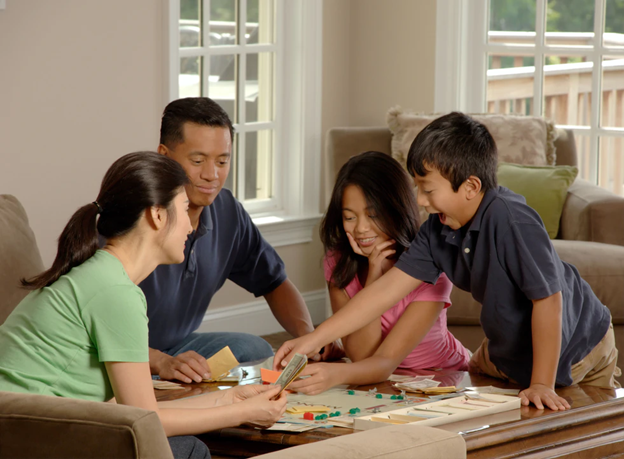













![The Essential Guide to Raising Complex Kids with ADHD, Anxiety, and More: What Parents and Teachers Really Need to Know to Empower Complicated Kids with Confidence and Calm by [Elaine Taylor-Klaus]](https://m.media-amazon.com/images/I/51ECfWt8D2L.jpg)