Crafting the ideal child and family eye care routine at home
In the bustling journey of parenthood, nurturing your family’s sight often takes a backseat. But in the age of screens and hectic schedules, the importance of safeguarding our family’s ‘windows to the world’ cannot be overstated. From the tender gaze of a newborn to the weary eyes of the hardworking parent, each family member deserves an eyecare routine that is both nurturing and habit-forming.
However, almost three-quarters of Brits notice their eyes deteriorating with age according to a new research report by MacuShield, but few know how to meet their eye nutrition needs.
It’s National Eye Health this week, so in this article, we will hand you the proverbial ‘lens’ to zoom in on the nuances of crafting the perfect child and family eye care regimen in the comfort of your home.
Child and family eye care starts from pregnancy
Eye care for children and families often begins during pregnancy because the health and wellbeing of the mother can directly influence the child’s visual development.
Proper nutrition like omega-3 fatty acids and vitamins during pregnancy can influence the baby’s visual system and early prenatal care allows healthcare providers to identify and manage any potential issues that could affect the baby’s eye health. For instance, infections during pregnancy, like rubella or cytomegalovirus, can potentially lead to congenital eye conditions.
Infants: tips for protecting those precious new eyes
An infant’s eyes develop so quickly in just their first year! So protecting their eyes is crucial, as early childhood is a vital time for the development of healthy vision. Here are some tips to ensure your baby’s eyes are well looked after:
Visit a paediatric eye doctor early
You can visit your family eye doctor or a baby optometrist who specialises in family paediatric eye care from birth, to examine their eyes and detect if there are any early signs of eye problems. If there are any suspected eye issues, then you could consult a paediatric opthalmologist for a more comprehensive evaluation.
Protect your baby’s eyes from the sun
Start protecting your baby’s eyes from harmful UV rays with baby-friendly sunglasses when outdoors and use appropriate indoor light to prevent strain or glare. We’ll go through the importance of protecting your child’s eyes from the sun in more detail later.
Operate a safe play environment
Choose toys that are age-appropriate and free of sharp edges or small parts that might injure eyes and always supervise your baby during playtime.
Make sure anyone who handles your baby has clean hands to prevent infections and clean your baby’s eyes gently using a damp clean cloth, wiping from the inside corner to the outside corner.
Visual stimulation promotes eye development
High-contrast toys and patterns encourage healthy visual development and tummy time not only helps with motor development but also provides opportunities for visual exploration too! Use tracking objects to help with developing eye coordination and focusing skills.
Be vigilant and look for signs of eye distress or abnormalities, such as frequent eye rubbing, excessive tearing, or eye misalignment. Early intervention means ensuring the best possible outcome for your baby.
Early child development and eye health
Research commissioned by Vision Express showed that almost a quarter of children never had their eyes tested, and of the children who did, 45% were found to have poor eyesight. From the statistics, it’s clear that eye tests are low on the agenda of back-to-school prepping, with 70% prioritising buying a school uniform and school shoes.
But, as the statistics for poor eyesight are worryingly high, it’s important to look out for signs of visual problems in your child as these symptoms could have a significant impact on your child’s learning and social development, like it did with my son.
An eye examination once a year should become an essential part of keeping your child safe and healthy.
At what age should they have their first test?
Eye tests are available to children from the day they are born, but, if you have any concerns about their reading, writing, or general sight, then the earlier the better. For example, if they keep knocking into things or they don’t naturally look around between three to six months old, then this should be looked at further by a paediatrician.
They may also have eyes that look crossed, there may be a white spot or redness to the eye, or the eyes are constantly watering. All of these are warning signs that you must address.
If their eyesight appears normal, then between the ages of 18 months and two years is, therefore, a good age to start taking them to eye doctors for children’s eye exams, and you should go for annual eye exams thereafter.
What will the eye test involve?
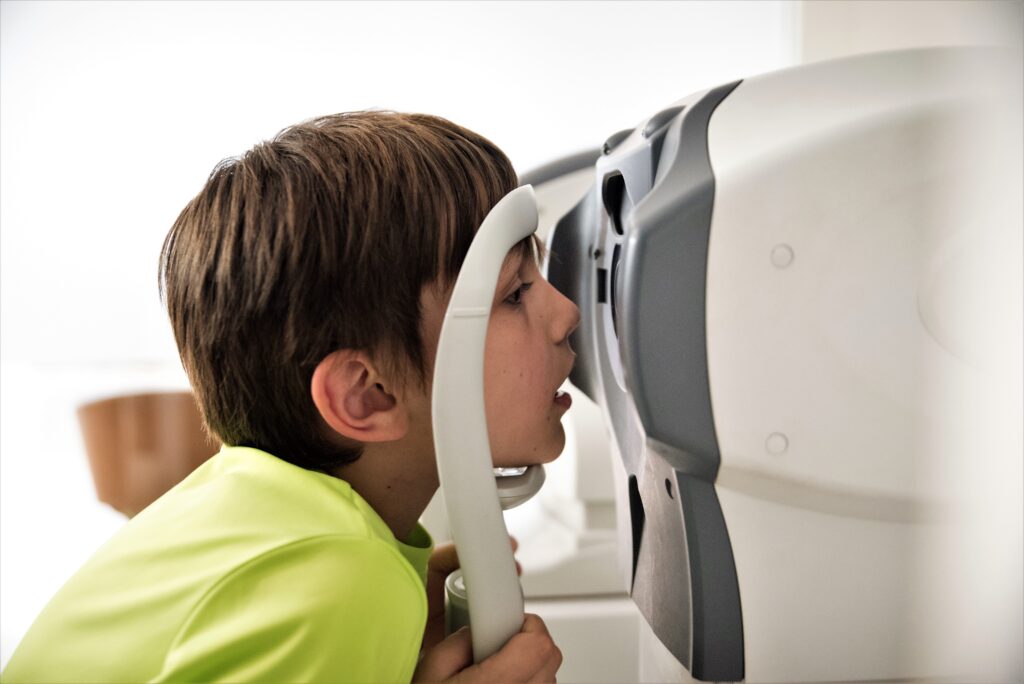
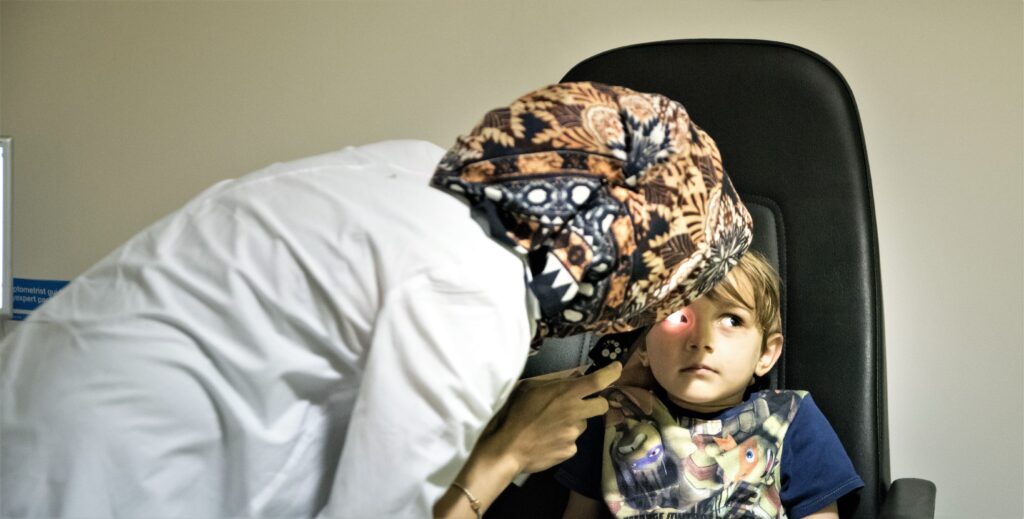
Your child’s eye test will involve shining a light into their eyes to see how they respond to it. The pupil should move with the light. The optician will then check if the child’s eyes respond to a moving object. This will also test if there are any issues with the brain that is sending signals to the eyes.
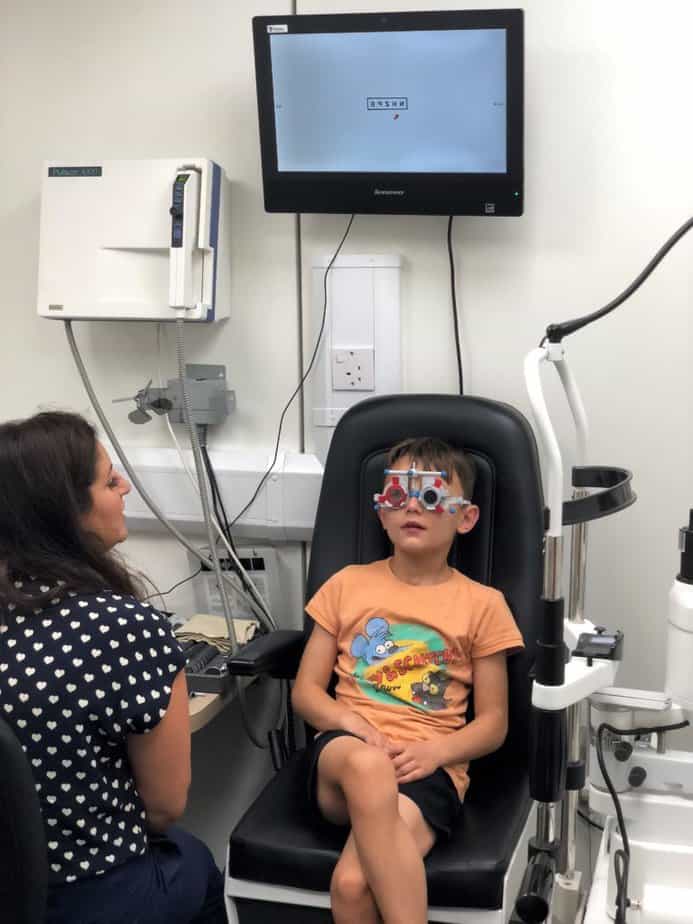
Your child will look at some letters and objects, depending on their age, to see if they can recognise the shapes or if they’re blurry. If the test reveals a problem, your child may need to start wearing glasses* or contact lenses depending on their age and requirements.
What are the next steps?
The optician will draw up a prescription and encourage your child to wear glasses or lenses. The optician will advise you on the best kinds of frames required for the lenses your child needs and which will look best. The range is huge these days so you could opt for a fashionable pair of glasses in a theme that your child likes, e.g. a TV program, to encourage them to wear their glasses.
Frames should fit well on children and not be able to peep over the top. They should also be durable enough to withstand your child’s movements. Bands can be worn to keep them on, which is particularly good for active children.
How to spot if your child needs glasses
I noticed quite early on that my eldest needed glasses. His eyes would turn inwards when he was concentrating on a book or the TV, and he would squint to focus on something far away. It was not until he was in reception I realised something needed to be done about his eyesight because he was losing focus in the class and the inward turn in his eye was getting worse.
Recognising signs that your child may need glasses is vital to addressing potential vision problems promptly. Here are some signs and behaviours that might indicate your child is experiencing vision difficulties:
Squinting: If your child frequently squints, it might be an effort to reduce blur and see clearly.
Sitting Too Close to Screens: Sitting very close to the television or holding books and devices very close to their face may be a sign that your child is nearsighted.
Rubbing Eyes Frequently: Frequently rubbing eyes might indicate that your child is experiencing eye strain or fatigue, which can be signs of a vision issue.
Head Tilting or Turning: Your child might tilt or turn their head to see better if they have astigmatism or if the vision in one eye is different from the other.
Frequent Headaches: Regular headaches might be a sign of eye strain. If your child’s eyes are working harder than they should be to focus, it could result in headaches.
Difficulty Concentrating: Trouble concentrating on tasks, especially close-up tasks like reading, might be a sign of vision problems.
Covering One Eye: If your child covers one eye to see things better, it could be a sign of a lazy eye or other vision issues.
Trouble with Hand-Eye Coordination: Difficulty with hand-eye coordination during activities such as playing ball games could indicate a vision problem.
Avoiding Reading or Close Work: If your child avoids activities that require near vision, it might be due to discomfort or difficulty focusing up close.
Difficulty Following Along in School: If your child is having trouble following along with what’s being written on the board at school, it might be a sign of vision issues.
Complaints of Eye Discomfort: If your child frequently complains about their eyes hurting or being tired, it could be a sign of eye strain, which might indicate a need for glasses.
Family History: If there’s a family history of wearing glasses from a young age, it might be more likely that your child will also need glasses.
Poor Performance in School: Sometimes, a decline in academic performance can be linked to vision problems, as your child might have trouble seeing the board or reading textbooks.
If you notice any of these signs in your child, it’s a good idea to schedule an appointment with your optician who can conduct a comprehensive eye exam to determine if glasses or other interventions are needed. It’s also good practice to have regular eye check-ups to monitor your child’s vision development and address any issues promptly.
The importance of 24/7 eye protection all year around
With my eldest needing glasses full time, it dawned on me that he wasn’t wearing sunglasses to protect his eyes, which meant he would still squint in the sun. After finding a pair which protected his eyes from the sun too, I noticed he started to lose the grey circles around his eyes (most likely from straining as he wasn’t squinting anymore).
If your child needs glasses then it’s important to find a pair which includes full UVA and UVB support. And if your child doesn’t need glasses then it’s important they wear sunglasses to protect their eyes from the sun.
Why do we need to protect our eyes from the sun?
Ultraviolet (UV) radiation is around us every day of the year, even during winter and in overcast conditions. Long-term exposure to UV radiation can damage your skin, causing wrinkles, sunspots and even skin cancers. However, not many people realise that UV exposure can also be harmful to the eyes and the surrounding skin.
To protect our skin, we can wear sun cream. To protect our eyes, we can wear sunglasses, but wearing sunglasses in the summer is not enough to keep your eyes in good health. You should be protecting your eyes from harmful UV radiation all year round.
What exactly is UV radiation?
UV radiation is high-energy radiation that sits between the x-ray and visible light part of the electromagnetic spectrum. Most UV radiation we are exposed to comes from sunlight. Radiation has varying wavelengths, and the one that concerns us the most is UVA. UVA radiation ranges from 315 to 400 nanometers (nm), and a proportion of UV radiation is blocked by the ozone layer.
However, most UVA radiation is transmitted through the ozone layer and reaches us on the ground. Some UV exposure can be beneficial, for example, it triggers Vitamin D production. However, as mentioned above, UV exposure also has harmful effects on the skin and eyes.
UV radiation exposure
Sometimes UV radiation hazards such as artificial light sources can cause immediate damage to the skin and eyes, which heals in time. Most people are exposed to natural UV radiation from the sun every day. The amount of UV radiation your eye is exposed to depends on many factors, including where you live, the amount of time you spend outside and the weather. Unlike for skin, where the risk of UV damage is highest around noon, the peak times for eye exposure are mid-morning and mid-afternoon.
Children’s eyes are particularly susceptible to UV damage because of their larger pupils and more sensitive tissue. However, the effects of UV exposure in childhood do not become apparent until later in life.
Potential damage and disease caused by UV radiation
Damage caused by UV radiation can be divided into chronic and acute injury. Acute damage happens during short, intense UV exposure and can be painful and irritating, resulting in a temporary change to the skin or surface of the eye that will heal completely. Chronic damage is caused by much lower levels of exposure over a long period of time. Chronic damage happens slowly, and people are unlikely to notice any changes occurring. Chronic conditions include:
Photoaging of the eyelids
The long wavelengths of UV radiation penetrate the thickest part of the skin and damage the collagen, causing more wrinkles to appear around the eyes
Skin cancers of the eyelid
Eyelid cancers account for 5 – 10% of all skin cancers, and because of the local anatomy, may easily spread.
Pinguecula
A pinguecula is a thickened deposit of fat, protein and calcium that is visible over the white of the eye. Unless it grows, it usually is only an unsightly cosmetic problem
Melanoma tumours
These are the most common cancers of the eye.
Cataracts
UV radiation can change the lens of the eye, leading to cataracts. The early signs are a loss of contrast and muted colours. Cataracts can severely compromise vision.
Is there a solution? Wear sunglasses
Wearing sunglasses is not always practical or desirable, particularly on cloudy days. Even when it is sunny, 54% of adults across the UK say they never or only sometimes wear sunglasses. This suggests that a large population of Brits are at risk of long-term damage to their eyes. Experts recommend applying sun cream to the eyelids to provide UV protection. Unfortunately, people don’t often apply cream to the eyelids as it can irritate the eye area.
But sunglasses don’t just make you look cool, they also protect your eyes from the powerful sun’s ultraviolet (UV) rays. Sunglasses also protect the very sensitive skin on your eyelids, which prevents wrinkles, eye conditions and, more importantly, skin cancer around the eye.
When buying sunglasses, it is important to ensure they contain 100% UVA and UVB protection. Children require full protection as their larger pupils let more light in.
Many clear plastic lenses do not offer full UV protection
Glasses are able to provide eye and eyelid protection from UV radiation, depending on lens size, lens material and the distance to the face.
Current industry standards for lens manufacturing only require a minimum level of UV protection of up to 380 nanometers (nm). However, the World Health Organization define UV radiation as up to 400 nm, which covers the full UVA range. UV radiation between 380 and 400 nm accounts for almost 40% of the UV radiation that reaches Earth and penetrates the skin more deeply.
Therefore, just providing UV protection to 380 nm means that most clear lenses do not offer full protection from UV radiation up to 400 nm, potentially putting eye health at risk. Manufacturing lenses to provide UV protection up to 400 nm is costly for lens manufacturers, so the ophthalmic industry has continued to manufacture lenses according to the minimum requirement of UV protection up to 380 nm.
Teens and tweens: navigating screen time and eye health as they get older
Navigating teens’ and tweens’ screen time and protecting their eye health in this digital age can indeed be challenging. Here are some tips on how to talk to your teen about how to enhance eye care:
Educate them and keep the dialogue open
Your teen/tween needs to learn about the potential risks of prolonged screen time, including digital eye strain, which can cause symptoms like dry eyes, blurred vision and headaches. Engage in open discussions about incorporating breaks and maintaining a balanced lifestyle that includes time away from screens.
Create a balanced schedule
Encourage your teen/tween to take regular breaks from the screen, using the 20-20-20 rule; every 20 minutes, take a 20-second break to look at something 20 feet away. Also motivate them to do some form of physical outdoor activity, which not only gives them a break from the screens, but it’s also beneficial for their overall health.
Setup their room ergonomically
Make sure your child’s room is well-lit to reduce glare on the screens, which can cause eye strain and position the screen at least an arm’s length away from where they sit. Keep the top of the screen at a slightly below eye level to reduce strain.
Use the right tools and technology
Consider investing in blue light glasses, which can help to reduce exposure to blue light emitted by screens and use screen filters or adjust screen settings to reduce blue light emission from digital devices.
Go for regular medical check-ups
Go for regular eye lens exams to monitor eye health, so you can address issues promptly and seek medical advice if your tween/teen complains of eye discomfort or other symptoms of eye strain.
Lead by example
Model healthy behaviour by taking regular breaks from the screen yourself and balancing screen time with other activities.
Set boundaries and encourage other hobbies
Encourage your teen/tween to pursue other hobbies that don’t involve screens, such as reading physical books, painting, playing a musical instrument or participating in sports. Then work with your teen/tween to set reasonable boundaries for screen time use. Establish screen-free times like during dinner and screen-free zones like the bedroom. Then encourage periodical digital detoxes, where your child takes a break from screens completely for a longer period to reset and recharge.
Adults: maintaining eye health as you age
It may be easy to take your eyes for granted while you’re young, but as your body starts to age, your diet and lifestyle will start to show on the outside. Don’t take your eyes for granted. Maintaining eye health as you age is essential to preserving good vision and overall quality of life. Check out the tips below on how to improve your eyesight now.
Eat well
The World Health Organization’s report on vision predicts a dramatic increase in the need for family eye care in the coming decades with at least 1 billion people having a vision impairment that could have been prevented or addressed. To make matters worse, research suggests that nearly four in ten Brits have a medical condition that impacts their vision.
However, only a third of Brits are achieving their 5-A-Day of fruit and vegetables according to the government’s National Diet and Nutrition Survey, meaning two-thirds of the nation could be short of nutrients including essential vitamins and minerals for our eye health and vision, including the three macular carotenoids, B2, Vitamin C, Vitamin E, copper, zinc and omega-3 – found in foods including oysters to orange peppers and kale to kiwis.
You’ve heard of the saying, ‘Carrots make you see in the dark,’ and this is true to an extent. Carrots won’t make you have supervision at night, but they do contain retinol or vitamin A, which is required to help your body synthesise rhodopsin, the pigment in your eyes that works during low-light conditions. If you are deficient in vitamin A, then your vision at night will get worse and you may even end up with night blindness (nyctalopia).
Other nutrients like Vitamins C and E, lutein, zinc and omega-3 fatty acids, also help to ward off age-related vision problems like cataracts and macular degeneration. Some great foods to incorporate into your diet are:
Green leafy vegetables like collard greens, kale and spinach
Seeds, beans and other non-meat protein sources
Citrus fruits and juices, like oranges and lemons
Vitamins and Important for eye health
Nutrient
NRV*
Role in eye health
Dietary Sources
Vitamin C
80mg
Helps contributes to the protection of cells from oxidative stress; needed to produce collagen which protects eye structure; collagen levels reduce with age, making it more important
Berries, kiwi, red and green peppers, tomatoes, citrus fruit, broccoli, spinach
Vitamin E
12mg
Contributes to the protection of cells from oxidative stress
Helps the retina receive and process light entering the eye; deficiency can disrupt retinal function and increase the risk of cataracts
Vitamin B2
1.4mg
Helps the retina receive and process light entering the eye; deficiency can disrupt retinal function and increase the risk of cataract
Liver, kidneys, fortified breakfast cereals, meat, milk, some green vegetables, eggs, cheese, yeast extracts
Zinc
10mg
Responsible for transporting vitamin A from the liver to the eye to produce melanin, a protective pigment in the eyes; helps maintain the health of the retina, cell membranes and protein structures of the eye; deficiency has been linked to poor night vision and cloudy cataracts
Red meat, poultry, oysters and other seafood, nuts, dried beans, soy foods, milk and other dairy products, whole grains, fortified breakfast cereals
Copper
1mg
Essential for the functioning of the retina and for antioxidant defence
Whole grain products, liver, most seafood, dried beans and peas
*Nutrient Reference Values (NRVs) are EU guidance levels on the daily amount of a vitamin or mineralthat the average healthy person needs to stay healthy.
Maintain a healthy weight
Maintain a healthy weight as being overweight increases the risk of diabetes which can lead to vision loss and diabetic retinopathy.
Exercise regularly
Regular exercise is essential to good health, and research suggests that aerobic exercise can increase crucial oxygen supplies to the eye.
Exercise does wonderful things to the mind, body and soul. So, it’s no surprise that exercising contributes quite significantly to improving eyesight naturally. Exercising can also reduce the risk of sight loss – up to 70 per cent in fact! Ensure you get your 30 minutes a day of heart-pumping activity, by taking a walk around the park or enjoying a bit of yoga and meditation. Whatever you decide, make sure it gets the heart racing and the blood circulating oxygen around the body for the exercise to count.
You can also incorporate eye exercises into your regime and one of the most effective exercises is to focus gently on the furthest away objects while you’re out and about to strengthen your eyes. Ask your optician for more information on effective exercises for improving eyesight naturally.
Stop smoking
Smoking is as bad for your eyes as it is for your lungs and can actually double the risk of developing age-related eye diseases. Smoking, surprisingly, is also the UK’s leading cause of sight loss! Speak to your GP about stopping smoking now because quitting can improve vision almost immediately.
Always protect your eyes from the sun
The World Health Organization estimates that ultraviolet exposure is responsible for at least 20% of cataracts globally. UV rays age every part of the eye and are a risk factor for eye health issues that can be irreversible and may result in vision loss. Be sure to get a pair of sunglasses that offers UVA, UVB and UVC protection and wear a hat in strong sunlight.
Wear sunglasses which have 100% UVA and UVB protection, as prolonged UV exposure can increase the risks of cataracts and macular degeneration. Wear safety eyewear when engaged in activities that could pose a risk to your eyes, like gardening or home repairs.
Take regular breaks from the screen
Follow the 20-20-20 rule with screentime, i.e. take a 20-second break every 20 minutes and focus on something 20 feet away to reduce eye strain. Adjust lighting in the room where you are using screens to minimise glare and reflections on the screen.
Rest your eyes
It can be quite easy to develop eye fatigue and dry eye, especially if you forget to blink when you’re staring at the computer screen or if you’re focussing on one thing for a long stretch of time. There is such a term as digital eye now thanks to long-term screen use which causes a huge amount of eye strain and damages the muscles long-term. Try out the 20-20-20 rule to reduce eye strain and limit the onset of headaches, as well as future eye problems.
See your optician for regular checkups
Continue with getting regular routine eye examinations. As you age, these check-ups will become more frequent as many eye diseases are age-related. Ensure your glasses or contact lens prescriptions are up to date to prevent necessary eye strain.
Be vigilant
Be observant! If you notice any changes in your vision, blurriness, blind spots, or any other vision irregularities, consult an optician immediately. Know the symptoms of glaucoma, macular degeneration and cataracts. Early prevention can slow progression and preserve vision.
In today’s world, where screens and visual stimuli are ever-present, prioritising eye health from pregnancy to adulthood is crucial. Establishing a robust vision care routine at home lays a foundation for lifelong vision health. With the right tools and knowledge, you can foster an environment that prioritises eye health at every stage of life.
Remember, the gift of clear vision is irreplaceable, and with consistent care, it’s one that can last a lifetime.
Frequently asked questions about child and family eye care
If both the parents have spectacles will their children eventually need specs too?
If both parents wear glasses, there is a higher likelihood that their children may also need them at some point in their lives due to genetic factors. However, it’s not a guarantee. Eye refractive errors, like myopia (nearsightedness), hyperopia (farsightedness), and astigmatism, can have hereditary components. If both parents have similar refractive errors, the probability their children might also experience these conditions tends to increase.
But genetics is just one piece of the puzzle. Environmental factors play a significant role in determining whether a person will need corrective lenses and whether there are options available for hyperopia and myopia control. For instance:
Prolonged Near Work: Spending extended periods reading or using electronic devices without breaks can increase the risk of myopia.
Lack of Outdoor Activity: Some studies suggest that spending time outdoors during childhood can reduce the risk of developing myopia.
Diet and Overall Health: Nutritional factors and overall health can also play roles in eye development and health.
Eye Injuries or Diseases: Situations like eye injuries or specific eye diseases can necessitate the use of corrective lenses, irrespective of genetic factors.
Can vision therapy benefit a child with a learning disability?
Vision therapy, sometimes referred to as visual training or orthoptics is a customised program of visual activities designed to correct specific vision problems and improve visual skills. While vision therapy cannot treat learning disabilities directly, it can address visual issues that might be contributing to a child’s learning challenges.
It’s essential to note that while vision problems can contribute to learning difficulties, they are not the sole cause of learning disabilities. A comprehensive approach that involves educators, optometrists, therapists, and other professionals is often the most effective way to support a child with learning disabilities.
If you suspect your child’s learning difficulties might be linked to a vision problem, it’s crucial to have a comprehensive eye exam with a focus on functional vision assessment. If visual issues and an eye disease diagnosis are identified, a developmental optometrist or a vision therapist can provide more information about the potential benefits of vision therapy.
*This post is sponsored by Zenni Optical, but all thoughts and opinions are 100% my own.
*Links marked with a ‘*’ are affiliate links, which means I may earn a small commission if you click through to buy, at no extra cost to you.
Child car safety upgraded: How to be R129 compliant now
In recent years, the realm of child car seat safety has been undergoing a transformative shift, especially when it comes to the protection of our youngest passengers. Child car seats are an essential requirement when travelling with kids, from birth up to 12 years old. So, as cars become equipped with smarter technology, so too do the devices designed to keep our children safe during transit.
When it comes to child safety, especially on the roads, regulations must continually evolve to reflect research advancements. Thus, Regulation 129, more commonly known as R129, emerged in the EU, which the UK initially adopted and continued to recognise post-Brexit.
The advancement brought out R129 compliant car seats with latest i-Size car seat safety. So, for parents, guardians, and caregivers, adhering to the new R129 car seat regulations is not just about following the new rules; it’s about ensuring that our precious cargo is given the utmost protection every time we hit the road.
In this article, we’ll demystify the latest R129 compliant car seat safety laws and explain why it’s so pivotal in keeping your child safe, giving you peace of mind for every journey ahead.
The origin of being R129 compliant and the shift from past regulations
Before R129, child car seats were certified under the older R44 regulation, which was based primarily on a child’s weight. Over time, as more research became available and technology evolved, it was clear that a new, more rigourous standard of safety was necessary. Thus, the R129 standard was introduced to address the various limitations of R44 and to bring forward a more comprehensive approach to child safety in vehicles.
The objective of being R129 compliant – features of an R129 compliant car seat
The primary objective of the R129 standard in the UK and across Europe is to enhance child safety during transit. By introducing the i-Size certification, focusing on size rather than weight, and setting stricter testing criteria, R129 makes sure children are better protected on the road.
But, it’s not always so easy.
Having been through literally dozens of car seats in the last twelve years, I still feel some anxiety when buying and fitting a new car seat for my growing children.
So, how do we know if we’re being R129 compliant?
Alongside popular parenting media sites like Mother & Baby, First Time Mums and The Mum Club, Graco, a company which have kept children safe in Graco car seats for over 60 years, asked parents about the car seat safety standards and their experience with travelling by car with their children.
The results showed that 81% First Time Mums followers admitted to feeling nervous about taking their very first car journey with their baby, with 40% feeling anxious about this massive milestone.
Only 25% of Mother & Baby readers feel confident they knew what the different car seat safety standards mean and two thirds of parents consider buying a new car seat as their child grows.
But some members at The Mum Club were confused about the current standards and rely heavily on retailers to reassure them the car seat they’re using is up to date. They also depend on leading manufacturers to provide the very best car seat protection for their little one.
How to check if your seat is compliant when you’re not an expert
Car seat safety protocols are confusing, so Graco are aiming to cut through the noise and not only explain the differences in car seat standards, but they will tell you what to look for, when to purchase and how to find more personalised advice.
S.A.F.E journeys with Graco
Graco have devised the below memorable acronym, using the word S.A.F.E for parents and carers, so they can be R129 compliant with the new safety improvements. More information on Safe Journeys can be found on their website, The Graco Village. The acronym consists of:
S – Size of your child
Unlike the R44 which used the child’s weight as the primary criterion for car seat suitability, R129 shifted the focus to the child’s size (height). Size is a more reliable measure as children of the same weight can vary significantly in height, which affects how the seat belt fits and functions. Manufacturers will still indicate a recommended age and remind you to check the height to see if they are still suitable for the seat they are in.
A – Advanced Side Impact Protection
It is now standard that all R129 car seats must have side impact testing. R129 car seats have improved reinforced frames to protect your child during a collision.
F – Fitting Formulas
One major component of the R129 is the introduction of the ‘i-Size’ certification, which means i-Size seats are designed to be more universally compatible with vehicles and provide clearer guidance for parents on whether a particular car seat fits their vehicle correctly.
Fitting formulas ensure your car seat fits your car safely. Follow manufacturer guidelines and visit high street experts to make sure you have the right seat for your car and that it is secured properly.
E – Extended rear facing
Your child should be in a rear facing car seat until they are at least 15 months old. Graco recommends rearward travel until four years old (when you can then move to forward facing and booster seats) for the best protection to your child’s neck and spine. Research shows that rear-facing seats offer better protection for a child’s head, neck and spine in case of a collision.
R44 car seats will be phased out from shops in the UK by September 2025, so it’s worth considering upgrading your car seat imminently to make sure you’re in line with the new regulations. Here are some tips to upgrading your car seat to an i-Size R129 compliant car seat:
Measure your child
Since i-Size regulations are height-based, you should know your child’s current height, so you can choose the correct car seat measurements.
Check your vehicle compatibility
i-Size car seats need to be used with cars equipped with Isofix anchorage points. Most cars manufactured after 2007 have them, but it’s always best to check your car’s manual or contact the manufacturer.
Set a budget
R129 compliant car seats come in a range of prices, from budget to premium. Determine how much you’re willing to spend, keeping in mind that more expensive doesn’t always mean safer. However, additional features might offer more convenience.
Research and choose a brand/model
Look for trusted brands and read reviews from other parents. Ensure the chosen seat meets the R129 standard by looking for the i-Size logo or checking the product specifications and car seat sizes (including the R129 compliant safety rating). You can find a range of R129 compliant car seats from Graco here.
Where can you buy R129 compliant car seats?
You can look at specialist retailers who specialise in baby car seats for their range of i-Size car seats. Staff in these stores are often trained to give advice on choosing and fitting car seats.
Online retailers can offer a variety of i-Size seats or you can buy direct from the manufacturer itself.
Professional fitting
If you’re unsure about fitting the seat yourself, many retailers offer a fitting service. They’ll demonstrate how to fit the seat correctly.
Some local authorities or organisations offer car seat checking events where professionals can advise on the fitting.
Register your car seat
Registering you car seat means you are notified of any product recalls or safety notices.
Dispose of or recycle your old seat
If your old car seat is still safe to use (i.e. not involved in any accidents or not expired) then you can consider donating it.
If it’s no longer safe, then some reycling centres accept car seats. Check with your local council for guidance on disposal.
Stay updated
Safety standards and recommendations are constantly evolving, so it’s a good idea to stay informed about child car seat safety, even after buying your new R129 compliant car seat.
Lastly, always remember to regularly check the fit of the car seat and the harness on your child, especially as they grow. A correctly fitted seat is crucial for safety.
FAQ
What does R129 approved mean?
Other questions asked were:
What does R129 compliant mean?
What is R129 compliant car seat?
What is R129 compliant?
What is the UN R129 standard?
As mentioned above, the R129 regulation, commonly known as “i-Size”, is a European standard introduced to enhance the safety of child car seats. When a car seat is R129 approved, it means it meets the safety requirements set out in this regulation. You can find more details above, but here is a summary of the primary features and implications of the R129 approval:
Height-based sizing: Unlike the previous ECE R44/04 regulation which categorised seats by weight groups, the ECE R129 i-Size is primarily height-based. This aims to make it easier for parents to determine the appropriate seat for their child, focusing on the child’s length rather than weight.
Mandatory rear-facing: Under R129, young children (up to at least 15 months old) must be seated in rear-facing car seats. This is because research shows that rear-facing seats are safer for young children, especially in the event of frontal collisions.
Using Isofix installation: R129 seats use the Isofix system, which connects the child seat directly to the car’s chassis using built-in anchor points. This reduces the risk of incorrect installation, which is a common problem with seatbelt-installed seats.
Improved side impact protection: R129 introduced enhanced requirements for protection against side impacts, which are a significant cause of injury in car accidents.
Clearer labelling: The new standard seeks to simplify labelling and make it easier for parents to understand, including clear indicators of the height and age range for which the seat is suitable.
Standardised testing: To be R129 approved, child car seats undergo rigorous testing in more varied crash tests, including more realistic side-impact tests.
Inclusion of Q-dummies: R129 testing incorporates the use of Q-dummies, which are the latest generation of crash test dummies. These dummies provide more detailed data, especially concerning head injuries.
To sum up, “R129 approved” means the child car seat meets the latest safety standards set out by the European regulation, ensuring improved safety features and clearer guidance for parents and caregivers.
*This post is sponsored by Graco but all thoughts are 100% my opinion. All images are taken from Graco’s website*
Boost your health with the at-home vaginal microbiome test
Unless you’re itchy or burning down there, you don’t really pay much attention to what your front bottom is doing. However, your vaginal microbiome is a big deal and holds the key to your fertility success, pregnancy outcomes and other related diseases. But how do you know if your vaginal microbiome is happy?
By doing a vaginal microbiome test!
Daye, an innovative brand that raises the standards in gynae health by creating cutting-edge feminine health products and services, offers a convenient at-home vaginal microbiome test and a whole heap of information on what to do when you receive the results.
In this article, we’ll discuss the importance of knowing your unique vaginal microbiome and introduce the concept of at-home testing with Daye.
Your vaginal health starts here!
Wait, what’s my vaginal microbiome and what are vaginal microbiome tests?
The term ‘microbiome’ might sound like a fancy scientific word reserved for lab-coated professionals, but in essence, it refers to the community of microorganisms or vaginal microbiota, both friendly and unfriendly, that call our bodies home. Our vaginal microbiome plays a pivotal role in our overall health, influencing everything from our reproductive health to our vulnerability to infections. A vaginal microbiome test takes a swab of your microbiome and can tell you your unique makeup and whether your vagina is in working order.
But, why should you take a vaginal microbiome test?
Before diving into the necessity of a vaginal health test, it’s crucial to understand why it’s important to know your unique vaginal microbiome. This ecosystem consists of various bacterial species, most notably Lactobacillus, which play an instrumental role in vaginal health. An imbalance, often termed as bacterial vaginosis or dysbiosis, can lead to various health issues, as mentioned above.
So what’s in your vaginal microbiome?
Your vaginal microbiome is made up of the following:
Lactobacilli
Dancing gracefully in the theatre of your body, Lactobacilli are the unsung heroines of your vaginal realm. These benevolent bacteria produce lactic acid to strike just the right pH balance and your reproductive haven remains flourishing and vibrant, keeping unwelcome bacterial invaders at bay.
Studies show that a vaginal microbiome that is rich in protective lactobacilli bacteria is linked to a lower risk of infections, fertility issues and pregnancy complications.
Anaerobic bacteria
Meet the party animals of the microbial world! These microorganisms are quite the mavericks, dancing around the microbiome without care for oxygen. And they adore settling down in cosy, less acidic nooks, which can often be found in the neighbourhoods of human skin and the avenues of mucosal membranes. A favourite hotspot? The ever-popular vaginal canal!
But, when the rambunctious duo, Gardnerella vaginalis and Prevotella bivia, decide to come into the mix, things can spiral out of control, leading to bacterial vaginosis (BV), the talk of the town in vaginal infections. Awareness is key, however, and spotting these party crashers early can be the first step in keeping the microbiome balanced.
Yeast-like fungi like Candida
A whopping 75% of us ladies have to deal with these tiny troublemakers called Candida at some point and these yeasts chill in many of our vaginal areas without causing a fuss most of the time. But, if they decide to throw a little over-the-top party, it can lead to an infection known more commonly as thrush (or vaginal candidiasis.) It’s central for yeast infections, causing all sorts of itching and discomfort down there.
Mycoplasma hominis and Ureaplasma
Mycoplasma and Ureaplasma are some of the tiniest little organisms that don’t have a cell wall, which means spotting them under a microscope can be tough.
However, they have been spotted at the scene of a few vaginal infections and have even been linked to some specific pregnancy outcomes. But in low numbers, they’re pretty much harmless, just mingling harmoniously with the normal vaginal flora.
Pathogenic microorganisms – Mycoplasma genitalium
Mycoplasma genitalium holds the record for being the tiniest bacteria that can make copies of itself. But if it decides to cause a stir in your microbiome, it can bring along some not-so-fun symptoms like vaginal discharge, a stinging sensation when you pee, pelvic pain, and spotting either after getting frisky or at random times between your periods.
Why is it important to have a balanced microbiome?
The vaginal microbiome is a complex ecosystem and these microorganisms that live in the vaginal playground each play a vital role in maintaining your overall health and wellbeing. Maintaining a balanced vaginal microbiome is crucial for several reasons:
Prevention of vaginal and urinary tract infections
Having a hearty bunch of Lactobacilli is like having a superhero squad down there, keeping the nasty recurrent vaginal infections like thrush and bacterial vaginosis at bay. It could also mean saying goodbye to those annoying urinary tract infections (UTIs).
If you’re expecting a little one, have diabetes, recently took antibiotics, have a weakened immune system or are using the pill, you might be experiencing more bouts of thrush than normal.
Shield against sexually transmitted infections
An abundance of lactobacilli in your microbiome could actually act as a shield against catching sexually transmitted infections, even something as serious as HIV. And get this, animal studies have shown that lactic acid (thanks to our lactobacilli buddies!) can knock out the bacteria behind some nasty STIs, including chlamydia.
Increase fertility and reproductive health
Did you know that if the balance of your vaginal microbiome goes a bit wonky, it might bump up your risk of facing some fertility hurdles or even pre-term labour? That’s not all – some early research even hints that this kind of imbalance might throw a spanner in the works when it comes to successful IVF cycles.
Research has also found a connection between infections caused by Ureaplasma parvum and a higher chance of babies arriving ahead of schedule, not to mention giving the little ones a bit of a tough start with respiratory issues.
Mycoplasma hominis might be behind some early pregnancy losses and even cause trouble during the second trimester. This may explain the reason for my second-trimester loss back in 2017 as it was detected in my own microbiome screening (more on my own results later in the article).
Imbalanced microbiome linked to gynaecological cancers
In the ever-evolving field of medical research, experts are now delving into the potential link between lactobacilli and cervical cancer. Findings suggest it’s important for those with cervical cancer or who have signs of vulvar cancer to know they often exhibit an imbalance in their vaginal flora, marked by a reduction in the beneficial lactobacilli bacteria. While the human papillomavirus is a recognised factor in cervical cancer, the connection between the vaginal microbiome and other gynaecological cancers, like ovarian cancer, remains less clear.
Menopause can knock things out of whack
During menopause, oestrogen levels take a nosedive while follicle-stimulating hormone (FSH) climbs. This seems to push our friendly lactobacilli out of the picture. Many researchers have drawn a line connecting menopause to a higher chance of getting off-kilter down there, probably because of this bacterial shakeup.
What’s more, when Lactobacillus is in short supply, things like vaginal atrophy can pop up, causing thinning, dryness, and inflammation of the vaginal walls. Good news, though! Hormone replacement therapy seems to roll out the red carpet for Lactobacilli and can soothe those pesky vaginal woes. Popping some oral or vaginal probiotics* might also give your vaginal microbiome a much-needed boost during these changing times.
What happened during my at-home vaginal microbiome screening?
I was gifted the At-home Vaginal Microbiome Screening Test Kit from Daye to check out how my own microbiome was doing and the results were very interesting!
There is a small disclaimer before starting out with the kit and that’s to note that the information Daye provides is based on the initial questionnaire you fill out and the screening is designed to help make sense of your unique vaginal microbiome. But it should not be used to replace a medical diagnosis or your regular gynecological appointments. Daye’s platform can connect you with vetted physicians if you don’t currently see anyone for your gynae health.
What did I find out from my at-home vaginal microbiome test?
I have to say, I was pretty surprised at the results!
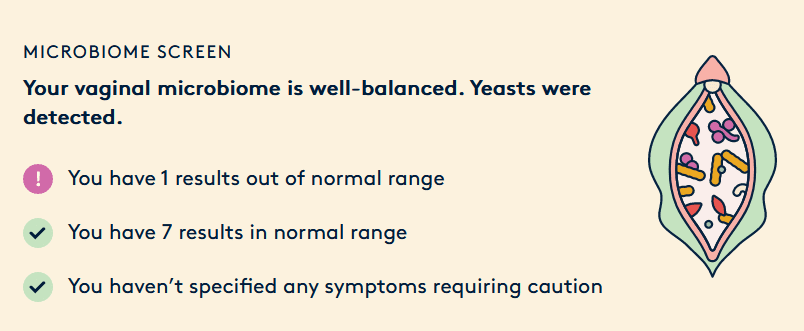
The at-home vaginal test results came back within three days via email and were very extensive. Here are some results below:
My vaginal microbiome is balanced and abundant in lactobacilli, which is great news, but the test did find some yeast-like fungi out of the normal range that may require further attention. I mentioned in my questionnaire that I had some itching after using the menstrual cup during my period but after a couple of days, it would go. For the rest of the month, I would have no symptoms. Daye did mention that there was no cause for emergency and that my ‘out-of-the-range’ result was a mere 0.1 off the normal range. So I wasn’t concerned.
There were some Anaerobic Bacteria and Mycoplasma/Ureaplasma detected but these were within the normal range. When I delved deeper into the results the rate of detection was 0, so I was confused as to what exactly was detected if the result was 0. Thankfully no Pathogenic microorganisms were detected.
So, what do these results mean?
Anaerobic bacteria detected
Anaerobic microorganisms are found in healthy vaginal microbiomes in various amounts. Studies show that while they are in range, they don’t pose a risk of developing infections.
My microbiome contains a moderate amount of anaerobic bacteria and is abundant in lactobacilli, so this means I have a low risk of vaginal infections (like BV) and other health complications, like infertility, preterm birth and contracting STIs. It is the protective function of the lactobacilli that keeps the anaerobic bacteria at bay and prevents overgrowth that leads to infections – awesome!
Candida detected out of the normal range
Research shows that people with microbiomes abundant in Candida have a high risk of a yeast infection.
This could lead to symptoms like burning and itching in and around the vagina, unusually white thick discharge, and in some cases pain while peeing or having penetrative vaginal sex. Since I have an abundance of lactobacilli I don’t need to replenish them. Instead, I need to reduce the amount of Candida with medication to help restore a balanced flora.
I mentioned in my questionnaire that my menstrual cup sometimes leads to itching after my period so I may need to change my menstrual cup.
Mycoplasma/Ureaplasma detected
My microbiome contains small amounts of bacteria from the Mycoplasma family (Mycoplasma/Ureaplasma). The asymptomatic presence of these bacteria is common and I don’t need treatment as I don’t have relevant symptoms, negative tests for STIs or high bacterial loads. If I do experience any vaginal symptoms, or I’m trying to conceive or pregnant, then I am advised to consult with a specialist for advice on what to do next.
What I found really interesting was the information about how a high-sugar diet could lead to more concentration of Candida in your microbiome and up until last month I had a very high-sugar diet. This month I have been a lot more careful and I’d be interested to find out whether that will make a difference in my microbiome after my period, where I notice the most symptoms.
The other point to note was the detection of the other bacteria which is what could have led to my spotting during my third pregnancy and ultimately a second-trimester miscarriage. Those results had found a UTI and Group B strep but doctors couldn’t advise whether these were related to my miscarriage. But linking this knowledge with the information provided by Daye in the results makes it even clearer that these could have very well been a factor in my pregnancy not being viable.
Do we really need at-home vaginal microbiome tests?
Considering how simple this test was to take, and send and how quickly the results came back, I would say, 100% yes!
Knowledge is power and you don’t have to set doctor’s appointments and endure the long wait at the clinic to give your sample. With Daye, you can conduct the test within the comfort of your home, at your pace, and on your terms.
The test results came back within three days! There’s no more waiting weeks to get your results and then chasing them on the phone. Daye’s results were so quick and the feedback was very detailed, complete with studies and next steps.
Plus, I love the convenience and confidentiality of it all. Discussing intimate health can be quite daunting at a clinic. At least, you can have control over your health narrative at home with an at-home vaginal microbiome test from Daye.
How does testing work? What do I have to do?
You can also follow the basic steps below:
Order an At-Home Vaginal Microbiome Screening Test Kit from Daye
Create an account and activate your test kit online when you receive your kit. The kit will contain all the instructions you need.
Complete the online questionnaire
Place the freezer pack in the freezer
Insert the tampon for at least 20 minutes, making sure to wash your hands first to avoid contamination. Make sure you are ready to take the test by ensuring:
You are over 18
Your last period ended at least five days ago
You haven’t taken any antibiotics or antifungals in the last 30 days
You haven’t had vaginal penetrative sex in the last 24 hours
You haven’t used any vaginally administered meds, creams, douches, gels or similar in the last 24 hours
Place the tampon in the blue pouch provided and follow the instructions to close the pouch
Place the pouch in the freezer with the ice pack
Place the pouch in the kit provided and drop it off at your local post office.
Make sure you are able to post between Monday and Wednesday. If you can’t, leave the tampon and ice pack in the freezer until you are able to drop it at the post office.
You will receive your results very quickly. I received my results within three days!
Sit back and learn all about your vaginal microbiome!
So, what’s next after the vaginal microbiome test?
Learn more about the microbiome by digging into the studies provided in your results and using the dashboard to check your next steps. Depending on your results, you can book a call with a specialist related to the area you have concerns, i.e. sexual health nurses, period and pelvic pain specialists, fertility specialists, nutrition and physical therapists, or a GP. The price and time of the call will be displayed on the page.
Or you can export a PDF of your results to send to your local doctor should you need advice on the next medical steps to balance your microbiome.
If you need to, you can book an STI test online or find an NHS/private clinic nearby, if you receive a negative result.
You can order probiotic supplements and other products to help boost your microbiome on Daye’s website.
There is an abundance of knowledge on Daye’s website, so have a browse and learn more about your vaginal microbiome in one place!
Track your vaginal microbiome development over time
Once you learn more about your microbiome, you can take steps to implement the changes, i.e. for me it’s about changing my menstrual cup, finding some over-the-counter medicine to reduce Candida and ditching the high-sugar diet which I’m doing already. I will then retake the test to see if it all worked and if my microbiome is nice and balanced.
Are you struggling with period pain?
Daye also offers the groundbreaking new Period Pain Clinic, which offers specialised gynae care If you suffer from period pain and need more tips on how to manage it then check out my article coming up on period pain really soon!
To conclude
Diving into the world of your vaginal microbiome is like flipping open a never-before-read chapter about the intricate wonders of your own body. It’s more than just seeking a healthy balance; it’s about fostering an open dialogue with the vibrant ecosystem that thrives within us, adapting and growing as we do.
Thanks to Daye’s straightforward at-home vaginal microbiome test, you can say goodbye to the long waits and clinical visits that used to be the norm. It’s all about speedy results and unlocking the knowledge you need to step up your health game right from the comfort of your home. How cool is it that tech advancements have made it so we can get this precious insight without any fuss?
For me, it’s about letting go of some cherished habits, like parting ways with my favourite menstrual cup or resisting those sugary treats. Every change, big or small, is a positive leap towards cultivating a microbiome that’s not just balanced but flourishing. And with Daye’s innovative approach, we’re all set to embrace a future where wellbeing is not just attainable, but completely in our hands.
FAQ
Does my microbiome affect my fertility or preterm birth?
Absolutely, your vaginal microbiome can influence both your fertility and the risk of preterm birth. Here’s a bit of detail on how this works:
Fertility
Researchers have found that a healthy microbiome, rich in lactobacilli, can create a favourable environment for conception and a successful pregnancy. Lactobacilli helps in maintaining the vaginal pH at an optimal level, which is crucial in warding off infections and creating a hospitable environment for sperm.
On the flip side, an imbalance in the vaginal microbiome, also known as dysbiosis, can potentially lead to infections and inflammations, which might interfere with the conception and implantation of the embryo.
Preterm Birth
As for the risk of preterm birth, studies have linked vaginal microbiome imbalances to an increased likelihood of delivering before the 37th week of gestation. Bacterial vaginosis, a condition characterised by a decrease in lactobacilli and an increase in diverse anaerobic bacteria, has been associated with a higher risk of preterm birth. The exact mechanisms are still under research, but it seems that infections and inflammation might play a role in triggering premature labour.
So, maintaining a balanced vaginal microbiome is not only important for your overall vaginal health but could also be a significant factor in your fertility journey and the outcome of your pregnancy. It’s always a good idea to consult with a healthcare provider if you have concerns about your microbiome and its potential effects on your fertility or pregnancy.
What is a microbiome test for BV?
Other questions asked were:
Where can I find a BV home test kit or BV screening kit?
A microbiome test for BV, often part of a more comprehensive vaginal health assessment, is a diagnostic tool used to analyse the bacterial composition in the vaginal area. The above at-home vaginal microbiome test from Daye can also be a bacterial vaginosis home test and if found, offers tips on how to seek specialist advice. Look online for recommendations on the best at-home bacterial vaginosis test for you.
Are athome vaginal pH tests discreet and accurate?
Yes, at-home vaginal pH tests can be both discreet and accurate, provided they are purchased from reputable providers and used correctly. Daye’s microbiome test uses extra security to ensure data is kept private and the packaging comes in a plain kit, so as not to alert others as to what is inside.
Tests are designed to be used at home by yourself, avoiding any potential embarrassment or discomfort that might come with a clinic visit.
Daye’s vaginal microbiome test has been thoroughly vetted and backed by scientific research to ensure the results you’re getting are highly accurate and effective.
Accuracy:
However, it is worth noting that while they can be accurate, these tests are not foolproof. If the results are unclear or you are unsure, it is always best to consult with a healthcare provider for further evaluation. Additionally, a pH test can indicate there might be an imbalance, but it won’t provide a full picture of your vaginal microbiome. Further microbiome testing might be required to pinpoint specific issues or infections.
My yeast infection and bacterial vaginosis test came back negative but I’m still itching and have a smell. What could it be?
I’m not a doctor, but if you’re experiencing persistent symptoms and your initial tests for yeast infections and bacterial vaginosis came back negative, it might be worth considering other potential causes. Here are a few possibilities:
Trichomoniasis: This is a sexually transmitted infection (STI) caused by a parasite. It can cause itching and an unusual smell, among other symptoms. You might want to get tested for this.
Allergic Reaction or Irritation: Sometimes, the products we use, like soaps, detergents, or even the material of underwear can cause irritation or an allergic reaction in the vaginal area. You might want to consider if you’ve used any new products recently.
Hormonal Changes: Changes in hormone levels, which can be caused by various factors including your period, pregnancy, or menopause, can sometimes affect the vaginal environment and cause symptoms like itching. I believe I suffer from this.
Foreign Body: Occasionally, a foreign body like a forgotten tampon can cause symptoms of irritation and a foul smell. If there’s a chance this might be the cause, you should consult your doctor.
Cytolytic Vaginosis: This is a lesser-known condition where there is an overgrowth of lactobacilli bacteria, the “good” bacteria. It’s different from bacterial vaginosis, and it can cause symptoms like itching and burning.
Vulvodynia or Vestibulodynia: These are conditions characterised by chronic discomfort in the vulva area, including itching, burning, and pain. The exact cause is often unknown.
Dermatological Issues: Sometimes, skin conditions like eczema or psoriasis can also affect the genital area and cause symptoms like itching.
Given that your symptoms are persisting, you should try a home yeast infection test kit and reach out to your doctor. They might suggest further tests to pinpoint the exact cause and prescribe appropriate treatment options. It’s always best to consult with a doctor when it comes to health concerns!
The post was sponsored by Daye but all thoughts and opinions are 100% my own. Images are taken from Daye’s website
Natural sleep remedies for kids
It’s no secret that getting a good night’s sleep is vital for physical and mental development, no matter your age. If you don’t get enough sleep at night there is a risk of heightened anxiety and depression and even long-term health issues. Every child is different of course – some children find it easy to fall asleep at the drop of a hat. But, others either fight sleep or struggle to wind down.
In this article, we will discuss, not only why sleep is important but what to do if your child has trouble falling asleep. I will also list some natural sleep remedies for kids, which will help them to learn how to sleep at night time so bedtime is a much easier experience for both parent and child.
Why is sleep important for children?
Sleep is the activity in which your body recovers so you can continue to function at your best every day. Sleep also promotes a healthy brain and balanced emotional well-being, as well as optimised physical health and increased concentration. You can improve your memory and get the most out of your day because you feel more energetic after a good night’s sleep.
A child’s sleep pattern becomes a problem if it affects everyone’s emotional and mental well-being. If you are spending hours comforting your child because they can’t sleep at night, then you are both not getting the required time to recharge your batteries – and mum should be sleeping well too! Even if it’s difficult to be apart at bedtime, it is important to notice that you are in fact experiencing a sleep problem, and once sorted, you will both feel happier, as well as enjoy each other’s company when you have both slept well.
How do sleep cycles work?
At night we experience different levels of sleep which we call REM and Non-REM sleep cycles. They are both different stages of sleep required to increase sleep hygiene for a good nights sleep. Below is a diagram from The Sleep Council that shows an example of how these sleep cycles occur.
“We get our deep sleep towards the beginning of the night and our lighter sleep in the early hours of the morning,”
After each sleep cycle which is usually around 90 minutes (less in babies), we experience a partial awakening. Generally, we would just turn over and fall asleep, however, if anything has changed then that change would cause us to wake up. Therefore, it is essential to keep a child’s sleep conditions consistent throughout the night.
A child who is rocked to sleep will likely wake up at each cycle to then be rocked back to sleep. Likewise, if a child has learned to fall asleep on their parents then that is the condition they will look for to go back to sleep. Thus, we need to change these habits and help them self-soothe so that when they do wake up, they can settle themselves back to sleep again without needing their parents.
How much sleep should your child be getting?s
Some children require more sleep than others, but how much sleep do kids really need? Remember if your child is not getting enough sleep, they may act like they are full of beans, when in fact, they may be overtired. I have created an infographic below which shows the recommended guidelines for how much sleep a child should get depending on their age (click on the image to expand – and pin to share!)
Signs that your child is getting poor sleep – negative health effects of not sleeping enough
Apart from being overtired and seemingly finding a ‘second wind’, there are other symptoms that you can look out for that indicate poor sleep. These are:
Tiredness
Difficulty concentrating
Irritability
Slurred speech
Nodding off during the day
Frustration
Trouble remembering things
Factors that prevent children from sleeping – sleep problems in children
Some children find it very difficult to go to sleep, and this could be down to underlying issues like ADHD, insomnia, sleep apnea (where breathing repeatedly stops and starts) or environmental factors that may require medical advice from a doctor or a sleep consultant for treatment or management. Below are some reasons why children may find it hard to go to sleep.
Night Terrors
Night terrors often happen to children between the ages of 4 and 12 years old and are different from nightmares or dreams related to anxiety. Night terrors tend to occur about an hour or two after falling asleep, and the first sign is your child seems to be awake but they are screaming uncontrollably.
Despite looking like they’re awake, your child is in fact sleeping, and they may not be able to recognise who you are. They will be unable to communicate and they are probably confused so it will also be difficult to comfort them. It is advised you try not to wake them but sit with them until the night terror passes, which is usually after five minutes. It is, of course, distressing to see your child go through this, but they won’t remember the night terror in the morning, and they generally grow out of this stage.
Nightmares
Nightmares can be caused by worries, nasty accidents, bullying or any other kind of abuse. Children can usually remember their dreams and would probably need to be comforted to get back to restful sleep. You can help your child by encouraging them to talk about their dream and if it helps them, to draw a picture as well.
This way you can find out the cause of the upset and work out the type of support your child needs. My eldest suffered from anxiety resulting from external environmental issues, and we got to the bottom of his worries by talking with him and attending a Multi-Family Anxiety Group session which provided us with great tips to help him settle at night.
Waking through the night
When a child wakes through the night, it can be tiring for the whole family. Check to see if there is anything that is causing them to be upset or unsettled, for example:
Are they unwell?
Are they too hot or too cold?
Are they worried about something?
Do they have a wet/dirty nappy/bed?
Try to let your child resettle themselves to sleep, but if they’re really distressed, then a cuddle may calm them down. Avoid letting them sleep in your arms in your bed or using sleep medicine for babies as these actions may kickstart the bad habits again or start new ones.
Make them realise slowly but surely that their bed is the right place to sleep on their own and that nothing will harm or upset them when they’re sleeping. If they’re thirsty, then try limiting liquids to just water as milk and juice contain sugar. Avoid giving too much water, however, otherwise, they may wake in the night because of a full bladder. Sleep inducing foods like a banana with crackers can be a good natural sleep aid for kids due to high levels of tryptophan and serotonin.
Your child wants to sleep in your bed
Some parents don’t mind having their child sleep in the bed with them, but if you’re trying to settle your child to sleep by themselves and help them sleep better at night, then taking this approach is counterintuitive. When s/he cries, and you take them into your bed, you are developing a habit that will be hard to break later.
Again if your child wakes and tries to get into your bed, soothe them and then take them back so they can settle again in their own bed. Attaching a bell to your door will let you know when they come in at night if you’re generally asleep when this happens. The aim here is to teach your child to sleep on their own, and it is essential to not forget this ultimate goal.
But how do you help your child to fall asleep in their own bed? Below are some tips to help your child fall asleep on their own.
Plan for the nighttime
Coaxing your little one into sleeping in their own bed isn’t going to be easy, so make sure you think of a plan to help the process go more smoothly. Begin by encouraging your child to spend more time in their bedroom during the day to get them used to the area. You should also try and bring up the topic of bedtime as much as you can, enforcing the idea that kids and parents sleep in separate beds. Normalising the idea in this way can help your child to see their own bed as less of a threat, and leave them with the right frame of mind.
Plan your night by creating a bedtime ritual, and sticking to it. Bath time followed by a good bedtime story while your child is tucked up in their bed is the best way to get them ready for a peaceful night’s sleep. There are lots of books that have been written with the aim of preparing children for sleeping alone, so it’s a good idea to look for the perfect story to make the transition easier.
How to help your toddler fall asleep faster at night – make them comfortable
Discuss the issue with your child to try and find out what it is that’s making them so reluctant to sleep alone. Doing so could help you think of ways you can ease the transition, such as a kids’ sleep aid like a night light or some soft bedtime music which is a great sleep aid for toddlers too, to encourage them to drift off.
If your little one is still having a tough time adjusting, consider taking a fold-up bed into their room for a few nights and sleeping on the floor. While this might seem like a step backwards, it could help make them feel more comfortable in their own bed. Gradually move out of their room and back into your own, and your child should rest in the knowledge that you’re close by and will hopefully sleep soundly.
Another great sleep aid for children to keep them comfortable could be to lend them a t-shirt or clothing item of yours that has your scent or give them a new soft toy to cuddle up with, which could double up as a toddler sleep aid too. Avoid sleeping pills for kids, as they may become reliant on them to help them sleep.
Natural sleep aids for kids – proven remedies for better rest – praise them for being so brave
After your child has spent all night in their bed, make a fuss of how proud you are of them the next morning. Reinforce their behaviour with small treats after each successful night’s sleep and they will recognise how well they’ve done and want to keep it up.
Once your child is settled, help them love their bedroom even more by re-decorating it with colours or designs of their choice. To ensure both of your night times are as peaceful as possible, you should also consider some blackout blinds to stop them from waking at the crack of dawn or being disturbed by streetlights. More about blackout blinds later.
You can encourage them further by providing them with a safe haven in their bedroom – a place they can personalise and treat as their own. Customising the bed and furniture can motivate them to want to go back to their bed when they wake up. If your kids share a bed then children’s bunk beds may be the most suitable for the bedroom so there is more space for other furniture.
My boys used to have their own room, but each had a bunk bed which they customised. Check out my eldest’s old bunk bed below from Room to Grow which he treated as his safe place, which stopped the frequent wake-up calls during the night.
Jubilee Bunk Bed in Ivory White from Room to Grow
Jubilee Bunk Bed in Ivory White from Room to Grow
Sleeping too much during the day
After the age of three, most children won’t need to nap during the day anymore. If your child is still napping during the day, start reducing their naps otherwise they will not be tired enough to go to sleep early in the evening. Travelling to and from school can be a time when some children nap so try to keep your child awake with snacks or activities.
Sensory issues
Sometimes children have sensory issues that impact their sleep at night. For example, if your child is sensitive to noise, then they are likely to be affected by noise at night. The sound made by the house or central heating can be enough to wake up a child with sensory issues.
To combat this, block out the sounds with some white/pink noise or music. Some children are sensitive to touch and will remove their covers at night time. As a result, they can become too cold and wake up during the night. Combat this sensory issue by using a thinner sheet and increasing the room temperature slightly.
Using sleep medicines for children
Again, avoid sleeping medicine for kids as they can get used to them and more often than not, you can make the situation better by using a natural sleep aid for children instead.
How to help kids sleep better at night – natural sleep remedies for kids
There are some natural remedies that may help kids sleep better during the night. Here are some more ideas below:
Establish a good routine
Encouraging healthy sleep routines is essential, as they condition your child to know when bedtime is due. A step-by-step routine will teach your child the order of events that will lead up to bedtime. A short routine may include a bath, putting on pyjamas, brushing teeth, reading a story and/or listening to music.
It is essential that you manage your child’s environment and their behaviour before settling them to sleep. Try to look for situations that may interfere with their sleep and then you can follow simple tips that will help them get more rest at night, in turn promoting daytime alertness and treating recognised sleep disorders.
Ensure that your child learns the difference between day and night by providing a lovely peaceful atmosphere with dull light at bedtime, with calm voices and less contact and conversation. Learning the difference between day and night early on is a natural sleep aid for babies who take their cues from the ambience in the room and a well-structured routine.
Choose activities that are relaxing – avoid lively games, and technology as these activities inhibit sleep. Using soft furniture like bean bag chairs will help your child to feel warm and cosy during bedtime. The below bean bag chairs from Just4Kids are perfect for the nighttime routine as your child can read happily and comfortably before you initiate going to bed.
Try to keep your routine to around 20 – 30 minutes with a definite endpoint, which may be turning the light off or saying goodnight. A goodnight phrase like “Goodnight, sleep tight” if repeated every night can be a signal to the child that it is time to settle for bed. If your child needs more or less sleep than others, then you will need to accept this as part of their character. If you put them to bed too early, they will lie restless, which may increase their anxiety. If you put them to bed too late, then they will be overstimulated and irritable.
Try to place your child down when they are drowsy but awake, as your ultimate goal is to teach them to fall asleep without any assistance. This is difficult, especially if they are used to using you as a sleep aid. Some children may want you with them in their room while they settle and you can gradually remove yourself by following steps to remove the habit without causing further anxiety to your child. You can find more information here about how to break the vicious circle and expose your child to sleeping on their own in small manageable steps.
One of the best sleep aid for kids is maintaining consistent bed and wake-up times, so their body clocks will condition naturally. Try to be firm with your routine, so your child knows you mean business, but don’t shout or raise the anxiety levels at bedtime as this is counteractive behaviour. Keep things calm and boring at night time, so the only fun thing to do at night is to go to sleep.
Changing behaviours and rewarding good behaviour
Children will start to learn that different behaviours will lead to different outcomes. They will begin to link these behaviours and anticipate what will happen next. During sleep, if you consistently run to hug your child when they cry at night, then they will expect all their cries to end up with you hugging them.
This is because you are ‘rewarding’ your child with your attention. And, don’t forget that even your irritability through sleepiness is a reward too! So, when you are trying to encourage good sleep, start by rewarding them through simple steps. If your child gets into bed, reward them for that. Keep an eye on when they are doing something positive so you can reward them straight away.
Once the behaviour is well-established, you can slowly start to reduce the rewards until they stop. Try to ignore difficult behaviour as well and remember that even punishing your child is giving them attention, so you want to minimise attention as much as possible as this will be less rewarding for your child. Once you give out a reward, remember to not take it away.
Most children will feel rewarded when you show you are pleased with their efforts through cuddles, snacks, stickers and/or rewards charts. Again, start with small goals like going into their bedroom when their parents ask them then expand to settling to bed and sleeping once parents have left the bedroom.
Best natural sleep aids for kids – Remove screens and technology from the bedrooms
The best natural sleep remedies for kids – Exercise regularly
Getting plenty of fresh air and exercise during the day doubles up as a natural sleeping aid for children and helps them to settle to sleep easier at night. Make sure the exercise is not too close to bedtime, or they won’t have enough time to wind down. Activities like running, walking, scooting to and from school and/or riding a bike during the day, can help kids to tire themselves and prepare their bodies for deep sleep later in the evening.
Child and toddler sleep remedies – avoid sugary food and drinks at night
Caffeine in chocolate, sweets and sugary drinks can keep the brain up and more alert at night time. Avoid eating and snacking for two hours before bedtime as digestion could keep your child up too. If they are hungry and need a snack, then crackers are good with a little bit of chamomile tea, warm milk or a banana (as mentioned before), as these foods induce a chemical called tryptophan which helps you to rest. Make sure they drink plenty of water during the day, so they don’t ask for much at night – this will help with reducing night-time toilet visits!
Natural sleep aids for kids – Set up the bedroom for sleep
One of the most important tasks to help your child sleep better at night is to set up their bedroom for success.
Below are some sleep aids that can help set a child’s bedroom up for sleep success!
Blackout blinds/curtains and comfortable mattresses
Kitting your child’s bedroom out with blackout blinds or curtains will help to block out the light coming from outside and settle your child to sleep at bedtime (they make great natural sleep aids for toddlers too). If you don’t have any in the bedroom, you can find some blackout curtains at Julian Charles or the below blackout blinds from Terrys Blinds* to help your child go to sleep in a dark room, especially during the summer when the sky gets dark much later.
Primary Blackout Roller Blind Noir from Terry’s Fabrics. Buy here*
Aim to change your mattress when your child experiences significant growth spurts so they have enough room to move about and feel comfortable. The right mattress is also vital for correct support of growing bones and muscles as well as holding the spine in a proper position when laying down. Don’t buy second-hand/hand-me-down mattresses as they do not provide the right comfort for growing children and they could present a health and safety hazard. Opt for hypoallergenic, ergonomic mattresses to avoid the onset of disorders like asthma, eczema or rhinitis.
Pillows and bedsheets can make a difference too
It’s important to get a good quality bedsheet, preferably not synthetic fabrics which trap heat and lead to poor sleep quality, restlessness and frequent waking.
Quality cotton and silk sheets are more comfortable and can help your child self-regulate their temperature, leading to a more restful sleep.
Sleeping in incorrect positions can place stress on the neck and back, so pillows are designed to minimise the stress and support the head at a comfortable level. They also take the pressure off the cervical area and straighten the spine.
Unlike other pillows, The Dual Pillow has a unique pillow-in-pillow design and is clump-resistant, so it keeps its shape every night.
The FOAMO is a fully adjustable pillow, made (literally) for your child. You can stuff or unstuff this fully customisable pillow at home, to create the right plumpness, and the cooling, gel-infused memory foam soothes pressure point pain and encourages healthy joint alignment.
Black out the light with an eye mask
An eye mask can block out external light stimuli which can become a constant disruptor during sleep, especially during the summer when the sun comes out earlier and it gets dark later.
An eye mask can help your child reach REM sleep faster and enjoy a deeper sleep.
Children with special educational needs might need extra support to help them sleep and a weighted blanket is engineered to melt away anxiety and bring in calm for a deep, restorative sleep.
The weighted blanket offers gentle pressure and the soft blanket with a 100% Eucalyptus Silk thread cover and shell helps keep hot sleepers cool.
Having a sleep aid in the room like the 5-in-1 Glow Dreaming Premium Bundle, which is scientifically engineered for sleep can help your child relax and switch off before bed.
The Glow Dreaming uses 5 proven techniques to help your child sleep. These are:
Red light – NASA uses specific red LED light therapy to help its astronauts sleep. The same technology is used in the child’s bedroom.
Organic, medicinal essential oil, which is designed to relax the muscles and calm your child’s mind before falling asleep.
Humidifier emitting mist – The Glow Dreaming also emits a cool mist technology and acts as a humidifier to ease breathing, prevent snoring and create an ideal sleep environment for your child.
Pink noise – The Glow Dreaming uses Pink Noise, a combination of sounds naturally found in nature, which studies have proven is the best sound for sleep.
24/7 support – The bundle also comes with a customer care team and will personalise your program to make the sleep process as easy as possible.
Enhancing sleep with the Crane 2.0 4-in-1 Humidifier
As we explore natural ways to improve our children’s sleep, it’s essential to consider the environment in which they rest. One impactful addition to creating a serene sleep space is the Crane 2.0 4-in-1 Humidifier, which stands out as an innovative solution, designed to offer more than just humidification.
Why choose the Crane 2.0 4-in-1 Humidifier?
Ultrasonic Cool Mist: The Crane 2.0 humidifier emits a soothing cool mist that can alleviate congestion and coughs, making it easier for your child to breathe and fall asleep. This feature is particularly beneficial during cold and flu season or for children with allergies.
Sound Machine: With built-in soothing sounds, the humidifier doubles as a sound machine. This can help drown out household noises, providing a consistent and calming sound background for sleep.
Aroma Diffuser: While direct application of essential oils on the skin or ingestion is not recommended without medical advice, the Crane 2.0 offers a safe way to use these natural scents. By adding a few drops of child-safe essential oils to the humidifier’s aroma diffuser, which is a vapour pad you take out, you can create a relaxing atmosphere conducive to sleep. You may need to purchase more vapour pads and essential oils here.
Optional Nightlight: The humidifier comes with an optional nightlight featuring various colours. This can be used to provide a soft, comforting glow that helps ease the fear of the dark, making bedtime a less stressful experience.
If you’re interested in adding this versatile tool to your child’s sleep routine, further details and purchase options are available directly on the Cheeky Rascals website. This 4-in-1 humidifier not only aids in creating a healthier sleeping environment but also offers the benefits of aromatherapy, white noise, and gentle lighting, all in one device.
What can help a child fall asleep? Essential oils and sprays can create a relaxed environment
Some essential oils can help relax kids into a deep slumber. This Sleep Enhancer Spray from Aeyla** contains notes of lavender, while chamomile and aloe vera create a feeling of calm and help your child fall asleep faster.
Natural sleep remedies for children – Relaxation techniques
Relaxation techniques like massage, warm baths, and mindfulness are great ways to help your child feel more relaxed before sleep and can also act as toddler natural sleep aids. Yoga music at night helps children sleep at night and once established, you can slowly start to take the music element away.
What can I give my child to help them sleep? – Melatonin for kids
You may hear a lot about doctors offering melatonin to help kids with extra needs sleep better. But, are melatonin sleep aids safe for kids?
Melatonin is a hormone that we make naturally in our bodies when it gets dark. We produce it at night time to help us sleep, which is why it helps to put your child in a dark environment and dim the lights in the run-up to bedtime.
Screen activities like watching TV or playing on a computer emit a blue light which can inhibit melatonin production, so it is best to avoid these activities before bed. Some children, particularly those on the autistic spectrum, are prescribed melatonin as sleep medicine for kids. If this is the case for your child then continue your sleep routine and make sure your child is comfortable in appropriate bedtime conditions so the melatonin can work effectively.
What can I give my child instead of melatonin?
Safe alternatives to melatonin could include supplements that contain magnesium first. Our boys take these magnesium gummies* before bedtime and it helps them to relax. Researches believe magnesium may relax the central nervous system to help people sleep better.
Zarbee’s Kids 1mg Melatonin Chewable Tablet Drug-Free & Effective Sleep Supplement Easy to Take Natural Grape Flavor Tablets for Children Ages 3. Buy from Amazon here*
Children’s sleep remedies – Changing your child’s sleep time
If you are trying to move your child’s bedtime to an earlier or later time, then a bedtime routine can help. Avoid changing the time drastically and opt for a gradual approach by moving the time to around 15 to 20 minutes every night. Children who fall asleep late or early need to have their body clocks shifted. Below are some options for teaching your kids how to get to sleep early (or later):
Natural sleep aids for kids – Create a set sleep time for kids every day – including weekends
Some parents let their children fall asleep late or sleep in, generally during the weekends, which is not a good idea as this late bedtime bleeds onto the next evening. Try to have a fixed get-up time for every day of the week and help your child settle by providing a lot of natural light in the morning and toning down that light from late afternoon onwards. Encourage your child to eat their breakfast by natural light, in the garden or by a window, or even walking to school etc. Sunglasses are suitable for avoiding bright light when it’s getting late in the day (and also healthy for their eyes!)
If you have a child who falls asleep and wakes up too early, then you can reverse the advice, by exposing your child to bright light in the late afternoon/early evening and avoiding light in the mornings. As you gradually move your child’s bedtime schedule later by 15 minutes, try to delay their breakfast time too.
Getting your child to sleep during special times – like Christmas!
During special times like Christmas, again, stick to the tips above like fresh air and exercise. Take your children on a winter’s walk to the park, on an adventure trail or for a bike ride. If it’s too cold or wet to keep them outside for too long, then take them swimming. Physical exercise throughout the day will ensure they are tired by the evening, making it easier for them to fall asleep.
Natural sleep aids for children – Santa won’t arrive if they’re awake
This classic statement works wonders for getting little ones off to sleep. Father Christmas never visits when children are awake, so depending on your view about Santa, you can encourage your child to sleep so Santa can drop off his presents in time for Christmas.
Use Christmas as part of the bedtime routine
Read a Christmas bedtime story or two to your child, then turn off the light and sing them some Christmas carols. Even if you can’t remember all the words to the verses, a softly sung or hummed carol can do wonders to help your child drift off to sleep.
A new magical bed
For the ultimate ruse to get your child into bed, consider investing in a Julian Bowen mid-sleeper bed. A fantastic multi-purpose bed can be fun not just at night time but during the day too. If you can’t afford to get a new bed, then decorate their normal one with Christmassy crafts, like tinsels and any Christmas cards they received from friends and family.
Helping your child to settle by themselves is one of the best skills you can teach them as this technique will run through to when they’re adults as well. It’s important not to feel guilty either (which we all feel), if you don’t always succeed. A loved and happy child will eventually learn to become more independent to sleep on their own.
If you have any comments, questions and/or tips on how to help your child sleep better, please do not hesitate to comment below.
Resources
Here to help you with sleep problems, Hertfordshire Community NHS Trust – https://www.hct.nhs.uk/m
Encouraging good sleep habits in children with learning disabilities, Research Autism, Dr Paul Montgomery, University of Oxford, Dr Lucy Wiggs, Oxford Brookes University – http://www.researchautism.net/
Herbal sleep remedies that help kids sleep at night?
Herbal remedies to improve sleep quality?
Is there a natural sleep aid for teenager?
I am not a doctor, but try some of the natural remedies and strategies above. If you’re considering any of these for your child, it’s important to consult with a healthcare professional or specialist first to ensure they’re safe and appropriate.
Is there a sleep aid for children over the counter?
The availability of over-the-counter (OTC) medications for children can vary, and their use, especially for sleep, should always be guided by a healthcare professional. If you’re considering an OTC sleep aid for a child, always consult with a pharmacist or doctor beforehand.
Melatonin is typically available by prescription rather than over-the-counter for children, especially for those with sleep disturbances related to conditions like ADHD or autism. If you’re considering melatonin for your child, you’ll need to discuss it with a doctor.
Diphenhydramine is an antihistamine, which can be found in some OTC allergy and cold medications and may have sedative effects. It’s occasionally used as a short-term sleep aid, but it’s not recommended for regular or long-term use for this purpose in children.
Some parents opt for herbal remedies like chamomile or valerian, which can be found in teas or supplements. Homoeopathic remedies are also available, though their efficacy remains a topic of debate. Always make sure any product you’re considering is appropriate for children and check dosages carefully.
Some OTC products are marketed to help children relax or sleep. These might include baths or lotions with calming ingredients, such as lavender. While they might not act as sedatives, they can be part of a relaxing bedtime routine.
No matter the remedy or product, it’s crucial to read all product labels, understand potential side effects, and discuss any sleep concerns or potential treatments with a healthcare professional. They can provide guidance tailored to your child’s specific needs and circumstances.
How do I treat sleep apnea? Can natural remedies help?
Sleep apnea is a serious medical condition where breathing repeatedly stops and starts during sleep. The most common type is obstructive sleep apnea (OSA), which occurs when throat muscles intermittently relax and block the airway during sleep.
While natural remedies can’t ”cure” sleep apnea, they must help relieve some problems or reduce the severity, for example, positional therapy (sleeping on one side), treating allergies, using a humidifier and avoiding heavy meals before bedtime. Also, maintaining a regular sleep schedule can help too. Some studies suggest even singing can strengthen the muscles in the airway, making them less likely to collapse.
What are some quick remedies for people who have a clogged nose and are struggling to get sleep?
A clogged or stuffy nose can interrupt. Here are some quick remedies to help alleviate nasal congestion:
Prop your child’s head up with extra pillows or elevate the head of their bed. This can help reduce nasal congestion and promote drainage.
Place a warm cloth over your child’s nose and forehead. This can help open nasal passages.
Use a neti pot or saline spray to rinse nasal passages. This can help remove mucus and allergens. Make sure to use distilled or previously boiled water and ensure the device is clean.
Breathe in the steam from a hot shower or bowl of boiling water. This can help open the nasal passages. Adding a few drops of eucalyptus oil might enhance the effect, but be cautious if your child is sensitive to strong smells.
Drink plenty of water, herbal teas, or broth to help thin mucus.
Use a humidifier in your child’s bedroom. Moist air can help reduce nasal congestion.
Over-the-counter nasal sprays can be effective for quick relief but shouldn’t be used for more than a few days consecutively as they can lead to rebound congestion.
Saline sprays can help moisturise the nasal passages and remove trapped debris.
Over-the-counter decongestant pills may offer relief. Always use them as directed and ensure they don’t interact with any other medications your child may be taking.
Breathing strips can be placed on the bridge of the nose to help increase the space in the nasal passage, making breathing easier.
Sipping on warm beverages like herbal tea can help soothe the inflamed lining of the nose and throat.
If your child is allergic to something that causes nasal congestion, try to avoid or limit exposure, especially in the bedroom. This includes pet dander, dust mites, pollen, etc.
Applying a vapour rub containing menthol, camphor, or eucalyptus to the chest or under the nostrils can help clear nasal passages.
A drop or two of peppermint or Eucalyptus essential oil on your child’s pillow or in a diffuser can help open up the nasal passages.
Remember, if nasal congestion persists or is accompanied by other severe symptoms, it’s essential to consult a doctor. Chronic nasal congestion could be a sign of an underlying condition like chronic sinusitis, allergies, or other health issues that require medical attention.
What is a normal oxygen level for a child while sleeping?
The oxygen saturation level, often measured by a pulse oximeter, indicates the percentage of haemoglobin in the blood that’s saturated with oxygen. In general, a healthy oxygen saturation level (SpO2) for children and adults, whether awake or asleep, should typically be between 95% and 100%.
However, during sleep, it’s not uncommon for the oxygen level to drop slightly. Transient drops below 90% can occur, especially during REM sleep or with brief awakenings. But these drops are usually brief and return to the normal range quickly.
For children with specific medical conditions, such as certain heart or lung diseases or sleep apnea, the oxygen levels might be lower.
It’s crucial to understand that the “normal” range can vary based on individual circumstances, and a pulse oximeter reading should be interpreted in the context of the overall clinical picture. If there are concerns about a child’s oxygen saturation levels during sleep, a paediatrician should be consulted, and a sleep study or polysomnography might be recommended to assess sleep quality and oxygen levels throughout the night.
What vitamins help kids sleep?
Here are some vitamins which may help kids sleep, although, as always, it is very important to consult your doctor first:
The Badger Balm Sleep Balm* is also not a vitamin but a balm which uses essential oils to help calm thoughts and clear the mind.
How should my child dress for sleep comfort?
Dressing your child for sleep comfort involves considering factors such as the room temperature, the season, the child’s age, and the materials of the clothing.
Choose breathable, natural fabrics like cotton. It helps regulate body temperature and wicks away moisture. Avoid materials that can cause overheating or trap sweat, such as polyester.
Pyjamas should fit well but not be too tight. For babies, avoid any clothing with loose strings or ties that can be a choking hazard.
It’s often better to dress your child in layers so you can easily adjust for comfort. For instance, a short-sleeve onesie with a light sleep sack can be suitable for many conditions.
Babies, especially, are at risk for SIDS (Sudden Infant Death Syndrome), and one of the risk factors is overheating. Avoid heavy blankets, quilts, or too many layers. If your baby’s neck or back feels sweaty, they may be too warm.
The recommended room temperature for sleeping is generally around 18-21°C (65-70°F). You might need to adjust the child’s clothing based on the actual room temperature.
How much crying is involved in sleep training?
The amount of crying involved in sleep training largely depends on the method you choose, your child’s temperament, and their specific sleep issues. There are various sleep training methods, and some involve more crying than others. Here are some methods:
Extinction (Cry It Out): You let your child cry until they fall asleep without any interventions. The amount of crying is high, especially on the first few nights.
Gradual Extinction (Modified Cry It Out or Ferber Method): You let your child cry for specified, gradually increasing intervals before checking on them or comforting them briefly. The amount of crying is moderate to high but decreases as the child learns to self-soothe and the intervals between checks increase.
Chair Method: You sit in a chair next to your child’s cot until they fall asleep, moving the chair further away each night until they can fall asleep with you out of the room. The amount of crying is moderate. The presence of the parent can be comforting, but there’s still potential for crying, especially as you move further away.
Fading Method: You gradually decrease your involvement in your child’s sleep routine, allowing them to take on more of the process themselves. The amount of crying is low to moderate. The changes are introduced gradually, so there might be less resistance and crying.
No Tears Method: You focus on comforting and positive bedtime routines without letting your child cry. Over time, children learn to self-soothe without crying as a precursor. The amount of crying is minimal to none, as the emphasis is on preventing tears.
Pick Up/Put Down Method: If your child cries, you pick them up and comfort them until they’re calm and drowsy, then put them back in the crib. Repeat as needed. The amount of crying varies. Some children adapt quickly, while others may cry more, especially during initial attempts.
It’s essential to remember that every child and family is different. What works well for one child might not work for another. Some children are more sensitive to changes in routine or separation, while others adapt quickly.
No matter the method you choose, consistency is key. It’s also crucial to ensure there’s no underlying issue causing discomfort (like hunger, illness, teething, or a wet nappy) when practicing sleep training.
If you’re uncertain about which method to choose or are worried about the potential for crying, you might consider consulting with a paediatrician or a child sleep consultant for guidance tailored to your child’s specific needs.
Are there any home remedies for baby to sleep at night?
Other questions asked were:
Is there a sleep aid for toddlers under 3?
Natural remedies to help baby sleep?
Homeopathic sleep remedies for toddlers?
Natural sleep remedies for toddlers?
Natural sleeping remedies for toddlers?
Homeopathic sleep remedies for children?
Child insomnia natural remedies?
Natural sleep aids for babies?
Home remedies for sleepless babies?
Natural remedies to help babies sleep?
Establishing a consistent bedtime routine can signal to your baby that it’s time to wind down. This might include activities like a bath, reading a story, or singing a lullaby. The warmth of the water can be soothing and help relax the baby. A gentle baby massage using baby-safe oils can help relax your baby and prepare them for sleep.
A white noise machine or even the hum of a fan can mimic the constant noise your baby heard in the womb, providing a comforting backdrop that drowns out other household noises.
For younger babies, swaddling can replicate the snug feeling of the womb, helping them feel secure. (Note: Once your baby starts showing signs of rolling over, it’s time to stop swaddling for safety reasons.)
Ensure the room is dark or dimly lit. Darkness triggers the production of melatonin, a natural sleep-inducing hormone.
A full tummy can help your baby sleep longer stretches at night. However, as your baby gets older and starts sleeping through the night, you’ll want to avoid creating an association where they need to eat to fall back asleep.
Make sure the room is neither too cold nor too warm. A comfortable room temperature is crucial for good sleep. Gentle movement can be very soothing for babies. Whether it’s rocking in a parent’s arms, a rocking crib, or an automatic baby swing, the repetitive movement can lull babies to sleep.
It’s important to note that every baby is unique, so what works for one might not work for another. It may take some trial and error to figure out the most effective remedies and routines for your child. Also, always consult with a paediatrician before introducing any new remedies, especially if they involve ingestion or topical application.
*Gifted collaborative feature post*
*Links marked with a ‘*’ are affiliate links, which means I may earn a small commission if you click through to buy at no extra cost to you.
**Items were gifted as part of the review, but all opinions are 100% my own**
Caring for disabled children: tips for raising superstars
The beauty and the challenge of parenting means you often have to think on your feet and adapt your style according to your child’s needs. Some children might need more specific parenting adaptations and that can be tricky, especially if you’re not prepared.
However, these challenges often bring out extraordinary resilience and creative problem-solving skills. In every sense, you’re well on your way to becoming the best parent your child could ask for. So, below are some tips on caring for disabled children and raising superstars!
Understand the disability
One of the first things you should do is understand the specific disability your child has. You can regularly consult with therapists, doctors and specialists to ensure you’re up to date with care techniques and other necessary interventions.
Build a nurturing environment
A home isn’t just a dwelling, it’s a space, a playground, and a classroom all rolled into one. Below are some tips on how to build your environment around your child.
Adapt your home and travel
Ensuring your home is accessible is essential. Consider adaptations like wheelchair-friendly ramps, safety gates, or sensory-friendly spaces. Just as you tailor your home environment for ease and comfort, the same should apply to your travel arrangements too.
There is the option to hire a mobility car from Allied Mobility that can transform routine family outings and school runs. Their wheelchair accessible vehicles are widely available and give you the freedom and flexibility to go where your family adventures take you without restrictions.
Structured routines
Maintaining a consistent routine can provide comfort, control, and predictability in an otherwise very unpredictable world for your child. Below are some tips on how to create realistic routines that work for your child’s needs.
Start with the basics
Start with the basics like setting regular waking times, mealtimes and bedtime hours. These set times can help with any sensory or sleep issues. Then you could consider creating visual schedules using pictures or icons, especially for children with communication challenges.
Plan regular meals and snacks
You could create a structured eating schedule which can prevent hunger-induced meltdowns and maintain energy levels. If your child has any dietary needs or sensory aversions, you can incorporate these into the meal plan.
Incorporate therapy and medication
Incorporate therapy and medication into your routine by creating a checklist or chart to track the sessions/doses.
Allocate time for physical activity
Allocate some time for physical activity, depending on your child’s abilities. You can include light exercise, outdoor time or specific physical therapies in the routine. Activities like swimming, walking or adaptive sports can be beneficial.
Designate quiet/rest times
Periodic breaks can help children reset and avoid overstimulation. This is especially crucial for those with sensory processing disorders or ADHD.
Include educational activities
If your child goes to school, then you can create routines around homework and study times. For home-schooling/remote learning, create an educational timetable and break the tasks into manageable chunks, with breaks in between.
Consider games at home which develop the brain and encourage creativity.
The Connetix Pastel Creative Pack* is a fantastic toy that helps kids have fun while they learn. This pack has 120 pieces in soft, pretty colours that are perfect for building all sorts of things like big castles, cool rockets, and tall towers. Playing with these pieces is not just fun; it’s also good for the brain! Kids can play alone or with others, and while they play, they learn about science, technology, engineering, art, and math (STEAM).
Building with these pieces is also great for little hands and bodies, helping children get better at moving and controlling what they do. They will also learn to solve problems and keep trying even when building gets tricky. This toy grows with your child, getting more fun as they learn and can build bigger and better things.
Here are some cool things about the Connetix Tiles:
Kids can use their imagination to make anything they dream up.
Playing with the tiles helps with coordination and using hands and fingers.
It’s a fun way to learn about different subjects like science and math.
Kids learn to think about how to fix problems and to keep going when things are hard.
The tiles can be used in so many ways, so kids never get bored.
Building with tiles also helps kids understand space and shapes.
The magnets in the tiles introduce kids to how magnets work, which is part of learning about science.
This Connetix Pack is a great way for kids to have a good time while they’re also learning important skills. The price for this set is £115, and it’s available from Connetix.
Schedule social interactions
Create opportunities for your child to socialise via playdates, group therapies, or other inclusive activities.
Incorporate free time and wind down time
Unstructured play is very important, so allow your child to choose their activity and foster their independence and decision making. Then you can establish a calm bedtime routine that could include some reading, light music or relaxation techniques to signal the body it’s time to rest.
Routines are essential, but it’s also equally crucial to adapt where you can if something isn’t working or causing stress. Observe your child’s cues as they’ll often show where in the routine it isn’t working or when it needs some tweaking.
Involve them in the routine as they grow and develop and let them have a say. This encourages autonomy and a sense of control. Communicate the routine continually throughout via visual aids like schedules and apps. Timers can also be very useful.
Remember consistency is key for a routine to work, but every child is different, so keep the routine flexible with room for growth and tweaks when needed.
Promote inclusive activities
Integrating your child into the ‘real’ world is massively important for their personal development. You can do this by enrolling them in group activities or classes which encourage social interaction and physical activity, as mentioned above.
Work closely with educators and schools to make sure your child is included in activities too. This is very important as your child should not be discriminated against if they can take part.
Strengthen your child’s emotional wellbeing
Your child’s mental health is integral to their overall development. Here are some tips on how to strengthen your child’s emotional wellbeing.
Create open communication
No question is too big or small. It’s vital to create an open dialogue with your child about their disability, answering any queries, so they can understand and process.
Use simple language and encourage your child to express their feelings and concerns. Have patience and be honest with them about their strengths and weaknesses. By making disability a part of normal conversation, you foster understanding and acceptance in your child’s mind. Just remember, it’s fine not to have all the answers. The only thing that matters is that you’re making the effort to communicate with them.
Offer therapeutic outlets
Therapies such as art, music and equine therapy can offer that much-needed extra emotional support, alongside a nurturing environment at home.
Understand your rights
Depending on the country you live in, you will have various laws and regulations protecting you and your child. In the UK, the Equality Act 2010 offers support for parents of a disabled child and ensures that disabled individuals, including children, are not discriminated against in areas including education, employment and accessing services. We’ll go through some of yours and your child’s rights below.
A right to education
Every child has a right to an education suitable for their needs. If your child has SEN, then they may have or apply to have an Education, health and Care Plan (EHCP), which details the support your child should get. You have a right to request an EHC assessment, although the waiting list in the UK is long.
Most children with SEN can attend mainstream schools, but there are also special schools tailored to their needs.
Health and social care
You may request an assessment of your child’s health and social care needs. If the local council agrees you need services, you may ask for direct payments to buy those services yourself.
Financial support
You can claim Disability Living Allowance (DLA) for your child under 16 if they have mobility issues and need extra care. You can also claim Carer’s Allowance if you spend at least 35 hours a week caring for your child. Look on the government’s website for more details on the benefits and how to claim.
Transport support
Some local councils provide free support for disabled children to and from school.
Respite care
You may request respite care, which provides a short-term break from caring duties. This can be at home, a day centre, or in overnight accommodation.
Participation and decision-making
You may be involved in decisions about services that affect your child. This includes discussions about health, education and social care plans.
Support for carers
Local authorities are required to assess the needs of carers who might need support in their caring role. If you meet the criteria, you may receive services or financial assistance to help look after your child.
You also may make complaints if you are unhappy with the service or treatment your child receives, as all agencies working with your child may safeguard and promote their welfare. This includes protecting them from bad treatment, and making sure they receive safe and effective care so they have the best chances in life.
Don’t forget that your child’s personal data, which includes medical records and school reports, are protected by the Data Protection Act, which means they must be kept confidential and can only be accessed by those with a legitimate reason.
Foster independence
Invest in adaptive tools like communication devices, mobility aids or specially designed utensils that can help your child perform their tasks independently. Regularly assess their abilities and work with healthcare professionals, teachers and therapists to understand what these tools would be. Some charities offer financial help on investing in tools to use at home.
Set achievable milestones for things like learning a new skill or taking on a household chore and encourage your child to make choices in selecting their own clothes, meals or activities. This promotes autonomy and builds on those important life skills.
The UK has many organisations and charities that provide training and programs to support disabled children in becoming more independent. Examples include the National Autistic Society and Scope.
Financially plan your journey
Looking toward the future may seem daunting, but it’s an essential part of being a proactive parent. Whether it’s setting up a savings account for your child’s education, or planning for potential changes in your child’s physical needs, forward-thinking is crucial.
Planning your medical care, therapies and other necessities in the long-term will help you budget and plan your finances accordingly. Learn about financial supports for children with disabilities and explore grants, scholarships and assistance programs available for disabled children.
Practice self-care
Caring for disabled children can be emotionally and physically taxing, so taking time for yourself can help you get that much needed respite to boost your wellbeing. Look into support groups and/or counselling to help with managing daily duties. Carers have access to adult wellbeing services, but it’s important to speak to your local council to see what kind of support is available for you.
Celebrate every milestone
Every achievement, large or small, is a testament to not only your child’s resilience but to your unwavering support. Always celebrate your milestones by using prompts or capturing memories via a journal, an achievement board or pictures and videos and go easy on yourself. You’re doing the best you can and minor setbacks are temporary.
Stay updated with new resources on caring for disabled children
Continuously update yourself on the latest research, therapies and technologies that might benefit your child and stay on top of the support available for you too. Every little bit helps to keep going.
As hard as it is to parent children with additional needs, it’s important not to compare your unique journey with others. With a whole lot of patience, understanding and love, you can embrace the sometimes arduous but rewarding journey with your child and cherish every moment you have with them when raising your superstar. You are their safe space, so treat yourself as special too. Because you are!
FAQ
What are the 3 challenges parents face with a special need child?
Raising a child with special needs presents a unique set of challenges, and while every family’s experience is unique, there are some common challenges many parents face, particularly in the UK. Here are three such challenges:
Access to education and support in school
Even with the UK’s Special Educational Needs and Disability (SEND) system in place, parents often struggle to receive the right support for their child in mainstream schools.
Obtaining an EHCP can be a lengthy and bureaucratic process, and not all children who need support will qualify for one.
There might not be enough specialist schools or places available, resulting in children sometimes having to travel long distances or attending a school that might not be the best fit for their needs.
Navigating health and social care services
Getting an initial diagnosis for a child’s special needs can be a long process, with families often facing long waiting times. This delay can prevent children from accessing the services and support they need at crucial developmental stages.
As children grow older and transition from child to adult services, there can be gaps in care or reduced support, which can be challenging for families.
Once a diagnosis is given, parents may feel lost or isolated, not knowing where to go next for advice, support, or therapeutic services.
Social and emotional challenges
Parents might feel isolated because of a lack of understanding or stigma from others about their child’s needs. This can lead to reduced social interactions and support.
Caring for a child with special needs often involves extra expenses, from specialised equipment to therapy sessions, which can place a financial burden on families.
The continuous advocacy, combined with daily caregiving tasks, can lead to physical and emotional exhaustion. Parents may also grapple with feelings of guilt, worry, or grief related to their child’s diagnosis.
While these challenges exist, many parents of children with special needs also speak of the unique joys, insights, and deep connections that come with their parenting journey. And, many organisations and support groups exist in the UK to assist families in navigating these challenges.
What are the benefits for parents caring for a disabled child?
In the UK, parents or carers of disabled children have access to a range of benefits and support services. The available assistance helps reduce the financial strain and offers respite resources, so families can lead a more manageable life. Here is a general overview of some of the benefits available:
Disability Living Allowance (DLA) for children: This is a tax-free benefit for children under 16 to help with the extra costs caused by long-term health conditions or disabilities. There are two components – a care component and a mobility component – and the child might be eligible for one or both.
Carer’s Allowance: If you spend at least 35 hours a week caring for a disabled child who receives the highest or middle-rate care component of DLA, you might be eligible for this benefit.
Carer’s Credit: This is a National Insurance credit that helps with gaps in your National Insurance record, ensuring that you can still qualify for certain benefits and the State Pension.
Council Tax Reduction: Depending on your circumstances, you might get a reduction in your council tax. For instance, if you have an extra room or a space for the child because of their disability, or you’ve had to make modifications to your home.
Blue Badge Scheme: This scheme provides special parking privileges for families with children who have severe mobility problems.
Direct Payments: These are given by local councils to help you arrange and pay for your own care instead of receiving them directly from the local authority.
Short breaks and respite care: Many local authorities provide schemes offering parents and carers of disabled children a break from their caring responsibilities.
Sure Start Maternity Grant: If you’re expecting a baby or have given birth or adopted a baby in the last 6 months, and there’s no other child under 16 in your family, and you or your partner are receiving certain benefits, you might be eligible for a one-off payment of £500.
Free NHS prescriptions and dental treatment: If your child receives the DLA or is named on a valid NHS tax credit exemption certificate, they may be eligible.
Educational support: Disabled children might also receive additional support in school settings through an Education, Health and Care Plan (EHCP).
Home adaptations: Grants like the Disabled Facilities Grant might be available to help make changes to the home to make it more accessible.
This is not an exhaustive list, and there may be other region-specific benefits or schemes available. The rules, eligibility criteria, and specific benefits can change over time. Therefore, it’s essential to check with local authorities, the Department for Work and Pensions (DWP), and relevant charities or organisations for the most recent and comprehensive information about available assistance.
How much is carers allowance for disabled child?
Currently carer’s allowance is offered in three components; lowest, middle and highest rate. The current rates are below:
Care component
Weekly rate
Lowest
£26.90
Middle
£68.10
Highest
£101.75
How does a nursing shortage affect families with disabled children?
A nursing shortage can have a broad range of implications for healthcare delivery. There may be decreased access to specialised care, increased wait times, overburdened nurses and increased financial strain on families who might need private nursing care or therapy because of the public system’s inadequacies, which leads to higher out-of-pocket expenses.
There may be limited respite care and increased emotional stress as well as potential burnout for family caregivers.
Given these challenges, it’s essential for healthcare systems and policymakers to address nursing shortages proactively. Strategies can include increasing educational opportunities for nursing, offering incentives to work in underserved areas, and promoting the profession to ensure a steady supply of qualified nurses in the future.
So how do you handle adult children who can’t take care of themselves due to social anxiety and bipolar disorder?
Handling adult children who struggle with significant mental health challenges such as social anxiety and bipolar disorder requires compassion, understanding, and proper medical and therapeutic intervention. Professional treatment, psychiatric evaluation and therapy are important to manage BP and SA symptoms.
A regular, predictable routine is important for people with BP to reduce unpredictability and chaos from manic or depressive episodes.
As a carer, you should educate yourself and learn more about how to offer understanding and support. There are many resources, both online and offline, to help you understand these conditions better.
Each individual’s needs will vary, so it’s crucial to adapt this guidance to your child’s specific situation. Working closely with professionals and therapists will ensure you’re taking the most effective steps to support and care for your adult child.
*Collaborative feature post*
*This product was gifted for a review, but all thoughts are 100% our own
Fun golf games for kids
Golf is a sport that has been loved and played by people of all ages for centuries. It’s not just about the competition; golf teaches patience, respect, concentration, and the importance of hard work.
But introducing golf games for kids is not as straightforward as handing them a club and pointing them towards the green.
This guide will provide you with a framework to make the experience enjoyable, memorable, and, most importantly, provide a foundation for a lifelong love of the game.
Fun golf games for kids: starting on the right foot
Golf is a game that requires patience and precision, traits that children do not always possess in abundance. So, starting your children on the path to golf needs careful thought and planning.
Introducing kids to golf isn’t about pushing them to be the next Tiger Woods; it’s about fun golf game ideas, building skills gradually, and fostering a love for the game.
Discovering the right guide: turning to online resources
In this digital age, finding a comprehensive online guide can be an excellent starting point for introducing your kids to golf. The internet is a vast reservoir of resources, with many experienced golfers and instructors sharing their knowledge and techniques, often tailoring them specifically for younger audiences.
Choosing an online guide has the advantage of flexibility. You can adjust your teaching pace according to your child’s comfort and adapt the instructions to suit their individual needs. In addition, many of these guides use interactive elements like videos, animations, and infographics, which can make learning more engaging for kids.
However, it’s crucial to select an online guide that simplifies the complexities of golf into fun, digestible content. Golf is a technical sport, but with the right resource, you can present it to your child in a manner that is enjoyable and easy to grasp.
So, spend some time researching an online guide that aligns well with your child’s learning preferences and the goals you have set for their golf journey.
Setting realistic expectations: small steps lead to big improvements
Children are not miniature adults; they learn and grow at their own pace. It’s important to set achievable, realistic expectations when introducing kids to golf.
Start by focusing on the basic skills: gripping the club correctly, standing in the right posture, and making a simple swing. As these become second nature, you can gradually introduce more complex skills.
One effective strategy is to keep the sessions short. Kids have limited attention spans, and golf can be a frustrating sport. Limit the fun golf practice games for juniors to 15-20 minutes at first, and slowly increase the time as your child’s interest and stamina grow.
The key is to maintain a positive attitude and celebrate the small victories along the way. This approach will foster a sense of achievement and keep your child motivated.
Making golf a family activity: shared time, shared memories
If you want your children to develop a passion for golf, show them how much you enjoy it. Make golf a family activity. Plan golf games to play on the course locally as kids learn best through observation and imitation.
When they see you enjoying the game, they will naturally want to participate and share in the fun. By playing fun family golf games on the course, you’re not just teaching your kids to play a sport. You’re showing them the importance of physical activity, spending time outdoors, and disconnecting from screens and digital distractions.
You’re also creating shared memories and experiences that will last a lifetime.
Gear up: investing in the right children’s golf equipment
Like any sport, golf requires equipment. And the equipment you choose for your child can significantly impact their experience with the game. Here are some tips on choosing the right golfing equipment.
Selecting the right clubs: size and weight matters
When choosing golf clubs for your children, size and weight are crucial factors. Clubs that are too long, too short, too heavy, or too light can hinder your child’s progress and enjoyment.
There are specially designed junior golf clubs available that are lightweight and come in varying lengths to accommodate children of all ages and heights, like plastic golf clubs for toddlers.
Consulting with your child’s coach or a knowledgeable salesperson can ensure you make the right choice.
Golf balls And tees: emphasising the fun
As for golf balls and tees, the emphasis should be on fun. Use colourful balls and tees that make the game more visually engaging, especially for the first tee.
While the type of ball or tee doesn’t significantly affect their learning at this stage, using vibrant colours can make the game feel less serious and more playful, which is essential for kids.
Clothing and footwear: comfort is key
Comfort should be the priority when it comes to golf clothing and footwear for kids. Opt for clothes made of breathable, stretchable fabric that won’t restrict their movements.
For footwear, choose shoes that offer good grip and support, while also being lightweight and comfortable to walk in.
And of course, don’t forget the importance of a good golf hat for those sunny days on the green!
Kids golf bags
Choosing a golf bag for kids should prioritise comfort and lightweight construction.
Choosing a golf bag often comes down to the individual preferences and needs of the child. Always choose a bag that is appropriate for the child’s size, as a too-big bag could be awkward and heavy for them to carry around the course.
Cultivating a love for the game: building on the basics
Once your kids are comfortable with the basic skills and have the right equipment, it’s time to build on the foundation and cultivate a deep love for the game.
Encouraging practice: consistency over intensity
Regular practice is key to improving golf skills, but remember the focus is on consistency, not intensity.
Encourage your child to practice regularly, but avoid making the practice sessions too long or too strenuous. The goal is to keep the experience enjoyable, not to turn it into a chore.
Taking part in junior tournaments: experience over winning
Participating in junior tournaments can be a great way for kids to gain experience, learn to handle competitive pressure, and make new friends.
But it’s important to emphasise that the aim is to gain experience and have fun, not just to win. This approach will help your child develop a healthy attitude towards competition.
Learning the etiquette: respect and sportsmanship
Teaching your child golf etiquette is just as important as teaching them how to swing a club. The golf lessons of respect, sportsmanship, and discipline they learn on the golf course can serve them well in other aspects of life.
Make sure they understand the importance of respecting the course, their fellow players, and the rules of the game.
Gross motor activities – fun golf games for kids
The benefits of golf for children’s health and development can be limitless! Golf can be an excellent way for kids to develop their gross motor skills. It involves balance, coordination, strength, and endurance.
But what’s the best golf game for kids? Here are some fun golf-themed games for wide range of handicaps to keep golf interesting for kids:
Golf games for children – Target golf
Create different zones with different point values using hula hoops or painted circles on the grass. Give each child a set number of balls and have them aim for the different zones to accumulate points. Make it a team or individual competition!
Children’s golf games – Obstacle course golf
Set up a golf course with different obstacles. For example, you could create tunnels out of cardboard boxes, place cones for them to hit the ball around, or put up a ramp for the ball to go over. This will help the kids to think strategically about how they’re going to hit the ball.
Golf bowling
Set up a ‘lane’ with plastic bowling pins at the end. Have kids take turns to hit a golf ball down the lane with the aim to knock down as many pins as possible. This will help them to focus on their aim and power.
Golf ball relay
Divide the children into teams. Each team needs to get their golf ball from one end of the course to the other by only hitting it with their club. The first team to get their ball to the end wins.
Chipping challenge
Set up a basket or target and have the kids try to chip their balls into it from varying distances. What makes this golf game for kids so good? The chipping challenge will help them practice their accuracy and control.
Putting green games
Golf putting games for kids can be a lot of fun to play, like this game called ‘Around the world’ that is perfect for practicing those short putts. Give each player a golf ball and a putter. They choose a hole on the putting green to be their target.
Each player places their ball in a line around the hole and each player attempts to putt their ball into the hole. If they succeed, they move their ball to the next ‘spot’ in the circle and try again on their next turn. If they miss, the ball stays where it is and they tray again. Each player takes turn until they have completed their ‘journey’ around the world.
This game encourages precision and consistency in putting, and it can be adjusted to make it easier or more difficult depending on the kids’ abilities and progress.
Putt-putt tournament mini golf
Design a miniature golf course with fun and challenging holes. You can use everyday objects such as ramps, tunnels, sand pits (sandbox), and water hazards (small kiddie pool).
Longest drive contest – Driving range games
Have a contest to see who can hit the golf ball the furthest. Make sure to use a wide, open space for this activity and ensure safety of all participants.
Golf for toddlers – Golf treasure hunt
Hide small objects or tokens around the golf course or your backyard. Give the kids a map or clues to find them. They need to hit their golf ball to reach each destination where a “treasure” is hidden.
Remember, safety is the number one priority. Make sure the area is clear when someone is swinging their golf club, and teach the children to respect this safety rule.
Kids golf games – Short game area games
Short game skills are essential in golf and include chip shots, pitch shots, sand shots, and putting. Some games can include ‘Chip in the bucket’ where you place a bucket
There are some great golf games for juniors that can help kids develop these skills while having fun (or several buckets at varying distances) out on the short game practice area. Each player takes turns trying to chip their ball into the bucket. Assign different point values to different buckets to make the game more challenging.
Remember, the objective with short games is to make practice fun while also helping kids to improve their skills. Make sure to modify games as needed based on the age and skill level of the kids.
Fun golf games – Indoor golf games
If the weather isn’t cooperating or you simply want to bring the golf fun indoors with free golf games for kids, there are plenty of creative ways to enjoy golf games inside like indoor mini-golf where you can design a mini-golf course using household items. Books can create paths, cups can be holes, and toys can be obstacles. Be creative with it! You can use plastic putters and balls for safe play.
Golf games for kids – conclusion
Golf is a sport that can provide a lifetime of enjoyment, friendships, and valuable life lessons. By approaching it with the right attitude and patience, you can make your child’s introduction to golf a fun, memorable, and enriching experience.
FAQ
How can I make golf more fun for kids?
Other questions asked were:
How to make golf fun for kids?
Making golf fun for kids is all about creating a positive environment, providing variety, and fostering a sense of achievement.
Remember, the main objective is for kids to have fun. The more they enjoy golf, the more likely they are to continue playing as they grow up. Use the tips above to make golf fun for kids.
How do you play wolf on the golf course?
“Wolf” is a fun, strategic golf game that involves a good deal of risk and reward. It’s played in groups of four or five players.
You start by establishing the order of play. This can be done by drawing tees or deciding based on the scores of the previous hole, round, etc. This order remains the same throughout the round.
The ‘Wolf’ is the first player to tee off. After everyone has teed off, the Wolf must decide whether to play the hole 1 against 3 (if they’re confident in their drive), or to choose a partner making it 2 vs. 2 (based on the other players’ drives).
If the Wolf decides to pick a partner, it must be done immediately after that partner’s drive. If the Wolf waits to see another drive, they cannot go back and pick a previous player.
Once teams (or lack of) are chosen, the hole is played out in the usual stroke-play manner.
If the Wolf chooses to go alone and wins the hole (has the lowest net score), they win 3 points. If they lose, however, each of the other players gets 1 point.
If it’s 2 vs 2, the team with the lowest net score wins. Each player on the winning team gets 1 point.
After each hole, the ‘Wolf’ title rotates to the next player in the established order, so every player gets a turn.
The game of ‘Wolf’ encourages both strategy and risk-taking, making it a fun and interesting game to play on the golf course.
How do you play golf skins?
“Skins” is a popular golf game that can be played by any number of players, though it’s most commonly played in a foursome. The objective in Skins is to win the most holes; the player who wins a hole earns a “skin”.
Before teeing off, decide on the value of each skin. This could be a set number of points or a specific monetary amount. Each hole is played in the usual stroke play manner. The player with the lowest score on a hole wins a skin.
If two or more players tie for the lowest score on a hole (this is known as “halving”), the skin carries over to the next hole, making the next hole worth 2 skins, and so on.
The player who wins the next hole, wins all the skins that have accumulated. If the next hole is also halved, the skins carry over again.
Continue in this manner for all 18 holes. If the final hole is halved, the skins may carry on to a sudden-death playoff, or the players may agree to split the final skin.
The player with the most skins at the end of the round is the winner.
How many holes are in a golf game?
A standard round of golf consists of 18 holes. However, the number of holes can vary depending on the type of golf course and the time available to play.
18-Hole Course: This is the standard full round of golf and is the most common format played professionally. It typically takes around four hours to complete an 18-hole round, depending on the pace of play.
9-Hole Course: For a shorter game of golf, players might play on a 9-hole course, which typically takes around two hours. Some 18-hole golf courses offer the option to play just 9 holes, especially useful for beginners or when there are time constraints.
Par-3 Course: A Par-3 course typically has 9 or 18 holes, all of which are Par 3. This type of course is good for beginners or for experienced golfers looking to improve their short game. The time to play a Par-3 course depends on the number of holes but is usually quicker than a standard 9 or 18-hole course.
Executive Course: An executive course typically has fewer holes (often 9 or 12), and the holes are usually shorter with more Par-3 holes and fewer Par-4 and Par-5 holes. An executive course generally takes less time to play than a standard 18-hole course.
Pitch and Putt Course: These are smaller courses, often having 18 holes like a standard course, but the holes are shorter, usually less than 100 yards. These courses are designed primarily for practicing the short game and can be played in a relatively short amount of time.
Why are golf tournaments called open?
The term “Open” in golf tournaments typically means that the event is “open” to all professional golfers and, in many cases, amateurs as well. This is as opposed to invitational events or certain other tournaments that may have stricter entry requirements or are limited to specific groups of golfers.
For example, the U.S. Open and the British Open (also known as The Open Championship) are both “open” tournaments. They allow any professional golfer to attempt to qualify, and they also have certain slots available for top-performing amateurs.
However, it’s important to note that while these tournaments are “open” in the sense that anyone can attempt to enter, there are typically qualifying tournaments or certain performance criteria that must be met in order to secure a spot in the tournament field. This ensures that the field of players is competitive while still providing opportunities for lesser-known or up-and-coming players to compete on a big stage.
*Collaborative feature post*
Exploring prenatal insurance coverage for maternity care
One of the biggest concerns for new parents in the US is the cost of pregnancy and childbirth. According to the Agency for Healthcare Research and Quality (AHRQ), the cost of childbirth in the United States has increased from $8,800 in 2015 to $18,865 in 2023, a ~115% increase. This increase in costs can cause stress for families, especially those who have inadequate prenatal insurance coverage.
Understanding the insurance coverage options available for prenatal, delivery, and postpartum care is important as various insurance plans offer different levels of coverage. In this article, we will explore prenatal insurance coverage and what factors to look for when evaluating plans.
What is prenatal insurance care?
Access and use of prenatal care is vital for a healthy pregnancy. It’s essential to begin prenatal care early in the pregnancy, as it helps identify any potential health issues for both the mother and the baby. A typical pregnancy care regimen includes regular check-ups, ultrasounds, and blood tests.
What does prenatal insurance cover?
With insurance coverage for prenatal care, most plans cover these expenses, but it’s essential to verify and understand the specifics of the coverage. Some insurance plans may require a co-pay or deductible for prenatal care appointments, while others may have a cap on how much they cover, and parents must pay the rest out-of-pocket.
You should compare quotes from different providers, like online quote from Assurance IQ insurance for pregnancy, to understand the different coverage options available. It’s also important to understand how existing medical conditions affect coverage, as some plans may not cover pre-existing conditions or have specific limitations.
Delivery and hospitalisation
The cost of delivery and hospitalisation varies depending on the type of delivery, whether it’s vaginal birth or a caesarean. According to the Centers for Disease Control and Prevention (CDC), the average cost of a vaginal delivery is around $32,000, while caesarean deliveries are around $51,000.
The type of Insurance plans typically cover the hospitalisation and you and your baby’s delivery expenses. However, check if the plan has any restrictions or limitations. Some insurance policies have a waiting period before covering delivery expenses, while some may only cover costs for specific hospitals or providers. Others may require a certain length of stay in the hospital before considering coverage.
It’s important to evaluate and compare different insurance plans to determine which one offers the best coverage options for delivery and hospitalisation expenses. Parents should look for plans that cover the majority of the costs, have little to no waiting periods, and cover a wide range of hospitals and providers.
Postpartum care
Postpartum care is essential for both you and the baby after delivery. This period is usually the first six weeks after childbirth and includes follow-up medical appointments, which may include pelvic exams, postpartum depression screenings, and vaccinations.
Health insurance during pregnancy offers different levels of coverage for postpartum care, with some covering more than others. Make sure to check the specifics of the postpartum coverage before choosing a health plan. Some insurance health plans do not provide any coverage for postpartum care, and those that do may have limitations.
Select a plan that covers all necessary postpartum medical appointments and health services and look out for plans that have additional incentives for postpartum care, such as lactation consultations, wellness programs, and support groups.
Additional factors to consider
Apart from the above, there are other factors to consider when evaluating maternity insurance coverage options. These include the following:
Network and Provider Options: Some insurance plans limit their network of providers. Make sure to select an insurance plan with a broad network of providers.
Cost of Premiums: Premiums represent the regular payments made to a health insurance provider. You can compare the premiums of different plans to find the one that offers the best value for money.
Prescription Drug Coverage: Some mothers may require prescription medication during pregnancy and after delivery. It’s vital to understand a plan’s prescription drug coverage options and any restrictions.
Conclusion
Expecting parents have several options for insurance coverage during the prenatal, delivery, and postpartum periods. It’s essential to evaluate and compare different insurance options to find one that best suits the family’s needs and budget. Quotes from Assurance IQ can be helpful during this process, as well as consulting with a healthcare professional to make sure all important aspects of maternity insurance coverage.
Choosing the right insurance plan can help alleviate the stress of managing pregnancy, delivery, and postpartum care and allow you to focus on enjoying the journey of parenthood.
FAQ
How much is prenatal care with insurance?
Other questions asked were:
How much are prenatal visits with insurance?
Are prenatal visits covered by insurance?
Are prenatal tests covered by insurance?
What prenatal tests are covered by insurance?
Are prenatal ultrasounds covered by insurance?
The cost of prenatal care with insurance can vary depending on the type of insurance plan you have and the specific coverage it offers. In the US, for example, you may be able to get health insurance covering pregnancy through employers, government programs like Medicaid or CHIP (Children’s Health Insurance Program), or private insurance providers. Each plan will have different benefits for maternity and cost-sharing arrangements.
With insurance coverage, prenatal care is more affordable than paying for all medical expenses out of pocket. Insurance plans can cover a portion or all of the costs associated with prenatal care, including:
Doctor’s visits: Regular prenatal check-ups with an obstetrician or midwife.
Lab tests: Blood tests, urine tests, and other screenings.
Ultrasounds: Imaging tests to monitor the baby’s development.
Medications: Prescribed medications relevant to pregnancy.
Hospital stays: In case of complications or labour and delivery.
Be aware of your insurance plan’s specific coverage details, including co-pays, deductibles, and any out-of-pocket maximums. These factors can impact the overall cost of prenatal care with insurance.
If you have insurance, contact your insurance provider directly or review your policy documents to get an understanding of what prenatal care services are covered and what your expenses may be. Some insurance plans may require you to use specific healthcare providers within their network to receive the maximum coverage of healthcare for pregnancy, so you should be informed about your plan’s network restrictions as well.
What insurance should I get if I’m pregnant?
Other questions asked were:
Are prenatals covered by insurance?
how do I get insurance if I already pregnant?
Is prenatal covered by insurance?
Does health insurance cover pregnancy services?
Does health insurance cover prenatal care and other pregnancy services?
Will my insurance cover my pregnancy?
What kind of insurance is best for pregnancy?
Which maternity insurance to buy?
What prenatal care is covered by insurance?
Is prenatal care covered by insurance?
What is considered prenatal care for insurance?
Are prenatal appointments covered by insurance?
If you are pregnant or planning to become pregnant, selecting the right insurance plan is essential to ensure comprehensive coverage for prenatal care, delivery, and postpartum care. Here are some options to consider:
Employer-Sponsored Health Insurance: If you have access to health insurance which covers maternity through your employer, review their plans to see which one offers the best coverage for maternity services. Many employer-sponsored plans include maternity benefits, so check the plan details and compare the coverage and costs.
Medicaid: Medicaid is a government program that provides medical aid for pregnancy to low-income individuals and families, including pregnant women. Eligibility and benefits vary by state, but Medicaid generally offers comprehensive prenatal care and delivery coverage with low or no out-of-pocket costs.
Affordable Care Act (ACA) Plans: Under the ACA, insurance plans are required to cover essential health benefits, including maternity and newborn care. You can explore different ACA plans available in your state’s health insurance marketplace to find one that suits your needs and budget.
Family Health Insurance Plans: If you are married or in a domestic partnership, check if you can be added to your spouse’s health insurance plan. Some family plans offer maternity coverage that includes prenatal care and childbirth expenses.
Special Maternity Insurance Plans: Some insurance companies offer specialised maternity insurance plans that focus on covering pregnancy-related expenses. These plans may provide additional benefits specifically for prenatal, delivery, and postpartum care.
Group Prenatal Insurance Programs: Some states or organisations offer group prenatal insurance programs that cater specifically to pregnant women. These programs can provide cost-effective coverage for prenatal services.
COBRA: If you recently left a job that provided health insurance and you are pregnant, you may be eligible for COBRA continuation coverage, allowing you to maintain the same insurance plan for a limited period, although it can be expensive.
Consider factors such as monthly premiums, deductibles, co-pays, network providers, and coverage limits. Review the plan’s benefits, including prenatal care, delivery, hospital stays, and postpartum care, to make sure your primary care needs during pregnancy are adequately covered.
Enrol in a pregnancy cover health insurance plan as early as possible during your pregnancy to ensure you have coverage for all necessary medical care services. Read the policy documents carefully and contact the insurance provider or a licensed insurance agent if you have any questions or need assistance in selecting the best plan for your pregnancy.
Is maternity insurance necessary?
Other questions asked were:
Is maternity insurance worth it?
Is pregnancy insurance worth it?
Does health insurance cover breastfeeding services?
Are prenatal classes covered by insurance?
Maternity insurance can be highly beneficial if you’re expecting, but whether it is necessary depends on your financial situation, healthcare needs, and the country’s healthcare system you live in. Here are some considerations to help you decide if maternity insurance is necessary for you:
Healthcare System: In countries with universal healthcare or comprehensive maternity benefits covered by the government, maternity insurance might not be needed as much. In such cases, basic prenatal care, childbirth, and postpartum services may be provided at little to no cost. However, even in countries with universal healthcare, some families opt for private maternity insurance for additional comfort and flexibility in choosing healthcare providers and facilities.
Cost of Prenatal Care and Delivery: In countries where healthcare costs are relatively high and maternity care is not fully covered by public programs, having maternity insurance can help offset the expenses associated with prenatal care, childbirth, and postpartum services. The costs can vary significantly depending on the level of care, hospital facilities, and any potential complications during pregnancy or delivery.
Personal Financial Situation: If you have the financial means to cover out-of-pocket medical expenses related to pregnancy and childbirth comfortably, maternity insurance may not be as crucial for you. However, unexpected complications or extended hospital stays could lead to large medical bills, which is where insurance can provide financial protection.
Employer Coverage: If you have employer-sponsored health insurance that includes maternity benefits, it may offer sufficient coverage for prenatal care and delivery. In this case, additional maternity insurance might not be necessary.
Peace of Mind: For many expectant parents, having maternity insurance provides peace of mind, knowing they have financial protection if any unexpected medical situations arise during pregnancy, labour, or postpartum.
Additional Benefits: Some maternity insurance plans offer additional benefits like coverage for prenatal classes, breastfeeding support, or postpartum mental health care services. If these extra benefits are essential to you, maternity insurance may be worth considering.
Will new insurance cover an existing pregnancy?
The coverage of an existing pregnancy by a new insurance plan depends on several factors, including the specific terms and conditions of the insurance policy for pregnancy, the state or country’s regulations, and the timing of when the insurance coverage begins.
Some insurance plans have waiting periods before certain benefits become active. If you become pregnant before the waiting period is over, the insurance plan might not cover the costs related to the existing pregnancy.
Here are some scenarios to consider:
Employer-Sponsored Insurance: If you are switching to a new employer-sponsored health insurance plan and you are already pregnant at the time the new coverage starts, the plan might provide coverage for prenatal care and delivery. Check with the HR department or the insurance provider about any specifics relating to the waiting period and the coverage start date.
Individual or Family Health Insurance Plans: If you are purchasing an individual or family health insurance plan and you are already pregnant, some plans may exclude coverage for pre-existing conditions, including pregnancy. This means the plan would not cover costs related to the existing pregnancy. However, this can vary, and some plans may cover prenatal care and delivery expenses.
Special Enrolment Periods: In some cases, certain life events, such as getting married or having a baby, can trigger a special enrolment period outside of the regular open enrolment period. During this special enrolment period, you might be able to enrol in a new insurance plan that provides maternity coverage even if you are already pregnant.
If you are pregnant and currently without insurance, explore your options for obtaining coverage, such as applying for Medicaid coverage or other government assistance programs, which may provide coverage for prenatal care and childbirth expenses even if you are already pregnant. It’s important to seek coverage as early as possible during your pregnancy to ensure you have access to necessary medical services.
Does health insurance cover infertility treatments?
Health insurance coverage for infertility treatments varies widely depending on the insurance plan, the country you reside in, and the specific benefits offered. In some cases, health insurance that covers pregnancy may provide coverage for certain infertility treatments, while in others, it may not cover any infertility-related expenses.
Here are some key points to consider:
Coverage Varies by Plan: Some health insurance plans include coverage for infertility treatments as part of their benefits package. This may include diagnostic tests, medications, and certain assisted reproductive technologies (ART) like intrauterine insemination (IUI) or in vitro fertilization (IVF).
State Mandates: In some countries, specific states have laws that require health insurance companies to offer coverage for infertility treatments. The extent of coverage and the treatments covered can still vary based on state mandates.
Exclusions and Limitations: Many insurance plans exclude or limit coverage for infertility treatments. Some policies might cover fertility testing and diagnosis but not the actual treatments, while others may impose lifetime or annual dollar limits on fertility benefits.
Employer-Sponsored Plans: If you have health insurance through your employer, check with your HR department or review the policy documents to see if infertility treatments are covered. Some larger employers may offer additional coverage options that include fertility treatments.
Individual and Family Plans: If you have an individual or family health insurance plan, review the policy documents or contact the insurance provider directly to inquire about coverage for infertility treatments.
Medicaid and Government Programs: In some countries, Medicaid or other government assistance programs may provide limited coverage for certain infertility treatments for eligible individuals or couples.
Out-of-Pocket Costs: If your insurance plan does not cover infertility treatments, you would be responsible for all related expenses, which can be significant.
Infertility treatments can be emotionally and financially challenging, so understanding your insurance coverage and exploring all available options is essential in making informed decisions about your fertility journey.
Does pregnancy insurance cover dental?
Pregnancy insurance, also known as maternity insurance or maternity coverage, typically focuses on covering medical expenses related to prenatal care, childbirth, and postpartum care. Dental coverage for pregnant women is not always included in standard maternity insurance plans. However, some insurance plans may offer limited dental coverage for specific pregnancy-related dental issues.
It’s important to note that dental health is crucial during pregnancy because hormonal changes can increase the risk of certain dental problems. Common dental issues during pregnancy include gum inflammation (gingivitis) and cavities. Addressing dental concerns promptly is essential for both you and your baby’s overall health.
If you have a separate dental insurance plan, it may cover routine dental care, such as dental cleanings, check-ups, and treatments for cavities or gum disease. However, not all dental plans cover pregnancy-related dental issues.
If you are pregnant or planning to become pregnant, make sure you prioritise your dental health. Regular dental check-ups and proper oral hygiene can help prevent and address dental issues during pregnancy, contributing to your overall wellbeing and the health of your baby. If you have any specific dental concerns during pregnancy, consult with your dentist or healthcare provider for appropriate advice and treatment.
Does maternity insurance cover the baby?
While maternity insurance primarily covers pregnancy healthcare needs, it often includes coverage for your baby after birth. Once your baby is born, they become a separate individual under the insurance policy, and their healthcare needs are handled differently.
After birth, your baby will usually be added to your insurance plan as a dependent. The insurance policy will have a certain period (usually 30 days to 60 days) during which you can add the newborn to the plan without a separate enrolment process. This is known as the “special enrolment period” for newborns.
Once your baby is added to the insurance plan, their healthcare needs will be covered as per the policy’s benefits, subject to any deductibles, co-pays, and coverage limits that apply. This coverage typically includes well-baby check-ups, vaccinations, and necessary medical treatments.
However, it’s important to note that the specific coverage for your baby under the insurance policy may vary based on the type of plan and the insurance provider. Some insurance plans may have different levels of coverage for paediatric services, so it’s essential to review the policy details and contact the insurance provider directly to understand the specific benefits for your baby’s healthcare.
If you have employer-sponsored insurance, you should consult your employer’s HR department or the insurance provider to understand the process for adding your newborn to the plan and the coverage details. For individual or family health insurance plans, you should contact the insurance company directly to enquire about adding your baby and the benefits for paediatric care.
Are prenatal massages covered by insurance?
Other questions asked were:
Is prenatal massage covered by insurance?
Whether prenatal massages are covered by insurance depends on the specific insurance plan and the policies of the insurance provider. In many cases, prenatal massages are considered as a form of wellness or relaxation therapy and may not be covered by standard health insurance plans.
However, there are instances where certain insurance plans or health savings accounts (HSAs) may offer coverage for prenatal massages if they are deemed medically necessary. For example, if a healthcare provider prescribes prenatal massages to alleviate specific pregnancy-related conditions like back pain, muscle tension, or swelling, there may be a possibility of insurance coverage.
If prenatal massages are not covered by insurance, you may still consider scheduling them as a form of relaxation and stress relief during pregnancy. Just be prepared to pay for the sessions out of pocket if they are not considered medically necessary according to your insurance plan.
Are prenatal vitamins covered by insurance?
Other questions asked were:
How to get insurance to pay for prenatal vitamins?
Is prenatal vitamins covered by insurance?
The coverage of prenatal vitamins by insurance can vary based on the specific insurance plan and the policies of the insurance provider. In many cases, prenatal vitamins are available over-the-counter (OTC) without a prescription, and standard health insurance plans may not provide coverage for them.
Some healthcare providers may prescribe specific prenatal vitamins with higher doses of certain nutrients if you have special dietary needs or medical conditions. In such cases, prescription prenatal vitamins might be covered by insurance.
Even if standard health insurance plans do not cover OTC prenatal vitamins, you may be able to use funds from an HSA or FSA to pay for them. Both HSAs and FSAs allow for tax-free spending on qualified medical expenses, and some plans consider OTC vitamins as eligible expenses.
Some insurance plans with prescription drug coverage may offer a limited selection of prenatal vitamins that require a prescription. In such cases, the specific prenatal vitamins available through prescription coverage might be covered, but it’s essential to check the details of your plan.
Regardless of insurance coverage, prenatal vitamins are essential for the health and development of the baby during pregnancy. If you are pregnant or planning to become pregnant, talk to your healthcare provider about the most appropriate prenatal vitamin regimen for you, and they can recommend the right type and dosage of vitamins to support a healthy pregnancy.
*Collaborative feature post*
The difference between prenatal and postnatal vitamins
When you are newly pregnant, one of the first things you’ll be asked to do by your healthcare team is to take a prenatal vitamin. Why? What are prenatal vitamins? What is the difference between prenatal and postnatal vitamins? And why can’t you take a normal multivitamin?
This article will aim to answer all your questions, including:
Prenatal vs postnatal nutrition – What new parents should know
Postnatal vs prenatal vitamins – Breaking down the differences
What do prenatal vitamins do and the benefits of prenatal vitamins
What do postnatal vitamins do and when and how to take postnatal vitamins
Prenatal and postnatal vitamins are supplements designed to support your health and nutritional needs during the different stages of pregnancy and motherhood. The primary difference between the two lies in their composition and the specific needs they address.
Prenatal vitamins and postnatal vitamins supplement a healthy and balanced diet, but they don’t replace it. Eating a variety of nutritious foods, including fruits, vegetables, whole grains, lean proteins, and dairy or dairy alternatives is important for the health of you and your baby.
When to consider taking a prenatal multivitamin
You should take a prenatal vitamin if you are planning to become pregnant or you are in the early stages of pregnancy. Essentially, you should take a prenatal vitamin as early as you can, ideally one to three months before getting pregnant, to allow for the body to build up essential nutrients like folic acid, which is crucial for early foetal development and prevention of neural tube defects.
What happens if you don’t take prenatal vitamins while pregnant?
If you don’t take prenatal vitamins while pregnant, it can potentially lead to certain nutritional deficiencies that may negatively impact both your health and the development of the foetus. Prenatal vitamins are formulated to provide essential nutrients that are crucial during pregnancy, and their absence can result in various issues:
Folic acid deficiency
Folic acid is one of the most critical nutrients during early pregnancy. If you don’t have enough folic acid in your body, it can increase the risk of neural tube defects in the developing baby’s brain and spinal cord.
Iron deficiency
Pregnancy increases the body’s demand for iron to support the growing blood volume and the development of the placenta. Without adequate iron, there is a risk of iron-deficiency anaemia, which can cause fatigue, weakness, and other complications.
Calcium and vitamin D deficiency
Both calcium and vitamin D are essential for the development of the baby’s bones and teeth. A deficiency in these nutrients can affect bone health and growth.
Iodine deficiency
Iodine is crucial for the proper functioning of the thyroid gland and the development of the baby’s brain. Insufficient iodine intake may lead to thyroid issues and cognitive impairments in the child.
Omega-3 fatty acids deficiency
Omega-3 fatty acids, particularly DHA, are essential for the baby’s brain and eye development. A lack of these nutrients may affect cognitive development.
Vitamin B12 deficiency
Vitamin B12 is important for the development of the baby’s nervous system. A deficiency can lead to neurological issues.
Vitamin C and other nutrient deficiencies
Inadequate intake of other vitamins and minerals can affect overall health and potentially lead to various health problems.
It’s important to note that while prenatal vitamins help supplement nutrient intake during pregnancy, they are not a replacement for a healthy diet. A balanced diet that includes a variety of nutrient-rich foods is crucial for your wellbeing and the optimal development of your baby.
If you are unable to take prenatal vitamins due to specific reasons, such as allergies or other health concerns, you can discuss alternatives with your healthcare provider. They can guide you on appropriate dietary adjustments or suggest alternative supplements to meet your nutritional needs during pregnancy. Regular prenatal check-ups and consultations with a healthcare professional are vital to ensure optimum health for you and your baby throughout pregnancy.
What’s the difference between multivitamin and prenatal vitamins and why can’t you just take multivitamins?
Prenatal vitamins are formulated to provide essential nutrients that are crucial during pregnancy, and their absence can result in various issues. Some multivitamins may contain too much of a certain vitamin, like vitamin A, which may be harmful to the baby.
What are the side effects of prenatal vitamins?
Prenatal vitamins are generally considered safe when taking the recommended dose. But, like any other supplement, there may be certain side effects that some people experience, albeit mild and temporary.
You may experience nausea, upset tummy, and/or vomiting, especially if you take the prenatal vitamins on an empty stomach. Taking vitamins with food or before bedtime can help to reduce this side effect.
You might experience diarrhoea too because of a reaction to specific ingredients. If this occurs, you may want to try a different brand or formulation .
You may experience allergic reactions like itching, rash or difficulty breathing. If you spot any of these signs, stop taking the vitamins immediately and seek medical attention.
Some prenatal vitamins may cause constipation due to the iron content. Make sure to drink plenty of water and increase your dietary fibre intake to relieve this issue.
Some women (including myself) experience a metallic taste in their mouth after taking prenatal vitamins, particularly those containing iron.
Prenatal vitamins, especially those with a higher iron content, may cause heartburn or acid reflux in some women.
Always follow the recommended dosage of prenatal vitamins and not exceed the suggested intake unless advised by a healthcare professional. Taking excessive amounts of certain vitamins and minerals can lead to toxicity and harmful side effects.
The difference between prenatal and postnatal vitamins
But are prenatal and postnatal vitamins the same? The difference between prenatal and regular vitamins, as well as postnatal vitamins matter during each stage of pregnancy and motherhood and we’ll look at the reasons why below in a table:
Ingredient
Prenatal vitamins
Postnatal vitamins
Folic acid (Folate)
Folic acid is crucial during early pregnancy to help prevent neural tube defects in the developing foetus
Folic acid helps to support red blood cell production, cell regeneration and to synthesise DNA
Iron
You need more iron to support the growing blood volume and prevent iron deficiency anaemia
Taking a supplement helps restore iron levels after childbirth and potential blood loss
Calcium
Essential for the development of the baby’s bones and teeth
Provides bone health and lactation support
Iodine
Important for proper thyroid function and brain development of the baby
Iodine helps the body to grow and develop, especially the brain
Vitamin D
Helps the body absorb calcium and supports bone health
Aids in the absorption of calcium and supports the immune system
Omega-3 Fatty Acids
Important for foetal brain and eye development.
Continues to support the baby’s brain development through breast milk
B vitamins
Vitamin B12 is crucial for the nervous system and spinal development. Vitamin B6 can actually help to reduce nausea symptoms too
Helps maintain energy levels during the postpartum period. Vitamin B6 can help regulate breast milk production
Zinc and magnesium
Magnesium plays a critical role in immune, muscle and nerve function
Boosts your immune system while you’re still vulnerable from birth. Magnesium supports general healthy growth
Vitamins A and C
Vitamin A regulates gene expression, growth and cellular production, vision and immunity. Too much can harm your developing baby and lead to birth defects
Vitamin A is important during breastfeeding and for the baby’s development. It encourages healthy vision, tissue growth and immune support. Vitamin C helps you heal from birth and boosts your immune system to fight off potential illnesses
Docosahexaenoic acid (DHA), choline, and iodide
Choline helps develop the baby’s brain and spinal cord. But it also helps the placenta function properly
Iodide boosts thyroid health and choline and iodide helps your baby’s brain and nervous system develop. DHA encourages a healthy nervous system, and develops the eye and brain in your baby.
Do you really need postnatal vitamins?
Postnatal vitamins are formulated to support your nutritional needs after childbirth, particularly during the breastfeeding period. They are designed to replenish nutrients that may have been depleted during pregnancy and to support lactation.
When to switch from prenatal vitamins to postnatal vitamins – why postnatal ingredients matter
The switch from prenatal vitamins to postnatal vitamins occurs after childbirth, specifically during the postpartum period.
During the fourth trimester, the body goes through significant changes as it adjusts to the absence of pregnancy hormones and the process of healing after childbirth. Most healthcare providers recommend transitioning from prenatal vitamins to postnatal vitamins during this period because postnatal vitamins are designed to address your nutritional needs during the postpartum phase, particularly if you are breastfeeding.
Nutrients like iron, calcium, and vitamin D help replenish depleted stores and support overall health.
DHA (Docosahexaenoic Acid): DHA is an omega-3 fatty acid that continues to be important during the postnatal period for the baby’s brain development and visual function. It is typically included in postnatal vitamins to support the baby’s ongoing needs through breast milk.
B vitamins, such as B6 and B12, are important for maintaining energy levels and supporting overall wellbeing during the postpartum period.
Postnatal vitamins may contain other vitamins and minerals like vitamin C, vitamin E, zinc, and iodine, which are beneficial for your postnatal recovery and breastfeeding support.
Prenatal vs postnatal vitamins – breastfeeding
Postnatal vitamins and breastfeeding go hand in hand because they are specifically formulated to meet your nutritional needs during the postpartum period and to support breastfeeding. While prenatal supplements are essential during pregnancy, they may not provide adequate nutrients for breastfeeding.
After childbirth, the recovery process can be physically demanding, so postnatal supplements are crucial during this time.
Breastfeeding requires additional energy and nutrients to produce breast milk. Postnatal supplements often contain ingredients that support and enhance milk production, such as galactagogues (substances that promote lactation) and nutrients like folic acid, vitamin B6, and vitamin B12.
DHA (Docosahexaenoic Acid) is an omega-3 fatty acid that plays a critical role in the baby’s brain and eye development. Postnatal supplements usually include DHA to ensure the baby receives this essential nutrient through breast milk.
Some nutrients, like folic acid and iron, are needed in higher amounts during pregnancy to support foetal development. After childbirth, the nutrient requirements shift, so it’s important to have the right balance of nutrients for the postpartum and breastfeeding stages.
High levels of vitamin A, which are found in some supplements, can be harmful to the baby during breastfeeding. Postnatal supplements are generally formulated to avoid excessive amounts of this vitamin, ensuring the safety of the breastfed baby.
Why can’t I take a multivitamin while breastfeeding?
You can take a multivitamin while breastfeeding, and in fact, many healthcare professionals recommend it to ensure both you and your baby receive essential nutrients. However, it’s essential to choose a multivitamin specifically designed for breastfeeding so it contains the appropriate nutrients and dosages that support lactation and meets both your needs and your baby’s needs.
Multivitamins formulated for breastfeeding include higher levels of certain nutrients, such as folic acid, vitamin B6, vitamin B12, vitamin D, iron, and calcium, which are essential during breastfeeding.
The vitamins you take while breastfeeding can impact the composition of your breast milk and, consequently, your baby’s nutrient intake. A multivitamin designed for breastfeeding helps ensure that your breast milk provides the right nutrition for your growing baby.
Multivitamins designed for breastfeeding contain more appropriate levels of vitamin A to ensure safety for the baby.
Taking a multivitamin designed for breastfeeding eliminates the need to take multiple individual supplements, simplifying your supplement routine.
The best postnatal vitamins for breastfeeding on Amazon are:
Pregnacare Vitabiotics Breast-Feeding Tablets, Pack of 1, 84 Count. Tried and tested! Buy from Amazon here*
Certain herbs can be used to enhance your postnatal vitamins by providing additional nutritional support during the postpartum period. However, you should consult with your healthcare provider before incorporating them into your postnatal supplement routine. Here are some herbs that are commonly used to support postnatal health:
Fenugreek
Fenugreek seeds are believed to be a galactagogue, which means they can promote lactation and increase breast milk production. Fenugreek supplements or teas are commonly used by those who want to boost their milk supply.
Blessed thistle
Blessed thistle is another herb known for increasing milk supply during breastfeeding. It is often combined with fenugreek to enhance its galactagogue effects.
Nettle Leaf
Nettle leaf is rich in vitamins and minerals, including iron and calcium, which can help postpartum recovery and support lactation. It is often used in herbal teas or supplements.
Red Raspberry Leaf
Red raspberry leaf is known for helping to contract the uterus after birth and promote postpartum healing. It is commonly used as a tea during the postpartum period.
Chamomile
Chamomile is known for its calming and soothing properties. Drinking chamomile tea may help reduce stress and promote relaxation during the postnatal phase.
Ginger
Ginger can be helpful during postpartum when you experience digestive issues, such as nausea or upset stomach.
Peppermint
Peppermint can aid digestion and relieve bloating and gas.
It’s important to remember that individual responses to herbs can vary, and not all herbs may be suitable for everyone. Some herbs may interact with medications or cause adverse reactions. So you must always consult with your healthcare provider or a qualified herbalist before incorporating any herbs into your postnatal supplement routine, especially if you are breastfeeding.
When to stop taking postnatal vitamins
How long to take postnatal vitamins depends on various factors, including your specific nutritional needs, how long you’re breastfeeding for, and your overall health situation.
If you are exclusively breastfeeding your baby, you should continue taking postnatal vitamins throughout the entire breastfeeding period. Breast milk is the primary source of nutrition for your baby during this time, and postnatal vitamins help ensure both you and your baby receive essential nutrients.
As your baby transitions to solid foods and relies less on breast milk for nutrition, you can discuss with your doctor an appropriate time to stop taking postnatal vitamins.
You may have specific health conditions that warrant supplementing with vitamins, even after the breastfeeding period. Your healthcare provider can guide you on whether you should continue with postnatal vitamins or switch to a different supplement.
If you decide to wean your baby from breastfeeding completely and switch to formula or other milk sources, you may discuss with your healthcare provider when to stop taking postnatal vitamins at this time.
So if you have particular postnatal difficulties, what should you be looking for in a supplement? Here are some common postnatal challenges and what to look for to help reduce symptoms during the postnatal period.
Postnatal challenge – Baby brain
Experiencing “baby brain”, “pregnancy brain”, or “mummy brain” is common among many new mothers. It refers to a feeling of forgetfulness, mental fog, or difficulty concentrating that can occur during pregnancy and after childbirth. While it’s a normal part of the postpartum period, certain postnatal supplements may help support cognitive function and reduce brain fog. Here are some key nutrients to look for in postnatal supplements:
DHA is an essential omega-3 fatty acid that plays a crucial role in brain health and development. It is particularly important for supporting cognitive function, memory, and mood. Look for postnatal supplements that include DHA to support your brain health during the postpartum period.
B vitamins, such as B6 and B12, are essential for maintaining brain health and cognitive function. They play a role in energy production, nerve function, and neurotransmitter synthesis. Including B vitamins in your postnatal supplement can help reduce brain fog.
Choline is a nutrient that supports brain function and memory. It is especially important during pregnancy and breastfeeding, as it helps with brain development in the baby. Look for supplements containing choline to support your cognitive health.
Iron deficiency can contribute to fatigue and cognitive difficulties. After childbirth, you may experience iron deficiency anaemia. Including iron in your postnatal supplement can help address this issue and support your overall wellbeing.
Vitamin D is essential for many bodily functions, including brain health. Adequate levels of vitamin D may help improve mood and cognitive performance. Consider choosing a postnatal supplement that includes vitamin D.
Antioxidants like vitamin C and vitamin E help protect brain cells from oxidative stress and inflammation. Including these nutrients in your postnatal supplement can support brain health and function.
Some herbal adaptogens, such as ashwagandha and rhodiola, are believed to help reduce stress and support cognitive function. While more research is needed, some women find these herbs beneficial during the postpartum period.
Postnatal challenge – Baby blues anxiety or mood changes
If you’re experiencing baby blues, anxiety, or mood changes during the postpartum period, certain postnatal supplements may help support your mental wellbeing. However, supplements should be used in conjunction with appropriate medical care and support. Always consult with your healthcare provider before starting any new supplement regimen, especially during the postpartum period and while breastfeeding. Here are some key nutrients and herbs to consider:
DHA is an essential omega-3 fatty acid that plays a crucial role in brain health and mood regulation. It has been linked to improved mental wellbeing and reduced symptoms of depression. Look for postnatal supplements that include DHA to support your mood and cognitive function.
B vitamins, particularly B6 and B12, are essential for neurotransmitter synthesis and mood regulation. They can help support the nervous system and promote a balanced mood. Including B vitamins in your postnatal supplement can be beneficial for emotional wellbeing.
Magnesium is a mineral that plays a role in relaxation and stress reduction. It can help ease anxiety and promote a sense of calm. Look for postnatal supplements containing magnesium citrate or magnesium glycinate, as these forms are more easily absorbed by the body.
Ashwagandha is an adaptogenic herb known for its ability to help the body adapt to stress. Some studies suggest that it may help reduce symptoms of anxiety and improve mood. Look for supplements containing ashwagandha root extract.
Rhodiola is another adaptogenic herb that may help reduce stress and improve mood. It has been studied for its potential benefits in reducing symptoms of depression and anxiety.
Chamomile is a calming herb that can help promote relaxation and reduce anxiety. It is often used as a tea or in supplement form to support emotional well-being.
Lavender is well-known for its soothing properties and ability to promote relaxation. Lavender oil or supplements may help reduce feelings of stress and anxiety.
In addition to supplements, consider seeking professional counselling or therapy, getting enough rest, engaging in regular physical activity, and maintaining a healthy and balanced diet. Building a strong support network of family and friends can also be beneficial during this time.
If you’re breastfeeding and feel you have nutritional depletion, certain postnatal supplements can help support your health and replenish essential nutrients. It’s important to prioritise your wellbeing during this period of increased nutrient demands. As always, consult with your healthcare provider before starting any new supplement regimen, especially during the postpartum period and while breastfeeding. Here are some key nutrients and supplements to consider:
Look for a postnatal multivitamin specifically designed for breastfeeding women. These supplements contain a combination of essential vitamins and minerals, including iron, calcium, vitamin D, B vitamins, and other nutrients that support lactation and your overall health.
DHA is an essential omega-3 fatty acid that supports brain health and development, both for you and your baby. Look for postnatal supplements that include DHA to help replenish this important nutrient.
Breastfeeding can lead to increased iron requirements. If you suspect you have low iron levels, consider adding an iron supplement to your postnatal regimen. However, you should have your iron levels checked by your healthcare provider before starting on supplements, as excessive iron intake can be harmful.
Calcium and vitamin D are important for bone health and lactation. If your diet is low in these nutrients, consider taking a supplement to ensure you and your baby’s needs are met.
Vitamin B12 is essential for energy production and nervous system health. If you follow a vegetarian or vegan diet or have limited intake of animal products, a B12 supplement may help.
Magnesium can help with relaxation and reduce stress. Adequate magnesium levels may support overall wellbeing during the postpartum period.
Taking a probiotic supplement may support gut health, which is crucial for nutrient absorption and overall immune function.
Some herbal supplements, such as nettle leaf, red raspberry leaf, and fenugreek, are traditionally used to support lactation and postpartum health. However, always consult with your healthcare provider before using any herbal supplements, especially during breastfeeding.
Remember the best way to ensure adequate nutrient intake is through a well-balanced diet. A variety of nutrient-dense foods, including fruits, vegetables, whole grains, lean proteins, and healthy fats, can help provide the necessary nutrients for you and your baby. Supplements should be used as a complement to a healthy diet and not a replacement for it.
Postnatal challenge – increased energy demands
If you have increased energy demands during the postnatal period, certain postnatal supplements can help support your energy levels and overall wellbeing. The postpartum phase can be physically demanding, especially if you are breastfeeding and caring for a newborn. You should prioritise your health and energy during this time. Here are some key nutrients and supplements to consider:
B vitamins, particularly B1 (thiamine), B2 (riboflavin), B3 (niacin), B5 (pantothenic acid), B6 (pyridoxine), and B12 (cobalamin), are essential for energy production and overall vitality. Look for a postnatal supplement that includes a balanced B complex to support your energy levels.
If you are experiencing fatigue or suspect you may have low iron levels, consider adding an iron supplement to your postnatal regimen. Iron is important for carrying oxygen in the blood and supporting energy production.
Coenzyme Q10 (CoQ10) is a compound involved in energy production at the cellular level. It can help support energy levels, especially during times of increased demands.
Magnesium is important for energy metabolism and muscle function. It may help with fatigue and support overall wellbeing during the postnatal period.
Vitamin C is an antioxidant that supports the immune system and overall energy levels.
Some adaptogenic herbs, such as ashwagandha and rhodiola, are traditionally used to support energy and resilience during times of stress. However, always consult with your healthcare provider before using any herbal supplements, especially during breastfeeding.
Taking a probiotic supplement may support gut health, which can impact nutrient absorption and overall energy levels.
It’s important to remember that while supplements can be helpful, they should not replace a well-balanced diet. A variety of nutrient-dense foods, including fruits, vegetables, whole grains, lean proteins, and healthy fats, can provide the necessary nutrients for increased energy demands during the postnatal period.
Additionally, ensure you are getting enough rest and practicing self-care. Caring for a newborn can be exhausting, so it’s crucial to listen to your body’s signals and take breaks when needed. Prioritise your wellbeing and seek support from family, friends, or healthcare professionals if necessary.
Take advantage of your “90% off prescription discount card”: Sometimes, prenatal and postnatal vitamins can be costly. If you’re on a tight budget, consider using a 90% off prescription discount card to save on vitamins and other prescription medication.
It’s important to note that while prenatal and postnatal vitamins are beneficial for most women during pregnancy and the postpartum period, it’s always best to consult with a healthcare professional to determine the most appropriate supplements based on individual health needs and circumstances. Additionally, a balanced and nutritious diet is fundamental to supporting overall health during these critical phases of motherhood.
FAQ
Can I take postnatal vitamins while pregnant?
Postnatal vitamins are designed to support your health and nutritional needs after childbirth, particularly during the postpartum period and while breastfeeding. They are not intended for use during pregnancy.
During pregnancy, the nutritional requirements are different, so you should take prenatal vitamins to provide essential nutrients for your developing baby. Prenatal vitamins contain higher levels of certain nutrients like folic acid, iron, and calcium, which are crucial for foetal growth and development.
If you are pregnant or planning to become pregnant, take a prenatal vitamin that is designed to meet the needs of pregnancy. Prenatal vitamins should be taken before conception, throughout pregnancy, and sometimes during the breastfeeding period.
Always consult with your healthcare provider before starting any supplement regimen, including prenatal vitamins. They can guide you on choosing the right prenatal vitamin that suits your individual health needs.
Can I keep taking prenatal vitamins after pregnancy?
Other questions asked were:
Can I take postnatal vitamins while pregnant?
Why would a doctor prescribe prenatal vitamins?
Do I need a postnatal vitamin?
Why trade your prenatal for postnatal vitamins?
When should you switch from prenatal to postnatal vitamins?
Can you take prenatal vitamins after pregnancy?
What do postnatal vitamins include?
When should I switch from prenatal to postnatal vitamins?
Is it better to take prenatal or postnatal after birth?
What is the difference between prenatal vitamins and postnatal?
What is the difference between pre and postnatal vitamins?
How a postnatal vitamin is different from a prenatal?
What’s the difference between prenatal and postnatal vitamins?
Can you take prenatal vitamins as postnatal vitamins?
How long should I take postnatal vitamins after giving birth?
When’s the right time to stop taking postnatal vitamins?
Yes, you can continue taking prenatal vitamins after pregnancy, but speak to your doctor to find out whether they are still suitable for your postpartum needs. While prenatal vitamins are specifically formulated to meet the nutritional needs of pregnancy, some women may choose to continue taking them during the postpartum period and beyond.
Prenatal vitamins may contain higher levels of certain nutrients, such as iron and folic acid, which may not be required at the same levels after pregnancy. Excessive intake of certain nutrients can be harmful, so it’s crucial to assess your nutritional needs with the guidance of your healthcare provider.
If you choose to continue with prenatal vitamins after pregnancy, consider discussing with your healthcare provider whether it’s appropriate for your specific situation. They may recommend adjusting the dosage or switching to a postnatal vitamin.
Will prenatal vitamins help with hair loss after menopause?
While prenatal vitamins can be beneficial during pregnancy and the postpartum period, there is no direct evidence to suggest they will help with hair loss after menopause.
Hair loss after menopause is a common occurrence and is primarily related to hormonal changes, specifically a decrease in oestrogen and progesterone levels. These hormonal changes can contribute to hair thinning and loss in some women.
If you are experiencing hair loss after menopause, consult with a healthcare provider or a dermatologist to determine the underlying cause and explore appropriate treatment options. In some cases, your healthcare provider may recommend specific supplements or medications to support hair health and growth, but these would likely be different from prenatal vitamins.
To support hair health and overall wellbeing during menopause, consider the following tips:
Follow a well-balanced diet that includes a variety of nutrient-dense foods. Nutrients like protein, iron, zinc, and vitamins A, C, and D are important for hair health.
Practice good scalp hygiene and use gentle hair care products to minimise damage to your hair and scalp.
High levels of stress can contribute to hair loss. Engage in stress-reducing activities like yoga, meditation, or spending time in nature.
Regular physical activity can support overall health and wellbeing, including hair health.
Some topical treatments and shampoos containing ingredients like minoxidil or ketoconazole may help promote hair growth. Consult with a dermatologist for recommendations.
In certain cases of severe hair loss related to menopause, hormone replacement therapy may be considered. This decision should be made in consultation with a healthcare provider, considering the potential risks and benefits.
Why do prenatal vitamins make hair skin and nails prettier and stronger?
Prenatal vitamins are designed to provide essential nutrients that are crucial for a healthy pregnancy and foetal development. While their primary purpose is to support the needs of pregnant women and their developing babies, some women may notice improvements in the appearance of their hair, skin, and nails when taking prenatal vitamins. The key nutrients found in prenatal vitamins that can contribute to these improvements include:
Biotin, also known as vitamin B7, is a water-soluble vitamin that plays a role in the metabolism of fats, carbohydrates, and proteins. It is known for promoting healthy hair, skin, and nails. Biotin deficiency can lead to hair loss and brittle nails, so having an adequate intake can support their health and appearance.
Folic acid, also known as vitamin B9, is essential for DNA synthesis and cell growth. It supports overall skin health and promotes healthy cell turnover, contributing to a more radiant complexion.
Vitamin C is a powerful antioxidant that supports collagen synthesis. Collagen is a protein that provides structure to the skin, hair, and nails, making them appear more youthful and resilient.
Vitamin E is another antioxidant that helps protect the skin from oxidative stress and supports skin health and hydration.
Iron is important for the delivery of oxygen to the cells, including the hair follicles and nail beds. Adequate iron levels can help maintain healthy hair and nails.
Zinc is involved in various enzymatic processes in the body and plays a role in the formation of proteins. It can support healthy skin and hair growth.
While prenatal vitamins can provide these beneficial nutrients, it’s important to note that the effects on hair, skin, and nails can vary from person to person. Not all women will experience dramatic changes in their appearance while taking prenatal vitamins. Additionally, the improvements in hair, skin, and nails can also be influenced by other factors such as genetics, overall diet, lifestyle, and skincare routine.
If you are not pregnant but still interested in supporting your hair, skin, and nails, there are other specialised supplements and multivitamins designed for that purpose. Before starting any supplement regimen, it’s best to consult with a healthcare provider to ensure it aligns with your individual health needs and to avoid excessive intake of certain nutrients.
Can you take prenatal and postnatal vitamins together?
Other questions asked were:
Can I take prenatal and postnatal vitamins together?
Is It safe to consume prenatal and postnatal vitamins together?
It is not necessary to take both prenatal and postnatal vitamins together, as their formulations are designed to meet the unique nutritional needs of different stages: prenatal for pregnancy and postnatal for the postpartum period and breastfeeding. Taking both together could potentially lead to an excessive intake of certain nutrients and toxicity.
If you are pregnant and have been taking prenatal vitamins, it’s best to continue taking them throughout your pregnancy until your healthcare provider advises otherwise.
After childbirth, you can switch to postnatal vitamins, which are specifically designed to support your nutritional needs during the postpartum period and breastfeeding.
Should I take prenatal or postnatal vitamins while breastfeeding?
Other questions asked were:
Should you take prenatal vitamins while breastfeeding?
Is it safe to take prenatal vitamins while breastfeeding?
Should you take a prenatal or postnatal while breastfeeding?
What are the best prenatal vitamins for nursing mothers?
Best multivitamin for nursing mothers?
Best multivitamin for breastfeeding?
If you are breastfeeding, it is generally recommended to take postnatal vitamins specifically designed for the postpartum period and breastfeeding. Postnatal vitamins are formulated to provide the essential nutrients needed to support your recovery after childbirth and to meet the nutritional demands of breastfeeding.
What are the benefits of taking folic acid or folate in prenatal vitamins? What are their uses and differences between them?
Folic acid and folate are forms of vitamin B9, a water-soluble vitamin that plays a crucial role in cell division, DNA synthesis, and the formation of red blood cells. Both folic acid and folate are important during pregnancy and are included in prenatal vitamins to support yours and the developing baby’s health. However, there are some differences between folic acid and folate:
Folic Acid:
Folic acid is the synthetic form of vitamin B9, which means it is produced in a laboratory and used in fortified foods and supplements, including prenatal vitamins.
Folic acid is more stable than folate and can withstand heat and light better, making it a preferred form for supplementation and food fortification.
Folic acid is generally well absorbed by the body when taken as a supplement, but its absorption may vary depending on an individual’s genetic makeup and certain medical conditions.
Folic acid is recommended for all women of childbearing age, especially during early pregnancy, to help prevent neural tube defects (NTDs) in the developing baby’s brain and spine. Adequate folic acid intake before and during early pregnancy is crucial for reducing the risk of NTDs.
Folate:
Folate refers to the naturally occurring form of vitamin B9 found in various foods such as leafy green vegetables, legumes, nuts, and fortified cereals.
Folate is more sensitive to heat and light, and it may degrade during cooking and food processing, leading to some nutrient loss.
Folate from natural food sources is generally well absorbed by the body. However, some people may have difficulty absorbing naturally occurring folate, especially if they have certain genetic variations.
Adequate intake of folate is essential for overall health, including supporting cell division, red blood cell production, and DNA synthesis.
In prenatal vitamins, both folic acid and folate can provide the necessary vitamin B9 to support a healthy pregnancy. You should take prenatal vitamins that contain either folic acid or folate, depending on your individual preferences and needs. Regardless of the form, the key is to take 400 to 800 micrograms (mcg) daily, to support the development of the baby and prevent NTDs.
If you are pregnant or planning to become pregnant, consult with your healthcare provider to determine the appropriate prenatal vitamin and folic acid/folate supplementation to meet your specific needs during pregnancy.
What is the difference between taking prenatal vitamins with folic acid and without it when trying to conceive?
When trying to conceive, taking prenatal vitamins with folic acid can be beneficial, especially if you are planning a pregnancy or in the early stages of pregnancy.
If you are actively trying to conceive, start taking prenatal vitamins with folic acid before conception so you have good levels of folic acid from the very early stages of pregnancy. This is especially important because many pregnancies are unplanned.
If vitamin supplements are useless why are prenatal vitamins always prescribed to pregnant women?
Vitamin supplements, including prenatal vitamins, are not useless. In fact, they play a crucial role in supporting overall health, especially during specific life stages like pregnancy. Prenatal vitamins are prescribed to pregnant women because they are specifically formulated to meet the increased nutritional demands during pregnancy, which are challenging to meet through diet alone.
Always consult with your healthcare provider before starting any supplement regimen. They can guide you on the appropriate prenatal vitamins and postnatal vitamins based on your individual health needs and help you prepare for a healthy pregnancy and beyond!
*Collaborative feature post*
* Links marked with a ‘*’ are affiliate inks which means I may earn a small commission if you click through to buy at no extra cost to you. Thank you for your support 😀
Postpartum core workout tips to rebuild your foundation
Bringing a new life into the world is a miraculous experience that changes your body in many ways, including weakening your core muscles! But creating a postpartum core workout and rebuilding your foundation will help you regain strength and stability, and boost your overall wellbeing after childbirth too.
Below is a guide to regaining core strength postpartum where we will explore core-strengthening exercises tailored specifically for postpartum mums.
Remember, every woman’s postpartum recovery is unique, and it’s important to listen to your body and consult with your healthcare provider or a certified postpartum fitness specialist before starting any exercise program. They can provide guidance specific to your individual needs and help you develop a safe and effective postpartum belly workout.
Your postpartum core recovery program starts here!
The importance of core strengthening – Postpartum core workout changes and challenges
As a new mum, the abdominal muscles and pelvic floor muscles, which form the core, experience stretching and weakening. These changes can lead to issues like lower back pain, weakened posture, and decreased core strength.
The benefits of core-strengthening exercises
Postpartum ab exercises offer several benefits, including restoring core muscle strength, improving posture, enhancing stability, alleviating back pain, and providing a solid foundation for other physical activities. Incorporating these exercises into your routine can lead to a stronger and healthier postpartum body.
When to start postpartum exercise to reduce tummy: Mustdo exercises for early postpartum core recovery
You must consult with your GP before starting any postpartum exercise routine, especially if you had a complicated delivery or you’re experiencing any specific health concerns. However, once you’ve received clearance, you can begin gentle exercises in the early postpartum period to support core recovery and reduce tummy size.
Understanding the postpartum recovery timeline
Please respect your body’s healing process after childbirth. Try to start with gentle exercises during the early postpartum period (typically the first six weeks), to avoid excessive strain.
Here are some must-do exercises for early postpartum core recovery, but consult with your healthcare provider first to make sure you’re ready for exercise.
Postpartum recovery ab exercises beginner – up to two weeks postpartum
Here are some postpartum core restoration exercises that you can do up to two weeks postpartum:
The transverse abdominal muscles, the deepest layer of the abdominal muscles, wrap around the abdomen like a corset and support the spine and pelvis – and they’re important for core stability too. Engaging these muscles through postpartum core exercises like the “abdominal hollowing” technique can help rebuild core strength gradually. You can also perform transverse abdominal exercises like heel slides, abdominal compressions, or gentle pelvic tilts while focusing on proper alignment and activating the deep core muscles.
How to do transverse abdominal breathing and core connection
Transverse abdominal breathing core connection (TAB) also known as deep core or diaphragmatic breathing, is a great exercise to reconnect with and strengthen your core muscles postpartum. It can also help to improve posture and reduce the risk of diastasis recti, a condition in which the abdominal muscles separate.
To do TAB, lie on your back with your knees bent and your feet flat on the floor. Place your hands on your lower abdomen, just above your hip bones. As you inhale, breathe deeply into your belly, allowing your abdomen to expand. As you exhale, gently draw your belly button in towards your spine.
You can do TAB for 10-15 repetitions, or for as long as you feel comfortable. Breathe slowly and naturally and to avoid holding your breath.
Here are some tips for doing TAB correctly:
Keep your back pressed into the floor throughout the exercise.
Do not allow your lower back to arch.
Breathe slowly and naturally.
Avoid holding your breath.
TAB is a gentle exercise, but if you have any pain, stop the exercise and talk to your doctor immediately.
The pelvic floor muscles play a vital role in core stability. Gentle pelvic floor exercises, such as Kegels, can help strengthen these muscles and aid in postpartum recovery.
Pelvic floor exercises involve contracting and relaxing the muscles used to control urination. Squeeze and hold the muscles for a few seconds, then release. Gradually increase the duration and intensity of the contractions over time.
Postpartum core workout No. 3 – Dead bug
This exercise helps to strengthen your core and improve your posture. Lie on your back with your knees bent and your feet flat on the floor. Place your arms at your sides, palms down. Slowly raise your arms and legs off the floor, keeping your back pressed into the ground. Hold for a few seconds, then lower your arms and legs back down.
Lie on your back with your knees bent. Place your hands on your abdomen, just above your belly button. Take a deep breath in, and as you exhale, gently press your hands into your abdomen, feeling your deep abdominal muscles engage. Hold for a few seconds and then release. Repeat this several times.
Postpartum core workout No. 5 – Gentle walking
Walking is a low-impact exercise that helps improve circulation, promotes healing, and boosts mood. Start with short walks around your house or neighbourhood, then gradually increase the duration and intensity as you feel comfortable.
Two to four weeks postpartum with your doctor’s approval
Once you have received clearance from your healthcare provider, you can gradually progress to more specific core exercises two to four weeks postpartum. It’s important to start with gentle exercises that focus on reconnecting with the core muscles and promoting stability. Here are some core exercises you can consider during this period:
Postpartum core workout No. 6 – Pelvic tilts
This exercise helps to strengthen your pelvic floor muscles and improve your posture. Get on your hands and knees, making sure your back is straight. Tilt your pelvis forward, tucking your tailbone under. Hold for a few seconds, then tilt your pelvis back, rounding your back. Repeat 10 times.
Lie on your back with knees bent and feet flat on the floor. Inhale deeply, and as you exhale, lift your hips off the ground, engaging your glutes and core. Hold for a few seconds, then slowly lower your hips back down. Focus on maintaining stability and avoiding excessive arching of the lower back.
Postpartum core workout No. 8 – Bird dog exercise
Begin on all fours with your hands directly under your shoulders and knees under your hips. Engage your core muscles, then extend your right arm forward and left leg backward. Hold for a few seconds, then do the same with the alternating leg and arm. Focus on maintaining stability and keeping your spine aligned throughout the movement.
Postpartum core workout No. 9 – Side-lying leg lifts
Lie on your side with your legs extended and stacked on top of each other. Engage your core muscles and lift the top leg to a comfortable height, then lower it back down. Repeat on both sides. This exercise targets the hip abductors and outer thighs.
Four to six weeks postpartum
During the four to six-week postpartum period, continue focusing on gentle ab exercises that help reconnect with and strengthen the core muscles. Here are some ab exercises you can consider during this period:
Start with modified crunches by lying on your back with knees bent and feet flat on the floor. Place your hands behind your head. Exhale as you lift your head and shoulders off the ground, and inhale as you lower back down. Focus on engaging your core muscles and avoiding straining the neck or upper body.
Sit or stand with your feet shoulder-width apart. Place your hands on your hips or hold a small weight or medicine ball. Rotate your torso from side to side, focusing on engaging your oblique muscles. Start with small movements and increase the range of motion as you feel comfortable.
Always pay attention to your body and modify exercises as needed. Start with a few repetitions of each exercise and gradually increase over time. If you experience any pain, discomfort, or unusual symptoms during or after exercise, stop and talk to your doctor. They can provide personalised guidance and recommendations based on your individual recovery progress.
Progressing to intermediate exercises – Gradual progression is key
Once your body has had sufficient time to heal, you can gradually progress to intermediate core-strengthening exercises. Be patient and listen to your body’s signals to avoid overexertion or injury.
Six to eight weeks postpartum
Between six to eight weeks postpartum, you can gradually increase the intensity and complexity of your ab exercises as your body continues to heal and gain strength. Here are some ab exercises you can consider during this period:
Planks are excellent for strengthening the entire core. Start with modified versions, such as knee planks or forearm planks, and gradually increase the duration and difficulty as your strength improves.
As you get stronger, you can progress to full planks on your hands and toes. Make sure you have proper form, engaging your core muscles and maintaining a straight line from head to heels. Hold the position for a few seconds and gradually increase the time as you get stronger.
Postpartum core workout No. 13 – Bridge pose
Bridges target the glutes, lower back, and abdominal wall muscles. They help improve hip stability, strengthen the core, and relieve lower back pain. Start with basic bridges and progress to single-leg or stability ball variations.
Lie on your back with knees bent and feet flat on the floor. Inhale deeply, and as you exhale, lift your hips off the ground, engaging your glutes and core. Hold for a few seconds, then slowly lower your hips back down. Focus on maintaining stability and avoiding excessive arching of the lower back.
Postpartum core workout No. 14 – Leg raises
Lie on your back with your legs extended. Engage your core muscles and lift your legs off the ground, bringing them towards the ceiling. Lower your legs back down with control. Start with single leg raises and progress to double leg raises as your strength improves.
Postpartum core workout No. 15 – Reverse crunches
Lie on your back with knees bent and feet flat on the floor. Place your hands on the floor beside you or under your hips for support. Exhale as you lift your hips off the ground, bringing your knees towards your chest. Inhale as you lower your hips back down with control.
Remember to pay attention to your body and modify exercises as needed. If you experience any pain, discomfort, or unusual symptoms during or after exercise, stop and talk to your doctor.
Postpartum recovery ab exercises advanced – Build on a solid foundation
Once you feel comfortable with intermediate exercises, you can incorporate advanced core-strengthening exercises into your routine. These exercises challenge your core stability and help you reach higher levels of strength and fitness.
Postpartum core workout No. 16 – Pilates and yoga
Pilates and yoga are excellent options when looking for ab exercises for after pregnancy. These practices focus on controlled movements, breathwork, and engaging the deep core muscles, providing overall strength and flexibility.
Functional postpartum core exercises mimic movements we perform in everyday life. Incorporating exercises like squats, lunges, and deadlifts can further challenge your core muscles and improve overall functional strength.
The role of pre-workout stacks
While doing an abdominal exercise postpartum is essential, sometimes you may also need an extra boost to get the most out of your workouts. So think about understanding pre-workout stacks with Barbend. Pre-workout supplements, or “stacks,” enhance athletic performance by providing energy, focus, and endurance. They can also help you push through fatigue and maximise your effort during workouts.
When selecting a pre-workout stack, choose one that is safe and effective for postpartum women. Look for supplements that contain natural ingredients and avoid those with potentially harmful substances. Consult with your healthcare provider before incorporating supplements into your routine.
Other exercises you can try after a strengthened core
Here are some postpartum ab workout exercises you can try once your core is much stronger:
Postpartum core workout No. 18 – Side lying hip abduction obliques and side core strengthening exercise
Side-lying hip abduction is an exercise that targets the Gluteus Medius, a muscle that helps stabilise the hip and prevent injury. Side-lying hip abductions are a great way to strengthen your core and improve your balance. They are also a low-impact exercise, so they are a good option if you are recovering from an injury. It is also a good exercise for strengthening the obliques, the muscles that run along the sides of the torso.
Start by lying on your side on a mat or comfortable surface. You can choose either side to begin with.
Extend your bottom arm out straight, placing it on the floor in front of you for support. You can bend your elbow slightly for added comfort.
Place your top hand behind your head, with your elbow pointing toward the ceiling. This will help engage your oblique muscles.
Bend your bottom knee slightly for stability and keep your top leg straight.
Engage your core muscles to stabilise your spine, and slowly lift your top leg upward, away from the bottom leg. Focus on using the muscles on the side of your hip to lift the leg, rather than relying on momentum.
Lift your leg as high as you can without rotating your pelvis or leaning forward or backward. Aim to create a straight line from your head to your feet.
Hold the top position for a second or two, feeling the contraction in your hip abductor and oblique muscles.
Slowly lower your leg back down to the starting position.
Repeat the exercise for the desired number of repetitions and then switch to the other side.
Remember to breathe consistently throughout the exercise and maintain proper form. Start with a manageable number of repetitions, and as you get stronger and more comfortable, you can gradually increase the intensity and number of sets. If you experience any discomfort or pain, stop the exercise and consult a fitness professional or healthcare provider.
You can do this exercise for 10-15 repetitions on each side. As you get stronger, you can add weight to your ankle or wear a resistance band around your thigh.
Here are some tips for doing side-lying hip abductions correctly:
Keep your core engaged throughout the exercise.
Keep your hips aligned and your pelvis level.
Do not let your top knee collapse inward.
Slowly lift and lower your leg to avoid putting too much strain on your hip.
Here are some other exercises that you can do to strengthen your obliques and side core:
Plank with side twist: Start in a plank position on your forearms. Slowly twist your body to the side, bringing your top elbow towards your hip. Hold for a few seconds, then return to the starting position. Repeat on the other side.
Bird dog all fours core strengthening exercisewith side reach: Start in a bird dog position on your hands and knees. Slowly reach your top arm out to the side, keeping your elbow straight. Hold for a few seconds, then return to the starting position. Repeat on the other side.
Side plank with leg lift: Start in a side plank position with your body in a straight line from your head to your heel. Slowly lift your top leg up and out to the side, keeping your knee bent. Hold for a few seconds, then lower your leg back down.
Effective squat warm-up exercises for a safe workout
There are several effective squat warm-up exercises that can help you prepare for a safe postpartum workout. Here are a few warm-up exercises that target the muscles involved in squats:
Postpartum core workout No. 19 – Glute bridges
Lie on your back with your knees bent and feet flat on the ground. Engage your core and squeeze your glutes to lift your hips off the floor. Hold for a second or two at the top and then lower your hips back down. This exercise activates the gluteal muscles and helps improve hip mobility.
Postpartum core workout No. 20 – Hip rotations
Stand with your feet hip-width apart. Place your hands on your hips and gently rotate your hips in circular motions, both clockwise and counter-clockwise. This helps warm up the hip joints and increase mobility.
Stand with your feet shoulder-width apart and toes slightly turned out. Lower your body down into a squat by bending your knees and pushing your hips back. Keep your chest lifted and maintain a neutral spine. Rise back up to the starting position. Bodyweight squats warm up the leg muscles and improve your squatting technique.
Stand facing a wall or use a sturdy surface for support. Place one foot slightly in front of the other and lean forward, allowing your front knee to bend while keeping your back heel on the ground. You should feel a stretch in your calf and ankle. Hold for a few seconds and then switch legs. This exercise helps improve ankle mobility, which is important for achieving proper squat depth.
Postpartum core workout No. 23 – Lateral leg swings
Stand beside a wall or use a stable support. Swing one leg out to the side, keeping it straight or with a slight bend in the knee. Swing it back and forth like a pendulum. Perform 10-15 swings on each leg. This exercise helps to warm up the hip abductor muscles, which are important for squat stability.
Remember to listen to your body and start with lighter weights or no weights at all when performing squats postpartum. Gradually increase the intensity and weight as your body recovers and becomes stronger. If you experience any pain or discomfort, modify the exercises or consult with a healthcare provider or a certified postpartum fitness specialist.
Banded clamshells are a great way to strengthen your core and improve your balance. They are also a low-impact exercise, so they are a good option for people who are recovering from an injury.
To do a banded clamshell workout, you will need a resistance band. Here are a good set of resistance bands from Amazon*
Here is a sample banded clamshell workout routine:
Warm-up:
5 minutes of light cardio, such as walking or jogging.
10-15 repetitions of each of the following exercises:
Knee raises
Wall sits
Hip circles
Cat-cow pose
Workout:
3 sets of 10-15 repetitions of banded clamshells on each side.
Cool-down:
5 minutes of light cardio.
10-15 repetitions of each of the following exercises:
Bird dog
Plank
Side plank
You can adjust this workout routine to fit your own fitness level. Listen to your body and take breaks when you need them.
Core exercises to avoid after pregnancy
After pregnancy, gradually reintroduce core exercises to allow your body to heal and strengthen. However, there are certain core exercises that are best to avoid during the postpartum period. These are:
Traditional sit-ups and crunches
These exercises can put excessive strain on the abdominal muscles and the pelvic floor, which may still be recovering after childbirth. They can also contribute to the separation of the abdominal muscles, known as diastasis recti.
Engaging in heavy weightlifting or intense resistance training before your body has fully recovered can increase the risk of injury. It’s best to start with lighter weights or bodyweight exercises and gradually increase the intensity as your body becomes stronger and more stable.
High-impact exercises
Activities such as running or jumping exercises can place additional stress on the pelvic floor, which may still be healing. These high-impact exercises should be avoided until you’ve rebuilt your core strength and received clearance from your healthcare provider.
Twisting or rotational exercises
Twisting or rotational movements, such as Russian twists or bicycle crunches, can strain the abdominal muscles and potentially worsen diastasis recti. It’s best to avoid these exercises until the abdominal muscles have healed and regained proper strength.
Conclusion
Strengthening postpartum exercises for tummy is an important journey that requires patience, dedication, and the right exercises.
There are lots of ways to fit exercise in after baby. You can hit the park with water bottles, snacks and provisions for the day, then enjoy a jog while your baby babbles at nature. Jogging strollers can also come as a double if you have two kids. Check out https://www.doublebuggyreviews.com/ for detailed reviews on dozens of double buggy styles, including ones that help you get active in the great outdoors along with your babies.
If you’re struggling with motivation, then there are plenty of online personal trainers that will work with you from the comfort of your own home. You won’t have to waste time driving to the gym or paying for an expensive membership. It’s the perfect way to be more efficient with your time without sacrificing your fitness.
Remember, you also need downtime. Turn down the lights, play some tranquil music, and light up the scents and oils. This will allow you the perfect relaxation time that you need to breathe out the stressful day and breathe in the calm. You can find some great aromatherapy tools online now, like these scented candles by Royal Essence, especially for use during bedtime.
Remember to consult with your healthcare provider before starting postnatal core exercises, especially if you have specific postpartum concerns. And speak to a certified personal trainer when trying postpartum ab exercise workout plans, especially diastasis recti exercises, so you don’t make your muscle separation worse.
Enhance your postpartum experience with comfortable footwear
While focusing on rebuilding your core strength postpartum, don’t overlook the importance of comfortable and supportive footwear. In addition to your core exercises, moving around and staying active are key components of your recovery. This is where our picks from Black Tulip Studio come in, offering both comfort and style for postpartum mums, and now with an exclusive 5% discount!
Farro Flat Chelsea Boot – Caramel Suede: These stylish boots are perfect for walks or casual outings. Their cushioned insoles and supportive design provide the comfort needed during postpartum recovery, making them ideal for mums on-the-go. The versatile design seamlessly matches various outfits, ensuring you stay fashionable and comfortable. Shop the Farro Flat Chelsea Boot here* and take advantage of the special 5% off for a stylish addition to your postpartum wardrobe.
Arbi Sleek Sneaker – Giraffe: If you prefer something more casual, these unique giraffe print sneakers are a fantastic choice. Lightweight and breathable, they offer comfort during physical activities or when you’re simply enjoying time with your baby. The playful design adds a fun touch to your everyday look. Get your Arbi Sleek Sneakers here* to enjoy comfort with a unique style twist, plus a 5% discount!
Starting an ab workout after baby involves a combination of exercises that target the abdominal muscles, proper nutrition, and overall fitness. Here are some tips to help you tone your core postpartum:
Start with gentle core exercises
Use the tips above to start gently strengthening your core, then gradually progress to the more challenging exercises as your core gets stronger.
Diaphragmatic breathing
Practice diaphragmatic breathing to engage and activate the deep core muscles. This technique involves breathing deeply into your lower abdomen, allowing it to expand as you inhale, and gently contracting the deep core muscles as you exhale.
Incorporate pilates or yoga
Pilates and yoga can be excellent for postpartum core toning as they emphasise core engagement, stability, and flexibility. Look for postnatal-specific classes or modifications to ensure you’re following exercises that are safe for your postpartum body.
Include whole-body exercises
Incorporate exercises that engage multiple muscle groups, such as squats, lunges, push-ups, and rows. These exercises recruit the core muscles to stabilise the body and strengthen the entire body, including the core. Don’t start these exercises until your core is strong, though.
Cardiovascular exercise
Engaging in cardiovascular exercise, such as brisk walking, swimming, or cycling, can help burn calories and reduce overall body fat, which can contribute to a more toned appearance in your core area.
Healthy eating
Maintain a balanced and nutritious diet to support overall health and weight management. Focus on whole, unprocessed foods, lean proteins, fruits, vegetables, and healthy fats. Hydration is also essential.
Consistency and progression
Consistency is key for toning your core. Aim for regular exercise sessions and gradually increase the intensity and duration of your workouts over time. Be patient, as postpartum recovery is a gradual process.
Get professional guidance
Consult with a certified postpartum fitness specialist or a personal trainer who specialises in postpartum recovery. They can provide tailored exercises, ensure proper form, and offer guidance specific to your needs and recovery stage.
How long to regain core strength after pregnancy?
Other questions asked were:
When can you start core exercises after birth?
The time it takes to regain core strength after pregnancy can vary from woman to woman. It depends on factors such as your pre-pregnancy fitness level, the type of delivery you had, any complications experienced during pregnancy or childbirth, and how consistently you engage in postpartum exercises.
It’s important to approach postpartum core recovery with patience and allow your body time to heal.
Give yourself around 6 to 8 weeks to recover from childbirth. During this time, you can focus on gentle movements, deep breathing, and light exercises that promote circulation and mobility.
Then, around 6 to 8 weeks and after clearance from your doctor, you can begin exercises that focus on reconnecting and activating the core muscles, such as transverse abdominal exercises, pelvic floor exercises, and gentle core strengthening movements. This phase may last anywhere from a few weeks to a few months, depending on your progress and individual circumstances.
As you progress in your postpartum recovery, you can gradually introduce more challenging exercises to rebuild core strength. This may include exercises like planks, modified push-ups, squats, lunges, and stability exercises. This phase can take several months, and progress will vary from person to person.
Diastasis recti (separation of the abdominal muscles) is common after pregnancy. If you have diastasis recti, it may take longer to regain core strength and close the separation. Working with a physical therapist or postpartum fitness specialist can be beneficial in addressing diastasis recti and guiding you through appropriate exercises.
Can diastasis recti be fixed with exercise?
Other questions asked were:
What exercise heals diastasis recti after pregnancy?
Yes, diastasis recti can often be improved and sometimes fully resolved with specific exercises and targeted core training. Diastasis recti is a separation of the abdominal muscles that commonly occurs during pregnancy because of the stretching of the abdominal wall to accommodate the growing uterus. While exercise can help in the recovery process, it’s important to note that the severity of the diastasis recti and individual factors may influence the extent of improvement.
Focus on exercises that engage the deep core muscles, including the transverse abdominis and the pelvic floor. Examples include gentle abdominal compressions, pelvic tilts, and pelvic floor exercises like Kegels. These exercises help strengthen the muscles around the abdomen and provide stability.
Learning to activate and engage the transverse abdominis can help support and close the gap caused by diastasis recti. Diaphragmatic breathing and specific transverse abdominal exercises postpartum can be beneficial.
Perform modified planks as they target the core while minimising stress on the abdominal muscles. This may involve performing planks on an incline, using a stability ball, or using other modifications to ensure proper form and alignment.
It’s also important to strengthen the muscles that stabilise the pelvis, such as the glutes and hip abductors, as they can provide additional support to the core muscles. Exercises like hip bridges, clamshells, and side-lying leg lifts can be helpful.
Maintain good posture throughout the day to support the healing of diastasis recti. Be mindful of your posture during activities like sitting, standing, and lifting to reduce strain on the abdominal muscles.
Work with a qualified healthcare professional, such as a physical therapist or a certified postpartum fitness specialist, who can assess your diastasis recti and provide appropriate exercises and guidance. They can tailor an exercise program to your needs, monitor your progress, and ensure that you are performing the exercises correctly to promote healing and improve diastasis recti. In some cases, more severe diastasis recti may require additional interventions, such as surgical consultation or other specialised treatments.
Why is it hard for women to lose weight after a pregnancy?
Other questions asked were:
Why is my core so weak after pregnancy?
Losing weight after pregnancy can be challenging, but it is possible with patience and effort. By following the tips above, you can reach your weight loss goals and improve your overall health.
However, there may be additional reasons you may find it challenging to lose weight after pregnancy. Here are some factors that contribute to the difficulty:
Hormonal changes
Pregnancy triggers significant hormonal changes in a woman’s body, including increased levels of oestrogen, progesterone, and cortisol. These hormonal fluctuations can affect metabolism, hunger regulation, and fat storage, making it harder to lose weight.
Postpartum recovery
After childbirth, the body needs time to recover and the postpartum period involves healing from delivery, which potentially means dealing with physical discomfort, and adjusting to the demands of caring for a newborn. So you often prioritise rest and recovery over intense exercise or strict dieting.
Sleep deprivation
Newborns often disrupt sleep patterns, which means broken sleep and feeling tired all the time. Lack of sleep can affect hunger hormones, increase cravings for high-calorie foods, and decrease motivation for physical activity, making weight loss more challenging.
Increased caloric needs for breastfeeding
If you’re breastfeeding, your body requires additional calories to produce milk. This can make it difficult to create a calorie deficit for weight loss without affecting milk supply or the nutritional needs of your baby.
Lifestyle changes and time constraints
Caring for a newborn can significantly change your daily routine and lifestyle. The demands of childcare, limited time for self-care, and reduced availability of exercise can make it harder to establish consistent healthy habits for weight loss.
However, if you’re struggling with bad habits that affect your health, then it’s important to work through these issues first. Rehabs that offer SMART Recovery in Boston reported that most admitted people drink or misuse drugs when they are in their teens, so if this is an issue you have been struggling with for a long time, then it’s important to speak to a professional first so you can take steps to ensure you and your baby are in optimal health.
Emotional and psychological factors
Pregnancy and postpartum periods can bring about significant emotional and psychological changes. Factors such as stress, fatigue, mood swings, and adjusting to new responsibilities can impact eating patterns and make it harder to stick to healthy habits.
Try to approach postpartum weight loss with patience and self-compassion. It’s much healthier to lose weight gradually and aim for a healthy and sustainable rate. Speak to your doctor for personalised guidance and consider your individual circumstances may affect the speed in which you lose weight.
Incorporate a balanced diet, regular physical activity, and seek social and emotional support to help you manage your weight after pregnancy.
How can I lose 5 kg weight after pregnancy?
Losing 5 kg weight after pregnancy is a realistic goal, but it is important to do it safely.
Aim for gradual weight loss, so for example, losing 0.5 – 1kg (1-2lbs) pre week is generally considered a healthy rate of weight loss.
Focus on a balanced and nutritious diet that includes a variety of whole foods. Emphasise lean proteins, fruits, vegetables, whole grains, and healthy fats. Be mindful of portion sizes and avoid excessive calorie-dense and processed foods. Consider consulting a registered dietitian or nutritionist for personalised guidance.
Drink plenty of water throughout the day to stay hydrated. Water can help you feel fuller, support digestion, and boost your metabolism.
If you are breastfeeding, it can help you burn extra calories. Be mindful of your nutritional needs while breastfeeding, and consult a healthcare provider for guidance on maintaining a healthy calorie intake while supporting milk production.
Gradually reintroduce physical activity into your routine, based on your healthcare provider’s recommendations. Start with low-impact exercises like walking, swimming, or postpartum-specific fitness classes. As you progress, consider adding strength training exercises to help build muscle and boost metabolism.
Include exercises that target the core muscles, such as transverse abdominal exercises, pelvic floor exercises, and gentle core strengthening movements. Strengthening the core can aid in regaining strength and toning the abdominal area.
Adequate sleep is essential for overall health, weight management, and managing stress. Prioritise self-care activities to reduce stress levels, which can impact weight loss efforts.
Surround yourself with a supportive network of family and friends who understand your goals and can offer encouragement. Consider joining postpartum support groups or finding an accountability partner to help you stay motivated.
Best postpartum recovery exercises advanced?
Postpartum recovery exercises should be approached with caution and should only be attempted once you have regained core strength and received clearance from your healthcare provider. Check out the tips above for advanced core exercises.
Always warm up before attempting any advanced exercises and listen to your body. If you experience pain, discomfort, or any adverse effects, stop the exercise and consult with a healthcare provider or a certified postpartum fitness specialist. It’s essential to progress gradually and focus on maintaining proper form to prevent injury and support your postpartum recovery.
Why does my stomach stick out even though I am hammering the core exercises every day?
Other questions asked were:
Why do my abs look bloated after a workout? How long does it take for this bloating look to go away?
If your stomach is sticking out despite regularly performing core exercises, there could be a few reasons for this.
Diastasis recti can create a bulging or protruding appearance of the stomach. If you have diastasis recti, certain core exercises that involve intense flexion or twisting movements may exacerbate the condition. It’s important to consult with a healthcare provider or a postpartum fitness specialist to determine if diastasis recti is a factor and to receive appropriate exercises and modifications.
The visibility of your abdominal muscles can be influenced by the amount of subcutaneous fat (fat stored under the skin) in that area. Engaging in core exercises alone may not be enough to reduce the layer of fat covering your abdominal muscles. To address this, consider incorporating a well-rounded exercise program that includes cardiovascular exercise and a balanced diet to support overall fat loss.
Inadequate core activation and poor posture can contribute to a protruding stomach appearance. It’s important to ensure that you are properly engaging your core muscles during exercises and throughout the day. Focus on maintaining good posture, activating your deep core muscles (such as the transverse abdominis) during movements, and avoiding excessive arching or slumping of the lower back.
Hormonal changes during pregnancy and postpartum can affect the distribution of fat and the appearance of the stomach. These changes can impact how your body stores fat, making it more challenging to achieve a flat stomach even with consistent exercise.
Keep in mind there may be other factors contributing to the appearance of a protruding stomach, such as bloating, muscle imbalances, or individual differences in body composition. If you have concerns about the appearance of your stomach, it’s best to consult with a healthcare provider or a certified postpartum fitness specialist who can evaluate your specific situation and provide tailored guidance.
When is the best time to exercise abs before or after cardio?
The best time to exercise your postpartum abs, either before or after cardio, largely depends on your personal preference and goals. Both options have their advantages, so you can choose what works best for you. Here are some considerations for each scenario:
Before cardio
Incorporate an ab workout at the beginning of your workout routine as an effective warm-up for your core muscles, activating them for the upcoming cardio session.
Exercising your abs before cardio means you can give full attention to core-specific exercises. This can be beneficial if you want to prioritise core strength or if you feel that your core strength diminishes during cardio exercises.
Start with abs exercises when you are fresh and not fatigued from cardio so you can maintain proper form and technique, which reduces the risk of injury.
After cardio
You can perform cardio exercises first to help you manage your energy. If you want to prioritise cardiovascular endurance or calorie burning, doing cardio first ensures you have enough energy to push through your cardio session without being overly tired from ab exercises postpartum.
While cardio exercises engage the core to some extent, saving ab exercises for after cardio can allow you to focus specifically on targeting and strengthening the core muscles once your cardio workout is complete.
Some research suggests that performing cardio exercises before strength training can enhance overall calorie burn during the workout. So, if weight loss is your primary goal, doing cardio first may be advantageous.
Ultimately, what matters most is consistency and effort in both your cardio and post pregnancy ab workout. If you’re incorporating both types of exercises into your routine, the order of exercises may not make a significant difference in the long run. Consider alternating the order periodically to keep your workouts varied and enjoyable.
Additionally, it’s important to listen to your body and adjust your routine accordingly. If you find that your core muscles are fatigued and compromising your form during cardio after doing ab exercises, you may want to switch the order or schedule them on separate days.
Why are my ribs sore after an ab workout?
Feeling soreness in your ribs after an ab workout can be attributed to a few possible factors.
The intercostal muscles are located between the ribs and play a role in stabilising and supporting the ribcage. During an ab workout, especially exercises that involve twisting or side bending motions, the intercostal muscles can be strained, leading to soreness.
The diaphragm, a dome-shaped muscle located beneath the ribcage, helps you to breathe and can be indirectly activated during certain ab exercises. If you’re performing exercises that involve deep core engagement and controlled breathing, such as pilates or certain yoga poses, the diaphragm can experience increased tension, resulting in soreness in the rib area.
You may have muscular imbalances or weaknesses in the muscles surrounding the ribcage and upper torso. When performing ab exercises, these weaker muscles can be recruited and strained more than usual, leading to soreness.
Improper form during ab exercises can put unnecessary stress on the ribcage and surrounding muscles. For example, if you’re performing exercises that involve excessive twisting or bending without maintaining proper alignment and control, it can strain the ribs.
To reduce rib soreness and prevent further discomfort, adjust your ab exercises to minimise strain on the ribcage. Focus on exercises that target the deeper core muscles without excessive twisting or bending, such as planks, pelvic tilts, or gentle crunches.
Pay attention to your breathing during ab exercises. Practice diaphragmatic breathing, where you inhale deeply through your nose, allowing your abdomen to expand, and exhale fully through your mouth, engaging your deep core muscles. This can help reduce tension on the ribcage and diaphragm.
Gradually increase the intensity and duration of your ab workouts over time, allowing your muscles to adapt and become stronger. Start with low-impact exercises and gradually progress to more challenging movements.
Always check you are performing ab exercises with proper form and technique. Maintain alignment, engage your core muscles, and avoid excessive strain or twisting through the ribcage.
If the soreness persists or is accompanied by severe pain, shortness of breath, or other concerning symptoms, consult with a healthcare provider to rule out any underlying issues or injuries. They can provide an accurate diagnosis and recommend appropriate modifications or exercises to address your specific situation.
How do I lose weight after pregnancy at home?
Losing weight after pregnancy at home can be achievable with a combination of healthy eating habits and regular physical activity.
Focus on a balanced and nutrient-rich diet that includes whole foods. Opt for lean proteins, fruits, vegetables, whole grains, and healthy fats. Be mindful of portion sizes and avoid eating too much processed or sugary foods.
Drink plenty of water throughout the day to stay hydrated. Water can help with digestion, support metabolism, and keep you feeling full.
Have healthy snacks readily available to avoid reaching for less nutritious options. Choose options like fruits, vegetables with hummus, yogurt, nuts, or homemade energy bars.
Practice mindful eating by paying attention to your body’s hunger and fullness cues. Eat slowly, savouring each bite, and stop eating when you feel satisfied, rather than overly full.
If you are breastfeeding, it can aid in burning extra calories. However, it’s important to prioritise your nutrition and ensure you’re consuming enough calories to support milk production and your overall health.
Engage in regular physical activity to help burn calories and increase your overall fitness. Aim for at least 150 minutes of moderate-intensity aerobic exercise per week, such as brisk walking, dancing, or cycling. Include strength training exercises at least twice a week to build muscle and boost metabolism. There are various at-home workout programs, fitness apps, and online resources available that cater specifically to postpartum exercises.
When your baby is napping, use that time to fit in a workout or engage in physical activity. You can follow online workout videos, join virtual fitness classes, or simply go for a buggy walk or jog in your neighbourhood.
Incorporate exercises into your daily routine, even if you can’t dedicate a specific workout time. For example, do squats or lunges while cooking or use household items as makeshift weights for strength training exercises.
Connect with other new mums for support and motivation. Join online forums, participate in virtual support groups, or find an accountability partner who shares similar goals.
Should you do core exercises after or before dinner when working out at home?
There is no strict rule regarding the best time to do core exercises, so you can choose a time that fits well into your daily routine.
Exercising before dinner may work well for some individuals who feel more energised and motivated earlier in the day.
Some people find that exercising before dinner can help suppress their appetite, making them less likely to overeat during the meal.
Exercising after dinner may work better for those who prefer to have a little more time for digestion before engaging in physical activity.
Evening workouts can be a way to unwind and de-stress after a busy day, which might contribute to better relaxation and sleep.
Ultimately, the most important thing is to find a consistent time that allows you to incorporate postpartum core exercises into your routine without feeling rushed or overwhelmed. Also, consider any potential scheduling conflicts with other responsibilities and commitments.
Additionally, keep in mind that exercising on a full stomach may not be comfortable for everyone. If you prefer to work out after dinner, you might want to wait at least an hour after eating to avoid any discomfort during exercise.
Lastly, always listen to your body and avoid strenuous exercises that may cause discomfort or impact your digestion negatively. If you’re unsure about the best time or have any concerns about postpartum exercises, consult with your healthcare provider or a certified postpartum fitness specialist. They can provide personalised guidance based on your individual needs and recovery progress.
*Collaborative feature post*
Links marked with a ‘*’ are affiliate links which means I may earn a small commission if you click through to buy at no extra cost to you.