Getting children into the habit of washing themselves, brushing their teeth, and even grooming their hair can be tricky. Many children find this to be a dull chore, or cannot fully grasp the importance of keeping clean and establishing proper hygiene. Yet, without cleanliness, they open themselves up to many bacteria and infections that can impede their ability to go about their usual daily activities.
But what are the effects of poor personal hygiene?
To help your children make the most out of life and avoid as many unpleasant experiences as possible, it is vital that you get them into a solid hygiene routine as soon as possible.
What is personal hygiene and why is it important?
The definition of personal hygiene as per encyclopedia.com is:
“… Maintaining cleanliness of one’s body and clothing to preserve overall health and wellbeing.”
So fulfilling a certain number of self-care activities every day can ensure your children are on top of personal hygiene. Making sure they wash their hands after using the toilet and before eating, grooming and dressing up with clean clothes, and bathing are all top examples of how to have good hygiene.
What are the effects of poor personal hygiene on health and well being?
But what are the consequences of poor personal hygiene?
Lack of hygiene can impact your health and wellbeing negatively to where it could lead to serious health problems. For example, not brushing your teeth can lead to plaque buildup and gum disease. Plus, poor hygiene habits can affect your self-esteem and mental health. We’ll discuss these in more detail below.
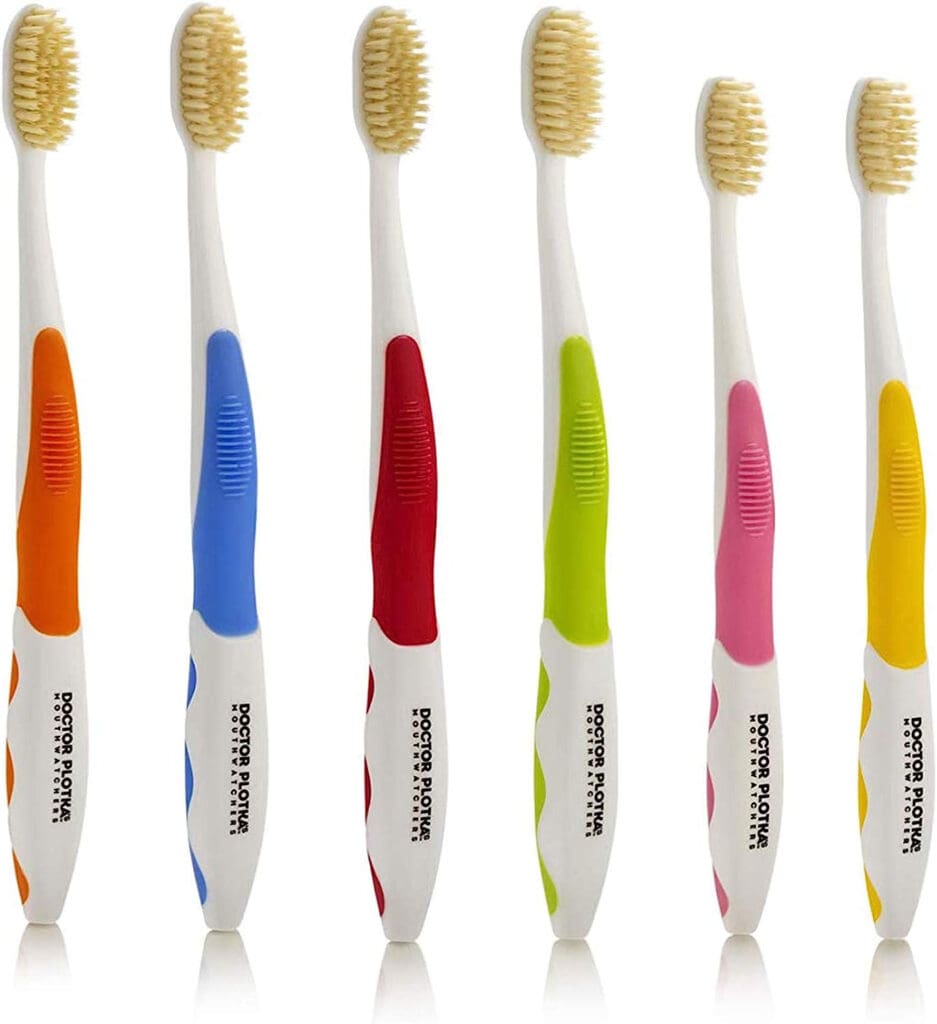
Doctor Plotka’s Mouthwatchers Antimicrobial Floss Bristle Silver Toothbrush, Family, 6 Pack. Buy from Amazon here*
What are the negative social effects of poor personal hygiene?
If you’re not taking good care of yourself and have bad personal hygiene, you may find that you will receive negative reactions from people around you, and this can affect social interaction with your loved one and other friendships. Your child may be subjected to a certain stereotype, rejection, or prejudice, as well as negative influence, which can impact your child’s quality of life.
Kids can be cruel, often chanting nasty things like, ‘Ooh you’re smelly!’ for example. This can cause a detrimental impact on your child’s mental and emotional psyche, so it’s important to ensure that your child looks and feels their best, starting with good personal hygiene as the first step towards a healthier and happier life.
Below, you can find poor personal hygiene examples people suffer from and which have been medically reviewed as causes of serious diseases if not treated promptly.
I will also talk about personal hygiene types and practices which can help children to understand the importance of being healthy and hygienic.
Bad hygiene examples – styes
AllAboutVision explains what a stye is in more detail but we will touch on the basics here. Styes look similar to pimples and are commonly located around the eye area. They can be sore and affect adults and children alike, but thankfully they are not classed as contagious. Warmth can help to get rid of some swelling, and painkillers can reduce the soreness your child might feel.
Keeping hands clean and limiting the number of times your child touches their face can not only help to prevent styes but also speed up the recovery process. This may seem difficult, especially if the eye area is itchy, but it is imperative.
Remind your child to not touch the affected area and use cooled boiled water, clean cotton wool and properly washed hands to treat the area every day. Some people say tea helps with certain eye conditions like conjunctivitis that may result from styes, but be sure to practice good hygiene yourself first to minimise the risk of more bugs transmitting into the affected eye area.
Examples of poor hygiene – stomach bugs
Even though stomach bugs and the stomach flu might do the rounds at your child’s school or day-care centre, there are ways you can limit their presence in your home. Spraying services with germ-killing cleaners, and washing your hands with antibacterial soap, can help kill off any viruses.
Ensuring your children gets into the habit of washing their hands after touching high-traffic surfaces, as well as after using the toilet, coughing, or blowing their nose, can also help to prevent infections.
Signs of poor personal hygiene – headlice
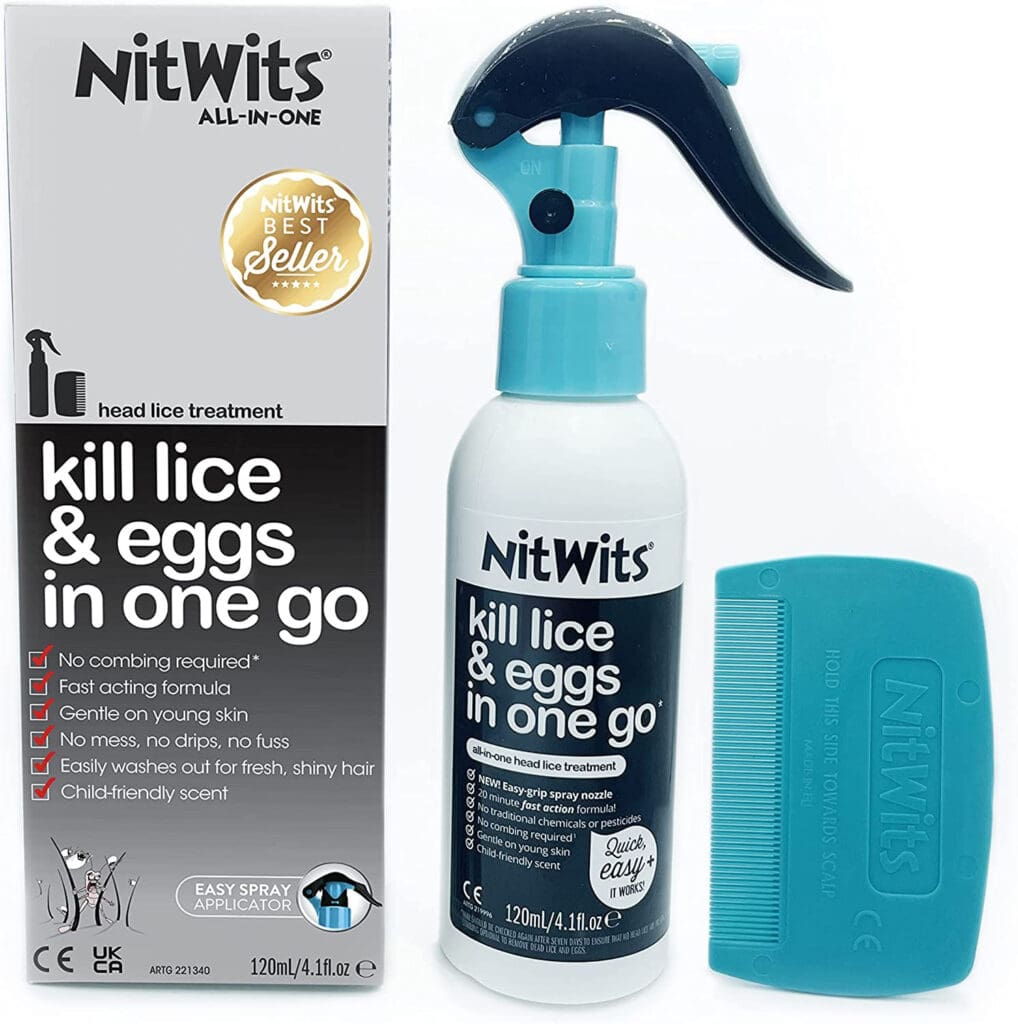
Headlice, or nits, (they can sometimes be called body lice if found elsewhere on the body) can become a problem when your child is often around other children. These little insects can cause seriously itchy scalps and can spread quickly. Using a nit comb regularly can help you detect the signs of headlice early on, as well as clear the scalp.
If your child does have head lice, inform their school, so they can be kept away to prevent the spread. Tying up long hair and washing and combing the hair frequently can also help tremendously. Another preventative measure is to make sure belongings are stored separately, and items such as towels or bedding are not shared among different members of the household. Use a nit comb regularly through conditioned hair to make sure you’ve caught all the nasty critters before you send them back to school.
Not treating head lice can lead to skin infections, so make sure you act quickly!
Oral hygiene is massively important and the earlier you teach kids about dental hygiene, the fewer problems they will have later in life. Poor oral hygiene can lead to many problems, including tooth decay, bad breath or gingivitis and gum disease.
Gum disease is caused by plaque, a form of sticky bacteria that builds up on your teeth. Build-up can first start with gingivitis but if not treated straight away can lead to bleeding and swollen gums, receding gum line, bad breath and loose teeth. Eventually, if not treated, your teeth can fall out.
Gum disease doesn’t present itself straight away, which is why it’s massively important to visit the dentist regularly to spot any signs early.
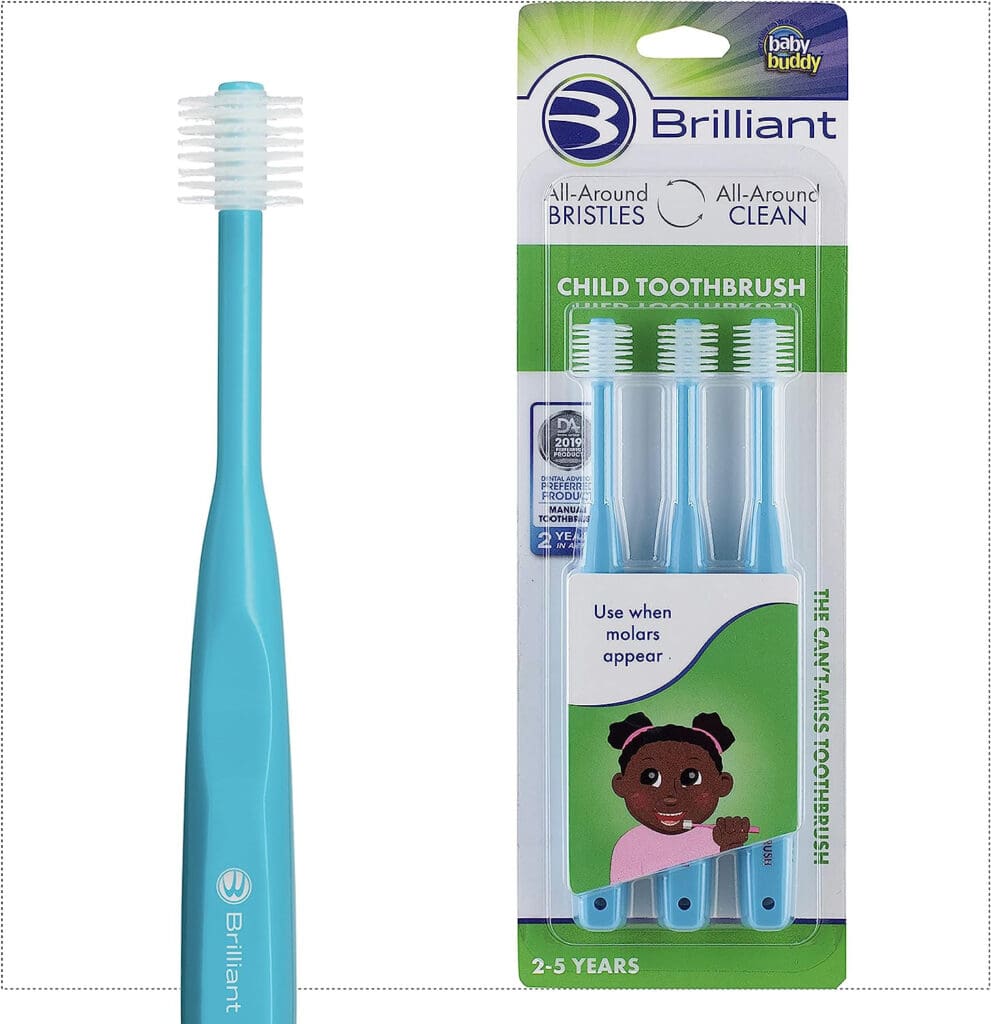
Make sure your children brush their teeth twice daily, morning and night, and up to the gums too, for at least two minutes. Using an electric toothbrush will help to ensure teeth are brushed properly.
Skincare and hygiene is very important. Not washing your skin regularly can lead to a condition called dermatitis neglecta, which leads to an accumulation of corneocytes, sebum and sweat. Clean your skin properly and regularly to avoid skin complaints.
Signs of bad hygiene – food poisoning
The consequences of poor personal hygiene when handling food are food poisoning. Food poisoning is an illness that is caused by poor personal hygiene in the kitchen or eating contaminated food, either from unwashed hands or from not properly cooked or washed food.
In most cases, food is contaminated by bacteria such as salmonella, E.coli or the norovirus. Food can become contaminated at any stage during production, processing or cooking, for example:
Not cooking food properly
Not correctly storing food that needs to be chilled at below 5C
Leaving cooked food for too long at warm temperatures
Not reheating previously cooked food properly
If you’re ill or have dirty hands and you touch the food
Eating food that has passed its “use by” date
Bacteria spreading between contaminated foods (cross-contamination)
Practice proper hand washing before you put anything in your mouth. I often tell the boys, if their hands are going anywhere near their face, wash them! Poor personal hygiene with food can cause weight loss or, worse, fatal illness.
What is the cause of unhygienic food?
Bad or not hygienic food can lead to heart disease if not properly treated, which is one disease caused by poor personal hygiene. So it’s important to lead a healthy lifestyle and teach your kids about the dangers of eating unwashed and improperly cooked food as early as possible.
It’s important to identify the cause and effect of poor personal hygiene on health and food safety and educate yourself and your kids so you can prevent serious illness.
Undergarment hygiene healthy practices to follow
It’s important to practice proper hygiene with your underlayers. Ways to have good hygiene with your undergarments include:
Change your undergarments every day to minimise risk of bacteria from vaginal discharge and sweat
Opt for breathable, natural material to prevent fungal and bacterial infections
Wear the right size – too tight can cause UTI
Wash your undergarments properly to avoid any buildup and hidden bacteria
Can TB occur due to lack of personal hygiene?
Lack of personal hygiene can increase the risk of tuberculosis infection. If you or your child has TB, then it’s very important to maintain personal hygiene to reduce the risk of transmission to other people living with them.
Your healthcare professional can provide medical advice on how to combat TB as it’s a long treatment process.
Bad hygiene habits that are way worse than you thought
Here are some regular bad hygiene habits which people don’t realise can be quite bad for you:
Not regularly brushing or flossing your teeth – can lead to gum disease and tooth decay
Not showering regularly – can lead to skin problems and infections
Going to bed with your makeup on – can lead to clogged pores and even eye damage
Not washing your bedding regularly – can lead to infection
Leaving your contacts in – can lead to corneal damage
Not washing your underwear regularly – can lead to infection
Sharing your items, like razors, toothbrushes and towels – can lead to transmission of diseases and infections
Reusing towels – can lead ot infection
Walking barefoot in public showers – can lead to fungal infections
Not washing your produce – can lead to food poisoning
Using your sponge for too long- can lead to poisoning
Leaving in tampons for too long – can lead to toxic shock syndrome
Reusing plastic bottles – can even lead to cancer!
Does ADD affect personal hygiene?
This is an interesting question. An association has been found between ADHD and living a less healthy lifestyle. Children with ADHD are almost twice as likely to have fewer healthy lifestyle behaviours like consuming less water, drinking more sweetened drinks and exercising less.
What is the difference between hygiene and grooming?
Hygiene is a set of practices that preserve healthy living and cleaning the body to prevent germs while grooming is the art of caring for and maintaining parts of the body. Poor grooming can cause poor physical appearance which can be linked to bad hygiene.
Are there any disadvantages of personal hygiene?
Health and hygiene are paramount to living happy and healthy lives, but there are some negative side effects of over-cleaning like skin irritation and Obsessive-Compulsive Disorder. Maintain a healthy balance of cleanliness and lifestyle enjoyment and model that on your children. If you have certain health concerns and complexes yourself, be mindful not to pass these on to your child.
What are some great examples of personal hygiene?
Types of personal hygiene practices that you can encourage your child to do now are:
Helping your child establish a personal hygiene routine
Ensuring that your child has a face wash each morning
Making sure your child has a good shower or bath in the evening to remove dead skin cells and body odour. This act of washing themselves can go a long way towards improving their health and reducing the chances of cross-contamination of bacteria.
Personal hygiene habits will help prevent any nasty smells or, with cleaning their teeth, cavities or premature tooth loss.
Spend the time to teach them how to clean themselves effectively so they are set up for life with positive routines, while also minimising the likelihood of illness within your home
Don’t forget that good personal hygiene practices can boost mental health too!
What are your thoughts regarding personal hygiene? Are you put off by BO? What do you think about poor hygiene practices and their effects from a social standpoint? What are your own personal hygiene habits? Do you have any bad hygiene habits you need to fix? Share your opinions with us in the comments below about how you practice good hygiene.
Frequently asked questions
What does poor personal hygiene mean?
Other questions asked were:
What is poor personal hygiene a sign of?
What is bad personal hygiene?
How to address poor personal hygiene?
What is hygiene poverty?
What does poor hygiene mean?
What does it mean to have bad hygiene?
What is bad hygiene?
“Poor personal hygiene arises from either intentional or unintentional neglect of your body’s cleanliness and health requirements. Your body begins to look unhealthy, you experience unwanted health concerns, and your overall well-being is affected.”
Can you provide examples of poor hygiene bad habits you should avoid?
What are signs of poor hygiene?
Four examples of poor personal hygiene include:
Body odour from not washing regularly
Bad breath from not brushing teeth
Recurring infection from not washing hands properly
Dishevelled, dirty appearance from poor grooming
What causes poor personal hygiene?
Other questions asked were:
What does poor personal hygiene cause?
What are the causes of poor personal hygiene?
What are the causes of poor hygiene?
What problems does poor personal hygiene cause?
What are the Longterm effects of poor hygiene?
“Poor hygiene often accompanies certain mental or emotional disorders, including severe depression and psychotic disorders. Dementia is another common cause of poor hygiene. Other people may develop poor hygiene habits due to social factors such as poverty or inadequacy of social support.”
“It is more common for women to get UTIs because the urethral opening is close to the vagina and anus. Poor hygiene and wiping ‘back to front’ (rather than front to back) after going to the toilet can enable bacteria from the bowel and vagina to enter the urethral opening to the bladder more easily.”
Continuous poor hygiene, especially in the female area, can cause sepsis and septic shock, like toxic shock syndrome can result from anywhere in the body, even a UTI. Sepsis and septic shock can result from an infection anywhere in the body. Sepsis is a medical emergency that requires urgent treatment.
“Personal hygiene issues can cause significant problems in the workplace. Not only do they make the environment unpleasant for others, they can also cause difficulties for businesses where staff are interacting with the public”
How does poor personal hygiene affect your personality?
“Poor hygiene habits can also affect your self-esteem. Looking and feeling presentable can give you a confidence boost and a sense of pride in your appearance. Other conditions may be prevented or the risk minimized by practicing good personal hygiene.”
How can poor personal hygiene affect relationships?
How can poor personal hygiene cause harm to others?
Why does bad personal hygiene affect others?
Having a high standard of personal hygiene improves personal and professional relationships because it reduces the risk of social rejection which may lead to bullying, low confidence and low self-esteem.
How can poor personal hygiene lead to foodborne illness?
Other questions asked were:
What is poor personal hygiene in food?
“Good personal hygiene is essential for any food handler and minimises the risk of food contamination. Most people carry harmful bacteria on their bodies and can unwittingly transport them to food. Touching your mouth, nose, hair or even your clothing can spread bacteria and cause contamination.”
How does poor personal hygiene affect your health?
What are the impacts of personal hygiene on your health?
“For example, not washing your hands after you use the toilet, handle food, or touch dirty surfaces can spread bacteria, viruses, and parasites. These can lead to infections and diseases, like food poisoning, gastroenteritis, cold and flu, and hepatitis A — just to name a few.”
washing your hands with soap after going to the toilet.
brushing your teeth twice a day.
covering your mouth and nose with a tissue (or your sleeve) when sneezing or coughing.
washing your hands after handling pets and other animals.
https://www.healthdirect.gov.au/personal-hygiene
Is poor personal hygiene a sign of depression?
Yes. Mental health can impact hygiene and depression may make you not want to get up every day and make the effort to clean.
Is it necessary to practice personal hygiene everyday?
It’s good to get into the habit of performing basic personal hygiene every day. For example washing your hands multiple times of the day will prevent germs from entering your system.
How to maintain hygiene at the workplace?
Regularly clean your desk. Stop infections from spreading, and dust from gathering, by cleaning your desk.
Sanitise your hands at least once day. …
Regularly wash your cups, mugs, plates and cutlery. …
Keep a box of tissues on your desk.
https://employsure.com.au/blog/workplace-hygiene/
Is poor personal hygiene a sign of abuse?
In some cases, elder abuse has been found in care homes which has resulted in residents having poor hygiene standards. The same goes for children in a neglected home. However, a lot of the time it is down to lack of education on why hygiene matters for your health and the effects of good personal hygiene on health.
*Collaborative feature post
Why it’s important for kids to see themselves in books
Here’s the thing – every child deserves to see themselves in books. Yet children of colour, those in wheelchairs, those who have Down Syndrome or cancer have very limited options.
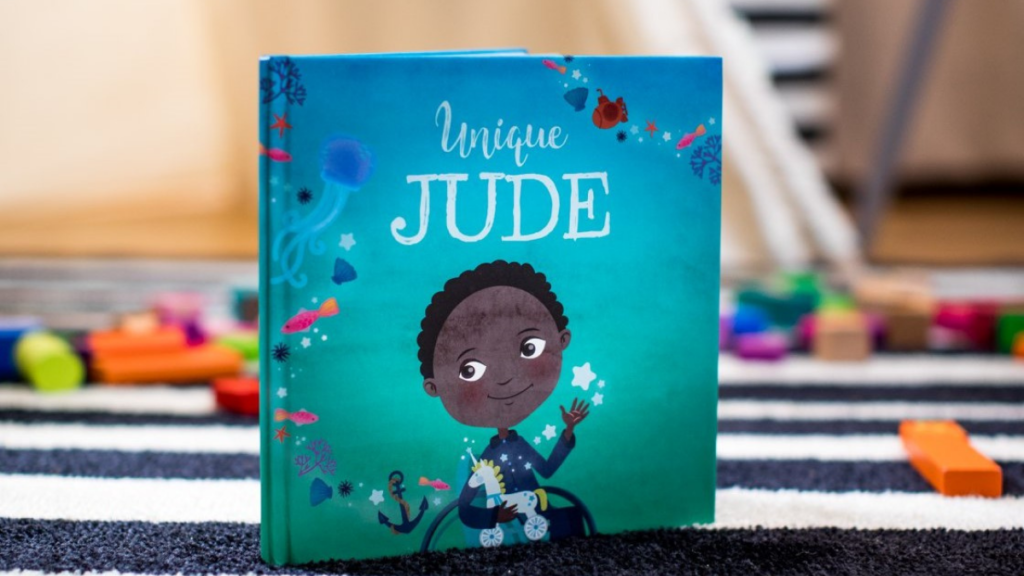
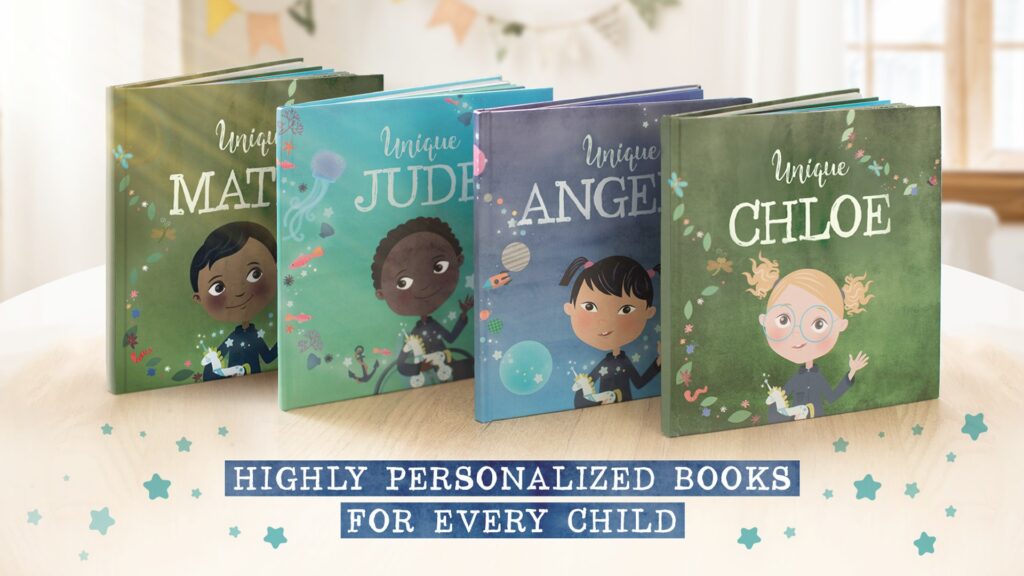
Imagine a child named JUDE. He has dark, curly hair, big brown eyes, and the sweetest smile. Jude is in a wheelchair. He’s completely in awe of the underwater world and loves Beyoncé. Jude’s parents know how Just, Understanding, Daring and Exceptional he is. But Jude doesn’t see all that when he looks in the mirror. He doesn’t realise how unique he is!
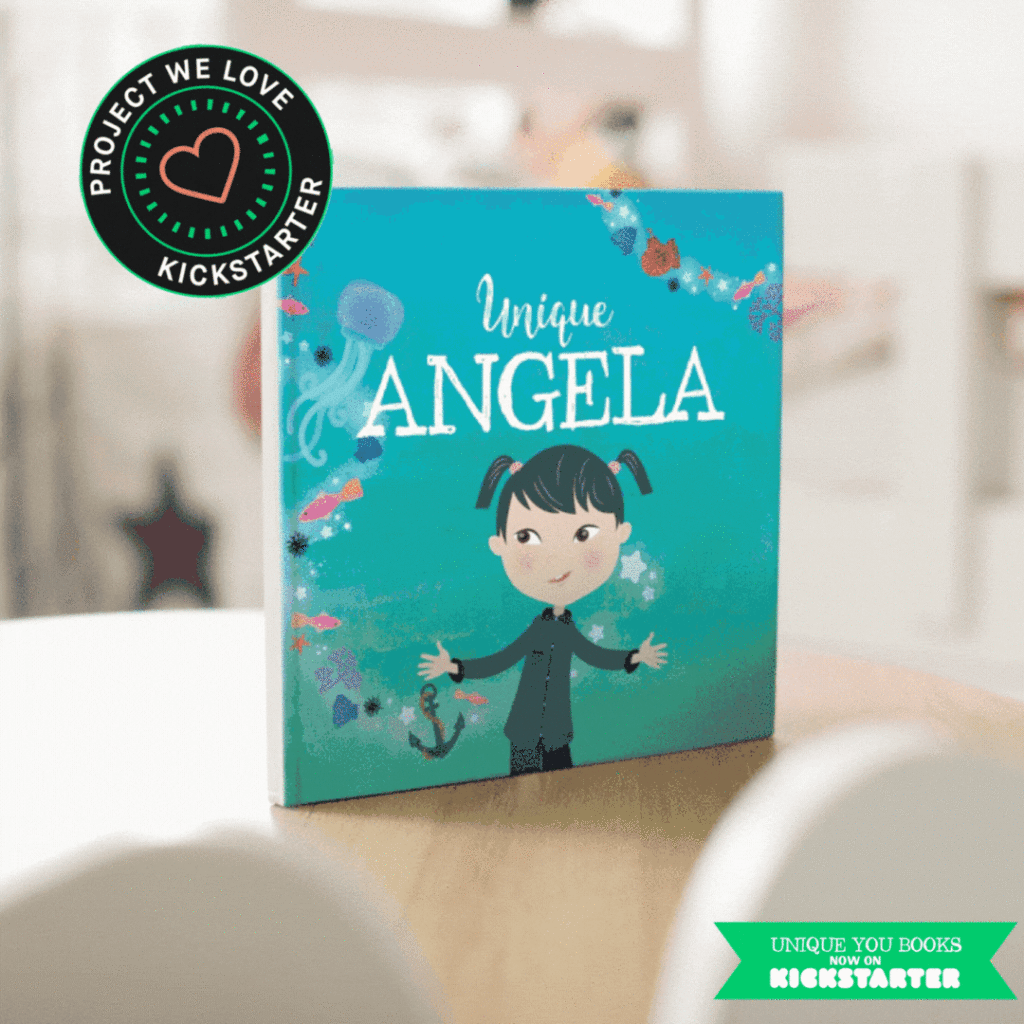
And that’s where Unique You Books – highly personalised books for every child – come in.
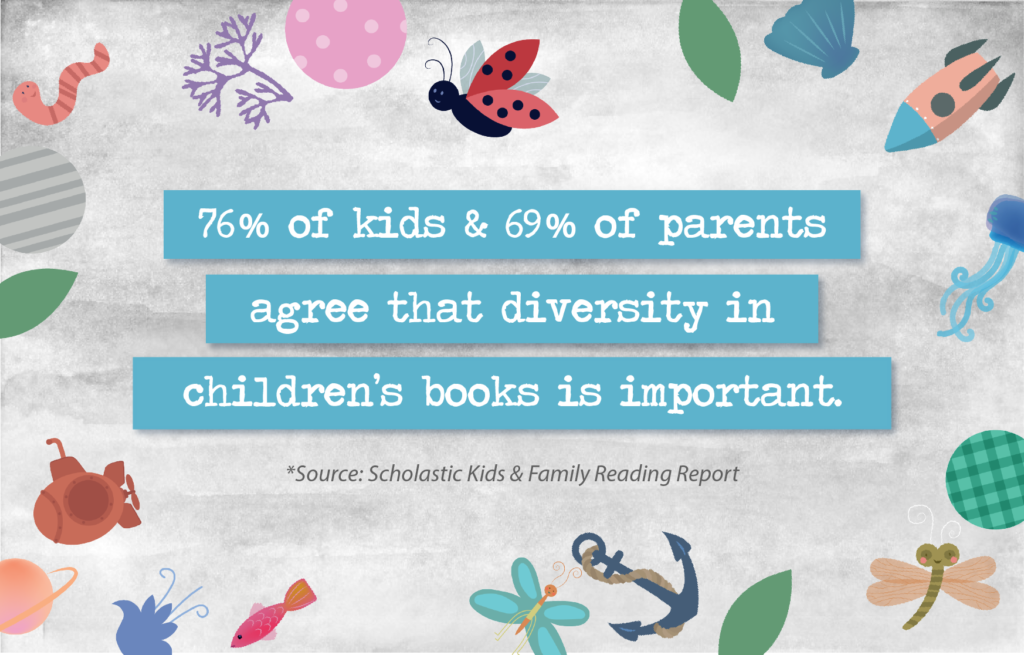
Personalised books are nothing new in the market and there are some really good ones out there. But what’s surprising is the scarcity of diverse characters in children’s books in general, especially since we know that both parents and kids are looking for literary characters that kids can identify with. In fact, a recent Scholastic Kids & Family Reading Report has shown that 76% of kids and 69% of parents agree that diversity in books is very important.
The lack of representation in children’s literature is a fact. But here’s the thing – every child deserves to see themselves in books. Yet children of colour, those in wheelchairs, who have Downs Syndrome or cancer have very limited options! This is especially worrying because research has shown that when kids can fully identify with a character in a book and its challenges and victories. They are more likely to feel better about themselves and the world around them. And it also helps them develop reading habits that will last a lifetime. That’s why we think it’s so important to tell diverse and inclusive stories to kids from a very young age.
Unique You Books is a start-up working to create highly personalised books that will help children understand and embrace themselves just as they are. We want to support kids to discover, value and love themselves. And in the process, to learn that everyone’s unique qualities are worthy of love and respect. Every child will identify with the heroes and heroines in our stories – including children of all colours, children with disabilities, those in wheelchairs, who wear glasses or children with cancer.
Helping kids to accept themselves is especially important in this digital era, more than ever before. Children are growing up with social media. It’s influencing how they dress, live and think. Social media has become so integral to their lives, but at the same time, it is promoting anxiety and lowering self-esteem, increased feelings of depression, poor body image and loneliness.
When kids scroll through their feeds and see how great everyone seems, it only adds to the pressure. But imagine if we could celebrate the unique traits of every child and help them understand and love themselves just as they are.
So what makes each of us unique? Our names and physical appearance certainly play a part, but more importantly, what defines us is what’s inside. Our character traits and our interests make us individuals.
Through the Unique You Books website, parents, friends and relatives will be able to create and order personalised softcover or hardcover books that are not just based on a child’s name and appearance. These books are special because they don’t just add a child to the story, but rather base the stories on the interests, appearance, name and personality traits of each individual child!
Customers will be able to create books by choosing from over 300 main characters, 180,000 illustrations, 3 story settings (the wild, the universe and the underwater world) and over 70-character traits.
Great books are like lighthouses – they help guide our kids’ imagination, navigate the challenges they face in life, and connect them to the world.
When reading Unique You Books, and their very own personal adventures, children will be able to recognise their uniqueness and their contribution to this world through imaginative stories of self-discovery, love, and friendship.
The more children know and appreciate differences, the easier it will be for them to accept, understand, and above all, embrace them. And when we join our kids in their imaginative stories, we may even end up becoming a hero in one of them. And who knows – these stories might help us rediscover our own uniqueness.
To bring these stories to life, Unique You Books has launched a Kickstarter campaign. Please help us by pre-ordering a book for the child you care about and join us in empowering a new generation of self-confident children who love themselves, but also have the capacity to understand and love others as well.
Eleven plus exams – the mental preparation before the work
*This article is part of the Eleven Plus Exams Series under Kids Mental Health where we talk about the mental aspect of preparing for the grammar school entrance exam and then the actual prep, which I will talk about in article two. I will update you accordingly when subsequent articles are published in the series.
*This article is based on the school system in the United Kingdom. Your school system may differ if you’re in Scotland, Northern Ireland or abroad. Please check the guidelines in your area.
I thought applying for a primary school place was tough until I was hit with the reality of preparing for my eldest’s eleven plus exams so he could get into a decent secondary school (in Year 7), which, by the way, we had to start thinking about in Year 5. This was news to me as I’d never been through the process before (I took my 11+ exams but that was a lifetime ago) and parents are surprisingly secretive when offering advice on the schools to apply for and eleven plus exams tuition required to help our kids pass these high-pressured 11 plus test papers.
We started worrying about the 11 plus entrance exams only seven months before (in February) the scheduled tests (in September) when we moved house and into a different area. The new area is great for state school options but not close enough for us to actually have a shot at getting in because there is a catchment area and that tends to be minuscule (up to one mile).
So grammar schools were an inevitable option. But it’s not as straightforward as selecting the grammar school and taking the grammar school test. There are lots of nuances to factor in like which subjects would your child have to take and are they mentally ready to ride the eleven plus journey?
So, this article will tackle all the things you need to think about BEFORE you embark upon the revision journey to preparing for the 11+ exams because the pre-prep is probably the most fundamental part of the process. Why? If your child doesn’t want to put in the work or understand why they need to do the work, then there’s no real point in taking the exams.
But, let’s start at the beginning.
I’ll take you through what we learned and still are learning, as well as the process we took up until registering for the 11+ exams (April of Year 5) after we got over the initial shock and the analysis paralysis. Then in the second article in this Eleven Plus Exams series, we’ll talk about how we did the actual prep for the exams (we’re working with EdPlace* to prepare you step-by-step for this part) and for the third and final article, we’ll talk about life after the eleven plus exams and the dreaded results. We’re not quite there yet as we’re still in May and we have done a full month and a half of revision so far. But once we’re there we’ll let you know the outcome.
Have you only just started thinking about the eleven plus exams six months in advance? Welcome to the club!
Ok, don’t panic. It’s all still very doable. Like I said before, parents don’t tend to volunteer information until you ask and we asked too late. Thankfully, one or two parents were very generous with their advice and support (one even provided me with a spreadsheet!) and after I broke the news to my son that we’d have to write off all holidays until September, we got down to some hard work.
So, the first thing you need to do is find out which schools are available in your area.
What are your school options?
There are three different types of schools (which are further broken down into specialist schools, for example, religious or faith schools and special needs schools to name just a few!). The main three types of schools are state free schools, grammar schools (which are also free schools but with added entry requirements) and private or independent schools.
State free schools
State free schools receive funding through their local authority or directly from the government. The most common schools are:
Community schools
These are local authority maintained schools that are not influenced by business or religious groups and follow the national curriculum.
Foundation schools and voluntary schools
These are funded by the local authority but have more freedom to change the way they do things. They can sometimes be supported by representatives from religious groups.
Academies and free schools
These schools are run by not-for-profit academy trusts and are independent of the local authority. They have more freedom to change how they run things and can follow a different curriculum.
Grammar schools
These are run by the local authority, a foundation body or an academy trust and select their pupils based on academic ability via a test. Selective schools weed out the cream of the crop so they’re highly competitive and tough to get in. We will be focussing on grammar schools in this article.
Private/independent schools
These schools charge fees to attend instead of being funded by the government. Pupils do not have to follow the national curriculum but all private schools must be registered by the government and are inspected regularly.
You will need to decide which type of school you’d want your child to attend. A lot of time should be spent on this part of the process because you’ll want to make sure your child has a positive experience at a secondary school that suits their personality and academic ability.
Do you think your child would fare better by going to a state school where they don’t have the added pressure of passing exams first? Or can you afford and are willing to pay money for private school education? We have decided to try the grammar school route and prepare our eldest for the 11+ exams, so this is where we will be digging into it in more detail.
First things first.
Open Excel and crack open a new spreadsheet because we’re going to fill this bad boy up with some personalised school information!
Find out which school is available first
As I don’t know which area you’re in, I’ll list the route I took to find the local schools in our area.
The first thing we did was find out which schools were nearest to us and we found this information via Hertfordshire County Council here.
The process may be different for you but we needed to enter our address, select that we’re looking for secondary transfer in 2022 (or whichever year your child will be in Year 7 from September that year) and the website will then list off the priority schools and ten schools that are closest to your home address.
We started off with the schools that were within five miles away, but if you’re applying for the 11+ it’s worth looking a bit beyond that, say up to seven miles.
Make a list of the schools then do some research on them. Our spreadsheet’s headings (which we borrowed from a friend whose child applied last year) looked something like this:
School
Location
Distance in m (all within 5 miles)
Private/State
Sex
Ofsted rating
Ofsted year
Reason for rejection
Entry criteria
Entrance exams
No. of places / filled
Progress 8 Score Well below average (14%) Below average (19%) Average (37%) Above average (17%) Well above average (14%)
Number at prior attainment levels L/M/H/missing
Progress 8 by Key Stage 2 attainment: Low/Medium/High
Then go through the list of schools and try to find out their Ofsted rating (although Ofsted ratings are now rarely accurate as some of them have been completed a long time ago). There is a great website which we used called Herts Live which contained all the live ratings, but nothing beats actually going to the school and getting a feel for yourself.
Every parent and child will have different experiences, so you can’t fully go on what you see online. Google the name of the school and ‘reviews’ and read some of the latest reports from parents whose children currently attend that school, then fill out the spreadsheet accordingly.
In the Hertfordshire area (and I’m pretty sure everywhere else in the UK) you can only select four schools when applying in September. Make sure you put down some backup free schools which don’t require an entry test, so if your child doesn’t do as well as expected, they have options available to them. Schools are oversubscribed and highly competitive so make sure you apply for a balance of schools.
Some schools have their own admissions and are independent of the local authority’s application process, so make sure you know when and where you need to apply.
Questions to ask when researching schools are:
Does your child want to go to a single-sex school or a mixed school? Are both options available?
Is your child mentally capable to prepare and pass the eleven plus exams?
What is the school’s SENCO (Special Educational Needs Coordinators) department like?
What is the support process of the school like?
What extra-curricular activities does the school offer, for example, what types of sports and music opportunities do they provide and does your child have an interest in these subjects?
Speak to your child about the school and see how they feel. As I said, there’s no substitution for going to the school and having a feel of the place. Make sure if open days are available, that you book the open day so you can take a look yourself. Unfortunately, due to the pandemic, a lot of open days have been virtual, but you can get around this by parking by the school during drop off and pick up and checking out how the children enter and exit the school. Are they happy? Are staff around and engaging with children?
So what exactly is the 11+ exam?
The 11+ is a test taken by Year 6 primary school pupils in the UK to be in with a chance to be selected for Year 7 secondary transfer to grammar schools. Wales and Scotland no longer have grammar schools, so it’s worth checking in your area to find out your options.
Where are the eleven plus exams?
If your child goes to a local authority primary school they will sit the 11+ in one of their classrooms, otherwise, they will take the test in a central location like a grammar school.
When do you register for the eleven plus exams?
You need to register for the exams quite early, which tends to be in April when the child is in Year 5. Again, check with your local county council on the process to apply for 11+ as this differs from region to region.
When are the eleven plus exams?
Depending on your location, the eleven plus exams start at the beginning of September when your child is in Year 6 so the earlier you start the preparation the less apprehensive your child will be and the more chance they will have to pass their entrance tests. Look out for 11+ practice days where your child can practice the tests at school.
What tests does your child need to take in the 11+?
The 11+ can contain four disciplines, these are:
Verbal reasoning
These are questions where the child solves problems and follows sequences via word and text. Verbal reasoning tests your child’s grammar and vocabulary in English.
Non-verbal reasoning
Your child will be given question problems to do with diagrams and pictures. There’s also an element of maths involved.
Maths
Your child will be tested on mental maths, maths concepts, various maths skills and problem-solving in multiple stages.
English
Your child will be tested on their creative writing skills, as they have to plan, structure and write a piece of work.
Verbal reasoning, non-verbal reasoning and maths tend to be in the Multiple Choice format and English tends to be written or Standard Answer format. Answers are recorded on a special answer paper with a grid format for the child to mark their chosen answers.
But it’s not as simple as practising for a particular discipline. There are different exam boards too; GL and CEM, so make sure you pick the right type of exam board assessment as they differ from each other. You can find the information you need on the school’s website, most likely under ‘admissions’.
What other assessments are available?
Some secondary schools offer children the chance to register via the Music Aptitude Test and Sports Aptitude Test. Two of the schools we are applying for are part of the SW Herts Consortium and offer the Musical Aptitude Test alongside the Academic Tests. One of the schools offers children to take the Sports Aptitude Test so we’re going for all three as my son is quite sporty and plays the piano. It just gives us an extra chance at getting into one of those schools.
Make sure you do your research and find out whether the school you offer has other ways of getting in as there are a number of hurdles that the child has to jump through before they can get in via the tests, and places tend to be offered first to:
A child who is in the care of a local authority, being provided accommodation by a local authority for social services reasons or those who are adopted or have a special guardianship order. Also includes children in public care.
Children within the catchment area based on a straight line distance measurement provided by the County Council’s computerised mapping system.
Children whose siblings attend the school
Children with parents who work at the school
Children with medical reasons as to why they need to attend the school
Then 25% of places (and this could vary with the school you’re applying for) are allocated to those who pass the academic tests.
10% (may vary for your school) is allocated to those who take the music test and for the schools offering the test, the sports test as well.
The remaining places will be allocated on proximity of the home address to the school
So, as you can see, it’s slim pickings out there! By the time you get to the academic tests you only have a 25% chance of getting into the school if you don’t live within the catchment area, so think carefully about whether you want to go down that route and your child is up to the task.
Is it a good idea to prepare kids for an 11 plus exam a few years early so that they dont have to cram it in and stress out completely during exam period?
Yes, absolutely. It is recommended you should start your child in Year 3 but not treat it like they’re preparing for the 11+ but more as if they’re doing ‘detective work’ as EdPlace, an online platform that prepares children from Year 3, advises. Preparing your child with a few worksheets a day encourages them to think outside of the box and prepares their minds for the 11+ without them realising it.
Will eleven plus exams go ahead during the pandemic?
There may be a chance the 11 plus papers will be sat virtually, so it’s important to stay updated via the school’s website or if you’re applying as part of a consortium, to regularly check the consortium’s website for updates. So far, we have not received word that the 11+ exams will be virtual yet.
Time to mentally prepare your child for the 11+
So, we’ve done our research, we’ve selected the schools with the best chances of getting in and we’ve filled out our spreadsheet with all the information we need. Now the process begins for preparing for the 11+. But before you bring out your 11 plus past papers (more on those in Article 2), you need to mentally prepare your child first.
How do we do this?
Buy a wallplanner
You could buy a large wall planner and write in all the necessary registration, test and score results dates. We bought ours from Etsy for less than £20 and added all the dates in so our son knows exactly what to expect.
Sit down with your child and level with them
It’s important that your child understands why they are taking the eleven plus. By now you should have explained how the 11+ journey works but if you haven’t and you have a study-phobic child like me then this is how I approached it:
Start with explaining the reason for going to a good school, i.e. more opportunities to succeed, make great friends, the world is their oyster etc, whatever works for your child. Find out what interests them about school and conversely what their fears are and reassure them that applying for a good school will help get the best out of them.
Explain the level of work required but don’t scare them. If your child has a tutor then work with their tutor to devise a revision plan that’s evened out through the time left until exams. For example, we do one test for Verbal Reasoning, English and Maths every day, plus piano practice and music training. Then on the weekend, hubby takes over and does the sports test. Kids still have to go to school and attend their extracurricular activities, so bombarding them with extra work is counteractive and will push them away.
If you have less than six months left like us then you will have to write off holidays and weekends. But, promise a payoff at the end like a massive reward. I’ve told Aron that we’ll be doing something pretty amazing during October half term week. I haven’t told him what yet as we don’t know whether we’ll be ok to travel by then. But it’s worth putting that goal down, asking them what they want and continuously remind them how long they have left until they can relax and enjoy their reward.
Devise the revision plan with your child
You’ve found out what exams you’ll need to take (for us it’s GL assessment for Maths, Verbal Reasoning (and if he passes) English, as well as the Music Aptitude Test and Sports Aptitude Test). Now it’s time to show your child the subjects and how much they’ll be doing every day. Try to keep it to one to two hours max every day so as not to overload them, then ask them how they’d like to tackle the extra work.
Are they morning people and would prefer to start before school or would they like to do it after school so the rest of the day is free for playtime? My son prefers to work at night so I give him an hour break after school then we start around 4.30 pm and finish by dinner. Then he’s free to do whatever he wishes after to rejuvenate.
Stay positive and refrain from pushing
It’s very easy to push your child to do the work but if they aren’t interested you’ll be talking to a brick wall. Stay positive and offer mini rewards. I offer a pizza takeaway if they’ve done a certain amount of work during the week and screen time for around an hour after the work is done every day. It’s all about achieving a healthy balance between working hard and playing hard. Kids get tired and when they’re tired they lose their mojo. That is one thing you do not want to do because then they’ll give up completely and it’s very difficult to get them back.
There will be days where you won’t be able to get them to do anything
As long as it’s not every day, let it go. They can’t work if they’re really not feeling it anyway so bringing in the extra stress will just make everything worse. Either add the extra work the next day if they’re willing or just leave it and start the day afresh tomorrow. My son suffers from hay fever and he had one particular day where he couldn’t get of bed. I gave him a mental health day off where he just lounged about and did absolutely nothing. But during that day I reiterated the importance of getting back on it and not losing that momentum.
Always remind them what they’re doing it for, i.e. better school life, more opportunities, extra resources to do the things they love and if they truly understand why they’ll do the work. They’re only 10/11 years old, so they’re still very much children. They won’t have the work ethic instilled in them like some adults too. Some kids do and you’re lucky but if your child just wants to play football, draw all day and listen to music then make sure a large amount of that day is attributed to doing what they love and only a couple of hours a day to intensive focussed work. That’s all you can really do without pushing them over the edge.
Every child is different
We are still very much in the beginning stages of revision but so far my work-shy creative, sporty son has only had a few off days since we started in February. I know he least likes maths and his vocabulary and verbal reasoning are really coming on in strides, so we start with maths when he has the most energy and ends with verbal reasoning and English. We will talk about the revision process we take in the second article, but the point here is to get to know your child and how they study.
Do they get distracted easily and lose focus quickly? Can they work through the noise? We’ve just moved house so we haven’t bought him a desk for his room yet or even a dining table. This means we have to work in the kitchen until we’ve sorted ourselves out and the kitchen is the loudest part of the house. He also needs one-to-one support so he prefers I sit and work with him while he goes through the questions.
We are slowly trying to transition with him to work on his own because I have another child and baby to look after so it’s not practical. But whatever it takes to get your child into the swing of things at the beginning, do it, even if it’s a sacrifice to you. Once they gain confidence, they’ll learn that work needs to be done before they can relax and soon enough they’ll be doing it by themselves. My son does do some of the work on his own but he still needs hand-holding during maths. That’s fine, we only have four months left. Whatever gets us there!
Confidence is key
They say praise is a double-edged sword (it has both favourable and non-favourable consequences), but I don’t believe this. Kids need constant motivation to continue and praise is one of the best ways to help them gain confidence. Praising their work ethic is far more effective though. If they’re working very hard, praise them. If they’re got great marks in a practice test, by all means, praise them.
Kids need to know they’re progressing through their goals and improving on the 11 plus exam questions. If they think they’re not getting anywhere (just like with us adults) they’ll give up because what’s the point right? They’ll fail the eleven plus test and will not get anywhere. No! This is exactly the approach you do NOT want to take.
Through practice, your child can improve and they are capable of doing it. This is what you want to tell them, even if they’re improving slowly. Enlist extra help in the subjects they are struggling with and show them their progress scores. If they have an off day, it doesn’t matter, they’ll do better tomorrow. Never criticise their work or their work ethic. Work to gaining confidence first, the rest will follow.
Remember, you’ve got to be in it to win it as they say. I used to say I would never put my child through the stress of the grammar school exams but now I just think, well what if he can do it? What if he’s capable and I stopped my son from even trying? And if he doesn’t do well? So be it! It all works out in the end and he’ll end up going to a school that was meant to be for him.
Just don’t sell your child too short. With your love and support, they can at least have a good stab at the 11 plus test and if they don’t pass, it was good practice anyway for later. For extra support, you should Google ’11 plus forum’ and chat with like-minded parents about the 11 plus grammar tests. We’re all going through the stress, believe me.
*Some links marked with a (*) are affiliate links which means that I may earn a small commission if you click through and buy the service or product at no extra cost to you.
Why growth scans are important in pregnancy
*Motherhood Diaries worked with MyBaby4D in Watford (Ultrasound Image Studio Ltd) to raise awareness among pregnant couples about the importance of ultrasound scans during pregnancy to monitor the health and well-being of your baby. We were provided with the opportunity to review the Growth & Presentation Scan for the article – all opinions are 100% my own*
During your pregnancy, you should have routine scans via the NHS at around 12 weeks (nuchal translucency scan or dating scan) and 20 weeks (mid-pregnancy or anomaly scan). In this MyBaby4D Pregnancy Scan Series, I’ve talked about the importance of early scans (before 12 weeks) and wellbeing scans (from 16 weeks), which can provide that extra bit of comfort that the baby is doing OK, as there is a lot of time in between each NHS scan. Unfortunately, we don’t have a camera inside our uterus.
If necessary, you may be offered a foetal Growth scan between 28 and 40 weeks, too. We will discuss growth scans in more detail in this article.
Why are growth scans necessary?
I wasn’t aware of growth scans until my second baby measured big for dates (my bump was slightly bigger than the estimated week of pregnancy). So, I was scheduled to go for a foetal growth scan at 36 weeks to see if he was measuring slightly on the larger side and if there were any indicators of increased amniotic fluid (more on this below) and gestational diabetes. Otherwise, I would have no idea growth scans existed.
In recent years, hospitals’ focus has been on stillbirth prevention, as stillbirth rates in the UK were among the highest in Western Europe and had not changed much over the last twenty years. Most stillbirths were classed as ‘unexplained’, which meant these deaths were unavoidable. However, independent case reviews have been conducted to find that many stillbirths were associated with substandard antenatal care and, therefore, potentially avoidable. Most stillbirths showed that there was growth restriction during pregnancy, which had not been recognised during antenatal care. This meant that most women never had a growth scan, therefore there was no special attention until there was an absence of foetal movements, which was usually when it was too late.
Therefore, a better classification system came about that included categories for foetal growth restrictions (e.g., small for gestational age, which is a factor that increases stillbirth sevenfold). This report also found that recognising foetal growth restriction during antenatal care can halve the risk of stillbirth if discovered early.
The RCOG guidelines developed an algorithm that set out the recommended assessment of early pregnancy risk factors and the route of care for low-risk and high-risk pregnancies with foetal growth restriction. Those with an increased risk would require a growth scan and assessment. However, this was found by many hospitals to be too complicated, so The Journal of British Medical Ultrasound Society, Ultrasound, helped the NHS develop a simplified algorithm that identified a list of risk factors as part of the Saving Babies’ Lives Care Bundle initiative. You can find more information on these risk factors in the image below:
The growth assessment protocol (GAP) algorithm for fetal growth surveillance. Adapted from NHS England.
Growth scans in the NHS
The NHS now prescribes routine growth scans until delivery for those considered high-risk between 28 and 40 weeks.
Our growth scan at MyBaby4d Watford – 30+2 weeks
I attended a private Growth & Presentation Scan at 30+2 weeks with MyBaby4D in Watford, a 15-minute appointment to check the baby’s wellbeing, heartbeat, movement, weight and measurements. The primary objective of the third-trimester growth scan is to check the well-being of the baby, so I will go through each aspect of the foetal Growth Ultrasound scan taken by Dalson, the sonographer and break down each part below to show what happens at a Growth scan during pregnancy.
Preliminary questions
Dalson asked if I had had a growth scan before, if the NHS mentioned having one at 36 weeks, and whether I could notice a pattern in the baby’s movements. I told her this baby doesn’t really move much; she just shifts from side to side. But during the scan, she was dancing away, and I did wonder whether the ultrasound waves were too loud for her.
“Fetuses can hear ultrasound and the sound is as loud as a subway train entering a station.”
I also find that the baby moves more when I’m on my back. I often wonder whether I’m squashing her in that position and whether that’s why we are advised to lie on our left side while sleeping and napping. Lying on your right side puts pressure on your liver, so the left side is optimal.
During the scan, Dalson checked the following:
The head
We saw a bird’s-eye view of the baby’s head, and Dalson measured the head circumference. Dalson confirmed that the baby’s head was down, but she did state that the baby could still move at this stage. Until 34 weeks, they can still turn, but generally, babies may settle in a head-down position around 32 to 36 weeks. The baby’s head measured within the normal range.
Legs and Feet
We saw the baby’s legs stretched out, and the feet, too. Dalson struggled to measure the thigh bone as the baby’s hands on her bottom caused shadowing. I was asked to move to the side as our girl was kicking and munching away on amniotic fluid.
Amniotic Fluid Index
Dalson measured the single deepest pocket of fluid for the Amniotic Fluid Index, which should be between 2 and 8cm. Too little fluid means oligohydramnios (which is what I saw in my third ultrasound scan during my second-trimester miscarriage when I broke my waters at 15 weeks) or polyhydramnios. I was measuring at 7.7cm at the top of the normal range. Dalson mentioned that at MyBaby4D (and Watford General Hospital, where we plan to give birth), they measure one of the four pockets of the amniotic fluid volume, but some hospitals will measure all pockets. As I was measuring on top of the normal range, I was advised to control the sugar in my diet, as above 8cm could be an indicator of gestational diabetes. I have been so good with sugar until the last trimester, but now I have to get myself off it again. But to hear I was 7.7cm was a good trigger to watch my diet for the next ten weeks.
Waist and tummy
Dalson moved on to measuring our girl’s waist (Abdominal Circumference), and I was asked to turn to the other side as the baby was dancing away. We saw a bird’s-eye view of the tummy.
Spine and kidneys
They check the kidneys to assess for normality and also exclude renal pelvis dilation (RPD)—excess fluid inside the foetal kidneys. The fluid measured within the normal range.
Stomach and bladder
Dalson checked the stomach and bladder to ensure the baby was drinking well and the stomach was below the diaphragm. Pregnant women can still catch late-onset Congenital Diaphragmatic Hernia, where the baby’s stomach migrates into the chest. Thankfully, the stomach was where it should be, below the diaphragm.
Heart
We saw the beating heart, which was so relieving to see.
Gender check
It was confirmed again that we were having a girl, and this time I saw the three lines!
Placenta
My placenta was on the back wall, which is good. Dalson checked the blood flow in the umbilical cord to assess fetoplacental circulation, as I had mentioned to her my baby’s reduced movements. There was a normal flow pattern, and the pulsatility index (PI) reading was within the normal range, which was relieving. Indicators for performing umbilical artery Doppler may depend on individual hospital protocols. Some hospitals will check blood flow throughout the Growth scans,, and others will only check if indicated.
Weight
Once Dalson performed all three measurements, the baby weighed 1.5kg/3lbs and 5oz at 31 weeks.
We were provided with a report showing the baby’s measurements and developments, as well as the health and state of my placenta and amniotic fluid. The femur length was showing a little under, but thankfully, the estimated foetal weight (EFW) was plotting within the normal range.
EFW = Estimated Foetal Weight, HC = Head Circumference, AC = Abdominal Circumference and FL = Femur Length
Placenta posterior not low means that the placenta is situated high in the uterus and has attached itself to the back of the uterus. The foetal position is Cephalic which means her head is down and feet is up (which is great!). The Amniotic Fluid Index that I mentioned above is showing at 7.7cm which is at the top of the normal range. Umbilical Artery Doppler; positive EDF (speed of the blood through the cord) indicates a normal trace and it was within the normal range.
Your questions
When do you have growth scans in pregnancy?
A growth scan is a third-trimester scan to measure whether the baby is growing normally.
How accurate are growth scans?
“They’re not [technically] measuring growth. We don’t measure growth and there is no system by which we can accurately assess the growth – growth is speed, yeah? These are assessment scans or wellbeing scans as we call them.”
Many readers’ questions revolved around the accuracy of growth scans in the third trimester and whether they were routine or required.
Here were more of your questions:
How accurate are growth scans?
Are growth scans common?
Are growth scans routine?
Are growth scans safe?
Are growth scans necessary?
Are growth scans normal in pregnancy?
Are growth scans reliable?
Why would you have growth scans?
When should growth scans start?
Does everyone get growth scans?
Why are growth scans needed?
Can growth scans be wrong?
Can growth scans prevent stillbirth?
Can I refuse growth scans?
I’ll answer all these together. As mentioned above, growth scans are not routine,, but your consultant, doctor or midwife may book a baby Growth scan if you are measuring big or small for dates. The scanning of a baby can show up indicators of too much or too little amniotic fluid and check for other developmental issues, therefore it is important to attend your growth scan if it has been suggested for you to do so. Depending on your issues, you can have a 28 week Growth scan (often when the bump is small) or a 32 week Growth scan (or at 34 and 36 weeks when baby could be measuring too big or too small). I had my initial NHS Growth scan at 36 weeks, so it depends on when your hospital books the appointment.
Growth scans are safe, but as with anything, they are not 100% accurate, as they are based on estimates. Specific issues can be missed at your scan,, so it’s essential to track your baby’s movements and attend all midwife and consultant appointments for optimum antenatal care.
Reasons why you will be offered a growth scan
If your fundal height (vertical measurement of your belly) is smaller or larger than expected for your baby’s gestational age
If you have any maternal diseases like diabetes or gestational diabetes
If your placenta is looking low at the 20-week scan
If you have a history of pre-eclampsia (high blood pressure and swollen hands, face and feet)
If you have a history of premature births
If you are very overweight and you have a BMI of 40 or over
If there is a large difference in your and your partner’s height, although experts dispute this so it may be assessed on a case-by-case basis
You have concerns about your baby’s pattern of movement or reduced movements
You have any vaginal bleeding
You experience any abdominal pain
Are growth scans 3D or 4D?
At MyBaby4D, you can request a 3D or 4D preview, but the NHS does not offer them. Remember, the growth scan is to check the baby’s well-being and development—all other perks are added bonuses but may not be offered if they disrupt the baby’s well-being check during the appointment.
Can partners attend growth scans?
At MyBaby4D, you are allowed to bring one partner with you, but they advise you to keep children away. The NHS scans I have attended so far do not allow a partner to attend the scan appointment, but this may soon change as restrictions lift in the coming months. Check with your local hospital and stay updated on current COVID rules at MyBaby4D’s website here.
Growth scan cost at MyBaby4D
To book your growth scan at MyBaby4D, please visit here for more details. At the time of this published article,, the price is currently £65.00, but may be subject to change.
* I was offered a Growth & Presentation Scan for the review article but all words and opinions are 100% my own
*MyBaby4D Watford is a trading name of Ultrasound Image Studio Ltd
How to start a rental business
Thanks to flexible working and the freedom to start your own business in the UK, parents are coming up with tons of business ideas like turning to the buy-to-let property investment market to either supplement their income, pay the mortgage or make a living from it. Starting out as a landlord/landlady, however, can be overwhelming. You’re probably thinking, ‘How can I start a rental business with no experience?’ or ‘What does it take to start a rental business?’ You need to think about screening your tenants, preparing your property for collecting the rent and taking care of maintenance issues – it’s not an easy gig. With a high level of attention to detail and experience, however, this job can be both gratifying and lucrative. If you’re just starting out, you might need a bit of guidance. Read on for tips on how to start a rental business.
What you need to do before you rent out your home
There are lots of reasons to start a rental property business. You may be buying your dream home finally but you are not ready to part with your old house just yet. Or you’ve bought an investment property or rental properties, and you’re looking to go into real estate investing and create a side income. Real estate investment and property management is a great small business to earn a regular income, open up cash flow and long-term profits, and it’s also a good stepping stone into the prosperous property sector, which can offer you significant savings both now and later on in retirement. But there are a number of things you need to think when starting a rental business, like the type of equipment you’ll need (rent tools), where to start a rental business, what you need to start a rental business and the below which we’ll go into in more detail.
Weigh up your finances
What some business owners and property managers don’t realise about renting is that it can cost you, especially when it’s a new business and you’re just starting out as a landlord or a real estate investor. You must take into consideration things like taxable rental income with rental businesses, which will depend on how much you’re receiving. You may also need to consider your mortgage payments, although the monthly income you receive should help you pay it off much quicker than you intended. Check out this article here for more information on how to start a rental property business with no money.
You also need to think about maintenance and repairs costs, and whether you will offer these services to your tenants. Seasoned landlords would advise you to include it within the tenancy agreement, as this will prevent the tenants from causing any unnecessary damage to the property. If you’re not qualified to complete tasks like plumbing or other types of maintenance, you would have to factor in handyman wages. Outsource projects like commercial paving, tiling and general fix-ups. And, to make life easier for yourself, invest in couriers to acquire the materials needed, so you can spend your time tending to the more important matters at hand – your rental income!
Maintenance issues happen—you don’t want to scramble to find the funds to pay for them. Before you become a landlord, you need to make sure you have a financial cushion in place. If you find yourself underwater on your property, you’ve gone against any financial gains you were hoping to make. Besides things like burst pipes, roof damage, and other inevitable fixes, you might encounter nightmare tenants who don’t pay the rent. While you pursue legal action against them to recoup the rent, you’ll still be expected to pay. Take out insurance where necessary (compare landlord insurance here) and create a business plan so you’re prepared for the pitfalls that will inevitably ensue.
Prepare your property
Before letting out your property, consider making some necessary changes that will make your home stand out to potential tenants. You first need to register your rental business (check here for how to register a rental property business. The process will be different depending on whether you are renting commercial properties to start your business or operating from home.) You may need to conduct some repairs to ensure everything is working as it should when you open up the house for viewings. You should also maximise your space, especially if you’re offering to rent your home fully furnished, as you can move furnishings around and enhance the decor to make the property appear more airy and spacious.
If you want to entice younger tenants, take some inspiration from contemporary apartments like those available at RW Invest. These feature everything from modern furnishings and minimalist decor to smart lighting and communal gardens. Essentially, it is what millennials are looking for in a property, which is why they have been selling like hotcakes and gained so much interest.
Choose your tenants wisely
Once your property is prepared and ready to rent, you can then start your people search. In recent years, it has become much easier to seek tenants due to the introduction of websites and apps which allow tenants and landlords to connect and find the perfect tenancy match. Social media is also a great way to check out the tenant’s social life and find out whether they’ll be partying until 3am every night or whether they’re a family who just need a place to live while they buy their own.
Once you’ve dwindled down a few tenant applications, it is imperative that you perform tenant screening. This includes checking their current and previous employment to establish whether their income is steady, which will offer you reassurance about monthly payments. Take advantage of credit reports for landlords from SmartMove to examine their financial credibility. Your background check should show criminal history as well; if a misdemeanour pops up, you can go with your gut on that one (depending on how serious it was and how long ago). However, you will likely want to avoid any tenant with a felony in his or her background.These checks are.// essential to protect both your home and yourself to avoid damage to your property or any issues throughout the tenancy.
If you live far away from your rental property, you will need to outsource this anyway. You might even consider hiring a property manager to handle the collection of rent, maintenance issues, and more.
Go high-tech in rent collection
Automating rent collection will give you and your tenant peace of mind.
“Whether you buy an online solution pre-made or hire a developer to create it, set up a payment system that accepts credit or debit cards, or even automatic bank transfers.”
Most not only prefer the above way of paying rent, but they’d also like the option of paying with their phones. Some landlords are hesitant, however, because of the fees that can be associated with online payments. According to this HuffPo article, Stripe.com is a good alternative. This service processes the tenants’ online payments, and the charge is the same as PayPal’s fee. Where it’s better than PayPal is that it offers a free subscription service to automatically bill your tenants.
Establish an appropriate relationship with tenants
We’ve all heard the nightmare stories about the landlords who love to “pop in” on their tenants. This is never okay, even if you’re tempted to catch them doing something you disapprove of. You should trust that you have thoroughly screened them and, thus, make appointments anytime you want to discuss anything with them—it’s the law. Conversely, you can be friendly and approachable and go the extra mile with special touches. A holiday gift basket can go a long way in making a good impression, especially if it’s coming to the time for them to decide whether to renew their lease for another year. It’s very important to read up on how to start a rental business properly and learn how to be a good landlord so you can continue to achieve success in your properties.
If you’ve gone above and beyond during your tenant screening process, you’re already likely to enjoy a long and productive tenant/landlord relationship. However, you can follow the above tips on how to start a rental property management business and ensure that your landlord duties will go smoothly over the years.
If you are in the rental business yourself, what are your tips for a successful buy-to-let property business? Or if you’re wondering how to start a rental business yourself but your questions haven’t been answered yet, post your questions in the comments below and we’ll build the answers into the article.
*Collaborative feature post*
Mothers day gift experiences and ideas for expecting mothers
Mothers Day is around the corner and mums, new and veteran, will be expecting some form of special treatment (whether we get said special treatment or not is another story!)
But what would be a great gift for an expectant mother, especially when she can’t drink alcohol or go on a racecar experience day (I’m sure she’d want to if it weren’t for the pandemic – or the pregnancy)? And what are good mothers day gifts besides flowers and a gift box of some kind?
First-time mums tend to overspend on maternity/baby gifts. It’s like a rite of passage we all go through where we buy the unnecessary, necessary stuff until we realise we don’t need most of it anyway.
So, check out some Mothers day gift experiences and ideas that they’ll/we’ll actually use (pass this Mother’s Day gift guide on to your partner so they’re in on the secret to the perfect thoughtful gifts for us too)!
Psst, these gifts can also double up as great baby shower gifts for new mums too, so win-win!
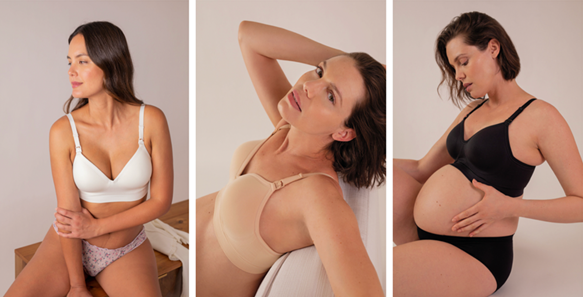
A comfortable set of maternity/nursing bras
During pregnancy, your bra size will fluctuate from pre-pregnancy cuteness to maternity melons. They’ll get even bigger after birth then they’ll slowly reduce in size until they hit that post-pregnancy plateau. So one of the most important Mothers Day gift ideas experiences you can surprise an expecting mum with are comfortable maternity/nursing bras. Maternity bras tend to be padded and non-wired for comfort, to allow for room to grow. They should also double up as nursing bras should mum want to breastfeed, which means they’ll clip and unclip at the bra strap for ease of use. Some great bras which are super comfortable for pregnant mums are:
These Grey/White Non-Wired Padded Nursing Bras from Next offer maximum comfort and are on the larger size, if you’re like me and you’re already carrying bazoongas.
Bravado Designs Plunge Nursing Bras are also very comfortable and provide a smooth contour without compromising on flexibility. The soft yet structured bra adjusts with your body as you grow during pregnancy and fluctuate during nursing.
A comfortable set of briefs/underwear
As your top half grows so does your bottom half. A good fitting over the bump set of 100% cotton briefs like these Lace Briefs can offer maximum comfort. Opt for high-waisted underpants too so that if you end up having a c section, they fit over the scar and not ride on it. This helps to prevent friction and infection.
Comfortable maternity clothes, especially when mum has grown a few sizes, can provide that extra bit of comfort when needed. Flowing long tops like the MAMA V-Neck Tunic from H&M are also great at hiding other lumps but keeps the focus on that gorgeous pregnant bump. It also offers breathing space when all mum wants is for things to be off her skin, especially during the third trimester!
Experience gifts for every type of mum – Comfortable shoes
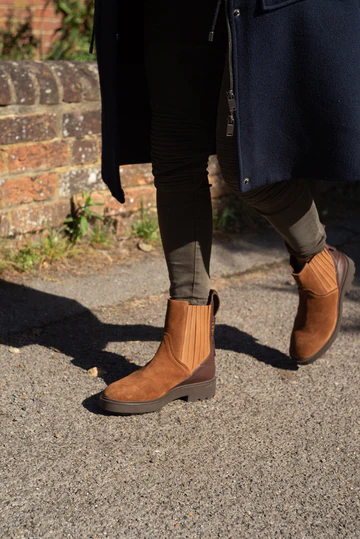
As you enter the later stages of pregnancy, footwear comfort becomes crucial. The Black Tulip Studio Farro Flat Chelsea Boot in Caramel Suede is an exemplary choice for mums-to-be seeking ease and style. These boots feature a slip-on design, which is a Godsend for when bending over becomes a challenge. The soft caramel suede offers a versatile look that pairs effortlessly with a variety of maternity outfits, while the flat design ensures comfort for your feet, which is essential as you prepare for motherhood. Whether you’re running errands or simply enjoying a day out, these Chelsea boots are designed to provide maximum comfort without compromising on style
These Imitation Suede Shoes from H&M are also easy to slip on and look great against black leggings and the black tunic top that they should become a staple in every pregnant woman’s shoe rack. Who says maternity clothing has to look dowdy!
If you still want some height but you’re too scared to strut in stilettos, go for these Platform Boots from H&M, which has a zip on the side so you can slip into them easily, but still add a few extra inches to your height. They also look fab with leggings or a long flowy maxi dress. Switch it up during pregnancy to keep your spirits high!
If you’re still exercising during pregnancy then, again, good for you! These Mesh Trainers from H&M are very comfortable for walking or even running during pregnancy, provided you’ve okayed it with your doctor first. The stripes on the trainers also light up in the dark so they’re perfect for those short days during winter.
Staying active during pregnancy is a boon for both mother and baby, and the right footwear can make all the difference. The Black Tulip Studio Arbi Sleek Sneaker in Giraffe is a chic and comfortable sneaker that is a perfect blend of style and functionality for expectant mums.
The playful giraffe print adds a touch of fun to your workout attire, while the supportive design caters to the unique needs of a pregnant body, ensuring safety and comfort during exercise. Ideal for walks, prenatal yoga, or even light jogging (if your doctor approves!), these sneakers will keep you moving and stylish throughout your pregnancy journey.
Travel becomes an experience once you have the baby, so mum needs to ensure she has everything to hand to weather all seasons in the UK. Apart from a comfortable and secure pram, accessories like a warm waterproof blanket can ensure the baby is protected, no matter the weather.
Bundlebean’s 5 in 1 Multipurpose Cover, Go, is a wonderful blanket that’s so multifunctional it fits onto buggies, bike seats, car seats and quality baby carriers. You can also open it out flat to use as a travel rug or play mat, so it’s worth the investment. We’ve got ours in the newly launched ‘bees’ pattern, which looks so cute on the buggy. Check out the Instagram pic below of my baby posing with the new blanket.
Help with getting baby to sleep at night!
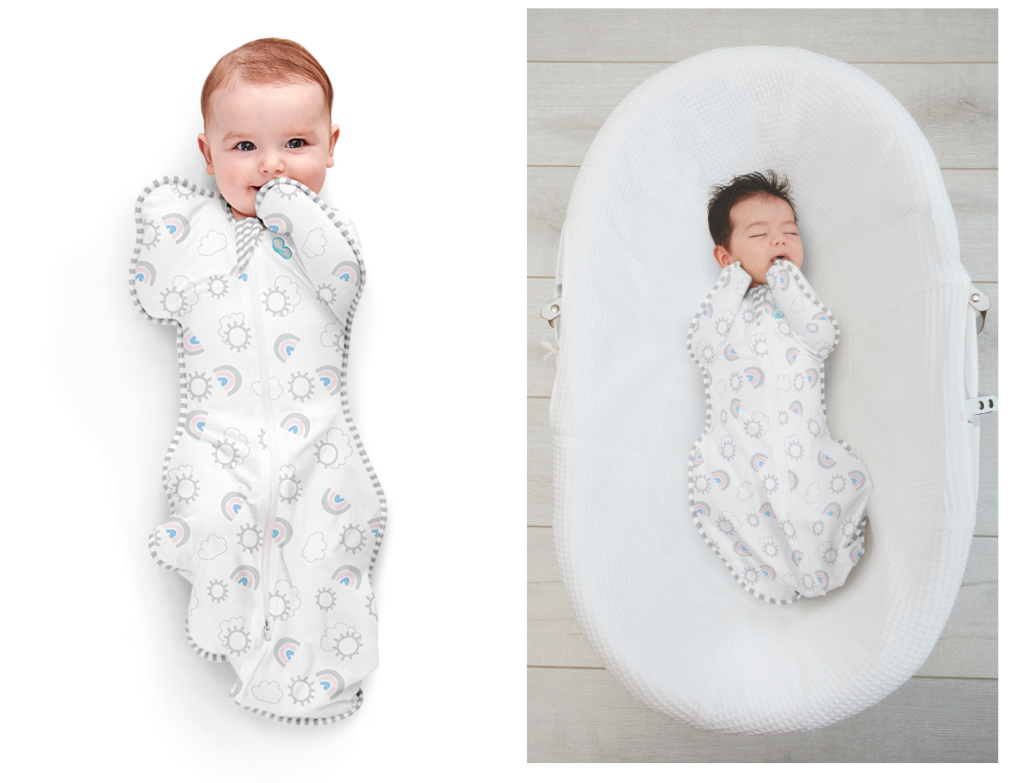
It’s well known that once babies come along, your sleep disappears for an indefinite amount of time. But, it’s also a popular belief that swaddling baby helps them to sleep better at night. If you’re anything like me and never get swaddling right, grab yourself or pregnant mum a Love To Dream Starter Pack, which includes a set of swaddle essentials to ensure little ones are comfortable and safe from day to dream.
You can get different types of togs depending on the weather; the 1.0tog is more suitable for the warmer months and the 2.5tog is thick enough for the winter months. A Starter Pack ensures you have one for bedtime and one spare for washing too. I don’t think you can get better pregnancy presents than something which helps mum sleep at night!
Help to travel with multiple kids
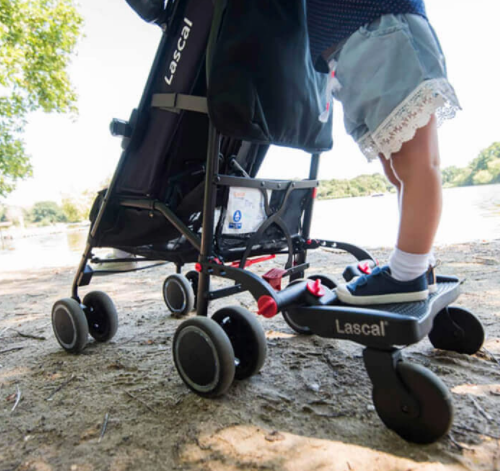
Mama-to-be might have older toddlers so once the new baby comes along she’ll need a way to transport both baby and toddler either in a double buggy or a buggy with a buggyboard. Cheeky Rascals has a cute Lascal Mini BuggyBoard in either Jungle or Woodland which easily fits more than 99% of pushchairs, prams and strollers, giving tired toddlers a safe place to rest on the buggy. Travel items can make for great gifts for an expecting mother, especially if she has to worry about transporting more than one child.
Cute outfits – just because they’re cute!
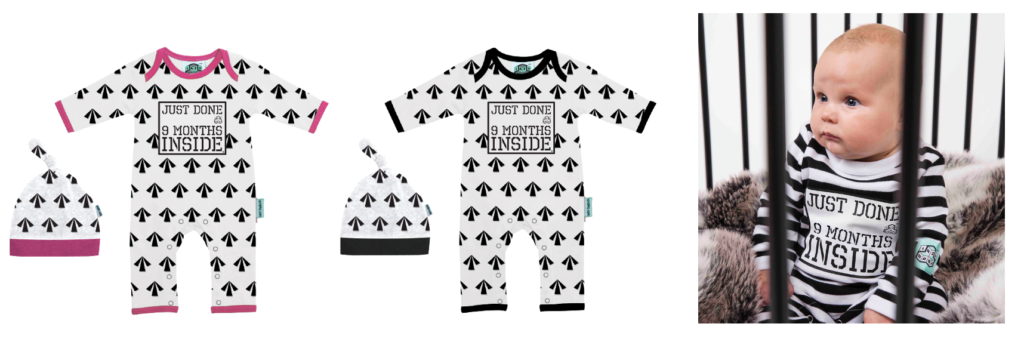
Who says you have to just buy the normal white, yellow, blue or pink pastel babysuits? Stretch the imagination and get something really cool that mum can keep sentimentally for years after her babies have grown up. I absolutely love the new Lazy Baby iconic ‘Just done 9 months inside’ babygrows, which comes with a cute matching hat – perfect for those first few days after birth and it makes for a great gift for mum-to-be.
Mothers Day experience gifts every mum will adore – help with feeding
Whether you choose to breastfeed or bottlefeed, feeding can be a hugely difficult milestone to overcome. For first-time expectant mothers, the thought may be daunting before they’ve even got to try both methods out.
You may be one of the lucky ones and birth a baby who knows how to breastfeed straight away or you may have a problem with latching, which ultimately leads to cracked, sore nipples. Breastpumps can help take the pressure off your boobs and provide some respite so your partner or a loved one can feed the baby while you take some time off. I love the Medela Swing Flex™ 2-Phase Electric Breast Pump which is quick and efficient for whenever you need it, and, most importantly, when you need that all-important break!
Other great Mothers Day gifts for expecting mums
Still stuck for gift ideas for expecting mothers? Here are some other great gifts for pregnant women which they’ll appreciate during pregnancy:
Belly butter for their growing belly
A diaper bag that can double up as a hospital bag for those magical first few days after birth
A family framed photo with the growing bump, which are great pregnancy gifts for first-time mums
A pregnancy gift basket that can include a collection of necessary gifts for mum-to-be.
You can get some great gifts for a good price on Amazon or eBay too. Make sure to shop around so you find unique mum-to-be gifts for that special mum!
Mothers Day should be about appreciating mum and showing her how much you love and care for her. The perfect pregnancy gifts for Mothers Day will ensure that life is made easier for them, so they can enjoy motherhood with reduced stress! If you keep that in mind you shouldn’t have a problem finding the perfect gift.
FAQ
Why is it important to celebrate Mother’s Day?
Celebrating Mother’s Day holds special significance when mum is pregnant for several reasons:
Acknowledging the Transition to Motherhood: Pregnancy is a significant period in a woman’s life, marking her transition into motherhood. Celebrating Mother’s Day during this time helps honour this important journey. It’s a recognition of her soon-to-be status as a mother and the love, care, and nurturing she’s already providing to her unborn child.
Emotional Support and Recognition: Pregnancy can be an emotionally intense and challenging time, filled with anticipation, anxiety, and a myriad of changes—both physical and emotional. Celebrating Mother’s Day offers an opportunity to show support for these changes, helping mum feel valued.
Strengthening Bonds: It’s a chance for partners, family, and friends to bond with mum and express their excitement about the new arrival. This celebration can strengthen relationships and build a supportive community around her.
Focus on Self-care and Well-being: Pregnant women often prioritise the well-being of their unborn child and may neglect their own needs. Mother’s Day can be a reminder for them to take care of themselves, emphasising the importance of self-care and relaxation.
Creating Memories: Celebrating Mother’s Day during pregnancy adds to the treasure trove of memories that the mother can look back on fondly. It’s a beautiful way to commemorate the pregnancy period as a time of joy and anticipation.
Boosting Mental Health: Positive experiences can have a beneficial impact on mental health. Being the centre of affection and attention on Mother’s Day can boost the expectant mother’s mood, reduce stress, and contribute to a positive pregnancy experience.
Acknowledging Her Efforts and Sacrifices: Pregnancy involves numerous physical and emotional sacrifices. Recognising these efforts on Mother’s Day is a way of showing appreciation for all that she is doing to bring a new life into the world.
What is a great gift for a mum with no hobbies who doesn’t do self care either and is always busy with work?
Other questions asked were:
What are some good gifts for a mother that has no hobbies or interests?
What are some good Mothers Day gift ideas for mothers with different hobbies?
Finding unique mothers day gift experiences and ideas for a mum who is always busy with work and doesn’t have hobbies or engage in self-care can be challenging, but it offers a great opportunity to introduce her to something new or make her daily life easier and more enjoyable. Here are some thoughtful gift ideas:
Quality Time Experiences for Expectant Moms: Some great experience gifts for mothers can include planning a day out that’s relaxing and pregnancy-friendly. Consider a stroll in a botanical garden, a comfortable outdoor picnic with pregnancy-safe foods, or a casual lunch at a cosy, quiet restaurant complete with a restaurant gift card.
Meal Subscription Service with Pregnancy-Safe Options: Choose a meal delivery service that offers healthy, pregnancy-safe meals. This will not only save her time but also provide her with the right nutrition needed during pregnancy.
Professional Cleaning Service for a Nesting Environment: Arrange for a cleaning service to prepare her home for the new arrival. A clean, organised space can significantly ease her nesting instincts and reduce stress.
Comfortable Maternity Loungewear or Pajamas: Gift her with high-quality maternity loungewear or pyjamas that are specifically designed for comfort during pregnancy.
Smart Home Gadgets for Easy Pregnancy Living: Consider devices that can make her life easier during pregnancy, like a smart vacuum, a voice-activated assistant to manage tasks, or smart lighting that she can control without getting up.
Audiobook Subscription for Maternity Reads: An Audible subscription filled with audiobooks on pregnancy, parenting, or simply her favourite genres can be a thoughtful gift, especially for nights when sleep is elusive.
Personalised Jewellery with Baby’s Birthstone: A piece of jewellery that includes the expected birthstone of her baby, or a charm that symbolises motherhood, can be a touching and sentimental gift.
High-Quality Bedding for Better Rest: Invest in premium bedding or a pregnancy pillow that can help her find a comfortable sleeping position during pregnancy.
Noise-Cancelling Headphones for Relaxation: Noise-cancelling headphones can be a great gift for her to relax and unwind, listen to soothing music, or enjoy audiobooks and podcasts without disturbance.
Plant or Flower Subscription for a Soothing Environment: A subscription for low-maintenance, non-toxic plants or flowers can beautify her space and create a soothing environment.
Gift Cards for Maternity Shopping: A gift card to a maternity store, an online platform with a variety of pregnancy products, or her favourite restaurant offering healthy options can give her the freedom to choose what she really needs or desires.
A Handwritten Letter with a Focus on Motherhood: Write a heartfelt letter expressing your excitement and support for her new journey into motherhood, sharing your thoughts and feelings about this special time.
What are some last-minute non materialistic gift ideas for mums Day?
Other questions asked were:
What are some handmade Mothers Day gift ideas?
What’s a good gift you can make for Mothers Day?
How to make cool things for mother’s day?
Best Mother’s Day experience gifts that mum will love?
Write a Heartfelt Letter or Poem About Motherhood: Express your excitement and joy about her upcoming journey into motherhood. A letter or poem that reflects on this new chapter can be incredibly touching.
Create a Video Message from Loved Ones About Her Becoming a Mother: Experiences for mothers day can include gathering video messages from family and friends, focusing on their excitement and well-wishes for her new role as a mother.
Cook a Pregnancy-Friendly Meal: Prepare her favourite meal for one of the best mothers day experiences, keeping in mind any pregnancy dietary restrictions or cravings. You could also bake a healthy treat that’s safe and delicious for expectant moms.
Organise a Virtual Baby Shower or Family Gathering: If an in-person gathering isn’t possible, for the best mother’s day gifts online, get the family together! Arrange a surprise virtual baby shower or a family get-together to celebrate her and the baby.
Plan a Day of Prenatal Relaxation: M other’s day experiences can include taking over her chores and arranging for a day where she can indulge in prenatal relaxation activities, like a warm bath with safe bath oils, reading, or simply resting.
Pregnancy Memory Scrapbook or Digital Slideshow: Compile a scrapbook or digital slideshow documenting her pregnancy journey, including ultrasound pictures, maternity photos, and notes about her experiences.
‘Day Off’ Voucher for Postpartum Use: Create a voucher of gift experiences for mum, promising her a day off after the baby is born, where you take over baby care and household responsibilities.
Plan a Future Family-Friendly Outing: Mother’s day experience gifts can include planning a special outing for after the baby is born, to a place that will be enjoyable for both her and the newborn, such as a peaceful nature park or a family-friendly resort.
Host a Relaxing Movie Night with Pregnancy-Safe Snacks: Mothers day experience ideas can include setting up a movie night at home featuring her favourite movies or feel-good films, along with snacks that are safe and appealing during pregnancy.
Offer a Helpful Skill or Service: Mothers day experience gifts can also include offering services that will be beneficial for her as an expecting mum, like assembling baby furniture, setting up the nursery, or helping with prenatal exercises.
Personalised Playlist for Mother and Baby: Curate a playlist with soothing songs for both mother and baby, or select podcasts about motherhood and parenting that she might find insightful and comforting.
Prenatal Yoga or Guided Meditation Session: Memorable experience days for mum can include arranging a gentle prenatal yoga or meditation session at home, led by a professional instructor who specialises in pregnancy wellness.
What are some of the best Mother’s Day gifts my mum will actually love?
Customised Family Portrait with Baby Bump: Mothers day gifts experiences can include commissioning a family portrait that includes her with her baby bump. This can be a beautiful way to capture her during this special time.
Pregnancy-Friendly Gardening Kit: Choose lightweight and easy-to-use gardening tools, along with seeds for plants that are non-toxic and safe for pregnant women. Consider raised planters to reduce the need for bending.
Pregnancy-Safe Cooking Class: How about for experience gifts for mums you can enroll her in a cooking class that focuses on healthy, pregnancy-safe recipes. Look for classes that teach meals easy to cook and nutritious for both mom and baby.
Bird Feeder and Bird Watching for Relaxation: A bird feeder and a book on bird watching can be a soothing hobby, perfect for enjoying quiet moments in nature without too much exertion.
Personalised Recipe Book with Baby-Friendly Meals: Compile a recipe book that includes her favourites, and add sections for baby-friendly and easy postpartum meals.
Subscription to a Parenting or Maternity Magazine: Mother’s Day experience gift ideas can include choosing a magazine subscription that focuses on parenting, maternity health, or baby care, providing her with valuable insights and tips.
Star Registration for the Baby: Name a star with the expected baby’s name or in honour of her journey to motherhood, creating a beautiful symbolic connection.
Cultural Experience Tickets for Future Dates: Offer tickets to cultural events that are scheduled post-pregnancy, giving her something exciting to look forward to.
Virtual Reality Headset for Relaxation: A VR headset preloaded with calming experiences, such as virtual nature walks or meditation sessions, can be a wonderful escape for an expecting mom.
Customised Puzzle Featuring Baby Ultrasound: Create a puzzle from a family photo, including ultrasound images, making it a unique keepsake of her pregnancy.
Handmade Bookmark for Baby Books: A custom-engraved bookmark for her to use with baby books or pregnancy journals can be a sweet and thoughtful gift.
DIY Herb Growing Kit for Easy Culinary Use: An herb kit that she can easily manage from a windowsill, providing fresh herbs for cooking without much effort.
Online Course in Baby Care or Parenting: An online course subscription focused on baby care, prenatal yoga, or parenting skills can be both useful and appreciated.
Telescope for Future Stargazing with the Child: A telescope she can use in the future for stargazing with her child, fostering a love for astronomy in the family.
Book by Her Favourite Author with a Motherhood Theme: If her favourite author has a new release, especially one focusing on themes of motherhood or family, it can be a thoughtful and relevant gift.
What Mother’s Day ideas do you have that aren’t a physical gift?
Scenic Drive with Comfort Stops: Unique experience gifts for mothers day can include organising a scenic drive that’s comfortable for her. Plan for regular stops at picturesque spots where she can stretch and relax. Include a drive-through or picnic at a beautiful, serene location.
Pregnancy-Friendly Family Photo Shoot: Arrange a professional maternity photo shoot at her favourite outdoor location or home. Capture this special time with beautiful pictures of her pregnancy.
Online Workshop on Parenting or Pregnancy: Enroll her in an online class that focuses on topics like parenting, prenatal care, or pregnancy wellness. Choose something that aligns with her interests and needs as an expecting mother.
Family History Documentary with a Focus on Motherhood: Create a documentary that not only traces your family history but also focuses on stories of motherhood in your family, capturing insights and well-wishes for her new journey.
Virtual Baby Shower or Family Reunion: If family members are far-flung, organise a virtual gathering like a baby shower or a family reunion, making her feel supported and celebrated.
Personalised Pregnancy Podcast or Audio Messages: Record a series of audio messages from friends and family sharing parenting advice, stories, and good wishes for her and the baby.
Virtual Tours of Kid-Friendly Destinations: Find virtual tours of places she might want to visit with the baby in the future, like zoos, aquariums, or children’s museums.
Charity Donation in Her and Baby’s Name: Make a donation to a children’s charity or a cause she cares about in her and her baby’s name, reflecting the nurturing spirit of motherhood.
Relaxed Day with No Digital Distractions: Plan a day of relaxation without digital devices. Include activities like light prenatal yoga, reading, or simply enjoying nature.
Perform a Lullaby or a Kid-Friendly Skit: Write and perform a gentle song or a fun skit for her, something that she can later share with her baby.
Future Family Trip Planning: For perfect day out gifts for mum, surprise her with a Mothers Day Getaway by planning a family-friendly holiday for after the baby’s arrival, complete with comfortable accommodations and baby-friendly activities.
Customised Prenatal Yoga or Meditation Session: For relaxing experience gift ideas for mum, arrange a gentle, prenatal yoga session or a meditation class that caters to her current stage of pregnancy, focusing on relaxation and bonding with the baby. This could be a great mother and daughter gift experience too.
Pregnancy-Safe Movie Marathon at Home: Choose movies that are uplifting and pregnancy-related, or her all-time favourites. Prepare a selection of healthy snacks that are safe and appealing for an expecting mother.
Personal Documentary Celebrating Her Life and Motherhood: Create a documentary that not only highlights her life but also focuses on her transition into motherhood, including messages of love and support from close ones.
Stargazing with a Focus on Constellations for Children: Mum experience days can include planning a stargazing night where you research and share stories about constellations, perhaps focusing on those that are often found in children’s stories or nursery rhymes.
What are some ideas for making a Mother’s Day gift that will wow her socks off?
Other questions asked were:
What are some thoughtful and unique Mother s Day gifts that your mother would love?
What are some creative Mothers Day gifts for a mum?
What is the most thoughtful thing that you can do on Mothers Day weekend?
What’s a better Mothers day gift something useful and functional or something that’s just nice looking?
What Mothers Day gifts are meaningful and heart touching?
What are some unique Mothers Day gifts for a mum?
What is the best surprise for mother’s day?
Personalised Video Montage: Experience gifts for mum to give this Mothers Day can include collecting clips from loved ones sharing messages of excitement about the new arrival, well-wishes for her pregnancy, and expressions of love and appreciation for her journey into motherhood.
Nursery Home Makeover: If she’s planning a nursery, a surprise makeover or addition of a special element like a mural or a handcrafted piece of furniture can be incredibly meaningful.
Customised Art Piece for the Nursery: Commission or create a piece of art that can be a centrepiece in the baby’s nursery. This could be a painting, a sculpture, or a wall hanging that is soothing and beautiful.
Baby Milestone Memory Boxes: Craft a series of memory boxes themed for the baby’s first year milestones. Include slots for photos, keepsakes, and notes to be added as the baby grows.
Handcrafted Maternity Jewellery: Design a piece of jewellery that symbolises her journey into motherhood. You could include elements like birthstones for the expected birth month of the baby.
Personal Cookbook with Baby-Friendly Recipes: Compile a cookbook that includes nutritious recipes for pregnancy and meals that can be prepared and frozen for postpartum ease.
Family Board Game with a Baby Twist: Design a board game that incorporates fun elements of being new parents. It could be a humorous and light-hearted way to look forward to the joys and challenges of parenthood.
Illustrate a Storybook About Her Journey: Great mother’s day gift ideas experiences could include creating a storybook that narrates her journey to motherhood, including whimsical illustrations and heartwarming stories.
Garden Stones for a Baby Garden: Decorate garden stones with motifs and messages celebrating new life, perfect for a garden where she can spend peaceful moments.
Handmade Baby Blanket or Quilt: Craft a cosy blanket or quilt for the baby, perhaps incorporating family fabrics or designs that hold sentimental value.
Personalised Pregnancy Journey Puzzle: Create a puzzle using photos documenting her pregnancy journey, a sweet way to commemorate this special time.
Craft a Calming Scent: Mix a safe, gentle fragrance or essential oil blend that she can use to relax and unwind, especially beneficial during pregnancy.
Family Yearbook with a Focus on Expectancy: Design a yearbook that highlights her pregnancy journey, including photos, ultrasound images, and memorable moments.
Customised Pottery for the Nursery: Create or commission pottery pieces like a customised lamp base, a vase, or small storage containers for the nursery.
Original Song or Poem About Becoming a Mother: Write and perform a piece that celebrates her transition into motherhood, capturing the emotions and hopes of this journey.
What is the best gift that I can give to my mother on Mother’s Day that will cost me less?
Pregnancy-Safe Breakfast in Bed: Mothers day ideas experiences can include preparing a healthy and nutritious breakfast that is safe for pregnancy. Be mindful of her current food preferences and aversions due to pregnancy.
Relaxing Playlist: Create a playlist of calming music or soothing lullabies that she can listen to during pregnancy and later with the baby.
Handmade Coupons for Post-Delivery Help: Offer coupons for chores, baby care help, or meal preparation she can use after the baby arrives.
DIY Pregnancy-Safe Spa Kit: Put together a home spa kit with pregnancy-safe products. Include items like a natural body lotion, a comfortable bath pillow, and herbal teas that are safe for pregnant women.
Kitchen Herb Garden Kit: An easy-to-manage, small herb garden can be a soothing hobby. Make sure it’s something she can tend to without bending or straining.
Memory Jar for Baby’s Firsts: Create a memory jar where she can store notes about her pregnancy journey and baby’s first moments.
Letters to the Baby: Write heartfelt letters to the baby, sharing your excitement and hopes. These can be read to the child in the future.
Day of Rest: Offer her a complete day of relaxation where you take care of all her needs and chores, allowing her to rest fully.
Pregnancy Journal or Calendar: Gift her a journal or calendar to record her pregnancy journey, including appointments, milestones, and personal reflections.
Homemade Healthy Treats: Bake some healthy snacks or treats that are pregnancy-friendly, considering any dietary restrictions or cravings she might have.
Customised Pregnancy Pillow: If you’re handy with sewing, create a customised pregnancy pillow designed to support her belly and back.
Pregnancy Photo Album: Start a photo album documenting her pregnancy journey, which can be continued after the baby is born.
Movie Night with Pregnancy-Friendly Snacks: Host a relaxed movie night at home with her favourite movies and pregnancy-safe snacks.
Personal Video Messages: Record a video message from family and friends sharing their excitement and well-wishes for the expecting mum.
Learn a Lullaby: If you play an instrument, learn a lullaby that she can later play to soothe the baby.
The real value of your Mothers Day gift comes from thought and practicality. It doesn’t have to cost a bomb to make her happy,
Could I get a gift for a mother figure for Mother’s Day? Would she think it’s weird?
Of course! Here are some unique Mother’s Day gift ideas for an expecting mother figure that haven’t been mentioned previously:
Customised Maternity Photoshoot: Arrange for a professional maternity photoshoot. This is a wonderful way to help her capture and cherish this special time in her life.
Audio Recordings of Bedtime Stories: Create or gather a collection of audio-recorded bedtime stories or soothing sounds that she can later play to her baby.
Comfortable Footwear for Pregnancy: Gift her a pair of comfortable, supportive footwear designed for pregnancy, as comfort is crucial during these months.
Pre-Natal Yoga Class Subscription: Offer her a subscription to pre-natal yoga classes, which can be beneficial for both physical and mental well-being during pregnancy.
Streaming Service Subscription: A subscription to a streaming service with a good selection of movies and TV shows can be a great gift for relaxation and entertainment, especially for the days when she needs some downtime.
Pregnancy Memory Book: A beautifully designed memory book where she can record milestones, thoughts, and experiences related to her pregnancy.
Non-Toxic Nursery Paint or Decor: If she’s in the process of preparing the nursery, gifting non-toxic paint or safe nursery decorations can be both practical and thoughtful.
Personalised Lullaby Music Box: A music box that plays a gentle, soothing lullaby can be a unique and heartfelt gift.
Soothing Aromatherapy Set: An aromatherapy set with pregnancy-safe essential oils and a diffuser for creating a relaxing atmosphere in her home.
Comfortable Sleepwear Set: A set of soft, breathable sleepwear designed for pregnancy can provide extra comfort during nights.
Customised Nursery Artwork: Commission or create a piece of artwork or a wall hanging for the baby’s nursery.
Online Course in Baby First Aid: Enrolling her in an online course for baby first aid and care can be both a thoughtful and practical gift.
Temperature-Controlled Mug: A temperature-controlled mug to keep her drinks at the perfect temperature, whether it’s a warm herbal tea or a cool beverage.
Pregnancy Pillow with Personalised Pillowcase: A full-body pregnancy pillow for extra support during sleep, with a personalised pillowcase for a special touch.
What are some last second Mother’s Day gift ideas?
Digital Magazine Subscription: Many magazines have digital versions. Find one focused on pregnancy, motherhood, or her personal interests and gift a subscription for instant access.
Online Prenatal Fitness Classes: Sign her up for online prenatal fitness classes that she can join from the comfort of her home.
E-Book on Baby Naming: If she’s still deciding on names, an e-book full of baby name ideas could be both fun and helpful.
Mobile App Subscription for Pregnancy: There are many great apps for expectant mothers that track pregnancy progress, offer tips, and provide informative articles.
Instant Audiobook Membership: Gift an instant membership to an audiobook service where she can find books on parenting, relaxation, and entertainment.
Virtual Interior Design Consultation for Nursery: Many services offer virtual consultations. Gifting a session with an interior designer specialising in nurseries can be both exciting and useful.
E-Gift Card for a Maternity Store: An e-gift card to a maternity clothing store is a great last-minute gift that she can use to choose what she needs or likes.
Personalised Relaxation Playlist: Create a playlist of relaxing or uplifting music and share it with her digitally for instant access.
Instant Movie or TV Show Streaming Subscription: A subscription to a streaming service with a good selection of movies and TV shows, ideal for times when she needs to unwind.
E-Course on Baby Care or Motherhood: Enroll her in an e-course that provides valuable information for new mothers or on baby care.
Online Food Delivery Gift Card: A gift card for a food delivery service can provide her with easy access to a variety of meals, especially helpful for those times when cooking is the last thing on her mind.
Printable Art for the Nursery: Find digital, printable artwork online that she can print and use to decorate the nursery.
Virtual Guided Meditation Subscription: A subscription to a meditation app with guided sessions can help her find moments of peace and relaxation.
Online Journal Subscription: Gift a subscription to an online journaling platform, which can be a great way for her to document her thoughts and experiences during pregnancy.
E-Gift Card for a Bookstore: If she enjoys reading, an e-gift card from an online bookstore can allow her to choose books that interest her, including those about pregnancy and motherhood.
What is the most popular gift on Mother’s Day?
Other questions asked were:
What are traditional Mothers Day gifts?
What gifts can be given on Mother’s Day?
What are popular gifts for Mothers Day?
One of the most popular gifts on Mother’s Day, especially for pregnant moms, is a maternity photo shoot. This gift captures the beauty and essence of pregnancy, creating lasting memories for the expectant mother. It’s a thoughtful way to celebrate this unique period in a woman’s life and provides a cherished keepsake that can be looked back on for years to come.
Here are some additional unique gift ideas tailored for pregnant mums:
Customised Maternity Robe: A luxurious, personalised maternity robe can offer comfort. Look for one made from soft, high-quality fabric that can be used both during and after pregnancy.
Pregnancy Cravings Gift Basket: Put together a thoughtful basket filled with her favourite treats that she’s been craving during her pregnancy.
Maternity Spa Day: A spa day with pregnancy-safe treatments can be a wonderful way for her to relax and unwind. Look for spas that offer specialised prenatal massages and services.
Online Classes for Expectant Parents: Gift her and her partner an online class that covers essential parenting skills, baby care, or childbirth preparation.
Watercolour Painting of Her Ultrasound: Have a watercolour artist turn her ultrasound image into a beautiful piece of art. This unique keepsake can later be displayed in the nursery.
Belly Casting Kit: Belly casting kits allow her to make a 3D cast of her pregnant belly. It’s a fun and unique way to remember her pregnancy shape.
Personalised Nursery Rhyme Book: Create or order a custom-made nursery rhyme book that includes her name, her partner’s name, and even the expected baby’s name.
Pregnancy Journal with Personalised Cover: A beautifully crafted pregnancy journal with a personalised cover can help her document her journey through pregnancy.
Maternity Photo Album: A high-quality photo album dedicated to her maternity photos, ultrasound images, and other pregnancy milestones.
Subscription to a Streaming Service for Kids’ Content: Prepare for the upcoming days with a subscription to a streaming service that offers a great selection of children’s programming.
Professional Meal Planning Service: A subscription to a meal planning service, especially one that caters to prenatal nutrition, can be both practical and helpful.
Nursery Organisation Service: Gift her the service of a professional organiser to help set up and organise the nursery.
Pregnancy-Safe Cooking Kit: A cooking kit with tools and gadgets designed to make cooking easier for pregnant women, such as ergonomic utensils or a standing mat for the kitchen.
Personalised Story Book for Baby: A custom storybook where she and her baby are the main characters, which can be read to the child as they grow.
Comfortable Maternity Seat Cushion: A specially designed seat cushion for extra support and comfort during pregnancy.
What are some good Mothers Day gift ideas for under 30?
*All items are gifted for the article, but all thoughts are 100% my own
Are HelloFresh family meals convenient?
*This post is sponsored by HelloFresh
Last year the family and I reviewed a HelloFresh Recipes Vegetarian Family Box for free and we found the experience both enjoyable and delicious. This time I wanted to discuss whether subscribing to the HelloFresh family plan menu and enjoying HelloFresh recipes every week is convenient i.e. does it replace the need for lengthy meal prepping, food wastage and venturing to the grocery store to buy the ingredients with multiple kids in tow?
HelloFresh offers a range of subscription-based meal boxes, which include three to five recipes depending on the number of people you are buying for in the family (two to four). You can choose from a Family Box, a Classic Box, a Rapid Box and a Veggie Box, depending on your taste and requirements.
Each week a box of fresh ingredients are delivered to your door, along with recipe cards which you follow step by step, so you can have freshly cooked meals every week without the need to meal prep or buy your ingredients from the store.
You can don your own blue apron and practice being a chef in the comfort of your own home while using HelloFresh recipes to conjure up some pretty easy to cook meals which look like they have come fresh out of Masterchef!
How do you sign up?
It’s very easy to sign up. You head to HelloFresh’s website here, you select your plan and your options, the number of recipes/family members, type in your name and email address and HelloFresh takes care of everything else for you.
So why sign up?
We signed up to another vegetarian family box again – three meals for four people – and the food was delicious and so easy to make! The HelloFresh menu offers kid-friendly meals which are not too spicy, so everyone got to enjoy the family recipes.
My middle one and I enjoyed watching season 13 of Masterchef and he has become my food critic. He was very gracious in his critiquing though and gave my HelloFresh cooking rave reviews – I felt like I was on Masterchef with Marcus Wareing!
So, why should you sign up?
Here are some reasons why:
Family-friendly dinners
When you opt for a family box you get a HelloFresh family-friendly meals menu, which means decent portion sizes and elaborate takes on kid-friendly staples. The great thing is that these meals are packed with all the different food groups, so they’re filling, tasty and fun to cook with the kids.
Kid-friendly dinners
You get to cook very easy kid-friendly recipes for dinner from the HelloFresh family box menu which all the kids really enjoyed, even my 15-month-old! Some of the flavours might be a bit too overpowering, however, when I washed down my baby’s dinner with some plain rice or milk, my youngest ate everything up – and she’s fussy!
My eldest has developed a love for spice and I believed this newfound love came from our previous HelloFresh box as I hardly ever add spice to my food. My middle one enjoyed the very mild version of the meals (so I left the spice out on some of them) and he is very keen on different types of veg, so overall it did work with for the kids.
But there’s no way we can go for anything that’s stronger than the mild versions – not yet!
The family meal recipes include lots of vegetables, even new ones that I don’t normally buy. The great thing about HelloFresh is that it has encouraged me and the kids to try new ingredients which can now become part of our staple grocery shop.
You can pause your subscription at anytime
If you’re away one week, or you can’t afford it a certain week, you can pause your HelloFresh boxes at any time, provided you’ve given enough notice and they haven’t packed and sent the box yet. This helps you to reduce your weekly/monthly spend or, should you choose to, do something different and take the kids out food shopping for a change.
There are tons of meal variety
The HelloFresh family menu is very varied, so you get the chance to enjoy cuisines from all around the world. From Indian to Thai to classic British, you can select your plan and your recipes and you’re good to go. I love that the kids get to enjoy different types of food from around the world – it increases their palette and it educates them on how ingredients can vary in the way they go together in different parts of the world.
Kids can get involved too!
You receive easy dinner ideas for kids to get involved in helping with the meal prep too. Nothing is too difficult and you don’t need fancy utensils either. Get the kids washing the rice and cooking them, or if they’re old enough or able enough, allow them to chop and prepare the veg. Show them how the different ingredients go from raw to plate because it’s so educational for them and it helps fussy eaters know where their food comes from, which builds trust for them.
Easy to follow recipe cards
The recipe cards are so simple to follow. Every ingredient has a picture, so you can educate the kids on what they look like and the quantities are clearly set out so you don’t put too much or too little of the ingredient in the recipe. As a result, you get a Masterchef-style recipe to enjoy with the family every time!
Recyclable and packagable
HelloFresh are big on recycling and using as little packaging as possible, so you won’t see plastic or materials which are not biodegradable. I love helping those companies who think about how to make our environment a better place!
No wastage!
There is no food wastage because you’re given the right amount of ingredients for each meal, which is great because I tend to overbuy my ingredients and end up with food that’s no longer edible – it’s such a waste! At least this way I don’t have to spend time working out portion sizes, I can just use HelloFresh to do all the calculating for me.
Some questions from you guys:
What are the HelloFresh family-friendly meals?
You get a whole bank of different cuisines from around the world, which double up as kid-friendly easy dinners if you don’t opt for the overly spicy. The recipe cards will tell you how much spice is in each meal, so head to the website and just select the recipes which are suitable for your family’s palette.
There is a huge variety to choose from – if you’re a family that likes meat, then opt for the classic box. If you’re a large family then the Family Box is great. If you’re veggie/vegan then the vegetarian boxes are the best for you.
Why do people like meal prep delivery services like HelloFresh?
Meal prepping especially for a large family can take a long time – time which we parents don’t have, especially if we’re homeschooling (it took me five hours to homeschool the kids each day last week!).
So after a day of work and homeschooling (as well as managing the house and kids), I don’t want to have to sit down and work out what to buy so I ensure my kids eat fresh and healthy every day. It’s why so many parents turn to frozen food and ready meals because we’re tired and cooking an elaborate Masterchef meal after a long day can be overwhelming and frustrating.
HelloFresh is so convenient because it takes the guesswork out of what ingredients to get, while still ensuring we’re getting our fresh fruit and veg in every day and hitting all the food groups to help the kids – and adults – grow strong.
Food is a bunch of ingredients either in their raw form or put together to rustle up something to eat. A meal is a carefully prepared concoction of ingredients created via a recipe, with sometimes with different herbs and spices added and a side dish. A meal takes time to prepare for and get right.
Is meal prepping healthy?
Meal prepping is definitely healthy if you get it right. It’s important to get your fresh 5 to 7-a-day of fresh fruit and veg and I try to hit all the food groups in one dish, like calcium and iron etc. Meal prepping can take a long time but it’s worth it if you have the time and resources to do it. HelloFresh have done the meal prepping for you by packaging up the fresh ingredients for you to make that healthy meal. If you’re like me with a million tasks already, leave the meal prepping to the experts!
Is HelloFresh a scam?
When scouring online for HelloFresh reviews before I decided to give them a shot, I found the vast majority of the reviews to be very positive. We have also used HelloFresh twice and can categorically tell you that HelloFresh is indeed NOT a scam. If you can afford it, it takes so much of the pain away from meal planning and shopping for groceries and the food has been unanimously delicious. No bad meal as yet!
Are HelloFresh meal kits worth the money?
One can argue that it’s not as cheap as the groceries you buy at the store – and that’s true. However, the quality of ingredients and food is better than what you get at the grocery store and a restaurant (unless you go Michelin-starred), so there are added benefits, which means you can’t really expect to have your cake and eat it (no pun intended there).
So, are HelloFresh meals convenient?
HelloFresh family meals are delicious, they’re easy-to-cook and, most importantly the kids love it! What’s great is that HelloFresh has got my middle one interested in preparing and cooking in the kitchen too because it’s so easy to follow the recipes cards. So HelloFresh is educational as well.
For a mum of three who works at home and now homeschools for five hours a day, it’s a no-brainer for me. Online food deliveries are now scarce due to the pandemic and I haven’t got time to work out what to cook every day in the week. So HelloFresh is worth the money and the convenience because I can cross off the meal prepping and the grocery-buying and just concentrate on ensuring the dinner comes out properly – and with those easy-to-follow recipe cards, I haven’t made a bad meal yet!
Have you tried meal delivery services like HelloFresh and what did you think? How is your experience with cook-at-home meal kits in general? If so, does your family have a weekly meal that you enjoy together? How many unique meals does your family cook each month? Share your experience with us in the comments below!
Should you revamp your family kitchen or buy a new one?
The family kitchen is no longer just a place for cooking delicious meals for the family. It is now the hub of the home, where people get together to socialise, relax and host great parties.
Before you work out whether you need an entirely new kitchen, see if you can revamp your old one first.
Everyone knows that the best way to revive the spirit of your kitchen (and the quality of the food that leaves it) is through the help of an ambitious, well-meaning French rat, raised on eating trash but born to create the purest of culinary treasures. However, because only one such rat exists in a fictional realm of 3D-animation, we are forced to turn to alternative solutions.
Revamp your kitchen surfaces using stick-on faux granite countertops and peel-and-stick backsplash tiles in a fresh new style. Not only does this offer you a chance to have a fun DIY day with the family (or your favourite podcast/show), it also completely changes the look of your kitchen (without changing your bank account balance too much).
#2 Give Your Utensils a Refresh
When it comes to changing up your kitchen, bigger isn’t always better. Making the space more beautiful comes down to the details. In the case of your culinary workshop, the details are in the utensils you use.
If you have a small kitchen then ask yourself, what are some essential small kitchen appliances that I will always use?
The key here is cohesiveness.
So, what appliances have to be included in a kitchen?
Well that’s up to you. I have almost all the appliances in the world in my kitchen, but I have the space for it.
Buy your cooking utensils from the same brand in matching or coordinated colours to give your kitchen a major facelift (all in the details, people!). You’ll also want to fill your drawers with new silverware—try sleek, simple utensils to fit your modern aesthetic, or go for more ornate pieces to match your traditional home design.
#3 Switch up Your Shelving
Like cakes, dresses, and early 2000s tank-tops, the more layers, the better. The same goes for your kitchen storage.
Instead of spending an arm and a leg on brand new kitchen cabinets, simply buy a free-standing ladder shelf to put next to your furniture (or a mini one for your countertop). The added height means you get more storage without losing valuable countertop space, and the tiered design gives your kitchen a chic new vibe.
For a more boho take on shelving, install an adorable macrame fruit hanger below your cabinet for storage that’s as cute as it is functional.
Lucky for you, you can give your kitchen a rustic refresh that’s totally on-trend, all while winning way more storage in the meantime. Wireframe or wooden buffet carts are super cute and extremely useful, not to mention portable. They are available in a ton of styles, colours, and sizes, giving you free rein to revamp your kitchen aesthetic as you see fit.
#5 Go Green
Nothing makes the air feel lighter or the kitchen look better than some lovely (and tasty) greenery. Hang gorgeous, streaming Pothos plants from your cabinet tops, display quaint herbs on your windowsill, and don’t forget to keep a fresh pot of flowers on your kitchen island at all times.
As a delicious bonus, your sweet little herb garden will certainly come in handy the next time you cook up your mama’s classic spaghetti Bolognese (the quote is “beauty is pasta,” right?).
Keep Calm and Cook On
While you can’t always transform your kitchen at the snap of a finger, you can definitely improve its organisation and beauty piece by piece. With just a bit of patience, the help of a brilliantly written article, and some affordable new products, you’ll be well on your way to your culinary oasis! Now to find a sentient rat with a passion for French cuisine…
But what if I want a new kitchen?
Ok, let’s keep moving then.
So, it’s important that you choose a kitchen design that works with your lifestyle, but also with your budget. How much can you afford to spend and how many people will be using the kitchen every day? What are the family kitchen hours and what will provide you with the least amount of stress when cooking?
Choosing the right kitchen design can add some real value to your property so it makes sense to go for quality over quantity. Below are some things that you should consider before buying a family kitchen:
Affordability
Kitchens can be as cheap or as expensive as you want them to be. If you’re overhauling the entire kitchen area, then it’s probably going to be dearer than you think. You would have to factor in the cost of gutting, purchasing and installing a new kitchen, which can all add up. According to Houzz UK, 9% of homeowners spent more than £75,000 on their kitchen renovation.
It may be cheaper to buy an entire kitchen with all the pieces built in, in which case, you could consider buying a used kitchen, where you can purchase a fully working kitchen suite for a fraction of the cost. You’re not skimping on quality because these kitchens were once brand new, and it can be very satisfying to know that you obtained a quality kitchen for such a cheap price. Make sure you do your research and find a reputable company with lots of reviews and recommendations.
“The kitchen industry is growing at 4% per year and 80% of new kitchens in the UK are replacements… it’s funny because people would happily buy a used car but haven’t even considered a used kitchen… Property developers and landlords have always bought second hand or ex-display kitchens – they are savvy buyers… and… more people are becoming aware that this is a good way to buy a kitchen that fits into your budget.” Helen Lord, founder of Used Kitchen Exchange
Space
Space is such an important factor for families because you don’t want to feel boxed in if you have a large family and you don’t want to overcompensate in size when you have a smaller family. You also don’t need a large kitchen to accommodate a large family because a good designer will maximise the space that you do have already to save costs.
However, it’s up to you.
Think about what you want the space to do. Are you a family that hosts many gatherings? If so, then an open plan kitchen may be the right design for you as it makes the space sociable and you can flit back from the kitchen to adjacent rooms with ease. Opt for a dining area in the kitchen for easy hosting and, perhaps, an L-shaped sofa for those who have just popped in for a cuppa.
Our family kitchen has pops of red and black which are my two favourite colours. The décor on the walls also makes my kitchen feel homely and personal, so I enjoy planning a family kitchen menu and having my kids dine on free dinner in our family kitchen restaurant a la mum!
Just remember that when you do have an open plan kitchen, think about the different ‘zones’ which would have different jobs, i.e. the cooking zone, the dining zone and the relaxation zone. A central island is also a great way to prep your food and socialise at the same time. Plus, it’s a great space saver because most kitchen islands come with storage space.
Theme
Theme is also important because it can really make a kitchen pop. You don’t need to rigidly stick to a colour scheme, but it does help to have some uniformity to the décor.
There are tons of kitchen theme ideas and Pinterest is probably your best friend here. But some popular themes to think about are:
Modern/Contemporary
Modern kitchens don’t have clutter, so minimalism works here. Think sleek and glossy with pops of colour and a nice modern dining area with table and chairs. Statement lights also look great hanging over the dining table and installing spotlights to the kitchen ceiling really modernise the look.
Country
Country style family kitchens traditionally contain wood furnishings with a warm and inviting feel. Units are typically white and easy to achieve on a budget. Use a round table instead of a kitchen island and paint your cabinet handles in pine. Country style kitchens also tend to display their crockery in fancy wooden display units. Check out your local Facebook groups, Gumtree or eBay to see if you can find second-hand wooden furniture that you can refurbish to look like new (if needed.)
Rustic
Rustic kitchens tend to be all wood, which gives the kitchen a stripped back look, especially when you opt for brick walls (saves you painting them!) Picnic style tables also work well as dining tables and wooden cabinets with a large stove housed under bricking can really upgrade the rustic look.
Other factors to consider
This is a family kitchen, so you’d want to ensure it’s family-friendly all-round. What will you be doing in your kitchen, apart from cooking (obviously!)? Make sure work surfaces, like glass stainless steel and granite, are easy to clean (wood worktops are not so easy to clean). Large dining tables or kitchen islands are great for big families, as kids can do their homework, eat breakfast quickly before school, grab a quick snack to eat after school or lunch with the family and you catch up with the other half when the kids are asleep.
Think about practical flooring too – you would want to avoid floors that are slippery and non-resistant. Vinyl is great to cushion falls and you can find high-quality vinyl flooring that looks great against the overall theme of your kitchen. There are tons of options to choose from!
Storage is a must, so having lots of drawers and pull out shelves can make your overall kitchen look less cluttered and more child-friendly too. Fitted cupboards and units are great because they can be hidden behind cupboard doors and leave the kitchen with an overall finished look.
Think about using free doors so they don’t slam shut by the kids. It’ll also save your eardrums. When family planning your kitchen, think about kitchen ideas that come in a package. Ikea kitchen ideas then to be all in one so head to Ikea and grab some inspiration from the home of interior design.
Finding the right kitchen design ideas for you need not be a tedious process. Think about what you need your kitchen to do for you and once you have an idea, consider sourcing your kitchen from reputable second-hand companies so you are saving on cost. You can use the money saved to do up the other areas of your house or spend it on the family!
*Collaborate feature post*
Encouraging your kids to eat vegetables in their diet
*This post is sponsored by the Sea & Eat Project, which is funded by EIT food, to encourage children to eat a greater variety of vegetables in their diet. For more information on the Sea & Eat Project, please do read on!*
My three children have unanimously preferred fruit over vegetables, probably because it was easier for me to incorporate fruits into their diet as early as the weaning stage, when we generally started with fruits like banana and apple. My youngest baby started eating at 4 1/2 months and wolfed down a banana as her very first food. However, at 14 months old, I’ve only just managed to get her to try spinach and broccoli.
Why? Because children are hard-wired to enjoy sweet foods, and parents just want our kids to eat. So we encourage them to try the sweeter foods to whet their appetite, hoping they will naturally transition to vegetables later.
But a move to vegetables may not always happen because some kids may end up avoiding vegetables altogether and it can then become a long, hard slog to open their palates to new types of foods.
The truth is, all children are different and whereas my boys eat everything now anyway, including veg, my daughter is a lot fussier and has to try certain vegetables a dozen times before she trusts me and eats them. She’s the only one of the three kids who eat avocado and olives, though!
What are the advantages of eating vegetables in a child’s diet?
Vegetables are high in vitamins, minerals and fibre so eating a rainbow of vegetables provide the easiest route to a rich diet full of antioxidants which promote good health, protect against disease and keeps your child healthy and strong. There is strong evidence to show that the nutrients found in fruits and vegetables can prevent chronic diseases such as cardiovascular diseases. Vegetables are high in fibre and protein too so they help your child’s digestive system to work properly and prevent constipation, as well as reduce blood pressure.
How many servings of vegetables do we need each day?
The NHS say that 5-a-day of fruit and veg is a good start, but 10 is better to cut your risk of early death. A study found that people who regularly ate 800g of fruit and veg a day – 10 portions – had a significantly lower risk of chronic diseases such as heart disease. The good news is almost all fruit and vegetables count towards your 5-a-day, so it’s easier than you think for you and your child to get the recommended daily amount of veg into your diet.
So, why should we eat a variety of vegetables?
It is very important to have a variety of vegetables in yours and your child’s diet, which is referred to as the rainbow diet as they contain a myriad of vitamins and minerals to boost and maintain your immune system.
Why are some children more averse to vegetables than fruits?
Vegetables can be particularly hard to introduce into a child’s diet because not all vegetables are sweet – some taste quite bland actually – and they come in intimidating shapes and sizes.
Other reasons may be that some parents may not be educated on the variety of vegetables out there or give up trying to offer vegetables if the child continues to refuse them. A lot of the times vegetables tend to be these unknown foods of which both children and parents aren’t even aware exist in the world.
Knowledge is power, therefore we need to educate ourselves and our kids that vegetables are not only fundamental in a diet, but they can be super tasty too.
So, how do we do that?
We teach our kids how to know and love their vegetables!
How to make eating vegetables fun using the See & Eat project
The See & Eat project, which is funded by the European Institute of Innovation and Technology (EIT) Food, led by Professor Carmel Houston-Price at the University of Reading, and supported by partners including the British Nutrition Foundation (BNF), seeks to familiarise children with vegetables before trying them.
Following a successful initial launch date in 2019, research showed that visual familiarity in the form of picture books is an effective way to change a child’s liking and willingness to try new vegetables.
So the new See & Eat website launched to enable more families across Europe to access 24+ vegetable picture eBooks (available in English, Italian, Polish, Dutch and French) and to encourage pre-school children to try new vegetables. These eBooks are accessible via a smartphone or tablet and are interactive, so they can be viewed and edited (via audio, videos and pictures) using the Apple/Android app ‘Our Story 2’.
Part of the eBook on Broccoli!
Parents have found that it’s easier to get children to eat their veg after looking at the See & Eat books. If you’re interested in learning more about the research behind See & Eat, you can visit the University of Reading’s Kid’s Food Choices page here.
Your child can also enjoy books about brussels sprouts, the root vegetable sweet potatoes and broad beans, to name a few, as well as the very important leafy vegetables like the leafy green spinach.
See & Eat also created evidence-based activities and resources section on their website here where families can browse and download fun free activities to do together to encourage both parents and kids to get familiar with vegetables and healthy eating.
What else can you do to help encourage your child to eat vegetables?
You could play games with your children while they eat their veggies like ‘What are some vegetables that start with the letter C?’ or ask them to name as many orange veggies as they can and see how many they can come up with.
Then you can talk to them about the benefits of eating orange vegetables, I.e. because they are high in beta-carotene and vitamin A which regulates our immune system and maintains good vision. It’s also a great way to teach kids that there is a variety of vegetables out there of which they may not have ever heard before!
You can even confide in them about certain lunch ideas and see what they come up with. Get creative!
How many types of vegetables are there?
We can’t quantify exactly how many different types of vegetables there are in the world because it is estimated there are over 20,000 different types! But what is a good variety of vegetables to include in the diet? The amount of vegetables we eat is negligible to what is actually out there, so ensuring we eat a rainbow of vegetables is enough to ensure our children have a healthy attitude towards eating their recommended daily allowance of veg which will set them up for a lifetime of good health later.
Some of the different types of vegetables you can eat as part of a healthy diet, to name just a few, are:
Green vegetables
Dark vegetables
Salad vegetable types
Root vegetables
Red and orange vegetables
Of course, there are other types of vegetables available, but start with the above and move on to more exotic vegetables once your child becomes more adventurous.
Which vegetables are the least nutritious?
Vegetables that are fairly light in colour tend to have the least nutritional content, but they do contain vitamins that we lack in our diet. Iceberg lettuce has almost no nutritional value in it. Celery is a similar colour to the Iceberg Lettuce but is very high in fibre plus it helps you burn more calories, so it’s important to encourage your child to eat all types of vegetables.
Your child will not know all the vegetables names in this list, but it’s a great way to see the different vegetables on the menu! This list comes from World Cancer Research Fund and is not exhaustive.:
Vegetables are very versatile. You can get books on how to roast a variety of vegetables, you can get recipes on how to bake a variety of vegetables and some can even be eaten raw!
Can you eat too many vegetables?
It’s hard to over-indulge on vegetabls because of their low calorie count, but you should limit starchy vegetables like potatoes, corn, beans and peas. Eating too many vegetables can have a negative effect due to the excessive fibre which can lead to diorrhoea, and digestive problems.