St. Patrick’s Day is just around the corner, and whether you’re heading to a lively parade, hosting a family gathering, or just looking for an excuse to wear something festive, dressing up is part of the fun! While you could grab a store-bought outfit, DIY options allow you to add a personal touch and create something truly unique. Plus, crafting your own outfit is a great way to get the whole family involved.
When discussing a holiday involving drinking and going out to pubs, it’s hard to think of it as a family-friendly celebration. While St. Patrick’s Day is a great holiday for young people, it can also be a great way to get your kids out of the house and take them to a parade full of rainbows and shamrocks. They’ll surely get excited about dressing up, so in this article, we came up with 25 DIY St Patrick’s Day outfit ideas for the whole family. You can still enjoy a cold pint of Guinness on this Irish holiday, and your kids will surely enjoy the green vibes and the excited crowds.
DIY St. Patrick’s Day outfit ideas for parents
Parents, you’ve got two choices: go subtle with a stylish green touch or fully embrace the fun with an over-the-top leprechaun look. Either way, there are plenty of ways to make your outfit festive without spending a fortune.
1. Classic Green with a DIY Twist
A simple way to get into the spirit is to wear a white shirt and customise it with heat transfer vinyl. Use your Cricut Design Space to cut out shamrocks, four-leaf clovers, or fun Irish sayings and apply them using a heat press or iron-on letters. Pair your DIY shirt with black pants and shoes for a chic but festive look.
2. DIY Lucky Charm Sweater
Got an old sweater lying around? Add a little magic with some green paint and a stencil of a shamrock or leprechaun hat. This is a perfect way to upcycle an old piece and turn it into a St. Patrick’s Day staple. If you want to make it more fun for your kids and get into the real spirit of the holiday, we suggest getting a silly sweater from here: https://www.shamrockgift.com/st-patricks-day-gifts/st-patricks-day-clothing/st-patricks-day-sweaters, a leprechaun hat or even a bucket full of gold coins. This will set you up for a very fun day with the family and make for some great pictures and silly memories.
3. Chic DIY Leprechaun Look
If you want to take things up a notch, go all in with a DIY leprechaun costume. You’ll need a green jacket, a top hat, and a bow tie. You can even craft your own leprechaun accessories using craft supplies like felt, gold coins, and a piece of freezer paper for custom stencils. Don’t forget to check out TikTok – make tutorials for creative inspiration!
For a ready-made option, check out some fun St. Patrick’s Day sweaters here to complete your look.
DIY St. Patrick’s Day Outfits for Kids
Kids love to dress up, and St. Patrick’s Day offers a great chance to let them go wild with fun, colourful outfits. Here are some adorable DIY outfit ideas for little leprechauns of all ages.
4. Toddler Shamrock Shirts
Create a cute outfit for toddlers with a DIY shamrock shirt. Use a silhouette cameo machine or iron-on letters to add the words “Lucky” or “Pinch Proof” to a toddler shirt. Pair it with green leggings or black pants for a festive look.
5. Little Leprechaun Outfit
Dress your child in a DIY leprechaun costume using a green jacket, black pants, and a matching hat. Cut out pots of gold from felt and attach them to their outfit for a magical touch.
6. Rainbow Fairy Costume
For kids who love a whimsical look, create a rainbow fairy outfit with a tutu made from tulle in rainbow colours. Add a shamrock headband and some face paint to complete the outfit.
7. DIY Irish Flag Cape
Cut a piece of fabric into the shape of a cape and paint it like the Irish flag. Your little one can wear it over a simple green outfit and feel like a superhero of the day!
8. DIY Leprechaun Beard
Cut strips of orange felt or yarn and attach them to a headband to make a fun leprechaun beard. It’s a simple craft that makes a big impact!
9. Fun High Socks
Give your child some high socks in bright green or rainbow patterns to complete their festive look. This simple accessory can make a big difference in the outfit.
10. Movie-Inspired St. Patrick’s Outfit
Take inspiration from a classic Irish movie and create a themed costume that celebrates Irish culture. A little touch of Irish folklore will make their outfit unique and creative.
11. DIY Green Tutu Skirt
Use layers of green tulle to create a fun and festive tutu skirt for kids of all ages. Perfect for parades and family celebrations!
12. DIY Shamrock Crown
Craft a shamrock crown using green cardstock or felt and attach it to a headband for a fun and simple accessory.
13. DIY Lucky Clover Dress
Sew or glue felt shamrocks onto a green dress for a playful and stylish St. Patrick’s Day look.
14. DIY Glittery Face Paint Designs
Use safe, non-toxic face paint to draw four-leaf clovers, rainbows, and pots of gold to match their outfits.
15. St. Patrick’s Day Capes
Sew or glue shamrock appliques onto a green cape for a super-festive touch.
Matching family outfits
Want to make St. Patrick’s Day a full-on family affair? Matching outfits are a fun way to celebrate together.
16. Family Shamrock Shirts
Use free SVG files to create matching shamrock-themed shirts for the whole family. Use heat transfer vinyl to personalise them with each family member’s name.
17. Coordinated Leprechaun Hats
Involving the family by crafting DIY leprechaun hats using construction paper and headbands. Add some gold coins or four-leaf clovers for an extra festive touch.
18. Matching Sweatshirts
Use Cricut Design Space to create a design that says “Lucky Mama” and “Lucky Mini” for a cute and easy DIY look.
19. Custom Sneakers
Use green paint to customise trainers with shamrocks or Irish sayings. It’s a great way to add a festive touch without buying new shoes.
20. DIY Family Banner
Make a DIY family banner with shamrocks, leprechauns, and pots of gold to bring everyone together for the perfect St. Patrick’s Day photoshoot!
Bonus: St. Patrick’s Day crafts and recipes
21. Irish Soda Bread Aprons
Create a DIY apron featuring Irish soda bread recipes using heat transfer vinyl. It’s perfect for getting into the baking spirit!
22. St. Patrick’s Day Crafts for Kids
Craft fun DIY props like eye icon shamrock wands, carrier sheet bow ties, and excess vinyl stickers for the rest of the shamrock-themed outfit.
23. Celebrate with Irish Recipes
Pair your outfit-making with traditional Irish recipes, from hearty stews to delightful Irish soda bread.
24. DIY Pot of Gold Prop
Craft a mini pot of gold using gold-painted rocks and a black container to add to your outfit or party setup.
With these 25 DIY St. Patrick’s Day outfit ideas, you’ll be ready to celebrate in style. Whether you go all-in with a full leprechaun costume or just add a little green touch, have fun and make the most of this lucky holiday! Don’t forget to capture your creations and share them on TikTok – make your St. Patrick’s Day outfits go viral by keeping up with the latest trends on March 17th!
*Collaborative feature post*
Cats and newborns: how to introduce your cat to your baby
Bringing a new baby home is an exciting but nerve-wracking experience for parents, especially if you already have a furry family member to consider. Cats and newborns can live together safely with proper preparation, patience, and a focus on positive associations. While cats are independent creatures, a new baby can disrupt their environment and routine. Here’s everything you need to know to help your cat adjust to life with a baby and ensure your family’s safety and happiness.
Preparing your cat for the arrival of a new baby
Before your baby arrives, prepare your cat for the changes that are about to happen. Cats thrive on routine, and sudden shifts in their environment can lead to stress or behavioural issues. Here’s how you can make the transition smoother for both your cat and your newborn:
Create a safe space for your cat
Set up a quiet, safe place where your cat can retreat if they feel overwhelmed. Use scratching posts, cat trees, and cosy bedding to make this space inviting. This “safe place” will help your cat feel secure and less likely to act out. It’s important to establish this area before the baby arrives so your cat becomes familiar with it.
Gradually introduce baby-related changes
Start making changes in your home before your baby’s arrival. Introduce baby gear like a crib, changing table, and baby toys so your cat can get used to the new environment. Play baby sounds at a low volume so your cat gets used to the noises of a newborn. This desensitisation process helps to reduce the shock when the baby arrives.
Use positive associations
Help your cat associate the baby’s presence with positive experiences. For example, give your cat treats or affection whenever they’re near baby-related items like the baby’s room or toys. This will build positive connections and reduce anxiety. If your cat learns that baby-related items bring rewards, they’re more likely to feel calm and comfortable around the new arrival.
Train your cat early
Teach your cat to stay away from the baby’s sleeping areas, like the crib or bassinet. You can use baby gates or cat deterrents to set these boundaries. Cats love to explore high places, so ensure the baby’s space is secure. If necessary, place cat-safe barriers around the baby’s sleep area to prevent unwanted exploration.
When the baby arrives
Once your baby arrives, your cat will notice the new sounds, smells, and movements. Here’s how to manage this important introduction:
Introduce your cat and baby slowly
Allow your cat to smell your baby’s blanket before introducing them in person. When you’re ready, supervise the first interaction. Let your cat observe the baby from a distance and reward calm behaviour. The more gradual the introduction, the less likely your cat is to feel threatened.
Supervise all interactions
Never leave your cat alone with a newborn. Cats are naturally curious, and while it’s unlikely that they’ll harm a baby, it’s always better to be safe. Supervised interactions build trust between your cat and baby. Cats are more likely to be curious than aggressive, but close monitoring will prevent any potential issues.
Maintain your cat’s routine
Cats love predictability. Keep feeding, playtime, and litter box cleaning schedules consistent. Maintaining your cat’s routine will reduce stress and help them adjust to the new family member. This consistency also prevents jealousy, as cats are less likely to feel neglected when their daily needs are met.
Provide mental stimulation
To prevent boredom and destructive behaviour, offer plenty of interactive custom cat toys, scratching posts, and playtime. Cats love feather wands, laser pointers, and puzzle feeders. Keeping your cat mentally engaged reduces the likelihood of stress-related behaviours, like scratching furniture or marking territory.
Can cats and newborns live together safely?
Yes, cats and newborns can live together safely if you follow proper precautions. It’s a myth that cats intentionally harm babies, but they can accidentally scratch or lie too close to a baby’s face. Here’s how to ensure safety for both your baby and your cat:
Keep Sleeping Areas Separate: Ensure that your cat does not have access to your baby’s crib or bassinet. You can use crib nets or covers if necessary.Pets
Keep the Litter Box Clean: Cats use litter boxes for hygiene, but ensure they’re cleaned frequently to avoid the risk of toxoplasmosis, which can affect pregnant women and infants.
Use Safe, Non-Toxic Cleaning Products: Babies have sensitive skin, so use safe cleaning products for baby toys, blankets, and surfaces. Avoid products that may irritate your cat’s skin or nose.
Myths vs. facts about cats and newborns
Myth 1: Cats smother babies
Fact: This is a persistent myth, but cats do not intentionally smother babies. Cats may be attracted to the warmth of a baby’s crib or bassinet, but they don’t seek to harm babies. You can prevent access by using crib nets or covers.
Myth 2: Cats are dangerous to babies
Fact: Cats are not inherently dangerous to babies. Proper supervision, hygiene, and training ensure safe interactions. Cats are usually curious and prefer to observe rather than interfere with a baby.
Myth 3: Cats will ignore the baby
Fact: Cats often show curiosity towards new family members. While some cats might stay away, others may become affectionate. Introducing your cat to the baby properly can encourage positive bonds.
Myth 4: Cats will get jealous of the baby
Fact: Cats thrive on routine and familiarity. If you maintain your cat’s feeding, playtime, and affection schedule, jealousy is unlikely. Cats are more likely to feel secure with a consistent routine.
“Cats can adapt well to changes in their environment if those changes are introduced gradually. A positive introduction between a cat and a baby is essential for their long-term relationship.”
Experts recommend setting up safe spaces for cats and using rewards-based training to establish positive associations.
FAQs about cats and newborns
1. Are cats OK with newborn babies? Yes, cats and newborns can live together safely with proper introductions and supervision.
2. Can my cat be next to my newborn? It’s best to supervise interactions and not leave your baby unattended with your cat.
3. Is it good to have a cat when you have a baby? Growing up with pets can benefit children’s social and emotional development.
4. Can I introduce my cat to my newborn? Yes, introduce your cat slowly and ensure positive associations with the baby’s presence.
5. Do cats and babies get along? Yes, cats and babies can have a strong bond with proper training and supervision.
6. Do cats smother newborns? It’s a myth that cats intentionally smother babies. However, always supervise your cat around a sleeping baby.
7. Can newborns be around cats? Yes, as long as there is supervision and proper hygiene practices.
8. How can you tell if your cat is adjusting well to a new baby in the household? If your cat eats, sleeps, and plays as usual, they adjust well. If they’re hiding or showing aggression, they may be stressed.
9. Can cats and babies live together? Yes, they can coexist peacefully with both supervision, preparation, and safe spaces.
10. How do I keep my baby safe from my cat? Keep the baby’s sleep space cat-free, use positive associations, and always supervise interactions.
Final thoughts
Cats and newborns can live together harmoniously, but it takes planning, patience, and awareness. By preparing your home, maintaining your cat’s routine, and supervising all interactions, you’ll create a safe, happy environment for everyone. Just like any family member, your cat’s needs should be considered alongside your baby’s. Take these steps to build a positive, long-lasting relationship between your cat and your little one.
*Collaborate feature post*
10 best handmade Christmas gift ideas from Etsy for families
If you’re a last-minute Christmas shopper like me and you don’t know what to buy your family for Christmas, then never fear! Handmade gifts carry a special charm that mass-produced items simply can’t match. If you can’t/won’t create the handmade gift from scratch, there’s no better place than to look for handmade Christmas gift ideas at Etsy. This online and ever-expanding marketplace offers diversity perfect for families of all shapes and sizes.
With a wide variety of options, you’re bound to find something that resonates with your loved ones. And if you’re still stuck for ideas, here are 10 carefully curated handmade Christmas gift ideas from Etsy that are perfect for families like yours!
10 handmade Christmas gift ideas for families
From Christmas ornaments to a family game night set, you can find anything and everything on Etsy! These handmade treasures are perfect for adding a personal touch to your holiday celebrations. Here are 10 handmade Christmas gift ideas you can grab right now for a personalised family Christmas!
Nothing says “family” quite like personalised Christmas ornaments hanging proudly on your tree and these little gems can become cherished keepsakes you’ll love to unpack every year. Whether you’re looking for DIY Christmas decorations or homemade Christmas gifts, these ornaments are a perfect choice.
A custom family recipe book is a wonderful way to preserve your family’s culinary traditions. This homemade gift not only keeps your cherished recipes in one place but also becomes a keepsake that can be passed down through generations. Whether you’re looking for a DIY Christmas gift idea on a budget or a meaningful recipe collection, this gift is a perfect choice.
Check out this beautifully crafted Family Heirloom cookbook,* that will make a delightful addition to any family’s kitchen!
There’s nothing quite like snuggling up with a handmade cosy blanket during the holiday season. This homemade Christmas gift idea is perfect for adding a touch of warmth to your home, making it the perfect addition to a family Christmas.
Check out this beautifully crafted Christmas Blanket For Kids* that will keep your family snug during those chilly winter nights!
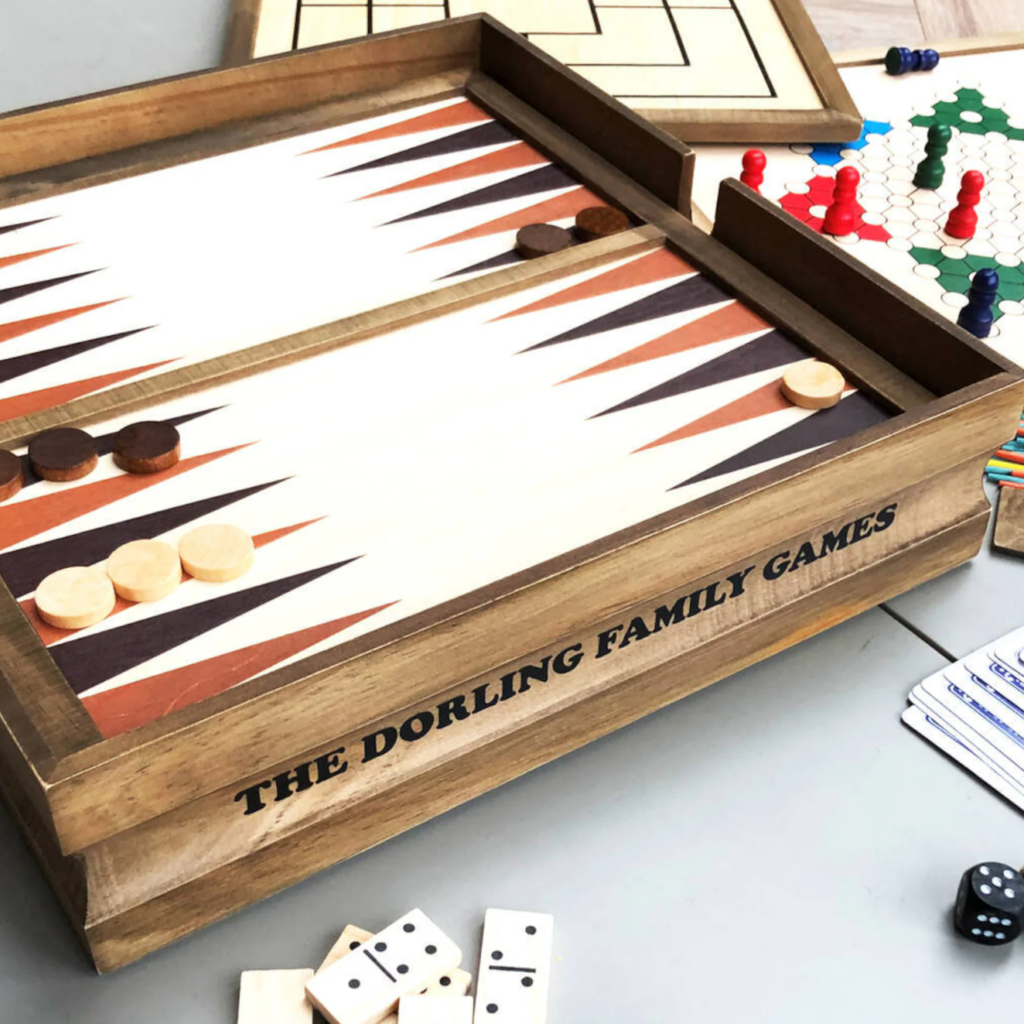
A personalised family game night set is the perfect way to bring everyone together for some fun and lots of laughs.
This Personalised Multi Game Set from Solesmith* is a beautifully crafted wooden board game set that includes all your favourite traditional games like chess, draughts, ludo, Chinese checkers, and more. It’s not just a game set. Personalise it with your family name to make it truly yours.
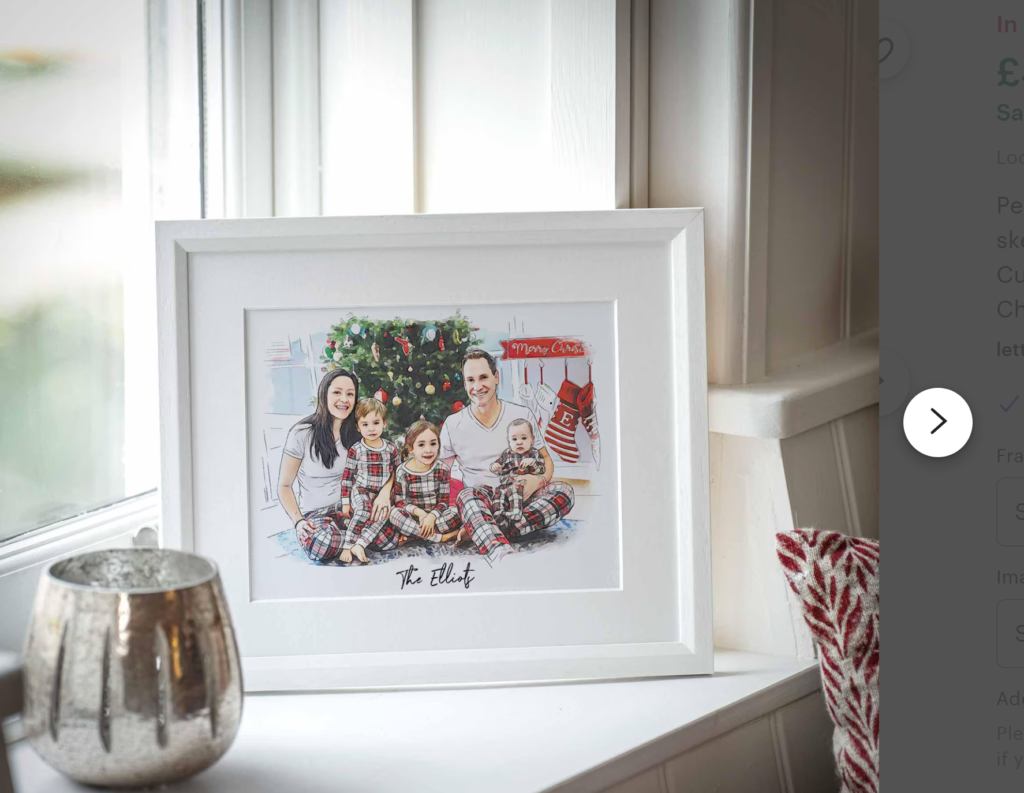
Capture the heart and soul of your family with a personalised family portrait illustration. There’s something magical about seeing your family’s unique quirks come to life in a custom artwork. It’s more than just a picture; it’s a cherished keepsake that adds character to your home decor.
Looking to add a touch of elegance to your holiday celebrations? This Handmade Christmas Scented Candle Gift Set* is just the gift you need! This delightful 3-piece soy candle set comes beautifully packaged in an elegant gift box, complete with a wooden candle holder and a greeting card. Each candle is crafted to provide a long-lasting, clean burn, filling your home with unique scents that capture the festive spirit.
Add a touch of elegance to your home with a personalised family name sign from CanvasArchive*. This rustic winter holiday decor piece is perfect for celebrating your family’s identity and adding a personalised touch to your home decor. Crafted on high-quality canvas, this sign can be customised with your family name and an established date, making it a unique addition to any room.
Bring some festive fun into your kitchen with the Christmas Scene Cookie Cutter and Embosser Stamp Set from DecorAndDecorations*. These unique, handmade cookie cutters are perfect for creating delightful holiday treats with your family. Made from plant-based PLA plastic, these cutters are both eco-friendly and charmingly designed to bring your Christmas cookies to life.
Capture your family’s cherished moments with a Personalised Memory Jar from VintageRose81*. This delightful glass jar, complete with a spring-loaded lid, is perfect for filling with prompts or notes that celebrate your family’s unique memories. Whether it’s for a birthday, anniversary, or Christmas, this memory jar serves as a heartfelt gift that promotes reflection among family members.
Check out this beautiful Personalised Memory Jar* that will become a treasured keepsake in your home!
Welcome your guests with the stunning Christmas Wreath from HomeGoodsByLee*. This frosted winter wreath, with its glossy red and white ornaments, is crafted from high-quality plastic and plush cloth, ensuring durability and vibrant colours that won’t fade. Perfect for hanging on your front door or as an eye-catching centrepiece for any room, this wreath brings festivity to your home. It’s not just a decoration—it’s an invitation to celebrate with extended family and friends!
Check out this elegant Christmas Wreath* that will become a festive favourite for your family!
FAQs
What gift can I make for Christmas?
There are countless DIY options for Christmas gifts that cater to various skill levels and interests. Whether you’re crafting a simple handmade ornament or creating a personalised photo album, the key is to add a personal touch that shows thought and care. Consider making homemade candles, knitted scarves, or custom recipe books—each project can be tailored to fit your creativity and the recipient’s preferences.
What are some unique ideas for homemade Christmas gifts?
Unique homemade Christmas gifts can range from personalised family portraits to DIY bath bombs. Think outside the box with gifts like a custom spice blend set, a hand-painted plant pot, or a memory jar filled with cherished moments. These creative and one-of-a-kind gifts not only stand out but also hold a sentimentala sentimental value that store-bought items often lack.
How can you make your own Christmas gifts?
Making your own Christmas gifts can be both rewarding and fun. Start by gathering inspiration and materials based on the recipient’s interests. Follow online tutorials or craft guides to ensure your project turns out beautifully. Remember, it’s the thought that counts, so don’t be afraid to experiment and add your personal flair to each gift.
The final touches
Choosing handmade gifts from Etsy offers you an opportunity to give presents that are filled with unique creativity. These gifts not only bring joy, but they also support talented artisans and small businesses. As you explore Etsy, you’ll discover a world of personalised gift ideas that make the holiday season even more special for families. Check out their Holiday Hub for more festive handmade ideas!
Links marked with a ‘*’ are affiliate links, which means I may earn a small commission if you click through to buy, at no extra cost to you.
Safety features to consider when choosing a safe sleeper bed
Choosing a safe sleeper bed for your child can be an exciting opportunity to enhance comfort, maximise space, and create a fun sleeping environment. In this article, we will focus on the mid-sleeper bed when choosing a safe sleeper bed for your child, as these versatile beds sit at a medium height and offer storage or safe play areas underneath.
Why choose a mid-sleeper bed?
A mid-sleeper bed is more than just a place to sleep—it’s a versatile and practical solution for any child’s room. These beds offer comfort and they’re an ingenious way to save space and create a multifunctional environment tailored to your child’s needs.
For families working with smaller spaces, mid-sleeper beds are a game-changer. By elevating the sleeping area to a medium height, they free up valuable floor space underneath, transforming it into a usable area for storage, play, or study. Whether you’re dealing with a tiny bedroom or simply want to maximise the room’s functionality, a mid-sleeper bed is a smart choice.
Creative and functional designs
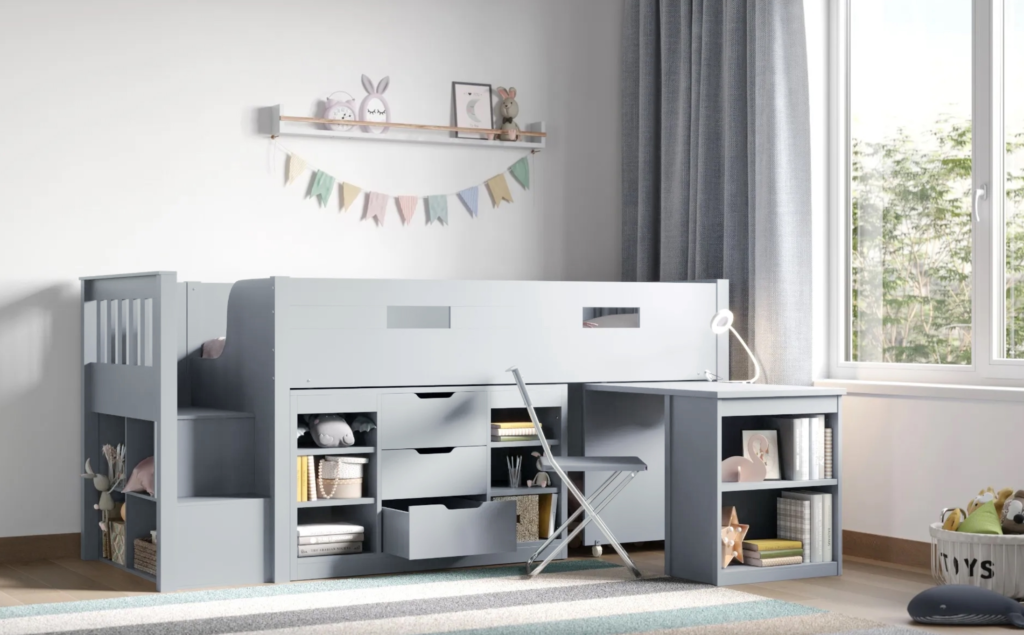
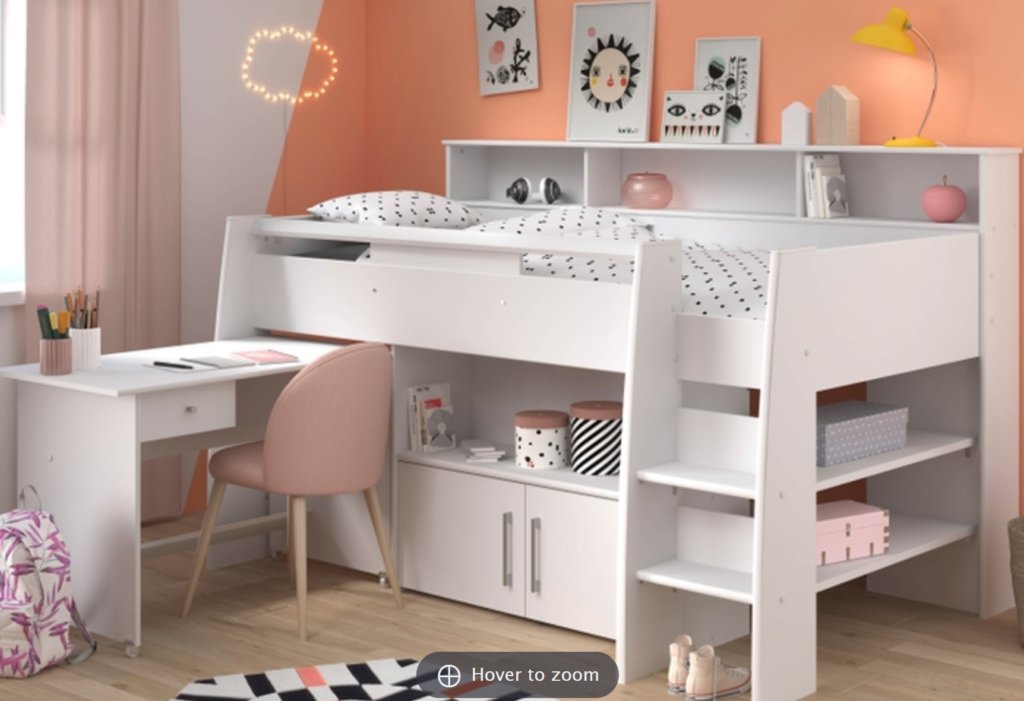
Mid-sleeper beds come in a variety of designs to suit your child’s personality and your family’s needs. Some models include built-in desks for homework, shelving units for books and toys, or even cosy play tents that turn the bed into a private little hideaway. This versatility makes mid-sleeper beds perfect for children of all ages, adapting as they grow and their interests change.
Encouraging growth and independence
When choosing a safe sleeper bed, think beyond the immediate need for a secure sleeping space. Consider your child’s age, interests, and room size when browsing a mid sleeper bed collection to find the perfect fit. Mid-sleeper beds encourage independence by allowing kids to organise their own play or study areas underneath. For younger children, the bed can be a creative space for imaginative play, while older kids can use it as a private nook for reading or studying.
A safe and comfortable choice
Safety is always a priority, and mid-sleeper beds are designed with this in mind. With secure guardrails, non-slip ladders, and robust materials, these beds offer a comfortable sleeping environment that parents can trust. They strike the perfect balance between fun and functionality, giving children a sense of adventure while keeping them safe during sleep.
Safety features to look for in a safe sleeper bed
Safety is non-negotiable when choosing a bed for your child. A mid-sleeper bed, while offering fun and functionality, must meet certain safety standards to ensure your little one is secure during sleep and play. Here’s a closer look at the key safety features you should prioritise:
1. Mattress fit and height
The mattress is a critical part of a safe sleeper bed. An improper fit or incorrect height can compromise the safety of the entire bed. UK and EU mattress sizes differ slightly:
EU single: 90 x 200 cm
UK single: 90 x 190 cm
Snug Fit: The mattress must fit tightly within the bed frame. Gaps larger than 30mm (1.2 inches) between the mattress and the bed’s edges are a hazard, as they can trap small limbs or objects.
Height Matters: The mattress should not exceed the recommended height for the bed’s safety rails. Most manufacturers recommend a mattress no thicker than 16cm (6.3 inches) to ensure the rails effectively prevent falls.
Follow Guidelines: Always check the bed manufacturer’s specifications to select a mattress that complements the frame design and maintains safety.
2. Sturdy construction
A bed is only as safe as its construction. The materials and craftsmanship must be able to withstand everyday use by energetic children.
Durable Materials: Look for mid-sleeper beds made from solid wood or robust metal. These materials ensure the frame can support your child’s weight and activity without bending or breaking.
Rounded Edges: Sharp corners and edges are a recipe for bumps and bruises. Opt for beds with smooth, rounded edges to minimise the risk of injuries during play or climbing.
Non-Toxic Finishes: Children are naturally curious and may touch or even chew on parts of their bed. Make sure the paint or finish is non-toxic, certified child-safe, and free from harmful chemicals.
Regular Maintenance: Even a well-built bed needs regular checks. Inspect the bed periodically for loose screws, worn joints, or other signs of wear and tear, and address any issues immediately.
3. Secure guardrails and ladders
Guardrails and ladders are essential components of a mid-sleeper bed’s safety features. Without them, the elevated design could pose unnecessary risks.
Age-Appropriate Design: Ladders and guardrails should match your child’s developmental stage. For younger children, make sure they can climb the ladder easily and that the guardrails are high enough to provide extra security.
Guardrails: The rails should surround the sleeping area and rise at least 16cm (6.3 inches) above the mattress surface. This height is sufficient to prevent rolling off the bed while still allowing easy access for older children. Ensure the rails are securely fastened to the frame and have no gaps large enough for a child’s head or limbs to get stuck.
Ladders: A sturdy, well-designed ladder is crucial for safe access to the bed. Look for ladders with wide, non-slip steps and strong attachments to the frame. Ensure the ladder’s placement suits the room’s layout, allowing your child to climb comfortably without obstruction.
To help you make the best choice, here are answers to common questions:
What is a safety sleeper bed?
A safety sleeper bed is a secure, enclosed bed designed to provide a safe sleeping environment for children, adults, or individuals with special needs. These beds often feature enclosed sides, durable materials, and protective rails to minimise risks.
What is an autistic safety bed?
An autistic safety bed is specifically designed for individuals with autism to ensure a secure sleeping space. Features often include enclosed sides, soft materials, and customisable options to meet sensory or safety needs.
Are mid-sleeper beds safe?
Yes! Mid-sleeper beds are safe when designed with sturdy frames, guardrails, and snug-fitting mattresses. They are ideal for children who can safely climb a ladder and enjoy the extra space underneath for storage or play.
Can adults use a safe sleeper bed?
Absolutely. Safe sleeper beds for adults are available, particularly for those with special needs or mobility concerns. These beds often include enclosed sides and adjustable features for added safety.
What is the cost of a safety sleeper bed?
The safety sleeper cost depends on the bed’s features, size, and customisation. Prices start from a few hundred pounds, and beds purchased for medical necessity may be covered by insurance.
Are bed side sleepers safe?
Bedside sleepers can be safe if they meet current safety guidelines. Ensure the sleeper attaches securely to the main bed, has a sturdy frame, and includes breathable materials to reduce risks.
What is a letter of medical necessity for a safety sleeper?
A letter of medical necessity is a document written by a healthcare provider explaining why a safe sleeper bed is required for an individual’s medical needs. This letter is often used to secure insurance coverage for the bed.
What is the safest mattress to sleep on?
The safest mattress is one that fits snugly within the bed frame and meets safety standards. For a mid-sleeper bed, ensure the mattress height does not exceed the guardrail’s height.
Is The Safety Sleeper covered by insurance?
Many insurance plans cover The Safety Sleeper, provided it’s deemed a medical necessity. Check with your provider to confirm eligibility.
How safe are bunk beds or high sleepers for children?
Bunk beds and high sleepers can be safe if they have sturdy guardrails, a secure ladder, and are used by children old enough to climb safely. Mid-sleeper beds, with their lower height, are often a safer alternative for younger kids.
Benefits of mid-sleeper beds as safe sleeper beds
Mid-sleeper beds are much more than just a sleeping solution—they’re a versatile, practical, and stylish addition to your child’s bedroom. Let’s dive into what makes these beds so fantastic:
Space-saving designs
For families working with limited space, mid-sleeper beds are a dream come true. By elevating the sleeping platform, they free up valuable floor space for other uses, ensuring every inch of the room is utilised effectively.
Storage Solutions: Many mid-sleeper beds are designed with built-in storage, such as drawers, shelves, or cubbies beneath the bed. These features help keep your child’s room tidy and organised, reducing the need for additional furniture like dressers or toy boxes.
Play Areas: Some models go beyond storage and transform the space underneath into a fun play area. Features like play tents, tunnels, or slides turn the bed into an exciting adventure zone, encouraging imaginative play. For younger children, this makes bedtime something to look forward to rather than a chore.
Multifunctionality
Mid-sleeper beds are designed to adapt to your child’s evolving needs, offering features that grow with them.
Study Stations: Built-in desks tucked beneath the bed create a compact and practical workspace. These desks are perfect for homework, arts and crafts, or reading. They save space and provide a dedicated area for focus and creativity, especially as your child enters school-age years.
Adaptable Features: Many mid-sleeper beds can be reconfigured over time to suit your child’s changing needs. For example, a play area beneath the bed can later be converted into additional storage or a more mature study zone. This adaptability ensures the bed remains a functional piece of furniture for years to come, saving you money in the long run.
Practical for smaller rooms
Not every home has the luxury of large bedrooms, and that’s where mid-sleeper beds shine. They’re specifically designed to maximise functionality in compact spaces.
Maximising Space: By utilising vertical space, mid-sleeper beds leave the floor open for other activities. This is especially valuable in smaller rooms where every bit of space counts. The design encourages a more open and airy feel, preventing the room from feeling cramped.
Easy Access: Unlike high-sleeper beds or bunk beds, mid-sleeper beds have a moderate height that’s perfect for children. They’re easy to climb into, and the reduced height makes parents feel more at ease about safety. This is particularly useful for younger children who might struggle with higher beds but are ready to transition from a standard low bed.
Why choose a mid-sleeper bed?
In addition to their safety and practicality, mid-sleeper beds offer a touch of creativity and fun that transforms a child’s bedroom into their own little world. They combine three critical benefits:
Functionality: Whether it’s storage, play, or study, these beds are designed to fit into busy family lives seamlessly.
Safety: With guardrails, sturdy ladders, and durable materials, mid-sleeper beds prioritise your child’s well-being.
Longevity: These beds grow with your child, adapting to their needs and providing value over time.
For parents looking to create a space that balances fun, safety, and practicality, a mid-sleeper bed is the perfect choice. It’s not just a bed—it’s an investment in your child’s comfort and happiness.
Final thoughts
Choosing a safe sleeper bed, particularly a mid-sleeper bed, offers a wonderful way to create a safe, practical, and fun sleeping environment for your child. With features like secure guardrails, sturdy construction, and multifunctional designs, these beds are perfect for maximising space while ensuring your child’s safety. Don’t forget to check for compliance with safety standards and choose a bed that suits your family’s unique needs.
*Collaborative feature post – images taken from Bedkingdom.co.uk
How to pick the best winter shoes for kids
Winter is the season of snow-filled fun and lots of outdoor adventures. But keeping your child’s feet warm, dry, and comfortable can be a challenge if you don’t start with the best winter shoes for kids that account for all terrain. Whether it’s splashing through puddles or trudging through deep snow, finding the perfect pair can feel like a daunting task. But, we’re here to help! In this guide, we’ll explore top tips, different styles, and frequently asked questions to help you confidently choose the right winter shoes for your little one.
A guide to the best winter shoes for kids
High quality boots for winter are vital for protecting kids’ feet from the cold, wet weather. You need to think about whether the right pair has a balance of warmth, durability, and fit. Here are some other things to think about when considering the right pair of winter girls and boys shoes for your child:
Durability
Kids are notoriously tough on their shoes, whether they’re running, jumping, or trudging through mud and snow. Winter shoes must be able to handle:
Rough Outdoor Play: Materials like high-grade leather, synthetic uppers, and reinforced stitching ensure that boots don’t easily tear or wear out.
Extreme Conditions: Cold climates, heavy snowfall, and muddy terrain can quickly degrade low-quality shoes. Opt for sturdy designs with solid construction to withstand these challenges.
Daily Use: Kids often wear the same shoes to school and outdoor activities. Shoes that hold up to frequent use save parents from having to replace them mid-season.
Look for brands that emphasise quality construction and use durable materials like a rubber sole and reinforced toe caps, which prevent scuffs and extend the life of the boots.
Comfort
Kids need to feel comfortable in their winter shoes, especially during long hours of outdoor play or school days. Key aspects of comfort include:
Insulated Materials: Linings made from fleece, wool, or Thinsulate trap heat, keeping little feet warm even in freezing temperatures.
Lightweight Design: Bulky, heavy boots can make walking difficult and uncomfortable. Choose lightweight options that balance insulation with freedom of movement.
Room for Growth: Shoes that are too tight can cause discomfort and restrict circulation. Look for a snug fit that allows enough room for thick socks while ensuring stability.
Comfortable boots reduce the likelihood of kids complaining about cold feet or refusing to wear their shoes. They also allow for extended outdoor fun without discomfort or irritation.
Weather resistance
Wet feet can quickly ruin a winter outing, so weather-resistant features are non-negotiable. Here’s what to prioritise:
Water resistant Membranes: These act as a barrier to prevent water from entering the shoe while allowing moisture from sweat to escape, keeping feet dry and comfortable.
Rubber Soles: Durable, non-slip rubber soles provide traction on icy or wet surfaces, ensuring safety and stability.
Sealed Seams: Look for snow or rain boots with sealed or taped seams to prevent water from seeping through stitching during rainy or snowy conditions.
In regions with heavy snowfall or constant rain, weather-resistant boots are a game-changer. They keep kids’ feet dry, warm, and protected, reducing the risk of discomfort or even frostbite in severe conditions.
How to dress kids and babies for winter
It’s not just about dressing your child in the right shoe during winter – think about their whole dress. Layering and protecting extremities like hands and feet are also important for maintaining body heat and preventing cold-related discomfort or illnesses.
Be mindful of layers
Layering isn’t just about piling on clothes—it’s about using the right materials in the right order to trap heat and keep kids dry. Here’s a breakdown:
Base layer (moisture-wicking)
Start with a moisture-wicking base layer made from materials like merino wool or synthetic fabrics.
This layer keeps sweat away from the skin, preventing chills as moisture evaporates.
Avoid cotton, as it absorbs moisture and loses its insulating properties when wet.
Middle layer (insulation)
Add a middle layer like a fleece or a lightweight down jacket to trap heat.
This layer acts as insulation, keeping the warmth generated by the body close to the skin.
Outer layer (Wweatherproofing)
Finish with a waterproof and wind-resistant jacket to protect against snow, rain, and wind.
Make sure it has a hood and adjustable cuffs to block drafts and seal in warmth.
For babies, layering is even more critical since they can’t regulate their body temperature as effectively as older kids. Opt for onesies, warm bodysuits, and padded snowsuits with easy snap closures for quick nappy changes.
Keep hands and feet toasty
Extremities like hands and feet lose heat quickly, so extra care is needed to keep them warm.
Feet
Wool Socks: Wool is a natural insulator that wicks away moisture and retains warmth even when damp. In a cold climate, consider thermal wool socks with extra cushioning.
Winter Boots: Pair wool socks with insulated winter boots. Choose boots with fleece or wool linings, a snug fit, and enough room for movement to ensure proper circulation and prevent cold toes.
Fit Matters: Boots that are too tight can restrict circulation and make feet colder, while overly loose boots can let in cold air.
Hands
Mittens vs. Gloves: Mittens are warmer than gloves because fingers are in contact with each other, sharing heat.
Insulated Mittens: Choose mittens with waterproof exteriors and insulated linings to keep little hands dry and warm in snow or rain.
Straps and Clips: Use mittens with adjustable straps or clips to prevent them from slipping off during play.
For babies, consider mittens attached to their snowsuit to avoid losing them. Booties with a snug fit and soft insulation are perfect for keeping their tiny feet warm without constraining movement.
The best winter boots for kids
Finding the perfect winter boots for kids can feel overwhelming, but with the right information, you can make a choice that keeps their feet warm, comfortable, and ready for any adventure. Here’s an in-depth look at the best types of winter boots for kids and what makes them indispensable for cold-weather activities.
Thick Insulation: Snow boots often feature advanced insulation materials like fleece lining, wool, or Thinsulate, which trap heat and ensure toes stay warm even in sub-zero temperatures.
Waterproof Exteriors: The outer material, such as synthetic leather or treated nylon, prevents snow and moisture from seeping in.
High Shafts: Snow boots typically have taller shafts to protect against deep snow, keeping ankles and lower legs warm and dry.
Durable Rubber Soles: The soles are made of thick, non-slip rubber, providing excellent grip and stability on icy or snowy surfaces.
Room for Socks: Snow boots are designed to accommodate thick socks, allowing for an additional layer of warmth without feeling tight or restrictive.
Benefits
Ideal for Harsh Climates: Snow boots are perfect for families living in regions with heavy snowfall or freezing temperatures.
Long-Lasting Warmth: Insulation and waterproofing make these boots ideal for long hours of play in cold climates, such as building snowmen or sledding.
Safety and Stability: Their non-slip soles ensure kids can walk and run confidently on icy or wet surfaces, minimizing the risk of falls.
Tips for choosing snow boots
Opt for boots with sealed seams to maximise waterproofing.
Check for easy fastenings like Velcro or bungee laces, especially for younger children.
Look for brands that test boots in extreme weather conditions to ensure reliability.
Warm boots
Features
While not as heavy-duty as snow boots, warm boots are a versatile choice for everyday winter wear. These boots are perfect for school days, running errands, or light outdoor activities. Key features include:
Fleece or Wool Lining: This inner layer keeps feet cosy during mild to moderate cold weather.
Lightweight Materials: Warm boots are made with lightweight designs, making them easy for kids to wear throughout the day without feeling bulky.
Flexible Soles: Unlike rigid snow boots, these have more flexible soles, which support natural foot movement and make walking more comfortable.
Stylish Designs: Warm boots often come in various colours and patterns, appealing to both kids and parents.
Benefits
Versatile Use: Ideal for school runs, short walks, and light outdoor play on mild winter days.
All-Day Comfort: The lightweight design and flexibility make them suitable for extended wear, even indoors.
Fashionable Options: Warm boots are available in designs that match winter outfits, making them a great option for both practicality and style.
Tips for choosing warm boots
Pick boots with adjustable fastenings to ensure a snug fit.
Look for designs that combine weather resistance with breathability, preventing feet from getting too sweaty.
Prioritise boots with durable soles to handle light rain or slush.
Recycled boots
For eco-conscious families, recycled boots are an excellent option. These boots combine functionality with sustainability, using materials that are repurposed or eco-friendly.
Features
Recycled Materials: Made from recycled plastics, rubber, or other sustainable materials, these boots reduce environmental impact.
Durable and Weather-Resistant: Despite being eco-friendly, recycled boots are designed to handle cold weather and wet conditions effectively.
Breathable and Comfortable: Many recycled boots feature advanced technology to ensure comfort without compromising on warmth or water resistance.
High Performance: These boots often match or exceed the durability and warmth of traditional materials.
Stylish and Unique Designs: Many brands that focus on sustainability offer modern, trendy designs for kids.
The best winter boots for babies and toddlers
Babies and toddlers have unique needs when it comes to winter footwear. Their boots must not only keep them warm but also support their growing feet and early walking stages.
Features
Soft and Flexible Soles: Boots with soft soles are ideal for babies and new walkers, allowing natural foot movement while providing grip.
Wide Toe Boxes: This design gives little toes enough room to grow and move comfortably, preventing discomfort and promoting healthy foot development.
Waterproof Membranes: Babies and toddlers are prone to stepping in puddles or snow, so waterproof boots are essential for keeping their feet dry.
Lightweight Construction: Heavy boots can be cumbersome for toddlers learning to walk. Lightweight designs ensure ease of movement and reduce fatigue.
Benefits
Healthy Foot Development: Soft, flexible soles and supportive shoes encourage proper walking posture and growth.
Warm and Dry Feet: Features like a fleece inner lining and waterproof exteriors keep tiny feet cosy and protected from the elements.
Ease of Use: Many toddler boots come with Velcro straps or pull-on designs, making them easy to put on and take off.
Tips for Parents
Measure your child’s feet regularly to ensure the boots fit properly.
Opt for boots with non-slip soles to prevent falls.
Look for breathable materials to prevent overheating during indoor wear.
FAQ: The best winter shoes for kids
Parents often have questions when it comes to choosing the right winter shoes for their kids. Here are answers to some of the most common concerns:
Snow and cold weather
What shoes should kids wear in the snow? Snow boots with waterproof exteriors, thick insulation, and durable soles are the best option.
What shoes to wear in very cold weather? Boots with fleece linings, waterproof membranes, and a snug fit work best for extreme cold.
Babies and toddlers
What shoes should baby wear in winter? Soft, insulated booties with wool lining and flexible soles are ideal for infants.
What are the best winter boots for toddlers with wide feet? Look for boots with wide toe boxes, adjustable straps, and flexible designs.
General tips
How to choose winter shoes? Prioritise insulation, water resistance, and a proper fit. Make sure there’s enough room for thick socks but not so much that feet slide inside the shoe.
Where to buy winter shoes? Explore trusted brands like Start-Rite Shoes for high-quality options that combine style, durability, and comfort. They have great girls and boys shoes for all sizes and interests.
Care tips for winter boots
To ensure your kids’ winter boots last the entire cold season (and beyond), follow these simple care tips:
Clean Regularly: Remove mud, salt, and debris with a damp cloth to prevent stains and material degradation.
Dry Thoroughly: Allow boots to air dry after each use to avoid dampness, which can lead to odours or mould.
Reapply Waterproofing: Use a waterproofing spray periodically to maintain the boots’ water resistance and keep them in top condition.
Choosing the best winter shoes for kids doesn’t have to be challenging. With the right information, you can find boots that keep your child warm, dry, and comfortable while standing up to all the fun (and mess) that the cold winter brings. Whether you’re preparing for deep snow adventures with sturdy snow boots, lightweight warm boots for everyday use, or eco-conscious recycled options, there’s a perfect fit for every child.
For babies and toddlers, the focus is on flexible soles, wide toe boxes, and waterproof protection, to promote healthy foot development and ultimate comfort. Don’t forget the importance of care and maintenance—proper cleaning, drying, and waterproofing can extend the life of your child’s boots through the entire winter season.
With trusted brands like Start-Rite Shoes offering durable and stylish options, you can confidently equip your little ones for winter.
So, gear up and let your little kids (and big kids!) embrace the magic of winter, knowing their feet are well protected and ready for every snowball fight, puddle jump, and icy adventure!
*Collaborative feature post*
Midwife vs. doctor: what is the difference?
When it comes to pregnancy and childbirth, both midwives and doctors play essential roles, but their training, approach, and scope of practice vary significantly. Choosing between a midwife vs doctor depends on your personal preferences, medical needs, and the type of care you envision for your pregnancy.
Midwives are trained healthcare professionals who specialise in supporting low-risk pregnancies and natural childbirth. They provide hands-on, personalised care throughout pregnancy, labour, and postpartum. In both the UK and the US, midwives focus on emotional support, patient-centred care, and avoiding unnecessary medical interventions. However, certified midwives have varying levels of training depending on the country. For example:
In the UK, midwives are highly trained professionals registered with the Nursing and Midwifery Council (NMC). They can provide care throughout pregnancy, delivery, and postpartum, even in hospital settings, and work closely with obstetricians if complications arise.
In the US, certified nurse midwives (CNMs) are licensed healthcare providers who can prescribe medication and manage labour, but they typically refer to obstetricians if surgical procedures like C-sections are necessary.
Doctors, specifically obstetricians (OBGYNs), are medical professionals who have completed years of medical school and specialised training in pregnancy and childbirth. They are equipped to handle both low- and high-risk pregnancies and are experts in managing complications. Their care often involves a focus on physical health and safety, making them the go-to option for those with complex medical histories or high-risk pregnancies. In both countries, obstetricians can perform surgical procedures such as caesarean sections and are more likely to recommend medical interventions, such as inducing labour.
Whether you choose a midwife or doctor, both offer excellent care tailored to your needs. Midwives may appeal to those seeking a more natural and personalised experience, while obstetricians are ideal for addressing medical complexities. Understanding the key differences in their roles will help you make the best choice for your pregnancy journey, whether you’re in the UK or the US.
Midwives and the care they provide
Midwives play a vital role in pregnancy care, focusing on a holistic approach that prioritises the wellbeing of you and baby. They provide hands-on support, build trusting relationships with their patients, and often act as advocates for natural birth practices. Midwives are well-suited for low-risk pregnancies, but they also have protocols in place to ensure the safety of mothers and babies should complications arise.
How does a midwife’s education differ from an OBGYN’s/doctor’s?
While both midwives and obstetricians are trained to care for pregnant women, their education and training paths differ. Midwives, such as certified nurse midwives (CNMs) in the US or registered midwives in the UK, complete specialised midwifery education programs. These programs focus on normal, low-risk pregnancies, emphasising natural childbirth and patient-centred care.
In contrast, obstetricians undergo years of medical school, followed by a residency in obstetrics and gynaecology. Their training includes a broader focus on medical and surgical procedures, equipping them to manage high-risk pregnancies and complications. While midwives focus on supporting physiological births, obstetricians are skilled in performing interventions like caesarean sections and handling complex medical situations. Both paths require rigorous training but cater to different types of care needs.
Factor
Midwife
Doctor (OBGYN)
Education Level
Nursing/Midwifery Degree
Medical Degree (MBBS, MD, etc.)
Years of Study
3-5 years
10+ years (medical school + residency)
Focus
Normal, low-risk pregnancies
Low- and high-risk pregnancies, surgery
Certification (UK/US)
Registered Midwife (UK), CNM (US)
Obstetrician certified by RCOG (UK) or ABOG (US)
Scope of Practice
Non-surgical
Includes surgery (e.g., C-sections)
How do midwives deal with labour complications?
Midwives are trained to identify and respond to complications during pregnancy and labour. They are skilled in managing common issues, such as stalled labour or minor blood pressure changes, and use evidence-based techniques to promote a healthy delivery. For example, they might suggest positional changes during labour or natural methods to encourage contractions.
However, in cases of significant complications, such as signs of foetal distress or a need for surgical intervention, midwives collaborate with obstetricians or refer care to a doctor. This partnership allows midwives to focus on their strengths—providing individualised, empathetic support—while making sure medical expertise is available when needed. For high-risk pregnancies, midwives may work as part of a team, ensuring all bases are covered for safe delivery.
Midwives’ adaptability and teamwork make them a valuable part of the healthcare system, as they offer safe and supportive care tailored to the needs of each pregnancy.
Doctors/OBGYNs and the care they provide
Obstetricians, commonly referred to as OBGYNs, are medical doctors specialising in pregnancy, childbirth, and women’s reproductive health. Their extensive training allows them to manage a wide range of situations, from routine care to high-risk pregnancies that require close monitoring and medical interventions. OBGYNs are an essential part of the healthcare system, offering expertise that ensures the safety and wellbeing of both mother and baby, regardless of the complexity of the pregnancy.
OBGYNs are particularly skilled in identifying and addressing complications that may arise during pregnancy. For high-risk pregnancies—such as those involving pre-existing medical conditions, multiple pregnancies, or concerns about foetal development—an OBGYN’s ability to assess and respond swiftly is invaluable. They use advanced tools like ultrasounds, foetal monitors, and diagnostic tests to closely monitor both the baby’s health and the mother’s condition.
In hospital settings, doctors/OBGYNs are often the primary care providers, offering immediate access to a range of medical procedures. These include inducing labour, administering epidurals, and performing caesarean sections when necessary. Their expertise in surgical and non-surgical interventions ensures that even unexpected challenges can be handled safely and efficiently.
Beyond the delivery room, obstetricians play a key role in postnatal care, helping mothers recover physically and addressing any ongoing medical concerns. Their ability to provide both routine gynaecological care and specialised obstetric services makes them a versatile choice for seeking comprehensive healthcare.
Can midwives administer pain medication?
Certified nurse midwives are equipped to manage labour pain, though their approach often emphasises non-invasive, natural comfort measures. These may include breathing techniques, hydrotherapy, and position changes to help reduce discomfort during labour. In hospital settings, CNMs can prescribe and administer certain pain relief medications, such as nitrous oxide or intravenous painkillers, and they can facilitate access to epidurals by collaborating with anaesthesiologists.
For those delivering outside of a hospital, midwives may focus more on holistic pain management techniques, as they typically don’t have access to the same medical resources. This approach makes CNMs an excellent option for individuals who want to explore natural pain relief methods with the reassurance of medical support when needed.
Can midwives perform C-sections?
Midwives are not trained to perform surgical procedures like caesarean sections. If complications arise during labour that require a C-section, the care will be transferred to an OBGYN or a surgical team. Midwives often work in close collaboration with obstetricians in hospitals or birthing centers to ensure a seamless transition if surgical intervention becomes necessary.
While midwives are highly skilled in managing low-risk pregnancies and natural births, their role does not extend to operating rooms. This distinction makes OBGYNs the preferred choice for individuals with a higher likelihood of needing surgical procedures due to high-risk pregnancies or medical conditions.
Researching obstetricians: what to know
Choosing the right obstetrician requires careful research and consideration. Credentials and experience should be your top priorities. Start by compiling a list of prospective doctors and verifying their qualifications. Your OBGYN should be board-certified and have a proven track record of successfully managing pregnancies similar to yours.
Make sure your chosen obstetrician has a clean professional history. Check if they have faced disciplinary actions, medical malpractice claims, or received subpoenas for birth injury settlements. The last thing you want is to risk your safety or your baby’s wellbeing by entrusting your care to someone with a record of negligence.
Should I have a midwife or a doctor deliver my baby?
Deciding between a midwife or a doctor to deliver your baby is a deeply personal choice that depends on several factors, including your medical history, birth preferences, and budget. Both options have their strengths, and understanding what each can offer will help you make the best decision for your unique pregnancy journey.
Medical history
Your health and the risk level of your pregnancy play a significant role in this decision. If you have a low-risk pregnancy, a midwife can provide excellent care, focusing on natural birth practices and minimal interventions. However, for high-risk pregnancies or complications such as gestational diabetes, preeclampsia, or previous cesarean deliveries, an obstetrician (OBGYN) is often the better choice. Doctors are trained to handle complex medical situations and have immediate access to surgical and advanced medical care if needed.
Birth preferences
Your vision for your birth experience is another important consideration. If you’re hoping for a natural birth with minimal medical interventions and a more hands-on, personalised approach, a midwife may align better with your preferences. Midwives often emphasise emotional support and patient involvement in decision-making, helping you feel empowered throughout labour and delivery.
On the other hand, if you prefer to deliver in a hospital setting with access to all medical options, including epidurals and emergency interventions, an OBGYN may be the right fit. Obstetricians can provide a more structured approach, which some people find reassuring, especially if complications arise.
Cost
Cost is another factor to keep in mind, particularly in the US, where healthcare expenses can vary significantly. Midwives are often a more affordable option, especially for home births or deliveries in birthing centres. However, if you’re considering hospital-based care, verify what your insurance covers for both midwives and doctors. In the UK, this decision may involve fewer financial considerations, as midwives and doctors are both accessible through the NHS for most pregnancies.
Ultimately, the choice between a midwife and a doctor comes down to your personal circumstances and what feels right for you and your family.
Cost comparison (average estimates):
US:
Midwife (home birth or birthing center): $2,000 – $4,000
Doctor (hospital delivery): $10,000 – $30,000 (with complications)
With insurance: Hospital births typically cost less, but check coverage for midwife services.
UK:
NHS: Both midwives and doctors are free for eligible individuals.
Private:
Midwife-led care: £2,000 – £5,000.
Doctor-led care: £5,000 – £15,000 (depending on interventions).
FAQs: midwife vs doctor: common questions
Do midwives deliver babies?
Yes, midwives deliver babies. They typically assist with low-risk pregnancies and can provide care in various settings, such as homes, birthing centres, and hospitals. Their focus is on supporting a natural birth process while ensuring safety.
Can midwives do gynaecology?
Certified nurse midwives (CNMs) are trained to provide gynaecological care, such as routine exams, Pap smears, and family planning advice. However, you may need to consult a gynecologist (OBGYN) for more complex gynaecological issues.
Can I have a midwife in a hospital?
Yes, many midwives, especially certified nurse midwives, work in hospital settings. They often collaborate with doctors and other healthcare professionals to ensure comprehensive care, particularly if complications arise.
Can midwives administer pain medication?
Midwives often emphasise non-invasive comfort measures, including:
Breathing techniques and guided relaxation.
Hydrotherapy (e.g., labouring in a warm bath).
Aromatherapy or acupressure.
Position changes to relieve pressure and improve labor progress.
In hospital settings, certified nurse midwives can also administer:
Epidurals (in collaboration with an anesthesiologist).
Nitrous oxide (laughing gas).
Intravenous (IV) painkillers.
Is a midwife a doctor?
No, a midwife is not a doctor. Midwives are trained healthcare professionals specialising in childbirth and women’s reproductive health, but they do not attend medical school or perform surgeries like doctors do.
Can midwives perform C-sections?
Midwives cannot perform C-sections, but they often collaborate with obstetricians in hospitals. According to the World Health Organization (WHO), approximately 21% of all births globally are delivered via C-section, with higher rates in hospital settings. For individuals planning a natural birth, starting with a midwife can reduce the likelihood of surgical interventions unless medically necessary
Are midwives as good as doctors?
Midwives and doctors serve different roles, and their effectiveness depends on the context. For low-risk pregnancies, midwives often provide excellent care with a focus on personalised and natural birthing experiences. Doctors are better equipped to handle high-risk pregnancies or complications.
Can I have a midwife and an OB-GYN?
Research from The Cochrane Review indicates that midwife-led continuity models of care are associated with several benefits compared to other models:
16% reduced likelihood of losing the baby before 24 weeks: There was a decreased risk of foetal loss before 24 weeks’ gestation in midwife-led care models.
Higher rates of spontaneous vaginal births: Women under midwife-led care had increased chances of having a spontaneous vaginal birth.
However, obstetricians are better suited for managing high-risk pregnancies or medical complications requiring surgical interventions.
What is the difference between a midwife and a doula?
A midwife provides medical care during pregnancy, labour, and postpartum, while a doula offers emotional, physical, and informational support. Doulas do not perform medical tasks but focus on advocacy and comfort.
Choosing between a midwife or a doctor to deliver your baby is a deeply personal decision that depends on your medical history, birth preferences, and the level of care you envision for your pregnancy. Midwives offer personalised, holistic support and are ideal for low-risk pregnancies, while obstetricians bring the medical expertise necessary for high-risk situations and surgical interventions.
Whether you choose a midwife for a natural, low-intervention approach or an obstetrician for their specialised skills and access to advanced medical care, the most important thing is that you feel supported, safe, and confident in your decision. Pregnancy is a unique journey, and with the right care team by your side, you can have a positive and empowering experience as you welcome your baby into the world.
*Collaborative feature post*
Essential car seat safety tips during school runs with Graco
I have four drop-offs and pick-ups during the dreaded school run, which can last around two hours each way. So, it’s safe to say I’ve seen my fair share of driving mishaps, which have either caused me to emergency brake or swerve towards the curb. Each time there has been a jolt at the back of the car, I’m thankful my kids’ car seats were secure enough to handle the near-misses.
However, I haven’t always been on top of car seat safety in the last 14 years. Safety on the road has always been a huge concern for parents, especially during the hectic school runs where the risk of accidents increases significantly.
So, in the run-up to Road Safety Week (17th to 23rd November) and in collaboration with Graco and their ‘Safety Within’ campaign, we thought it would be a great time to revisit car seat safety measures, especially during the school runs, so we can feel safe and secure even when the roads can get quite hectic.
In this guide, we will deep dive into car seat safety and shed light on the often-overlooked dangers of school commutes. We will also go through appropriate safety measures for older children, as often parents believe our kids are too big for car seats, which isn’t always the case. We will also explore Graco’s dedication to enhance daily travel safety for families, so your most precious passengers are protected at all times.
Why Road Safety Week?
Road Safety Week is more than just a campaign and annual observance; it’s a crucial intervention designed to make our roads safer for everyone, especially our children. Road Safety Week serves as a potent reminder of the risks present every time we buckle our children into their car seats and start the engine. The point is to educate about safe practices and advocate for policies that protect all road users.
Why are we focusing on the school runs though?
School runs tend to be the times when children are most at risk on the roads. As evidenced by alarming statistics from the Department of Transport, nearly one in six-weekday car accidents occur when children are being dropped off (8-9 am) or picked up (3-4 pm) from school.
This period of high traffic and increased activity can also lead to rushed decisions and not paying attention, with the Department of Transport reporting that distractions inside the vehicle have been a contributory factor in 85 deaths and 4,103 injuries, ranging from mobile phone usage to activities involving other passengers, particularly children. These activities include managing children, such as attending to their needs or settling disputes, which can divert the driver’s attention from the road.
Furthermore, Allianz reported that insurance claims peak around 3pm, coinciding with the end of the school day when people are collecting kids and highlighting the afternoon rush hour as a critical time for heightened vigilance – people seem less alert during these times than the morning drop.
Driving on autopilot in familiar settings—often the case during regular school runs—means drivers are not as alert to unusual situations. This lack of alertness is a critical factor in why many accidents occur within a 10-mile radius of the home. In response to these risks, drivers are urged to exercise extra caution during school run rush hours and adhere to a recommended speed limit of 20mph in these community areas. This lower speed limit is intended to enhance safety for all road users, especially the young pedestrians who may unpredictably enter the roadway.
Graco has been a proud supporter of Brake for two years, the road safety charity behind this significant week, to promote safety and actively make road travel safer, especially during the school runs. Graco is enhancing its involvement by aligning its ‘Safety Within’ campaign with Brake’s Road Safety Week and this campaign will be featured on Graco’s Instagram account from November 17th to 23rd, providing daily child car safety tips aimed at educating parents and improving road safety awareness.
“Graco has been trusted by families to keep children safe in car seats for over 60 years, and supporting Brake helps us to extend that trust to the wider community.”
Luisa Rollins-Svensson, Consumer and Trade Marketing Manager at Graco UK
Graco wants to educate parents about these statistics and the real risks they represent, so we can all adopt a more safety-conscious approach to school runs. This focus is not only about preventing accidents but also about instilling lifelong safe driving habits that ensure our children’s safety every day.
Brake’s comprehensive safety guidelines for families
Brake provides invaluable guidance (you can find more information here) to protect children in and around vehicles, so that every journey is as safe as possible. Here are some important tips on how to be safe on the road:
Select the right vehicle for family safety
Choosing a safe car is the first step in safeguarding your family on the road. The EuroNCAP safety ratings are an invaluable resource for assessing a vehicle’s protective capabilities in crash scenarios and offer detailed insights into how well a car safeguards its occupants, including children, and pedestrians outside the vehicle.
These ratings evaluate everything from the effectiveness of seat belts and airbags to the structural integrity of the car in frontal, side, and rear collisions. Furthermore, opting for vehicles equipped with advanced safety technologies—such as autonomous emergency braking systems—can significantly enhance safety. These systems help prevent accidents by automatically applying the brakes if a collision is imminent, potentially saving lives. Additionally, cars designed with features that minimise injuries to pedestrians, such as softer bonnet materials and external airbags around the windscreen, represent a thoughtful choice for families concerned with both in-car and external road safety.
Make sure your child is properly restrained
Always use a child seat that is appropriate for your child’s height, age and development, certified with the United Nations E mark or BS Kitemark, and preferably new to avoid risks associated with wear or unknown history. For optimal safety:
Use rear-facing seats for as long as possible (Graco recommends up to at least 4 years if possible).
Make sure the car seat fits the child’s current size and switch to the next size only when necessary.
Continue using a child seat until the child reaches 150cm, so they continue to be safe in the car.
Adopt these driving behaviours to minimise accidents
Speed control and minimising distractions are paramount. Encourage safe driving behaviours by setting a personal example, i.e.:
Adhere to speed limits, especially in residential and school areas, and drive at 20mph where possible
Never use your phone while driving. If necessary, store it in the glove box to avoid temptation.
Engage your children in maintaining safety by asking them to remind you about safe driving practices. We will discuss this in more detail below.
Rethink the School Run
If feasible, reduce the reliance on driving for school commutes:
Encourage walking or cycling to school to promote safety, health, and environmental benefits.
If driving is necessary, consider parking a short distance from the school and walking the rest of the way to alleviate congestion at school gates and minimise the risk of accidents.
Never leave children unattended in a vehicle
We cannot overstate the dangers of leaving children alone in a vehicle, especially in warm conditions. Always ensure your children are never left in a car unattended, as this can lead to tragic consequences.
A deeper dive into car seat safety guidelines
Your child’s safety during every car journey is paramount and with Graco’s expert advice and innovative car seats, you can be confident that your little ones are securely and comfortably buckled up. We will go through some of Graco’s tools and resources to ensure you are as safe as possible on the road.
Legal and safety requirements for car seats
Airbag deactivation: When using a car seat in the front passenger seat, it’s a legal requirement to deactivate the front airbags, to prevent injury in the event of an accident. Always consult your vehicle’s manual and the car seat’s instruction manual to ensure correct installation and airbag deactivation.
Appropriate sizing: Children should use car seats that are appropriate for their size until they reach 150cm. Do not rush the transition from one stage of child seat to another. Safety first!
Extended rear-facing use: Keep your child in a rear-facing seat until they reach a minimum of 75cm and 15 months of age. Extensive research has shown that rear-facing seats offer better protection for your child’s head, neck, and spine.
Regular fit checks: Regularly check that the car seat fits your child’s current height. i-Size and R129 standards use height as the primary indicator for seat suitability. Graco’s car seat buying guide can help you make sure your seat is the right fit.
Travelling with children requires not only the right equipment but also the knowledge of how to use it effectively to ensure maximum safety. Here are some expert tips to make sure every journey with your little ones are as safe as possible:
Remove your child’s coat during the colder months
During colder months, remove your child’s coat before securing them in their car seat, so the harness fits snugly against their chest and shoulders. You can place the coat or a blanket over the secured harness for additional warmth without compromising on safety.
Harness security – try the pinch test
To check if the 5-point harness is tight enough, perform the pinch test. Try to pinch the strap at your child’s shoulder; if you can pinch a fold in the fabric, the harness is too loose and needs adjusting. Make sure the harness straps are level and equally tight on both sides to provide balanced support and restraint.
Optimal seating position – SHH! (seat, headrest, handlebars)
When considering the optimal seating position, think SHH! (which is what I use to remind myself that I’ve checked everything). Always position the youngest child or the child in the rear-facing seat behind the passenger seat. This positioning is safer during an accident, breakdown, or even when you’re parked, as it allows you to access your child safely from the pavement side without exposing them to road traffic.
Adjust the headrest so the bottom aligns with your child’s chin and sits 2-3 cm above their shoulders. This ensures the headrest can protect the head efficiently without causing discomfort or restricting movement.
For Group 0+/i-Size infant carriers, keep the handlebar upright as it acts as a secondary safety feature during collisions, helping to protect your baby further.
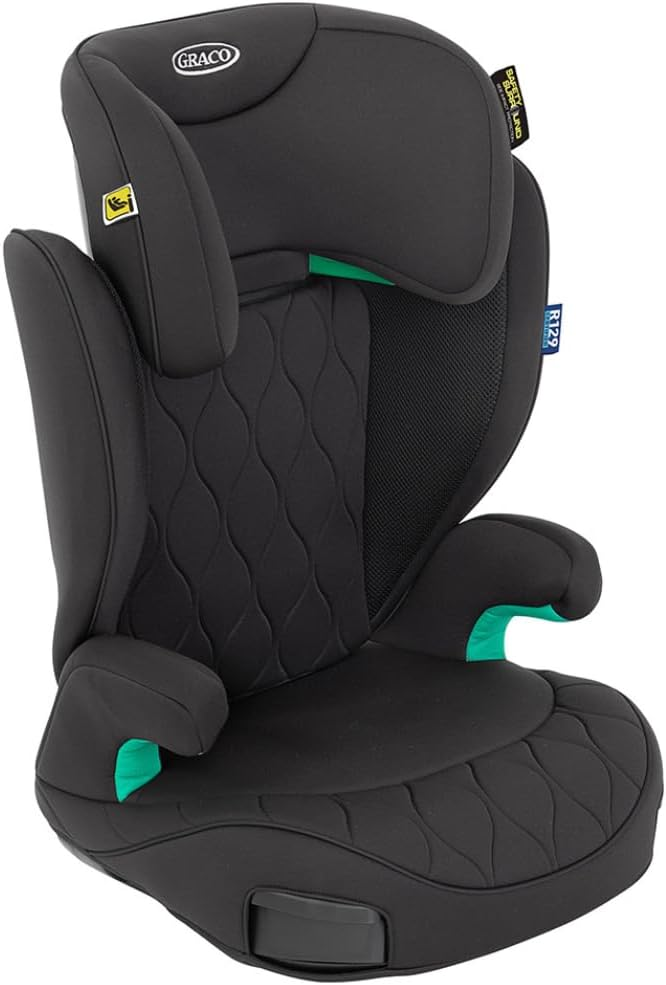
The Graco Affix i-Size R129 ISOFIX Highback Booster grows with your child
Age and Size Adaptability: Suitable for children approximately aged 3.5 to 12 years, accommodating heights from 100 to 150cm.
Safety Certifications: The seat is i-Size and R129 certified, meeting the latest safety standards, which include advanced side impact protection to safeguard your child in the event of a side collision.
Installation Ease: Colour-coded ISOFIX connectors make the installation process straightforward, minimising errors and enhancing overall safety.
Lightweight and Portable: Weighing just 4.2kg, this booster is easy to transfer between vehicles, making it ideal for families on the move.
Comfort Features: Includes breathable fabrics for side ventilation, a 10-position adjustable headrest, premium padded seat and armrests for comfort on long journeys. Dual retractable cupholders keep necessities within easy reach too.
One of Brake’s innovative strategies is to recommend involving children actively in their own safety. One of these strategies includes encouraging children to role-play as ‘police(wo)men’, overseeing the safety practices within the car. This role-playing activity does more than entertain; it empowers children to actively participate in maintaining safety. It’s a fun and interactive way to monitor and remind about safety protocols such as seatbelt usage and proper seating, but it also instils a sense of responsibility and awareness about road safety from a young age. Children can develop a deeper understanding of safe driving practices, making them more likely to grow up with a conscientious approach to driving and road use.
You can support these initiatives by reinforcing the message that road safety is crucial and everyone has a role to play in ensuring a safe journey.
FAQs on car seat safety during school runs
1. What is the proper car seat safety during school runs?
Proper car seat safety involves using a car seat appropriate for your child’s height, age, and weight. Make sure the seat is installed according to the manufacturer’s instructions and secured tightly in your vehicle. Always use the harness and buckle system as directed to keep your child safely restrained during each journey.
2. At what age do you stop using a car seat?
You should continue using a car seat until your child reaches the height or weight limit specified by the seat’s manufacturer. After they outgrow the car seat, transition to a booster seat until they are tall enough to properly fit your vehicle’s seat belts, which is typically when they are about 150cm tall or 12 years old.
3. How can I ensure my child’s car seat is installed correctly?
To ensure correct installation, follow the car seat manual and your vehicle’s instruction manual carefully. Use either the seat belt or LATCH system to secure the seat. After installation, the seat should not move more than an inch side-to-side or front-to-back. If unsure, visit a local car seat inspection station for professional assistance.
4. What are the CDC recommendations for car seats?
The Center for Disease Control and Prevention (CDC), America’s leading science-based, data-driven, service organisation that protects public’s health recommends keeping children in rear-facing car seats for as long as possible, moving to a forward-facing car seat with a harness until they reach the maximum weight or height limit, and then switching to a booster seat. They should remain in a booster seat until adult seat belts fit properly.
5. How do I check car seat safety ratings?
Car seat safety ratings can be checked through consumer reports or safety organisations that conduct and publish crash testing and safety evaluations, such as the National Highway Traffic Safety Administration (NHTSA) or the Insurance Institute for Highway Safety (IIHS).
6. Are booster seats safe?
Yes, booster seats (highback or backless) are safe and necessary for children who have outgrown their forward-facing harnessed seats but are not yet large enough for adult seat belts. Boosters elevate children to a height where the seat belt fits them properly over the sternum and the centre of the collarbone, not the neck, and low across the upper thighs, not the abdomen.
7. Why is car seat safety important?
Car seat safety is crucial as it significantly reduces the risk of injury or death in the event of an accident by properly securing the child and ensuring that impact forces are distributed over the strongest parts of the body.
8. How often should I check my child’s car seat for issues?
Check your child’s car seat regularly, at least once a month, to ensure there are no loose parts, and that straps and harnesses are not twisted or frayed. Always replace the car seat after any incident.
Final thoughts
Throughout this article, we have emphasised the pivotal role of car seat safety, particularly during school runs—a time when our children are frequently on the move and most vulnerable. Graco, in collaboration with Brake, has taken significant steps through its ‘Safety Within’ campaign to enhance awareness and instil rigorous safety measures, especially about the critical nature of properly fitted and utilised car seats. You must regularly check your child’s car seat meets current safety standards, such as the i-Size and R129 certifications, and ensure that these seats are correctly installed and maintained.
The statistics speak for themselves: accidents during school runs are not just possible but prevalent, with a disturbing number of these incidents attributed to preventable causes such as distraction and improper seat usage. So adhering to the guidelines provided, such as ensuring the correct seat for your child’s size and age and engaging children in safety practices, means you can drastically reduce these risks.
Every journey matters, and every precaution taken is a step toward safeguarding our children’s futures. Graco’s longstanding commitment to safety and their active involvement in Road Safety Week serves as a model for how companies and parents alike can contribute to creating safer travel environments for everyone.
For more detailed information on the latest in car seat safety technology and tips for secure travel, visit Graco’s website. Additionally, to stay engaged with ongoing safety campaigns and to find daily tips on protecting your little ones on the road, follow Graco’s Instagram. Join the ‘Safety Within’ campaign and become part of a growing community dedicated to ensuring that every child is protected, every journey, every day.
*This post is sponsored by Graco, but all thoughts are 100% my own – Some images are taken from Graco’s website*
At what age should a child sleep in their own bed?
We converted our fourth room from an office to the girls’ room, with a gorgeous bunk bed and not much else because the room is tiny. They slept in that room once, favouring our ginormous super king-sized bed and Mummy the radiator instead of sleeping super far away and alone, as my three and five-year-old constantly moan.
The truth is, I’m not in a rush to kick them out, however, I do worry about their independence and ability to self-soothe. However, what happens when you want your bed back, but your child refuses to go? What age should a child sleep in their own bed? And, how do you transition them eventually into their own room?
In this article we will deep dive into the typical ages and stages for transitioning kids to their beds, practical tips for making it smoother, and how to handle any hurdles along the way.
What age should a child sleep in their own bed?
Dr. Mickey Mehta, a pioneer in holistic wellness and over 40 years of professional experience states that until the age of seven, a child’s mirror neurons are like sponges, soaking up every signal around them. And when a child cries out through fear or other bodily need, especially in the middle of the night, the mother’s instant soothing is a comforting presence around the child and the child’s erratic heartbeat comes back to a normal rhythm much quicker than when they are in another room. You can view the clip here where he said this.
And, while studies1 show co-sleeping in the first year has a detrimental effect on sleep patterns later in preschoolers, such as disrupted sleep, more frequent night awakenings and dependency on new parents, as well as of course, safety concerns such as sudden infant death syndrome (SIDS), they did recommend room-sharing but on separate surfaces. They also found a link to more emotional closeness and wellbeing, especially during breastfeeding.
Eventually, we reach a point where it’s time to encourage a bit of independence (for them and us!). But the answer as to when that will be will lie in your child’s indsimbividual development, family dynamics and the culture you grew up in.
Generally, many children move from a cot to a big kid bed between 18 months and 3 years of age and the NHS advises that toddlers aged 1 to 2 years should have a consistent bedtime routine to support healthy sleep habits and get 11 to 14 hours of a good night’s sleep – this includes naps.
Additionally, the Newcastle Hospitals NHS Foundation Trust notes that while co-sleeping is common in many cultures, it’s very important to keep the sleeping environment safe and that your child is safe, ready and comfortable for the transition to their own bed.
Understanding the importance of independent sleeping
Encouraging your child to eventually sleep on their own is a huge milestone which also builds their emotional growth and self-reliance. Independent sleeping helps your child develop self-soothing skills which are responsible for managing stress and anxiety and it also helps them gain confidence to navigate the bedtime routines on their own. And, for parents, this means better quality sleep too and an opportunity to reestablish personal space, which could help with overall family well-being.2
Kids are normally ready to to sleep in their beds around the ages of two to four years, and the bed can be in the parents’ room to help facilitate the transition, although this age can vary on the child and family circumstances. Approach this transition with patience and consider that your child has been nestled comfortably with you, not only in the womb but outside too, so this is a huge learning curve for them as well as for you.
When should a child sleep in their own room?
Determining the right time for your child to transition to their own room is a huge decision. The NHS advises that babies should sleep in the same room as their parents for the first six months to reduce the risk of Sudden Infant Death Syndrome (SIDS).
After this period, many children may be ready to move to their own room between 6 to 12 months, though some parents (like me) may choose to wait until their child is older.3
Some points worth considering when transitioning your child to their own room
Room setup and safety: Make sure the child’s room is safe and conducive to sleep. This includes a comfortable temperature, appropriate lighting, and a crib or bed that meets safety standards.4
Address separation anxiety: It’s common for children to experience separation anxiety during this transition. Gradual steps, such as starting with naps in their own room or spending playtime there, can help ease the process.5
Consider the impact of co-sleeping on sleep habits: While co-sleeping can promote closeness, it may lead to sleep associations that make independent sleeping challenging. So, while transitioning to separate sleeping spaces can promote better sleep habits for both you and your child, be mindful that this may take time.
What are the benefits of your child sleeping in their own room?
Improved sleep quality: Children often sleep more soundly in their own space, leading to better rest for both them and their parents.6
Development of independence and self-soothing skills: Sleeping alone encourages your child to develop self-soothing techniques and promote independence and confidence.
Signs that your child is ready for their own room
Expressing a desire for independence: If your child shows interest in having their own space or exhibits a desire for privacy, this may mean they are ready for their own room.7
Ability to self-soothe: Children who can calm themselves when upset or fall back asleep without parental intervention are often prepared for independent sleeping.
Consistent sleep patterns: A regular sleep schedule and the ability to sleep through the night suggest that your child is ready to transition to their own room.
But, again, remember that every child is unique, so it’s important to consider your child’s individual readiness and family circumstances when making this transition.
Transitioning from a cot to a bed
Moving your child from a cot to a bed is a big step and one that can bring excitement and anxiety at the same time! You can make it a smoother transition by doing up the room to their liking, choosing the right firm mattress and bed, and creating a cosy and welcoming space. Here’s how:
Choosing the right mattress for your child’s bed
A quality mattress is so important to support your child’s growth, comfort, and overall health. The Simba Hybrid Kids Mattress* is a great example, designed to provide a medium-firm feel that supports healthy bone development and proper spinal alignment. This mattress combines Aerocoil® microsprings and high-definition foam, ensuring both comfort and durability, while a breathable, hypoallergenic cover helps create a clean and safe sleep environment8.
In collaboration with Simba, we reviewed the Simba Hybrid Kids Mattress* for our kids’ new bunk bed and so far we have had mixed results with them staying in their room, although it has been a huge improvement. But the girls did mention how comfy their bed was so it’s only a matter of time before I get to sleep like a starfish again and not curled up in the foetal position at the very corner of our bed!
Making the move exciting with the right setup
Involving your child in setting up their new bed can make the transition easier and more fun. They can pick out new sheets (my girls went for Monster High and Unicorns, naturally) and arrange their favourite toys around the room to promote a familiar and cosy atmosphere. Let them explore the comfort of the new mattress and give them some control over their sleep space, so it builds excitement and ownership.
How to encourage your toddler to sleep in their own bed
Transitioning your toddler to sleep in their own bedroom is a significant milestone that requires patience and consistency. Here are some strategies that can help the process:
Don’t rush the process
Allow your child ample time to adjust to sleeping independently. Speak with them about how much of a grown up they are and how exciting it is to have their own space. But listen to their concerns and don’t try to brush them away. They are very real concerns and they deserve acknowledgement.
Make the transition exciting
Involve your child in selecting new bedding or decorations for their bed. Emphasise the ‘big kid’ nature of this big change to make it more appealing and create a positive association with their new sleeping environment, to help them embrace the transition.9
Reward them when they succeed
Implement a reward system to celebrate nights they stay in their own bed. This could include stickers, a small prize, or an extra bedtime story. Positive reinforcement can motivate them to continue sleeping in their own room.
Stay consistent
Establish and maintain a regular bedtime routine, following the same steps each night. Consistency helps your child understand expectations and creates a sense of security.
Teach them to go back to sleep on their own
Encourage self-soothing techniques to help your child feel secure and fall back asleep independently if they wake during the night. This might include having a favourite stuffed animal, blanket or using night lights. You can also use the staggered anxiety ladder approach which I explain more about in this article here.
How do you create a sleep/bedtime routine that works?
Creating a consistent bedtime routine will help your child adjust to sleeping in their own room. The routine includes a predictable sequence of calming activities, which signals it’s time to wind down for sleep.
Tips for creating a bedtime routine:
Set a consistent bedtime: Aim to start the routine at the same time each evening to regulate your child’s internal clock.10
Engage in calming activities: Incorporate soothing tasks such as a warm bath, reading a story, or gentle music to help your child relax.11
Limit screen time: Avoid screens at least an hour before bed, as the blue light can interfere with melatonin production and disrupt sleep.12
Create a comfortable sleep environment: Make sure the bedroom is quiet, dark, and at a comfortable temperature to encourage restful sleep.
Be consistent: Follow the same steps in the same order each night to establish a sense of security and predictability.
FAQs
Q: When should a child sleep in their own room?
In the UK, the NHS advises that babies should sleep in the same room as their parents for the first six months to reduce the risk of sudden infant death syndrome (SIDS).
After this period, many children are ready to sleep independently. However, some experts suggest that between the ages of 2 and 3 is a suitable time to introduce solo sleeping, as children develop greater independence and may be more willing to explore their own space.
Ultimately, the decision should consider your child’s readiness, temperament, and the family’s unique circumstances.
Q: What are the benefits of a child sleeping in their own room?
Sleeping in their own room can help children develop self-soothing skills, leading to better sleep quality. It also fosters independence and confidence, as they learn to manage bedtime routines without parental presence. For parents, this transition often results in improved sleep and personal space, contributing to overall family well-being.
Q: How can I tell if my child is ready for their own room?
Signs that your child may be ready to sleep in their own room include:
Expressing a desire for independence: Showing interest in having their own space or demonstrating a desire for privacy.
Ability to self-soothe: Calming themselves when upset or falling back asleep without parental intervention.
Consistent sleep patterns: Maintaining a regular sleep schedule and sleeping through the night.
Q: What tips can help transition my child to their own room successfully?
Create a positive environment: Involve your child in decorating their room to make it inviting.
Establish a consistent bedtime routine: Follow the same calming activities each night to signal it’s time for sleep.
Gradual transition: Start with nap time in their own room before moving to nighttime sleep.
Provide comfort items: Introduce a favourite stuffed animal or blanket to offer security.
Q: How do I establish a sleep routine for my child in their own room?
Set a consistent bedtime: Aim to start the routine at the same time each evening to regulate your child’s internal clock.
Engage in calming activities: Incorporate soothing tasks such as a warm bath, reading a story, or gentle music to help your child relax.
Limit screen time: Avoid screens at least an hour before bed, as the blue light can interfere with melatonin production and disrupt sleep.
Create a comfortable sleep environment: Ensure the bedroom is quiet, dark, and at a comfortable temperature to facilitate restful sleep. The
Be consistent: Follow the same steps in the same order each night to establish a sense of security and predictability.
Q: How can I transition my child from co-sleeping to independent sleeping?
Communicate the change: Discuss the upcoming transition with your child to prepare them mentally.
Gradual steps: Start by having your child nap in their own toddler bed before moving to nighttime sleep.
Stay close initially: Sit with your child as they fall asleep in their new bed, gradually reducing your presence over time.
Offer comfort items: Provide a favourite toy or blanket to help them feel secure.
Final thoughts
Transitioning your child to their own bed and eventually to their own room is such a major milestone that can positively impact their development. But it requires patience, consistency, and encouragement as your child adapts to change at their own pace. Start with establishing a regular sleep routine, creating a comforting sleep environment, and reinforcing self-soothing skills, so your child feels supported at all times.
The NHS recommends keeping your baby in your room for the first six months to reduce the risk of SIDS, but beyond this stage, the timing of moving them to their own room is flexible, based on their individual readiness and family needs. With benefits like improved sleep quality, increased independence, and the development of healthy sleep habits, independent sleeping can be a rewarding transition for both children and parents.
While this process might come with challenges, approaching it with empathy and flexibility can help your child feel confident in their new routine and set the foundation for lifelong healthy sleep habits.
*We were gifted the Simba Hybrid Bunk Bed Mattress but all thoughts are 100% our own. Links marked with a ‘*’ are affiliate links, which means we may earn a small commission if you click through to buy at no extra cost to you.*
The benefits of play therapy autism activities in kids
Play therapy is a wonderful way to encourage kids to open up on topics they may not feel comfortable expressing verbally. For children with autism, where communication can be especially challenging, these therapeutic activities can make a world of difference.
Both play and speech therapy offer children the chance to learn, grow and connect in ways that feel natural and enjoyable. Therapy isn’t just about addressing communication challenges-it’s also about nurturing social skills, building emotional resilience, and creating a space where children can truly be themselves. Let’s explore this guide to autism speech therapy and how storytelling and other methods in play therapy autism activities can support children on the autism spectrum in meaningful, holistic ways.
Why play therapy autism activities are crucial
Play therapy and speech therapy provide unique benefits for children with autism, especially when therapists adapt these approaches to suit meet a child’s individual needs. While speech therapy often focuses on improving communication skills, play therapy engages children in creative and sensory activities that improve fine motor skills, support sensory processing, and strengthen social interactions.
Together, these therapies provide a safe and structured environment where children can practice essential skills-like turn-taking, managing emotions and interpreting social cues—all while having fun. Through engaging storytelling games, pretend play, and interactive activities, children with autism can explore and practice these skills in ways that feel natural and fulfilling.
The importance of a supportive environment
Children with autism face unique challenges in daily life, from interpreting social cues to managing sensory sensitivities. A structured, supportive environment allows them to explore these areas with greater confidence. In play and speech therapy,, the environment provides a safe space for the child to express themselves, interact with others, and experience sensory activities in ways that are not overwhelming.
Therapists play a key role in setting up this environment. They plan activities that feel playful but are thoughtfully designed to support specific developmental goals. For example, storytelling games allow children to use language creatively, practice listening, and engage in social interactions—all without feeling pressured. This type of environment is essential for making progress that feels both natural and meaningful.
Play therapy ideas for autism
Play therapy for autistic children includes structured activities that support emotional and social growth. Here are some play therapy techniques that can be especially effective:
1. Storytelling through sensory bins and sensory swings
Sensory bins and swings are popular tools in occupational therapy and provide calming sensory input, helping children regulate sensory sensitivities. But beyond their sensory benefits, these can also be great tools for storytelling.
For example, a sensory bin filled with rice or sand allows children to explore objects by uncovering small toys or figurines. Therapists can prompt children to create a story with the items they find, which helps them connect objects to language and narrative. Sensory swings, meanwhile, offer a fun, safe environment where a child might tell a story or listen to a therapist tell one, further reinforcing relaxation with language skills.
2. Pretend play and role-playing games with a storytelling focus
Pretend play is essential for social development. It allows children to act out familiar scenarios, explore emotions, and even practice empathy. For instance, playing “house” lets children act out routines like preparing meals or getting ready for bed, which helps them process daily experiences in a safe, imaginative way.
In these scenarios, storytelling often emerges naturally as children create dialogue and situations for their characters. Role-playing games, adapted for group play, allow children to take on different roles, encouraging turn-taking and active listening. For children who struggle with social cues, pretend play and storytelling create a low-stakes environment for practicing language and social skills without fear of judgment.
3. Interactive group games with storytelling elements
Group activities, like board games or scavenger hunts, can be adapted to include storytelling. Board games that involve dice or drawing cards allow children to create stories as they play, adding another layer of engagement and imagination.
For example, therapists might modify a board game so each turn involves describing what a character in the game is doing or feeling, incorporating storytelling while focusing on language and social skills. Group storytelling activities encourage children to work together, listen to one another, and develop narrative skills in a fun and supportive setting.
The role of speech-language pathologists in storytelling-based interventions
Speech-language pathologists (SLPs) play a crucial role in implementing storytelling games as therapeutic tools. They select and adapt games to target specific speech and language goals for each child, guiding gameplay, modeling language use, and providing feedback to reinforce learning.
SLPs can make therapy sessions more engaging and motivating for children with autism, helping them practice essential communication skills in enjoyable, low-pressure settings.
SLPs may use picture-based storytelling for minimally verbal children, where they present a series of images and encourage the child to describe the scenes. This technique not only supports vocabulary and sentence structure but also provides an opportunity for children to practice sequencing, a critical component of storytelling that helps improve narrative skills and logical thinking.
The benefits of storytelling in speech therapy for autism
Storytelling is a powerful tool within speech therapy, especially for children on the autism spectrum, because it combines language development, social engagement, and emotional expression in one activity. Here’s how storytelling-based speech therapy can support children in building vital communication skills.
1. Enhancing language and communication skills through storytelling
Storytelling games are one of the most effective ways to enhance language skills in speech therapy. These games allow children to create and share stories, which promotes expressive language and vocabulary building. For children who are minimally verbal, picture-based storytelling provides visual cues, helping bridge the gap between thoughts and spoken words.
For example, a speech therapist might guide a child through a series of images and ask them to describe what’s happening in each one. This activity helps children practice sentence structure, vocabulary, and narrative skills, fostering comfort with language and making it easier to communicate needs and feelings.
2. Practicing social communication through storytelling scenarios
Social communication is another area where storytelling makes a big impact. Through storytelling games, children can practice conversation skills like initiating topics, maintaining dialogue, and responding to others.
Therapists might use a simple story and prompt the child to continue it, allowing them to add details or respond to questions about the characters’ actions or feelings. These interactive storytelling sessions give children a chance to practice the back-and-forth of real-life conversations in a supportive, structured environment.
3. Building Emotional Expression through storytelling characters
Storytelling is also effective for helping children explore and express emotions. By interacting with different characters and scenarios, children learn to identify and understand various emotions, as well as how to manage them.
For instance, therapists might introduce a story with characters experiencing a range of emotions, such as happiness, frustration, or sadness. They can then ask the child how each character feels and why, allowing the child to reflect on and discuss emotions in a safe space. This type of storytelling builds emotional recognition skills, which are often challenging for children with ASD.
Practical tips for parents and caregivers
Storytelling and play-based techniques can be extended beyond the therapist’s office. Here are some practical tips to bring these techniques into your everyday life:
1. Encourage pretend play and storytelling at home
Simple games like “restaurant” or “doctor’s office” give children a chance to create stories around familiar scenarios. Allow your child to take the lead in creating a story, and follow their cues. Letting the story evolve naturally can be a fantastic way for them to express thoughts and feelings.
2. Use visual supports and story schedules
Visual supports like picture charts, storyboards, and “first-then” boards can be helpful for children who feel anxious in new situations. Using visual aids to map out a simple story or a schedule of the day’s events can help children understand sequencing and develop a sense of narrative structure.
3. Practice storytelling with everyday events
Storytelling doesn’t need to involve elaborate plots. Use everyday events as storytelling prompts. For instance, after a family outing, ask your child to describe what happened, guiding them to recount the day in order. This simple practice helps them develop narrative skills while reinforcing memories of positive experiences.
Working with qualified therapists
Occupational therapists, speech-language pathologists (SLPs), and play therapists have specific training to support children with autism. Therapists adapt activities to each child’s strengths and growth areas. For example, an SLP might incorporate storytelling games to enhance language skills, while an occupational therapist might use sensory-based storytelling activities. Qualified therapists also guide family members on how to reinforce these skills at home, creating a well-rounded approach to therapy.
FAQs on storytelling in play therapy and speech therapy for autism
What are the main benefits of storytelling games in autism therapy?
Storytelling games enhance language, social, and emotional skills by letting children practice these skills in a structured setting. Storytelling offers a unique way for children to build social connections, understand emotions, and express themselves.
How does storytelling in play therapy help with social skills?
Storytelling within play therapy encourages cooperation, empathy, and emotional regulation. These skills are essential for children with autism as they learn to navigate social situations.
What is the role of storytelling for minimally verbal children?
For minimally verbal children, storytelling through picture-based activities provides visual cues that support language development, helping them communicate thoughts and ideas in a way that feels comfortable.
Long-term benefits of storytelling in play and speech therapy
The benefits of storytelling in play and speech therapy extend far beyond individual sessions. As children develop communication and emotional skills in a safe,
Play therapy ideas for autism
Play therapy for autistic children uses structured activities to nurture emotional and social growth. Here are some play therapy techniques that work wonders:
1. Sensory swings and sensory bins
Sensory swings are a popular tool in occupational therapy. They provide calming sensory input and help children regulate sensory sensitivities. Swings can also be a fun way to practice social engagement in a safe environment. Sensory bins, on the other hand, offer hands-on activities where children can play with textures, colors, and objects, stimulating their senses and encouraging exploration.
For instance, a bin filled with rice or sand allows children to bury and uncover toys, which can help improve fine motor skills. These activities create a great way to help children feel centered and calm, making them ideal starting points for play therapy.
2. Pretend play and role-playing games
Pretend play is essential for social development, and it provides children with a platform to explore emotions, practice empathy, and understand social roles. For example, playing “house” allows children to act out familiar routines, like preparing meals or getting ready for bed, which helps them process daily experiences in a safe, imaginative way.
Role-playing games can be adapted for group play too, promoting turn-taking, active listening, and creative thinking. For children who may struggle with social cues, pretend play offers a low-stakes environment to practice without fear of judgment.
3. Interactive group games
Group activities, such as board games and scavenger hunts, encourage cooperative play and social interaction. These activities teach children the basics of turn-taking, listening, and responding, which are crucial for social success.
Board games that involve dice or drawing cards are perfect for promoting social skills and patience. Plus, these games are highly adaptable; for example, therapists can modify rules to focus on specific skills, like following directions or expressing emotions.
The role of speech-language pathologists in game-based interventions
Speech-language pathologists (SLPs) play a crucial role in implementing storytelling games as therapeutic tools. They select and adapt games to target specific speech and language goals for each child. SLPs guide gameplay, model appropriate language use, and provide feedback to reinforce learning objectives.
These professionals create structured environments that encourage turn-taking and social exchanges. They may use visual supports or modify game rules to accommodate individual needs. SLPs also involve parents and caregivers, teaching them to use game-based strategies at home.
By incorporating storytelling games, SLPs can make therapy sessions more engaging and motivating for children with autism spectrum disorder (ASD).
The benefits of speech therapy for autism
Speech therapy is incredibly beneficial for children with ASD, especially when it includes storytelling games and structured language activities. Here’s how speech therapy supports children in building vital communication skills.
1. Enhancing language and communication skills
Speech therapy is known for enhancing language skills, and storytelling games are one of the most effective tools for this purpose. These games allow children to build expressive language skills as they create and share stories. Picture-based storytelling games are especially useful for children who are minimally verbal, providing visual supports that help bridge the gap between thought and speech.
For example, a speech therapist might use a game where children describe a series of images, helping them practice sentence structure, vocabulary, and narrative skills. As they become more comfortable with language, children may find it easier to communicate their needs and feelings.
2. Practicing social communication
Social communication is another area where speech therapy can make a big impact. Through role-playing and storytelling games, children practice conversation skills like initiating topics, maintaining dialogue, and responding to others. These activities give children a chance to navigate the back-and-forth of real-life conversations in a supportive environment.
Therapists often create scenarios that mirror everyday interactions, such as ordering food or asking for directions. By practicing these “scripts,” children build confidence in their communication abilities, which can make a significant difference in their daily lives.
3. Building emotional expression
Storytelling and role-playing games also help children explore and express emotions. By interacting with different characters and scenarios, children learn to identify various emotions and understand how to manage them.
For example, therapists might use puppets or picture cards to help children discuss how a character feels and why. These discussions provide a safe space to explore complex emotions, from joy and surprise to frustration and sadness. For many children with ASD, understanding emotions is challenging, so this form of therapy is particularly valuable.
Practical tips for parents and caregivers
For families, therapy doesn’t have to stop at the therapist’s office. Here are some practical tips to bring the benefits of play and speech therapy into everyday life.
1. Encourage pretend play at home
Simple games like “restaurant” or “doctor’s office” provide children with opportunities to practice communication, turn-taking, and emotional expression. Start by creating a scenario together, then allow your child to take the lead. Follow their cues and let the play evolve naturally—this can be a fantastic way for them to express their thoughts and feelings.
2. Use visual supports and schedules
Visual supports like picture charts, schedules, and “first-then” boards can help children understand and anticipate what’s coming next. These aids are particularly helpful for children who feel anxious in new situations. For example, a visual schedule showing the day’s routine can help children transition smoothly from one activity to the next.
3. Practice storytelling with everyday events
Storytelling doesn’t need to involve elaborate plots or fantasy. Use everyday events as storytelling prompts. For instance, ask your child to recount what happened after a family outing, prompting them to describe the details. This helps them build narrative skills while reinforcing memories of positive experiences.
Working with qualified therapists
A strong therapeutic partnership is vital for making progress. Occupational therapists, speech-language pathologists (SLPs), and play therapists have specific training to support children with autism.
Therapists adapt activities to suit each child’s strengths and areas for growth. For instance, an SLP might use storytelling games to boost language skills, while an occupational therapist could focus on sensory play to improve motor skills. A qualified therapist also involves family members, teaching them how to reinforce these skills at home.
Key qualities to look for in a therapist
When selecting a therapist, look for qualifications, experience with autism spectrum disorder, and a collaborative approach. A good therapist should make both the child and family feel comfortable, valued, and engaged in the therapy process. Also, consider therapists who are open to using a variety of techniques, such as sensory integration, visual supports, and play-based interventions, to target specific goals.
FAQs on play therapy and speech therapy for Autism
What are the main benefits of storytelling games in autism therapy?
Storytelling games enhance language, communication, and emotional skills by allowing children to practice these skills in a structured yet engaging setting. They provide a unique way for children to develop social skills, understand emotions, and express themselves.
How does play therapy help with social skills in autistic children?
Play therapy activities like pretend play, group games, and role-playing encourage cooperation, empathy, and emotional regulation. These skills are essential for children with autism as they learn to navigate social situations.
What is the role of occupational therapists in autism therapy?
Occupational therapists focus on fine motor skills, sensory integration, and self-regulation. They often use sensory activities, visual supports, and play-based techniques to help children feel more comfortable in their environment.
How can play therapy be adapted for children with sensory sensitivities?
Play therapists may use sensory bins, swings, and visual aids to tailor activities to a child’s specific sensory profile. This allows children to experience sensory input in a controlled and supportive way.
What types of activities are used in play and speech therapy?
Common activities include storytelling games, sensory play, pretend play, board games, and cooperative group activities. Each activity addresses different goals, like building language skills, improving motor coordination, or fostering social interactions.
Long-term benefits of play and speech therapy
The benefits of play and speech therapy extend well beyond therapy sessions. As children build skills in a supportive environment, they experience improvements in many areas:
Increased Communication Skills: As children gain confidence in language use, they can express themselves more clearly and understand others better.
Enhanced Social Abilities: Play therapy provides practical experience with social rules, helping children build friendships and navigate social situations.
Improved Emotional Regulation: Learning to recognize and manage emotions in therapy can help children feel more in control in daily life.
Better Motor Skills and Sensory Integration: Sensory activities in play therapy help with both fine and gross motor skills, making physical activities more enjoyable.
With a strong foundation in these skills, children with autism can grow more independent and capable, enjoying a higher quality of life and more meaningful connections with others.
By combining play and speech therapy, children with autism receive a holistic support system that nurtures communication, social, and emotional skills. These therapies provide a safe, enjoyable environment where children can develop in ways that feel natural and empowering. With the right guidance, autistic children can unlock new skills and gain the confidence to navigate the world around them, building a brighter future.