20 tips on how to get pregnant at 40 fast and get your baby
If you’re reading this, chances are you’re in your 40s and thinking about starting or expanding your family. As a mum of four who had her last little one at 40, I know firsthand the mix of excitement and anxiety that comes with trying to conceive later in life. There’s a lot of chat out there about how impossible it is to get pregnant naturally at our age, but let me assure you—it’s not! Sure, it can be more difficult, and yes, there are things to consider, but it’s far from impossible.
In this post, I’m going to walk you through everything you need to know about getting pregnant at 40. We’ll dive into the facts and myths, talk about fertility tips, and tackle the big questions like “Is 40 too old?” or “How many eggs do I have left?”
So here are 20 tips on how to get pregnant at 40 fast and get your baby.
Did you know:
At 20 years old, it can take up to four months to conceive
At 35 years old, it can take up to 18 months to conceive
At 40 years old, you have less than a 5% chance to conceive
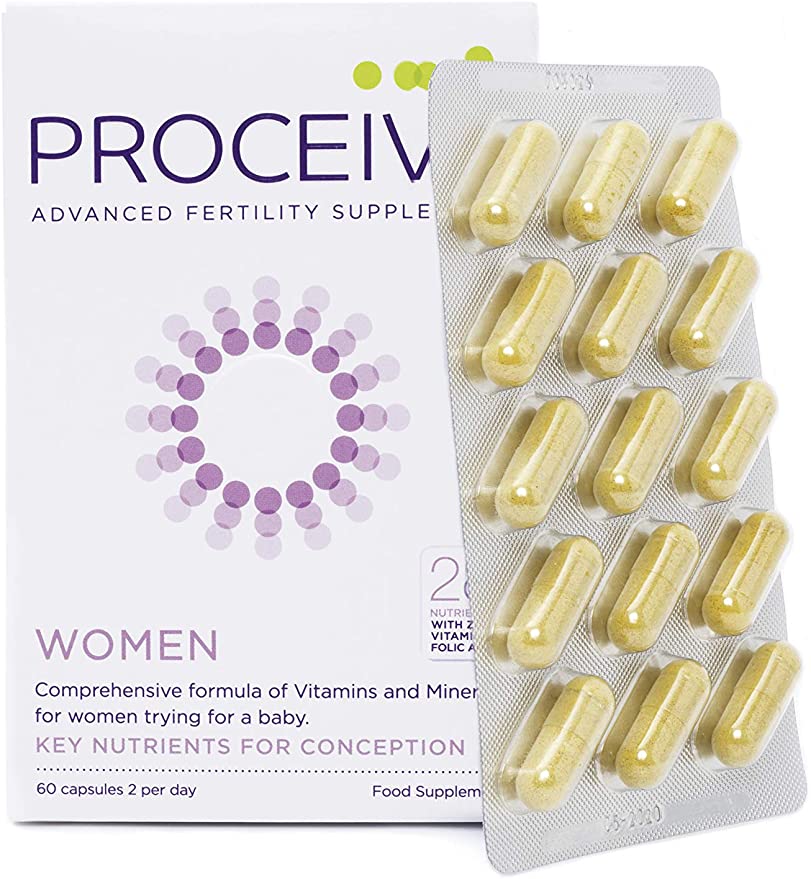
Even if you’re fit and healthy, your chances of conceiving are 25
There are only six days in the menstrual cycle when you can become pregnant. And that window opens BEFORE ovulation.
If you have health conditions, it may be even more difficult to get pregnant
It doesn’t sound easy to get pregnant, does it, especially when you hear of people getting pregnant at the drop of a hat? One wonders how they beat the odds when other couples try for years and sadly never manage to conceive.
The odds are evidently very small, but, at the same time, you can’t stress yourself because stress can also affect your chances of getting pregnant.
I know.
But, 5% at 40 years old, is still 5%. It’s not 0%
And 25% is also not 0%.
Remember, many older women have successfully conceived, including using their own eggs. It’s all about timing, health, and a bit of luck!
So, it is possible, and the important thing to note here is unless your doctor or fertility specialist has advised you have a 0% chance of getting pregnant, then you can still get pregnant.
Some people may urge you to try some of the old tricks to getting pregnant, like standing on top of your head when doing it or eating spinach before ovulation. The truth is, the journey to fertility can be a long one, but no fancy gimmick can replace a good diet or healthy lifestyle choices.
Making the journey fun with your partner is essential too (did you know that orgasming during sex can increase your chances of getting pregnant?)
If you’re trying to get pregnant and somehow you’re not conceiving, something could be off, whether that be your nutrition, your sleep patterns, you’re not doing it at the right time or maybe your partner’s sperm quality is subpar.
It’s important to look at ALL the internal and external factors that could affect your chances of getting pregnant naturally because fertility works when all the dots are connected.
If you’re trying to get pregnant naturally and need some extra help, then download our Starter Kit now!
The road to conception is a long process, but it’s important to note the following too:
If you are under 35 years old, you should try for a year to get pregnant naturally before seeking fertility treatment.
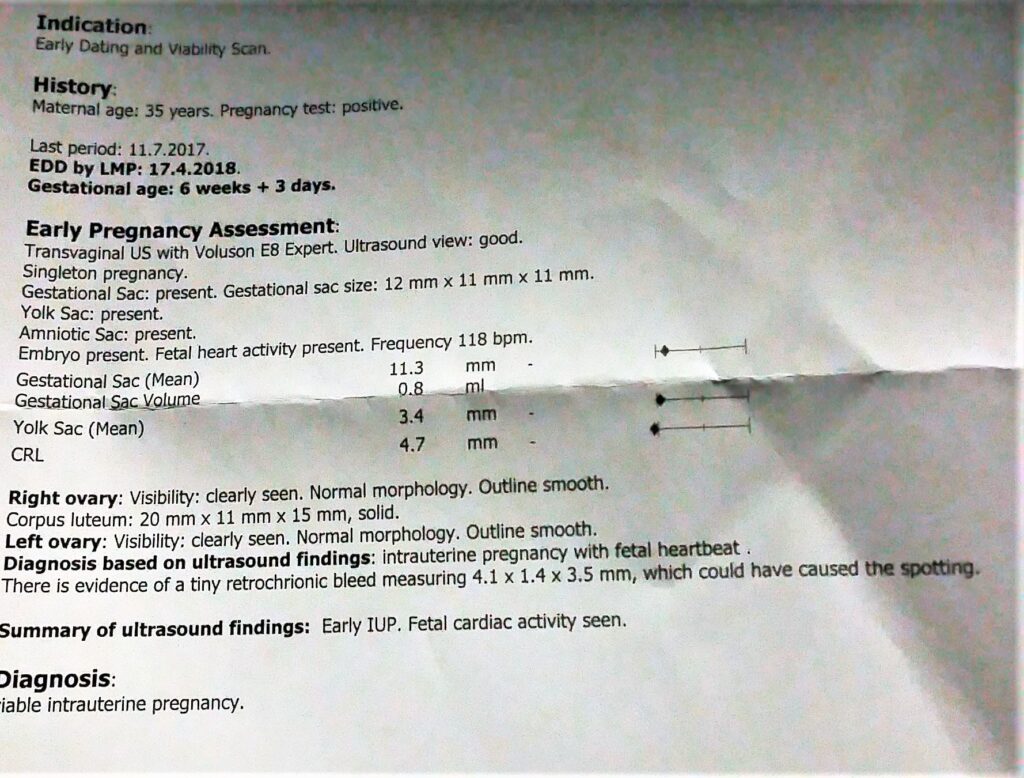
If you are over 35 years old, you should try for six months to get pregnant naturally before seeking fertility treatment (We tried for 13 months the third time and got pregnant at 37, but sadly lost the baby. We then tried for 14 months thereafter and got pregnant at 38 with our daughter, who is now a bouncing toddler!
So, are there any tricks on how to get pregnant fast and easy?
No tricks.
It’s all about making sure you hit all the right points and increasing your fertility rate rather than playing the race game.
So, grab yourself a cuppa because this is a long read, but it’s jam-packed full of tips on increasing fertility – and the tips worked for me twice.
How many eggs does a woman have at 40?
As we age, the number of eggs in our ovaries decreases. By the time you reach 40, your ovarian reserve—the number of eggs you have—has significantly declined. While you’re born with about 1 to 2 million eggs, this number drops to around 25,000 by the time you hit 37, and even fewer by 40. However, it’s not just the quantity but the quality of the eggs that matters most, which can also decline with age. It’s also not just about the number of eggs left, but also about their quality, which can be impacted by age-related factors like high blood pressure and other health issues.
Are my eggs bad after 40?
The quality of your eggs can decrease as you age, leading to a higher risk of chromosomal abnormalities such as Down’s syndrome and an increased chance of miscarriage. However, it’s important to remember that while the quality of eggs may be lower, many women in their 40s still produce healthy, viable eggs that can lead to a successful pregnancy.
Is having a baby at 40 too old?
I know the phrase “too old” might sting a bit, but having a baby at 40 comes with its own set of challenges. However, with the right approach, a healthy pregnancy is absolutely possible. Being a bit older often means you have more life experience, emotional stability, and perhaps even financial stability, all of which can make you an excellent parent. The key is to understand the risks and prepare accordingly, including regular check-ups and staying on top of your overall health.
How long does it take to get pregnant at 40?
Time is a key factor when you’re trying to conceive at 40. On average, it can take longer to get pregnant as you age. At 20 years old, it might take around four months, but by the time you’re 35, it could take up to 18 months to conceive. At 40, it’s common to try for about six months before seeking further medical advice. The good news is that many women still conceive naturally within this timeframe.
So, it is possible, and the important thing to note here is unless your doctor or fertility specialist has advised you have a 0% chance of getting pregnant, then you can still get pregnant.
Some people may urge you to try some of the old tricks to getting pregnant, like standing on top of your head when doing it or eating spinach before ovulation. The truth is, the fertility journey can be a long one, but no fancy gimmick can replace a good diet or healthy lifestyle choices.
Making the journey fun with your partner is essential too (did you know that orgasming during sex can increase your chances of getting pregnant?)
If you’re trying to get pregnant and somehow you’re not conceiving, something could be off, whether that be your nutrition, your sleep patterns, you’re not doing it at the right time or maybe your partner’s sperm quality is subpar.
It’s important to look at ALL the internal and external factors that could affect your chances of getting pregnant naturally because fertility works when all the dots are connected.
The road to conception is a long process, but it’s important to note the following too:
If you are under 35 years old, try for a year to get pregnant naturally before seeking fertility treatment.
If you are over 35 years old, try for six months to get pregnant naturally before seeking fertility treatment (We tried for 13 months the third time and got pregnant at 37, but sadly lost the baby. We then tried for 14 months thereafter and got pregnant at 38 with our daughter and our fourth at 40!
So, are there any tricks on how to get pregnant fast and easy?
No tricks.
It’s all about making sure you hit all the right points and increasing your fertility rate rather than playing the race game.
So, grab yourself a cuppa because this is a long read, but it’s jam-packed full of tips on increasing fertility – and the tips worked for me twice.
26 tips on how to get pregnant at 40 fast
Improving your fertility after 40 involves a combination of lifestyle changes, health checks, and possibly medical interventions. Here are 26 tips to help you on your journey:
1. Stop your birth control right now
It may take a while for your period to return after you stopped taking birth control and it may be irregular for up to three months before your body flows into its natural menstrual cycle again. This initial, irregular period is called the “withdrawal bleed,” and for most women, it should only last for one to two cycles.
One study1 found that taking birth control did not affect your chances of getting pregnant and that age-affected fertility had nothing to do with whether or not you took birth control. So speak to your doctor about the possible delay you might experience with the birth control you’ve stopped using.
It’s also a good idea to wait until after you’ve had a natural period (the period after the “withdrawal bleed”) to give you some time to make sure you’re in physical health for conceiving, i.e. taking folic acid, and changing lifestyle choices, like smoking and giving up alcohol. We’ll go into these points later.
There are often clear signs of ovulation that you will become accustomed to as you learn and understand your body’s habits in the lead-up to ovulation and your period.
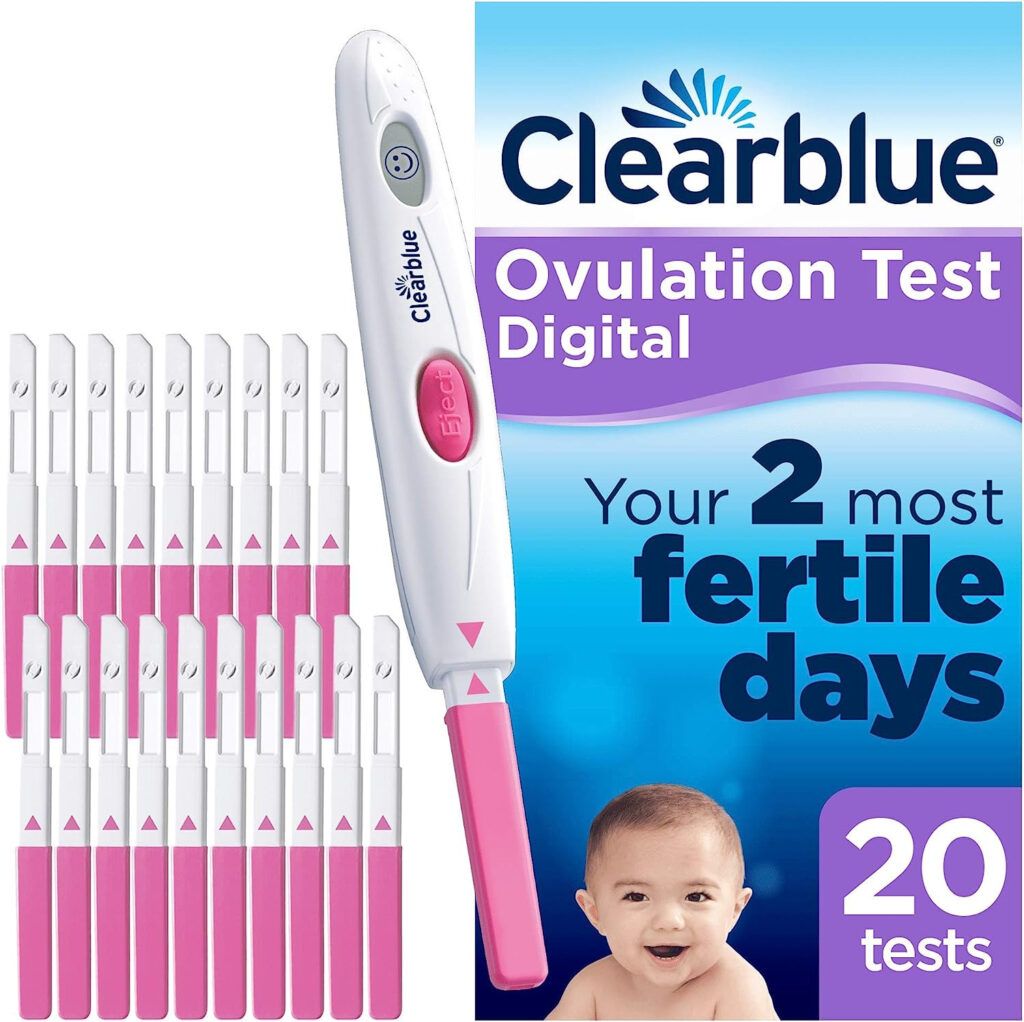
Tracking your ovulation is a good thing to do and can be done effectively by using an app. You also have ovulation sticks that you can pee on to check if you’re ovulating or not.
One study2shows that only 30% of women ovulate between 10 and 17 days in the menstrual cycle. Most women reach their fertile window earlier and others much later. So, your fertile window can be unpredictable, even if your cycles are regular.
No calendar method is completely effective, but there are a few days in your menstrual cycle where you will not become pregnant, even including the cycle day when you may expect your period to start again. Investing in a lab-quality ovulation tracker like the one from Mylo World can help to provide accurate, personalised results of when you ovulate from the privacy of your own home.
But it’s not as easy as knowing when to ovulate.
The female’s reproductive system has many obstacles to flush out the sperm.
And scientists reckon only 1 in 100 sperm will ever make it into the safety zone of the cervix, and this is because nature has a wonderful way of weeding out the weak, the deformed and the dying sperm.
And, entering the cervix is only the start of the journey.
Sperm has to get through the womb and into one of the fallopian tubes, and there are so many obstacles along the way.
And, don’t forget you have two fallopian tubes, so the sperm must swim to the right fallopian tube! If they swim to the wrong one, it’s a completely wasted journey.
It’s a common misconception that more sex must mean a higher chance of falling pregnant. In fact, having sex too frequently can actually decrease the number of healthy sperm your partner has to play with.
Instead, focus on having sex at the right time, such as during your fertile window as mentioned above, or when you’re in the mood for it. When trying to conceive, it’s common to forget that sex is about so much more than just conception – it’s about connecting with your partner and enjoying the moment.
The figure above shows that ovulation peaks around day 14, but can also fluctuate, so it’s advisable to avoid the uncertainty of predicting your fertility days by having sex around two to three times a week.
In your quest to get pregnant, remember that sexual intercourse still boasts an array of benefits, such as being a great stress relief and a way to connect as a couple (which brings us to the next point). So enjoy it!
4. Reduce your stress levels where possible
Stress is a HUGE factor in fertility problems and it builds up over time if you don’t fix it.
Stress-related fertility problems warrant its own article because it plays such an enormous role in cycle regulation. Stress can throw ovulation off and make it harder for you to time when to conceive. And, if you’re 40, and the chances of conceiving are 5%, you want to make sure your cycles are as regular as possible to minimise inaccuracies.
Don’t forget that you can experience physical stress and emotional stress. So, don’t over-exercise (which we discuss in more detail below).
Have you ever heard of the saying:
“When I stopped thinking about having a baby, I got pregnant.”
I believe finally relaxing about getting pregnant was the ultimate factor in me getting pregnant because when I gave up trying, I got pregnant. Both times!
Why is this?
Well, stress invokes an interesting response in our bodies. Sudden minor stress isn’t known to cause any lasting damage and, in fact, some stress is good for you.
But, if you are experiencing prolonged stress, whether that be working in a difficult job, not sleeping enough, physical stress from being under or overweight (this is its own point below), experiencing pain in your life, or whatever is causing you to stress every day, this may be the reason you are not getting pregnant.
When the body experiences prolonged stress, it has to decide which body processes are more important to keep functioning during a life or death situation (even if you are not in a life or death situation the brain can’t see this and just thinks you are about to die – EVERY TIME.)
And, more often than not, the reproductive system is the first thing to be turned off, so the body can work on the more important processes like living through the life or death situation.
But this doesn’t work for you, does it, especially when you need your reproductive system to make a baby!
Find out what is causing you stress. Is it your job? Kids? Where you live? Is it a medical issue?
And then find out how you can reduce or even remove that stress because if you are serious about making a baby, then you need to make some changes in your lifestyle for this to happen (another tip we go through later in the article).
For me, it was losing weight and stop stressing about making a baby. I know it is SO much easier said than done, but I’ll share some tips on how I did that in a future article.
But, for now, just get a pen and paper and write what is causing you stress in your life. Be honest and dig deep. When it’s written, it’ll make it easier for you to figure out what to do.
5. Get some sleep
How much sleep do you get every night? Five hours? Six hours? Twelve? Two?
Just like all the other key factors you need to achieve overall good health and, ultimately, great fertility, like getting your preconception checkup done (more on that in a mo), eating well and stressing less, sleep is right up there as one major factor that can improve fertility.
If you skimp on sleep, it can throw your hormones out of whack, which then leads to irregular periods and higher stress levels.
Plus, if you’re charting your BBT (Basal Body Temperature) then you need efficient sleep to achieve the best results. I say efficient because broken sleep doesn’t count.
If you’re tired during the day, try to sneak in a nap or two to energise a tired body and go to bed early to keep up with the rest. If you’re struggling to get to sleep at night, there are some things that can help you achieve a relaxed slumber:
Have a bath and add some lavender bubbles to help you relax
Avoid caffeine and chocolate where possible and opt for warm milk or herbal tea, like chamomile tea. You can get special night teas which help you relax before sleeping.
Lay off the screens where possible, and if you can’t, use the blue filter on the device’s settings to remove the glare and flicker that wires your brain.
Practice a little night yoga, by gently stretching every part of the body to ease the muscles
If you’re still struggling to sleep, you may need to speak to your GP to find out if there are other options out there. Perhaps you’re stressed from trying to make a baby, or something else is keeping you up. Try to speak to someone about what’s causing you that stress so you can take steps to overcome them.
We are bombarded with resources about how to stay healthy during pregnancy, but one of the biggest areas that is overlooked is how important nutrition is BEFORE you get pregnant, which, in fact, is the most important part of growing a healthy foetus.
Why? Because it can affect nutrition further down the line when you are pregnant and when the baby is born.
Your overall health is massively important in your fertility. After all, it takes two healthy bodies (mum’s and dad’s) to make a healthy baby! So, now is the time to think about what you put into your body. And, not just the food you eat, but the immunisations you have, the chronic conditions that need managing and any other health complications that your preconception check-up picked up, including dental health. These things can impact your chances of getting pregnant.
There are many reasons nutrition may not play a big part in someone’s life. Couples often worry they don’t have enough money to buy the right foods, so they skip meals or reduce their portion sizes. Others may not be educated about what is nutritious and may have grown up with a family who was not educated in healthy food either.
Whatever the reasons are, it’s time to think about foods that increase fertility, or you will find you won’t have the right building blocks to make a baby.
So, what is the right diet for fertility?
One Harvard study3 found that a diet rich in folic acid, vitamin B12, omega-3 fatty acids and a healthy diet such as the Mediterranean diet helped women’s chances of getting pregnant naturally.
The most important ingredient to a nutritional diet is:
Folic acid/Folate
Folic acid or folate, which is a B vitamin, is one of the biggest nutritional requirements to make a baby – and keep a baby.
You may have heard of neural tube defects (NTDs) like Spina Bifida knocking about during your research, but these NTDs are down to a lack of folic acid and occur when the baby’s spine is not formed properly. Other NTDs can be Anencephaly where the top part of the skull and brain don’t form correctly and Encephalocele, where part of the brain sits outside of the skull. In these cases, sadly, babies rarely survive.
You need to have enough folic acid in your system to prevent NTDs from happening BEFORE you get pregnant because most NTDs occur in the first few weeks after the egg and sperm meet. When you miss your period, the NTD could form even before you realise you are pregnant. Even if you eat really well and do everything to achieve a healthy baby, if you don’t have enough folic acid in your diet, you risk your baby developing NTDs before you even know it.
Or you won’t get pregnant at all.
So, how much do you need to take?
You are required to take 400mcg at least three months before TTC to maximise your chances of getting pregnant as well as preventing NTD. Prenatal supplements should have the right dosage (as mentioned above), so consult with your doctor about what prenatal supplements you should take. But the time to take them is NOW!
Other vital nutrients you should include in your diet are calcium, and iron, which build strong bones and iron levels. A deficiency in each of these will seriously hinder your chances of getting pregnant.
Herbs to get pregnant fast
It has been known that some herbs are fertility food boosters to help you get pregnant quickly. Check out a list of herbs which help to get pregnant in this article here.
Foods to avoid when trying to get pregnant
Avoid the sat fats
The same Harvard study found that trans fats and “unhealthy diets” (which were rich in red and processed meats, potatoes, sweets and sweetened beverages) were found to have negative effects on fertility and contributed to an infertility diet rather than being fertility food boosters.
Avoid low fat dairy foods
One US study published in the journal Human Reproduction followed 18,555 women aged 24 to 42, with no history of infertility, but were trying to become pregnant or were pregnant over an eight-year period. The results suggested that eating low-fat dairy food every day affected a woman’s ovulation, in turn reducing her anovulatory fertility rates (no egg being released during a menstrual cycle).
It was also found however that high-fat dairy foods may decrease the risk of anovulatory infertility and they found no links between ovulation disorders and having a normal intake of lactose, Vitamin D, calcium and phosphorous.
Cut down on carbs if you have PCOS
Polycystic Ovarian Syndrome (PCOS) can hinder your chances of getting pregnant, as well as any other health condition, but there are natural ways to get pregnant with PCOS, which we will go into in a separate article.
If you know you have a health condition, you need to take the time to treat/manage it before you move onto fertility treatment options like Clomid and Intrauterine Insemination (IUI) (where doctors place the sperm directly into the uterus during ovulation to help the sperm get closer to the egg.)
Taking the time to treat/manage your underlying conditions may save you valuable time and expenses later down the fertility path.
It’s not impossible to get pregnant, but PCOS can make it more difficult. Diet and nutrition play a part in helping to manage symptoms. Eating a varied nutritious diet low in carbs and high in good fats like avocados while eating less bad fats (animal products) and high carb foods (white pasta and rice) will help to restore balance to your insides.
Eating a whole food diet with plenty of fruit and vegetables will help too and don’t forget to supplement your diet with a good multivitamin that contains all the vitamins and minerals you need.
7. Watch your iron levels
If you have inadequate iron levels you will have more trouble getting pregnant, so it might be worth checking to see if your iron levels are low. Some great sources of iron are:
Fortified breakfast cereals – One serving contains 100% of your daily recommended intake of iron
Lean meats like chicken, beef and turkey contain about 1mg of iron per 3oz serving
Spinach is a fertility booster and a great source of iron – 1/2 cup of boiled, drained spinach contains around 3mg per serving which is around 17% of your daily recommended intake
The same Harvard study found that trans fats and “unhealthy diets” (which were rich in red and processed meats, potatoes, sweets and sweetened beverages) were found to have negative effects on fertility and contributed to an infertility diet rather than being fertility food boosters.
Avoid low fat dairy foods
One US study published in the journal Human Reproduction followed 18,555 women aged 24 to 42, with no history of infertility, but were trying to become pregnant or were pregnant over an eight-year period. The results suggested that eating low-fat dairy food every day affected a woman’s ovulation, in turn reducing her anovulatory fertility rates (no egg being released during a menstrual cycle).
It was also found however that high-fat dairy foods may decrease the risk of anovulatory infertility and they found no links between ovulation disorders and having a normal intake of lactose, Vitamin D, calcium and phosphorous.
Polycystic Ovarian Syndrome (PCOS) can hinder your chances of getting pregnant, as well as any other health condition, but there are natural ways to get pregnant with PCOS, which we will go into in a separate article.
If you know you have a health condition, you need to take the time to treat/manage it before you move onto fertility treatment options like Clomid and Intrauterine Insemination (IUI) (where doctors place the sperm directly into the uterus during ovulation to help the sperm get closer to the egg.)
Taking the time to treat/manage your underlying conditions may save you valuable time and expenses later down the fertility path.
It’s not impossible to get pregnant, but PCOS can make it more difficult. Diet and nutrition play a part in helping to manage symptoms. Eating a varied nutritious diet low in carbs and high in good fats like avocados while eating less bad fats (animal products) and high carb foods (white pasta and rice) will help to restore balance to your insides.
Eating a whole food diet with plenty of fruit and vegetables will help too and don’t forget to supplement your diet with a good multivitamin that contains all the vitamins and minerals you need.
8. Take prenatal vitamins as early as possible in the conception journey
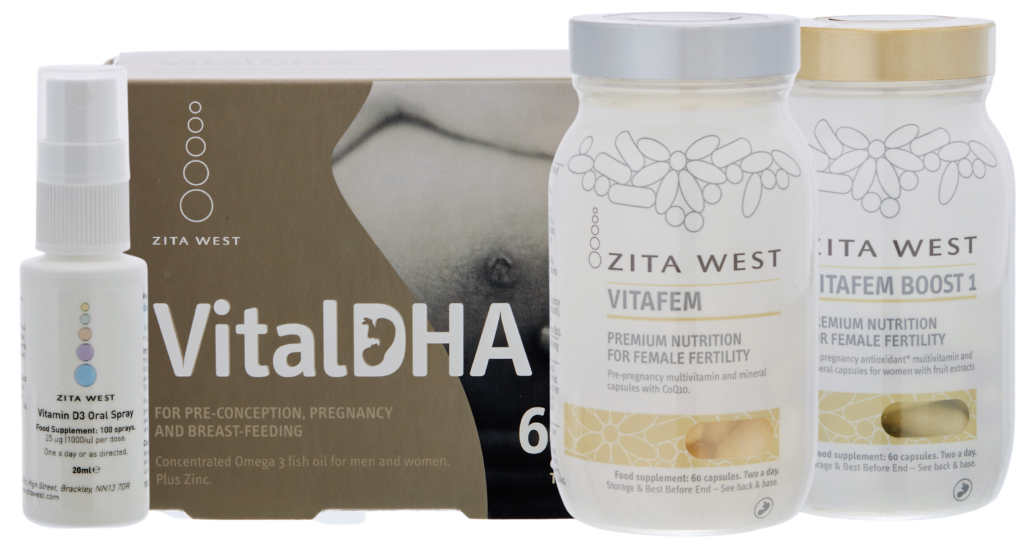
Prenatal supplements ensure you get your full A to Z of vitamins and minerals so that your body is fighting fit to take the fierce weight of pregnancy and birth, which are tough on the mind and the body. But, also taking your prenatal vitamins as soon as possible can help you jump onto the road to get pregnant faster.
What should prenatal supplements contain though?
At least 400mcg of folic acid / Vitamin B9, which helps to prevent congenital disabilities in your baby’s brain and spine
Vitamin B12 before conception can help to reduce neural tube defects like spina bifida and congenital heart defects in your growing baby – it can also help to reduce the risk of preterm birth.
At least 10mg of Vitamin B6 – to reduce nausea during pregnancy
At least 30g Iron – Iron is vital for building your baby’s cells, and your body requires iron more than ever when you’re pregnant. You can become anaemic during pregnancy if you are not taking in enough iron
Calcium – Calcium is very important during pregnancy to help grow your baby’s bones. All women require 1,000mg a day from their diet as well as from prenatal vitamins. Calcium interferes with iron absorption so it may be worth taking these at separate times of the day or not taking both in large doses.
No more than 800mcg of Vitamin A per day – Too much Vitamin A in tablet form can be toxic during pregnancy, so some supplements have been replaced with beta-carotene which is a much safer source of vitamin A.
At least 400IU of Vitamin D – Your body needs vitamin D with calcium to keep you and your baby’s bones strong. Try to incorporate vitamin D in your diet through fortified food and drink too.
15mg of Zinc – Zinc helps to support your body’s immune system and healthy cell division
50 – 80mg of Vitamin C – Vitamin C helps your body to absorb iron and supports your immune system too. But more than 2,000mg a day can be dangerous so don’t take a supplement if you have a rich vitamin C diet already
At least 150mcg of Iodine – Iodine has been known to help your baby’s thyroid and brain development. You may find that not all prenatal vitamins have iodine so talk with your doctor if you need a separate iodine supplement
200 – 300mg of DHA – Regular prenatal vitamins don’t contain DHA, which is an omega-3 fatty acid found in many types of fish. DHA has been shown to aid baby’s brain development before and after birth, so if you’re unable to get it through your diet then you should ask your doctor about taking an omega-3 fatty acid supplement
Other vitamins and minerals to keep an eye out for are vitamin E, riboflavin, niacin, and thiamine.
If you’re underweight or overweight, then you’re already making it harder for yourself to get pregnant. The sooner you get to your ‘ideal’ weight, the more chance you have of conceiving. Whether you have a little to lose (like I did) or a lot (and vice versa) now is the time to start getting on top of that.
If you’re not sure of where your weight should be, check with your medical professional, as this should have been discussed during your preconception checkup. (If you haven’t had a preconception checkup then you should do this first.
Unfortunately, it’s not just about numbers. It’s a complicated connection between weight and fertility. And, you may not gain weight because you’ve eaten too many pies. Weight can be an impact of a health condition, i.e. hormone imbalance, so it won’t be so straightforward to keep your weight down (or up if you’re underweight). Getting to the bottom of why you have extra weight is key to helping you speed up the process of pregnancy.
Some factors that may affect your weight are:
Hormones
Oestrogen is the reproductive hormone that is produced primarily in your ovaries and helps your eggs to mature, as well as build up the lining in your uterus. Oestrogen also produces thin cervical mucus which is very important to boost fertility.
Over 30% of oestrogen is produced by your fat cells, which is why your body fat is linked to getting pregnant. The perfect supply of oestrogen is needed for your reproductive cycle to work effectively as too much or too little can really affect your conception chances.
Your BMI
Checking your BMI (Body Mass Index) will tell you whether you are likely producing the right amount of oestrogen because if your BMI is high then you may be producing too much – and vice versa – if your BMI is low then you may not be making enough oestrogen. But, as I mentioned before, it’s not all about numbers. Your ideal size depends on your natural body, and your doctor will tell you how much you should lose or gain to speed up the process of conception.
So, what is BMI?
BMI describes the relationship between your weight and height and provides a better measure of the amount of fat you have on your body. And because your fat cells produce oestrogen, your body fat is key to your fertility.
Again, not so straightforward, because BMI readings may not produce an accurate account of how much weight to lose. If you are someone who has a higher muscle mass or you’re training, then muscles will make you weigh more, but you may have less fat on your body (I told you, it wasn’t straightforward).
Generally, the rule of thumb is:
BMI of less than 18.5 = you are underweight, so you might not be producing enough oestrogen
BMI of 18.5 to 24 = you are at an ideal weight and you may be producing the right amount of oestrogen
BMI of 25 – 29 = you are overweight and you should lose some weight before trying to conceive (TTC)
BMI of 30+ = you are considered as obese, and it’s time to get serious about your weight loss before TTC
Again, if you’re someone with a higher muscle mass, then you will need to go to your doctor to get the right body fat reading. The key is that your body should be producing the right amount of oestrogen to keep your reproductive cycle regular.
Dad’s weight can affect fertility too
If your partner is overweight, then this could affect your chances of getting pregnant too. This is because excess fat converts testosterone (the male hormone) into oestrogen, which suppresses sperm production and quality. It can also affect his libido, and you’ll need that for the baby-making process! There are other problems that come with being overweight, and we’ll explore these in later articles.
Other key points:
Being overweight or underweight can affect your period because of too much or too little oestrogen, which will keep you from ovulating regularly or at all
Even if you have normal periods, you may still struggle with ovulation if you are overweight or underweight
PCOS (Polycystic Ovarian Syndrome) is linked to being overweight/obese and having too much weight can cause insulin levels to rise.
Increased insulin levels = ovaries producing too much testosterone
Being overweight can increase your chances of pregnancy-related complications like miscarriage, gestational diabetes and hypertension. You may end up with longer labour and caesarean delivery.
Check your BMI using the BMI Table below:
10. Exercise every day, but not too much!
While it’s important you aim to settle at a healthy weight before TTC, be careful to avoid strenuous exercise to achieve this.
One study, although careful to avoid the claim that heavy exercises cause infertility, found an association with fertility problems. However, this could have been down to those who exercised more while dieting and having low-calorie diets, rather than solely over-exercising being the issue.
One factor may be that overdoing it during exercise can cause stress to the body, which we’ll go into below. Stress can disturb your reproductive cycle and hinder your ovulation, which means you’re less likely to know when your fertile window is going to be.
Exercise is an important addition to any healthy life, so it’s important to make sure you’re getting that heart pumping every day. But, as with anything, moderation is key. Don’t overdo it and lose too much weight because, as we learned above, your body will produce less oestrogen, which will inhibit your chances of getting pregnant.
Are your lifestyle choices affecting your fertility?
The short answer is yes.
Negative lifestyle choices don’t just make you feel bad, they can damage your DNA too and ultimately cause infertility, so it’s really important that if you’re serious about getting pregnant, you take a good look at your lifestyle and figure out what might affect your chances.
You can’t always avoid everything that’s negative, like pollution and toxins because you’re naturally exposed to them. But there are certain lifestyle choices that you can avoid, like tobacco, alcohol and drugs, which can damage the development of your eggs, sperm and ultimately the baby.
11. Stay away from caffeine
Caffeine can also affect your chances of getting pregnant and should be one of the first things you give up. Even decaf can be as bad as normal coffee because it stimulates the body to produce cortisol, which is that stress hormone that affects your reproductive cycle. But, that’s not all. Caffeine can also rob your body of water and valuable minerals, and cutting it out of your lifestyle can increase your chances by up to 50 percent!
Caffeine also increases your chances of miscarriage, low birth weight and pre-eclampsia and it can affect dad’s sperm too, so avoid caffeine where possible. But if you can’t, then go for tea as it’s not as bad. Don’t forget soft drinks and some chocolates also contain caffeine, so be aware that all this adds up to your daily amount of caffeine.
12. Stop smoking
Smoking is fertility’s enemy and robs the body of many vitamins and minerals. It contains so many radicals (at least 30 different chemicals) that it will drastically affect your chances of getting pregnant. Smoking also reduces the rates of cell replication in all organs, so it may do the most damage at the very beginning of pregnancy. There are many risks related to smoking and the most important one to note is that it can make you infertile. The risk increases the more cigarettes you smoke every day.
If you’re having trouble stopping, consider seeking counselling or specialist help to assist you in giving up.
13. Cut down on alcohol
You may feel like alcohol relaxes you, but studies show that women who drink more than five units (five small glasses of wine) a week reduce their chances of getting pregnant by 50%. But, if you stop you are twice as likely to conceive within six months.
Alcohol is also one of the most common causes of male impotence and 80% of male alcoholics are infertile, so it’s worth speaking to your partner about giving up alcohol until after you have conceived as this will massively improve his sperm quality and mobility.
14. Bin the recreational drugs
Even a small amount of recreational drug use can have a huge impact on your mind and body. Cocaine affects the brain’s ability to release hormones to start the ovulation cycle and cannabis can have a toxic effect on the development of eggs too. It can also cause a low sperm count and damage sperm.
Prescription and non-prescription drugs
Some medicated and non-medicated drugs are toxic to eggs and sperm, so it’s important to check with your doctor before you start the road to fertility because they may disrupt your chances.
15. How’s your environment?
Like I mentioned before, you may not be able to control your environment, but look out for pollutants and harmful substances around you to see if you can limit them as much as possible. Pollutants from factories, and pesticides etc all have an adverse effect on conception.
Try eating organic food, drinking bottled water and staying away from places with too much pollution to increase your chances of getting pregnant.
Although the amount of eggs you have is the most crucial component of getting pregnant, your partner’s age has a significant impact on your overall fertility, which can bring about certain medical conditions, but most importantly sperm quality and quantity. Also, there is an association between the age of your male partner and birth defects/chromosomal abnormalities.
While there is nothing you can do about age, one of the natural ways to get pregnant with low sperm count and maximising sperm quality is to look at your partner’s diet and lifestyle choices and eat foods to boost fertility too, making sure they have as clean a diet as you to really give you the best possible chance to get pregnant.
17. Get a health MOT
As you get older, you are naturally more prone to health risks, which is why you should look at getting a health MOT before you try to get pregnant.
From your weight to blood pressure and any medications that you might be on currently. A pre-pregnancy check is helpful to have in order to tackle any underlying problems that could be fixed or improved before you start on your fertility journey.
Speaking to a healthcare professional can put your mind at ease and highlight any potential that might be worth being made aware of.
18. Check your egg count and consider egg-freezing
If you want children but don’t want them until you’re older, then it’s always worth considering egg freezing. This is where eggs are taken and frozen to then use at a later date when you’re ready to have a baby or babies.
Checking your egg count is something you should do regardless, in order to assess how healthy your eggs are. As you get older, your egg count will reduce, making it more difficult to get pregnant as a result. The quality of your eggs will likely deteriorate over time too, which is why it’s important to keep an eye on your egg count and to consider egg freezing where possible.
19. Take it a day at a time and stay relaxed
Stress can negatively impact your ability to conceive, so it’s important to stay relaxed and take things one day at a time. Chronic stress can impact hormone levels and ovulation. Consider practices like mindfulness, counselling, or stress-reduction therapies to keep stress in check.
Often enough, pregnancy occurs when you’re relaxed in both your body and mind. Sometimes, it can feel like you’re never going to get pregnant and for some, it can be a hard journey to navigate.
With that in mind, try to take it a day at a time, and don’t forget to keep your body and mind relaxed at all times.
20. Make an appointment with a fertility specialist
If you’ve been trying to conceive for six months or longer without success, it might be time to consult a fertility specialist. If you’ve been trying to conceive for six months or more without success, consult a fertility specialist to discuss options like In Vitro Fertilization (IVF) or Intrauterine Insemination (IUI). Fertility tests can provide insights into your reproductive health, including egg quality and quantity. Tests like Anti-Müllerian Hormone (AMH) levels can help assess ovarian reserve.
Is there help if I haven’t gotten pregnant after 40?
If you’ve been trying for a while and haven’t had any luck, don’t lose hope! Fertility treatments like IVF, IUI, and donor eggs are available and have helped many women over 40 achieve their dream of becoming a mother. Consulting with a fertility specialist can give you a better idea of your options and what might work best for you.
Final thoughts
Getting pregnant at 40 might seem daunting, but with the right information and approach, it’s entirely possible. By following these tips and staying proactive about your health and fertility, you can improve your chances of conceiving and having a healthy pregnancy. Remember, every journey is different, so be patient with yourself and seek support when you need it. Here’s to your exciting journey to motherhood!
Have you struggled or are you struggling to get pregnant? What is the one big problem you keep running into that’s stopping you from getting a positive result? Share with us in the comments below or join 10,000 other women in our private Facebook page and our Facebook group here.
If you are looking for natural ways to get pregnant and you need some extra help, then download our Starter Kit now!
The statement that taking birth control does not affect your long-term fertility is supported by research. A study involving 8,500 pregnancies found that 85% of women who had never used birth control conceived within a year of trying, compared to 89% of women who had used birth control for more than five years. This study concluded that prolonged use of oral contraception does not negatively impact fertility and may even be associated with slightly improved chances of conception after stopping use – Alexandra Farrow, M.G.R. Hull, K. Northstone, H. Taylor, W.C.L. Ford, Jean Golding, Prolonged use of oral contraception before a planned pregnancy is associated with a decreased risk of delayed conception, Human Reproduction, Volume 17, Issue 10, October 2002, Pages 2754–27 – Prolonged use of oral contraception before a planned pregnancy is associated with a decreased risk of delayed conception – PubMed (nih.gov)
The Timing of the ‘Fertile Window’ in the Menstrual Cycle: Day-Specific Estimates from a Prospective Study published in the British Medical Journal (BMJ). https://www.bmj.com/content/321/7271/1259
*As an Amazon Associate I earn from qualifying purchases*
*Contains other affiliate links of which I may earn a commission if you click through to buy on a qualifying purchase
Exploring new methods for gender selection: a focus on Urobiologics’ innovative approach
A friend recently tried for a fifth baby, hoping she would get her girl after four boys.
Her fifth was a boy.
Many couples, myself included, have tried various methods for gender selection (including fad diets, and fancy positions) to shift the odds in our favour. Yet it often feels like whether you have a boy or a girl is simply down to luck.
Once you get pregnant, your first glimpse at finding out whether you got your desired gender is during your 20-week scan – and even then, the results aren’t always 100% accurate.
Enter Urobiologics, an innovative American company that aims to revolutionise the entire gender selection process. With one of the most effective and accurate methods available, Urobiologics offers couples a reliable way to select the gender of their baby long before the 20-week mark.
In this article, we will discuss the different methods for gender selection available and how Urobiologics is leading the way in family planning using their non-invasive Alternating-Phase Method.
So, what is gender selection?
Gender selection refers to the various methods employed to increase the likelihood of conceiving a baby of a specific gender, either male or female. You can broadly categorise these methods into natural, medical, and scientific approaches. Each category uses different strategies and offers varying degrees of success and scientific backing.
Why are couples interested in methods for gender selection?
There are many reasons couples opt for the gender selection route, but the primary reasons include family balancing and cultural preferences. We’ll go through some of these reasons now:
Family balancing
Family balancing is a significant and personal reason for gender selection. Many parents wish to have children of both genders to create a balanced family dynamic. This desire is driven by several factors:
Personal fulfilment: Parents often feel that having both a son and a daughter can complete their family experience. Each gender brings unique qualities, enriching the overall family life.
Siblings’ relationships: Some parents want their children to grow up with siblings of both genders. This can help children develop better social skills and relationships by learning to interact with both males and females.
Parental experience: Many parents want to experience raising both boys and girls. They believe each gender offers unique experiences that contribute to a diverse and fulfilling parenting journey.
Psychological and emotional Factors
Previous loss: Parents who have experienced the loss of a child may have a strong desire to conceive a child of the same gender, using it to cope with grief and feel a sense of continuity.
Medical and genetic reasons: Some parents may opt for gender selection to avoid passing on genetic disorders linked to a specific gender. For example, certain genetic conditions, like haemophilia or Duchenne muscular dystrophy, are more likely to affect males. In such cases, parents may choose to conceive a female child to reduce the risk of the disorder.
Understanding the methods for gender selection
Gender selection involves various methods to increase the likelihood of conceiving a baby of a specific gender. These methods can be natural, medical, or scientific.
Natural methods for gender selection
Natural methods focus on lifestyle changes, timing, and specific behaviours to influence the baby’s gender. These methods are generally less invasive and can be easily implemented by couples at home. However, there is a huge debate on the scientific validity of these methods and their success rates can vary.
Dietary changes: Some believe altering the mother’s diet can influence the baby’s gender. For example, a diet high in potassium and sodium is thought to favour conceiving a boy, while a diet rich in calcium and magnesium may increase the chances of having a girl. The theory is that these dietary changes can affect the pH level of the cervical mucus, creating a more favourable environment for either X or Y-chromosome-bearing sperm.
Timing of intercourse: The Shettles Method suggests timing intercourse with the woman’s ovulation cycle. For conceiving a boy, intercourse should be timed as close to ovulation as possible, as Y sperm (which produce boys) are faster but less resilient. For a girl, intercourse should occur a few days before ovulation, allowing the slower but more resilient X sperm (which produces girls) to be more likely to fertilise the egg. NIH has debunked this concept here.
Sex positions: Certain sexual positions are believed to influence gender selection. Deep penetration positions, like rear entry, are thought to deposit sperm closer to the cervix, favouring Y sperm for a boy. Shallower penetration positions, such as the missionary, are believed to favour X sperm for a girl because of the different environments they encounter. Still, this approach has remained a game of chance.
Medical methods for gender selection
Medical methods typically involve medical intervention and can provide more accurate results than natural methods. These methods are often used by couples with a strong preference for a specific gender because of personal, medical, or cultural reasons.
Preimplantation genetic diagnosis (PGD): This method is used with In Vitro Fertilization (IVF). Embryos are created in a laboratory, and a few cells are extracted from each embryo for genetic testing. PGD can identify the gender of the embryos, allowing only embryos of the desired gender to be implanted into the mother’s uterus. This method is highly accurate but also expensive and invasive.
Sperm sorting: Techniques like MicroSort involve separating sperm based on the amount of DNA chromosomes they carry. Sperm carrying the X chromosome (for girls) are separated from those carrying the Y chromosome (for boys). The selected sperm is then used for intrauterine insemination (IUI) or IVF. While not 100% accurate, sperm sorting increases the likelihood of conceiving the desired gender.
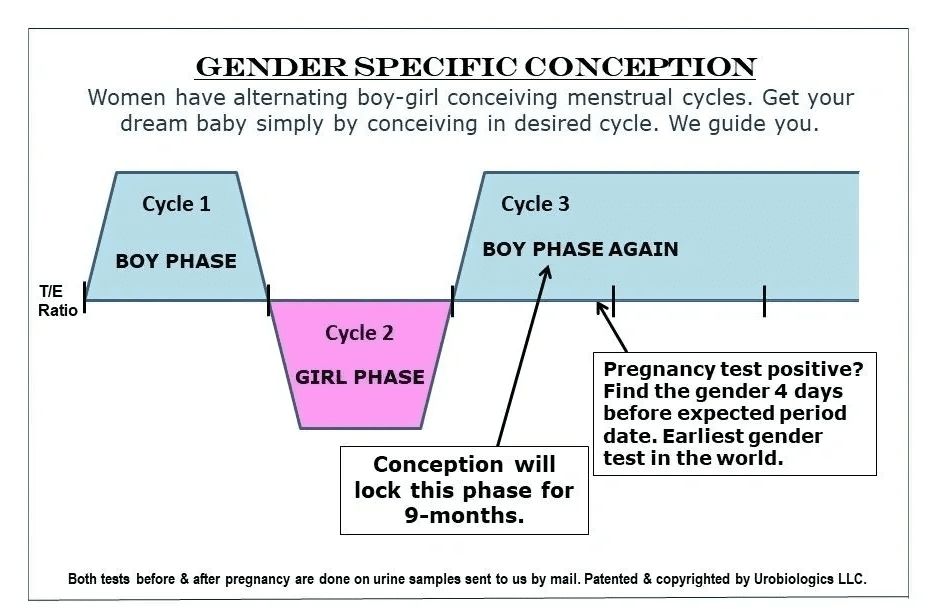
Urobiologics has developed a groundbreaking, 100% natural, and non-invasive method for gender selection. This method, created by Dr Kuldeep Verma, is based on the discovery that the hormonal environments in a woman’s uterus alternate between any two consecutive menstrual cycles, which play a direct role in sperm selection, thereby making it more conducive to conceiving either a boy or a girl.
Couples collect three mid-cycle urine samples from consecutive menstrual cycles and send them to Urobiologics’ laboratory in Livonia, Michigan. Based on the analysis, the lab provides individualised conception plans, guiding couples on when to conceive to achieve their baby of the desired gender. The PreGender Preconception Test has a success rate of 94% and 98% whether two or three preconception samples are tested respectively.
The FirstGender Post-Conception Test
Starting from the day, the woman has a positive pregnancy test or for those already pregnant, Urobiologics offers the FirstGender Test to evaluate the baby’s gender by collecting urine samples during the early days of pregnancy. The results can determine the baby’s gender as early as day one of a positive pregnancy test with 95% accuracy.
Practical application of Urobiologics’ methods
Step-by-Step guide for using the PreGender and FirstGender Tests
Collecting Samples: Follow the instructions provided under respective sections to collect mid-cycle urine samples over two (or three) consecutive menstrual cycles for the PreGender Test or early pregnancy urine samples for the FirstGender Test.
Submitting Samples: Ship the collected samples to Urobiologics’ laboratory in Livonia, Michigan, using any courier service. It’s legal to ship urine samples from healthy women throughout the globe under ‘Exempt Human Specimen’ classification.
Receiving Results: For the PreGender Test, you will receive guidance up to 18 months on the optimal cycle for conceiving the desired gender. For the FirstGender Test, you will receive an accurate gender determination within three days. All results are confidentially delivered via email only.
Example case study
Let’s consider a couple named ABC who wanted to conceive a girl. They named the baby Rose in advance.
They sent three mid-cycle urine samples, which showed the following phases:
The first sample (5/22/23) indicated a boy phase.
The second sample (6/23/23) indicated a girl phase.
The third sample (7/20/23) indicated a boy phase.
The period start date was 8/3/24 when the girl phase started. The conception plan was sent. The couple conceived.
The FirstGender test confirmed a girl on 9/10/23, and an ultrasound on 12/15/23 confirmed the result.
Success stories and testimonials
Urobiologics has helped many couples achieve their desired family balance. Here are a few testimonials from satisfied clients:
“I completed my family through preconception advice from Urobiologics. I got my son last week. It is amazing that simply by conceiving in the cycles recommended by them one can get the baby they wanted.”
Gloria Hu, Netherlands
“Not only has Urobiologics got extremely high success rates, but Dr. Verma is so helpful and supportive. I found out yesterday that the pre and post-gender test had worked for me when other techniques failed.”
Emma Hine, UK
The Conception Plan – My Experience with Urobiologics
I decided to try for a baby girl with Urobiologics after having two boys. Despite initial challenges in sending urine samples overseas, my samples were eventually processed. My cycles alternated between boy and girl phases, and I received personalised conception plans in every girl phase.
Conception Plan:
Sample Collection: Mid-cycle urine samples were collected to determine the hormonal environment.
Results: My cycles alternated between boy and girl phases.
Action: We followed the plan strictly, but it was taxing and affected our relationship.
Outcome:
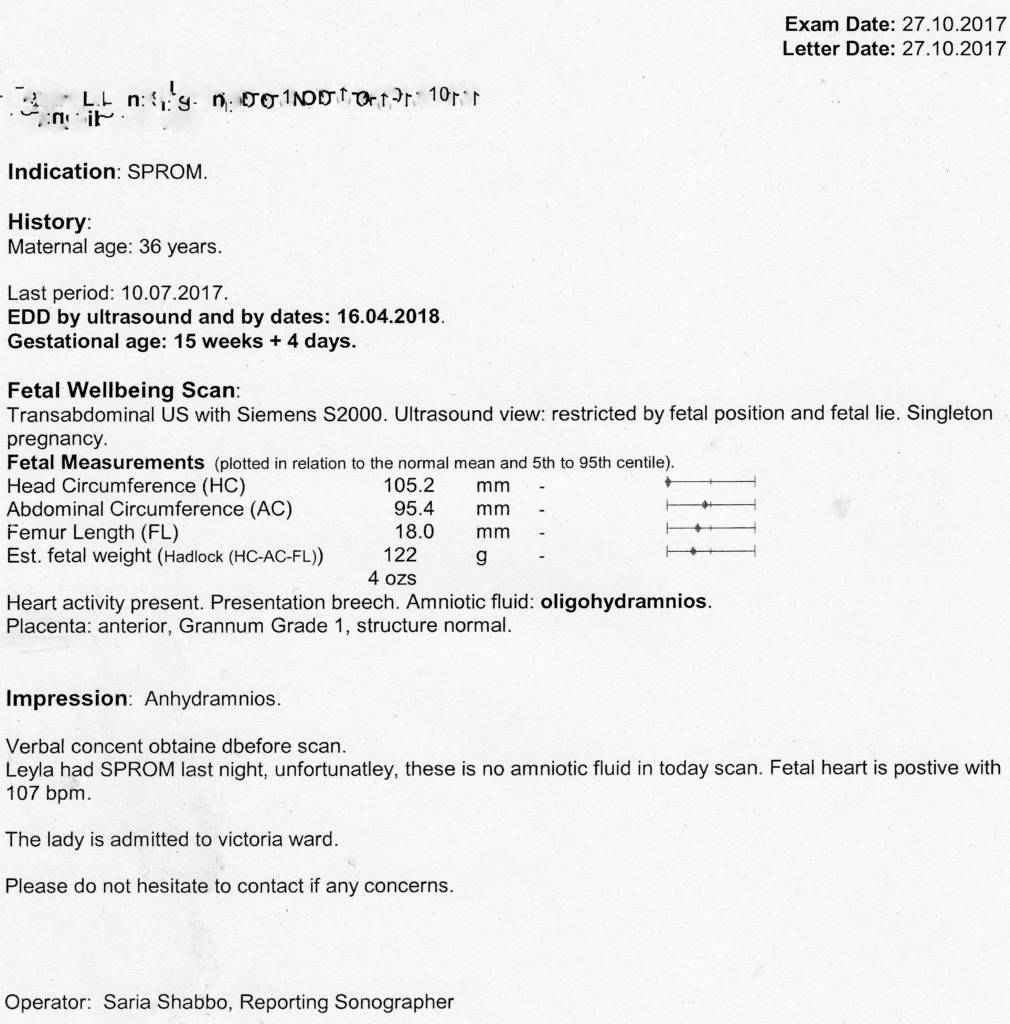
First Girl: We became pregnant with our beautiful Poppy girl successfully with Urobiologics’ conception plan, however, we sadly lost her at 16 weeks pregnant, due to a PPROM
Second Girl: We had our beautiful baby girl, Ayla, in September 2019.
Third Girl: Another baby girl, Amelia, was born on 30th June 2021.
The effect of Dr. Verma’s Alt-Phase Method on IVF and IUI
Couples undergoing IVF or IUI can directly benefit from the Alternating-Phase Method. But make sure you’re in the correct phase before egg retrieval and embryo implantation, so you can significantly increase the success rate. For example, if you are trying to get a girl through IVF / IUI, your egg must be retrieved when you are in the girl phase. This is so it is biocompatible with the X-sperm to develop a proper embryo and thereafter that embryo must be implanted when you are in the girl phase. The bio-incompatibility is the main cause of the 35% success rate of IVF / IUI. Clinics are ignoring these important parameters.
New trend for would-be brides
Urobiologics has started a new trend advising brides-to-be to get tested 2-3 months before their wedding. This way, the bride can fully control when to conceive a balanced family. This allows couples to plan their families right from the start, avoiding the stress of having multiple children of the same gender first and then seeking gender selection methods.
Comparing Dr Verma’s Alt-Phase methods with other gender selection techniques
Cost-Effective: Most affordable compared to medical interventions like IVF.
IVF with PGD: Highly accurate, low live-birth success rate (<35%), expensive and invasive. Usually, they ask to repeat the attempt at additional cost.
Sperm Sorting: Increases likelihood but is not 100% accurate.
Dr. Verma’s Alt-Phase Method: Most natural, non-invasive, highest success rates between 94% to 98% depending upon the number of samples submitted as PreGender Preconception test for gender-specific conception.
Comparing methods for gender selection
Urobiologics’ Methods vs. Other Techniques
IVF with PGD: Highly accurate but expensive and invasive.
Sperm Sorting: Increases likelihood but is not 100% accurate.
Natural Methods: Less invasive but variable success rates.
Benefits of Non-Invasive, Natural Methods
No Medical Interventions: Urobiologics’ methods do not require invasive medical procedures.
High Success Rates: Proven success rates of up to 94% for gender-specific conception.
Cost-Effective: More affordable compared to medical interventions like IVF.
Ethical and social considerations
Gender selection raises ethical questions about the implications of choosing a baby’s gender. It is important to consider the moral and social impacts of such choices. Urobiologics ensures its methods are used responsibly and ethically, focusing on family balancing rather than gender preference.
Gender selection methods vary in their approaches and success rates. Urobiologics offers a reliable, natural, and non-invasive method for couples seeking family balance. With a high success rate and ethical considerations, Urobiologics stands out as a leader in gender selection.
Is gender selection ethically right? Why or why not? The ethics of gender selection vary by cultural and personal beliefs. Some argue it can lead to gender imbalances and reinforce stereotypes, while others believe it’s acceptable for family balancing or preventing gender-specific genetic disorders.
Are there ways you can make sure you have a boy or a girl? While no method is 100% guaranteed, techniques like PGD/PGS and Dr. Verma’s Alternating-Phase Method have high success rates. Other natural methods also exist but with varying degrees of effectiveness.
What if anything can parents do to influence their chances of conceiving a child of their preferred biological sex? Parents have been using baseless and highly unreliable Shettles Method for timing intercourse and dietary changes, but these theories have been debunked by NIH. Dr. Verma’s Alternating-Phase Method and medical interventions like PGD/PGS and sperm sorting are more reliable but also more invasive and costlier than Urobiologics’ method.
Specific methods and techniques
How can I ensure that I conceive a male child with 100% guarantee? No method can provide a 100% guarantee. However, methods like PGD/PGS with IVF and Urobiologics’ Alternating-Phase Method have high success rates for gender-specific conception.
How do I conceive a baby girl as a firstborn?What is the best way to have a female child?What is the easiest and cheapest way to conceive a baby boy?How can we have a boy or girl baby naturally? The best way to naturally influence the gender of your baby includes methods like Dr Verma’s Alternating-Phase Method, which offers a natural, non-invasive approach. For a more reliable but costly option, medical interventions such as PGD/PGS with IVF can be considered.
Can the process of selecting a baby’s gender through an IVF treatment in PGD be done in India? Yes, gender selection through IVF and PGD can be done in India, provided it aligns with local regulations and ethical guidelines.
IVF and PGD-specific questions
Can you find out the gender during in vitro fertilization (IVF) with preimplantation genetic diagnosis (PGD)? If so, how much does it cost for that service? Yes, the gender of an embryo can be determined during IVF with PGD. The cost for this service varies depending on the clinic and location but generally ranges from $4,000 to $7,000 in addition to the cost of IVF.
Can the gender of an embryo be determined during in vitro fertilization (IVF)? If yes, what is the process for determining the gender? Yes, during IVF, embryos can be tested for gender using PGD. A few cells are extracted from each embryo for genetic testing, and only embryos of the desired gender are implanted.
How difficult and invasive is it to go through IVF for gender selection? IVF for gender selection involves multiple steps, including hormone treatments, egg retrieval, fertilisation, and embryo implantation. It is an invasive process that requires medical intervention and can be physically and emotionally demanding.
Would you do gender selection and go through IVF to guarantee a boy if this is your first child? We’ve never tried to get pregnant naturally and he’s not willing to. Choosing IVF for gender selection as a first option is a personal decision that depends on individual circumstances, including medical, ethical, and financial considerations. It is advisable to discuss this thoroughly with a fertility specialist and consider trying to conceive naturally first.
Financial and geographical considerations
How much does gender selection in Cyprus cost?How much does gender selection cost?How much does it cost to pick the gender of your baby? The cost of gender selection varies widely depending on the method and location. On average, IVF with PGD can cost between $15,000 and $25,000, whereas non-invasive methods like Urobiologics’ Alternating-Phase Method are generally more affordable.
Which are the best clinics for IVF with Gender Selection in Thailand? Several reputable clinics in Thailand offer IVF with gender selection. It’s essential to research and consult with multiple clinics to find the one that best meets your needs in terms of success rates, cost, and ethical considerations.
Family planning and preferences
When there is a question of family balancing, there is a desire for a specific gender of the upcoming baby. So what to do if you are planning for a baby boy? For planning a baby boy, you can consider methods like the Shettles Method, dietary changes, and Urobiologics’ Alternating-Phase Method. Medical options like PGD/PGS with IVF can also be pursued for higher accuracy.
*This collaborative post is sponsored by Urobiologics
Boost your health with the at-home vaginal microbiome test
Unless you’re itchy or burning down there, you don’t really pay much attention to what your front bottom is doing. However, your vaginal microbiome is a big deal and holds the key to your fertility success, pregnancy outcomes and other related diseases. But how do you know if your vaginal microbiome is happy?
By doing a vaginal microbiome test!
Daye, an innovative brand that raises the standards in gynae health by creating cutting-edge feminine health products and services, offers a convenient at-home vaginal microbiome test and a whole heap of information on what to do when you receive the results.
In this article, we’ll discuss the importance of knowing your unique vaginal microbiome and introduce the concept of at-home testing with Daye.
Your vaginal health starts here!
Wait, what’s my vaginal microbiome and what are vaginal microbiome tests?
The term ‘microbiome’ might sound like a fancy scientific word reserved for lab-coated professionals, but in essence, it refers to the community of microorganisms or vaginal microbiota, both friendly and unfriendly, that call our bodies home. Our vaginal microbiome plays a pivotal role in our overall health, influencing everything from our reproductive health to our vulnerability to infections. A vaginal microbiome test takes a swab of your microbiome and can tell you your unique makeup and whether your vagina is in working order.
But, why should you take a vaginal microbiome test?
Before diving into the necessity of a vaginal health test, it’s crucial to understand why it’s important to know your unique vaginal microbiome. This ecosystem consists of various bacterial species, most notably Lactobacillus, which play an instrumental role in vaginal health. An imbalance, often termed as bacterial vaginosis or dysbiosis, can lead to various health issues, as mentioned above.
So what’s in your vaginal microbiome?
Your vaginal microbiome is made up of the following:
Lactobacilli
Dancing gracefully in the theatre of your body, Lactobacilli are the unsung heroines of your vaginal realm. These benevolent bacteria produce lactic acid to strike just the right pH balance and your reproductive haven remains flourishing and vibrant, keeping unwelcome bacterial invaders at bay.
Studies show that a vaginal microbiome that is rich in protective lactobacilli bacteria is linked to a lower risk of infections, fertility issues and pregnancy complications.
Anaerobic bacteria
Meet the party animals of the microbial world! These microorganisms are quite the mavericks, dancing around the microbiome without care for oxygen. And they adore settling down in cosy, less acidic nooks, which can often be found in the neighbourhoods of human skin and the avenues of mucosal membranes. A favourite hotspot? The ever-popular vaginal canal!
But, when the rambunctious duo, Gardnerella vaginalis and Prevotella bivia, decide to come into the mix, things can spiral out of control, leading to bacterial vaginosis (BV), the talk of the town in vaginal infections. Awareness is key, however, and spotting these party crashers early can be the first step in keeping the microbiome balanced.
Yeast-like fungi like Candida
A whopping 75% of us ladies have to deal with these tiny troublemakers called Candida at some point and these yeasts chill in many of our vaginal areas without causing a fuss most of the time. But, if they decide to throw a little over-the-top party, it can lead to an infection known more commonly as thrush (or vaginal candidiasis.) It’s central for yeast infections, causing all sorts of itching and discomfort down there.
Mycoplasma hominis and Ureaplasma
Mycoplasma and Ureaplasma are some of the tiniest little organisms that don’t have a cell wall, which means spotting them under a microscope can be tough.
However, they have been spotted at the scene of a few vaginal infections and have even been linked to some specific pregnancy outcomes. But in low numbers, they’re pretty much harmless, just mingling harmoniously with the normal vaginal flora.
Pathogenic microorganisms – Mycoplasma genitalium
Mycoplasma genitalium holds the record for being the tiniest bacteria that can make copies of itself. But if it decides to cause a stir in your microbiome, it can bring along some not-so-fun symptoms like vaginal discharge, a stinging sensation when you pee, pelvic pain, and spotting either after getting frisky or at random times between your periods.
Why is it important to have a balanced microbiome?
The vaginal microbiome is a complex ecosystem and these microorganisms that live in the vaginal playground each play a vital role in maintaining your overall health and wellbeing. Maintaining a balanced vaginal microbiome is crucial for several reasons:
Prevention of vaginal and urinary tract infections
Having a hearty bunch of Lactobacilli is like having a superhero squad down there, keeping the nasty recurrent vaginal infections like thrush and bacterial vaginosis at bay. It could also mean saying goodbye to those annoying urinary tract infections (UTIs).
If you’re expecting a little one, have diabetes, recently took antibiotics, have a weakened immune system or are using the pill, you might be experiencing more bouts of thrush than normal.
Shield against sexually transmitted infections
An abundance of lactobacilli in your microbiome could actually act as a shield against catching sexually transmitted infections, even something as serious as HIV. And get this, animal studies have shown that lactic acid (thanks to our lactobacilli buddies!) can knock out the bacteria behind some nasty STIs, including chlamydia.
Increase fertility and reproductive health
Did you know that if the balance of your vaginal microbiome goes a bit wonky, it might bump up your risk of facing some fertility hurdles or even pre-term labour? That’s not all – some early research even hints that this kind of imbalance might throw a spanner in the works when it comes to successful IVF cycles.
Research has also found a connection between infections caused by Ureaplasma parvum and a higher chance of babies arriving ahead of schedule, not to mention giving the little ones a bit of a tough start with respiratory issues.
Mycoplasma hominis might be behind some early pregnancy losses and even cause trouble during the second trimester. This may explain the reason for my second-trimester loss back in 2017 as it was detected in my own microbiome screening (more on my own results later in the article).
Imbalanced microbiome linked to gynaecological cancers
In the ever-evolving field of medical research, experts are now delving into the potential link between lactobacilli and cervical cancer. Findings suggest it’s important for those with cervical cancer or who have signs of vulvar cancer to know they often exhibit an imbalance in their vaginal flora, marked by a reduction in the beneficial lactobacilli bacteria. While the human papillomavirus is a recognised factor in cervical cancer, the connection between the vaginal microbiome and other gynaecological cancers, like ovarian cancer, remains less clear.
Menopause can knock things out of whack
During menopause, oestrogen levels take a nosedive while follicle-stimulating hormone (FSH) climbs. This seems to push our friendly lactobacilli out of the picture. Many researchers have drawn a line connecting menopause to a higher chance of getting off-kilter down there, probably because of this bacterial shakeup.
What’s more, when Lactobacillus is in short supply, things like vaginal atrophy can pop up, causing thinning, dryness, and inflammation of the vaginal walls. Good news, though! Hormone replacement therapy seems to roll out the red carpet for Lactobacilli and can soothe those pesky vaginal woes. Popping some oral or vaginal probiotics* might also give your vaginal microbiome a much-needed boost during these changing times.
What happened during my at-home vaginal microbiome screening?
I was gifted the At-home Vaginal Microbiome Screening Test Kit from Daye to check out how my own microbiome was doing and the results were very interesting!
There is a small disclaimer before starting out with the kit and that’s to note that the information Daye provides is based on the initial questionnaire you fill out and the screening is designed to help make sense of your unique vaginal microbiome. But it should not be used to replace a medical diagnosis or your regular gynecological appointments. Daye’s platform can connect you with vetted physicians if you don’t currently see anyone for your gynae health.
What did I find out from my at-home vaginal microbiome test?
I have to say, I was pretty surprised at the results!
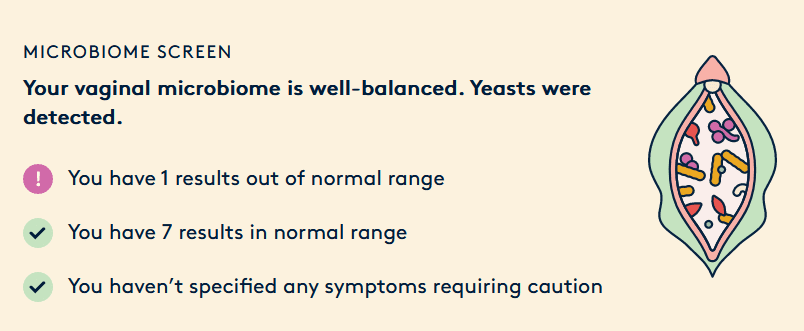
The at-home vaginal test results came back within three days via email and were very extensive. Here are some results below:
My vaginal microbiome is balanced and abundant in lactobacilli, which is great news, but the test did find some yeast-like fungi out of the normal range that may require further attention. I mentioned in my questionnaire that I had some itching after using the menstrual cup during my period but after a couple of days, it would go. For the rest of the month, I would have no symptoms. Daye did mention that there was no cause for emergency and that my ‘out-of-the-range’ result was a mere 0.1 off the normal range. So I wasn’t concerned.
There were some Anaerobic Bacteria and Mycoplasma/Ureaplasma detected but these were within the normal range. When I delved deeper into the results the rate of detection was 0, so I was confused as to what exactly was detected if the result was 0. Thankfully no Pathogenic microorganisms were detected.
So, what do these results mean?
Anaerobic bacteria detected
Anaerobic microorganisms are found in healthy vaginal microbiomes in various amounts. Studies show that while they are in range, they don’t pose a risk of developing infections.
My microbiome contains a moderate amount of anaerobic bacteria and is abundant in lactobacilli, so this means I have a low risk of vaginal infections (like BV) and other health complications, like infertility, preterm birth and contracting STIs. It is the protective function of the lactobacilli that keeps the anaerobic bacteria at bay and prevents overgrowth that leads to infections – awesome!
Candida detected out of the normal range
Research shows that people with microbiomes abundant in Candida have a high risk of a yeast infection.
This could lead to symptoms like burning and itching in and around the vagina, unusually white thick discharge, and in some cases pain while peeing or having penetrative vaginal sex. Since I have an abundance of lactobacilli I don’t need to replenish them. Instead, I need to reduce the amount of Candida with medication to help restore a balanced flora.
I mentioned in my questionnaire that my menstrual cup sometimes leads to itching after my period so I may need to change my menstrual cup.
Mycoplasma/Ureaplasma detected
My microbiome contains small amounts of bacteria from the Mycoplasma family (Mycoplasma/Ureaplasma). The asymptomatic presence of these bacteria is common and I don’t need treatment as I don’t have relevant symptoms, negative tests for STIs or high bacterial loads. If I do experience any vaginal symptoms, or I’m trying to conceive or pregnant, then I am advised to consult with a specialist for advice on what to do next.
What I found really interesting was the information about how a high-sugar diet could lead to more concentration of Candida in your microbiome and up until last month I had a very high-sugar diet. This month I have been a lot more careful and I’d be interested to find out whether that will make a difference in my microbiome after my period, where I notice the most symptoms.
The other point to note was the detection of the other bacteria which is what could have led to my spotting during my third pregnancy and ultimately a second-trimester miscarriage. Those results had found a UTI and Group B strep but doctors couldn’t advise whether these were related to my miscarriage. But linking this knowledge with the information provided by Daye in the results makes it even clearer that these could have very well been a factor in my pregnancy not being viable.
Do we really need at-home vaginal microbiome tests?
Considering how simple this test was to take, and send and how quickly the results came back, I would say, 100% yes!
Knowledge is power and you don’t have to set doctor’s appointments and endure the long wait at the clinic to give your sample. With Daye, you can conduct the test within the comfort of your home, at your pace, and on your terms.
The test results came back within three days! There’s no more waiting weeks to get your results and then chasing them on the phone. Daye’s results were so quick and the feedback was very detailed, complete with studies and next steps.
Plus, I love the convenience and confidentiality of it all. Discussing intimate health can be quite daunting at a clinic. At least, you can have control over your health narrative at home with an at-home vaginal microbiome test from Daye.
How does testing work? What do I have to do?
You can also follow the basic steps below:
Order an At-Home Vaginal Microbiome Screening Test Kit from Daye
Create an account and activate your test kit online when you receive your kit. The kit will contain all the instructions you need.
Complete the online questionnaire
Place the freezer pack in the freezer
Insert the tampon for at least 20 minutes, making sure to wash your hands first to avoid contamination. Make sure you are ready to take the test by ensuring:
You are over 18
Your last period ended at least five days ago
You haven’t taken any antibiotics or antifungals in the last 30 days
You haven’t had vaginal penetrative sex in the last 24 hours
You haven’t used any vaginally administered meds, creams, douches, gels or similar in the last 24 hours
Place the tampon in the blue pouch provided and follow the instructions to close the pouch
Place the pouch in the freezer with the ice pack
Place the pouch in the kit provided and drop it off at your local post office.
Make sure you are able to post between Monday and Wednesday. If you can’t, leave the tampon and ice pack in the freezer until you are able to drop it at the post office.
You will receive your results very quickly. I received my results within three days!
Sit back and learn all about your vaginal microbiome!
So, what’s next after the vaginal microbiome test?
Learn more about the microbiome by digging into the studies provided in your results and using the dashboard to check your next steps. Depending on your results, you can book a call with a specialist related to the area you have concerns, i.e. sexual health nurses, period and pelvic pain specialists, fertility specialists, nutrition and physical therapists, or a GP. The price and time of the call will be displayed on the page.
Or you can export a PDF of your results to send to your local doctor should you need advice on the next medical steps to balance your microbiome.
If you need to, you can book an STI test online or find an NHS/private clinic nearby, if you receive a negative result.
You can order probiotic supplements and other products to help boost your microbiome on Daye’s website.
There is an abundance of knowledge on Daye’s website, so have a browse and learn more about your vaginal microbiome in one place!
Track your vaginal microbiome development over time
Once you learn more about your microbiome, you can take steps to implement the changes, i.e. for me it’s about changing my menstrual cup, finding some over-the-counter medicine to reduce Candida and ditching the high-sugar diet which I’m doing already. I will then retake the test to see if it all worked and if my microbiome is nice and balanced.
Are you struggling with period pain?
Daye also offers the groundbreaking new Period Pain Clinic, which offers specialised gynae care If you suffer from period pain and need more tips on how to manage it then check out my article coming up on period pain really soon!
To conclude
Diving into the world of your vaginal microbiome is like flipping open a never-before-read chapter about the intricate wonders of your own body. It’s more than just seeking a healthy balance; it’s about fostering an open dialogue with the vibrant ecosystem that thrives within us, adapting and growing as we do.
Thanks to Daye’s straightforward at-home vaginal microbiome test, you can say goodbye to the long waits and clinical visits that used to be the norm. It’s all about speedy results and unlocking the knowledge you need to step up your health game right from the comfort of your home. How cool is it that tech advancements have made it so we can get this precious insight without any fuss?
For me, it’s about letting go of some cherished habits, like parting ways with my favourite menstrual cup or resisting those sugary treats. Every change, big or small, is a positive leap towards cultivating a microbiome that’s not just balanced but flourishing. And with Daye’s innovative approach, we’re all set to embrace a future where wellbeing is not just attainable, but completely in our hands.
FAQ
Does my microbiome affect my fertility or preterm birth?
Absolutely, your vaginal microbiome can influence both your fertility and the risk of preterm birth. Here’s a bit of detail on how this works:
Fertility
Researchers have found that a healthy microbiome, rich in lactobacilli, can create a favourable environment for conception and a successful pregnancy. Lactobacilli helps in maintaining the vaginal pH at an optimal level, which is crucial in warding off infections and creating a hospitable environment for sperm.
On the flip side, an imbalance in the vaginal microbiome, also known as dysbiosis, can potentially lead to infections and inflammations, which might interfere with the conception and implantation of the embryo.
Preterm Birth
As for the risk of preterm birth, studies have linked vaginal microbiome imbalances to an increased likelihood of delivering before the 37th week of gestation. Bacterial vaginosis, a condition characterised by a decrease in lactobacilli and an increase in diverse anaerobic bacteria, has been associated with a higher risk of preterm birth. The exact mechanisms are still under research, but it seems that infections and inflammation might play a role in triggering premature labour.
So, maintaining a balanced vaginal microbiome is not only important for your overall vaginal health but could also be a significant factor in your fertility journey and the outcome of your pregnancy. It’s always a good idea to consult with a healthcare provider if you have concerns about your microbiome and its potential effects on your fertility or pregnancy.
What is a microbiome test for BV?
Other questions asked were:
Where can I find a BV home test kit or BV screening kit?
A microbiome test for BV, often part of a more comprehensive vaginal health assessment, is a diagnostic tool used to analyse the bacterial composition in the vaginal area. The above at-home vaginal microbiome test from Daye can also be a bacterial vaginosis home test and if found, offers tips on how to seek specialist advice. Look online for recommendations on the best at-home bacterial vaginosis test for you.
Are athome vaginal pH tests discreet and accurate?
Yes, at-home vaginal pH tests can be both discreet and accurate, provided they are purchased from reputable providers and used correctly. Daye’s microbiome test uses extra security to ensure data is kept private and the packaging comes in a plain kit, so as not to alert others as to what is inside.
Tests are designed to be used at home by yourself, avoiding any potential embarrassment or discomfort that might come with a clinic visit.
Daye’s vaginal microbiome test has been thoroughly vetted and backed by scientific research to ensure the results you’re getting are highly accurate and effective.
Accuracy:
However, it is worth noting that while they can be accurate, these tests are not foolproof. If the results are unclear or you are unsure, it is always best to consult with a healthcare provider for further evaluation. Additionally, a pH test can indicate there might be an imbalance, but it won’t provide a full picture of your vaginal microbiome. Further microbiome testing might be required to pinpoint specific issues or infections.
My yeast infection and bacterial vaginosis test came back negative but I’m still itching and have a smell. What could it be?
I’m not a doctor, but if you’re experiencing persistent symptoms and your initial tests for yeast infections and bacterial vaginosis came back negative, it might be worth considering other potential causes. Here are a few possibilities:
Trichomoniasis: This is a sexually transmitted infection (STI) caused by a parasite. It can cause itching and an unusual smell, among other symptoms. You might want to get tested for this.
Allergic Reaction or Irritation: Sometimes, the products we use, like soaps, detergents, or even the material of underwear can cause irritation or an allergic reaction in the vaginal area. You might want to consider if you’ve used any new products recently.
Hormonal Changes: Changes in hormone levels, which can be caused by various factors including your period, pregnancy, or menopause, can sometimes affect the vaginal environment and cause symptoms like itching. I believe I suffer from this.
Foreign Body: Occasionally, a foreign body like a forgotten tampon can cause symptoms of irritation and a foul smell. If there’s a chance this might be the cause, you should consult your doctor.
Cytolytic Vaginosis: This is a lesser-known condition where there is an overgrowth of lactobacilli bacteria, the “good” bacteria. It’s different from bacterial vaginosis, and it can cause symptoms like itching and burning.
Vulvodynia or Vestibulodynia: These are conditions characterised by chronic discomfort in the vulva area, including itching, burning, and pain. The exact cause is often unknown.
Dermatological Issues: Sometimes, skin conditions like eczema or psoriasis can also affect the genital area and cause symptoms like itching.
Given that your symptoms are persisting, you should try a home yeast infection test kit and reach out to your doctor. They might suggest further tests to pinpoint the exact cause and prescribe appropriate treatment options. It’s always best to consult with a doctor when it comes to health concerns!
The post was sponsored by Daye but all thoughts and opinions are 100% my own. Images are taken from Daye’s website
Tracking dates, calculating hormone levels, and keeping an eye out for even the slightest body change can be tedious, especially when you are trying to conceive.
You have reason to suspect you are pregnant, but you are unsure of what symptoms you’re expected to experience. Don’t forget that early signs of pregnancy can differ from woman to woman too, and if you don’t experience any or all of the below symptoms, then you could still be pregnant. As you wait anxiously for the right time to take a pregnancy test*, it may help if you can identify the early pregnancy symptoms after ovulation day.
In this article, we will look at the ovulation symptoms that occur at different phases during your journey to a Big Fat Positive (BFP) on the pregnancy test and answer some commonly asked questions about what to expect. But first we need to understand the basics of ovulation and why it’s important to track your fertile window.
What happens at ovulation? What are the signs after ovulation?
Ovulation marks the beginning of the luteal phase of your menstrual cycle and occurs when your ovary releases a mature egg from a follicle. The follicle responds to a surge in luteinizing hormone (LH) 24-36 hours before it bursts to let out the egg. This egg is now available to meet the male sperm so that fertilisation can form an embryo.
The best time to try is around ovulation if you are trying to conceive. This is called the fertile window, a six-day period that spans four days before ovulation, the day of ovulation, and a day after ovulation. You may have a higher chance of a successful pregnancy if you have intercourse during these days.
How early can we detect signs of pregnancy?
While some women can experience pregnancy symptoms as early as three days post ovulation (3DPO), it is safe to believe that they are only premenstrual symptoms.
You could already be pregnant at 3 DPO, but your fertilised egg has not been implanted yet. It’s only after the fertilised egg develops into a blastocyst and attaches to the uterine lining that you can expect pregnancy symptoms to occur.
This is because, after implantation, the body produces the human chorionic gonadotropin (hCG) hormone, often referred to as the pregnancy hormone. Pregnancy tests detect hCG hormone levels in your urine and blood to give a BFP result. During early pregnancy, hCG doubles every 1-2 days before peaking around 10-12 weeks of pregnancy.
You may only suspect that you may be pregnant if you experience your body’s reaction to rising progesterone and hCG hormone levels after the fertilised egg has been implanted into the uterine wall. This is why that two-week wait (TWW) is such an anxious period between ovulation and when a pregnancy test can reliably pick up a pregnancy and provide the most accurate results.
Clearblue Pregnancy Test Ultra Early Triple-Check & Date Combo Pack, Results 6 Days Early (Visual Sticks) & Tells You How Many Weeks (Digital Stick)… Buy from Amazon here*
So, what are the most common signs of early pregnancy that are the easiest to identify? Let’s find out!
What happens in the days past ovulation? What are some post-ovulation pregnancy symptoms?
Nausea
After fertilisation and implantation, your body releases human chorionic gonadotropin (hCG), which has been proven to cause morning sickness in 70-80% of women. Although it’s called ‘morning sickness’, nausea and vomiting can last all day. Sometimes, it may be severe enough to cause dehydration, so you ensure you drink enough fluids during this period. These symptoms usually taper off at the end of the first trimester or the first 12 weeks of pregnancy.
Some women are lucky and experience very light nausea during pregnancy. Some women experience nausea or are sick during the first 12 weeks of pregnancy (first trimester) and some unlucky women experience extreme nausea or are sick throughout the entire period of their pregnancy (Hyperemesis Gravidarum).
You may become more sensitive to smells, including food and cooking, which may set off your morning sickness. It is found that ginger helps to curb morning sickness, although there is little explanation why it works. Dry crackers also help to keep your tummy full without causing too much nausea.
10 Pairs Travel Sickness Bands Children, Jane Choi Motion Sickness Relief Wristbands for Children Kids Adult Pregnancy, Morning Sickness Relief Bracelets… Buy from Amazon here*
Fatigue
60% of all pregnant women feel extremely exhausted in the early days of pregnancy. Fatigue is common because this is when your body works overtime to produce the placenta, a rich supply of blood vessels that will give your baby the oxygen and nutrients it needs to grow and thrive.
Your metabolism may also increase, causing physical weakness. Nausea may prevent you from eating properly, so your body gets less fuel to function. Pregnancy and conception are emotional roller coasters that can leave you physically drained.
Pregnancy fatigue is not like normally tiredness, you may feel exhausted after doing normal activities. Listen to your body and rest when you need to. But, chances are you may be pregnant.
Constipation
16 to 39% of pregnant women experience constipation. After implantation, your body releases the hormone progesterone to help build the inner walls of the uterus and prepare the body for pregnancy.
Progesterone is a smooth muscle relaxer, so it relaxes the muscles of your bowels and intestines. Digested and undigested food stays stagnant longer in the intestines to absorb water and nutrients. The waste becomes dry and harder to pass, causing constipation.
Breast tenderness
You may notice that your breasts are increasing in size. As they swell, you may have to go up a bra size. Your breasts may also become sore, heavy, or tingly. Many women say that their nipples feel sensitive to touch. Studies show that rising hormone levels cause blood flow to increase in the breast tissue, which causes them to swell and become tender.
Mood swings and early pregnancy symptoms
Happy one minute and sad the next. Mood swings are unpredictable but are a common symptom of pregnancy. Your moods may fluctuate because of pregnancy’s physical and emotional stress and changes in metabolism and hormones like oestrogen and progesterone.
A funny metallic taste in your mouth
Not everyone experiences this symptom, but if you go off food and have a strange metallic taste in your mouth, then this may be an early sign of pregnancy. You may experience excess saliva too. Studies may suggest that a metallic taste in our mouth can signify a deficiency in vitamins so make sure you’re taking your prenatal vitamin, especially folic acid, as soon as possible, even before you get your positive pregnancy test
Needing to go to the toilet more often
During early pregnancy, you may find that you need to pass urine more often because of your womb expanding and pressing on your bladder. This is one of the most common symptoms of pregnancy and the progesterone is the culprit to frequent urination. It may also cause another nasty side effect, constipation.
Headaches
Increased blood circulation during pregnancy may cause headaches, thanks to frequent hormonal changes.
There are other signs to spot during pregnancy, but the only true way to find out you are pregnant is if you take a pregnancy test. It is scientific proof of whether or not you are expecting a baby. For more information on pregnancy changes to your body, visit Mommy Authority.
Now that you know the common symptoms, let’s look at the unique signs that distinguish the various DPO phases.
Pregnancy symptoms after ovulation day by day
The symptoms can fluctuate for all women, but what happens after ovulation day by day in common pregnancies exactly?
Below you can find the most common pregnancy symptoms after ovulation day by day until your missed period.
3-4 DPO symptoms by day
Spotting because of ovulation bleeds
Studies have shown that almost 5% of menstruating women experience mild bleeding or spotting during early pregnancy, known as ovulation bleeding. It may occur as the follicle of the ovary ruptures, damaging a few blood capillaries as it releases the mature egg. This is often seen around 3 or 4 DPO. You may also feel mild cramping during this time.
5 – 6 DPO
Implantation bleeding
The fertilised egg implants itself into the uterus wall at around 8-10 DPO. But it can occur anytime between 6-12 DPO. As the egg burrows into the uterine wall, it may also damage a few blood vessels, which cause mild spotting, known as implantation bleeding. Research shows that 15 to 25% of pregnant women experience bleeding in early pregnancy. Implantation cramps are milder and occur between 6 to 12 DPO. You can distinguish these from menstrual cramps, which occur at around 14 DPO.
Changes in cervical mucus
After ovulation, your vaginal discharge usually becomes dry and scanty. But if an egg is fertilised, you may see changes in the discharge. The cervical mucus may increase in quantity and become runny, with the consistency of egg whites. It may even take on a pink tinge or appear as a brownish discharge.
7-13 DPO
Can you have symptoms 7-13 days after ovulation? Here are some common symptoms:
Increased urination
At 7 – 13 DPO early pregnancy symptoms can include increased urination. Many women notice they go to the bathroom more often, even though their water or fluid intake has not increased. This is because of the increased blood flow to your kidneys during the first few weeks.
Increased sense of smell
As oestrogen rises, your sense of smell may get sharper. Even the slightest whiff of an unfamiliar smell can be overwhelming. This can lead to increased cravings for particular foods or aversions, which change your eating habits during this phase.
Pregnancy symptoms at 14 DPO
Early pregnancy symptoms at 14 DPO can include a missed period. At 14DPO you may still be a day or two away from your expected period, but you can take some of the early response pregnancy tests to check. Your breasts may also feel tender and swell.
15 -16 DPO
Increased basal body temperature (BBT)
Your body’s BBT naturally rises after you ovulate and remains high until a few days before your period arrives. But if the egg is fertilised and you become pregnant, your BBT stays steady, even after 15DPO.
Testing for pregnancy
The time between ovulation and your next expected period is usually 12-14 days. If you aren’t pregnant, you should get your period by 15DPO. So if by 15 to 16 DPO you don’t bleed, it marks the first day of your missed period, and you can take a pregnancy test to ensure that you are pregnant.
However, some women have shorter, longer, or irregular cycles., which can make tracking ovulation and menstrual times difficult. Luckily, a fertility monitor like Inito can help take the guesswork out of your calculations!
FAQS
While it is useful to understand the details of each symptom and know approximately when to expect them, let’s get to the common questions women have when trying to conceive.
When is the best time to take an ovulation test?
Ovulation tests give their results by measuring the levels of luteinizing hormone (LH), which rise 24-36 hours before ovulation. The best time to take an ovulation test is about 17 days before your next period.
The LH surge takes place in your blood between midnight and 8 am. However, it can take 3-6 hours for the hormone to be detected in your urine. So, the ideal time to take an ovulation test that checks your urine is between 11 am – 3 pm the next day. Take the test twice daily to ensure that you don’t miss the brief LH surge.
The Inito Fertility Monitor measures oestrogen and LH to track your fertile window. It also measures progesterone (PdG), which is released only after ovulation. A positive progesterone test will confirm that ovulation did indeed take place. So you can rest easy knowing that you won’t miss your fertile window when trying to conceive.
Clearblue Digital Ovulation Test Kit, 1 Digital Holder And 20 Tests. Buy from Amazon here*
When is the best time to take a pregnancy test?
The best time to take a pregnancy test is on the first day of a missed period, which is usually around 14-15 DPO or approximately 2 weeks after ovulation. So, why do we need to wait for so long?
It may be nerve-racking, but waiting for the first day of your missed period gives you a 99% chance of getting an accurate result. You need to give the hCG levels time to rise. Studies show that most pregnancy tests need hCG levels of 25 mIU/mL to give a positive result. Considering that hCG levels double roughly every two days after implantation, before peaking at around the 10th week, it can take several days for the hormone to be detected by the tests.
If you normally have a regular period, then having a missed period will often be the earliest physical sign to watch out for. You may still have a little light bleeding or spotting around the time of your period even if you are pregnant and this is called implantation (when the fertilised egg implants itself into your womb).
Implantation bleeding is generally lighter than a period and the cramps are less severe. For those of you who don’t have regular periods, then you may notice other earlier symptoms before you spot a missed period. Take a pregnancy test as soon as you miss your period date, as this method is the most accurate way of finding out if you’re pregnant.
How do I make out the difference between ovulation bleeding and implantation bleeding?
Both implantation and ovulation bleeding are similar, and their timelines may also overlap. Here is a quick way to identify the differences between the two.
Factor
Spotting
Implantation Bleeding
Ovulation bleeding
Reason
It occurs when a fertilised egg attaches to the inner uterine lining or endometrium, signalling the start of pregnancy.
It occurs when the ovary releases an egg from a mature follicle.
Color
Light pink to dark brown
Light pink or red
Clotting
No clots
No clots
Time
Lasts only 1-2 days
Lasts only 1-2 days
Pattern
Irregular and unpredictable
Irregular and unpredictable
Amount
Small amount of blood causes light spotting, which may require a panty liner for collection.
Small blood causes light spotting, which may require a panty liner for collection.
Symptoms
Nausea, light cramps, frequent urination,
Increase in cervical mucus, with the look and consistency of egg whites. Increase in basal body temperature. Increased sex drive. Ovulatory pain or cramping.
Which symptoms appear even when you’re not pregnant?
Other questions asked are:
What are the symptoms after ovulation if not pregnant?
Symptoms after ovulation if you’re not pregnant can also be construed as pregnancy symptoms but are actually false symptoms. These include:
Delay in your period
Bloatedness.
Enlarged and tender breasts, changes in the nipples, and possibly milk production.
Feeling of foetal movements
Nausea
Weight gain
Positive pregnancy test but no symptoms. Is this normal?
Other questions asked were:
What happens after ovulation if pregnant and how does your body feel?
What are the symptoms after ovulation if pregnant?
it is perfectly normal for some women to not have any symptoms at all and still be pregnant.
Is it normal to have blood spotting 2 days after ovulation day?
Ovulation bleeding can occur immediately before, during or after ovulation due to changing oestrogen levels. Light spotting doesn’t usually signal a serious problem, but if you’re worried consult your doctor – better safe than sorry!
What happens one day after ovulation?
Other questions asked were:
What happens the next day after ovulation?
Can you feel symptoms after ovulation?
Are there DPO symptoms leading to BFP?
How do you feel the day after ovulation if pregnant?
How many days after ovulation can you have symptoms?
Can you feel pregnancy symptoms immediately after ovulation?
Can you get pregnancy symptoms right after ovulation?
How does one feel after ovulation?
How many days after ovulation do you get symptoms of pregnancy?
Ovulation lasts anywhere between 12 to 24 hours and after the egg is released, it dies after 24 hours unless a sperm fertilises it. If you have sex days before or during your ovulation period, you have a high chance of conceiving because the sperm can survive for up to 5 days in the cervix.
Can I have pregnancy symptoms at 2 DPO?
Other question asked were:
Can pregnancy symptoms start 2 days after ovulation?
48 hours after conception symptoms, you may experience some cramping, bloating, breast tenderness and fatigue, but these symptoms are generally related to hormonal changes during ovulation. The symptoms will be the same whether or not an egg is fertilised.
Can you have symptoms 3 days after ovulation?
Other questions asked were:
What are the symptoms 3 days after ovulation?
It is unlikely you will experience pregnancy symptoms at after the third day of ovulation.
What happens day 4 after ovulation?
Other questions asked were:
Can you have pregnancy symptoms 4 days after ovulation?
Can you have symptoms 4 days after ovulation?
At 4DPO, the sperm has fertilised the egg that was released four days prior. Once merged, they will transform into a zygote.
Is it possible to have pregnancy symptoms 5 days after ovulation?
Other questions asked were:
Can you have symptoms 5 days after ovulation?
I am 5 DPO days past ovulation with no symptoms. When will I get any symptoms?
You may experience some symptoms as early as 5DP, although you won’t know they’re pregnancy symptoms until much later. Some early symptoms include mood swings, implantation bleeding, cramping and breast tenderness.
Can you have symptoms a week after ovulation?
Other questions asked were:
What are 7 days after ovulation symptoms?
Can you have symptoms 6 days after ovulation?
Please check the day by day pregnancy symptoms after ovulation above for an idea of what to expect 7 DPO.
What are pregnancy symptoms 10 days after ovulation?
Other questions asked were:
10 DPO no symptoms. Is this normal?
What are 10 DPO symptoms of pregnancy?
I have zero pregnancy symptoms at 10 DPO. What do I do?
Can I get a positive pregnancy test 10DPO?
What are day 10 pregnancy symptoms?
10 DPO symptoms include the above symptoms due to progesterone production stopping at around 10DPO. Your period should then start around 14 or 15 days after ovulation if you are not pregnant.
Do pregnancy symptoms before missed period mean I’m pregnant?
There’s no way to know for sure unless you take a pregnancy test. You may experience some symptoms, but these could also be period symptoms too. If you aren’t sure you’re pregnant after taking a test, make sure you visit your doctor to get checked.
Can you feel conception after ovulation?
Fertilisation symptoms before implantation can including cramping due to implantation.
Summary – The bottom line on DPO Symptoms
The period between ovulation and when you can detect and confirm pregnancy is often tricky. The symptoms overlap, and you can easily mistake them for premenstrual symptoms. Instead of ovulation or common early pregnancy symptoms, an easy way to track hormone levels and confirm ovulation is by using a fertility monitor like Inito.
When you know what to expect in the days post ovulation, you can keep a close watch on your symptoms as you start your exciting journey to motherhood!
It has taken me a long time to pluck up the courage to write this post about being pregnant with a girl. I don’t know why; the outcome has been successful, but it hasn’t been so clear cut.
In my previous posts in the ‘Journey to getting my girl‘ series, I had been clear that I wouldn’t mind having a third boy, if that’s what it came to. I just wanted another baby, but losing my girl hit me very hard and left me aching for my princess.
It took us fourteen months to get pregnant after my miscarriage, and to say it has been a tough slog has been an understatement.
In the first two articles, I talked about working with a company called Urobiologics who have been the first of their kind to claim women can select the gender of the baby by the hormonal environment present in their womb, i.e. women have alternating boy and girl cycles. You can read more about this process in Part 1 and Part 2 of the series and my article on women and gender selection.
In this article, I want to talk about what happened after the first successful attempt at getting my girl but losing her to PPROM and then what happened after we tried again. So bear with me, as this post is raw. It brings up a lot of bad memories, but it’s only right to conclude this series with how it all truthfully came about in case you are interested in trying for your girl or boy too.
We started the conception plan again
After losing our girl, we started the conception plan again with Urobiologics. It took us about three months after the miscarriage to even consider trying, but I knew the longer I left it, the harder it would be. I was in my late thirties, my husband had enough of trying and we were suffering as a couple. But I needed to give it a shot because I needed a baby in my arms. However, this time, I actually didn’t care if the baby ended up being a girl, but we thought we’d give it a shot as we had another chance to try.
We named our girl ‘Ayla’ and we followed all the rules and plans we needed to follow, like last time. You can read the conception plan process here.
We couldn’t get pregnant
Despite trying everything to get pregnant, we just couldn’t get pregnant and it drove a wedge between my husband and me because we had to stick so rigidly to the conception plan, which was really taxing. So, after about eight months, we made a tough decision.
We abandoned the conception plan
I took up exercising. I stopped drinking alcohol and I ditched my poor diet. I got serious and every month, if we wanted to, we’d try for a baby, but we took all the stress out of trying for a baby and that included waiting for a girl cycle. We no longer cared about whether we were going for a boy or a girl. We just wanted a baby and our marriage had taken a real hit from all the stress I was putting on my husband.
We still couldn’t get pregnant
Despite abandoning the conception plan, we were still experiencing stress at home. My husband worked long hours, so he would often be too tired to talk about baby planning and when we tried, I kept getting a negative pregnancy result. It was all so frustrating.
On the 14th month, in December 2018, I had another negative pregnancy test, and it was at that point I had decided enough was enough. Maybe we had experienced secondary infertility. Maybe the D&E after the late miscarriage had rendered my womb useless, but I gave up the fight and decided we would live as just four and Poppy up in the sky.
As Christmas was coming up and hubby’s mum was due to come over, my friend bought me a gin advent calendar and I enjoyed myself for the first time at Christmas without so much as thinking of another baby. We’d leave the stress to the new year and we’d try again in January if we still wanted to. Christmas and the end of 2018 were about living in the moment and reconnecting with my husband.
Then something magical happened
I went on BBC to talk about children and screen time in January and I felt funny, like something was off. I couldn’t figure out what it was; I didn’t feel sick or tired, I just felt off.
When my period didn’t arrive, I didn’t think for a second I was pregnant. No, I couldn’t get pregnant. I was too old, too fat, too unhealthy, too something, and a baby wasn’t happening for me.
But when I didn’t get my period a week later, my husband urged me to take a pregnancy test, which I reluctantly agreed to. I knew it would be negative anyway, so what did it matter?
What? We were pregnant? Impossible! I thought we couldn’t get pregnant. We abandoned the conception plan, or maybe I couldn’t get pregnant with girls, and this one was a boy.
When we had our 20 week scan, lo-and-behold, we found out it was a girl.
I couldn’t believe my eyes. Was it the sudden removal of stress, the six months of healthy eating, exercising, meditating, and yoga that contributed to getting pregnant? Or was it pot luck?
We had our beautiful baby girl, Ayla, in September 2019, and you can find my positive VBAC story here. I still can’t believe she’s here and mine.
But the question remains…
Did Urobiologics get me my girl?
The honest answer is, I don’t know, and I don’t think so.
We abandoned the conception plan a good six months before we got pregnant, so I believe getting our girl was down to pot luck. I didn’t try any fancy moves; I didn’t think about timing, I just genuinely believed my body was ready to get pregnant again.
We had another baby girl on 30th June 2021! Her name is Amelia and you can read all about my amazing unassisted VBAC birth here.
You never know what’s around the corner.
My dad’s words always ring true
My advice to you
I do genuinely believe that Urobiologic’s conception plan worked the first time with Poppy and if we hadn’t lost her, we would be holding our little princess now. But, the second time we tried, I think it was down to luck. So my advice to you is, go for it if you want to have your baby boy or girl, but make sure you’re doing it for the right reasons. Are you going to be ok if you don’t end up with the baby of your desired gender and are you prepared to abandon the conception plan if trying becomes harder than the process itself?
We couldn’t get pregnant because we experienced a disconnect, so we threw caution to the wind and funnily enough it worked.
Our 20 month old baby girl now
Remember, this is all anecdotal. If you have health problems or are suffering from conditions that affect your fertility, then speak with your doctor first who can help you set up a fertility plan. But contact Urobiologics (you can find the link here) and speak to Dr Verma about your intentions too. He is very approachable and will help you along the way. Couple that with my tips on how to get pregnant naturally here and you should be well on your way to getting the baby you want – boy or girl.
Remember, other gender prediction tests and methods are not medically reviewed, so take them with a pinch of salt. Make sure you’re following a healthy plan when getting pregnant and pay less emphasis on the method to have the baby as it really ends up being a 50/50 chance in the end.
FAQ
Can you get pregnant with a girl on ovulation day?
Another question asked was, ‘When do you get pregnant with a girl?’
The Shettles Method states that male sperm are smaller so they can swim faster, but die quicker. Girl sperm is bigger and slower but last longer. So Shettles believed if you had sex around the time of ovulation, the male sperm would more likely reach the egg before the female sperm. This has not been scientifically proven and I’m pretty sure the method isn’t fail safe.
There are so many nuances to conception during ovulation day and in fact, one study found no difference between the X and Y sperm. Neither sperm mature in different ways or is faster so, again, pot luck!
What were your symptoms when pregnant with a girl?
Another question asked was, ‘what symptoms did you have with a girl?’ and ‘baby girl symptoms during pregnancy’.
The only telling symptoms I noticed were what I craved, i.e. sour with a girl and sweet with a boy. Otherwise I couldn’t really tell the difference between all five pregnancies.
With Ayla, during labour, her foetal heart rate stayed the same throughout (around 130 to 140 beats per minute). With my first boy, his heart rate dipped to around 54 which is why I had to have the emergency c section. I don’t think it’s a boy/girl thing; I think it’s a birth thing.
What are the signs you’re having a girl?
Another similar question asked was, ‘I feel like I’m having a girl, how can I tell?’ and ‘What are boy or girl early signs in pregnancy?’
I don’t think there are many signs you’re having a girl. I would say the only sign that stuck out for me was craving sour foods and salt and lemon.
What are the signs you are pregnant with a boy?
Apart from craving sweets and carrying at the front, I didn’t see any other signs I was carrying a boy.
Are you more tired when pregnant with a girl?
I was exhausted in this pregnancy but I don’t remember ever being tired with the boys (maybe I blocked the trauma out) or with Ayla. I just slept very well. I don’t think you’re more tired with a girl. Pregnancy is tiring so I don’t think it matters whether you’re having a girl or a boy to feel tired.
Do you glow when pregnant with a girl?
They say girls take your beauty away and boys make you beautiful. I didn’t feel or look beautiful throughout any of my pregnancies! I developed a glow towards the end. But this was true of all pregnancies, not just having a girl. I think the glow comes after a turbulent first three months when the body is getting used to the pregnancy.
Do you get sicker when pregnant with a girl?
Apart from Ayla this time around, I suffered from morning sickness, which was constant throughout the first three months. However, with Ayla, I only had two weeks of morning sickness, then nothing. Hers was the easiest pregnancy by far! I had nausea with the boys, but I didn’t throw up. So I’m not sure there’s a difference, to be honest with any baby girl symptoms during early pregnancy.
Can you be pregnant with a girl and not be sick?
Yes! I wasn’t sick at all with Ayla. In fact, I had morning sickness for about two weeks where I could only eat bland oats and potato, then after that, the morning sickness magically vanished. I only felt sick around 9 pm so I’d just go to sleep and I’d wake up fine the next day. Unfortunately, the same can’t be said for this pregnancy. However, I haven’t been sick in any of my pregnancies, just nauseous. My friend is having a boy, and she has been diagnosed with hyperemesis gravidarum so I think being sick are not pregnancy signs of girl pregnancy.
Do you crave sweets when pregnant with a girl?
Quite the opposite! There are old wives’ tales about craving sweet with boys and sour with girls. Having had two boys and girls, I can safely say this was very true for me. I wanted to drink lemon and salt with all three girls and I stayed away from sweets (well, except for the last three months of this pregnancy…)
Do you crave fruit when pregnant with a girl?
I only craved citrus fruits, especially lemons because I needed something sour, and I also needed to combat the horrible metallic taste I had in my mouth throughout the first trimester. They do say sour foods are one of the most telling pregnancy symptoms of having a girl.
Do you cry more when pregnant with a girl?
I think I was emotional in all pregnancies. In fact, I was more emotional with my boys than with my girls, so, again I don’t think crying relates to girl pregnancy symptoms.
Do you get acne when pregnant with a girl?
Another question asked was, ‘Do you breakout when pregnant with a girl?’
Many people say (not scientifically reviewed) that because you carry the same hormones, you are less likely to have counteractive effects like acne when pregnant with a girl. I didn’t really suffer from acne with my two girls but I had quite oily skin with my boys, so maybe there is some truth to it? Purely anecdotal though!
Do you sleep more when pregnant with a girl?
I noticed one sign of having a girl was I slept like a log with Ayla and even worse with Amelia! I can’t remember what I was like with the boys but my eldest didn’t sleep through and my second one was born when my eldest was 15 months old. So I doubt I slept much.
Do you get headaches when pregnant with a girl?
I haven’t suffered from any headaches at all during any of my pregnancies so I doubt headaches are pregnancy symptoms for a girl. What I would say is if you are suffering from severe headaches, please check with your doctor to rule out pre-eclampsia as that is one sign, along with swollen hands and feet and vision changes. Better to be safe than sorry.
Do you feel worse when pregnant with a girl?
I suffered from mood swings more this pregnancy but with Ayla, I breezed through the pregnancy. My mum says it’s because we carry the same hormones, but I don’t think it’s that black and white. I don’t think there are many signs of having a little girl, apart from my anecdotal experience which is carrying the bump all around the body rather than out at the front and having an intense craving for lemon and salt. That’s it!
When pregnant with a girl where do you carry?
I seemed to carry all around my body rather than right out at the front. With my two boys, it looked like I was carrying a football around, but with a girl, I just looked and still look fat.
Best of luck and if you have questions please do share them below and I’d be happy to answer them honestly and accurately.
*Codes marked with a ‘*’ are affiliate links which means I may earn a small commission on qualifying purchases
It was then I realised that for pregnancy to work, all the dots have to be connected, i.e. if one thing is off, then everything is off. There are lots of factors to maximise your chances of getting pregnant naturally and one of the branches of the fertility tree is preconception supplements, which is the basis of this article.
Read on for more information on the best supplements to take to get pregnant.
Can supplements help fertility?
Just like prenatal supplements help to fill in any missing gaps in nutrition during pregnancy, the best fertility pills to get pregnant ensure you’re building all the blocks to conceive. But there is such a wide variety of supplements around, which are the best supplements for fertility?
Motherhood Diaries has teamed up with Zita West, the leading fertility expert, to advise which supplements will maximise your chances of getting pregnant. And, we’ve even created a competition for you to win four proven products from the Zita West Shop to help you on the road to pregnancy success. More on the giveaway later – let’s talk about which supplements actually help you get that Big Fat Positive.
Start with your preconception check up
When struggling to conceive, your first port of call should be to visit your doctor for a preconception checkup. You can head here to download your starter pack which contains questions to ask your doctor. At the check-up, your doctor will be able to let you know what’s missing in your diet and what supplements can increase fertility.
Remember each person’s body is different so you may need different vitamins and minerals to supplement your diet. So it’s recommended to talk through the types of supplements you need with your doctor first.
Get an insight into your fertility with an accurate at-home test and check your female hormone levels from the privacy of your own home. Code below!
The science around micronutrients when getting pregnant is still very new but some studies show that vitamins play a very important role in female health, including:
Period and ovulation cycles
Egg quality and maturation
Immune system function
Thyroid function
Reduction in symptoms of Polycystic Ovary Syndrome (PCOS) – a common cause of infertility
For men, vitamins can help to increase sperm motility and mobility.
So what supplements are the most effective in fertility?
Folic acid
Folic acid helps to prevent neural tube birth defects in the brain and spinal cord. But these types of defects can develop in the first 28 days after conception before you know you’re even pregnant. And as more than half of pregnancies are unplanned, it’s recommended you take 400 micrograms (mcg) of folic acid daily, starting before conception and continuing for the first twelve weeks of pregnancy.
If you have already had a baby with neural tube defects, then you should talk to your doctor about upping your dose (up to 4,000 micrograms) at least one month before and during the first trimester for a healthy pregnancy.
B Vitamins (other than folic acid)
B Vitamins are a group of vitamins made up of B-3 (niacin), B-6 (pyridoxine), B-9 (folate or folic acid), and B-12. These B vitamins are vital in the formation and proper function of red blood cells and also help to ensure your body is running properly.
Vitamin B-6 – pyridoxine
A study in 2007 found that women who have higher levels of B-6 in their blood are less likely to experience fertility problems, although it hasn’t been proven yet that increasing B-6 levels can treat infertility.
B-6 helps to use and store energy from protein and carbohydrates in food and helps the body to form haemoglobin, which carries oxygen around the body.
You can find B-6 in pork, poultry, some fish, peanuts, soya beans, wheat germ, oats, bananas, milk and some fortified breakfast cereals.
You should be able to get B-6 in your diet, which is 1.4mg a day for men and 1.2mg a day for women. However, when taking a supplement it’s important to not take too much. Taking 200mg or more a day of B-6 (LK2) can lead to a loss of feeling in the arms and legs. Do not take more than 10mg of B-6 a day in supplement form unless your doctor has advised otherwise.
Vitamin B-9 – Folate
B-9 is one of the most important vitamins for conception and can help to prevent irregular ovulation and increasing pregnancy rates. Low intake of folate is also associated with a risk of neural tube defects and for men, poor sperm health and DNA-damaged sperm. Taking a supplement with zinc can help to improve male sperm.
Good sources of folate can be found in dark leafy greens such as cabbage, kale, spring greens and spinach, peas, brussels sprouts, lentils, chickpeas, kidney beans, asparagus and broccoli. Folate can also be found in liver but you should avoid eating liver during preconception and pregnancy.
You need around 200mcg of folate a day as there are no long-term stores in the body. So it’s important to eat folate-containing foods frequently.
Vitamin B-12
B-12 prevents anaemia, a deficiency that can cause a low number of red blood cells or haemoglobin. Adults need about 1.5mcg of B-12 a day. If you eat meat, fish or dairy foods, you should be able to get enough B-12 from your diet. However, if you are vegan or vegetarian you may be deficient, so make sure to take a supplement that contains B-12 as this is vital for fertility.
Good sources of B-12 include meat, fish, milk, cheese, eggs and some fortified cereals. You need around 1.5mcg of B-12 a day, but taking 2mg or less a day of B-12 in supplement form is unlikely to cause any harm.
Get a comprehensive picture of your hormonal health with no clinics or appointments. Easy testing, free shipping, and fast results.
What’s the difference between folate and Folic acid?
Folic acid is the synthetic form of B-9 and can be found in most vitamin supplements. When you see foods that state they are fortified with B-9, it’s almost always folic acid and not folate. However, you should take folate and not folic acid because when you’re taking a folic acid supplement your body has to transform the folic acid into folate, otherwise your cells can’t use the nutrient.
You can also find supplements with folate (look for 5-methyltetrahydrofolate or 5-MTHF rather than ‘folic acid’) but these supplements tend to be more expensive and harder to find.
Speak with your doctor and find out if you have any genetic or medical condition which makes it more difficult for you to properly absorb B-9 in the folic acid form. Some women may be at higher risk of miscarriage, pregnancy complications or having a child with neural tube defects due to poor folic acid/folate absorption. So it’s important to have this looked at first.
Omega-3s
Omega-3s help to boost sperm mobility and increase your chances of getting pregnant over 35. Omega-3s also help to fight inflammation and heart disease.
You can find Omega-3 in fatty, oily fish like mackerel, salmon, herring, sardines, anchovies, and oysters, caviar, flax seeds, chia seeds, walnuts and soybeans.
When taking in supplement form, read the label carefully. Always check the type of Omega-3, i.e. your supplement should contain EPA and DHA, which are the most important types of Omega-3s. For better absorption, also look for FFA (free fatty acids), TG, rTG and PLs rather than EE.
Iron
Iron is one of the most important minerals for fertility and can help to prevent iron-deficient anaemia and ovulatory infertility. A long-term study found that over 18,000 women who took iron supplements decreased the risk of ovulatory infertility.
You can typically get iron from animal protein and beans, lentils, spinach and fortified cereals. You can maximise absorption by taking Vitamin C too. But be mindful that iron can cause constipation, so eat foods high in fibre to counteract its effects.
Acetyl L-carnitine
L-carnitine (LC) and its acetylated (and preferred) form, acetyl L-carnitine (ALC) regulates the female reproductive system and improves female fertility. ALC has better antioxidant properties and can be used as a treatment option for women who suffer from infertility. LC can also help sperm motility.
A 2018 review found that supplementing with both LC and ALC can improve symptoms of PCOS, endometriosis and amenorrhea (no period).
It is recommended for men to take between 1 and 3 grams per day of both ALC and LC but consult your doctor first to discuss safety and proper dosing.
Coenzyme Q10
Coenzyme Q10 (CoQ10) improves ovarian response in IVF and boosts sperm motility. Your body produces CoQ10 on its own, but for the baby-making process, it may be more beneficial to increase the amount in your bloodstream, especially when you’re trying via IVF. More research is needed in this area, though, to determine whether taking a supplement positively affects female fertility outside of IVF.
Selenium
Selenium is vital for health and plays a role in thyroid function, DNA synthesis and reproduction. Not having enough selenium in your diet can lead to a risk of a luteal phase defect (the portion of your menstrual cycle that occurs after ovulation but before the first day of your next menstrual cycle, so around 12 to 14 days.) Some people who have fertility problems experience a short luteal phase and recurrent miscarriage (miscarrying more than two times in a row) has also been associated with a shorter luteal phase than normal.
There are currently no studies on taking a selenium supplement during fertility but a small study in 2017 found that men with reduced sperm motility who supplemented with selenium significantly increased their sperm count, motility, viability and morphology.
Brazil nuts contain very high levels of selenium. You can also find selenium in tuna, halibut, sardines, ham and shrimp.
Vitamin D
A deficiency in Vitamin D or the ‘sunshine vitamin’ has shown in some studies to lead to female infertility, due to polycystic ovarian syndrome (PCOS). However, this wasn’t observed in women who had infertility for no known cause.
Vitamin D is very important for both men and women’s reproductive function so it’s important to get tested for vitamin D deficiency and seek advice from your doctor regarding the proper dose, depending on your levels.
Vitamin C
Vitamin C is a very powerful antioxidant that can help to reduce cellular damage and free radicals from the body, as well as increase iron absorption. Multiple studies have found that vitamin C and vitamin E improve sperm count, mobility and quality in men.
It is recommended that men should take 90mg of Vitamin C while women should take 75mg.
Calcium
There isn’t much research out there which defines how calcium boosts fertility, but it’s an important mineral to prevent deficiencies in both men and women. One study found that there could be a link between infertility in men and a calcium deficiency as calcium is involved in sperm production.
It is recommended to take around 1,000mg of calcium per day and to get your calcium from dietary sources like full fat yoghurt and not supplements.
Vitamin E
Vitamin E is an antioxidant that helps to promote sperm function in men. Vitamin E for fertility in women supports general female reproductive health. More research is needed but adults should take around 15mg of Vitamin E per day.
Zinc
Zinc is essential for sperm formation, but the link between zinc deficiency and male infertility hasn’t been proven yet. One study showed that lower levels of zinc in the female’s blood may be associated with taking a long time to get pregnant.
It is recommended for women to take 8mg of zinc per day while men should take 11mg.
Get an insight into your egg reserve with LetsGetChecked's Ovarian Reserve test.
You need so many micronutrients to improve fertility, so it may be more suitable to find high-quality conception pills that include all the minerals and vitamins for fertility that you’ll need. Look for a supplement for fertility that contains a minimum of 400mcg of folate and at least 600IU or 10mcg of Vitamin D. Make sure the supplement includes iron, Vitamin C, calcium, iodine and choline. For men, look for supplements that also contain 200 percent of your daily allowance of Vitamins C, E and zinc.
Do not take any cod liver oil or supplements that contain Vitamin A (retinol). Too much Vitamin A could harm your baby.
Make sure your diet is enriched in antioxidants like folate and zinc. Eating foods like fruits, vegetables, nuts and grains are packed full of nutrients like Vitamins C and E and folate, beta carotene and lutein.
Cut down on refined carbs if you have PCOS. Switch white pasta, rice and bread for their wholemeal versions and reduce your sugar intake. Eat more fibre too and avoid caffeine which can be dehydrating. If you’re deficient in iron you may struggle to get pregnant as low levels can cause ovulatory infertility (no ovulation).
Watch your weight too. Too high or low BMI levels can affect fertility. But every woman is different. So it’s important to get a preconception weight check-up to find out where you are on the scales and what you need to do to achieve the perfect weight balance. Also, avoid alcohol and smoking as these can cause damage to egg and sperm cells and increase infertility.
Other things you can do is get active, reduce stress where you can and know your ovulation cycle so you can time intercourse when you’re ovulating. You can also find organic or natural fertility supplements which may cost a bit more and might be harder to find.
What vitamins should a man take when trying to conceive?
The other questions I got was ‘Do supplements work for male fertility?‘ and ‘What is the best supplement to increase sperm count?‘ See above for more information. Fertility supplements for men should contain 200 per cent of your daily allowance of Vitamins C, E and zinc. Also, check out Zita West’s Male PreConception Support Pack which contains all you need to help sperm quality. Enter the competition below to win this Support Pack and three other products to aid in getting pregnant!
Does taking pre workout powders impact male fertility?
Aidan, Accredited Sports Dietitian and Practising Dietitian of Ideal Nutrition says:
“Theoretically, there is no way I can see protein powder by itself reducing fertility in any way, within the context of an overall healthy diet…”
However, Aidan went on to say that one study showed a noticeable impact on sperm count in those who consumed whey protein regularly. Those who did not consume protein powder ended up with a medium sperm concentration that was 2.6x higher than those who did.
Aidan summarised that although sports supplements are rarely discussed during fertility most supplements should not affect male fertility if taken at the appropriate dose. However, it is still worth taking a cautious approach when trying to get pregnant. It’s better safe than sorry to avoid sports supplements if fertility is a priority.
Can black seed oil help you become pregnant?
For those who don’t know, black seed is a plant and has been used widely in making medicine for over 2,000 years. There is some scientific evidence that black seed may help boost the immune system, but it is also used to prevent pregnancy as well. There isn’t enough information found in humans yet so it’s better to err on the side of caution and leave it out.
Best fertility supplements for twins
There are no right methods to increase your chances of having twins, it’s mostly pot luck. Age tends to be a factor for increasing your chances as well as medical treatments like IVF. Some fertility drugs can increase your chances of having twins as they work to boost the number of eggs produced in a woman’s ovaries. Clomiphene and gonadotropins are typically used that can increase your chances of having twins, but when it comes to taking supplements, there have been some small studies that suggest folic acid may increase the likelihood of conceiving multiples. There aren’t any larger studies to confirm this so you’re better off ensuring your taking supplements for a healthy baby and hope for the best if you want twins!
Supplements to help implantation
Implantation is when the fertilised embryo implants itself into the lining of the uterus. This occurs around 7 to 10 days after ovulation. But to increase your chances of implantation you need to ensure that the embryo is of good quality, you have a receptive uterine lining and a balanced immune system. Some herbs are suggested to improve implantation, but as long as you are taking a good high-quality preconception supplement as well as a nutritionally balanced diet you should maximise your chances of naturally getting pregnant.
What supplements are bad for fertility?
Avoid supplements like Vitamin A, any dietary supplements which promote weight loss, testosterone boosting supplements and overdosing on vitamins as these can all impact fertility and can be quite damaging to your body.
What are the benefits of Maca?
During recent years, Maca has increased its reputation for promoting wellness, with benefits including improved energy levels, libido and fertility. Maca, also known as Peruvian ginseng and part of the cruciferous family has been cultivated and used as a fertility aid for at least 3,000 years in Peru.
There is very little research to suggest that maca improves fertility, so make sure you check with your doctor before you include maca in your diet, especially if you are taking any other medication for PCOS and fertility.
Does vitamin D decrease fertility?
See above. On the contrary, a deficiency in Vitamin D may lead to infertility so it is very important to take the proper dose of Vitamin D and seek advice from your medical professional about the amount you should take every day.
Can honey boost fertility?
Honey has a very long history of providing nutritional and therapeutic remedies. It has even been acknowledged in science as having an antioxidant and antibacterial nature to support fertility. However, this has been controversially discussed and has not been well received in modern medicine.
Numerous observations have shown that honey bee pollen is thought to improve egg quality and general fertility. Honey has also been advised in men with impotence and women with irregular ovulation cycles. Honey is rich in Vitamin B, which is an essential vitamin for the production of testosterone.
Honey has promising properties which can improve sperm count and fertility however there is a lack of trials to prove this. It is therefore recommended to include honey in your diet in moderation as it won’t hurt.
Can certain medication reduce fertility?
The side effects from certain types of medicines and drugs can affect fertility. These include:
non-steroidal anti-inflammatory drugs (NSAIDs) such as ibuprofen or aspirin
chemotherapy medicine can sometimes cause ovarian failure
neuroleptic medicines / antipsychotic medicine which are often used to treat psychosis can cause missed periods and even infertility
spironolactone, which is a type of medicine used to treat fluid retention (oedema) can cause infertility but you can recover your fertility from two months after stopping
What are natural supplements for PCOS?
PCOS is the most common condition which can affect fertility with symptoms including ovarian cysts and irregular periods so a lot of women ask what are the natural supplements for PCOS. Look for supplements that contain Myo-inositol, which is the most helpful to increase your chances of getting pregnant. Other supplements should include Vitamin D, Omega-3, N-acetyl-cysteine (NAC), Magnesium, Vitamin B-6 and Zinc.
Is it really necessary to take prenatal vitamins during pregnancy?
Another popular question is, ‘What do prenatal vitamins do to help fertility?‘ Eating a healthy varied diet during pregnancy is vitally important to help you get most of the vitamins and minerals you need. But it’s important to supplement your diet with folic acid and other vitamins and minerals to ensure you’re filling in all the nutritional gaps.
Make sure you take 400mcg of folic every day from before you are pregnant until you’re 12 weeks pregnant and do not take any cod liver oil or supplements that contain Vitamin A.
Can supplements affect fertility?
When it comes to infertility, there are so many factors to consider which you can’t control, i.e. your age, genes and your ovulation cycle. But giving your body the best fighting chance by ensuring there are no holes in your nutrition, a factor which you can control, you are maximising your chances of conception.
It is recommended that you take supplements for at least three months to optimise absorption into the body and achieve nutritional balance.
Speak to your doctor who can work with you to find the right balance of vitamins and minerals you need to boost your chances of getting pregnant. Head over to naturalpathtopregnancy.com for your free starter pack and weekly email tips on how to get pregnant naturally now!
LetsGetChecked can help you understand your hormonal health with their female fertility testing options. Collect your sample from home and you'll receive accurate results within 2-5 days of the lab receiving your sample
If you’re struggling to get pregnant or just starting the road to conception, then these products are for you.
Female PreConception Support Pack – £62.00 (RRP £69.50)
The Female PreConception Support Pack provides a wide range of key vitamins, minerals, essential fats and antioxidants for when you are trying to conceive.
Each pack contains:
Vitafem
A specially developed multivitamin and mineral supplement to support conception. Includes over 30 vitamins and minerals – 60 capsules – 1 month supply
Vitafem Boost
An antioxidant “booster” formula to help protect your cell DNA from oxidative stress and damage during preconception – 60 capsules – 1 month supply
Vital DHA
Provides Omega 3 DHA and EPA along with zinc to ensure your Omega-3 levels are supported during conception – 60 capsules – 1 month supply
Male Preconception Support Pack – £92.00 (RRP £102.00)
This pack contains a variety of multivitamins, minerals, antioxidants, amino acids and Omega-3 DHA to support male fertility.
Each pack contains:
Vitamen
A specially developed one-a-day multivitamin and mineral to support male reproductive health during preconception
Vitamen Boost 1
An antioxidant formula for use alongside Vitamen to help protect sperm DNA from oxidative damage
Vitamen Boost 2
An amino acid powder with zinc and selenium to provide important nutrients involved with sperm count, motility and morphology.
Vital DHA
Provides Omega-3 DHA and EPA along zinc to ensure Omega -3 levels are supported throughout preconception
Zita West’s Guide to Getting Pregnant: Fertility and Conception – RRP £14.99
Fertility is about connecting the dots, so simply taking supplements is not enough. Zita West’s guide provides hints and tips to boost your chances of conception whether you are trying to get pregnant naturally or via IVF.
Guided Relaxation for Getting Pregnant Naturally (download) – £9.95
This program provides relaxation and visualisation tips which you listen to daily to help you prepare mentally and emotionally for conception, as well as work to reduce stress in your life. Learn how to harness the power of positive visualisation to help you get pregnant.
I will get onto the reason in a moment. But, you can probably guess what it is.
So, I’m going to issue a trigger warning now:
TRIGGER WARNING! THIS POST CONTAINS PERSONAL DETAILS ABOUT MY SECOND TRIMESTER MISCARRIAGE TREATMENT WHICH MAY UPSET READERS. PLEASE DO NOT READ IF YOU ARE SENSITIVE TO THIS TOPIC IN ANY WAY.
Get an insight into your fertility with an accurate at-home test and check your female hormone levels from the privacy of your own home. Code below!
So, to continue with the series, we’ll start from where we left off in Part 2. If you haven’t read any of the ‘Journey to getting my girl’ series, then may I suggest you start with Part 1 here, so you understand the backstory.
To summarise, the series talks about my husband and I following a non-invasive conception plan to get our girl, using Dr Verma from Urobiologics’ two tests, the PreGender Test which determines whether the female’s menstrual cycle favours a boy or a girl via non-invasive urine sampling and the FirstGender Test which determines the gender of the baby from conception, again, via a urine sample, which claims to be 95% accurate. Urobiologics discovered that just like there are two kinds of sperm, which determine the gender of the baby, women have alternating boy-girl specific menstrual cycles, which select the gender.
We had already sent our samples in and Dr Verma emailed us our conception plan to try for a girl soon after.
The conception plan was a long, hard slog. Hubby caught a nasty flu and was out for a week, which meant we missed one month. And there was a time when we thought we may have been pregnant, but I experienced a chemical pregnancy back in May 2017, which was very disheartening, so we didn’t try the subsequent month.
But we finally got pregnant in August 2017 and Dr Verma had been so responsive during those 13 months that it felt like we had a private doctor urging us on, providing tips and tricks to maximise pregnancy.
Positive pregnancy test!
When I sent Dr Verma a picture of our a positive pregnancy test, he was thrilled for us and urged us to collect samples for three nights and ship right away so we could start the next process which was the FirstGender Test.
What is the FirstGender Test?
As soon as you get your positive pregnancy test, you ship urine samples to Urobiologics who then test to find out the gender of the baby from day 1 of conception, with around 95.5% accuracy. And they email you the results within 48 hours of receipt of the samples. You can find more information about how to book the FirstGender Test here.
Dr Verma’s emails were very detailed, informing us exactly what we should do with our samples.
“Suppose you go to bed at 10pm. Do not collect that because it is diluted. Thereafter, anytime you go to the bathroom, let it go for 2 – 3 seconds, collect in a large vessel and pick up one spoonful and add to the bottle. Discard the rest. Repeat this the whole night until morning, included. Do not collect during the day. Repeat for two more nights and then ship the bottle.”
Dr. Verma, Urobiologics
Get a comprehensive picture of your hormonal health without the need for clinics or appointments. Easy testing, free shipping, and fast results.
I told Dr. Verma that I wanted to keep the entire process quiet until I passed 12-weeks gestation, which he agreed and understood.
I sent the sample off within days of the positive pregnancy test and despite a slight delay thanks to UPS, Urobiologics received the sample and got to work.
My best friend was so happy for me too, bless!
Good news!
Within a couple of days, we received the email from Dr. Verma:
Ms. Preston, We are proud to be the first one to say hello to Poppy. Welcome Poppy to your home. We have completed testing of the urine sample submitted by you. The baby’s gender, as evaluated from the urine sample believed to be from you appears to be FEMALE (GIRL) with around 95% confidence, without expressing or implying any warranty. This report should be read along with the disclaimers and terms & conditions displayed on our website.
Dr. Verma, Urobiologics
We were elated. We got our girl! But we kept it quiet until the 20-week scan, just in case there were any misreadings. We were quietly confident, however, that we had our girl and we couldn’t wait to tell our family and friends at 20 weeks.
The first trimester
However, from the moment I got pregnant, I felt like something was off.
The first trimester was extremely difficult. I couldn’t eat or drink anything. I looked grey. I slept for 20 hours a day and I just felt poisoned. I struggled so much that my parents and hubby had to pick the boys up from school because I didn’t have the energy to get up. And I also had been spotting dark brown blood from week 7 to week 12 of the pregnancy.
I had a transvaginal scan at week 6 to find out if everything was ok and I saw my little dot with her beautiful little heart beating (a vision of which years later, I still see in my mind)
I was really excited to see my teeny baby beating away and sent the scan picture to Dr Verma, who said you can tell the gender of the baby by its head size, bent body (girls have a curvier backbone than boys) and the angle of the nub. He said that all three parameters pointed to a girl.
Again, we were very happy to read Dr Verma’s conditional diagnosis of the scan confirming it was a girl, but, upon reading the scan notes, again I felt like something was off.
I kept thinking about whether the foetal heartbeat was a bit slow or that the size of the sac was on the small side. I thought about what that tiny retrochorionic bleed meant and why I hadn’t encountered anything like this with the boys. But the sonographer assured me it was probably down to the implantation and it would resolve itself in the second trimester. I was, however, to abstain from any form of exercise or sex and try to rest up as much as possible, which was all I could do anyway.
The second trimester
By week 13, I felt like a dark wave had lifted. The constant nausea had subsided, the spotting had stopped, and I felt more like myself again. I ventured out to Baby Shows, trips with the family and I even hosted my best friend’s baby shower – I even made a cake!
Again, I just felt off.
I was having dreams of my baby being stillborn, and friends around me were having miscarriages. I hadn’t even thought of miscarriage once with my two boys, so why was I thinking about it all the time? And, no matter how much my friends, family and doctors/midwives assured me that everything was ok, I kept thinking something was not ok.
Get an insight into your egg reserve with LetsGetChecked's Ovarian Reserve test.
At my 12 week scan, which happened late into my 13th week, the sonographer scanned me for around five minutes, refused to answer any of my questions and treated me as if I wasn’t in the room, despite me continuously asking whether my baby was ok and expressing my concerns about this feeling I had.
She said the baby was fine and so was the heartbeat and that was that.
I called Barnet Hospital after the scan to request another, but they told me they were fully booked and that I would have had to wait until my 20-week scan to check the baby.
22:00 – Thursday 26th October 2017
One night, I went to the toilet and a sudden gush of liquid poured out. I first thought maybe I had peed a lot, but as I carried on with my chores, I felt trickles come down my legs. I told hubby who advised me to stop worrying, and that we’d deal with it the next day when the kids were at school. But there was no way I could go to bed. We called my dad to pop over to stay with the boys, so hubby and I could head to Barnet Hospital’s triage unit.
Off to the triage at night
The triage’s tiny waiting area was packed to the brim with pregnant couples. Some heavily pregnant women had to stand up because there was nowhere else left to sit.
I busied myself on my phone, updating my best friend on our current situation, which was nothing because nothing was happening.
23:00 – Thursday 26th October 2017
No one saw us until about an hour later when a member of staff came over and shouted:
“So, who is the 15-weeker who lost their waters?”
Both hubby and I were shocked that she had blurted our situation out in front of everyone and hubby chastised her for being so insensitive to which she apologised, but did not seem to cast another thought about it. She walked us to a large vacant room where we were told to wait until a doctor tested my waters to find out whether I had indeed passed amniotic fluid or urine.
A doctor visited briefly to ask me some questions about my past births and current pregnancy and I was advised that I would likely stay the night and await a scan in the morning to find out exactly how much, if any, amniotic fluid had been lost.
I joined tons of Facebook groups related to this Preterm Premature Rupture of Membranes (PPROM) that I had Googled, but had never heard about in my life, and there were a lot of positive outcomes of babies being born with slight complications but could still thrive despite the mum losing her waters during pregnancy.
I learned about things like bacterial vaginosis, cervical insufficiency, polycystic ovary syndrome and vaginal bleeding being causes of miscarriage, but if I had only lost a little water, I might save my pregnancy.
I had renewed hope that maybe this pregnancy was salvageable and made a silent promise to my baby that I’d do anything to save her, despite the conflicting stories on Facebook. I only hoped that I had either only lost urine, or very little of my amniotic fluid, of which I read you could replenish if you drink lots of water.
So I drank. A LOT.
So this was me at 2am, after four hours of waiting to be seen (and four hours of Googling to find answers because I wasn’t getting any from the hospital!)
00:30 – Friday 27th October 2017
A doctor arrived with an assistant to test the liquid I lost and confirmed that I had passed amniotic fluid.
Ok. Not good news, but I told myself to stay positive. Now the hope was that I didn’t lose a lot.
We were told we would have to wait to be seen by a consultant obstetrician to find out what our options were and how much had been lost.
02:00 – Friday 27th October 2017
A Mister Consultant Obstetrician came to examine me further and provide antibiotics, which he advised was to prevent infection to me and the baby. Again I was told I would have to stay the night (at 2 am I bloody hoped so!) and that they would take me for a scan at 9 am the next morning to check how much waters had gone.
If there was only a little water lost, there may be a chance to save the pregnancy and stay on bed rest to protect the baby. But if all waters had gone, then it would become a fatal pregnancy and my only options as advised was a natural miscarriage, where I would have to wait for nature to take its course and I lose the baby, or a D&E which is a Dilation and Evacuation and I would lose the baby.
I later found out that very few doctors perform this surgery because of the size of the baby and that their bones would need to be broken for the evacuation to take place. This was explained to me by a doctor during my week in hospital by the way, which is so traumatising to hear! A D&C or Dilation and Curettage is not possible on babies over 12 weeks.
The thought of my baby being broken finished me and I spent the rest of the night crying into hubby’s arms. Either way, the outlook was bleak and so I hoped that my only chance was that not all waters had gone and that there was a way to save my baby whom I could feel move but the movements were getting slower and fewer and far between.
09:30 – Friday 27th October 2017
I was transferred to the Victoria Ward, which was the delivery suite where mothers were giving birth to newborn babies throughout the day and night. The sound of new babies being born was soul-destroying because I knew there was a good chance I wouldn’t get to see mine.
So, why were they keeping me in the delivery suite!?
11:15 – Friday 27th October 2017
Two doctors came to discuss my options again and urged me it’s safer to go into natural labour. After speaking with my best friend at length, who had a D&C after a missed miscarriage at 12 weeks, I decided I was going to take the D&E route to prevent traumatising my boys and to not risking haemorrhaging again (as I lost a lot of blood during my first two births). Plus, the thought of going into labour and not having a baby at the end was so depressing that it simply wasn’t an option for me.
I was still hoping that only a little water had gone, so I refused to talk about it until I had my scan. I willed my baby to pull through and that my body wouldn’t fail on me. I kept drinking and must have gone through at least four litres of water in the last few hours.
15:00 – Friday 27th October 2017
I was finally ready to be taken to the scanning room, despite being told this would be at 9am, to find out whether my baby was fighting strong and that the copious amounts of water I drank had miraculously replenished my amniotic fluid.
Funnily enough (not funny), it was the same sonographer who did my 12-week scan, and she hadn’t been any more vocal than before.
I couldn’t see the baby and asked her why. She said it was because there was no amniotic fluid left.
I burst into tears. I knew what this meant. There was no saving my baby anymore.
I told her that was enough. I couldn’t be here anymore because there was no positive outcome. And in response, she turned up the sound of my baby’s heartbeat to show me she was still alive, but then told me that the pregnancy would have to be terminated because there was no chance I could replenish something that wasn’t there.
I thought to myself, is this how medical staff treat mothers who are facing the prospect of losing their babies? All I got was pure indifference and sheer negligence. I was so distraught and told her to turn the heartbeat off. I put my hand up to the screen so I couldn’t see my baby. I just couldn’t see her. The thought of having to kill her was too much and I willed her to rest in peace in my tummy instead if there was no other way to save her.
I cried into the midwife who accompanied me – she was so lovely and stayed with me throughout until I was reunited with my husband. I kept reading the different stories from mothers who PPROMMed full waters at 15 weeks and the stories were not positive. In fact, I read that those babies who were born later after a full PPROM would be seriously disabled and die from stillbirth anyway.
I was diagnosed officially with having a PPROM / oligohydramnios at 15 weeks pregnant and was provided with another two sets of antibiotics to prevent infection. My blood, urine and everything were checked and my baby kept moving as if to tell me she was still alive and there was hope still for us.
Yet medical staff around me was pushing me to go into natural labour because they didn’t think it was ethical to do a D&E. My hubby thought they were trying to free up the bed by offering a pessary to push things along. The whole time I kept hugging my baby.
And the whole time. I felt like a failure.
I failed my daughter.
18:10 – 27th October 2017
I was visited by another doctor to tell me the same thing again. There are complications with the surgery regarding removing the foetus and the bones splintering the womb.
18:30 – 27th October 2017
Again, another doctor came in to advise against medical surgery and that inducing labour was a safer option.
The treatment I had received throughout the weekend was shocking. I wasn’t allowed to go home to see my kids and that if I really wanted surgery, then I would have to wait until Monday, despite being warned that every day my ALIVE baby inside me was risking my health.
One of the junior doctors opined at how unethical it was to do a D&E because of the procedure and that I was better off letting labour take its course. When I mentioned to her, I had two boys at home who would be traumatised and that I had haemorrhaged during my last two births, her response was:
“Well, that’s an undesirable situation, isn’t it?”
That was it. Enough was enough.
For the first time since this entire ordeal began, I saw hubby lose his temper. The junior doctor cowered under his presence and ran off to get the surgeon.
20:00 – Friday 27th October 2017 to 08:00 – Saturday 28th October 2017
We were visited by a midwife after junior doctor after midwife at 20:00, then at 21:00, then at 22:00, then at 23:00.
02:00
04:00
06:00
06:30
08:00
They all asked. All checking to see if I had a temperature. All checking to see if I had changed my mind about the surgery.
10:45 – Saturday 28th October 2017
We officially complained.
There was no plan, no visit, no moving forward, nothing. Just doctor after doctor coming in and asking us the same questions. And all we got in response was apologies, and that the surgeon was very busy in the labour ward, but is aware of me and my situation.
11:15 – Saturday 28th October 2017
I was advised medical induction of labour again and that’s when I cracked.
“I don’t want a vaginal delivery! I want surgery, stop recommending it to me! I know my rights!”
12:50 – Saturday 28th October 2017
I was told that no one would do the surgery over the weekend and that they would have to defer me until Monday.
I was fed up and said I wanted to be discharged to go home. My baby was still holding on for dear life, I could feel her hugging me.
14:10 – Saturday 28th October 2017
I was finally discharged to go home and see my babies. It had been the longest time we were apart and as a result, my eldest was extremely anxious at seeing me. I later found out he thought I was dying with the baby, which still breaks my heart to this day.
After speaking to the top dog (Mister Rodin) who finally gave me the concern and attention that I deserved, he apologised for how long we had to wait to be seen by him. He had a few emergencies come up in surgery and he could not see us any sooner. He was one of the few doctors that could perform a D&E and that upon looking at my notes, this was the safest option because of the loss of blood observed in my last two births. A sideward glance from this wonderful doctor to the smarmy junior doctor provided us with a slither of justice.
He warned me there was no other way to keep the pregnancy and if my baby hadn’t gone to sleep before the surgery, he would have to inject her to help her go to sleep. I’m crying as I write this, but at the time I felt like waiting this long may have been a blessing because if my options were for her to go naturally or for me to kill her, I would have taken the former every time. But time was running out and the longer she stayed in my body, the longer both of us were suffering.
08:00 – Monday 30th October 2017
I was told to come back early on Monday morning to be the first on the list for surgery. But after waiting for a few hours in the reception room, hubby had heard the receptionist ask about where my notes were. It turned out that they couldn’t find my maternity notes and they had been missing since the weekend.
Plus, we were advised that there were no surgeries happening that day.
18:00 – Monday 30th October 2017
We were taken into a vacant room and bar being offered food, no one else visited us. At 6 pm a new doctor came in to tell me we had to go home and come back the next day when Mr Rodin would be available to perform the procedure. I had been nil by mouth since 12am that day so I was starving and extremely fed up. The doctor even had the audacity to advise that I should have attended a private clinic on Friday to do the procedure instead of waiting. I pointed out that Barnet Hospital had made me wait and didn’t advise this at all.
Hubby and I had McDonald’s and I stopped eating at 12am in anticipation of surgery the next morning.
We also mapped out our complaints procedure against Barnet Hospital and their rude and negligent staff.
Yet throughout all this, my baby was still moving but I could feel her getting slower and weaker. I knew my baby was on the way out, so I said goodbye to her before I slept and promised Poppy that I would never, ever forget her.
08:00 – Tuesday 31st October 2017
The next morning, we headed for surgery and I was given all the necessary medication to kick-start the surgery.
10:00 – Tuesday 31st October 2017
I was cramping and that’s when I felt my baby go. I don’t know how I knew or what made me feel like this, but I just knew she had finally gone to sleep and one last internal hug marked the end of my journey with Poppy. But I whispered to her she would always be my angel baby and that I was now a mother of three, just I wouldn’t be able to meet her in the flesh.
13:20 – 31 October 2017 – D&E Surgery – Goodbye Poppy
I woke up after vivid dreams of carving pumpkins with the boys and blinked at the flashing lights above me. For a moment, I had no idea where I was and I had forgotten all about what had happened before. Lights were being shone into my eyes, and I could hear beeping in the background.
A midwife welcomed me to the suite and asked me how I was.
“What happened?” I asked back.
“The surgery went well and we have your notes here. It states here you had a UTI and Group B strep.”
And with that statement, all thoughts of my Poppy came flooding back.
Poppy was gone.
I burst into tears.
“I have what?”
“It says here on your notes. But, please don’t be alarmed. I know you’re going through a lot. Group B Strep is very common during pregnancy. Around 40% of women have it.”
“Do you think this caused the PPROM?” I said through sniffles.
“I can’t answer that.”
“Because you don’t know?”
“Because Group B Strep can have adverse outcomes in pregnancy but it’s not causative.”
“So, you’re saying it didn’t cause it, but it may have been a factor? What about the UTI?”
“We can’t determine what may have caused your PPROM, I’m afraid, but we will refer you to a Bereavement Counsellor who can talk through with you about some options available for the funeral.”
I stared at the midwife in shock, then shook my head.
“Just go, please.”
I stared at the wall as the bereavement counsellor went through her script about how much support they’d offer me and that I had a choice about what I would like to do with my baby’s remains.
For five days I had begged for answers, got ignored, bullied into miscarrying naturally and being stared down rudely by oncoming staff because I was pacing up and down, stressed while waiting to go into surgery. Now I’m being asked what I would like to do with my baby’s remains, ten minutes after waking up from surgery, which hoovered my broken baby from my tummy.
I mean, really?
Shame on you, Barnet Hospital. Shame on you.
I thought long and hard about writing this article. I wrote to PALS who never wrote back. I left voicemail messages and got a call from someone a week later.
And guess what? Oh, yes, the good news just keeps on coming (!)
A year later, I was sent a letter from Barnet Hospital to inform me that my baby was buried in the communal funeral area, despite me checking the box AND telling the bereavement counsellor that I wanted to have tests done to find out what happened and to use her remains for further research.
All I say is, thank goodness I have kids to go home to because heaven help those poor first-time mums if they had to endure the same treatment and experience this kind of torture from a well-known North London hospital.
And, I’m not blaming the NHS – my mum works in NHS and not all hospitals are the same. Some hospitals, as you will find out in Part 4, are amazing.
But, Barnet Hospital was a nightmare, so much so, that if I decided to have another baby (hint, I did, but that’s for Part 4!) I would not touch Barnet Hospital with a barge pole.
First trimester loss, second trimester loss and third trimester loss are torturous and soul-destroying and you would expect to receive a standard level of care where you are treated as if you matter, even if staff are too busy. I understood and respected that the surgeon was helping others in worse positions than me. But to leave me in a room and offer no answers about my situation is unacceptable.
And, for that, three years later, I felt I had to write about it and share with the world, in case others had been treated in the same way.
It is not ok.
Post-surgery recovery
After the surgery, I felt numb. I had to go home and make Halloween treats for the boys so they could go out trick or treating. But I didn’t put a pumpkin out that year. I wanted to be alone and just stare into the void for a bit.
The following week we went for a very long walk in our neighbourhood park and hubby just let me walk on my own for a bit while he tended to the boys.
I felt empty most of the time, like I had lost a huge part of me.
The boys asked lots of question about Poppy and I had to break it to them they would never get to see her again, but she would still be their sister. My middle one, who was five at the time, amazed me by saying:
“It’s ok, mummy, as long as you’re ok, we’re ok.”
However, it hit my eldest (six) very hard and I saw him retreat inwards. His anxiety was exacerbated by the void he felt too, and he started to slip at school. My eldest was so heavily invested in looking after his sister, talking about her every day and planning how he was going to read to her. And now she was gone.
It then dawned on me that miscarriages don’t just affect the parents, they affect the whole family. And kids don’t understand why these things happen and so for them, it’s even worse. The boys thought they would meet their sister in April and now they aren’t. How do you explain to a five and six-year-old why that is?
During fireworks my son asked me if he could have just one present for his birthday.
“Of course. What would you like for your birthday?”
“Another sister.”
“New year, new start, ” I forced a smile through gritted teeth.
And, with that, I set about finding a way to live with the pain of losing my third child.
And every year, I light a candle for little Poppy during Baby Loss Awareness Week (9th to 15th October) and celebrate her birthday privately every 18th April. She would have turned four this year.
But, lighting a candle, helps me get through the pain of not being able to hold her as every mother should hold their babies but sometimes can’t.
And, now I realise that losing a child is the hardest pain to manage because it never ends. But we learn to live with it.
LetsGetChecked can help you understand your hormonal health with their female fertility testing options. Collect your sample from home and you'll receive accurate results within 2-5 days of the lab receiving your sample
Have you ever lost a child? How do you get through the day?
Some tips to managing baby loss
Time makes it easier to manage the pain, but you will have down days. Have a strong support network around to pick you up during those days.
It’s good to talk about it with someone close to you. Even if they have nothing to say, just venting helps the grieving process.
Male partners deal with loss differently. If your partner gets through it by pretending your baby never existed, then don’t chastise them. Leave them to it to deal with it in their own way. Every person deals with grief differently. But stay united.
First trimester miscarriages tend to be based on chromosomal abnormalities and second trimester miscarriages may be related to maternal infection. Neither miscarriage is your fault!
Share your miscarriage story with us at Motherhood Diaries to stop this subject being taboo. Miscarriage is unfortunately extremely common, with 1 in 4 experiencing a miscarriage. It’s even rarer to experience 2nd trimester miscarriage, with 1-2 out of every 100 experiencing a late miscarriage. So, we need to share with other women that we’re there for them and we support each other through these horrible times.
It’s hard to spot the signs of miscarriage in the second trimester, but if you are worried about anything during your pregnancy, whether that be abdominal cramping or spotting, visit your GP straight away, even if it’s a minor ailment.
Try to stay away from Google when you’re searching for answers. The conflicting information will frustrate and overwhelm you.
But join Facebook groups for the support. If I hadn’t confided in the Facebook groups I joined I would have felt much, much more alone. It’s a group we never want to join, but it’s one of the most welcoming and supportive if you, unfortunately, end up having to do so.
If you would like to share your first or second trimester miscarriage and stillbirth stories on Motherhood Diaries, please click on the link here to access the form. The more we share, the more we support each other, especially during Infant Loss Awareness Month, Baby Loss Awareness Week and World Mental Health Day which is today.
I joined Birmingham Women’s Hospital to #Take10At10 to support those affected by baby loss and the creation of Woodland House, a standalone bereavement centre that will help so many families:
*Links marked with a ‘*’ are affiliate links which means I may earn a small commission on qualifying purchases
What you should know before you start your fertility treatment steps
If you have difficulties conceiving, and you have been trying for at least six months to get pregnant, then now may be the time to consider fertility treatment steps. Trying for a baby can be a challenging time, especially if you have been dealing with infertility that are inhibiting your chances of getting pregnant.
So it is essential that you do your research and know what to expect before embarking upon the next stage of fertility treatment. Many couples try to conceive naturally for months or even years before they seek alternative options, by which point they plan and schedule their sex around cycles and ovulation. If you are considering getting in touch with a fertility doctor so that you can discuss fertility treatment options, then it is important to know what to expect.
For many couples, having difficulties conceiving can cause feelings of loss and loneliness, and with infertility still being very much a taboo subject, many suffer alone in this emotional experience. Remember that you are not alone (1 in 6 couples in the UK suffer from infertility), so it is OK to talk to your friends and family about your fertility issues, or obtain infertility support. You may be surprised that many people in your life can relate to your situation. Another couple’s journey through infertility may be different, but below is what you should know before you start your fertility treatment steps.
Get an insight into your fertility with an accurate at-home test and check your female hormone levels from the privacy of your own home. Code below!
Male factor infertility can account for 37% of cases, as opposed to 31% for women, so it is crucial that you don’t blame yourself or your partner for your fertility issues. While these problems may be caused by one individual, it can sometimes be a combination of reasons that have led to you both being unable to naturally conceive together.
Placing the blame on your partner may erode at your relationship, so don’t forget that you’re a team and that you’re in it together. Think of fertility as a journey that you both need to take to get your desired baby.
If you decide to go ahead with fertility treatment, then both you and your partner will need to have your fertility investigated, as this will help the fertility specialist provide you with the best treatment plan going forward.
Get a comprehensive picture of your hormonal health without the need for clinics or appointments. Easy testing, free shipping, and fast results.
When you are trying for a baby, you may find that your entire life is scheduled around cycles, ovulation, periods, and fertility appointments. While it is natural for your focus to be on your fertility treatment and trying to keep on top of all the doctor’s appointments, try not to let fertility treatment control your life.
Of course, it’s challenging to focus on anything else during this time, so find a way for you and your partner to relax and de-stress. This may include going for a long walk, taking a weekend away somewhere remote, or getting into yoga. Stress is a significant factor in inhibiting ovulation, which can reduce your chances of conceiving. So reducing the stress in your life can increase your chances of conceiving.
There are a range of fertility options available
There are many options available to you during fertility treatment, and your fertility specialist will advise you on the best possible treatments for your fertility journey. When people think about fertility treatment, they often assume that the IVF process is the only option available.
However, you may be eligible for other treatments, like egg donation, hormone therapy or Intrauterine Insemination Treatment (IUI). IUI is where sperm is placed inside the uterus hoping to increase the number of sperms that make it into the fallopian tubes to achieve fertilisation. IUI fertility treatment is available in the UK at fertility specialist clinics such as King’s Fertility, which has been helping couples conceive since 1983.
Your medical professional will conduct a fertility test to determine which fertility treatment is right for you.
Get an insight into your egg reserve with LetsGetChecked's Ovarian Reserve test.
How you live your life can have a significant impact on your fertility. While fixing your lifestyle may not be a guaranteed fix, achieving a healthier lifestyle can improve your chances of getting pregnant. If you are overweight, then you should consider reducing your BMI through a balanced diet and regular exercise.
Not only will this improve your overall health, and possibly increase your fertility, it will also make you feel less stressed, which helps to increase your chances of getting pregnant. Adopt fertility boosting foods in your diet like folic acid, calcium, whole grains and zinc and make sure your man is ingesting these vital food groups too!
Unsuccessful treatment doesn’t mean there is anything wrong with you
Fertility treatment isn’t for everyone, and there is not always a guaranteed chance of success. So, if the range of options available to you don’t work, then this doesn’t mean that there is anything wrong with you or your partner. Sometimes there is nothing that can be done about infertility, and there is no real explanation for it. Even though it can be tough to hear that you won’t be able to conceive, it is important not to feel at fault. Think about considering other options like adoption or fostering as there are lots of children out there who are looking for mothers (and fathers) like you to give them a happy home.
Undergoing fertility treatment is a demanding process, so take plenty of time to consider your next steps with your partner, so you are both aware of what to expect throughout the journey. And, remember, if treatment doesn’t work, don’t look to blame each other, but work together as a team. Keep check of your diet and lifestyle and adopt healthy choices to increase your chances of getting pregnant.
LetsGetChecked can help you understand your hormonal health with their female fertility testing options. Collect your sample from home and you'll receive accurate results within 2-5 days of the lab receiving your sample
More specifically, what is infertility, and how do you know whether you are experiencing fertility issues?
Fertility is:
“The quality of being fertile; productiveness.”
“The ability to conceive children or young.”
You may be surprised to learn that fertility issues effect 3.5 million people in the UK – that’s 1 in 6! It seems like a high statistic, doesn’t it, especially when you peg that ratio against the number of people who suffer from diabetes (1 in 17) and asthma (1 in 12). Many of the population go through fertility struggles, and 67% of those find infertility to be more or as stressful as getting divorced. So, taking charge of your fertility can be difficult.
But why?
Well, to understand why fertility causes huge stress on many couples, we must understand where this stress is likely to come from.
Get an insight into your fertility with an accurate at-home test and check your female hormone levels from the privacy of your own home. Code below!
In school, you are taught about contraception to stop you from getting pregnant, and that one day, you will grow up to have children like your mum and dad. You then spend half your life making sure you have safe sex, and then when you are ready to have a child, it is a matter of finding the right person and then trying for a baby.
Easy, right?
Not quite.
Unfortunately, life isn’t as black and white as that. We are not taught in school about what happens after contraception, more specifically about how small the window of opportunity actually is to conceive a child. In fact, most couples have a 15% to 25% chance of getting pregnant in a particular month, and the small window lasts about six days! That percentage doesn’t even take into consideration factors that may affect fertility, so most women who grow up thinking they will become a mum feel a massive blow if they are then deprived of that opportunity.
And, we don’t talk about the cultural pressures that some couples experience too. In African, Chinese or Asian families, there is a huge expectation to become pregnant. And, because fertility is rarely discussed, men and women often suffer in silence, which then sparks a lengthy and isolated struggle about figuring out what to do next and how to get pregnant fast.
In this situation, do you go to a fertility specialist or continue to try conceiving yourself at home? And when you speak to a GP who then refers you to a hospital for further treatment, what next? The dream of being able to have a child drifts away from you, bringing about a sense of failure, shame, and despair. And it’s those sorts of emotions that couples feel when they enter the world of fertility.
My husband and I have struggled with fertility issues too
I paid little attention to my fertility when I was in my twenties, as we seemed to conceive our two boys at the drop of a hat. In fact, I was convinced that my second one was a miracle birth! But, when we tried for our third in our thirties, things massively changed for us. We thought it would be so simple to do the deed and get pregnant soon after – job done!
But, in reality, it took us around three years to get pregnant (we actively tried in the last year, by planning the best time to get pregnant with minute intricacy and using an elaborate fertility calendar) and we finally got pregnant with our little girl, Poppy. She sadly died at 16 weeks due to a PPROM (Premature Prenatal Rupture of Membranes), and it took us a further 14 months to get pregnant with our fourth.
During that time, we had suffered a whole host of emotions because we didn’t factor changes to our fertility after miscarriage. We felt regret at leaving it so late to try for our third and fourth, frustration that I would see my period every month, stress because we had to plan our nights in together around the kids, anger because hubby and I had turned on each other, and pain because we desperately tried to fill the void of our beloved Poppy.
Finally, we experienced relief and received a positive pregnancy result, but it was not a smooth ride to get there. The amount of research I had crammed into those four years were enough to fill a book (watch this space!), and, without receiving medical help to conceive, we got pregnant when I was 37 years old.
We realise now that we suffered from secondary infertility, which means that we were unable to get pregnant or carry a baby to term after having a baby (or two in our case). We had told ourselves that if we didn’t get pregnant in the 15th month of trying after the loss of our baby girl, then we would seek fertility counselling, but we succeeded, and now we are currently awaiting our rainbow baby in a few short months.
We’re not alone
The problem is that infertility is a lot more common than you realise, and these problems create immense pressure emotionally on couples in their personal and work life. Fertility isn’t really understood because it is generally not talked about, which then creates further stress. Women often feel confused, alone and unsure of what is going on or what probable cause of action to take next.
So, why is it so hard to get pregnant?
It may be interesting to note that a significant factor of fertility issues is male factor infertility, which makes up for 37% of reasons couples turn to fertility treatment like IVF, followed by 32% of unexplained fertility cases and 31% of fertility issues coming from female infertility. This actually shows how significant the male’s role is in this whole process, which is probably hugely underestimated because it isn’t spoken about.
And studies show that there is an increasing trend in the prevalence of sperm abnormalities, confirming a link between the male’s age and deterioration of sperm. So age is another factor to watch out for, for both males and females. And it’s interesting that just because the woman carries the baby, in most cases, she may not be the reason for the fertility issue in the first place.
But, I feel for men here. They feel like the one thing they should be able to do is to provide the sperm to make the baby, and when they can’t, they feel shameful. They then retreat into their world of work, and it really becomes a stressful situation for both the woman and the man. And when trying for a baby, they often have the added pressure of having to perform on the clock, which can’t be easy for them either!
Get a comprehensive picture of your hormonal health with no clinics or appointments. Easy testing, free shipping, and fast results.
Couples often then turn to fertility treatment, but this can be a struggle upon itself
You can try to get pregnant for months, if not years, before you finally turn to medical intervention (like TrioFertility) to help. You try to fix the problem by searching for the best fertility treatments and the best clinics using research that you have conducted yourself, but it often becomes a sense of running around like a headless chicken, trying to find a way out of the predicament you are in.
And, the problem is you can’t control this feeling. There isn’t necessarily a fix that will tie up all the loose ends, and this is probably one reason fertility issues can become more stressful than divorce. At least with a divorce, you can chat about it with your friends and family who will understand. But how many times have you spoken to your friends and family about your struggles to have a baby?
Therefore, women and men become very introverted, frightened that you won’t get pregnant, hopeful that you may get pregnant the next month and despair when it doesn’t happen again. And this vicious cycle of emotions feeds the stress and depression that comes along with the need to find fertility treatments because you are trying to put something right, which feels inherently wrong.
Fertility treatments can increase anxiety and stress in a relationship
It is not surprising, then, that 69% of people find pursuing fertility treatments stressful. Fertility treatments can become emotionally, physically, practically and financially draining, especially when you aren’t sure of what to do and where to go to fix this problem of not being able to get pregnant.
Appointments can become expensive and time-consuming, and you can start to feel very distressed and wound up if treatment isn’t working. These knockbacks can place further stress on the relationship, with men often detaching themselves from the situation because they are natural fixers, and they can’t fix this situation. Women like to talk about it but often can’t because it’s hidden grief and they fear what will be said to them if they do speak up. And, if they do, they will likely hear the same words:
“It’s ok, you’ll be fine. You’ll get there.”
But it isn’t fine, and it isn’t ok. Is it?
Which is why some couples stop treatment eventually
Ongoing fertility issues can damage a relationship. Life is held in limbo while you put your all into the treatment cycle, your lives dominated by juggling appointments around personal and work life. And you are often unsure of what will happen next. Sometimes medical staff don’t get back to you, and this whole uncertainty goes back to friends and family potentially not understanding what you are going through and the massive impact this process has on both of your lives.
And, if a particular treatment isn’t working then all that money, hard work and juggling were for nothing. There is this huge lack of control over the whole fertility treatment system, which is why 65% of people often decide to stop treatment. Not because they want to, but because they have exhausted every avenue they knew possible to achieve a pregnancy, and they had no will or money left to carry on.
Get an insight into your egg reserve with LetsGetChecked's Ovarian Reserve test.
Even though IVF makes up 93% of fertility treatment in the UK, it is clear that the way it is being offered to couples is not practical or digestible. There needs to be a hand-holding process that enables you to understand where you stand, what treatments are available, and how you can access the best help along your journey to fertility.
Apricity understands that fertility is not a destination but a journey
Apricity is a virtual fertility clinic that has developed a new way of experiencing fertility while improving your chances to conceive via Artificial Intelligence. Apricity wants to tackle the murky journey through fertility with fresh eyes, starting fertility treatment with the knowledge they now have on the medical side, but with new technology that will empower a new service.
This new approach will allow you to visualise your journey and understand the options you have available through access to educational materials, so you are never kept in the dark again. Apricity offers the following:
Excellence
Apricity wants to deliver first-class treatment to optimise your chances of success. Apricity only hires the best fertility specialists in the field, as they are not a physical clinic themselves or a team of doctors, but they partner with existing fertility clinics whom they select using a meticulous vetting process.
Apricity implements several factors to ensure these fertility clinics have an excellent patient experience rating on the HEFA website of 4.5 stars or more out of 5. They also look at live birth rates, which have to be consistent with the national average as well. Apricity’s partner clinics perform 4,600 embryo transfers in a year, and partners include the Harley Street Fertility Clinic, King’s Fertility, Cheshire Reproductive Medicine, The Doctor’s Laboratory and The Poundbury Clinic.
Apricity has also created a partner network of embryologists, nurses, holistic therapists, counsellors and patient representatives from Fertility Network, which is the leading patient support charity for fertility. All research created is evidence-based (based on the largest fertility database in the world), so you are provided with the best knowledge possible when learning about your personal fertility journey.
Care
Apricity uses the best care possible and will evaluate your chances of success before going through treatment. Apricity work to understand what is the best approach and how to better that treatment throughout your journey.
Empowerment
You often feel like you are drowning in differing advice and what you really need is for someone to say, “Look let’s just talk through where you are at and where you need to go now,” which is what is missing in this fertility world. You are often left on your own to come up with your own solutions, but where do those solutions come from?
They’re not scientifically based, but at the time you think that it’s the best cause of action. Apricity enables you to feel empowered through the whole fertility treatment process. There will always be a doctor in the driving seat, but at least you will feel like you can co-pilot the journey as well, understanding the options available and having clear cut knowledge on each path.
“Sharing your values for support and transparency, Apricity is changing the way fertility is accessed…” Blair McPhee, CEO Fertility Network
Apricity’s app
Apricity has brought out an app which provides you with an all-around experience of your fertility journey. The app offers reminders of what you have to do, notifications and useful documents related to your unique fertility journey. For example, if you require injections at a particular time, the app will remind you.
You will also receive assistance and guidance, as well as notification of appointment reminders, which will help to reduce stress. You will be provided with an overview of your fertility journey, i.e. different phases, a calendar view, day by day reminders, medication and appointment details. There is a vast content database for support and guidance sent at the right time so you won’t feel overwhelmed with too much information and you will know what is going on ahead of the journey.
Fertility advisors are available seven days a week, which means that rather than having to coordinate your own appointments, answer your own questions and liaise with clinics yourself, the advisors are there to hold your hand. They will make sure you receive results and reminders when you should have them and arrange everything with you via the app. A dedicated advisor will be appointed to you, and you can message them with questions or queries you have.
All advisors have received fertility training and are qualified to a nurse healthcare assistant level. They may not answer all your clinical questions (as the actual clinics do this), but they offer that extra support layer the fertility journey is so lacking in the UK.
And the app is continuously developing, using an algorithm which learns from anonymised patient data every time information is added. So, Apricity’s app will become more on point with their support and guidance to you when you need it.
But why Apricity?
“The support and care you receive is priceless, such a good and caring team that goes above and beyond.”
With Apricity you’ll receive all-inclusive packages, which includes bundled together treatment cycles, scans which are arranged locally, and home blood testing kits which means you’ll reduce the number of times you’ll have to attend a clinic. Apricity even offers a scheme with AXA PPP healthcare, which provides a chance for your employer to pay for everything up to a certain amount. You’ll receive a fast-tracked service to treatment so there will be no waiting times and lists.
“I could have not gone through this process without the App.”
So, how do I get started?
Head over to Apricity’s website now and set up your free one-hour consultation, which is part of all the packages Apricity provides. During that call, Apricity will gauge where you are at during your journey and offer a personalised package suitable to your situation. Some factors may affect your chances of fertility treatment, but this will be stipulated by Apricity, who will then refer you to the necessary pre-treatment phase. For example, if your BMI is too high, then you may be referred to a nutritionist to look at your health and set up a plan, which will help you to maximise your chances of a positive result following fertility treatment.
LetsGetChecked can help you understand your hormonal health with their female fertility testing options. Collect your sample from home and you'll receive accurate results within 2-5 days of the lab receiving your sample
Two women I spoke to at length at Apricity’s launch event mentioned how they had given up trying to get pregnant, and I learned a whole different side of fertility – the part where you don’t get the baby in the end. It was sad to hear, but these women finally felt relief letting go of their struggles to conceive. In one woman’s case, she wasn’t able to get an embryo transfer as the lining in her uterus wouldn’t cooperate.
The couple were told that they would never carry a child because her womb was too damaged to sustain a pregnancy. She is writing a book about it and all power to her because there aren’t enough books out there that offer support for couples when the fertility journey doesn’t work. Apricity’s app is there for women when treatments don’t work, by providing support before, during and after treatment. Apricity will provide counselling support whenever needed.
If you are struggling with fertility issues, then please don’t hesitate to contact Apricity to get your free consultation phone call or call +44 (0) 115 824 3928 now.
*I attended a launch event by Apricity, but all thoughts and opinions are 100% my own
*Links marked with a ‘*’ are affiliate links which means I may earn a small commission on qualifying purchases