5 pregnancy and breastfeeding-safe moisturisers for youth
Ad · This is a paid collaborative post. Links to the partner are sponsored.
Skincare isn’t just about having a daily routine. It’s vital for healthy and radiant skin, especially during hormonal fluctuations that occur during pregnancy and breastfeeding. Pregnancy skincare products used to be relegated to a tiny corner of the beauty aisle. Now, a wide range of products are available in almost any store, and the challenge has become deciding which one to use and which is safe for you and your baby.
However, when you have the right products to meet your skin’s specific needs, you can achieve long-term results, which include smoother, clearer, and more hydrated skin. This article will highlight some of the best skincare creams and moisturisers to consider, based on their distinctive advantages and how they can benefit your skin during pregnancy and postpartum.
Key highlights
Our top 5 skincare picks deliver hydration, anti-ageing, and skin barrier support – all safe for pregnancy and breastfeeding
Prioritise products with proven, nursing-safe actives like retinol alternatives, vitamin C, hyaluronic acid, or ceramides
Look for gentle formulations—fragrance-free, minimal irritants, suitable for daily use and sensitive pregnancy skin
Use them in proper sequence (cleanser → serum → moisturiser → SPF) for maximum benefit.
Patch test new products, and choose according to your skin type (dry, oily, sensitive, etc.)
Why choosing the right skincare matters (especially during pregnancy & breastfeeding)
Youthful skin is a matter of selecting the right products to suit your skin type and address specific skin concerns. You can combat the issues of dryness, pigmentation, and sensitive skin with the right product selection. According to the research from Dermspotlight, “Application of the incorrect product may cause irritation, breakouts or aggravation of the already existing concerns.” Being aware of what is good for your skin will save time, money and frustration in the long run.
Zoe Diana Draelos, MD, Board-certified dermatologist, research and clinical professor, says, “Choose products that match your skin type and its specific concerns like dryness, pigmentation, sensitivity because the right formulation protects the skin barrier and speeds improvement, while the wrong product can cause irritation, breakouts or worsen pigmentation.”
We will explore the best skin care products that address various skin issues, including pore refining, hydration, soothing, and dark spot treatment. We will also take a closer look at some products worth adding to your routine.
Ingredients to avoid during pregnancy and breastfeeding
Before we explore the products, here’s what to avoid in your safe skincare routine for breastfeeding moms:
It is crucial to determine your skin type before selecting products. Is your skin dry, oily, combination or sensitive? Knowing your skin type will enable you to choose the appropriate products that won’t clog or even worsen your skin. For example, if you have oily skin, look for products that are oil-free and mattifying. In the case of dry skin, the hydration and moisture-locking ingredients will be additional.
For new and expecting mums: Your skin type may have changed during pregnancy due to hormonal fluctuations. What worked before may need adjusting now.
Key steps in a proper skincare routine
A basic skincare routine involves five key steps that work together to maintain healthy skin:
Cleanse: Start with a gentle cleanser to remove dirt, oil, and impurities.
Tone: Toners balance your skin’s pH and prepare it for the next steps.
Hydrate: Use a moisturiser to replenish moisture and keep your skin soft.
Protect: Finish with sunscreen to shield your skin from harmful UV rays. For nursing moms, use mineral sunscreen (zinc oxide) instead of chemical formulas.
These steps can be adapted to suit your skin’s specific needs, but this structure provides a solid foundation for any skincare routine.
Best skincare products to try (safe for pregnancy and breastfeeding)
Here are the best skincare creams and moisturisers according to Health Insiders that you can try:
1. WOWMD Witch Hazel Pore Perfecting Toner – best for pore refining and balancing
Pregnancy and breastfeeding safe
Toning is a crucial step, particularly for those with large pores or oily skin. The WOWMD Witch Hazel Pore Perfecting Toner is used to refine pores and balance skin by eliminating excess oil without over-drying. Hyaluronic acid, combined with witch hazel, helps to tighten pores, restore freshness to the skin, and maintain a youthful appearance. Ideal for those seeking smoother skin and a more even complexion.
Why it’s ideal for nursing mums: Witch hazel is a gentle, commonly used postpartum and is generally well-tolerated with no harmful ingredients that could transfer through to breast milk.
2. WOWMD Hyaluronic Acid Serum – Best for deep hydration & plumping
Pregnancy and breastfeeding safe
The WOWMD Hyaluronic Acid Serum is the ideal choice for those seeking deep hydration. This serum contains various types of hyaluronic acids that enable it to penetrate the skin at multiple levels. It offers lasting moisturising power, making the skin plump and hydrated. This serum is a good fit if you are seeking an efficient face moisturiser that manages sensitive skin or a serum that helps diminish fine lines.
Perfect for breastfeeding mums: Hyaluronic acid is completely safe during pregnancy and nursing. It’s a naturally occurring substance that provides crucial hydration, essential when breastfeeding, as it increases your body’s water needs.
3. WOWMD Hydro Balancing Gel-Cream – best lightweight moisturiser
Pregnancy and breastfeeding safe
For oily or combination skin, a light moisturiser is necessary, and the WOWMD Hydro Balancing Gel-Cream is perfectly suited for the task. It moisturises but does not leave the skin greasy, and it creates a smooth and balanced texture. It contains plant oils and antioxidants that keep the skin hydrated, calm, and refreshed, making it an excellent option for sensitive skin care.
Safe for your safe skincare routine for breastfeeding mums: This gentle formula contains no harsh ingredients and is perfect for hormonally sensitive postpartum skin.
4. Beverly Hills MD Lift + Firm Sculpting Cream – Best for skin hydration
Note: Consult your doctor if breastfeeding
The Beverly Hills MD Lift + Firm Sculpting Cream provides both instant relief, whether it is a post-workout recovery or calming irritated skin. This cream, reinforced with Acetyl Dipeptide-1, significantly enhances collagen synthesis and skin hydration, providing a refreshing effect. The Beverly Hills MD Lift + Firm Sculpting Cream is formulated to deliver a lifting effect, promoting a tighter and more youthful skin appearance. It achieves this by utilising a blend of peptides, advanced moisturisers, and natural extracts to enhance dermal elasticity and mitigate sagging.
For nursing mums: While peptides are generally considered safe, always consult your healthcare provider before using advanced anti-ageing products while breastfeeding.
5. WOWMD Dark Spot Serum for sensitive skin – best to target pigmentation gently
Pregnancy and breastfeeding safe
Dark spots and pigmentation are one of the most prevalent problems that bother many individuals, especially pregnant women experiencing melasma (the “pregnancy mask”). The WOWMD Dark Spot Serum Sensitive Skin will target the dark spots without irritating the skin. It is loaded with natural extracts and is effective in the removal of dark spots. It lightens the skin, decreases pigmentation, and functions on even sensitive sections of the skin.
Ideal for a safe skincare routine for breastfeeding mums: This formula uses gentle, natural ingredients instead of hydroquinone (which should be avoided during nursing), making it perfect for treating pregnancy pigmentation safely.
How to build a simple routine
Sample AM/PM routine using these products
Here’s how you can incorporate these products into a simple yet effective morning and evening skincare routine:
AM Routine:
Cleanse with a gentle cleanser
Tone with WOWMD Witch Hazel Pore Perfecting Toner
Apply WOWMD Hyaluronic Acid Serum for hydration
Moisturise with WOWMD Hydro Balancing Gel-Cream
Finish with sunscreen for sun protection(use mineral sunscreen if pregnant or nursing)
PM Routine:
Cleanse and tone
Apply WOWMD Dark Spot Serum for Sensitive Skin for targeted treatment
Use Beverly Hills MD Lift + Firm Sculpting Cream if your skin feels irritated or inflamed (check with doctor if breastfeeding)
Hydrate and lock moisture with WOWMD Hydro Balancing Gel-Cream
Tips for layering and patch testing
When using skincare products, it is always advisable to apply them in the order of thin to thick. Begin with toners, and proceed to serums, and then moisturisers. Patch testing on a small area of your skin can be helpful if you are trying new products, so you will not get irritated, particularly if you have sensitive skin.
Extra important for pregnant and nursing mums: Your skin is more sensitive during pregnancy and postpartum due to hormonal changes. Always patch test for 24-48 hours before applying the whole product.
How to choose what works for you
Match products to concerns
Select products that suit your skin’s needs. In case hydration is the issue to consider, the Hyaluronic Acid Serum or the Hydro Balancing Gel-Cream can be chosen. When you have pigmentation or dark spots, the Dark Spot Serum will address that issue.
Loss of firmness: Beverly Hills MD Cream (with doctor approval)
Sensitive skin considerations
For those with sensitive skin, consider using a range of gentle, non-irritating products. The WOWMD Dark Spot Serum and Beverly Hills MD Lift + Firm Sculpting Cream are formulated to calm and soothe the skin, making them ideal for individuals with sensitive skin.
For pregnant and nursing mums: Choose fragrance-free, minimal-ingredient formulas. Your skin may be more reactive during this time due to hormonal fluctuations.
Ultimately, investing time in selecting suitable products tailored to your skin type and concerns can have a lasting impact. The products mentioned above offer tailored solutions to various skincare needs, including hydration, pore refinement, dark spot reduction, and calming care. Begin creating your own personalised skincare schedule and have healthy, radiant skin.
Q: What’s the Results Timeline for These Products?
A: Results can vary, but with consistent use, you may start noticing improvements within 2-4 weeks. For dark spots on the face, it may take longer, up to 6-8 weeks, to see full results. Be patient – hormonal changes during pregnancy and postpartum can affect how quickly your skin responds.
Q: Can You Combine All These Products?
A: Yes, these products work well together as they address different skin concerns. Just ensure you follow the proper layering order and patch test where necessary. All the WOWMD products are safe for pregnancy and breastfeeding when used together.
Q: What to Do If Irritation Occurs?
A: If irritation occurs, discontinue use and consult a dermatologist. It’s essential to patch tests before using any new products, especially for sensitive skin. During pregnancy and postpartum, your skin may be more reactive than usual.
Q: When can I use retinol again after pregnancy?
A: If you’re breastfeeding, wait until you’ve finished nursing before reintroducing retinol. Once you’ve stopped, consult your healthcare provider. Consider bakuchiol as a safe, plant-based alternative in the meantime.
Q: Are these products safe throughout pregnancy and while nursing?
A: Yes, the WOWMD products listed are safe throughout pregnancy and breastfeeding. For the Beverly Hills MD Lift + Firm Sculpting Cream, consult your healthcare provider due to the peptide content. Always patch test and introduce products one at a time.
Leyla is a UK mum of four, a writer and the founder of Motherhood Diaries, which she has edited since 2010. She has written about pregnancy, birth and family life for more than 15 years, edited NCT Harrow’s Special Delivery magazine, and is the author of several children’s and family books. She is also co-founder of Poppy, a new app helping UK parents find trusted local support, and presents Tech Talks Zone, a YouTube channel reviewing tech and AI tools for busy parents. Read Leyla’s story
Our health articles follow NHS guidance and aren’t a substitute for advice from your midwife, health visitor or GP.
What to know about lash serum during pregnancy and beyond
Ad · This is a paid collaborative post. Links to the partner are sponsored.
Medical Disclaimer: This article is for informational purposes only. Always consult your healthcare provider before using any cosmetic products during pregnancy or breastfeeding. Individual experiences may vary, and what works for one person may not work for another.
As a mother of four, I have navigated the peaks and troughs of hormonal changes both in pregnancy and postpartum. Finding safe beauty products is critical for me, especially now that I am in my 40s. This comprehensive guide addresses everything you need to know about lash serums to help with that inevitable postpartum hair loss because, sadly, it doesn’t just happen on your head!
The unique postpartum hair loss challenges we parents face
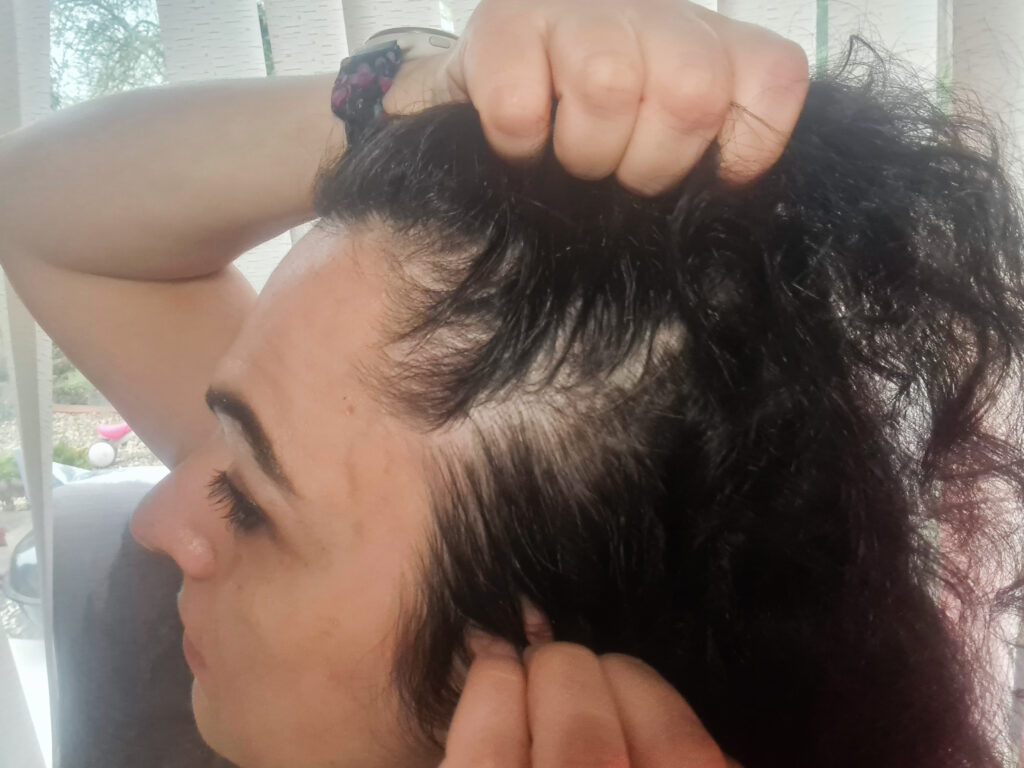
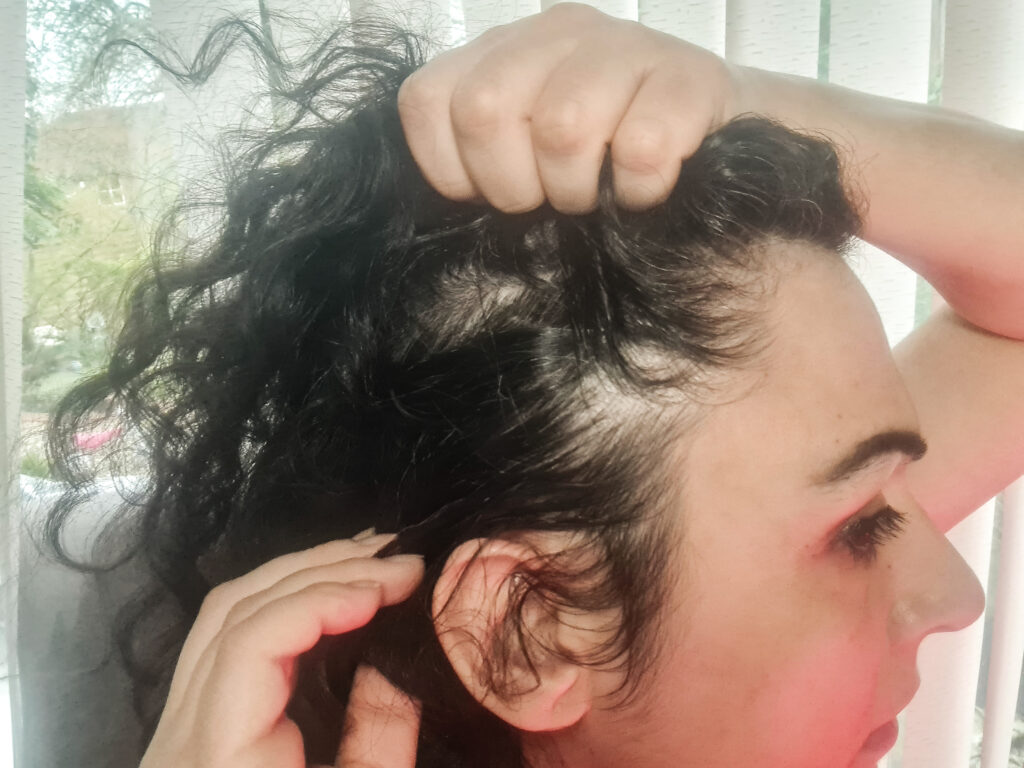
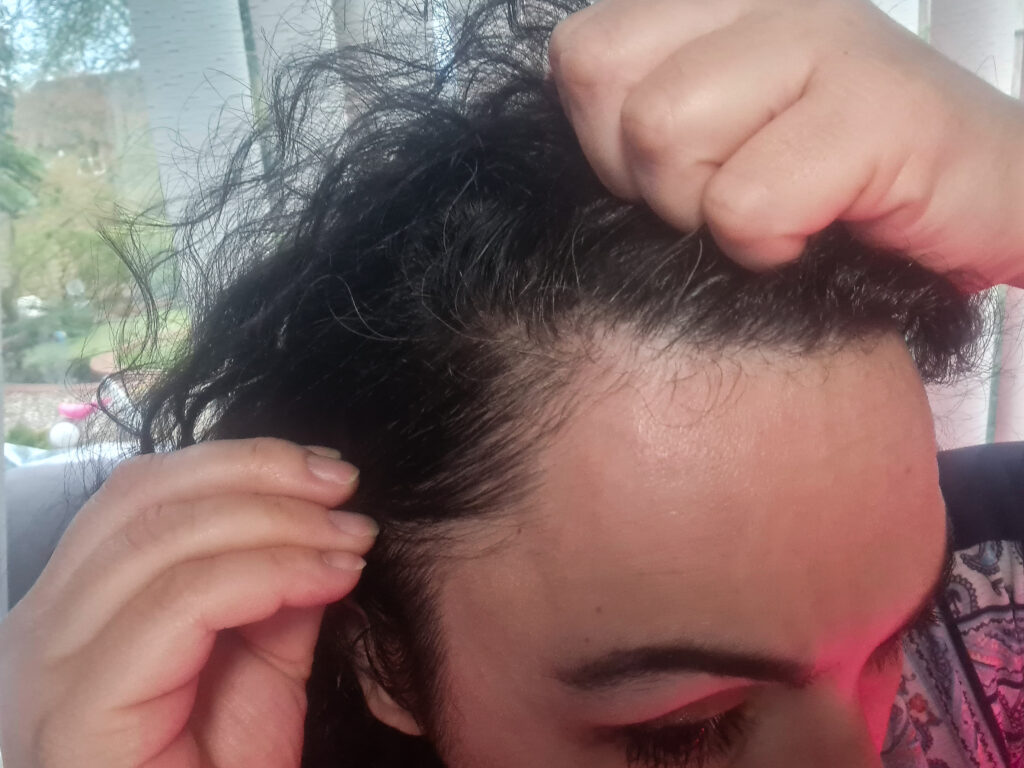
Our hair is thickest during the golden (second) trimester, but then after birth, hair falls in clumps. Many women don’t realise that this often happens with our eyelashes too. I lost a lot with number four and have only seen my hair grow back properly after four years. Not to worry, though. Most women replenish their hair naturally within the first year, but this largely depends on your body, genetics and age. But there are ways to help speed up hair growth (watch this space for a full beauty guide coming soon on how I did this!) Additionally, I recommend checking out my article on red light therapy, which has been extremely helpful for replenishing my curly locks.
Trying a lash serum for the first time is exciting, but it’s also essential to consider whether its safe and effective. For pregnant and breastfeeding mothers, these concerns multiply as hormonal changes affect both lash growth and which products you can use safely.
And not every serum works the same way. Results vary depending on the ingredients and each person’s lash growth cycle. During pregnancy and postpartum, hormonal fluctuations can dramatically impact these results. Some notice fuller-looking lashes within weeks, while others see more gradual changes. Paying attention to application instructions and consistency helps maximise results while reducing the chance of side effects.
However, with the right approach, lash serums can become a simple yet effective addition to a daily routine – even during the demanding months of pregnancy and early parenthood.
In this article, we’ll talk about what lash serums are out there and how to use them safely during pregnancy and beyond!
Essential facts to know before using a lash serum during pregnancy and postpartum
How lash serums work and their benefits
Lash serums are formulated to enhance the appearance of eyelashes by promoting growth and increasing thickness. Cosmetic serums usually work by nourishing the hair follicle, while prescription options containing bimatoprost (a prostaglandin analog) actually extend the natural growth phase of lashes and are clinically proven to lengthen them. However, these prescription serums like Latisse are not recommended for pregnant or breastfeeding women due to potential safety concerns.
Cosmetic serums, which are available over the counter, often emphasise conditioning and strengthening rather than medically altering growth cycles. This difference means results can vary, with some formulas focusing more on overall lash health than dramatic length. A lash serum by ForChics, for instance, is typically compared with other cosmetic options that highlight hydration and resilience. Comparing these side by side reveals how ingredients impact shine, softness, and durability. Choosing between them depends on whether the goal is noticeable growth or simply stronger, healthier-looking lashes. Note: Always verify the pregnancy safety of any specific brand with your healthcare provider before use.
Understanding hormonal effects on lashes
During pregnancy, elevated oestrogen levels can significantly impact lash growth patterns. According to recent studies, many women experience enhanced lash growth and thickness, particularly during the second and third trimesters of pregnancy. However, once you give birth, oestrogen levels plummet, signalling hair follicles to enter the telogen (shedding) phase rapidly.
Many new mothers experience unexpected changes in their hair and lashes. It’s not uncommon to notice your lashes thinning or even eyelashes falling out postpartum. This phenomenon, known as telogen effluvium, typically peaks 3 to 6 months after delivery.
Types of lash serums and key ingredients
There are two main categories: prescription serums and cosmetic serums. Cosmetic serums rely on nourishing ingredients. Common ones include:
Peptides: Support lash strength and reduce breakage.
Biotin: Promotes healthier hair growth.
Castor oil: Provides hydration and conditioning.
Plant extracts: Offer antioxidant and soothing effects for sensitive eyes.
Some cosmetic formulas may also contain prostaglandin derivatives, although in lower concentrations than those found in prescription products. Checking the ingredient list is essential, especially for individuals with allergies or sensitivities.
Pregnancy-safe ingredients to look for
Natural ingredients offer a more organic option for those seeking pregnancy-safe alternatives. Consider incorporating the following ingredients into your lash care routine: Castor Oil: Renowned for its moisturising properties, castor oil nourishes and strengthens lashes.
Safe ingredients during pregnancy and breastfeeding include:
Hyaluronic acid
Collagen
Vitamin E (Tocopherol)
Panthenol
Pumpkin seed extract
Biotin (Vitamin B7)
Potential side effects and safety precautions
While many eyelash serums are well tolerated, side effects can occur. Prescription serums with bimatoprost may cause redness, itching, or darkening of the eyelid skin. In rare cases, they can cause an increase in pigmentation of the iris. Cosmetic serums are generally milder but can still irritate, especially in individuals with sensitive eyes. At the same time, many people incorporate medical grade skincare products into their overall routine, as eye care and skin health often go hand in hand.
To reduce risks:
Apply only to the lash line, never inside the eye.
Use a clean applicator to prevent bacterial contamination.
Discontinue use if persistent irritation occurs.
Consulting an eye care professional is recommended before starting a serum, especially for individuals with pre-existing eye conditions or those considering prescription-strength options.
How to use lash serums safely and effectively during pregnancy and breastfeeding
Preparing your lashes for application
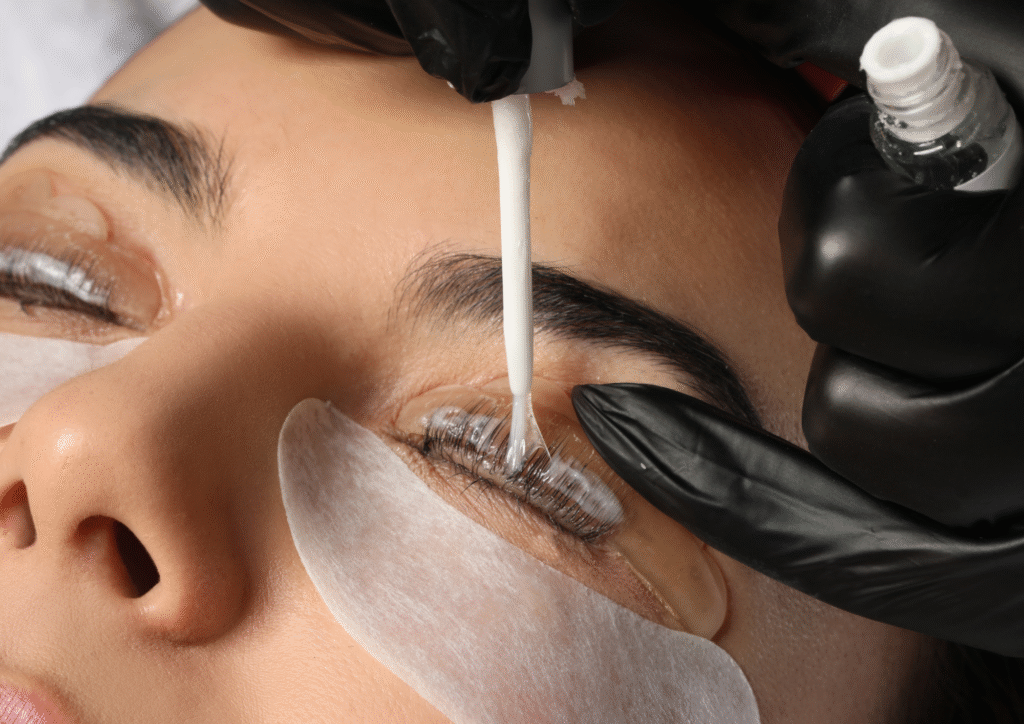
Clean lashes absorb serum more effectively. She should always remove makeup with a gentle makeup remover and wash the eye area thoroughly to clear away mascara, eyeliner, or oils. This prevents buildup that can block the serum from reaching the lash line. Those who wear lash extensions or false lashes require extra care. Oil-based removers can weaken the adhesive, so oil-free cleansers are recommended.
Healthy lashes respond better to treatment. Using a mild lash conditioner can help maintain flexibility and reduce breakage, particularly during the natural growth cycle of your lashes. By starting with clean, conditioned lashes, the serum can work without interference from dirt or product buildup.
Step-by-step guide to applying lash serum
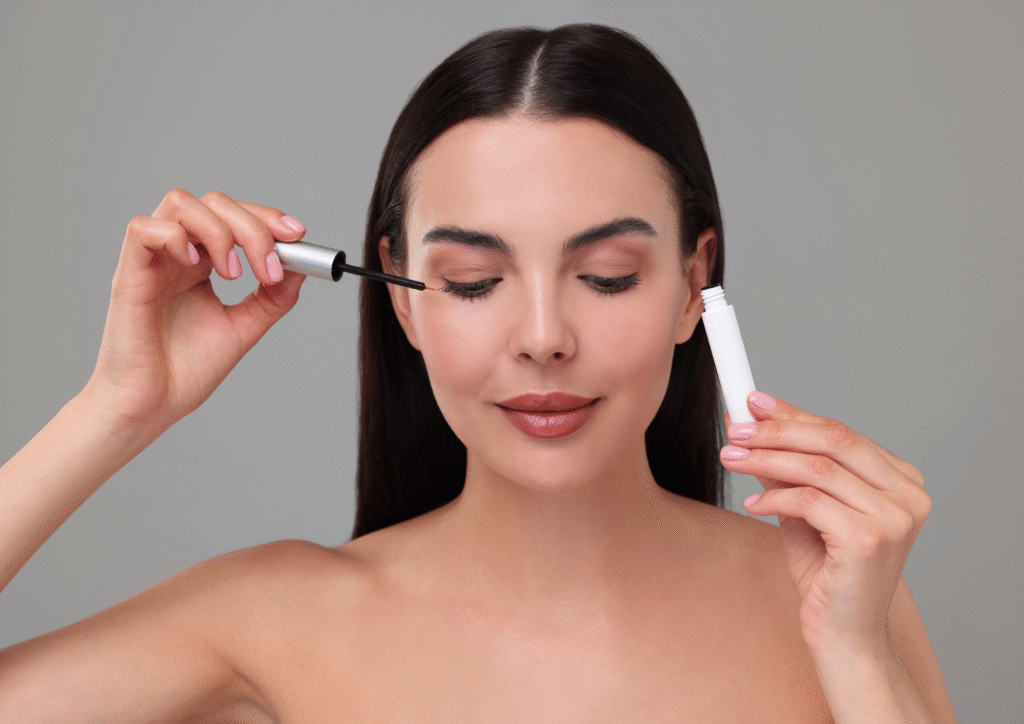
Most lash serums, including options from brands like ForChics, come with a thin applicator brush. Apply a small amount directly along the upper lash line, similar to liquid eyeliner. Only one dip per eye is sufficient, as using more does not expedite results but may increase the risk of eye irritation.
Application should be limited to the upper lash line. The lower lashes do not require direct application, as the serum naturally transfers when blinking. Applying too close to the inner corner of the eye should be avoided to reduce discomfort. After applying, she should allow the serum to dry for at least 90 seconds before using other products. This prevents smudging and ensures the serum fully absorbs into the lash line.
Special considerations for nursing mothers
When breastfeeding, additional precautions ensure both yours and baby’s safety:
Apply serum after the last evening feeding
Wash your hands thoroughly after application
Store products safely away from baby’s reach
Choose formulas specifically labelled as breastfeeding-safe
Managing postpartum lash loss: what to expect
Postpartum hair loss is a regular part of pregnancy and childbirth and won’t affect your baby. But hair that falls out can wrap around your baby’s fingers, toes or other body parts. This rare occurrence is called a hair tourniquet.
Timeline of lash changes
While this issue will likely eventually resolve (1-1.5 years postpartum), understanding the timeline helps manage expectations. Studies show that 68-90% of new mothers experience postpartum hair loss:
During Pregnancy: Enhanced growth due to elevated oestrogen
0-3 Months Postpartum: Initial shedding begins
3-6 Months Postpartum: Many women who have recently had a baby will see noticeable hair loss that peaks after a few months
6-12 Months Postpartum: Recovery and regrowth phase
Nutritional support for lash health
Maintaining a balanced diet with adequate levels of essential nutrients is always crucial for your health — and all the more so when you’re eating for two! Lash loss can be linked to hormonal changes, but it is often more commonly associated with a deficiency.
Essential nutrients include:
Iron (prevents anaemia-related lash loss)
Biotin (Vitamin B7)
Vitamin E
Protein
Omega-3 fatty acids
When to seek professional help
Consult your healthcare provider if:
Lash loss continues beyond 12 months postpartum
You experience sudden, patchy lash loss
Irritation persists after using any lash product
You notice other symptoms like fatigue or weight changes (possible thyroid issues)
Frequently asked questions
Can I use lash serum while pregnant?
Because hormone levels change during pregnancy and breastfeeding, you should use any cosmetic products, including EYELASH AWAKENING SERUM, with caution and always consult with your doctor. Choose serums without prostaglandin analogs and stick to natural, nourishing ingredients.
Is GrandeLash safe during pregnancy?
GrandeLash contains prostaglandin analogs and is generally not recommended during pregnancy or breastfeeding. Many mothers report switching to safer alternatives during this time.
What’s the best pregnancy-safe lash serum?
Some mothers have reported positive experiences with serums like DIME Lash Serum, which has been noted for its effectiveness and safety. Users have reported noticeable improvements in lash length and fullness, with no adverse effects. Other potentially safe options include those containing only peptides, biotin, and natural oils.
Important: Individual experiences may vary. Always consult your healthcare provider before using any lash serum during pregnancy or breastfeeding, regardless of brand claims or user testimonials.
Can lash serum pass through breast milk?
Given the similarities between bimatoprost and other prostaglandin-based compounds found in over-the-counter lash serums, healthcare providers often err on the side of caution and advise against their use during breastfeeding.
How long does postpartum lash loss last?
The shedding should last less than six months. Your hair should regain its fullness by the time your child turns one.
Can I use castor oil on my lashes while breastfeeding?
Pure castor oil applied topically to lashes is generally considered safe during breastfeeding when used in small amounts. However, always consult your healthcare provider first.
Will my lashes grow back after postpartum loss?
Hair loss after childbirth is not permanent. New hair will start growing back as soon as the old hair falls out.
Can thyroid issues cause lash loss after pregnancy?
Yes, thyroid changes are usually also temporary symptoms. These changes within the thyroid glands should resolve once the pregnancy is complete and hormones responsible for hyperthyroidism — human chorionic gonadotropin and oestrogen — return to normal levels.
Is it safe to get lash extensions while pregnant?
Eyelash extensions can be a safe alternative to lash serums during pregnancy. Unlike serums, which commonly contain prostaglandin analogues, eyelash extensions are applied externally.
What vitamins help with postpartum lash growth?
Key vitamins include biotin (B7), vitamin E, iron, and vitamin D. A quality postnatal vitamin can help support overall hair and lash health.
Final thoughts
Choosing a lash serum requires attention to ingredients, safety, and application – especially during pregnancy and breastfeeding. Products containing peptides, biotin, or plant extracts may support healthier lashes. Avoiding harsh irritants helps reduce the risk of side effects. Not every formula works the same for everyone. Considering personal sensitivity, reviewing product details, and setting realistic expectations help ensure a better experience with lash serums.
For new and expecting parents, understanding the hormonal changes affecting lash growth and choosing pregnancy-safe options provides peace of mind while supporting lash health. Remember that postpartum lash loss is temporary, and with proper care and patience, your lashes will recover. Always consult with your healthcare provider before starting any new beauty regimen during pregnancy or while breastfeeding.
Disclaimer: This article is for informational purposes only and should not replace professional medical advice. Always consult your healthcare provider before using any new products during pregnancy or breastfeeding.
*Collaborative feature post*
About Leyla Preston
Leyla is a UK mum of four, a writer and the founder of Motherhood Diaries, which she has edited since 2010. She has written about pregnancy, birth and family life for more than 15 years, edited NCT Harrow’s Special Delivery magazine, and is the author of several children’s and family books. She is also co-founder of Poppy, a new app helping UK parents find trusted local support, and presents Tech Talks Zone, a YouTube channel reviewing tech and AI tools for busy parents. Read Leyla’s story
Our health articles follow NHS guidance and aren’t a substitute for advice from your midwife, health visitor or GP.
Daily skincare habits that support skin over time
Ad · This is a paid collaborative post. Links to the partner are sponsored.
You don’t need a drawer full of skincare products to take care of your skin. You also don’t need to follow every trend you see online. While the beauty world often celebrates instant results, the truth is that skin responds more to what you do every day than to occasional treatments. If you’ve ever felt like you’re doing “everything right” but not seeing a difference, it might come down to one thing—daily skincare habits and consistency.
A simple, repeatable routine can go much further than chasing quick fixes. It’s not about how many products you use or how expensive they are. It’s about sticking with the basics and making them part of your everyday life.
One of the easiest ways to take care of your skin is by committing to basic daily skincare habits. You don’t need ten products or a long checklist—just a few steps done daily can help your skin look smooth, fresh, and cared for.
Cleansing removes surface impurities, giving your skin a clean slate. Moisturising helps keep skin feeling soft and looking well-hydrated. Doing these two steps morning and night is often enough to support your skin’s appearance and texture over time.
When you find products you enjoy using, it’s easier to stay consistent. If you want to use high-performance skincare, USANA Health Sciences offers the Celavive skincare range, which includes cleansers, moisturisers, and serums designed to meet your everyday beauty needs. Adding simple, well-formulated products like these to your routine can help you stick with daily skincare habits that work.
There’s no need to overthink it. The more consistent you are with your basics, the more your skin can reflect those everyday efforts.
Don’t rush the results
It’s easy to get discouraged when you don’t see changes right away. Many beauty products take time to show visible results, especially when used as part of simple daily skincare habits. It’s normal to want to switch products if you’re feeling impatient, but changing too often can interrupt your progress.
Give your products time to do what they’re designed to do—hydrate, beautify, and support your skin’s visible appearance. A good rule is to stick with a product for at least three to four weeks before deciding if it’s right for you. That gives your skin time to adjust and allows you to see how it responds with regular use.
You might also find it helpful to take a photo when you start a new product and compare it later. Sometimes, the changes are gradual and easier to notice over time.
Choose habits that fit, not fads that fade
The internet is full of skincare trends that promise amazing results. From ice rollers to 12-step routines, it can feel like you’re always one step behind. But here’s the truth—trends come and go, and what works for someone else might not work for you.
Instead of trying to copy what’s popular, build daily skincare habits that fit your lifestyle. That might mean using the same cleanser and moisturiser every day, skipping extra steps you don’t enjoy, and doing things that make your routine feel calm, not chaotic.
Consistent beauty habits can help support the appearance and feel of your skin over time. These daily skincare habits might not feel exciting, but they’re the ones that make a lasting difference. And remember, you don’t have to do it all. Focus on what you can repeat daily. If it doesn’t fit into your life, it’s not likely to stick—and if it doesn’t stick, it won’t do much for your skin.
Stay consistent with your product use
Even the best products won’t do much if you only use them occasionally. Consistency is what helps products do their job, whether it’s cleansing the skin, locking in moisture, or helping it look smooth and refreshed.
If you find yourself skipping steps often, try keeping your products in a place where you’ll see them—like by the bathroom sink or on your nightstand. You can also set reminders if you’re still getting into the habit.
Morning and night daily skincare habits don’t need to take long. Even just five minutes twice a day can help you stay on track. It’s less about how much you do and more about how often you do it.
If a routine feels overwhelming, go back to the basics. Once that feels easy, you can always add in extras later—like a serum or eye cream—if you feel like it.
Sleep, sun, and stress — The everyday beauty factors
It’s not just what you put on your skin that matters. What you do throughout the day also plays a significant role in determining how your skin appears. Three often-overlooked factors? Sleep, sun, and stress.
Getting enough sleep helps your skin look refreshed. Late nights can leave skin looking tired or dull. Try building a wind-down routine you enjoy so that rest becomes part of your beauty rhythm, not something you push aside.
Sun exposure is another key factor. Using sunscreen daily helps support the appearance of smooth, even skin over time. Choose a broad-spectrum product that feels comfortable on your face so you’ll actually want to wear it.
And then there’s stress. While you can’t obliterate it, you can find small ways to manage it—like taking breaks, going for a walk, or doing something relaxing at the end of the day. When you feel more calm, it often shows in your face.
Making stress management part of your daily skincare habits can be as simple as taking deep breaths while applying products or treating your routine as mindful “me time.”
Building daily skincare habits that last
You don’t need dramatic routines or expensive products to take care of your skin. The truth is that beauty tends to reflect what you do every day – not what you try once in a while. A consistent routine that includes gentle cleansing, moisturising, and a bit of care goes a long way.
Give your products time to work. Build daily skincare habits that fit your life. Skip the pressure to be perfect, and instead focus on what feels right for you. Over time, those small, repeatable actions can help your skin look smooth, hydrated, and visibly refreshed—just by doing a little, every day.
The key to successful daily skincare habits is making them so simple and enjoyable that you look forward to them rather than seeing them as a chore. When your routine feels good, consistency comes naturally—and that’s when you’ll start seeing the real transformation in your skin.
Leyla is a UK mum of four, a writer and the founder of Motherhood Diaries, which she has edited since 2010. She has written about pregnancy, birth and family life for more than 15 years, edited NCT Harrow’s Special Delivery magazine, and is the author of several children’s and family books. She is also co-founder of Poppy, a new app helping UK parents find trusted local support, and presents Tech Talks Zone, a YouTube channel reviewing tech and AI tools for busy parents. Read Leyla’s story
Our health articles follow NHS guidance and aren’t a substitute for advice from your midwife, health visitor or GP.
Red light therapy for hair loss after birth: does it work?
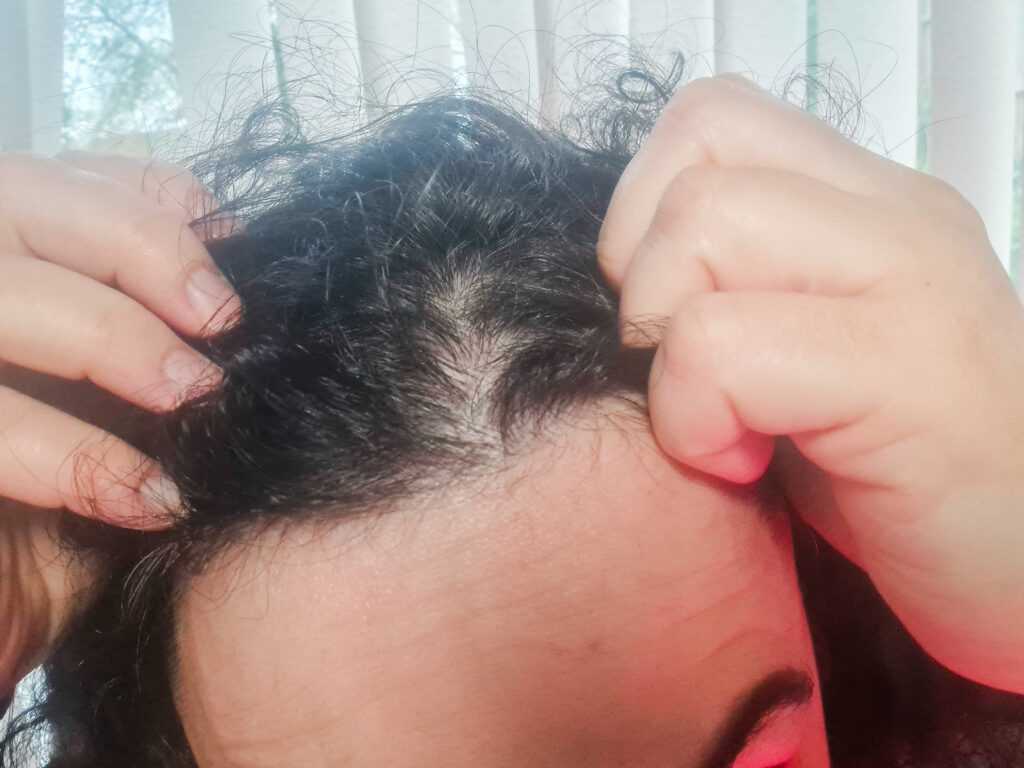
Losing hair can feel like losing a piece of your identity, especially after birth when you need to put your baby first. My thick, curly hair had always grown back except after my fourth, where clumps came out in my hands and there was no sign of regrowth. I was devastated! Maybe it’s down to my age, in which case, I’m scared my hair won’t ever grow back. It’s not just about vanity; it’s about how you see yourself and, in many ways, how you believe the world sees you. The psychological impact can be significant.
For those experiencing postpartum hair loss, this feeling is all too familiar. You’ve just brought a new life into the world, and as you navigate this beautiful yet challenging journey, you’re also dealing with changes to your own body, including your hair.
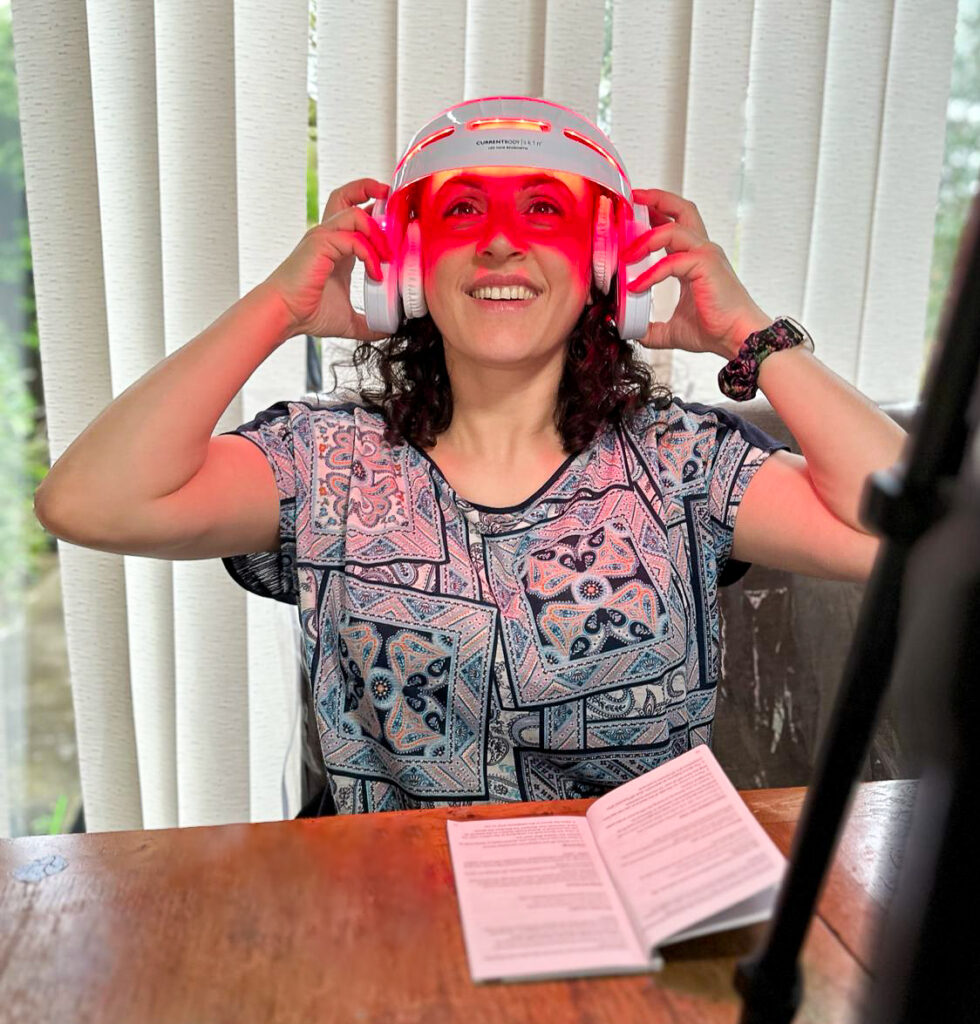
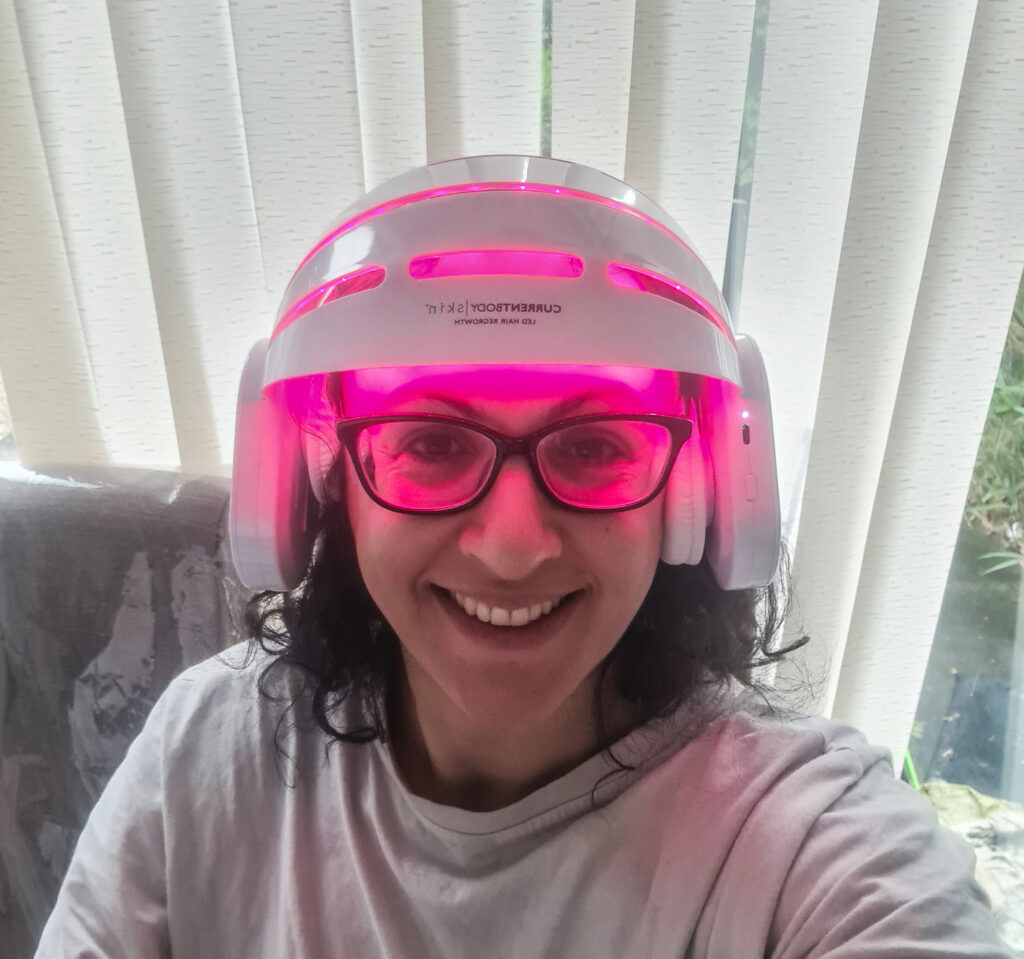
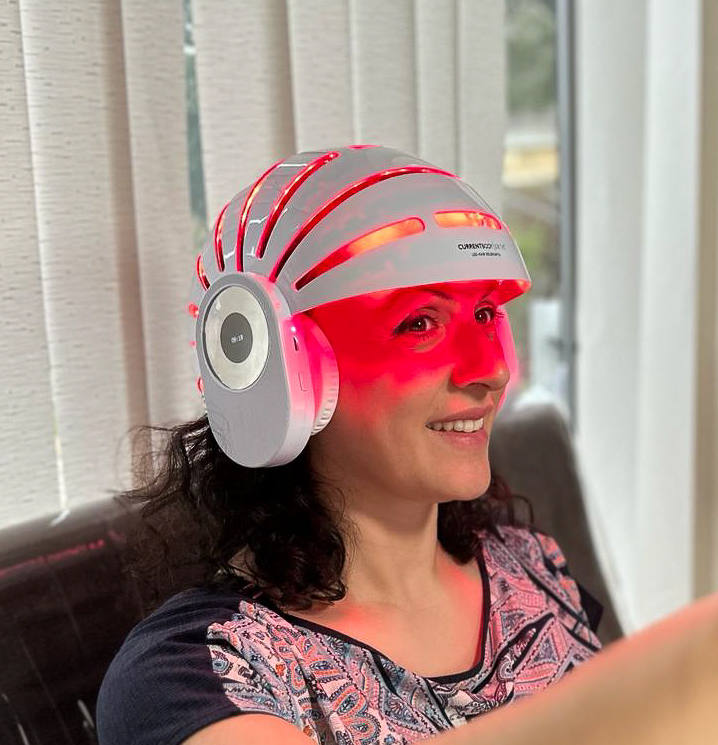
Enter red light therapy for hair loss – a glimmer of hope for us postpartum mums, as it’s non-invasive, and there’s science to back up its claims. The CurrentBody Skin LED Hair Growth Helmet* is a prime example of this technology in action. As someone who’s walked the path of trying to reclaim not just the fullness of my hair but also a piece of myself, I’ve decided to share my personal experience with this device. From the anticipation of unboxing to the day-to-day routine of wearing the helmet, I’ll take you through every step of my journey.
But first, let’s dig a little deeper into what causes hair loss, with a special focus on the postpartum hair-shedding rollercoaster. We’ll explore why red light therapy, particularly through devices like the CurrentBody Skin LED Hair Growth Helmet* is worth considering. Along the way, I’ll unpack the science behind red light therapy, how it compares to laser treatments, and its specific role in tackling postnatal hair loss.
Understanding hair loss
Losing hair can hit harder than just seeing more strands in your brush. So, understanding why hair falls out, how it affects us, and what we can do about it is the first step in dealing with it. Maybe your hair’s getting thinner all over, you’re spotting some bare patches, or it’s just coming out easier than before. By looking into how hair normally grows and what throws it off track, along with all the ways to tackle the issue, from doctor-recommended treatments to simple tweaks in how we live, we start to peel back the layers of this tricky problem. Let’s dive in and find some light at the end of the tunnel.
What causes hair loss?
You may start to lose hair due to genetics, hormones going haywire, not getting the right nutrients, too much stress, or even some kinds of medical treatments. Sometimes hair loss is just for a little while; other times, it might stick around, depending on what’s causing it.
One of the most common reasons people lose their hair is something called androgenetic alopecia. It’s mostly about your genes and it can affect anyone, but men usually have it more visibly. Other issues like thyroid problems, autoimmune conditions like alopecia areata, and even how you live your life – like what you eat and how much stress you’re under – also have a big impact.
Losing hair after having a baby, is actually pretty common. After the baby arrives, the big drop in pregnancy hormones can make a lot of hair start to fall out. It sounds scary, but most of the time, it gets better on its own in a few months.
When does postpartum hair loss start and stop?
Losing hair after having a baby, otherwise known as postpartum telogen effluvium, is something new parents go through. It’s all because of the big hormone changes that happen after you give birth. While you’re pregnant, you’ve got more oestrogen floating around, which makes your hair grow more and not fall out as much, giving you that great pregnancy hair. But after the baby comes, those hormone levels drop, and suddenly a lot of hair starts to shed.
So, when does this all start? Usually, about three to four months after you have your baby. It might be a bit different for everyone, but essentially your body is trying get back to how it was before you were pregnant.
And when does it stop? Don’t worry, this isn’t forever. Most of the time, your hair will get back to how it was by the time your baby’s blowing out their first birthday candle. You should see things getting back to normal anywhere from six to twelve months after you start noticing the loss.
It’s really important to remember that this kind of hair loss is totally normal and just part of the process. But, if you’re still seeing a lot of hair falling out after a year or it seems like too much, it might be a good idea to talk to a doctor or a skin specialist just to make sure everything’s okay. Eating well, being kind to your hair, and maybe some supplements can all help your hair get back to its pre-baby state.
How to treat postpartum hair loss?
Tackling hair loss after having a baby is all about taking care of yourself in different ways, as mentioned above, from what you eat to how you treat your hair and even managing stress. Plus, some specific treatments can help, like red light therapy. Let’s break down what you can do:
Eating right
If you’re dealing with hair thinning, make sure you’re eating a balanced diet. Getting enough iron, zinc, vitamin D, and those B vitamins is important for keeping your hair healthy. If you’re not sure you’re getting all the nutrients you need from your meals, talking to your doctor about supplements might be a good move, especially if you have certain foods you can’t eat.
Be kind to your hair
When it comes to looking after your hair, the gentler, the better. Try to steer clear of tight hairstyles that pull on your hair, harsh chemicals, and use a lot of heat to style your hair. A shampoo that adds volume and a conditioner that’s moisturising can make your hair look thicker and keep your scalp happy. Use a decent hairdryer like the mdlondon BLOW hairdryer that has a cool setting, so the direct heat doesn’t damage the hair.
Keep stress in check
Stress can actually make hair loss worse, so finding ways to relax and stay calm is really important. Things like yoga, meditation, or just getting in some regular exercise can help keep stress levels down.
Watch your hormones
After having a baby, it’s normal for your hormones to be all over the place, but they usually settle down on their own. If you’re worried your hormones are still out of whack and it’s affecting your hair, it might be worth chatting with your doctor to see what’s going on.
Medical treatments
Sometimes your doctor might suggest trying topical treatments like minoxidil, also known as Rogaine. It’s important to chat about whether these treatments are safe, particularly for parents who are breastfeeding.
Consulting with a specialist
If you’re losing a lot of hair after your baby arrives and it’s not getting better, it might be time to see a dermatologist. They can take a closer look at what’s going on and recommend the best way to tackle it. This might include checking whether red light therapy is a good fit for you. We will focus on red light therapy in this article.
What is red light therapy for hair?
Red light therapy is a spotlight solution for hair loss that’s been creating quite the buzz. This innovative approach involves a device that emits a soothing red light, aimed at revitalising your scalp right down to the follicles, by boosting blood flow and cranking up energy production.
How does it work?
The magic of red light therapy lies in its ability to nudge dormant hair follicles back into action, propelling them from the lazy days of their resting phase into the bustling growth phase. This not only encourages new hair growth but can also enhance the health and vitality of your scalp.
Recommended by healthcare professionals, these at-home devices are user-friendly, requiring just a few minutes of your time, a couple of times a week.
Is red light therapy a good choice?
There are quite a lot of studies out there suggesting red light therapy can help with growing hair back, and the best part is it doesn’t come with scary side effects. But, just like anything else, what works for one person might not work for another. Listening to what healthcare pros suggest and following how you’re supposed to use these gadgets is pretty much the golden rule here.
Let’s dive a little deeper
The cool thing about red light therapy is that it goes straight to the source – your hair follicles. By boosting blood flow and kicking metabolism into higher gear right at the scalp, it gets the growth of new hair going. It also increases ATP, that all-important cell energy, encouraging more hair to sprout. Plus, if you’ve got inflammation on the scalp, this therapy can help calm things down, creating a better environment for hair to grow and stick around longer in the growth phase.
Who should give it a try?
If you’re struggling with pattern hair loss, noticing your hair isn’t as thick as it used to be, or you’re a new mum dealing with hair falling out after birth, then red light therapy could be a good choice.
What’s the difference between laser therapy and red light therapy?
A lot of people think red light therapy is laser therapy, but actually the two are quite different. Let’s break down the difference between red light therapy and laser therapy.
Red light therapy
Red light therapy uses red LED lights that shine at certain wavelengths, usually between 630nm and 700nm.
The devices for red light therapy have a wide beam that covers a bigger area but with a softer touch than lasers.
It’s great for surface-level stuff because the light only goes a few millimetres deep into the skin, making it perfect for improving skin health, speeding up wound healing, and helping your hair grow.
Low-Level Laser Therapy (LLLT)
LLLT includes red light therapy but also brings low-level lasers into the mix. They use gentle lasers or LED light to wake up the cells in your hair follicles.
While LLLT often gets talked about in the same breath as red light therapy for hair growth, it’s actually a bigger umbrella that covers more types of light therapy.
Laser treatments
These treatments use lasers that are more focused and powerful, and they can zero in on specific tiny spots and go deeper into your body.
You’ll find lasers being used for medical situations, like surgeries, clearing up acne, and helping with deep tissue issues.
Because lasers are so intense, you’ll usually see a doctor or another healthcare pro if you’re getting a laser treatment done.
So, in a nutshell, red light therapy is like a soft, wide light blanket for surface-level issues, while laser therapy is more like a high-powered, precision light pen for deeper or more specific problems.
The CurrentBody Helmet and Red Light Therapy
The CurrentBody Skin LED Hair Growth Helmet* uses red light therapy to tackle hair loss head-on. It shines red light at the sweet spot of 640nm wavelength, which is just the right kind of light to wake up the hair follicles, boost blood flow, and get more oxygen and nutrients moving to your scalp. This specific wavelength is good at getting through to your scalp without being too intense. It has been proven to be the right wavelength (not too strong and not too gentle) to help your hair grow.
How does red light therapy help with postnatal hair loss?
Red light therapy can help address postnatal hair loss because it’s non-invasive, pain-free, and effective to support hair regrowth and scalp health.
Calming inflammation
If your scalp’s feeling a bit inflamed after childbirth, you’re not alone. This inflammation can make hair loss even worse. Red light therapy can help create a more fertile ground for your hair follicles to thrive and produce new hair.
Helping with hormone changes
While red light therapy doesn’t directly juggle your hormones back into place, it supports a healthier scalp. And a happy scalp means it can better handle whatever hormonal changes come its way, helping your hair grow back stronger.
Why it’s great for new parents
Red light therapy is a safe and hassle-free way to address hair loss. It’s gentle, non-invasive, and doesn’t come with nasty side effects, making it a perfect match for the postpartum period. Plus, using red light devices at home, like hair growth helmets, means you can treat your hair without adding another appointment to your already packed schedule.
The CurrentBody Skin LED Hair Growth Helmet experience
Diving into the world of red light therapy for hair loss, let’s talk about an industry game-changer: the CurrentBody Skin LED Hair Growth Helmet.* This neat gadget brings the power of red light therapy right into your living room, offering an easy and effective way to help with thinning postpartum hair.
You can use the CurrentBody Helmet in the comfort of your own home. This means you get all the fancy benefits of red light therapy without having to step foot outside, making it convenient for busy parents.
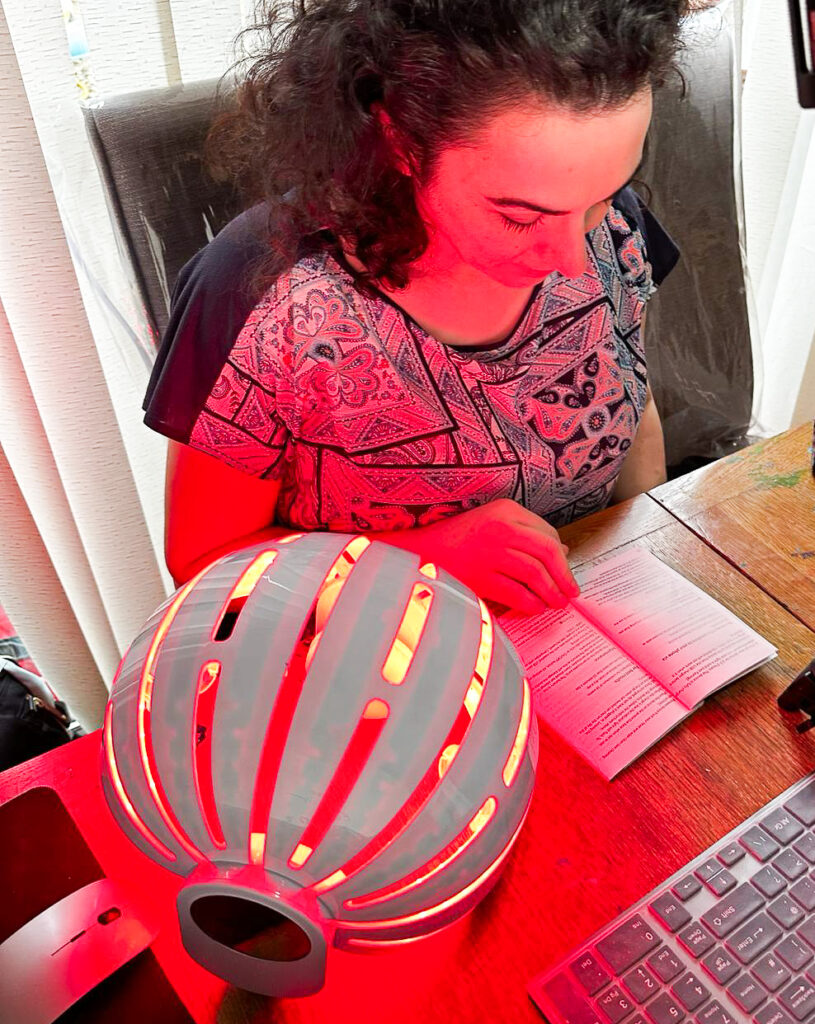
Cracking open the box of the CurrentBody Skin LED Hair Growth Helmet is like discovering something from another world. The box is like a gift package, opening from the centre. Once opened you’re greeted by the helmet itself, a pretty hefty piece of kit that smells like it just came straight from a lab. Inside, you’ll find everything you need to get started:
The CurrentBody Skin LED Hair Growth Helmet comes in a small/medium size (you can also get a larger size, but there’s a handy size guide included to make sure it fits you just right.)
A Protective Non-Charging Base where your helmet can rest when you’re not using it, keeping it safe and sound.
A USB Charging Cord to power up your helmet. Just a heads up, there’s no wall plug in the box, so you’ll need to have one handy.
The User Manual is your go-to for all the details on how to use the helmet properly. It’s packed with everything you need to know to get the most out of your new hair growth buddy.
How to use the CurrentBody Helmet
Getting started with the CurrentBody helmet is pretty easy and fits right into your daily routine. Here’s a quick guide to get you going:
Setting It Up: First things first, pop the helmet onto its protective base. Then, grab the USB cord it came with and plug it in to give it a full charge before you use it for the first time.
Before You Start: Make sure your hair’s clean and completely dry. This helps the LED light do its thing without anything getting in the way, like oils or moisture.
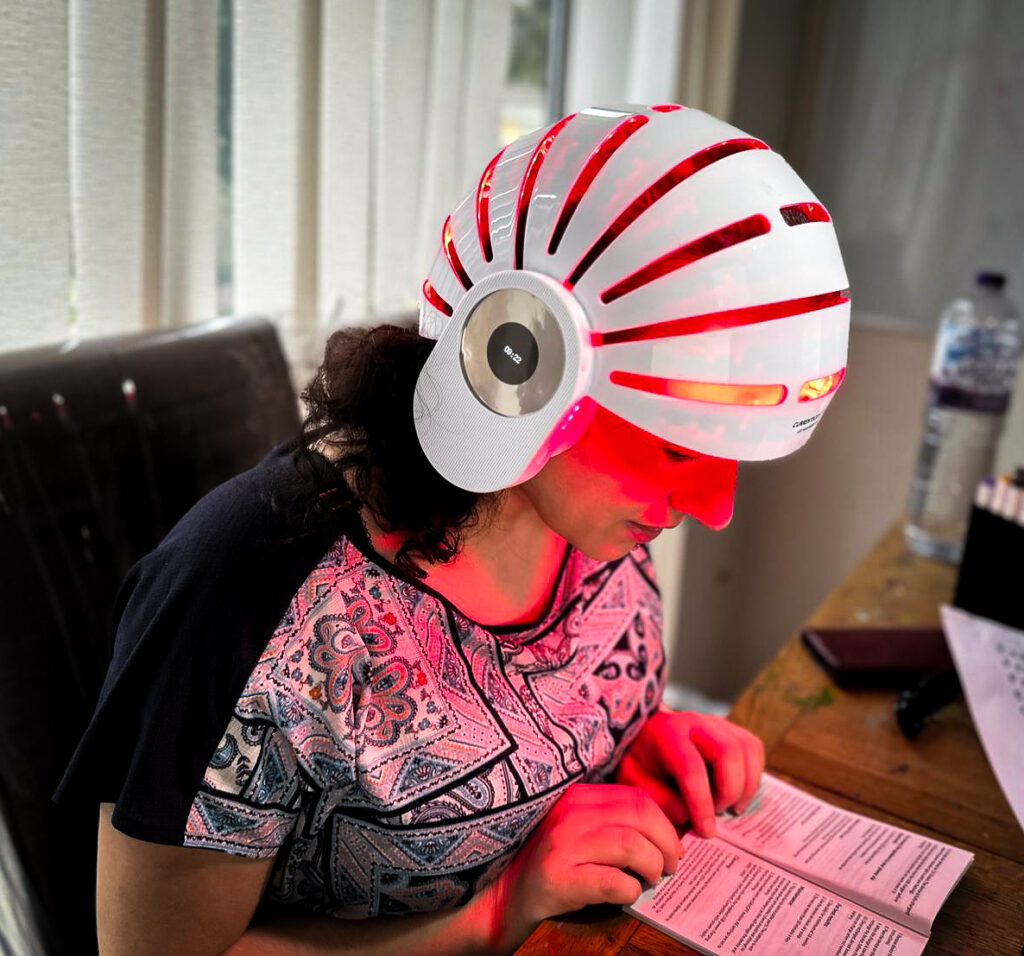
Turning It On: Now, put the helmet on your head and find the screen on the side. Hit the start button, and you’ll see a 10-minute timer pop up on the display, along with some cool red light starting to glow.
Killing Time: To make those 10 minutes fly by, you can connect your phone to the helmet using Bluetooth and listen to your favourite podcasts or tunes. Pretty neat, right?
While It’s Working: You’ll feel a slight warmth while the helmet’s on—it’s just the LED lights doing their job on your scalp. It’s made to be comfy, so just relax and enjoy the warmth.
Wrapping Up: When the helmet beeps after 10 minutes, that means it’s done. It’ll turn itself off, so you just take it off, put it back on its resting port, and go about your day. Easy peasy!
First impressions and setup
The initial unboxing and setup process is impressively user-friendly. The futuristic design of the helmet, coupled with its clinical smell, immediately sets it apart as a sophisticated piece of technology. Setting up the device is intuitive, thanks in part to the clear instructions provided in the user manual. The ability to connect to Bluetooth for entertainment during treatment is a thoughtful addition, enhancing the overall user experience.
How often should you use the CurrentBody Helmet for red light therapy?
It really depends on what kind of red light therapy device you’ve got, how serious your hair loss is, and how your body reacts to the treatment. You can use the CurrentBody Helmet for just ten minutes a day and experts say you should see visible results in four months. But don’t worry, there’s a general game plan you can follow to get the most out of red light therapy for growing your hair:
Starting Out: Most of the time, if you’re using a red light therapy device meant to help your hair grow back, you’ll want to use it around 3 to 4 times a week when you first start. This helps wake up your hair follicles without overdoing it.
How Long for Each Session?: Expect to spend about 10 to 30 minutes per session, based on what CurrentBody recommend. It’s important to stick to their advice to keep things safe and effective.
Keeping It Going: After you’ve been at it for at least three months—and you start noticing some good changes, you might dial it back to just once or twice a week to keep those gains without needing to do as much.
But wait, there’s more:
Follow the Manual: Each red light therapy device can be a bit different, so make sure you’re doing what the manual says. The company that made your device should tell you how often and how long to use it, based on the kind of light it uses and how it works.
How Much Hair You’re Losing: If you’re losing a lot of hair, you might need to use red light therapy more often at first.
Your Personal Results: Everyone’s different. You might need to use it more or less often, depending on how your hair responds.
Mixing Treatments: If you’re using red light therapy with other hair loss treatments, the number of red light therapy sessions you do might change based on what else you’re doing.
Keeping it safe and effective
Red light therapy is usually pretty easy on you, but don’t go overboard to avoid irritating your scalp.
Stick with it regularly, according to the schedule. It’s better than trying to cram all your sessions into a shorter time frame.
Talk to a professional
Before you jump in with red light therapy, chat with a dermatologist or a hair loss expert, so they can give you advice tailored just for you, making sure red light therapy is a good fit.
While the typical advice is to aim for 3 to 4 therapy sessions a week for hair loss, remember to check out your device’s instructions and maybe get some professional guidance to figure out the best plan for you. With the CurrentBody Helmet, you can use it for ten minutes daily.
What can you start to see results with the CurrentBody helmet?
Here’s what your journey might look like:
First few weeks (0 to 4 weeks)
At the start, the LED light in the helmet gets busy boosting blood flow to your scalp, waking up hair follicles that weren’t doing much. It’s also putting the brakes on DHT, a hormone that’s no friend to your hair. You might not see changes right away, but it’s laying down the groundwork for new hair to grow.
The middle stage (4 to 8 weeks)
Now, things get exciting. That improved blood flow starts to rejuvenate sleepy follicles, and your scalp begins to feel like a more hair-friendly place. Those follicles are ready to switch from chill mode to grow mode.
Seeing changes (8 to 16 weeks)
This is when the magic happens. From about two months in, you’ll start noticing new hair. Studies show that by week 16, you could see a 33% boost in the number of hair follicles. Keeping up with the treatment is key to getting and keeping those gains.
How does the CurrentBody Helmet stack up against other treatments?
Against Finasteride – The helmet can ramp up hair growth by 126% in 16 weeks. Finasteride, a hair loss drug, doesn’t match up to this without continuous use.
Compared to laser treatments – It’s also been found to be way more effective than some laser treatments, outperforming them by 126%.
Versus Minoxidil – Against the topical solution Minoxidil, the helmet brings 62% more new hairs, minus the daily hassle and potential skin issues.
So, if you’re eyeing the CurrentBody helmet as your choice against hair loss, it looks like it could be a pretty solid option.
Personal and customer reviews of initial experiences
With 34 reviews averaging 4.5 out of 5, people really like the CurrentBody Helmet for its solid build and how easy it is to use. While the scores on seeing results dip a bit, it’s key to stick with it for about four to six months to start seeing your hair come back. Christine K. from Canada was hoping for quicker results in just three months. The team at CurrentBody, with Zubda leading the charge on beauty tech advice, stresses sticking it out for about six months to really see the difference.
People like JCS and Liz O. are happy about how well red light therapy works and how top-notch the helmet feels. Hadas from Israel and Nils P. from the Netherlands have seen their hair get thicker and healthier. Though Hadas did point out that it can snag your hair, tossing your hair into braids seems to fix that right up.
On the expert front, Craig Ziering, a big name in hair restoration, promotes using red light therapy to get those hair follicles moving and bumping up hair density without the downside of harsh side effects. Celestine Gitau also favours using red light therapy alongside good eating, keeping stress in check, and taking care of your scalp to tackle hair loss.
CurrentBody helmet results: before and after
Lots of people who’ve stuck with using the CurrentBody Skin LED Hair Growth Helmet* have seen some real changes. Their hair feels thicker and denser, and their scalp seems healthier too. Everyone’s experience is a bit different, but the before and after pictures people share usually show a pretty big decrease in how much their hair is thinning. Most agree that if you keep up with it regularly, just like the manual suggests, you’re more likely to see good results.
My before and after
As I’m only on Week 1 of using the CurrentBody Skin LED Hair Growth Helmet* I can’t show you any actual results yet. But watch this space as I will be updating my journey here and via social media too. I’m very hopeful!
Where can I buy the CurrentBody Skin LED Hair Growth Helmet?
Lots of research out there is giving a thumbs up to red light therapy for dealing with hair loss, with a whopping 128% boost in how fast hair grows back, meaning people are seeing thicker, stronger hair after sticking with red light therapy for a while. And compared to options like minoxidil or finasteride, which might irritate your scalp or lead to other side effects, red light therapy is pretty chill with hardly any downsides reported.
Pros
No Surgery Required: Red light therapy doesn’t involve any cutting or poking, making it a gentle choice for many.
Easy on You: Side effects are pretty rare, especially if you’re comparing it to drugs for hair loss.
Do It at Home: You can get your red light therapy session in without having to step out, thanks to gadgets you can use in your living room.
Happy Scalp: It’s not just about more hair; red light therapy can make your scalp healthier, cutting down on problems like inflammation.
Cons
Time: You’ve got to commit to using it regularly over a long stretch to see results, which might not be everyone’s cup of tea.
Costs Upfront: Getting your own red light therapy setup at home can be a bit pricey at the start, though it could save you money down the road compared to other treatments.
Mixed Results: How well it works can really depend on the person. Some might see big changes, while others might only notice a little difference.
Beyond the Helmet: Are there any hair loss treatment alternatives to red light therapy?
Stepping out from under the CurrentBody Helmet, let’s look at other options to tackle hair loss if red light therapy isn’t your go-to.
Medications
Minoxidil (Rogaine): You can grab this topical treatment you massage into your scalp at your local pharmacy. It’s got a thumbs up for both men and women, but you’ve got to keep at it without a break to keep the gains.
Finasteride (Propecia): More of a behind-the-counter pick, this pill slows down hair loss and might even invite new growth. This is aimed at men, though, and it’s not without its set of potential side effects, especially in the bedroom department.
Medications bring results, no doubt, but they’re not free of side effects. Red light therapy, on the other hand, keeps things gentle and non-invasive.
Platelet-rich plasma (PRP) therapy
You utilise your own blood, which is processed to concentrate platelets, so PRP therapy injects it into the scalp. This method aims to stimulate hair growth by enhancing tissue repair and cellular functions.
PRP therapy requires clinical visits and is more invasive, potentially accompanied by discomfort and higher costs. Red light therapy, alternatively, offers a non-invasive, pain-free treatment option that can be conveniently administered at home, though PRP may provide faster results for some people.
Hair transplant surgery
Hair transplant procedures, such as Follicular Unit Extraction (FUE) and Follicular Unit Transplantation (FUT), offer permanent hair loss solutions by redistributing hair from denser to sparser areas.
While hair transplant surgery delivers immediate and targeted results, it involves significant financial investment, recovery time, and surgical risks. Red light therapy is a gentle alternative or a complementary treatment to support healing and enhance hair growth without the need for surgical intervention.
Microneedling
Microneedling for hair loss involves a process where very fine needles create tiny punctures on the scalp. This action is meant to kickstart the skin’s healing process, potentially encouraging hair growth. It’s often used alongside other treatments to help them penetrate deeper and work more effectively. You can use the CurrentBody Helmet device in conjunction with microneedling if you wanted to.
Compared to the simplicity of red light therapy, microneedling is more direct, with a bit of discomfort due to its invasive nature. While it can be effective, especially when combined with other hair loss treatments, red light therapy offers a gentler, non-invasive alternative that’s easy to use regularly at home.
Both approaches have their place in the array of hair loss treatments available, from the straightforward application of medications to advanced techniques like red light therapy. Each method offers different benefits, and the best choice can depend on your individual needs, preferences, and the specific condition being treated.
Final thoughts, recommendations, and guidance
The CurrentBody Skin LED Hair Growth Helmet is a pretty cool tool in the fight against hair loss, mixing smart tech with everyday hair care. It’s got a thumbs-up from both science and real users, making it a solid pick for handling hair loss right at home. This helmet is all about using light in a gentle way to help out thinning hair without any fuss. If you’re thinking about giving it a try, here’s what you might want to keep in mind:
Do Your Homework: Take a closer look at how red light therapy works and why it might be good for your hair. Look for solid research and trials to back up what the helmet promises. Places like PubMed or NIH are great for finding trustworthy studies.
Check What You Need: Think about how much hair you’re losing and if this kind of therapy fits your situation. Sometimes, other conditions might need a different approach.
Weigh the Costs: Consider what you’re spending upfront against what you’ll save by not having to keep buying treatments or going for more drastic measures.
Listen to Others: Check out what people who’ve been in your shoes have to say about their experience with the helmet.
Look for FDA Approval: Especially in the U.S., knowing the device is FDA-cleared can give you a bit more peace of mind about its safety and effect.
Check the Warranty: Make sure you know what kind of support and warranty comes with it, so you’re covered if anything goes sideways.
Be Patient: Remember, good things take time. Consistent use is key to seeing a real change, so stick with it as recommended.
Track Your Journey: Taking before and after photos can be a great way to really see the difference over time.
Keeping these points in mind, the CurrentBody helmet seems like a pretty smart pick for those looking to tackle hair loss head-on. It offers you a non-scary way to help your hair out, backed by science and good reviews from users. Just like with anything big in healthcare, chatting with a pro and thinking it through can help you decide if it’s the right move for you.
FAQs
Is red light therapy for hair loss safe?
Absolutely, red light therapy is generally considered safe for hair loss. It’s non-invasive and doesn’t come with the scary side effects some treatments might have. Just make sure to follow the guidelines for your device to keep things smooth.
Can red light therapy make hair loss worse?
There’s no evidence to suggest that red light therapy worsens hair loss. In fact, it’s known for its benefits in stimulating hair growth and improving scalp health. If you’re concerned, chat with a healthcare professional.
Is red light therapy for hair painful?
Not at all. red light therapy is a gentle, pain-free treatment, so if you’re not a fan of the ‘ouch’ that comes with some other treatments, red light therapy could be up your alley.
Can red light therapy reverse grey hair?
Red light therapy is more about encouraging hair growth and improving the health of your scalp and hair. There’s not much out there to say it can bring back your original colour if you’re going grey.
I’m thinking of buying a red light lamp for my fiancé who has back pain and hair loss – would any red lamp work?
It’s best to look for a device specifically designed for the issues you’re tackling. Red light therapy devices for hair loss and back pain might have different specifications, like wavelength, so picking one that’s meant for hair loss is your best bet for seeing results.
Can an LED mask with red light also be used on the scalp for hair loss treatment?
Some LED masks are versatile enough to be used on different parts of the body, including the scalp. A normal LED mask will help a little as it does penetrate the skin at a cellular level. But it’s important to choose a device that has the correct wavelengths to reach the follicles, which is usually a different wavelength than the face LED masks. So the hair-focused helmet will work better, as it will reach the correct level. Just check the manufacturer’s recommendations to ensure it’s safe and effective for hair loss treatment.
Does light therapy stop hair loss, or is it just for regrowth? Can it replace Finasteride if you do it every day?
Red light therapy is known for both halting hair loss and encouraging regrowth by stimulating the follicles. As for replacing finasteride, it’s a bit of an apples and oranges situation. Red light therapy offers a non-drug, side-effect-free method, but whether it can replace finasteride for you depends on your specific situation and what your healthcare provider suggests.
Resources for further reading and understanding
Systematic reviews and meta-analyses
“Effects of Low-Level Laser Therapy on Male and Female Pattern Hair Loss“: A systematic review and meta-analysis in Lasers in Medical Science (2014) examining the efficacy of LLLT in treating pattern hair loss. The study concluded LLLT to be an effective and safe treatment, noting significant improvements in hair density and thickness.
Clinical trials
“Treatment of Androgenetic Alopecia with LLLT“: Published in the Journal of Cosmetic and Laser Therapy (2013), this study involved individuals with androgenetic alopecia treated with LLLT and reported significant improvement in hair count and density after 26 weeks.
“LLLT for Women with Androgenetic Alopecia“: A study in Lasers in Surgery and Medicine (2014) highlighted the positive effects of LLLT in increasing hair density in women, compared to placebo groups.
Comparative studies
“Comparing LLLT with Minoxidil“: Published in The American Journal of Clinical Dermatology (2014), this study found LLLT to be as effective as a 5% minoxidil solution in promoting hair growth in men with androgenetic alopecia.
*This post is sponsored by CurrentBody but all thoughts are 100% my own. Please note that links marked with a ‘*’ are affiliate links, which means I may earn a small commission when you click through at no extra cost to you.
About Leyla Preston
Leyla is a UK mum of four, a writer and the founder of Motherhood Diaries, which she has edited since 2010. She has written about pregnancy, birth and family life for more than 15 years, edited NCT Harrow’s Special Delivery magazine, and is the author of several children’s and family books. She is also co-founder of Poppy, a new app helping UK parents find trusted local support, and presents Tech Talks Zone, a YouTube channel reviewing tech and AI tools for busy parents. Read Leyla’s story
Our health articles follow NHS guidance and aren’t a substitute for advice from your midwife, health visitor or GP.
Top 5 cosmetic non-invasive procedures popular with mums
Motherhood can play havoc with your appearance, so mums look to cosmetic non-invasive procedures to help them feel good again. Not to be mistaken with invasive procedures like plastic surgery, non-surgical cosmetic procedures can be done quickly and safely with no need for going under the knife.
Beauty clinics like Absolute Cosmetics are just one place that offers these types of procedures so you can look and feel your best.
If you’re interested in undergoing a cosmetic procedure but are not ready for surgery, read on to learn about five of the most commonly requested non-invasive procedures at clinics today.
Soft tissue fillers
Dermal fillers are an effective way to reduce wrinkles by replenishing hyaluronic acid levels in the skin. They also help plump up areas where they have been injected by pulling moisture from surrounding tissues into the injection site. This can be done on both lips and faces and is a popular cosmetic treatment option for those seeking to reduce wrinkles and other signs of aging.
Botox
If you are looking for exceptional results, then other non-invasive methods of improving wrinkles are Botox injections, which are a popular cosmetic procedure among mums. Wrinkles around the eyes and on forehead are diminished due to Botox blocking muscle nerve signals.
Chemical peels
Chemical peels can offer some benefits, even though the name may not sound too appealing. With this procedure, a chemical solution is a non-invasive method to remove the outer layers of your skin to improve its texture and promote exfoliation. This is something that is often used by individuals who suffer from bad acne or those who want to achieve a more youthful appearance since it is much less invasive than other options that are available and don’t require a surgeon.
Cupping therapy
Another popular choice among non-invasive cosmetic treatments for mums is cupping therapy, which involves the use of suction cups to create a vacuum-like effect on the skin’s surface. Cupping therapy increases blood flow, promotes lymphatic drainage, and stimulates collagen production, resulting in firmer and smoother skin. Additionally, the benefits of cupping for cellulite reduction have made it a popular treatment option for those looking to improve the texture and appearance of their skin.
Hair removal
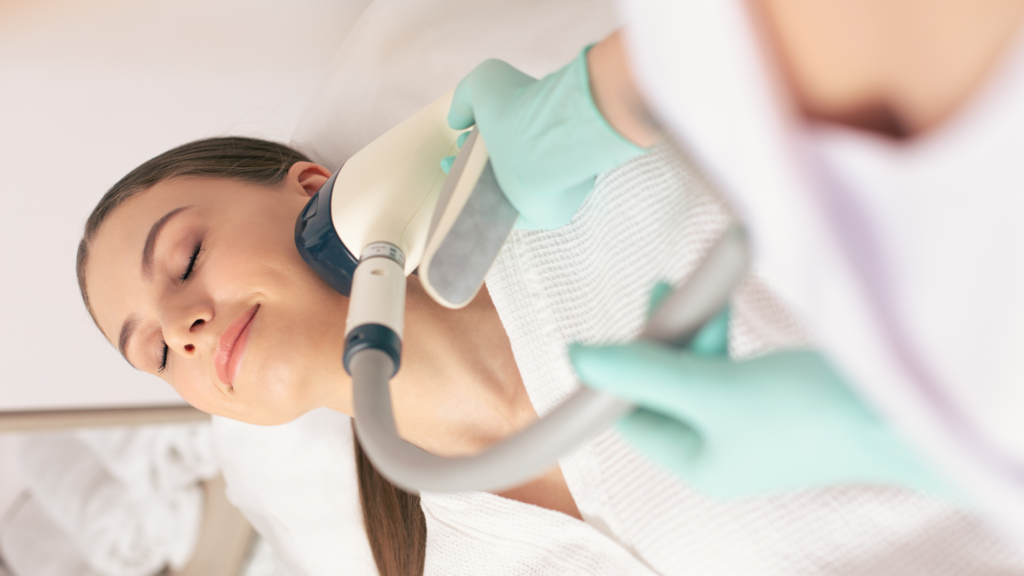
Getting rid of unwanted hair can be quite the hassle, but thanks to laser hair removal treatments, it’s now a breeze! Both men and women can get rid of unwanted hair quickly and easily, and with just a few visits to the clinic each year..
Liposuction
Liposuction has evolved over the years to become a less invasive treatment and more comfortable experience for patients. In the past, liposuction was a painful process that required anesthesia, pain management and a long recovery period with careful patient care. However, advances in technology have allowed clinics to replace traditional liposuction with a non-invasive medical procedure using non-invasive devices like laser liposuction, which is less painful and doesn’t require any recovery time.
Want to try something at home? Give yourself a mini facelift!
As you age, your skin will lose its elasticity in the lower part of your neck and face, especially when you experience that dreaded sleep deprivation and overall stress that comes with parenting. There are ways you can give yourself a mini facelift in as little as a few minutes per day. And, if you are considering surgery, make sure you consider some natural remedies that are not invasive to lift and tighten the skin below too.
What is a mini face Lift?
A non-surgical facelift is a non-invasive technique to firm, lift and tighten the facial skin and give your face a more youthful appearance through facial exercise, beauty masks, and various other facials. A surgical mini facelift involves techniques which are comparable to the Liftstyle Lift, S-Lift, Botox, eyelid surgery, or the Quick Lift. Additionally, booking an appointment with an eyebrows and lashes specialist through their scheduling system can really take years off your looks.
The main differences are that these surgical procedures are not as invasive or as expensive as a traditional facelift and use smaller incisions and stitches to minimise the scarring that appears.
Use a homemade natural face lift mask
Facelift masks may be the most natural, non-surgical way to get a natural lift on the face. Naturalfacecares.blogspot.co.uk list a range of Non-Surgical Face Lift Mask recipes you can concoct in the comfort of your own home.
Facial exercises
Facial exercises work to tighten the muscles behind the facial skin, just like working out your body makes you lean and toned. There are several internet sources that claim their series of facial yoga moves will help to tighten and firm up the skin. Danielle Collins, a renowned yoga expert, has come up with five facial exercises that claim to improve the face and neck after two weeks. After two to four months, you will notice less fine lines and tension on the face. The five exercises are:
1. The V – Good for dropping eyelids, crow’s feet, eye bags and puffiness
2. The Smile Smoother – Good for cheek lines and sagging skin
3. Smooth the brow – Good for horizontal forehead lines
4. The flirty eyes – Good for deep eye hollows and drooping eyebrows
5. The Giraffe – Good for lines and loose skin on the neck.
Is there non-invasive treatment to get rid of skin tags?
Skin tags, which are raised pieces of skin, are a common skin condition for many people. Some first-time moms discover skin tags on their breasts, although they don’t affect breastfeeding. Some people might have skin tags under their eyes, but the main places are under folds, including armpits, groin area and even on the neck.
Skin tags are harmless, but they may look and feel strange. The important point to note is that they aren’t cancerous or a sign of any other health problems, although people who suffer from obesity may be more likely to experience skin tags.
How do you get rid of skin tags?
You can’t just remove skin tags, but there are non-invasive and invasive ways to do it. Your doctor can cauterise the skin tag by burning it off with heat via electrolysis. Cryosurgery removes the skin tag using liquid nitrogen. Or you can use ligation, where you cut off the blood supply to the skin tag so it can be cut off.
If you’d rather treat it at home, you can purchase a skin tag remover. Most of these removers use natural ingredients that work well in sensitive areas.
More and more people are opting for the benefits of non-invasive procedures, and the demand for the above non-invasive procedure examples are increasing annually. As with anything, do your research and ask a professional questions to get the answers you need.
FAQ
What is the definition of non-invasive?
Other questions asked were, ‘What does non-invasive mean in medical terms?’, ‘What is non-invasive surgery?’, ‘What does non-invasive surgery mean?’ and ‘What does non-invasive procedure mean?’
The non-invasive definition means not involving the introduction of instruments into the body.
When was non-invasive surgery invented?
“The procedure was first performed in Britain in 1990. Its subsequent rapid diffusion throughout the profession signalled the entrance of minimally invasive techniques into general surgery.”
What is the difference between invasive and non-invasive procedures?
As you can define non-invasive as without the need for instruments in the body, invasive means using surgical instruments in the body as part of the medical procedure.
What is an example of an invasive procedure?
Other questions asked were:
What are some examples of invasive medical procedures?
What are non-invasive procedures?
What are non-surgical procedures?
Are there any non-invasive procedures?
What are invasive procedures?
What is non-invasive treatment?
Examples of invasive treatments include body contouring which aims to reshape an area of the body or hand surgery.
What is non-invasive imaging?
“Non-invasive simply means the body is not invaded or cut open as during surgical investigations or therapeutic surgery“
What is a non-invasive procedure for removing eye bags? I don’t want to go for blepharoplasty
“Non-surgical eye bag removal involves the use of a hyaluronic acid dermal filler, injected using a thin needle deep underneath the actual eye bag just above the orbital bone. With multiple puncture and threading techniques, the trough is then filled, lifting the under-eye area up.”
Is there a non-invasive procedure that won’t use implants to augment a woman’s breasts
“An auto breast augmentation lifts the breasts while simultaneously reshaping the breast tissue to create perkier and fuller breasts without implants. “The results are just as long lasting as a traditional breast augmentation without the risk of capsular contracture or rupture…””
“The non-invasive treatments get patients in and out of the doctor’s office quickly, with little post-op discomfort and minimal downtime. Even though you will not “go under the knife,” the anti-aging results from a non-surgical facelift are still significant.”
What is the best nonsurgical procedure to slim your face and turn it from round to oval
“Facial slimming is an effective non-surgical treatment used to help patients achieve a slimmer, more oval or v-shaped profile. It is ideal for people who want to reshape and slim down their face to help it look firmer and smoother.”
Which is better? Surgical or nonsurgical procedures?
Check this article for a good comparison between surgical and nonsurgical procedures.
Are there any nonsurgical procedures for tightening drooping skin that are actually effective
“Advanced ultrasound technologies like Ultherapy are highly effective at improving the overall strength and elasticity of aged skin. Ultherapy utilises harmless sound waves to restart the natural production and replication of collagen and elastin proteins.”
“In the cosmetic space, “non-surgical” treatments are otherwise known as “non-invasive”. Unlike “invasive” surgical treatments, these procedures do not involve the skin being cut or instruments being inserted into the body.”
Leyla is a UK mum of four, a writer and the founder of Motherhood Diaries, which she has edited since 2010. She has written about pregnancy, birth and family life for more than 15 years, edited NCT Harrow’s Special Delivery magazine, and is the author of several children’s and family books. She is also co-founder of Poppy, a new app helping UK parents find trusted local support, and presents Tech Talks Zone, a YouTube channel reviewing tech and AI tools for busy parents. Read Leyla’s story
Our health articles follow NHS guidance and aren’t a substitute for advice from your midwife, health visitor or GP.
How to support your body through pregnancy with Mama Mio Skincare
Ad · This is a paid collaborative post. Links to the partner are sponsored.
*Sponsored guest post by Mama Mio*
Whether you’re trying, you’ve just found out you’re expecting, or you are preparing to push, you’ve definitely got lots on your mind right now, mama. From practical and logistical considerations to noting down questions for your next doctor’s appointment, or falling down those late-night Google holes… there’s so many questions, so much information, and so much to consider. Plus, every pregnancy is different – so where to begin?!
Here at Mama Mio skincare, we know how precious this time is, and whilst you’re preparing for your new arrival, we want to help you enjoy it. We’re committed to giving you one concern less – helping you take care of your skin during the 9-month str-e-tch. Whether you’re 8 weeks pregnant or in your 3rd trimester and about to pop!
We have over 15 years of pregnancy skincare expertise and unique, hydrating formulas to protect and support your skin throughout your pregnancy journey and beyond. From before bump all the way through to baby, Mama Mio skincare is here to support you every step of the way.
We’ll support your health as you’re trying for and growing your Miniwith Mama Mio Skincare
Are you ready to start a family, mama? We want to be there for you on your journey towards a healthy, happy pregnancy. Besides cutting out alcohol, too much caffeine and smoking, it is recommended by the NHS that you should take 400 micrograms of folic acid every day as soon as you try for a baby all the way until your 12th week of pregnancy. In fact, research shows that having a good amount of folic acid in your bloodstream during the time of conception can help to reduce the risk of your baby having neural tube defects such as spina bifida.
That’s why we created our Pregnancy Gummies, designed to support you when trying for a baby all the way through to bump! Our delicious, vegan-friendly and sweet-berry flavoured gummies are packed with 8 essential pregnancy vitamins and minerals including 400mcg* folic acid to increase maternal folate status, vitamin C and Vitamin D3*. Included in one super tasty, easy to take gummy, they are the perfect daily dose to give your baby the absolute best possible start in life!
*Recommended by the UK Department of Health to be supplemented when pregnant.
We’ll nourish and protect your body for the 9-month stretch and beyond
Trusted by mamas globally, we know that your skin can change a lot during pregnancy. From stretch marks to sore boobs, itchy legs and swollen ankles, we know pregnancy can be tough on your skin and we pride ourselves on providing it with the care it deserves, every step of the way. From our iconic, nourishing Mama Mio Tummy Rub Butter and Rub Oil to our soothing and cooling Lucky Legs Cooling Gel, we create products designed to support and protect your skin no matter how it’s feeling.
We use the highest quality ingredients and have packed all of our products full with 100% natural plant-based actives and our unique Omega Rich Skin Stretch Complex that deeply nourish, hydrates, elasticises and is clinically proven* to help prevent stretch marks. Our products have been specifically developed to be suitable for pregnant, post-partum and breastfeeding mamas and they’re also vegan, cruelty-free and use 100% natural fragrances.
Our mamas are at the centre of everything we do. Our pregnancy products are dermatologically tested and supercharged with soothing formulas and natural fragrances that are safe for both mama and baby. In our commitment to treading gently on the planet, we source our packaging sustainably and responsibly to help protect our future generations!
We’ll help you prepare to push
We know that birth can be daunting, but we’re here to help you prepare to push, push, push! In your 3rd trimester (from weeks 34-36 in pregnancy) mamas are advised to massage their perineum 1-2 times per week with an oil that is safe to use in this delicate area, to help make your perineum more flexible and able to stretch more easily during birth to help prevent tearing.
Our Push Partner (see what we did there?) Perineum Oil has been expertly formulated with a blend of 100% natural nourishing oils including Coconut Oil, Sweet Almond Oil, and Rosehip oil to help mama relax, making the massage process easier. Supercharged with our iconic Omega Rich Skin Stretch Complex, our Push Partner Perineum Oil is clinically proven* to help increase skin’s elasticity and help to keep your skin supple and ready to str-e-tch when the time comes to meet your little bundle of joy! Packed full of plant-based actives to deliver results you can both see and feel, this fragrance-free formula is perfect for mamas with sensitive skin and delicate noses.
*Independent clinical trial
We’ll create moments as you bond with your Mini
For over 15-years Mama Mio has nourished, supported, and protected Mama-to-be skin throughout the 9-month str-e-tch and beyond to give you pregnancy-safe support for strong, healthy skin. From breastfeeding safe nipple and boob creams to hydrating body lotions for dry skin, we have extended this love and care to your little ones with our new baby skincare range Mini Mio that brings parents and little ones together for moments of bonding. From connecting at changing times to building bonds and bedtime, we’ve designed each product to help you connect with your baby.
Made from premium ingredients derived from Mother Nature and our new Skin Nurturing Omega Complex, you can trust our baby skincare products to nourish, soothe, calm and protect even the most sensitive baby skin. Charged with plant-based ingredients and nourishing oils, Mini Mio skincare is vegan, cruelty-free, Paediatrician approved and safe for babies. From gently cleansing body washes to comforting bum balms, hydrating face and body lotions and sensorial Bath Bubbles, we have a product to help you care for every single mini moment in the day.
Whether you’ve just found out you’re pregnant, about to push or are looking for baby-safe skincare for your little one.
*Links marked with a star are affiliate links which means Motherhood Diaries may earn a small commission at no extra cost to you should you click through to buy the products
About Leyla Preston
Leyla is a UK mum of four, a writer and the founder of Motherhood Diaries, which she has edited since 2010. She has written about pregnancy, birth and family life for more than 15 years, edited NCT Harrow’s Special Delivery magazine, and is the author of several children’s and family books. She is also co-founder of Poppy, a new app helping UK parents find trusted local support, and presents Tech Talks Zone, a YouTube channel reviewing tech and AI tools for busy parents. Read Leyla’s story
Our health articles follow NHS guidance and aren’t a substitute for advice from your midwife, health visitor or GP.
What is keratosis pilaris in children and how can you treat it?
*This post is sponsored by Ameliorate but all thoughts and opinions are 100% my own
For those who have experienced bumpy skin or ‘chicken skin’, as keratosis pilaris is otherwise called, then you will know exactly what this article will be about. But what is keratosis pilaris in children and how can you treat it?
We will go through what keratosis pilaris is, what the symptoms are, what causes keratosis pilaris in toddlers and children, and how to treat the skin condition using a fantastic tried and tested moisturiser called the Transforming Body Lotion from Ameliorate* that is shaking the nation of keratosis pilaris sufferers due to its proven results.
Keratosis pilaris is a harmless and very common skin condition that appears as small bumps on your skin, often in patches on your arms (sometimes just the upper arms), thighs or buttocks. They can appear in other places too and can last for a long time. The bumps can also be itchy, red, white, skin-toned or darker than your skin.
You may find that symptoms improve in the summer and worsen in the winter when it’s colder and your skin is dryer.
What causes keratosis pilaris?
Contrary to what people think, keratosis pilaris doesn’t happen because of a build-up of oil or bacteria. It actually occurs when the hair follicles become blocked with a build-up of keratin, a protein that is naturally occurring in your skin, hair and nails to help form a protective layer and strengthen the skin. There isn’t much evidence on why this protein builds up on the skin and causes keratosis pilaris.
Recent studies suggest that a deficiency in vitamin A, which is crucial for skin health and regeneration, could contribute to the severity of keratosis pilaris. The skin’s inability to shed dead skin cells efficiently leads to these rough patches, making ‘retin’ based treatments potentially effective.
Is keratosis pilaris contagious?
Keratosis pilaris is not infectious so you cannot spread it to anyone else or catch it from anyone.
What is it like to have keratosis pilaris?
Sufferers say it’s like having dry skin which is bumpy to the touch. Some parents say their baby’s skin feels like goosebumps. Keratosis pilaris on the arms can look red and inflamed and some people say they seem to appear where people can see the skin, so cheeks and legs too.
Sufferers can often feel self-conscious and are bothered by the appearance of their skin.
Is keratosis pilaris genetic?
Science suggests that family trends follow an autosomal dominant pattern which means each child of an affected parent has a 1 in 2 chance of inheriting the condition. Research also indicates a link between keratosis pilaris and atopic conditions such as asthma and hay fever, suggesting that genetic predisposition to these conditions may also influence the development of keratosis pilaris.
There is currently no known cure for keratosis pilaris but there are ways to manage keratosis pilaris if the skin condition is bothering you by becoming itchy or inflamed. Your pharmacist can recommend certain creams or lotions to help your skin and whether you need to visit your GP or health clinic for medical advice.
The NHS have some dos and don’ts for improving the appearance of keratosis pilaris. These are:
Moisturise your skin – having a good cleansing skincare routine can help
Use mild and unperfumed soaps and bathing products
Exfoliate/scrub your skin with a washcloth or mitt
Have cool/lukewarm showers and baths
Pat skin dry instead of rubbing after washing
Do NOT scratch, pick or rub your skin
Keratosis pilaris can often (but not always) clear up during adult life.
“
“Been using Ameliorate for months now and will continue to use it. It has made my skin smoother and softer. I recommend this Body Cream and now you can purchase it with different (light) fragrances. Inexpensive too, in my opinion.”
19/02/21 by Alexandria
Why is there no cure for the skin disorder keratosis pilaris?
There is no treatment available for reducing the over-production of keratin in your skin but you can improve the condition temporarily using emollients or moisturisers. More on what you can do to manage keratosis pilaris below.
Moreover, the American Academy of Dermatology notes that while there’s no cure, understanding the underlying factors, including a potential vitamin deficiency and associated conditions like ichthyosis vulgaris, is essential for effective management.
Keratosis pilaris typically begins in childhood and gets worse during puberty. Some people find that keratosis pilaris clears up in adulthood but not always. We’re going to go through what you can do to help your child manage keratosis pilaris.
Is there any keratosis pilaris treatment around which is effective?
Yes! And we will go into treatment in more detail below using a step-by-step skincare routine that can also be used for your child from the age of three.
For more stubborn cases, dermatologists might recommend retinoids. Topical treatments such as tretinoin, adapalene, and tazarotene help by promoting cell turnover and reducing the cohesiveness of keratinocytes in the follicles.
Step 1 – Cleanse
Cleanse using tepid showers/baths and use non-soap cleansers rather than soap, which can dry out the skin. Your GP will recommend a suitable cleanser for children.
“I love this [AMELIORATE Transforming Body Lotion], I always use it after my shower and paired with the exfoliator it produces amazing results.”
18/11/20 by NikiFr – VERIFIED PURCHASE
Step 2 – Exfoliate and Moisturise
Gentle exfoliation can help to remove dry dead skin, but make sure you exfoliate gently to not irritate the skin further. Creams containing lactic acid and/or urea are more effective than emollients and can be purchased over the counter or obtained on a prescription by the doctor. Other treatments can be used but are not offered on the NHS.
Treatment often involves a comprehensive skincare routine. The key to this routine is moisturisation, but not just any moisturizer will do. The Transforming Body Lotion from Ameliorate, containing lactic acid, is formulated to not only hydrate but also exfoliate the skin, tackling the accumulation of dead skin cells. However, for those looking for an alternative or an addition to their exfoliation process, salicylic acid offers a potent solution.
Salicylic acid, a beta-hydroxy acid, is renowned for its ability to penetrate deep into the pores and dissolve the keratin and dead skin cells that contribute to keratosis pilaris. By incorporating a salicylic acid-based product into your regimen, you can enhance the exfoliating efficiency, making it an excellent complement to the Ameliorate Transforming Body Lotion. Together, they can provide a more comprehensive treatment approach, addressing both the surface and deeper layers of the skin.
It’s a groundbreaking solution that’s gained traction for its efficacy among those battling keratosis pilaris. When using products containing salicylic acid, it’s essential to monitor your skin’s response, especially if it’s sensitive, and adjust usage as needed to avoid irritation.
Physical exfoliation with a loofah can be effective, but gentle use is advised to avoid irritation. Furthermore, avoiding tight clothes can reduce friction and irritation, contributing to symptom relief.
Some home remedies and lifestyle adjustments, such as using humidifiers to add moisture to the air or choosing loose-fitting clothing to reduce friction, can also support skin health.
AMELIORATE Transforming Body Lotion has been proven to be very successful at treating and managing keratosis pilaris
Containing optimum levels of Lactic Acid, which is a naturally occurring Alpha Hydroxy Acid, the Transforming Body Lotion exfoliates and renews skin cells while drawing moisture into the skin. The Hydrating Sweet Almond Oil softens and protects the skin while enhancing the natural moisture barrier.
The great thing is that the AMELIORATE Transforming Body Lotion* is suitable for children aged three years and over and can be used on the face. Plus, 87% of sufferers agreed that the appearance of their skin had improved and felt softer and smoother! (The product was tested on 77 people with rough, dry, bumpy ‘ chicken skin’ (Keratosis Pilaris) in a four-week independent consumer trial).
“I purchased this [AMELIORATE Transforming Body Lotion] after it being recommended on a Facebook forum. I have had keratosis pilaris all my life. Felt like I tried everything and nothing worked. In summer I refuse to wear vest tops as I’m so embarrassed by them. My 5-year-old daughter has recently started looking like she has the same issue starting on her upper arms so I started to look again for something.
Well, I am so glad I found this product. Both of us have been using it for a fortnight and the results are amazing. Much smoother skin and the redness in some of the bumps have greatly reduced. Both of us are keeping up the skincare routine and seeing results! I actually think this might give me the confidence to actually wear a vest top this summer. Highly recommend.
29/03/21 by Diane – VERIFIED PURCHASE
For persistent keratosis pilaris, laser treatments like pulsed dye laser and YAG laser have been explored for their efficacy in reducing inflammation and improving skin texture, according to studies cited by the American Academy of Dermatology.
If you have keratosis pilaris how do you control picking it?
Picking your bumps will only cause irritation so it’s important to never pick, scratch or attempt to pop the keratin plugs. Control picking by exfoliating, cleansing and moisturising regularly to reduce the appearance of bumps and irritation.
I have keratosis pilaris. Will my child get it?
More than half of people who are affected by keratosis pilaris inherited the condition from their family, so it is deemed to be genetic. It is also much more common in adolescence and can be made worse in cold weather when the skin is lacking in moisture.
I’ve had keratosis pilaris on my face ever since I was born. Does anyone know of any treatments that could help make it less visible make the bumps less rough?
Yes! The AMELIORATE Transforming Body Lotion* has been tried and tested and 87% of sufferers have noticed a marked improvement. Plus the lotion is suitable for the face.
I’ve had tiny raised bumps on my arms and chest for a while I can’t figure out how to get rid of them. Could it be caused by food intolerance?
There is no scientific evidence to support a link between food allergies, intolerances and keratosis pilaris. Some people believe that eliminating gluten from their diet improved keratosis pilaris, but there isn’t any scientific evidence to support this.
Having said that, if you believe your child may have an intolerance or insensitivity it’s worth checking it out with the doctor to see if eliminating/reducing the food group from their diet may improve symptoms. Make sure you see a medical professional to properly diagnose and treat the issue.
Does the arrival of keratosis pilaris on my nine-year old’s arms mean she will suffer from acne?
Not necessarily. Acne spots are filled with an oily substance called sebum rather than keratosis pilaris spots are a build-up of keratin, so the two are not linked.
How do you cope with having keratosis pilaris and without losing confidence?
The best way to cope with keratosis pilaris is to adopt a great skincare routine by cleansing, exfoliating and moisturising regularly, which has been proven to work. Try the AMELIORATE Transforming Body Lotion* as this is a tried and tested product that has been specifically designed for keratosis pilaris sufferers.
Will my keratosis pilaris go away with age? I am 16 and have had it for four years.
Keratosis pilaris has been known to get better by the age of 30, but not in all cases.
How do I cure keratosis pilaris on my butt and tailbone area?
Use a good skincare/moisturising routine and regularly ensure you remove and exfoliate the skin.
What is the best way for a teen to treat keratosis pilaris?
AMELIORATE Transforming Body Lotion* is suitable from the age of three. Use non-perfumed soap and soft exfoliation to cleanse and exfoliate the skin. Then the AMELIORATE Transforming Body Lotion* can moisturise the skin which has been known to improve and even treat keratosis pilaris.
I have keratosis pilaris but its so bad that it gets itchy and it looks like really bad whiteheads. How do I get rid of it?
Again, use a good skincare routine to and avoid picking it as this could cause an irritation.
What are the best ways of getting rid of keratosis pilaris caused by shaving?
Keratosis pilaris isn’t caused by shaving, it is caused by a build-up of keratin in the skin. Use a non-perfumed shaving gel and always moisturise after shaving with AMELIORATE Transforming Body Lotion*
Switching from shaving to alternatives like waxing may help some people avoid exacerbating their keratosis pilaris, as it reduces the risk of causing additional irritation or lesions in the affected areas.
Can you get a tattoo over keratosis pilaris? How does that affect the quality of the tattoo?
You can get a tattoo, which won’t be affected, but you’re only tattooing over bumpy skin and it won’t treat the bumpy skin.
It’s important to note that with everything, keeping up a good routine is key. For keratosis pilaris suffers from all ages, this is a good skincare routine. So make sure you are cleansing using tepid water and an unperfumed cleanser. Exfoliate gently and moisturise use proven moisturisers like the AMELIORATE Transforming Body Lotion* which can help to treat and even help clear bumpy skin.
Start early with children so they are used to establishing a good skincare routine to improve chances of growing out of KP when they’re older.
Recent evaluator-blind studies, such as evaluator-blind study published in ‘J Dermatolog Treat’ in Aug and Apr, by researchers Pongprutthipan M and Saelim P, have shown promising results in the treatment of keratosis pilaris with newer methods like the pulsed dye laser and YAG laser, offering hope for those seeking alternative treatments.
*Links marked with a ‘*’ are affiliate links which means I may earn a small commission when you click through to buy at no extra cost to you”
*This article is sponsored by Ameliorate
About Leyla Preston
Leyla is a UK mum of four, a writer and the founder of Motherhood Diaries, which she has edited since 2010. She has written about pregnancy, birth and family life for more than 15 years, edited NCT Harrow’s Special Delivery magazine, and is the author of several children’s and family books. She is also co-founder of Poppy, a new app helping UK parents find trusted local support, and presents Tech Talks Zone, a YouTube channel reviewing tech and AI tools for busy parents. Read Leyla’s story
Our health articles follow NHS guidance and aren’t a substitute for advice from your midwife, health visitor or GP.
Mama Mio Stretch Mark Cream – Tummy Rub Butter Review
*This review post is sponsored by Mama Mio UK / Mio Skin care and the Mama Mio Tummy Rub Butter was provided as part of the review. The review is 100% my own thoughts and opinions. I was not paid to provide a positive review for the tummy rubbing!
*Items marked with a ‘*’ are affiliate links which means I may earn a small commission on qualifying purchases at no extra cost to you
*Prices are correct at 15 June 2021 – Prices may vary after this date
I’ve carried massive babies in each one of my pregnancies, so it’s inevitable I caught a whiff of stretch marks with my biggest baby back in 2012. The once fresh stretch marks have since faded, but my skin has never been the same.
I also wasn’t great at moisturising my mama belly; I would layer my tummy with coconut oil after the shower, but that was about it.
I was gifted the Mama Mio Tummy Rub Butter 120ml*to provide a lovely tummy rub butter review and to find out whether the Tummy Rub Butter can prevent stretch marks on my tummy. I am currently 39 weeks pregnant with my fourth baby and I have used no cream at all to prevent stretch marks (I know, silly) except for the Mama Mio Stretch Mark Cream*, which I started using last week.
Read on for an extensive review of the Mama Mio Tummy Rub Butter Stretch Mark Protection Cream now!
Stretch marks are very common and harmless and often look like pink, red, brown, black, purple or silver streaks on your skin, which start off darker and then fade over time.
What are the point of stretch mark creams?
Stretch mark creams are designed to be used where the skin stretches, either during weight gain or through pregnancy when the bump gets bigger (as well as other bits of the body) during the nine months.
Do stretch mark creams actually remove stretch marks?
Stretch mark creams are primarily used for preventing stretch marks, but there have been no scientific reviews to prove they can completely remove stretch marks that are already there. They might help to reduce the appearance of existing stretch marks, however.
You may need to pay to have your stretch marks removed in extreme cases by using retinoid creams or hyaluronic acid, laser or light treatments or microdermabrasion, which removes a layer of the skin. Speak to your GP about these treatments first before you go ahead.
You should stop using immediately any retinoid creams if you’re pregnant.
Mama Mio Goodbye Stretch Marks Cream claimed to remove stretch marks
Mama Mio’s Goodbye Stretch Mark Cream provided successful removal of stretch marks and the Mama Mio Goodbye Stretch Marks reviews showed a significant reduction in stretch marks which you can see in the pictures below.
Mama Mio Goodbye Stretch Marks before and after
What am I reviewing? Tummy rub butter review
I am reviewing the Mama Mio Tummy Rub Butter Stretch-Mark Prevention Cream from Mio Skincare in Limited Edition Sandalwood and Cocoa.
Mama Mio was created in 2004 by four mums and was one of the first dedicated pregnancy skincare brands in the market. Their best-selling Tummy Rub Butter became iconic and so they created a top-to-toe body moisturising and pregnancy-specific skincare line that covered the body for the entire nine months. Their vegan-friendly, cruelty-free body care formulas are designed for mum to use from the first trimester, to bump to baby and beyond.
Ten years later, Mio Skincare was born, which is a brand that helps to boost your skin and feel great. Mio Skincare rebranded in Summer 2020 to make their formulations stronger and more highly effective with their plant-based formulas. They use only recyclable packaging that is kind to the skin and to the planet.
How much is the Mama Mio Tummy Rub Butter and where can you buy it?
The Mama Mio Tummy Rub Butter is currently priced at £24.00 and includes instalment options of four payments at £6.00 or six weekly payments at £4.00.
You can find more information on instalment options and buy the Tummy Rub Butter here.* (You can also buy on Amazon but I’d recommend getting the cream from Mama Mio’s website)
If you live in the United Kingdom, the free next day delivery is available on all orders over £60. Otherwise, standard delivery costs £2 on all orders under £30 and takes two-three working days to arrive.
You also have the standard click and collect, which is free on orders over £25.00 or £1.50 for orders under £25.00. Delivery also takes two-three days and is available for collection for a further ten days.
You also have next day delivery which costs £5.00 (free if you spend £60). You need to order before 11 pm, seven days a week for the next day’s delivery. The service will be visible at checkout if it is available at your address.
For worldwide deliveries, type your country here* and Mama Mio will let you know your revised delivery time and fees, or you can scroll down the page and find your country for more information.
A unique blend of Avocado Oil, Inchi Oil and Argan Oil rich in Omega-3, 6, and 9 helps to keep your omega-rich skin supple and strong for the nine-month stretch and beyond to help protect against stretch marks.
Sweet Almond Oil
Soothes delicate and sensitive skin
Shea Butter
Locks in moisture and helps protect skin
100% natural comforting fragrance
The Mama Mio cream includes a soothing and calming blend of sandalwood and cocoa
The Mama Mio ingredients are specifically developed to be suitable for pregnant and postpartum mamas. For more details on Mama Mio’s formulations visit here.*
What is included with the Mama Mio Tummy Rub Butter?
You get a pot packaged up in a box.
Mama Mio Tummy Rub Butter Trials
The Tummy Rub Butter was tested on thirty pregnant and thirty non-pregnant women, in a four-week independent consumer trial. 98% agreed that the tummy rub butter did increase skin elasticity and it felt more supple and they would recommend the Tummy Rub Butter to their friends.
First impressions of the Mama Mio Tummy Rub Butter
I loved the pot and the box the Tummy Rub Butter came in and the smell was delicious! When trying the Tummy Rub Butter for the first time, I was pleasantly surprised at how soft and moisturising it felt against my body. The cream massages onto the skin so easily and it doesn’t leave any greasy marks that seep into your clothes.
How to use Mama Mio Tummy Rub Butter
Here is a video showing how to use the Mama Mio Tummy Rub Butter:
Apply a thin layer of the Mama Mio body butter over your body twice daily, massaging from above your boobs to below your bum all the way around.
Not for facial use
If irritation occurs stop using the Mama Mio tummy rub stretch mark butter immediately and wash with warm water
https://youtu.be/yE74K3nwiTA
Was the Mama Mio Tummy Rub Butter easy to apply?
The Tummy Rub Butter was very easy to apply and a little went a long way. You massage all over the areas that will experience some stretching and dry skin over the nine months. The package says to massage up to your boobs and all-around your belly, but I would also recommend you massage on the front of your thighs too as that area stretches a little over the pregnancy months too.
What are the pros of using Mama Mio Tummy Rub Butter?
The Tummy Rub Butter has lots of healing properties which are rich in different oils and Omegas and you can definitely see how well it works against the skin. Plus, it’s vegan and animal-free so you’re actually helping the environment by using creams like the Tummy Rub Butter rather than unrecyclable and highly chemical creams which may be more harmful in the long run.
Plus Mama Mio’s creams are designed specifically for pregnant and postpartum mums, so the brand understands how the body is effected by pregnancy and creates products specifically designed to combat those problem areas.
My daughter also loves it 🙂
What are the cons of using Mama Mio Tummy Rub Butter?
It’s on the expensive side at £24.00 and I’ve never really been a fan of those pots where you have to dip your fingers in and out, as you can contaminate the cream inside. It would be much better placed in a squeeze bottle so you can take out what you need and the rest stays safe inside the bottle.
What would Mama Mio Tummy Rub Butter be useful for?
The Tummy Rub Butter would be very useful for big pregnant mamas like me who have growing bellies and stretchy skin.
Is Mama Mio Tummy Rub Butter worth the money?
I would say if you start early and you use the Tummy Rub Butter twice a day to prevent stretch marks, then it’s worth the money because a little goes a long way and you don’t need to use much.
What is my overall opinion of the Mama Mio Tummy Rub Butter?
The Mama Mio Tummy Rub Butter is the best tummy butter stretch mark cream I’ve used to date. It’s not too oily like coconut oil (when I rub oil on my body the grease shows up on my clothes. There is a Mama Mio tummy rub oil which is not as greasy) and it’s not too difficult to massage in like some popular brands (i.e. the Bio-Oil which I’ve used previously.)
The Mama cream texture is delicious and smells so nice – I love the cocoa aroma, which makes me want to eat this cream. Therefore, I have given it a few five star Mama Mio reviews. Lots of other mums have given five star Mama Mio stretch mark cream reviews too.
5 out of 5
Ease of use
The Mama Mio Tummy Rub Butter is a brilliant stretch mark cream. It is very easy to apply and you need little to cover a large area of skin.
5 out of 5
Fits the purpose – stretch mark prevention
The Tummy Rub Butter has successfully prevented any stretch marks from forming, albeit I started the process late in the pregnancy. Plus other reviews from women have shown that this cream really works to help prevent stretch marks.
4 out of 5
Style and comfort
The packaging comes in a cute little pot, but I’m not a fan of dipping my fingers in and out. I think it would be more hygienic to squeeze the cream out of the bottle. Having said that, the cream feels luxurious and very comfortable against the skin that it can easily be considered as a beauty item.
4 out of 5
Smell and texture
I love the smell and texture of the cream. The lovely cocoa smell shines through and the texture is so rich and soft it feels so wonderful against the skin. It would make for a wonderful after-shower moisturising cream for all over. I can report that it’s not too greasy like coconut oil
At £24.00 it is expensive for 120ml but you get what you pay for in quality, smell, texture and results.
4 out of 5
Long-lasting moisturised skin
My skin felt moisturised and soft for hours afterwards and not greasy at all. I can feel the quality when I rub the cream onto my tummy and it seems to have kept my skin lovely and supple.
5 out of 5
Overall rating
Ease of use
Fits the purpose – stretch mark prevention
Style and comfort
Smell and texture
Value for money
Long-lasting moisturised skin
To conclude
At £24.00 you’re looking at a high-priced product to prevent stretch marks, so I would make it count and start using it in the second trimester when your bump grows and stretches. I would also suggest to Mama Mio to make this cream in a squeeze bottle, as I don’t enjoy dipping my fingers in and out. Other than that, I cannot fault the cream itself. It smells delicious; it feels so wondrous against the skin, and it leaves a lovely moisturised and non-greasy protective layer on my belly that doesn’t seep into the clothes.
I would thoroughly recommend buying this great Tummy Rub Butter for your growing belly and other areas too to prevent stretch marks from forming – because once they appear, it’s very difficult to get rid of them! I think this butter might even be a great home hair care product for my curly hair!
Other Mama Mio Stretch Mark Cream Reviews
Mama Mio The Tummy Rub Butter reviews are below:
I’ve been using the Mama Mio tummy rub butter for the past couple of weeks and love it! Just approaching 18 weeks in my pregnancy journey, even though the baby bump is still fairly small it’s definitely grown and the butter has been great so far. Its consistency is perfect for a full tummy rub, gives perfect coverage and the smell is Devine! Definitely recommend this product for mums to be!
03/04/21 by Carly (verified purchase)
I absolutely love this stuff. It smells so nice and doesn’t make you feel greasy after applying. I will definitely be purchasing more of this product throughout my pregnancy.
01/03/21 by Stacey (verified purchase)
I’ve just bought my second tub and I’m now halfway through my third pregnancy. I can honestly look in the mirror and say I have not gained a single stretch mark as of yet and no itchy overstretched skin, I’m huge already with this one so that says a lot. I’ve never had a product work so well
10/02/21 by LouiseD (Verified purchase)
Love this! It’s not greasy at all. It smells amazing and works wonders on stretch marks!
07/02/21 by S-J (verified purchase)
Loving the customer reviews! There are loads of other Mama Mio reviews on the website, so please check them out too.
I hope you liked this Mama Mio Tummy Rub Butter review and you found the review helpful. For more helpful reviews, click this link.
Mama Mio FAQs
How do you use butter Mama Mio belly rub?
You just open and rub on your belly. I would apply twice daily but you can apply it as many times as you want.
Is Mama Mio good for stretch marks?
I found that the Mama Mio tummy rub butter moisturised my belly well and it could have prevented stretch marks, but I don’t know for sure if they were the reason I didn’t have any. Sometimes stretch marks are genetic and the only thing you can do is reduce the marks rather than prevent.
Are Mama Mio any good?
All the products I have used from Mama Mio are gentle, soft and smell gorgeous. So I do think they are awesome!
Is Mama Mio the tummy rub butter safe during pregnancy?
This tummy rub butter is best used for during pregnancy!
*This post is sponsored by Mama Mio / Mio Skincare and the Mama Mio Tummy Rub Butter was provided as part of the review. The review is 100% my own thoughts and opinions. I was not paid to provide a positive review.
*Items marked with a ‘*’ are affiliate links which means I may earn a small commission on qualifying purchases at no extra cost to you
*Prices are correct at 15 June 2021 – Prices may vary after this date
About Leyla Preston
Leyla is a UK mum of four, a writer and the founder of Motherhood Diaries, which she has edited since 2010. She has written about pregnancy, birth and family life for more than 15 years, edited NCT Harrow’s Special Delivery magazine, and is the author of several children’s and family books. She is also co-founder of Poppy, a new app helping UK parents find trusted local support, and presents Tech Talks Zone, a YouTube channel reviewing tech and AI tools for busy parents. Read Leyla’s story
If you want to look like a glowing, sun-kissed mama, then you may want to reach for that self-tanner in your bathroom. Everyone knows that too much sun exposure is not suitable for pregnant women, but what about self-tanners? Is it safe to use self-tanner while pregnant? Studies have not yet proven that self-tanners are 100% secure to use. That means you should be cautious about using self-tanning products. Here’s what you need to know about these quick and easy bronzing solutions.
What is Self-Tanner?
Self-tanners are known as the foams, lotions, and sprays that are commonly found in beauty supply stores, drug stores, and pharmacies. Self-tanning products are applied to the skin to make it appear darker without sun exposure. You may experience a gradual tan or an overnight one, depending on the product. Dihydroxyacetone (DHA) is the active ingredient in these products, which gives your skin an instant tan.
This DHA shouldn’t be confused with docosahexaenoic acid, which is a healthy omega-3 fatty acid that’s found in dietary supplements and most foods. This DHA is derived from plants such as sugar beets and sugar cane and is considered a non-toxic skin-enhancing agent.
The FDA approved the use of DHA self-tanners in the U.S. in the 1970s. Most self-tanners on the market contain three to five per cent of DHA, while professional products used at tanning salons contain five to 15% of DHA. The higher the amount, the faster and darker your tan.
This tan typically lasts for about a week as your old skin sheds, and the new skin appears. You’ll have to repeatedly use it if you want to prolong your tan. Self-tanners do not contain SPF, which means you can use sunscreen and self-tanner together.
Do Self-Tanners Get Absorbed into the Bloodstream?
While DHA hasn’t been thoroughly researched, it’s been reported that only one-half out of one per cent of DHA enters the bloodstream whenever you apply self-tanner to your skin. There are no studies to prove whether this amount enters the placenta and affects the baby’s circulation. That means there’s little evidence to determine if self-tanners are fine to use during pregnancy. Pregnant women should take precautions when using self-tanner, especially there isn’t data to back up whether it’s dangerous or not.
What About Tanning Booths that Use Self-Tanners?
The FDA had to crack down on the use of DHA for topical application only. They have yet to approve the use of DHA in spray tanning products. These products should be kept away from mucous membranes, such as the ears, eyes, lips, mouth, and nose. This is difficult to do when you’re visiting a tanning salon. However, you find it wears to protect your ears, eyes, mouth, and nose to prevent the chemical from entering your body.
Do Self-Tanners Cause Birth Defects?
No proof shows that self-tanners cause birth defects. While self-tanner is okay to use, it’s been reported that small amounts of DHA absorb into the bloodstream. The only way that DHA could affect the baby is that if it enters through the placenta. If you inhale self-tanning sprays at home or in a tanning salon, or if you apply to one of your mucous membranes, then larger amounts of DHA could enter the bloodstream. No research proves the safety of self-tanners during pregnancy.
Can Using Self-Tanners Make It Harder to Get Pregnant?
There is also no data that proves that using self-tanners make it harder to get pregnant, especially since a small amount of DHA enters the bloodstream. This is only the case if you take tanning pills, which contain a high amount of canthaxanthin. In conclusion, there are no studies that show self-tanners make it challenging to become pregnant.
When it comes to men, there’s not enough data that shows self-tanning products lead to birth defects. But the increase in body temperature can decrease the sperm count. So, it’s essential for men to not become overheated while using self-tanning products. This exposure does not mean that men will impact the risks of pregnancy.
So, what’s the verdict? Is it safe to use self-tanner while pregnant? While self-tanners can provide you with the tan you need, more research needs to be done on whether they are safe for pregnant women.
As always, you should take precautions when using any beauty product. Read the ingredients and do thorough research on the product. Ask your doctor before using any self-tanners during your pregnancy.
*Collaborative feature post* – Check our Ad Policy for more information
About Leyla Preston
Leyla is a UK mum of four, a writer and the founder of Motherhood Diaries, which she has edited since 2010. She has written about pregnancy, birth and family life for more than 15 years, edited NCT Harrow’s Special Delivery magazine, and is the author of several children’s and family books. She is also co-founder of Poppy, a new app helping UK parents find trusted local support, and presents Tech Talks Zone, a YouTube channel reviewing tech and AI tools for busy parents. Read Leyla’s story