I have been having some rude dreams lately, so hubby and I broke the drought, that’s all I’m saying!
At 22 weeks pregnant, I have got itchy skin on my belly, so I have been rubbing loads of Cocoa Butter* on my skin to ease the scratching. Apparently, at 22 weeks pregnant, bellies can get itchy from the skin stretching. Still, no stretch marks yet, so fingers crossed it stays like that.
My baby bump is definitely growing and I can see my belly button now! I feel our boy more and more now, which is nice because it creates a bond between us. I also rub my bump as I’m walking down the street and I wonder whether that’s because I am subconsciously protecting my bump from hazards in the real world.
I walked to the post office this week, which was a 20-minute walk away and I had to stop mid-way as I felt cramps in my belly, which felt a bit like mini stitches. I called up a friend who was in week 26 of her pregnancy and she told me not to stress.
“They sound like Braxton Hicks contractions,” she said.
I spoke to my midwife as well and asked her whether they felt like labour pains and she laughed and said:
“You will 100% know when you’re in labour.”
That statement scared me a bit…
I also mentioned that I seem to have ptyalism (lots of saliva) and I wake up in the morning with loads of drool on the pillow, which is really annoying as I have to change my pillow covers every day. The midwife said that was perfectly normal during pregnancy because of the hormones.
I also talked to my friend about birth plans and she said she wants as many drugs as she can get as she’s a wimp with pain. But my mum had four kids with no pain relief, so I’m going to have as natural a birth as possible. Obviously, I won’t rule it out but I reckon I can take it (I can hear you mums laughing at me right now!) I have a phobia of needles, and an epidural does not sound appealing to me at all.
Hubby and I have got into a routine of going to bed early and reading our baby book. We’re in the breastfeeding chapter at the moment and it sounds quite daunting, having to get up every two hours to feed the little one. I’m rubbish without sleep, so I don’t know how I’m going to do it. But, I suppose it’s all for the baby and it’s healthier to breastfeed apparently, so I’m going to give it my best shot. I want to give our boy the best start in life and if that means sleep deprivation for two years, then so be it!
A fun fact – The baby is 11 inches long – the length of a spaghetti squash!
Your baby at 22 weeks pregnant – your baby’s development
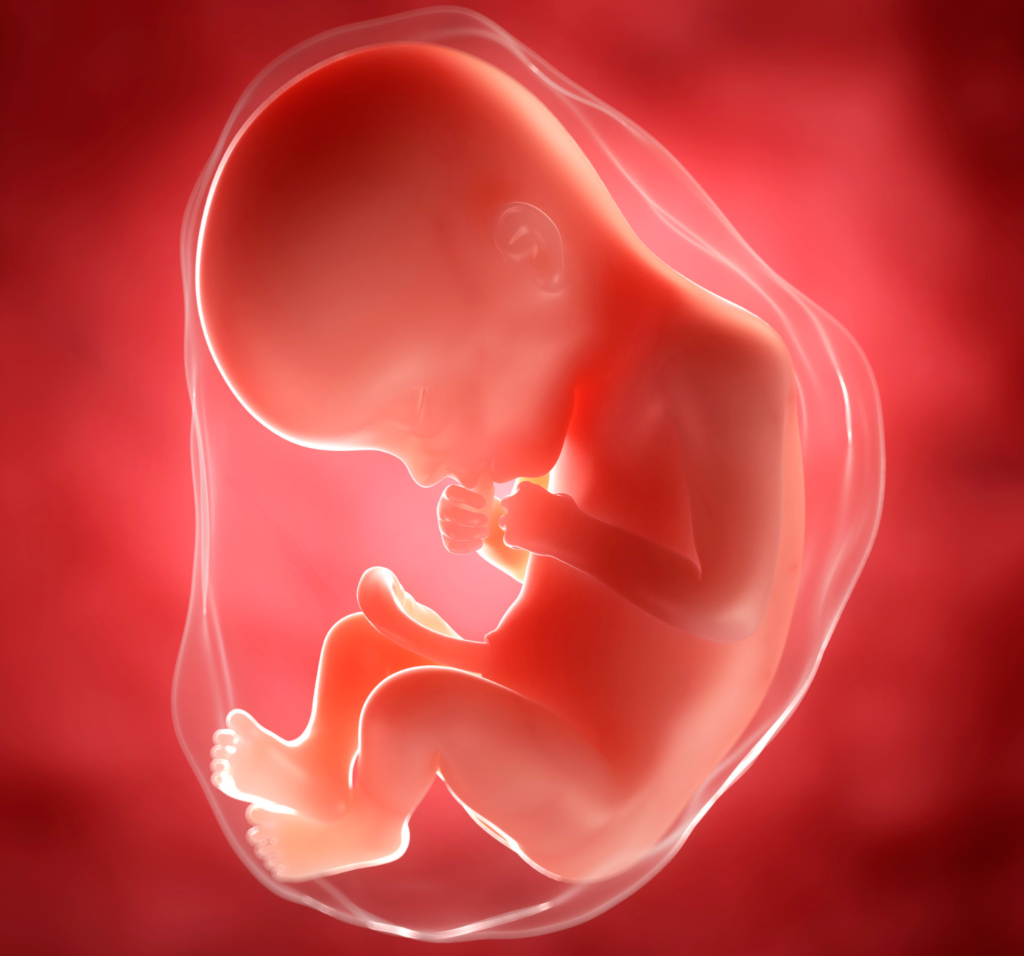
Baby development at 22 weeks is ramping up! Your baby’s head, body, and limbs are now more in proportion to each other. S/he is looking more like a newborn now.
22 weeks pregnant baby size – The size of the foetus at 22 weeks pregnant is now roughly the size of a spaghetti squash, measuring about 11 inches (27.8 cm) from crown to heel and weighing almost 1 pound (about 430 grams).
Your baby’s development at 22 weeks includes their irises getting pigmentation. However, they remain closed for now.
Your pregnant belly at 22 weeks is accommodating a baby who is developing his/her senses now – touch, taste, sight and hearing. They can hear your heartbeat, your voice and even loud noises which are further away, outside of the womb.
Your baby when you’re 22 weeks pregnant, is still too young to live outside the womb. But, over the next few months, they will gain lots of fat to keep them warm as the lungs and organs continue to develop
22 weeks pregnant – your symptoms
Your body at 22 weeks pregnant is under increased strain as your bump grows bigger. Try standing as straight as you can and place a small cushion behind your back when you’re sitting.
22 weeks pregnant symptoms – You may gain some weight now. Many women worry about whether they’re gaining too much or too little weight. This is understandable, but you shouldn’t worry too much. Ask your doctor if you’re worried about your weight, as they can provide you with more information on healthy weight gain during pregnancy.
You at 22 weeks pregnant may be a fluctuating you – i.e. you may experience high energy levels in bursts and then downtimes where you can’t get out of bed.
Mum’s body at 22 weeks pregnant – Have you noticed how fast your nails are growing?
Your eyesight might even change and your feet may grow! This is because the pregnancy hormone Relaxin is loosening ligaments and joints and the bones in your feet are spreading.
Exercise is good for pregnancy, as long as you don’t overdo it. Look at exercises like pregnancy yoga, pilates or walking.
If you are still suffering from heartburn, avoid spicy foods, citrus food and drink, chocolate and coffee. Take small mouthfuls and chew well. Try not to lie down after a meal too. And when you go to sleep, prop yourself up on pillows to help with the digestion.
Key takeaways at 22 weeks pregnant – things to consider
What to do at 22 weeks pregnant – Have you looked into your maternity rights? Do you know about the terms of your maternity leave or maternity allowance?
One of my biggest tips for 22 weeks pregnant is to prevent or limit stretch marks by making sure you’re moisturising your belly night and day
Pregnancy checklist at 22 weeks pregnant – Learn more about labour and birth and start preparing
Week 22 pregnancy – Make sure you’re still taking a prenatal vitamin a day.
22 weeks pregnant – your checklist – your checklist should include your birth plan. You don’t have to create one now, but consider how you would like your birth to look.
Pregnancy checklist at 22 weeks pregnant – Have you thought about your baby essentials yet?
When you are 22 weeks pregnant how many months is that?
What is 22 weeks pregnant in months?
How long is 22 weeks pregnant in months?
How many days 22 weeks pregnant?
What is 22 weeks pregnant in months?
How many months is 22 weeks?
Pregnancy 22 weeks how many months?
What is 22 weeks in months?
Pregnancy is typically calculated as 40 weeks, starting from the first day of your last menstrual period (LMP). However, these 40 weeks are often rounded to 9 months for simplicity, even though 40 weeks would technically be closer to 9.3 months. When breaking down pregnancy by months, it can be a bit confusing because not all months have the same number of days.
If you want to determine when you’ll be 6 months pregnant, here’s a general breakdown based on weeks:
1 month: 1-4 weeks
2 months: 5-8 weeks
3 months: 9-13 weeks
4 months: 14-17 weeks
5 months: 18-21 weeks
6 months: 22-26 weeks
7 months: 27-30 weeks
8 months: 31-35 weeks
9 months: 36-40 weeks
By this estimation, at 22 weeks, you would start your sixth month of pregnancy. So, yes, 22 weeks pregnant is roughly equivalent to being 6 months pregnant. However, remember this is a general guideline, and the exact timing can vary based on how you count months and weeks.
Is baby fully developed at 22 weeks?
Other questions asked were:
What is developing at 22 weeks of pregnancy?
Is 22 weeks pregnancy full term?
How large is a foetus at 22 weeks?
Your 22 week foetus has undergone significant foetal development, but it is not yet fully developed in terms of organ maturity and function. Here’s a general overview of a baby’s development at 22 weeks:
Size: Your 22 week old foetus is roughly the size of a spaghetti squash, measuring about 11 inches (27.8 cm) from crown to heel and weighing almost 1 pound (about 430 grams).
Skin: The baby’s skin remains translucent, and layers of fat are just forming underneath. This fat will become crucial for regulating the baby’s body temperature after birth.
Sense of Touch: The baby’s sense of touch is advancing. They can feel touch around their mouth, on the palms of their hands, and the soles of their feet.
Eyes and Vision: The eyes have formed, but the iris (the coloured part of the eye) still lacks pigmentation. The eyelids and eyebrows are in place, but the eyes remain fused shut.
Hearing: While the ears are still developing, the baby can already hear sounds, such as the mother’s heartbeat, voice, and even louder noises from the external environment.
Lungs: The baby’s lungs are still maturing. While they are not yet ready to function outside the womb, they are developing branches of the respiratory tree and cells that produce surfactant, a substance that helps the air sacs inflate easily.
Brain: The brain is growing rapidly, and the nerve cells are continuously developing.
Hair: Hair might start to grow on the baby’s head.
Organs and Systems: The liver, kidneys, and other organs are continuing to develop. The baby’s pancreas, essential for hormone production, is also developing steadily.
Movements: The baby is becoming more active and might kick, twist, and turn.
While many of the baby’s structures are in place by 22 weeks, the baby is not yet ready to survive outside the womb without intensive medical assistance. The survival rate for babies born at 22 weeks is low, and those who do survive often face significant health challenges. Typically, the point of viability (when a foetus has a reasonable chance of survival outside the womb with medical assistance) is considered to be around 24 weeks, though this can vary based on individual circumstances and medical advancements.
What is my baby doing in the womb at 22 weeks?
Other questions asked were:
What is 22 weeks pregnant baby position?
At 22 weeks gestation, your baby is active and undergoing rapid growth and development in the womb. Here’s a glimpse of what your baby might do:
Movements: Your baby is more active now. You might feel regular movements, which could feel like fluttering, kicking, or rolling. These movements are often described as “quickening.”
Swallowing and Digestion: The baby is practising swallowing by taking in small amounts of amniotic fluid, digesting it, and excreting it as urine. This process helps mature the digestive system.
Sensory Development:
Touch: Your baby’s sense of touch is becoming more refined, especially around the lips and hands.
Hearing: The baby can hear sounds both inside (like your heartbeat) and outside (like your voice or music). Some studies suggest that babies might even respond to familiar sounds or music by this stage.
Taste: The baby can taste some flavours of foods you eat through the amniotic fluid.
Breathing Movements: Even though the baby gets oxygen through the umbilical cord, they practice “breathing” movements, preparing the lungs for life outside the womb. These are not actual breathing, but the rhythmic movement of the diaphragm.
Sucking and Gripping: The baby might practice sucking movements with their mouth (a precursor to feeding after birth). They might also grip with their hands, clutching onto the umbilical cord, or even holding onto one of their feet.
Sleeping: Babies in the womb have periods of activity and rest. Your baby might have sleep cycles that last 20-30 minutes at a time. However, their sleep is not like adult sleep; it’s more like a “rest” or “quiet” state.
Rapid Brain Growth: The brain is undergoing significant development. Brainwave activity starts in the visual and auditory systems.
Reflex Development: Reflex actions, like blinking, are occurring.
Physical Growth: The baby’s body is growing rapidly, and layers of fat are forming under the skin. This fat, called “brown fat,” will help regulate body temperature after birth.
Facial Features: The baby’s facial features are more defined. Their eyes and lips are fully formed, but the eyes remain sealed shut.
Producing Cells: The baby’s bone marrow has produced red blood cells.
Each baby is unique, and activity levels can vary. Some babies might be more active during certain times of the day, while others might have different patterns of movement. If you’re concerned about your baby’s movements or have questions about their development, it’s essential to consult with your healthcare provider.
What does 22 weeks pregnant look like?
Other questions asked were:
How does 22 weeks pregnant look?
How does 22 weeks pregnancy look like?
how does 22 weeks pregnant look like?
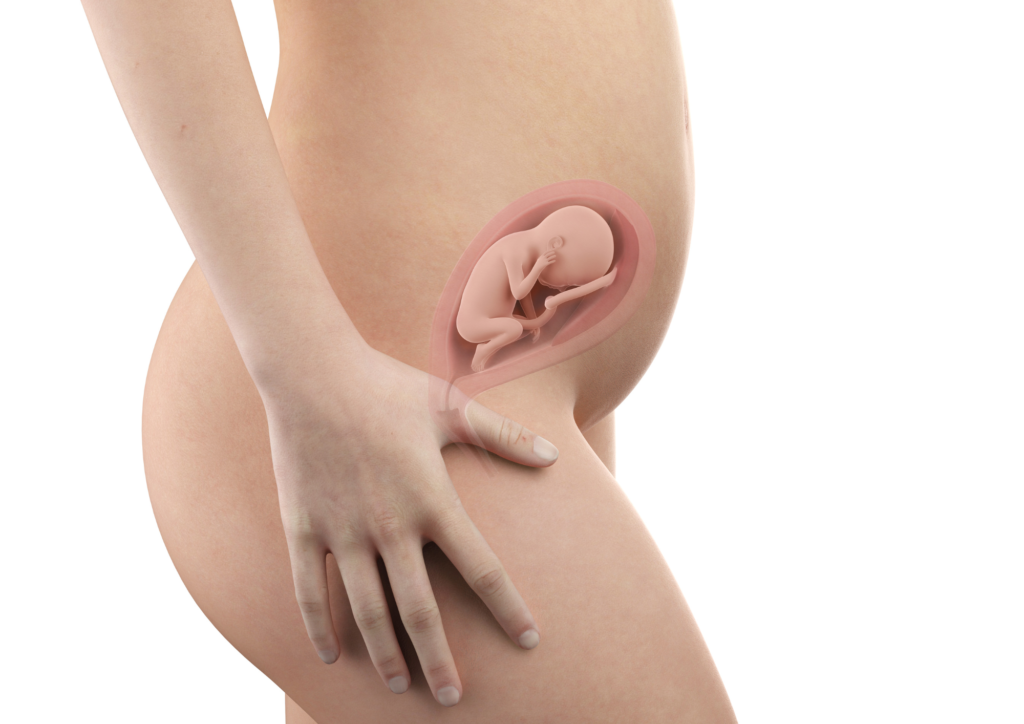
Here’s what 22 weeks pregnant looks like:
Can you run at 22 weeks pregnant?
Many women can continue to run during pregnancy, including at 22 weeks pregnant, but there are several considerations to keep in mind:
Before continuing or starting any exercise regimen during pregnancy, always consult with your healthcare provider. They can provide guidelines tailored to your specific situation.
As your pregnancy progresses, your body undergoes many changes that can affect your ability to run comfortably and safely. The increased weight, changes in your centre of gravity, and hormonal changes that relax your ligaments can all influence your balance and running gait.
It’s essential to drink plenty of water before, during, and after your run to stay hydrated.
Your body temperature is slightly elevated during pregnancy. Try to run during cooler times of the day and wear breathable clothing to prevent overheating.
If you feel any pain, dizziness, shortness of breath, or any other unusual symptoms, stop running and consult with your healthcare provider.
Choose flat and smooth surfaces to minimise the risk of trips and falls. Avoid running on uneven terrains or in conditions where you might slip.
Wear supportive shoes and a good maternity support belt if needed. This can help distribute the weight and provide more comfort while running.
It’s generally advised not to push yourself too hard during pregnancy. This isn’t the time to break personal records or increase your intensity. The general rule of thumb is that you should be able to carry on a conversation while exercising.
If you experience any of the following, stop exercising and consult your healthcare provider:
Vaginal bleeding
Dizziness or feeling faint
Shortness of breath before starting the exercise
Chest pain
Headache
Muscle weakness
Calf pain or swelling
Regular, painful contractions
Fluid leaking from the vagina
If you’re an experienced runner and have been given the okay by your healthcare provider, running can be a great way to stay active during pregnancy. If you’re new to running, pregnancy might not be the best time to start, but you can consider other forms of exercise more suited for beginners. Always prioritise safety and listen to your body.
What not to do at 22 weeks pregnant?
When you’re 22 weeks pregnant, it’s essential to prioritise your health and the health of your growing baby. Here are some general guidelines on what to avoid or be cautious of during this stage of pregnancy:
Certain Foods: Avoid foods that carry a risk of foodborne illness or other harmful effects, such as:
Raw or undercooked seafood, eggs, and meats.
High-mercury fish like shark, swordfish, king mackerel, and tilefish.
Unpasteurised dairy products and soft cheeses.
Deli meats unless they’re heated until steaming hot.
Excessive caffeine (it’s usually advised to limit caffeine intake to 200-300 mg per day).
Alcohol.
Overexertion: While staying active is beneficial, avoid overexerting yourself or taking part in high-impact activities that carry a risk of injury.
Hot Tubs and Saunas: Prolonged exposure to high temperatures can be harmful during pregnancy, increasing the risk of birth defects. It’s best to avoid hot tubs, saunas, and steam rooms.
Hazardous Chemicals: Avoid exposure to harmful chemicals, such as pesticides, paint fumes, and certain cleaning agents. Always ensure good ventilation if you’re working with chemicals and wear gloves.
Certain Medications: Some medications, both prescription and over-the-counter, may not be safe during pregnancy. Always consult with your healthcare provider before taking any medication.
Lifting Heavy Objects: Be cautious when lifting heavy objects. If you must lift something, use proper techniques, bending at your knees and keeping the object close to your body.
Smoking: Avoid smoking and exposure to secondhand smoke. Both can increase the risk of premature birth, low birth weight, and other complications.
Recreational Drugs: These can be harmful to both you and your baby and should be avoided.
Wearing High Heels: As your pregnancy progresses, your centre of gravity shifts, making it easier to lose your balance. It’s best to wear comfortable and supportive shoes.
Lying Flat on Your Back: After the first trimester, lying on your back can compress a major blood vessel, reducing blood flow to your heart and potentially to your baby. If you’re getting a procedure done or are when you need to lie down, try to tilt to your left side or use pillows to prop yourself at an angle.
Travel: If you’re planning to travel, especially by air, consult with your healthcare provider. Some airlines have restrictions for pregnant passengers, and long flights might increase the risk of blood clots.
Alcohol: It’s best to avoid alcohol entirely during pregnancy, as it can lead to foetal alcohol spectrum disorders (FASDs) and other complications.
Always consult with your healthcare provider regarding any concerns or questions you may have about activities or substances during pregnancy. They can offer guidance tailored to your specific situation.
What to buy at 22 weeks pregnant?
At 22 weeks pregnant, you’re more than halfway through your pregnancy and well into the second trimester, and it’s a good time to prepare for your baby. Here’s a list of items you might buy or researching at this stage:
Maternity Clothing: As your bump grows, you may need more maternity clothes. Consider:
Research and decide if you want to take childbirth or parenting classes.
Begin or continue working on the baby’s nursery.
Remember, every pregnancy and family is unique, so tailor your purchases to your individual needs and preferences. Some parents prefer to buy everything ahead of time, while others wait until closer to the due date or even after the baby’s arrival for certain items.
Bleeding when 22 weeks pregnant. What should I do?
Other questions asked were:
Brown discharge when 22 weeks pregnant. What do I do?
I’m sorry to hear that you’re experiencing this, but it’s important to remember that I am not a doctor.
If you are experiencing bleeding at 22 weeks pregnant or at any stage of pregnancy, it’s essential to take it seriously and seek medical attention immediately. Here are some general guidelines:
Contact Your Healthcare Provider: As soon as you notice bleeding, get in touch with your obstetrician, midwife, or healthcare provider. They can provide guidance on the next steps to take.
Go to the Emergency Room or Labour and Delivery: If the bleeding is heavy or accompanied by pain, contractions, dizziness, or any other concerning symptoms, go to the nearest emergency room or your hospital’s labour and delivery unit.
Avoid Intercourse and Douching: If you experience bleeding, it’s best to avoid sexual intercourse and douching until you’ve consulted with your healthcare provider.
Note the Characteristics of the Bleeding: It might be helpful to note the colour, consistency, and amount of blood. This information can assist healthcare professionals in assessing the situation.
Stay Calm: While bleeding can be a concern, try to stay calm. Stress and panic won’t help the situation. It’s essential to focus on getting the care and support you need.
There can be various causes for bleeding during pregnancy, some less concerning than others. Only a healthcare professional can evaluate and diagnose the cause. It’s crucial to prioritise your health and the health of your baby by seeking medical attention promptly.
I’m getting cramps when 22 weeks pregnant. What should I do?
Other questions asked were:
I have pain when 22 weeks pregnant. What do I do?
I have period pains when 22 weeks pregnant. What do I do?
Is cramping at 22 weeks pregnant normal?
I’m not a doctor, but cramps during pregnancy can be concerning, especially if they’re severe, persistent, or accompanied by other symptoms. Here’s some general advice if you’re experiencing cramps at 22 weeks:
Contact Your Healthcare Provider Immediately: It’s essential to get in touch with your obstetrician, midwife, or primary care provider when you experience cramping during pregnancy. They can provide guidance based on your specific situation.
Go to the Hospital if Symptoms Are Severe: If the cramps are severe, regular, or accompanied by any of the following, seek medical attention immediately:
Vaginal bleeding or spotting
Fluid leakage from the vagina
Lower back pain
Pressure in the pelvis or vagina
Changes in vaginal discharge
Dizziness or fainting
Any other pregnancy symptoms that seem unusual
Rest: Lie down on your left side to increase blood flow to the uterus and try to relax. Sometimes rest can help alleviate minor cramps.
Stay Hydrated: Drink plenty of water. Dehydration can sometimes cause cramping.
Avoid Certain Activities: Until you know the cause of the cramping, avoid any strenuous activities, heavy lifting, and sexual intercourse.
Monitor the Cramps: Note the intensity, frequency, and location of the cramps. This information can be helpful to your healthcare provider.
Listen to Your Body: It’s essential to be in tune with your body. If something feels off or you’re concerned, it’s always best to seek medical advice.
Causes of cramping during pregnancy can range from benign (like ligament stretching) to more serious issues. It’s essential to rule out any potential complications, such as preterm labour or infections. Always prioritise your health and the health of your baby by seeking medical attention when you’re concerned about any symptoms.
How to sleep 22 weeks pregnant?
Sleeping comfortably during pregnancy can be a challenge as your body changes and your baby grows. Your 22 weeks pregnant belly might make your usual sleeping positions less comfortable. Here are some tips to help you sleep better during this stage of pregnancy:
Left Side is Best: It’s generally recommended to sleep on your left side during pregnancy. This position can improve blood flow to the baby, uterus, and kidneys. It also helps in relieving pressure on the liver, which is located on the right side.
Use Pillows for Support: Using pillows can make a world of difference:
Place a pillow between your legs to support your hips, which also helps to reduce leg cramps
Use a pregnancy pillow or a regular pillow to support your belly.
Prop up your upper body with pillows if you experience heartburn.
Avoid Back Sleeping: As your uterus grows, it can put pressure on the vena cava (a major blood vessel) when you lie on your back. This can reduce blood flow to your heart and baby. If you roll onto your back while sleeping, consider using a pillow as a barrier to maintain your side position.
Elevate Your Head: If you suffer from heartburn or indigestion, elevating your head can help keep stomach acids down and reduce discomfort.
Limit Fluids Before Bed: While it’s crucial to stay hydrated, try to limit fluid intake in the evening to reduce nighttime trips to the bathroom.
Establish a Routine: Keeping a regular sleep routine can help signal your body that it’s time for rest. This might include reading, taking a warm bath (not too hot), or practising relaxation techniques.
Comfortable Sleep Environment: Make sure your mattress and pillows are comfortable. Keep the room at a comfortable temperature and use blackout curtains if needed. Consider using white noise machines or earplugs if noise is an issue.
Stay Active: Regular physical activity can help you sleep better. However, it’s best to finish exercising at least a few hours before bedtime to give your body time to wind down.
Limit Caffeine: Especially in the afternoon and evening, as it can interfere with your sleep.
Manage Stress: Pregnancy can be a time of heightened emotions and stress. Consider relaxation techniques such as deep breathing, meditation, or prenatal yoga to help you relax.
Dress Comfortably: Wear loose-fitting, breathable pyjamas to bed.
Get Up Slowly: Because of changes in blood pressure during pregnancy, you might feel dizzy if you get up too quickly from a lying position. Make it a habit to rise slowly to avoid dizziness.
If sleep problems persist or you’re concerned about your sleep patterns, it’s essential to consult with your healthcare provider. They might offer additional suggestions or check for underlying issues that could be affecting your sleep.
22 weeks pregnant symptoms of boy?
Other questions asked were:
22 weeks pregnant baby boy symptoms. What should I look out for?
22 weeks pregnant: symptoms of girl?
There’s a lot of folklore and myths surrounding ways to predict a baby’s gender during pregnancy, but it’s important to note that none of these methods are scientifically proven to be accurate. The symptoms or changes a pregnant person experiences during pregnancy are generally because of hormonal changes, the growth of the foetus, and other physiological factors—not the gender of the baby.
That being said, here are some common myths and old wives’ tales that claim to predict a baby’s gender:
Carrying Shape: Some say if you’re carrying high, it’s a girl, and if you’re carrying low, it’s a boy.
Cravings: Craving sweets might mean you’re having a girl while craving salty or sour foods might mean it’s a boy. This was the total opposite for me!
Skin Condition: Clear and glowing skin could indicate a boy, while acne breakout could suggest a girl—due to the “stealing of beauty.”
Heart Rate: A fetal heart rate above 140 beats per minute might indicate a girl, while one below 140 might suggest a boy.
Moodiness: Some believe moodiness indicates a girl due to higher oestrogen levels.
Morning Sickness: Severe morning sickness could indicate a girl, according to some tales.
Swelling of Legs: Some believe that if your right leg swells more than the left, it’s a boy, and vice versa.
However, it’s crucial to reiterate that these are all myths, and none have been consistently proven by scientific research.
If you’re keen to know the gender of your baby, the most reliable methods include:
Ultrasound Examination: Usually done between 18-22 weeks, a mid-pregnancy ultrasound (often called an anatomy scan) can identify the baby’s gender if the baby is positioned in a way that allows the technician to see the genital area.
Genetic Testing: Tests like chorionic villus sampling (CVS) or amniocentesis can determine the baby’s gender, but these are invasive tests and are usually done for medical reasons, not just to determine gender.
Non-Invasive Prenatal Testing (NIPT): This blood test can detect the baby’s DNA in the mother’s bloodstream and can determine gender as well as screen for certain genetic conditions. It’s often available from 10 weeks onwards.
If you’re interested in finding out your baby’s gender, speak with your healthcare provider about the best and most accurate options for you.
At 22 weeks pregnant baby kicking low. What does this mean?
Feeling your baby kick and move is an exciting part of pregnancy, and the location of those movements can vary as your pregnancy progresses and depending on the baby’s position.
At 22 weeks pregnant, feeling the baby kick low is not uncommon and can be attributed to several reasons:
Position of the Baby: At 22 weeks, your baby still has plenty of room to move around in the uterus. The baby might be positioned head up (breech) or head down (cephalic). If the baby’s feet are down, you might feel more kicks in the lower part of your abdomen. Similarly, if the baby is lying in a transverse position (sideways), the feet might be directed towards the lower part of your uterus.
Position of the Placenta: If you have an anterior placenta (placenta attached to the front wall of the uterus), it might cushion some of the baby’s movements, making kicks feel less pronounced in the front and more noticeable lower down or on the sides.
Growth and Development: At 22 weeks, your baby is still growing and developing. As the baby grows, they might change positions, and the location of the kicks might change as well.
Your Anatomy: The perception of where you feel the kicks can also be influenced by your own anatomy, including the position and shape of your uterus and the distribution of abdominal fat.
It’s essential to remember that every pregnancy is unique. While some expectant mothers might feel their baby’s movements higher up, others might feel them lower down. Over time, as your baby grows and occupies more space, you’ll likely feel movements in various parts of your abdomen.
If you ever become concerned about the frequency or strength of your baby’s movements, or if you notice a sudden decrease in activity, contact your healthcare provider for guidance. Regular patterns of foetal movement are an indicator of the baby’s well-being, so always trust your instincts and reach out if something feels off.
Note: These are just general ideas of how you and your baby are getting on. Don’t forget that every baby develops differently and your personal journey will be different. If you are concerned about your baby’s development, please consult your doctor or midwife.
I cannot believe I’m already 15 weeks pregnant and I took my pregnancy test 11 weeks ago now! I have one more week before I hit four months into my pregnancy. How did that happen? I cannot believe how time is really flying now.
I am still experiencing some pregnancy symptoms – I woke up with a really stuffy nose and thought I was catching a cold, but I then consulted Google and found that it’s normal around the 15th week of pregnancy to feel congested.
I don’t feel like the constipation is getting any better either, even though I feel like I’m eating a lot of fibre. I’m eating cereal for breakfast, eating wholemeal bread and eating lots of fruit and veg, so I hope my clean diet will make a difference soon.
I also bought some Bio-Oil* for my bump because it is definitely getting bigger. I want to avoid getting stretch marks and I’ve been told by my friends that Bio Oil is the best for stretch marks. I really like Palmers Cocoa Butter* too and have been using that for my whole body – the smell is so delicious as well!
The baby is about 10cm now! I measured 10cm against my belly and s/he is still so teeny tiny. I have felt no flutters yet either – apparently, it feels like gassy bubbles in your stomach, so I’m looking forward to feeling the kicks and prods from my baby, who apparently is acting like a gymnast this week.
My theory test is coming up, so I bought my theory book at lunch to study, but the food has made me so sleepy that I can’t concentrate on the questions. I need to drive to places, so I have to focus on getting my license before the baby is born – fingers crossed!
A fun fact – 15 weeks pregnant size– The baby is small enough to fit into the palm of your hand – about the size of an orange!
The foetus at 15 weeks is working on their sense of smell now, but they can’t detect any smells yet.
Your baby development at 15 weeks – Their tiny chest can inhale, which kick-starts the olfactory system
Your baby is sucking their thumb and wriggling about at the moment. These movements are great for coordination and building strength. You are unlikely to feel these movements yet, although some people say they can feel little flutters in their tummy, especially if your placenta is in the back wall.
Your 15 week old foetus is practising breathing by swallowing amniotic fluid
Your baby in 15 weeks of pregnancy is speeding up their weight gain too!
Your baby’s external genitalia is now complete
The placenta is now developed and is transporting all the oxygen your 15-week baby needs
Foetal development – your baby’s tastebuds are formed and functioning
15 weeks pregnant baby size –
15 weeks of pregnancy – what to expect?
Week 15 of pregnancy what to expect – Your morning sickness may have reduced (after the terror nausea of the first trimester!) and you might have regained your energy now or are feeling a little depressed – both are normal reactions, but be sure to mention them to the doctor or midwife if you are worried about your mental health. They are there to help with the emotional side of pregnancy too.
15 weeks pregnant symptoms – You may have felt some backache and constipation. Exercise is great to help move things along. Just 30 minutes a day will suffice.
What happens 15 weeks pregnant – You may notice changes in your hair and skin during the 2nd trimester, which will bring about that legendary ‘glow’. If you haven’t experienced this glow yet, don’t worry, it will come for you soon!
You may think about birth now and what options are available out there.
15 weeks pregnant belly –
Your next steps – what to do at 15 weeks pregnant
What to do 15 weeks pregnant – Keep drinking lots of water as the hormone progesterone is slowing down the movement of food through your system, which is why you may feel a little constipated.
What to eat 15 weeks pregnant – Seek fibre-rich foods and if you need a little extra help, prune juice or gentle medication can work a treat!
Having sex won’t harm your 15-week foetus unless your doctor has advised against it. Double-check with your doctor if you’re feeling frisky and are unsure whether you are ok to proceed. You don’t need contraception!
How does 15 weeks pregnant feel? Your emotional well-being is very important during pregnancy – staying cool, calm and collected will help your little baby to stay the same – and develop properly too!
Pregnancy checklist at 15 weeks pregnant – Have you had your blood tests yet? If not, that’s due to come soon! Hopefully, you should have had your scan by now.
Tips for 15 weeks pregnant – It may be time to find a new way of sleeping as your bump grows – you can support your bump with maternity pillows, which help you sleep on your left side more comfortably.
You can start thinking about baby names this week, although don’t stress too much about it as you still have time! We didn’t come out with our fourth’s baby name until 37 weeks!
Every bump and body is different, but how 15 weeks pregnant looks like to the average person:
Key takeaways at 15 weeks pregnant – These are just general ideas of how you and your baby are getting on. Don’t forget that every baby develops differently. If you are concerned about your baby’s development, please consult your doctor or midwife.
FAQ
What are signs of a healthy pregnancy at 15 weeks?
Other questions asked were:
What is normal at 15 weeks pregnant?
Is 15 weeks pregnant safe?
How safe is 15 weeks pregnant?
Is it ok to feel normal at 15 weeks pregnant?
How should I feel at 15 weeks pregnant?
Can you feel baby at 15 weeks?
How do I know my baby is ok at 15 weeks?
What does 15 weeks pregnant feel like?
Can you feel your baby at 15 weeks?
I’m not a doctor, but many women find the second trimester, which includes the 15th week of pregnancy, easier because the intensity of first-trimester symptoms decreases and more positive signs follow, Here are some signs that might suggest a healthy pregnancy around the 15-week mark:
Growing Belly: By 15 weeks, your uterus is growing and your belly might show a bit more.
Decreased Nausea: For many women, nausea and vomiting may decrease or completely go away by the second trimester.
Increased Energy: The fatigue of the first trimester often decreases, and you might feel more energised.
Foetal Movement: Around this time, some women might feel the baby moving. It’s often described as feeling fluttering or gas bubbles. If you are a first-time parent, you might not feel these movements until closer to 18-25 weeks.
Good Heartbeat: During prenatal visits, your medical professional might use a Doppler device to let you hear the baby’s heartbeat. A strong, regular heartbeat can be a positive sign.
Absence of Severe Pain: While some aches and pains are normal because of the growing uterus and hormonal changes, the absence of severe pain is a good sign.
Absence of Severe Cramping or Heavy Bleeding: While some spotting can be normal, heavy bleeding or severe cramping can be cause for concern.
Clear or Milky Vaginal Discharge: An increase in a clear or milky vaginal discharge called leukorrhea is common in pregnancy because of an increase in hormone production.
Absence of Severe Swelling: Some swelling in the feet or hands can be normal, but sudden swelling of the face and hands can be a sign of preeclampsia, a serious condition.
Stable Weight Gain: While weight gain rates can vary, steady weight gain (as recommended by your healthcare provider) can be a sign of a healthy pregnancy.
Each pregnancy is unique, and what one person experiences can differ from another. If you have concerns about your pregnancy or any symptoms you are experiencing, consult with your midwife or doctor to get accurate and personalised advice.
What should I do at 15 weeks pregnant?
At 15 weeks pregnant, you’re in the second trimester, which many women find to be the most comfortable and enjoyable phase of pregnancy. Here are some general suggestions for what you might do or expect during this time:
Prenatal Care: Continue with regular prenatal check-ups. Your healthcare provider might use a Doppler device to let you hear the baby’s heartbeat during these visits.
Start Planning for Maternity Leave: If you’re working, now might be a good time to familiarise yourself with your workplace’s maternity leave policies and start planning accordingly.
Consider Maternity Wear: As your belly grows, you might find your regular clothes becoming uncomfortable. Consider investing in some maternity wear or look for loose, comfortable clothing.
Stay Active: If your healthcare provider agrees, continuing or starting a gentle exercise routine can be beneficial. Activities like walking, swimming, or prenatal yoga can be good options.
Balanced Diet: Ensure you’re getting a balanced diet with adequate folic acid, iron, calcium, and protein. Drink plenty of water and consider discussing any vitamin or supplement needs with your doctor.
Educate Yourself: Consider reading books or articles on pregnancy, childbirth, and parenting. Joining a prenatal class can also offer valuable information and the chance to meet other expectant parents.
Document Your Pregnancy: Many women enjoy keeping a pregnancy journal or taking regular photos to document the changes in their bodies and to remember this special time.
Plan Finances: Babies come with expenses, so it might be a good time to budget or set aside money for baby-related costs. You can also create a baby wishlist to help loved ones contribute to the cost of the new baby.
Limit Caffeine and Avoid Harmful Substances: Limit caffeine intake and, of course, avoid alcohol, smoking, and any medications not approved by your doctor.
Foetal Movement: Pay attention to your body. In the coming weeks, you might feel the baby’s movements.
Think About the Future: Consider where the baby will sleep, whether you’ll breastfeed or bottle-feed, and other decisions you’ll need to make in the coming months.
Skincare: Because of hormonal changes, your skin might become more sensitive or show changes like the darkening of areolas or the appearance of a linea nigra (a dark line running down the middle of your abdomen). Use sunscreen when out, and consider moisturising to prevent or reduce stretch marks.
Dental Health: Pregnancy can affect dental health, so regular check-ups and good oral hygiene are crucial.
Communicate with Your Partner: Discuss plans, feelings, and any concerns about the pregnancy, childbirth, and parenting together.
Relax and Rest: While it’s great to stay active and prepare, remember to give yourself time to rest and relax.
What fruit is 15 weeks pregnant?
Other questions asked were:
How big is baby at 15 weeks?
How big is my baby at 15 weeks?
Your 15 weeks foetus is the size of a navel orange or an apple. It’s important to note that these comparisons are approximate and are used mainly for illustrative purposes. The exact size of the foetus can vary from one pregnancy to another. The foetus is typically about 4 inches (10 cm) long from crown to rump and weighs around 2.5 ounces (70 grams) at this stage.
Is 15 weeks considered 4 months pregnant?
Other questions asked were:
What is 15 weeks in months?
How many months is 15 weeks?
15 weeks is how many months?
Is 15 weeks pregnant 4 months?
How many 15 weeks pregnant in months?
What is 15 weeks pregnant in months?
How much is 15 weeks pregnant in months?
Is 15 weeks pregnant far along?
What trimester is 15 weeks pregnant?
15 weeks pregnant is how many months?
Pregnancy duration is typically counted in weeks, not months, because it offers a more precise measurement. The average pregnancy lasts about 40 weeks from the first day of the last menstrual period (LMP).
However, when converting weeks to months for a rough estimate, the process can be confusing because months have varying numbers of days. If you divide the 40 weeks of an average pregnancy by 4 weeks (assuming each month has roughly 4 weeks), you’d get 10 months, which is longer than the commonly stated “nine months of pregnancy.” This discrepancy occurs because most months have slightly more than 4 weeks.
15 weeks pregnant in months is about 3.5 months pregnant. You’ll be entering the fourth month, but you won’t complete it until around 17-18 weeks.
Should I have a baby bump at 15 weeks?
Other questions asked were:
What does a 15th week of pregnancy belly look like?
What does 15 weeks pregnant look like?
Do you show 15 weeks pregnant?
Your 15 weeks pregnant bump might be noticeable, or it might not show much at all. Both scenarios are entirely normal. Everyone’s body is different, and pregnancies can vary even for the same woman.
If you have concerns about your pregnancy or the development of your baby bump, it’s essential to consult with your healthcare provider. They can provide reassurance and guidance tailored to your specific situation.
What should I expect from a 15 weeks pregnant ultrasound?
An ultrasound around the 15-week mark can provide several insights into the development and health of your baby. Here’s what you might expect from a 15-week ultrasound:
By 15 weeks, many of the baby’s vital organs have formed, and the ultrasound technician or doctor may assess the baby’s developing body parts, including the brain, spine, heart, kidneys, and limbs.
The foetus is moving, flexing, and kicking, even if you can’t feel it yet. During the ultrasound, you might see some of these movements.
You should be able to see and hear the baby’s heartbeat. The heart rate will be monitored, and its rhythm will be checked.
Depending on the baby’s position and the clarity of the images, it might be possible to determine the baby’s gender at this stage, although many healthcare providers wait until the 18-20 week anatomy scan when the genitalia is more fully developed.
The position of the placenta might be noted, as its placement can impact delivery methods later on.
The technician might check the amount of amniotic fluid to ensure it’s within a normal range.
If you’re expecting more than one baby, the ultrasound can provide insights into their development and the condition of the shared or separate placentas.
The baby will be measured, including the size of the head, abdomen, and femur (thigh bone). These measurements help determine the baby’s growth and ensure it’s on track for its gestational age.
While the detailed anatomy scan is usually done between 18-22 weeks, some structural abnormalities might be visible at 15 weeks. If there are any concerns, a follow-up scan or more detailed scans might be recommended.
Sometimes, the ultrasound might also look at maternal structures, such as the cervix, to ensure it’s of an appropriate length and closed, especially if there’s a history or risk of preterm labour.
It’s essential to remember that while ultrasounds can provide a lot of information about the baby and pregnancy, not all issues or conditions can be detected via ultrasound. If there are any concerns or abnormalities, your healthcare provider will guide you through the next steps, which might include further testing or consultations with specialists.
How to sleep 15 weeks pregnant?
Sleeping comfortably during pregnancy can become a challenge as your body changes and grows. Your pregnant belly at 15 weeks might not be very large, but you may notice some discomfort or changes in your preferred sleeping position.
Many healthcare professionals recommend sleeping on your side, especially the left side, as it can improve blood flow to the foetus and help with your kidney function, potentially reducing swelling. Side sleeping can also help prevent your uterus from pressing against your liver, which is on your right side.
Support your growing belly and body with pregnancy pillows, such as C-shaped or U-shaped pillows, which can provide support for the neck, back, belly, and legs. If you don’t have a pregnancy pillow, use regular ones to support your belly by placing one underneath it and between your legs to ease hip or lower back pressure.
As your pregnancy progresses, sleeping on your back can cause your uterus to press on the major vein that returns blood to your heart, potentially reducing blood flow to the foetus. It can also increase backaches and digestive issues.
If you’re experiencing heartburn or acid reflux, which is common during pregnancy due to hormonal changes and the growing uterus pressing on the stomach, elevating your head with pillows can help.
Drink plenty of water throughout the day, but consider reducing fluid intake in the evening to minimise nighttime trips to the bathroom.
Activities like reading, listening to soothing music, taking a warm bath, or practising relaxation exercises can help signal to your body that it’s time to wind down. Loose-fitting, soft pyjamas or nightgowns can make sleep more comfortable.
Avoiding caffeine in the evening and large meals right before bedtime can help you sleep better. With your healthcare provider’s approval, regular exercise can help you tire out in a good way, making it easier to fall asleep. However, avoid vigorous activity right before bed.
Some pregnant individuals experience leg cramps during the second trimester. If you get them at night, stretching your calf muscles before bed might help. If you get a cramp, straightening your leg and gently flexing your foot toward your shin can provide relief.
Many pregnant women find they feel warmer than usual. A cooler bedroom can help you sleep more comfortably. Using a fan or keeping windows open, if the weather permits, can also be beneficial.
What to buy at 15 weeks pregnant?
At 15 weeks pregnant, it’s still relatively early in your pregnancy journey, but it can be an excellent time to prepare, especially if you want to spread out expenses over time or take advantage of sales and discounts. Here are some items you might buy or research:
Maternity Clothes: As your body changes, you might find your regular clothes becoming tight or uncomfortable. Start with basics like maternity jeans, leggings, and tops. Also, consider bras designed for pregnancy, as your breast size and shape might change.
Pregnancy Pillow: These are specially designed pillows to support your growing belly and help you sleep more comfortably.
Books: Consider buying or borrowing books about pregnancy, childbirth, breastfeeding, and baby care. Knowledge can help ease anxiety and prepare you for what’s ahead.
Prenatal Vitamins: If you haven’t already, ensure you have a good supply of prenatal vitamins to support your and your baby’s nutritional needs.
Stretch Mark Cream or Oil: While genetics play a significant role in whether you get stretch marks, some women swear by creams or oils to keep their skin hydrated and elastic.
Comfort Items: Think about items that can help you relax, like bath oils, comfy slippers, or relaxation music.
Journal / Pregnancy Planner: Documenting your pregnancy journey can be therapeutic and create a lovely keepsake.
Baby Gear Research: Start researching bigger items like car seats, cribs, strollers, and baby monitors. Even if you’re not buying them now, understanding your options can help you make informed decisions later.
Baby Clothes: While it’s still early, picking up a few cute outfits or essential baby clothes can be exciting. Just remember, you might receive many clothes as gifts if you’re having a baby shower.
Nursing Bras and Tops: If you plan on breastfeeding, start looking into nursing bras and tops.
Baby Shower Planning: It might be a good time to think about your baby shower. Consider researching themes, making guest lists, and registering for items you’d like.
Classes: Look into childbirth, breastfeeding, and newborn care classes. Some popular ones might fill up quickly, so consider registering in advance.
Safe Skincare Products: Pregnancy can make your skin more sensitive, and there are certain ingredients you should avoid. Consider buying pregnancy-safe skincare products.
Healthy Snacks: As your appetite increases, having healthy snacks on hand can help ensure you’re getting proper nutrition.
Dental Care: Pregnancy can affect your oral health, so investing in good dental care products, like a high-quality toothbrush, is a good idea.
Remember, there’s no strict timeline for when you should buy these items, and what’s essential for one person might not be for another. Focus on what feels right for you and your unique situation. It’s also a good idea to check with friends and family who’ve recently had babies; they might offer insights or even hand-me-downs.
At 15 weeks pregnant, your body is experiencing changes, and comfort becomes a priority when choosing what to wear. Here are some ideas on what you might wear during this stage of pregnancy:
Maternity Jeans and Pants: By 15 weeks, many women find their regular pants uncomfortable. Maternity jeans and pants come with a stretchy band that accommodates your growing bump.
Empire Waist Tops and Dresses: These cinch just below the bust and flow outward, providing plenty of room for a growing belly.
Stretchy Leggings: Comfortable and versatile leggings can be paired with longer tops or tunics for a chic and comfy look.
Layered Looks: As pregnancy progresses, your body temperature might fluctuate. Layering can help you adjust to changing temperatures easily.
Wrap Dresses: These are both stylish and adjustable, making them perfect for a growing belly.
Belly Bands: These are stretchy bands that you can wear over your regular pants or skirts, allowing you to leave them unbuttoned.
Flowy Tunics: These can be paired with leggings or skinny jeans for a comfortable, relaxed look.
Comfortable Underwear: Your regular underwear might feel tight. Consider buying maternity underwear or sizes up in more stretchy, soft fabrics.
Maternity or Stretchy Bras: Your breasts might have grown, so you’ll need bras that are comfortable and provide good support. Some bras are designed to expand with you.
Maxi Dresses: Long, flowy maxi dresses can be both stylish and comfortable, perfect for accommodating a growing belly.
Adjustable Waistbands: Skirts or pants with drawstrings or elastic waistbands can be adjusted as you grow.
Cardigans: These can be worn open and adjusted for your comfort level. Plus, they’re great for layering.
Flat or Supportive Shoes: As pregnancy progresses, some women experience swelling in their feet or find that their balance shifts slightly. Flat shoes or those with good arch support can be more comfortable and safer.
Support Tights or Leggings: These can provide extra support for your legs, especially if you’re on your feet a lot.
Jumpsuits with Stretch: Maternity jumpsuits with some stretch can be a comfortable all-in-one outfit, provided they are easy to get on and off, especially when considering frequent bathroom trips.
Open-front Jackets and Coats: As your belly grows, open-front styles will accommodate it more easily than buttoned or zipped styles.
When choosing to clothe at 15 weeks pregnant, the main thing to prioritise is comfort. It’s a good idea to try on clothing and see how it feels on your changing body. Also, invest in pieces that can grow with you throughout your pregnancy, ensuring versatility and value for money.
What not to do at 15 weeks pregnant?
While you may feel more energetic and comfortable during the second trimester, there are still some precautions to keep in mind. Here are things you might avoid at 15 weeks pregnant:
Heavy Lifting: Avoid lifting heavy objects to prevent strain on your back and pelvic area. If you need to pick something up, squat down and lift with your legs, not your back.
Certain Foods: Avoid foods that have a higher risk of containing harmful bacteria or toxins, such as:
Raw or undercooked seafood, eggs, and meat.
Unpasteurised milk and cheeses.
High-mercury fish like shark, swordfish, tilefish, and king mackerel.
Deli meats (unless heated until steaming).
Alcohol and Drugs: Continue avoiding alcohol, recreational drugs, and any medications not approved by your healthcare provider.
Tobacco and Secondhand Smoke: Smoking and exposure to secondhand smoke can increase the risk of premature birth, low birth weight, and other complications.
Hot Tubs and Saunas: High body temperatures can be harmful during pregnancy. Avoid prolonged exposure to hot tubs, saunas, and steam rooms.
High-Impact Activities: Activities that have a high risk of falling or trauma to the abdomen, like horseback riding, skiing, or certain contact sports, should be avoided.
Certain Medications: Always check with your healthcare provider before taking any medications, including over-the-counter ones.
Excessive Caffeine: While moderate caffeine intake is considered safe, it’s best to limit your consumption to about 200-300 mg per day.
Laying Flat on Your Back: Especially later in pregnancy, lying flat on your back for extended periods can cause the weight of the uterus to compress major blood vessels, potentially reducing blood flow to the fetus.
Exposure to Harmful Chemicals: This includes certain household cleaners, pesticides, or solvents. Always check labels and use them in well-ventilated areas if necessary.
X-rays: If you need dental work or another procedure requiring X-rays, inform your technician or dentist that you’re pregnant so they can take necessary precautions.
Excessive Exercise: While staying active is beneficial, don’t push yourself too hard. Stay hydrated, and avoid overheating.
Travel Without Precautions: If travelling, especially to areas with infectious disease outbreaks or where healthcare might be subpar, discuss plans with your healthcare provider.
High Heels: Your centre of gravity changes as your belly grows, increasing the risk of falls. Consider switching to more stable footwear.
Raw Sprouts: Raw sprouts, like alfalfa or mung bean, can contain harmful bacteria. Consume them cooked.
Should I be feeling braxton hicks at 15 weeks pregnant?
Braxton Hicks contractions, often described as “practice contractions,” are tightening sensations in the uterus that aren’t regular and don’t lead to labour. They are a normal part of pregnancy and can start as early as the second trimester.
However, feeling Braxton Hicks contractions at 15 weeks would be relatively early. While it’s not impossible, many women don’t notice them until later in pregnancy, often in the third trimester. Some women might not feel them at all or might not recognise them until they are more pronounced in the later stages of pregnancy.
At 15 weeks, if you’re feeling tightening or cramping sensations, it could be due to:
Stretching of the uterus: As your baby grows, your uterus expands, which can cause sensations of stretching or mild cramping.
Gas or bloating: Digestive issues can sometimes be mistaken for uterine contractions.
Normal uterine activity: The uterus is a muscle and can occasionally contract even when you’re not in labour.
If you’re unsure about the sensations you’re feeling or if you experience any of the following symptoms, contact your healthcare provider:
Regular and increasing contractions.
Pain or cramping, especially if it’s one-sided.
Vaginal bleeding or spotting.
Any discharge that is watery, mucus-like, or bloody.
Lower back pain or pelvic pressure.
Any other symptoms that feel unusual or concerning to you.
Remember, always trust your instincts. If something feels off or you’re uncertain about what you’re experiencing, it’s always a good idea to reach out to your healthcare provider for guidance and reassurance.
Can you run at 15 weeks pregnant?
If you were a regular runner before pregnancy and have no medical complications, it’s generally considered safe to continue running during pregnancy, including at 15 weeks. However, there are some important considerations and precautions to keep in mind:
Consult Your Healthcare Provider: Before continuing or starting any exercise regimen during pregnancy, including running, always consult with your doctor or midwife. They can provide guidance tailored to your specific situation.
Listen to Your Body: Your body is going through significant changes, and it’s essential to be in tune with how you feel. If you experience pain, discomfort, or any alarming symptoms, stop and rest.
Stay Hydrated: Pregnancy increases your fluid needs, and staying hydrated is even more critical when exercising.
Avoid Overheating: It’s essential to prevent your body temperature from rising too much during pregnancy. Run during cooler parts of the day, wear breathable clothing, and listen to your body’s signals.
Adjust Your Pace: As your pregnancy progresses, you might find that you need to decrease your speed or the distance you run.
Watch Your Balance: Your centre of gravity changes as your belly grows, increasing the risk of falls. Be cautious, especially on uneven terrains.
Wear Proper Footwear: Good supportive shoes can help minimise the risk of injury and provide better support as your body weight increases.
Monitor Heart Rate: While there isn’t a definitive “safe” heart rate for all pregnant women, it’s a good idea to avoid over-exertion. A general guideline is that you should be able to carry on a conversation while running.
Consider Terrain: It’s best to run on flat and even surfaces to reduce the risk of trips and falls.
Avoid High-impact Training: Intense interval training or hill sprints might be too jarring during pregnancy. Consider adjusting your routine to be gentler.
Signs to Stop and Call Your Doctor: If you experience any of the following, stop running and contact your healthcare provider:
Vaginal bleeding or fluid leakage
Dizziness or feeling faint
Chest pain
Shortness of breath
Calf pain or swelling (which could indicate a blood clot)
Regular painful contractions
Reduced foetal movement (later in pregnancy)
Any other unusual symptoms or pain
Remember, every pregnancy is unique. What might be okay for one person may not be for another. It’s crucial to be aware of how your body feels and to prioritise safety and well-being for both you and your baby.
Can you find out baby’s sex at 15 weeks pregnant?
In the UK, the NHS (National Health Service) usually offers two ultrasound scans during pregnancy: the first (dating scan) at around 8 to 14 weeks and the second (anomaly scan) at around 18 to 21 weeks. It’s during this second scan, the anomaly scan, that many parents find out the sex of their baby.
At 15 weeks, the baby’s genitals may have developed enough to be visible on an ultrasound. However, the official NHS anomaly scan is performed a few weeks later when the anatomy is clearer and more easily distinguishable. If you’re attending a private clinic or service, they might offer a gender scan as early as 15 or 16 weeks, but this varies among providers.
If you’re interested in finding out your baby’s sex at an earlier stage than the usual NHS anomaly scan, you would typically:
Seek a Private Scan: Many private ultrasound clinics in the UK offer gender scans from 15 or 16 weeks onward. They typically charge a fee for this service. Ensure the clinic is reputable and uses trained sonographers.
NIPT (Non-Invasive Prenatal Testing): This blood test is available privately in the UK and can determine the baby’s sex, among other things. However, it’s often more expensive than a private ultrasound scan and is mainly used for screening for chromosomal abnormalities.
Let the Sonographer Know: If you’re having a scan around 15 weeks (for whatever reason) and wish to know the baby’s sex, inform the sonographer at the beginning of the session. However, keep in mind that, even if the sonographer makes a prediction, there’s still a chance of inaccuracy this early on.
Understand the Limitations: It’s essential to know that determining the baby’s sex at 15 weeks might not be as accurate as later in pregnancy. The position of the baby, the clarity of the ultrasound, and other factors can influence the ability to identify the gender.
Remember, while many parents are eager to find out the sex of their baby, the primary purpose of ultrasound scans during pregnancy is to check the baby’s development and well-being. If you choose to find out the sex earlier through a private scan, always do your research and select a reputable provider.
I walked around the flat in a daze. I had stopped working, so I was now free to absent-mindedly clean the flat and go over the same spots repeatedly… I wanted to call Mum. I wanted to call my best friend. Hubby was at work and we had both agreed not to tell any of our friends until we had hit the 3-month mark, which felt so far away. But, 5 weeks pregnant no symptoms at all felt completely weird to me. I felt very un-pregnant.
I was half-expecting to run to the toilet and throw up, but I felt nothing. When did nausea set in? How bad was my morning sickness going to be? When will I start showing? Where are the physical and emotional symptoms? So many questions! I just wanted to switch my mind off for five minutes, so that I could relax a little, but I couldn’t. I felt scared and even lonely.
I had no idea how this whole pregnancy malarkey was going to pan out and what was going to happen in the next 35 weeks. Where would I build on my knowledge? I wanted to know everything; how the little one grew, how I would feel, what I had to do to look after myself and the baby, etc.
I didn’t even know where to find information, so I consulted my old friend, Google, and typed ‘pregnant’ into the search box. A gazillion different pregnancy sites popped up, and I suddenly felt overwhelmed, so I turned off my laptop and went for a walk around the park instead.
I had picked the wrong time in the afternoon to venture out, as the park was crowded with lots of mums and babies going about their businesses. I sat down on a nearby bench and watched a mother lay a picnic down on the ground beside her two children, a girl of about three or four years old and a much younger baby boy, who looked around six months old.
The mother took the toys out of the basket and placed them in front of him, while the daughter ran rings around the blanket and yelled at her mum that she was hungry. The mother looked flustered and motioned for the girl to sit down and eat. The six-month-old started to cry and clung on tightly to his mother, as she tried to free the girl’s hands from throwing the food onto the grass.
I could see that the mother was struggling, but I had no idea how to help her, so I stayed seated. I was only a brand new member of the unwritten, universal mummy group and it would be a long time before I had my baby… about eight months long!
When I got back to the flat, I decided to burn a little energy by sticking on one of my regular high-impact aerobic exercise DVDs. But, it suddenly dawned on me that maybe I wasn’t allowed to exercise in the same way as I did before. So, back I went to my laptop and found some information on exercising during pregnancy.
Apparently, I could still carry on as normal until I got to the second trimester, then I would have to slow down. I figured I’d err on the side of caution and opted for some light aerobics instead. I felt miles better and greeted hubby with a big hug and a kiss when he came home.
You may even feel faint and still have tender breasts.
Pregnancy symptoms at five weeks – Don’t worry, you will feel better soon and experience the common pregnancy glow sooner than you think!
You may start to see some pregnancy weight gain
If you are starting to worry, like I did, about how you’re going to feel during pregnancy and what is going to happen to your body, then you can watch me here at almost 40 weeks! (I’m the beachball in the blue jumper!)
5 weeks pregnant no symptoms? Here’s 5 reasons why
Positive pregnancy test but no symptoms? If you are pregnant with no pregnancy symptoms, then don’t stress just yet. Here are five reasons why you may not have any pregnancy symptoms at week 5:
Individual Variation in Symptoms: Every person’s pregnancy experience is unique. Some may have pronounced symptoms, while others may have very mild or no symptoms at all. This variation is normal and can be influenced by overall health, genetics, and stress levels.
Early Stage of Pregnancy: At 5 weeks, you’re still in the very early stages of pregnancy. For some, pregnancy symptoms don’t become noticeable until 6 weeks or later. This delay in symptom onset doesn’t necessarily indicate any problem with the pregnancy.
Low Sensitivity to Pregnancy Hormones: The intensity of pregnancy symptoms can be influenced by how sensitive your body is to pregnancy hormones like human chorionic gonadotropin (hCG) and progesterone. Some people may naturally have a lower sensitivity to these hormones and therefore experience fewer or milder symptoms.
Previous Pregnancy Experience: If this isn’t your first pregnancy, you might notice differences in symptom intensity or onset compared with your previous experiences. Each pregnancy can feel different, and some might be symptom-light.
General Health and Wellness: Your overall health and wellness can affect how you experience pregnancy. Those who are in good health, eat a balanced diet, and manage stress effectively might experience fewer or less intense symptoms.
What you might feel like at 5 weeks pregnant?
At 5 weeks pregnant, while some may not experience strong symptoms, others might notice subtle changes in their bodies. Here are some symptoms you might experience at this stage:
Mild Cramping and Spotting: Light cramping and spotting are common early in pregnancy as the embryo implants in the uterus. These cramps might feel like a lighter version of menstrual cramps.
Fatigue: Increased tiredness is a common early pregnancy symptom, caused by rising levels of progesterone and other hormonal changes.
Breast Changes: Your breasts may feel tender, swollen, or slightly heavier than usual because of hormonal changes.
Nausea or Changes in Appetite: While morning sickness often starts a bit later, some might experience mild nausea or changes in their appetite around 5 weeks.
Frequent Urination: An increase in urination frequency can occur, even this early in pregnancy, because of hormonal changes and your body preparing for the growing baby.
Mood Swings: Hormonal changes can also affect your mood, leading to feelings of heightened emotions or moodiness.
Bloating: Hormonal changes might cause bloating, similar to what some experience before starting a menstrual period.
Heightened Sense of Smell: Some report a heightened sense of smell during early pregnancy, which can sometimes contribute to nausea or changes in appetite.
No Symptoms: It’s also entirely possible to feel completely normal and have no noticeable symptoms at this stage.
Key takeaways at 5 weeks pregnant
Confirming your pregnancy at 5 weeks – If you haven’t done so already, take a pregnancy test to confirm your pregnancy
Highlights at 5 weeks pregnant – Look out for more advice and frequently asked questions about early pregnancy, including common symptoms and general health (diet and exercise)
5 weeks pregnant – things to consider – Book your first antenatal appointment with your GP/midwifery service if you haven’t done so already
5 weeks pregnant – your checklist – begin taking prenatal vitamins if you haven’t already. Look for vitamins that contain folic acid, iron, calcium, and DHA, as these nutrients are important for the baby’s development.
Your pregnancy to-do list at five weeks – eat a variety of healthy foods, including fruits, vegetables, whole grains, calcium-rich foods, and lean proteins. Proper nutrition is crucial for your baby’s growth and development.
Pregnancy checklist at 5 weeks – stay away from alcohol, tobacco, and recreational drugs, and limit caffeine intake. These substances can be harmful to the developing baby.
5 weeks pregnant – questions for your healthcare provider
At 5 weeks pregnant, preparing a list of questions to ask your healthcare provider during your first prenatal visit is a good idea. This visit usually happens a bit later, around 8 to 10 weeks, but having your questions ready can be very helpful. Here are some important questions to consider:
Prenatal Care Schedule: “How often will I have prenatal appointments, and what will these appointments typically involve?”
Pregnancy Symptoms: “What are normal symptoms at this stage of pregnancy, and what symptoms should I report to you immediately?” Note, If you have any changes or loss of pregnancy symptoms, contact your doctor for professional medical advice
Nutrition and Diet: “Are there specific dietary guidelines I should follow? What about prenatal vitamins?”
Medications and Supplements: “Are my current medications and supplements safe to continue during pregnancy?”
Lifestyle Changes: “What lifestyle changes should I make for a healthy pregnancy (e.g., exercise, sleep, travel restrictions)?
Testing and Screening: “What prenatal tests and screenings do you recommend and when will they be scheduled?”
Managing Health Conditions: “How will my existing health conditions (like diabetes, high blood pressure, etc.) affect my pregnancy, and how will we manage them?”
Risk Factors: “Are there any specific risk factors I should know based on my medical history or family history?”
Labour and Delivery: “Can we discuss my options for labour and delivery, even though it’s early?”
Emergency Contact: “Who should I contact in case of an emergency or if I have urgent questions after office hours?”
Support Resources: “Are there any classes, support groups, or resources you recommend for expecting parents?”
Work-Related Concerns: “Do I need to change my work environment or schedule?”
Emotional Health: “What resources are available if I need support with emotional or mental health during my pregnancy?
Travel Considerations: “Are there any travel restrictions I should know at different stages of pregnancy?”
Symptom Management: “How can I manage common pregnancy symptoms like nausea, fatigue, and heartburn?”
Remember, these appointments are a great opportunity to address any concerns or questions you have, no matter how small they may seem. It’s important to have open and ongoing communication with your healthcare provider throughout your pregnancy.
What you need to know at five weeks of pregnancy
At five weeks of pregnancy, there are several key things you should be aware of:
5 weeks pregnant – what to expect –embryo Development: At this stage, your baby is still very tiny, about the size of a sesame seed. The major organs, including the heart, brain, and spinal cord, are forming.
Early Symptoms: You might start experiencing early pregnancy symptoms such as fatigue, breast tenderness, nausea, and frequent urination, though it’s also normal not to have strong symptoms at this point.
Importance of Prenatal Care: It’s important to establish prenatal care. Even if you haven’t had your first doctor’s appointment yet, consider scheduling it. Prenatal visits are crucial for monitoring your health and the baby’s development.
Prenatal Vitamins: Start taking prenatal vitamins if you haven’t already, focusing on those containing folic acid, iron, calcium, and DHA.
Healthy Lifestyle Choices: Maintain a healthy lifestyle, including eating a balanced diet, staying hydrated, getting regular exercise, and avoiding harmful substances like alcohol, tobacco, and certain medications.
Understand Miscarriage Risks: Be aware that the first trimester carries the highest risk of miscarriage, though the risk is still relatively low. It’s important to monitor your health and consult your healthcare provider if you have any concerns. Symptoms not to ignore – if you see spotting in 5 weeks pregnant, then contact your doctor immediately
Emotional Changes: You might experience mood swings or emotional changes because of hormonal fluctuations. This is normal, but if you feel overwhelmed, seek support.
Educate Yourself: Begin educating yourself about pregnancy, childbirth, and parenting. Reading books, attending classes, or joining support groups can be helpful.
Work and Daily Routine: Consider how your pregnancy might affect your daily routine and work. You might need to make some adjustments as your pregnancy progresses.
Support Network: Start thinking about your support network. This can include your partner, family, friends, healthcare providers, and local parenting groups.
Plan for the Future: Though it’s early, it’s helpful to start thinking about decisions like where you’d like to give birth and how you want to manage pain during labour.
Note: These are just general ideas of how you and your baby are getting on. Don’t forget that every baby develops differently. If you are concerned about your baby’s development, please consult your midwife.
FAQ
Is it okay to be pregnant with no pregnancy symptoms?
Other questions asked were:
Can you be pregnant with no symptoms?
I’m not having pregnancy symptoms. Is this normal?
Onset frequency and severity of symptoms can vary at 5 weeks. You may have a complete absence of pregnancy symptoms or nausea can set in early. It’s important to note that no pregnancy symptoms at 5 weeks doesn’t mean there’s something wrong with you or the baby. The rise in human chorionic gonadotropin (hCG) can cause pregnancy symptoms to occur but may not be strong enough to cause havoc yet. Pregnancy tests taken at this stage will detect hCG and give you a positive result.
Your baby – what does 5 weeks pregnant look like?
At 5 weeks pregnant, the embryo is very tiny and undergoing rapid development. Here’s a closer look at what’s happening:
Size: The embryo is about the size of a sesame seed or an apple seed, typically measuring around 2-4 mm in length.
Appearance: At this stage, the embryo doesn’t look like a baby yet. It’s more akin to a tiny tadpole or a small blob with a tail. This tail will eventually become the baby’s spine.
Developmental Milestones:
Germ Layers Formation: The embryo forms three layers of cells. The ectoderm (outer layer) will develop into the baby’s nervous system, skin, and hair. The mesoderm (middle layer) will become the heart, blood vessels, muscles, and bones. The endoderm (inner layer) will develop into the lungs, intestines, and other vital organs.
Neural Tube: The neural tube, which will become the baby’s spinal cord and brain, forms.
Heart Development: The heart forms and will start beating and pumping blood in the coming weeks.
The Yolk Sac: At 5 weeks, the yolk sac provides nourishment to the embryo and also helps in blood cell production.
Early Placenta Formation: The cells that will become the placenta are developing. The placenta will be crucial for nourishing and maintaining the fetus throughout the pregnancy.
Hormonal Changes: The body is producing pregnancy hormones like hCG (human chorionic gonadotropin), which is what pregnancy tests detect.
Remember, at this early stage, the changes happening are microscopic and not visible from the outside. The actual “baby-like” appearance and more defined foetal development will occur in the coming weeks.
Five weeks pregnant translates to about one month and one week. Pregnancy is typically measured in weeks and is generally considered to last for about 40 weeks (or 9 months) from the first day of your last menstrual period. Since each month averages slightly more than 4 weeks, 5 weeks is just a little over one month.
Can you be pregnant and not know it?
Yes, it is possible to be pregnant and not know it, especially in the early stages. This situation can occur for several reasons:
Mild or No Symptoms: Some people may not experience the typical symptoms associated with early pregnancy, such as nausea, fatigue, or missed periods, especially if their periods are irregular.
Misattributing Symptoms: Some people might attribute the symptoms of pregnancy to other causes, like stress, a busy lifestyle, or a minor illness.
Irregular Menstrual Cycles: If you have irregular menstrual cycles, you might not notice a missed period as a sign of pregnancy.
Lack of Awareness or Knowledge: Some people, particularly those who might not be actively trying to conceive, may not be aware of or recognise the early signs of pregnancy.
Recent Pregnancy: Those who have recently given birth or are breastfeeding might not expect to become pregnant soon, and therefore may not recognise the signs.
Perimenopause: Those who are approaching menopause might mistake the early signs of pregnancy for perimenopause.
Cryptic Pregnancy: In rare cases, some experience what’s known as a cryptic pregnancy, where they do not realise they are pregnant until very late in the pregnancy, or even until labour begins.
It’s important if you are sexually active to be aware of the signs of pregnancy and to take a pregnancy test if there’s a possibility of being pregnant, especially if you are experiencing unusual changes in your body. Regular check-ups with a healthcare provider can also help in identifying a pregnancy early.
5 weeks pregnant foods to avoid?
When you’re 5 weeks pregnant, it’s important to be cautious about what you eat, as certain foods can pose risks to the developing baby. Here are some foods and beverages to avoid or limit:
Raw or Undercooked Seafood: Avoid sushi, sashimi, and raw oysters. These can contain harmful bacteria and viruses.
High-Mercury Fish: Limit intake of high-mercury fish like swordfish, shark, king mackerel, and tilefish. Opt for low-mercury fish like salmon, cod, and tilapia.
Unpasteurised Dairy and Juices: Avoid unpasteurised milk, cheese, and juices, as they can contain harmful bacteria like Listeria.
Raw or Undercooked Eggs and Meat: Avoid raw eggs, dishes with raw eggs (like homemade mayonnaise), and undercooked meat, poultry, and pork to prevent exposure to salmonella and other bacteria.
Deli Meats and Hot Dogs: These should be avoided unless they are reheated until steaming hot, due to the risk of Listeria contamination.
Unwashed Fruits and Vegetables: Always wash produce thoroughly to remove potential harmful bacteria and pesticides.
Excess Caffeine: Limit caffeine intake to less than 200 mg per day (about one 12-oz cup of coffee). High caffeine intake can be associated with an increased risk of miscarriage.
Alcohol: Avoid alcohol entirely, as it can increase the risk of miscarriage and stillbirth, and can cause fetal alcohol spectrum disorders.
Unwashed Fruits and Vegetables: Thoroughly wash all fruits and vegetables to remove harmful bacteria and pesticides.
Certain Herbal Teas and Supplements: Some herbal teas and supplements can be harmful during pregnancy. Consult with your healthcare provider before using any herbal products.
Processed Junk Foods: While not necessarily dangerous, these are low in nutrients and high in calories and unhealthy fats. Focus on nutrient-rich foods to support your baby’s growth and development.
Artificial Sweeteners: While most are considered safe in moderation, some people choose to limit them as a precaution.
Remember, while this list covers common foods to avoid, it’s always best to consult with your healthcare provider for personalised dietary advice during pregnancy. They can provide guidance based on your specific health needs and any risk factors you may have.
Is there a heartbeat at 5 weeks?
At 5 weeks of pregnancy, the embryo is in the very early stages of development, and it’s usually around this time that the heart forms. The heart may start beating at around 5 to 6 weeks of gestation. However, detecting the heartbeat with an ultrasound might not be possible until a bit later, usually around 6 to 7 weeks of pregnancy.
During an ultrasound at 5 weeks, what is often visible is the gestational sac and sometimes the yolk sac, but the embryo and its heartbeat might not be detectable yet. The exact time when the heartbeat can be seen or heard can vary from one pregnancy to another.
It’s important to consult with a healthcare provider for accurate information and monitoring of the pregnancy’s progress, especially regarding milestones like the baby’s heartbeat.
Does having no symptoms mean I’ll have a miscarriage?
Having no symptoms at 5 weeks pregnant does not necessarily mean you will have a miscarriage. It’s quite common for some people to experience few or no symptoms in early pregnancy. Every pregnancy is different, and the presence or absence of certain symptoms like morning sickness, breast tenderness, or fatigue doesn’t reliably predict the outcome of the pregnancy.
The symptoms of pregnancy can vary greatly from person to person and even from one pregnancy to another in the same individual. Some may feel symptoms strongly, while others may not feel much different than usual.
However, if you have concerns about your pregnancy, particularly if you’ve experienced symptoms that suddenly stop, it’s always a good idea to consult with your healthcare provider. They can offer reassurance, check your health, and, if necessary, perform an ultrasound or other tests to assess the health of your pregnancy.
Your pregnancy bump at 5 weeks should not be noticeable as it’s too early for any change in the belly’s size. The embryo is still tiny, about the size of a sesame seed, and significant physical changes in the abdomen aren’t usually apparent at this stage.
Most people don’t show a visible pregnancy belly until the second trimester, around weeks 12-16, though this can vary widely. Factors like your body type, whether it’s your first pregnancy, and your overall physical condition, can influence when you start to “show.”
At 5 weeks, any bloating or slight changes in the belly’s appearance are more likely because of hormonal changes rather than the actual size of the embryo. Some experience bloating in early pregnancy because of hormonal shifts and changes in the body’s water retention, which can make the belly feel fuller or more swollen than usual.
Can you get Braxton hicks contractions at 5 weeks pregnant?
Braxton Hicks contractions typically do not occur as early as 5 weeks pregnant. They are more common in the second and third trimesters of pregnancy. Braxton Hicks are often referred to as “practice contractions” and are a way for the uterus to prepare for labour, but they are not a sign of actual labour.
At 5 weeks, the uterus is still very early in the pregnancy process and the pregnancy itself is in a very early stage of development. Any cramping experienced at this stage is more likely to be associated with the normal early changes of pregnancy, such as the uterus beginning to adjust and expand, or the embryo implanting into the uterine lining.
If you experience cramping or contractions early in pregnancy, it’s important to monitor the symptoms and consult with your healthcare provider, especially if the cramping is severe, persistent, or accompanied by bleeding. They can provide guidance and ensure that everything is progressing normally.