Ad · This is a paid collaborative post. Links to the partner are sponsored.
As a parent, you’re constantly seeking ways to support your child’s development. But did you know that those adorable raspberry sounds your toddler makes already help them build awareness and control around the mouth? In this article, we will discuss what helps with feeding and oral comfort through daily play (and what doesn’t help speech), because it’s a lot easier (and more fun) than you might think!
What you’ll learn in this guide
Oral play and feeding-focused activities can support your child’s ability to eat safely, manage saliva effectively, and develop awareness and coordination around the lips, tongue, jaw, and cheeks. From blowing bubbles to babbling, these small mouth and jaw movements are part of everyday life. And the best bit? Progress doesn’t just happen in therapy rooms; you can nurture it naturally through playful moments at home.
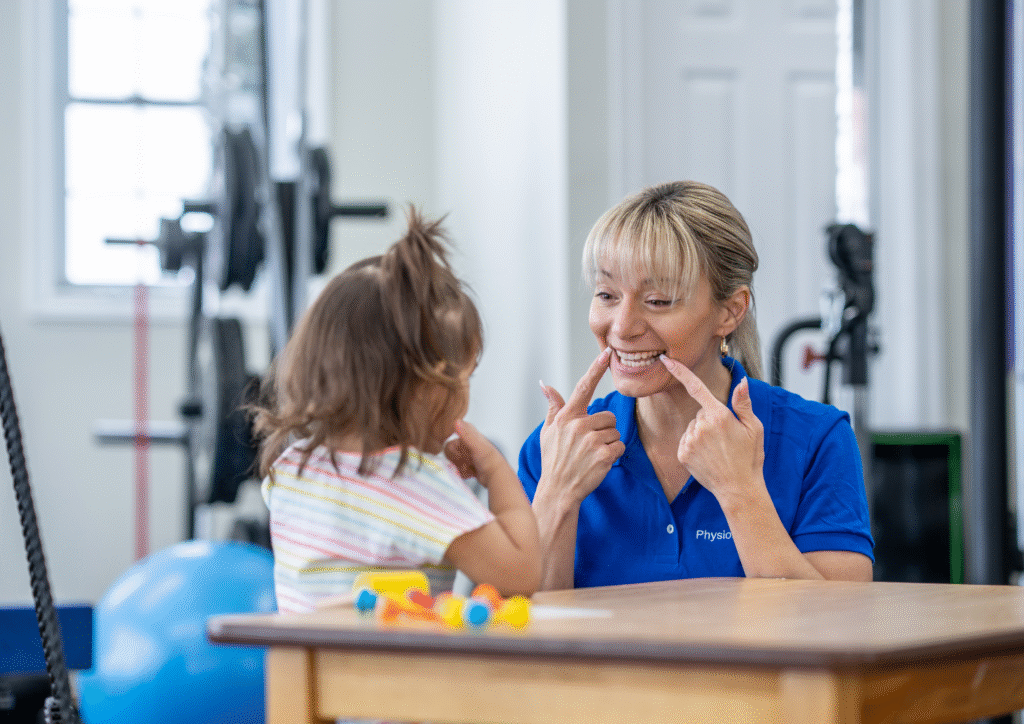
If you’re looking for practical ways to encourage your toddler’s development at home, introducing easy oral motor activities for toddlers can be a fun and practical starting point. Simple games, silly faces, and playful challenges can strengthen the muscles your child uses to chew and swallow—without it feeling like work for either of you. For speech clarity, though, children need to practise real speech sounds and words (ideally with guidance from a speech and language therapist).
The content provided here is for informational purposes only and is not intended to diagnose or treat any medical condition. Always consult your healthcare provider before making decisions related to your child’s health.
Why oral motor development matters for your toddler
Understanding the basics every parent should know
Oral motor skills refer to the movements of the lips, tongue, jaw, and cheeks that support critical functions like eating, drinking, and speaking. These muscles need to be strong, coordinated, and well-controlled for clear speech and safe, adequate feeding.
Struggling to make early sounds like “p”, “m”, or “t” (typically emerging by around 2–3 years)
Having difficulty transitioning from purees to solid foods
Showing frustration during meal times
Experiencing challenges with drinking from cups or straws
Drooling usually reduces markedly by around 18–24 months (with normal variation). If heavy drooling persists beyond the age of 2, have a brief discussion with your GP/health visitor. Playful feeding and oral activities can support comfort and coordination. Please note they aren’t shown to improve speech sounds.
The connection between oral motor skills and overall development
What many parents don’t realise is that oral motor development is intricately connected to your child’s overall growth. Strong oral motor skills support:
Communication Participation: More chances to babble, sing, and chat (speech sounds themselves improve by practising real sounds/words with an SLT)
Nutritional Health: Ability to eat a varied diet safely
Social Skills: Confidence in speaking and eating with others
Sensory Processing: Better tolerance for different textures and sensations
Self-Care Skills: Managing saliva, teeth brushing, and facial hygiene
Play-based strategies that really work
Making development fun and natural
The best way to support oral motor growth at home is by making it playful and pressure-free. Think of it as building strength at the playground, but only for the mouth. Here’s an approach that’s worked wonders with countless families:
Encouraging your child to blow bubbles, whistle, or use a straw can go a long way in exercising the mouth muscles. Even making silly faces in the mirror, pretending to be animals, or licking yoghurt off the lips helps build control and awareness.
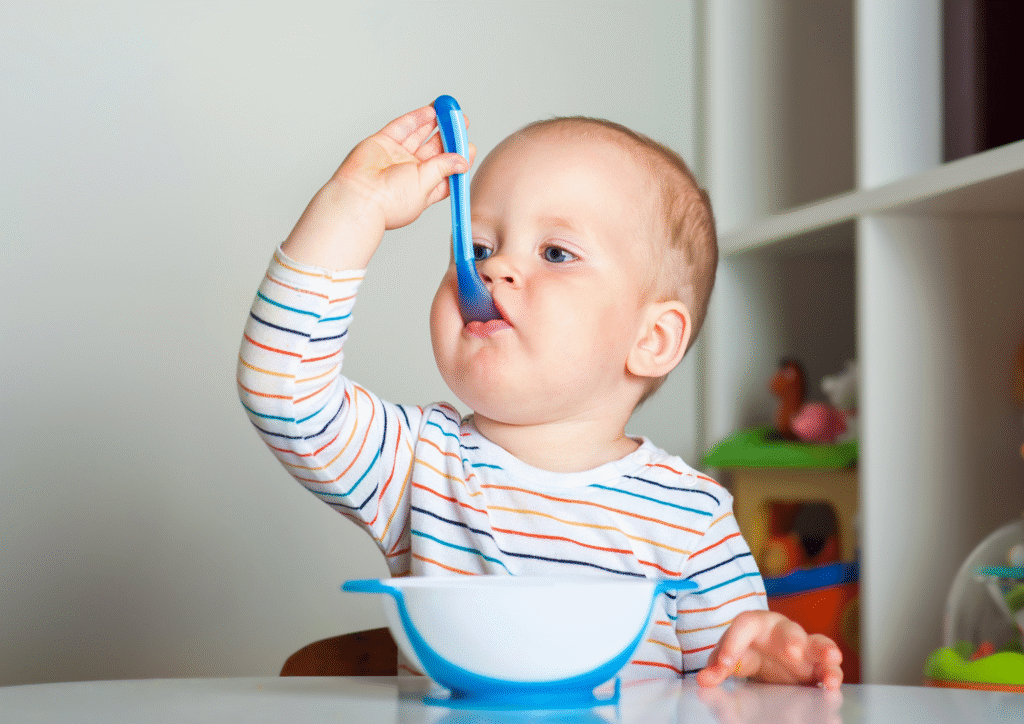
You don’t need special equipment or complicated exercises. Instead, turn snack time into a skill-building moment—biting into crunchy carrots, chewing on chewy foods, or sipping through a straw are all activities that engage the jaw and tongue. The goal is to blend development into your child’s routine so that progress happens naturally.
Important for speech: activities like blowing bubbles, using straws, and blowing cheek puffs are great for feeding/oral awareness, but they don’t improve speech sounds. For clearer speech, focus on practising real sounds and words in play (an SLT can show you which ones to target and how).
Point to note
ASHA clearly states:
“There is limited high-quality evidence supporting the use of oral motor exercises or sensory techniques in the treatment of paediatric feeding disorder–related sensory deficits and swallowing dysfunction in isolation” Paediatric Feeding and Swallowing.
Focus Activities: Musical instruments, complex food textures, pretend play with sounds
Expert insight and professional guidance
When to consult a specialist
If you’re unsure whether your child’s oral motor skills are on track, it’s always a good idea to speak with a speech-language pathologist. They can assess your child’s muscle tone, coordination, and movement patterns and recommend targeted exercises if needed.
According to the American Speech-Language-Hearing Association (ASHA) guidelines, early intervention can significantly impact the treatment of motor speech challenges and related delays. The earlier you identify a need and introduce the right supports, the better the outcomes tend to be. Search for a speech-language pathologist who uses evidence-based approaches rather than controversial nonspeech oral motor exercises.
However, even without a formal diagnosis, engaging in playful oral motor activities can still benefit your toddler’s overall development. They can also make your daily routine more engaging, silly, and full of bonding moments.
Red flags that warrant professional assessment
While home-based play is beneficial, some children may require additional support to develop their oral motor skills. Contact your paediatrician if your toddler:
Often gags on age-appropriate foods
Struggles to chew or swallow safely
Has persistently unclear speech beyond expected age
Avoids using their mouth during play
Shows extreme food texture aversions
Experiences frequent choking episodes
Demonstrates tongue thrust beyond 4 years
Has difficulty coordinating breathing while eating
They may recommend an evaluation or therapy to support more structured progress.
Creating an oral motor-friendly environment
Setting up for success at home
Your home environment plays a crucial role in supporting oral motor development. Here’s how to create spaces that encourage natural practice:
Kitchen setup:
Keep straws of various sizes accessible
Store crunchy snacks at toddler eye level
Have wipeable surfaces for messy play
Organise utensils for independent exploration
Play area organisation:
Dedicate a bubble station with different wands
Create a music corner with wind instruments
Set up a mirror at child height
Keep sensory bins with safe oral objects
Bathroom modifications:
Install a step stool for mirror access
Use fun toothbrushes with different textures
Keep cup options for rinsing practice
Add waterproof toys for bath bubble play
Incorporating technology and modern tools
Apps and Digital Resources
While hands-on play is irreplaceable, some digital tools can supplement your efforts:
Speech therapy apps with oral motor games
Video modelling for tongue and lip exercises
Timer apps for exercise duration
Progress tracking applications
Remember, screen time should complement, not replace, physical oral motor activities.
Nutrition’s role in oral motor development
Foods that build strength
Strategic food choices can naturally support oral motor development:
Jaw strengthening foods:
Raw vegetables (carrots, celery, bell peppers)
Whole fruits with skin (apples, pears)
Meat strips and jerky (age-appropriate)
Crusty bread and bagels
Tongue exercise foods:
Nut butters (spread thin for licking)
Lollipops and ice pops
Yoghurt and pudding
Sticky foods like raisins
Lip coordination foods:
Foods requiring pursing (noodles, string cheese)
Items needing precise lip closure (crackers)
Drinks through various straw sizes
Common challenges and solutions
Addressing typical concerns
“My toddler refuses to try new textures” Start with familiar flavours in new textures. Mix preferred foods with challenging ones gradually.
“We’re always rushed in the morning” Incorporate exercises during car rides or while waiting. Even 2-3 minutes helps!
“My child gets frustrated with exercises” Make it sillier! Turn exercises into games and let them lead sometimes.
“I’m worried we’re not doing enough” Quality over quantity—consistent daily practice of even 5 minutes is valuable.
Tracking progress and celebrating wins
Monitoring development
Keep a simple log of:
New sounds mastered
Foods successfully tried
Improved clarity in words
Decreased drooling
Better mealtime behaviours
Celebrate small victories – every bit of progress counts!
Looking ahead: long-term benefits
Helping your child build strong oral motor skills doesn’t have to feel like a therapy session. With a little creativity and consistency, everyday moments can turn into powerful opportunities for growth. Whether you’re making silly faces at the dinner table or encouraging your toddler to blow out pretend birthday candles, you’re doing more than just playing—you’re helping lay the foundation for lifelong skills in speech, feeding, and communication.
The investment you make in oral motor development today pays dividends in:
Academic success through clear communication
Social confidence in peer interactions
Healthy eating habits and nutrition
Strong self-advocacy skills
Reduced need for future interventions
Frequently asked questions
What are oral motor exercises for toddlers?
They’re playful activities that build feeding-related awareness and control around the lips, tongue, jaw, and cheeks—think bubbles, silly faces, crunchy foods, straws, and sound play. Note: current research does not support these activities for improving speech sounds; for speech clarity, children need to practice real sounds/words (ideally with guidance from an SLT).
At what age should I start oral motor exercises with my child?
You can begin simple oral motor activities as early as 6-12 months with age-appropriate exercises like offering textured foods and encouraging babbling. More structured exercises typically start around 12-18 months when toddlers can follow simple directions and engage in purposeful play. Always match activities to your child’s developmental level and interests.
How often should my toddler do oral motor exercises?
Ideally, incorporate oral motor activities into your daily routine rather than scheduling separate exercise sessions. Aim for 5-10 minutes of focused activities 2-3 times per day, but remember that many everyday activities like eating, drinking, and playing naturally provide oral motor practice. Consistency matters more than duration.
What are signs my toddler needs oral motor therapy?
Signs include persistent drooling beyond age 2, difficulty transitioning to solid foods, unclear speech beyond typical developmental stages, frequent gagging or choking, extreme aversions to certain food textures, an open-mouth posture at rest, difficulty using straws or cups, and tongue thrust beyond age 4. Consult your paediatrician if you notice multiple concerns. Most children have completely lost the tongue thrust reflex by age 4 or 5″ Tongue Thrust: Signs, Causes & Treatment and “It naturally fades by age 4 or 5” How Can Tongue Thrust Affect Speech? How It Can Be Treated – Atlanta Health Partners Paediatric Referral Directory.
Can oral motor exercises help with picky eating?
Yes! Oral motor exercises can help picky eaters by improving their ability to manage different food textures, increasing oral awareness, reducing sensitivity to new sensations, and building confidence with chewing and swallowing. Start with play-based activities before introducing challenging foods to reduce mealtime pressure.
What’s the difference between oral motor exercises and speech therapy?
Oral motor exercises focus specifically on strengthening and coordinating the physical muscles used for speech and feeding. Speech therapy is a broader field, addressing language development, articulation, communication strategies, and cognitive-linguistic skills. Oral motor exercises are often one component of comprehensive speech therapy.
Are there any risks to doing oral motor exercises at home?
When done appropriately, oral motor exercises are safe. However, avoid forcing exercises if your child is upset, never use items that pose choking hazards, respect your child’s comfort level, and stop if you notice signs of fatigue or frustration. Always consult a professional if you’re unsure about a specific exercise.
How can I make oral motor exercises fun for my resistant toddler?
Turn exercises into games, let your toddler choose activities, use favourite characters or toys as models, incorporate exercises into pretend play, offer rewards and praise, make it a family activity, keep sessions short and positive, and follow your child’s lead. Remember, if it’s not fun, it’s not sustainable!
What everyday activities naturally promote oral motor development?
Many daily activities support oral motor development: singing songs, brushing teeth, eating varied textures, drinking from different cups, blowing nose, giving kisses, making animal sounds, laughing and talking, chewing gum (age-appropriate), and playing wind instruments. These natural opportunities are just as valuable as structured exercises.
When should I see improvements from oral motor exercises?
With consistent and playful practice, you may notice small improvements in feeding comfort and participation within 2–4 weeks. Bigger shifts in feeding confidence usually take longer. For speech clarity, progress depends on practising specific sounds/words, an SLT can guide you on what to target and how.
Remember, you’re not alone in this journey. Every parent questions whether they’re doing enough for their child’s development. The fact that you’re reading this and seeking ways to support your toddler’s oral motor development indicates that you’re already on the right track. Keep it playful, stay consistent, and celebrate those small wins – they add up to big achievements!
*Collaborative feature post*
About Leyla Preston
Leyla is a UK mum of four, a writer and the founder of Motherhood Diaries, which she has edited since 2010. She has written about pregnancy, birth and family life for more than 15 years, edited NCT Harrow’s Special Delivery magazine, and is the author of several children’s and family books. She is also co-founder of Poppy, a new app helping UK parents find trusted local support, and presents Tech Talks Zone, a YouTube channel reviewing tech and AI tools for busy parents. Read Leyla’s story
Our health articles follow NHS guidance and aren’t a substitute for advice from your midwife, health visitor or GP.
Going to the dentist while pregnant: tips for expecting mums
Ad · This is a paid collaborative post. Links to the partner are sponsored.
Amidst the whirlwind of prenatal visits and baby showers, dental health often gets sidelined. But, can you go to the dentist while pregnant?
Yes!
Going to the dentist while pregnant is crucial, not just for the mother but also for the baby as well.
Why is going to the dentist while pregnant important?
During pregnancy, hormonal changes can lead to an increased risk of gum disease, also known as periodontal disease. The gums may become more sensitive, leading to bleeding, swelling, or tenderness.
Additionally, the surge in hormones may cause benign oral tumours or pregnancy granulomas, which, though generally harmless, can be quite uncomfortable. Untreated severe gum disease can increase the risk of premature birth or low birth weight. This correlation showcases the importance of timely dental checkups and procedures during pregnancy.
When to visit the dentist during pregnancy?
It’s important to maintain good oral hygiene and continue dental check-ups throughout your pregnancy.
When should you get dental work while pregnant – safe dental procedures during pregnancy
“Preventive, diagnostic and restorative dental treatment is safe throughout pregnancy.”
The American Dental Association
Contrary to some misconceptions, regular dental cleanings, cavity fillings, and other essential dental treatment when pregnant are perfectly safe during pregnancy. However, elective treatments like teeth whitening or cosmetic procedures are better postponed until after delivery.
Radiographs
X-rays should generally be avoided, especially in the first trimester. That being said, with today’s technology and proper shielding, the radiation exposure from dental X-rays is minimal, making it safe if genuinely needed.
Necessary dental work, like dental fillings during pregnancy or extractions, can be performed under local anaesthesia. Studies indicate that it’s safe for both mother and foetus. But, as always, consult with both your dentist and doctor first.
The best time for a dentist visit during pregnancy
The second trimester is usually the most comfortable time for dental procedures. Morning sickness is generally less frequent, and the belly isn’t large enough to cause discomfort when lying down. Nevertheless, regular checkups can and should be continued throughout the pregnancy. Lying on your back at the dentist while pregnant is usually considered safe and dentists are familiar with the modifications needed to ensure the comfort and safety of pregnant patients. The dentist can elevate your upper body slightly to help prevent compression of the vena cava. They might tilt the chair to the left to help relieve any pressure.
If a procedure is lengthy, the dentist might give you a chance to move or adjust your position periodically. Let your dentist know if you feel light-headed, nauseous, or have any other concerning symptoms while lying on your back. Remember that lying on your back for long periods during pregnancy can double the risk of preterm birth or stillbirth.
It’s important to communicate with both your dentist and your prenatal care provider before any dental procedures. They can work together to determine the safest approach for dental care during your pregnancy, including the best positions for comfort and safety, and appropriate timing for necessary dental treatments.
Regular dental care during pregnancy is important, and most routine care is safe. Urgent dental issues should be addressed regardless of the pregnancy stage to reduce the risk of infection and other complications that could affect your or your baby’s health.
Dental care while pregnant – oral hygiene tips for expecting mothers
Stick to the basics. Nothing should drastically change.
Brush twice a day using fluoride toothpaste and floss daily to remove plaque.
If you’re more susceptible to pregnancy gingivitis, consider using an antiseptic mouthwash.
Pregnancy can often lead to sugar cravings. Opt for healthier snacks, and if you indulge, ensure to brush your teeth afterwards.
Consuming a balanced diet with plenty of vitamin C and B12 can help prevent oral problems.
Managing toothache while pregnant
Life doesn’t stop happening just because you’re pregnant. Toothaches, cavities, swollen gums and accidents can and do occur.
Toothaches during pregnancy are increasingly common and can be especially challenging during pregnancy. The discomfort might range from a mild, dull ache to sharp, excruciating pain, often causing additional stress. Understanding the causes and knowing how to manage them safely during pregnancy is vital.
Causes of toothache during pregnancy
Several factors can contribute to toothaches during pregnancy:
Hormonal changes
Pregnancy-induced hormonal shifts can affect oral health, making teeth and gums more susceptible to bacteria and plaque, leading to cavities and toothaches.
Increased blood flow
The enhanced blood flow to the gums, due to increased hormones, can make them swollen, sensitive, and more prone to bleeding, sometimes causing discomfort.
Sinus pressure
The growth in hormone levels can lead to an increase in mucus production, potentially causing sinus congestion or infections. This increased pressure can sometimes be felt as a toothache, especially in the upper back teeth.
Safe remedies for toothache during pregnancy
If you experience a toothache during pregnancy, address it promptly while ensuring the safety of your baby:
Consult your dentist
This should always be your first step. Describe your symptoms clearly so your dentist can provide immediate relief and suggest further steps.
Effective communication with your dentist in your native language is also critical. There are dental offices that have staff that are fluent in many common languages such as French, Spanish, Tagalog and Chinese.
Warm salt rinse
Dissolve half a teaspoon of salt in a cup of warm water and use it as a mouthwash. This can help in reducing gum swelling and inflammation.
Cold compress
Applying a cold pack to the outside of the cheek for 15-20 minutes can help reduce pain and inflammation.
Safe over-the-counter pain relievers
Some OTC pain relievers can be safe during specific trimesters of pregnancy but ALWAYS consult with both your dentist and obstetrician before taking any medication.
Good oral hygiene
Regular brushing and flossing can prevent further complications that could aggravate the toothache.
Avoid certain foods
Steer clear from very hot, cold, sweet, or acidic foods that might trigger or intensify the pain.
Dental care during pregnancy is indispensable. As the body undergoes numerous changes, oral health should not be neglected. From ensuring safe procedures to practising good oral hygiene, you can protect your well-being and that of your babies.
So, whether you’re expecting or planning to start a family soon, remember to include dental check-ups in your prenatal care routine. Your smile, and your baby’s future, will thank you for it.
FAQ
Is dental anaesthesia safe during pregnancy?
In the UK and in other parts of the world, dental anaesthesia is considered safe for pregnant women when administered properly. The National Health Service (NHS) and various UK dental health organisations acknowledge that local anesthetics are necessary for some dental procedures and there is no evidence to suggest they are harmful during pregnancy.
Can I get dental cleaning while pregnant?
Yes. Pregnancy dental cleaning is not only considered safe during pregnancy, but it is also highly recommended. Pregnancy can lead to increased risks of certain dental problems, such as gingivitis (pregnancy gingivitis) due to hormonal changes, which makes regular dental care during this time even more important.
What safety precautions do I need to think about when going to the dentist while pregnant second trimester?
Going to dentist while pregnant during the second trimester is the safest time to have elective dental work done. During the first trimester, the baby’s major organ systems are developing, and in the third trimester, lying on your back for an extended period could be uncomfortable and may affect blood flow. However, you should still exercise caution to ensure the wellbeing of both you and your baby
Inform your dentist about your pregnancy so they can tailor your treatment plan appropriately and avoid any medications or procedures that might not be recommended during pregnancy. Any medications like local anaesthetics and antibiotics should be reviewed by both your dentist and doctor to ensure they are safe for use during pregnancy. If possible, schedule shorter appointments to avoid discomfort and reduce stress.
Although modern dental X-rays are extremely low risk because of their focused beam and low radiation levels, your dentist will likely avoid them unless absolutely necessary. If you do need an X-ray, they will use a lead apron to shield your abdomen and thyroid as a precaution.
If there are elective procedures that can wait, your dentist may recommend postponing them until after your baby is born.
If you are experiencing morning sickness, work with your dental office to schedule appointments at a time of day when you feel best. Additionally, the smell of dental materials might trigger nausea, so ask the dentist to use odour-free materials if possible.
Stress can affect your pregnancy, so practices that reduce stress during dental procedures, such as listening to music or practicing relaxation techniques, can be helpful.
What safety precautions do I need to think about when going to the dentist while pregnant third trimester?
When you visit the dentist during your third trimester it’s important to consider a few additional safety precautions due to the advanced stage of pregnancy. Always remind your dentist that you are in your third trimester. Adjustments in care may be necessary, and certain treatments may be postponed until after delivery.
As lying flat on your back can be uncomfortable and could potentially cause supine hypotensive syndrome (a condition where the weight of the uterus compresses the vena cava, reducing blood flow to the heart), your dentist should adjust the dental chair to a semi-reclining position. They may also ask you to turn slightly to one side.
Try to keep dental appointments short to avoid any discomfort. It may also be advisable to avoid lengthy procedures unless they are urgent. Elective dental procedures often can be postponed until after delivery to avoid any potential stress on you and the baby. Review any proposed medications or procedures with both your dentist and doctor. This is especially important for any antibiotics or pain relievers that may be prescribed.
If X-rays are absolutely necessary, your dentist will use a lead apron and thyroid collar to minimise exposure to the baby. However, non-urgent X-rays are typically postponed until after the pregnancy. If you have a dental emergency, such as an infection or severe pain, it is important to get it treated promptly to avoid any risk to your health or the baby’s.
If the dentist’s mask or the smell of materials bothers you, request a well-ventilated space or a break during the procedure if needed. Make sure you are well-hydrated and have eaten a light meal before your dental visit to maintain your blood sugar levels and to help prevent feeling lightheaded. You may need extra pillows or supports to help maintain a comfortable position during the procedure.
If you experience any discomfort, such as dizziness, shortness of breath, or contractions during the dental visit, let your dentist know immediately.
How many weeks pregnant can you go to the dentist?
Other questions sked were:
When to see the dentist while pregnant?
When should i go to the dentist while pregnant?
When can you go to the dentist while pregnant?
Should you go to the dentist when pregnant?
Can I go to the dentist when I’m pregnant?
Can I visit the dentist when pregnant?
Can I go to the dentist during pregnancy?
Why is it important to go to the dentist while pregnant?
Why do you have to go to the dentist when pregnant?
Do you have to go to the dentist when pregnant?
Is it okay to go to the dentist while pregnant?
You can go to the dentist at any stage of your pregnancy. It’s important to maintain your oral health throughout pregnancy, as hormonal changes can increase the risk of certain dental issues, such as gum disease (pregnancy gingivitis) and tooth decay.
Are there any dangers of dental work while pregnant?
Other questions asked were:
What dental procedures should be avoided during pregnancy?
Is it safe to have dental X-rays while I’m expecting?
Is it ok to go to the dentist while pregnant?
Is going to the dentist while pregnant safe?
Is it ok to go to the dentist while pregnant
should i go to the dentist while pregnant?
can you go to the dentist when pregnant
Is it safe to visit dentist while pregnant?
Why can’t you go to the dentist while pregnant?
Should you go to the dentist while pregnant?
Is it okay to go to the dentist when pregnant?
Can you go to the orthodontist while pregnant?
Can you still go to the dentist while pregnant?
Can I still go to the dentist while pregnant?
Is it safe to go to the dentist during pregnancy?
Is it safe to visit the dentist while I’m pregnant?
Is it bad to go to the dentist while pregnant?
Can you go to dentist when pregnant?
Why should you go to the dentist when pregnant?
Are you allowed to go to the dentist while pregnant?
Routine dental work during pregnancy is generally considered safe. However, there are some considerations and potential risks associated with dental work at this time.
Certain medications used during dental procedures should be used cautiously. Your dentist should select medicines (like local anesthetics, antibiotics, and painkillers) that are safe for pregnant women. They usually avoid medications that are known to be teratogenic or harmful to the baby.
Dental X-rays should be avoided during pregnancy if possible, especially during the first trimester when the baby is in the crucial stages of development. If X-rays are absolutely necessary (for example, in the case of a dental emergency), your dentist will use a lead apron and thyroid collar to shield you.
Dental procedures can be stressful, which isn’t ideal during pregnancy. Stress can potentially have an impact on your blood pressure and the baby. Also, lying on your back for extended periods, especially in the third trimester, can be uncomfortable and may affect blood circulation.
Non-urgent or elective dental treatments are often postponed until after pregnancy. This is to avoid any unnecessary risks to the baby and to prevent putting you through prolonged procedures that might be uncomfortable or stressful.
While local anaesthetics are generally safe, they cross the placental barrier to some extent. The amount and type of anaesthesia should be carefully considered by your healthcare provider.
Postponing dental work can lead to the risk of infections such as periodontal disease, which has been associated with preterm birth and low birth weight. Therefore, untreated dental infections pose a greater risk than most dental treatments.
For women with high-risk pregnancies, such as those with preeclampsia, preterm labour, or other medical conditions, even routine dental work may require special consideration and coordination with yout doctor.
When should I tell my dentist I’m pregnant?
Other questions asked were:
Do I need to tell the dentist I’m pregnant?
You should tell the dentist as soon as possible, or if you plan to get pregnant, so that your dentist can tailor your dental care to your pregnancy, postponing non-essential treatments and taking special precautions with necessary dental work.
*Collaborative feature post*
About Leyla Preston
Leyla is a UK mum of four, a writer and the founder of Motherhood Diaries, which she has edited since 2010. She has written about pregnancy, birth and family life for more than 15 years, edited NCT Harrow’s Special Delivery magazine, and is the author of several children’s and family books. She is also co-founder of Poppy, a new app helping UK parents find trusted local support, and presents Tech Talks Zone, a YouTube channel reviewing tech and AI tools for busy parents. Read Leyla’s story
Our health articles follow NHS guidance and aren’t a substitute for advice from your midwife, health visitor or GP.
The effects of poor personal hygiene
Ad · This is a paid collaborative post. Links to the partner are sponsored.
Getting children into the habit of washing themselves, brushing their teeth, and even grooming their hair can be tricky. Many children find this to be a dull chore, or cannot fully grasp the importance of keeping clean and establishing proper hygiene. Yet, without cleanliness, they open themselves up to many bacteria and infections that can impede their ability to go about their usual daily activities.
But what are the effects of poor personal hygiene?
To help your children make the most out of life and avoid as many unpleasant experiences as possible, it is vital that you get them into a solid hygiene routine as soon as possible.
What is personal hygiene and why is it important?
The definition of personal hygiene as per encyclopedia.com is:
“… Maintaining cleanliness of one’s body and clothing to preserve overall health and wellbeing.”
So fulfilling a certain number of self-care activities every day can ensure your children are on top of personal hygiene. Making sure they wash their hands after using the toilet and before eating, grooming and dressing up with clean clothes, and bathing are all top examples of how to have good hygiene.
What are the effects of poor personal hygiene on health and well being?
But what are the consequences of poor personal hygiene?
Lack of hygiene can impact your health and wellbeing negatively to where it could lead to serious health problems. For example, not brushing your teeth can lead to plaque buildup and gum disease. Plus, poor hygiene habits can affect your self-esteem and mental health. We’ll discuss these in more detail below.
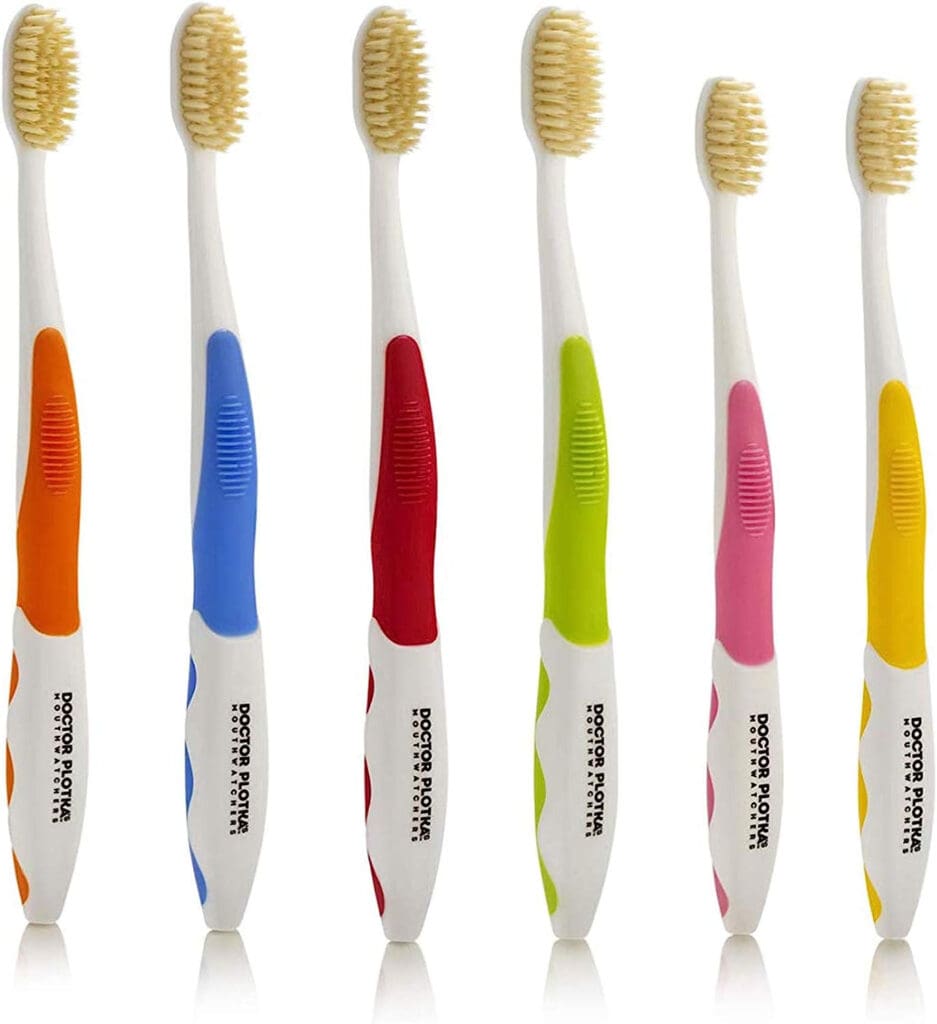
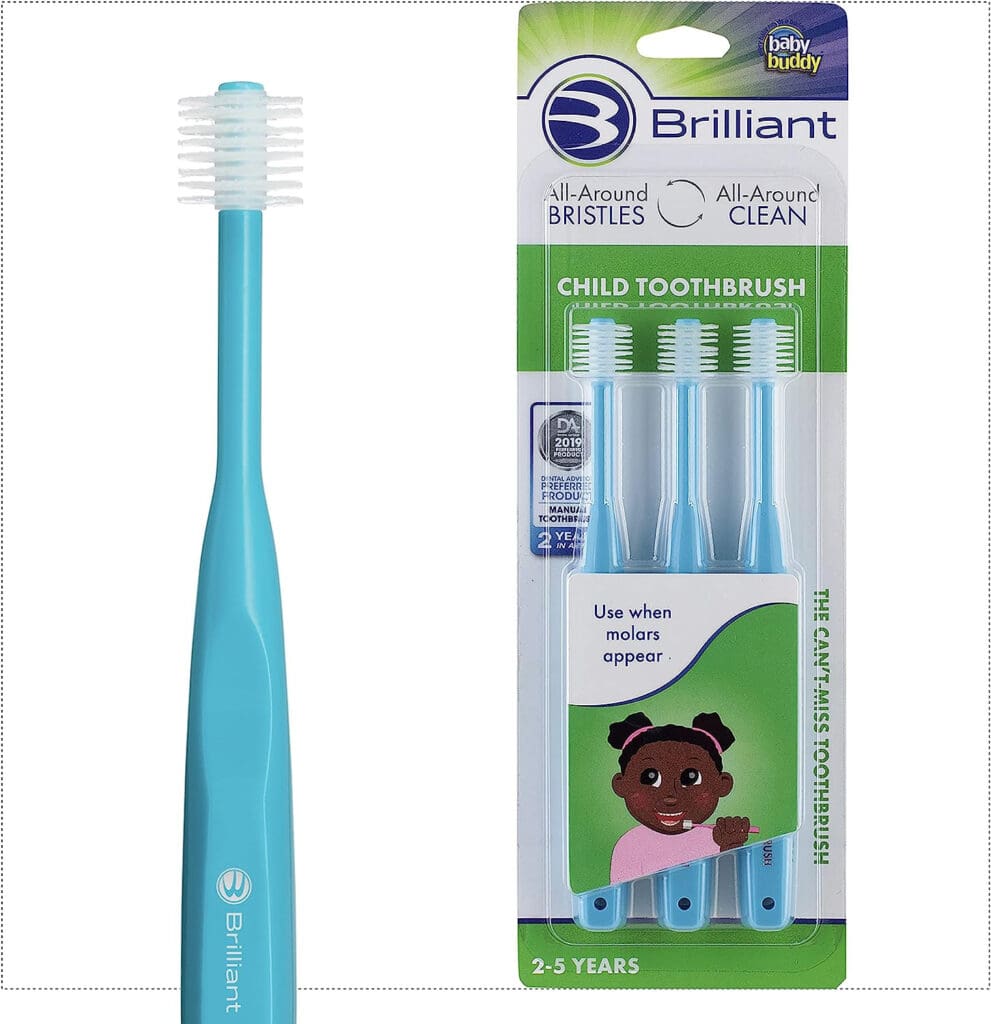
Doctor Plotka’s Mouthwatchers Antimicrobial Floss Bristle Silver Toothbrush, Family, 6 Pack. Buy from Amazon here*
What are the negative social effects of poor personal hygiene?
If you’re not taking good care of yourself and have bad personal hygiene, you may find that you will receive negative reactions from people around you, and this can affect social interaction with your loved one and other friendships. Your child may be subjected to a certain stereotype, rejection, or prejudice, as well as negative influence, which can impact your child’s quality of life.
Kids can be cruel, often chanting nasty things like, ‘Ooh you’re smelly!’ for example. This can cause a detrimental impact on your child’s mental and emotional psyche, so it’s important to ensure that your child looks and feels their best, starting with good personal hygiene as the first step towards a healthier and happier life.
Below, you can find poor personal hygiene examples people suffer from and which have been medically reviewed as causes of serious diseases if not treated promptly.
I will also talk about personal hygiene types and practices which can help children to understand the importance of being healthy and hygienic.
Bad hygiene examples – styes
AllAboutVision explains what a stye is in more detail but we will touch on the basics here. Styes look similar to pimples and are commonly located around the eye area. They can be sore and affect adults and children alike, but thankfully they are not classed as contagious. Warmth can help to get rid of some swelling, and painkillers can reduce the soreness your child might feel.
Keeping hands clean and limiting the number of times your child touches their face can not only help to prevent styes but also speed up the recovery process. This may seem difficult, especially if the eye area is itchy, but it is imperative.
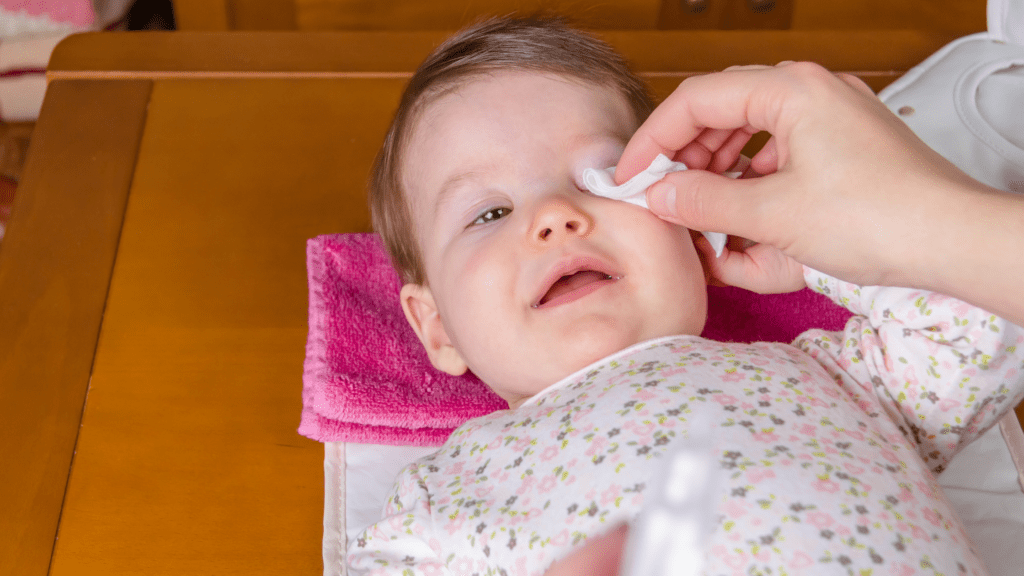
Remind your child to not touch the affected area and use cooled boiled water, clean cotton wool and properly washed hands to treat the area every day. Some people say tea helps with certain eye conditions like conjunctivitis that may result from styes, but be sure to practice good hygiene yourself first to minimise the risk of more bugs transmitting into the affected eye area.
Examples of poor hygiene – stomach bugs
Even though stomach bugs and the stomach flu might do the rounds at your child’s school or day-care centre, there are ways you can limit their presence in your home. Spraying services with germ-killing cleaners, and washing your hands with antibacterial soap, can help kill off any viruses.
Ensuring your children gets into the habit of washing their hands after touching high-traffic surfaces, as well as after using the toilet, coughing, or blowing their nose, can also help to prevent infections.
Signs of poor personal hygiene – headlice
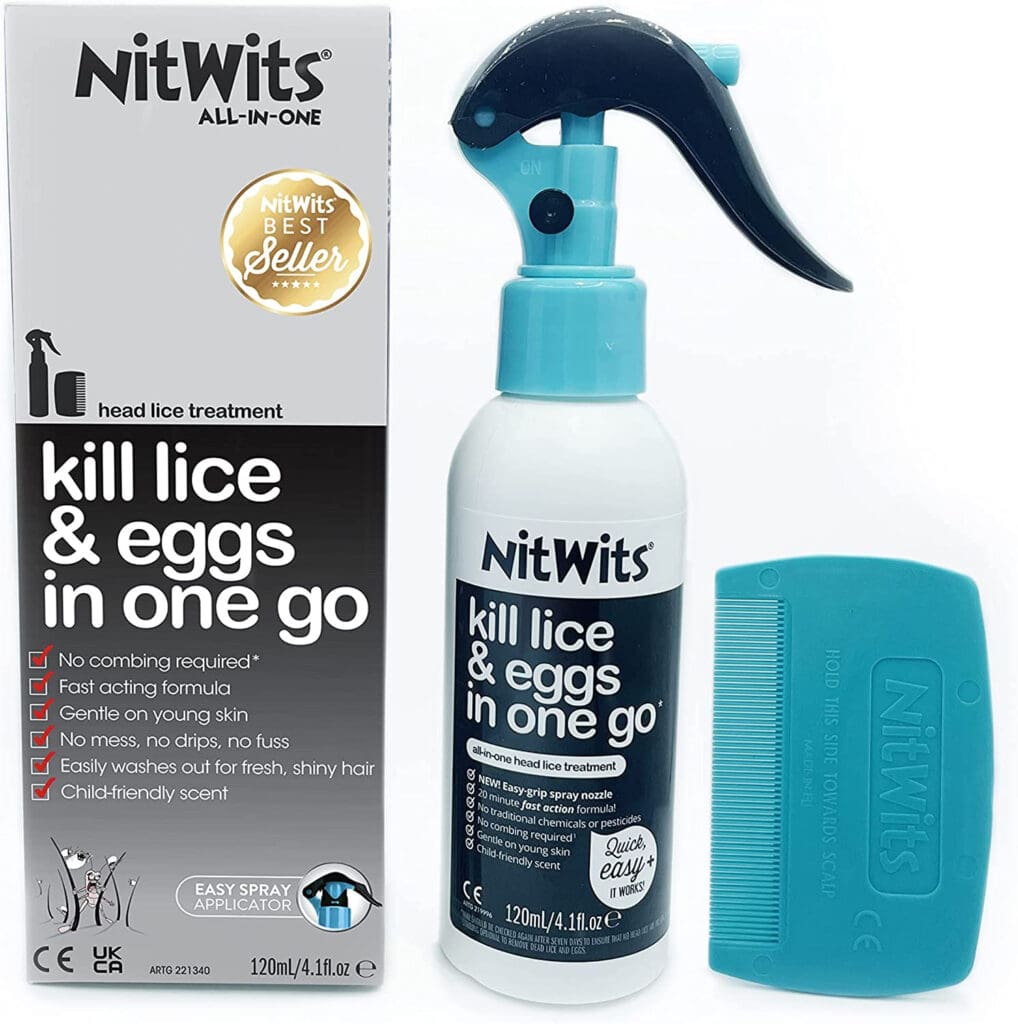
Headlice, or nits, (they can sometimes be called body lice if found elsewhere on the body) can become a problem when your child is often around other children. These little insects can cause seriously itchy scalps and can spread quickly. Using a nit comb regularly can help you detect the signs of headlice early on, as well as clear the scalp.
If your child does have head lice, inform their school, so they can be kept away to prevent the spread. Tying up long hair and washing and combing the hair frequently can also help tremendously. Another preventative measure is to make sure belongings are stored separately, and items such as towels or bedding are not shared among different members of the household. Use a nit comb regularly through conditioned hair to make sure you’ve caught all the nasty critters before you send them back to school.
Not treating head lice can lead to skin infections, so make sure you act quickly!
Oral hygiene is massively important and the earlier you teach kids about dental hygiene, the fewer problems they will have later in life. Poor oral hygiene can lead to many problems, including tooth decay, bad breath or gingivitis and gum disease.
Gum disease is caused by plaque, a form of sticky bacteria that builds up on your teeth. Build-up can first start with gingivitis but if not treated straight away can lead to bleeding and swollen gums, receding gum line, bad breath and loose teeth. Eventually, if not treated, your teeth can fall out.
Gum disease doesn’t present itself straight away, which is why it’s massively important to visit the dentist regularly to spot any signs early.
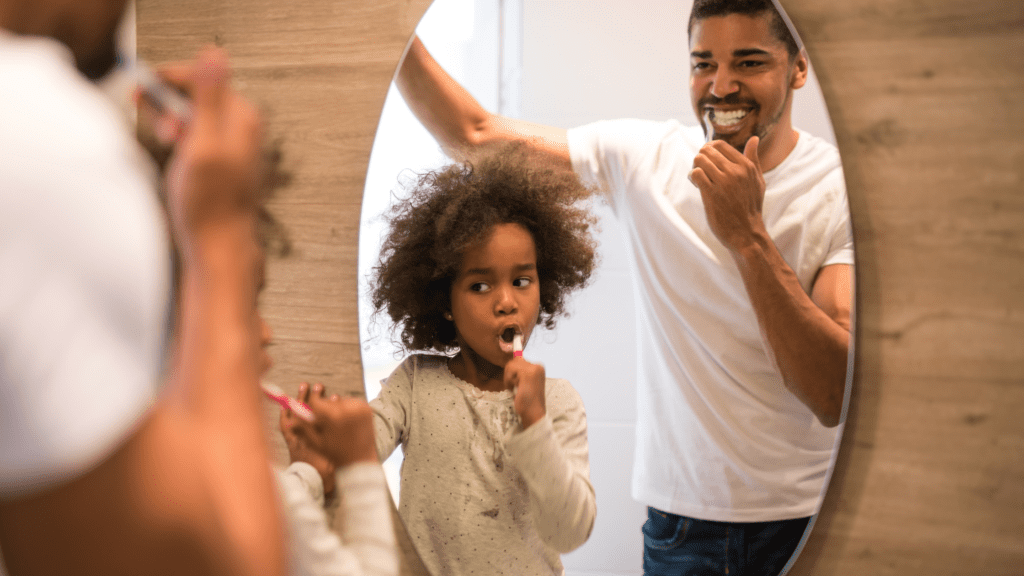
Make sure your children brush their teeth twice daily, morning and night, and up to the gums too, for at least two minutes. Using an electric toothbrush will help to ensure teeth are brushed properly.
Skincare and hygiene is very important. Not washing your skin regularly can lead to a condition called dermatitis neglecta, which leads to an accumulation of corneocytes, sebum and sweat. Clean your skin properly and regularly to avoid skin complaints.
Signs of bad hygiene – food poisoning
The consequences of poor personal hygiene when handling food are food poisoning. Food poisoning is an illness that is caused by poor personal hygiene in the kitchen or eating contaminated food, either from unwashed hands or from not properly cooked or washed food.
In most cases, food is contaminated by bacteria such as salmonella, E.coli or the norovirus. Food can become contaminated at any stage during production, processing or cooking, for example:
Not cooking food properly
Not correctly storing food that needs to be chilled at below 5C
Leaving cooked food for too long at warm temperatures
Not reheating previously cooked food properly
If you’re ill or have dirty hands and you touch the food
Eating food that has passed its “use by” date
Bacteria spreading between contaminated foods (cross-contamination)
Practice proper hand washing before you put anything in your mouth. I often tell the boys, if their hands are going anywhere near their face, wash them! Poor personal hygiene with food can cause weight loss or, worse, fatal illness.
What is the cause of unhygienic food?
Bad or not hygienic food can lead to heart disease if not properly treated, which is one disease caused by poor personal hygiene. So it’s important to lead a healthy lifestyle and teach your kids about the dangers of eating unwashed and improperly cooked food as early as possible.
It’s important to identify the cause and effect of poor personal hygiene on health and food safety and educate yourself and your kids so you can prevent serious illness.
Undergarment hygiene healthy practices to follow
It’s important to practice proper hygiene with your underlayers. Ways to have good hygiene with your undergarments include:
Change your undergarments every day to minimise risk of bacteria from vaginal discharge and sweat
Opt for breathable, natural material to prevent fungal and bacterial infections
Wear the right size – too tight can cause UTI
Wash your undergarments properly to avoid any buildup and hidden bacteria
Can TB occur due to lack of personal hygiene?
Lack of personal hygiene can increase the risk of tuberculosis infection. If you or your child has TB, then it’s very important to maintain personal hygiene to reduce the risk of transmission to other people living with them.
Your healthcare professional can provide medical advice on how to combat TB as it’s a long treatment process.
Bad hygiene habits that are way worse than you thought
Here are some regular bad hygiene habits which people don’t realise can be quite bad for you:
Not regularly brushing or flossing your teeth – can lead to gum disease and tooth decay
Not showering regularly – can lead to skin problems and infections
Going to bed with your makeup on – can lead to clogged pores and even eye damage
Not washing your bedding regularly – can lead to infection
Leaving your contacts in – can lead to corneal damage
Not washing your underwear regularly – can lead to infection
Sharing your items, like razors, toothbrushes and towels – can lead to transmission of diseases and infections
Reusing towels – can lead ot infection
Walking barefoot in public showers – can lead to fungal infections
Not washing your produce – can lead to food poisoning
Using your sponge for too long- can lead to poisoning
Leaving in tampons for too long – can lead to toxic shock syndrome
Reusing plastic bottles – can even lead to cancer!
Does ADD affect personal hygiene?
This is an interesting question. An association has been found between ADHD and living a less healthy lifestyle. Children with ADHD are almost twice as likely to have fewer healthy lifestyle behaviours like consuming less water, drinking more sweetened drinks and exercising less.
What is the difference between hygiene and grooming?
Hygiene is a set of practices that preserve healthy living and cleaning the body to prevent germs while grooming is the art of caring for and maintaining parts of the body. Poor grooming can cause poor physical appearance which can be linked to bad hygiene.
Are there any disadvantages of personal hygiene?
Health and hygiene are paramount to living happy and healthy lives, but there are some negative side effects of over-cleaning like skin irritation and Obsessive-Compulsive Disorder. Maintain a healthy balance of cleanliness and lifestyle enjoyment and model that on your children. If you have certain health concerns and complexes yourself, be mindful not to pass these on to your child.
What are some great examples of personal hygiene?
Types of personal hygiene practices that you can encourage your child to do now are:
Helping your child establish a personal hygiene routine
Ensuring that your child has a face wash each morning
Making sure your child has a good shower or bath in the evening to remove dead skin cells and body odour. This act of washing themselves can go a long way towards improving their health and reducing the chances of cross-contamination of bacteria.
Personal hygiene habits will help prevent any nasty smells or, with cleaning their teeth, cavities or premature tooth loss.
Spend the time to teach them how to clean themselves effectively so they are set up for life with positive routines, while also minimising the likelihood of illness within your home
Don’t forget that good personal hygiene practices can boost mental health too!
What are your thoughts regarding personal hygiene? Are you put off by BO? What do you think about poor hygiene practices and their effects from a social standpoint? What are your own personal hygiene habits? Do you have any bad hygiene habits you need to fix? Share your opinions with us in the comments below about how you practice good hygiene.
Frequently asked questions
What does poor personal hygiene mean?
Other questions asked were:
What is poor personal hygiene a sign of?
What is bad personal hygiene?
How to address poor personal hygiene?
What is hygiene poverty?
What does poor hygiene mean?
What does it mean to have bad hygiene?
What is bad hygiene?
“Poor personal hygiene arises from either intentional or unintentional neglect of your body’s cleanliness and health requirements. Your body begins to look unhealthy, you experience unwanted health concerns, and your overall well-being is affected.”
Can you provide examples of poor hygiene bad habits you should avoid?
What are signs of poor hygiene?
Four examples of poor personal hygiene include:
Body odour from not washing regularly
Bad breath from not brushing teeth
Recurring infection from not washing hands properly
Dishevelled, dirty appearance from poor grooming
What causes poor personal hygiene?
Other questions asked were:
What does poor personal hygiene cause?
What are the causes of poor personal hygiene?
What are the causes of poor hygiene?
What problems does poor personal hygiene cause?
What are the Longterm effects of poor hygiene?
“Poor hygiene often accompanies certain mental or emotional disorders, including severe depression and psychotic disorders. Dementia is another common cause of poor hygiene. Other people may develop poor hygiene habits due to social factors such as poverty or inadequacy of social support.”
“It is more common for women to get UTIs because the urethral opening is close to the vagina and anus. Poor hygiene and wiping ‘back to front’ (rather than front to back) after going to the toilet can enable bacteria from the bowel and vagina to enter the urethral opening to the bladder more easily.”
Continuous poor hygiene, especially in the female area, can cause sepsis and septic shock, like toxic shock syndrome can result from anywhere in the body, even a UTI. Sepsis and septic shock can result from an infection anywhere in the body. Sepsis is a medical emergency that requires urgent treatment.
“Personal hygiene issues can cause significant problems in the workplace. Not only do they make the environment unpleasant for others, they can also cause difficulties for businesses where staff are interacting with the public”
How does poor personal hygiene affect your personality?
“Poor hygiene habits can also affect your self-esteem. Looking and feeling presentable can give you a confidence boost and a sense of pride in your appearance. Other conditions may be prevented or the risk minimized by practicing good personal hygiene.”
How can poor personal hygiene affect relationships?
How can poor personal hygiene cause harm to others?
Why does bad personal hygiene affect others?
Having a high standard of personal hygiene improves personal and professional relationships because it reduces the risk of social rejection which may lead to bullying, low confidence and low self-esteem.
How can poor personal hygiene lead to foodborne illness?
Other questions asked were:
What is poor personal hygiene in food?
“Good personal hygiene is essential for any food handler and minimises the risk of food contamination. Most people carry harmful bacteria on their bodies and can unwittingly transport them to food. Touching your mouth, nose, hair or even your clothing can spread bacteria and cause contamination.”
How does poor personal hygiene affect your health?
What are the impacts of personal hygiene on your health?
“For example, not washing your hands after you use the toilet, handle food, or touch dirty surfaces can spread bacteria, viruses, and parasites. These can lead to infections and diseases, like food poisoning, gastroenteritis, cold and flu, and hepatitis A — just to name a few.”
washing your hands with soap after going to the toilet.
brushing your teeth twice a day.
covering your mouth and nose with a tissue (or your sleeve) when sneezing or coughing.
washing your hands after handling pets and other animals.
https://www.healthdirect.gov.au/personal-hygiene
Is poor personal hygiene a sign of depression?
Yes. Mental health can impact hygiene and depression may make you not want to get up every day and make the effort to clean.
Is it necessary to practice personal hygiene everyday?
It’s good to get into the habit of performing basic personal hygiene every day. For example washing your hands multiple times of the day will prevent germs from entering your system.
How to maintain hygiene at the workplace?
Regularly clean your desk. Stop infections from spreading, and dust from gathering, by cleaning your desk.
Sanitise your hands at least once day. …
Regularly wash your cups, mugs, plates and cutlery. …
Keep a box of tissues on your desk.
https://employsure.com.au/blog/workplace-hygiene/
Is poor personal hygiene a sign of abuse?
In some cases, elder abuse has been found in care homes which has resulted in residents having poor hygiene standards. The same goes for children in a neglected home. However, a lot of the time it is down to lack of education on why hygiene matters for your health and the effects of good personal hygiene on health.
*Collaborative feature post
About Leyla Preston
Leyla is a UK mum of four, a writer and the founder of Motherhood Diaries, which she has edited since 2010. She has written about pregnancy, birth and family life for more than 15 years, edited NCT Harrow’s Special Delivery magazine, and is the author of several children’s and family books. She is also co-founder of Poppy, a new app helping UK parents find trusted local support, and presents Tech Talks Zone, a YouTube channel reviewing tech and AI tools for busy parents. Read Leyla’s story
Our health articles follow NHS guidance and aren’t a substitute for advice from your midwife, health visitor or GP.
Help my Baby’s Teething!
Many parents ask the question, ‘When does teething begin?’
A baby’s first tooth can appear anytime between three and twelve months, they all develop at different stages. Surprisingly though, teething symptoms can appear as much as two to three months before that first tiny tooth does. Signs and symptoms of teething can vary from one baby to the next. My sons both teethed at different stages of their development; one of them started at around 5 months and slowly cut his teeth with lots of gnawing and drooling! The other one didn’t get his first tooth until he was around 11 months old and they just seemed to spring up without any problems. So all babies are different, but you may observe one or all of the following:
Dribbling
You might find that your baby’s vests and tops are suddenly soggy. Fastening on a dribble bib to keep baby more comfortable (and cleaner), and gently wipe baby’s chin throughout the day to stave off chapping. You can pop on a little barrier cream to help prevent their chin from getting sore.
Gnawing
You may find baby always puts their fists into their mouths and gnaws away. They may even give you little nips at your fingers or breast (ouch!) or they may find that they try to put your jewellery in their mouths; you can help relieve the pressure baby feels by giving them teething aids that will help soothe their gums.
Crying
Some babies breeze through teething with hardly a whimper, while others seem to suffer from a good deal of pain — which they feel compelled to share with you in the form of whining, crying runny noses and generally miserable. Talking to your health visitor or doctor about administering pain relievers such as infant ibuprofen can help; also some parents find homeopathic treatments relieve teething symptoms and also some teething gels offer comfort and relief.
Fasting
Since sucking movements can add to the teething pressure or pain, at times your baby may refuse to nurse or eat, or may nurse briefly and then turn away. Keep at it, and don’t worry, it quite often only lasts for a few days.
Waking
Especially when baby’s working on cutting that very first tooth, your baby may fuss during the night as well as during the day, so be prepared for a little extra disturbance and the need for cuddles, it won’t last long.
Doctors tend to disagree on whether diarrhoea and fever may also be signs of teething (though most mums who’ve been through it will tell you they are).
Regardless of the symptoms your baby exhibits, you’ll be desperate to give baby some teething relief. Counter pressure often feels good on the gums, so offer her something to chew on — if it’s icy and cold it can provide a numbing sensation. Try a frozen washcloth; a teething bangle or toy; Frozen fruit cut up into small pieces, strawberries, melon, cucumber and watermelon cut into spears can soothe sore gums and can help to reach the back teeth that start to cut through, Some teething aids I have come across on the high street tend to be quite hard, so shop around to find the most suitable for your baby. If baby is a little older they may find a biscuit may help or a toasted wholemeal bagel (always supervise baby) or offer cold drinks or food. You can also try rubbing baby’s gums firmly with your (clean) finger — they might not appreciate this at first, but will after the pressure begins to ease baby’s throbbing, sore gums.