As a parent, you’re constantly seeking ways to support your child’s development. But did you know that those adorable raspberry sounds your toddler makes already help them build awareness and control around the mouth? In this article, we will discuss what helps with feeding and oral comfort through daily play (and what doesn’t help speech), because it’s a lot easier (and more fun) than you might think!
What you’ll learn in this guide
Oral play and feeding-focused activities can support your child’s ability to eat safely, manage saliva effectively, and develop awareness and coordination around the lips, tongue, jaw, and cheeks. From blowing bubbles to babbling, these small mouth and jaw movements are part of everyday life. And the best bit? Progress doesn’t just happen in therapy rooms; you can nurture it naturally through playful moments at home.
If you’re looking for practical ways to encourage your toddler’s development at home, introducing easy oral motor activities for toddlers can be a fun and practical starting point. Simple games, silly faces, and playful challenges can strengthen the muscles your child uses to chew and swallow—without it feeling like work for either of you. For speech clarity, though, children need to practise real speech sounds and words (ideally with guidance from a speech and language therapist).
The content provided here is for informational purposes only and is not intended to diagnose or treat any medical condition. Always consult your healthcare provider before making decisions related to your child’s health.
Why oral motor development matters for your toddler
Understanding the basics every parent should know
Oral motor skills refer to the movements of the lips, tongue, jaw, and cheeks that support critical functions like eating, drinking, and speaking. These muscles need to be strong, coordinated, and well-controlled for clear speech and safe, adequate feeding.
Struggling to make early sounds like “p”, “m”, or “t” (typically emerging by around 2–3 years)
Having difficulty transitioning from purees to solid foods
Showing frustration during meal times
Experiencing challenges with drinking from cups or straws
Drooling usually reduces markedly by around 18–24 months (with normal variation). If heavy drooling persists beyond the age of 2, have a brief discussion with your GP/health visitor. Playful feeding and oral activities can support comfort and coordination. Please note they aren’t shown to improve speech sounds.
The connection between oral motor skills and overall development
What many parents don’t realise is that oral motor development is intricately connected to your child’s overall growth. Strong oral motor skills support:
Communication Participation: More chances to babble, sing, and chat (speech sounds themselves improve by practising real sounds/words with an SLT)
Nutritional Health: Ability to eat a varied diet safely
Social Skills: Confidence in speaking and eating with others
Sensory Processing: Better tolerance for different textures and sensations
Self-Care Skills: Managing saliva, teeth brushing, and facial hygiene
Play-based strategies that really work
Making development fun and natural
The best way to support oral motor growth at home is by making it playful and pressure-free. Think of it as building strength at the playground, but only for the mouth. Here’s an approach that’s worked wonders with countless families:
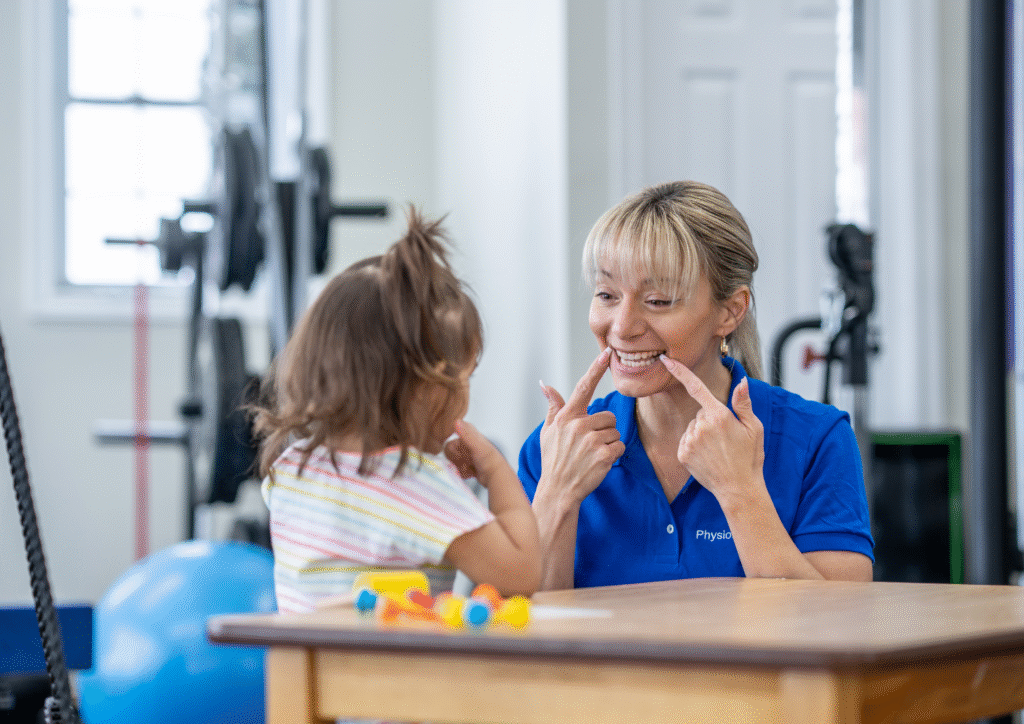
Encouraging your child to blow bubbles, whistle, or use a straw can go a long way in exercising the mouth muscles. Even making silly faces in the mirror, pretending to be animals, or licking yoghurt off the lips helps build control and awareness.
You don’t need special equipment or complicated exercises. Instead, turn snack time into a skill-building moment—biting into crunchy carrots, chewing on chewy foods, or sipping through a straw are all activities that engage the jaw and tongue. The goal is to blend development into your child’s routine so that progress happens naturally.
Important for speech: activities like blowing bubbles, using straws, and blowing cheek puffs are great for feeding/oral awareness, but they don’t improve speech sounds. For clearer speech, focus on practising real sounds and words in play (an SLT can show you which ones to target and how).
Point to note
ASHA clearly states:
“There is limited high-quality evidence supporting the use of oral motor exercises or sensory techniques in the treatment of paediatric feeding disorder–related sensory deficits and swallowing dysfunction in isolation” Paediatric Feeding and Swallowing.
Focus Activities: Musical instruments, complex food textures, pretend play with sounds
Expert insight and professional guidance
When to consult a specialist
If you’re unsure whether your child’s oral motor skills are on track, it’s always a good idea to speak with a speech-language pathologist. They can assess your child’s muscle tone, coordination, and movement patterns and recommend targeted exercises if needed.
According to the American Speech-Language-Hearing Association (ASHA) guidelines, early intervention can significantly impact the treatment of motor speech challenges and related delays. The earlier you identify a need and introduce the right supports, the better the outcomes tend to be. Search for a speech-language pathologist who uses evidence-based approaches rather than controversial nonspeech oral motor exercises.
However, even without a formal diagnosis, engaging in playful oral motor activities can still benefit your toddler’s overall development. They can also make your daily routine more engaging, silly, and full of bonding moments.
Red flags that warrant professional assessment
While home-based play is beneficial, some children may require additional support to develop their oral motor skills. Contact your paediatrician if your toddler:
Often gags on age-appropriate foods
Struggles to chew or swallow safely
Has persistently unclear speech beyond expected age
Avoids using their mouth during play
Shows extreme food texture aversions
Experiences frequent choking episodes
Demonstrates tongue thrust beyond 4 years
Has difficulty coordinating breathing while eating
They may recommend an evaluation or therapy to support more structured progress.
Creating an oral motor-friendly environment
Setting up for success at home
Your home environment plays a crucial role in supporting oral motor development. Here’s how to create spaces that encourage natural practice:
Kitchen setup:
Keep straws of various sizes accessible
Store crunchy snacks at toddler eye level
Have wipeable surfaces for messy play
Organise utensils for independent exploration
Play area organisation:
Dedicate a bubble station with different wands
Create a music corner with wind instruments
Set up a mirror at child height
Keep sensory bins with safe oral objects
Bathroom modifications:
Install a step stool for mirror access
Use fun toothbrushes with different textures
Keep cup options for rinsing practice
Add waterproof toys for bath bubble play
Incorporating technology and modern tools
Apps and Digital Resources
While hands-on play is irreplaceable, some digital tools can supplement your efforts:
Speech therapy apps with oral motor games
Video modelling for tongue and lip exercises
Timer apps for exercise duration
Progress tracking applications
Remember, screen time should complement, not replace, physical oral motor activities.
Nutrition’s role in oral motor development
Foods that build strength
Strategic food choices can naturally support oral motor development:
Jaw strengthening foods:
Raw vegetables (carrots, celery, bell peppers)
Whole fruits with skin (apples, pears)
Meat strips and jerky (age-appropriate)
Crusty bread and bagels
Tongue exercise foods:
Nut butters (spread thin for licking)
Lollipops and ice pops
Yoghurt and pudding
Sticky foods like raisins
Lip coordination foods:
Foods requiring pursing (noodles, string cheese)
Items needing precise lip closure (crackers)
Drinks through various straw sizes
Common challenges and solutions
Addressing typical concerns
“My toddler refuses to try new textures” Start with familiar flavours in new textures. Mix preferred foods with challenging ones gradually.
“We’re always rushed in the morning” Incorporate exercises during car rides or while waiting. Even 2-3 minutes helps!
“My child gets frustrated with exercises” Make it sillier! Turn exercises into games and let them lead sometimes.
“I’m worried we’re not doing enough” Quality over quantity—consistent daily practice of even 5 minutes is valuable.
Tracking progress and celebrating wins
Monitoring development
Keep a simple log of:
New sounds mastered
Foods successfully tried
Improved clarity in words
Decreased drooling
Better mealtime behaviours
Celebrate small victories – every bit of progress counts!
Looking ahead: long-term benefits
Helping your child build strong oral motor skills doesn’t have to feel like a therapy session. With a little creativity and consistency, everyday moments can turn into powerful opportunities for growth. Whether you’re making silly faces at the dinner table or encouraging your toddler to blow out pretend birthday candles, you’re doing more than just playing—you’re helping lay the foundation for lifelong skills in speech, feeding, and communication.
The investment you make in oral motor development today pays dividends in:
Academic success through clear communication
Social confidence in peer interactions
Healthy eating habits and nutrition
Strong self-advocacy skills
Reduced need for future interventions
Frequently asked questions
What are oral motor exercises for toddlers?
They’re playful activities that build feeding-related awareness and control around the lips, tongue, jaw, and cheeks—think bubbles, silly faces, crunchy foods, straws, and sound play. Note: current research does not support these activities for improving speech sounds; for speech clarity, children need to practice real sounds/words (ideally with guidance from an SLT).
At what age should I start oral motor exercises with my child?
You can begin simple oral motor activities as early as 6-12 months with age-appropriate exercises like offering textured foods and encouraging babbling. More structured exercises typically start around 12-18 months when toddlers can follow simple directions and engage in purposeful play. Always match activities to your child’s developmental level and interests.
How often should my toddler do oral motor exercises?
Ideally, incorporate oral motor activities into your daily routine rather than scheduling separate exercise sessions. Aim for 5-10 minutes of focused activities 2-3 times per day, but remember that many everyday activities like eating, drinking, and playing naturally provide oral motor practice. Consistency matters more than duration.
What are signs my toddler needs oral motor therapy?
Signs include persistent drooling beyond age 2, difficulty transitioning to solid foods, unclear speech beyond typical developmental stages, frequent gagging or choking, extreme aversions to certain food textures, an open-mouth posture at rest, difficulty using straws or cups, and tongue thrust beyond age 4. Consult your paediatrician if you notice multiple concerns. Most children have completely lost the tongue thrust reflex by age 4 or 5″ Tongue Thrust: Signs, Causes & Treatment and “It naturally fades by age 4 or 5” How Can Tongue Thrust Affect Speech? How It Can Be Treated – Atlanta Health Partners Paediatric Referral Directory.
Can oral motor exercises help with picky eating?
Yes! Oral motor exercises can help picky eaters by improving their ability to manage different food textures, increasing oral awareness, reducing sensitivity to new sensations, and building confidence with chewing and swallowing. Start with play-based activities before introducing challenging foods to reduce mealtime pressure.
What’s the difference between oral motor exercises and speech therapy?
Oral motor exercises focus specifically on strengthening and coordinating the physical muscles used for speech and feeding. Speech therapy is a broader field, addressing language development, articulation, communication strategies, and cognitive-linguistic skills. Oral motor exercises are often one component of comprehensive speech therapy.
Are there any risks to doing oral motor exercises at home?
When done appropriately, oral motor exercises are safe. However, avoid forcing exercises if your child is upset, never use items that pose choking hazards, respect your child’s comfort level, and stop if you notice signs of fatigue or frustration. Always consult a professional if you’re unsure about a specific exercise.
How can I make oral motor exercises fun for my resistant toddler?
Turn exercises into games, let your toddler choose activities, use favourite characters or toys as models, incorporate exercises into pretend play, offer rewards and praise, make it a family activity, keep sessions short and positive, and follow your child’s lead. Remember, if it’s not fun, it’s not sustainable!
What everyday activities naturally promote oral motor development?
Many daily activities support oral motor development: singing songs, brushing teeth, eating varied textures, drinking from different cups, blowing nose, giving kisses, making animal sounds, laughing and talking, chewing gum (age-appropriate), and playing wind instruments. These natural opportunities are just as valuable as structured exercises.
When should I see improvements from oral motor exercises?
With consistent and playful practice, you may notice small improvements in feeding comfort and participation within 2–4 weeks. Bigger shifts in feeding confidence usually take longer. For speech clarity, progress depends on practising specific sounds/words, an SLT can guide you on what to target and how.
Remember, you’re not alone in this journey. Every parent questions whether they’re doing enough for their child’s development. The fact that you’re reading this and seeking ways to support your toddler’s oral motor development indicates that you’re already on the right track. Keep it playful, stay consistent, and celebrate those small wins – they add up to big achievements!
*Collaborative feature post*
What to know about lash serum during pregnancy and beyond
Medical Disclaimer: This article is for informational purposes only. Always consult your healthcare provider before using any cosmetic products during pregnancy or breastfeeding. Individual experiences may vary, and what works for one person may not work for another.
As a mother of four, I have navigated the peaks and troughs of hormonal changes both in pregnancy and postpartum. Finding safe beauty products is critical for me, especially now that I am in my 40s. This comprehensive guide addresses everything you need to know about lash serums to help with that inevitable postpartum hair loss because, sadly, it doesn’t just happen on your head!
The unique postpartum hair loss challenges we parents face
Our hair is thickest during the golden (second) trimester, but then after birth, hair falls in clumps. Many women don’t realise that this often happens with our eyelashes too. I lost a lot with number four and have only seen my hair grow back properly after four years. Not to worry, though. Most women replenish their hair naturally within the first year, but this largely depends on your body, genetics and age. But there are ways to help speed up hair growth (watch this space for a full beauty guide coming soon on how I did this!) Additionally, I recommend checking out my article on red light therapy, which has been extremely helpful for replenishing my curly locks.
Trying a lash serum for the first time is exciting, but it’s also essential to consider whether its safe and effective. For pregnant and breastfeeding mothers, these concerns multiply as hormonal changes affect both lash growth and which products you can use safely.
And not every serum works the same way. Results vary depending on the ingredients and each person’s lash growth cycle. During pregnancy and postpartum, hormonal fluctuations can dramatically impact these results. Some notice fuller-looking lashes within weeks, while others see more gradual changes. Paying attention to application instructions and consistency helps maximise results while reducing the chance of side effects.
However, with the right approach, lash serums can become a simple yet effective addition to a daily routine – even during the demanding months of pregnancy and early parenthood.
In this article, we’ll talk about what lash serums are out there and how to use them safely during pregnancy and beyond!
Essential facts to know before using a lash serum during pregnancy and postpartum
How lash serums work and their benefits
Lash serums are formulated to enhance the appearance of eyelashes by promoting growth and increasing thickness. Cosmetic serums usually work by nourishing the hair follicle, while prescription options containing bimatoprost (a prostaglandin analog) actually extend the natural growth phase of lashes and are clinically proven to lengthen them. However, these prescription serums like Latisse are not recommended for pregnant or breastfeeding women due to potential safety concerns.
Cosmetic serums, which are available over the counter, often emphasise conditioning and strengthening rather than medically altering growth cycles. This difference means results can vary, with some formulas focusing more on overall lash health than dramatic length. A lash serum by ForChics, for instance, is typically compared with other cosmetic options that highlight hydration and resilience. Comparing these side by side reveals how ingredients impact shine, softness, and durability. Choosing between them depends on whether the goal is noticeable growth or simply stronger, healthier-looking lashes. Note: Always verify the pregnancy safety of any specific brand with your healthcare provider before use.
Understanding hormonal effects on lashes
During pregnancy, elevated oestrogen levels can significantly impact lash growth patterns. According to recent studies, many women experience enhanced lash growth and thickness, particularly during the second and third trimesters of pregnancy. However, once you give birth, oestrogen levels plummet, signalling hair follicles to enter the telogen (shedding) phase rapidly.
Many new mothers experience unexpected changes in their hair and lashes. It’s not uncommon to notice your lashes thinning or even eyelashes falling out postpartum. This phenomenon, known as telogen effluvium, typically peaks 3 to 6 months after delivery.
Types of lash serums and key ingredients
There are two main categories: prescription serums and cosmetic serums. Cosmetic serums rely on nourishing ingredients. Common ones include:
Peptides: Support lash strength and reduce breakage.
Biotin: Promotes healthier hair growth.
Castor oil: Provides hydration and conditioning.
Plant extracts: Offer antioxidant and soothing effects for sensitive eyes.
Some cosmetic formulas may also contain prostaglandin derivatives, although in lower concentrations than those found in prescription products. Checking the ingredient list is essential, especially for individuals with allergies or sensitivities.
Pregnancy-safe ingredients to look for
Natural ingredients offer a more organic option for those seeking pregnancy-safe alternatives. Consider incorporating the following ingredients into your lash care routine: Castor Oil: Renowned for its moisturising properties, castor oil nourishes and strengthens lashes.
Safe ingredients during pregnancy and breastfeeding include:
Hyaluronic acid
Collagen
Vitamin E (Tocopherol)
Panthenol
Pumpkin seed extract
Biotin (Vitamin B7)
Potential side effects and safety precautions
While many eyelash serums are well tolerated, side effects can occur. Prescription serums with bimatoprost may cause redness, itching, or darkening of the eyelid skin. In rare cases, they can cause an increase in pigmentation of the iris. Cosmetic serums are generally milder but can still irritate, especially in individuals with sensitive eyes. At the same time, many people incorporate medical grade skincare products into their overall routine, as eye care and skin health often go hand in hand.
To reduce risks:
Apply only to the lash line, never inside the eye.
Use a clean applicator to prevent bacterial contamination.
Discontinue use if persistent irritation occurs.
Consulting an eye care professional is recommended before starting a serum, especially for individuals with pre-existing eye conditions or those considering prescription-strength options.
How to use lash serums safely and effectively during pregnancy and breastfeeding
Preparing your lashes for application
Clean lashes absorb serum more effectively. She should always remove makeup with a gentle makeup remover and wash the eye area thoroughly to clear away mascara, eyeliner, or oils. This prevents buildup that can block the serum from reaching the lash line. Those who wear lash extensions or false lashes require extra care. Oil-based removers can weaken the adhesive, so oil-free cleansers are recommended.
Healthy lashes respond better to treatment. Using a mild lash conditioner can help maintain flexibility and reduce breakage, particularly during the natural growth cycle of your lashes. By starting with clean, conditioned lashes, the serum can work without interference from dirt or product buildup.
Step-by-step guide to applying lash serum
Most lash serums, including options from brands like ForChics, come with a thin applicator brush. Apply a small amount directly along the upper lash line, similar to liquid eyeliner. Only one dip per eye is sufficient, as using more does not expedite results but may increase the risk of eye irritation.
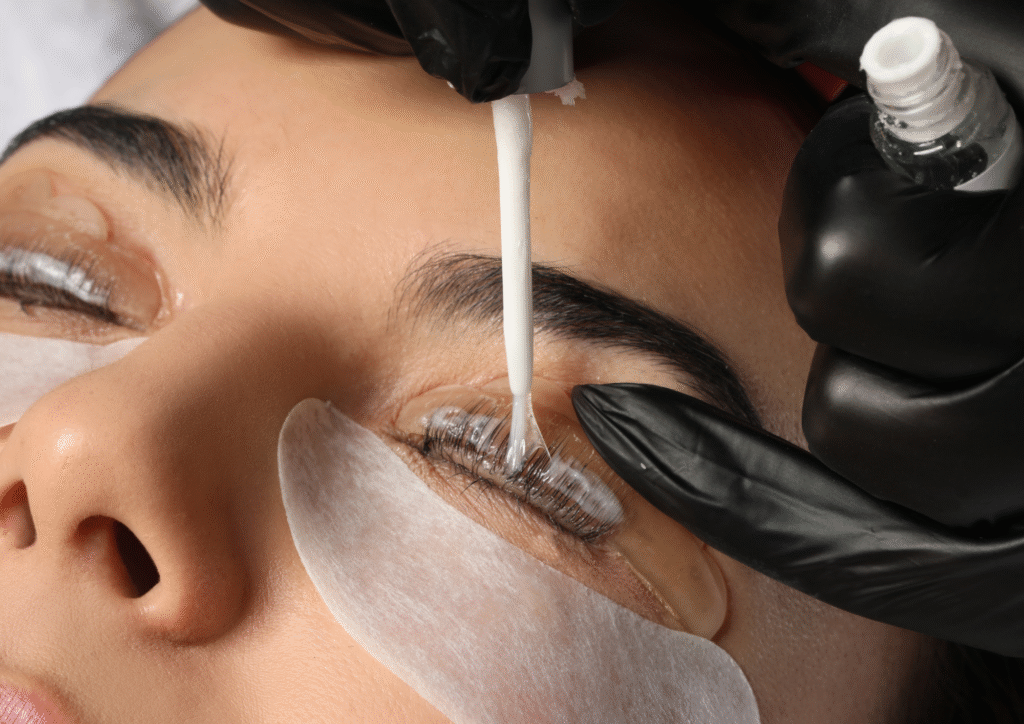
Application should be limited to the upper lash line. The lower lashes do not require direct application, as the serum naturally transfers when blinking. Applying too close to the inner corner of the eye should be avoided to reduce discomfort. After applying, she should allow the serum to dry for at least 90 seconds before using other products. This prevents smudging and ensures the serum fully absorbs into the lash line.
Special considerations for nursing mothers
When breastfeeding, additional precautions ensure both yours and baby’s safety:
Apply serum after the last evening feeding
Wash your hands thoroughly after application
Store products safely away from baby’s reach
Choose formulas specifically labelled as breastfeeding-safe
Managing postpartum lash loss: what to expect
Postpartum hair loss is a regular part of pregnancy and childbirth and won’t affect your baby. But hair that falls out can wrap around your baby’s fingers, toes or other body parts. This rare occurrence is called a hair tourniquet.
Timeline of lash changes
While this issue will likely eventually resolve (1-1.5 years postpartum), understanding the timeline helps manage expectations. Studies show that 68-90% of new mothers experience postpartum hair loss:
During Pregnancy: Enhanced growth due to elevated oestrogen
0-3 Months Postpartum: Initial shedding begins
3-6 Months Postpartum: Many women who have recently had a baby will see noticeable hair loss that peaks after a few months
6-12 Months Postpartum: Recovery and regrowth phase
Nutritional support for lash health
Maintaining a balanced diet with adequate levels of essential nutrients is always crucial for your health — and all the more so when you’re eating for two! Lash loss can be linked to hormonal changes, but it is often more commonly associated with a deficiency.
Essential nutrients include:
Iron (prevents anaemia-related lash loss)
Biotin (Vitamin B7)
Vitamin E
Protein
Omega-3 fatty acids
When to seek professional help
Consult your healthcare provider if:
Lash loss continues beyond 12 months postpartum
You experience sudden, patchy lash loss
Irritation persists after using any lash product
You notice other symptoms like fatigue or weight changes (possible thyroid issues)
Frequently asked questions
Can I use lash serum while pregnant?
Because hormone levels change during pregnancy and breastfeeding, you should use any cosmetic products, including EYELASH AWAKENING SERUM, with caution and always consult with your doctor. Choose serums without prostaglandin analogs and stick to natural, nourishing ingredients.
Is GrandeLash safe during pregnancy?
GrandeLash contains prostaglandin analogs and is generally not recommended during pregnancy or breastfeeding. Many mothers report switching to safer alternatives during this time.
What’s the best pregnancy-safe lash serum?
Some mothers have reported positive experiences with serums like DIME Lash Serum, which has been noted for its effectiveness and safety. Users have reported noticeable improvements in lash length and fullness, with no adverse effects. Other potentially safe options include those containing only peptides, biotin, and natural oils.
Important: Individual experiences may vary. Always consult your healthcare provider before using any lash serum during pregnancy or breastfeeding, regardless of brand claims or user testimonials.
Can lash serum pass through breast milk?
Given the similarities between bimatoprost and other prostaglandin-based compounds found in over-the-counter lash serums, healthcare providers often err on the side of caution and advise against their use during breastfeeding.
How long does postpartum lash loss last?
The shedding should last less than six months. Your hair should regain its fullness by the time your child turns one.
Can I use castor oil on my lashes while breastfeeding?
Pure castor oil applied topically to lashes is generally considered safe during breastfeeding when used in small amounts. However, always consult your healthcare provider first.
Will my lashes grow back after postpartum loss?
Hair loss after childbirth is not permanent. New hair will start growing back as soon as the old hair falls out.
Can thyroid issues cause lash loss after pregnancy?
Yes, thyroid changes are usually also temporary symptoms. These changes within the thyroid glands should resolve once the pregnancy is complete and hormones responsible for hyperthyroidism — human chorionic gonadotropin and oestrogen — return to normal levels.
Is it safe to get lash extensions while pregnant?
Eyelash extensions can be a safe alternative to lash serums during pregnancy. Unlike serums, which commonly contain prostaglandin analogues, eyelash extensions are applied externally.
What vitamins help with postpartum lash growth?
Key vitamins include biotin (B7), vitamin E, iron, and vitamin D. A quality postnatal vitamin can help support overall hair and lash health.
Final thoughts
Choosing a lash serum requires attention to ingredients, safety, and application – especially during pregnancy and breastfeeding. Products containing peptides, biotin, or plant extracts may support healthier lashes. Avoiding harsh irritants helps reduce the risk of side effects. Not every formula works the same for everyone. Considering personal sensitivity, reviewing product details, and setting realistic expectations help ensure a better experience with lash serums.
For new and expecting parents, understanding the hormonal changes affecting lash growth and choosing pregnancy-safe options provides peace of mind while supporting lash health. Remember that postpartum lash loss is temporary, and with proper care and patience, your lashes will recover. Always consult with your healthcare provider before starting any new beauty regimen during pregnancy or while breastfeeding.
Disclaimer: This article is for informational purposes only and should not replace professional medical advice. Always consult your healthcare provider before using any new products during pregnancy or breastfeeding.
*Collaborative feature post*
What parents should know raising resilient teenagers in Phoenix
When I held my first baby, I never imagined I’d be writing about teen behavioural support programs. But here’s the thing – as a mum of four, two of whom are teenagers, I’ve learned that the foundations we lay today shape tomorrow’s teenagers. And honestly? Knowing what support exists out there doesn’t mean you’re expecting problems – it means you’re being smart about raising resilient teenagers who can handle whatever life throws at them.
Let me share something personal: My oldest is now 14, and while he’s amazing, the teen years have taught me that even the most prepared parents sometimes need extra support. That’s not failure – it’s wisdom. So today, let’s talk openly about something that might feel far away but is worth understanding now: Phoenix troubled teen programs, their costs, and why knowing about them early can actually help you raise more resilient kids from day one.
Why new parents should think about teenage resilience early
You might be wondering why I’m talking about teen programs when you’re still figuring out nappy changes and sleep schedules. Here’s what I wish someone had told me: the emotional regulation skills you’re teaching your toddler right now? They’re the same ones that’ll help them navigate teenage stress without falling apart.
Research published in the International Journal of Mental Health Systems confirms that half of all mental disorders start by age 14 and are usually preceded by non-specific psychosocial disturbances that can evolve into any major mental disorder1. Studies in Child and Adolescent Psychiatry and Mental Health demonstrate that resilience factors established in early childhood (ages 3-5) significantly predict mental health outcomes in adolescence2. When families that are searching for Phoenix troubled teen programs share their stories, many say the same thing: “I wish we’d started building these skills earlier.”
The typical price for these programs in Phoenix ranges from $2,500 to $10,000 per month, depending on services such as residential care, therapy, and academic support. This price range can feel overwhelming at first, but it reflects the level of care and resources dedicated to each teen. More importantly, understanding these costs now helps you make informed decisions about both prevention and preparation.
Understanding the investment in teen support
Let’s be real – nobody wants to think about their sweet baby needing intensive support as a teenager. But here’s what I’ve learned from connecting with other parents: knowledge is power, and preparation isn’t pessimism.
Different types of programs are available for troubled teens in the Phoenix area, each offering unique treatment plans that can include live-in support, outpatient therapy, and family counselling. According to Arizona Department of Education data, Arizona has multiple state-approved residential treatment centres, including facilities in the Phoenix metro area. Some programs offer multidisciplinary care that is tailored to each teen’s individual needs. Understanding these options now means you can:
Build preventive skills early – The communication patterns you establish with your 3-year-old become the foundation for teenage conversations.
Plan financially – Even if you never need intensive support, having resources set aside gives you options.
Recognise warning signs – knowing what’s normal teenage behaviour versus what needs support helps you act early
Create family systems – Strong family connections built from infancy create protective factors against teen struggles
Key takeaways
Troubled teen programs in Phoenix usually cost $2,500–$10,000 per month
Program choices include residential and outpatient options
Treatment plans are customised based on each teen’s needs
Early intervention and prevention can reduce the likelihood of needing intensive programs
Building resilience from toddlerhood creates stronger teenagers
Typical costs of troubled teen programs in Phoenix
Now, let’s talk numbers – because as parents, we need to be prepared for anything. Costs for troubled teen programs in Phoenix can vary based on program type, services offered, and the needs of the teen. Payment options and the potential for insurance coverage can also affect the out-of-pocket expenses for families.
Average price ranges by program type
I’ve done the research (so you don’t have to), and here’s what families typically invest:
Outpatient therapy in Phoenix usually costs between $80 and $200 per session4. Think of this as the first line of support – regular check-ins that keep small problems from becoming big ones. Many families start here when they notice their teen struggling with anxiety, depression, or behavioural changes.
An Intensive Outpatient Program (IOP) typically ranges from $3,000 to $10,000 per month5. These programs are like a middle ground – your teen lives at home but attends structured therapy several times a week. It’s intensive support while maintaining family connections.
Residential treatment centres can be the most expensive option, with fees typically between $8,000 and $15,000 per month. According to a 2024 NIH study, the average daily cost for residential treatment is $878, with a month’s stay averaging over $26,0006. These provide 24/7 care when a teen needs round-the-clock support for serious behavioural, emotional, or substance use issues.
Therapeutic boarding schools often charge anywhere from $2,000 to $7,000 per month, depending on the length of stay and services provided. These combine education with therapy, helping teens who need both academic and emotional support.
Wilderness therapy programs usually range from $400 to $900 per day, making a 6-8 week stay cost between $15,000 and $40,000 total. While pricey, many parents swear by the transformative power of these nature-based interventions.
Group homes or transitional living services in Phoenix often fall between $4,000 and $8,000 per month, providing structured living environments for teens who need support transitioning to independence.
Factors influencing cost
Several factors influence the total cost for families of troubled teens in Phoenix:
Level of care is often the biggest contributor. Programs offering 24/7 supervision or medical services tend to cost more – but remember, you’re paying for expertise and round-the-clock support when your child needs it most.
Staff qualifications matter enormously. Programs with licensed therapists, psychiatrists, and specialised staff cost more, but the expertise can make all the difference. You wouldn’t skimp on a surgeon, right? The same principle applies here.
Specialised therapies – such as treatment for substance use or dual diagnoses – can also lead to higher fees. But targeted treatment means better outcomes.
The program’s location in or near Phoenix, as well as its reputation, may alter costs. Smaller, more specialised settings or highly accredited centres generally charge more per month than larger, less individualised programs.
Length of stay directly affects total expense since most services are billed monthly. Some teens need just a few weeks of intensive support; others benefit from months of consistent care.
Additional fees for assessment, transportation, or aftercare planning can increase the overall investment beyond base program rates. Always ask for a complete breakdown of costs upfront.
Building resilience foundations from toddlerhood
Here’s where it gets exciting – you have the power RIGHT NOW to build resilience that could prevent the need for intensive support later. As a mum who’s been through the toddler trenches and is now navigating the teen years, let me share what actually works:
Emotional regulation starts early
That meltdown your toddler’s having over the wrong colour cup? It’s actually a golden opportunity. When you help them name their feelings (“You’re frustrated because you wanted the blue cup”), you’re teaching emotional literacy that becomes crucial in teenage years.
I remember thinking I was just surviving my son’s tantrums, but looking back, those moments where I tried to stay calm and help her work through big feelings, that laid the groundwork for how he handles stress as a teenager today.
Communication patterns that last
The way you talk to your 3-year-old shapes how they’ll talk to you at 13. Some strategies I’ve found invaluable:
Active listening – Put down your phone, make eye contact, and really hear them (yes, even when they’re telling you about dinosaurs for the 47th time)
Validating feelings – “That must have been really hard” goes a long way, whether they’re 4 or 14
Problem-solving together – Instead of fixing everything, ask “What do you think we should do?”
Creating safe spaces – Regular one-on-one time where they can share anything without judgment
Building independence gradually
According to the CDC, nearly 1 in 5 children ages 3 to 17 (21%) will be diagnosed with a mental, emotional, or behavioural health condition7. But here’s the hopeful part: children with more positive childhood experiences are significantly less likely to develop mental health conditions.
Helicopter parenting might feel protective, but it actually creates anxious teenagers who don’t trust their own judgment. Start small:
Let your preschooler choose their clothes (even if they look ridiculous)
Allow age-appropriate risks (climbing that slightly too-high playground equipment)
Encourage problem-solving (“Your toy is stuck. How can we get it out?”)
Celebrate effort over outcome
When families might need extra support
Let’s be honest – even with the best foundations, some families need additional help. And that’s okay! Recognising when you need support is actually a sign of strength, not weakness.
Warning signs to watch for
While every teen goes through moody phases, certain behaviours warrant professional attention:
Dramatic personality changes lasting more than two weeks
Self-harm or talk of suicide
Substance use beyond experimentation
Violent behaviour or extreme aggression
Complete social withdrawal
Significant academic decline
Eating disorders or extreme body image issues
The power of early intervention
Here’s something I learned from a friend whose son went through an IOP: catching problems early often means shorter, less intensive (and less expensive) interventions. According to research published in the Early Intervention Foundation, early intervention programs show strong evidence of reducing symptoms of depression and anxiety in adolescents8. A few months of outpatient therapy at $150 per session is far more manageable than a year in residential treatment.
Studies also demonstrate that early intervention proves to be highly accessible and acceptable to young people, resulting in outcomes that are both positive and cost-effective9.
Insurance coverage and payment options
Arizona’s AHCCCS (Arizona Health Care Cost Containment System) provides comprehensive mental health coverage for eligible families10. Even if you’re not currently eligible for AHCCCS medical assistance, you may qualify for behavioural health services through Regional Behavioural Health Authorities (RBHA)11.
Some insurance providers in Arizona cover part of the treatment for eligible troubled teens, especially if the program is deemed medically necessary and is licensed. Let me break down what you need to know:
Outpatient therapy and some intensive outpatient services are more likely to receive insurance reimbursement. Most insurance plans cover mental health services, though you’ll likely have copays.
Residential treatment and therapeutic boarding schools are less often fully covered but might receive partial coverage for therapy or medical services only.
Before enrolling, families should:
Contact both the program and its insurance provider to verify covered services
Understand co-pays and out-of-pocket maximums
Check for in-network providers
Understand pre-authorisation requirements
Many programs in Phoenix offer payment plans, sliding scale fees, or limited scholarships. Some organisations also assist with insurance appeals or financial consultation.
Smart financial planning tips
Start a “Future Support Fund” now – even $50 per month adds up over 15 years. Consider it insurance you hope never to use. If your teen thrives without needing intensive support, you’ve got a nice college fund bonus!
Program types and key considerations
Understanding the full spectrum of support available helps you make informed decisions if the time comes. Let’s dive deeper into what each program type really offers:
Residential treatment and therapeutic boarding schools
Residential treatment centres provide 24/7 care in a structured environment. These programs are designed for teens with severe behavioural challenges, substance abuse problems, or victimisation histories. Licensed clinicians and support staff supervise youth, deliver therapy, and monitor medication if needed.
Therapeutic boarding schools combine academics with therapy. These schools serve teens needing ongoing emotional or behavioural support. Stays average from 9 to 12 months. Many focus on life skills, accountability, and self-awareness, helping teens transition back home or to less restrictive environments.
The cost of residential programs and therapeutic boarding schools can range from $6,000 to $12,000 per month. Local facilities like Avery’s House and other Phoenix-area programs offer specialised plans tailored to each family’s needs12. Insurance may cover part of the costs, but out-of-pocket expenses can be significant.
What parents say: “It was the hardest decision we ever made, but our daughter came back to us,” one Phoenix mum shared with me. “The structure and intensive therapy gave her tools we couldn’t provide at home.”
Intensive outpatient program and day treatment
An Intensive Outpatient Program (IOP) is a flexible therapeutic option. Teens return home at night but attend structured group and individual therapy several days a week. IOPs are effective for moderate behavioural issues or substance use disorders that do not require round-the-clock supervision.
Day treatment programs, sometimes called partial hospitalisation, are more intensive than IOP but less restrictive than residential care. Treatment occurs during the day, with a focus on therapy, skill-building, and relapse prevention.
Costs for IOPs typically range from $3,000 to $7,000 per month. Day treatment is usually priced higher due to longer daily hours. Insurance coverage for these programs can vary, depending on factors such as medical necessity and documentation.
Real-world tip: Many families find IOPs work well when combined with family therapy. You’re all learning and growing together.
Creating your family’s resilience roadmap
Let’s get practical. Here’s how to create a plan that grows with your child:
You don’t have to wait until a crisis hits to build connections:
Find your tribe – Connect with other parents who share your values
Know your resources – Research therapists, programs, and support groups in Phoenix
Build professional relationships – Establish care with a paediatrician who knows your family
Create emergency plans – Have a crisis plan before you need one
The bottom line: preparation meets prevention
Families in Phoenix should expect to pay between $2,500 and $10,000 per month for troubled teen programs, depending on the type and intensity of care required. But here’s what I really want you to remember: the work you’re doing right now with your little one – teaching them to name feelings, solve problems, and trust you – is the best investment you can make in their future mental health.
Insurance coverage may help with some programs, so it’s important to check with each provider. Each family’s choice will depend on individual needs, professional recommendations, and available financial resources. But knowing your options gives you power when you need it most.
Frequently Asked Questions
Should I start saving now for potential teen support programs?
Absolutely consider setting aside even small amounts monthly. Think of it as emotional health insurance. If you never need intensive programs, you’ve built a fund for college or other opportunities. Win-win!
How can I distinguish between normal teen behaviour and situations that require intervention?
Duration and intensity are key. Mood swings are normal; complete personality changes lasting weeks aren’t. When in doubt, consult a professional – many offer free consultations.
What if we can’t afford the programs if we need them?
Many programs offer sliding scales, payment plans, or scholarships. Some insurance covers portions of treatment. Community resources and support groups can also provide help. Never let cost prevent you from seeking initial consultations.
Can building resilience really prevent the need for these programs?
While no parenting approach guarantees a smooth teenage experience, research consistently shows that children with strong emotional foundations, secure attachments, and good coping skills are significantly less likely to need intensive interventions.
When should I start talking to my child about mental health?
Now! Age-appropriate mental health conversations can start as early as toddlerhood. “Everyone feels sad sometimes” or “It’s okay to be angry, but we need to be safe with our bodies” lay important groundwork.
What’s the most important thing I can do now to prepare?
Build a strong, trusting relationship with your child. Kids who feel connected to their parents and comfortable talking about problems are more likely to seek help early when struggling, preventing larger crises.
Resources for Phoenix Families
Crisis Hotline: 988 (Suicide & Crisis Lifeline)
Arizona Department of Child Safety: 1-888-767-2445
NAMI Arizona (National Alliance on Mental Illness): Support groups and resources
Phoenix Children’s Hospital: Behavioural health services
AHCCCS (Arizona Health Care Cost Containment System): azahcccs.gov – Insurance options
Regional Behavioral Health Authorities:
Central Arizona: 800-564-5465
Northern Arizona: 800-322-8670
Southern Arizona: 866-495-6738
Final thoughts
As I write this, my teenagers are upstairs probably rolling their eyes at something I said earlier (the joys of parenting!). But you know what? We talk. We connect. We’ve built a foundation that helps us weather the storms together.
You’re already doing the most important work by thinking ahead, seeking information, and preparing to support your child through whatever comes. That tiny human you’re raising? They’re lucky to have a parent who cares enough to prepare for their future wellbeing.
Remember: knowing about teen support programs isn’t planning for failure – it’s planning for success. It’s saying, “I will do whatever it takes to help my child thrive.” And that is what raising resilient teenagers is all about.
Stay strong, trust your instincts, and remember – we’re all in this together.
Have questions or want to share your experience? Leave a comment below.
Disclaimer: This article is for informational purposes only and should not replace professional medical or psychological advice. If you’re concerned about your child’s mental health or behaviour, please consult with qualified healthcare providers.
Note: Prices and information are accurate as of August 2025. Programs and costs may vary.
Collaborative feature post
References
Colizzi, M., Lasalvia, A., & Ruggeri, M. (2020). Prevention and early intervention in youth mental health: is it time for a multidisciplinary and trans-diagnostic model for care? International Journal of Mental Health Systems, 14(23). https://ijmhs.biomedcentral.com/articles/10.1186/s13033-020-00356-9↩
Miller-Lewis, L. R., et al. (2013). Resource factors for mental health resilience in early childhood: An analysis with multiple methodologies. Child and Adolescent Psychiatry and Mental Health, 7(6). https://capmh.biomedcentral.com/articles/10.1186/1753-2000-7-6↩
Arizona Department of Education. (2025). Residential Treatment Center Placement. https://www.azed.gov/specialeducation/rtc-placement ↩
Based on current market rates for Phoenix area therapy services as of 2025. Prices may vary by provider and insurance coverage. ↩
King, C., et al. (2024). Adolescent Residential Addiction Treatment In The US: Uneven Access, Wait Lists, And High Costs. Health Affairs. DOI: 10.1377/hlthaff.2023.00777 ↩
McGorry, P. D., & Mei, C. (2018). Early intervention in youth mental health: progress and future directions. Evidence-Based Mental Health, 21(4), 182-184. https://pmc.ncbi.nlm.nih.gov/articles/PMC10270418/↩
5 essential resources for teaching your family Icelandic
A comprehensive guide for parents interested in teaching Icelandic to their children
Why these resources matter for your child’s language journey
Learning Icelandic opens doors to understanding one of the world’s most unique languages, spoken by just over 350,000 people in Iceland. For parents raising bilingual children or those with Icelandic heritage, teaching this language creates a precious connection to culture and family. The language has remained largely unchanged for over 1,000 years, allowing modern Icelanders to read ancient sagas written centuries ago. This linguistic stability creates both opportunities and challenges for new learners – especially young children whose developing brains are primed for language acquisition.
The right resources can transform the journey from overwhelming to manageable, helping students build confidence through structured learning paths that provide a clear direction. Many parents struggle to find quality materials since Icelandic receives less attention than major world languages. However, several outstanding tools offer engaging lessons of Icelandic language that make the process both effective and enjoyable for young learners.
The key lies in choosing resources that work together to cover all aspects of language learning while being age-appropriate and engaging for children. From interactive online platforms to audio programs and grammar guides, the best approach combines multiple tools that support different learning styles and developmental stages. Research on multilingual language acquisition shows that children benefit from exposure to varied language learning resources and multimodal input.
Key takeaways for parents
Five carefully selected resources provide a complete foundation for mastering Icelandic at any age
Combining different types of learning tools creates the most effective study approach for your child’s developing brain
Quality resources make learning this ancient language accessible to modern students – even toddlers
Consistent daily exposure, even in short sessions, supports language development
The Essential five resources for Icelandic learners: parent & child edition
These five resources cater to different learning styles and needs, ranging from gamified vocabulary apps to structured textbooks and personalised tutoring. Each tool offers unique benefits for building Icelandic language skills in children, with specific adaptations for different age groups.
1. italki and Preply: Finding Icelandic tutors and language exchange for your family
Professional tutoring provides personalised instruction that adapts to individual learning needs. Online Icelandic tutors offer one-on-one lessons through video calls, with many specialising in teaching young children through play-based methods.
What Parents Should Know:
Both platforms offer Icelandic tutors, though the selection may be limited compared to major languages
Sessions can be scheduled flexibly to fit family routines
Tutors can focus on specific challenges like pronunciation or grammar. They provide immediate feedback and correction during conversation practice
Many tutors use interactive methods suitable for children
Preply offers similar tutoring services with flexible scheduling options. Students can book lessons at their convenience and select instructors based on their teaching style. When searching for tutors, look for those with experience teaching children or a background in early childhood education.
Both platforms include community features for language exchange. Learners can practice with native speakers who want to learn their language. This can be an opportunity for families to connect with Icelandic-speaking families who have children of similar ages.
Practical Considerations:
Trial lessons help determine if a tutor is a good fit for your child
Regular sessions provide consistent language exposure
Conversation practice accelerates speaking development. Regular sessions with tutors build confidence and fluency faster than self-study alone
Video lessons work well for children comfortable with screen-based learning
Tutors often provide cultural insights alongside language instruction. Students learn about Icelandic customs and social norms through natural conversation – valuable for children developing cultural connections.
2. Drops: gamifying your Icelandic vocabulary
Drops transforms vocabulary learning into an interactive game experience. The app uses visual associations and short daily sessions to help learners memorise Icelandic words effectively. The platform offers a version designed for younger users.
Child-Friendly Features:
Visual learning through colourful illustrations
Short 5-minute sessions suit young attention spans
The app focuses on practical vocabulary categories. Users learn words for food, travel, family, and daily activities through colourful illustrations and simple games
Each session lasts only 5-10 minutes. This approach prevents mental fatigue while building consistent study habits
Learning Approach: The visual learning method works well for beginners. Students associate pictures with Icelandic words instead of translating through their native language. Visual learning can be particularly effective for children who haven’t yet developed strong reading skills.
Audio Features: Drops includes audio pronunciation for each word. Users can hear native speakers pronounce vocabulary correctly from the start – important for developing accurate pronunciation in young learners.
The app tracks progress through streaks and achievements. This gamification keeps learners motivated during the early stages of language acquisition. Parents can use streaks as a gentle motivation tool for consistent practice.
Practical Tips:
Supervise younger children to ensure appropriate use
Use learned words in daily conversation to reinforce retention
3. Pimsleur and OptiLingo: Audio-based approaches for family learning
Pimsleur offers 30 audio lessons specifically designed for Icelandic learners. The program uses spaced repetition and graduated interval recall to build speaking confidence. While designed for adult learners, creative parents can adapt it for family use.
Program Structure:
Each lesson runs about 30 minutes. Learners practice pronunciation and basic conversations without reading any text
Lessons can be paused and resumed, allowing flexibility
The method emphasises speaking from day one. Students repeat phrases and respond to prompts, developing natural speech patterns
Family Adaptation Ideas: OptiLingo provides a similar audio-focused approach with shorter lessons. The program includes cultural context alongside language instruction.
Listen during car rides or quiet time
Turn repetition exercises into family games
Act out phrases while learning them
Both programs work well for commuters or busy learners. Students can practice while driving, walking, or doing other activities – useful for busy parents to learn alongside their children.
Considerations for Young Learners:
Adult-paced lessons may need breaking into shorter segments
Parents can preview content for age-appropriateness
Background listening provides passive language exposure
The audio format helps develop proper pronunciation early. Learners avoid common mistakes that come from reading without hearing correct sounds – particularly important for young children.
4. Clozemaster and Memrise: Vocabulary in context
Clozemaster presents vocabulary through fill-in-the-blank sentences. Students learn words within natural sentence structures rather than isolated word lists. This approach is most suitable for older children or parent learning.
How It Works:
Sentences demonstrate real language use
The platform includes thousands of Icelandic sentences. Each sentence teaches vocabulary while demonstrating grammar patterns and word usage
Learners see how words function in real contexts. This approach builds understanding of word relationships and sentence construction
Memrise Features: Memrise combines spaced repetition with user-generated content. The platform includes courses created by native speakers and language experts.
Video clips show native speakers using vocabulary in natural settings. Students observe facial expressions and mouth movements for better pronunciation
Multiple course options for different learning goals
Community-created content provides variety
Progress Tracking: Both platforms track learning progress through statistics. Users can identify weak areas and focus study time on challenging vocabulary.
Visual progress indicators can motivate learners
The context-based learning helps with retention. Students remember words better when they understand how to use them in sentences
Age Considerations:
These platforms work best for children who can read
Parents can use the content to create offline activities
Screen time should be balanced with other learning methods
5. Complete Icelandic and colloquial Icelandic: Grammar and structured learning for the whole family
Complete Icelandic provides a systematic approach to grammar and language structure. The textbook includes detailed explanations of Icelandic grammar rules and patterns. This resource primarily serves as a guide for parents.
Book Features:
Comprehensive grammar explanations
Each chapter builds upon previous knowledge. Students progress from basic sentence structure to complex grammatical concepts gradually
The book includes exercises and practice activities. Learners can test their understanding and apply new concepts through written practice
Cultural notes provide context
Colloquial Icelandic Approach: Colloquial Icelandic focuses on practical communication skills. The textbook emphasises everyday conversations and useful phrases.
Dialogue-based lessons
Focus on spoken language
Real-life situations and vocabulary
Audio Support: Audio recordings accompany both textbooks. Students can hear proper pronunciation as they read along with the text.
Native speaker recordings
Can be used for family listening practice
Using These Resources with Children: These structured resources work well for self-directed learners. Students can work through lessons at their own pace while following a clear curriculum.
Parents can adapt content for children
Extract simple phrases and vocabulary for young learners
Use dialogues for family role-play activities
The grammar explanations help students understand why Icelandic works as it does. This knowledge supports long-term language development beyond memorised phrases. Parents can simplify concepts to help children understand at their level.
Foundational knowledge and extra tools for mastering Icelandic as a family
Learning Icelandic requires understanding its unique alphabet and pronunciation system, exploring its rich literary traditions connected to Old Norse, and engaging with Iceland’s vibrant cultural community. These foundational elements provide learners with the tools needed to build fluency in this West Nordic language.
Understanding the Icelandic alphabet and pronunciation: A parent’s guide
The Icelandic alphabet consists of 32 letters, including special characters that are not found in the English alphabet. These unique letters are þ (thorn), ð (eth), æ (ash), and ö (o-umlaut).
Learning Special Sounds:
The thorn (þ) makes a “th” sound like in “think.” The eth (ð) creates a softer “th” sound like in “that.” These letters appear frequently in everyday Icelandic words
These sounds exist in English but use different letters
Children often find these special letters exciting to learn
Icelandic pronunciation follows consistent rules once you have learned them. Each letter typically makes the same sound regardless of its position in a word. This makes reading aloud easier than in English once the rules are understood.
Key pronunciation tips:
R is always rolled
LL sounds like “tl”
NN sounds like “tn”
Stress usually falls on the first syllable
Practice Methods: Practice with audio resources helps learners master these sounds. Many online tools provide pronunciation guides specifically for the Icelandic alphabet.
Listen to native speakers
Practice with rhymes and songs
Use online pronunciation guides like Forvo
The Icelandic language retains pronunciation patterns from centuries past. This consistency helps learners once they understand the basic rules.
Exploring Icelandic literature and old norse connections
Icelandic literature offers a direct path to understanding the language’s roots. The sagas, written in the 13th century, use language remarkably similar to modern Icelandic. This unique characteristic allows modern Icelanders to read ancient texts with relative ease.
Old Norse serves as the foundation for the Icelandic language. Modern speakers can read medieval texts with minimal difficulty. This connection makes Iceland unique among modern languages and can be fascinating for older children interested in history.
Reading Options for Different Ages: Popular literature for learners:
Children’s books for basic vocabulary
News articles for current language use
Classic sagas for historical context (in adapted versions for young readers)
Modern novels for contemporary expressions
Starting Your Family’s Reading Journey: Reading helps build vocabulary and understanding of grammar. Start with simple texts and progress to more complex materials.
Picture books for young children
Graded readers for developing readers
Online children’s content from Icelandic publishers
Many Icelandic authors write in accessible language. Their works provide insight into how natives use the language naturally.
The West Nordic language family includes Icelandic, Faroese, and Norwegian. Understanding these connections helps learners recognise patterns and similarities – an interesting topic for curious children.
Getting involved in Icelandic culture and community
Icelandic culture influences how the language is used on a daily basis. Understanding cultural context helps learners communicate more effectively and motivates continued learning.
Bringing Icelandic Culture Home: Online Communities Connect Learners with Native Speakers. These groups provide practice opportunities and cultural insights that textbooks cannot offer.
Cultural activities that support learning:
Icelandic music and radio stations (RÚV offers children’s programming)
Learning about Icelandic history through age-appropriate resources
Making Connections: Language exchange programs pair learners with native speakers. These partnerships provide real conversation practice and cultural exchange.
Online language exchange platforms
Virtual cultural events
Icelandic cultural centres in major cities
Modern Icelandic Culture: Icelandic culture values storytelling and poetry. Participating in these traditions helps learners understand the language’s expressive nature.
Contemporary Icelandic music
Children’s television programs
Online resources from Iceland
Modern Icelandic culture blends traditional elements with contemporary life. Following current events in Iceland provides relevant vocabulary and cultural knowledge through accessible sources.
Building Community: Social media groups and forums provide daily opportunities for interaction. Regular participation helps learners stay motivated and connected to the language community.
Online forums for language practice
Virtual meetups with other learners
Practical tips for parents
Creating a Supportive Environment:
Consistency matters more than perfection
Short daily exposure is more effective than long weekly sessions
Connect language learning to positive experiences
Celebrate small victories and progress
Age-Appropriate Approaches:
Toddlers: Songs, rhymes, and simple words during daily routines
Preschoolers: Picture books, games, and interactive apps
School-age: Structured lessons combined with fun activities
Tweens: Cultural connections and practical communication
Managing Expectations:
Language learning is a long-term process
Progress may seem slow, but it is cumulative
Mistakes are part of learning
Every family’s journey is unique
Conclusion
Learning Icelandic requires the right tools and resources to succeed. These five resources offer various ways to build vocabulary, practice grammar, and hear the language spoken naturally, all of which can be adapted for use by young learners and families.
Each resource serves a specific purpose:
Apps help with daily practice and vocabulary building
Online tutors provide personalised instruction and conversation practice
Audio programs improve listening skills and pronunciation
Context-based platforms show real language use
Textbooks offer structured learning and grammar understanding
Using multiple resources together is more effective than relying on a single method. Learners should pick tools that match their current level and learning style, keeping in mind that children learn differently from adults.
The key is consistent practice with varied materials. Starting with basic vocabulary and gradually adding grammar study creates a strong foundation for fluency. Remember that language learning is a journey, not a destination, and every small step forward is progress worth celebrating.
*Collaborative feature post*
Daily skincare habits that support skin over time
You don’t need a drawer full of skincare products to take care of your skin. You also don’t need to follow every trend you see online. While the beauty world often celebrates instant results, the truth is that skin responds more to what you do every day than to occasional treatments. If you’ve ever felt like you’re doing “everything right” but not seeing a difference, it might come down to one thing—daily skincare habits and consistency.
A simple, repeatable routine can go much further than chasing quick fixes. It’s not about how many products you use or how expensive they are. It’s about sticking with the basics and making them part of your everyday life.
One of the easiest ways to take care of your skin is by committing to basic daily skincare habits. You don’t need ten products or a long checklist—just a few steps done daily can help your skin look smooth, fresh, and cared for.
Cleansing removes surface impurities, giving your skin a clean slate. Moisturising helps keep skin feeling soft and looking well-hydrated. Doing these two steps morning and night is often enough to support your skin’s appearance and texture over time.
When you find products you enjoy using, it’s easier to stay consistent. If you want to use high-performance skincare, USANA Health Sciences offers the Celavive skincare range, which includes cleansers, moisturisers, and serums designed to meet your everyday beauty needs. Adding simple, well-formulated products like these to your routine can help you stick with daily skincare habits that work.
There’s no need to overthink it. The more consistent you are with your basics, the more your skin can reflect those everyday efforts.
Don’t rush the results
It’s easy to get discouraged when you don’t see changes right away. Many beauty products take time to show visible results, especially when used as part of simple daily skincare habits. It’s normal to want to switch products if you’re feeling impatient, but changing too often can interrupt your progress.
Give your products time to do what they’re designed to do—hydrate, beautify, and support your skin’s visible appearance. A good rule is to stick with a product for at least three to four weeks before deciding if it’s right for you. That gives your skin time to adjust and allows you to see how it responds with regular use.
You might also find it helpful to take a photo when you start a new product and compare it later. Sometimes, the changes are gradual and easier to notice over time.
Choose habits that fit, not fads that fade
The internet is full of skincare trends that promise amazing results. From ice rollers to 12-step routines, it can feel like you’re always one step behind. But here’s the truth—trends come and go, and what works for someone else might not work for you.
Instead of trying to copy what’s popular, build daily skincare habits that fit your lifestyle. That might mean using the same cleanser and moisturiser every day, skipping extra steps you don’t enjoy, and doing things that make your routine feel calm, not chaotic.
Consistent beauty habits can help support the appearance and feel of your skin over time. These daily skincare habits might not feel exciting, but they’re the ones that make a lasting difference. And remember, you don’t have to do it all. Focus on what you can repeat daily. If it doesn’t fit into your life, it’s not likely to stick—and if it doesn’t stick, it won’t do much for your skin.
Stay consistent with your product use
Even the best products won’t do much if you only use them occasionally. Consistency is what helps products do their job, whether it’s cleansing the skin, locking in moisture, or helping it look smooth and refreshed.
If you find yourself skipping steps often, try keeping your products in a place where you’ll see them—like by the bathroom sink or on your nightstand. You can also set reminders if you’re still getting into the habit.
Morning and night daily skincare habits don’t need to take long. Even just five minutes twice a day can help you stay on track. It’s less about how much you do and more about how often you do it.
If a routine feels overwhelming, go back to the basics. Once that feels easy, you can always add in extras later—like a serum or eye cream—if you feel like it.
Sleep, sun, and stress — The everyday beauty factors
It’s not just what you put on your skin that matters. What you do throughout the day also plays a significant role in determining how your skin appears. Three often-overlooked factors? Sleep, sun, and stress.
Getting enough sleep helps your skin look refreshed. Late nights can leave skin looking tired or dull. Try building a wind-down routine you enjoy so that rest becomes part of your beauty rhythm, not something you push aside.
Sun exposure is another key factor. Using sunscreen daily helps support the appearance of smooth, even skin over time. Choose a broad-spectrum product that feels comfortable on your face so you’ll actually want to wear it.
And then there’s stress. While you can’t obliterate it, you can find small ways to manage it—like taking breaks, going for a walk, or doing something relaxing at the end of the day. When you feel more calm, it often shows in your face.
Making stress management part of your daily skincare habits can be as simple as taking deep breaths while applying products or treating your routine as mindful “me time.”
Building daily skincare habits that last
You don’t need dramatic routines or expensive products to take care of your skin. The truth is that beauty tends to reflect what you do every day – not what you try once in a while. A consistent routine that includes gentle cleansing, moisturising, and a bit of care goes a long way.
Give your products time to work. Build daily skincare habits that fit your life. Skip the pressure to be perfect, and instead focus on what feels right for you. Over time, those small, repeatable actions can help your skin look smooth, hydrated, and visibly refreshed—just by doing a little, every day.
The key to successful daily skincare habits is making them so simple and enjoyable that you look forward to them rather than seeing them as a chore. When your routine feels good, consistency comes naturally—and that’s when you’ll start seeing the real transformation in your skin.
Pneumonia is one of those illnesses that parents fear the worst. But, is it dangerous? The numbers themselves say it is – pneumonia-induced lung inflammation and fluid build-up lead to over one million hospitalisations every year. Out of these patients, 5% to 10% do not survive. Children below the age of two are the most vulnerable group because of an underdeveloped immune system, killing at least one child every 45 seconds. This is especially dangerous for children with a weakened immune system or those suffering from conditions like sickle cell disease, which can increase the risk of severe lung infection.
In this article, we’ll talk about ways to prevent pneumonia in children so you don’t have to fear the worst when your child gets sick.
What is pneumonia?
Pneumonia is an illness that affects one or both lungs, caused by bacteria known as Streptococcus pneumoniae. This condition is greatly feared because it may be confused with a chest infection, and it is the most common infectious cause of death worldwide.
As the winter months approach, it’s essential to stay extra cautious, as this condition can escalate quickly. This is why it’s crucial to recognise the signs and learn how to prevent pneumonia before it develops rapidly.
Recognising the signs of pneumonia and how to prevent it
What are the symptoms of pneumonia, and how can you distinguish it from a chest infection?
There is an increased risk that children can progress to pneumonia from illnesses such as the respiratory syncytial virus (RSV) if it’s not treated, so prevention of pneumonia is paramount.
The early warning symptoms of pneumonia may include fever, cough, shortness of breath, chills, chest pain, and loss of appetite. It is very important to find ways to prevent pneumonia when your child gets sick, so here are some ways that help boost your child’s immunity.
Pneumonia can be prevented and immunisations can help
The first thing you can do for your child is to get a pneumonia vaccine. In America, as per the Centers for Disease Control and Prevention (CDC), all children (even babies) must receive the pneumococcal shot to stay sufficiently immunised against the lung disease. In the UK, babies will get their 1st dose at 12 weeks and a booster dose at 1 year.
Besides preventing the contraction of pneumonia, the vaccine shots will stop the illness from infecting others. The CDC has recently expanded its pneumonia vaccination guidelines for nurses to administer doses. They are trained through a pediatric NP program to gather detailed medical history and educate parents on the vaccination. This way, you can stay up-to-date with your child’s vaccination status against pneumonia.
How to prevent pneumonia – Practice good hygiene
Another effective way to prevent pneumonia infection is to maintain good hygiene, especially washing hands. Since pneumonia is primarily contracted because of bacteria, you must teach your child the importance of germ prevention. Using alcohol-based hand sanitiser when soap and water aren’t available is another effective way to reduce the risk of lung infections in children.
Make sure you change your baby’s nappy frequently and keep their airways clear to keep them clean and dry through pulmonary hygiene (clearing airways of mucus). Monitor your child for any signs of coughing (especially if they don’t cough effectively).
If your child is struggling, you can seek help through paediatric nurses, who can teach your child the appropriate position to encourage vigorous and clear coughing. According to Baylor University, these nurses undergo training to address your child’s health needs. For example, if your nurse senses your child cannot cough out the mucus, they may recommend chest physiotherapy for relief.
Tips for preventing pneumonia – boosting the immune system
It’s important to keep a cold from turning into pneumonia, so the best tip on how to prevent pneumonia when sick is to stay on top and take the steps to build your child’s immunity, as it’s ultimately the body’s immune system that fights allergens, microbes, and other harmful foreign substances. So, pneumonia preventive measures like healthy living are vital. Ensure your child has a highly nutritious diet tailored to their age group to support their immune response.
Some food items rich in antioxidants can serve as preventive measures against pneumonia, including kale, spinach, salmon, beans, nuts, and fruits high in vitamin C. These foods contain anti-inflammatory properties, enabling the body to regenerate its cells and tissues.
For babies, breastfeeding offers the nutrition your baby needs to act as a prevention for pneumonia instead of commercial formulas. Just ensure the bank collects, stores, and distributes the milk hygienically.
If you’re formula-feeding your baby, it’s worth staying informed. A recent NEC Baby Formulate Lawsuit has brought attention to preemie formulas linked to necrotising enterocolitis. This serious gut condition can lead to complications in lung health and overall immunity. It’s a reminder to choose your formula carefully, consult with your healthcare provider, and explore options like donor milk when necessary.
What helps to prevent pneumonia – keeping indoor pollution levels low
Can indoor pollution contribute to pneumonia? Yes, as stated by the National Library of Medicine and WHO. The latter found that at least 22% of adult pneumonia-related deaths occur because of household pollution.
According to the American Lung Association, exposure to indoor pollutants can weaken the immune system and increase the chances of children getting pneumonia. Smoke, fumes, and damp conditions all elevate this risk. Even secondhand smoke is linked to lung cancer and other serious conditions.
Imagine how this might affect children, whose lungs are still developing, thereby making them highly vulnerable to such hazards. To reduce indoor pollution levels, use pollutant-generating products with proper ventilation. Reduce the moisture inside the home using a dehumidifier.
You can even mix your favourite essential oils with vinegar in a spray bottle to create a natural air cleanser. The same can be used with some boiling water in a diffuser. Also, invest in cleaner alternatives for cooking fuels, including electricity and propane.
Finally, go all natural by installing air-purifying house plants such as English Ivy, Peace Lily, Snake plant, Spider plant, and Sword fern.
Other ways to prevent pneumonia – maintain a clean environment
A germ-free environment is a must to prevent conditions caused by such nasties. Just like handwashing is vital to keep hands germ-free, a disinfectant is important to keep surfaces free from harmful microbes.
You must regularly wipe down surfaces like door handles, refrigerators, countertops, faucets, etc., with a good disinfectant. It’s best to avoid chemical-laden disinfectants like Clorox and invest in natural alternatives like hydrogen peroxide, vinegar, and essential oils like patchouli and cinnamon.
The latter two must be diluted with a stronger disinfecting agent like vinegar or alcohol. Other than this, wash all clothing items, bedding, towels, dusters, etc., in hot water frequently.
Breathing exercises to prevent pneumonia
Breathing exercises can help improve lung function and clear mucus from the airways. Here are some child-friendly breathing exercises:
Bubble blowing
This fun activity encourages children to take deep breaths and exhale slowly to create bubbles. Use a bubble wand and bubble solution and ask your child to take a deep breath and then blow slowly and steadily to create bubbles.
Blowing balloons
Blowing balloons is another way to encourage deep breaths and controlled exhalation. Ask your child to take a deep breath and then try to inflate the balloon with a long, steady exhale.
Blowing pinwheels or feathers
Your child can practice deep breathing by blowing on pinwheels or feathers. This requires deep breaths in and controlled breaths out to make the pinwheel spin or to keep the feather in the air.
Teddy bear breathing
Have the child lie on their back with a small stuffed animal on their belly and ask them to breathe in deeply and watch the teddy rise, then breathe out and watch it fall. This exercise helps children visualise diaphragmatic breathing.
Counting breaths
Ask your child to breathe in deeply while you count slowly to three, then exhale while counting to three. This helps them focus on taking slow, deep breaths.
Smell the flowers, blow the candles
Pretend to smell a flower by inhaling deeply through the nose. Then pretend to blow out candles by exhaling slowly through the mouth.
“Hissing” Breath:
Ask the child to take a deep breath and then exhale slowly, making a hissing sound like a snake. This can help with elongating the exhalation.
It’s important to make these exercises fun and not forced. Encourage your child to engage in these activities regularly, especially if they have recently been ill or are prone to respiratory infections. Always consult with a paediatrician before starting any new exercise regimen, especially for children with pre-existing health conditions.
Living with pneumonia
Living with pneumonia requires careful management to minimise discomfort and ensure a full recovery.
One pneumonia precaution is to follow the treatment plan and make sure your child takes the full course of any medications prescribed. Monitor symptoms closely and report any worsening or new symptoms to your child’s doctor immediately.
Your child should rest as much as possible and drink plenty of fluids to fight the infection and loosen the mucus in the lungs. Offer a balanced diet that includes a variety of fruits and vegetables. Good nutrition supports the immune system. Building lung health through diet also helps reduce the risk of both pneumonia and chronic lung disease later in life. Children with a strong immune system are less likely to contract respiratory syncytial virus or other infections that can cause pneumonia.
Use fever reducers such as acetaminophen or ibuprofen as recommended by your healthcare provider to help manage discomfort from fever and a cool-mist humidifier in the child’s room to help ease breathing and soothe irritated lungs.
Keep your child away from smoke, fumes, and other lung irritants that can exacerbate symptoms. If your child is old enough, teach them simple breathing exercises to help with their breathing like the above. Extra pillows to elevate your child’s head can also provide comfort and reduce coughing at night.
Be patient and understanding. Being sick can be scary for a child, so provide emotional support and reassurance and attend all follow-up appointments with the healthcare provider to monitor the child’s progress and recovery.
Tips for postpneumonic recovery – avoiding postoperative pneumonia
Postpneumonic recovery in children and secondary prevention of pneumonia, especially following surgery, requires specific care to reduce the risk of postoperative pneumonia.
Follow your child’s paediatric care guidelines and complete any full course of prescribed antibiotics.
Make sure your child is well-hydrated to help loosen mucus in the lungs, making it easier to clear.
Provide a balanced nutritious diet rich in vitamins and minerals to boost the immune system. Offer small, frequent meals if your child struggles to eat. Make sure they also get a lot of rest to recover and boost their strength. But gentle activities are also important like playing to boost the mind and body.
Regular breathing exercises not only help the lungs recover but also serve as a long-term preventive measure, especially for children prone to respiratory illnesses. Providers recommend these exercises to help prevent recurrent pneumonia and complications.
Final thoughts on how to prevent recurrent pneumonia
Children with weak immune systems and existing ailments, such as asthma, are at a higher risk of contracting pneumonia. Since pneumonia is highly contagious, it’s important to follow the above tips for pneumonia prevention.
If your child shows any of the early warning signs of the illness, take your child to a physician at the earliest. Deadly as it is, pneumonia can be cured when detected and treated on time.
For families managing asthma, cancer treatments, or other long-term health issues, staying informed about lung health research can be a game-changer. The American Lung Association provides excellent resources, including live chat options, to connect directly with experts on prevention and care.
FAQ
What are the 3 major causes of pneumonia and how can I prevent it?
Various infectious agents can cause pneumonia in children, but three major categories of causes include:
Bacterial Infections: Bacterial pneumonia is a common cause of pneumonia in children. Streptococcus pneumoniae (pneumococcus) is one of the most frequent bacterial pathogens responsible for paediatric pneumonia. Other bacteria, such as Haemophilus influenzae type b (Hib), Staphylococcus aureus, and Mycoplasma pneumoniae, can also cause pneumonia in children.
Viral Infections: Viral pneumonia is another common cause in children, especially in younger age groups. Viruses like respiratory syncytial virus (RSV), influenza, adenovirus, and human metapneumovirus can lead to pneumonia in children.
Fungal Infections: While less common, fungal pneumonia can occur in children with weakened immune systems, such as those with certain underlying medical conditions or on immunosuppressive medications.
Preventing pneumonia in children involves several strategies as mentioned above like ensuring your child is up-to-date with their recommended vaccinations, including those for pneumococcal pneumonia, Hib, influenza, and other relevant vaccines. These vaccines can help prevent pneumonia caused by bacterial pathogens like Haemophilus influenzae type b and Streptococcus pneumoniae, which are common causes of acquired pneumonia and community-acquired pneumonia.
If possible, breastfeed your baby. Breast milk contains antibodies that help protect against respiratory infections, including pneumonia.
Teach your child good handwashing habits to prevent the spread of respiratory viruses. Please encourage them to wash their hands regularly, especially before eating and after using the bathroom.
Limit your child’s exposure to those who are sick with respiratory infections, as these illnesses can easily spread to children.
Providing your child with a well-balanced diet rich in vitamins and nutrients can help support their immune system, making them less susceptible to infections.
Avoid exposing your child to tobacco smoke, as secondhand smoke increases the risk of respiratory infections, including pneumonia.
Keep your home clean and well-ventilated to reduce allergens and irritants that can contribute to respiratory illnesses.
If your child develops symptoms of a respiratory infection, such as cough, fever, or shortness of breath, consult a healthcare professional promptly. Early diagnosis and treatment can prevent the progression of pneumonia.
If your child attends nursery or school, make sure that the facility follows proper hygiene and infection control practices to minimise the risk of infections spreading among children.
How is pneumonia diagnosed?
Your child’s doctor will start by taking a detailed medical history, including information about the child’s symptoms, such as cough, fever, difficulty breathing, and chest pain. The doctor will perform a thorough physical examination, which includes listening to your child’s lungs with a stethoscope to detect abnormal breath sounds, like crackles or wheezing, that may suggest pneumonia.
A chest X-ray is a standard diagnostic tool to check the lungs and confirm pneumonia. It will assess its extent and location. Your child’s doctor may also conduct a blood test to check for signs of infection and inflammation. These tests can include a complete blood count (CBC) and a C-reactive protein (CRP) test.
If your child is producing sputum (mucus or phlegm) through coughing, a sample of sputum may be collected and analysed to identify the type of microorganism causing the infection, particularly for bacterial pneumonia.
Your child’s doctor can use pulse oximetry to measure their oxygen saturation level in the child’s blood. Low oxygen levels are often associated with pneumonia.
What is walking pneumonia?
Pneumonia and walking pneumonia refer to the severity, where “walking pneumonia” is a term often used to describe a milder form of pneumonia that is typically not severe enough to require bed rest or hospitalisation. It is usually caused by bacteria, most commonly Mycoplasma pneumoniae, and is characterised by symptoms that are less severe than those of typical pneumonia.
Is there a vaccine for pneumonia?
Yes, there are vaccines available to help protect against pneumonia. These vaccines do not prevent all cases of pneumonia, but they significantly reduce the risk of developing pneumonia caused by certain organisms. The two main types of pneumonia vaccines are:
Pneumococcal Vaccines: These vaccines protect against Streptococcus pneumoniae, a common cause of bacterial pneumonia. There are two types of pneumococcal vaccines:
Pneumococcal Conjugate Vaccine (PCV13 or Prevnar 13): This vaccine is recommended for all babies and young children, as well as adults 65 years or older and people between the ages of 2 and 64 with certain medical conditions.
Pneumococcal Polysaccharide Vaccine (PPSV23 or Pneumovax 23): This vaccine is recommended for all adults 65 years or older, people 2 through 64 years old with certain medical conditions, and adults 19 through 64 years old who smoke cigarettes.
Haemophilus influenzae type b (Hib) Vaccine: This vaccine is primarily given to children under 5 years old and protects against Haemophilus influenzae type b, which can cause different types of infections, including pneumonia.
In addition to these, getting vaccinated against other diseases like influenza flu vaccine and COVID-19 can also help reduce the risk of pneumonia as a complication from these viruses.
Who shouldn’t get a pneumonia vaccine?
Other questions asked were:
Potential side effects of the pneumonia vaccines
While pneumonia vaccines are recommended for most people, certain individuals should not receive them or should wait before getting vaccinated. These exceptions generally include:
Severe Allergic Reactions: Individuals who have had a life-threatening allergic reaction to a previous dose of a pneumococcal vaccine, or to any vaccine component, should not receive that vaccine again.
Moderate or Severe Illness: People who are moderately or severely ill at the time a vaccine is scheduled should usually wait until they recover before getting the vaccine. This does not apply to those with a mild illness, such as a cold.
Age Restrictions: Each pneumococcal vaccine has age-specific recommendations. For instance, PCV13 (Prevnar 13) is primarily recommended for children under 2 years old, adults 65 years or older, and people between the ages of 2 and 64 with certain medical conditions. PPSV23 (Pneumovax 23) is recommended for all adults 65 years or older and people 2 through 64 years old with certain medical conditions.
Pregnancy: Pregnant individuals should consult with their healthcare provider before getting a pneumococcal vaccine. While there is no evidence that these vaccines pose risks during pregnancy, the safety data is limited.
Individuals with Certain Health Conditions: People with certain health conditions, like a weakened immune system or specific chronic illnesses, should consult with their healthcare providers to determine the appropriate timing and type of pneumococcal vaccination.
*Collaborative feature post*
The power of parent community support groups to boost mental health
Sponsored by Graco UK • Maternal Mental Health Awareness Week – the theme is parent community
I have four kids and four daily drop-offs, which leaves me approximately 12 minutes per day (well, actually, four hours) to run a business, get fit, and maintain some form of mental sanity. However, something usually gives, and it tends to be me.
I swapped my secure, predictable and painfully tedious legal career for a life promising more flexibility and freedom. And while I wonder whether I’ve just exchanged one boss for four smaller, more demanding ones, I still wouldn’t trade it for the world – even if my ‘office’ is wherever I can find space in the house amongst the constant sea of noise. For proof of the beloved craziness, click here.
What people rarely mention about going freelance or starting your own business, especially as a parent, is the loneliness that often accompanies it. It’s the “am I the only one drowning in invoices while living in a sea of mess?” feeling. It’s the anxiety spike when your toddler’s nursery calls mid-meeting (again) and says she’s coughed and now needs to come home. (Cancel that PM meeting – again!) It’s the partner calling to say he’s going to be late again, and now you have to figure out how to manage four pick-ups, two deadlines, cook meals, keep the house manageable, and deal with clients who are rightfully chasing for their work.
Since 2020, about one in four self-employed Brits joined the hustling game and the headcount of self-employed mums jumped 9% to 601,000 in 2023 alone. It turned out that conventional jobs still didn’t align with the school run and nearly 1 in 5 UK mums quit or considered quitting employment altogether because the childcare/work maths just wasn’t mathing.
In our recent Hand2Hold survey (to be published soon as a study), over a quarter of parents reported feeling isolated, and 85.9% of mothers stated that quick access to mental health and community support was their top priority.
So it turns out, I’m not alone.
The good news? A parent community can fix or at least minimise a lot of the isolation and anxiety us parent entrepreneurs feel almost daily.
You can’t build something incredible entirely on your own. You need community. You need people who understand why you’re typing with one hand and nursing a baby with the other – why you’re staring at an email repeatedly, but your brain says nope because your child has woken up again for the nth time that night.
A parent community isn’t just nice to have—it’s a lifeline for most of us. And in this article, we will unpack why:
There is a surge in parents turning to self-employment, yet feeling more isolated than ever
How a parent community can be one of the biggest pillars of support to combat loneliness and overwhelm
How campaigns like Graco’s focus on Maternal Health Week (5-11 May) and Mental Health Awareness (12-18 May, theme: Community) spotlights exactly why these support circles matter
Simple ways you can join or even create your parent tribe today, plus how to join the conversation on @graco_uk all month and share your story with #maternalmentalhealthmatters
So, grab your (probably reheated) coffee and let’s dive in!
And among these, a huge number are parents who’ve traded commutes for the convenience of home. Whether it’s freelancing during nap time or running an Etsy shop after the school run, the “parentpreneur” movement is in full swing now, so much so, my business partner and I have started a new YouTube channel called TechTalksZone where we review AI and tech tools that enhance productivity for parent entrepreneurs. Post-pandemic, many mums and dads realised they could balance career ambitions with family life – as long as they had flexibility (and a steady supply of caffeine). It’s no wonder nearly half the country’s workforce is working from the kitchen table in one way or another, redefining what a “home office” looks like in 2025.
Working mums are turning side-hustles into full-time gigs too. In the last year alone, the number of “side hustlers” in Britain jumped 20% (to about 460,000), and mums accounted for 21% of those side businesses (up 8% since the year before). The dads are in on it as well – while exact figures for fathers aren’t singled out in this stat, overall self-employment is rising across the board, hitting 4.4 million self-employed Brits by late 2024. The reasons vary: some parents were pushed out by a tough job market or the cost-of-living crunch, others were pulled by the allure of being their own boss. But the trend is clear – parentpreneurs are becoming a formidable part of the economy.
The power of parent community
I’m glad I found this group!
When I first dove into self-employment, a part of me felt relieved that I didn’t have to take the tube or face my boss anymore. However, panic soon set in when I realised I also had to work to get paid – no more regular monthly income, sick pay or annual holidays. Yes, finally I had flexibility, but suddenly I also felt isolation and anxiety. However, throughout my 14 years as a blogger, I’ve genuinely never experienced a more supportive and uplifting community than the one formed by parent bloggers.
Recently, I’ve been actively trying to minimise my time using Facebook groups for solace, especially as WhatsApp became the main channel for client communication. It got me thinking: Why not create a dedicated WhatsApp community specifically for bloggers, particularly parents juggling the relentless demands of work and family life? And thus, the Built for Blogging Community—affectionately known as BBC—was born.
BBC now proudly hosts a tight-knit yet thriving group of around 60 passionate community members, with 21 active chats, spanning topics from general blogger advice to niche support like our ‘Neurospicy Talk’ group. Here, parents openly discuss managing their own neurodiverse minds—or those of their kids—which adds an extra layer of complexity (and sometimes creativity!) to our already chaotic days.
Since launching BBC, the community has buzzed daily with vibrant discussions, sharing invaluable productivity hacks, practical tips on balancing childcare alongside growing businesses, and genuine emotional support on tougher days.
“This group is amazing. I’m glad I found it—I keep telling my husband how grateful I am!”
It wasn’t just a passing comment; it was in response to discovering a new SEO tool shared within our chat, something that significantly boosted her blog traffic. It’s practical, supportive, and exactly why community matters so much.
Then there was the parent who charmingly joked that her toddler was her unofficial “quality control manager” for testing homemade cupcake recipes. Instead of raised eyebrows, the group responded enthusiastically with recipe tweaks and promotion strategies—after all, who better to understand juggling intricate blog work with Peppa Pig blaring in the background than fellow parent entrepreneurs?
These interactions are daily proof that this isn’t merely an online group—it’s a lifeline. Another mum confided during a particularly tough week:
“Hey, sorry for the non-bloggy chat but I’m really struggling…I don’t really know who else I can talk to.”
The response was instant and heartfelt:
“Chat away we’re all here…You’ve got a lot going on. Be kind to yourself.”
Some parents are suffering real life-altering challenges and sometimes a parent community outlet is all they have:
I live in a foreign country where I just about get by day to day with the language barriers. I have one person who I would call a friend locally. This community has given me a group of people, where I may not always have something to say but feel I am in the conversation. Its brought life back to me if that makes sense. When I do have something to say or a problem with blogging or another side hustle, they are always supportive and uplifting.
I’m a single parent who has not got many options for childcare so most evenings once my child is asleep I am home alone and turn to the online community for a chat. What often starts as a discussion about a work related topic ends up being a group chat which becomes a huge part of your life. I’m glad that I’m part of supportive and motivational communities because instead of idle gossip and black hole doom scrolling of social media, we are all productive and have crafted feasible opportunities to turn our hobbies and passions into ways to earn additional income. My biggest cheerleaders are the online community.
This community has helped me through the toughest of times. I’ve met some ladies who I can turn to no matter what and have helped me through the darkest of times – my dad died the day after my second child was born and a group of them were there for me, even miles away, to be a shoulder to cry on and they bought us takeaways and vouchers for ready meals just to take some of the stress off as well as buying something for my oldest who was going through such a mix of emotions at the time and didn’t know how to deal with them. Most of my closest friends are people I’ve met through blogging; some I see often and some I’ve actually never met IRL but I wouldn’t be without them.
A small group of my now best friends are from blogging. They’ve been there through my lonely times and hard times, we can talk about anything and the support is there. We don’t talk every day but when we do it’s right from where we left off. I don’t know where I would be without them over the last few years x
I started my blog when my daughter was just about to leave primary school and I felt sort of redundant as no more school runs etc. then first term into her new secondary school she became ill with a chronic illness. This gave me a lifeline as she became bedbound. I found a great community and made new friends on here as we navigated a new life. It gave me the chance also to share the real story of living with a chronic illness. Then Feb this year my husband suddenly collapsed and died with no warning. I would be totally lost without the support of both my blogging friends and also readers.
These friendships and interactions may be digital, but their impact on mental health and daily wellbeing is profoundly real. According to recent research by the Mental Health Foundation, community support directly reduces anxiety and can significantly lessen symptoms of depression. Given that nearly half (49%) of UK freelancers regularly experience loneliness and isolation (IPSE, 2023), communities like ours aren’t just nice-to-haves—they’re essential.
Why a parent community equals sanity (Graco knows it too!)
The Mental Health Foundation highlights that our connections to others play a pivotal role in safeguarding mental health, something we instinctively know within our BBC circles. In fact, research consistently shows that community support significantly reduces anxiety and symptoms of depression (Mental Health Foundation, 2023).
This May, Graco’s dedicated campaign perfectly highlights why community support is crucial for parental wellbeing. Graco is actively supporting Maternal Mental Health Awareness Week (5–11 May) and Mental Health Awareness Week (12–18 May), whose theme this year is ‘Community’. Their focus mirrors what we parent bloggers know all too well—that parenting was never meant to be done alone. It genuinely takes a village—virtual or otherwise—to support the wellbeing of parents navigating life’s daily challenges.
Graco is also proudly partnering with organisations like PANDAS Foundation, the UK’s leading Postnatal Depression (PND) awareness and support charity. PANDAS provides vital services like their dedicated helpline and WhatsApp chat (available daily from 8am to 10pm UK time) to support parents experiencing anxiety, depression, or overwhelm. Their work underlines why accessible mental health resources and community networks matter enormously in safeguarding parental mental health.
From my experience in our Built for Blogging Community, having reliable support networks transforms how parents manage day-to-day stressors. The small things—like getting quick reassurance when your toddler interrupts a client call, or practical advice for handling a particularly difficult parenting day—are often what keeps us going.
When Graco reached out to me, they emphasised a crucial question:
“What does community really mean to you, and how does the blogger space enhance this?”
For me, community means having a judgement-free zone, full of parents who completely understand the intricacies of trying to maintain a professional identity alongside parenting. The blogging space uniquely supports this because it naturally fosters connection and genuine empathy. Bloggers don’t just share advice; they share vulnerability, struggles, and heartfelt encouragement, creating real bonds despite physical distance.
Over the years, through my blog and now the BBC, I’ve witnessed firsthand how powerful these connections can be. I’ve seen members pull each other out of isolation, share resources that genuinely boost productivity, and offer emotional support during deeply personal hardships. Our community is proof that digital spaces can meaningfully combat loneliness, making parent entrepreneurship sustainable and fulfilling.
What Graco’s campaign means for you
This May, Graco invites you to join the conversation. They’re running expert-led discussions and sharing inspiring parent stories over on their Instagram account @graco_uk. Throughout the month, Graco aims to amplify parent voices and experiences, reminding us that community connection is vital to mental health and overall wellbeing.
Follow @motherhooddiaries on Instagram too as we’ll be sharing their stories on our space too.
Check out The Graco Village for tips on and links to helpful articles to experts and resources
Share your own story using #maternalmentalhealthmatters to connect with others and reinforce that no parent is alone in this journey.
Simple ways to join or create your own parent tribe
So, feeling inspired to tap into the power of community? Good—because if you take just one thing away from this article, let it be this:
You don’t have to do this alone.
Here’s how you can find—or build—your own parent support network:
Jump into existing online groups
You don’t have to reinvent the wheel (we’re too tired for that anyway). Platforms like Facebook still host brilliant parent blogger groups, but WhatsApp communities are really where it’s at now.
With WhatsApp Communities rolled out across the UK, it has never been easier to stay connected 24/7, straight from your phone. No logging into a portal, no endless refreshing—just real conversations, real quick.
This is exactly how our Built for Blogging Community kicked off—one WhatsApp message at a time. Fast forward and we’re a buzzing hive of productivity tips, pep talks, and the occasional “I need to lie down in a dark room” check-ins.
Attend virtual events — or even real-life ones!
Not every brilliant conversation happens in a group chat (even though, yes, our memes are pretty epic). Sometimes, the best inspiration comes from hearing real experts share their stories—live, unfiltered, and from the heart.
Charities like the PANDAS Foundation offer brilliant virtual support groups, Zoom calls, and even WhatsApp peer circles for parents navigating anxiety, postnatal depression, or just… life. It’s real support, without the need to find childcare or put on real trousers. Bliss.
Also, if you’re feeling brave and can make it, real-life events can be just as amazing, if not more so.
Meeting like-minded people in real life reminded me that even though we live in a hyper-digital world, nothing replaces genuine human connection. The smiles, the shared laughs over imposter syndrome, the spontaneous brainstorms over fabulous food—it reignited my creativity and drive in a way that a thousand webinars just can’t.
If you ever get the chance to attend a local parenting event, blogger meet-up, tech show, SEO festival (or even a casual coffee morning at the community centre) grab it! It might feel intimidating at first and you might overthink your outfit. But trust me. One real-world chat can lead to a hundred new opportunities—and a few lifelong friends.
Create your own tribe
Can’t find a group that feels like “your people”? Then start your own!
All it takes is one group chat—on WhatsApp, Slack, Discord, wherever you fancy—and a few parents who are craving connection just like you. (There are always parents craving connection.)
When I created the Built for Blogging Community, it wasn’t polished or perfect—it was real. And that’s what made it powerful. Trust yourself. You’ll be surprised who turns up when you open the door.
Explore local interest groups
And for those days when even WhatsApp can’t quite scratch the human connection itch, look local.
Libraries, children’s centres, and local “What’s On” guides often list meet-ups like baby sensory classes, dads’ pram walks, toddler forest schools—you name it. These real-world spaces offer connection and an excuse to get out of the house without needing to put on full makeup. (Win-win.)
FAQs about parent communities
What is a parent community?
A parent community is a support network where parents share experiences, advice, and emotional support through online platforms or local groups.
Why is community involvement important for parent mental health?
Community involvement significantly reduces feelings of isolation and anxiety, providing emotional support and practical advice crucial for mental wellbeing.
How can parents get involved in a community?
Parents can join existing online groups, attend local or virtual events, start their own community networks, or engage with charity support groups like PANDAS Foundation.
What are some recommended parent support resources?
Where can parents find immediate support in crisis situations?
For urgent support, parents can contact the Parent Stress Line, PANDASFoundation helpline, or their local health services.
Final thoughts
Parenting, freelancing, entrepreneurship and blogging are undeniably challenging—but when you have a community behind you, you’re never truly walking the tightrope alone.
It really does take a village to raise a parent. Whether that’s through WhatsApp chats with fellow bloggers at 3a.m., a supportive postnatal helpline like PANDAS Foundation, or tuning in to real talk from brands like Graco who genuinely champion parental wellbeing—community isn’t a luxury. It’s a lifeline. It’s essential.
This May, during Maternal Mental Health Awareness Week (5–11 May) and Mental Health Awareness Week (12–18 May), Graco is shining a spotlight on how vital community is to our wellbeing as parents. They’re partnering with brilliant organisations like PANDAS to open up honest conversations about mental health, connection, and support—and you’re invited to join.
Here’s how you can get involved:
Follow @graco_uk on Instagram for expert-led discussions, inspiring parent stories, and practical tips throughout the month.
Please share your own story using #maternalmentalhealthmatters and show others they’re never alone.
Check out The Graco Village, Graco’s blog all about helping parents feel seen and understood
Explore charities like PANDAS Foundation for mental health support, whether you need it today or simply want to know help is there if you ever do.
Join communities like Built for Blogging or create your own tribe—because sometimes the first step to feeling better is finding your people.
You can be smashing deadlines, managing tantrums, dreaming up blog posts, making orders and still need someone to remind you—you’ve got this.
And you really do.
Sponsored by Graco
Organic cotton benefits and the pros and cons for babies
A newborn’s crib sheet may look like a tiny square of fabric, but its story stretches from family mental health to the global organic textile economy. Parents across the United States, France, and beyond choose organic cotton over conventional cotton because it’s softer on sensitive skin, gentler on soil health, and kinder to the farmers who grow it.
Below, we summarise the complete picture – organic cotton farming, its advantages and disadvantages, shopping tips, and even how to pay for organic cotton (all the main ones work: American Express, Apple Pay, Diners Club, Discover, or Google Pay). Let’s dive in.
What is organic cotton?
Organic cotton comes from plants without synthetic pesticides, herbicides, or genetically modified (GM) seeds. Certified growers follow rigorous farming practices set out by the Global Organic Textile Standard (GOTS) and the Organic Content Standard, which cover the entire supply chain—from seed and soil to spinning, dyeing, and finished products.
Organic cotton is vegan
No animal by-products, such as bone-char bleach, touch the fibre, making it a perfect plant-only choice for families following vegan values.
There are fewer organic cotton farms
Less than 1% of global cotton land is certified organic. This limited acreage explains the smaller colour range on store racks and (sometimes) the higher price tag.
The heart of organic cotton production
From crop rotation and compost fertiliser to rain-fed irrigation, organic farming protects water tables and boosts biodiversity. Fields become humming havens for bees, bats and birds—an ecological win that synthetic-sprayed plots can’t match.
Organic cotton benefits and its advantages
Chemical-Free Peace of Mind – Crib sheetswithout chlorine bleach, azo dyes, or formaldehyde do not irritate delicate skin. Babies stay more comfortable, and parents don’t have to worry as much about unexplained rashes or late-night itchiness.
Naturally Soft & Breathable – Organic cotton fibres are left longer and more intact because they skip the harsh acid baths used to “pre-soften” many conventional fabrics. The result is material that feels cloud-soft when it comes out of the package and allows air to circulate freely around a sleeping baby.
Hypoallergenic by Nature – Fewer chemical residues translate into fewer potential allergens. Parents who switch often notice a drop in eczema flare-ups and see their little ones wake less frequently to scratch or rub irritated areas.
Temperature Regulation—Organic cotton’s natural loft wicks moisture away from the skin and helps balance body temperature. Babies stay comfortably warm without overheating, even as room conditions change throughout the night.
Durability – Because their cell walls are not weakened by aggressive processing, organic cotton fibres hold up better in the wash. Sheets maintain their shape and softness cycle after cycle, outlasting many fast-fashion cotton alternatives.
Planet-Friendly—Organic production avoids synthetic pesticides and relies on healthier soil systems, leading to lower greenhouse gas emissions and cleaner waterways. Choosing these sheets supports farming methods that work with the environment rather than against it.
Ethical Supply Chain – Independent audits verify that organic-cotton farms and mills pay fair wages and provide safe working conditions. Parents can feel confident that the product offering comfort at home also contributes to dignity and security for those who made it.
Organic cotton vs cotton: the real difference
Imagine putting two crib sheets through 50 rounds of washing. One is made from conventionally grown cotton, processed with bleach, chemical softeners, and synthetic resins that can leave the fibres weak and prone to wear. The other is certified organic cotton. It skips the harsh treatments, keeping its fibres strong, smooth, and naturally intact. The result? Tests show the organic cotton holds about 25% more tensile strength. That means fewer holes, better fit over time, and a sheet that still feels soft and supportive, wash after wash.
Here’s the science:
Longer staple length – Organic crops aren’t rushed to grow bigger, faster, or cheaper. The result is a longer fibre that twists into a tougher yarn. It’s like having spaghetti instead of rice grains to braid with—more length, more hold.
No fibre-frying chemicals – Conventional cotton production uses chlorine bleach, formaldehyde resins and softening silicones that erode the cellulose microstructure. Organic skips the chemical boot-camp, so the fibres keep their natural spring.
Gentler ginning and spinning—Without defoliants, bolls open naturally, and mills can process at lower speeds, preserving fibre integrity and soil-to-sheet sustainability bragging rights.
Friction fighters – Stronger yarn resists pilling, so your once-white sheet doesn’t turn into a bobbly snowstorm after six months.
The result is a sheet that survives nighttime nappy blowouts, toddler trampoline sessions, and even a hand-me-down for baby number two. In short, choosing organic cotton isn’t just planet-kind; it’s cost-saving overall.
Organic cotton for ethical fashion
Sustainable style isn’t just a trend—it’s the future of fashion. More and more pioneering brands show us that it’s possible to dress beautifully without relying on harmful chemicals or environmentally damaging processes. With organic cotton, you get clean lines and a clean conscience. No toxic dye baths, synthetic finishes—just well-made, thoughtfully produced pieces that last.
Whether you’re building a capsule wardrobe, shopping for long-lasting baby clothes, or want to know your T-shirt didn’t harm the planet or its people, organic cotton ticks all the right boxes. It supports safer working conditions, fairer wages, and farming practices that put the planet first. It’s fashion that feels as good as it looks.
Is organic cotton better quality?
Yes—and the difference is backed by lab testing and real-world wear. Organic cotton fibres are longer, cleaner, and less damaged by processing. That means fewer impurities, stronger threads, and reduced pilling over time. Garments keep their shape better, feel softer for longer, and hold up through dozens (even hundreds) of washes.
Baby clothes, bedding, and everyday basics translate into less fading, fewer repairs, and more hand-me-down potential.
Is organic cotton better for the environment?
Absolutely. Life Cycle Assessment studies show that organic cotton production can reduce greenhouse gas emissions by up to 46% compared to conventional cotton. But the benefits go well beyond carbon. Organic cotton is grown without synthetic pesticides and relies on healthier soil systems that retain water and support biodiversity. That means fewer pollutants in local rivers, less water waste, and safer environments for farmers and surrounding communities.
When you choose organic cotton, you’re protecting your family’s skin, helping protect ecosystems, improving soil health, and supporting a more regenerative way of growing what we wear.
What are the disadvantages of organic cotton?
Challenge
Reality Check
Quick Fix
Higher Price
Certification and smaller yields boost costs 15–30 %.
Buy two quality crib sheets, not five cheap ones.
Wrinkling
No anti-crease resins = natural crinkles.
Embrace the relaxed linen vibe or tumble-dry on low.
Limited Availability
Fewer colour options in local shops.
Shop online for wider ranges.
Is buying organic cotton worth it?
Many parents find that the higher price tag on organic cotton balances out— and often saves money— over time.
Lower skin-care costs Families who switch to organic cotton frequently see fewer eczema flare-ups and other sensitivities. That can mean fewer prescription creams, over-the-counter lotions, and doctor appointments.
Better cost per wear A conventional baby grow that costs £20 and lasts 40 washes works out to 50p per wear. An organic alternative priced at £30 but lasting 100 washes drops to 30p per wear. Longer fibre life and stronger seams make a noticeable difference.
Less time in the waiting room Reduced skin irritation also means fewer trips to the dermatologist or GP. Even when medical care is free at the point of use, time away from work and the disruption to family routines have real costs.
Reusable for future children After repeated laundering, organic fibres hold their strength and colour, so garments and crib sheets are more likely to stay in good condition for younger siblings or to pass along to friends.
Positive environmental and ethical impact Choosing organic supports farming systems that avoid synthetic pesticides, protect waterways and provide safer working conditions for growers. Many parents value this social and environmental return alongside the financial one.
Lower healthcare spending, longer garment life, and tangible environmental benefits often justify organic cotton’s initial premium. It can deliver overall value in both the short and long term.
Material guide: reasons to choose organic cotton
Whether you’re upgrading crib sheets, tees, or French flax blends for five-star-hotel vibes, organic cotton delivers:
Comfort — breathable, moisture-wicking, and temperature-balancing.
Longevity — fabric that resists pilling and thinning.
Sustainability — traceable from seed to shelf, under the textile standard microscope.
The environmental footprint of organic cotton
Water: Rain-fed systems and healthier soils slash blue-water use by up to 91 %.
Biodiversity: Pesticide-free habitats welcome pollinators vital to food security.
Farmers’ Health: Fewer chemicals = lower medical costs and safer working conditions.
The mental health benefits of organic cotton clothing
A growing body of evidence—including a 2023 white paper from The Organic Center—connects fabric comfort, infant sleep quality, and parental well-being. This report highlighted the extensive use of chemicals in conventional cotton and underscored potential health risks. For example, U.S. cotton farming recently used over 42 million pounds of pesticides, including glyphosate, a chemical linked to cancers and neurodevelopmental issues. Conventional cotton often carries residues of pesticides and other finishes (like formaldehyde for wrinkle resistance) that can linger in fabric and irritate sensitive skin.
Breathable fabrics and improved infant sleep
Paediatric sleep experts emphasise that breathability and comfort in sleep fabrics are crucial for infants. Babies can easily overheat, which not only disrupts sleep but may pose safety risks. To prevent overheating, experts like Dr. Harvey Karp recommend dressing babies in light, breathable layers and avoiding synthetic fleece pyjamas or swaddles that trap heat.
Natural fibres such as organic cotton muslin or lightweight cotton sleep sacks allow air circulation, helping babies maintain a comfy body temperature throughout the night. Research backs up the sleep benefits of breathable natural materials: Infants sleeping with wool (a highly breathable fibre) have been found to fall asleep faster, sleep longer, and wake less often – in one study, underweight newborns on wool underlays showed 61% higher weight gain and jaundiced babies cried far less (30% vs 67%) when sleeping on wool compared to cotton.
The likely reason is better thermal regulation; as one researcher noted, wool (and by extension other breathable fabrics like cotton) keeps babies in a “thermal comfort zone,” leading to deeper, more restful sleep. These findings suggest that dressing your baby in breathable organic fabrics can tangibly improve infant sleep quality, thanks to less overheating and more consistent comfort.
Organic materials for sensitive infant skin
Baby skin is incredibly delicate, especially for little ones with eczema. That’s why dermatologists recommend soft, breathable fabrics that won’t irritate or trap heat. Organic cotton is a great choice here: no formaldehyde, azo dyes, or hidden nasties like phthalates or PFCs, which are often found in conventional baby clothes and bedding. While it’s not a treatment, organic cotton gives you a clean, gentle base layer that helps reduce flare-ups and nighttime itching. And when baby’s skin is calm and comfy, everyone sleeps a little better.
Choosing breathable, organic cotton pyjamas and bedding can help minimise discomfort from overheating or itching, promoting longer, more restful sleep for your baby—and by extension, for you. Investing in gentle, baby-friendly fabrics isn’t just about comfort; it’s a step towards better sleep and mental well-being for the whole family.
How to identify and choose organic cotton products
Not all “organic” labels are created equal. If you want to make sure you’re choosing genuinely skin-safe, sustainable cotton products for your baby, here’s what to look for when shopping:
Spot the GOTS tag
The Global Organic Textile Standard (GOTS) is the gold standard in organic certification. If you see this tag on a product, the cotton has met strict environmental and social criteria across every stage, from farmed to dyed and finished. So, there are no shortcuts or greenwashing—just genuine organic integrity.
Check the fibre content
Some labels might say “made with organic cotton,” but that doesn’t always mean 100%. In many cases, it could be as little as 70% organic and mixed with synthetic or conventional fibres. Look for terms like “100% organic cotton” or “GOTS-certified organic” to know exactly what you’re getting.
Explore the brand’s supply chain
Reputable, conscious brands proudly show you where and how their products are made. Head to the brand’s website for details on farming methods, factory conditions, and dye processes. If there’s little to no transparency, that’s a red flag.
Look at the country of origin
Countries like India, Turkey, and some parts of Europe are known for strong organic cotton supply chains. While this isn’t a guarantee, it can add a layer of trust, especially when paired with the proper certifications.
Check for additional certifications
Products that carry GOTS and OEKO-TEX® Standard 100 labels offer double assurance. OEKO-TEX® tests for harmful chemicals, so even if a product is made from organic cotton, this additional check ensures it’s safe for sensitive skin.
In short, don’t take “organic” at face value. Flip the label, scan the certifications, and spend a minute reading up on the brand. It’s a small step that can make a big difference—for your baby’s skin, peace of mind, and the planet.
How can I be a better cotton shopper?
Choosing organic cotton is a great start, but how you shop, wash, and reuse your cotton can make just as much of a difference. Here’s how to get the most out of your cotton purchases, in a way that’s kinder to your family and the planet:
Support brands that invest in regenerative farming
Look beyond the label. Brands that work with farmers using regenerative techniques—like crop rotation, composting, and natural pest control—protect soil health and help rebuild ecosystems. When you support these brands, you’re backing a movement prioritising long-term sustainability over short-term gain.
Wash cold and line-dry whenever possible
Hot washes and tumble dryers use energy and can wear out your fabrics faster. A simple switch to cold water and fresh air drying saves water, cuts energy use, and keeps your cotton looking and feeling its best. Bonus: it’s gentler on baby clothes and bedding, too.
Repurpose what you already have
When a cotton item reaches the end of its life as clothing or bedding, don’t toss it—transform it. Old crib sheets make brilliant soft cleaning cloths, reusable wipes, or even drawstring laundry bags. Giving cotton a second life helps reduce waste and gets you more value from each purchase.
Buy less, choose well
It’s tempting to overbuy (especially with baby gear), but quality trumps quantity every time. Two organic cotton onesies that last are better than ten that shrink, fade, or fray after a handful of washes.
Ask questions
Don’t be afraid to contact brands. If a product says “organic,” ask about its certifications or where the cotton is sourced. Brands with nothing to hide will be happy to tell you more.
Being a better cotton shopper is about small, mindful choices that add up—less waste, more comfort, and greater peace of mind for your family and the planet.
The best cotton sheets: what to look for
Regarding your baby’s (or your own!) bedding, not all cotton sheets are created equal. Comfort, breathability, and durability come from the weave, weight, and certification. Here’s how to spot the good stuff:
Percale vs. sateen—know your weave
If you prefer a crisp, lightweight feel with some texture (great for warmer sleepers), go for percale. It’s breathable and matte, perfect for those hot summer nights or babies who run warm. If you’re after something smoother and silkier to the touch—think hotel luxury—sateen is your best friend. It has a subtle sheen and a buttery softness that feels lovely against the skin.
Check the GSM (grams per square metre)
Durability matters, especially when you’re washing bedding frequently. Look for sheets with a GSM of 300 or higher—the fabric is dense enough to hold up through countless washes without thinning or tearing. Anything lower may feel flimsy and wear out quicker.
Double up on certifications
For the safest sleep environment, aim for GOTS-certified bedding and OEKO-TEX® Standard 100 approved. GOTS ensures the cotton is organic and ethically produced, while OEKO-TEX® tests for harmful substances. Together, they cover both environmental and health safety.
Avoid coarse or heavily processed fabric
Due to chemical softeners, some conventional sheets may feel soft at first, but that finish can wear off fast. Worse still, overly processed cotton can be too stiff or abrasive, causing discomfort, especially during active sleep, when little bodies move and rub against the fabric.
Babies with sensitive skin are particularly vulnerable to irritation from harsh dyes, resins, or wrinkle-resistant treatments.
So whether you’re dressing a newborn’s crib or upgrading your bedding, stick with soft, breathable, certified organic cotton. It’s a small switch that leads to deeper, healthier sleep, and longer-lasting sheets that feel like new, wash after wash.
Buying guide and payment tips
Most eco-shops accept American Express, Apple Pay, Diners Club, Discover, and Google Pay, so “American Express, Apple Pay / Diners Club, Discover, Google / Pay, Diners Club / Diners Discover” requests are covered.
FAQ – Organic cotton clothing, skin health and sustainability
Why is organic clothing better for you than regular clothing?
Organic garments skip synthetic pesticides, formaldehyde resins and toxic azo dyes, so your skin absorbs fewer chemicals and your lungs inhale fewer VOCs.
What are the advantages of organic cotton clothing?
Breathability, hypoallergenic comfort, longer lifespan and a smaller water and carbon footprint.
What makes organic cotton tops a healthier choice for your skin than regular cotton?
No bleach residues or silicone softeners linger in organic cotton, reducing the risk of contact dermatitis.
Does organic cotton clothing last longer?
Yes. Intact fibre cell walls mean higher tensile strength; lab tests show organic cotton tees survive 20 % more laundry cycles.
What are the convincing reasons to wear organic cotton T-shirts?
What are the advantages of using organic cotton and wool over synthetic fabrics such as polyester or nylon?
Natural fibres breathe, regulate temperature, and biodegrade; synthetics lock in odour, release microplastics, and rely on fossil fuels.
What are the benefits of organic cotton in kids’ clothing?
Fewer allergens, softer texture, and no endocrine-disrupting finishes—vital for developing skin.
What are the benefits of choosing organic cotton tops over conventional cotton?
Less skin irritation, stronger seams, ethical farming practices and a 46 % smaller climate footprint.
What is the environmental and/or health benefit of wearing organic clothing?
Environmentally, reduced pesticide runoff and greenhouse gases. Health-wise: fewer toxins touching your skin and fewer chemical fumes in your closet.
Final thoughts on the pros and cons of organic cotton
Organic cotton isn’t a silver bullet—price and wrinkles are fundamental considerations. Yet its upside for skin, farmers, and future water security dwarfs the drawbacks. Whether swapping crib sheets or revamping your entire wardrobe, every organic purchase is a vote for toxin-free childhoods, healthier soils, and a more sustainable fashion industry.
*Collaborative feature post*
Physical therapy course: A guide to pursuing a career in PT
Physical therapy is a dynamic, rewarding field dedicated to improving patient health, restoring mobility, and enhancing overall quality of life. As the profession evolves, physical therapy courses have become more accessible through various educational pathways, including in-person programs, online courses, and hybrid learning experiences. Whether you are an aspiring physical therapist, a parent supporting a student in a DPT program, or simply curious about the field, this guide covers everything you need to know—from academic requirements and continuing education to practical tips for balancing life and study.
In this article, we will also explore an in-depth perspective on how parents can effectively support their children through the rigorous demands of a physical therapy course. You will find comprehensive information on physical therapy associations, clinical practice, patient care, occupational therapy, athletic training, and more. By the end, you will have a solid understanding of what a physical therapy education entails and how to succeed in this challenging yet fulfilling career path.
Understanding the physical therapy profession
Before diving into strategies for success, it’s important to grasp the scope and significance of physical therapy as a profession.
Definition and scope
Physical therapy (often abbreviated as PT) is a health care profession focused on diagnosing, evaluating, and treating individuals with movement disorders, injuries, or disabilities. Physical therapists employ a wide range of techniques, such as exercises, manual therapy, and patient education, to help individuals regain mobility and optimise function.
Role of physical therapists
Physical therapists are integral members of the healthcare team. They often collaborate with occupational therapy practitioners, athletic training specialists, physicians, nurses, and other professionals to develop a comprehensive treatment plan. The ultimate goal is to improve patient outcomes, promote independence, and enhance overall health.
Job outlook and labour statistics
According to labour statistics, the demand for physical therapists continues to rise due to factors like an ageing population and an increased focus on preventive care. Physical therapy offers a robust career path with opportunities for professional growth in various settings, including hospitals, private clinics, sports medicine centres, rehabilitation facilities, and schools.
How to become a physical therapist: step-by-step guide
1. Earn a relevant undergraduate degree
While it is not strictly necessary to major in a specific subject, many future physical therapists pursue a bachelor’s degree in exercise, kinesiology, biology, or health sciences. These majors cover essential prerequisites like anatomy, physiology, and other sciences required by most physical therapy schools.
2. Complete the DPT program
Aspiring physical therapists must enrol in a Doctor of Physical Therapy (DPT) program accredited by the Commission on Accreditation in Physical Therapy Education (CAPTE). This graduate-level program typically lasts three years and integrates classroom-based and clinical practice experiences to ensure comprehensive education.
Curriculum: DPT programs often cover topics such as biomechanics, neuroscience, pharmacology, therapeutic exercises, patient care, and evidence-based practice.
Clinical Rotations: Students must participate in hands-on clinical experiences in various healthcare settings, enabling them to apply theoretical knowledge in real-world scenarios.
3. Pass the National Licensure Exam
After graduating from a DPT program, you must pass the National Physical Therapy Examination (NPTE) to obtain licensure. Each state has its own regulatory requirements, so be sure to check with your state’s physical therapy association or licensing board for specific guidelines. Without a license, you cannot legally practice physical therapy in the United States.
4. Obtain additional certifications (Optional)
While not mandatory, physical therapists can pursue further specialisation or certification in areas such as sports physical therapy, orthopaedic physical therapy, geriatric physical therapy, pediatric physical therapy, and more. These certifications often require additional coursework, clinical experience, and sometimes passing a speciality exam.
5. Engage in continuing education
Physical therapy is a continually evolving field. As such, many states require continuing education credits for license renewal. This can include live webinars, online courses, workshops, and in-person seminars offered through platforms approved by the American Physical Therapy Association (APTA). Engaging in continuing education ensures that physical therapists stay updated with the latest treatments, research, and best practices.
Common physical therapy course requirements
If you’re considering enrolling in a physical therapy degree or a physical therapy course, you may wonder about prerequisites and other criteria. Most DPT programs require:
A bachelor’s degree with a competitive GPA (usually above 3.0).
Prerequisite courses include anatomy, physiology, biology, chemistry, and physics.
Volunteer or observation hours in a physical therapy setting.
Standardised test scores (such as the GRE), although some programs waive this requirement.
Letters of recommendation, typically from healthcare professionals or academic mentors.
Requirements may differ for those seeking physical therapy courses at the undergraduate or certificate level (such as a physical therapist assistant program). Always consult the specific institution or program for up-to-date admission requirements.
Parental support during a physical therapy program
Pursuing a career in physical therapy is a significant and challenging journey that requires years of academic work and clinical practice. Physical therapy students face the stress of demanding coursework, long study hours, and intensive training. With the complexity of the physical therapy curriculum, parental support can be crucial in helping students navigate these challenges.
Parents often play a pivotal role in their children’s academic success, especially in professional programs like physical therapy. Providing meaningful support can ease emotional strain and help students remain motivated. Below are some effective strategies for parental support.
Foster a positive emotional support system
The emotional demands of a physical therapy program are often underappreciated. Students may feel overwhelmed by the volume of information, clinical placements, and career expectations. You can help by listening, offering reassurance, and creating a safe space for students to express frustrations.
Encouragement goes a long way—remind your child that challenging periods are temporary and that they have the ability to succeed. Helping them reframe negative thoughts and focus on progress can boost their confidence.
Help manage time and stress
Time management is one of the most significant challenges for students pursuing a physical therapy program such as a Doctorate in Physical Therapy. The workload often involves late-night study sessions, clinical hours, group projects, and exams. Many students also balance part-time jobs or other commitments while attending school full-time, which can lead to high stress and fatigue.
Be involved but respect boundaries
While it’s important to be involved, respecting boundaries is essential. Allow your child to share their progress when they’re comfortable. Offering help with household tasks can also reduce their stress without feeling intrusive.
Provide financial and logistical assistance
The financial burden of physical therapy education can be significant. Parents can support students by helping with tuition, living costs, or small gestures like covering transportation expenses. Guidance on budgeting and navigating scholarships can also ease financial stress.
Promote work-life balance and self-care
Maintaining a work-life balance is vital for long-term well-being. Encourage your child to prioritise self-care by taking breaks, engaging in physical activity, and making time for hobbies. Remind them of the importance of sleep and healthy eating.
Celebrate achievements and milestones
Recognising and celebrating even small achievements can boost motivation. Whether completing a tough exam or finishing a clinical placement, these moments deserve acknowledgement. Be present to celebrate major milestones like graduation—it’s a proud moment for both student and parent.
Importance of professional associations and continuing education
American Physical Therapy Association (APTA) APTA is a prominent physical therapy association that sets high PT education, practice, and ethics standards. Membership offers an extensive library of evidence-based practice research, career resources, and networking opportunities.
American Physical Therapy & Beyond Other related organisations, such as the American Occupational Therapy Association (for those interested in occupational therapy) and various athletic training associations, often collaborate with APTA on research, conferences, and educational events.
Continuing Education and Live Webinars Physical therapists, physical therapist assistants, and other clinicians frequently participate in live webinars and workshops to fulfil continuing education requirements. These sessions provide up-to-date insights into the latest treatment techniques and emerging research in clinical practice. Many of these resources are accessible as online courses, with all rights reserved by the respective providers or professional bodies.
FAQs
Below are common questions people ask about physical therapy schools, DPT programs, and more.
How long does it take to train for physical therapy? Generally, it takes about 7 years—4 years for an undergraduate degree and around 3 years for a DPT program. Some accelerated programs or combined bachelor’s-doctorate tracks may shorten this timeline.
What degree is best for physical therapy? You will ultimately need a Doctor of Physical Therapy (DPT) degree to practice as a licensed physical therapist. For undergraduate studies, majors in exercise science, kinesiology, biology, or health sciences are common.
Is physical therapy harder than nursing? Both fields are challenging but differ in scope. Physical therapy focuses on rehabilitation and movement science, requiring a DPT, while nursing covers a broader array of patient care responsibilities, typically requiring a BSN (Bachelor of Science in Nursing). The difficulty depends on individual aptitude and interests.
Is physical therapy school hard? Yes, PT school can be rigorous, involving extensive coursework, clinical rotations, and comprehensive exams. However, strong study habits, time management, and support systems can ease the demands.
Do physical therapy schools require organic chemistry or the GRE? Many PT programs require some chemistry coursework (including organic chemistry) and the GRE, but requirements vary. Always check individual school prerequisites.
Can physical therapy school be done online? Hybrid and online DPT programs exist but typically include mandatory in-person clinical residencies or labs. 100% online PT programs are not common because of the hands-on nature of the profession.
When do physical therapy school applications open? Most programs open applications around late spring or early summer for admission the following year. Check with the specific program or the Physical Therapist Centralized Application Service (PTCAS) for exact dates.
What do physical therapy schools look for? Schools generally look for a strong academic record, volunteer or work experience in a physical therapy setting, solid GRE scores (if required), and letters of recommendation.
Does physical therapy require a doctorate? In the U.S., you must hold a Doctor of Physical Therapy (DPT) to become a licensed PT. There is no longer a bachelor’s- or master ’s-level route to licensure.
Is a physical therapy degree worth it? For many, it is. A PT career offers job stability, a competitive physical therapist salary, and the opportunity to significantly impact patient lives. However, the cost and rigour of education should be carefully considered.
How many years does it take to study physical therapy? Depending on the route, it can take 6-7 years or more (bachelor’s degree + DPT). Some programs offer accelerated tracks.
Can I study physical therapy online? Fully online physical therapy degrees are rare due to clinical components. However, some prerequisites and continuing education options, including free physical therapy courses or certificate programs, may be found online.
Is physical therapy school worth it? Physical therapy school can be very rewarding if you have a passion for helping others, value movement science, and are prepared for rigorous study. It offers a robust career path and numerous speciality options.
Is physical therapy school hard to get into? Competition can be high, and most programs have strict academic requirements. A strong GPA, relevant clinical experience, and good letters of recommendation can improve your chances.
How does physical therapy school work? It usually involves a combination of lectures, lab work, clinical simulations, and real-world clinical rotations to prepare you for patient care across diverse settings.
Can you practice physical therapy without a license? No. You must pass the NPTE and meet state licensure requirements to practice legally as a physical therapist in the United States.
Final thoughts
Embarking on a physical therapy course—a DPT program, certificate, or continuing education—can be challenging and immensely rewarding. From mastering core sciences to engaging in hands-on clinical practice, students are prepared to improve patient outcomes in various healthcare settings. Parental support, professional mentorship, and resources like live webinars, online courses, and in-person workshops are critical to student success.
Whether you’re a student exploring physical therapy course requirements, a parent offering support, or a practising therapist looking to expand your skill set, remember the importance of maintaining balance, staying current with evidence-based practice, and investing in continuing education. By leveraging organisations like the American Physical Therapy Association (APTA), networking with seasoned professionals, and embracing a growth mindset, you can navigate this academically rigorous field and develop a meaningful, impactful career that transforms lives.