Babymoon vacations are a wonderful way for expectant mothers to unwind and connect before they face the challenges of parenthood.
Whether you are planning babymoon package ideas for a perfect holiday with friends on the beach or just a long weekend with your partner to see some lambs in Manchester (whatever floats your boat!), here are 42 affordable babymoon ideas for a fun babymoon on a budget, so you get maximum enjoyment out of your holiday before baby comes.
What’s a babymoon?
It’s fine talking about why expecting couples should fit in some babymooning fun before little one graces its presence but what is a babymoon vacation exactly?
A babymoon is like a honeymoon after the wedding in the sense that it’s a special time or a celebratory holiday to spend time alone or on a trip with your partner before the new baby comes. The point of a babymoon is to enjoy one last adventure or quiet time before giving birth.
Why is it called babymoon?
The babymoon meaning derives from honeymoon and means a celebratory time between expectant parents to enjoy together before baby arrives.
What month do you go on babymoon?
Planning the perfect babymoon involves more than just picking a dreamy location; timing plays a crucial role too. You can go pretty much whenever you want but a better time for most expectant parents to go is during the second trimester, around 14 to 28 weeks. By this time, the nausea and fatigue of the first trimester have usually faded, and you’re not yet dealing with the discomfort of the third trimester, especially when you experience warm weather. Plus, many airlines have restrictions on flying during the later stages of pregnancy, so it’s best to plan your trip during this optimal window.
A handy tool like a pregnancy calculator can help pinpoint the best weeks for travel, ensuring your last hurrah is as comfortable and stress-free as possible.
How long is a babymoon?
Babymoons are typically between two to four nights long but you can take as long or as little as you want (can be as little as an overnight stay or even a day trip), keeping in mind you’re in a foreign country or city and away from your medical professional. But don’t let time constraints keep you from taking a pre-baby getaway.
Babymooning ideas for a perfect holiday – What is a good destination for a babymoon?
With plenty of tough decisions to make, planning budget-friendly babymoons can be a daunting task. Perhaps, the hardest part is choosing the best places for a babymoon.
Italy has been considered a favoured babymoon destination amongst Brits and Europeans and we’ve included some great Italian babymooning holiday ideas.
When selecting a destination, it’s important to consider how far along you’ll be in your pregnancy and how much energy you’ll have. While trekking through the Amazon or backpacking through Europe might sound adventurous, comfort should be your top priority. Opt for destinations that offer relaxation and easy access to healthcare. Beach resorts, spa retreats, and quiet countryside escapes are excellent choices.
Comfort is key
Travelling while pregnant means comfort should be at the forefront of your planning. If flying, consider upgrading to a seat with extra legroom if possible. Don’t forget to pack all your pregnancy essentials—comfy shoes, maternity clothes, and a pillow for extra support.
Also, consider your accommodations carefully; not every bed will do; ideally, pick a luxury hotel as they tend to have high-quality beds. When choosing accommodations, prioritise hotels known for their comfortable beds. Luxury hotels like the Andaz Mayakoba Resort Riviera Maya often provide the high-quality amenities and restful environments that pregnant travellers need.
Below, we’ve curated 42 affordable babymoon ideas to inspire your last getaway before your little one arrives. From stunning beach destinations to charming city escapes and serene nature retreats, there’s something here for every couple looking to make the most of this special time together. Let’s get started!
42 best affordable ideas for a fun babymoon on a budget
Beach vacations
1. Andaz Mayakoba Resort Riviera Maya, Mexico
Located along the stunning coastline of Riviera Maya, the Andaz Mayakoba Resort offers a luxurious experience at a surprisingly affordable price. The resort features pristine beaches, lush tropical surroundings, and an array of activities like snorkelling, beach yoga, and relaxing spa treatments. The resort’s ambience combines luxury with a laid-back vibe, making it a perfect spot for expectant parents to unwind and enjoy the serene beauty of the Caribbean Sea.
2. Florida Keys, Florida
The Florida Keys are known for their beautiful sunsets, clear waters, and relaxed atmosphere. You can explore the scenic Overseas Highway, visit charming towns like Key West, and enjoy activities like snorkelling or dolphin watching. Affordable accommodation options are plentiful, and the Keys’ laid-back lifestyle makes it an ideal babymoon destination for those seeking sun, sand, and serenity without the hefty price tag.
3. Costa Rica
Costa Rica is a paradise for nature lovers. With its lush rainforests, stunning beaches, and abundant wildlife, it’s a destination that offers both adventure and relaxation. You can stay at budget-friendly eco-lodges near the beach, indulge in fresh local cuisine, and explore national parks where you might spot sloths, monkeys, and tropical birds. Whether lounging on the beach or exploring waterfalls, Costa Rica provides an affordable escape into nature.
4. Myrtle Beach, South Carolina
Myrtle Beach is a classic American beach destination known for its long stretches of sandy beaches, lively boardwalk, and family-friendly attractions. Expectant couples can enjoy an affordable seaside retreat with plenty of dining options, mini-golf courses, and beautiful oceanfront views. The area also offers affordable accommodations ranging from cosy beach cottages to budget-friendly hotels.
5. Gulf Coast, Alabama
The Gulf Coast of Alabama, particularly areas like Gulf Shores, offers tranquil beaches with soft white sand and warm Gulf waters. This area is less crowded and more affordable than many other beach destinations, making it a great choice for a peaceful and budget-friendly babymoon. You can enjoy fresh seafood, explore nearby nature reserves, and take leisurely walks on the beach.
6. Outer Banks, North Carolina
The Outer Banks are a string of barrier islands off the coast of North Carolina, known for their beautiful, unspoiled beaches and charming small towns. The area is rich in history and natural beauty, offering opportunities for quiet beach strolls, lighthouse visits, and exploring local shops and restaurants. The Outer Banks are perfect for a relaxing babymoon with a touch of Southern charm.
7. San Diego, California
San Diego offers a perfect blend of beautiful beaches and vibrant city life. You can spend your days lounging on the sandy shores of La Jolla or Coronado Beach, explore the famous San Diego Zoo, and enjoy the diverse food scene in the Gaslamp Quarter. San Diego is a versatile destination where you can balance relaxation with fun city activities, all while staying within a budget.
8. Destin, Florida
Known for its stunning white-sand beaches and emerald-green waters, Destin is often called the “Emerald Coast.” This destination offers affordable accommodations and a variety of outdoor activities such as fishing, boating, and beachcombing. Destin’s calm and clear waters make it a safe and enjoyable place for expectant parents to relax and enjoy a peaceful beach retreat.
City escapes
9. Charleston, South Carolina
Charleston is a city steeped in history and southern charm. You can explore the cobblestone streets, visit historic plantations, and enjoy some of the best southern cuisine in the country. Charleston’s walkable downtown area and numerous parks make it a great destination for a babymoon. The city offers a range of affordable boutique hotels and bed-and-breakfasts, allowing you to experience luxury without the high price.
10. Savannah, Georgia
Savannah is known for its romantic atmosphere, with oak-lined streets, charming squares, and historic mansions. It’s an ideal place for leisurely strolls, especially through the famous Forsyth Park. The city’s affordability, coupled with its rich history and beautiful architecture, makes it a perfect spot for a romantic and budget-friendly babymoon. Don’t forget to indulge in some southern comfort food at one of the many local eateries.
11. San Francisco, California
San Francisco offers scenic views, cultural experiences, and diverse neighborhoods to explore. You can take a walk across the Golden Gate Bridge, visit Alcatraz Island, or enjoy the vibrant atmosphere of Fisherman’s Wharf. The city is known for its affordable public transportation options, like the iconic cable cars, and a variety of free or low-cost attractions, making it a great city escape that won’t strain your budget.
12. New Orleans, Louisiana
New Orleans is a city full of life, culture, and history. Known for its vibrant music scene, delicious Creole cuisine, and lively festivals, New Orleans offers a unique babymoon experience. Explore the French Quarter, take a steamboat cruise on the Mississippi River, or enjoy a beignet at Café du Monde. Despite its reputation for being a party city, there are plenty of quieter, more romantic spots to enjoy, making it both a fun and affordable destination.
13.Portland, Oregon
Portland is a city known for its quirky charm, green spaces, and excellent food scene. You can explore the city’s many parks, like the famous Washington Park, or visit Powell’s City of Books, one of the largest independent bookstores in the world. Portland offers a range of affordable dining options, from food trucks to farm-to-table restaurants, and its unique neighborhoods provide plenty of budget-friendly accommodation choices.
14. Washington D.C.
Washington D.C. is not only the nation’s capital but also a city filled with free attractions, making it an ideal destination for a budget-friendly babymoon. You can visit the Smithsonian museums, explore the National Mall, and take a tour of the U.S. Capitol—all without spending a dime. The city’s well-connected public transportation system makes it easy to get around and see the sights, while affordable hotels and dining options help keep costs down.
15. Boston, Massachusetts
Boston is a city rich in history, with beautiful architecture and a vibrant cultural scene. You can walk the Freedom Trail, visit historic sites like Paul Revere’s House, or relax in the Boston Public Garden. The city’s compact size makes it easy to explore on foot, and there are plenty of affordable dining and accommodation options. Boston’s blend of history, culture, and charm makes it a great choice for a memorable babymoon.
16. Asheville, North Carolina
Asheville is a small city with a big heart, known for its vibrant arts scene, stunning mountain views, and excellent food and drink. The nearby Blue Ridge Parkway offers some of the most scenic drives in the country, perfect for a relaxed and romantic getaway. Asheville is also home to many affordable boutique hotels and cozy bed-and-breakfasts, making it an ideal destination for a nature-infused city escape.
17. Nashville, Tennessee
Nashville, also known as Music City, offers a unique blend of music, culture, and southern hospitality. You can visit iconic sites like the Grand Ole Opry, stroll through the vibrant downtown area, and enjoy live music at one of the many honky-tonk bars. Despite its growing popularity, Nashville still offers plenty of budget-friendly accommodations and dining options, making it a great destination for a fun and affordable babymoon.
18. Santa Fe, New Mexico
Santa Fe is known for its rich cultural heritage, vibrant arts scene, and stunning desert landscapes. You can explore the city’s historic adobe architecture, visit art galleries, and enjoy delicious Southwestern cuisine. Santa Fe’s affordability, combined with its unique cultural offerings, makes it an ideal destination for couples looking for a babymoon that’s a little off the beaten path.
Nature retreats
19. New England (Fall Foliage Tour)
A fall foliage tour in New England is a breathtaking experience, offering stunning views of vibrant autumn leaves. You can drive through the picturesque countryside, visit charming small towns, and enjoy outdoor activities like hiking and apple picking. The region offers plenty of budget-friendly accommodations, from cozy inns to affordable motels, making it a perfect choice for a nature-filled babymoon.
20. Vermont Countryside
Vermont’s countryside is known for its rolling hills, quaint villages, and serene landscapes. It’s an ideal destination for couples looking to escape the hustle and bustle and enjoy some peaceful time together. You can stay in a charming bed-and-breakfast, explore local farms, and take leisurely walks through scenic trails. Vermont’s natural beauty and tranquillity make it a perfect spot for a relaxing babymoon.
21. Blue Ridge Mountains
The Blue Ridge Mountains offer stunning views, scenic drives, and plenty of outdoor activities. You can explore the Blue Ridge Parkway, visit charming mountain towns, and enjoy hiking or picnicking in the great outdoors. The region is known for its affordability, with many budget-friendly cabins and lodges available for a peaceful mountain retreat.
22. Great Smoky Mountains National Park
The Great Smoky Mountains National Park is one of the most visited national parks in the U.S., known for its mist-covered mountains and diverse wildlife. The park offers a variety of free activities, including hiking, wildlife viewing, and exploring historic sites. Affordable accommodations are available in nearby towns like Gatlinburg and Pigeon Forge, making it a great destination for a nature-focused babymoon.
23. Pacific Coast Highway
The Pacific Coast Highway is one of the most scenic drives in the world, offering breathtaking views of the California coastline. You can drive from San Francisco to Los Angeles, stopping at beautiful beaches, charming coastal towns, and iconic landmarks like Big Sur. The highway offers plenty of affordable motels and campgrounds, making it a budget-friendly option for a scenic road trip.
24. Adirondacks, New York
The Adirondacks are a vast wilderness area in upstate New York, offering a peaceful retreat into nature. You can stay in a cozy cabin, go hiking in the mountains, or relax by one of the region’s many lakes. The Adirondacks offer a range of affordable accommodations, from rustic cabins to budget-friendly resorts, making it an ideal destination for a quiet and scenic babymoon.
25. Shenandoah National Park, Virginia
Shenandoah National Park is known for its beautiful mountain scenery, wildlife, and over 200,000 acres of protected lands that are haven to deer, songbirds, and black bear. You can drive along Skyline Drive, hike the Appalachian Trail, or simply enjoy the tranquility of the mountains. The park offers a variety of affordable lodging options, including campgrounds and cabins, making it a perfect destination for nature lovers.
26. Poconos, Pennsylvania
The Poconos are a popular destination for couples seeking a romantic getaway in nature. The region offers a variety of activities, from hiking and boating to visiting waterfalls and quaint small towns. The Poconos also offer plenty of budget-friendly accommodations, including charming inns and affordable resorts, making it an ideal spot for a relaxing and romantic babymoon.
27. Yosemite National Park, California
Yosemite National Park is known for its majestic landscapes, including towering waterfalls, giant sequoias, and vast wilderness areas. You can explore famous landmarks like El Capitan and Half Dome, hike through beautiful valleys, and enjoy the park’s stunning scenery. Yosemite offers a range of affordable lodging options, including campgrounds and budget-friendly lodges, making it a great choice for an adventurous babymoon.
28. Glacier National Park, Montana
Glacier National Park offers some of the most breathtaking landscapes in the United States, with its rugged mountains, pristine lakes, and abundant wildlife. You can drive along the famous Going-to-the-Sun Road, hike scenic trails, or take a boat tour on one of the park’s crystal-clear lakes. Glacier National Park provides affordable lodging options, including campgrounds and rustic lodges, making it a great destination for nature lovers.
29. Rocky Mountains, Colorado
The Rocky Mountains offer a perfect blend of outdoor adventure and peaceful retreats. You can explore Rocky Mountain National Park, go for scenic drives, or relax in one of the many mountain lodges. The region offers a variety of affordable accommodations, from cozy cabins to budget-friendly hotels, making it an ideal destination for a nature-infused babymoon.
30. Joshua Tree, California
Joshua Tree National Park is a unique desert destination known for its striking rock formations, starry skies, and iconic Joshua trees. The park offers plenty of opportunities for hiking, stargazing, and photography. Joshua Tree is also home to a variety of affordable lodging options, including campsites and rustic cabins, making it a great spot for an off-the-beaten-path babymoon.
International Getaways
31. Milan, Italy
Milan is a city known for its fashion, art, and history. You can visit the iconic Duomo di Milano, explore world-class museums, and enjoy delicious Italian cuisine. Despite its reputation as a luxury destination, Milan offers plenty of affordable accommodations and dining options, making it possible to experience this romantic city on a budget.
Milan is quickly garnering a reputation as the perfect romantic getaway for couples. The Italian city offers many romantic activities, beautiful sceneries, and exquisite food and drinks.
While in Milan, you can ride in a classic tram, visit historical sites such as The Castello Sforzesco, and treat yourself to one of the best spas in Italy. You also want to go to the rooftop of The Duomo, where you will get a panoramic view of the city and perhaps take cool selfies to remember your babymoon forever. It is also a good idea to check out boutiques and high-end shops, especially Pisa Orologeria, that is among the best jewelry stores in Milan and in Italy; here you can get a unique push present or souvenir.
32. Lake Como, Italy
Lake Como is one of Italy’s most beautiful destinations, known for its stunning views, charming villages, and serene atmosphere. You can take a boat tour of the lake, explore the historic town of Como, and enjoy the local cuisine. Lake Como offers a range of affordable accommodations, including guesthouses and budget-friendly hotels, making it a perfect spot for a relaxing and romantic babymoon.
If you’re into nature, Lake Como is a must-go for you. This holiday destination offers beautiful sunsets, breathtaking landscape views, romantic picnics, boat rides, and affordable accommodations. While here, take time to walk along the shores of the lake and have some coffee or dessert at any of the various waterfront restaurants. The villagers here are welcoming and often ready to show you around and tell you more about Lake Como and its environs. Lake Como also has many scenic areas where you can set up a picnic on a warm sunny day.
33. Cinque Terre, Italy
Cinque Terre is a collection of five colorful villages perched on the rugged Italian coastline. The area is known for its scenic beauty, with steep terraces, vineyards, and breathtaking sea views. You can hike between the villages, enjoy fresh seafood, and relax in the peaceful surroundings. Cinque Terre offers a variety of affordable lodging options, from guesthouses to budget hotels, making it a great destination for a picturesque babymoon.
Cinque Terre screams romantic babymoon destination – from the hills to the alluring coastline. While here, have romantic lunch dates in one restaurant overlooking the coastal villages and enjoy some amazing and authentic Italian cuisine. There is a popular romantic spot in Cinque Terre known as Scoglio di Monterosso. It is a rock on Monterosso Beach where you can spend quality romantic time with your partner as you listen for the baby kicks.
34. Amalfi Coast, Italy
The Amalfi Coast is one of Italy’s most famous coastal regions, known for its dramatic cliffs, colorful villages, and stunning sea views. You can explore charming towns like Positano and Ravello, enjoy fresh Italian cuisine, and relax on beautiful beaches. Despite its popularity, the Amalfi Coast offers plenty of affordable accommodations, including budget hotels and guesthouses, making it possible to experience this beautiful region without overspending.
Amalfi Coast showcases the best of Southern Italy’s coastline; and as you may expect, the landscape views are to die for. This destination is ideal for those who wish to skip the hustle and bustle of crowded areas and cities. For a laid-back holiday, you want to visit Maiori, Minori, Ravello, and Conca dei Marini. Amalfi coast also offers delicious Italian pizza, pasta, Limoncello, and gelato that you will want to try while on your babymoon. To fully experience Amalfi, be sure to tour the picturesque town of Positano, walk on Marina Grande Beach, and sunbathe on Ferrero Beach.
35. Reykjavik, Iceland
Reykjavik, the capital of Iceland, is a small but vibrant city known for its unique culture, modern architecture, and proximity to stunning natural wonders. You can explore the city’s museums, soak in the Blue Lagoon, and take day trips to see waterfalls, geysers, and glaciers. Reykjavik offers a range of affordable accommodations, from guesthouses to budget hotels, making it an ideal base for exploring Iceland’s natural beauty.
Reykjavik is the capital and largest city of Iceland, on the coast of the country. The city is a small harbour town featuring a scenic waterfront and low-rise brightly coloured buildings. It is also home to the well-renowned Hallgrims church. Walking around this beautiful city with incredible scenery can be a perfect way for you to spend your babymooning. You can also shop around in a wide range of stores, including the famous Koloportid Flea Market.
36. Blue Lagoon, Iceland
The Blue Lagoon is one of Iceland’s most famous attractions, known for its warm, mineral-rich waters and stunning surroundings. You can relax in the geothermal spa, enjoy a soothing massage, and take in the beautiful scenery. The Blue Lagoon offers affordable day passes and packages, making it a perfect destination for a relaxing and rejuvenating babymoon.
37. Lisbon, Portugal
Lisbon is a city rich in history, culture, and charm, with its colorful buildings, narrow streets, and stunning views of the Tagus River. You can explore historic neighborhoods like Alfama, visit iconic landmarks like Belém Tower, and enjoy delicious Portuguese cuisine. Lisbon offers a variety of affordable accommodations, from guesthouses to budget hotels, making it a great destination for a cultural and budget-friendly babymoon.
38. Crete, Greece
Crete is the largest of the Greek islands, known for its beautiful beaches, ancient ruins, and charming villages. You can relax on the island’s stunning beaches, explore historic sites like the Palace of Knossos, and enjoy fresh Mediterranean cuisine. Crete offers a range of affordable accommodations, from beachfront hotels to budget-friendly apartments, making it a perfect destination for a relaxing and culturally rich babymoon.
39. Croatia
Croatia is a country known for its stunning coastline, historic cities, and beautiful islands. You can explore the ancient city of Dubrovnik, take a boat tour of the Adriatic Sea, and relax on beautiful beaches. Croatia offers a variety of affordable accommodations, from guesthouses to budget hotels, making it a great destination for a picturesque and affordable babymoon.
40. Azores, Portugal
The Azores are a group of volcanic islands in the Atlantic Ocean, known for their stunning landscapes, hot springs, and unique culture. You can explore the islands’ lush greenery, visit volcanic craters, and relax in natural hot springs. The Azores offer a range of affordable accommodations, from guesthouses to budget hotels, making it a perfect destination for an off-the-beaten-path babymoon.
Local and Unique Ideas
41. Staycation at a Luxury Hotel
Sometimes the best babymoon is one that doesn’t require any travel at all. Consider booking a staycation at a luxury hotel in your city. Many hotels offer special packages that include spa treatments, romantic dinners, and other amenities designed for relaxation. You can enjoy the comforts of a high-end hotel without the stress of travel, making it a perfect option for expectant parents looking for a peaceful and indulgent getaway.
42. Short Ferry Ride to a Nearby Island
If you’re looking for a quick and easy escape, consider taking a short ferry ride to a nearby island. Many coastal cities offer ferry services to local islands that are perfect for a weekend retreat. You can relax on the beach, explore local shops and restaurants, and enjoy the slower pace of island life. This option is budget-friendly and allows you to experience a change of scenery without the hassle of long-distance travel.
Some things to think about before you set off
Budgeting for your babymoon
Planning a babymoon doesn’t have to be a financial burden. Here are some tips to help you budget effectively:
Look for travel deals and discounts, especially during off-peak seasons.
Consider all-inclusive packages that can save you money on meals and activities.
Use travel reward points or credit card offers to reduce costs.
Plan activities that are free or low-cost, such as nature walks or visiting free attractions.
You’ll need to think about your finances, i.e. are you planning babymoon ideas on a budget or do you want to try the luxury babymooning destinations as the best babymoon destinations will depend on the type of holiday you’re looking for.
Do you want to travel abroad for your babymoon? Have you booked a hotel and has that hotel got the amenities you are looking for? It’s always best to email the hotel beforehand so you know what they offer before you set off.
It’s also worth checking whether your credit card offers holiday deals or travel insurance too so you’re safe in the destination. The best destinations for babymooning fun will offer deals and all-inclusive packages, so make sure you do your research before you set off.
Many people visit their timeshare accommodation during babymooning times, as they know they will be comfortable there and able to relax. The beauty of this type of location is that you can use a timeshare cancellation company to help you out of any contract if you decide to give up your timeshare.
Find a place where you can relax
Make sure your babymooning package includes spa treatments like a prenatal massage (a professionally trained masseuse should administer the pregnancy massage). Expecting couples can forget booking calming activities like these when the little one arrives, so make sure you get your relaxed time in before you become a family.
Some babymooning locations like Iceland have the best setting for relaxation. From treatments and massages at Blue Lagoon to soaking in thermal baths and spas, the island makes a perfect babymoon destination for an expectant couple looking to relax, rejuvenate and spend quality time together.
You can check to see if your resort offers these relaxing activities by clicking on their website link, Facebook or other affiliated social media platforms. Watch out for deals too, especially in the run up to the holiday season.
Sample fine dining
Iceland offers some of the most amazing cuisines in the entire world. The food has earned the reputation because the primary ingredients, usually lamb and fish, are often fresh and excellent. With amazing dishes ranging from rye bread ice cream, slow-roasted lamb to skyr, you can eat like a Viking while enjoying your babymooning.
Take in the scenery
Kids want to go to water parks and playgrounds, they don’t want to stare out into beautiful landscapes or sample historic hotspots (well, mine don’t), so use this opportunity to sample some of the most beautiful sights nature offers.
Iceland is a nation known for its incredible scenery and beautiful landscapes. With most of the nation uninhabited, the island is a perfect spot for expectant parents looking to marvel in nature. You can make stops in one of the many waterfalls in Skogasfoss or explore ice caves at the Vatnajokull National park, the home of one of the world’s largest glaciers.
The best thing about babymooning on the island is that the distance between stops is very short, which can be ideal for an expectant parent who is edging closer to their due date.
Whether you want to capture the scenic and private island resort like the Omni Amelia Island Plantation Resort and Westin Kierland Resort or the hustle and bustle of unique New York City, work out what you are looking for in a romantic babymooning holiday that you normally wouldn’t be able to do with the kids.
Make it a safe place to enjoy
Safety is paramount, whether you are on a honeymoon, a babymoon or even a new family holiday.
Iceland is known as one of the safest countries globally, making it a perfect babymooning destination now that you are expecting a child. With a small population, the crime rate on this island is extremely low. In addition, Icelandic people are caring and look out for one another.
With warmer temperatures and long days, also known as midnight sun (up to 21hrs of sunlight), summer is perhaps the best time to visit Iceland for your babymooning. However, you can visit the island during Autumn or Spring if you want to have a pocket-friendly babymoon and less crowded destinations.
Whether you opt for a beach holiday with a sea view, a city-style holiday with tons to do in town, or a simple walk in Manchester for Mother’s Day, jot down your ideas for a babymoon and then get your research done first. The internet is your friend and you’ll find there are tons of adventures you can join before you settle down with a family soon after.
FAQ
Timing and Safety
Is 32 weeks too late for a babymoon?
Generally, it’s advised against flying after 36 weeks for domestic travel (28-35 weeks for international travel). Always consult with your doctor.
Is a babymoon safe?
It’s generally safe to travel during pregnancy, but get clearance from your doctor, especially if you’re high risk.
When should you take your babymoon?
The best time is during the second trimester (14-28 weeks).
Is it better to take a babymoon in the second or third trimester?
The second trimester is usually the most comfortable time for travel.
Travel and Accommodation
Can you fly when 5 months pregnant?
Yes, the second trimester is considered the best time to travel.
How far can you travel for a babymoon?
It’s recommended to choose destinations within a few hours’ flight.
What should you do on a babymoon?
Focus on relaxation, bonding, and enjoying stress-free activities.
How long is the average babymoon?
Babymoons typically last 2-4 nights, but it can be as long or short as you prefer.
Budget and Planning
How much does a babymoon cost?
Costs vary, but with careful planning, you can keep it affordable.
How do you budget for babymoon expenses?
Plan ahead, look for deals, and consider off-peak travel times.
What are budget-friendly babymoon destinations?
Locations like Myrtle Beach, New Orleans, and the Blue Ridge Mountains are great options.
How do you plan and budget for a babymoon?
Start by deciding on a budget, choosing affordable destinations, and booking early to secure the best deals.
Destination Specifics
What are some popular babymoon destinations?
Italy, Iceland, and the USA offer great options for a babymoon.
What is a good babymoon destination in March/April?
Consider places like the Amalfi Coast, Florida, or Portugal during these months.
What are the best babymoon destinations in the USA?
San Diego, Charleston, and the Florida Keys are top picks.
What are affordable babymoon destinations in New England?
Vermont, the White Mountains, and coastal Maine offer scenic and budget-friendly options.
General Information
What is a babymoon?
A babymoon is a trip taken by expectant parents before the arrival of their baby, similar to a honeymoon.
Why is it called babymoon?
The term combines “baby” and “honeymoon” to describe a pre-baby getaway.
Are babymoons worth it?
Absolutely! They provide a final opportunity for couples to relax and bond before their baby arrives.
*Collaborative feature post*
About Leyla Preston
Leyla is a UK mum of four, a writer and the founder of Motherhood Diaries, which she has edited since 2010. She has written about pregnancy, birth and family life for more than 15 years, edited NCT Harrow’s Special Delivery magazine, and is the author of several children’s and family books. She is also co-founder of Poppy, a new app helping UK parents find trusted local support, and presents Tech Talks Zone, a YouTube channel reviewing tech and AI tools for busy parents. Read Leyla’s story
Our health articles follow NHS guidance and aren’t a substitute for advice from your midwife, health visitor or GP.
60 best gifts for active kids to keep them busy
Ad · This is a paid collaborative post. Links to the partner are sponsored.
When finding the perfect gifts for active kids, the goal is to keep them moving about and having fun at the same time. In today’s fast-paced, screen-obsessed world, keeping kids physically active is more important than ever now. Regular physical activity is not just about maintaining a healthy weight; it also plays a crucial role in mental wellbeing, mindfulness, and overall health. Whether your child has boundless energy or just enjoys spending time outdoors, there’s no shortage of great gifts that can provide hours of entertainment while also helping them develop critical motor skills, teamwork, and overall fitness.
This guide is designed to help you find the best gifts for active kids of all ages, so they stay active, healthy, and happy. From sports gear to imaginative play, these ideas will be a hit with the whole family.
Gifts for active kids
Engaging in sports helps your child develop essential life skills, such as discipline, teamwork, and resilience. Physical activities can serve as a powerful tool for reducing stress, improving mood, and boosting self-confidence. With that in mind, here are 60 of the best gifts to keep your active child entertained and moving all year round.
1. Springfree Trampoline
A Springfree trampoline is the perfect gift for active kids who love to jump and play. Its innovative design offers a safe way for kids to enjoy bouncing without the usual risks associated with traditional trampolines. This outdoor gift is a huge hit as it provides hours of entertainment for the whole family.
2. Mini Micro Scooter
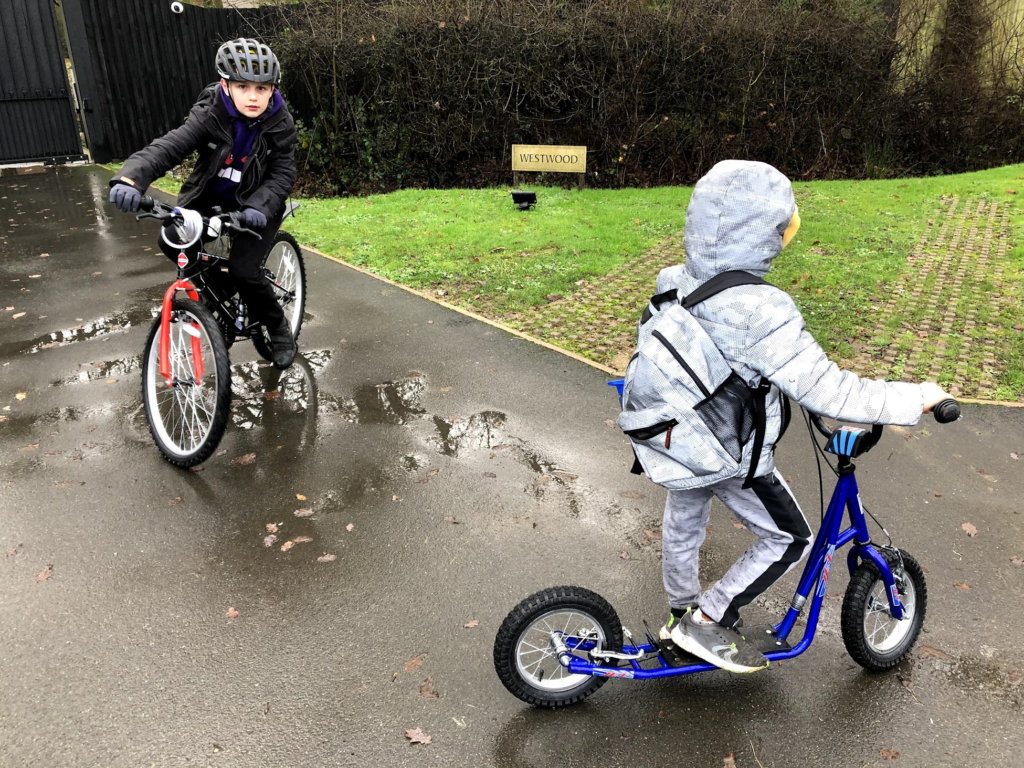
The Mini Micro Scooter is such an awesome gift for young children. This scooter is not only fun but also helps develop balance and coordination, making it a great way to encourage outdoor play.
3. Stomp Rocket Jr. Glow Kit
The Stomp Rocket Jr. Glow Kit is a fun toy that offers a lot of excitement. Kids can launch foam rockets high into the air, helping your child develop gross motor skills while having fun outdoors.
4. Nike Hyperfuel Sport Water Bottle
Keeping kids hydrated during active play is essential. The Nike Hyperfuel Sport Water Bottle is a perfect start to encourage your child to drink more water while engaging in physical activities. It’s a great idea for kids involved in team sports or outdoor play.
5. Slackers Swingline
Slackers Swingline is an outdoor gift that brings the fun of a ninja course to your backyard. With ratchet straps and climbing holds, this gift is perfect for adventurous kids who love obstacle courses and active play.
6. Pickleball Set
One sport that has been gaining popularity rapidly is pickleball. Often described as a combination of tennis, badminton, and ping-pong, pickleball is a fun and accessible sport for kids of all ages. A pickleball set includes paddles and balls, offering a great way for kids to develop hand-eye coordination and enjoy hours of fun gameplay.
Pickleball is ideal for children because it offers a balance of physical activity and mental engagement. The sport requires quick reflexes and strategic thinking, helping your child develop their agility and hand-eye coordination. Since pickleball can be played in singles or doubles, it also teaches valuable lessons in teamwork and communication. The game’s adaptability makes it suitable for kids of various skill levels, allowing them to improve at their own pace while having fun.
7. Laser Tag Set
For a fun game that can be enjoyed indoors or outdoors, a Laser Tag Set is a great gift. It encourages active play, teamwork, and strategic thinking, making it a favourite toy for active teens.
8. Hop Balls
Hop Balls are a fun toy that provides a great way for your child to burn off energy while developing balance and coordination. These bouncy balls are perfect for outdoor play and are a huge hit during play dates.
9. Indoor Trampoline
An indoor trampoline is an ideal gift for active kids, especially during the winter months. It offers a fun way to stay active indoors, helping your child develop core strength and gross motor skills.
10. Gymnastics Mat
A gymnastics mat is a great gift for kids who enjoy tumbling and gymnastics. It provides a safe space for practising flips, rolls, and other moves, making it a great toy for developing strength and flexibility.
11. Mud Kitchen
A mud kitchen is an outdoor play essential for encouraging imaginative play. It’s a great gift for young children who love to get messy and create their own outdoor adventures.
12. Training Wheels Bike
A bike with training wheels is a perfect start for young children learning to ride. It helps build confidence and balance, and when they’re ready, the training wheels can be removed for more advanced riding.
13. Soccer ball set
Soccer (or football to us Brits) remains one of the most popular sports worldwide, and for good reason. It’s a sport that emphasises teamwork, coordination, and cardiovascular fitness. Whether played casually in the backyard or competitively in a league, soccer offers numerous physical and social benefits.
A soccer ball set is a classic gift that encourages teamwork and physical fitness. Soccer is excellent for developing motor skills and coordination and requires players to use their feet, head, and body to control the ball, promoting balance and dexterity. In addition to physical benefits, soccer helps your child learn the importance of working together as a team to achieve common goals—a lesson that extends beyond the field. This gift is sure to get lots of use in the backyard or at the park.
14. Basketball Hoop Set
Basketball is another fantastic sport that can keep your child active and mentally sharp. The game requires agility, speed, and strategic thinking, making it both physically challenging and intellectually stimulating.
A basketball hoop set is a great way for your child to practice their shooting skills while staying active. Whether set up in the driveway or backyard, this gift offers hours of entertainment and helps improve hand-eye coordination.
15. Water Table
A water table is a great toy for young kids, offering hours of entertainment while helping to develop fine motor skills. It’s especially popular during the warmer months and makes a great outdoor gift.
16. Ratchet Straps Slackline
A Slackline is an awesome gift that challenges your child to improve their balance and focus. With ratchet straps and a sturdy line, it’s perfect for outdoorsy kids who love a challenge.
17. Obstacle Course Set
An obstacle course set is a fantastic gift for kids with endless energy. It allows your child to create their own courses and challenges, promoting physical activity and imaginative play.
18. Climbing Holds
Climbing holds are a great addition to any playset, encouraging your child to climb and explore. They’re a great gift for kids who love outdoor adventures and help build core strength and gross motor skills.
19. Tennis Racket Set
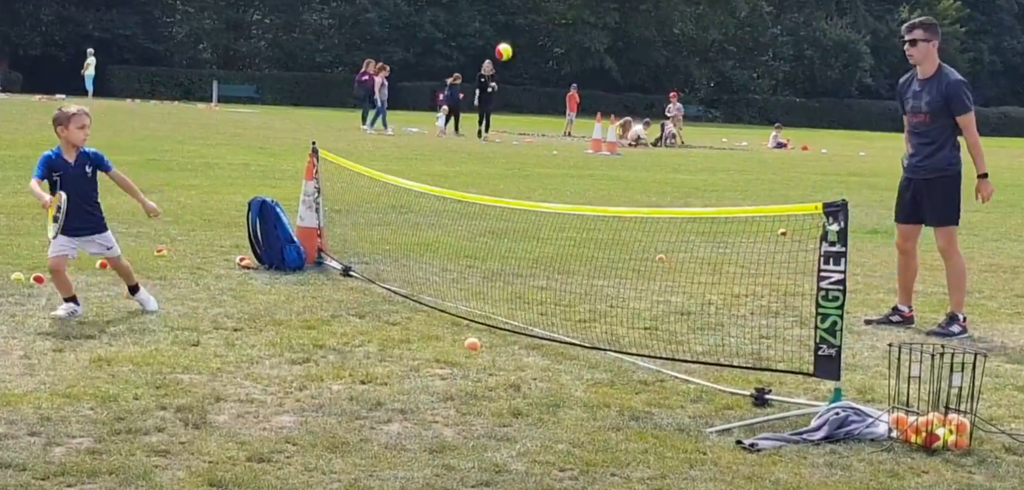
Tennis is a sport that can be enjoyed throughout a person’s life. It’s excellent for developing coordination, agility, and strategic thinking. A tennis racket set is a great gift for kids interested in learning tennis and helps develop hand-eye coordination and offers a fun way to stay active and enjoy the outdoors.
Starting tennis at a young age helps your child develop strong hand-eye coordination and quick reflexes. The sport also teaches strategic thinking, as players must anticipate their opponent’s moves and plan their shots accordingly. These skills are not only useful in tennis but also in many other aspects of life.
20. Pocket Knife
For older kids who enjoy outdoor activities like camping and hiking, a pocket knife can be a thoughtful and useful gift. However, it’s important to ensure they understand safety and responsibility when using it.
21. Stepping Stones
Stepping stones are a great way to add an obstacle course element to any backyard. They’re perfect for imaginative play and help develop balance and coordination.
22. Nike Running Shoes
A pair of Nike running shoes is a great gift for kids who love to run. They provide comfort and support, making them perfect for running around the park or participating in team sports.
23. Climbing Rope
A climbing rope is another great outdoor gift for adventurous kids. It’s perfect for building upper body strength and adds a fun element to any backyard play area.
24. Roller Skates
Roller skates are a classic gift that provides hours of active fun. They’re great for developing balance and coordination and can be enjoyed at the park, in the driveway, or even indoors with the right setup.
25. Archery Set
An archery set is a unique and exciting gift for kids interested in learning a new skill. It helps develop focus, patience, and hand-eye coordination.
26. Trampoline with Safety Net
For families with limited space, a trampoline with a safety net is a great choice. It offers all the fun of a trampoline while ensuring kids stay safe during play.
27. Kickball Set
A kickball set is a great way to get the entire family involved in a fun, active game. It’s perfect for outdoor play and encourages teamwork and physical activity.
28. Gymnastics Bar
A gymnastics bar is a great gift for kids who love to practice their flips and tricks. It’s perfect for indoor use and helps build strength and flexibility.
29. Swimming Pool Toys
Swimming is not just a sport but a vital life skill. It’s an activity that combines physical exercise with safety and can be enjoyed by kids of all ages. Swimming offers a full-body workout that enhances cardiovascular health, builds muscle strength, and improves flexibility. It’s a low-impact sport, making it ideal for children who might be prone to joint injuries or who prefer a gentler form of exercise.
Swimming pool toys are a great gift for the holiday season, providing endless fun in the water. From diving sticks to inflatable rings, these toys keep kids active and entertained.
30. Pogo Stick
A pogo stick is a fun toy that offers a great workout while improving balance and coordination. It’s sure to be a huge hit with kids who love to jump and play.
31. Martial Arts Gear
Martial arts are a great way to develop both physical and mental strength. Whether it’s karate, taekwondo, or judo, martial arts offer a structured environment where children can build discipline, confidence, and respect.
Martial arts gear, such as gloves and pads, is a great gift for kids enrolled in martial arts classes. It helps them practice safely at home and encourages discipline and focus.
32. Dance Mat
A dance mat is a fun and interactive gift that encourages kids to move and groove. It’s perfect for indoor play and helps develop coordination and rhythm.
33. Skateboard
A skateboard with some great skateboard shoes is a great gift for older kids who love to skate. It’s perfect for outdoor play and helps develop balance and coordination.
34. Rock Climbing Set
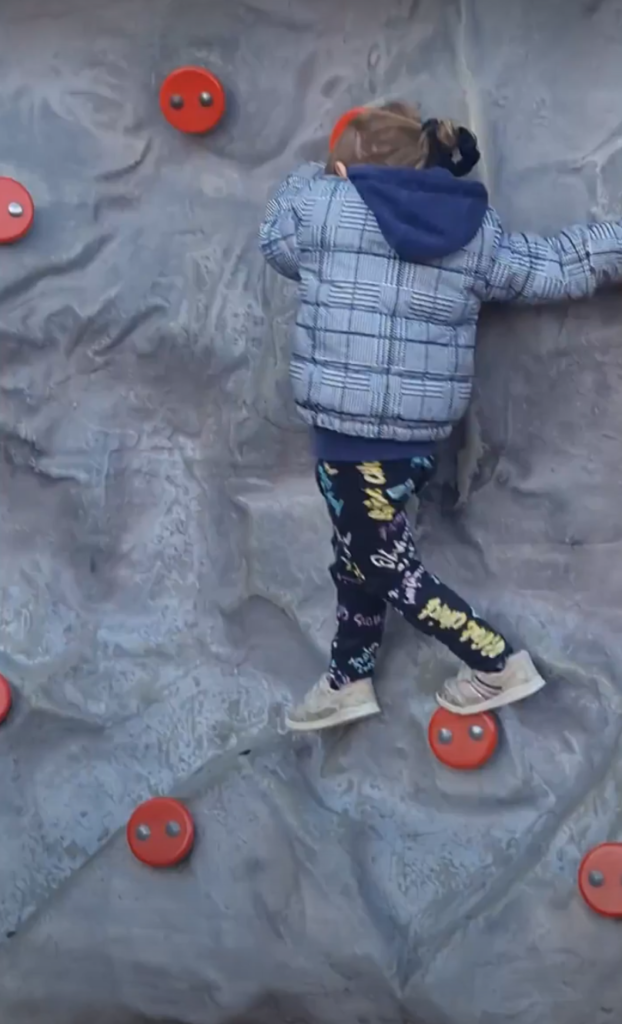
A rock climbing set is an exciting gift for kids who love to climb. It’s great for developing upper body strength and offers a fun challenge for adventurous kids.
35. Bike Helmet
A bike helmet is an essential gift for any child who rides a bike. It provides protection and peace of mind, ensuring they stay safe during their outdoor adventures.
36. Outdoor Playhouse
An outdoor playhouse is a great way to encourage imaginative play. It’s perfect for young children who love to create their own adventures in the backyard.
37. Bowling Set
A bowling set is a fun indoor or outdoor game that can be enjoyed by the entire family. It’s a great way to develop hand-eye coordination and offers lots of use during play dates.
38. Camping Tent
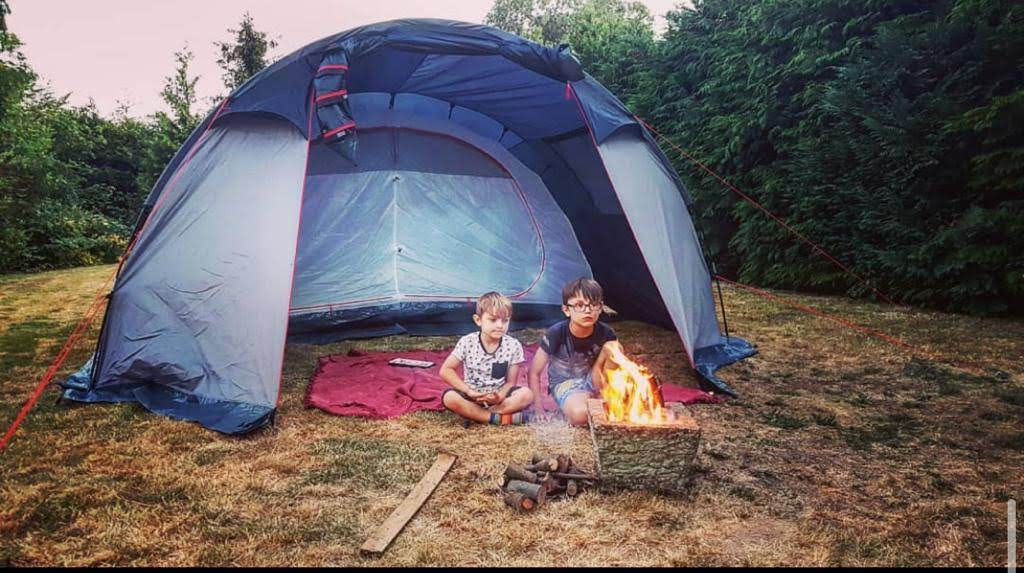
A camping tent is a great gift for kids who love the outdoors. It encourages a sense of adventure and is perfect for backyard camping or family trips.
39. Fishing Rod Set
A fishing rod set is a great gift for kids who enjoy spending time by the water. It’s a fun way to learn patience and enjoy the great outdoors.
40. Jump Rope
A jump rope is a simple yet effective gift for promoting physical fitness. It’s great for building cardiovascular health and can be used both indoors and outdoors.
41. Scooter with Light-Up Wheels
A scooter with light-up wheels is a fun and exciting gift for kids. It’s perfect for outdoor play and encourages active transportation.
42. Hiking Backpack
A hiking backpack is a great gift for kids who love to explore the outdoors. It’s perfect for carrying snacks, water, and other essentials during hikes or nature walks.
43. Table Tennis Set
A table tennis set is a great indoor game that helps develop hand-eye coordination and reflexes. It’s perfect for active play on rainy days.
44. BMX Bike
A BMX bike is a great gift for adventurous kids who love to ride. It’s perfect for performing tricks and exploring trails, offering hours of active fun.
45. Yoga Mat
A yoga mat is a great gift for kids interested in mindfulness and physical fitness. It’s perfect for practising yoga, stretching, or even gymnastics at home.
Basketball shoes are a great gift for kids who play basketball. They offer the support and traction needed for quick movements on the court, helping to improve performance.
48. Outdoor Adventure Kit
An outdoor adventure kit is a great gift for young explorers. It typically includes binoculars, a compass, and other tools that encourage kids to discover nature.
49. Football Set
A football set is a great way for kids to practice their throwing and catching skills. It’s perfect for outdoor play and encourages teamwork and physical activity.
50. Dance Class Gift Card
A gift card for dance classes is a great gift for kids interested in learning new dance styles. It encourages physical activity and helps develop rhythm and coordination.
51. Balance Bike
A balance bike is a perfect start for young children learning to ride. It helps develop balance and coordination without the need for training wheels.
52. Inflatable Bounce House
An inflatable bounce house is a great gift for kids’ parties and playdates. It offers hours of active fun and helps burn off energy.
53. Scooter Ramp
A scooter ramp is a great gift for kids who love to perform tricks. It’s perfect for the backyard and encourages active play and skill development.
54. Water Gun Set
A water gun set is a fun outdoor toy that provides hours of entertainment during the summer months. It’s great for play dates and encourages active play.
55. Sports Watch
A sports watch is a great gift for older kids involved in sports. It helps them keep track of time, set goals, and monitor their performance.
56. Playground Ball Set
A playground ball set is a versatile gift that can be used for various outdoor games. It’s perfect for encouraging active play and teamwork.
57. Hula Hoop
A hula hoop is a simple yet effective gift for promoting physical fitness. It’s great for building core strength and can be used both indoors and outdoors.
58. Adventure Park Pass
A pass to an adventure park is a great gift for the entire family. It offers a fun day out and encourages physical activity and exploration.
59. Dance Party Speaker
A dance party speaker is a great gift for kids who love to dance. It’s perfect for indoor play and encourages active movement and fun.
60. Gift Card for Sports Store
A gift card for a sports store is a thoughtful gift that allows kids to choose their own sports gear or equipment. It’s perfect for active kids who have specific interests or needs.
FAQ
General gift ideas for kids
What is the best gift for a kid?
The best gift for a kid depends on their interests. For active kids, consider sports equipment or outdoor toys. Creative kids might enjoy art supplies or building sets. Experience-based gifts like a day at a theme park can also be highly memorable.
What to gift a kid?
When choosing a gift for a kid, consider their interests. Toys, books, sports gear, or art supplies are always good options. For something more unique, consider an experience gift, like tickets to an event or a day trip.
What is the 5-gift rule for kids?
The 5-gift rule for kids is a strategy where you give a child five gifts, each with a specific purpose:
Something they want,
Something they need,
Something to wear,
Something to read, and
A special gift of your choosing, often an experience or something that holds sentimental value.
Active and sporty kids
What to buy for active kids?
For active kids, consider gifts that encourage physical play and help develop motor skills, such as trampolines, scooters, or sports equipment.
How to get my child active?
To get your child active, focus on making physical activity fun and a regular part of their routine. Encourage activities they enjoy, whether it’s playing a sport, riding a bike, or simply running around the backyard. Limit screen time and replace it with outdoor play or family activities like hiking or walking. Lead by example by being active yourself, and provide the necessary equipment, such as a soccer ball or a bike, to make it easier for them to stay engaged. Positive reinforcement and making physical activity a shared experience can help instil a lifelong love of being active.
What should I get my sporty kid?
For sporty kids, look for gifts that align with their favourite sports, like a new soccer ball, basketball shoes, or a tennis racket set.
What do you buy an active boy?
Active boys might appreciate sports equipment like a basketball hoop set, soccer ball, or bike. Outdoor adventure gear such as a tent or climbing ropes can also be exciting. For something unique, consider a slackline or laser tag set.
What kind of gift fits a very active 15-year-old boy?
For a very active 15-year-old boy, consider sports gear like a new pair of running shoes, a skateboard, or a basketball. Adventure gear such as a camping set or a climbing harness might also be appealing.
Age-specific gift ideas
What are the best gifts for 10-year-olds?
For 10-year-olds, consider gifts that match their growing interests and independence. A BMX bike, rock climbing set, or sports gear like a basketball hoop set are excellent for active kids. Art supplies, science kits, or musical instruments cater to creative and curious minds.
What is a good gift for a 10-year-old boy?
A 10-year-old boy might enjoy a sports watch, video games, or STEM kits that challenge him intellectually. For active play, consider a bike, skateboard, or basketball hoop set.
What gift for a 10-year-old boy? I need help, I have no idea what I can buy for my cousin. Consider gifts that match his interests. If he’s into sports, a BMX bike, soccer ball, or tennis racket set could be great. If he enjoys building or creating, Lego sets, science kits, or art supplies might be more appropriate.
What kind of gifts would be good for a 10-year-old girl?
A 10-year-old girl might enjoy art supplies, jewellery-making kits, or craft projects. If she’s into sports, consider a new soccer ball, roller skates, or a yoga mat. Books that match her reading level are also a thoughtful gift.
What is a good gift to give to an eight-year-old for doing well in school?
To reward academic achievements, consider a personalised journal, science kits, or books related to their favourite subjects. Tickets to an educational event or an experience-based gift, like a day at a museum or science centre, can also be meaningful.
What can be the best gift for an 8-year-old boy?
An 8-year-old boy might enjoy a remote-controlled car, Legos, or an archery set. For active boys, consider a soccer ball set, skateboard, or scooter with light-up wheels. STEM kits or puzzle games are also great for combining fun with learning.
What non-toy gift can you give an 8-year-old for her birthday?
Non-toy gifts for an 8-year-old could include a subscription to a kids’ magazine, a gift card for a bookstore, or tickets to a live show or museum. Art classes or cooking classes are also excellent options.
What gifts to get for a 4-year-old girl?
For a 4-year-old girl, consider gifts like a dollhouse, dress-up costumes, or building blocks. Art supplies for colouring and drawing, or interactive books that teach basic reading skills are also great choices. A balance bike is another fun and active gift.
What is the best gift to buy a 4-year-old girl?
Consider a dollhouse, interactive books, or educational puzzles for a four-year-old girl. Outdoor toys like a tricycle or sandbox are also popular and provide hours of fun.
What is a good birthday gift for a 4-year-old boy?
A 4-year-old boy might enjoy a train set, building blocks, or a tricycle. Other great options include puzzle games, books, or outdoor toys like a water play table or mini soccer goal.
What is a good birthday gift for a 7-year-old girl?
For a 7-year-old girl, consider gifts that encourage creativity and active play. Craft kits, dance mats, or sketchbooks are great for creativity. Roller skates, a scooter, or outdoor playsets can help keep her active and entertained.
What are good birthday gifts for a 5-year-old girl?
A 5-year-old girl might enjoy gifts that encourage imaginative play, such as a mud kitchen, dollhouse, or a dress-up costume. Other great options include art supplies like a drawing kit, interactive storybooks, or educational puzzles that help with learning letters and numbers.
Non-toy and experience-based gifts
What are some good non-electronic gift ideas for kids?
Non-electronic gift ideas for kids include sports equipment, outdoor playsets, arts and crafts kits, or adventure kits that encourage exploration.
What are some easy but thoughtful gifts for kids that are not toys?
Consider gifts that focus on experiences or learning. Gift cards for classes (like dance or art), a day trip to a zoo or museum, or subscriptions to a kids’ magazine are thoughtful options. Personalized items like custom storybooks where the child is the main character, or a handmade scrapbook capturing family memories are also great choices.
What are some good birthday presents for kids that aren’t toys but still fun?
Experience-based gifts are a great alternative to toys. Consider passes to amusement parks, cooking classes for kids, or a family game night kit with board games or puzzles. Outdoor adventure kits with binoculars and compasses can also be fun and educational.
What is a meaningful gift for a child who has too many toys?
A meaningful gift for a child who has too many toys might include experiences like a day pass to an adventure park, a gift card for sports classes, or outdoor gear like a camping tent.
What do you buy a spoiled child that has every toy imaginable for their birthday?
For a child who seems to have every toy, consider experience gifts like a day at an amusement park, a subscription to a monthly activity box, or tickets to a special event. Personalised items like custom artwork or a photo book documenting special moments can also be meaningful.
What would be a meaningful gift for a 6-year-old who has too many toys?
A meaningful gift could be a personaliesd storybook, a scrapbook of family photos, or a special experience like a day at the zoo or a cooking class. A donation made in their name to a cause they care about can also teach valuable lessons.
Outdoor and active play
What are some engaging outdoor toys for children to enjoy?
Outdoor toys like a Springfree Trampoline, Stomp Rocket Jr. Glow Kit, or a Mini Micro Scooter are great options. Water play tables, kickball sets, and obstacle course kits are also engaging choices that encourage active play.
What are some good birthday presents for children who have everything?
For children who seem to have everything, consider gifts that focus on experiences or creativity, such as tickets to a special event, art classes, or membership to a local children’s museum. Customised gifts, like personalized books or unique clothing items, can also be thoughtful.
Party and group gifts
What kind of cheap prizes are good to give out for an 11-year-old’s coed birthday party?
Consider small, fun items like glow sticks, mini notebooks, keychains, or slime kits. Candy or stickers are also inexpensive and popular choices. For something a bit more special, consider DIY craft kits or personalized water bottles.
Final thoughts
Choosing the best gifts for active kids doesn’t have to be a challenge. Whether they’re into team sports, outdoor adventures, or imaginative play, there’s something on this list for every active child. Encourage them to stay active, explore their surroundings, and develop new skills with these thoughtful and exciting gift ideas.
*Collaborative feature post*
About Leyla Preston
Leyla is a UK mum of four, a writer and the founder of Motherhood Diaries, which she has edited since 2010. She has written about pregnancy, birth and family life for more than 15 years, edited NCT Harrow’s Special Delivery magazine, and is the author of several children’s and family books. She is also co-founder of Poppy, a new app helping UK parents find trusted local support, and presents Tech Talks Zone, a YouTube channel reviewing tech and AI tools for busy parents. Read Leyla’s story
Our health articles follow NHS guidance and aren’t a substitute for advice from your midwife, health visitor or GP.
Family home evening activities: 35 fun games and ideas
Ad · This is a paid collaborative post. Links to the partner are sponsored.
As much as I loved having the kids at home, the last lockdown was brutal. I had to homeschool two boys in two different years, manage a baby who wanted to destroy everything in the house and curb horrible morning sickness as I was newly pregnant – all while trying to work from home too. I definitely wouldn’t want to go through that again, especially with the youngest two now being preschoolers.
But if we had to do it all again, there are certain things I would do differently provided homeschooling didn’t take six hours a day like last time.
Family home evening activities are one of those special traditions that invite families to carve out dedicated quality family time each week for bonding, learning, and just having a good time together. Originally, the family home evening concept found its roots in religious communities, but it’s evolved into a concept that any family can embrace, regardless of background. Whether you’re teaching life lessonsc, playing games, or simply enjoying each other’s company, a family home evening is a golden opportunity to strengthen family ties and create memories that last a lifetime.
Having gone through it with four kids of varying ages, I have some tips on how to entertain kids at home. In this article, we’re diving into 35 fantastic family home evening activities that cater to everyone, from the youngest to the oldest in your family. From getting crafty with art projects to playing games and planning seasonal activities, these ideas help you plan evenings members of your family will look forward to every week.
Establish your availability
To work out how to entertain kids at home, you need to first establish how much time you have to entertain the kids. Do you have to work at home or have you taken holidays so you have the entire day to spend with the kids?
Whatever your situation, make sure you let your children know. Establish some ground rules and then, when you’re free, prepare the kids with some activity options. Then select the activity together if you don’t have any work/school/activity commitments. Stuck on ideas? Keep reading!
Be mindful of essential costs
Thankfully, entertaining a child at home means you’re less likely to take them out to a crowded place that costs money to enjoy. However, you need to factor in other costs, like increased housing costs, clothing and food. You still need to fork out for recreational activities even if they’re online, although there are lots of free online activities now thanks to entrepreneurs capitalising on the post-pandemic spirit.
You can get a better handle on this by knowing more about these expenses. Whether you are forking out for a onetime expense like a braces cost or paying towards your kids’ football club, make sure you know what’s coming in and going out first.
Help save for your activity goals by using an early savings account to keep your money safe.
You may struggle to find minutes in the day to spend with your kids but studies show that engaging in activities with your child will not only help them get the most out of that activity but it also improves your kids’ self-esteem and your bond with your children.
35 family home evening activities for all ages
Now that we’ve explored the importance of family home evenings, it’s time to dive into the core—finding the perfect activities that will make these evenings memorable for everyone involved. Whether your family loves to get creative, enjoys playing games, or prefers to spend time outdoors, this list of 35 activities has something for every interest and age group.
Engaging activities for all ages
1. Arts and crafts family night
If you’re thinking about how to entertain toddlers at home, arts and crafts are probably your best bet because it helps toddlers channel their energy – and messiness – into creating something magical, provided you’ve protected your furniture!
Stock up on paint, glitter glue, stickers (and whatever else you find!) and let their imaginations go wild. If you think they need a little structure, set them a specific task. Good examples include a paper airplane, your own ultimate frisbee, paper craft one hour kits, drawing a family portrait and for extra fun, creating a 3D object using papier mâché.
If you have desk work to do, then why not set up a play table beside you where your child can have fun with arts, crafts or different family home evening games? This will only suit older children, but at least you can offer them some distraction with a good attitude without having to resort to switching on the TV.
Choose arts and crafts materials that aren’t too messy, such as crayons and a piece of paper, so you don’t have to be watching your child every minute.
2. Get creative in the kitchen
Depending on the age of your kids, you can throw caution to the wind and loosen the restrictions in the kitchen. Kids deserve to learn valuable culinary skills because it will set them up for university and later adulthood, but we are often too scared to loosen the reins in case they cut themselves or set fire to the house.
Get them involved in easy-to-make recipes, like boiling an egg, making spaghetti or baking biscuits. You can ask them to read out the recipe instructions or assist in certain parts of the cooking process. Or if you’re baking with a baby, you can place their hands on the biscuits to make little cute hand marks. You may make a mess in the kitchen, but you’ll all have so much fun in the meantime!
Maybe your entire family doesn’t always have time to eat together, but when you do, make it something special. How about a one-pot meal everyone can enjoy together at the table like paella or a fondue? Your family can share the experience of a common meal and you can get to know your big and little kids through engaged conversation. It’s a great way to find out about how school is getting on or what’s troubling them.
3. Gardening
Gardening is an easy way to get your kids out in the great outdoors and away from their addictive devices. Why not dedicate a specific area outside for them to get stuck in? Ask them to pick out some pretty plants at the garden centre and then help you pot them once you get home. Or if you fancy more of a challenge, try growing your own veg! This is a great way to teach your kids the importance of nurturing and looking after things.
4. Family scrapbooking
Remember the good times with a family scrapbook. Gather those photos, ticket stubs, and drawings, and spend an evening putting them all together in a beautiful keepsake. Scrapbooking is a creative way for everyone to contribute, and it’s a project you can keep coming back to. The best part? Flipping through it later and reliving all those special moments.
5. DIY home decor
Why not make your home feel even more like “you” by creating some DIY decorations? Whether it’s making wreaths for the holidays, painting ornaments, or designing table centrepieces, this is a fun and productive way to spend an evening together. Plus, you’ll end up with something beautiful to display around the house.
Fun and interactive games
6. Board games night
There’s nothing like a classic board game to bring everyone together. Board games are perfect for encouraging a little friendly competition, strategic thinking, and, most importantly, lots of laughs. Whether you’re breaking out Monopoly, Scrabble, or Clue, or keeping it simple with games like Candy Land for the little ones, board games are a great way to spend an evening. They’re a fun activity that helps strengthen family bonds while creating memories of fun and laughter.
7. Charades
Get ready to giggle with a game of charades! This classic acting game is perfect for unleashing your family’s creativity. You can create a list of actions, movies, or characters to act out, making sure there’s something for everyone, regardless of age. It’s a fantastic way to encourage teamwork and self-expression, all while keeping things light and fun.
8. Treasure Hunt
Turn your home—or backyard—into a treasure map! A treasure hunt is a versatile activity that can be tailored to any age group. For younger kids, you can use simple picture clues or rhymes, while older kids might enjoy solving riddles or puzzles. Hide a small prize at the end for an extra element of excitement. It’s a great way to keep everyone engaged and entertained.
Ensure the clues are difficult enough to challenge the children but easy enough so they can actually solve them. You should have about an hour to have that cup of tea or get on with your tasks.
9. Puzzle night
There’s something wonderfully calming about puzzle-solving. Or, if you prefer, you can challenge each other with crossword puzzles. Platforms like 247 crossword offer a wide range of puzzles that cater to both beginners and experts, making crosswords more accessible than ever. Additionally, crosswords appear in The New York Times and highlight the creativity and linguistic skill involved in crafting crosswords.
A rainy day is the perfect time to play a game as a family, but whatever game you choose, it matters that you play together and have fun. And if you play for a short while, you will find your kids will naturally go off and want to play on their own afterwards.
10. Card games
Sometimes, the simplest games are the best. Classic card games like Uno, Go Fish, or Rummy are easy to pick up and provide endless fun. These games encourage strategic thinking and quick decision-making, all while keeping the atmosphere light and enjoyable. Plus, they’re suitable for all ages, making them a a great idea for a mixed-age family gathering. Maybe make it a weekly thing, like every Monday night you play cards together.
Enjoying the great outdoors
11. Family picnic
Pack up some sandwiches, grab a blanket, and head to your favourite park for a family picnic. Add some outdoor games like frisbee or soccer to keep everyone active. It’s a fantastic way to enjoy nature and get some fresh air, all while sharing a meal. And hey, who doesn’t love a good picnic?
12. Stargazing
On a clear night, grab some blankets, head outside, and see what constellations you can spot. Stargazing is a peaceful activity that can spark great conversations about the universe and our place in it. Plus, it’s a beautiful way to slow down and appreciate the natural world.
13. Nature walk
A nature walk or hike is a great way to explore the outdoors and get some exercise. Take the time to collect leaves, rocks, or flowers along the way and discuss what you’ve found when you get home. It’s a simple but effective way to foster a love for nature and spend quality time together.
14. Sports night
Why not turn your backyard into a mini sports arena? Whether it’s a game of football, basketball, or just a good old-fashioned game of catch, playing sports together is a fun way to get everyone moving. It’s a great opportunity to burn off some energy while enjoying each other’s company.
15. Outdoor movie night
If you have a projector, why not set up an outdoor movie night? It’s like bringing the cinema experience right to your backyard. With blankets, pillows, and your favourite beef jerky sticks snacks, you’ll create a cosy and fun evening under the stars. Plus, it’s a unique twist on your usual movie night.
Special themes for memorable nights
16. Holiday-themed family home evening
Holidays are the perfect time to get a little festive with your family home evening activities. Whether you’re decorating the tree for Christmas, organising an Easter egg hunt, or planning a Valentine’s Day craft night, holiday-themed activities add a special touch to your family traditions. These nights are not just about the fun—they’re also about creating lasting memories together.
17. Cultural night
Why not explore a new culture together? You can cook a traditional meal, listen to good music from that culture, and even learn about their customs and traditions. It’s a fun, educational way to broaden your family’s horizons and develop an appreciation for diversity. Plus, it’s always exciting to try something new!
18. Book club night
For the book lovers in your family, why not start a little book club? Choose a family-friendly favorite book, read it together, and then discuss it as a group. It’s a great way to encourage reading and critical thinking, and it gives everyone a chance to share their thoughts and perspectives.
19. Game show night
Bring the excitement of a game show into your living room! You can create your own family game show with trivia discussion questions, challenges, and even some prizes. This activity is not only fun but also a fantastic way to encourage learning and healthy competition.
20. Music and dance night
Nothing gets the energy up like a good dance party! Play everyone’s favourite tunes and dance the night away. If you’re feeling brave, you can even add a karaoke session. It’s all about letting loose and having fun together, and it’s sure to leave everyone with big smiles.
Learning and growing together
21. Family history night
Take a trip down memory lane with a family history night. Share stories from your family’s past, create a family tree, or flip through old photo albums. This activity helps children connect with their roots and understand where they come from, fostering a sense of identity and belonging.
22. Service project
Why not use your family home evening to give back to the community? Choose a service project that the whole family can participate in—whether it’s making care packages for those in need, volunteering at a local charity, or even cleaning up a neighbourhood park. Service projects are a great way to teach compassion and responsibility while making a positive impact together.
23. Science experiment night
Bring out your inner scientists with a science experiment night! Conduct simple experiments at home and discuss the results together. It’s a hands-on way to introduce scientific concepts and spark curiosity in kids of all ages. Plus, it’s just plain fun to see what happens when you mix baking soda with vinegar!
24. Storytelling evening
Everyone loves a good story, and a storytelling evening is a wonderful way to share them. Each member of the family can take a turn telling a story—whether it’s something that happened in real life or a tale from their imagination. It’s a fantastic way to encourage creativity and communication, and you’ll likely hear some surprising and entertaining tales.
25. Values and family home evening lessons night
Family home evening is a great opportunity to discuss important values and lessons. You can talk about topics like kindness, honesty, or responsibility, and how they apply in daily life. These discussions can include role-playing scenarios, sharing personal experiences, or even watching a short film or reading a story that illustrates the lesson. It’s a meaningful way to reinforce positive behaviours and principles in a family setting.
Fun family home evening ideas for every season
26. Pumpkin carving
Get into the Halloween spirit by carving pumpkins together. This is a fun and creative activity that lets everyone show off their artistic side. Plus, you can roast the pumpkin seeds for a tasty treat afterward!
27. Easter egg decorating
Make your Easter family home evening extra special by decorating eggs together. You can try different techniques like dyeing, painting, or even adding glitter and stickers. Afterward, have an egg hunt in the yard to see who can find the most!
28. Christmas cookie baking
There’s nothing quite like the smell of freshly baked cookies during the holidays. Spend an evening baking and decorating Christmas cookies as a family. You can share them with neighbours or friends, or simply enjoy them together with a cup of hot cocoa and a good Christmas story.
29. Winter crafts
When the weather outside is frightful, stay warm inside with some winter-themed crafts. You can make your own paper snowflakes, homemade ornaments, or even create a wreath for the front door. It’s a cosy way to spend time together while making your home feel festive.
30. Summer water games
Cool off during the hot summer months with some fun water games. Whether it’s a water balloon fight, setting up a slip-and-slide, or just running through the sprinklers, it’s a great way to beat the heat and have a blast together.
Unwind and connect
31. Home spa night
Turn your living room into a spa for a night of relaxation. Create DIY face masks, enjoy foot baths, and play some soothing music. It’s a perfect way to unwind and pamper yourselves after a busy week.
32. Movie marathon
Choose a series of movies—whether it’s Disney movies or a Harry Potter marathon—and settle in for a cosy night of entertainment. Pop some popcorn, enjoy and ice cream and grab your favourite snacks, and enjoy a cinematic experience from the comfort of your own home.
With all kinds of free movies available, you and your family can create your own personal film festival. You can make it just like going to the pictures with rows of chairs or just your comfortable bean bag.
33. Yoga and meditation
Bring some calm to your family home evening with a session of yoga and meditation. Practice simple yoga poses together, followed by a few minutes of meditation. It’s a peaceful way to relax and recharge as a family.
34. Build a fort
Sometimes, the simplest activities are the most fun. Gather up some blankets and pillows, and build a fort in the living room. Once it’s done, crawl inside for some snacks, stories, or even a board game. It’s a great way to encourage imagination and spend quality time together.
Once you are all comfortable inside your hiding place, enjoy a banquet of sandwiches and cakes whilst acting like royalty in your impressive creation.
35. Family testimony meeting
If your family is spiritual, consider dedicating a family home evening to sharing personal experiences, feelings, or testimonies about faith, gratitude, or family values. It’s a meaningful way to connect on a deeper level and strengthen your family’s bonds.
Final thoughts
Family home evenings are a wonderful tradition that offers endless opportunities for fun, learning, and bonding. With these 35 activities, you’ll find something that resonates with every member of your family. Whether you’re getting creative, playing games, or simply enjoying each other’s company, these ideas will help make your family home evenings both memorable and meaningful.
We’d love to hear your thoughts! Share your favourite family home evening activity ideas in the comments below.
FAQs
Common questions about family home evening activities
What activities can I do with my family?
There are countless activities you can enjoy as a family during FHE, both indoors and outdoors. Options include board games, treasure hunts, storytelling, and seasonal crafts. The key is to choose activities that everyone can participate in, ensuring a fun and inclusive experience.
What are some fun things to do with my children that don’t cost money?
FHE doesn’t have to be expensive. Consider activities like playing classic games, reading books together, or having a DIY pape3r craft session. These budget-friendly ideas allow you to spend quality time with your children without breaking the bank.
How do I keep kids entertained without electronics?
Suggest creative, screen-free activities to engage kids during FHE, such as arts and crafts, cooking, or playing outdoor games. These activities promote interaction and help children develop various skills while enjoying quality time with the family.
What are some ideas for spending quality time together as a family?
Discuss the importance of spending great time together and offer tips on how to make the most of FHE. This can include planning activities that cater to all family members, ensuring that everyone feels included and valued.
How to plan an FHE that is enjoyable for all ages?
Provide tips on planning activities that cater to both young children and older family members. This might include a mix of games, discussions, and creative projects to ensure that everyone has something to look forward to.
*Collaborative feature post*
*Links marked with a ‘*’ are affiliate links which means I may earn a small commission if you click through to buy, at no extra cost to you.
About Leyla Preston
Leyla is a UK mum of four, a writer and the founder of Motherhood Diaries, which she has edited since 2010. She has written about pregnancy, birth and family life for more than 15 years, edited NCT Harrow’s Special Delivery magazine, and is the author of several children’s and family books. She is also co-founder of Poppy, a new app helping UK parents find trusted local support, and presents Tech Talks Zone, a YouTube channel reviewing tech and AI tools for busy parents. Read Leyla’s story
Our health articles follow NHS guidance and aren’t a substitute for advice from your midwife, health visitor or GP.
55 self care empty cup quotes to inspire busy mums
Ad · This is a paid collaborative post. Links to the partner are sponsored.
Motherhood often means that your kids will always come first, and while this might seem like great parenting, it’s crucial to remember that you need to look after yourself first as well. Striking a good balance between caring for your children and yourself can completely transform your family life. You may have heard the phrase, “You can’t pour from an empty cup,” and brushed it off, but it holds significant truth, especially in the context of motherhood.
Prioritising your children while neglecting your own needs might feel like the right choice in the moment, but it’s a form of short-term thinking that can lead to burnout. Instead, thinking long-term and making small, sustainable changes to care for yourself can have a profound, positive impact on your entire family.
This article is here to inspire you with 55 self care empty cup quotes that emphasise the importance of filling your own cup first, so you can be the best version of yourself for your loved ones.
What does “You can’t pour from an empty cup” mean?
The phrase “You can’t pour from an empty cup” is a simple yet powerful metaphor, particularly relevant in the context of self-care. It essentially means that you need to take care of yourself first before you can effectively take care of others. For busy mums, this metaphor serves as a crucial reminder that neglecting your own well-being in the name of caring for your family can ultimately lead to burnout. When your mental and physical health are depleted, you will feel like an empty vessel and your ability to nurture and support your loved ones diminishes. Self-care, therefore, isn’t just about personal indulgence; it’s about maintaining the energy and vitality needed to sustain your daily responsibilities and relationships.
The relevance of this metaphor for mums
For many mums, the demands of daily life can leave you feeling drained, both physically and emotionally. Constantly prioritising others over yourself can lead to a state of exhaustion where even the simplest tasks become overwhelming. This is why the “empty cup” metaphor is so important—by putting yourself first, even in small ways, you ensure you can serve your family better in the long run. It’s not about being selfish; it’s about creating a sustainable lifestyle where both you and your family thrive.
Practical self-care tips for busy mums
Assessing your current lifestyle
The most helpful thing you can do as a busy mum is to assess your current lifestyle. This means taking a step back to truly understand what your day-to-day life looks like and identifying where self-care might be lacking. Are there moments in your day when you feel completely overwhelmed or too tired to carry on? Are you constantly pushing yourself beyond your limits?
Reflecting on these patterns will help you see what needs to change. Once you have a clear picture of what your life currently looks like, you can begin to consider how you want your life to look. This awareness makes the process of change much more manageable and motivates you to stick to the small, sustainable adjustments that will lead to long-term benefits.
Making positive changes
When you’ve identified the areas of your life that need improvement, it’s time to think about the positive changes you can make. Start by creating a list of things you’d like to change, but remember, it’s essential to start small. Small changes are easier to implement and maintain over time. For instance, if you have bigger goals, like incorporating regular exercise into your routine, break them down into manageable baby steps. This way, you create a roadmap that guides you toward your main goals without overwhelming yourself. Focusing on your mental health and physical well-being is crucial; these aspects of self-care not only benefit you but also improve your capacity to care for your family.
Finding time for yourself
Incorporating “me time” into a busy schedule can feel like an impossible task, but it’s vital for maintaining healthy boundaries and ensuring you don’t run on empty. Consider scheduling downtime in the evenings, after the kids have gone to bed. Instead of using this time solely to catch up on chores, dedicate some of it to activities that help you unwind, such as reading a book, playing chess, or enjoying a quiet cup of coffee. These moments of self-care are not luxuries; they’re necessities that help you recharge and maintain your well-being. By setting these boundaries and prioritising self-care, you’re not only taking better care of yourself but also setting a positive example for your children.
55 famous self care empty cup quotes for busy mums
Taking care of yourself as a busy mum isn’t just a luxury; it’s a necessity. Often, the demands of daily life can make it difficult to find time for self-care, but remembering that you can’t pour from an empty cup is crucial. Self-care allows you to recharge, refocus, and return to your family with more energy and positivity.
In this section, we’ve gathered 55 inspiring quotes to remind you of the importance of self-care. These self care quotes are grouped into categories that highlight the necessity of prioritising your well-being, maintaining mental and physical health, finding balance, and staying motivated. Let these words of wisdom inspire you to fill your cup first, so you can continue to give your best to your loved ones.
“You cannot pour from an empty cup. Take care of yourself first.” – Anonymous
“Self-care is giving the world the best of you, instead of what’s left of you.” – Katie Reed
“Take time to do what makes your soul happy.” – Unknown
“Caring for myself is not self-indulgence, it is self-preservation.” – Audre Lorde
“You deserve the love you so freely give to others.” – Unknown
“Rest and self-care are so important. When you take time to replenish your spirit, it allows you to serve others from the overflow.” – Eleanor Brownn
“It’s not selfish to love yourself, take care of yourself, and make your happiness a priority. It’s necessary.” – Mandy Hale
“Nourishing yourself in a way that helps you blossom in the direction you want to go is attainable, and you are worth the effort.” – Deborah Day
“When you recover or discover something that nourishes your soul and brings joy, care enough about yourself to make room for it in your life.” – Jean Shinoda Bolen
“Sometimes the most important thing in a whole day is the rest we take between two deep breaths.” – Etty Hillesum
“Almost everything will work again if you unplug it for a few minutes, including you.” – Anne Lamott
“You yourself, as much as anybody in the entire universe, deserve your love and affection.” – Buddha
“The most powerful relationship you will ever have is the relationship with yourself.” – Diane von Furstenberg
“Self-compassion is simply giving the same kindness to ourselves that we would give to others.” – Christopher Germer
“Love yourself first and everything else falls into line.” – Lucille Ball
“Your work is to discover your world and then with all your heart give yourself to it.” – Buddha
“Self-care is not a waste of time; self-care makes your use of time more sustainable.” – Jackie Viramontez
“Taking care of yourself doesn’t mean me first, it means me too.” – L.R. Knost
“Do something today that your future self will thank you for.” – Unknown
“Talk to yourself like you would to someone you love.” – Brené Brown
“You are enough just as you are.” – Meghan Markle
“By taking care of myself I have so much more to offer the world than I do when I am running on empty.” – Ali Washington
“To love oneself is the beginning of a lifelong romance.” – Oscar Wilde
“Self-care means giving yourself permission to pause.” – Cecilia Tran
“You are worth the quiet moment. You are worth the deeper breath. You are worth the time it takes to slow down, be still, and rest.” – Morgan Harper Nichols
“An empty lantern provides no light. Self-care is the fuel that allows your light to shine brightly.” – Unknown
“The only person who can pull me down is myself, and I’m not going to let myself pull me down anymore.” – C. JoyBell C.
“You are not a drop in the ocean. You are the entire ocean in a drop.” – Rumi
“Self-care is how you take your power back.” – Lalah Delia
“If your compassion does not include yourself, it is incomplete.” – Jack Kornfield
“The better you feel about yourself, the less you feel the need to show off.” – Robert Hand
“When you say ‘yes’ to others, make sure you are not saying ‘no’ to yourself.” – Paulo Coelho
“You can’t take care of anyone else unless you first take care of yourself.” – Michael Hyatt
“Keep good company, read good books, love good things, and cultivate soul and body as faithfully as you can.” – Louisa May Alcott
“You owe yourself the love that you so freely give to other people.” – Unknown
“Owning our story and loving ourselves through that process is the bravest thing that we’ll ever do.” – Brené Brown
“You are enough. A thousand times enough.” – Atticus
“If you get tired, learn to rest, not to quit.” – Banksy
“No more martyring myself.” – Sharon E. Rainey
“Self-care is taking all the pressures you are facing right now, and deciding to which you will respond, and how.” – Imani Shola
“Almost everything will work again if you unplug it for a few minutes, including you.” – Anne Lamott
“You deserve to take up space in your own life.” – Unknown
“When you say yes to others, make sure you don’t say no to yourself.” – Paulo Coelho
“Take care of your body. It’s the only place you have to live.” – Jim Rohn
“You have been criticizing yourself for years, and it hasn’t worked. Try approving of yourself and see what happens.” – Louise Hay
“Be yourself; everyone else is already taken.” – Oscar Wilde
“Do something today that your future self will thank you for.” – Unknown
“Self-care is giving the world the best of you, instead of what’s left of you.” – Katie Reed
“You cannot pour from an empty cup. Take care of yourself first.” – Anonymous
“Self-compassion is simply giving the same kindness to ourselves that we would give to others.” – Christopher Germer
“The most powerful relationship you will ever have is the relationship with yourself.” – Diane von Furstenberg
“You deserve the love you so freely give to others.” – Unknown
“Self-care is not a waste of time; self-care makes your use of time more sustainable.” – Jackie Viramontez
“When you recover or discover something that nourishes your soul and brings joy, care enough about yourself to make room for it in your life.” – Jean Shinoda Bolen
“Your work is to discover your world and then with all your heart give yourself to it.” – Buddha
FAQs on self-care and the “Empty Cup” metaphor
Understanding the empty cup metaphor
What is the deeper meaning of “Come with an empty cup”?
The phrase “Come with an empty cup” is rooted in Eastern philosophy and suggests that to truly learn or grow, one must let go of preconceived notions, judgments, and ego. By “emptying” your mind of these distractions, you become open to new experiences, knowledge, and wisdom.
What is the quote about empty cups?
The quote “You cannot pour from an empty cup” means that you must take care of yourself first before you can effectively care for others. It’s a reminder that self-care is essential to being able to support and nurture those around you.
What does empty your cup mean in meditation?
In meditation, “empty your cup” refers to the practice of clearing your mind of all thoughts, stresses, and distractions. By doing so, you create a space of openness and receptivity, allowing for a deeper connection with yourself and the present moment.
Incorporating self-care into daily life
How do you prioritize self-care in your daily routine and what are some of your favorite self-care practices?
Prioritising self-care in your daily routine involves setting aside specific times for activities that recharge you, whether it’s a morning walk, a few minutes of meditation, or a relaxing bath at the end of the day. Favourite practices might include journaling, yoga, or simply taking a moment to enjoy a cup of tea in silence.
How do you prioritize self-care during busy times?
During busy times, self-care can be as simple as taking short breaks to breathe, stretch, or step outside. It’s about finding small moments in your day to reconnect with yourself, even if it’s just for a few minutes.
What are some daily self-care practices for better mental health?
Daily practices for better mental health include mindfulness techniques, staying hydrated, maintaining a balanced diet, regular physical activity, and engaging in hobbies that bring joy and relaxation. These habits help to reduce stress and improve overall well-being.
What does it mean when people say fill your cup first? What should we be doing to fill our cups so that we can give more of ourselves to others?
“Fill your cup first” means prioritising your own needs and well-being before taking care of others. This could involve ensuring you get enough sleep, eating nutritious meals, practising mindfulness, or engaging in activities that bring you happiness. When your own needs are met, you’re better equipped to care for those around you.
Inspirational and philosophical questions
Can you share some quotes that inspire self-love and personal growth?
Certainly! Here are a few:
“You yourself, as much as anybody in the entire universe, deserve your love and affection.” – Buddha
“Self-care is how you take your power back.” – Lalah Delia
“The most powerful relationship you will ever have is the relationship with yourself.” – Diane von Furstenberg
How can I interpret this quote by Bruce Lee “Be formless, shapeless, like water”?
Bruce Lee’s quote encourages adaptability and openness. It suggests that by being flexible and fluid like water, you can navigate challenges more effectively. Water takes the shape of any container it’s in, symbolising the ability to adapt to circumstances without losing your essence.
What are your thoughts on self-care?
Self-care is essential for maintaining a healthy balance between your responsibilities and your personal well-being. It’s not a selfish act but a necessary one to ensure you can continue to give your best to both yourself and others. Prioritising self-care helps prevent burnout, enhances mental and physical health, and allows you to live a more fulfilled and balanced life.
Motivation and mental health
Life is so empty; I feel my life is so meaningless. What should I do for motivation?
If life feels empty, start by identifying small things that bring you joy or a sense of purpose. It could be reconnecting with a hobby, setting a new goal, or reaching out to a supportive friend or therapist. Sometimes, taking small steps toward self-discovery can reignite your sense of motivation and meaning.
What is a good quote about self-care?
“Self-care is not a waste of time; self-care makes your use of time more sustainable.” – Jackie Viramontez. This quote highlights the importance of self-care in making sure that you can sustain your energy and well-being over time.
Final thoughts
As a mum, it’s natural to put your children first, but it’s crucial to remember that your well-being is the foundation for your ability to care for them. By prioritising self-care, you not only replenish your own energy and mental health but also create a more harmonious and supportive environment for your family. Self-care is not about being selfish; it’s about ensuring you have the strength, patience, and resilience needed to nurture your loved ones effectively.
Making self-care a priority doesn’t have to mean overhauling your entire life. Small, sustainable changes can have a profound impact over time. Whether it’s taking a few minutes each day to breathe deeply, enjoying a quiet cup of coffee, or setting aside time for self-care activities that bring you joy, these small steps can help you fill your cup gradually and consistently. Remember, the goal is progress, not perfection.
To leave you with a lasting thought, consider this powerful phrase from the above list of inspirational quotes about self care again: “You cannot pour from an empty cup. Take care of yourself first.” Let this be a daily reminder that by nurturing yourself, you are better equipped to nurture those you love. Prioritising your well-being is the most valuable gift you can give to both yourself and your family.
*Collaborative feature post*
About Leyla Preston
Leyla is a UK mum of four, a writer and the founder of Motherhood Diaries, which she has edited since 2010. She has written about pregnancy, birth and family life for more than 15 years, edited NCT Harrow’s Special Delivery magazine, and is the author of several children’s and family books. She is also co-founder of Poppy, a new app helping UK parents find trusted local support, and presents Tech Talks Zone, a YouTube channel reviewing tech and AI tools for busy parents. Read Leyla’s story
Our health articles follow NHS guidance and aren’t a substitute for advice from your midwife, health visitor or GP.
Cord blood banking: key facts for parents and newborn health
Ad · This is a paid collaborative post. Links to the partner are sponsored.
This article is a collaborative feature post with Cells4Life.
Cord blood banking is a process that has become an increasingly popular choice for parents who want to safeguard their newborn’s future health. Essentially, it involves collecting and storing the blood left in your newborn’s umbilical cord after birth. This blood is rich in unique cells known as stem cells, which have the remarkable ability to develop into different types of cells in the body, making them invaluable in treating various medical conditions.
Umbilical cord blood banking is important because these stem cells can treat over 80 different diseases, including certain cancers, blood disorders, and immune system deficiencies. So, choosing to bank your baby’s cord blood means you’re not just preserving a resource that might one day be life-saving for your child, but you’re also providing a match for other family members.
There are two main options for cord blood banking: private and public banks. Private cord blood banks store your baby’s cord blood exclusively for your family’s use, while public banks store donated cord blood that is available to anyone in need. Both options involve a simple and safe process where the cord blood is collected immediately after birth and then cryogenically stored to ensure its viability for years to come.
But before diving deeper into the specifics of how this process works and its potential benefits, you will need to understand what stem cells are and why they play such a critical role in modern medicine.
This article aims to address some of the most frequently asked questions and provide further resources for information.
What are stem cells?
Stem cells are like the body’s natural repair system. These are special cells that can renew themselves and develop into various types of cells, such as blood cells, brain cells, or muscle cells. In cord blood banking, the focus is on two types of stem cells: Hematopoietic Stem Cells (HSCs), which produce blood cells, and Mesenchymal Stem Cells (MSCs), which can develop into bone, cartilage, and muscle cells.
Stem cell banking, especially cord blood banking, is a proactive method of preserving these adaptable cells for future medical purposes. Whether it’s for treating a life-threatening condition like leukemia or taking part in emerging therapies that could address a variety of diseases, banking stem cells from your baby’s umbilical cord blood could be an invaluable resource.
Why collect at birth?
When your baby is born, the umbilical cord, which has been a lifeline between you and your child throughout pregnancy, still holds one ultimate gift—stem cells. These cells are found in the blood left in the umbilical cord and placenta after birth, commonly referred to as cord blood. This cord blood is rich in Hematopoietic Stem Cells (HSCs), which have the unique ability to develop into various types of blood cells. But here’s the thing: if not collected, this blood, along with its life-saving potential, is simply discarded as medical waste.
Collecting cord blood at birth is a rare and valuable opportunity because it allows you to preserve these powerful cells when they are most easily and safely collected—right after your baby’s birth. This process doesn’t interfere with the delivery of your baby or the immediate bonding time you have with your newborn. Instead, it captures a resource that might otherwise be lost, ensuring that these stem cells are available should your child or even a family member ever need them.
So, when we talk about cord blood collected at birth, we’re referring to an invaluable safeguard—a way to bank a resource that could be crucial in the future.
Potential uses of cord blood
Now, you might wonder, why consider cord blood banking? The answer lies in the incredible medical potential of the stem cells found in cord blood. These cells can treat a wide range of serious health conditions. For example, they have been successfully used in cord blood transplants to treat diseases such as leukemia, lymphoma, and sickle cell anemia—conditions that affect the blood and immune system.
But the potential doesn’t stop there. Cord blood is also a focus of ongoing research in regenerative medicine, an exciting field that explores how stem cells can repair or replace damaged tissues and organs. This research could lead to new treatments for conditions that currently have limited options, offering hope to families dealing with chronic or life-threatening diseases.
Given this potential, the decision to bank your baby’s cord blood is not just about preparing for the present but also about investing in the future. With the increasing number of blood diseases and disorders that stem cells can address, having your child’s cord blood stored could one day be a critical factor in their health and well-being.
How cord blood is collected and stored – the collection process
The process of collecting cord blood is both safe and seamless, so neither you nor your baby experience any discomfort. Whether your delivery is natural or via caesarean section, the method for collecting cord blood remains the same.
Immediately after your baby is born and the umbilical cord is clamped and cut, a healthcare professional will use a sterile needle to collect the blood remaining in the umbilical cord and placenta. This blood is rich in valuable stem cells. The procedure is quick, usually taking only a few minutes, and it doesn’t interfere with the birthing process or the precious first moments you share with your newborn.
The blood collected is then placed in a specialized cord blood collection kit, designed to ensure that the stem cells are preserved in optimal condition until they can be processed. This entire cord blood collection process is painless for both you and your baby, and it provides a unique opportunity to secure a potentially life-saving resource.
The storage process
Once the cord blood has been collected, the next crucial step is to store it in a way that preserves its viability for years, even decades. This is where advanced cryogenic storage techniques come into play.
The collected cord blood is transported to a specialized facility where it undergoes processing to isolate the stem cells. These stem cells are then cryogenically frozen at extremely low temperatures—typically in a liquid nitrogen storage tank. This process ensures the cells remain intact and viable over long periods. In fact, stored correctly, cord blood has been shown to remain effective for medical use even after 25 years.
The facility where your baby’s cord blood is stored is often referred to as a cord blood unit or part of a cord blood registry. These facilities are equipped with state-of-the-art technology to monitor and maintain the conditions for long-term storage. The goal is to ensure that whenever you need the stored cord blood, it is ready and in prime condition for medical use.
Cord blood banking costs
One of the important considerations when deciding to bank cord blood is understanding the associated costs. Cord blood banking typically involves a onetime fee for the collection and processing of the cord blood, followed by an annual storage fee. These costs can vary depending on whether you choose a private or public cord blood bank.
The cost of banking cord blood in a private facility is generally higher because the cord blood is reserved exclusively for your family’s use. This includes fees for the cord blood collection, processing, and cryogenic storage. These fees cover the meticulous process of preserving the stem cells so they remain viable for potential future medical use.
When considering the banking cord blood costs, weigh the potential long-term benefits against the financial investment. While cord blood banking costs can seem significant, many parents view it as a valuable investment in their child’s future health. Some banks offer payment plans to make the process more accessible, and it’s worth checking if your health insurance might cover part of the expense.
Private vs. public cord blood banking
Private cord blood banking
With cord blood banking, you have two main options: private and public. With private cord blood banking, your baby’s cord blood is stored exclusively for your family’s use. This means that the stem cells collected from your child’s umbilical cord will be available whenever your family needs them, whether it’s for a potential future treatment or participation in emerging clinical trials.
Private cord blood banking comes with costs, as it involves fees for the collection, processing, and storage of the cord blood. However, by choosing a private cord blood bank, you’re ensuring that these life-saving cells are preserved and ready to be used specifically for your family. This option provides a sense of security, knowing that you have a personalized health resource at your disposal, should the need arise.
Public cord blood banking
There’s the option of public cord blood banking. If you choose this route, your baby’s cord blood is donated to a public bank, where it becomes available to anyone who needs it. The donation process is free, making it an altruistic choice that could potentially save someone’s life.
However, there are some important considerations with public cord blood banking. Once donated, it goes to an unrelated donor and your family no longer has access to that specific cord blood for personal use. It also may not be available for clinical trials or emerging therapies. Additionally, public banks have strict criteria, and not all donated cord blood meets the standards required for storage. In fact, a significant portion of donated cord blood may be discarded if it doesn’t meet these criteria.
The benefits of cord blood banking – medical advancements
As mentioned above, the field of medicine is constantly evolving, and cord blood banking is at the forefront of some of the most exciting developments. Stem cells from cord blood are already being used to treat a wide range of diseases, including leukaemia, lymphoma, and sickle cell anaemia. However, the potential uses of these cells are expanding rapidly.
Ongoing research is exploring how these stem cells can be applied in regenerative medicine, As science progresses, the stem cells stored in your baby’s cord blood could become even more valuable.
Family health
Cord blood banking isn’t just about the potential benefits for your baby—it’s also about protecting the health of your entire family. One of the key advantages of banking cord blood is the higher likelihood of a genetic match with siblings and other immediate family members. This means that if a family member ever needs a stem cell transplant, the cord blood stored at a family cord blood bank could provide a perfect match.
Having this resource readily available can make all the difference in treating serious health conditions.
Why should you bank cord blood?
So, why should you consider cord blood banking? The reasons are compelling. First, the ability to treat a wide range of serious diseases with the stem cells found in cord blood is a significant advantage. Second, the field of regenerative medicine is opening up new possibilities for the use of these cells in the future. And third, having a readily available supply of your baby’s genetically matched stem cells could be a critical factor in family health emergencies.
Banking cord blood is not just a precaution—it’s an investment in your family’s future health. Whether through a private or public bank, the decision to bank your baby’s cord blood is one that could have life-saving implications down the road.
Cord blood banking: a closer look at the costs
Is cord blood banking expensive?
One of the most common questions parents have about cord blood banking is whether it’s expensive. The answer depends on the type of banking you choose. Private cord blood banking involves an initial fee for the collection and processing of the cord blood, followed by annual storage fees. These fees cover the cryogenic preservation of the stem cells, ensuring they remain viable for future use.
While the blood cord banking cost can seem significant, many parents view it as a worthwhile investment, especially when considering the potential medical benefits. Some private banks offer payment plans to make the cost more manageable. It’s also a good idea to check if your health insurance might cover some of the expenses, as more insurers are beginning to recognize the value of cord blood banking.
Is cord blood banking worth it?
Deciding whether cord blood banking is worth it ultimately comes down to a cost-benefit analysis. On one hand, there is a financial investment involved. On the other hand, you’re gaining peace of mind by securing a potentially life-saving resource for your family.
Consider the potential benefits: the ability to treat over 80 diseases, the growing field of regenerative medicine, and the possibility of matching stem cells to other family members. When weighed against the costs, many parents find that cord blood banking offers invaluable security for the future.
The future of cord blood banking
Ongoing research and innovations
The field of cord blood banking is continuously evolving, with ongoing research exploring new ways to use stem cells in treating a variety of conditions. Current studies are looking at how these cells can be used in regenerative medicine, potentially offering treatments for conditions like cerebral palsy and metabolic disorders. Advances in drug administration and the treatment of a variety of diseases further highlight the importance of cord blood banking as a valuable medical resource.
As research progresses, the potential uses of stored cord blood are likely to expand, making the decision to bank your baby’s cord blood an increasingly wise investment.
Longevity and viability
One of the most reassuring aspects of cord blood banking is the longevity of stored cells. Stored cord blood has been shown to remain viable for decades, with some samples still effective after 25 years. This long-term viability means that the preservation of umbilical cord blood can offer peace of mind, knowing that this resource will be available whenever it’s needed, potentially even into the donor’s old age.
By choosing to bank your baby’s cord blood, you’re securing a resource that could provide life-saving treatments far into the future.
Final thoughts
Biobanking cord blood is a valuable investment in your family’s long-term health. By understanding the benefits, costs, and various options available, you can make an informed decision that could have life-saving implications. The potential to treat life-threatening diseases and the ongoing advancements in medical research make cord blood banking a valuable consideration for any parent.
Ultimately, it’s a personal decision—one that involves careful consideration of your family’s needs and resources. But with the wealth of health resources now available, you’re better equipped than ever to make the best choice for your family’s future well-being.
FAQs about cord blood banking
General questions
What is cord blood?
Cord blood is the blood that remains in the umbilical cord and placenta after childbirth. It is rich in stem cells that can be used to treat a variety of medical conditions.
What does cord blood banking mean?
Cord blood banking refers to the process of collecting and storing this blood for potential future medical use.
What is the purpose of cord blood banking?
The purpose is to preserve stem cells that can be used to treat diseases or for other medical therapies in the future.
Process and functionality
How is cord blood collected?
Cord blood is collected immediately after birth using a sterile needle to draw blood from the umbilical cord. This process is quick, safe, and painless for both mother and baby.
How does cord blood banking work?
After collection, the blood is processed to isolate the stem cells, which are then cryogenically stored in a specialized facility.
How is cord blood stored?
Cord blood is stored in a cryogenic storage unit at extremely low temperatures to maintain its viability over long periods.
How many years should you bank cord blood?
With proper storage, cord blood can remain viable for decades. There is currently no definitive expiration date.
Cost and financial considerations
How does cord blood banking cost?
The cost varies depending on whether you choose private or public banking. Private banking involves a one-time collection fee and annual storage fees.
Is cord blood banking a qualified medical expense?
In some cases, cord blood banking can be considered a qualified medical expense, particularly if there is a known family history of certain diseases.
Is cord blood banking covered by insurance?
Some insurance plans may cover part of the cost, especially if there is a medical need.
Is cord blood banking FSA eligible?
Yes, cord blood banking can be eligible for reimbursement through a Flexible Spending Account (FSA) under certain circumstances. Similarly, it can also be eligible under a Health Savings Account (HSA).
Is cord blood banking free?
Public cord blood banking is free, but private banking involves costs.
Is cord blood banking halal?
Generally, cord blood banking is considered halal, but it is advisable to consult with a religious authority for confirmation.
Medical and ethical considerations
Is cord blood banking necessary?
Whether it is necessary depends on individual circumstances, such as family medical history and personal preferences.
Is cord blood banking really useful?
Yes, it has been proven useful in treating a variety of serious medical conditions.
Why might your doctor recommend banking your baby’s cord blood?
Doctors might recommend it if there is a known risk of genetic or blood-related disorders in the family.
Personal decisions
Is cord blood banking right for me?
This decision depends on your family’s medical history, financial situation, and personal beliefs.
Should you bank your baby’s cord blood?
Consider the potential benefits and costs to make an informed decision.
Pregnancy: should I bank my baby’s umbilical cord blood?
Discuss with your healthcare provider to determine if this is a good option for you.
Health and safety
Is my delivery affected by donating my baby’s cord blood?
No, the collection process does not interfere with the delivery.
Can anyone donate cord blood?
Generally, yes, as long as the mother and baby meet certain health criteria.
Can I donate cord blood?
If you meet the eligibility requirements, you can choose to donate to a public bank.
Uses and applications
What is cord blood banking used for?
It is used to store stem cells that can treat various diseases and conditions.
What does cord blood banking cure?
Cord blood can be used to treat blood cancers, genetic disorders, and immune system deficiencies.
What does cord blood banking do?
It preserves a resource that could be used in life-saving treatments in the future.
Comparisons and best practices
Which cord blood banking is best?
The best option depends on your personal needs and preferences. Private banking offers exclusivity, while public banking benefits the broader community.
What are the cons of cord blood banking?
The main cons include the costs associated with private banking and the possibility that the stored cord blood may never be needed.
Best ways to bank cord blood.
Research both private and public banks, understand the costs, and consult with your healthcare provider to make the best decision for your family.
*Collaborative feature post*
About Leyla Preston
Leyla is a UK mum of four, a writer and the founder of Motherhood Diaries, which she has edited since 2010. She has written about pregnancy, birth and family life for more than 15 years, edited NCT Harrow’s Special Delivery magazine, and is the author of several children’s and family books. She is also co-founder of Poppy, a new app helping UK parents find trusted local support, and presents Tech Talks Zone, a YouTube channel reviewing tech and AI tools for busy parents. Read Leyla’s story
Our health articles follow NHS guidance and aren’t a substitute for advice from your midwife, health visitor or GP.
20 best family hikes in Colorado that are kid-friendly
Ad · This is a paid collaborative post. Links to the partner are sponsored.
Colorado is renowned for its stunning landscapes and diverse outdoor opportunities, making it a paradise for hiking enthusiasts. Whether you’re a seasoned hiker or new to the trails, there are many things to do with the kids in Colorado. Hiking in Colorado allows families to bond while experiencing the great outdoors.
From the most beautiful mountain spots and dense forests to serene lakes and vibrant meadows, Colorado’s landscapes are incredibly varied. Each region offers unique hiking experiences, ensuring no two family-friendly hikes are the same. Whether exploring the Rockies or wandering through a quiet trail in a state park, the state’s natural beauty is bound to captivate you. In this article, we’ll go through the 20 best family hikes in Colorado that are kid-friendly and offer insight on how to make the most of your hiking trip.
Safety tips for hiking with kids
Always carry a first aid kit
Accidents can happen anytime, especially with kids around. A well-stocked first aid kit is essential for handling minor injuries like cuts, scrapes, and insect bites. It’s also wise to include items specific to your child’s needs, such as any medications they might require.
Keep children within sight
Children can be unpredictable and might wander off if left unsupervised. Always keep them within your line of sight to ensure their safety. Using a buddy system can also help, pairing up children so they can look out for each other.
Educate kids about wildlife and plants
Teach children to respect wildlife and not to approach or feed animals. It’s also important they know which plants are safe and which to avoid. Education is key to preventing accidents and ensuring a safe hiking experience.
Stay on marked trails
Venturing off marked trails can be dangerous, leading to potential encounters with wildlife or getting lost. Stick to the established paths to ensure safety and to protect the natural habitat from damage.
Essential gear for kid-friendly hikes
Appropriate footwear
Wearing the right shoes is crucial. Sturdy, comfortable hiking boots, or shoes with good grip can help prevent slips and falls. For children, make sure their footwear is well-fitted to avoid blisters and discomfort.
Comfortable clothing
Dress in layers to adapt to changing weather conditions. Moisture-wicking fabrics are great for keeping everyone dry and comfortable in the summer months. Don’t forget hats and sunglasses for sun protection.
Plenty of water and snacks
Staying hydrated is key, especially at higher altitudes. Carry plenty of water and remind everyone to drink regularly. Healthy snacks like fruits, nuts, and energy bars will keep energy levels up during the hike.
Sunscreen and hats
The sun can be harsh, even on cooler days. Apply sunscreen to exposed skin and reapply as needed. Hats provide extra protection for the face and neck.
20 best family hikes in Colorado that are kid-friendly
1. Bear Creek Park Trail, Colorado Springs
Difficulty: Easy
Stroller Friendly: Yes
Features: This trail offers a pleasant walk through the park with a nature centre and a bubbling creek, making it an educational and scenic hike for families.
2. Central Garden Trail, Garden of the Gods, Colorado Springs
Difficulty: Easy
Stroller Friendly: Yes
Features: Famous for its striking red rock formations, this trail is accessible and perfect for kids. The educational signs along the way add an informative touch.
3. Bear Lake Trailhead, Rocky Mountain National Park
Difficulty: Easy
Features: A short, scenic trail that circles Bear Lake, offering stunning mountain views. It’s an ideal spot for introducing kids to the beauty of Rocky Mountain National Park.
4. Lair o’ the Bear Park, Idledale
Difficulty: Easy
Features: Enjoy a peaceful walk along Creekside trails with plenty of great picnic spots. It’s an excellent place for birdwatching (because you can spot lots of different birds) and spotting the local wildlife.
5. Roxborough State Park, Littleton
Difficulty: Easy to Moderate
Features: Known for its dramatic red rock formations and diverse wildlife, this park offers trails suitable for all skill levels.
6. Staunton State Park, Pine
Difficulty: Easy to Moderate
Features: With waterfalls and scenic views, this park with a moderate hike provides a variety of trails that cater to different levels of hikers.
7. Pine Valley Ranch Park, Pine
Difficulty: Easy
Features: A serene park with pine forests and picnic tables, perfect for a family outing. The gentle trails are ideal for young children.
8. Buena Vista River Park, Buena Vista
Difficulty: Easy
Features: This park offers beautiful river views and play areas, making it the perfect hike for families.
9. Mesa Trail, Boulder
Difficulty: Easy
Features: A lovely trail with mountain views and abundant wildflowers. It’s a gentle hike that’s great for kids and beginners.
10. Chautauqua Park, Boulder
Difficulty: Easy to Moderate
Features: Rich in history and natural beauty, this park offers diverse trails that provide pretty darn good views of the Flatirons.
11. Clear Creek Trail, Golden
Difficulty: Easy
Features: A family-friendly trail along Clear Creek with playgrounds and picnic spots. It’s a great place for a leisurely walk and outdoor fun.
12. Glacier Gorge Trailhead, Rocky Mountain National Park
Difficulty: Easy to Moderate
Features: Offering access to waterfalls and scenic vistas, this trail with easy hiking is a favourite for families looking to explore the beauty of the park.
13. Garden of the Gods, Colorado Springs
Difficulty: Easy
Features: Famous for its unique rock formations, this park provides educational programs and accessible trails that are perfect for families.
14. Helen Hunt Falls, North Cheyenne Cañon Park
Difficulty: Easy
Features: A short hike to a beautiful waterfall, complemented by a nature centre that offers educational exhibits.
15. Horsetooth Falls, Horsetooth Mountain Open Space
Difficulty: Easy to Moderate
Features: This trail leads to a picturesque waterfall and offers panoramic views of the surrounding area.
16. Eldorado Canyon State Park, Eldorado Springs
Difficulty: Easy to Moderate
Features: Known for its towering cliffs and rock climbing for a steep climb, the park also has family-friendly trails with beautiful scenery.
17. Mt. Falcon Park, Morrison
Difficulty: Easy to Moderate
Features: Explore historic ruins and enjoy panoramic views on the various trails in this park.
18. Cheyenne Mountain State Park, Colorado Springs
Difficulty: Easy to Moderate
Features: With diverse ecosystems and picnic areas, this park offers a range of trails suitable for families.
19. Alderfer/Three Sisters Park, Evergreen
Difficulty: Easy to Moderate
Features: This park is known for its rock formations and forest trails, providing a variety of hiking options. Perfect for older kids.
20. Staunton State Park, Pine
Difficulty: Easy to Moderate
Features: Another mention for its scenic views and wildlife, this park is a must-visit for families.
Best practices for hiking with kids
Start with shorter, easier trails
Begin with trails that are less challenging to gauge your children’s hiking capabilities. Gradually increase the difficulty as they become more confident and experienced.
Encourage regular breaks
Kids have shorter attention spans and might tire easily. Regular breaks allow them to rest, rehydrate, and enjoy the surroundings.
Make it educational and fun
Turn the hike into an educational adventure by teaching kids about the flora, fauna, and geology of the area. Scavenger hunts and nature bingo can add an element of fun.
Pack plenty of water and snacks
Keep everyone hydrated and energised with frequent water breaks and nutritious snacks. Avoid sugary snacks that might lead to energy crashes.
Check weather conditions
Colorado’s weather can be unpredictable. Always check the forecast before heading out and be prepared for sudden changes.
Be aware of altitude and its effects
Higher altitudes can affect both adults and children. Take it slow, stay hydrated, and watch for signs of altitude sickness.
Always stay on marked trails
Venturing off the trails can lead to getting lost or damaging fragile ecosystems. Stick to designated paths for safety and environmental preservation.
Respect wildlife and nature
Observe wildlife from a distance and never feed animals. Leave no trace by packing out all trash and being mindful of your impact on the environment.
Yield to other hikers
The golden rule is that uphill hikers have the right of way. Step aside to let them pass and be courteous to fellow hikers.
Keep noise levels down
Enjoy the natural sounds of the trail and avoid loud conversations or music. Respect the peace and solitude of the wilderness (like the Indian peaks wilderness which is breathtaking.)
Pack out all trash
Carry a trash bag and ensure you leave the trail cleaner than you found it. Teach kids the importance of keeping nature pristine.
Respect other hikers and nature
Be considerate of other trail users and wildlife. Stay on designated paths and follow park regulations.
Final thoughts
Hiking is a wonderful way for families to connect with nature and with each other. It offers a unique opportunity to escape the hustle and bustle of everyday life, allowing families to create lasting memories while exploring the great outdoors. Colorado, with its diverse landscapes and numerous kid-friendly trails, is the perfect destination for these adventures. Encourage your family and friends to explore the beautiful trails Colorado offers, and discover the magic of nature together.
Plus spending time outdoors has many physical, mental, and emotional benefits. Hiking promotes a healthy lifestyle by encouraging physical activity, which is crucial for maintaining fitness and overall wellbeing. Mentally, being in nature can reduce stress, boost mood, and enhance cognitive function. Emotionally, hiking promotes a sense of achievement and for children, it’s an educational experience that instills a love for nature and an appreciation for the environment.
We invite you to share your hiking stories and tips. Whether it’s a favourite trail, a memorable wildlife encounter, or a funny family moment, you can inspire others to venture into the great outdoors. So, lace up your hiking boots, pack your backpacks, and embark on a family adventure to the natural wonders that Colorado has to offer. Happy hiking!
FAQ
Are there any good ways to deter cougars when hiking or camping with kids?
Yes, making noise while hiking, such as talking loudly or using a bell, can help deter cougars. Keep children close and within sight at all times. Carrying bear spray and knowing how to use it is also a good precaution.
Aside from Pikes Peak, which state is a popular mountain for hiking and driving?
In addition to Pikes Peak, Colorado offers several popular mountains like Mount Elbert, the highest peak in the state, and Longs Peak in Rocky Mountain National Park, both of which are favoured by hikers and drivers alike.
Can you recommend a great trail near Denver, CO? What makes it your favorite?
There are a lot of options but one great trail near Denver is Chautauqua Park in Boulder. It’s my favourite because of its stunning views of the Flatirons, varied trails suitable for different skill levels, and the historical charm of the park.
What are some good hiking or hike-in camping spots near Highway 71 between Dallas and Fayetteville, AR?
The Ouachita National Forest is an excellent option near Highway 71. It offers scenic hiking trails and beautiful campgrounds, perfect for a great time at a weekend getaway with family.
What are some 20-30 mile low elevation backcountry hiking loops within 2 hours of Denver not inside RMNP?
Lost Creek Wilderness provides some fantastic low-elevation backcountry loops within 2 hours of Denver. These trails offer beautiful scenery and are less crowded than those within RMNP.
What are some of the best places to go hiking in Colorado that few people know about?
Staunton State Park is a hidden gem with scenic views and diverse trails. It’s less crowded compared to more famous parks, offering a peaceful hiking experience.
What apps or gadgets should a hiker use when hiking alone in Rocky Mountain National Park?
Using a GPS device, the AllTrails app for detailed trail maps, and an emergency beacon for safety can make solo hiking in Rocky Mountain National Park more secure.
What are the risks of hiking alone in Colorado?
Risks include wildlife encounters, sudden weather changes, and the potential of getting lost. Always inform someone of your hiking plans, carry sufficient supplies, and be prepared for emergencies.
What should I know before hiking the Rocky Mountains?
Be aware of the weather conditions, effects of altitude, and trail difficulty. Prepare adequately with the right gear, plenty of water, and a good understanding of the route.
What is it like to hike each of Colorado’s fourteeners?
Hiking Colorado’s fourteeners is challenging and requires preparation. Each mountain offers unique experiences, from easier climbs like Mount Bierstadt to more demanding ones like Capitol Peak, but all reward hikers with breathtaking views.
What is the most amazing place to camp and hike in Colorado?
Rocky Mountain National Park is arguably the most perfect place to camp and hike in Colorado. Its diverse trails and stunning landscapes make it a top choice for outdoor enthusiasts.
What thing surprised you the most about a trail during a hike?
One surprising experience was encountering unexpected wildlife, such as a herd of elk, or discovering hidden waterfalls along the trail, adding an element of wonder to the hike.
What to drink on Colorado Trails?
Water is the best choice to stay hydrated. Electrolyte drinks can also be beneficial, especially on longer hikes, to replenish lost minerals and keep energy levels up.
What to eat on a family hike?
Healthy snacks like trail mix, fruits, and sandwiches are a good idea for keeping energy levels up. Avoid sugary snacks that can lead to quick energy crashes.
What to wear hiking Colorado trails?
Dress in layers to adapt to changing weather. Wear moisture-wicking fabrics, sturdy hiking boots, and hats for sun protection. Always carry a lightweight rain jacket, just in case.
Where in the US should you live if hiking is your top priority?
Colorado is one of the best states for hiking enthusiasts because of its extensive trail network and diverse landscapes. Other great states include Washington and California.
Where is the best hiking trail in California?
The John Muir Trail is considered one of the best in California, offering breathtaking views, diverse landscapes, and a challenging but rewarding experience.
What is the best county in Colorado to raise a family?
Boulder County is often recommended for raising a family. It offers excellent schools, outdoor activities, and a strong sense of community, making it ideal for families who love the outdoors.
What is the best way to hike down to the Colorado River from the rim of the Grand Canyon?
The South Kaibab Trail is a popular route. Start early, carry plenty of water, and be prepared for a steep descent and climb back up. It’s a challenging hike but offers incredible views.
What to wear on Colorado Hikes?
Wear comfortable, moisture-wicking clothing in layers, sturdy hiking boots, and sun protection like hats and sunglasses. Always be prepared for sudden weather changes with a lightweight jacket.
*Collaborative feature post*
About Leyla Preston
Leyla is a UK mum of four, a writer and the founder of Motherhood Diaries, which she has edited since 2010. She has written about pregnancy, birth and family life for more than 15 years, edited NCT Harrow’s Special Delivery magazine, and is the author of several children’s and family books. She is also co-founder of Poppy, a new app helping UK parents find trusted local support, and presents Tech Talks Zone, a YouTube channel reviewing tech and AI tools for busy parents. Read Leyla’s story
Our health articles follow NHS guidance and aren’t a substitute for advice from your midwife, health visitor or GP.
Can you take your baby on a cruise? 23 tips you need to know
Ad · This is a paid collaborative post. Links to the partner are sponsored.
You’re planning your cruise vacation and it’s such an exciting time, especially when you’re bringing your latest addition to the family. Cruising is a great option for families due to its convenience, variety of destinations, and all-inclusive nature. But, with a baby, you might be wondering whether you can take your baby on a cruise.
The good news is, yes, you can! We have 23 essential tips to ensure a smooth sailing cruise experience with your baby – so buckle up and enjoy the ride!
Cruising with a baby – A complete guide
Cruising with a baby can be a really rewarding experience. Imagine enjoying the beautiful ocean views, exploring new places, and having all your meals and entertainment taken care of—all while spending a great time with your family. However, it’s important to note that bringing a baby on a cruise comes with its own set of challenges. From choosing the right cruise line and itinerary to packing all the necessary supplies and understanding the ship’s amenities, there are several factors to consider. Each cruise line has its own policies and facilities for infants too, so doing your homework is crucial.
The importance of preparation and planning
Planning and preparation are the keys to a successful cruise with your baby because knowing what to expect and having everything you need can make all the difference. This involves understanding the specific requirements and policies of the cruise line, packing all the essential items, and making necessary arrangements ahead of time. Proper planning can help you avoid any last-minute surprises and ensure both you and your baby have a memorable cruise experience.
23 essential tips for taking your baby on a cruise – Understanding cruise policies for babies
1. Verify age restrictions for babies
It’s important to check whether your baby is old enough to ride on the cruise in the first place. Royal Caribbean ships generally require infants to be at least six months old to sail on most of their itineraries, but this age requirement can increase to twelve months for transoceanic cruises or longer voyages.
Disney Cruise Line typically has a minimum age requirement of six months as well, with some exceptions for specific routes. MSC Cruises also has similar policies, requiring babies to be at least six months old for most sailings. These age restrictions are put in place to ensure the safety and wellbeing of the youngest passengers, as cruise ships might not be equipped to handle certain medical emergencies for very young infants.
2. Are babies free to ride or are there additional costs?
Another important factor to consider is the cost of cruise fares associated with bringing an infant. While some cruise lines allow infants to travel for free, others may charge a reduced fare or even the full fare. For example, certain cruise lines might offer free passage for babies under two years old if they are sharing a cabin with two full-fare paying guests. However, additional costs could include charges for items like cribs, high chairs, or babysitting services. It’s important to know what these costs are upfront and budget accordingly. Always ask about any hidden fees or an extra charge that might apply to your infant to avoid any surprises later on.
3. Choose the best cruise lines and itineraries for families with babies
Selecting the right family cruise line and itinerary is important, as some cruise lines are more family-oriented and offer amenities specifically designed for young children. For example, Disney Cruise Line is renowned for its family-friendly atmosphere, featuring character meet-and-greets, kid-friendly dining options, and onboard nurseries. Royal Caribbean is another excellent choice, offering ships with extensive family facilities, including nurseries, toddler play areas, and family staterooms. MSC Cruises also provides excellent options for families, with a kids club and baby care services. When choosing your itinerary, consider shorter cruises or those with more port days to provide a balance of relaxation and exploration.
4. Select the best time of year and avoid peak seasons
Timing your cruise can make a significant difference in your overall experience. To avoid the hustle and bustle of peak travel seasons, consider booking your cruise during the shoulder seasons—typically in the spring or fall. Not only will you experience fewer crowds, but you might also benefit from better deals and more personalised room service. Additionally, the weather is usually more temperate during these times, which can make the trip more comfortable for your baby. Avoiding peak seasons also means you are less likely to encounter sold-out nursery slots or overbooked family activities.
5. Pick destinations that offer baby-friendly activities and facilities
When planning your cruise, choose destinations that provide activities suitable for families with babies. Look for ports of call that offer easy access to family-friendly attractions, such as parks, aquariums, and beaches with calm waters. Destinations like the Caribbean, Alaska, and the Mediterranean often have plenty of options for families. Moreover, some ports offer excursions specifically tailored to families with young children, such as scenic boat rides, gentle nature walks, or visits to animal sanctuaries. Research the ports of call in your itinerary to ensure there are suitable activities and facilities available.
Preparing for the cruise
6. Book a whole family-friendly cabin with enough space and amenities
Choosing the right cabin is essential for a comfortable cruise experience with your baby. Family-friendly cabins come in various configurations, from larger staterooms with additional space to suites with separate sleeping areas. Some cabins are specifically designed with families in mind, offering amenities like bathtubs, cribs, and additional storage space. When booking, enquire about the availability of baby amenities such as cribs, high chairs, sippy cups and bottle warmers. It’s also beneficial to choose a cabin location that minimises noise and provides easy access to elevators and other facilities. A balcony cabin can offer a private outdoor space where you can enjoy some fresh air while your baby naps.
7. Consider the ship’s layout
Larger ships often have more amenities and activities for families, but they can also be more challenging to navigate with a stroller. Smaller ships with fewer guests like Ibiza Yacht Charters may offer a more intimate and manageable experience.
8. Plan your packing
Make a checklist of all the essentials you’ll need for your baby, including nappies, wipes, formula, own baby food, and medications. Don’t forget comfort items like a favourite blanket or toy.
9. Check for onboard guest services
Many cruise lines offer babysitting services or kids’ clubs that can provide a break for parents. Research these options and book any necessary services in advance.
10. Health and safety considerations
Make sure you have any necessary vaccinations and health checks for your baby before travelling. Also, bring a first-aid kit with baby-specific items like infant pain relievers and teething gel.
11. Budget for additional baby-related expenses
Apart from the cruise fare, there are other baby-related expenses you need to budget for. Babysitting services, for example, are not always included in the cruise fare and can be quite costly. Onboard nurseries often charge by the hour, especially during peak times like evenings or late nights. Additionally, you might need to purchase baby supplies such as nappies, formula, and baby food on board, which can be more expensive than buying them beforehand. Excursions are another consideration—while some might be free or included in your cruise package, others could come with additional costs. Make sure to allocate part of your budget for these extra expenses to avoid any surprises.
Onboard the cruise ship
12. Familiarise yourself with the cruise ship’s amenities for babies
Once on board, take the time to familiarise yourself with the ship’s amenities for babies. Many cruise ships offer nursery services where you can leave your baby in the care of trained staff while you enjoy some adult time. High chairs are usually available in the main dining room, but it’s a great idea to confirm this with the cruise line beforehand. Most ships can provide cribs or pack ‘n plays for your cabin—request these items in advance to ensure availability. Check if the ship has baby play areas or baby-friendly activities scheduled throughout the cruise.
13. Learn how to feed your baby on a cruise
Feeding your baby on a cruise can be straightforward with a bit of preparation. If you are breastfeeding, know that most cruise lines are supportive of feeding breast milk in public areas. Bring a nursing cover if you prefer more privacy. For bottle feeding, bring your own bottles and formula, and consider a portable bottle warmer. Most cruise lines can provide hot water or have facilities to help with bottle feeding. In terms of baby-friendly dining options, many cruise lines offer pureed baby food or will puree regular menu items upon request. It’s worth contacting the cruise line’s dining services in advance to discuss your baby’s needs.
14. Understand how to bathe your baby on a cruise ship
Bathing your baby on a cruise ship can be challenging, especially if your cabin only has a shower. Some cruise lines offer baby bathtubs upon request, or you can bring a small inflatable tub that fits in the shower. For younger babies, a sink can also work for quick baths. Make sure to bring baby soap and a soft washcloth. Check with the cruise line ahead of time to see what they can provide and plan accordingly.
15. Plan sleeping arrangements for your baby
Sleeping arrangements are a critical part of ensuring your baby’s comfort on a cruise. Most cruise lines offer cribs or pack ‘n plays, but it’s essential to request them in advance due to limited availability. Consider booking a larger cabin or a suite to have more space for the crib and to create a quiet sleep environment for your baby. Bring familiar items from home, such as your baby’s favourite blanket or stuffed animal, to help them feel more comfortable. A white noise machine can also be helpful to drown out any ambient noise from the ship.
16. Manage nap times and bedtime routines
Maintaining your baby’s nap times and bedtime routines can help ease their comfort. Try to stick to your baby’s usual schedule as much as possible. Plan activities around nap times and create a quiet, dark environment for naps and bedtime. Bringing blackout curtains or clips to secure existing curtains can help darken the cabin. Additionally, portable baby monitors can be useful if you have separate sleeping areas within your cabin. Keeping a consistent routine will help your baby adjust to the new environment and ensure everyone gets the rest they need.
Activities and entertainment
17. Choose suitable shore excursions for families with babies
When planning shore excursions, choose activities that are safe and manageable with a baby. Look for tours that are shorter in duration and have minimal walking or strenuous activities. Beaches, parks, and scenic boat rides are often good choices. Many cruise lines offer family-friendly excursions specifically designed for parents with young children. Ensure that transportation is baby-friendly and that there are suitable facilities at the destination, such as shade and restrooms.
18. Explore onboard entertainment and activities tailored for babies
Cruise ships often provide a range of entertainment options suitable for babies and young children. Look for daily schedules that include baby-friendly shows, interactive play sessions, and storytelling hours. Some ships have characters or mascots that interact with children, providing delightful photo opportunities. Additionally, many cruise lines offer arts and crafts sessions or sensory play areas designed to engage your baby’s senses and keep them entertained.
Tips for a smooth cruise experience
19. Ensure a happy baby on the plane and during the cruise
Travelling can be stressful for babies, but with the right preparation, you can ensure a smoother experience. Bring plenty of snacks, toys, and comfort items to keep your baby occupied. Schedule flights and activities around your baby’s nap times to help them stay rested. Keep a relaxed attitude and be flexible with your plans, adapting as needed to your baby’s mood and needs.
20. Handle baby-related emergencies on a cruise
Be prepared for any baby-related emergencies while on a cruise. Pack a well-stocked first-aid kit with all necessary medications and supplies. Familiarise yourself with the ship’s medical facilities and know how to contact the medical staff in case of an emergency. Keep important contact numbers and your insurance information handy. It’s also a good idea to have a plan for accessing medical care at ports of call if needed.
21. Dealing with seasickness in babies
Babies can experience seasickness just like adults. To minimise the risk, choose a cabin in the middle of the ship where the motion is less noticeable. Keep your baby hydrated and offer small, frequent meals. If your baby shows signs of seasickness, such as fussiness or vomiting, consult the ship’s medical staff for advice. Bringing anti-nausea medication specifically formulated for infants, as recommended by your paediatrician, can also be helpful.
22. Find quiet and calm spaces on the cruise ship
Cruise ships can be bustling and noisy, which might overwhelm your baby. Seek out quiet areas on the ship where you can retreat when needed. Libraries, observation lounges, and certain outdoor decks can offer a peaceful environment. Some ships also have dedicated family lounges or quiet rooms designed for parents with young children. Knowing where these spaces are can help you find a calm spot when your baby needs a break.
23. Special considerations for travelling with a baby with special needs
If your baby has special needs, additional planning is required. Contact the cruise line well in advance to discuss any specific accommodations or services your baby might need. Ensure that medical facilities onboard can handle any emergencies related to your baby’s condition. Bring all necessary medical equipment, supplies, and medications, and have a detailed care plan in place.
Final thoughts
Cruising with a baby can be a wonderful experience with the right preparation and planning. By understanding the cruise line’s policies, packing essential items, and ensuring your baby’s comfort and safety, you can create memorable family moments on your cruise. Happy sailing!
FAQ section
Are babies free on cruises?
It depends on the cruise line. Some cruise lines offer free passage for infants, while others may charge a reduced fare.
Are infants free on cruises?
Similar to the above, some cruise lines allow infants to travel for free, while others may have specific charges. Always check with the specific cruise line.
Can babies go on cruises?
Yes, most cruise lines allow babies on board, but there are often age restrictions, usually requiring the baby to be at least six months old.
Can babies in diapers swim on a cruise?
Generally, babies in diapers are not allowed in the main swimming pools due to health regulations, but many ships have designated baby splash zones where swim diapers are permitted.
Can I bring my baby on a shore excursion?
Yes, you can bring your baby on shore excursions, but it’s important to choose excursions that are suitable for young children and ensure that the activities are safe and comfortable for them.
Can I take a baby on a cruise?
Yes, you can take a baby on a cruise, but be sure to check the minimum age requirements and policies of the specific cruise line.
Can I take a newborn on a cruise?
Most cruise lines require babies to be at least six months old, although some itineraries may have a higher age requirement, such as twelve months for transoceanic voyages.
Can I take my baby on a cruise?
Yes, you can take your baby on a cruise, ensuring all preparations and safety measures are in place according to the cruise line’s policies.
Can my baby use the cruise ship pool?
Most cruise lines do not allow babies in regular pools if they are not potty-trained, but some ships offer baby splash zones specifically designed for infants in swim diapers.
Can you bring a baby on a cruise?
Yes, you can bring a baby on a cruise, but check the cruise line’s policies regarding age, health requirements, and necessary preparations.
Can you bring a stroller on a cruise?
Yes, you can bring a stroller on a cruise, and it’s often recommended for convenience during shore excursions and around the ship.
Can you take a baby on a cruise P&O?
P&O Cruises allows babies onboard, but they must be at least six months old (or twelve months for certain itineraries). Always check the specific requirements.
Can you take a baby on a Royal Caribbean cruise?
Yes, Royal Caribbean allows babies on their ships, generally requiring them to be at least six months old for most cruises and twelve months for certain longer itineraries.
Can you take a child on a cruise?
Yes, children of all ages can go on cruises, but it’s important to check each cruise line’s policies and ensure suitable activities and facilities are available.
Can you take a newborn on a cruise?
Newborns are typically not allowed on cruises until they reach six months of age, with some cruise lines requiring babies to be at least twelve months old for certain routes.
Do babies get sick on cruises?
Babies can get seasick just like adults. It’s important to be prepared with remedies and consult with a paediatrician before travelling.
Do babies pay on cruises?
Some cruise lines charge for babies, while others offer a free or reduced rate. Check with the specific cruise line for their policy.
Do you have to pay for a baby on a cruise?
It varies by cruise line. Some may allow babies to travel for free, while others may charge a fare.
Do you have to pay for toddlers on a cruise?
Yes, typically toddlers are charged a fare, though it may be reduced compared to the adult fare.
How can I bathe my baby on a cruise?
Most cruise ships offer baby bathtubs upon request, or you can use a portable baby bathtub. Some cabins come with bathtubs, but it’s important to confirm in advance.
How do I feed my baby on a cruise ship?
Cruise ships can accommodate baby food and formula. You can bring your own supplies or request assistance from the ship’s kitchen. High chairs are usually available in dining areas.
How much does it cost to take a baby on a cruise?
Costs can vary. Some cruise lines offer free passage or a discounted rate for infants, while others charge a reduced fare. Additional costs may include babysitting services, baby supplies, and excursions.
How old can you take a baby on a cruise?
The minimum age for babies to go on a cruise is generally six months, but some longer voyages may require babies to be at least twelve months old.
How soon can you take a baby on a cruise?
Most cruise lines require babies to be at least six months old before they can travel on a cruise.
How to take a baby on a cruise?
Plan ahead by checking the cruise line’s policies, packing essential items, booking baby-friendly accommodations, and preparing for health and safety needs.
Is a cruise a good idea with a baby?
Cruising can be a good idea with a baby if you choose a family-friendly cruise line, plan thoroughly, and prepare for the unique challenges of travelling with an infant.
Is it safe to take a baby on a cruise?
It is generally safe to take a baby on a cruise with proper planning and precautions. Ensure the cruise line meets all health and safety standards and that you have all necessary baby supplies.
Is it safe to take a newborn on a cruise?
Most cruise lines do not allow newborns younger than six months. For older infants, safety depends on proper planning and ensuring the baby’s health needs are met.
Is it worth taking a baby on a cruise?
Many parents find cruising with a baby to be a rewarding experience, as it can be a convenient way to travel and see multiple destinations while having access to amenities and support.
Is there babysitting on cruise ships?
Yes, many cruise ships offer babysitting services or kids’ clubs where trained staff can care for your baby, usually for an additional fee.
What age can you take a child on a cruise?
Children of all ages can go on cruises, but specific age policies may vary by cruise line. Always check with the cruise line for any age-related restrictions.
What do you need to take a child on a cruise?
Essentials include a passport or birth certificate, travel insurance, baby supplies (diapers, formula, food), a stroller, a car seat, and any necessary medications.
What else should I pack for my baby?
In addition to the essentials, consider packing baby sunscreen, swim nappies, baby wipes, a baby carrier, a portable crib, and comfort items like a favourite toy or blanket.
What to do with a car seat for a cruise?
Bring the car seat if you plan to use it for flights, transfers, or excursions. Some cruise lines may provide car seats for use on shore excursions.
What to take for a baby on a cruise?
Pack nappies, formula, baby food, medications, baby wipes, sunscreen, swim diapers, a stroller, your own travel crib, baby toiletries, and comfort items.
Where will my baby sleep on a cruise ship?
Most cruise lines offer cribs or pack ‘n plays upon request. Verify availability in advance and ensure your cabin has enough space for the baby’s sleeping arrangement.
Why can’t babies go on cruises?
Babies are generally not allowed on cruises if they are under six months old due to health and safety concerns. Some itineraries have higher age requirements.
*Collaborative feature post*
About Leyla Preston
Leyla is a UK mum of four, a writer and the founder of Motherhood Diaries, which she has edited since 2010. She has written about pregnancy, birth and family life for more than 15 years, edited NCT Harrow’s Special Delivery magazine, and is the author of several children’s and family books. She is also co-founder of Poppy, a new app helping UK parents find trusted local support, and presents Tech Talks Zone, a YouTube channel reviewing tech and AI tools for busy parents. Read Leyla’s story
Our health articles follow NHS guidance and aren’t a substitute for advice from your midwife, health visitor or GP.
What to include in a high conflict divorce parenting plan
Ad · This is a paid collaborative post. Links to the partner are sponsored.
Divorce is one of life’s most challenging transitions, often bringing a whirlwind of emotions and significant life changes. Navigating this difficult period requires more than just legal assistance; it demands a focus on self-care and emotional resilience. While the role of divorce lawyers is crucial, it’s equally important to employ strategies like a high conflict divorce parenting plan that not only supports your mental and emotional wellbeing, but explores practical ways to manage the emotional toll of divorce, so you can come out stronger on the other side.
In this article, we’ll discuss what a high conflict divorce is and provide tips on what to include in the parenting plan that offers physical and mental health support for the entire family.
What is a high conflict divorce?
High conflict divorces are characterised by intense, prolonged legal disputes and significant emotional turmoil. These divorces often involve frequent and hostile interactions between the parties, making it difficult to reach amicable resolutions. The conflicts can revolve around various issues, including child custody order, financial settlements, and personal grievances, and can have a profound impact on everyone involved, especially children’s lives.
Unlike more amicable divorces where both parties may work together to resolve their differences, high-conflict divorces are marked by ongoing disputes with high-conflict custody situations and a lack of resolution. Key indicators of a high-conflict divorce include:
Frequent litigation over joint custody and financial matters
High levels of stress and emotional strain
Difficulties in co-parenting and reaching a parenting agreement
Persistent negative interactions and direct communication breakdowns
Importance of a structured parenting plan
In high-conflict divorces, a structured parenting plan is essential to mitigate the negative effects on children’s well-being and to provide a clear framework for co-parenting. Learning how to co-parent with an ex effectively is crucial for implementing these plans successfully, especially when dealing with ongoing conflicts and communication challenges. A well-designed parenting plan can help:
Reduce conflict
A structured plan can minimise the potential for disputes and outline the responsibilities and schedules of each parent.
Provide stability for children
Children thrive on routine and predictability. A detailed parenting plan will ensure kids have a consistent and stable environment, despite the parental conflict.
Ensure fairness and clarity
A comprehensive plan helps both parents understand their roles and responsibilities, which promotes fairness and reduces resentment.
Support emotional wellbeing
Having a clear plan in place can reduce the stress and anxiety that often come with high conflict divorces, which helps both parents and children cope better with the transition.
Embrace a support system
During a divorce, isolation can amplify negative feelings, so it’s important to lean on a support system of friends, family, and professional counsellors. Surround yourself with people who offer emotional support and engage in open conversations, where you can express your feelings and seek help when needed. These connections provide a buffer against stress and help you process your emotions more effectively.
Role of friends and family
Friends and family can offer the emotional backing you need to navigate this challenging time and can help mitigate feelings of loneliness and isolation. Social connections are linked to better mental healthoutcomes, which is particularly important when dealing with the emotional strain of a divorce.
How to communicate your needs to your support system
Communicating effectively with your support system helps you get the support you need. Here are some tips:
Be Honest: Share your feelings openly with trusted friends and family members. Let them know exactly what you’re going through and how they can help.
Be Specific: If you need specific support, such as someone to talk to, or help with childcare or daily tasks, make these needs clear.
Set Boundaries: While it’s important to lean on your support network, it’s equally vital to set boundaries so your relationships remain healthy and balanced.
Show Gratitude: Express appreciation for the support you receive. Acknowledging their help strengthens your bond and encourages ongoing support.
Professional counsellors and therapists
Professional counsellors and therapists offer structured support that friends and family might not be able to provide. They can help you navigate complex emotions, develop coping strategies, and provide a safe space to express your feelings. Here are some specific benefits:
Objective Perspective: Therapists provide an impartial viewpoint, helping you see situations more clearly and avoid being overwhelmed by emotions.
Coping Strategies: They can teach you practical techniques to manage stress, anxiety, and other negative emotions.
Long-term Support: Professional guidance can help you build resilience and equip you with tools to handle future challenges.
How to find the right therapist or counsellor
Finding the right therapist or counsellor is crucial for effective support. Here are steps to help you find the right professional:
Research: Look for therapists who specialise in divorce, family therapy, or high conflict situations. Online directories, such as Psychology Today, can be helpful.
Ask for Recommendations: Seek recommendations from friends, family, or your primary care physician.
Check Credentials: Make sure your therapist is licensed and has the necessary qualifications and experience.
Initial Consultation: Many therapists offer a free initial consultation. Use this opportunity to discuss your needs, ask about their alternative approach, and see if you feel comfortable with them.
Consider Compatibility: It’s important to choose someone you feel comfortable with and who understands your specific situation.
Relevant Studies:
Holt-Lunstad, J., Smith, T.B., & Layton, J.B. (2010). Social Relationships and Mortality Risk: A Meta-analytic Review. PLoS Medicine, 7(7), e1000316.
This study highlights the importance of social relationships and their impact on health outcomes, emphasising the value of a support system during stressful times like a divorce. The meta-analysis found that individuals with strong social ties had a 50% increased likelihood of survival, underscoring the critical role of social support in mitigating stress and promoting overall health.
Prioritise physical health
Physical health is closely linked to emotional wellbeing. Regular exercise, a balanced diet, and adequate sleep are fundamental to maintaining your physical health. Exercise, in particular, releases endorphins, which can boost your mood and reduce stress. Consider incorporating activities like yoga, which not only benefits the body but also calms the mind. Eating nutritious meals and maintaining a regular sleep schedule can also provide stability during turbulent times.
Exercise can:
Boost Mood: Physical activity increases the production of endorphins, the body’s natural mood lifters, which can help alleviate feelings of anxiety and depression.
Reduce Stress: Exercise helps lower the levels of stress hormones like cortisol, providing a natural way to manage stress.
Improve Sleep: Regular exercise can help you fall asleep faster and enjoy deeper sleep, which is essential for emotional resilience.
Enhance Focus and Concentration: Physical activity increases blood flow to the brain, improving cognitive function and helping you stay focused during challenging times.
Recommended activities
With exercise, finding activities that you enjoy is key to maintaining a consistent routine. Here are some recommended activities:
Yoga: Yoga combines physical postures, breathing exercises, and meditation to promote relaxation and mental clarity. It’s particularly effective for reducing stress and improving flexibility.
Walking: A simple walk in nature can do wonders for your mental health. Walking is accessible, requires no special equipment, and allows you to clear your mind.
Gym Routines: Strength training and cardiovascular exercises at the gym can provide a structured way to improve your fitness and release stress.
Swimming: Swimming is a low-impact exercise that can help you stay fit without putting too much strain on your joints. It’s also a great way to relax and unwind.
Balanced diet
Nutrition plays a crucial role in how your body manages stress. A balanced diet can help stabilise your mood, boost your energy levels, and support overall wellbeing. Here’s why nutrition matters:
Regulates Blood Sugar Levels: Eating balanced meals with protein, healthy fats, and complex carbohydrates can prevent blood sugar spikes and crashes, which can affect your mood and energy levels.
Supports Brain Health: Nutrients like omega-3 fatty acids, found in fish, and antioxidants, found in fruits and vegetables, are essential for brain health and can help reduce symptoms of depression and anxiety.
Promotes Physical Health: Good nutrition supports your immune system, reduces inflammation, and helps maintain a healthy weight, all of which are important for managing stress.
Sample meal plans and dietary tips
Maintaining a balanced diet doesn’t have to be complicated. Here are some simple meal ideas and tips to keep you on track:
Breakfast: Start your day with a nutrient-rich meal, such as oatmeal topped with berries and nuts, or a smoothie made with spinach, banana, and almond milk.
Lunch: Opt for a balanced meal like a quinoa salad with mixed vegetables and grilled chicken, or a whole-grain wrap with hummus, avocado, and fresh veggies.
Dinner: Include a variety of foods such as baked salmon with steamed broccoli and sweet potatoes, or a stir-fry with tofu, brown rice, and colourful vegetables.
Snacks: Choose healthy snacks like Greek yoghurt with honey, apple slices with peanut butter, or a handful of almonds.
Adequate sleep
Getting enough quality sleep is essential for emotional resilience and overall health. Here are some tips to help you improve your sleep:
Establish a Routine: Go to bed and wake up at the same time every day, even on weekends, to regulate your internal clock.
Create a Sleep-Conducive Environment: Ensure your bedroom is dark, quiet, and cool. Consider using blackout curtains, earplugs, or a white noise machine.
Limit Screen Time: Avoid screens (phones, tablets, computers) at least an hour before bedtime, as the blue light can interfere with your ability to fall asleep.
Practice Relaxation Techniques: Engage in calming activities before bed, such as reading, taking a warm bath, or practising mindfulness meditation.
Sleep is crucial for emotional wellbeing and cognitive function. Lack of sleep can:
Increase Stress Levels: Sleep deprivation can elevate stress hormones, making it harder to cope with daily challenges.
Impair Final Decision-Making: Poor sleep affects your ability to think clearly and make major decisions, which is particularly important during a high conflict divorce.
Affect Mood: Lack of sleep can lead to irritability, mood swings, and increased feelings of anxiety and depression.
Seek professional guidance
Besides the invaluable support from friends and family, professional guidance from therapists or counsellors can offer more structured support. Therapy provides a safe space to explore your feelings and develop coping strategies. Cognitive-behavioural therapy (CBT), for example, can help reframe negative thought patterns and foster a more positive outlook. Don’t overlook the importance of legal advice either; consulting with experienced divorce lawyers ensures you understand your rights and can make informed decisions about your future.
Legal assistance
Navigating a high conflict divorce requires specialised legal expertise. A lawyer experienced in handling high conflict divorces can provide critical support in several ways:
Strategic Guidance: They can develop a tailored strategy that addresses the specific challenges of your case, so yours and your child’s best interests are protected.
Legal Representation: An experienced lawyer can represent you in family court, manage negotiations, and handle all legal documentation, reducing your stress and workload.
Conflict Mitigation: A skilled lawyer can help de-escalate conflicts by acting as an intermediary between you and your high-conflict ex-spouse, which promotes a more civil and productive dialogue.
Knowledge of Legal Rights: They can educate you about your legal rights and obligations, ensuring you make informed decisions throughout the divorce process.
How to choose the right lawyer
Choosing the right lawyer is important for managing a high conflict divorce. Here are some tips to help you find the right legal professional:
Research: Look for lawyers who specialise in family law and have extensive experience with high conflict divorce cases. Online reviews, legal directories, and recommendations from friends or other professionals can be valuable resources.
Consultations: Schedule initial consultations with a few lawyers to discuss your case and evaluate their approach. Many lawyers offer free or low-cost initial consultations.
Check Credentials: Make sure the lawyer is licensed and in good standing with the state bar association. Look for any disciplinary actions or complaints against them.
Assess Compatibility: It’s important to choose a lawyer you feel comfortable with and who understands your specific situation. Effective communication and mutual respect are key factors in a successful lawyer-client relationship.
Ask About Fees: Understand the lawyer’s fee structure, including hourly rates, retainer fees, and any additional costs. Make sure you are clear about how you will be billed and what services are included.
The role of therapy in high conflict divorces
Therapy plays a crucial role in helping individuals navigate the emotional turmoil of a high conflict divorce. Here’s how therapy can benefit you:
Emotional Support: A therapist provides a safe and non-judgmental space to express your feelings, helping you process emotions like anger, sadness, and fear.
Coping Strategies: Therapists can teach you practical coping mechanisms to manage stress, anxiety, and other negative emotions. These strategies can improve your overall emotional resilience.
Improved Communication: Therapy can enhance your communication skills and offer communication guidelines, making it easier to interact with your ex-spouse and high- conflict co-parent effectively.
Perspective and Insight: A therapist can offer new perspectives on your situation, helping you gain insights into your behaviour and thought patterns. This can be particularly useful in breaking negative cycles and fostering personal growth.
Overview of Cognitive-behavioural Therapy (CBT) and other relevant therapies
Cognitive-behavioural therapy (CBT) is one of the most effective therapeutic approaches for managing the psychological impact of a high conflict divorce. Here’s an overview of CBT and other relevant therapies:
Cognitive-behavioural Therapy (CBT): CBT focuses on identifying and changing negative thought patterns and behaviors. It helps individuals reframe their thinking, develop healthier coping mechanisms, and improve emotional regulation. According to Hofmann, S.G., Asnaani, A., Vonk, I.J.J., Sawyer, A.T., & Fang, A. (2012), CBT has been shown to be highly effective in treating various mental health issues, including anxiety and depression, which are common during high conflict divorces.
Mindfulness-based Therapy: This approach incorporates mindfulness practices to help individuals stay present and manage stress more effectively. Techniques such as meditation, deep breathing, and mindful awareness can reduce anxiety and improve emotional well-being.
Emotionally Focused Therapy (EFT): EFT is designed to improve emotional attachment and bonding between individuals. It can be particularly helpful for couples going through a divorce who need to improve their traditional co-parenting relationship.
Family Therapy: This type of therapy involves working with family members to address and resolve issues affecting the family dynamic. It can be beneficial for children experiencing the effects of a high conflict divorce, helping them process their emotions and improve communication with both parents.
Engage in self-reflection
Divorce, while painful, can also be an opportunity for self-discovery and growth. Taking time to reflect on your life, your goals, and what you want for your future can help you navigate this challenging period and journalling can be a helpful tool in this process. Reflecting on your experiences helps gain insights into what you want to change and what you aspire to achieve.
Benefits of journalling during divorce
Journalling is a powerful tool that can help you process your emotions and gain clarity during a high conflict divorce. Some benefits include:
Emotional Release: Writing about your feelings can provide an emotional outlet, helping to reduce stress and anxiety.
Self-Awareness: Journalling encourages self-reflection, allowing you to better understand your thoughts, behaviours, and reactions.
Problem Solving: By documenting your experiences, you can identify patterns and develop strategies to address challenges.
Goal Setting: Writing about your goals and aspirations helps to clarify your vision for the future and keep you focused on positive outcomes.
Prompts and tips for effective journalling
To get started with journalling, consider these prompts and tips:
Daily Reflections: Write about your day, focusing on your emotions, interactions, and any challenges you faced.
Gratitude Lists: List things you are grateful for each day to shift your focus toward the positive aspects of your life.
Future Goals: Write about your short-term and long-term goals, and outline steps to achieve them.
Stress Triggers: Document situations that trigger stress or anxiety, and explore ways to manage these feelings.
Letters to Yourself: Write letters to your future self, offering advice and encouragement based on your current experiences.
Relevant Studies:
Pennebaker, J.W., & Seagal, J.D. (1999). Forming a Story: The Health Benefits of Narrative. Journal of Clinical Psychology, 55(10), 1243-1254.
This study explores how writing about emotional experiences, such as through journaling, can promote mental and physical health. The act of forming a narrative around your experiences can help you make sense of them and facilitate emotional healing.
Setting future goals
Setting clear, achievable goals is crucial during a high conflict divorce. Goals provide direction and purpose, helping you stay focused on the future rather than dwelling on past conflicts. They also give you something positive to work toward, which can boost your motivation and self-esteem.
Steps to set and achieve personal goals
Here are some steps to help you set and achieve your personal goals:
Identify Your Priorities: Determine what is most important to you, whether it’s your career, personal growth, relationships, or health.
Set SMART Goals: Make sure your goals are Specific, Measurable, Achievable, Relevant, and Time-bound.
Break It Down: Divide larger goals into smaller, manageable steps to make them less overwhelming.
Create a Plan: Develop a detailed plan outlining the steps you need to take to achieve each goal.
Monitor Progress: Regularly review your progress and adjust your plan as needed.
Celebrate Milestones: Acknowledge and celebrate your achievements along the way to stay motivated.
Stay connected with your passions
Reconnecting with hobbies and interests that bring joy can be incredibly therapeutic. Engage in activities you love so it helps shift your focus away from the stress of divorce. It’s also an excellent way to meet new people and build a new social network, further supporting your emotional health.
List of hobbies and their benefits
Here are some hobbies you might consider and their benefits:
Painting or Drawing: Creative activities like painting or drawing can be very relaxing and provide a way to express your emotions visually.
Hiking or Walkming: Being in nature and getting physical exercise can improve your mood and reduce stress.
Reading: Losing yourself in a good book can be a great escape and help you relax.
Cooking or Baking: Trying new recipes and cooking healthy meals can be both enjoyable and beneficial for your wellbeing.
Gardening: Working with plants can be therapeutic and provide a sense of accomplishment.
Finding new interests
If you’re looking to explore new hobbies, here are some tips:
Try Different Activities: Experiment with various activities to see what you enjoy most.
Join Clubs or Groups: Look for local clubs or online communities that focus on activities you’re interested in.
Take Classes: Consider taking a class to learn a new skill or hobby.
Volunteer: Volunteering can be a fulfilling way to spend your time and meet new people.
Meeting new people post-divorce
Building a new social network is important for emotional support and companionship. Here are some ways to meet new people:
Join Social Groups: Look for groups or clubs in your area that share your interests, whether it’s a book club, hiking group, or art class.
Attend Community Events: Participate in local events and activities to meet new people.
Use Social Media: Online platforms can help you connect with like-minded individuals and expand your social circle.
Take Up a New Hobby: Engaging in new activities can introduce you to people who share your interests.
Volunteer: Volunteering for a cause you care about can help you meet compassionate and dedicated people.
Social connections are vital for your emotional health and well-being. They provide:
Emotional Support: Friends and social networks can offer comfort and understanding during tough times.
Reduced Stress: Social interactions can help reduce stress and improve your mood.
Sense of Belonging: Being part of a community or group can give you a sense of belonging and purpose.
Opportunities for Fun: Social activities can bring joy to your life, which is essential for emotional well-being.
Educate yourself
Knowledge is empowering. Educating yourself about the divorce process and the legal and financial implications involved can help you feel more in control and reduce anxiety stemming from uncertainty. Understanding what to expect can also prepare you for the practical aspects of your divorce.
Key stages of the divorce process
Here are the key stages you can expect during the divorce process:
Filing for Divorce: One spouse files a divorce petition, and the other spouse is served with divorce papers.
Response: The other spouse files a response to the petition, indicating whether they agree or disagree with the terms.
Discovery: Both parties exchange information and documents related to assets, debts, income, and other relevant matters.
Negotiation: The spouses negotiate terms of the divorce, including division of assets, physical custody of the children, and support arrangements. This can involve mediation or collaborative divorce processes.
Trial: If negotiations fail, the case goes to trial, where a judge makes the final decisions on contested issues.
Finalisation: Once all terms are agreed upon or decided by the court, the divorce is finalised, and a divorce decree is issued.
Legal and financial implications
Understanding the legal and financial implications of divorce is crucial. This includes:
Division of Assets: How property and debts will be divided between the spouses.
Child Custody Time and Support: Arrangements for the custody exchanges and support of children, including parenting time holiday schedules.
Spousal Support: Whether one spouse will provide financial support to the other, and for how long.
Legal Fees: The costs associated with hiring attorneys and other legal expenses.
Online resources
There are numerous online resources available to help you understand the divorce process and its implications:
Motherhood Diaries: Our website provides valuable insights into various aspects of life, including handling major transitions like divorce.
Legal Websites: Websites like LegalZoom and Nolo offer detailed information about the divorce process and legal considerations.
Support Forums: Online forums and support groups can provide community and advice from others who have gone through similar experiences.
Books and workshops
In addition to online resources, books and workshops can provide in-depth knowledge and support:
Books: Look for books on divorce by reputable authors and legal experts. Titles like “The Divorce Handbook” by James T. Friedman and “Crazy Time: Surviving Divorce and Building a New Life” by Abigail Trafford can be helpful.
Workshops: Many communities offer workshops on divorce and co-parenting. These can provide valuable information and support from professionals and peers.
Practice mindfulness and meditation
Mindfulness and meditation are effective practices for managing stress and maintaining emotional balance. These techniques encourage you to stay present and focused, reducing the tendency to dwell on past regrets or future worries. Regular mindfulness practice can improve your overall mental health, making you more resilient to the emotional ups and downs of divorce.
Practicing mindfulness and meditation offers numerous benefits, including:
Improved Emotional Regulation: Meditation can enhance your ability to manage emotions, reducing reactivity and promoting calmness.
Better Focus: Mindfulness practices improve concentration and mental clarity.
Enhanced Wellbeing: Regular meditation can increase feelings of happiness and well-being.
Overview of mindfulness practices
Here are some mindfulness practices that can be particularly beneficial during a high conflict divorce:
Mindful Breathing: Focus on your breath, observing each inhale and exhale without judgment. This simple practice can be calming and centring.
Body Scan: Pay attention to different parts of your body, noticing any sensations without trying to change them. This practice helps you become more aware of physical and emotional tension.
Mindful Walking: Walk slowly and deliberately, focusing on the sensations of your feet touching the ground and your surroundings. This practice helps you stay present and grounded.
How meditation can help manage stress
Meditation trains your mind to stay focused and calm, even in stressful situations. By regularly practising meditation, you can:
Decrease Anxiety: Meditation reduces the physiological markers of anxiety, such as heart rate and blood pressure.
Increase Resilience: Regular practice builds mental resilience, helping you bounce back more quickly from setbacks.
Improve Sleep: Meditation can enhance sleep quality by promoting relaxation and reducing the mental chatter that often interferes with sleep.
Techniques and exercises
Here are some basic meditation techniques to get you started:
Mindful Breathing: Sit or lie down comfortably. Close your eyes and take deep breaths, focusing on the sensation of air entering and leaving your body. If your mind wanders, gently bring your focus back to your breath.
Loving-Kindness Meditation: Sit comfortably and close your eyes. Focus on sending positive thoughts and wishes to yourself, then gradually extend these thoughts to others, including people you have ongoing conflicts with.
Guided Meditation: Use apps like Headspace or Calm, which offer guided meditation sessions that can help you stay focused and relaxed.
Mindfulness exercises for daily practice
Incorporate these mindfulness exercises into your daily routine:
Mindful Eating: Pay full attention to the taste, texture, and smell of your food. Eat slowly and savour each bite.
Mindful Listening: During conversations, focus fully on what the other person is saying without planning your response or getting distracted.
Gratitude Practice: At the end of each day, write down three things you are grateful for. This practice shifts your focus to the positive aspects of your life.
Relevant Studies:
Goyal, M., Singh, S., Sibinga, E.M.S., Gould, N.F., Rowland-Seymour, A., Sharma, R., … & Haythornthwaite, J.A. (2014). Meditation Programs for Psychological Stress and Well-being: A Systematic Review and Meta-analysis. JAMA Internal Medicine, 174(3), 357-368.
This meta-analysis supports the efficacy of meditation programs in reducing psychological stress and improving well-being. The study found that meditation can significantly reduce symptoms of anxiety, depression, and pain.
Build a new routine
Establishing a new daily routine can create a sense of normalcy amidst the chaos of divorce. Incorporate activities that promote wellbeing, such as exercise, healthy eating, and social interactions. A structured routine helps you stay grounded and focused on the positive aspects of your life.
Importance of routine for stability
A consistent daily routine provides structure and predictability, which can be incredibly comforting during times of upheaval. It helps you:
Maintain Focus: A routine keeps you organised and focused on your daily tasks, reducing overwhelm.
Enhance Productivity: Knowing what to expect each day can improve your efficiency and productivity.
Promote Stability: Routines offer stability and normalcy, helping you feel more in control of your life.
Sample daily schedules
Here are some sample daily schedules to inspire you:
Morning Routine:
Wake up at the same time each day.
Engage in a brief meditation or mindfulness practice.
Have a healthy breakfast.
Plan your tasks for the day.
Afternoon Routine:
Take regular breaks during work or daily activities.
Have a nutritious lunch.
Incorporate physical activity, like a walk or workout.
Evening Routine:
Wind down with a relaxing activity, such as reading or listening to music.
Have dinner at a consistent time.
Reflect on your day and journal any thoughts or goals.
Practice a bedtime routine that promotes good sleep hygiene.
Tips for balancing work, parenting, and self-care
Balancing your responsibilities while taking care of yourself is crucial. Here are some tips:
Prioritise Self-Care: Schedule time for self-care activities, such as exercise, hobbies, and relaxation.
Set Boundaries: Clearly define your work hours and personal time to prevent burnout.
Delegate Tasks: Don’t hesitate to ask for help with household chores or childcare to lighten your load.
Plan Ahead: Use planners or digital tools to organise your tasks and ensure you have time for self-care and family activities.
How to adjust routines as needed
Flexibility is key to maintaining a routine that works for you. Here’s how to adjust your routines:
Evaluate Regularly: Periodically assess your routine to see what’s working and what isn’t.
Be Flexible: Be open to making changes as your needs and circumstances evolve.
Stay Consistent: While adjustments are necessary, try to maintain core elements of your routine for stability.
Final thoughts on a high conflict divorce parenting plan
Divorce is undoubtedly challenging, but with the right strategies, you can navigate this transition with resilience and emerge stronger. Embrace your support system, prioritise your physical and emotional health, seek professional guidance, and stay connected with your passions. By focusing on self-care and personal growth, you can transform this difficult period into an opportunity for a fresh start and a brighter future.
FAQ Section
General questions about high conflict divorce
What constitutes a high-conflict divorce?
A high-conflict divorce is characterised by frequent and high-conflict situations between the divorcing parties, often involving issues such as custody, financial disagreements, and personal animosity.
How do you win a high-conflict divorce?
Winning a high-conflict divorce involves securing favourable terms for the custody schedule and child support, financial settlements, and other key issues. It often requires a strong legal strategy, the support of a skilled lawyer, and maintaining a focus on the best interests of any children involved.
What percentage of divorces is high-conflict?
It is estimated that approximately 10-15% of divorces can be classified as high-conflict, involving prolonged and contentious disputes.
What is considered a high-conflict marriage?
A high-conflict marriage is one in which frequent, intense, and unresolved high levels of conflict occur, often leading to a toxic and unsustainable relationship dynamic.
Percentage…what percentage of divorces are high conflict?
Similar to the earlier statistic, around 10-15% of divorces fall into the high-conflict category.
Dealing with high conflict divorce
How to deal with high conflict divorce?
Dealing with a high-conflict divorce requires effective communication strategies, professional guidance, and a focus on emotional resilience. It’s important to seek support from therapists and maintain healthy routines.
How to handle high conflict divorce?
Handling a high-conflict divorce involves setting clear boundaries, documenting interactions, and seeking the support of legal and mental health professionals to navigate the challenges effectively.
Legal and professional guidance
How can a family divorce attorney help someone who is facing a high conflict divorce?
A family divorce attorney can provide crucial legal advice, represent your interests in court, and help negotiate terms that protect your rights and well-being.
How did you succeed in getting sole legal custody in a very high conflict parenting situation?
Succeeding in getting sole legal custody typically involves presenting a compelling case that demonstrates the other parent’s inability to provide a stable and safe environment for the children.
How much does a trial for custody usually cost on average if it’s high conflict?
The cost of a custody trial in a high-conflict divorce can vary widely but often ranges from several thousand to tens of thousands of dollars, depending on the complexity and duration of the case.
Parenting and custody concerns
How do conflicts over parenting play a role in the increasing number of divorce cases in Hong Kong?
High conflict cases over parenting can exacerbate the stress and disagreements that lead to divorce, particularly in high-stakes environments like Hong Kong where cultural and societal expectations can add pressure.
What are some strategies to ensure the safety of children in divorce and custody battles?
Strategies to ensure children’s safety include establishing clear custody arrangements, involving child psychologists, and maintaining open communication about their needs and feelings.
Emotional and practical support
What is the best way to avoid a messy divorce? It seems so silly to waste all your money, time, and resources on lawyers rather than saving for your kids’ future
The best way to avoid a messy divorce is through mediation, open communication through text messages if needs be, and focusing on amicable solutions that prioritise the wellbeing of the children over personal conflicts.
How do stepmoms deal with a high conflict biological mom without losing your mind and your marriage?
Stepmoms can deal with high-conflict biological moms by setting boundaries, seeking support from their spouse, and possibly engaging in family therapy to manage the dynamics.
What are some tips for coping with your parents’ custody battle for kids?
Tips for coping with your high-conflict parents’ custody battle include talking to a trusted adult, seeking counselling, and finding healthy outlets for your emotions, such as hobbies or sports.
Why would an 11-year-old or teenager wish for shared time with a divorced parent where there is high conflict to the point the matter has reached court especially if it might upset the primary carer parent in some way?
An 11-year-old or teenager might wish for shared time to maintain a relationship with both parents, despite the conflict. Parents must address these feelings and involve a therapist if needed.
What’s the best way to survive in a high conflict household until one can get out on their own?
The best way to survive is to seek support, develop coping strategies, and plan for a safe and stable exit when possible.
Is divorce a good idea when you have kids? How did the kids get affected with this?
Divorce can be a good idea if it leads to a healthier environment for the kids. The effects on children vary, but they can be mitigated with proper support and communication.
Is it true good relationships keep us happier and healthier? Does high conflict marriages, for example without much affection, turn out to be very bad for our health perhaps worse than getting divorced?
Yes, good relationships contribute to happiness and health, while high-conflict marriages can have detrimental effects on mental and physical well-being, often making divorce a healthier option.
*Collaborative feature post*
About Leyla Preston
Leyla is a UK mum of four, a writer and the founder of Motherhood Diaries, which she has edited since 2010. She has written about pregnancy, birth and family life for more than 15 years, edited NCT Harrow’s Special Delivery magazine, and is the author of several children’s and family books. She is also co-founder of Poppy, a new app helping UK parents find trusted local support, and presents Tech Talks Zone, a YouTube channel reviewing tech and AI tools for busy parents. Read Leyla’s story
Our health articles follow NHS guidance and aren’t a substitute for advice from your midwife, health visitor or GP.
How to become a quality engineer: early signs to spot
Ad · This is a paid collaborative post. Links to the partner are sponsored.
Have you ever wondered how to become a quality engineer or if your child might have the makings of one? Recognising the early signs of engineering potential can be an exciting process for nurturing their future career. Quality engineers are pivotal in making sure products and processes meet the highest standards, from manufacturing to software development. So if you spot these traits early, you can help guide your child towards a fulfilling career in quality engineering.
In this article, we’ll explore the key indicators that your child might be destined to become a quality engineer and how you can support their journey. Whether they’re curious problem solvers or detail-oriented builders, these early signs could be the first steps to becoming a certified quality engineer. Let’s dive into how to become a quality engineer and identify the traits to watch for in your young aspiring engineers.
What is a quality engineer and how to become one
A quality engineer is a professional who makes sure the production process meets established quality standards. They are responsible for designing quality tests, troubleshooting issues, and implementing improvements.
Role of a quality engineer
Quality engineers develop tests and inspections to identify product defects and make sure that quality standards are met. They collect and analyse data from quality tests to identify trends and areas for improvement. When defects or problems are identified, quality engineers diagnose the root cause and develop solutions to prevent recurrence. They continuously seek ways to improve manufacturing processes, reduce waste, and increase efficiency.
Quality engineers are vital in a range of industries, each with its own set of standards and requirements. In manufacturing, quality engineers ensure products are made consistently and meet safety and quality standards. This includes everything from automotive parts to consumer electronics. In software development, they focus on testing software to ensure it is bug-free, user-friendly, and meets client requirements. In the medical field, quality engineers play a crucial role in ensuring that medical devices are safe for use and meet stringent regulatory standards.
Quality engineer job description, salaries, and skills
The responsibilities of a quality engineer can vary depending on the industry, but common tasks include:
Developing Quality Control Processes: Creating and implementing protocols for quality control to ensure products meet required standards.
Conducting Inspections and Tests: Performing regular inspections and tests on products and materials to identify any defects or issues.
Data Analysis: Analysing data from tests and inspections to identify trends and areas for improvement.
Reporting: Documenting quality control activities, findings, and improvements.
Collaboration: Working with other departments such as production, engineering, and management to develop and implement quality improvements.
Key skills for a quality engineer
Quality engineers require a blend of technical and soft skills in their roles:
Analytical Thinking: They need to analyse complex data and identify patterns and trends.
Statistical Analysis: They need to be proficient in statistical methods to analyse data and implement quality control measures.
Problem-Solving: They require kills to identify root causes of defects and develop effective solutions.
Attention to Detail: They need to be meticulous in performing inspections and tests, so no defects are overlooked.
Communication Skills: They should be able to clearly document findings and collaborate with different teams.
Average salary and career prospects
Quality engineering offers competitive salaries and strong career prospects. Salaries can vary widely based on experience, education, and industry.
Entry-Level: Entry-level quality engineers can expect to earn an average salary of around $55,000 to $70,000 per year.
Mid-Level: With several years of experience, quality engineers can earn between $70,000 and $90,000 annually.
Senior-Level: Senior quality engineers or those in managerial positions can earn upwards of $100,000 per year.
Career prospects
Advancement Opportunities: With experience, quality engineers can advance to senior positions, such as Quality Manager or Director of Quality.
Industry Demand: There is a strong demand for quality engineers in various industries, so there is good job security and growth opportunities.
Early signs your child might become a quality engineer
One of the earliest signs that your child might become a quality engineer is a natural curiosity and a strong desire to solve problems. Children who ask many questions, try to understand how things work, and enjoy figuring out solutions to challenges display traits crucial for quality engineers. This innate curiosity drives the analytical and diagnostic skills needed to identify and rectify quality issues in products and processes.
For example:
Exploring Mechanics: A child who takes apart toys to see how they function or who enjoys building complex structures with blocks demonstrates an interest in mechanics and problem-solving.
Puzzles and Brain Teasers: Enjoyment in solving puzzles, brainteasers, or playing strategy games shows a propensity for critical thinking and problem-solving.
Interest in building and designing
Children who enjoy building, designing, and creating new things often have the foundational skills needed for engineering. This interest can manifest in various ways, from constructing elaborate LEGO projects to designing and building models or even writing simple computer programs. These activities develop spatial awareness, creativity, and technical skills.
For example:
Construction Toys: Playing with construction toys like LEGO, K’NEX, or model kits helps your child understand basic engineering principles and fosters an interest in building and designing.
Creative Projects: Engaging in arts and crafts, model building, or DIY projects shows a child’s inclination towards creating and designing things.
Attention to detail
Attention to detail is a critical trait for quality engineers. Children who are meticulous, careful, and pay close attention to task details often excel in roles that require precision and accuracy. This trait is essential for conducting thorough inspections, identifying defects, and ensuring that products meet quality standards.
For example:
Detailed Artwork: A child who takes their time to create detailed artwork or who carefully organises their toys and belongings demonstrates attention to detail.
Careful Observation: Children who notice small changes in their environment or who are good at finding differences in pictures or puzzles are showing early signs of this crucial skill.
How childhood activities can develop relevant skills
Many childhood activities can help develop the key skills needed for a career in quality engineering. Encouraging your child to engage in these activities can nurture their potential and interest in this field.
Building sets and kits
Activities that involve building sets, model kits, or robotics kits can help develop technical skills, spatial awareness, and an understanding of mechanical systems.
Science experiments
Conducting simple science experiments at home or in school fosters a scientific mindset and encourages analytical thinking and problem-solving.
Programming and coding
Learning basic programming and coding through kid-friendly platforms can enhance logical thinking and technical skills.
Encouraging exploration and learning in STEM fields
Supporting your child’s interest in science, technology, engineering, and mathematics (STEM) is crucial for developing the skills necessary for a quality engineering career. Here are ways to encourage exploration and learning in these fields:
STEM toys and games
Provide toys and games that promote learning in STEM subjects. These can include electronic kits, chemistry sets, and educational software.
STEM programs and clubs
Enrol your child in after-school programs, clubs, or camps that focus on STEM activities. Robotics clubs, coding classes, and science camps are excellent options.
Educational resources
Utilise books, online courses, and educational videos to further your child’s knowledge and interest in STEM subjects. Many resources are designed to be engaging and interactive for children.
Nurturing potential in your child
Create an environment that provides resources to build your child’s curiosity. The following can help nurture those natural essential skills to become a quality engineer.
Workshops and clubs
Robotics Clubs: Joining robotics clubs can help children learn about mechanics, electronics, and programming, which are key aspects of quality engineering.
Science Workshops: Enrolling your child in science workshops where they can conduct experiments and learn about scientific principles can enhance their problem-solving skills and curiosity.
Engineering Camps: Summer camps focused on engineering and technology offer hands-on experience with building projects, designing experiments, and understanding engineering concepts.
Online resources
Educational Websites and Apps: Websites like Khan Academy and apps that teach coding (e.g., Scratch) provide interactive ways for children to learn STEM subjects.
Online Courses: Platforms like Coursera and Udemy offer courses in various STEM fields that are suitable for children and teens. These courses can introduce them to topics like programming, electronics, and basic engineering principles.
At-home projects
DIY Kits: Purchase DIY kits for building robots, electronic circuits, or simple machines. These kits provide practical experience and help children understand how things work.
Science Experiments: Conducting simple science experiments at home with everyday materials can stimulate interest in scientific inquiry and engineering.
Supporting STEM education in school and at home
STEM education is foundational for any future engineer, so supporting your child’s learning in these areas both in school and at home can set the stage for a successful career in quality engineering.
In school
Encourage STEM Subjects: Support your child in taking STEM subjects such as mathematics, physics, chemistry, and computer science.
Engage with Teachers: Work with your child’s teachers to identify strengths and areas for improvement in STEM subjects. Teachers can provide additional resources or recommend advanced classes.
Participate in Competitions: Encourage participation in science fairs, math competitions, and coding challenges. These competitions can inspire children and provide them with recognition for their efforts.
At home
Create a Learning Environment: Set up a dedicated space for studying and exploring STEM topics. Equip this space with books, tools, and materials that stimulate learning.
Be Involved: Take an active role in your child’s learning by discussing STEM topics, helping with projects, and exploring subjects together.
Foster a Growth Mindset: Encourage a growth mindset by praising effort and persistence in learning new skills. Emphasize that challenges are opportunities for growth.
How to become a quality engineer – education requirements
A solid educational foundation in high school is essential for students aspiring to become quality engineers. Focusing on certain subjects and engaging in relevant extracurricular activities can set them on the right path.
High school subjects
Mathematics: Courses such as algebra, geometry, calculus, and statistics are fundamental. Mathematics develops problem-solving skills and analytical thinking.
Science: Physics and chemistry are particularly important. These subjects provide an understanding of the principles that underpin engineering.
Computer Science: Learning programming and software development is crucial for modern engineering roles, including quality engineering.
Engineering Electives: If available, take electives in engineering or technical drawing. These courses offer early exposure to engineering concepts and practices.
Extracurricular activities
STEM Clubs: Joining clubs focused on science, technology, engineering, and mathematics can provide additional learning opportunities and foster a passion for these subjects.
Robotics Teams: Participating in a robotics team can give hands-on experience in designing, building, and programming robots, which are key skills for engineers.
Internships and Job Shadowing: Seek internships or job-shadowing opportunities in engineering firms. Real-world experience is invaluable for understanding the daily responsibilities of engineers.
Guiding your child towards a career in quality engineering
The journey to becoming a quality engineer often begins with obtaining the right educational background. Here are the key educational steps:
Bachelor’s degree
Most quality engineers start with a bachelor’s degree in fields such as industrial engineering, mechanical engineering, electrical engineering, or a related discipline. These programs tend to cover essential topics such as quality control, manufacturing processes, and statistical analysis.
Students will engage in courses like quality management, operations research, production systems, and materials science. These subjects provide the foundational knowledge to understand and improve quality in manufacturing and other industries.
Master’s degree
While not always mandatory, getting a master’s degree can significantly enhance expertise and career prospects. Degrees such as a Master of Science in Quality Management or a Master of Engineering in Industrial Engineering offer advanced training in quality control methods, Six Sigma methodologies, and leadership skills.
These programs often include courses in advanced statistical methods, quality improvement techniques, project management, and strategic quality planning.
Certifications like Six Sigma Green Belt and Certified Quality Engineer (CQE)
Certifications play a crucial role in validating the skills and knowledge of aspiring quality engineers. Two prominent certifications are:
Six Sigma Green Belt
This certification focuses on process improvement and quality management using Six Sigma methodologies. It teaches techniques for identifying defects, analysing data, and implementing effective solutions.
Process: Earning a Six Sigma Green Belt involves completing a training course and passing an exam. Some programs also require candidates to complete a project demonstrating their ability to apply Six Sigma principles.
Benefits: Holding this certification enhances problem-solving skills and can improve job performance, making candidates more competitive in the job market.
Certified Quality Engineer (CQE)
Offered by the American Society for Quality (ASQ), the CQE certification is designed for professionals who understand the principles of product and service quality evaluation and control.
Requirements: Candidates need a combination of education and work experience, followed by passing a rigorous exam that covers various aspects of quality engineering.
Benefits: The CQE certification is globally recognised and demonstrates a high level of expertise, which can open doors to higher-level positions and greater career advancement opportunities.
Training and internships
Practical experience is vital for aspiring quality engineers. Internships and on-the-job training provide hands-on learning opportunities that are essential for applying theoretical knowledge in real-world situations.
Internships
These short-term work experiences, often completed during the summer or as part of a cooperative education program, allow students to:
Work on real projects under the guidance of experienced engineers.
Gain exposure to industry practices and quality control processes.
Build professional networks and enhance their resumes with practical experience.
On-the-Job training
After graduation, many entry-level quality engineering positions include formal training programs. These programs:
Provide a comprehensive understanding of company-specific processes and quality standards.
Offer mentorship and guidance from senior engineers, helping new hires develop both technical and soft skills necessary for career progression.
Securing the right training programs and internships requires proactive research and networking:
University Career Services: Many universities have career services departments that help students find internships and job placements. These services often include resume workshops, interview preparation, and connections with industry partners.
Online Job Portals: Websites like Indeed, LinkedIn, and Glassdoor list numerous internship and job openings. Search for positions with titles such as “Quality Engineering Intern” or “Manufacturing Intern.”
Professional Associations: Organisations like ASQ offer job boards, networking events, and other resources for finding internships and training programs. Membership in such associations can provide access to exclusive opportunities.
Networking: Attend industry conferences, join relevant LinkedIn groups, and participate in webinars to connect with professionals in the field. Networking can often lead to learning about opportunities that are not advertised publicly.
Becoming a Certified Quality Engineer
The Certified Quality Engineer (CQE) certification is a prestigious credential that signifies a high level of competence in quality engineering principles and practices.
Requirements
Education and Experience: Candidates need a combination of education and work experience in quality engineering. For example, a bachelor’s degree plus three years of experience, or equivalent combinations.
Examination: Candidates must pass a comprehensive exam that covers a wide range of topics, including quality management systems, product and process design, statistical process control, and continuous improvement.
Process
Application: Submit an application through the ASQ website, detailing your education and work experience.
Preparation: Study for the exam using ASQ’s recommended resources, such as the CQE Handbook, online courses, and practice exams.
Exam: The exam consists of multiple-choice questions and is offered at testing centres worldwide. It tests knowledge in areas such as quality management, control charts, design of experiments, and more.
Benefits of becoming a Certified Quality Engineer
Career Advancement: Certification can lead to promotions, higher salaries, and more job opportunities. It demonstrates a commitment to quality and excellence in the field.
Skill Validation: The CQE certification validates your child’s expertise and knowledge, making them a more attractive candidate to employers.
Professional Recognition: Being CQE certified is a mark of excellence recognised by employers and peers, which can enhance your professional reputation and credibility.
Preparing for the certification exam
Preparing for the CQE exam needs a strategic and disciplined approach:
Create a Study Plan: Develop a detailed study schedule that covers all exam topics. Allocate more time to areas where you feel less confident.
Use Official Study Materials: Utilise ASQ’s study guides, handbooks, and practice exams. These resources are specifically designed to help candidates prepare for the CQE exam.
Join Study Groups: Engaging with peers who are also preparing for the exam can provide support, motivation, and shared resources. Study groups can help reinforce learning through discussion and collaborative study.
Continuous improvement is a fundamental principle in quality engineering. Staying updated with the latest industry trends, tools, and techniques is crucial:
Professional Development: Attend workshops, seminars, and webinars to keep your child’s skills current. Many organisations offer continuous learning opportunities.
Reading and Research: Regularly read industry journals, articles, and books to stay informed about new developments and best practices.
Additional Certifications: Consider pursuing further certifications like Six Sigma Black Belt or Lean Manufacturing to broaden your child’s expertise and demonstrate their commitment to continuous improvement.
Quality engineer career paths and advancement
Quality engineering offers various career paths and types of engineers, each with unique focuses and opportunities for specialisation:
Quality Assurance (QA)
QA engineers ensure that products meet specified quality standards before they reach the market.
Responsibilities: Developing and implementing quality assurance tests, analysing test results, and collaborating with production teams to resolve issues.
Career Progression: QA Engineer → Senior QA Engineer → QA Manager → Director of Quality Assurance
Quality Control (QC)
QC engineers work on inspecting and testing products during the manufacturing process to ensure they meet quality specifications.
Responsibilities: Conducting inspections, monitoring production processes, and identifying defects.
Career Progression: QC Engineer → Senior QC Engineer → QC Manager → Director of Quality Control
Process Quality Engineering
These engineers focus on optimising manufacturing processes to enhance product quality and efficiency.
Responsibilities: Analysing production processes, implementing process improvements, and ensuring compliance with quality standards.
Career Progression: Process Quality Engineer → Senior Process Quality Engineer → Process Improvement Manager → Director of Process Quality
Potential for advancement to senior positions
Quality engineers have numerous opportunities to advance to senior roles, including:
Managerial Roles: Moving into management positions such as Quality Manager, where responsibilities include overseeing quality assurance/control teams and implementing quality strategies.
Director and Executive Positions: With significant experience and proven leadership skills, quality engineers can advance to roles like Director of Quality or Chief Quality Officer (CQO), where they influence company-wide quality policies and practices.
Quality engineer jobs by industry
Quality engineers are in demand across various industries, each offering unique challenges and opportunities:
Manufacturing
Ensuring the quality of products such as automotive parts, electronics, and consumer goods.
Job Roles: Quality Engineer, Manufacturing Quality Engineer, Production Quality Manager.
Software development
Focused on software testing and quality assurance to ensure bug-free and user-friendly applications.
Guiding your child towards a career in quality engineering involves recognising early signs of potential, providing the right educational opportunities, and supporting their continuous learning and professional development.
It’s important to understand the educational pathways, including bachelor’s and master’s degrees and certifications like Six Sigma Green Belt and CQE, and emphasise the importance of practical experience through internships and training, so you can help your child build a strong foundation for a successful career in quality engineering.
Additionally, preparing for certification exams and exploring various career paths within quality engineering can lead to numerous advancement opportunities. With the right guidance and support, your child can thrive in this dynamic and rewarding field.
FAQ on becoming a quality engineer
General questions on becoming a quality engineer
Q: What is a Quality Engineer?
A: A quality engineer is a professional responsible for ensuring that products and processes meet established quality standards. They design quality tests, troubleshoot issues, and implement improvements to enhance product quality and efficiency.
Q: What does a Quality Engineer do?
A: Quality engineers develop tests and inspections to identify product defects, analyse data from quality tests, diagnose the root cause of issues, and implement solutions as a preventative measure to avoid recurrence. They also continuously seek ways to improve manufacturing processes and ensure compliance with industry standards.
Q: How do I become a quality engineer?
A: To become a quality engineer, you typically need a bachelor’s degree in industrial engineering, mechanical engineering, or a related field. Gaining practical experience through internships and on-the-job training is crucial. Certifications like Six Sigma Green Belt and CQE can also enhance your qualifications.
Q: What degree do you need to be a quality engineer?
A: A bachelor’s degree in industrial engineering, mechanical engineering, electrical engineering, or a related field is required to become a quality engineer.
Q: What degree is best for a quality engineer?
A: Degrees in industrial engineering, mechanical engineering, and electrical engineering are among the best options for aspiring quality engineers as they provide a strong foundation in quality control and manufacturing processes.
Q: What do you need to become a quality engineer?
A: You need a relevant bachelor’s degree, practical experience through internships or job training, and preferably certifications like Six Sigma Green Belt or CQE. Strong analytical, problem-solving, and communication skills are also essential.
Q: How long does it take to become a quality engineer?
A: It takes four years to complete a bachelor’s degree. Additional time may be required for gaining practical experience and obtaining certifications, so the total time can range from four to six years.
Q: How hard is it to become a QA engineer?
A: Becoming a QA engineer can be challenging as it requires a solid educational background, practical experience, and strong analytical and problem-solving skills. However, with dedication and the right resources, it is achievable.
Q: What qualifications do I need to be a quality engineer?
A: You need a bachelor’s degree in a relevant field, practical experience, and preferably certifications like Six Sigma Green Belt or CQE. Strong technical skills and attention to detail are also important.
Q: Who can be a quality engineer?
A: Anyone with a relevant educational background, practical experience, and the necessary skills such as analytical thinking, problem-solving, and attention to detail can become a quality engineer.
Q: Why did you decide to become a quality engineer?
Q: Why do you want to be a quality engineer?
A: Common reasons include an interest in ensuring product quality, a passion for problem-solving, and the opportunity to work in diverse industries. A person might want to be a quality engineer because of an interest in maintaining high standards of product quality, a desire to solve potential problems, and the potential for career growth and job stability in various industries.
Specialised questions on quality engineering careers
Q: How can you become a water quality engineer?
A: To become a water quality engineer, you need a bachelor’s degree in environmental engineering or civil engineering with a focus on water quality. Practical experience and certifications related to water treatment and environmental protection are also beneficial.
Q: How do I become a quality assurance engineer?
A: Becoming a quality assurance engineer requires a bachelor’s degree in a relevant field such as computer science or engineering, practical experience in quality assurance processes, and knowledge of testing methodologies and tools.
Q: How do I start a career in quality engineering?
A: Start by obtaining a relevant bachelor’s degree, gain practical experience through internships, pursue certifications like Six Sigma Green Belt or CQE, and apply for entry-level quality engineering positions.
Q: What does it take to be a quality engineer?
A: It takes a relevant bachelor’s degree, practical experience, strong analytical and problem-solving skills, attention to detail, and preferably certifications such as Six Sigma Green Belt or CQE to be a quality engineer.
Q: What education is needed to become a quality engineer?
A: A bachelor’s degree in industrial engineering, mechanical engineering, electrical engineering, or a related field is typically needed to become a quality engineer. An advanced degree and certifications can further enhance qualifications.
Q: What to study to become a quality engineer?
A: Study subjects such as mathematics, physics, chemistry, computer science, and engineering courses like quality management, operations research, and statistical analysis.
Certification and career advancement
Q: How do you become a certified quality engineer?
Q: How to become a certified quality engineer?
A: To become a certified quality engineer, you need to meet the education and experience requirements set by ASQ, apply for the certification, and pass the CQE exam. Follow the steps outlined by ASQ, which include fulfilling the educational and professional experience requirements, preparing for and passing the CQE exam, and maintaining the certification through continuous learning and professional development.
Personal and general interest questions
Q: How can I be a good engineer?
Q: How can I become a good engineer?
Q: How do I become a good engineer? Q:
Q. How do you become a good engineer?
Q: How to become a good engineer?
A: To be a good engineer, develop strong analytical and problem-solving skills, gain practical experience, continuously learn and stay updated with industry trends, and communicate effectively with your team. Focus on your education, seek mentorship, stay current with technological advancements, and cultivate both technical and soft skills.
Q: How to become a good engineering student?
A: Stay organised, manage your time effectively, seek help when needed, engage in hands-on projects, and build a strong foundation in your core subjects.
Q: Will I be a good engineer?
Q: Will I be a good engineer quiz?
Q: Would I be a good engineer?
A: Reflect on your strengths in problem-solving, analytical thinking, and attention to detail. Seek feedback from mentors and educators to gauge your potential and areas for improvement. Take online quizzes designed to assess your skills and interests related to engineering. These quizzes can provide insights into your suitability for an engineering career. Consider your aptitude for mathematics, science, problem-solving, and your interest in how things work. Seek guidance from educators and professionals in the field.
*Collaborative feature post*
About Leyla Preston
Leyla is a UK mum of four, a writer and the founder of Motherhood Diaries, which she has edited since 2010. She has written about pregnancy, birth and family life for more than 15 years, edited NCT Harrow’s Special Delivery magazine, and is the author of several children’s and family books. She is also co-founder of Poppy, a new app helping UK parents find trusted local support, and presents Tech Talks Zone, a YouTube channel reviewing tech and AI tools for busy parents. Read Leyla’s story