Parenting young children isn’t just about managing schedules and sleepless nights; it’s also about healing from birth, building tools to calm the anxiety that comes with parenting, and reconnecting with yourself amid the beautiful chaos. While paediatricians, lactation consultants, and parent support groups are essential resources, exploring holistic tools like crystal healing has become an increasingly popular practice among millennial parents.
While science hasn’t fully validated the energetic claims made by crystal enthusiasts, many parents say that working with crystals gives them a sense of comfort, grounding, and emotional balance during overwhelming moments. But what exactly is crystal healing and can it really support parents navigating the intense early years?
In this article, we’ll explore how crystal healing works, what the science says, and how parents are using crystals as a complementary form of self-care during pregnancy, postpartum, and beyond.
What is crystal healing?
Crystal healing is an alternative therapy that uses the energetic vibrations of crystals and gemstones to support emotional, physical, and spiritual wellness. Each type of crystal is believed to carry a specific frequency or energy that can interact with the body’s energy field, as some traditions refer to it, or the chakra system.
This ancient practice dates back to civilisations like the Egyptians, Chinese, and Greeks, who used stones like lapis lazuli, jade, and quartz in rituals, healing ceremonies, and daily life, including during pregnancy and childbirth.
In modern parenting, crystal healing is used to help:
Reduce stress and parental anxiety
Support emotional processing during postpartum
Encourage mindfulness during feeding and bedtime routines
Promote patience and spiritual awareness
When raising young children, these benefits can serve as valuable tools in managing overwhelming emotions, finding moments of calm, and restoring inner balance.
The mind-body-spirit approach to parenting
Early parenthood impacts every layer of your life, not just the body recovering from pregnancy and birth, but the mind and spirit. That’s why many postpartum programs and family wellness centres now include holistic modalities like prenatal yoga, meditation, breathwork, and energy healing.
Crystal healing fits well within this integrative approach because it encourages:
Self-reflection during precious quiet moments
Daily ritual and mindfulness (even if just for 30 seconds)
Energetic support during emotional transitions
According to the National Center for Complementary and Integrative Health (NCCIH), about 38% of adults in the U.S. use some form of complementary and alternative medicine, including energy work like crystal healing, as part of their overall wellness [1]. Among millennial parents, this number is even higher.
While crystal healing is not a substitute for medical care or postpartum support, it can provide emotional comfort and a sense of spiritual grounding for parents during challenging transitions.
How crystals may support parents and families
1. Creating mindful moments in chaos
Working with crystals can help establish brief daily routines that ground and centre the mind. Whether it’s holding a crystal during a 2-minute morning meditation, placing one on your nightstand for better sleep, or carrying it during school pickup, these simple rituals promote mindfulness, which research shows reduces parental stress and improves emotional regulation.
2. Providing emotional comfort during difficult days
Crystals can serve as emotional anchors during challenging parenting moments, such as tantrums, sleep regressions, or postpartum mood changes. For many parents, simply holding or seeing a calming stone like amethyst or rose quartz reminds them to breathe, reset, and stay present.
3. Symbolising strength and transformation
Many parents choose crystals that symbolise personal growth and resilience. These physical tokens serve as daily reminders of strength during pregnancy, birth and parenting.
Popular crystals for parents and family wellness
Here are some commonly used crystals that parents find helpful during different stages of their journey:
Amethyst – Often called the “calming stone,” amethyst has long been associated with clarity, peaceful sleep, and emotional balance. Parents use it in nurseries and bedrooms to promote restful sleep for the whole family.
Black Tourmaline – Known for its grounding energy, this crystal is used to clear negative energy, reduce anxiety, and help create a sense of safety—perfect for new parents dealing with protective instincts.
Rose Quartz – The stone of unconditional love and compassion, rose quartz encourages healing from birth trauma, helps with bonding, and supports self-compassion during challenging parenting moments.
Citrine – Linked to joy and energy, citrine may help exhausted parents maintain positivity and find moments of sunshine even on difficult days.
Clear Quartz – This “master healer” is believed to amplify intention and support overall emotional clarity, helpful when making important parenting decisions.
Moonstone – Traditionally associated with fertility, pregnancy, and motherhood, moonstone is beloved by parents for its support of hormonal balance and intuitive parenting.
While the healing power of crystals can’t be proven through conventional science, many parents find comfort and inspiration in their use and that alone can support a positive mindset during challenging phases.
What does the science say?
Scientific studies on crystals are limited, and many researchers consider the effects to be placebo-based. However, that doesn’t mean they aren’t valuable for stressed parents.
A 2001 study published in The Journal of Complementary and Alternative Medicine found that participants who believed in the power of crystals reported feeling better emotionally and physically after handling them, even when given placebo crystals [2].
This points to an essential truth in parenting wellness: belief, intention, and mindfulness matter. If a parent feels calm, grounded, and hopeful when working with crystals during a difficult bedtime routine or postpartum anxiety episode, those feelings are valid and helpful.
Safe tips for using crystals in your family
If you’re curious about incorporating crystals into your parenting practice, here are safe, practical tips:
Choose Intuitively – Let yourself be drawn to a crystal that “speaks” to your current parenting needs. Your intuition often knows what support you need.
Use During Feeding or Pumping – Hold a small crystal while nursing or pumping to create a calming ritual. Focus on your breath and bonding intentions.
Set Family Intentions – Write down an affirmation for your family’s wellbeing, and place your crystal nearby as a visual reminder of your values.
Cleanse Regularly – Crystals are believed to absorb energy. Cleanse them monthly with moonlight, sound, or gentle running water (only if the crystal is water-safe).
Safety First – Keep all crystals out of reach of children under 3 to prevent choking hazards. Never use crystals as teething items or in cribs. Consider placing them on high shelves or in closed display cases.
Creating a crystal practice for busy parents
Morning Reset (30 seconds): Hold a grounding stone while setting your intention for patience before the kids wake up.
Naptime Restoration (2 minutes): Place rose quartz on your heart during a brief meditation while baby sleeps.
Bedtime Ritual: Keep an amethyst on your nightstand to promote restful sleep between night wakings.
Family Crystal Garden: Create a safe display where older children can learn about different stones (supervised and out of reach of toddlers).
Final thoughts
Parenting young children is not just about meeting endless needs; it’s about maintaining your own well-being, finding moments of peace, and discovering what helps you feel whole amidst the beautiful chaos. For some parents, crystal healing offers a gentle way to support that journey through symbolism, ritual, and precious moments of mindfulness.
While crystals won’t cure sleep deprivation or eliminate tantrums, they can inspire calm, deepen mindfulness, and provide emotional grounding when used alongside traditional parenting support and medical care. And in the intensity of early parenthood, those small moments of peace can make all the difference.
Remember: You’re doing a fantastic job, and any tool that helps you feel more centred and supported is worth exploring—whether it’s crystals, meditation, or simply a hot cup of coffee in peace.
[2] French, C. C., et al. (2001). “The crystal ball: Belief in the paranormal and the placebo effect.” The Journal of Complementary and Alternative Medicine, 7(1), 91–95. https://doi.org/10.1089/107555301750164134
Disclaimer: This article is for informational purposes only and should not replace medical advice. Always consult your healthcare provider for health concerns related to pregnancy, postpartum recovery, or your child’s well-being. Keep all crystals out of reach of young children to prevent choking hazards.
*Collaborative feature post*
How to incorporate movement into your life as a busy parent
In today’s fast-paced world, staying active can feel like a luxury, especially for us parents. Between work deadlines, family responsibilities, nappy changes, and social commitments, exercise often takes a back seat. But movement doesn’t have to mean hours at the gym. Even small bursts of physical activity throughout your day can boost your energy, improve your mood, and support your overall well-being.
According to the World Health Organization, adults should aim for at least 150 minutes of moderate-intensity physical activity per week [WHO, 2022]. That’s just over 20 minutes a day. With the right mindset and strategies, you can easily fit gentle exercise into your everyday routine, even when life gets hectic.
Why movement matters
Before we dive into the how, let’s talk about the why. Movement is essential not only for physical health, but also for mental wellness.
A 2021 study published in Frontiers in Psychology found that just 10 minutes of light activity like walking can lead to measurable improvements in mood and alertness [Basso et al., 2021].
Simple ways to add movement to your busy day
You don’t need fancy equipment or a strict workout plan to get moving. Here are practical, no-excuse ideas to help you stay active, even with a packed schedule, whether you’re pregnant, newly postpartum, or managing life with young children.
1. Turn commutes into movement opportunities
If your workplace is within walking or biking distance, try leaving the car at home. If you rely on public transportation, get off one stop early and walk the rest of the way.
Tip: Keep a pair of comfortable shoes with you for quick walks.
2. Take short movement breaks
Set a timer to remind yourself to stand, stretch, or walk every hour. Even 5 minutes of movement can refresh your mind and body.
Try This: Walk during phone calls, do calf raises while brushing your teeth, or stretch between meetings.
3. Use the stairs
Skip the elevator when possible. Taking the stairs builds strength, boosts your heart rate, and takes only seconds.
According to Harvard Health, climbing stairs burns more calories per minute than jogging and helps build leg muscle [Harvard, 2020].
4. Schedule walking meetings
Instead of holding a conference room meeting, consider having a walking meeting. You’ll brainstorm better, get some fresh air, and sneak in extra steps.
Bonus: Walking side by side can lead to more open and creative conversations.
5. Add movement to daily tasks
You can make housework more active by adding intentional movements. Squat while picking up toys, dance while vacuuming, or do lunges while folding laundry.
Tip: Play upbeat music to keep you moving longer.
6. Stretch or exercise while watching TV
TV time doesn’t have to mean total rest. You can do gentle stretches, yoga poses, or bodyweight exercises like squats or planks while watching your favourite show.
Idea: Use commercial breaks as mini-workout intervals.
7. Use apps and trackers
Fitness apps or step counters can motivate you to move more. Set small, realistic goals like 5,000 steps per day, and gradually increase over time.
Research shows that people who use fitness trackers increase their activity by an average of 1,850 steps per day [Bravata et al., JAMA, 2007].
8. Work out in intervals (micro workouts)
Don’t have 30 minutes? No problem. Break your movement into short, high-energy bursts.
Example Routine:
5 minutes of brisk walking
2 minutes of squats
1 minute of jumping jacks
2 minutes of stretching
Repeat once or twice throughout your day.
9. Make movement a family activity
Include your kids, partner, or friends in physical activities. Go for a family walk, dance in the living room, or play tag in the backyard.
Bonus: You’ll bond more while setting a great example for younger family members.
10. Start your morning with gentle movement
Waking up 10 minutes earlier to stretch, walk, or do yoga sets a positive tone for your entire day.
Try This: Do a simple sun salutation flow or a 5-minute walk around the block to wake up your body and mind.
Movement mindset: consistency over perfection
You don’t have to run marathons or lift heavy weights to see results. The key is consistency. Small, repeated actions build powerful habits.
Here’s how to keep going:
Celebrate small wins: Every step counts
Be kind to yourself: Skipped a day? It’s okay. Start fresh tomorrow
Make it fun: Dance, hula hoop, skip rope – anything that gets you moving with joy
Pair movement with routine tasks: Listen to podcasts while walking or do stretches during Zoom meetings
Note for new parents: If you’re pregnant or newly postpartum, always consult with your GP or midwife before beginning any exercise routine. Gentle exercise for busy mums should work with your body, not against it, especially during recovery.
Hydration + movement = better health
Movement and hydration go hand-in-hand. When you move more, your body needs more fluids to support energy, digestion, and temperature regulation.
Tip: Keep a water bottle nearby to sip throughout the day, especially during or after physical activity.
Final thoughts
You don’t need to overhaul your schedule to stay active. By sprinkling movement throughout your day, you’ll support your physical health, boost your mood, and improve your mental well-being.
Movement is not a chore. It’s a gift you give yourself. One stretch, one walk, one deep breath at a time.
References
World Health Organization. (2022). Physical Activity Factsheet. [https://www.who.int]
Basso, J. C., & Suzuki, W. A. (2021). The effects of acute exercise on mood, cognition, neurophysiology, and neurochemical pathways: A review. Frontiers in Psychology.
Bravata, D. M., et al. (2007). Using pedometers to increase physical activity and improve health: A systematic review. JAMA.
5 pregnancy and breastfeeding-safe moisturisers for youth
Skincare isn’t just about having a daily routine. It’s vital for healthy and radiant skin, especially during hormonal fluctuations that occur during pregnancy and breastfeeding. Pregnancy skincare products used to be relegated to a tiny corner of the beauty aisle. Now, a wide range of products are available in almost any store, and the challenge has become deciding which one to use and which is safe for you and your baby.
However, when you have the right products to meet your skin’s specific needs, you can achieve long-term results, which include smoother, clearer, and more hydrated skin. This article will highlight some of the best skincare creams and moisturisers to consider, based on their distinctive advantages and how they can benefit your skin during pregnancy and postpartum.
Key highlights
Our top 5 skincare picks deliver hydration, anti-ageing, and skin barrier support – all safe for pregnancy and breastfeeding
Prioritise products with proven, nursing-safe actives like retinol alternatives, vitamin C, hyaluronic acid, or ceramides
Look for gentle formulations—fragrance-free, minimal irritants, suitable for daily use and sensitive pregnancy skin
Use them in proper sequence (cleanser → serum → moisturiser → SPF) for maximum benefit.
Patch test new products, and choose according to your skin type (dry, oily, sensitive, etc.)
Why choosing the right skincare matters (especially during pregnancy & breastfeeding)
Youthful skin is a matter of selecting the right products to suit your skin type and address specific skin concerns. You can combat the issues of dryness, pigmentation, and sensitive skin with the right product selection. According to the research from Dermspotlight, “Application of the incorrect product may cause irritation, breakouts or aggravation of the already existing concerns.” Being aware of what is good for your skin will save time, money and frustration in the long run.
Zoe Diana Draelos, MD, Board-certified dermatologist, research and clinical professor, says, “Choose products that match your skin type and its specific concerns like dryness, pigmentation, sensitivity because the right formulation protects the skin barrier and speeds improvement, while the wrong product can cause irritation, breakouts or worsen pigmentation.”
We will explore the best skin care products that address various skin issues, including pore refining, hydration, soothing, and dark spot treatment. We will also take a closer look at some products worth adding to your routine.
Ingredients to avoid during pregnancy and breastfeeding
Before we explore the products, here’s what to avoid in your safe skincare routine for breastfeeding moms:
It is crucial to determine your skin type before selecting products. Is your skin dry, oily, combination or sensitive? Knowing your skin type will enable you to choose the appropriate products that won’t clog or even worsen your skin. For example, if you have oily skin, look for products that are oil-free and mattifying. In the case of dry skin, the hydration and moisture-locking ingredients will be additional.
For new and expecting mums: Your skin type may have changed during pregnancy due to hormonal fluctuations. What worked before may need adjusting now.
Key steps in a proper skincare routine
A basic skincare routine involves five key steps that work together to maintain healthy skin:
Cleanse: Start with a gentle cleanser to remove dirt, oil, and impurities.
Tone: Toners balance your skin’s pH and prepare it for the next steps.
Hydrate: Use a moisturiser to replenish moisture and keep your skin soft.
Protect: Finish with sunscreen to shield your skin from harmful UV rays. For nursing moms, use mineral sunscreen (zinc oxide) instead of chemical formulas.
These steps can be adapted to suit your skin’s specific needs, but this structure provides a solid foundation for any skincare routine.
Best skincare products to try (safe for pregnancy and breastfeeding)
Here are the best skincare creams and moisturisers according to Health Insiders that you can try:
1. WOWMD Witch Hazel Pore Perfecting Toner – best for pore refining and balancing
Pregnancy and breastfeeding safe
Toning is a crucial step, particularly for those with large pores or oily skin. The WOWMD Witch Hazel Pore Perfecting Toner is used to refine pores and balance skin by eliminating excess oil without over-drying. Hyaluronic acid, combined with witch hazel, helps to tighten pores, restore freshness to the skin, and maintain a youthful appearance. Ideal for those seeking smoother skin and a more even complexion.
Why it’s ideal for nursing mums: Witch hazel is a gentle, commonly used postpartum and is generally well-tolerated with no harmful ingredients that could transfer through to breast milk.
2. WOWMD Hyaluronic Acid Serum – Best for deep hydration & plumping
Pregnancy and breastfeeding safe
The WOWMD Hyaluronic Acid Serum is the ideal choice for those seeking deep hydration. This serum contains various types of hyaluronic acids that enable it to penetrate the skin at multiple levels. It offers lasting moisturising power, making the skin plump and hydrated. This serum is a good fit if you are seeking an efficient face moisturiser that manages sensitive skin or a serum that helps diminish fine lines.
Perfect for breastfeeding mums: Hyaluronic acid is completely safe during pregnancy and nursing. It’s a naturally occurring substance that provides crucial hydration, essential when breastfeeding, as it increases your body’s water needs.
3. WOWMD Hydro Balancing Gel-Cream – best lightweight moisturiser
Pregnancy and breastfeeding safe
For oily or combination skin, a light moisturiser is necessary, and the WOWMD Hydro Balancing Gel-Cream is perfectly suited for the task. It moisturises but does not leave the skin greasy, and it creates a smooth and balanced texture. It contains plant oils and antioxidants that keep the skin hydrated, calm, and refreshed, making it an excellent option for sensitive skin care.
Safe for your safe skincare routine for breastfeeding mums: This gentle formula contains no harsh ingredients and is perfect for hormonally sensitive postpartum skin.
4. Beverly Hills MD Lift + Firm Sculpting Cream – Best for skin hydration
Note: Consult your doctor if breastfeeding
The Beverly Hills MD Lift + Firm Sculpting Cream provides both instant relief, whether it is a post-workout recovery or calming irritated skin. This cream, reinforced with Acetyl Dipeptide-1, significantly enhances collagen synthesis and skin hydration, providing a refreshing effect. The Beverly Hills MD Lift + Firm Sculpting Cream is formulated to deliver a lifting effect, promoting a tighter and more youthful skin appearance. It achieves this by utilising a blend of peptides, advanced moisturisers, and natural extracts to enhance dermal elasticity and mitigate sagging.
For nursing mums: While peptides are generally considered safe, always consult your healthcare provider before using advanced anti-ageing products while breastfeeding.
5. WOWMD Dark Spot Serum for sensitive skin – best to target pigmentation gently
Pregnancy and breastfeeding safe
Dark spots and pigmentation are one of the most prevalent problems that bother many individuals, especially pregnant women experiencing melasma (the “pregnancy mask”). The WOWMD Dark Spot Serum Sensitive Skin will target the dark spots without irritating the skin. It is loaded with natural extracts and is effective in the removal of dark spots. It lightens the skin, decreases pigmentation, and functions on even sensitive sections of the skin.
Ideal for a safe skincare routine for breastfeeding mums: This formula uses gentle, natural ingredients instead of hydroquinone (which should be avoided during nursing), making it perfect for treating pregnancy pigmentation safely.
How to build a simple routine
Sample AM/PM routine using these products
Here’s how you can incorporate these products into a simple yet effective morning and evening skincare routine:
AM Routine:
Cleanse with a gentle cleanser
Tone with WOWMD Witch Hazel Pore Perfecting Toner
Apply WOWMD Hyaluronic Acid Serum for hydration
Moisturise with WOWMD Hydro Balancing Gel-Cream
Finish with sunscreen for sun protection(use mineral sunscreen if pregnant or nursing)
PM Routine:
Cleanse and tone
Apply WOWMD Dark Spot Serum for Sensitive Skin for targeted treatment
Use Beverly Hills MD Lift + Firm Sculpting Cream if your skin feels irritated or inflamed (check with doctor if breastfeeding)
Hydrate and lock moisture with WOWMD Hydro Balancing Gel-Cream
Tips for layering and patch testing
When using skincare products, it is always advisable to apply them in the order of thin to thick. Begin with toners, and proceed to serums, and then moisturisers. Patch testing on a small area of your skin can be helpful if you are trying new products, so you will not get irritated, particularly if you have sensitive skin.
Extra important for pregnant and nursing mums: Your skin is more sensitive during pregnancy and postpartum due to hormonal changes. Always patch test for 24-48 hours before applying the whole product.
How to choose what works for you
Match products to concerns
Select products that suit your skin’s needs. In case hydration is the issue to consider, the Hyaluronic Acid Serum or the Hydro Balancing Gel-Cream can be chosen. When you have pigmentation or dark spots, the Dark Spot Serum will address that issue.
Loss of firmness: Beverly Hills MD Cream (with doctor approval)
Sensitive skin considerations
For those with sensitive skin, consider using a range of gentle, non-irritating products. The WOWMD Dark Spot Serum and Beverly Hills MD Lift + Firm Sculpting Cream are formulated to calm and soothe the skin, making them ideal for individuals with sensitive skin.
For pregnant and nursing mums: Choose fragrance-free, minimal-ingredient formulas. Your skin may be more reactive during this time due to hormonal fluctuations.
Ultimately, investing time in selecting suitable products tailored to your skin type and concerns can have a lasting impact. The products mentioned above offer tailored solutions to various skincare needs, including hydration, pore refinement, dark spot reduction, and calming care. Begin creating your own personalised skincare schedule and have healthy, radiant skin.
Q: What’s the Results Timeline for These Products?
A: Results can vary, but with consistent use, you may start noticing improvements within 2-4 weeks. For dark spots on the face, it may take longer, up to 6-8 weeks, to see full results. Be patient – hormonal changes during pregnancy and postpartum can affect how quickly your skin responds.
Q: Can You Combine All These Products?
A: Yes, these products work well together as they address different skin concerns. Just ensure you follow the proper layering order and patch test where necessary. All the WOWMD products are safe for pregnancy and breastfeeding when used together.
Q: What to Do If Irritation Occurs?
A: If irritation occurs, discontinue use and consult a dermatologist. It’s essential to patch tests before using any new products, especially for sensitive skin. During pregnancy and postpartum, your skin may be more reactive than usual.
Q: When can I use retinol again after pregnancy?
A: If you’re breastfeeding, wait until you’ve finished nursing before reintroducing retinol. Once you’ve stopped, consult your healthcare provider. Consider bakuchiol as a safe, plant-based alternative in the meantime.
Q: Are these products safe throughout pregnancy and while nursing?
A: Yes, the WOWMD products listed are safe throughout pregnancy and breastfeeding. For the Beverly Hills MD Lift + Firm Sculpting Cream, consult your healthcare provider due to the peptide content. Always patch test and introduce products one at a time.
The perfect postpartum babylights for low maintenance
Hair trends come and go, but some techniques stand the test of time, especially for mums navigating postpartum hair changes. One of these is postpartum babylights, a subtle highlighting method that has taken salons by storm among mums dealing with hair loss and regrowth. Known for their natural, sun-kissed effect, babylights are a favourite for those who want brightness and dimension without dramatic contrast or high maintenance.
Just like parents rely on calming tools, such as a sound machine or clock, to create a soothing environment for their babies, postpartum babylights bring a soft and gentle effect to hair, offering enhancement without overpowering your natural beauty during this hormonal time.
If you’ve been wondering whether babylights are right for you during pregnancy or postpartum, then this guide will break down what you need to know about babylights, as well as how they differ from traditional highlights and how you can maintain your hair while caring for your little one.
Why babylights are perfect for new mums experiencing hair changes
After pregnancy, it’s quite common to experience drastic hair changes. Those thick, lustrous locks during pregnancy often give way to postpartum shedding around 3-6 months after delivery. This is where postpartum babylights shine, as they help disguise thinning areas and awkward regrowth while requiring minimal upkeep.
The difference between babylights and traditional highlights
To understand why mum-safe hair colours, such as babylights, work so well postpartum, we can compare them with classic highlighting techniques.
Traditional Highlights: These use larger sections of hair, creating bold streaks that contrast with your natural colour. They’re noticeable and often require more upkeep—something new moms rarely have time for.
Babylights: Much finer, they mimic the way children’s hair naturally lightens in the sun. The result is softer, more blended, and effortlessly natural, which is perfect for camouflaging postpartum baby hairs and regrowth.
Babylights are essentially highlights on a micro-level. While traditional highlights stand out, babylights whisper. They’re ideal for new mums who want dimension without apparent colour separation or frequent salon visits.
Why postpartum babylights are a low-maintenance option
One of the biggest appeals of babylights for new mothers is how easy they are to maintain compared to other colouring methods, which is crucial when you’re juggling feedings, nappy changes, and sleepless nights. Here are some reasons why postpartum babylights are the right option after birth:
Minimal root regrowth
Because babylights are so fine, regrowth is less noticeable. This means you can stretch out salon visits longer than with chunky highlights, which is essential when finding childcare for salon appointments is challenging.
Natural blending with postpartum regrowth
Babylights blend seamlessly with your natural base and those wispy postpartum baby hairs, reducing the harsh grow-out line and disguising new growth around your hairline.
Long-lasting freshness
Even months after your appointment, your hair will still look sun-kissed rather than overgrown or outdated, which is perfect for the months when leaving the house feels like a major accomplishment.
For busy new parents, this makes postpartum babylights a practical choice because they require less maintenance and offer more payoff.
Who are babylights best suited for during and after pregnancy?
Not every technique works for every person, but babylights are surprisingly versatile for mums at any stage:
For Postpartum Hair Loss: They create the illusion of fuller hair and disguise thinning areas
For Fine Hair: They add dimension and the illusion of thickness – helpful when experiencing postpartum shedding
For Dark Hair: They create soft contrast without the starkness of traditional highlights
For Blonde Hair: They enhance brightness without looking overly processed
For Breastfeeding Mums: When done with ammonia-free products, they’re a safer option
For First-Time Mums: If you’re new to hair colouring or want something low-commitment, babylights are a gentle introduction.
No matter your base colour, texture, or where you are in your motherhood journey, babylights can be customised to your hair goals.
Is It safe? Babylights during pregnancy and breastfeeding
According to the American College of Obstetricians and Gynaecologists (ACOG), most experts believe hair dye is not toxic for your baby when used properly. However, for mum-safe hair colour, consider these precautions:
Wait until the second trimester if you’re pregnant
Choose ammonia-free formulas to minimise chemical exposure and protect fragile postpartum hair
Ensure proper ventilation in the salon
Consider a patch test if you have sensitive skin (common during pregnancy)
Opt for glosses over bleach when possible to minimise damage to delicate postpartum hair
The process: what to expect at the salon
Getting postpartum babylights at the salon is slightly different from traditional highlights, but the results are worth the time.
Consultation: Your stylist will discuss the look you’re aiming for and choose tones that suit your complexion and lifestyle as a new mom
Sectioning: Very fine sections of hair are separated, often more than with regular highlights
Foiling: Each tiny section is wrapped in foil, ensuring even lightening
Processing: The lightener is left on until the hair reaches the desired brightness
Toning: A toner may be applied to refine the colour and achieve a natural finish
Styling: After rinsing, conditioning, and blow-drying, you’ll see your fresh, mom-friendly look
The process takes longer than traditional highlights since more foils are used, but the result is subtle sophistication that grows out beautifully – essential for busy mums.
Caring for your postpartum babylights: tips for longevity
To keep babylights looking fresh while managing new mum life, proper aftercare is essential.
1. Use colour-safe shampoo and conditioner
Opt for sulfate-free products to preserve colour and prevent fading. Many are also safe for breastfeeding mums.
2. Deep condition regularly
Postpartum hair can be dry and fragile, so hydration is key.
3. Limit heat styling
Too much heat weakens colour-treated hair. Embrace air-drying when possible (new mums rarely have time for blow-drying anyway!).
4. Protect from the sun
UV rays can fade colour. Wearing hats during stroller walks helps protect your investment.
5. Schedule toner touch-ups
A quick gloss or toner refresh every 6-8 weeks helps keep the tones vibrant without requiring a full appointment.
Babylights and balayage: can they be combined for new mums?
Yes. Babylights and balayage can be combined for the ultimate low-maintenance hair colour for new moms.
Babylights: Provide an all-over soft brightness that disguises regrowth
Balayage: Hand-painted highlights that add sweeping dimension
When used together, you get a dynamic, multi-tonal result that requires minimal upkeep – bright at the roots from babylights, with seamless gradient effects from balayage.
Babylights vs. other techniques for busy mums
With so many colouring methods available, it can be hard to decide which one fits your lifestyle. Below is a breakdown of how postpartum babylights compare to other popular techniques:
Seasonal Versatility: Works for brightening winter moods or enhancing summer glow
Confidence Boost: Helps new mums feel put-together during a time of major life changes
Final thoughts
So, what exactly are postpartum babylights? They are ultra-fine, natural-looking highlights designed to work with your changing hair after pregnancy, mimicking the sun-kissed strands of childhood while disguising postpartum hair challenges. Unlike traditional highlights, they are low-maintenance, versatile, and flattering for nearly every new mum.
By choosing babylights during your postpartum journey, you’re opting for elegance over excess, softness over starkness, and timeless appeal over fleeting trends, all while accommodating the realities of new motherhood.
So, whether you’re dealing with postpartum shedding, awkward regrowth, or you want to feel more like yourself again, babylights offer a beautiful, low-maintenance solution that works with your new mum lifestyle, not against it.
*Collaborative feature post*
Why inner child healing matters for mums
Discover how healing your inner child can help you become the best parent you can be, break generational patterns, and enhance emotional balance for your entire family.
We all carry stories from our childhood, some joyful, others painful. For many mums, these emotional wounds from the past don’t just affect us; they influence how we parent our children. These wounds can manifest as mum guilt, difficulty staying calm during tantrums, anxiety about “getting it right,” or struggling to set healthy boundaries with our little ones. Often, they trace back to unmet needs during our own early development.
That’s where reparenting comes in. Reparenting is giving yourself the care, support, and guidance you may not have received as a child—so you can break generational cycles and parent from a place of healing. It’s a powerful act of self-love, a vital step toward lasting emotional wellness and becoming the mother you want to be. In this article, we’ll explore what reparenting is, why it’s so important for mothers, and how to start this healing journey while raising your children.
What does it mean to re-parent yourself as a mother?
Re-parenting yourself means becoming the nurturing, supportive, and protective figure your younger self needed, while simultaneously nurturing your own children. Instead of unconsciously passing on old patterns, you step in and offer yourself:
Emotional validation
Safety and stability
Boundaries and discipline
Unconditional love and compassion
You’re essentially healing your inner child, which is that part of you still holding onto pain, fear, or unmet emotional needs from the past, so you can parent your children from a place of wholeness rather than wounding.
Why re-parenting is vital for mothers’ mental health
1. It heals unmet childhood needs (so you don’t project them)
Many mums never learned how to self-soothe, trust themselves, or speak up for their needs. When your toddler has a meltdown, your own inner child might feel triggered. Re-parenting fills those gaps.
According to the National Child Traumatic Stress Network, early childhood adversity increases the risk for mental health disorders, including depression and anxiety, later in life, and can affect parenting styles.
Re-parenting helps rewrite those internal narratives: “I’m not a good enough mum,” “I don’t matter compared to my kids,” or “My feelings are too much.”
2. It builds emotional regulation (for you and your children)
When we weren’t taught how to manage emotions healthily, we may find ourselves yelling at our kids or feeling overwhelmed by their big feelings. Through re-parenting, mothers learn how to:
Recognise and name emotions (yours and theirs)
Respond instead of reacting during challenging parenting moments
Self-soothe during stressful times (like bedtime battles or public tantrums)
These skills become the foundation you model for your children.
3. It strengthens your identity beyond “Mum”
If you didn’t receive affirmation or encouragement growing up, your self-worth may depend entirely on being the “perfect mother.” Re-parenting teaches you how to speak kindly to yourself, celebrate your efforts, and affirm your value, both as a mother AND as an individual.
4. It creates healthier family dynamics
Unhealed childhood wounds often play out in how we parent. You may become overprotective, struggle with consistency, or find yourself repeating phrases your parents said. Re-parenting helps you:
Set and honour boundaries with your children (and extended family)
Communicate needs clearly to your partner
Build trust in yourself as a capable parent
When you learn to meet your own emotional needs, you stop expecting your children or partner to fill emotional voids.
Signs you may need re-parenting as a mother
You struggle with mum guilt or feel you’re “never doing enough”
You often criticise or shame yourself about your parenting
You seek validation from other mums or social media
You fear “messing up” your kids
You feel emotionally triggered by your children’s behaviour
You notice yourself repeating patterns from your own childhood
These signs suggest that part of your emotional development may need gentle attention and support for both your sake and your children’s.
How to begin re-parenting yourself while parenting
Re-parenting is a daily practice that can happen alongside raising your children. It’s not about blaming your parents—it’s about taking responsibility for breaking cycles today.
Here are simple steps to start:
1. Connect with your inner child (during quiet moments)
During naptime or after bedtime, visualise yourself as a child. What did you look like? What were you feeling? What were you missing?
Spend time “with” this version of yourself. You can write letters to them, draw pictures, or talk to them gently in your mind.
Example: “I see you. I know you’re scared. I’m here now, and I’ll protect you, just like I protect my baby.”
2. Journal about your needs (not just your kids’)
Ask yourself:
What do I need today as a person, not just as a mum?
What would help me feel safe and supported?
What am I feeling, and why?
Writing helps you become more aware of your emotional world, which enables you to stay regulated when your children need you.
3. Create and respect boundaries (with kids and family)
Boundaries are a key part of re-parenting and healthy parenting. They help you feel safe and respected, and teach your children the same.
Start by saying no to what drains you (like unnecessary playdates) and yes to what nourishes you (like that morning coffee in peace). Remember: setting limits teaches your children self-respect by example.
4. Practice gentle self-talk (especially on hard days)
If your inner voice is harsh or critical about your parenting, it’s time to re-parent that voice. Begin speaking to yourself like you would to a fellow mom who’s trying her best.
Replace “I’m such a terrible mother” with: “I’m learning, and that’s okay.”u “I made a mistake, but I’m still a good mm.”
5. Prioritise consistent self-care (yes, even with little ones)
Re-parenting involves creating a routine that includes rest, nutrition, movement, and play, even in 5-minute increments. It teaches your inner child: “You matter enough to be cared for,” while modelling self-care for your children.
A study in BMC Psychiatry (2020) found that adults with consistent self-care practices had lower levels of anxiety and depression.
Even small acts, such as drinking water or stepping outside for fresh air, build trust in yourself.
6. Try creative expression (with or without your kids)
Drawing, painting, dancing, or singing can help you reconnect with your inner child. Do it alongside your children for double healing – they play, you heal.
You don’t need to be “good” at it – just present.
7. Consider therapy or support groups
Working with a therapist, especially one trained in maternal mental health, inner child work, IFS (Internal Family Systems), or trauma-informed care, can help you explore deeper emotional wounds while navigating motherhood. Many therapists offer virtual sessions, which are perfect for busy moms.
Real-life example: Jasmine’s story
Jasmine, 35, mother of two, spent her life chasing perfection, especially in her parenting. She feared failure and constantly compared herself to other mums. Through therapy, she realised her inner child never felt accepted unless she was achieving something.
She began journaling to her younger self during naptime, practising affirmations, and accepting that “good enough” parenting was actually great parenting.
“I used to think love had to be earned for me and from my kids,” Jasmine said. “Now I know I can give it to myself, and that makes me a calmer, more present mother.”
Final thoughts
Re-parenting yourself as a mother is one of the most healing and empowering journeys you can take for you AND your children. It helps you feel grounded, worthy, and emotionally whole, which naturally flows into your parenting.
You become the safe space you always needed and the safe space your children need. You learn to care for your emotional wounds with gentleness instead of judgment, breaking cycles that may have existed for generations.
Healing doesn’t mean forgetting the past; it means giving yourself what was missing and creating a more compassionate future for your entire family.
“You can’t go back and change your childhood, but you can create the care and love you always deserve – and pass that healing on to your children, starting now.”
References
National Child Traumatic Stress Network. (2021). Effects of Complex Trauma. https://www.nctsn.org
Keles, B., McCrae, N., & Grealish, A. (2020). The impact of self-care on mental health in adults: A review. BMC Psychiatry, 20(1), 1–14.
*Collaborative feature post*
What to know about lash serum during pregnancy and beyond
Medical Disclaimer: This article is for informational purposes only. Always consult your healthcare provider before using any cosmetic products during pregnancy or breastfeeding. Individual experiences may vary, and what works for one person may not work for another.
As a mother of four, I have navigated the peaks and troughs of hormonal changes both in pregnancy and postpartum. Finding safe beauty products is critical for me, especially now that I am in my 40s. This comprehensive guide addresses everything you need to know about lash serums to help with that inevitable postpartum hair loss because, sadly, it doesn’t just happen on your head!
The unique postpartum hair loss challenges we parents face
Our hair is thickest during the golden (second) trimester, but then after birth, hair falls in clumps. Many women don’t realise that this often happens with our eyelashes too. I lost a lot with number four and have only seen my hair grow back properly after four years. Not to worry, though. Most women replenish their hair naturally within the first year, but this largely depends on your body, genetics and age. But there are ways to help speed up hair growth (watch this space for a full beauty guide coming soon on how I did this!) Additionally, I recommend checking out my article on red light therapy, which has been extremely helpful for replenishing my curly locks.
Trying a lash serum for the first time is exciting, but it’s also essential to consider whether its safe and effective. For pregnant and breastfeeding mothers, these concerns multiply as hormonal changes affect both lash growth and which products you can use safely.
And not every serum works the same way. Results vary depending on the ingredients and each person’s lash growth cycle. During pregnancy and postpartum, hormonal fluctuations can dramatically impact these results. Some notice fuller-looking lashes within weeks, while others see more gradual changes. Paying attention to application instructions and consistency helps maximise results while reducing the chance of side effects.
However, with the right approach, lash serums can become a simple yet effective addition to a daily routine – even during the demanding months of pregnancy and early parenthood.
In this article, we’ll talk about what lash serums are out there and how to use them safely during pregnancy and beyond!
Essential facts to know before using a lash serum during pregnancy and postpartum
How lash serums work and their benefits
Lash serums are formulated to enhance the appearance of eyelashes by promoting growth and increasing thickness. Cosmetic serums usually work by nourishing the hair follicle, while prescription options containing bimatoprost (a prostaglandin analog) actually extend the natural growth phase of lashes and are clinically proven to lengthen them. However, these prescription serums like Latisse are not recommended for pregnant or breastfeeding women due to potential safety concerns.
Cosmetic serums, which are available over the counter, often emphasise conditioning and strengthening rather than medically altering growth cycles. This difference means results can vary, with some formulas focusing more on overall lash health than dramatic length. A lash serum by ForChics, for instance, is typically compared with other cosmetic options that highlight hydration and resilience. Comparing these side by side reveals how ingredients impact shine, softness, and durability. Choosing between them depends on whether the goal is noticeable growth or simply stronger, healthier-looking lashes. Note: Always verify the pregnancy safety of any specific brand with your healthcare provider before use.
Understanding hormonal effects on lashes
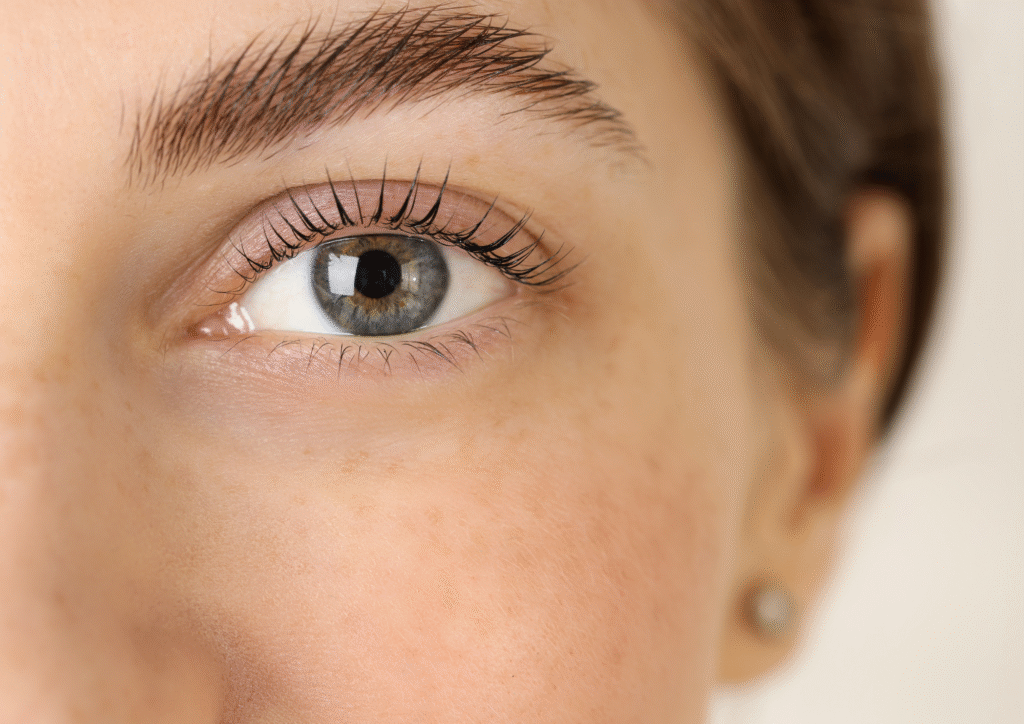
During pregnancy, elevated oestrogen levels can significantly impact lash growth patterns. According to recent studies, many women experience enhanced lash growth and thickness, particularly during the second and third trimesters of pregnancy. However, once you give birth, oestrogen levels plummet, signalling hair follicles to enter the telogen (shedding) phase rapidly.
Many new mothers experience unexpected changes in their hair and lashes. It’s not uncommon to notice your lashes thinning or even eyelashes falling out postpartum. This phenomenon, known as telogen effluvium, typically peaks 3 to 6 months after delivery.
Types of lash serums and key ingredients
There are two main categories: prescription serums and cosmetic serums. Cosmetic serums rely on nourishing ingredients. Common ones include:
Peptides: Support lash strength and reduce breakage.
Biotin: Promotes healthier hair growth.
Castor oil: Provides hydration and conditioning.
Plant extracts: Offer antioxidant and soothing effects for sensitive eyes.
Some cosmetic formulas may also contain prostaglandin derivatives, although in lower concentrations than those found in prescription products. Checking the ingredient list is essential, especially for individuals with allergies or sensitivities.
Pregnancy-safe ingredients to look for
Natural ingredients offer a more organic option for those seeking pregnancy-safe alternatives. Consider incorporating the following ingredients into your lash care routine: Castor Oil: Renowned for its moisturising properties, castor oil nourishes and strengthens lashes.
Safe ingredients during pregnancy and breastfeeding include:
Hyaluronic acid
Collagen
Vitamin E (Tocopherol)
Panthenol
Pumpkin seed extract
Biotin (Vitamin B7)
Potential side effects and safety precautions
While many eyelash serums are well tolerated, side effects can occur. Prescription serums with bimatoprost may cause redness, itching, or darkening of the eyelid skin. In rare cases, they can cause an increase in pigmentation of the iris. Cosmetic serums are generally milder but can still irritate, especially in individuals with sensitive eyes. At the same time, many people incorporate medical grade skincare products into their overall routine, as eye care and skin health often go hand in hand.
To reduce risks:
Apply only to the lash line, never inside the eye.
Use a clean applicator to prevent bacterial contamination.
Discontinue use if persistent irritation occurs.
Consulting an eye care professional is recommended before starting a serum, especially for individuals with pre-existing eye conditions or those considering prescription-strength options.
How to use lash serums safely and effectively during pregnancy and breastfeeding
Preparing your lashes for application
Clean lashes absorb serum more effectively. She should always remove makeup with a gentle makeup remover and wash the eye area thoroughly to clear away mascara, eyeliner, or oils. This prevents buildup that can block the serum from reaching the lash line. Those who wear lash extensions or false lashes require extra care. Oil-based removers can weaken the adhesive, so oil-free cleansers are recommended.
Healthy lashes respond better to treatment. Using a mild lash conditioner can help maintain flexibility and reduce breakage, particularly during the natural growth cycle of your lashes. By starting with clean, conditioned lashes, the serum can work without interference from dirt or product buildup.
Step-by-step guide to applying lash serum
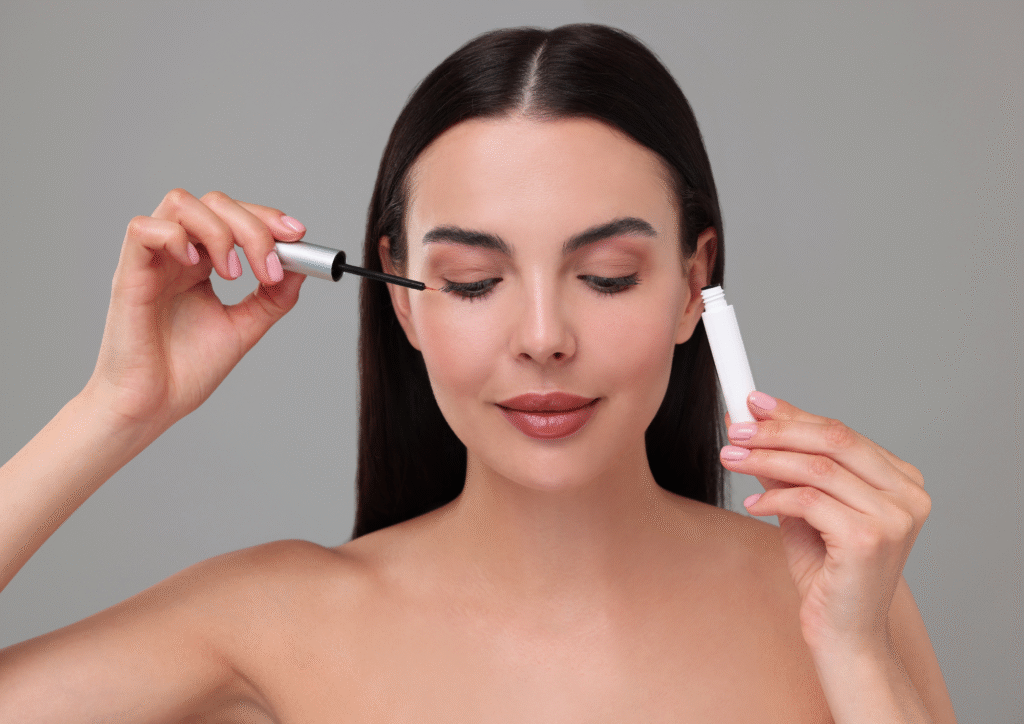
Most lash serums, including options from brands like ForChics, come with a thin applicator brush. Apply a small amount directly along the upper lash line, similar to liquid eyeliner. Only one dip per eye is sufficient, as using more does not expedite results but may increase the risk of eye irritation.
Application should be limited to the upper lash line. The lower lashes do not require direct application, as the serum naturally transfers when blinking. Applying too close to the inner corner of the eye should be avoided to reduce discomfort. After applying, she should allow the serum to dry for at least 90 seconds before using other products. This prevents smudging and ensures the serum fully absorbs into the lash line.
Special considerations for nursing mothers
When breastfeeding, additional precautions ensure both yours and baby’s safety:
Apply serum after the last evening feeding
Wash your hands thoroughly after application
Store products safely away from baby’s reach
Choose formulas specifically labelled as breastfeeding-safe
Managing postpartum lash loss: what to expect
Postpartum hair loss is a regular part of pregnancy and childbirth and won’t affect your baby. But hair that falls out can wrap around your baby’s fingers, toes or other body parts. This rare occurrence is called a hair tourniquet.
Timeline of lash changes
While this issue will likely eventually resolve (1-1.5 years postpartum), understanding the timeline helps manage expectations. Studies show that 68-90% of new mothers experience postpartum hair loss:
During Pregnancy: Enhanced growth due to elevated oestrogen
0-3 Months Postpartum: Initial shedding begins
3-6 Months Postpartum: Many women who have recently had a baby will see noticeable hair loss that peaks after a few months
6-12 Months Postpartum: Recovery and regrowth phase
Nutritional support for lash health
Maintaining a balanced diet with adequate levels of essential nutrients is always crucial for your health — and all the more so when you’re eating for two! Lash loss can be linked to hormonal changes, but it is often more commonly associated with a deficiency.
Essential nutrients include:
Iron (prevents anaemia-related lash loss)
Biotin (Vitamin B7)
Vitamin E
Protein
Omega-3 fatty acids
When to seek professional help
Consult your healthcare provider if:
Lash loss continues beyond 12 months postpartum
You experience sudden, patchy lash loss
Irritation persists after using any lash product
You notice other symptoms like fatigue or weight changes (possible thyroid issues)
Frequently asked questions
Can I use lash serum while pregnant?
Because hormone levels change during pregnancy and breastfeeding, you should use any cosmetic products, including EYELASH AWAKENING SERUM, with caution and always consult with your doctor. Choose serums without prostaglandin analogs and stick to natural, nourishing ingredients.
Is GrandeLash safe during pregnancy?
GrandeLash contains prostaglandin analogs and is generally not recommended during pregnancy or breastfeeding. Many mothers report switching to safer alternatives during this time.
What’s the best pregnancy-safe lash serum?
Some mothers have reported positive experiences with serums like DIME Lash Serum, which has been noted for its effectiveness and safety. Users have reported noticeable improvements in lash length and fullness, with no adverse effects. Other potentially safe options include those containing only peptides, biotin, and natural oils.
Important: Individual experiences may vary. Always consult your healthcare provider before using any lash serum during pregnancy or breastfeeding, regardless of brand claims or user testimonials.
Can lash serum pass through breast milk?
Given the similarities between bimatoprost and other prostaglandin-based compounds found in over-the-counter lash serums, healthcare providers often err on the side of caution and advise against their use during breastfeeding.
How long does postpartum lash loss last?
The shedding should last less than six months. Your hair should regain its fullness by the time your child turns one.
Can I use castor oil on my lashes while breastfeeding?
Pure castor oil applied topically to lashes is generally considered safe during breastfeeding when used in small amounts. However, always consult your healthcare provider first.
Will my lashes grow back after postpartum loss?
Hair loss after childbirth is not permanent. New hair will start growing back as soon as the old hair falls out.
Can thyroid issues cause lash loss after pregnancy?
Yes, thyroid changes are usually also temporary symptoms. These changes within the thyroid glands should resolve once the pregnancy is complete and hormones responsible for hyperthyroidism — human chorionic gonadotropin and oestrogen — return to normal levels.
Is it safe to get lash extensions while pregnant?
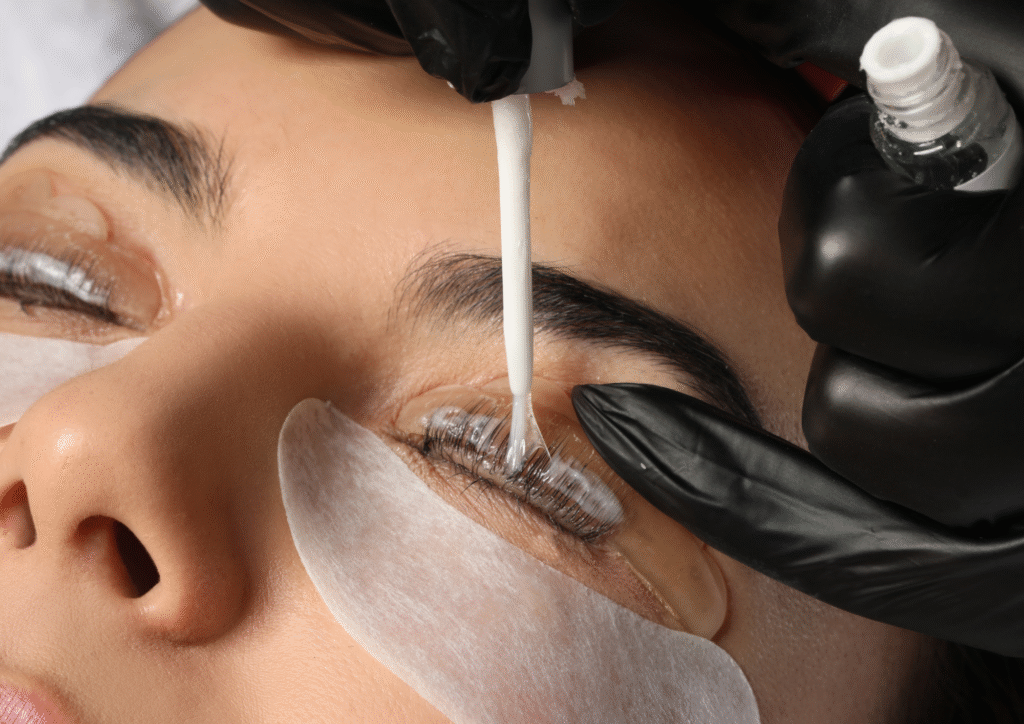
Eyelash extensions can be a safe alternative to lash serums during pregnancy. Unlike serums, which commonly contain prostaglandin analogues, eyelash extensions are applied externally.
What vitamins help with postpartum lash growth?
Key vitamins include biotin (B7), vitamin E, iron, and vitamin D. A quality postnatal vitamin can help support overall hair and lash health.
Final thoughts
Choosing a lash serum requires attention to ingredients, safety, and application – especially during pregnancy and breastfeeding. Products containing peptides, biotin, or plant extracts may support healthier lashes. Avoiding harsh irritants helps reduce the risk of side effects. Not every formula works the same for everyone. Considering personal sensitivity, reviewing product details, and setting realistic expectations help ensure a better experience with lash serums.
For new and expecting parents, understanding the hormonal changes affecting lash growth and choosing pregnancy-safe options provides peace of mind while supporting lash health. Remember that postpartum lash loss is temporary, and with proper care and patience, your lashes will recover. Always consult with your healthcare provider before starting any new beauty regimen during pregnancy or while breastfeeding.
Disclaimer: This article is for informational purposes only and should not replace professional medical advice. Always consult your healthcare provider before using any new products during pregnancy or breastfeeding.
*Collaborative feature post*
The beauty of consistency: daily skincare habits that support skin over time
You don’t need a drawer full of skincare products to take care of your skin. You also don’t need to follow every trend you see online. While the beauty world often celebrates instant results, the truth is that skin responds more to what you do every day than to occasional treatments. If you’ve ever felt like you’re doing “everything right” but not seeing a difference, it might come down to one thing—daily skincare habits and consistency.
A simple, repeatable routine can go much further than chasing quick fixes. It’s not about how many products you use or how expensive they are. It’s about sticking with the basics and making them part of your everyday life.
One of the easiest ways to take care of your skin is by committing to basic daily skincare habits. You don’t need ten products or a long checklist—just a few steps done daily can help your skin look smooth, fresh, and cared for.
Cleansing removes surface impurities, giving your skin a clean slate. Moisturising helps keep skin feeling soft and looking well-hydrated. Doing these two steps morning and night is often enough to support your skin’s appearance and texture over time.
When you find products you enjoy using, it’s easier to stay consistent. If you want to use high-performance skincare, USANA Health Sciences offers the Celavive skincare range, which includes cleansers, moisturisers, and serums designed to meet your everyday beauty needs. Adding simple, well-formulated products like these to your routine can help you stick with daily skincare habits that work.
There’s no need to overthink it. The more consistent you are with your basics, the more your skin can reflect those everyday efforts.
Don’t rush the results
It’s easy to get discouraged when you don’t see changes right away. Many beauty products take time to show visible results, especially when used as part of simple daily skincare habits. It’s normal to want to switch products if you’re feeling impatient, but changing too often can interrupt your progress.
Give your products time to do what they’re designed to do—hydrate, beautify, and support your skin’s visible appearance. A good rule is to stick with a product for at least three to four weeks before deciding if it’s right for you. That gives your skin time to adjust and allows you to see how it responds with regular use.
You might also find it helpful to take a photo when you start a new product and compare it later. Sometimes, the changes are gradual and easier to notice over time.
Choose habits that fit, not fads that fade
The internet is full of skincare trends that promise amazing results. From ice rollers to 12-step routines, it can feel like you’re always one step behind. But here’s the truth—trends come and go, and what works for someone else might not work for you.
Instead of trying to copy what’s popular, build daily skincare habits that fit your lifestyle. That might mean using the same cleanser and moisturiser every day, skipping extra steps you don’t enjoy, and doing things that make your routine feel calm, not chaotic.
Consistent beauty habits can help support the appearance and feel of your skin over time. These daily skincare habits might not feel exciting, but they’re the ones that make a lasting difference. And remember, you don’t have to do it all. Focus on what you can repeat daily. If it doesn’t fit into your life, it’s not likely to stick—and if it doesn’t stick, it won’t do much for your skin.
Stay consistent with your product use
Even the best products won’t do much if you only use them occasionally. Consistency is what helps products do their job, whether it’s cleansing the skin, locking in moisture, or helping it look smooth and refreshed.
If you find yourself skipping steps often, try keeping your products in a place where you’ll see them—like by the bathroom sink or on your nightstand. You can also set reminders if you’re still getting into the habit.
Morning and night daily skincare habits don’t need to take long. Even just five minutes twice a day can help you stay on track. It’s less about how much you do and more about how often you do it.
If a routine feels overwhelming, go back to the basics. Once that feels easy, you can always add in extras later—like a serum or eye cream—if you feel like it.
Sleep, sun, and stress — The everyday beauty factors
It’s not just what you put on your skin that matters. What you do throughout the day also plays a significant role in determining how your skin appears. Three often-overlooked factors? Sleep, sun, and stress.
Getting enough sleep helps your skin look refreshed. Late nights can leave skin looking tired or dull. Try building a wind-down routine you enjoy so that rest becomes part of your beauty rhythm, not something you push aside.
Sun exposure is another key factor. Using sunscreen daily helps support the appearance of smooth, even skin over time. Choose a broad-spectrum product that feels comfortable on your face so you’ll actually want to wear it.
And then there’s stress. While you can’t obliterate it, you can find small ways to manage it—like taking breaks, going for a walk, or doing something relaxing at the end of the day. When you feel more calm, it often shows in your face.
Making stress management part of your daily skincare habits can be as simple as taking deep breaths while applying products or treating your routine as mindful “me time.”
Building daily skincare habits that last
You don’t need dramatic routines or expensive products to take care of your skin. The truth is that beauty tends to reflect what you do every day—not what you try once in a while. A consistent routine that includes gentle cleansing, moisturising, and a bit of care goes a long way.
Give your products time to work. Build daily skincare habits that fit your life. Skip the pressure to be perfect, and instead focus on what feels right for you. Over time, those small, repeatable actions can help your skin look smooth, hydrated, and visibly refreshed—just by doing a little, every day.
The key to successful daily skincare habits is making them so simple and enjoyable that you look forward to them rather than seeing them as a chore. When your routine feels good, consistency comes naturally—and that’s when you’ll start seeing the real transformation in your skin.
The power of parent community support groups to boost mental health
Sponsored by Graco UK • Maternal Mental Health Awareness Week – the theme is parent community
I have four kids and four daily drop-offs, which leaves me approximately 12 minutes per day (well, actually, four hours) to run a business, get fit, and maintain some form of mental sanity. However, something usually gives, and it tends to be me.
I swapped my secure, predictable and painfully tedious legal career for a life promising more flexibility and freedom. And while I wonder whether I’ve just exchanged one boss for four smaller, more demanding ones, I still wouldn’t trade it for the world – even if my ‘office’ is wherever I can find space in the house amongst the constant sea of noise. For proof of the beloved craziness, click here.
What people rarely mention about going freelance or starting your own business, especially as a parent, is the loneliness that often accompanies it. It’s the “am I the only one drowning in invoices while living in a sea of mess?” feeling. It’s the anxiety spike when your toddler’s nursery calls mid-meeting (again) and says she’s coughed and now needs to come home. (Cancel that PM meeting – again!) It’s the partner calling to say he’s going to be late again, and now you have to figure out how to manage four pick-ups, two deadlines, cook meals, keep the house manageable, and deal with clients who are rightfully chasing for their work.
Since 2020, about one in four self-employed Brits joined the hustling game and the headcount of self-employed mums jumped 9% to 601,000 in 2023 alone. It turned out that conventional jobs still didn’t align with the school run and nearly 1 in 5 UK mums quit or considered quitting employment altogether because the childcare/work maths just wasn’t mathing.
In our recent Hand2Hold survey (to be published soon as a study), over a quarter of parents reported feeling isolated, and 85.9% of mothers stated that quick access to mental health and community support was their top priority.
So it turns out, I’m not alone.
The good news? A parent community can fix or at least minimise a lot of the isolation and anxiety us parent entrepreneurs feel almost daily.
You can’t build something incredible entirely on your own. You need community. You need people who understand why you’re typing with one hand and nursing a baby with the other – why you’re staring at an email repeatedly, but your brain says nope because your child has woken up again for the nth time that night.
A parent community isn’t just nice to have—it’s a lifeline for most of us. And in this article, we will unpack why:
There is a surge in parents turning to self-employment, yet feeling more isolated than ever
How a parent community can be one of the biggest pillars of support to combat loneliness and overwhelm
How campaigns like Graco’s focus on Maternal Health Week (5-11 May) and Mental Health Awareness (12-18 May, theme: Community) spotlights exactly why these support circles matter
Simple ways you can join or even create your parent tribe today, plus how to join the conversation on @graco_uk all month and share your story with #maternalmentalhealthmatters
So, grab your (probably reheated) coffee and let’s dive in!
And among these, a huge number are parents who’ve traded commutes for the convenience of home. Whether it’s freelancing during nap time or running an Etsy shop after the school run, the “parentpreneur” movement is in full swing now, so much so, my business partner and I have started a new YouTube channel called TechTalksZone where we review AI and tech tools that enhance productivity for parent entrepreneurs. Post-pandemic, many mums and dads realised they could balance career ambitions with family life – as long as they had flexibility (and a steady supply of caffeine). It’s no wonder nearly half the country’s workforce is working from the kitchen table in one way or another, redefining what a “home office” looks like in 2025.
Working mums are turning side-hustles into full-time gigs too. In the last year alone, the number of “side hustlers” in Britain jumped 20% (to about 460,000), and mums accounted for 21% of those side businesses (up 8% since the year before). The dads are in on it as well – while exact figures for fathers aren’t singled out in this stat, overall self-employment is rising across the board, hitting 4.4 million self-employed Brits by late 2024. The reasons vary: some parents were pushed out by a tough job market or the cost-of-living crunch, others were pulled by the allure of being their own boss. But the trend is clear – parentpreneurs are becoming a formidable part of the economy.
The power of parent community
I’m glad I found this group!
When I first dove into self-employment, a part of me felt relieved that I didn’t have to take the tube or face my boss anymore. However, panic soon set in when I realised I also had to work to get paid – no more regular monthly income, sick pay or annual holidays. Yes, finally I had flexibility, but suddenly I also felt isolation and anxiety. However, throughout my 14 years as a blogger, I’ve genuinely never experienced a more supportive and uplifting community than the one formed by parent bloggers.
Recently, I’ve been actively trying to minimise my time using Facebook groups for solace, especially as WhatsApp became the main channel for client communication. It got me thinking: Why not create a dedicated WhatsApp community specifically for bloggers, particularly parents juggling the relentless demands of work and family life? And thus, the Built for Blogging Community—affectionately known as BBC—was born.
BBC now proudly hosts a tight-knit yet thriving group of around 60 passionate community members, with 21 active chats, spanning topics from general blogger advice to niche support like our ‘Neurospicy Talk’ group. Here, parents openly discuss managing their own neurodiverse minds—or those of their kids—which adds an extra layer of complexity (and sometimes creativity!) to our already chaotic days.
Since launching BBC, the community has buzzed daily with vibrant discussions, sharing invaluable productivity hacks, practical tips on balancing childcare alongside growing businesses, and genuine emotional support on tougher days.
“This group is amazing. I’m glad I found it—I keep telling my husband how grateful I am!”
It wasn’t just a passing comment; it was in response to discovering a new SEO tool shared within our chat, something that significantly boosted her blog traffic. It’s practical, supportive, and exactly why community matters so much.
Then there was the parent who charmingly joked that her toddler was her unofficial “quality control manager” for testing homemade cupcake recipes. Instead of raised eyebrows, the group responded enthusiastically with recipe tweaks and promotion strategies—after all, who better to understand juggling intricate blog work with Peppa Pig blaring in the background than fellow parent entrepreneurs?
These interactions are daily proof that this isn’t merely an online group—it’s a lifeline. Another mum confided during a particularly tough week:
“Hey, sorry for the non-bloggy chat but I’m really struggling…I don’t really know who else I can talk to.”
The response was instant and heartfelt:
“Chat away we’re all here…You’ve got a lot going on. Be kind to yourself.”
Some parents are suffering real life-altering challenges and sometimes a parent community outlet is all they have:
I live in a foreign country where I just about get by day to day with the language barriers. I have one person who I would call a friend locally. This community has given me a group of people, where I may not always have something to say but feel I am in the conversation. Its brought life back to me if that makes sense. When I do have something to say or a problem with blogging or another side hustle, they are always supportive and uplifting.
I’m a single parent who has not got many options for childcare so most evenings once my child is asleep I am home alone and turn to the online community for a chat. What often starts as a discussion about a work related topic ends up being a group chat which becomes a huge part of your life. I’m glad that I’m part of supportive and motivational communities because instead of idle gossip and black hole doom scrolling of social media, we are all productive and have crafted feasible opportunities to turn our hobbies and passions into ways to earn additional income. My biggest cheerleaders are the online community.
This community has helped me through the toughest of times. I’ve met some ladies who I can turn to no matter what and have helped me through the darkest of times – my dad died the day after my second child was born and a group of them were there for me, even miles away, to be a shoulder to cry on and they bought us takeaways and vouchers for ready meals just to take some of the stress off as well as buying something for my oldest who was going through such a mix of emotions at the time and didn’t know how to deal with them. Most of my closest friends are people I’ve met through blogging; some I see often and some I’ve actually never met IRL but I wouldn’t be without them.
A small group of my now best friends are from blogging. They’ve been there through my lonely times and hard times, we can talk about anything and the support is there. We don’t talk every day but when we do it’s right from where we left off. I don’t know where I would be without them over the last few years x
I started my blog when my daughter was just about to leave primary school and I felt sort of redundant as no more school runs etc. then first term into her new secondary school she became ill with a chronic illness. This gave me a lifeline as she became bedbound. I found a great community and made new friends on here as we navigated a new life. It gave me the chance also to share the real story of living with a chronic illness. Then Feb this year my husband suddenly collapsed and died with no warning. I would be totally lost without the support of both my blogging friends and also readers.
These friendships and interactions may be digital, but their impact on mental health and daily wellbeing is profoundly real. According to recent research by the Mental Health Foundation, community support directly reduces anxiety and can significantly lessen symptoms of depression. Given that nearly half (49%) of UK freelancers regularly experience loneliness and isolation (IPSE, 2023), communities like ours aren’t just nice-to-haves—they’re essential.
Why a parent community equals sanity (Graco knows it too!)
The Mental Health Foundation highlights that our connections to others play a pivotal role in safeguarding mental health, something we instinctively know within our BBC circles. In fact, research consistently shows that community support significantly reduces anxiety and symptoms of depression (Mental Health Foundation, 2023).
This May, Graco’s dedicated campaign perfectly highlights why community support is crucial for parental wellbeing. Graco is actively supporting Maternal Mental Health Awareness Week (5–11 May) and Mental Health Awareness Week (12–18 May), whose theme this year is ‘Community’. Their focus mirrors what we parent bloggers know all too well—that parenting was never meant to be done alone. It genuinely takes a village—virtual or otherwise—to support the wellbeing of parents navigating life’s daily challenges.
Graco is also proudly partnering with organisations like PANDAS Foundation, the UK’s leading Postnatal Depression (PND) awareness and support charity. PANDAS provides vital services like their dedicated helpline and WhatsApp chat (available daily from 8am to 10pm UK time) to support parents experiencing anxiety, depression, or overwhelm. Their work underlines why accessible mental health resources and community networks matter enormously in safeguarding parental mental health.
From my experience in our Built for Blogging Community, having reliable support networks transforms how parents manage day-to-day stressors. The small things—like getting quick reassurance when your toddler interrupts a client call, or practical advice for handling a particularly difficult parenting day—are often what keeps us going.
When Graco reached out to me, they emphasised a crucial question:
“What does community really mean to you, and how does the blogger space enhance this?”
For me, community means having a judgement-free zone, full of parents who completely understand the intricacies of trying to maintain a professional identity alongside parenting. The blogging space uniquely supports this because it naturally fosters connection and genuine empathy. Bloggers don’t just share advice; they share vulnerability, struggles, and heartfelt encouragement, creating real bonds despite physical distance.
Over the years, through my blog and now the BBC, I’ve witnessed firsthand how powerful these connections can be. I’ve seen members pull each other out of isolation, share resources that genuinely boost productivity, and offer emotional support during deeply personal hardships. Our community is proof that digital spaces can meaningfully combat loneliness, making parent entrepreneurship sustainable and fulfilling.
What Graco’s campaign means for you
This May, Graco invites you to join the conversation. They’re running expert-led discussions and sharing inspiring parent stories over on their Instagram account @graco_uk. Throughout the month, Graco aims to amplify parent voices and experiences, reminding us that community connection is vital to mental health and overall wellbeing.
Follow @motherhooddiaries on Instagram too as we’ll be sharing their stories on our space too.
Check out The Graco Village for tips on and links to helpful articles to experts and resources
Share your own story using #maternalmentalhealthmatters to connect with others and reinforce that no parent is alone in this journey.
Simple ways to join or create your own parent tribe
So, feeling inspired to tap into the power of community? Good—because if you take just one thing away from this article, let it be this:
You don’t have to do this alone.
Here’s how you can find—or build—your own parent support network:
Jump into existing online groups
You don’t have to reinvent the wheel (we’re too tired for that anyway). Platforms like Facebook still host brilliant parent blogger groups, but WhatsApp communities are really where it’s at now.
With WhatsApp Communities rolled out across the UK, it has never been easier to stay connected 24/7, straight from your phone. No logging into a portal, no endless refreshing—just real conversations, real quick.
This is exactly how our Built for Blogging Community kicked off—one WhatsApp message at a time. Fast forward and we’re a buzzing hive of productivity tips, pep talks, and the occasional “I need to lie down in a dark room” check-ins.
Attend virtual events — or even real-life ones!
Not every brilliant conversation happens in a group chat (even though, yes, our memes are pretty epic). Sometimes, the best inspiration comes from hearing real experts share their stories—live, unfiltered, and from the heart.
Charities like the PANDAS Foundation offer brilliant virtual support groups, Zoom calls, and even WhatsApp peer circles for parents navigating anxiety, postnatal depression, or just… life. It’s real support, without the need to find childcare or put on real trousers. Bliss.
Also, if you’re feeling brave and can make it, real-life events can be just as amazing, if not more so.
Meeting like-minded people in real life reminded me that even though we live in a hyper-digital world, nothing replaces genuine human connection. The smiles, the shared laughs over imposter syndrome, the spontaneous brainstorms over fabulous food—it reignited my creativity and drive in a way that a thousand webinars just can’t.
If you ever get the chance to attend a local parenting event, blogger meet-up, tech show, SEO festival (or even a casual coffee morning at the community centre) grab it! It might feel intimidating at first and you might overthink your outfit. But trust me. One real-world chat can lead to a hundred new opportunities—and a few lifelong friends.
Create your own tribe
Can’t find a group that feels like “your people”? Then start your own!
All it takes is one group chat—on WhatsApp, Slack, Discord, wherever you fancy—and a few parents who are craving connection just like you. (There are always parents craving connection.)
When I created the Built for Blogging Community, it wasn’t polished or perfect—it was real. And that’s what made it powerful. Trust yourself. You’ll be surprised who turns up when you open the door.
Explore local interest groups
And for those days when even WhatsApp can’t quite scratch the human connection itch, look local.
Libraries, children’s centres, and local “What’s On” guides often list meet-ups like baby sensory classes, dads’ pram walks, toddler forest schools—you name it. These real-world spaces offer connection and an excuse to get out of the house without needing to put on full makeup. (Win-win.)
FAQs about parent communities
What is a parent community?
A parent community is a support network where parents share experiences, advice, and emotional support through online platforms or local groups.
Why is community involvement important for parent mental health?
Community involvement significantly reduces feelings of isolation and anxiety, providing emotional support and practical advice crucial for mental wellbeing.
How can parents get involved in a community?
Parents can join existing online groups, attend local or virtual events, start their own community networks, or engage with charity support groups like PANDAS Foundation.
What are some recommended parent support resources?
Where can parents find immediate support in crisis situations?
For urgent support, parents can contact the Parent Stress Line, PANDASFoundation helpline, or their local health services.
Final thoughts
Parenting, freelancing, entrepreneurship and blogging are undeniably challenging—but when you have a community behind you, you’re never truly walking the tightrope alone.
It really does take a village to raise a parent. Whether that’s through WhatsApp chats with fellow bloggers at 3a.m., a supportive postnatal helpline like PANDAS Foundation, or tuning in to real talk from brands like Graco who genuinely champion parental wellbeing—community isn’t a luxury. It’s a lifeline. It’s essential.
This May, during Maternal Mental Health Awareness Week (5–11 May) and Mental Health Awareness Week (12–18 May), Graco is shining a spotlight on how vital community is to our wellbeing as parents. They’re partnering with brilliant organisations like PANDAS to open up honest conversations about mental health, connection, and support—and you’re invited to join.
Here’s how you can get involved:
Follow @graco_uk on Instagram for expert-led discussions, inspiring parent stories, and practical tips throughout the month.
Please share your own story using #maternalmentalhealthmatters and show others they’re never alone.
Check out The Graco Village, Graco’s blog all about helping parents feel seen and understood
Explore charities like PANDAS Foundation for mental health support, whether you need it today or simply want to know help is there if you ever do.
Join communities like Built for Blogging or create your own tribe—because sometimes the first step to feeling better is finding your people.
You can be smashing deadlines, managing tantrums, dreaming up blog posts, making orders and still need someone to remind you—you’ve got this.
And you really do.
Sponsored by Graco
55 self care empty cup quotes to inspire busy mums
Motherhood often means that your kids will always come first, and while this might seem like great parenting, it’s crucial to remember that you need to look after yourself first as well. Striking a good balance between caring for your children and yourself can completely transform your family life. You may have heard the phrase, “You can’t pour from an empty cup,” and brushed it off, but it holds significant truth, especially in the context of motherhood.
Prioritising your children while neglecting your own needs might feel like the right choice in the moment, but it’s a form of short-term thinking that can lead to burnout. Instead, thinking long-term and making small, sustainable changes to care for yourself can have a profound, positive impact on your entire family.
This article is here to inspire you with 55 self care empty cup quotes that emphasise the importance of filling your own cup first, so you can be the best version of yourself for your loved ones.
What does “You can’t pour from an empty cup” mean?
The phrase “You can’t pour from an empty cup” is a simple yet powerful metaphor, particularly relevant in the context of self-care. It essentially means that you need to take care of yourself first before you can effectively take care of others. For busy mums, this metaphor serves as a crucial reminder that neglecting your own well-being in the name of caring for your family can ultimately lead to burnout. When your mental and physical health are depleted, you will feel like an empty vessel and your ability to nurture and support your loved ones diminishes. Self-care, therefore, isn’t just about personal indulgence; it’s about maintaining the energy and vitality needed to sustain your daily responsibilities and relationships.
The relevance of this metaphor for mums
For many mums, the demands of daily life can leave you feeling drained, both physically and emotionally. Constantly prioritising others over yourself can lead to a state of exhaustion where even the simplest tasks become overwhelming. This is why the “empty cup” metaphor is so important—by putting yourself first, even in small ways, you ensure you can serve your family better in the long run. It’s not about being selfish; it’s about creating a sustainable lifestyle where both you and your family thrive.
Practical self-care tips for busy mums
Assessing your current lifestyle
The most helpful thing you can do as a busy mum is to assess your current lifestyle. This means taking a step back to truly understand what your day-to-day life looks like and identifying where self-care might be lacking. Are there moments in your day when you feel completely overwhelmed or too tired to carry on? Are you constantly pushing yourself beyond your limits?
Reflecting on these patterns will help you see what needs to change. Once you have a clear picture of what your life currently looks like, you can begin to consider how you want your life to look. This awareness makes the process of change much more manageable and motivates you to stick to the small, sustainable adjustments that will lead to long-term benefits.
Making positive changes
When you’ve identified the areas of your life that need improvement, it’s time to think about the positive changes you can make. Start by creating a list of things you’d like to change, but remember, it’s essential to start small. Small changes are easier to implement and maintain over time. For instance, if you have bigger goals, like incorporating regular exercise into your routine, break them down into manageable baby steps. This way, you create a roadmap that guides you toward your main goals without overwhelming yourself. Focusing on your mental health and physical well-being is crucial; these aspects of self-care not only benefit you but also improve your capacity to care for your family.
Finding time for yourself
Incorporating “me time” into a busy schedule can feel like an impossible task, but it’s vital for maintaining healthy boundaries and ensuring you don’t run on empty. Consider scheduling downtime in the evenings, after the kids have gone to bed. Instead of using this time solely to catch up on chores, dedicate some of it to activities that help you unwind, such as reading a book, playing chess, or enjoying a quiet cup of coffee. These moments of self-care are not luxuries; they’re necessities that help you recharge and maintain your well-being. By setting these boundaries and prioritising self-care, you’re not only taking better care of yourself but also setting a positive example for your children.
55 famous self care empty cup quotes for busy mums
Taking care of yourself as a busy mum isn’t just a luxury; it’s a necessity. Often, the demands of daily life can make it difficult to find time for self-care, but remembering that you can’t pour from an empty cup is crucial. Self-care allows you to recharge, refocus, and return to your family with more energy and positivity.
In this section, we’ve gathered 55 inspiring quotes to remind you of the importance of self-care. These self care quotes are grouped into categories that highlight the necessity of prioritising your well-being, maintaining mental and physical health, finding balance, and staying motivated. Let these words of wisdom inspire you to fill your cup first, so you can continue to give your best to your loved ones.
“You cannot pour from an empty cup. Take care of yourself first.” – Anonymous
“Self-care is giving the world the best of you, instead of what’s left of you.” – Katie Reed
“Take time to do what makes your soul happy.” – Unknown
“Caring for myself is not self-indulgence, it is self-preservation.” – Audre Lorde
“You deserve the love you so freely give to others.” – Unknown
“Rest and self-care are so important. When you take time to replenish your spirit, it allows you to serve others from the overflow.” – Eleanor Brownn
“It’s not selfish to love yourself, take care of yourself, and make your happiness a priority. It’s necessary.” – Mandy Hale
“Nourishing yourself in a way that helps you blossom in the direction you want to go is attainable, and you are worth the effort.” – Deborah Day
“When you recover or discover something that nourishes your soul and brings joy, care enough about yourself to make room for it in your life.” – Jean Shinoda Bolen
“Sometimes the most important thing in a whole day is the rest we take between two deep breaths.” – Etty Hillesum
“Almost everything will work again if you unplug it for a few minutes, including you.” – Anne Lamott
“You yourself, as much as anybody in the entire universe, deserve your love and affection.” – Buddha
“The most powerful relationship you will ever have is the relationship with yourself.” – Diane von Furstenberg
“Self-compassion is simply giving the same kindness to ourselves that we would give to others.” – Christopher Germer
“Love yourself first and everything else falls into line.” – Lucille Ball
“Your work is to discover your world and then with all your heart give yourself to it.” – Buddha
“Self-care is not a waste of time; self-care makes your use of time more sustainable.” – Jackie Viramontez
“Taking care of yourself doesn’t mean me first, it means me too.” – L.R. Knost
“Do something today that your future self will thank you for.” – Unknown
“Talk to yourself like you would to someone you love.” – Brené Brown
“You are enough just as you are.” – Meghan Markle
“By taking care of myself I have so much more to offer the world than I do when I am running on empty.” – Ali Washington
“To love oneself is the beginning of a lifelong romance.” – Oscar Wilde
“Self-care means giving yourself permission to pause.” – Cecilia Tran
“You are worth the quiet moment. You are worth the deeper breath. You are worth the time it takes to slow down, be still, and rest.” – Morgan Harper Nichols
“An empty lantern provides no light. Self-care is the fuel that allows your light to shine brightly.” – Unknown
“The only person who can pull me down is myself, and I’m not going to let myself pull me down anymore.” – C. JoyBell C.
“You are not a drop in the ocean. You are the entire ocean in a drop.” – Rumi
“Self-care is how you take your power back.” – Lalah Delia
“If your compassion does not include yourself, it is incomplete.” – Jack Kornfield
“The better you feel about yourself, the less you feel the need to show off.” – Robert Hand
“When you say ‘yes’ to others, make sure you are not saying ‘no’ to yourself.” – Paulo Coelho
“You can’t take care of anyone else unless you first take care of yourself.” – Michael Hyatt
“Keep good company, read good books, love good things, and cultivate soul and body as faithfully as you can.” – Louisa May Alcott
“You owe yourself the love that you so freely give to other people.” – Unknown
“Owning our story and loving ourselves through that process is the bravest thing that we’ll ever do.” – Brené Brown
“You are enough. A thousand times enough.” – Atticus
“If you get tired, learn to rest, not to quit.” – Banksy
“No more martyring myself.” – Sharon E. Rainey
“Self-care is taking all the pressures you are facing right now, and deciding to which you will respond, and how.” – Imani Shola
“Almost everything will work again if you unplug it for a few minutes, including you.” – Anne Lamott
“You deserve to take up space in your own life.” – Unknown
“When you say yes to others, make sure you don’t say no to yourself.” – Paulo Coelho
“Take care of your body. It’s the only place you have to live.” – Jim Rohn
“You have been criticizing yourself for years, and it hasn’t worked. Try approving of yourself and see what happens.” – Louise Hay
“Be yourself; everyone else is already taken.” – Oscar Wilde
“Do something today that your future self will thank you for.” – Unknown
“Self-care is giving the world the best of you, instead of what’s left of you.” – Katie Reed
“You cannot pour from an empty cup. Take care of yourself first.” – Anonymous
“Self-compassion is simply giving the same kindness to ourselves that we would give to others.” – Christopher Germer
“The most powerful relationship you will ever have is the relationship with yourself.” – Diane von Furstenberg
“You deserve the love you so freely give to others.” – Unknown
“Self-care is not a waste of time; self-care makes your use of time more sustainable.” – Jackie Viramontez
“When you recover or discover something that nourishes your soul and brings joy, care enough about yourself to make room for it in your life.” – Jean Shinoda Bolen
“Your work is to discover your world and then with all your heart give yourself to it.” – Buddha
FAQs on self-care and the “Empty Cup” metaphor
Understanding the empty cup metaphor
What is the deeper meaning of “Come with an empty cup”?
The phrase “Come with an empty cup” is rooted in Eastern philosophy and suggests that to truly learn or grow, one must let go of preconceived notions, judgments, and ego. By “emptying” your mind of these distractions, you become open to new experiences, knowledge, and wisdom.
What is the quote about empty cups?
The quote “You cannot pour from an empty cup” means that you must take care of yourself first before you can effectively care for others. It’s a reminder that self-care is essential to being able to support and nurture those around you.
What does empty your cup mean in meditation?
In meditation, “empty your cup” refers to the practice of clearing your mind of all thoughts, stresses, and distractions. By doing so, you create a space of openness and receptivity, allowing for a deeper connection with yourself and the present moment.
Incorporating self-care into daily life
How do you prioritize self-care in your daily routine and what are some of your favorite self-care practices?
Prioritising self-care in your daily routine involves setting aside specific times for activities that recharge you, whether it’s a morning walk, a few minutes of meditation, or a relaxing bath at the end of the day. Favourite practices might include journaling, yoga, or simply taking a moment to enjoy a cup of tea in silence.
How do you prioritize self-care during busy times?
During busy times, self-care can be as simple as taking short breaks to breathe, stretch, or step outside. It’s about finding small moments in your day to reconnect with yourself, even if it’s just for a few minutes.
What are some daily self-care practices for better mental health?
Daily practices for better mental health include mindfulness techniques, staying hydrated, maintaining a balanced diet, regular physical activity, and engaging in hobbies that bring joy and relaxation. These habits help to reduce stress and improve overall well-being.
What does it mean when people say fill your cup first? What should we be doing to fill our cups so that we can give more of ourselves to others?
“Fill your cup first” means prioritising your own needs and well-being before taking care of others. This could involve ensuring you get enough sleep, eating nutritious meals, practising mindfulness, or engaging in activities that bring you happiness. When your own needs are met, you’re better equipped to care for those around you.
Inspirational and philosophical questions
Can you share some quotes that inspire self-love and personal growth?
Certainly! Here are a few:
“You yourself, as much as anybody in the entire universe, deserve your love and affection.” – Buddha
“Self-care is how you take your power back.” – Lalah Delia
“The most powerful relationship you will ever have is the relationship with yourself.” – Diane von Furstenberg
How can I interpret this quote by Bruce Lee “Be formless, shapeless, like water”?
Bruce Lee’s quote encourages adaptability and openness. It suggests that by being flexible and fluid like water, you can navigate challenges more effectively. Water takes the shape of any container it’s in, symbolising the ability to adapt to circumstances without losing your essence.
What are your thoughts on self-care?
Self-care is essential for maintaining a healthy balance between your responsibilities and your personal well-being. It’s not a selfish act but a necessary one to ensure you can continue to give your best to both yourself and others. Prioritising self-care helps prevent burnout, enhances mental and physical health, and allows you to live a more fulfilled and balanced life.
Motivation and mental health
Life is so empty; I feel my life is so meaningless. What should I do for motivation?
If life feels empty, start by identifying small things that bring you joy or a sense of purpose. It could be reconnecting with a hobby, setting a new goal, or reaching out to a supportive friend or therapist. Sometimes, taking small steps toward self-discovery can reignite your sense of motivation and meaning.
What is a good quote about self-care?
“Self-care is not a waste of time; self-care makes your use of time more sustainable.” – Jackie Viramontez. This quote highlights the importance of self-care in making sure that you can sustain your energy and well-being over time.
Final thoughts
As a mum, it’s natural to put your children first, but it’s crucial to remember that your well-being is the foundation for your ability to care for them. By prioritising self-care, you not only replenish your own energy and mental health but also create a more harmonious and supportive environment for your family. Self-care is not about being selfish; it’s about ensuring you have the strength, patience, and resilience needed to nurture your loved ones effectively.
Making self-care a priority doesn’t have to mean overhauling your entire life. Small, sustainable changes can have a profound impact over time. Whether it’s taking a few minutes each day to breathe deeply, enjoying a quiet cup of coffee, or setting aside time for self-care activities that bring you joy, these small steps can help you fill your cup gradually and consistently. Remember, the goal is progress, not perfection.
To leave you with a lasting thought, consider this powerful phrase from the above list of inspirational quotes about self care again: “You cannot pour from an empty cup. Take care of yourself first.” Let this be a daily reminder that by nurturing yourself, you are better equipped to nurture those you love. Prioritising your well-being is the most valuable gift you can give to both yourself and your family.