Cord blood banking: key facts for parents and newborn health
This article is a collaborative feature post with Cells4Life.
Cord blood banking is a process that has become an increasingly popular choice for parents who want to safeguard their newborn’s future health. Essentially, it involves collecting and storing the blood left in your newborn’s umbilical cord after birth. This blood is rich in unique cells known as stem cells, which have the remarkable ability to develop into different types of cells in the body, making them invaluable in treating various medical conditions.
Umbilical cord blood banking is important because these stem cells can treat over 80 different diseases, including certain cancers, blood disorders, and immune system deficiencies. So, choosing to bank your baby’s cord blood means you’re not just preserving a resource that might one day be life-saving for your child, but you’re also providing a match for other family members.
There are two main options for cord blood banking: private and public banks. Private cord blood banks store your baby’s cord blood exclusively for your family’s use, while public banks store donated cord blood that is available to anyone in need. Both options involve a simple and safe process where the cord blood is collected immediately after birth and then cryogenically stored to ensure its viability for years to come.
But before diving deeper into the specifics of how this process works and its potential benefits, you will need to understand what stem cells are and why they play such a critical role in modern medicine.
This article aims to address some of the most frequently asked questions and provide further resources for information.
What are stem cells?
Stem cells are like the body’s natural repair system. These are special cells that can renew themselves and develop into various types of cells, such as blood cells, brain cells, or muscle cells. In cord blood banking, the focus is on two types of stem cells: Hematopoietic Stem Cells (HSCs), which produce blood cells, and Mesenchymal Stem Cells (MSCs), which can develop into bone, cartilage, and muscle cells.
Stem cell banking, especially cord blood banking, is a proactive method of preserving these adaptable cells for future medical purposes. Whether it’s for treating a life-threatening condition like leukemia or taking part in emerging therapies that could address a variety of diseases, banking stem cells from your baby’s umbilical cord blood could be an invaluable resource.
Why collect at birth?
When your baby is born, the umbilical cord, which has been a lifeline between you and your child throughout pregnancy, still holds one ultimate gift—stem cells. These cells are found in the blood left in the umbilical cord and placenta after birth, commonly referred to as cord blood. This cord blood is rich in Hematopoietic Stem Cells (HSCs), which have the unique ability to develop into various types of blood cells. But here’s the thing: if not collected, this blood, along with its life-saving potential, is simply discarded as medical waste.
Collecting cord blood at birth is a rare and valuable opportunity because it allows you to preserve these powerful cells when they are most easily and safely collected—right after your baby’s birth. This process doesn’t interfere with the delivery of your baby or the immediate bonding time you have with your newborn. Instead, it captures a resource that might otherwise be lost, ensuring that these stem cells are available should your child or even a family member ever need them.
So, when we talk about cord blood collected at birth, we’re referring to an invaluable safeguard—a way to bank a resource that could be crucial in the future.
Potential uses of cord blood
Now, you might wonder, why consider cord blood banking? The answer lies in the incredible medical potential of the stem cells found in cord blood. These cells can treat a wide range of serious health conditions. For example, they have been successfully used in cord blood transplants to treat diseases such as leukemia, lymphoma, and sickle cell anemia—conditions that affect the blood and immune system.
But the potential doesn’t stop there. Cord blood is also a focus of ongoing research in regenerative medicine, an exciting field that explores how stem cells can repair or replace damaged tissues and organs. This research could lead to new treatments for conditions that currently have limited options, offering hope to families dealing with chronic or life-threatening diseases.
Given this potential, the decision to bank your baby’s cord blood is not just about preparing for the present but also about investing in the future. With the increasing number of blood diseases and disorders that stem cells can address, having your child’s cord blood stored could one day be a critical factor in their health and well-being.
How cord blood is collected and stored – the collection process
The process of collecting cord blood is both safe and seamless, so neither you nor your baby experience any discomfort. Whether your delivery is natural or via caesarean section, the method for collecting cord blood remains the same.
Immediately after your baby is born and the umbilical cord is clamped and cut, a healthcare professional will use a sterile needle to collect the blood remaining in the umbilical cord and placenta. This blood is rich in valuable stem cells. The procedure is quick, usually taking only a few minutes, and it doesn’t interfere with the birthing process or the precious first moments you share with your newborn.
The blood collected is then placed in a specialized cord blood collection kit, designed to ensure that the stem cells are preserved in optimal condition until they can be processed. This entire cord blood collection process is painless for both you and your baby, and it provides a unique opportunity to secure a potentially life-saving resource.
The storage process
Once the cord blood has been collected, the next crucial step is to store it in a way that preserves its viability for years, even decades. This is where advanced cryogenic storage techniques come into play.
The collected cord blood is transported to a specialized facility where it undergoes processing to isolate the stem cells. These stem cells are then cryogenically frozen at extremely low temperatures—typically in a liquid nitrogen storage tank. This process ensures the cells remain intact and viable over long periods. In fact, stored correctly, cord blood has been shown to remain effective for medical use even after 25 years.
The facility where your baby’s cord blood is stored is often referred to as a cord blood unit or part of a cord blood registry. These facilities are equipped with state-of-the-art technology to monitor and maintain the conditions for long-term storage. The goal is to ensure that whenever you need the stored cord blood, it is ready and in prime condition for medical use.
Cord blood banking costs
One of the important considerations when deciding to bank cord blood is understanding the associated costs. Cord blood banking typically involves a onetime fee for the collection and processing of the cord blood, followed by an annual storage fee. These costs can vary depending on whether you choose a private or public cord blood bank.
The cost of banking cord blood in a private facility is generally higher because the cord blood is reserved exclusively for your family’s use. This includes fees for the cord blood collection, processing, and cryogenic storage. These fees cover the meticulous process of preserving the stem cells so they remain viable for potential future medical use.
When considering the banking cord blood costs, weigh the potential long-term benefits against the financial investment. While cord blood banking costs can seem significant, many parents view it as a valuable investment in their child’s future health. Some banks offer payment plans to make the process more accessible, and it’s worth checking if your health insurance might cover part of the expense.
Private vs. public cord blood banking
Private cord blood banking
With cord blood banking, you have two main options: private and public. With private cord blood banking, your baby’s cord blood is stored exclusively for your family’s use. This means that the stem cells collected from your child’s umbilical cord will be available whenever your family needs them, whether it’s for a potential future treatment or participation in emerging clinical trials.
Private cord blood banking comes with costs, as it involves fees for the collection, processing, and storage of the cord blood. However, by choosing a private cord blood bank, you’re ensuring that these life-saving cells are preserved and ready to be used specifically for your family. This option provides a sense of security, knowing that you have a personalized health resource at your disposal, should the need arise.
Public cord blood banking
There’s the option of public cord blood banking. If you choose this route, your baby’s cord blood is donated to a public bank, where it becomes available to anyone who needs it. The donation process is free, making it an altruistic choice that could potentially save someone’s life.
However, there are some important considerations with public cord blood banking. Once donated, it goes to an unrelated donor and your family no longer has access to that specific cord blood for personal use. It also may not be available for clinical trials or emerging therapies. Additionally, public banks have strict criteria, and not all donated cord blood meets the standards required for storage. In fact, a significant portion of donated cord blood may be discarded if it doesn’t meet these criteria.
The benefits of cord blood banking – medical advancements
As mentioned above, the field of medicine is constantly evolving, and cord blood banking is at the forefront of some of the most exciting developments. Stem cells from cord blood are already being used to treat a wide range of diseases, including leukaemia, lymphoma, and sickle cell anaemia. However, the potential uses of these cells are expanding rapidly.
Ongoing research is exploring how these stem cells can be applied in regenerative medicine, As science progresses, the stem cells stored in your baby’s cord blood could become even more valuable.
Family health
Cord blood banking isn’t just about the potential benefits for your baby—it’s also about protecting the health of your entire family. One of the key advantages of banking cord blood is the higher likelihood of a genetic match with siblings and other immediate family members. This means that if a family member ever needs a stem cell transplant, the cord blood stored at a family cord blood bank could provide a perfect match.
Having this resource readily available can make all the difference in treating serious health conditions.
Why should you bank cord blood?
So, why should you consider cord blood banking? The reasons are compelling. First, the ability to treat a wide range of serious diseases with the stem cells found in cord blood is a significant advantage. Second, the field of regenerative medicine is opening up new possibilities for the use of these cells in the future. And third, having a readily available supply of your baby’s genetically matched stem cells could be a critical factor in family health emergencies.
Banking cord blood is not just a precaution—it’s an investment in your family’s future health. Whether through a private or public bank, the decision to bank your baby’s cord blood is one that could have life-saving implications down the road.
Cord blood banking: a closer look at the costs
Is cord blood banking expensive?
One of the most common questions parents have about cord blood banking is whether it’s expensive. The answer depends on the type of banking you choose. Private cord blood banking involves an initial fee for the collection and processing of the cord blood, followed by annual storage fees. These fees cover the cryogenic preservation of the stem cells, ensuring they remain viable for future use.
While the blood cord banking cost can seem significant, many parents view it as a worthwhile investment, especially when considering the potential medical benefits. Some private banks offer payment plans to make the cost more manageable. It’s also a good idea to check if your health insurance might cover some of the expenses, as more insurers are beginning to recognize the value of cord blood banking.
Is cord blood banking worth it?
Deciding whether cord blood banking is worth it ultimately comes down to a cost-benefit analysis. On one hand, there is a financial investment involved. On the other hand, you’re gaining peace of mind by securing a potentially life-saving resource for your family.
Consider the potential benefits: the ability to treat over 80 diseases, the growing field of regenerative medicine, and the possibility of matching stem cells to other family members. When weighed against the costs, many parents find that cord blood banking offers invaluable security for the future.
The future of cord blood banking
Ongoing research and innovations
The field of cord blood banking is continuously evolving, with ongoing research exploring new ways to use stem cells in treating a variety of conditions. Current studies are looking at how these cells can be used in regenerative medicine, potentially offering treatments for conditions like cerebral palsy and metabolic disorders. Advances in drug administration and the treatment of a variety of diseases further highlight the importance of cord blood banking as a valuable medical resource.
As research progresses, the potential uses of stored cord blood are likely to expand, making the decision to bank your baby’s cord blood an increasingly wise investment.
Longevity and viability
One of the most reassuring aspects of cord blood banking is the longevity of stored cells. Stored cord blood has been shown to remain viable for decades, with some samples still effective after 25 years. This long-term viability means that the preservation of umbilical cord blood can offer peace of mind, knowing that this resource will be available whenever it’s needed, potentially even into the donor’s old age.
By choosing to bank your baby’s cord blood, you’re securing a resource that could provide life-saving treatments far into the future.
Final thoughts
Biobanking cord blood is a valuable investment in your family’s long-term health. By understanding the benefits, costs, and various options available, you can make an informed decision that could have life-saving implications. The potential to treat life-threatening diseases and the ongoing advancements in medical research make cord blood banking a valuable consideration for any parent.
Ultimately, it’s a personal decision—one that involves careful consideration of your family’s needs and resources. But with the wealth of health resources now available, you’re better equipped than ever to make the best choice for your family’s future well-being.
FAQs about cord blood banking
General questions
What is cord blood?
Cord blood is the blood that remains in the umbilical cord and placenta after childbirth. It is rich in stem cells that can be used to treat a variety of medical conditions.
What does cord blood banking mean?
Cord blood banking refers to the process of collecting and storing this blood for potential future medical use.
What is the purpose of cord blood banking?
The purpose is to preserve stem cells that can be used to treat diseases or for other medical therapies in the future.
Process and functionality
How is cord blood collected?
Cord blood is collected immediately after birth using a sterile needle to draw blood from the umbilical cord. This process is quick, safe, and painless for both mother and baby.
How does cord blood banking work?
After collection, the blood is processed to isolate the stem cells, which are then cryogenically stored in a specialized facility.
How is cord blood stored?
Cord blood is stored in a cryogenic storage unit at extremely low temperatures to maintain its viability over long periods.
How many years should you bank cord blood?
With proper storage, cord blood can remain viable for decades. There is currently no definitive expiration date.
Cost and financial considerations
How does cord blood banking cost?
The cost varies depending on whether you choose private or public banking. Private banking involves a one-time collection fee and annual storage fees.
Is cord blood banking a qualified medical expense?
In some cases, cord blood banking can be considered a qualified medical expense, particularly if there is a known family history of certain diseases.
Is cord blood banking covered by insurance?
Some insurance plans may cover part of the cost, especially if there is a medical need.
Is cord blood banking FSA eligible?
Yes, cord blood banking can be eligible for reimbursement through a Flexible Spending Account (FSA) under certain circumstances. Similarly, it can also be eligible under a Health Savings Account (HSA).
Is cord blood banking free?
Public cord blood banking is free, but private banking involves costs.
Is cord blood banking halal?
Generally, cord blood banking is considered halal, but it is advisable to consult with a religious authority for confirmation.
Medical and ethical considerations
Is cord blood banking necessary?
Whether it is necessary depends on individual circumstances, such as family medical history and personal preferences.
Is cord blood banking really useful?
Yes, it has been proven useful in treating a variety of serious medical conditions.
Why might your doctor recommend banking your baby’s cord blood?
Doctors might recommend it if there is a known risk of genetic or blood-related disorders in the family.
Personal decisions
Is cord blood banking right for me?
This decision depends on your family’s medical history, financial situation, and personal beliefs.
Should you bank your baby’s cord blood?
Consider the potential benefits and costs to make an informed decision.
Pregnancy: should I bank my baby’s umbilical cord blood?
Discuss with your healthcare provider to determine if this is a good option for you.
Health and safety
Is my delivery affected by donating my baby’s cord blood?
No, the collection process does not interfere with the delivery.
Can anyone donate cord blood?
Generally, yes, as long as the mother and baby meet certain health criteria.
Can I donate cord blood?
If you meet the eligibility requirements, you can choose to donate to a public bank.
Uses and applications
What is cord blood banking used for?
It is used to store stem cells that can treat various diseases and conditions.
What does cord blood banking cure?
Cord blood can be used to treat blood cancers, genetic disorders, and immune system deficiencies.
What does cord blood banking do?
It preserves a resource that could be used in life-saving treatments in the future.
Comparisons and best practices
Which cord blood banking is best?
The best option depends on your personal needs and preferences. Private banking offers exclusivity, while public banking benefits the broader community.
What are the cons of cord blood banking?
The main cons include the costs associated with private banking and the possibility that the stored cord blood may never be needed.
Best ways to bank cord blood.
Research both private and public banks, understand the costs, and consult with your healthcare provider to make the best decision for your family.
*Collaborative feature post*
What is a holistic birth and do I need it?
When you find out you’re pregnant, you may experience a plethora of emotions. Can you afford it? Will the pregnancy be safe? Do you have the mental capacity to look after another human right now and do you want a holistic birth?
It is a nerve-wracking and emotional time, so allow yourself to experience the emotions as they hit you and then get some help to decipher them. Motherhood Diaries has a great place you can start (here) to answer all your questions. We’ll also answer some very common questions about having a natural birth below in the FAQ section, so let’s get started!
Before reading on, remember that every birth is unique. A positive birth can also include a c-section birth. I’ve had a gentle c-section and an unmedicated natural birth and both were as positive and fulfilling as each other.
Whether you are looking into maternity care in Houston or planning how you’ll co-parent your new child, there are several things you need to prepare before birth. I have an article all about how to prepare for your new baby during the first year, which you can find here. But in this article, we will talk about what a holistic pregnancy and birth looks like and whether you are interested in aiming for a holistic birth.
Before reading on, remember that every birth is unique. A positive birth can also include a c-section birth. I’ve had a gentle c-section and an unmedicated natural birth and both were as positive and fulfilling as each other.
What are the 4 types of childbirth?
I’ve personally had all four types of childbirth. These are:
Assisted vaginal delivery (forceps or Ventouse/vacuum)
Childbirth education is important so make sure you read up on what each birth entails and speak to your GP about the likelihood, benefits and risks of each type of birth for your pregnancy journey.
What is a holistic approach to pregnancy and childbirth?
To define holistic approach in its simplest terms, it means you opt for as minimal medical intervention as possible and trust the body’s natural resources and processes to keep the pregnancy natural throughout. Massage therapy and reflexology are used as part of a holistic pregnancy to help the mother relax and have the safest, natural birth as possible.
What is a holistic birth?
The holistic approach to birth promotes natural childbirth without unnecessary medical intervention and technology. Women often feel empowered and are more in touch with the journey through labour and birth.
Holistic birth emphasises your spirituality and mental condition while you experience childbirth and empowers you to be in control of your environment, your belief system, your emotional wellbeing and the important relationships surrounding you postpartum.
A holistic birth could also include a lotus birth where you don’t cut the umbilical cord and instead let the placenta stay attached until it falls off naturally. This process is believed to comfort the baby.
However, it’s important to note there is very little research that proves the benefits to leaving the placenta to fall off naturally and in fact, there are greater risks of infection and injury to the baby. Make sure you speak to your doctor so you don’t risk your baby’s natural health after birth.
What is a holistic midwife?
A holistic midwife offers natural prenatal care which is facilitated through communication and physical responses to the parents’ needs. Holistic midwives respect the individual’s unique journey and will approach pregnancy care encompassing the psychological, emotional and social aspect too.
What are some examples of holistic considerations?
All this might sound a little vague. That’s because “holistic birth” is a blanket term that potentially encompasses many factors.
For instance, if you want to give birth holistically, you might do so with the father in the room if you plan to co-parent with them. You might also give birth at home instead of in a hospital. You want to feel as comfortable as possible, which may involve surrounding yourself with objects and people who make you feel that way.
If you have a certain spiritual or religious belief, you may have someone from that community present to support you when the time comes. You may have someone who can help you say a mantra to ease any pain or discomfort rather than opt for medication.
If you want to give birth holistically, you might burn candles in the room. You may have incense, fresh herbs, or something else emitting pleasant aroma. A calming scent might relax you as you go through the labour process.
Holistic birth often involves very little technology. Those who want it might feel technology mars the natural or spiritual birth process, so they avoid machines unless they’re experiencing a complicated pregnancy. If complications arise, the hospital is there to help.
Is there a holistic birth program available? What is the holistic model?
If holistic birth interests you, you might look into getting some tea light candles, calming tea, or coconut water to stay hydrated. You can get comfy socks and some hand lotion. You may also want lip balm or face cream and look into hypnobirthing to increase your chances of a positive birth.
So what does a holistic birth plan look like? Holistic births are unique and you can incorporate any element you wish. You’re setting up all the details to help you feel calm, secure, and powerful during labour and birth. Speak to your holistic birthing centre and holistic pregnancy doctor about the perfect birthing conditions for you.
Holistic tips for an easier labour delivery
Birth stories differ, as do birth memories. A holistic birth probably may not include the hustle and bustle of hospitals or traditional medical facilities, rather you’d want to birth in peace, calm, and tranquillity. Some hospitals and especially birth centres can still offer holistic style birthing options but are next to medical intervention in case plans change last minute.
You can contact a midwife who knows about holistic births and has attended them before to help you plan the process leading up to birth. A holistic midwife can work with you to set up a customised, workable situation that produces little stress and maximises your chances of a positive birth.
Holistic births increase the chances that you and your baby will immediately bond through the care you’ve taken to help them experience love and acceptance when they arrive in the world. The holistic approach often reveals deep atavistic connections with one’s ancestry.
Make your birth story one that you’ll look back on fondly in the coming years and make sure you have your camera ready so you can immortalise the moment your beautiful baby graces your world.
Contact the Holistic Birth Centre in your area for more information on how to embrace calm and comfort in childbirth and have a positive holistic birthing experience.
FAQ
How do you define childbirth?
Childbirth is the act of giving birth to your baby, either by c-section or by vaginal delivery.
Are there any birth doula services available in my area?
The most natural way to give birth is to have an unmedicated vaginal birth.
Is natural birth painful?
Other questions asked were:
Does natural birth hurt?
Was natural birth painful for you?
Natural birth is painful but manageable. In fact, 46% of first time mums said the pain of their first birth was better than they expected.
Does natural birth stretch you out?
Other questions asked were:
Does natural birth make you loose?
Does natural birth ruin your body?
Does natural birth widen hips?
Does natural birth reduce tearing?
After vaginal birth, your vagina will be noticeably stretched and sex may even feel a bit painful for a while. Your vagina may also become loose but can improve over time, although it may not go back to the way it was pre-birth. Doing your pelvic floor exercises can help strengthen these muscles but if you had a complicated delivery, a vaginoplasty may help to restore the muscles down there to working order.
Pregnancy also widens hips and ribs and these may become permanent too.
Does natural birth cause hemorrhoids
After vaginal birth, some women may develop haemorrhoids which includes pain, bleeding after bowel movements and a swollen anal area.
Is natural birth better than c section?
Other questions asked were:
Is natural birth safe?
Is natural birth dangerous?
Is natural birth better for the baby?
For most, a vaginal birth is safer as it reduces the risk of complications. The C section is a huge operations but can sometimes be the safest form of delivery, especially if baby is not in the right position or the placenta is covering the cervix (placenta praevia).
Is natural birth better than epidural?
Other questions asked were:
is natural birth faster than epidural?
Does natural birth mean no epidural?
Does natural birth hurt with epidural?
The epidural provides pain relief during labour and delivery, ultimately providing for an easier, less stressful birth experience. However, women who do take the epidural are at an increased risk of assisted vaginal delivery or c section, as they can’t feel the pressure to push when baby is crowning.
It is often recommended to stop taking the epidural once mum gets to 9-10cm to allow time for the feeling to come back to push. (This happened during my third birth, which ended up being an assisted VBAC)
Is natural birth easier the second time?
“Will my second birth be less painful? Although the sensations of the contractions are likely to be the same, most women say that they are able to cope with them more easily. Knowing what to expect and preparing beforehand play a role in this. As labour is often shorter, you won’t feel so tired either (NICE, 2014)”
What does the holistic pregnancy first trimester look like?
You focus more on nutritious less processed foods, you take supplements to boost your health and you exercise gently to reduce rapid weight gain. You avoid poor lifestyle choices like smoking and alcohol and you try to limit stressful situations in your life and promote relaxation.
Where can I find holistic pregnancy books so I can learn more about holistic pregnancy care?
Click this link for an article on the top holistic pregnancy books that may help:
Where can I find holistic prenatal care near me?
Other questions asked were:
How can I get a holistic pregnancy?
Google ‘holistic prenatal care near me’ and you should find a list of centres that can help. Ask on Facebook groups for recommendations too.
Is there a holistic pregnancy blog I can follow to learn more holistic pregnancy tips?
Some great blogs include BirthRite and The Holistic Midwife which share lots of information on the holistic manner meaning and how they offer all natural pregnancy care.
*Collaborative feature post*
How to prevent tearing during birth
Maternal childbirth injuries are a common occurrence, however, they range in severity from minor perineal tears through to serious complications such as prolapse and postpartum haemorrhage. Unfortunately, childbirth injuries are rarely talkemd about, meaning that many women are unprepared when it happens to them, which can have a severe impact on a woman’s mental and physical health. In this article, we’ll take a look at some of the ways you can help to prevent tearing when giving birth, which is the most common trauma during birth.
How common is tearing during birth?
What are the chances of tearing during childbirth? And can you prevent tearing during birth? These are the questions that burn through pregnant women’s minds most if not during all of their pregnancy journey.
“Up to 9 in every 10 first time mothers who have a vaginal birth will experience some sort of tear, graze or episiotomy. It is slightly less common for mothers who have had a vaginal birth before. For most women, these tears are minor and heal quickly.”
I’ve had a tumultuous relationship with labour and birth. My first two were an emergency caesarean and a planned c-section so I didn’t experience any tearing. But, my third and fourth births were vaginal. I experienced a second-degree tear with an episiotomy with my third birth and no tearing at all (just grazes) during my 4th. And, yes, the aftermath is more difficult when you tear, but most of the time it’s fixable and even reversible. But, are there ways to prevent tearing during birth? And if so, how do you prevent tearing during birth?
I will lay down some tips on how to prevent vaginal tearing but first, we need to know about the differing levels of perineal tearing before we discuss how to prevent tearing during birth.
How many levels of tears are there?
There are four degrees of perineal tears which can involve the vagina, the labia, the cervix and the area between the vagina and the rectum. Most tears will heal without treatment but if you’ve suffered severe perineal trauma, you may experience prolonged pain and require treatment to heal.
First-degree perineal tears
A first-degree tear is the least severe of all the tears and involves just the perineal skin which is the skin between the vaginal opening and the rectum, and the tissue directly beneath the skin. First-degree tears heal on their own and during the healing process, you may experience stinging when you pee.
Second-stage perineal tear
Second-degree vaginal tears are when the skin and the muscle of the perineum tear during birth and may extend into the vagina. Second-degree tears generally require stitching and the healing process can last a few weeks. As with the first-degree tear, keeping the area clean and using a cold or warm compress to ease the stinging can help you to recover quickly.
Third-degree tear
A third-degree labour tearing extends into the anus’ muscle (anal sphincter) which requires an operation under anaesthetic. It may take longer than a few weeks to heal and complications such as faecal incontinence can occur.
Fourth-degree perineal tear
A fourth-degree tear during labour is the most severe of all perineal tears and extend right into the mucous membrane lining the rectum (rectal mucosa). Fourth-degree tears generally require a more specialised operation under anaesthetic and take longer than a few weeks to heal.
There are certain risk factors that come with fourth-degree tears like faecal incontinence and painful intercourse, therefore reducing perineal trauma as much as possible is a priority.
So what causes tearing during birth?
Vaginal tearing happens when the baby’s head coming through the opening is either too large for the vagina to stretch to accommodate or the vagina doesn’t stretch easily around a normal-sized head.
Is there any way to prevent tearing during labour?
9 out of 10 first-time vaginal births experience some tearing so how do women avoid tearing while giving birth? There are things you can do to reduce the risk of tearing and we will go through the most popular options now.
How to prevent tearing during delivery – getting your body ready to give birth
Giving birth is probably the most challenging thing your body will go through in your lifetime and deserves adequate recognition and preparation. Just as you wouldn’t turn up to the start line of a marathon with no training, ideally you don’t want to be turning up to the birthing suite of your local hospital entirely unprepared either.
While it’s true that your body and baby know what to do at each stage of labour, there’s a lot you can do to help your body and increase your chances of having a complication-free birth.
You should ensure that you’re in good shape before conception and throughout your pregnancy, by eating well and keeping up with your appointments and scans. Gentle exercises such as pregnancy yoga, walking and swimming can also help to prepare your body for labour and are one of the tried and tested techniques on how to avoid tearing during birth. You can also try doing gentle squats to help strengthen your muscles (but not if your baby is breech.) Breathing techniques, like those used in yoga, meditation or hypnobirthing can also help prepare you mentally, which has been shown to have an impact on birth outcomes.
How to prevent tearing during labour – get your baby into position
One of the major factors and probably a big part of what prevents tearing during childbirth is your baby’s position. For as smooth a delivery as possible, your baby should be in the occiput anterior (OA) position. This means that their head is down, and they are facing your spine. In this position, the smallest part of the baby’s head will travel through your pelvis first. This can help prevent issues such as the baby becoming ‘stuck’ and can reduce your risk of tears.
Many babies will get themselves into this position before birth without any help, however, there are a variety of things you can do to encourage your baby into the correct position. Towards the end of your pregnancy, try to ensure that when you’re sitting down, your knees are lower than your hips. So rather than sinking back into the sofa to watch TV, try sitting upright on a birthing ball instead, or kneeling forward with your elbows resting on a coffee table. Swimming is also great for this, as it tilts your pelvis forward, and gravity will do the rest!
How to give birth without tearing – get the correct aftercare
Unfortunately, even with careful planning in preventing tearing during labour, it’s still possible to suffer an injury during childbirth. If this happens to you, it’s important to remember that it isn’t your fault and you’re not alone.
Depending on the severity of your injury, you may recover quickly with proper aftercare and advice, or you may need input from other health professionals, such as a physiotherapist, for example. A small number of women may even require corrective surgery. If you feel that your care has been below standard and your injury was avoidable, then you may have a medical negligence claim and should talk to a specialist about what this might involve.
No matter what type of birth you’ve had or whether you sustain a birth injury, it’s possible to develop birth-related trauma. If you think this might apply to you, organisations such as the Birth Trauma Association may be able to help you on your path to recovery.
FAQ
Do all women tear while giving birth?
No, not all women tear but most do. So make sure you take the steps above to reduce your risks of tearing during birth.
I’m scared of tearing during birth. What can I do to overcome my fear?
It is quite normal to be fearful of tearing during birth due to the high statistic. But when asking yourself, can you prevent ripping during birth, look at the tried and tested techniques above and try them for yourself.
Listen to your body and push when your body wants to push, but also be mindful when your midwife tells you to stop pushing as they’re trying to prevent you from tearing too. If you can’t overcome your fear and it’s impacting your daily life, it’s important to speak to your midwife who can put you in touch with a specialist. They can talk through the process of birth and what to do to avoid tearing. Do not leave it alone.
How can you avoid tearing during a natural birth?
Another question asked was, ‘How can I prevent tearing during delivery?’ Please see the above advice which will help to reduce the risks of tearing during birth.
How can I avoid tearing during labour with a perineal massage?
Some hospital caregivers advise a perineal massage during the third trimester when discussing how to avoid tearing when giving birth. A perineal massage is a massage to the perineum, the skin between the vagina and the rectum to help strengthen and keep it intact during birth.
Do you know what to eat to prevent tearing during birth?
Giving birth to a large baby can increase your chances of tearing during birth, so it’s important to stick to the right foods when considering how to prevent perineal tearing during birth.
Are there any home remedies to prevent tearing during birth?
Yes, please see above for more information on these home remedies.
Are there any exercises to prevent tearing during birth?
“During pregnancy, pelvic floor exercises help with muscle control during labor and pregnancy and recovery afterward. Not only that, but women who paired perineal massages with a consistent kegel routine increased their chances of no tear at all from 6% to 17%.”
It is advised by medical experts that using olive oil to prevent tearing during childbirth can have successful results but can oil prevent tearing during labour when used by itself? The answer is not exactly. When used during a perineal massage it can become an effective and inexpensive way to help strengthen and improve your perineum so it is more able to tolerate the vigour of birth.
Can I use coconut oil to prevent tearing during labour?
Does coconut oil prevent tearing during labour? Massaging the perineal area with any moisturising oil, including coconut oil is effective when considering how to prevent tearing in labour.
What are your recommendations to prevent tearing during childbirth? I want to learn how to push during labour without tearing.
Read trusted resources on how to prevent tearing during birth, so you are fully prepared before you go into labour. This will help put you in a strong position to do the best you can to make it a positive birth for you. As mentioned above, it’s important to listen to your midwife/doctor during the pushing stage who will advise you when to breathe and when to push. And, if you do end up tearing during birth, know that you have a lot of aftercare out there to help you recover quickly and efficiently so you can concentrate on building a new life with your baby.
*Collaborative feature post*
Amelia’s Unassisted VBAC Story
What a crazy experience!
I could not have foreseen how it all started and how it ended with my fourth and final baby.
I will preface this unassisted VBAC story by saying that I did everything to encourage my baby out naturally. I followed all the natural birth induction techniques and I pushed the scheduled Caesarean for 41 weeks to 41+5, but baby had no interest in coming out yet.
Getting ready for my C section
The night before my C section, I didn’t eat or drink anything from 10 pm and took the offered two omeprazole to reduce my stomach acidity before the operation. I woke up at 5 am after a vivid dream of missing my C section (I was secretly miffed that I hadn’t actually missed it). Surprisingly, all three kids had woken up too. They must have sensed what was to happen today and my frayed nerves.
I took my second two tablets at 6 am with my last sip of water and called Watford Hospital to confirm the time to come in, which we were told was 7 am. We dropped the kids at the grandparents’ and headed to the Katherine Ward at 7.10 am where we were asked to complete a Covid PCR test for me and a lateral flow test for hubby. Thankfully, the results were negative, so we could continue with our baby journey.
Instead of a C section, why not try this new induction method?
I was starving as I had been nil by mouth since 10 pm, yet hubby was busy munching away on the snacks he bought me for post-surgery. A consultant doctor came to see me while I waited on a hospital bed that had a nightgown and compression socks sitting patiently on top in anticipation of the surgery. The doctor must have spied the sheer horror on my face after she confirmed I was scheduled for a c section because she asked whether I had been offered a new type of induction that involves Dilapan and is safe for previous c section patients. The new induction doesn’t involve the hormonal drip syntocinon so it doesn’t cause artificial labour and place unnecessary risk on uterine scars.
I replied I hadn’t but had no idea what this new induction process was. She explained that Dilapan works by placing rods inside to soften and open the cervix enough to break the waters. She hoped the process would stir my baby enough to incite contractions. They also offered an epidural during the procedure, which I happily accepted. You don’t get a medal for taking labour pain!
We had to wait three hours in the Katherine Ward until we were taken to the Victoria Ward where I could stay in a private room. Hubby had to leave at this point and could only return once I was in active labour. And who knows when that was going to happen, seeing as I had only felt tightenings at this point.
I was offered a lunch menu, but there was more waiting around. I mentioned I was to be prepped as GBS positive, which wasn’t stated previously by any other doctor. I had to mention again to be sure because I had heard a horrible story recently that a mother’s newborn baby had died from contracting Group B Strep and as I was tested positive during my miscarriage in 2017 and was treated for antibiotics in 2019 with my third pregnancy, I didn’t want to risk this little lady.
At around 10.30 am a lovely woman in purple overalls, Angelica explained the Dilapan process again, i.e. they will insert rods into my cervix and there shouldn’t be any pain. Then when labour starts or I get contractions, I will be asked if I want an epidural before my waters are broken and I will then be placed on IV meds for Group B Strep. She warned that the induction process could take up to 12 hours to work. So they would monitor baby first for half an hour then they would start the induction process. It was just a waiting game now. It could still end in caesarean but at least I was giving VBAC another good shot.
So they hooked me up to the CTG for thirty minutes to check if baby was still ok. The heart accelerations which I was told was how it should be for babies was between 120 to 167. Every time I had a tightening, baby’s heart rate would go up slightly then dip, which apparently was normal. But she kept moving around so the heart rate would disappear off the screen. During the monitoring, one of the staff members brought over some lunch; jacket potato with cheese, banana and apple juice. Unfortunately, I couldn’t eat as I was hooked up to the monitor and lying on my side.
After about an hour, I was told I could change position to lie on my back so I could eat lunch. Before 2 pm, I was taken off the monitor to wait for the induction process that was just next door. Once the induction process was over, I’d come back and be placed back on the monitor to gauge if baby was happy with it all.
I was annoyed that hubby couldn’t be around until active labour. I found it hypocritical that 15,000 people could go to Wimbledon or 60,000 people could watch the Euros but my hubby who tested negative from the lateral flow test couldn’t be with me at hospital. I get that it is a hospital environment with vulnerable newborn babies so it’s better to be extra careful. However, I believe a lot of the decisions made by the government are economic and contradictory. Anyway, I’ll move past the politics!
There was more waiting around and at 2.30 pm I was called next door to have the Dilapan fitted. The rods looked long and scary and I was worried it would be uncomfortable when inserted (they would insert up to five rods). I had to take my bottoms off and place my legs on the stirrups. The lovely doctor inserted some jelly to check my cervix and good news! She said I didn’t need the induction because my cervix was quite open and baby was very low. So now all was needed was for them to break my waters to ramp up labour.
She tickled baby’s head a bit to spur baby on but they couldn’t break my waters yet because it could trigger labour rapidly and they didn’t have the equipment available at the floor we were on. But I had to wait to break the waters because more important women were going ahead of me. I just hope this baby could hold on for a while longer before they called time on the waiting and brought me to theatre for the c section.
At 4.30 I was still waiting, so I got out my laptop and started working. I actually got a lot of work done, the wait was so long!
At just before 6 pm, I had my dinner; a salmon Provencale and rice pudding with an orange juice. I watched many episodes of Firefly Lane and even finished the series!
My mum who works at Watford Hospital, asked to visit but only partners could be present during designated visiting hours, despite hubby not being allowed to come in until labour. I was so bored, I tried to work but I just wanted this baby to greet me with her presence. I wanted the hospital to call me to break my waters and it even crossed my mind that it may have been better to go through with the elective c section because at least I would have had my baby by now!
At 7.30 pm a student midwife called Eleanor came to do my obs again (blood pressure and body temperature). She told me that 22 mums were delivering, but they were trying to get a constant update for me. There was good news though; baby was slowly turning back to the front-to-back position, which is an optimal position for labour, so I was hopeful she was doing her thing in time for birth. Baby’s heart rate was also checked and it was fine, although the midwives warned me there won’t be any movement until after the shift change tonight, whenever that was going to be.
Irregular contractions – has labour started?
Hubby could visit between 6 and 8 pm but he wasn’t able to come anyway because he had to retrieve the other three kids from the grandparents as they were exhausted. So I told him to stay with them until I had more updates or at least until my water broke, whenever that was going to be as it was now 8 pm!
At 8.40 pm there was a shift change and one midwife informed me it was very busy upstairs in the delivery suite. I was placed in a queue with up to four other women, and I was last in that queue, even though we were all at differing levels of riskiness. I realised it was highly unlikely my baby girl would come that night, so midwives advised they would do another set of obs at 10 pm to check whether baby was still happy but that was about it.
At just after 10 pm, the midwife came to do the CTG and baby’s heart rate was still between 120 and 170 so she was still happy. The CTG didn’t come off until 11.35 pm, however, so I was encouraged to sleep and they’d wake me if there was any movement in going upstairs to break my waters.
At 2 am, baby and I were monitored again. All was still fine except I couldn’t sleep because the bed was so uncomfortable. And when I slept, I woke up throughout the night because of painful tightenings. I got myself up properly at 5.30 am because the pressure down below was too strong to sleep through. Could this be labour starting?
Starting to feel some tightenings!
I was monitored again and could see the contractions had started, but they were irregular. I was hooked to the CTG for a long while but finally I was called upstairs at around 10 am and was taken to the delivery suite. A lovely positive woman called Corina hooked me up to another CTG and she also gave me a birthing ball to bounce on to help baby move down. It was a lovely room with a flat-screen showing the CTG movements.
The VBAC story begins
Hubby finally made his appearance, for which I was grateful and soon after the midwife examined me.
Regular contractions have started!
I was at 6cm!
I was shocked. The contractions were still manageable and not at all bad like last time. The midwife said it was because the baby had turned from Occiput Posterior (back to back) to transverse (side) position and she was slowly turning front to back which was the optimal position for labour and birth. Even being transverse made such a difference with the pain as it wasn’t centred in my back like last time, which had been excruciating.
Corina broke my waters, which was uncomfortable because there was so much tugging involved and then what happened in the next 15 minutes was a blur.
I started on gas and air (Entonox) somewhere between 7 and 8cm and around five minutes later the contractions had ramped up so hard that hubby said I sounded like a wolf and an owl at the same time. The pain was unbelievably strong. I cried for pain relief and they said the anaesthetist had been called but she never came.
Suddenly I had an urge to push, like the need to go to the toilet. I just remember the midwives telling me to listen to my body but it was very much like needing to go for a massive poo! You can’t control it.
Corina told me to breathe slowly to avoid tearing, and then she told me to give it one last massive push. I kept shouting that I couldn’t do it. I was so tired and the pain was so horrible, but she told me I was doing it and to keep going. I remember the stinging and I thought at that moment I must have torn. One big crazy push and I felt the biggest relief, like a massive pop and it was euphoric.
Baby girl Amelia was out at 13.56, which meant that I had laboured for just under four hours and pushed her out within 15 minutes! Amelia weighed a massive 3.920kg / 8lbs 9oz and I had no pain relief except for gas and air.
What!?
Amelia chilled on my chest and rooted for milk. She attached beautifully, but her nose was blocked so she struggled a bit to breathe in while she was feeding. The midwives said she had received quite a shock flying out of the birth canal so quickly. So she had to be resuscitated, but once we heard that cry it was joyful and I felt so proud of myself and Amelia for helping each other get through the birth. Apparently, hubby said Amelia was moving around a lot to get into the right position, which I think helped with the shorter labour.
Mum and baby enjoying each other’s company for the first time
Pushing the placenta out was interesting too. I had to do another big push although it wasn’t as painful as birthing the baby. The placenta came out a few minutes later.
The nurses checked me over downstairs, which I needed gas and air for because it stung so much, but they only found grazes, which meant no stitches too.
Double what!?
I went from coming in to be prepped for a c section to pushing my baby out without pain relief in 15 minutes and needing no stitches! The pain was ridiculous. The pushing is even crazier but once you push your baby out, the feeling you get is nothing short of amazing. I am so glad they turned the epidural away. I could walk around post-birth, albeit with a bit of stinging. I could stay mobile. I had no drugs coming through my system after having a medication free birth and it felt amazing. What a positive VBAC birth story of a big baby weighing almost 9lbs too!
We stayed in the recovery suite until around 6 pm where hubby ordered a Burger King post-birth meal which tasted sublime. I also had toast and a lovely cup of tea which were delicious.
Daddy enjoying skin to skin too
I was then wheeled to the postnatal ward with Amelia in my arms. There were four other women at the ward all with different birth stories but it was lovely to chat with them and share their birth experiences. The bleeding was uncomfortable as it’s baking at the hospital and the beds aren’t particularly comfortable.
Amelia chilling nicely
No one told me about the afterpains, especially after four kids! Every time I breastfed, my uterus contracted and it felt like a mini contraction, I needed painkillers! Apparently, it takes longer for the uterus to contract back down to size after it has swelled like a balloon four times. Breastfeeding was proving quite difficult because of Amelia’s blocked nose, but the midwives said she was slowly clearing it herself, so it was better to leave it but they offered saline drops in case breastfeeding was becoming a problem.
As a result, it became painful to breastfeed but I noticed it was slowly getting better, so I persevered.
As I wasn’t allowed visitors, I was desperate to see my family and show off baby Amelia. I was advised I would be discharged the next day which was great because I thought I’d be here for three days and neither of us slept well the first night that I doused myself in sugar to stay awake. Amelia was completely clogged up, but thankfully she passed the hearing test at around 10.30 am the next morning and the newborn check.
Her nose slowly cleared by the afternoon and she had a nice long nap in bed.
I was discharged to just midwifery care in the afternoon so I just had to wait for the go-ahead and we were ready to go home! I was prescribed Enoxaparin, which is blood-thinning medicine to prevent thrombosis (blood clots); I showed two risk factors, which were my age and the number of kids I’ve had.
Daddy is back to pick his girls up
At around 5 pm hubby came to pick me up and I was shocked that I was able to walk so easily back to the car, which was a wonderful experience, even though my hips and front bottom felt sore and I was tired from not sleeping well the last few nights.
What an amazing experience and it goes to show you never know what’s around the corner! Thank you so much to two wonderful midwives, Corinna and Lucy. They were paramount in helping me achieve the most perfect VBAC birth story after three very different birth experiences. I can’t believe I managed another vaginal birth after two caesareans!
Meeting Amelia for the first time
Middle one loving his new baby sister
My VBAC experience was perfect for me. But, I learned that everyone’s perfect birth is different and as long as it is a positive one then it’s perfect for you and baby.
Am I a good candidate for VBAC TOLAC if I had my first child by cesarean 12 years ago? My firstborn was a breech birth?
Whether you are a good candidate for a trial of labour after caesarean (TOLAC) or VBAC depends on several factors, including your specific medical history and current circumstances. It’s best to consult with your doctor to assess your individual situation and determine whether VBAC is suitable for you.
In general, having had a previous caesarean section, especially for a non-recurring reason such as breech presentation, does not automatically exclude you from being a candidate for VBAC. However, other factors will need to be considered, including:
Breech presentation is not a recurring indication for caesarean section. The reason for your previous caesarean may have an impact on your eligibility for VBAC. For example, if the caesarean was performed due to a specific condition that could recur or if there were complications during the previous birth, it may affect the recommendation for VBAC.
The type of incision made during your previous caesarean can influence the feasibility and safety of a VBAC. A low transverse incision (horizontal incision) is generally considered more favourable for VBAC compared to other types of incisions, such as a classical vertical incision.
The length of time since your previous caesarean can impact the likelihood of a successful VBAC. A longer interval, such as 12 years in your case, may be associated with a higher chance of VBAC success. For more VBAC success stories, you should Google ‘vbac success stories forum’ or ‘vbac experience forum’ to read other success stories.
Your overall health, current pregnancy, and any new complications or conditions need to be taken into consideration. Factors such as the size and position of the baby, any placental issues, or other medical conditions may influence the recommendation for VBAC.
The availability of immediate emergency care, including an operating room and a skilled surgical team, is important in case of any unforeseen complications during a VBAC attempt.
Attempting VBAC Vaginal Birth after Cesarean. What can go wrong? Can pushing rupture previous stitches in the ovaries? What is the recourse in that condition?
Attempting a VBAC carries certain risks, and it’s important to be aware of them. While VBAC can be a safe option for many women, there are potential complications, which you should discuss with your healthcare provider to make an informed decision.
Some potential risks and complications associated with VBAC include:
Uterine rupture, which is the most significant concern with VBAC. Uterine rupture is a rare but serious complication where the scar from the previous C-section tears during labour. It can result in severe bleeding and pose risks to both the mother and baby. Emergency surgery, such as a C-section, is typically needed if a uterine rupture occurs.
Any type of delivery carries a risk of infection. However, the risk may be slightly increased in VBAC due to extended labour and multiple vaginal examinations.
There is a possibility that VBAC may not be successful, and a C-section may still be required. Factors such as labour progression, foetal distress, or other complications can lead to a change in plans.
Regarding your specific concern about pushing rupturing previous stitches in the ovaries, it’s important to note that the ovaries are not typically involved in the uterine incision made during a C-section. C-section incisions are usually made on the lower segment of the uterus, away from the ovaries. However, it’s always best to discuss any specific concerns related to your previous surgery with your doctor.
In the event of a complication during a VBAC, such as uterine rupture or other emergencies, the medical team will be prepared to provide immediate medical intervention. This may involve performing an emergency C-section, providing blood transfusions if necessary, or taking any other appropriate measures to ensure the safety of both you and baby.
What happens if you refuse a C section in a hospital that has a VBAC ban but won’t travel to a different hospital? Do they still have to admit you?
The policies regarding VBAC and C-sections can vary between hospitals and healthcare providers. If a hospital has a VBAC ban or a policy that restricts VBACs, it means that they may not offer VBAC as an option for childbirth.
If you refuse a recommended C-section in a hospital with a VBAC ban but are unable or unwilling to travel to a different hospital, the hospital may still have a responsibility to provide you with appropriate care. However, it’s important to note that this depends on the hospita’s policy.
Have an open and honest conversation with your healthcare provider about your concerns. They may be able to provide other options that prioritise your health and well-being while respecting the hospital’s policies.
In some cases, it may be possible to talk to other healthcare professionals, such as obstetricians or midwives, who have experience with VBAC and can provide additional guidance.
You must be proactive in advocating for your own care and seek information about your rights and within the healthcare system in your country or region. Consulting with a patient advocate or seeking legal advice, if necessary, can help you understand your rights and potential courses of action in situations where you and your healthcare provider may have differing views on the best approach to your care.
Can you have a successful VBAC after 3 c-sections?
Other questins asked were:
Can you have a successful VBAC after 4 c-sections?
Having a successful vaginal birth after three previous caesarean sections (VBAC3) is possible in some cases, but it generally carries higher risks and is considered more challenging compared to VBAC after one or two previous caesarean sections. The decision to attempt a VBAC after three C-sections is complex and should be made in close consultation with a healthcare provider experienced in managing high-risk pregnancies.
Factors that may influence the possibility of a successful VBAC after three C-sections include:
The type of uterine incisions from the previous C-sections can impact the safety and feasibility of a VBAC. Ideally, low transverse incisions (horizontal incisions) are preferred for VBAC as they have a lower risk of uterine rupture compared to other types of incisions, such as classical vertical incisions.
The doctor will evaluate the healing of the uterine incisions from the previous C-sections. If there are concerns about the integrity or strength of the uterine scar tissue, a VBAC may not be recommended due to the increased risk of uterine rupture.
Other considerations include your overall health, any additional medical conditions, the size and position of the baby, and the availability of emergency resources in case of complications during labour.
Given the complexity of your situation, it is crucial to consult with a healthcare provider experienced in managing high-risk pregnancies and VBAC after multiple C-sections. They will be able to provide you with peronalised advice based on your specific medical history, conduct a thorough evaluation, and discuss the potential risks and benefits associated with attempting a VBAC after three previous C-sections.
Would you mind sharing your successful VBAC story after having an emergency C section?
This is my birth journey as I didn’t have a VBAC after an emergency C section. I hope it helps:
2021 – Fourth pregnancy – Unassisted VBAC (which you can read above!)
What should I do to have a successful VBAC?
Other questions asked were:
Are you a good candidate for VBAC?
Ways to prep physically for VBAC?
To increase your chances of having a successful VBAC, here are some general recommendations:
Look for a healthcare provider who is experienced and supportive of VBAC. They should be knowledgeable about the latest research and have a positive attitude towards VBAC. Consider discussing your intentions with different providers to find the one who best aligns with your goals.
Discuss the details of your previous C-section with your healthcare provider. Factors such as the type of uterine incision and the reason for the C-section can influence the feasibility of a VBAC. Understanding the specifics of your previous birth can help you make an informed decision and determine if VBAC is a suitable option for you.
Enrol in childbirth education classes that specifically cover VBAC. These classes can provide valuable information about the process, techniques for managing labour pain, relaxation methods, and coping strategies. They can also help you feel more confident and empowered in your decision.
Prioritise your health and well-being during pregnancy. Eat a nutritious diet, engage in regular physical activity (as advised by your healthcare provider), and attend prenatal check-ups to monitor your progress. Staying healthy can contribute to a smoother labour and delivery.
Learn about the stages of labour, various birthing positions, pain management options, and potential interventions.
Surround yourself with a supportive network of family, friends, or a doula who can provide emotional support during your VBAC journey.
Openly communicate your desires, concerns, and expectations with your healthcare provider. Ensure that your birth plan clearly outlines your intentions for a VBAC and any specific preferences you may have during labour and delivery.
Would a VBAC be better than a second c section?
The decision between a vaginal birth after caesarean (VBAC) and having a caesarean a second time depends on various factors and you should discuss these factors with your doctor. Both options have their own advantages and potential risks, so it’s important to consider individual circumstances and preferences.
VBAC can be an appropriate choice for many women. Some potential benefits of VBAC include:
VBAC avoids the risks associated with surgery and the recovery time needed after a C-section.
After a vaginal birth, the recovery time is usually shorter compared to a C-section, allowing you to resume normal activities more quickly.
VBAC generally carries a lower risk of infection, bleeding, blood clots, and damage to internal organs compared to a C-section.
However, VBAC is not without its risks and limitations. Some factors that may affect the feasibility of a VBAC include:
The type and location of the uterine scar from the previous C-section can impact the safety of a VBAC. A low-transverse incision (horizontal incision) carries a lower risk of uterine rupture during VBAC compared to other types of incisions.
Certain medical conditions or complications during pregnancy may increase the risks associated with a VBAC, and your healthcare provider will consider these factors when making a recommendation.
VBAC is generally considered safer when there is prompt access to emergency medical care, including an operating room and an experienced surgical team, in case complications arise.
What is a VBAC water birth?
A VBAC water birth refers to the combination of a vaginal birth after caesarean (VBAC) and giving birth in a water birth setting. It involves labouring and delivering the baby in a pool or tub of warm water. While VBAC itself refers to the mode of delivery, water birth is a birthing method that provides pain relief and a soothing environment during labour and delivery.
Water birth is a natural childbirth method that has gained popularity in recent years. Many women find it helpful for pain management, relaxation, and promoting a sense of calmness during labour. The warm water can help to ease muscle tension and provide buoyancy, which may make contractions more manageable.
When considering a VBAC water birth, it’s essential to discuss the option with your healthcare provider, as it may depend on various factors. Some factors to consider include:
Not all women who have had a previous C-section are considered good candidates for VBAC. The safety of VBAC depends on factors such as the type of uterine scar from the previous C-section and the overall health of the mother and baby.
Water birth may not be available in all hospitals or birthing centres. It’s important to check if the facility you plan to give birth in offers water birth options and whether they allow VBAC in a water birth setting.
Some hospitals may have specific policies or guidelines regarding VBAC water births. It’s really important to discuss your and preferences with your doctor and ensure they are supportive and knowledgeable about this birthing method.
Each pregnancy and birth situation is unique, and certain conditions or complications may make a VBAC water birth unsuitable. Your doctor will evaluate your specific circumstances and help you make an informed decision.
How long can you push in labour before c section?
In the UK, the duration of pushing during labour before considering a caesarean section (C-section) can vary depending on several factors. The decision for a C-section is typically based on the individual circumstances and the well-being of both the mother and baby. The duration of pushing alone may not be the sole determining factor.
In the UK, healthcare providers generally follow guidelines provided by the National Institute for Health and Care Excellence (NICE) when making decisions about childbirth. However, it’s important to note that specific practices and policies may vary between healthcare providers and individual cases.
According to NICE guidelines, if a woman is having a vaginal birth, the second stage of labour (the pushing stage) should usually be actively managed if progress is not made within two hours. However, this time frame can be extended to three hours for women who have previously given birth and to four hours if regional anaesthesia (such as an epidural) has been administered.
These guidelines are not set in stone and healthcare professionals will take into account various factors, including the well-being of the mother and baby, the progress of labour, and the overall clinical situation. They will make an individualised assessment and determine the most appropriate course of action, which may involve a C-section if necessary.
Ultimately, the decision regarding the timing of a C-section during labour is a complex one and is based on the judgement and expertise of the healthcare provider, taking into consideration the specific circumstances of each case. It’s recommended to discuss any concerns or questions you have about pushing and the potential need for a C-section with your doctor.
Do you have any real VBAC stories to inform/inspire your birth journey?
Yes I do have some VBAC birth stories for you! Please checkout some success VBAC stories here. VBAC NATURAL BIRTH STORIES
While it is not accurate to say that doctors universally discourage a VBAC, some hospitals may approach a VBAC with caution or discuss the risks associated with it. Here are a few reasons why some doctors may be cautious about VBAC:
The primary concern associated with VBAC is the risk of uterine rupture, which is when the scar from a previous C-section tears during labour. Although the risk is relatively low, uterine rupture can be a serious and potentially life-threatening complication for both the mother and baby. Doctors may weigh this risk against the potential benefits of VBAC.
VBAC is considered safer when there is immediate access to emergency medical interventions, including an operating room and a skilled surgical team, in case complications arise. Some hospitals or birth centres may not have the necessary resources readily available, which could influence a healthcare provider’s recommendation regarding VBAC.
The type and location of the uterine scar from a previous C-section can impact the safety of VBAC. A low-transverse incision (horizontal incision) carries a lower risk of uterine rupture compared to other types of incisions, such as a vertical incision.
Certain maternal or foetal conditions or complications during pregnancy may increase the risks associated with VBAC. Factors such as a history of multiple previous C-sections, a large baby, placental complications, or certain medical conditions may influence a healthcare provider’s recommendation.
In some regions, hospitals may have concerns about the potential legal implications associated with VBAC due to the risk of complications or adverse outcomes. These concerns can influence their approach to discussing VBAC with their patients.
What is the failure rate of VBAC?
Other questions asked were:
What are VBAC Pros and Cons?
Why is VBAC controversial?
What are the risks of having a VBAC?
There is no universally fixed failure rate for VBAC, as it depends on individual circumstances and the specific criteria used to define success or failure.
In the UK, the success rate of VBAC is generally reported to be around 70-75%. This means that approximately 70-75% of women who attempt a VBAC are successful in giving birth vaginally.
In the US, the success rate of VBAC is slightly lower, ranging from 60-80%. The success rate can be influenced by factors such as the type of uterine incision from the previous C-section, the reason for the previous C-section, the mother’s health, the size and position of the baby, and other individual factors.
It’s important to remember that success rates can vary between different healthcare settings, healthcare providers, and individual cases. Some factors that can affect the success of VBAC include the type of uterine scar, the experience and expertise of the healthcare team, access to emergency care, and the presence of any underlying health conditions.
*Affiliate link
Abi’s Unique Caesarean Birth Story
Written by Jo Turner, NCT Editor at Crowthorne & Sandhurst Branch
“She really is a miracle.”
They say to me. While many new parents think this of their own children this was my consultant obstetrician explaining my caesarean to me in recovery and why it took so long to get me there after giving birth to my daughter. This all started almost a year ago with a visit to my GP and then referral to the IVF clinic.
7 February 2008
“Do you mind if we talk about your sperm with my sister?”
I ask my husband. An unusual question I grant you and one I never imagined asking. However, we have just seen the consultant at the IVF clinic and my sister is coming to see us tonight and she is training to be an embryologist (at a different clinic I will add!). We know this is the start of what could prove to be a long and expensive process but we both hope it will be successful.
30 April 2008
It is 6 am in the morning. After years of trying for a baby, my husband Ben and I have decided to try IVF and we are waiting for the pregnancy test to tell us if we have been successful from the first cycle. After hours, okay maybe just 2 minutes, we look and the test is negative. I am so disappointed and refuse to believe it despite knowing IVF so often does not work, particularly not the first time. Having tried to get pregnant for some time I have a few pregnancy tests to hand and I try again. After 4 further tests, we conclude that we are pregnant, the test we received from the IVF clinic took 8 minutes to change but it did eventually also say I was pregnant. Shock, excitement and nerves set in. But, being IVF this is very early in the pregnancy and many people still miscarry at this point in time, so we can not get too excited.
16 May 2008
It is the date of our first scan. As we had IVF we have a scan at 6 weeks (included in the ridiculously high price we paid). We will know for sure if our little bundle of cells we saw 2 weeks ago is still hanging in there and is starting to grow. We sit at the IVF clinic with other nervous couples. I have had 8 scans during the IVF process, and I was nervous before each but this is something different, will we get to see our future child? Eventually, we are shown in. And all of a sudden, there on the screen is a blinking dot.
“That is the heart,” says the sonographer.
Can you fall in love with something that looks like a mouse cursor on your computer?
Well I did.
However, only being 6 weeks pregnant we need to keep the news to ourselves and a few close family and friends for a while.
11 June 2008
Just as I am going to bed I notice I am bleeding. Terrified we call the midwife team. They try to calm me down and say that the amount of blood does not sound that much and to try and sleep, if I am still bleeding tomorrow phone again. “Sleep” they say, “as if” I think. However, after a few hours of sleeplessness I finally drop off.
But when I wake in the morning I am still bleeding. The midwife team are great and get me an appointment in the afternoon at the Early Pregnancy Unit. Luckily my husband can rearrange meetings and arrives at the hospital just in time to come in with me. The sonographer quickly scans me and reassures us that everything looks okay. I burst into tears with relief. After seeing the doctor to be told that bleeding is “just one of those unknowns” we are sent home.
I continue to bleed a little throughout the whole of my pregnancy, never as much as these few hours on this day but more than I would expect and each time I see a health professional I am told that it is “just one of those unknowns”.
25 June 2008
It is the day of our 12-week scan. I seem to have had so many scans already but this is the first “over belly” one and I am not sure what to expect – other than what I have seen on TV and films. It is weird sitting in the waiting room seeing all these pregnant women and finally feeling that I should hopefully be like that soon. Our hospital offers a combined test for Down’s Syndrome. The fluid at the back of the baby’s neck is fine from the nuchal translucency scan but we need to wait for the blood test to be certain. This comes back within 2 weeks and we are at low risk. Getting through the first trimester is a great relief and I start to try and enjoy the pregnancy more and worry less.
14 August 2008
We go to see the consultant obstetrician today. Mixed news. My pre-existing medical condition should have no impact on our baby (which I knew as I had researched this beforehand) but I may need to have a caesarean to ensure that my blood pressure does not rise too high (which will interfere with my condition). I am told to talk to the anaesthetist and my neurologist and then come back to discuss the final plan. But otherwise, I do not need any special care at the moment.
I have spoken to someone in the past and knew that I might need to give birth via caesarean. However, I am still slightly disappointed as I really wanted to give birth naturally.
28 August 2008
My 21-week scan today and the panic I had at the start of my pregnancy of something going wrong seems to have eased (most of the time at least) and I am excited as we go to the scan. Everything seems to be in place and working as it should be, but the measurements show our baby to be a bit small. Nothing to worry about we are told, come back in 5 weeks for another scan. The sonographer does not seem concerned, and I am thinking that a small baby might not be so bad to give birth to!
29 September 2008
We have our extra scan today and while our baby is still quite small the blood flow in the brain and belly is good which means that everything is growing as it should. We do not need to return for any more scans. I am very conscious that my bump seems quite small but so long as everything is okay with our baby it does not really matter that I look more fat than pregnant still.
November 2008
First NCT class held tonight. The other people are really nice and I am looking forward to getting to know them better. We are all due within a month of each other and it is nice to chat with people going through the same things as me. However, I am even more conscious that my bump is very small.
27 November 2008
We have already been to see the anaesthetist and my neurologist, and they both say that as my pre-existing condition fairly is under control now they see no problem with having a natural birth. I am hoping that the consultant obstetrician we are seeing today agrees.
After a long wait, we eventually are shown into a room. My blood pressure is taken by the nurse and my bump is measured. I am still feeling positive at this point. But then the doctor says that he has concerns. For some reason even though I know what he is saying is really important I am struggling to listen and concentrate.
“You are measuring very small.”
“Higher than expected blood pressure.”
“Problem with urine sample.”
“Pre-eclampsia.”
“Baby very small due to lack of nutrients.”
The key point is to come back tomorrow to the Day Assessment Unit where more tests will be carried out. Following that they want me back next week for more scans.
We head home quite numb. I had hoped to be talking about caesareans or natural birth but now I am terrified that there is something wrong with our baby. My husband tries to keep me calm, as we are told I need to do this but it is difficult.
28 November 2008
Back to the hospital for further tests. The nurses who run the Day Assessment Unit are lovely and take a lot of time to explain what and why they are doing. After a few hours, we leave relieved. I do not have pre-eclampsia. My blood pressure does calm down through the 15-minute obs that were done, it is raised but nothing serious. There is no problem with the urine. The monitoring of the movements of our baby shows that there is a lot of movement as is expected. The nurse agrees that my bump is a little small but she does not think it is anything to worry about. We go home and celebrate, a peppermint tea for me though! We still need to go back for another scan next week but as I do not have pre-eclampsia I am calming down and will take it as another opportunity to see our baby before the birth. Baby is still in breech though, as it has been at many of these appointments. I vow to do all the exercises I can to turn the baby to the correct position, I still am very keen not to have a caesarean.
4 December 2008
My husband was not sure if he could change his meetings at work so my mum comes with me for the scan, she is very excited as for her three pregnancies scans were only available if you had difficulties so she never saw one. As we are waiting to be called through my husband turns up, hurrah.
We are shown into the scan room and the sonographer does his work. We are immediately told that our baby is still in breech, “darn” I think. Looking at the screen I can tell that there is very little growth since last week. We are then told that the measurements they have would usually indicate (1) the dates are wrong, but as this is IVF this can not be the case or (2) the parents are very small, but as my husband is 6’7” and I am about 5’6” this is not the case; as there 2 possibilities are ruled out there would appear to be a problem.
All 3 of us sit there in shock while we wait for a consultant to come in and explain things. After discussions we leave the hospital with information on ECV (external cephalic version, where the baby is turned manually into a head-down position) and caesareans. We are told that our baby will be delivered before Christmas (due date is 7 January). Finally we are told to come back on Monday for a consultant sonographer to perform his assessment and to go back to the Day Assessment Unit for more monitoring. Dazed, confused and scared we leave the hospital and head home.
6 December 2008
I wake up early in the morning and am conscious that I have felt no movements. Usually, it’s the baby that wakes me. I decide I must be imagining it given the stress of the last couple of days and try to relax. After an hour I wake my husband and together we try all of our tricks to get the baby to move – playing music, shining a light, prodding. Still nothing. After another hour and a half, we phone the hospital and are told to come in.
I expect to be treated like a hysterical woman but the team are really supportive. I sit in a labour room attached to the monitors and immediately hear our baby’s heart beat. Relief once again floods through me. With that the baby starts kicking like a football pro. We are left in the room for over 1 hour to listen to the heartbeat and feel reassured. I can not thank the team enough for letting us take our time.
It is at the point that I think the ECV is not something I want to do. Why put extra stress on our baby to move into the correct position. I am certain now that we will have a caesarean.
8 December 2008
The monitoring in the Day Assessment Unit goes well. Other than being small the tests are fine. We head down to the scanning room.
After lying there to have many more measurements taken we are told that the baby does not appear to be growing which is likely to be due to it not receiving enough nutrients and are advised to consider delivering our baby early so that nutrients can be given via milk or a drip. The sonographer heads off to talk to a consultant obstetrician and comes back with the news that they recommend our baby is delivered on Thursday by caesarean. As we are only at almost 36 weeks and our baby is quite small we should be prepared that we might need the Special Care Baby Unit. We stay at the hospital for the next three hours to be taken through the procedures that will happen, filling in forms and having steroid injections (to help further develop the lungs).
I ask if we will know why our baby stopped growing and I am told that it is unlikely we will ever know. Once again it is “just one of those things”. I worry that all my worry has caused this, stress at work etc. But my husband tells me to stop thinking like that.
We head home and then go shopping. We are almost ready but all the clothes I have bought are for a big baby (7+lbs) as both my husband and I were about 8lb. We buy the smallest baby clothes we can find and they are really tiny. I can not believe that in less than 72 hours we will have our baby.
The next day I finish work, as planned. My friends can not believe I am there to finish up given our news but it helps to take my mind off Thursday. I am still in shock that we will be parents in less than 48 hours.
The next day we also have our final NCT class and tell everyone our news. They all seem as shocked as us. Everything we learnt will soon be put into practise.
On Wednesday I have my one day of maternity leave. As well as ensuring the hospital bags are packed I get presents sorted for Christmas. I have already bought them but have not wrapped any. I decide not to write any Christmas cards as I run out of time, people will understand I hope.
11 December 2008
It is so weird driving to the hospital knowing that I am going to give birth. I pay attention to everything we drive past and I seem to be looking at everything in a slightly detached way but with lots of clarity. Take That’s “Greatest Day of My Life” plays on the radio and I start to cry.
Despite being 6:30 am when we arrive the hospital is starting to wake up. We are shown to the post-operative ward and my husband and I get dressed. At about 8 am we walk together with the midwife pushing a bassinet to the theatre. I did not imagine this is how I would be in the hour before our baby’s birth but I am curiously relaxed.
In theatre, we are warned that the metal on the large lights is like a mirror so we might not want to look at it! I vow not to look there. After ensuring that I can not feel anything the operation starts. Very quickly I feel some pulling in some stomach area and my husband is told to get the camera ready. And all of a sudden over the divide appears our daughter, tiny, covered in blood but making a very small crying noise. She is rushed away by the paediatrician to be checked over. My husband looks torn, stay with me or go over and see her. I tell him to go to her. I lie there craning my neck to see what is happening. We are told that she is fine. She weighs 4ld12oz which is larger than they were expecting, and at the moment all tests have been passed so she does not need to go to Special Care. She is wrapped up and I am finally given her to hold.
At this point, I am not conscious of anything else going on around us. But through the fog of what I am feeling while holding my daughter for the first time, I am sure I hear the words “get another consultant” and “placenta”. I ignore it and carry on looking at my husband and daughter while the midwife takes photos of us. The anaesthetist then asks if my husband would mind taking some photos. This curious question brings us both out of our haze. Why do they need photos?
We notice that the room now has more people in it like that was possible given the vast quantity already needed for a caesarean I think! The anaesthetist explains that the placenta has grown in an unusual area and they need photographic evidence as it is very rare. The other consultant had been called in to verify that had been seen. Photos are taken and the medical team are discussing things between themselves, but Ben and I can not take our eyes off our daughter after being told I am okay.
In recovery, our consultant who performed the caesarean comes to check on us. It is then we are told that I had a Cornual Ectopic pregnancy and they do not understand how our daughter has managed to survive until 36 weeks.
“It is a miracle she is here at all, I am not aware of any other babies who have survived,” the consultant says.
It is at this point in time I realise how special our daughter is. She has battled through a lot to get to us. During my stay in the hospital, we speak to the consultant and her team a few times and sign forms to allow our notes to be shared more widely, with the possibility of publishing this rare event in the medical press.
We can not decide on a name immediately but by the following morning, we have chosen Abigail Grace or Abi. She is the smallest baby in the ward. The midwives are surprised that a baby so small does not need to be in Special Care but the paediatrician has been happy with her progress. I am disappointed that I can not breastfeed Abigail. I keep trying but she cannot latch on. For two days we fed her with a cup as I did not want to use a bottle. But the team were concerned that she got enough food and nutrients and encouraged me to use a bottle. The very small amount of breast milk that I express is added to formulae and she is fed in a bottle on day three.
We stay in the hospital for five days, and I am itching to get home when we are discharged. However, when we walk through the front door the reality of what has happened really hits home. There are so many reasons why Abi should not be with us but she is home and we are a family.
Eventually, after a month of persevering, I manage to get Abi to regularly breastfeed. The local breastfeeding clinic run by the hospital was fantastic. Abi is still tiny but is doing well.
Now, by the time Abi turned one she was just over the 50% mark for her weight. So many people told me that small babies catch up and I did not believe them at the time but Abi is proof they were right. She is almost three now and is a very determined little girl at times, which is tough but then I think what a fighter. She needed to be here with us and try to take a breath (and to be honest that does not always work and I still get cranky which as I write this makes me annoyed at myself). She is hitting all the developmental milestones as she should and looking at her and her friends you would not now know the drama that surrounded her in-utero phase.
What does a doula do?
STANDFIRST: Do you know what a doula does? Claire Doble talks through the basics, from her recent experience of using a doula.
I used a doula when I gave birth to my son. When I told people about this during my pregnancy or mention it now, reactions are mixed – some people draw a total blank, others nod knowingly. Some say they wished they’d had one and others are curious. I found it a very positive experience so I want to share some of my knowledge with you in a little doula 101.
What’s a doula?
A doula is someone you hire to support you (and your partner) emotionally through giving birth. They’re not allowed to intervene medically, but can advocate on your behalf when dealing with medical staff, help administer pain relief such as a tens machine or massage and will be a constant presence during your labour. A doula is a Greek word for a female slave, servant or caregiver.
Why would you want one?
My decision was made for various reasons. It was my first baby so I didn’t really know what to expect. My family and in-laws are all in Australia, as are a lot of my good friends who’ve got kids. None of my close friends in the UK has children (yet!) So, while they were supportive, no one I knew well in this timezone had any actual experience.
Plus, having lived in Australia for most of my life, the NHS is a foreign beast. This is possibly the case for a lot of UK born-and-bred first-time mums too, but for me, it felt like a potential stumbling block and source of distress at a time when I wanted to feel as confident as possible. My husband is fantastic but we’re both busy people who were already dealing with the stress of deadline-driven jobs and home renovations. It made sense to get someone else to share the load.
It’s not just first-timers who hire doulas, however. My doula, Kate Mason, says there are many different reasons women to decide to use a doula:
“Some of them include; women who have had a traumatic first birth and want support to help them through their next labour;
First-time mothers who are anxious about various aspects of labour;
Single mums who have no partner or close family who can guarantee they will be with them during labour.
The overriding reason is that women want the reassurance and guarantee of someone they can trust to be with them throughout the whole labour, no matter how long this may take.”
How do you find a doula?
Ideally, a doula will live close to your home and/or the hospital or birth centre you’re planning to use. Doula UK, a voluntary, non-profit organisation, holds the details of hundreds of registered doulas. You can search by postcode on the Doula UK website for doulas that cover your area. And the NCT has recently launched its birth companions service. I also used Mumsnet and googled “North London doulas”.
It’s worth meeting several doulas to find one that you “click” with – after all, this woman is going to be with you for one of the most momentous occasions of your life, so you need it to be someone you trust and can rely on to advocate for you and behave as you would wish in fairly extreme circumstances. I interviewed four doulas who were all very different – one was quite businesslike, there was a real earth mother, another was a funky yummy mummy. Kate – who I chose – she felt like a big sister I’d never had, which was right for me.
How much does it cost?
Doulas can be expensive. According to Doula UK:
“How much a doula charges will vary depending on the area they work in, their level of experience, what they include in the fee and what they feel their service is worth.”
I found that most London doula fees were at the top end of that scale. Understandably, the more established doulas tend to charge more – you pay for the experience.
Considering the doula will be with you for the duration, it’s not a lot of money and it’s not really a decision you should make on monetary grounds, but it is obviously a concern for many and it was for me. Luckily the doula I liked best was a trainee, so her fees were a bit lower. Doula UK says:
“Many doulas have some flexibility about their fees and how they are paid, so if you are looking to book a doula, but are concerned you can’t afford their fees – it’s worth talking with a few local doulas to see if they can help.”
The fee usually gets you a doula “birth package” that involves a couple of antenatal visits to discuss your situation, wants and needs, and then the doula being “on-call” for about four weeks around your due date, plus a postnatal follow-up. Some doulas also offer ongoing postnatal and breastfeeding support. These usually cost extra.
As my pregnancy had been completely normal, I wasn’t too worried about complications so having a trainee doula didn’t bother me. It might not suit everyone, but if you’re desperate for a doula on a budget, it’s worth investigating.
What are the benefits?
NCT’s birth companions webpage states:
“Research has shown that women who receive continuous support in labour are more likely to give birth spontaneously, less likely to use pain medications, more likely to be satisfied with their birth experience and have a slightly shorter labour.”
A survey of 700 doula-assisted births in 2009 conducted for MIDIRS midwifery digest found that:
45% of the women surveyed had natural births (no induction, medicated pain relief, augmentation or instrumental delivery)
15% had c-sections (25% national average)
20% had epidurals, (30% nationally)
70% vaginal birth after c-section rate
23% laboured in a birth pool.
Having Kate around for my birth was really useful and, I think, contributed greatly to having a pretty smooth experience that was about as close to my (admittedly flexible) birth plan as I could have hoped. When my waters broke quite early but I wasn’t having contractions, Kate provided lots of reassurance and gave solid advice about when to go into hospital.
Once there, she gave me options the midwives didn’t offer (they said go back home, Kate suggested staying and trying to bring on the labour by climbing some stairs – it worked). Plus the fact she was there as a constant reassuring presence meant I didn’t worry about my husband being freaked out. It gave me the freedom to get on with the job.
Interview with a doula
Claire Doble asks doula Kate Mason for her side of the story.
Why did you decide to become a doula?
I was contemplating training to become a midwife, however, after much research, realised that it wasn’t the medical field of obstetrics that I was interested in, but the ability to communicate, reassure and support the emotional wellbeing of the mother that really interested me.
As a low-risk mother at the time, I had my three children at home with minimal medical intervention, with my husband, mother and sisters supporting me alongside midwives. I had straight forward deliveries and attribute a lot of this to the research I had done which made me confident of my body being able to give birth if I was relaxed, and to the close support and reassurance that my mother gave me as a birth partner.
My sisters both asked if I could be present at their births, which I was. They were very different births; one a caesarean, one an induced delivery and another, an unplanned breech delivery. They both told me that I made them feel completely calm and dealt effectively with questions from medical staff that they didn’t want to have to answer mid-contraction! I wanted to help other women through their labours, offering consistent care and support throughout, so that they can look back on their labours with the most positive memories possible.
What’s are the best things about the job?
It’s always a real privilege to attend births. It’s wonderful to help and see individual people achieve things that they sometimes think are impossible or are too scared or anxious to believe they can achieve. I really enjoy helping women to become more aware of their own capability and the choices that they can make during their pregnancy and labour.
It’s great talking with couples before the birth and planning their intentions during the labour. It’s even better seeing the mother and partner work together during labour putting their plans into action in a confident, calm and productive way.
What are some of the biggest challenges?
Not giving advice! I have to keep my own personal opinions to myself and just make sure that I keep clients informed of all information so they can make their own choices. This becomes easier with practice the more births that I attend.
It used to be difficult to just sit aside, be quiet and just let the mother “be” during her labour. I have learned that very often, just my presence and small, calm words of encouragement can be enough for some mothers and partners.
How many enquiries do you get per week?
I get about one enquiry per week on average, either through Doula UK, my website or by word of mouth. Individuals then contact me by email or phone to have an initial discussion regarding their thoughts. Some people just want to sound out the idea of having a doula and find out what the benefits may be or whether I can offer the support they are looking for.
Are most women who contact you first-time mums (-to-be)?
No, the women requesting doulas are very often mothers who have had children before. Often, due to negative experiences with first births I get enquiries from women who want an added “safeguard” to help minimise the risk of experiencing the same type of birth that they consider to be traumatic. With women who have experienced this, I will discuss their prior birth experiences in detail to discover, explain and finally come to a level of acceptance that allows them to look forward in a more confident, positive manner to the next birth.
How do you support the father/partner?
I’m conscious that the partner has a very important role during the labour and I make it clear that I am not a substitute for them. This is often the first question a partner will ask me:
“What am I going to do if you’re going to be there?”
My role is to ensure that the couple can plan and experience the labour and birth that they want. I am the individual who can make suggestions and provide techniques to assist them and each other during labour; help them feel relaxed; act as their advocate with medical staff if need be and keep them informed of relevant information during the labour.
Some partners have a very clear idea of their involvement during labour, other times it’s difficult for them to envisage this. We discuss this before the birth so that they feel comfortable and more confident of the support they can provide during labour (particularly if this is the first birth they are involved in).
It can be difficult for some partners to admit or show that they are anxious and scared of seeing their partner in pain so I find it really helps to support the partner during the labour, explaining what is happening when they look particularly concerned. For example, when a woman is at particular stages of labour she may be very vocal or dismissive of her partner. Other times she may be overwhelmed and appear defeated. It’s at these points that I reassure the partner and explain what certain behaviour can mean and how it often in fact demonstrates positive progress in labour.
A positive second birth
Michelle Maurice from Vale of Evesham shares how the birth of her daughter was a positive experience after a first traumatic birth 3 years earlier.
As the birth of my first child had not gone anything like according to my birth plan, I was pretty nervous about having my second. My wonderful plan of a homebirth for my first baby with soothing music, candles and a birthing pool was cruelly shattered at 38 weeks and 4 days when I was diagnosed with pre-eclampsia and had to go into hospital for an induction.
After a 28-hour labour, much pain relief (including an epidural) and forceps delivery, my beautiful baby boy was born. I was delighted, but I was exhausted and I felt a failure for not having delivered him drug-free and ‘naturally’.
This was all compounded by me developing blood clots a few days later which led to six months of medication and further feelings of having failed and wondering how anybody could ever have a second – even third! – baby. Perhaps worse, I never met anyone else at mum and baby groups later who’d suffered a similar fate, so I felt isolated as well as suffered depression and panic attacks.
Yet this second baby was exactly what I knew my husband Martin and I both wanted for our son also. When Seth was less than a year old, this knowledge was something which used to make me feel depressed and panicky … it was something I ‘couldn’t’ do (despite doctors saying actually, I could – although I’d be given heparin as a safeguard against the possibility of any clots forming again).
When Seth was about 3, my body and mind had recovered as much as they were going to, and I genuinely felt fine to see if I might fall pregnant again. This wasn’t a 24-hour a day feeling – I don’t know if the decision to have a baby ever can be – but I knew it was the best time for me.
I was determined to make everything different about this pregnancy, and so hopefully birth. The pregnancy hormones that make one calm in so many ways kicked in almost straight away, and in themselves shielded me from anxiety. I prepared for this second baby in a more indulgent way. Silly, small details now made a difference and were a bizarre way of ‘ensuring’ a better time this time around.
For example, whereas items for my son had been practical and plain, sourced often from Tesco’s, now I determinedly went out and indulged my passion for gorgeous accessories – a Cath Kidston nappy bag was a must! Friends laughed along with me, knowing my passion for handbags. But for me, psychologically, this sort of behaviour was different from the first time around and so in some way might help to lead to a different birth. (Illogical? Yes. Comforting? Definitely.)
The run-up to the birth was very different from my previous experience. This time, my blood pressure remained resolutely normal. Amazing! Especially in view of the fact I could never have my blood pressure read without feeling some anxiety as the familiar band was wrapped around my arm. Already, I was feeling a small sense of achievement …
My reflexologist had confidently predicted that my baby would be born around week 39, with a certainty that I found charming if unconvincing. I continued to enjoy my monthly pampering at her hands and was happily attending a visit to my midwife for a check-up in the middle of my 39th week when she said, ‘I think you’re going to go into labour very soon, Michelle’.
Panicking at the thought of my waters breaking suddenly and publicly on my planned visit to the local swimming pool, I questioned the wisdom of proceeding with my schedule for that day. Her confidence and calmness in stating that it would be fine for me to carry on were in fact typical of my treatment from pretty well all the medical staff I encountered the second time around: eminently reassuring and confidence-inspiring.
So on that fateful Friday, despite some odd sensations that started in my back around midday (nothing you could exactly call an ache, however) I swam my 30 lengths before rolling my rotund frame into the oh-so-small shower cubicles at the local pool. I came home, remembered I’d promised to buy my son some Christmas cards to send his friends at school, rolled round to the shops (which were also starting to feel oh-so-small these days).
I came home and plopped myself onto my birthing ball to see if some pelvic rotations might help my back which was still feeling – odd. I thought that perhaps some distraction might help … watch a good film, a brilliant idea! I lowered myself towards the DVD (whose idea had it been to put it practically on the floor? Why had I agreed? Madness!) and put ‘Atonement’ on. James McAvoy therapy, that should do it.
By the time my husband returned from work about an hour later, it hadn’t done it – my back still felt odd and I felt a sense of excitement that I found hard to restrain. We decided to summon his parents and snap a photo of my truly impressive profile before it might be too late. My in-laws arrived a few hours later, having travelled up from the coastline of South Wales, to find me decidedly restless and my husband quite calm. I decided to have an early night (‘just in case’) and retired to bed feeling guilty in case I’d caused them an unnecessary journey.
I managed to drop off to sleep quite late – I was still trying not to be excited and nervous about what the midwife (and my reflexologist!) had said. I awoke at 1.30am, experiencing period type pains, which were followed at about 2am by a distinctive ‘pop’ from within my stomach that told me my waters had broken. Things then happened quite quickly.
Pacing around the living room and sitting on my birthing ball helped me through the next half an hour or so. My husband calmly rang the hospital at about 2.30 am to see if it was time to go in: they thought not. An hour or so later of trying all my breathing exercises and walking/waddling around the living room forced me to conclude that nothing was now really relieving the pretty strong contractions, and I definitely wanted to go to the hospital. My now slightly-less-calm husband rang the hospital again at 4 am and spoke to a midwife who happened to know me from my first baby. She said I could go in. Hurrah!
Having jammed my birthing ball and overnight bag into the boot of the car, Martin jammed me into the front and set off for Worcester Royal with some haste … thank goodness the night roads were so clear. I remember saying in between contractions that the first thing I would have when arriving at the hospital was pain relief, thank you, and thinking that we couldn’t get there soon enough.
Our arrival at 4.30 am was suitably dramatic, with me being unable initially to get out of the car because of an almighty contraction, and I really just wanted to press myself down onto the cold, wet tarmac of the car park, which looked strangely inviting … My panicky husband kept asking what he should do – bless him, with my birthing ball wedged under one arm and bulging overnight bag locked in the other hand he didn’t really look able to do much. Somehow we made it to the foyer, where he got a wheelchair and somehow manoeuvred me into it.
The birthing ball and overnight bag were abandoned temporarily as we made our way to maternity triage, en route losing one of my shoes (although this was only discovered later). Two lovely calm WONDERFUL midwives inspected me and said ’Oh, we can see the head’, which explained my difficulties in getting out of the car and into the hospital.
I remember at this stage I was very conscious of everything that was being said around me but of not being able to talk myself in response. I felt happiest remaining on my knees gripping the headboard of the bed (not a practised position, or even a planned one, but it just felt right at the time). With a few sets of pushes and LOTS of breathing, our beautiful daughter Scarlett May was born at 5 am.
I felt such an incredible rush of love when I looked at her (and even at my husband and the midwife) – it just goes to show what oxytocin does to you. Marvellous stuff.
So there it was. A beautiful baby girl, and finally ‘closure’ from my scary first birth. This time, no pain relief or forceps in sight. The words of my fab NCT teacher rang clear in my mind:
‘Every labour is different, every birth is different.’
It’s almost time for you to meet your baby, but are you actually ready? Whether you’re giving birth in the hospital or birthing centre you need to be ready with a bag that carries all your necessities. During my first pregnancy, I packed two hospital bags for mum and baby, but once I left the hospital I quickly realised that was overkill.
I ended up with one bag instead of two bags for hospital, which had enough items to carry me through for three days (I had an emergency c-section so I was at the hospital for longer than anticipated).
Do you need a hospital bag?
You definitely need a bag which is large enough to pack the necessary items below, so yes, you will need a bag. What hospital bag you use and what size hospital bag you end up with is up to you (I have some ideas below).
What to pack in the baby bag for the hospital comes from experience after three births, and I’ve figured out through the journey of getting pregnant, there’s so much to think about. From staying healthy during pregnancy to baby names to packing the baby bag for the hospital – sometimes we overthink everything and realise later that less is definitely more.
Packing too much of the non-essential items means you’ll just get overwhelmed when you bring the baby bag to hospital and have too much stuff to go through when you should be resting and utilising only the bare essentials.
If you know you’re having a C-section then pack a C-section hospital bag, which includes some of the items below, like disposable knickers or mesh underwear that don’t have the elastic in the band and rest above the scar. I’ll go into the details of what to pack for a baby hospital bag in a moment.
“Pack two bags – one for you and one for the baby (or two in my case!). Saves rifling around in one bag trying to find things and getting in a flap. I also packed two different sizes of baby clothes as they thought my twins were going to be big (7.5lbs each!) but weren’t sure, so I put one whole set of tiny clothes in one carrier bag labelled up, and a bigger set in a different labelled carrier. Sounds OTT but it was quite helpful at that point in time “
Ask yourself, ‘Do I need two hospital bags?’ The answer is, it’s up to you. I like to pack as little as possible so I’m not rummaging around trying to find things. You could pack a hospital bag for dad, but do dads need a hospital bag if they’re not staying? I don’t think so. Can you pack your hospital bag and a nappy bag too? You can, but you’re carrying two bags around so it could get tedious.
When to pack your hospital bag
‘But when should I pack my hospital bag?’ I hear you ask.
You should start thinking about when to have your hospital bag ready at the beginning of your third trimester and have it ready by 34 weeks because your little one only has a 5% chance of coming on their due date.
I have created the ultimate pregnancy hospital bag checklist printable below for you to print out and stick to your fridge, so it can help you pick out things to pack in your hospital bag. Just click on the link below for the full-sized image and pin it to your Pinterest board:
What should you bring with you when you go to the hospital to have a baby?
So, you know when to pack your hospital baby bag, but you’re now probably thinking, ‘Well what do I pack in my hospital bag when I go for delivery?”
Without further ado, below are my baby hospital bag essentials for both mum and baby that should cover labour, birth, delivery and baby. If you need a particular item for your hospital bag, you can click on the link from Amazon to purchase that item. It’s an affiliate link so I may get a commission if you buy from this link below, but it’s at no extra cost to you.
(P.S – if you are packing a hospital bag for twins, then just double some of the items you need for your babies).
What to pack in the baby bag for hospital
It’s very important you have a checklist for the hospital bag in advance so when it’s time you know what to pack in the hospital bag.
Your maternity notes
Your maternity notes contain your medical history and pregnancy journey, as well as your birth plan, so it’s very important to not forget them. Birth rarely goes to plan so having some kind of skeleton plan hospital staff can refer to is invaluable, especially for your partner and if you’re out for the count.
Sleepsuits
Pack a couple of short and long-sleeved sleepsuits in your bag as newborns can’t regulate their own temperature so the hospital will be cranked up high to protect them. And as newborn skin will have only just graced this earth, there’s nothing comfier than organic sleepsuits for babies, so make sure the material is high quality and soft to prevent any rashes/allergies.
Baby vests
Baby vests* or bodysuits go underneath the sleepsuits or baby grows, and they can also be long-sleeved and short-sleeved. If you know the gender of the baby, you can pack different coloured baby vests but we just went for white and other neutral colours. Just make sure they’re also 100% cotton and washed in a suitable detergent (I recommend Fairy non-bio* as this seems to be the gentlest on the skin).
It is fundamental you pack a couple of newborn hats* because babies cannot regulate their own body temperature. However, some sleepsuits come with footsies and mittens which you fold over, so you may not need extra mittens and booties. If not, then ensure you get some scratch mitts* because they stop baby scratching themselves with their nails (you’d be surprised at how quickly their nails grow!). If it’s cold outside, extra foot protection may be needed, but sleepsuits and snowsuits tend to be all the protection you need.
Spasilk 23-Piece Essential Baby Layette Set — Newborn Baby Clothes — Baby Boy and Baby Girl — Baby Shower Gift – Buy from Amazon here*
aden + anais Snuggle Knit Newborn Gift Set with Knotted Baby Gown, Swaddle Blanket, Infant Hat, and Bandana Bib, 0-3 Months, Heather Grey – Buy from Amazon here*
Newborn Size 0, Size 1 or Size 2 nappies
Depending on the size of your new baby you may need to pack either Size 0 (for premature babies), Size 1 or Size 2 newborn nappies in your hospital bag for the baby. I had big babies so they all started on Size 1 (my middle 1 went straight to Size 2!). So err on the side of caution and get both Size 1 and Size 2, just in case. If you’re in premature early labour then Size 0 nappies may be the right one for you.
To start with, you should only use cooled boiled water and cotton wool to clean your baby’s bottom for at least the first four weeks. This is just to give your new baby’s skin time to get used to the external environment and all the bacteria coming their way.
The first poo is meconium and it can be a difficult to clean off, however, after a few days your baby’s poo will turn yellow and it will be a lot easier to clean after that. You can use either cotton wool balls* or pads* – I prefer the pads.
Nappy sacks* are not great for the environment but they do provide a way to stash the soiled nappy along with the used cotton wool into one fragranced (or non-fragranced) bag which can then be thrown into the bin. They’re very cheap and you get hundreds in a pack. Plus they help with keeping all the used bits at bay for sanitisation purposes.
A spare muslin blanket (more on muslins below) may double up as a changing mat to save space, but if you can, I’d pack a small changing mat because they generally come with the bag and they provide an extra cushion for baby’s bottom. They are also wipeable after use, so if you can find a small one to pack, I’d pack them in the bag.
Muslin squares are the small square cloths that help to mop up spit up when feeding your baby. They’re great to use for small spills and they’re easy to pack as they’re super light.
Muslin swaddles/blankets* are so useful and they may end up being the blankets you use the most during sleep, feeding time and changing baby. Make sure the muslin squares and blankets are 100% cotton to protect the baby’s skin.
The first blankets you will see in the hospital are the cellular blankets* and they’re great because you can use them during the winter and summer months. They are light enough to carry around with you in your hospital bag too. Cellular blankets are designed with a clever ‘cell’ construction, so they trap the air to keep baby cool in the summer and warm in the winter. They’re also safer to use during sleeptime because if the blanket accidentally rides over the baby’s face, they can still breathe under the blanket.
However, it’s important to note here that you should use sleep sacks while baby sleeps rather than covering the baby with a blanket. You can also swaddle baby which is what hospital staff do but only if you know how to swaddle baby properly. You can get readymade swaddles* which help and don’t require you to do the swaddle wrap (I’ve never been able to swaddle my babies for some reason – they end up being too loose – but when done properly can help baby sleep much better as it mimics the closeness of the mother’s womb.)
Pack a normal 100% cotton blanket* too for extra protection if it’s cold. When you go home you should transfer your baby into a sleepsack* for safe sleep anyway, but it’s great to have as extra security.
If it’s cold outside then snowsuits* are a must because they cover baby from head to toe. They also tend to be fleece-lined to offer maximum protection from the wind because it’s vital your baby is kept warm at all times.
There are so many lovely snowsuits to choose from on Amazon. Here are my some of my favourites:
Going home outfit (not essential)
Of course, a cute going home outfit* is not essential – it’s more for the adults to enjoy a brand new miracle addition to the family wrapped in pretty packaging. There are some cute going home outfits on Amazon so if you have space, and it’s warmer weather outside, then consider dressing new baby up in pretty clothes. If it’s too cold and a snowsuit will cover the outfit anyway then it’s probably not worth it.
Infant car seats* are essential as you won’t be able to leave the hospital without a newborn car seat. This to ensure maximum health and safety of the baby on the trip home from the hospital.
If your car is fixed for IsoFix then I would thoroughly recommend getting an IsoFix base too so you only have to click the car seat into place rather than strap the seatbelt over which I always feel doesn’t look secure or comfortable.
Maternity hospital bag checklist for mum:
Comfortable nightie
Depending on how long you will stay you may want to get two comfortable nighties. I have two nighties which I’ve used for all three and they’re still good to go. They’re great because they’re long, they’re breathable and they have buttons at the top for easy breastfeeding access. Make sure your nighties are 100% cotton for maximum comfort
Dressing gown (not essential)
A dressing gown is not essential as you’ll be provided with a hospital gown but it does provide some comfort and privacy when walking around the hospital. I would get something that also doubles up as a bathrobe or go for a thin flowing nightie which you can use as a breastfeeding shawl if required too.
If you’re only getting one nightie above then I would consider packing an old shirt or nightie for the actual birth in case it gets damaged or soiled. You never know what will happen at birth so it’s worth getting something you don’t mind not using again.
Maternity towels
Whether you have a caesarean or vaginal birth, the outcome will be the same – you will bleed a lot. And you may end up with a sore front bottom if you’ve had a vaginal delivery. So investing in premium pads* not only provide you with the comfort you need but will also prevent any leakages. My favourite is the Abena Premium Maternity Pads* and I’ve never deviated from those pads. I would recommend getting the double pack with 14 pads each just so you have enough before you transition onto slimmer pads later. You may need more!
“Maternity pads, the big ones! A couple of packs just in case you have to stay in, as you need lots in the early days.”
Whichever pads you choose, I would recommend wearing only disposable knickers, at least at the beginning until the bleeding and the soreness dies down. I have used the same brand for all of my three kids which is the Emma Jane disposable briefs*. You get seven in a pack and they all have different pretty patterns and colours.
I would suggest at least two packs and then you can transition to big 100% cotton knickers*. I would also suggest a size up to compensate for the belly and if you’ve had a c section a size up allows ample room for the hem of the knickers to sit over the scar – constant riding and chafing on the scar could cause an infection so make sure whatever you choose, ensure the hem leaves the scar well alone!
“Big knickers, the bigger the better. Especially if you end up with a C-section. As well as holding the large maternity pads after birth.”
The hospital provides compression socks to help circulate the blood around your legs as you’ll be stuck in bed after birth. But once all is ok, the midwives will prompt you to walk. And if you’re like me, I never fancy placing bare feet on public floors, even if it is the hospital.
You might want waterproof flip flops for the shower too. Either way, ensure slippers are breathable, soft and large enough for swollen feet – I would recommend a size up from your regular shoe size for some breathing room.
“Flip flops or slippers for something easy to wear to walk around the ward floor and showers after.”
You may or may not want to breastfeed, but either way, you may end up experiencing some leakage during and after birth. So nursing pads* are useful to help with the leaking, even if you are formula feeding.
I would also recommend really stretchy nursing bras* to accommodate the fluctuating boob size and weight. Plus, they’re really comfortable and all you crave at birth is comfort!
I would say it’s not essential but useful to pack nipple cream, in case you experience some breastfeeding issues. Your milk will generally not come in until around day 3 to 5 but breastfeeding before may become difficult because of this. So it’s useful to pack a small bottle, but bear in mind you may not end up using it.
“Lansinoh lanolin nipple cream. Stop your nipples from getting sore but great on your lips too!”
I would say a cold compress for downstairs isn’t essential if you end up having a c-section but if you’ve had a vaginal delivery then absolutely get one of these packs! I wish I had brought some with me after my VBAC because I was so uncomfortable and in a lot of pain that a soothing ointment would have helped so much.
There are some great cold compresses on Amazon but my favourite is the multi-gyn compress which contains aloe vera and soothing technology that actually helps to speed up healing.
Toiletries
A word of warning – the toiletries you will actually use will depend on your birth. The reason I say this is:
With my first birth, I had an emergency c-section after three days of back labour so the water spray and massage oil were heaven-sent. I also was allowed to shower with gentle shampoo and conditioner
With my second birth, I had a planned c-section so I didn’t use massage oil or the water spray – I literally just used shampoo, conditioner and coconut oil as well as the other bits below
With my third, I had a VBAC and ended up with an episiotomy and a second-degree tear. As a result, I wasn’t allowed to wash with shampoo or conditioner but I was so gutted I didn’t bring my water spray!
So, I will list the full items I think you should bring, but be mindful that you may not end up using them.
Shampoo, conditioner and body wash
Make sure these products are super gentle – gentle enough to be used on babies, so no parabens and no sulfates. Your body has gone through a trauma and unless you’re one of the lucky ones, there will be some form of battle scar to tell the story. So treat that wound with extreme caution.
Coconut oil can act as a hair and skin moisturiser and a lip balm, so I would thoroughly recommend adding a 100% organic tub to your hospital bag – coconut oil can even act as shaving oil if you end up wanting to shave your legs at the hospital. But I never did so it’s not essential.
Baby wipes
Baby wipes are more multi-functional than you think! They’re great for refreshing the skin and wiping off old makeup. They’re also great for cleaning the body if you can’t get to a shower and if there are any spills, baby wipes can also act as cleaning wipes!
I did use Olay Facial Wipes* to wash my face after birth and I love them so much I use them every day. They’re great because they’re exfoliating and they leave your face feeling really clean and refreshed. Plus, you can double them up as a body wash wipes too because they foam so nicely and the wipe is large.
Bonus tip – I always cut my wipes in half so I have 60 wipes instead of 30!
A tinted lip balm just adds a bit of colour to your face and makes you feel a bit better, as well as softens dry lips. My favourite has always been the Rimmel Colour Rush series as they are super moisturising and they provide that extra pop of colour so you don’t look half dead after birth.
“Lip balm was the thing I used most in labour. You get so hot that your skin gets really dehydrated and the last thing you need is another part of you that’s uncomfortable! I found a tub of Vaseline was easier for my partner to apply for me than a tube where it’s hard to judge the right amount of pressure on another person.”
If you’ve got long/unruly hair like me then you’ll want it off your face for comfort. I have always used the bobble hairbands as they provide the most hold.
“Hairbands! Totally invaluable but often forgotten.”
If you’re having a long labour then you may want to use massage oil. Otherwise, you can just use coconut oil. Clary sage is great for speeding up labour so make sure you use it when labour has started. I sniffed clary sage during my third birth and got my VBAC!
Some people may argue that a water spray* isn’t essential – but when I didn’t pack it in my hospital bag I cursed myself for not thinking of it. Water sprays are soooo refreshing and the hospital is super hot so they may be what you need to keep you cool. I wish I had my Evian mist spray to soothe my itching back (a side-effect from the epidural) and will no doubt pack it in my bag for the next birth.
“Some Spritz for Bits Spray! It is honestly a godsend!”
“A water bottle. You’ll want to drink this during labour, then refill to pour over your lady parts when you have a wee after the birth! Trust me when I say, you’ll need it to avoid a very uncomfortable burning sensation – especially if you end up tearing!”
“A bag of sweets! By the time I’d come out of the delivery room they’d stopped serving food and I didn’t fancy the tuna sandwich from the vending machine! “
Most hospitals offer breakfast and lunch, but to save the midwives coming round constantly bring your own healthy snacks and water to have at your beck and call. Plus you’ll get quite peckish – I ate loads when I was in the hospital.
“A pack of straws, gas and air makes you so thirsty and a, straw is much easier to use during contractions than taking a sip.”
Don’t forget to pack your smartphone or a camera so you can record the beautiful memories of birth and the first few days at the hospital. A picture is worth a thousand words, but a video is worth a million.
“An extra-long phone charging cable- that way your phone can reach all the way to the bed. Trust me, your phone will be busy with everyone asking for updates!”
Also, I listened to a lot of calming hypnobirthing tracks to help me through the early stage of labour, so it might be worth bringing earphones to help you as well – and for after the birth too.
“A tape measure. When my little girl was born they gave us the weight, but not her height/length. I wish I’d taken a tape measure to be able to get that measurement!”
There will be some downtime while baby sleeps and if you’re too wired to sleep yourself, you may want some magazines/books to tie you over.
I bought some puzzle books to keep me occupied but I rarely opened them as my brain was so tired. But bring some just in case. I would recommend some light reading from magazines or tucking into a good book.
Swimmingcostume top for a water birth (not essential)
It’s not essential but if you’re opting for a water birth, it might be more comfortable for you to bring a swimming costume top and keep the bottom free for baby to come through.
“A pillow. Nothing better than a home comfort after exhausting labour – and also doubles as pain relief post-c-section to pop over your tummy when coughing/laughing.”
You will be sore, you will be wobbly and you’ll be uncomfortable. So pack some comfortable free clothing that doesn’t stick too much to your bottom, belly and/or scar. I wore my husband’s clothes and looked like a hobo. But I didn’t care, I pushed a baby out!
“Dark pyjamas! If you need to stay overnight then you’ll want dark bottoms just in case!”
Check out some suitable clothing for after birth below:
Hospital bags
A large bag should suffice when thinking about a hospital bag for labour. The best hospital bag for mum (and hospital bag for dad too) will have lots of compartments for you to organise your items. I have found some suitable hospital bags to buy from Amazon, which is affordable and will give you ample space to include all your essentials for a hospital overnight bag. They can double up as a diaper bag later too.
Now you wait until your bundle of joy greets you and you’re ready to take your must have hospital bag for baby (and must have hospital bag for mum if you’ve packed two) to the hospital.
Frequently Asked Questions
What are the best baby bags?
I love my Miu Tui Berry Travel Changing bag, but I find the rucksacks above are much more user-friendly. Make sure to pick something which is large enough to hold your items but not too big so you can’t carry it. Think about usability and being able to carry it with one hand and baby in the other, as you’ll want to convert your hospital bag into a changing bag eventually. So something with lots of compartments also helps too.
I’ve included winter items in the list above, but make sure you pack enough warm clothes and a snowsuit to protect the baby from the harsh weather. Also, ensure the baby is wrapped with enough blankets and the head and limbs are covered. I would recommend also getting a car seat blanket wrap like this Kura Organic Wrap for extra protection.
What is the newborn bed in the hospital called?
The newborn bed is called a bassinet and is large enough to provide the baby with enough room but also small enough to make them feel like they are enclosed like in a womb. The sides are transparent so hospital staff and parents can ensure they can see the baby from all angles.
How do parents ensure a safe trip home from the hospital with their newborn?
Make sure you’ve asked all the questions you need from the midwives and packed a safe and secure car seat, ready to transport baby. Also make sure you’ve prepared for baby’s arrival so your baby has somewhere safe to sleep and it’s nice and warm for them to stay cosy. Trust your instincts and ask if you need answers – you’ll be fine! This article on how to prepare for your baby will arm you with all the information you need for baby’s first year.
Also, check out my very extensive video below where I go through all the steps in detail – from your third trimester to baby’s 1 year birthday!
I hope you found my baby hospital bag checklist useful.
If this is your first baby, fight the urge to pack everything but the kitchen sink. You won’t need it and you’ll just have to lug it all home with a new baby afterwards. Think about what to pack for a hospital bag first and then what size hospital bag you need then pack accordingly.
Ask yourself, ‘do you need two hospital bags?’ Believe me, with four pregnancies, I have learned to cut items down to the bone when I’ve had to think about what to pack for the hospital bag.
If you have any tips on what to pack for the hospital bag for delivery please share with us in the comments below. When did you pack your hospital bag? What do you wish you added to your baby registry or hospital bag list? What are some items that you packed in your hospital bag for delivery and postpartum that you didn’t end up using?
Good luck – you got this!
*Collaborative feature post*
*As an Amazon Associate I earn from qualifying purchases*
The Truth about Pregnancy and Childbirth
Always wanted the lowdown on a whole range of birth and parenting matters from the horses’ mouths? Below is the no-holds-barred, warts and all truth about pregnancy and childbirth that the books don’t tell you!
“The total exhaustion of the first trimester. Feeling so tired and falling asleep at 4 pm in the afternoon.”
“They don’t tell you about the things that could go wrong during birth! Be prepared for unforeseen incidents like complications in childbirth or your child being born with a health condition or disability that makes their life significantly more difficult (see this Tyler Erb’s palsy lawyer).”
“I snored dreadfully when I was pregnant. I wasn’t expecting that and I don’t think my poor sleep-deprived husband was either!”
“I dribbled at night so uncontrollably that I had to turn my pillow over several times each night (I can only assume it was due to pregnancy, as I don’t do it now!).”
“I was so surprised how quickly my sense of smell became heightened. I knew I was pregnant when I was literally five days pregnant because I couldn’t stand the smell of pies at the football match.”
“How tired you feel. I fell asleep at the cinema whilst watching a very noisy film.”
“How acute your sense of smell can be. I couldn’t stand strong smells. Tar was the worst one, it made me feel really sick. I also couldn’t bear the smell of lavender which was rather unfortunate as most of the pregnancy lotions and potions are lavender based.”
“I had really vivid and bizarre dreams during both my pregnancies. Some were funny but others were quite upsetting and unpleasant. It happened to a lot of my friends too so I guess it must be fairly common.”
“Complete strangers feeling they had the right to pat or rub my bump and complete strangers telling me ‘oh it’s definitely a boy’”
“Protruding haemorrhoids while pregnant making it sore going to the loo and sore for about 10 weeks after the birth.”
“Feeling so proud of my bump.”
“My friend had really bad genital varicose veins during her pregnancy, which caused her a lot of discomfort and caused her to haemorrhage after the birth due to an internal tear – she had to have a blood transfusion. I too had one in my groin – this is something I’d never heard of before.”
“My feet grew and all my old shoes now kill my feet!”
“I guess I didn’t expect to be throwing up all the way through the pregnancy.”
“How awful morning sickness can be! I remember reading that one may feel nauseous in the first trimester and that eating ginger biscuits could help alleviate this. What they didn’t say was that you could be projectile vomiting at any time during the day for the first and SECOND trimester!”
“I didn’t expect to love the baby so fiercely even while inside. I knew I would love him but it’s just something that goes way beyond our imagination. And the most amazing thing is that my husband feels the same way.”
“As a chap, the one thing I did not expect was finding my partner so attractive the more pregnant that she became. Previous to the pregnancy I used to find pregnant ladies rather incongruous to look at, but ever since the birth of our first, I have found all pregnant ladies beautiful to look at (makes me sound like a lech). But I think it is because I can relate to the fact that sometime soon that person is going to be holding a new bundle of life, and I just recall the thrill of holding both our children when they were born.”
“My waters broke with a sharp pain (similar to period pain but deeper) and a gush of liquid. What I was never told was that the body would continue to replenish the lost waters until the baby was born – in my case, 36 hours later. I think I got through all those maternity pads pre-bought in the first day and had to send my husband out to buy some more – and then even more for once the baby was born!”
“I thought when your waters broke, everything came out at once. Mine broke at 9.30 am, completely painlessly and with a sensation like wetting myself. Nothing like the ‘gush’ I’d been expecting. What really took me by surprise was the fact that I leaked gradually and was still leaking as I walked to the theatre for my c-section at 2.30 pm.”
“My waters trickled for 2½ days, I was expecting a gush.“
“Throwing up after my waters were broken for me (it was the first and last time during my pregnancy).”
“Falling asleep in between each contraction after being given Pethidine.”
“I didn’t expect to give birth without pain relief! Antenatal classes are so focussed on all the options for pain relief that even now I don’t really tell people in case they regard me as some sort of weird hippie.”
“The breathing IS really useful to prevent unnecessary strain as the baby negotiates the curve. And let’s face it, it’s the ONLY thing you have control over so covet it!”
“I was surprised – and embarrassed – at how much I screamed during labour. I didn’t realise I was making quite so much noise until the midwife reassured my rather scared-looking husband that it was perfectly normal. I tried to blame my sore throat the following day on the gas-and-air but my husband assured me that it was the yelling that caused it.”
“I had a very heavy ‘show’ which resulted in me being taken to hospital by ambulance and having to have the baby monitored internally for the entire labour. I had never heard of this before but basically, I bled buckets! All turned out all right in the end despite my disappointment at not being able to move around during the birth process”
“If you don’t practice your Kegels/pelvic floor, then chances are you will leak when you laugh, sneeze, or even jump. Urinary incontinence is no joke and you may feel like you don’t need to practice your pelvic floor muscles during pregnancy. I didn’t with my first two pregnancies and I’ve had my fair share of oooops moments! During my third pregnancy, I started right at the very beginning and I feel like my pelvic floor muscles have become very strong! There’s a guide from HARTMANN Direct about what urinary incontinence is and how to treat it. Don’t delay!
“Managing to have a drug free birth (only gas and air) then ending up with a manual placenta removal and a spinal – and how long it took to recover from it. Took me about two months before I could walk any distance yet it felt like such a minor procedure in theatre.”
“A 12lb 9oz baby for my first born in foot down breech position. I think that was the biggest shock.”
“Having numbness in my legs for almost three months after the epidural.”
“Feeling like all your bits were going to fall out after giving birth.”
“Not being able to hold your ‘wee’ (or wind!!) for a few days after giving birth!!!”
“I didn’t realise that going to the loo would be quite such an ordeal after giving birth. A plastic jug of water was my best friend – anything to ease the stinging!”
“A bit gruesome but shortly after the delivery, in something of a daze, I got up to go to the loo and once in the bathroom a huge clot fell out of me. It measured 500ml and fell out like a lump of liver. I remember not having a clue what to do with it but somehow scooped it into one of those cardboard dishes they so obligingly leave in the loos. And then diligently gave it to the nurse. She seemed unphased and keen to check the volume of it!!!”
“I think, the first time around, I was really surprised at what I felt about the little bundle I had just delivered. She was tiny, perfect, my firstborn, and yet, there was no immediate rush of love. I felt something, yes, and the love came very fast – over a couple of days. But the real feelings were of being overwhelmed and “now what?” The love took a few days. No one told me that it wasn’t automatic, or that other feelings came first.”
“The utter and overwhelming need to protect that weeny baby from everything took me by surprise. I did not experience a tidal wave of love but certainly was overwhelmed by protectiveness! To the extent that we had our first new parent fight when loading Ellie into the car to take her home and the sun shone into her eyes for three seconds. I was jumping around like an idiot in case the light troubled her in any way!!! Poor husband.”
“I didn’t expect to miss being pregnant. I spent most of the pregnancy whingeing about how uncomfortable it was, and then afterwards really wanted my bump back (not that I didn’t love the baby).”
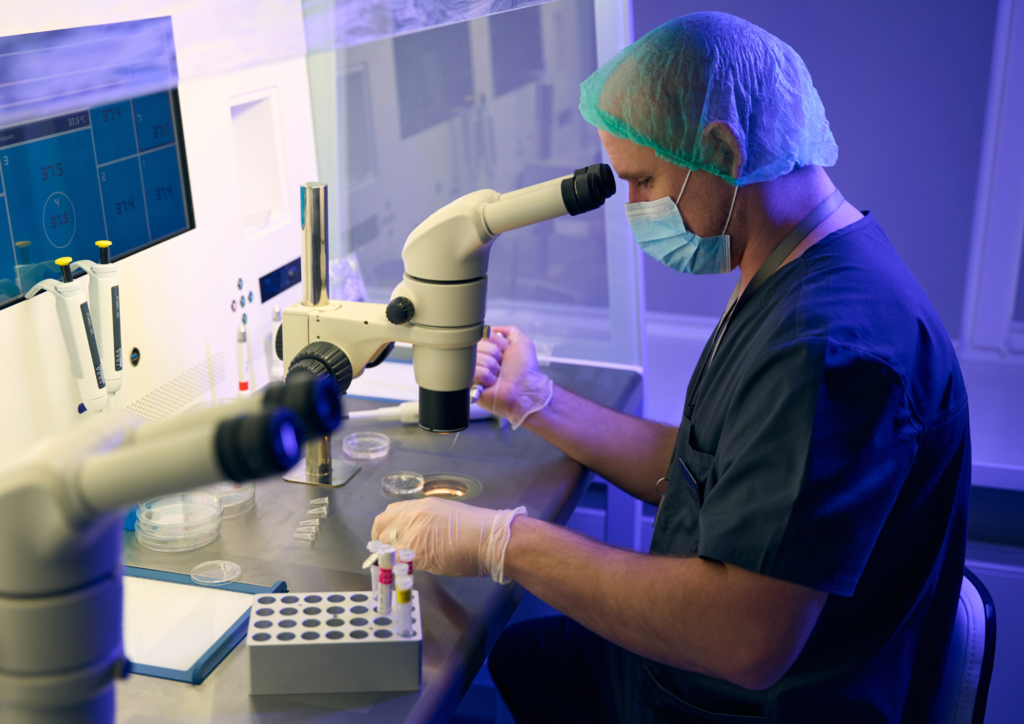





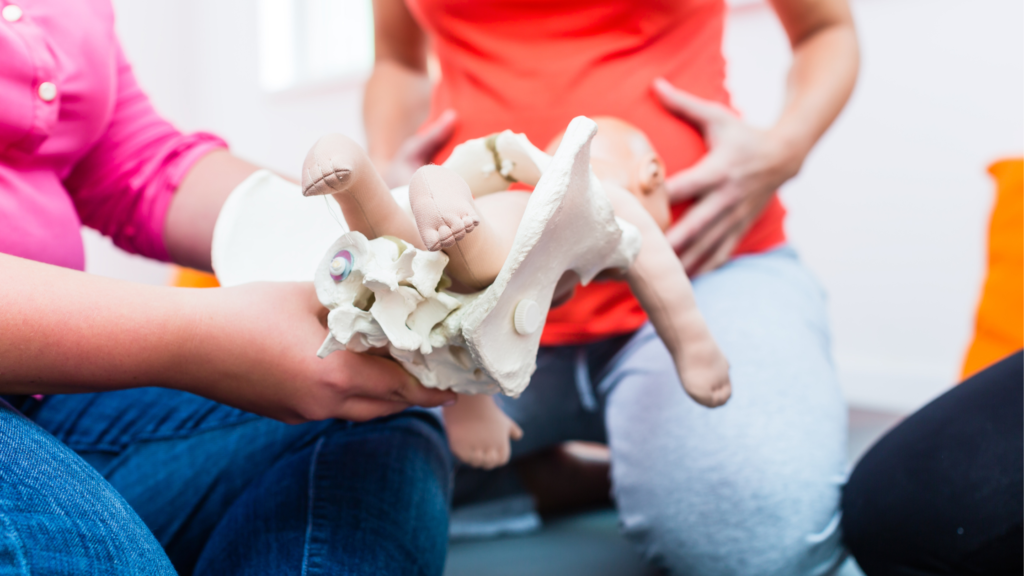
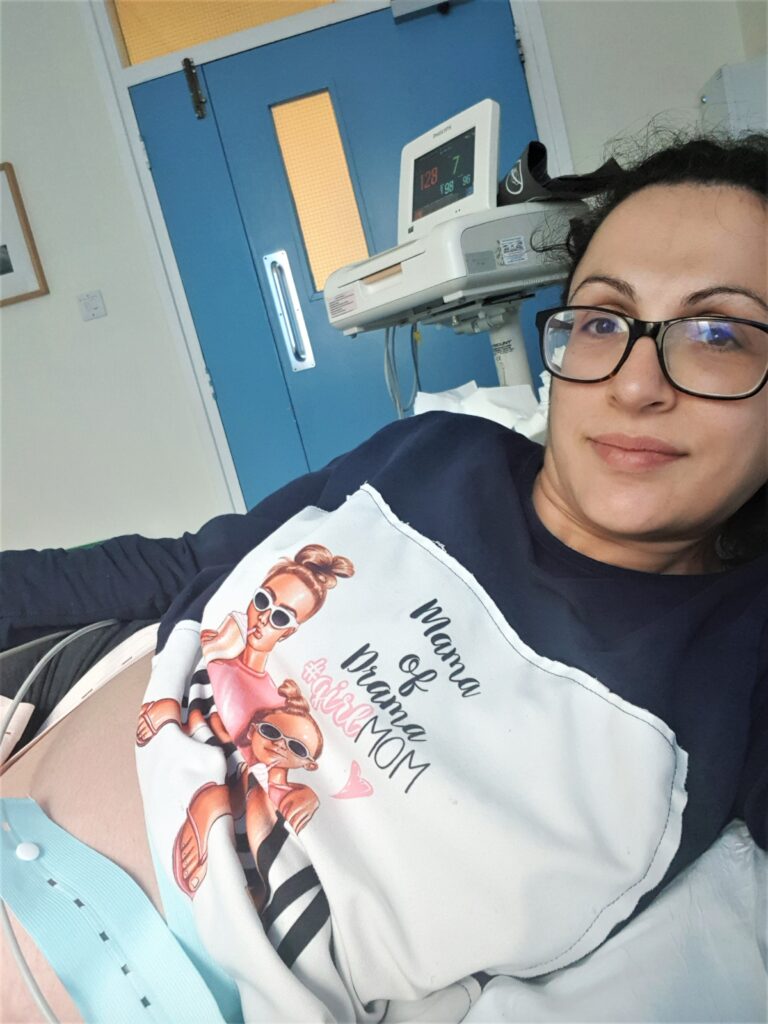
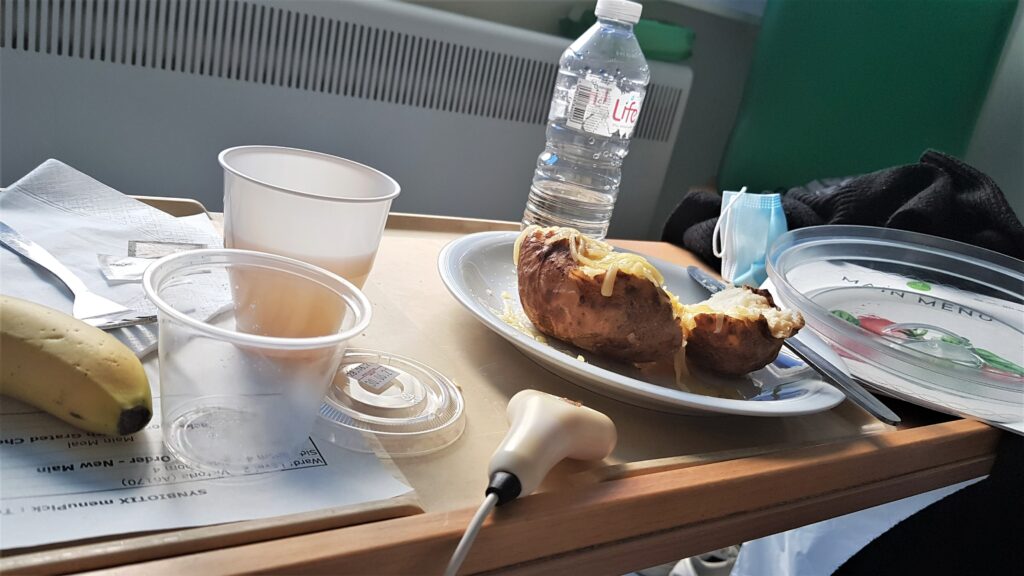
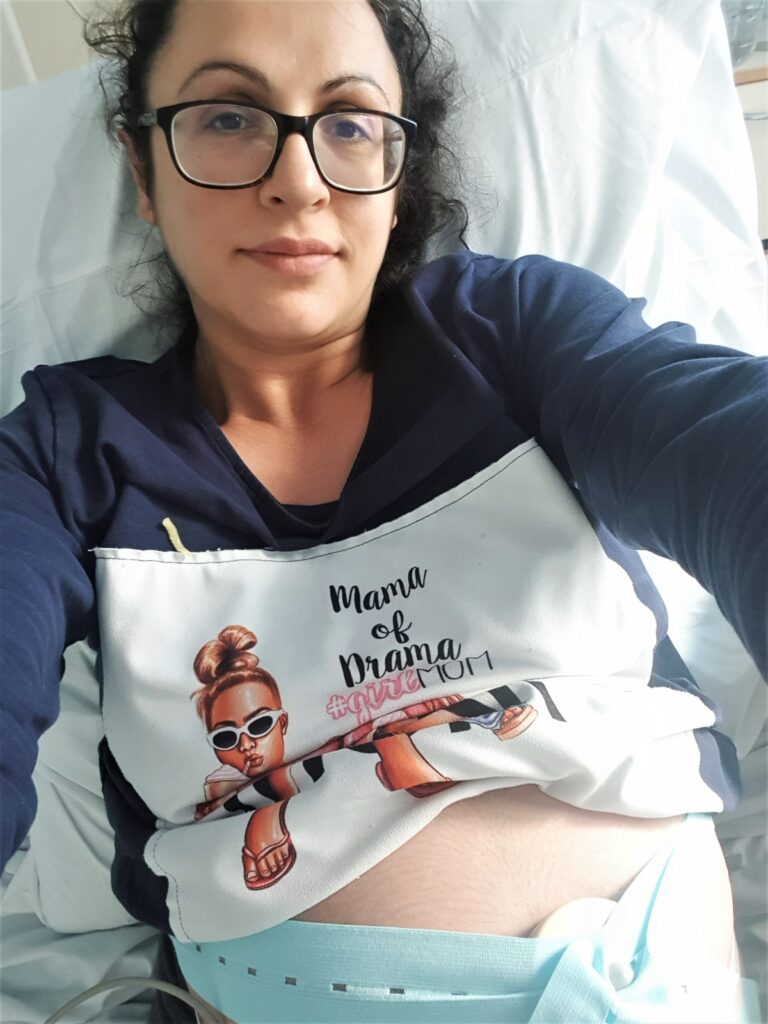
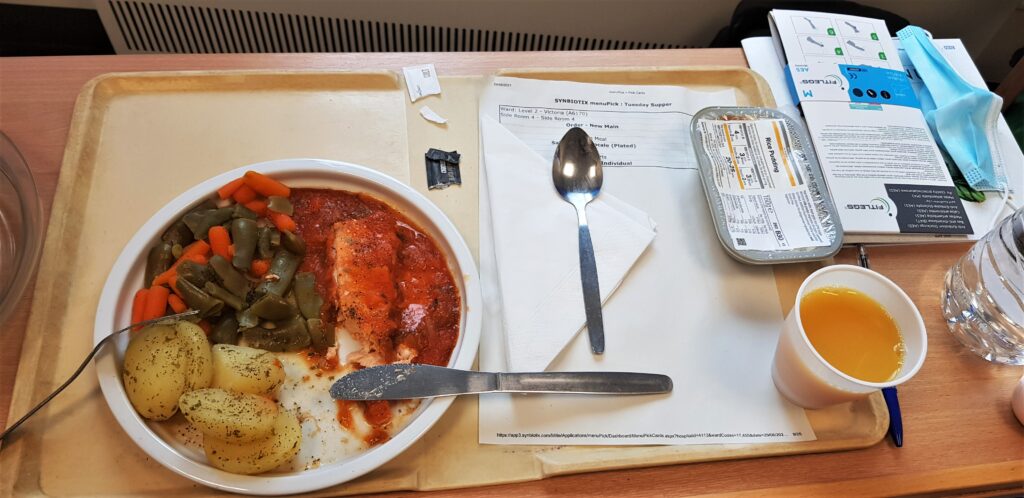
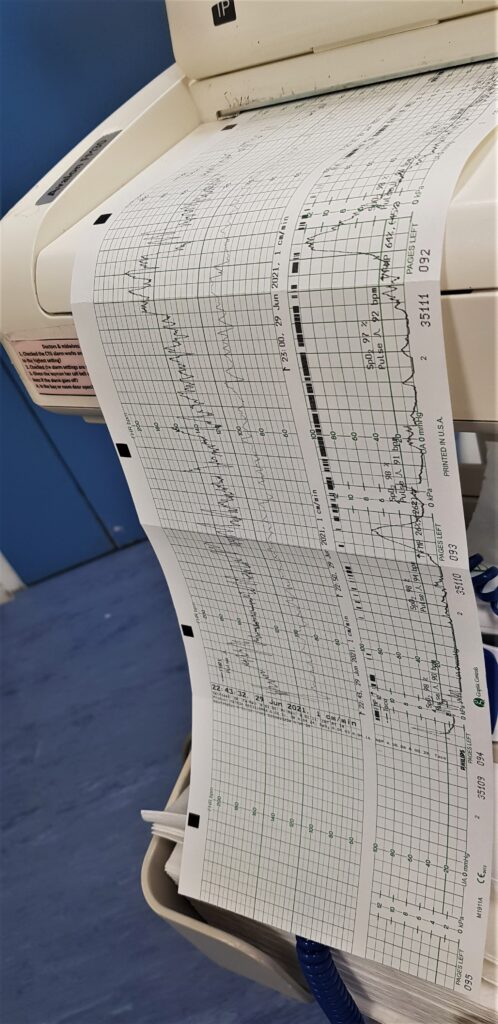
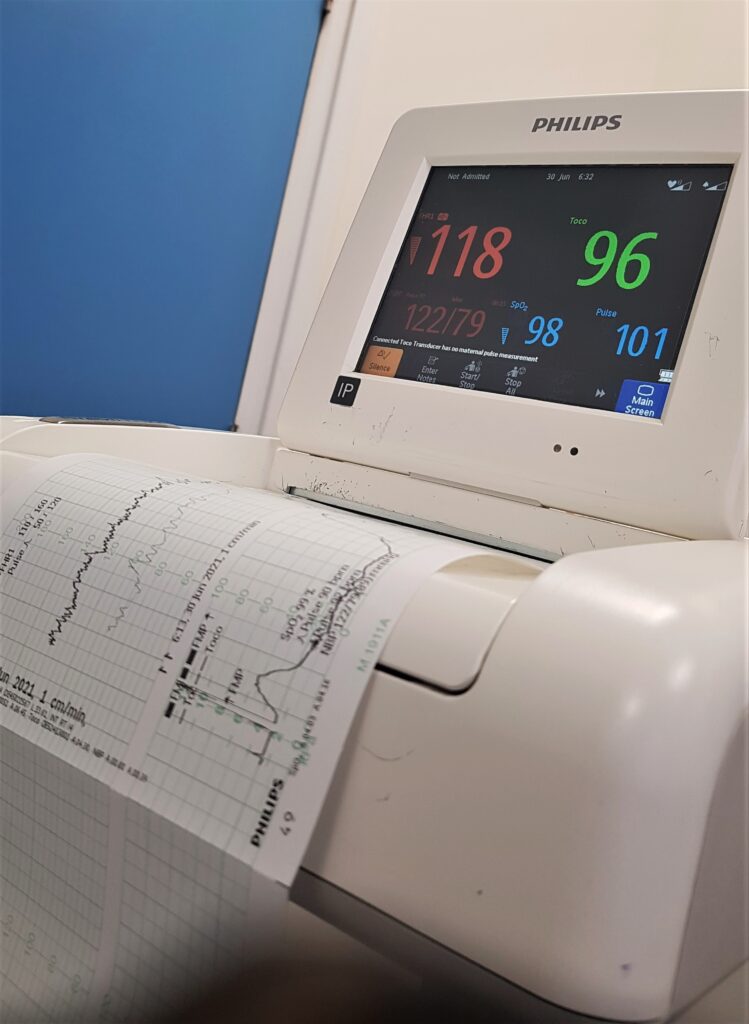
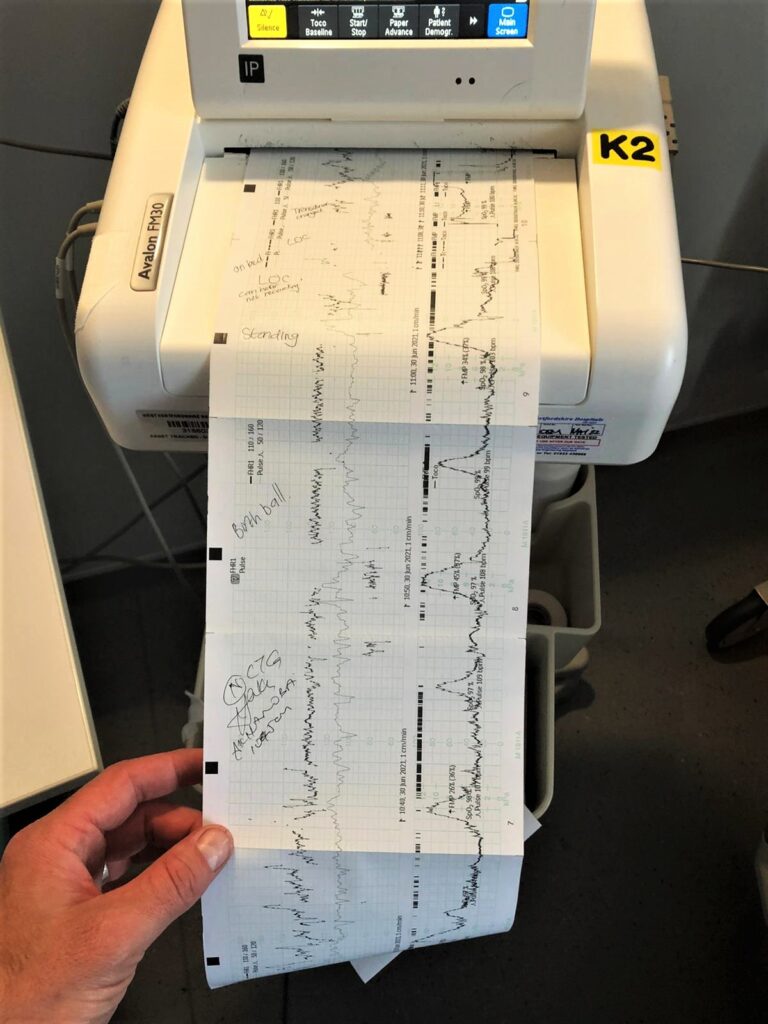
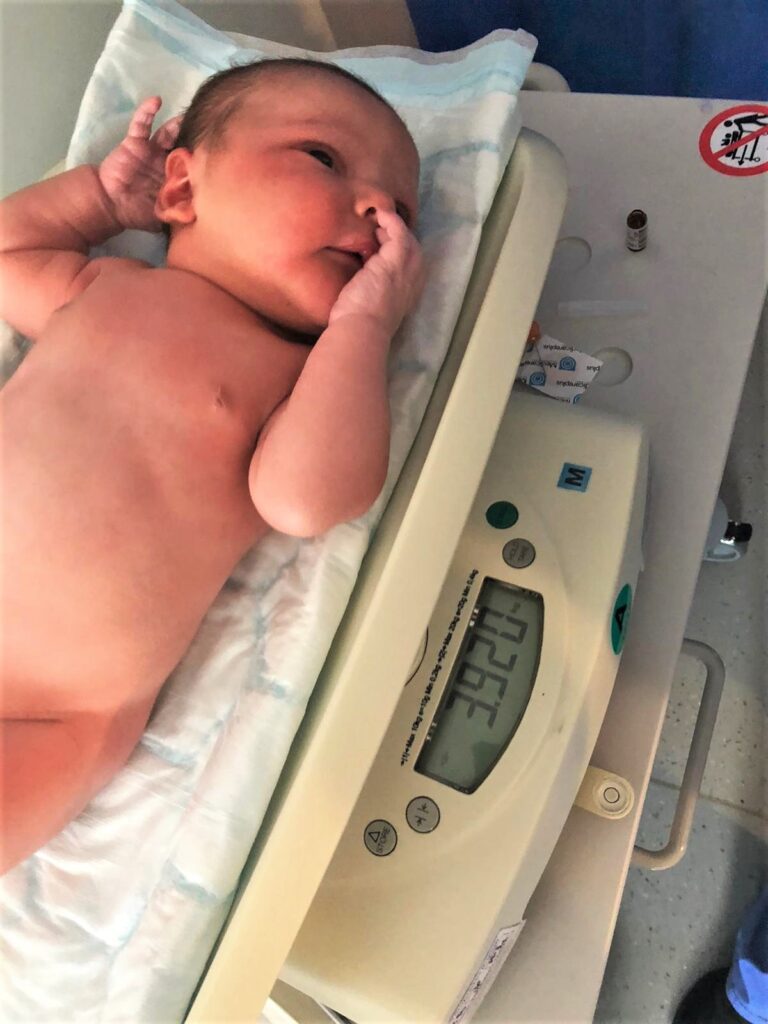
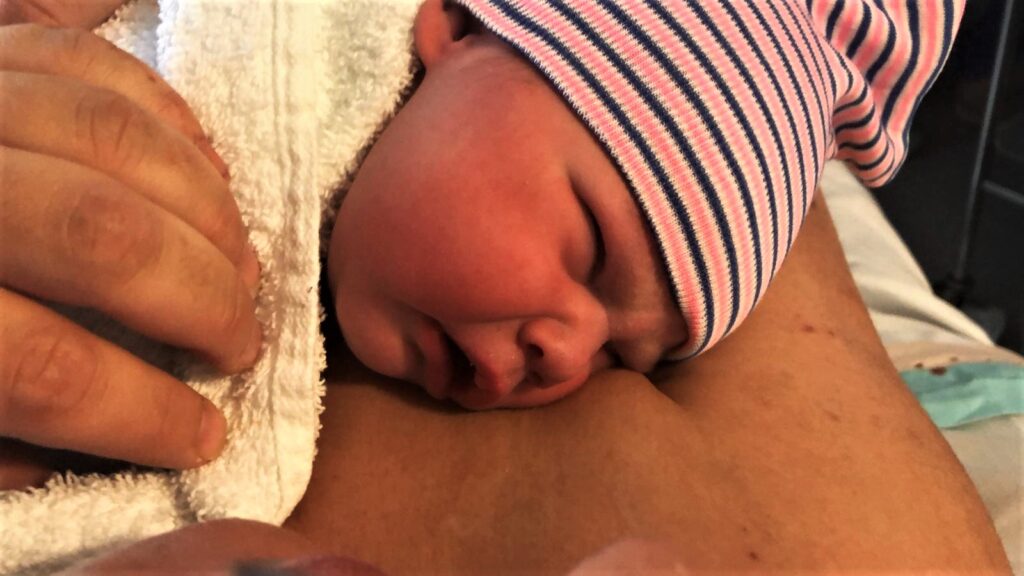
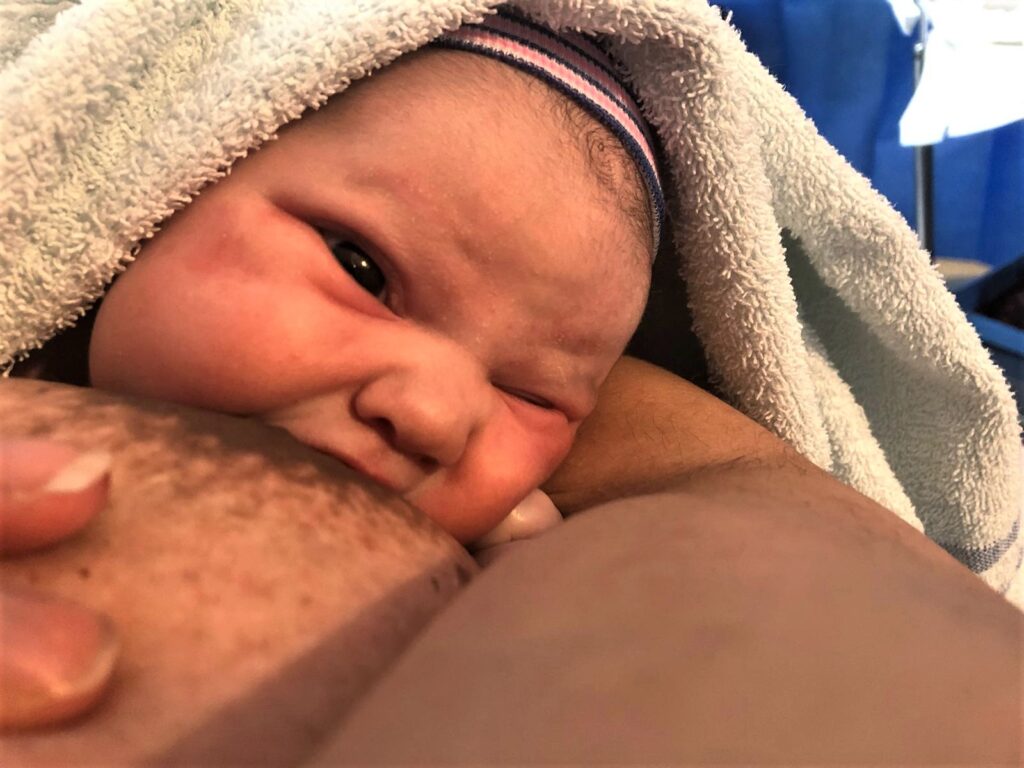
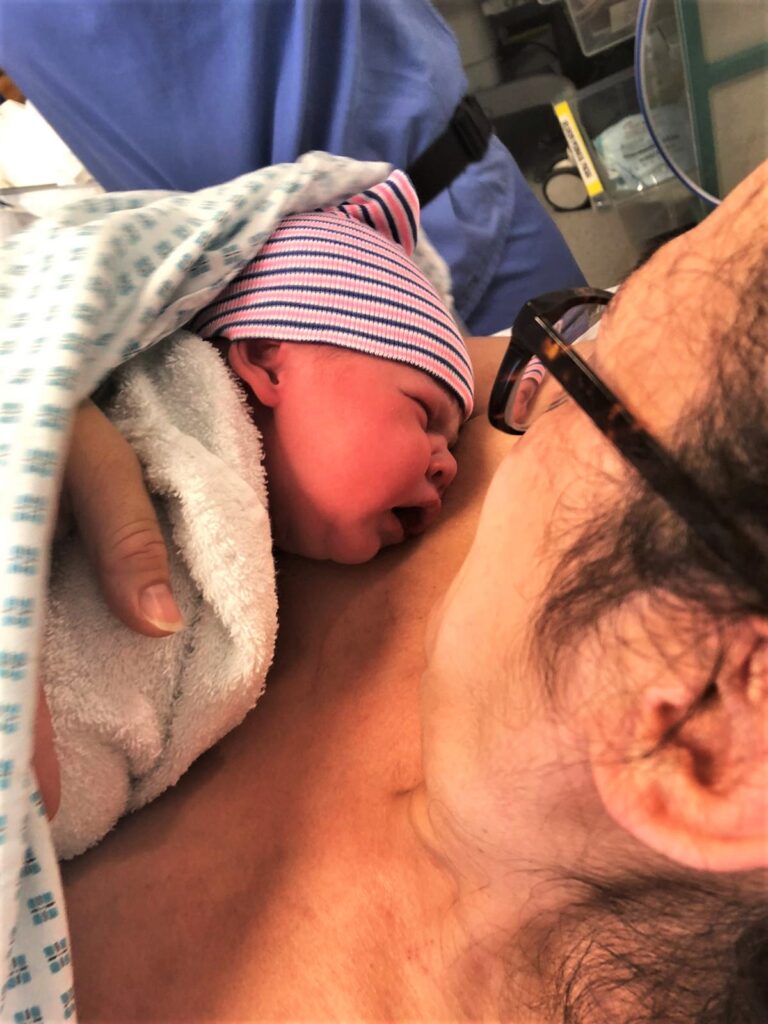
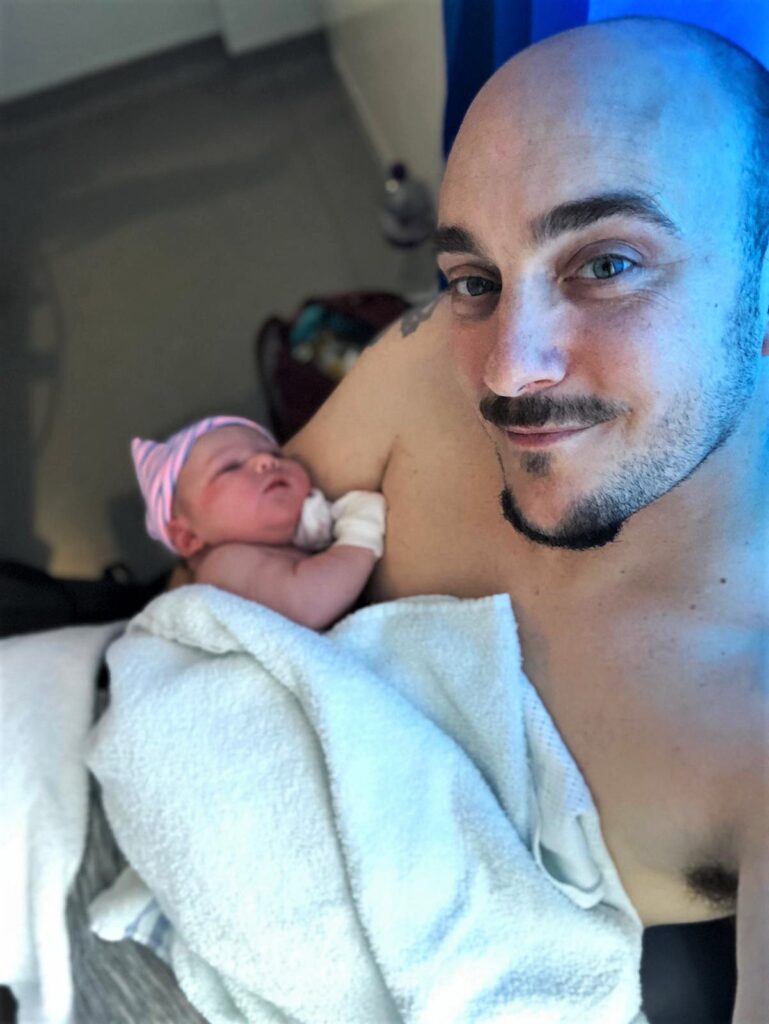
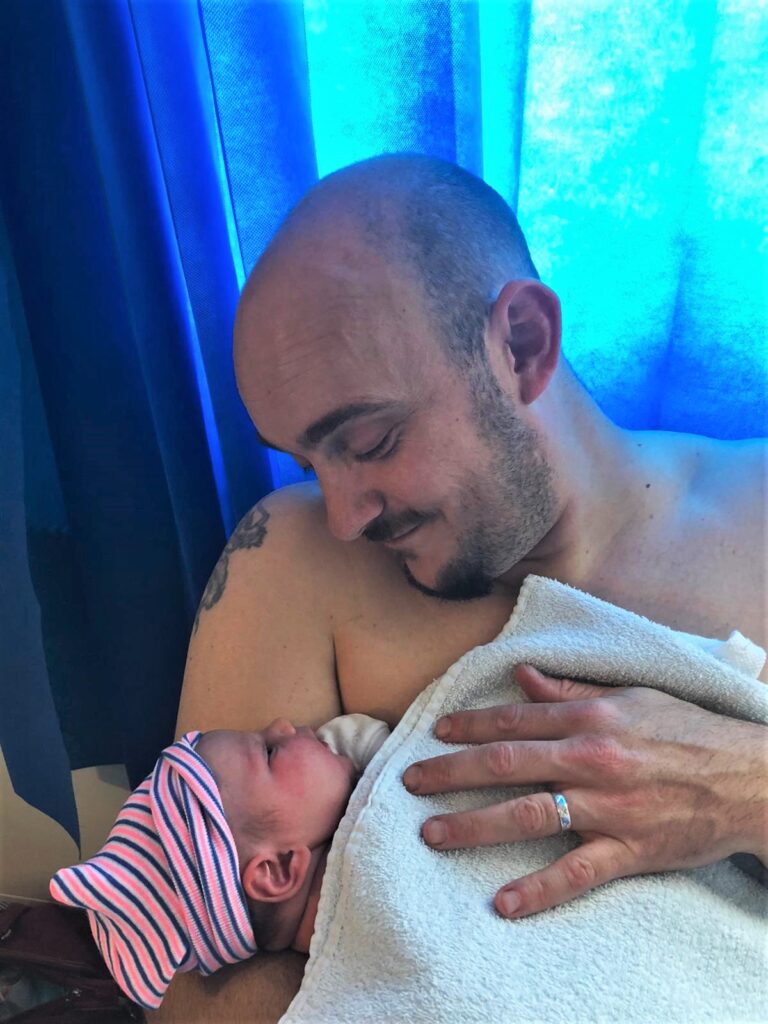
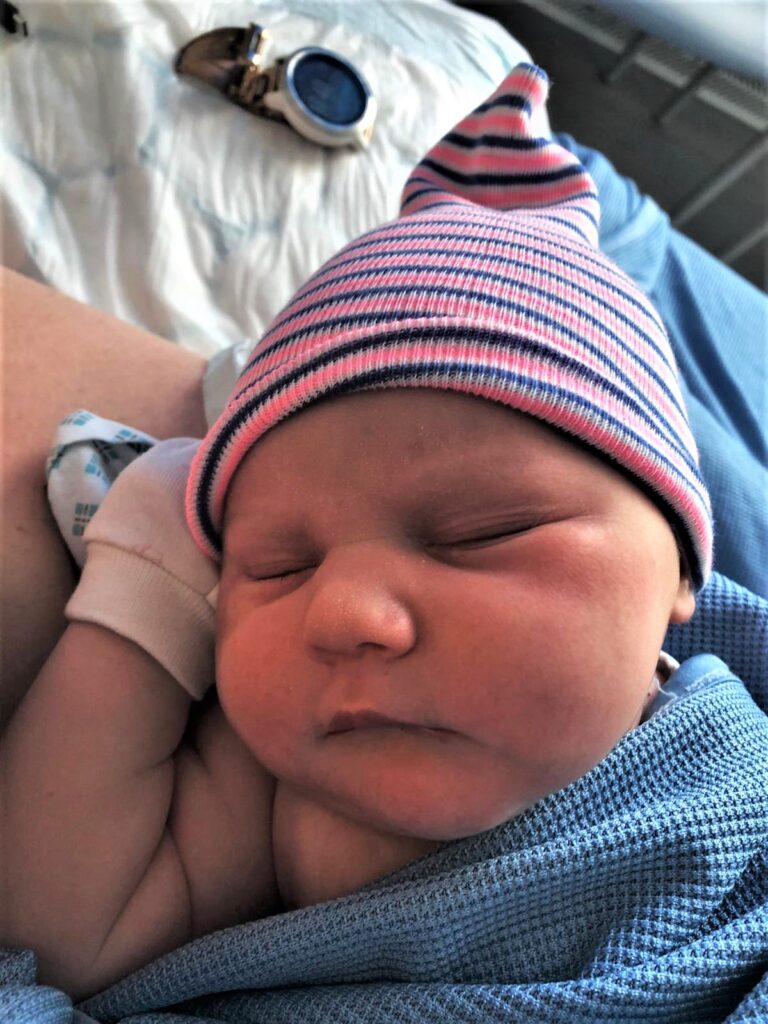
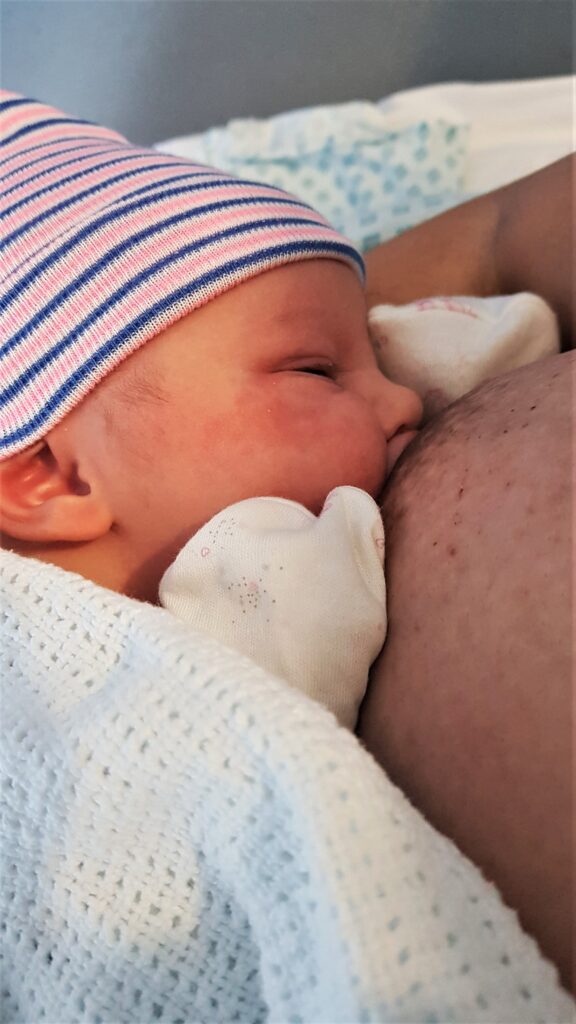
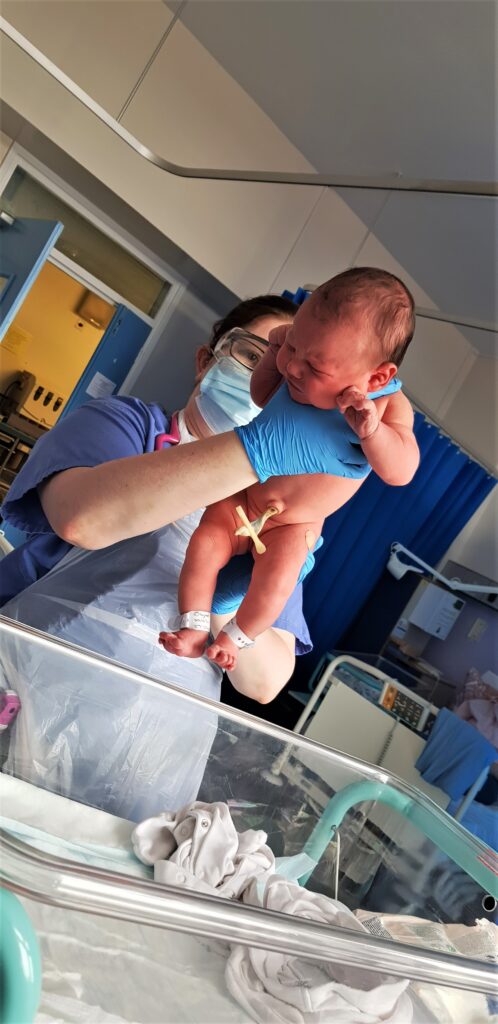
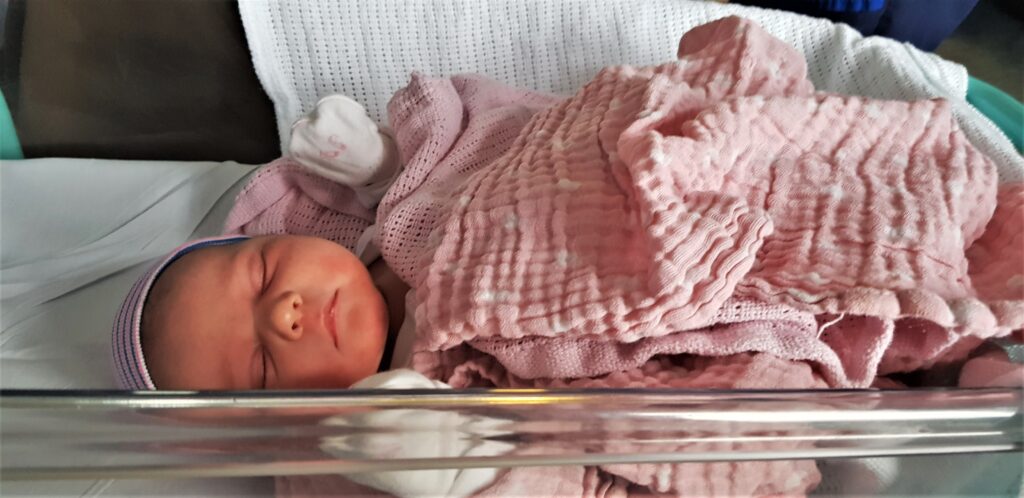
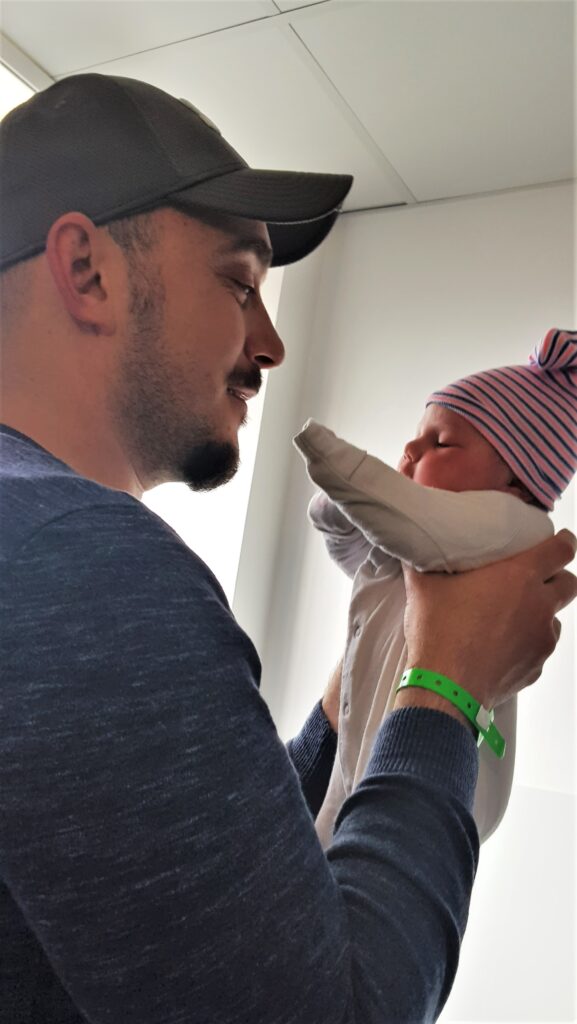
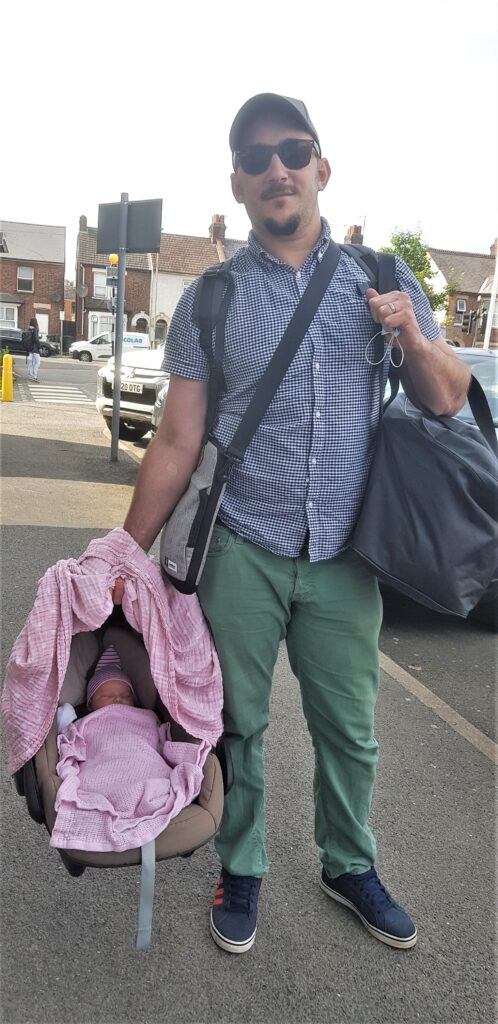
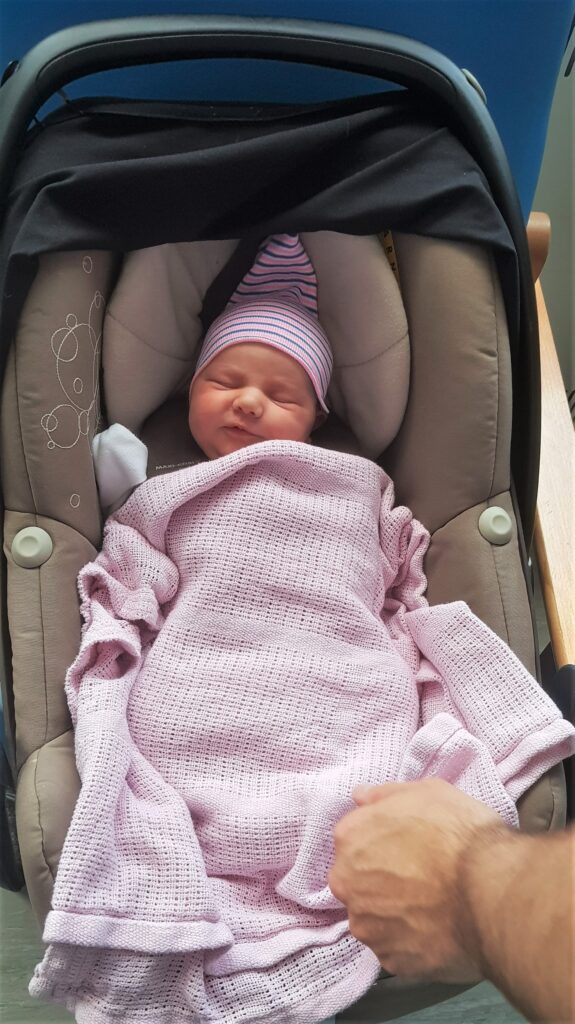
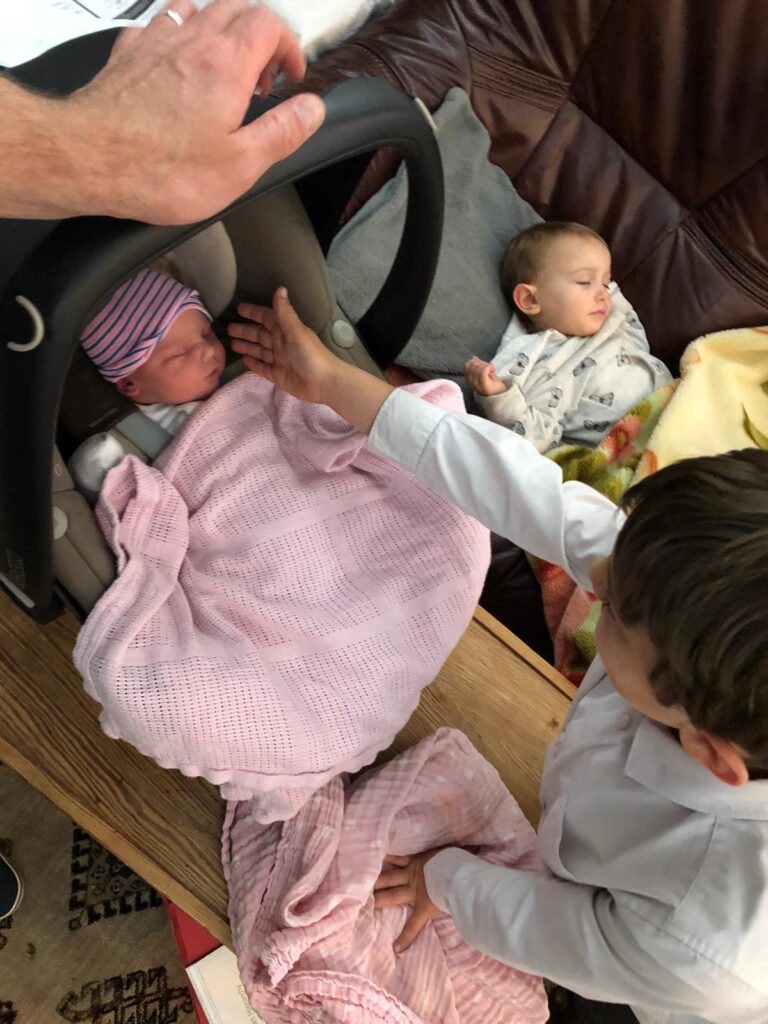


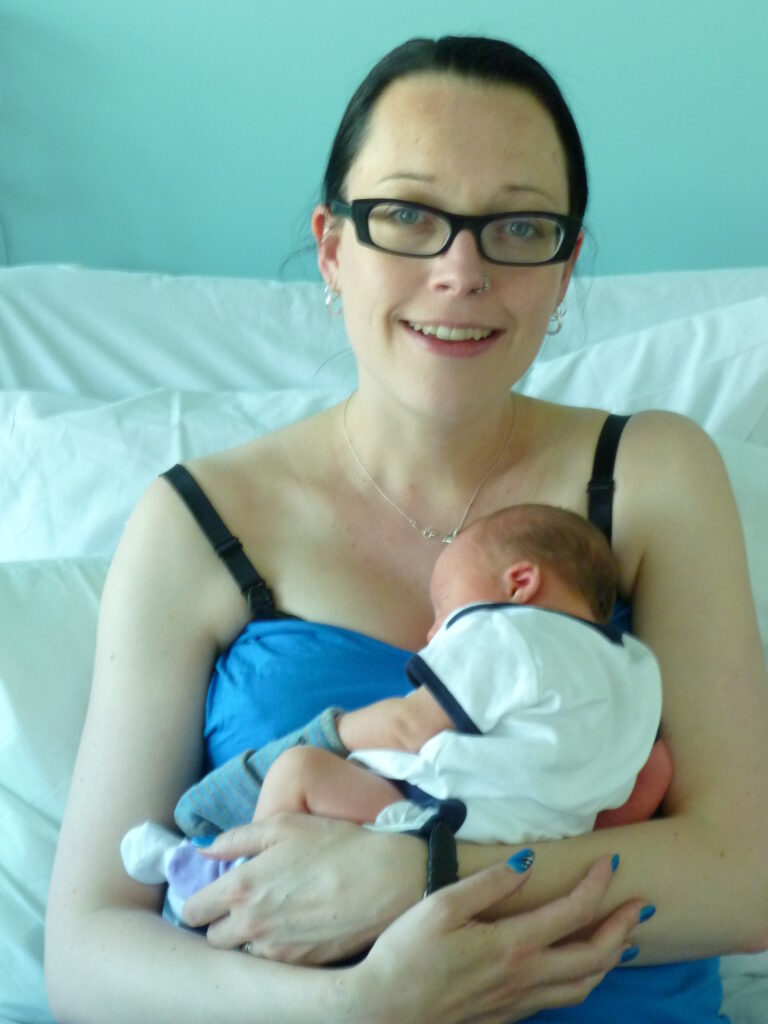
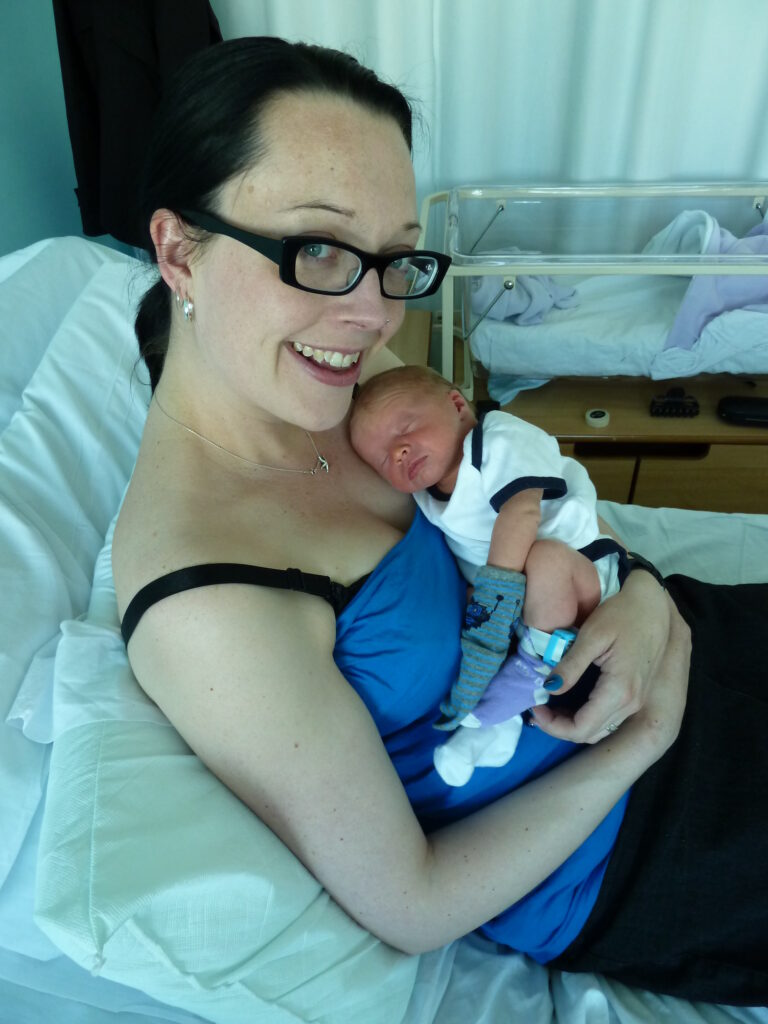



 “
“