*Motherhood Diaries is working with MyBaby4D in Watford to raise awareness among pregnant couples about the importance of ultrasound scans during pregnancy to monitor the health and well-being of your baby. We were provided with the opportunity to review the Wellbeing Scan for the article – all opinions are 100% my own*
Under the NHS, you are offered two pregnancy scans (a third scan may be advised later). These are:
12-week scan (around 10 to 14 weeks) – This is a dating scan where the sonographer estimates your baby’s due date based on their measurements. The dating scan can also include a nuchal translucency scan, which is part of the combined screening test for Down’s syndrome, Edwards’ syndrome and Patau’s syndrome (this is optional).
20-week scan (around 18 to 20+6 weeks) – This is called a mid-pregnancy or anomaly scan and is also part of the screening test. The sonographer checks for 11 physical conditions in your baby.
36-week growth scan (this is optional). Depending on your health and pregnancy, this scan may be offered and can also be called a foetal growth and well-being scan. The scan also checks whether the baby is in an ideal position for birth.
You can also opt for an early reassurance scan or viability scan as early as 6 weeks if you are experiencing any complications like bleeding/spotting or tummy pain. I bled throughout my first trimester, so I booked an early reassurance scan with Hey Baby 4D Watford. You can learn more about the importance of an early reassurance scan here.
There is quite a bit of waiting time between these scans, so it’s common to spend the interim worrying about whether your baby is doing ok. An ultrasound foetal wellbeing scan can bridge the gap and spot for any anomalies before you attend your 20-week scan (which is still advised as part of your complete antenatal care package).
So, what is a wellbeing scan from 16 weeks?
A well-being scan can allow you to check if your baby is growing well. This includes:
Checking the measurements of the foetal head, abdomen, and thigh bone
Calculating and estimating foetal weight.
Examining the movements of the foetus
Evaluating the position of the placenta and its appearance.
Checking the amount of amniotic fluid present in the womb
Our experience having a wellbeing scan at My Baby 4D Watford
MyBaby 4D Watford kindly gifted us a wellbeing scan during week 17 of our pregnancy so we could check how our baby was growing and whether there were any other issues which needed to be flagged before our 20-week NHS scan. I had been spotting until 13 weeks, so I was very eager to check how my membranes were doing and whether my baby was ok because I hadn’t felt her move yet. I was so glad to see that she was jumping around enjoying herself in my tummy! The heartbeat was clear and the image on the TV was so crisp that we could immediately spot that she was a girl. We could even see the umbilical cord and her drinking!
We weren’t able to get a 3D preview because she wasn’t in the right position, but Saad, the owner of Hey Baby 4d Watford, said that it’s too early for a 4D scan, as babies can look a bit alien-like at 17 weeks, anyway. The best time to have a 4D preview would be at a well-being scan at around 27 or 28 weeks.
Dalson, the licensed sonographer and wife of Saad, managed to get a lovely picture of the baby’s feet and legs, which was beautiful to see. She explained in great detail where each of the organs and limbs was. The membranes outside looked good too, which I was relieved about, as my membranes rupturing was my biggest fear.
The scans were also in sepia rather than the grey you see at the hospital. I found that sepia made it easier to see the baby in detail, and the two printed scans we were provided with showed the clarity of our new baby.
We were also provided a foetal wellbeing scan report, which showed that the baby’s measurements were all in the normal range. The report showed:
Foetal growth and measurements
The head circumference
Femur length
Abdominal circumference
Estimated foetal weight based on the circumference
Position of the placenta
Limbs and organs were seen in the scan
You can also check the gender of your baby – if you want to!
The primary objective of the wellbeing and gender ultrasound scan is to check the well-being of your baby, but if the baby allows, you can determine the gender too from 16 weeks of pregnancy and with a free 3D preview—again, if the baby allows! Normally, you would need to wait for your 20-week scan via the NHS, so the private wellbeing and gender scan suits impatient parents who want to find out the gender ASAP, like me!
The exclusive Hey Baby Gender Reveal Lighting will turn the whole room pink if you’re having a girl and blue if you’re having a boy. You can also video the experience to share with your loved ones.
What’s included in the Wellbeing and Gender Scan?
15-minute appointment
Baby’s gender reveal
Exclusive gender reveal lighting
Free 4D preview – If the baby is not in a good position, a re-scan will not be offered for this purpose only. Best to request a 4D preview from 27 to 28 weeks
Wellbeing check and report
2 prints of scan photos
You can also ask for digital download images for £10 (An additional £5 for video too)
You can purchase a Gender Reveal Balloon for £10.00 to reveal to the family.
You can also purchase Gender Reveal Confetti Cannons for £10.00
During COVID times, you can bring one person to the scan, but you must be from the same household.
You can book a Well-Being and gender Scan from 16 weeks and a Well-Being and 4D Baby Scan from 24 to 32 weeks. MyBaby 4D also performs Growth and Presentation Scans from 28 weeks to term. You get a full written Obstetric report that comes with graphs showing how your baby’s measurements are plotting, as well as an estimated weight.
Ensure you are properly hydrated an hour before your scan. If you have questions, contact MyBaby 4D or find a nearby clinic.
Mybaby 4D Watford is the trading name of Ultrasound Image Studio Ltd.
*Motherhood Diaries was gifted the Wellbeing and Gender Scan for the purposes of a review, but all opinions are 100% our own.*
Pelvic Girdle Pain in Pregnancy
by Laura Edwards, Chester
Early in my first pregnancy, while still in the grips of morning sickness, I began to feel aches in my lower back. I first put this down to DIY (we’d recently moved house) or the time I was spending bent over the loo, but I mentioned it to my midwife at a routine check-up and she referred me to the hospital physiotherapist. At about 18 weeks pregnant, I was diagnosed with pelvic girdle pain (PGP).
I was given a list of exercises to help ease the pain, a support belt to wear and a lot of advice about activities to avoid (including certain types of exercise, moving and lifting) and ways to relieve the pain. I consulted with my health and safety representative at work but was able to continue with some modifications to my role (as a scientist I had to be careful of some of the heavier equipment and make more use of the chairs and stools in the lab).
At home, the DIY proved tricky and I needed a lot more rest; I felt pretty useless and quite frustrated that I couldn’t get things done, but I did take up knitting and discovered a very enjoyable new pastime!
My son was born by emergency caesarean section (not linked to the PGP) in January 2009, and by the time I was up and about after that, the symptoms of PGP had gone. However, when I fell pregnant again in November 2010, the pain quickly returned. I felt some initial twinges around my coccyx at about 5 weeks pregnant and, by my first appointment with the midwife, I needed a referral to the physiotherapist.
She diagnosed me with PGP again (if you’ve suffered with it once, you are more likely to get it in subsequent pregnancies) and told me to take it easy. Unfortunately, this time around I had a toddler to look after so resting opportunities were limited. Walks with the buggy gradually got harder and had to be dramatically reduced, and even car trips became harder as I struggled to lift my son in and out of the car.
Nappy changes were switched to a mat on the floor to avoid the stairs and having to lift him onto the changing table. I had to come up with more sedentary activities to keep him entertained and rely a lot on the generosity of friends and family for help. The hardest thing I found was the guilt; I didn’t want my son to miss out on anything or feel pushed aside by his new sibling before he’d even been born. I just told him that mummy had a poorly back and couldn’t do as much for the time being.
PGP is very hard to cope with and, with no outwardly visible symptoms, I also worried that people thought I was over-exaggerating the pain. This probably led to me trying to do too much, which would then hurt even more and might have worsened my condition in the long run. Often, I would feel ok in the mornings and actually be able to lift heavy things, walk fair distances and do things I was supposed to be avoiding.
I knew that I would suffer later that day though; at about 20 weeks pregnant I pushed my son in the pushchair to the library and back (only about ½ mile to a mile) and spent the next two days barely able to move. Having to hold back when there was so much I wanted to do was terribly hard, but the pain was always there to some extent as a reminder to take it easy, and the threat of more pain, coupled with the knowledge that I would be even more incapacitated if I did stretch myself, served to reign in my activities.
By 32 weeks, I was on crutches and having real difficulty with day to day things. The pain was mainly in the joints at the back of my pelvis but I also had some pretty major twinges at the front too. For weeks, I’d had to roll out of bed, crawl up the stairs on my hands and knees (I took the lift at work!) and my husband had become used to hauling me up off the settee and out of the bath.
I’d planned to finish work at 35 weeks pregnant but I was signed off on sick leave at 33 weeks; my GP told me that I should have been off earlier but, again, I’d been trying to struggle on so I hadn’t visited the doctor before this. For the last few weeks of pregnancy, I did manage a bit more rest but I still felt frustrated, guilty (for not being able to do more for my son, my family or around the house) and, in some ways cheated (out of properly enjoying the pregnancy and for my son who missed out on so much I would have liked to do for him).
As my due date approached, I was looking forward to getting my mobility back, but I was quite nervous about the labour. After the emergency section first time around, I was aiming for a VBAC and as ‘normal’ a birth as possible. Obviously, the PGP would limit my options for active labour, and the previous section meant that I would need continuous monitoring so my hoped-for water birth was not allowed. At a check-up two days before my due date, I was told that it was unlikely that the baby was coming any time soon, so I was booked into the hospital the following week.
There was a good chance they’d do another section then so I was pretty disappointed. On my due date, we went to the zoo to cheer me up. As I could barely walk, we hired a wheelchair and I’m convinced that it was being bumped around in this with a toddler on my knee that made my waters break at two o’clock the next morning. Labour wasn’t easy but the hospital was aware of my PGP and took care not to open my legs wider than my pre-measured pain-free gap from the birth plan.
With every contraction, it felt as though the joints in my pelvis were being crushed like a ball of paper in a fist; a feeling that continued after each contraction was over and only eased momentarily before the next one started. My beautiful second son was born one day overdue, at 7.14 pm on the 15th August 2011 and was worth every minute of the pain. Apart from the odd twinge, the PGP was pretty much gone by the next morning and hasn’t troubled me since.
Within a couple of days of the birth, I was able to play on the floor with my eldest son again and stand up unassisted afterwards; a simple little thing but something I’d really missed. I have had some fitness issues recently, mainly because of the enforced immobility and lack of exercise for several months, but I’m now on the mend and building up my strength again. We’d always envisaged having three children, but I will be waiting until the boys are a bit older before we think about having another!
Also known as SPD or symphysis pubis dysfunction, osteitis pubis or pelvic girdle relaxation, PGP affects up to one in five women during pregnancy with varying levels of severity. The main symptom is a pain in the pelvic joints, but there can also be joint instability. A combination of postural changes, the growing baby, unstable pelvic joints under the influence of pregnancy hormones and changes in the centre of gravity can all add to the degree of pain or discomfort.
If you are pregnant and think that you may have PGP, your midwife will be able to advise you or refer you to a physiotherapist.
The importance of having an early reassurance scan in pregnancy
*Motherhood Diaries is working with MyBaby4D in Watford to raise awareness among pregnant couples about the importance of ultrasound scans during pregnancy to monitor the health and well-being of your baby. We were provided with the opportunity to review the early pregnancy scan for the article – all opinions are 100% my own*
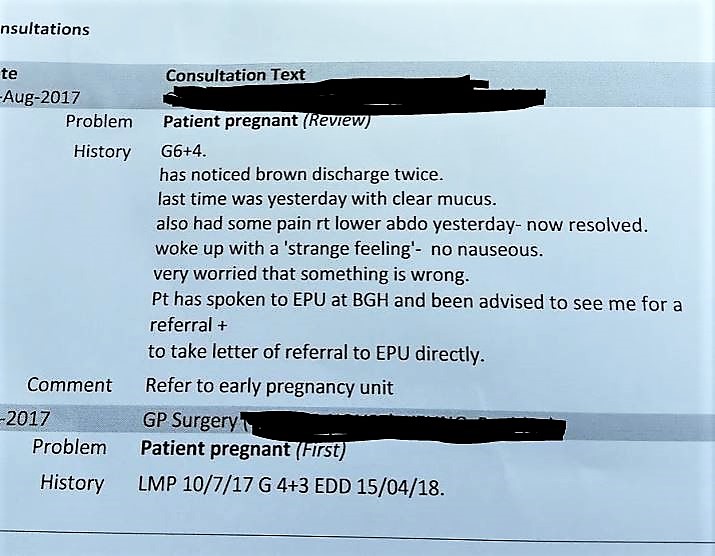
Just before my second-trimester miscarriage, I had experienced spotting from week 6 to week 12 of my pregnancy, which was the first time I had experienced any bleeding. I booked a 7-week first pregnancy scan at my local hospital because I was worried about the spotting. However, I had to chase this appointment via my GP. When I got to my appointment, the hospital was so busy that the appointment itself seemed rushed and quite clinical.
I was also told that the bleeding was normal and that I shouldn’t worry, except to abstain from any physical exercise. Pregnancy can usually continue as usual, and the bleeding will eventually stop. But later, I found out that bleeding in early pregnancy is like sandpaper to your cervix. A potential UTI (although this was never confirmed) around week 16 of my pregnancy caused my waters to break prematurely, and I lost my baby.
This time around, I didn’t want to take any chances after I started spotting again at week 6. I learned about MyBaby4D online, a private ultrasound boutique in Watford that provides high-quality private pregnancy scans in a relaxed and comfortable atmosphere with a team of professionally qualified sonographers. I knew instantly that this was the right option to take.
MyBaby4D Early Reassurance Scan
I contacted the owner, Saad, and his wife, Dalson, who is also the chief sonographer at MyBaby4D, and they were so lovely and welcoming.
When I arrived at the clinic, I was immediately taken aback not just by the cleanliness but also by the homely and luxurious feeling of what a hospital should feel like—a spacious waiting area that felt very inviting, with cute little memorable baby gifts decorating the wall cabinets.
The scanning room was a large open space equipped with a flat-screen TV so couples could watch their baby in HD in front of them and a couch area for the partner to rest and enjoy the experience.
I was invited to undress from the waist down behind a screen and empty my bladder before we started, as I was only 6 weeks and 4 days, so a transvaginal scan had to be completed. (You would have an abdominal scan after 8 weeks and would need a full bladder, and a gender scan is from 16 weeks.) Hubby sat on the couch, and Dalson waited by the computer and bed.
As soon as I was ready, I laid down and Dalson got to work. I was asked about the date of my last period to ensure the dating scan measured up to when ovulation took place, plus or minus a few days. I was also asked about the spotting, i.e. how long it had gone on for and whether I was feeling any pain. I said that I had felt some cramping, but this had disappeared.
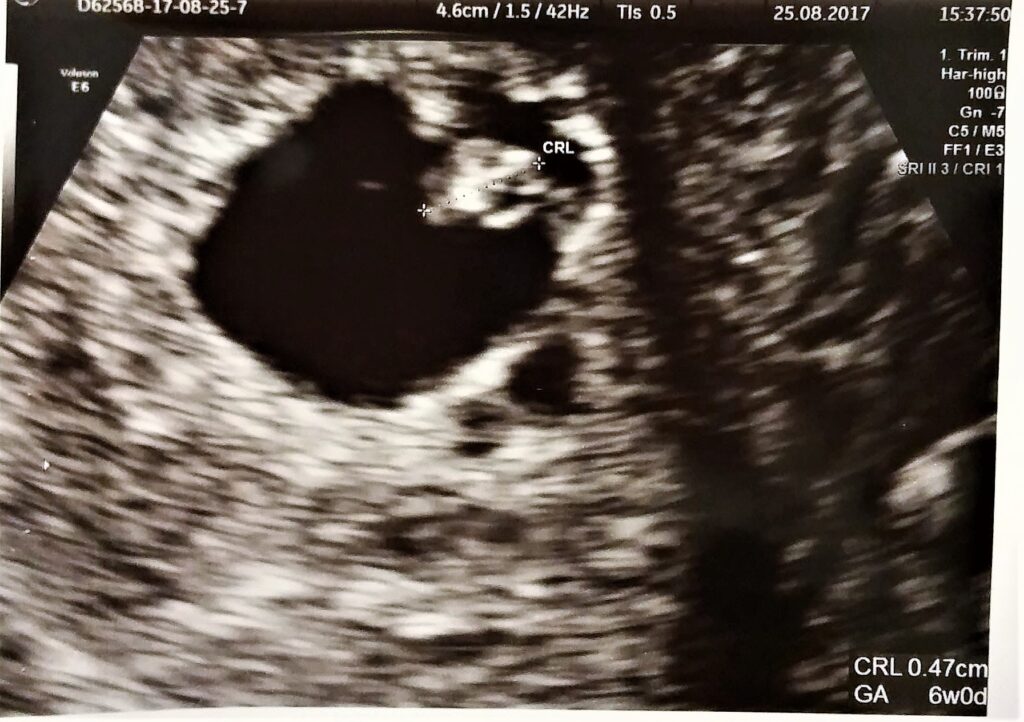
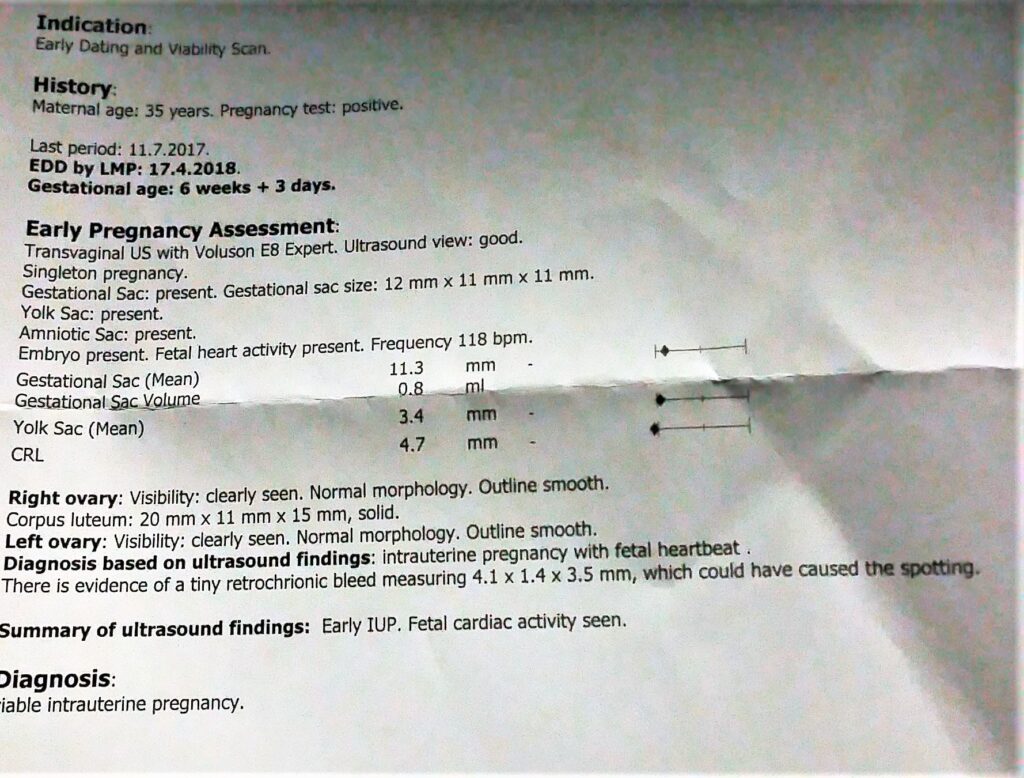
Dalson advised that there was a small haematoma of less than 1cm, which may have been caused by implantation. I was advised not to do any heavy lifting or physical exercise of any kind until the bleeding had stopped completely. The whole experience felt private, informal and relaxed, unlike my last early scan at the local NHS hospital. At the end of the appointment, I was invited to sit down while Saad printed our baby scans, which he emailed over too. I was grateful for the high-res imagery because it made sharing the scan pictures with my family so much easier.
Dalson and Saad from HeyBaby4D have kindly answered the top 10 most asked questions from Motherhood Diaries readers and social media followers about early reassurance scans. Thank you to those who sent in your questions and to Dalson and Saad for answering them!
1. What can an early reassurance scan tell me about my baby?
The purpose of an early reassurance scan is to determine whether the pregnancy is implanted in the correct place, and to check how many babies you are having.
Various measurements are taken depending on how far along in the pregnancy you are, and the scan will identify whether there is a visible heartbeat on the day of the scan or not. Some fetal poles may be too small to determine cardiac activity on the day of your scan, and you may be advised to have another scan in about two weeks to check if the pregnancy is viable.
The scan includes an assessment of the surrounding pelvic area around your uterus.
Referral advice will be given on the day of your scan, depending on the scan findings.
2. Why is an early reassurance scan important?
An early reassurance scan is essential for expectant mums/parents who are anxious and would like to find out if everything is ok.
3. Why can I not have a scan before six weeks?
A 6-week scan may not always provide the information you require, as the fetal pole may be too small for ultrasound to pick up.
At any stage of pregnancy, if you have had a positive pregnancy test and are having symptoms like bleeding or severe pain and/or shoulder tip pain, then you are advised to attend your nearest A&E Department.
4. When is the best time to have an early reassurance scan?
At most clinics, early reassurance scans can be performed at 6 weeks; however, if the patient is asymptomatic, 8 weeks is more suitable.
5. What will I expect to see and what will be measured in my early reassurance scan?
What you expect to see on the day of your scan will depend on how far along your pregnancy you are.
For example, a measurement of your baby’s length will give you an Estimated Due Date (EDD).
This question may also be linked to Question 1.
6. I have had some bleeding/spotting during pregnancy. Should I have an early reassurance scan?
If bleeding/spotting occurs during pregnancy, you should visit your nearest A&E.
Having an early reassurance scan is essential to determine why you are bleeding. However, it is not always possible to determine the cause of bleeding with ultrasound in pregnancy. It may provide some relief from maternal anxiety.
7. Why is it not compulsory to have an early reassurance scan before 12 weeks?
The NHS routinely only offers two scans: your Dating Scan and your Anomaly Scan.
Exceptions are made in circumstances where you are bleeding, if there is a suspected ectopic pregnancy, a threatened miscarriage or miscarriage.
Women with assisted conception or previous pregnancy history/complications may also be offered an early reassurance scan.
8. Can too many scans harm the baby?
There are no known risks in ultrasound. Evidence suggests that ultrasound performed during conception to 10 weeks’ gestation is safe, provided there is a clinical reason. The benefits of the scan outweigh any theoretical risks. (Kirk, 2017)
9. What can a private early reassurance scan offer me that an NHS scan can’t?
Sadly, not all scans will have a positive outcome or a conclusive result.
A private scan is easily accessible and you can attend your appointment with your partner/or one person within your bubble (Terms and conditions are susceptible to change with current guidelines).
10. How do I book an early reassurance scan?
You can book your early reassurance scan via the MyBaby4D Watford website or call us on 01923 943 501 if you have any questions.
Are private early reassurance scans worth it?
If you have got your positive pregnancy test at four weeks, then that’s two months before you get to see your baby via an NHS scan (unless there are complications) – and that is a long time! If you have any doubts or you feel like something is not quite right, i.e. you have pain or you’re spotting, then don’t waste any time and book yourself in for a private early reassurance scan now.
For the experience you get, the cost is worth it because you book an appointment with the clinic and you’ll get a slot straight away. You are also treated as if you are the only ones in the room and I found this to be the most significant difference between NHS early pregnancy scans and private scans. It’s not to negate the NHS in any way – my mum works for the NHS – but because the NHS is so massively overrun and understaffed, medical staff have no choice but to treat us like numbers in a queue, which they need to get through quickly to see everyone in their allotted time, with waiting times sometimes spanning to over an hour. However, I have never had a bad experience at my local Watford Hospital or had to wait that long. The difference comes with the service you get and the extra bit of comfort in private settings.
When you book an anomaly early scan with the NHS, they have to fit you in. The baby scan is not scheduled into an automated system like the standard Week 12 and Week 20 scans, and if you have any complications, you may have to wait upwards of four weeks to be seen, which may be too late by then.
Through this magazine, I have found that many women are not armed with enough information before 8 weeks, when the NHS gets involved in the pregnancy care process. So MyBaby4D Watford has teamed up with a private midwife from Bushey called Hannah, who hosts antenatal classes to help women in the dark gain the knowledge they need to feel empowered and informed during pregnancy.
Saad and Dalson are invested in your pregnancy—it’s so nice to see how much they care about your mum and your unborn baby’s health and the pregnancy journey.
You get a lot for the price
Early pregnancy scan cost = £85*, which includes:
15-minute appointment
Visualise baby’s heartbeat
Dating your pregnancy
Includes 2 colour printed scan photos 6×4
Assessment of pelvic area/ovaries
Full obstetric Report
Internal scan available for accuracy
Peace of mind and a high standard of care = priceless
You also have the option to purchase extra download images and video, too, if you want the extras.
MyBaby4D are there to help
Saad told me that many women come from abroad, and MyBaby4D is their first port of call because they are not registered and don’t know how to start the process. Luckily, as both Saad and Dalson are health professionals and work in the NHS, they have that little bit extra to offer regarding information during the pregnancy journey compared to other private clinics.
Early Pregnancy Ultrasound: A Practical Guide. (2017). In E. Kirk (Ed.), Early Pregnancy Ultrasound: A Practical Guide (pp. 1). Cambridge: Cambridge University Press.
*Price is correct at the time of publication and may vary in the future
Christmas gifts for pregnant women – gift guide
*Some products are gifted and marked with a ‘*’ and some are affiliate links – as an Amazon Associate I earn from qualifying purchases at no extra cost to you.*
*Please also note that prices are correct at time of publish, but may vary in the future*
Christmas is coming for a pregnant mum, but the alcohol, blue cheese and egg nog are out. So, it’s about time we found some pregnancy gifts that mum can actually enjoy. But what gifts can be given to a pregnant lady during Christmas? Whether you’re scouring Etsy for handmade gifts, Amazon for same-day/next day delivery, or supporting small businesses to find special personalised gifts, I’ve got you covered.
Below is a list of gorgeous gifts for expectant mothers which also double up as a great baby shower pregnancy Christmas gift guide too!
Products for morning sickness relief
If mum is newly pregnant, then pregnancy, especially during the first trimester, can be physically taxing on the body. So one of the best gifts for pregnant women is something to curb that nasty nausea! After five pregnancies, I have my running favourites, which may not always be healthy, but they have got me through the brutal sickness. These are:
Sour strawberry laces (ok, not so healthy)
Avocado with lots of lemon and salt (healthy-ish)
Ginger and Lemon tea (healthy)
Sour Morning sickness sweets (these are my favourite, especially the sour raspberry flavour!)
Getting a pregnancy pillow will not only provide mum with the comfort that she needs but it will protect the baby and allow the body to pass maximum nutrients to the growing body.
There are lots of different types of pregnancy pillows out there but the best one I’ve tried from experience is the total body pillow that protects both front and back and provides comfort between the legs too to prevent hip pain.
Some great expectant mother gifts can include belly butter for that growing bump! One of my favourite kinds of belly butter is Palmer’s Cocoa Butter Formula Moisturising lotion, which you can buy from Amazon here. This belly butter helped to prevent stretch marks on my belly, even with big babies! So I would definitely include it in the Christmas gift list!
If you’re buying for a pregnant friend, then a pregnancy journal or pregnancy planner can make for a great present as the journal allows mum to record her journey from positive pregnancy test to her due date and ultimately birth to even baby’s first Christmas! Plus, it can double up as a book to read during down times too!
Adding a nursing cover to the Christmas gift box is ideal for mums who want that extra bit of privacy when breastfeeding in public. But sometimes nursing covers can get restrictive for both mum and baby so this Eclipse Nursing Privacy Cover above (in Fairy Tree) from Bellamoon* is structured in such a way that it doesn’t swamp or cling to your baby, so they can enjoy a feed in a private airy space and without any distraction. It’s easy to put on and take off – you simply loop the strap over your head and you have a protective barrier to shield any leaks, sprays and exposure while still allowing you to have a full view of your gorgeous baby.
With fluctuating body sizes, mum will need some comfy pregnancy and nursing bras to keep her comfortable during feeding times. Add a pop of colour to mum’s wardrobe by gifting her a limited-edition Lipstick Ballet Bravado Designs nursing bra*, which is the perfect stay-at-home nursing sleep bra for those cosy sofa days during Christmas. Its pull-on styling with no back closure means that it provides light support for lounging and sleeping, plus it’s ideal for use during pregnancy, breastfeeding and beyond! RRP is £26.00 and you can also find other colours here.
Personalised baby hamper
One of the best gifts for expecting mothers is to offer a fancy gift box or expectant mother gift basket, which includes items for mum and for when the baby arrives too. My favourite of the baby hampers is this beautiful Baby Blooms My First Year Hamper*, which you can get in Blue, White or Pink. This award-winning luxury hamper (we were gifted the blue hamper) which can be personalised by adding the baby’s name, is a gorgeous and practical gift for mum and new baby.
With 5-star reviews this baby hamper should be one of the first items to add to your list of Christmas gifts for pregnant women because it contains all the necessary items, not just for those first few weeks, but to take baby right through to their first birthday – and beyond! So, what do you get in this beautiful pregnancy gift basket?
1 x Little Bunny squeaky toy with blue ribbon – suitable from birth.
1 x Little Bunny comforter with blue ribbon – suitable from birth.
1 x Little Bunny ring rattle with blue ribbon – suitable from birth.
1 x box of Little Love pyjamas containing two pairs of 100% cotton pyjamas ,age 0-6 months.
1 x Little Love bathrobe, made from 100% cotton, age 0-12 months.
1 x Little Love blanket, made from printed cotton on one side (100% cotton) and velour on the other side (75% cotton, 25% polyester). Blanket is 75cm x 100cm.
1 x 100% cotton snuggle wrap in blue, (90cm x 70cm). 3 x 100% cotton muslin squares in white, (70cm x 70cm).
1 x 28cm traditional style seated teddy bear with a subtly embossed white ribbon bow around the neck, wearing a soft white knitted jumper embroidered with 2020 in green thread. Your choice of name can also be added to the jumper (see above) – suitable from birth.
1 x 100% cotton bib rolled to look like an ice-cream in blue.
1 x pair of our special stay on socks rolled to look like a cupcake in blue.
3 x pairs of our special stay on socks rolled to look like lollipops in powder blue, cornflower blue and Babyblooms green.
1 x large, lined wicker basket, ideal for nursery storage once unpacked.
You can get next day delivery on orders placed by 3 pm (Monday to Friday only) so make sure you visit Babyblooms’ shop now to order the baby hamper now! The current price is £212.
Comfortable PJs for mum
Matching PJ’s are essential for Christmas, and Scandi born brand, Polarn O. Pyret*, have got mum and other members of the family covered. Grab some comfy grey and white striped pyjamas for the smallest and the oldest members of the family like these gorgeous organic cotton grey and white striped PJs above!
RRP is from £7.50 to £25.00 and you can get them here*!
Bed and Bath Bundle for some cute bathtime bonding!
With everything baby needs for a blissful bath time followed by a great night’s sleep, including the Bath Support, Cuddledry Handsfree Towel and the Love To Dream Swaddle UP – this bundle is a must-have for new families in 2020!
Cute baby blankets
Cute baby blankets are a must for mum because they are so versatile and they keep both mum and baby warm. Opt for a couple of blankets in your Christmas gift for an expecting mother like the gorgeous Bamboo Knitted Baby Muslin Blanket from moKee, which is a nursery must-have and is only £9.00!
Include a soft and comfortable blanket like this travel essential, the moKee Tuck Baby Blanket which comes in five different colours and costs £29.00.
Your baby will love it against their skin!
Nappy Disposal Bin
Nappies are going to be the bane of a new mum’s lives, but nappy disposal needn’t be a nuisance. The Korbell Nappy Disposal Bin* is a stylish yet practical option for any nursery from Cheeky Rascals. This completely hands-free nappy bin promises to contain all nappy odours within its 100% biodegradable liners, making the more un-glamourous parenting tasks a breeze!
The unique double-seal protection instantly hides all odours keeping the nursery smelling clean and fresh – it’s safe to say this durable and easy-to-clean nappy bin is a must-have for any pregnant mum!
Newborn Gift Box
Once the baby comes, you may look for a nice congratulations present for the baby. I recently ordered this beautiful Baby Boy gift set for a friend of mine who just had a baby boy and I love it so much, I had to include it in the Christmas gift list (I just hope she doesn’t see this guide before she gets her present next week!)
Baby carriers are great because not only do they promote close contact with the baby but they all ensure that mum’s arms are free so she can actually get other things done. There are so many different types of baby carriers around, but I love the Izmi Baby Carrier* because it supports development in three ways:
Movement
When carried, babies experience an automatic, deep relaxation which does more than soothes them, it actually helps to reduce stress and aids digestion.
Oxytocin
Oxytocin is the hormone which is linked to love and connection which is released in both men and women during positive interaction and contact with their baby.
Skin to Skin
Skin to skin contact can boost Oxytocin levels but it has also been shown to stabilise your baby’s heart rate, breathing and temperature.
The Izmi baby carrier is also adaptable and combines the functionalities of a soft structured fabric sling with the support of a buckled carrier to support baby from newborn to 18 months old, which means you can enjoy ample cosy quality time together with baby!
Click here to buy the Izmi Baby Carrier here now from £80.00 now in 5 different colours with a booster cushion and storage bag included in the price!
First year picture frame
A great keepsake for mum is to immortalise the memory of baby’s first year in pictures! I was gifted the exact same 5-piece baby keepsake gift set by my family and it’s such a lovely way to keep memories of our beautiful baby in her first year. With this 5-piece set you get:
We take sleep for granted but once kids come along it’s all we wish for! So, getting mum a comfortable bed for baby to sleep in is one step further to helping mum sleep better, even if it’s only broken sleep for the first few months. We were gifted this gorgeous SnuzPod 4 bedside crib*, but already had the SnuzPod 2 gifted by my best friend, so we were already SnuzPod lovers. So what does the new SnuzPod 4 have that aids better sleep?
The SnuzPod allows you to sleep better, feed easily and be closer to your baby
The new ComfortAir breathable system means that it can help the baby regulate their temperature for a good night’s sleep.
You get a New 3D breathable mattress to and a new machine-washable mesh liner.
The SnuzPod 4 has a gentle reflux incline option and lightweight lift-off bassinet for use around the home
The SnuzPod 4 fits more beds than any other traditional bedside crib (new max. height 73cm)
The SnuzPod 4 also meets the new bedside crib safety standard BS EN 1130:2019
Make sure to follow safe sleep rules by ensuring all four sides are up as having one side open may be a safety hazard for baby.
The Snuz brand also stocks the SnuzCloud* which is a sleep aid that helps comfort and settles your baby to sleep. The SnuzCloud has four soothing sounds: a heartbeat, pink noise, lullaby and waterfall as well as two light options: a calming pink glow and a soft white night light.
The SnuzCloud is soft, plush and portable which means it can attach to your crib, cot, pram or car seat so you can help baby settle wherever you go!
Go one step further with your gift ideas this season and help with the dreaded night-time nappy changes! The SnuzPouch* is an award-winning baby sleeping bag with a genius nappy change zip to limit all disturbances for babies (and parents!)
Prices start at £29.95 for 0-6 months 1.0 Tog and 2.5 Tog. You also get a range of different patterns and colours which you can find here.
The above Christmas mum and baby-specific gift list is not exhaustive, but I’ve included all the items I would want for Christmas if I had my own wish list.
Is there anything I’ve missed that should be on the list? Share your favourite mum and baby Christmas gift list in the comments below!
It’s almost time for you to meet your baby, but are you actually ready? Whether you’re giving birth in the hospital or birthing centre you need to be ready with a bag that carries all your necessities. During my first pregnancy, I packed two hospital bags for mum and baby, but once I left the hospital I quickly realised that was overkill.
I ended up with one bag instead of two bags for hospital, which had enough items to carry me through for three days (I had an emergency c-section so I was at the hospital for longer than anticipated).
Do you need a hospital bag?
You definitely need a bag which is large enough to pack the necessary items below, so yes, you will need a bag. What hospital bag you use and what size hospital bag you end up with is up to you (I have some ideas below).
What to pack in the baby bag for the hospital comes from experience after three births, and I’ve figured out through the journey of getting pregnant, there’s so much to think about. From staying healthy during pregnancy to baby names to packing the baby bag for the hospital – sometimes we overthink everything and realise later that less is definitely more.
Packing too much of the non-essential items means you’ll just get overwhelmed when you bring the baby bag to hospital and have too much stuff to go through when you should be resting and utilising only the bare essentials.
If you know you’re having a C-section then pack a C-section hospital bag, which includes some of the items below, like disposable knickers or mesh underwear that don’t have the elastic in the band and rest above the scar. I’ll go into the details of what to pack for a baby hospital bag in a moment.
“Pack two bags – one for you and one for the baby (or two in my case!). Saves rifling around in one bag trying to find things and getting in a flap. I also packed two different sizes of baby clothes as they thought my twins were going to be big (7.5lbs each!) but weren’t sure, so I put one whole set of tiny clothes in one carrier bag labelled up, and a bigger set in a different labelled carrier. Sounds OTT but it was quite helpful at that point in time “
Ask yourself, ‘Do I need two hospital bags?’ The answer is, it’s up to you. I like to pack as little as possible so I’m not rummaging around trying to find things. You could pack a hospital bag for dad, but do dads need a hospital bag if they’re not staying? I don’t think so. Can you pack your hospital bag and a nappy bag too? You can, but you’re carrying two bags around so it could get tedious.
When to pack your hospital bag
‘But when should I pack my hospital bag?’ I hear you ask.
You should start thinking about when to have your hospital bag ready at the beginning of your third trimester and have it ready by 34 weeks because your little one only has a 5% chance of coming on their due date.
I have created the ultimate pregnancy hospital bag checklist printable below for you to print out and stick to your fridge, so it can help you pick out things to pack in your hospital bag. Just click on the link below for the full-sized image and pin it to your Pinterest board:
What should you bring with you when you go to the hospital to have a baby?
So, you know when to pack your hospital baby bag, but you’re now probably thinking, ‘Well what do I pack in my hospital bag when I go for delivery?”
Without further ado, below are my baby hospital bag essentials for both mum and baby that should cover labour, birth, delivery and baby. If you need a particular item for your hospital bag, you can click on the link from Amazon to purchase that item. It’s an affiliate link so I may get a commission if you buy from this link below, but it’s at no extra cost to you.
(P.S – if you are packing a hospital bag for twins, then just double some of the items you need for your babies).
What to pack in the baby bag for hospital
It’s very important you have a checklist for the hospital bag in advance so when it’s time you know what to pack in the hospital bag.
Your maternity notes
Your maternity notes contain your medical history and pregnancy journey, as well as your birth plan, so it’s very important to not forget them. Birth rarely goes to plan so having some kind of skeleton plan hospital staff can refer to is invaluable, especially for your partner and if you’re out for the count.
Sleepsuits
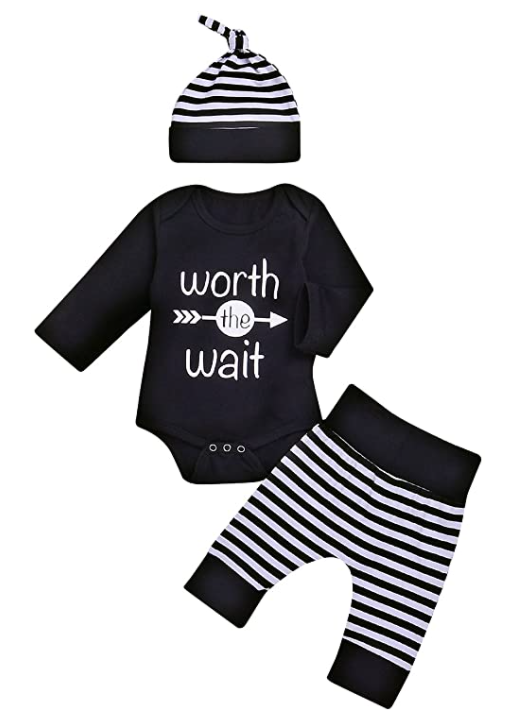
Pack a couple of short and long-sleeved sleepsuits in your bag as newborns can’t regulate their own temperature so the hospital will be cranked up high to protect them. And as newborn skin will have only just graced this earth, there’s nothing comfier than organic sleepsuits for babies, so make sure the material is high quality and soft to prevent any rashes/allergies.
Baby vests
Baby vests* or bodysuits go underneath the sleepsuits or baby grows, and they can also be long-sleeved and short-sleeved. If you know the gender of the baby, you can pack different coloured baby vests but we just went for white and other neutral colours. Just make sure they’re also 100% cotton and washed in a suitable detergent (I recommend Fairy non-bio* as this seems to be the gentlest on the skin).
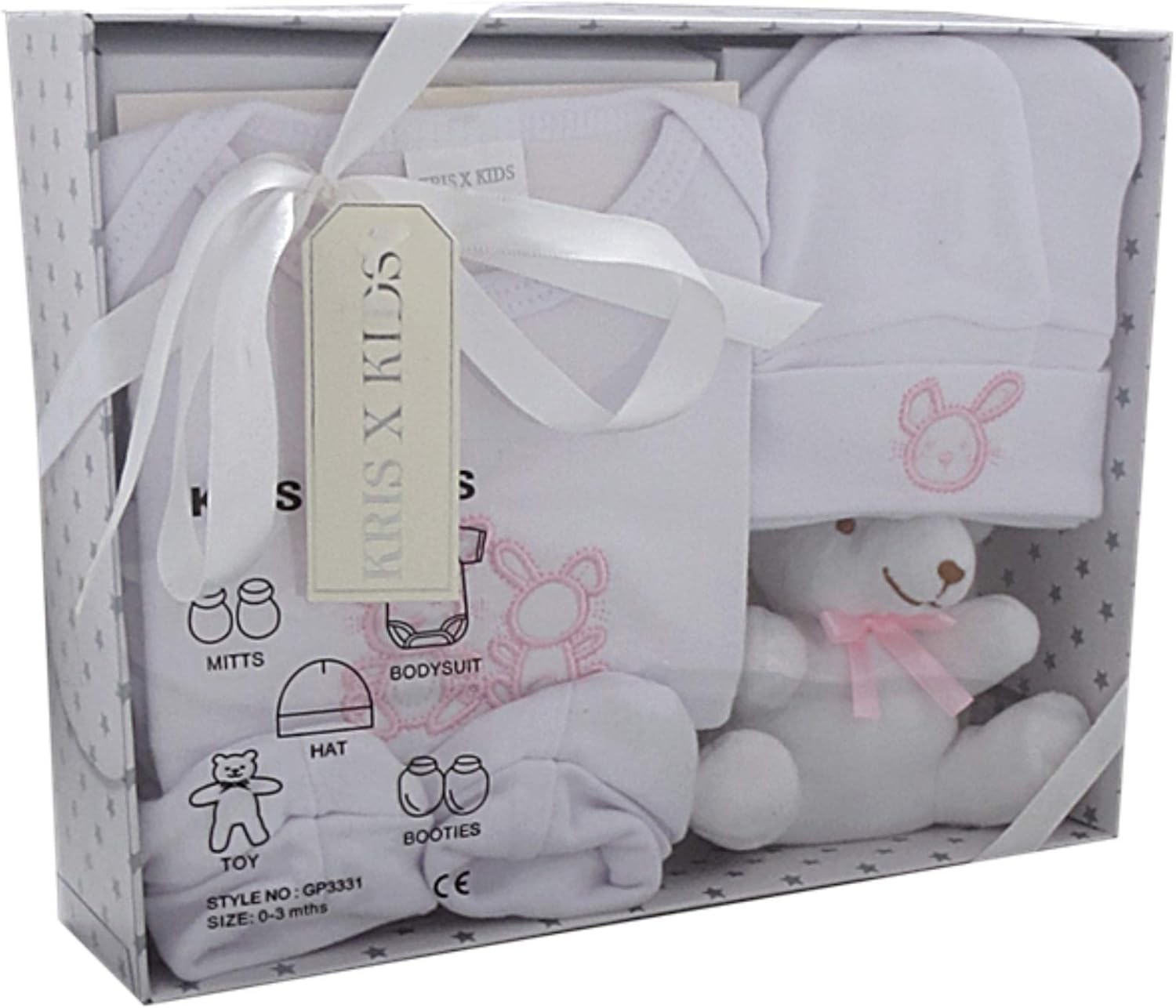
It is fundamental you pack a couple of newborn hats* because babies cannot regulate their own body temperature. However, some sleepsuits come with footsies and mittens which you fold over, so you may not need extra mittens and booties. If not, then ensure you get some scratch mitts* because they stop baby scratching themselves with their nails (you’d be surprised at how quickly their nails grow!). If it’s cold outside, extra foot protection may be needed, but sleepsuits and snowsuits tend to be all the protection you need.
Spasilk 23-Piece Essential Baby Layette Set — Newborn Baby Clothes — Baby Boy and Baby Girl — Baby Shower Gift – Buy from Amazon here*
aden + anais Snuggle Knit Newborn Gift Set with Knotted Baby Gown, Swaddle Blanket, Infant Hat, and Bandana Bib, 0-3 Months, Heather Grey – Buy from Amazon here*
Newborn Size 0, Size 1 or Size 2 nappies
Depending on the size of your new baby you may need to pack either Size 0 (for premature babies), Size 1 or Size 2 newborn nappies in your hospital bag for the baby. I had big babies so they all started on Size 1 (my middle 1 went straight to Size 2!). So err on the side of caution and get both Size 1 and Size 2, just in case. If you’re in premature early labour then Size 0 nappies may be the right one for you.
To start with, you should only use cooled boiled water and cotton wool to clean your baby’s bottom for at least the first four weeks. This is just to give your new baby’s skin time to get used to the external environment and all the bacteria coming their way.
The first poo is meconium and it can be a difficult to clean off, however, after a few days your baby’s poo will turn yellow and it will be a lot easier to clean after that. You can use either cotton wool balls* or pads* – I prefer the pads.
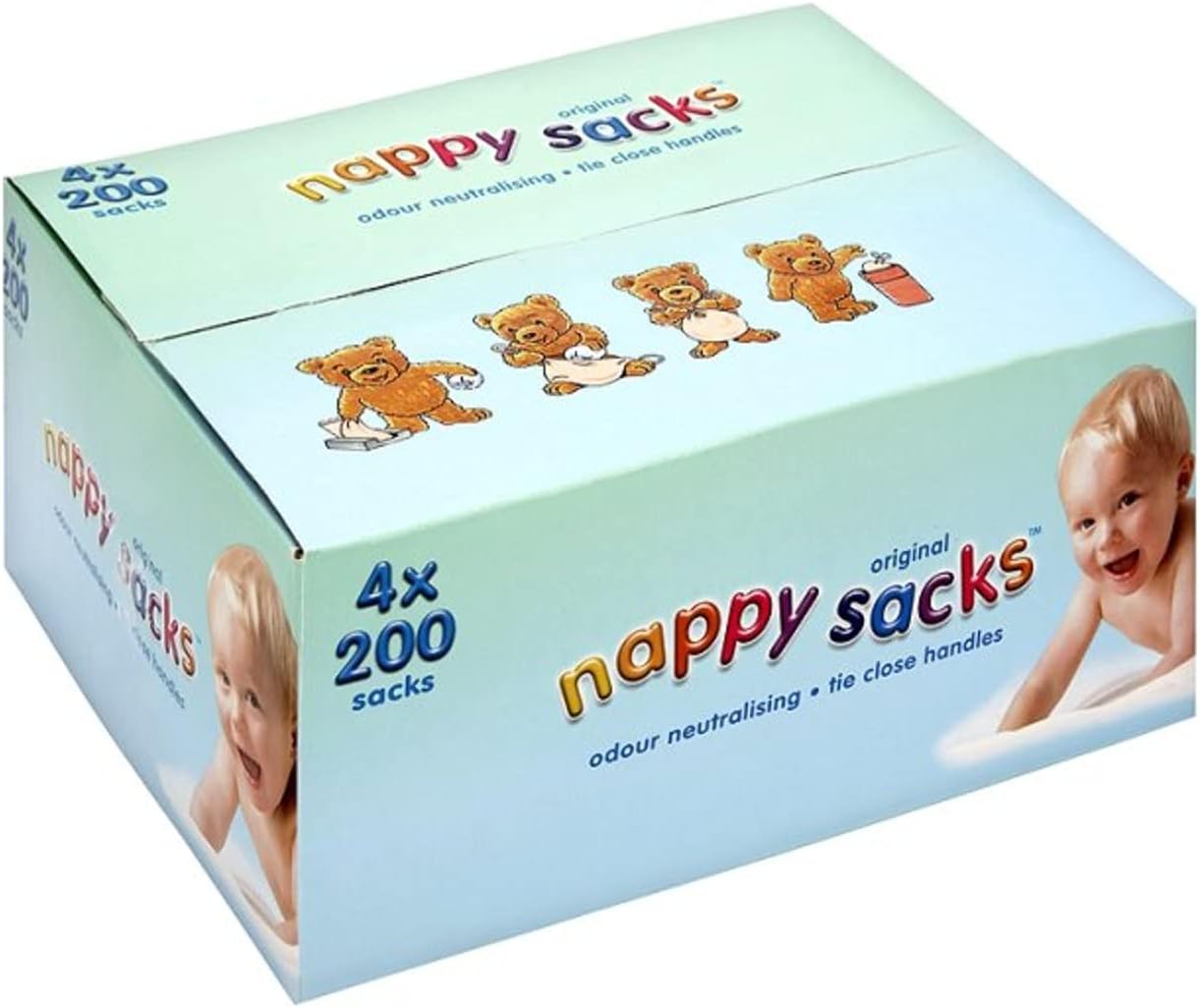
Nappy sacks* are not great for the environment but they do provide a way to stash the soiled nappy along with the used cotton wool into one fragranced (or non-fragranced) bag which can then be thrown into the bin. They’re very cheap and you get hundreds in a pack. Plus they help with keeping all the used bits at bay for sanitisation purposes.
A spare muslin blanket (more on muslins below) may double up as a changing mat to save space, but if you can, I’d pack a small changing mat because they generally come with the bag and they provide an extra cushion for baby’s bottom. They are also wipeable after use, so if you can find a small one to pack, I’d pack them in the bag.
Muslin squares are the small square cloths that help to mop up spit up when feeding your baby. They’re great to use for small spills and they’re easy to pack as they’re super light.
Muslin swaddles/blankets* are so useful and they may end up being the blankets you use the most during sleep, feeding time and changing baby. Make sure the muslin squares and blankets are 100% cotton to protect the baby’s skin.
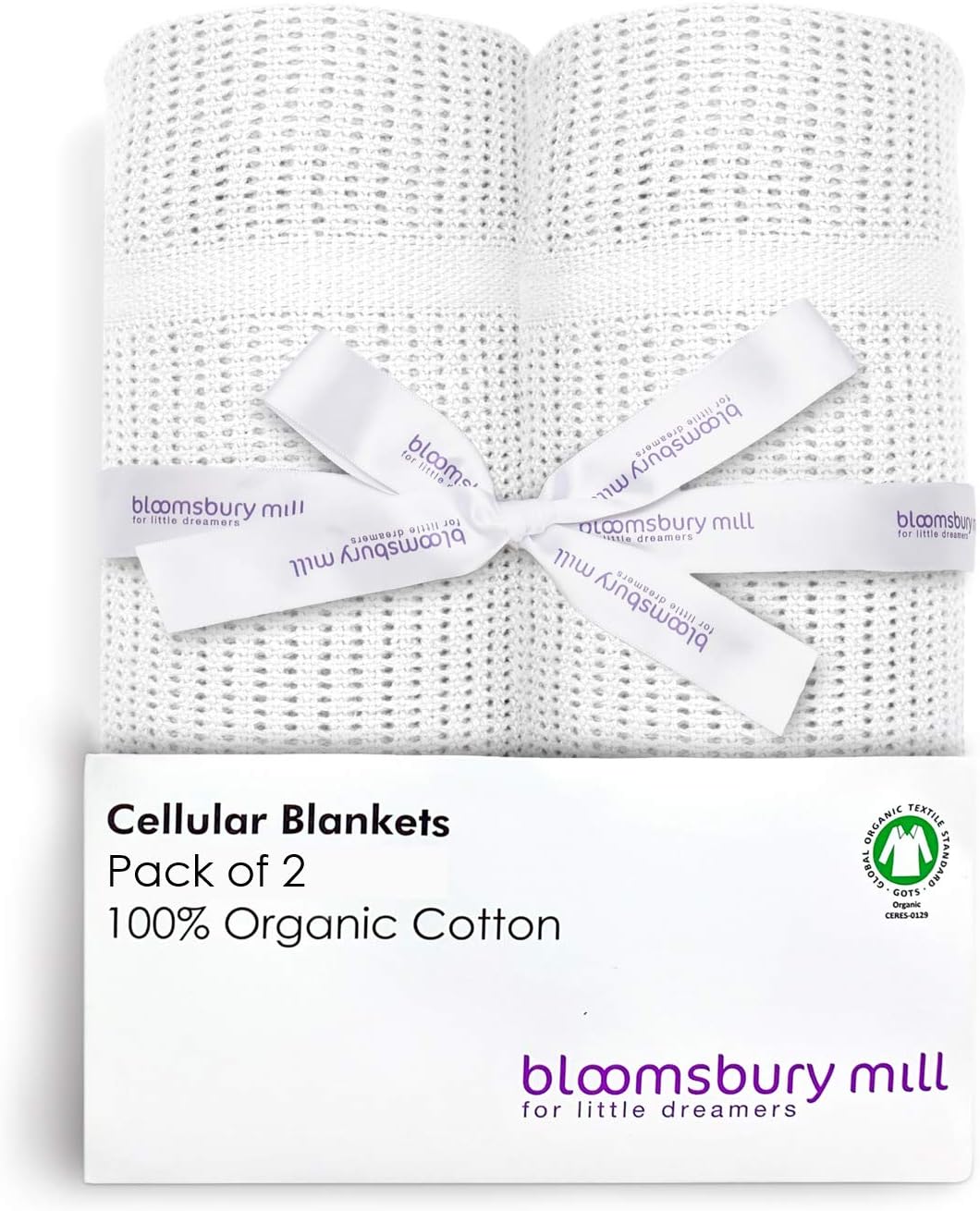
The first blankets you will see in the hospital are the cellular blankets* and they’re great because you can use them during the winter and summer months. They are light enough to carry around with you in your hospital bag too. Cellular blankets are designed with a clever ‘cell’ construction, so they trap the air to keep baby cool in the summer and warm in the winter. They’re also safer to use during sleeptime because if the blanket accidentally rides over the baby’s face, they can still breathe under the blanket.
However, it’s important to note here that you should use sleep sacks while baby sleeps rather than covering the baby with a blanket. You can also swaddle baby which is what hospital staff do but only if you know how to swaddle baby properly. You can get readymade swaddles* which help and don’t require you to do the swaddle wrap (I’ve never been able to swaddle my babies for some reason – they end up being too loose – but when done properly can help baby sleep much better as it mimics the closeness of the mother’s womb.)
Pack a normal 100% cotton blanket* too for extra protection if it’s cold. When you go home you should transfer your baby into a sleepsack* for safe sleep anyway, but it’s great to have as extra security.
If it’s cold outside then snowsuits* are a must because they cover baby from head to toe. They also tend to be fleece-lined to offer maximum protection from the wind because it’s vital your baby is kept warm at all times.
There are so many lovely snowsuits to choose from on Amazon. Here are my some of my favourites:
Going home outfit (not essential)
Of course, a cute going home outfit* is not essential – it’s more for the adults to enjoy a brand new miracle addition to the family wrapped in pretty packaging. There are some cute going home outfits on Amazon so if you have space, and it’s warmer weather outside, then consider dressing new baby up in pretty clothes. If it’s too cold and a snowsuit will cover the outfit anyway then it’s probably not worth it.
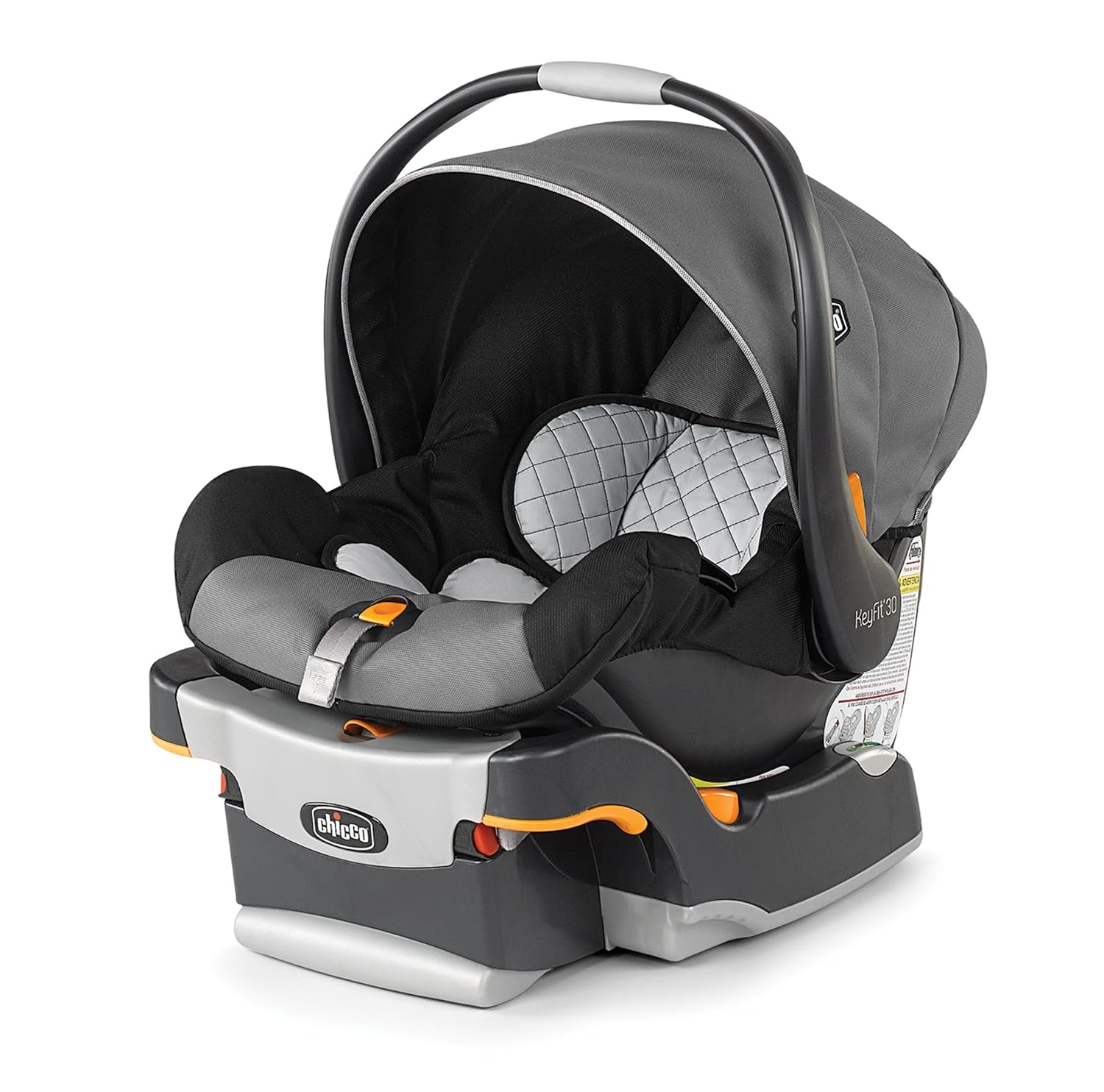
Infant car seats* are essential as you won’t be able to leave the hospital without a newborn car seat. This to ensure maximum health and safety of the baby on the trip home from the hospital.
If your car is fixed for IsoFix then I would thoroughly recommend getting an IsoFix base too so you only have to click the car seat into place rather than strap the seatbelt over which I always feel doesn’t look secure or comfortable.
Maternity hospital bag checklist for mum:
Comfortable nightie
Depending on how long you will stay you may want to get two comfortable nighties. I have two nighties which I’ve used for all three and they’re still good to go. They’re great because they’re long, they’re breathable and they have buttons at the top for easy breastfeeding access. Make sure your nighties are 100% cotton for maximum comfort
Dressing gown (not essential)
A dressing gown is not essential as you’ll be provided with a hospital gown but it does provide some comfort and privacy when walking around the hospital. I would get something that also doubles up as a bathrobe or go for a thin flowing nightie which you can use as a breastfeeding shawl if required too.
If you’re only getting one nightie above then I would consider packing an old shirt or nightie for the actual birth in case it gets damaged or soiled. You never know what will happen at birth so it’s worth getting something you don’t mind not using again.
Maternity towels
Whether you have a caesarean or vaginal birth, the outcome will be the same – you will bleed a lot. And you may end up with a sore front bottom if you’ve had a vaginal delivery. So investing in premium pads* not only provide you with the comfort you need but will also prevent any leakages. My favourite is the Abena Premium Maternity Pads* and I’ve never deviated from those pads. I would recommend getting the double pack with 14 pads each just so you have enough before you transition onto slimmer pads later. You may need more!
“Maternity pads, the big ones! A couple of packs just in case you have to stay in, as you need lots in the early days.”
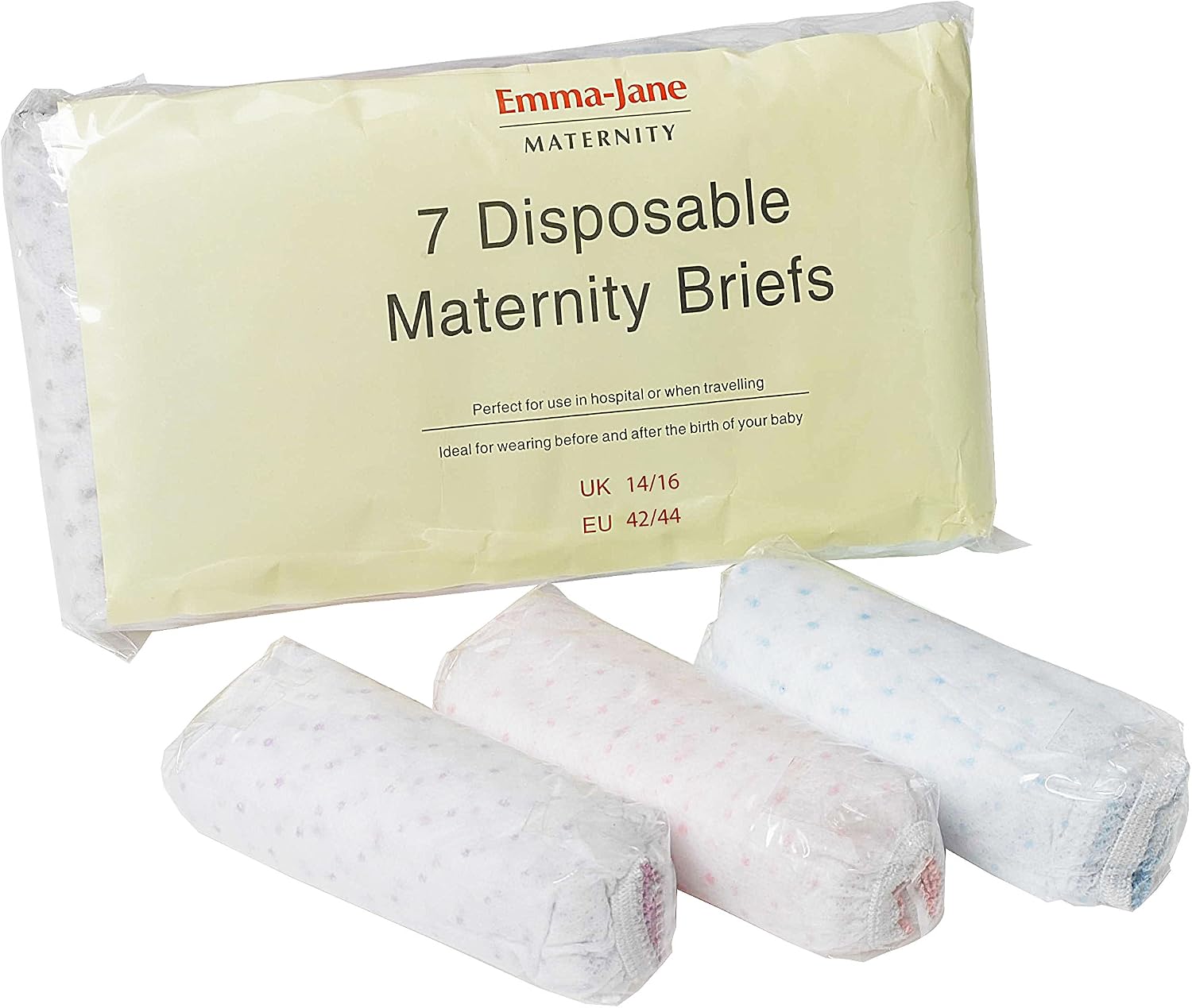
Whichever pads you choose, I would recommend wearing only disposable knickers, at least at the beginning until the bleeding and the soreness dies down. I have used the same brand for all of my three kids which is the Emma Jane disposable briefs*. You get seven in a pack and they all have different pretty patterns and colours.
I would suggest at least two packs and then you can transition to big 100% cotton knickers*. I would also suggest a size up to compensate for the belly and if you’ve had a c section a size up allows ample room for the hem of the knickers to sit over the scar – constant riding and chafing on the scar could cause an infection so make sure whatever you choose, ensure the hem leaves the scar well alone!
“Big knickers, the bigger the better. Especially if you end up with a C-section. As well as holding the large maternity pads after birth.”
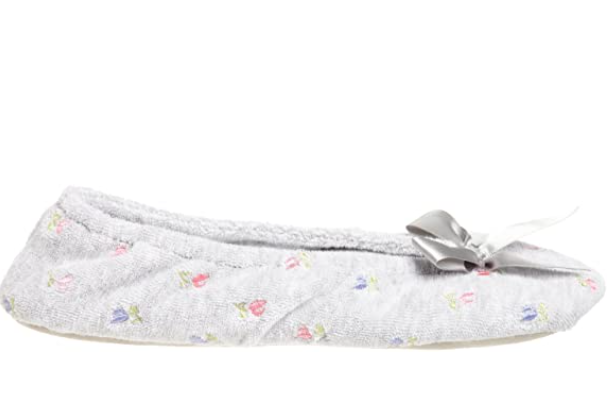
The hospital provides compression socks to help circulate the blood around your legs as you’ll be stuck in bed after birth. But once all is ok, the midwives will prompt you to walk. And if you’re like me, I never fancy placing bare feet on public floors, even if it is the hospital.
You might want waterproof flip flops for the shower too. Either way, ensure slippers are breathable, soft and large enough for swollen feet – I would recommend a size up from your regular shoe size for some breathing room.
“Flip flops or slippers for something easy to wear to walk around the ward floor and showers after.”
You may or may not want to breastfeed, but either way, you may end up experiencing some leakage during and after birth. So nursing pads* are useful to help with the leaking, even if you are formula feeding.
I would also recommend really stretchy nursing bras* to accommodate the fluctuating boob size and weight. Plus, they’re really comfortable and all you crave at birth is comfort!
I would say it’s not essential but useful to pack nipple cream, in case you experience some breastfeeding issues. Your milk will generally not come in until around day 3 to 5 but breastfeeding before may become difficult because of this. So it’s useful to pack a small bottle, but bear in mind you may not end up using it.
“Lansinoh lanolin nipple cream. Stop your nipples from getting sore but great on your lips too!”
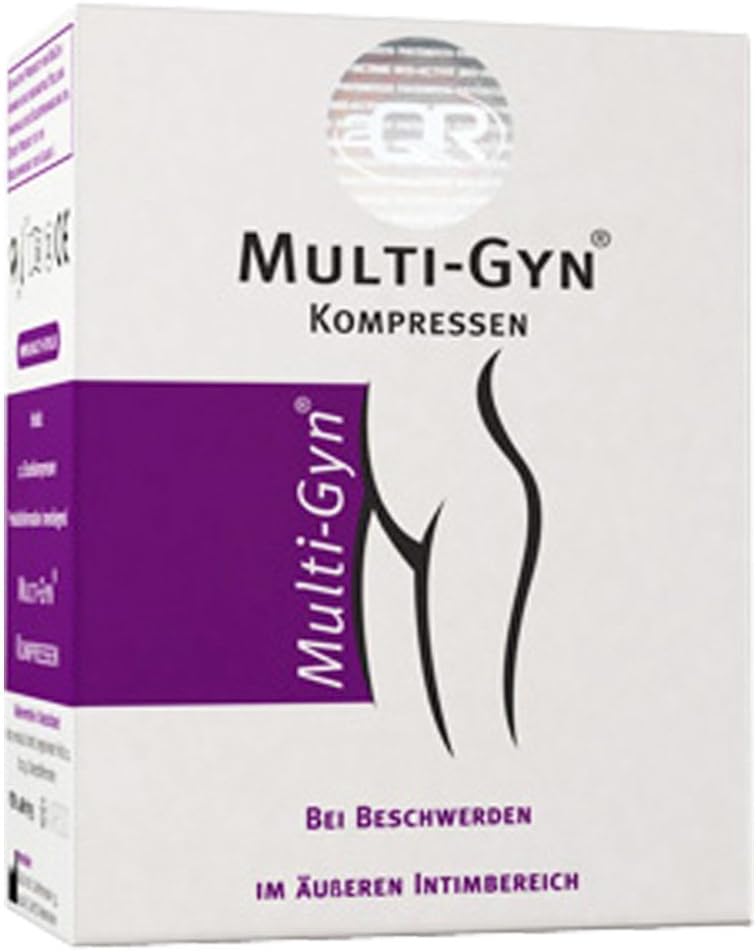
I would say a cold compress for downstairs isn’t essential if you end up having a c-section but if you’ve had a vaginal delivery then absolutely get one of these packs! I wish I had brought some with me after my VBAC because I was so uncomfortable and in a lot of pain that a soothing ointment would have helped so much.
There are some great cold compresses on Amazon but my favourite is the multi-gyn compress which contains aloe vera and soothing technology that actually helps to speed up healing.
Toiletries
A word of warning – the toiletries you will actually use will depend on your birth. The reason I say this is:
With my first birth, I had an emergency c-section after three days of back labour so the water spray and massage oil were heaven-sent. I also was allowed to shower with gentle shampoo and conditioner
With my second birth, I had a planned c-section so I didn’t use massage oil or the water spray – I literally just used shampoo, conditioner and coconut oil as well as the other bits below
With my third, I had a VBAC and ended up with an episiotomy and a second-degree tear. As a result, I wasn’t allowed to wash with shampoo or conditioner but I was so gutted I didn’t bring my water spray!
So, I will list the full items I think you should bring, but be mindful that you may not end up using them.
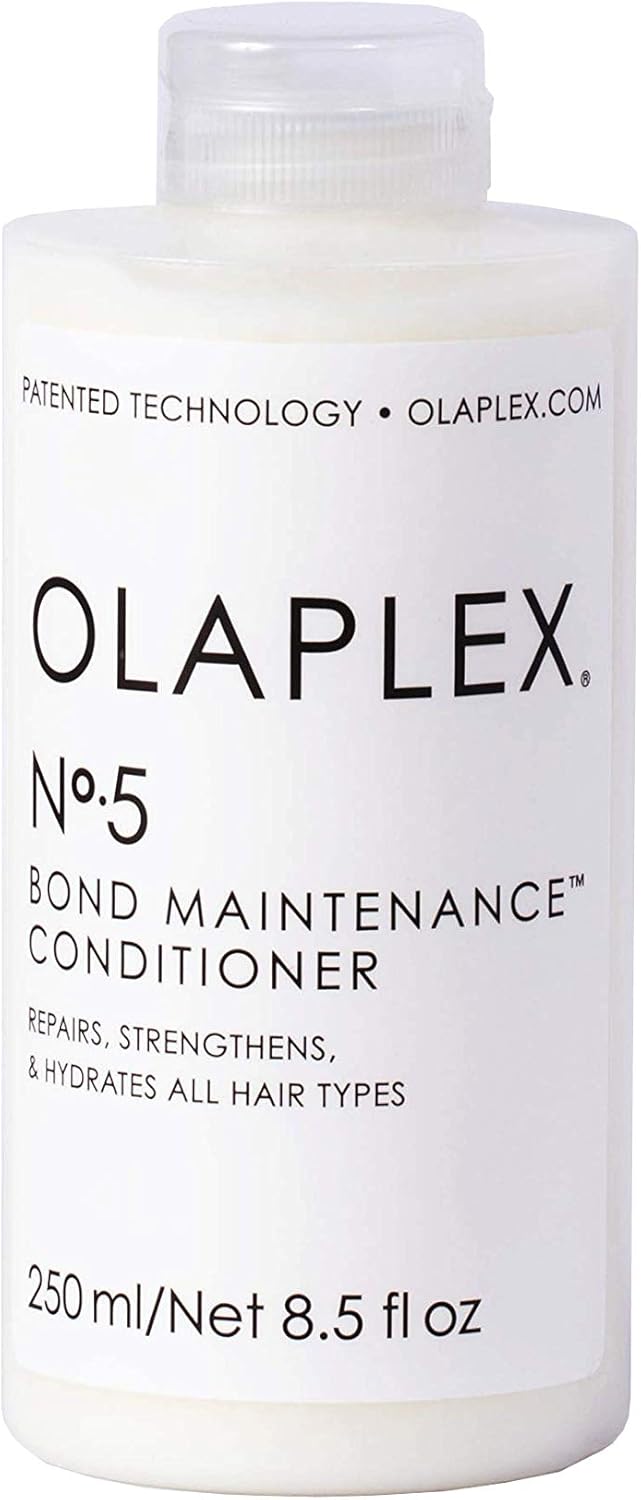
Shampoo, conditioner and body wash
Make sure these products are super gentle – gentle enough to be used on babies, so no parabens and no sulfates. Your body has gone through a trauma and unless you’re one of the lucky ones, there will be some form of battle scar to tell the story. So treat that wound with extreme caution.
Coconut oil can act as a hair and skin moisturiser and a lip balm, so I would thoroughly recommend adding a 100% organic tub to your hospital bag – coconut oil can even act as shaving oil if you end up wanting to shave your legs at the hospital. But I never did so it’s not essential.
Baby wipes
Baby wipes are more multi-functional than you think! They’re great for refreshing the skin and wiping off old makeup. They’re also great for cleaning the body if you can’t get to a shower and if there are any spills, baby wipes can also act as cleaning wipes!
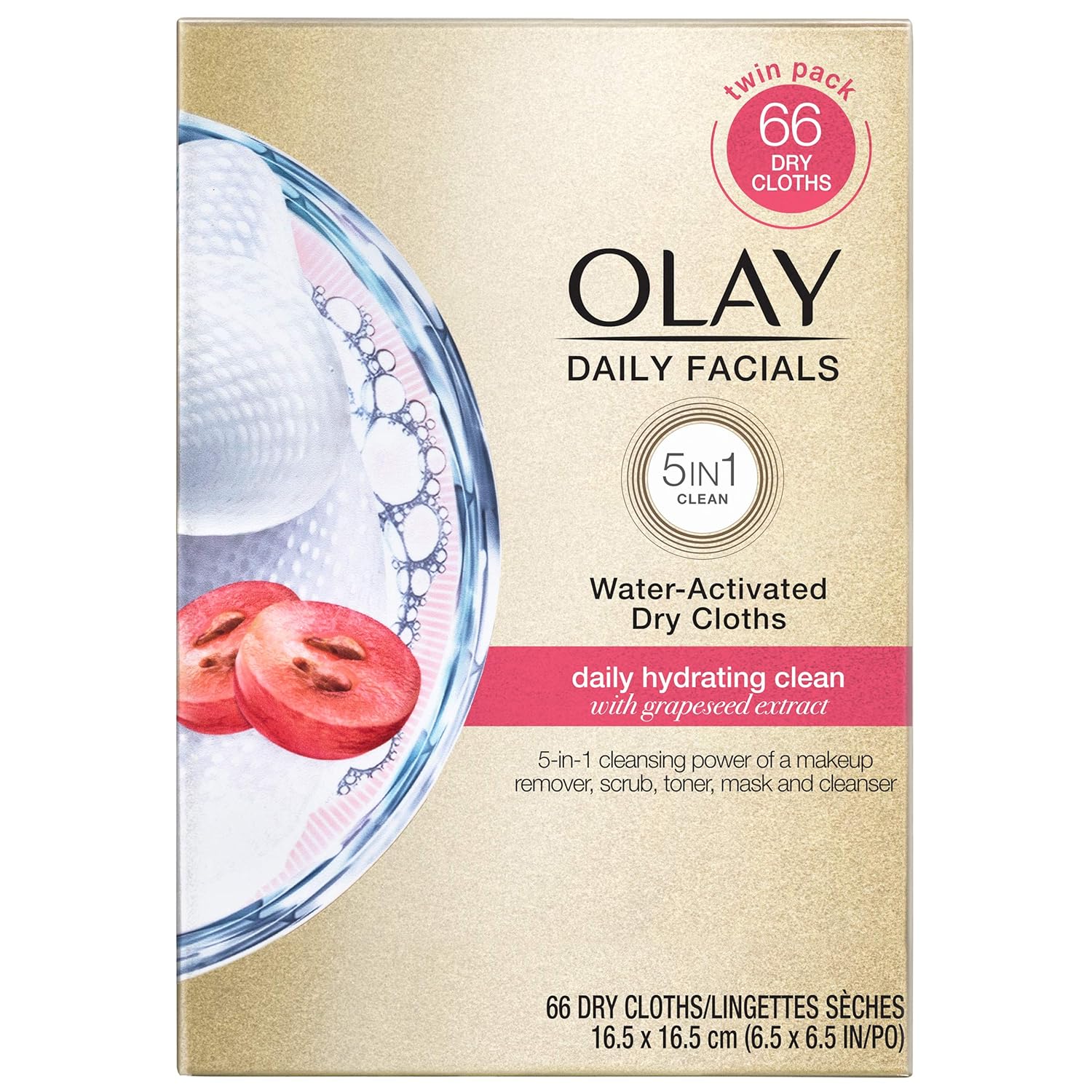
I did use Olay Facial Wipes* to wash my face after birth and I love them so much I use them every day. They’re great because they’re exfoliating and they leave your face feeling really clean and refreshed. Plus, you can double them up as a body wash wipes too because they foam so nicely and the wipe is large.
Bonus tip – I always cut my wipes in half so I have 60 wipes instead of 30!
A tinted lip balm just adds a bit of colour to your face and makes you feel a bit better, as well as softens dry lips. My favourite has always been the Rimmel Colour Rush series as they are super moisturising and they provide that extra pop of colour so you don’t look half dead after birth.
“Lip balm was the thing I used most in labour. You get so hot that your skin gets really dehydrated and the last thing you need is another part of you that’s uncomfortable! I found a tub of Vaseline was easier for my partner to apply for me than a tube where it’s hard to judge the right amount of pressure on another person.”
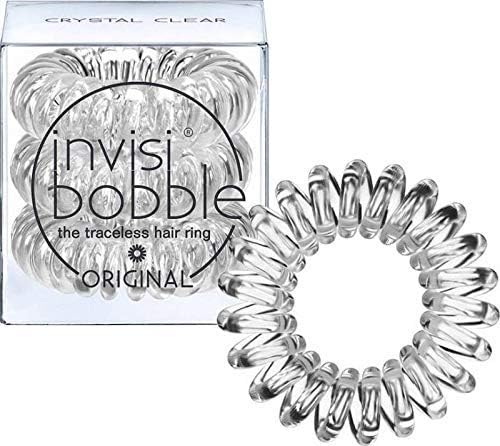
If you’ve got long/unruly hair like me then you’ll want it off your face for comfort. I have always used the bobble hairbands as they provide the most hold.
“Hairbands! Totally invaluable but often forgotten.”
If you’re having a long labour then you may want to use massage oil. Otherwise, you can just use coconut oil. Clary sage is great for speeding up labour so make sure you use it when labour has started. I sniffed clary sage during my third birth and got my VBAC!
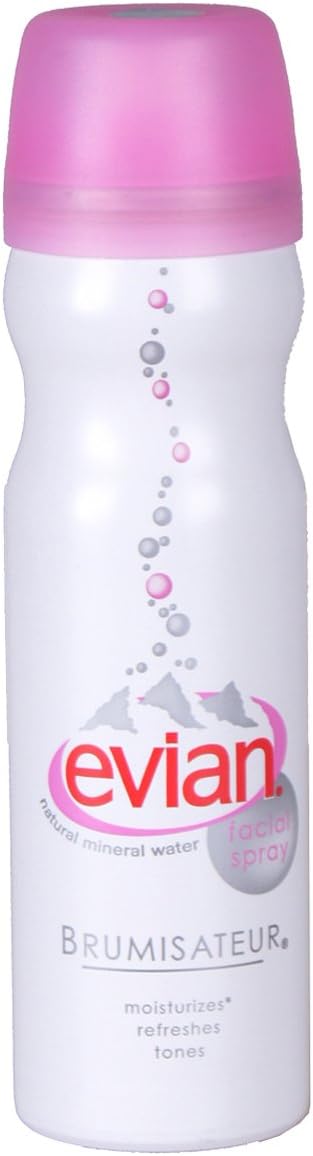
Some people may argue that a water spray* isn’t essential – but when I didn’t pack it in my hospital bag I cursed myself for not thinking of it. Water sprays are soooo refreshing and the hospital is super hot so they may be what you need to keep you cool. I wish I had my Evian mist spray to soothe my itching back (a side-effect from the epidural) and will no doubt pack it in my bag for the next birth.
“Some Spritz for Bits Spray! It is honestly a godsend!”
“A water bottle. You’ll want to drink this during labour, then refill to pour over your lady parts when you have a wee after the birth! Trust me when I say, you’ll need it to avoid a very uncomfortable burning sensation – especially if you end up tearing!”
“A bag of sweets! By the time I’d come out of the delivery room they’d stopped serving food and I didn’t fancy the tuna sandwich from the vending machine! “
Most hospitals offer breakfast and lunch, but to save the midwives coming round constantly bring your own healthy snacks and water to have at your beck and call. Plus you’ll get quite peckish – I ate loads when I was in the hospital.
“A pack of straws, gas and air makes you so thirsty and a, straw is much easier to use during contractions than taking a sip.”
Don’t forget to pack your smartphone or a camera so you can record the beautiful memories of birth and the first few days at the hospital. A picture is worth a thousand words, but a video is worth a million.
“An extra-long phone charging cable- that way your phone can reach all the way to the bed. Trust me, your phone will be busy with everyone asking for updates!”
Also, I listened to a lot of calming hypnobirthing tracks to help me through the early stage of labour, so it might be worth bringing earphones to help you as well – and for after the birth too.
“A tape measure. When my little girl was born they gave us the weight, but not her height/length. I wish I’d taken a tape measure to be able to get that measurement!”
There will be some downtime while baby sleeps and if you’re too wired to sleep yourself, you may want some magazines/books to tie you over.
I bought some puzzle books to keep me occupied but I rarely opened them as my brain was so tired. But bring some just in case. I would recommend some light reading from magazines or tucking into a good book.
Swimmingcostume top for a water birth (not essential)
It’s not essential but if you’re opting for a water birth, it might be more comfortable for you to bring a swimming costume top and keep the bottom free for baby to come through.
“A pillow. Nothing better than a home comfort after exhausting labour – and also doubles as pain relief post-c-section to pop over your tummy when coughing/laughing.”
You will be sore, you will be wobbly and you’ll be uncomfortable. So pack some comfortable free clothing that doesn’t stick too much to your bottom, belly and/or scar. I wore my husband’s clothes and looked like a hobo. But I didn’t care, I pushed a baby out!
“Dark pyjamas! If you need to stay overnight then you’ll want dark bottoms just in case!”
Check out some suitable clothing for after birth below:
Hospital bags
A large bag should suffice when thinking about a hospital bag for labour. The best hospital bag for mum (and hospital bag for dad too) will have lots of compartments for you to organise your items. I have found some suitable hospital bags to buy from Amazon, which is affordable and will give you ample space to include all your essentials for a hospital overnight bag. They can double up as a diaper bag later too.
Now you wait until your bundle of joy greets you and you’re ready to take your must have hospital bag for baby (and must have hospital bag for mum if you’ve packed two) to the hospital.
Frequently Asked Questions
What are the best baby bags?
I love my Miu Tui Berry Travel Changing bag, but I find the rucksacks above are much more user-friendly. Make sure to pick something which is large enough to hold your items but not too big so you can’t carry it. Think about usability and being able to carry it with one hand and baby in the other, as you’ll want to convert your hospital bag into a changing bag eventually. So something with lots of compartments also helps too.
I’ve included winter items in the list above, but make sure you pack enough warm clothes and a snowsuit to protect the baby from the harsh weather. Also, ensure the baby is wrapped with enough blankets and the head and limbs are covered. I would recommend also getting a car seat blanket wrap like this Kura Organic Wrap for extra protection.
What is the newborn bed in the hospital called?
The newborn bed is called a bassinet and is large enough to provide the baby with enough room but also small enough to make them feel like they are enclosed like in a womb. The sides are transparent so hospital staff and parents can ensure they can see the baby from all angles.
How do parents ensure a safe trip home from the hospital with their newborn?
Make sure you’ve asked all the questions you need from the midwives and packed a safe and secure car seat, ready to transport baby. Also make sure you’ve prepared for baby’s arrival so your baby has somewhere safe to sleep and it’s nice and warm for them to stay cosy. Trust your instincts and ask if you need answers – you’ll be fine! This article on how to prepare for your baby will arm you with all the information you need for baby’s first year.
Also, check out my very extensive video below where I go through all the steps in detail – from your third trimester to baby’s 1 year birthday!
I hope you found my baby hospital bag checklist useful.
If this is your first baby, fight the urge to pack everything but the kitchen sink. You won’t need it and you’ll just have to lug it all home with a new baby afterwards. Think about what to pack for a hospital bag first and then what size hospital bag you need then pack accordingly.
Ask yourself, ‘do you need two hospital bags?’ Believe me, with four pregnancies, I have learned to cut items down to the bone when I’ve had to think about what to pack for the hospital bag.
If you have any tips on what to pack for the hospital bag for delivery please share with us in the comments below. When did you pack your hospital bag? What do you wish you added to your baby registry or hospital bag list? What are some items that you packed in your hospital bag for delivery and postpartum that you didn’t end up using?
Good luck – you got this!
*Collaborative feature post*
*As an Amazon Associate I earn from qualifying purchases*
What is the best way to sleep while pregnant?
Maybe you found it a tricky process getting pregnant or you’re fighting with your partner over baby names. Whatever you’re dealing with right now, it’s hard to imagine that not sleeping during pregnancy would be one of the issues you face, especially when you hear about extreme fatigue in the first trimester and napping being a pregnant woman’s best friend.
And, what about comfortable sleeping positions during pregnancy?
What’s even safe?
Can you sleep on your stomach in the first trimester? Can you sleep on your back in the second trimester? Do you have to change to sleeping on your side when your bump gets bigger?
What’s the current medical advice for sleeping during pregnancy and how do you get comfortable so you can actually get some sleep?
The National Sleep Foundation created a poll in 1998 called the ‘Women and Sleep’ poll. They found that a whopping 78% of women reported more sleep disturbance during pregnancy than at any other time. They also found that:
15% of women developed restless leg syndrome (which we’ll go into later) during the third trimester of pregnancy
51% of pregnant/recently pregnant women reported having at least one weekday nap
60% reported having at least one weekend nap
If you're pregnant, grab your free pregnancy pack now - freebies inside!
Difficulty sleeping is common during pregnancy, so it’s vital to find ways to sleep while pregnant that minimises disruption to your body and any health risks to the baby. Pregnancy is taxing on the body so it’s really important that you’re getting the recommended daily amount of sleep (some of you will sleep like a champion during the first trimester anyway) so you’re fit and strong for not just pregnancy, but for labour and birth too.
In this article, I’ll go through:
The different sleep positions during pregnancy
The best pregnant sleeping position which helps to minimise sleep disruption
Common pregnancy problems that disrupt sleep
Medically and personally reviewed sleeping tools that increase blood flow to the baby and which help you have a nice restful sleep.
Please pin and share the love with your pregnant friends!
Let’s face it, sleeping when pregnant isn’t easy when there’s a baby using your insides as a punching bag! All that back and joint pain…
One of the main reasons for sleep problems and sheer fatigue is your ever-changing hormone levels during pregnancy and rising progesterone levels may be the culprit that causes the exhaustion that you feel during your first trimester.
An NIH-funded study suggested that the sleeping position up to the 30th week of pregnancy didn’t actually affect the risk of stillbirth, low birth weight babies or other pregnancy disorders like high blood pressure. However, the study cautioned that it did not provide information on whether back or right-side sleeping in late pregnancy could increase the risk of birth or pregnancy complications.
So let’s look at all the sleep positions separately and gauge which is the most effective and safest position in which to sleep during pregnancy.
Sleeping on your stomach during pregnancy
Sleeping on your stomach is generally regarded as ok until you reach around 16 weeks, when the bump gets bigger and it’s no longer comfortable to sleep on your front. But, comfort is where it ends. Amniotic fluid and the uterine walls protect your baby from being squashed, so you won’t have to worry about squishing your baby during sleep.
If you really want to continue sleeping on your stomach, you should consider getting an inflatable stomach sleeping pillow (more on that below) or cut out a large hole in your pillow for your belly. Just be careful not to overheat the baby if your room is too hot and allow for plenty of ventilation during the night.
Some studies, albeit small in size, have linked sleeping the whole night on your back to stillbirth, however, it is not as clear cut as that. Other issues like sleep apnea may also factor in pregnancy and birth complications too.
Sleeping on your back is generally regarded as safe during the first trimester, but from the second trimester, you should avoid sleeping on your back for the remainder of the pregnancy. New research shows that the risk of stillbirth is doubled if women go to sleep on their backs in the third trimester.
Sleeping on your back may also result in other complications like poor circulation, back pain, digestive issues and haemorrhoids. As you get on during the pregnancy, you may find that you’ll get lightheaded and dizzy when sleeping on your back for long periods.
If you wake up in the middle of the night and find that you’re on your back, don’t fret. Placing a pillow wedge underneath will catch you from rolling onto your back and allow for more circulation and blood flow to your baby.
Do you sleep on your left side or on your right side during pregnancy?
During pregnancy, you may often hear that you should sleep on your left side during pregnancy. But, do you know why that is?
It’s because your liver is on the right side of your bump, so sleeping on your left side not only keeps the uterus off the liver, but it improves circulation to the heart and allows for the best blood flow to the baby, kidneys and your uterus.
https://www.youtube.com/watch?v=0aiv4pJsybc&t=1s
It hurts to sleep on my side while pregnant
You may feel some pelvic pain from sleeping on your left side for too long, so you’ll find that changing position during sleep is a natural occurrence. So if you find yourself on your back or on your right side, this is normal and nothing to worry about. As soon as you realise just shift yourself back to your left side.
You’ll find that during your third trimester you won’t want to sleep on your front or back anyway because it’ll end up being too uncomfortable. We’ll go into some great tools later which will help you sleep more comfortably on your left-side and minimise pain to your pelvic area.
Start by lying on your side with your knees bent to take the weight off your heart’s large vein (the inferior vena cava) which carries blood back to the heart from your feet and legs. Then as you progress into the latter stages of your pregnancy, add pillows to your front and back to support the weight evenly. More information on pregnancy pillows can be found later in the article.
Also check out the video above of me super pregnant with my second baby, going through the different sleep positions and how to massage the lower back area to relieve pain and tension.
Is it safe to sleep propped up while pregnant?
If you experience heartburn, then sleeping upright while pregnant may alleviate your symptoms. But in late pregnancy, you may find that you’ll be short of breath, so it’s better to switch to your left side when you are ready to settle to sleep at night.
Common sleep problems during pregnancy
Frequent urination during the night
You’ll find, especially in the first and third trimesters that you’ll need to go to the toilet more often, and this is down to the following reasons:
Your blood volume increases during pregnancy
You have almost 50 per cent more blood in your body than before which means more fluid is being processed in your kidneys, so your bladder fills up more frequently.
Hormonal changes
The hormonal changes in your body make your blood flow to your kidneys more quickly, filling up your bladder more frequently too.
Your growing uterus
As your little angel grows in your tummy, your uterus grows along with them, adding more pressure to your bladder, which brings back the need to pee frequently.
What can you do?
Unfortunately, frequent urination is a common and natural symptom of pregnancy, so you can’t avoid it completely. But you can limit nightly bathroom visits by doing the following:
Skip certain drinks
Skip drinks like coffee and tea, as well as carbonated drinks like soda because they are diuretics, i.e. they increase the amount of urine being made in the body.
Don’t hold your pee
Go to the bathroom when you need to because the more you strain your pelvic floor muscles, the more they will weaken, especially during pregnancy and birth.
Empty your bladder completely
When you go to the toilet, lean forward so you can empty your bladder as much as possible.
Drink most of your water during the day
You should still drink when thirsty of course, but try to limit most of your water intake to during the day. Never hold off on drinking though – the body needs lots of water, especially during pregnancy, so it’s better to go to the toilet than be dehydrated and risk getting a urine infection, which could cause complications to you and the baby.
Restless Leg Syndrome (RLS)
Around 1 in 5 pregnant women experience RLS in their last three months of pregnancy and this normally causes sleep issues. But what exactly is RLS?
RLS is this overwhelming urge to move your legs, which can also cause an unpleasant crawling or creeping sensation in the feet, calves and thighs. RLS is often worse in the evening and may affect the arms too. There’s no obvious cause of RLS, but some scientists reckon it may have something to do with how the body handles the chemical dopamine which is involved in controlling muscle movement. The problem does go away after birth though.
What can you do?
You can start by making sure you have a good bedtime routine and avoid caffeine at night too. Get in some gentle exercise every day during pregnancy as well to help get rid of any excess negative energy.
Sleep Apnea
Your breathing may change during pregnancy as your bump gets bigger and more pressure is placed on your lungs and airways. If you didn’t snore before or you were a soft snorer, you may find you’ll wake the house now with your loud snores. You may even experience some pauses or disruption in breathing and this disruption is called sleep apnea if the pauses last longer than ten seconds. Fortunately, the risk of developing sleep apnea in pregnancy is low – around 10 per cent of pregnant women are affected. However, if you’re overweight, obese, or experience excessive weight gain during your pregnancy, you may have an increased risk of developing sleep apnea.
What can you do?
It’s important to treat pregnancy-related sleep apnea as soon as possible as it could develop into complications for both you and your baby. Sleep apnea is also associated with gestational diabetes, diabetes and unplanned caesarean sections, so make sure you’re eating a healthy, balanced diet during your pregnancy. Make sure you sleep on your side too, to alleviate any pressure on the back and lungs
In severe cases treatment is available where a machine provides a constant flow of pressurised air to help maintain an open airway during the night. These are only used in extreme cases, but it’s worth checking with your doctor to ensure your sleep apnea is not placing any undue risk on you and your baby.
Leg cramps
You may feel this sudden sharp pain usually in your calf muscles or your feet which causes you to wake abruptly from your slumber. Around 30 to 50 per cent of women get leg cramps during pregnancy so leg cramps are a common part of pregnancy.
But why do you get leg cramps? Well, it’s not entirely clear why women get leg cramps, but scientists suggest little or too much exercise, an imbalanced metabolism, electrolyte imbalances or vitamin indeficiencies. The good news is leg cramps should disappear as soon as your baby is born.
What can you do?
Regular, gentle exercise will help to reduce leg cramps and often help ease symptoms when it happens too. When you experience an attack, do the following:
Bend and stretch your foot continuously and vigorously for around 30 seconds to 1 minute
Rotate the foot one way for around ten times and then the other way. Repeat with the other foot if needed.
Then with your fingers, pull your toes up to the ceiling to stretch the back of the calf and rub the muscle firmly at the same time with the other hand
Try getting out of bed and walking around on your heels before heading back to sleep
Keep bedding loose so you can do these exercises as and when needed without hopefully disturbing sleep or getting out of bed
Have a nice warm bath before bed to relax the muscles
Elevate your feet in bed by propping them up on a pillow with toes pointing up.
Insomnia
Insomnia can happen at any time during pregnancy and, with most pregnancy-induced problems, can be down to the fluctuating hormonal levels during pregnancy.
For most women, pregnancy insomnia attacks the hardest during the third trimester and you likely will have no idea when it will hit and how long it will end. You may find that you’ll fall asleep easily but staying asleep could be the issue.
What can you do?
Help your mind and body get into a set routine so your biological clock knows when it’s bedtime and your brain can get in line.
Avoid caffeine (you should be avoiding this anyway) and foods high in sugar and acid to avoid heartburn and/or a sudden burst in energy
It’s easier said than done but try to take your mind off your worries about not sleeping by thinking about something that makes you happy.
Practice the 4-7-8 breathing technique where you breathe in for four seconds, hold for seven seconds and exhale for eight. You might find the breathing duration difficult when you’re pregnant but as long as you are exhaling for longer than you are inhaling, the breathing will help you to calm down and eventually allow you to drift off to sleep.
Otherwise known as heartburn, which is a common pregnancy symptom in the third trimester thanks to hormonal changes again and your growing baby pressing on your stomach. The muscles in your stomach relax during pregnancy causing stomach acid to escape back up the throat, which causes that burning sensation.
You’re likely to get indigestion/heartburn if you had indigestion in your previous pregnancies or you’re in the latter stages of your pregnancy.
Some symptoms include:
Feeling or being sick
Burning or pain in your chest and throat
Feeling heavy, bloated and full
Burping/belching
Bringing up food
What can you do?
Think about what you eat and how you eat it. Making changes to your eating and drinking habits can help to control symptoms if they are mild. Here are some tips:
Keep meals small and often rather than eating three large meals a day.
Don’t eat within three hours of going to bed at night
Cut down on caffeinated drinks and fatty, spicy and rich foods
Sit upright when you eat which will take the pressure off your stomach
Elevating your head and shoulders when you go to bed can help from stomach acid coming up when you sleep
Smoking and drinking can seriously harm you and your unborn baby’s health, but it also contributes to indigestion. If you need help to stop smoking and/or drinking talk to your midwife who can provide you with some support networks that you can call. NHS also has a Smokefree helpline which you can call on 0300 123 1044
If you’re still experiencing symptoms then speak to your midwife or GP who can examine you and provide further assistance and medicine if required
Excessive sleeping during pregnancy
Not getting enough sleep is an issue, but what if you’re getting too much sleep? Is there even such a thing as too much sleep during pregnancy?
According to the National Sleep Foundation, you should get around seven to nine hours of sleep each day. If you’re routinely sleeping more than nine to ten hours unbroken, good quality sleep, then this may be a sign of excessive sleep.
One study argued that women who slept for more than nine continuous hours without disturbance and they routinely had non-restless sleep in the last month of their pregnancy had a greater chance of stillbirth. However, this study was argued by other scientists who claimed that the non-restless nights were down to decreased foetal movement and not the cause of stillbirth.
What can you do?
If you are routinely sleeping for more than nine hours a night, then wow, lucky you! But it’s worth keeping some of those hours resting in bed, reading a book or writing, for example, to avoid oversleeping during the night.
Tools to aid sleep for pregnant women
Pregnancy Pillows
Pregnancy/maternity pillows are great because they can support the weight of your bump and back as you get bigger, encouraging less disruption during sleep.
Maternity pillows come in all shapes and sizes, so here is a rundown of what to look for:
Rounded pregnancy pillows
Rounded pregnancy pillows are generally multifunctional and also used for breastfeeding. They’re also cheaper and require less space in the bed. You place the pillow under your bump or to support your back, but during the latter stages, you may require extra support as most of these pillows don’t wrap all the way around.
CLICK HERE TO BUY THE BEST ROUNDED PREGNANCY PILLOW ON AMAZON RIGHT NOW
V Shaped pregnancy pillows
V-shaped pregnancy pillows are naturally shaped into a V to support both the head and neck. You can also use this kind of pillow to support the bump or the back so it’s multifunctional too. These pillows are best used if you don’t have enough space to use a full-body pregnancy pillow, like the one below.
CLICK HERE TO VIEW V SHAPED PREGNANCY PILLOWS ON AMAZON RIGHT NOW
Full body pregnancy pillows
Full body pregnancy pillows are the pillow of choice at the moment because they provide the most all-round support for your bump and back. You can mould the U-shaped pillow to support the entire body which helps ease pregnancy symptoms, including pregnancy-induced sciatica and pelvic girdle pain. Some pregnancy pillows like the one below have a detachable extension which can be used as its own full body pillow or attached to the main body pillow for additional back or belly support. Just make sure you have a large bed to accommodate for the pillow, which brings me onto my next point.
CLICK HERE TO BUY THE BEST FULL BODY PREGNANCY PILLOW ON AMAZON RIGHT NOW
Bed frames
Thanks to your growing body you’ll soon start to find that you’ll take up quite a good chunk of the bed, especially when you have full body pregnancy pillows taking up one side. If you can and you have space, invest in a super king-size bed so your partner (and any extra kids) can cuddle up to you while still having ample space in the bed.
A firm wooden frame with wooden feet will provide enough stability to house an extra bump in bed. The Birlea Balmoral Grey Fabric Bed in Superking size has a large headboard with a soft velvet feel to offer the perfect comfort when you’re cuddling up with your baby bump and partner or when you’re stretched out like a starfish.
A comfortable mattress
A strong bed frame is important, but a comfortable and supportive mattress is essential.
Look for a mattress which has/is:
Memory foam to mould perfectly to your body and adapt to your growing bump. You can find fully adjustable mattresses from Ausbeds.
A breathable mattress with Octasprings which provides 8x more breathable fabric than pure memory foam. The constant airflow keeps the mattress cool when you’re overheating from that energetic bump!
A hypo-allergenic mattress to keep allergies away and protect against dust mites and bacteria, so you have the healthiest sleeping environment for you and your baby
Medium firmness which allows for the mattress to not be too hard or too soft (so it’s just right!)
Supportive – Find a mattress which also provides optimal support for your head, shoulders and hips, so your hips are not singing in pain when you’re lying on your side for too long
Learning to cope with disrupted sleep – what else helps?
Back massage
https://youtu.be/0aiv4pJsybc?t=45
Lying on one side for too long can cause hip and lower back pain, so get your partner to massage the lower back to relieve some of the pressure built up when lying in one position for too long.
Nasal strips
You may find during pregnancy that you’re stuffy, even if you don’t have a cold. So if the snoring is waking up the whole town or the congestion is waking you up at night, your doctor may advise nasal strips to help open the airways and relieve nasal congestion.
CLICK HERE TO BUY THE BEST NASAL STRIPS ON AMAZON RIGHT NOW
Pregnant mums! Grab your free pregnancy pack now - details inside!
A ‘Sleep and Dietary Patterns in Pregnancy’ study in 2017 found that a good diet may help pregnant women sleep better at around 26 – 28 weeks gestation, with the Mediterranean diet coming up at the top of the list to helping combat sleep problems like insomnia. The Mediterranean diet is high in vegetables, legumes, fruits, cereals and fish, but low in dairy, saturated fat and alcohol, so it seems laying off heavy, unhealthy food and drink might help you to sleep at night.
The same study found that the Japanese diet which is rich in rice lowered the risk of poor sleep quality by 46 per cent. Suggested explanations were that rice has a high glycaemic index and is also high in melatonin which is the natural chemical we make in our bodies to help us sleep. Apparently even eating less of the seafood-noodle pattern can help you sleep better too!
Reduce your stress and responsibilities
We live in an age where we are sharing parental roles and duties. No longer does the old-school man-makes-fire-brings-in-the-bread-woman-is-the-homemaker work in this cultural and digital world.
This is great! Women can now be free from the kitchen-sink role and express themselves in the workplace, through their business, and at home, all while growing a baby. And, incidentally, men can take a more paternal role and share the load of looking after the kids.
However, because of the extra responsibility, sleep often gets pushed to the back of the priority list, resulting in sleep deprivation during pregnancy, which this study found was linked to postnatal depression, complicated birth and preterm delivery due to more pro-inflammatory serum cytokines released from the lack of sleep.
What does this mean?
It means that your mental health is affected as much as your physical health and when you’re pregnant you need sufficient sleep to nourish the development of your baby. This topic begs its own article but I found that running a business while being pregnant often didn’t help me get to sleep at night because I would be tapping away on my laptop screen for a long period while worrying about finances and whether we could afford to move to a bigger place.
Sometimes you have to learn to delegate certain duties and so I leaned more on my husband and parents to help me get through the tough later months of pregnancy and the vital fourth trimester where they did the school runs for me and took over some of the bills, of which I was very grateful because I needed the recovery time!
Mindfulness and meditation
Mindfulness and meditation, along with the 4-7-8 breathing technique can help to reduce some of the stress you feel during pregnancy. Breathing is a fantastic tool to instantly calm the body down and can even help to drift you off into the land of nod. Click here for more information on how mindfulness and meditation work to help you sleep during pregnancy.
One study urged that due to the high percentage of women who experience significant sleep disruption during pregnancy, there should be regular screening and treatment provided for sleep disturbances, especially the impact that sleep disruption has on the pregnancy, the baby and postnatal depression. I think this is a great idea!
It’s important that if you are finding it difficult to sleep during pregnancy, you should speak to your doctor, who can provide you with actionable, manageable steps to help you sleep better during pregnancy.
*Motherhood Diaries was gifted a Superking bed frame from Mattressman and a Superking mattress from Wayfair for the purposes of a review, but all opinions are 100% our own.
*This article also contains affiliate links, where if you click through and purchase, I may earn a small commission at no extra cost to you. Thank you for your support.
*As an Amazon Associate I earn from qualifying purchases.*
My PPROM – Second Trimester Miscarriage – Journey to getting my girl – Part 3
I will get onto the reason in a moment. But, you can probably guess what it is.
So, I’m going to issue a trigger warning now:
TRIGGER WARNING! THIS POST CONTAINS PERSONAL DETAILS ABOUT MY SECOND TRIMESTER MISCARRIAGE TREATMENT WHICH MAY UPSET READERS. PLEASE DO NOT READ IF YOU ARE SENSITIVE TO THIS TOPIC IN ANY WAY.
Get an insight into your fertility with an accurate at-home test and check your female hormone levels from the privacy of your own home. Code below!
So, to continue with the series, we’ll start from where we left off in Part 2. If you haven’t read any of the ‘Journey to getting my girl’ series, then may I suggest you start with Part 1 here, so you understand the backstory.
To summarise, the series talks about my husband and I following a non-invasive conception plan to get our girl, using Dr Verma from Urobiologics’ two tests, the PreGender Test which determines whether the female’s menstrual cycle favours a boy or a girl via non-invasive urine sampling and the FirstGender Test which determines the gender of the baby from conception, again, via a urine sample, which claims to be 95% accurate. Urobiologics discovered that just like there are two kinds of sperm, which determine the gender of the baby, women have alternating boy-girl specific menstrual cycles, which select the gender.
We had already sent our samples in and Dr Verma emailed us our conception plan to try for a girl soon after.
The conception plan was a long, hard slog. Hubby caught a nasty flu and was out for a week, which meant we missed one month. And there was a time when we thought we may have been pregnant, but I experienced a chemical pregnancy back in May 2017, which was very disheartening, so we didn’t try the subsequent month.
But we finally got pregnant in August 2017 and Dr Verma had been so responsive during those 13 months that it felt like we had a private doctor urging us on, providing tips and tricks to maximise pregnancy.
Positive pregnancy test!
When I sent Dr Verma a picture of our a positive pregnancy test, he was thrilled for us and urged us to collect samples for three nights and ship right away so we could start the next process which was the FirstGender Test.
What is the FirstGender Test?
As soon as you get your positive pregnancy test, you ship urine samples to Urobiologics who then test to find out the gender of the baby from day 1 of conception, with around 95.5% accuracy. And they email you the results within 48 hours of receipt of the samples. You can find more information about how to book the FirstGender Test here.
Dr Verma’s emails were very detailed, informing us exactly what we should do with our samples.
“Suppose you go to bed at 10pm. Do not collect that because it is diluted. Thereafter, anytime you go to the bathroom, let it go for 2 – 3 seconds, collect in a large vessel and pick up one spoonful and add to the bottle. Discard the rest. Repeat this the whole night until morning, included. Do not collect during the day. Repeat for two more nights and then ship the bottle.”
Dr. Verma, Urobiologics
Get a comprehensive picture of your hormonal health without the need for clinics or appointments. Easy testing, free shipping, and fast results.
I told Dr. Verma that I wanted to keep the entire process quiet until I passed 12-weeks gestation, which he agreed and understood.
I sent the sample off within days of the positive pregnancy test and despite a slight delay thanks to UPS, Urobiologics received the sample and got to work.
My best friend was so happy for me too, bless!
Good news!
Within a couple of days, we received the email from Dr. Verma:
Ms. Preston, We are proud to be the first one to say hello to Poppy. Welcome Poppy to your home. We have completed testing of the urine sample submitted by you. The baby’s gender, as evaluated from the urine sample believed to be from you appears to be FEMALE (GIRL) with around 95% confidence, without expressing or implying any warranty. This report should be read along with the disclaimers and terms & conditions displayed on our website.
Dr. Verma, Urobiologics
We were elated. We got our girl! But we kept it quiet until the 20-week scan, just in case there were any misreadings. We were quietly confident, however, that we had our girl and we couldn’t wait to tell our family and friends at 20 weeks.
The first trimester
However, from the moment I got pregnant, I felt like something was off.
The first trimester was extremely difficult. I couldn’t eat or drink anything. I looked grey. I slept for 20 hours a day and I just felt poisoned. I struggled so much that my parents and hubby had to pick the boys up from school because I didn’t have the energy to get up. And I also had been spotting dark brown blood from week 7 to week 12 of the pregnancy.
I had a transvaginal scan at week 6 to find out if everything was ok and I saw my little dot with her beautiful little heart beating (a vision of which years later, I still see in my mind)
I was really excited to see my teeny baby beating away and sent the scan picture to Dr Verma, who said you can tell the gender of the baby by its head size, bent body (girls have a curvier backbone than boys) and the angle of the nub. He said that all three parameters pointed to a girl.
Again, we were very happy to read Dr Verma’s conditional diagnosis of the scan confirming it was a girl, but, upon reading the scan notes, again I felt like something was off.
I kept thinking about whether the foetal heartbeat was a bit slow or that the size of the sac was on the small side. I thought about what that tiny retrochorionic bleed meant and why I hadn’t encountered anything like this with the boys. But the sonographer assured me it was probably down to the implantation and it would resolve itself in the second trimester. I was, however, to abstain from any form of exercise or sex and try to rest up as much as possible, which was all I could do anyway.
The second trimester
By week 13, I felt like a dark wave had lifted. The constant nausea had subsided, the spotting had stopped, and I felt more like myself again. I ventured out to Baby Shows, trips with the family and I even hosted my best friend’s baby shower – I even made a cake!
Again, I just felt off.
I was having dreams of my baby being stillborn, and friends around me were having miscarriages. I hadn’t even thought of miscarriage once with my two boys, so why was I thinking about it all the time? And, no matter how much my friends, family and doctors/midwives assured me that everything was ok, I kept thinking something was not ok.
Get an insight into your egg reserve with LetsGetChecked's Ovarian Reserve test.
At my 12 week scan, which happened late into my 13th week, the sonographer scanned me for around five minutes, refused to answer any of my questions and treated me as if I wasn’t in the room, despite me continuously asking whether my baby was ok and expressing my concerns about this feeling I had.
She said the baby was fine and so was the heartbeat and that was that.
I called Barnet Hospital after the scan to request another, but they told me they were fully booked and that I would have had to wait until my 20-week scan to check the baby.
22:00 – Thursday 26th October 2017
One night, I went to the toilet and a sudden gush of liquid poured out. I first thought maybe I had peed a lot, but as I carried on with my chores, I felt trickles come down my legs. I told hubby who advised me to stop worrying, and that we’d deal with it the next day when the kids were at school. But there was no way I could go to bed. We called my dad to pop over to stay with the boys, so hubby and I could head to Barnet Hospital’s triage unit.
Off to the triage at night
The triage’s tiny waiting area was packed to the brim with pregnant couples. Some heavily pregnant women had to stand up because there was nowhere else left to sit.
I busied myself on my phone, updating my best friend on our current situation, which was nothing because nothing was happening.
23:00 – Thursday 26th October 2017
No one saw us until about an hour later when a member of staff came over and shouted:
“So, who is the 15-weeker who lost their waters?”
Both hubby and I were shocked that she had blurted our situation out in front of everyone and hubby chastised her for being so insensitive to which she apologised, but did not seem to cast another thought about it. She walked us to a large vacant room where we were told to wait until a doctor tested my waters to find out whether I had indeed passed amniotic fluid or urine.
A doctor visited briefly to ask me some questions about my past births and current pregnancy and I was advised that I would likely stay the night and await a scan in the morning to find out exactly how much, if any, amniotic fluid had been lost.
I joined tons of Facebook groups related to this Preterm Premature Rupture of Membranes (PPROM) that I had Googled, but had never heard about in my life, and there were a lot of positive outcomes of babies being born with slight complications but could still thrive despite the mum losing her waters during pregnancy.
I learned about things like bacterial vaginosis, cervical insufficiency, polycystic ovary syndrome and vaginal bleeding being causes of miscarriage, but if I had only lost a little water, I might save my pregnancy.
I had renewed hope that maybe this pregnancy was salvageable and made a silent promise to my baby that I’d do anything to save her, despite the conflicting stories on Facebook. I only hoped that I had either only lost urine, or very little of my amniotic fluid, of which I read you could replenish if you drink lots of water.
So I drank. A LOT.
So this was me at 2am, after four hours of waiting to be seen (and four hours of Googling to find answers because I wasn’t getting any from the hospital!)
00:30 – Friday 27th October 2017
A doctor arrived with an assistant to test the liquid I lost and confirmed that I had passed amniotic fluid.
Ok. Not good news, but I told myself to stay positive. Now the hope was that I didn’t lose a lot.
We were told we would have to wait to be seen by a consultant obstetrician to find out what our options were and how much had been lost.
02:00 – Friday 27th October 2017
A Mister Consultant Obstetrician came to examine me further and provide antibiotics, which he advised was to prevent infection to me and the baby. Again I was told I would have to stay the night (at 2 am I bloody hoped so!) and that they would take me for a scan at 9 am the next morning to check how much waters had gone.
If there was only a little water lost, there may be a chance to save the pregnancy and stay on bed rest to protect the baby. But if all waters had gone, then it would become a fatal pregnancy and my only options as advised was a natural miscarriage, where I would have to wait for nature to take its course and I lose the baby, or a D&E which is a Dilation and Evacuation and I would lose the baby.
I later found out that very few doctors perform this surgery because of the size of the baby and that their bones would need to be broken for the evacuation to take place. This was explained to me by a doctor during my week in hospital by the way, which is so traumatising to hear! A D&C or Dilation and Curettage is not possible on babies over 12 weeks.
The thought of my baby being broken finished me and I spent the rest of the night crying into hubby’s arms. Either way, the outlook was bleak and so I hoped that my only chance was that not all waters had gone and that there was a way to save my baby whom I could feel move but the movements were getting slower and fewer and far between.
09:30 – Friday 27th October 2017
I was transferred to the Victoria Ward, which was the delivery suite where mothers were giving birth to newborn babies throughout the day and night. The sound of new babies being born was soul-destroying because I knew there was a good chance I wouldn’t get to see mine.
So, why were they keeping me in the delivery suite!?
11:15 – Friday 27th October 2017
Two doctors came to discuss my options again and urged me it’s safer to go into natural labour. After speaking with my best friend at length, who had a D&C after a missed miscarriage at 12 weeks, I decided I was going to take the D&E route to prevent traumatising my boys and to not risking haemorrhaging again (as I lost a lot of blood during my first two births). Plus, the thought of going into labour and not having a baby at the end was so depressing that it simply wasn’t an option for me.
I was still hoping that only a little water had gone, so I refused to talk about it until I had my scan. I willed my baby to pull through and that my body wouldn’t fail on me. I kept drinking and must have gone through at least four litres of water in the last few hours.
15:00 – Friday 27th October 2017
I was finally ready to be taken to the scanning room, despite being told this would be at 9am, to find out whether my baby was fighting strong and that the copious amounts of water I drank had miraculously replenished my amniotic fluid.
Funnily enough (not funny), it was the same sonographer who did my 12-week scan, and she hadn’t been any more vocal than before.
I couldn’t see the baby and asked her why. She said it was because there was no amniotic fluid left.
I burst into tears. I knew what this meant. There was no saving my baby anymore.
I told her that was enough. I couldn’t be here anymore because there was no positive outcome. And in response, she turned up the sound of my baby’s heartbeat to show me she was still alive, but then told me that the pregnancy would have to be terminated because there was no chance I could replenish something that wasn’t there.
I thought to myself, is this how medical staff treat mothers who are facing the prospect of losing their babies? All I got was pure indifference and sheer negligence. I was so distraught and told her to turn the heartbeat off. I put my hand up to the screen so I couldn’t see my baby. I just couldn’t see her. The thought of having to kill her was too much and I willed her to rest in peace in my tummy instead if there was no other way to save her.
I cried into the midwife who accompanied me – she was so lovely and stayed with me throughout until I was reunited with my husband. I kept reading the different stories from mothers who PPROMMed full waters at 15 weeks and the stories were not positive. In fact, I read that those babies who were born later after a full PPROM would be seriously disabled and die from stillbirth anyway.
I was diagnosed officially with having a PPROM / oligohydramnios at 15 weeks pregnant and was provided with another two sets of antibiotics to prevent infection. My blood, urine and everything were checked and my baby kept moving as if to tell me she was still alive and there was hope still for us.
Yet medical staff around me was pushing me to go into natural labour because they didn’t think it was ethical to do a D&E. My hubby thought they were trying to free up the bed by offering a pessary to push things along. The whole time I kept hugging my baby.
And the whole time. I felt like a failure.
I failed my daughter.
18:10 – 27th October 2017
I was visited by another doctor to tell me the same thing again. There are complications with the surgery regarding removing the foetus and the bones splintering the womb.
18:30 – 27th October 2017
Again, another doctor came in to advise against medical surgery and that inducing labour was a safer option.
The treatment I had received throughout the weekend was shocking. I wasn’t allowed to go home to see my kids and that if I really wanted surgery, then I would have to wait until Monday, despite being warned that every day my ALIVE baby inside me was risking my health.
One of the junior doctors opined at how unethical it was to do a D&E because of the procedure and that I was better off letting labour take its course. When I mentioned to her, I had two boys at home who would be traumatised and that I had haemorrhaged during my last two births, her response was:
“Well, that’s an undesirable situation, isn’t it?”
That was it. Enough was enough.
For the first time since this entire ordeal began, I saw hubby lose his temper. The junior doctor cowered under his presence and ran off to get the surgeon.
20:00 – Friday 27th October 2017 to 08:00 – Saturday 28th October 2017
We were visited by a midwife after junior doctor after midwife at 20:00, then at 21:00, then at 22:00, then at 23:00.
02:00
04:00
06:00
06:30
08:00
They all asked. All checking to see if I had a temperature. All checking to see if I had changed my mind about the surgery.
10:45 – Saturday 28th October 2017
We officially complained.
There was no plan, no visit, no moving forward, nothing. Just doctor after doctor coming in and asking us the same questions. And all we got in response was apologies, and that the surgeon was very busy in the labour ward, but is aware of me and my situation.
11:15 – Saturday 28th October 2017
I was advised medical induction of labour again and that’s when I cracked.
“I don’t want a vaginal delivery! I want surgery, stop recommending it to me! I know my rights!”
12:50 – Saturday 28th October 2017
I was told that no one would do the surgery over the weekend and that they would have to defer me until Monday.
I was fed up and said I wanted to be discharged to go home. My baby was still holding on for dear life, I could feel her hugging me.
14:10 – Saturday 28th October 2017
I was finally discharged to go home and see my babies. It had been the longest time we were apart and as a result, my eldest was extremely anxious at seeing me. I later found out he thought I was dying with the baby, which still breaks my heart to this day.
After speaking to the top dog (Mister Rodin) who finally gave me the concern and attention that I deserved, he apologised for how long we had to wait to be seen by him. He had a few emergencies come up in surgery and he could not see us any sooner. He was one of the few doctors that could perform a D&E and that upon looking at my notes, this was the safest option because of the loss of blood observed in my last two births. A sideward glance from this wonderful doctor to the smarmy junior doctor provided us with a slither of justice.
He warned me there was no other way to keep the pregnancy and if my baby hadn’t gone to sleep before the surgery, he would have to inject her to help her go to sleep. I’m crying as I write this, but at the time I felt like waiting this long may have been a blessing because if my options were for her to go naturally or for me to kill her, I would have taken the former every time. But time was running out and the longer she stayed in my body, the longer both of us were suffering.
08:00 – Monday 30th October 2017
I was told to come back early on Monday morning to be the first on the list for surgery. But after waiting for a few hours in the reception room, hubby had heard the receptionist ask about where my notes were. It turned out that they couldn’t find my maternity notes and they had been missing since the weekend.
Plus, we were advised that there were no surgeries happening that day.
18:00 – Monday 30th October 2017
We were taken into a vacant room and bar being offered food, no one else visited us. At 6 pm a new doctor came in to tell me we had to go home and come back the next day when Mr Rodin would be available to perform the procedure. I had been nil by mouth since 12am that day so I was starving and extremely fed up. The doctor even had the audacity to advise that I should have attended a private clinic on Friday to do the procedure instead of waiting. I pointed out that Barnet Hospital had made me wait and didn’t advise this at all.
Hubby and I had McDonald’s and I stopped eating at 12am in anticipation of surgery the next morning.
We also mapped out our complaints procedure against Barnet Hospital and their rude and negligent staff.
Yet throughout all this, my baby was still moving but I could feel her getting slower and weaker. I knew my baby was on the way out, so I said goodbye to her before I slept and promised Poppy that I would never, ever forget her.
08:00 – Tuesday 31st October 2017
The next morning, we headed for surgery and I was given all the necessary medication to kick-start the surgery.
10:00 – Tuesday 31st October 2017
I was cramping and that’s when I felt my baby go. I don’t know how I knew or what made me feel like this, but I just knew she had finally gone to sleep and one last internal hug marked the end of my journey with Poppy. But I whispered to her she would always be my angel baby and that I was now a mother of three, just I wouldn’t be able to meet her in the flesh.
13:20 – 31 October 2017 – D&E Surgery – Goodbye Poppy
I woke up after vivid dreams of carving pumpkins with the boys and blinked at the flashing lights above me. For a moment, I had no idea where I was and I had forgotten all about what had happened before. Lights were being shone into my eyes, and I could hear beeping in the background.
A midwife welcomed me to the suite and asked me how I was.
“What happened?” I asked back.
“The surgery went well and we have your notes here. It states here you had a UTI and Group B strep.”
And with that statement, all thoughts of my Poppy came flooding back.
Poppy was gone.
I burst into tears.
“I have what?”
“It says here on your notes. But, please don’t be alarmed. I know you’re going through a lot. Group B Strep is very common during pregnancy. Around 40% of women have it.”
“Do you think this caused the PPROM?” I said through sniffles.
“I can’t answer that.”
“Because you don’t know?”
“Because Group B Strep can have adverse outcomes in pregnancy but it’s not causative.”
“So, you’re saying it didn’t cause it, but it may have been a factor? What about the UTI?”
“We can’t determine what may have caused your PPROM, I’m afraid, but we will refer you to a Bereavement Counsellor who can talk through with you about some options available for the funeral.”
I stared at the midwife in shock, then shook my head.
“Just go, please.”
I stared at the wall as the bereavement counsellor went through her script about how much support they’d offer me and that I had a choice about what I would like to do with my baby’s remains.
For five days I had begged for answers, got ignored, bullied into miscarrying naturally and being stared down rudely by oncoming staff because I was pacing up and down, stressed while waiting to go into surgery. Now I’m being asked what I would like to do with my baby’s remains, ten minutes after waking up from surgery, which hoovered my broken baby from my tummy.
I mean, really?
Shame on you, Barnet Hospital. Shame on you.
I thought long and hard about writing this article. I wrote to PALS who never wrote back. I left voicemail messages and got a call from someone a week later.
And guess what? Oh, yes, the good news just keeps on coming (!)
A year later, I was sent a letter from Barnet Hospital to inform me that my baby was buried in the communal funeral area, despite me checking the box AND telling the bereavement counsellor that I wanted to have tests done to find out what happened and to use her remains for further research.
All I say is, thank goodness I have kids to go home to because heaven help those poor first-time mums if they had to endure the same treatment and experience this kind of torture from a well-known North London hospital.
And, I’m not blaming the NHS – my mum works in NHS and not all hospitals are the same. Some hospitals, as you will find out in Part 4, are amazing.
But, Barnet Hospital was a nightmare, so much so, that if I decided to have another baby (hint, I did, but that’s for Part 4!) I would not touch Barnet Hospital with a barge pole.
First trimester loss, second trimester loss and third trimester loss are torturous and soul-destroying and you would expect to receive a standard level of care where you are treated as if you matter, even if staff are too busy. I understood and respected that the surgeon was helping others in worse positions than me. But to leave me in a room and offer no answers about my situation is unacceptable.
And, for that, three years later, I felt I had to write about it and share with the world, in case others had been treated in the same way.
It is not ok.
Post-surgery recovery
After the surgery, I felt numb. I had to go home and make Halloween treats for the boys so they could go out trick or treating. But I didn’t put a pumpkin out that year. I wanted to be alone and just stare into the void for a bit.
The following week we went for a very long walk in our neighbourhood park and hubby just let me walk on my own for a bit while he tended to the boys.
I felt empty most of the time, like I had lost a huge part of me.
The boys asked lots of question about Poppy and I had to break it to them they would never get to see her again, but she would still be their sister. My middle one, who was five at the time, amazed me by saying:
“It’s ok, mummy, as long as you’re ok, we’re ok.”
However, it hit my eldest (six) very hard and I saw him retreat inwards. His anxiety was exacerbated by the void he felt too, and he started to slip at school. My eldest was so heavily invested in looking after his sister, talking about her every day and planning how he was going to read to her. And now she was gone.
It then dawned on me that miscarriages don’t just affect the parents, they affect the whole family. And kids don’t understand why these things happen and so for them, it’s even worse. The boys thought they would meet their sister in April and now they aren’t. How do you explain to a five and six-year-old why that is?
During fireworks my son asked me if he could have just one present for his birthday.
“Of course. What would you like for your birthday?”
“Another sister.”
“New year, new start, ” I forced a smile through gritted teeth.
And, with that, I set about finding a way to live with the pain of losing my third child.
And every year, I light a candle for little Poppy during Baby Loss Awareness Week (9th to 15th October) and celebrate her birthday privately every 18th April. She would have turned four this year.
But, lighting a candle, helps me get through the pain of not being able to hold her as every mother should hold their babies but sometimes can’t.
And, now I realise that losing a child is the hardest pain to manage because it never ends. But we learn to live with it.
LetsGetChecked can help you understand your hormonal health with their female fertility testing options. Collect your sample from home and you'll receive accurate results within 2-5 days of the lab receiving your sample
Have you ever lost a child? How do you get through the day?
Some tips to managing baby loss
Time makes it easier to manage the pain, but you will have down days. Have a strong support network around to pick you up during those days.
It’s good to talk about it with someone close to you. Even if they have nothing to say, just venting helps the grieving process.
Male partners deal with loss differently. If your partner gets through it by pretending your baby never existed, then don’t chastise them. Leave them to it to deal with it in their own way. Every person deals with grief differently. But stay united.
First trimester miscarriages tend to be based on chromosomal abnormalities and second trimester miscarriages may be related to maternal infection. Neither miscarriage is your fault!
Share your miscarriage story with us at Motherhood Diaries to stop this subject being taboo. Miscarriage is unfortunately extremely common, with 1 in 4 experiencing a miscarriage. It’s even rarer to experience 2nd trimester miscarriage, with 1-2 out of every 100 experiencing a late miscarriage. So, we need to share with other women that we’re there for them and we support each other through these horrible times.
It’s hard to spot the signs of miscarriage in the second trimester, but if you are worried about anything during your pregnancy, whether that be abdominal cramping or spotting, visit your GP straight away, even if it’s a minor ailment.
Try to stay away from Google when you’re searching for answers. The conflicting information will frustrate and overwhelm you.
But join Facebook groups for the support. If I hadn’t confided in the Facebook groups I joined I would have felt much, much more alone. It’s a group we never want to join, but it’s one of the most welcoming and supportive if you, unfortunately, end up having to do so.
If you would like to share your first or second trimester miscarriage and stillbirth stories on Motherhood Diaries, please click on the link here to access the form. The more we share, the more we support each other, especially during Infant Loss Awareness Month, Baby Loss Awareness Week and World Mental Health Day which is today.
I joined Birmingham Women’s Hospital to #Take10At10 to support those affected by baby loss and the creation of Woodland House, a standalone bereavement centre that will help so many families:
*Links marked with a ‘*’ are affiliate links which means I may earn a small commission on qualifying purchases
The importance of getting fit while pregnant
Being pregnant is a fitness journey in its own right, and a learning curve, of which no one pregnancy is the same.
Some women try to stay on their feet for as long as they can, while others prefer to sit back/sleep on an orthopaedic pillow and rest for the duration. How you handle your pregnancy is your prerogative. But if your doctor has given you the green light, then you should try to incorporate gentle exercise into your daily routine because the more fit you are during pregnancy, the stronger your body is at dealing with the hormonal and physical changes – and the easier it will be to get back into shape after birth. It has also been proven that staying active helps you cope with labour too.
You should aim to get around thirty minutes of physical activity per day for optimal pregnancy health, depending on the level of exercise you were doing before you got pregnant and your doctor’s advice. Always check with your doctor first before you start any new form of exercise.
If you're pregnant, grab your free pregnancy pack now - details inside!
You shouldn’t try to lose weight during pregnancy or stay in shape. In fact, NHS’ advice states most pregnant women should gain between 10kg and 12.5kg (22lb to 26lb), putting on most of the weight after week 20. Too much or too little weight gain could lead to complications for you and your baby including gestational diabetes and preeclampsia, so it’s worth making sure you are maintaining your weight throughout and not trying to lose weight when pregnant.
So how can you stay fit during pregnancy, from the first trimester to your due date (or beyond) without losing body fat while pregnant, especially when you’re feeling nauseous, tired and fed up?
How to stay fit during pregnancy
Staying fit during pregnancy means incorporating exercise naturally into your lifestyle, either by walking the extra few steps to the shops instead of driving/using public transport or by taking the stairs instead of the lift. A good rule of thumb to follow is if you cannot maintain a conversation during physical activity, you’re doing too much.
So, what are the benefits of getting fit during pregnancy?
Apart from making you feel great on the inside and giving you that much-needed boost in energy, there is a multitude of benefits to staying fit while pregnant. Here are a few reasons why fit pregnant women cope better during pregnancy.
Improves sleep
Trying to find a comfortable position to sleep in when you have a burgeoning baby bump protruding from your stomach can prove quite a challenge. Working out helps you to drift off to sleep at night because you’re burning off excess energy, leaving you exhausted enough to sleep almost instantaneously when you hit the hay. If you get into a good habit of practising some easy relaxation techniques before you go to sleep, then you will find that your body will wind down a lot easier and you’ll sleep better at night.
Exercise eases pregnancy pains
Exercise strengthens your muscles. The stronger your muscles are the higher your pain threshold becomes. Stretching is also a great way to iron out knots and unwanted aches and pains, especially back pain. Walking improves your blood circulation and helps to avoid any unwanted varicose veins as well. Swimming is a great form of exercise, especially during pregnancy, as it gently strengthens your stomach muscles, which helps to support the weight of the growing bump.
Exercise gives you an energy boost
Being tired is one of the biggest drawbacks of being pregnant. Fatigue is especially common during the first and third trimesters and one of the first signs of pregnancy too. But, when you strengthen your muscles through exercise, you will feel stronger and, coupled with a healthy diet, you will also get that extra energy boost that combats that drowsy feeling.
Exercise prepares your body for birth
Giving birth requires energy and stamina, two things that increase with regular exercise. Keeping a regular exercise routine can also help to shorten the length of labour, as mentioned above, and increase your chances of a quick birth as well. If you’re not a regular fitness buff, start slow and gently and keep at it. From a daily walk in the park to prenatal yoga, every little bit counts. Don’t forget your kegel exercises too!
Reduces the chances of pregnancy complications
Pre-eclampsia can be critical for both mother and child if not diagnosed early enough. Exercising regularly throughout the pregnancy does help to reduce the risk of pre-eclampsia if you are at risk of developing the condition. In some cases, if you are not careful with what you eat and you do not exercise regularly, you are also at risk of getting gestational diabetes as well. Exercise helps you manage your all-important blood sugar levels when combined with a healthy diet.
Gets rid of the blues
Exercising releases endorphins into the body which provides you with “feel-good” chemicals. Prenatal yoga is one of the best forms of exercises that keep your stress levels down during pregnancy because it is so calming – a happy mum leads to a happy baby.
So what kind of exercise should you try during pregnancy?
Golf
Not many people think of golf as a form of exercise but it can prove very advantageous to pregnant women. For starters, the game is played at a leisurely pace and isn’t too strenuous on the body, so you can’t do too much damage to both yourself and your unborn child. Secondly, you are getting in that much needed fresh air into the system. The golf course can clear your head and you get to enjoy a lovely green view while exercising too.
Swimming
Swimming is a great way to keep fit during pregnancy. The water is a place where you can clear your head and have some ‘me’ time while working all your muscles. Swimming also strengthens the core, which helps to carry the weight of the baby more easily. This favoured water sport can improve your heart and lungs as well for better oxygenation levels, which encourages toxins to leave the system too. Backstroke is particularly beneficial because it improves your muscular resistance gently and eases the body of unwanted aches and pains that are caused by bad posture during pregnancy – i.e. rounded back and protruding stomach.
Walking
Walking is easily accessible and the most popular form of exercise for all kinds of expecting mums. You can mix it up by taking a leisurely stroll down or the road or, if you’re feeling energetic, you can go for a power-walk in the park. Walking also improves oxygenation levels and blood circulation, whilst gently working on your joints, which can sometimes stiffen during pregnancy. Try to avoid difficult terrain and steep slopes because you don’t want to place unnecessary stress on your back. Also, make sure you wear proper shoes to prevent aching feet, backache, and to improve your balance. When buying shoes it is advised to get a pair half a size bigger, as your feet and legs may swell during pregnancy.
Light Gym
Yoga is a great way to stay flexible and to stretch out all those painful joints. However, do remember that you are pregnant and not your usual supple self, so only go for pregnancy-friendly yoga moves that avoid twisting and stretching the abdomen area. Remember to always keep your core tight and pulled in when doing any form of exercise, to protect the baby and reduce the risk of displacing your muscles.
Water Aerobics
Water aerobics has all the benefits of Yoga but it is less demanding on the body because the buoyancy of the water makes it easier to hold the poses and the weight of the baby. Finding a water aerobics class, especially one specifically tailored to pregnant women, will not only ensure that you’re working your muscles properly and safely, but you will also get to meet other pregnant mums who are in the same position as you.
by Kenny Holston 21
Don’t forget your pelvic floor!
Pelvic floor exercises count as exercise during your pregnancy because they strengthen the pelvic floor muscles which may weaken during pregnancy and birth due to the pressure of the baby and the act of birth itself. You can find more information on how to exercise your pelvic floor during pregnancy here.
Workouts to avoid while pregnant
It is very important to avoid contact sports during pregnancy like football or rugby, as you don’t want the unnecessary impact on the baby. Also avoid hazardous exercises where if you fall you can seriously injure yourself and the baby, like ice skating, skiing and rock climbing.
You also don’t want to make any sudden movements or raise the body temperature up too high. You should aim to keep your heartrate under 130 to avoid overheating and dehydration. Always rehydrate before and after any form of exercise.
There are so many benefits to exercising when pregnant, both for you and your child. But always remember to listen to your body and not overdo any kind of exercise, even if after you’ve had the baby. Consult your doctor before you start any new exercise regime and make sure you keep your heart rate and body temperature down at all times too.
If you're pregnant, grab your free pregnancy pack now - details inside!
This post is deeply personal and very difficult to write but I feel compelled to share our experience as miscarriage is so common and so many women suffer in silence, with 1 in 4 pregnancies ending in a miscarriage.
The missed period and the blue lines confirmed I was pregnant! The time had come for my maternal instincts to kick in and for me to start my own family. According to the Association of Miscarriages, if there’s a heartbeat at 8 weeks, the chance of a continuing pregnancy is 98%(!).
So we booked a 9-week private scan to check-in. I broke down when I heard the heartbeat – they were tears of joy and relief that there was a life growing inside me. I left very hopeful that we were having a baby.
Due to COVID, I had to attend my NHS 12-week scan all alone. I sensed something was wrong as soon as I couldn’t hear the heartbeat. Whilst the nurse was taking the measurements she confirmed with the dreaded words:
“I’m so sorry, but I can’t find a heartbeat.”
All alone, in complete shock, and desperately wishing Damian was with me, the tears came flooding. She confirmed the baby’s heartbeat had stopped at 10 weeks. I couldn’t understand it. Everything had been fine at the 9-week scan. We had been together holding hands, with tears of joy, as we’d heard the heartbeat and a few weeks later the baby was now lifeless. I had to call Damian to break the devastating news. He broke down. He made a sound I have never heard in the 7 years we have been together. The magnitude of the pain at this moment was made so much worse by having to be apart. I just wanted to be in his arms. One minute I was pregnant and the next minute I’d had a missed miscarriage!? I just couldn’t make sense of it.
A missed miscarriage is when your body still thinks it’s pregnant and doesn’t miscarry naturally despite the baby’s heart no longer beating.
I opted for a surgical procedure (D&C) which has been painful, both physically and emotionally. The cramps have been really painful and my recovery has been so much slower than anticipated. For context, walking has been difficult. My hormones are all over the place. I can’t get over the fact that I have lost my baby. The baby I felt growing inside my body for the last three months. The baby we had started to plan our lives around.
The baby we wanted.
The stats are so high, yet regardless of being older, more pragmatic, more ‘prepared’, I didn’t realise the reality I would be facing. A process of grief, pain, loss, anger, a lot of anger, sadness, hormones, emptiness, and so much more.
I am slowly finding my strength but also giving myself time to process and accept the pain and loss. Miscarriage is a total head f*** and a really lonely process to go through. I am sharing my experience in the hope that I can offer support to women who have had to endure this painful and very emotional journey – you are not alone.
To also educate those who haven’t been through it about the reality of what can happen.
And last but not least, to call for the government to change the COVID rules and allow partners to attend these all pregnancy appointments!
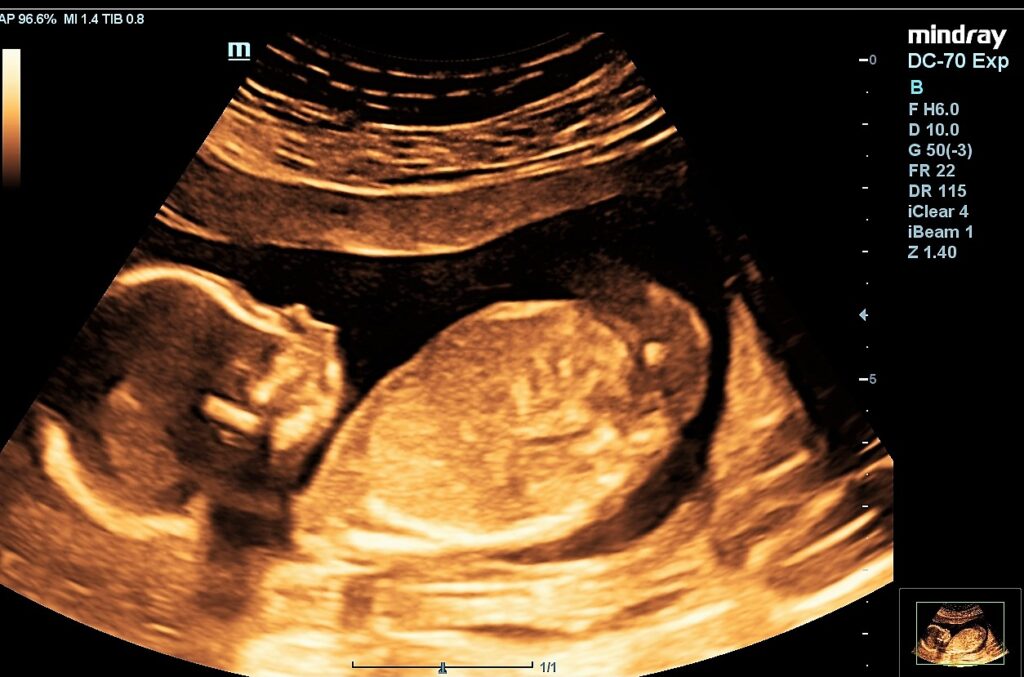
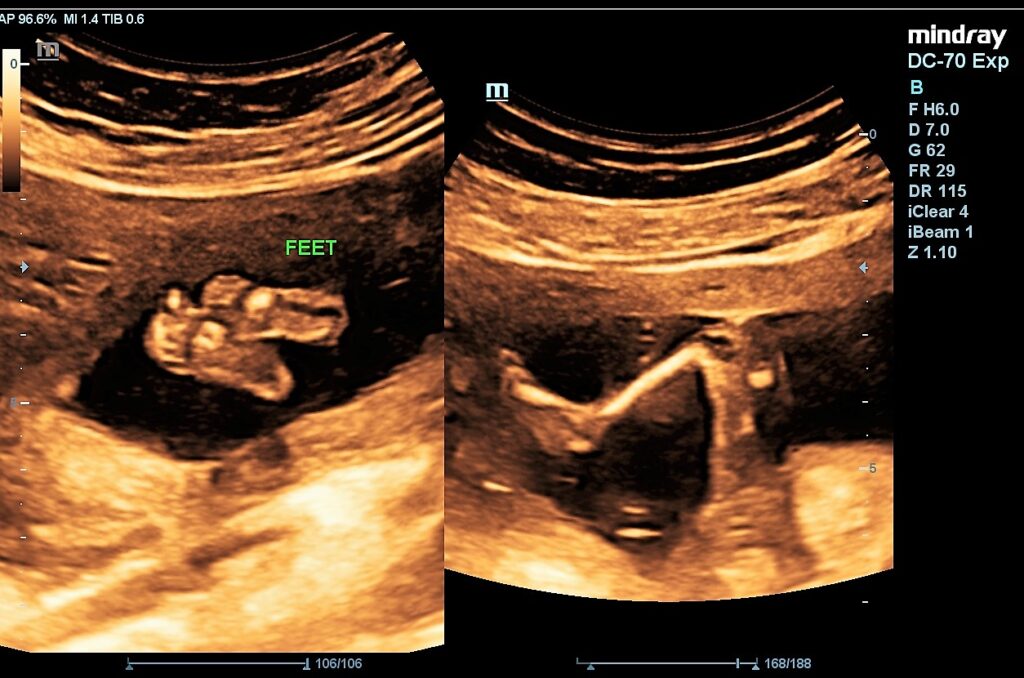


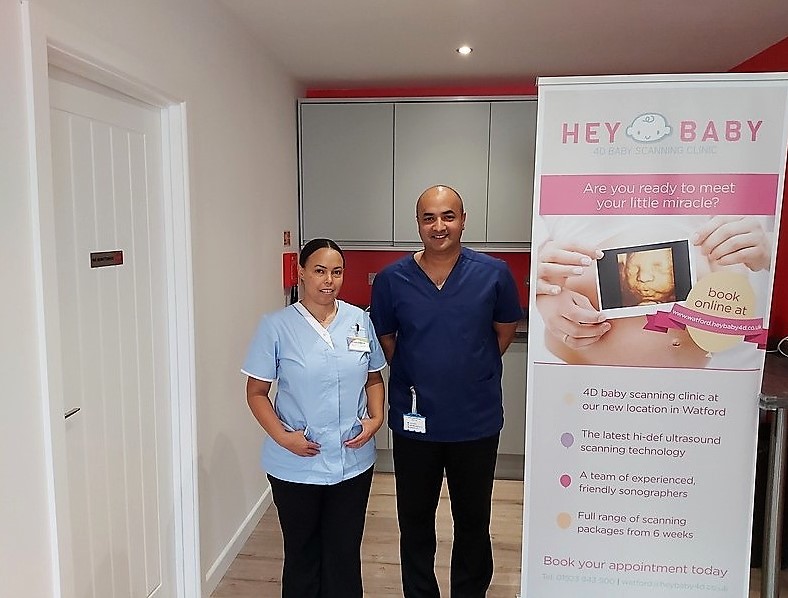
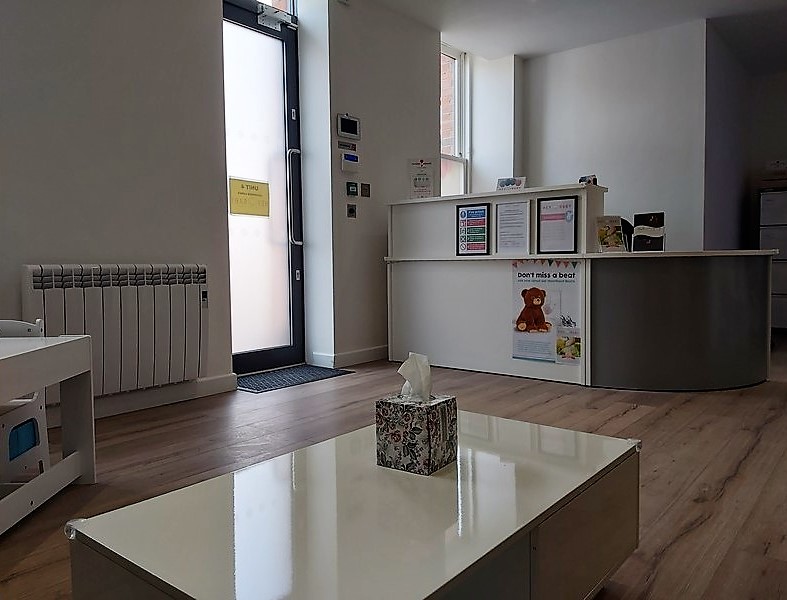
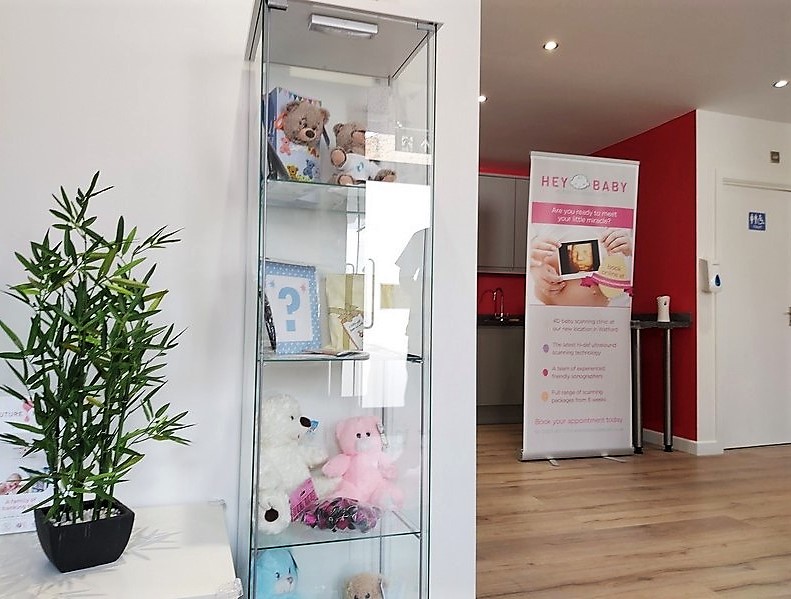

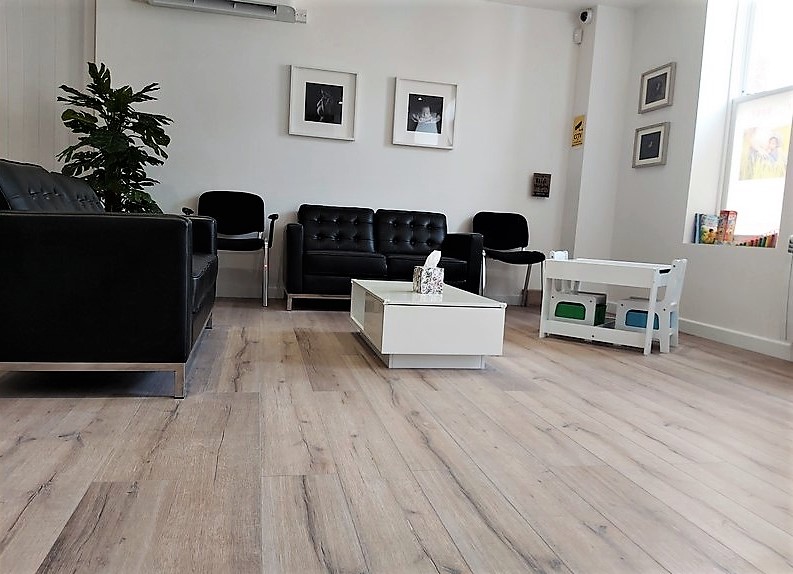

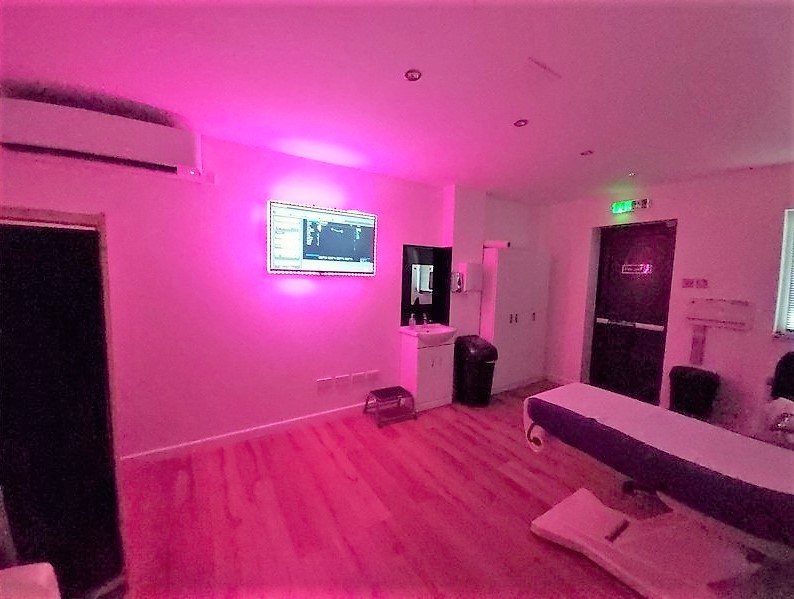




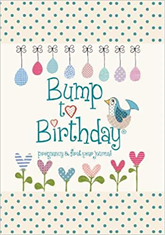
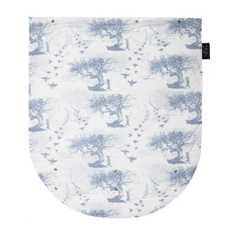

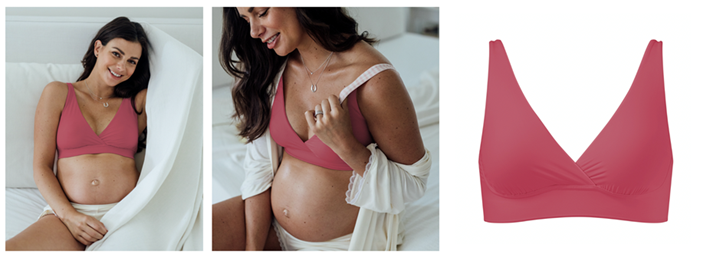



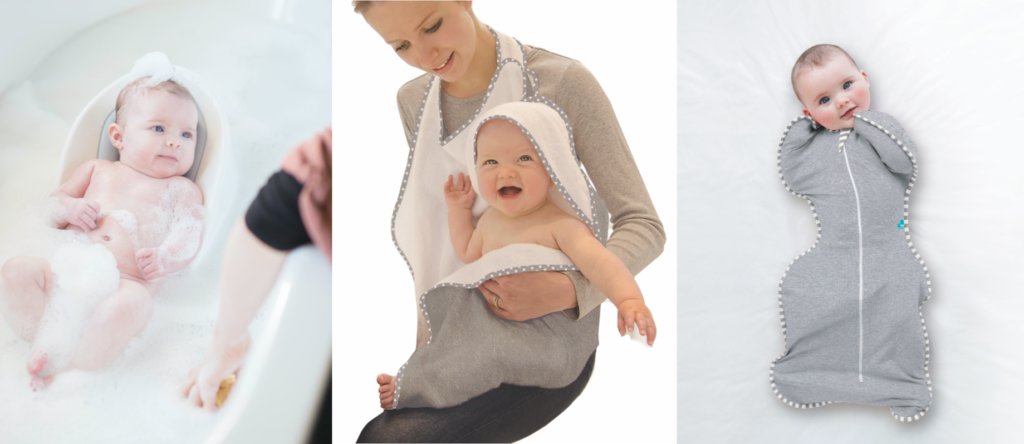
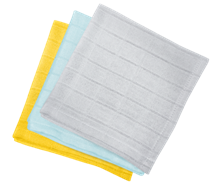
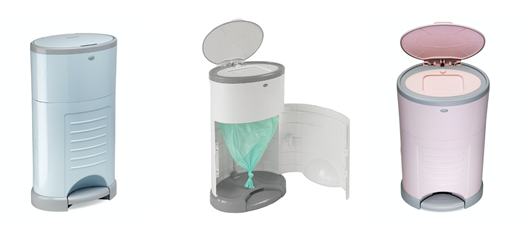

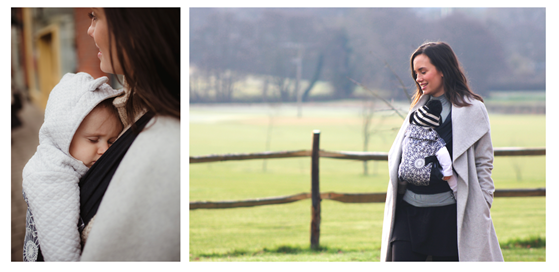
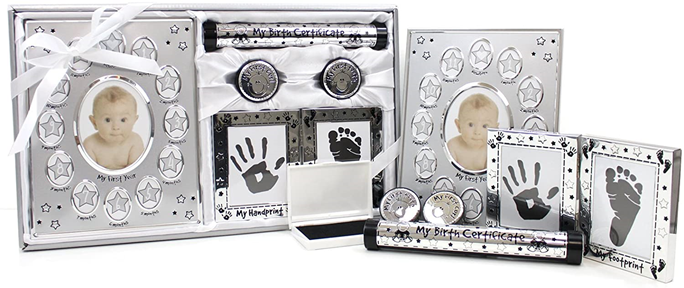
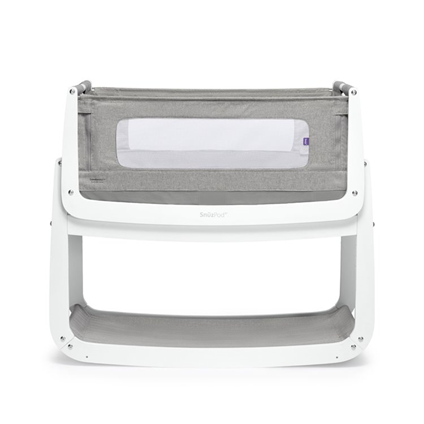
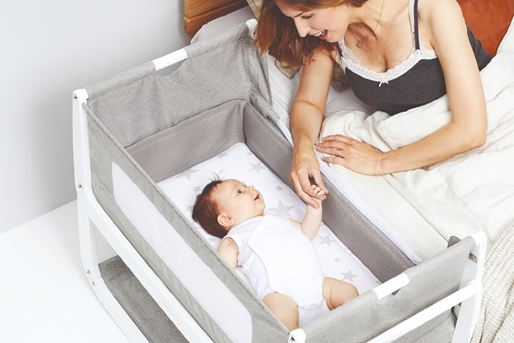
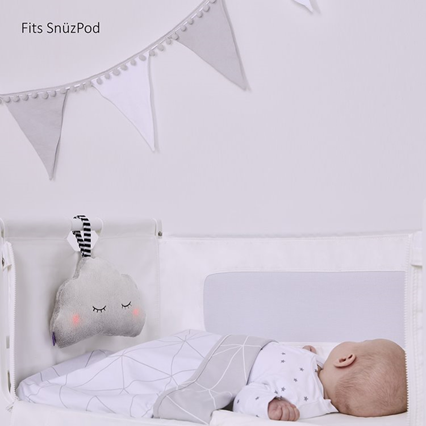
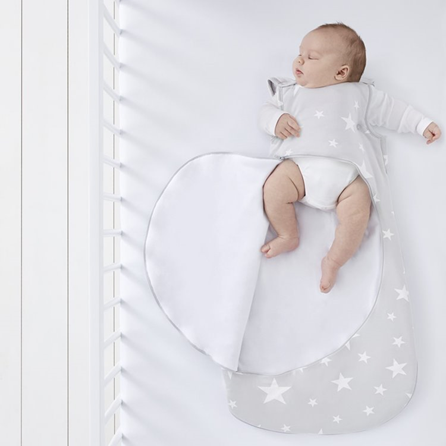

 “
“