Feeling depressed during pregnancy? Here’s what to do now
Pregnancy is a rollercoaster! It is that period in your life when mood swings bounce around from elation to depression (also known as antenatal depression) and you have absolutely no control of the scale. The impact of depression on your pregnancy can sometimes mean crippling loneliness and feeling like the world is crashing down on you. Are you feeling depressed during pregnancy? And, if so, do you know how to seek help?
If you’re pregnant, grab your free pregnancy pack now and receive personalised emails related to your pregnancy week by week – details inside!
Mood swings or depression during pregnancy? How to tell the difference between mood swings and depression
Irritation, gloominess and low self-esteem are other small side-effects of pregnancy and they suck, but it is important to remember that these emotions are the product of the many new hormones shooting through your body to make that beautiful special miracle called your baby. Bad days are bound to happen. I’ve had my fair share of them during all four pregnancies, but they are not permanent.
There are some factors that contribute to depression in pregnancy, so before you book a trip to the doctor, try out the following activities for treating depression symptoms to keep depression away during pregnancy.
Depression during pregnancy – You’re not alone. Let it all out
The best way to deal with problems is to face them head on. The same goes for depression during pregnancy. If you’re going through any mental issues, the best thing to do is talk it out with someone that you trust, like your partner, a family member, a loved one, or a good friend. It helps to speak to someone who is or has been pregnant because they will better understand the feelings you are experiencing and they can offer their tried and tested techniques on how to get through the bad days.
It’s important to note that depression doesn’t feel the same for everyone. I had high anxiety during my first pregnancy but I wanted my child and felt so grateful. Some people feel like the pregnancy is unwanted and some are scared to leave the house for fear of damaging their baby. It’s important to talk about your problems, but know that sometimes your issues may be unique but equally important to you.
Feeling depressed during pregnancy? Take a walk
Sometimes, all you need is some fresh air when you’re caught up at home or at work and cabin fever is taking its toll. Taking a walk can help you relax your mind, body and soul, as well as get the blood pumping in the brain to release those feel-good hormones. This rejuvenation process will help calm your body and release the stress, which will also calm your baby too.
Feeling depressed during pregnancy? Take your mind off the daily troubles and go online
The beauty of the Internet is that you can forget your real life for a few minutes and follow someone else’s online. If you are not much of a surfer (or stalker) then there are other ways to spend your time.
Believe it or not, playing games has various health benefits, including energising oneself and calming the mind. It can boost memory power too, which will benefit the baby. There are various sites that have chat systems in place, so you can chat online. Whether you are playing Solitaire, following a blog, or trying your hand at poker via bitcasino, or even training your brain via an app, choose something that boosts your mood and leaves you feeling like you had a real break from the pregnancy drama.
Feeling depressed during pregnancy? Take care of your diet
Irritation during pregnancy can be down to an improper diet. For example, if you are eating food high in sugar, you may experience energy highs and crashes, hence why you may feel energetic and happy at the beginning and low and tired afterwards. It is important to make sure you’re eating from all the food groups in moderation, too.
Prenatal care is important so ensure you are ingesting nutritious foods, especially fruits and vegetables, which release positive endorphins and drive away depression. Studies show that curcumin has an antidepressant-like effect and can improve mental health. If you are nursing, your baby will benefit from this diet too.
Feeling depressed during pregnancy? Yoga relaxes the soul
Yoga is the master of calm and relaxation. You can Google ‘pregnancy yoga’ and there will be tonnes of YouTube videos and exercises that are easy to follow, so you can practice yoga in the privacy of your own home. Yoga makes you concentrate on your breathing, which relaxes your mind and body. You also get a good stretching workout at the same time too. Ask your GP first before starting any new exercise during pregnancy.
If all else fails and you’re still feeling low, make an appointment with your GP and explain your symptoms. Chronic depression causes severe symptoms that affect daily life, so maybe it’s worth checking whether your depression is down to several other contributing factors, like previous mental health issues or a chemical imbalance in the brain.
Your health care provider can treat these symptoms with either psychological treatments (Cognitive Behavioural Therapy) or pregnancy-safe medication for treating depression (antidepressants). Look for a behavioural therapist in your area too to help get to the source of the depression. Depression during and after pregnancy can affect your whole experience, so treating depression during pregnancy is vital for the health of you and your baby.
It’s also important to research available support in your area to find a clinic which can offer information or even grant funding for support if you don’t have the resources to pay for treatment.
Don’t suffer alone and in silence. Depression during and after pregnancy is common and treatable, so act fast if you think you’re depressed.
Frequently asked questions
What is depression?
Other questions asked were:
What is depression while pregnant?
What is pregnancy depression?
Depression is when you’re feeling low but it lasts for weeks or months and it affects your daily life. You can feel unhappy, have low self-esteem and have little pleasure in doing things you normally enjoy.
I’ve had my baby, but I’m still feeling depressed. What can I do?
Other questions asked were:
What is post-pregnancy depression?
What causes post-pregnancy depression?
It’s quite normal to feel the ‘baby blues’ after giving birth. You’re thrown into a whirlwind of parenthood with a baby who dotes on you to survive. You’re sleep deprived, recovering from birth and you have no idea what you’re doing.
Eventually you will get over the initial drop in mood but it’s important to check whether the depressive symptoms are not ongoing and effecting your daily life. Postpartum depression is different from the baby blues where symptoms of postpartum depression can include
Perinatal depression is when you experience depression while you’re pregnant (antenatal depression) or up to one year after giving birth (postnatal depression (PND).
Why does depression during pregnancy often go unrecognised?
Depression can often go unsuspected because a lot of the pregnancy symptoms involve lack of sleep, hormonal changes and chronic stress. It’s hard to distinguish what is a pregnancy symptom and what is depression.
What are the risk factors for depression during pregnancy?
Other questions asked were:
What factors increase my risk of being depressed during pregnancy?
The following risk factors may suggest an increased risk of depression, especially during pregnancy:
Family history and genetics (can include birth defects, bipolar disorder and mental illness)
Chronic stress.
History of trauma, i.e. intimate partner violence or abuse/neglect of family members
Gender.
Poor nutrition.
Unresolved grief or loss or unresolved depression
Personality traits.
Medication, substance use and addiction (i.e. crystal methadone / crystalline meth / meth crystals
If you are clinically depressed, there is support out there, for example, narcotics anonymous or alcoholics anonymous and mental health services to help treat signs for depression. Head to your GP who can complete a test for depression and take down your health information, so they can refer you to the health care providers who can treat depression.
What are the signs and symptoms of depression during pregnancy?
Other questions asked were:
What are some of the signs of depression during pregnancy?
What does pregnancy depression look like?
What are signs of depression?
The signs of symptoms of pregnancy depression can include:
Feeling sad, low or tearful a lot of the time
Losing interest in things you normally find pleasurable
Feeling irritable and angry
Loss of appetite or eating more than usual
Having negative thoughts, such as worrying you can’t look after the baby
Feeling guilty, hopeless or blaming yourself for the problems you’re experiencing
Difficulty concentrating or making decisions
Why is treatment for depression during pregnancy important?
Not treating depression can lead to dire consequences, like ruined relationships, problems at work, and making it difficult to overcome serious illnesses. Depression can also lead to more fatal situations, like increased risk of suicidal tendencies.
Can depression affect early pregnancy?
Other questions asked were:
Can depression affect pregnancy?
What happens if you get depressed while pregnant?
Does being depressed affect your unborn baby?
Does stress and depression affect pregnancy?
Does pregnancy cause depression?
How does depression affect pregnancy?
Will my sadness affect my baby?
Can crying and stress affect unborn baby?
Why is depression bad during pregnancy?
Does depression pregnancy affect baby?
Does depression during pregnancy harm the baby?
Is depression during pregnancy bad for the baby?
What can happen to the baby if the mother is depressed?
High levels of stress for long periods can cause health problems, like high blood pressure and heart disease. Stress can also increase the chances of having a premature birth or a low-birth weight baby (weighing less than five pounds eight ounces).
How common is depression during pregnancy?
Other questions asked were:
Is it common to get depressed during pregnancy?
Why depression occurs in pregnancy?
Is it normal to get depressed while pregnant?
Is it normal to be depressed in pregnancy?
Does pregnancy depression exist?
Is depression a side effect of pregnancy?
Does depression prevent pregnancy?
More women experience depression during pregnancy than you think because of the hormone changes which affect the brain chemicals, causing depression and anxiety. Sometimes, pregnant women don’t realise they are depressed, but untreated depression can often lead to more chronic symptoms which may require suicide prevention down the line.
What are my options if I’m depressed during pregnancy?
Other questions asked were:
What helps with pregnancy depression?
Look above for tips on how to treat depression during pregnancy.
Does pregnancy depression go away?
Other questions asked were:
Does depression during pregnancy go away?
Does prenatal depression go away?
Sometimes depression can go away on its own, depending on the severity, but most of the time it requires treatment. So, if you’re suffering, don’t delay and contact our GP now.
Does depression in pregnancy cause autism?
Other questions asked were:
Does depression during pregnancy cause autism?
Does prenatal depression cause autism?
This study concluded that women with depression during pregnancy have an increased risk of having a child with ASD, regardless of antidepressant use.
Are antidepressant medications safe during pregnancy?
Other questions asked were:
Do depression pills affect pregnancy?
There is some evidence that shows taking antidepressants during pregnancy or while breastfeeding can lead to birth defects or your baby developing heart defects, spina bifida or cleft lip.
*Written by Samantha Waites*
Pelvic Girdle Pain in Pregnancy
by Laura Edwards, Chester
Early in my first pregnancy, while still in the grips of morning sickness, I began to feel aches in my lower back. I first put this down to DIY (we’d recently moved house) or the time I was spending bent over the loo, but I mentioned it to my midwife at a routine check-up and she referred me to the hospital physiotherapist. At about 18 weeks pregnant, I was diagnosed with pelvic girdle pain (PGP).
I was given a list of exercises to help ease the pain, a support belt to wear and a lot of advice about activities to avoid (including certain types of exercise, moving and lifting) and ways to relieve the pain. I consulted with my health and safety representative at work but was able to continue with some modifications to my role (as a scientist I had to be careful of some of the heavier equipment and make more use of the chairs and stools in the lab).
At home, the DIY proved tricky and I needed a lot more rest; I felt pretty useless and quite frustrated that I couldn’t get things done, but I did take up knitting and discovered a very enjoyable new pastime!
My son was born by emergency caesarean section (not linked to the PGP) in January 2009, and by the time I was up and about after that, the symptoms of PGP had gone. However, when I fell pregnant again in November 2010, the pain quickly returned. I felt some initial twinges around my coccyx at about 5 weeks pregnant and, by my first appointment with the midwife, I needed a referral to the physiotherapist.
She diagnosed me with PGP again (if you’ve suffered with it once, you are more likely to get it in subsequent pregnancies) and told me to take it easy. Unfortunately, this time around I had a toddler to look after so resting opportunities were limited. Walks with the buggy gradually got harder and had to be dramatically reduced, and even car trips became harder as I struggled to lift my son in and out of the car.
Nappy changes were switched to a mat on the floor to avoid the stairs and having to lift him onto the changing table. I had to come up with more sedentary activities to keep him entertained and rely a lot on the generosity of friends and family for help. The hardest thing I found was the guilt; I didn’t want my son to miss out on anything or feel pushed aside by his new sibling before he’d even been born. I just told him that mummy had a poorly back and couldn’t do as much for the time being.
PGP is very hard to cope with and, with no outwardly visible symptoms, I also worried that people thought I was over-exaggerating the pain. This probably led to me trying to do too much, which would then hurt even more and might have worsened my condition in the long run. Often, I would feel ok in the mornings and actually be able to lift heavy things, walk fair distances and do things I was supposed to be avoiding.
I knew that I would suffer later that day though; at about 20 weeks pregnant I pushed my son in the pushchair to the library and back (only about ½ mile to a mile) and spent the next two days barely able to move. Having to hold back when there was so much I wanted to do was terribly hard, but the pain was always there to some extent as a reminder to take it easy, and the threat of more pain, coupled with the knowledge that I would be even more incapacitated if I did stretch myself, served to reign in my activities.
By 32 weeks, I was on crutches and having real difficulty with day to day things. The pain was mainly in the joints at the back of my pelvis but I also had some pretty major twinges at the front too. For weeks, I’d had to roll out of bed, crawl up the stairs on my hands and knees (I took the lift at work!) and my husband had become used to hauling me up off the settee and out of the bath.
I’d planned to finish work at 35 weeks pregnant but I was signed off on sick leave at 33 weeks; my GP told me that I should have been off earlier but, again, I’d been trying to struggle on so I hadn’t visited the doctor before this. For the last few weeks of pregnancy, I did manage a bit more rest but I still felt frustrated, guilty (for not being able to do more for my son, my family or around the house) and, in some ways cheated (out of properly enjoying the pregnancy and for my son who missed out on so much I would have liked to do for him).
As my due date approached, I was looking forward to getting my mobility back, but I was quite nervous about the labour. After the emergency section first time around, I was aiming for a VBAC and as ‘normal’ a birth as possible. Obviously, the PGP would limit my options for active labour, and the previous section meant that I would need continuous monitoring so my hoped-for water birth was not allowed. At a check-up two days before my due date, I was told that it was unlikely that the baby was coming any time soon, so I was booked into the hospital the following week.
There was a good chance they’d do another section then so I was pretty disappointed. On my due date, we went to the zoo to cheer me up. As I could barely walk, we hired a wheelchair and I’m convinced that it was being bumped around in this with a toddler on my knee that made my waters break at two o’clock the next morning. Labour wasn’t easy but the hospital was aware of my PGP and took care not to open my legs wider than my pre-measured pain-free gap from the birth plan.
With every contraction, it felt as though the joints in my pelvis were being crushed like a ball of paper in a fist; a feeling that continued after each contraction was over and only eased momentarily before the next one started. My beautiful second son was born one day overdue, at 7.14 pm on the 15th August 2011 and was worth every minute of the pain. Apart from the odd twinge, the PGP was pretty much gone by the next morning and hasn’t troubled me since.
Within a couple of days of the birth, I was able to play on the floor with my eldest son again and stand up unassisted afterwards; a simple little thing but something I’d really missed. I have had some fitness issues recently, mainly because of the enforced immobility and lack of exercise for several months, but I’m now on the mend and building up my strength again. We’d always envisaged having three children, but I will be waiting until the boys are a bit older before we think about having another!
Also known as SPD or symphysis pubis dysfunction, osteitis pubis or pelvic girdle relaxation, PGP affects up to one in five women during pregnancy with varying levels of severity. The main symptom is a pain in the pelvic joints, but there can also be joint instability. A combination of postural changes, the growing baby, unstable pelvic joints under the influence of pregnancy hormones and changes in the centre of gravity can all add to the degree of pain or discomfort.
If you are pregnant and think that you may have PGP, your midwife will be able to advise you or refer you to a physiotherapist.
The importance of having an early reassurance scan in pregnancy
*Motherhood Diaries is working with MyBaby4D in Watford to raise awareness among pregnant couples about the importance of ultrasound scans during pregnancy to monitor the health and well-being of your baby. We were provided with the opportunity to review the early pregnancy scan for the article – all opinions are 100% my own*
Just before my second-trimester miscarriage, I had experienced spotting from week 6 to week 12 of my pregnancy, which was the first time I had experienced any bleeding. I booked a 7-week first pregnancy scan at my local hospital because I was worried about the spotting. However, I had to chase this appointment via my GP. When I got to my appointment, the hospital was so busy that the appointment itself seemed rushed and quite clinical.
I was also told that the bleeding was normal and that I shouldn’t worry, except to abstain from any physical exercise. Pregnancy can usually continue as usual, and the bleeding will eventually stop. But later, I found out that bleeding in early pregnancy is like sandpaper to your cervix. A potential UTI (although this was never confirmed) around week 16 of my pregnancy caused my waters to break prematurely, and I lost my baby.
This time around, I didn’t want to take any chances after I started spotting again at week 6. I learned about MyBaby4D online, a private ultrasound boutique in Watford that provides high-quality private pregnancy scans in a relaxed and comfortable atmosphere with a team of professionally qualified sonographers. I knew instantly that this was the right option to take.
MyBaby4D Early Reassurance Scan
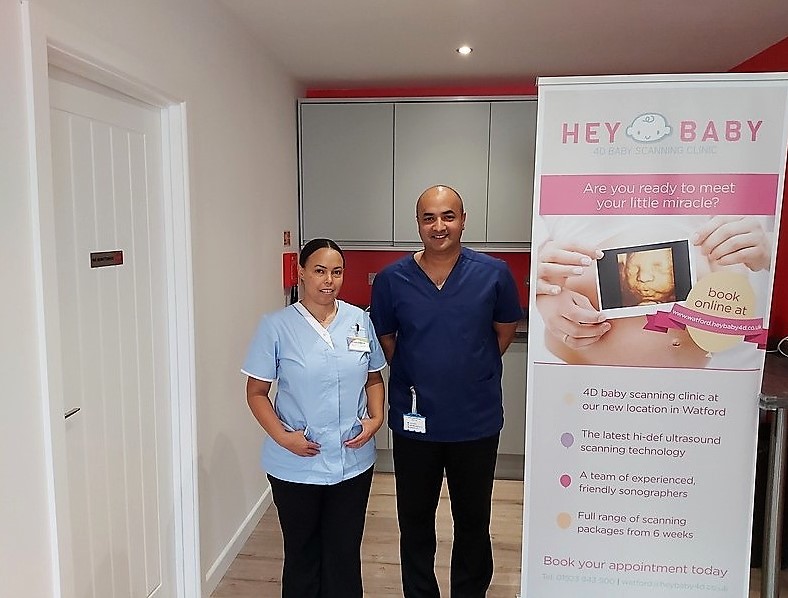
I contacted the owner, Saad, and his wife, Dalson, who is also the chief sonographer at MyBaby4D, and they were so lovely and welcoming.
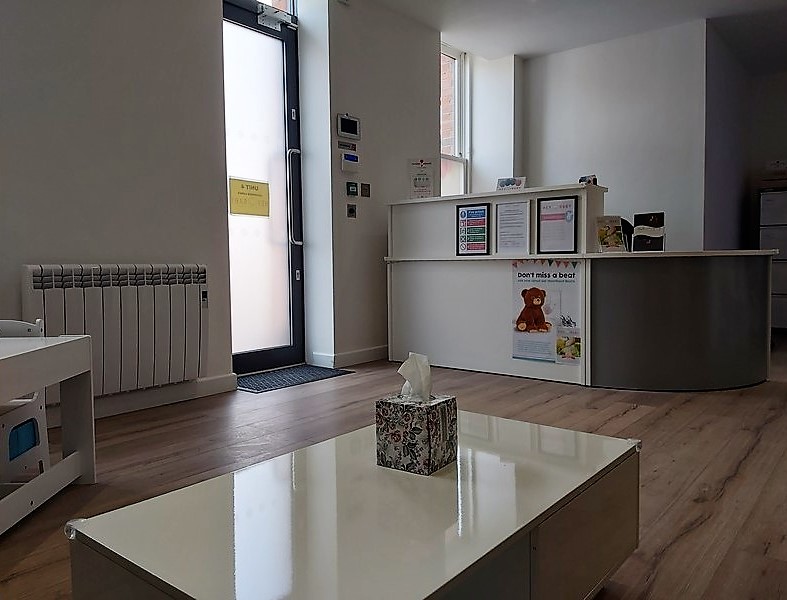
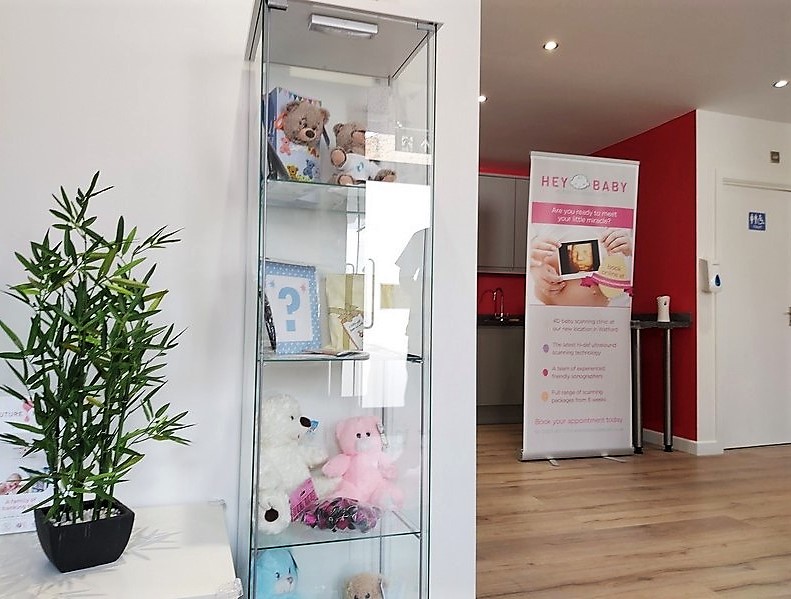
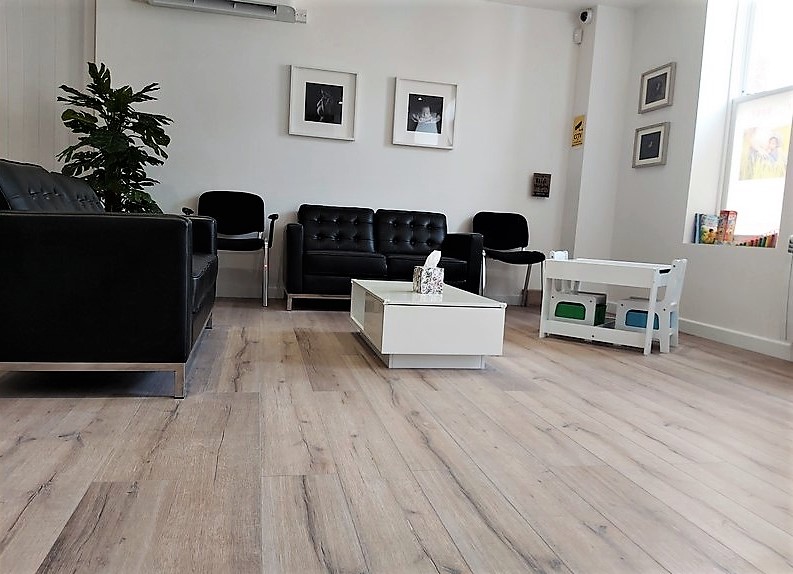
When I arrived at the clinic, I was immediately taken aback not just by the cleanliness but also by the homely and luxurious feeling of what a hospital should feel like—a spacious waiting area that felt very inviting, with cute little memorable baby gifts decorating the wall cabinets.
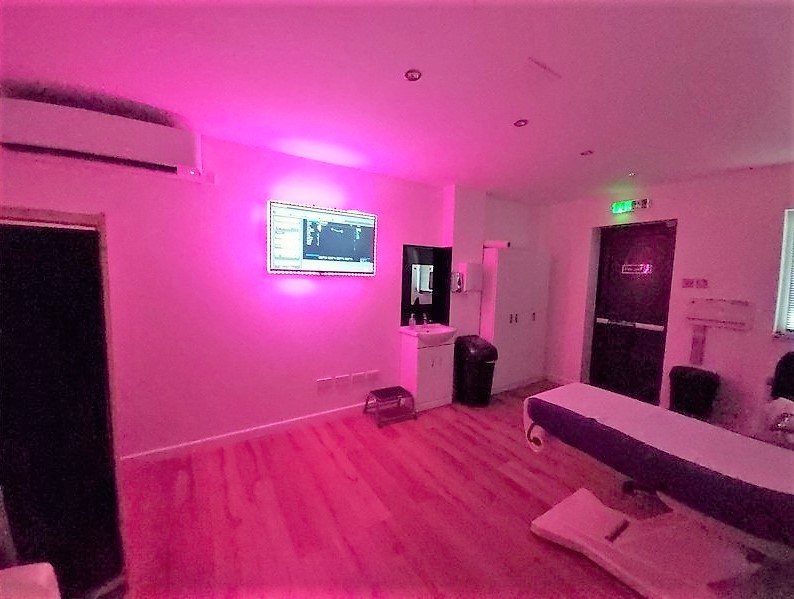
The scanning room was a large open space equipped with a flat-screen TV so couples could watch their baby in HD in front of them and a couch area for the partner to rest and enjoy the experience.
I was invited to undress from the waist down behind a screen and empty my bladder before we started, as I was only 6 weeks and 4 days, so a transvaginal scan had to be completed. (You would have an abdominal scan after 8 weeks and would need a full bladder, and a gender scan is from 16 weeks.) Hubby sat on the couch, and Dalson waited by the computer and bed.
As soon as I was ready, I laid down and Dalson got to work. I was asked about the date of my last period to ensure the dating scan measured up to when ovulation took place, plus or minus a few days. I was also asked about the spotting, i.e. how long it had gone on for and whether I was feeling any pain. I said that I had felt some cramping, but this had disappeared.
Dalson advised that there was a small haematoma of less than 1cm, which may have been caused by implantation. I was advised not to do any heavy lifting or physical exercise of any kind until the bleeding had stopped completely. The whole experience felt private, informal and relaxed, unlike my last early scan at the local NHS hospital. At the end of the appointment, I was invited to sit down while Saad printed our baby scans, which he emailed over too. I was grateful for the high-res imagery because it made sharing the scan pictures with my family so much easier.
Dalson and Saad from HeyBaby4D have kindly answered the top 10 most asked questions from Motherhood Diaries readers and social media followers about early reassurance scans. Thank you to those who sent in your questions and to Dalson and Saad for answering them!
1. What can an early reassurance scan tell me about my baby?
The purpose of an early reassurance scan is to determine whether the pregnancy is implanted in the correct place, and to check how many babies you are having.
Various measurements are taken depending on how far along in the pregnancy you are, and the scan will identify whether there is a visible heartbeat on the day of the scan or not. Some fetal poles may be too small to determine cardiac activity on the day of your scan, and you may be advised to have another scan in about two weeks to check if the pregnancy is viable.
The scan includes an assessment of the surrounding pelvic area around your uterus.
Referral advice will be given on the day of your scan, depending on the scan findings.
2. Why is an early reassurance scan important?
An early reassurance scan is essential for expectant mums/parents who are anxious and would like to find out if everything is ok.
3. Why can I not have a scan before six weeks?
A 6-week scan may not always provide the information you require, as the fetal pole may be too small for ultrasound to pick up.
At any stage of pregnancy, if you have had a positive pregnancy test and are having symptoms like bleeding or severe pain and/or shoulder tip pain, then you are advised to attend your nearest A&E Department.
4. When is the best time to have an early reassurance scan?
At most clinics, early reassurance scans can be performed at 6 weeks; however, if the patient is asymptomatic, 8 weeks is more suitable.
5. What will I expect to see and what will be measured in my early reassurance scan?
What you expect to see on the day of your scan will depend on how far along your pregnancy you are.
For example, a measurement of your baby’s length will give you an Estimated Due Date (EDD).
This question may also be linked to Question 1.
6. I have had some bleeding/spotting during pregnancy. Should I have an early reassurance scan?
If bleeding/spotting occurs during pregnancy, you should visit your nearest A&E.
Having an early reassurance scan is essential to determine why you are bleeding. However, it is not always possible to determine the cause of bleeding with ultrasound in pregnancy. It may provide some relief from maternal anxiety.
7. Why is it not compulsory to have an early reassurance scan before 12 weeks?
The NHS routinely only offers two scans: your Dating Scan and your Anomaly Scan.
Exceptions are made in circumstances where you are bleeding, if there is a suspected ectopic pregnancy, a threatened miscarriage or miscarriage.
Women with assisted conception or previous pregnancy history/complications may also be offered an early reassurance scan.
8. Can too many scans harm the baby?
There are no known risks in ultrasound. Evidence suggests that ultrasound performed during conception to 10 weeks’ gestation is safe, provided there is a clinical reason. The benefits of the scan outweigh any theoretical risks. (Kirk, 2017)
9. What can a private early reassurance scan offer me that an NHS scan can’t?
Sadly, not all scans will have a positive outcome or a conclusive result.
A private scan is easily accessible and you can attend your appointment with your partner/or one person within your bubble (Terms and conditions are susceptible to change with current guidelines).
10. How do I book an early reassurance scan?
You can book your early reassurance scan via the MyBaby4D Watford website or call us on 01923 943 501 if you have any questions.
Are private early reassurance scans worth it?
If you have got your positive pregnancy test at four weeks, then that’s two months before you get to see your baby via an NHS scan (unless there are complications) – and that is a long time! If you have any doubts or you feel like something is not quite right, i.e. you have pain or you’re spotting, then don’t waste any time and book yourself in for a private early reassurance scan now.
For the experience you get, the cost is worth it because you book an appointment with the clinic and you’ll get a slot straight away. You are also treated as if you are the only ones in the room and I found this to be the most significant difference between NHS early pregnancy scans and private scans. It’s not to negate the NHS in any way – my mum works for the NHS – but because the NHS is so massively overrun and understaffed, medical staff have no choice but to treat us like numbers in a queue, which they need to get through quickly to see everyone in their allotted time, with waiting times sometimes spanning to over an hour. However, I have never had a bad experience at my local Watford Hospital or had to wait that long. The difference comes with the service you get and the extra bit of comfort in private settings.
When you book an anomaly early scan with the NHS, they have to fit you in. The baby scan is not scheduled into an automated system like the standard Week 12 and Week 20 scans, and if you have any complications, you may have to wait upwards of four weeks to be seen, which may be too late by then.
Through this magazine, I have found that many women are not armed with enough information before 8 weeks, when the NHS gets involved in the pregnancy care process. So MyBaby4D Watford has teamed up with a private midwife from Bushey called Hannah, who hosts antenatal classes to help women in the dark gain the knowledge they need to feel empowered and informed during pregnancy.
Saad and Dalson are invested in your pregnancy—it’s so nice to see how much they care about your mum and your unborn baby’s health and the pregnancy journey.
You get a lot for the price
Early pregnancy scan cost = £85*, which includes:
15-minute appointment
Visualise baby’s heartbeat
Dating your pregnancy
Includes 2 colour printed scan photos 6×4
Assessment of pelvic area/ovaries
Full obstetric Report
Internal scan available for accuracy
Peace of mind and a high standard of care = priceless
You also have the option to purchase extra download images and video, too, if you want the extras.
MyBaby4D are there to help
Saad told me that many women come from abroad, and MyBaby4D is their first port of call because they are not registered and don’t know how to start the process. Luckily, as both Saad and Dalson are health professionals and work in the NHS, they have that little bit extra to offer regarding information during the pregnancy journey compared to other private clinics.
Early Pregnancy Ultrasound: A Practical Guide. (2017). In E. Kirk (Ed.), Early Pregnancy Ultrasound: A Practical Guide (pp. 1). Cambridge: Cambridge University Press.
*Price is correct at the time of publication and may vary in the future
What is the best way to sleep while pregnant?
Maybe you found it a tricky process getting pregnant or you’re fighting with your partner over baby names. Whatever you’re dealing with right now, it’s hard to imagine that not sleeping during pregnancy would be one of the issues you face, especially when you hear about extreme fatigue in the first trimester and napping being a pregnant woman’s best friend.
And, what about comfortable sleeping positions during pregnancy?
What’s even safe?
Can you sleep on your stomach in the first trimester? Can you sleep on your back in the second trimester? Do you have to change to sleeping on your side when your bump gets bigger?
What’s the current medical advice for sleeping during pregnancy and how do you get comfortable so you can actually get some sleep?
The National Sleep Foundation created a poll in 1998 called the ‘Women and Sleep’ poll. They found that a whopping 78% of women reported more sleep disturbance during pregnancy than at any other time. They also found that:
15% of women developed restless leg syndrome (which we’ll go into later) during the third trimester of pregnancy
51% of pregnant/recently pregnant women reported having at least one weekday nap
60% reported having at least one weekend nap
If you're pregnant, grab your free pregnancy pack now - freebies inside!
Difficulty sleeping is common during pregnancy, so it’s vital to find ways to sleep while pregnant that minimises disruption to your body and any health risks to the baby. Pregnancy is taxing on the body so it’s really important that you’re getting the recommended daily amount of sleep (some of you will sleep like a champion during the first trimester anyway) so you’re fit and strong for not just pregnancy, but for labour and birth too.
In this article, I’ll go through:
The different sleep positions during pregnancy
The best pregnant sleeping position which helps to minimise sleep disruption
Common pregnancy problems that disrupt sleep
Medically and personally reviewed sleeping tools that increase blood flow to the baby and which help you have a nice restful sleep.
Please pin and share the love with your pregnant friends!
Let’s face it, sleeping when pregnant isn’t easy when there’s a baby using your insides as a punching bag! All that back and joint pain…
One of the main reasons for sleep problems and sheer fatigue is your ever-changing hormone levels during pregnancy and rising progesterone levels may be the culprit that causes the exhaustion that you feel during your first trimester.
An NIH-funded study suggested that the sleeping position up to the 30th week of pregnancy didn’t actually affect the risk of stillbirth, low birth weight babies or other pregnancy disorders like high blood pressure. However, the study cautioned that it did not provide information on whether back or right-side sleeping in late pregnancy could increase the risk of birth or pregnancy complications.
So let’s look at all the sleep positions separately and gauge which is the most effective and safest position in which to sleep during pregnancy.
Sleeping on your stomach during pregnancy
Sleeping on your stomach is generally regarded as ok until you reach around 16 weeks, when the bump gets bigger and it’s no longer comfortable to sleep on your front. But, comfort is where it ends. Amniotic fluid and the uterine walls protect your baby from being squashed, so you won’t have to worry about squishing your baby during sleep.
If you really want to continue sleeping on your stomach, you should consider getting an inflatable stomach sleeping pillow (more on that below) or cut out a large hole in your pillow for your belly. Just be careful not to overheat the baby if your room is too hot and allow for plenty of ventilation during the night.
Some studies, albeit small in size, have linked sleeping the whole night on your back to stillbirth, however, it is not as clear cut as that. Other issues like sleep apnea may also factor in pregnancy and birth complications too.
Sleeping on your back is generally regarded as safe during the first trimester, but from the second trimester, you should avoid sleeping on your back for the remainder of the pregnancy. New research shows that the risk of stillbirth is doubled if women go to sleep on their backs in the third trimester.
Sleeping on your back may also result in other complications like poor circulation, back pain, digestive issues and haemorrhoids. As you get on during the pregnancy, you may find that you’ll get lightheaded and dizzy when sleeping on your back for long periods.
If you wake up in the middle of the night and find that you’re on your back, don’t fret. Placing a pillow wedge underneath will catch you from rolling onto your back and allow for more circulation and blood flow to your baby.
Do you sleep on your left side or on your right side during pregnancy?
During pregnancy, you may often hear that you should sleep on your left side during pregnancy. But, do you know why that is?
It’s because your liver is on the right side of your bump, so sleeping on your left side not only keeps the uterus off the liver, but it improves circulation to the heart and allows for the best blood flow to the baby, kidneys and your uterus.
https://www.youtube.com/watch?v=0aiv4pJsybc&t=1s
It hurts to sleep on my side while pregnant
You may feel some pelvic pain from sleeping on your left side for too long, so you’ll find that changing position during sleep is a natural occurrence. So if you find yourself on your back or on your right side, this is normal and nothing to worry about. As soon as you realise just shift yourself back to your left side.
You’ll find that during your third trimester you won’t want to sleep on your front or back anyway because it’ll end up being too uncomfortable. We’ll go into some great tools later which will help you sleep more comfortably on your left-side and minimise pain to your pelvic area.
Start by lying on your side with your knees bent to take the weight off your heart’s large vein (the inferior vena cava) which carries blood back to the heart from your feet and legs. Then as you progress into the latter stages of your pregnancy, add pillows to your front and back to support the weight evenly. More information on pregnancy pillows can be found later in the article.
Also check out the video above of me super pregnant with my second baby, going through the different sleep positions and how to massage the lower back area to relieve pain and tension.
Is it safe to sleep propped up while pregnant?
If you experience heartburn, then sleeping upright while pregnant may alleviate your symptoms. But in late pregnancy, you may find that you’ll be short of breath, so it’s better to switch to your left side when you are ready to settle to sleep at night.
Common sleep problems during pregnancy
Frequent urination during the night
You’ll find, especially in the first and third trimesters that you’ll need to go to the toilet more often, and this is down to the following reasons:
Your blood volume increases during pregnancy
You have almost 50 per cent more blood in your body than before which means more fluid is being processed in your kidneys, so your bladder fills up more frequently.
Hormonal changes
The hormonal changes in your body make your blood flow to your kidneys more quickly, filling up your bladder more frequently too.
Your growing uterus
As your little angel grows in your tummy, your uterus grows along with them, adding more pressure to your bladder, which brings back the need to pee frequently.
What can you do?
Unfortunately, frequent urination is a common and natural symptom of pregnancy, so you can’t avoid it completely. But you can limit nightly bathroom visits by doing the following:
Skip certain drinks
Skip drinks like coffee and tea, as well as carbonated drinks like soda because they are diuretics, i.e. they increase the amount of urine being made in the body.
Don’t hold your pee
Go to the bathroom when you need to because the more you strain your pelvic floor muscles, the more they will weaken, especially during pregnancy and birth.
Empty your bladder completely
When you go to the toilet, lean forward so you can empty your bladder as much as possible.
Drink most of your water during the day
You should still drink when thirsty of course, but try to limit most of your water intake to during the day. Never hold off on drinking though – the body needs lots of water, especially during pregnancy, so it’s better to go to the toilet than be dehydrated and risk getting a urine infection, which could cause complications to you and the baby.
Restless Leg Syndrome (RLS)
Around 1 in 5 pregnant women experience RLS in their last three months of pregnancy and this normally causes sleep issues. But what exactly is RLS?
RLS is this overwhelming urge to move your legs, which can also cause an unpleasant crawling or creeping sensation in the feet, calves and thighs. RLS is often worse in the evening and may affect the arms too. There’s no obvious cause of RLS, but some scientists reckon it may have something to do with how the body handles the chemical dopamine which is involved in controlling muscle movement. The problem does go away after birth though.
What can you do?
You can start by making sure you have a good bedtime routine and avoid caffeine at night too. Get in some gentle exercise every day during pregnancy as well to help get rid of any excess negative energy.
Sleep Apnea
Your breathing may change during pregnancy as your bump gets bigger and more pressure is placed on your lungs and airways. If you didn’t snore before or you were a soft snorer, you may find you’ll wake the house now with your loud snores. You may even experience some pauses or disruption in breathing and this disruption is called sleep apnea if the pauses last longer than ten seconds. Fortunately, the risk of developing sleep apnea in pregnancy is low – around 10 per cent of pregnant women are affected. However, if you’re overweight, obese, or experience excessive weight gain during your pregnancy, you may have an increased risk of developing sleep apnea.
What can you do?
It’s important to treat pregnancy-related sleep apnea as soon as possible as it could develop into complications for both you and your baby. Sleep apnea is also associated with gestational diabetes, diabetes and unplanned caesarean sections, so make sure you’re eating a healthy, balanced diet during your pregnancy. Make sure you sleep on your side too, to alleviate any pressure on the back and lungs
In severe cases treatment is available where a machine provides a constant flow of pressurised air to help maintain an open airway during the night. These are only used in extreme cases, but it’s worth checking with your doctor to ensure your sleep apnea is not placing any undue risk on you and your baby.
Leg cramps
You may feel this sudden sharp pain usually in your calf muscles or your feet which causes you to wake abruptly from your slumber. Around 30 to 50 per cent of women get leg cramps during pregnancy so leg cramps are a common part of pregnancy.
But why do you get leg cramps? Well, it’s not entirely clear why women get leg cramps, but scientists suggest little or too much exercise, an imbalanced metabolism, electrolyte imbalances or vitamin indeficiencies. The good news is leg cramps should disappear as soon as your baby is born.
What can you do?
Regular, gentle exercise will help to reduce leg cramps and often help ease symptoms when it happens too. When you experience an attack, do the following:
Bend and stretch your foot continuously and vigorously for around 30 seconds to 1 minute
Rotate the foot one way for around ten times and then the other way. Repeat with the other foot if needed.
Then with your fingers, pull your toes up to the ceiling to stretch the back of the calf and rub the muscle firmly at the same time with the other hand
Try getting out of bed and walking around on your heels before heading back to sleep
Keep bedding loose so you can do these exercises as and when needed without hopefully disturbing sleep or getting out of bed
Have a nice warm bath before bed to relax the muscles
Elevate your feet in bed by propping them up on a pillow with toes pointing up.
Insomnia
Insomnia can happen at any time during pregnancy and, with most pregnancy-induced problems, can be down to the fluctuating hormonal levels during pregnancy.
For most women, pregnancy insomnia attacks the hardest during the third trimester and you likely will have no idea when it will hit and how long it will end. You may find that you’ll fall asleep easily but staying asleep could be the issue.
What can you do?
Help your mind and body get into a set routine so your biological clock knows when it’s bedtime and your brain can get in line.
Avoid caffeine (you should be avoiding this anyway) and foods high in sugar and acid to avoid heartburn and/or a sudden burst in energy
It’s easier said than done but try to take your mind off your worries about not sleeping by thinking about something that makes you happy.
Practice the 4-7-8 breathing technique where you breathe in for four seconds, hold for seven seconds and exhale for eight. You might find the breathing duration difficult when you’re pregnant but as long as you are exhaling for longer than you are inhaling, the breathing will help you to calm down and eventually allow you to drift off to sleep.
Otherwise known as heartburn, which is a common pregnancy symptom in the third trimester thanks to hormonal changes again and your growing baby pressing on your stomach. The muscles in your stomach relax during pregnancy causing stomach acid to escape back up the throat, which causes that burning sensation.
You’re likely to get indigestion/heartburn if you had indigestion in your previous pregnancies or you’re in the latter stages of your pregnancy.
Some symptoms include:
Feeling or being sick
Burning or pain in your chest and throat
Feeling heavy, bloated and full
Burping/belching
Bringing up food
What can you do?
Think about what you eat and how you eat it. Making changes to your eating and drinking habits can help to control symptoms if they are mild. Here are some tips:
Keep meals small and often rather than eating three large meals a day.
Don’t eat within three hours of going to bed at night
Cut down on caffeinated drinks and fatty, spicy and rich foods
Sit upright when you eat which will take the pressure off your stomach
Elevating your head and shoulders when you go to bed can help from stomach acid coming up when you sleep
Smoking and drinking can seriously harm you and your unborn baby’s health, but it also contributes to indigestion. If you need help to stop smoking and/or drinking talk to your midwife who can provide you with some support networks that you can call. NHS also has a Smokefree helpline which you can call on 0300 123 1044
If you’re still experiencing symptoms then speak to your midwife or GP who can examine you and provide further assistance and medicine if required
Excessive sleeping during pregnancy
Not getting enough sleep is an issue, but what if you’re getting too much sleep? Is there even such a thing as too much sleep during pregnancy?
According to the National Sleep Foundation, you should get around seven to nine hours of sleep each day. If you’re routinely sleeping more than nine to ten hours unbroken, good quality sleep, then this may be a sign of excessive sleep.
One study argued that women who slept for more than nine continuous hours without disturbance and they routinely had non-restless sleep in the last month of their pregnancy had a greater chance of stillbirth. However, this study was argued by other scientists who claimed that the non-restless nights were down to decreased foetal movement and not the cause of stillbirth.
What can you do?
If you are routinely sleeping for more than nine hours a night, then wow, lucky you! But it’s worth keeping some of those hours resting in bed, reading a book or writing, for example, to avoid oversleeping during the night.
Tools to aid sleep for pregnant women
Pregnancy Pillows
Pregnancy/maternity pillows are great because they can support the weight of your bump and back as you get bigger, encouraging less disruption during sleep.
Maternity pillows come in all shapes and sizes, so here is a rundown of what to look for:
Rounded pregnancy pillows
Rounded pregnancy pillows are generally multifunctional and also used for breastfeeding. They’re also cheaper and require less space in the bed. You place the pillow under your bump or to support your back, but during the latter stages, you may require extra support as most of these pillows don’t wrap all the way around.
CLICK HERE TO BUY THE BEST ROUNDED PREGNANCY PILLOW ON AMAZON RIGHT NOW
V Shaped pregnancy pillows
V-shaped pregnancy pillows are naturally shaped into a V to support both the head and neck. You can also use this kind of pillow to support the bump or the back so it’s multifunctional too. These pillows are best used if you don’t have enough space to use a full-body pregnancy pillow, like the one below.
CLICK HERE TO VIEW V SHAPED PREGNANCY PILLOWS ON AMAZON RIGHT NOW
Full body pregnancy pillows
Full body pregnancy pillows are the pillow of choice at the moment because they provide the most all-round support for your bump and back. You can mould the U-shaped pillow to support the entire body which helps ease pregnancy symptoms, including pregnancy-induced sciatica and pelvic girdle pain. Some pregnancy pillows like the one below have a detachable extension which can be used as its own full body pillow or attached to the main body pillow for additional back or belly support. Just make sure you have a large bed to accommodate for the pillow, which brings me onto my next point.
CLICK HERE TO BUY THE BEST FULL BODY PREGNANCY PILLOW ON AMAZON RIGHT NOW
Bed frames
Thanks to your growing body you’ll soon start to find that you’ll take up quite a good chunk of the bed, especially when you have full body pregnancy pillows taking up one side. If you can and you have space, invest in a super king-size bed so your partner (and any extra kids) can cuddle up to you while still having ample space in the bed.
A firm wooden frame with wooden feet will provide enough stability to house an extra bump in bed. The Birlea Balmoral Grey Fabric Bed in Superking size has a large headboard with a soft velvet feel to offer the perfect comfort when you’re cuddling up with your baby bump and partner or when you’re stretched out like a starfish.
A comfortable mattress
A strong bed frame is important, but a comfortable and supportive mattress is essential.
Look for a mattress which has/is:
Memory foam to mould perfectly to your body and adapt to your growing bump. You can find fully adjustable mattresses from Ausbeds.
A breathable mattress with Octasprings which provides 8x more breathable fabric than pure memory foam. The constant airflow keeps the mattress cool when you’re overheating from that energetic bump!
A hypo-allergenic mattress to keep allergies away and protect against dust mites and bacteria, so you have the healthiest sleeping environment for you and your baby
Medium firmness which allows for the mattress to not be too hard or too soft (so it’s just right!)
Supportive – Find a mattress which also provides optimal support for your head, shoulders and hips, so your hips are not singing in pain when you’re lying on your side for too long
Learning to cope with disrupted sleep – what else helps?
Back massage
https://youtu.be/0aiv4pJsybc?t=45
Lying on one side for too long can cause hip and lower back pain, so get your partner to massage the lower back to relieve some of the pressure built up when lying in one position for too long.
Nasal strips
You may find during pregnancy that you’re stuffy, even if you don’t have a cold. So if the snoring is waking up the whole town or the congestion is waking you up at night, your doctor may advise nasal strips to help open the airways and relieve nasal congestion.
CLICK HERE TO BUY THE BEST NASAL STRIPS ON AMAZON RIGHT NOW
Pregnant mums! Grab your free pregnancy pack now - details inside!
A ‘Sleep and Dietary Patterns in Pregnancy’ study in 2017 found that a good diet may help pregnant women sleep better at around 26 – 28 weeks gestation, with the Mediterranean diet coming up at the top of the list to helping combat sleep problems like insomnia. The Mediterranean diet is high in vegetables, legumes, fruits, cereals and fish, but low in dairy, saturated fat and alcohol, so it seems laying off heavy, unhealthy food and drink might help you to sleep at night.
The same study found that the Japanese diet which is rich in rice lowered the risk of poor sleep quality by 46 per cent. Suggested explanations were that rice has a high glycaemic index and is also high in melatonin which is the natural chemical we make in our bodies to help us sleep. Apparently even eating less of the seafood-noodle pattern can help you sleep better too!
Reduce your stress and responsibilities
We live in an age where we are sharing parental roles and duties. No longer does the old-school man-makes-fire-brings-in-the-bread-woman-is-the-homemaker work in this cultural and digital world.
This is great! Women can now be free from the kitchen-sink role and express themselves in the workplace, through their business, and at home, all while growing a baby. And, incidentally, men can take a more paternal role and share the load of looking after the kids.
However, because of the extra responsibility, sleep often gets pushed to the back of the priority list, resulting in sleep deprivation during pregnancy, which this study found was linked to postnatal depression, complicated birth and preterm delivery due to more pro-inflammatory serum cytokines released from the lack of sleep.
What does this mean?
It means that your mental health is affected as much as your physical health and when you’re pregnant you need sufficient sleep to nourish the development of your baby. This topic begs its own article but I found that running a business while being pregnant often didn’t help me get to sleep at night because I would be tapping away on my laptop screen for a long period while worrying about finances and whether we could afford to move to a bigger place.
Sometimes you have to learn to delegate certain duties and so I leaned more on my husband and parents to help me get through the tough later months of pregnancy and the vital fourth trimester where they did the school runs for me and took over some of the bills, of which I was very grateful because I needed the recovery time!
Mindfulness and meditation
Mindfulness and meditation, along with the 4-7-8 breathing technique can help to reduce some of the stress you feel during pregnancy. Breathing is a fantastic tool to instantly calm the body down and can even help to drift you off into the land of nod. Click here for more information on how mindfulness and meditation work to help you sleep during pregnancy.
One study urged that due to the high percentage of women who experience significant sleep disruption during pregnancy, there should be regular screening and treatment provided for sleep disturbances, especially the impact that sleep disruption has on the pregnancy, the baby and postnatal depression. I think this is a great idea!
It’s important that if you are finding it difficult to sleep during pregnancy, you should speak to your doctor, who can provide you with actionable, manageable steps to help you sleep better during pregnancy.
*Motherhood Diaries was gifted a Superking bed frame from Mattressman and a Superking mattress from Wayfair for the purposes of a review, but all opinions are 100% our own.
*This article also contains affiliate links, where if you click through and purchase, I may earn a small commission at no extra cost to you. Thank you for your support.
*As an Amazon Associate I earn from qualifying purchases.*
Overdue pregnancy tips – And how it feels!
When you are pregnant, there is huge focus on your ‘due date’ – people will constantly ask you “When are you due?” and you hold onto that date. I suppose we must have something to go off, but I always find the focus on this date interesting since few babies actually arrive on their due date.
Read on for tips from a mum who went overdue and some overdue pregnancy tips when your baby arrives fashionably late!
Some babies arrive early, some of them far too early, which must be terrifying when there are complications; some (the minority) arrive around their due date and the rest are LATE. I was one of the late ones, arriving a week overdue apparently. This pattern seems to have continued as all three of my babies have been late.
My first child was two weeks overdue and I had to be induced. My second was nine days overdue and arrived, I think, following a sweep at 40 +7. I am currently waiting on baby number three to make an appearance, now three days overdue but showing no signs of coming out!
So what does it feel like to have overdue pregnancy symptoms? If I could sum it up in a few words I’d say: having overdue babies in pregnancy is uncomfortable, frustrating and a bit emotional.
Much of this I think is caused by the focus on the due date and the approach of people around you. The latter stages of pregnancy can be uncomfortable anyway so apart from that, continuing for a longer period of time isn’t really any different. What you do feel when you go overdue however is a sense of disappointment and if you aren’t careful, others around you can compound that and bring you down.
One of the most frustrating things about being overdue is the number of texts, emails and Facebook posts you receive asking,
“Is there any news?”
I mean, honestly, how do people think these sorts of comments are helpful? You feel like responding:
“No there is no ****** news, because if there was you would know!”
If you already have children this can be made worse as you see people on a daily basis on the school run. The comments become more and more rude and insensitive as the days go by and it can make you not want to speak to anyone at all.
Sometimes you feel as if you will be pregnant forever, or like me, as if you can’t go into labour on your own without some sort of intervention. This time I was prepared for being overdue again so I managed to arrange a sweep for my due date. Well that was three days ago and still no baby!
You become an expert in all the things that are supposed to help bring labour on. Each time I have added to these and so far this time have tried:
What can you do when your pregnancy is overdue? Overdue pregnancy tips
As much as you might hold on to one of these things working I think deep down babies just come when they are ready. With my first child I tried reflexology…I just fell asleep! But here are some things you can do to help spur the process on, if it helps at all!
Things to do while waiting for an overdue baby
Waiting for an overdue baby can feel challenging, but there are several things you can do to make the most of this time and help yourself stay comfortable and relaxed. Here are some options for when you are overdue:
Take advantage of this extra time to rest and prioritise self-care. Get plenty of sleep, practice relaxation techniques, and engage in activities that help you unwind, such as taking warm baths or practicing gentle prenatal yoga.
Light physical activity, such as walking or prenatal exercises approved by your doctor, can help keep you active and potentially encourage labour.
Use this time to spend quality time with your partner. Engage in activities together, such as going for walks, watching movies, or enjoying meals together. Strengthening your bond can help reduce any anxiety or impatience you may be feeling.
Reach out to family and friends for support and socialisation. Share your feelings about the upcoming arrival of your baby. Surrounding yourself with loved ones can help you feel supported and distract you from the waiting period.
Engage in hobbies or activities that bring you joy. Read books, watch movies, listen to music, or pursue creative projects like painting or crafting. Engaging in activities you enjoy can help pass the time and keep your mind occupied.
If you’re feeling anxious or overwhelmed, consider seeking support from a therapist, counsellor, or a support group for expectant parents. Talking to others who have been through a similar experience can provide reassurance and guidance.
As frustrating and emotional as it can be coping with being overdue, you won’t be pregnant forever and you will have your baby in your arms soon. So try to stay positive, keep busy and plan things everyday so you don’t find yourself sat around waiting for the baby to arrive.
I’m overdue 41 weeks pregnant mucus plug came out a week ago and have been having light contractions for the past 2 days. Why am I not going into active labor? The contractions are not getting stronger.
I’m not a medical expert, but I can offer some general information. It’s quite common for labour to be delayed or for contractions to be irregular. There may be a few reasons why you haven’t progressed to active labour yet, even after your mucus plug has come out and you’re experiencing contractions.
Here are a few possibilities:
Sometimes contractions can start and continue without progressing into active labour. This phases is known as early labour or prodromal labour and can last anywhere between a few hours to a few days before true active labour starts.
The position of the baby can influence the start of active labour. If your baby isn’t in an optimal position for birth then it may take longer for labour to progress. Sometimes the baby needs time to move into the correct position. Anecdotally, this happened to me with my fourth baby and I was 41+5 days before she turned into the perfect position for me to have my perfectly unassisted and quick birth.
Hormones can play a crucial role in labour. The hormonal balance in your body needs to be just right for labour to progress.
Every labour is unique. Some women may have longer labour and some give birth in five minutes. Babies come when they’re ready!
Is it dangerous if baby passes the due delivery date and is not born yet?
Other questions asked were:
How long can you go over your due date?
Can a baby stay in the womb for 12 months?
How long can you go past your due date?
What is the longest overdue pregnancy?
What was the longest overdue baby?
I’m long overdue past my due date. Should I be worried?
When is pregnancy considered to be overdue?
Complications of being overdue?
How is my overdue pregnancy managed?
What tests will I need to have if I’m overdue?
What can I do to prevent going overdue?
What Is an overdue pregnancy?
How overdue can a baby be?
Due dates are rarely accurate so going overdue is quite common and doesn’t necessarily indicate danger. However, you should always speak to your doctor about monitoring your pregnancy and your baby’s health and wellbeing.
While most pregnancies last around 40 weeks, it’s normal for a pregnancy to last anywhere from 37 to 42 weeks. This time frame is known as the ‘term’ period. Once you pass 41 weeks though, your midwife / hospital may begin monitoring you to make sure everything is progressing well.
There are some risks attached to post-term pregnancies however, which is why hospitals tend to monitor you more closely. These risks include:
The placenta may become less efficient in delivering oxygen and nutrients to the baby, which can affect the baby’s health
The amniotic fluid may decrease which may impact the baby’s movements and wellbeing
In some cases, babies may pass their first bowel movement which is called meconium in the womb. If the baby inhales or swallows the meconium, it may cause respiratory issues
Babies continue to grow larger, increasing the risk of a difficult delivery or the need for a C section
Are there any benefits of baby being overdue?
While going past the due date can be a source of frustration, there are a few benefits associated with a baby being overdue:
The extra time in the womb can allow the baby’s organs and system to mature, particularly in the case of late preterm births (between 34 and 37 weeks). Babies born closer to full term may have a reduced risk of premature birth complications.
Babies born after the due date tend to be larger compared to those born earlier. This can be beneficial, especially if the baby is small or growth-restricted, as the extra time allows for further weight gain and development.
Babies born closer to full term or slightly overdue may have more developed lungs, reducing the risk of respiratory issues compared to those born prematurely.
Babies who are overdue may have a reduced likelihood of requiring admission to the NICU compared to premature babies. They may be better equipped to handle the transition to life outside the womb.
These potential benefits may vary depending on individual circumstances, and the decision about when to intervene or induce labour is ultimately based on a thorough evaluation of you and your baby’s health by your healthcare provider.
42 weeks pregnant and no signs of labor. What do I do?
Other questions asked:
40 weeks and 4 days pregnant no signs of labor. What do I do?
Overdue pregnancy – how to bring on labour?
40 weeks 3 days pregnant and no signs of labour. What can I do to make baby come?
41 weeks pregnant, no sign labour. How do I go into labour when my baby is over the due date?
41 weeks pregnant no signs of labour. I need baby to come out. How?
How do you get a baby out when overdue?
What are the reasons for being overdue in pregnancy?
My baby is overdue what can I do?
How can I speed up my labor when overdue?
I’m 3 days past due date. Should I be worried?
What causes pregnancy to go overdue?
How to get overdue babies out?
How much do overdue babies develop in pregnancy?
If you’re 42 weeks pregnant and haven’t experienced any signs of labour yet then contact your health care provider so they can assess your situation and guide you to the next steps. They may want to perform tests and check the wellbeing of your baby.
They may want to discuss options for induction, depending on your circumstances. Induction involves artificially starting labour by stimulating contractions using the hormone oxytocin. They will explain the risks and benefits of induction so you can make an informed decision.
While it is tough to be 42 weeks overdue (I totally understand as I was 42 weeks twice!) it’s important to stay cam and be patient. The baby will come when they are ready and your hospital will make sure you and your baby’s health is a priority.
Keep an open line of communication with your doctor and if you don’t want to be induced, consider options of induction by Dilapan or c section. Otherwise, good luck and I you manage to start labour on its own!
How much weight does a baby gain when overdue?
It’s difficult to determine the exact weight a baby will gain when they’re overdue as each pregnancy is unique. However, it has been shown that babies continue to gain weight during the last weeks of pregnancy, whether you have a late baby or not.
In the latter stages of pregnancy, your baby’s weight will tend to slow down but this rate of weight gain may depend on factors such as genetics, maternal health and nutrition.
If you are worried about your baby’s weight, contact your doctor who will perform an ultrasound and other tests to estimate your baby’s weight. They will also look at their overall health and decide whether it’s ok to proceed.
Remember that the estimates provided by ultrasounds or other methods can have a margin of error, and they are just estimates. Instead rely on the expertise of your healthcare provider and maintain open communication throughout the pregnancy.
How often are babies born on their due date?
Other questions asked were:
What are the overdue baby statistics?
On average, about 70% to 80% of pregnancies reach 40 weeks of gestation. However, these percentages vary depending on various factors, including the population studied and the specific criteria used to define “past due” or “overdue.”
First-time mothers tend to have a slightly higher likelihood of going past their due dates compared to women who have had previous pregnancies.
The likelihood of going past the due date can also vary among different ethnic and cultural groups. For example, some studies have suggested that pregnancies among certain Asian populations tend to have a higher proportion of post-term pregnancies.
Advanced maternal age (typically defined as being 35 years or older) is associated with a slightly increased risk of post-term pregnancy.
The estimated due date is calculated based on various factors, such as the date of the last menstrual period and ultrasound measurements. However, due dates are estimates and not precise predictors of when labour will begin. Therefore, some pregnancies may appear to go past their due dates simply because the estimated date was slightly off.
It’s important to remember that every pregnancy is unique, and the duration of pregnancy can vary. If you have concerns about the length of your pregnancy, it is best to talk to your doctor, who can assess your pregnancy and provide appropriate support.
Can induction cause an overdue pregnancy?
Induction is medical intervention to stimulate contractions and initiate labour when it has not started naturally. Induction is sometimes recommended for overdue pregnancies to mitigate the potential risks associated with overdue pregnancies.
Induction may not always be successful in causing labour to start immediately and its success depends on several factors, including the readiness of the cervix for labour and the body’s response to the induction which uses prostaglandins or synthetic oxytocin (Pitocin) to break the water (amniotomy), or a combination of all of these.
Discuss the benefits and risks of induction with your doctor. For example, induction may increase the chances of more intense contractions or the use of medical interventions like pain relief medication or continuous foetal monitoring.
Ultimately, the decision to induce labour is a collaborative one between you and your doctor, and it is based on weighing the potential benefits against the risks associated with waiting longer for labour to start naturally.
I cannot believe I’m already 15 weeks pregnant and I took my pregnancy test 11 weeks ago now! I have one more week before I hit four months into my pregnancy. How did that happen? I cannot believe how time is really flying now.
I am still experiencing some pregnancy symptoms – I woke up with a really stuffy nose and thought I was catching a cold, but I then consulted Google and found that it’s normal around the 15th week of pregnancy to feel congested.
I don’t feel like the constipation is getting any better either, even though I feel like I’m eating a lot of fibre. I’m eating cereal for breakfast, eating wholemeal bread and eating lots of fruit and veg, so I hope my clean diet will make a difference soon.
I also bought some Bio-Oil* for my bump because it is definitely getting bigger. I want to avoid getting stretch marks and I’ve been told by my friends that Bio Oil is the best for stretch marks. I really like Palmers Cocoa Butter* too and have been using that for my whole body – the smell is so delicious as well!
The baby is about 10cm now! I measured 10cm against my belly and s/he is still so teeny tiny. I have felt no flutters yet either – apparently, it feels like gassy bubbles in your stomach, so I’m looking forward to feeling the kicks and prods from my baby, who apparently is acting like a gymnast this week.
My theory test is coming up, so I bought my theory book at lunch to study, but the food has made me so sleepy that I can’t concentrate on the questions. I need to drive to places, so I have to focus on getting my license before the baby is born – fingers crossed!
A fun fact – 15 weeks pregnant size– The baby is small enough to fit into the palm of your hand – about the size of an orange!
The foetus at 15 weeks is working on their sense of smell now, but they can’t detect any smells yet.
Your baby development at 15 weeks – Their tiny chest can inhale, which kick-starts the olfactory system
Your baby is sucking their thumb and wriggling about at the moment. These movements are great for coordination and building strength. You are unlikely to feel these movements yet, although some people say they can feel little flutters in their tummy, especially if your placenta is in the back wall.
Your 15 week old foetus is practising breathing by swallowing amniotic fluid
Your baby in 15 weeks of pregnancy is speeding up their weight gain too!
Your baby’s external genitalia is now complete
The placenta is now developed and is transporting all the oxygen your 15-week baby needs
Foetal development – your baby’s tastebuds are formed and functioning
15 weeks pregnant baby size –
15 weeks of pregnancy – what to expect?
Week 15 of pregnancy what to expect – Your morning sickness may have reduced (after the terror nausea of the first trimester!) and you might have regained your energy now or are feeling a little depressed – both are normal reactions, but be sure to mention them to the doctor or midwife if you are worried about your mental health. They are there to help with the emotional side of pregnancy too.
15 weeks pregnant symptoms – You may have felt some backache and constipation. Exercise is great to help move things along. Just 30 minutes a day will suffice.
What happens 15 weeks pregnant – You may notice changes in your hair and skin during the 2nd trimester, which will bring about that legendary ‘glow’. If you haven’t experienced this glow yet, don’t worry, it will come for you soon!
You may think about birth now and what options are available out there.
15 weeks pregnant belly –
Your next steps – what to do at 15 weeks pregnant
What to do 15 weeks pregnant – Keep drinking lots of water as the hormone progesterone is slowing down the movement of food through your system, which is why you may feel a little constipated.
What to eat 15 weeks pregnant – Seek fibre-rich foods and if you need a little extra help, prune juice or gentle medication can work a treat!
Having sex won’t harm your 15-week foetus unless your doctor has advised against it. Double-check with your doctor if you’re feeling frisky and are unsure whether you are ok to proceed. You don’t need contraception!
How does 15 weeks pregnant feel? Your emotional well-being is very important during pregnancy – staying cool, calm and collected will help your little baby to stay the same – and develop properly too!
Pregnancy checklist at 15 weeks pregnant – Have you had your blood tests yet? If not, that’s due to come soon! Hopefully, you should have had your scan by now.
Tips for 15 weeks pregnant – It may be time to find a new way of sleeping as your bump grows – you can support your bump with maternity pillows, which help you sleep on your left side more comfortably.
You can start thinking about baby names this week, although don’t stress too much about it as you still have time! We didn’t come out with our fourth’s baby name until 37 weeks!
Every bump and body is different, but how 15 weeks pregnant looks like to the average person:
Key takeaways at 15 weeks pregnant – These are just general ideas of how you and your baby are getting on. Don’t forget that every baby develops differently. If you are concerned about your baby’s development, please consult your doctor or midwife.
FAQ
What are signs of a healthy pregnancy at 15 weeks?
Other questions asked were:
What is normal at 15 weeks pregnant?
Is 15 weeks pregnant safe?
How safe is 15 weeks pregnant?
Is it ok to feel normal at 15 weeks pregnant?
How should I feel at 15 weeks pregnant?
Can you feel baby at 15 weeks?
How do I know my baby is ok at 15 weeks?
What does 15 weeks pregnant feel like?
Can you feel your baby at 15 weeks?
I’m not a doctor, but many women find the second trimester, which includes the 15th week of pregnancy, easier because the intensity of first-trimester symptoms decreases and more positive signs follow, Here are some signs that might suggest a healthy pregnancy around the 15-week mark:
Growing Belly: By 15 weeks, your uterus is growing and your belly might show a bit more.
Decreased Nausea: For many women, nausea and vomiting may decrease or completely go away by the second trimester.
Increased Energy: The fatigue of the first trimester often decreases, and you might feel more energised.
Foetal Movement: Around this time, some women might feel the baby moving. It’s often described as feeling fluttering or gas bubbles. If you are a first-time parent, you might not feel these movements until closer to 18-25 weeks.
Good Heartbeat: During prenatal visits, your medical professional might use a Doppler device to let you hear the baby’s heartbeat. A strong, regular heartbeat can be a positive sign.
Absence of Severe Pain: While some aches and pains are normal because of the growing uterus and hormonal changes, the absence of severe pain is a good sign.
Absence of Severe Cramping or Heavy Bleeding: While some spotting can be normal, heavy bleeding or severe cramping can be cause for concern.
Clear or Milky Vaginal Discharge: An increase in a clear or milky vaginal discharge called leukorrhea is common in pregnancy because of an increase in hormone production.
Absence of Severe Swelling: Some swelling in the feet or hands can be normal, but sudden swelling of the face and hands can be a sign of preeclampsia, a serious condition.
Stable Weight Gain: While weight gain rates can vary, steady weight gain (as recommended by your healthcare provider) can be a sign of a healthy pregnancy.
Each pregnancy is unique, and what one person experiences can differ from another. If you have concerns about your pregnancy or any symptoms you are experiencing, consult with your midwife or doctor to get accurate and personalised advice.
What should I do at 15 weeks pregnant?
At 15 weeks pregnant, you’re in the second trimester, which many women find to be the most comfortable and enjoyable phase of pregnancy. Here are some general suggestions for what you might do or expect during this time:
Prenatal Care: Continue with regular prenatal check-ups. Your healthcare provider might use a Doppler device to let you hear the baby’s heartbeat during these visits.
Start Planning for Maternity Leave: If you’re working, now might be a good time to familiarise yourself with your workplace’s maternity leave policies and start planning accordingly.
Consider Maternity Wear: As your belly grows, you might find your regular clothes becoming uncomfortable. Consider investing in some maternity wear or look for loose, comfortable clothing.
Stay Active: If your healthcare provider agrees, continuing or starting a gentle exercise routine can be beneficial. Activities like walking, swimming, or prenatal yoga can be good options.
Balanced Diet: Ensure you’re getting a balanced diet with adequate folic acid, iron, calcium, and protein. Drink plenty of water and consider discussing any vitamin or supplement needs with your doctor.
Educate Yourself: Consider reading books or articles on pregnancy, childbirth, and parenting. Joining a prenatal class can also offer valuable information and the chance to meet other expectant parents.
Document Your Pregnancy: Many women enjoy keeping a pregnancy journal or taking regular photos to document the changes in their bodies and to remember this special time.
Plan Finances: Babies come with expenses, so it might be a good time to budget or set aside money for baby-related costs. You can also create a baby wishlist to help loved ones contribute to the cost of the new baby.
Limit Caffeine and Avoid Harmful Substances: Limit caffeine intake and, of course, avoid alcohol, smoking, and any medications not approved by your doctor.
Foetal Movement: Pay attention to your body. In the coming weeks, you might feel the baby’s movements.
Think About the Future: Consider where the baby will sleep, whether you’ll breastfeed or bottle-feed, and other decisions you’ll need to make in the coming months.
Skincare: Because of hormonal changes, your skin might become more sensitive or show changes like the darkening of areolas or the appearance of a linea nigra (a dark line running down the middle of your abdomen). Use sunscreen when out, and consider moisturising to prevent or reduce stretch marks.
Dental Health: Pregnancy can affect dental health, so regular check-ups and good oral hygiene are crucial.
Communicate with Your Partner: Discuss plans, feelings, and any concerns about the pregnancy, childbirth, and parenting together.
Relax and Rest: While it’s great to stay active and prepare, remember to give yourself time to rest and relax.
What fruit is 15 weeks pregnant?
Other questions asked were:
How big is baby at 15 weeks?
How big is my baby at 15 weeks?
Your 15 weeks foetus is the size of a navel orange or an apple. It’s important to note that these comparisons are approximate and are used mainly for illustrative purposes. The exact size of the foetus can vary from one pregnancy to another. The foetus is typically about 4 inches (10 cm) long from crown to rump and weighs around 2.5 ounces (70 grams) at this stage.
Is 15 weeks considered 4 months pregnant?
Other questions asked were:
What is 15 weeks in months?
How many months is 15 weeks?
15 weeks is how many months?
Is 15 weeks pregnant 4 months?
How many 15 weeks pregnant in months?
What is 15 weeks pregnant in months?
How much is 15 weeks pregnant in months?
Is 15 weeks pregnant far along?
What trimester is 15 weeks pregnant?
15 weeks pregnant is how many months?
Pregnancy duration is typically counted in weeks, not months, because it offers a more precise measurement. The average pregnancy lasts about 40 weeks from the first day of the last menstrual period (LMP).
However, when converting weeks to months for a rough estimate, the process can be confusing because months have varying numbers of days. If you divide the 40 weeks of an average pregnancy by 4 weeks (assuming each month has roughly 4 weeks), you’d get 10 months, which is longer than the commonly stated “nine months of pregnancy.” This discrepancy occurs because most months have slightly more than 4 weeks.
15 weeks pregnant in months is about 3.5 months pregnant. You’ll be entering the fourth month, but you won’t complete it until around 17-18 weeks.
Should I have a baby bump at 15 weeks?
Other questions asked were:
What does a 15th week of pregnancy belly look like?
What does 15 weeks pregnant look like?
Do you show 15 weeks pregnant?
Your 15 weeks pregnant bump might be noticeable, or it might not show much at all. Both scenarios are entirely normal. Everyone’s body is different, and pregnancies can vary even for the same woman.
If you have concerns about your pregnancy or the development of your baby bump, it’s essential to consult with your healthcare provider. They can provide reassurance and guidance tailored to your specific situation.
What should I expect from a 15 weeks pregnant ultrasound?
An ultrasound around the 15-week mark can provide several insights into the development and health of your baby. Here’s what you might expect from a 15-week ultrasound:
By 15 weeks, many of the baby’s vital organs have formed, and the ultrasound technician or doctor may assess the baby’s developing body parts, including the brain, spine, heart, kidneys, and limbs.
The foetus is moving, flexing, and kicking, even if you can’t feel it yet. During the ultrasound, you might see some of these movements.
You should be able to see and hear the baby’s heartbeat. The heart rate will be monitored, and its rhythm will be checked.
Depending on the baby’s position and the clarity of the images, it might be possible to determine the baby’s gender at this stage, although many healthcare providers wait until the 18-20 week anatomy scan when the genitalia is more fully developed.
The position of the placenta might be noted, as its placement can impact delivery methods later on.
The technician might check the amount of amniotic fluid to ensure it’s within a normal range.
If you’re expecting more than one baby, the ultrasound can provide insights into their development and the condition of the shared or separate placentas.
The baby will be measured, including the size of the head, abdomen, and femur (thigh bone). These measurements help determine the baby’s growth and ensure it’s on track for its gestational age.
While the detailed anatomy scan is usually done between 18-22 weeks, some structural abnormalities might be visible at 15 weeks. If there are any concerns, a follow-up scan or more detailed scans might be recommended.
Sometimes, the ultrasound might also look at maternal structures, such as the cervix, to ensure it’s of an appropriate length and closed, especially if there’s a history or risk of preterm labour.
It’s essential to remember that while ultrasounds can provide a lot of information about the baby and pregnancy, not all issues or conditions can be detected via ultrasound. If there are any concerns or abnormalities, your healthcare provider will guide you through the next steps, which might include further testing or consultations with specialists.
How to sleep 15 weeks pregnant?
Sleeping comfortably during pregnancy can become a challenge as your body changes and grows. Your pregnant belly at 15 weeks might not be very large, but you may notice some discomfort or changes in your preferred sleeping position.
Many healthcare professionals recommend sleeping on your side, especially the left side, as it can improve blood flow to the foetus and help with your kidney function, potentially reducing swelling. Side sleeping can also help prevent your uterus from pressing against your liver, which is on your right side.
Support your growing belly and body with pregnancy pillows, such as C-shaped or U-shaped pillows, which can provide support for the neck, back, belly, and legs. If you don’t have a pregnancy pillow, use regular ones to support your belly by placing one underneath it and between your legs to ease hip or lower back pressure.
As your pregnancy progresses, sleeping on your back can cause your uterus to press on the major vein that returns blood to your heart, potentially reducing blood flow to the foetus. It can also increase backaches and digestive issues.
If you’re experiencing heartburn or acid reflux, which is common during pregnancy due to hormonal changes and the growing uterus pressing on the stomach, elevating your head with pillows can help.
Drink plenty of water throughout the day, but consider reducing fluid intake in the evening to minimise nighttime trips to the bathroom.
Activities like reading, listening to soothing music, taking a warm bath, or practising relaxation exercises can help signal to your body that it’s time to wind down. Loose-fitting, soft pyjamas or nightgowns can make sleep more comfortable.
Avoiding caffeine in the evening and large meals right before bedtime can help you sleep better. With your healthcare provider’s approval, regular exercise can help you tire out in a good way, making it easier to fall asleep. However, avoid vigorous activity right before bed.
Some pregnant individuals experience leg cramps during the second trimester. If you get them at night, stretching your calf muscles before bed might help. If you get a cramp, straightening your leg and gently flexing your foot toward your shin can provide relief.
Many pregnant women find they feel warmer than usual. A cooler bedroom can help you sleep more comfortably. Using a fan or keeping windows open, if the weather permits, can also be beneficial.
What to buy at 15 weeks pregnant?
At 15 weeks pregnant, it’s still relatively early in your pregnancy journey, but it can be an excellent time to prepare, especially if you want to spread out expenses over time or take advantage of sales and discounts. Here are some items you might buy or research:
Maternity Clothes: As your body changes, you might find your regular clothes becoming tight or uncomfortable. Start with basics like maternity jeans, leggings, and tops. Also, consider bras designed for pregnancy, as your breast size and shape might change.
Pregnancy Pillow: These are specially designed pillows to support your growing belly and help you sleep more comfortably.
Books: Consider buying or borrowing books about pregnancy, childbirth, breastfeeding, and baby care. Knowledge can help ease anxiety and prepare you for what’s ahead.
Prenatal Vitamins: If you haven’t already, ensure you have a good supply of prenatal vitamins to support your and your baby’s nutritional needs.
Stretch Mark Cream or Oil: While genetics play a significant role in whether you get stretch marks, some women swear by creams or oils to keep their skin hydrated and elastic.
Comfort Items: Think about items that can help you relax, like bath oils, comfy slippers, or relaxation music.
Journal / Pregnancy Planner: Documenting your pregnancy journey can be therapeutic and create a lovely keepsake.
Baby Gear Research: Start researching bigger items like car seats, cribs, strollers, and baby monitors. Even if you’re not buying them now, understanding your options can help you make informed decisions later.
Baby Clothes: While it’s still early, picking up a few cute outfits or essential baby clothes can be exciting. Just remember, you might receive many clothes as gifts if you’re having a baby shower.
Nursing Bras and Tops: If you plan on breastfeeding, start looking into nursing bras and tops.
Baby Shower Planning: It might be a good time to think about your baby shower. Consider researching themes, making guest lists, and registering for items you’d like.
Classes: Look into childbirth, breastfeeding, and newborn care classes. Some popular ones might fill up quickly, so consider registering in advance.
Safe Skincare Products: Pregnancy can make your skin more sensitive, and there are certain ingredients you should avoid. Consider buying pregnancy-safe skincare products.
Healthy Snacks: As your appetite increases, having healthy snacks on hand can help ensure you’re getting proper nutrition.
Dental Care: Pregnancy can affect your oral health, so investing in good dental care products, like a high-quality toothbrush, is a good idea.
Remember, there’s no strict timeline for when you should buy these items, and what’s essential for one person might not be for another. Focus on what feels right for you and your unique situation. It’s also a good idea to check with friends and family who’ve recently had babies; they might offer insights or even hand-me-downs.
At 15 weeks pregnant, your body is experiencing changes, and comfort becomes a priority when choosing what to wear. Here are some ideas on what you might wear during this stage of pregnancy:
Maternity Jeans and Pants: By 15 weeks, many women find their regular pants uncomfortable. Maternity jeans and pants come with a stretchy band that accommodates your growing bump.
Empire Waist Tops and Dresses: These cinch just below the bust and flow outward, providing plenty of room for a growing belly.
Stretchy Leggings: Comfortable and versatile leggings can be paired with longer tops or tunics for a chic and comfy look.
Layered Looks: As pregnancy progresses, your body temperature might fluctuate. Layering can help you adjust to changing temperatures easily.
Wrap Dresses: These are both stylish and adjustable, making them perfect for a growing belly.
Belly Bands: These are stretchy bands that you can wear over your regular pants or skirts, allowing you to leave them unbuttoned.
Flowy Tunics: These can be paired with leggings or skinny jeans for a comfortable, relaxed look.
Comfortable Underwear: Your regular underwear might feel tight. Consider buying maternity underwear or sizes up in more stretchy, soft fabrics.
Maternity or Stretchy Bras: Your breasts might have grown, so you’ll need bras that are comfortable and provide good support. Some bras are designed to expand with you.
Maxi Dresses: Long, flowy maxi dresses can be both stylish and comfortable, perfect for accommodating a growing belly.
Adjustable Waistbands: Skirts or pants with drawstrings or elastic waistbands can be adjusted as you grow.
Cardigans: These can be worn open and adjusted for your comfort level. Plus, they’re great for layering.
Flat or Supportive Shoes: As pregnancy progresses, some women experience swelling in their feet or find that their balance shifts slightly. Flat shoes or those with good arch support can be more comfortable and safer.
Support Tights or Leggings: These can provide extra support for your legs, especially if you’re on your feet a lot.
Jumpsuits with Stretch: Maternity jumpsuits with some stretch can be a comfortable all-in-one outfit, provided they are easy to get on and off, especially when considering frequent bathroom trips.
Open-front Jackets and Coats: As your belly grows, open-front styles will accommodate it more easily than buttoned or zipped styles.
When choosing to clothe at 15 weeks pregnant, the main thing to prioritise is comfort. It’s a good idea to try on clothing and see how it feels on your changing body. Also, invest in pieces that can grow with you throughout your pregnancy, ensuring versatility and value for money.
What not to do at 15 weeks pregnant?
While you may feel more energetic and comfortable during the second trimester, there are still some precautions to keep in mind. Here are things you might avoid at 15 weeks pregnant:
Heavy Lifting: Avoid lifting heavy objects to prevent strain on your back and pelvic area. If you need to pick something up, squat down and lift with your legs, not your back.
Certain Foods: Avoid foods that have a higher risk of containing harmful bacteria or toxins, such as:
Raw or undercooked seafood, eggs, and meat.
Unpasteurised milk and cheeses.
High-mercury fish like shark, swordfish, tilefish, and king mackerel.
Deli meats (unless heated until steaming).
Alcohol and Drugs: Continue avoiding alcohol, recreational drugs, and any medications not approved by your healthcare provider.
Tobacco and Secondhand Smoke: Smoking and exposure to secondhand smoke can increase the risk of premature birth, low birth weight, and other complications.
Hot Tubs and Saunas: High body temperatures can be harmful during pregnancy. Avoid prolonged exposure to hot tubs, saunas, and steam rooms.
High-Impact Activities: Activities that have a high risk of falling or trauma to the abdomen, like horseback riding, skiing, or certain contact sports, should be avoided.
Certain Medications: Always check with your healthcare provider before taking any medications, including over-the-counter ones.
Excessive Caffeine: While moderate caffeine intake is considered safe, it’s best to limit your consumption to about 200-300 mg per day.
Laying Flat on Your Back: Especially later in pregnancy, lying flat on your back for extended periods can cause the weight of the uterus to compress major blood vessels, potentially reducing blood flow to the fetus.
Exposure to Harmful Chemicals: This includes certain household cleaners, pesticides, or solvents. Always check labels and use them in well-ventilated areas if necessary.
X-rays: If you need dental work or another procedure requiring X-rays, inform your technician or dentist that you’re pregnant so they can take necessary precautions.
Excessive Exercise: While staying active is beneficial, don’t push yourself too hard. Stay hydrated, and avoid overheating.
Travel Without Precautions: If travelling, especially to areas with infectious disease outbreaks or where healthcare might be subpar, discuss plans with your healthcare provider.
High Heels: Your centre of gravity changes as your belly grows, increasing the risk of falls. Consider switching to more stable footwear.
Raw Sprouts: Raw sprouts, like alfalfa or mung bean, can contain harmful bacteria. Consume them cooked.
Should I be feeling braxton hicks at 15 weeks pregnant?
Braxton Hicks contractions, often described as “practice contractions,” are tightening sensations in the uterus that aren’t regular and don’t lead to labour. They are a normal part of pregnancy and can start as early as the second trimester.
However, feeling Braxton Hicks contractions at 15 weeks would be relatively early. While it’s not impossible, many women don’t notice them until later in pregnancy, often in the third trimester. Some women might not feel them at all or might not recognise them until they are more pronounced in the later stages of pregnancy.
At 15 weeks, if you’re feeling tightening or cramping sensations, it could be due to:
Stretching of the uterus: As your baby grows, your uterus expands, which can cause sensations of stretching or mild cramping.
Gas or bloating: Digestive issues can sometimes be mistaken for uterine contractions.
Normal uterine activity: The uterus is a muscle and can occasionally contract even when you’re not in labour.
If you’re unsure about the sensations you’re feeling or if you experience any of the following symptoms, contact your healthcare provider:
Regular and increasing contractions.
Pain or cramping, especially if it’s one-sided.
Vaginal bleeding or spotting.
Any discharge that is watery, mucus-like, or bloody.
Lower back pain or pelvic pressure.
Any other symptoms that feel unusual or concerning to you.
Remember, always trust your instincts. If something feels off or you’re uncertain about what you’re experiencing, it’s always a good idea to reach out to your healthcare provider for guidance and reassurance.
Can you run at 15 weeks pregnant?
If you were a regular runner before pregnancy and have no medical complications, it’s generally considered safe to continue running during pregnancy, including at 15 weeks. However, there are some important considerations and precautions to keep in mind:
Consult Your Healthcare Provider: Before continuing or starting any exercise regimen during pregnancy, including running, always consult with your doctor or midwife. They can provide guidance tailored to your specific situation.
Listen to Your Body: Your body is going through significant changes, and it’s essential to be in tune with how you feel. If you experience pain, discomfort, or any alarming symptoms, stop and rest.
Stay Hydrated: Pregnancy increases your fluid needs, and staying hydrated is even more critical when exercising.
Avoid Overheating: It’s essential to prevent your body temperature from rising too much during pregnancy. Run during cooler parts of the day, wear breathable clothing, and listen to your body’s signals.
Adjust Your Pace: As your pregnancy progresses, you might find that you need to decrease your speed or the distance you run.
Watch Your Balance: Your centre of gravity changes as your belly grows, increasing the risk of falls. Be cautious, especially on uneven terrains.
Wear Proper Footwear: Good supportive shoes can help minimise the risk of injury and provide better support as your body weight increases.
Monitor Heart Rate: While there isn’t a definitive “safe” heart rate for all pregnant women, it’s a good idea to avoid over-exertion. A general guideline is that you should be able to carry on a conversation while running.
Consider Terrain: It’s best to run on flat and even surfaces to reduce the risk of trips and falls.
Avoid High-impact Training: Intense interval training or hill sprints might be too jarring during pregnancy. Consider adjusting your routine to be gentler.
Signs to Stop and Call Your Doctor: If you experience any of the following, stop running and contact your healthcare provider:
Vaginal bleeding or fluid leakage
Dizziness or feeling faint
Chest pain
Shortness of breath
Calf pain or swelling (which could indicate a blood clot)
Regular painful contractions
Reduced foetal movement (later in pregnancy)
Any other unusual symptoms or pain
Remember, every pregnancy is unique. What might be okay for one person may not be for another. It’s crucial to be aware of how your body feels and to prioritise safety and well-being for both you and your baby.
Can you find out baby’s sex at 15 weeks pregnant?
In the UK, the NHS (National Health Service) usually offers two ultrasound scans during pregnancy: the first (dating scan) at around 8 to 14 weeks and the second (anomaly scan) at around 18 to 21 weeks. It’s during this second scan, the anomaly scan, that many parents find out the sex of their baby.
At 15 weeks, the baby’s genitals may have developed enough to be visible on an ultrasound. However, the official NHS anomaly scan is performed a few weeks later when the anatomy is clearer and more easily distinguishable. If you’re attending a private clinic or service, they might offer a gender scan as early as 15 or 16 weeks, but this varies among providers.
If you’re interested in finding out your baby’s sex at an earlier stage than the usual NHS anomaly scan, you would typically:
Seek a Private Scan: Many private ultrasound clinics in the UK offer gender scans from 15 or 16 weeks onward. They typically charge a fee for this service. Ensure the clinic is reputable and uses trained sonographers.
NIPT (Non-Invasive Prenatal Testing): This blood test is available privately in the UK and can determine the baby’s sex, among other things. However, it’s often more expensive than a private ultrasound scan and is mainly used for screening for chromosomal abnormalities.
Let the Sonographer Know: If you’re having a scan around 15 weeks (for whatever reason) and wish to know the baby’s sex, inform the sonographer at the beginning of the session. However, keep in mind that, even if the sonographer makes a prediction, there’s still a chance of inaccuracy this early on.
Understand the Limitations: It’s essential to know that determining the baby’s sex at 15 weeks might not be as accurate as later in pregnancy. The position of the baby, the clarity of the ultrasound, and other factors can influence the ability to identify the gender.
Remember, while many parents are eager to find out the sex of their baby, the primary purpose of ultrasound scans during pregnancy is to check the baby’s development and well-being. If you choose to find out the sex earlier through a private scan, always do your research and select a reputable provider.
I walked around the flat in a daze. I had stopped working, so I was now free to absent-mindedly clean the flat and go over the same spots repeatedly… I wanted to call Mum. I wanted to call my best friend. Hubby was at work and we had both agreed not to tell any of our friends until we had hit the 3-month mark, which felt so far away. But, 5 weeks pregnant no symptoms at all felt completely weird to me. I felt very un-pregnant.
I was half-expecting to run to the toilet and throw up, but I felt nothing. When did nausea set in? How bad was my morning sickness going to be? When will I start showing? Where are the physical and emotional symptoms? So many questions! I just wanted to switch my mind off for five minutes, so that I could relax a little, but I couldn’t. I felt scared and even lonely.
I had no idea how this whole pregnancy malarkey was going to pan out and what was going to happen in the next 35 weeks. Where would I build on my knowledge? I wanted to know everything; how the little one grew, how I would feel, what I had to do to look after myself and the baby, etc.
I didn’t even know where to find information, so I consulted my old friend, Google, and typed ‘pregnant’ into the search box. A gazillion different pregnancy sites popped up, and I suddenly felt overwhelmed, so I turned off my laptop and went for a walk around the park instead.
I had picked the wrong time in the afternoon to venture out, as the park was crowded with lots of mums and babies going about their businesses. I sat down on a nearby bench and watched a mother lay a picnic down on the ground beside her two children, a girl of about three or four years old and a much younger baby boy, who looked around six months old.
The mother took the toys out of the basket and placed them in front of him, while the daughter ran rings around the blanket and yelled at her mum that she was hungry. The mother looked flustered and motioned for the girl to sit down and eat. The six-month-old started to cry and clung on tightly to his mother, as she tried to free the girl’s hands from throwing the food onto the grass.
I could see that the mother was struggling, but I had no idea how to help her, so I stayed seated. I was only a brand new member of the unwritten, universal mummy group and it would be a long time before I had my baby… about eight months long!
When I got back to the flat, I decided to burn a little energy by sticking on one of my regular high-impact aerobic exercise DVDs. But, it suddenly dawned on me that maybe I wasn’t allowed to exercise in the same way as I did before. So, back I went to my laptop and found some information on exercising during pregnancy.
Apparently, I could still carry on as normal until I got to the second trimester, then I would have to slow down. I figured I’d err on the side of caution and opted for some light aerobics instead. I felt miles better and greeted hubby with a big hug and a kiss when he came home.
You may even feel faint and still have tender breasts.
Pregnancy symptoms at five weeks – Don’t worry, you will feel better soon and experience the common pregnancy glow sooner than you think!
You may start to see some pregnancy weight gain
If you are starting to worry, like I did, about how you’re going to feel during pregnancy and what is going to happen to your body, then you can watch me here at almost 40 weeks! (I’m the beachball in the blue jumper!)
5 weeks pregnant no symptoms? Here’s 5 reasons why
Positive pregnancy test but no symptoms? If you are pregnant with no pregnancy symptoms, then don’t stress just yet. Here are five reasons why you may not have any pregnancy symptoms at week 5:
Individual Variation in Symptoms: Every person’s pregnancy experience is unique. Some may have pronounced symptoms, while others may have very mild or no symptoms at all. This variation is normal and can be influenced by overall health, genetics, and stress levels.
Early Stage of Pregnancy: At 5 weeks, you’re still in the very early stages of pregnancy. For some, pregnancy symptoms don’t become noticeable until 6 weeks or later. This delay in symptom onset doesn’t necessarily indicate any problem with the pregnancy.
Low Sensitivity to Pregnancy Hormones: The intensity of pregnancy symptoms can be influenced by how sensitive your body is to pregnancy hormones like human chorionic gonadotropin (hCG) and progesterone. Some people may naturally have a lower sensitivity to these hormones and therefore experience fewer or milder symptoms.
Previous Pregnancy Experience: If this isn’t your first pregnancy, you might notice differences in symptom intensity or onset compared with your previous experiences. Each pregnancy can feel different, and some might be symptom-light.
General Health and Wellness: Your overall health and wellness can affect how you experience pregnancy. Those who are in good health, eat a balanced diet, and manage stress effectively might experience fewer or less intense symptoms.
What you might feel like at 5 weeks pregnant?
At 5 weeks pregnant, while some may not experience strong symptoms, others might notice subtle changes in their bodies. Here are some symptoms you might experience at this stage:
Mild Cramping and Spotting: Light cramping and spotting are common early in pregnancy as the embryo implants in the uterus. These cramps might feel like a lighter version of menstrual cramps.
Fatigue: Increased tiredness is a common early pregnancy symptom, caused by rising levels of progesterone and other hormonal changes.
Breast Changes: Your breasts may feel tender, swollen, or slightly heavier than usual because of hormonal changes.
Nausea or Changes in Appetite: While morning sickness often starts a bit later, some might experience mild nausea or changes in their appetite around 5 weeks.
Frequent Urination: An increase in urination frequency can occur, even this early in pregnancy, because of hormonal changes and your body preparing for the growing baby.
Mood Swings: Hormonal changes can also affect your mood, leading to feelings of heightened emotions or moodiness.
Bloating: Hormonal changes might cause bloating, similar to what some experience before starting a menstrual period.
Heightened Sense of Smell: Some report a heightened sense of smell during early pregnancy, which can sometimes contribute to nausea or changes in appetite.
No Symptoms: It’s also entirely possible to feel completely normal and have no noticeable symptoms at this stage.
Key takeaways at 5 weeks pregnant
Confirming your pregnancy at 5 weeks – If you haven’t done so already, take a pregnancy test to confirm your pregnancy
Highlights at 5 weeks pregnant – Look out for more advice and frequently asked questions about early pregnancy, including common symptoms and general health (diet and exercise)
5 weeks pregnant – things to consider – Book your first antenatal appointment with your GP/midwifery service if you haven’t done so already
5 weeks pregnant – your checklist – begin taking prenatal vitamins if you haven’t already. Look for vitamins that contain folic acid, iron, calcium, and DHA, as these nutrients are important for the baby’s development.
Your pregnancy to-do list at five weeks – eat a variety of healthy foods, including fruits, vegetables, whole grains, calcium-rich foods, and lean proteins. Proper nutrition is crucial for your baby’s growth and development.
Pregnancy checklist at 5 weeks – stay away from alcohol, tobacco, and recreational drugs, and limit caffeine intake. These substances can be harmful to the developing baby.
5 weeks pregnant – questions for your healthcare provider
At 5 weeks pregnant, preparing a list of questions to ask your healthcare provider during your first prenatal visit is a good idea. This visit usually happens a bit later, around 8 to 10 weeks, but having your questions ready can be very helpful. Here are some important questions to consider:
Prenatal Care Schedule: “How often will I have prenatal appointments, and what will these appointments typically involve?”
Pregnancy Symptoms: “What are normal symptoms at this stage of pregnancy, and what symptoms should I report to you immediately?” Note, If you have any changes or loss of pregnancy symptoms, contact your doctor for professional medical advice
Nutrition and Diet: “Are there specific dietary guidelines I should follow? What about prenatal vitamins?”
Medications and Supplements: “Are my current medications and supplements safe to continue during pregnancy?”
Lifestyle Changes: “What lifestyle changes should I make for a healthy pregnancy (e.g., exercise, sleep, travel restrictions)?
Testing and Screening: “What prenatal tests and screenings do you recommend and when will they be scheduled?”
Managing Health Conditions: “How will my existing health conditions (like diabetes, high blood pressure, etc.) affect my pregnancy, and how will we manage them?”
Risk Factors: “Are there any specific risk factors I should know based on my medical history or family history?”
Labour and Delivery: “Can we discuss my options for labour and delivery, even though it’s early?”
Emergency Contact: “Who should I contact in case of an emergency or if I have urgent questions after office hours?”
Support Resources: “Are there any classes, support groups, or resources you recommend for expecting parents?”
Work-Related Concerns: “Do I need to change my work environment or schedule?”
Emotional Health: “What resources are available if I need support with emotional or mental health during my pregnancy?
Travel Considerations: “Are there any travel restrictions I should know at different stages of pregnancy?”
Symptom Management: “How can I manage common pregnancy symptoms like nausea, fatigue, and heartburn?”
Remember, these appointments are a great opportunity to address any concerns or questions you have, no matter how small they may seem. It’s important to have open and ongoing communication with your healthcare provider throughout your pregnancy.
What you need to know at five weeks of pregnancy
At five weeks of pregnancy, there are several key things you should be aware of:
5 weeks pregnant – what to expect –embryo Development: At this stage, your baby is still very tiny, about the size of a sesame seed. The major organs, including the heart, brain, and spinal cord, are forming.
Early Symptoms: You might start experiencing early pregnancy symptoms such as fatigue, breast tenderness, nausea, and frequent urination, though it’s also normal not to have strong symptoms at this point.
Importance of Prenatal Care: It’s important to establish prenatal care. Even if you haven’t had your first doctor’s appointment yet, consider scheduling it. Prenatal visits are crucial for monitoring your health and the baby’s development.
Prenatal Vitamins: Start taking prenatal vitamins if you haven’t already, focusing on those containing folic acid, iron, calcium, and DHA.
Healthy Lifestyle Choices: Maintain a healthy lifestyle, including eating a balanced diet, staying hydrated, getting regular exercise, and avoiding harmful substances like alcohol, tobacco, and certain medications.
Understand Miscarriage Risks: Be aware that the first trimester carries the highest risk of miscarriage, though the risk is still relatively low. It’s important to monitor your health and consult your healthcare provider if you have any concerns. Symptoms not to ignore – if you see spotting in 5 weeks pregnant, then contact your doctor immediately
Emotional Changes: You might experience mood swings or emotional changes because of hormonal fluctuations. This is normal, but if you feel overwhelmed, seek support.
Educate Yourself: Begin educating yourself about pregnancy, childbirth, and parenting. Reading books, attending classes, or joining support groups can be helpful.
Work and Daily Routine: Consider how your pregnancy might affect your daily routine and work. You might need to make some adjustments as your pregnancy progresses.
Support Network: Start thinking about your support network. This can include your partner, family, friends, healthcare providers, and local parenting groups.
Plan for the Future: Though it’s early, it’s helpful to start thinking about decisions like where you’d like to give birth and how you want to manage pain during labour.
Note: These are just general ideas of how you and your baby are getting on. Don’t forget that every baby develops differently. If you are concerned about your baby’s development, please consult your midwife.
FAQ
Is it okay to be pregnant with no pregnancy symptoms?
Other questions asked were:
Can you be pregnant with no symptoms?
I’m not having pregnancy symptoms. Is this normal?
Onset frequency and severity of symptoms can vary at 5 weeks. You may have a complete absence of pregnancy symptoms or nausea can set in early. It’s important to note that no pregnancy symptoms at 5 weeks doesn’t mean there’s something wrong with you or the baby. The rise in human chorionic gonadotropin (hCG) can cause pregnancy symptoms to occur but may not be strong enough to cause havoc yet. Pregnancy tests taken at this stage will detect hCG and give you a positive result.
Your baby – what does 5 weeks pregnant look like?
At 5 weeks pregnant, the embryo is very tiny and undergoing rapid development. Here’s a closer look at what’s happening:
Size: The embryo is about the size of a sesame seed or an apple seed, typically measuring around 2-4 mm in length.
Appearance: At this stage, the embryo doesn’t look like a baby yet. It’s more akin to a tiny tadpole or a small blob with a tail. This tail will eventually become the baby’s spine.
Developmental Milestones:
Germ Layers Formation: The embryo forms three layers of cells. The ectoderm (outer layer) will develop into the baby’s nervous system, skin, and hair. The mesoderm (middle layer) will become the heart, blood vessels, muscles, and bones. The endoderm (inner layer) will develop into the lungs, intestines, and other vital organs.
Neural Tube: The neural tube, which will become the baby’s spinal cord and brain, forms.
Heart Development: The heart forms and will start beating and pumping blood in the coming weeks.
The Yolk Sac: At 5 weeks, the yolk sac provides nourishment to the embryo and also helps in blood cell production.
Early Placenta Formation: The cells that will become the placenta are developing. The placenta will be crucial for nourishing and maintaining the fetus throughout the pregnancy.
Hormonal Changes: The body is producing pregnancy hormones like hCG (human chorionic gonadotropin), which is what pregnancy tests detect.
Remember, at this early stage, the changes happening are microscopic and not visible from the outside. The actual “baby-like” appearance and more defined foetal development will occur in the coming weeks.
Five weeks pregnant translates to about one month and one week. Pregnancy is typically measured in weeks and is generally considered to last for about 40 weeks (or 9 months) from the first day of your last menstrual period. Since each month averages slightly more than 4 weeks, 5 weeks is just a little over one month.
Can you be pregnant and not know it?
Yes, it is possible to be pregnant and not know it, especially in the early stages. This situation can occur for several reasons:
Mild or No Symptoms: Some people may not experience the typical symptoms associated with early pregnancy, such as nausea, fatigue, or missed periods, especially if their periods are irregular.
Misattributing Symptoms: Some people might attribute the symptoms of pregnancy to other causes, like stress, a busy lifestyle, or a minor illness.
Irregular Menstrual Cycles: If you have irregular menstrual cycles, you might not notice a missed period as a sign of pregnancy.
Lack of Awareness or Knowledge: Some people, particularly those who might not be actively trying to conceive, may not be aware of or recognise the early signs of pregnancy.
Recent Pregnancy: Those who have recently given birth or are breastfeeding might not expect to become pregnant soon, and therefore may not recognise the signs.
Perimenopause: Those who are approaching menopause might mistake the early signs of pregnancy for perimenopause.
Cryptic Pregnancy: In rare cases, some experience what’s known as a cryptic pregnancy, where they do not realise they are pregnant until very late in the pregnancy, or even until labour begins.
It’s important if you are sexually active to be aware of the signs of pregnancy and to take a pregnancy test if there’s a possibility of being pregnant, especially if you are experiencing unusual changes in your body. Regular check-ups with a healthcare provider can also help in identifying a pregnancy early.
5 weeks pregnant foods to avoid?
When you’re 5 weeks pregnant, it’s important to be cautious about what you eat, as certain foods can pose risks to the developing baby. Here are some foods and beverages to avoid or limit:
Raw or Undercooked Seafood: Avoid sushi, sashimi, and raw oysters. These can contain harmful bacteria and viruses.
High-Mercury Fish: Limit intake of high-mercury fish like swordfish, shark, king mackerel, and tilefish. Opt for low-mercury fish like salmon, cod, and tilapia.
Unpasteurised Dairy and Juices: Avoid unpasteurised milk, cheese, and juices, as they can contain harmful bacteria like Listeria.
Raw or Undercooked Eggs and Meat: Avoid raw eggs, dishes with raw eggs (like homemade mayonnaise), and undercooked meat, poultry, and pork to prevent exposure to salmonella and other bacteria.
Deli Meats and Hot Dogs: These should be avoided unless they are reheated until steaming hot, due to the risk of Listeria contamination.
Unwashed Fruits and Vegetables: Always wash produce thoroughly to remove potential harmful bacteria and pesticides.
Excess Caffeine: Limit caffeine intake to less than 200 mg per day (about one 12-oz cup of coffee). High caffeine intake can be associated with an increased risk of miscarriage.
Alcohol: Avoid alcohol entirely, as it can increase the risk of miscarriage and stillbirth, and can cause fetal alcohol spectrum disorders.
Unwashed Fruits and Vegetables: Thoroughly wash all fruits and vegetables to remove harmful bacteria and pesticides.
Certain Herbal Teas and Supplements: Some herbal teas and supplements can be harmful during pregnancy. Consult with your healthcare provider before using any herbal products.
Processed Junk Foods: While not necessarily dangerous, these are low in nutrients and high in calories and unhealthy fats. Focus on nutrient-rich foods to support your baby’s growth and development.
Artificial Sweeteners: While most are considered safe in moderation, some people choose to limit them as a precaution.
Remember, while this list covers common foods to avoid, it’s always best to consult with your healthcare provider for personalised dietary advice during pregnancy. They can provide guidance based on your specific health needs and any risk factors you may have.
Is there a heartbeat at 5 weeks?
At 5 weeks of pregnancy, the embryo is in the very early stages of development, and it’s usually around this time that the heart forms. The heart may start beating at around 5 to 6 weeks of gestation. However, detecting the heartbeat with an ultrasound might not be possible until a bit later, usually around 6 to 7 weeks of pregnancy.
During an ultrasound at 5 weeks, what is often visible is the gestational sac and sometimes the yolk sac, but the embryo and its heartbeat might not be detectable yet. The exact time when the heartbeat can be seen or heard can vary from one pregnancy to another.
It’s important to consult with a healthcare provider for accurate information and monitoring of the pregnancy’s progress, especially regarding milestones like the baby’s heartbeat.
Does having no symptoms mean I’ll have a miscarriage?
Having no symptoms at 5 weeks pregnant does not necessarily mean you will have a miscarriage. It’s quite common for some people to experience few or no symptoms in early pregnancy. Every pregnancy is different, and the presence or absence of certain symptoms like morning sickness, breast tenderness, or fatigue doesn’t reliably predict the outcome of the pregnancy.
The symptoms of pregnancy can vary greatly from person to person and even from one pregnancy to another in the same individual. Some may feel symptoms strongly, while others may not feel much different than usual.
However, if you have concerns about your pregnancy, particularly if you’ve experienced symptoms that suddenly stop, it’s always a good idea to consult with your healthcare provider. They can offer reassurance, check your health, and, if necessary, perform an ultrasound or other tests to assess the health of your pregnancy.
Your pregnancy bump at 5 weeks should not be noticeable as it’s too early for any change in the belly’s size. The embryo is still tiny, about the size of a sesame seed, and significant physical changes in the abdomen aren’t usually apparent at this stage.
Most people don’t show a visible pregnancy belly until the second trimester, around weeks 12-16, though this can vary widely. Factors like your body type, whether it’s your first pregnancy, and your overall physical condition, can influence when you start to “show.”
At 5 weeks, any bloating or slight changes in the belly’s appearance are more likely because of hormonal changes rather than the actual size of the embryo. Some experience bloating in early pregnancy because of hormonal shifts and changes in the body’s water retention, which can make the belly feel fuller or more swollen than usual.
Can you get Braxton hicks contractions at 5 weeks pregnant?
Braxton Hicks contractions typically do not occur as early as 5 weeks pregnant. They are more common in the second and third trimesters of pregnancy. Braxton Hicks are often referred to as “practice contractions” and are a way for the uterus to prepare for labour, but they are not a sign of actual labour.
At 5 weeks, the uterus is still very early in the pregnancy process and the pregnancy itself is in a very early stage of development. Any cramping experienced at this stage is more likely to be associated with the normal early changes of pregnancy, such as the uterus beginning to adjust and expand, or the embryo implanting into the uterine lining.
If you experience cramping or contractions early in pregnancy, it’s important to monitor the symptoms and consult with your healthcare provider, especially if the cramping is severe, persistent, or accompanied by bleeding. They can provide guidance and ensure that everything is progressing normally.