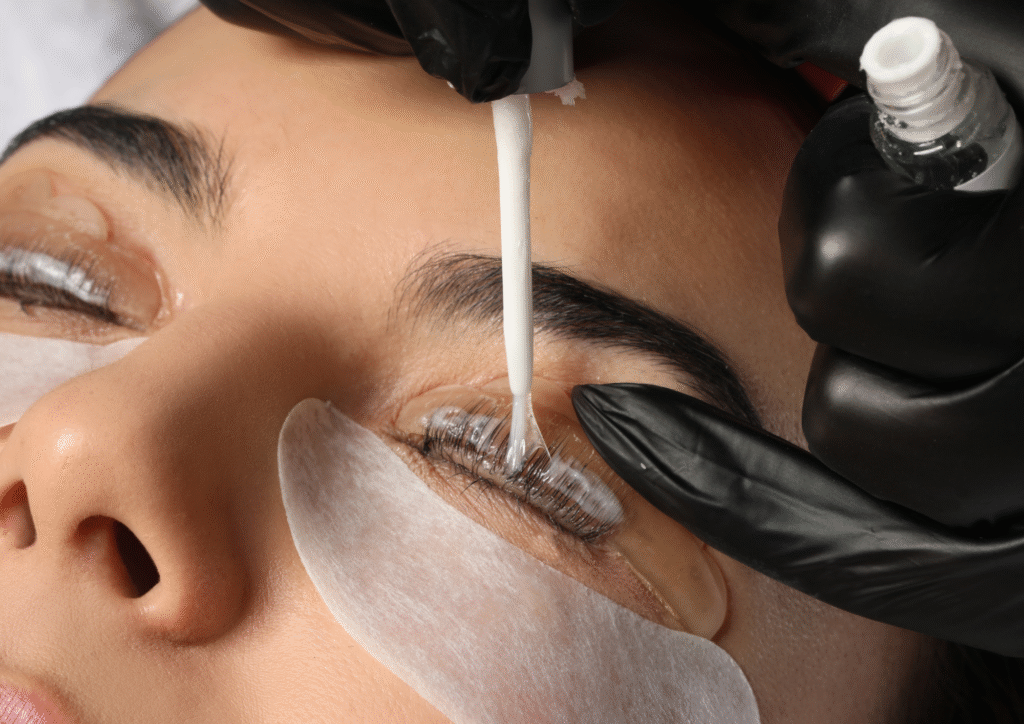
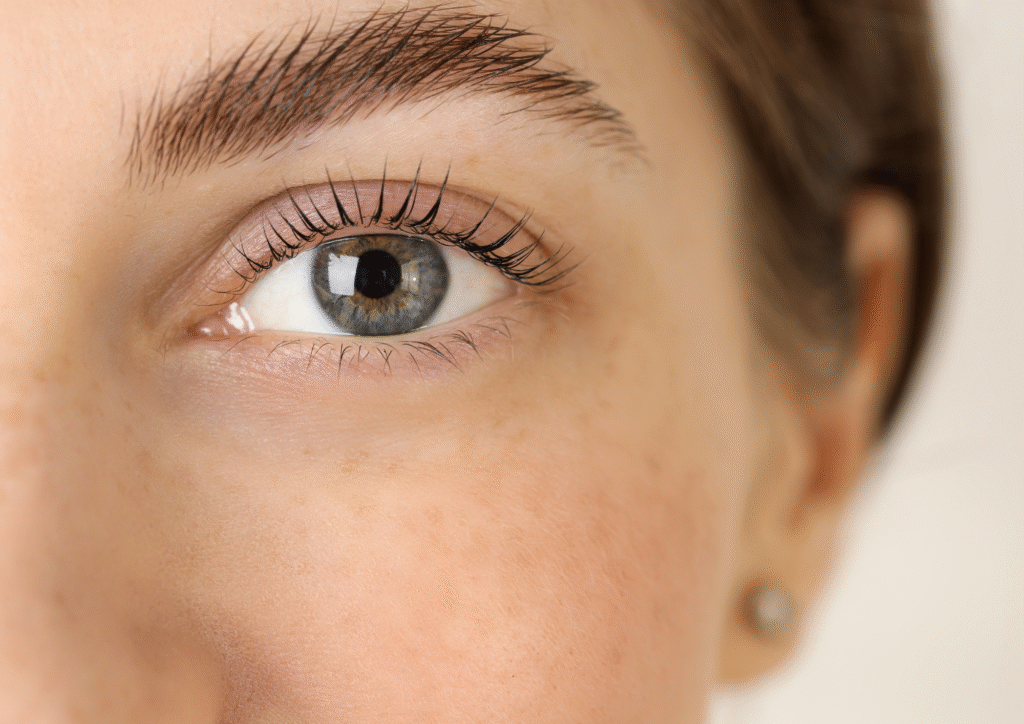
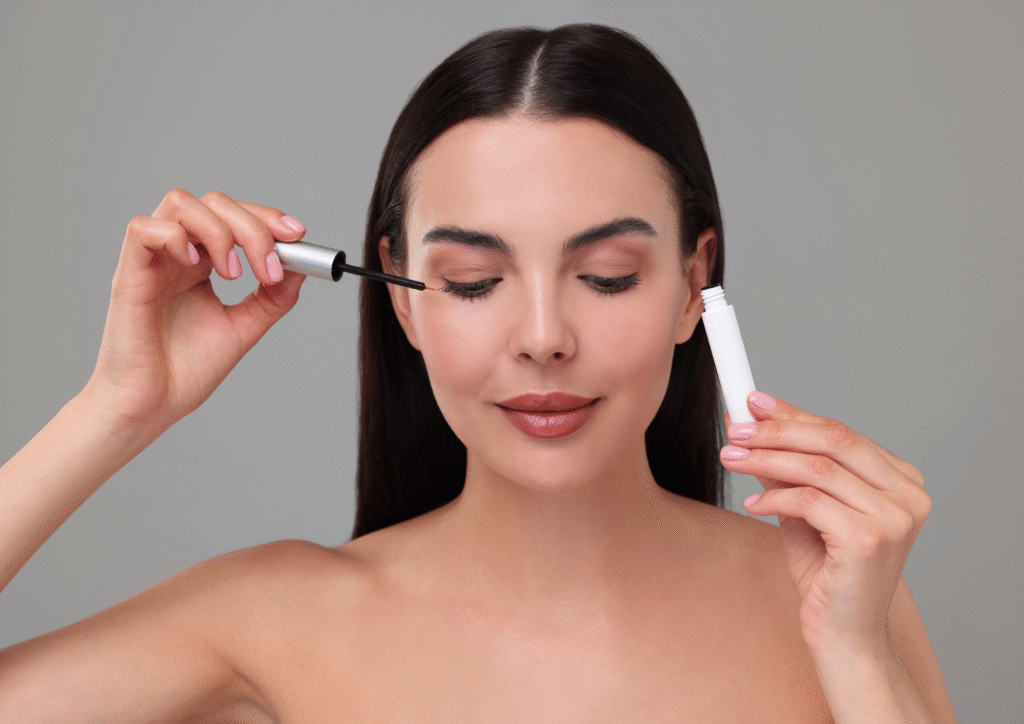
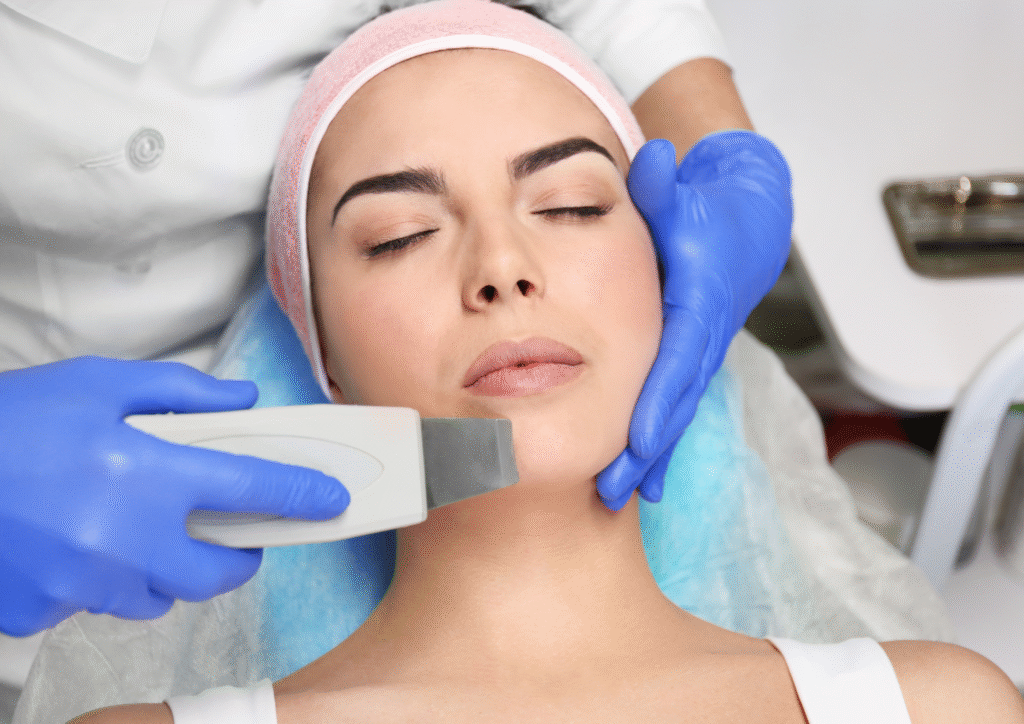
5 pregnancy and breastfeeding-safe moisturisers for youth
Ad · This is a paid collaborative post. Links to the partner are sponsored.
Skincare isn’t just about having a daily routine. It’s vital for healthy and radiant skin, especially during hormonal fluctuations that occur during pregnancy and breastfeeding. Pregnancy skincare products used to be relegated to a tiny corner of the beauty aisle. Now, a wide range of products are available in almost any store, and the challenge has become deciding which one to use and which is safe for you and your baby.
However, when you have the right products to meet your skin’s specific needs, you can achieve long-term results, which include smoother, clearer, and more hydrated skin. This article will highlight some of the best skincare creams and moisturisers to consider, based on their distinctive advantages and how they can benefit your skin during pregnancy and postpartum.
Key highlights
Our top 5 skincare picks deliver hydration, anti-ageing, and skin barrier support – all safe for pregnancy and breastfeeding
Prioritise products with proven, nursing-safe actives like retinol alternatives, vitamin C, hyaluronic acid, or ceramides
Look for gentle formulations—fragrance-free, minimal irritants, suitable for daily use and sensitive pregnancy skin
Use them in proper sequence (cleanser → serum → moisturiser → SPF) for maximum benefit.
Patch test new products, and choose according to your skin type (dry, oily, sensitive, etc.)
Why choosing the right skincare matters (especially during pregnancy & breastfeeding)
Youthful skin is a matter of selecting the right products to suit your skin type and address specific skin concerns. You can combat the issues of dryness, pigmentation, and sensitive skin with the right product selection. According to the research from Dermspotlight, “Application of the incorrect product may cause irritation, breakouts or aggravation of the already existing concerns.” Being aware of what is good for your skin will save time, money and frustration in the long run.
Zoe Diana Draelos, MD, Board-certified dermatologist, research and clinical professor, says, “Choose products that match your skin type and its specific concerns like dryness, pigmentation, sensitivity because the right formulation protects the skin barrier and speeds improvement, while the wrong product can cause irritation, breakouts or worsen pigmentation.”
We will explore the best skin care products that address various skin issues, including pore refining, hydration, soothing, and dark spot treatment. We will also take a closer look at some products worth adding to your routine.
Ingredients to avoid during pregnancy and breastfeeding
Before we explore the products, here’s what to avoid in your safe skincare routine for breastfeeding moms:
It is crucial to determine your skin type before selecting products. Is your skin dry, oily, combination or sensitive? Knowing your skin type will enable you to choose the appropriate products that won’t clog or even worsen your skin. For example, if you have oily skin, look for products that are oil-free and mattifying. In the case of dry skin, the hydration and moisture-locking ingredients will be additional.
For new and expecting mums: Your skin type may have changed during pregnancy due to hormonal fluctuations. What worked before may need adjusting now.
Key steps in a proper skincare routine
A basic skincare routine involves five key steps that work together to maintain healthy skin:
Cleanse: Start with a gentle cleanser to remove dirt, oil, and impurities.
Tone: Toners balance your skin’s pH and prepare it for the next steps.
Hydrate: Use a moisturiser to replenish moisture and keep your skin soft.
Protect: Finish with sunscreen to shield your skin from harmful UV rays. For nursing moms, use mineral sunscreen (zinc oxide) instead of chemical formulas.
These steps can be adapted to suit your skin’s specific needs, but this structure provides a solid foundation for any skincare routine.
Best skincare products to try (safe for pregnancy and breastfeeding)
Here are the best skincare creams and moisturisers according to Health Insiders that you can try:
1. WOWMD Witch Hazel Pore Perfecting Toner – best for pore refining and balancing
Pregnancy and breastfeeding safe
Toning is a crucial step, particularly for those with large pores or oily skin. The WOWMD Witch Hazel Pore Perfecting Toner is used to refine pores and balance skin by eliminating excess oil without over-drying. Hyaluronic acid, combined with witch hazel, helps to tighten pores, restore freshness to the skin, and maintain a youthful appearance. Ideal for those seeking smoother skin and a more even complexion.
Why it’s ideal for nursing mums: Witch hazel is a gentle, commonly used postpartum and is generally well-tolerated with no harmful ingredients that could transfer through to breast milk.
2. WOWMD Hyaluronic Acid Serum – Best for deep hydration & plumping
Pregnancy and breastfeeding safe
The WOWMD Hyaluronic Acid Serum is the ideal choice for those seeking deep hydration. This serum contains various types of hyaluronic acids that enable it to penetrate the skin at multiple levels. It offers lasting moisturising power, making the skin plump and hydrated. This serum is a good fit if you are seeking an efficient face moisturiser that manages sensitive skin or a serum that helps diminish fine lines.
Perfect for breastfeeding mums: Hyaluronic acid is completely safe during pregnancy and nursing. It’s a naturally occurring substance that provides crucial hydration, essential when breastfeeding, as it increases your body’s water needs.
3. WOWMD Hydro Balancing Gel-Cream – best lightweight moisturiser
Pregnancy and breastfeeding safe
For oily or combination skin, a light moisturiser is necessary, and the WOWMD Hydro Balancing Gel-Cream is perfectly suited for the task. It moisturises but does not leave the skin greasy, and it creates a smooth and balanced texture. It contains plant oils and antioxidants that keep the skin hydrated, calm, and refreshed, making it an excellent option for sensitive skin care.
Safe for your safe skincare routine for breastfeeding mums: This gentle formula contains no harsh ingredients and is perfect for hormonally sensitive postpartum skin.
4. Beverly Hills MD Lift + Firm Sculpting Cream – Best for skin hydration
Note: Consult your doctor if breastfeeding
The Beverly Hills MD Lift + Firm Sculpting Cream provides both instant relief, whether it is a post-workout recovery or calming irritated skin. This cream, reinforced with Acetyl Dipeptide-1, significantly enhances collagen synthesis and skin hydration, providing a refreshing effect. The Beverly Hills MD Lift + Firm Sculpting Cream is formulated to deliver a lifting effect, promoting a tighter and more youthful skin appearance. It achieves this by utilising a blend of peptides, advanced moisturisers, and natural extracts to enhance dermal elasticity and mitigate sagging.
For nursing mums: While peptides are generally considered safe, always consult your healthcare provider before using advanced anti-ageing products while breastfeeding.
5. WOWMD Dark Spot Serum for sensitive skin – best to target pigmentation gently
Pregnancy and breastfeeding safe
Dark spots and pigmentation are one of the most prevalent problems that bother many individuals, especially pregnant women experiencing melasma (the “pregnancy mask”). The WOWMD Dark Spot Serum Sensitive Skin will target the dark spots without irritating the skin. It is loaded with natural extracts and is effective in the removal of dark spots. It lightens the skin, decreases pigmentation, and functions on even sensitive sections of the skin.
Ideal for a safe skincare routine for breastfeeding mums: This formula uses gentle, natural ingredients instead of hydroquinone (which should be avoided during nursing), making it perfect for treating pregnancy pigmentation safely.
How to build a simple routine
Sample AM/PM routine using these products
Here’s how you can incorporate these products into a simple yet effective morning and evening skincare routine:
AM Routine:
Cleanse with a gentle cleanser
Tone with WOWMD Witch Hazel Pore Perfecting Toner
Apply WOWMD Hyaluronic Acid Serum for hydration
Moisturise with WOWMD Hydro Balancing Gel-Cream
Finish with sunscreen for sun protection(use mineral sunscreen if pregnant or nursing)
PM Routine:
Cleanse and tone
Apply WOWMD Dark Spot Serum for Sensitive Skin for targeted treatment
Use Beverly Hills MD Lift + Firm Sculpting Cream if your skin feels irritated or inflamed (check with doctor if breastfeeding)
Hydrate and lock moisture with WOWMD Hydro Balancing Gel-Cream
Tips for layering and patch testing
When using skincare products, it is always advisable to apply them in the order of thin to thick. Begin with toners, and proceed to serums, and then moisturisers. Patch testing on a small area of your skin can be helpful if you are trying new products, so you will not get irritated, particularly if you have sensitive skin.
Extra important for pregnant and nursing mums: Your skin is more sensitive during pregnancy and postpartum due to hormonal changes. Always patch test for 24-48 hours before applying the whole product.
How to choose what works for you
Match products to concerns
Select products that suit your skin’s needs. In case hydration is the issue to consider, the Hyaluronic Acid Serum or the Hydro Balancing Gel-Cream can be chosen. When you have pigmentation or dark spots, the Dark Spot Serum will address that issue.
Loss of firmness: Beverly Hills MD Cream (with doctor approval)
Sensitive skin considerations
For those with sensitive skin, consider using a range of gentle, non-irritating products. The WOWMD Dark Spot Serum and Beverly Hills MD Lift + Firm Sculpting Cream are formulated to calm and soothe the skin, making them ideal for individuals with sensitive skin.
For pregnant and nursing mums: Choose fragrance-free, minimal-ingredient formulas. Your skin may be more reactive during this time due to hormonal fluctuations.
Ultimately, investing time in selecting suitable products tailored to your skin type and concerns can have a lasting impact. The products mentioned above offer tailored solutions to various skincare needs, including hydration, pore refinement, dark spot reduction, and calming care. Begin creating your own personalised skincare schedule and have healthy, radiant skin.
Q: What’s the Results Timeline for These Products?
A: Results can vary, but with consistent use, you may start noticing improvements within 2-4 weeks. For dark spots on the face, it may take longer, up to 6-8 weeks, to see full results. Be patient – hormonal changes during pregnancy and postpartum can affect how quickly your skin responds.
Q: Can You Combine All These Products?
A: Yes, these products work well together as they address different skin concerns. Just ensure you follow the proper layering order and patch test where necessary. All the WOWMD products are safe for pregnancy and breastfeeding when used together.
Q: What to Do If Irritation Occurs?
A: If irritation occurs, discontinue use and consult a dermatologist. It’s essential to patch tests before using any new products, especially for sensitive skin. During pregnancy and postpartum, your skin may be more reactive than usual.
Q: When can I use retinol again after pregnancy?
A: If you’re breastfeeding, wait until you’ve finished nursing before reintroducing retinol. Once you’ve stopped, consult your healthcare provider. Consider bakuchiol as a safe, plant-based alternative in the meantime.
Q: Are these products safe throughout pregnancy and while nursing?
A: Yes, the WOWMD products listed are safe throughout pregnancy and breastfeeding. For the Beverly Hills MD Lift + Firm Sculpting Cream, consult your healthcare provider due to the peptide content. Always patch test and introduce products one at a time.
Leyla is a UK mum of four, a writer and the founder of Motherhood Diaries, which she has edited since 2010. She has written about pregnancy, birth and family life for more than 15 years, edited NCT Harrow’s Special Delivery magazine, and is the author of several children’s and family books. She is also co-founder of Poppy, a new app helping UK parents find trusted local support, and presents Tech Talks Zone, a YouTube channel reviewing tech and AI tools for busy parents. Read Leyla’s story
Our health articles follow NHS guidance and aren’t a substitute for advice from your midwife, health visitor or GP.
The perfect postpartum babylights for low maintenance
Ad · This is a paid collaborative post. Links to the partner are sponsored.
Hair trends come and go, but some techniques stand the test of time, especially for mums navigating postpartum hair changes. One of these is postpartum babylights, a subtle highlighting method that has taken salons by storm among mums dealing with hair loss and regrowth. Known for their natural, sun-kissed effect, babylights are a favourite for those who want brightness and dimension without dramatic contrast or high maintenance.
Just like parents rely on calming tools, such as a sound machine or clock, to create a soothing environment for their babies, postpartum babylights bring a soft and gentle effect to hair, offering enhancement without overpowering your natural beauty during this hormonal time.
If you’ve been wondering whether babylights are right for you during pregnancy or postpartum, then this guide will break down what you need to know about babylights, as well as how they differ from traditional highlights and how you can maintain your hair while caring for your little one.
Why babylights are perfect for new mums experiencing hair changes
After pregnancy, it’s quite common to experience drastic hair changes. Those thick, lustrous locks during pregnancy often give way to postpartum shedding around 3-6 months after delivery. This is where postpartum babylights shine, as they help disguise thinning areas and awkward regrowth while requiring minimal upkeep.
The difference between babylights and traditional highlights
To understand why mum-safe hair colours, such as babylights, work so well postpartum, we can compare them with classic highlighting techniques.
Traditional Highlights: These use larger sections of hair, creating bold streaks that contrast with your natural colour. They’re noticeable and often require more upkeep—something new moms rarely have time for.
Babylights: Much finer, they mimic the way children’s hair naturally lightens in the sun. The result is softer, more blended, and effortlessly natural, which is perfect for camouflaging postpartum baby hairs and regrowth.
Babylights are essentially highlights on a micro-level. While traditional highlights stand out, babylights whisper. They’re ideal for new mums who want dimension without apparent colour separation or frequent salon visits.
Why postpartum babylights are a low-maintenance option
One of the biggest appeals of babylights for new mothers is how easy they are to maintain compared to other colouring methods, which is crucial when you’re juggling feedings, nappy changes, and sleepless nights. Here are some reasons why postpartum babylights are the right option after birth:
Minimal root regrowth
Because babylights are so fine, regrowth is less noticeable. This means you can stretch out salon visits longer than with chunky highlights, which is essential when finding childcare for salon appointments is challenging.
Natural blending with postpartum regrowth
Babylights blend seamlessly with your natural base and those wispy postpartum baby hairs, reducing the harsh grow-out line and disguising new growth around your hairline.
Long-lasting freshness
Even months after your appointment, your hair will still look sun-kissed rather than overgrown or outdated, which is perfect for the months when leaving the house feels like a major accomplishment.
For busy new parents, this makes postpartum babylights a practical choice because they require less maintenance and offer more payoff.
Who are babylights best suited for during and after pregnancy?
Not every technique works for every person, but babylights are surprisingly versatile for mums at any stage:
For Postpartum Hair Loss: They create the illusion of fuller hair and disguise thinning areas
For Fine Hair: They add dimension and the illusion of thickness – helpful when experiencing postpartum shedding
For Dark Hair: They create soft contrast without the starkness of traditional highlights
For Blonde Hair: They enhance brightness without looking overly processed
For Breastfeeding Mums: When done with ammonia-free products, they’re a safer option
For First-Time Mums: If you’re new to hair colouring or want something low-commitment, babylights are a gentle introduction.
No matter your base colour, texture, or where you are in your motherhood journey, babylights can be customised to your hair goals.
Is It safe? Babylights during pregnancy and breastfeeding
According to the American College of Obstetricians and Gynaecologists (ACOG), most experts believe hair dye is not toxic for your baby when used properly. However, for mum-safe hair colour, consider these precautions:
Wait until the second trimester if you’re pregnant
Choose ammonia-free formulas to minimise chemical exposure and protect fragile postpartum hair
Ensure proper ventilation in the salon
Consider a patch test if you have sensitive skin (common during pregnancy)
Opt for glosses over bleach when possible to minimise damage to delicate postpartum hair
The process: what to expect at the salon
Getting postpartum babylights at the salon is slightly different from traditional highlights, but the results are worth the time.
Consultation: Your stylist will discuss the look you’re aiming for and choose tones that suit your complexion and lifestyle as a new mom
Sectioning: Very fine sections of hair are separated, often more than with regular highlights
Foiling: Each tiny section is wrapped in foil, ensuring even lightening
Processing: The lightener is left on until the hair reaches the desired brightness
Toning: A toner may be applied to refine the colour and achieve a natural finish
Styling: After rinsing, conditioning, and blow-drying, you’ll see your fresh, mom-friendly look
The process takes longer than traditional highlights since more foils are used, but the result is subtle sophistication that grows out beautifully – essential for busy mums.
Caring for your postpartum babylights: tips for longevity
To keep babylights looking fresh while managing new mum life, proper aftercare is essential.
1. Use colour-safe shampoo and conditioner
Opt for sulfate-free products to preserve colour and prevent fading. Many are also safe for breastfeeding mums.
2. Deep condition regularly
Postpartum hair can be dry and fragile, so hydration is key.
3. Limit heat styling
Too much heat weakens colour-treated hair. Embrace air-drying when possible (new mums rarely have time for blow-drying anyway!).
4. Protect from the sun
UV rays can fade colour. Wearing hats during stroller walks helps protect your investment.
5. Schedule toner touch-ups
A quick gloss or toner refresh every 6-8 weeks helps keep the tones vibrant without requiring a full appointment.
Babylights and balayage: can they be combined for new mums?
Yes. Babylights and balayage can be combined for the ultimate low-maintenance hair colour for new moms.
Babylights: Provide an all-over soft brightness that disguises regrowth
Balayage: Hand-painted highlights that add sweeping dimension
When used together, you get a dynamic, multi-tonal result that requires minimal upkeep – bright at the roots from babylights, with seamless gradient effects from balayage.
Babylights vs. other techniques for busy mums
With so many colouring methods available, it can be hard to decide which one fits your lifestyle. Below is a breakdown of how postpartum babylights compare to other popular techniques:
Seasonal Versatility: Works for brightening winter moods or enhancing summer glow
Confidence Boost: Helps new mums feel put-together during a time of major life changes
Final thoughts
So, what exactly are postpartum babylights? They are ultra-fine, natural-looking highlights designed to work with your changing hair after pregnancy, mimicking the sun-kissed strands of childhood while disguising postpartum hair challenges. Unlike traditional highlights, they are low-maintenance, versatile, and flattering for nearly every new mum.
By choosing babylights during your postpartum journey, you’re opting for elegance over excess, softness over starkness, and timeless appeal over fleeting trends, all while accommodating the realities of new motherhood.
So, whether you’re dealing with postpartum shedding, awkward regrowth, or you want to feel more like yourself again, babylights offer a beautiful, low-maintenance solution that works with your new mum lifestyle, not against it.
*Collaborative feature post*
About Leyla Preston
Leyla is a UK mum of four, a writer and the founder of Motherhood Diaries, which she has edited since 2010. She has written about pregnancy, birth and family life for more than 15 years, edited NCT Harrow’s Special Delivery magazine, and is the author of several children’s and family books. She is also co-founder of Poppy, a new app helping UK parents find trusted local support, and presents Tech Talks Zone, a YouTube channel reviewing tech and AI tools for busy parents. Read Leyla’s story
Our health articles follow NHS guidance and aren’t a substitute for advice from your midwife, health visitor or GP.
What to know about lash serum during pregnancy and beyond
Ad · This is a paid collaborative post. Links to the partner are sponsored.
Medical Disclaimer: This article is for informational purposes only. Always consult your healthcare provider before using any cosmetic products during pregnancy or breastfeeding. Individual experiences may vary, and what works for one person may not work for another.
As a mother of four, I have navigated the peaks and troughs of hormonal changes both in pregnancy and postpartum. Finding safe beauty products is critical for me, especially now that I am in my 40s. This comprehensive guide addresses everything you need to know about lash serums to help with that inevitable postpartum hair loss because, sadly, it doesn’t just happen on your head!
The unique postpartum hair loss challenges we parents face
Our hair is thickest during the golden (second) trimester, but then after birth, hair falls in clumps. Many women don’t realise that this often happens with our eyelashes too. I lost a lot with number four and have only seen my hair grow back properly after four years. Not to worry, though. Most women replenish their hair naturally within the first year, but this largely depends on your body, genetics and age. But there are ways to help speed up hair growth (watch this space for a full beauty guide coming soon on how I did this!) Additionally, I recommend checking out my article on red light therapy, which has been extremely helpful for replenishing my curly locks.
Trying a lash serum for the first time is exciting, but it’s also essential to consider whether its safe and effective. For pregnant and breastfeeding mothers, these concerns multiply as hormonal changes affect both lash growth and which products you can use safely.
And not every serum works the same way. Results vary depending on the ingredients and each person’s lash growth cycle. During pregnancy and postpartum, hormonal fluctuations can dramatically impact these results. Some notice fuller-looking lashes within weeks, while others see more gradual changes. Paying attention to application instructions and consistency helps maximise results while reducing the chance of side effects.
However, with the right approach, lash serums can become a simple yet effective addition to a daily routine – even during the demanding months of pregnancy and early parenthood.
In this article, we’ll talk about what lash serums are out there and how to use them safely during pregnancy and beyond!
Essential facts to know before using a lash serum during pregnancy and postpartum
How lash serums work and their benefits
Lash serums are formulated to enhance the appearance of eyelashes by promoting growth and increasing thickness. Cosmetic serums usually work by nourishing the hair follicle, while prescription options containing bimatoprost (a prostaglandin analog) actually extend the natural growth phase of lashes and are clinically proven to lengthen them. However, these prescription serums like Latisse are not recommended for pregnant or breastfeeding women due to potential safety concerns.
Cosmetic serums, which are available over the counter, often emphasise conditioning and strengthening rather than medically altering growth cycles. This difference means results can vary, with some formulas focusing more on overall lash health than dramatic length. A lash serum by ForChics, for instance, is typically compared with other cosmetic options that highlight hydration and resilience. Comparing these side by side reveals how ingredients impact shine, softness, and durability. Choosing between them depends on whether the goal is noticeable growth or simply stronger, healthier-looking lashes. Note: Always verify the pregnancy safety of any specific brand with your healthcare provider before use.
Understanding hormonal effects on lashes
During pregnancy, elevated oestrogen levels can significantly impact lash growth patterns. According to recent studies, many women experience enhanced lash growth and thickness, particularly during the second and third trimesters of pregnancy. However, once you give birth, oestrogen levels plummet, signalling hair follicles to enter the telogen (shedding) phase rapidly.
Many new mothers experience unexpected changes in their hair and lashes. It’s not uncommon to notice your lashes thinning or even eyelashes falling out postpartum. This phenomenon, known as telogen effluvium, typically peaks 3 to 6 months after delivery.
Types of lash serums and key ingredients
There are two main categories: prescription serums and cosmetic serums. Cosmetic serums rely on nourishing ingredients. Common ones include:
Peptides: Support lash strength and reduce breakage.
Biotin: Promotes healthier hair growth.
Castor oil: Provides hydration and conditioning.
Plant extracts: Offer antioxidant and soothing effects for sensitive eyes.
Some cosmetic formulas may also contain prostaglandin derivatives, although in lower concentrations than those found in prescription products. Checking the ingredient list is essential, especially for individuals with allergies or sensitivities.
Pregnancy-safe ingredients to look for
Natural ingredients offer a more organic option for those seeking pregnancy-safe alternatives. Consider incorporating the following ingredients into your lash care routine: Castor Oil: Renowned for its moisturising properties, castor oil nourishes and strengthens lashes.
Safe ingredients during pregnancy and breastfeeding include:
Hyaluronic acid
Collagen
Vitamin E (Tocopherol)
Panthenol
Pumpkin seed extract
Biotin (Vitamin B7)
Potential side effects and safety precautions
While many eyelash serums are well tolerated, side effects can occur. Prescription serums with bimatoprost may cause redness, itching, or darkening of the eyelid skin. In rare cases, they can cause an increase in pigmentation of the iris. Cosmetic serums are generally milder but can still irritate, especially in individuals with sensitive eyes. At the same time, many people incorporate medical grade skincare products into their overall routine, as eye care and skin health often go hand in hand.
To reduce risks:
Apply only to the lash line, never inside the eye.
Use a clean applicator to prevent bacterial contamination.
Discontinue use if persistent irritation occurs.
Consulting an eye care professional is recommended before starting a serum, especially for individuals with pre-existing eye conditions or those considering prescription-strength options.
How to use lash serums safely and effectively during pregnancy and breastfeeding
Preparing your lashes for application
Clean lashes absorb serum more effectively. She should always remove makeup with a gentle makeup remover and wash the eye area thoroughly to clear away mascara, eyeliner, or oils. This prevents buildup that can block the serum from reaching the lash line. Those who wear lash extensions or false lashes require extra care. Oil-based removers can weaken the adhesive, so oil-free cleansers are recommended.
Healthy lashes respond better to treatment. Using a mild lash conditioner can help maintain flexibility and reduce breakage, particularly during the natural growth cycle of your lashes. By starting with clean, conditioned lashes, the serum can work without interference from dirt or product buildup.
Step-by-step guide to applying lash serum
Most lash serums, including options from brands like ForChics, come with a thin applicator brush. Apply a small amount directly along the upper lash line, similar to liquid eyeliner. Only one dip per eye is sufficient, as using more does not expedite results but may increase the risk of eye irritation.
Application should be limited to the upper lash line. The lower lashes do not require direct application, as the serum naturally transfers when blinking. Applying too close to the inner corner of the eye should be avoided to reduce discomfort. After applying, she should allow the serum to dry for at least 90 seconds before using other products. This prevents smudging and ensures the serum fully absorbs into the lash line.
Special considerations for nursing mothers
When breastfeeding, additional precautions ensure both yours and baby’s safety:
Apply serum after the last evening feeding
Wash your hands thoroughly after application
Store products safely away from baby’s reach
Choose formulas specifically labelled as breastfeeding-safe
Managing postpartum lash loss: what to expect
Postpartum hair loss is a regular part of pregnancy and childbirth and won’t affect your baby. But hair that falls out can wrap around your baby’s fingers, toes or other body parts. This rare occurrence is called a hair tourniquet.
Timeline of lash changes
While this issue will likely eventually resolve (1-1.5 years postpartum), understanding the timeline helps manage expectations. Studies show that 68-90% of new mothers experience postpartum hair loss:
During Pregnancy: Enhanced growth due to elevated oestrogen
0-3 Months Postpartum: Initial shedding begins
3-6 Months Postpartum: Many women who have recently had a baby will see noticeable hair loss that peaks after a few months
6-12 Months Postpartum: Recovery and regrowth phase
Nutritional support for lash health
Maintaining a balanced diet with adequate levels of essential nutrients is always crucial for your health — and all the more so when you’re eating for two! Lash loss can be linked to hormonal changes, but it is often more commonly associated with a deficiency.
Essential nutrients include:
Iron (prevents anaemia-related lash loss)
Biotin (Vitamin B7)
Vitamin E
Protein
Omega-3 fatty acids
When to seek professional help
Consult your healthcare provider if:
Lash loss continues beyond 12 months postpartum
You experience sudden, patchy lash loss
Irritation persists after using any lash product
You notice other symptoms like fatigue or weight changes (possible thyroid issues)
Frequently asked questions
Can I use lash serum while pregnant?
Because hormone levels change during pregnancy and breastfeeding, you should use any cosmetic products, including EYELASH AWAKENING SERUM, with caution and always consult with your doctor. Choose serums without prostaglandin analogs and stick to natural, nourishing ingredients.
Is GrandeLash safe during pregnancy?
GrandeLash contains prostaglandin analogs and is generally not recommended during pregnancy or breastfeeding. Many mothers report switching to safer alternatives during this time.
What’s the best pregnancy-safe lash serum?
Some mothers have reported positive experiences with serums like DIME Lash Serum, which has been noted for its effectiveness and safety. Users have reported noticeable improvements in lash length and fullness, with no adverse effects. Other potentially safe options include those containing only peptides, biotin, and natural oils.
Important: Individual experiences may vary. Always consult your healthcare provider before using any lash serum during pregnancy or breastfeeding, regardless of brand claims or user testimonials.
Can lash serum pass through breast milk?
Given the similarities between bimatoprost and other prostaglandin-based compounds found in over-the-counter lash serums, healthcare providers often err on the side of caution and advise against their use during breastfeeding.
How long does postpartum lash loss last?
The shedding should last less than six months. Your hair should regain its fullness by the time your child turns one.
Can I use castor oil on my lashes while breastfeeding?
Pure castor oil applied topically to lashes is generally considered safe during breastfeeding when used in small amounts. However, always consult your healthcare provider first.
Will my lashes grow back after postpartum loss?
Hair loss after childbirth is not permanent. New hair will start growing back as soon as the old hair falls out.
Can thyroid issues cause lash loss after pregnancy?
Yes, thyroid changes are usually also temporary symptoms. These changes within the thyroid glands should resolve once the pregnancy is complete and hormones responsible for hyperthyroidism — human chorionic gonadotropin and oestrogen — return to normal levels.
Is it safe to get lash extensions while pregnant?
Eyelash extensions can be a safe alternative to lash serums during pregnancy. Unlike serums, which commonly contain prostaglandin analogues, eyelash extensions are applied externally.
What vitamins help with postpartum lash growth?
Key vitamins include biotin (B7), vitamin E, iron, and vitamin D. A quality postnatal vitamin can help support overall hair and lash health.
Final thoughts
Choosing a lash serum requires attention to ingredients, safety, and application – especially during pregnancy and breastfeeding. Products containing peptides, biotin, or plant extracts may support healthier lashes. Avoiding harsh irritants helps reduce the risk of side effects. Not every formula works the same for everyone. Considering personal sensitivity, reviewing product details, and setting realistic expectations help ensure a better experience with lash serums.
For new and expecting parents, understanding the hormonal changes affecting lash growth and choosing pregnancy-safe options provides peace of mind while supporting lash health. Remember that postpartum lash loss is temporary, and with proper care and patience, your lashes will recover. Always consult with your healthcare provider before starting any new beauty regimen during pregnancy or while breastfeeding.
Disclaimer: This article is for informational purposes only and should not replace professional medical advice. Always consult your healthcare provider before using any new products during pregnancy or breastfeeding.
*Collaborative feature post*
About Leyla Preston
Leyla is a UK mum of four, a writer and the founder of Motherhood Diaries, which she has edited since 2010. She has written about pregnancy, birth and family life for more than 15 years, edited NCT Harrow’s Special Delivery magazine, and is the author of several children’s and family books. She is also co-founder of Poppy, a new app helping UK parents find trusted local support, and presents Tech Talks Zone, a YouTube channel reviewing tech and AI tools for busy parents. Read Leyla’s story
Our health articles follow NHS guidance and aren’t a substitute for advice from your midwife, health visitor or GP.
Daily skincare habits that support skin over time
Ad · This is a paid collaborative post. Links to the partner are sponsored.
You don’t need a drawer full of skincare products to take care of your skin. You also don’t need to follow every trend you see online. While the beauty world often celebrates instant results, the truth is that skin responds more to what you do every day than to occasional treatments. If you’ve ever felt like you’re doing “everything right” but not seeing a difference, it might come down to one thing—daily skincare habits and consistency.
A simple, repeatable routine can go much further than chasing quick fixes. It’s not about how many products you use or how expensive they are. It’s about sticking with the basics and making them part of your everyday life.
One of the easiest ways to take care of your skin is by committing to basic daily skincare habits. You don’t need ten products or a long checklist—just a few steps done daily can help your skin look smooth, fresh, and cared for.
Cleansing removes surface impurities, giving your skin a clean slate. Moisturising helps keep skin feeling soft and looking well-hydrated. Doing these two steps morning and night is often enough to support your skin’s appearance and texture over time.
When you find products you enjoy using, it’s easier to stay consistent. If you want to use high-performance skincare, USANA Health Sciences offers the Celavive skincare range, which includes cleansers, moisturisers, and serums designed to meet your everyday beauty needs. Adding simple, well-formulated products like these to your routine can help you stick with daily skincare habits that work.
There’s no need to overthink it. The more consistent you are with your basics, the more your skin can reflect those everyday efforts.
Don’t rush the results
It’s easy to get discouraged when you don’t see changes right away. Many beauty products take time to show visible results, especially when used as part of simple daily skincare habits. It’s normal to want to switch products if you’re feeling impatient, but changing too often can interrupt your progress.
Give your products time to do what they’re designed to do—hydrate, beautify, and support your skin’s visible appearance. A good rule is to stick with a product for at least three to four weeks before deciding if it’s right for you. That gives your skin time to adjust and allows you to see how it responds with regular use.
You might also find it helpful to take a photo when you start a new product and compare it later. Sometimes, the changes are gradual and easier to notice over time.
Choose habits that fit, not fads that fade
The internet is full of skincare trends that promise amazing results. From ice rollers to 12-step routines, it can feel like you’re always one step behind. But here’s the truth—trends come and go, and what works for someone else might not work for you.
Instead of trying to copy what’s popular, build daily skincare habits that fit your lifestyle. That might mean using the same cleanser and moisturiser every day, skipping extra steps you don’t enjoy, and doing things that make your routine feel calm, not chaotic.
Consistent beauty habits can help support the appearance and feel of your skin over time. These daily skincare habits might not feel exciting, but they’re the ones that make a lasting difference. And remember, you don’t have to do it all. Focus on what you can repeat daily. If it doesn’t fit into your life, it’s not likely to stick—and if it doesn’t stick, it won’t do much for your skin.
Stay consistent with your product use
Even the best products won’t do much if you only use them occasionally. Consistency is what helps products do their job, whether it’s cleansing the skin, locking in moisture, or helping it look smooth and refreshed.
If you find yourself skipping steps often, try keeping your products in a place where you’ll see them—like by the bathroom sink or on your nightstand. You can also set reminders if you’re still getting into the habit.
Morning and night daily skincare habits don’t need to take long. Even just five minutes twice a day can help you stay on track. It’s less about how much you do and more about how often you do it.
If a routine feels overwhelming, go back to the basics. Once that feels easy, you can always add in extras later—like a serum or eye cream—if you feel like it.
Sleep, sun, and stress — The everyday beauty factors
It’s not just what you put on your skin that matters. What you do throughout the day also plays a significant role in determining how your skin appears. Three often-overlooked factors? Sleep, sun, and stress.
Getting enough sleep helps your skin look refreshed. Late nights can leave skin looking tired or dull. Try building a wind-down routine you enjoy so that rest becomes part of your beauty rhythm, not something you push aside.
Sun exposure is another key factor. Using sunscreen daily helps support the appearance of smooth, even skin over time. Choose a broad-spectrum product that feels comfortable on your face so you’ll actually want to wear it.
And then there’s stress. While you can’t obliterate it, you can find small ways to manage it—like taking breaks, going for a walk, or doing something relaxing at the end of the day. When you feel more calm, it often shows in your face.
Making stress management part of your daily skincare habits can be as simple as taking deep breaths while applying products or treating your routine as mindful “me time.”
Building daily skincare habits that last
You don’t need dramatic routines or expensive products to take care of your skin. The truth is that beauty tends to reflect what you do every day – not what you try once in a while. A consistent routine that includes gentle cleansing, moisturising, and a bit of care goes a long way.
Give your products time to work. Build daily skincare habits that fit your life. Skip the pressure to be perfect, and instead focus on what feels right for you. Over time, those small, repeatable actions can help your skin look smooth, hydrated, and visibly refreshed—just by doing a little, every day.
The key to successful daily skincare habits is making them so simple and enjoyable that you look forward to them rather than seeing them as a chore. When your routine feels good, consistency comes naturally—and that’s when you’ll start seeing the real transformation in your skin.
Leyla is a UK mum of four, a writer and the founder of Motherhood Diaries, which she has edited since 2010. She has written about pregnancy, birth and family life for more than 15 years, edited NCT Harrow’s Special Delivery magazine, and is the author of several children’s and family books. She is also co-founder of Poppy, a new app helping UK parents find trusted local support, and presents Tech Talks Zone, a YouTube channel reviewing tech and AI tools for busy parents. Read Leyla’s story
Our health articles follow NHS guidance and aren’t a substitute for advice from your midwife, health visitor or GP.
Red light therapy for hair loss after birth: does it work?
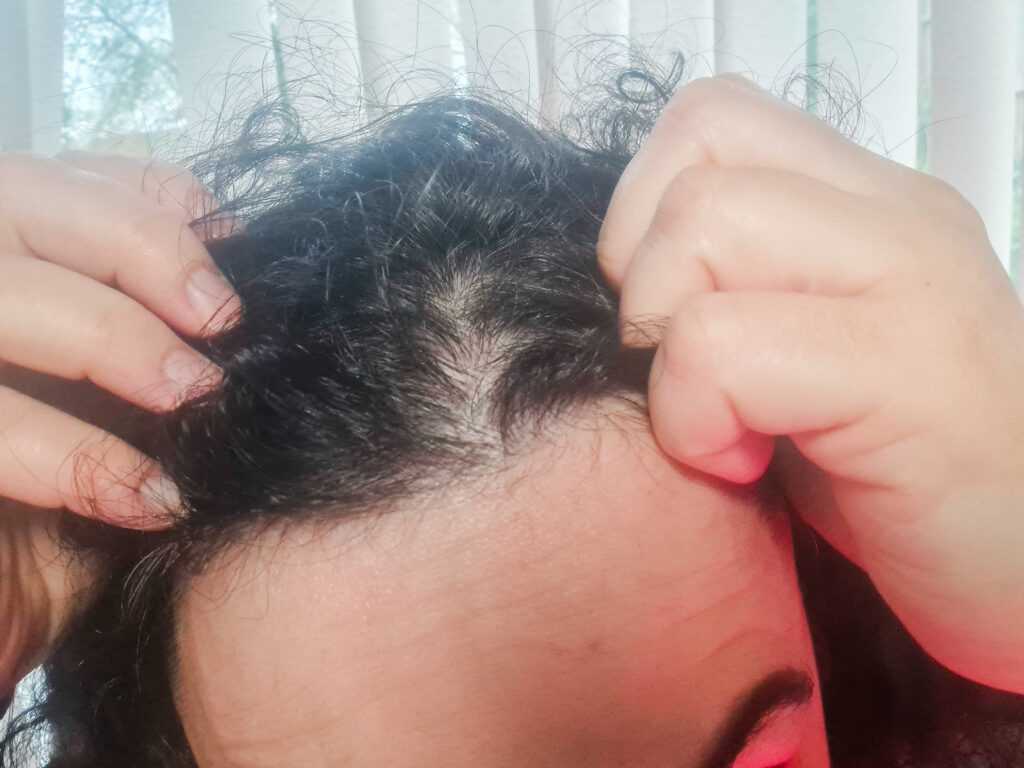
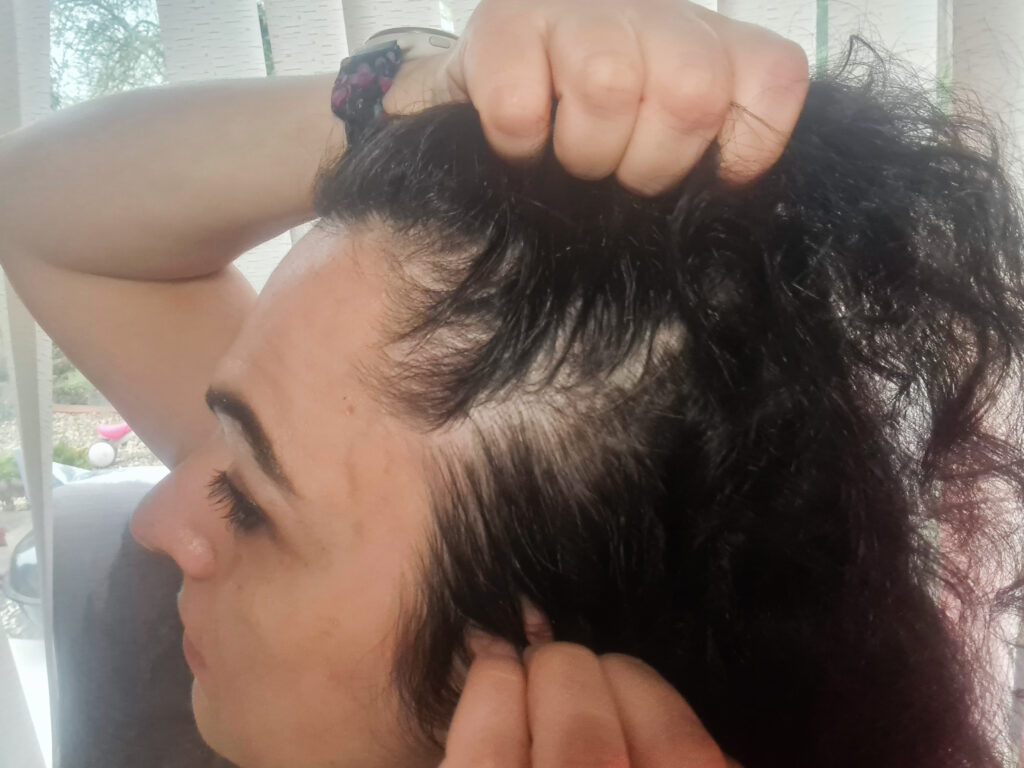
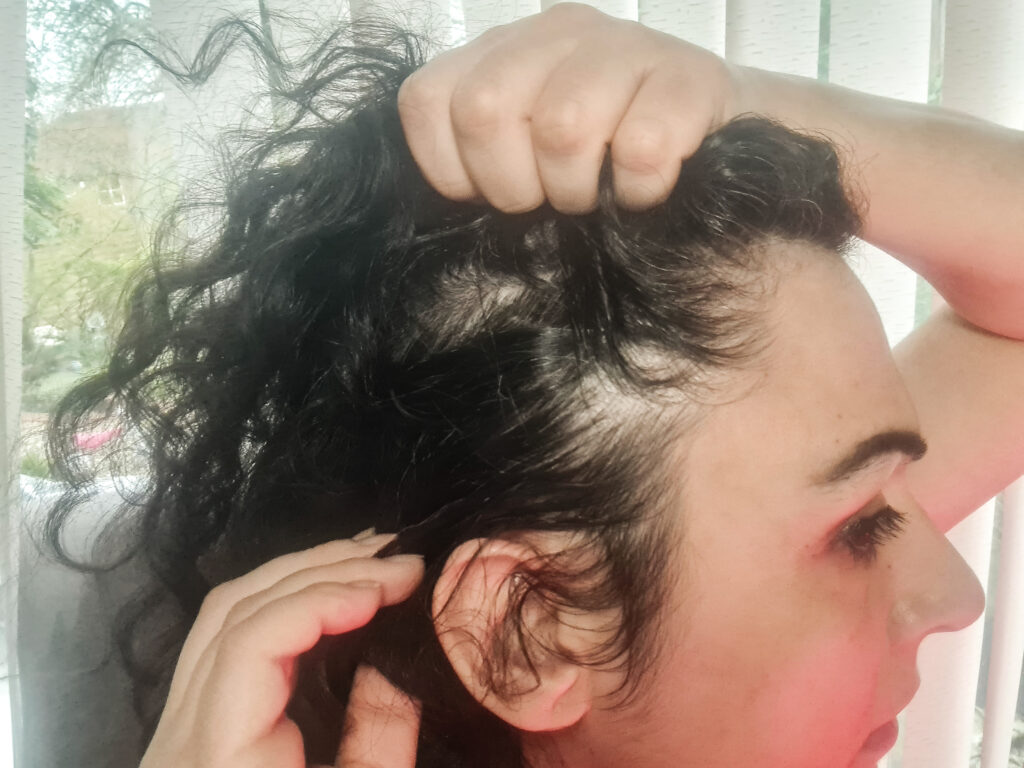
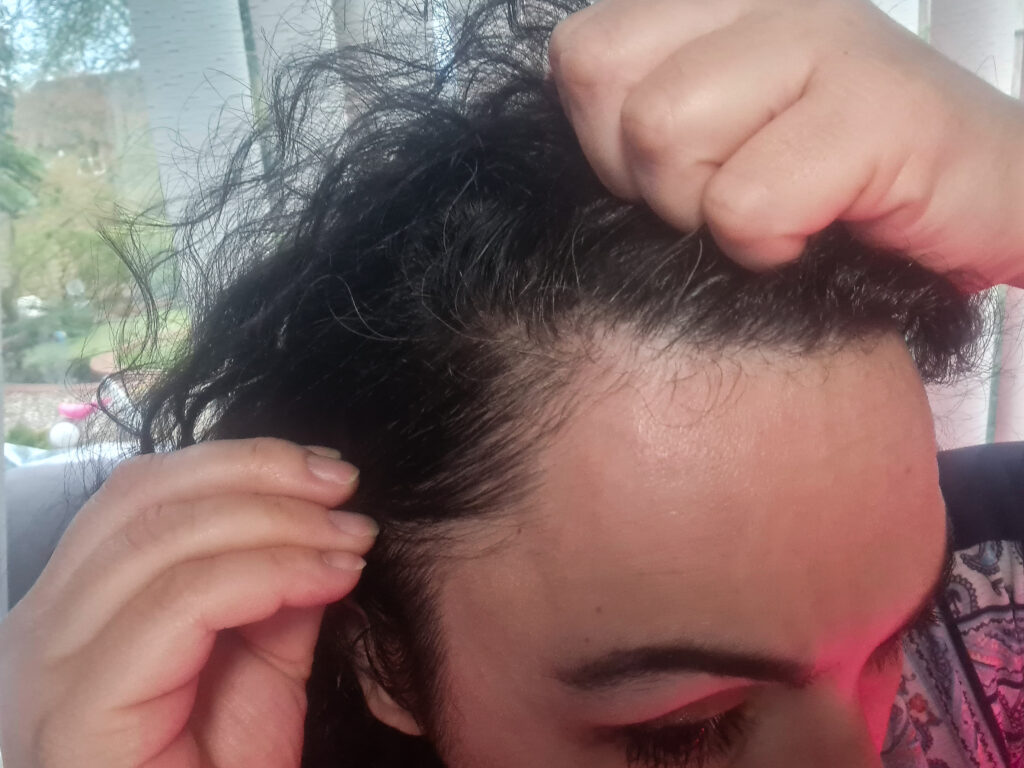
Losing hair can feel like losing a piece of your identity, especially after birth when you need to put your baby first. My thick, curly hair had always grown back except after my fourth, where clumps came out in my hands and there was no sign of regrowth. I was devastated! Maybe it’s down to my age, in which case, I’m scared my hair won’t ever grow back. It’s not just about vanity; it’s about how you see yourself and, in many ways, how you believe the world sees you. The psychological impact can be significant.
For those experiencing postpartum hair loss, this feeling is all too familiar. You’ve just brought a new life into the world, and as you navigate this beautiful yet challenging journey, you’re also dealing with changes to your own body, including your hair.
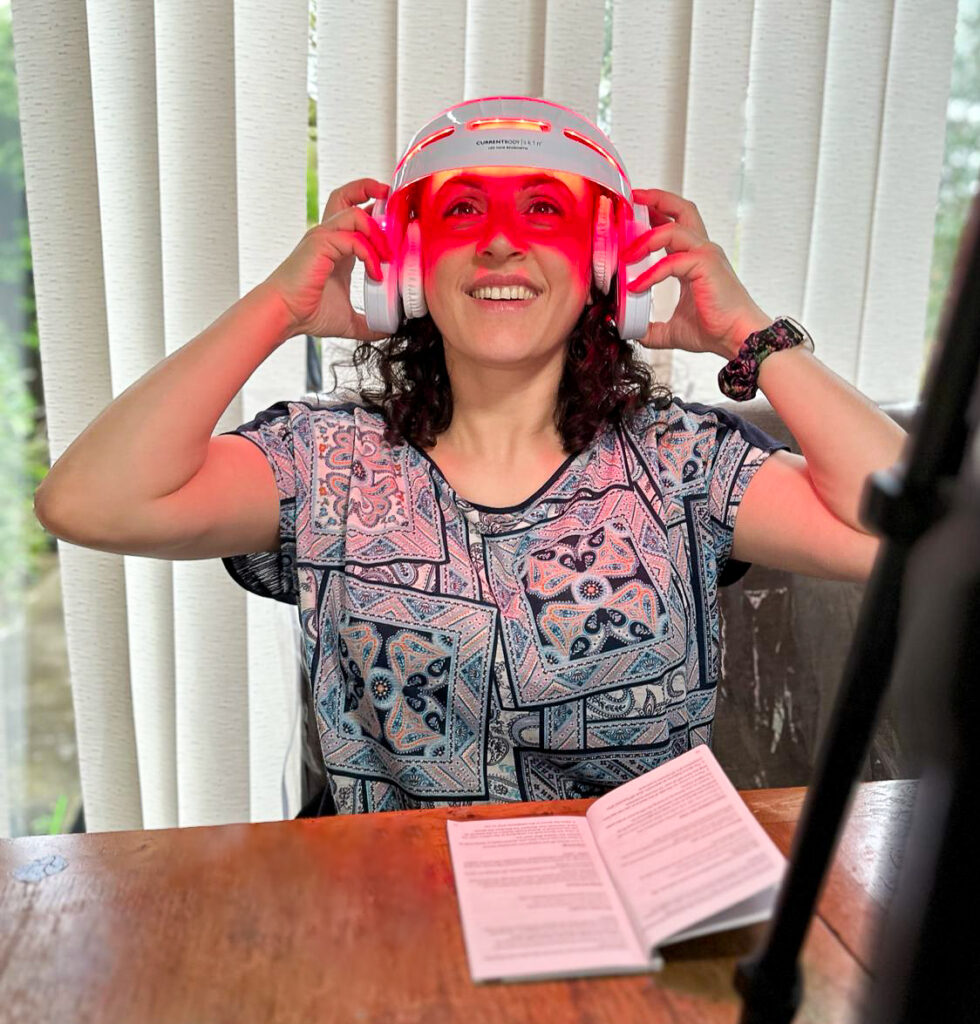
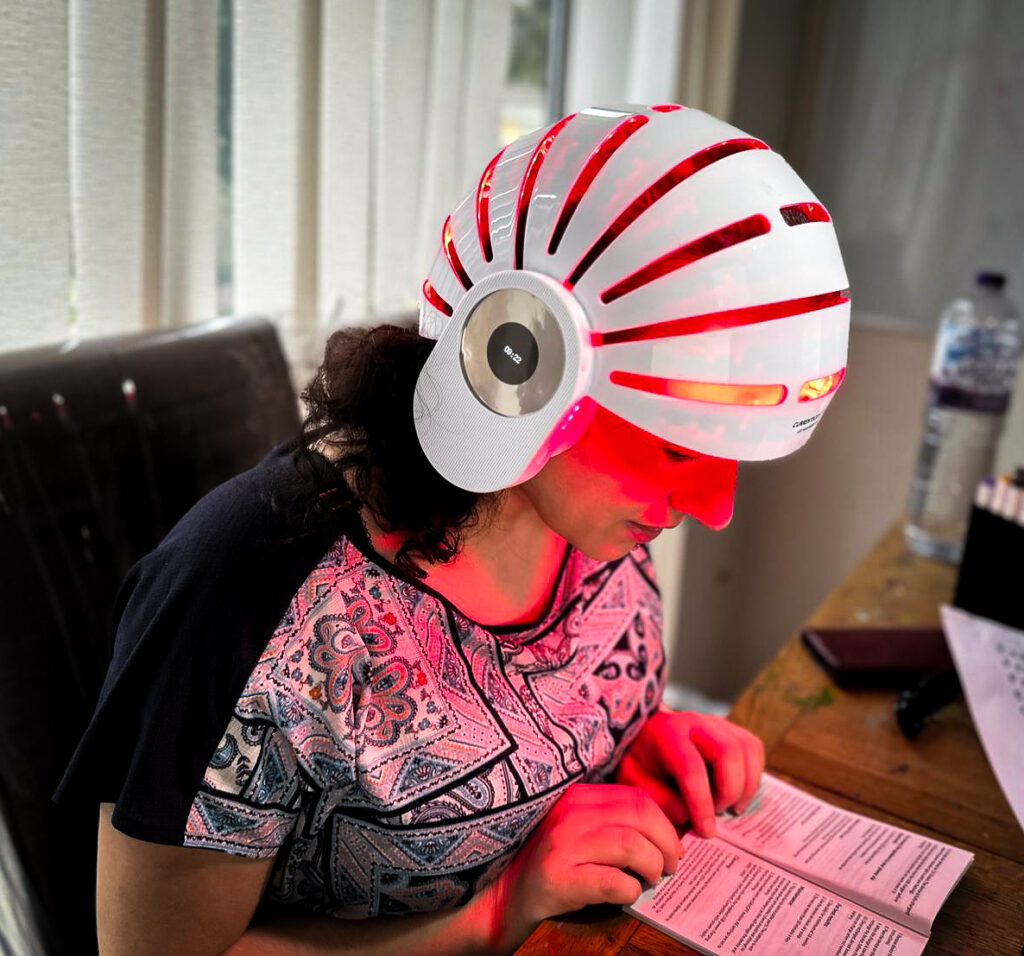
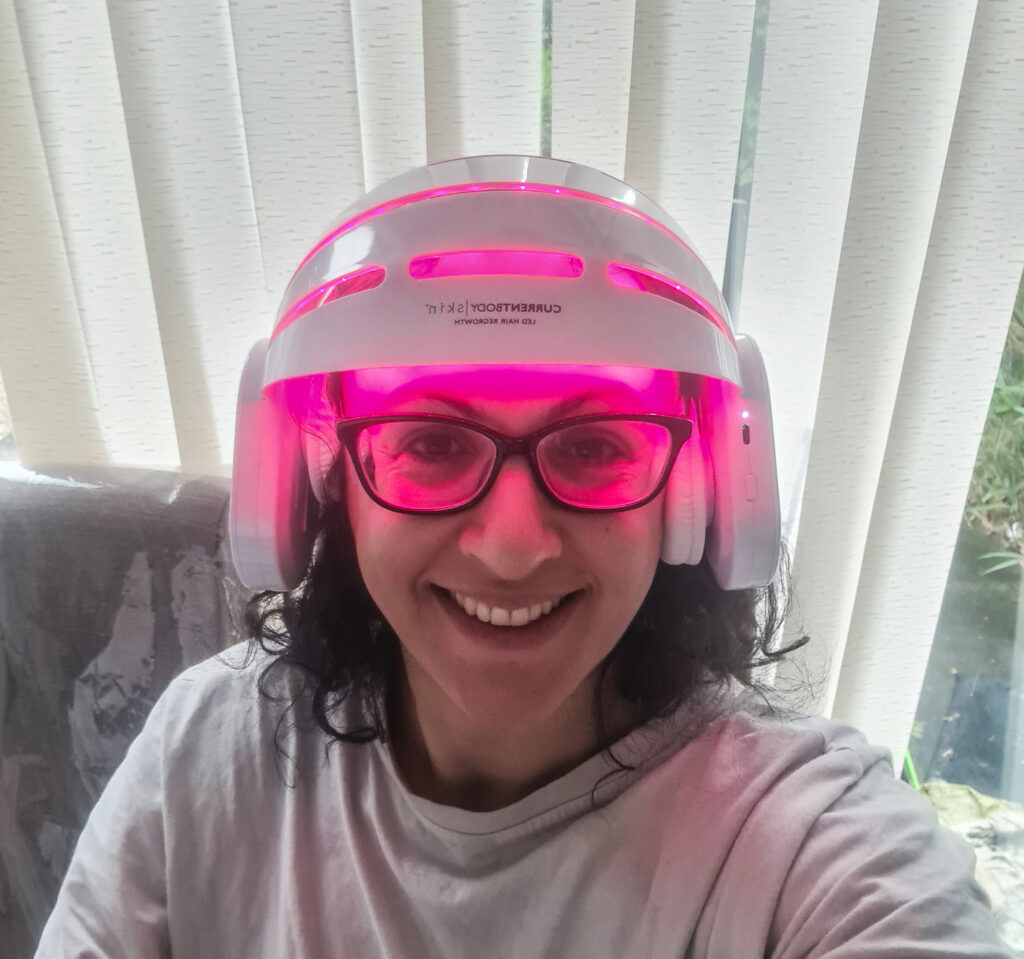
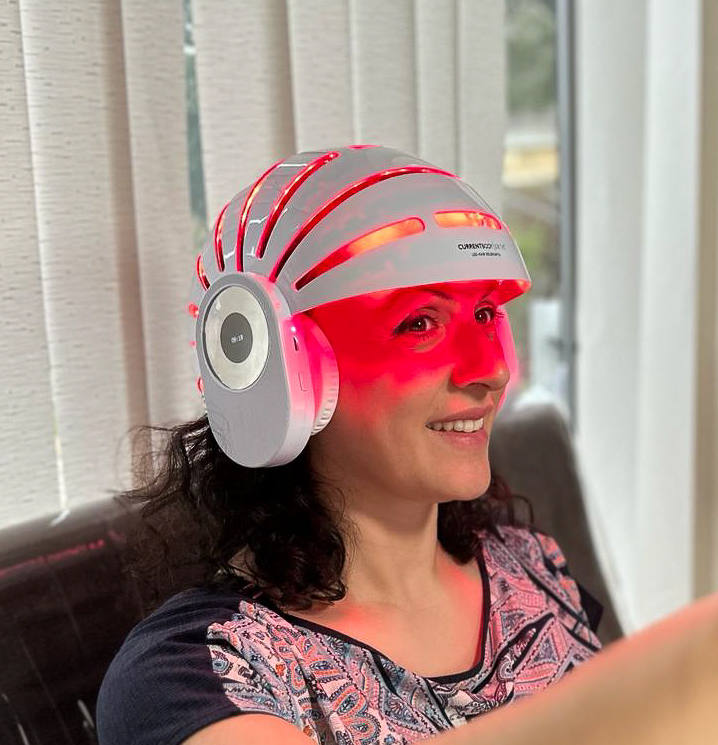
Enter red light therapy for hair loss – a glimmer of hope for us postpartum mums, as it’s non-invasive, and there’s science to back up its claims. The CurrentBody Skin LED Hair Growth Helmet* is a prime example of this technology in action. As someone who’s walked the path of trying to reclaim not just the fullness of my hair but also a piece of myself, I’ve decided to share my personal experience with this device. From the anticipation of unboxing to the day-to-day routine of wearing the helmet, I’ll take you through every step of my journey.
But first, let’s dig a little deeper into what causes hair loss, with a special focus on the postpartum hair-shedding rollercoaster. We’ll explore why red light therapy, particularly through devices like the CurrentBody Skin LED Hair Growth Helmet* is worth considering. Along the way, I’ll unpack the science behind red light therapy, how it compares to laser treatments, and its specific role in tackling postnatal hair loss.
Understanding hair loss
Losing hair can hit harder than just seeing more strands in your brush. So, understanding why hair falls out, how it affects us, and what we can do about it is the first step in dealing with it. Maybe your hair’s getting thinner all over, you’re spotting some bare patches, or it’s just coming out easier than before. By looking into how hair normally grows and what throws it off track, along with all the ways to tackle the issue, from doctor-recommended treatments to simple tweaks in how we live, we start to peel back the layers of this tricky problem. Let’s dive in and find some light at the end of the tunnel.
What causes hair loss?
You may start to lose hair due to genetics, hormones going haywire, not getting the right nutrients, too much stress, or even some kinds of medical treatments. Sometimes hair loss is just for a little while; other times, it might stick around, depending on what’s causing it.
One of the most common reasons people lose their hair is something called androgenetic alopecia. It’s mostly about your genes and it can affect anyone, but men usually have it more visibly. Other issues like thyroid problems, autoimmune conditions like alopecia areata, and even how you live your life – like what you eat and how much stress you’re under – also have a big impact.
Losing hair after having a baby, is actually pretty common. After the baby arrives, the big drop in pregnancy hormones can make a lot of hair start to fall out. It sounds scary, but most of the time, it gets better on its own in a few months.
When does postpartum hair loss start and stop?
Losing hair after having a baby, otherwise known as postpartum telogen effluvium, is something new parents go through. It’s all because of the big hormone changes that happen after you give birth. While you’re pregnant, you’ve got more oestrogen floating around, which makes your hair grow more and not fall out as much, giving you that great pregnancy hair. But after the baby comes, those hormone levels drop, and suddenly a lot of hair starts to shed.
So, when does this all start? Usually, about three to four months after you have your baby. It might be a bit different for everyone, but essentially your body is trying get back to how it was before you were pregnant.
And when does it stop? Don’t worry, this isn’t forever. Most of the time, your hair will get back to how it was by the time your baby’s blowing out their first birthday candle. You should see things getting back to normal anywhere from six to twelve months after you start noticing the loss.
It’s really important to remember that this kind of hair loss is totally normal and just part of the process. But, if you’re still seeing a lot of hair falling out after a year or it seems like too much, it might be a good idea to talk to a doctor or a skin specialist just to make sure everything’s okay. Eating well, being kind to your hair, and maybe some supplements can all help your hair get back to its pre-baby state.
How to treat postpartum hair loss?
Tackling hair loss after having a baby is all about taking care of yourself in different ways, as mentioned above, from what you eat to how you treat your hair and even managing stress. Plus, some specific treatments can help, like red light therapy. Let’s break down what you can do:
Eating right
If you’re dealing with hair thinning, make sure you’re eating a balanced diet. Getting enough iron, zinc, vitamin D, and those B vitamins is important for keeping your hair healthy. If you’re not sure you’re getting all the nutrients you need from your meals, talking to your doctor about supplements might be a good move, especially if you have certain foods you can’t eat.
Be kind to your hair
When it comes to looking after your hair, the gentler, the better. Try to steer clear of tight hairstyles that pull on your hair, harsh chemicals, and use a lot of heat to style your hair. A shampoo that adds volume and a conditioner that’s moisturising can make your hair look thicker and keep your scalp happy. Use a decent hairdryer like the mdlondon BLOW hairdryer that has a cool setting, so the direct heat doesn’t damage the hair.
Keep stress in check
Stress can actually make hair loss worse, so finding ways to relax and stay calm is really important. Things like yoga, meditation, or just getting in some regular exercise can help keep stress levels down.
Watch your hormones
After having a baby, it’s normal for your hormones to be all over the place, but they usually settle down on their own. If you’re worried your hormones are still out of whack and it’s affecting your hair, it might be worth chatting with your doctor to see what’s going on.
Medical treatments
Sometimes your doctor might suggest trying topical treatments like minoxidil, also known as Rogaine. It’s important to chat about whether these treatments are safe, particularly for parents who are breastfeeding.
Consulting with a specialist
If you’re losing a lot of hair after your baby arrives and it’s not getting better, it might be time to see a dermatologist. They can take a closer look at what’s going on and recommend the best way to tackle it. This might include checking whether red light therapy is a good fit for you. We will focus on red light therapy in this article.
What is red light therapy for hair?
Red light therapy is a spotlight solution for hair loss that’s been creating quite the buzz. This innovative approach involves a device that emits a soothing red light, aimed at revitalising your scalp right down to the follicles, by boosting blood flow and cranking up energy production.
How does it work?
The magic of red light therapy lies in its ability to nudge dormant hair follicles back into action, propelling them from the lazy days of their resting phase into the bustling growth phase. This not only encourages new hair growth but can also enhance the health and vitality of your scalp.
Recommended by healthcare professionals, these at-home devices are user-friendly, requiring just a few minutes of your time, a couple of times a week.
Is red light therapy a good choice?
There are quite a lot of studies out there suggesting red light therapy can help with growing hair back, and the best part is it doesn’t come with scary side effects. But, just like anything else, what works for one person might not work for another. Listening to what healthcare pros suggest and following how you’re supposed to use these gadgets is pretty much the golden rule here.
Let’s dive a little deeper
The cool thing about red light therapy is that it goes straight to the source – your hair follicles. By boosting blood flow and kicking metabolism into higher gear right at the scalp, it gets the growth of new hair going. It also increases ATP, that all-important cell energy, encouraging more hair to sprout. Plus, if you’ve got inflammation on the scalp, this therapy can help calm things down, creating a better environment for hair to grow and stick around longer in the growth phase.
Who should give it a try?
If you’re struggling with pattern hair loss, noticing your hair isn’t as thick as it used to be, or you’re a new mum dealing with hair falling out after birth, then red light therapy could be a good choice.
What’s the difference between laser therapy and red light therapy?
A lot of people think red light therapy is laser therapy, but actually the two are quite different. Let’s break down the difference between red light therapy and laser therapy.
Red light therapy
Red light therapy uses red LED lights that shine at certain wavelengths, usually between 630nm and 700nm.
The devices for red light therapy have a wide beam that covers a bigger area but with a softer touch than lasers.
It’s great for surface-level stuff because the light only goes a few millimetres deep into the skin, making it perfect for improving skin health, speeding up wound healing, and helping your hair grow.
Low-Level Laser Therapy (LLLT)
LLLT includes red light therapy but also brings low-level lasers into the mix. They use gentle lasers or LED light to wake up the cells in your hair follicles.
While LLLT often gets talked about in the same breath as red light therapy for hair growth, it’s actually a bigger umbrella that covers more types of light therapy.
Laser treatments
These treatments use lasers that are more focused and powerful, and they can zero in on specific tiny spots and go deeper into your body.
You’ll find lasers being used for medical situations, like surgeries, clearing up acne, and helping with deep tissue issues.
Because lasers are so intense, you’ll usually see a doctor or another healthcare pro if you’re getting a laser treatment done.
So, in a nutshell, red light therapy is like a soft, wide light blanket for surface-level issues, while laser therapy is more like a high-powered, precision light pen for deeper or more specific problems.
The CurrentBody Helmet and Red Light Therapy
The CurrentBody Skin LED Hair Growth Helmet* uses red light therapy to tackle hair loss head-on. It shines red light at the sweet spot of 640nm wavelength, which is just the right kind of light to wake up the hair follicles, boost blood flow, and get more oxygen and nutrients moving to your scalp. This specific wavelength is good at getting through to your scalp without being too intense. It has been proven to be the right wavelength (not too strong and not too gentle) to help your hair grow.
How does red light therapy help with postnatal hair loss?
Red light therapy can help address postnatal hair loss because it’s non-invasive, pain-free, and effective to support hair regrowth and scalp health.
Calming inflammation
If your scalp’s feeling a bit inflamed after childbirth, you’re not alone. This inflammation can make hair loss even worse. Red light therapy can help create a more fertile ground for your hair follicles to thrive and produce new hair.
Helping with hormone changes
While red light therapy doesn’t directly juggle your hormones back into place, it supports a healthier scalp. And a happy scalp means it can better handle whatever hormonal changes come its way, helping your hair grow back stronger.
Why it’s great for new parents
Red light therapy is a safe and hassle-free way to address hair loss. It’s gentle, non-invasive, and doesn’t come with nasty side effects, making it a perfect match for the postpartum period. Plus, using red light devices at home, like hair growth helmets, means you can treat your hair without adding another appointment to your already packed schedule.
The CurrentBody Skin LED Hair Growth Helmet experience
Diving into the world of red light therapy for hair loss, let’s talk about an industry game-changer: the CurrentBody Skin LED Hair Growth Helmet.* This neat gadget brings the power of red light therapy right into your living room, offering an easy and effective way to help with thinning postpartum hair.
You can use the CurrentBody Helmet in the comfort of your own home. This means you get all the fancy benefits of red light therapy without having to step foot outside, making it convenient for busy parents.
Cracking open the box of the CurrentBody Skin LED Hair Growth Helmet is like discovering something from another world. The box is like a gift package, opening from the centre. Once opened you’re greeted by the helmet itself, a pretty hefty piece of kit that smells like it just came straight from a lab. Inside, you’ll find everything you need to get started:
The CurrentBody Skin LED Hair Growth Helmet comes in a small/medium size (you can also get a larger size, but there’s a handy size guide included to make sure it fits you just right.)
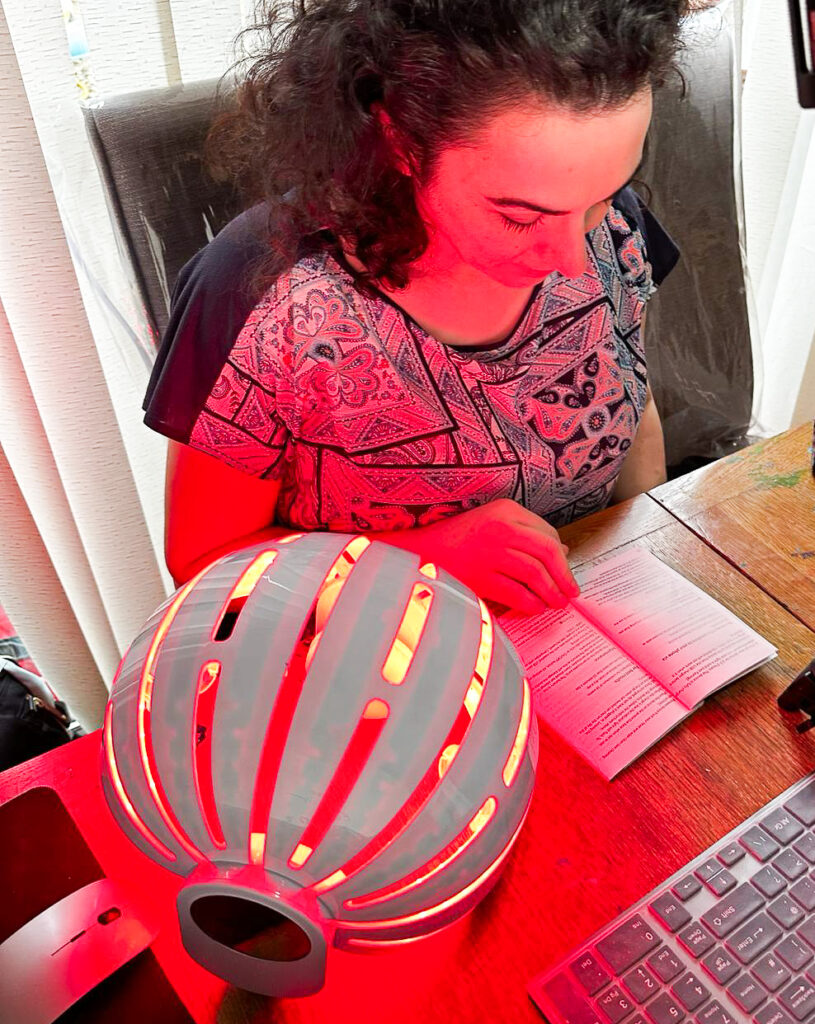
A Protective Non-Charging Base where your helmet can rest when you’re not using it, keeping it safe and sound.
A USB Charging Cord to power up your helmet. Just a heads up, there’s no wall plug in the box, so you’ll need to have one handy.
The User Manual is your go-to for all the details on how to use the helmet properly. It’s packed with everything you need to know to get the most out of your new hair growth buddy.
How to use the CurrentBody Helmet
Getting started with the CurrentBody helmet is pretty easy and fits right into your daily routine. Here’s a quick guide to get you going:
Setting It Up: First things first, pop the helmet onto its protective base. Then, grab the USB cord it came with and plug it in to give it a full charge before you use it for the first time.
Before You Start: Make sure your hair’s clean and completely dry. This helps the LED light do its thing without anything getting in the way, like oils or moisture.
Turning It On: Now, put the helmet on your head and find the screen on the side. Hit the start button, and you’ll see a 10-minute timer pop up on the display, along with some cool red light starting to glow.
Killing Time: To make those 10 minutes fly by, you can connect your phone to the helmet using Bluetooth and listen to your favourite podcasts or tunes. Pretty neat, right?
While It’s Working: You’ll feel a slight warmth while the helmet’s on—it’s just the LED lights doing their job on your scalp. It’s made to be comfy, so just relax and enjoy the warmth.
Wrapping Up: When the helmet beeps after 10 minutes, that means it’s done. It’ll turn itself off, so you just take it off, put it back on its resting port, and go about your day. Easy peasy!
First impressions and setup
The initial unboxing and setup process is impressively user-friendly. The futuristic design of the helmet, coupled with its clinical smell, immediately sets it apart as a sophisticated piece of technology. Setting up the device is intuitive, thanks in part to the clear instructions provided in the user manual. The ability to connect to Bluetooth for entertainment during treatment is a thoughtful addition, enhancing the overall user experience.
How often should you use the CurrentBody Helmet for red light therapy?
It really depends on what kind of red light therapy device you’ve got, how serious your hair loss is, and how your body reacts to the treatment. You can use the CurrentBody Helmet for just ten minutes a day and experts say you should see visible results in four months. But don’t worry, there’s a general game plan you can follow to get the most out of red light therapy for growing your hair:
Starting Out: Most of the time, if you’re using a red light therapy device meant to help your hair grow back, you’ll want to use it around 3 to 4 times a week when you first start. This helps wake up your hair follicles without overdoing it.
How Long for Each Session?: Expect to spend about 10 to 30 minutes per session, based on what CurrentBody recommend. It’s important to stick to their advice to keep things safe and effective.
Keeping It Going: After you’ve been at it for at least three months—and you start noticing some good changes, you might dial it back to just once or twice a week to keep those gains without needing to do as much.
But wait, there’s more:
Follow the Manual: Each red light therapy device can be a bit different, so make sure you’re doing what the manual says. The company that made your device should tell you how often and how long to use it, based on the kind of light it uses and how it works.
How Much Hair You’re Losing: If you’re losing a lot of hair, you might need to use red light therapy more often at first.
Your Personal Results: Everyone’s different. You might need to use it more or less often, depending on how your hair responds.
Mixing Treatments: If you’re using red light therapy with other hair loss treatments, the number of red light therapy sessions you do might change based on what else you’re doing.
Keeping it safe and effective
Red light therapy is usually pretty easy on you, but don’t go overboard to avoid irritating your scalp.
Stick with it regularly, according to the schedule. It’s better than trying to cram all your sessions into a shorter time frame.
Talk to a professional
Before you jump in with red light therapy, chat with a dermatologist or a hair loss expert, so they can give you advice tailored just for you, making sure red light therapy is a good fit.
While the typical advice is to aim for 3 to 4 therapy sessions a week for hair loss, remember to check out your device’s instructions and maybe get some professional guidance to figure out the best plan for you. With the CurrentBody Helmet, you can use it for ten minutes daily.
What can you start to see results with the CurrentBody helmet?
Here’s what your journey might look like:
First few weeks (0 to 4 weeks)
At the start, the LED light in the helmet gets busy boosting blood flow to your scalp, waking up hair follicles that weren’t doing much. It’s also putting the brakes on DHT, a hormone that’s no friend to your hair. You might not see changes right away, but it’s laying down the groundwork for new hair to grow.
The middle stage (4 to 8 weeks)
Now, things get exciting. That improved blood flow starts to rejuvenate sleepy follicles, and your scalp begins to feel like a more hair-friendly place. Those follicles are ready to switch from chill mode to grow mode.
Seeing changes (8 to 16 weeks)
This is when the magic happens. From about two months in, you’ll start noticing new hair. Studies show that by week 16, you could see a 33% boost in the number of hair follicles. Keeping up with the treatment is key to getting and keeping those gains.
How does the CurrentBody Helmet stack up against other treatments?
Against Finasteride – The helmet can ramp up hair growth by 126% in 16 weeks. Finasteride, a hair loss drug, doesn’t match up to this without continuous use.
Compared to laser treatments – It’s also been found to be way more effective than some laser treatments, outperforming them by 126%.
Versus Minoxidil – Against the topical solution Minoxidil, the helmet brings 62% more new hairs, minus the daily hassle and potential skin issues.
So, if you’re eyeing the CurrentBody helmet as your choice against hair loss, it looks like it could be a pretty solid option.
Personal and customer reviews of initial experiences
With 34 reviews averaging 4.5 out of 5, people really like the CurrentBody Helmet for its solid build and how easy it is to use. While the scores on seeing results dip a bit, it’s key to stick with it for about four to six months to start seeing your hair come back. Christine K. from Canada was hoping for quicker results in just three months. The team at CurrentBody, with Zubda leading the charge on beauty tech advice, stresses sticking it out for about six months to really see the difference.
People like JCS and Liz O. are happy about how well red light therapy works and how top-notch the helmet feels. Hadas from Israel and Nils P. from the Netherlands have seen their hair get thicker and healthier. Though Hadas did point out that it can snag your hair, tossing your hair into braids seems to fix that right up.
On the expert front, Craig Ziering, a big name in hair restoration, promotes using red light therapy to get those hair follicles moving and bumping up hair density without the downside of harsh side effects. Celestine Gitau also favours using red light therapy alongside good eating, keeping stress in check, and taking care of your scalp to tackle hair loss.
CurrentBody helmet results: before and after
Lots of people who’ve stuck with using the CurrentBody Skin LED Hair Growth Helmet* have seen some real changes. Their hair feels thicker and denser, and their scalp seems healthier too. Everyone’s experience is a bit different, but the before and after pictures people share usually show a pretty big decrease in how much their hair is thinning. Most agree that if you keep up with it regularly, just like the manual suggests, you’re more likely to see good results.
My before and after
As I’m only on Week 1 of using the CurrentBody Skin LED Hair Growth Helmet* I can’t show you any actual results yet. But watch this space as I will be updating my journey here and via social media too. I’m very hopeful!
Where can I buy the CurrentBody Skin LED Hair Growth Helmet?
Lots of research out there is giving a thumbs up to red light therapy for dealing with hair loss, with a whopping 128% boost in how fast hair grows back, meaning people are seeing thicker, stronger hair after sticking with red light therapy for a while. And compared to options like minoxidil or finasteride, which might irritate your scalp or lead to other side effects, red light therapy is pretty chill with hardly any downsides reported.
Pros
No Surgery Required: Red light therapy doesn’t involve any cutting or poking, making it a gentle choice for many.
Easy on You: Side effects are pretty rare, especially if you’re comparing it to drugs for hair loss.
Do It at Home: You can get your red light therapy session in without having to step out, thanks to gadgets you can use in your living room.
Happy Scalp: It’s not just about more hair; red light therapy can make your scalp healthier, cutting down on problems like inflammation.
Cons
Time: You’ve got to commit to using it regularly over a long stretch to see results, which might not be everyone’s cup of tea.
Costs Upfront: Getting your own red light therapy setup at home can be a bit pricey at the start, though it could save you money down the road compared to other treatments.
Mixed Results: How well it works can really depend on the person. Some might see big changes, while others might only notice a little difference.
Beyond the Helmet: Are there any hair loss treatment alternatives to red light therapy?
Stepping out from under the CurrentBody Helmet, let’s look at other options to tackle hair loss if red light therapy isn’t your go-to.
Medications
Minoxidil (Rogaine): You can grab this topical treatment you massage into your scalp at your local pharmacy. It’s got a thumbs up for both men and women, but you’ve got to keep at it without a break to keep the gains.
Finasteride (Propecia): More of a behind-the-counter pick, this pill slows down hair loss and might even invite new growth. This is aimed at men, though, and it’s not without its set of potential side effects, especially in the bedroom department.
Medications bring results, no doubt, but they’re not free of side effects. Red light therapy, on the other hand, keeps things gentle and non-invasive.
Platelet-rich plasma (PRP) therapy
You utilise your own blood, which is processed to concentrate platelets, so PRP therapy injects it into the scalp. This method aims to stimulate hair growth by enhancing tissue repair and cellular functions.
PRP therapy requires clinical visits and is more invasive, potentially accompanied by discomfort and higher costs. Red light therapy, alternatively, offers a non-invasive, pain-free treatment option that can be conveniently administered at home, though PRP may provide faster results for some people.
Hair transplant surgery
Hair transplant procedures, such as Follicular Unit Extraction (FUE) and Follicular Unit Transplantation (FUT), offer permanent hair loss solutions by redistributing hair from denser to sparser areas.
While hair transplant surgery delivers immediate and targeted results, it involves significant financial investment, recovery time, and surgical risks. Red light therapy is a gentle alternative or a complementary treatment to support healing and enhance hair growth without the need for surgical intervention.
Microneedling
Microneedling for hair loss involves a process where very fine needles create tiny punctures on the scalp. This action is meant to kickstart the skin’s healing process, potentially encouraging hair growth. It’s often used alongside other treatments to help them penetrate deeper and work more effectively. You can use the CurrentBody Helmet device in conjunction with microneedling if you wanted to.
Compared to the simplicity of red light therapy, microneedling is more direct, with a bit of discomfort due to its invasive nature. While it can be effective, especially when combined with other hair loss treatments, red light therapy offers a gentler, non-invasive alternative that’s easy to use regularly at home.
Both approaches have their place in the array of hair loss treatments available, from the straightforward application of medications to advanced techniques like red light therapy. Each method offers different benefits, and the best choice can depend on your individual needs, preferences, and the specific condition being treated.
Final thoughts, recommendations, and guidance
The CurrentBody Skin LED Hair Growth Helmet is a pretty cool tool in the fight against hair loss, mixing smart tech with everyday hair care. It’s got a thumbs-up from both science and real users, making it a solid pick for handling hair loss right at home. This helmet is all about using light in a gentle way to help out thinning hair without any fuss. If you’re thinking about giving it a try, here’s what you might want to keep in mind:
Do Your Homework: Take a closer look at how red light therapy works and why it might be good for your hair. Look for solid research and trials to back up what the helmet promises. Places like PubMed or NIH are great for finding trustworthy studies.
Check What You Need: Think about how much hair you’re losing and if this kind of therapy fits your situation. Sometimes, other conditions might need a different approach.
Weigh the Costs: Consider what you’re spending upfront against what you’ll save by not having to keep buying treatments or going for more drastic measures.
Listen to Others: Check out what people who’ve been in your shoes have to say about their experience with the helmet.
Look for FDA Approval: Especially in the U.S., knowing the device is FDA-cleared can give you a bit more peace of mind about its safety and effect.
Check the Warranty: Make sure you know what kind of support and warranty comes with it, so you’re covered if anything goes sideways.
Be Patient: Remember, good things take time. Consistent use is key to seeing a real change, so stick with it as recommended.
Track Your Journey: Taking before and after photos can be a great way to really see the difference over time.
Keeping these points in mind, the CurrentBody helmet seems like a pretty smart pick for those looking to tackle hair loss head-on. It offers you a non-scary way to help your hair out, backed by science and good reviews from users. Just like with anything big in healthcare, chatting with a pro and thinking it through can help you decide if it’s the right move for you.
FAQs
Is red light therapy for hair loss safe?
Absolutely, red light therapy is generally considered safe for hair loss. It’s non-invasive and doesn’t come with the scary side effects some treatments might have. Just make sure to follow the guidelines for your device to keep things smooth.
Can red light therapy make hair loss worse?
There’s no evidence to suggest that red light therapy worsens hair loss. In fact, it’s known for its benefits in stimulating hair growth and improving scalp health. If you’re concerned, chat with a healthcare professional.
Is red light therapy for hair painful?
Not at all. red light therapy is a gentle, pain-free treatment, so if you’re not a fan of the ‘ouch’ that comes with some other treatments, red light therapy could be up your alley.
Can red light therapy reverse grey hair?
Red light therapy is more about encouraging hair growth and improving the health of your scalp and hair. There’s not much out there to say it can bring back your original colour if you’re going grey.
I’m thinking of buying a red light lamp for my fiancé who has back pain and hair loss – would any red lamp work?
It’s best to look for a device specifically designed for the issues you’re tackling. Red light therapy devices for hair loss and back pain might have different specifications, like wavelength, so picking one that’s meant for hair loss is your best bet for seeing results.
Can an LED mask with red light also be used on the scalp for hair loss treatment?
Some LED masks are versatile enough to be used on different parts of the body, including the scalp. A normal LED mask will help a little as it does penetrate the skin at a cellular level. But it’s important to choose a device that has the correct wavelengths to reach the follicles, which is usually a different wavelength than the face LED masks. So the hair-focused helmet will work better, as it will reach the correct level. Just check the manufacturer’s recommendations to ensure it’s safe and effective for hair loss treatment.
Does light therapy stop hair loss, or is it just for regrowth? Can it replace Finasteride if you do it every day?
Red light therapy is known for both halting hair loss and encouraging regrowth by stimulating the follicles. As for replacing finasteride, it’s a bit of an apples and oranges situation. Red light therapy offers a non-drug, side-effect-free method, but whether it can replace finasteride for you depends on your specific situation and what your healthcare provider suggests.
Resources for further reading and understanding
Systematic reviews and meta-analyses
“Effects of Low-Level Laser Therapy on Male and Female Pattern Hair Loss“: A systematic review and meta-analysis in Lasers in Medical Science (2014) examining the efficacy of LLLT in treating pattern hair loss. The study concluded LLLT to be an effective and safe treatment, noting significant improvements in hair density and thickness.
Clinical trials
“Treatment of Androgenetic Alopecia with LLLT“: Published in the Journal of Cosmetic and Laser Therapy (2013), this study involved individuals with androgenetic alopecia treated with LLLT and reported significant improvement in hair count and density after 26 weeks.
“LLLT for Women with Androgenetic Alopecia“: A study in Lasers in Surgery and Medicine (2014) highlighted the positive effects of LLLT in increasing hair density in women, compared to placebo groups.
Comparative studies
“Comparing LLLT with Minoxidil“: Published in The American Journal of Clinical Dermatology (2014), this study found LLLT to be as effective as a 5% minoxidil solution in promoting hair growth in men with androgenetic alopecia.
*This post is sponsored by CurrentBody but all thoughts are 100% my own. Please note that links marked with a ‘*’ are affiliate links, which means I may earn a small commission when you click through at no extra cost to you.
About Leyla Preston
Leyla is a UK mum of four, a writer and the founder of Motherhood Diaries, which she has edited since 2010. She has written about pregnancy, birth and family life for more than 15 years, edited NCT Harrow’s Special Delivery magazine, and is the author of several children’s and family books. She is also co-founder of Poppy, a new app helping UK parents find trusted local support, and presents Tech Talks Zone, a YouTube channel reviewing tech and AI tools for busy parents. Read Leyla’s story
Our health articles follow NHS guidance and aren’t a substitute for advice from your midwife, health visitor or GP.
Home remedies for hair fall after pregnancy
Ad · This is a paid collaborative post. Links to the partner are sponsored.
It’s exhausting being a parent! Not only do you have to look after a brand new little person, but when you look in the mirror, you don’t recognise yourself anymore. And with the sleepless nights and endless cuddles comes an unexpected guest: post-pregnancy hair fall. It’s like your luscious, glossy pregnancy hair left with the stork!
But before you fret, let’s unravel this hairy situation together. As natural as the sunrise, hair fall after pregnancy is a common experience for many, yet it often catches us by surprise. In this journey, we’ll explore some tried-and-true home remedies for hair fall after pregnancy that not only nurture your hair back to health but also weave in a bit of that much-needed self-care.
Want the full story on postpartum hair loss? Grab a cup of your favourite beverage (if you’re able to!), and let’s embark on this journey to reclaim your crowning glory, one strand at a time.
What is postpartum hair loss?
One day you’re marvelling at the thick, lustrous locks you enjoyed during pregnancy, and the next, you’re wondering if your shower drain is plotting against you. So, what’s the deal with this follicular fallout?
Postpartum hair loss, also known as postpartum alopecia, is a common condition experienced by many women after childbirth, where hair falls seemingly quicker than when it grows, causing thinning and shedding hair.
What causes postpartum hair loss? How your hormones change during pregnancy and postpartum
During pregnancy, hormonal changes like elevated oestrogen levels prolong the growing stage of hair (anagen phase), leading to less shedding and thicker tresses. However, after childbirth, oestrogen levels drop rapidly, resulting in a significant shedding of hair (telogen phase). This leads to a condition called postpartum telogen effluvium, where you experience significant hair loss.
How long does postpartum hair loss last and is your postpartum hair loss normal?
One study1 examined how pregnancy and the postpartum period affect the hair growth cycle in women and found significant differences in hair growth and shedding phases between four groups studied, i.e. pregnancy, full-term pregnancy, four months after birth and then the first year after birth.
Notably, four months after childbirth, women generally have less hair growing and more hair shedding compared to when they were pregnant. Breastfeeding women have more hair growth and less shedding than those who aren’t breastfeeding. But by the first year after childbirth, there’s no big difference in hair growth or shedding between those who breastfeed and those who don’t.
So the study concluded that while hair in the growth phase increases during pregnancy and hair in the shedding phase increases after childbirth, these changes are not extreme for most women and you generally see hair growing back by the time the first year is over,
How much hair will I lose?
While it’s alarming to see clumps of hair falling out, it’s important to remember that this is usually just the body’s way of returning to its pre-pregnancy state. For most women, their hair returns to its usual fullness by their child’s first birthday. If, like me, you notice much thinner hair after one year, we have some home remedies you can try to boost your hair regrowth. And, if this doesn’t work, we have some treatment plans and tips on how to approach your doctor about your thinning hair.
How common is postpartum hair loss? Why post partum hair loss is normal
Post pregnancy hair loss is a very common phenomenon, affecting a significant number of women after childbirth. Estimates suggest that postpartum hair loss affects between 40% to 50% of women, though anecdotally this number may be higher. Hair loss can vary amongst people so it’s important to address your own hair loss needs and not compare it to others.
How to treat postpartum hair loss – home remedies for hair fall after pregnancy
Postpartum hair loss doesn’t always require medical treatment. Maintaining a healthy diet and using gentle hair care products can help boost hair. Sometimes, prenatal vitamins and supplements might be recommended to boost hair growth too.
Below are more ideas on how to boost hair growth at home, although it’s important to note that while these remedies are backed by some level of research or expert opinion, specific studies focusing on their effectiveness for postpartum hair regrowth are limited. So always consult with a healthcare professional who can offer you expert tips on how to boost hair growth.
Eating a prohair diet – a balanced diet rich in vitamins and minerals
Nutritionists emphasise the importance of a balanced diet rich in vitamins and minerals for hair health. Biotin, in particular, has been highlighted for its role in hair growth, as well as vitamins A, E, C, and D. Eating probiotic yoghurt regularly has also been linked to improved skin and hair health in animal studies.
A study published in 20072 showed that caffeine can stimulate hair follicle growth and help hair develop thicker roots, however, this was a study for countering the negative effects of testosterone on hair follicles, so related to men specifically.
Which nutritional deficiencies can cause or worsen hair loss?
Nutritional deficiencies can indeed contribute to hair loss. Various studies have pointed out specific nutrients whose deficiency might either cause or exacerbate hair loss.
One study3 showed that not getting enough certain nutrients can cause problems with hair, like affecting its strength, look, and health. However, we don’t fully understand how each nutrient helps hair grow and stay healthy.
Factors like age, poor nutrition, problems with absorbing nutrients, and certain medicines can increase the risk of not getting enough nutrients. Another study4 recommended a doctor look at your medical and food history and do a physical exam to check if you’re missing important nutrients, which could cause excessive hair loss. The study also says more research is needed to see if taking extra nutrients helps when there’s no clear lack of them.
This research5 looked at zinc and copper levels in people with different kinds of hair loss. They found that those with hair loss had much lower levels of zinc in their blood than people without hair loss. The study suggests that problems with how the body uses zinc might be a big reason for hair fall after delivery, especially in types called alopecia areata (AA) and telogen effluvium (TE). However, more research is needed to understand how copper affects hair growth and loss.
Other nutrition deficiencies include:
Iron deficiency
Iron deficiency, which can lead to anaemia, is one of the most common causes of hair loss, especially in women. Iron is crucial for hair cell protein synthesis6.
Protein
Hair comprises a protein called keratin. A diet low in protein7 can lead to weaker hair and potentially hair loss.
Vitamin D
Low levels of vitamin D are associated with alopecia, a technical term for hair loss. Vitamin D may help create new follicles8, the tiny pores in the scalp where new hair can grow.
B Vitamins
Biotin (Vitamin B7) is commonly associated with hair growth9. Deficiencies in other B vitamins, such as B12, can also cause hair loss.
Fatty Acids
Deficiencies in essential fatty acids, particularly omega-3 and omega-6, can lead to hair loss.
Vitamin A
Both an excess and a deficiency in Vitamin A can lead to hair loss10.
Natural remedies for postpartum hair loss – consider herbal remedies
A couple of studies note certain herbal remedies that promote new hair growth, although they may not cover the specific context of postpartum hair regrowth.
One study11 talks about different plants and their key ingredients for treating postpartum hair loss. Plants like Curcuma aeruginosa (pink and blue ginger), Serenoa repens (palmetto), Cucurbita pepo (pumpkin), Trifolium pratense (red clover), and Panax ginseng (Chinese red ginseng) have been shown to help with hair loss. They mainly work by blocking a substance called 5α-reductase. They also help by improving nutrition and blood flow to the scalp.
Postpartum hair loss remedies – oil treatments can help boost hair growth
Finding studies specifically focused on the effectiveness of oil treatments for boosting postpartum hair growth however was challenging because of the limited direct research in this area.
One study12 looked at traditional home remedies for hair and scalp care in the West Bank-Palestine. It found that oils, like olive oil and Ricinus communis oil, were popular. People often used these oils alone or in mixtures, applying them directly to the scalp, and these oils were effective in treating hair loss, damaged hair, and split ends. The study also noted that products from minerals or animals were frequently mixed with natural items like eggs, honey, or olive oil for similar hair treatments.
Several studies and expert opinions offered insights into the potential benefits of certain oils for hair health and growth, which may apply to postpartum hair growth as well. These were:
Top home remedies for postpartum hair fall – Rosemary Oil
Although research specifically on rosemary oil for postpartum hair loss is limited, studies have shown that rosemary oil can fight patchy hair loss, like alopecia areata. In a study, people with alopecia areata who rubbed a rosemary essential oil blend into their scalp daily for seven months showed significant improvement in their hair loss.13
The best treatments for postpartum hair loss – Tea Tree Oil
A 2013 study14 suggested that using a mixture of tea tree oil and Rogaine can increase hair count. This implies potential benefits for hair growth, which could be relevant for postpartum hair regrowth.
Natural ways to treat postpartum hair loss – Lavender Oil
A 2016 study15 on mice showed that lavender oil can promote rapid and thick hair growth. While this study was conducted on mice, it suggests potential benefits that might apply to humans as well, including postpartum hair regrowth.
Hair postpartum – cedarwood oil
Studies have shown16 that cedarwood oil helps to stimulate blood circulation around the scalp, which promotes healthy hair growth and balances oil-producing glands on the scalp.
Postpartum hair loss home remedies – frankincense oil
A 2013 study on rats17 showed that frankincense oil promotes good sleep and reduces instances of postpartum stress, which can lead to hair loss. While this study does not directly link frankincense oil to hair growth, reducing stress is a key factor in mitigating hair loss, including postpartum hair loss.
Postnatal hair loss remedy – peppermint essential oil
A 2014 study18 found that peppermint seed oil might help hair grow. It showed that in mice, hair grew faster and thicker with peppermint oil, which could be because the oil increases blood flow to the hair roots. Impressively, peppermint oil was better at growing hair (92% effectiveness) than minoxidil, a common hair growth treatment (55% effectiveness).
Peppermint oil also makes the skin and hair roots thicker, which might be down to the menthol in the oil, which widens blood vessels. This suggests peppermint oil could be a good natural option for hair growth by improving blood flow on the scalp.
Postpartum hair loss remedy – coconut and castor oils
A review of studies found19 that coconut, castor, and argan oils are traditionally used in India and Africa for hair problems. When you massage hair with coconut oil, it can help with brittle hair and scalp issues, but its effects on hair growth aren’t clear. Castor oil might make hair shinier, but there’s not much proof that it helps hair grow or treats scalp problems.
Postpartum hair treatments to try – Nutraceutical supplement study
A six-month study20 looked at how well a supplement with natural plant ingredients worked to help women who felt their hair was thinning. Although it wasn’t specifically about hair growth after pregnancy, the study hints that natural treatments might be helpful for hair regrowth too.
These findings suggest that certain oils and natural supplements may be beneficial for hair growth and might help address postpartum hair loss. However, it’s important to consult with a healthcare professional before starting any new treatment, especially in the postpartum period.
The Cleveland Clinic offers some tips for dealing with hair loss after pregnancy, like being careful with herbal supplements, especially when breastfeeding, as their effectiveness and safety aren’t well-proven.
Lifestyle adjustments can help with postpartum hair regrowth
Finding a specific study that shows how lifestyle adjustments can help with postpartum hair regrowth is challenging because there isn’t a lot of research out there. However, there is some useful information about hair loss after pregnancy.
One study with 98 women21 showed that most of them started losing hair 8 to 16 weeks after giving birth, but for about two-thirds of them, their hair went back to normal within four to six months. The study mainly advised patients not to worry too much, as hair regrowth happened for almost everyone unless they had a different health issue causing the hair loss.
The relationship between stress and hair loss
The relationship between stress management techniques and postpartum hair regrowth, as well as the roles of sleep, relaxation, and exercise in hair health, can be understood through various studies and expert insights.
Researchers at Harvard University22 found that long-term stress can damage the stem cells in hair follicles in mice. They noticed that a stress hormone caused these stem cells to stay in a resting phase for a long time, not allowing new hair to grow. This means that reducing stress might help with hair growth, however, more research is needed before we can be sure this applies to people too.
Postpartum hair loss natural treatment remedies – sleep and hair growth
Getting enough good sleep is also important for growing healthy hair and preventing hair loss and damage. When you sleep, your body fixes and renews hair follicles, which helps your hair grow properly. Good sleep also helps blood flow better to your scalp, which is necessary for strong, healthy hair. The hormone melatonin, which is made while you sleep, helps make your hair thicker and better textured, and enough sleep can also prevent early greying by helping your body produce the right amount of hair colour pigment.
Ways to relieve postpartum hair loss – exercise and hair health
Specific studies linking post-pregnancy exercises to hair health were not readily available. However, regular exercise is great for your overall health and can help your hair grow while also reducing hair loss. When you exercise, more blood flows to your scalp, which helps feed and grow your hair follicles. Exercise also lowers stress, which can otherwise cause too much hair to fall out. Plus, the endorphins (happy hormones) that you make when you exercise can make you feel better overall, which is also good for your hair.
Exercise is especially recommended during and after pregnancy. It helps prevent chronic health problems, similar to the benefits of not smoking. After giving birth, either naturally or by C-section, you might need to pause your usual exercise routine, but it’s good to exercise again once you’re able23.
Postpartum hair tips to try – protect your skin and hair from the sun
While there is no specific study that directly links sunscreen use to postpartum hair regrowth, there is evidence suggesting that sunscreen can protect hair from damage24 caused by UV rays, which could be beneficial for overall hair health.
Sunscreen is not only used to prevent sunburn but also to protect against ageing of the skin, uneven skin tone, DNA damage, and even skin cancer. These benefits of sunscreen for the skin suggest it might also help protect your hair from the sun. Therefore, UV protection remains essential, even on cloudy days.
Tips to relieve postpartum fair loss – have a good haircare regime in place
Studies and expert advice highlight the importance of gentle hair care and understanding the impact of chemicals and heat on hair, especially in postpartum hair regrowth.
Fighting postpartum hair loss with simple natural solutions – Gentle hair care and using the right hair care products
Taking care of your hair gently, like brushing softly, not using hot tools too much, and not tying it too tightly, can help prevent hair from breaking and falling out. Getting regular haircuts and using shampoos that add volume can also make your hair look thicker and healthier.
Also, consider using natural hair products and avoiding harsh hair products to promote healthier hair. Use lighter conditioners and treat hair gently during washing and combing. Use lower heat settings on blow dryers and styling irons, avoid tight ponytails and braids, and think about having shorter hairstyles for a fuller appearance and easier care.
A study on the effects of heat treatment on hair structure25 showed that heat can change how hair looks and feels. If hair is heated to less than 140 degrees Celsius, it doesn’t change much and any changes can be undone. But, if it’s heated above 140 degrees Celsius, the changes are big and can’t be fixed, like how the outer layer of the hair looks. This means using very hot tools for styling can damage hair a lot. It’s best to use a lower heat, around 60 degrees Celsius, to keep hair healthy and avoid damage.
These tips are especially important after having a baby when your hair might be weaker26.
There are treatment options for hair loss – how to regrow hair after pregnancy
If hair thinning from stress or post-pregnancy is affecting your self-esteem, know that effective treatments exist. There are options beyond concealing shedding strands. Consider a hair loss treatment plan that will fit your specific needs. You can find a range of different hair loss treatments that are available from online pharmacies.
Stop postpregnancy hair loss – when to seek professional help
When dealing with hair loss after pregnancy, it’s important to know when it’s time to seek help from a medical professional. If you’re losing a lot of hair for more than six months, still seeing postpartum hair loss after 1 year, notice worrying changes in how your hair feels or looks, or experience other issues like an itchy scalp or bald spots, see a healthcare provider. A dermatologist or trichologist can give you expert advice on extreme hair loss postpartum, figure out if there’s a deeper problem, and suggest treatments that are more effective than home remedies, making sure your hair and overall health are well looked after.
Final thoughts on home remedies for hair fall after pregnancy
If you’re dealing with hair loss after having a baby, just know you’re not alone – it’s pretty normal and usually just a phase. Try being gentle with your hair, eating well, and keeping stress at bay, as these can help get your hair growing back. But remember, everyone’s different, and what helps one person might not do the trick for another. It’s all about tuning into what your body needs. And if things don’t seem to get better, it’s okay to ask for some expert advice on extreme hair loss after pregnancy.
Just be patient and kind to yourself – you’ve got this! After all, getting your hair back in shape is just another part of the incredible journey of being a parent.
FAQ
How to stop hair fall after delivery?
Other questions asked were:
How to regrow hair after pregnancy?
What home remedy can I use to stop postpartum hair fall?
Ways to reverse postpregnancy hair loss?
How can I stop my hair falling out after pregnancy?
Does hair loss after pregnancy grow back?
How long does hair loss last after pregnancy?
How to get my hair to stop falling out after pregnancy?
Postpartum hair loss, will it grow back?
How to prevent hair loss after pregnancy?
How to treat hair fall after delivery?
Will my hair grow back after postpartum hair loss?
What are some of the recommended postpartum hair loss remedies?
What are the signs of postpartum hair loss?
How can I prevent postpartum hair loss?
How is postpartum hair loss diagnosed?
How is postpartum hair loss treated?
When does postpartum hair loss stop?
What are reasons for hairfall after delivery?
Is hair loss normal during postpartum?
My hair is falling after having a baby. What do I do?
For how long does postpartum hair loss last?
Why does hair fall out after pregnancy?
Why hair fall after delivery?
How to control postpartum hair fall?
Top best ways to lessen hair fall post pregnancy?
Please check out the article above for more tips on how to combat hair fall after childbirth and promote hair regrowth.
Do you have any Indian home remedies for hair fall after delivery?
Indian home remedies for hair fall, especially postpartum, are rooted in Ayurveda and traditional practices that have been passed down through generations. Here are some popular and natural remedies you might find helpful:
Coconut Oil Massage: Coconut oil is widely used in India for hair care. Gently massaging your scalp with warm coconut oil can stimulate blood circulation and strengthen hair roots. It’s also believed to nourish the scalp and condition the hair.
Amla (Indian Gooseberry): Amla is rich in Vitamin C and antioxidants. You can use amla oil for scalp massage or make a hair pack by mixing amla powder with water or coconut oil. This is known for promoting hair growth and reducing hair fall.
Fenugreek Seeds (Methi): Soak fenugreek seeds overnight and grind them into a paste. Apply this to your scalp and hair, and leave it on for about 30 minutes before washing it off. Fenugreek is known for its hair-strengthening and nourishing properties.
Bhringraj (Eclipta Alba): Bhringraj is a herb widely used in Ayurvedic treatments for hair loss. You can apply bhringraj oil to the scalp or use a paste made from its leaves and apply it to your scalp and hair.
Neem Leaves: Boil neem leaves, cool the water, and use it to rinse your hair after shampooing. Neem has antibacterial properties that can keep the scalp healthy and free from infections, which can reduce hair fall.
Curry Leaves: Curry leaves can be used to prepare a hair tonic. Boil some curry leaves in coconut oil, strain the leaves out, and apply the oil to your scalp. This is believed to stimulate hair growth.
Yoghurt and Egg Hair Mask: Mix yoghurt with an egg and apply the paste to your scalp and hair. This mask is known for nourishing the hair, promoting hair growth, and reducing hair fall.
Aloe Vera: Apply fresh aloe vera gel to the scalp and hair. Aloe vera has enzymes that promote hair growth and condition the scalp.
Healthy Diet: Consuming a diet rich in iron, protein, and essential vitamins (like A, E, and B complex) is crucial. Include green leafy vegetables, fruits, nuts, seeds, and dairy products in your diet.
Can your hair fall out when pregnant?
Other questions asked were:
Is hair fall normal in pregnancy?
Hair fall during pregnancy causes and treatment?
Most of the time, women don’t lose hair when they’re pregnant. Actually, they often get thicker hair! This is because of higher oestrogen levels during pregnancy, which keeps hair growing longer than usual.
However, some women might notice their hair getting a bit thinner or falling out either during pregnancy or after having the baby. This is usually just for a short time and can happen because of hormone changes, stress, changing what they eat, or not getting enough vitamins.
After the baby is born, it’s more common for women to lose some hair. This happens because estrogen levels go down, making more hair go into a resting phase and then fall out. This is called telogen effluvium, but don’t worry, it’s usually just temporary and hair gets back to normal in a few months.
If you’re losing a lot of hair during or after pregnancy, it’s a good idea to talk to a doctor. They can check if there’s another reason for the hair loss and might suggest eating well, taking care of your hair, or maybe taking some supplements.
Can my hair loss affect my baby?
No, hair loss after childbirth won’t affect your baby at all. Hair loss during or after pregnancy is something that happens to you because of changes in your body like hormone levels changing. It doesn’t have any impact on your baby’s health or development. So, you don’t need to worry about that! If your hair loss is bothering you, it’s always a good idea to chat with a doctor, but your baby will be just fine.
Can parachute coconut hair oil stimulate hair growth?
Parachute coconut oil is popular for hair care, but whether it actually stimulates hair growth is a bit of a debate. Coconut oil is great for moisturising and strengthening hair, which can prevent breakage and make your hair look healthier and fuller. Some people believe that because it keeps your scalp healthy, it might help with post delivery hair loss, but there’s no solid scientific proof that it directly causes hair to grow faster or thicker. So, using it can make your hair look and feel better, but it’s not a guaranteed way to make your hair grow more.
Is it okay to take Becosule capsules every day for four months to stop hair loss?
Taking Becosule capsules, which are basically a multivitamin supplement, every day for four months might be okay for some people, but it’s really important to check with a doctor first. These capsules have a bunch of vitamins that can be good for your hair, like B vitamins. They might help with hair health, but they aren’t a surefire solution for stopping hair loss. Also, taking any supplement for a long time, especially for months, should be done under a doctor’s guidance to make sure it’s safe for you and won’t interfere with other health factors. So, the best move is to have a chat with your doctor about it.
What is the best shampoo and conditioner for hair loss after pregnancy?
Finding the best shampoo and conditioner for hair loss after pregnancy can vary from person to person, but there are a few types that are generally recommended. Look for products that are labelled as “volumising” or “thickening” as they can help make your hair look fuller. Also, shampoos with ingredients like biotin, keratin, or caffeine are often suggested because they can strengthen hair and promote health.
It’s also a good idea to use gentle, natural products since your hair might be a bit more sensitive after pregnancy. Avoid harsh chemicals and look for shampoos and conditioners with natural oils and vitamins.
Remember, what works for one person might not work for another, so you might have to try a few different products to see what works best for you. And if you’re really worried about hair loss, it’s always a good idea to talk to a dermatologist or a hair care specialist. They can give you personalised advice based on your hair type and situation.
A product which has been recommended for post-delivery hair regrowth is:
Which natural protein hair serum can I use to promote hair regrowth?
Using a natural protein hair serum can be a good idea to help promote hair regrowth. These serums often have ingredients like keratin or other proteins that can strengthen your hair. This can reduce breakage and make your hair look thicker and healthier.
Apart from protein, look for serums with natural ingredients like oils (like argan or coconut oil), aloe vera, or vitamins. These can nourish your scalp and hair, creating a good environment for hair growth.
Some hair serum products which have been recommended are:
Remember, while these serums can help your hair look and feel better, they’re not a miracle cure for hair loss. They work best as part of a healthy hair care routine. And as always, if you’re really concerned about hair loss, it’s a good idea to talk to a professional like a dermatologist for advice tailored to your specific needs.
What are the different ways to use Neem for hair care and dandruff removal?
Neem is great for hair care, especially for tackling dandruff. Here are some simple ways you can use neem:
Neem Oil: You can massage neem oil directly into your scalp before washing your hair. It’s strong, so you might want to dilute it with a carrier oil like coconut or olive oil. Leave it on for about an hour, then shampoo it out.
Neem Leaf Paste: Make a paste by grinding neem leaves with a little water. Apply this paste to your scalp, leave it on for about 30 minutes, then wash it off. It’s a bit messy but really effective for dandruff.
Neem Water Rinse: Boil neem leaves in water, let the water cool, and then strain it. Use this neem-infused water as a final rinse after you shampoo. It’s a gentle way to use neem and can help with scalp health.
Neem and Yogurt Mask: Mix neem powder with yoghurt to make a hair mask. This can soothe your scalp and fight dandruff. Apply it to your scalp, leave it for about 30 minutes, and then wash it off.
Remember, neem can be pretty potent, so if you have sensitive skin or are trying it for the first time, do a patch test first. And if you have any scalp conditions, check with a dermatologist before trying new home remedies.
What are the best hair loss after pregnancy treatment and vitamins to buy?
Other questions asked were:
What vitamins are good for postpartum hair loss while breastfeeding?
What are some of the recommended postpartum hair loss vitamins?
What doctor should you consult for hair loss treatment?
Can Rogaine help postpartum hair loss?
After pregnancy, if you’re dealing with hair loss, there are a few hair loss postpartum treatment products and vitamins you can try:
Topical Treatments: Products with Minoxidil (like Rogaine) are often recommended. You apply them directly to your scalp to help encourage hair growth.
Natural Oils: Oils like coconut, argan, and castor oil are good for your scalp and hair. They can help strengthen your hair and prevent breakage.
Gentle Hair Care: Use a gentle, sulfate-free shampoo and avoid harsh styling practices. This can reduce further stress on your hair.
Postpartum hair loss vitamins:
Biotin: This is a popular vitamin for hair growth. It’s often found in hair care supplements.
Vitamin D: Low levels of Vitamin D are linked to hair loss. Taking a supplement might help.
Iron: Especially if you’re anaemic, iron supplements can improve hair health.
Omega-3 and Omega-6 Fatty Acids: These can be found in fish oil supplements and are good for hair thickness and growth.
Remember, it’s best to talk to a doctor before starting any new supplement, especially if you’re breastfeeding. They can guide you on what’s safe and what might work best for your situation.
How do PRP injections help hair growth?
PRP (Platelet-Rich Plasma) injections are a cool way to help with hair growth. Here’s how they work in simple terms:
Getting Your Blood: First, a small amount of your blood is taken, just like a regular blood test.
Separating the Good Stuff: This blood is then spun in a machine called a centrifuge. This separates your blood into different layers, and one of those layers is rich in platelets. Platelets are tiny cells in your blood that help with healing and growth.
Injecting the Platelets: The layer of blood with lots of platelets (that’s the PRP) is then injected into your scalp. The idea is that these platelets will help heal hair follicles that aren’t growing hair as well as they could be.
Stimulating Hair Growth: The growth factors in the platelets are believed to encourage hair follicles to grow hair again.
It’s kind of like giving a boost to your scalp, using your body’s own natural materials. PRP is considered safe since it uses your own blood, but it’s not a guaranteed fix for everyone. It’s best to talk to a healthcare professional to see if it’s a good option for you.
*Collaborative feature post – links marked with a ‘*’ are affiliate links, which means I may earn a small commission if you click through to buy, at no extra cost to you.
About Leyla Preston
Leyla is a UK mum of four, a writer and the founder of Motherhood Diaries, which she has edited since 2010. She has written about pregnancy, birth and family life for more than 15 years, edited NCT Harrow’s Special Delivery magazine, and is the author of several children’s and family books. She is also co-founder of Poppy, a new app helping UK parents find trusted local support, and presents Tech Talks Zone, a YouTube channel reviewing tech and AI tools for busy parents. Read Leyla’s story
Our health articles follow NHS guidance and aren’t a substitute for advice from your midwife, health visitor or GP.
What to put in a new mum care package
Ad · This is a paid collaborative post. Links to the partner are sponsored.
When considering the absolute best new mum care package ideas, it’s important to think about what a new mother needs most, i.e. love, happiness and support. After all, it takes a village to raise a child and often that is a luxury for new mums in the western world.
What is a postpartum care package?
A postpartum package is essentially a thoughtful collection of items put together to help a new mum after she’s given birth. Those first few weeks can be quite a whirlwind with the new baby, and taking care of oneself can sometimes take a back seat. So, this care package is like a little bundle of kindness to make life a bit easier and more comfortable for her.
Typically, it might include things like comfy pyjamas* or a cosy robe* – something nice to lounge in. There are often skincare products, like nipple cream* and soothing lotions, because let’s face it, childbirth and nursing can be quite tough on the body. You might also find things like sanitary pads*, as they’re pretty essential post-birth.
Then there are the little extras for comfort and relaxation – maybe some herbal teas known to be good for postpartum recovery, a nice book or magazine, and perhaps some healthy snacks. The idea is to provide a bit of pampering and practical help all rolled into one. It’s a lovely way to show a new mum that she’s supported and thought of during this big change in her life.
But does a new mum need help?
A new mum may feel overwhelmed by all the new things happening around her and therefore she would appreciate the help. So, a deluxe new mum care package should include self care gift ideas, both tangible and intangible, that will improve mum’s journey from pregnancy to the fourth trimester. Of course, it’s nice to get superficial gifts to boost happiness for the new mama, but sticking to things she will actually need will turn a nice gift basket into a vital mama care package to help raise baby and boost her mental and physical wellbeing.
Here are my thoughts on must-have products every new mum care package needs.
What do you put in a new mum care package?
Before thinking about what to put in a care package for a new mum, consider how the new mum is feeling and what she needs. She has all this extra responsibility to deal with after giving birth and needs to be on call for 24 hours a day. She’s tired and most likely in pain, so give her something that needs minimal input while also easing other aspects of her life.
So, what do you offer a new mum? Care packages every new mum will love will include items that take the mental load away from her too, like readily prepared meals or sleep aids to help her and baby go to sleep. Care kits for new mums are also great because they help mum take care of herself without taking too much time and thought into what she needs. Pairing a mummy care package after birth with a new baby care package offers ultimate happiness and support. We’ll go into what these are in a moment.
How to make a new mum care package
Like mum-to-be hampers, a DIY care package for new mum can include all the items in this article in a hamper or gift basket. To save money, you can bundle all the items together and then present in a hamper or basket, and wrap the whole thing in cellophane or a cotton blanket, which can double up as a blanket for baby. Creativity is key here and it will also save you money.
When to give a care package for new parents
New mum care packages that show her some love can include both practical and fun gifts. You can send a postpartum new mummy care package as part of a baby shower gift or as a new baby gift. Take advantage of next day deliveries if you can’t visit them personally and time the gift when mum needs it the most. So if it is a postpartum care package, make sure mum receives it just after she’s given birth, so she can use the items in the package to help recover. Here are some new mum care package ideas she’ll really appreciate:
What to put in a new mum survival kit
A new mum gift pack for survival is all about making those first few weeks with a new baby a bit easier and more comfortable for the mum. Here’s what you could include:
Nipple care package
New mum care packages should cater to her specific needs so if she’s breastfeeding, nipple cream is a lifesaver. You can also include breast pads and coconut oil in the after birth care package for mum too.
A postpartum care kit
Sanitary Pads: After giving birth, she’ll need a good supply of these.
Comfy Pyjamas: Something soft and easy to wear, ideally with buttons if she’s breastfeeding.
Healthy Snacks: New mums often forget to eat, so snacks like nuts, dried fruit, or granola bars are great for quick energy.
Water Bottle: Staying hydrated is super important, especially for breastfeeding mums.
Lip Balm and Hand Cream: Hospitals can be dry, and these little comforts can make a big difference.
Soothing Tea or Herbal Drinks: Great for relaxation and some are even beneficial for milk production.
A Good Book or Magazine: For those quiet moments when the baby is sleeping.
Baby Journal or Notebook: Handy for jotting down thoughts, feeding times, or sleep patterns.
A bathroom basics care package for new mums can include hair bands and dry shampoo for those days when showering is a bit of a luxury!
It’s all about providing a mix of practical items and little treats to make her feel cared for and supported.
Practical gifts for a new mum care package
Best postpartum care package includes gifts the new mum will actually include. Ideas for the perfect new mum care package can include practical items that will help take the mental load off mum. These can include:
A thermal mug
Babies are unpredictable and will need mum’s attention day and night. As a result, many a cup of tea or coffee will be suddenly abandoned, running cold before mum can finally take a sip.
Thermal mugs* are the perfect solution for any mummy care package after birth. They keep drinks warm while also protecting against spills with a nifty little lid. Practical and thoughtful, a thermal mug is something new mums never thought they would need but are so grateful they have it when they do.
Water bottle
Some great gift ideas include helping mum stay on top of her health. A personalised water bottle* will ensure she stays hydrated while also making her feel good. There are lots of online websites that can put a picture of her and baby on a water bottle or a positive message to keep her going. Search the net for something that suits mum.
New parent care package food related
New parents care package ideas can include taking the stress away from having to cook. Parents are tired, they’re fed up and they are at full capacity to consider when their next meal will come from. Sometimes a home-cooked food or readymade meals can offer a boost both nutritionally and mentally. Below are some ideas for a food-related mum gift basket.
Order a takeaway
A takeaway care package for mums can be an expensive way to help new mama wind down, but sometimes, just sometimes, it’s nice to feast on some gourmet food that she didn’t make in the kitchen.
Allow mum to curl up under the blanket with baby on a cold, winter’s night and stuff herself with comfort food while watching her favourite shows. It’s such a simple, yet relaxing way to forget about the growing to-do list and concentrate on bonding with baby.
Gift her a food subscription service
Food subscription services are perfect for new mums because they will always have food to fuel their busy days. If mum is particular about her food, then offering a subscription service that delivers ingredients can help her know what to make without having to meal plan or go grocery shop would be much appreciated. However, she would probably want readymade meals delivered to her door, so a food subscription service like COOK might be better suited.
Pampering gifts for a new mum care package
Your gift doesn’t even have to serve a practical purpose. Some new mums might have all the equipment they need, in which case it would be nice to treat them to something luxurious they wouldn’t buy themselves.
Something sparkly
Think pretty trinkets that make her feel special, like a piece of luxury or bespoke jewellery. It will serve as a beautiful reminder of this life-changing moment while also giving her something to glam up with when she’s ready for the world again.
Help her groom, detox, and pamper
New mums will not be considering pampering themselves, so offering her a chance to feel normal again might be the breath of fresh air she’ll need.
Whether that means an extended facial skincare regime from the Body Shop or Jeunesse Global while enjoying a glass of bubbly or mug of her favourite beverage as she puts her feet up will do her the world of good, even if it’s for just twenty minutes while her baby naps. If she doesn’t drink alcohol, then she can enjoy some awesome bug busting, vitamin enriching smoothies. So, not only will her skin look pristine from the pampering, but her insides will get a great detox too. Win-win!
Sleep aids
One thing that most new mums suffer with is sleep deprivation; most times, they don’t realise it themselves. Even if their baby is sleeping soundly, sometimes the anxiety of a being a new mum can be too overwhelming to get a decent amount of shuteye.
Help mama relax and find her inner Zen with a collection of sleep aids that make up the care package for new baby. These can range from lavender candles to soothing pillow sprays and sun lamps that encourage mum to sleep and wake up at a normal time. A pamper box is also a great way for new mums to enjoy a calming ritual before bed. Sleep aids can also be added to a holiday gift box self care gift box for mum so she can rest while she’s away.
New mother care package ideas can include a new smile
Teeth are very much affected during pregnancy, so if you have the cash to splash you can gift new mum with a smile update. Head over to Harley Street Smile Clinic and offer a new mother care package that includes working on those pearly whites!
What to put in a postpartum care package that boosts mental wellbeing
Sometimes, even with a new addition, the loneliness can be crippling. Offering to be present and available can be one of the best presents you can afford the new mama.
Allow her to vent to you – and just empathise
A new mama care package doesn’t have to be tangible. Sometimes, a girl needs girl time! Maybe her partner or family members don’t understand what she’s going through and she needs a fellow mum/friend to have a good ol’ chatter about nothing in particular and gossip about this and that over a glass of wine or a cup of coffee and some great food.
Friends can tap into feelings that she may bottle up and help mum work through them. Venting is healthy. It gets rid of the toxins and clears the cobwebs from her brain, even if it is to rant about how her baby puked all over her or how she’s not getting any sleep. Whatever it is, let her get it out and listen. Sometimes she doesn’t want suggestions or reassurances, so empathise and follow her cue.
Gift certificates for new parent care packages
If you’re still unsure about what to get mum, then consider vouchers or gift certificates which she can use when she’s ready.
Classes
Let’s face it, there are a lot of things a new mum has to learn super quickly. Make the whole process easier by gifting her some classes that teach anything from pelvic floor strengthening to Pilates or baby/mother nutrition. With the added support of professionals, new mums can feel more confident in undertaking their new responsibility. If only newborns came with a manual!
Gift cards
Populate a gift card with some money and allow mum to choose her own gifts when she’s ready to use them. Gift cards that can be redeemed online are preferable, so she doesn’t have to leave the comfort of home, especially during the first six weeks, although it might be nice for her to step outside and get some fresh air.
Complete your new mum care package with comfortable footwear
When assembling the ultimate care package for a new mum, it’s essential to consider not only the immediate necessities but also the long-term comforts that will support her in the postpartum journey. This is where thoughtfully chosen footwear from Black Tulip Studio comes into play, offering both style and comfort during this transitional phase. Plus, with an exclusive 5% discount, these make a considerate and practical addition to your care package.
Farro Flat Chelsea Boot – Caramel Suede: Perfect for those quick trips out or comfortable enough for indoor wear. These boots are a stylish yet practical choice for a new mum. Their supportive design and cushioned soles provide the necessary comfort when you are constantly on your feet. These versatile boots can be a staple in your postpartum wardrobe.
Arbi Sleek Sneaker – Giraffe: For a more casual look, the Arbi Sleek Sneakers are ideal. Their unique giraffe print adds a fun twist, brightening up the day of a new mum. Lightweight and comfortable, these sneakers are perfect for walks with the baby or running errands.
Other new mum care package ideas
There are so many care package ideas online, here are some favoured ones to include in a care package for new mum (and dad).
Becta design new mum care package
Postpartum deluxe care package by LavendarMedowsCo
Care for birth box from Bodily
Be mindful of new mum care package organic products to ensure products are still safe for mum and baby and make sure the new mum care package delivery includes shipping straight to where mum is situated so she doesn’t have to leave the house to retrieve it. New mum care package Amazon deliveries can include next day delivery, so even if your idea is last minute, you’re covered.
How do new mum care packages differ around the world?
Some mum to be care package ideas can be cultural, especially if you live in a country where confinement is a thing (where mum and baby stay home and away from the outside world to recover – this is especially common in Asian and Mediterranean countries).
A new mum care package UK might include UK favoured products and food
New mum care package Ireland may contain an assortment of treats from Ireland like Tayto crisps
New mum care package Australia (specifically a new mum care package Sydney) would include special food and drink from Down Under.
Whatever you choose as the ultimate care package, keep mum in mind. A spa day might not be practical because she can’t find the time to venture out, so it may make her feel worse. Stick to practical, simple and useful ideas and you won’t go wrong.
General FAQ about postpartum care packages
Care package ideas that will banish the winter blahs?
A hot water bottle (although make sure it’s safe for baby!) would be a favoured option and favourite warming options like hot chocolate and items which can help mum cosy up by the fire.
Care package for a new mum fitness fanatic?
Mum might be eager to get back to fitness ASAP, so some stretchy postnatal or maternity leggings that account for the reducing bump, a good pair of trainers, or even gym classes will work well here.
How can I get help for a new mum whom I think has postnatal depression?
Be supportive, offer to be there and attend appointments with her. Stop asking what you can do and just do it. Offer to go to the GP with her and register for support.
What do you put in a care package for a new mum who has lost her baby?
Creating a care package for a new mum who has lost her baby requires a lot of sensitivity and thought. It’s about offering comfort and acknowledging her grief, while also providing gentle care. Here’s what you might consider including:
Comforting letter or card: A heartfelt note expressing your sympathy and support can mean a lot.
Comfortable clothing: Soft, cosy items like a plush robe or pyjamas can offer physical comfort.
Tea or hot Chocolate: Warm, soothing drinks can be comforting. Herbal teas are often appreciated.
Scented candles or essential oils: Calming scents like lavender or chamomile can help create a peaceful environment.
Journal and pen: Writing can be a therapeutic way for her to express her feelings and thoughts.
Books on grief and loss: Books that gently address loss and grief can offer solace and understanding.
Self-care items: Things like gentle skin care products or a luxurious bath bomb can encourage her to take some time for self-care.
Healthy snacks: Easy-to-eat, nourishing snacks can be helpful, especially when she might not feel like preparing food.
Photo album or memory box: When she’s ready, this can be a place to store memories or mementos.
Heating pad or warm compress: For physical comfort, especially if she’s experiencing postpartum symptoms.
Offer of support or help: Whether it’s a note offering to listen, help with household chores, or simply being there, the offer of support is invaluable.
It’s important to remember that everyone grieves differently. The key is to show that you are there for her, offering support and understanding during such a difficult time.
What is the perfect pregnancy gift hamper care package?
Other questions asked were:
What do you put in an expecting mum care package?
A perfect pregnancy gift package can include items that help with birth. Check this article here for what to pack in the hospital bag and offer to get some items for her.
*Collaborative feature post*
*Links marked with a ‘*’ are affiliate links which means I may earn a small commission when you click through to buy at no extra cost to you.
About Leyla Preston
Leyla is a UK mum of four, a writer and the founder of Motherhood Diaries, which she has edited since 2010. She has written about pregnancy, birth and family life for more than 15 years, edited NCT Harrow’s Special Delivery magazine, and is the author of several children’s and family books. She is also co-founder of Poppy, a new app helping UK parents find trusted local support, and presents Tech Talks Zone, a YouTube channel reviewing tech and AI tools for busy parents. Read Leyla’s story
Our health articles follow NHS guidance and aren’t a substitute for advice from your midwife, health visitor or GP.
Top 5 cosmetic non-invasive procedures popular with mums
Motherhood can play havoc with your appearance, so mums look to cosmetic non-invasive procedures to help them feel good again. Not to be mistaken with invasive procedures like plastic surgery, non-surgical cosmetic procedures can be done quickly and safely with no need for going under the knife.
Beauty clinics like Absolute Cosmetics are just one place that offers these types of procedures so you can look and feel your best.
If you’re interested in undergoing a cosmetic procedure but are not ready for surgery, read on to learn about five of the most commonly requested non-invasive procedures at clinics today.
Soft tissue fillers
Dermal fillers are an effective way to reduce wrinkles by replenishing hyaluronic acid levels in the skin. They also help plump up areas where they have been injected by pulling moisture from surrounding tissues into the injection site. This can be done on both lips and faces and is a popular cosmetic treatment option for those seeking to reduce wrinkles and other signs of aging.
Botox
If you are looking for exceptional results, then other non-invasive methods of improving wrinkles are Botox injections, which are a popular cosmetic procedure among mums. Wrinkles around the eyes and on forehead are diminished due to Botox blocking muscle nerve signals.
Chemical peels
Chemical peels can offer some benefits, even though the name may not sound too appealing. With this procedure, a chemical solution is a non-invasive method to remove the outer layers of your skin to improve its texture and promote exfoliation. This is something that is often used by individuals who suffer from bad acne or those who want to achieve a more youthful appearance since it is much less invasive than other options that are available and don’t require a surgeon.
Cupping therapy
Another popular choice among non-invasive cosmetic treatments for mums is cupping therapy, which involves the use of suction cups to create a vacuum-like effect on the skin’s surface. Cupping therapy increases blood flow, promotes lymphatic drainage, and stimulates collagen production, resulting in firmer and smoother skin. Additionally, the benefits of cupping for cellulite reduction have made it a popular treatment option for those looking to improve the texture and appearance of their skin.
Hair removal
Getting rid of unwanted hair can be quite the hassle, but thanks to laser hair removal treatments, it’s now a breeze! Both men and women can get rid of unwanted hair quickly and easily, and with just a few visits to the clinic each year..
Liposuction
Liposuction has evolved over the years to become a less invasive treatment and more comfortable experience for patients. In the past, liposuction was a painful process that required anesthesia, pain management and a long recovery period with careful patient care. However, advances in technology have allowed clinics to replace traditional liposuction with a non-invasive medical procedure using non-invasive devices like laser liposuction, which is less painful and doesn’t require any recovery time.
Want to try something at home? Give yourself a mini facelift!
As you age, your skin will lose its elasticity in the lower part of your neck and face, especially when you experience that dreaded sleep deprivation and overall stress that comes with parenting. There are ways you can give yourself a mini facelift in as little as a few minutes per day. And, if you are considering surgery, make sure you consider some natural remedies that are not invasive to lift and tighten the skin below too.
What is a mini face Lift?
A non-surgical facelift is a non-invasive technique to firm, lift and tighten the facial skin and give your face a more youthful appearance through facial exercise, beauty masks, and various other facials. A surgical mini facelift involves techniques which are comparable to the Liftstyle Lift, S-Lift, Botox, eyelid surgery, or the Quick Lift. Additionally, booking an appointment with an eyebrows and lashes specialist through their scheduling system can really take years off your looks.
The main differences are that these surgical procedures are not as invasive or as expensive as a traditional facelift and use smaller incisions and stitches to minimise the scarring that appears.
Use a homemade natural face lift mask
Facelift masks may be the most natural, non-surgical way to get a natural lift on the face. Naturalfacecares.blogspot.co.uk list a range of Non-Surgical Face Lift Mask recipes you can concoct in the comfort of your own home.
Facial exercises
Facial exercises work to tighten the muscles behind the facial skin, just like working out your body makes you lean and toned. There are several internet sources that claim their series of facial yoga moves will help to tighten and firm up the skin. Danielle Collins, a renowned yoga expert, has come up with five facial exercises that claim to improve the face and neck after two weeks. After two to four months, you will notice less fine lines and tension on the face. The five exercises are:
1. The V – Good for dropping eyelids, crow’s feet, eye bags and puffiness
2. The Smile Smoother – Good for cheek lines and sagging skin
3. Smooth the brow – Good for horizontal forehead lines
4. The flirty eyes – Good for deep eye hollows and drooping eyebrows
5. The Giraffe – Good for lines and loose skin on the neck.
Is there non-invasive treatment to get rid of skin tags?
Skin tags, which are raised pieces of skin, are a common skin condition for many people. Some first-time moms discover skin tags on their breasts, although they don’t affect breastfeeding. Some people might have skin tags under their eyes, but the main places are under folds, including armpits, groin area and even on the neck.
Skin tags are harmless, but they may look and feel strange. The important point to note is that they aren’t cancerous or a sign of any other health problems, although people who suffer from obesity may be more likely to experience skin tags.
How do you get rid of skin tags?
You can’t just remove skin tags, but there are non-invasive and invasive ways to do it. Your doctor can cauterise the skin tag by burning it off with heat via electrolysis. Cryosurgery removes the skin tag using liquid nitrogen. Or you can use ligation, where you cut off the blood supply to the skin tag so it can be cut off.
If you’d rather treat it at home, you can purchase a skin tag remover. Most of these removers use natural ingredients that work well in sensitive areas.
More and more people are opting for the benefits of non-invasive procedures, and the demand for the above non-invasive procedure examples are increasing annually. As with anything, do your research and ask a professional questions to get the answers you need.
FAQ
What is the definition of non-invasive?
Other questions asked were, ‘What does non-invasive mean in medical terms?’, ‘What is non-invasive surgery?’, ‘What does non-invasive surgery mean?’ and ‘What does non-invasive procedure mean?’
The non-invasive definition means not involving the introduction of instruments into the body.
When was non-invasive surgery invented?
“The procedure was first performed in Britain in 1990. Its subsequent rapid diffusion throughout the profession signalled the entrance of minimally invasive techniques into general surgery.”
What is the difference between invasive and non-invasive procedures?
As you can define non-invasive as without the need for instruments in the body, invasive means using surgical instruments in the body as part of the medical procedure.
What is an example of an invasive procedure?
Other questions asked were:
What are some examples of invasive medical procedures?
What are non-invasive procedures?
What are non-surgical procedures?
Are there any non-invasive procedures?
What are invasive procedures?
What is non-invasive treatment?
Examples of invasive treatments include body contouring which aims to reshape an area of the body or hand surgery.
What is non-invasive imaging?
“Non-invasive simply means the body is not invaded or cut open as during surgical investigations or therapeutic surgery“
What is a non-invasive procedure for removing eye bags? I don’t want to go for blepharoplasty
“Non-surgical eye bag removal involves the use of a hyaluronic acid dermal filler, injected using a thin needle deep underneath the actual eye bag just above the orbital bone. With multiple puncture and threading techniques, the trough is then filled, lifting the under-eye area up.”
Is there a non-invasive procedure that won’t use implants to augment a woman’s breasts
“An auto breast augmentation lifts the breasts while simultaneously reshaping the breast tissue to create perkier and fuller breasts without implants. “The results are just as long lasting as a traditional breast augmentation without the risk of capsular contracture or rupture…””
“The non-invasive treatments get patients in and out of the doctor’s office quickly, with little post-op discomfort and minimal downtime. Even though you will not “go under the knife,” the anti-aging results from a non-surgical facelift are still significant.”
What is the best nonsurgical procedure to slim your face and turn it from round to oval
“Facial slimming is an effective non-surgical treatment used to help patients achieve a slimmer, more oval or v-shaped profile. It is ideal for people who want to reshape and slim down their face to help it look firmer and smoother.”
Which is better? Surgical or nonsurgical procedures?
Check this article for a good comparison between surgical and nonsurgical procedures.
Are there any nonsurgical procedures for tightening drooping skin that are actually effective
“Advanced ultrasound technologies like Ultherapy are highly effective at improving the overall strength and elasticity of aged skin. Ultherapy utilises harmless sound waves to restart the natural production and replication of collagen and elastin proteins.”
“In the cosmetic space, “non-surgical” treatments are otherwise known as “non-invasive”. Unlike “invasive” surgical treatments, these procedures do not involve the skin being cut or instruments being inserted into the body.”
Leyla is a UK mum of four, a writer and the founder of Motherhood Diaries, which she has edited since 2010. She has written about pregnancy, birth and family life for more than 15 years, edited NCT Harrow’s Special Delivery magazine, and is the author of several children’s and family books. She is also co-founder of Poppy, a new app helping UK parents find trusted local support, and presents Tech Talks Zone, a YouTube channel reviewing tech and AI tools for busy parents. Read Leyla’s story