Exploring prenatal insurance coverage for maternity care
One of the biggest concerns for new parents in the US is the cost of pregnancy and childbirth. According to the Agency for Healthcare Research and Quality (AHRQ), the cost of childbirth in the United States has increased from $8,800 in 2015 to $18,865 in 2023, a ~115% increase. This increase in costs can cause stress for families, especially those who have inadequate prenatal insurance coverage.
Understanding the insurance coverage options available for prenatal, delivery, and postpartum care is important as various insurance plans offer different levels of coverage. In this article, we will explore prenatal insurance coverage and what factors to look for when evaluating plans.
What is prenatal insurance care?
Access and use of prenatal care is vital for a healthy pregnancy. It’s essential to begin prenatal care early in the pregnancy, as it helps identify any potential health issues for both the mother and the baby. A typical pregnancy care regimen includes regular check-ups, ultrasounds, and blood tests.
What does prenatal insurance cover?
With insurance coverage for prenatal care, most plans cover these expenses, but it’s essential to verify and understand the specifics of the coverage. Some insurance plans may require a co-pay or deductible for prenatal care appointments, while others may have a cap on how much they cover, and parents must pay the rest out-of-pocket.
You should compare quotes from different providers, like online quote from Assurance IQ insurance for pregnancy, to understand the different coverage options available. It’s also important to understand how existing medical conditions affect coverage, as some plans may not cover pre-existing conditions or have specific limitations.
Delivery and hospitalisation
The cost of delivery and hospitalisation varies depending on the type of delivery, whether it’s vaginal birth or a caesarean. According to the Centers for Disease Control and Prevention (CDC), the average cost of a vaginal delivery is around $32,000, while caesarean deliveries are around $51,000.
The type of Insurance plans typically cover the hospitalisation and you and your baby’s delivery expenses. However, check if the plan has any restrictions or limitations. Some insurance policies have a waiting period before covering delivery expenses, while some may only cover costs for specific hospitals or providers. Others may require a certain length of stay in the hospital before considering coverage.
It’s important to evaluate and compare different insurance plans to determine which one offers the best coverage options for delivery and hospitalisation expenses. Parents should look for plans that cover the majority of the costs, have little to no waiting periods, and cover a wide range of hospitals and providers.
Postpartum care
Postpartum care is essential for both you and the baby after delivery. This period is usually the first six weeks after childbirth and includes follow-up medical appointments, which may include pelvic exams, postpartum depression screenings, and vaccinations.
Health insurance during pregnancy offers different levels of coverage for postpartum care, with some covering more than others. Make sure to check the specifics of the postpartum coverage before choosing a health plan. Some insurance health plans do not provide any coverage for postpartum care, and those that do may have limitations.
Select a plan that covers all necessary postpartum medical appointments and health services and look out for plans that have additional incentives for postpartum care, such as lactation consultations, wellness programs, and support groups.
Additional factors to consider
Apart from the above, there are other factors to consider when evaluating maternity insurance coverage options. These include the following:
Network and Provider Options: Some insurance plans limit their network of providers. Make sure to select an insurance plan with a broad network of providers.
Cost of Premiums: Premiums represent the regular payments made to a health insurance provider. You can compare the premiums of different plans to find the one that offers the best value for money.
Prescription Drug Coverage: Some mothers may require prescription medication during pregnancy and after delivery. It’s vital to understand a plan’s prescription drug coverage options and any restrictions.
Conclusion
Expecting parents have several options for insurance coverage during the prenatal, delivery, and postpartum periods. It’s essential to evaluate and compare different insurance options to find one that best suits the family’s needs and budget. Quotes from Assurance IQ can be helpful during this process, as well as consulting with a healthcare professional to make sure all important aspects of maternity insurance coverage.
Choosing the right insurance plan can help alleviate the stress of managing pregnancy, delivery, and postpartum care and allow you to focus on enjoying the journey of parenthood.
FAQ
How much is prenatal care with insurance?
Other questions asked were:
How much are prenatal visits with insurance?
Are prenatal visits covered by insurance?
Are prenatal tests covered by insurance?
What prenatal tests are covered by insurance?
Are prenatal ultrasounds covered by insurance?
The cost of prenatal care with insurance can vary depending on the type of insurance plan you have and the specific coverage it offers. In the US, for example, you may be able to get health insurance covering pregnancy through employers, government programs like Medicaid or CHIP (Children’s Health Insurance Program), or private insurance providers. Each plan will have different benefits for maternity and cost-sharing arrangements.
With insurance coverage, prenatal care is more affordable than paying for all medical expenses out of pocket. Insurance plans can cover a portion or all of the costs associated with prenatal care, including:
Doctor’s visits: Regular prenatal check-ups with an obstetrician or midwife.
Lab tests: Blood tests, urine tests, and other screenings.
Ultrasounds: Imaging tests to monitor the baby’s development.
Medications: Prescribed medications relevant to pregnancy.
Hospital stays: In case of complications or labour and delivery.
Be aware of your insurance plan’s specific coverage details, including co-pays, deductibles, and any out-of-pocket maximums. These factors can impact the overall cost of prenatal care with insurance.
If you have insurance, contact your insurance provider directly or review your policy documents to get an understanding of what prenatal care services are covered and what your expenses may be. Some insurance plans may require you to use specific healthcare providers within their network to receive the maximum coverage of healthcare for pregnancy, so you should be informed about your plan’s network restrictions as well.
What insurance should I get if I’m pregnant?
Other questions asked were:
Are prenatals covered by insurance?
how do I get insurance if I already pregnant?
Is prenatal covered by insurance?
Does health insurance cover pregnancy services?
Does health insurance cover prenatal care and other pregnancy services?
Will my insurance cover my pregnancy?
What kind of insurance is best for pregnancy?
Which maternity insurance to buy?
What prenatal care is covered by insurance?
Is prenatal care covered by insurance?
What is considered prenatal care for insurance?
Are prenatal appointments covered by insurance?
If you are pregnant or planning to become pregnant, selecting the right insurance plan is essential to ensure comprehensive coverage for prenatal care, delivery, and postpartum care. Here are some options to consider:
Employer-Sponsored Health Insurance: If you have access to health insurance which covers maternity through your employer, review their plans to see which one offers the best coverage for maternity services. Many employer-sponsored plans include maternity benefits, so check the plan details and compare the coverage and costs.
Medicaid: Medicaid is a government program that provides medical aid for pregnancy to low-income individuals and families, including pregnant women. Eligibility and benefits vary by state, but Medicaid generally offers comprehensive prenatal care and delivery coverage with low or no out-of-pocket costs.
Affordable Care Act (ACA) Plans: Under the ACA, insurance plans are required to cover essential health benefits, including maternity and newborn care. You can explore different ACA plans available in your state’s health insurance marketplace to find one that suits your needs and budget.
Family Health Insurance Plans: If you are married or in a domestic partnership, check if you can be added to your spouse’s health insurance plan. Some family plans offer maternity coverage that includes prenatal care and childbirth expenses.
Special Maternity Insurance Plans: Some insurance companies offer specialised maternity insurance plans that focus on covering pregnancy-related expenses. These plans may provide additional benefits specifically for prenatal, delivery, and postpartum care.
Group Prenatal Insurance Programs: Some states or organisations offer group prenatal insurance programs that cater specifically to pregnant women. These programs can provide cost-effective coverage for prenatal services.
COBRA: If you recently left a job that provided health insurance and you are pregnant, you may be eligible for COBRA continuation coverage, allowing you to maintain the same insurance plan for a limited period, although it can be expensive.
Consider factors such as monthly premiums, deductibles, co-pays, network providers, and coverage limits. Review the plan’s benefits, including prenatal care, delivery, hospital stays, and postpartum care, to make sure your primary care needs during pregnancy are adequately covered.
Enrol in a pregnancy cover health insurance plan as early as possible during your pregnancy to ensure you have coverage for all necessary medical care services. Read the policy documents carefully and contact the insurance provider or a licensed insurance agent if you have any questions or need assistance in selecting the best plan for your pregnancy.
Is maternity insurance necessary?
Other questions asked were:
Is maternity insurance worth it?
Is pregnancy insurance worth it?
Does health insurance cover breastfeeding services?
Are prenatal classes covered by insurance?
Maternity insurance can be highly beneficial if you’re expecting, but whether it is necessary depends on your financial situation, healthcare needs, and the country’s healthcare system you live in. Here are some considerations to help you decide if maternity insurance is necessary for you:
Healthcare System: In countries with universal healthcare or comprehensive maternity benefits covered by the government, maternity insurance might not be needed as much. In such cases, basic prenatal care, childbirth, and postpartum services may be provided at little to no cost. However, even in countries with universal healthcare, some families opt for private maternity insurance for additional comfort and flexibility in choosing healthcare providers and facilities.
Cost of Prenatal Care and Delivery: In countries where healthcare costs are relatively high and maternity care is not fully covered by public programs, having maternity insurance can help offset the expenses associated with prenatal care, childbirth, and postpartum services. The costs can vary significantly depending on the level of care, hospital facilities, and any potential complications during pregnancy or delivery.
Personal Financial Situation: If you have the financial means to cover out-of-pocket medical expenses related to pregnancy and childbirth comfortably, maternity insurance may not be as crucial for you. However, unexpected complications or extended hospital stays could lead to large medical bills, which is where insurance can provide financial protection.
Employer Coverage: If you have employer-sponsored health insurance that includes maternity benefits, it may offer sufficient coverage for prenatal care and delivery. In this case, additional maternity insurance might not be necessary.
Peace of Mind: For many expectant parents, having maternity insurance provides peace of mind, knowing they have financial protection if any unexpected medical situations arise during pregnancy, labour, or postpartum.
Additional Benefits: Some maternity insurance plans offer additional benefits like coverage for prenatal classes, breastfeeding support, or postpartum mental health care services. If these extra benefits are essential to you, maternity insurance may be worth considering.
Will new insurance cover an existing pregnancy?
The coverage of an existing pregnancy by a new insurance plan depends on several factors, including the specific terms and conditions of the insurance policy for pregnancy, the state or country’s regulations, and the timing of when the insurance coverage begins.
Some insurance plans have waiting periods before certain benefits become active. If you become pregnant before the waiting period is over, the insurance plan might not cover the costs related to the existing pregnancy.
Here are some scenarios to consider:
Employer-Sponsored Insurance: If you are switching to a new employer-sponsored health insurance plan and you are already pregnant at the time the new coverage starts, the plan might provide coverage for prenatal care and delivery. Check with the HR department or the insurance provider about any specifics relating to the waiting period and the coverage start date.
Individual or Family Health Insurance Plans: If you are purchasing an individual or family health insurance plan and you are already pregnant, some plans may exclude coverage for pre-existing conditions, including pregnancy. This means the plan would not cover costs related to the existing pregnancy. However, this can vary, and some plans may cover prenatal care and delivery expenses.
Special Enrolment Periods: In some cases, certain life events, such as getting married or having a baby, can trigger a special enrolment period outside of the regular open enrolment period. During this special enrolment period, you might be able to enrol in a new insurance plan that provides maternity coverage even if you are already pregnant.
If you are pregnant and currently without insurance, explore your options for obtaining coverage, such as applying for Medicaid coverage or other government assistance programs, which may provide coverage for prenatal care and childbirth expenses even if you are already pregnant. It’s important to seek coverage as early as possible during your pregnancy to ensure you have access to necessary medical services.
Does health insurance cover infertility treatments?
Health insurance coverage for infertility treatments varies widely depending on the insurance plan, the country you reside in, and the specific benefits offered. In some cases, health insurance that covers pregnancy may provide coverage for certain infertility treatments, while in others, it may not cover any infertility-related expenses.
Here are some key points to consider:
Coverage Varies by Plan: Some health insurance plans include coverage for infertility treatments as part of their benefits package. This may include diagnostic tests, medications, and certain assisted reproductive technologies (ART) like intrauterine insemination (IUI) or in vitro fertilization (IVF).
State Mandates: In some countries, specific states have laws that require health insurance companies to offer coverage for infertility treatments. The extent of coverage and the treatments covered can still vary based on state mandates.
Exclusions and Limitations: Many insurance plans exclude or limit coverage for infertility treatments. Some policies might cover fertility testing and diagnosis but not the actual treatments, while others may impose lifetime or annual dollar limits on fertility benefits.
Employer-Sponsored Plans: If you have health insurance through your employer, check with your HR department or review the policy documents to see if infertility treatments are covered. Some larger employers may offer additional coverage options that include fertility treatments.
Individual and Family Plans: If you have an individual or family health insurance plan, review the policy documents or contact the insurance provider directly to inquire about coverage for infertility treatments.
Medicaid and Government Programs: In some countries, Medicaid or other government assistance programs may provide limited coverage for certain infertility treatments for eligible individuals or couples.
Out-of-Pocket Costs: If your insurance plan does not cover infertility treatments, you would be responsible for all related expenses, which can be significant.
Infertility treatments can be emotionally and financially challenging, so understanding your insurance coverage and exploring all available options is essential in making informed decisions about your fertility journey.
Does pregnancy insurance cover dental?
Pregnancy insurance, also known as maternity insurance or maternity coverage, typically focuses on covering medical expenses related to prenatal care, childbirth, and postpartum care. Dental coverage for pregnant women is not always included in standard maternity insurance plans. However, some insurance plans may offer limited dental coverage for specific pregnancy-related dental issues.
It’s important to note that dental health is crucial during pregnancy because hormonal changes can increase the risk of certain dental problems. Common dental issues during pregnancy include gum inflammation (gingivitis) and cavities. Addressing dental concerns promptly is essential for both you and your baby’s overall health.
If you have a separate dental insurance plan, it may cover routine dental care, such as dental cleanings, check-ups, and treatments for cavities or gum disease. However, not all dental plans cover pregnancy-related dental issues.
If you are pregnant or planning to become pregnant, make sure you prioritise your dental health. Regular dental check-ups and proper oral hygiene can help prevent and address dental issues during pregnancy, contributing to your overall wellbeing and the health of your baby. If you have any specific dental concerns during pregnancy, consult with your dentist or healthcare provider for appropriate advice and treatment.
Does maternity insurance cover the baby?
While maternity insurance primarily covers pregnancy healthcare needs, it often includes coverage for your baby after birth. Once your baby is born, they become a separate individual under the insurance policy, and their healthcare needs are handled differently.
After birth, your baby will usually be added to your insurance plan as a dependent. The insurance policy will have a certain period (usually 30 days to 60 days) during which you can add the newborn to the plan without a separate enrolment process. This is known as the “special enrolment period” for newborns.
Once your baby is added to the insurance plan, their healthcare needs will be covered as per the policy’s benefits, subject to any deductibles, co-pays, and coverage limits that apply. This coverage typically includes well-baby check-ups, vaccinations, and necessary medical treatments.
However, it’s important to note that the specific coverage for your baby under the insurance policy may vary based on the type of plan and the insurance provider. Some insurance plans may have different levels of coverage for paediatric services, so it’s essential to review the policy details and contact the insurance provider directly to understand the specific benefits for your baby’s healthcare.
If you have employer-sponsored insurance, you should consult your employer’s HR department or the insurance provider to understand the process for adding your newborn to the plan and the coverage details. For individual or family health insurance plans, you should contact the insurance company directly to enquire about adding your baby and the benefits for paediatric care.
Are prenatal massages covered by insurance?
Other questions asked were:
Is prenatal massage covered by insurance?
Whether prenatal massages are covered by insurance depends on the specific insurance plan and the policies of the insurance provider. In many cases, prenatal massages are considered as a form of wellness or relaxation therapy and may not be covered by standard health insurance plans.
However, there are instances where certain insurance plans or health savings accounts (HSAs) may offer coverage for prenatal massages if they are deemed medically necessary. For example, if a healthcare provider prescribes prenatal massages to alleviate specific pregnancy-related conditions like back pain, muscle tension, or swelling, there may be a possibility of insurance coverage.
If prenatal massages are not covered by insurance, you may still consider scheduling them as a form of relaxation and stress relief during pregnancy. Just be prepared to pay for the sessions out of pocket if they are not considered medically necessary according to your insurance plan.
Are prenatal vitamins covered by insurance?
Other questions asked were:
How to get insurance to pay for prenatal vitamins?
Is prenatal vitamins covered by insurance?
The coverage of prenatal vitamins by insurance can vary based on the specific insurance plan and the policies of the insurance provider. In many cases, prenatal vitamins are available over-the-counter (OTC) without a prescription, and standard health insurance plans may not provide coverage for them.
Some healthcare providers may prescribe specific prenatal vitamins with higher doses of certain nutrients if you have special dietary needs or medical conditions. In such cases, prescription prenatal vitamins might be covered by insurance.
Even if standard health insurance plans do not cover OTC prenatal vitamins, you may be able to use funds from an HSA or FSA to pay for them. Both HSAs and FSAs allow for tax-free spending on qualified medical expenses, and some plans consider OTC vitamins as eligible expenses.
Some insurance plans with prescription drug coverage may offer a limited selection of prenatal vitamins that require a prescription. In such cases, the specific prenatal vitamins available through prescription coverage might be covered, but it’s essential to check the details of your plan.
Regardless of insurance coverage, prenatal vitamins are essential for the health and development of the baby during pregnancy. If you are pregnant or planning to become pregnant, talk to your healthcare provider about the most appropriate prenatal vitamin regimen for you, and they can recommend the right type and dosage of vitamins to support a healthy pregnancy.
*Collaborative feature post*
The difference between prenatal and postnatal vitamins – and why it matters
When you are newly pregnant, one of the first things you’ll be asked to do by your healthcare team is to take a prenatal vitamin. Why? What are prenatal vitamins? What is the difference between prenatal and postnatal vitamins? And why can’t you take a normal multivitamin?
This article will aim to answer all your questions, including:
Prenatal vs postnatal nutrition – What new parents should know
Postnatal vs prenatal vitamins – Breaking down the differences
What do prenatal vitamins do and the benefits of prenatal vitamins
What do postnatal vitamins do and when and how to take postnatal vitamins
Prenatal and postnatal vitamins are supplements designed to support your health and nutritional needs during the different stages of pregnancy and motherhood. The primary difference between the two lies in their composition and the specific needs they address.
Prenatal vitamins and postnatal vitamins supplement a healthy and balanced diet, but they don’t replace it. Eating a variety of nutritious foods, including fruits, vegetables, whole grains, lean proteins, and dairy or dairy alternatives is important for the health of you and your baby.
When to consider taking a prenatal multivitamin
You should take a prenatal vitamin if you are planning to become pregnant or you are in the early stages of pregnancy. Essentially, you should take a prenatal vitamin as early as you can, ideally one to three months before getting pregnant, to allow for the body to build up essential nutrients like folic acid, which is crucial for early foetal development and prevention of neural tube defects.
What happens if you don’t take prenatal vitamins while pregnant?
If you don’t take prenatal vitamins while pregnant, it can potentially lead to certain nutritional deficiencies that may negatively impact both your health and the development of the foetus. Prenatal vitamins are formulated to provide essential nutrients that are crucial during pregnancy, and their absence can result in various issues:
Folic acid deficiency
Folic acid is one of the most critical nutrients during early pregnancy. If you don’t have enough folic acid in your body, it can increase the risk of neural tube defects in the developing baby’s brain and spinal cord.
Iron deficiency
Pregnancy increases the body’s demand for iron to support the growing blood volume and the development of the placenta. Without adequate iron, there is a risk of iron-deficiency anaemia, which can cause fatigue, weakness, and other complications.
Calcium and vitamin D deficiency
Both calcium and vitamin D are essential for the development of the baby’s bones and teeth. A deficiency in these nutrients can affect bone health and growth.
Iodine deficiency
Iodine is crucial for the proper functioning of the thyroid gland and the development of the baby’s brain. Insufficient iodine intake may lead to thyroid issues and cognitive impairments in the child.
Omega-3 fatty acids deficiency
Omega-3 fatty acids, particularly DHA, are essential for the baby’s brain and eye development. A lack of these nutrients may affect cognitive development.
Vitamin B12 deficiency
Vitamin B12 is important for the development of the baby’s nervous system. A deficiency can lead to neurological issues.
Vitamin C and other nutrient deficiencies
Inadequate intake of other vitamins and minerals can affect overall health and potentially lead to various health problems.
It’s important to note that while prenatal vitamins help supplement nutrient intake during pregnancy, they are not a replacement for a healthy diet. A balanced diet that includes a variety of nutrient-rich foods is crucial for your wellbeing and the optimal development of your baby.
If you are unable to take prenatal vitamins due to specific reasons, such as allergies or other health concerns, you can discuss alternatives with your healthcare provider. They can guide you on appropriate dietary adjustments or suggest alternative supplements to meet your nutritional needs during pregnancy. Regular prenatal check-ups and consultations with a healthcare professional are vital to ensure optimum health for you and your baby throughout pregnancy.
What’s the difference between multivitamin and prenatal vitamins and why can’t you just take multivitamins?
Prenatal vitamins are formulated to provide essential nutrients that are crucial during pregnancy, and their absence can result in various issues. Some multivitamins may contain too much of a certain vitamin, like vitamin A, which may be harmful to the baby.
What are the side effects of prenatal vitamins?
Prenatal vitamins are generally considered safe when taking the recommended dose. But, like any other supplement, there may be certain side effects that some people experience, albeit mild and temporary.
You may experience nausea, upset tummy, and/or vomiting, especially if you take the prenatal vitamins on an empty stomach. Taking vitamins with food or before bedtime can help to reduce this side effect.
You might experience diarrhoea too because of a reaction to specific ingredients. If this occurs, you may want to try a different brand or formulation .
You may experience allergic reactions like itching, rash or difficulty breathing. If you spot any of these signs, stop taking the vitamins immediately and seek medical attention.
Some prenatal vitamins may cause constipation due to the iron content. Make sure to drink plenty of water and increase your dietary fibre intake to relieve this issue.
Some women (including myself) experience a metallic taste in their mouth after taking prenatal vitamins, particularly those containing iron.
Prenatal vitamins, especially those with a higher iron content, may cause heartburn or acid reflux in some women.
Always follow the recommended dosage of prenatal vitamins and not exceed the suggested intake unless advised by a healthcare professional. Taking excessive amounts of certain vitamins and minerals can lead to toxicity and harmful side effects.
The difference between prenatal and postnatal vitamins
But are prenatal and postnatal vitamins the same? The difference between prenatal and regular vitamins, as well as postnatal vitamins matter during each stage of pregnancy and motherhood and we’ll look at the reasons why below in a table:
Ingredient
Prenatal vitamins
Postnatal vitamins
Folic acid (Folate)
Folic acid is crucial during early pregnancy to help prevent neural tube defects in the developing foetus
Folic acid helps to support red blood cell production, cell regeneration and to synthesise DNA
Iron
You need more iron to support the growing blood volume and prevent iron deficiency anaemia
Taking a supplement helps restore iron levels after childbirth and potential blood loss
Calcium
Essential for the development of the baby’s bones and teeth
Provides bone health and lactation support
Iodine
Important for proper thyroid function and brain development of the baby
Iodine helps the body to grow and develop, especially the brain
Vitamin D
Helps the body absorb calcium and supports bone health
Aids in the absorption of calcium and supports the immune system
Omega-3 Fatty Acids
Important for foetal brain and eye development.
Continues to support the baby’s brain development through breast milk
B vitamins
Vitamin B12 is crucial for the nervous system and spinal development. Vitamin B6 can actually help to reduce nausea symptoms too
Helps maintain energy levels during the postpartum period. Vitamin B6 can help regulate breast milk production
Zinc and magnesium
Magnesium plays a critical role in immune, muscle and nerve function
Boosts your immune system while you’re still vulnerable from birth. Magnesium supports general healthy growth
Vitamins A and C
Vitamin A regulates gene expression, growth and cellular production, vision and immunity. Too much can harm your developing baby and lead to birth defects
Vitamin A is important during breastfeeding and for the baby’s development. It encourages healthy vision, tissue growth and immune support. Vitamin C helps you heal from birth and boosts your immune system to fight off potential illnesses
Docosahexaenoic acid (DHA), choline, and iodide
Choline helps develop the baby’s brain and spinal cord. But it also helps the placenta function properly
Iodide boosts thyroid health and choline and iodide helps your baby’s brain and nervous system develop. DHA encourages a healthy nervous system, and develops the eye and brain in your baby.
Do you really need postnatal vitamins?
Postnatal vitamins are formulated to support your nutritional needs after childbirth, particularly during the breastfeeding period. They are designed to replenish nutrients that may have been depleted during pregnancy and to support lactation.
When to switch from prenatal vitamins to postnatal vitamins – why postnatal ingredients matter
The switch from prenatal vitamins to postnatal vitamins occurs after childbirth, specifically during the postpartum period.
During the fourth trimester, the body goes through significant changes as it adjusts to the absence of pregnancy hormones and the process of healing after childbirth. Most healthcare providers recommend transitioning from prenatal vitamins to postnatal vitamins during this period because postnatal vitamins are designed to address your nutritional needs during the postpartum phase, particularly if you are breastfeeding.
Nutrients like iron, calcium, and vitamin D help replenish depleted stores and support overall health.
DHA (Docosahexaenoic Acid): DHA is an omega-3 fatty acid that continues to be important during the postnatal period for the baby’s brain development and visual function. It is typically included in postnatal vitamins to support the baby’s ongoing needs through breast milk.
B vitamins, such as B6 and B12, are important for maintaining energy levels and supporting overall wellbeing during the postpartum period.
Postnatal vitamins may contain other vitamins and minerals like vitamin C, vitamin E, zinc, and iodine, which are beneficial for your postnatal recovery and breastfeeding support.
Prenatal vs postnatal vitamins – breastfeeding
Postnatal vitamins and breastfeeding go hand in hand because they are specifically formulated to meet your nutritional needs during the postpartum period and to support breastfeeding. While prenatal supplements are essential during pregnancy, they may not provide adequate nutrients for breastfeeding.
After childbirth, the recovery process can be physically demanding, so postnatal supplements are crucial during this time.
Breastfeeding requires additional energy and nutrients to produce breast milk. Postnatal supplements often contain ingredients that support and enhance milk production, such as galactagogues (substances that promote lactation) and nutrients like folic acid, vitamin B6, and vitamin B12.
DHA (Docosahexaenoic Acid) is an omega-3 fatty acid that plays a critical role in the baby’s brain and eye development. Postnatal supplements usually include DHA to ensure the baby receives this essential nutrient through breast milk.
Some nutrients, like folic acid and iron, are needed in higher amounts during pregnancy to support foetal development. After childbirth, the nutrient requirements shift, so it’s important to have the right balance of nutrients for the postpartum and breastfeeding stages.
High levels of vitamin A, which are found in some supplements, can be harmful to the baby during breastfeeding. Postnatal supplements are generally formulated to avoid excessive amounts of this vitamin, ensuring the safety of the breastfed baby.
Why can’t I take a multivitamin while breastfeeding?
You can take a multivitamin while breastfeeding, and in fact, many healthcare professionals recommend it to ensure both you and your baby receive essential nutrients. However, it’s essential to choose a multivitamin specifically designed for breastfeeding so it contains the appropriate nutrients and dosages that support lactation and meets both your needs and your baby’s needs.
Multivitamins formulated for breastfeeding include higher levels of certain nutrients, such as folic acid, vitamin B6, vitamin B12, vitamin D, iron, and calcium, which are essential during breastfeeding.
The vitamins you take while breastfeeding can impact the composition of your breast milk and, consequently, your baby’s nutrient intake. A multivitamin designed for breastfeeding helps ensure that your breast milk provides the right nutrition for your growing baby.
Multivitamins designed for breastfeeding contain more appropriate levels of vitamin A to ensure safety for the baby.
Taking a multivitamin designed for breastfeeding eliminates the need to take multiple individual supplements, simplifying your supplement routine.
The best postnatal vitamins for breastfeeding on Amazon are:
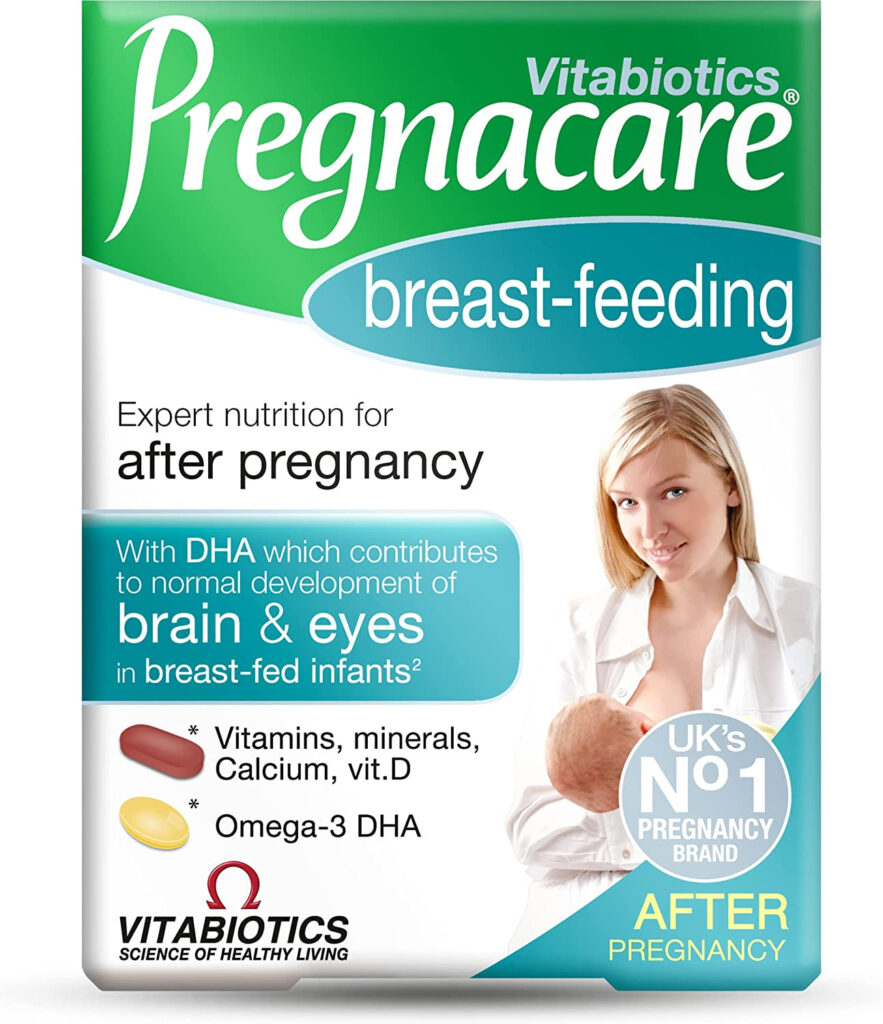
Pregnacare Vitabiotics Breast-Feeding Tablets, Pack of 1, 84 Count. Tried and tested! Buy from Amazon here*
Certain herbs can be used to enhance your postnatal vitamins by providing additional nutritional support during the postpartum period. However, you should consult with your healthcare provider before incorporating them into your postnatal supplement routine. Here are some herbs that are commonly used to support postnatal health:
Fenugreek
Fenugreek seeds are believed to be a galactagogue, which means they can promote lactation and increase breast milk production. Fenugreek supplements or teas are commonly used by those who want to boost their milk supply.
Blessed thistle
Blessed thistle is another herb known for increasing milk supply during breastfeeding. It is often combined with fenugreek to enhance its galactagogue effects.
Nettle Leaf
Nettle leaf is rich in vitamins and minerals, including iron and calcium, which can help postpartum recovery and support lactation. It is often used in herbal teas or supplements.
Red Raspberry Leaf
Red raspberry leaf is known for helping to contract the uterus after birth and promote postpartum healing. It is commonly used as a tea during the postpartum period.
Chamomile
Chamomile is known for its calming and soothing properties. Drinking chamomile tea may help reduce stress and promote relaxation during the postnatal phase.
Ginger
Ginger can be helpful during postpartum when you experience digestive issues, such as nausea or upset stomach.
Peppermint
Peppermint can aid digestion and relieve bloating and gas.
It’s important to remember that individual responses to herbs can vary, and not all herbs may be suitable for everyone. Some herbs may interact with medications or cause adverse reactions. So you must always consult with your healthcare provider or a qualified herbalist before incorporating any herbs into your postnatal supplement routine, especially if you are breastfeeding.
When to stop taking postnatal vitamins
How long to take postnatal vitamins depends on various factors, including your specific nutritional needs, how long you’re breastfeeding for, and your overall health situation.
If you are exclusively breastfeeding your baby, you should continue taking postnatal vitamins throughout the entire breastfeeding period. Breast milk is the primary source of nutrition for your baby during this time, and postnatal vitamins help ensure both you and your baby receive essential nutrients.
As your baby transitions to solid foods and relies less on breast milk for nutrition, you can discuss with your doctor an appropriate time to stop taking postnatal vitamins.
You may have specific health conditions that warrant supplementing with vitamins, even after the breastfeeding period. Your healthcare provider can guide you on whether you should continue with postnatal vitamins or switch to a different supplement.
If you decide to wean your baby from breastfeeding completely and switch to formula or other milk sources, you may discuss with your healthcare provider when to stop taking postnatal vitamins at this time.
So if you have particular postnatal difficulties, what should you be looking for in a supplement? Here are some common postnatal challenges and what to look for to help reduce symptoms during the postnatal period.
Postnatal challenge – Baby brain
Experiencing “baby brain”, “pregnancy brain”, or “mummy brain” is common among many new mothers. It refers to a feeling of forgetfulness, mental fog, or difficulty concentrating that can occur during pregnancy and after childbirth. While it’s a normal part of the postpartum period, certain postnatal supplements may help support cognitive function and reduce brain fog. Here are some key nutrients to look for in postnatal supplements:
DHA is an essential omega-3 fatty acid that plays a crucial role in brain health and development. It is particularly important for supporting cognitive function, memory, and mood. Look for postnatal supplements that include DHA to support your brain health during the postpartum period.
B vitamins, such as B6 and B12, are essential for maintaining brain health and cognitive function. They play a role in energy production, nerve function, and neurotransmitter synthesis. Including B vitamins in your postnatal supplement can help reduce brain fog.
Choline is a nutrient that supports brain function and memory. It is especially important during pregnancy and breastfeeding, as it helps with brain development in the baby. Look for supplements containing choline to support your cognitive health.
Iron deficiency can contribute to fatigue and cognitive difficulties. After childbirth, you may experience iron deficiency anaemia. Including iron in your postnatal supplement can help address this issue and support your overall wellbeing.
Vitamin D is essential for many bodily functions, including brain health. Adequate levels of vitamin D may help improve mood and cognitive performance. Consider choosing a postnatal supplement that includes vitamin D.
Antioxidants like vitamin C and vitamin E help protect brain cells from oxidative stress and inflammation. Including these nutrients in your postnatal supplement can support brain health and function.
Some herbal adaptogens, such as ashwagandha and rhodiola, are believed to help reduce stress and support cognitive function. While more research is needed, some women find these herbs beneficial during the postpartum period.
Postnatal challenge – Baby blues anxiety or mood changes
If you’re experiencing baby blues, anxiety, or mood changes during the postpartum period, certain postnatal supplements may help support your mental wellbeing. However, supplements should be used in conjunction with appropriate medical care and support. Always consult with your healthcare provider before starting any new supplement regimen, especially during the postpartum period and while breastfeeding. Here are some key nutrients and herbs to consider:
DHA is an essential omega-3 fatty acid that plays a crucial role in brain health and mood regulation. It has been linked to improved mental wellbeing and reduced symptoms of depression. Look for postnatal supplements that include DHA to support your mood and cognitive function.
B vitamins, particularly B6 and B12, are essential for neurotransmitter synthesis and mood regulation. They can help support the nervous system and promote a balanced mood. Including B vitamins in your postnatal supplement can be beneficial for emotional wellbeing.
Magnesium is a mineral that plays a role in relaxation and stress reduction. It can help ease anxiety and promote a sense of calm. Look for postnatal supplements containing magnesium citrate or magnesium glycinate, as these forms are more easily absorbed by the body.
Ashwagandha is an adaptogenic herb known for its ability to help the body adapt to stress. Some studies suggest that it may help reduce symptoms of anxiety and improve mood. Look for supplements containing ashwagandha root extract.
Rhodiola is another adaptogenic herb that may help reduce stress and improve mood. It has been studied for its potential benefits in reducing symptoms of depression and anxiety.
Chamomile is a calming herb that can help promote relaxation and reduce anxiety. It is often used as a tea or in supplement form to support emotional well-being.
Lavender is well-known for its soothing properties and ability to promote relaxation. Lavender oil or supplements may help reduce feelings of stress and anxiety.
In addition to supplements, consider seeking professional counselling or therapy, getting enough rest, engaging in regular physical activity, and maintaining a healthy and balanced diet. Building a strong support network of family and friends can also be beneficial during this time.
If you’re breastfeeding and feel you have nutritional depletion, certain postnatal supplements can help support your health and replenish essential nutrients. It’s important to prioritise your wellbeing during this period of increased nutrient demands. As always, consult with your healthcare provider before starting any new supplement regimen, especially during the postpartum period and while breastfeeding. Here are some key nutrients and supplements to consider:
Look for a postnatal multivitamin specifically designed for breastfeeding women. These supplements contain a combination of essential vitamins and minerals, including iron, calcium, vitamin D, B vitamins, and other nutrients that support lactation and your overall health.
DHA is an essential omega-3 fatty acid that supports brain health and development, both for you and your baby. Look for postnatal supplements that include DHA to help replenish this important nutrient.
Breastfeeding can lead to increased iron requirements. If you suspect you have low iron levels, consider adding an iron supplement to your postnatal regimen. However, you should have your iron levels checked by your healthcare provider before starting on supplements, as excessive iron intake can be harmful.
Calcium and vitamin D are important for bone health and lactation. If your diet is low in these nutrients, consider taking a supplement to ensure you and your baby’s needs are met.
Vitamin B12 is essential for energy production and nervous system health. If you follow a vegetarian or vegan diet or have limited intake of animal products, a B12 supplement may help.
Magnesium can help with relaxation and reduce stress. Adequate magnesium levels may support overall wellbeing during the postpartum period.
Taking a probiotic supplement may support gut health, which is crucial for nutrient absorption and overall immune function.
Some herbal supplements, such as nettle leaf, red raspberry leaf, and fenugreek, are traditionally used to support lactation and postpartum health. However, always consult with your healthcare provider before using any herbal supplements, especially during breastfeeding.
Remember the best way to ensure adequate nutrient intake is through a well-balanced diet. A variety of nutrient-dense foods, including fruits, vegetables, whole grains, lean proteins, and healthy fats, can help provide the necessary nutrients for you and your baby. Supplements should be used as a complement to a healthy diet and not a replacement for it.
Postnatal challenge – increased energy demands
If you have increased energy demands during the postnatal period, certain postnatal supplements can help support your energy levels and overall wellbeing. The postpartum phase can be physically demanding, especially if you are breastfeeding and caring for a newborn. You should prioritise your health and energy during this time. Here are some key nutrients and supplements to consider:
B vitamins, particularly B1 (thiamine), B2 (riboflavin), B3 (niacin), B5 (pantothenic acid), B6 (pyridoxine), and B12 (cobalamin), are essential for energy production and overall vitality. Look for a postnatal supplement that includes a balanced B complex to support your energy levels.
If you are experiencing fatigue or suspect you may have low iron levels, consider adding an iron supplement to your postnatal regimen. Iron is important for carrying oxygen in the blood and supporting energy production.
Coenzyme Q10 (CoQ10) is a compound involved in energy production at the cellular level. It can help support energy levels, especially during times of increased demands.
Magnesium is important for energy metabolism and muscle function. It may help with fatigue and support overall wellbeing during the postnatal period.
Vitamin C is an antioxidant that supports the immune system and overall energy levels.
Some adaptogenic herbs, such as ashwagandha and rhodiola, are traditionally used to support energy and resilience during times of stress. However, always consult with your healthcare provider before using any herbal supplements, especially during breastfeeding.
Taking a probiotic supplement may support gut health, which can impact nutrient absorption and overall energy levels.
It’s important to remember that while supplements can be helpful, they should not replace a well-balanced diet. A variety of nutrient-dense foods, including fruits, vegetables, whole grains, lean proteins, and healthy fats, can provide the necessary nutrients for increased energy demands during the postnatal period.
Additionally, ensure you are getting enough rest and practicing self-care. Caring for a newborn can be exhausting, so it’s crucial to listen to your body’s signals and take breaks when needed. Prioritise your wellbeing and seek support from family, friends, or healthcare professionals if necessary.
Take advantage of your “90% off prescription discount card”: Sometimes, prenatal and postnatal vitamins can be costly. If you’re on a tight budget, consider using a 90% off prescription discount card to save on vitamins and other prescription medication.
It’s important to note that while prenatal and postnatal vitamins are beneficial for most women during pregnancy and the postpartum period, it’s always best to consult with a healthcare professional to determine the most appropriate supplements based on individual health needs and circumstances. Additionally, a balanced and nutritious diet is fundamental to supporting overall health during these critical phases of motherhood.
FAQ
Can I take postnatal vitamins while pregnant?
Postnatal vitamins are designed to support your health and nutritional needs after childbirth, particularly during the postpartum period and while breastfeeding. They are not intended for use during pregnancy.
During pregnancy, the nutritional requirements are different, so you should take prenatal vitamins to provide essential nutrients for your developing baby. Prenatal vitamins contain higher levels of certain nutrients like folic acid, iron, and calcium, which are crucial for foetal growth and development.
If you are pregnant or planning to become pregnant, take a prenatal vitamin that is designed to meet the needs of pregnancy. Prenatal vitamins should be taken before conception, throughout pregnancy, and sometimes during the breastfeeding period.
Always consult with your healthcare provider before starting any supplement regimen, including prenatal vitamins. They can guide you on choosing the right prenatal vitamin that suits your individual health needs.
Can I keep taking prenatal vitamins after pregnancy?
Other questions asked were:
Can I take postnatal vitamins while pregnant?
Why would a doctor prescribe prenatal vitamins?
Do I need a postnatal vitamin?
Why trade your prenatal for postnatal vitamins?
When should you switch from prenatal to postnatal vitamins?
Can you take prenatal vitamins after pregnancy?
What do postnatal vitamins include?
When should I switch from prenatal to postnatal vitamins?
Is it better to take prenatal or postnatal after birth?
What is the difference between prenatal vitamins and postnatal?
What is the difference between pre and postnatal vitamins?
How a postnatal vitamin is different from a prenatal?
What’s the difference between prenatal and postnatal vitamins?
Can you take prenatal vitamins as postnatal vitamins?
How long should I take postnatal vitamins after giving birth?
When’s the right time to stop taking postnatal vitamins?
Yes, you can continue taking prenatal vitamins after pregnancy, but speak to your doctor to find out whether they are still suitable for your postpartum needs. While prenatal vitamins are specifically formulated to meet the nutritional needs of pregnancy, some women may choose to continue taking them during the postpartum period and beyond.
Prenatal vitamins may contain higher levels of certain nutrients, such as iron and folic acid, which may not be required at the same levels after pregnancy. Excessive intake of certain nutrients can be harmful, so it’s crucial to assess your nutritional needs with the guidance of your healthcare provider.
If you choose to continue with prenatal vitamins after pregnancy, consider discussing with your healthcare provider whether it’s appropriate for your specific situation. They may recommend adjusting the dosage or switching to a postnatal vitamin.
Will prenatal vitamins help with hair loss after menopause?
While prenatal vitamins can be beneficial during pregnancy and the postpartum period, there is no direct evidence to suggest they will help with hair loss after menopause.
Hair loss after menopause is a common occurrence and is primarily related to hormonal changes, specifically a decrease in oestrogen and progesterone levels. These hormonal changes can contribute to hair thinning and loss in some women.
If you are experiencing hair loss after menopause, consult with a healthcare provider or a dermatologist to determine the underlying cause and explore appropriate treatment options. In some cases, your healthcare provider may recommend specific supplements or medications to support hair health and growth, but these would likely be different from prenatal vitamins.
To support hair health and overall wellbeing during menopause, consider the following tips:
Follow a well-balanced diet that includes a variety of nutrient-dense foods. Nutrients like protein, iron, zinc, and vitamins A, C, and D are important for hair health.
Practice good scalp hygiene and use gentle hair care products to minimise damage to your hair and scalp.
High levels of stress can contribute to hair loss. Engage in stress-reducing activities like yoga, meditation, or spending time in nature.
Regular physical activity can support overall health and wellbeing, including hair health.
Some topical treatments and shampoos containing ingredients like minoxidil or ketoconazole may help promote hair growth. Consult with a dermatologist for recommendations.
In certain cases of severe hair loss related to menopause, hormone replacement therapy may be considered. This decision should be made in consultation with a healthcare provider, considering the potential risks and benefits.
Why do prenatal vitamins make hair skin and nails prettier and stronger?
Prenatal vitamins are designed to provide essential nutrients that are crucial for a healthy pregnancy and foetal development. While their primary purpose is to support the needs of pregnant women and their developing babies, some women may notice improvements in the appearance of their hair, skin, and nails when taking prenatal vitamins. The key nutrients found in prenatal vitamins that can contribute to these improvements include:
Biotin, also known as vitamin B7, is a water-soluble vitamin that plays a role in the metabolism of fats, carbohydrates, and proteins. It is known for promoting healthy hair, skin, and nails. Biotin deficiency can lead to hair loss and brittle nails, so having an adequate intake can support their health and appearance.
Folic acid, also known as vitamin B9, is essential for DNA synthesis and cell growth. It supports overall skin health and promotes healthy cell turnover, contributing to a more radiant complexion.
Vitamin C is a powerful antioxidant that supports collagen synthesis. Collagen is a protein that provides structure to the skin, hair, and nails, making them appear more youthful and resilient.
Vitamin E is another antioxidant that helps protect the skin from oxidative stress and supports skin health and hydration.
Iron is important for the delivery of oxygen to the cells, including the hair follicles and nail beds. Adequate iron levels can help maintain healthy hair and nails.
Zinc is involved in various enzymatic processes in the body and plays a role in the formation of proteins. It can support healthy skin and hair growth.
While prenatal vitamins can provide these beneficial nutrients, it’s important to note that the effects on hair, skin, and nails can vary from person to person. Not all women will experience dramatic changes in their appearance while taking prenatal vitamins. Additionally, the improvements in hair, skin, and nails can also be influenced by other factors such as genetics, overall diet, lifestyle, and skincare routine.
If you are not pregnant but still interested in supporting your hair, skin, and nails, there are other specialised supplements and multivitamins designed for that purpose. Before starting any supplement regimen, it’s best to consult with a healthcare provider to ensure it aligns with your individual health needs and to avoid excessive intake of certain nutrients.
Can you take prenatal and postnatal vitamins together?
Other questions asked were:
Can I take prenatal and postnatal vitamins together?
Is It safe to consume prenatal and postnatal vitamins together?
It is not necessary to take both prenatal and postnatal vitamins together, as their formulations are designed to meet the unique nutritional needs of different stages: prenatal for pregnancy and postnatal for the postpartum period and breastfeeding. Taking both together could potentially lead to an excessive intake of certain nutrients and toxicity.
If you are pregnant and have been taking prenatal vitamins, it’s best to continue taking them throughout your pregnancy until your healthcare provider advises otherwise.
After childbirth, you can switch to postnatal vitamins, which are specifically designed to support your nutritional needs during the postpartum period and breastfeeding.
Should I take prenatal or postnatal vitamins while breastfeeding?
Other questions asked were:
Should you take prenatal vitamins while breastfeeding?
Is it safe to take prenatal vitamins while breastfeeding?
Should you take a prenatal or postnatal while breastfeeding?
What are the best prenatal vitamins for nursing mothers?
Best multivitamin for nursing mothers?
Best multivitamin for breastfeeding?
If you are breastfeeding, it is generally recommended to take postnatal vitamins specifically designed for the postpartum period and breastfeeding. Postnatal vitamins are formulated to provide the essential nutrients needed to support your recovery after childbirth and to meet the nutritional demands of breastfeeding.
What are the benefits of taking folic acid or folate in prenatal vitamins? What are their uses and differences between them?
Folic acid and folate are forms of vitamin B9, a water-soluble vitamin that plays a crucial role in cell division, DNA synthesis, and the formation of red blood cells. Both folic acid and folate are important during pregnancy and are included in prenatal vitamins to support yours and the developing baby’s health. However, there are some differences between folic acid and folate:
Folic Acid:
Folic acid is the synthetic form of vitamin B9, which means it is produced in a laboratory and used in fortified foods and supplements, including prenatal vitamins.
Folic acid is more stable than folate and can withstand heat and light better, making it a preferred form for supplementation and food fortification.
Folic acid is generally well absorbed by the body when taken as a supplement, but its absorption may vary depending on an individual’s genetic makeup and certain medical conditions.
Folic acid is recommended for all women of childbearing age, especially during early pregnancy, to help prevent neural tube defects (NTDs) in the developing baby’s brain and spine. Adequate folic acid intake before and during early pregnancy is crucial for reducing the risk of NTDs.
Folate:
Folate refers to the naturally occurring form of vitamin B9 found in various foods such as leafy green vegetables, legumes, nuts, and fortified cereals.
Folate is more sensitive to heat and light, and it may degrade during cooking and food processing, leading to some nutrient loss.
Folate from natural food sources is generally well absorbed by the body. However, some people may have difficulty absorbing naturally occurring folate, especially if they have certain genetic variations.
Adequate intake of folate is essential for overall health, including supporting cell division, red blood cell production, and DNA synthesis.
In prenatal vitamins, both folic acid and folate can provide the necessary vitamin B9 to support a healthy pregnancy. You should take prenatal vitamins that contain either folic acid or folate, depending on your individual preferences and needs. Regardless of the form, the key is to take 400 to 800 micrograms (mcg) daily, to support the development of the baby and prevent NTDs.
If you are pregnant or planning to become pregnant, consult with your healthcare provider to determine the appropriate prenatal vitamin and folic acid/folate supplementation to meet your specific needs during pregnancy.
What is the difference between taking prenatal vitamins with folic acid and without it when trying to conceive?
When trying to conceive, taking prenatal vitamins with folic acid can be beneficial, especially if you are planning a pregnancy or in the early stages of pregnancy.
If you are actively trying to conceive, start taking prenatal vitamins with folic acid before conception so you have good levels of folic acid from the very early stages of pregnancy. This is especially important because many pregnancies are unplanned.
If vitamin supplements are useless why are prenatal vitamins always prescribed to pregnant women?
Vitamin supplements, including prenatal vitamins, are not useless. In fact, they play a crucial role in supporting overall health, especially during specific life stages like pregnancy. Prenatal vitamins are prescribed to pregnant women because they are specifically formulated to meet the increased nutritional demands during pregnancy, which are challenging to meet through diet alone.
Always consult with your healthcare provider before starting any supplement regimen. They can guide you on the appropriate prenatal vitamins and postnatal vitamins based on your individual health needs and help you prepare for a healthy pregnancy and beyond!
*Collaborative feature post*
* Links marked with a ‘*’ are affiliate inks which means I may earn a small commission if you click through to buy at no extra cost to you. Thank you for your support 😀
Postpartum core workout tips to rebuild your foundation
Bringing a new life into the world is a miraculous experience that changes your body in many ways, including weakening your core muscles! But creating a postpartum core workout and rebuilding your foundation will help you regain strength and stability, and boost your overall wellbeing after childbirth too.
Below is a guide to regaining core strength postpartum where we will explore core-strengthening exercises tailored specifically for postpartum mums.
Remember, every woman’s postpartum recovery is unique, and it’s important to listen to your body and consult with your healthcare provider or a certified postpartum fitness specialist before starting any exercise program. They can provide guidance specific to your individual needs and help you develop a safe and effective postpartum belly workout.
Your postpartum core recovery program starts here!
The importance of core strengthening – Postpartum core workout changes and challenges
As a new mum, the abdominal muscles and pelvic floor muscles, which form the core, experience stretching and weakening. These changes can lead to issues like lower back pain, weakened posture, and decreased core strength.
The benefits of core-strengthening exercises
Postpartum ab exercises offer several benefits, including restoring core muscle strength, improving posture, enhancing stability, alleviating back pain, and providing a solid foundation for other physical activities. Incorporating these exercises into your routine can lead to a stronger and healthier postpartum body.
When to start postpartum exercise to reduce tummy: Mustdo exercises for early postpartum core recovery
You must consult with your GP before starting any postpartum exercise routine, especially if you had a complicated delivery or you’re experiencing any specific health concerns. However, once you’ve received clearance, you can begin gentle exercises in the early postpartum period to support core recovery and reduce tummy size.
Understanding the postpartum recovery timeline
Please respect your body’s healing process after childbirth. Try to start with gentle exercises during the early postpartum period (typically the first six weeks), to avoid excessive strain.
Here are some must-do exercises for early postpartum core recovery, but consult with your healthcare provider first to make sure you’re ready for exercise.
Postpartum recovery ab exercises beginner – up to two weeks postpartum
Here are some postpartum core restoration exercises that you can do up to two weeks postpartum:
The transverse abdominal muscles, the deepest layer of the abdominal muscles, wrap around the abdomen like a corset and support the spine and pelvis – and they’re important for core stability too. Engaging these muscles through postpartum core exercises like the “abdominal hollowing” technique can help rebuild core strength gradually. You can also perform transverse abdominal exercises like heel slides, abdominal compressions, or gentle pelvic tilts while focusing on proper alignment and activating the deep core muscles.
How to do transverse abdominal breathing and core connection
Transverse abdominal breathing core connection (TAB) also known as deep core or diaphragmatic breathing, is a great exercise to reconnect with and strengthen your core muscles postpartum. It can also help to improve posture and reduce the risk of diastasis recti, a condition in which the abdominal muscles separate.
To do TAB, lie on your back with your knees bent and your feet flat on the floor. Place your hands on your lower abdomen, just above your hip bones. As you inhale, breathe deeply into your belly, allowing your abdomen to expand. As you exhale, gently draw your belly button in towards your spine.
You can do TAB for 10-15 repetitions, or for as long as you feel comfortable. Breathe slowly and naturally and to avoid holding your breath.
Here are some tips for doing TAB correctly:
Keep your back pressed into the floor throughout the exercise.
Do not allow your lower back to arch.
Breathe slowly and naturally.
Avoid holding your breath.
TAB is a gentle exercise, but if you have any pain, stop the exercise and talk to your doctor immediately.
The pelvic floor muscles play a vital role in core stability. Gentle pelvic floor exercises, such as Kegels, can help strengthen these muscles and aid in postpartum recovery.
Pelvic floor exercises involve contracting and relaxing the muscles used to control urination. Squeeze and hold the muscles for a few seconds, then release. Gradually increase the duration and intensity of the contractions over time.
Postpartum core workout No. 3 – Dead bug
This exercise helps to strengthen your core and improve your posture. Lie on your back with your knees bent and your feet flat on the floor. Place your arms at your sides, palms down. Slowly raise your arms and legs off the floor, keeping your back pressed into the ground. Hold for a few seconds, then lower your arms and legs back down.
Lie on your back with your knees bent. Place your hands on your abdomen, just above your belly button. Take a deep breath in, and as you exhale, gently press your hands into your abdomen, feeling your deep abdominal muscles engage. Hold for a few seconds and then release. Repeat this several times.
Postpartum core workout No. 5 – Gentle walking
Walking is a low-impact exercise that helps improve circulation, promotes healing, and boosts mood. Start with short walks around your house or neighbourhood, then gradually increase the duration and intensity as you feel comfortable.
Two to four weeks postpartum with your doctor’s approval
Once you have received clearance from your healthcare provider, you can gradually progress to more specific core exercises two to four weeks postpartum. It’s important to start with gentle exercises that focus on reconnecting with the core muscles and promoting stability. Here are some core exercises you can consider during this period:
Postpartum core workout No. 6 – Pelvic tilts
This exercise helps to strengthen your pelvic floor muscles and improve your posture. Get on your hands and knees, making sure your back is straight. Tilt your pelvis forward, tucking your tailbone under. Hold for a few seconds, then tilt your pelvis back, rounding your back. Repeat 10 times.
Lie on your back with knees bent and feet flat on the floor. Inhale deeply, and as you exhale, lift your hips off the ground, engaging your glutes and core. Hold for a few seconds, then slowly lower your hips back down. Focus on maintaining stability and avoiding excessive arching of the lower back.
Postpartum core workout No. 8 – Bird dog exercise
Begin on all fours with your hands directly under your shoulders and knees under your hips. Engage your core muscles, then extend your right arm forward and left leg backward. Hold for a few seconds, then do the same with the alternating leg and arm. Focus on maintaining stability and keeping your spine aligned throughout the movement.
Postpartum core workout No. 9 – Side-lying leg lifts
Lie on your side with your legs extended and stacked on top of each other. Engage your core muscles and lift the top leg to a comfortable height, then lower it back down. Repeat on both sides. This exercise targets the hip abductors and outer thighs.
Four to six weeks postpartum
During the four to six-week postpartum period, continue focusing on gentle ab exercises that help reconnect with and strengthen the core muscles. Here are some ab exercises you can consider during this period:
Start with modified crunches by lying on your back with knees bent and feet flat on the floor. Place your hands behind your head. Exhale as you lift your head and shoulders off the ground, and inhale as you lower back down. Focus on engaging your core muscles and avoiding straining the neck or upper body.
Sit or stand with your feet shoulder-width apart. Place your hands on your hips or hold a small weight or medicine ball. Rotate your torso from side to side, focusing on engaging your oblique muscles. Start with small movements and increase the range of motion as you feel comfortable.
Always pay attention to your body and modify exercises as needed. Start with a few repetitions of each exercise and gradually increase over time. If you experience any pain, discomfort, or unusual symptoms during or after exercise, stop and talk to your doctor. They can provide personalised guidance and recommendations based on your individual recovery progress.
Progressing to intermediate exercises – Gradual progression is key
Once your body has had sufficient time to heal, you can gradually progress to intermediate core-strengthening exercises. Be patient and listen to your body’s signals to avoid overexertion or injury.
Six to eight weeks postpartum
Between six to eight weeks postpartum, you can gradually increase the intensity and complexity of your ab exercises as your body continues to heal and gain strength. Here are some ab exercises you can consider during this period:
Planks are excellent for strengthening the entire core. Start with modified versions, such as knee planks or forearm planks, and gradually increase the duration and difficulty as your strength improves.
As you get stronger, you can progress to full planks on your hands and toes. Make sure you have proper form, engaging your core muscles and maintaining a straight line from head to heels. Hold the position for a few seconds and gradually increase the time as you get stronger.
Postpartum core workout No. 13 – Bridge pose
Bridges target the glutes, lower back, and abdominal wall muscles. They help improve hip stability, strengthen the core, and relieve lower back pain. Start with basic bridges and progress to single-leg or stability ball variations.
Lie on your back with knees bent and feet flat on the floor. Inhale deeply, and as you exhale, lift your hips off the ground, engaging your glutes and core. Hold for a few seconds, then slowly lower your hips back down. Focus on maintaining stability and avoiding excessive arching of the lower back.
Postpartum core workout No. 14 – Leg raises
Lie on your back with your legs extended. Engage your core muscles and lift your legs off the ground, bringing them towards the ceiling. Lower your legs back down with control. Start with single leg raises and progress to double leg raises as your strength improves.
Postpartum core workout No. 15 – Reverse crunches
Lie on your back with knees bent and feet flat on the floor. Place your hands on the floor beside you or under your hips for support. Exhale as you lift your hips off the ground, bringing your knees towards your chest. Inhale as you lower your hips back down with control.
Remember to pay attention to your body and modify exercises as needed. If you experience any pain, discomfort, or unusual symptoms during or after exercise, stop and talk to your doctor.
Postpartum recovery ab exercises advanced – Build on a solid foundation
Once you feel comfortable with intermediate exercises, you can incorporate advanced core-strengthening exercises into your routine. These exercises challenge your core stability and help you reach higher levels of strength and fitness.
Postpartum core workout No. 16 – Pilates and yoga
Pilates and yoga are excellent options when looking for ab exercises for after pregnancy. These practices focus on controlled movements, breathwork, and engaging the deep core muscles, providing overall strength and flexibility.
Functional postpartum core exercises mimic movements we perform in everyday life. Incorporating exercises like squats, lunges, and deadlifts can further challenge your core muscles and improve overall functional strength.
The role of pre-workout stacks
While doing an abdominal exercise postpartum is essential, sometimes you may also need an extra boost to get the most out of your workouts. So think about understanding pre-workout stacks with Barbend. Pre-workout supplements, or “stacks,” enhance athletic performance by providing energy, focus, and endurance. They can also help you push through fatigue and maximise your effort during workouts.
When selecting a pre-workout stack, choose one that is safe and effective for postpartum women. Look for supplements that contain natural ingredients and avoid those with potentially harmful substances. Consult with your healthcare provider before incorporating supplements into your routine.
Other exercises you can try after a strengthened core
Here are some postpartum ab workout exercises you can try once your core is much stronger:
Postpartum core workout No. 18 – Side lying hip abduction obliques and side core strengthening exercise
Side-lying hip abduction is an exercise that targets the Gluteus Medius, a muscle that helps stabilise the hip and prevent injury. Side-lying hip abductions are a great way to strengthen your core and improve your balance. They are also a low-impact exercise, so they are a good option if you are recovering from an injury. It is also a good exercise for strengthening the obliques, the muscles that run along the sides of the torso.
Start by lying on your side on a mat or comfortable surface. You can choose either side to begin with.
Extend your bottom arm out straight, placing it on the floor in front of you for support. You can bend your elbow slightly for added comfort.
Place your top hand behind your head, with your elbow pointing toward the ceiling. This will help engage your oblique muscles.
Bend your bottom knee slightly for stability and keep your top leg straight.
Engage your core muscles to stabilise your spine, and slowly lift your top leg upward, away from the bottom leg. Focus on using the muscles on the side of your hip to lift the leg, rather than relying on momentum.
Lift your leg as high as you can without rotating your pelvis or leaning forward or backward. Aim to create a straight line from your head to your feet.
Hold the top position for a second or two, feeling the contraction in your hip abductor and oblique muscles.
Slowly lower your leg back down to the starting position.
Repeat the exercise for the desired number of repetitions and then switch to the other side.
Remember to breathe consistently throughout the exercise and maintain proper form. Start with a manageable number of repetitions, and as you get stronger and more comfortable, you can gradually increase the intensity and number of sets. If you experience any discomfort or pain, stop the exercise and consult a fitness professional or healthcare provider.
You can do this exercise for 10-15 repetitions on each side. As you get stronger, you can add weight to your ankle or wear a resistance band around your thigh.
Here are some tips for doing side-lying hip abductions correctly:
Keep your core engaged throughout the exercise.
Keep your hips aligned and your pelvis level.
Do not let your top knee collapse inward.
Slowly lift and lower your leg to avoid putting too much strain on your hip.
Here are some other exercises that you can do to strengthen your obliques and side core:
Plank with side twist: Start in a plank position on your forearms. Slowly twist your body to the side, bringing your top elbow towards your hip. Hold for a few seconds, then return to the starting position. Repeat on the other side.
Bird dog all fours core strengthening exercisewith side reach: Start in a bird dog position on your hands and knees. Slowly reach your top arm out to the side, keeping your elbow straight. Hold for a few seconds, then return to the starting position. Repeat on the other side.
Side plank with leg lift: Start in a side plank position with your body in a straight line from your head to your heel. Slowly lift your top leg up and out to the side, keeping your knee bent. Hold for a few seconds, then lower your leg back down.
Effective squat warm-up exercises for a safe workout
There are several effective squat warm-up exercises that can help you prepare for a safe postpartum workout. Here are a few warm-up exercises that target the muscles involved in squats:
Postpartum core workout No. 19 – Glute bridges
Lie on your back with your knees bent and feet flat on the ground. Engage your core and squeeze your glutes to lift your hips off the floor. Hold for a second or two at the top and then lower your hips back down. This exercise activates the gluteal muscles and helps improve hip mobility.
Postpartum core workout No. 20 – Hip rotations
Stand with your feet hip-width apart. Place your hands on your hips and gently rotate your hips in circular motions, both clockwise and counter-clockwise. This helps warm up the hip joints and increase mobility.
Stand with your feet shoulder-width apart and toes slightly turned out. Lower your body down into a squat by bending your knees and pushing your hips back. Keep your chest lifted and maintain a neutral spine. Rise back up to the starting position. Bodyweight squats warm up the leg muscles and improve your squatting technique.
Stand facing a wall or use a sturdy surface for support. Place one foot slightly in front of the other and lean forward, allowing your front knee to bend while keeping your back heel on the ground. You should feel a stretch in your calf and ankle. Hold for a few seconds and then switch legs. This exercise helps improve ankle mobility, which is important for achieving proper squat depth.
Postpartum core workout No. 23 – Lateral leg swings
Stand beside a wall or use a stable support. Swing one leg out to the side, keeping it straight or with a slight bend in the knee. Swing it back and forth like a pendulum. Perform 10-15 swings on each leg. This exercise helps to warm up the hip abductor muscles, which are important for squat stability.
Remember to listen to your body and start with lighter weights or no weights at all when performing squats postpartum. Gradually increase the intensity and weight as your body recovers and becomes stronger. If you experience any pain or discomfort, modify the exercises or consult with a healthcare provider or a certified postpartum fitness specialist.
Banded clamshells are a great way to strengthen your core and improve your balance. They are also a low-impact exercise, so they are a good option for people who are recovering from an injury.
To do a banded clamshell workout, you will need a resistance band. Here are a good set of resistance bands from Amazon*
Here is a sample banded clamshell workout routine:
Warm-up:
5 minutes of light cardio, such as walking or jogging.
10-15 repetitions of each of the following exercises:
Knee raises
Wall sits
Hip circles
Cat-cow pose
Workout:
3 sets of 10-15 repetitions of banded clamshells on each side.
Cool-down:
5 minutes of light cardio.
10-15 repetitions of each of the following exercises:
Bird dog
Plank
Side plank
You can adjust this workout routine to fit your own fitness level. Listen to your body and take breaks when you need them.
Core exercises to avoid after pregnancy
After pregnancy, gradually reintroduce core exercises to allow your body to heal and strengthen. However, there are certain core exercises that are best to avoid during the postpartum period. These are:
Traditional sit-ups and crunches
These exercises can put excessive strain on the abdominal muscles and the pelvic floor, which may still be recovering after childbirth. They can also contribute to the separation of the abdominal muscles, known as diastasis recti.
Engaging in heavy weightlifting or intense resistance training before your body has fully recovered can increase the risk of injury. It’s best to start with lighter weights or bodyweight exercises and gradually increase the intensity as your body becomes stronger and more stable.
High-impact exercises
Activities such as running or jumping exercises can place additional stress on the pelvic floor, which may still be healing. These high-impact exercises should be avoided until you’ve rebuilt your core strength and received clearance from your healthcare provider.
Twisting or rotational exercises
Twisting or rotational movements, such as Russian twists or bicycle crunches, can strain the abdominal muscles and potentially worsen diastasis recti. It’s best to avoid these exercises until the abdominal muscles have healed and regained proper strength.
Conclusion
Strengthening postpartum exercises for tummy is an important journey that requires patience, dedication, and the right exercises.
There are lots of ways to fit exercise in after baby. You can hit the park with water bottles, snacks and provisions for the day, then enjoy a jog while your baby babbles at nature. Jogging strollers can also come as a double if you have two kids. Check out https://www.doublebuggyreviews.com/ for detailed reviews on dozens of double buggy styles, including ones that help you get active in the great outdoors along with your babies.
If you’re struggling with motivation, then there are plenty of online personal trainers that will work with you from the comfort of your own home. You won’t have to waste time driving to the gym or paying for an expensive membership. It’s the perfect way to be more efficient with your time without sacrificing your fitness.
Remember, you also need downtime. Turn down the lights, play some tranquil music, and light up the scents and oils. This will allow you the perfect relaxation time that you need to breathe out the stressful day and breathe in the calm. You can find some great aromatherapy tools online now, like these scented candles by Royal Essence, especially for use during bedtime.
Remember to consult with your healthcare provider before starting postnatal core exercises, especially if you have specific postpartum concerns. And speak to a certified personal trainer when trying postpartum ab exercise workout plans, especially diastasis recti exercises, so you don’t make your muscle separation worse.
Enhance your postpartum experience with comfortable footwear
While focusing on rebuilding your core strength postpartum, don’t overlook the importance of comfortable and supportive footwear. In addition to your core exercises, moving around and staying active are key components of your recovery. This is where our picks from Black Tulip Studio come in, offering both comfort and style for postpartum mums, and now with an exclusive 5% discount!
Farro Flat Chelsea Boot – Caramel Suede: These stylish boots are perfect for walks or casual outings. Their cushioned insoles and supportive design provide the comfort needed during postpartum recovery, making them ideal for mums on-the-go. The versatile design seamlessly matches various outfits, ensuring you stay fashionable and comfortable. Shop the Farro Flat Chelsea Boot here* and take advantage of the special 5% off for a stylish addition to your postpartum wardrobe.
Arbi Sleek Sneaker – Giraffe: If you prefer something more casual, these unique giraffe print sneakers are a fantastic choice. Lightweight and breathable, they offer comfort during physical activities or when you’re simply enjoying time with your baby. The playful design adds a fun touch to your everyday look. Get your Arbi Sleek Sneakers here* to enjoy comfort with a unique style twist, plus a 5% discount!
Starting an ab workout after baby involves a combination of exercises that target the abdominal muscles, proper nutrition, and overall fitness. Here are some tips to help you tone your core postpartum:
Start with gentle core exercises
Use the tips above to start gently strengthening your core, then gradually progress to the more challenging exercises as your core gets stronger.
Diaphragmatic breathing
Practice diaphragmatic breathing to engage and activate the deep core muscles. This technique involves breathing deeply into your lower abdomen, allowing it to expand as you inhale, and gently contracting the deep core muscles as you exhale.
Incorporate pilates or yoga
Pilates and yoga can be excellent for postpartum core toning as they emphasise core engagement, stability, and flexibility. Look for postnatal-specific classes or modifications to ensure you’re following exercises that are safe for your postpartum body.
Include whole-body exercises
Incorporate exercises that engage multiple muscle groups, such as squats, lunges, push-ups, and rows. These exercises recruit the core muscles to stabilise the body and strengthen the entire body, including the core. Don’t start these exercises until your core is strong, though.
Cardiovascular exercise
Engaging in cardiovascular exercise, such as brisk walking, swimming, or cycling, can help burn calories and reduce overall body fat, which can contribute to a more toned appearance in your core area.
Healthy eating
Maintain a balanced and nutritious diet to support overall health and weight management. Focus on whole, unprocessed foods, lean proteins, fruits, vegetables, and healthy fats. Hydration is also essential.
Consistency and progression
Consistency is key for toning your core. Aim for regular exercise sessions and gradually increase the intensity and duration of your workouts over time. Be patient, as postpartum recovery is a gradual process.
Get professional guidance
Consult with a certified postpartum fitness specialist or a personal trainer who specialises in postpartum recovery. They can provide tailored exercises, ensure proper form, and offer guidance specific to your needs and recovery stage.
How long to regain core strength after pregnancy?
Other questions asked were:
When can you start core exercises after birth?
The time it takes to regain core strength after pregnancy can vary from woman to woman. It depends on factors such as your pre-pregnancy fitness level, the type of delivery you had, any complications experienced during pregnancy or childbirth, and how consistently you engage in postpartum exercises.
It’s important to approach postpartum core recovery with patience and allow your body time to heal.
Give yourself around 6 to 8 weeks to recover from childbirth. During this time, you can focus on gentle movements, deep breathing, and light exercises that promote circulation and mobility.
Then, around 6 to 8 weeks and after clearance from your doctor, you can begin exercises that focus on reconnecting and activating the core muscles, such as transverse abdominal exercises, pelvic floor exercises, and gentle core strengthening movements. This phase may last anywhere from a few weeks to a few months, depending on your progress and individual circumstances.
As you progress in your postpartum recovery, you can gradually introduce more challenging exercises to rebuild core strength. This may include exercises like planks, modified push-ups, squats, lunges, and stability exercises. This phase can take several months, and progress will vary from person to person.
Diastasis recti (separation of the abdominal muscles) is common after pregnancy. If you have diastasis recti, it may take longer to regain core strength and close the separation. Working with a physical therapist or postpartum fitness specialist can be beneficial in addressing diastasis recti and guiding you through appropriate exercises.
Can diastasis recti be fixed with exercise?
Other questions asked were:
What exercise heals diastasis recti after pregnancy?
Yes, diastasis recti can often be improved and sometimes fully resolved with specific exercises and targeted core training. Diastasis recti is a separation of the abdominal muscles that commonly occurs during pregnancy because of the stretching of the abdominal wall to accommodate the growing uterus. While exercise can help in the recovery process, it’s important to note that the severity of the diastasis recti and individual factors may influence the extent of improvement.
Focus on exercises that engage the deep core muscles, including the transverse abdominis and the pelvic floor. Examples include gentle abdominal compressions, pelvic tilts, and pelvic floor exercises like Kegels. These exercises help strengthen the muscles around the abdomen and provide stability.
Learning to activate and engage the transverse abdominis can help support and close the gap caused by diastasis recti. Diaphragmatic breathing and specific transverse abdominal exercises postpartum can be beneficial.
Perform modified planks as they target the core while minimising stress on the abdominal muscles. This may involve performing planks on an incline, using a stability ball, or using other modifications to ensure proper form and alignment.
It’s also important to strengthen the muscles that stabilise the pelvis, such as the glutes and hip abductors, as they can provide additional support to the core muscles. Exercises like hip bridges, clamshells, and side-lying leg lifts can be helpful.
Maintain good posture throughout the day to support the healing of diastasis recti. Be mindful of your posture during activities like sitting, standing, and lifting to reduce strain on the abdominal muscles.
Work with a qualified healthcare professional, such as a physical therapist or a certified postpartum fitness specialist, who can assess your diastasis recti and provide appropriate exercises and guidance. They can tailor an exercise program to your needs, monitor your progress, and ensure that you are performing the exercises correctly to promote healing and improve diastasis recti. In some cases, more severe diastasis recti may require additional interventions, such as surgical consultation or other specialised treatments.
Why is it hard for women to lose weight after a pregnancy?
Other questions asked were:
Why is my core so weak after pregnancy?
Losing weight after pregnancy can be challenging, but it is possible with patience and effort. By following the tips above, you can reach your weight loss goals and improve your overall health.
However, there may be additional reasons you may find it challenging to lose weight after pregnancy. Here are some factors that contribute to the difficulty:
Hormonal changes
Pregnancy triggers significant hormonal changes in a woman’s body, including increased levels of oestrogen, progesterone, and cortisol. These hormonal fluctuations can affect metabolism, hunger regulation, and fat storage, making it harder to lose weight.
Postpartum recovery
After childbirth, the body needs time to recover and the postpartum period involves healing from delivery, which potentially means dealing with physical discomfort, and adjusting to the demands of caring for a newborn. So you often prioritise rest and recovery over intense exercise or strict dieting.
Sleep deprivation
Newborns often disrupt sleep patterns, which means broken sleep and feeling tired all the time. Lack of sleep can affect hunger hormones, increase cravings for high-calorie foods, and decrease motivation for physical activity, making weight loss more challenging.
Increased caloric needs for breastfeeding
If you’re breastfeeding, your body requires additional calories to produce milk. This can make it difficult to create a calorie deficit for weight loss without affecting milk supply or the nutritional needs of your baby.
Lifestyle changes and time constraints
Caring for a newborn can significantly change your daily routine and lifestyle. The demands of childcare, limited time for self-care, and reduced availability of exercise can make it harder to establish consistent healthy habits for weight loss.
However, if you’re struggling with bad habits that affect your health, then it’s important to work through these issues first. Rehabs that offer SMART Recovery in Boston reported that most admitted people drink or misuse drugs when they are in their teens, so if this is an issue you have been struggling with for a long time, then it’s important to speak to a professional first so you can take steps to ensure you and your baby are in optimal health.
Emotional and psychological factors
Pregnancy and postpartum periods can bring about significant emotional and psychological changes. Factors such as stress, fatigue, mood swings, and adjusting to new responsibilities can impact eating patterns and make it harder to stick to healthy habits.
Try to approach postpartum weight loss with patience and self-compassion. It’s much healthier to lose weight gradually and aim for a healthy and sustainable rate. Speak to your doctor for personalised guidance and consider your individual circumstances may affect the speed in which you lose weight.
Incorporate a balanced diet, regular physical activity, and seek social and emotional support to help you manage your weight after pregnancy.
How can I lose 5 kg weight after pregnancy?
Losing 5 kg weight after pregnancy is a realistic goal, but it is important to do it safely.
Aim for gradual weight loss, so for example, losing 0.5 – 1kg (1-2lbs) pre week is generally considered a healthy rate of weight loss.
Focus on a balanced and nutritious diet that includes a variety of whole foods. Emphasise lean proteins, fruits, vegetables, whole grains, and healthy fats. Be mindful of portion sizes and avoid excessive calorie-dense and processed foods. Consider consulting a registered dietitian or nutritionist for personalised guidance.
Drink plenty of water throughout the day to stay hydrated. Water can help you feel fuller, support digestion, and boost your metabolism.
If you are breastfeeding, it can help you burn extra calories. Be mindful of your nutritional needs while breastfeeding, and consult a healthcare provider for guidance on maintaining a healthy calorie intake while supporting milk production.
Gradually reintroduce physical activity into your routine, based on your healthcare provider’s recommendations. Start with low-impact exercises like walking, swimming, or postpartum-specific fitness classes. As you progress, consider adding strength training exercises to help build muscle and boost metabolism.
Include exercises that target the core muscles, such as transverse abdominal exercises, pelvic floor exercises, and gentle core strengthening movements. Strengthening the core can aid in regaining strength and toning the abdominal area.
Adequate sleep is essential for overall health, weight management, and managing stress. Prioritise self-care activities to reduce stress levels, which can impact weight loss efforts.
Surround yourself with a supportive network of family and friends who understand your goals and can offer encouragement. Consider joining postpartum support groups or finding an accountability partner to help you stay motivated.
Best postpartum recovery exercises advanced?
Postpartum recovery exercises should be approached with caution and should only be attempted once you have regained core strength and received clearance from your healthcare provider. Check out the tips above for advanced core exercises.
Always warm up before attempting any advanced exercises and listen to your body. If you experience pain, discomfort, or any adverse effects, stop the exercise and consult with a healthcare provider or a certified postpartum fitness specialist. It’s essential to progress gradually and focus on maintaining proper form to prevent injury and support your postpartum recovery.
Why does my stomach stick out even though I am hammering the core exercises every day?
Other questions asked were:
Why do my abs look bloated after a workout? How long does it take for this bloating look to go away?
If your stomach is sticking out despite regularly performing core exercises, there could be a few reasons for this.
Diastasis recti can create a bulging or protruding appearance of the stomach. If you have diastasis recti, certain core exercises that involve intense flexion or twisting movements may exacerbate the condition. It’s important to consult with a healthcare provider or a postpartum fitness specialist to determine if diastasis recti is a factor and to receive appropriate exercises and modifications.
The visibility of your abdominal muscles can be influenced by the amount of subcutaneous fat (fat stored under the skin) in that area. Engaging in core exercises alone may not be enough to reduce the layer of fat covering your abdominal muscles. To address this, consider incorporating a well-rounded exercise program that includes cardiovascular exercise and a balanced diet to support overall fat loss.
Inadequate core activation and poor posture can contribute to a protruding stomach appearance. It’s important to ensure that you are properly engaging your core muscles during exercises and throughout the day. Focus on maintaining good posture, activating your deep core muscles (such as the transverse abdominis) during movements, and avoiding excessive arching or slumping of the lower back.
Hormonal changes during pregnancy and postpartum can affect the distribution of fat and the appearance of the stomach. These changes can impact how your body stores fat, making it more challenging to achieve a flat stomach even with consistent exercise.
Keep in mind there may be other factors contributing to the appearance of a protruding stomach, such as bloating, muscle imbalances, or individual differences in body composition. If you have concerns about the appearance of your stomach, it’s best to consult with a healthcare provider or a certified postpartum fitness specialist who can evaluate your specific situation and provide tailored guidance.
When is the best time to exercise abs before or after cardio?
The best time to exercise your postpartum abs, either before or after cardio, largely depends on your personal preference and goals. Both options have their advantages, so you can choose what works best for you. Here are some considerations for each scenario:
Before cardio
Incorporate an ab workout at the beginning of your workout routine as an effective warm-up for your core muscles, activating them for the upcoming cardio session.
Exercising your abs before cardio means you can give full attention to core-specific exercises. This can be beneficial if you want to prioritise core strength or if you feel that your core strength diminishes during cardio exercises.
Start with abs exercises when you are fresh and not fatigued from cardio so you can maintain proper form and technique, which reduces the risk of injury.
After cardio
You can perform cardio exercises first to help you manage your energy. If you want to prioritise cardiovascular endurance or calorie burning, doing cardio first ensures you have enough energy to push through your cardio session without being overly tired from ab exercises postpartum.
While cardio exercises engage the core to some extent, saving ab exercises for after cardio can allow you to focus specifically on targeting and strengthening the core muscles once your cardio workout is complete.
Some research suggests that performing cardio exercises before strength training can enhance overall calorie burn during the workout. So, if weight loss is your primary goal, doing cardio first may be advantageous.
Ultimately, what matters most is consistency and effort in both your cardio and post pregnancy ab workout. If you’re incorporating both types of exercises into your routine, the order of exercises may not make a significant difference in the long run. Consider alternating the order periodically to keep your workouts varied and enjoyable.
Additionally, it’s important to listen to your body and adjust your routine accordingly. If you find that your core muscles are fatigued and compromising your form during cardio after doing ab exercises, you may want to switch the order or schedule them on separate days.
Why are my ribs sore after an ab workout?
Feeling soreness in your ribs after an ab workout can be attributed to a few possible factors.
The intercostal muscles are located between the ribs and play a role in stabilising and supporting the ribcage. During an ab workout, especially exercises that involve twisting or side bending motions, the intercostal muscles can be strained, leading to soreness.
The diaphragm, a dome-shaped muscle located beneath the ribcage, helps you to breathe and can be indirectly activated during certain ab exercises. If you’re performing exercises that involve deep core engagement and controlled breathing, such as pilates or certain yoga poses, the diaphragm can experience increased tension, resulting in soreness in the rib area.
You may have muscular imbalances or weaknesses in the muscles surrounding the ribcage and upper torso. When performing ab exercises, these weaker muscles can be recruited and strained more than usual, leading to soreness.
Improper form during ab exercises can put unnecessary stress on the ribcage and surrounding muscles. For example, if you’re performing exercises that involve excessive twisting or bending without maintaining proper alignment and control, it can strain the ribs.
To reduce rib soreness and prevent further discomfort, adjust your ab exercises to minimise strain on the ribcage. Focus on exercises that target the deeper core muscles without excessive twisting or bending, such as planks, pelvic tilts, or gentle crunches.
Pay attention to your breathing during ab exercises. Practice diaphragmatic breathing, where you inhale deeply through your nose, allowing your abdomen to expand, and exhale fully through your mouth, engaging your deep core muscles. This can help reduce tension on the ribcage and diaphragm.
Gradually increase the intensity and duration of your ab workouts over time, allowing your muscles to adapt and become stronger. Start with low-impact exercises and gradually progress to more challenging movements.
Always check you are performing ab exercises with proper form and technique. Maintain alignment, engage your core muscles, and avoid excessive strain or twisting through the ribcage.
If the soreness persists or is accompanied by severe pain, shortness of breath, or other concerning symptoms, consult with a healthcare provider to rule out any underlying issues or injuries. They can provide an accurate diagnosis and recommend appropriate modifications or exercises to address your specific situation.
How do I lose weight after pregnancy at home?
Losing weight after pregnancy at home can be achievable with a combination of healthy eating habits and regular physical activity.
Focus on a balanced and nutrient-rich diet that includes whole foods. Opt for lean proteins, fruits, vegetables, whole grains, and healthy fats. Be mindful of portion sizes and avoid eating too much processed or sugary foods.
Drink plenty of water throughout the day to stay hydrated. Water can help with digestion, support metabolism, and keep you feeling full.
Have healthy snacks readily available to avoid reaching for less nutritious options. Choose options like fruits, vegetables with hummus, yogurt, nuts, or homemade energy bars.
Practice mindful eating by paying attention to your body’s hunger and fullness cues. Eat slowly, savouring each bite, and stop eating when you feel satisfied, rather than overly full.
If you are breastfeeding, it can aid in burning extra calories. However, it’s important to prioritise your nutrition and ensure you’re consuming enough calories to support milk production and your overall health.
Engage in regular physical activity to help burn calories and increase your overall fitness. Aim for at least 150 minutes of moderate-intensity aerobic exercise per week, such as brisk walking, dancing, or cycling. Include strength training exercises at least twice a week to build muscle and boost metabolism. There are various at-home workout programs, fitness apps, and online resources available that cater specifically to postpartum exercises.
When your baby is napping, use that time to fit in a workout or engage in physical activity. You can follow online workout videos, join virtual fitness classes, or simply go for a buggy walk or jog in your neighbourhood.
Incorporate exercises into your daily routine, even if you can’t dedicate a specific workout time. For example, do squats or lunges while cooking or use household items as makeshift weights for strength training exercises.
Connect with other new mums for support and motivation. Join online forums, participate in virtual support groups, or find an accountability partner who shares similar goals.
Should you do core exercises after or before dinner when working out at home?
There is no strict rule regarding the best time to do core exercises, so you can choose a time that fits well into your daily routine.
Exercising before dinner may work well for some individuals who feel more energised and motivated earlier in the day.
Some people find that exercising before dinner can help suppress their appetite, making them less likely to overeat during the meal.
Exercising after dinner may work better for those who prefer to have a little more time for digestion before engaging in physical activity.
Evening workouts can be a way to unwind and de-stress after a busy day, which might contribute to better relaxation and sleep.
Ultimately, the most important thing is to find a consistent time that allows you to incorporate postpartum core exercises into your routine without feeling rushed or overwhelmed. Also, consider any potential scheduling conflicts with other responsibilities and commitments.
Additionally, keep in mind that exercising on a full stomach may not be comfortable for everyone. If you prefer to work out after dinner, you might want to wait at least an hour after eating to avoid any discomfort during exercise.
Lastly, always listen to your body and avoid strenuous exercises that may cause discomfort or impact your digestion negatively. If you’re unsure about the best time or have any concerns about postpartum exercises, consult with your healthcare provider or a certified postpartum fitness specialist. They can provide personalised guidance based on your individual needs and recovery progress.
*Collaborative feature post*
Links marked with a ‘*’ are affiliate links which means I may earn a small commission if you click through to buy at no extra cost to you.
How to deal with relationship breakdown after baby
Being a new mother is hard in the first place. Sleepless nights, fatigue, feeding problems, endless household chores, getting used to a completely new routine and even things like interference from extended family like in-laws are just a handful of the many worries that come straight after having a baby, especially when it’s your first child. But when you need to figure out how to deal with relationship breakdown after baby, it just makes everything feel worse.
Relationships between co-parents after having a baby can become strained, especially when relationship problems are present before the baby arrives. If you both don’t figure out how to deal with marriage problems after the baby is born, these concerns are magnified, take a toll on the relationship, and ultimately it could lead to a breakup.
Taking care of yourself after a breakup is vital to your mental recovery, especially when you’re experiencing a lack of sleep. Learning important lessons from a breakup or divorce can mean that you recover mentally and the life change can even open more positive doors for you in the future.
In this article, we talk about relationship changes after having a baby and how to cope with life as a solo parent after a breakup.
Do relationships between a couple change after children? Why do most relationships fail after having a baby?
So, why do couples almost break up immediately after having a baby?
Psychologists say a big part of the problem that makes couples break is you have much less time to spend with your partner than before the baby arrived. Some of the stressors can include tiredness from waking in the middle of the night, problems with feeding (especially breastfeeding) and that you’re a different person now than you were before. It’s a lot harder to enjoy the things you used to do together like going to the cinema or having date night. Relationship satisfaction is important so your partner may feel left out and resent you for the lack of support and less time together – and vice versa.
Your sex life dwindles, which is why falling out of love with the infant is quite common too. Your priorities, including romance, appreciation and emotions have changed. Family life comes with its challenges, especially when one parent has different ideas about marital satisfaction and parenting styles, as well as you both have conflicting schedules amongst the perceived chaos. Disagreements fester and grow, and could evolve to much bigger problems later if not fixed.
You change more than you think when you become a mother
How a woman changes after having a newborn baby is nothing short of amazing. Putting aside the obvious physiological changes that happen during pregnancy and birth, the neurological and emotional changes during parenthood are huge. Even before you give birth, your brain structure changes. Grey matter becomes more concentrated, empathy, anxiety and social interaction control areas in the brain increase in activity, and hormones flood in to help the connection grow between mom and baby. These are feelings of overwhelming love, protecting your baby cub like a lioness, and the nagging worry that your baby will be in danger.
Often there is little room left for your partner and as a result, they can feel inferior in the family pack and ultimately unhappy in marriage after the baby. Marriage problems can fester and become too big to feel like there’s a solution because it feels like there is no time for relaxing and if you don’t get help with the baby from extended family like grandparents, then there’s no quality time for you to be together either.
How do you cope with a relationship breakdown after baby?
When your relationship problems after having a baby get to the point of no return, then your life changes and your brain on a breakup triggers withdrawal symptoms, just as it does when you give up a drug.
If you are having marriage trouble after a baby, here are some tips for grieving after a breakup or divorce.
Be wary of postpartum depression
Dealing with a breakup or divorce can play havoc on your mental health and postnatal depression can become a real problem that can put your health at risk. If you’ve only recently split up with your partner, then dealing with a relationship break-up will be fresh and raw and you may harbour some resentment towards them.
Your relationship ending could be a blessing in disguise and things will get better, but you probably won’t see that now. You’re at the peak of tension and heartache and you think about your breakup as a physical injury, i.e. you lose your appetite, you have sleep deprivation and you generally feel unwell.
But, as challenging a time as this may seem, help is at hand. Read on for more tips on dealing with a breakup as a new mother.
Relationship or marriage problems after the baby is born – especially if you’re new parents, it’s your first baby and you’re in the first year of birth – can cause you to not think as rationally about things. But it’s important you still prioritise your baby because your little one needs you more than anyone else in the world. This means you need to look after yourself physically and mentally to give your new baby the best start possible.
It’s perfectly normal to feel overwhelmed, but if you’re struggling to cope, then don’t be afraid to seek professional help. Postnatal depression is very common and it’s estimated to affect one in ten women.
Feeling run down and anxious in the first few weeks to six months after giving birth is known as the baby blues. This differs from postnatal depression, which is more long-term. Symptoms include a persistent feeling of sadness and general low mood, as well as withdrawing from contact with people and difficulty bonding with your baby. Consult your GP if you have any concerns or want additional guidance if you have these issues and it’s affecting your daily life.
How to survive the breakup – avoid unhealthy coping strategies
It’s normal to have negative feelings about your ex, especially if they’ve moved onto a new relationship or they bring new people into the family to meet the kids. The grieving process takes as long as it takes to mend that broken heart and eventually, you’ll be ready for future relationships after a baby. But allow the healing process to be as healthy as possible so you can recover properly and maybe even enjoy romantic relationships afterwards.
There is life after your former partner, but you may not see that right now.
If you had a sexless marriage after a baby, you may want to fill the void with intimate rebounds. Avoid unhealthy coping strategies, like having sex with strangers or using substances to numb the pain. These are only short-term solutions to long-term problems. Numbing your feelings will only allow them to come back stronger when the feeling wears off. Thankfully, help is at hand with some tips you can use below to help you navigate the feelings you’re experiencing after a breakup.
Marriage falling apart after baby? Seek legal advice
While you should certainly look after your physical and mental health to ensure the best for your baby, you also need to make sure the practical side of things is in order. For instance, what about the custody arrangements with your baby’s father?
Even if he doesn’t want to be involved, there is always the chance that his family members might reach out at some point – are you prepared for that? Regardless of what the situation is, it’s wise to speak to a professional trained in family law. A good family law solicitor will have experience in dealing with your situation and offer crucial advice on things such as child maintenance, mediation, and custody.
Divorce with a baby – surround yourself with good support and lots of it
It’s normal to feel lonely and cut off from your old life after having a baby. But when you’re a single mother, these feelings can be intensified. Don’t feel embarrassed to ask for help from those around you. Now is the time you’ll need the support of your family and friends more than ever.
Consider asking a close friend, relative or professional childcare service like a professional sitter to watch your baby (and any toddlers in the house) while you have some alone time, or you might just want someone there to be a shoulder to cry on. If you don’t have anyone you can rely on, then speak to your GP or think about joining or creating a single parents network in your local area. You can also reach out to single-parent communities on social media.
It’s very important to ask for professional support if you feel you aren’t coping with a breakup on your own.
It’s very important to ask for professional support if you feel you aren’t coping with a breakup on your own.
Relationship failing after baby – reconnect with things that make you happy
Give yourself time to grieve the relationship and don’t force yourself to move on. But you can also help yourself get over the breakup by reconnecting with the things you didn’t have time to do when you were a couple. You can also set new personal goals and try to achieve them. Getting stuff done and accomplishing tasks can boost your confidence and make you happy. Don’t forget to reward yourself as well!
Schedule time with friends
Foster your relationships with family and friends when you need them the most. Chances are you’ll know someone who has been through a similar breakup and they can listen and offer advice to help you deal. Talking can also distract you, help you work through your issues and offer that much-needed venting that you need to do.
If you don’t have anyone to talk to, consider joining online moderated groups that deal with crises. They can also offer practical advice on what to do next for you and your baby.
Be kind to yourself
Just because your relationship ends doesn’t mean you should be hard on yourself. Regardless of whose fault it was, we’re all human and we make mistakes. Your well-being is so important. By being gentle with yourself, practising daily affirmations and offering gratitude to yourself, as well as accepting things haven’t worked out, you’ll be in a much better mindset to move forward.
Give yourself time to come to terms with the end of your relationship after the baby and focus on healing your mind and body through self-care while you take care of the baby. Doing this will not only help you focus on the present, it’ll benefit your little one and may even prepare you for another romantic partner in the future.
Helping your kids during a breakup or divorce
Relationship strain can also cause your baby (and siblings) to feel the anxiety of the breakup and prolonged anxiety can lead to mood disorders later in life
You and your former partner need to come up with a plan on who gets custody of the kids or whether you will share the parental duties.
Marital problems after having a baby can have a profound effect on the kids. It’s important to keep your mother/son and/or mother/daughter relationships after baby close and tight.
Remind your kids they’re loved by both parents and be honest about the situation when you’re talking about it, bearing in mind their age. Try not to blame your ex and share negative feelings as this may force the child to choose between the parents and this level of pressure isn’t fair to them.
Other breakup challenges – and don’t hook up with them again!
Decisions about parenting after childbirth are important, especially if you get back together and problems arise again. Of course, couples can make a mistake and absence will make the heart grow fonder. But, if the breakup was for the greater good, avoid the urge to hook up with them when they come knocking on your door.
Take the break as a fresh start and look to the future so you can make positive changes and grow as a person. Looking back will keep you in plateau mode and you’ll feel resentful and trapped as a result.
Coping with a breakup or divorce – conclusion
Having a new baby is supposed to be a happy time. Unfortunately, for some new mothers, this experience is made extremely challenging by the ending of a relationship with a person they thought would be there with them through it all.
By following the tips above, you should be better equipped to deal with a breakup as a new mum and even make life changes to have a more positive and fulfilled life later.
FAQ
What are the signs of marriage trouble after a baby?
Other questions asked were:
What are the changes in your relationships after having a baby?
How does a relationship change after a baby?
Marriage problems arise when it becomes more of a transactional relationship rather than a loving one. Where the marriage trouble affects the relationship is when both sides stop attempting to make it work and coupled with all the problems you get after your baby is born, this could be the straw that breaks the marriage back.
I had a very serious breakup. I’m unable to concentrate on anything. What should I do to cope up with it? What advice can you give me after a breakup?
Other questions asked were
How do I start over again after a 10 years relationship break up with 4 kids involved
How do I get over my breakup after 7 years
How long does it take to get over the breakup of a 5 year relationship
How do I deal with a break up after 7 years of being together
How can I get over a break up?
How can I move on after the break up of a 12 years long relationship
Why are breakups so painful?
How do I cope with divorcing with a newborn?
Getting through a relationship breakdown is easier when you have support from your loved ones. Surround yourself with positive people who motivate you to do better and help you with the logistical and practical problems that arise. Avoid people who are negative and criticise you for your decisions.
How can I tell him that I want to break up after 8 years of relationship?
Other questions asked were:
What if you want to break up after the baby?
Is it normal to not like your partner after having a baby?
If you want to end your marriage after a baby, then how you do it will be very important. Don’t call, text or email your partner. Set a date and time to meet with them and stay neutral and objective. Avoid ending the relationship on a negative note and don’t send mixed messages. It’s better to be kind but decisive about the breakup. Don’t offer them hope if there isn’t any.
How do I get my child’s father to want me back after he broke up with me
Other questions asked were:
Can the same relationship come back after a breakup
Is it possible to fix a relationship after the break up
How to fall back in love after having a baby
Why do guys leave after the baby is born?
If you both want to work at it, then getting couples therapy for relationship advice and counseling is a great first step. But if you’re begging your partner to come back to you and they don’t want to, then you will not be fulfilled when they eventually back down and return. You want your partner to be with you for the right reasons and doing it for the wrong reasons will mean you will end up breaking up again. And the second time hurts more than the first. So a counselor or family therapist may be able to help work with you through some issues that are keeping you in this vicious loop.
What percentage of couples split up after having a baby?
Other questions asked were:
How many couples split after a baby?
How many couples split up after having a baby?
Why is my relationship failing after having a baby?
Does having a baby make your relationship worse?
Do relationships suffer after baby?
Why do people separate after having a baby?
Why do most relationships fail after having a baby?
Why do most relationships end after having a baby?
Why do couples experience relationship problems after baby?
New research shows that a fifth of couples break up in the first year after the baby is born and the most common reason is a diminishing sex life, constant arguing and lack of communication.
If my ex continuously calls me after a recent breakup what should I do?
Stay calm and positive on the phone and try to avoid talking about the breakup. Depending on the situation, it may be better to shield their calls if they are in a heightened state of anger and get professional support about how to deal with them.
Common marriage issues after baby and how to solve them?
Communication issues are a huge aspect of the relationship breaking down after baby, as well as dwindling sex life, gender of the baby and arguing, even about menial things like laundry. Some tips for solving post-baby arguments are to find common ground on how to handle the new challenges of having a baby and work out a plan on how to achieve them.
Try to find some time to spend time together and get back that physical intimacy. Try to spin things into a positive for a week and start your sentence with, ‘I feel’, rather than, ‘You always’, or, ‘You never’. Patience and effort is key here.
How many relationships actually survive after a break?
An unhappy marriage after baby and eventually a break doesn’t mean the end of the marriage, but one study found that only 10% of couples reunite after separating, and only 33% of those who do will stay together. Women who are more educated are less likely to get back with their partner interestingly enough!
*Collaborative feature post*
How to lose weight with a baby healthily and happily
It’s hard to lose weight, whether it’s straight after birth or 18 months down the line (I’m still trying). You’re tired, your hormones are all over the place, and you don’t have time to hit the gym. But it’s essential to take care of yourself and get back into shape for your health and mental well-being.
There are many methods for weight loss after pregnancy, but not all are safe or even work. Check out the below effective tips on how to lose weight with a baby postpartum to help you reach your goal safely and healthily.
What is pregnancy weight gain?
So what is baby weight? Your pregnancy weight is the extra weight you gain during pregnancy. It includes the weight of the baby, the placenta, the amniotic fluid, and your increased blood volume and fat stores. Most women put on 25 to 35 pounds (11.5 to 15.9 kilograms) during pregnancy.
How much weight do you lose right after birth? Do you naturally lose baby weight?
You see some mums spring back into their pre-pregnancy figures two days after birth while others seem to carry the baby bulge around with them for years afterwards. Why is this? and exactly how much weight do you lose naturally after giving birth without having to do anything?
Most women can lose up to half of their baby weight by six weeks postpartum and the rest gradually comes off in the next months, depending on the mother’s diet and daily exercise. Breastfeeding can help to shed weight too if you can cut down on your refined sugar and processed foods, as breastfeeding can also make you feel more hungry.
Studies show that postpartum weight retention averages at around 1 – 5.5kg and can last between six and twelve months, which might be why your post-pregnancy weight loss efforts to lose those extra pounds feel hopeless.
How long does it take to lose weight after pregnancy?
It takes as long as it takes, as the saying goes. For some, the weight just falls off instantly and for others (me) it can take up to two years (or more).
The best way to lose weight after pregnancy is to do it gradually and set realistic postpartum weight loss goals. Losing baby weight too quickly can be dangerous for you and your baby because of nasty side effects that come with binge eating, excess exercise and starving yourself.
When losing weight after a baby, aim to shed one to two pounds weekly by eating healthy foods and exercising regularly. Read on for more postpartum weight loss tips for losing weight after baby.
Does breastfeeding help you lose weight? It does!
You’ve heard that breastfeeding is a valuable tool to nourish your baby, but does breastfeeding help with postpartum weight loss too? When new mums breastfeed their baby, they use fat stores and calories from food to produce milk for the baby. This is irrespective of consuming 300-500 calories per day to maintain milk production. Plus, breastfeeding releases hormones that help your uterus return to its pre-pregnancy size and may help reduce stress and anxiety.
If you don’t breastfeed or you supplement with formula, try pumping after feedings to help your body get rid of any extra milk.
How to lose weight when you have a baby – Drink plenty of water
Losing weight post-pregnancy is extra tough if you’re not hydrated enough. The reason for this is because dehydration can cause you to eat more because of feeling tired.
It’s important to stay even more hydrated when you start exercising to lose weight. Drink on average around eight eight-ounce glasses of water or other fluids per day. Note that breastfeeding or exercising strenuously may require more hydration as those activities will cause dehydration more quickly.
Your urine color is a good guide for how much water you should be drinking. If it’s light yellow or straw-colored, then that’s a sign you need to hydrate more. If it’s darker than that, then you’re dehydrated.
Wear the right workout gear
Choosing what to wear to exercise is crucial for several reasons, especially when you’re recovering from birth. The right workout gear can mean there’s no unnecessary restriction or rubbing against any surgical wound, especially if you’re working out after a c-section.
Some post-surgical clothes offer mild compression which can enhance blood flow, and decrease swelling to help speed up the recovery process. Plus, wearing the right workout gear that is both functional and aesthetically pleasing can give you a confidence boost, making the return to exercise more enjoyable.
How to lose weight after delivery – exercise
Exercise can help you tone your body, burn calories, improve mood, and boost energy levels. But, it’s important to start slowly and build up gradually. Aim for 30 minutes of walking with moderate-intensity physical activity most days of the week. This can be broken up into ten-minute increments if needed.
Sign up to an online subscription program so you can exercise in comfort
I’ve just signed up for the Les Mills online exercise subscription program and my goodness, is it so, so fun and so, so brutal! And I’m already seeing results!
I have been working out for about five months now and it is only now I have actually seen noticeable results, supercharged by Les Mills’ really, really fun workouts. I’m currently doing their two-week Bootcamp challenge which ends in two days and I have two workouts left! I’ve managed to complete all other eight workouts so I’m super proud of myself.
But, I think that’s why Les Mills is so good. These bite-sized challenges inspire you to keep going and not give up. Well worth a shot, if you ask me and you can cancel after the 30 days if it’s not for you.
If you want 30 days free to try Les Mills yourself, just sign up using my referral link here ==> Start your fitness journey here*
If you weren’t active before you got pregnant, begin with ten minutes of walking or other light exercise and add five minutes every week. You can also include your baby in your workouts if you’re struggling to find the time to work out. Buggy running is a great way to burn some calories while including your baby – your baby also gets some much-needed fresh air too!
Losing weight after delivery – Eat to lose weight
One of the biggest ways for how to lose weight after pregnancy naturally is to eat a healthy diet, which is essential for any healthy weight loss journey, but it’s especially important after pregnancy. If you’re breastfeeding, then your body needs enough food to support this. You also want to ensure you’re eating nutrient-rich foods that will give you energy and help you lose weight and level your calorie intake and deficit.
Postpartum weight loss – When can you start dieting after pregnancy?
If you try to lose too much weight too quickly after childbirth then it may take you longer to recover. A good rule of thumb is to wait until the six-week postnatal check-up before you consider slimming down. If you nurse your baby via breastfeeding, it’s recommended to wait until your baby is at least two months old and your milk supply has been established before you start to control calories.
Try Intermittent fasting
Dieting or fasting for long periods can make you weak and anxious. It can also lead to binging on processed foods later on. So instead of going on a crash diet, try intermittent fasting. This is where you eat all your meals within a certain window of time and fast for the rest of the day.
The 16:8 IF protocol is a preferred option for postpartum women who aren’t breastfeeding to help them get back to their pre-baby bodies. It involves eating during an 8-hour window and fasting for 16 additional hours.
You may also use a diet assistant. There are many helpful diet apps on the market that can assist you in meal planning and track your progress on your intermittent fasting diet journey. Just make sure to not follow a restrictive diet and follow the mantra to eat when you’re hungry and stop when you’re full.
Keys to safely losing weight after having a baby – Catch more sleep
Postpartum women are often sleep-deprived, which can make losing the weight after baby more difficult. A lack of sleep can increase your appetite and make you crave unhealthy foods. It can also lead to a decrease in your metabolic rate and metabolism plays a major role in weight loss.
Try to sleep more whenever the chance allows it, like catching up on little naps during the day when your baby is sleeping. If you have trouble sleeping, then consider asking for help, either through friends and family or a sleep consultant to help iron out a routine that works best for you and your baby.
How to lose weight after a pregnancy – get support
Losing weight after pregnancy can be tough, both physically and emotionally. It’s essential to have a support system to help you through the ups and downs. Ask your partner, friends, or family to help you with childcare, cooking, and exercise. If they offer help, take it! It takes a village to raise a baby and there are no medals for getting it all done by yourself. You need to look after yourself to look after your baby, so make sure you factor yourself somewhere in that priority ladder.
You can also become a member of an after pregnancy weight loss group nearby or an online forum to connect with other new mums who are trying to lose weight. A little support from the near and dear can go a long way.
How to lose weight with a baby – The bottom line
Losing weight after pregnancy takes time and effort, but it’s possible to return to your pre-pregnancy weight without damaging your health in the long run. Remember to start slowly, eat healthy foods, and drink plenty of water. Do not restrict your diet. And don’t forget to get support from your loved ones. After delivery weight loss is a journey not a destination so, again, ask for help when you need it.
FAQ
Can you lose weight with baby food?
Other questions asked were:
How to lose weight with baby food?
Anecdotal reports say that baby food can help you lose weight in the short term but there isn’t any science behind it to prove that it’s an effective way to lose long-term weight. It’s safer to opt for nutrient-rich foods in a balanced diet with lots of fruits and veggies to help achieve healthy weight loss overall.
What is the quickest way to lose weight after having a baby?
Other questions asked were:
How to lose pregnancy weight fast?
How long will it take to lose my baby weight?
How do I lose weight after giving birth?
How to lose baby weight in stomach?
how can I lose my baby belly fat?
How do I lose baby weight?
How much weight do you lose after giving birth?
Quick way to lose weight after having a baby?
How Long Does Postpartum Weight Loss Take?
Regular exercise combined with a healthy diet is the best way to lose weight quickly as exercise helps you lose fat rather than muscle. It boils down to how many calories you’re taking in and how much you’re burning. So try to move more every day and stick to foods which are high in nutrients and low in empty calories and you should soon start to see the weight fall off.
Is baby weight harder to lose than regular weight?
Other questions asked were:
Why is it so hard to lose weight after having a baby?
Why is it harder to lose weight after baby?
How do I lose weight naturally after pregnancy?
Once you’ve given birth, the baby, water weight, amniotic fluid and placenta weight will shed quickly, but the rest will take time and commitment. You may not see results straight away but eventually the hard work you put in will pay off.
How can a breastfeeding mother lose weight?
Other questions asked were:
How to lose weight after having a baby while breastfeeding?
How to lose weight with a baby while breastfeeding?
Look above for tips to help lose baby weight with breastfeeding.
Will walking help lose baby weight?
A brisk walk of at least 30 minutes a day is a great way to exercise slowly and healthily while incorporating your baby too. Walking also has mental health benefits because it helps to clear the cobwebs in the mind, often symptomatic of so-called cabin fever, (from staying at home more) and the fresh air and nature will help you to regulate your sleep too.
How to lose baby weight without exercise?
Other questions asked were:
Can you lose baby weight without exercise?
You can lose the baby weight through your diet but it’s more optimal to pair this with exercise, whether it’s a brisk walk or high intensity training.
How to lose weight after having a baby c-section?
Yes, it is possible but you have to be more careful. Do not target your midsection only when it comes to weight loss and make sure you have fully healed before you start. Your body can take up to 12 weeks to recover from a c-section, because it is major surgery, so caution is key here. Avoid pregnancy belts and girdles and allow your core muscles to strengthen in their own time while healing. Focus on stability exercises like planks and squats which work your whole body and not just your core for safer weight loss.
How to lose weight after baby number 2?
It can be more difficult with another baby around. You’re more tired, your time is split between two babies, you may sleep less and your body has gone through the birth wringer again. As with any form of weight loss, don’t restrict your diet and take your time. Hard work pays off.
How to lose weight with a newborn?
You will lose initial weight straight away but the rest may take more time. You have time. You’ve just had a baby which means you need to recover from birth first. Give yourself the recommended six weeks (post-birth recovery permitting) and check with your doctor if it’s safe to start a weight loss program. Always check with a medical professional before you start something new, such as compounded semaglutide, regarding weight loss.
*Collaborative feature post*
What to put in a new mum care package
When considering the absolute best new mum care package ideas, it’s important to think about what a new mother needs most, i.e. love, happiness and support. After all, it takes a village to raise a child and often that is a luxury for new mums in the western world.
What is a postpartum care package?
A postpartum package is essentially a thoughtful collection of items put together to help a new mum after she’s given birth. Those first few weeks can be quite a whirlwind with the new baby, and taking care of oneself can sometimes take a back seat. So, this care package is like a little bundle of kindness to make life a bit easier and more comfortable for her.
Typically, it might include things like comfy pyjamas* or a cosy robe* – something nice to lounge in. There are often skincare products, like nipple cream* and soothing lotions, because let’s face it, childbirth and nursing can be quite tough on the body. You might also find things like sanitary pads*, as they’re pretty essential post-birth.
Then there are the little extras for comfort and relaxation – maybe some herbal teas known to be good for postpartum recovery, a nice book or magazine, and perhaps some healthy snacks. The idea is to provide a bit of pampering and practical help all rolled into one. It’s a lovely way to show a new mum that she’s supported and thought of during this big change in her life.
But does a new mum need help?
A new mum may feel overwhelmed by all the new things happening around her and therefore she would appreciate the help. So, a deluxe new mum care package should include self care gift ideas, both tangible and intangible, that will improve mum’s journey from pregnancy to the fourth trimester. Of course, it’s nice to get superficial gifts to boost happiness for the new mama, but sticking to things she will actually need will turn a nice gift basket into a vital mama care package to help raise baby and boost her mental and physical wellbeing.
Here are my thoughts on must-have products every new mum care package needs.
What do you put in a new mum care package?
Before thinking about what to put in a care package for a new mum, consider how the new mum is feeling and what she needs. She has all this extra responsibility to deal with after giving birth and needs to be on call for 24 hours a day. She’s tired and most likely in pain, so give her something that needs minimal input while also easing other aspects of her life.
So, what do you offer a new mum? Care packages every new mum will love will include items that take the mental load away from her too, like readily prepared meals or sleep aids to help her and baby go to sleep. Care kits for new mums are also great because they help mum take care of herself without taking too much time and thought into what she needs. Pairing a mummy care package after birth with a new baby care package offers ultimate happiness and support. We’ll go into what these are in a moment.
How to make a new mum care package
Like mum-to-be hampers, a DIY care package for new mum can include all the items in this article in a hamper or gift basket. To save money, you can bundle all the items together and then present in a hamper or basket, and wrap the whole thing in cellophane or a cotton blanket, which can double up as a blanket for baby. Creativity is key here and it will also save you money.
When to give a care package for new parents
New mum care packages that show her some love can include both practical and fun gifts. You can send a postpartum new mummy care package as part of a baby shower gift or as a new baby gift. Take advantage of next day deliveries if you can’t visit them personally and time the gift when mum needs it the most. So if it is a postpartum care package, make sure mum receives it just after she’s given birth, so she can use the items in the package to help recover. Here are some new mum care package ideas she’ll really appreciate:
What to put in a new mum survival kit
A new mum gift pack for survival is all about making those first few weeks with a new baby a bit easier and more comfortable for the mum. Here’s what you could include:
Nipple care package
New mum care packages should cater to her specific needs so if she’s breastfeeding, nipple cream is a lifesaver. You can also include breast pads and coconut oil in the after birth care package for mum too.
A postpartum care kit
Sanitary Pads: After giving birth, she’ll need a good supply of these.
Comfy Pyjamas: Something soft and easy to wear, ideally with buttons if she’s breastfeeding.
Healthy Snacks: New mums often forget to eat, so snacks like nuts, dried fruit, or granola bars are great for quick energy.
Water Bottle: Staying hydrated is super important, especially for breastfeeding mums.
Lip Balm and Hand Cream: Hospitals can be dry, and these little comforts can make a big difference.
Soothing Tea or Herbal Drinks: Great for relaxation and some are even beneficial for milk production.
A Good Book or Magazine: For those quiet moments when the baby is sleeping.
Baby Journal or Notebook: Handy for jotting down thoughts, feeding times, or sleep patterns.
A bathroom basics care package for new mums can include hair bands and dry shampoo for those days when showering is a bit of a luxury!
It’s all about providing a mix of practical items and little treats to make her feel cared for and supported.
Practical gifts for a new mum care package
Best postpartum care package includes gifts the new mum will actually include. Ideas for the perfect new mum care package can include practical items that will help take the mental load off mum. These can include:
A thermal mug
Babies are unpredictable and will need mum’s attention day and night. As a result, many a cup of tea or coffee will be suddenly abandoned, running cold before mum can finally take a sip.
Thermal mugs* are the perfect solution for any mummy care package after birth. They keep drinks warm while also protecting against spills with a nifty little lid. Practical and thoughtful, a thermal mug is something new mums never thought they would need but are so grateful they have it when they do.
Water bottle
Some great gift ideas include helping mum stay on top of her health. A personalised water bottle* will ensure she stays hydrated while also making her feel good. There are lots of online websites that can put a picture of her and baby on a water bottle or a positive message to keep her going. Search the net for something that suits mum.
New parent care package food related
New parents care package ideas can include taking the stress away from having to cook. Parents are tired, they’re fed up and they are at full capacity to consider when their next meal will come from. Sometimes a home-cooked food or readymade meals can offer a boost both nutritionally and mentally. Below are some ideas for a food-related mum gift basket.
Order a takeaway
A takeaway care package for mums can be an expensive way to help new mama wind down, but sometimes, just sometimes, it’s nice to feast on some gourmet food that she didn’t make in the kitchen.
Allow mum to curl up under the blanket with baby on a cold, winter’s night and stuff herself with comfort food while watching her favourite shows. It’s such a simple, yet relaxing way to forget about the growing to-do list and concentrate on bonding with baby.
Gift her a food subscription service
Food subscription services are perfect for new mums because they will always have food to fuel their busy days. If mum is particular about her food, then offering a subscription service (our favourite is HelloFresh) that delivers ingredients can help her know what to make without having to meal plan or go grocery shop would be much appreciated. However, she would probably want readymade meals delivered to her door, so a food subscription service like COOK might be better suited.
Pampering gifts for a new mum care package
Your gift doesn’t even have to serve a practical purpose. Some new mums might have all the equipment they need, in which case it would be nice to treat them to something luxurious they wouldn’t buy themselves.
Something sparkly
Think pretty trinkets that make her feel special, like a piece of luxury or bespoke jewellery. It will serve as a beautiful reminder of this life-changing moment while also giving her something to glam up with when she’s ready for the world again.
Help her groom, detox, and pamper
New mums will not be considering pampering themselves, so offering her a chance to feel normal again might be the breath of fresh air she’ll need.
Whether that means an extended facial skincare regime from the Body Shop or Jeunesse Global while enjoying a glass of bubbly or mug of her favourite beverage as she puts her feet up will do her the world of good, even if it’s for just twenty minutes while her baby naps. If she doesn’t drink alcohol, then she can enjoy some awesome bug busting, vitamin enriching smoothies. So, not only will her skin look pristine from the pampering, but her insides will get a great detox too. Win-win!
Sleep aids
One thing that most new mums suffer with is sleep deprivation; most times, they don’t realise it themselves. Even if their baby is sleeping soundly, sometimes the anxiety of a being a new mum can be too overwhelming to get a decent amount of shuteye.
Help mama relax and find her inner Zen with a collection of sleep aids that make up the care package for new baby. These can range from lavender candles to soothing pillow sprays and sun lamps that encourage mum to sleep and wake up at a normal time. A pamper box is also a great way for new mums to enjoy a calming ritual before bed. Sleep aids can also be added to a holiday gift box self care gift box for mum so she can rest while she’s away.
New mother care package ideas can include a new smile
Teeth are very much affected during pregnancy, so if you have the cash to splash you can gift new mum with a smile update. Head over to Harley Street Smile Clinic and offer a new mother care package that includes working on those pearly whites!
What to put in a postpartum care package that boosts mental wellbeing
Sometimes, even with a new addition, the loneliness can be crippling. Offering to be present and available can be one of the best presents you can afford the new mama.
Allow her to vent to you – and just empathise
A new mama care package doesn’t have to be tangible. Sometimes, a girl needs girl time! Maybe her partner or family members don’t understand what she’s going through and she needs a fellow mum/friend to have a good ol’ chatter about nothing in particular and gossip about this and that over a glass of wine or a cup of coffee and some great food.
Friends can tap into feelings that she may bottle up and help mum work through them. Venting is healthy. It gets rid of the toxins and clears the cobwebs from her brain, even if it is to rant about how her baby puked all over her or how she’s not getting any sleep. Whatever it is, let her get it out and listen. Sometimes she doesn’t want suggestions or reassurances, so empathise and follow her cue.
A book that promotes positivity and happiness
The Lovely Book for Wonderful Women is a beautifully illustrated book that would be a perfect addition to a self-care package for new mum because it inspires happiness amongst fellow sisters and it is dedicated to all the wonderful women out there. The book contains tips and ideas on how to make life more positive, like spending time with friends or learning something new.
You can personalise the book with her name at the front, so the book is hers only. Each page inspires her to think about where she can improve her life and wellbeing as a woman and not just as a mother and wife. You can buy the book from Pinter & Martin here
Gift certificates for new parent care packages
If you’re still unsure about what to get mum, then consider vouchers or gift certificates which she can use when she’s ready.
Classes
Let’s face it, there are a lot of things a new mum has to learn super quickly. Make the whole process easier by gifting her some classes that teach anything from pelvic floor strengthening to Pilates or baby/mother nutrition. With the added support of professionals, new mums can feel more confident in undertaking their new responsibility. If only newborns came with a manual!
Gift cards
Populate a gift card with some money and allow mum to choose her own gifts when she’s ready to use them. Gift cards that can be redeemed online are preferable, so she doesn’t have to leave the comfort of home, especially during the first six weeks, although it might be nice for her to step outside and get some fresh air.
Complete your new mum care package with comfortable footwear
When assembling the ultimate care package for a new mum, it’s essential to consider not only the immediate necessities but also the long-term comforts that will support her in the postpartum journey. This is where thoughtfully chosen footwear from Black Tulip Studio comes into play, offering both style and comfort during this transitional phase. Plus, with an exclusive 5% discount, these make a considerate and practical addition to your care package.
Farro Flat Chelsea Boot – Caramel Suede: Perfect for those quick trips out or comfortable enough for indoor wear. These boots are a stylish yet practical choice for a new mum. Their supportive design and cushioned soles provide the necessary comfort when you are constantly on your feet. These versatile boots can be a staple in your postpartum wardrobe. Check out the Farro Flat Chelsea Boot here* and gift the joy of comfort and style.
Arbi Sleek Sneaker – Giraffe: For a more casual look, the Arbi Sleek Sneakers are ideal. Their unique giraffe print adds a fun twist, brightening up the day of a new mum. Lightweight and comfortable, these sneakers are perfect for walks with the baby or running errands. Grab the Arbi Sleek Sneakers here* and make them a delightful surprise in your new mum care package.
There are so many care package ideas online, here are some favoured ones to include in a care package for new mum (and dad).
Becta design new mum care package
Postpartum deluxe care package by LavendarMedowsCo
Care for birth box from Bodily
Be mindful of new mum care package organic products to ensure products are still safe for mum and baby and make sure the new mum care package delivery includes shipping straight to where mum is situated so she doesn’t have to leave the house to retrieve it. New mum care package Amazon deliveries can include next day delivery, so even if your idea is last minute, you’re covered.
How do new mum care packages differ around the world?
Some mum to be care package ideas can be cultural, especially if you live in a country where confinement is a thing (where mum and baby stay home and away from the outside world to recover – this is especially common in Asian and Mediterranean countries).
A new mum care package UK might include UK favoured products and food
New mum care package Ireland may contain an assortment of treats from Ireland like Tayto crisps
New mum care package Australia (specifically a new mum care package Sydney) would include special food and drink from Down Under.
Whatever you choose as the ultimate care package, keep mum in mind. A spa day might not be practical because she can’t find the time to venture out, so it may make her feel worse. Stick to practical, simple and useful ideas and you won’t go wrong.
General FAQ about postpartum care packages
Care package ideas that will banish the winter blahs?
A hot water bottle (although make sure it’s safe for baby!) would be a favoured option and favourite warming options like hot chocolate and items which can help mum cosy up by the fire.
Care package for a new mum fitness fanatic?
Mum might be eager to get back to fitness ASAP, so some stretchy postnatal or maternity leggings that account for the reducing bump, a good pair of trainers, or even gym classes will work well here.
How can I get help for a new mum whom I think has postnatal depression?
Be supportive, offer to be there and attend appointments with her. Stop asking what you can do and just do it. Offer to go to the GP with her and register for support.
What do you put in a care package for a new mum who has lost her baby?
Creating a care package for a new mum who has lost her baby requires a lot of sensitivity and thought. It’s about offering comfort and acknowledging her grief, while also providing gentle care. Here’s what you might consider including:
Comforting letter or card: A heartfelt note expressing your sympathy and support can mean a lot.
Comfortable clothing: Soft, cosy items like a plush robe or pyjamas can offer physical comfort.
Tea or hot Chocolate: Warm, soothing drinks can be comforting. Herbal teas are often appreciated.
Scented candles or essential oils: Calming scents like lavender or chamomile can help create a peaceful environment.
Journal and pen: Writing can be a therapeutic way for her to express her feelings and thoughts.
Books on grief and loss: Books that gently address loss and grief can offer solace and understanding.
Self-care items: Things like gentle skin care products or a luxurious bath bomb can encourage her to take some time for self-care.
Healthy snacks: Easy-to-eat, nourishing snacks can be helpful, especially when she might not feel like preparing food.
Photo album or memory box: When she’s ready, this can be a place to store memories or mementos.
Heating pad or warm compress: For physical comfort, especially if she’s experiencing postpartum symptoms.
Offer of support or help: Whether it’s a note offering to listen, help with household chores, or simply being there, the offer of support is invaluable.
It’s important to remember that everyone grieves differently. The key is to show that you are there for her, offering support and understanding during such a difficult time.
What is the perfect pregnancy gift hamper care package?
Other questions asked were:
What do you put in an expecting mum care package?
A perfect pregnancy gift package can include items that help with birth. Check this article here for what to pack in the hospital bag and offer to get some items for her.
*Collaborative feature post*
*Links marked with a ‘*’ are affiliate links which means I may earn a small commission when you click through to buy at no extra cost to you.
Modibodi period underwear – your postpartum bleeding solution covered
*This post is sponsored by Modibodi period underwear
We women can’t catch a break, can we? First, we have monster periods that seem to last forever until we get pregnant and our periods stop for a while. Great, a break from periods! But, then here comes a side of morning sickness, constipation and a growing belly, which plays havoc on your pelvic floor.
Oh, but that’s not it! You need to have the baby first, so let’s bring in some labour pains (ouch!) and then birth itself. Phew, it’s finally over. Nope, sorry! Allow me to introduce your postpartum period, the mother of all periods, which actually isn’t a period at all. It’s called lochia which is a vaginal discharge that contains blood, mucus and uterine tissue.
Lochia can last between four to eight weeks too, whether you’ve had a vaginal birth or an abdominal birth. If you’re breastfeeding, your periods might not return for up to a year, although that’s slightly different for formula feeding mums where your period may return sooner.
These postpartum periods are not the same as regular pre-pregnancy periods. They’re ramped up and on speed, like someone has opened a gate and forgot to close the door. Goodbye thin tampons/pads and hello heavy bleeding, leaking, and the period cup! But these types of period-controlling paraphernalia still come with a leakage caveat, especially if your periods are ridiculously heavy like mine.
Thankfully, we live in an age where solutions are constantly popping up out of the woodwork to tackle these very common problems.
One of those solutions is period underwear, designed to step away from the chemically invasive tampons and the irritating aeroplane-like pads that are so big and so uncomfortable. In this article, we’ll talk more about what period underwear actually is and Modibodi‘s* range of leak-proof apparel for women with periods and leaks.
But, what exactly is period underwear?
So what is period underwear and why is it leading the fight against heavy periods and leakage? The period pant feels like regular underwear but is an absorbent underpant that protects you during your cycle and soaks up menstrual blood, while keeping moisture away from your skin.
What is period underwear made of?
Period underwear looks like normal underwear but the gusset has a moisture wicking layer that sits against the skin designed to wick away moisture and control odour to keep you fresh and dry, a microfibre middle layer that absorbs fluid and locks it away and finally a bottom layer which is a leak-proof barrier for secure protection.
Why should I use period underwear? What are the benefits of period underwear?
Unlike disposable pads, you can use period underwear more than once and they can even last from 6 months to 2 years, so they should last you a long time if you look after them. However, there isn’t really a ‘right’ period product from which to choose. Whatever you decide will be right for you, based on your personal comfort and well-being. Some people choose to wear period pants with another disposable product like tampons, or with the menstrual cup, which is what I do.
Do period undies feel wet?
The material used to create period pants are designed to stop moisture leaking onto your skin so they shouldn’t feel wet, if they do this means you have breached the absorbency levels of the product and will need to change them, just like you would any other period product. Switching them out regularly will help you feel fresh.
How do you wash period underwear?
Washing instructions will differ based on the brand, so read the instructions before you wash your period underwear, to avoid damage. It is advisable to wash them in the delicate cycle with no bleach to protect your underwear and keep them long-lasting.
How many pairs do I need for my whole period?
This depends on how often you do your laundry and how heavy you are. Some users can use one pair a day, and one at night. So you may need around three to five pairs of period underwear (for heavy periods), depending on your period length and the frequency with which you do your laundry.
How to shop for period underwear
There are a few brands who specialise in period underwear. We will focus on Modibodi‘s* period underwear and how they can help women feel more comfortable and in control during their periods.
Modibodi* is the UK’s number 1 period and leak-proof underwear brand. They also have a range of products including TEEN (teenagers) mens, maternity and activewear.
They’ve become known for their high quality, sustainable underwear that is breathable, stain-proof and leak proof. Modibodi also aims to highlight the negative effects that disposable sanitary products can have on the environment and to reduce the shame/stigma around periods.
How do Modibodi underwear work?
The absorbent panel in the period underwear is actually only 3mm thick, but it comprises three layers of their Modifier Technology™ which can hold up to 20mls of flow. That’s around two to four tampons!
The top layer wicks away the moisture and fights bacteria. It also stops smells so you stay dry and fresh.
The middle layer absorbs the fluid and locks it away (around 2.5 to 20mls depending on the flow you choose)
The bottom layer has extra waterproof protection, so you’re kept safe and secure from any leak-throughs.
Do you need to wear a pad with Modibodi?
Modibodi* underwear essentially has the pad woven in, so you don’t need a pad on top.
How often should you change your Modibodi? How to use Modibodi period underwear
Modibodi recommends you go with the absorbency level that matches your flow. If you need to change underwear throughout the day, then Modibodi offers a wet/dry bag where you can store your undies until you get home.
How long does a pair of Modibodi last?
Modibodi period panties last over a 100 washes, depending on how well you look after them and you follow the instructions on how to keep them clean and dry.
How to wash Modibodi period underwear?
Modibodi period pants are machine washable, it’s best to rinse them first with cold water and then to wash on a gentle cold machine wash and hang to dry. Use a laundry bag to wash your Modibodi garments, so they don’t get snagged on things like zips. Don’t use fabric softeners or strong detergents like stain removers as they break down the hi-tech function and reduces the durability of the fabrics and trims.
Once dry, store your Modibodi period undies in a dry laundry bag for extra protection.
What is the best period underwear overall in the Modibodi range?
For the best leakproof period underwear and the best variety of period underwear styles, customers went for the dependable and diaperlike Modibodi Sensual Hour HiWaist Bikini* affording a 4.9-star rating from over 3,000 reviews.
After a Modibodi period underwear review, the best period underwear for sleeping and the best period underwear with extra protection can be found in Modibodi’s moderate to heavy absorbency range here*
What are the downsides of period underwear?
The initial cost of period undies may seem a bit expensive but menstrual underwear is still less expensive than disposable tampons and pads, as they can last for over 100 washes if you look after them well.
Is period underwear safe?
Period underwear is worn externally, so there is no risk of toxic shock syndrome.
Modibodi* products are scientifically tested to ensure they comply with global safety standards and requirements. Manufacturers are OEK-TEX certified and use high quality natural and breathable fabrics and blends like merino wool, organic cotton and bamboo.
Is period underwear worth it? Do you recommend period specific panties?
Modibodi* is super comfortable and they offer a great fit with all styles for all occasions. They’re super absorbent and you save money in the long run. Plus, you’re saving the planet, not using disposable period products, so win-win!
What are your thoughts on period underwear?
How do I get started?
To get started, head over to Modibodi* and take the ‘Find your fit’ quiz here* to find your perfect Modibodi match. New customers can also sign up to get 10% off their first order.
If your period underwear has been left soaking for more than a few hours or stored when they’re not yet dry, then they can end up smelling musty. It’s important that you wash them and hang them out to dry completely after use.
How will I know when to change my period underwear?
Most period underwear brands suggest changing your period underwear when you feel ‘wetness’ because that means your pants can’t absorb anymore. As your period progresses, the absorbency changes, so make sure you’re wearing the appropriate pants for your flow.
Can you wear 2 pairs of underwear on your period? Does it help with anything?
You shouldn’t need to wear 2 pairs of undies when wearing period underwear. Instead, it would be best to try increasing the absorbency of the style you are wearing, for example moving from mod-heavy absorbency to maxi.
How do I stop bleeding through my pad, underwear and pants when on my period?
Other questions asked were:
How do I stop leaking through my pad during my period?
Make sure you’re wearing the right full brief period proof underwear with the right absorbency and you’re changing regularly during a heavy flow. Just like you would with other period products, as soon as you feel any dampness on your skin make sure to change your period underwear, as this means you have breached the products absorbency level.
*This post is sponsored by Modibodi UK. Links marked with a ‘*’ are affiliate links which means I may earn a small commission if you click through to buy at no extra cost to you. Thank you as always for your support!
9 natural remedies for postpartum depression
Having a baby is a wonderful, life-changing event, but it comes with a huge learning curve and a whole heap of emotions. If you’re feeling constantly down and you can’t shake it off, you will need to seek treatment from a professional to feel better. But there are natural remedies for postpartum depression that can help with the recovery process.
In this article, we will go through the nine ways to care for postpartum depression with natural treatments that can be accessed easily and affordably, so you can continue to look after your newborn and take care of your physical and mental health too (because you count as well, don’t forget that while you’re knee deep in nappies and mess!)
The baby blues vs postpartum depression
Amid the newborn cuddles, you’re feeling anxious, tired and fed up, with fluctuating mood swings that could rival any major roller coaster. Baby blues are quite common after birth and are mostly down to the peaks and troughs of hormones and broken sleep. It’s normal to feel down, especially if you’ve experienced birth trauma and you’re struggling to feed your newborn while dealing with uncomfortable lochia. But how do you know if the baby blues are a more serious case of postpartum depression?
Baby blues happen two to three days after birth and the postpartum period should subside after a couple of weeks, but postpartum depression sticks around for up to a year or longer if left untreated and can lead to postpartum psychosis, which is a serious mental illness. National data shows that 1 in 10 women each year suffer from postpartum depression and without support, these symptoms may impact you, your family and your baby. Postpartum depression cannot be treated alone, but with the right help, most sufferers can make a full recovery. If you are ready to seek help, reach out to residential mental health services in Florida to learn more about what kind of treatment is available.
What causes postpartum depression?
There can be several causes of postpartum depression, but it may be difficult to pin it down to one distinct cause because there isn’t a singular test for depression. Some factors can include:
A difficult pregnancy
A stressful/negative event that’s happened, like loss, domestic violence or illness
A difficult/stressful childbirth and problems with baby
Unplanned/unwanted pregnancy
Lack of support
Substance abuse
Chemical imbalance in the brain
Postpartum depression symptoms
As mentioned before, there isn’t a one-size-fits-all symptom that makes it clear you are suffering from postpartum depression, but some depression signs can include:
Severe mood swings, I.e. feeling angry one moment and then sad the other – but not feeling any joy
Extreme fatigue – unable to bring yourself to do anything because you’re too tired, but you can’t sleep
Severe change in appetite
No interest in activities which you’d normally enjoy
Feeling withdrawn from people around you – unable to socialise
Low self-worth
Having thoughts about hurting yourself or the baby
Rejecting the baby
Persistent physical problems, like tummy ache or headache
How does postpartum depression affect the infant?
One study found that postnatal depression has negative consequences for both mum and baby up to three years because of the impact on interaction with the baby. Depressed women are caught in a vicious cycle of becoming sadder and angrier, which means their personal development as well as child development is effected. The health of the mother is associated with the health of the child, both indirectly and directly.
How is postpartum depression typically treated?
Understanding why you have postpartum depression is the key to treatment, resulting in a full recovery, although it can take time. There are three main types of treatment which are:
Self help – this involves talking to family and friends about feelings and taking the time to do the things you enjoy
Psychological therapy – this involves a GP referring you to a self-help course or therapy, including cognitive behavioural therapy (CBT)
Antidepressants if your depression is more severe or the other two treatments haven’t helped
Your GP can go through the pros and cons of each treatment, but in this article, we will concentrate on the self-help aspect of treatment which you can do at home.
What will happen if postpartum depression is left untreated?
In some cases, mild postpartum depression can go away on its own or if treated via self-help or psychological therapy. But more severe postpartum depression cases require treatment and if left untreated can continue for a long time or become more serious and impact mum and family.
Can natural remedies help? Nine natural remedies for postpartum depression
As mentioned before, postpartum depression needs to be treated professionally, but there are ways to help ease symptoms. Here are nine tips on how to ease symptoms of postpartum depression with natural treatments.
Keep your immediate living area organised
‘Me’ time is achievable and important
Take care of what you eat
Get some form of exercise in daily
Fresh air does wonders
Watch your lifestyle
Surround yourself with a support network
Get your sleep where and when you can
Get professional help (including complementary and alternative medicine)
1. Keep your living area organised
This may not have been a remedy you would have considered because, let’s face it, who has time to do the dishes when you’re feeding around the clock and living on broken sleep? But, in an otherwise turbulent environment, regaining order, however small, will help you feel you’re more in control of what’s going on around you.
Even something as simple as where you have situated yourself for the first six weeks after birth, whether that be in bed or on the couch, keeping that area tidy and organised can help you feel you’re not living in a chaotic world. For example, try to keep your living space/bed/sleep area tidy – whether it’s investing in space-saving furniture like fitted wardrobes or beds with in-built storage, or having a makeshift corner where you can keep things you use daily close to hand. It might not be a tidy home – and that’s ok, you and baby come first – a tidy production line can help you feel you’re staying on top of things each day.
2. ‘Me’ time is achievable and important
Me time? What’s that, I hear you ask.
It seems a long way away when you threw away those birth control pills and your social life went with it.
While having a baby is a joyous event that marks a precious new chapter, the initial period of adjusting to a new arrival can be stressful and overwhelming, especially if it’s your first time. To maintain your physical and mental health in the weeks and months after giving birth, it’s important to practice self-care and take some time for yourself.
‘Me’ time is that all-important time to do something for yourself that makes you happy or keeps you sane. It can be five minutes of quiet time in your bedroom, or it can be a quick trip to the shops, or even the hairdressers.
Balance your mind and body through mindfulness and relaxation
Take this moment now and say ‘STOP!’ Put whatever it is you’re doing down (unless you’re in the middle of a feed) and close your eyes. Any thoughts that come to your mind about your body after birth acknowledge them and then wave them away. Focus on how you are feeling at that moment. If your baby is feeding, focus on what you are doing to feed your baby. What does she/he smell like? What does your breast milk or her bottle of milk smell like? Are you hungry? Are you thirsty?
Focusing on the present moment is called mindfulness and it allows you to push unnecessary thoughts away so that you can concentrate only on the here and now. Now breathe in and exhale deeply, blowing the excess air away through your lips. The action can bring balance instantly when there is turmoil around you. Do this every day for just five minutes (longer is better) and you find you can tackle the world around you once you’ve given yourself a break.
Practice yoga
Utilise rare silence and get some Zen back into your life with yoga. You can find some free YouTube videos, from beginner to advanced, to help you wind down and relax after a hectic day of kids and to-do lists!
Yoga is proven to be one of the most effective ways of keeping the mind and body young and happy.
Meditation
If you can’t or won’t do yoga, then consider meditation. When you’ve had a physically and mentally exhausting day and you haven’t clocked in enough sleep hours, then taking time to be alone, even if it’s just five minutes, is an even more important thing to do.
You may think, wait, I haven’t got time to do that; I have a new baby!
Find five minutes.
In those five minutes, you want to maximise your breathing efficiency as it’s the best way to calm your body down and lower those stress levels. You don’t have to lie down, you can sit up too, but the point is to stop the world for five minutes and concentrate on your breath.
The trick is not to overthink it (ha!) Either sit on a chair or cross-legged on the floor, so your spine is straight and upright. Either open or close your eyes, whatever makes you feel more comfortable and softly focus your mind on your breathing. Breathe in and out naturally, gradually trying to make the inhales and exhales longer and deeper. If you’re having trouble with this, you can count each exhale.
Then concentrate on breathing in for four, holding your breath for seven, and then breathing out slowly for eight. A few times doing this and you’ll notice that your mind and body are more at peace and when you check back into reality you are more focussed on the tasks ahead. You can also end up being more productive too and this 4-7-8 breathing technique, if you continue to do it every day, multiple times a day, can actually aid digestion, sleep and the respiratory system. You can find more mindfulness and meditation techniques here.
Obviously, it’s impossible to switch off the brain completely, but taking the time to be with yourself and meditating is a powerful tool to strengthen the mind and body and, ultimately, de-stress more successfully. Meditation aids spiritual growth and reduces stress exponentially, ultimately increasing overall health and providing your body with stronger immunity to stressful situations.
Total body stretching
Have you ever placed your arms above your head after being in one position for a long time, stretched your body, and heard your spine creak and moan in response? It’s amazing how we don’t take time out to stretch our bodies and how knotted our back becomes during the day. A lot of stress comes from the extra pressure we add from bad posture, or we are bending our backs and not our knees to lift heavy objects off the floor. These movements have harsh, long-term effects on our body.
When cats wake up from their catnaps, they stretch their entire body out before they pounce about nimbly like ninjas. Stretching like a cat when you wake up, coupled with long, deep breaths, not only stretch out your muscles and realign your bones, but the instant rush of oxygen through your body wakes you up faster than a double shot espresso.
Try it. As soon as you wake up, inhale deeply as you stretch your arms above your head and elongate the legs so you are as straight as an arrow. Then exhale deeply through pursed lips as you enjoy the stretch. It feels so great afterwards!
Just as a bonus point, if you inhale through the nose and exhale through pursed lips, you are increasing your breathing efficiency and enhancing your tolerance for exercise. That means you can endure longer, tougher workouts.
Take care of your skin
From the late-night feeds to the infrequent meals and lack of time to shower, your skin will experience a whole myriad of attacks and may look dry, patchy and older. It’s essential to find a few minutes twice a day (generally morning and night) to hydrate your skin with a good natural skincare routine. I swear by Infinatura Cura Oil* which is a serum that contains eight 100% natural elements and hydrates the skin very well. You will notice a massive improvement in your skin after only a few applications. Coconut oil* is also great for the body and hair and saves you time and money looking for other skincare products.
Don’t worry about that post-baby body in the pictures! Capture the memory forever with your newborn and book a family shoot that immortalises those precious first moments. If you have other children, they’ll be grateful for the memories later when they look back at how young and free they were once upon a time.
Get online
Nowadays most of us have smartphones, tablets and laptops, and if you want a quick break, or to do something in betwen those long feeding times, these devices can be a great means for a fun time. There are different types of games for mums which you can enjoy online.
Mind Games
Keeping the mind alive helps you stay attentive when looking after your child. There are tons of great apps on smartphones, desktops and tablets that are designed to train your cognitive skills and achieve optimum brain fitness. So, if you have an app-worthy device, then take five minutes to download one and test those skills. As we get older, we become less likely to indulge in the computer games that we used to play when we were younger.
Although some people still play on their PS4s well into their thirties (my husband) we just don’t have that much free time to allocate any more. I am a huge advocate of brain training games and have even noticed my brain speed increasing after playing many a Solitaire Bliss, Sudoku, crossword and IQ type games.
However, if you fancy something that really tests the brain cells, then intellectual games such as Chess or the oriental game of Go is ideal. And, there are plenty of opportunities to play free chess games online with real people. Whatever your level, from beginner to master, you will always find people to play with.
A little night-time facial massage ritual
About twenty minutes before I intend to go to bed, I start my night-time beauty ritual. I take the time to cleanse and wash my face, but when I moisturise, I perform a mini facial for a few moments to massage the stressful day away. I try to incorporate a lymphatic drainage massage, which helps drain any blocked sinuses and tension headaches. I then massage the top of my head, which encourages the blood circulation and natural oils to the hair (also helps to thicken the hair too!)
Just doing this for a few minutes every evening immediately calms me down, relaxes the brain and refreshes my skin. Plus, I’ve noticed my hair and skin looking softer and smoother too.
Reward yourself with things that are just for you
Be kind to yourself and reward yourself from time to time after you have achieved the goals you have set for yourself. These can be anything from a long bubble bath to a new hairstyle.
Another great example could be to reward yourself for getting in some exercise and allowing yourself to invest in a designer pair of sneakers. You can find some gorgeous Gucci sneakers and other high-end designer training shoes at luxury designer retailer SSENSE that will make you want to spend as much time working out as you can just to wear them.
Order a takeaway
Sometimes it’s better when someone else cooks! But, if you don’t have that luxury at home, then you can enjoy the finer things in life. Grab a takeaway and tuck in! It may only be for a few hours, but such an evening will help you relive the blissful early days – better still, if you can enjoy some adult time with your partner too, that’s two birds and one stone!
Treat yourself to some new clothes – even if they’re a couple of sizes bigger!
The consensus on losing weight after pregnancy is that it takes nine months to grow a baby, so it will take nine months to lose the post-baby belly. But, even after the nine months have been and gone, you may still struggle to lose that extra weight. The entire process seems to take forever and you’re too tired to exercise.
Please allow yourself a break and embrace the weight gain after pregnancy. Your body just delivered a brand new baby, which is pretty darn amazing, so give yourself the chance to heal and recover naturally. You could always look for a post-pregnancy workout to try when you get the opportunity and you could try a belly band to hold in the stomach and keep things tight around your waist.
However, if the changes to your stomach have a big impact on how you view yourself and your confidence, then the option of surgical enhancements is available as a last resort. What exactly do surgical enhancements mean? What is abdominoplasty? Click the link for further information, but chances are your partner hasn’t even noticed the extra few inches on your after-pregnancy body.
So why don’t you use this chance to treat yourself to some new flattering post-pregnancy clothes, which will not only help you feel better in your post-baby body but make you feel well enough to spark that road to recovery? Here are some ideas for what you could wear:
Colourful outerwear
When the season changes and the temperature cools down, you may be thankful for the opportunity to hide those new lumps and bumps in an oversized coat. But wearing what may resemble a tent may make you end up looking bigger overall. Opt for a light wearing bright mac, like the Packaway Mac* from Bonmarche, which works perfectly to protect you against the rain and drapes over the post-baby belly without making you look like The Hulk. A Gilet can also cover you in colder weather without making you look frumpy.
A flowy top that drapes over the waist
A flowy top like the above Butterfly Print Top with Side Tie* allows the top to fit over the shoulder and arms, creating a smaller frame while falling to the side, so it doesn’t cinch at the waist. The side tie allows for more flexibility, so as you slowly lose weight, you can tighten or loosen the tie according to how you feel that day. Flexibility is kind to your post-baby body!
Layered clothes can create vertical lines and disguise the belly
Layering is very effective at elongating the body, as it creates the illusion of vertical lines that distract the eye from your stomach. Try adding a shrug to a flowing dress like the above 2 in 1 Dress with Shrug* or a double-layered top* accessorised with a flowing necklace, which creates a classic and versatile look that lengthens the body with an elegant chiffon overlayer.
Team up with some comfy leggings that hug at the waist lightly, and you can shed inches off your overall body without needing to hit the gym. N.B – Don’t forget that those celebrities who look amazing with a baby after birth employ personal trainers, chefs and nannies to get that toned stomach because they have the money to spend on these luxuries, which, is what they are – luxuries!
You would look like them too if you had that kind of money – and time. Eventually, you will get your mojo back and you will feel human again – but it takes time, so give yourself the luxury of time.
Make sure your undergarments are comfortable and supportive
You may not be in the mood to strip down to your unmentionables anytime soon, especially when you still have those lingering hormones after pregnancy, a wobbly belly, and drooping boobs. But, getting yourself measured for a well-fitting bra will not only make you feel better about yourself, but it will also reduce the back pain after pregnancy and from prolonged wear of ill-fitting bras.
Investing in some supportive post-pregnancy underwear that holds everything in will make you feel tighter and more confident. You could lose a dress size by just holding that post-pregnancy stomach in with some Spanx or a belly support band! There are loads of excellent tummy shaping underwear in the shops these days, so it’s worth getting measured up and then browsing the stores.
You may find it easier to shop online while your baby sleeps, but make sure you go in and get your bra size measured, as you may not receive an accurate reading using just online tools.
Dance or listen to music
Remember, before you had kids when you’d go out to clubs and dance the night away? Pour a couple of drinks, turn up the music and enjoy a little rhythmic exercise! Go contemporary with music choices or pop some tango or salsa music on for a little Latin passion!
If you can’t or won’t dance, then at least pop in your earphones/headphones and crank up your favourite tunes on Spotify. Music acts as a great therapy for a stressful day as it allows you to forget about your problems for a moment or two and engross you into the melody.
Do absolutely nothing
Do absolutely nothing? How is that possible when you have a newborn? When they’re asleep, just leave the toys on the floor, take a seat on the couch and put your feet up. Close your eyes and banish all thoughts from your mind. Do the mindfulness ritual I mentioned above. Remember, five minutes is enough to lower the blood pressure and unwind after the day’s busy events. If you’re anything like me, you’ll do nothing for twenty minutes instead.
Write without thinking
Few people understand the healing benefits of writing how you feel. So, grab yourself a pen and paper – or a laptop – make yourself a cuppa and write the first thing that comes to your mind. Soon your creative juices will flow and you’ll be surprised at what comes out on the other side. The next J.K. Rowling maybe?
Avoid blackhole behaviour
Blackhole behaviour is when you have spare time on your hands (shocking!) and you choose to sit around doing nothing for longer than the five minutes I mentioned earlier. You might watch a show, scroll through social media, or play a game on your phone. Eventually, you realise several hours have passed by and you’ve done nothing productive.
Stop throwing time into the black hole of the abyss and make the most of your rare occasions of ‘me’ time that last longer than a mere moment.
Speak to an adult about anything unrelated to kids
We sometimes feel that because we speak to children all day, our brain cells are slowly dying on us. I’ve been guilty of not being able to switch off the baby talk when an adult speaks to me. And, constantly repeating, “No, don’t do that,” or “Put that back!” can put a drain on your brain.
So, call up a dear friend or family member and just spout meaningless nonsense to them about nothing in particular that has nothing to do with your children. Or, ask them how they are and just listen. You’ll be surprised at how talking about something that is not related to your day can supercharge you into picking yourself up in the morning and grabbing that routine with bare hands.
Plus, you may realise that some other people’s lives can be more mundane or difficult and you will go to bed feeling lucky that you get to wake up in the morning and see your beautiful baby’s smiles every day.
On an aside, a friend of mine has just come back from New York on a business trip, so I like to live vicariously through her travels while I sit at home with four kids and manage my workload. I can at least feel like I’m there with my friend and it takes my mind of my to-do list!
Get your mojo back
We are guilty of forgetting our worth and not having the energy to bother with your health and wellbeing appearance.
Give yourself some time to breathe after birth an then get that mojo back! Do you remember what you were like before you had kids? Do you remember how it felt to dress up? Take time for yourself and do a mini up, personal fashion show just for yourself or for that lucky partner and just be silly. When the kids are in bed, get out your makeup and simply experiment.
Do up your hair and take lots of pictures. Then, when you’re feeling down and troubled, or simply drained, take out those pictures and remember what it felt like to be a real person and not just a mum.
Get away from what you’re doing and completely take your mind off it
Stop what you’re doing (if you can) and walk away, or leave the room. Just the act of taking yourself away from a negative situation stimulates your brain cells and allows you to approach your task with renewed vigour. For example, if your baby is screaming and the noise is boiling your blood, put the baby down somewhere safe, like the cot, walk out of the room, take 30 seconds, breathe in and out deeply and then walk back in again to the screaming.
What’s the screaming for? What have you tried already? What can you try to stop the screaming? It’s that act of walking away from the immediate picture, even if it’s for a moment that helps you keep going.
Read more
We can be guilty of telling ourselves we will read more… and then never open up a book. It happens, but reading is a great way to improve your mental health development and boost your emotional wellbeing. Make it a goal to read a little every single day, or even twice a week, and you will see just how much you can learn from a book. Whether it is nonfiction or fiction, reading is a great way to boost your mental health. You can also read on an electronic tablet, which will make reading every day easier.
Manage your stress
Life is stressful, there is no denying that. We can’t always stop the stresses from happening in our lives, but we can do things to relieve them.
Stress can encompass you through various forms in your life, especially during parenthood, when you are faced with extreme situations affecting your children daily.
A 2010 study by the American Psychological Association (APA) surveyed over 2,000 adults and children, with some very interesting results. The study showed that almost 70% of parents believed their own stress barely affected their children – but when speaking to children, this was not the case.
90% of the children who were surveyed stated they could tell when their parents were stressed; because they witnessed their parents arguing or because their parents failed to spend time with them. Many of these children said they felt frustrated, worried and sad as a result, and almost a third of the children complained of stomachaches or headaches because of stress.
So, what to do? These results seem to suggest that postpartum anxiety and stress can be contagious – meaning that when you’re suffering mentally, you may affect the mental health of your children too.
So, it is even more important to divide and conquer all the stressors in your life and keep them as far away from your children as possible. For example, work-related stress can be left at work and discussed with your partner when your child is not around to hear it. Any stress that you may have at home or with your partner can be discussed with them alone and not in front of the children.
Of course, it is better to have an honest outlook on life with your children, so if the stress involves them try to find some common ground where you are not shouting at or ordering your child.
There are tons of things you can do to de-stress, like taking a bath, cooking, or using a weighted blanket. A weighted blanket can help with anxiety and improve the quality of your sleep. Look at this weighted blanket guide to finding one that will help keep you relaxed when you are feeling anxious.
The World Health Organization published an illustrative guide on stress management where you can spend just a few minutes a day on stress techniques to help you with everyday anxiety.
Practice gratitude every day
It is easy to focus on the things that are going wrong in your life, but if you find you’re in a rut, then now is the time to practice gratitude every day. Buy a journal and write down the things you are thankful for, from being able to move your body to having a family who loves you. Journal writing can be very therapeutic which in turn can boost your spiritual wellbeing.
3. Take care of what you eat
It’s easy to neglect your health when all your focus is on caring for the new baby, but it’s essential that you eat regular meals and try to follow healthy lifestyle habits. If you’re struggling to keep up with a schedule or cook regularly, consider batch-cooking and planning your meals weekly, as well as taking postnatal vitamins and supplements.
Don’t worry about counting calories or actively watching what you eat. As long as you are adopting a healthy post-baby diet and eating everything in moderation, i.e. plenty of fruits and vegetables, protein, carbs and even fat (good fats) then you’re probably doing the right thing and the weight will fall off naturally.
When you’re a new 24-hour Supermum, it may be easier to graze on snacks throughout the day, but make sure you’re keeping your energy levels up by eating from all food groups. If you want to have a chocolate bar, then have it. Just don’t have ten in one go because it will hinder your chances of losing weight. It’s a good idea to stock your house with lots of snacks like fruit bars, nuts, dried fruit, dark chocolate and popcorn.
Don’t forget eating right also aids in natural weight loss too – two birds, one stone! I have had a subscription with Graze* since they launched in 2007 because they make it so easy to snack on healthy delicious goodies every week. There are tons of different boxes to choose from and you get a healthy selection of nuts, raisins, fruit and even biscuits with a teabag in the box!
It’s such a lovely treat to get through the letterbox, especially when you’ve just had a baby because it feels like a special present for yourself to enjoy while you’re feeding baby. I love Graze* and will continue to subscribe to a box that is only £2.99 (I’m old school, so I pay old school prices).
Your baby will stop you from eating a proper meal, so if you’ve missed dinner, eating the above high-protein snacks will help you feel better and reduce your chances of over-indulging on the bad stuff until you have time to eat later. The trick is to take care of your post-baby body and your baby’s so that you have the strength to get through those tough first few months relatively unscathed.
Make sure you start with the right mindset about food
I know how difficult it is to get out of that vicious cycle of eating bad food once you’re in it and how depressed you become when you turn to more food to make you feel better, even though you know it will only just make you feel worse.
You don’t have to remove everything you enjoy, just think about cutting back on sugar and starch. These foods stimulate insulin, which is the hormone that encourages fat storage. When insulin reduces, the body finds it easier to burn fats instead of carbs. The kidneys also work better and reduce bloating and excess water weight.
If you are eating and drinking more calories than you are burning, then you will not lose weight.
It is a lot easier said than done. I was stuck in a rut, breastfeeding my second baby for two and a half years (not by choice!) and eating more than my fair share of sugar. I felt tired all the time, I was getting sick easily and then, one day, I got so ill (exhaustion brought on a cold, which progressed to flu and then, subsequently, a tummy bug) that I thought I was going to die from some weird virus.
Educating yourself on the importance of nutrients in your diet and what they do to benefit the body is paramount to changing your eating habits. Nutrients also help boost metabolism, which, in turn, aids weight loss.
You find that a lot of the healthy recipes are actually really simple to make and will put you on the road to a healthier mind and body. Plus, your kids will reap the benefits of a new and healthy (and less stressful) mum! You could join slimming clubs like Slimming World, if you need the extra support and nudge to fix your diet.
Start meal planning and working out what you’re going to make during the week
Healthy food, especially fruits and vegetables, especially when you’re buying for a larger family, can be quite expensive. I never really understood why the healthier stuff was always more expensive than junk food in the UK. So, on a modest person’s salary, the safest option is to meal plan, so you don’t buy in excess. I scour the net for recipe ideas all the time, but I generally keep to a non-exhaustive rule when I’m meal planning.
Breakfast is the most important meal of the day, so make sure you have cereals in your cupboard, like oats or Weetabix, which are great because they’re high in fibre and help you go to the loo. Eggs are also really versatile and perfect for breakfast meals, as well as nice wholemeal bread, toasted with a bit of Clover butter (which contains half the saturated fat as other butter).
You can afford to be versatile at lunchtime. Pasta salads are great and keep you full for longer. Even classics like jacket potato with baked beans and cheese are relatively healthy, considering how much cheese you add. You can even opt for sweet potatoes instead of normal potatoes, which are deliciously sweet and gorgeous.
For dinner, if you are a meat-eater, opting for small portions of lean meat and/or chicken as a side dish can drastically change your diet. My mum always used to say that vegetables should be the main part of the dish and not the side, so go for lots of veg with some protein (meat) and carbs (potatoes) to complement and you can’t go wrong with that formula.
Turkey contains half the fat of chicken, so you can even go one step further and replace chicken with turkey. Perhaps go for a nice sandwich with spring onions, spinach (instead of lettuce for that iron boost) and your favourite low fat sauce. I now replace any kind of sauce with either French Mustard or just plain lemon.
Build into the daily plan to eat at least seven portions of fruit and vegetables a day. You can work up some of these vegetables in classic meals like vegetable lasagne, salads and/or pasta dishes. Legumes are super important for your diet. My favourite at the moment is chicken and lentil soup, which the kids also love too. It’s also really low in fat!
I like grilling or roasting vegetables and having them around during the day for snacking. Drizzle on some olive oil or Clover butter and/or sea salt and they taste simply delicious. Other snacks can include carrots, celery and/or wholemeal pita bread slices dipped in hummus, mixed nuts and raisins, and whole-grain crackers with peanut butter (go for the reduced sugar kind and you should be fine).
My absolute favourite snack at the moment is wholemeal Krisprolls with feta cheese and apple slices. You must try it, it’s delectable! For full recipes and meal plans, head to Five for a Fiver where I document 5-ingredient recipes for £5 or less.
Eat when you are hungry and stop when you are full
Most of the time, we do not listen to our bodies and overeat to the point of bursting. Not knowing when there is an off switch can lead to becoming overweight because you haven’t given your body enough time to tell you it is full and that it doesn’t need that extra food.
When you find that your stomach is feeling empty, that is the best time to eat a nutritious meal, as the body can absorb all the good bits when it is not trying to digest other heavy foods. Therefore, they say to fill up on fruit at breakfast because you have an empty stomach when you wake up and the nutrients from the fruit can be absorbed by the body quickly and more efficiently.
It is also important to eat consistently, so your sugar levels are not fluctuating throughout the day. Have you ever noticed how much more you want to pig out on bad stuff later on in the day when you skip a meal? It is because your body’s sugar levels are down and it’s looking for sweet stuff to bring it back up. Don’t forget that sugar is only a quick high and you will soon experience that dreaded crash again.
Go for convenience
Another option would be to use a meal subscription service like HelloFresh which is not only convenient but it saves us money in our weekly shop too. Plus, you get everything you need to prepare foods that fit a calorie-controlled diet delivered to your door. You don’t need a restrictive diet, instead eat well and regularly throughout the day to maintain your sugar levels and if you keep it to whole foods, then you will lose weight naturally.
Check your diet and lifestyle
Ensure you are providing yourself with a nutritious balanced diet so you can keep up with vigours of motherhood every day. Consider food supplements to help you with any deficiencies you may suffer from, as we parents know it is difficult to offer ourselves the same time as we afford our children.
Hydrate!
One thing you may forget to do during those first few months, apart from eating, is to hydrate. When you’re dehydrated, you feel drowsy and your brain turns to mush. Having a large bottle of water with you at all times will encourage you to drink those cobwebs away. You may even need over eight glasses or two litres of water a day when you’re breastfeeding, so make sure you take that time to hydrate, because it will bring some life back into your mind and body when you need it the most.
You can find more tips on nutrition, relaxation and health during pregnancy over at Mommy Authority.
4. Get some form of exercise in every day
You want a fit body after pregnancy, but the thought of postnatal exercise when you’re still in recovery mode sends you running under the covers. Maybe you’ve suffered from diastasis recti after pregnancy (separated stomach muscles) and you’re suffering from back pain postpartum, so you do not know how or where to start on your post-baby body workout. Or you’re suffering from postnatal depression and you can just about crawl to the bathroom.
But, what does normality look like after having a baby? Exactly what happens to woman’s body after pregnancy? What do you wear to cover that muffin top now?
You’ll fit into your new normal over time, and it will be sooner than you think. There are tons of gentle exercises and simple diet plans to help you lose your baby weight naturally because, remember, as with any other situation, sudden weight loss is not the way to go and the swift body changes could leave you with nasty, unhealthy side effects which might make you feel worse.
Times have changed and the world is now wising up to those celebrities who claim to have sprung back into their pre-pregnancy clothes with no extra help. It’s not easy to lose weight that quickly without a personal trainer, a nanny or buckets of cash to throw at plastic surgery. A lot of women are even taking up to 18 months to lose weight.
Well, guess what? That’s ok! As long as you’re losing weight healthily, then it shouldn’t matter how long it takes. Your body will be ready when it’s ready. One thing not to do after giving birth is rush into weight loss before you can handle it because it may cause complications later on in life.
It certainly didn’t take me nine months to lose my baby weight. Try doubling that figure… and then adding four months… And, even then, I was still 5kg over my pre-pregnancy weight. In fact, I would say the first time I truly felt like I had hit my pre-pregnancy weight was three and a half years after the birth of my second son.
So, why did it take so long to slim down? I put it down to a lot of fad diets at the beginning and then a good telling off from my mum, who, rightfully educated me on eating right and exercising well. Fast fixes reap short-term benefits, but a healthy and steady weight loss can keep the pounds off for life. Below are some tips on how to lose weight effectively by working together with food and exercise:
Build in at least 30 minutes of exercise a day, every day
I believe the key to losing weight healthily is to exercise as well as you eat. This means not over or underdoing it, but getting the blood pumping for at least 30 minutes a day. Even if you walk for ten minutes, climb up the stairs rather than take the lift, run in place for a few minutes or take the stroller out anywhere and everywhere, these activities build up.
If you get your 30 minutes of exercise in a day, then you will slowly start the see the results. You’ll feel stronger, slimmer, and you’ll blow all those cobwebs away from the fuzziness after birth. Just be careful to not do anything strenuous for the first six weeks because your body is still weak and vulnerable. Even post-six weeks, if you feel like your body is not ready, just slow it down.
The natural highs you get from exercising will kick in soon enough and it will make you want to be out and about more. Click here for an awesome stroller workout by Kristen Horler, which should really get those legs moving. And, you get to do it with your baby in tow, so no excuses!
Go for regular exercise that gets the blood pumping
You don’t need to go all out and exercise yourself to exhaustion. In fact, continuously overworking your body is just as bad as not working your body at all. Go for the mantra of getting the blood pumping to the point of being just out of breath and feeling the sweat coming.
Go for a walk or a run
Thirty minutes of exercise is recommended every day and that could be a brisk walk in the park or a run if you’re feeling fitter enough to do more. I find cardio strength exercises are the best form of exercise, where you are increasing the heart rate and building muscle at the same time.
And you don’t have to take the kitchen sink with you when you’re exercising outdoors. Read more here for some great packs that you can run with.
Make exercise a personal priority
Starting a new fitness regime to help yourself meet your weight loss goals can be fun and exciting. But it is important to make sure you are mentally treating the time you spend at the gym or outdoors as an important part of your day, so you don’t skip it just because something came up – because a lot of things will naturally come up. A good way to do this is to mark your workouts in a calendar as if they are important appointments that you cannot miss without a very good reason, and without rescheduling them.
Don’t think ‘I will try and find time to go to the gym later’ – make it a hard date. It may even be easier to workout at home, so you don’t spend the time getting to the gym, showering and then coming back. If you’re busy at work, then a gym may work for you, but if you’re a stay at home mum, working out at home might be easier. If you have small children, then involve them in your exercise routine, like running with the buggy or using them as weights – just be careful not to drop them when you’re working out!
Move your body every day
Exercising does not mean doing an intense workout at 5 a.m. Exercising can be as simple as going for a walk or practising yoga. What is important is that you move your body every single day. Exercise is a great way to de-stress and clear your mind, so make it a point to move your body every day to boost your physical wellbeing.
5. Fresh air does wonders
Walking in the fresh air comes with a multitude of benefits: it’s good for your baby (they learn about the great outdoors), you’ll burn a few calories, and your mood will improve. Also walking after giving birth will help you recover much quicker too.
You can use that time to zone out the noise and enjoy a nice walk around your local park. You may find some of that peace you’ve craved for a while now (well, maybe not in some parts of London, but you’ll still feel miles better than when you were stuck indoors.)
Walking in the fresh air comes with a multitude of benefits: it’s good for your baby (they learn about the great outdoors), you’ll burn a few calories, and your mood will improve. Also walking after giving birth will help you recover much quicker too.
You can use that time to zone out the noise and enjoy a nice walk around your local park. You may find some of that peace you’ve craved for a while now (well, maybe not in some parts of London, but you’ll still feel miles better than when you were stuck indoors.)
How about picking up your best hiking shoes and heading to the hills to take a walk through open nature?
Even if you can’t make it outside because you have a little one who dotes on you 24/7, then use your time spent wisely by popping your head out of the window for five minutes or venturing to the garden. Breathe that fresh air into your lungs and regenerate. If you’re by a tree, breathe the fresh air around it. Trees use photosynthesis to turn our carbon dioxide into the oxygen we need, and fresh air boosts the immune system.
You may have noticed that getting the heart pumping and being out and about seems to reduce cold-like symptoms when you’re feeling rundown. I have done this many times and along with Vitamin D (your body makes this from the sun when you’re outside), water and Vitamin C (like oranges, tomatoes and strawberries) exercise helps bust colds and flu before they hit hard.
So if you combine fresh air with some exercise, i.e. taking a walk outside, you can kick-start that immune system and help your body fight those germs so you can tackle those parental duties with real vigour.
Fresh air boosts happiness too!
6. Watch your lifestyle
Physical health is important and your attitude towards your health will help to shape the attitudes of your children. Disease prevention is a key lesson you can teach your kids from an early age, by taking action on your health and managing a positive lifestyle. Make it a point to book regular eye and dental check-ups for the family. If I hadn’t done this myself then I wouldn’t have known that my then four-year-old needed glasses and my then two-year-old needed regular ear wax cleaning.
If you drink too much, then this will affect your mental wellbeing and your physical health. HARTMANN Direct brought out a guide which talks about the impact alcohol has on your bladder and bowels. Alcoholism can wreak havoc on your heart, your mind and your liver. But, what most people don’t realise is that excessive drinking can also lead to incontinence too.
Alcohol is a powerful diuretic, so even a few drinks can increase your urine production and make you feel you need to go to the loo more often than normal. This excessive urination can lead to dehydration and much more concentrated urine, which can lead to urinary tract and kidney infections. This is because the concentrated urine sits in the bladder and causes irritation and inflammation to the bladder’s lining. And, if you’re not careful, this can quickly spread to your kidneys.
The burning and painful feeling you get during a UTI is down to the urethra and bladder spasming, which can also lead to headaches, back pain, fever and general malaise. Cystitis is also one symptom of a bladder infection and you may feel a sharp pain and see blood in your urine. These issues can damage your quality of life and prevent you from carrying on with your daily tasks, which may impact your children, especially if the discomfort causes you to have erratic behaviour too.
Alcohol can also impair your brain, and this can become very dangerous when looking after your children. This is because your reflexes and brain functions are not as on point as when you are sober. Alcohol can also cause bowel problems like irritation and inflammation of the gut, which can cause diarrhoea.
Be careful to limit or eliminate alcohol when you experience diarrhoea as you are causing damage to your stomach lining and your body is losing nutrients. Have a full meal before drinking so the food can act as a buffer. Food and water can slow down the effects of alcohol and prevent bladder and bowel problems from occurring, as well as overall illness. If you are struggling to quit or you experience delirium tremens (severe form of alcohol withdrawal), consider extra support like alcoholics anonymous to help you break the habit of relying on alcohol to boost your mental state.
The same goes for drugs like crystalline meth / crystal methadone which alter your mental state and impact your ability to look after your kids.
Smoking can affect your health and wellbeing too
The same can be said for smoking. Second-hand smoke can have a huge impact on your baby’ health, which is why many parents now choose to “smoke” an electronic cigarette (you can buy some gourmet-style E-liquid at Redvape.com). Vaping can help to kick the habit and ensure you are working towards creating a healthy home for yourself and your children when you finally stop inhaling anything for good.
Improving your physical and mental health can not only ensure that you live longer, but it also sets an example for your children to lead a healthy life too. So if you have any form of addiction that is harming your health, it needs to be treated ASAP to help yours and your family’s mental state.
7. Surround yourself with a support network
Various studies and controlled trials around the world show that a strong support network around new mothers, especially during the first week, reduces the chances of postnatal depression and that dreaded feeling of burning out. Postpartum care is essential. Ask for help and take it when they offer you the opportunity, whether that means allowing someone else to cook the dinner, tidy up your home or take care of the baby for a couple of hours.
Surround yourself with people you love
If you hang out with people who are toxic and bring bad energy into your life, your personal wellbeing is going to reflect that. You should surround yourself with people you love and people who want the best for you.
Don’t be afraid to seek external help
You can’t do everything by yourself as a full-time parent. Call the grandparents, hire a maid, or consider an au pair while the kids are learning their schoolwork at home or need some entertaining. It may cost money, but peace of mind is priceless. Plus, if you’re able to hire extra help, you may start that business you always wanted to create or go back to work if you haven’t done so yet.
8. Get your sleep where and when you can
It is an overused phrase and it’s guaranteed to make most new mums go mad, especially when you’re wondering, When else will I get the time to have a shower, watch TV, work, or simply make myself something to eat? But, there is a point to this. Sleep regenerates the cells and rejuvenates a tired body, so even an extra 15-minute nap during the day would be enough to make you feel better about yourself and reduce that dreaded onset of sleep deprivation. Sleep also boost your mood and makes you a more pleasant person.
If you’re still feeling the back strain from pregnancy, then look for a mattress for side sleepers with back pain to help with postnatal recovery. Make it a priority in your life to get enough sleep every night where you can, whenever you can get it, and your health will change for the better.
9. Get professional help (including complementary and alternative medicine)
While all these natural treatment for postpartum depression steps can contribute toward improved physical and mental well-being in the postnatal period, it’s essential that you investigate and seek mental health care and support through the NHS if you feel as though you’re struggling – don’t be afraid to seek professional help where it’s needed and remember that your mental health is a key priority for both yourself and your child.
Your doctor may discuss unconventional as well as conventional treatments for postpartum depression like light therapy, a low dietary intake with omega-3 polyunsaturated fatty acids or selective serotonin reuptake inhibitors. Your doctor may also discuss common CAM therapies for treating postpartum depression, like aromatherapy and reflexology.
Some pregnant women may suffer from perinatal depression and so their doctor would have already laid treatment steps and monitored recovery during birth and the fourth trimester.
Key topics to discuss at postpartum visits
“The comprehensive postpartum visit should include a full assessment of physical, social, and psychological well-being, including the following domains: mood and emotional well-being; infant care and feeding; sexuality, contraception, and birth spacing; sleep and fatigue; physical recovery from birth; chronic disease…”
Bonus point – Look at your baby and remember why you’re doing all of this in the first place
If you are stressed and in a state of panic, especially if you’re losing yourself to motherhood because A, B, and C have not been done, stop what you’re doing (it’s only five minutes, remember, don’t worry) and just take a moment to laugh and play with your baby. It’s amazing how the simple act of smiling can boost your mood instantly. Babies seem to make you forget about your problems, especially when they’re giggling.
They don’t see your body postpartum; the bulge, your stretch marks, your dark circles, or that you haven’t been out of your pyjamas all day. Your body is the reason they are alive right now. In a blink of an eye, they’ll be all grown up and they won’t want those nighttime cuddles or extra attention anymore.
You are so selflessly sacrificing your life to ensure they have the best start in theirs, ready to flee the nest and live in their own exciting world. I know it’s hard, but enjoy the time while you can when they’re a big ball of love because time flies so fast when you have your amazing children with you.
The important message to take away from this article is that downtime and to take time for yourself are just as important as being busy and staying on top of all your tasks. There is no depression test, so if you are having negative feelings that are affecting the way you look after your baby, then seek professional help so you can start your treatment plan. Your doctor may prescribe antidepressant medication to help speed up that road to recovery.
FAQ
What is postpartum depression? What are its causes and cure? Why does it happen and in which situation?
Other questions asked were:
Can depression and anxiety be treated and cured with homeopathy?
Can homeopathy cure depression and anxiety?
How do I deal with postpartum depression? What are the symptoms?
What’s postpartum depression?
What are the symptoms of depression?
What are signs of depression?
What are the signs of depression?
Read the article above for more information on postpartum depression and what to do.
How is postpartum depression treated?
Other questions asked were:
What are the treatment options for postpartum depression?
“SSRIs (selective serotonin reuptake inhibitors) are the most widely used and most researched medication for postpartum anxiety and postpartum depression. SSRIs work by increasing the level of serotonin in the brain.”
how to help postpartum depression without medication
how to help postpartum depression at home
Treatment recommendations for postpartum depression
Lifestyle and home remedies
How can I treat postpartum depression naturally?
“Build a secure bond with your baby. Emotional bonding is the secure attachment that forms between parents and children. …
Take care of yourself. …
Slowly reintroduce exercise. …
Build a support network. …
Try psychotherapy and medication.”
https://www.medicalnewstoday.com/articles/320005
What is the best Ayurvedic or homeopathic treatment for depression and anxiety?
Other questions asked were:
Which is the best medication available today for depression and anxiety, whether it is in allopathy Ayurveda homeopathy or others?
What is the best Allopathy medicine for anxiety and depression?
Can homeopathy medicine control anxiety and panic disorders?
“Several controlled and non-placebo controlled studies demonstrate that moderate to severe depression has been successfully treated with homeopathy, with efficacy superior to placebo and comparable to fluoxetine, and the safety of homeopathic treatment has also been demonstrated.”
Is lithium carbonate ever used to treat postpartum depression?
“Prescription lithium (Eskalith, Lithobid) has been used for decades to treat some mental health conditions, including bipolar disorder depression. Oral lithium (also called lithium carbonate) is derived from the natural element lithium.”
“Ashwagandha is also an good healing herb for postpartum support. It helps to produce mil, ease stress and rebuild physical strength. Studies show that ashwagandha has anti-inflammatory and immune-boosting benefits. The root is an adaptogenic herb, which helps the body adapt to stressors.”
https://www.mofga.org/resources/herbs/ashwagandha
What herbs help with postpartum?
“Antibacterial plants: Sage, Thyme, Rosemary.
Uterine Toners: Witch Hazel Leaf/Bark, Mugwort, Red Clover.
Anodynes: Rose Petals, Chamomile, Calendula and Lavender.
Anti-inflammatory plants: Yarrow, St. John’s Wort, Frankincense.
Epson salts also are a great addition to soaks & baths.”
“Riboflavin, or vitamin B-2, may also help decrease your risk of developing PPD. In a study published in the Journal of Affective Disorders, researchers examined this vitamin along with folate, cobalamin, and pyridoxine. Riboflavin was the only one they found to have a positive effect on the mood disorder.”
Many women experience postpartum fatigue and dizziness after birth, which can last for a few months. These symptoms could be an early warning sign of a serious health condition, but in most cases, they have common causes that are easily treatable. Birth takes a toll on the body, and treatment of these symptoms is important because they can make it harder for mothers to cope with the stress of caring for a newborn.
But as normal as it is to feel exhausted and maybe even dizzy, how do we cope with feeling so tired we can’t get up, especially when we have a tiny human to look after too?
One approach gaining attention for its potential benefits is exosome IV treatment. This innovative therapy works at the cellular level, with exosomes helping to stimulate your body’s natural healing process and regenerate cells, potentially offering a boost of energy. Combined with a balanced diet, adequate sleep, and regular exercise, it could be a part of a comprehensive strategy to manage persistent fatigue, ensuring you have the energy to take care of yourself and your little one.
This article goes through what you need to know about postpartum fatigue and dizziness and how to cope, so you can get back to feeling a little more like yourself sooner rather than later.
What is postpartum fatigue? Postpartum fatigue explained
Postpartum fatigue signifies a diminished capacity for physical and mental activity following childbirth, which could include consistent tiredness, trouble sleeping, difficulty concentrating, and being unable to feel rested, even after adequate sleep. This condition may stem from a combination of factors, including hormone level fluctuations (specifically estrogen and progesterone), iron deficiency, and the physical symptoms associated with recovery from birth, such as nausea. Understanding the role of prenatal vitamins and appropriate medications prescribed by a healthcare provider is really important to help you manage these symptoms.
What causes postpartum fatigue? How to cope with postpartum fatigue and dizziness
One study found some causes of postpartum fatigue to be anaemia, infections, thyroid disorders, mood disorders and cardiomyopathy and treatment of these conditions improved the medical care of women following delivery.2
But symptoms of postpartum fatigue can also include non-medical conditions, like recovery after birth, breastfeeding shortness of breath, and broken sleep. Below are some ways to help reduce postpartum fatigue and dizziness at home.
How to cope with exhaustion with a baby – Boost your iron levels
During labor, significant blood loss can lead to anemia, a condition marked by iron deficiency that can show up as pale skin, sudden dizziness, fatigue, chest pain, and headaches. It’s important to address iron deficiency through your diet or supplements, such as prenatal vitamins rich in iron. Additionally, speak to a therapist or counselor who can provide strategies for coping with the physical and emotional toll of postpartum recovery, so you can care for your newborn while also prioritising your well-being.
Intravenous iron therapy is a convenient and effective method for women to restore normal iron levels in the body. Drip Hydration, Injectafer, and Rockwell Medical professionals administer an at-home iron infusion, which quickly helps to relieve the symptoms of anaemia.
Iron Supplement for Women & Men, Spatone Apple Flavour, Natural Iron-rich Water With Vitamin C, Reduced Tiredness, Boost Immunity & Gut Comfort, 28… Buy from Amazon here*
How to fight fatigue – Check your blood pressure
Another reason for dizziness could be the fact that you experience a drop in blood pressure after giving birth. This may happen because of a postpartum hemorrhage that depletes blood volume. The decrease in blood flow to the brain and other organs can cause dizziness, sweating, fatigue, a fast pulse rate, and other symptoms.
A blood transfusion may be necessary to increase blood and fluid volumes. Managing the symptoms of low blood pressure after going home may include drinking more water, making dietary changes, taking care when getting up from a sitting position, and getting enough rest.
OMRON M3 Comfort Upper Arm Blood Pressure Monitor with Intelli Wrap Cuff. Buy from Amazon here*
How to deal with postpartum fatigue – Allow the anaesthetics to pass through the body after birth
An epidural anesthetic is often used for pain relief during labour and childbirth. It is a regional anesthetic that numbs the lower half of the body. If you’ve had a caesarian section and a general anesthetic where you were unconscious and unaware of the procedure, this could also be a cause of postpartum dizziness. Everyone has different reactions to anesthetics, and one of the side effects could be dizziness and feeling faint.
Side effects like dizziness and feeling faint that can occur after having anesthetics do not last very long and will usually pass within three to four days.
How to beat postpartum fatigue – How to sleep after giving birth
Fatigue is very common in the first few months after birth because of interrupted sleep and caring for your newborn.
You may be tempted to use the time when the baby sleeps to catch up on chores, but getting rest is more important. If only you could go to bed when you wanted to and follow a relaxing routine, like soaking in a hot bath! However, the reality is we have to get sleep where we can. Practicing good sleep hygiene involves paying attention to factors like caffeine and alcohol intake, exercise, bedroom temperature, light levels, and noise.
Exercising is often the last thing you want to do, but exercises geared towards mobility, for example, can help to reduce fatigue and give you more energy. You should try to get out for a walk with the baby every day, even if it’s a short one.
Loss of energy symptoms are worsened by stress, so you should try to relieve stress where you can. Asking others for help can be difficult, but it can help to reduce your stress levels. The phase when a baby wakes several times a night won’t last forever. Asking family members or friends to take care of the baby for an hour or two during the first few months can help you take a much-needed nap.
How to fight postpartum fatigue – Spot the signs of postpartum depression
Research3 indicates that women experiencing depression, anxiety disorders, sleep disturbances, and those breastfeeding face a heightened risk of postpartum fatigue. Recognising the signs of postpartum depression—such as feelings of sadness, loss of interest, excessive worrying, and panic attacks—is critical. Consult with a psychiatrist or look for psychiatry services for your worries, where treatments might include medications for heart palpitations and to balance hormone levels, cognitive-behavioral therapy (CBT) for postpartum anxiety symptoms, and counselling sessions tailored to address the unique challenges of postpartum mental health.
What is postpartum depression? Is it a disease?
If you feel tired all the time, you could have the baby blues. Symptoms might include insomnia, irritability, appetite loss, and difficulty bonding with the baby. If left untreated, the condition can persist for months.
It is important that you consult with a healthcare practitioner if you think you may have postpartum depression. Treatment for postpartum depression may include the use of antidepressants, hormone therapy, and counselling.
How to help postpartum fatigue – Dial up your nutrition
New mum exhaustion is very common as you tend to neglect your nutrition after birth. New mums are caught up in caring for their newborn and the fatigue makes it difficult to have the energy to make food. If you are an exhausted new mum, then it’s important to keep your blood sugar levels up, or it could contribute to feelings of maternal fatigue and not being able to cope.
It is hard to get in three square meals a day (or even five small ones) so prioritise a balanced diet of foods that are high in fibre, protein, iron and calcium when you can eat. You should also eat a rainbow of fresh fruits and vegetables and take a supplement in case you are missing out on valuable vitamins and minerals.
Pregnacare Breast-Feeding – Postnatal Vitamins. UK’s No.1 Pregnancy Brand Supplement, Specifically for The Breastfeeding Period by Vitabiotics. Buy from Amazon here*
Having healthy snacks available, such as nuts, fruit, and vegetables, and constantly snacking throughout the day, can help maintain normal sugar levels. Drinking plenty of water throughout the day is also important, as dehydration can also result in fatigue and dizziness. Eating a bedtime snack can also help prevent blood sugar levels from dropping during the night. But if you experience extreme exhaustion after eating, it may be time to check whether there are other health conditions that may be the culprit. Consult your doctor to find out whether birth is the only reason for your extreme loss of energy.
Postpartum recovery takes time, and the postpartum period can be different for everyone. But when does postpartum fatigue go away? The answer is, it’s unclear. Your health, type of birth, and postpartum choices, as well as your lifestyle, all factor in when considering how to get rid of fatigue and weakness and therefore the below time markers are just a very loose suggestion.
Postpartum fatigue – 3 months
At 3 months postpartum exhaustion, “A small number of women develop inflammation of the thyroid gland called postpartum thyroiditis after giving birth. Sometimes this can lead to an underactive thyroid gland, also known as hypothyroidism. A lack of thyroid hormones is another cause of fatigue.”
“What causes postpartum fatigue? The rigors of labor and delivery, combined with too little sleep and the stress of caring for a newborn, can pack a powerfully exhausting punch and cause postpartum fatigue.”
“In the 6-month postpartum period, the level of fatigue was highest at 1 month and significantly decreased from 1–4 months postpartum. Primiparas showed a significantly higher level of fatigue than multiparas during hospital stay and their levels of fatigue more closely approximated the 1-month peak.”
“Fatigue is perhaps the most common form of impaired daytime functioning during the postpartum period. Between 40 and 60% of women report elevated fatigue during the first 18 months postpartum“
“Findings suggest that persistent fatigue may have a negative effect on performance outcomes for mothers and infants. Assessment for fatigue symptoms should be part of each nursing contact and interpreted as a pattern. Helping mothers choose methods of symptom relief and energy conservation can benefit both the mother and the infant.”
https://pubmed.ncbi.nlm.nih.gov/9924869/
Postpartum fatigue and dizziness can be a common side effect of birth or it can be part of a health condition. Follow the above tips and if you are still suffering from postpartum fatigue and dizziness, then consult your doctor for a checkup.
FAQ
What can I do to cope with postpartum fatigue?
Other questions asked were:
How do you fix postpartum fatigue?
What can you do about postpartum fatigue and exhaustion?
NHS has some tips on how to cope with postpartum fatigue.
“Sleep when your baby sleeps. Try to rest when your baby sleeps. …
What if my postpartum fatigue isn’t getting better?
Please see the above for the general duration of postpartum fatigue and dizziness.
How long does postpartum fatigue last? I’m a breastfeeding mum 11 months postpartum. I feel tired for days, even the days when I do little housework. I work full-time outside the house. Is this common?
“Prolactin and oxytocin are two hormones that have everything to do with breastfeeding because they contribute to your breast milk production and letdown reflex. But you’ll notice that these hormones do more than just produce your milk. They might make you feel relaxed while breastfeeding — which can lead to drowsiness.”
“As a new mom, feeling tired is standard fare, but postpartum fatigue is a serious form of exhaustion that’s often coupled with a lack of energy and difficulty concentrating. It’s common, too: About 40 percent of new moms experience postpartum fatigue in the first week or so after delivery.”
I sleep and still feel tired. Waking up tired and no energy. Why?
“Plus add in the stress of caring for a newborn and the lack of sleep and it’s not surprising that the majority of women experience fatigue and exhaustion during the postpartum period. While some amount of sleep deprivation and fatigue is normal for all new parents, that doesn’t mean you have to suffer through it.”
What does it feel like to have postnatal postpartum depression, and how does one overcome it, especially when facing anxiety disorder, obsessive-compulsive disorder (OCD), or feelings of hopelessness?
Other questions asked were:
What are the signs of postpartum depression and how do you get over it without consulting a doctor?
What are some common postpartum symptoms?
“Depressed mood or severe mood swings.
Excessive crying.
Difficulty bonding with your baby.
Withdrawing from family and friends.
Loss of appetite or eating much more than usual.
Inability to sleep (insomnia) or sleeping too much.
Overwhelming fatigue or loss of energy.”
Overcoming these conditions often requires a multi-faceted approach, including lifestyle changes to manage stress and physical symptoms, engaging in cognitive behavioral therapy (CBT) with a certified therapist to address compulsions and excessive worrying, and possibly medication to adjust hormone levels and address iron deficiency. Understanding the risk factors, such as family history and previous experiences with miscarriage or stillbirth, can also guide treatment and support.
Is it possible to have postpartum depression immediately after giving birth while still in the birthing suite?
“Many cases of PPD do appear shortly after birth, due to the abrupt hormonal changes that take place once you deliver your baby — usually 4 to 6 weeks after birth. But for other women, symptoms of PPD can appear anytime within the first 18 months of their baby’s life.”
What will happen if postpartum depression is left untreated?
“Left untreated, post-partum depression can persist for months or years. Mothers with long-term undiagnosed post-partum depression may fail to connect with their babies, which can cause babies problems with eating and sleeping, as well as mental health and behavioral issues that can persist throughout their lifetime.
“Symptoms can include: hallucinations – hearing, seeing, smelling or feeling things that are not there. delusions – thoughts or beliefs that are unlikely to be true. a manic mood – talking and thinking too much or too quickly, feeling “high” or “on top of the world””
One study4 found evidence that high fatigue and postpartum depression remained separate but related experiences. Both depression and fatigue need to be carefully assessed to ensure accurate diagnoses. While depression intervention may improve fatigue, targeted fatigue intervention may also be required.
Can breastfeeding cause fatigue?
“It’s natural to feel tired in the postpartum period. Healing from childbirth, taking care of a newborn, producing breast milk, and breastfeeding every 2 to 3 hours requires a lot of energy.”
Factors associated with maternal postpartum fatigue: an observational study – BMJ Open medical review – https://bmjopen.bmj.com/content/9/7/e025927
Related but different: distinguishing postpartum depression and fatigue among women seeking help for unsettled infant behaviours – https://pubmed.ncbi.nlm.nih.gov/30253778/
*Collaborative feature post*
*Links marked with a ‘*’ are affiliate links, which means I may earn a small commission if you click through to buy, at no extra cost to you.