Always wanted the lowdown on a whole range of birth and parenting matters from the horses’ mouths? Below is the no-holds-barred, warts and all truth about pregnancy and childbirth that the books don’t tell you!
“The total exhaustion of the first trimester. Feeling so tired and falling asleep at 4 pm in the afternoon.”
“They don’t tell you about the things that could go wrong during birth! Be prepared for unforeseen incidents like complications in childbirth or your child being born with a health condition or disability that makes their life significantly more difficult (see this Tyler Erb’s palsy lawyer).”
“I snored dreadfully when I was pregnant. I wasn’t expecting that and I don’t think my poor sleep-deprived husband was either!”
“I dribbled at night so uncontrollably that I had to turn my pillow over several times each night (I can only assume it was due to pregnancy, as I don’t do it now!).”
“I was so surprised how quickly my sense of smell became heightened. I knew I was pregnant when I was literally five days pregnant because I couldn’t stand the smell of pies at the football match.”
“How tired you feel. I fell asleep at the cinema whilst watching a very noisy film.”
“How acute your sense of smell can be. I couldn’t stand strong smells. Tar was the worst one, it made me feel really sick. I also couldn’t bear the smell of lavender which was rather unfortunate as most of the pregnancy lotions and potions are lavender based.”
“I had really vivid and bizarre dreams during both my pregnancies. Some were funny but others were quite upsetting and unpleasant. It happened to a lot of my friends too so I guess it must be fairly common.”
“Complete strangers feeling they had the right to pat or rub my bump and complete strangers telling me ‘oh it’s definitely a boy’”
“Protruding haemorrhoids while pregnant making it sore going to the loo and sore for about 10 weeks after the birth.”
“Feeling so proud of my bump.”
“My friend had really bad genital varicose veins during her pregnancy, which caused her a lot of discomfort and caused her to haemorrhage after the birth due to an internal tear – she had to have a blood transfusion. I too had one in my groin – this is something I’d never heard of before.”
“My feet grew and all my old shoes now kill my feet!”
“I guess I didn’t expect to be throwing up all the way through the pregnancy.”
“How awful morning sickness can be! I remember reading that one may feel nauseous in the first trimester and that eating ginger biscuits could help alleviate this. What they didn’t say was that you could be projectile vomiting at any time during the day for the first and SECOND trimester!”
“I didn’t expect to love the baby so fiercely even while inside. I knew I would love him but it’s just something that goes way beyond our imagination. And the most amazing thing is that my husband feels the same way.”
“As a chap, the one thing I did not expect was finding my partner so attractive the more pregnant that she became. Previous to the pregnancy I used to find pregnant ladies rather incongruous to look at, but ever since the birth of our first, I have found all pregnant ladies beautiful to look at (makes me sound like a lech). But I think it is because I can relate to the fact that sometime soon that person is going to be holding a new bundle of life, and I just recall the thrill of holding both our children when they were born.”
“My waters broke with a sharp pain (similar to period pain but deeper) and a gush of liquid. What I was never told was that the body would continue to replenish the lost waters until the baby was born – in my case, 36 hours later. I think I got through all those maternity pads pre-bought in the first day and had to send my husband out to buy some more – and then even more for once the baby was born!”
“I thought when your waters broke, everything came out at once. Mine broke at 9.30 am, completely painlessly and with a sensation like wetting myself. Nothing like the ‘gush’ I’d been expecting. What really took me by surprise was the fact that I leaked gradually and was still leaking as I walked to the theatre for my c-section at 2.30 pm.”
“My waters trickled for 2½ days, I was expecting a gush.“
“Throwing up after my waters were broken for me (it was the first and last time during my pregnancy).”
“Falling asleep in between each contraction after being given Pethidine.”
“I didn’t expect to give birth without pain relief! Antenatal classes are so focussed on all the options for pain relief that even now I don’t really tell people in case they regard me as some sort of weird hippie.”
“The breathing IS really useful to prevent unnecessary strain as the baby negotiates the curve. And let’s face it, it’s the ONLY thing you have control over so covet it!”
“I was surprised – and embarrassed – at how much I screamed during labour. I didn’t realise I was making quite so much noise until the midwife reassured my rather scared-looking husband that it was perfectly normal. I tried to blame my sore throat the following day on the gas-and-air but my husband assured me that it was the yelling that caused it.”
“I had a very heavy ‘show’ which resulted in me being taken to hospital by ambulance and having to have the baby monitored internally for the entire labour. I had never heard of this before but basically, I bled buckets! All turned out all right in the end despite my disappointment at not being able to move around during the birth process”
“If you don’t practice your Kegels/pelvic floor, then chances are you will leak when you laugh, sneeze, or even jump. Urinary incontinence is no joke and you may feel like you don’t need to practice your pelvic floor muscles during pregnancy. I didn’t with my first two pregnancies and I’ve had my fair share of oooops moments! During my third pregnancy, I started right at the very beginning and I feel like my pelvic floor muscles have become very strong! There’s a guide from HARTMANN Direct about what urinary incontinence is and how to treat it. Don’t delay!
“Managing to have a drug free birth (only gas and air) then ending up with a manual placenta removal and a spinal – and how long it took to recover from it. Took me about two months before I could walk any distance yet it felt like such a minor procedure in theatre.”
“A 12lb 9oz baby for my first born in foot down breech position. I think that was the biggest shock.”
“Having numbness in my legs for almost three months after the epidural.”
“Feeling like all your bits were going to fall out after giving birth.”
“Not being able to hold your ‘wee’ (or wind!!) for a few days after giving birth!!!”
“I didn’t realise that going to the loo would be quite such an ordeal after giving birth. A plastic jug of water was my best friend – anything to ease the stinging!”
“A bit gruesome but shortly after the delivery, in something of a daze, I got up to go to the loo and once in the bathroom a huge clot fell out of me. It measured 500ml and fell out like a lump of liver. I remember not having a clue what to do with it but somehow scooped it into one of those cardboard dishes they so obligingly leave in the loos. And then diligently gave it to the nurse. She seemed unphased and keen to check the volume of it!!!”
“I think, the first time around, I was really surprised at what I felt about the little bundle I had just delivered. She was tiny, perfect, my firstborn, and yet, there was no immediate rush of love. I felt something, yes, and the love came very fast – over a couple of days. But the real feelings were of being overwhelmed and “now what?” The love took a few days. No one told me that it wasn’t automatic, or that other feelings came first.”
“The utter and overwhelming need to protect that weeny baby from everything took me by surprise. I did not experience a tidal wave of love but certainly was overwhelmed by protectiveness! To the extent that we had our first new parent fight when loading Ellie into the car to take her home and the sun shone into her eyes for three seconds. I was jumping around like an idiot in case the light troubled her in any way!!! Poor husband.”
“I didn’t expect to miss being pregnant. I spent most of the pregnancy whingeing about how uncomfortable it was, and then afterwards really wanted my bump back (not that I didn’t love the baby).”
Preparing for arrival of baby – Guide for expecting parents
This is a hefty first-year essential guide on preparing for arrival of baby which comes with a YouTube Video. So grab your favourite beverage, watch the video alongside reading the article and enjoy this extensive guide to your baby’s first year.
Whether you’re preparing for first baby or your fifth, every baby comes with baggage and a whole heap of preparation. I had my fourth baby two years ago and my lounge still looks like a baby has thrown up all over it. Yet, I still didn’t buy half as much baby gear as I did twelve years ago when I had my first.
But, there seems to be a rite of passage that everyone goes through – buy all the unnecessary stuff until you realise what really is necessary. You don’t have to go through that rite of passage anymore as I’m here to help
So, I present to you my first-year essential guide on how to prepare for a baby and what to expect in the first year. If I miss anything out please comment below as I plan to regularly update this guide.
When to start preparing for your baby’s arrival – Your third trimester!
Preparing for your new baby starts when you’re pregnant (and even before getting pregnant and the dreaded argument that comes with picking baby names) because once labour begins time is of the essence until your little miracle joins you.
And, ideally, you want to be ready for when that time comes, whenever that will be. Preparing for labour and birth can be a mammoth task on its own and there are a number of things you should have in your hospital bag before you meet your baby. Here are some of the essentials:
Preparing for arrival of baby – Get your hospital bag ready – Baby stuff you’ll want ready to go on day
Contrary to what you think (and what I end up doing), you need not pack the kitchen sink. I would suggest investing in a good changing bag and using that as your hospital bag, so you can transition from packing for birth to packing for the baby once he/she arrives.
How to prepare for arrival of baby – The changing bag
Essentially you can use any bag you want, as long as it’s big enough to carry all the items you need. Personally, I like using a bag that’s big enough to carry my laptop, as well as having lots of compartments to organise all the bits and bobs I would need for a typical day. I found the perfect changing bag during my search – one that doesn’t look like carry-on luggage or a soulless black suitcase. I present to you, the Mia Tui Berry Jennie Travel Changing Bag!*
It looks like a stylish tote bag, but with tons of cute compartments – perfect for me.
The Jennie bag in Berry contains a changing bag accessory kit and is perfect for busy mums who have many feathers in their hats and who need to carry their lives in a bag. Plus it’s totally vegan! The Mia Tui Berry Jennie Changing Bag includes:
Gem Organiser Bag
Travel Changing Mat
Clutch Bag with X-Body Strap
Clips for Keys
Clear Bag for Baby Bits
Two Insulated Bottle Holders
Buggy Clips
Waterproof Inside and Out
Large Mobile Phone Pocket
The bag also comes in a tote bag of its own which doubles up as a great bag for carrying other bits like groceries etc.
Other great hospital bags that you can buy from Amazon are:
Diaper Backpack with Changing Bed, 3 in 1 Travel Diaper Bag with Changing Station, Water Resistant Portable Baby Bag with Bassinet, Blue Foldable Diaper Crib (Bag + Crib + USB) – Buy from Amazon here
RUVALINO Diaper Bag Backpack, Multifunction Travel Back Pack Maternity Baby Changing Bags, Large Capacity, Waterproof and Stylish, Dark Gray. Prime Day deal available – check now here* for discounted price!
Baby Diaper Bag Backpack with Changing Pad, Pacifier Case – Green Diaper Bags for Girl Boy Newborn Unisex Infant Toddler – Baby Travel Bag for Mom Dad. Check out the deals on this bag now!*
So, what do you need in your hospital bag/future changing bag?
For mum
You will be in the hospital for up to three days (more if you require special attention but that’s not common), so think less is more. In fact, the less you pack, the less overwhelmed you’ll feel when the baby comes. So here is a list of things you will need to pack for yourself:
Your maternity notes
Don’t forget your maternity notes as these notes contain your medical history and pregnancy journey. Midwives and doctors who will be on hand during the birth will consult your maternity notes for special medication or equipment required during labour and birth. Your maternity notes should also contain your birth plan which you created during your pregnancy.
Births rarely go to plan, but it would be a great idea to at least write a skeleton birth plan so you know what you’d like to happen. Do you want pain medication? Would you like to be upright during birth? Is there anything you won’t do, like push or get an epidural? Write all these down in your birth plan. If you need some help or something ready-made that you can work from, I have a printable for you in my pregnancy welcome pack, which you can subscribe to here.
2 x nighties and a dressing gown
Pack two light nighties (one for birth and one for after) and a dressing gown to walk around in (if you can walk, that is!) as it will be very hot in the hospital. Newborns cannot regulate their body temperature, so hospitals crank the heat up very high, which means you won’t be wearing much else than the thinnest nightie you can find.
I didn’t even wear my nightie on the first day, I ended up covering myself in a thin blanket provided by the hospital because I was so hot most of the time, and only because I didn’t want to scare people with my wobbly post-baby body! The sweat from the heat coupled with the excessive itching from the epidural and anaesthesia meant I had never felt so uncomfortable in my whole life. I was at the hospital for two days and towards the end, I ended up wearing a very loose-fitting dress. That’s it.
Dressing gown/nightie sets you can get from Amazon:
Latuza Women’s Bamboo Viscose Nursing Nightgown and Robe Set – Buy from Amazon here
Ekouaer Women’s Nursing/Delivery/Labor/Hospital Nightdress Short Sleeve Maternity Nightgown with Button S-XXL – Buy from Amazon here
Slippers
The hospital gives you compression socks to help circulate the blood as you’ll be stuck in bed. But, once the wires are disconnected the midwives will prompt you to try walking. I had a vaginal birth but I was prepared for theatre as I had two previous caesareans. During the VBAC, I had an epidural at 7cm, which meant I wasn’t able to push and the last stage of labour was prolonged.
I ended up pushing my baby girl out but not without a second-degree tear and an episiotomy (they snipped me to allow for the baby to come through). So, walking was difficult.
However, I wasn’t allowed to head to the postnatal ward unless I was on my feet, so I was glad I bought very soft, but breathable slippers to help me take my first few steps. I would suggest getting slippers that are airy, thin and comfortable. Don’t forget it’s hot, so fir lined ugg-style slippers won’t work here.
Maternity Pads
Whether you have a c section or vaginal birth, the outcome is the same – you will bleed a lot. And, if you’ve had a vaginal birth, even if it was a straightforward birth, then your front bottom will be sore. So when investing in maternity pads, think about comfort and size. I went with super-sized Abena Premium Maternity Pads* which felt very protective, even though they looked and felt like miniature planes.
I hardly leaked for the first four weeks, but once the bleeding died down a bit, I transferred to the Always Ultra Thin Pads which worked just as well. I wasn’t a fan of Boots’ own maternity pads for the first few weeks as they didn’t have wings and I leaked when using them. I think it’s worth investing more money to protect yourself from leakage, which brings me to my next point.
I would invest in around three packs, maybe more. So, it may be worth buying in bulk, i.e. 12 packs of 14 which costs much less per pad:
Always Ultra Thin Feminine Pads for Women, Size 2, Super Absorbency, with Flexi-Wings, Unscented, 42 Count – Buy from Amazon here*
Disposable knickers
Whichever pad you choose, I would suggest wearing only disposable knickers* for the first couple of weeks at least. I have used the same brand for all of my four kids (spanning twelve years), the Emma Jane disposable briefs.
You get seven different coloured and patterned disposable knickers, and I found them very comfortable to use, especially after my c section scars, as they went above the scar rather than on top of it which is what I found with other disposable briefs.
I would also recommend getting a size up to what you think you’ll need. I was around a size 12 when I gave birth to my third so I went for 14/16 and they fit perfectly. Don’t forget you still have a bump after birth and you won’t want to wear anything tight around your bottom area.
Toiletries
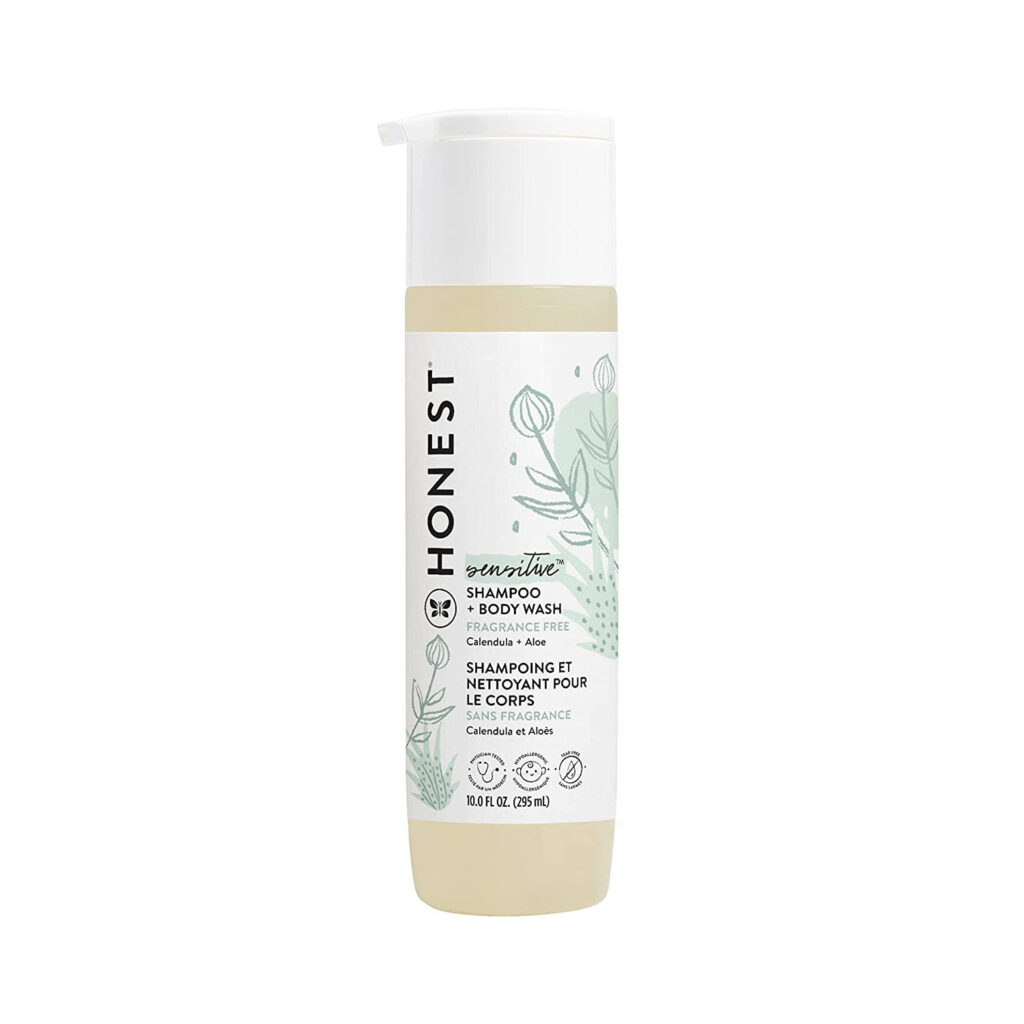
I barely used my toiletries as I had to keep my front bottom free from chemicals and external bacteria to prevent infection. So I could only wash with water. But I would still suggest bringing your bare essentials, i.e. shampoo, conditioner and body wash. I also brought my moisturiser, coconut oil and a hairband for my thick curly hair which I wore scrunched up at the top or in a dutch braid.
When you can wash with a body wash, I would recommend the Sanex body wash, as it’s kinder to the skin and free of harsh chemicals. I even wash with baby soap because I know that it will be the most gentle on my skin. Also, don’t forget your toothbrush and toothpaste so you can feel fresh in the mouth when you don’t feel fresh elsewhere.
I have added face wipes, massage oil, water spray and razors in my infographic above, but I didn’t use any of those, except for my Olay facial wipes to wash my face. They’re brilliant! It’s up to you if you want to bring these. Also, don’t forget your glasses and/or contact lenses if you’re a wearer like me.
Breast pads and nursing bras
You may or may not want to breastfeed, but either way, you may experience some leakage. Breast pads* are great to help with leaking, even if you are formula feeding. I didn’t use them this time around, though, because my milk didn’t come in until day three. But with my previous pregnancies, I experienced some leaking and wished I had brought some breast pads with me.
Nipple cream
Depending on how you get on, you might invest in some nipple cream, especially if you’re a new mum. I experienced very cracked raw nipples during my first because I had a traumatic c section, which I think delayed my milk coming in. Breastfeeding my first felt like my nipples were being cut by razor blades on fire.
With my second I experienced a little discomfort (most likely because I had breastfed my first up to the day before I gave birth and I had probably lost all feeling in my nipples). But, with my third, I didn’t experience any pain at all. So I haven’t touched my nipple cream. But, you never know. Bring it just in case.
Lansinoh HPA Lanolin Nipple Cream 40ml for Breastfeeding New mums – Buy now from Amazon*
A cold compress for downstairs
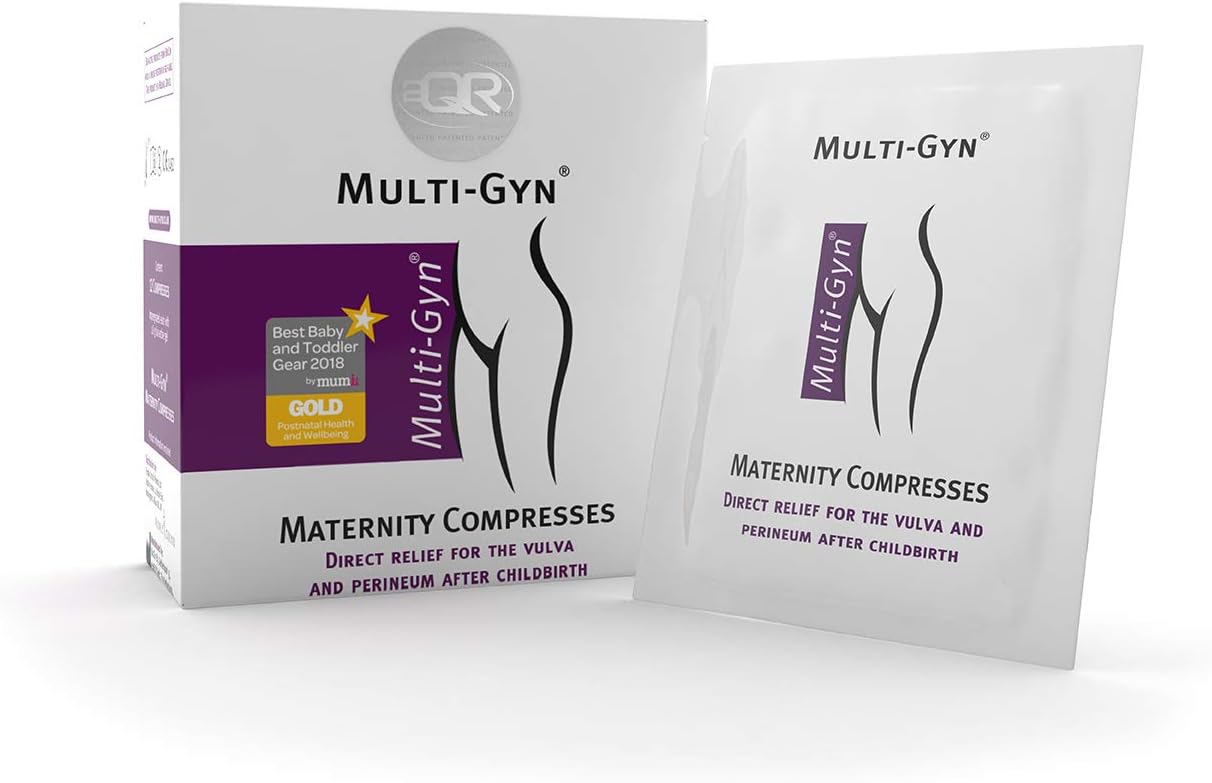
This birth experience was the first time I had a vaginal birth and I had no idea how sore my downstairs would be. I wished I had bought a cold compress for downstairs. My friend had kindly given me a Multi-Gyn Compress which I had forgotten all about until the second week at home. and, boy, was it soothing!
This particular compress has 2QR-complex gel which helps to treat the swelling and it sits comfortably on the pad. I loved the cooling effect and I think it helped me to heal. So I urge you, bring one of these packets with you – you’ll be thankful you did if you need it.
Snacks and water
Most hospitals offer breakfast and lunch. But, I would suggest you bring some snacks in between until dinner. You might want to snack on something if you have long labour too and bring a bottle of water or two to keep you going as you don’t want to keep disturbing the midwives to refill your jug of water when you’re not able to move from the bed.
Something to do
There’s a lot of downtime and babies sleep a lot so you may find yourself unable to sleep, and not having anything to do. I brought my laptop and thought I’d blog and write notes, but I was too tired to stare into a screen. The problem was, I had brought nothing else with me. So I asked hubby to get me some magazines, puzzle books and regular books to keep me occupied.
I would recommend trying to sleep first, but if you can’t then at least you’ll have something to do. I didn’t listen to music or watch anything as I was too concerned I wouldn’t be able to hear my baby. But, you can pass the time with screen time if you think it’d help you get through the first few days.
Comfortable going-home clothes
You will be sore, you will have a wobbly belly and you will feel pretty rubbish after you come down from the high of giving birth. So you may not want to dress up in anything too fancy or wear tight clothing when you go home. Leggings are great for all-day wear and baggy jumpers cover up the belly and fat pad sticking out of your bottom. Long flowy dresses, depending on the weather work well as they loosely fit over c-section scars and leaves the bottom part free to breathe.
For baby
Newborn nappies
Depending on your baby’s size, you may require Size 0 nappies* (from 1.5-2.5kg / 3.6lbs) or Size 1 nappies* (2-5kg / 4-11lbs). You may even require Size 2 nappies (3-6kg / 7-14lbs), but your safe bet is only to buy a small pack first as you can’t predict what size your baby will be when he/she is she graces you with their presence. I had big babies – my first was 8lbs 9oz / 3.89kg and my second was even bigger, at 9lbs 8oz / 4.5kg). My third baby was smaller at 7lbs 7oz / 3.5kg) so I needed Size 1 and 2 nappies, to begin with!
First, decide whether you want to go disposable or reusable (i.e. you can wash and re-use your nappies). I have always gone with Pampers, which are disposable because I have enough laundry to do, but it’s worth considering going reusable for the sake of the environment.
I like Asda’s Little Angels disposable brand as they feel softer on the skin. But, so far, I’ve found Pampers soak up wet nappies quicker and keep my baby’s bottom drier, so we have fewer nappy rash incidents. The choice is up to you though, I’d try them all and find one that works for you.
Baby Diapers Newborn/Size 0 (< 10 lb), 120 Count – Pampers Swaddlers, ONE MONTH SUPPLY (Packaging May Vary) – Buy from Amazon*
Cotton wool
To begin with, you will want to use cooled boiled water and cotton wool to clean your baby’s bottom, for at least the first four weeks. This gives your baby’s skin time to get used to external toxins and the environment around them.
Then you can transition to baby wipes. We waited until around four weeks, but in the meantime we found cotton wool balls* to be the best for cleaning baby’s bottom. The first poo is like black tar, meconium, and that’s difficult to clean off. But, after a few days, you’ll find that your baby’s poo will turn yellow and they’ll get easier to clean after that. More on your baby’s poo later!
Baby wipes
I wouldn’t recommend using baby wipes on your baby just yet, but baby wipes are fantastic inventions, which you can use for so much more during the last trimester/labour/birth/new baby phase. Baby wipes are great for taking off makeup, refreshing your face, cleaning marks/stains, giving things a general wipe, and refreshing yourself if you can’t get to a shower.
We have tried many baby wipes, but I found Water Wipes* to be the best as they are made from 99.9% water and a drop of fruit extract. So they’re the kindest on the skin and perfect for baby when s/he’s ready to have his/her bum wiped.
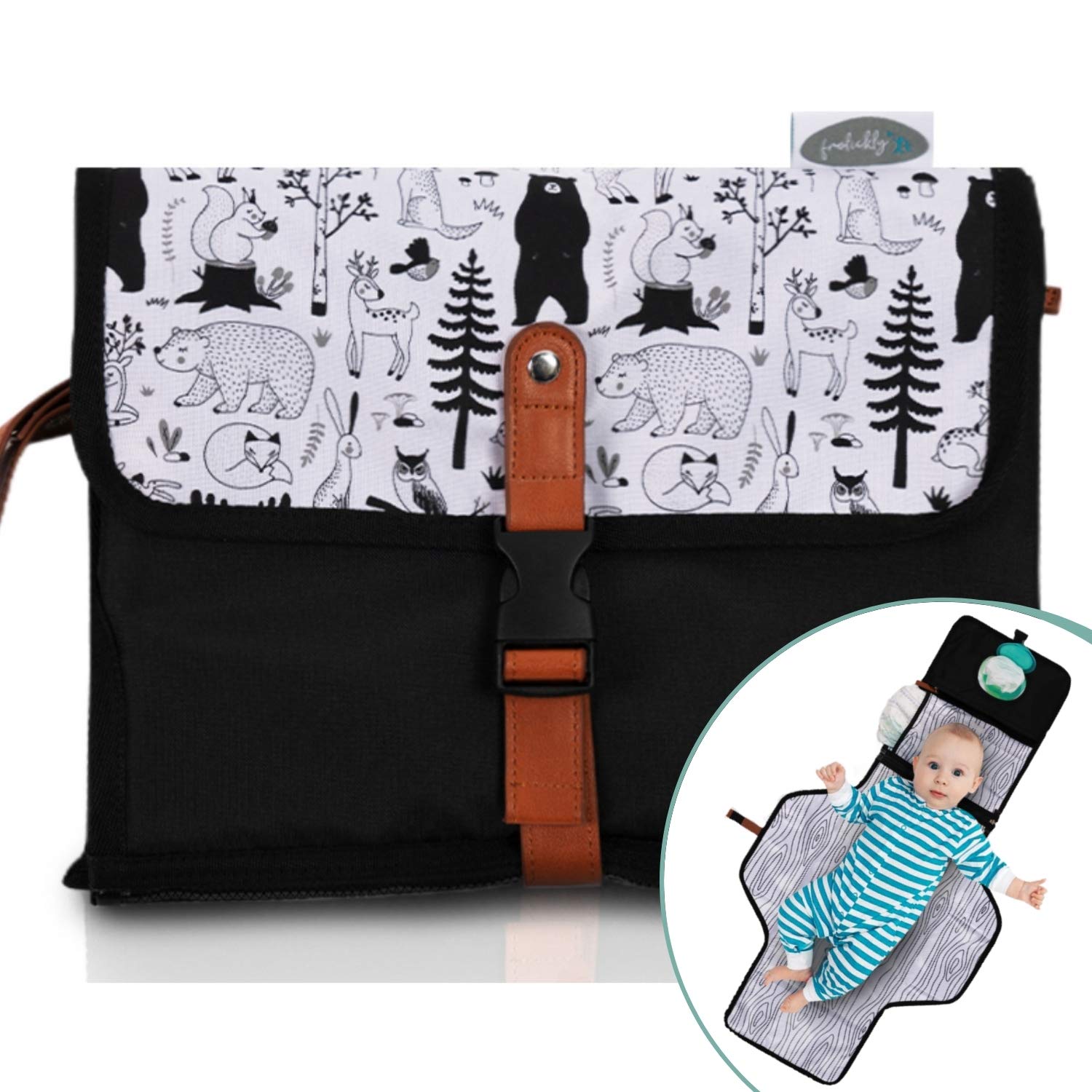
You’ll need a good changing mat* to place over surfaces when you change your baby’s bottom. Most changing mats come with the changing bag, but if you don’t have any to hand, a simple towel will work as they’re large enough and they’re soft on the baby’s skin. Just remember to put them in the wash and not use them anywhere else on your baby! We have a great sturdy changing mat that came with the MoKee cot at home, which I’ll talk about later below.
Frolickly Portable Diaper Changing Pad | Extra Long 33″ Inch Changing Mat for Newborns and Toddlers | Protect Baby’s Head with Diaper Pocket Pillow | Waterproof Travel Changing Pad – Buy from Amazon here*
Hats, scratch mittens, booties, socks
It is essential to pack hats, as mentioned above, babies cannot regulate their own body temperature, and a lot of body heat escapes from their heads, so make sure you pack a couple. The hospital gave us one too: this pretty pink and blue hat (below), which I thought was a very sweet gesture. We still have that hat and have kept it for sentimental value. It reminds us of our positive time in the hospital.
Here are some newborn / hospital hats I found from Amazon:
Zando Baby Cotton Beanies for Boys Toddler Knit Hats Cute Warm Infant Beanies for Baby Girls Newborn Caps – Buy from Amazon here*
Gellwhu 5-Pack Newborn Baby Girl Bow Hats caps Beanies Hospital Infant hat Clothes Outfits – Buy from Amazon here*
Scratch mitts are important too because they stop the baby scratching themselves (you’d be surprised at how quickly their nails grow!). Booties are not essential but very cute. And if it’s super cold outside, then booties can add extra heat protection to their feet. Generally, feet should be free for the first year until they walk assisted.
Then you can look at the baby’s first shoes, which are soft and malleable, so the baby feels protected but can still use their own weight to walk. I have these very cute pink booties from Bobux*, but Ayla has only worn them from three months old. Socks can work from birth onwards.
Baby Mittens Newborn – 100% Organic Cotton, Soft No Scratch Gloves – Hypoallergenic Infant Hand Mittens with Elastic Wrist – Cute Mitts for Boy or Girl 0-6 months – Buy now from Amazon*
Nappy sacks
Nappy sacks* will probably become obsolete as they’re not great for the environment. But, they’re very handy when you’re out and about and your baby does a number two in an inopportune moment. You can get fragranced nappy sacks* which help to keep the smell contained. They’re very cheap and you get hundreds in a pack. I still haven’t bought another pack and it has been almost four months!
Snowsuit if cold
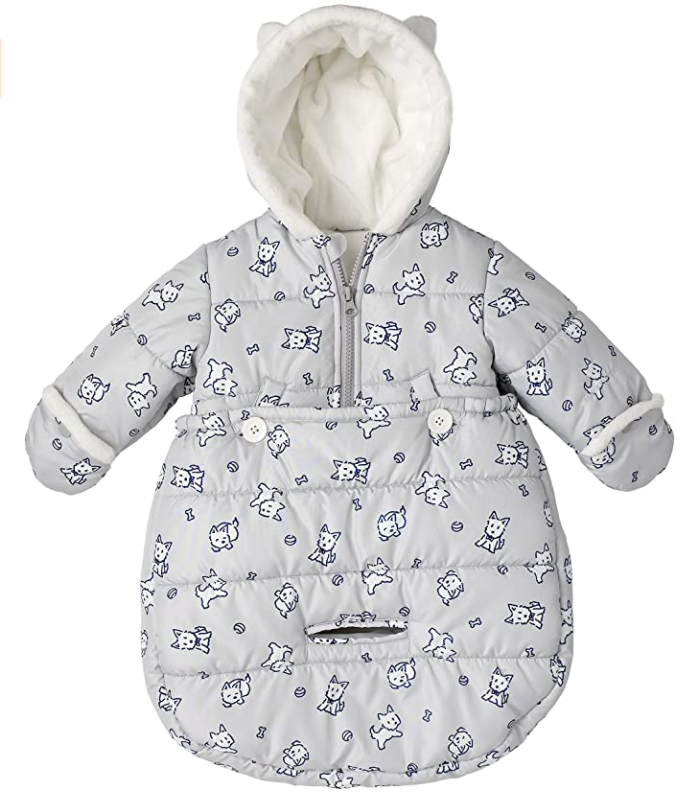
Snowsuits are great. They cover the baby from head to toe and some even come with gloves too. Ayla was born in September so she didn’t need a snowsuit until she hit around two months old. She now has four snowsuits, two pink ones (see images below), a grey snowsuit passed down from the boys and a white snowsuit that makes her look like a yeti. They are so useful because they are fleece-lined, which means you only need a baby vest and a Babygro underneath the snowsuit when you’re going out.
Here are some cute snowsuits I found from Amazon:
LONDON FOG Newborn Infant Baby Girl Boy Puffer Carbag Pram Bag Snowsuit Bunting – Buy now from Amazon*
AIKSSOO Baby Winter Jumpsuit Bear Outfit Newborn Hoody Coat Infant Warm Rompers Toddler Fleece Snowsuit – Buy now from Amazon*
Cellular blankets
Cellular blankets are fab because you can use them both during winter and summer and they are light enough to carry around everywhere. We have sooo many cellular blankets that some have still never been used, but our favourites are the cream and pink cellular blankets* from Bloomsbury Mill because they’re super soft, 100% cotton and machine washable at 40 degrees.
So, keep around four or five in your cupboard and one in your changing bag, then you can bring them out when needed. Cellular blankets are designed with a clever ‘cell’ construction, so they trap the air to keep the baby cool in the summer and warm in the winter. Also, they’re safer to use during sleep than regular blankets because the holes can allow the baby to still breathe if they accidentally come over the baby’s face. It’s safer to use Sleepsacks* though, which I will talk more about below.
Baby vests/bodysuits/sleepsuits/baby grows
You only need a couple in your hospital bag and they can be short-sleeved or long-sleeved, depending on the weather. The baby vests* or bodysuits go underneath the sleepsuits* or baby grows, which can also be long-sleeved or short-sleeved.
As this was our first baby girl and we knew the gender before birth, we packed some very cute pink baby vests and baby grows, but you can always go for white, yellow, pink or even leopard print – whatever floats your boat! Just make sure they’re 100% cotton and washed in suitable detergent. We use Fairy Non-Bio as that seems the gentlest on baby’s skin.
Here are some great newborn babygrows, body vests and sleepsuits I found on Amazon:
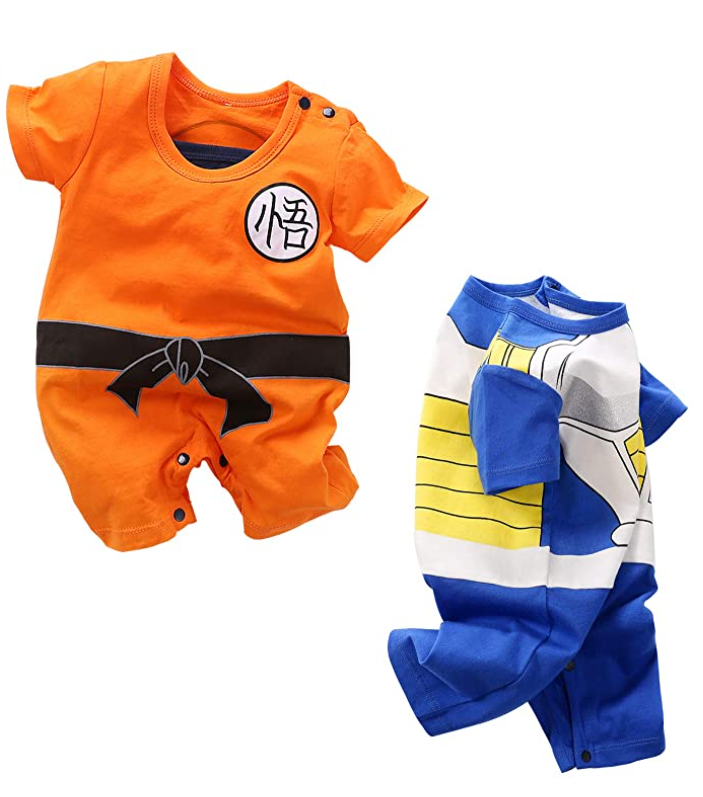
YFYBaby 2-Pack Baby Boys Girls Rompers Cute Infant Toddler Cotton Onesie Newborn Cosplay Cartoon Clothes – Buy from Amazon here*
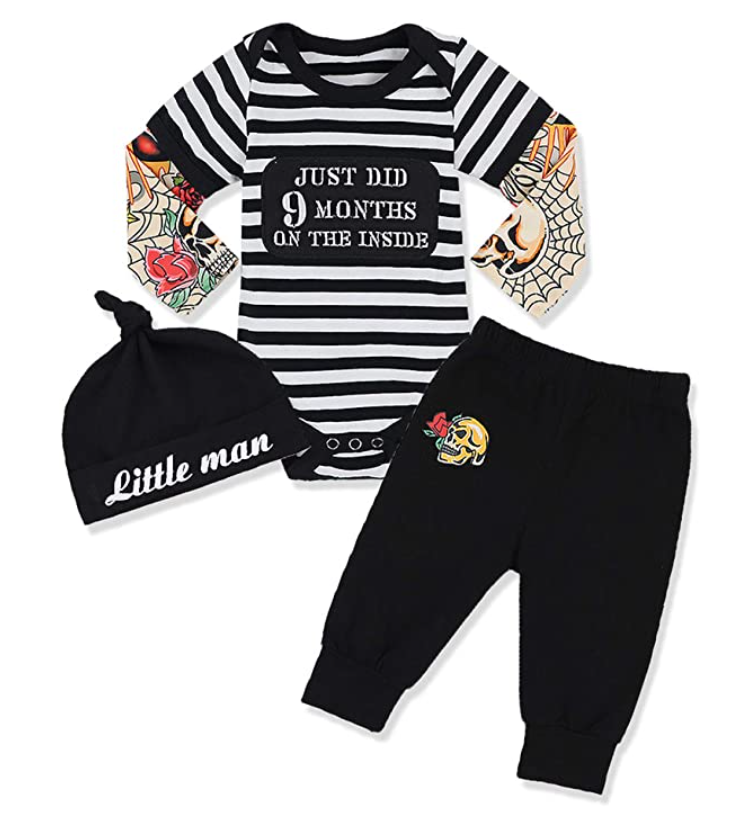
Baby Boy Clothes Newborn Infant Ontfit Long Sleeve Romper + Pants + Hat 3PCS Outfit Set – Buy now from Amazon here*
Muslin squares, swaddles and blankets
Muslin squares* are small cloths that are used when you breastfeed or bottle-feed a baby. They’re great for cleaning spit-ups (when the baby throws up a bit of milk), excess milk and other bodily functions when you’re out and about. You also place these cloths over your shoulder or your hand when you’re burping your baby during winding, as that’s when babies spit up. So pack a few muslin squares in case your baby is one of those who like to ‘share their food’.
Muslin swaddles* and blankets are used for swaddling babies, i.e. wrapping babies in blankets which are believed to help them sleep. They are usually made from thin, breathable muslin fabric to help moderate temperature. They can also be used as extra protection for wiping sick and even as a nappy changing mat if you don’t have another to spare. They’re quite multi-purposeful and come in various sizes and patterns. I have some very cute muslins from Bloomsbury Mill, which you’ll be able to see in action in my video below:
https://youtu.be/90muIYBraJc
You should take care of your muslins, so they continue to be fresh and soft for your baby. Place in the wash before you use and wash with similar colours to prevent fading. Also, avoid washing with anything that could snag your muslin, like zips and Velcro and use a soft detergent like the Fairy Non-Bio I’ve talked about above.
If you have stains that can’t be removed from washing alone (make way for the bright yellow staining breastfeeding poo!), fill a basin/sink with cold water and bleach-free detergent. Then soak your muslin for at least one hour – rinse then repeat if needed. Also, keep your muslins away from fire and other sources of direct heat. Cold, not hot! Heat sets the stain and makes it almost impossible for the stain to come out.
You should have full care instructions on your muslin’s label, but it’s worth keeping them pretty and soft. You’ll take them everywhere and they’ll be the items you’ll most likely use.
A cute outfit to go home in (not essential, but cute nonetheless!)
Of course, it’s not an essential part of going home, but a cute going home outfit will perk you up once the highs of birth and having a new baby drop and you witness that postnatal crash. I didn’t actually have a cute baby outfit because the one we bought was too small ☹ But below is a picture of my firstborn’s going home outfit twelve years ago. It was freezing and we were snowed in, but I still think he looked cute in his winter hat and blanket 😊
You can also bring lots of really cute stuff that you may not need but would love to have as keepsakes because it’s a monumental time – you’re taking baby home! I love this Ultimate Luxury Hamper for Girls* which was the perfect hamper to bring with me to my birth as it contained all the lovely items you’ll need for a new baby. It comes in such a lovely box too so it makes for a perfect gift for a friend or family who is due to welcome a baby.
Preparing your home for baby’s arrival – Get the nursery ready
Where is the baby going to sleep when s/he arrives? Are they sleeping in your room for the first year or are they going to have their own room straight away? Even if you transition them from your room to their room within the first year, you will need to figure it out and ideally before the baby gets here. But, if you’re like us and move when you’re seven months pregnant then you may have to prepare a lot more than just the nursery!
So, first things first. Select the room which will become your nursery and then clear out the area to make way for the baby stuff. Get all those baby essentials early, so you can decorate the nursery however you choose. But there are some baby essentials and some not so essential, yet lovely to have items that should go into a nursery. These are:
The bed
If the baby is sleeping with you, then a co-sleeper or pod like a Snuzpod will work well. We had a Snuzpod next to our bed until Ayla was four months old and it helped me to breastfeed her lying down and then roll her back into her bed.
I try to avoid co-sleeping as much as possible and always put her back into her bed, but sometimes I’m so tired and find I’ve fallen asleep for a few minutes while feeding. So, at least, this way, I’m just gliding her rather than lifting her up and placing her. It makes a huge difference. Sadly she’s grown out of the Snuzpod now and transitioned to the cot, which has taken its place.
All my kids had a Moses Basket* and it was my favourite bed for them to use right at the very beginning as it felt like their little cocoon. Each child loved their Moses Basket too and slept very well in it, but they grew out of them very quickly. Sadly, even my fourth baby has already grown out of hers, but I’d thoroughly recommend getting one.
Ayla slept in the Clair De Lune Limited Edition Cotton Bubbles Moses Basket* during the day until three months old, which isn’t available anymore. The set didn’t come with the stand, so we got that separately, but it did come with the mattress, bedding, hood and coverlet. It’s such a lovely little set and I would definitely recommend checking out Clair de Lune’s products as they’re really good quality and so, so pretty!
Plus you can move the Moses Basket around with you everywhere. I had the Moses Basket with me in the lounge next to the couch while I was recovering from birth or getting ready to go out.
Finally, once your little one is not so little anymore, you can then transition them into a proper cot, preferably one which doubles up as a bed later.
We have a MoKee Mini Cot in Ivory Plum* which is a gorgeous cot that comes complete with a MoKee Cot Changer* (more on that later). It’s a perfect size and you can remove the panels to transform the cot into a toddler bed later because even though it’s mini it is still large enough to cater up to three years old.
We also have a beautiful pink Baby Nest from Kally Sleep* which we placed in the cot to help with the transition from Snuzpod/Moses Basket to MoKee cot and it worked well for a few months. The Kally Baby Nest is a multi-functional cocoon that is designed to keep the baby safe and comfortable during supervised naps and tummy time. T
The Baby Nest comes with a pillow and pillow cover, and a lovely blanket too. Ayla slept very well in the Baby Nest during nap time and enjoyed viewing her world from the nest too. I would recommend buying a Baby Nest from Kally Sleep* because it is very soft and firm while keeping the baby safe and comfortable during sleep and playtimes.
Unfortunately, Ayla grew out of the Baby Nest* at four months, and transitioned to the cot.
Bumpers and protection for the cot
There has been some backlash about cot bumpers and other additional protective equipment for the cot lately, with some resources saying they are hazardous and can lead to cot death. But, like anything, as long as you ensure ties remain securely fastened to the cot and remove cot bumpers when the baby is unaided then you should be ok.
When children get older they use cot bumpers as a climbing frame which may lead to falling out of the cot. So once they get to this stage it’s better to remove them entirely. Check bumpers regularly too to ensure they are secure and stop using them when you see signs of damage.
Mamas & Papas kindly gifted us a bumper*, coverlet cot bed* and cot bar bumpers* as part of the pretty 6-piece Lilybelle bundle piece set and I felt they complimented the lovely ivory plum MoKee cot very well. They come in reusable plastic bags, which are very handy to store items in.
The Lilybelle set provides a beautiful and decorative touch to the cot with a gorgeous hand-quilted floral design. It’s so nice to have such a pretty bed after two alpha male boy beds!
Bedding
The bedding you have depends on the bed you have. We were given lovely 4-piece bedding set from Clair de Lune* in white, specifically for our Moses Basket, which included a Cotton Cellular Blanket, a very soft Fleece Blanket, Cotton Flat Sheet and a Cotton Fitted Sheet. The set creates a quality finish and Ayla seems to love the feel of the bedding on her skin.
You’ll need a bedding set for the cot and the world is your oyster when choosing a particular style. We are saving our Magic Unicorn Set from Bloomsbury Mill* for when Ayla is a little older and transitioning to using a duvet and pillow. I can’t wait, the bedsheets are so pretty!
Each boy had a favourite blanket, one which they fell asleep with very quickly. This time, Ayla has her favourite grey blanket (well it’s my favourite blanket) and she goes to sleep in it instantly. It’s a beautiful 100% Cotton Knitted Blanket in Grey from Clair de Lune* and it goes everywhere with Ayla, with a lovely breathable material that is a heavyweight knit so it provides very good insulation and natural comfort and warmth. The blanket has such a cute design and it was the Silver winner of the Mumii Best of Baby and Toddler Gear 2016 in the Blanket category. So it’s worth getting one of these – plus it makes for a great gift for winter babies!
Air purifier
An air purifier is a must-have first year baby essential in the nursery because it removes up to 99% of airborne particles as small as 0.1 microns in size. People spend most of their time indoors, yet indoor air is up to five times more polluted than outdoor air.
This is because of pollen and car exhaust fumes entering buildings, chemicals in paint, furniture, clothing and cleaning detergents, mould and dust. Breathing in fine dust or PM2.5 (also known as fine particulate matter) contributes to asthma, heart and lung problems and a host of other diseases.
We were gifted the Blueair Blue Pure 411 which is a whisper-silent, energy-efficient air purifier with one-button speed control for the nursery. The air purifier is very compact and is perfect for smaller rooms. The Blue Pure 411 is easy to assemble, and, depending on where you need it, you can move it around too. When you need to replace the filter, just twist the lid, replace the filter and then cover it back up.
Baby monitor
During the first year of birth, your baby will sleep a lot and not always at night. Sometimes you need to get on with daily tasks or other duties while you let your baby sleep, but, you want to make sure that when you put them down, they’re safe in their beds and you can monitor them from wherever you are.
We have tested some good quality baby monitors over the years, both audio and video, and I think we have found the best of the best. We have the Nanit Plus Camera* which is the most advanced baby monitor ever introduced into the nursery. Nanit* combines learning algorithms with advanced smart technology to provide in-depth data about your baby’s sleep patterns, quality and more. In fact, 94% of Nanit parents say they sleep better using Nanit’s products, so we gave it a shot ourselves!
You get two different baby monitors, the Nanit and Nanit Plus Camera. The Nanit Plus does everything the Nanit* does except it has extra features, including one year of Nanit insights for free, which offers video history, sleep tracking and coaching. You can buy the Nanit Plus with a Wall Mount (which needs to be drilled to the wall), or a Floor Stand, which allows you to place the Nanit Plus anywhere in the house. You can also buy a Multi-Stand travel mount that makes your baby monitor a Nanit on-the-go or a nanny cam.
We got the floor stand so we could move the Nanit between Ayla’s three beds, but we ended up keeping the Nanit upstairs where Ayla slept during the night. To use, you assemble the Nanit Plus using the instructions provided and then you pair the monitor with its app via your phone.
Your phone then connects wirelessly to the camera and the app takes you to initial settings where you configure the Nanit monitor and position the camera view on the phone. Once set up, you can view your baby and the crib both with natural lighting and infrared lighting.
The Nanit will alert you on the phone or Alexa Show if there are any movements or sounds, and if your baby wakes, you can talk to them through the two-way microphone/audio and/or play bird noises, wind noises or white noise to help settle them back to sleep. The dashboard allows you to catch up on your baby’s sleep with data showing everything from how long they slept to how many times you visited or helped them.
But, the real pièce de résistance is that the built-in Insights will help you understand your baby’s sleep patterns and offer personalised Sleep Tips related to your baby and their surroundings. You also get a Night Timelapse every night to show you what happened during the night while you’re asleep, which is available every morning and eventually, you’ll see how your baby is becoming a better sleeper as time goes on.
If you’re struggling with a certain aspect of your baby’s bedtime routine you can consult a team of parenting experts who will provide you with advice that will help you to achieve a bedtime routine that suits everyone.
The Sleeping Bags are designed to be worn over pyjamas. It comes in three sizes to fit babies aged three to 24 months, allowing you to use Breathing Wear as your little one grows.
Nanit also has a built-in night light so if you’re settling your little one to sleep when everyone else is asleep you can see what you’re doing and not startle your baby awake with harsh light.
Nanit launched a ‘Memories’ tab which captures those special moments automatically so parents never miss out, like the first time baby sleeps through the night or the first time you put the baby in their bed and they go to sleep by themselves (we’re trying to do this at the moment). It’s such a great way to record your baby’s special memories and share them with loved ones digitally, especially if the extended family can’t always get to see the baby as much as they hoped.
“Now more than ever, technology is critical in keeping people connected. Sadly many grandparents and loved ones are currently separated from new members of the family, however, with the launch of Memories, we hope to make it easier for parents and other loved ones to never miss a moment as their baby grows.”
Kasa Indoor Pan/Tilt Smart Security Camera, 1080p HD Dog Camera 2.4GHz with Night Vision, Motion Detection for Baby and Pet Monitor, Cloud & SD Card… Buy from Amazon here*
Night light
If you don’t have a Nanit then you would need to purchase a separate night light. We had a Gro Light but we found it to be too dark and I ended up using my phone’s torchlight which was too strong.
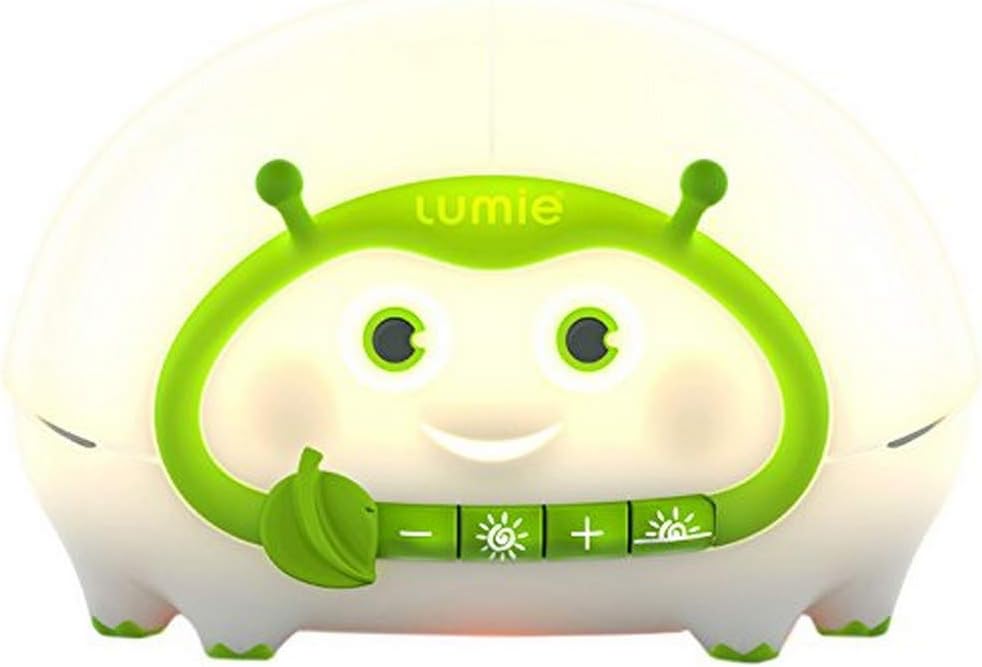
We love the Lumie Bug* which both of our boys use. You can fully adjust the lighting, especially for bedtime and the low blue-white light avoids stimulation during the bedtime routine, allowing your baby to wind down ready for sleep. The sunset with a realistic colour change means that the light can gradually fade off to naturally promote sleepiness and settle your baby.
You also have two light intensities and a non-alerting orange light which doesn’t trigger wakefulness. Perfect for night-time feeds, when the whole world is sleeping – except for you and your baby.
Lumie Bedbug – Low-blue Bedside Light with Sunset and Nightlight for Babies and Children – Buy from Amazon here*
Somewhere to sit and feed
This is not essential but unless your baby’s bed is right next to yours, then you may need to find somewhere calm and comfortable for you to sit and feed, like a nursing chair or a couch. I used to have a lovely comfy nursing chair (which you can see in the image of our old nursery above) but now I just use my bed as my baby’s bed is right next to me.
During the nightly feeds, make sure you are sitting comfortably as feeding time could take a while. Try not to fall asleep during feeds too. I normally look at my phone on the brightest light which helps me to stay up during feeds and prevents any risk of falling asleep with the baby in my arms.
Cupboard/drawers for clothes
You will need a nice set of drawers and cupboards to hold your baby’s clothes and other bits and bobs. We currently have a tall set of drawers with five compartments and Ayla’s items are separated into the following:
A quick note about Sleepsacks. These are very important during the night as one rule of safe sleep is to make sure you eliminate any possibility of your baby pulling the blanket over their face and potentially suffocating. Sleepsacks are great to protect the baby and keep them warm but with the added protection of being secure so it doesn’t move around when they sleep.
They look like pillowcases but with zips on either side and you have different sized togs, one for summer and one for winter. You can also get long or short-sleeved sleepsacks, depending on the temperature.
Here are some lovely sleepsacks I found on Amazon:
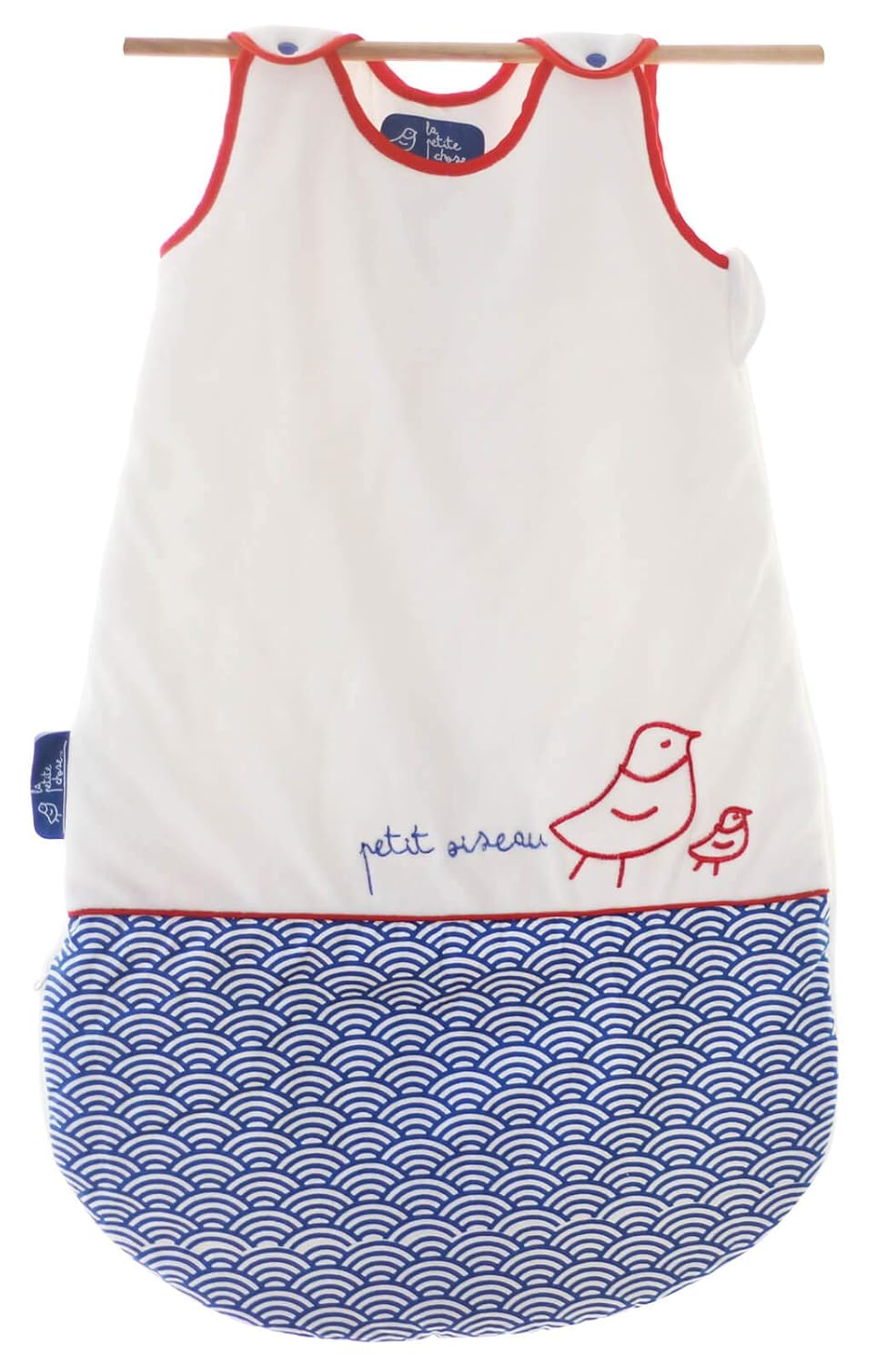
La Petite Chose Baby Sleeping Sack: Soft Organic Cotton Sleep Bag, (6-24 months) – Buy from Amazon here*
Baby Wearable Blanket, Cotton Sleep Sacks for 6-12 Months, Unisex Sleeping Bag Sack, Medium Size, 2-Way Zipper, 0.5 Tog Breathable Cotton – Buy from Amazon here*
More on baby clothes later.
Baskets and organisers for other bits and bobs
You will accumulate quite a lot of stuff during the first year, so it’s a good idea to get things organised from the get-go. Little wicker baskets are cute and very useful for small items, while shelving will help to house larger items out of the way and out of reach of wandering hands too!Yeah
Prepare for sleeptime Fun!
If you managed to get in eight hours of sleep every night before the baby arrives then prepare for one big culture shock! “Sleeping like a baby” doesn’t actually apply to newborns, much less to babies. You may be one of the rare few and birth a baby that sleeps through the night from six weeks old but that’s rare – very rare!
Newborns should get around eight hours or three naps during the day and then around eight and a half hours of sleep at night, but, they will not get these hours in all in one go. Generally, they will sleep at two to three-hour stretches until their little tummies get bigger, then at one month, this should change to around six to seven hours or three naps during the day and then eight to nine hours during the night.
The daytime naps should drop gradually and sleep should increase at night until babies get to around twelve months when they should get around two and a half hours of sleep during the day and eleven hours sleep at night.
How to prepare for birth of baby – Prepare your changing area
Why do you need a changing area? Because your baby will poo a ridiculous number of times a day and you can’t just stick them on the loo and wipe their bum with tissue (we hope that’ll happen around two to three years old). You need wipes, nappy sacks, nappy cream if the bum gets a bit sore and of course nappies. So, a great way to save yourself some time and hassle is to create a changing area.
MoKee cot changer
The MoKee cot changing mat sits on top of the MoKee Mini Cot and saves space in your nursery. The ergonomic design means it sits comfortably on top while the wedge shape keeps the baby on the changing mat. We use the changing mat for most of the nappy changes, and it has been a great time saver for us.
But, make sure you don’t knock the changing mat off with your arm or hand as it can come off and drop into the cot – with baby in it! It has happened to us a couple of times as the changing mat isn’t attached. This is so you can take it off and put it away when you’re done.
Apart from the nappies, baby wipes, cotton wool and nappy sacks, there are a few extras that will need to sit in your changing area for ease of access. These are:
Nappy bin
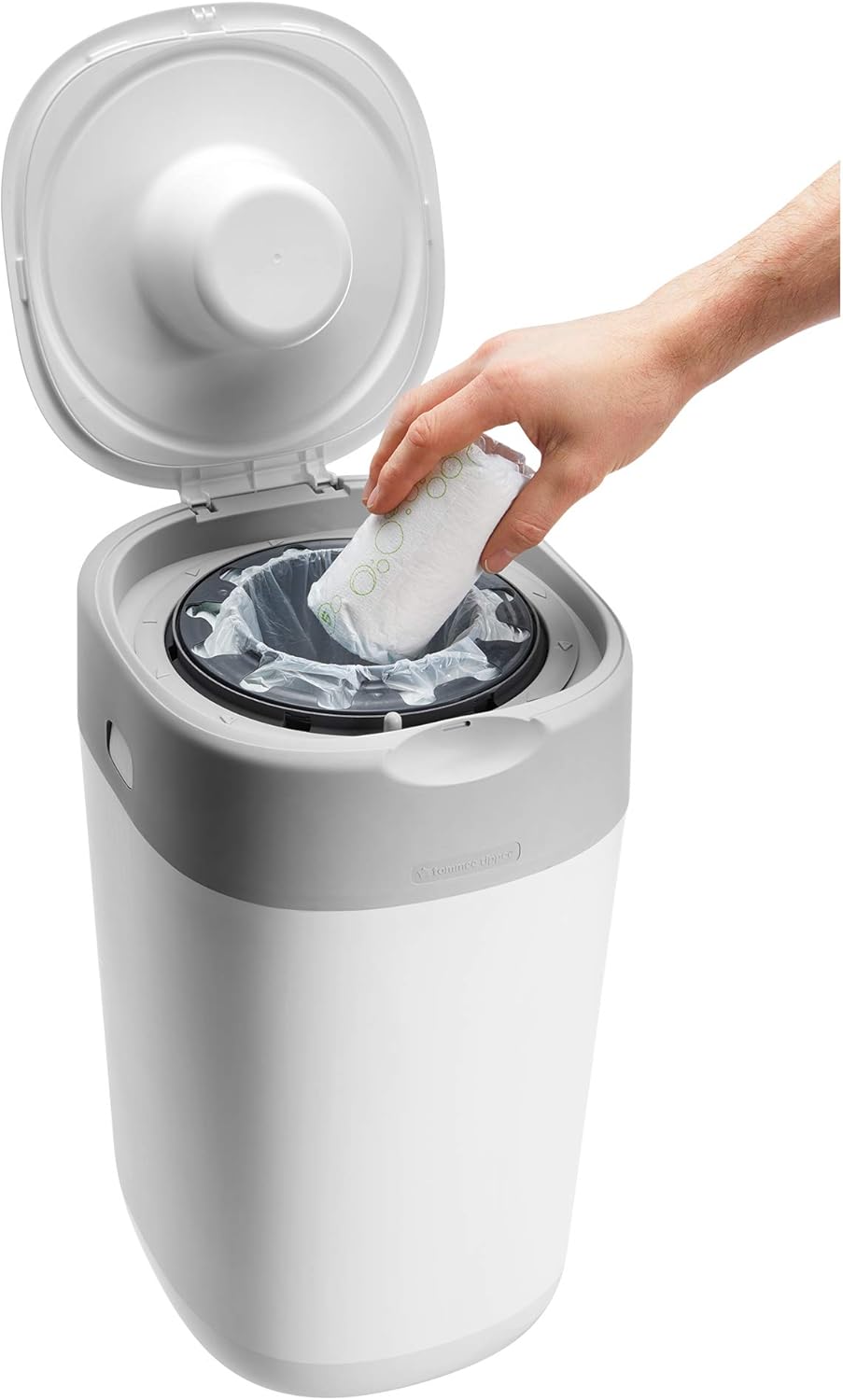
A nappy bin is not 100% essential but it is time-saving and more hygienic than throwing used nappies straight into the main bin. We have the Tommee Tippee Sangenic Nappy Bin* along with the bin refills next to our changing area so we can wrap up our nappies in a fragranced nappy sack and then dispose of them in the cleverly designed nappy bin.
It’s quite simple to use, you place the nappy in the system and then you twist and click so the nappy is encased in the nappy bins’ fragrance film. Once the bin is full, you use the blade on the underside of the bin to tear open the end and then knot together before you throw it in the main disposable bin.
Tommee Tippee Twist and Click Advanced Nappy Bin, Includes 1x Refill Cassette, Locks in Odours and Germs, White – Buy from Amazon here*
Nappy bin accessories
Diaper Genie Bags Refills 270 Count (Pack of 3) with Max Odor Lock | Holds Up to 810 Newborn Diapers. Buy from Amazon here.*
Nappy cream
If you leave a soiled nappy on for too long or your baby starts teething (more on that below) and the body produces more acidic poo then your baby may end up with a nappy rash. There are a few major brands in the market that everyone uses, these are Bepanthen, Sudocrem and Metanium.
Out of all three, I think Metanium* is by far the best, as it heals the rash and protects the area. You need a microscopic amount to thinly cover the rash and within hours the nappy rash has improved. The Bepanthen and Sudocrem act more like a barrier cream to prevent nappy rash and can be used two to three times a week. But, to be honest, I leave my baby’s bum open so her skin gets used to its environment.
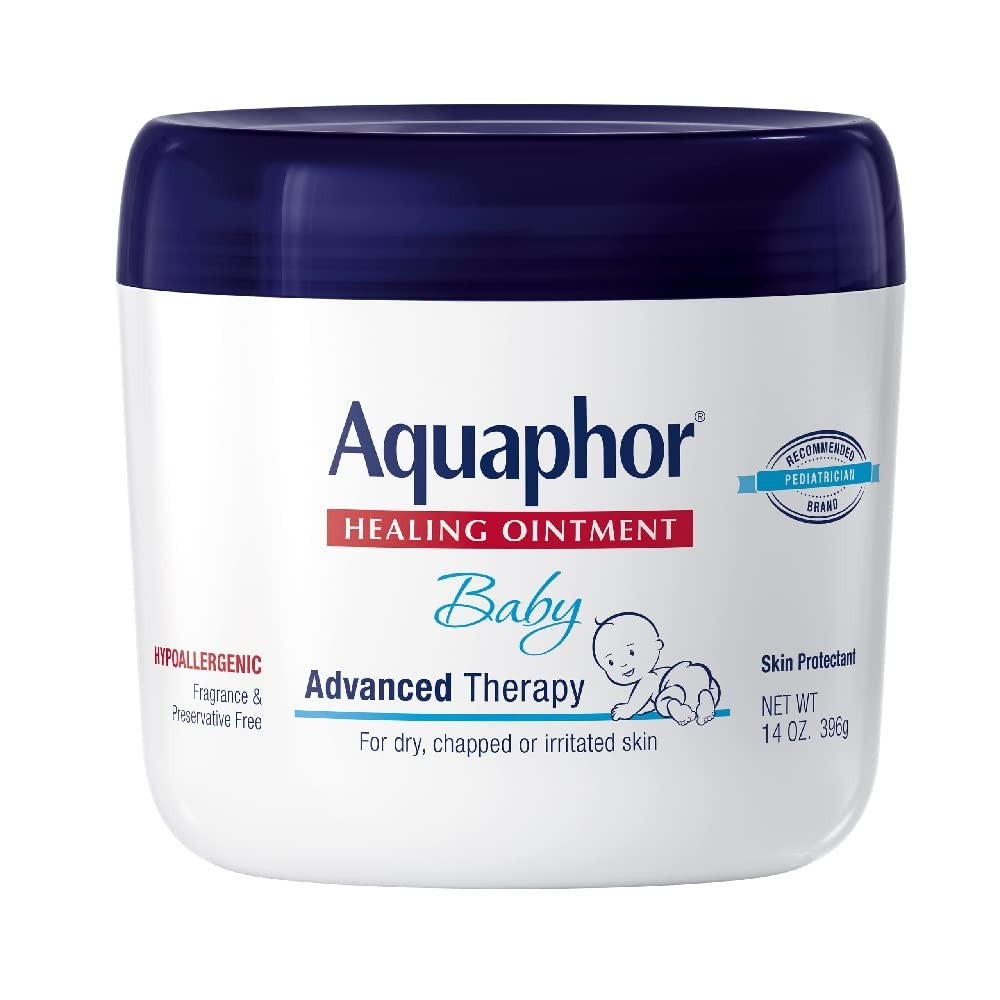
Aquaphor Baby Healing Ointment Advanced Therapy Skin Protectant, Dry Skin and Diaper Rash Ointment, 7 Oz Tube. Buy from Amazon here.
Aquaphor Baby Healing Ointment Advanced Therapy Skin Protectant, Dry Skin and Diaper Rash Ointment, 14 Oz Jar. Buy from Amazon here*.
Be prepared for lots of poo during your first year that you’ll become obsessed with it! Are they pooing enough? Are they pooing too much? Are the breastfeeding poos too yellow? Why is poo green? What’s with the smell? Why is the poo so black? Just remember, if the baby is happy they are probably fine, but if you’re worried, never be too ashamed to consult your healthcare provider – you are not wasting their time. Better safe than sorry.
Towels or muslins
Hooded towels and extra muslins are great to have in your changing area because if there is an accident you can mop it up pretty quickly. I love the Bloomsbury Mill muslins as mentioned above, but you can find muslins from pretty much anywhere. Hooded towels are great for when it’s cold and you’re wrapping your baby up before and after bathtime. You can find hooded towels from anywhere too.
Extra set of clothes
Inevitably your baby will poo up their back, thanks to runny poo, either from teething or from digesting new foods. Keep an extra set of clothes handy for when this unpleasant surprise happens and make sure you soak the stained clothes in cold water before throwing them into the wash. I made the mistake of thinking hot water will boil the stain away but instead, it sets the stain and now I have beautiful items of clothing with bright yellow breastfeeding poo stains on them! ☹
Entertainment
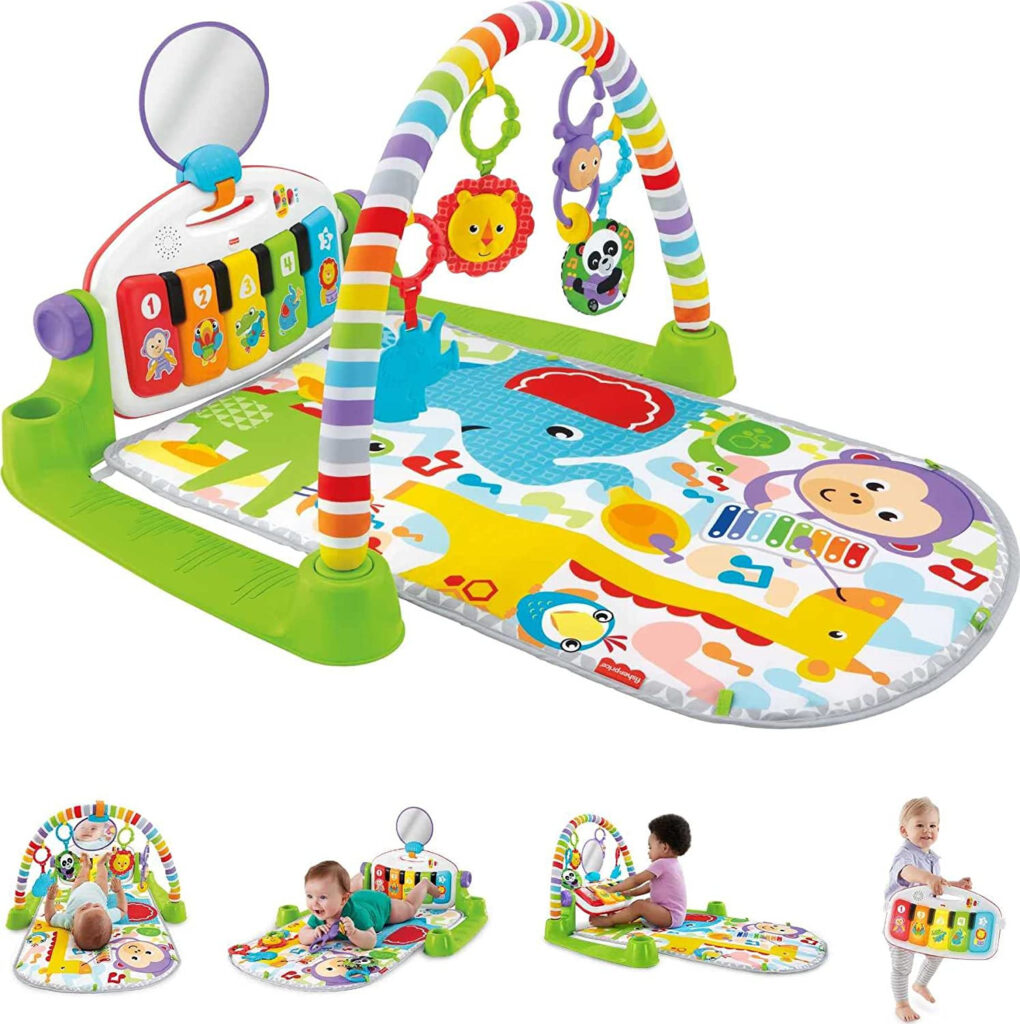
It’s good to have some entertainment for baby as they get older and use their arms and legs. More on how to entertain your baby below, but from birth, you can add black and white patterns to the changing area to encourage their brain and eye development.
Going home time
You’ve had your birth, you’ve welcomed baby (or babies!) into the world and now you get to take the baby home. It can be daunting to go from the comfort of hospital care to going it alone with your partner. But you’re not alone.
So, what do you need?
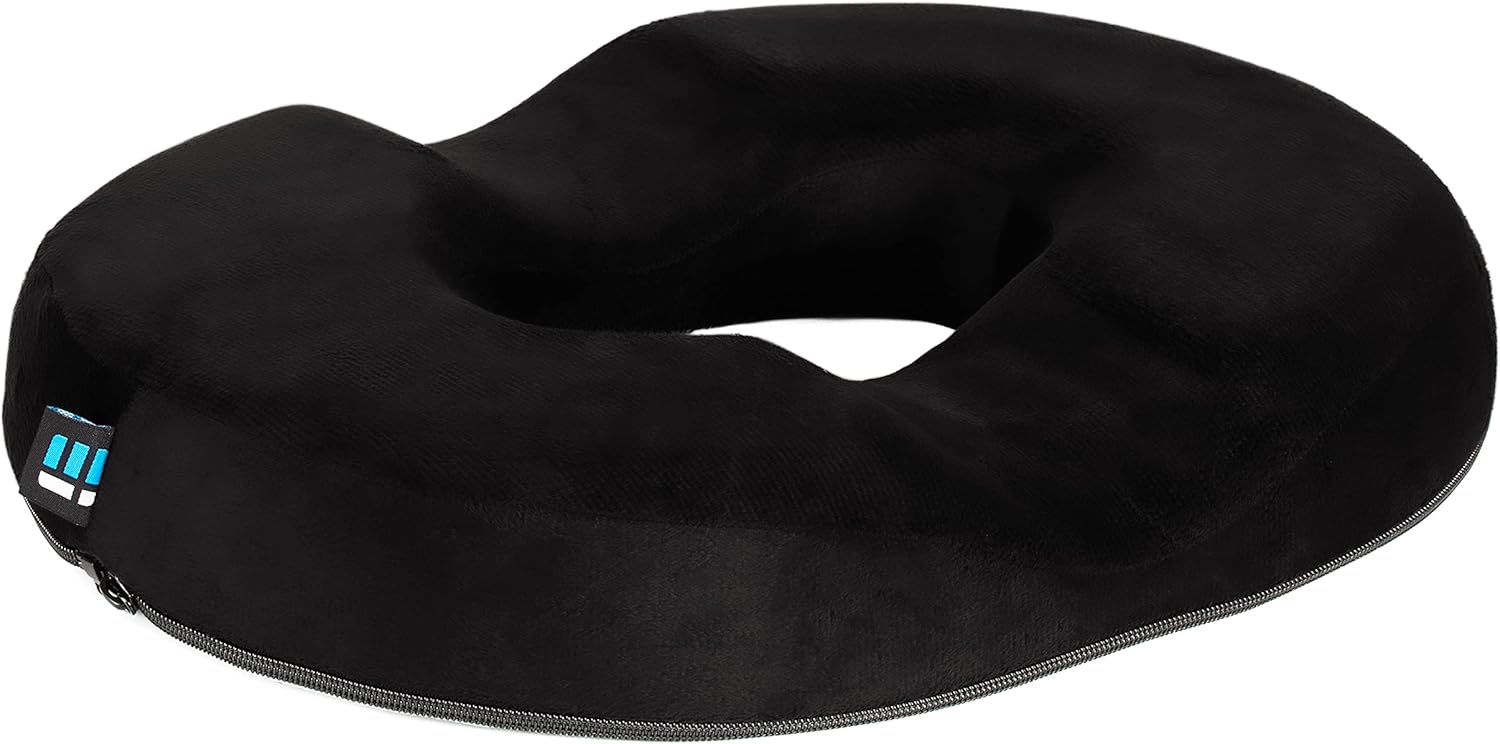
Ring cushion after vaginal birth
So I had two caesareans before I had my vaginal birth and I was expecting the recovery to be easier. Boy, was I wrong! I had a forceps delivery with a second-degree tear and an episiotomy which meant I had to have stitches and I suffered a minor prolapse too. The result was that I could not sit on my bum for about four weeks and even the ring cushion for the first two.
The only way I got through it was to bring a rolled-up towel everywhere with me, which I could manipulate to help me take the pressure off my front bottom and then transition to a ring cushion* afterwards. Essentially what a ring cushion does is that it allows you to sit down so there is no impact or pressure on the sore area until you can sit on it again. I would thoroughly recommend a ring cushion* if you have a sore bottom
Medication
And after birth, if the delivery didn’t go quite as planned you will likely end up taking home some painkillers – and added extras like I had to after this birth. This time around, I came home with Co-dydramol, Ibruprofen, iron tablets (as I lost 1.5 litres of blood during birth) Lactulose (to counteract the iron tablets) and Enoxaparin which my husband needed to inject into my belly to help prevent blood clots like thrombosis.
My haemoglobin levels were inevitably very low and I was offered a blood transfusion but I refused, opting for the iron tablets instead. I have since taken another blood test and my levels are almost back to normal but the doctor has advised I eat an iron-enriched diet, so I can bring my iron levels up even further.
Postnatal supplements
Your doctor advised you to take prenatal supplements during pregnancy to get that all-important folic acid and the A to Z of minerals and vitamins. Well, taking your supplement is just as important after birth, especially after the trauma your body went through. You can continue to take your prenatal vitamins after the baby is born but postnatal vitamins have added nutrients to support you during breastfeeding. Postnatal vitamins should include Vitamin D, Vitamin B6 and Vitamin B12 to keep mum and baby healthy.
My U.S. friends, you can find out if you are deficient in any vitamins by undertaking nutrition testing. Healthlabs is offering a 15% discount to Motherhood Diaries readers here, so please take advantage!
Hospitals will not allow you to go home after birth if you don’t have a car seat so make sure you have one sorted straight away. But picking any car seat won’t do. Find the one that is the right fit for your child’s weight, not age – this is the key factor when choosing something that is suitable and safe.
By law, all children under 135cm must have their own car seat and they should continue to be in a rear-facing car seat until they are 15 months old for maximum protection against any forceful impact. Check the table below for the right sized seat (from John Lewis’ website):
Group
Child’s weight*
Approx. age of child
Child’s height¹
0
Birth – 10kg/22lb
Birth to 6 – 9 months
40 – 85cm
0+
Birth – 13kg/29lb
Birth to 12 – 15 months
40 – 85cm
0+ and 1
Birth – 18kg/40lb
Birth to 4 years
40 – 105cm
0+, 1, 2 and 3
Birth – 36kg/79lb
Birth to 12 years
40 – 150cm
1
9 – 18kg/20 – 40lb
9 months to 4 years
85 – 105cm
1 and 2
9 – 25kg/20 – 55lb
9 months to 6 years
85 – 150cm
2
15 – 25kg/33 – 55lb
4 to 6 years
105 – 150cm
1, 2 and 3
9 – 36kg/20 – 79lb
9 months to 12 years
85 – 150cm
2 and 3
15 – 36kg/33 – 79lb
4 to 12 years
105 – 150cm
*Applies to R44.04 seats
¹Applies to iSize seats
So you’re looking to get a Group 0+ car seat because they are rear-facing and the safest way for babies to travel. I would recommend getting one with an Isofix so you need not use a seatbelt. Group 0+ car seats also have a carry handle useful for transporting baby when they’re asleep. They also have a curved base for gentle rocking. These kinds of car seats also have comfort extras like cushions, head huggers and padded straps which can be removed as the baby gets bigger.
As your child grows you will transition to the Group 1, 2 and 3 car seats accordingly. We used the Nuna Car Seat gifted by my best friend and the BeSafe car seat which came with our UppaBaby Vista 2019 Travel System. The Nuna has an Isofix but we have to use the seatbelt with the BeSafe because we don’t have the right Isofix. It makes me appreciate Isofix so much more!
Car seats can be expensive so check out Kiddies Kingdom’s child car seats for sale – every little bit helps!
Added protection for winter babies
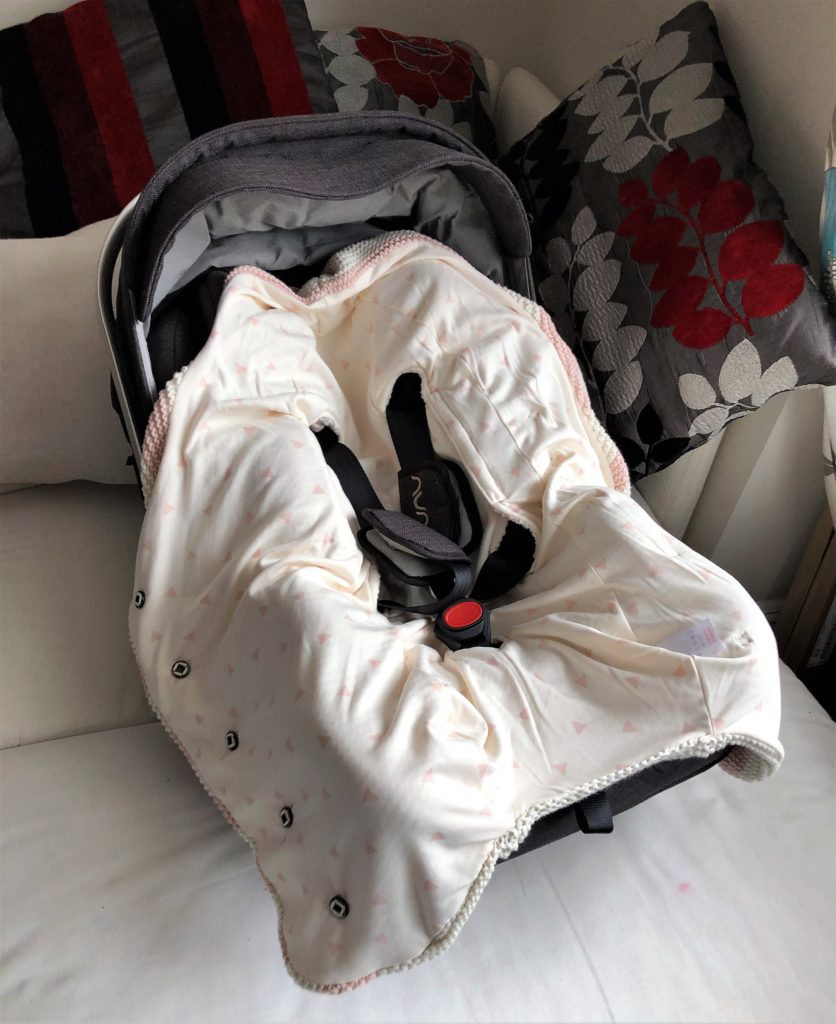
KURA Organics gifted us a beautiful KURA Organic Wrap in Sorbet* which keeps baby warm when they are in the car seat and pushchair. The outer fabric is a five gauge reverse jersey knit in a two-colour striped design and has a chunky knit alongside the organic cotton yarn. The lining fabric is soft and non-toxic so it keeps the baby safe and warm. The poppers ensure quick and easy fastening without disturbing the baby when you want to keep them either warm or cool.
You can machine wash this blanket in 30-degree wash and it fits babies up to six months old. It’s very easy to use, you open up the blanket and feed the car seat straps through the blanket’s holes. Then with the blanket open, you place the baby into the car seat and then wrap them around with the blanket, fastening at the button. It’s -2 outside at the moment, so we are definitely using the KURA blanket during car and stroller trips. I also use it as a handy blanket when I’m out and about as well.
Preparing for arrival of baby – Pack your changing bag
You’ll have all of the stuff you added to your hospital bag above, but you’ll need a few extras for your daily changing bag. These are:
Emergency information just in case anything happens. This should include the phone numbers of your emergency contacts and doctor.
Nail clippers – this is great for when your little one takes a nap and you have time to trim those nails
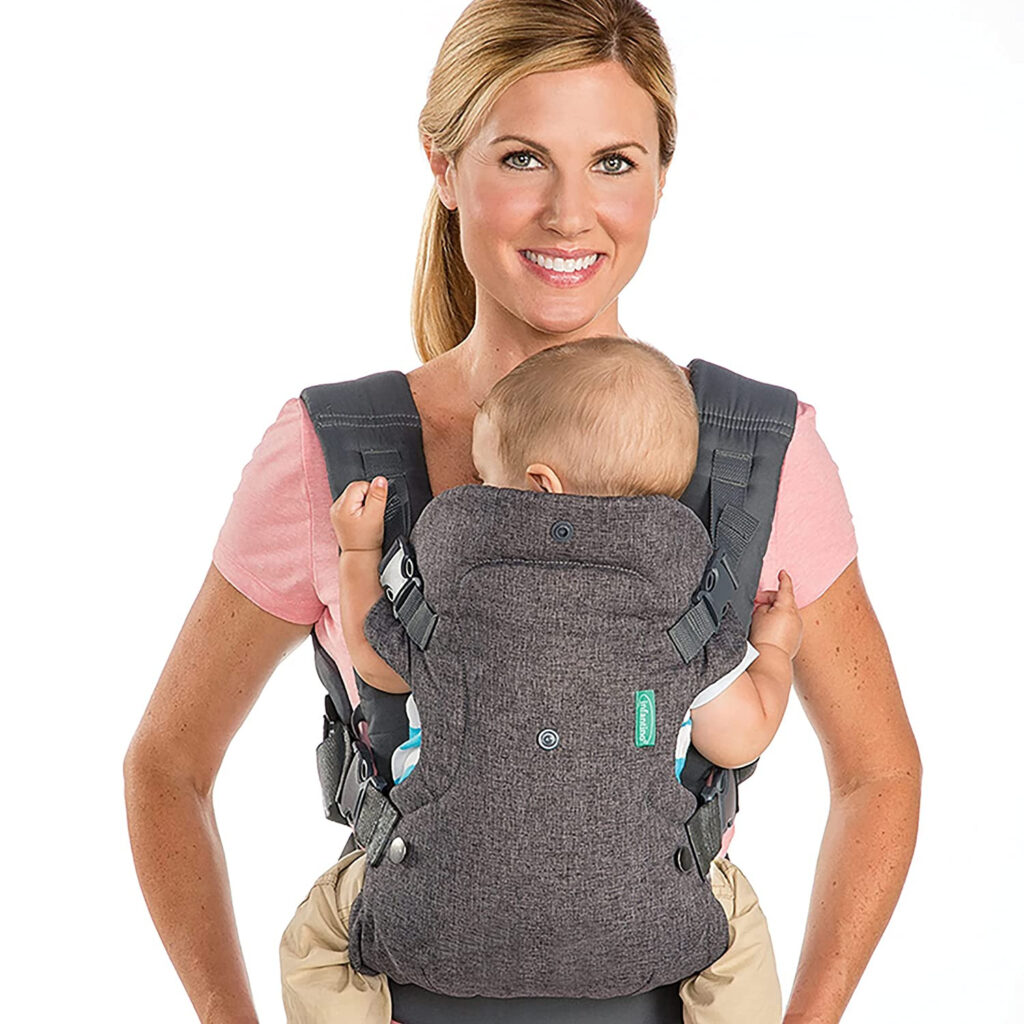
Baby sling for carrying the baby – if you have a large enough bag you should bring a baby sling so you can shift from using your pram to being a hands-free carrier
Toys, activity/board books and crayons depending on your child’s age. This is great for entertaining your child while out.
First-aid kit which can include plasters, alcohol-free cleansing wipes, thermometer and painkillers like infant Calpol or Ibruprofen.
Don’t forget your wallet, keys, phone, sunglasses, a diary/notebook and pen, snacks and a bottle of water for yourself!
Preparing for arrival of baby – Prepare your outfits
If you’re one of the lucky ones you may wear your pre-pregnancy clothes sooner than you think. But, if you’re like me and the fat likes to stay around your belly and bum area then you’re likely to continue wearing your maternity clothes. I’m living in my maternity leggings at the moment and wearing breastfeeding tops under baggy tops. This way, if I forget my breastfeeding shawl, the top on top of my tops acts as a cover. 😊
I also have a different array of nursing bras and have had to change the size twice since my daughter was born. Now that breastfeeding has been established I have to change my bra size again! If you can’t get to a shop to measure your bra, I use a fantastic website called Boob or Bust which has a Boob or Bust Bra Calculator that you can use to measure at home.
They also have a very supportive Facebook group where you can ask questions if you’re struggling to work out how to measure your bra. I was always a 34D until I used the calculator and found out I was a 32G! I was shocked and didn’t think it was right, but lo and behold, the bra fitted me perfectly. It’s well worth giving it a shot if you find it difficult to get to the shops.
I love my super supportive Black High Waisted Leggings which is designed to be comfortable when running up and down doing my daily mummy tasks, plus they’re high waisted and not see-through, so no one has to see my wobbly bits!
I have a couple of cardigans that double up as breastfeeding shawls and blankets because of the extra-long panels. These are great, especially in the winter. Also, I have long shawls which I use as scarves and they also work as breastfeeding shawls too. Think about comfort but also about how easy it will be to whip out your boob and feed your child if you’re breastfeeding. If you’re healing from a c section scar then keep that area loose and make sure the waist of the trouser goes over your scar rather than under to prevent irritation.
Preparing for arrival of baby – Figure out your feeding – and your feeding area
Breastfeeding
I breastfed all three of my babies, and I’ve had all sorts of experiences with nursing. With my first, I absolutely hated it until my baby was one month old and then all of a sudden it all clicked into place and I ended up feeding him for 15 months, the day before my second was born. Feeding the second time was slightly painful but I ended up having an oversupply and breastfed my second for 2 ½ years. I produced so much that I donated over one litre of breastmilk to Chelsea and Westminster Hospital.
The third time around I found breastfeeding the easiest even though Ayla was clicking for the first few months and ended up quite windy. I ended up stopping at 16 months because my milk dried up, but that could have been down to the pregnancy. All experiences are unique, so if you’re struggling, I would thoroughly recommend seeing a breastfeeding counsellor.
I was lucky to meet one at the local weigh-in clinic and she helped me to latch Ayla on properly. Even though this was my third time breastfeeding, it was Ayla’s first time so both of us needed to learn together. Whether you’re experienced or not it doesn’t matter, if the baby isn’t latching on properly it will bloody hurt and the baby won’t get milk. So if you want to persevere then get professional help, I can’t advocate this enough.
After two weeks with my first, I was dead set on giving up because I was in so much pain, I had panic attacks from the trauma of birth and I just felt rubbish all of the time. And then I had to stick a baby on my boob every two hours when all I wanted to do was sleep! But, if it wasn’t for my mum then I would have given up.
I wrote an article on how to ensure a proper latch when breastfeeding, which may help. For more information on breastfeeding visit my breastfeeding pages (link below). There are tons of personal stories and factual information over there so you should be able to get an idea of whether breastfeeding is for you.
I want to show you what helped me (apart from mum) to get through breastfeeding. I saw the below table on the wall at one of the hospitals and it resonated with me after suffering from bleeding nipples and wanting to throw myself off the balcony.
These are just some of the ways that breastfeeding makes a difference to both mothers and babies
Time Breastfeeding
For Baby
For Mother
First feed
Helps to stabilise baby’s blood sugars and protect baby’s gut.
A great opportunity for the first skin to skin cuddle.
1 day
The antibodies in your colostrum provide natural immunity from infection.
Helps womb to contract towards normal size.
2-3 days
Sticky black meconium is cleared more readily from the baby’s bowel.
Instant relief for hot, swollen breasts when your milk comes in.
1 week
Transition to the world outside the womb is eased.
Frequent feeds mean time to sit or lie down and for you and your baby to get to know each other.
2 weeks
Food and drink always ready at the right temperature, adapting to the baby’s needs.
Hormones help you get back to sleep after night feeds.
4 weeks
For premature babies lower risk factors for heart disease in later life.
Saves time sterilising and making up bottles.
6 weeks
Half the risk of chest infections now and up to seven years old.
Breastfeeding likely to be easier and you can go out and about without bottle-feeding equipment.
2 months
Lower risk of food allergy at three years old if breastfed only.
Reduced risk of ovarian cancer in later life for mother.
3 months
Five times less likely to get diarrhoea now and a reduced risk for the whole year.
Fewer visits to the GP as a baby is less often ill.
4 months
Half the risk of ear infections. Reduced risk of asthma now and protection continues up to six years.
Feeling of empowerment at having been solely responsible for growing your baby to four months.
5 months
Five times lower risk of urinary tract infections.
A lovely way to reconnect with your baby if you go back to work.
6 months
Lower risk of eczema now and up to six years old.
Less risk of osteoporosis in the long term for mother.
1 year
Three times less risk of becoming obese by age six and a lower risk of heart disease as an adult.
No need to buy formula milk at all, saving at least £450 this year.
2 years
Likely to have higher than average scores on intelligence tests.
Expect fewer visits to the orthodontist when your baby is a teenager. Risk of breast cancer reduced by eight per cent for mother.
Some people find breastfeeding easy, but most people don’t. Try not to compare your experience to others, and remember every baby is different and your mental health is more important. If you’ve tried everything and breastfeeding still isn’t working, then it’s important to note that FED IS BEST.
As long as you have a happy healthy baby who has a happy, healthy mother, then that’s the most important thing. I used to judge women who bottle-fed before I even had kids myself. Now I have kids of my own, I know that anything related to parenting is rarely that black and white and we’re all trying to do our best for our babies – so no judgement!
Find your way to get through it, regardless of the outcome because baby needs to eat whether that’s from your breast or from the bottle.
Pumping
If you have continued to breastfeed and your baby has an established latched, then you may want to consider introducing a bottle. I didn’t introduce a bottle with my two boys until they were way past 12 months and my first accepted a bottle straight away and naturally weaned onto cow’s milk from 15 months without any fuss whatsoever.
My second was like a vampire. For him, it was all about the breasts and for a good 18 months after that, I tried everything to get him off my boobs. It didn’t work and I had to stay overnight at a friend’s house to finally wean him. After that he was fine! But, during that time I kept giving my eldest a bottle of my breastmilk because I was donating milk to the local hospital at the time and I had tons of milk leftover. I thought I’d find it super difficult but it wasn’t at all.
Breastpumps
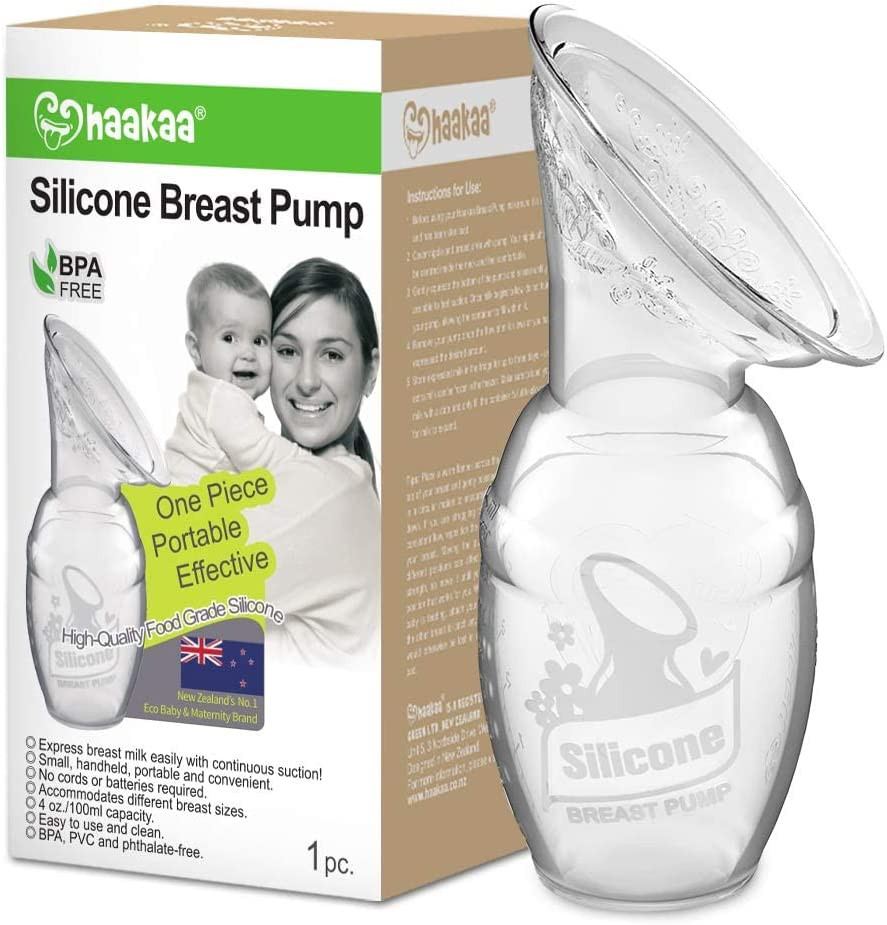
I’ve had my fair share of breast pumps, both manual and electric and I’ve had quite a tumultuous relationship with both styles. I was gifted the MAM 2 in 1 Breast Pump* and this is legit the breast pump I have used to date. I haven’t used the manual pump yet as the electric pump is so efficient in getting my milk out in record time. I managed to pump over 160ml (size of a newborn bottle) in less than the recommended pumping time of 15 minutes.
The pump has a two-phase expression process which begins with the stimulation mode, to stimulate the milk to flow (there are nine levels) and then once the milk is flowing you switch to expression mode, again with nine different levels, depending on the strength of the vacuum in the pump.
Research shows that pumping is more efficient at a maximum vacuum level during the expression phase, and I saw that by how quickly my milk came out and filled the bottle – and some of the storage cups too! You can find more information on how to use the pump in my video here. Watch this space for an article dedicated to breast pumping coming soon!
Ayla was six weeks old when I introduced the bottle and she took to bottle-feeding like a duck to water! No child of mine refuses food, no matter how it is presented (well except for my middle one who is still fussy at eleven years old). 😉
The MAM Breast Pump supplied us with two Easy Start anti-colic bottles and Ayla only struggled a little bit with the slightly bigger bottle but she got the hang of it quickly afterwards. It may be worth going for a range of bottles and then finding the one that suits your baby. We were happy with the bottles MAM provided us and even though we need a bigger size now, Ayla mostly breastfed anyway so we didn’t use bottles that often. If you bottle-feed, you’ll likely need a few to hand and in the changing bag to keep up with demand.
Storing breastmilk
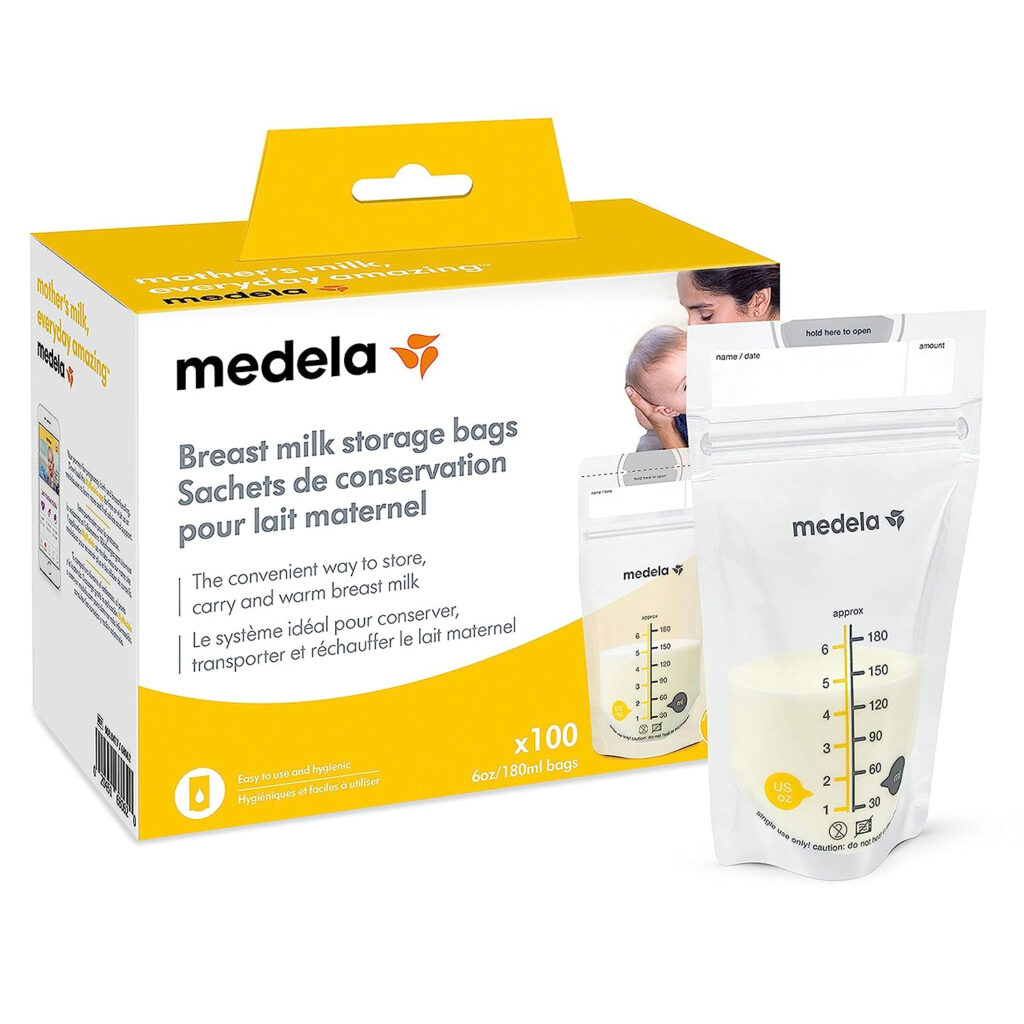
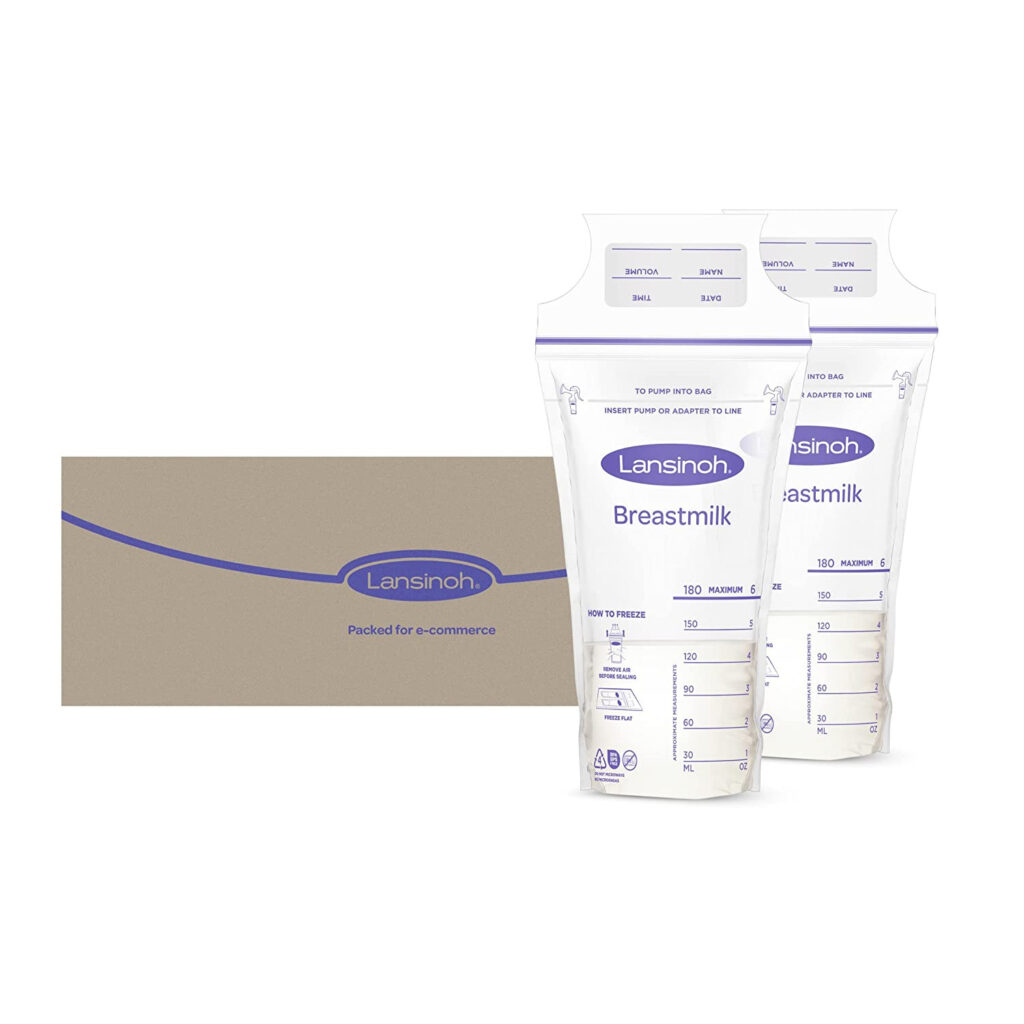
The MAM breast pump comes with storage pots to store milk, but some pumps offer storage bags that you can pump directly into and which come already pre-sterilised so you can just pop them in the freezer afterwards. To store breastmilk using a storage bag, lay flat on top with a sheet of kitchen roll in between to prevent sticking to the freezer or to another storage bag.
Freezing the milk flat allows breastmilk to defrost quicker too. When you need to use the milk, let the bag thaw in the fridge or at room temperature. You can also place the bag in warm water or hold it under cool running water, gradually increasing the warmth of the water to increase the temperature of the milk.
The rule of thumb is untouched breastmilk is safe for your baby if it has been sitting at room temperature for four hours or less. If you know you will not use it within four hours then stick the milk on the bottom shelf at the back of the fridge where it can stay for up to eight days, but it’s best used within four.
Breastmilk can stay in an insulated cooler with an ice pack for up to 24 hours but if you will not use it for longer than eight days then stick it in the freezer within twenty-four hours of pumping or four days from the fridge and it will be good for around nine months If you have a deep freezer or a chest freezer you should be able to freeze milk for up to one year.
Some storage bags to try
Lansinoh Breastmilk Storage Bags, 200 Count Value Pack, Easy to Use Milk Storage Bags for Breastfeeding, Presterilized, Hygienically Doubled-Sealed, for Refrigeration and Freezing, 6 Ounce. Buy from Amazon here
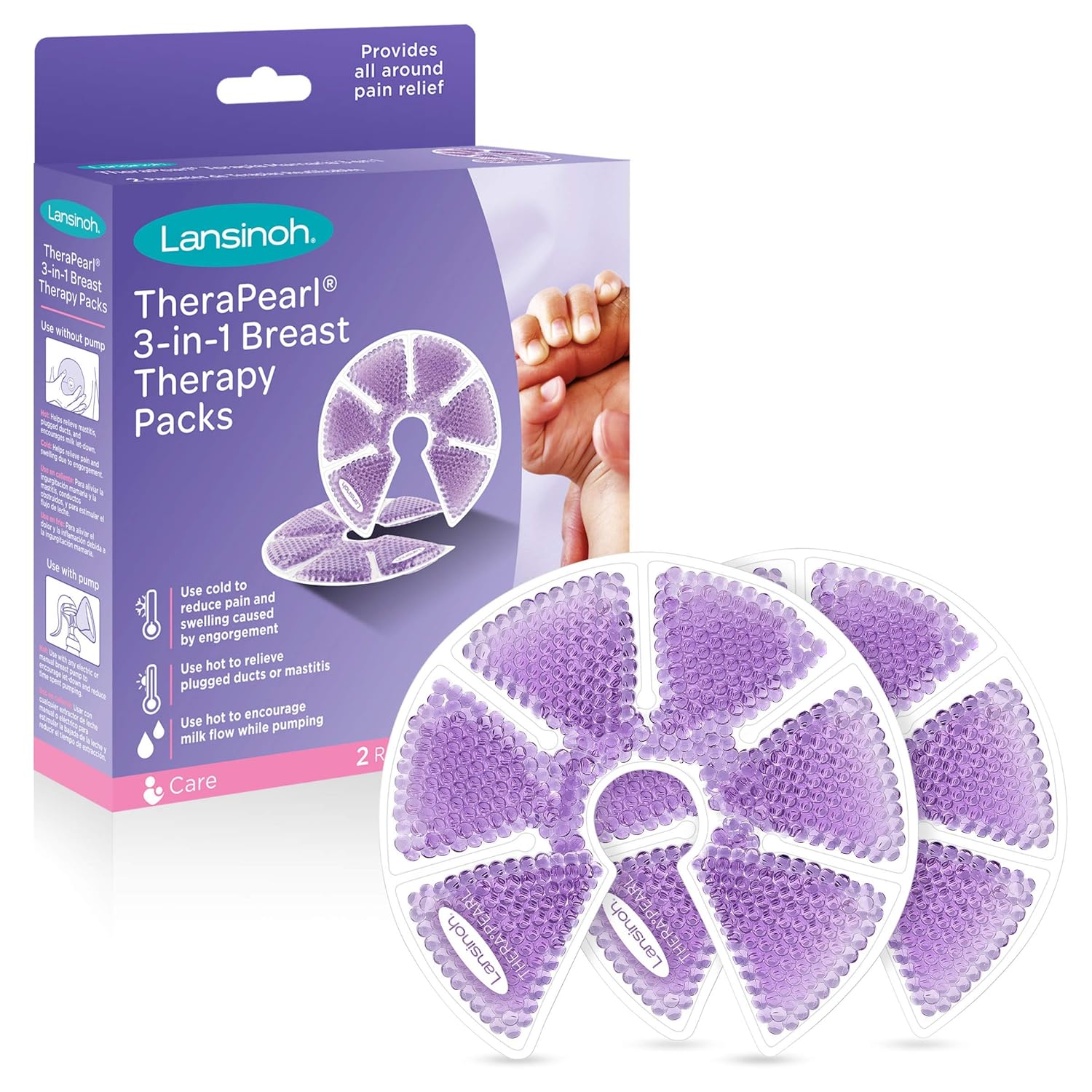
Compress for your breasts
I had an unfortunate experience with self-diagnosed mastitis where my left boob was warm to the touch and painful when feeding because I wasn’t emptying my boob properly. I thought I had the flu as my body temperature was out of whack and I was shivering. But I had read somewhere that the more you feed off the affected breast the better you feel, and I did start to feel better.
It turns out that mastitis that goes away on its own with no antibiotics is a mild form of mastitis, which means… what the heck does full mastitis feel like!?
Baby soothers/dummies/comforters
My babies have never taken dummies or soothers before, nor did they have comforters – they just didn’t want to know. They were much happier using my breast as a comforter until they were old enough to use bottles. Parents use dummies to help soothe and calm their babies, but sometimes it gets to a point where they aren’t able to get through the day without using a dummy. Some parents strongly disapprove of using them.
I have no judgement towards them and if my kids had used dummies I probably would have controlled the time my babies would have used them, i.e. only at night or only after feeding etc. And, in fact, my third baby sucked her thumb which I think is worse because you can take a dummy away but you can’t take their thumb away.
Sterilise your equipment
It’s important to sterilise all of your baby’s feeding equipment, including dummies, and milk bottles until they are at least 12 months old to prevent your baby from infections like diarrhoea and vomiting.
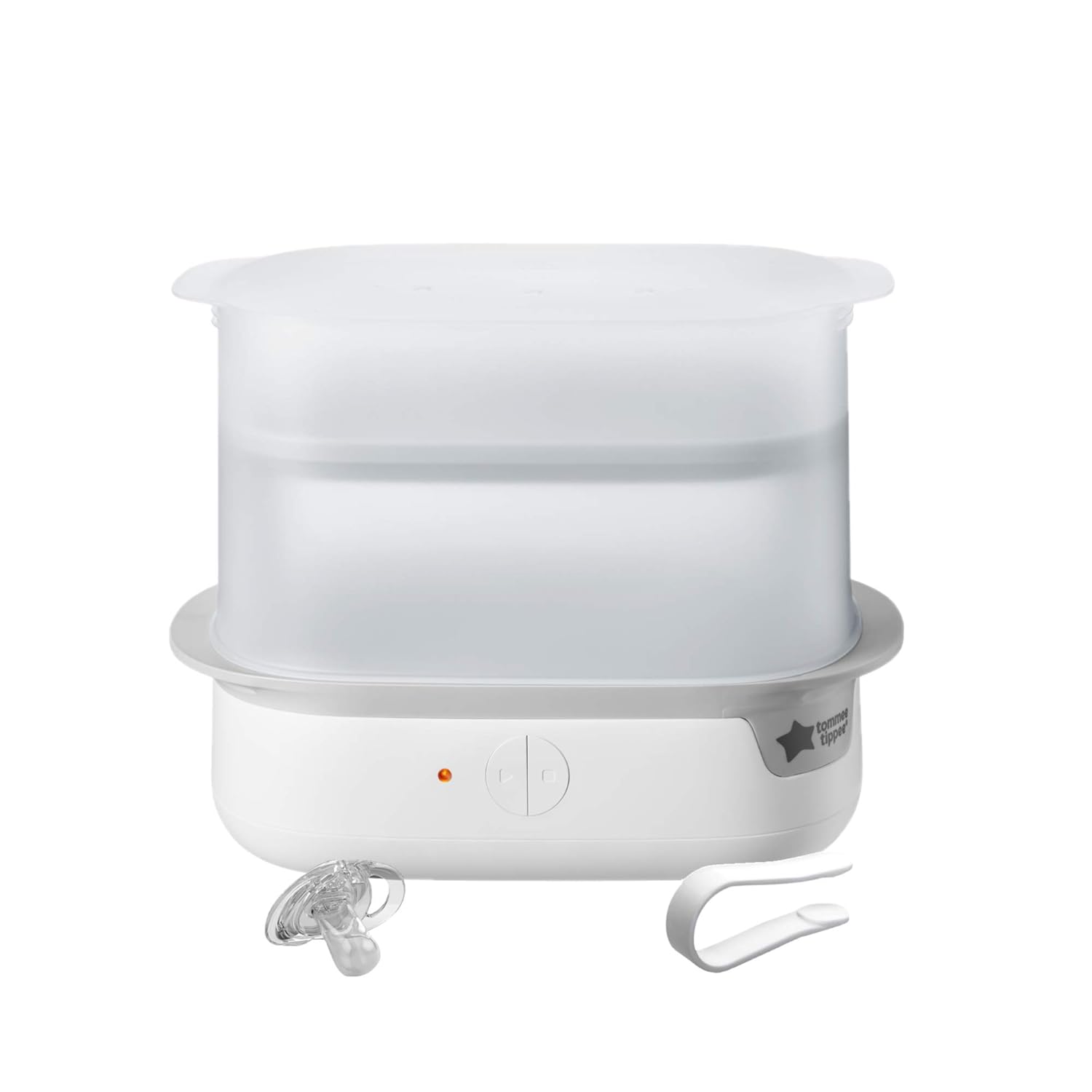
Clean your equipment with hot, soapy water first and as soon as possible after feeds before you sterilise. I used the Tommee Tippee Steriliser which is very simple to use. I placed all my feeding equipment, including my breast pump into the dishwasher and once the cycle was over, I placed the items in the steriliser, added 80ml of water and then turned it on. It will take around five minutes to sterilise. I left it to stand for one minute and then the items were ready to use.
Tommee Tippee Advanced Steam Electric Sterilizer for Baby Bottles, Kills Viruses and 99.9% of Bacteria, 5-Minute Sterilization Cycle – Buy from Amazon here
Prepare for the moving and weaning stage
Between 4 and 6 months, your baby will start to become much more active. You’ll find that they are more comfortable on their tummy and they’ll work towards doing mini push-ups, holding their head steady and strengthening their core muscles. Tummy time is important from the first few weeks, as it helps babies to build strength in the neck, back and abdomen. Rolling is an important milestone for most parents who have been wondering what to expect at 5 months. It’s common for babies to roll from their tummies to their backs first. As they become more confident, they’ll learn to roll back. At five months, they might also be able to sit briefly with your help and they’ll be more aware of sounds and noises.
Depending on your baby, you will also think about weaning them onto food. My eldest was almost seven months when he started nibbling on food for the first time and he was built like the Michelin man and my middle one was on three-course meals plus breastmilk by six months and he was built like a rake!
This is where instinct and following the baby’s lead comes into play. If they’re reaching for your food and sticking it in their mouth, they’re most likely ready. There are two ways you can start them on food, either pureeing everything and adding water or breastmilk/formula or following the Baby Led Weaning route, i.e. leaving sticks of food on their tray and allowing them to touch, feel and taste the food themselves.
I followed the baby-led weaning route with all four kids. But variety is the spice of life so I also introduced pureed foods using my super-duper Babymoov Nutribaby+ which is a steamer and blender in one. It’s the perfect size for little homemade meals.
Babymoov Nutribaby Plus 5 in 1 Nutritionist Approved Food Processor with Steam Cooker, Multi-Speed Blender, Baby Puree Maker, Warmer, Defroster, Steriliser – Buy from Amazon here
Be prepared for all the food mess though!
Using a highchair
Before you use a high chair make sure your baby is ready to sit up on their own first – usually around six months. Then finding the right highchair is paramount to having a pleasant experience during meal times.
Make sure the model you use is safe, durable and easy to clean. Get recommendations from friends and family to see if there is a running favourite or look online for reviews. Look for functionality, i.e. can you operate the tray with one hand? Does the highchair lock into place when in use? Is it space-saving and easy to fold up? And can it grow with your baby? Does it have a five-point safety harness and is it comfortable for your baby?
Preparing for arrival of baby – Prepare your bathing area
I love bath time – it’s a soothing, calming, relaxing and clean way to bond with your baby. At first, you only need to bathe them once or twice a week. After that, and when they attend playgroup or classes, then you may want to bathe them every other day or every day. It’s great to get into a routine of bathing every night before bed so the baby gets the trigger that bedtime is coming.
Baby bath
From newborn to around three months you can use a baby bath or a top and tail designed to keep the baby safe while you bath him/her. From three months onwards you can use a normal bath. Click here for more information on how to bath your baby.
Bath toys and entertainment
Bath toys are a great way to entertain your baby and distract them when you’re washing their hair and cleaning their bits. There’s not much a baby can do at the beginning than watch, so toys that are bright, flashy and colourful to begin with would work. Singing to your baby is also a great way to bond and play with them.
Then around four months, you can encourage them to pick up bath toys that float in the bath and then make noise when they’re rattled. Water operated toys are good too as they encourage your baby to follow the toy as they whizz around in the bath. When they are a bit older teach them the alphabet with floating letters and numbers.
They may not understand now, but soon they will spell out words and messages to you with the letters. There are lots of educational and interactive toys available for babies so it’s worth shopping around and having a look. Use my top tools list to help you pick the best ones – these are tried and tested with four babies!
Baby shampoo and oil
You should not use any oils or lotion until your baby is at least one month old and, to be honest, there isn’t any need to bath your baby in anything other than water for the first four weeks, as they’re not exposed to too much dirt. After four weeks you can introduce baby shampoo and sunflower oil or coconut oil during and after the bath and when you’re doing your baby massage.
Try these highly sought after baby shampoos for baby when you’re ready to transition from water to soap:
Johnson’s Head-To-Toe Gentle Baby Body Wash & Shampoo, Tear-Free, Sulfate-Free & Hypoallergenic Bath Wash & Shampoo for Baby’s Sensitive… Buy from Amazon here.
The Honest Company 2-in-1 Cleansing Shampoo + Body Wash | Gentle for Baby | Naturally Derived, Tear-free, Hypoallergenic | Fragrance Free Sensitive, 10 fl oz. Buy from Amazon here
Aveeno Baby Daily Moisture Gentle Bath Wash & Shampoo with Natural Oat Extract, Hypoallergenic, Tear-Free & Paraben-Free Formula for Sensitive Hair… Buy from Amazon here
Baby massage
Baby massages are great after the bath to soothe your baby to sleep. Baby massages can also help to improve weight gain and aid digestion, as well as improve circulation and ease teething pain. Watch this space for an article soon on how to do an effective baby massage. I did it with all four and I could see huge benefits.
Your baby is a blank canvas, so be prepared for your little one to pick up all sorts of bugs from the outside world. There’s nothing you can do to stop this from happening but you can prepare them as much as possible and offer them the best fighting chance to protect themselves against the nasty bugs.
Keeping your baby warm when it’s cold, ensuring you are eating a good diet if you’re breastfeeding, protecting them against unnecessary germs, i.e. not allowing others to kiss them on the lips or sick people to come near them, will help to protect your baby as much as possible. Make sure their vaccinations are up to date and you and everyone around baby get their flu shots every winter, so that baby is protected against the flu virus and other deadly diseases like measles.
From three months babies can have infant Calpol, from the time they have their first jabs. And when they have teething pain, Calpol helps to soothe their gums. But, there are some ailments that you may need to prepare for regardless of how protective you are of your baby.
Colic
If you’re unfortunate enough to have a baby with colic, then you’ll likely not be sleeping at night and the sound of your baby crying will make you want to reach into your ear and pull out your eardrums. Colic is defined as when your baby cries a lot but there isn’t an obvious reason why. Of course, all babies cry but a baby with colic will cry for more than three hours a day, three times a week for at least one week.
You may find that it’s really hard to soothe them when they’re red in the face and they clench their fists. It’s a horrible sight to witness, and your health visitor or doctor will advise you to hold or cuddle your baby when they’re crying, sit or hold them upright during feeds, wind your baby afterwards and gently rock them either over your shoulder or in their bed.
Bathing your baby in a warm bath may help too and try things like white noise or TV in the background to distract them. You can get anti-colic drops or herbal supplements which may help but make sure you obtain medical advice first and consult your GP if you’re worried and nothing seems to be working. You should also seek medical advice if you’re finding it hard to cope too.
Reflux
I have never experienced colicky babies, but I have had babies with reflux – not the same I know.
There are tons of information online on how to deal with babies with reflux, i.e. food from the stomach returns back up to the food pipe which causes heartburn. In babies, you’ll find them spitting up milk or being sick shortly after feeding, and they will cough or hiccup when feeding.
They may even become unsettled and cry due to the pain. All of my four had reflux at varying levels. My eldest was the worst and had silent reflux (meaning he didn’t bring up milk or be sick). Sometimes we would have to rock him at 3 am to get him to sleep after a feed and it could take hours. The doctor prescribed us Infacol which we were convinced made no difference, but after about three months he got much better.
My second would bring up everything he ate, but he was a happy baby and the reflux didn’t seem to affect him. My third one sits somewhere in between. She spits up occasionally and as she used to click during feeding in the first couple of months, she would swallow a lot of wind and then we would spend a good ten minutes rubbing her back to burp her. She was a little burpy but she seemed to just get on with it.
Remember that it’s important that if your baby has reflux, you don’t change your diet during breastfeeding, that you do not raise the head of their cot or Moses basket and you ask your health visitor for advice and support. Hold your baby upright during feeding and for as long as possible after feeding and consult your doctor if symptoms don’t improve after trying to ease reflux, your child gets reflux for the first time after six months old, they’re older than one and still have reflux or they’re losing or not gaining weight.
Cradle cap is very common, all four of my babies had it. It is a harmless skin condition that usually clears up on its own. There are things that you can do to make it better. You can wash your baby’s hair regularly with baby shampoo and gently loosen the flakes with a soft baby brush and you can also gently rub coconut oil to soften the crusts.
My eldest had eczema too and even though we were advised to use a cream, we ended up leaving it and it cleared by itself. Sometimes it’s worth leaving cradle cap and mild eczema to clear up by themselves. But if you’re concerned or it’s getting worse, contact your GP for advice. Sometimes you will find your baby has a milk rash, especially after feeding. This could be an allergy, so it would be worth speaking to your GP about the cmpa rash too.
Items you should have to hand
Healthcare set
A healthcare set will contain all the items you need to get you through the first year at least for optimum baby care. A general healthcare set will include:
Digital oral thermometer
Nasal aspirator – to decongest your baby’s nose as they can’t clear the mucus on their own
Toothbrush
Emery board for filing nails
Nail clippers
Scissors
Brush
Comb
Baby Healthcare and Grooming Kit 19 In 1, Baby Healthcare Kit Newborn Boy Girl Gifts Baby Grooming Sets for Newborn, Grooming kit for baby Nursery Care Set Nail Clippers Trimmer Comb Brush Thermometer – Buy from Amazon here
Painkillers
Make sure you have infant Calpol to hand and then later Ibruprofen if your baby has a fever or is in pain from teething or other ailments.
Vitamin D Drops
Vitamin D drops are really important to boost your baby’s immunity and if you’re in a country that doesn’t see much sun then you and your baby may be deficient in vitamin D and there is even more reason to take vitamin D drops.
Prepare for the jabs!
The dreaded jabs! Unfortunately, we have to go through them and even though they are gruesome, first immunisations are one of the best ways to protect your baby against diseases like measles, tetanus and meningitis. Your baby will have injections at eight weeks, 12 weeks, 16 weeks and then one year and the first one is nasty (3 jabs and 1 oral!) Your baby will get the following:
Hib/MenC vaccine given as a single jab containing vaccines against meningitis C (1st dose) and Hib (4th dose)
MMR vaccine (measles, mumps and rubella), given as a single jab
PCV (pneumococcal) – 2nd dose
MenB vaccine – 3rd dose
Bring Calpol and lots of cuddles – you and your baby will need it!
Prepare for teething
Teething can be the bane of parents’ lives and it seems to go on forever when the process starts, which is generally between as young as two months and 24 months. You’ll find when teething starts the baby will become irritable and their gums will be swollen and tender. Babies will want to put objects and fingers in their mouths to reduce the discomfort and their cheeks may become red. You may even find that they will have more nappy rash because their poos become acidic and they have a slight fever and/or diarrhoea.
Help, my baby’s teething! What do to here
There’s nothing you can do but ride the process and help the baby get through it until their teeth come through. Increased drooling means they will need a bib, so make sure you have some to hand wherever you go. Calpol is great to reduce the temperature when their fever runs high and teething toys can help to soothe their gums.
All three of my kids starting teething very early so I gave them teething rattles which worked well and then Bonjela or Ashton and Parsons from six months. When they got older I used to freeze fruit and place them in protective nets for them to suck on which they enjoyed. Plus it helped soothe their gums and worked well for Baby Led Weaning too!
Accessories to help with teething
Look after yourself
So, you’re looking after the baby, and you’re looking after the whole family but you forget to look after yourself! This is normal but needs to be rectified ASAP. Don’t forget that you’ve also gone through trauma so it’s important to take time for yourself too to nurse your mind and body back to health. Take it from me, a mother’s mental health is so vitally important otherwise your baby cannot flourish and grow. Welcoming a new baby to the family is exhausting, but there are coping strategies. Ask for help, accept offers of help if friends and family members want to muck in and try to rest while your baby sleeps.
https://www.instagram.com/p/COffqC7l3kb
Read about my mental health story with my traumatic first birth here
Start the process by taking the time to heal after birth. Don’t rush the recovery and listen to your body. Surround yourself with your support network and get help when you need it. Then when you are ready you can focus on your post-baby body.
Here are some other tips to help you be kinder to yourself:
Be kind to yourself during breastfeeding if that’s the path you take because it’s hard (see my Instagram post above). Remember you are more than a milk machine!
If you smoked before and stopped during pregnancy, please do not start again! Consider other alternatives. CBDfx is committed to using 100% organic, non-GMO, hemp plants. Meaning this is a cleaner, more discreet, alternative, that will keep you on track toward your health goals.
Stay hydrated. I’ve since bought a sports bottle which encourages me to chug because it looks so cool. You can try this customizable Yeti bottle to help you drink throughout the day.
Exercise is important
I had my baby in September, so I gave myself Christmas to enjoy and indulge in the Christmas food and then in the New Year, I would start my diet and exercise and get my life back to normal. It’s February and I’ve worked out a total of three times! You may find you won’t have time to hit the gym so home workouts are good or you can find classes where you can incorporate baby into new postnatal exercises.
There are tons to choose from on YouTube alone, but my favourite is still Shaun T Beachbody.com and the new Jericho Matthews 100 workouts which I have been working through – I am so unfit at the moment but it will come 😊 When I change the pram to a stroller I will start to run in the park which I am really excited about, as that’s a great way to exercise too plus baby gets some outside space.
You’ll naturally exercise when you’re picking your baby up and down so you may end up with a bad back if you’re not using the correct stance. Percko gifted me an innovative posture t-shirt that uses explosive elastic to remind me not to slouch and ultimately solve my lower back pain, which has grown over the years because of slouching when picking up and putting down heavy kids.
The design uses a patented ‘TENSOR technology’ to signal me when I’m hunching by applying light pressure on the lower back and shoulders when needed which naturally pulls me back into a more supportive posture. The Lyne Up* comes in black and nude and is a stylish undershirt that fits under any top.
How to be an active mum – find out here!
The right exercise outfits will help
Your bits will be wobbly so it’s important to be protected and wear the right clothing to help you exercise. The Lyne Fit* works just like the Lyne Up but offers extra protection from harmful shocks while exercising to readjust the spine.
The top also frees up the diaphragm for healthier and easier breathing and slows down muscle fatigue thanks to better blood circulation. Check out the image below of me exhausted but feeling very supported with the Lyne Fit top. You’ll have to take the whole top off to breastfeed though!
LyneFit top from Percko and Focus Full-Length Mulberry Plum Sports Leggings from Love Leggings
Fully supportive workout trousers are a must and my favourite at the moment is my Love Leggings Focus Full-Length Mulberry Plum Sports Leggings* which are flexible enough for me to stretch during yoga. They’re supportive too, so I can feel my waist is cinched in when I’m doing ab work.
They’re also breathable so I stay cool and dry when sweating through my cardio exercises. Check out my super cool leggings in thunder thighs in the image above. I plan to get back to my Size 8 figure this lifetime, although I haven’t started yet. So, I better get a move on!
It’s worth investing in proper clothing to work out as you’ll feel more supported and comfortable, which means you won’t shy away from exercise the next time.
Prepare for hair loss!
I have very thick curly hair, which was thinning just before I got pregnant with my third baby. Then when I got pregnant again, my hair became really thick and glossy again. Now Ayla is four months old, I have noticed that my hair is falling out again and I’m upset because I loved how voluminous it got. My hair is still thick, but at the rate, it’s falling out, my hair will soon become thin and straggly again.
Thankfully I was gifted a beautiful set of Pure Diamonds Line Espresso Black Clip in hair extensions from Rubin Extensions*, to cover up the shortfall! I will be publishing a video shortly on how to get your hair from curly mop to super thick straight hair using the clip-in extensions very soon so please watch this space!
Look out for signs of postpartum depression
First year with baby is the hardest. Having a baby with kids is hard. First year with baby is hard on marriage. So when you’re feeling down in the dumps and sleep-deprived soon after birth, especially when you feel you’re by yourself. it’s normal to feel overwhelmed at your impending new normality as a new parent.
But, if the ‘baby blues’ don’t seem to be fading away and you feel down in the dumps for longer than two weeks then you may need to seek further help for postnatal depression (PND). PND can be mild or severe and affect you in different ways. You may feel constantly low and/or lose interest in the world around you. You may feel tired all the time or not be able to sleep. You may even feel like you don’t want to or can’t look after your baby, and you have scary thoughts, perhaps about hurting your baby or considering suicide or self-harm.
After my eldest’s birth, I suffered from panic attacks for about six weeks afterwards and had horrible thoughts about someone stealing my son or him falling off our balcony. Unrealistic as it sounds they seemed very real to me and the thoughts would linger and result in panic attacks.
I remember unlocking and locking the balcony door and front door and going around to make sure all the windows were locked to minimise any chance of Aron falling or being stolen and then when I went to bed I would think about how he may climb out of his cot (at four weeks (!)) and fall on a knife by accident. I suffered in silence for about six weeks until I consulted a very close friend of mine and she said;
“Well, I suppose you’re probably just being a protective mother, right? You’re trying to cover all bases. But it’s unlikely that will happen you do know that?”
It was then I realised that something may have been wrong with me. However, my friend’s words also resonated with me. “A good and protective mother, but what I’m thinking is unrealistic” That was nine years ago and I never sought help for my thoughts. I somehow managed them and they faded over time.
And nine years ago, neither myself nor my friend knew anything about PND. So, very occasionally, when I’m down for the night and my head hits the pillow I will have a sudden nasty thought that takes a while to cloud over with thoughts of something more positive like work, or going out somewhere with friends and family. But, I do know that I should have sought help. Don’t make the same mistake. Go see your doctor.
Prepare for entertainment
Right! Onto more fun topics, like entertainment. Entertainment is a huge part of play and baby development and I would strongly suggest that if you’re going to spend your money on what I call unnecessary necessary things, spend it on educational toys or entertainment that will make your baby happy. Not all toys are unnecessary though. Here are some items that I think your baby shouldn’t live without:
We have a Tippy Toes Musical Mobile from Clair de Lune* which Ayla loves to follow when I’m changing her nappy. When she wakes up from her nap, she also likes to stare at the pretty pink hearts and ballerina. It plays a soft lullaby to help her drift off to sleep too.
Black and white patterns
Babies see in black and white, to begin with, and from about four to six weeks they start to see other colours. But, developing their eyes can allow them to appreciate colour sooner. The visual contrast between black and white will also encourage babies to explore different textures and patterns and provide a multi-sensory experience, as well as helps to focus their attention and enhance their levels of concentration.
Skip hop activity gym
Tummy time should start from when your baby is a newborn, even if for a few minutes at a time. Placing babies on their front encourages their muscles and neck to develop and get stronger and eventually by about four months your baby should be able to lift their chest off the floor and lean on their elbows. But tummy time can be enhanced with some visual patterns on the floor and above to encourage them to look upwards.
Activity gyms work for this reason. They improve hand-eye coordination, stimulate the baby’s senses, boost cognitive development and encourage freedom and movement. We have a lovely activity gym from Skip Hop* where Ayla regularly likes to chat to the animals, especially the fox who moves his head when he hears Ayla babble.
With this gym, you have three modes of use; babies on their back, tummy time and sitting up. You attach the arch above for overhead play, then bring it down for tummy time or to a seated floor activity centre. There are 20 developmental activities you can do to entertain your baby and you can even slip your phone behind the mirror to record the fun. The sound-activated dancing fox seems to be Ayla’s favourite though.
Other baby gyms
Fisher-Price Baby Playmat Deluxe Kick & Play Piano Gym with Musical -Toy Lights & Smart Stages Learning Content for Newborn to Toddler. Buy from Amazon here
Sensory toys and books
I always try to go for toys which are educational and sensory-based, i.e. they have lots of different shapes, textures and colours to expand the baby’s mind. Lamaze make some great toys – the boys used to enjoy playing on the Lamaze Space Symphony Activity Gym, which covered all aspects of development – the black and white patterns, the motion of the arches, the different smiley animals and lots of things to grab and pull.
The activity gym grew with the boys and eventually, we took off the items and they carried them around like toys. We also loved soft sensory books that have tags made of different materials for smashing, squashing and eating. We landed onto normal books but the kids enjoyed being interactive with their toys.
Rattles are great to start off with as they can double up as teething rings too. Things that make noise are great for introducing music and sound. Ayla loves her Lamaze caterpillar and teething rattle, as well as her array of soft playbooks which I read regularly to her. She seems to love me reading her “That’s not my unicorn” book where there is a different texture for her to feel on every page.
I read a lot to the boys and my eldest started reading from age three. My middle one started speaking very early as he learned a lot from his older brother. Stimulation, interaction and continued surrounding change all helps to develop the mind. Expose your babies to new things all the time and invoke all of their senses, then see how they grow.
Dens/Play area
To expand on enhancing their development I always wanted to provide the boys with a den because the one in their old playgroup was amazing. It was a large dark sensory tent which contained lava lamps, flashing lights and soft music. It was so soothing that I never wanted to leave that place, so, I decided to create my own 😊 I plan to do the same with Ayla too, so watch this space!
Bouncer
We have had a bouncer for all three kids as we believe that bouncers are a great way to strengthen, stretch and build a baby’s legs in preparation for crawling and walking. It also gives them a sense of balance and it’s a great exercise for them too. A bouncer seat is great to use from day one as the seat can be a great place to lay your newborn so you can free your hands.
I bring my Chicco Swing Relax&Play* into the bathroom when I shower as I know Ayla is protected by the three-point safety harness, entertained by the music and the hanging animals in the arch and soothed by the gentle rocking motion of the seat. There are five different speeds and you can choose the rhythm in which your baby rocks by how fast or slow they sway.
The Lamaze cubes have travelled everywhere with us!
Bumbo
Ayla has just started using the Bumbo at four months for a few minutes at a time, but I’m on the fence about using a Bumbo so early. The Bumbo is designed to help babies as young as four months learning how to sit, but I think that sitting upright at this time may be a bit immature and cause unnecessary strain on their pelvic area. And, in fact, I found this review from Kidspot which confirmed my concerns. Having said all of that there is no reason why you can’t use the Bumbo for a short period. At least you get some free time for three minutes!
Prepare for travel
Onto travel! Because inevitably you’re going to travel with your little one, whether that be to the shops, to baby classes, to school runs or for a walk. I find that the more alternative methods you have for travelling with your baby, the more likely you’ll stay out – and venturing outdoors is far more beneficial than being cooped up indoors all day. So, first things first. You’ll need a good travel system!
I have the Uppababy Vista 2019 travel system kindly gifted by my sister and which includes a carrycot for use with a newborn up to around four months, a stroller for use after four months, a car seat and other accessories like a rain cover and a cup holder (thanks sis!)
The Uppababy is a bit of a beast and looks like a large high-quality palace for your baby. But you may be better off getting something smaller. I absolutely loved my boys’ Phil and Teds Sports double buggy and should have gone for the single version instead as it was so nimble. I may consider getting it for my new running buggy sport, but let’s see how the Vista fares in the park when running first!
Baby carriers
I didn’t use baby carriers nearly enough with the boys and I sooo missed out. I reviewed the Lifft Baby Sling for MadeforMums from when Ayla was about two weeks old and I fell in love with it.
It was a bit of a learning curve to create the wrap but once I got the hang of it, it was pretty much wrap and go. Plus the sling looked like a t-shirt. Sadly Ayla has grown out of the baby sling now as she’s massive and I’ve gone back to my super-duper Babybjorn Baby Carrier One* which I used to use on the boys from when they were six months old.
The one I have now is a Babybjorn Baby Carrier One* and it’s awesome! It’s ergonomically designed so you don’t feel the weight of the baby when you’re walking around. In fact, I travelled to Winter Wonderland by tube with the family using the Baby Carrier One and I walked around, got back on the tube and headed back home all with the baby carrier on and Ayla asleep the whole time. The journey took around five hours and I didn’t feel any back pain or discomfort.
The clips may be a little tricky to slot into place, but other than that, it’s the best baby carrier by far. I still use it to walk Ayla in the school run and find it a lot easier to travel hands-free. And as we’re deep in the throes of winter, I have an awesome 3 in 1 maternity coat by Seraphine which has an attachment that is built entirely for going over the baby carrier, so Ayla is even more protected than when she is in the pram.
Other baby carriers
Infantino Flip Advanced 4-in-1 Carrier – Ergonomic, convertible, face-in and face-out front and back carry for newborns and older babies 8-32 lbs. Buy on Amazon here.
Other things to think about
How to prepare for a baby financially
We parents spend over £900 (£944.47 to be precise) on baby products!
I won’t go into it in too much detail here, but you need to think what to buy before your baby arrives. It may not feel you spend that much on your baby at the very beginning, but once you factor in the above equipment, the expense could hit the thousands. I have written an article on how to plan your baby budget before birth and have an archive of money topics that will help you to understand what your costs are before you spend.
Whether you like it or not, your relationship with your partner is going to change. You’ll have less time for each other and your nerves will be frayed from lack of sleep and too much going on, so you’re also going to argue more.
It’s important to understand that you are in it together and you make a team, even when you don’t feel like it. Try to spend some time with each other when the baby is asleep and get back that intimacy because your relationship shouldn’t change towards each other. Here are some things to discuss before your baby arrives:
Preparing for the arrival of a baby involves open communication and aligning your expectations with each other. Here are some things to talk about before baby arrives:
Parenting styles and values
Your parenting styles may differ so it’s important to discuss what it looks like to you when raising your baby. Talk about things like discipline, routines and the important values you want to instil in your child.
How will you divide your responsibilities?
How will you share your childcare duties? Who takes care of the household chores and who’s responsible for financial matters?
Talk about how you will support each other and work as a team during this new chapter. Think about incorporating self care too and who you will seek support from when you take that time for self care.
Parental leave and work arrangements
What do the parental leave options look like for both of you and how will you manage work and childcare responsibilities around this?
Explore any flexible work arrangements that can benefit you both during this transition period.
Plan your finances
Review your finances and discuss any expensive adjustments that come with the baby – the baby comes with baggage! Think about childcare costs, medical expenses if you’re going private, schooling and savings for the future.
When it comes to childcare, think about whether you will hire a nanny, childminder or place your child into nursery. What aligns with your finances and your parenting values?
Work on your relationship
Like I mentioned before, your relationships dynamics will change after the baby comes. You will no longer be each other’s priority so you will need to make time to send together and support each other emotionally. Think about how you will balance couple time with families time so you can nurture your relationship.
The postpartum period will be tough
Talk to each other about your expectations and concerns during the fourth trimester. How will you support each other? Factor in self-care and mental health.
Nothing is set in stone, so the important point to note is to maintain an open and honest line of communication with each other. This is a tough period so support each other and show understanding. You are on the same team, even though sometimes it may not feel like it…
Prepare your relationship with your kids
Either your baby will slot right in or you’ll receive one heck of a culture shock. I found it way harder to go from one to two rather than two to three, but that may be down to age. I had my first two almost back to back (15 months) so I had two babies to look after for a while.
I had my third when my boys were seven and eight so they had more independence and they were also at school for most of the day, so most of the time I felt like I had only one. But, there are some other unforeseen issues that you may want to prepare for, like repeating the same sentences over and over again:
But, truth be told, my boys are amazing at looking after their sisters. My eldest is very loving and my middle one is very protective. In fact, during the boys’ school fair, I had to collect some alcohol that my boys had won for me (#modelparenting) and I left my baby girl with a good friend whom I trusted. When I went to collect my daughter my friend pulled me over and said:
“Your son stared me down for a full five minutes while you were gone and when I asked why he was staring at me like that, he replied with, ‘Why do you have my sister?’ I mentioned that I was babysitting her until mummy came back and he nodded in agreement but continued to stare at me with daggers in his eyes.”
A friend
What more can a mother ask for than thoughtful protective older brothers like them?
The trick is – and you will get days when there will be fighting, especially as baby gets older and is less ‘cute’ in front of their eyes – involve them in everything you do, whether it be changing the nappies, reading a book at bedtime and/or bathing them and changing their clothes.
These everyday routines will make them feel as if they’re responsible for another human and it helps them to grow into very thoughtful and caring young people. I know my boys love their sisters more than anything so they are happy to help. Sometimes this may not always be the case in your family. If you find that there isn’t a relationship between the siblings, try and build one. Mention how amazing an older sibling they are and how their youngest sibling will grow up idolising them. They need to feel needed to respond accordingly.
Prepare for the noise
Having said all of that, prepare for a whole heap of noise coming your way! My boys play the piano, violin and guitar and they like to sing at the top of their lungs, even when their sister is sleeping. They also like to play loudly through roleplay and fight loudly too. Nothing you can do about it.
I keep shushing them and they keep apologising but the truth is, they’re kids and hopefully their sister will eventually be able to sleep through the chaos. In fact, I don’t think she can sleep if there isn’t any noise at all! Hmm… this may be where I’m going wrong at night… Maybe I just need one of the boys to shout repeatedly in her ear during the night to help her sleep… Or maybe I should just get a white noise machine, that might be better for my mental health – and hers.
Prepare for the lack of time to yourself
Do you watch your second cup of undrunk coffee get cold? Did you forget to eat or shower… or go to the toilet? Yep, as a mother of four, I’ve experienced all of this, including forgetting to sleep! It’s normal because babies are demanding. Life is demanding. My husband is demanding. Be prepared to hold everyone’s hands but find that your hands are empty. Be prepared to drop everything at the drop of a hat, but mould your timetable towards your family’s.
Just roll with the punches, kids get older and they become more independent. And believe me, at eleven and twelve my boys need fewer cuddles and less mummy time and it hurts my heart sometimes. I’m thankful that I have a toddler and a baby who takes the love I want to give because once they get older you’ll wish you could hold their hand instead of drinking your hot cup of coffee. Kids grow up too fast. ☹
What my dad meant is that new babies, especially your first baby comes with all heaps of new experiences and rewards.
You probably won’t foresee this but you’ll end up learning a lot about yourself and revisiting memories from your own childhood. The first time I went to visit Santa with my eldest, it reminded me of the time when I went to see Santa and how much I loved Christmas when I was young.
It’s going to be one of the times in your life when your inner child will take over. I love going to soft play with my boys and crashing into the soft mats and singing at the top of my lungs to Disney songs and playing with rattles and musical toys. Utilise this time with your kids to be a kid yourself. It feels amazing!
Also if you’re the first one in your friendship group to have kids, then you’ll find that your priorities have changed. Make some friends with mums of kids of similar ages and use this as an opportunity to broaden your social circle. But, remember who you were before you had kids. Having a child should only enhance your character, not change it – or define it.
Preparing for baby – things to do before giving birth – Prepare your camera for lots and lots of pictures and videos!
A picture is a thousand words but a video is worth a million. I used to take a lot of pictures of my boys and frequently ordered editing newborn photos services until someone said to me that taking a video will capture their character forever, so now I take millions and millions of pictures and videos!
Make sure you back them up safely. I use Dropbox as it is safely stored in a cloud and then I back up the pictures in Google Photos and then my own PC harddrive. So if I lose a file from one place, I have it in another place. I constantly look back over when my boys were young and it’s so nice to reflect on not only how much they’ve grown but how much you’ve grown as a parent too.
Also, it’d be a nice addition to get a baby’s first year scrapbook or a journal to record a baby’s first year milestones. They make for such nice keepsakes and you can show them to baby’s first boyfriend or girlfriend, when they get older as leverage 🙂
Twelve years ago – very first image of us as a family
Four years ago at Christmas – the boy in blue was the boy in the image above taken twelve years ago!
Family of six!
Preparing for your baby’s arrival – It will be the most adventurous time in your life
I haven’t talked about baby-proofing the apartment, the dreaded mum guilt if you’re going back to work or deciding to stay at home, or the opinions you’ll get from everyone and their mum on how to raise your own baby! I also haven’t talked about all the presents you’ll get for your baby, but not always necessary for you – in fact, you may hardly receive any presents for yourself as people will think a present for a baby is a present for you! Yup. You no longer exist.
The cuddles you will get from your baby during the first year is indescribable and incomparable to anything else you will have experienced in your life. It makes the uncomfortable pregnancy, the painful birth, the cabin fever, the sleep deprivation, the nappy changing and the feeling of uselessness all disappear when your baby first smiles at you, laughs at your jokes and gives you the biggest cuddles. Then you’ll know why you did all of this in the first place. You are a parent now and it’s the best job in the world! Go enjoy it 😊
So that was my very extensive guide on how to prepare for your baby arrival. I hoped this guide on how to survive first year with baby was useful. Well done if you made it all the way through all the milestones! Please share it around with new parents and write in the comments below if I’ve missed something. I’d like to make this guide interactive and comprehensive so please share your thoughts on what to expect for the first year.
Congratulations and I hope the first year goes well for you. Coffee helps 😊
Check out the full video below!
https://youtu.be/90muIYBraJc
FAQ
What is the best thing you ever did when preparing for your newborn’s arrival?
Preparation is key! Try to set up your support network and your newborn station, i.e. changing station, portable bed like a moses basket and lots of snacks and water so you can get relaxed in one station while you feed and change the baby and, of course, while you recover.
What were some of the unnecessary items you’ve bought while preparing for your baby’s arrival?
We have bought too many unnecessary items over the years. Some of which are toys that your baby can’t use until they’re at least 6 months. Leave those purchases for when they are ready to use them.
Are there any unique concerns that first time fathers should be aware of when preparing for the arrival of their child?
Fathers are unsung heroes during this time and can provide the most amazing support for mum and baby. Check out the article below from a dad of four on how he managed a baby and work at the same time.
Before your baby is born in the UK, there are several legal matters and administrative tasks you should consider. Here are some important legal things to do before arrival of a baby:
Registering the birth
Registering the birth actually happens after your baby is born, where you must register their birth within 42 days at the local register office.
To register, you’ll need to pick up a birth registration form from the register office and provide necessary information, such as the date and place of birth.
Arranging parental leave and pay
You should get your entitlement to parental leave sorted through your employer or government schemes while you’re pregnant, to make sure entitlement starts as soon as baby is born.
Familiarise yourself with the eligibility criteria, notice requirements, and any necessary documentation.
Applying for child benefits
Consider applying for child benefits, such as Child Benefit and Child Tax Credit. You can apply online through the government’s official website or request an application form from the Child Benefit Office.
Understanding parental rights and responsibilities
Make sure you know what your legal rights and responsibilities are as a parent in the UK. This includes custody, guardianship, child maintenance and financial obligations.
Investigating childcare options
Think about potential childcare providers, such as nurseries or childminders, you’d like to use if you need to go back to work. Learn about the regulations and requirements they have in your area.
Considering life insurance and protection policies
Review existing life insurance policies and consider increasing coverage or obtaining additional protection for your growing family. Consult with insurance providers or financial advisors for guidance.
Understanding employment rights
Familiarise yourself with employment rights and entitlements related to maternity or paternity leave, flexible working arrangements, and parental rights in the workplace. Contact Citizens Advice for more information.
How can parents prepare themselves physically and emotionally for their baby’s arrival during pregnancy and before childbirth begins?
Other questions asked were:
How do I prepare for my first baby?
My partner and I are pregnant with our first child What are some things we should do to prepare for the baby’s arrival?
Preparing both physically and emotionally for your baby’s arrival is crucial during pregnancy. Here are some suggestions to help you prepare yourself for your beautiful bundle of joy:
Physically:
Attend regular prenatal check-ups with your midwife/doctor to monitor your health and the baby’s development. You can discuss any concerns or questions you may have too.
Eat a healthy diet and focus on nutritious foods to support your own health and the development of your baby. Include a variety of fruits, vegetables, whole grains, lean proteins, and dairy products. Stay hydrated and discuss any dietary restrictions or specific needs with your midwife.
Exercise regularly and safely, but make sure you consult with your midwife/doctor about suitable exercises, such as walking, swimming, prenatal yoga, or gentle stretching. Exercise can help maintain strength, flexibility, and overall well-being during pregnancy.
Get enough rest because pregnancy can be physically demanding. So make sure you prioritise rest and sleep. Listen to your body and rest whenever you can.
Attend antenatal classes that cover topics such as labour, delivery, and newborn care. These classes provide valuable information and techniques to help you feel more prepared for childbirth and parenting.
Maintain open and honest communication with your partner throughout the pregnancy. Share your feelings, concerns, and expectations, and work together to create a support system for each other.
Reach out to friends, family, or support groups for emotional support. Connect with other parents-to-be who can relate to your experiences. Consider joining prenatal yoga classes or support groups to meet others going through similar journeys.
Identify the people who will be your support system during and after childbirth. Discuss your birth plan with them, and make sure they are aware of what you’re planning
Practice self-care to help you relax and recharge. This may include taking warm baths, practicing meditation or deep breathing exercises, engaging in hobbies, or receiving prenatal massages. Self-care is essential for emotional wellbeing during pregnancy.
Recognise that the postpartum period can bring a range of emotions. Prepare for this transition by arranging postpartum support, such as help with household jobs, meal preparation, or childcare. Knowing you have support in place can reduce stress and allow you to focus on bonding with your baby.
What to do a month before baby arrives?
Other questions asked were:
When to start preparing for baby arrival?
when should you start preparing for baby arrival?
When to start preparing for baby arrival?
How do you prepare for a newborn’s arrival into the world?
My wife and I are expecting to have our first baby in 6 months. How do I plan and prepare for it?
When should you start to prepare for a baby?
In the month leading up to your baby’s arrival, there are several things you can do. Here’s a preparing for birth checklist:
Get the nursery ready
Set up the baby’s cot, changing table, and other furniture.
Wash and organise baby clothes, bedding, and blankets.
Stock up on nappies, wipes, and other essential baby supplies.
Include items such as comfortable clothing, toiletries, nursing bras, and baby clothes.
Don’t forget your maternity notes!
Think about your birth plan
Finalise your birth plan and make sure your healthcare provider knows about it
Review and make any necessary adjustments
Attend antenatal classes
If you haven’t done so yet, it’s a good idea to attend antenatal classes as they teach you all about labour, pain management and newborn care
Get your support network and childcare ready
Make sure your chosen birth partner or support person is aware of their role and responsibilities.
Arrange for childcare for older children if necessary, both during labour and for subsequent hospital stays.
Install and check the car seat works
Ensure you know how to fix and take out your car seat as you’ll need it when the hospital discharges baby from hospital
Practice taking it out and putting it back in. Use IsoFix fastening where possible as they offer more security.
Set up postnatal support
Make sure you are available for all health visitor checks ups after birth
Attend local groups for new parents to make friends and get back out there
Lean on your support network for help when things get too much – it takes a village!
Prepare frozen meals in advance or stock up on easy-to-prepare dishes – cooking may become a challenge after the baby arrives. If people ask how they can help, request food!
Plan for the fourth trimester
Gather necessary supplies like maternity pads, nipple cream and comfortable clothing
Consider breastfeeding essentials too like breast pumps or nursing pillows
If formula feeding, stock up on formula and newborn bottles
Practice self-care and relaxation techniques
Take time to practice self-care like resting and recharging before baby arrives
Try meditation, deep breathing or prenatal yoga to help manage stress and anxiety
How much should I save before my baby arrives?
The amount of money you save depends on your financial situation, location and personal preferences as as well as any support systems you have available like the bank of mum and dad.
Some things to think about are:
The cost of basic necessities like nappies, wipes, clothing, feeding supplies, cot, car seat and stroller
Childcare costs like a childminder or a nursery if you need to go back to work.
Parental leave, so calculate how much income you may lose during this period and plan accordingly
Childcare costs: If you plan to use a nursery or hire a nanny, research the costs in your area. Childcare expenses can vary significantly, so factor them into your savings plan.
Parental leave: Determine if you or your partner will take time off work after the baby’s arrival. Calculate how much income you may lose during this period and plan accordingly to cover your expenses during that time.
Emergency fund: It’s always wise to have an emergency fund to cover unexpected expenses that may arise during your baby’s first few months. Aim to have at least three to six months’ worth of living expenses saved in case of unforeseen circumstances, if this is possible! We are living in a crisis at the moment so that can be super tough.
Future planning: Consider long-term financial planning, such as saving for your child’s education or setting up trust fund. While this may not be an immediate concern, having a plan in place can help you save gradually over time.
Fun things I do with husband before baby arrives?
Other questions asked were:
What is the most effective way for a couple to prepare for the arrival of a baby?
Before your baby arrives, take this time to spend it with your husband and strengthen your bond. Here are some fun things to do before the baby arrives:
Take a babymoon holiday!
If you can, try and take a babymoon holiday, even if it’s a short weekend, to relax and enjoy each other’s company before the baby comes and you are never alone again!
Choose non-baby activities, like sight seeing, beach relaxation or spa treatments, because heaven knows when you’ll be able to do those things again! I’m still waiting and my youngest is two…
Enjoy date night!
Make the most of your time as a couple and go on regular date nights. Explore new restaurants, watch movies, attend concerts and just have fun!
Or you can plan a special dinner at home. Cook a romantic meal together at home or surprise each other with your favourite dishes.
Take walks or go hiking
Enjoy the great outdoors by going on leisurely walks or hikes in nature because you have to lug a baby carrier or a buggy with you! Try to use this time to get some exercise and have meaningful conversations.
Attend antenatal classes together
This is a great way gain knowledge bond through this new chapter and prepare for your baby.
Consider a maternity photoshoot
A great way to capture the time together before baby arrives is during a maternity photoshoot. It’s your special time together before you share it with baby.
Things to buy before giving birth?
Other questions asked were:
Things to buy for baby arrival?
Things to have for baby arrival?
Things to prepare for baby before delivery?
What should I do to prepare for my baby’s arrival?
Things to decide before baby is born?
How can I prepare for my baby’s arrival when I have no money?
Preparing for arrival of baby is challenging when you’re short of money. But there are still ways you can look after your baby when you have limited financial resources:
Create a budget: Take the time to create a budget that outlines your income, expenses, and savings. Prioritise essential items for your baby and allocate funds accordingly. This will help you make informed decisions and ensure you’re using your available resources effectively.
Seek help from programs: Research and explore local government or community assistance programs that provide support for low-income families. These programs may offer assistance with baby essentials such as nappies, formula, clothing, and even furniture. Contact social service organisations or community centres in your area for information and resources.
Borrow or accept hand-me-downs: Reach out to friends, family, or local parenting groups to see if they have any baby items they no longer need. Many people are willing to donate or lend items such as cobs, prams, clothing, and toys. This can significantly reduce your expenses.
Focus on essential items: Identify the essential items your baby will need, such as a safe place to sleep (cot or bassinet), clothing, nappies, and feeding supplies. Prioritise these items and try to find affordable options or alternatives. Remember that babies grow quickly, so you may not need to invest in a large wardrobe right away.
DIY and repurpose: Get creative and consider do-it-yourself (DIY) projects or repurposing items you already have. For example, you can create simple decorations for the nursery or repurpose furniture for storage. Look for DIY tutorials online or seek inspiration from parenting blogs or forums.
Attend parenting classes: Many communities offer free or low-cost parenting classes that provide valuable information on baby care, safety, and budgeting. These classes can help you prepare for your baby’s arrival and connect you with other parents who may share resources or tips.
Build a support network: Reach out to family, friends, or local support groups to build a network of people who can provide emotional support and guidance during this time. They may also offer practical help or assistance with acquiring baby essentials.
Focus on the essentials: Remember that your baby’s well-being and love are more important than material possessions. Create a nurturing and loving environment by providing your baby with attention, care, and affection. Focus on creating a strong bond and meeting their basic needs.
Plan for the future: While it may be challenging to think about long-term financial planning when you’re already limited, consider setting small savings goals for your baby’s future. Every little bit counts, and having a long-term perspective can help you prioritise your spending and make informed financial decisions.
How do I prepare my toddler 3 years for the arrival of a new baby?
Other questions asked were:
What should you do to prepare a young toddler 15-18 months for the arrival of a new baby?
How do you prepare for another baby when you have a toddler?
Preparing your toddler for the arrival of a new baby is essential to help them adjust to the changes and promote a positive sibling relationship. Here are some tips to help you prepare your 3-year-old toddler:
Talk about the baby with your toddler well in advance. Talk about how babies are small, need extra care, and will be a part of the family. Use age-appropriate books or videos about new siblings to help them understand.
Involve your toddler and encourage them to talk to the baby, sing songs, or help choose items for the nursery. You can also let them feel the baby’s movements in your belly, if possible.
Show pictures and videos of when they were a baby. Talk about how you took care of them and how they have grown. This can help them understand that they were once a baby too and that the new baby will need similar care. Use simple and positive language to describe babies, such as “tiny,” “gentle,” or “needing lots of love”.
Role-play where your toddler can take on the role of a big brother or sister. Use dolls or stuffed animals to practice gentle and loving interactions with a baby. This can help them develop a positive attitude towards the baby’s arrival.
Read books about siblings and discuss the stories with your toddler. This can help them understand what to expect and learn about the joys of being a big brother or sister.
Visit friends with babies. This can give your toddler a chance to observe how babies are cared for and get familiar with their needs.
Establish routines and gradually introduce any new routines or adjustments well in advance to help them adapt more smoothly.
Reinforce their role as a helper and encourage them to help with age-appropriate tasks related to the baby. It can be simple things like fetching nappies or choosing a toy for the baby. This involvement will make them feel valued and responsible.
Spend quality time with them and engage in activities they enjoy, read books together, or have special outings. This dedicated time can reassure them of your love and attention, even after the baby arrives.
Set up a baby doll station and create a pretend play area with baby dolls, a small cot or bassinet, and age-appropriate baby accessories. Encourage your toddler to care for their baby doll, imitating behaviours they will see with the new baby, such as feeding, nappy changes, and comforting.
Demonstrate gentle behaviour and teach your toddler how to be gentle and kind to babies. Use dolls or stuffed animals to demonstrate gentle touches, hugging, or rocking motions. Praise and encourage their gentle behaviour to reinforce positive interactions with the baby.
Be patient and understanding that your toddler may experience a range of emotions, including jealousy or regression, after the baby’s arrival. Offer reassurance and extra affection during this transition period. Acknowledge their feelings and help them express themselves in a positive way.
How can I prepare my dog for the arrival of my baby?
Other questions asked were:
What can be done to prepare 4 inside dogs for the arrival of a new baby in the home?
My baby is due in two months and we have a rambunctious golden retriever How can we prepare our dog for the new arrival?
Preparing your dog for the arrival of your baby is important to make sure there’s a smooth transition and a safe and harmonious environment for everyone. Here are some tips to help you prepare your dog:
Gradual Exposure: Introduce your dog to baby-related sights, sounds, and smells gradually before the baby’s arrival. Play recordings of baby sounds, use baby products such as lotions or powders, and allow your dog to explore baby items like cots and strollers.
Obedience Training: Make sure your dog understands and responds to basic commands such as sit, stay, and leave it. Training your dog helps establish boundaries and reinforces their behaviour around the baby.
Establish New Rules: Determine the new rules and boundaries that will be in place once the baby arrives. For example, decide if your dog will be allowed in the nursery or certain areas of the house. Start implementing these changes gradually to avoid sudden adjustments.
Desensitisation: If your dog has never been around infants, gradually expose them to babies or young children. Arrange controlled interactions with friends or family who have infants, ensuring the safety and comfort of both the dog and the baby.
Changes in Routine: Gradually adjust your dog’s routine to reflect the upcoming changes once the baby arrives. For example, if your dog’s exercise or feeding times will be modified, start making those changes in advance.
Positive Reinforcement: Reward your dog with praise, treats, and affection when they show calm and appropriate behaviour around baby-related items. This positive reinforcement helps them associate positive experiences with the baby’s presence.
Baby Smells: Introduce your dog to the scent of the baby before bringing them home. Bring home a blanket or an article of clothing that carries the baby’s scent and allow your dog to sniff and become familiar with it.
Controlled Introductions: When the baby arrives, make controlled and supervised introductions. Keep your dog on a leash during the initial meetings and reward them for calm and gentle behaviour. Gradually increase the duration and proximity of the interactions based on your dog’s comfort level.
Attention and Exercise: Ensure your dog continues to receive attention, exercise, and mental stimulation. Set aside specific time for quality interaction and playtime with your dog, even with the demands of a newborn.
Seek Professional Help if Needed: If you have concerns about your dog’s behaviour or if your dog shows signs of anxiety or aggression towards the baby, consult with a professional dog trainer or animal behaviourist for guidance and support.
What are some good ideas for preparing a baby nursery for a newborn baby’s arrival?
Preparing a baby nursery for a newborn’s arrival is an exciting and creative process. Here are some ideas to consider when setting up a baby nursery:
Choose a Theme or Colour Scheme that reflects your style and preferences. Common themes include nature, animals, space, princesses, or a simple and elegant design. Use the chosen theme or colour scheme as a guide for selecting furniture, decor, and accessories.
Start with essential furniture items such as a cot, changing table, and storage options like a dresser or shelves. Look for furniture that meets safety standards and is durable. Consider the size of the nursery and choose furniture that fits comfortably without overcrowding the space.
Select a safe and comfortable cot that meets safety standards. Choose a mattress that is firm and fits properly within the cot. Decorate the cot with fitted sheets, a soft blanket, and a cot skirt that match your chosen theme or colour scheme. Avoid using bumpers, as they can pose a safety risk.
Install soft and adjustable lighting options in the nursery. Consider using a combination of overhead lights, dimmers, and task lighting. A nightlight can be helpful for nighttime feedings and diaper changes.
Install curtains or blinds to control the amount of natural light entering the nursery. Choose window treatments that provide both privacy and the ability to darken the room for nap times.
Utilise storage options such as shelves, baskets, or bins to keep baby essentials organised. Have designated spaces for nappies, clothing, toys, and other baby items. This will help keep the nursery clutter-free and make it easier to find things when needed.
Add personal touches to the nursery with wall decals, artwork, or framed pictures. Consider using removable wall decals to create a themed or customized look. Hang a mobile above the cot to provide visual stimulation for the baby. Place a comfortable chair or rocking chair in the nursery to create a cosy space for feeding and bonding.
Include soft furnishings like a rug or carpet to create a warm and comfortable environment. Opt for baby-friendly materials that are easy to clean and maintain.
Make sure the nursery is safe for the baby by securing furniture to the walls, covering electrical outlets, and removing any potential hazards. Install safety gates if necessary.
seek advice when needed, and enjoy the journey of welcoming your baby boy into the world.
When to pack hospital bag and install car seat?
Other questions asked were:
How do you prepare a hospital bag for baby delivery?
It’s a good idea to have your hospital bag packed and your car seat installed well in advance of your due date. Here are some general guidelines:
Hospital bag
Have you hospital bag ready by 37 weeks to allow you to be prepared in case your baby decides to arrive earlier than expected. Packing your bag in advance gives you peace of mind and ensures you have everything you need for your hospital stay. Scroll up for essential items you need in your hospital bag.
Car seat
Installing the car seat before your due date is important to ensure your baby’s safety and to be ready for the journey home from the hospital. Here are a few points to consider:
Select a car seat appropriate for your baby’s age, weight, and height. Make sure it meets safety standards and is installed correctly according to the manufacturer’s instructions.
Familiarise yourself with the car seat’s installation process. Read the manual, watch instructional videos, or seek help from a certified car seat technician if needed. Proper installation is crucial for your baby’s safety.
Install it in advance: Aim to have the car seat installed in your vehicle around the 35th to 37th week of pregnancy, so you have ample time to make adjustments, seek help if required, and become comfortable with using the car seat.
Consider having your car seat installation inspected by a certified technician. They can verify that the seat is properly installed and provide guidance if adjustments are needed.
How to prepare for birth of big baby?
Preparing for the birth of a big baby involves taking certain precautions and making necessary arrangements to ensure a safe and comfortable delivery. Here are some steps you can consider:
Regular prenatal care: Attend all scheduled prenatal check-ups to monitor the baby’s growth and overall health. Your healthcare provider will be able to assess the baby’s size and provide guidance accordingly.
Discuss with your healthcare provider: Talk to your doctor or midwife about your concerns regarding the baby’s size. They can offer insights and advice based on your specific situation.
Blood sugar management: If you have gestational diabetes or a history of it, it’s crucial to closely manage your blood sugar levels during pregnancy. High blood sugar can contribute to excessive foetal growth.
Stay active: Engage in regular physical activity unless advised otherwise by your healthcare provider. Exercise can help maintain a healthy weight gain and promote overall well-being.
Healthy diet: Focus on a balanced diet with nutrient-rich foods. Consult with a healthcare professional or a registered dietitian for personalised dietary recommendations.
Birth plan discussion: Discuss your concerns about having a big baby with your healthcare provider and develop a birth plan that addresses any potential complications or interventions that may arise.
Consider a specialist consultation: In some cases, healthcare providers may recommend consulting with a maternal-foetal medicine specialist or an obstetrician experienced in managing high-risk pregnancies to ensure appropriate care.
Support during labour: Ensure that you have a support person or a doula present during labour who can provide physical and emotional support. They can assist with various techniques to help manage pain and discomfort, but they can’t provide medical advice.
Be prepared for interventions: In the case of a suspected big baby, your healthcare provider may recommend an induction or a scheduled caesarean section. Understand the potential risks and benefits associated with these interventions and discuss them with your provider.
Do you have a preparing for labour and delivery checklist?
I will create an infographic, but for now, you can use the following basic checklist when preparing for arrival of baby:
Antenatal care
Make sure to attend all scheduled antenatal appointments and follow your healthcare provider’s advice
Discuss your birth plan, any concerns, and preferences with your midwife.
Maternity notes
Keep your maternity notes up to date and easily accessible.
Familiarise yourself with the information contained in your notes.
Birth plan
Create a birth plan that outlines your preferences for pain relief, labour positions, and any specific requests.
Discuss your birth plan with your midwife and include it in your maternity notes.
Hospital bag
Prepare a hospital bag in advance with essential items such as comfortable clothing, toiletries, and personal items for yourself and your baby.
Include items like nursing bras, maternity pads, and comfortable nightwear.
Birth partner/support person
Choose and inform your birth partner or support person who will accompany you during labour and delivery.
Discuss their role and responsibilities, and ensure they are aware of your preferences.
Childcare arrangements
If you have older children, make childcare arrangements for when you go into labour and during your hospital stay.
Transport to the hospital
Plan how you will get to the hospital or birthing centre.
Have a backup plan in case your chosen mode of transport is unavailable.
Pain relief options
Familiarise yourself with the pain relief options available to you during labour, such as gas and air, epidural, or TENS machine.
Discuss these options with your midwife and consider your preferences.
Education and preparation
Attend antenatal classes or workshops to learn about labour, pain management techniques, and newborn care.
Read books or access online resources about labour and childbirth.
NHS resources
Read up on the resources provided by the (NHS) regarding labour and childbirth.
Visit the NHS website or speak with your midwife for information on local maternity services.
Birth registration
Understand the process of birth registration in the UK and gather the necessary documents required for registration.
Postnatal care
Learn about the postnatal care services available in your area, including breastfeeding support and community midwife visits.
Some links are affiliate links which means I may earn a commission at no cost to you if you click through. Items marked with a ‘*’ are gifted by the respective brand in return for a 100% honest review.
Hypnobirthing techniques for a more positive labour and birth – Part 2
In Part 1, I introduced hypnobirthing and MamaSerene’s hypnobirthing course and discussed the effects of hypnobirthing on labour and birth. In this article, I will go through the hypnobirthing techniques that we learned at the hypnobirthing course to practice with your birth partner as early as possible and every day before labour kicks in, so you can apply these techniques to achieve a more positive birthing experience.
“A positive birth is the best gift you can give your baby… and yourself.” MamaSerene
At the beginning of the one-day course (from 9.30am to 5.30pm, with a few breaks in between), hubby and I were asked to write down three things that we were anxious about before our baby girl’s birth. These were:
The baby’s heart rate dipping and oxygen not flowing to the brain
The long labour causing damage to the baby in some way
During MamaSerene SereneBirth’s Hypnobirthing Course, Dani Diosi gave us a set of tools and techniques that you and your partner can use during labour and birth.
Before the course, which was attended in private at Dani Diosi’s beautiful home in Bushey we filled out an extensive questionnaire so Dani could get an idea of our birth history, where we were at during the pregnancy and how we felt about labour and birth in general.
I naturally wrote an essay, so I was very impressed that she retained all that information and applied it specifically to the course.
We started with Dani telling us the history of childbirth, which was fascinating and we were advised to read Ina May Gaskin’s, Guide to Childbirth to learn of its birth and progression throughout the years. We then talked about hypnobirthing and how it could help you have a more positive labour and birth, details of which you can find in Part 1 of this article series. So, let’s dig in to find out what you need to do to prepare for a hypnobirthing.
Introduction to labour and birth
Nature intends for us to procreate and even though reproduction isn’t for everyone, it is why we are all here in this world – to mate and continue our species like every other animal (even the asexual types who reproduce by themselves.)
In the natural world, the male and female are drawn together sexually, and the act of making love starts the procreation. During that act, there is no input from anyone else; the bodies know what to do and how to release the eggs and sperm, which then fertilise the egg and begin the road to pregnancy.
During pregnancy, the body instinctively knows how to grow the baby as long as mum keeps her body as healthy as possible or an unfortunate event such as a miscarriage/stillbirth occurs. Then, when the time is right, her uterus, pelvis and release of hormones are designed for her to birth her baby.
So, why does nature appear to fail us at the point of labour and birth?
Why do we experience excruciating pain, unplanned caesareans, and various birth complications?
And, why doesn’t this happen to other mammals?
Mammals are great at giving birth. If you’ve ever seen a cat give birth, the mother instinctively goes to find somewhere dark and quiet, and away from predatory danger. She appears to be relaxed, and she moans quietly and rhythmically until she births her baby.
We are all mammals – humans are more intelligent and sophisticated – and, our bodies haven’t changed physiologically in the last millions of years. The way our babies are born and our primal needs are the same as other mammals.
So why are our births so different?
The main difference is that we have developed much larger and more complex brains. We still have our primary/limbic part of the brain, but our neocortex, the part which handles intelligence, analysis, language, irrational fears and inhibitions are more developed, which means the neocortex ‘interferes’ with the ability for us to allow our body to take control of the birthing process.
In my article about anxiety, I talked about how our brains cannot distinguish between a genuine threat and a perceived threat, i.e. a tiger in front of us versus speaking in front of many people. In each case, adrenaline is still produced, which kicks off the fight-or-flight response, and the triggers aim to get you out of danger.
However, you are not in danger when you are speaking in front of people, but your brain cannot distinguish between the two. So, if a woman goes into birth feeling tense, her system will produce adrenaline and respond accordingly.
So what?
Well, let’s list out what adrenaline does to a woman in labour:
Oxygenated blood rushes away from the centre of her body, which means flowing away from the uterus and baby
The uterus doesn’t receive fresh blood, so can’t remove the lactic acid effectively
The muscle ends up hurting and becoming tighter
The baby is not receiving pure oxygen through the mother’s blood and so over a long period can become distressed
The muscles will tense up to prepare for the fight-or-flight response, which will affect her breathing and cause a lack of oxygen to the baby
Her body will think she is in a ‘dangerous situation’, and so her cervix will close, and labour will not progress
All the above is incredibly useful if there is genuine danger ahead, but many women who experience this adrenaline coursing through their bodies are not actually in danger. So, as a result, complications can occur, and the woman ends up with a negative birth experience.
If this birth situation continues for a while, then her baby can become distressed, and the cervix stops opening. The doctors and midwives may use terms like ‘not dilating fast enough’, ‘failure to progress’ and ‘baby in distress’, which causes more adrenaline and ultimately intervention to speed things up.
The care provider then gives the woman artificial hormones or chemical drugs, and her body stops producing the right amount of natural hormones. The anxiety, medical intervention, the embarrassment and the hostile environment all work together to cause adrenaline during labour. As a result, her body continues to pause labour because of the perceived danger and the rate of caesarean increases due to not being able to progress the birth.
Birth hasn’t just become like this. The stigma attached has happened over centuries and stems really from when religion came into being. Check out the image below from Dance of Life Midwifery, which shows the comparison between the Technocratic and Wholistic Models of Birth.
Understanding the physiology of labour and birth
To feel more in control of your labour and birth, you need to understand how the physiology works, i.e. the process that you will encounter during labour and birth. During the hypnobirthing course, my husband and I laid out a timeline from the first contraction to holding your baby to see whether we knew how the process worked.
It turned out that even though we’ve done this process twice before, we both still got it quite wrong!
We were provided with a lovely Path to Birth flowchart in our pack, which was designed by Kicki Hansard, and displays the stages of labour to birth beautifully:
Women should understand that birth is a process that unfolds slowly and the woman’s body responds according to the environment and support she has around her. Oxytocin, also known as the ‘love hormone’ is usually released at high levels when there are people around you who love and care for you. There are no clocks, no pharmaceutical pain management, and no regular timings of contractions. So it is important to start from a place of personal power and be made to feel in control of your labour and birth.
Understanding the risks to make more informed choices
They say knowledge is power.
So, having more knowledge of the obstetrical risks can provide you with that control you need to birth how you want to, whether that be a home birth or a caesarean. For example, when talking about risk, your birth provider might tell you:
“Remaining pregnant beyond 42 weeks more than doubles your risk of stillbirth.”
While the relative risk of stillbirth does more than double between 40 and 43 weeks, the absolute rate remains small – rare in fact.
The table above shows that 37 weeks would appear to be the safest week to induce labour to prevent most stillbirths. But the questions you need to consider – and ask – are:
What are the current known risks to the baby of inducing labour before it begins on its own
How is induced labour different from spontaneous labour?
Why do so many care providers recommend induction of labour at or near 41 weeks instead of at the end of 42 weeks?
And what exactly does ‘risk’ mean?
For example, there is a 1:1 risk or it is 100% likely that death and taxes will happen in our lives and there is a 1:1,000,000 or 0.0001% risk of dying in a fatal air crash. So if you look at the table above and we refer to the rate of stillbirth beyond 42 weeks again, you can see that even though the rate of stillbirth doubles, the actual rate of stillbirth is 2.13:1000, which is 0.213%! It doesn’t have quite the same buzz to it as ‘your risk doubles’, does it?
But what matters to you?
That is the real question. If the benefits of the medical intervention outweigh the risks, then opting for that intervention may be necessary.
But if the benefits and risks are unclear, then consider:
Are you ok now? Is the baby ok now? Then consider waiting a little longer before you act.
Is this medical intervention a routine procedure that the care provider offers everyone, or is there something unique about your situation? If it’s routine, then consider waiting a little longer.
Who benefits from this medical intervention now? Is it mum and baby? Or the care provider? If it’s the care provider, then consider waiting a little longer.
Asking these questions ensures you arm yourself with the right information before deciding, and a great way to make sure you are asking the right questions is to use a process called BRAINS:
Benefits
Risks
Alternatives
Intuition
Nothing
Smile!
What are the Benefits of medical intervention?
What are the Risks if I agree to the medical intervention?
Are there Alternatives that I can consider?
What is my Intuition saying?
What happens if I do Nothing?
Smile!
For example, if the care provider has recommended using artificial hormones like Oxytocin, to start labour artificially or to speed up labour, then note that this intervention interferes with the messaging system between the uterus and the brain and forces the uterus to do something it isn’t ready to do. And, because the brain is not getting the required information, the body stops producing the natural oxytocin and endorphins, resulting in more pain relief, which increases the risk of complications.
Of course, if it’s an emergency, then you need to let the medically trained professionals get on with it. However, if you (or your partner) ask whether you or the baby is in danger and they reply with ‘no’ or ‘we are not particularly happy with…’, then consider waiting a little longer. Use BRAINS!
Remember that all women and their cervix are different, so it’s important to weigh up the pros and cons of every decision you make about birth.
MamaSerene provides an in-depth handout at the hypnobirthing course, which goes into greater detail about each risk related to birth and is a great read for anyone who has been wondering about how to calculate risk.
So, now that you have more knowledge about the risks of labour and birth and the importance of relaxing through the process, below are some techniques you can practice at home to help you regain that control wherever and however you choose to give birth.
Breathing and relaxation
Breathing and relaxation is your biggest tool in the box because by nature, if you are breathing properly and in a relaxed way, you are not stressed or tense, and you are not initiating the fight-or-flight response. Breathing is going to make your contractions much more manageable, and encourage the hormones to do the job they need to do, which is to enable you to have a much calmer birth.
Again, it is important to note that hypnobirthing doesn’t guarantee you a natural birth – albeit it increases the chances, but it will help you have a more positive birth – even if you end up with a caesarean.
“If a birthing woman doesn’t look like a goddess – someone ain’t treating her right.” Ina May Gaskin
Breathing exercises
Hypnobirthing audio and music tracks
A great way to practice your breathing so that it feels more natural to go into a relaxed state during labour and birth is to listen to the hypnobirthing audio and music tracks, which are provided by MamaSerene in the hypnobirthing classes. The tracks help you stay relaxed by using post-hypnotic suggestions like “breathe, release and let go”, and when you hear these words, you are suggested to breathe deeply and let the tension go. You get three tracks, one which is all about Letting Go, which helps you to relax if you are feeling anxious about anything. It is also very helpful to listen to the Letting Go track when you are in early labour to make sure you are not holding onto anything emotionally.
The other track is a Labour Track, which you listen to when you are in the established/serious phase of labour. It helps you to focus on relaxing when contractions can get tough.
You are also provided with a track without the post-hypnotic suggestions so that if you don’t want to listen to the words, you can focus on the music. Dani Diosi also provides a track for those who are scheduled for a caesarean birth.
The MamaSerene vocal tracks provide those post-hypnotic suggestions to help you go into a very deep state of relaxation during labour and birth. Obviously, the more you practice, the easier it will be to go into this hypnotic state. MamaSerene advises you to listen to the tracks 2 to 3 times a week, building up to every day in the last couple of weeks of your pregnancy.
Avoid listening when you would normally go to sleep and remember that you may feel as though you are falling asleep during the relaxation session. But if you wake up at five (as MamaSerene counts from 1 to 5 to wake you up from the hypnosis state), then you are simply in a very deep state of relaxation. If you sleep, you are just giving your body what it needs. You can listen to any of the tracks during labour to help you stay relaxed and progress the birth naturally.
Practising breathing techniques with your partner
You can practice other great hypnobirthing breathing techniques with your birth partner as s/he will be your mouthpiece during the process of birth, which is why your birth partner should attend the hypnobirthing session with you so they learn what they would need to do to help you stay relaxed.
MamaSerene provides you with a handout containing two breathing exercises, one which is called Individual Breathing, where you sit together leaning against your birth partner. With your birth partner’s hands on your tummy, you begin by both relaxing and breathing gently. The exercise aims to notice the pace of your breathing. Did it differ from each other? Did you naturally breathe in sync with each other or were your breaths very different?
The second exercise is matching and pacing breathing where you sit together with your birth partner and this time your birth partner needs to pay attention to your breathing and match it in pace and breath. After a short while, you change to a more quickened breathing and your birth partner needs to exaggerate their breathing to encourage you to go back to breathing more deeply.
Matching and pacing breathing are great for established labour when you may lose focus, and your breathing will quicken. You want to stay away from adrenaline causing anxiety and focus on breathing deeply to encourage a more relaxed state, and you do this by matching your birth partner’s slow and deep breathing as much as possible.
A Positive Birth by DaddiLife Books* has an entire section dedicated to how dads can practice more breathing techniques alongside more relaxation scripts, anchors, and much more so they’re fully involved in the journey too.
Breathe, release, let go
Another way of encouraging the words, “Breathe, release and let go” to help you stay relaxed is to get your partner to say them when your breathing has quickened, and anxiety has set in during labour. If you have been listening to your hypnosis tracks, you should be able to use the post-hypnotic suggestions when the triggers words are said to go back into a deep state of relaxation.
Massaging techniques
You may love a good massage during labour, or you may not want to be touched. But some techniques like a vigorous rub down your back, bottom and legs can relieve tension and release adrenaline when you are in the height of a contraction. MamaSerene has a great handout, which shows how your birth partner can massage your back effectively to release tension. Your birth partner can massage the shoulders, back and buttocks, upper back and sacrum during or in between contractions.
MamaSerene showed hubby how to perform the ‘Pressure Wave’, which helps to release tension in between contractions. Your birth partner starts by gently sweeping across the eyebrows, then moving onto the temples. Then they move down the body to the shoulders, tops of arms, forearms, thighs, calves and top of feet before they sweep off.
Positive birth affirmations
At the hypnobirthing course hubby was asked to stand up, raise his left arm and repeat ten times:
“My arm is weak.”
After the repeated chant, Dani Diosi pushed his arm down, and it fell against the weight quite quickly
He was then asked to repeat ten times:
“My arm is strong and powerful.”
And when she pushed down again, she found it a lot more difficult to move his arm. Hubby didn’t even chant the words with force or intention. It was enough to repeat the words for the psychology to work. Positive affirmations work in the same way – the more you repeat the words, the more your mind will believe it.
Positive birth affirmations are specific to birth, and Dani Diosi provided us with some flashcards to take home with us and practice reading out loud. My favourite affirmations are:
I trust in my ability to give birth
I am confident in my ability to give birth naturally
My body will give birth in its own time
I allow my body’s natural anaesthesia to flow through my body
The power intensity of my contractions cannot be stronger than me because it is me.
I am ready and prepared for childbirth
I relax so my baby can relax
I trust my instincts to do what is best for my baby
I am a strong and capable woman
Babies are born when they are ready, not when doctors, midwives or anyone else decides
Creating a nest safe enough to give birth
It is so important that we note how different a hospital environment is to our natural home environment and how important it is to create a nest to feel safe enough to give birth. Having your pillow, T-shirt or favourite smells can induce the feeling of safety and make the environment intimate and private.
The nest can be reproduced in a hospital if you’re not giving birth at home. The essence of a positive birth is to mimic a private, intimate, dark nest coupled with the deep relaxation and mindset to make childbirth much calmer and more positive – think of how cats do it! Some ideas on how to build your nest are in the image below.
Putting it all together when labour and birth starts
There are three main phases during labour, and your birth partner should know the phase you are in so that s/he can help you accordingly.
Phase 1 – Excited Mama
This first phase is where your birth partner encourages you to stay at home and sets the atmosphere by notifying others that the process has started. Your birth partner can also fix you a good meal to keep your energy levels up and entertain you until you head to the next phase. Contractions can last between 30 and 45 seconds, every 15 minutes. It is important at this stage that your birth partner matches your mood here.
Phase 2 – Focused Mama
You can still stay at home for this phase, but your birth partner’s aim is to now offer things without you asking for them, as well as counting through your contractions and putting some of the positive affirmations, triggers and suggestions that you have prepared before labour and birth into practice now. Your birth partner can use the massage techniques learned during the hypnobirthing course and other mental distraction techniques such as visualising your special place to encourage a relaxed state. But your birth partner should be led by you at this stage.
Phase 3 – Doubtful Mama
This phase is all about your birth partner encouraging and praising you that you are so close to the end now. Words like “You are doing so well,” “Your breathing is so effective,” etc will help to motivate you to carry on. Get your birth partner to use one-word hypnobirthing visualisation techniques like a holiday or a happy memory and get him/her to count with you through the contractions.
Phase 4 – Getting the baby out
Here, it is important to breathe the baby down rather than push the baby out. Breathing into the bottom can be more effective, so your birth partner needs to encourage you to breathe if s/he can see that you’re holding your breath and pushing.
Phase 5 – Delivering the placenta
Get your birth partner to encourage the support staff around to keep the place warm, quiet, and undisturbed, as well as leaving the cord until it has stopped pulsating before cutting it. Your birth partner is your mouthpiece so make sure s/he knows your birth plan inside out.
Other ways to help relax during labour and birth
Breathing, listening to relaxing music, building your nest and getting your birth partner to help are key ways to relax during labour. Below are some other ways to prepare for a more positive experience:
Moving around in labour
Lying on your back for any length of time defies gravity and can work against the natural labour process, so moving around will help your baby get in a good position. For some other great techniques, visit www.spinningbabies.com.
Water
Being in warm water during labour can feel enjoyable and relaxing. Opt for a shower, bath or birthing pool to help relieve tension and encourage relaxation.
Auditory stimulus
Focusing on sounds such as music, the voice of your birthing partner, or environmental sounds can help you to ‘vocalise’ the contractions through hums, moans and groans. It can be a really powerful way to release the tension and relax the body.
Mindfulness colouring
In the handout pack, we received a mindfulness colouring book containing pictures related to labour and birth. I took about 30 minutes after a stressful day to colour in one image, and it relaxed my mind. Colouring can take your mind off the pain and focus on the beautiful colours and patterns which can take you to your happy place.
Dani Diosi is a fantastically enthusiastic and very clued up professional, who knows more than most about the physiology of positive labour and birth. She is patient, understanding and personable with a mountain of knowledge on how to encourage you to have a more positive labour and birth. We finished off the course watching a lovely video of the hypnobirthing experience in real life (which you can watch here) – I can’t wait to have my own hypnobirthing experience in just a few weeks!
For more comfort measures during labour and birth and information on what I have discussed above, please visit www.mamaserene.co.uk and book your hypnobirthing course with Dani Diosi now. (07855 478 175 / dani@mamaserene.co.uk)
*We were gifted MamaSerene’s Hypnobirthing Course in return for our honest review and I can say, hand on heart, it was one of the most informative and eye-opening courses I have ever attended. I would thoroughly recommend you do book a course with Dani Diosi so you can learn how to have a more positive labour and birthing experience. You will not be disappointed!*
Hypnobirthing for more positive labour and birth – Part 1 – Hypnobirthing
When thinking about hypnobirthing one would be forgiven for envisioning a Paul McKenna or Matt Lucas lookalike who will hypnotise you to have a five-minute natural birth.
“Look into my eyes, look into the eyes, the eyes, the eyes, not around the eyes, don’t look around the eyes, look into my eyes. You’re under.”
The truth is hypnobirthing is about going into a hypnotic state, but not in the way you think. The stigma attached to the word ‘hypnosis’ stems from people’s perceptions thanks to media and well-known hypnotists like Derren Brown where it looks as if the subject is under complete control of the hypnotist and can be made to do embarrassing and scary things against their will.
This is not the case at all.
Instead, you are in a completely natural state, but you are still aware of what is going on around you. You have drifted off into a relaxing and suggestive zone, but you’re not asleep or under the control of someone else. It just means that your mind is unconnected to the activity that you are doing.
But, it all still sounds like hypnosis, right?
Yes, well, think about it like this.
When you drive to work or your kids to school, do you actively think about sticking your key in the ignition, placing your foot on the gas pedal, and driving from point A to point B? Or do you operate on autopilot?
Or when you’re making a cuppa, do you think about the process you go through while you are making your drink?
No, because you’ve done it so many times, you go through the motions like a robot. This is being in a hypnotic state.
Another example.
When you’re consciously trying to think of all the words to a song that you’ve heard many times, but you can’t remember them, and then, when the song comes on, you find you can sing all the words with ease. How are you doing that? You’re not actively remembering the words; you just seem to remember them when the song prompts you to dig out that memory.
One more example.
How about when you’re drifting off to sleep or you’re in the shower and you have the best idea for an article/project/song, etc? But when you come out of the situation, you were in you forget most of the vital bits of information because you forgot to write them down and now you’re trying to remember the details (I do this a lot, it’s so frustrating!)
In all the above situations, you were not asleep or under the control of someone else. Your mind drifted off to thoughts that were unconnected to the activity that you were doing.
You were in a hypnotic state.
So, how does hypnosis work?
Essentially, hypnosis revolves around the communication between your subconscious and your conscious mind, as well as the thoughts and actions that go along with them. The conscious part of your brain is the part which questions, analyses and rationalises things and situations. The subconscious part does everything else, i.e. stores the memories, emotions, physical functions, instincts, patterns of behaviour, language, and beliefs. Note in the image below how small the conscious part of your brain is, yet it is so powerful.
There are two different types of hypnosis and the one we dip in and out of naturally is called:
Natural Hypnosis
When we’re driving our car on autopilot and brushing our teeth, we’re in a natural hypnotic state and if nature had its way, we would live in a calm, non-pressurised society and be in a natural hypnotic state for approximately twenty minutes every hour and a half.
Intended hypnosis
Intended hypnosis is where you quieten the conscious part of your brain so you can communicate more effectively with your brain’s subconscious and emotional part. You use this type of hypnosis for a specific purpose, i.e. relaxation, pain management or overcoming a phobia or addiction. Intended hypnosis allows you to access the part of your mind that changes and reprogramming your brain to respond differently to a trigger (more on this later). It works when your subconscious mind is more receptive to relying on determination and will-power alone.
How and why does hypnosis work?
You can be taught to enter hypnosis because you are under your own control, and its positive effects are HUGE. Yet we have only scratched the surface of how beneficial being in a hypnotic state can be. There is growing clinical evidence to show the efficacy of hypnosis, where it has been scientifically proven to treat many medical and psychological conditions. Hypnosis works because:
It helps you to overcome your fears by re-programming your mind and changing your beliefs and patterns
It practices reinforcement of suggestions and creates new neural pathways
Post-hypnotic suggestions
Everything you do in life has a cause and an effect. For example, when the phone rings, you pick it up. When you’re thirsty, you reach for a drink. When you’re angry, you feel stressed, and when your baby cries, you instinctively want to pick him/her up.
A lot of your unwanted behaviour can also come from triggered responses that have been based on your experiences. For example, when you feel stressed, you eat, when you’re bored, you bite your nails etc. You may not even be sure why you have these triggered responses and, most times, you may feel it is nigh on impossible to change your reaction, which is why habits are hard to break. Hypnosis, unlike meditation, mindfulness, or straight relaxation, can allow you to go beyond the relaxation session and create major changes via post-hypnotic suggestions.
While you are in a relaxed, hypnotic state, the subconscious mind can listen to suggestive words and translate them into new ways of thinking and responding. This way you can help to retrain or reprogram your mind to provide a better/different response to the trigger, so a new cause and effect are created.
The hypnotic suggestions can be things related to what you’re doing during the hypnosis session, i.e. closing your eyes, imagining you are on a beach and relaxing your muscles etc. But, as real-life doesn’t allow you to close your eyes and relax as often as you hope, the post-hypnotic suggestions create the change and affect you need for when you are in those real-life situations.
(c) MamaSerene
And this is where the power of hypnobirthing comes in.
So, what is hypnobirthing and what has it got to do with helping you have a more positive labour and birth?
Notice that my title doesn’t say how hypnosis will increase your chances of having a natural birth because hypnobirthing, although it cannot guarantee that you will have a natural or an abdominal birth (I prefer MamaSerene’s word as caesarean sounds too clinical) it can increase your chances of having a positive birth. And this is not because hypnobirthing ‘hypnotises’ you to have a positive birth per se, but it encourages you to focus less on the pain of childbirth and more on the actual physiology of labour and birth itself by the power of post-hypnotic suggestion.
Intended Hypnosis allows you to do all the mental preparation for birth in advance so when you go into labour your body will automatically respond in the way you have instructed it to do, i.e. focusing on breathing and visualisation. And, as with anything, the more you practice, the more instinctive it becomes. The more you hear the post-hypnotic suggestions, the more your subconscious accepts them as reality, and when you go into labour (the trigger) the desired response will be quick and instinctive.
And THIS, my friends, is why the power of hypnotic suggestion during labour and childbirth can help you have a more positive labour and birth.
But first, you need to change your mindset so that you can start training your mind and body to work with you in labour and birth.
Mind over matter
My husband once suffered from terrible tooth pain and as it was a weekend, he could not have it fixed straight away. The temporary filling did nothing to ease the pain and by the end of the weekend, he had gone into a hypnotic state to get through it, via relaxed breathing and talking to his subconscious. He did this naturally (he would do wonderfully in childbirth!) but it literally was mind over matter that helped him manage the pain. He said that if he hadn’t gone into a hypnotic state, he would have gone mad.
The mind, if trained, can affect the body significantly, and a simple change in thoughts and emotions can stimulate the release of different hormones. Think about the physical responses you experience when you find someone attractive or the feeling you get when you watch a scary film. Have you ever shuddered at a distant, frightening memory? Even though these actions were not happening, a suggestion was made to the mind and body that manifested that feeling instantly and physically.
The same goes for someone like me who had a very traumatic first birth (you can find Aron’s story here), especially when I coupled the scary thoughts with all the negative connotations of labouring because of conflicting information on social media and the internet. I had a relatively peaceful second birth, but it’s my first that sticks out in my mind, even though it happened over a decade ago.
When you surround yourself with these negative images of labour and birth, it becomes part of your belief system which doesn’t come into fruition until you have babies of our own. Your thoughts race without even realising it, so the emphasis has to be made on reprogramming the brain and retraining it to believe that birth is a positive experience.
MamaSerene’s Hypnobirthing Course
This is where MamaSerene’s Hypnobirthing course comes in, created and run by the wonderful Dani Diosi, an experienced antenatal and childbirth educator, hypnotherapist and Doula – as well as a mum to three girls.
I received a lot of queries from pregnant women who wanted to learn more about whether hypnobirthing could offer them the birthing experience they wanted and were intrigued to find out whether I would try hypnobirthing in my 4th pregnancy to achieve my VBAC after two caesareans (I have one angel baby because of a late miscarriage).
I jumped at the chance and Dani kindly offered me to try the one-day course to help me retrain my brain to remove the negative aspect of birth because of my previous experience and think more positively about my impending birth of my baby girl.
If anything, I know that hypnobirthing teaches you life lessons, not just about how to experience more positive labour and birth. If you are aware of your negative thoughts in general, then you can change your behaviours from “I can’t” to “I can”. Funnily enough, it’s something I’ve tried to implement with my boys with very positive results. For example, “No, you can’t do that” or “Don’t do this” to “We can do it later,” or “if you do x then y will happen.”
The hypnobirthing course was fantastic and so very informative! We were provided with an extensive PowerPoint slide presentation all about the history of childbirth, and the stigma attached to labour and birth, as well as how hypnosis works to retrain the brain to overcome negative thoughts and achieve a more positive birthing experience.
We also practised some great techniques to help during labour and birth, like suggestive music, breathing exercises and massage that your birth partner can do during labour (in this case, hubby). And the great thing was that hubby got to learn so much more about the process of labour and birth and how he can help make it a more positive experience for me too.
The role of the birth partner during hypnobirthing is often not talked about enough, so you can also arm them with DaddiLife’s first ever book for dads on Hypnobirthing* recommended by The Royal College of Midwives. It’s packed full of information just for dad and contains a dad-specific toolkit to help him feel empowered along the birth journey.
We took away with us a handout full of great notes, along with a pen, notebook for notes and positive affirmations, which I’ll go into more detail Part 2 here: Preparing for labour and birth.
If you have any comments or questions about the above, please share in the comments below.
*I was gifted a hypnobirthing course by the lovely Dani Diosi of MamaSerene. It was a fantastic and very informative session and I would strongly suggest considering hypnobirthing if you are pregnant and you would like to explore natural ways of encouraging positive labour and birth. All thoughts are 100% my own.
*Links marked with a ‘*’ are affiliate links. As an Amazon Associate I may earn from qualifying purchases.
Exercising during pregnancy comes with all sorts of benefits, as long as you don’t overdo it. And, if you have been diagnosed with pregnancy-related symptoms, then your doctor may advise against exercise altogether.
So, unless you are having a complicated pregnancy and/or your doctor has advised bed rest for the duration of the nine months, walking is known to be the best form of exercise because it is gentle on the body and great for the lungs and heart. Walking is great at any point in your life, but here are some benefits of walking during pregnancy:
You only need a great pair of walking shoes
It’s a cheap way of getting fit because all you need is proper footcare and some ground to walk on. During pregnancy, your feet will require a lot of support and plenty of ventilation, so opt for a specialist trainer that ticks all the boxes, like the like Wolkyshop’s e -walk trainer. The E-Walk is made from a special soft stretch leather and has a Roll-a-Way system that allows for automatic foot rolling action from heel to toe – perfect for those tired pregnant feet that are carrying a little extra weight.
The E-Walk will also fully adjust itself to the foot during pregnancy due to the lace design, and the breathable material will ventilate your feet during your walk, which means you can travel in comfort while walking long distances. Watch the video here to find out more about the E-Walk and see it in action too.
Walking is a safe form of exercise
You may be wondering when to start walking during pregnancy. The great answer is you can start straight away! Walking is a gentle cardiovascular exercise so it is safe during pregnancy for the entire nine months. It is also one of the easier forms of exercise to get started with if you weren’t active before you got pregnant.
Make sure to start slowly at first if you haven’t walked before, and work your way up to brisk walks, increasing the length of time slowly. You only need to walk around twenty to thirty minutes, five to seven times a week provided your doctor has given you the go-ahead to do so.
Make sure to also stay cool and hydrated during your walk and slow down when you feel your body temperature rising, which can sometimes bring on contractions, due to dehydration. One tip is to freeze half a bottle of water and then add cold water before you walk so that your bottle stays cold throughout and you stay hydrated. After your walk, make sure you put your feet up and rest to prevent swollen feet and ankles. Cool your legs with Mama Mio’s Lucky Legs Cooling Gel, which contains spearmint to provide you with that instant cooling relief. Keep Lucky Legs in your handbag too so you can cool your legs down during your walk!
Walking helps you ease into each trimester
You may experience a nagging headache during pregnancy, or other unfavourable symptoms like constipation. But, the biggest symptom is your growing bump, which may disrupt your overall balance. As long as you are wearing supportive shoes like the E-Walk, which is perfect for keeping your feet comfortable and protected as your feet get bigger, then you should be able to walk safely during pregnancy. Here are some other tips that you should follow when walking during pregnancy:
Avoid uneven terrain or hiking
Your walking regimen should be consistent and efficient, but pregnancy is the time to limit hiking trails/paths that could put you off balance. The flatter the ground the safer the walk. You may also feel safer picking a track that you know so that you can get help quickly in case of an emergency.
Support your pregnant bump
Your bump will bounce up and down as you walk, which may contribute to a sore lower back and painful ligaments. A belly support band will help to keep the bump in place and support the lower back too when you walk.
Maintain good form
It is a good idea to maintain a good form during walking from the offset to minimise painful side effects, especially during pregnancy. When walking, make sure to keep your head up and shoulders back to avoid a sore back. A belly support band will also help you to maintain a good stance during your walks.
Keep people informed of where you are going
In case of emergencies, it is important to let someone know when and where you are walking, as well as when you plan to return from your walk, so people will know how to get to you in case of an emergency. It is also a good idea to keep your phone with you at all times, with the ringer on and ready to call your closest contacts.
Stay safe
It is important to be able to see the route that you are walking on, so it’s safer to walk during daylight or on brightly lit roads. This is so you avoid stumbling due to not being able to see where you are going.
Is too much walking bad during pregnancy?
The most important skill you have to hand is the ability to listen to your body. Your body will tell you if you’re pushing yourself too hard. Look out for aches and pains, as well as signs of fatigue. If your body is too exhausted it will be unable to repair itself fully and this will leave you vulnerable to injury and illness. Do not walk to the point of exhaustion or breathlessness. A good rule of thumb is that you should be able to talk easily when walking. Overheating and a heart rate that is too high can become dangerous to you and the baby during pregnancy. You’ll have plenty of time to work off those calories after you’ve given birth!
Gentle and consistent exercise like walking is important during pregnancy because it keeps your body strong and prepared for labour/birth. If you have any pregnancy-related problems, like spotting/bleeding, make sure to consult your doctor first to find out whether you are able to walk during pregnancy.
What are your tips for effective walking during pregnancy? Share your advice in the comments below.
Summer is here and so is the heat (finally!) But, when you’re pregnant, you may not welcome the sun as much as others, especially when you’re in your second or third trimester. Thanks to hormonal changes, you may feel even hotter and sweatier than normal due to an increased blood supply. Plus, carrying a heavy bump around takes energy and energy creates heat. Overheating during pregnancy can make you tired, uncomfortable, and, worse, dehydrated. So it’s important to take precautions and keep your cool while you’re pregnant. Motherhood Diaries has come up with some tips on how to cope with the heat during pregnancy.
Have water at your disposal
It’s so important to keep hydrated to prevent heat-related symptoms like heat stroke. Heat stroke in pregnancy can be dangerous, so experts recommend consuming at least eight glasses of water per day to ensure good temperature control, better cognitive function and an overall happier mood. Keep a water bottle with you at all times and don’t be afraid to carry a spritzer of cool water as well to help you cool down when you venture outside. Cool feet is also essential in regulating temperature control, so consider dipping them in a paddling pool or a cool foot spa. Other tips can be to place a cold wet flannel on your forehead and the nape of the neck or run your wrists under a cold tap to cool down your pulse points. A nice cool shower or bath can lower your body temperature too – and it feels nice!
Use cooling agents to relieve tired and hot body parts
A spritz of water to the face or some cooling gel on the legs and arms can cool down a body quickly during the summer. During pregnancy, feet, ankles and legs can become swollen due to the extra fluid in the body and the pressure from the growing uterus. The extra pressure causes more energy which results in your body heating up. So try cooling agents like Mama Mio’s Lucky Legs Cooling Leg Gel to relieve tired, heavy legs and cool down swollen feet and ankles. Lucky Legs contains spearmint which provides instant cooling relief and helps to reduce puffiness in both legs and feet. Lucky Legs is also small enough to fit in your handbag, so make sure you carry it around with you for cool pins wherever you go!
Put your feet up
You can also prevent swollen feet and hands by trying to keep your feet elevated when you can, although avoid going outside if temperatures exceed 30C. If you must go outside, try to do so in the early morning or near dusk, and keep certain outdoor activities to a minimum, like gardening, which should be avoided in the latter pregnancy stages anyway!
Don’t underestimate the importance of sleep
You won’t be getting through the hot days with a smile if you’ve missed out on essential sleep. Often, during the latter stages of pregnancy, you may find yourself more comfortable sleeping without a partner, to give you a chance to stretch out or hug a pregnancy pillow to ease back pain. Consider investing in a new mattress to sleep in a different room from your partner, particularly if he likes to snore! You’ll soon be up at all hours thanks to night time feeds, so make the most of sleep while you can.
Wear light coloured clothing
How you dress can drastically impact on your comfort during the summer. Wear light, stretchy fabrics made of organic materials such as cotton to allow your skin to breathe. Colour is important too – darker colours are more likely to absorb the heat from the sun, so try to wear white or yellow. Pregnancy is the one time where you can get away with less than flattering looks anyway, so make the most of it!
Other things to think about
There are other things you can do to keep yourself cool this summer, like sticking to eating chilled foods, like salads, fruit and vegetables which have a high water content and have the occasional ice lolly or ice cream to help you cool down. Stay in the shade and take a break from sunbathing, especially when you’re pregnant. Wear a hat or keep a mini umbrella in your bag if the sun is too strong. Swimming is also a great way to stay cool and it doubles up as exercise too!
Remember to wear a good high factor with an SPF of at least 30 and keep drinks and snacks with you at all times. Pair them with some Lucky Legs and some well-earned rest with your feet up and you’ve got yourself a pretty chilled pregnant summer!
If you want to look like a glowing, sun-kissed mama, then you may want to reach for that self-tanner in your bathroom. Everyone knows that too much sun exposure is not suitable for pregnant women, but what about self-tanners? Is it safe to use self-tanner while pregnant? Studies have not yet proven that self-tanners are 100% secure to use. That means you should be cautious about using self-tanning products. Here’s what you need to know about these quick and easy bronzing solutions.
What is Self-Tanner?
Self-tanners are known as the foams, lotions, and sprays that are commonly found in beauty supply stores, drug stores, and pharmacies. Self-tanning products are applied to the skin to make it appear darker without sun exposure. You may experience a gradual tan or an overnight one, depending on the product. Dihydroxyacetone (DHA) is the active ingredient in these products, which gives your skin an instant tan.
This DHA shouldn’t be confused with docosahexaenoic acid, which is a healthy omega-3 fatty acid that’s found in dietary supplements and most foods. This DHA is derived from plants such as sugar beets and sugar cane and is considered a non-toxic skin-enhancing agent.
The FDA approved the use of DHA self-tanners in the U.S. in the 1970s. Most self-tanners on the market contain three to five per cent of DHA, while professional products used at tanning salons contain five to 15% of DHA. The higher the amount, the faster and darker your tan.
This tan typically lasts for about a week as your old skin sheds, and the new skin appears. You’ll have to repeatedly use it if you want to prolong your tan. Self-tanners do not contain SPF, which means you can use sunscreen and self-tanner together.
Do Self-Tanners Get Absorbed into the Bloodstream?
While DHA hasn’t been thoroughly researched, it’s been reported that only one-half out of one per cent of DHA enters the bloodstream whenever you apply self-tanner to your skin. There are no studies to prove whether this amount enters the placenta and affects the baby’s circulation. That means there’s little evidence to determine if self-tanners are fine to use during pregnancy. Pregnant women should take precautions when using self-tanner, especially there isn’t data to back up whether it’s dangerous or not.
What About Tanning Booths that Use Self-Tanners?
The FDA had to crack down on the use of DHA for topical application only. They have yet to approve the use of DHA in spray tanning products. These products should be kept away from mucous membranes, such as the ears, eyes, lips, mouth, and nose. This is difficult to do when you’re visiting a tanning salon. However, you find it wears to protect your ears, eyes, mouth, and nose to prevent the chemical from entering your body.
Do Self-Tanners Cause Birth Defects?
No proof shows that self-tanners cause birth defects. While self-tanner is okay to use, it’s been reported that small amounts of DHA absorb into the bloodstream. The only way that DHA could affect the baby is that if it enters through the placenta. If you inhale self-tanning sprays at home or in a tanning salon, or if you apply to one of your mucous membranes, then larger amounts of DHA could enter the bloodstream. No research proves the safety of self-tanners during pregnancy.
Can Using Self-Tanners Make It Harder to Get Pregnant?
There is also no data that proves that using self-tanners make it harder to get pregnant, especially since a small amount of DHA enters the bloodstream. This is only the case if you take tanning pills, which contain a high amount of canthaxanthin. In conclusion, there are no studies that show self-tanners make it challenging to become pregnant.
When it comes to men, there’s not enough data that shows self-tanning products lead to birth defects. But the increase in body temperature can decrease the sperm count. So, it’s essential for men to not become overheated while using self-tanning products. This exposure does not mean that men will impact the risks of pregnancy.
So, what’s the verdict? Is it safe to use self-tanner while pregnant? While self-tanners can provide you with the tan you need, more research needs to be done on whether they are safe for pregnant women.
As always, you should take precautions when using any beauty product. Read the ingredients and do thorough research on the product. Ask your doctor before using any self-tanners during your pregnancy.
You are in your last few weeks of pregnancy, and you may be asking yourself, ‘How do I induce labour’ because you’re probably feeling a bit uncomfortable now. But, if your cervix is far back and there is no early sign that labour is on its way, then you may start to think of ways to induce labour naturally. But what are natural ways to induce labour quickly?
Below is a list and infographic of some guaranteed ways to induce labour naturally, as well as some old wives’ tales that are fun to try and some which may be best avoided.
Natural induction methods on how to start labour contractions naturally – Please pin to your board!
Walking
The motion of being upright while walking might help bring on labour as the gravity and movement will encourage your baby to place themselves in the correct position for birth, which is by your cervix. The gentle pressure of the baby’s head can stimulate your body to release oxytocin, which is a hormone that encourages contractions to start.
Make sure to take it easy during walking and don’t overdo it. The general rule of thumb is to maintain a conversation while you’re walking. If you can’t then you’re doing too much.
Also ensure you’re wearing the right walking shoe so you don’t end up with any unnecessary pain.
Reebok Women’s Club C 85 Walking Shoe, White/Light Grey, 8 M US – Buy from Amazon here*
Slow down and relax more
Getting labour started may be a tense process, but nothing will progress if you try too hard or you’re feeling worried. Relax, by getting some fresh air, having a bath, taking a nap or reading a book. Click here for an A-Z guide of relaxation techniques (and infographic) that you can also use to kick-start labour too.
Yoga – deep squatting
Squatting during labour is very effective because it helps to open your pelvic outlet by 10 per cent. But, when you’re inducing labour yourself, then squatting creates more room for the baby to move down into the birth canal, as well as decrease your labour time by 11 minutes!
Visualisation
Visualisation is a relaxation technique when you’re in labour, but it can also be used to psychologically trigger contractions. Draw a picture in your mind or on paper of what is going on in your body. Feel your cervix open and visualise the baby coming through. You can also look at pictures of a baby coming down and through the pelvis, but if you can imagine the process, then you’re helping your body to understand what it needs to do. It’s a very effective tool when you’re unsure of what will happen in the immediate future. Even using a picture or video of a flower opening can be a useful visualisation technique as well.
Eating curry or spicy foods
This one is an old wives’ tale, although some people swear by spicy food to induce labour. You can try it, but if you have a full stomach when you go into labour, you may feel sick and even throw up. Like the pineapple, too much spicy food irritates the bowels which may be why it feels like it can bring on labour. Just be careful not to overdo it, or you’ll end up with heartburn or indigestion.
Nipple stimulation
Some women massage their nipples to bring about the release of oxytocin, which is the natural form of Pitocin. Oxytocin brings on contractions, which can induce labour. Again, be careful with this technique as it has been known to lead to strong uterine contractions which can last for a long time and can cause the fetal heart rate to slow down. Most practitioners do not recommend nipple stimulation to bring on labour.
Again most practitioners do not recommend this technique because it can cause nausea, diarrhoea and sometimes vomiting, which can also lead to dehydration. Some women have mentioned that castor oil can help with constipation and when labour has stalled. After castor oil, women stated they could relieve their bowels and their labour progressed, leading to birthing their baby.
A recent study showed, however, there was no evidence of a difference between castor oil and placebo treatment, when related to instrumental delivery, meconium-stained liquor or an Apgar score of less than seven at five minutes. It’s best to err on the side of caution and leave this natural induction technique out.
Having sex/orgasm
Sex is one of the most popular ways to start labour. Semen contains natural prostaglandins, which is a hormone that is involved at the beginning of labour. After sex, elevate your hips to help the sperm stay on the cervix so that it can help to thin and dilate it.
Few women in late pregnancy are in the mood for sex, however, so simple foreplay can help too. Studies show that the female orgasm can open the cervix up to two centimetres. But don’t do it for too long as overstimulation can have counterintuitive effects.
Eating a pineapple
Like curry, eating a pineapple has very similar effects, in that the reason they are considered foods to induce labour is they irritate the bowels, so one hopes it will trigger the uterus to contract too.
This is an old wives’ tale and one I tried to no avail. But, pineapples are healthy and contain an enzyme called Bromelain which may be labour inducing. Try other tropical fruits like mango, kiwi and papaya as they contain traces of the enzyme too and might be considered labour inducers.
How much pineapple should you eat to induce labour?
Don’t overdo it or you’ll end up on the toilet!
Drink red raspberry leaf tea
Raspberry leaf tea is known to be a uterine tonic that also has benefits after birth too, including re-contracting the uterus back to its normal state, helping with bleeding, aiding breastmilk production and general recovery after childbirth. Women also drink raspberry leaf tea (as did I) believing it may help with shortening the length of labour. Studies have shown that there is no difference during the first stage of labour (contractions), but the second stage of labour (the pushing part) was shorter. There was also a significant reduction in using instrumental delivery as well. It is recommended to drink raspberry leaf tea after 12 weeks for low-risk pregnancies. But, as with anything, don’t overdo it!
Organic Red Raspberry Leaf Tea, Dried Cut and Sifted, All Natural, Raw from Germany, Support Immune System, Non-GMO, No Gluten, 2.2 Pound – Buy from Amazon here*
Traditional Medicinals Organic Raspberry Leaf Herbal Tea Caffeine Free 16 Bags Pack Of 3 – Buy from Amazon here*
Earth Mama Organic Raspberry Leaf Tea Bags for Labor Tonic and Menstrual Support, 16-Count (3-Pack) – Buy from Amazon here*
Massage/acupuncture
Trained massage therapists work on certain acupressure points (which are normally avoided during pregnancy) to help kick-start labour. A massage helps because it relaxes and calms the body, as well as eases any tension and worries. Make sure your therapist is specially trained, as certain oils cannot be used during pregnancy.
Acupuncture can help to bring on labour in overdue women, but only a few studies support this technique. However, one randomised controlled trial did show that acupuncture helped induce labour in 88% of pregnant mums. Acupuncture works by inserting needles into specific parts of the body, to stimulate the energy of a particular organ or system.
Other pregnant women have sworn by therapies like reflexology and shiatsu, but, again, they all help to calm and relax the body down. So as long as you’re with a trained professional, there is nothing wrong with going for a gentle treatment to rest before the storm of parenthood.
Blowing up balloons
Nope, your eyes don’t deceive you. Apparently blowing balloons builds pressure in the abdomen which apparently gets labour going. Again there is no evidence to show this, but it’s worth a shot as it’s not harmful and it could be quite fun–especially if you’re around a party on your due date!
Membrane sweeping by a midwife
Not my favourite of the bunch, I have to say, as membrane sweeping or membrane stripping can be uncomfortable. It’s not entirely natural either, but it is drug-free. Your midwife sweeps the membranes to separate them from the cervix via a vaginal exam.
Some spotting/bleeding may occur as a result afterwards, and it has been known for women to have irregular contractions after a sweep, which may or may not progress into labour. This method should be your last resort as it is invasive and not entirely natural.
Plus, you want to avoid any unnecessary bacteria in your vagina and your cervix as much as possible to prevent infection to you and your baby. Speak to your midwife/consultant first so they can provide medical advice about whether a sweep is suitable for you right now.
Thinking about getting pregnant (so soon)?
Arm yourself with our free starter kit to maximise your chances of getting pregnant as soon as you’re ready!
FAQ
How do hospitals induce labour?
If you’re being induced then you’ll go into the maternity unit and the midwife will start contractions by inserting a tablet (pessary) or gel into your vagina. The process of induction may take a while though, particularly if the cervix needs to be softened with pessaries or gels.
The process is not painful but you may feel some slight discomfort. You may be kept in hospital if you have prostaglandins and if you’re having your waters broken.
One study promotes nature’s plan and a normal birth by advising that unless there is a clear medical indication induction of labour will do more good than harm, nature beats science hands down.
Remember that inducing labour is artificial so there are some side effects, like intervening with the body’s natural processes to break the amniotic sac, taking medication or both. It can also lead to foetal distress and labour may take longer. Speak to your healthcare professional about the risks that come with induction and ask yourself whether induction is really needed to ensure the baby is delivered safely.
How do birthing balls help induce labour?
Sitting on a birthing ball in neutral wide-legged positions prepares the body for labour by increasing blood flow, opening the uterus and encouraging cervical dilation.
One randomised controlled study even found that labouring women with an epidural who used a peanut-shaped exercise ball had a significantly shorter length of labour and a higher likelihood of spontaneous vaginal birth. There were also no harmful effects identified to the mother and baby. The researchers think these changes may be down to the potential opening of the pelvis. So it may be worth requesting a peanut ball or birthing ball during labour and getting one to bounce on in the lead up to birth.
The Birth Ball – Birthing Ball for Pregnancy & Labor – 18 Page Pregnancy Ball Exercises Guide by Trimester – Non Slip Socks – How to Dilate, Induce, & Reposition Baby for Mom – Buy from Amazon here*
Why does intercourse induce a pregnant woman to give birth?
Intercourse can trigger the release of oxytocin, a hormone that helps your contractions start. Semen may also help to soften/ripen the cervix ready for it to open when labour starts. Semen has a high number of prostaglandins which are chemicals to help relax tissues in the cervix.
How to induce labour at 34 weeks?
The baby is still considered pre-term at this stage so I would consider natural induction methods carefully. Start by walking to places and staying upright but to avoid pre-term delivery I would start slowly at this stage.
How can you safely induce labour at 35 weeks pregnant?
Again, your baby is still considered preterm so start thinking about gravity-friendly methods like walking and bouncing on a birthing ball but try not to actively induce labour yet.
Is it safe to try to naturally induce labour at 36 weeks?
Another question asked was, ‘Is it safe to induce labour at 36 weeks pregnant?’
It is safe to start thinking about helping labour along at this stage, with walking probably being one of the best places to start. Relax and take it easy and labour will start when your body is relaxed and ready.
Is it safe to use castor oil at 36 weeks to induce labour?
According to the University of Texas Southwestern Medical Center castor oil can cause uterine contractions and irritation, but this could more down to digestive issues rather than actual labour.
Studies are mixed in concluding whether castor oil has labour-inducing properties but none of these studies examined issues of safety for mum and baby. So it’s best to speak with your healthcare professional and ask them for their advice before using castor oil to induce labour.
Can walking induce labour at 37 weeks?
Walking is a great way to draw the baby down into the pelvis because of gravity and swaying your hips. The pressure of the baby may then prime your cervix for labour and help labour progress if you’ve started contractions.
You may be offered an induction if your waters have broken at this point or a membrane sweep to kickstart labour. Both of these, unless medically necessary, are not natural ways to induce labour. So I would speak to your healthcare professional and get advice before considering.
Why would a doctor choose to induce my labour if I’m 38 weeks pregnant?
If you have any health conditions, i.e. gestational diabetes or pre-eclampsia then your doctor may advise labour induction as being pregnant may become a danger to your baby. Speak to your doctor and ask them why they are inducing labour at 38 weeks.
Now is the time to start trying the above methods and helping your body get ready for birth. Walking and using a birthing ball are my chosen methods!
Can you ask your doctor to induce labour?
You can but you need to ask yourself why. Is there a medical need for labour to start or are you just feeling uncomfortable? As mentioned above, artificial induction may bring with it side effects like longer labour. So unless medically necessary I would try the natural techniques first.
Why don’t some women go into labour naturally?
Some babies are overdue (my first was 1 week late and my second was 2 weeks and 1 day late!) Some women break their waters with no active labour in place. It is unclear why some women go into labour naturally and some don’t.
“If a woman has not gone into labour by 41 or 42 weeks, most doctors will elect to induce them to prevent the risk of a stillbirth… they may actually go into spontaneous labour, but there is a higher chance of having a bad outcome.”
Dr Laekisha Richardson, OB-GYN
What makes the Bradley method effective for natural childbirth? How is it better than the Lamaze method?
Dr Robert A Bradley developed the Bradley Method in the 1940s which is based on the idea that childbirth is a natural process. You simply increase self-awareness and learn how to deal with the stress of labour by tuning in to your own body. The emphasis is on normal, relaxed abdominal breathing and the loving support of a coach, which is usually the woman’s partner.
The Lamaze technique was also developed in the 1940s by Dr Fernando Lamaze and it focuses on the role of midwives in childbirth. It is one of the more popular techniques used in labour.
Both techniques focus on health and wellbeing to maximise a smoother delivery for mother and baby but the differences lie in pain management. The Bradley Method focuses on deep breathing and relaxation methods while the Lamaze method focuses on tools to help mother and partner conserve energy and ease discomfort as giving birth is a physical activity that requires both concentration and energy. Lamaze also focuses on deep breathing and pleasant memories.
The right method for you depends on your approach to childbirth. Your birthing journey is unique so you will naturally flock to a method that makes more sense for you.
Deep breathing and relaxation are key to helping labour progress as the body will go into survival mode and stall labour if you are scared and adrenalin is running high. Find a way to maximise those feel-good chemicals in the body. I found hypnobirthing to be one of the most effective ways for me and I ended up with a positive VBAC after two caesareans.
How can black cohosh pills help induce labour?
Women have been using plants and herbs to induce labour for a long time but are they all safe? Black cohosh is a herb that many women use for menopausal symptoms and it is possible it can induce labour but there isn’t much research on its effects in pregnancy and breastfeeding. Some studies show that black cohosh can trigger contractions, while other studies can’t see a clear link.
Do not try this at home by yourself. More studies need to show a clear safety link between taking black cohosh and inducing natural labour first before it is deemed safe to use.
I know it’s not long for you now, and you’re feeling quite uncomfortable, but it’s important to let your body do what it naturally wants to do. The above ways are not proven ways to go into labour overnight or even ways to go into labour tonight! Bt they may help you find ways of inducing labour naturally, only if your baby ready to come out. If they’re not ready, then they’re just not ready.
Try the above natural ways to bring on labour tentatively. If you’re feeling rushed through pressure from friends and family, remember that it’s your body and it’s your right to take things at your pace.
You have probably heard that pregnancy and pelvic floor muscles (also known as your Kegels) go hand in hand but do you know where your pelvic floor muscles are located in your body and what they actually do? Do you also know why it’s important to practice your pelvic floor exercises for pregnancy – and any time in your life for that matter? Well, do not fear because below is all the information you need to make sure you have a super strong pelvic floor by doing your pelvic floor exercise in pregnancy, so you don’t experience any ooops moments.
What is the pelvic floor and how to find your pelvic floor muscles?
Your pelvic floor muscles are the banana hammock style layer of muscles that support your pelvic organ area and span from your pubic bone to your coccyx. The image below from https://www.continence.org.au shows your pelvic floor muscles in red.
The main reason why Kegel exercises are important is that your pelvic floor muscles help your bladder to retain urine until you can go to the toilet. In essence, your pelvic floor supports your bladder, bowel and uterus.
Why are your pelvic floor muscles important during pregnancy?
It’s important to know why performing Kegel exercises help to strengthen pelvic floor muscles, so you make time to do them every day. When you sneeze your inner ab muscles – or transversus abdominus – contracts involuntarily in a forward and backward motion, which then compresses the abs and helps you to push during labour. The main pelvic floor muscle – the pubococcygeus – lies in a figure of eight around the urethra, vagina and rectum.
Having a weak pelvic floor makes it hard for you to squeeze those muscles and sphincters at the bottom of the bladder and this is when you may accidentally leak urine during a cough, sneeze or exercise (stress incontinence). So learning how to do pelvic floor exercises when pregnant not only reduces the risk of urinary incontinence which is a common side effect of childbirth, but also increases your mental health, which most women who have a weak pelvic floor often say is in decline due to accidental leaks.
Your pelvic floor also affects your sex life because you end up feeling less sensitivity in your vagina. Doing just a few pregnancy pelvic floor exercises every day can keep your pelvic floor strong for the rest of your life, even during menopause when hormonal changes are known to cause a weak pelvic floor too.
What are Kegel exercises and how to do your pelvic floor exercises for pregnancy?
You don’t need expensive equipment or gym clothing to exercise your pelvic floor muscles. In fact, the best pelvic floor exercises during pregnancy can be done anywhere and, if done correctly, no one will know that you’re doing them! Here are some pelvic floor and stomach exercises in pregnancy that you can do at home, at work, in the car, or anywhere for that matter!
This pelvic floor exercises for pregnancy video below by HARTMANN Direct shows you how to how to practice Kegel exercises for pregnancy:
https://youtu.be/T4nITptaA78
Sit, stand or lie in a comfortable position
Squeeze and lift your pelvic floor muscles by imagining your are stopping wind from your back passage, then stopping the wee from the front
Pull these two points in and up together
Hold the contraction for 10 seconds, then relax for a few seconds
Do four sets of 10 contractions every day for best results and to create length Strength and balance in your pelvic floor
Hold your stomach in for stomach muscle exercises without putting strain on the baby
When should I do my pelvic floor exercises for pregnancy?
You will start to see an improvement in your ability to hold urine if you strengthen your pelvic floor muscles every day. Keep them up, and it will be possible to regain complete bladder control the more your pelvic floor muscles get stronger.
You can practice your pelvic floor muscles everywhere, including when you’re in the car. Just remember to do it everyday for maximum results.
FAQ
What happens if you don’t do pelvic floor exercises during pregnancy?
Other questions asked were:
Are pelvic floor exercises good for pregnancy?
Why should I do pelvic floor exercises?
Is pelvic floor exercises good during pregnancy?
Why do pelvic floor exercises during pregnancy?
If you don’t do your pelvic floor exercise during pregnancy then your pelvic floor muscles are under a lot of strain and become weaker. There is also a chance of pelvic organ collapse where organs in the pelvis bulge into the vagina and cause pain and discomfort. Pelvic floor strength is very important.
Sign up here to get your personalised pregnancy week delivered straight to your inbox and a FREE pregnancy pack!
Do you have any pelvic floor exercise tips for pregnancy?
Other questions asked were:
How do I do my pelvic floor exercises for a fitter pregnancy?
How do I do pelvic floor exercises for pregnant women?
What are the best exercises to lengthen and strengthen your pelvic floor?
How and when should I do pelvic floor exercises?
How to perform pelvic floor exercises for pregnancy?
Can you do pelvic floor exercises while pregnant?
Do you need to do pelvic floor exercises when pregnant?
Should you do pelvic floor exercises while pregnant?
How to do pelvic floor exercises for pregnancy?
Should you do pelvic floor exercises when pregnant?
What are pelvic floor exercises during pregnancy?
To do your pelvic floor exercises for pregnancy, you close up your bottom as if you’re trying to stop yourself from peeing and at the same tie draw in your vagina as if you’re gripping your tampon or period cup to stop the flow of urine. Do this exercises quickly at first, by tightening and releasing the muscles immediately and then do slow squeeze pelvic floor exercises and imagine pelvic floor like an elevator.
When is the best time to do pelvic floor exercises?
Other questions asked were:
When should you start doing pelvic floor exercises in pregnancy?
How many pelvic floor exercises during pregnancy should I do?
When to start pelvic floor exercises during pregnancy?
How do you prepare a pelvic floor for pregnancy?
Should I do pelvic floor exercises during pregnancy 3rd trimester?
The best time to do your pelvic floor pregnancy exercises is as soon as possible to prepare for labour. The sooner you do it the stronger your pelvic floor will be during labour, the less likely you will have leaky moments after birth.
You can also use a pelvic floor exercises pregnancy app which offers timed reminders to complete a Kegel exercise for pregnant women.
Have you got a list of exercises to avoid in pregnancy?
Avoid exercises exercises which carry a high risk of falling and causing injury to you and/or your baby, like gymnastics, skating, horse riding and cycling. Stick to gentle exercises like walking which is a favoured pregnancy exercise to stay fit and healthy.
How does pregnancy affect the pelvic floor?
Other questions asked were:
Do pelvic floor exercises help with pregnancy?
What are the symptoms of weak pelvic floor during pregnancy?
What do pelvic floor exercises do for pregnancy?
Can pelvic floor exercises affect pregnancy?
How can I strengthen my pelvic floor muscles?
What is pelvic floor muscle training?
Can I do pelvic floor exercises?
Are pelvic floor exercises safe during pregnancy?
Your pelvic floor muscles work harder during pregnancy which is why it’s important to do pelvic exercises for pregnancy. To strengthen the pelvic floor during pregnancy follow the tips above and start ASAP to prevent a weakened pelvic floor.
What are pelvic tilt exercises?
Pelvic tilts in pregnancy strengthen your abdominal muscles. You lie on your back on the floor and bend your knees. Flatten your back against the floor by tightening your abdominal muscles and bending your pelvis slightly. Hold for 10 seconds and then repeat.
I’ve heard that a tight pelvic floor can cause incontinence and diastasis recti. Is this true?
Tight muscles can cause too much tension in the pelvic floor which increases pressure on the bladder. This increase can lead to urge incontinence which is when you feel a sudden and very intense urge to go to the toilet and you can’t delay or urine will come out.
Does a strong pelvic floor help with labour?
Your pelvic floor should be strong to support the weight of the uterus during pregnancy. But it also needs to relax to let the baby through during delivery.
To relax the pelvic floor in preparation for labour deep squats can help to relax and lengthen the pelvic for muscles and stretch the perineum. Slowly squat down as far as you can go with your hands pressed together in front of you. Speak to your doctor about doing deep squats during pregnancy and before labour.
What is pelvic floor physical therapy like?
If your pelvic floor is very weak or damaged then physical therapy can help to restore or improve your pelvic floor through a series of exercises to stretch the muscles and improve coordination and mobility.



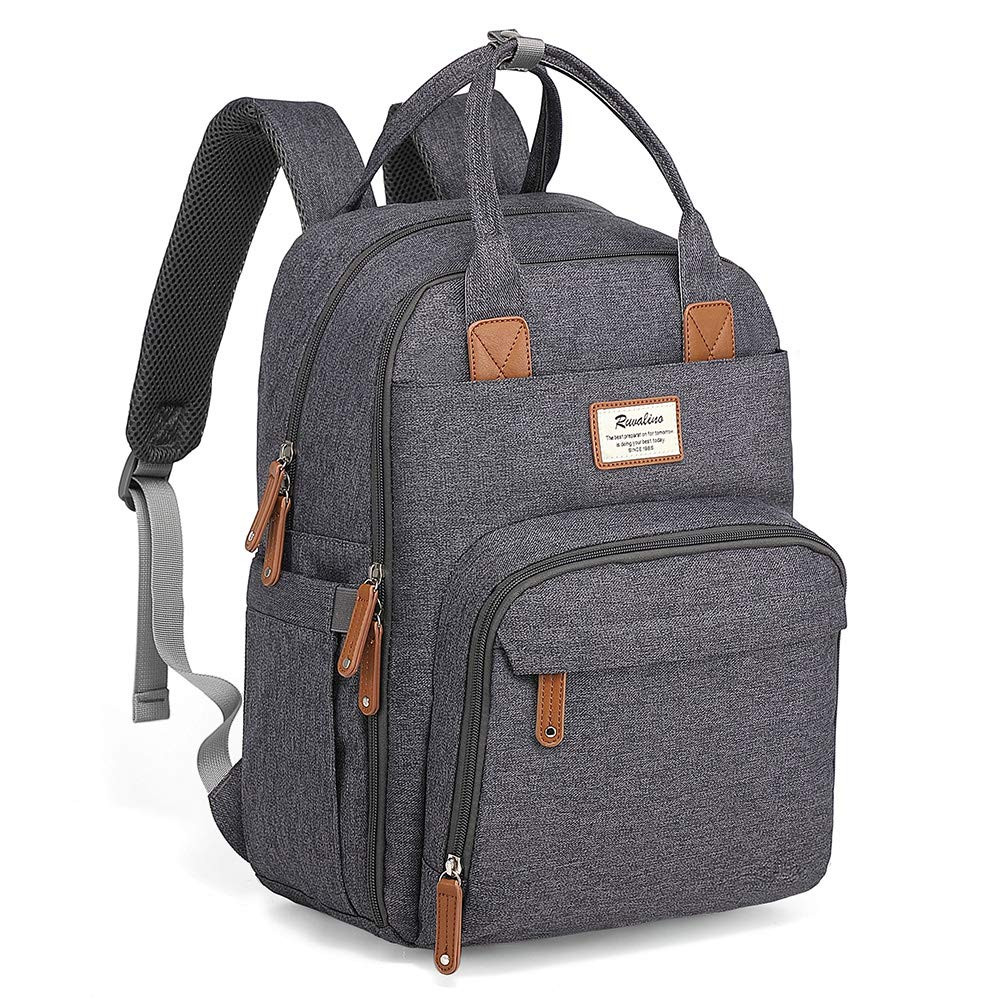


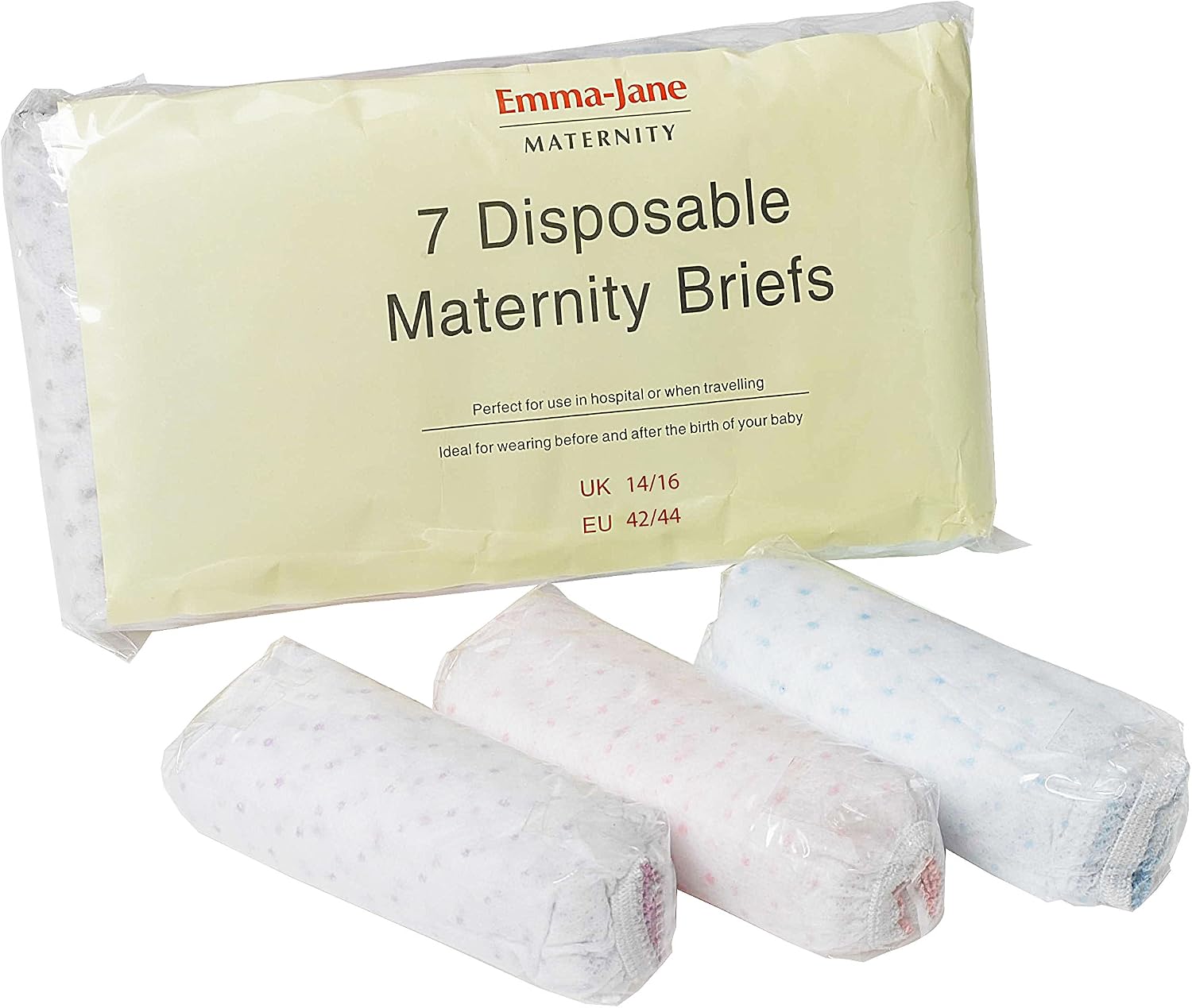

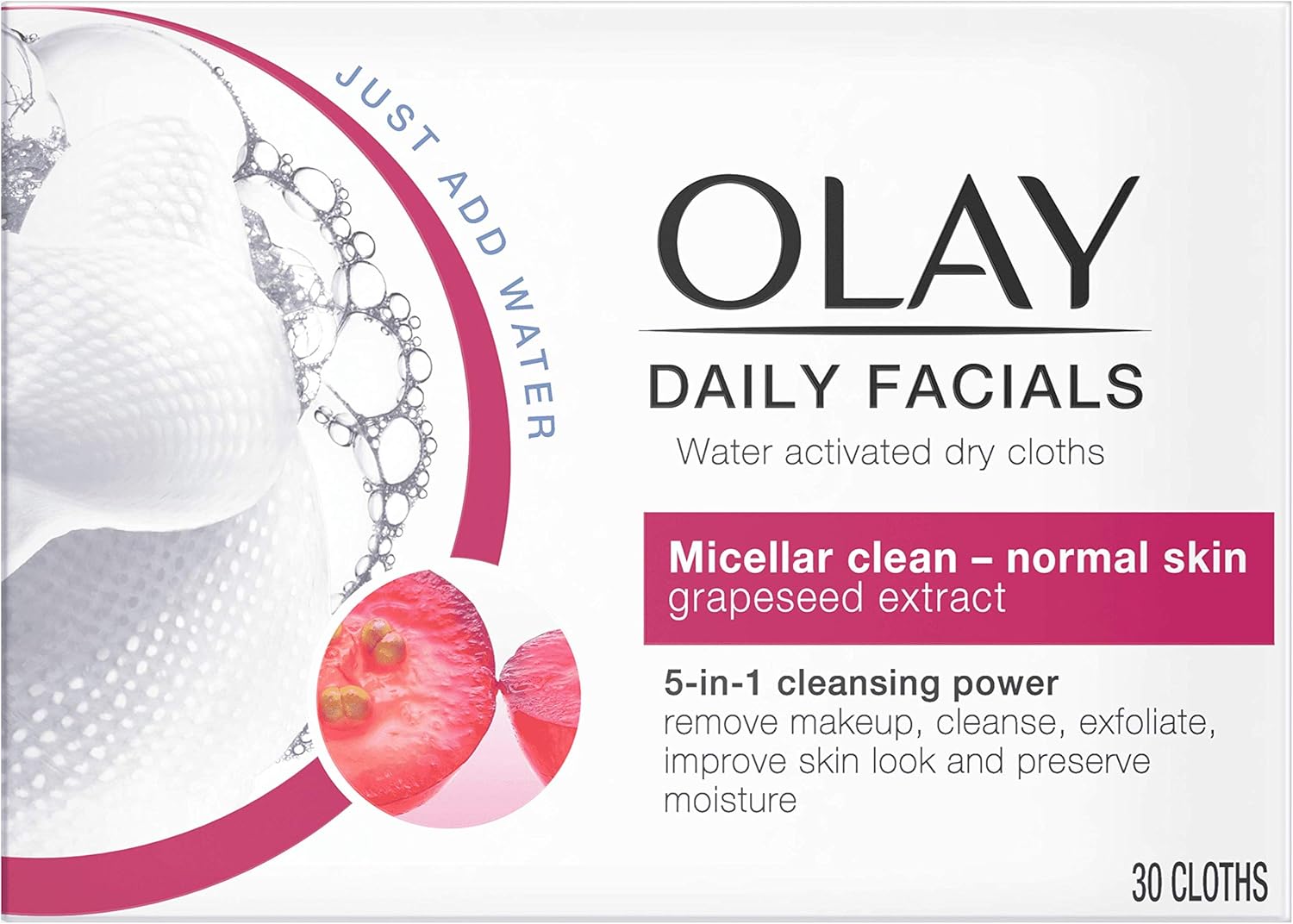 Breast pads and nursing bras