7 ways to get preschoolers interested in science and maths
It’s never too early to introduce maths and science topics for kids. It’s even encouraged to expose children as young as preschoolers to these subjects. Doing so creates a strong foundation that can lead to future academic success. While many parents would love to lay the groundwork for this, some aren’t certain how to get their children interested in maths and the sciences.
There are great ways to get preschool kids excited about science and math. The trick is to blend these subjects into everyday life in fun ways and talk positively about them. It’s also important to find a preschool where teachers are really good at making learning exciting.
In this article, we’ll go over some creative ideas that can help your little ones become interested in and love science and math.
What is basic science for kids?
Basic science for kids is all about making science and math interesting topics to learn and as a fun part of their day. Interesting science topics can use playtime, stories, and everyday stuff to teach them cool facts and ideas. For example, playing with blocks to learn about shapes or going on a nature walk to learn about plants and animals. It’s about keeping things simple and fun, so kids get curious and want to learn more!
Incorporate play-based learning maths and science topics for kids
The best way you can spark your child’s interest in any subject is through play using educational toys and games. For example, consider letting children play with blocks and other building toys to help introduce basic maths and engineering concepts. This makes the learning process fun and further encourages young learners to explore the topic.
It’s also a good idea to enrol your child in a preschool that employs play-based learning. For instance, Kinderland School in Singapore integrate various approaches to effectively teach their students. Among these is engaging children in various activities that support their overall development. You can read reviews about Kinderland to get an idea of what goes on inside the classrooms. Additionally, you can check out Kinderland’s preschool curriculum and you’ll discover that the school incorporates a variety of elements into its pedagogy to enhance learning and literacy in young children. Aside from maths, science, and language, the school also leverages the benefits of art and music in lessons to help improve children’s concentration and memory.
Engage in storytelling
Another method to get your children interested in science and math is through storytelling. That’s because it can be a powerful tool for captivating young minds. Telling stories boosts children’s listening and comprehension skills. They tend to be more attentive, especially when the narrative is engaging. Listening to stories also helps develop children’s imagination. It encourages them to make up the scenes in their minds.
So, look for books that seamlessly weave science and math concepts into the narratives. These can be stories that involve problem-solving, counting, or concepts about nature. Read these stories to your children and see the learning transform into an exciting adventure for them.
Link math to children’s daily lives
Every day is a chance for your child to learn about math without even realising it. Think about the regular things you do together. You can count steps when you’re out for a walk, or count the buttons when getting dressed. When you’re cooking or baking, let them help measure the ingredients. This way, they get to see numbers, shapes, and sizes in real life, which makes math fun and interesting for them.
Go on outdoor adventures
Similarly, identifying science in fun activities sparks curiosity about the world around pre-schoolers. With hiking, camping, and engaging in other outdoor adventures, children get exposed to the basic concepts of biology, chemistry, and physics, in a natural setting. They can discover different flowering plants while having fun outside, and they can observe how butterflies fly and how water striders glide on water. They can also learn about how the campfire changes the original state of wood.
Grow things in the garden
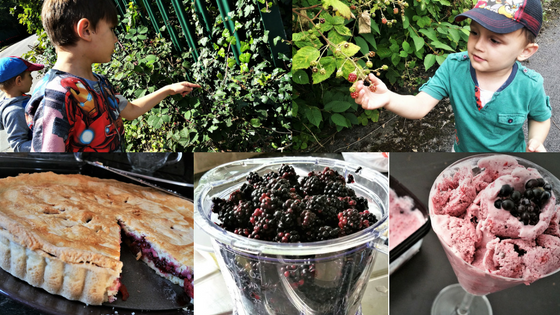
Science experiments are everywhere if you look hard enough! Gardening is another great way to get pre-schoolers interested in science. You can talk about plants’ growing cycle and how different elements contribute to their development. Consider tackling how the sun, water, soil, insects, and fungal matter all work together to support the plants’ growth. You can also delve deeper into composting, which may open up the opportunity to discuss recycling and taking care of the environment.
Get children involved in grocery shopping
Grocery shopping naturally involves maths, particularly counting and sorting items. You can encourage your preschoolers to count the number of apples, bananas, or other items as they place them in the shopping cart. Ask their help to sort fruits and vegetables by colour or type as well. These tasks help enhance mathematical skills while adding an element of fun to the experience.
Besides helping you fill your grocery cart, engage your child in comparing and contrasting different food products. Discuss the sizes, shapes, and quantities of items on the shelves. For example, ask questions like, “Which cereal box is bigger?” or “How many cans are in a pack?”
Use positive communication
To spark your child’s interest in science and math, it’s important to have a positive outlook on these subjects. Try not to say things like “math is hard” or “science is complicated,” as this might make your child feel scared of these topics. Instead, encourage and support them positively. Talk about science and math as exciting things to learn. By mixing play and everyday activities with these subjects, you can make learning fun. This approach helps to build a child’s curiosity and sets a good foundation for their future education.

Science topics for elementary school and preschool
Here are some other science topics for elementary school and preschool that could spark a love for science and maths!
Basic science topics for primary school
- Basic Plant Life Cycle (e.g., parts of a plant, what plants need to grow).
- Animal Habitats (e.g., where different animals live).
- Weather and Seasons.
- Earth / Science/ Weather Water Cycle
- Simple Astronomy (e.g., sun, moon, stars).
- Human Body Basics (e.g., parts of the body).
- Water Cycle (rain, evaporation).
- Basic Physics (e.g., floating and sinking).
- Dinosaurs and Prehistoric Life.
- Insects and Bugs.
- Colours and Light (e.g., rainbow formation).
Science topics for elementary school
- Ecosystems and Biodiversity.
- Valentines Day Science Projects
- States of Matter (solid, liquid, gas).
- Simple Machines (levers, pulleys).
- Solar System and Planetary Science.
- Basics of Electricity and Magnetism.
- Food Chains and Food Webs.
- Human Body Systems (digestive, respiratory).
- Rock Cycle and Earth’s Layers.
- Plants Lifecycle and Photosynthesis.
- Basic Chemistry (mixing substances, reactions)
These interesting science topics are age-appropriate and can spark curiosity and a love for learning about the natural world.
FAQ
What do you teach a 5-year-old about science?
Other questions asked were:
- What science topics should I teach my 5 year old?
Teaching a 5-year-old about science is all about exploring and discovering the world around them in a fun way. You can talk about things like:
- Nature: Go outside and look at different plants, insects, and animals. Talk about how plants grow and why animals look different.
- Weather: Discuss sunny days, rain, and snow. You can explain why the weather changes and what clouds are.
- Space: Look at the stars and moon at night. Talk about what they are and introduce basic ideas about the solar system.
- Simple Experiments: Do easy experiments like mixing colors or floating and sinking objects in water to learn about basic concepts.
Remember, it’s all about interesting topics about science fun and engaging for them!
*Collaborative feature post*