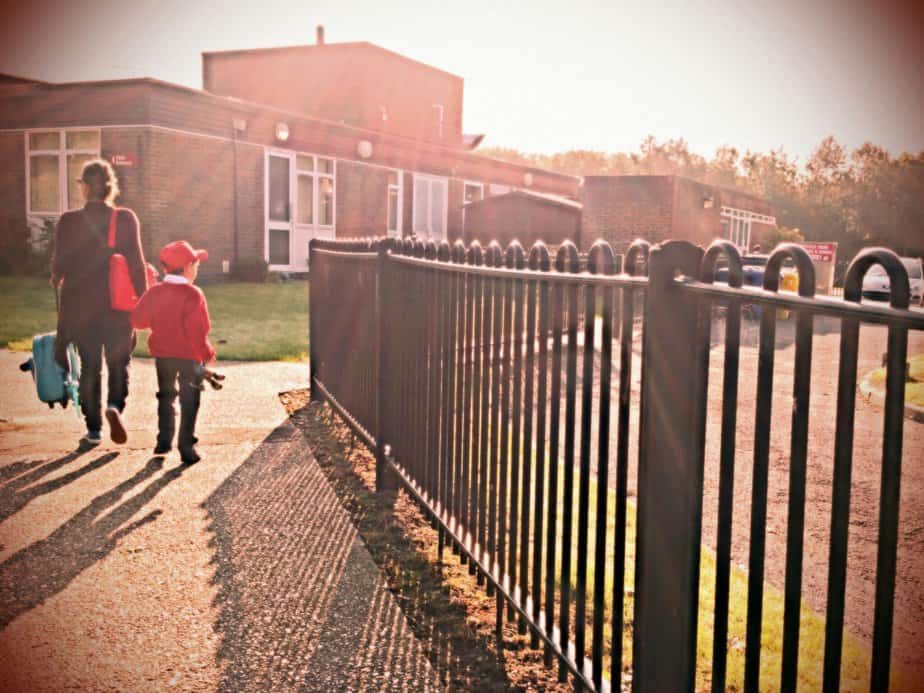
Back to school preparation tips for a smooth first day back
The time is coming to think about how to get ready for back to school again. And the earlier back-to-school preparation for parents starts during the summer the better, so kids don’t face such a shock when they’ve not had the routine of school runs, homework, reading and putting on their school clothes every morning.
Kids who have not prepared for school in advance can often become anxious when school starts, especially if they are transitioning from infants to juniors or when your child is starting reception for the first time.
The key is to start school preparation slowly and organise your child’s school supplies list in advance, so your kids know what’s coming when they start a whole new school year. I have laid down some back-to-school tips for parents, with an essentials list in the first part of this article and the second part will discuss preparing for back to school (geared towards the transition between nursery and reception).
Back to school essentials
You won’t need all the items in your back to school preparation checklist as some schools’ requirements are different. So, if anything is missing, please pop your list on how to get ready for going back to school in the comments below this post. Older kids may require more items, so I am basing my essential list for kids and back-to school tips for elementary students.
Backpack
Some schools require you to purchase a branded school bag for the infant stages, but when the kids get to the Juniors (Year Three to Year Six), they can bring their own backpack into school.
Back to school organisation tips should include a good sturdy backpack that is school-proof, and make sure the bag has pockets for items like their water and pencil case, and perhaps a separate section for their lunchbox if they’re not having school dinners. Make sure the bag is big enough to pack school-related books (school folders, notebooks, homework books, reading books etc.) with enough space for other bits and bobs like snacks and items they collect on the way.
I sometimes find leaves, rocks and all sorts of memorabilia in my boys’ backpacks, which brings me to another one of my school organisation hacks – make sure they are waterproof and breathable with durability that gives the backpack longevity. Your child’s school bag will be dragged across the floor, swung onto the shoulders, thrown into a corner and waded through the four seasons of weather. So, make sure it’s built to last!
Here are some great backpacks for kids from Amazon:

Marvel Spiderman Denim Compact Backpack 2 Wheels Blue 32 x 45 x 21 cm Polyester 30.24L. Buy from Amazon here*


Lunch box
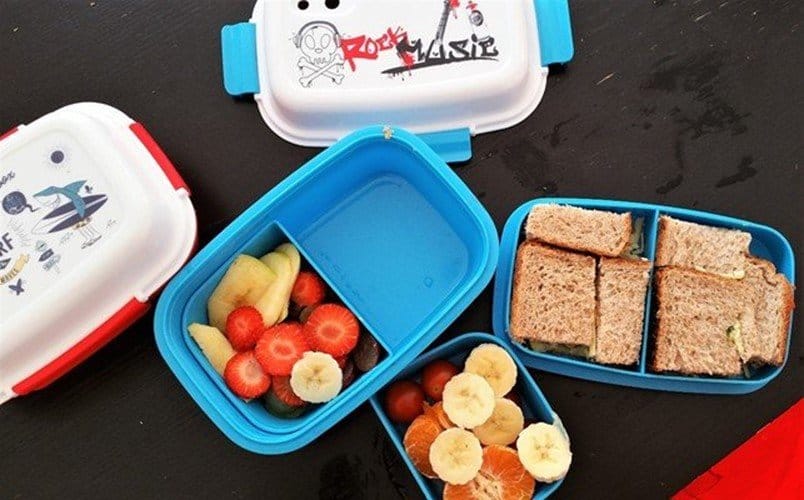
If your child is not having school dinners, then use sturdy lunchboxes to keep their food fresh and drinks cool. You can opt for a lunch bag with a strap branded by their favourite character, or you can go for one of those old school hardback lunchboxes. Bento-style boxes are great because they contain different departments to carry all your child’s favourite lunch items. You can find some great food ideas for lunchboxes here. Variety is the spice of life when thinking about how to prepare for going back to school!
Water bottle
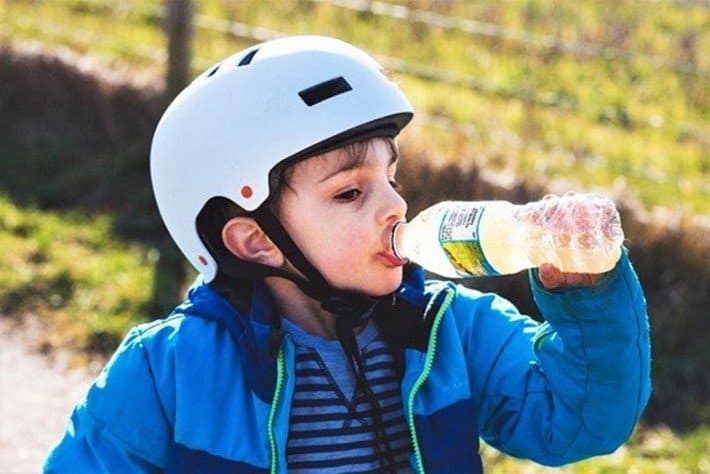
Water is massively important to keep your kids hydrated during the day, and the school may not always provide water or have liquids to hand. So, when preparing for school, I pack the boys with disposable water bottles, but if you would prefer your child to keep the same bottle then make sure that the bottle fits in your child’s backpack or school book bag and it keeps water cool and fresh during the day, especially in the summer. An easy top cap and lid opening system is a must so kids can grab a quick drink while they’re running about the school.
Homework area at home
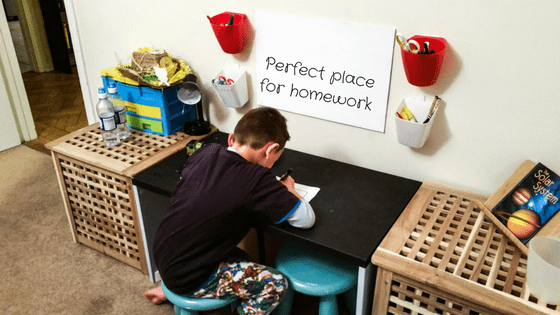
To be ready for back to school, prepare your child’s bedroom with a homework area at home, so they have somewhere where they can complete their homework or read their books. A homework area doesn’t need to be expensive. I created one for just under £40, and even though the boys are getting too big for the table, they still used it for a good few years. Click here to find out more about my homework area challenge.
Warm jacket/raincoat
September can still be warm, but by October it can get cold quite quickly. A warm jacket/raincoat is an absolute must, and there are several things to think about when buying a coat for school. Whether you walk to school or take the car, your child will inevitably need to wear a jacket.
Make sure the coat is easy to put on and take off, and leave out fancy buttoning-up systems and complex layers. Opt for a 3 in 1 coat, which is breathable, waterproof and insulated, so your child can wear it for most of the school year, although, undoubtedly they will grow out of it very quickly. Make sure to pick a coat with translucent stripes or one that glows in the dark during those school runs when it gets dark quickly. But don’t worry if you can’t find a coat with special stripes. You can buy glow in the dark tape to affix to your child’s coat so cars can spot them in the dark.
Back to school clothes
You may be requested to purchase special branded jumpers and summer clothes/dresses, but you can find very cheap school shirts and trousers in all the major stores these days for as little as £1.50. Make life easy for yourself and go for the crease-free version, so there’s less ironing to do every day and make the clothes durable as kids will no doubt wear them out quite quickly with all that running, falling and scraping they’ll do every day! Purchase underwear and socks that are 100% cotton too so that they’re breathable and easy to wear as kids will sweat during warmer weather. A non-exhaustive list can include:
- Shirts* (long-sleeved and short – go for crease-free)
- Sweaters, cardigans and fleece jumpers (you may have to purchase the branded version from a specialised school uniform shop)
- Trousers and shorts (make sure you pick creased-free and the right colour for your school)
- Skirts and summer dresses*
- Socks and tights (go for 100% cotton as it’s the kindest on your child’s skin)
- Underwear (again go for 100% cotton)
- Hair accessories if required
Apron
You may be required to purchase a waterproof apron for arts and crafts. However, an old shirt will do if you’re saving money. But, make sure to pack it in your essentials list, so your child’s school clothes don’t get ruined!
Small umbrella and wellies
We live in a country where all four seasons could potentially happen in one day. This means that we need to prepare for any weather. Buying a small child-sized umbrella and wellington boots can ensure they prepare for the rainy season when it hits.
Hats scarf and gloves set
As we get into the winter season, the weather will turn icy and cold. Protect your kids on the school run with woolly hats, scarves and glove sets, which you can find branded with your child’s favourite character or hobby.
Sun cream / Sun hat / sunglasses
You should apply sun cream to your child throughout the year and sunglasses worn even during cloudy weather. It’s important to protect your child’s skin and eyes to prevent skin cancer. Kids tend to have an aversion to sunglasses, so it’s important to educate them on why it’s so important and hope for the best that they wear during the school day!
PE Kit
The school provides us with a special PE Kit list which generally includes a coloured shirt, black shorts, jumper and tracksuit bottoms. You should also pack a pair of trainers and plimsoles so kids can alternate between outdoor PE and indoor PE. As the kids get older, you may be required to provide football boots and shin pads as well, with long football socks.
Teachers may also require you to pack football trainers for indoor football.
Electronics
If your child is older, they may require to bring electronics like a laptop or iPad. Check with your teacher whether this is the case and make sure you pad the electronics correctly and their backpack can comfortably house them too.
Back to school shoes
Indoor shoes
Indoor shoes are very important so as not to bring the outside dirt into the classrooms. Make sure you opt for an indoor shoe which is comfortable as your child will be in those shoes for most of the day. Opt for Velcro or buckled style shoes so that it’s easy to put on and take off.
Outdoor shoes
Outdoor shoes are a must, especially if your child is walking to and from school every day. Kids will play on all different terrains, so make sure the shoes are durable and comfortable.
Pencil case
Not all kids will require a pencil case to go to school. In my boys’ school, so from Year 3 onwards, the kids are required to pack a pencil case, which includes the following:
- Pencil case
- Pencil
- Pencil sharpener
- Eraser
- Ruler
- Pritt Stick
Your teacher may request that your child pack other items like scissors, index cards, post-it notes, and highlighters. Ask your teacher before you leave school for the summer, so your child is prepared on the very first day back at school.
Back to school labels
Label all of your child’s clothes clearly because kids are notorious for going home in other children’s clothes or somehow along the way from home to school to back home, their clothes magically disappear. You can purchase iron-on labels or mark your kids’ clothes with Sharpie so it’s permanent. You can purchase some great custom labels for kids at Sticker You.
Use stamps to label your kids’ clothing
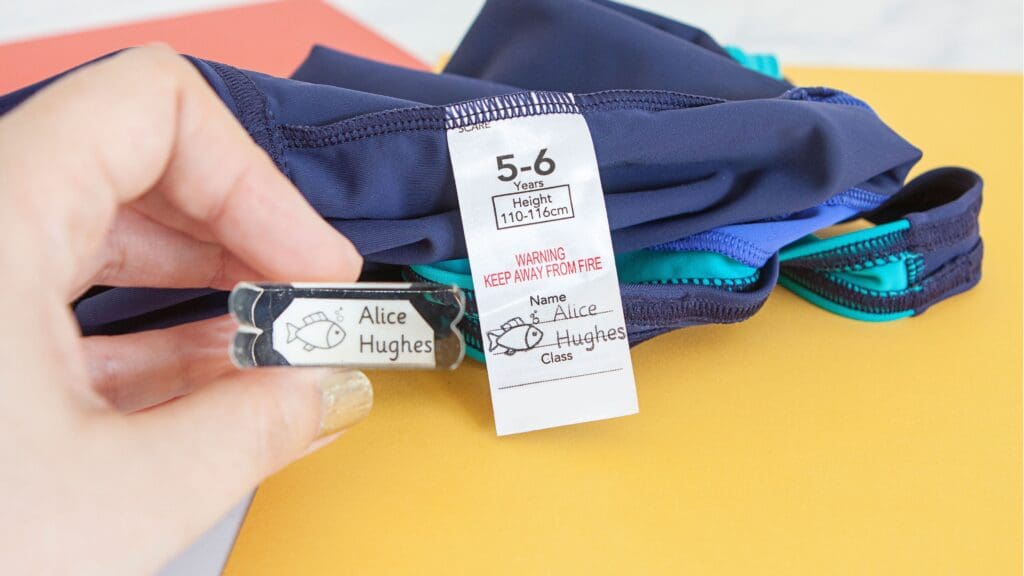
You can also use stamps to label your kids’ clothes. They’re a bit more reliable than labels and they last longer too! We have a personalised stamp from Stamptastic which is so easy to use, lasts 50 washes and there’s no need for ironing too! You can buy a School Names Deluxe Bundle here which includes a Personalised Name Stamp, a Stamptastic Ink Pad and a White Fabric Pen.
How to prepare for the first day of school
If your child is starting elementary school for the very first time, then this monumental transition will be just as nerve-racking for them as it is for you. Starting school is a massive change, especially when during the pandemic, most children had to complete distance learning. So when preparing for back to school after covid, it’s important to not only teach them how to get ready for school but to prepare them in advance and ease them into their first day slowly. Here are some tips for preparing your child for school:
Help your child to be social and make new friends
Your child may already have friends coming to school with them from nursery, in which case their friends are a great way to ease them into a big new school with lots of strangers. However, if they are coming on their own, then it is important to encourage their social skills and expose them to as many other kids and playdates as possible.
If your child has a settling-in session, it’s a great idea to bring them with you, so they get a feel for their new school and learn some new faces before September. You may even want to buddy up with some other parents and encourage online WhatsApp or Facebook groups so you can arrange playdates for your kids in advance.
Practice how to say goodbye
Your child may find it easier to settle to school if they have already been to preschool or nursery, as they have gotten used to saying goodbye to you, even if only for a couple of hours. But, if your child has never left you, then it’s important to practise saying goodbye now to prepare for when school starts. School should implement a staggered start system to help kids learn how to get prepared for school slowly.
In reception, kids only come for a few hours, and then the week after, they stay for lunch, and then finally they stay for the entire duration of the school day. Get into the habit of saying things like, “Goodbye, I’ll pick you up at 3.15pm, when school finishes”, “I’ll pick you up after football” or something along those lines so that your child knows when you will be back. Stick to terms that your child will understand so they’re not confused as they may not know how to tell the time yet.
Practice the school run

If you can, then it would be a great idea to practice doing the school run with your child, so they know what to expect on their first day. Practising the school run will also provide them with a sense of security and help you work out how long you will have to get you and your child ready in the morning without any stress or rushing around.
Help your child to develop good hygiene skills and independence
One of the most important rules when learning how to get ready on the first day of school is self-hygiene. The school will expect your child to know basic hygiene, for example, going to the toilet, flushing the toilet and then washing their hands. Teach them how to wash their hands properly with soap and water, and this will reduce the chances of them catching nasty school bugs too.
Help them practice using a knife, fork and spoon as well and encourage them to take the initiative in certain situations. For example, if their nose is running, they get a tissue and wipe their nose, then throw the tissue away. Other skills are to make sure they always wash their hands before eating as well.
Encourage your child to have a healthy appetite
Encouraging your child to eat a variety of foods can be tough, especially if your child is a fussy eater. However, you can inspire a healthier attitude to food when you adopt a healthy attitude yourself. Encourage eating together and incorporate lots of fruit and veggies in your diet as you set the example of how to eat at home.
Prepare them for the range of choices they will face during school dinners by introducing a few unfamiliar foods at home or taking them out for a meal at a restaurant in the run-up to school. Try not to stress or rush your child with eating. If they genuinely can’t eat a certain food, then don’t force them. Offer up the food, and if they don’t eat it, then they don’t eat it.
How to prepare for school the night before
One of the most important tips on how to get ready for the first day of school is to pack your child’s back to school essentials the night before, so that you don’t rush in the morning. Wash and iron school clothes ready with socks and underwear so that when your child wakes up, they can put them on straight away. Also, set the alarm clock so they know when to get up
The aim is to have more time to check in with your child and prepare them for the day ahead, rather than rushing around hunting for last-minute bits and ushering them out of the house in a negative and stressed manner.
Of course, it is a lot easier to say it if your child may not want to go to school or they are taking their time to get ready, with the clock ticking. But, the extra time you save by preparing the essentials the night before can be spent talking to them about their worries, so they feel more at ease before they start the day.
Let your child take the necessary steps to get ready for school by themselves in the morning
It may take some practice to help them get into their clothes, but it’s a great skill if they can get ready by themselves because they may have to change for PE or put on their coat during break time. They may even jump at the chance to act independently and relish the chance to show mummy and daddy how grown up they are, so encouraging them to build on this skill set is invaluable.
Teach them how to pull up a zip, fasten buttons and brush their hair, as well as put on their shoes and give them the chance to practice putting on their uniform and taking it off before school starts.
Chat to them about school the night before or read a book about it
The key is to prepare your child for school by making them understand as much as possible about what they will expect. Take out some books from the library about starting school and read them with your child during the night, so they feel more comfortable about what to expect the next day.
Show them how fun it will be to meet lots of new people, make new friends and that they will be in a class of approximately 30 kids with one teacher. Speak to them about the rules of the school, i.e. listen to the teacher, and speak to an adult if they are not feeling comfortable or happy etc.
Keep it fun at home
Just because your child is starting school, it doesn’t mean that the fun should stop at home. It’s important that they still get lots of fun in, as teachers in reception won’t expect your child to work solidly for hours on end. Learning through play at this age is essential, and their teacher will encourage more arts and crafts and outdoor style games to help them ease into the subsequent years.
Try to include this style of play at home too, for example, do some painting with them and encourage them to fetch the paints and then put them away. Help them to put on their apron and if they’re playing with toys, get them to put the toys away when they’re finished. These skills are building blocks to having an easier time at school.
Stay relaxed!
One of the ways to prepare for back to school calmly is to keep your emotions in check. Your child will pick up stressed vibes from you and then they will get stressed. If you’re worried about your child starting the school season, they will also pick up on this and feel nervous.
Perhaps find time to learn how to prepare yourself for the first day of school too. Show them how happy and excited you are that your child is growing up and starting big school, even if you find this super difficult because they’re going to start school regardless of how you feel Think about how to prepare to go back to school in a way that doesn’t include negative emotions. It’s better to instil confidence in them rather than nerves – I promise you will be pleasantly surprised at how well their first day will go!
Back to school tips for high school students
Transitioning from primary school to secondary school can feel like the biggest change in a pre-teen’s life. Click here for some tips on how to transition from primary school to secondary school and teach your tween how to get ready to go back to school.
*Collaborative feature post which includes affiliate links”