The benefits of play therapy autism activities in kids
Play therapy is a wonderful way to encourage kids to open up on topics they may not feel comfortable expressing verbally. For children with autism, where communication can be especially challenging, these therapeutic activities can make a world of difference.
Both play and speech therapy offer children the chance to learn, grow and connect in ways that feel natural and enjoyable. Therapy isn’t just about addressing communication challenges-it’s also about nurturing social skills, building emotional resilience, and creating a space where children can truly be themselves. Let’s explore this guide to autism speech therapy and how storytelling and other methods in play therapy autism activities can support children on the autism spectrum in meaningful, holistic ways.
Why play therapy autism activities are crucial
Play therapy and speech therapy provide unique benefits for children with autism, especially when therapists adapt these approaches to suit meet a child’s individual needs. While speech therapy often focuses on improving communication skills, play therapy engages children in creative and sensory activities that improve fine motor skills, support sensory processing, and strengthen social interactions.
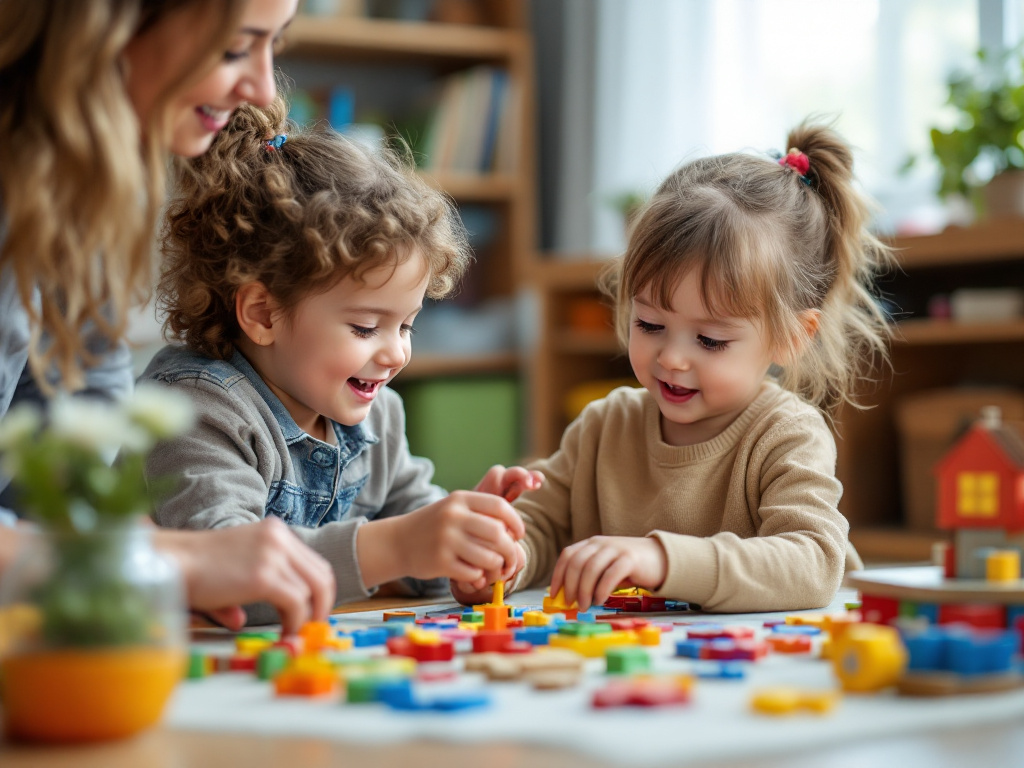
Together, these therapies provide a safe and structured environment where children can practice essential skills-like turn-taking, managing emotions and interpreting social cues—all while having fun. Through engaging storytelling games, pretend play, and interactive activities, children with autism can explore and practice these skills in ways that feel natural and fulfilling.
The importance of a supportive environment
Children with autism face unique challenges in daily life, from interpreting social cues to managing sensory sensitivities. A structured, supportive environment allows them to explore these areas with greater confidence. In play and speech therapy,, the environment provides a safe space for the child to express themselves, interact with others, and experience sensory activities in ways that are not overwhelming.
Therapists play a key role in setting up this environment. They plan activities that feel playful but are thoughtfully designed to support specific developmental goals. For example, storytelling games allow children to use language creatively, practice listening, and engage in social interactions—all without feeling pressured. This type of environment is essential for making progress that feels both natural and meaningful.
Play therapy ideas for autism
Play therapy for autistic children includes structured activities that support emotional and social growth. Here are some play therapy techniques that can be especially effective:
1. Storytelling through sensory bins and sensory swings
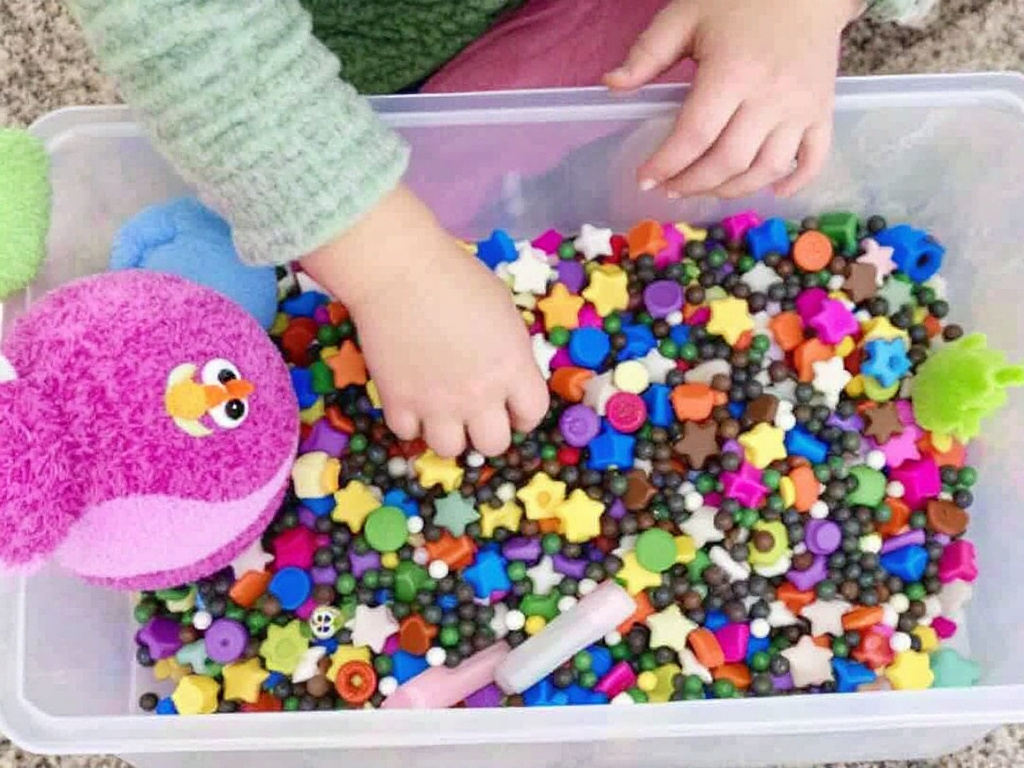
Sensory bins and swings are popular tools in occupational therapy and provide calming sensory input, helping children regulate sensory sensitivities. But beyond their sensory benefits, these can also be great tools for storytelling.
For example, a sensory bin filled with rice or sand allows children to explore objects by uncovering small toys or figurines. Therapists can prompt children to create a story with the items they find, which helps them connect objects to language and narrative. Sensory swings, meanwhile, offer a fun, safe environment where a child might tell a story or listen to a therapist tell one, further reinforcing relaxation with language skills.
2. Pretend play and role-playing games with a storytelling focus
Pretend play is essential for social development. It allows children to act out familiar scenarios, explore emotions, and even practice empathy. For instance, playing “house” lets children act out routines like preparing meals or getting ready for bed, which helps them process daily experiences in a safe, imaginative way.
In these scenarios, storytelling often emerges naturally as children create dialogue and situations for their characters. Role-playing games, adapted for group play, allow children to take on different roles, encouraging turn-taking and active listening. For children who struggle with social cues, pretend play and storytelling create a low-stakes environment for practicing language and social skills without fear of judgment.
3. Interactive group games with storytelling elements
Group activities, like board games or scavenger hunts, can be adapted to include storytelling. Board games that involve dice or drawing cards allow children to create stories as they play, adding another layer of engagement and imagination.
For example, therapists might modify a board game so each turn involves describing what a character in the game is doing or feeling, incorporating storytelling while focusing on language and social skills. Group storytelling activities encourage children to work together, listen to one another, and develop narrative skills in a fun and supportive setting.
The role of speech-language pathologists in storytelling-based interventions
Speech-language pathologists (SLPs) play a crucial role in implementing storytelling games as therapeutic tools. They select and adapt games to target specific speech and language goals for each child, guiding gameplay, modeling language use, and providing feedback to reinforce learning.
SLPs can make therapy sessions more engaging and motivating for children with autism, helping them practice essential communication skills in enjoyable, low-pressure settings.
SLPs may use picture-based storytelling for minimally verbal children, where they present a series of images and encourage the child to describe the scenes. This technique not only supports vocabulary and sentence structure but also provides an opportunity for children to practice sequencing, a critical component of storytelling that helps improve narrative skills and logical thinking.
The benefits of storytelling in speech therapy for autism
Storytelling is a powerful tool within speech therapy, especially for children on the autism spectrum, because it combines language development, social engagement, and emotional expression in one activity. Here’s how storytelling-based speech therapy can support children in building vital communication skills.
1. Enhancing language and communication skills through storytelling
Storytelling games are one of the most effective ways to enhance language skills in speech therapy. These games allow children to create and share stories, which promotes expressive language and vocabulary building. For children who are minimally verbal, picture-based storytelling provides visual cues, helping bridge the gap between thoughts and spoken words.
For example, a speech therapist might guide a child through a series of images and ask them to describe what’s happening in each one. This activity helps children practice sentence structure, vocabulary, and narrative skills, fostering comfort with language and making it easier to communicate needs and feelings.
2. Practicing social communication through storytelling scenarios
Social communication is another area where storytelling makes a big impact. Through storytelling games, children can practice conversation skills like initiating topics, maintaining dialogue, and responding to others.
Therapists might use a simple story and prompt the child to continue it, allowing them to add details or respond to questions about the characters’ actions or feelings. These interactive storytelling sessions give children a chance to practice the back-and-forth of real-life conversations in a supportive, structured environment.
3. Building Emotional Expression through storytelling characters
Storytelling is also effective for helping children explore and express emotions. By interacting with different characters and scenarios, children learn to identify and understand various emotions, as well as how to manage them.
For instance, therapists might introduce a story with characters experiencing a range of emotions, such as happiness, frustration, or sadness. They can then ask the child how each character feels and why, allowing the child to reflect on and discuss emotions in a safe space. This type of storytelling builds emotional recognition skills, which are often challenging for children with ASD.
Practical tips for parents and caregivers
Storytelling and play-based techniques can be extended beyond the therapist’s office. Here are some practical tips to bring these techniques into your everyday life:
1. Encourage pretend play and storytelling at home
Simple games like “restaurant” or “doctor’s office” give children a chance to create stories around familiar scenarios. Allow your child to take the lead in creating a story, and follow their cues. Letting the story evolve naturally can be a fantastic way for them to express thoughts and feelings.
2. Use visual supports and story schedules
Visual supports like picture charts, storyboards, and “first-then” boards can be helpful for children who feel anxious in new situations. Using visual aids to map out a simple story or a schedule of the day’s events can help children understand sequencing and develop a sense of narrative structure.
3. Practice storytelling with everyday events
Storytelling doesn’t need to involve elaborate plots. Use everyday events as storytelling prompts. For instance, after a family outing, ask your child to describe what happened, guiding them to recount the day in order. This simple practice helps them develop narrative skills while reinforcing memories of positive experiences.
Working with qualified therapists
Occupational therapists, speech-language pathologists (SLPs), and play therapists have specific training to support children with autism. Therapists adapt activities to each child’s strengths and growth areas. For example, an SLP might incorporate storytelling games to enhance language skills, while an occupational therapist might use sensory-based storytelling activities. Qualified therapists also guide family members on how to reinforce these skills at home, creating a well-rounded approach to therapy.
FAQs on storytelling in play therapy and speech therapy for autism
What are the main benefits of storytelling games in autism therapy?
Storytelling games enhance language, social, and emotional skills by letting children practice these skills in a structured setting. Storytelling offers a unique way for children to build social connections, understand emotions, and express themselves.
How does storytelling in play therapy help with social skills?
Storytelling within play therapy encourages cooperation, empathy, and emotional regulation. These skills are essential for children with autism as they learn to navigate social situations.
What is the role of storytelling for minimally verbal children?
For minimally verbal children, storytelling through picture-based activities provides visual cues that support language development, helping them communicate thoughts and ideas in a way that feels comfortable.
Long-term benefits of storytelling in play and speech therapy
The benefits of storytelling in play and speech therapy extend far beyond individual sessions. As children develop communication and emotional skills in a safe,
Play therapy ideas for autism
Play therapy for autistic children uses structured activities to nurture emotional and social growth. Here are some play therapy techniques that work wonders:
1. Sensory swings and sensory bins
Sensory swings are a popular tool in occupational therapy. They provide calming sensory input and help children regulate sensory sensitivities. Swings can also be a fun way to practice social engagement in a safe environment. Sensory bins, on the other hand, offer hands-on activities where children can play with textures, colors, and objects, stimulating their senses and encouraging exploration.
For instance, a bin filled with rice or sand allows children to bury and uncover toys, which can help improve fine motor skills. These activities create a great way to help children feel centered and calm, making them ideal starting points for play therapy.
2. Pretend play and role-playing games
Pretend play is essential for social development, and it provides children with a platform to explore emotions, practice empathy, and understand social roles. For example, playing “house” allows children to act out familiar routines, like preparing meals or getting ready for bed, which helps them process daily experiences in a safe, imaginative way.
Role-playing games can be adapted for group play too, promoting turn-taking, active listening, and creative thinking. For children who may struggle with social cues, pretend play offers a low-stakes environment to practice without fear of judgment.
3. Interactive group games
Group activities, such as board games and scavenger hunts, encourage cooperative play and social interaction. These activities teach children the basics of turn-taking, listening, and responding, which are crucial for social success.
Board games that involve dice or drawing cards are perfect for promoting social skills and patience. Plus, these games are highly adaptable; for example, therapists can modify rules to focus on specific skills, like following directions or expressing emotions.
The role of speech-language pathologists in game-based interventions
Speech-language pathologists (SLPs) play a crucial role in implementing storytelling games as therapeutic tools. They select and adapt games to target specific speech and language goals for each child. SLPs guide gameplay, model appropriate language use, and provide feedback to reinforce learning objectives.
These professionals create structured environments that encourage turn-taking and social exchanges. They may use visual supports or modify game rules to accommodate individual needs. SLPs also involve parents and caregivers, teaching them to use game-based strategies at home.
By incorporating storytelling games, SLPs can make therapy sessions more engaging and motivating for children with autism spectrum disorder (ASD).
The benefits of speech therapy for autism
Speech therapy is incredibly beneficial for children with ASD, especially when it includes storytelling games and structured language activities. Here’s how speech therapy supports children in building vital communication skills.
1. Enhancing language and communication skills
Speech therapy is known for enhancing language skills, and storytelling games are one of the most effective tools for this purpose. These games allow children to build expressive language skills as they create and share stories. Picture-based storytelling games are especially useful for children who are minimally verbal, providing visual supports that help bridge the gap between thought and speech.
For example, a speech therapist might use a game where children describe a series of images, helping them practice sentence structure, vocabulary, and narrative skills. As they become more comfortable with language, children may find it easier to communicate their needs and feelings.
2. Practicing social communication
Social communication is another area where speech therapy can make a big impact. Through role-playing and storytelling games, children practice conversation skills like initiating topics, maintaining dialogue, and responding to others. These activities give children a chance to navigate the back-and-forth of real-life conversations in a supportive environment.
Therapists often create scenarios that mirror everyday interactions, such as ordering food or asking for directions. By practicing these “scripts,” children build confidence in their communication abilities, which can make a significant difference in their daily lives.
3. Building emotional expression
Storytelling and role-playing games also help children explore and express emotions. By interacting with different characters and scenarios, children learn to identify various emotions and understand how to manage them.
For example, therapists might use puppets or picture cards to help children discuss how a character feels and why. These discussions provide a safe space to explore complex emotions, from joy and surprise to frustration and sadness. For many children with ASD, understanding emotions is challenging, so this form of therapy is particularly valuable.
Practical tips for parents and caregivers
For families, therapy doesn’t have to stop at the therapist’s office. Here are some practical tips to bring the benefits of play and speech therapy into everyday life.
1. Encourage pretend play at home
Simple games like “restaurant” or “doctor’s office” provide children with opportunities to practice communication, turn-taking, and emotional expression. Start by creating a scenario together, then allow your child to take the lead. Follow their cues and let the play evolve naturally—this can be a fantastic way for them to express their thoughts and feelings.
2. Use visual supports and schedules
Visual supports like picture charts, schedules, and “first-then” boards can help children understand and anticipate what’s coming next. These aids are particularly helpful for children who feel anxious in new situations. For example, a visual schedule showing the day’s routine can help children transition smoothly from one activity to the next.
3. Practice storytelling with everyday events
Storytelling doesn’t need to involve elaborate plots or fantasy. Use everyday events as storytelling prompts. For instance, ask your child to recount what happened after a family outing, prompting them to describe the details. This helps them build narrative skills while reinforcing memories of positive experiences.
Working with qualified therapists
A strong therapeutic partnership is vital for making progress. Occupational therapists, speech-language pathologists (SLPs), and play therapists have specific training to support children with autism.
Therapists adapt activities to suit each child’s strengths and areas for growth. For instance, an SLP might use storytelling games to boost language skills, while an occupational therapist could focus on sensory play to improve motor skills. A qualified therapist also involves family members, teaching them how to reinforce these skills at home.
Key qualities to look for in a therapist
When selecting a therapist, look for qualifications, experience with autism spectrum disorder, and a collaborative approach. A good therapist should make both the child and family feel comfortable, valued, and engaged in the therapy process. Also, consider therapists who are open to using a variety of techniques, such as sensory integration, visual supports, and play-based interventions, to target specific goals.
FAQs on play therapy and speech therapy for Autism
What are the main benefits of storytelling games in autism therapy?
Storytelling games enhance language, communication, and emotional skills by allowing children to practice these skills in a structured yet engaging setting. They provide a unique way for children to develop social skills, understand emotions, and express themselves.
How does play therapy help with social skills in autistic children?
Play therapy activities like pretend play, group games, and role-playing encourage cooperation, empathy, and emotional regulation. These skills are essential for children with autism as they learn to navigate social situations.
What is the role of occupational therapists in autism therapy?
Occupational therapists focus on fine motor skills, sensory integration, and self-regulation. They often use sensory activities, visual supports, and play-based techniques to help children feel more comfortable in their environment.
How can play therapy be adapted for children with sensory sensitivities?
Play therapists may use sensory bins, swings, and visual aids to tailor activities to a child’s specific sensory profile. This allows children to experience sensory input in a controlled and supportive way.
What types of activities are used in play and speech therapy?
Common activities include storytelling games, sensory play, pretend play, board games, and cooperative group activities. Each activity addresses different goals, like building language skills, improving motor coordination, or fostering social interactions.
Long-term benefits of play and speech therapy
The benefits of play and speech therapy extend well beyond therapy sessions. As children build skills in a supportive environment, they experience improvements in many areas:
- Increased Communication Skills: As children gain confidence in language use, they can express themselves more clearly and understand others better.
- Enhanced Social Abilities: Play therapy provides practical experience with social rules, helping children build friendships and navigate social situations.
- Improved Emotional Regulation: Learning to recognize and manage emotions in therapy can help children feel more in control in daily life.
- Better Motor Skills and Sensory Integration: Sensory activities in play therapy help with both fine and gross motor skills, making physical activities more enjoyable.
With a strong foundation in these skills, children with autism can grow more independent and capable, enjoying a higher quality of life and more meaningful connections with others.
By combining play and speech therapy, children with autism receive a holistic support system that nurtures communication, social, and emotional skills. These therapies provide a safe, enjoyable environment where children can develop in ways that feel natural and empowering. With the right guidance, autistic children can unlock new skills and gain the confidence to navigate the world around them, building a brighter future.
*Collaborative feature post*