Can you take your baby on a cruise? 23 tips you need to know
You’re planning your cruise vacation and it’s such an exciting time, especially when you’re bringing your latest addition to the family. Cruising is a great option for families due to its convenience, variety of destinations, and all-inclusive nature. But, with a baby, you might be wondering whether you can take your baby on a cruise.
The good news is, yes, you can! We have 23 essential tips to ensure a smooth sailing cruise experience with your baby – so buckle up and enjoy the ride!
Cruising with a baby – A complete guide
Cruising with a baby can be a really rewarding experience. Imagine enjoying the beautiful ocean views, exploring new places, and having all your meals and entertainment taken care of—all while spending a great time with your family. However, it’s important to note that bringing a baby on a cruise comes with its own set of challenges. From choosing the right cruise line and itinerary to packing all the necessary supplies and understanding the ship’s amenities, there are several factors to consider. Each cruise line has its own policies and facilities for infants too, so doing your homework is crucial.
The importance of preparation and planning
Planning and preparation are the keys to a successful cruise with your baby because knowing what to expect and having everything you need can make all the difference. This involves understanding the specific requirements and policies of the cruise line, packing all the essential items, and making necessary arrangements ahead of time. Proper planning can help you avoid any last-minute surprises and ensure both you and your baby have a memorable cruise experience.
23 essential tips for taking your baby on a cruise – Understanding cruise policies for babies
1. Verify age restrictions for babies
It’s important to check whether your baby is old enough to ride on the cruise in the first place. Royal Caribbean ships generally require infants to be at least six months old to sail on most of their itineraries, but this age requirement can increase to twelve months for transoceanic cruises or longer voyages.
Disney Cruise Line typically has a minimum age requirement of six months as well, with some exceptions for specific routes. MSC Cruises also has similar policies, requiring babies to be at least six months old for most sailings. These age restrictions are put in place to ensure the safety and wellbeing of the youngest passengers, as cruise ships might not be equipped to handle certain medical emergencies for very young infants.
2. Are babies free to ride or are there additional costs?
Another important factor to consider is the cost of cruise fares associated with bringing an infant. While some cruise lines allow infants to travel for free, others may charge a reduced fare or even the full fare. For example, certain cruise lines might offer free passage for babies under two years old if they are sharing a cabin with two full-fare paying guests. However, additional costs could include charges for items like cribs, high chairs, or babysitting services. It’s important to know what these costs are upfront and budget accordingly. Always ask about any hidden fees or an extra charge that might apply to your infant to avoid any surprises later on.
3. Choose the best cruise lines and itineraries for families with babies
Selecting the right family cruise line and itinerary is important, as some cruise lines are more family-oriented and offer amenities specifically designed for young children. For example, Disney Cruise Line is renowned for its family-friendly atmosphere, featuring character meet-and-greets, kid-friendly dining options, and onboard nurseries. Royal Caribbean is another excellent choice, offering ships with extensive family facilities, including nurseries, toddler play areas, and family staterooms. MSC Cruises also provides excellent options for families, with a kids club and baby care services. When choosing your itinerary, consider shorter cruises or those with more port days to provide a balance of relaxation and exploration.
4. Select the best time of year and avoid peak seasons
Timing your cruise can make a significant difference in your overall experience. To avoid the hustle and bustle of peak travel seasons, consider booking your cruise during the shoulder seasons—typically in the spring or fall. Not only will you experience fewer crowds, but you might also benefit from better deals and more personalised room service. Additionally, the weather is usually more temperate during these times, which can make the trip more comfortable for your baby. Avoiding peak seasons also means you are less likely to encounter sold-out nursery slots or overbooked family activities.
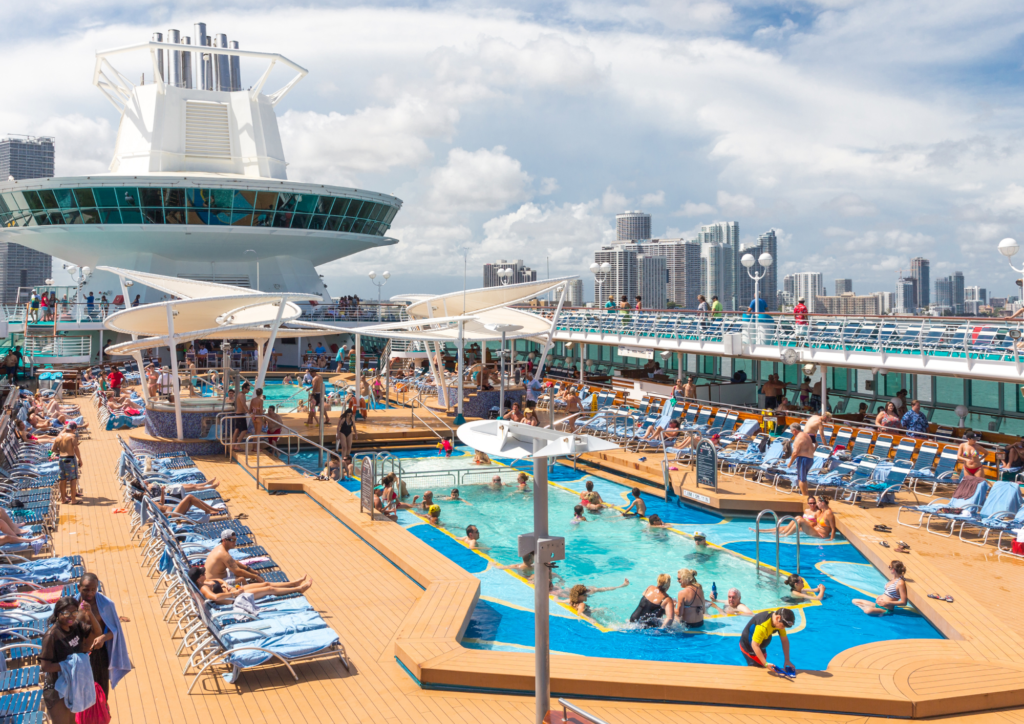
5. Pick destinations that offer baby-friendly activities and facilities
When planning your cruise, choose destinations that provide activities suitable for families with babies. Look for ports of call that offer easy access to family-friendly attractions, such as parks, aquariums, and beaches with calm waters. Destinations like the Caribbean, Alaska, and the Mediterranean often have plenty of options for families. Moreover, some ports offer excursions specifically tailored to families with young children, such as scenic boat rides, gentle nature walks, or visits to animal sanctuaries. Research the ports of call in your itinerary to ensure there are suitable activities and facilities available.
Preparing for the cruise
6. Book a whole family-friendly cabin with enough space and amenities
Choosing the right cabin is essential for a comfortable cruise experience with your baby. Family-friendly cabins come in various configurations, from larger staterooms with additional space to suites with separate sleeping areas. Some cabins are specifically designed with families in mind, offering amenities like bathtubs, cribs, and additional storage space. When booking, enquire about the availability of baby amenities such as cribs, high chairs, sippy cups and bottle warmers. It’s also beneficial to choose a cabin location that minimises noise and provides easy access to elevators and other facilities. A balcony cabin can offer a private outdoor space where you can enjoy some fresh air while your baby naps.
7. Consider the ship’s layout
Larger ships often have more amenities and activities for families, but they can also be more challenging to navigate with a stroller. Smaller ships with fewer guests like Ibiza Yacht Charters may offer a more intimate and manageable experience.
8. Plan your packing
Make a checklist of all the essentials you’ll need for your baby, including nappies, wipes, formula, own baby food, and medications. Don’t forget comfort items like a favourite blanket or toy.
9. Check for onboard guest services
Many cruise lines offer babysitting services or kids’ clubs that can provide a break for parents. Research these options and book any necessary services in advance.
10. Health and safety considerations
Make sure you have any necessary vaccinations and health checks for your baby before travelling. Also, bring a first-aid kit with baby-specific items like infant pain relievers and teething gel.
11. Budget for additional baby-related expenses
Apart from the cruise fare, there are other baby-related expenses you need to budget for. Babysitting services, for example, are not always included in the cruise fare and can be quite costly. Onboard nurseries often charge by the hour, especially during peak times like evenings or late nights. Additionally, you might need to purchase baby supplies such as nappies, formula, and baby food on board, which can be more expensive than buying them beforehand. Excursions are another consideration—while some might be free or included in your cruise package, others could come with additional costs. Make sure to allocate part of your budget for these extra expenses to avoid any surprises.
Onboard the cruise ship
12. Familiarise yourself with the cruise ship’s amenities for babies
Once on board, take the time to familiarise yourself with the ship’s amenities for babies. Many cruise ships offer nursery services where you can leave your baby in the care of trained staff while you enjoy some adult time. High chairs are usually available in the main dining room, but it’s a great idea to confirm this with the cruise line beforehand. Most ships can provide cribs or pack ‘n plays for your cabin—request these items in advance to ensure availability. Check if the ship has baby play areas or baby-friendly activities scheduled throughout the cruise.
13. Learn how to feed your baby on a cruise
Feeding your baby on a cruise can be straightforward with a bit of preparation. If you are breastfeeding, know that most cruise lines are supportive of feeding breast milk in public areas. Bring a nursing cover if you prefer more privacy. For bottle feeding, bring your own bottles and formula, and consider a portable bottle warmer. Most cruise lines can provide hot water or have facilities to help with bottle feeding. In terms of baby-friendly dining options, many cruise lines offer pureed baby food or will puree regular menu items upon request. It’s worth contacting the cruise line’s dining services in advance to discuss your baby’s needs.
14. Understand how to bathe your baby on a cruise ship
Bathing your baby on a cruise ship can be challenging, especially if your cabin only has a shower. Some cruise lines offer baby bathtubs upon request, or you can bring a small inflatable tub that fits in the shower. For younger babies, a sink can also work for quick baths. Make sure to bring baby soap and a soft washcloth. Check with the cruise line ahead of time to see what they can provide and plan accordingly.
15. Plan sleeping arrangements for your baby
Sleeping arrangements are a critical part of ensuring your baby’s comfort on a cruise. Most cruise lines offer cribs or pack ‘n plays, but it’s essential to request them in advance due to limited availability. Consider booking a larger cabin or a suite to have more space for the crib and to create a quiet sleep environment for your baby. Bring familiar items from home, such as your baby’s favourite blanket or stuffed animal, to help them feel more comfortable. A white noise machine can also be helpful to drown out any ambient noise from the ship.
16. Manage nap times and bedtime routines
Maintaining your baby’s nap times and bedtime routines can help ease their comfort. Try to stick to your baby’s usual schedule as much as possible. Plan activities around nap times and create a quiet, dark environment for naps and bedtime. Bringing blackout curtains or clips to secure existing curtains can help darken the cabin. Additionally, portable baby monitors can be useful if you have separate sleeping areas within your cabin. Keeping a consistent routine will help your baby adjust to the new environment and ensure everyone gets the rest they need.
Activities and entertainment
17. Choose suitable shore excursions for families with babies
When planning shore excursions, choose activities that are safe and manageable with a baby. Look for tours that are shorter in duration and have minimal walking or strenuous activities. Beaches, parks, and scenic boat rides are often good choices. Many cruise lines offer family-friendly excursions specifically designed for parents with young children. Ensure that transportation is baby-friendly and that there are suitable facilities at the destination, such as shade and restrooms.
18. Explore onboard entertainment and activities tailored for babies
Cruise ships often provide a range of entertainment options suitable for babies and young children. Look for daily schedules that include baby-friendly shows, interactive play sessions, and storytelling hours. Some ships have characters or mascots that interact with children, providing delightful photo opportunities. Additionally, many cruise lines offer arts and crafts sessions or sensory play areas designed to engage your baby’s senses and keep them entertained.

Tips for a smooth cruise experience
19. Ensure a happy baby on the plane and during the cruise
Travelling can be stressful for babies, but with the right preparation, you can ensure a smoother experience. Bring plenty of snacks, toys, and comfort items to keep your baby occupied. Schedule flights and activities around your baby’s nap times to help them stay rested. Keep a relaxed attitude and be flexible with your plans, adapting as needed to your baby’s mood and needs.
20. Handle baby-related emergencies on a cruise
Be prepared for any baby-related emergencies while on a cruise. Pack a well-stocked first-aid kit with all necessary medications and supplies. Familiarise yourself with the ship’s medical facilities and know how to contact the medical staff in case of an emergency. Keep important contact numbers and your insurance information handy. It’s also a good idea to have a plan for accessing medical care at ports of call if needed.
21. Dealing with seasickness in babies
Babies can experience seasickness just like adults. To minimise the risk, choose a cabin in the middle of the ship where the motion is less noticeable. Keep your baby hydrated and offer small, frequent meals. If your baby shows signs of seasickness, such as fussiness or vomiting, consult the ship’s medical staff for advice. Bringing anti-nausea medication specifically formulated for infants, as recommended by your paediatrician, can also be helpful.
22. Find quiet and calm spaces on the cruise ship
Cruise ships can be bustling and noisy, which might overwhelm your baby. Seek out quiet areas on the ship where you can retreat when needed. Libraries, observation lounges, and certain outdoor decks can offer a peaceful environment. Some ships also have dedicated family lounges or quiet rooms designed for parents with young children. Knowing where these spaces are can help you find a calm spot when your baby needs a break.
23. Special considerations for travelling with a baby with special needs
If your baby has special needs, additional planning is required. Contact the cruise line well in advance to discuss any specific accommodations or services your baby might need. Ensure that medical facilities onboard can handle any emergencies related to your baby’s condition. Bring all necessary medical equipment, supplies, and medications, and have a detailed care plan in place.
Final thoughts
Cruising with a baby can be a wonderful experience with the right preparation and planning. By understanding the cruise line’s policies, packing essential items, and ensuring your baby’s comfort and safety, you can create memorable family moments on your cruise. Happy sailing!
FAQ section
Are babies free on cruises?
- It depends on the cruise line. Some cruise lines offer free passage for infants, while others may charge a reduced fare.
Are infants free on cruises?
- Similar to the above, some cruise lines allow infants to travel for free, while others may have specific charges. Always check with the specific cruise line.
Can babies go on cruises?
- Yes, most cruise lines allow babies on board, but there are often age restrictions, usually requiring the baby to be at least six months old.
Can babies in diapers swim on a cruise?
- Generally, babies in diapers are not allowed in the main swimming pools due to health regulations, but many ships have designated baby splash zones where swim diapers are permitted.
Can I bring my baby on a shore excursion?
- Yes, you can bring your baby on shore excursions, but it’s important to choose excursions that are suitable for young children and ensure that the activities are safe and comfortable for them.
Can I take a baby on a cruise?
- Yes, you can take a baby on a cruise, but be sure to check the minimum age requirements and policies of the specific cruise line.
Can I take a newborn on a cruise?
- Most cruise lines require babies to be at least six months old, although some itineraries may have a higher age requirement, such as twelve months for transoceanic voyages.
Can I take my baby on a cruise?
- Yes, you can take your baby on a cruise, ensuring all preparations and safety measures are in place according to the cruise line’s policies.
Can my baby use the cruise ship pool?
- Most cruise lines do not allow babies in regular pools if they are not potty-trained, but some ships offer baby splash zones specifically designed for infants in swim diapers.
Can you bring a baby on a cruise?
- Yes, you can bring a baby on a cruise, but check the cruise line’s policies regarding age, health requirements, and necessary preparations.
Can you bring a stroller on a cruise?
- Yes, you can bring a stroller on a cruise, and it’s often recommended for convenience during shore excursions and around the ship.
Can you take a baby on a cruise P&O?
- P&O Cruises allows babies onboard, but they must be at least six months old (or twelve months for certain itineraries). Always check the specific requirements.
Can you take a baby on a Royal Caribbean cruise?
- Yes, Royal Caribbean allows babies on their ships, generally requiring them to be at least six months old for most cruises and twelve months for certain longer itineraries.
Can you take a child on a cruise?
- Yes, children of all ages can go on cruises, but it’s important to check each cruise line’s policies and ensure suitable activities and facilities are available.
Can you take a newborn on a cruise?
- Newborns are typically not allowed on cruises until they reach six months of age, with some cruise lines requiring babies to be at least twelve months old for certain routes.
Do babies get sick on cruises?
- Babies can get seasick just like adults. It’s important to be prepared with remedies and consult with a paediatrician before travelling.
Do babies pay on cruises?
- Some cruise lines charge for babies, while others offer a free or reduced rate. Check with the specific cruise line for their policy.
Do you have to pay for a baby on a cruise?
- It varies by cruise line. Some may allow babies to travel for free, while others may charge a fare.
Do you have to pay for toddlers on a cruise?
- Yes, typically toddlers are charged a fare, though it may be reduced compared to the adult fare.
How can I bathe my baby on a cruise?
- Most cruise ships offer baby bathtubs upon request, or you can use a portable baby bathtub. Some cabins come with bathtubs, but it’s important to confirm in advance.
How do I feed my baby on a cruise ship?
- Cruise ships can accommodate baby food and formula. You can bring your own supplies or request assistance from the ship’s kitchen. High chairs are usually available in dining areas.
How much does it cost to take a baby on a cruise?
- Costs can vary. Some cruise lines offer free passage or a discounted rate for infants, while others charge a reduced fare. Additional costs may include babysitting services, baby supplies, and excursions.
How old can you take a baby on a cruise?
- The minimum age for babies to go on a cruise is generally six months, but some longer voyages may require babies to be at least twelve months old.
How soon can you take a baby on a cruise?
- Most cruise lines require babies to be at least six months old before they can travel on a cruise.
How to take a baby on a cruise?
- Plan ahead by checking the cruise line’s policies, packing essential items, booking baby-friendly accommodations, and preparing for health and safety needs.
Is a cruise a good idea with a baby?
- Cruising can be a good idea with a baby if you choose a family-friendly cruise line, plan thoroughly, and prepare for the unique challenges of travelling with an infant.
Is it safe to take a baby on a cruise?
- It is generally safe to take a baby on a cruise with proper planning and precautions. Ensure the cruise line meets all health and safety standards and that you have all necessary baby supplies.
Is it safe to take a newborn on a cruise?
- Most cruise lines do not allow newborns younger than six months. For older infants, safety depends on proper planning and ensuring the baby’s health needs are met.
Is it worth taking a baby on a cruise?
- Many parents find cruising with a baby to be a rewarding experience, as it can be a convenient way to travel and see multiple destinations while having access to amenities and support.
Is there babysitting on cruise ships?
- Yes, many cruise ships offer babysitting services or kids’ clubs where trained staff can care for your baby, usually for an additional fee.
What age can you take a child on a cruise?
- Children of all ages can go on cruises, but specific age policies may vary by cruise line. Always check with the cruise line for any age-related restrictions.
What do you need to take a child on a cruise?
- Essentials include a passport or birth certificate, travel insurance, baby supplies (diapers, formula, food), a stroller, a car seat, and any necessary medications.
What else should I pack for my baby?
- In addition to the essentials, consider packing baby sunscreen, swim nappies, baby wipes, a baby carrier, a portable crib, and comfort items like a favourite toy or blanket.
What to do with a car seat for a cruise?
- Bring the car seat if you plan to use it for flights, transfers, or excursions. Some cruise lines may provide car seats for use on shore excursions.
What to take for a baby on a cruise?
- Pack nappies, formula, baby food, medications, baby wipes, sunscreen, swim diapers, a stroller, your own travel crib, baby toiletries, and comfort items.
Where will my baby sleep on a cruise ship?
- Most cruise lines offer cribs or pack ‘n plays upon request. Verify availability in advance and ensure your cabin has enough space for the baby’s sleeping arrangement.
Why can’t babies go on cruises?
- Babies are generally not allowed on cruises if they are under six months old due to health and safety concerns. Some itineraries have higher age requirements.
*Collaborative feature post*