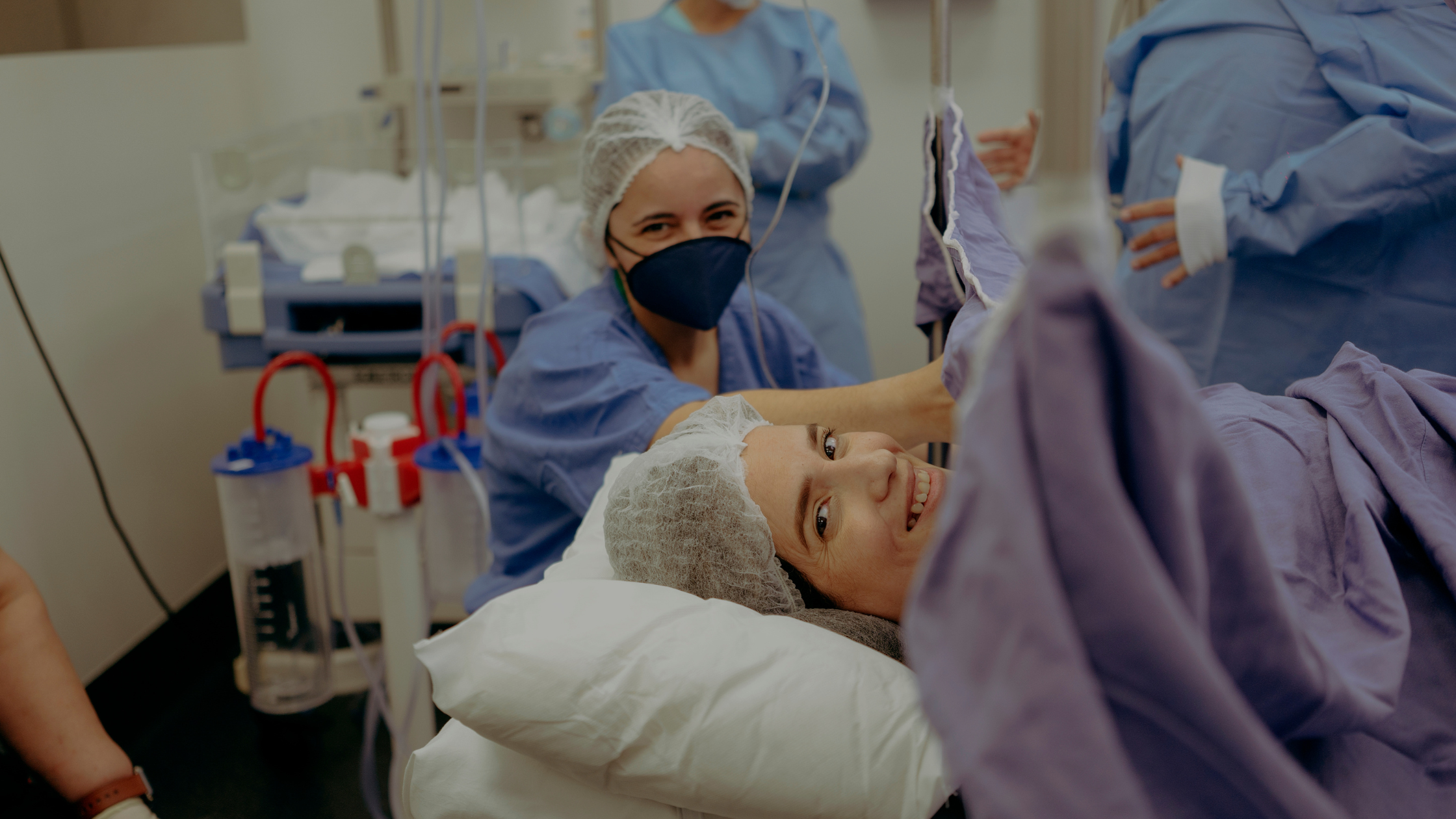

There are many reasons you’d plan a c section to birth your baby after you’ve gone through the various birth options with your specialist. But what happens with the post operative care of cesarean section is just as crucial. Without proper post-operative care after c section, you could undo the operation’s benefits or even make it worse.
Here are some reasons why post-operative care is vital so you can spend that time looking after your baby and healing quickly.
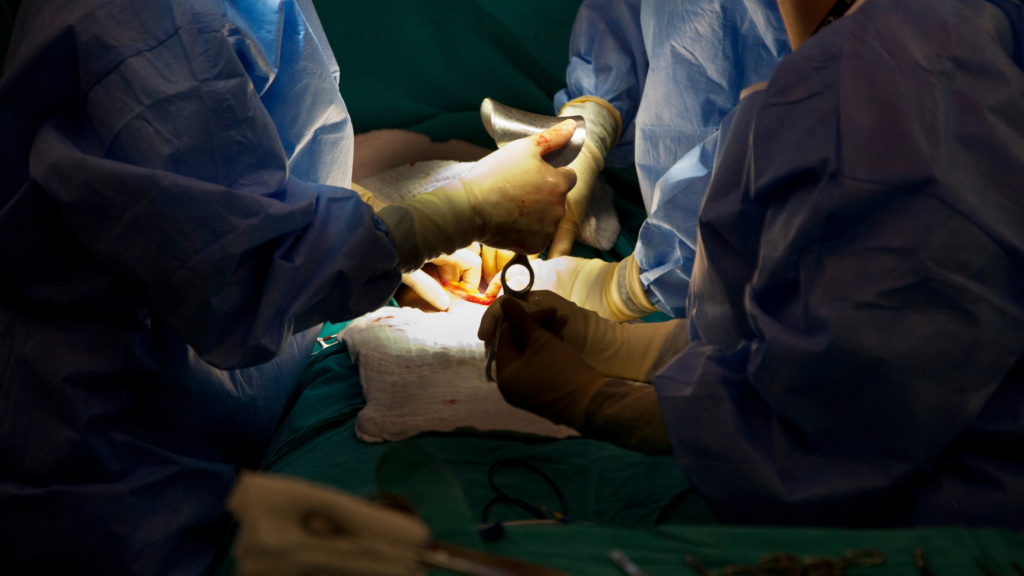
The c-section operation
Although medically required, the cesarean birth section never takes place for the sake of it, the procedure ranges in seriousness from planned to life-saving. As many as four million surgeries take place annually in England and Wales, and the numbers are increasing for caesareans in the UK. You will receive pre operative care for cesarean section in the form of advice and support.
The anaesthetist will talk to you about the procedure and the doctor will advise you of what to expect post c section operation. The c-section recovery week by week can vary, but generally recovery can take up to 6 weeks. If unforeseen events occur like an infection to the scar tissue, this may take longer.
Tailored rehabilitation – post operative care of cesarean section
If you’ve had an emergency c section, then your postoperative cesarean section aftercare may require extra supervision by medically qualified staff under your doctor’s instructions and being prescribed over-the-counter pain relievers like paracetamol, ibuprofen and Co-dydramol.
If you do too much too quickly, or lift anything heavier than you should too soon, this can be very damaging to your c section recovery. Try not to do everything by yourself and find someone you trust to help you with the recovery at home. If you’ve trusted someone with your recovery and they’ve done more harm than good, you may have a case to raise a claim for clinical negligence.
Care providers
If you’ve had your surgery in a private or NHS hospital, you should be given postoperative nursing care after cesarean section.
If you feel you need more care, there are providers of post-operative services. This may be especially necessary for c sections gone wrong. Whatever care you receive should be approved by your surgeon or specialist, so make sure to listen closely to their c section recovery tips to maximise your chances of healing quickly and safely.
Medical advice
The healthcare professionals you’ve trusted to undertake your operation will give you postoperative care instructions. Surgeons have to study for years before becoming qualified, so they give this advice for a reason.
You must heed this information and follow it to the letter. It’s highly likely they’ll have offered similar advice in the past and will know how to prevent post-operative complications. For example, if your doctor advises you to exercise to prevent blood clots after a caesarean section, then you should follow this advice. Your doctor would have also prescribed you medication for pain management, so make sure you are taking those consistently and as frequently as your doctor has prescribed.
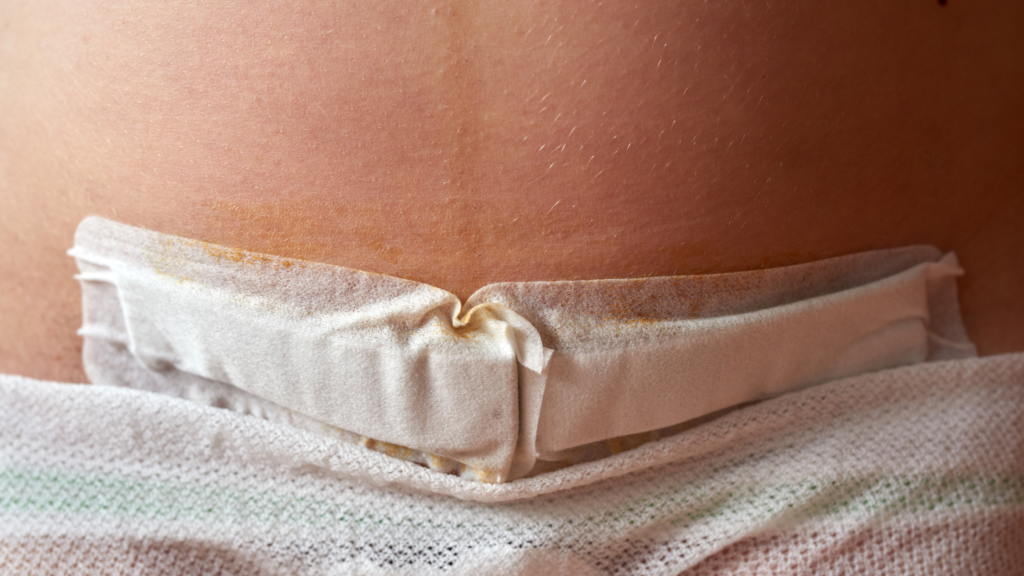
Planning
Lastly, unless you’re receiving emergency surgery, you will probably have at least some time to plan.
Ask your doctor what sort of post-operative postpartum patient care will be involved, what sort of limitations you may have, and what your level of pain after c section may be.
This way, you can get everything you need in advance for your after c section recovery space and make sure it’s accessible for minimal trouble when you’re feeling most vulnerable.
FAQ
What could cause a cesarean section to breakdown bringing out pus? What are the consequences of it for future pregnancy?
“If your C-section opening is due to an infection in the area, you’ll see signs of infection, such as redness, swelling, or pus. If necrosis is the cause of C-section opening, you might see gray, yellow, or black discoloration around the area, as opposed to pink or your normal skin color. The area may also smell bad.”
https://www.healthline.com/health/pregnancy/c-section-incision-opening#get-immediate-medical-attention
You may do too much or not keep the area clean. Provided you’ve caught the infection early, get to your medical provider quickly so the scar tissue can heal quickly and there will be no lasting consequences for future pregnancies.
What causes low blood pressure after a C section?
“Hypotension commonly occurs as a complication of spinal anesthesia (1, 2). One study on 511 mothers who received spinal anesthesia for a C-section found that 20% had mild hypotension, 35% had moderate hypotension, and 40% had severe hypotension (1).”
https://www.abclawcenters.com/practice-areas/prenatal-birth-injuries/labor-and-delivery-medication-errors/anesthesia-mistakes/spinal-anesthesia-and-maternal-hypotension
Is back pain after a cesarean C section a side effect of the anesthetic injection given at the spinal cord? Is it lifelong?
“Whether a cesarean delivery is planned or unexpected, it often comes with a longer recovery time, and you’re also likely to have some back pain. C section pain is usually temporary, and sometimes reversible by improving your posture and making other adjustments.”
https://www.healthline.com/health/pregnancy/back-pain-after-c-section
How do I pass gas after a C section?
Recovering from a c-section can be tough at the beginning. Drink plenty of liquids and eat lots of fibre so you don’t have to force gas out. Keep away from carbonated drinks or foods which make you too gassy.
How much rest should one take after a C section? Is it really necessary that we should not get out of bed?
“Get plenty of rest. Expect to stay in the hospital for 2 to 4 days after your delivery. If there are complications, your stay will be longer. Give your body 6 to 8 weeks to fully heal. That’s easier said than done.”
https://www.healthline.com/health/pregnancy/c-section-tips-for-fast-recovery
How do you get out of bed after a C section?
“Roll onto your side.
Use your elbow and arms to push yourself up out of bed so you do not put any pressure or strain on your stitches.
Take it slowly and carefully and breathe out as you push up.”
https://www.motherandbaby.co.uk/mum/sleep/how-to-sleep-after-c-section/
Obstetrics and Gynecology – What are the most common problems women suffer from after giving birth via a cesarean section?
“Some of the main risks to you of having a caesarean include: infection of the wound (common) – causing redness, swelling, increasing pain and discharge from the wound. infection of the womb lining (common) – symptoms include a fever, tummy pain, abnormal vaginal discharge and heavy vaginal bleeding.”
https://www.nhs.uk/conditions/caesarean-section/risks
How long it takes for stitches to heal after c section?
Another question asked was, ‘How to look after c section stitches?’
“Your wound will take about 6 weeks to heal. You will have a scar but this will fade over time. Your scar will be 10–20cm long and is usually just below your bikini line. It will be red at first but will fade over time.”
https://www.tommys.org/pregnancy-information/giving-birth/caesarean-section/recovering-home-after-c-section
How many days does it take to recover from c section?
Other questions asked regarding post op care cesarean section were, ‘How long does c section operation take to heal?’, and ‘How many days does it take to heal after c section?’
You will receive immediate post operative care of cesarean section and the hospital will tend to your wound, as well as take the catheter out to help you move around after the surgery. The c-section discharge from hospital will take around 3 days and healing from c section will take 4 – 6 weeks, depending on your level of aftercare. If you have an infection, it may take longer, but you will receive close c section after care to ensure you recover safely.
How long for internal stitches to heal after c section?
In most cases, the c – section recovery will take up to 6 weeks and you’ll end up with a small scar after the c section. Sometimes you may have complications and the takeaway here is to make sure you visit your doctor quickly to fix any issues you may have.
Which position is best after c section?
“On Your Back. According to Specialty Surgery Center, the best sleeping position after C-section and most surgeries is on your back. Many times sleeping on your back may be the best option to relieve any pressure on your c section incision.”
https://www.babybay.us/how-to-get-your-best-sleep-after-c-section/
Which incision is most frequently used for cesarean sections?
“A C-section includes an abdominal incision and a uterine incision. After the abdominal incision, the health care provider will make an incision in the uterus. Low transverse incisions are the most common (top left).”
https://www.mayoclinic.org/tests-procedures/c-section/multimedia/uterine-incisions-used-during-c-sections/img-20006738
Which incision is better for c section?
Another question asked was, ‘Where are c section incisions?’
“A low-transverse incision (or a “bikini cut”) is used in 95 percent of C-sections today. That’s because it’s done across the lowest part of the uterus, which is thinner — meaning less bleeding. It’s also less likely to split if you try to have a vaginal birth after a C-section (VBAC) when delivering a future baby.”
https://www.whattoexpect.com/pregnancy/c-section-scars
What precautions should be taken after cesarean delivery?
Also asked was, ‘Do and don’ts after c-section delivery?’
“
“Lift anything heavier than your baby.
Use tampons or douche until you have your doctor’s permission.
Take baths until your incision is healed and your postpartum bleeding has stopped.
Participate in rigorous activity or do core muscle exercises until your doctor clears you for activity.”
https://intermountainhealthcare.org/blogs/topics/intermountain-moms/2018/03/the-dos-and-donts-of-healing-from-a-csection/
What is the most common postoperative complication of cesarean birth?
Other questions asked were, ‘How to prevent complications after c section?’ and ‘What not to do after c section surgery?’
“The most common complication is massive bleeding, reported in 7% of cases [6]. Smaller studies report damage to the inner organs such as the urinary tract, bowel, and large vessels, in a small number of cases [7].”
https://www.ncbi.nlm.nih.gov/pmc/articles/PMC8491947/
How to prevent c section incision from opening?
Another question asked was, ‘How to keep c section incision from getting infected?’
“Get urgent medical care if there’s any sign that your C-section incision is opening or infected after going home. Call your OBGYN right away if you have: bleeding from the incision site.”
https://www.healthline.com/health/pregnancy/c-section-incision-opening
*Collaborative feature post*