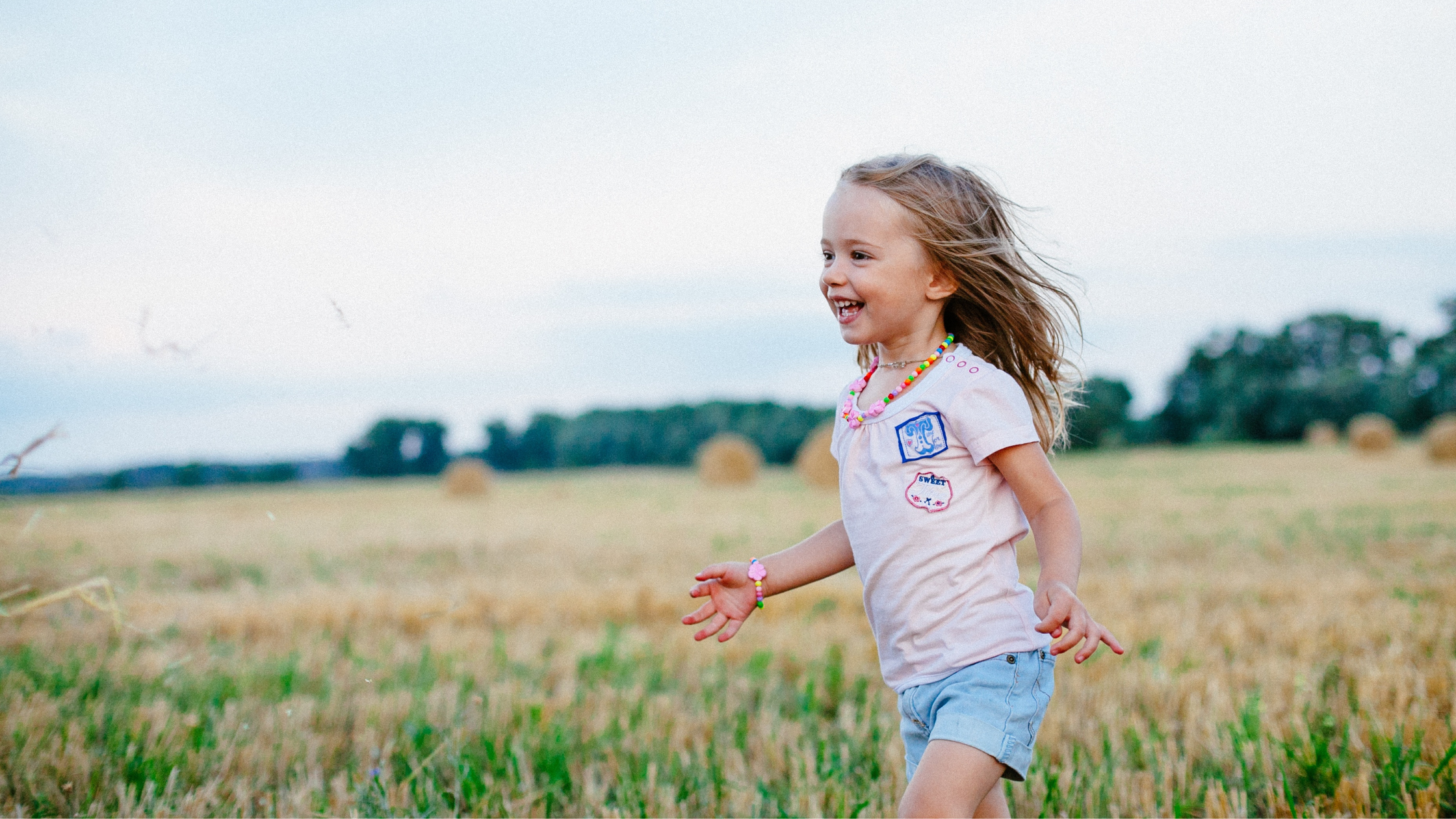

Your child’s school performance can be hampered by mental health issues that affect their vigour, focus, dependability, mental capacity, and optimism. So instilling habits to improve mental health in your kids is not only beneficial mentally but academically too.
Why is mental health important today?
So, what makes mental health so important? According to studies, depression and anxiety can strengthen the link in lower grade point averages. The decision to drop out of school or college has also been associated with low mental health, with 970 million people impacted worldwide.
Many children claim that mental health issues hamper their studies. According to the American College Health Association’s 2015 survey, the following mental health conditions had a negative effect on a child’s academic performance over the previous year:m
- Stress (30% of students)
- Concern (22%)
- Insomnia (20%)
- Anxiety (14%)
Covid19 on a child’s mental wellness
The coronavirus outbreak significantly disrupted many people’s lives and children were among the most impacted, even though the virus disproportionately harmed communities’ physical, social, and economic health worldwide. Children have faced the following difficulties:
- Mood swings
- Emotional instability
- Depression and anxiety
- Video game and online game addiction
- Increased social media use, which exacerbates negative emotions like comparison, low self-esteem, and body image issues, among others,
- Rage, self-isolation, and other distracting emotions.
- A lack of drive and a sense of sluggishness
- PTSD if exposed to violence within the family
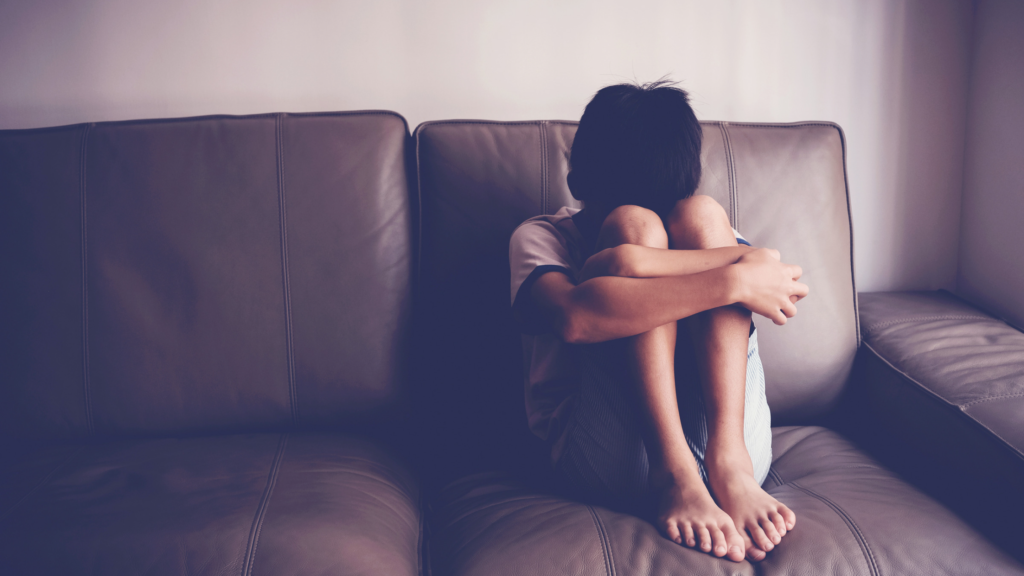
Why is it important to improve your mental health and your child’s?
So, what should be done to improve mental health? Good mental health habits mean that your child can improve their way of living and find the right path that leads them to a positive adulthood. But to achieve this, it’s important to look at your mental health too. To find out the best habits for mental health greatness, please read on.
Tips to boost your mental health
Education experts recognise there is much that can be done to aid children who are experiencing mental health difficulties.
Children have a lot to worry about, including their lessons, buying college research papers, building healthy social connections, participating in extracurricular activities, and so much more. A child’s mental health has an impact on learning and achievement, so the following are some crucial and essential recommendations to help a child’s mental health:
What are the 7 habits for improving mental health in kids?
There are seven main habits that can help to improve yours and your child’s mental health, and practicing these every day can help your child lead a fulfilled life as they move towards adulthood.
1. Eat healthy and exercise (habits that improve mental health – the link between your diet and your mental health)
One of the top habits to improve mental health is to stay active for a mental health wellness boost and enhance your child’s mental health by eating a healthy balanced diet. More studies linking nutrition to mental health are published each year and prove that you can boost your immunity and your mental health with healthy eating.
Poor eating habits can make children feel lethargic and unmotivated, but eating food that is high in fats, fibre, and nutrients can improve your child’s memory, help them sleep better, and give them more control over their stress and anxiety.
So what is the best way to improve your mental health? Children sit in front of screens for extended periods which can harm their mental and physical health. Maintaining an active lifestyle can help your child lower stress and anxiety while boosting their self-esteem, whether it’s through sports, long walks, yoga, going to the gym, or jogging.
2. Get sufficient sleep (habits to improve your mental health)
Getting 8–9 hours of sleep per night is a very important part of the daily habits for mental health. While some psychological or mental disorders may make it difficult to sleep, sleep deprivation can make pre-existing conditions like depression, stress, and anxiety worse.
Healthy sleep duration and quality are supported by good sleep hygiene practices like creating a sleep-friendly environment and scheduling time. Stress can have a detrimental effect on a child’s ability to sleep and maintain good mental health, so try to find the source of their stress and take steps to improve them.
3. Improve your mental health with positive affirmations (how to take care your mental health)
Children can benefit significantly from self-care, anxiety management, positive affirmations, and a problem-solving methodology. It’s critical to instil in their impressionable young minds the habit of finding the positive in every circumstance so they don’t become consumed by self-loathing and pessimistic thoughts.
4. Embrace selfcare habits to improve mental health (Habits to help improve your mental health)
Some very important selfcare habits include your child looking after themselves, which means regular cleaning and self hygiene. Selfcare habits also include mindfulness and meditation to help calm the otherwise noisy brain filled with daily life.
5. Balance screen time with off-screen activities (Habits that encourage good mental health)
How much time do you spend on social media per day yourself? Do you spend time scrolling through your phone when you could be checking off important tasks? Then how can we expect kids to balance their screentime too? We need to set by example and put the phone away when we’re mindlessly scrolling or when we’re supposed to engage with our children.
Excessive screentime is not something you can tackle by yourself. Work together to create bonding activities to boost mental health, stimulate your child’s mind and encourage creativity and imagination, two of which are numbed by excessive screentime use.
6. Foster healthy relationships (Good habits for mental health and happiness)
Having face to face interaction with fellow humans is such an important part of your child’s regular healthy habits for mental health. A lot of children these days are making friends virtually, but unfortunately these friendships do not include the power of human interaction. So much goes into fostering relationships in real life including building trust, bonding and body language.
Encourage your child to step outside and socialise because the power of positive conversation and bouncing ideas/problems off each other is very uplifting and can boost your child’s mental health.

7. Seek professional help (simple habits to protect your mental health)
Part of practicing good mental health habits is to recognise when it gets a bit too much and you can ask for help when needed. It’s difficult to know how psychotherapy can enhance your physical health, for example, if you don’t explore that avenue with your child. If your child is struggling to manage daily activities, then it is important to seek help from a professional before it gets worse.
Other healthy mental health habits
Here are some other ways to promote positive mental health habits:
Get outdoors every day (habits to implement for better physical and mental health)
One study found that accessing the four elements, i.e. fire, earth, water and fresh air every day reduced depression, bipolar disorder and anxiety symptoms and promotes strong habits for good mental health. This is because humans are deeply linked to nature and the environment in which they reside. If the environment is a negative one, this impacts not just a person’s mental health, but their physical health too.
Create a daily routine to help depression
There are a number of reasons why routine is good for mental health. Developing daily good habits for improved mental health means your child can set up values which can help tackle adult issues later too, i.e. hitting goals at work and project managing a family lifestyle. It also encourages kids to set up ambitious goals in which to work towards, so they are always looking forward to something positive and seeing themselves grow, both mentally, physically and academically.
Routines allow us to anticipate what’s next and alleviate anxiety over not knowing what’s going to happen next. Positive tasks in your routine can also establish great skills and promote good mental health. For example, preparing the night before for the next day and going to sleep at a consistent time can promote good physical health hygiene too, which means you’re more relaxed and ready to tackle the day ahead. Reading some mental health books to boost the mind with positivity also helps.
It takes 21 days to form a new habit or routine so stick at it and pick a routine which is achievable and not too difficult.
Which habits endanger mental health?
Healthy, wealthy, and wise habits to help you improve your mental health
When neglected or unacknowledged, mental health difficulties can result in disastrous consequences that can harm not only the person concerned but everyone around them. It is vital for the youth in their formative years to receive support and develop daily habits to improve mental health. The depth of the problem is growing, however, with the mental health market estimating to reach US$19.38bn in the US by the end of 2022.
Establish these habits to improve mental health and stick at it. What are your favourite good habits for mental health? What are some daily habits to improve your mental health?
FAQ
What are some lesser known habits that improve mental health?
Start the day with a gratitude, achievement or affirmation journal or quotes to help boost your day. Create a vision board to help keep you on track for what you want to achieve and show long to someone in your life to pay the positivity forward. Do something that is just for you every day and always invest in yourself.
What are things that improve your mental health naturally? It can be anything, foods, sleep, habits, certain music type, or a physical activity. Just looking for recommendations for how to help improve my mental health?
Other questions asked are:
- What are some things that people can do to improve their mental health and or physical health that are basically free
- What are some productive self care habits for better mental health
- What are 3 stress management habits that will improve mental health
- Which ones are the best tips to improve my mental health and why
- What daily habits could I practice to improve my overall physical and mental health?
- What are few sleep habits that can improve mental health and overall well being
- Which 3 habits can transform my mindset and mental health?
- How can I improve my mental health? I feel like my mind doesn’t work as sharp as other peoples do. What are the exercises and diets that can improve my brain’s health and sharpness?
- What small habits can people adopt to encourage better mental health and wellness?
- What things or habits are best for improving mental health clarity sharp mind and healthy well being?
- 5 tips to improve mental health?
- Why is good mental health important?
- What is good for the mind?
- What are some tips for a better mental health and life?
- What are the best things for mental health?
- What are some mental health habits?
- What habits are good for mental health?
- What are 10 ways to improve mental health?
- What are 5 mental health habits?
- What is the best way to improve mental health?
- What are some little habits that can improve your life and mental health?
http://www.bcmhsus.ca/about/news-stories/stories/10-tips-to-boost-your-mental-health
- Lighten up. Sunshine boosts mood. …
- Get plenty of sleep. Aim for at least 7 to 8 hours of sleep each night. …
- Connect with someone. Talk it out. …
- Eat wisely. Eat protein-rich foods at breakfast and lunch. …
- Go for gratitude. …
- Step it up! …
- Be kind. …
- Turn off the TV.
*Collaborative feature post with professional writer Charlotte Banks who has a wealth of experience editing academic publications. Her writing experience includes a range of literary writing styles, including essays, case studies, term papers, and presentations. Charlotte spends most of her free time reading and expanding her writing skills.*