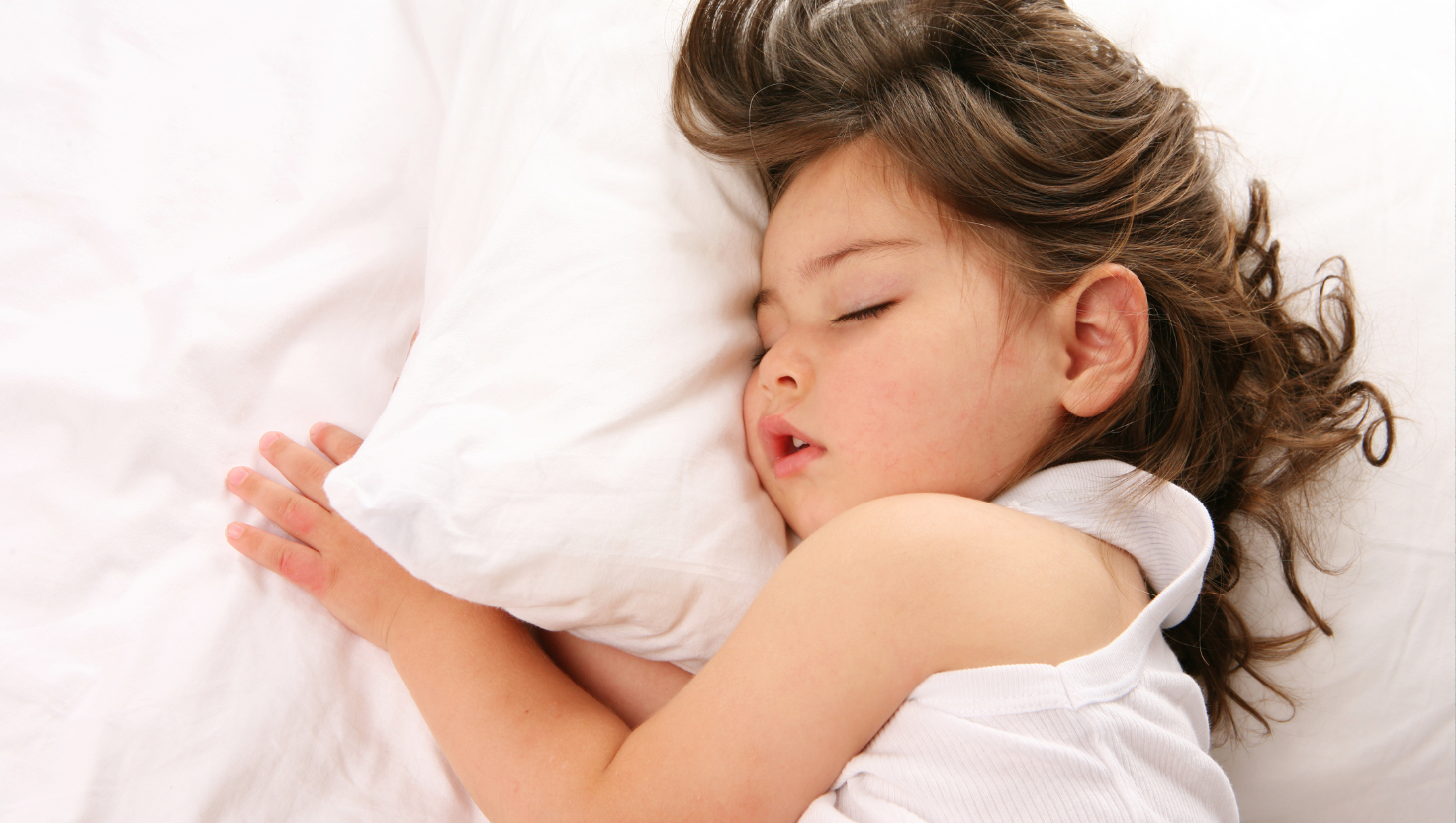

A newborn’s crib sheet may look like a tiny square of fabric, but its story stretches from family mental health to the global organic textile economy. Parents across the United States, France, and beyond choose organic cotton over conventional cotton because it’s softer on sensitive skin, gentler on soil health, and kinder to the farmers who grow it.
Below, we summarise the complete picture – organic cotton farming, its advantages and disadvantages, shopping tips, and even how to pay for organic cotton (all the main ones work: American Express, Apple Pay, Diners Club, Discover, or Google Pay). Let’s dive in.
What is organic cotton?
Organic cotton comes from plants without synthetic pesticides, herbicides, or genetically modified (GM) seeds. Certified growers follow rigorous farming practices set out by the Global Organic Textile Standard (GOTS) and the Organic Content Standard, which cover the entire supply chain—from seed and soil to spinning, dyeing, and finished products.
Organic cotton is vegan
No animal by-products, such as bone-char bleach, touch the fibre, making it a perfect plant-only choice for families following vegan values.
There are fewer organic cotton farms
Less than 1% of global cotton land is certified organic. This limited acreage explains the smaller colour range on store racks and (sometimes) the higher price tag.
The heart of organic cotton production
From crop rotation and compost fertiliser to rain-fed irrigation, organic farming protects water tables and boosts biodiversity. Fields become humming havens for bees, bats and birds—an ecological win that synthetic-sprayed plots can’t match.
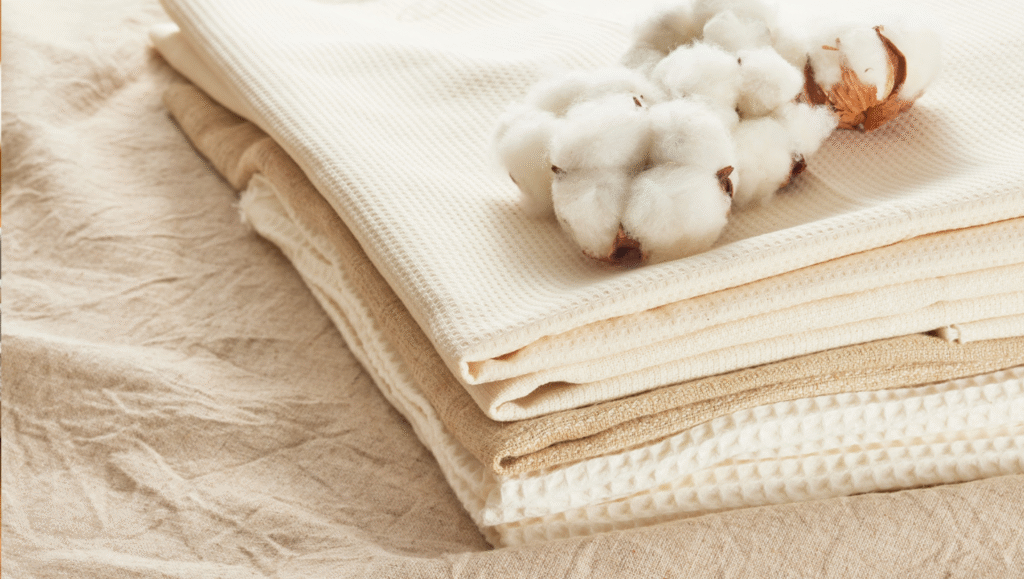
Organic cotton benefits and its advantages
- Chemical-Free Peace of Mind – Crib sheets without chlorine bleach, azo dyes, or formaldehyde do not irritate delicate skin. Babies stay more comfortable, and parents don’t have to worry as much about unexplained rashes or late-night itchiness.
- Naturally Soft & Breathable – Organic cotton fibres are left longer and more intact because they skip the harsh acid baths used to “pre-soften” many conventional fabrics. The result is material that feels cloud-soft when it comes out of the package and allows air to circulate freely around a sleeping baby.
- Hypoallergenic by Nature – Fewer chemical residues translate into fewer potential allergens. Parents who switch often notice a drop in eczema flare-ups and see their little ones wake less frequently to scratch or rub irritated areas.
- Temperature Regulation—Organic cotton’s natural loft wicks moisture away from the skin and helps balance body temperature. Babies stay comfortably warm without overheating, even as room conditions change throughout the night.
- Durability – Because their cell walls are not weakened by aggressive processing, organic cotton fibres hold up better in the wash. Sheets maintain their shape and softness cycle after cycle, outlasting many fast-fashion cotton alternatives.
- Planet-Friendly—Organic production avoids synthetic pesticides and relies on healthier soil systems, leading to lower greenhouse gas emissions and cleaner waterways. Choosing these sheets supports farming methods that work with the environment rather than against it.
- Ethical Supply Chain – Independent audits verify that organic-cotton farms and mills pay fair wages and provide safe working conditions. Parents can feel confident that the product offering comfort at home also contributes to dignity and security for those who made it.
Organic cotton vs cotton: the real difference
Imagine putting two crib sheets through 50 rounds of washing. One is made from conventionally grown cotton, processed with bleach, chemical softeners, and synthetic resins that can leave the fibres weak and prone to wear. The other is certified organic cotton. It skips the harsh treatments, keeping its fibres strong, smooth, and naturally intact. The result? Tests show the organic cotton holds about 25% more tensile strength. That means fewer holes, better fit over time, and a sheet that still feels soft and supportive, wash after wash.
Here’s the science:
- Longer staple length – Organic crops aren’t rushed to grow bigger, faster, or cheaper. The result is a longer fibre that twists into a tougher yarn. It’s like having spaghetti instead of rice grains to braid with—more length, more hold.
- No fibre-frying chemicals – Conventional cotton production uses chlorine bleach, formaldehyde resins and softening silicones that erode the cellulose microstructure. Organic skips the chemical boot-camp, so the fibres keep their natural spring.
- Gentler ginning and spinning—Without defoliants, bolls open naturally, and mills can process at lower speeds, preserving fibre integrity and soil-to-sheet sustainability bragging rights.
- Friction fighters – Stronger yarn resists pilling, so your once-white sheet doesn’t turn into a bobbly snowstorm after six months.
The result is a sheet that survives nighttime nappy blowouts, toddler trampoline sessions, and even a hand-me-down for baby number two. In short, choosing organic cotton isn’t just planet-kind; it’s cost-saving overall.
Organic cotton for ethical fashion
Sustainable style isn’t just a trend—it’s the future of fashion. More and more pioneering brands show us that it’s possible to dress beautifully without relying on harmful chemicals or environmentally damaging processes. With organic cotton, you get clean lines and a clean conscience. No toxic dye baths, synthetic finishes—just well-made, thoughtfully produced pieces that last.
Whether you’re building a capsule wardrobe, shopping for long-lasting baby clothes, or want to know your T-shirt didn’t harm the planet or its people, organic cotton ticks all the right boxes. It supports safer working conditions, fairer wages, and farming practices that put the planet first. It’s fashion that feels as good as it looks.
Is organic cotton better quality?
Yes—and the difference is backed by lab testing and real-world wear. Organic cotton fibres are longer, cleaner, and less damaged by processing. That means fewer impurities, stronger threads, and reduced pilling over time. Garments keep their shape better, feel softer for longer, and hold up through dozens (even hundreds) of washes.
Baby clothes, bedding, and everyday basics translate into less fading, fewer repairs, and more hand-me-down potential.
Is organic cotton better for the environment?
Absolutely. Life Cycle Assessment studies show that organic cotton production can reduce greenhouse gas emissions by up to 46% compared to conventional cotton. But the benefits go well beyond carbon. Organic cotton is grown without synthetic pesticides and relies on healthier soil systems that retain water and support biodiversity. That means fewer pollutants in local rivers, less water waste, and safer environments for farmers and surrounding communities.
When you choose organic cotton, you’re protecting your family’s skin, helping protect ecosystems, improving soil health, and supporting a more regenerative way of growing what we wear.
What are the disadvantages of organic cotton?
| Challenge | Reality Check | Quick Fix |
|---|---|---|
| Higher Price | Certification and smaller yields boost costs 15–30 %. | Buy two quality crib sheets, not five cheap ones. |
| Wrinkling | No anti-crease resins = natural crinkles. | Embrace the relaxed linen vibe or tumble-dry on low. |
| Limited Availability | Fewer colour options in local shops. | Shop online for wider ranges. |
Is buying organic cotton worth it?
Many parents find that the higher price tag on organic cotton balances out— and often saves money— over time.
- Lower skin-care costs
Families who switch to organic cotton frequently see fewer eczema flare-ups and other sensitivities. That can mean fewer prescription creams, over-the-counter lotions, and doctor appointments. - Better cost per wear
A conventional baby grow that costs £20 and lasts 40 washes works out to 50p per wear. An organic alternative priced at £30 but lasting 100 washes drops to 30p per wear. Longer fibre life and stronger seams make a noticeable difference. - Less time in the waiting room
Reduced skin irritation also means fewer trips to the dermatologist or GP. Even when medical care is free at the point of use, time away from work and the disruption to family routines have real costs. - Reusable for future children
After repeated laundering, organic fibres hold their strength and colour, so garments and crib sheets are more likely to stay in good condition for younger siblings or to pass along to friends. - Positive environmental and ethical impact
Choosing organic supports farming systems that avoid synthetic pesticides, protect waterways and provide safer working conditions for growers. Many parents value this social and environmental return alongside the financial one.
Lower healthcare spending, longer garment life, and tangible environmental benefits often justify organic cotton’s initial premium. It can deliver overall value in both the short and long term.
Material guide: reasons to choose organic cotton
Whether you’re upgrading crib sheets, tees, or French flax blends for five-star-hotel vibes, organic cotton delivers:
- Comfort — breathable, moisture-wicking, and temperature-balancing.
- Longevity — fabric that resists pilling and thinning.
- Sustainability — traceable from seed to shelf, under the textile standard microscope.
The environmental footprint of organic cotton
- Water: Rain-fed systems and healthier soils slash blue-water use by up to 91 %.
- Soil Health: Cover crops enrich microbes, improving structure and carbon capture.
- Biodiversity: Pesticide-free habitats welcome pollinators vital to food security.
- Farmers’ Health: Fewer chemicals = lower medical costs and safer working conditions.
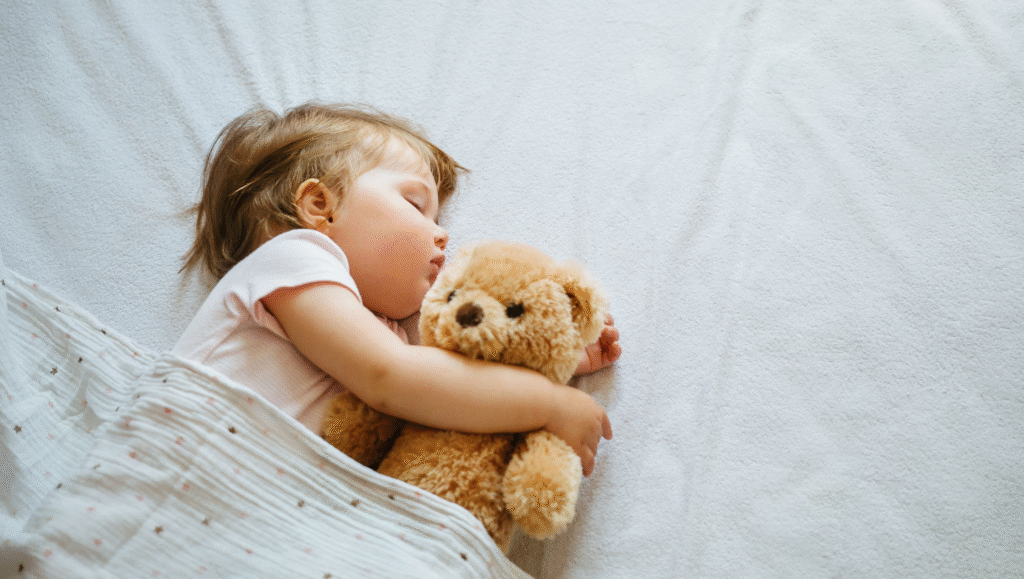
The mental health benefits of organic cotton clothing
A growing body of evidence—including a 2023 white paper from The Organic Center—connects fabric comfort, infant sleep quality, and parental well-being. This report highlighted the extensive use of chemicals in conventional cotton and underscored potential health risks. For example, U.S. cotton farming recently used over 42 million pounds of pesticides, including glyphosate, a chemical linked to cancers and neurodevelopmental issues. Conventional cotton often carries residues of pesticides and other finishes (like formaldehyde for wrinkle resistance) that can linger in fabric and irritate sensitive skin.
Breathable fabrics and improved infant sleep
Paediatric sleep experts emphasise that breathability and comfort in sleep fabrics are crucial for infants. Babies can easily overheat, which not only disrupts sleep but may pose safety risks. To prevent overheating, experts like Dr. Harvey Karp recommend dressing babies in light, breathable layers and avoiding synthetic fleece pyjamas or swaddles that trap heat.
Natural fibres such as organic cotton muslin or lightweight cotton sleep sacks allow air circulation, helping babies maintain a comfy body temperature throughout the night. Research backs up the sleep benefits of breathable natural materials: Infants sleeping with wool (a highly breathable fibre) have been found to fall asleep faster, sleep longer, and wake less often – in one study, underweight newborns on wool underlays showed 61% higher weight gain and jaundiced babies cried far less (30% vs 67%) when sleeping on wool compared to cotton.
The likely reason is better thermal regulation; as one researcher noted, wool (and by extension other breathable fabrics like cotton) keeps babies in a “thermal comfort zone,” leading to deeper, more restful sleep. These findings suggest that dressing your baby in breathable organic fabrics can tangibly improve infant sleep quality, thanks to less overheating and more consistent comfort.
Organic materials for sensitive infant skin
Baby skin is incredibly delicate, especially for little ones with eczema. That’s why dermatologists recommend soft, breathable fabrics that won’t irritate or trap heat. Organic cotton is a great choice here: no formaldehyde, azo dyes, or hidden nasties like phthalates or PFCs, which are often found in conventional baby clothes and bedding. While it’s not a treatment, organic cotton gives you a clean, gentle base layer that helps reduce flare-ups and nighttime itching. And when baby’s skin is calm and comfy, everyone sleeps a little better.
Benefits for parental wellbeing
When your baby sleeps better, so do you. It’s not just a saying—it’s backed by research. A community-based study found that mothers of infants with persistent sleep issues were over twice as likely to experience symptoms of postpartum depression.
Choosing breathable, organic cotton pyjamas and bedding can help minimise discomfort from overheating or itching, promoting longer, more restful sleep for your baby—and by extension, for you. Investing in gentle, baby-friendly fabrics isn’t just about comfort; it’s a step towards better sleep and mental well-being for the whole family.
How to identify and choose organic cotton products
Not all “organic” labels are created equal. If you want to make sure you’re choosing genuinely skin-safe, sustainable cotton products for your baby, here’s what to look for when shopping:
Spot the GOTS tag
The Global Organic Textile Standard (GOTS) is the gold standard in organic certification. If you see this tag on a product, the cotton has met strict environmental and social criteria across every stage, from farmed to dyed and finished. So, there are no shortcuts or greenwashing—just genuine organic integrity.
Check the fibre content
Some labels might say “made with organic cotton,” but that doesn’t always mean 100%. In many cases, it could be as little as 70% organic and mixed with synthetic or conventional fibres. Look for terms like “100% organic cotton” or “GOTS-certified organic” to know exactly what you’re getting.
Explore the brand’s supply chain
Reputable, conscious brands proudly show you where and how their products are made. Head to the brand’s website for details on farming methods, factory conditions, and dye processes. If there’s little to no transparency, that’s a red flag.
Look at the country of origin
Countries like India, Turkey, and some parts of Europe are known for strong organic cotton supply chains. While this isn’t a guarantee, it can add a layer of trust, especially when paired with the proper certifications.
Check for additional certifications
Products that carry GOTS and OEKO-TEX® Standard 100 labels offer double assurance. OEKO-TEX® tests for harmful chemicals, so even if a product is made from organic cotton, this additional check ensures it’s safe for sensitive skin.
In short, don’t take “organic” at face value. Flip the label, scan the certifications, and spend a minute reading up on the brand. It’s a small step that can make a big difference—for your baby’s skin, peace of mind, and the planet.
How can I be a better cotton shopper?
Choosing organic cotton is a great start, but how you shop, wash, and reuse your cotton can make just as much of a difference. Here’s how to get the most out of your cotton purchases, in a way that’s kinder to your family and the planet:
Support brands that invest in regenerative farming
Look beyond the label. Brands that work with farmers using regenerative techniques—like crop rotation, composting, and natural pest control—protect soil health and help rebuild ecosystems. When you support these brands, you’re backing a movement prioritising long-term sustainability over short-term gain.
Wash cold and line-dry whenever possible
Hot washes and tumble dryers use energy and can wear out your fabrics faster. A simple switch to cold water and fresh air drying saves water, cuts energy use, and keeps your cotton looking and feeling its best. Bonus: it’s gentler on baby clothes and bedding, too.
Repurpose what you already have
When a cotton item reaches the end of its life as clothing or bedding, don’t toss it—transform it. Old crib sheets make brilliant soft cleaning cloths, reusable wipes, or even drawstring laundry bags. Giving cotton a second life helps reduce waste and gets you more value from each purchase.
Buy less, choose well
It’s tempting to overbuy (especially with baby gear), but quality trumps quantity every time. Two organic cotton onesies that last are better than ten that shrink, fade, or fray after a handful of washes.
Ask questions
Don’t be afraid to contact brands. If a product says “organic,” ask about its certifications or where the cotton is sourced. Brands with nothing to hide will be happy to tell you more.
Being a better cotton shopper is about small, mindful choices that add up—less waste, more comfort, and greater peace of mind for your family and the planet.
The best cotton sheets: what to look for
Regarding your baby’s (or your own!) bedding, not all cotton sheets are created equal. Comfort, breathability, and durability come from the weave, weight, and certification. Here’s how to spot the good stuff:
Percale vs. sateen—know your weave
If you prefer a crisp, lightweight feel with some texture (great for warmer sleepers), go for percale. It’s breathable and matte, perfect for those hot summer nights or babies who run warm.
If you’re after something smoother and silkier to the touch—think hotel luxury—sateen is your best friend. It has a subtle sheen and a buttery softness that feels lovely against the skin.
Check the GSM (grams per square metre)
Durability matters, especially when you’re washing bedding frequently. Look for sheets with a GSM of 300 or higher—the fabric is dense enough to hold up through countless washes without thinning or tearing. Anything lower may feel flimsy and wear out quicker.
Double up on certifications
For the safest sleep environment, aim for GOTS-certified bedding and OEKO-TEX® Standard 100 approved. GOTS ensures the cotton is organic and ethically produced, while OEKO-TEX® tests for harmful substances. Together, they cover both environmental and health safety.
Avoid coarse or heavily processed fabric
Due to chemical softeners, some conventional sheets may feel soft at first, but that finish can wear off fast. Worse still, overly processed cotton can be too stiff or abrasive, causing discomfort, especially during active sleep, when little bodies move and rub against the fabric.
Babies with sensitive skin are particularly vulnerable to irritation from harsh dyes, resins, or wrinkle-resistant treatments.
So whether you’re dressing a newborn’s crib or upgrading your bedding, stick with soft, breathable, certified organic cotton. It’s a small switch that leads to deeper, healthier sleep, and longer-lasting sheets that feel like new, wash after wash.
Buying guide and payment tips
Most eco-shops accept American Express, Apple Pay, Diners Club, Discover, and Google Pay, so “American Express, Apple Pay / Diners Club, Discover, Google / Pay, Diners Club / Diners Discover” requests are covered.
FAQ – Organic cotton clothing, skin health and sustainability
Why is organic clothing better for you than regular clothing?
Organic garments skip synthetic pesticides, formaldehyde resins and toxic azo dyes, so your skin absorbs fewer chemicals and your lungs inhale fewer VOCs.
What are the advantages of organic cotton clothing?
Breathability, hypoallergenic comfort, longer lifespan and a smaller water and carbon footprint.
What makes organic cotton tops a healthier choice for your skin than regular cotton?
No bleach residues or silicone softeners linger in organic cotton, reducing the risk of contact dermatitis.
Does organic cotton clothing last longer?
Yes. Intact fibre cell walls mean higher tensile strength; lab tests show organic cotton tees survive 20 % more laundry cycles.
What are the convincing reasons to wear organic cotton T-shirts?
Healthy skin, better sweat management, planet-friendlier farming, and traceable supply chains.
What are the advantages of using organic cotton and wool over synthetic fabrics such as polyester or nylon?
Natural fibres breathe, regulate temperature, and biodegrade; synthetics lock in odour, release microplastics, and rely on fossil fuels.
What are the benefits of organic cotton in kids’ clothing?
Fewer allergens, softer texture, and no endocrine-disrupting finishes—vital for developing skin.
What are the benefits of choosing organic cotton tops over conventional cotton?
Less skin irritation, stronger seams, ethical farming practices and a 46 % smaller climate footprint.
What is the environmental and/or health benefit of wearing organic clothing?
Environmentally, reduced pesticide runoff and greenhouse gases. Health-wise: fewer toxins touching your skin and fewer chemical fumes in your closet.
Final thoughts on the pros and cons of organic cotton
Organic cotton isn’t a silver bullet—price and wrinkles are fundamental considerations. Yet its upside for skin, farmers, and future water security dwarfs the drawbacks. Whether swapping crib sheets or revamping your entire wardrobe, every organic purchase is a vote for toxin-free childhoods, healthier soils, and a more sustainable fashion industry.
*Collaborative feature post*