
When parents separate, children often feel a mix of strong emotions. Home life changes, and regular routines no longer feel the same. As a result, many children feel worried, sad, or even think the separation is their fault. Their reactions depend on their age, personality, and the events happening around them.
Recent research published in World Psychiatry (2019) confirms that while most children whose parents divorce are resilient and exhibit no obvious psychological problems, even resilient young people often report painful feelings during major family events. According to the UK Family Court Statistics for 2024, over 27,000 divorce applications were processed quarterly, affecting thousands of children in the UK each year.
Helping children during this transition requires careful thought and practical strategies. While adults face their own complex emotions and personal challenges, keeping a focus on children’s well-being becomes especially important. The way parents communicate, cooperate, and manage conflict during separation can have a lasting impact on children’s adjustment and emotional well-being, sometimes more significant than the separation itself. Maintaining low conflict and open communication is crucial for children’s emotional security, as emphasised by child welfare experts.
How separation affects children at different ages
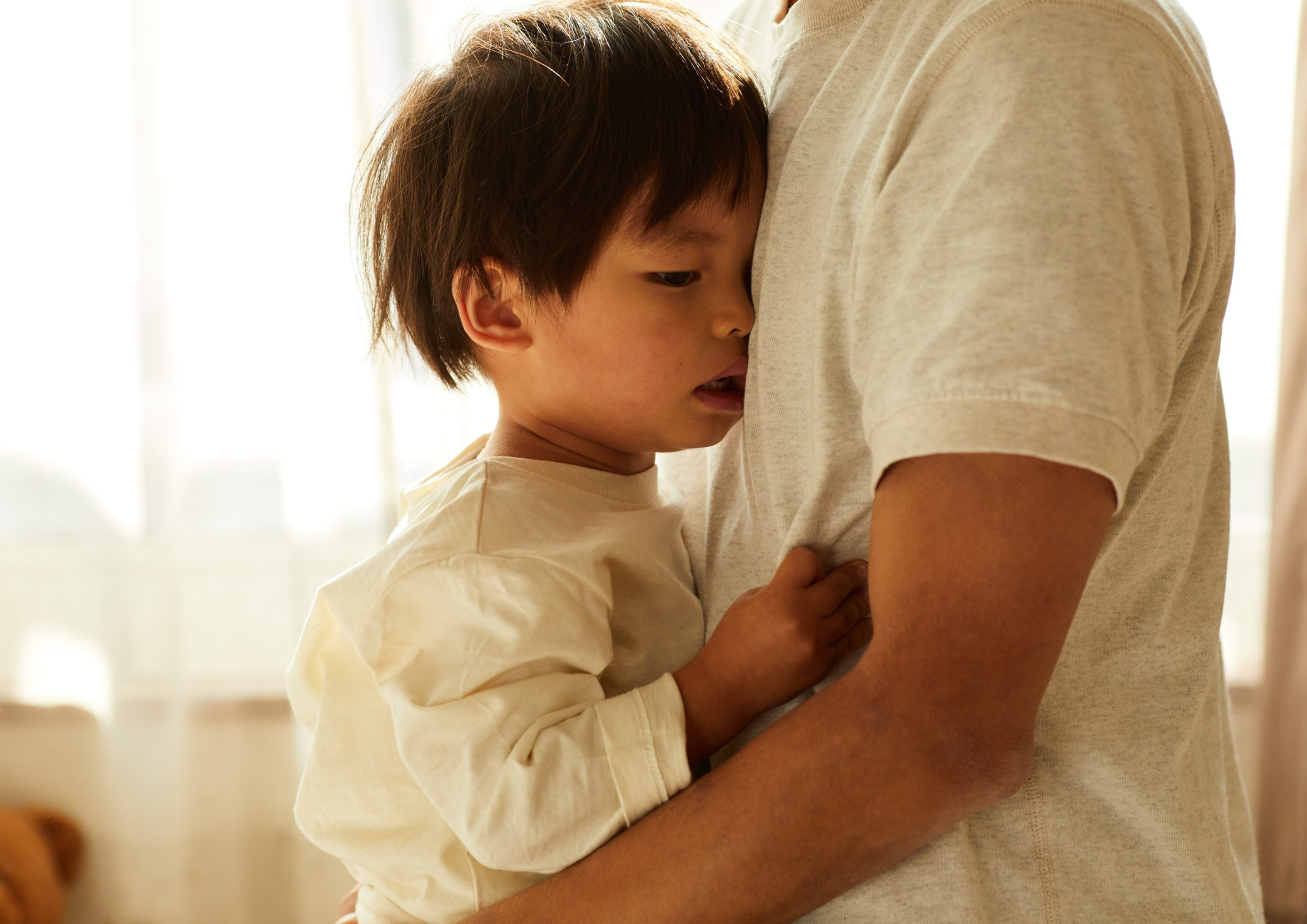
Children react to family separation differently based on their stage of development. Preschoolers often show regression in behaviour, such as bed-wetting or increased clinginess. They may struggle with separation anxiety when leaving either parent. For very young children, use clear language about changes, such as “Mummy lives at this house, Daddy lives at that house”, and keep explanations brief. When a handover is approaching, provide advance notice and allow the child to bring a comfort object from one home to the other.
Research from Social Indicators Research (2020) found that children at age five are particularly vulnerable to conduct problems when high-quality parental relationships dissolve, emphasising the importance of targeted support during this developmental stage.
Primary school children often blame themselves for their parents’ separation. They might imagine scenarios in which their family reunites or try to “fix” the situation by being exceptionally well-behaved. Some children in this age group may become withdrawn at school or struggle to concentrate. Set aside a specific time each week to ask them how things have felt at home or school. Use open questions and let them know that all feelings are normal.
Speaking with divorce lawyers or local divorce solicitors early on can help clarify legal options and support the development of child-centred parenting plans. These professionals often provide practical steps for addressing children’s needs at varying developmental stages.
Teenagers may push against boundaries or express anger as they struggle with big emotions about family changes. A 2025 study in Social Science & Medicine found that the timing of parental separation significantly impacts adolescent mental health outcomes, with different effects by gender. Maintaining open, honest conversations with teenagers while giving them space and privacy helps improve communication. When sleep patterns worsen or grades slip, it often signals that more support is needed. Arranging a confidential appointment with a school counsellor provides teenagers a safe place to talk through confusion before these feelings affect their wellbeing.
Creating stability during family transitions
Establishing reliable routines in both households helps children feel anchored. Even if mealtimes shift slightly, small bedtime habits or shared rituals signal familiarity in both homes. This consistency helps lessen anxiety and increase children’s confidence when daily life feels unsettled. For many families, a shared calendar displayed in both homes gives clarity about when children will be with each parent, making transitions less confusing.
Research from Mental Health Prevention (2023) demonstrates that structured interventions offering parenting support significantly reduce children’s psychological problems during high-conflict separations.
Child handovers often set the tone for children’s experience of moving between homes. Agreeing on a set handover routine, such as constantly exchanging at the end of the school day, helps children know what to expect. For example, some parents arrange for weekday handovers to take place at the school gates, allowing children to transition without witnessing potential disagreements.
Maintaining extended family relationships during family change
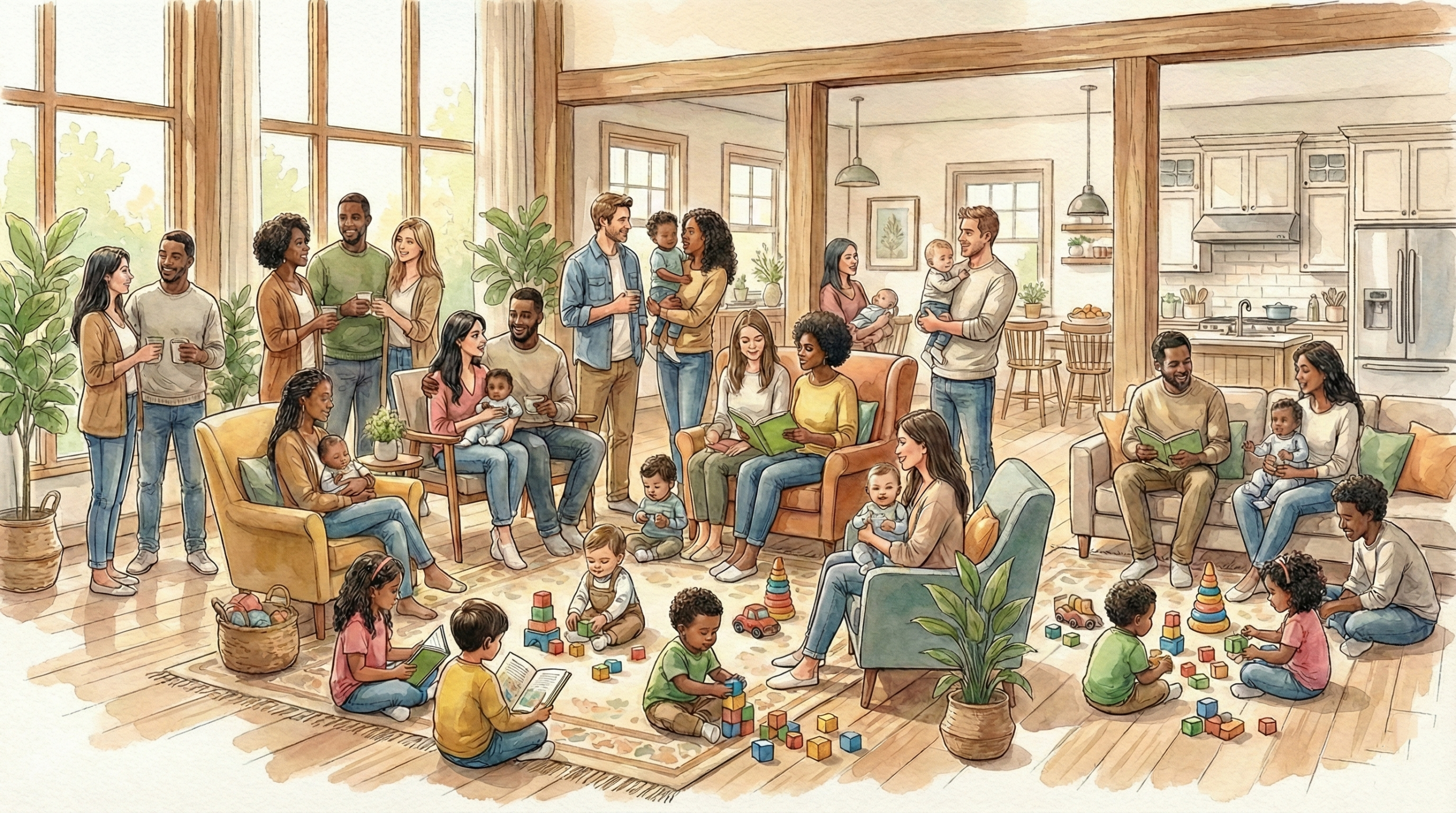
Strong bonds with relatives, such as grandparents and cousins, offer both practical and emotional support as children adjust to separation. Access to a broader family network can provide reassurance that children are not alone in their experience. Maintaining regular contact with extended family helps preserve familiar routines and provides children with a way to uphold traditions, celebrate milestones, and share their feelings without pressure.
According to the American Academy of Pediatrics, maintaining connections with extended family members provides crucial emotional support during family restructuring, helping children maintain their sense of identity and belonging.
Making home feel safe and predictable
Offering a familiar environment, such as having favourite toys, posters, or bedtime music at both houses, gives children an immediate sense of safety. Parents can involve children in decisions about setting up their own space, making each home personal and reassuring. Allowing children these choices helps them invest in both homes without feeling like they are betraying one parent.
Co-parenting communication strategies
Co-parenting works best when communication is clear and focuses on the children’s needs. A business-like approach is helpful, keeping talks brief and centred on the children. Parents should strive for consistency in rules and expectations across households, while acknowledging that some differences will naturally arise. Regular updates about important matters help both parents stay informed about their children’s lives.
Evidence-based research consistently shows that professional communication frameworks reduce children’s exposure to conflict and improve long-term outcomes.
Keeping children away from adult arguments protects their emotional health. Children should not be made into go-betweens or asked about the other parent’s activities. Parents can set up a dedicated communication method, such as email or a co-parenting app, solely for discussing schedules, school notices, and medical information. This eliminates the need for children to relay messages and shields them from parental disputes.
Supporting children’s emotional wellbeing
Designate a specific area or routine where children can talk openly, such as a daily snack together at the kitchen table or a quiet walk after school. Let children know these moments are just for sharing feelings or asking questions, with no distractions from phones or chores. Some parents use a feelings jar, where children drop written notes about how they feel throughout the week, which adults review together at a set time.
Research from the Encyclopedia on Early Childhood Development indicates that structured communication opportunities facilitate children’s ability to process complex emotions more effectively during family transitions.
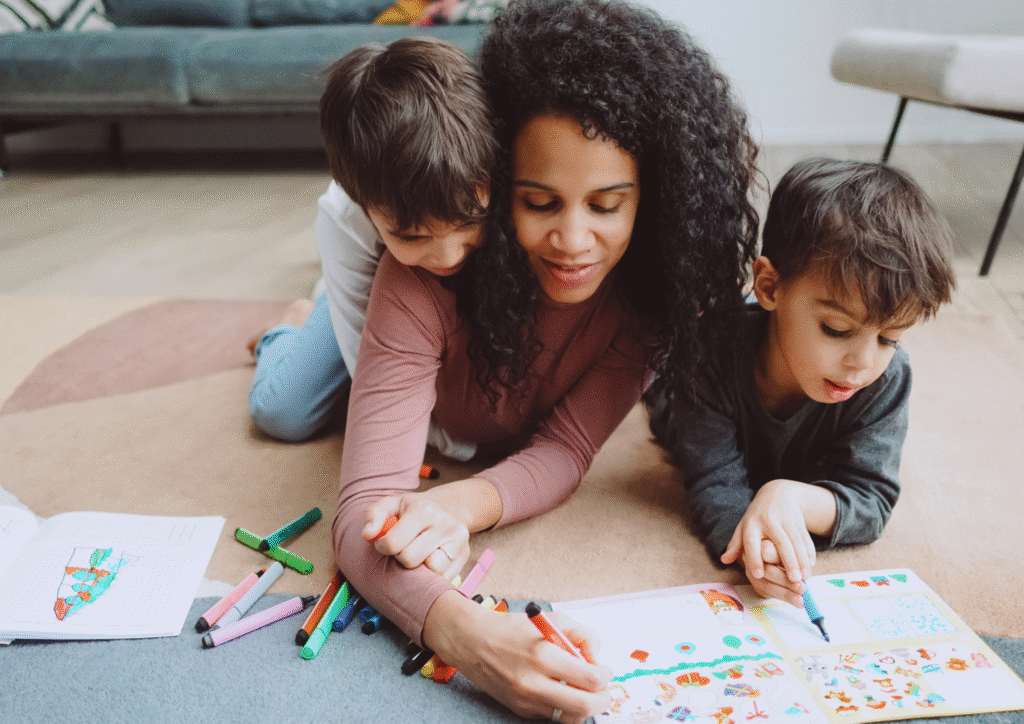
Many children struggle to share emotions directly when feeling overwhelmed. In these cases, offering creative outlets such as drawing or using playdough provides them with other ways to communicate. Parents can encourage children to create a drawing about their week or to participate in a quiet, shared activity, such as gardening together. These indirect methods often reveal concerns children cannot yet describe out loud.
Helping children process difficult emotions
Children may worry that their actions contributed to their parents’ separation. Parents can make it clear through direct conversation using phrases such as, “This was an adult decision, and nothing you’ve done caused it”, that children hold no blame. Revisiting these reassurances frequently, especially when children seem withdrawn or sad, is important. Encourage children to ask questions about the separation so they have opportunities to voice ongoing worries.
Norwegian research published in BMC Psychology (2023) found that adolescents with separated parents score 0.15 to 0.20 standard deviation units higher on mental health problem scales, emphasising the importance of consistent emotional support.
Children often express big emotions through their behaviour, with some remaining silent while others exhibit anger. Identify times when emotional outbursts occur, and then help children find healthy ways to manage and release stress. Offer practical options, such as drawing how a particular day felt or heading outside for a brisk walk. At the same time, set calm boundaries about which behaviours are not acceptable and guide children towards safer actions if tempers flare.
Legal considerations that protect children’s interests
Arranging clear child-centred agreements is one of the most important legal steps after separation. Parental responsibility means both parents continue to have key roles in their child’s life, even if living arrangements change. For example, separated parents can jointly make decisions about their child’s school and healthcare, even when the child lives primarily with one parent. Making these arrangements clear from the outset of the separation prevents misunderstandings.
Child arrangements orders define where a child lives and how contact is organised with each parent. Courts focus solely on the child’s welfare when making these decisions. UK Family Court Statistics for 2025 show that private law cases involving children took an average of 28 weeks to resolve, emphasising the importance of early emotional support during legal proceedings. Factors such as the child’s daily routine, school schedule, and relationships with both parents are taken into consideration. Parents aiming for a workable routine benefit from keeping written records of their children’s daily activities and positive experiences.
Research consistently demonstrates that children and adult offspring of separated parents are over-represented in the mental health system, with structured interventions offering parenting support shown to reduce children’s psychological problems.
Practical support helps children feel safe and heard
Children cope best with separation when routines are clear, communication is calm, and their emotions are taken seriously. Small actions, like consistent handovers or creating a familiar space in each home, help them feel secure. Allowing children to express themselves through conversation or creative activities provides them with space to process change at their own pace.
Evidence-based monitoring: Positive progress indicators include improved sleep patterns, return to previous academic performance levels, renewed interest in friendships, and appropriate emotional expression for their developmental stage.
If you are setting up new parenting arrangements, speak to a local mediator or family solicitor. They can help create a clear, child-focused plan that reduces stress and supports your child’s wellbeing across both households.
Bottom line: Children experiencing family changes after separation can maintain emotional well-being through consistent routines, age-appropriate support strategies, and professional guidance that prioritises their developmental needs during this significant life transition.
References
- D’Onofrio, B. M., & Emery, R. E. (2019). Parental divorce or separation and children’s mental health. World Psychiatry, 18(1), 100-101. https://www.ncbi.nlm.nih.gov/pmc/articles/PMC6313686/
- UK Government. (2024). Family Court Statistics Quarterly: January to March 2024. https://www.gov.uk/government/statistics/family-court-statistics-quarterly-january-to-march-2024/family-court-statistics-quarterly-january-to-march-2024
- UK Government. (2024). Family Court Statistics Quarterly: July to September 2024. https://www.gov.uk/government/statistics/family-court-statistics-quarterly-july-to-september-2024/family-court-statistics-quarterly-july-to-september-2024
*Collaborative feature post*