

Anxiety and menopause – how to improve your mental health
Menopause is something every woman will go through in her lifetime, but it isn’t often talked about and many of us can feel unprepared for what menopause will be like when it happens. Anxiety and menopause can sometimes go hand in hand during these changes. So this article will look at some self help tips to improve your mental health during menopause, including incorporating simple diet and lifestyle changes that can help.
What to expect during menopause
Menopause is when your hormone levels change and your periods stop. In most women, this will happen between the ages of 45 and 55, but it can happen earlier or later. You may experience menopause anxiety symptoms for several months or years before your periods stop, which is known as perimenopause. Symptoms can also continue for some years after your periods have stopped, which is known as being postmenopausal.
So, what does it feel like to go through menopause?
Menopause can cause symptoms, such as:
- Hot flushes
- Excessive sweating
- Insomnia
- Depression
- Anxiety
- Mood changes / swings
- Brain fog/forgetfulness
- Feeling tearful and/or irritable
- Dry skin
- Dry eyes
- Fatigue
- Weight gain
Menopause is a natural process and not a cause for alarm, but it’s also a time of great change both physically and emotionally and it can impact all areas of your life. The symptoms are different for all women, but there are things you can do to help you feel better and minimise your symptoms during this time.

Menopause and anxiety – Are anxiety and menopause related and what is menopause-related anxiety?
So, what causes menopause-related anxiety? Well, as your hormonal balance changes during menopause, this can impact your mental health, not just your physical health. As a result, anxiety, stress and even depression can become a common side-effect.
What does menopausal anxiety feel like? Why does Menopause cause anxiety?
Anxiety with menopause can be a byproduct of the hormone imbalance (that’s the oestrogen and progesterone hormones) that occurs during menopause. When this imbalance happens, then you may experience a myriad of symptoms. Anxiety symptoms include a foggy brain, mood swings, sweating, tense muscles and broken sleep.
Is anxiety linked to any particular stage of the menopause?
Anxiety can happen at any stage during the transition, i.e. it can start in the early stages of perimenopause before your periods stop and it can be so slight you may not realise it’s even a symptom. If you notice any form of anxiety creeping in and you’re not sure why, then consider menopause as a reason. Unfortunately, as our experiences during menopause are so different, it’s challenging to diagnose menopause with anxiety alone. Look for other symptoms like your periods changing too and consult a doctor if you’re struggling with daily duties.
Menopause and anxiety at night
Sleepstation.org says:
“During menopause, levels of cortisol have been shown to be elevated at night-time, which can lead to increased feelings of stress and anxiety. Additionally, cortisol levels spike just after a hot flush, which can leave a woman feeling ‘on alert’ during the night and can make it difficult to fall back asleep.”
Can menopause cause extreme anxiety? Will anxiety get worse?
It’s possible because of the fluctuation of hormones that your levels of anxiety could rise too. You may experience menopause and panic attacks (or even panic disorder) unexpectedly, and it may feel like you’re having a nervous breakdown or even a heart attack.
It’s important at this stage to find out what’s causing the anxiety and speak to your doctor to help you manage your anxiety symptoms.
Does anxiety from menopause go away?
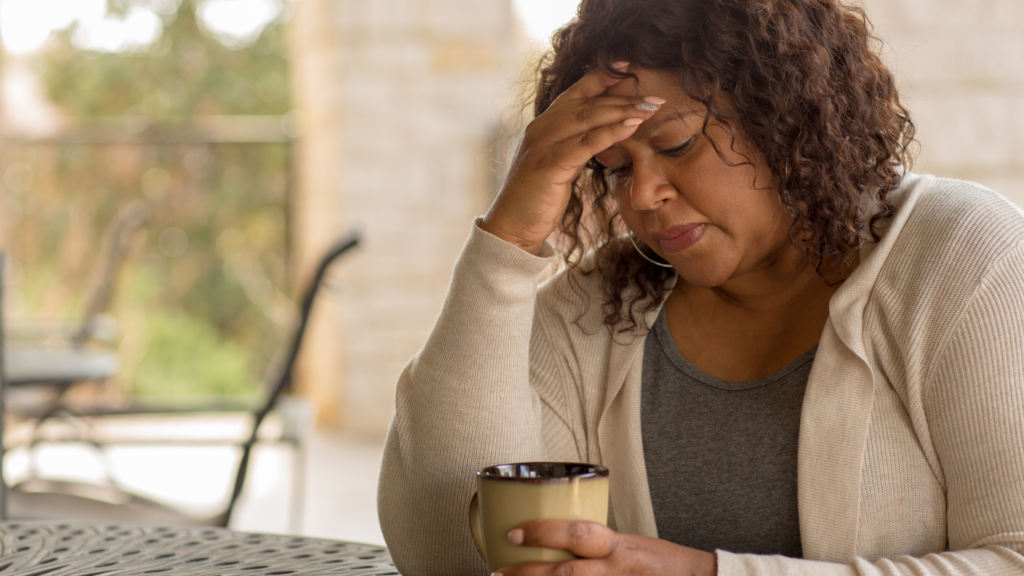
Once menopausal symptoms reduce, then you may find your anxiety decreases too, but it’s important to note that there may be other factors that can cause anxiety during menopause and not just the hormonal imbalance.
For example, if you’re suffering with more physical symptoms, it may impact on your day-to-day life as you are less functional and therefore may experience social anxiety. These are additional stressors that can contribute to anxiety, but no matter what is causing it, you should find ways to manage it and ask for specialist help if you cannot do this yourself.
Perimenopause anxiety in the morning
Anxiety in perimenopause is common in the morning because, generally speaking, cortisol levels are higher to help you wake up from sleep, as before the perimenopause, the oestrogen helped you control this cortisol spike. But due to low oestrogen and anxiety in menopause, you will feel the effects more in the morning.
How do you manage menopausal anxiety? How can anxiety be treated?
So, are there any treatments for how to deal with anxiety and the menopause, and is there a way to manage menopausal anxiety symptoms so that you can lead a more fulfilling life during this menopause transition?
There are possible treatments that can reduce anxiety-related symptoms, and these include:
- Hormones
- Hormone Replacement Therapy (which has been known to be more effective at reducing anxiety symptoms than antidepressants)
- Antidepressants
- Psychotherapy
- Menopause anxiety supplements (to relieve mood disorders)
- Cognitive Behaviour Therapy
But there are some natural ways to treating severe anxiety disorder as well as minor anxiety symptoms, and this is by aiming to reduce menopausal symptoms as much as possible. We’ll go through these below.
Your eating habits
What you eat can have a direct impact on your body, and consuming (or avoiding) specific foods can help alleviate your menopause symptoms.
Eating a well-balanced and healthy diet is vital. You should ensure this contains enough calcium, as it helps maintain bone density. Postmenopausal women are more at risk of osteoporosis due to the reduction in oestrogen. You’ll also want to eat plenty of iron-rich and high-fibre foods. Taking supplements is a good idea, but it’s best to get as many nutrients as possible from your diet, as these are often easier for your body to absorb.
That said, exploring the best menopause supplements can be especially helpful if you find it difficult to get what you need from food alone, particularly when managing symptoms like anxiety, fatigue or hormonal shifts.
Try to avoid fatty and high-sugar foods, as these can exacerbate symptoms. Spicy foods can trigger or exacerbate hot flashes. A glass of wine now and again is fine, but be sure to only drink in moderation as excessive alcohol can also increase symptoms of depression and anxiety and interfere with your sleep.
Lifestyle changes
Simple lifestyle changes can improve your everyday life during menopause. If you haven’t already, now is the perfect time to quit smoking as your risk of heart disease increases during this period of your life.
A good bedtime routine and sleep hygiene are also important, as many women often struggle to sleep during menopause. Create your own relaxing night-time routine, such as having a bath and reading a book with a warm drink. You may also want to consider switching to lighter bedding and installing a fan in your bedroom for use during hot flashes or night sweats.
Your clothing and accessories can help you remain confident and stylish during this time. Simple changes, such as wearing breathable fabrics and cooler clothing like women’s shorts, can help you stay cool and comfortable when going about your day.
Fitness
Regular physical exercise can help prevent excessive weight gain and improve your overall well-being. Exercise is also vital for reducing symptoms such as anxiety and depression and can help you sleep better too.
If you don’t already exercise regularly, start with something simple, such as taking a long walk outside or trying other weight-bearing activities like jogging or dancing, alongside relaxing activities like yoga, tai chi, or swimming.
Other coping methods for menopause and anxiety
Cognitive Behaviour Therapy (CBT) has been known to be useful to help women with their menopausal symptoms. CBT helps women connect their thoughts and feelings so they can learn how to modify their behaviour to reduce symptoms.
Do the symptoms of menopause ever go away?
When you’re in post-menopause state, then symptoms may ease or stop entirely. For some women, it may continue for longer but the change in your body’s hormones is a sign to listen to your body and continue to look after your physical and mental health to maintain a long and healthy life.
FAQ
How can I stop menopausal anxiety?
See above for tips on how to deal with anxiety and menopause and reduce symptoms as much as possible.
Can perimenopause cause anxiety?
Other questions asked were:
- Does anxiety caused by menopause go away?
- How long does menopause anxiety last?
- Does anxiety cause menopause symptoms?
- Does menopause affect anxiety?
Anxiety and perimenopause can become synonymous with each other when hormonal fluctuations disrupt the balance. See above for more information on what to do when you experience anxiety.
Can anxiety be caused by menopause?
“Changes in your hormones during menopause can impact your mental health as well as your physical health. You may experience feelings of anxiety, stress or even depression. Menopausal symptoms may include: anger and irritability.”
https://www.gennev.com/education/perimenopause-menopause-anxiety-risk
What helps anxiety during menopause?
Other questions asked were:
- Can anxiety cause menopause?
- Can menopause cause anxiety and heart palpitations?
- Can menopause cause anxiety and panic attacks?
- Does menopause affect mental health on women?
- Does menopause cause anxiety symptoms?
- Does anxiety cause menopause symptoms?
- Does menopause affect anxiety?
See above for tips on how to help your anxiety during menopause.
What does menopause anxiety feel like?
Panic attacks and menopause can occur hand in hand when you’re unsure of what’s going on in your body. As a result, you can also experience depression, a foggy brain and tense muscles.
Does menopause cause severe anxiety?
Other questions asked were:
- Can menopause cause severe anxiety?
- Can anxiety make menopause worse?
- Does anxiety make menopause worse?
- Can menopause cause severe anxiety?
Menopause can cause severe anxiety, especially if symptoms are strong. See above for tips on how to reduce your anxiety in menopause.
Menopause – What is the physiology behind the anxiety that precedes hot flashes for some women?
This article talks about anxiety being a risk factor for hot flushes during menopause, i.e:
“This study showed a strong predictive association of somatic anxiety with the risk of menopausal hot flashes. The temporal associations suggest that somatic anxiety is not simply a redundant measure of hot flashes but predicts the risk of menopausal hot flashes and may be a potential target in clinical management of perimenopausal women.”
Can a woman go crazy during menopause?
Other questions asked were:
- Do women experience personality disorders during menopause?
“The very first thing you must realize is that no, you’re not losing your mind. You may be acting crazy, feeling crazy, thinking crazy thoughts — but basically, you’re OK.”
https://www.webmd.com/menopause/features/your-brain-on-menopause
Does menopause drastically change women?
“Menopause can cause many changes in your body. The symptoms are the result of a decreased production of estrogen and progesterone in your ovaries. Symptoms may include hot flashes, weight gain, or vaginal dryness. Vaginal atrophy contributes to vagina dryness.”
https://www.healthline.com/health/menopause/menopause-facts
Is menopause a struggle only for modern women?
This article has some interesting comments.
I have been postmenopausal for 2 years and I started spotting today with terrible cramping more exhaustion and moody. This isn’t normal right?
“The most common causes of bleeding or spotting after menopause include: Endometrial or vaginal atrophy (lining of the uterus or vagina becomes thin and dry). Hormone replacement therapy (HRT) (estrogen and progesterone supplements that decrease some menopausal symptoms).”
https://my.clevelandclinic.org/health/diseases/21549-postmenopausal-bleeding
Why do you get anxiety during menopause?
Other questions asked were:
- Why does menopause increase anxiety?
“Changes in hormone levels may influence neurotransmitters in the brain. The drop in estrogen levels can also lead to hot flashes that disturb sleep, which can then lead to anxiety and mood swings. If you experience symptoms of depression nearly every day for two or more weeks, you might be depressed.”
https://health.clevelandclinic.org/is-menopause-causing-your-mood-swings-depression-or-anxiety
What causes anxiety and menopause tingling?
“During menopause, some females experience tingling in the hands, feet, arms, and legs. This symptom results from hormone fluctuations affecting the central nervous system and typically only lasts for a few minutes at a time.”
https://www.medicalnewstoday.com/articles/what-are-the-34-symptoms-of-menopause
*Collaborative feature post*







One Comment