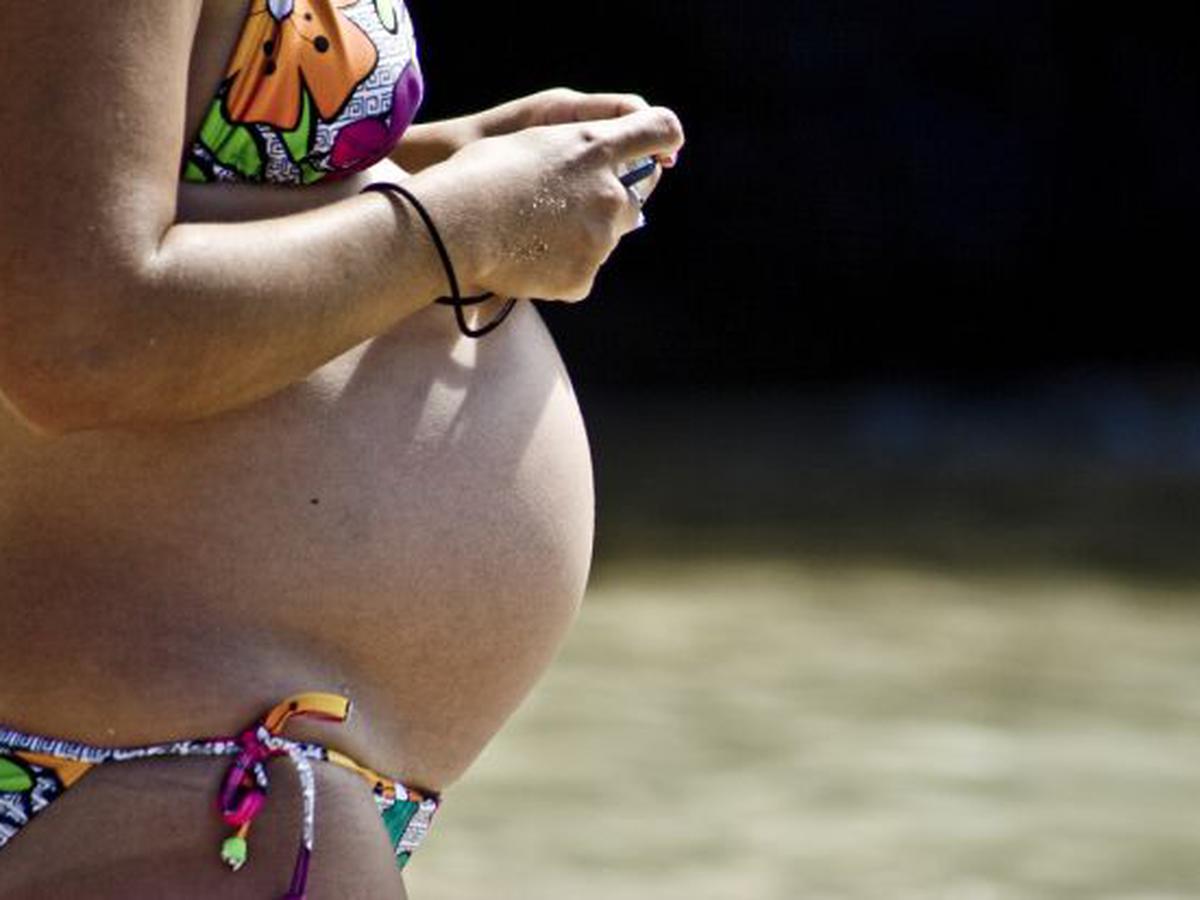
The importance of getting fit while pregnant
Being pregnant is a fitness journey in its own right, and a learning curve, of which no one pregnancy is the same.
Some women try to stay on their feet for as long as they can, while others prefer to sit back/sleep on an orthopaedic pillow and rest for the duration. How you handle your pregnancy is your prerogative. But if your doctor has given you the green light, then you should try to incorporate gentle exercise into your daily routine because the more fit you are during pregnancy, the stronger your body is at dealing with the hormonal and physical changes – and the easier it will be to get back into shape after birth. It has also been proven that staying active helps you cope with labour too.
You should aim to get around thirty minutes of physical activity per day for optimal pregnancy health, depending on the level of exercise you were doing before you got pregnant and your doctor’s advice. Always check with your doctor first before you start any new form of exercise.
If you're pregnant, grab your free pregnancy pack now - details inside!
Can you lose weight while pregnant?
You shouldn’t try to lose weight during pregnancy or stay in shape. In fact, NHS’ advice states most pregnant women should gain between 10kg and 12.5kg (22lb to 26lb), putting on most of the weight after week 20. Too much or too little weight gain could lead to complications for you and your baby including gestational diabetes and preeclampsia, so it’s worth making sure you are maintaining your weight throughout and not trying to lose weight when pregnant.
So how can you stay fit during pregnancy, from the first trimester to your due date (or beyond) without losing body fat while pregnant, especially when you’re feeling nauseous, tired and fed up?

How to stay fit during pregnancy
Staying fit during pregnancy means incorporating exercise naturally into your lifestyle, either by walking the extra few steps to the shops instead of driving/using public transport or by taking the stairs instead of the lift. A good rule of thumb to follow is if you cannot maintain a conversation during physical activity, you’re doing too much.
So, what are the benefits of getting fit during pregnancy?
Apart from making you feel great on the inside and giving you that much-needed boost in energy, there is a multitude of benefits to staying fit while pregnant. Here are a few reasons why fit pregnant women cope better during pregnancy.
Improves sleep
Trying to find a comfortable position to sleep in when you have a burgeoning baby bump protruding from your stomach can prove quite a challenge. Working out helps you to drift off to sleep at night because you’re burning off excess energy, leaving you exhausted enough to sleep almost instantaneously when you hit the hay. If you get into a good habit of practising some easy relaxation techniques before you go to sleep, then you will find that your body will wind down a lot easier and you’ll sleep better at night.
Exercise eases pregnancy pains
Exercise strengthens your muscles. The stronger your muscles are the higher your pain threshold becomes. Stretching is also a great way to iron out knots and unwanted aches and pains, especially back pain. Walking improves your blood circulation and helps to avoid any unwanted varicose veins as well. Swimming is a great form of exercise, especially during pregnancy, as it gently strengthens your stomach muscles, which helps to support the weight of the growing bump.
Exercise gives you an energy boost

Being tired is one of the biggest drawbacks of being pregnant. Fatigue is especially common during the first and third trimesters and one of the first signs of pregnancy too. But, when you strengthen your muscles through exercise, you will feel stronger and, coupled with a healthy diet, you will also get that extra energy boost that combats that drowsy feeling.
Exercise prepares your body for birth
Giving birth requires energy and stamina, two things that increase with regular exercise. Keeping a regular exercise routine can also help to shorten the length of labour, as mentioned above, and increase your chances of a quick birth as well. If you’re not a regular fitness buff, start slow and gently and keep at it. From a daily walk in the park to prenatal yoga, every little bit counts. Don’t forget your kegel exercises too!
Reduces the chances of pregnancy complications
Pre-eclampsia can be critical for both mother and child if not diagnosed early enough. Exercising regularly throughout the pregnancy does help to reduce the risk of pre-eclampsia if you are at risk of developing the condition. In some cases, if you are not careful with what you eat and you do not exercise regularly, you are also at risk of getting gestational diabetes as well. Exercise helps you manage your all-important blood sugar levels when combined with a healthy diet.
Gets rid of the blues

Exercising releases endorphins into the body which provides you with “feel-good” chemicals. Prenatal yoga is one of the best forms of exercises that keep your stress levels down during pregnancy because it is so calming – a happy mum leads to a happy baby.
So what kind of exercise should you try during pregnancy?
Golf
Not many people think of golf as a form of exercise but it can prove very advantageous to pregnant women. For starters, the game is played at a leisurely pace and isn’t too strenuous on the body, so you can’t do too much damage to both yourself and your unborn child.
Secondly, you are getting in that much needed fresh air into the system. The golf course can clear your head and you get to enjoy a lovely green view while exercising too.
Swimming
Swimming is a great way to keep fit during pregnancy. The water is a place where you can clear your head and have some ‘me’ time while working all your muscles. Swimming also strengthens the core, which helps to carry the weight of the baby more easily. This favoured water sport can improve your heart and lungs as well for better oxygenation levels, which encourages toxins to leave the system too.
Backstroke is particularly beneficial because it improves your muscular resistance gently and eases the body of unwanted aches and pains that are caused by bad posture during pregnancy – i.e. rounded back and protruding stomach.
Walking
Walking is easily accessible and the most popular form of exercise for all kinds of expecting mums. You can mix it up by taking a leisurely stroll down or the road or, if you’re feeling energetic, you can go for a power-walk in the park. Walking also improves oxygenation levels and blood circulation, whilst gently working on your joints, which can sometimes stiffen during pregnancy. Try to avoid difficult terrain and steep slopes because you don’t want to place unnecessary stress on your back. Also, make sure you wear proper shoes to prevent aching feet, backache, and to improve your balance. When buying shoes it is advised to get a pair half a size bigger, as your feet and legs may swell during pregnancy.
Light Gym

Yoga is a great way to stay flexible and to stretch out all those painful joints. However, do remember that you are pregnant and not your usual supple self, so only go for pregnancy-friendly yoga moves that avoid twisting and stretching the abdomen area. Remember to always keep your core tight and pulled in when doing any form of exercise, to protect the baby and reduce the risk of displacing your muscles.
Water Aerobics
Water aerobics has all the benefits of Yoga but it is less demanding on the body because the buoyancy of the water makes it easier to hold the poses and the weight of the baby. Finding a water aerobics class, especially one specifically tailored to pregnant women, will not only ensure that you’re working your muscles properly and safely, but you will also get to meet other pregnant mums who are in the same position as you.

Don’t forget your pelvic floor!
Pelvic floor exercises count as exercise during your pregnancy because they strengthen the pelvic floor muscles which may weaken during pregnancy and birth due to the pressure of the baby and the act of birth itself. You can find more information on how to exercise your pelvic floor during pregnancy here.
Workouts to avoid while pregnant
It is very important to avoid contact sports during pregnancy like football or rugby, as you don’t want the unnecessary impact on the baby. Also avoid hazardous exercises where if you fall you can seriously injure yourself and the baby, like ice skating, skiing and rock climbing.
You also don’t want to make any sudden movements or raise the body temperature up too high. You should aim to keep your heartrate under 130 to avoid overheating and dehydration. Always rehydrate before and after any form of exercise.
There are so many benefits to exercising when pregnant, both for you and your child. But always remember to listen to your body and not overdo any kind of exercise, even if after you’ve had the baby. Consult your doctor before you start any new exercise regime and make sure you keep your heart rate and body temperature down at all times too.
If you're pregnant, grab your free pregnancy pack now - details inside!
Time to get moving!
*Collaborative feature post*