Giving Birth in a COVID-19 World: From Cancelled Screenings to in the Birthing Room
Giving birth is certainly not easy, and COVID-19 is causing a level of uncertainty in mothers which makes the process of having a baby even harder. Discover why and how this may have knock-on effects down the line below.

Pregnancy and preparing for the arrival of a baby brings its own worries, without adding the stress of a global pandemic on top of it. But, this is what expecting mothers across the world are having to contend with right now, on top of the apprehension and worry already in place.
Many expectant mothers across the country have experienced delayed treatment due to COVID-19, including cancelled midwife appointments and a cut-back on scans. They’re also having to go to scans without their birth partners, as well as needing to change their birthing plan too.
If you’re pregnant, grab your free pregnancy pack now – details inside!
The pandemic has, therefore, been a challenging time for pregnant women. But, how is it specifically changing the picture, and will this have a knock-on impact on mothers, babies, and the healthcare system?

What Changes Have Been Made in the Birthing World Due to COVID-19?
There’s no doubt that the coronavirus pandemic has been a challenge for the NHS. As the official advice changes from one week to the next, NHS trusts have had to adapt fairly quickly and put in place extra safety measures to protect their staff and their patients. Being this flexible has meant that in turn, patients have also had to be flexible, particularly pregnant mothers.
Although there has been no evidence to show pregnant women are at a higher risk of catching and becoming seriously ill with COVID-19, they have been included in the list of ‘vulnerable people’ as a precaution. This is because pregnant women can sometimes be more susceptible to viruses, like the flu.
What’s more, there is so much we still don’t know about this virus, and how it acts in different people. So, healthcare professionals are doing their best to protect everyone involved, meaning the whole picture has changed completely. Here’s how:
Changes to Healthcare During Pregnancy
- Some GP surgeries have placed restrictions on face-to-face appointments, and also faced increased pressure from patients calling about suspected COVID-19 symptoms. The out-of-hours urgent medical helpline 111, has also been inundated with calls, and patients face lengthy waiting times for a call back.
- Some NHS trusts have been cancelling or rescheduling routine midwife appointments and scans. Instead, they were only holding midwife appointments over the phone or via a video call.
- As strict lockdown measures were put in place, most NHS trusts were only allowing an expectant mother’s birthing partner to attend the very first scan. After that, pregnant women were and continue to be expected to attend routine midwife appointments and scans alone.
- Not only this, but many appointments and scans have been cancelled.
- Lockdown and social distancing measures have meant that many ante-natal classes were cancelled, or were only available online.

Changes to Giving Birth Due to COVID-19
- As hospitals became busier with COVID-19 patients, they had to close to new patients as they ran out of beds. This meant that some new mothers were not able to convalesce long in the hospital after birth. Instead, they were sent home to free up beds for other patients, and this is still the case in some hospitals.
- Some NHS trusts have put restrictions on certain birthing options, such as home births or water births. This is because it would be more difficult to manage infection control, with the midwife entering the social bubble of others. This means that some low-risk expectant mothers are having to go to the hospital to give birth.
- Although pregnant mothers are usually told to expect their birthing plan to change if the situation changes, this is happening more often due to the pandemic. Beds, resources, and staff are so thinly spread, that birthing plans have to be flexible.
- The pandemic has been a burden on all services across the NHS, including ambulances. Due to paramedics having to attend a higher number of calls due to COVID-19, the wait for ambulances has become longer. This means that some women in labour have had to make their own way to hospital.
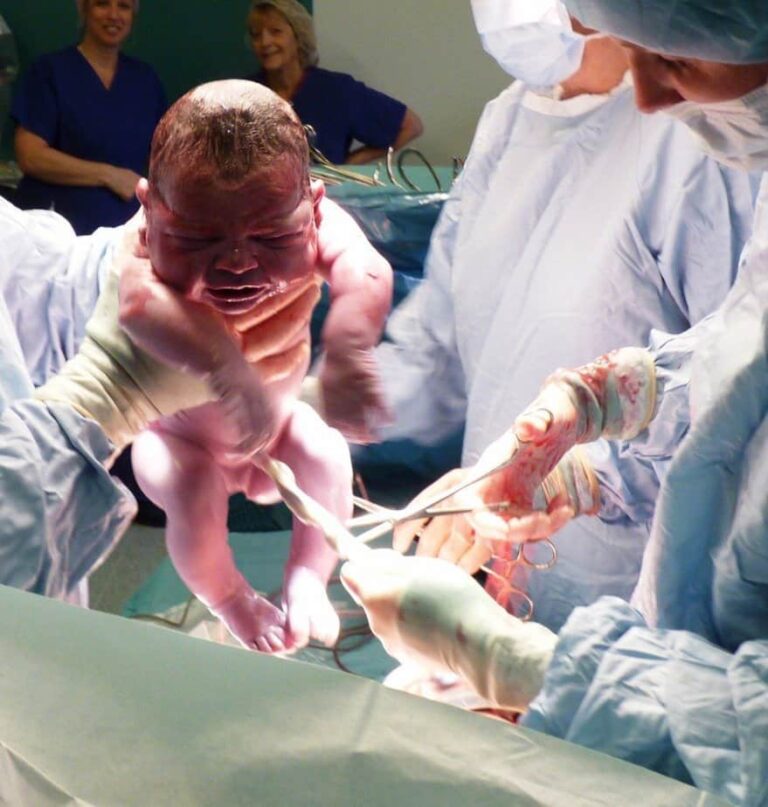
- Birth partners are allowed to attend the birth, so long as they are not unwell. They are also not allowed to attend if the baby needs to be born urgently, i.e. a caesarean needs to be performed. Theatres are high-risk areas for the spread of infections and, therefore, in an emergency, partners may not be able to attend the birth.

Changes to Life After the Birth Due to COVID-19
- New mothers who need to stay in hospital after the birth are more at risk of catching the virus than mothers who are allowed home sooner. This is because being in hospital for a prolonged stay means more chance of being exposed. Although hospital staff are working round the clock to ensure that any COVID-19 patients are quarantined, there is still a bigger risk in this setting.
- Many NHS hospitals are not allowing partners to stay with new mothers and their babies, or visit them as usual, for fear of the spread of the virus. Some mothers who have had a premature baby who needs to stay in the hospital, have also been unable to stay with their baby.
- As with antenatal classes, postnatal classes or support groups are not running due to COVID-19, or are held via video calls.
- The continued burden on GPs and hospitals is also having an effect on new mothers being able to get the help they need post-partum.
What Impact is This Having on New Mothers or Expectant Mothers?
Many changes have been made to GP practices, hospitals and delivery suites in the UK in the wake of COVID-19. The changes, discussed above, are having a profound effect on new mums or mums-to-be, and their partners. But how?
The Effects of Cancelling or Rescheduling Midwife Appointments and Scans
Less care for the mother and baby during pregnancy may result in problems during and after birth. For example, potential birth defects or other health problems may be missed, or not caught quick enough. This can either put the mother at risk during childbirth, or it can cause potentially life-long disabilities for their children as a result of birth injuries.
The Effects of Cancelling Pre and Postnatal Classes
The cancellation of pre and postnatal classes and groups often means that pregnant women or new mothers aren’t getting as much emotional support and advice as they would have done if they had not been cancelled. Not being seen by professionals, and supported throughout may put mothers at risk of post-natal depression.
The Effects of Restrictions on Appointments and Visitation
The restrictions on partners being at appointments, the birth, or visiting after the birth can have a negative impact on the mental health of new mothers and also their partners. What’s more, mothers who are not able to stay at the hospital with their premature baby are also susceptible to anxiety and post-natal depression.
The first few weeks after a baby is born is the key time for them to bond with their parents. Ultimately, not engaging in this stage may have a lasting impact on all involved, including the baby.
The Effects of Birthing Plans Being Changed
As many birthing plans are being changed at the last minute, women are not giving birth in the way that they wished. In particular, women with low-risk pregnancies who opted for giving birth at home, are being taken to hospital; the exact environment they wanted to avoid.
This can cause unnecessary stress to the mother and baby, causing further knock-on effects, such as PTSD from difficult births. It may also mean that there is more risk involved with giving birth, as the plan is not laid out in front of the doctor.
The Effects of Isolation from Family and Friends
Lockdown has meant that many new mums and dads are completely isolated from extended family and friends. Normally, they would be a great support network during the first few weeks after they bring their baby home. Without this, it may have a further negative impact on the mental health of all involved, and the baby’s social development.

What to do if You’re Worried About Your Pregnancy During COVID-19
Although many pre and postnatal classes have been cancelled, or are only running via video chat, there is still a great support network out there for new and expectant mothers. Charities, like Tommy’s, have a wealth of information about pregnancy and the Coronavirus. There are also many local Facebook groups out there where new mothers have discussed their experiences giving birth at their local hospital during the pandemic.
If you are worried or scared about any pregnancy-related symptoms or problems, your baby might be having, don’t be afraid to reach out to your GP or midwife for help. Although restrictions on appointments have been put in place, it’s important that you seek help should you need it, and be persistent if you have to. You know your own body, and your baby better than anyone else, so trust your gut instinct.
Ultimately, if you feel like you have suffered as a result of a delay or negligent care due to COVID-19, it’s best to speak to a specialist medical negligence solicitor who can give you expert advice.
Are you a new or expectant mother? What has your experience of pregnancy and birth been during lockdown? I’d love to hear from you, so leave your thoughts in the comments down below.
*Collaborative feature post*
If you’re pregnant, grab your free pregnancy pack now – details inside!