

Homeownership can be a rewarding experience, but it also comes with its fair share of headaches. A leaky faucet here, a broken HVAC system there – there’s always something to fix. But, not all general home repairs are created equal – some can be quite costly in fact.
So, what are the most expensive home repairs? We will look at the eleven most expensive home repairs made from homeowners’ common mistakes.
1. Ignoring regular upkeep of quick home repairs and maintenance
The mantra ‘out of sight, out of mind’ might work for old hobbies, but when it comes to your home, it’s a disaster waiting to happen. From the air conditioning to the gutters to HVAC systems to your sewer line, routine house repairs and maintenance checks can save a fortune in the long run.
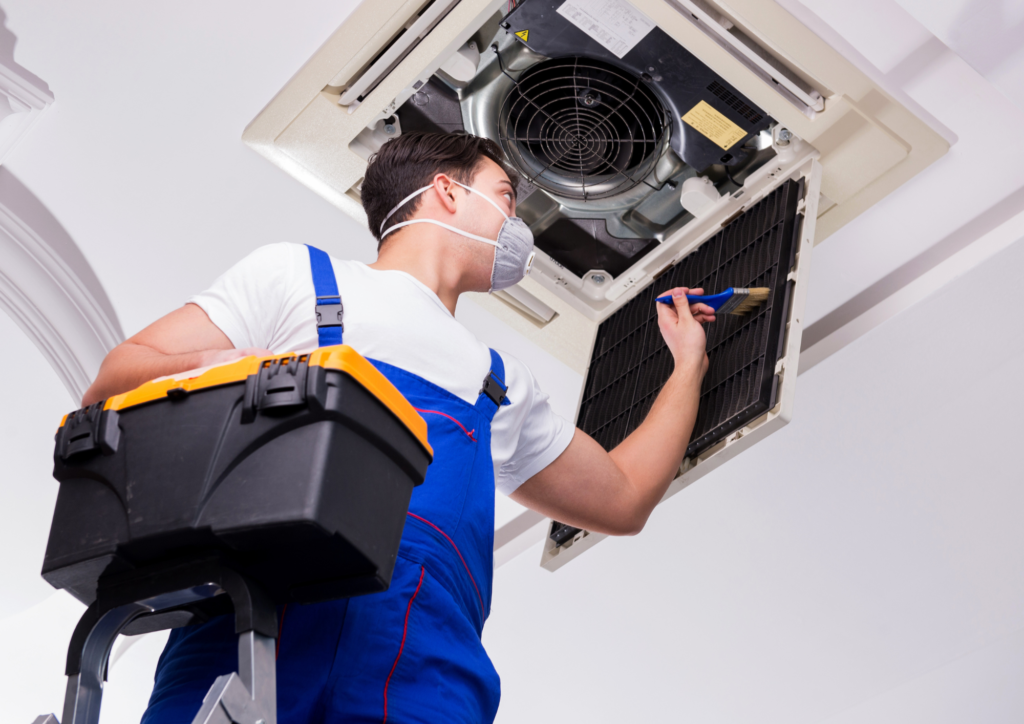
The cost of a full HVAC replacement can burn a hole in your pocket, so make sure you get it serviced at least once a year.
What about those little black spots in the corner of the bathroom? Leave it? Nope, that’s black mould. Black mould in bathrooms are common because wet surfaces and steam from the shower can cause condensation to form if you don’t properly ventilate your bathroom. Leaving it can cause serious health problems. So attack the problem when it’s only little, not when you have to evacuate your bathroom because you can no longer breathe from the mould’s fumes!
2. Neglecting your home’s exterior
Curb appeal isn’t just for selling your property. A well-maintained exterior is a sign of a healthy home. Are your lawns well-kept? Is the paint peeling off your front porch? Remember, your home’s exterior is its first line of defence, so keep up with those general home repair and maintenance tasks outside your house too.
3. Skipping homeowner’s insurance
The joy of finally owning your home might make insurance feel like an afterthought. But not having a robust homeowner’s insurance policy is like playing with fire, literally and metaphorically.
4. Misjudging renovation costs
Renovations are the gateway to a home that truly reflects you. But if you’re not careful, they can turn into a money pit. It’s not just about buying the right materials – it’s about setting a realistic budget and a home repairs list – and sticking to it.
5. DIY-ing projects you’re not equipped for
Yes, we’ve all watched home improvement shows and thought, “I could do that.” But remember, a minor mishap can lead to major mis-happenings, especially if you’re renovating a big home. Think twice, or better yet, thrice before knocking down that wall.
Renovations are exciting – but don’t let your enthusiasm lead you astray from properly vetting contractors or cutting corners on material quality. Poor workmanship or cheap supplies will only cost you more in the long run.
6. Not saving for emergency home repairs
Having an emergency fund for unexpected home repairs is like carrying an umbrella in the rainy season. You might not need it every day, but when the storm comes, you’ll be grateful you have it.
7. Failing to understand your home’s systems and appliances
Your home is like a finely tuned orchestra, with each appliance and system playing its part. But just like a conductor needs to understand each instrument, you should know your way around your home’s systems. Not familiar with how your HVAC or water heater works? You may be setting yourself up for unplanned solos—in other words, costly breakdowns.
To save yourself from costly repairs, consider signing up for a home warranty. Yes, it’ll cover your HVAC system! For more details on how to avoid HVAC repairs using home warranty, check out this guide: https://www.cinchhomeservices.com/faq-library/-/faq/do-home-warranties-cover-ac-systems.
8. Putting off energy efficiency upgrades
It’s easy to dismiss energy efficiency upgrades as non-essential. But the reality is they can save you big bucks over time. Plus, they’re good for our planet. LED light bulbs, energy-efficient appliances, well-insulated windows—these aren’t just trendy home features; they’re smart investments.
9. Incorrectly prioritising home improvements
It’s easy to get caught up in the allure of a fancy new kitchen or a luxurious bathroom. But if your roof is leaking or your basement is prone to flooding, those are home repair issues that need immediate attention.
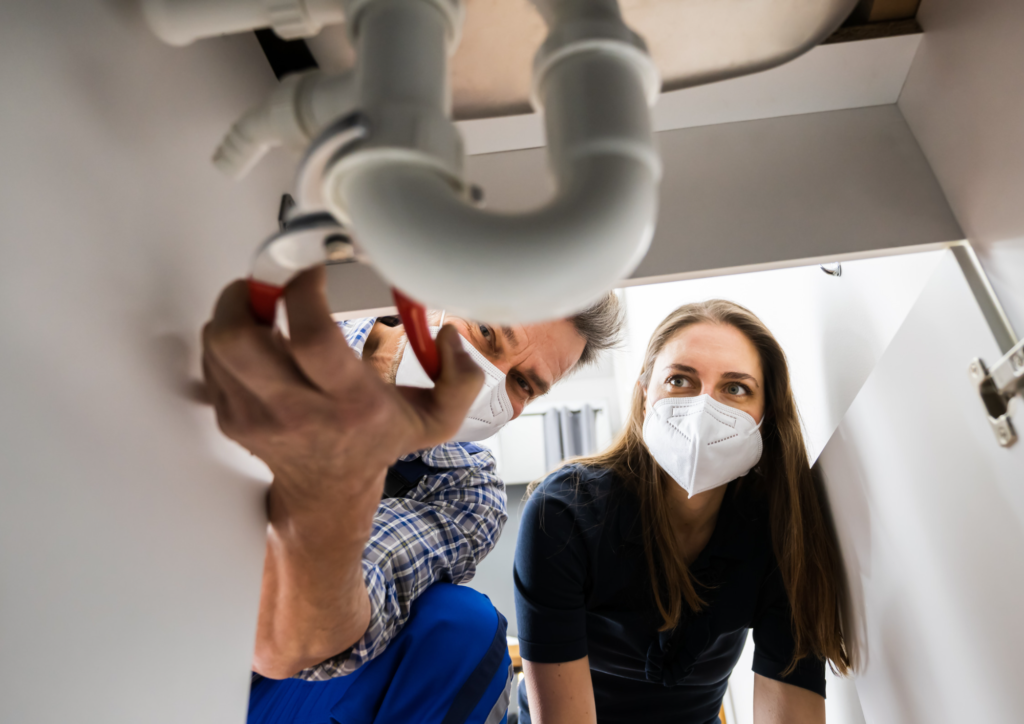
We get it – general plumbing repairs like a leaky faucet or showerhead may seem like a minor inconvenience that you can live with. However, if left unaddressed for too long, these small leaks can cause major water damage to your home’s structure and lead to costly repairs down the line.
Garbage disposals are also not invincible! Be careful what you put down there – fibrous foods like celery or tough-to-grind items like bones can cause serious damage and require pricey emergency plumbing repairs.
Perhaps the biggest mistake of all is procrastination. Putting off necessary house repairs may seem harmless at first but will inevitably lead to larger issues that require even more costly home fixes.
10. Neglecting safety precautions
A smoke detector with a dead battery, a carbon monoxide detector gathering dust, a possibly septic tank, a fire extinguisher expired—these are not just oversights; they’re life-threatening hazards. As a homeowner, safety isn’t an option; it’s a non-negotiable priority.
Do you have multiple power strips plugged into one outlet? It may be convenient, but it could also be dangerous and potentially lead to an electrical fire.
Installing appliances yourself may seem like a great way to save money… until something goes wrong and you end up shelling out big bucks for professional help.
11. Failing to consider future resale value
Buying a home is a major investment (whether you’re a real estate investor or a first-time buyer) and for many of us, it’s the biggest one we’ll ever make. But amidst the joy and excitement of making a space our own, we often forget a critical factor – the future resale value. When breaking down a wall or adding a fixture, think, are you adding value to your home, or taking it away? It may cost you more in the long run to remove your DIY project, resulting in you losing money instead.
So, are you guilty of these costly homeowner mistakes?
Take a moment. Reflect. You may be a pioneer, trailblazing your path through the adventure of homeownership. It’s a journey full of lessons to be learned and challenges to be conquered. But as the saying goes, forewarned is forearmed.
So take care of your home because it’s is no easy feat. It takes time, effort, and sometimes a lot of money to ensure that everything is running smoothly. But if you want to avoid the most expensive repair, keep an eye on the warning signs. All you need is a little bit of common sense and some basic DIY skills.
So next time you’re tempted to ignore that leaky faucet or put off cleaning out your gutters for another year, think twice! Because as we’ve learned today, procrastination can lead to some seriously costly repairs down the line. And let’s face it – nobody wants to spend their hard-earned cash on a major home repair contractor fixing something they could have prevented in the first place.
Stay informed, stay savvy, and stay on top of those expensive home repair projects you can’t avoid!
FAQ
Why are home repairs so expensive?
There are several reasons why home repairs can be quite expensive. Here are some reasons:
- A significant portion of home repair costs come from labour, i.e. plumbers, electricians and carpenters etc. Due to their many years of training they require to be paid fairly for their expertise and time, and as wages have risen due to inflation and increasing living standards, labour costs are becoming increasingly expensive.
- The cost of quality materials for home repair comes with a high price tag. Raw materials like wood, metal and plastic can fluctuate in price so shop around for the right quality material for your project
- You might need specialised tools and equipment to fix your repair, which, of course, come at a cost.
- Your repair might be complex an unpredictable, therefore you might need more time and materials to fix the issue.
Repairs can be expensive but neglecting them can often lead to more severe damage and higher costs in the long run. Regular maintenance and immediate attention should ensure you keep your costs manageable. Also, try to learn some basic DIY skills for minor repairs, but always hire a professional for complex and potentially dangerous tasks like electrical or structural work.
What are the most expensive home renovations?
Other questions asked were:
- What are the most expensive home renovation projects?
- What are the most expensive home repairs and how to prevent them?
- What are the most expensive home repairs and how to prevent them?
- How much is the most expensive home renovation?
The cost of home repairs can vary depending on the severity. The most costly home repairs tend to be from minor issues that have been left to fester for years and now have become so severe they need major home repairs.
That said, some types of renovations tend to be more expensive than others on average. Here are a few of the most expensive residential home renovations:
- Kitchen renovations: The kitchen is often one of the most expensive areas of a home to renovate because of the level of plumbing, electrical, and gas lines involved, as well as high-cost items such as cabinetry, countertops, and appliances. Luxury materials like granite or quartz for countertops, custom cabinets, and high-end appliances can significantly drive up costs.
- Bathroom renovations: Bathrooms can also be expensive for similar reasons. They often require plumbing and electrical work, and fixtures like tubs, showers, sinks, and toilets can be expensive, especially for higher-end models. There are ways to make sustainable swaps so it doesn’t cost a mortgage and don’t forget to add the price of labour to the cost!
- Adding a new room: Whether it’s an extra bedroom, a sunroom, or a two-storey landing, expanding the surface area of your home is a major project that can get very expensive. This involves several stages from the foundation to the roof, each of which brings significant expenses.
- Basement finishing/remodelling: Transforming an unfinished basement into a comfortable living space can be a major project to undertake because of the potential costs of insulation, walls, flooring, lighting, plumbing, HVAC, and more.
- Remodelling the entire house: When you renovate every room this is the most expensive and time-consuming of all renovations.
- Roof replacement: Depending on the size of the home and the roofing materials used, replacing a roof can be a significant expense.
- HVAC replacement: Replacing a home’s heating, ventilation, and air conditioning systems can be a major expense, particularly if ductwork needs to be added or replaced.
- Structural repairs: Fixes to a home’s foundation or other structural components can be very expensive due to the significant amount of labour and materials involved.
How to pay for expensive home repairs?
Other questions asked were:
- How to pay for expensive home repairs?
If you live in the UK you have several ways of paying for expensive home repairs:
- Savings: You should have enough savings set aside to cover unexpected home repair costs. However, if that is not the case, there are other options to consider.
- Home insurance: Depending on the nature of the damage and the type of insurance you have, your policy may cover some or all of the cost of repairs. Check the specifics of your policy to see what is covered.
- Personal loan: You might be able to get a personal loan from the bank or another lender if you have a good credit score.
- Credit cards: If the repair cost is not too high, or if you can pay off the balance quickly, you might consider using a credit card. Be careful with the high interest rates and only choose this option if you can pay the balance off quickly.
- Secured loan or second charge mortgage: You may be able to take out a secured loan or second-charge mortgage (which is a loan where your home serves as collateral) if you have equity in your home. Please approach this option with caution as your home could be at risk if you don’t keep up with repayments.
- Remortgaging: If you have significant equity in your home, you might consider remortgaging to release some of this equity and cover the cost of repairs. It’s important to factor in any fees and potential increases to your monthly payments when considering this option.
- Government assistance: Certain government schemes may provide assistance for specific types of home repairs. For example, the UK government has schemes to help with the cost of energy-efficient improvements. Eligibility will depend on various factors, so it’s worth investigating this option.
- Local council grants: Some local councils offer grants or loans to help with the cost of home repairs, particularly for older, disabled, or low-income homeowners. Availability varies, so contact your local council to see what might be available to you.
What’s the biggest or most expensive home repair you’ve ever had to make due to something you a child or another family member did?
Other questions asked were:
- What’s the most expensive thing you’ve ever had to repair or replace?
Here are some of the most common family-related issues that have resulted in high cost home repairs:
- Water damage can stem from a child overflowing a bathtub and water seeps onto the floors and walls, causing structural damage and mould.
- Unattended cooking or not using electrical devices correctly can cause fire damage
- Rough play and accidents can cause structural damage, like broken windows or holes in walls/doors
- Flushing inappropriate items down the toilet or sinks can lead to serious plumbing issues
Do home repair people quote higher prices to women than men?
There’s no definitive proof to suggest that home repair/renovation contractors quote higher prices to women than men, but anecdotal experience may show gender-based discrimination. This may be down to the stereotype drawn that women may be less familiar with home repair than men, but this is unfair and an over-generalisation.
While it’s possible to find a contractor who may take advantage of perceived lack of knowledge, ensure you are getting a fair quote, by asking for multiple quotes before starting and educating yourself on what needs to be done, so you can you discuss what you need in more detail.
Ask questions about the quote as the contractor should be able to break down and explain the costs involved.
Always check references and reviews and look for contractors with a strong track record of fairness and quality work.
Why would people hire a general contractor over less expensive subcontractors for home repairs?
Hiring individual subcontractors might seem cost-effective but homeowners prefer general contractors, even if they are more costly, for the following reasons:
- A general contractor can manage the whole project, including coordinating with different subcontractors for specific jobs. This could be difficult for a subcontractor who doesn’t have project management experience
- General contractors have extensive knowledge in the construction field and will know how to handle common issues
- General contractors carry their own liability insurance, so if something goes wrong their insurance can cover the cost of repairs or any injury on the job site.
- General contractors are familiar with the necessary permits and passing inspections required for certain jobs
- A general contractor can oversee the work of all the subcontractors and ensure the quality of the workmanship meets the project’s specifications.
- Many general contractors offer a warranty on their work which gives homeowners peace of mind if something goes wrong.
- Instead of dealing with multiple subcontractors, you can deal with just one and all communications have one single point of contact..
Are roof repairs expensive?
The cost of roof repairs can vary on the extent of damage cause, i.e. if a few shingles are missing or there’s a small leak, to extensive water damage or structural issues which are more expensive to fix.
The type of roofing material can affect the cost of the repair too. Some materials like asphalt shingles, can be affordable and easy to repair while others like slate or tile can be more expensive and will require specialist skills to fix.
Where the damage is and how easy you can access the roof to fix it can also impact the cost. If it takes more time, labour, and equipment it will need more money put down to fix it.
If you find underlying issues too like rotten wood or mould, this may increase the cost of repairs.
As always, get some estimates from reputable contractors before you start work.
What should I look for during the walkthrough after buying a new house?
After you’ve bought a new house, the walkthrough is very important to ensure everything is in working order. Here are some key areas to focus on:
- Look for signs of damage to walls, ceilings and floors. Look particularly at cracks, dampness or stains and check outside the house too, including the roof, gutters and drains
- Test all the lights and switches and check all the power outlets with a simple plug-in device to check whether they are working. Make sure the heating and cooling systems operate properly
- Check all the taps and showers have good water pressure and look under sinks for leaks. Flush all the toilets to check they are functioning correctly
- Open and close all the windows and doors to ensure they work properly. Check for cracked glass and damaged screens and make sure all the locks function properly for security purposes
- If appliances were included in the sale, now is the time to make sure they’re functioning properly. This includes the fridge, the oven, stove, washing machine, dishwasher and dryer if there is one.
- Check light fixtures and built-in furniture for any damage, such as chipped paint or damaged wallpaper
- The house should be clean and free of the previous owner’s possessions unless you agreed otherwise. Check for cleanliness in all the rooms
- If you bought a furnished or semi-furnished house, make sure you have all the items in the inventory and they are in the right condition
- Check the garden, driveway and additional outside spaces like the garage or shed for any damage.
Remember, this is your opportunity to ensure the property is in the condition you agreed at the time of sale. If you find any discrepancies, you should report them to your real estate agent or solicitor as soon as possible. If possible, it can be beneficial to bring along a trusted person with experience in home ownership or construction to help spot potential issues.
What are the average home maintenance costs I would be expected to pay when running a home?
The cost of maintaining a home can vary greatly depending on several factors such as the age and size of the house, the materials used during construction, and the local climate.
However, a common rule of thumb suggests that you should expect to spend about 1% of the property’s value on maintenance each year. For example, if your home is worth £250,000, you might budget £2,500 annually for routine maintenance.
Here are some of the typical costs you might encounter:
- Boiler servicing or replacement: An annual boiler service ensures it’s running efficiently and this can cost around £60-£120. If your boiler needs replacing, this can cost anywhere from £1,500 to £4,500 depending on the model and installation costs.
- Roof repairs: Minor roof repairs might range from £100 to £300, but if you need significant work or a full roof replacement, this could rise into the thousands.
- Plumbing and electrics: For smaller tasks like unblocking a drain or fixing a light fixture, you might pay anywhere from £50 to £150. Major plumbing or electrical work can cost hundreds or even thousands of pounds.
- Gutter cleaning: You can expect to pay between £30 to £150 depending on the size of your home and ease of access to the gutters.
- Painting and decorating: Depending on the room size and condition, professional painting might cost around £200 to £400 per room.
- General repairs and maintenance: Things like fixing a broken window, repairing a door, or other small jobs might cost between £100 and £200.
Costs can vary greatly so remember to get multiple quotes and look at recommendations and reviews. Remember that preventative maintenance can often save you money in the long run by avoiding more serious damage and expensive repairs. It’s also advisable to put some money aside each year to cover unexpected repairs and maintenance.
Pros and cons of financing your home improvement project?
Financing home improvements can increase the value and comfort of your home. But with any financial decision, there are pros and cons.
Pros
- You can start your home improvement project straight away by financing, rather than waiting until you save money
- The value of your home can go up if your home improvements are designed to increase value
- Depending on the loan you get and where you live, the interest on the home improvement loan may be tax-deductible
- You can keep your savings intact for emergencies and other purposes if you use financing instead
- Many lenders offer flexible repayment options so you can choose the right plan for your situation
Cons
- Financing comes with interest cost, depending on the amount and term of the loan. This can build up over time
- Financing adds to your overall debt which can make it more difficult to get other loans or credit in the future. It may also impact your credit score
- If the improvements don’t increase your home’s value as much as you expected, you could end up owing more on your home that it is worth.
- If you are using a home equity loan or credit and you can’t make the payments, you may lose your home to foreclosure
- Home improvement loans can take years to pay off
How do I know if I need septic system repairs?
Septic systems are crucial to managing waste in your home that isn’t connected to a municipal sewer system. If your septic system fails, it can lead to serious health and environmental hazards. Here are some signs that you may need to look into septic tank repairs:
- Your sinks, showers, tubs, or toilets are draining more slowly than usual
- There is a strong smell of sewage around your home, particularly near where the septic tank is buried.
- If there is sewage backup, this is a serious sign of septic system failure. Search for a professional immediately!
- If the grass over your septic drain field is much greener and spongier than the rest of your yard, this can indicate that the septic tank is overflowing and fertilising the grass above it.
- If you have pools of water near your septic tank or drain field, this can indicate that the septic system is failing and not correctly processing wastewater.
- If you have well water, high nitrate levels can indicate that waste water is overflowing your septic system and contaminating the water supply.
- A failing septic system can contaminate nearby groundwater. If the family are frequently ill with gastrointestinal issues, this could be a sign of a serious problem.
If you notice any of these signs, it’s important to call a septic system professional as soon as possible. They can diagnose the problem and recommend necessary repairs. Regular maintenance, such as pumping the septic tank every 3-5 years, can also help prevent serious issues.
How do I know if I need a foundation repair on my home?
It’s important to keep an eye on your home’s foundation, as it’s the base that supports your entire house and foundation repairs can be very costly if left late. Here are some signs you might need foundation repair:
- Small hairline cracks occur naturally but large cracks, especially those which are horizontal or in a stair-step pattern may indicate serious foundation issues
- If your floors are uneven or sagging
- There are visible cracks in the foundation itself, especially those wider than 1/4 inch
- Doors and windows become harder to open or close, or they don’t seem to fit in their frames anymore
- If the walls in your basement or crawl space are bowing inward
- There are gaps around your windows or exterior doors
- If your chimney seems to be tilting or leaning
- Poor drainage can cause foundation problems over time. If you see water pooling or your basement is damp/musty, this could be a sign you have foundation issues
Contact a professional foundation repair company or a structural engineer to inspect your foundation, so it can be fixed before it’s too late.
*Collaborative feature post*