Overcoming mask discomfort when you can’t sleep with CPAP
Sleep apnea is a common sleep problem that affects a lot of people all over the world, and it can really mess with your health. But the good news is, there’s a treatment called Continuous Positive Airway Pressure, or CPAP for short, that works well to help handle sleep apnea.
That said, as transformative as CPAP therapy can be for those who suffer from sleep apnea, its success hinges on the comfort and compatibility of the CPAP mask. And some people find they can’t sleep with CPAP. The mask is the conduit through which pressurised air flows to maintain an open airway. However, not all masks are made equally. CPAP is not easy and there are common complaints that can become a source of discomfort for many users who can not go to sleep, potentially hindering the effective use of CPAP therapy.
In our guide, we talk about how sometimes CPAP masks can be so uncomfortable that you can’t fall asleep or stay asleep. We’ll look at the usual problems people have, like masks that don’t fit right, annoying air leaks, and skin irritation. Is your CPAP therapy keeping you awake at night? We’ll dig into why these things happen and give you some handy CPAP tips for beginners to make things better.
By figuring out what’s causing the trouble and making the right changes, you can make wearing your CPAP mask a lot more comfortable. This way, you can get a good night’s sleep and feel refreshed in the morning.
What is sleep apnea?
Sleep apnea is a pretty common problem where you stop breathing for short periods when you’re asleep. This happens because you’re airway either partly or totally gets blocked.
The most common kind is called obstructive sleep apnea (OSA). It’s where the muscles in your throat relax too much and cause a blockage. There’s also another kind called central sleep apnea (CSA), which happens when your brain doesn’t send the right signals to the muscles that control your breathing.
Good sleep is essential to good health so if you don’t get sleep apnea treated, it can lead to some serious issues. You might feel really tired all the time because of the difficulty falling asleep, have trouble thinking clearly, or even have more serious issues like heart problems.
Are you at risk of sleep apnea?
To figure out if you have sleep apnea, doctors will often need to do sleep studies. A common way to treat it is with something called Continuous Positive Airway Pressure, or CPAP therapy. This treatment helps ease the symptoms and lowers the chances of health problems that can come with sleep apnea.
Understanding CPAP therapy – How CPAP works
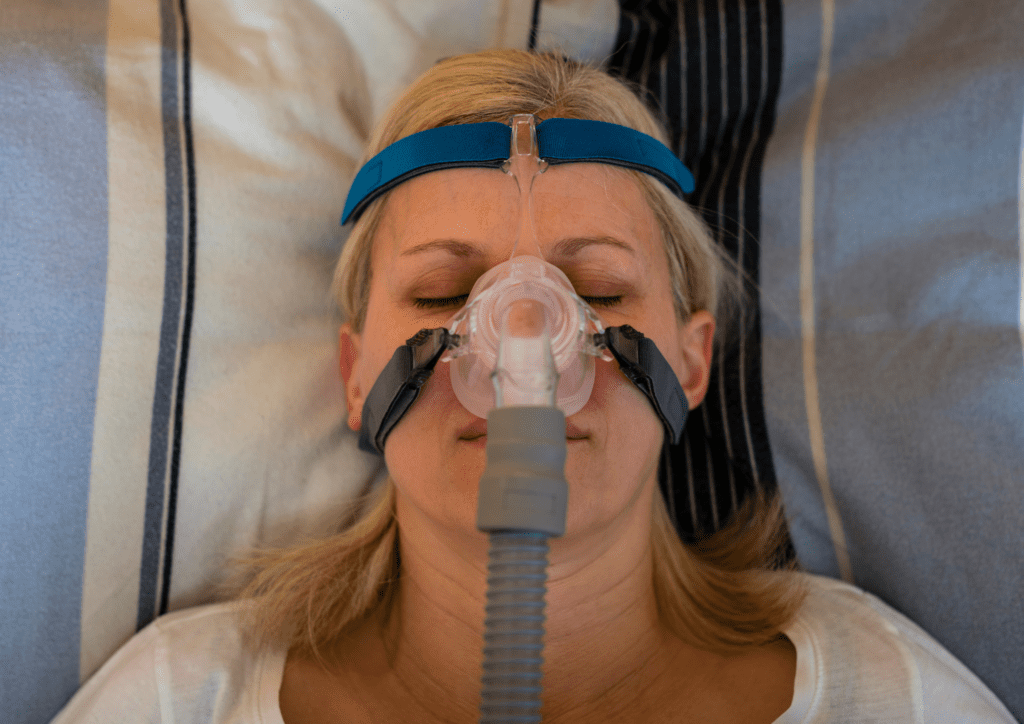
At its core, CPAP therapy involves using a specialised machine that delivers a continuous stream of pressurised air through a mask (like a CPAP mask from CPAP Direct) worn over the nose, mouth, or both.
The main goal of using a CPAP machine is to make sure your airway stays open while you sleep, so you don’t stop breathing like what happens with sleep apnea. By keeping a steady flow of air, CPAP therapy helps you breathe normally during sleep and cuts down the risks that come with untreated sleep apnea. These risks can be things like heart problems or feeling tired during the day.
Getting the basics of how CPAP therapy works is really important. It’s the first step to getting better sleep and feeling good overall.
Benefits of CPAP therapy
CPAP therapy is a really important treatment for people with sleep apnea, and it comes with a bunch of benefits.
What it does is send a steady flow of air into your airway when you’re sleeping. This stops the airway from getting blocked, which is what causes sleep apnea. Because of this, people who use CPAP breathe better when they’re asleep, get more oxygen, and don’t have as many sleep interruptions.
Using a CPAP machine can help you sleep better at night and feel more awake and sharp during the day. Sticking with CPAP therapy over time can help with sleep apnea symptoms and make a big difference in your overall health and happiness. It’s a treatment that can change and improve your life.
Best of all, most of the cost of CPAP treatment is covered on Medicare. So it is very affordable.
Can’t sleep with CPAP? 7 tips for sleep and avoiding common problems
Starting to use a CPAP machine to get better sleep can be a bit tough, and sometimes people find the CPAP masks uncomfortable.
This article lays out the 7 most troubleshooting issues with CPAP tolerance and provides solutions to common issues like fit problems and air leaks. By dealing with these issues, you can be more comfortable and make the most out of this helpful sleep apnea treatment.
1. CPAP machines and masks – which ones are right for you?
When shopping for CPAP, it’s really important to have a CPAP mask that fits just right. The wrong size or style of CPAP mask, i.e. if it’s too tight or too loose, can rub your skin the wrong way, cause sore spots, or let air leak out.
To prevent this, you need to pick a mask that’s the right size and shape for your face. Most masks have straps you can adjust. You want them to be tight enough to stay in place, but not so tight that they’re uncomfortable. Sometimes, you might have to try a few different types of masks to find the one that fits you the best.
Tip – Make small adjustments to your CPAP mask nightly
When you wear a CPAP mask, sometimes it doesn’t fit perfectly right off the bat. It might be a bit too tight, too loose, or just not sitting right on your face. Making small adjustments means you fiddle with the straps or the position of the mask each night, just a little, to get a better fit.
The idea is to find that ‘just right’ spot where the mask is snug but not too tight, and it doesn’t leak air or bug you while you’re trying to sleep. It’s like tuning a guitar – a little tweak here and there until it sounds perfect. In the case of your mask, you’re adjusting it bit by bit for the best comfort.
2. Air leaks
Making sure your mask fits well and doesn’t leak during your therapy is key. If air leaks out of the mask, the treatment won’t work as well, and it might bother your eyes and skin.
To stop this from happening, regularly check your mask for any cracks or damage and adjust the straps so it fits securely.
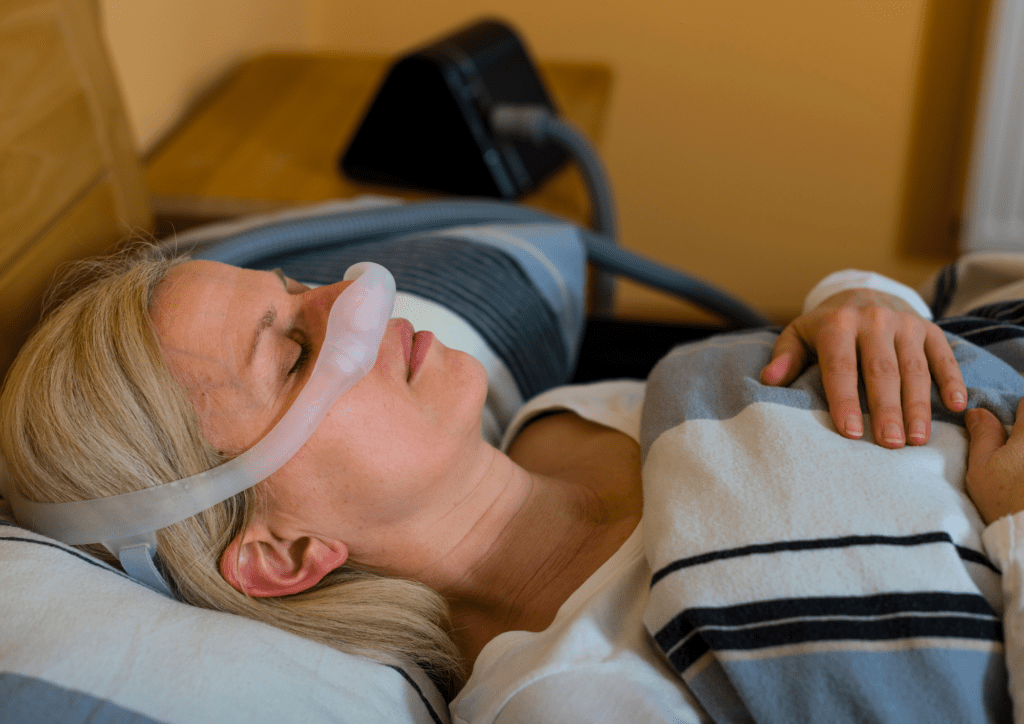
If you still have leaks, think about trying a different kind of mask, like nasal pillows or full-face masks. These might work better for your specific needs and stop the leaks.
3. Dry mouth or nose
The steady stream of air from the CPAP machine might make your mouth and nose feel dry, which can be uncomfortable. To fix this, you can use a heated humidifier with your CPAP machine. This adds moisture to the air and helps prevent dryness.
Some masks have special features that keep the air moist, which is great for avoiding dryness. Also, drinking plenty of water during the day can help keep you from feeling too dry.
4. Claustrophobia
Wearing a CPAP mask might feel weird at first, and it can even make you feel a bit trapped or uncomfortable, which might be why it’s hard to fall asleep with it on or fall asleep right away. You will have trouble getting used to wearing the CPAP mask at the beginning, but there are ways to make it easier to get used to.
One thing you can try is to wear the mask for a little while during the day, and then ease yourself into CPAP slowly, wearing it for longer periods. Practising breathing with the mask on can also help you feel more at ease with it.
If you still feel closed in after trying the mask for a few days, you might want to try a mask with a simpler design or one with nasal pillows. These kinds of masks can feel more comfortable and less in the way.
Tip – Use your CPAP mask every time you sleep
You should use your CPAP mask every single time you go to sleep, whether it’s at night or even during a short nap during the day. The idea is to make sure you’re always getting help from your CPAP machine to keep your breathing steady while you sleep. It’s like wearing your seatbelt every time you’re in a car – it’s just a good habit to keep you safe and healthy. So, whether it’s a full night’s sleep or just a quick snooze on the couch, pop on that CPAP mask to make sure your sleep is as good as it can be!
5. Skin irritation
Wearing a CPAP mask for a long time can sometimes cause skin problems like irritation, redness, or even sore spots. This happens because the mask needs to fit closely to work right, and that can rub against your skin.
To help with this, it’s a good idea to clean the mask regularly using a gentle, skin-friendly soap. This keeps any buildup off the mask that could irritate your skin. Also, using something like mask liners or barrier creams can make a big difference. They act like a cushion between your skin and the mask, cutting down on rubbing and protecting your skin.
Taking these steps can make wearing your CPAP mask a lot more comfortable and lower the chances of having skin issues.
6. Noisy mask
Some CPAP masks can be noisy, making sounds like whistling or air leaks, and this noise can bother both the person wearing the mask and their sleeping partner. It’s important to figure out where the noise is coming from so everyone can sleep better.
Start by checking the mask parts to see if anything is loose or broken. Make sure everything is connected tightly. If there’s still noise after that, talking to a healthcare provider can be helpful. They might suggest different masks that are quieter and more comfortable.
Dealing with a noisy mask right away is key. It not only makes things more comfortable for the person wearing it but also helps create a better sleep environment for everyone.
7. Congestion or nasal issues
People who already have stuffy noses or other nose problems might find it tricky to get used to some types of CPAP masks. This can make it hard to breathe comfortably and affect how well the therapy works.
If this is a problem, trying a nasal mask or nasal pillows might work better if you have a stuffy nose. Also, using a saline nasal spray before bed can help clear uhup the congestion, making sure the air flows smoothly and making the CPAP experience more comfortable.
Choosing the right kind of mask to suit nose issues can help you breathe easier and deal with stuffy nose problems while using your CPAP machine.
Tip – Use AutoRamp on your CPAP machine
AutoRamp is a cool feature on some CPAP machines. When you first put on your mask and turn on the machine at night, the AutoRamp setting starts with a lower air pressure. As you fall asleep, the machine automatically increases the pressure to the level your doctor set for you.
This is great because it makes it more comfortable to fall asleep. See if there’s a ramp setting on your CPAP machine where you don’t have to start with the full pressure right away, which can feel a bit overwhelming. AutoRamp starts gently and then gradually gets stronger as you snooze. It’s all about making it easier to drift off to sleep while using your CPAP.
How to know if CPAP is not right for you
Treating sleep apnea when CPAP masks don’t help is doable with CPAP alternatives, but it’s always good to chat with your doctor for advice on how to sleep with sleep apnea without CPAP. Is your CPAP therapy keeping you awake at night? Here are some other options you can try:
BiPAP therapy
It’s like CPAP but with two pressure levels – a stronger one when you breathe in and a gentler one when you breathe out. Some folks find this more comfy.
Oral appliances
If you can’t get to sleep with your CPAP, you can try oral appliances. Think of these as special mouthpieces that adjust your jaw and tongue position. They work well for a lot of people, especially if your sleep apnea isn’t super severe.
Lifestyle changes
Sometimes losing some weight, quitting smoking, or cutting back on booze can make a big difference.
Positional therapy
If your sleep apnea gets worse in certain sleeping positions, there are ways to train yourself not to sleep on your back.
Surgery
For some, surgery might be the answer, especially if something in your throat or nose structure is causing the problem.
Supplemental oxygen
Adding extra oxygen at night can help, sometimes along with CPAP or BiPAP.
Adaptive Servo-Ventilation (ASV)
New CPAP innovations can help like this fancy new type of air machine mainly for a specific kind of sleep apnea.
Nerve stimulation
There are several new treatment options available now, one of which is nerve stimulation where doctors zap a nerve to help keep your airway open.
Lifestyle adjustments
Not drinking before bed, keeping a regular sleep schedule, and sleeping on your side can also help with sleep apnea. You can also try to prepare your sleep space and create good sleep habits like preparing your sleep area to keep it ambient for sleep.
Alternative therapies
Yoga or acupuncture might give some relief, but they’re more like extras, not the main solution.
Conclusion
If you have sleep apnea, getting comfortable with your CPAP mask is important for the treatment to work well. But sometimes, you might run into problems like the mask not fitting right, air leaks, your nose and mouth getting dry, or skin irritation.
The good news is that these issues can be fixed to make wearing the mask more comfortable and help you stick with the treatment. Don’t let your sleep suffer. It’s all about being patient and trying different things to see what suits you best. And if you keep having trouble, it’s a good idea to talk to a healthcare professional to make sure you’re getting the most out of your treatment.
With the right mask, accurate health information from your doctor, and a few adjustments, you can benefit from this therapy and enjoy a better night’s sleep.
FAQ
I can’t tolerate CPAP. What can I do?
I get it, CPAP machines aren’t for everyone. But don’t worry, there are other ways to tackle sleep apnea. Check out the tips above for when you’re struggling with sleep and check out some troubleshooting issues with CPAP tolerance too.
Why do I sleep with my mouth open with a CPAP?
If you sleep with your mouth open while using a CPAP machine, it could be because of the following:
- Habit: Sometimes, it’s just a habit to breathe through your mouth, especially if you’ve done it for a long time.
- Nose issues: If your nose is stuffy or blocked, you might open your mouth to breathe easier while asleep.
- CPAP pressure: The air pressure from the CPAP might feel too strong, making you open your mouth.
- Mask fit: If your CPAP mask doesn’t fit just right, you might open your mouth without realising it.
To help with this, you could try a chin strap to keep your mouth closed, or a full-face mask that covers both your nose and mouth. Also, a humidifier can make breathing more comfortable.
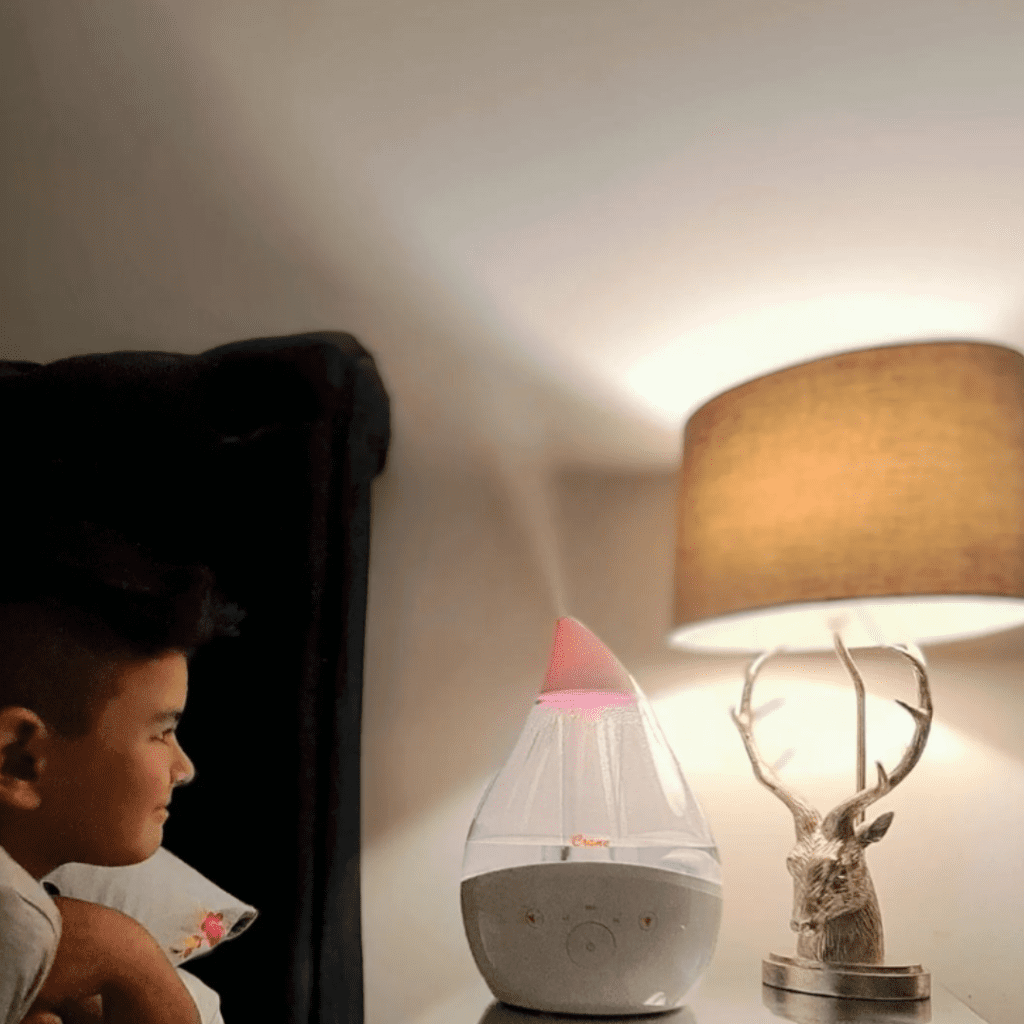
To enhance your sleep environment alongside CPAP therapy, consider incorporating the Crane 2.0 4-in-1 Humidifier into your nightly routine. This innovative device offers more than simple humidification; it emits a soothing ultrasonic cool mist to alleviate congestion and coughs, features a built-in sound machine to drown out background noise for a calmer sleeping atmosphere, and includes an aroma diffuser for the safe use of essential oils, creating a relaxing environment conducive to sleep.
Additionally, its optional nightlight provides a gentle, comforting glow, easing the transition into sleep. By addressing common sleep disturbances, the Crane 2.0 4-in-1 Humidifier complements CPAP therapy, making it an essential tool for achieving a restful night’s sleep. For more details and purchase options, visit the Cheeky Rascals website, and discover how this device can improve your sleep quality and comfort.
How do you wear a full face mask?
Full face masks tend to be a learning curve. Here’s how to do it:
- Position the mask: Hold the mask against your face, covering both your nose and mouth. The cushion should fit comfortably.
- Adjust the straps: Pull the headgear over your head. There are straps you can adjust to make sure it’s snug but not too tight. You want it just right so there’s no air leaking but it doesn’t press into your skin.
- Check the fit: Once the mask is on, turn on your CPAP machine. If you feel air leaking out around the edges, you might need to adjust the straps a bit more.
- Get comfortable: It might feel a bit odd at first, but you’ll get used to it. Lying down with the mask on before you turn on the machine can help you get comfortable.
Remember, the key to how to stay asleep for longer is that the mask should feel secure on your face, but not too tight. It’s like finding the perfect pillow – it might take a little adjusting, but once you get it right, you’re all set for a good night’s sleep!
Can CPAP cause insomnia? I can’t get to sleep
Using a CPAP machine can sometimes lead to trouble sleeping, especially when you’re just starting with it. It’s pretty common actually. The feeling of the mask on your face, the sound of the machine, or the sensation of the air pressure – all these things can feel a bit strange and might make it harder for you to fall asleep at first. It’s like getting used to a new pillow or blanket, but a bit more challenging.
But don’t worry too much – many people adjust to it after a while. It’s like getting used to any new thing in your routine. If you continue having trouble sleeping though, it’s a good idea to chat with your doctor or a sleep specialist. They might have some tips to make it more comfortable for you or adjust the settings on your machine. Hang in there, it often gets easier with a bit of time!
What does a CPAP machine do when you stop breathing?
A CPAP machine is like a little assistant that watches over your breathing while you sleep. When you stop breathing, which can happen in a condition called sleep apnea, the CPAP machine jumps into action. It gently pushes air into your airways to keep them open, making sure that your breathing doesn’t stop. This way, you can keep breathing smoothly throughout the night.
Are there any body changes after CPAP?
Yes, using a CPAP machine can lead to some changes in your body, but mostly good ones! When you start using CPAP, you’re likely to notice:
- Better sleep quality: You’ll probably sleep better because the CPAP machine helps keep your breathing steady while you sleep. This means you won’t be waking up as much during the night.
- More energy during the day: Because you’re sleeping better, you’ll likely feel more energetic and less sleepy during the day.
- Less snoring: CPAP can really cut down on snoring, which is a bonus for anyone who shares your bed or your home!
- Improved health: Over time, using CPAP can help lower your blood pressure and reduce the risks of heart problems.
- Possible side effects: Some people experience dry mouth, nasal congestion, or skin irritation from the mask. But these can often be managed with a little adjustment to the machine or the mask.
Overall, the changes are generally positive and can really improve your quality of life.
Does sleeping with a CPAP cause gas?
Yes, sleeping with a CPAP machine can sometimes cause gas. This happens because a bit of the air from the machine can get into your stomach while you’re sleeping. It’s like swallowing a little extra air, and this can make you feel a bit bloated or give you some extra burps or even a bit of gas.
It’s not too serious, but it can be a bit uncomfortable. If it bothers you a lot, it’s a good idea to talk to your doctor about it. They might have some tips to adjust the machine or change how you use it to help reduce this side effect.
What happens if you don’t sleep with your CPAP machine?
If you skip sleeping with your CPAP machine, especially if you have sleep apnea, a few things might happen:
- Back to snoring: You might start snoring again. The CPAP machine helps keep your airways open, so without it, the snoring could come back.
- Poor sleep quality: You might not sleep as well. The CPAP machine helps you breathe smoothly, so without it, you might wake up more often during the night.
- Feeling tired during the day: Because your sleep might not be as good, you might feel more tired or sleepy during the day.
- Health risks: Over time, not using your CPAP can increase your risk of health problems related to sleep apnea, like high blood pressure or heart issues.
So, it’s really important to use your CPAP machine as your doctor advised, to keep all these things in check. It helps you get better sleep and keeps you healthier!
Do you need less sleep with CPAP?
Not exactly. Using a CPAP machine doesn’t mean you need less sleep, but it can make the sleep you get more effective. Here’s the thing: if you have sleep apnea, you might not be getting good, quality sleep. You might wake up a lot during the night, even if you don’t realise it, because your breathing stops and starts.
When you start using a CPAP, it helps keep your breathing steady all night. So, you’re less likely to wake up, and the sleep you get is deeper and more restful. This means you might feel more refreshed and alert during the day, even if you sleep the same number of hours as before. It’s like the difference between having a bunch of short, interrupted naps and one good, long sleep.
Can CPAP make sleep worse?
Yes, sometimes a CPAP machine can make your sleep feel worse, especially when you first start using it. Here’s why:
- Getting used to it: The mask and the sound of the machine can feel strange at first. It’s like trying to sleep with a new pillow that you’re not used to.
- Air pressure adjustments: The air pressure might not feel comfortable right away. It can take some time to get the settings just right for you.
- Mask fit: If the mask doesn’t fit well, it can be annoying. It might leak air, or you might feel like it’s too tight or too loose.
- Side effects: Some people get side effects like a dry mouth, a stuffy nose, or irritation where the mask touches their face.
But don’t worry too much. Many people get used to their CPAP machine after a while and their sleep improves a lot. It’s a bit like breaking in a new pair of shoes – uncomfortable at first, but better over time. If you’re having trouble, it’s a good idea to talk to your doctor. They can help adjust the machine or give you tips to make it more comfortable.
Are there any long-term side effects of CPAP machine?
Using a CPAP machine for a long time can have some side effects, but keep in mind that many people use it for years without major issues. Here are a few things that can happen:
- Skin irritation: Where the mask touches your face, you might get some irritation or pressure marks. This usually happens if the mask isn’t fitting quite right.
- Nose and throat issues: Some folks experience dryness in their nose or throat or even nosebleeds. This is because of the air blowing in all night. Using a humidifier with the CPAP machine can help with this.
- Ear problems: Rarely, the pressure from the CPAP machine can cause issues like earaches or sinus problems, especially if the pressure settings aren’t quite right for you.
- Claustrophobia: For some, wearing a mask can feel a bit claustrophobic, but different types of masks can help with this feeling.
Remember, while these side effects can happen, the benefits of using a CPAP machine – like better sleep and reduced risk of serious health problems – often outweigh these issues. If you’re having any troubles with your CPAP machine, it’s always a good idea to chat with your doctor. They can help adjust things to make it more comfortable for you.
Why can’t I seem to stay asleep when using CPAP?
Other questions asked were:
- Why can’t I fall back asleep with my CPAP machine?
- How do I get a good night sleep with my CPAP machine?
- Why can’t I sleep with my CPAP machine?
- Is sleeping with a CPAP uncomfortable?
- Why can’t I stay asleep with my CPAP mask?
You may have sleep apnea but what if you can’t sleep with a CPAP machine? Trouble staying asleep with your CPAP machine can be frustrating, but it’s pretty common, especially when you’re just getting used to it. Check out the tips above for how to make your CPAP mask comfortable and maintain good sleep hygiene.
It’s a good idea to talk to your doctor or a sleep specialist about these issues. They can help you figure out what’s going on and how to make CPAP work better for you. And remember, it often takes a bit of time to get used to CPAP, so don’t get discouraged!
*Collaborative feature post*